
Uncategorised
Levoit Core 300S Review: Is It Worth It in 2026?
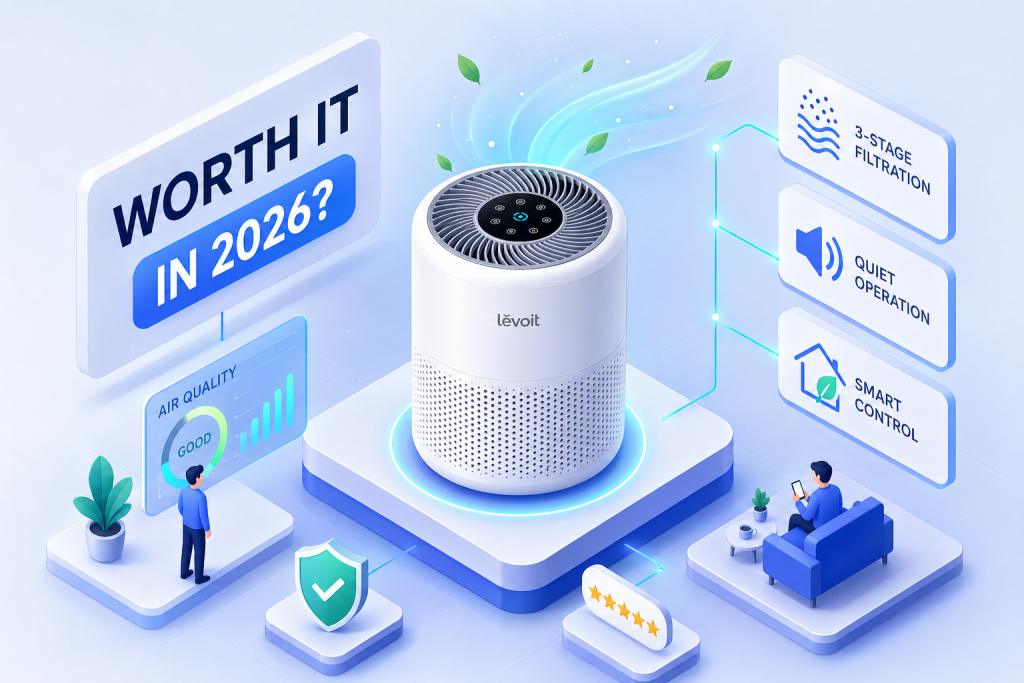
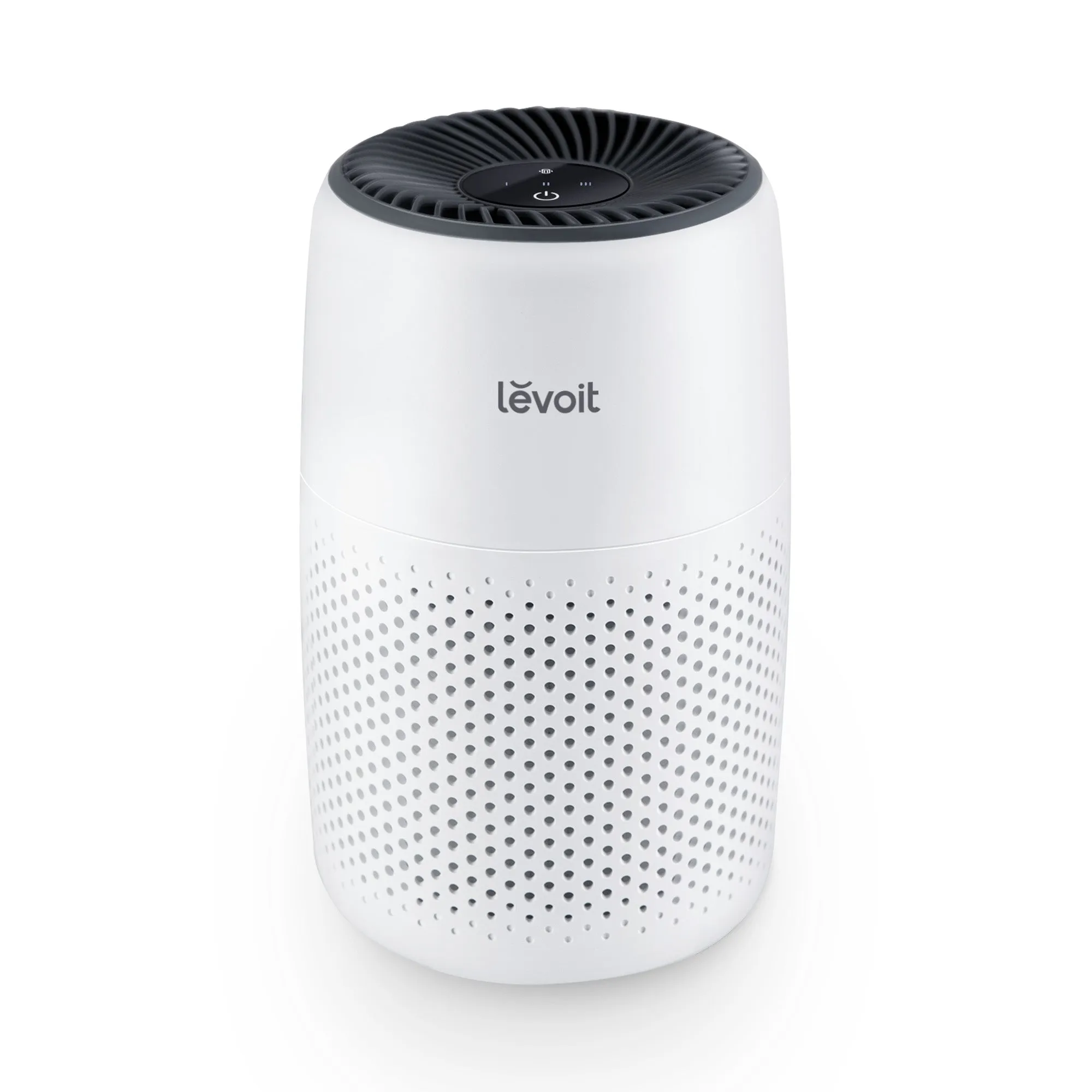
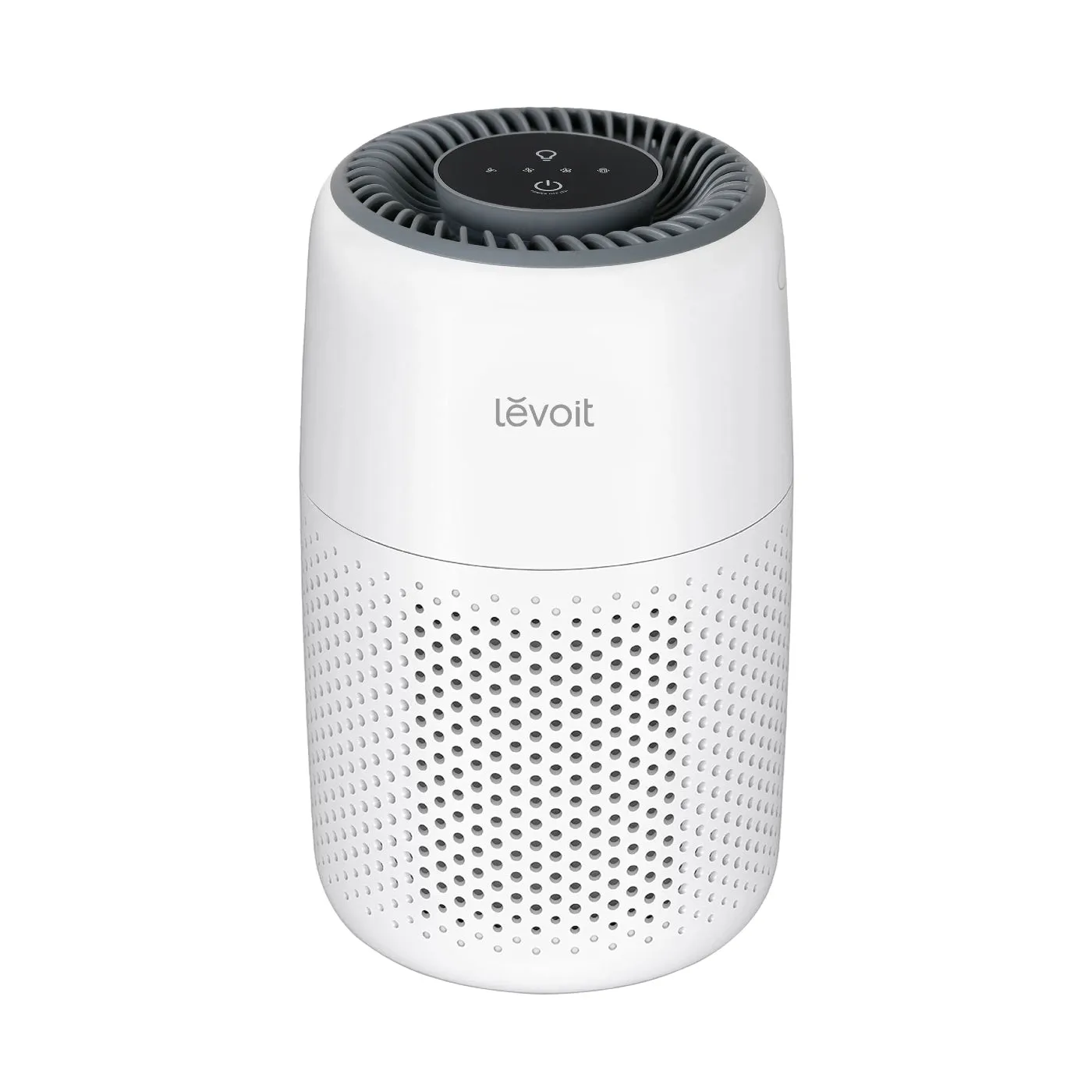
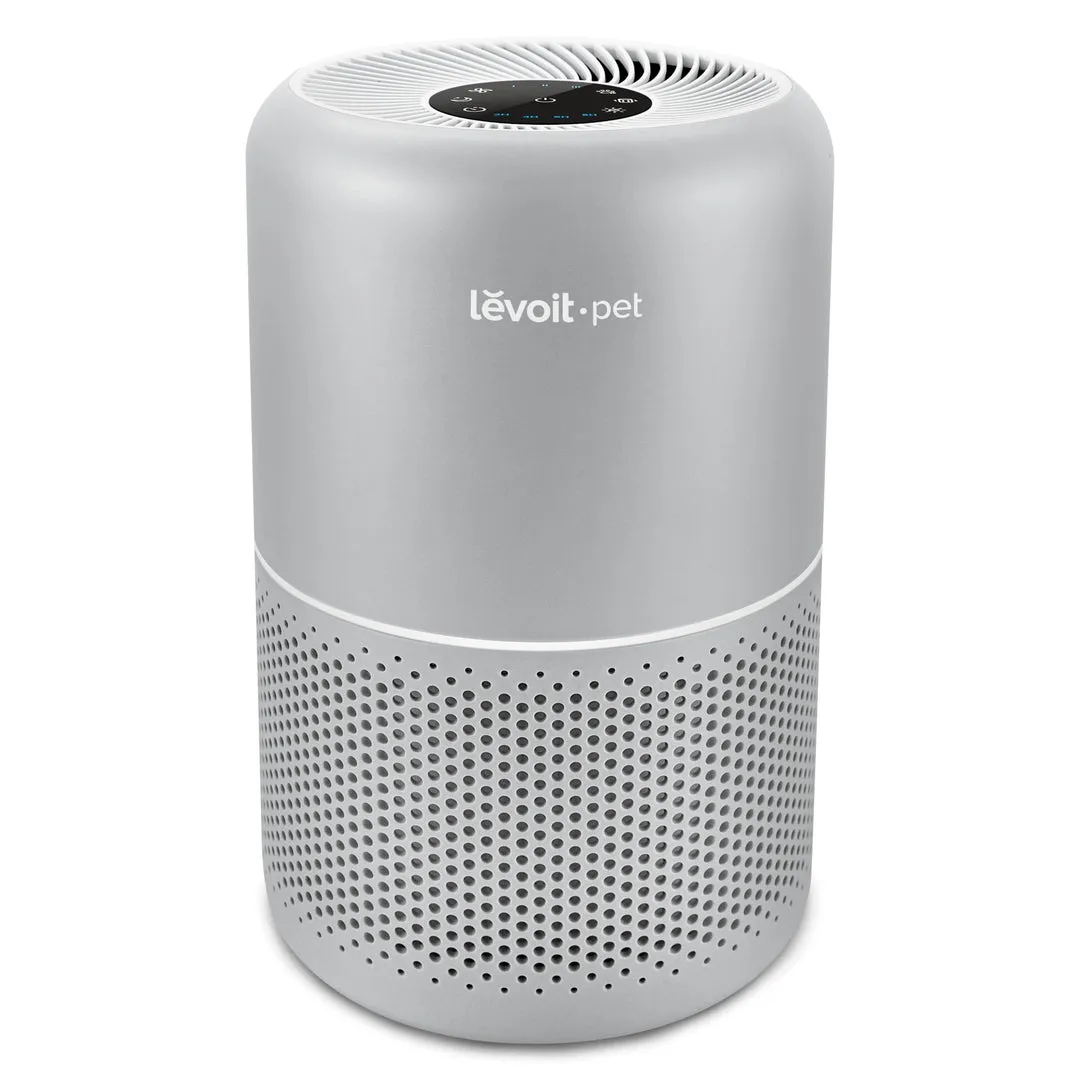
Small-room air purifiers have become a crowded category. Every few months, a new contender shows up claiming whisper-quiet operation and hospital-grade filtration at a budget price. Yet the Levoit Core 300S keeps appearing at the top of shortlists for UAE apartment dwellers, bedroom users, and anyone working from a compact home office, commonly recommended across independent reviews and consistently among the top-selling units in its class.
This review is for anyone shopping for a purifier to cover a bedroom, studio apartment, or small study, specifically someone who wants smart features without paying a premium for them. We’ll cover the hard specs, real noise measurements from independent tests, actual PM2.5 performance data, honest running costs, and a clear verdict on who should buy it. UAE-based readers can find the Core 300S in stock at CleanAir UAE, with next-day delivery to Dubai and Abu Dhabi, so availability is not an issue.
What the specs actually tell you about room coverage and filtration
Levoit Core 300S specs: CADR, ACH, and coverage area
The Core 300S carries a CADR of 141 CFM (240 m³/h), which is the number that matters most when sizing a purifier to your room. Levoit officially rates it for 219 ft² (roughly 20 m²) at 4.8 ACH (air changes per hour). That maps neatly to a standard UAE bedroom or a compact studio apartment. The 4.8 ACH figure is the one to pay attention to: it means the purifier cycles the room’s entire air volume nearly five times every hour, a rate aligned with AHAM guidelines for effective air cleaning in occupied rooms.
You’ll sometimes see a maximum coverage figure of 1,051 ft² cited, and that number is technically accurate at 1 ACH. Running one air change per hour in a polluted room during a sandstorm or peak dust season is not meaningful air cleaning. Stick with the 219 ft² / 20 m² benchmark for real-world UAE conditions and you’ll get the performance you’re paying for.
H13 True HEPA and the three-stage filter stack
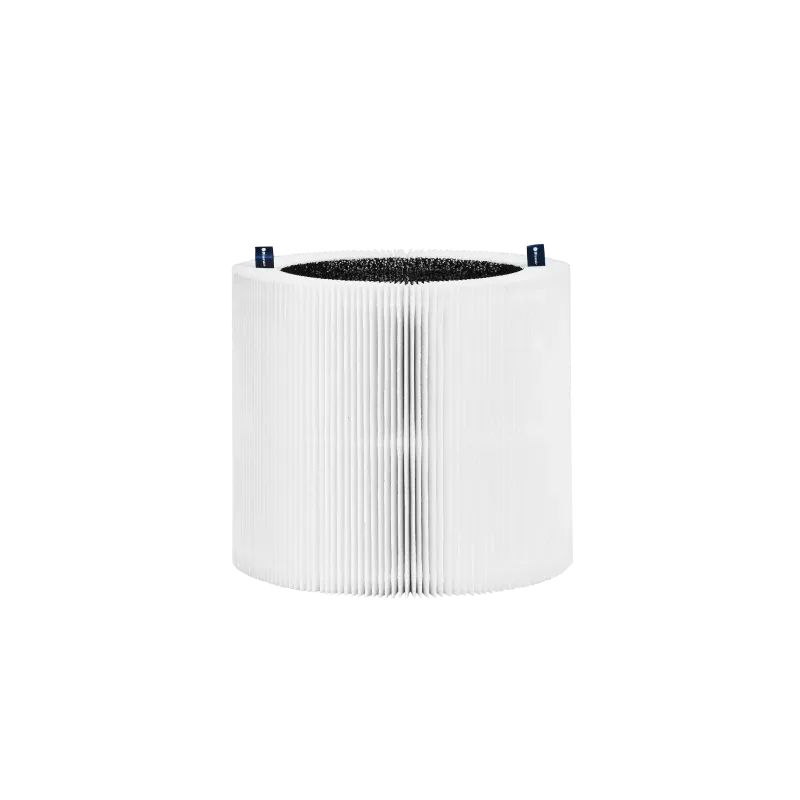
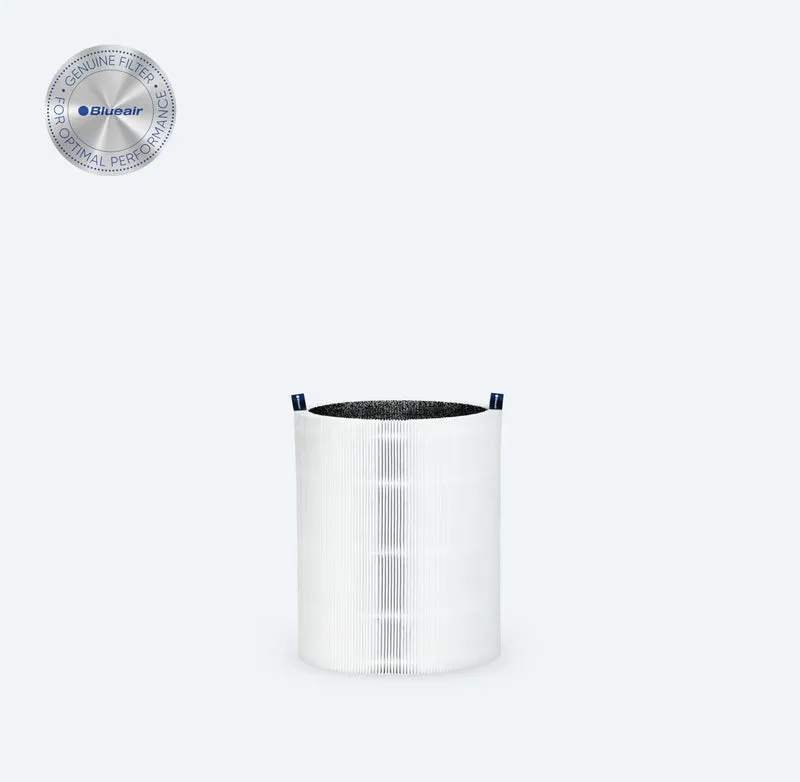
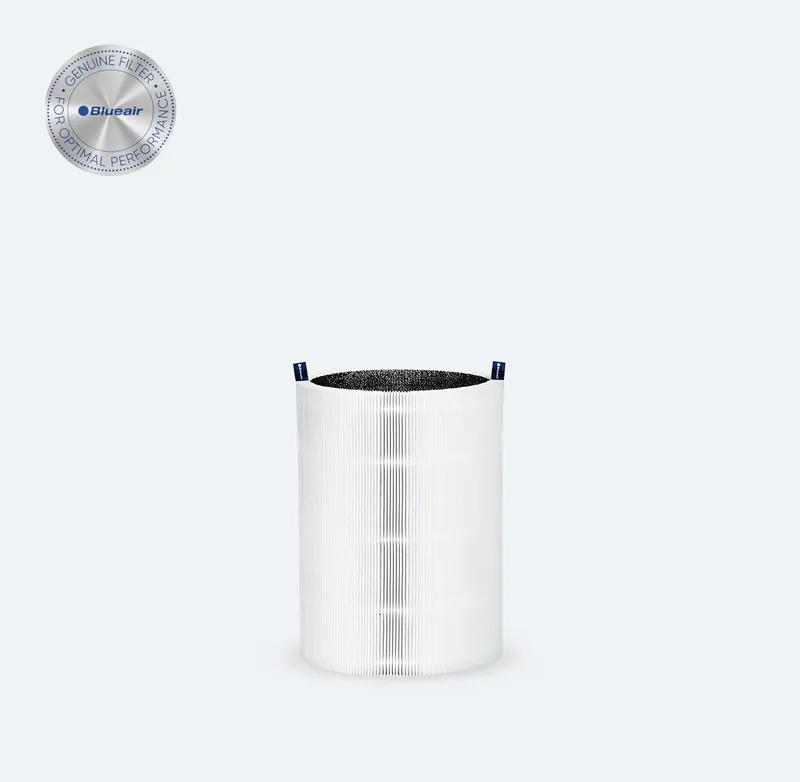
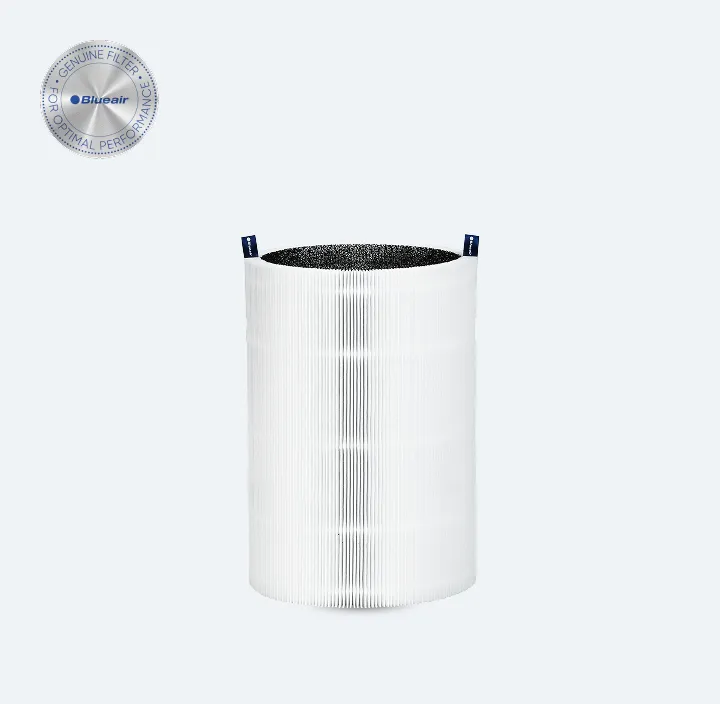
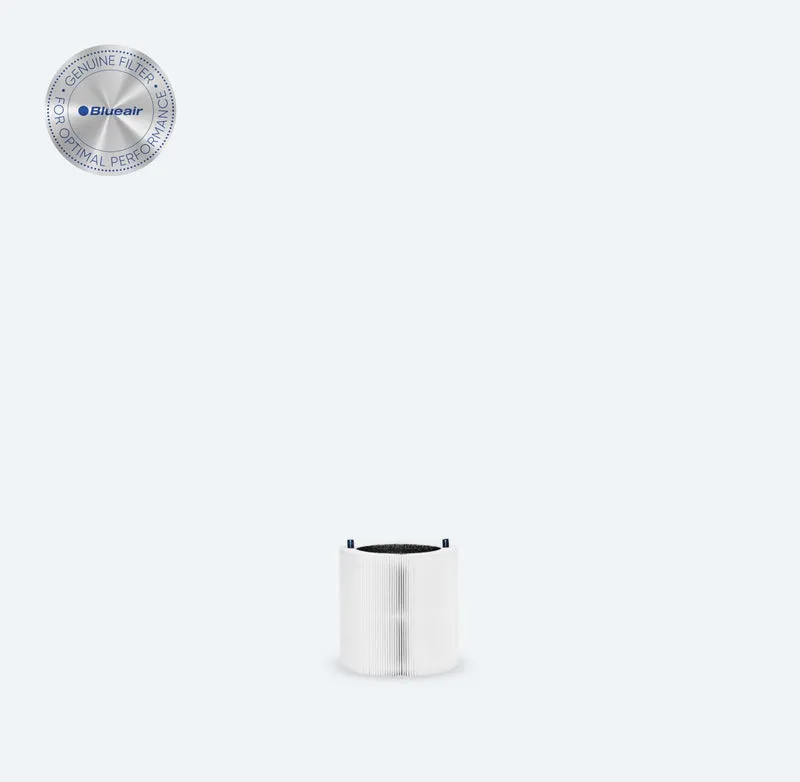
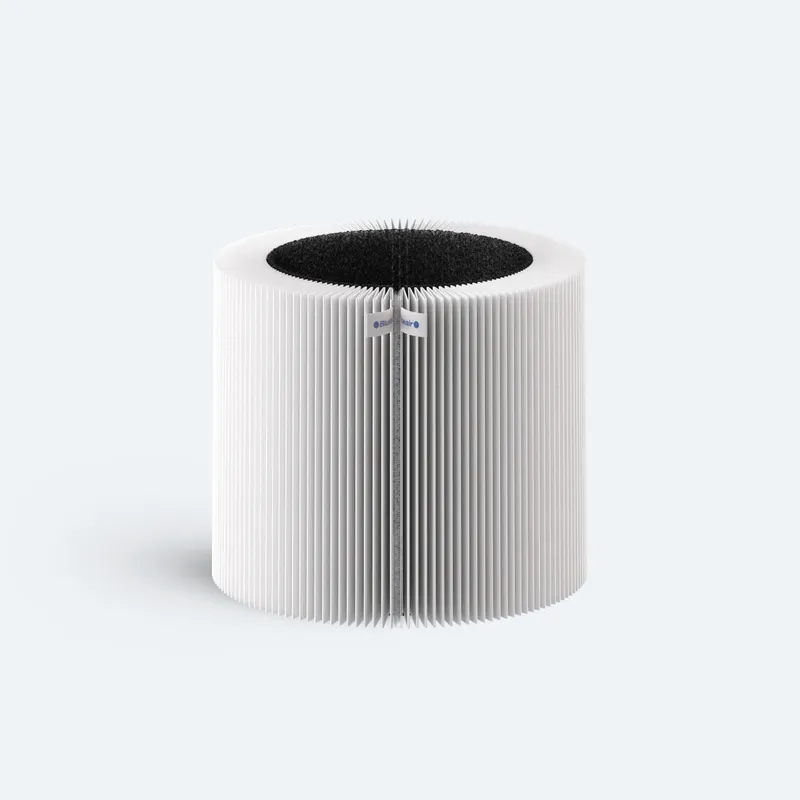
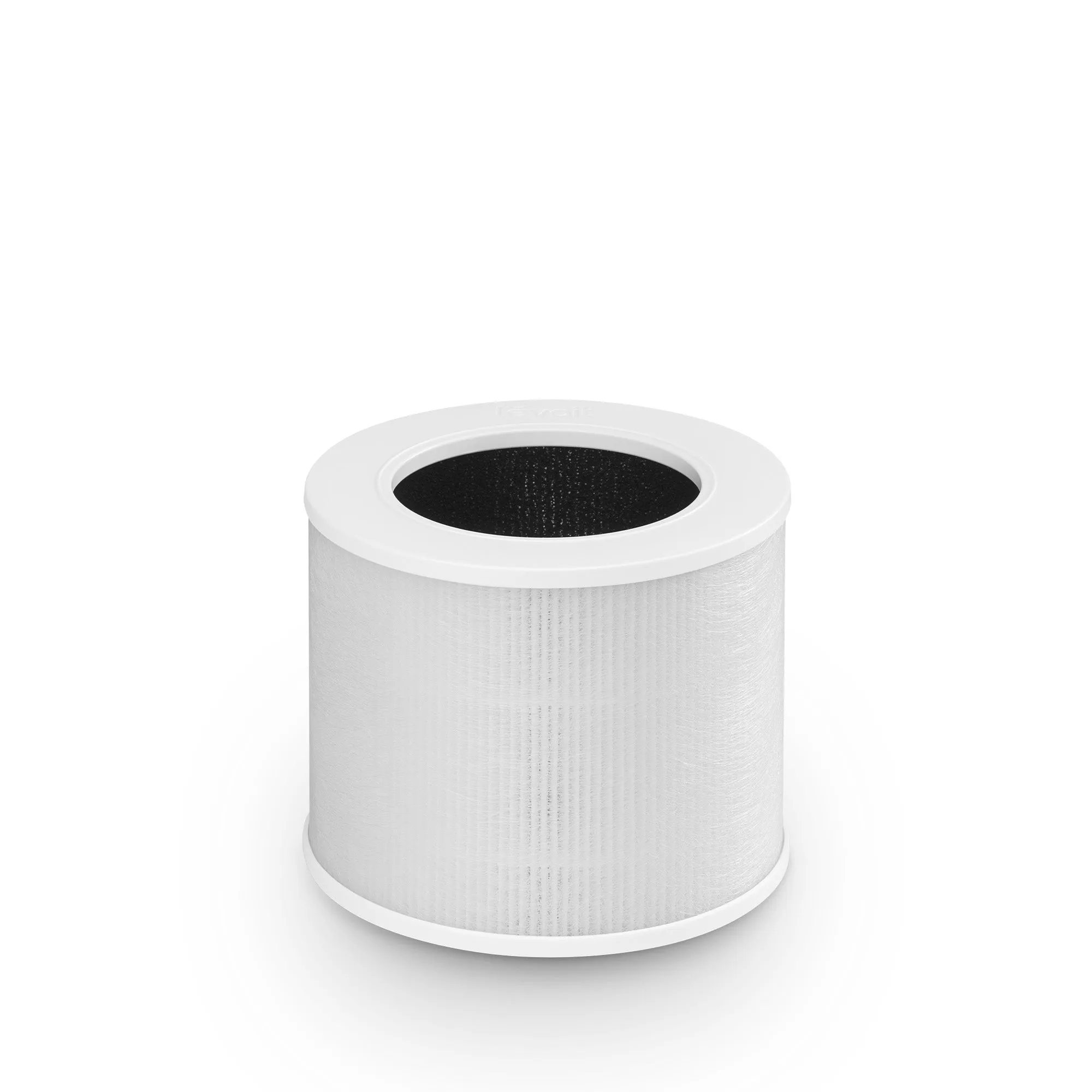
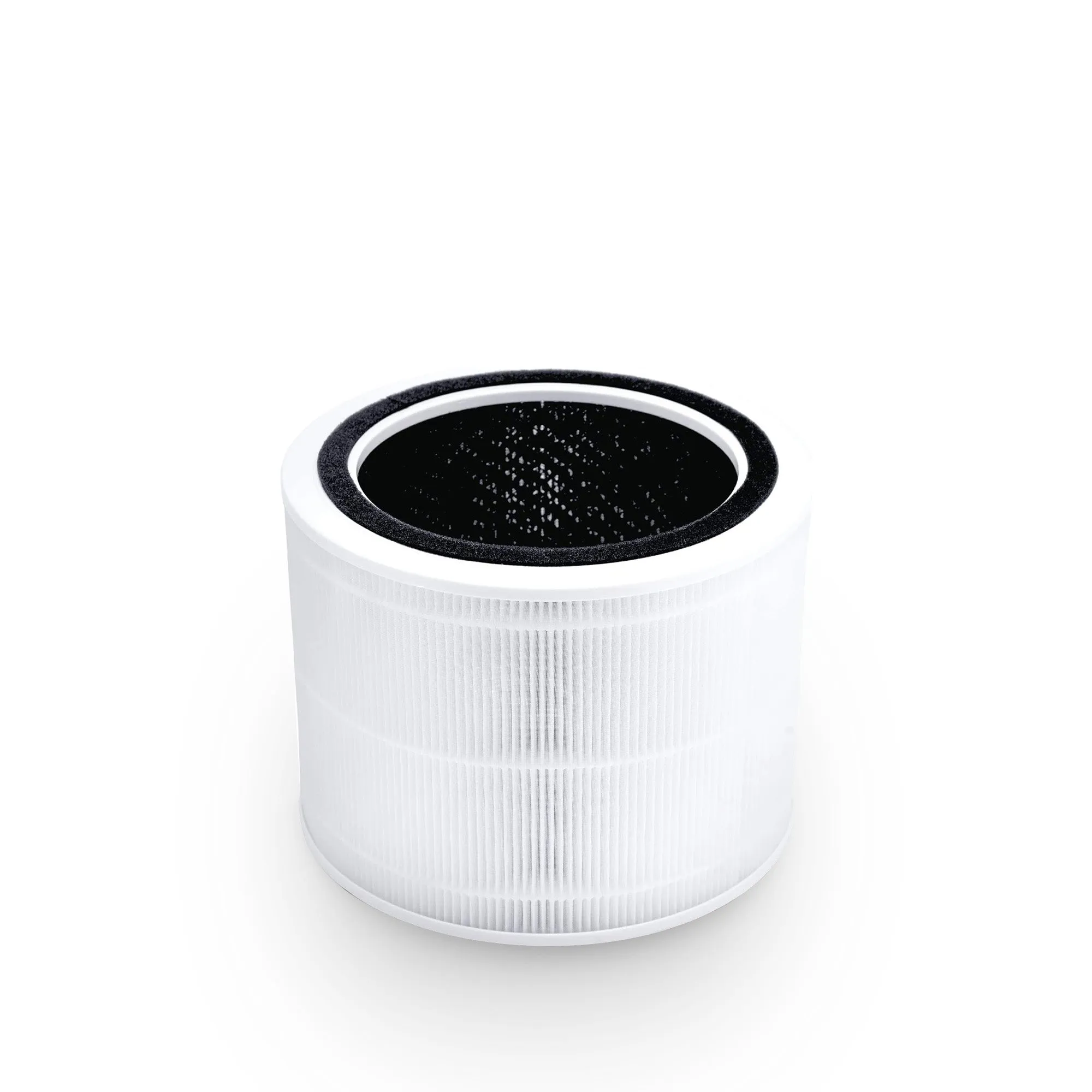
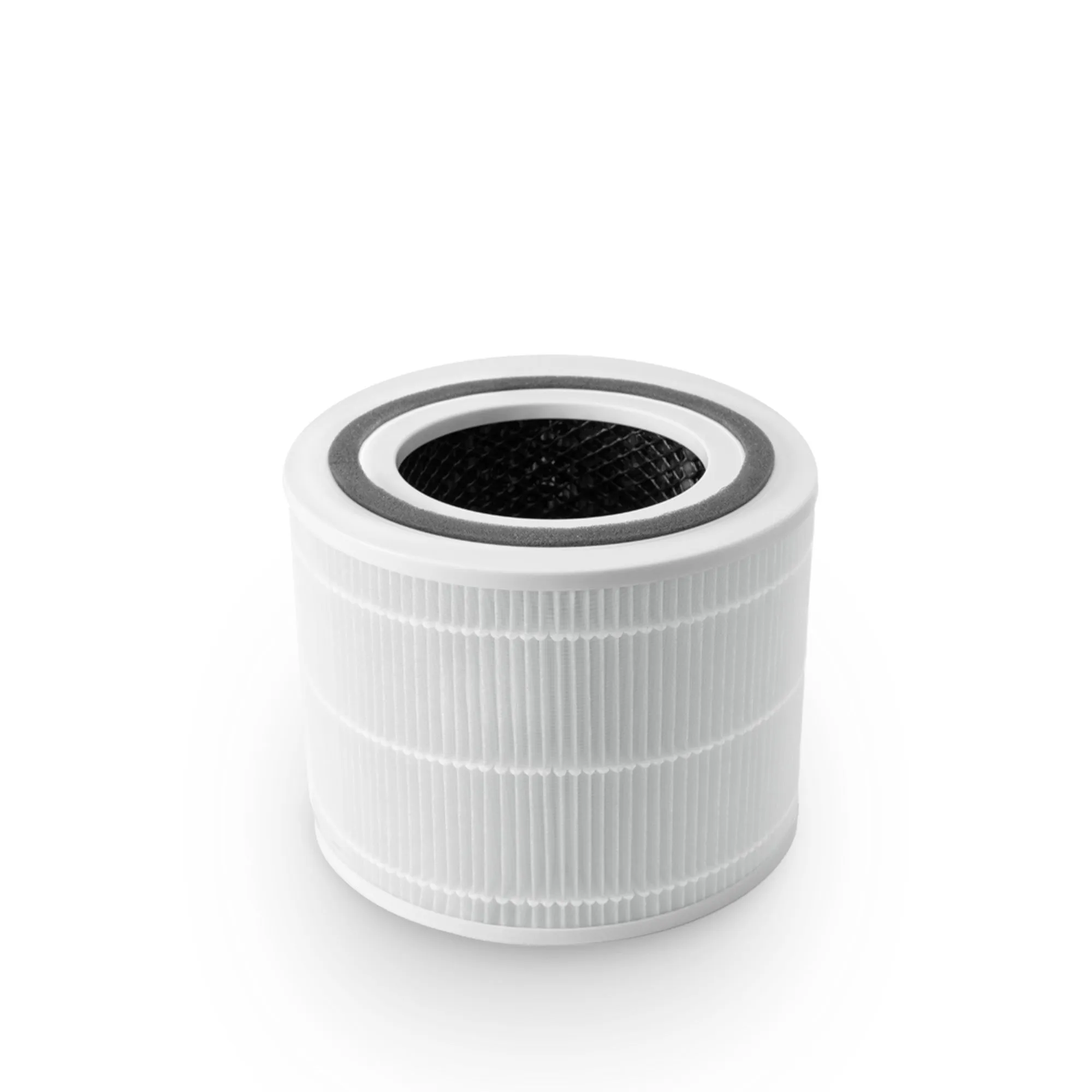
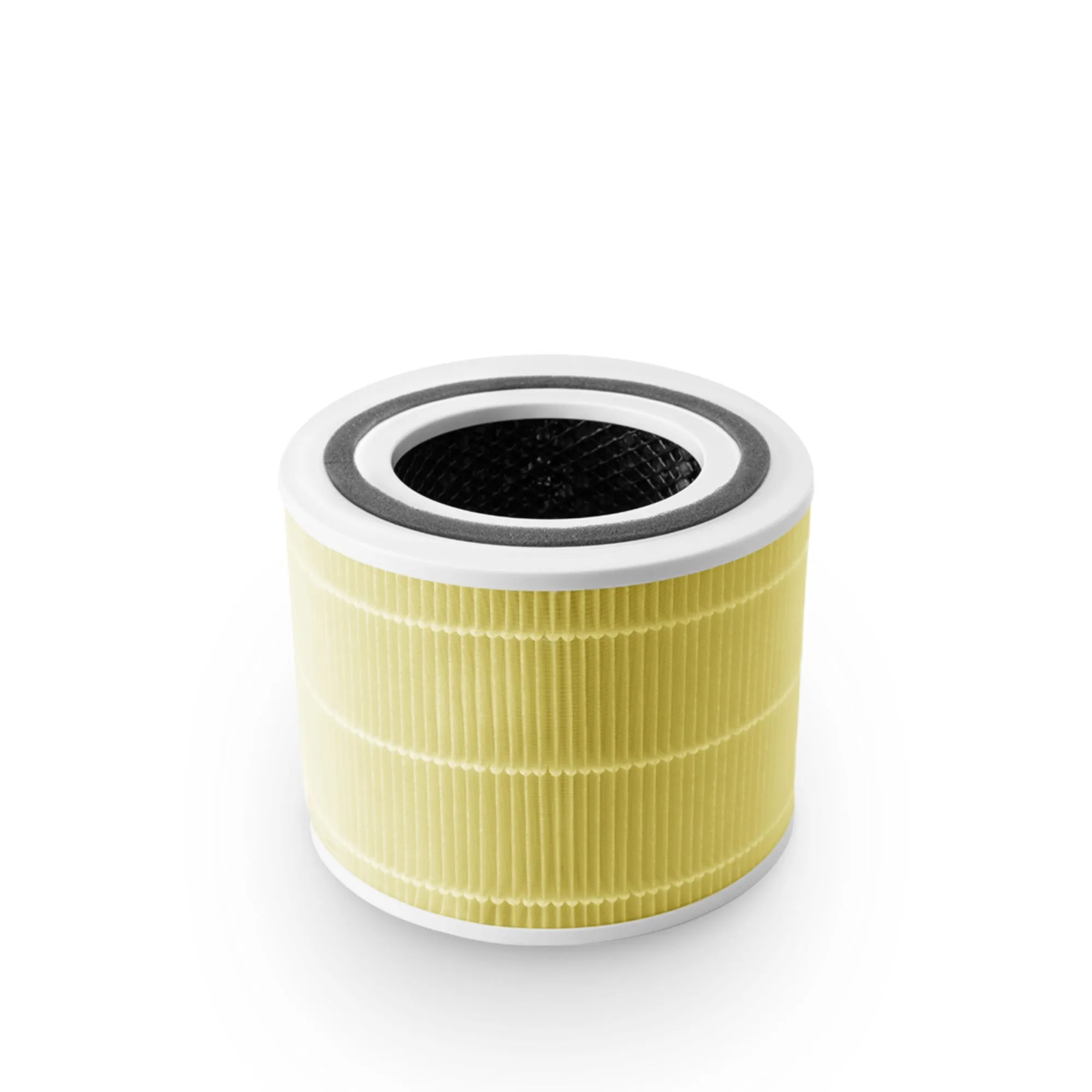
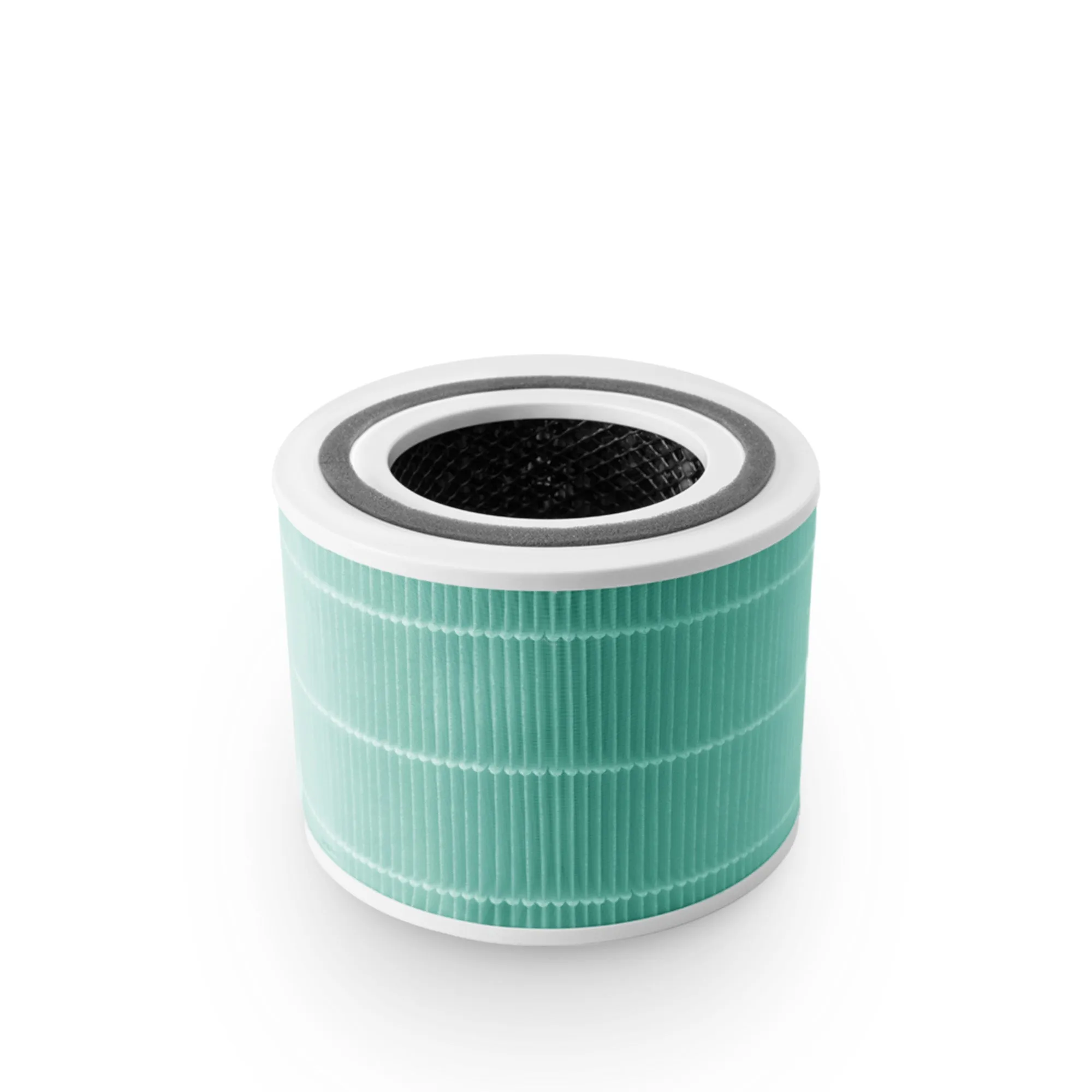
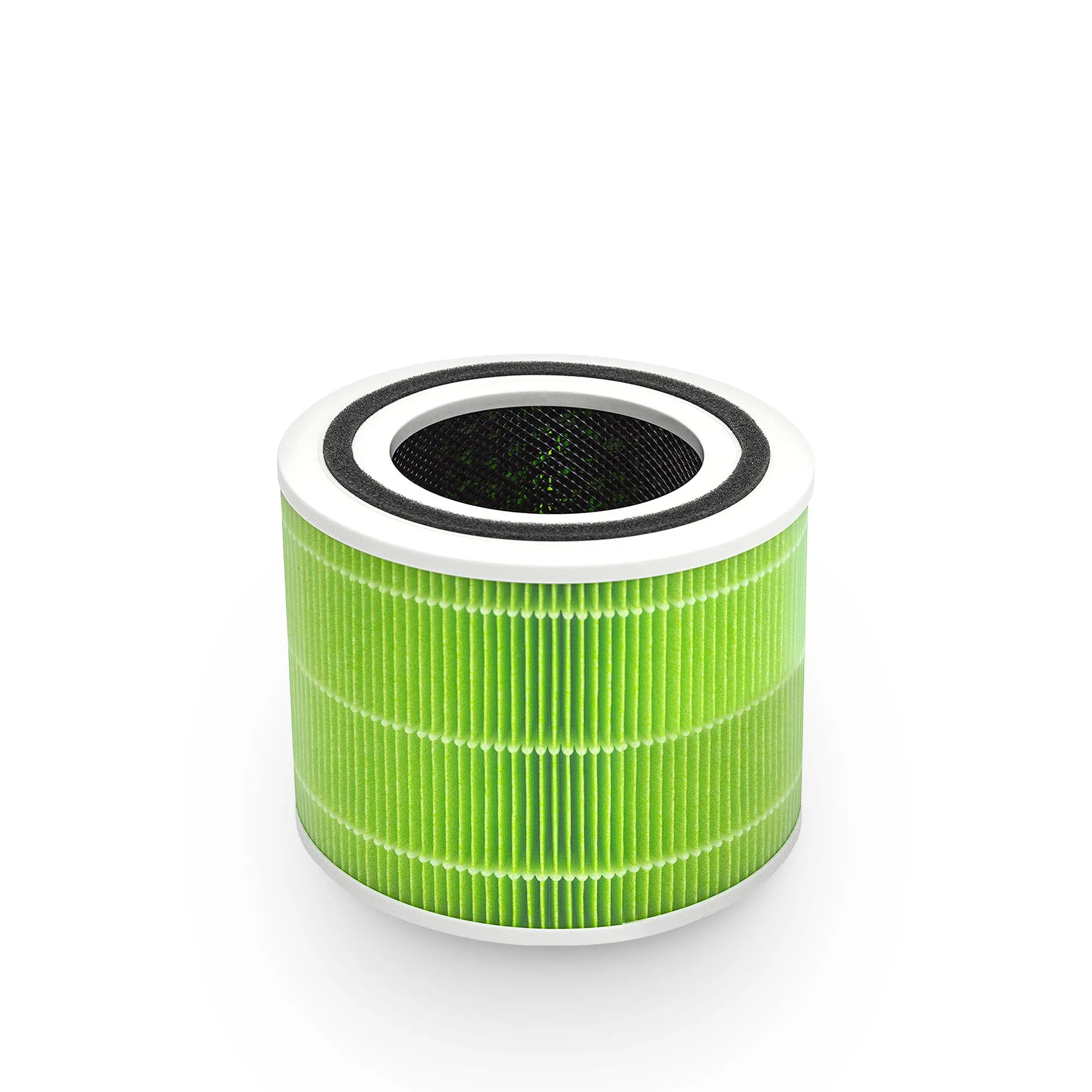
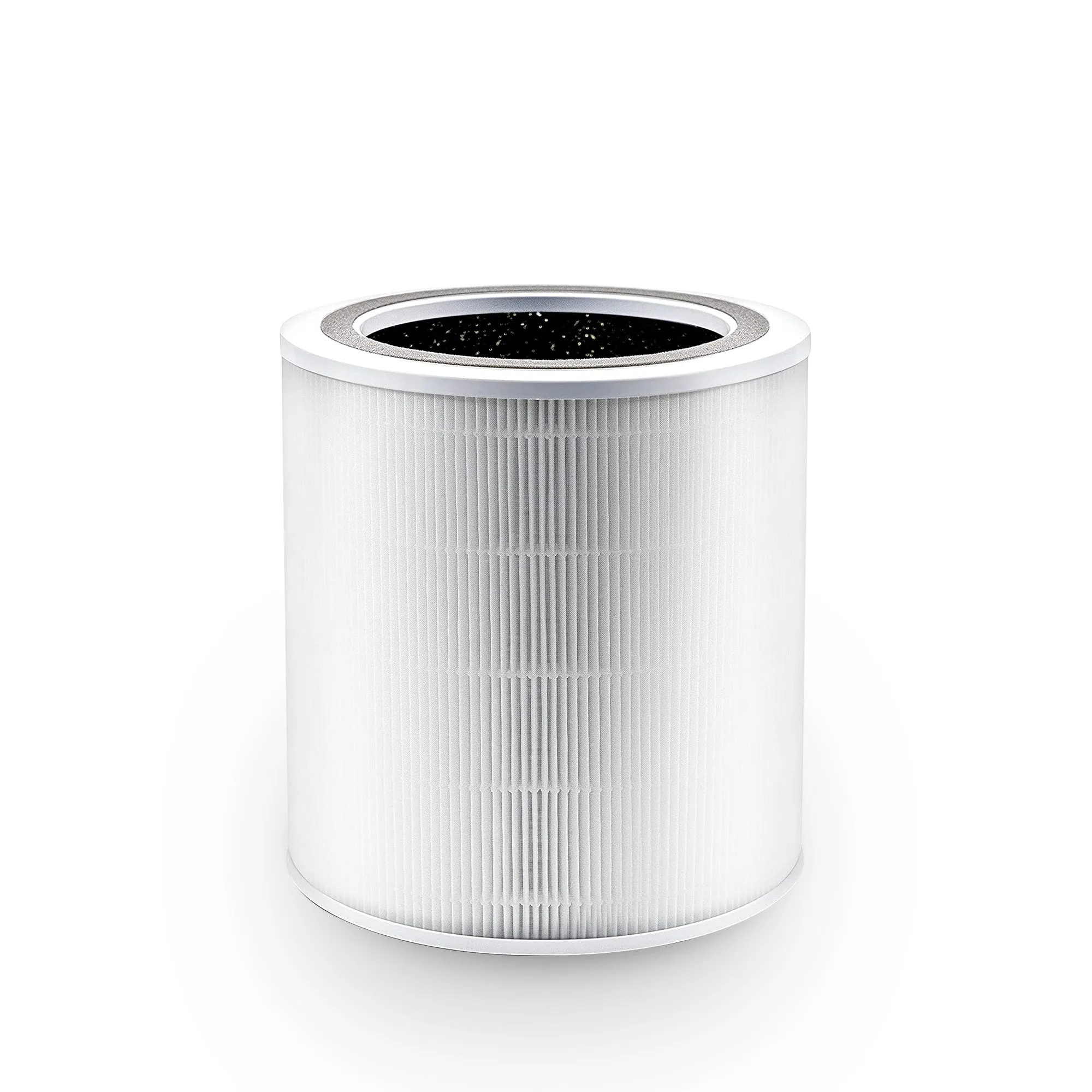
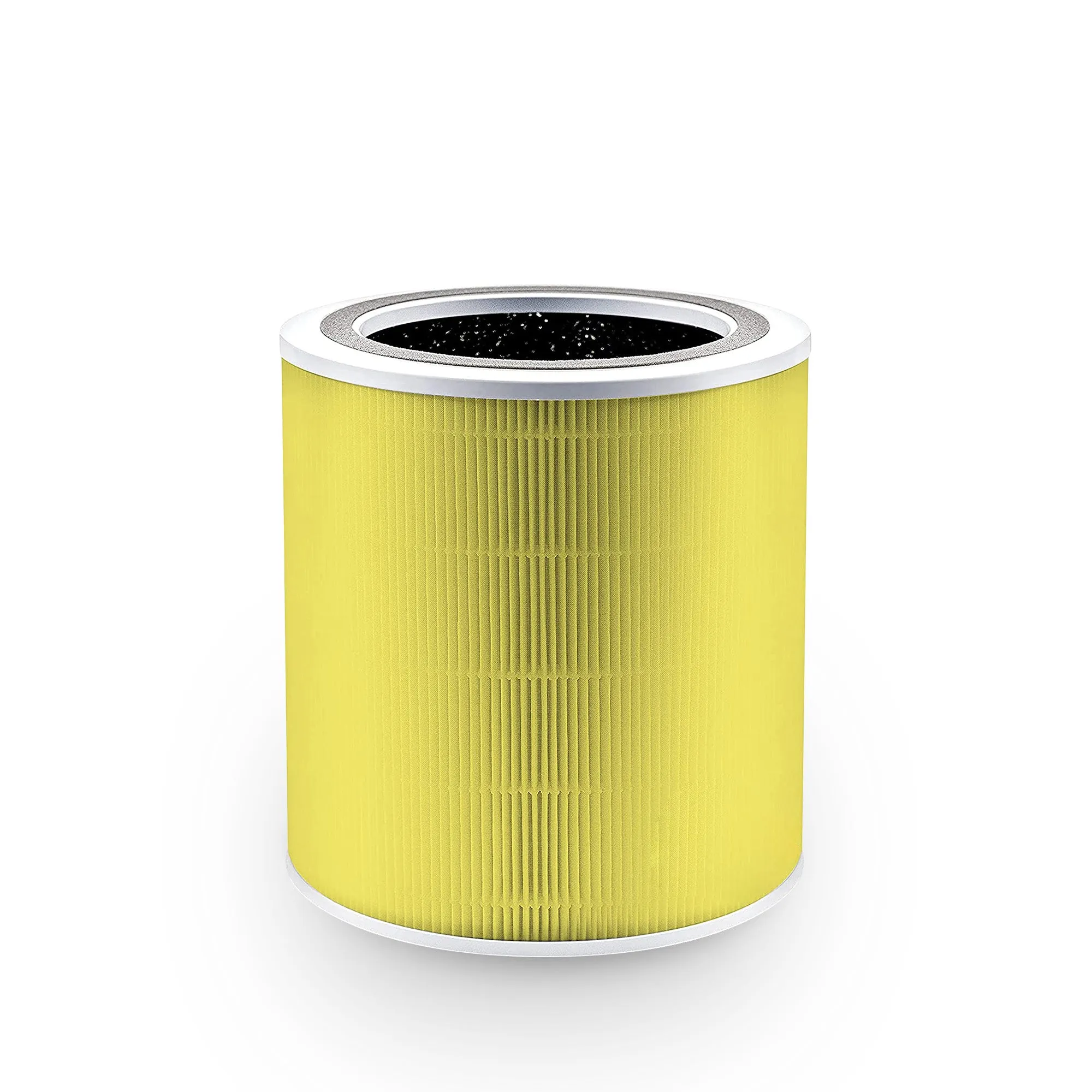
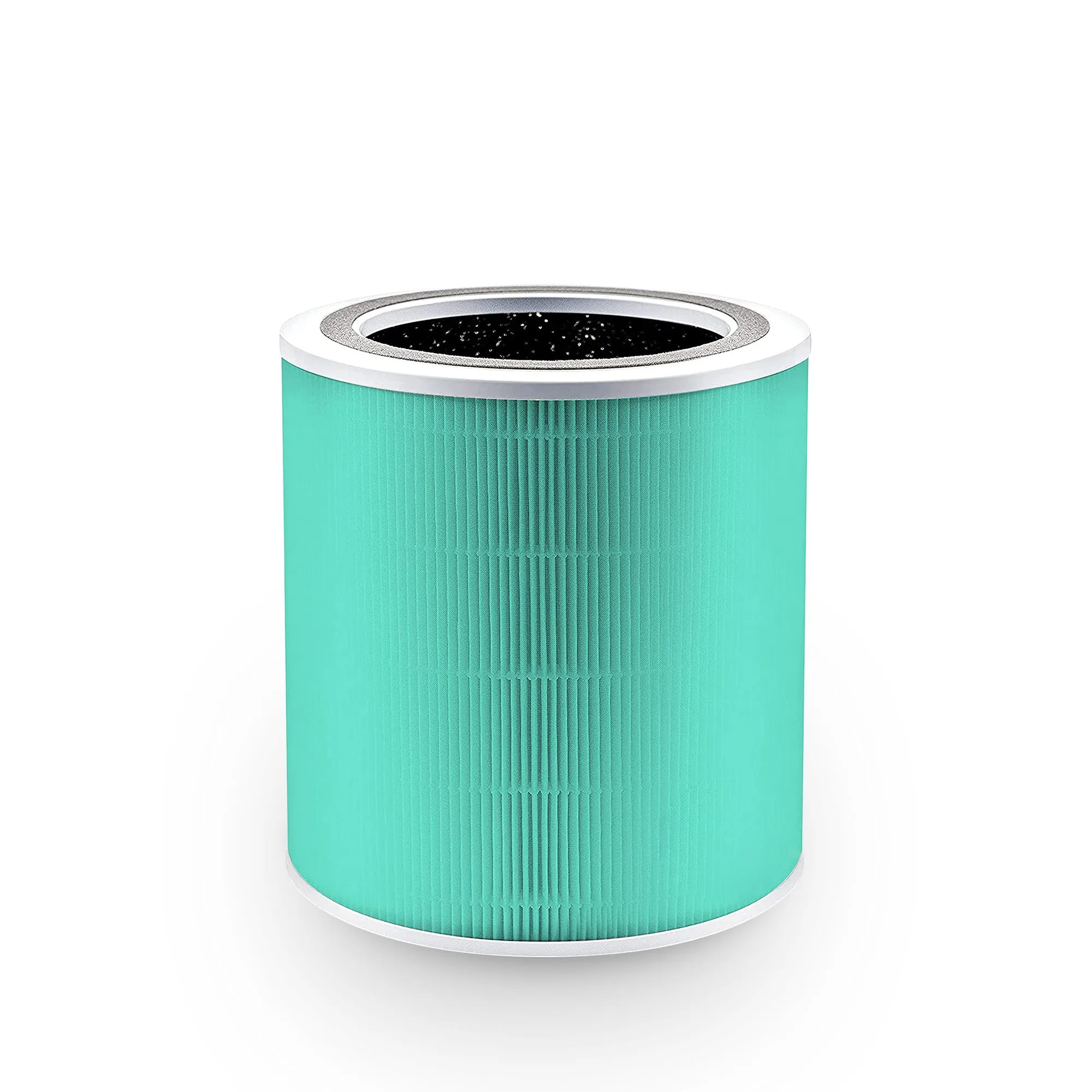
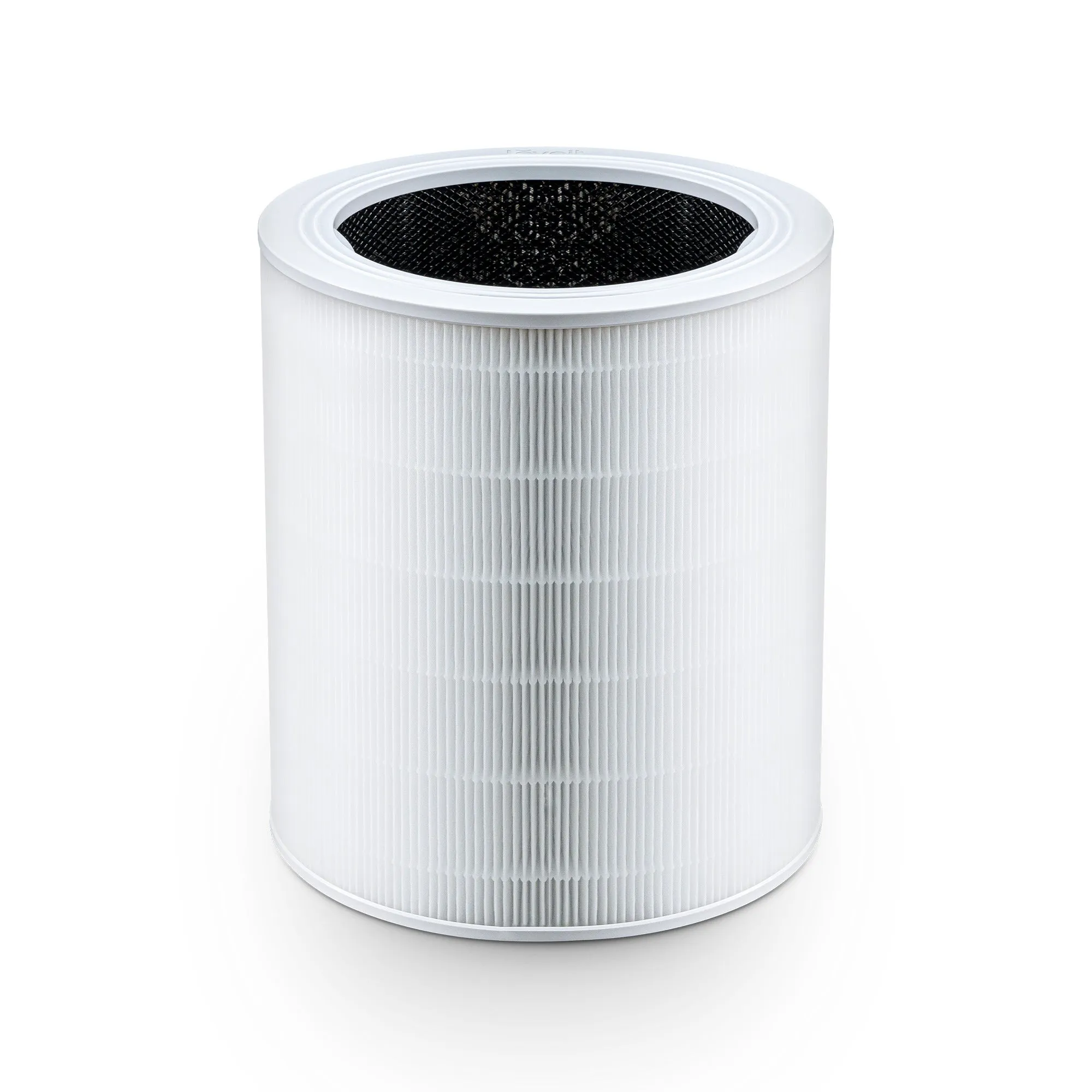
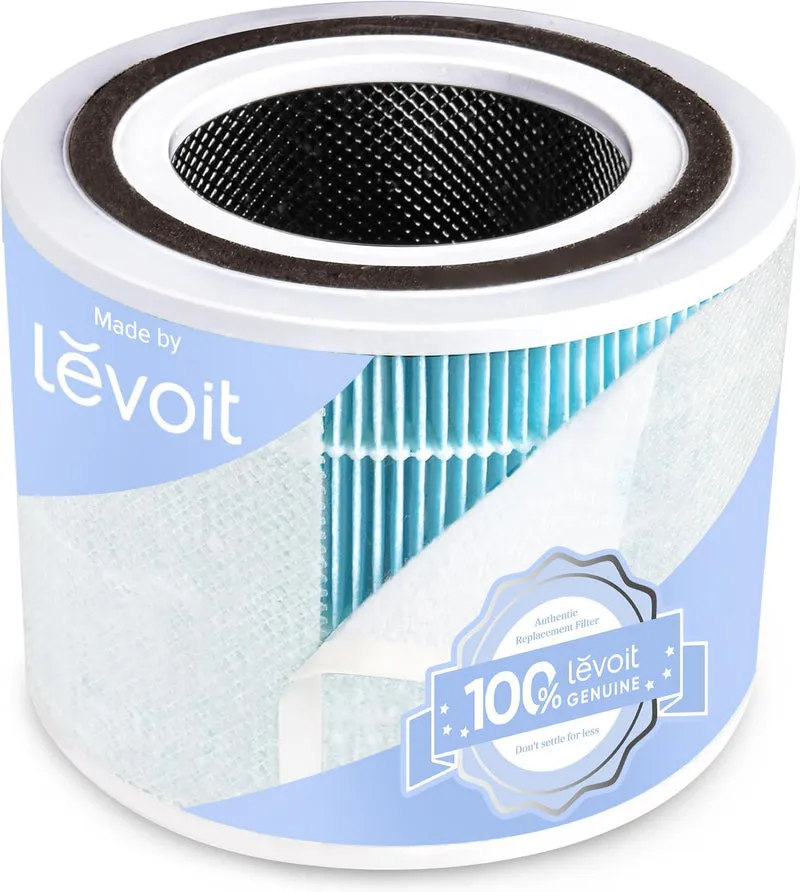
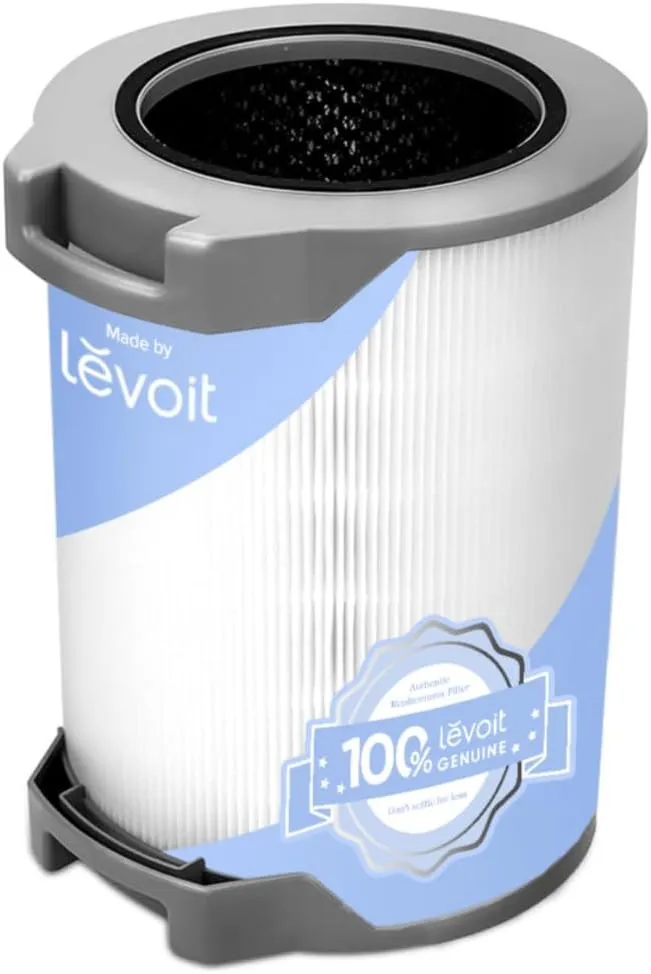
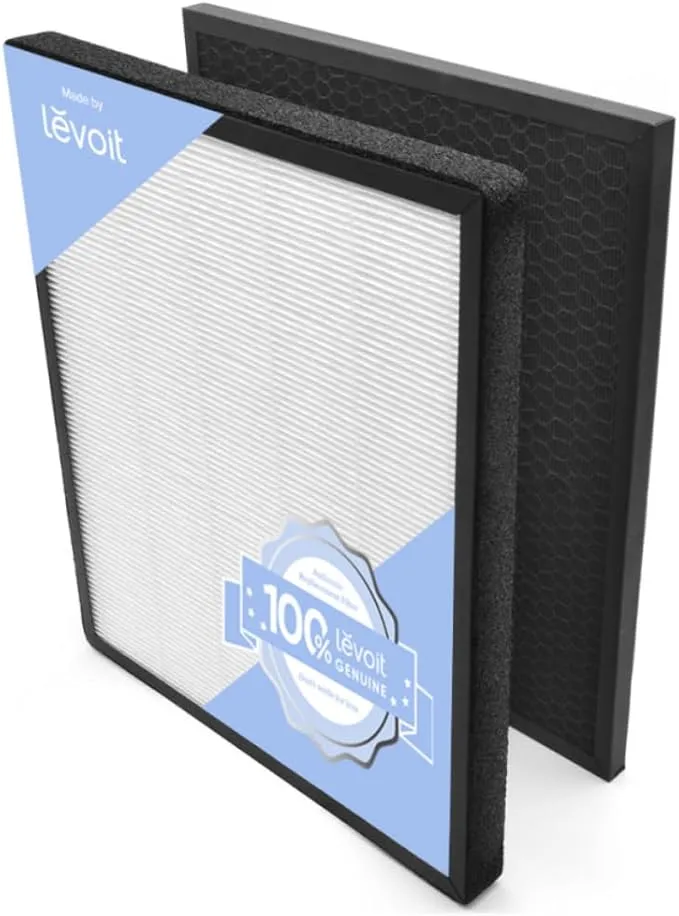
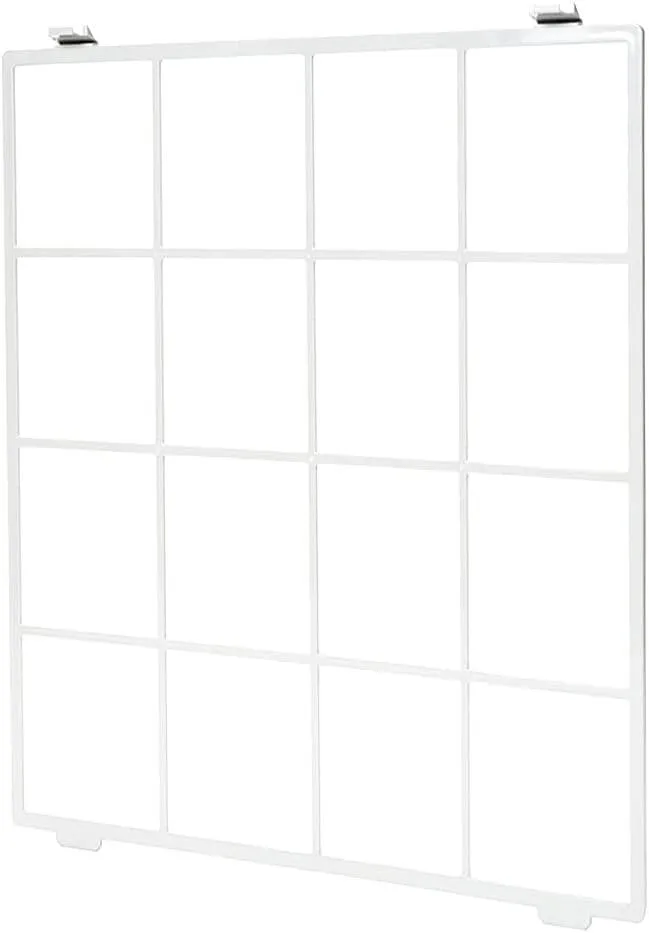
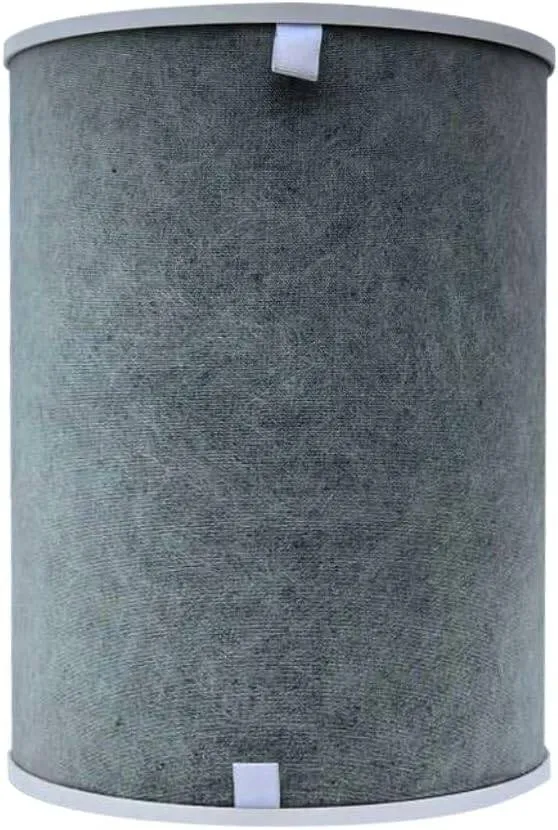
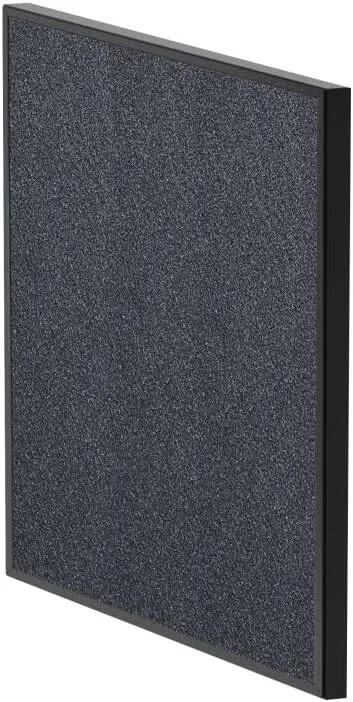
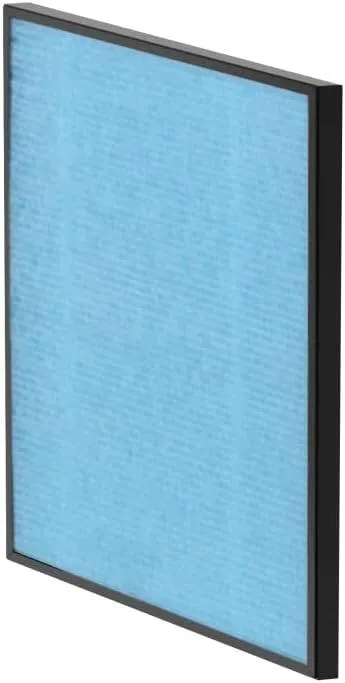
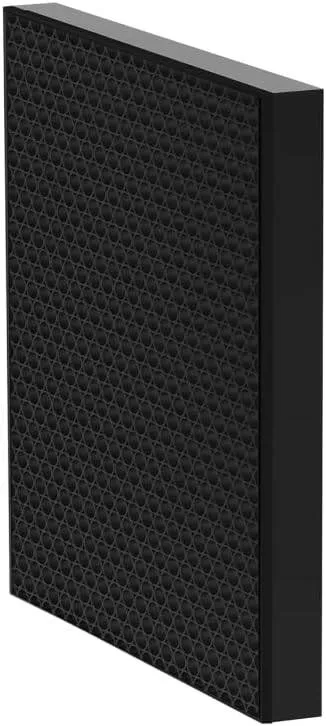
The filtration setup runs three stages. The outer pre-filter handles the large stuff: pet hair, visible dust, and coarse debris. The H13 True HEPA layer does the serious work, capturing 99.97% of particles at 0.3 microns, including PM2.5, pollen, and pet dander. The activated carbon layer addresses smoke odors and VOCs. H13 is a stricter grade than standard HEPA (H11 or H12), which matters specifically for allergy and asthma sufferers who need genuine fine-particle capture, not just a headline claim.
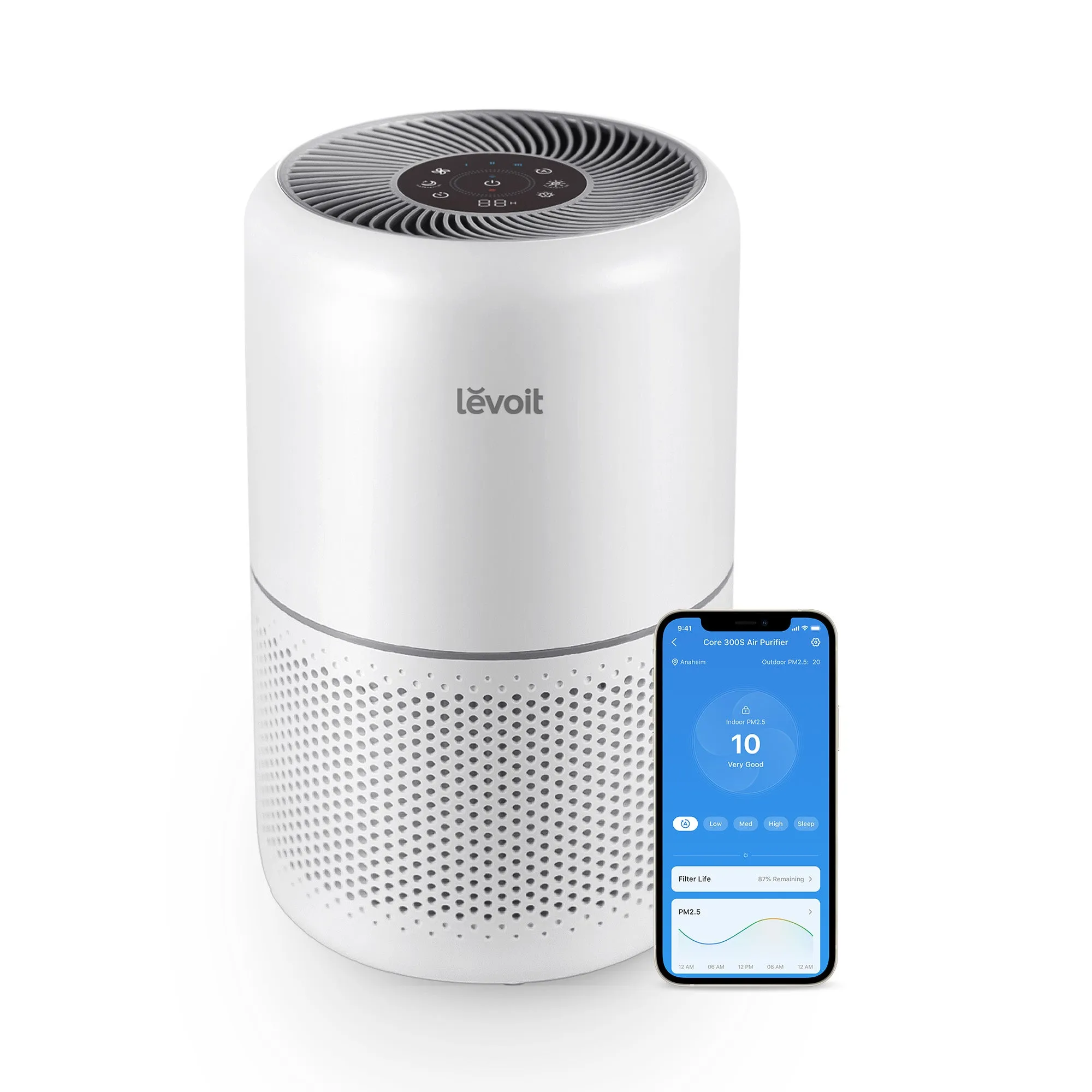
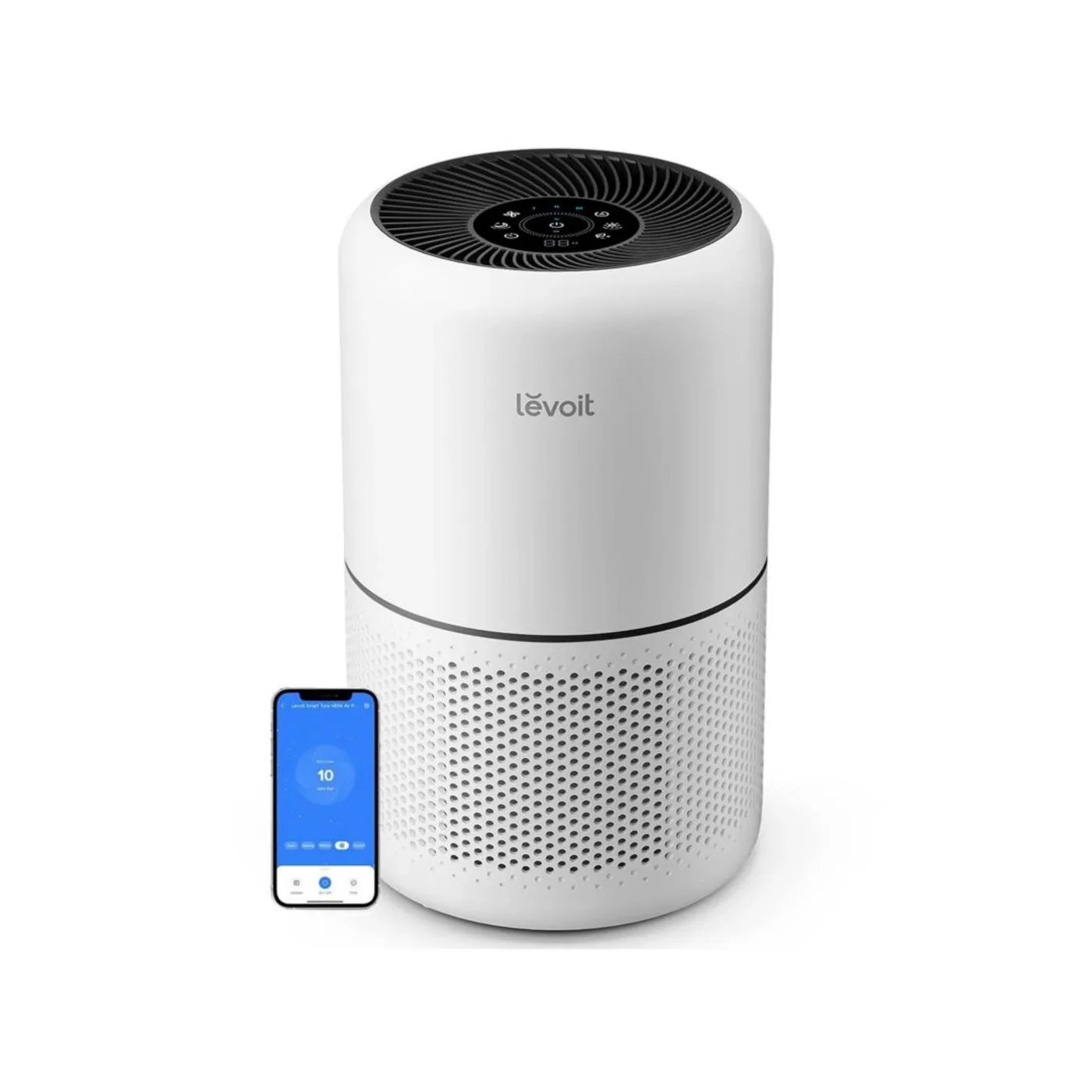
A built-in PM2.5 laser sensor feeds real-time air quality data to both the LED ring on the unit and the VeSync app, blue for good, yellow for moderate, and red for poor air quality. The sensor updates continuously and is what separates the 300S from its non-smart sibling, enabling the auto mode behavior covered below.
Levoit Core 300S noise levels and real-world PM2.5 performance
Noise at every speed, and why sleep mode is the standout
Independent measurements put the Core 300S at 38.9 dBA on Speed 1, 45.7 dBA on Speed 2, and between 54 and 65 dBA at maximum speed, depending on the testing methodology used. Those figures are broadly in line with competing units in this class. Sleep mode is where the unit separates itself: independently tested at between 17.5 and 24 dBA, it is quieter than a softly running refrigerator and well below the range most people perceive as intrusive during sleep. These test results align with other independent coverage such as the TechRadar review.
For UAE apartment residents dealing with thin walls, open-plan layouts, and light sleepers sharing a room with an infant, that sleep-mode figure is not just a nice-to-have. It’s a genuine differentiator. You can run it at the bedside all night and not notice it.
How fast it clears PM2.5, dust, and pet dander
HouseFresh tested the Core 300S in a 728 cubic foot room filled with incense smoke. At high speed, it reduced PM2.5 to zero in 45 minutes, outpacing the Core 300 (54 minutes) and the Dyson HP04 (92 minutes). A separate test by AirPurifierFirst measured PM2.5 dropping from 103.7 µg/m³ to 7.2 µg/m³ within 60 minutes, a 93% reduction that brings air quality within the WHO 24-hour guideline of 15 µg/m³, starting from a heavily polluted baseline.
The H13 layer handles pollen and pet dander effectively at any speed, and the activated carbon manages smoke particles well. Odor reduction is competent but not its strongest suit if you’re dealing with heavy cooking smells or a home with multiple pets. For standard UAE dust, sandstorm particles, and AC-recirculated air, the performance is strong.
Smart features and the VeSync app experience
What you can do from the app and why it matters
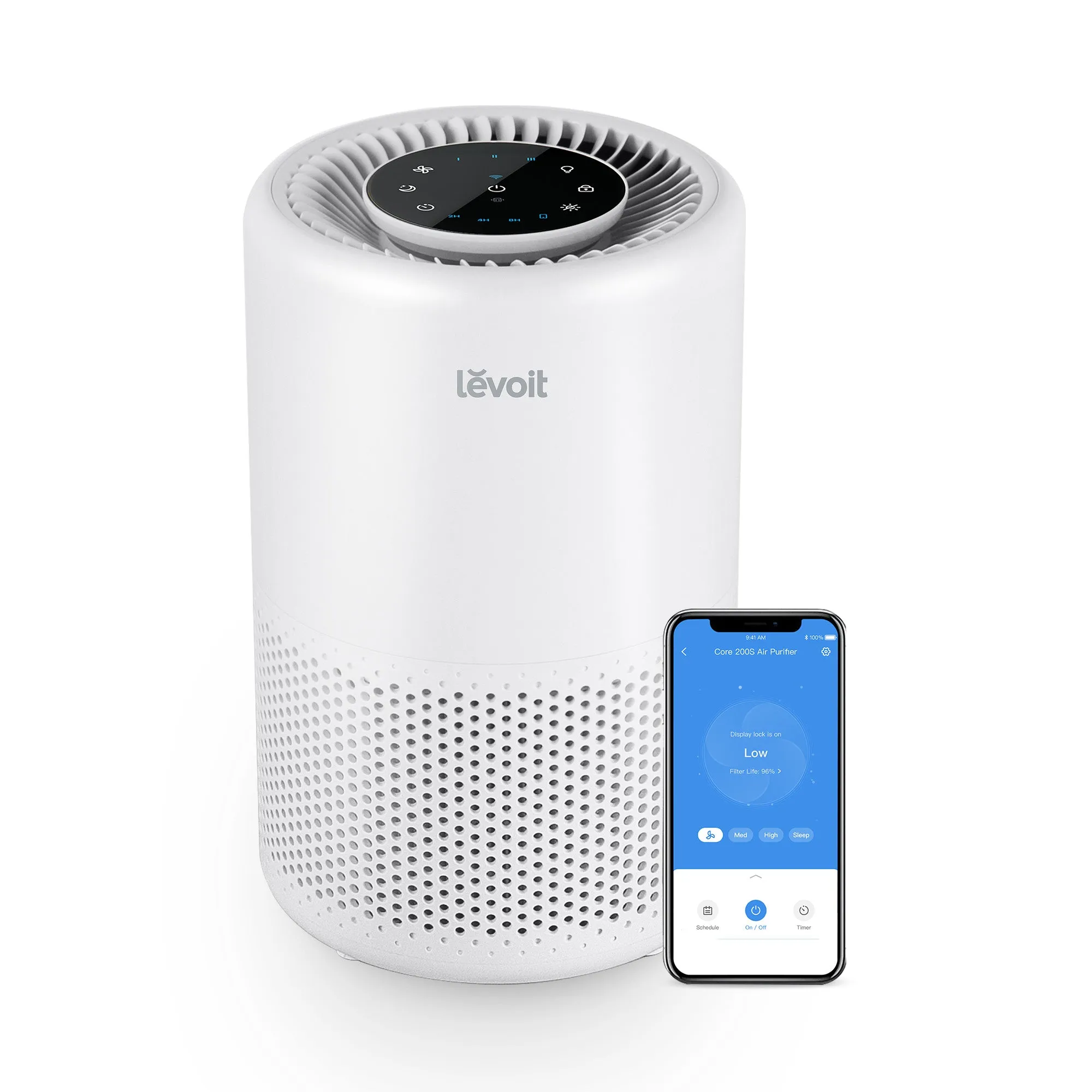
The VeSync app gives you real-time PM2.5 readings with historical graphs, scheduling, filter life tracking, and multi-device control if you run more than one Levoit unit at home. Auto mode uses the built-in sensor to ramp fan speed up when particulate levels rise and ease it back down when air improves. In practice, this works well during sandstorm events or when cooking, where PM2.5 spikes quickly and the unit responds promptly.
One known limitation: auto mode can plateau at a low fan speed if the sensor reads air quality as “very good,” even when PM2.5 sits above WHO guideline limits. This is an edge case that affects a small number of environments, but allergy sufferers who want the purifier pushing harder should set a manual schedule rather than relying solely on auto mode.
Alexa, Google Home, and connectivity reliability
Alexa and Google Assistant integration works reliably once you’ve set up the VeSync account. Voice commands cover power, fan speed, mode changes, and scheduling without any workarounds. The one setup friction point is real: the Core 300S is 2.4GHz Wi-Fi only. If your router broadcasts only 5GHz, or if your phone defaults to 5GHz during setup, pairing will fail. Switch your phone to the 2.4GHz band first and the process is typically quick, most users are up and running within two minutes.
Beyond that, the connectivity record is clean. User communities report no widespread firmware issues, latency is low on remote commands, and app updates have been stable. For a purifier in this price range, the smart implementation is well above average.
Running costs: filter life, power draw, and what you’ll spend long-term
Filter replacement schedule and real costs
Levoit rates the Core 300S filter at 6 to 8 months under normal use, and the in-app replacement indicator removes the guesswork. If you run the unit 24/7, which many UAE residents do, given year-round dust and constant AC operation, budget for the lower end of that range, around 6 months between changes. Vacuuming the outer pre-filter every two to four weeks extends the life of the main H13 layer meaningfully, so don’t skip that step.
Genuine replacement filters (model CORE-300-RF) are priced between AED 89 and AED 99 from official UAE retailers. CleanAir UAE stocks the authentic three-stage filters, so sourcing a verified replacement is straightforward. Sticking with genuine filters is worth the small price difference over grey-market alternatives: third-party options vary in H13 filtration quality and may affect unit performance and warranty coverage per Levoit’s stated terms.
Power draw: a meaningful improvement over the Core 300
The Core 300S draws a maximum of 26W at high speed. Based on a UAE residential electricity tariff of approximately AED 0.38 per kWh (DEWA standard rate for the first tier), continuous operation works out to roughly AED 7 to AED 8 per month. The Core 300’s 45W maximum draw puts its equivalent cost at approximately AED 14 per month under the same conditions. Run both units continuously for a year and the 300S saves around 115 kWh, which adds up noticeably over a two or three-year ownership period.
Annual consumption sits at approximately 139 kWh for the 300S versus 254 kWh for the Core 300. For purifier owners who keep their unit running around the clock through Dubai’s summer months and beyond, that 45% reduction in power draw is a genuine financial benefit, not just a spec sheet footnote.
Core 300S vs Core 300 and who should actually buy this
The upgrade that matters: what the 300S adds over the Core 300
The 300S is not a minor refresh. The PM2.5 sensor alone changes how the unit works: the Core 300 has no sensor, no auto mode, and no real-time air quality feedback. The 300S adds all of that, plus Wi-Fi control, Alexa and Google Assistant support, and the 45% power reduction already covered. It also clears test rooms 9 minutes faster (45 vs. 54 minutes in HouseFresh’s controlled conditions), which reflects the CADR improvement between generations. For a detailed comparison, see this side-by-side comparison.
At maximum speed, some tests do show the 300S running very slightly louder than the Core 300. The difference is small, a fraction of a dB in most measurements, and not significant enough to factor into a purchase decision. The smart feature set and lower running cost make it the better buy for almost everyone comparing the two models side by side, and the upgrade is real and justified.
Who should buy the Core 300S and who should skip it
The 300S fits a specific profile very well. It suits these users best:
- UAE apartment residents with bedrooms or studios up to 20 m² who want effective, hands-off air cleaning
- Allergy and asthma sufferers who want real-time PM2.5 data and a genuine H13 filter, not a standard HEPA grade
- Parents running a nursery or children’s bedroom where the sub-25 dBA sleep mode is non-negotiable
- Smart home users already on Alexa or Google Home who want their purifier on the same ecosystem
It’s not the right choice for open-plan living rooms above 35 m². For those spaces, a higher-CADR model will cover the ground more effectively. If you don’t need smart features and want to spend less upfront, the Core 300 still performs well. Heavy smokers who need aggressive VOC and odor removal should look for a unit with a more substantial activated carbon stage, the 300S handles moderate odors competently, but that is a typical design tradeoff at this size and price point.
Verdict: a compact purifier that earns its place
The Levoit Core 300S delivers exactly what a UAE apartment dweller needs from a small-room purifier: a genuine H13 HEPA filter with verified PM2.5 performance, a sleep mode quiet enough for nurseries, capable smart features that actually work, and running costs that stay low through years of continuous use, an upgrade over the Core 300 that is real and justified.
For anyone covering a bedroom, study, or studio up to 20 m², this is a straightforward recommendation. The specs align with the use case, the noise numbers hold up in independent tests, and the VeSync app adds genuine convenience rather than gimmicks. At AED 89 to AED 99 per filter replacement every six months, the long-term cost is easy to plan around. Units are currently available through CleanAir UAE from AED 299, with pricing subject to change, check the listing for the latest figure.
CleanAir UAE stocks the Levoit Core 300S along with genuine CORE-300-RF replacement filters. Orders reach Dubai and Abu Dhabi the next day, no grey-market imports, no extended waits. If you’re ready to buy, it’s the fastest way to get a verified unit to your door.