



Uncategorised
Step-by-step guide to reducing office air pollutants
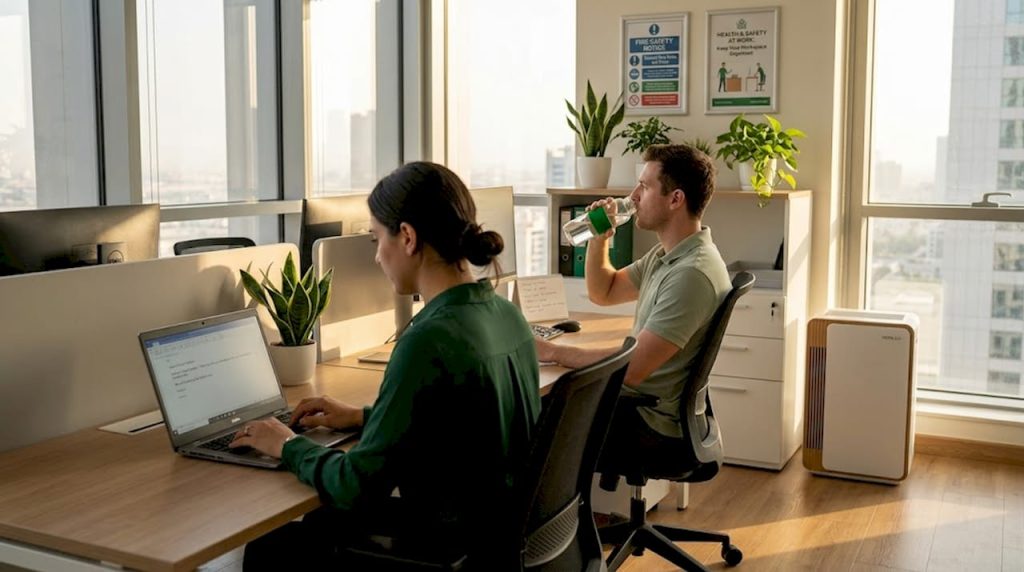
Poor air quality in offices does more than cause discomfort. It reduces concentration, increases sick days, and lowers overall staff output. Research shows that indoor air can carry higher pollutant levels than outdoor air, even in a well-maintained building. For UAE businesses, where offices rely heavily on air conditioning and buildings are exposed to intense outdoor dust, the stakes are higher. This guide sets out practical, evidence-based steps to identify pollutant sources, take direct action, and verify results over time.
Table of Contents
- Know what you’re up against: Office air pollutant sources and types
- Tools and requirements: What you need before you start
- Step-by-step: The three-pillar approach for cleaner office air
- Portable air cleaners: When and how to use them effectively
- Measure success: Verifying improvements and ongoing management
- Why a balanced, measured approach is essential for UAE offices
- Take the next step towards clean office air
- Frequently asked questions
Key Takeaways
| Point | Details |
|---|---|
| Combine multiple strategies | Best results come from using source control, ventilation, and filtration together, not singly. |
| Ventilation is vital | Supplying and distributing enough outdoor air is essential for meaningful pollutant reduction. |
| Maintenance prevents new problems | Routine HVAC attention stops equipment from becoming its own pollution source. |
| Portable cleaners are supplements | Use them to help, not to replace better building ventilation or source removal. |
| Measure for confidence | Regular monitoring with CO2 and air quality sensors ensures efforts are truly effective. |
Know what you’re up against: Office air pollutant sources and types
Reducing office air pollutants starts with knowing which ones are present. Not all indoor air problems look the same, and treating the wrong issue wastes time and money.
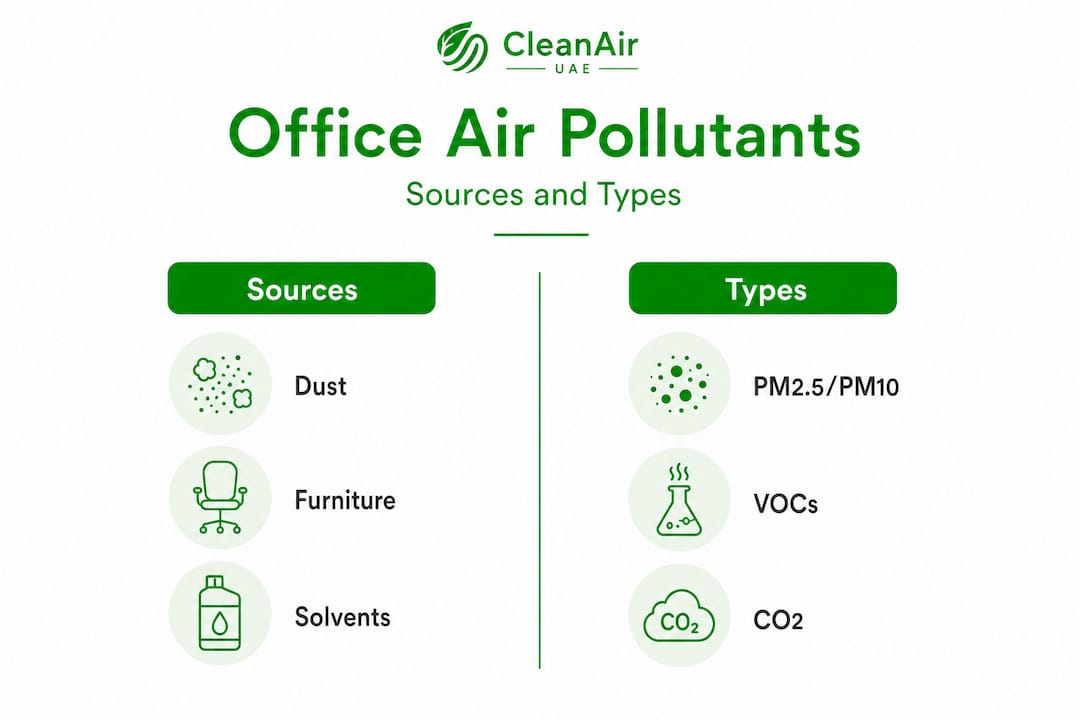
The main categories of office air pollutants include:
- Particulate matter (PM2.5 and PM10): Fine dust and particles from outdoor air, carpets, printers, and foot traffic. In the UAE, desert sand and urban dust are significant contributors.
- Volatile organic compounds (VOCs): Chemical gases released from furniture, flooring, cleaning products, air fresheners, adhesives, and office equipment. VOCs from common office products regularly reach concentrations higher indoors than outdoors.
- Carbon dioxide (CO2): Produced by occupants breathing. High CO2 in poorly ventilated spaces causes drowsiness and difficulty concentrating.
- Biological agents: Mould spores, bacteria, and allergens thrive in humid or damp areas, particularly in HVAC systems with poor maintenance.
UAE office environments face some specific challenges. Outdoor air drawn into the building during sandstorms carries very high PM loads. Many offices use synthetic carpets and modern composite materials that off-gas VOCs, particularly in newly fitted-out spaces. Cleaning products used by facilities teams often contain strong solvents. Laser printers and photocopiers release both ultra-fine particles and ozone.
The critical insight here is that no single solution covers all of these. A HEPA filter removes particles but does nothing for CO2. Ventilation reduces CO2 but may bring in more dust if outdoor air is not properly filtered first. A targeted, layered strategy is required.
| Pollutant type | Common UAE office sources | Primary health impact |
|---|---|---|
| PM2.5 / PM10 | Outdoor dust, carpets, printers | Respiratory irritation, reduced lung function |
| VOCs | Furniture, cleaning products, air fresheners | Headaches, eye irritation, long-term health risk |
| CO2 | Occupant respiration | Fatigue, reduced cognitive performance |
| Biological agents | HVAC systems, damp areas, plants | Allergies, infections, sick building syndrome |
| Ozone | Photocopiers, UV lamps | Airway inflammation |
Tools and requirements: What you need before you start
Understanding pollutant types only creates value if you have the right tools and groundwork in place. Starting without a proper baseline assessment leads to guesswork and wasted investment.
Key tools and requirements for UAE offices:
- Air quality monitor: A device that measures CO2, PM2.5, and ideally VOCs. This is the single most important starting point. CO2 acts as a reliable proxy for ventilation performance in occupied spaces, showing whether pollutants are being adequately diluted.
- HVAC documentation: Service records, filter specifications, and current MERV ratings. Filters rated MERV 13 or above are generally recommended for fine particulate capture in occupied buildings.
- Cleaning product inventory: A list of every cleaning agent used, so that high-VOC products can be identified and replaced.
- Access to HVAC professional: An independent HVAC audit is valuable, especially in leased UAE office spaces where tenants may not have visibility of system condition.
- Baseline measurement log: Record CO2, PM2.5, and temperature readings across multiple locations and times before any changes are made.
| Tool / requirement | Purpose | Responsible party |
|---|---|---|
| Air quality monitor (CO2 + PM sensor) | Identify hotspots and measure baseline | Facilities manager or office manager |
| HVAC professional inspection | Assess filter condition, airflow rates, and contamination | Qualified HVAC engineer |
| Filter upgrade (MERV 13+) | Capture fine particulates from recirculated air | Facilities team with HVAC input |
| Cleaning product review | Identify and replace high-VOC products | Procurement and facilities |
| Ongoing monitoring log | Track changes and identify new problems | Designated staff member |
Pro Tip: Before spending on air purifiers or HVAC upgrades, place a basic air quality monitor in multiple areas of your office for one week. Compare readings between open-plan zones, meeting rooms, and printer areas. The data tells you exactly where to act first.
Step-by-step: The three-pillar approach for cleaner office air
With the right groundwork in place, practical improvement follows a clear structure. EPA guidance consistently recommends combining three strategies: source control, ventilation, and filtration. Used together, they address the full range of office pollutants.
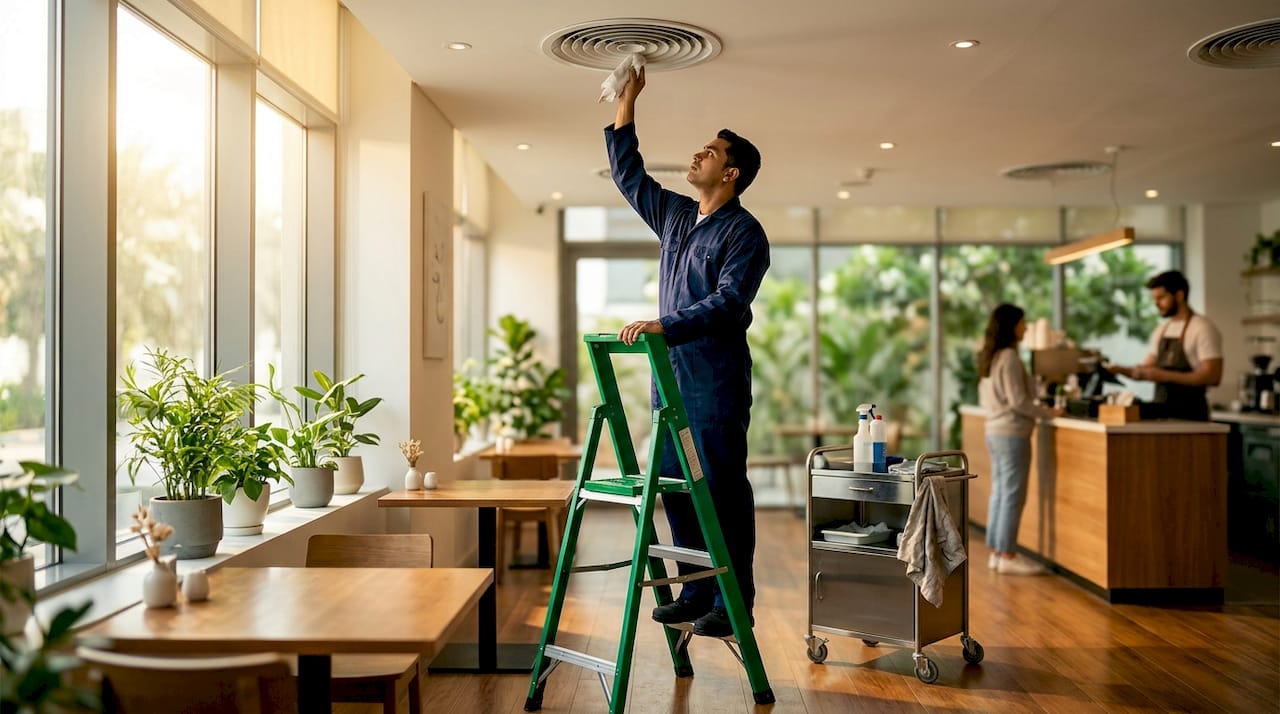
Step 1: Source control
Remove or reduce pollution at its origin. This is the most cost-effective step and often delivers the fastest results.
- Replace solvent-based cleaning products with low-VOC or water-based alternatives.
- Store chemicals and cleaning agents in sealed, ventilated cupboards away from occupied spaces.
- Switch to fragrance-free air fresheners or remove them entirely.
- Use low-emission furniture and building materials during any future fit-out.
- Position printers and photocopiers in dedicated rooms with separate ventilation where possible.
Step 2: Ventilation
Ventilation dilutes and removes pollutants by bringing in outdoor air and exhausting contaminated indoor air. ASHRAE 62.1 recommends a minimum of 17 CFM (cubic feet per minute) of outdoor air per person in office spaces. Many UAE offices fall short of this in practice, particularly in tightly sealed, fully air-conditioned buildings.
Key ventilation actions:
- Verify that HVAC outdoor air dampers are open to the correct position and not stuck closed.
- Ensure air distribution reaches all occupied zones, not just central areas.
- Avoid modes that recirculate only indoor air without adding fresh outdoor air.
- Schedule higher ventilation rates during peak occupancy hours.
Step 3: Filtration
Filtration captures particles that remain in recirculated air. HVAC system maintenance is a core part of effective filtration; a poorly maintained system can itself become a pollutant source by harbouring mould, bacteria, and accumulated dust.
- Upgrade HVAC filters to MERV 13 or higher if the system can handle the increased airflow resistance.
- Add activated carbon media to address VOC and odour issues where needed.
- Replace filters on schedule, not just when they look dirty.
- Clean air handling unit drain pans and coils regularly to prevent biological growth.
Pro Tip: Schedule cleaning tasks such as floor stripping, solvent-based maintenance, and fresh furniture deliveries outside of occupied hours. This prevents VOC and particulate spikes from affecting staff during the working day.
Portable air cleaners: When and how to use them effectively
With the three-pillar approach in place, portable air cleaners can add value in specific situations. However, their role is supporting, not replacing, the core strategies above.
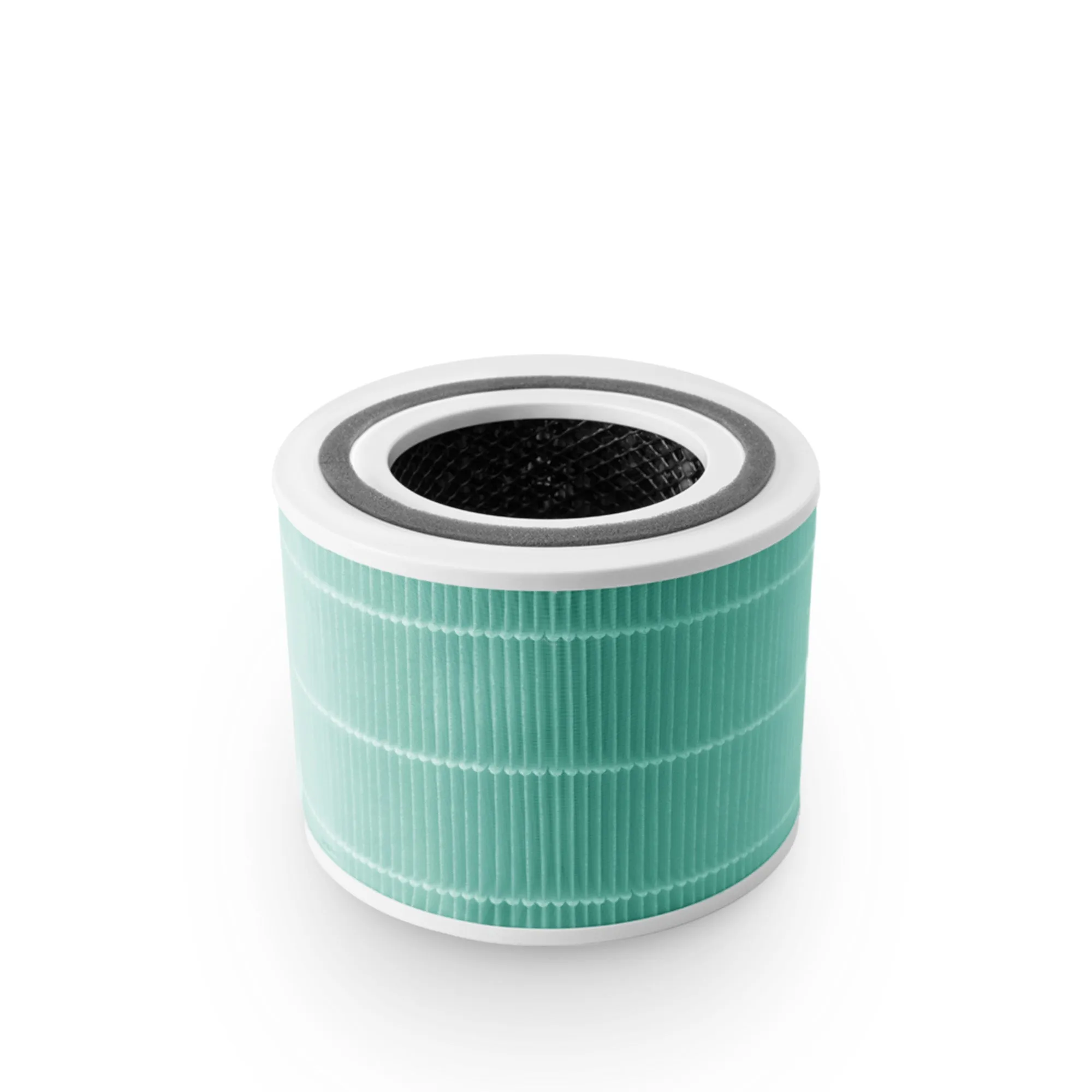
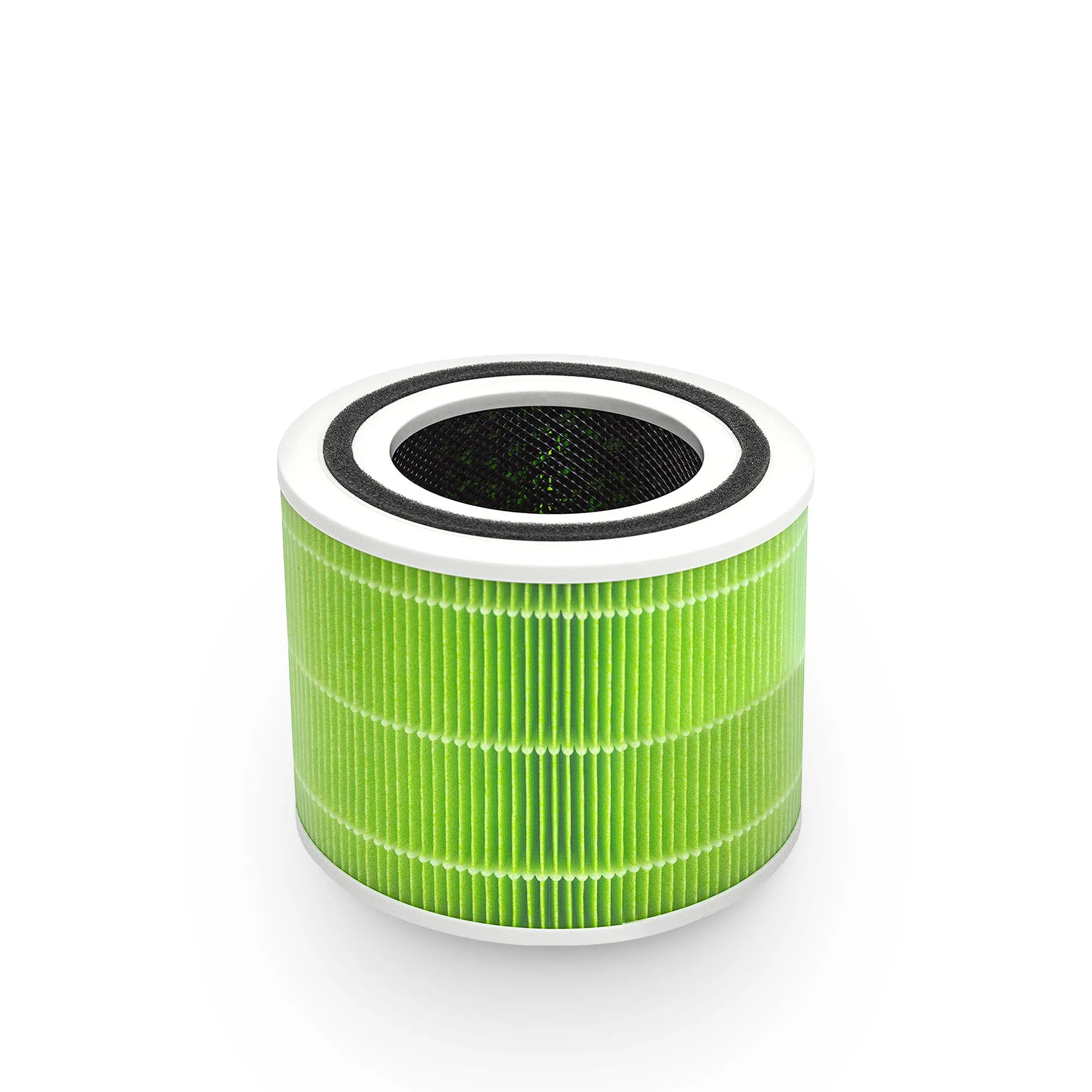
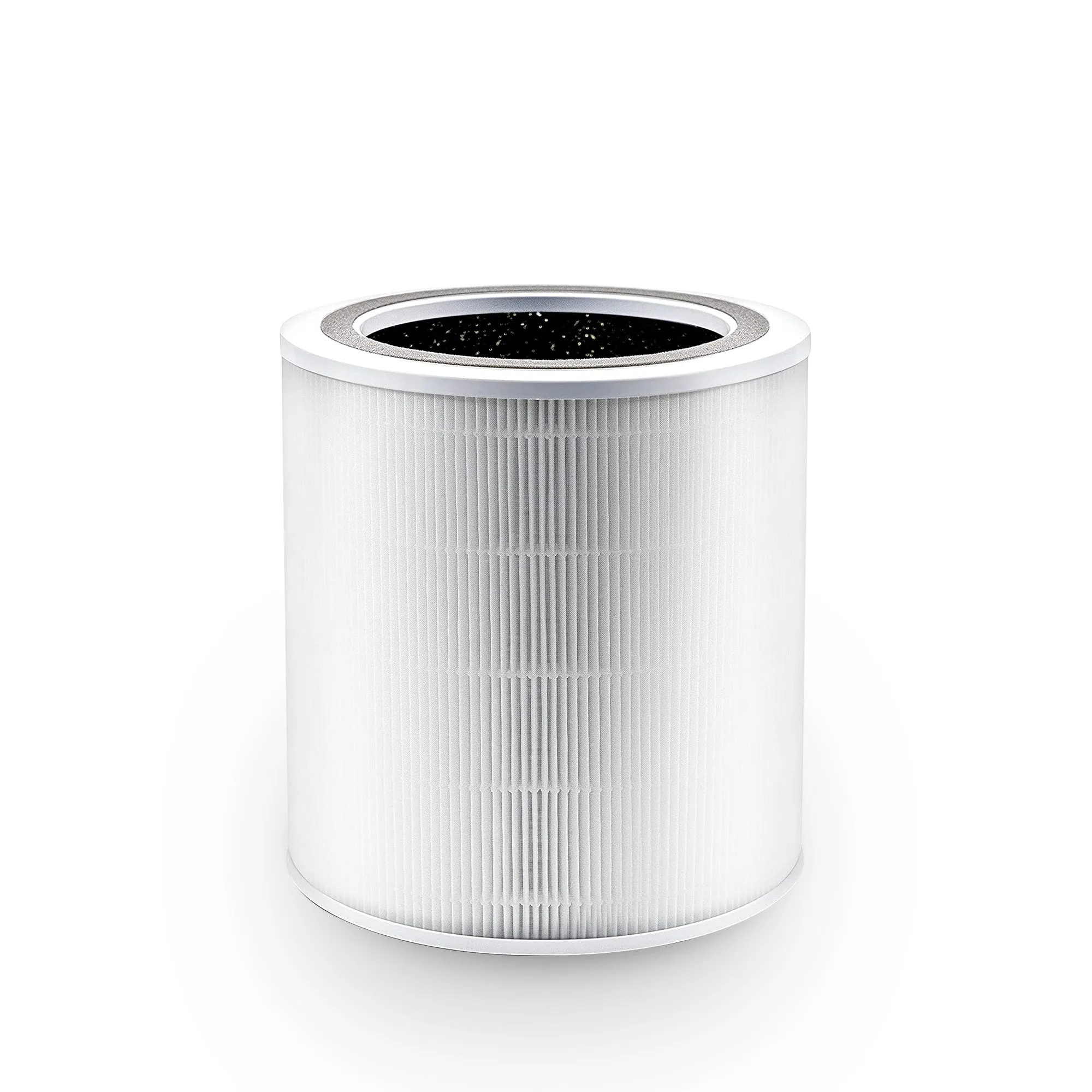
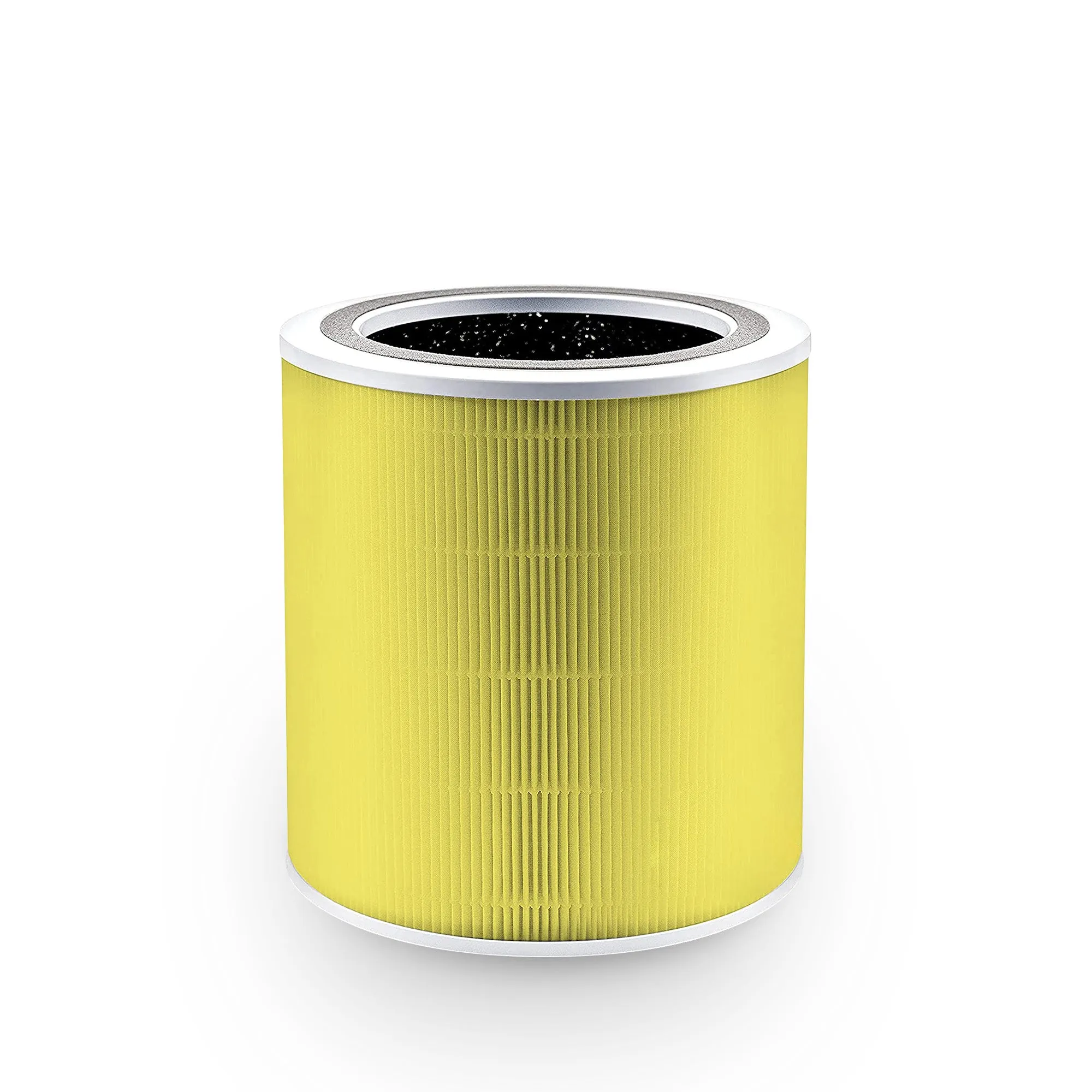
Portable air cleaners work by drawing room air through one or more filter types:
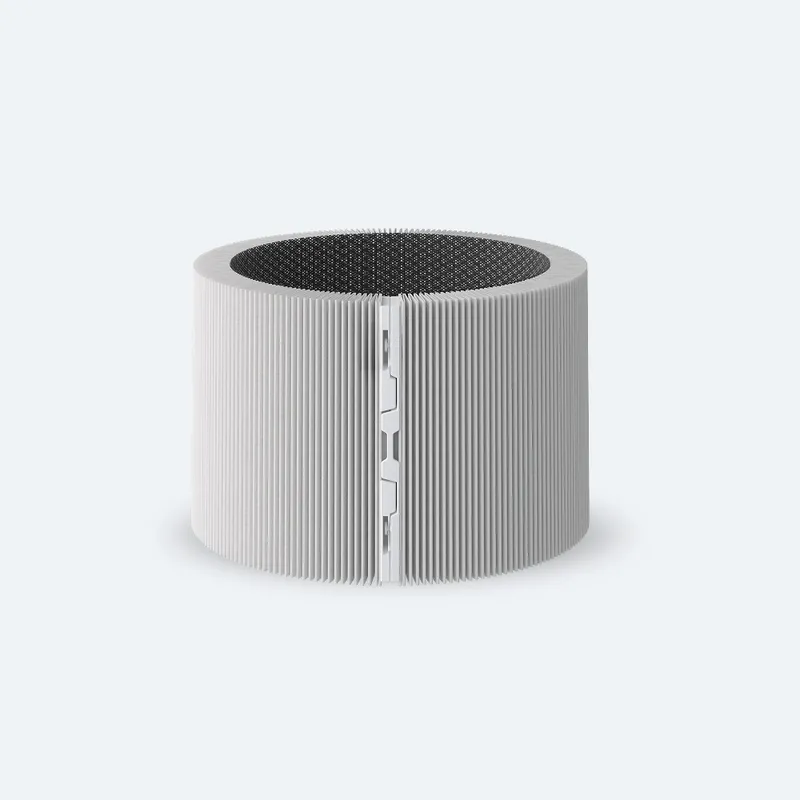
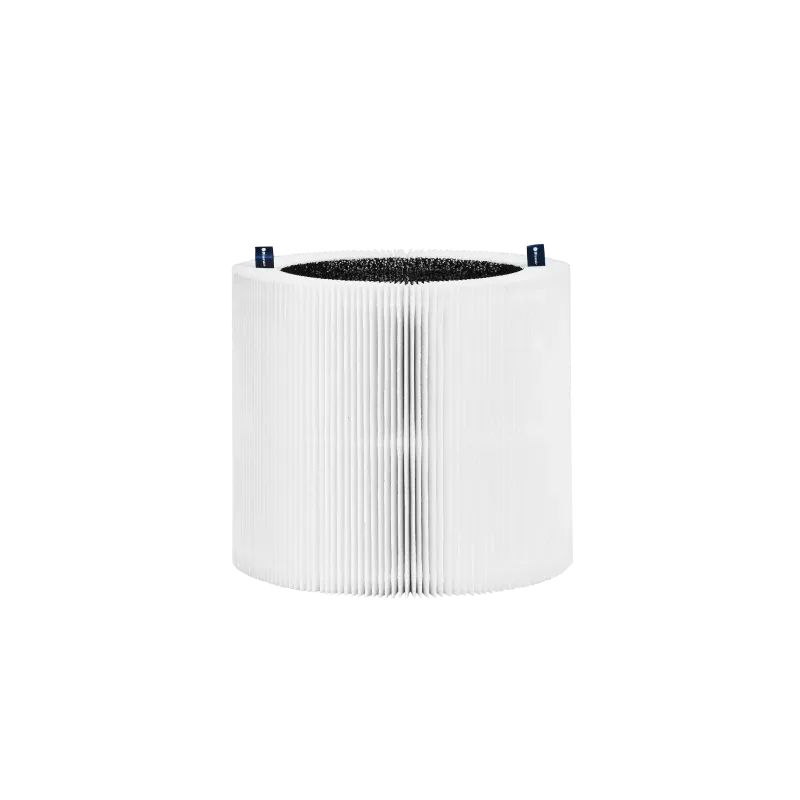
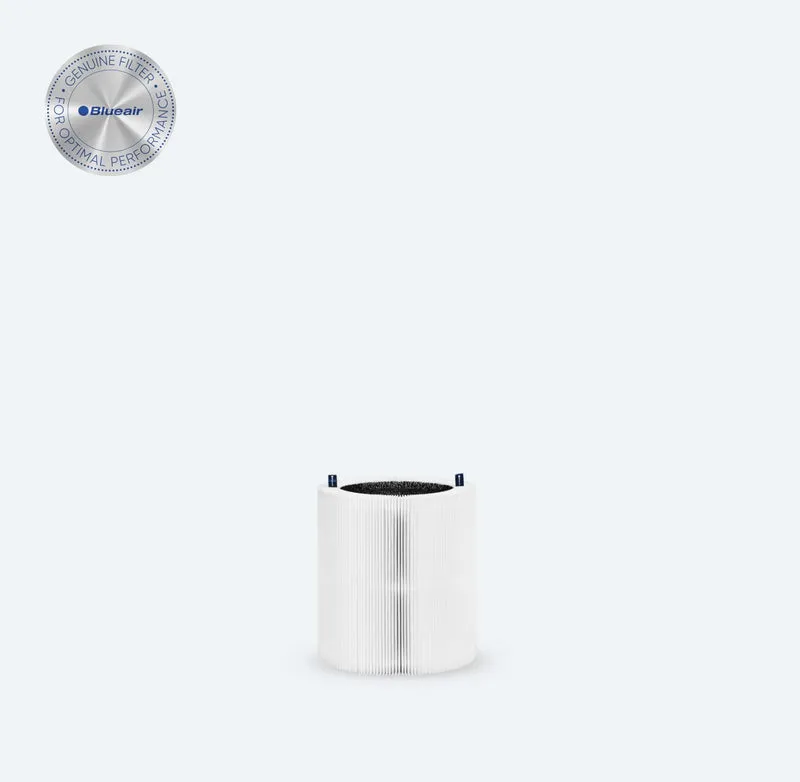
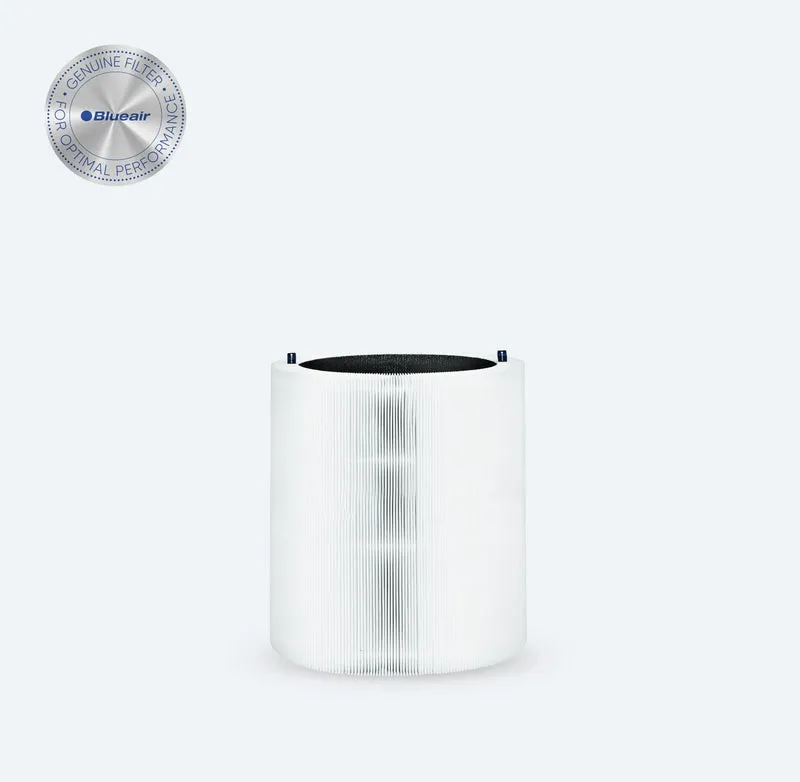
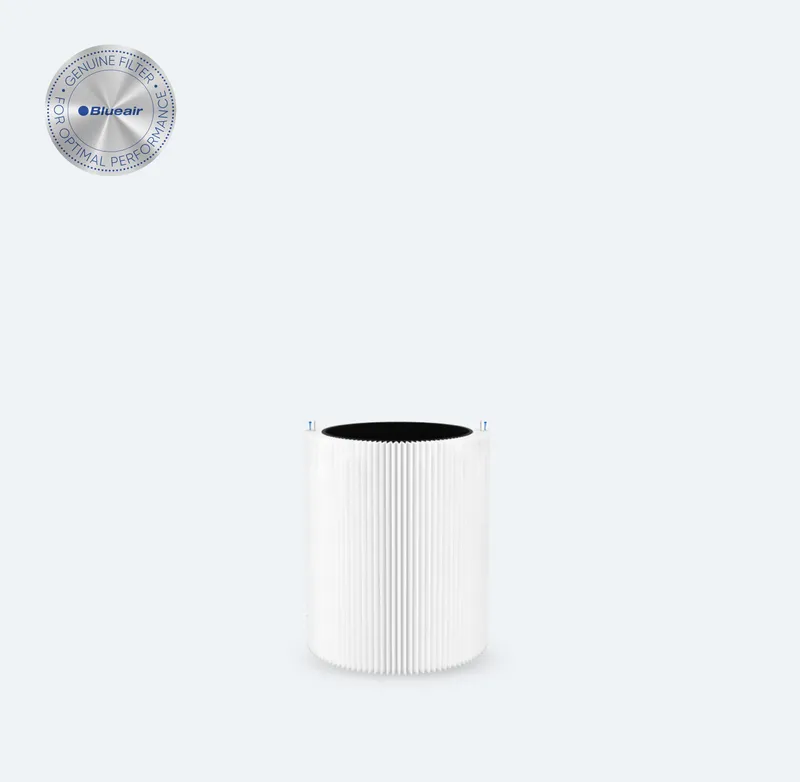
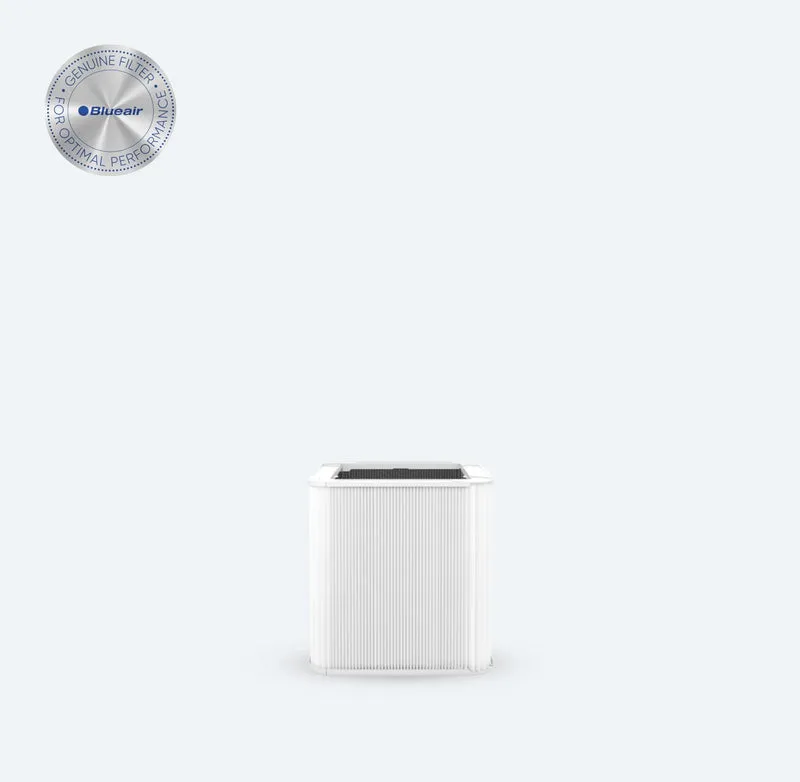
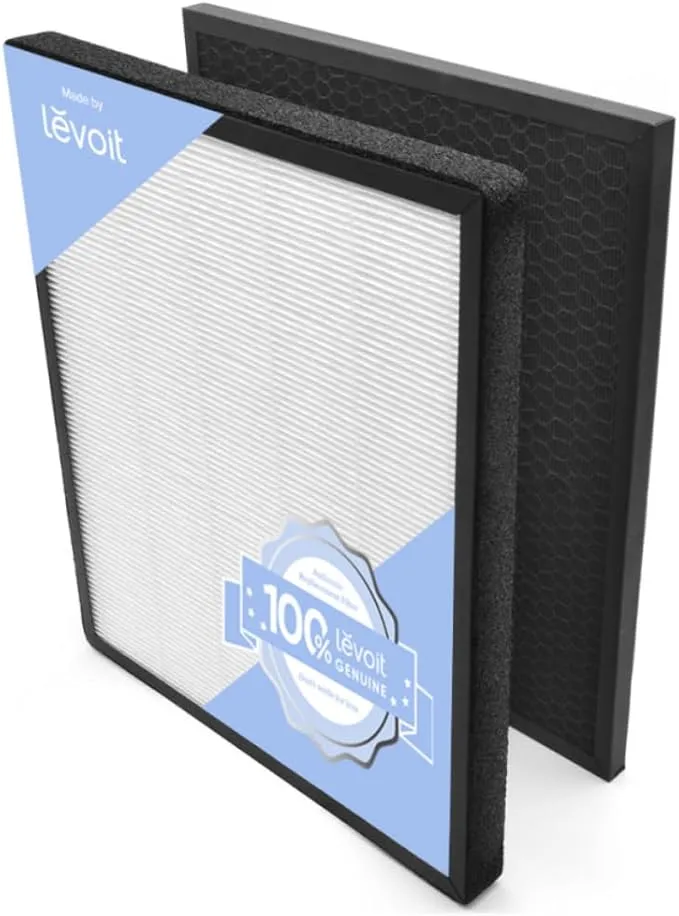
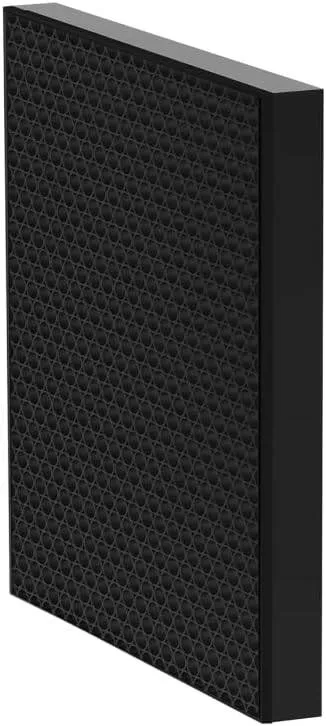
- True HEPA filters capture at least 99.97% of particles 0.3 microns and larger, making them effective against PM2.5, dust, and biological particles.
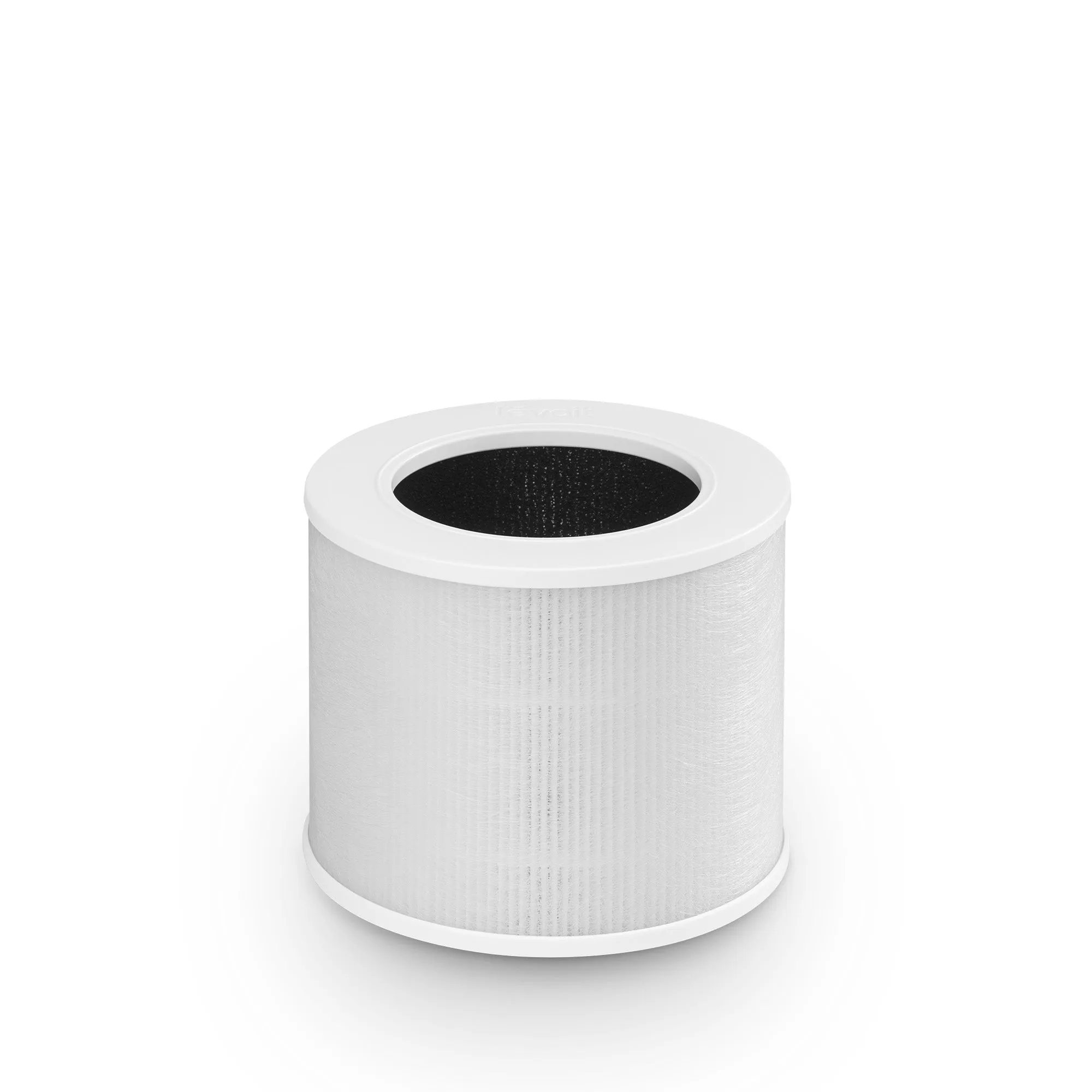
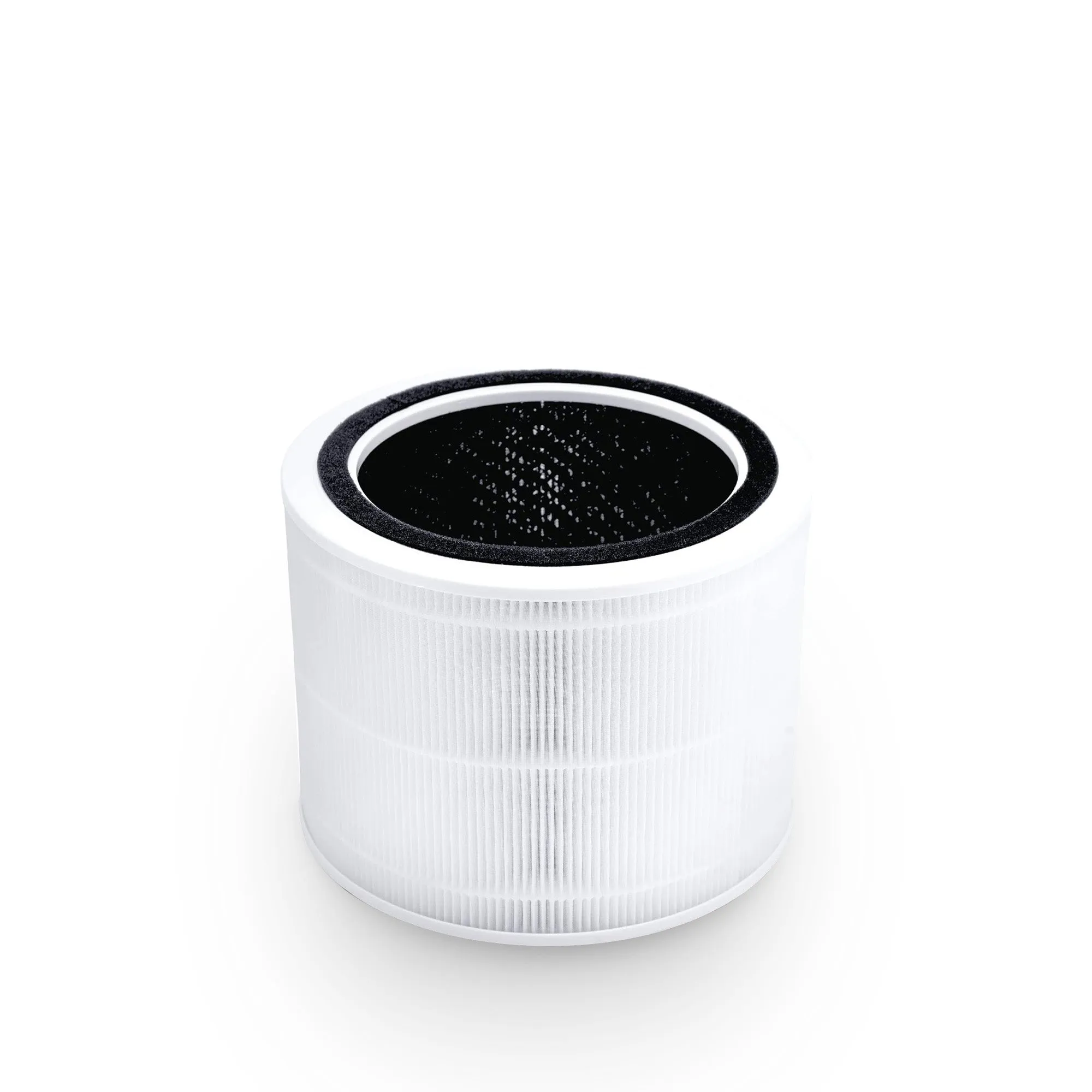
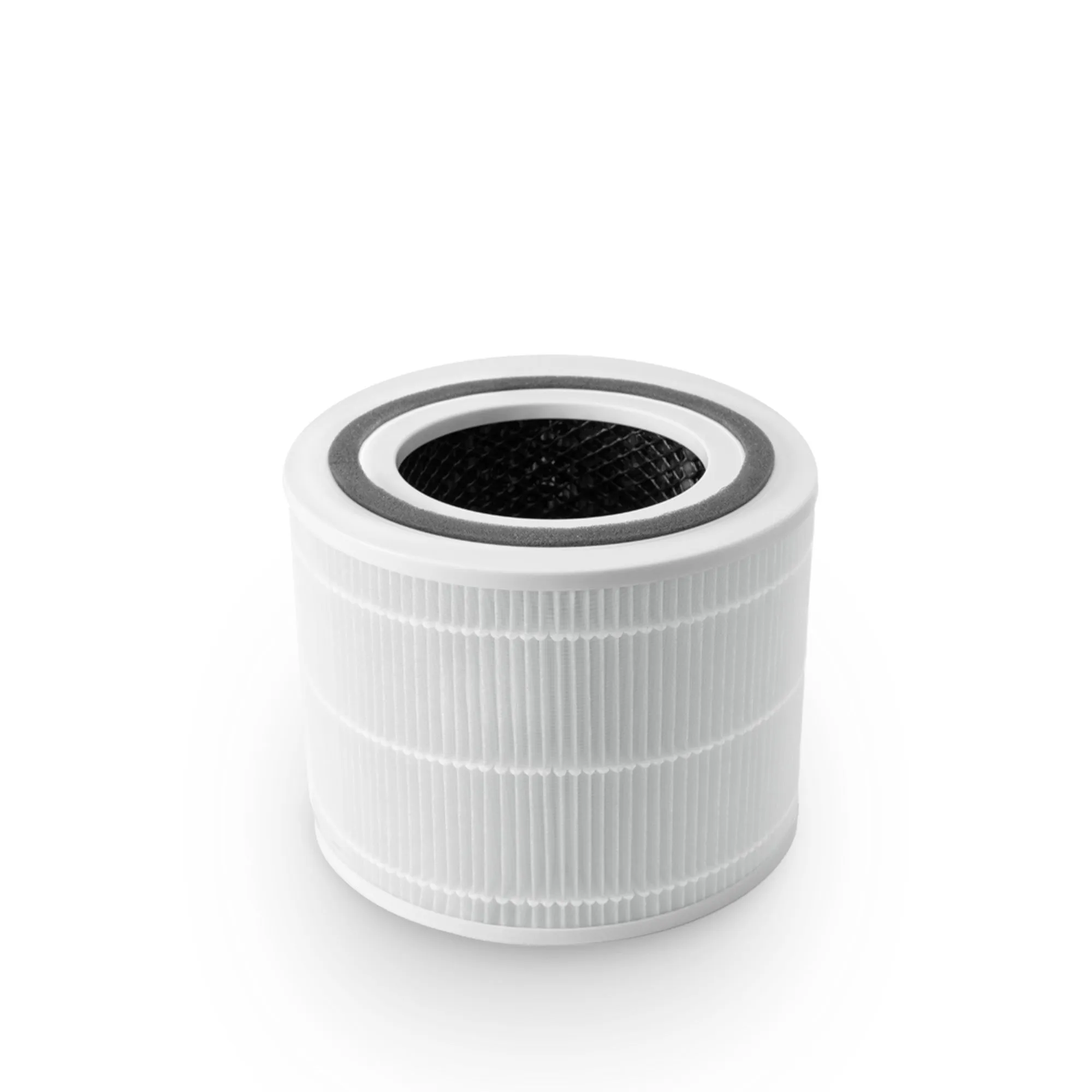
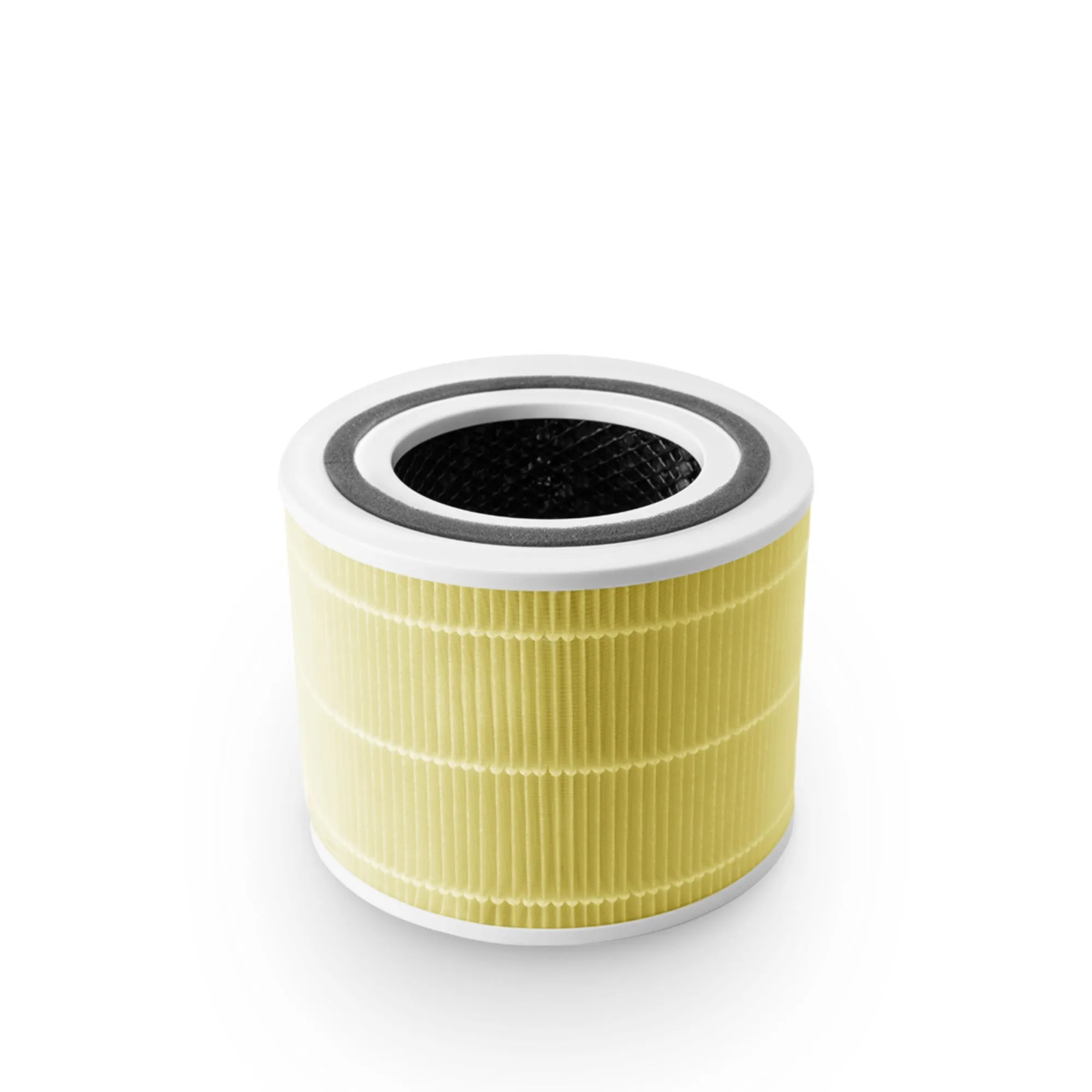
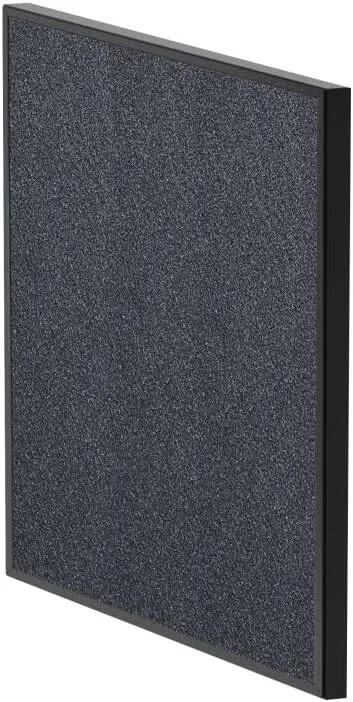
- Activated carbon filters adsorb gases and VOCs, addressing odours and chemical pollutants that HEPA alone cannot capture.
- Ionisers and UV units have variable and sometimes unverified performance; some produce ozone as a byproduct and should be avoided in occupied spaces.
Real-world performance varies significantly. Research on portable air cleaners shows that outcomes depend on room size, unit placement, occupancy patterns, and how long the unit runs. A single unit in a large open-plan office will have a limited effect if placed in the wrong location.
| Air cleaner type | Best for | Limitations |
|---|---|---|
| True HEPA | PM2.5, dust, allergens, biological particles | Does not address gases or VOCs |
| Activated carbon | VOCs, odours, gases | Limited life; must be replaced regularly |
| HEPA + carbon combined | Broadest particulate and VOC coverage | Higher cost; dual filter replacement needed |
| Ioniser | Some particulate removal | May produce ozone; limited independent evidence |
Important: Portable units cannot replace outdoor air ventilation or proper HVAC filtration. Using them as a substitute for fresh air supply will not resolve CO2 build-up and will leave ventilation-related pollutants unaddressed.
Use portable air cleaners when:
- Specific areas such as meeting rooms or print rooms need localised pollutant control.
- Temporary situations arise, such as nearby construction or sandstorm events in the UAE.
- HVAC upgrades are pending and a bridge solution is needed.
- Measured PM2.5 or VOC levels remain elevated despite HVAC improvements.
Measure success: Verifying improvements and ongoing management
Installing solutions is not the end of the process. Without measurement, it is not possible to confirm whether changes have delivered real improvements or identify where problems persist.
Setting up air quality tracking:
- Position CO2 monitors in representative locations: a densely occupied work area, a meeting room, and near any identified source hotspot.
- Log PM2.5 readings at the same times each day, including before and after occupancy hours.
- Conduct periodic VOC spot-checks using handheld sensors, particularly after cleaning, renovations, or new furniture deliveries.
- Record HVAC filter change dates and any maintenance actions alongside air quality readings.
- Review data monthly and compare against baseline measurements from the initial assessment.
CO2 monitoring is particularly useful for detecting whether ventilation improvements have translated into real pollutant dilution. Target CO2 levels below 1,000 ppm during occupancy; readings consistently above 1,200 ppm signal insufficient outdoor air supply.
Interpreting results:
| Indicator | Signs of improvement | Warning signs requiring action |
|---|---|---|
| CO2 levels | Below 1,000 ppm during peak hours | Above 1,200 ppm; rising trend over time |
| PM2.5 readings | Consistent reduction after HVAC filter upgrade | Spikes during outdoor dust events or after cleaning |
| VOC levels | Drop after product substitutions | Elevated readings following renovations or deliveries |
| Staff feedback | Fewer complaints about headaches or fatigue | Persistent reports of odour or eye irritation |
| Sick leave data | Reduced absenteeism over time | No change or increase despite air quality actions |
Involving staff is a practical asset here. Facilities teams cannot observe all areas at all times. Staff who understand what poor air quality symptoms look like and have a simple way to report concerns provide real-time intelligence that sensors alone cannot capture. Brief staff quarterly on what is being monitored and what actions have been taken.
Why a balanced, measured approach is essential for UAE offices
Most guides stop at recommending filters and purifiers. The reality in UAE offices is more specific, and the gap between purchasing equipment and achieving genuine air quality improvement is wider than most managers expect.
A common pattern in UAE commercial fit-outs involves newly installed furniture, fresh paint, new carpet, and sealed double-glazing, all launched simultaneously. Each element off-gasses VOCs, and without verified outdoor air supply, those compounds accumulate. Adding a portable air cleaner to this scenario provides marginal improvement at best. The core issue is that better filters or air cleaners may not help if outdoor air supply and distribution are insufficient.
The UAE’s climate creates a specific pressure: facilities teams reduce outdoor air intake during summer months to ease cooling loads and reduce energy costs. This is understandable but directly degrades air quality. Offices end up with elevated CO2 and recirculated pollutants for months at a time. The solution is not simply more technology. It is a managed balance between energy performance and ventilation rate, reviewed regularly and adjusted based on measured data.
The most effective UAE offices treat air quality as an ongoing operational function, not a one-off project. They monitor, adjust, check HVAC performance quarterly, and involve staff in feedback. This approach consistently outperforms offices that invest heavily in a product upgrade but neglect the underlying systems. Measurement is not optional; it is what separates genuine improvement from assumed improvement.
Take the next step towards clean office air
Addressing office air quality across UAE workspaces requires the right products, the right approach, and reliable supply.
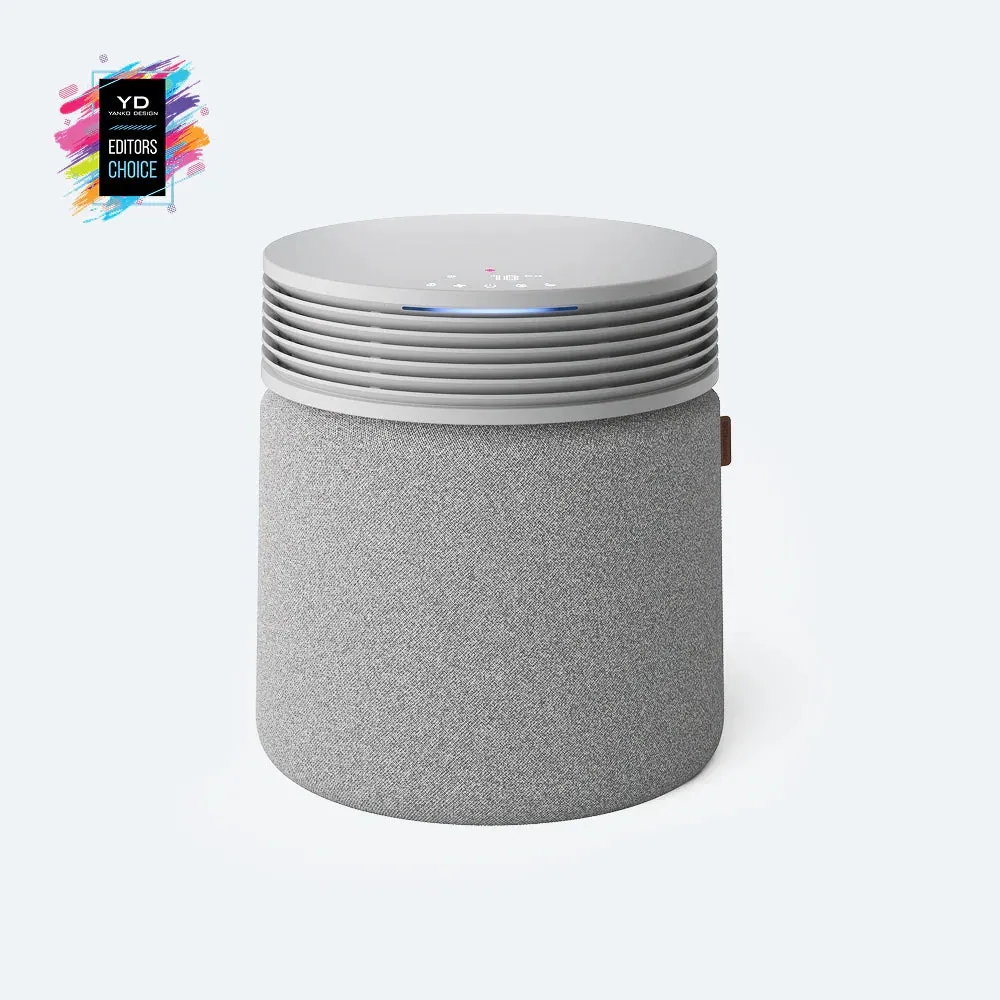
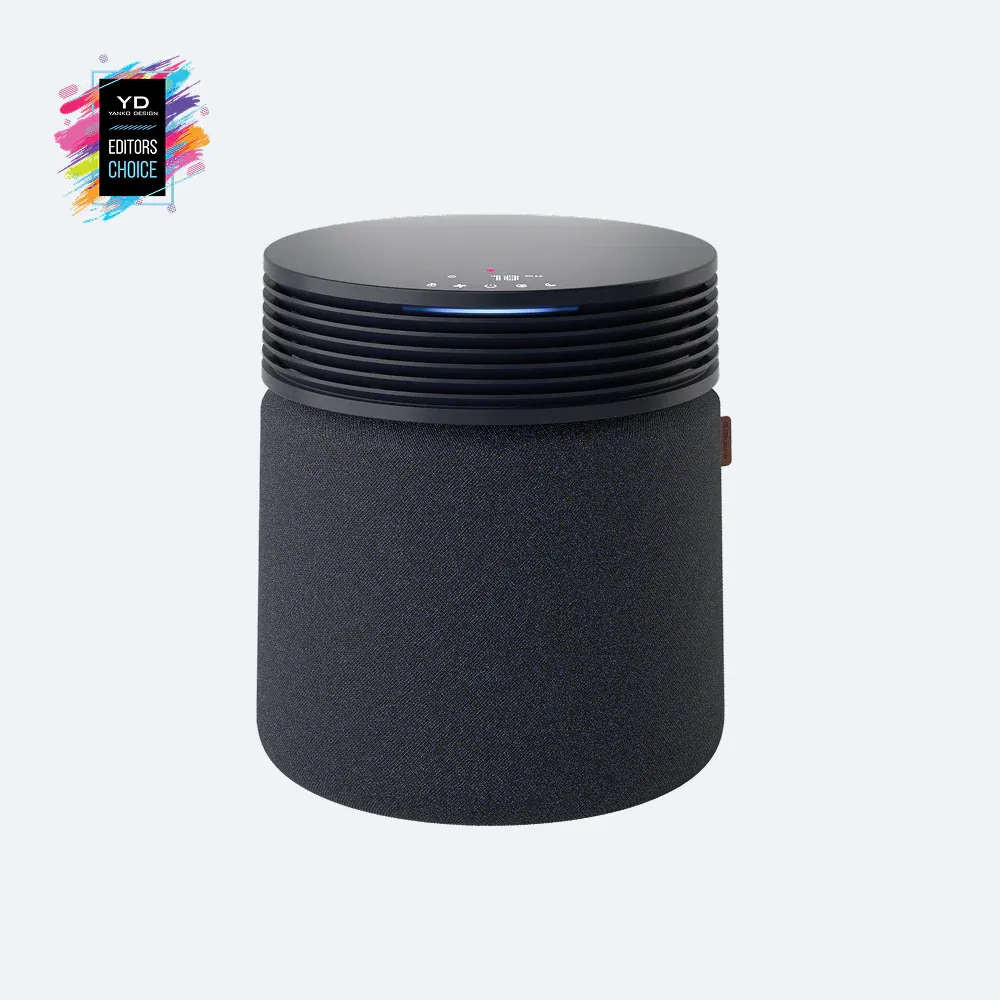
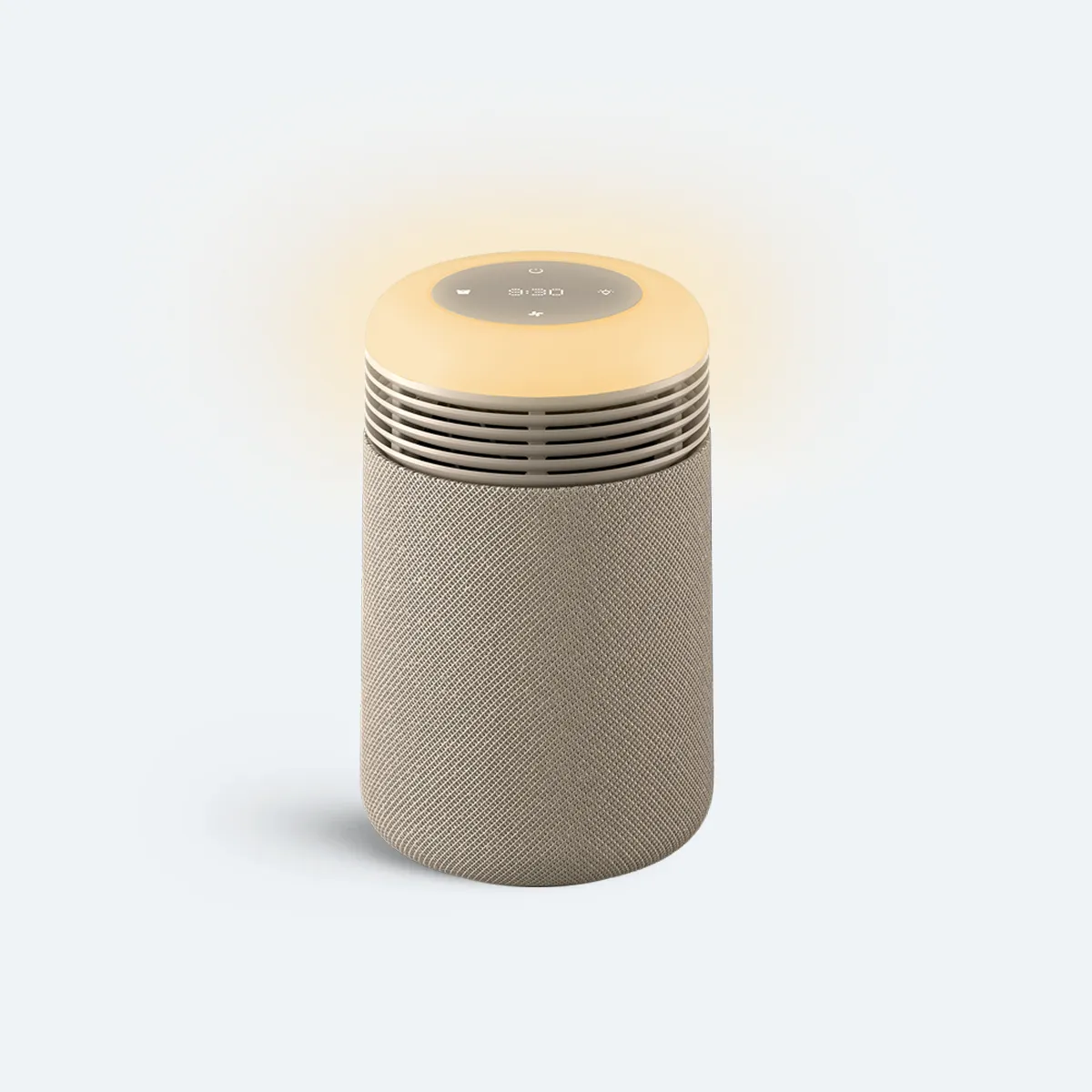
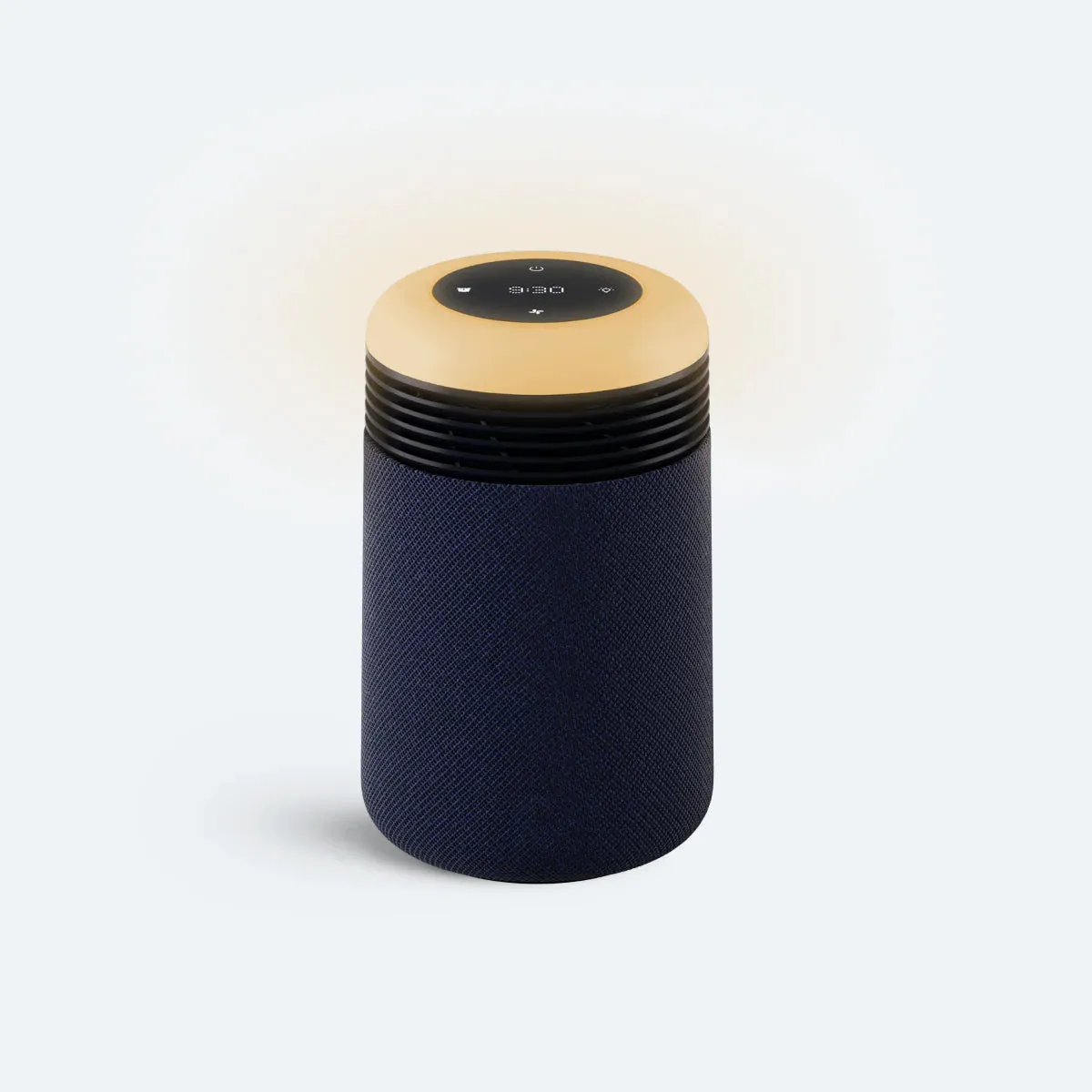
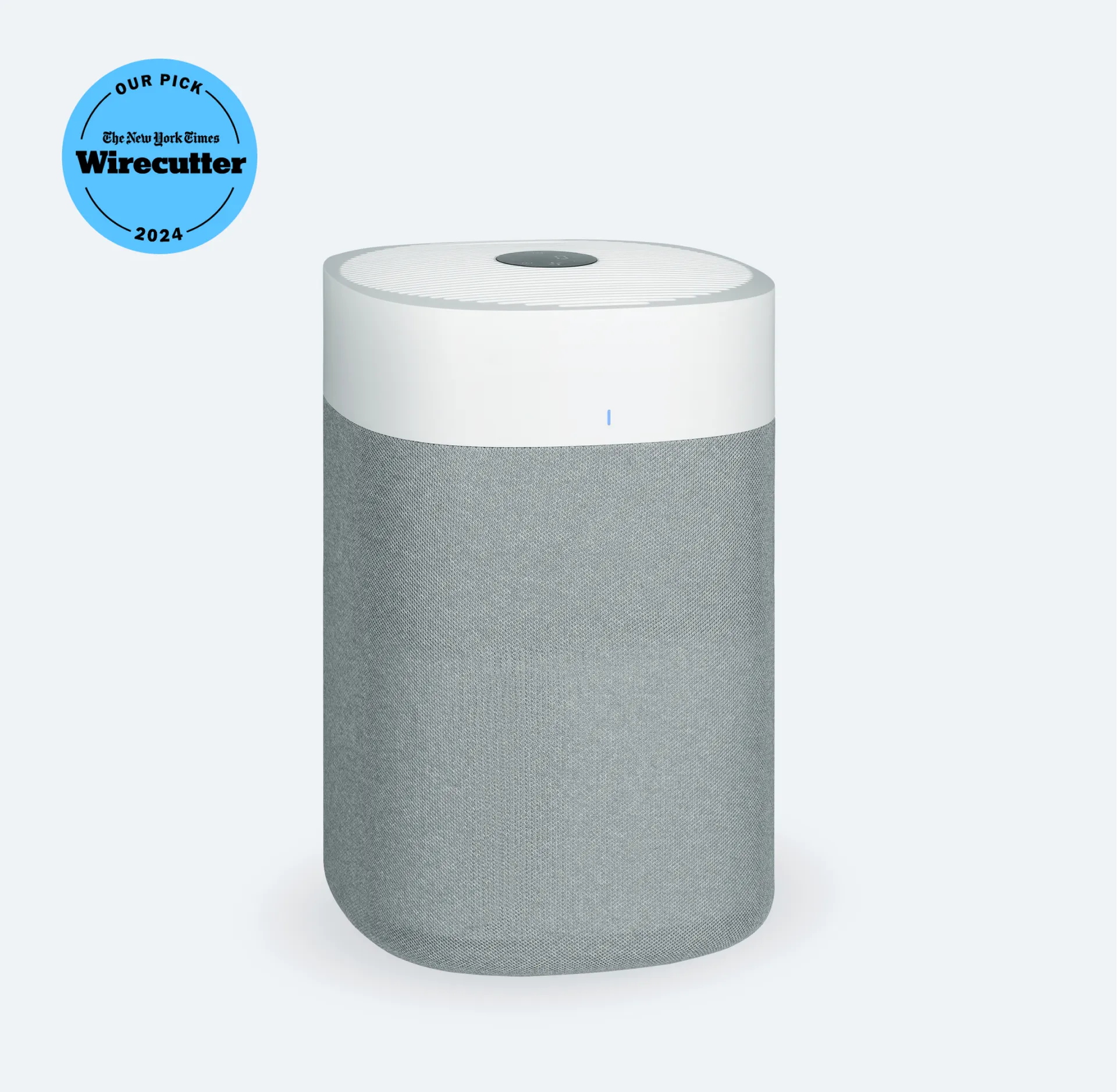
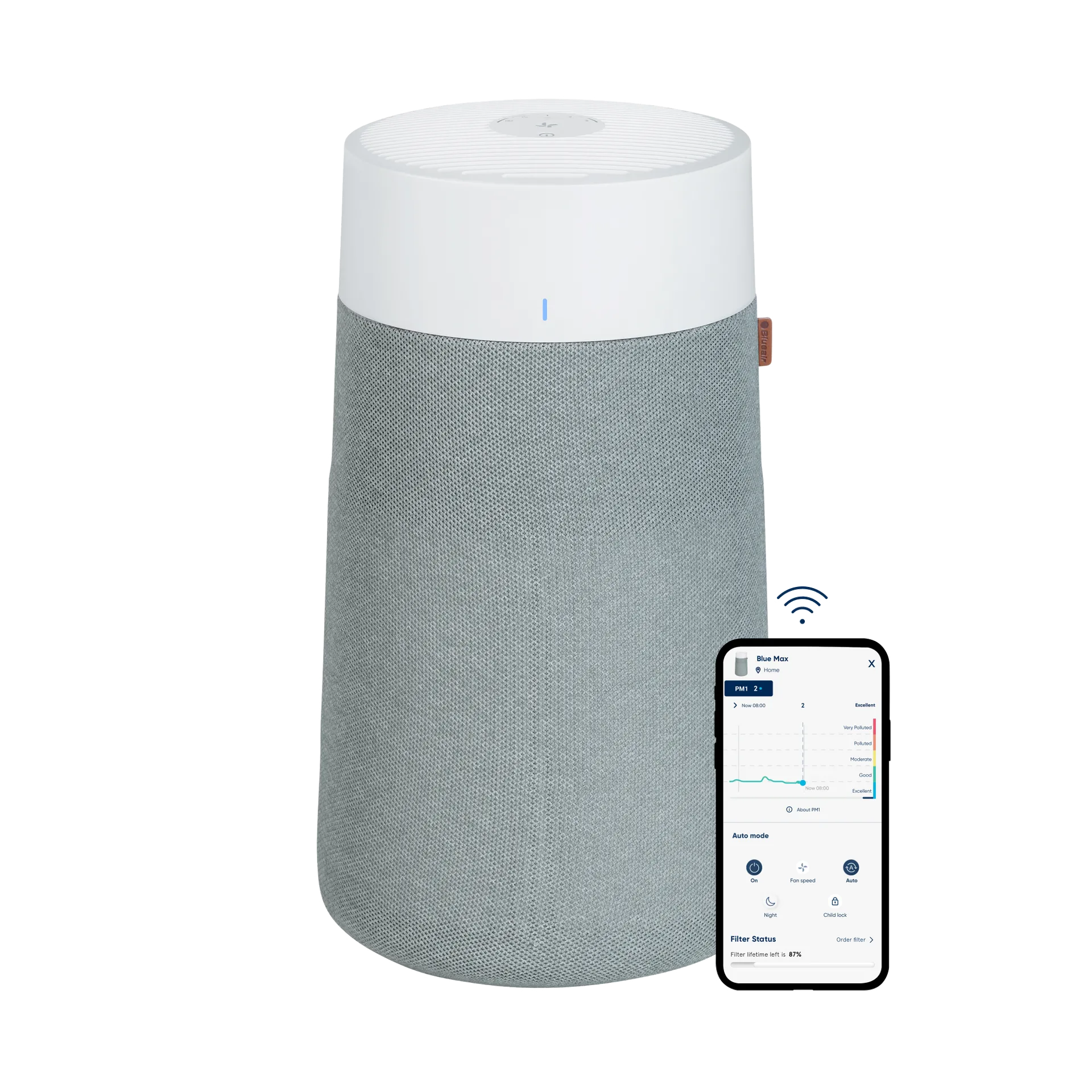
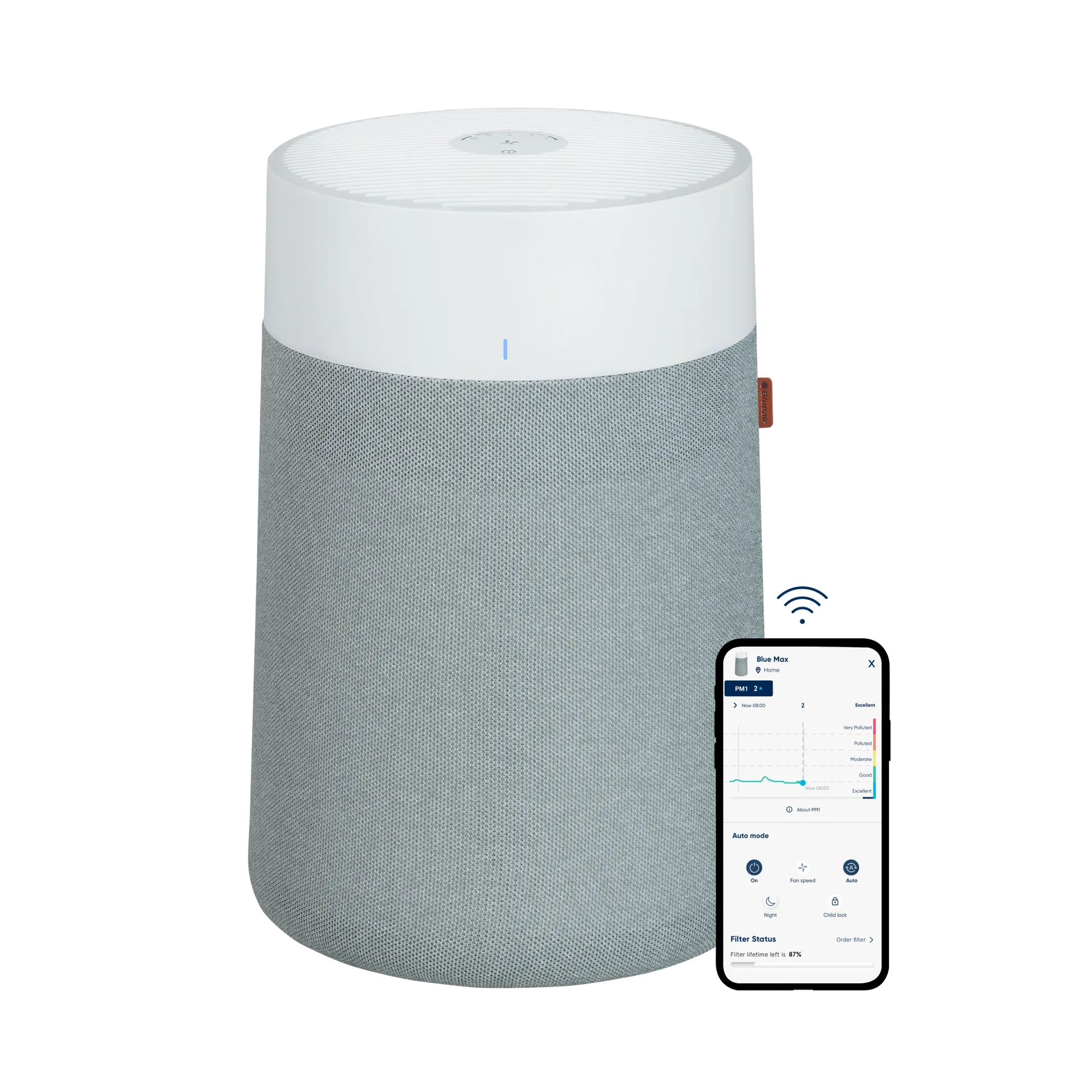
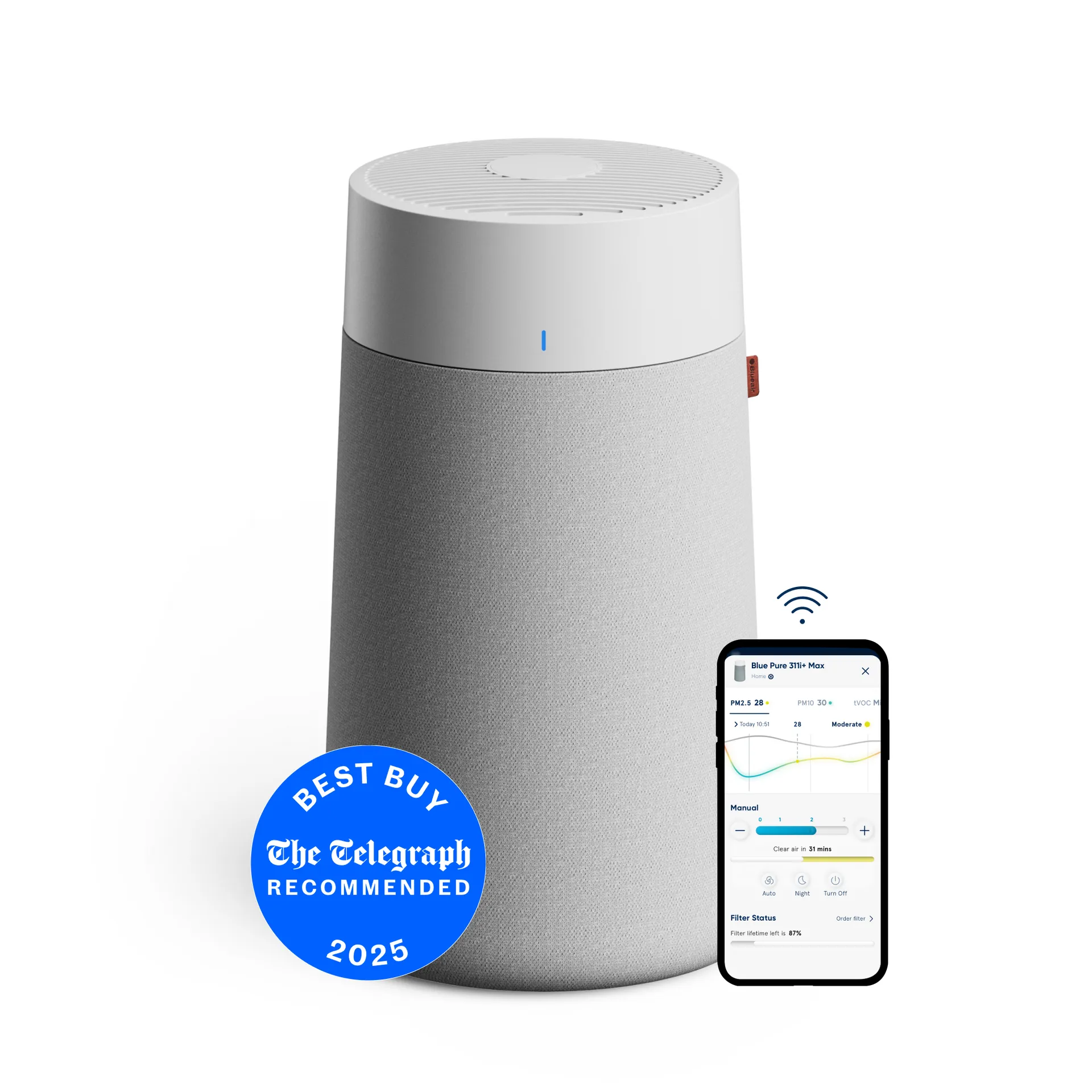
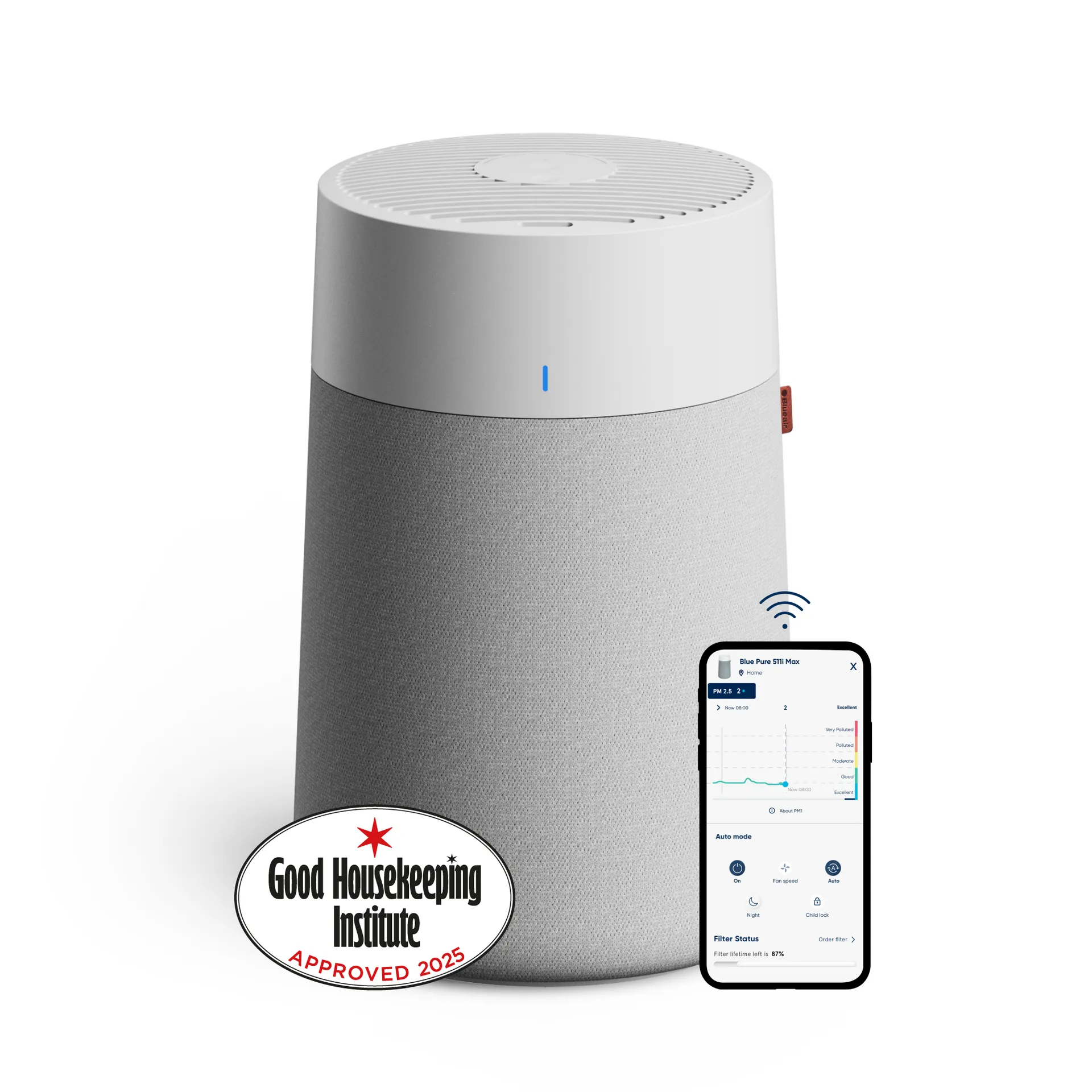
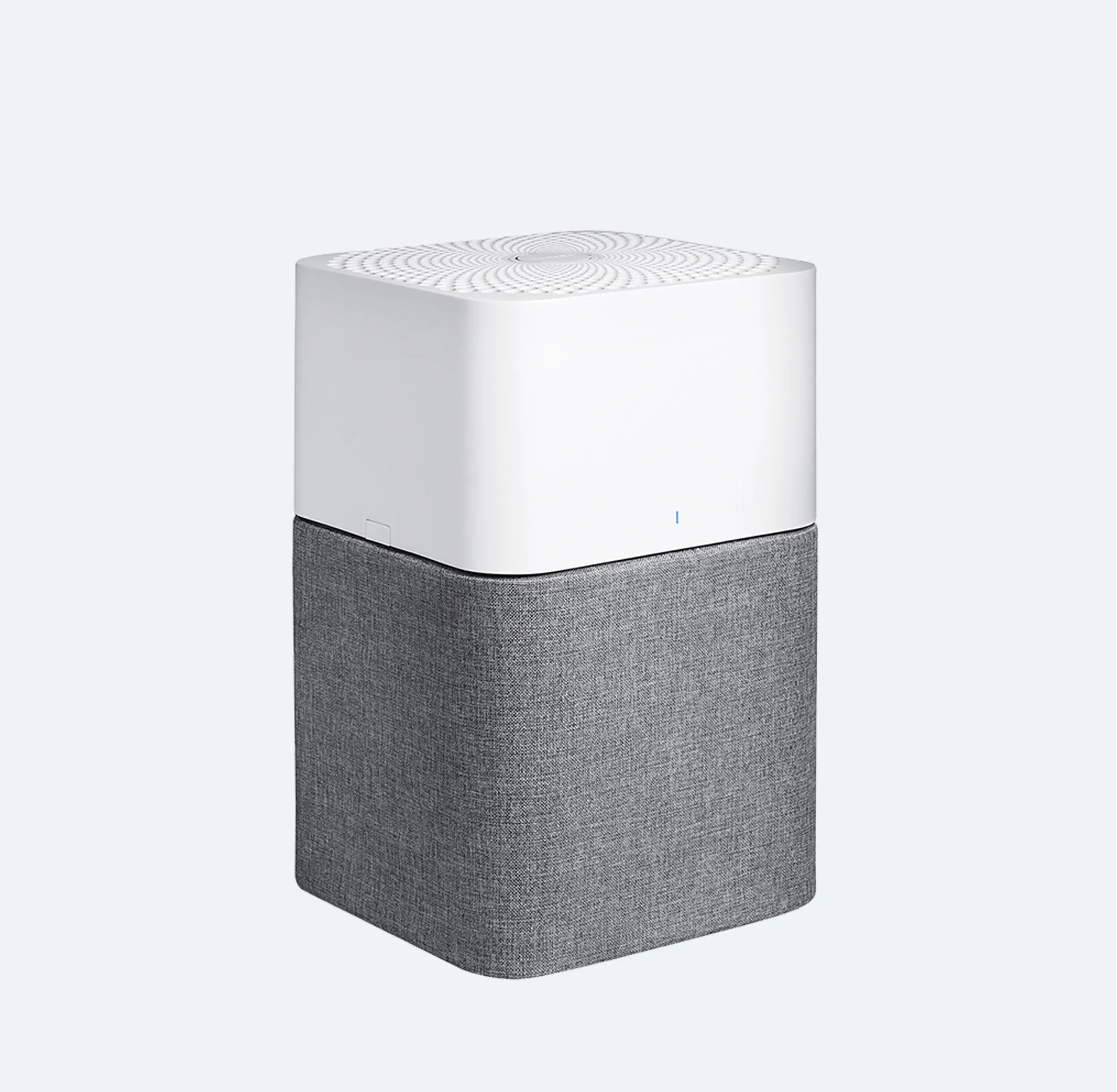
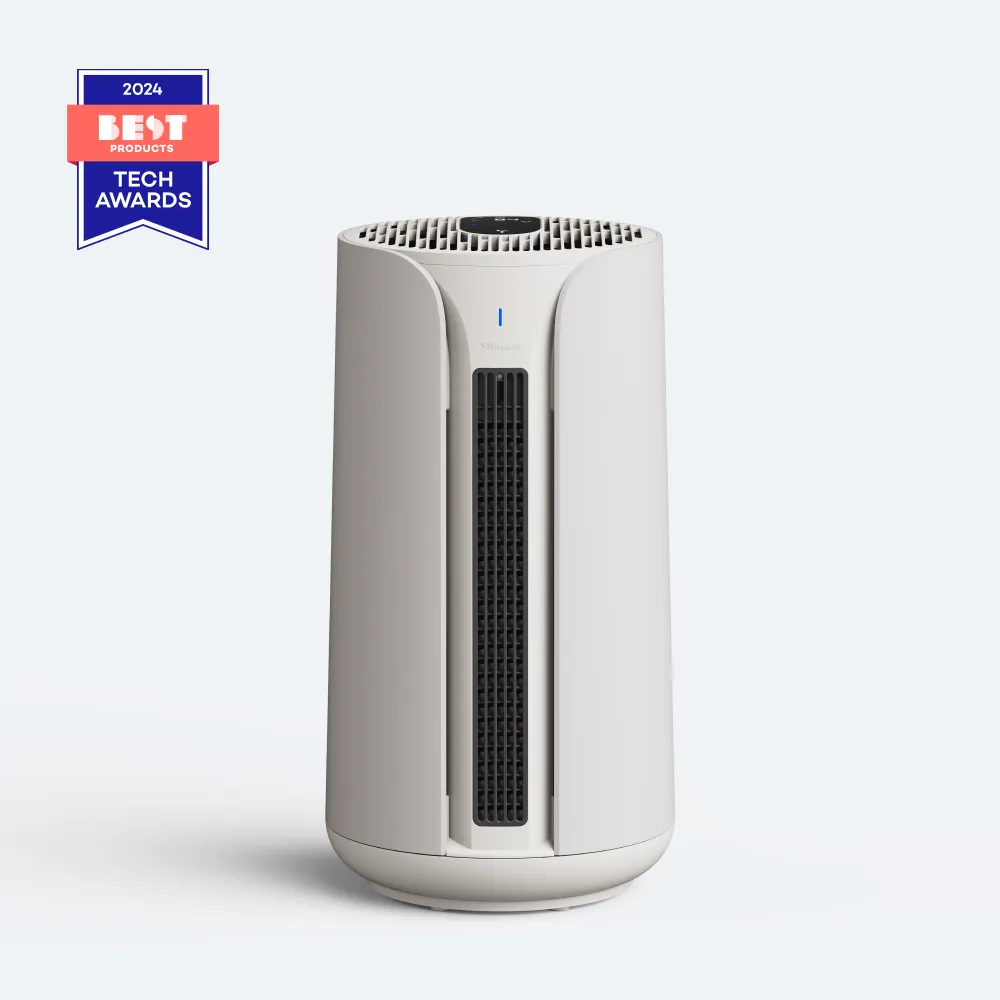
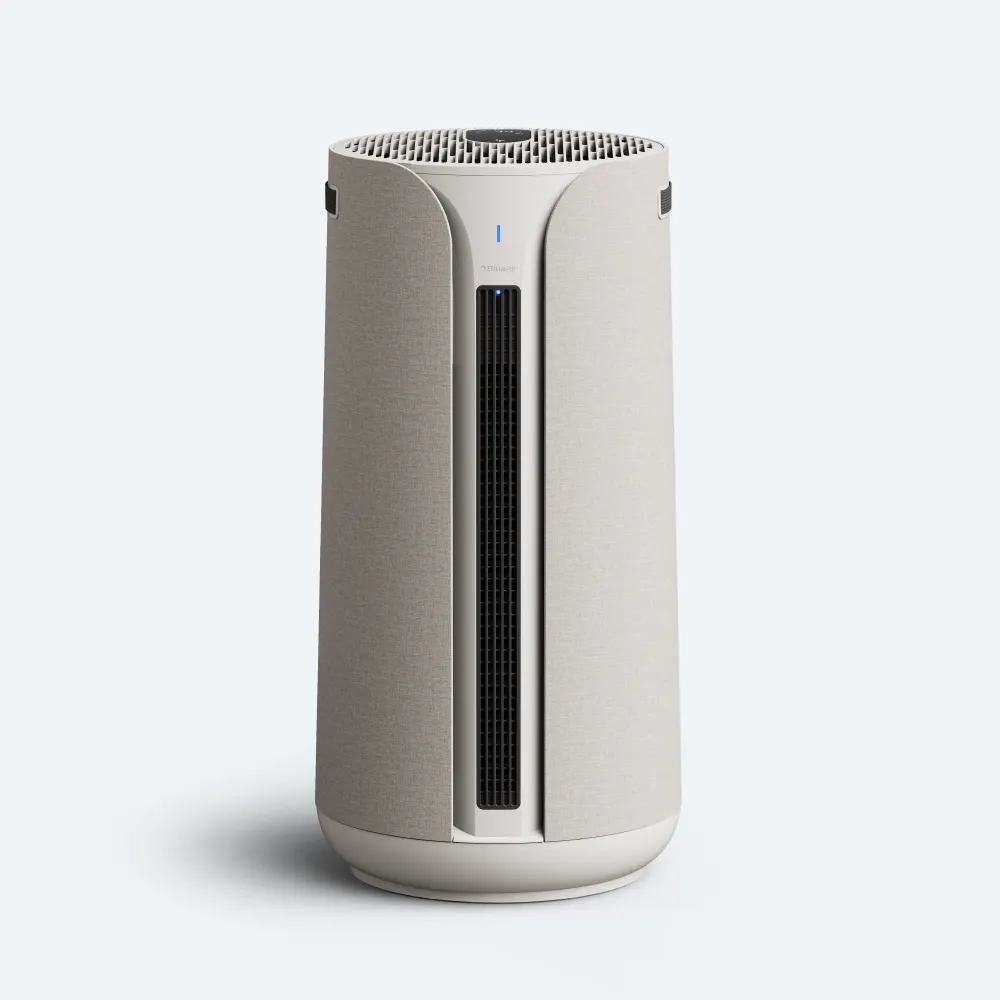
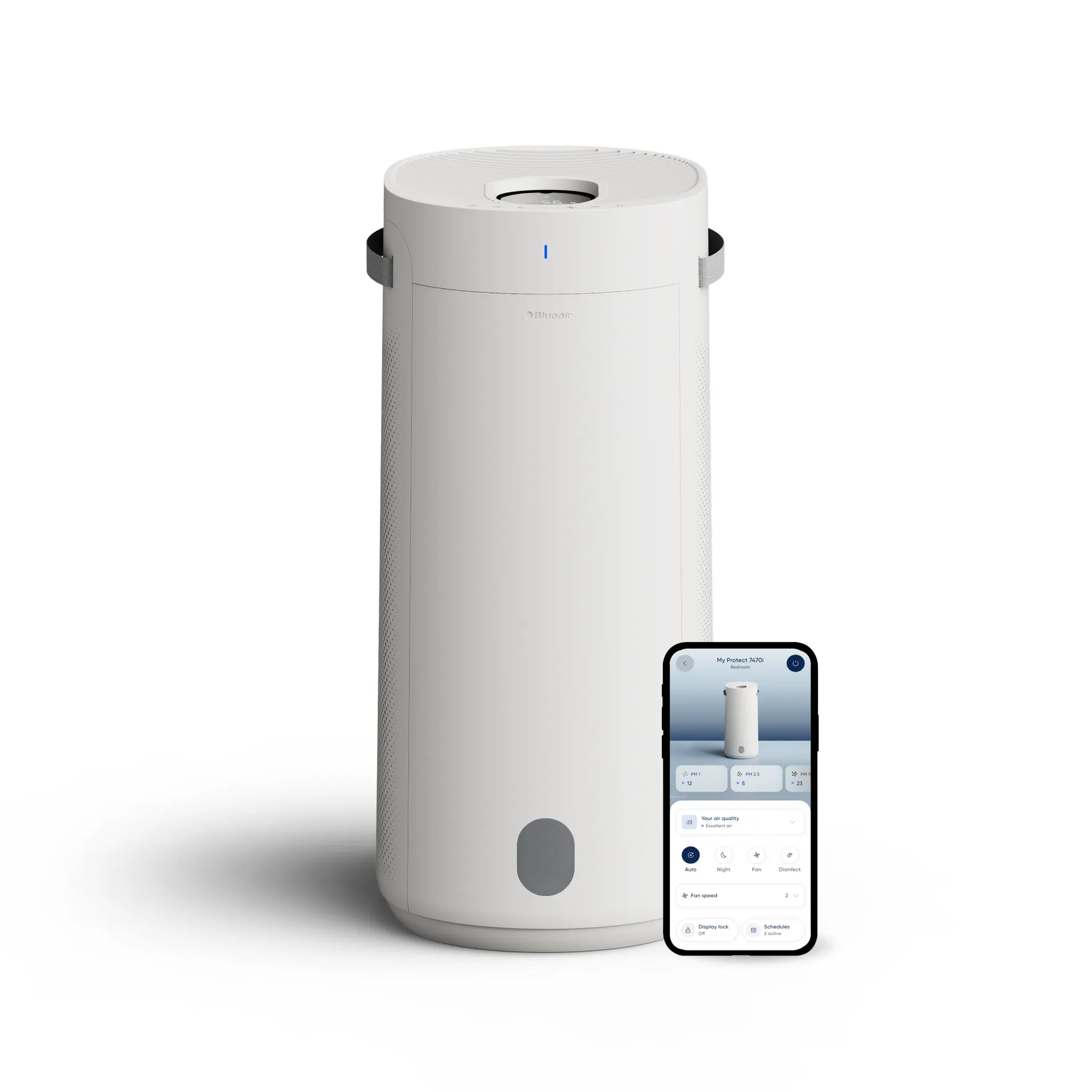
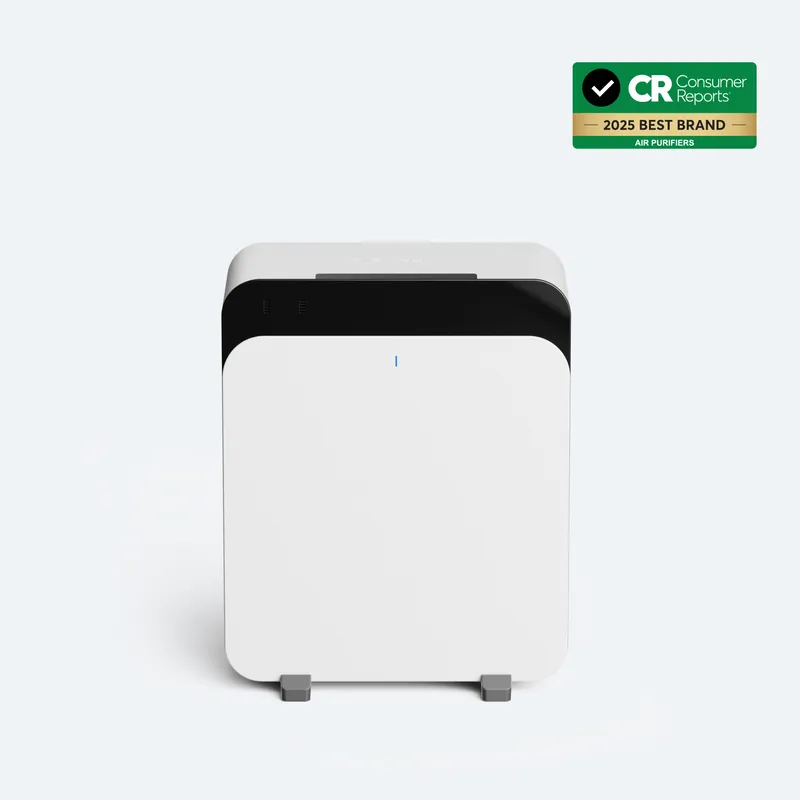
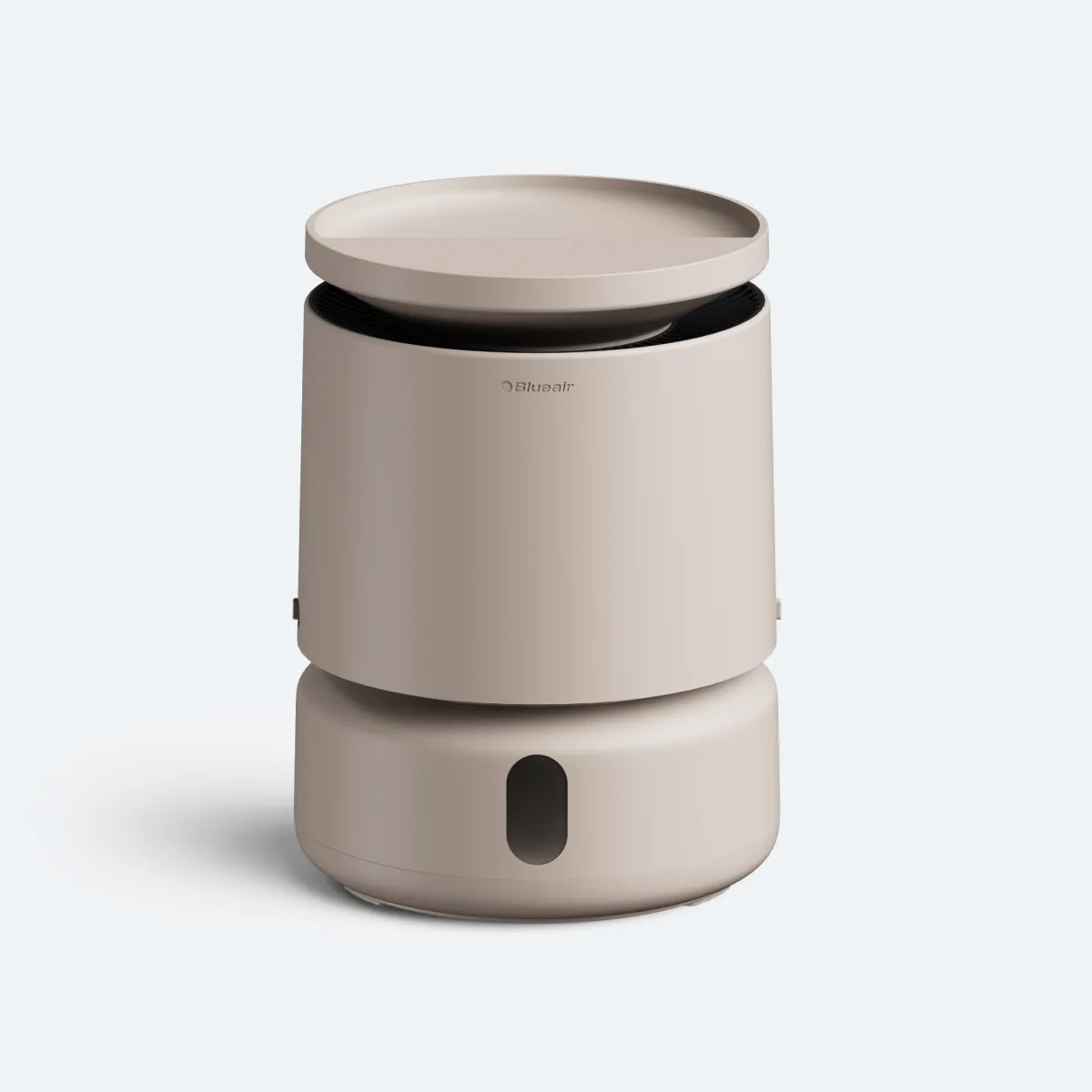
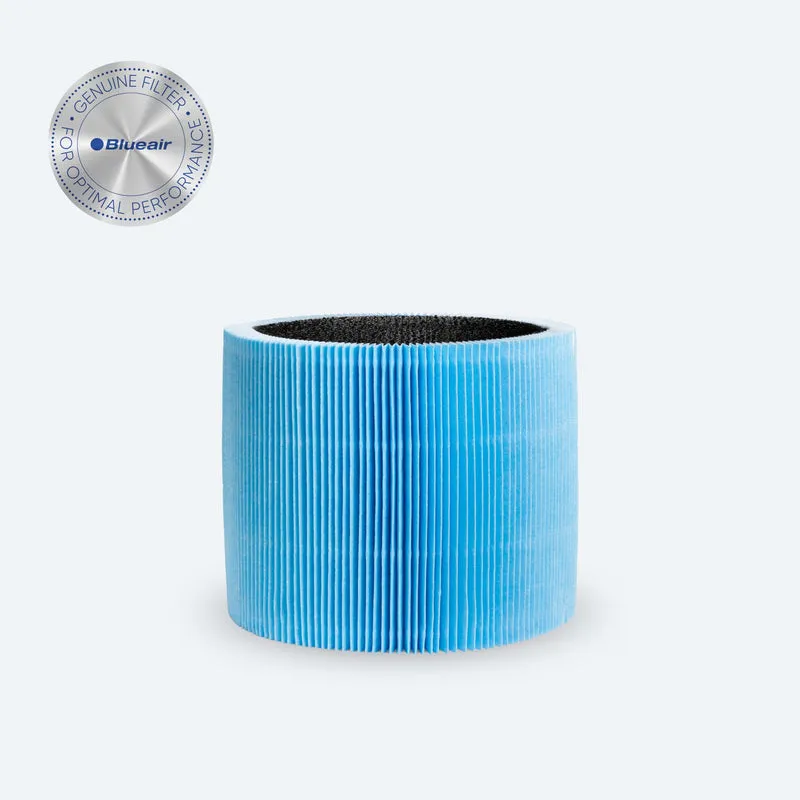
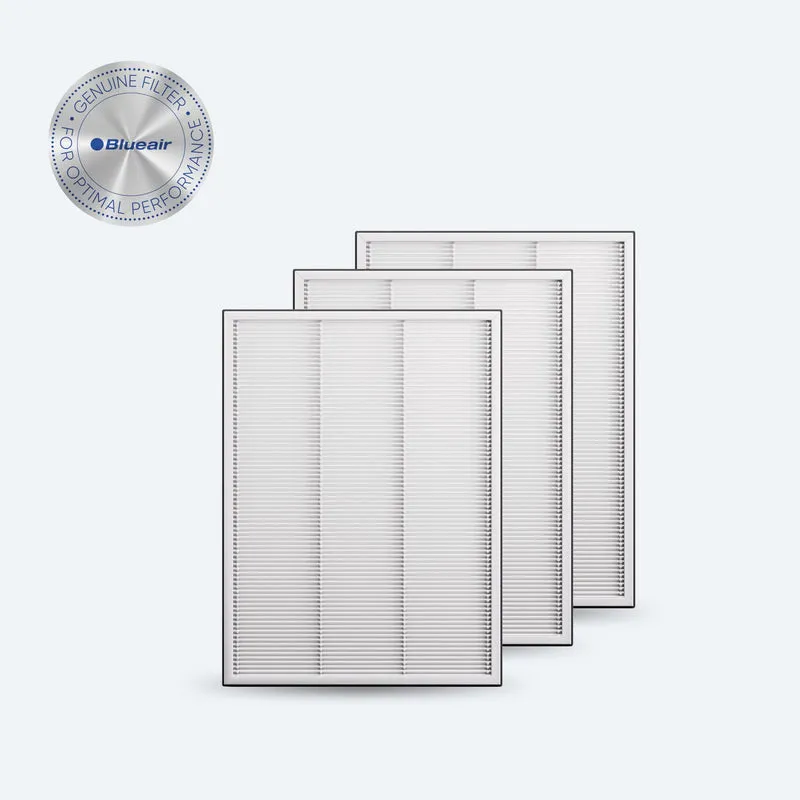
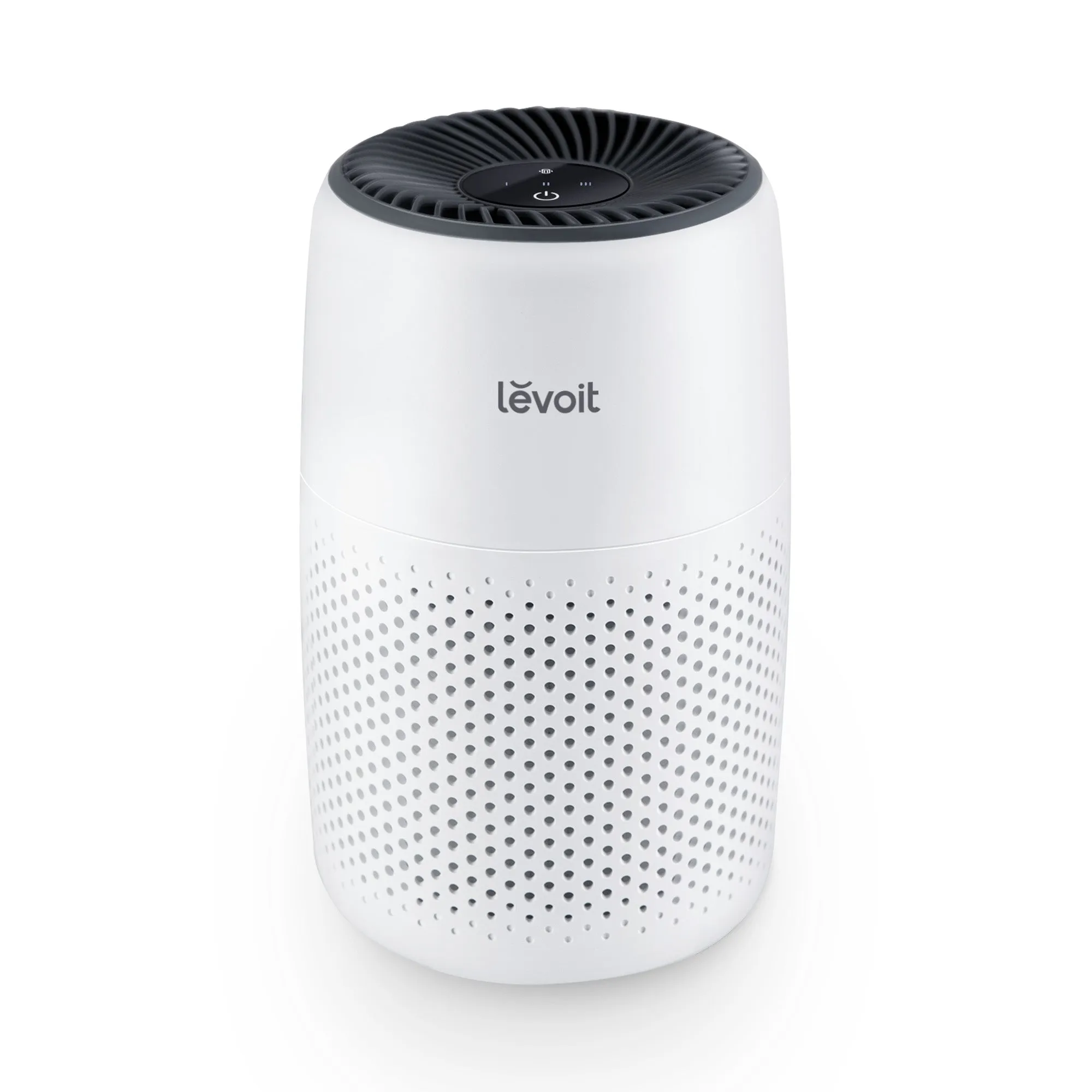
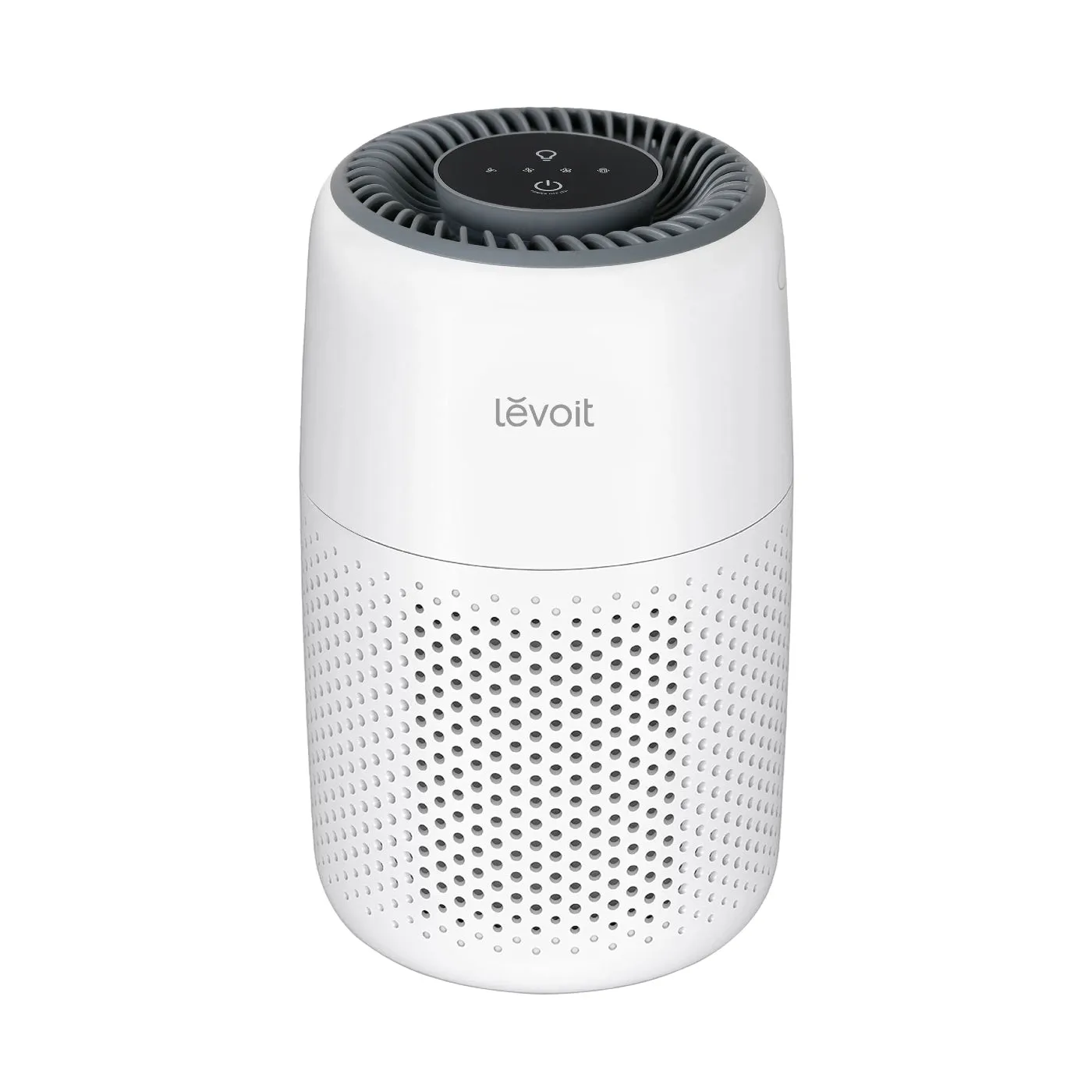
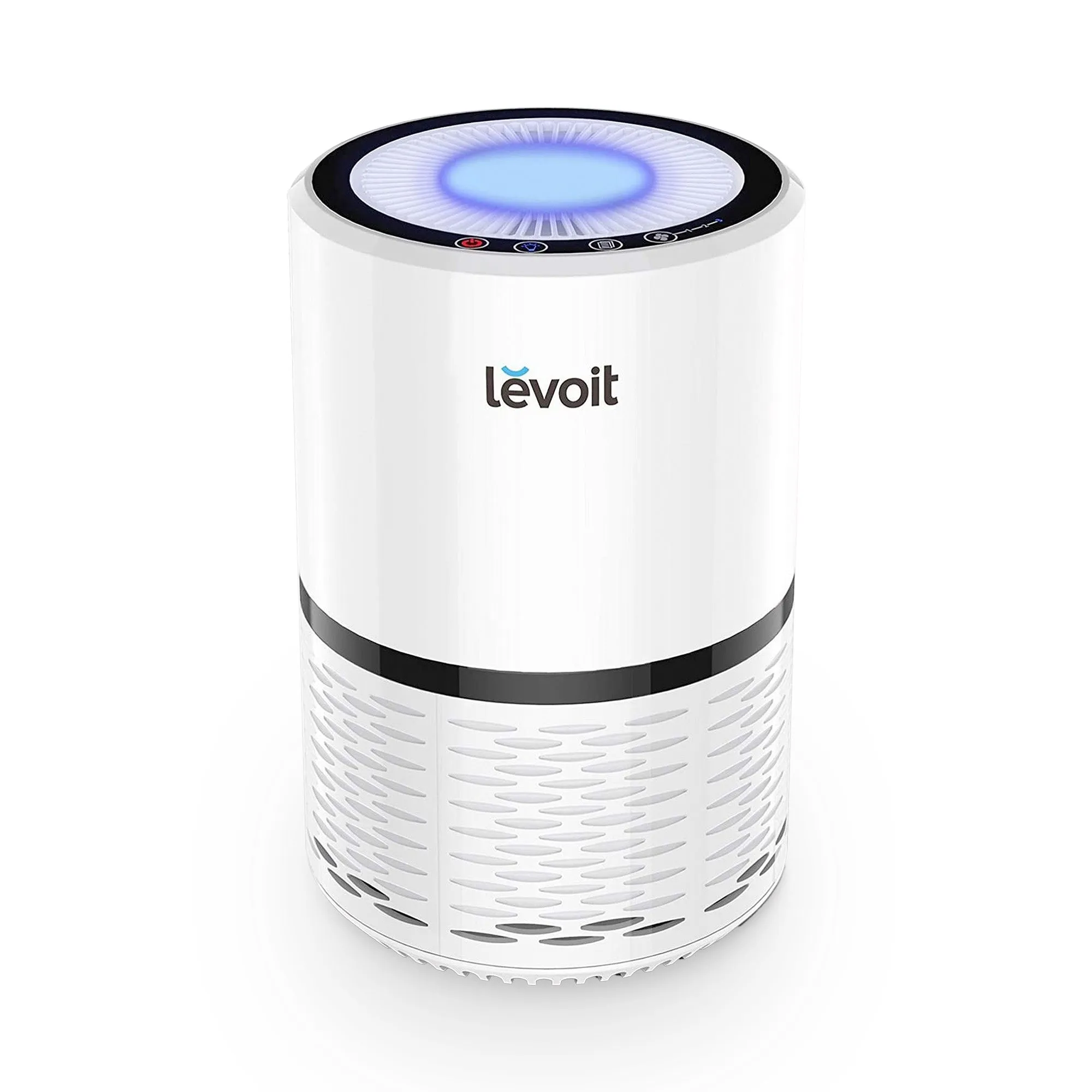
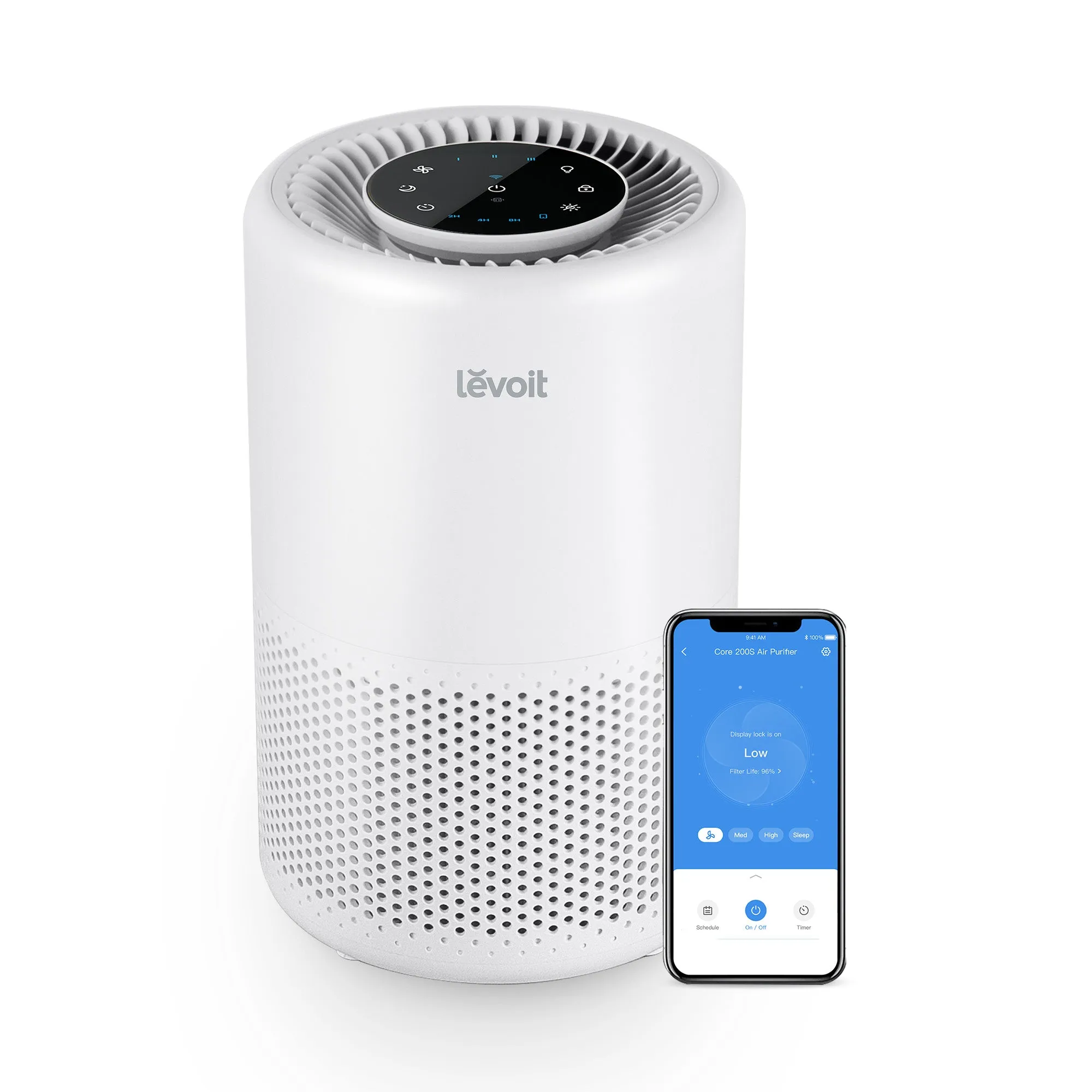
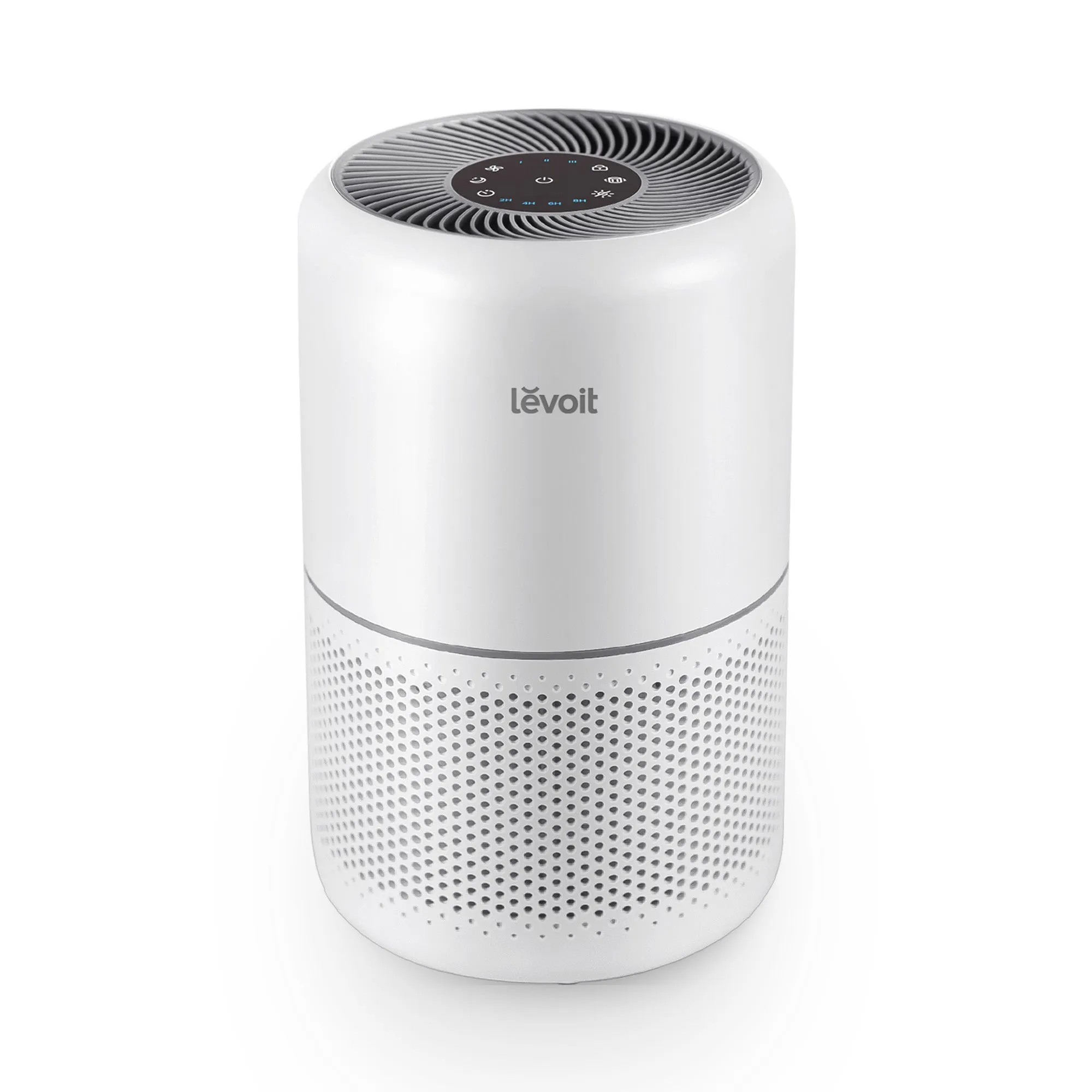
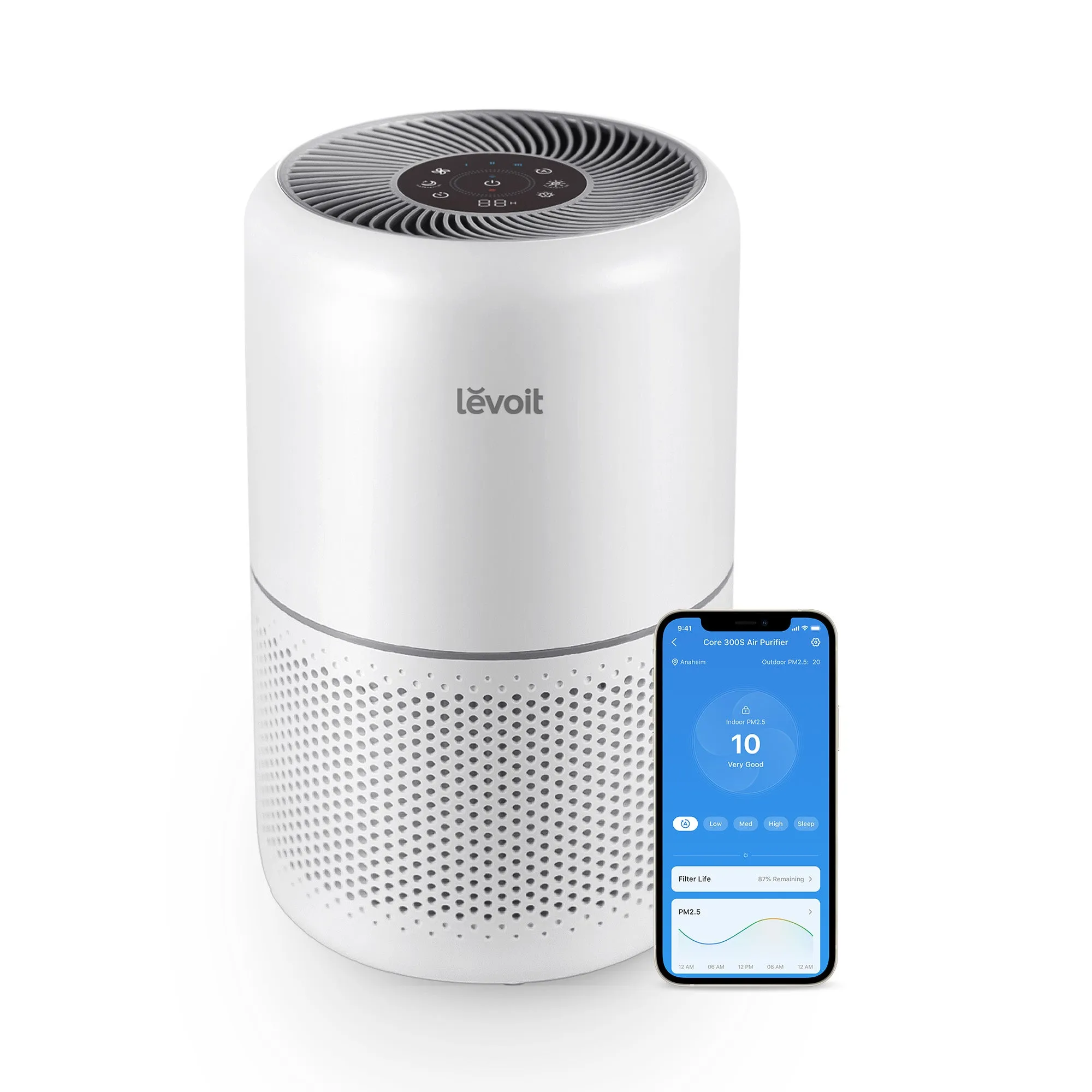
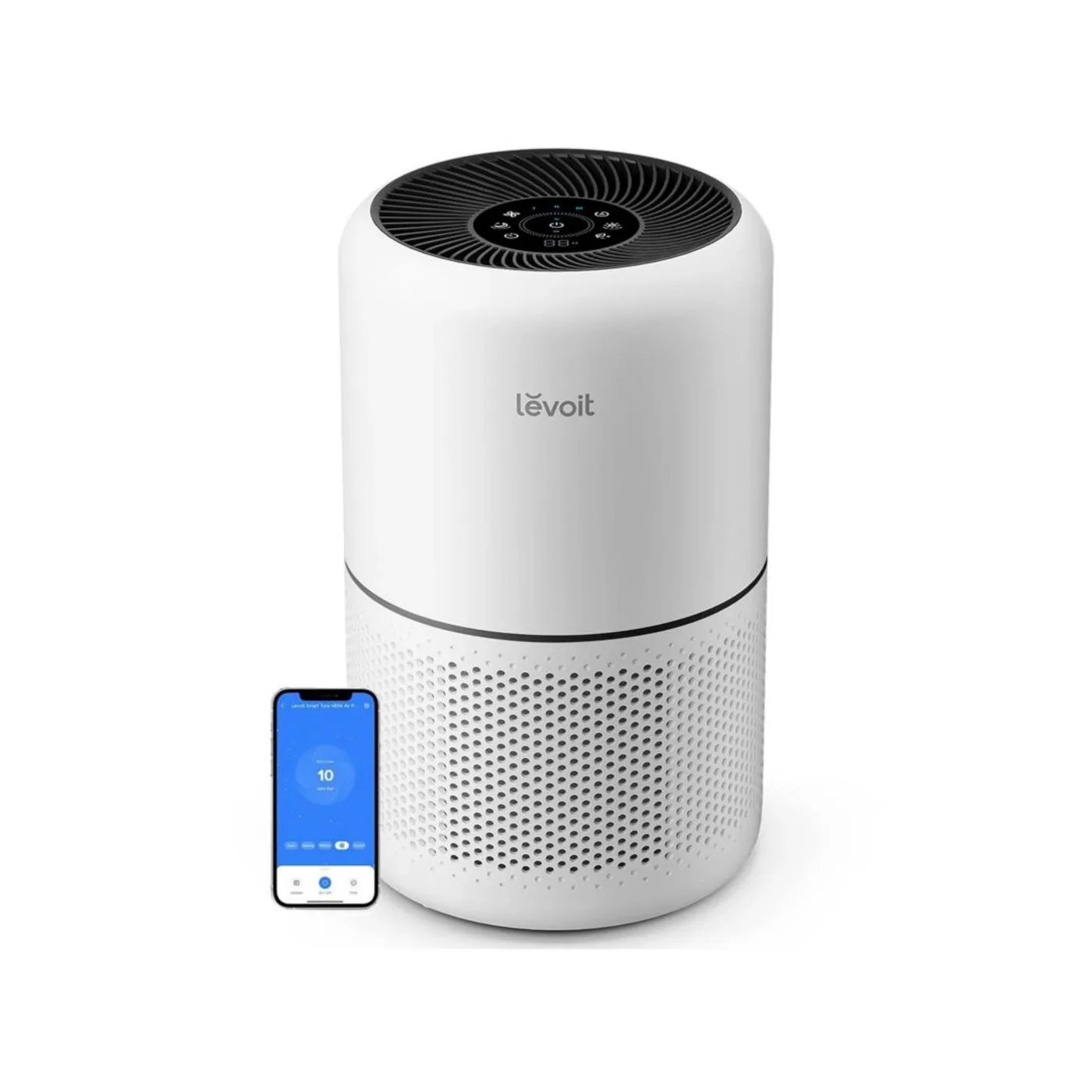
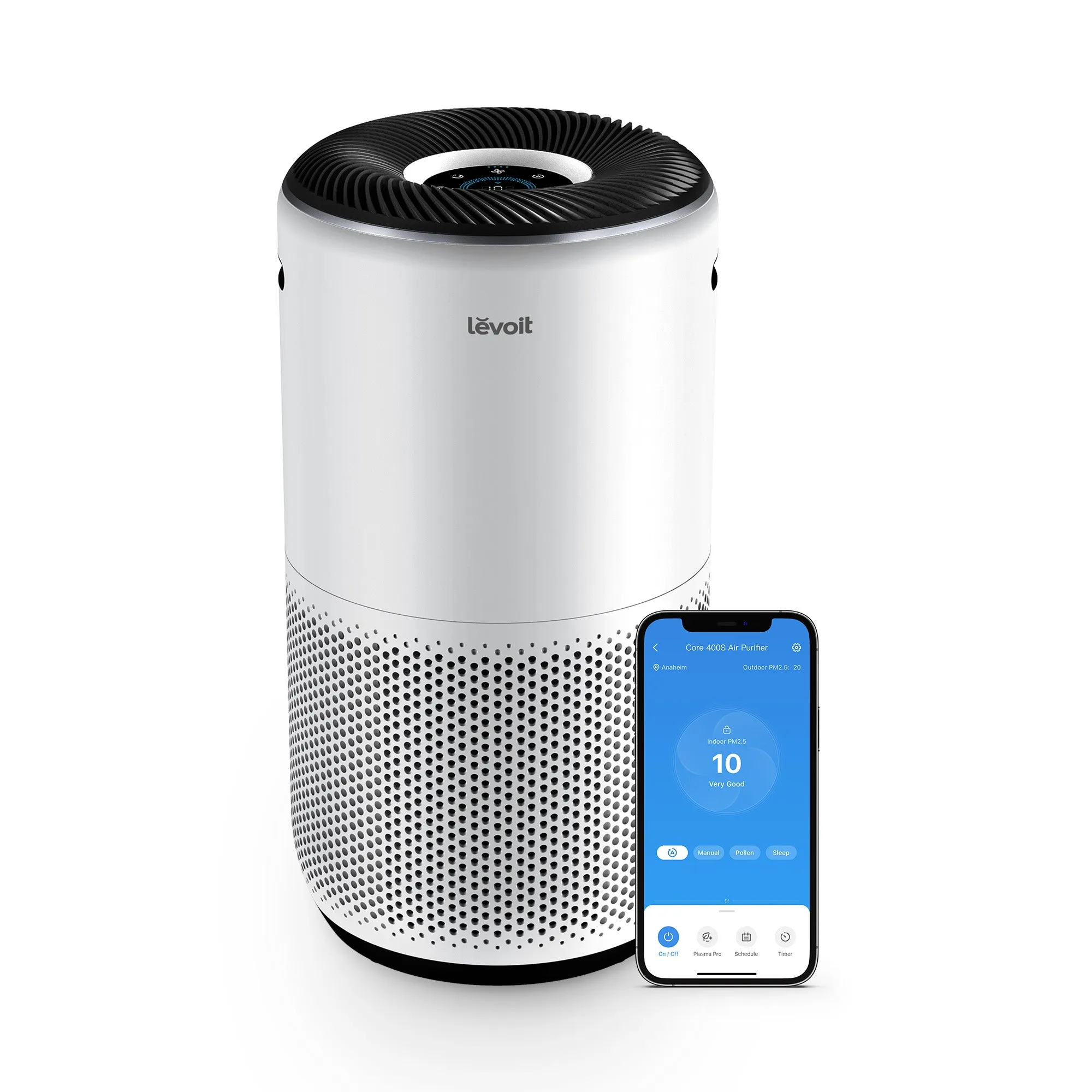
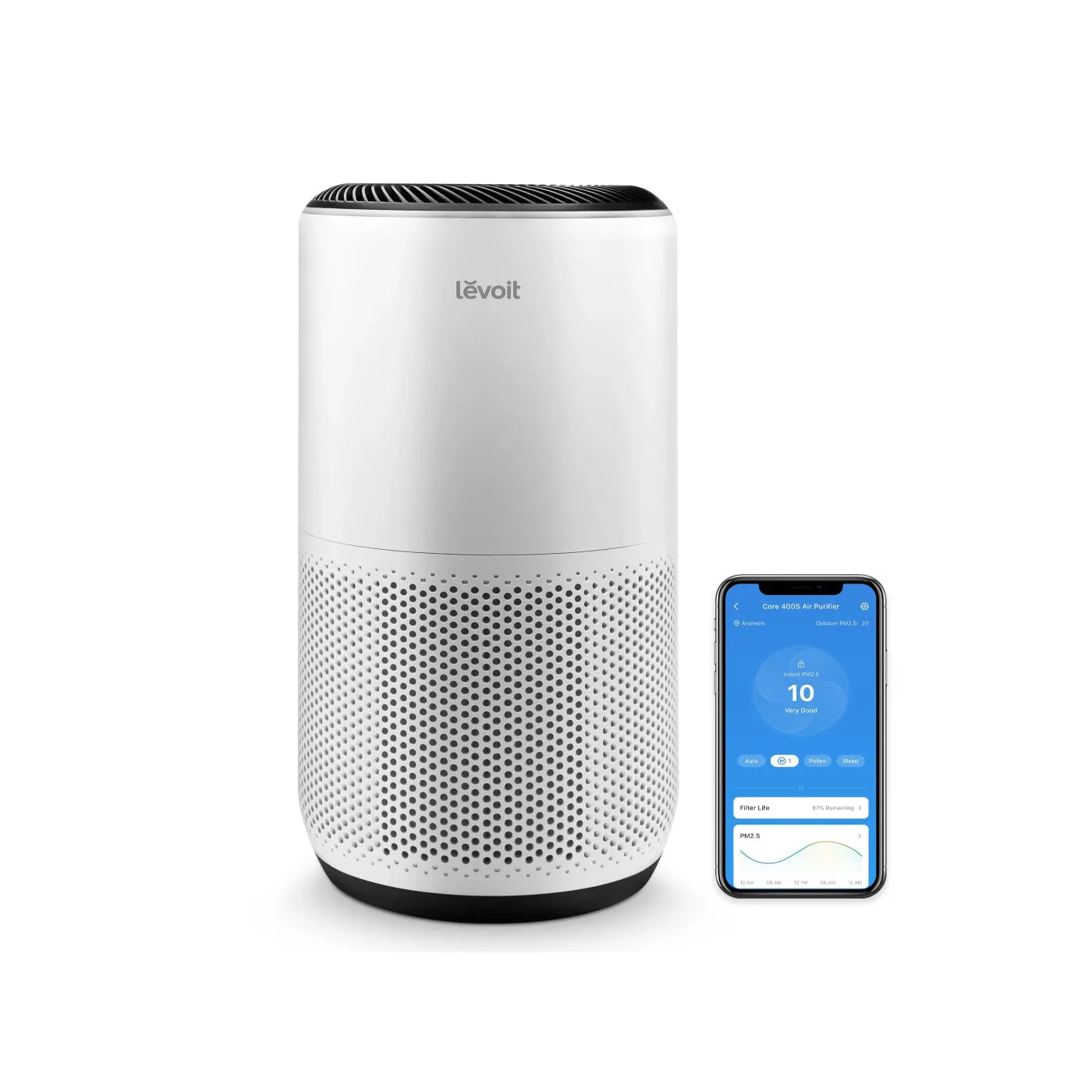
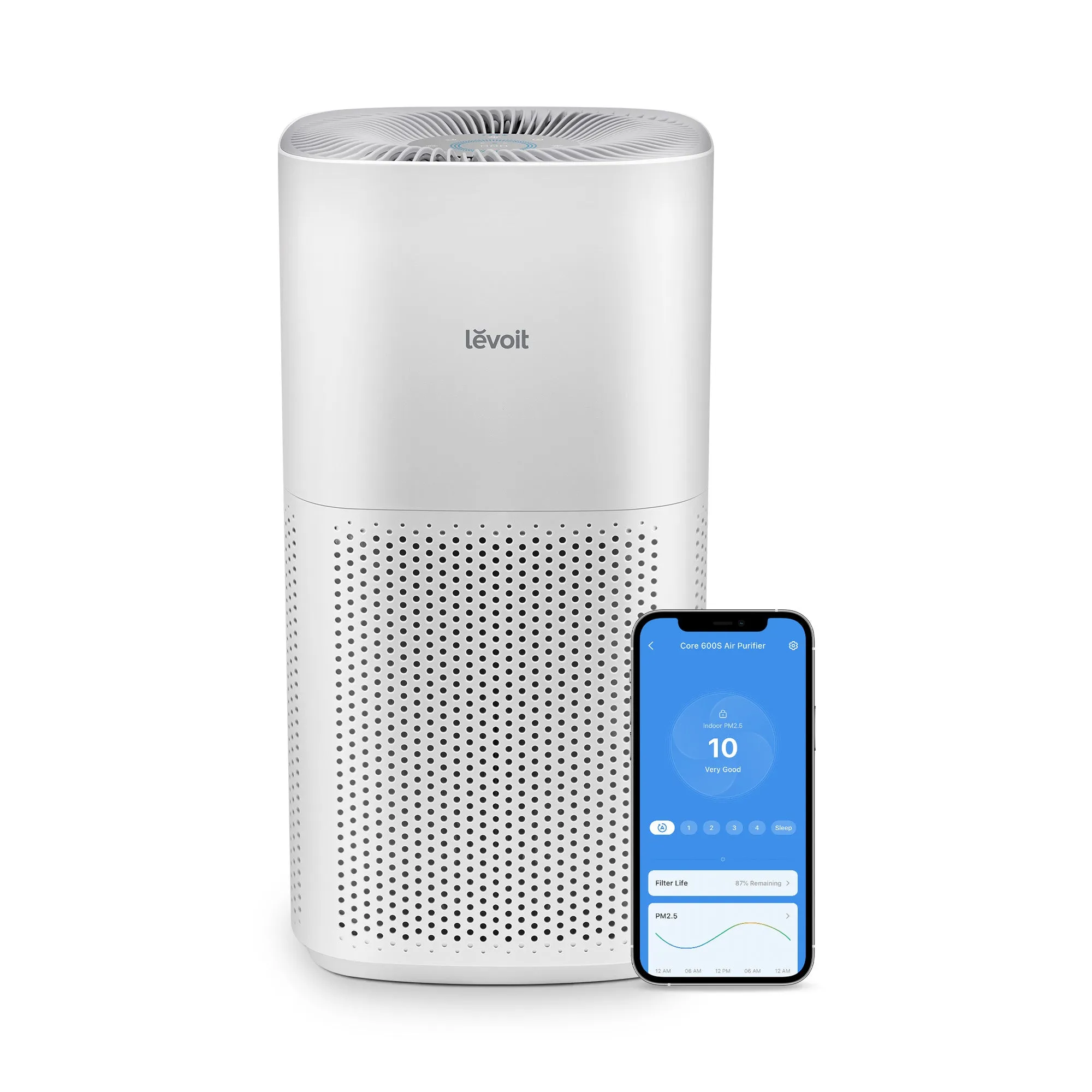
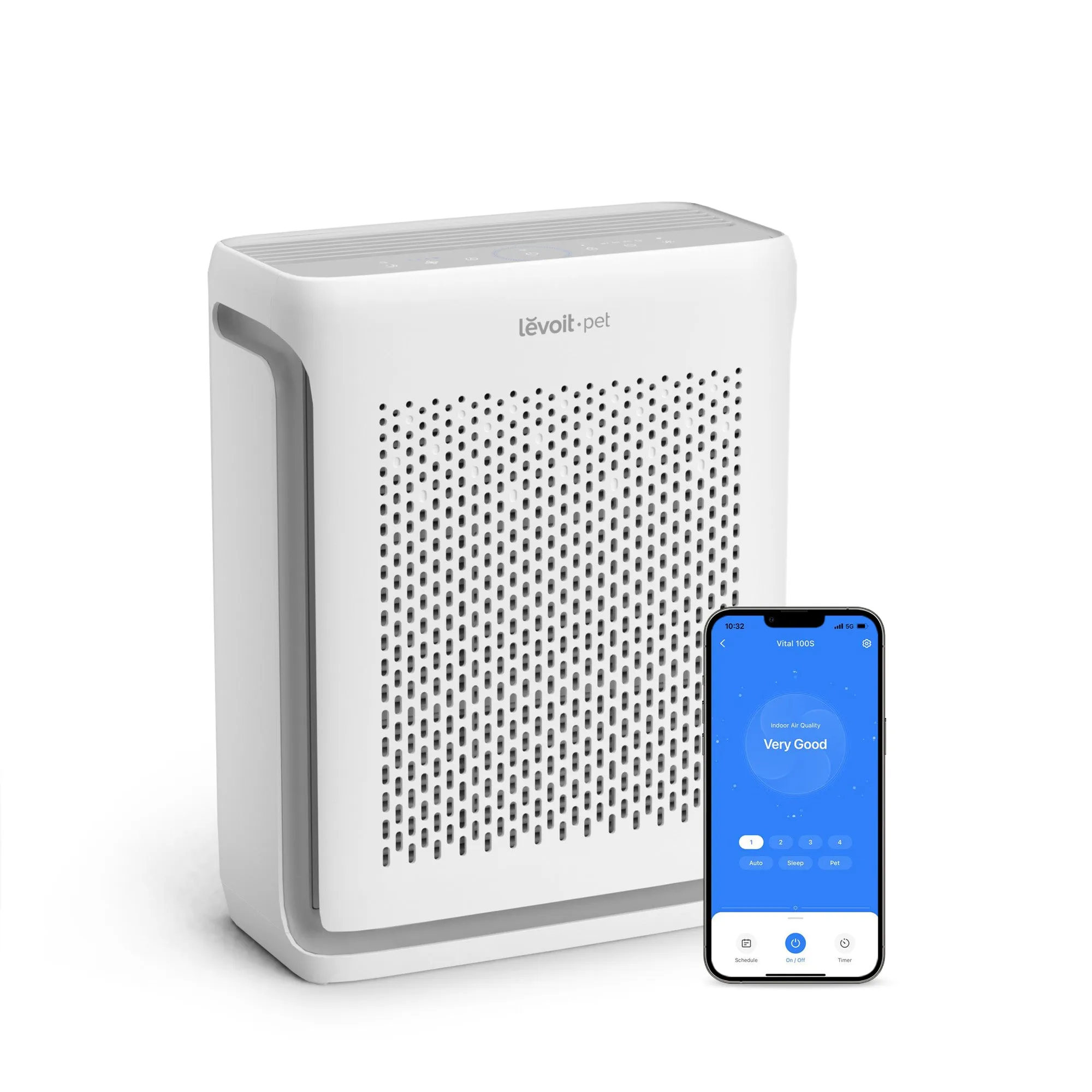
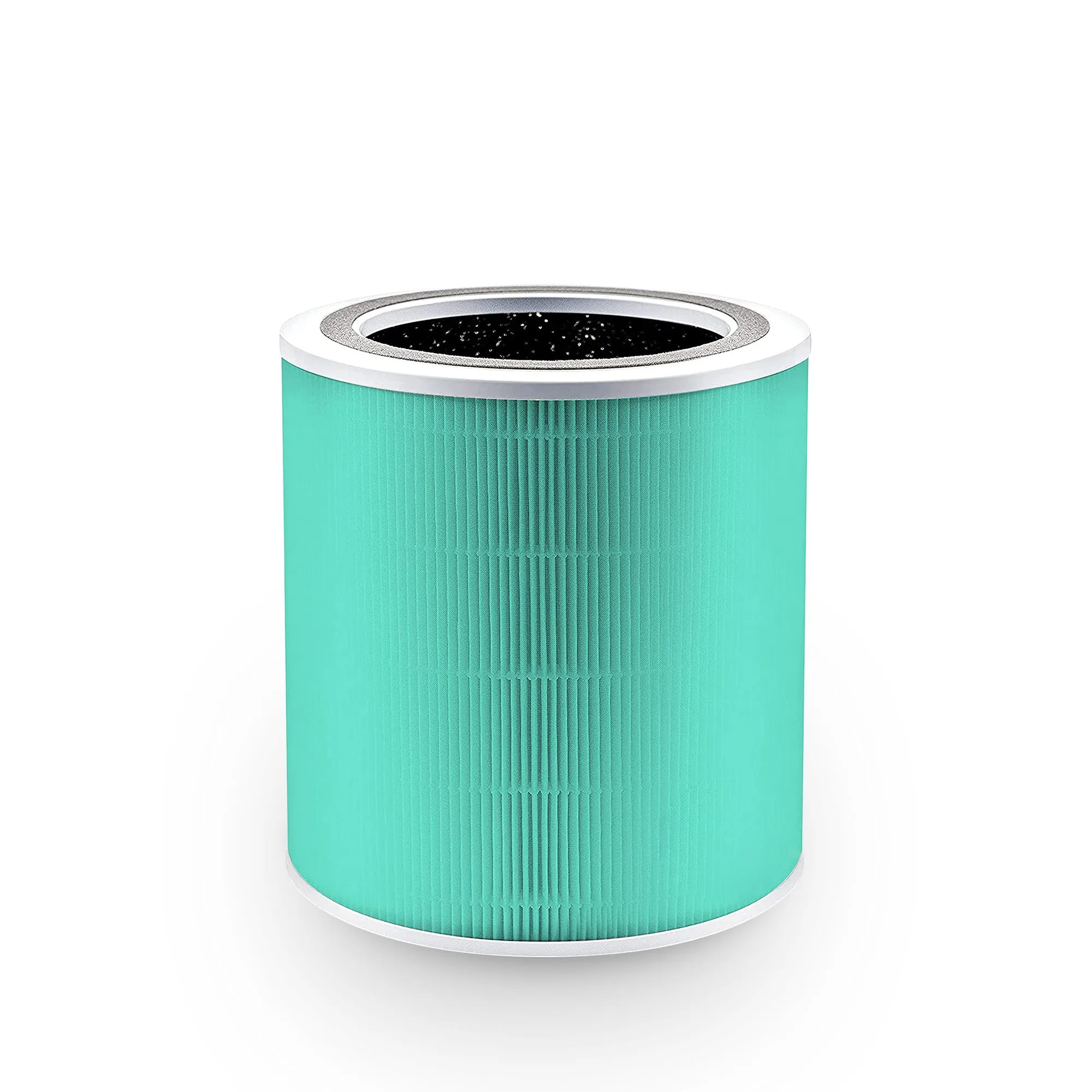
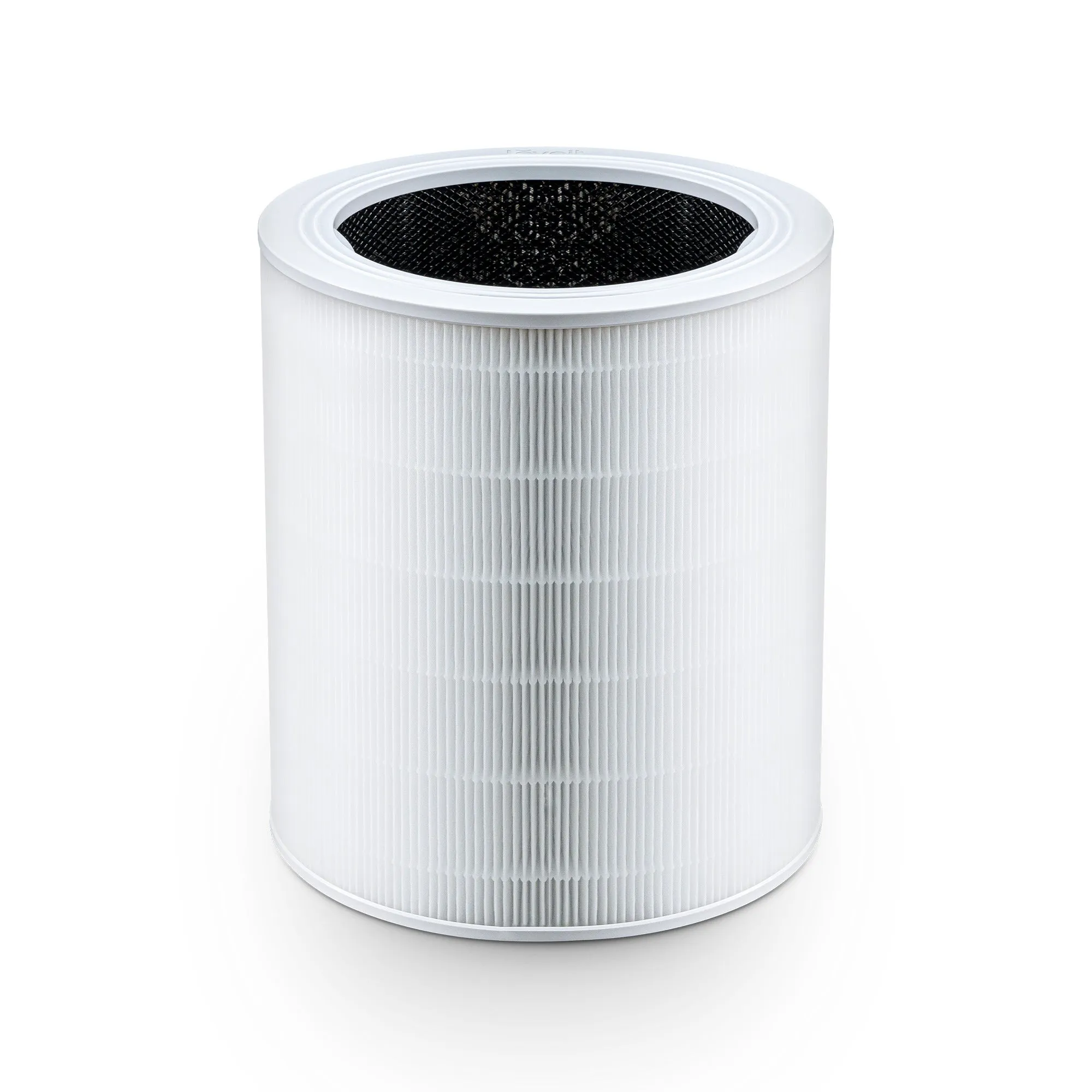
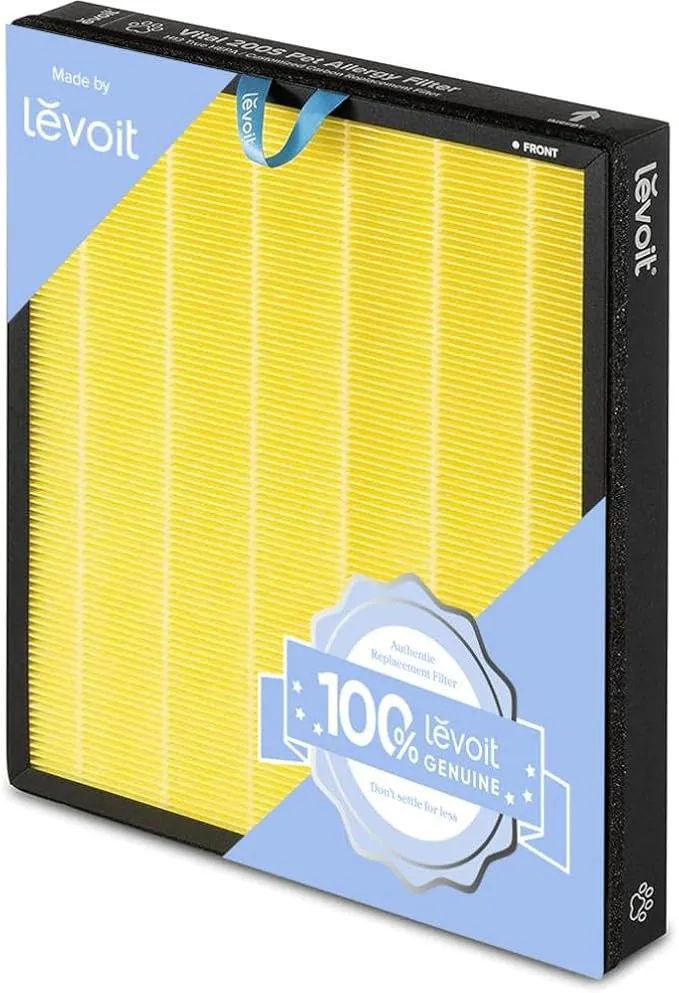
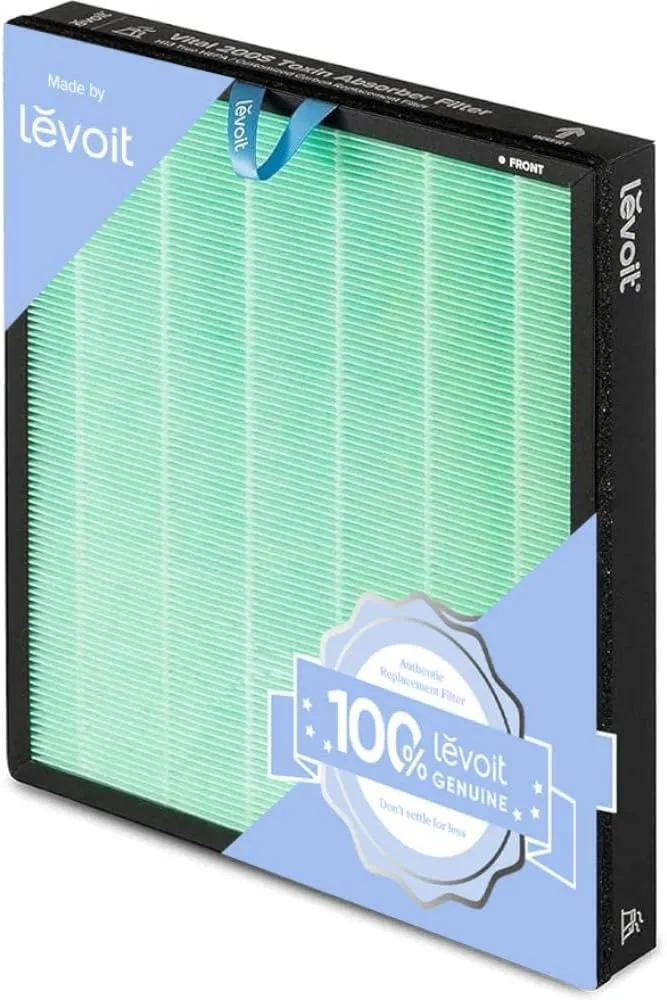
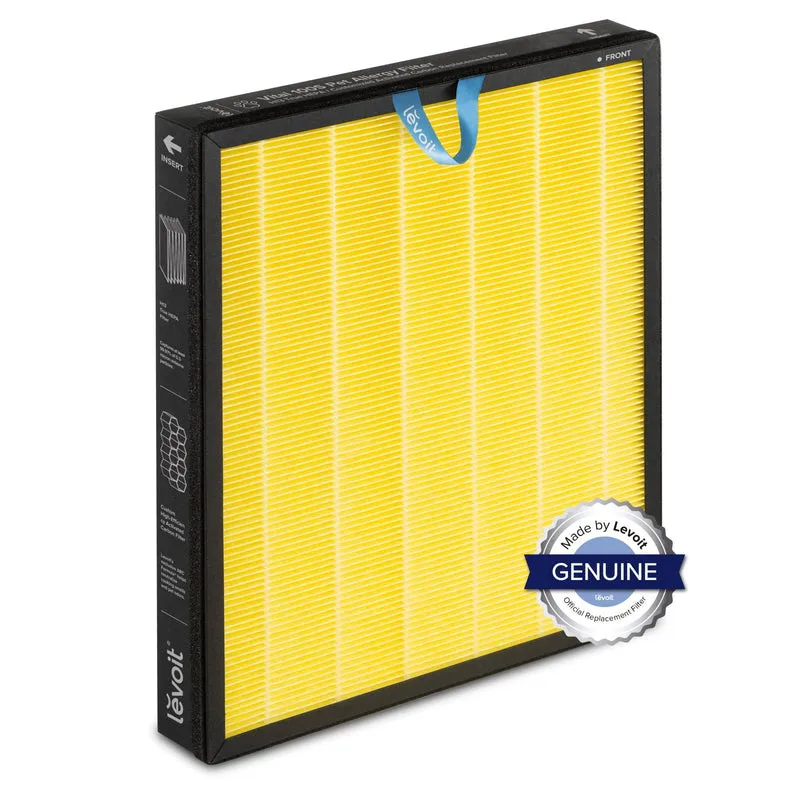
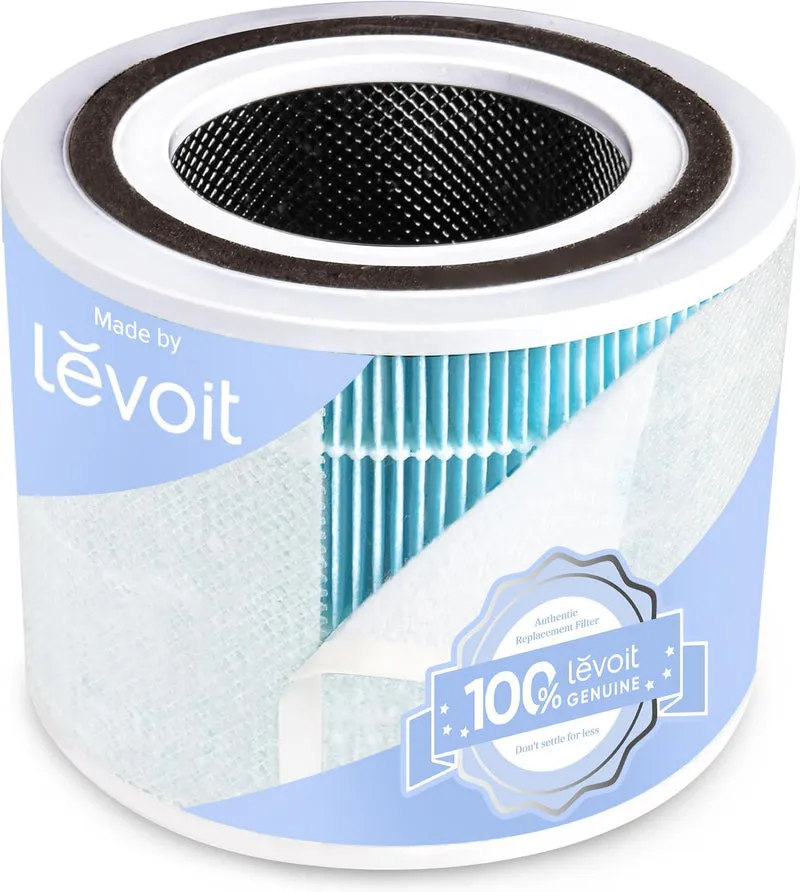
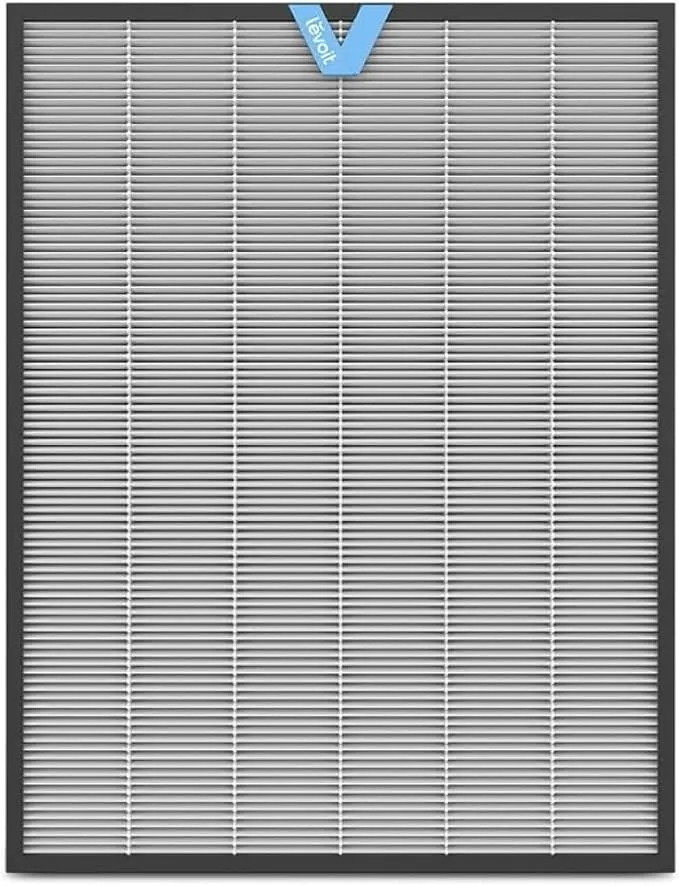
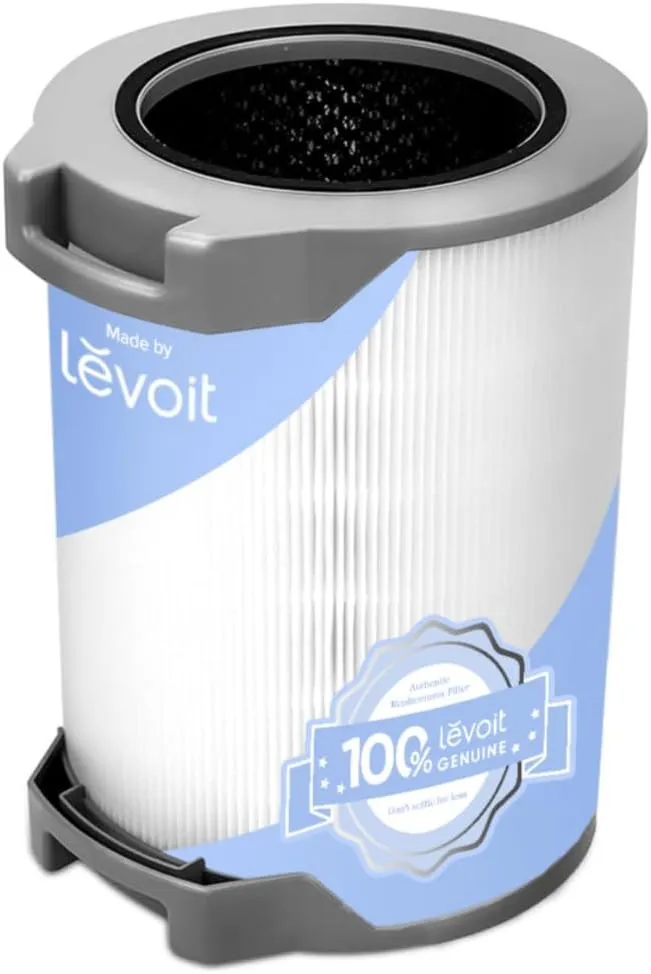
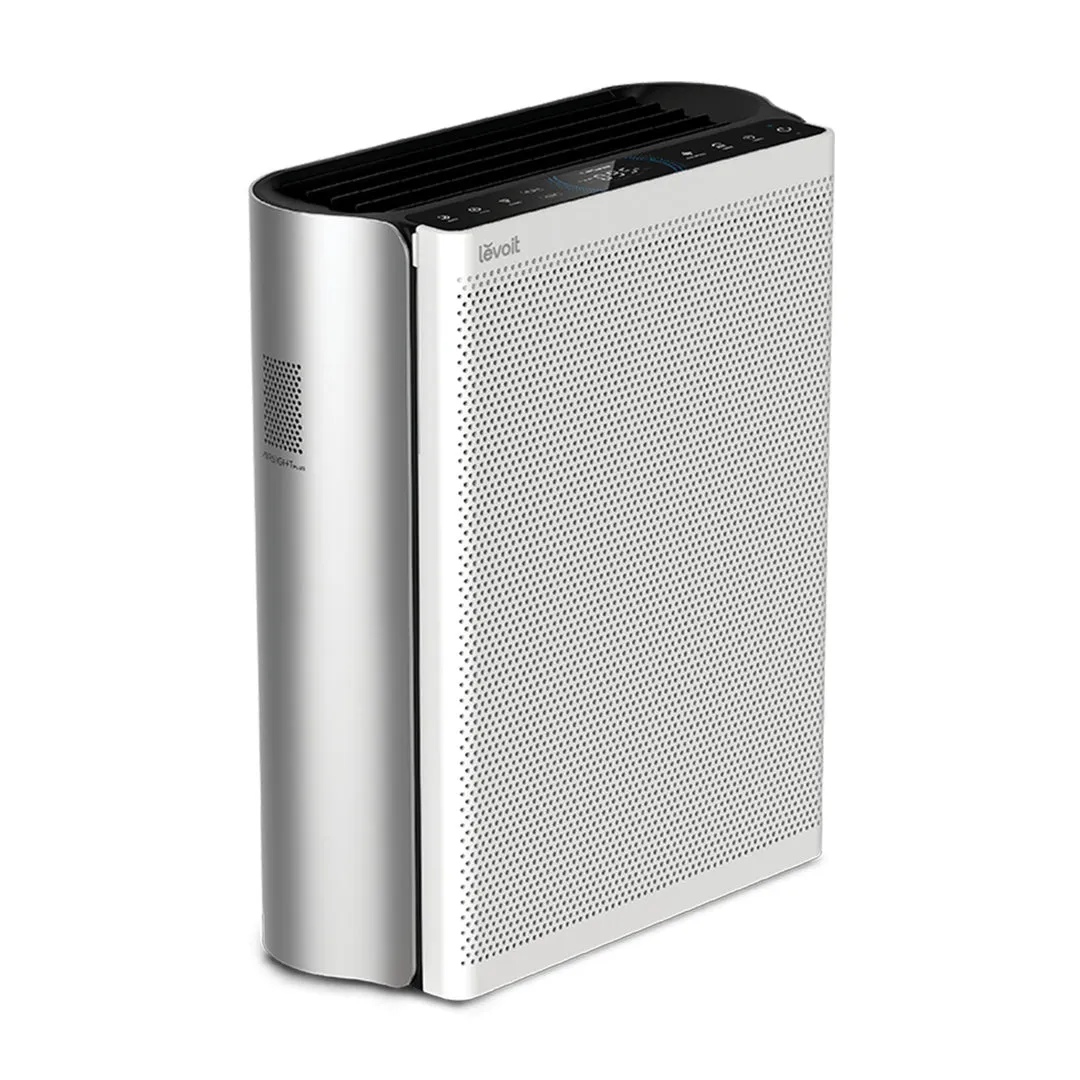
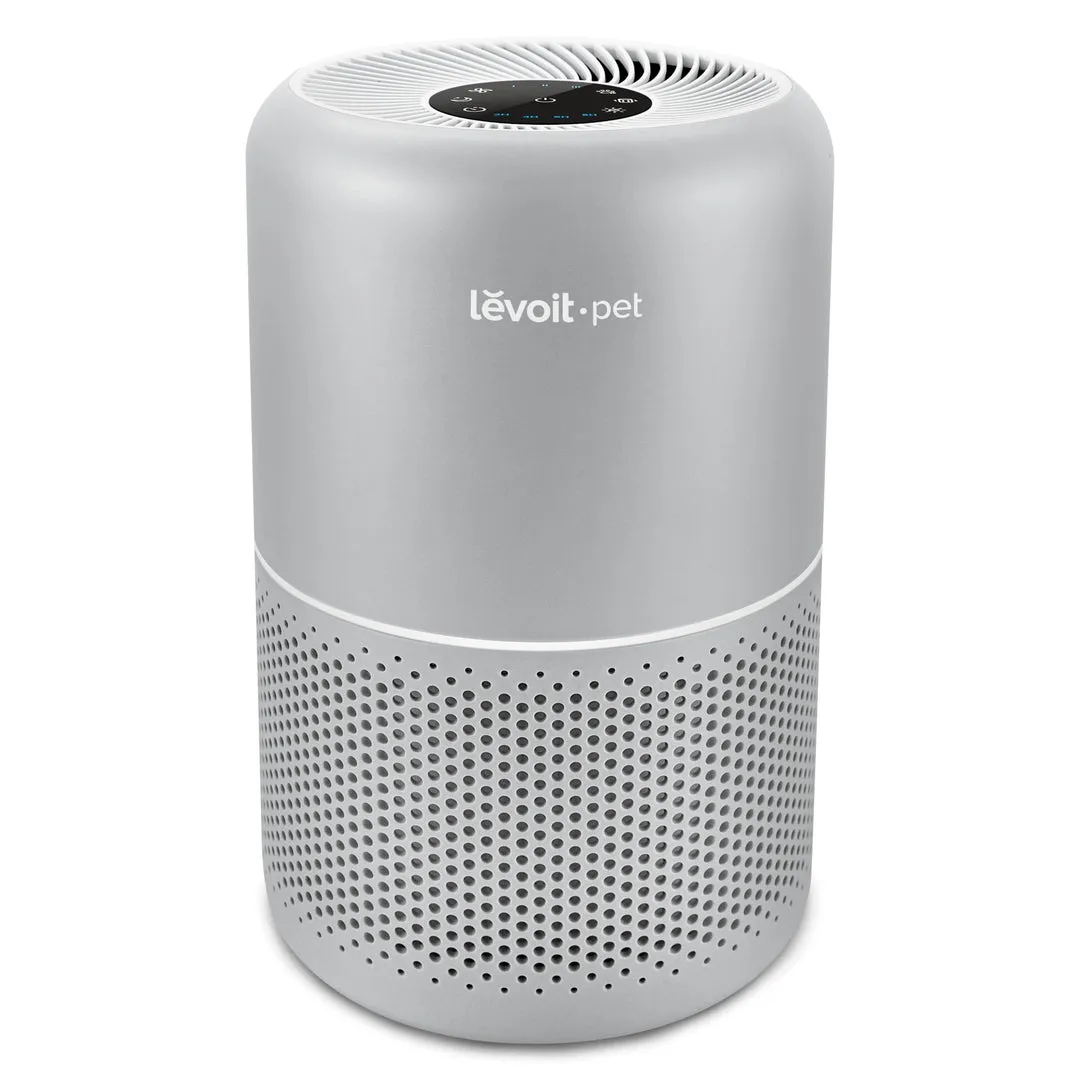
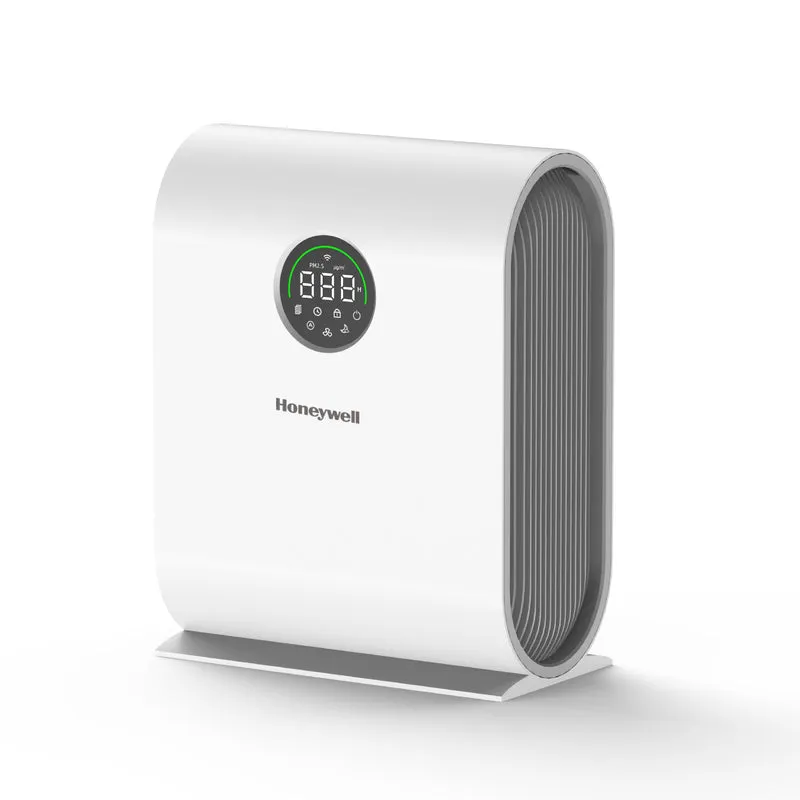
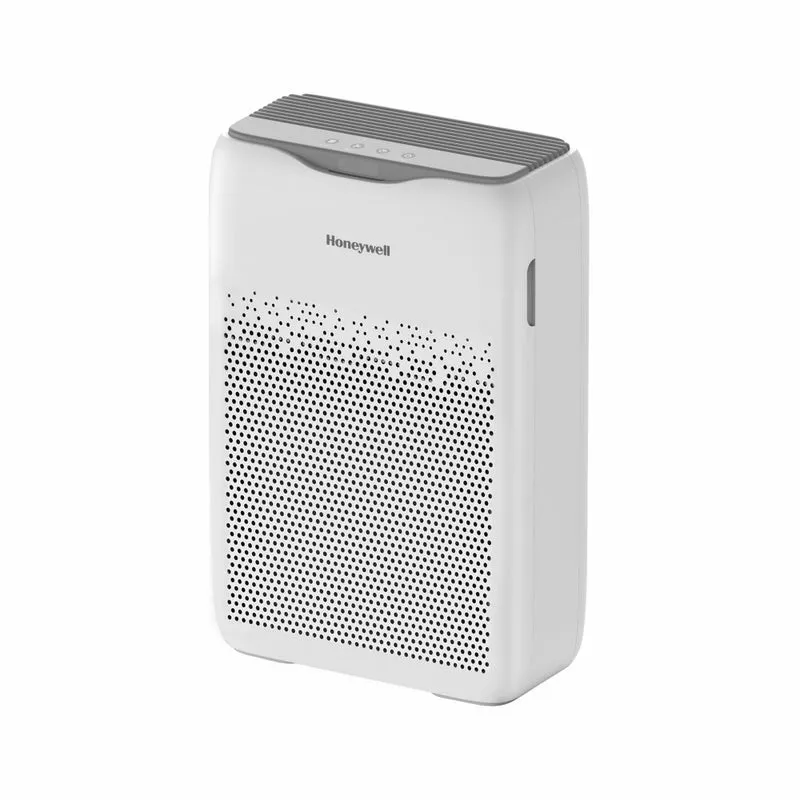
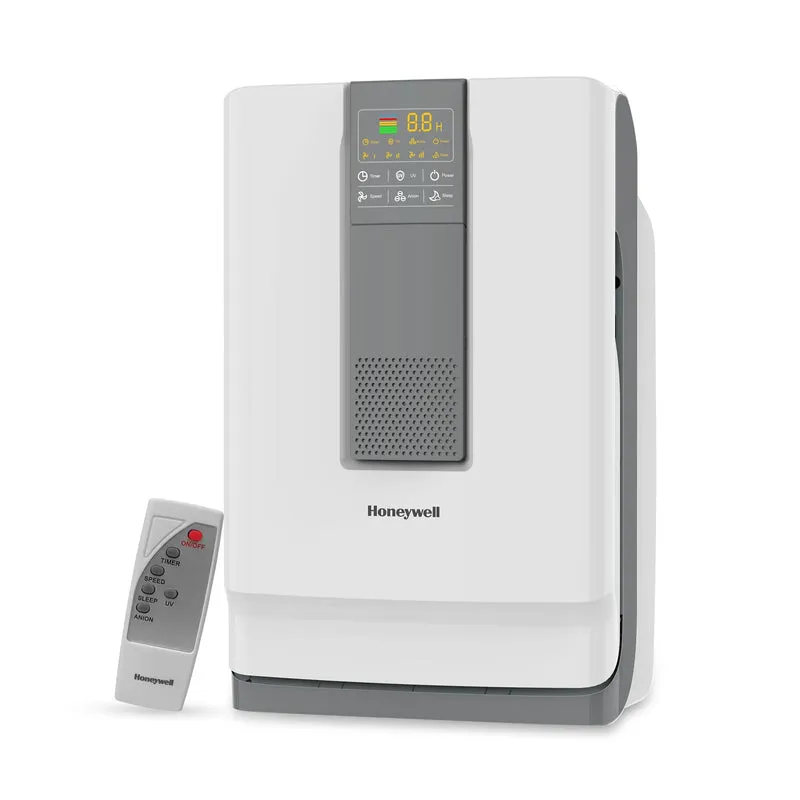
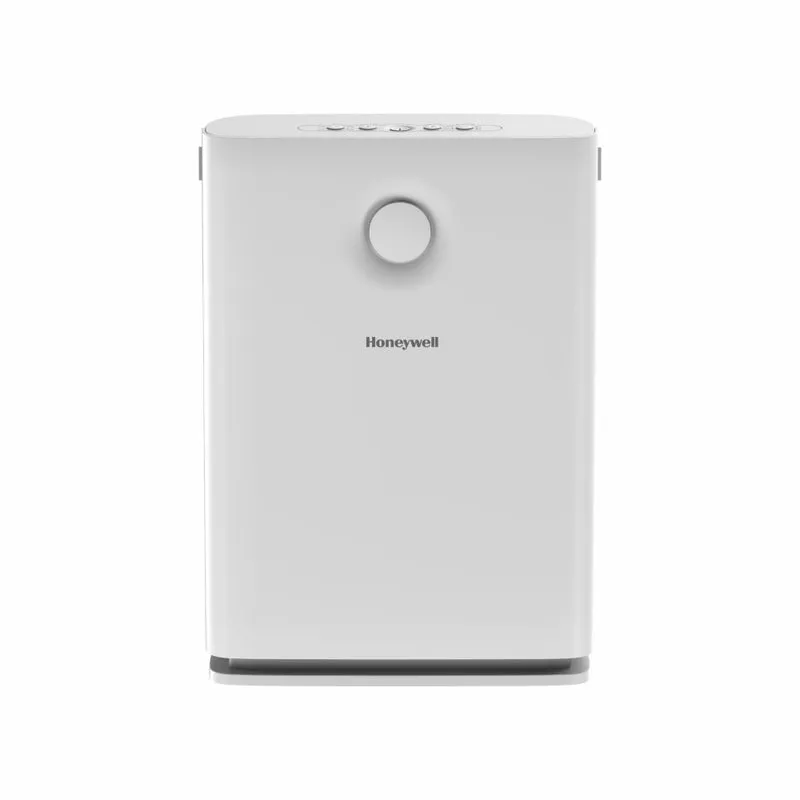
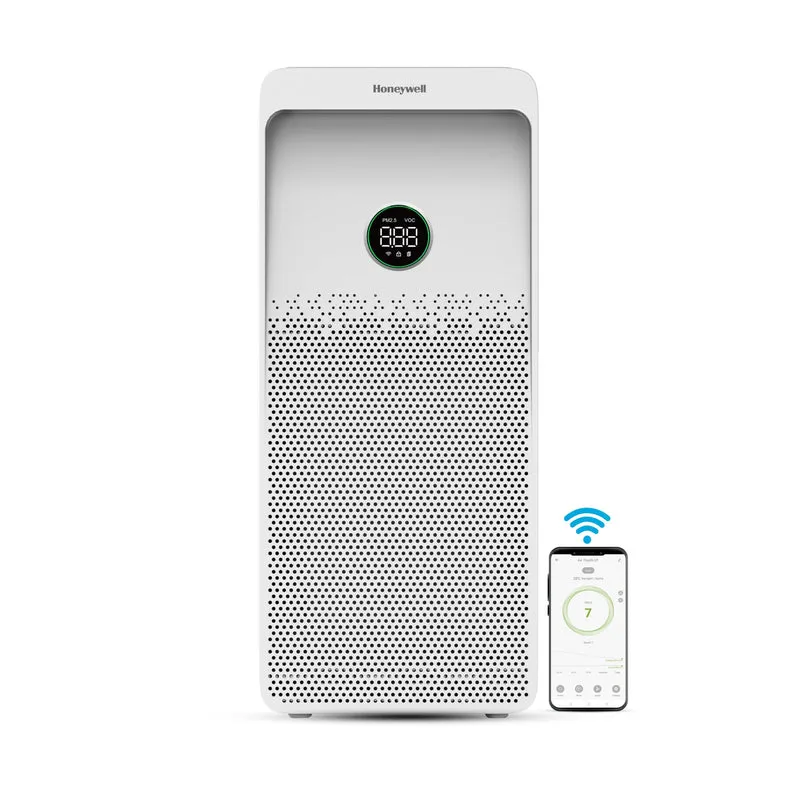
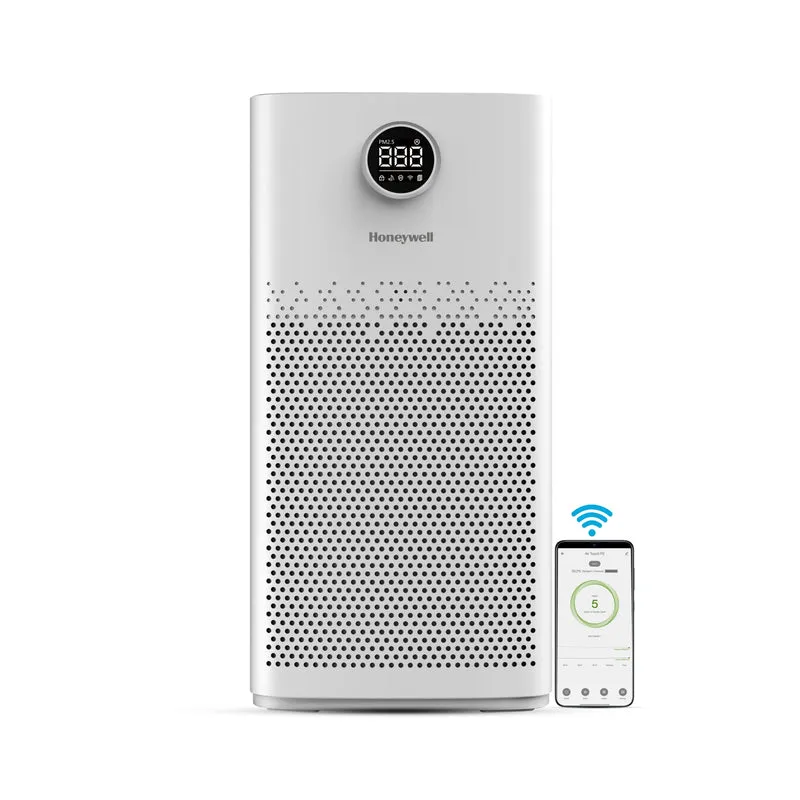
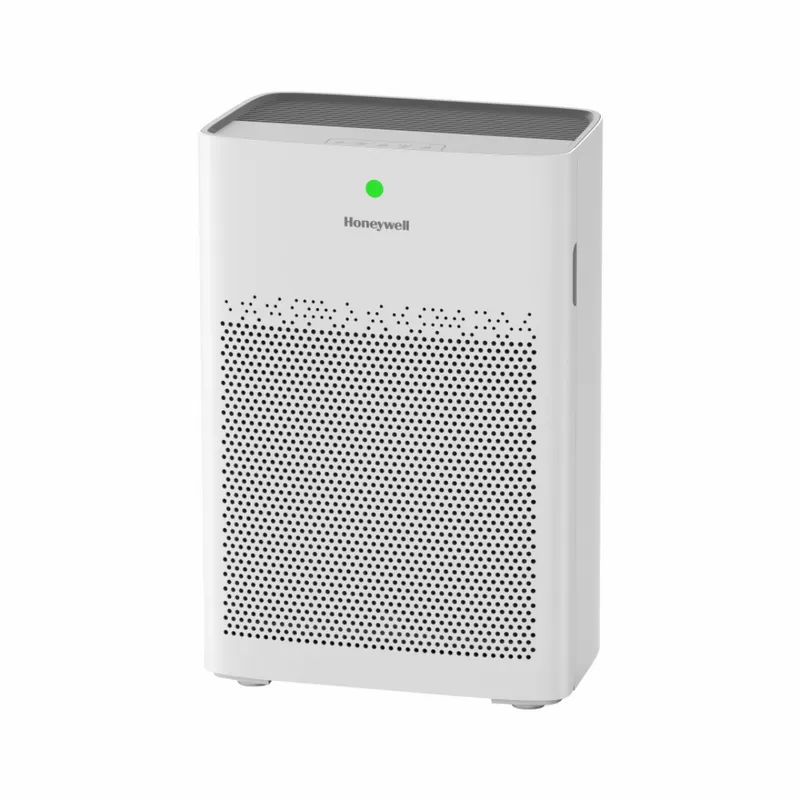
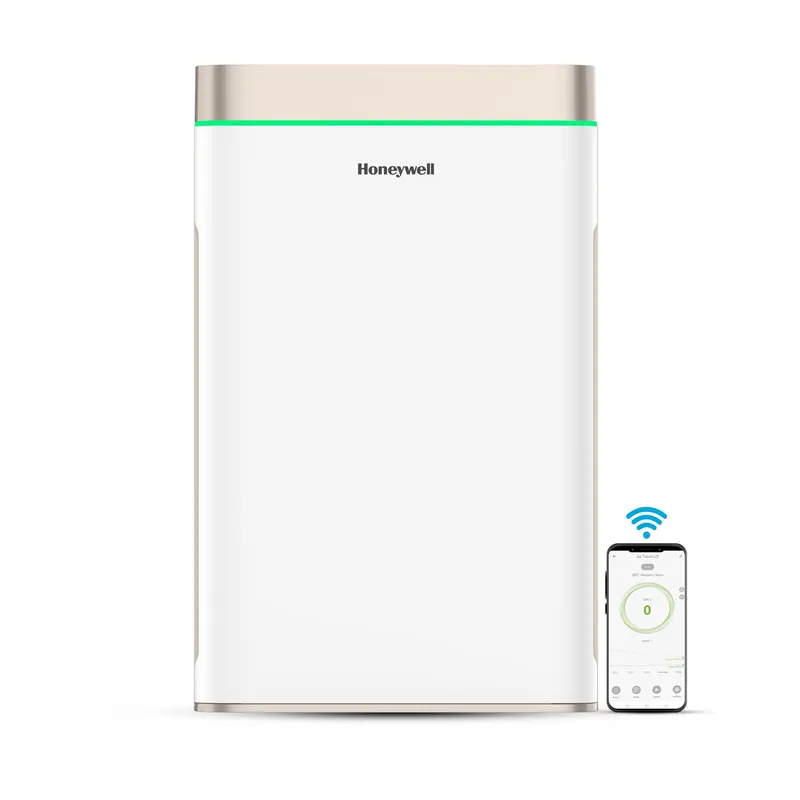
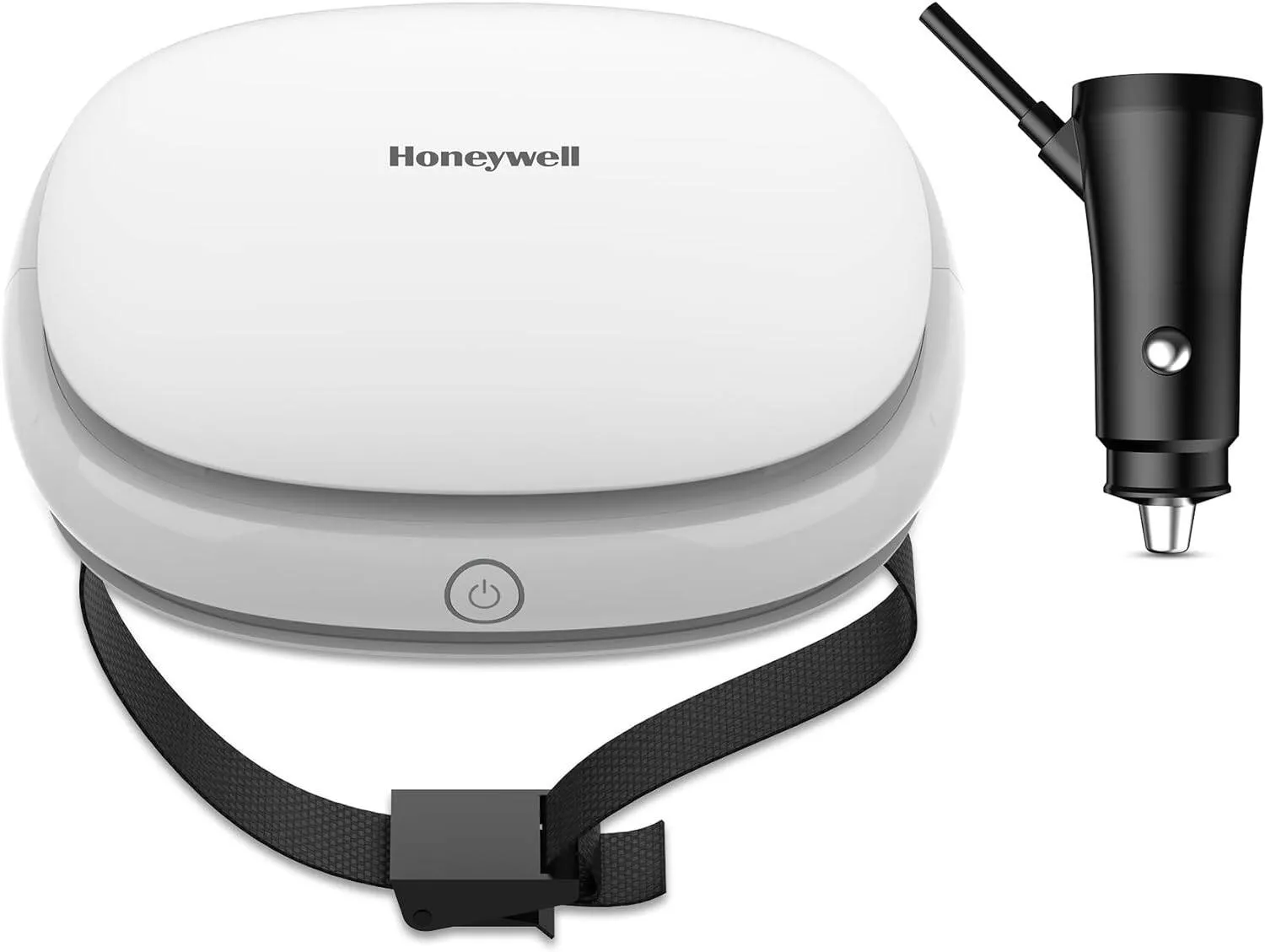
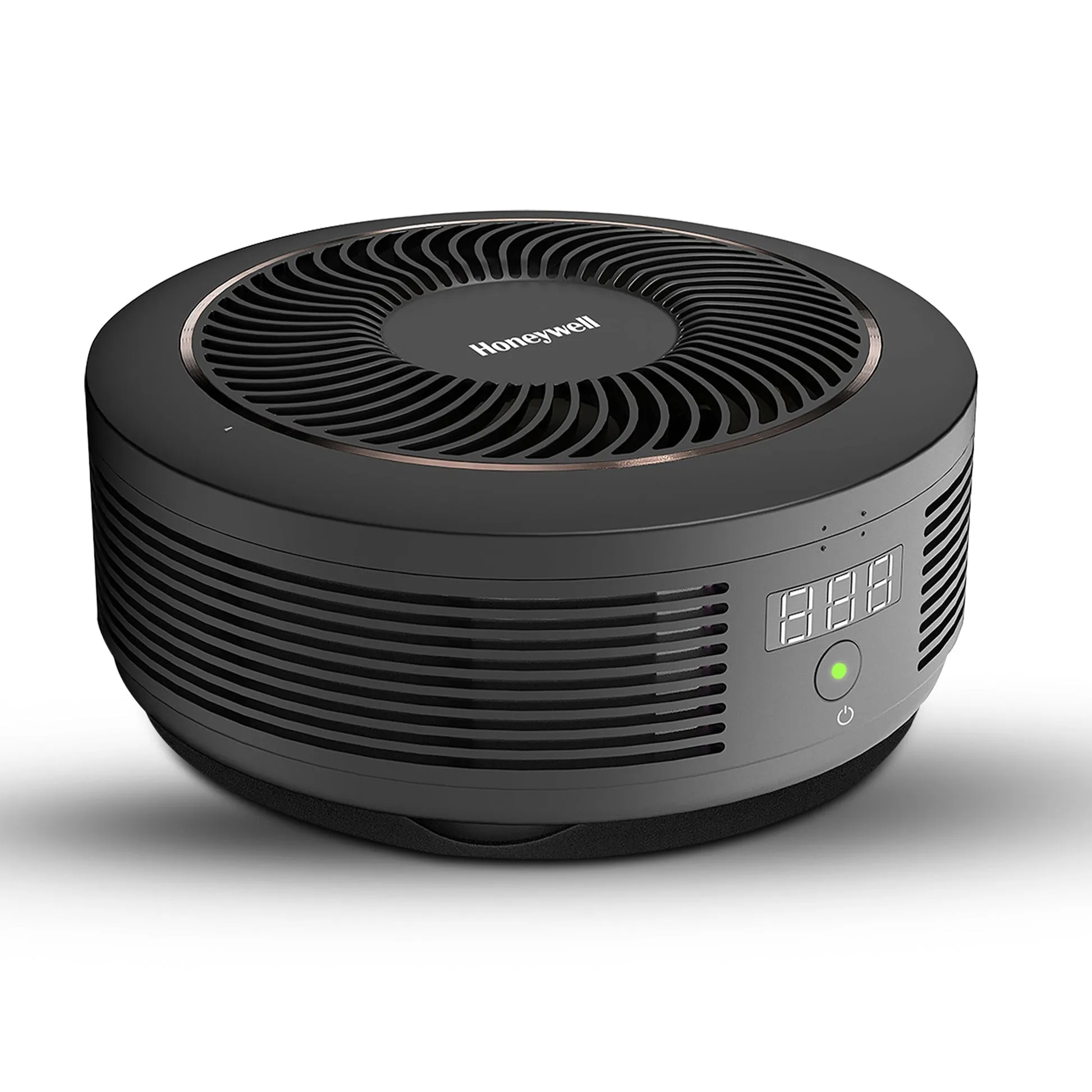
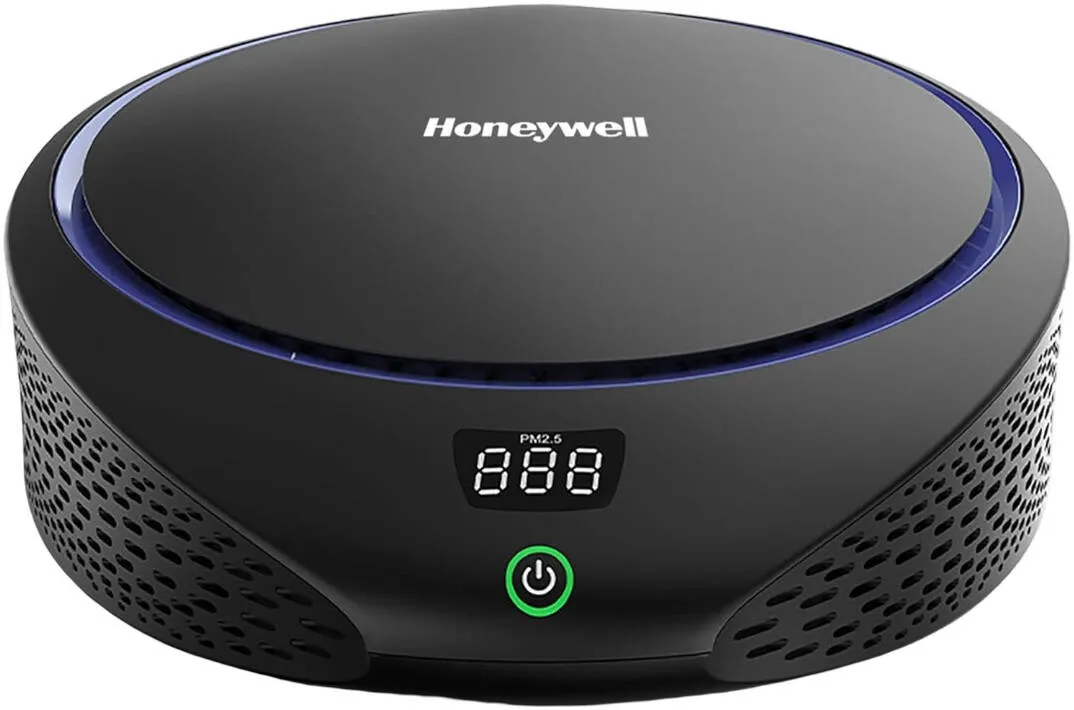
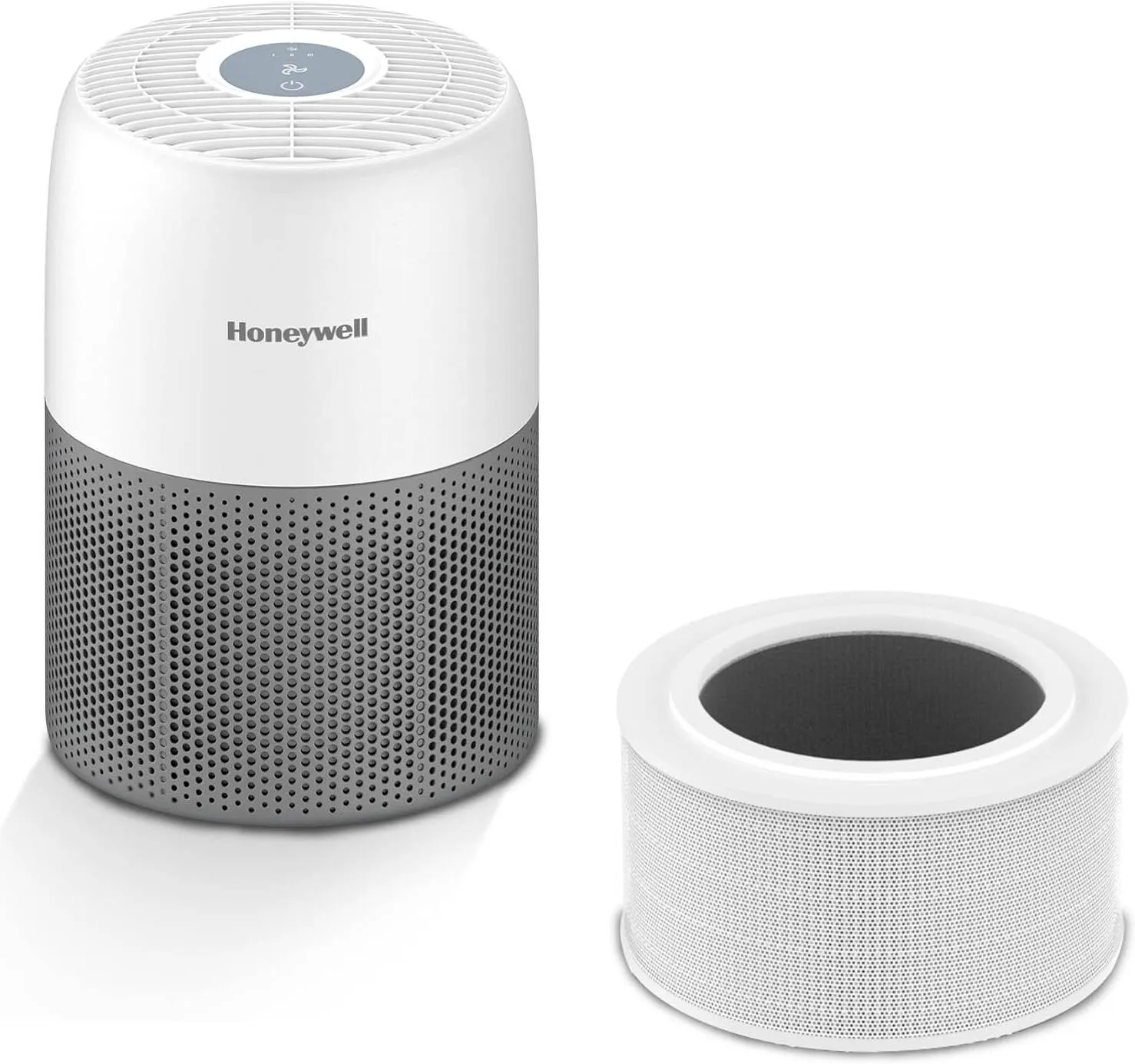
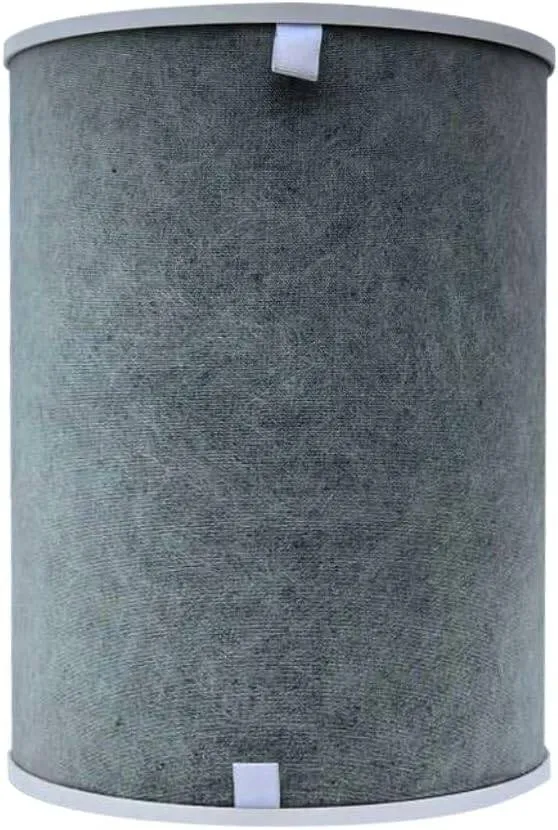
For offices seeking professional office air quality support, access to suitable air purifiers, replacement filters, and monitoring-compatible equipment is a practical starting point. Clean Air AE supplies a curated range of air purifiers and filters from recognised brands including Blueair, Honeywell, and Levoit, with fast delivery across Dubai, Abu Dhabi, and the wider UAE. Whether the need is localised filtration for a meeting room or a broader product selection for a multi-floor office, the range covers varied requirements. Free UAE delivery applies to qualifying orders, and replacement filters are available alongside main units to support ongoing air quality management.
Frequently asked questions
What is the quickest way to reduce office air pollutants?
The fastest impact typically comes from increasing outdoor air ventilation and removing high-emission sources such as solvent-based cleaning products; source control and ventilation are the most immediate interventions available.
Are air purifiers enough on their own for clean office air?
No. Air purifiers supplement but cannot replace proper ventilation and source control; filtration alone does not address CO2 build-up or compensate for insufficient outdoor air supply.
How can I tell if my office has poor air quality?
Persistent odours, visible dust accumulation, and staff reports of headaches or fatigue are practical indicators; CO2 and PM2.5 measurements provide objective data to confirm or rule out hidden problems.
What is the best filter for office HVAC systems?
A MERV 13 or higher filter is recommended for capturing fine particulates; MERV 13 filters offer effective performance for most office applications where the HVAC system can support the additional airflow resistance.
How often should I check office air quality?
At minimum, check seasonally and after any renovation or significant change; offices with higher occupancy or recent fit-out work benefit from continuous or monthly monitoring to detect problems early.