
Uncategorised
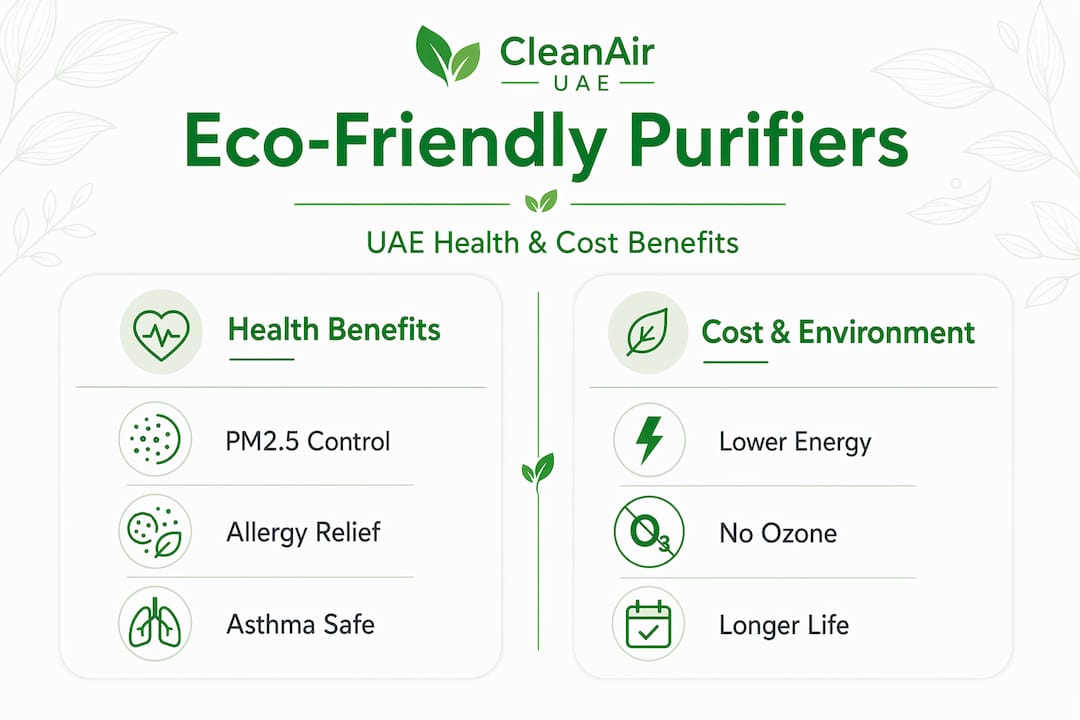
Eco-friendly air purifiers: UAE health and cost benefits
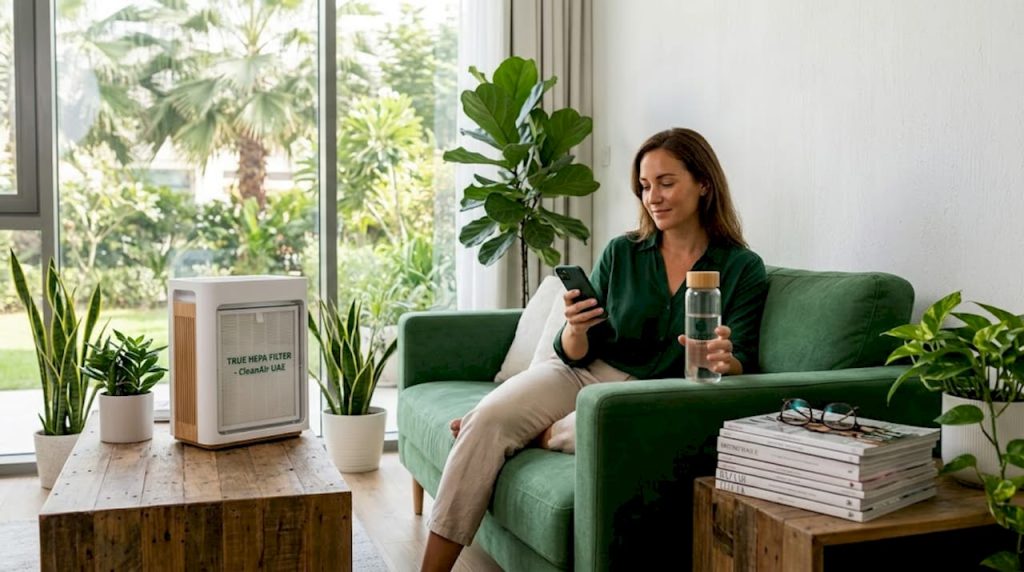
Not every air purifier marketed as “eco-friendly” is doing what the label promises. Some devices sold as clean-air solutions actually introduce new pollutants into your indoor environment, particularly ozone, which can irritate the respiratory tract and worsen conditions like asthma. In the UAE, where residents spend significant time indoors with air conditioning running almost year-round, the stakes are higher. Choosing the wrong device does not just waste money. It can actively harm the people you are trying to protect. This guide cuts through the marketing to show what eco-friendly air purification actually means in practice.
Table of Contents
- What makes an air purifier truly eco-friendly?
- Health benefits: Why particle control matters
- Environmental and cost advantages in the UAE
- Common pitfalls and how to avoid greenwashed products
- Practical recommendations for UAE homes and businesses
- Our perspective: Why most eco-friendly air purifiers fall short in the UAE
- Ready to breathe cleaner? Choose sustainability
- Frequently asked questions
Key Takeaways
| Point | Details |
|---|---|
| Choose true filtration | Look for HEPA and carbon filters, not ionisers or ozone generators, for real eco-friendliness. |
| Prioritise energy efficiency | Select ENERGY STAR or tested models to save money and cut your environmental impact in the UAE. |
| Avoid ozone emissions | Ozone-free is critical for health and safety—always check technical details, not just marketing claims. |
| Size and maintain properly | Correct room sizing and regular filter changes make purifiers work efficiently and sustainably. |
| Beware greenwashing | Not every ‘eco’ label means safe or sustainable—scrutinise certifications and specifications before you buy. |
What makes an air purifier truly eco-friendly?
The term “eco-friendly” gets applied liberally across marketing materials, but it carries a specific meaning in air purification. A genuinely eco-friendly air purifier produces minimal harmful by-products, operates with low energy consumption, and is built for longevity to reduce waste over time. Those three criteria together form the baseline. Meeting just one of them is not enough.
The EPA guidance on air cleaners is clear: eco-friendly air purifiers are mainly a “methodology” choice, prioritising true filtration such as HEPA plus proper ventilation and air-cleaner sizing rather than ozone-generating technologies. That distinction matters enormously when you are shopping in a market flooded with devices that use ionisers, plasma generators, or UV without proper lamp coatings, all of which can emit ozone as a side effect.
Key features of a genuinely eco-friendly air purifier:
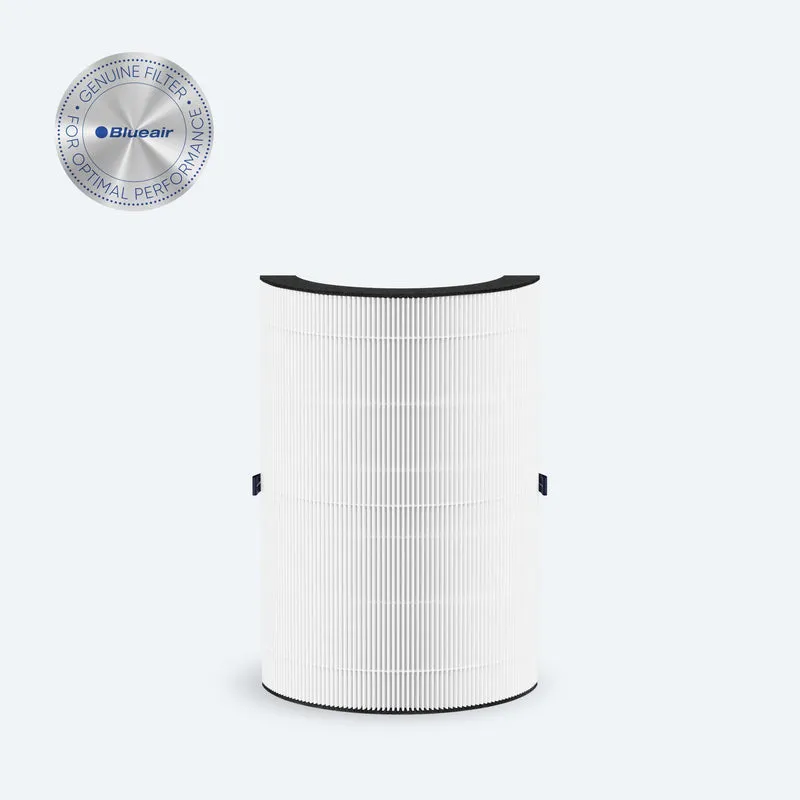
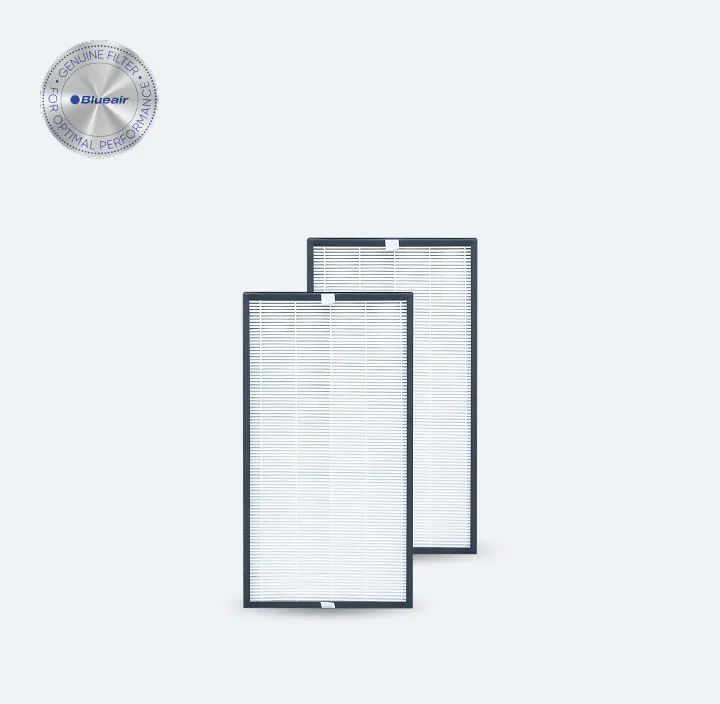
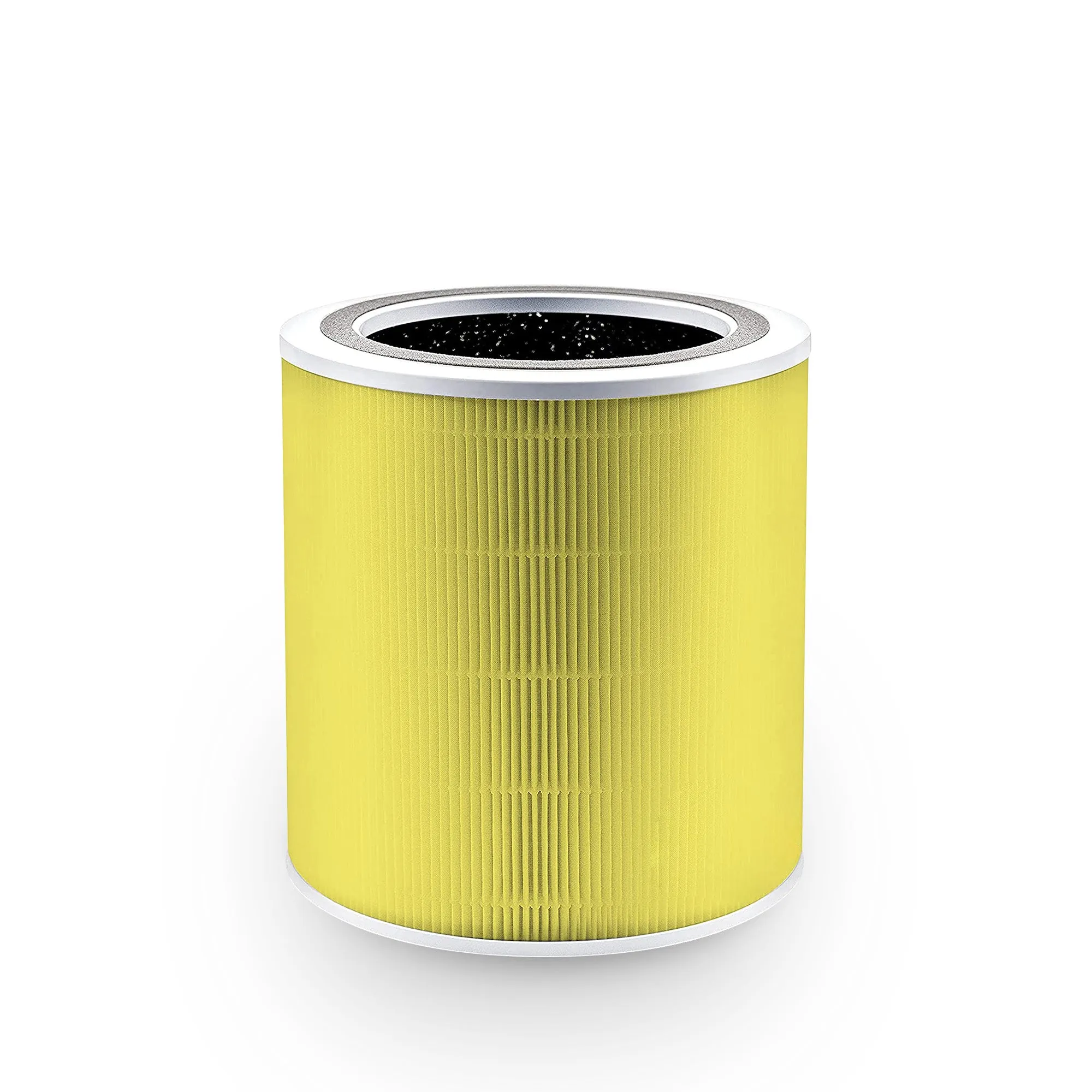
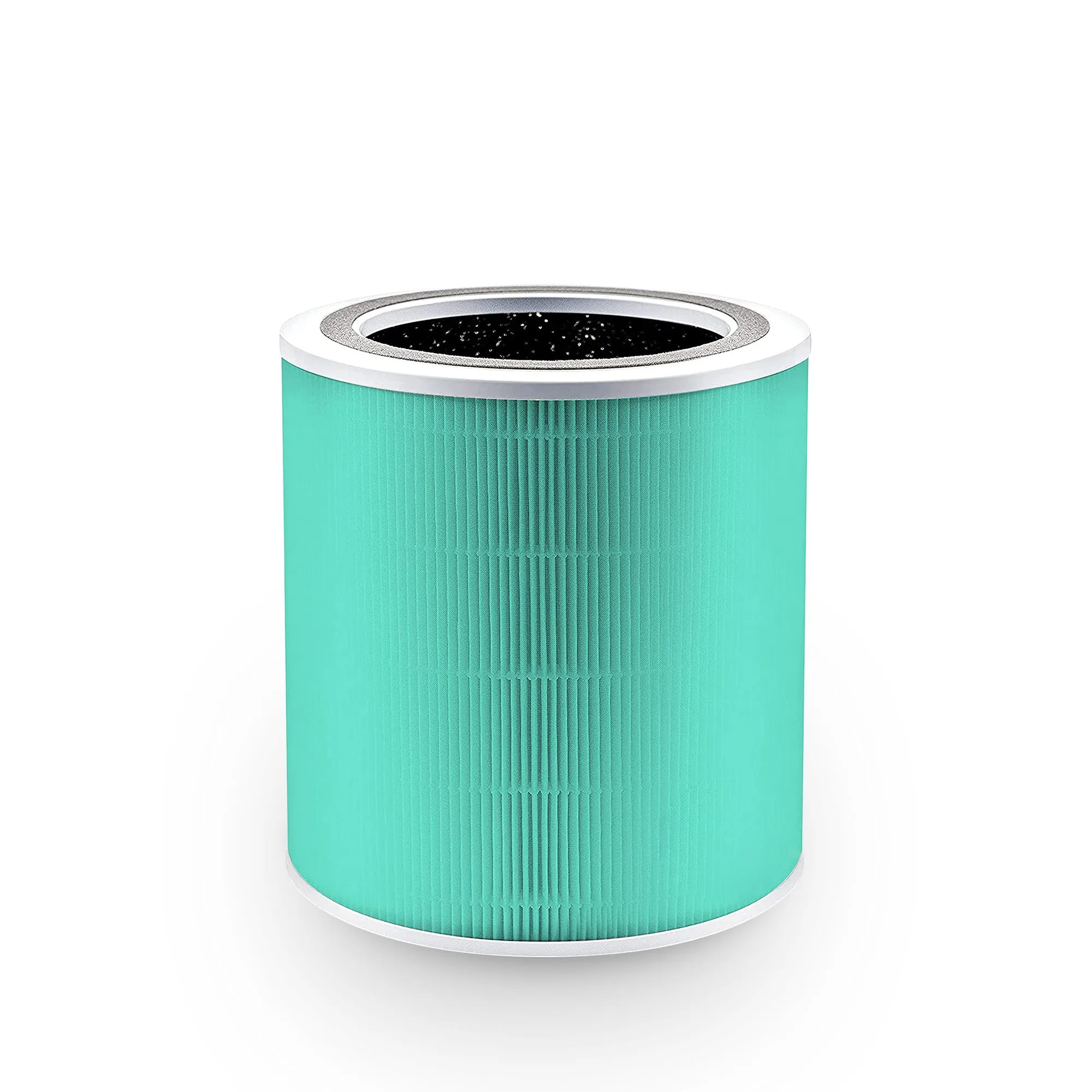
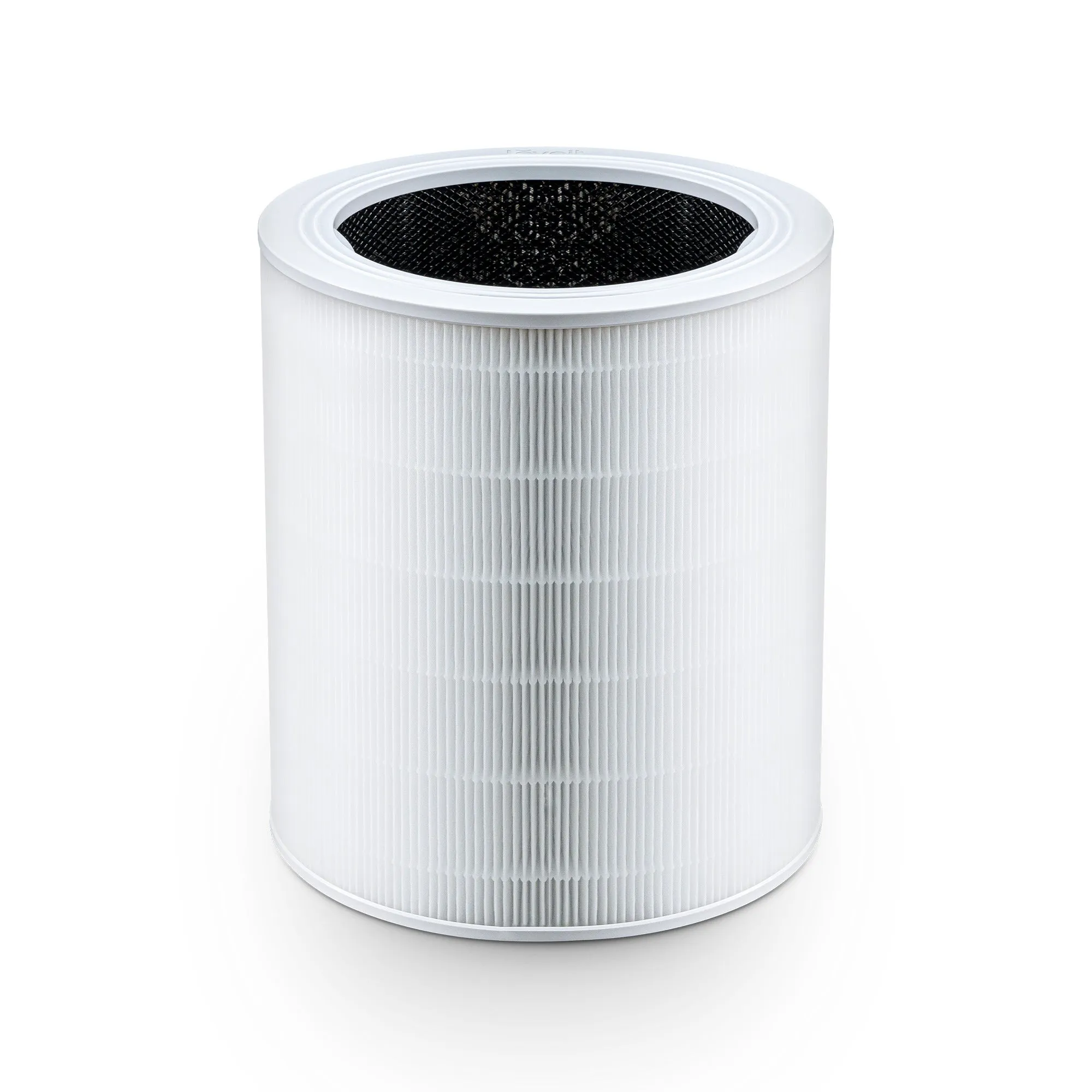
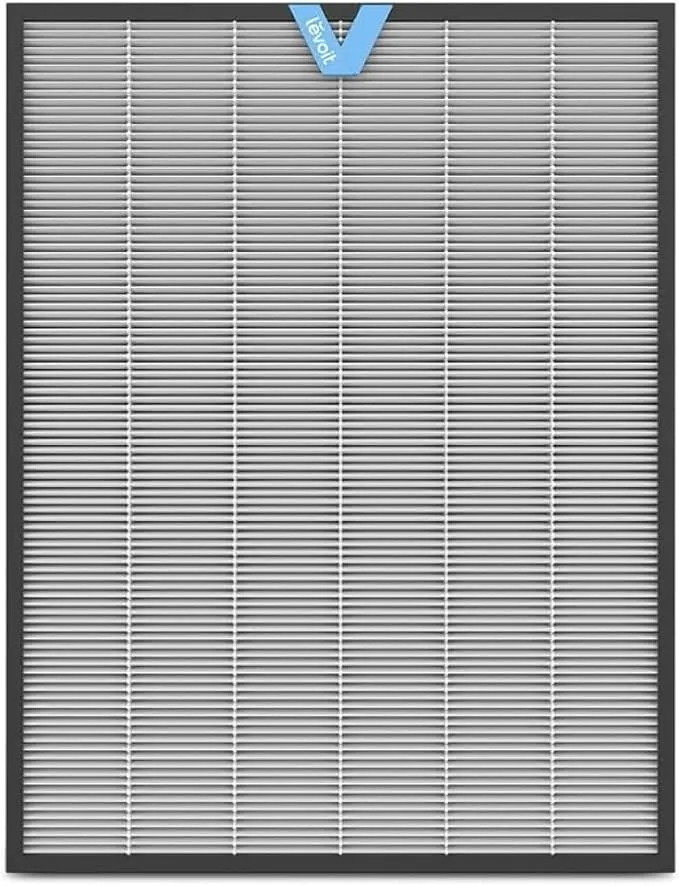
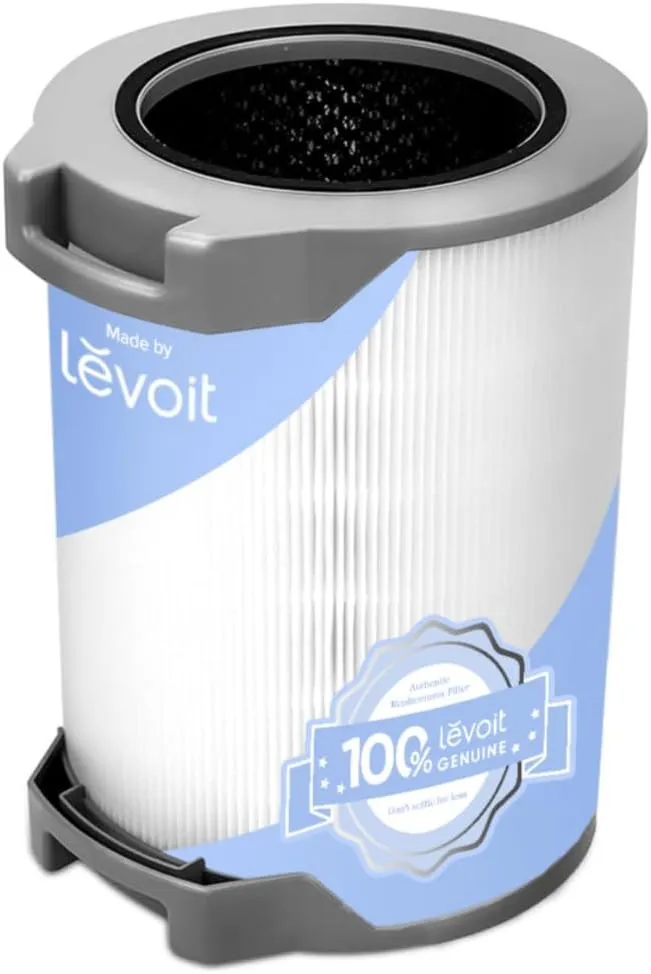
- True HEPA filtration, which captures 99.97% of particles at 0.3 microns
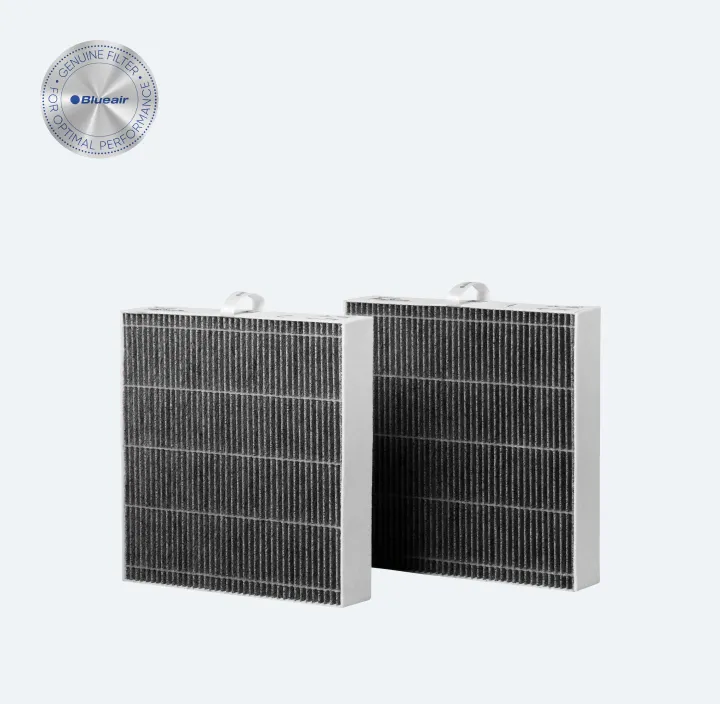
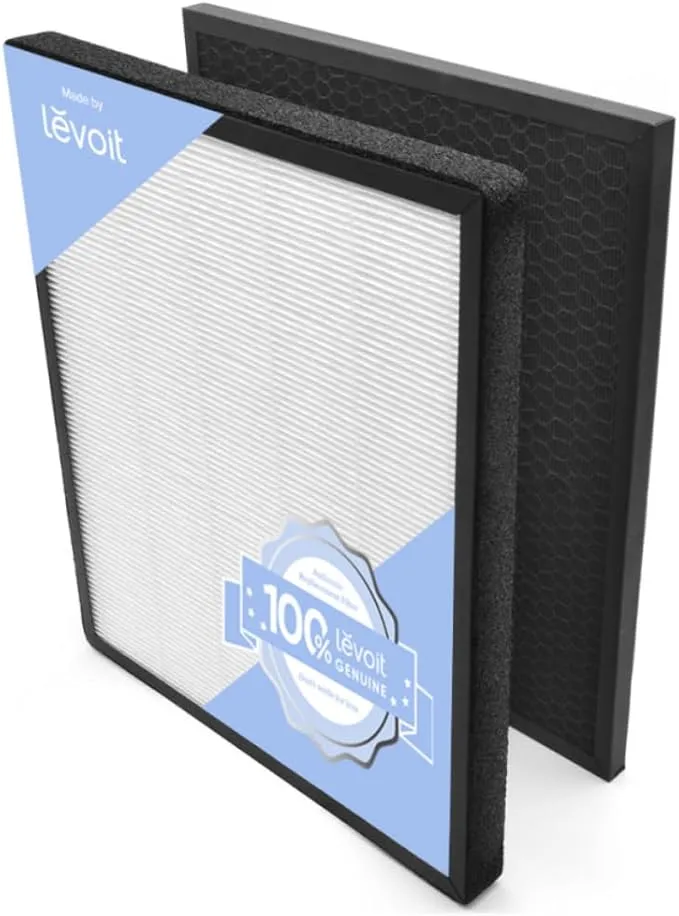
- Activated carbon layer for gases, odours, and volatile organic compounds (VOCs)
- No intentional ozone output, verified by independent testing
- Energy-efficient motor and fan system, ideally ENERGY STAR certified
- CADR (Clean Air Delivery Rate) matched to the room size it is intended for
- Replaceable filters with a clear maintenance schedule
The CADR rating is one of the most practical metrics available. It tells you how much clean air the device delivers per minute in cubic feet or cubic metres. A purifier with a CADR of 200 placed in a room that requires 400 will run continuously, consume more energy, and still underperform. Sizing correctly from the start reduces both energy waste and filter wear.
“Prioritise true filtration (HEPA) plus proper ventilation and air-cleaner sizing rather than ozone-generating technologies.” — EPA Guide to Air Cleaners in the Home
Greenwashing is also a genuine problem in this category. Some manufacturers label a device as “green” because it includes a small plant graphic or uses recycled packaging, while the internal technology relies on plasma ionisation that emits trace ozone. Always check for independent testing results or verified certification listings before purchasing.
Pro Tip: Look for devices listed in the ENERGY STAR certified room air cleaners database and cross-reference with ozone emission data from the California Air Resources Board (CARB), which maintains one of the most rigorous emissions standards globally.
Health benefits: Why particle control matters
Choosing a filter-based, ozone-free air purifier offers measurable health advantages, particularly in a country where indoor dust levels are among the highest in the world. The UAE’s dry desert climate means fine particulate matter, sand dust, and construction debris find their way into homes and offices constantly, even with windows closed.
HEPA filtration removes allergens such as dust mites, pollen, and mould spores effectively, and consistent use can reduce fine particle concentrations by more than 50% in a given indoor space. For families with children, elderly residents, or anyone managing asthma or allergies, that reduction is clinically meaningful.
Key health benefits of particle-focused, eco-friendly air purifiers:
- Removal of PM2.5 and PM10 particles linked to cardiovascular and respiratory conditions
- Significant reduction in airborne allergens including dust mite debris and pet dander
- Lower mould spore counts in humid indoor areas such as bathrooms and kitchens
- Reduced exposure to pollen, which enters UAE interiors via ventilation systems
- Improved sleep quality through cleaner breathing conditions overnight
| Pollutant type | HEPA effectiveness | Activated carbon needed? |
|---|---|---|
| Dust and PM2.5 | High | No |
| Pollen and mould spores | High | No |
| Pet dander | High | No |
| VOCs and gases | Low | Yes |
| Odours (cooking, tobacco) | Low | Yes |
| Ozone | None | Partial (with specific media) |
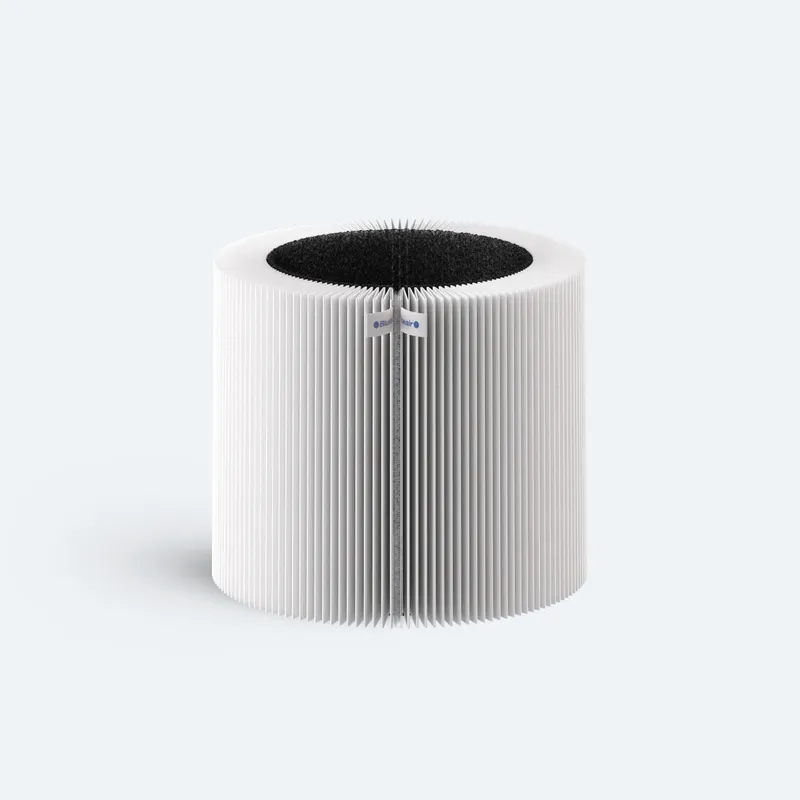
One important clarification: HEPA alone does not handle gaseous pollutants. In UAE apartments where cooking odours, cleaning product fumes, and off-gassing from furniture are common, a purifier without activated carbon will circulate those compounds indefinitely. Pairing HEPA with a substantial activated carbon layer addresses both particle and gas-phase pollution.
For asthma and allergy sufferers specifically, ozone-free mechanical filtration is the safest choice. Even low-level ozone exposure, well below regulatory limits in some cases, can trigger symptoms in sensitive individuals. Devices that rely on ionisers or electrostatic precipitators to clean the air introduce this risk unnecessarily when HEPA alternatives are readily available.
Environmental and cost advantages in the UAE
Energy efficiency is not just an environmental concern in the UAE. With electricity costs structured on tiered consumption and most homes running air conditioning for eight to ten months of the year, an inefficient air purifier adds meaningfully to monthly bills. This is where ENERGY STAR certification provides a useful comparison framework.
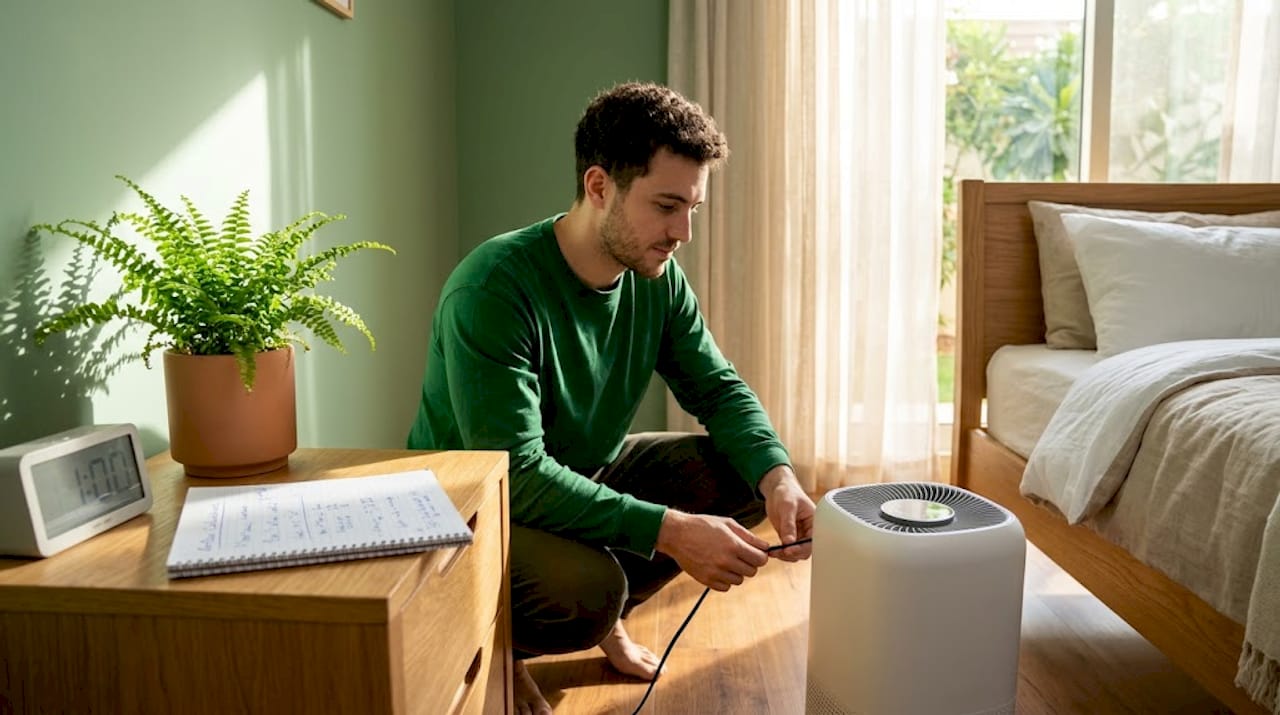
The ENERGY STAR room air cleaner database shows that eco-friendly choices result in lower operating energy use and avoiding inefficient high-watt, low-clean-air setups reduces both costs and environmental footprint. A device like the Coway Airmega 50, for instance, uses approximately 67 kWh per year. A non-certified model of similar coverage area might use two to three times that amount.
Comparison of typical energy consumption profiles:
| Device type | Annual energy use | Approximate CADR | Est. annual electricity cost (UAE) |
|---|---|---|---|
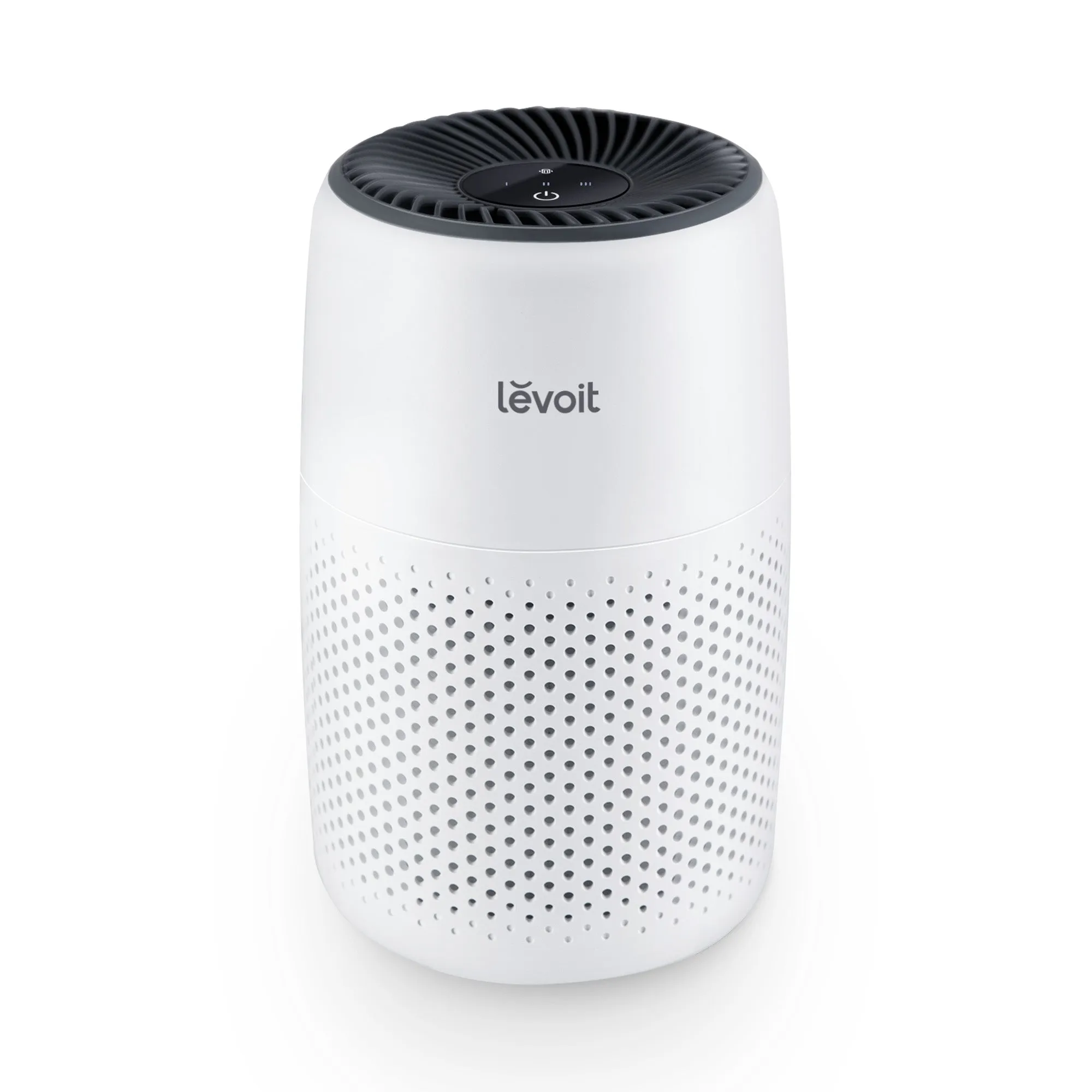
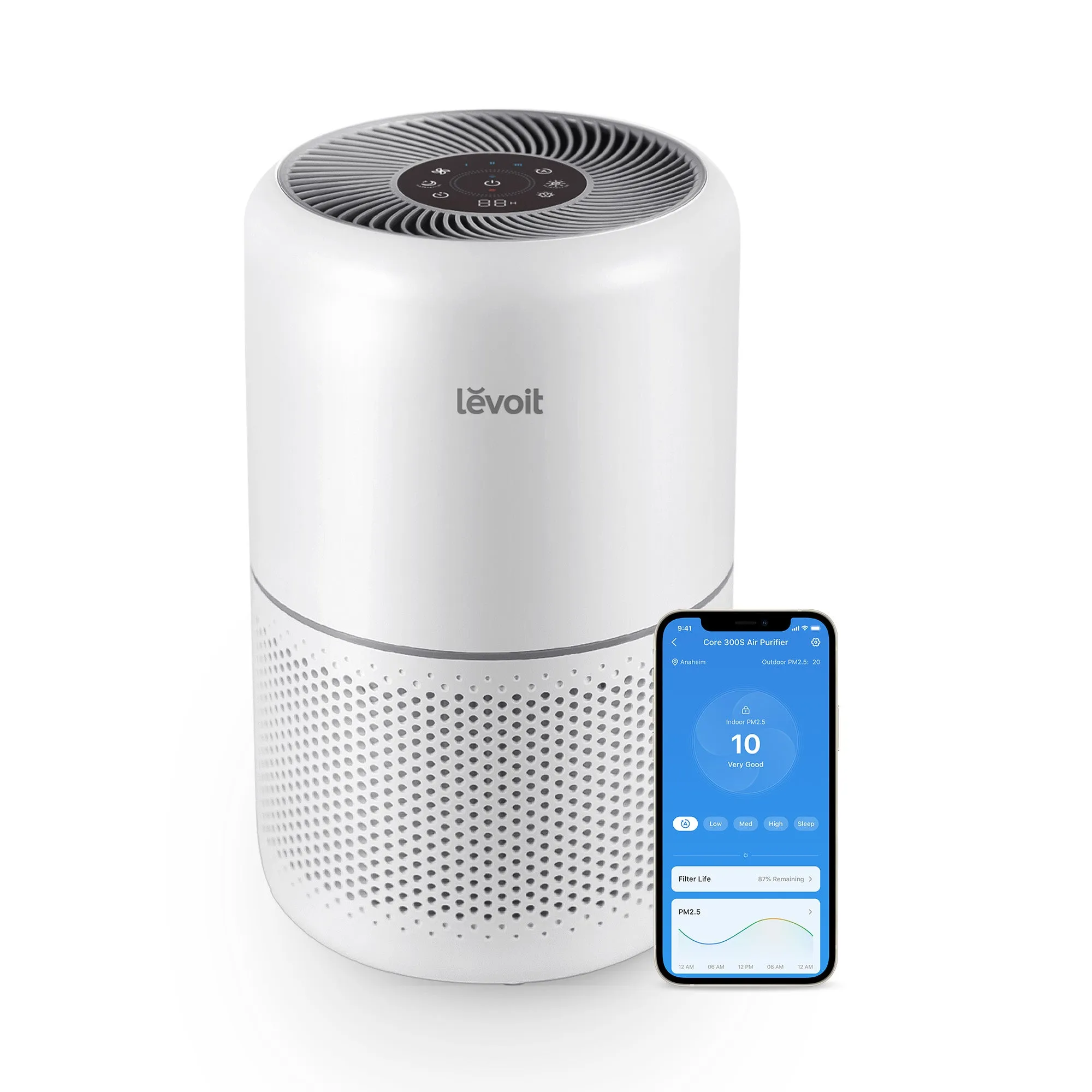
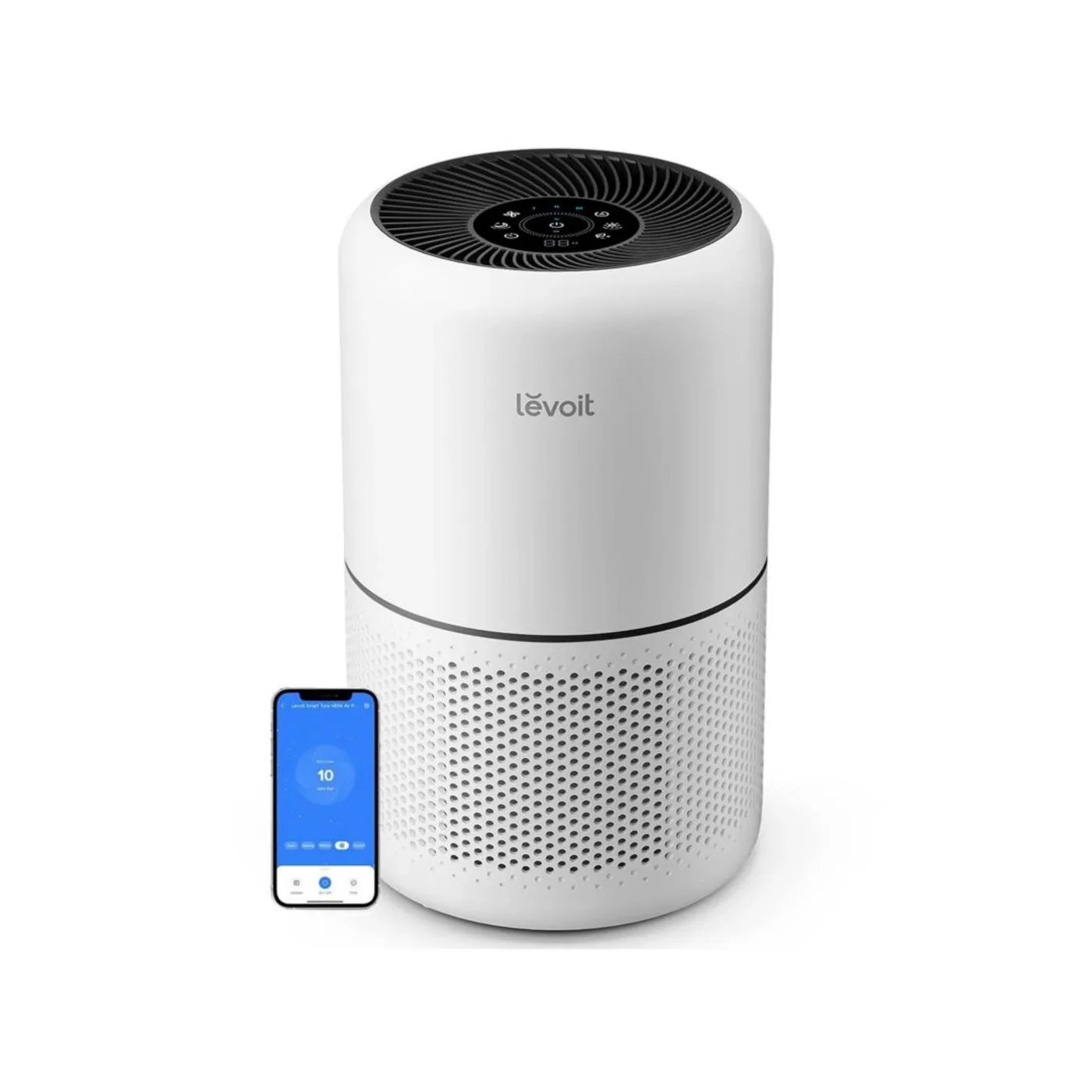
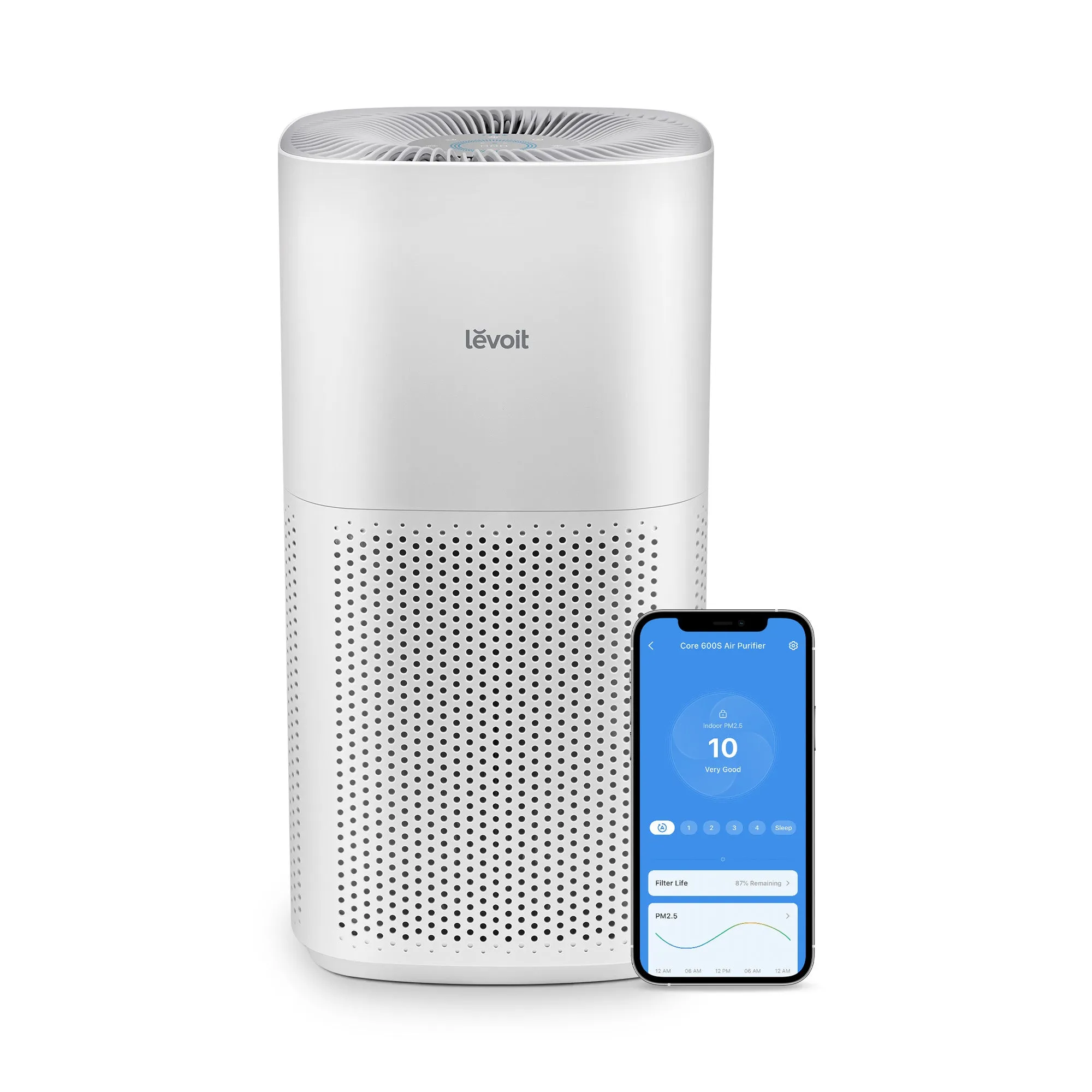
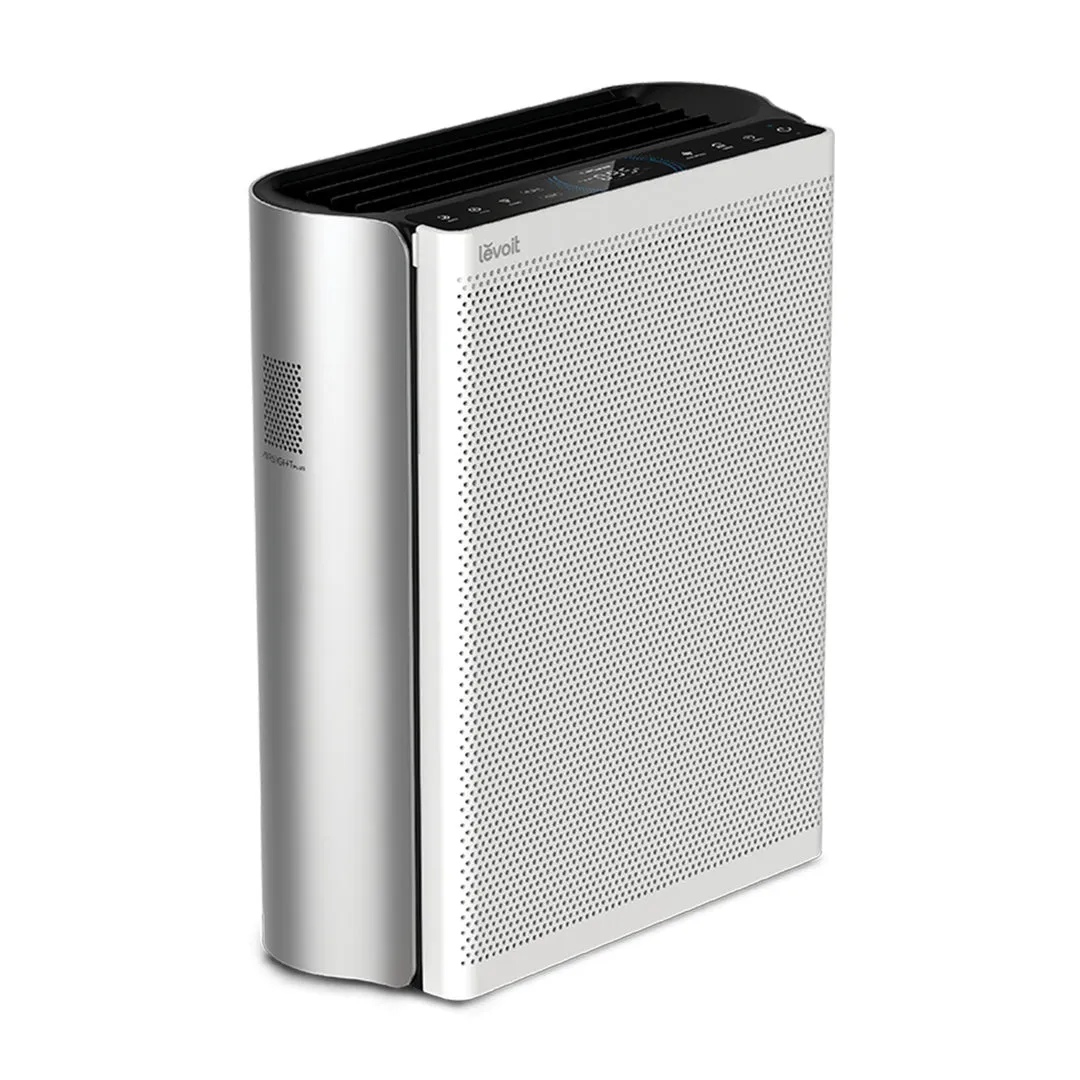
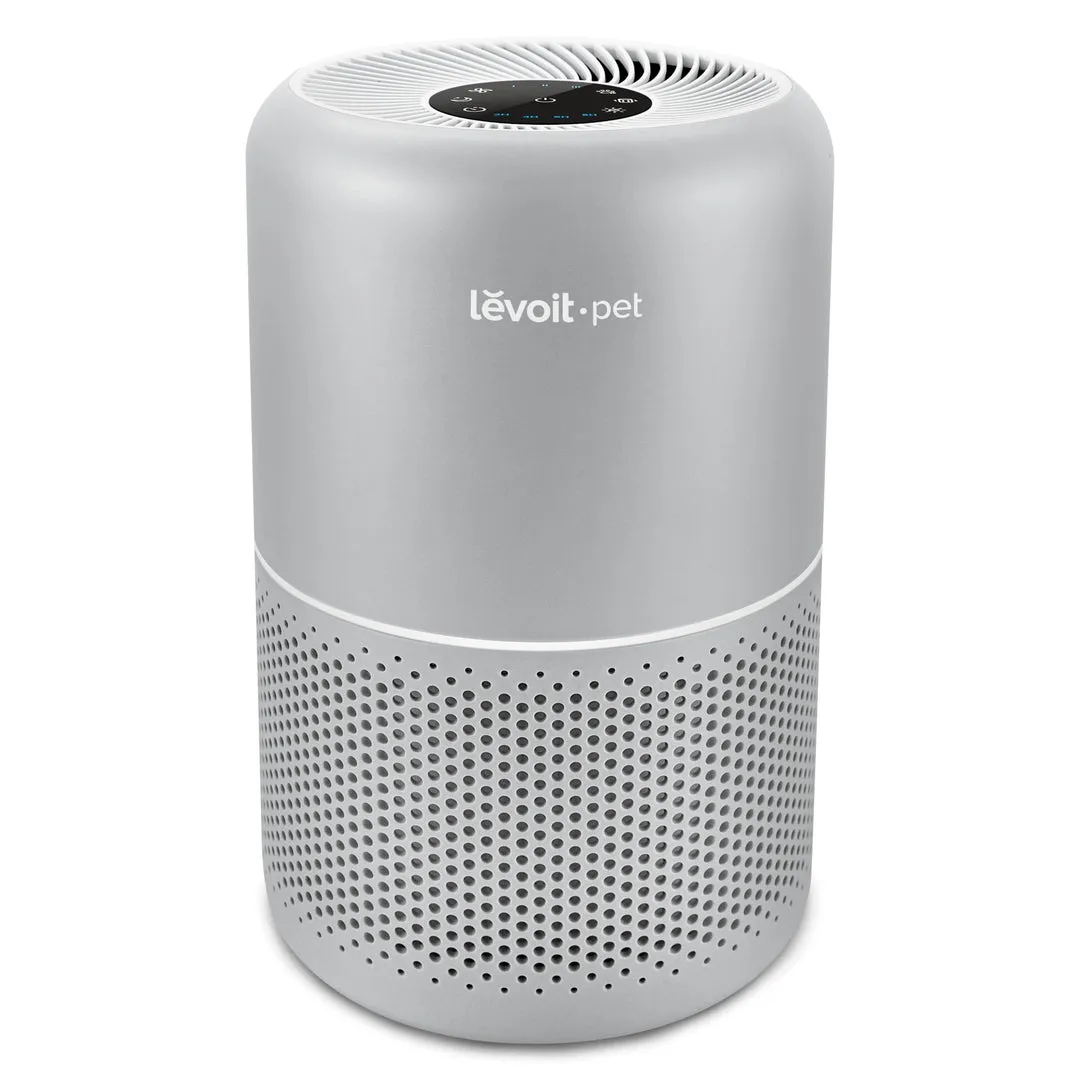
| ENERGY STAR certified (e.g., Levoit Core 300) | 50 to 75 kWh | 145 to 200 | AED 18 to 27 |
| Standard mid-range model | 120 to 180 kWh | 130 to 180 | AED 43 to 65 |
| High-watt non-certified model | 200 to 300 kWh | 150 to 200 | AED 72 to 108 |
| Ioniser or plasma device | 20 to 60 kWh | 50 to 100 | AED 7 to 22 |
Note that while ionisers appear cheapest to run, their low CADR means they clean far less air per hour. You end up with a device that uses less electricity but also delivers substantially less clean air per dirham spent.
Steps to assess purifier efficiency before purchasing:
- Check the CADR rating and calculate whether it suits your room’s square footage
- Verify that ozone emissions are zero or below 0.050 ppm (the CARB standard)
- Review the annual energy consumption figure in the product specifications
- Calculate the cost per CADR unit delivered per year across competing models
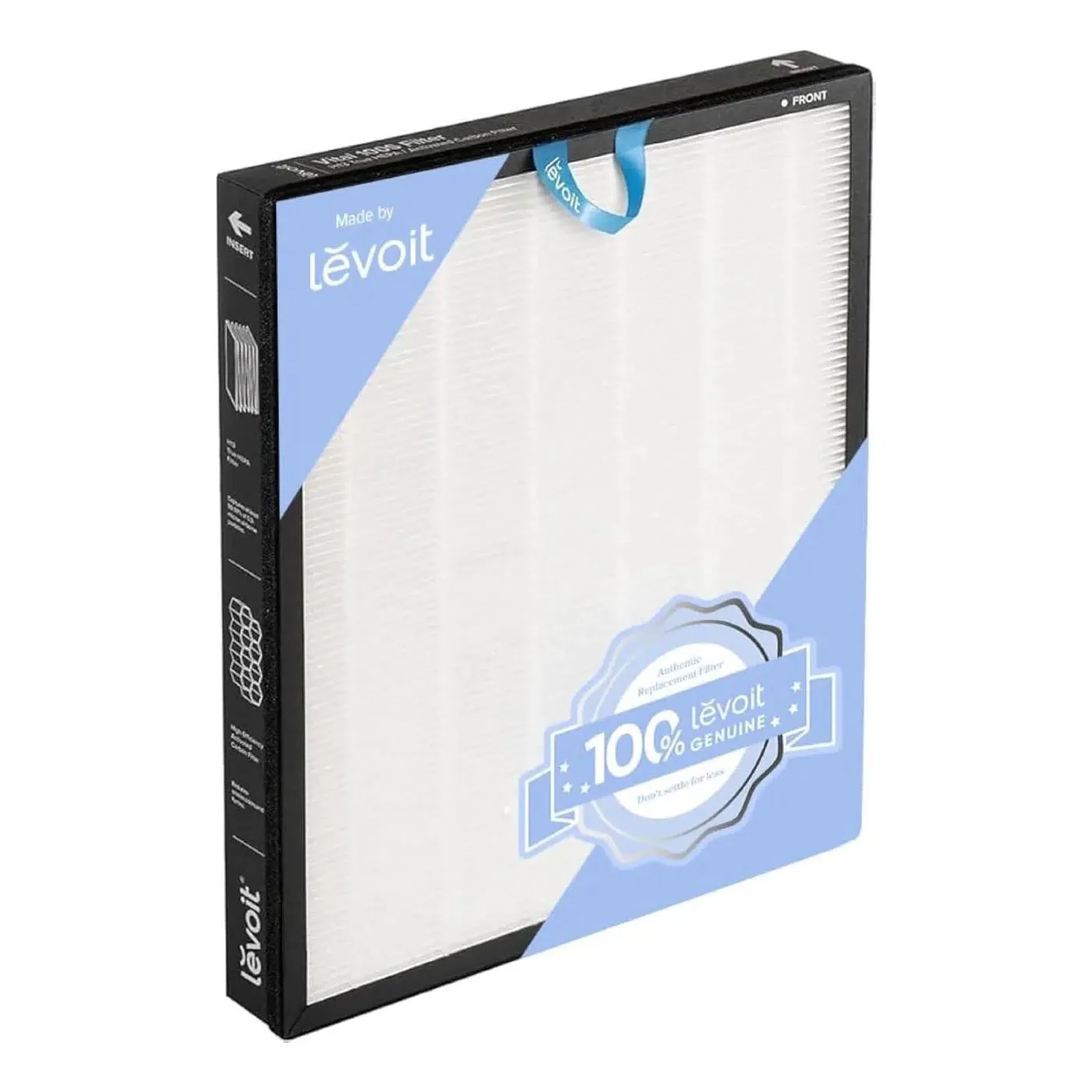
- Factor in filter replacement costs, which vary significantly across brands
Pro Tip: Always size appropriately for your space. A purifier designed for 30 square metres running in a 60-square-metre room will operate at maximum speed constantly, wearing out filters faster and using more energy than a correctly sized unit running at medium speed.
Common pitfalls and how to avoid greenwashed products
Greenwashed air purifiers are not difficult to find in UAE retail and online marketplaces. The visual language of eco-marketing, including green packaging, leaf logos, and phrases like “natural air cleaning,” has been applied to some of the least safe purifier technologies available.
Consumer Reports warns that the EPA advises against devices that intentionally produce ozone, and notes that some technologies including ionisers, electrostatic precipitators, plasma air cleaners, and certain UV systems without adequate lamp coatings may emit ozone as a by-product. This is a significant concern given how many of these devices are actively marketed using environmental or “natural” language.
“Avoid air cleaners that intentionally produce ozone. Some other technologies may also emit ozone as a by-product, including some ionisers, electrostatic precipitators, plasma air cleaners, and UV systems.” — EPA / Consumer Reports
How to check for hidden ozone emission risks:
- Search the product model number in the CARB air cleaner database
- Avoid devices whose technology section mentions “plasma,” “needlepoint ionisation,” or “photocatalytic oxidation” unless ozone data is independently verified
- Check whether the manufacturer provides a test report from a third-party laboratory
- Look for explicit ozone-free claims backed by certification, not just marketing text
- Ask the retailer for emissions data if it is not listed on the product page
False eco claims can also appear in the context of energy consumption. Some devices are marketed as low-energy while using significantly more power than ENERGY STAR listed alternatives at comparable CADR ratings. The only reliable way to compare is to look at the specific kWh per year figure alongside the CADR value, then calculate output per unit of energy consumed.
Practical recommendations for UAE homes and businesses
Applying the above principles to real-world UAE conditions requires a structured approach. Dust storms, high occupancy in residential buildings, open-plan commercial offices, and HVAC systems that recirculate air all influence which purifier configuration works best.
For UAE homes and businesses, a practical eco-friendly approach combines HEPA-based particle control with activated carbon for odours and VOCs, energy-efficient operation sized to the room, and careful filter-maintenance logistics to avoid performance gaps.
Steps to select and maintain an eco-friendly air purifier in the UAE:
- Measure the room accurately and calculate the required CADR (room area in square metres multiplied by 2.5 gives a starting CADR figure in m³/h)
- Confirm the device uses true HEPA filtration, not “HEPA-like” or “HEPA-style” media
- Ensure an activated carbon filter is included, with adequate carbon weight for VOC absorption
- Verify ENERGY STAR certification or review the annual kWh figure in the spec sheet
- Plan for filter replacement every three to six months given UAE dust levels, not the manufacturer’s standard twelve-month schedule for less dusty climates
UAE-specific factors to account for:
- High ambient dust means filters clog faster than in temperate climates, so check pre-filter monthly
- Air conditioning recirculates indoor pollutants unless the purifier is running simultaneously
- Sand and fine desert particles are smaller than typical dust, requiring genuine HEPA rather than lower-rated media
- Humid coastal areas such as Dubai require mould-resistant filter materials or frequent replacement
- Commercial spaces with high foot traffic need CADR values significantly above residential recommendations
Maintenance is consistently underestimated as a factor in long-term air quality. A HEPA filter running past its service life becomes a source of released particles rather than a trap for them. Building a regular filter replacement schedule into operational planning, whether for a home or a multi-floor office, is as important as the initial device selection.
Our perspective: Why most eco-friendly air purifiers fall short in the UAE
Having covered the practical guidance, here is a direct assessment based on what we observe in the UAE market.
The most common failure point is not the technology. It is the mismatch between the device and the space it is placed in, combined with filters that go unchanged for too long. Retailers selling on price often push units that are undersized for UAE apartments, where rooms of 25 to 40 square metres are standard. A small desktop purifier with a CADR of 80 placed in a 35-square-metre bedroom recirculates the air once every 45 to 60 minutes at best. Current guidance recommends a minimum of four to five air changes per hour for effective particle removal.
Marketing trends have pushed buyers towards ionisers and plasma devices on the basis that they use less electricity and contain no replaceable filters. Both claims are technically accurate and practically misleading. Lower electricity use means lower output. No filter means no mechanical filtration, which means airborne particles are not being captured at all, only charged and deposited on nearby surfaces.
The EPA guidance is clear that even when ioniser or plasma technology is marketed as clean, mechanically verified ozone-free filtration is the safer default. We agree completely. The short-term appeal of filterless operation leads buyers away from the only method that demonstrably removes particles from breathing air rather than redistributing them.
What actually works in UAE conditions is straightforward: a correctly sized true HEPA device with activated carbon, running at an appropriate fan speed, with filters replaced on a schedule that accounts for local dust levels. That combination does not require expensive technology. It requires honest specification reading and consistent maintenance.
Ready to breathe cleaner? Choose sustainability
If this guide has clarified what separates genuine eco-friendly performance from green marketing, the next step is finding products that actually meet those standards.
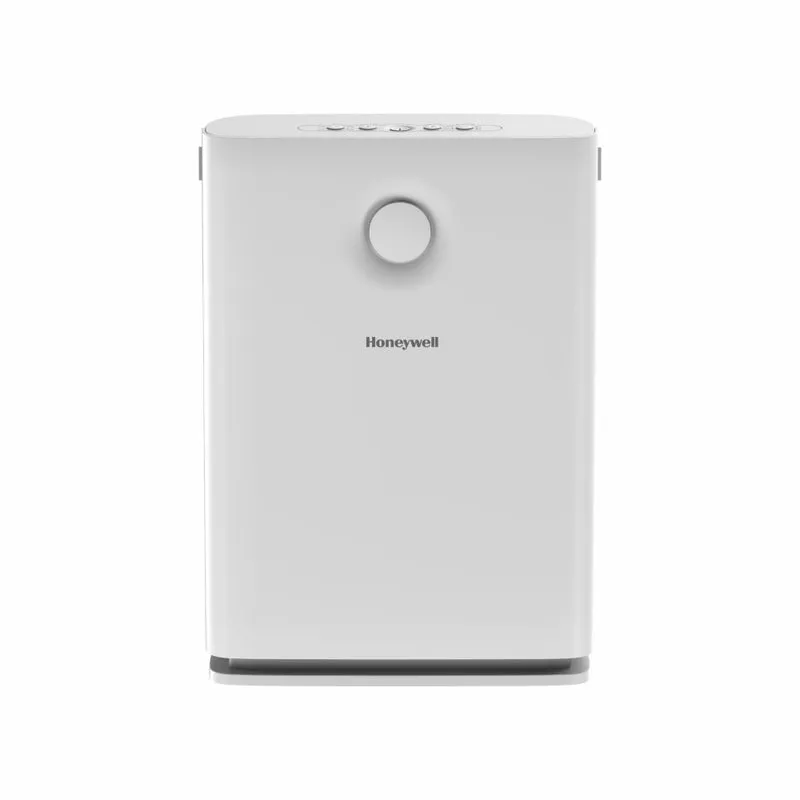
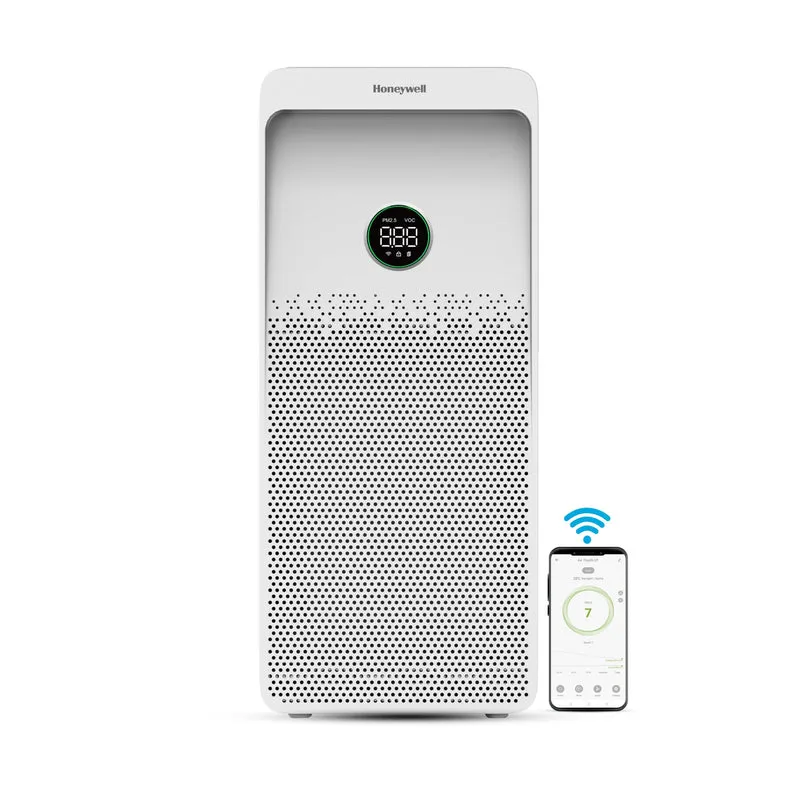
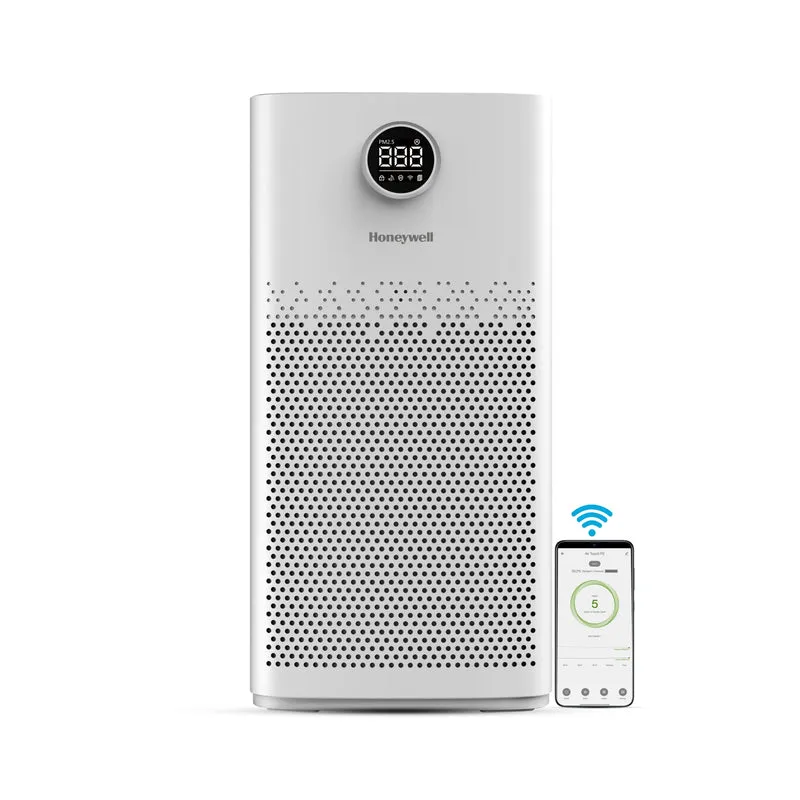
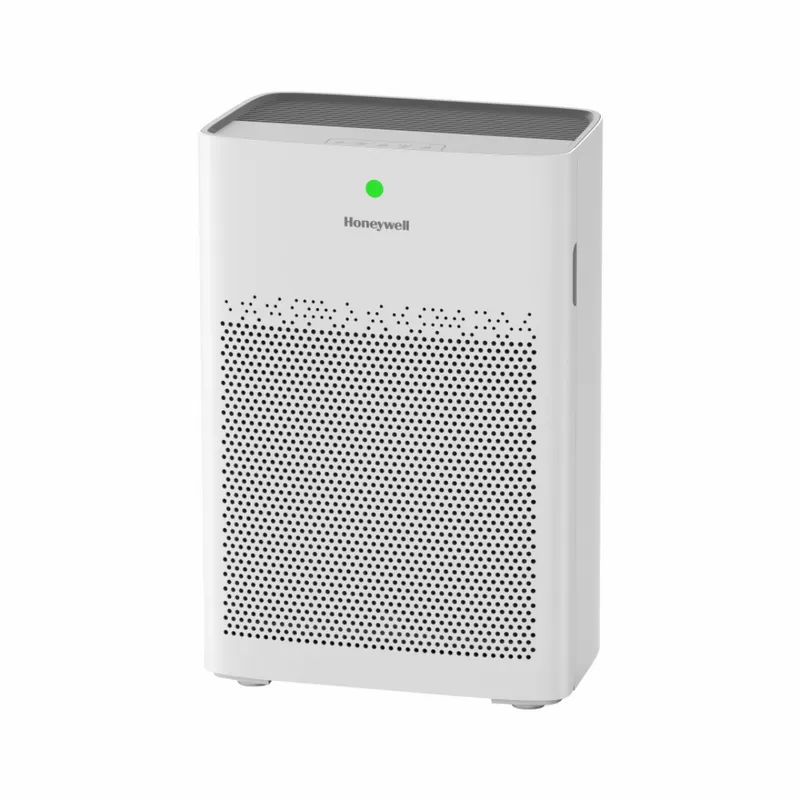
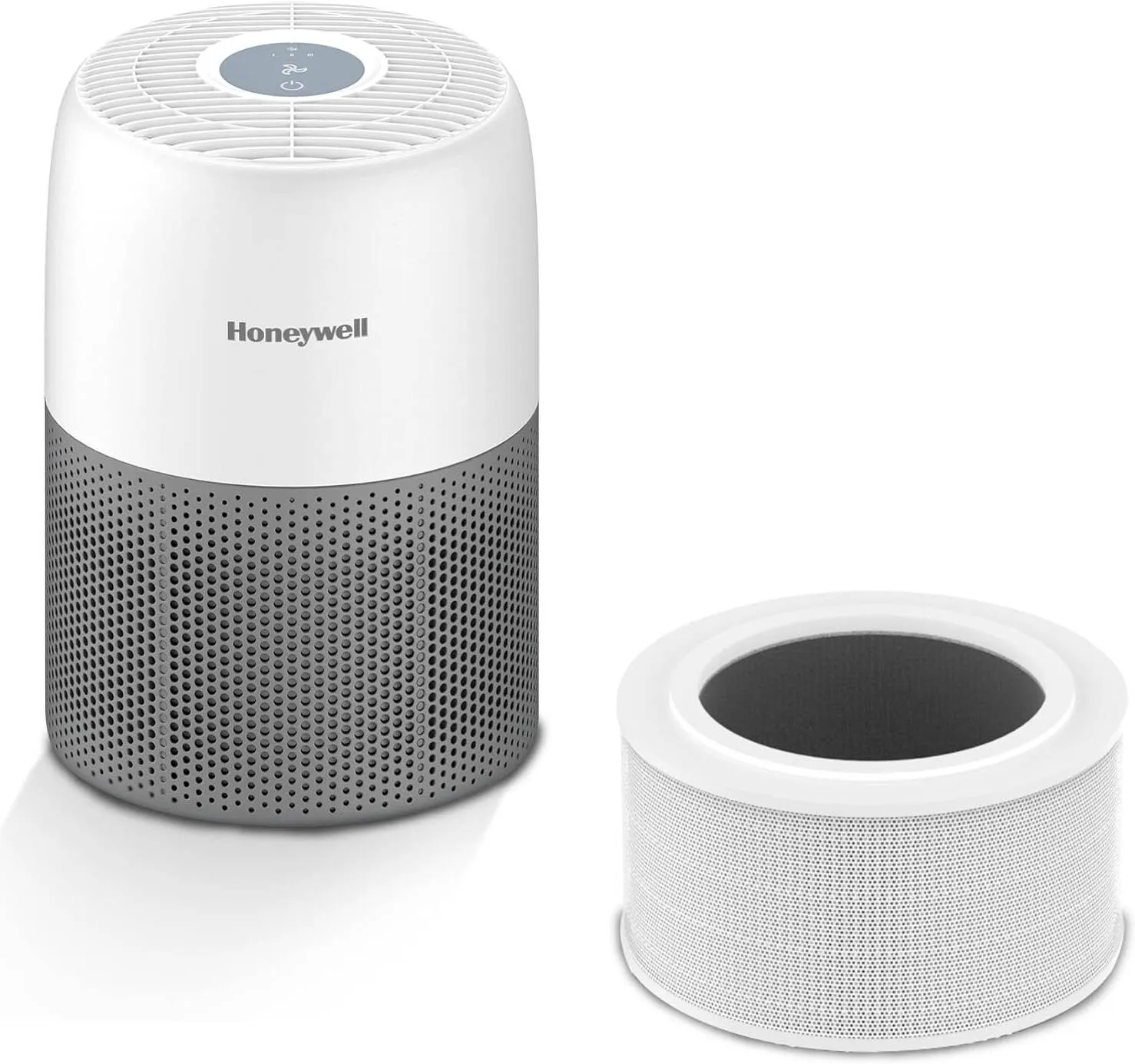
Cleanair-ae.com stocks a curated range of eco-friendly air cleaning solutions verified for UAE conditions, including true HEPA models from Blueair, Honeywell, and Levoit, all with activated carbon, ENERGY STAR certification, and fast delivery across Dubai, Abu Dhabi, and the wider UAE. Replacement filters, sizing guidance, and product support are available directly through the site. Whether the priority is a single bedroom unit or a multi-room commercial installation, the range covers standard requirements without hidden trade-offs.
Frequently asked questions
Do eco-friendly air purifiers remove all air pollutants including odours and gases?
Eco-friendly air purifiers fitted with HEPA filters remove particulate matter effectively, but tackling gases and odours requires an activated carbon layer, as mechanical filters alone do not address gaseous pollutants.
Are ioniser or plasma air purifiers safe for asthma and allergy sufferers?
Mechanically filtered, ozone-free air purifiers are considered safest for asthma and allergy-prone individuals, as some ioniser devices can emit trace ozone even when marketed as clean technology.
How can I tell if a purifier is truly energy efficient?
Check for ENERGY STAR labelling and compare the CADR per watt figure or integrated energy factor listed in the product specifications to identify genuine efficiency.
Do eco-friendly air purifiers cost more to maintain?
Properly chosen and maintained, energy-efficient models typically cost less to run over time due to lower electricity consumption, even when accounting for regular filter replacements.