
Uncategorised
How to improve indoor air quality: UAE guide
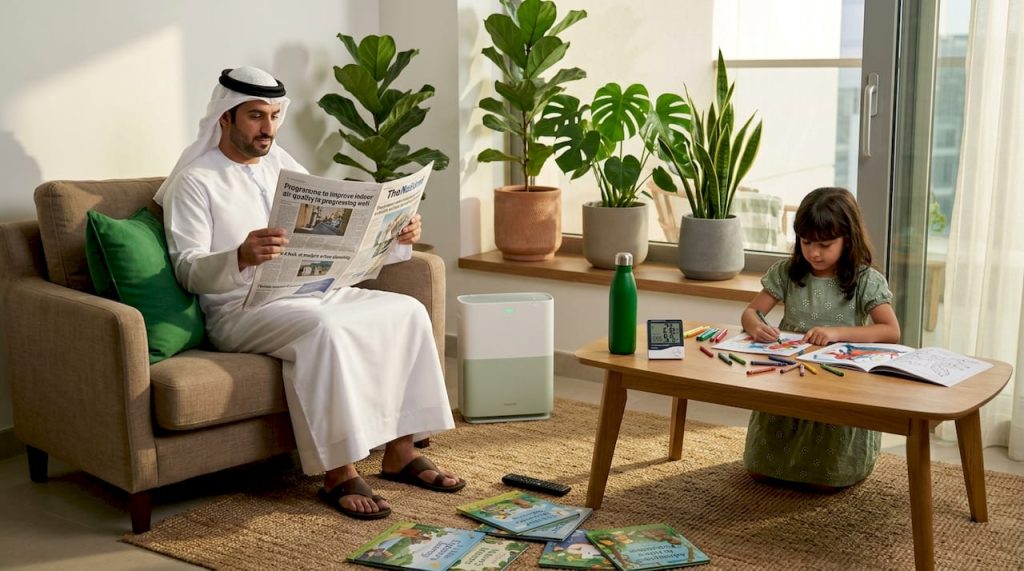
Indoor air quality is a genuine concern for UAE homeowners, yet most people never think about it until the sneezing starts or a persistent musty smell appears despite the air conditioning running constantly. Knowing how to improve indoor air quality in a UAE home requires more than just switching on the AC. This guide covers the full process for cleaner indoor air, from identifying pollution sources and controlling humidity to selecting the right filtration equipment, giving you practical steps tailored to the specific conditions of UAE residences.
Table of Contents
- Understand the sources and impacts of indoor air pollution in UAE homes
- Prepare your home for air quality improvements: assessment and basic measures
- Execute effective ventilation and source control strategies
- Choose and maintain effective filtration systems for your space
- Monitor and maintain your indoor air quality long term
- Why standard air conditioning is not enough to ensure safe indoor air in UAE homes
- Discover air purification solutions tailored for your UAE home
- Frequently asked questions
Key Takeaways
| Point | Details |
|---|---|
| Control sources first | Removing or reducing pollution sources indoors is the primary step to improve air quality. |
| Ventilate wisely | Use exhaust fans and open windows when outdoor air quality and climate permit to refresh indoor air. |
| Choose filtration by size | Select air purifiers by Clean Air Delivery Rate matching your room size for effective cleaning. |
| Balance humidity | Maintain indoor relative humidity between 40% and 60% to prevent mold and allergens in UAE homes. |
| Maintain regularly | Replace filters on schedule and service HVAC systems to sustain optimal air quality long term. |
Understand the sources and impacts of indoor air pollution in UAE homes
UAE homes face a distinct combination of indoor air challenges that most international guidance does not fully address. The extreme heat keeps windows shut for months at a time, which means pollutants accumulate indoors without the natural ventilation that cooler climates rely on. Indoor air pollution levels can match or exceed outdoor levels in typical homes, and in a sealed, air-conditioned apartment, that figure can climb further.
The main pollutants inside UAE homes fall into several categories. Fine sand from the desert environment infiltrates even well-sealed properties. Fine sand and outdoor humidity enter UAE homes regularly, encouraging microbial growth and persistent dust pollution. On top of that, volatile organic compounds (VOCs, meaning gases released by paints, cleaning products, and furniture) build up quickly in poorly ventilated spaces.
Common indoor pollution sources in UAE homes:
- Cooking fumes from high-heat cooking methods common in UAE cuisine
- Cleaning sprays, disinfectants, and scented products
- Building materials including adhesives, paints, and flooring finishes
- Infiltrated outdoor sand and particulate matter
- Condensation and moisture leading to mould and mildew
- Poor HVAC duct maintenance allowing dust recirculation
Understanding these sources is the first step. Without knowing what is generating the pollution, any air quality improvement tips you apply will be reactive rather than systematic.
Prepare your home for air quality improvements: assessment and basic measures
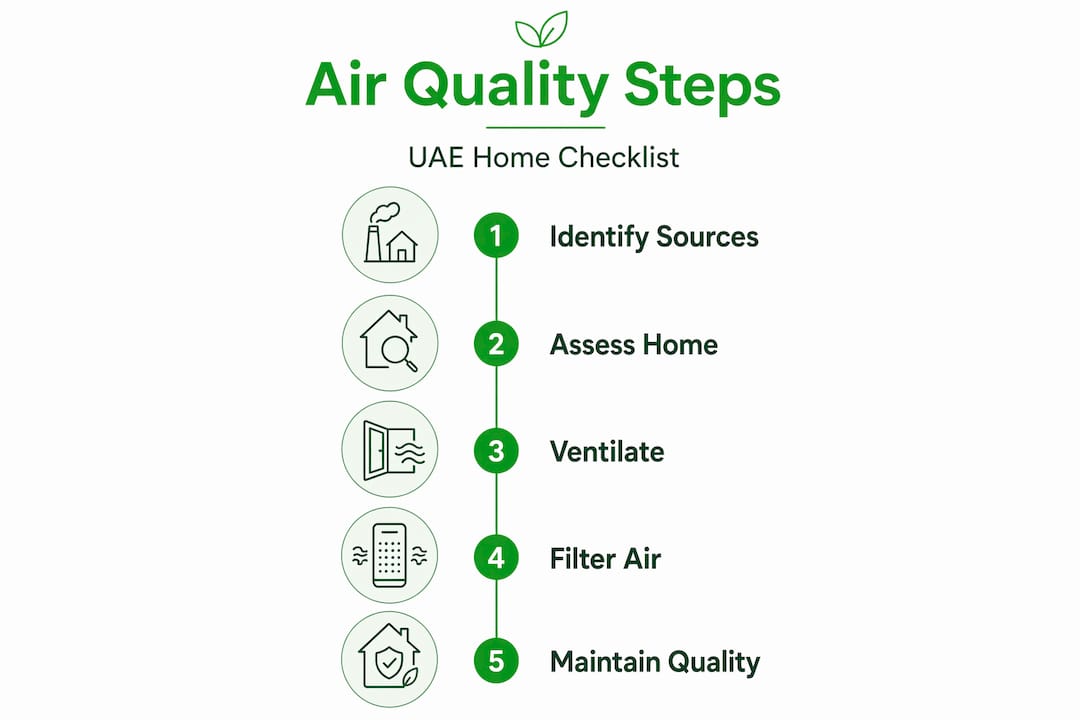
Before purchasing equipment or changing ventilation habits, it pays to assess your home carefully. Many homeowners skip this stage and spend money on air purifiers that cannot address the actual problem, which is often a moisture source or a VOC-emitting material.
Start with a visual inspection. Look for visible mould on walls, ceiling corners, bathroom grout, and around window frames. Check under sinks and behind appliances for plumbing leaks. Then move on to measuring humidity. A hygrometer (a low-cost humidity sensor available at most electronics retailers) gives you a reliable reading of indoor relative humidity. Target indoor humidity between 40% and 60% to prevent microbial growth, which is particularly important in UAE conditions where outdoor humidity spikes during summer.
The EPA guidance reinforces this. Keep indoor humidity between 30% and 50%, fix any leaks promptly, and use ventilation or a dehumidifier to manage moisture levels before they create a secondary pollution problem.
Key preparation steps:
- Inspect the home for visible mould, water stains, and leaks
- Measure humidity in each room using a hygrometer
- Fix plumbing leaks and seal any gaps where outdoor air infiltrates
- Clean HVAC vents and check ductwork condition
- Identify and remove or replace high-VOC products where possible
Pro Tip: A professional home assessment that includes thermal imaging and air sampling will identify hidden moisture pockets inside walls and ceiling voids. These are common in UAE villas and apartments and are not visible during a standard inspection.
| Assessment area | Target value | Tool needed |
|---|---|---|
| Indoor relative humidity | 40%–60% | Hygrometer |
| PM2.5 particle levels | Below 12 µg/m³ | Air quality monitor |
| VOC concentration | As low as possible | VOC sensor or air sampler |
| HVAC filter condition | No visible blockage | Visual inspection |
Execute effective ventilation and source control strategies
Ventilation and source control are the two most effective ways to reduce indoor pollution. Reducing indoor pollution sources and ventilating with clean outdoor air are the primary ways to improve indoor air quality. Filtration supplements these steps but cannot replace them.
In the UAE, opening windows is not always practical. Summer temperatures make it uncomfortable, and outdoor air during sandstorm periods carries more particulates than indoor air. The solution is targeted mechanical ventilation combined with strict source control.
Step-by-step ventilation and source control measures:
- Install or upgrade a range hood vented directly outdoors, not recirculating internally
- Run the range hood during cooking and keep it running for at least 10 to 20 minutes after finishing
- Run bathroom exhaust fans during every shower and for 20 minutes afterwards
- Replace scented candles, air fresheners, and spray cleaners with unscented or low-VOC alternatives
- Open windows during cooler months or early mornings when outdoor air quality is acceptable
- Maintain combustion appliances and exhaust appliances properly with annual servicing
High-impact source control choices:
- Swap solvent-based paints for water-based alternatives during any renovation
- Store chemicals, paints, and adhesives in a sealed outdoor storage space rather than indoors
- Use a portable allergy solution for bedrooms or rooms where you spend the most time
- Consider a powerful air purifier for larger living areas to supplement ventilation
Pro Tip: When cooking, use the back burners on the hob rather than the front ones. The range hood captures pollutants more effectively when the source is directly beneath its centre, which significantly improves how much of the cooking fume is removed before it spreads into the room.
Choose and maintain effective filtration systems for your space
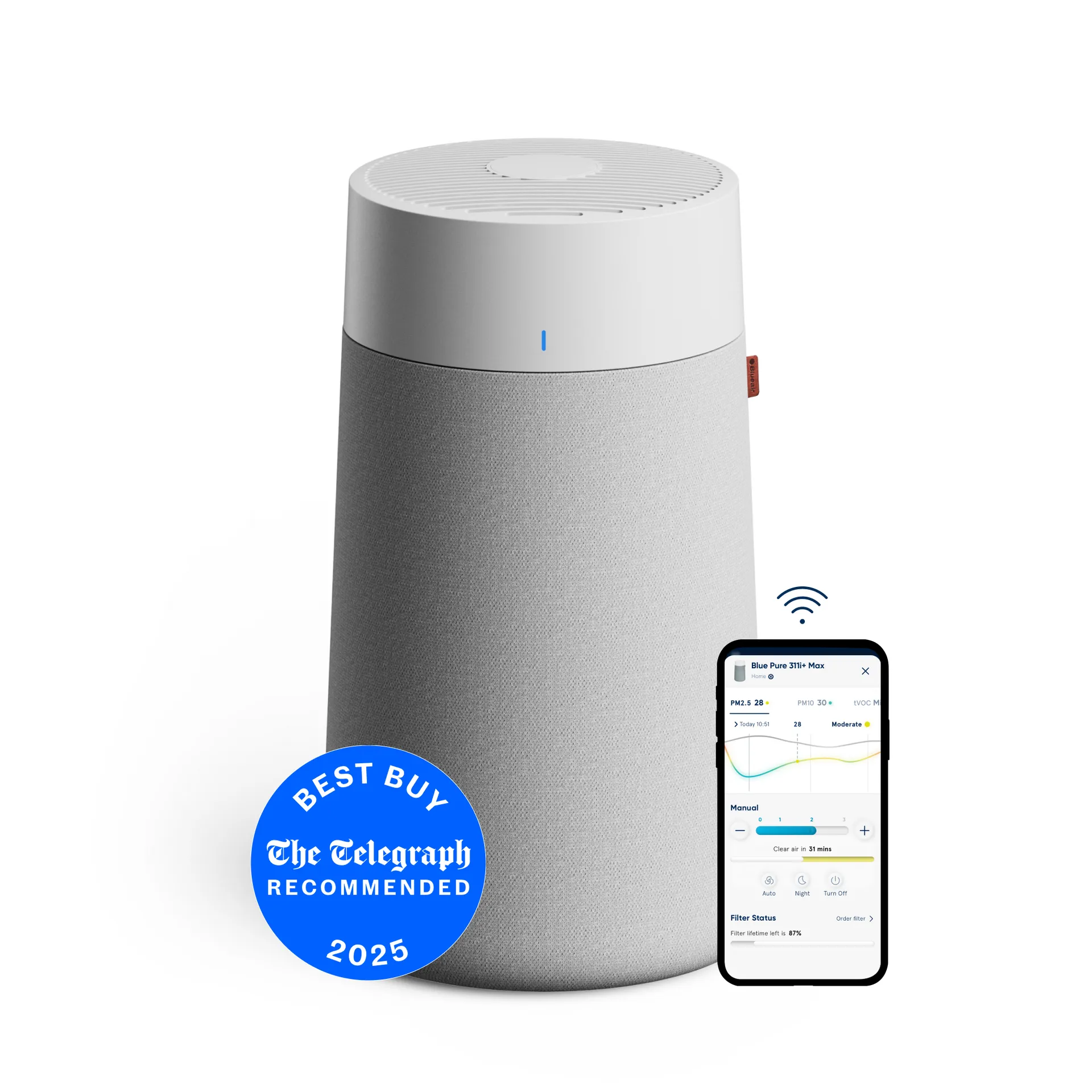
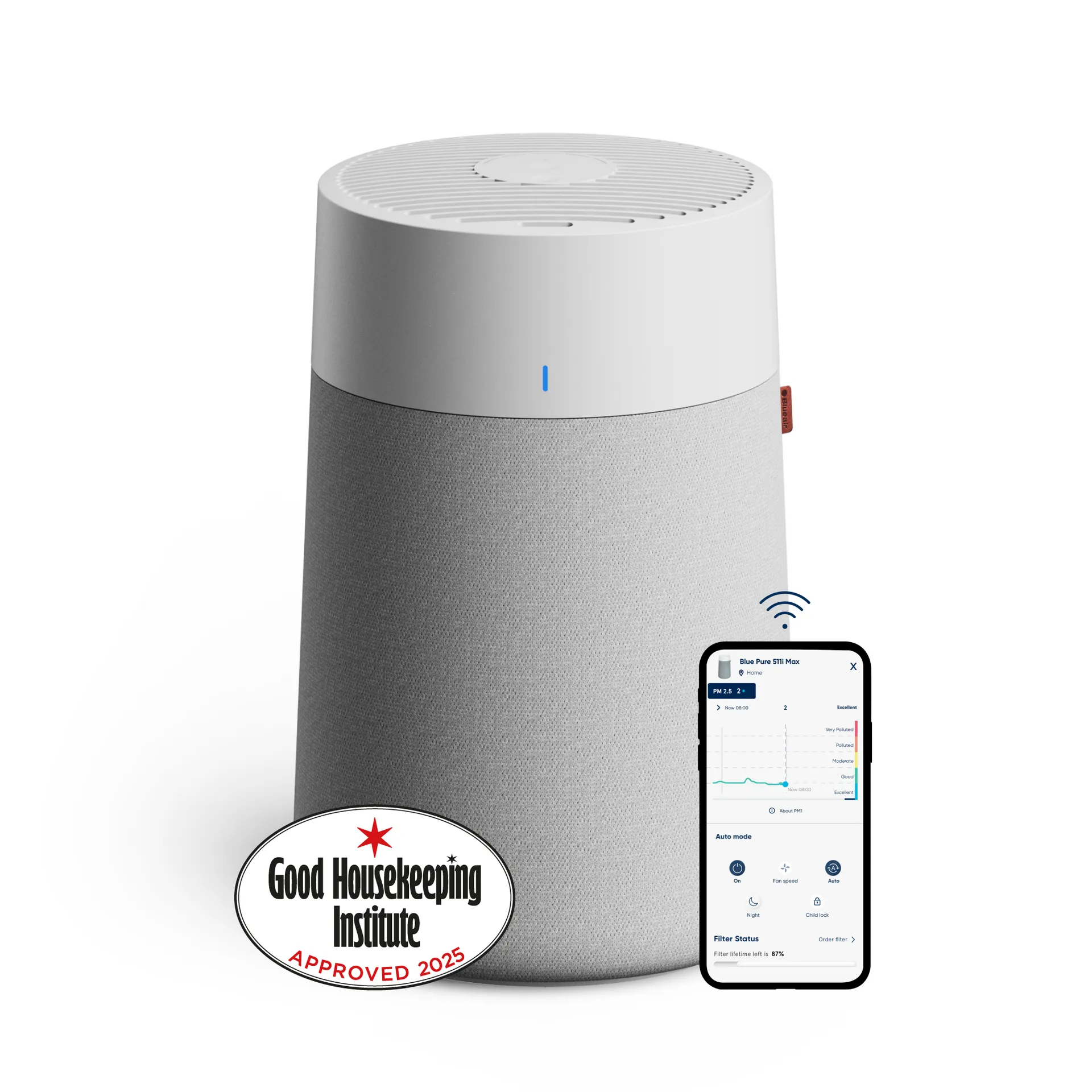
After controlling sources and improving ventilation, filtration provides the next layer of defence for cleaner indoor air. The key metric to understand is CADR, which stands for Clean Air Delivery Rate. Choose portable air cleaners with a CADR suited to your room size, as this figure tells you how many cubic metres of air the device can clean per hour for a given particle size.
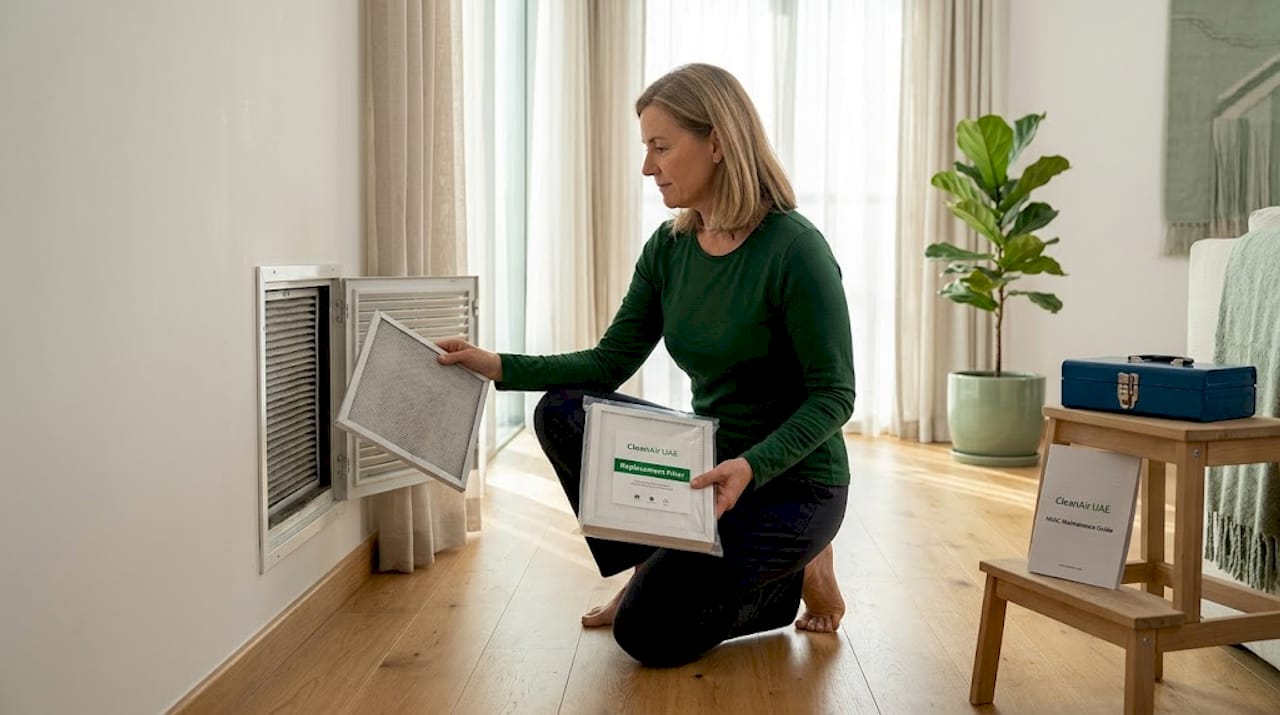
A common mistake in UAE homes is purchasing a small, affordable air purifier and placing it in a large living room. The unit may carry a HEPA label and still be almost useless for that space because its CADR is far too low. Matching the device to the room is the single most important decision you make when buying an air purifier.
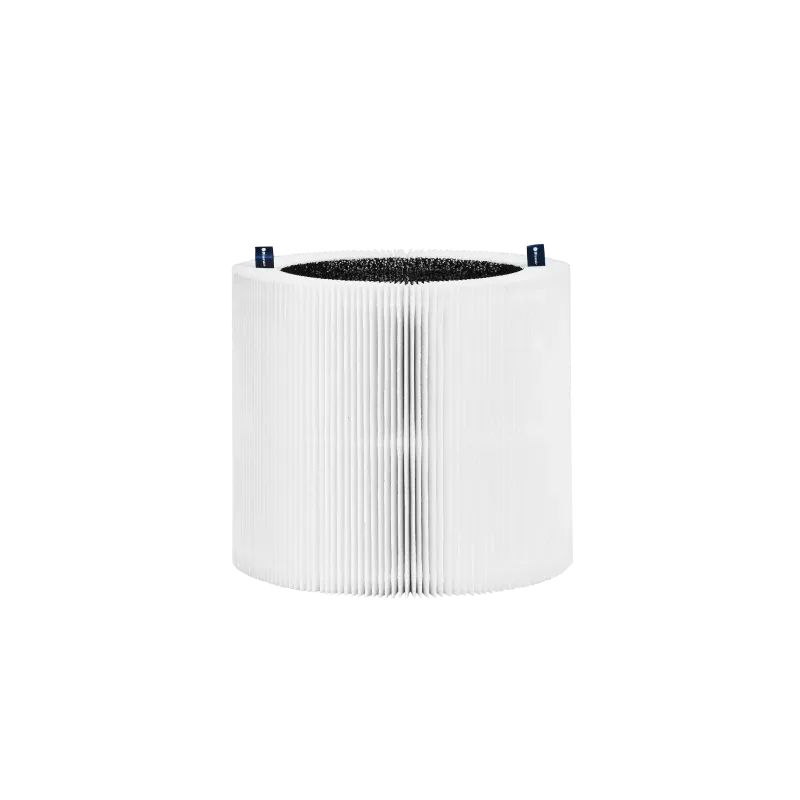
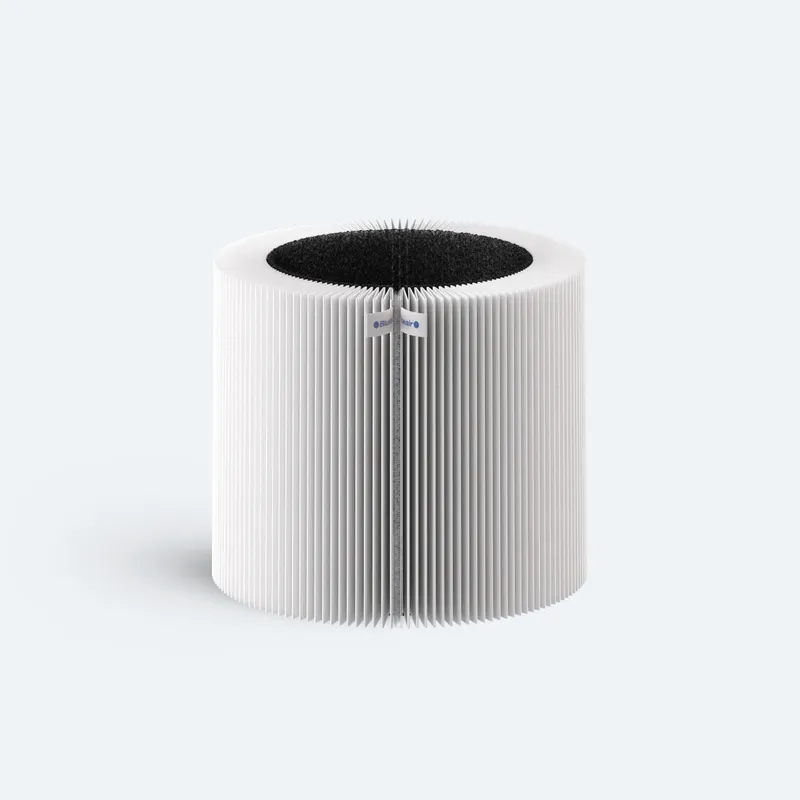
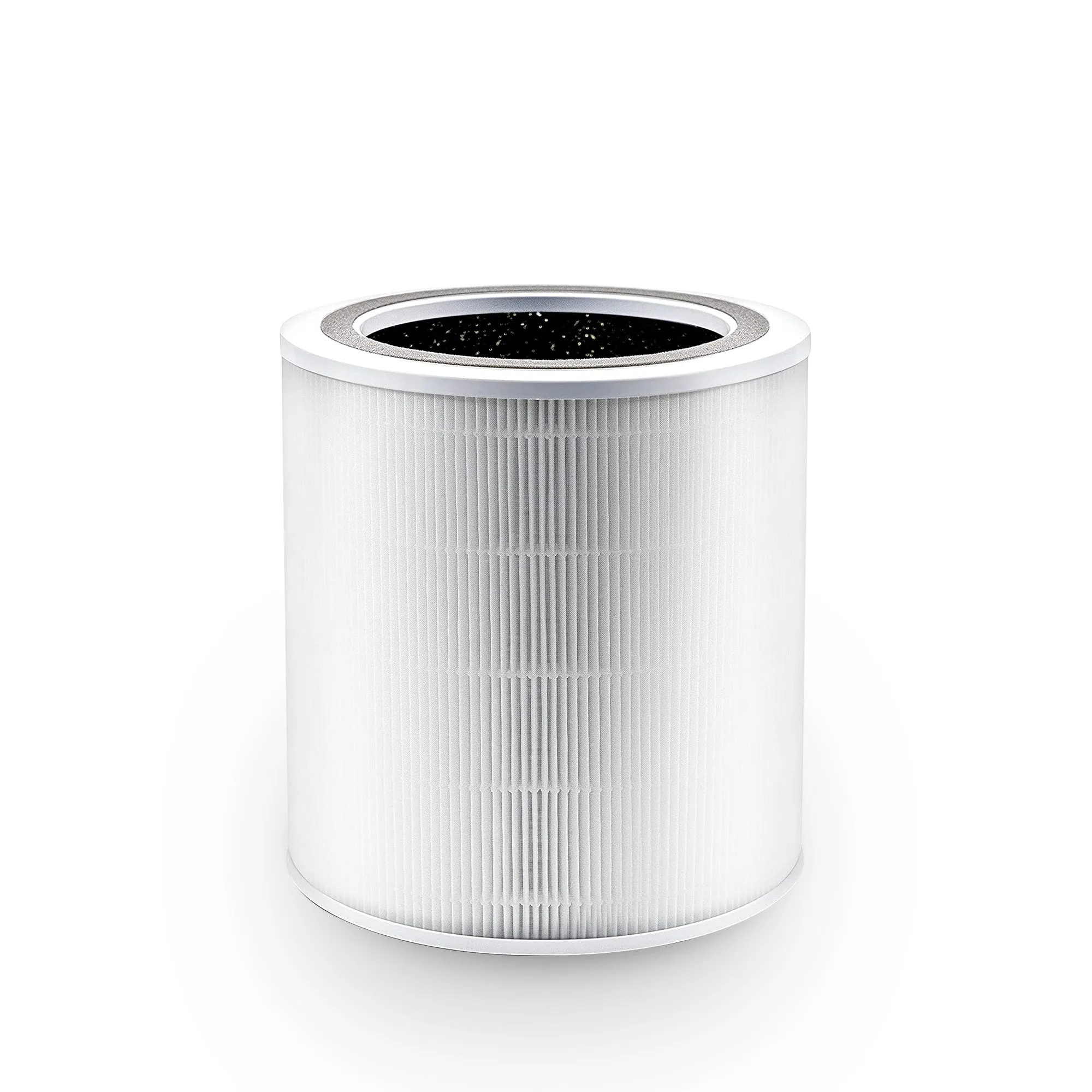
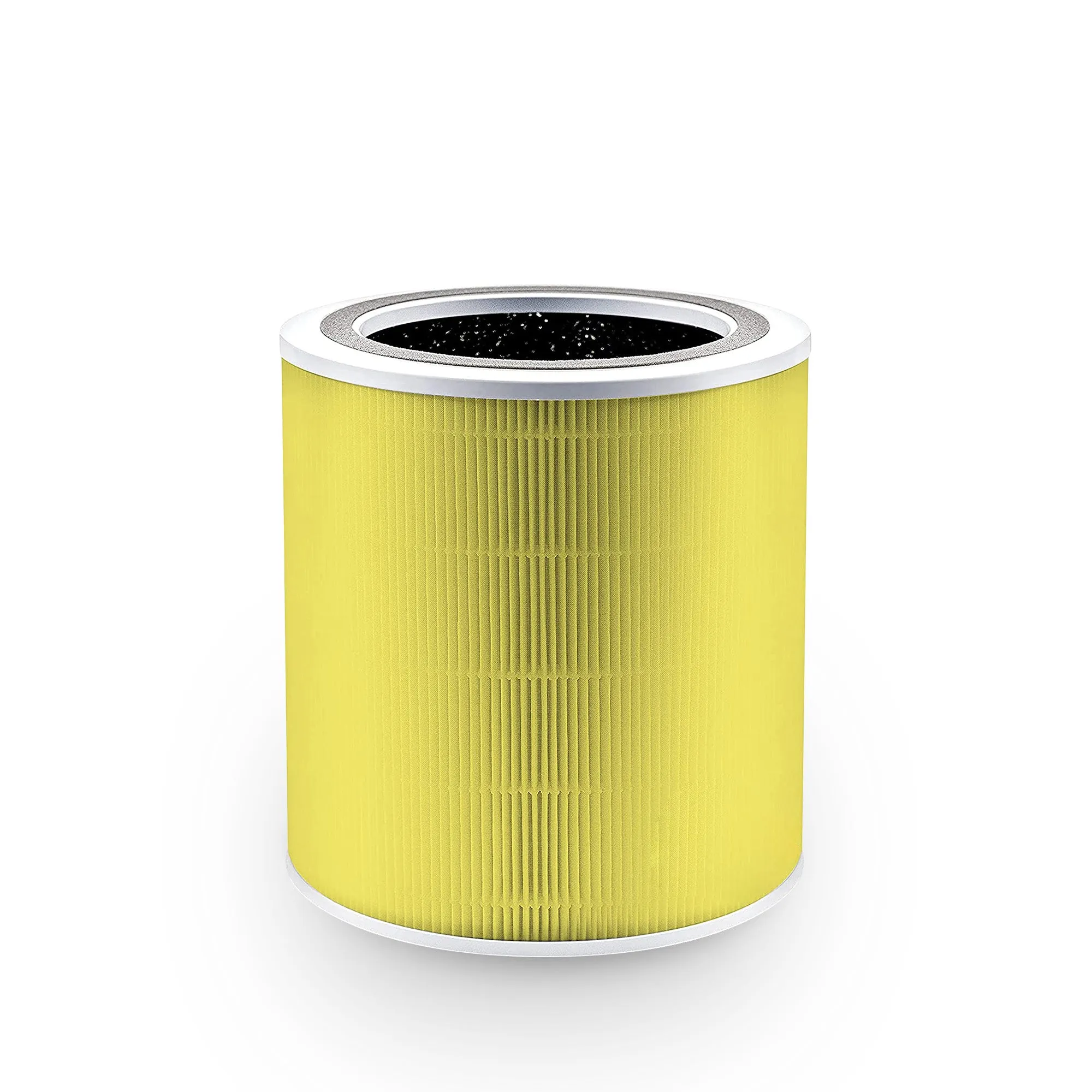
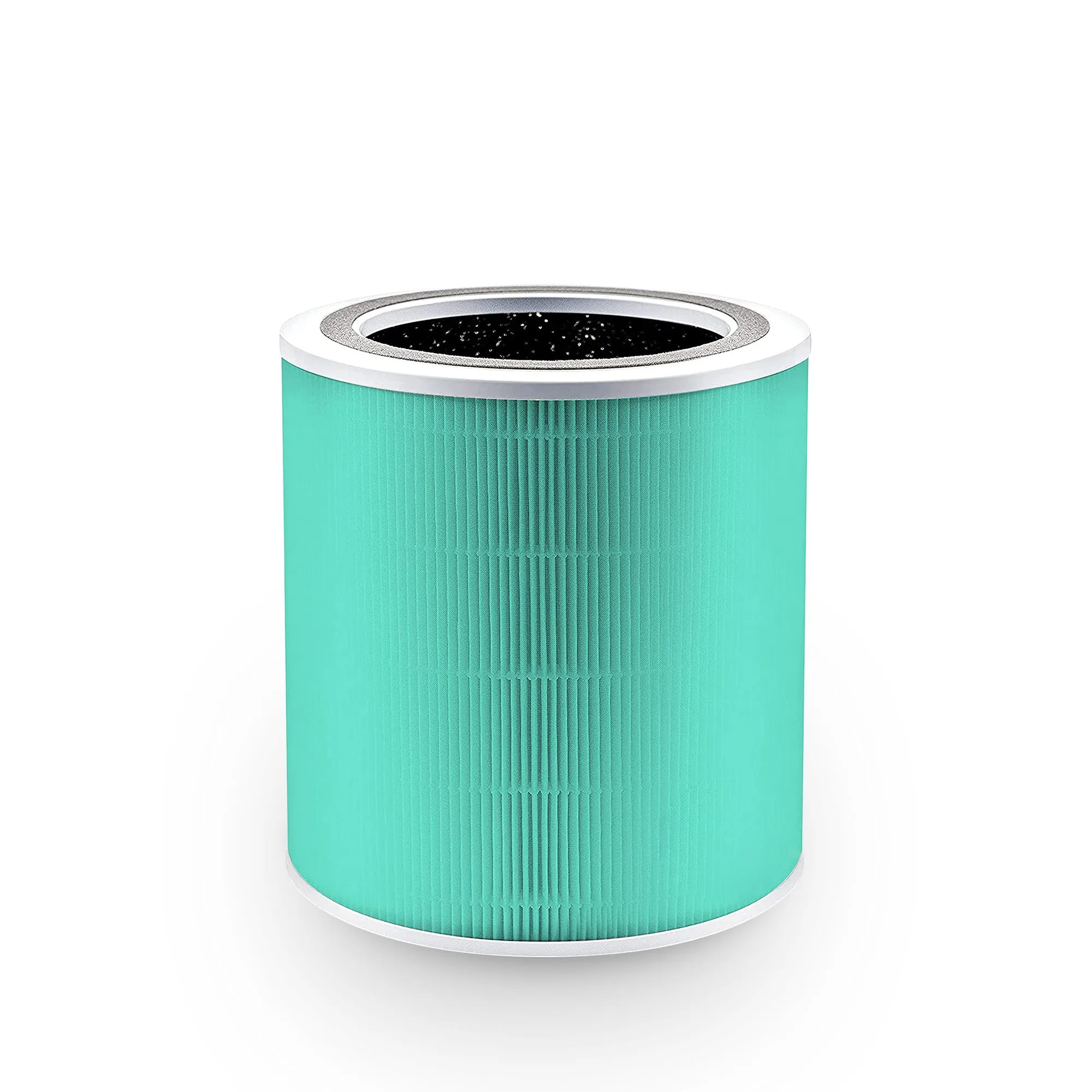
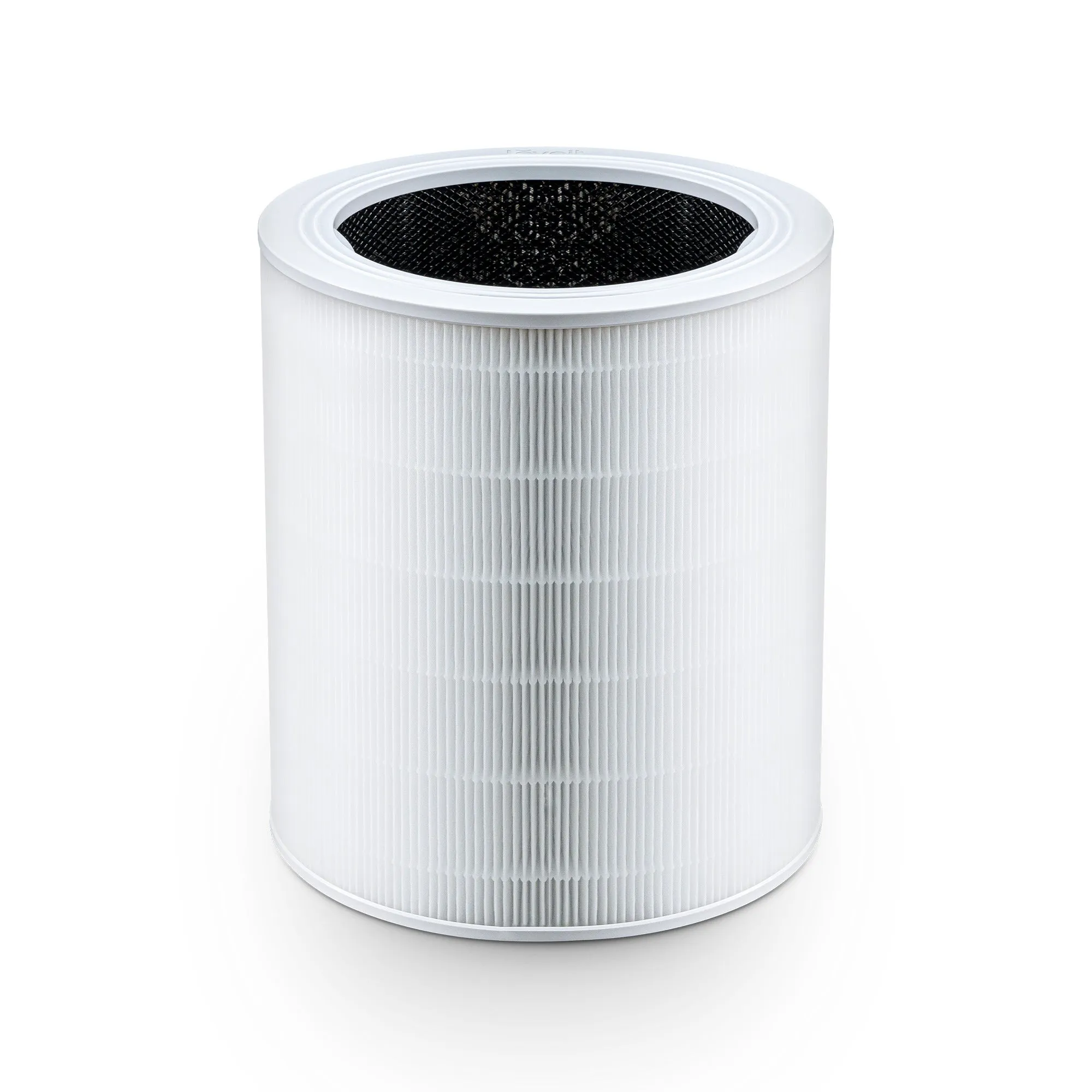
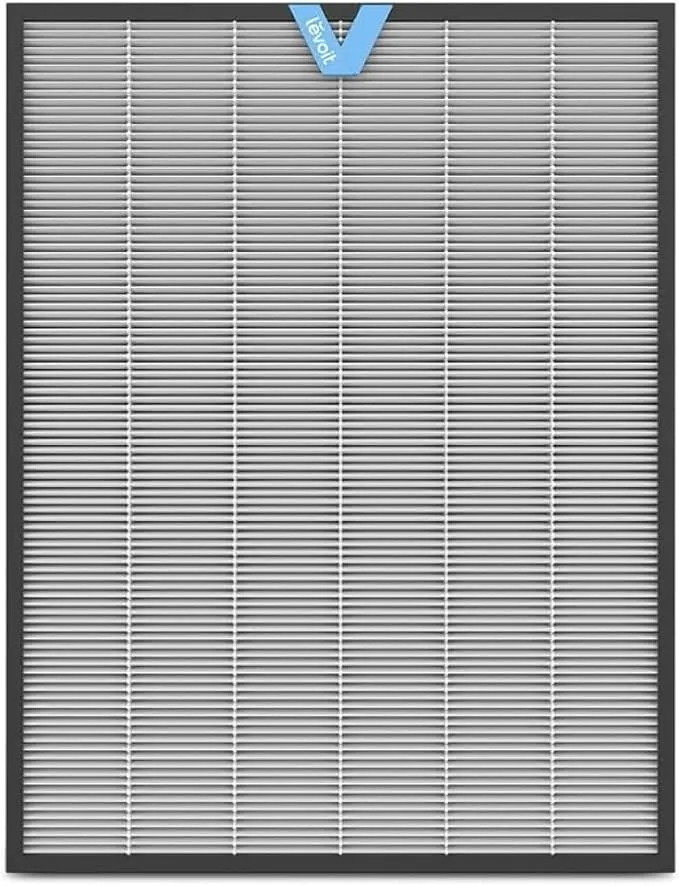
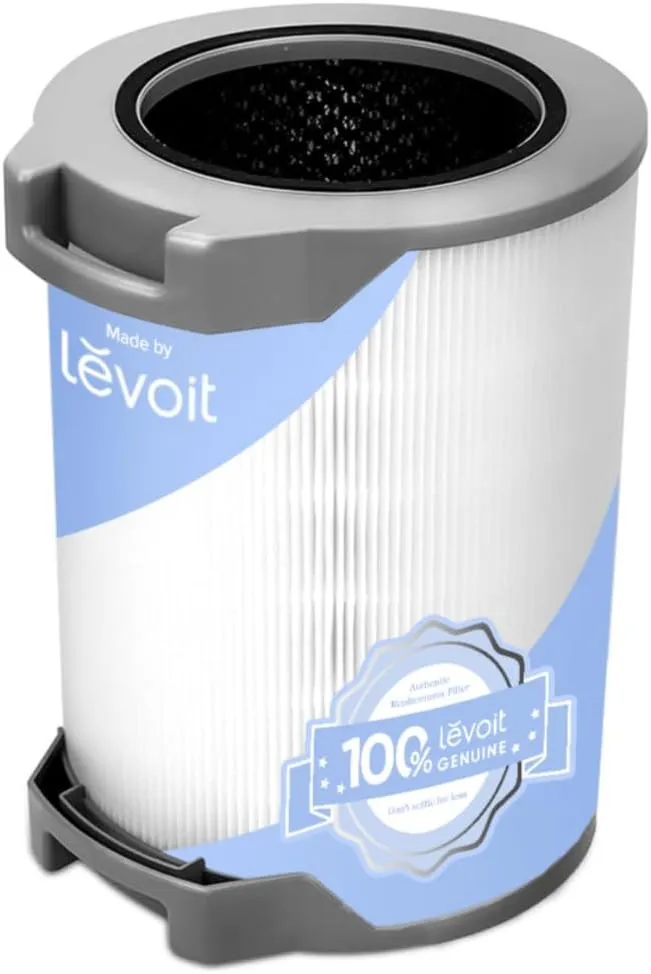
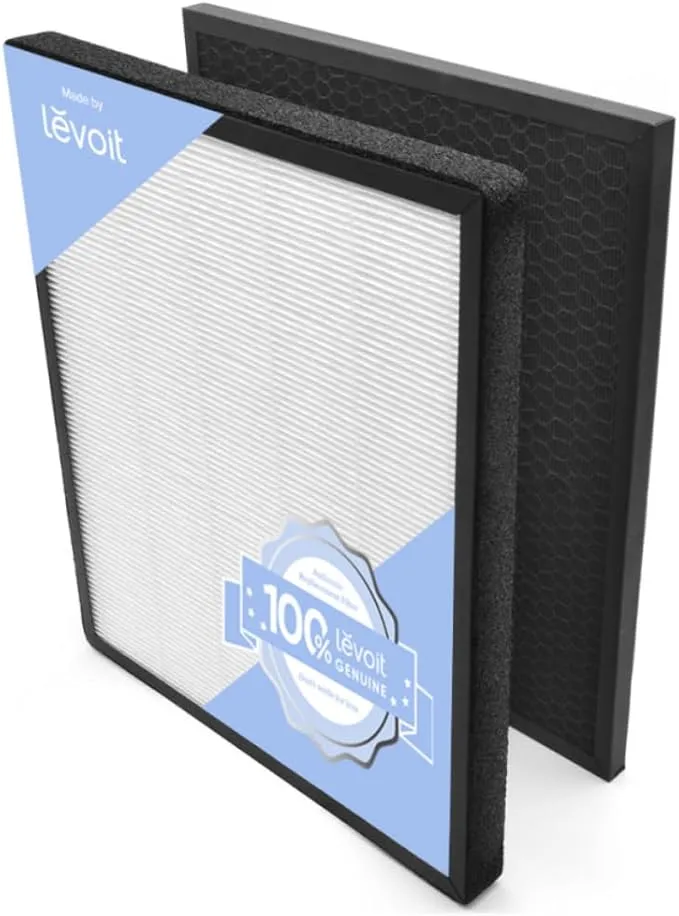
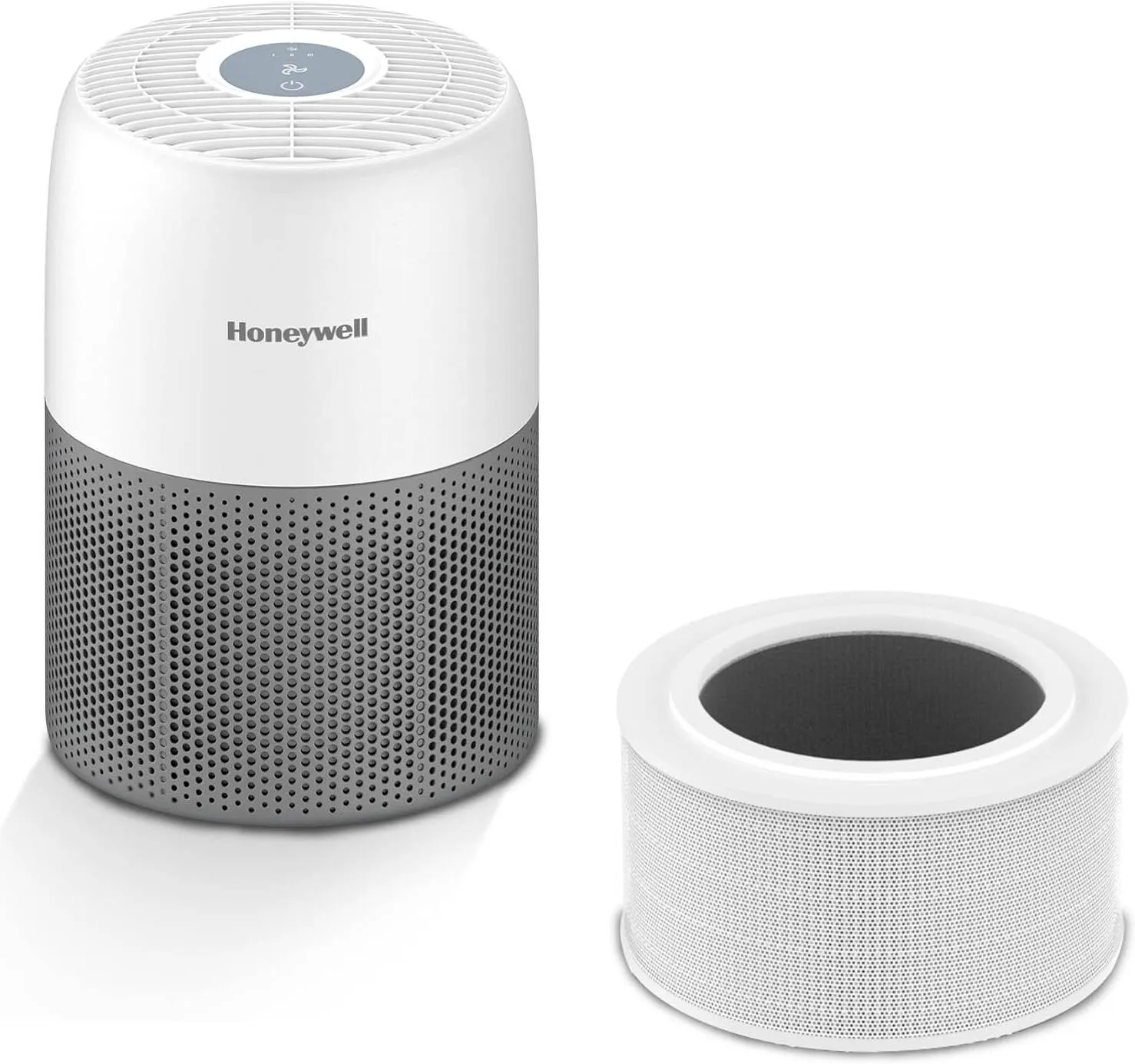
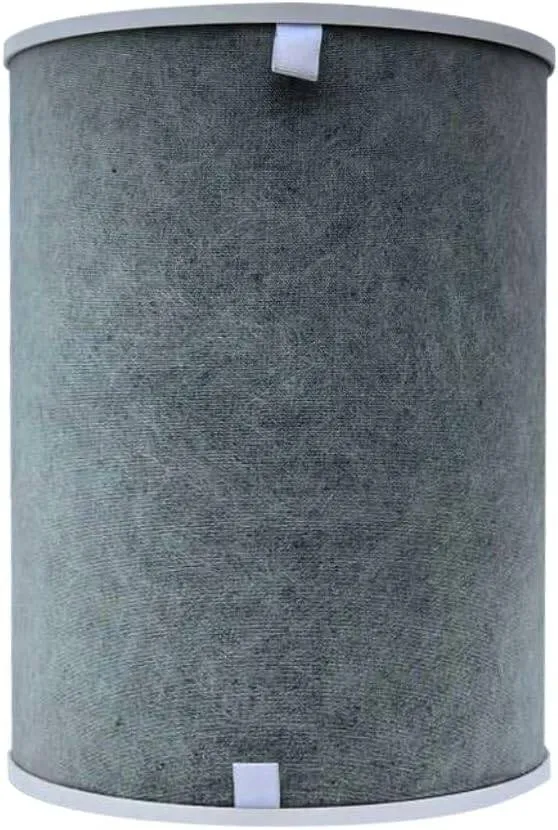
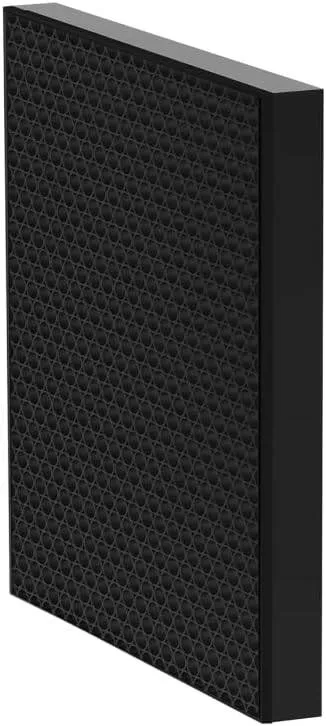
Portable air cleaners and HVAC filters reduce particle pollution reliably but cannot remove every pollutant type. HEPA filters (High Efficiency Particulate Air filters) capture fine particles including dust, pollen, and mould spores. Activated carbon filters address gases and odours, which makes them particularly relevant in UAE kitchens and rooms with high VOC exposure.
Filtration selection checklist:
- Calculate room volume in cubic metres before selecting a purifier
- Match CADR to room size, targeting at least two to three complete air changes per hour
- Select units with both HEPA and activated carbon filtration for full-spectrum coverage
- Run the purifier continuously rather than only when you notice a problem
- Replace filters on schedule regardless of appearance
| Room size | Recommended CADR (m³/h) | Filter type |
|---|---|---|
| Small bedroom (up to 20 m²) | 100–150 | HEPA + carbon |
| Standard bedroom (20–35 m²) | 150–250 | HEPA + carbon |
| Living room (35–60 m²) | 250–400 | HEPA + carbon |
| Large open-plan space (60 m²+) | 400+ or multiple units | HEPA + carbon |
Pro Tip: Avoid underpowered air purifiers even when they carry a HEPA label. A HEPA filter in an undersized unit still only cleans the air immediately around it. Matching CADR to room volume is what delivers measurable, consistent improvement.
Monitor and maintain your indoor air quality long term
Improving indoor air quality is not a one-time task. UAE homes require consistent monitoring and regular maintenance because conditions change throughout the year. The summer months bring extended HVAC use and higher humidity infiltration, while winter and sandstorm seasons shift the type and concentration of particulates indoors.
Ongoing monitoring steps:
- Install an indoor air quality sensor that tracks PM2.5 particle levels, VOCs, and humidity simultaneously
- Review readings weekly rather than only when you notice a problem
- Replace HVAC filters and air purifier filters before clogging reduces their performance
- Schedule biannual professional HVAC servicing including duct inspection and cleaning
- Clean kitchen exhaust fan grilles and bathroom fan covers monthly
Maintaining air quality requires filter changes, humidity control, and periodic HVAC servicing on a regular basis. There is no fixed interval that works for every home, so monitoring sensor data gives you the evidence to act at the right time rather than guessing.
Air filters require replacement every 60 to 90 days under standard conditions, and more frequently in high-dust UAE environments. Filters that appear clean on the surface can still be saturated with fine particles invisible to the eye. Following the manufacturer’s schedule is the safest approach, and air purifier maintenance resources can help you stay on track.
Pro Tip: Run bathroom and kitchen exhaust fans for a full 20 minutes after finishing cooking or showering. Most of the moisture and gases these fans are designed to remove have not fully cleared during the activity itself. The follow-on period is where the real work happens.
Why standard air conditioning is not enough to ensure safe indoor air in UAE homes
There is a widespread assumption among UAE homeowners that a good HVAC system means clean indoor air. It is an understandable conclusion. The system runs almost continuously, the air feels cool and circulated, and the home is sealed against outdoor pollution. Surely that is enough?
It is not. HVAC systems circulate air thoroughly but do not fully eliminate pollutants; source control and ventilation remain critical, and filtration supplements rather than replaces them. An HVAC unit without a properly maintained high-quality filter is, in practical terms, just moving polluted air around the home at speed.
There is another issue that standard AC systems cannot address at all: moisture from internal sources. Cooking, showering, and even breathing add moisture to indoor air. Without mechanical exhaust ventilation, that moisture has nowhere to go. The HVAC compressor cools the space but does not extract moisture-laden air from bathrooms and kitchens. Over time, that leads to the microbial growth conditions that UAE homes are particularly prone to.
VOCs present a similar gap. These gases come from furniture, cleaning products, and building materials. Standard HVAC filters are not designed to capture them. Only activated carbon filtration addresses VOCs, and that requires either a correctly specified air purifier or an upgraded HVAC filter, neither of which a standard system includes.
The practical implication is clear. Relying on air conditioning alone, without source control, mechanical ventilation, humidity management, and targeted filtration, leaves meaningful pollution levels unaddressed. A holistic filtration approach that layers these strategies together consistently outperforms any single measure. Professional IAQ assessment is often what reveals the specific gaps in a home’s setup, and those gaps vary significantly from property to property.
Discover air purification solutions tailored for your UAE home
With a clear air quality improvement workflow in place, the right equipment makes a measurable difference. CleanAir UAE stocks a curated range of purifiers suited to the UAE environment, with fast delivery across Dubai and Abu Dhabi.
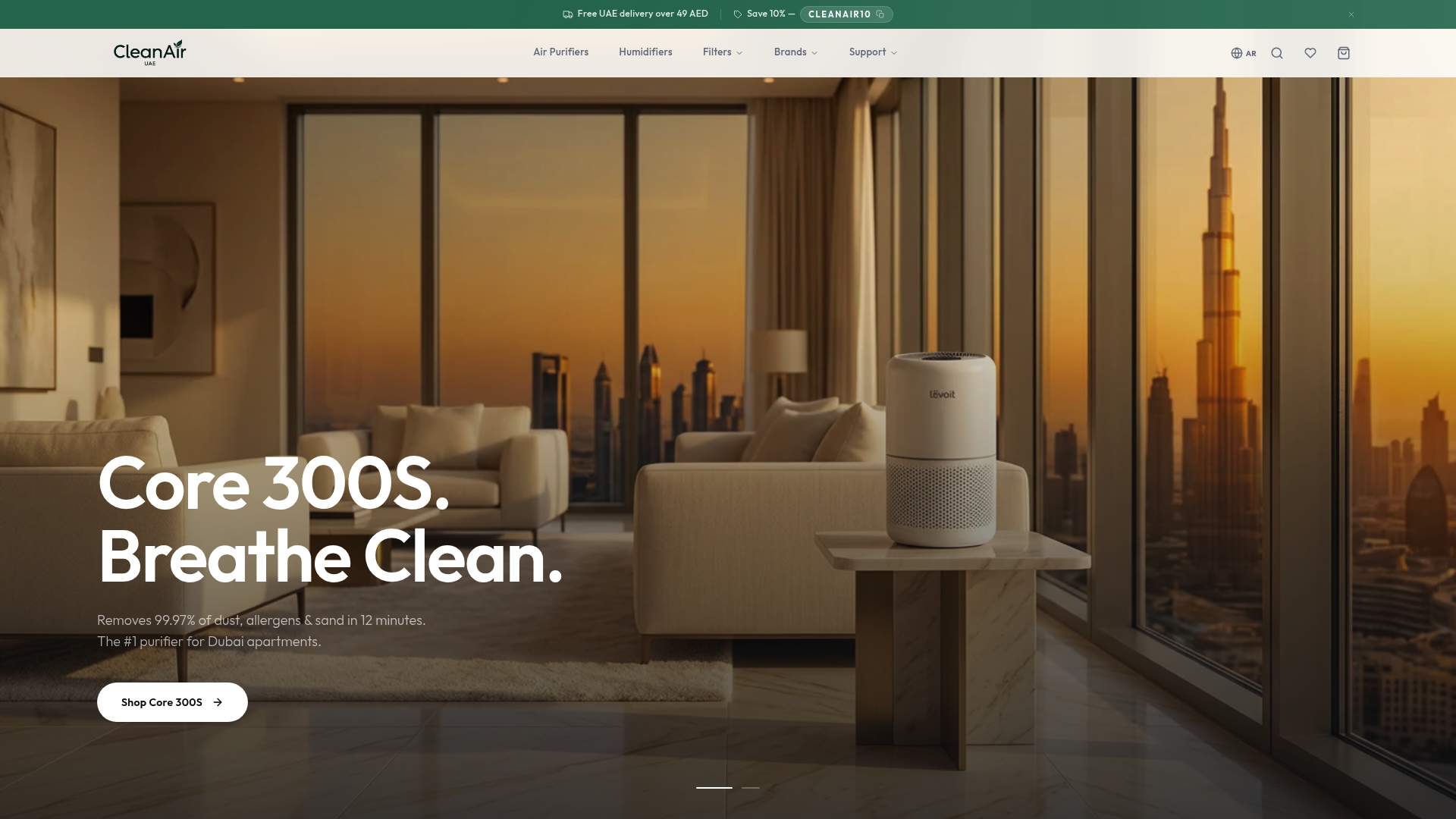
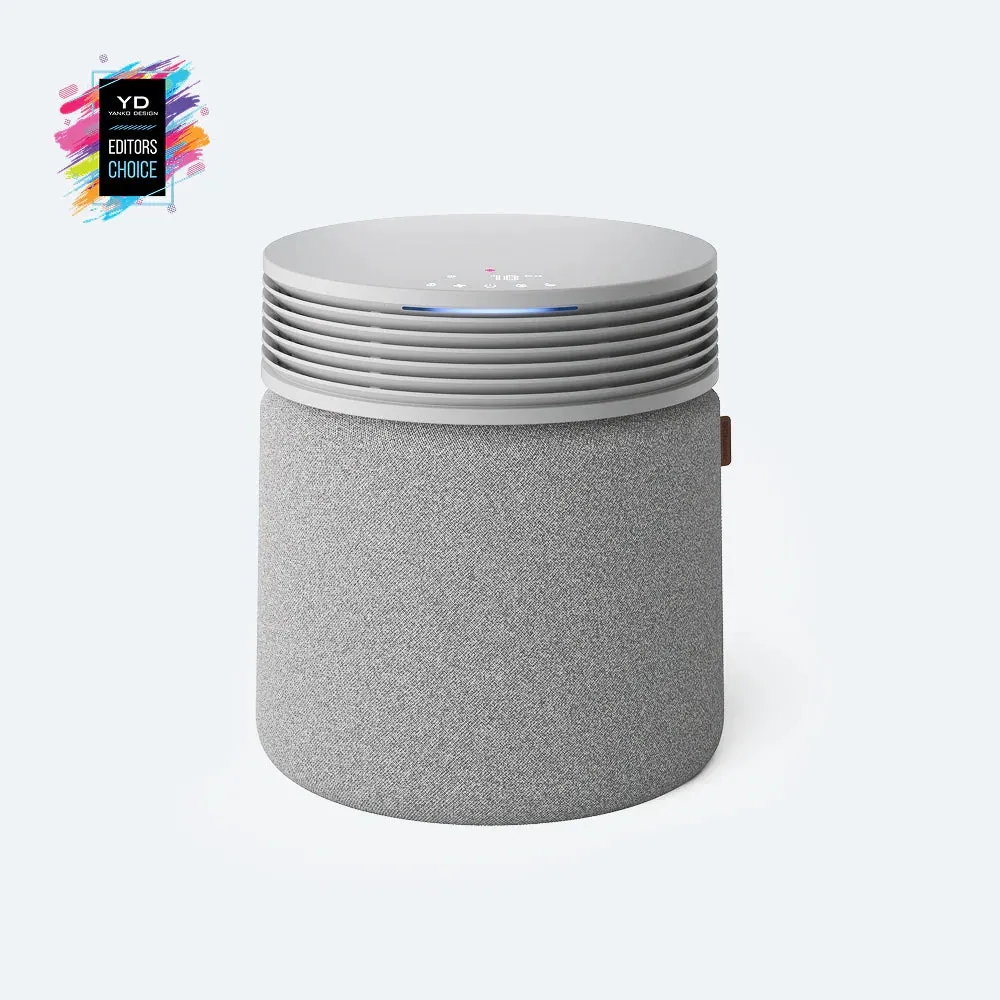
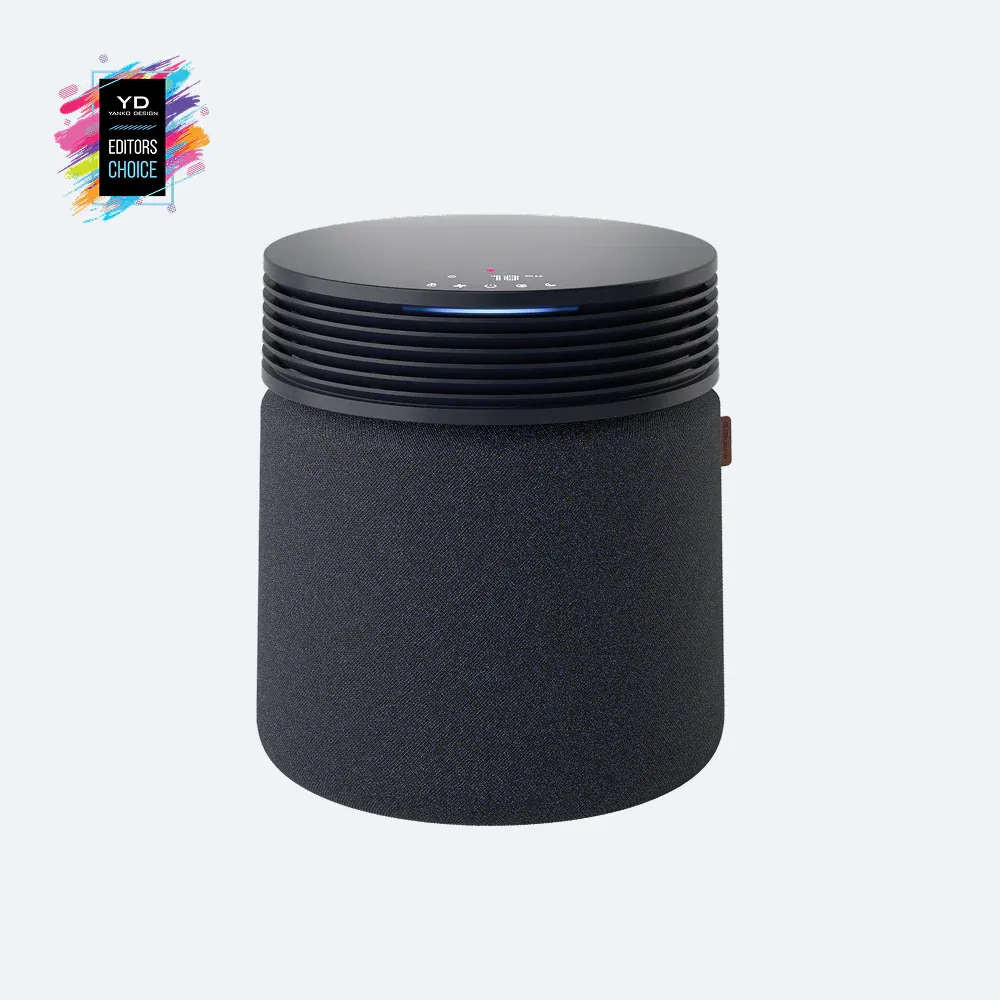
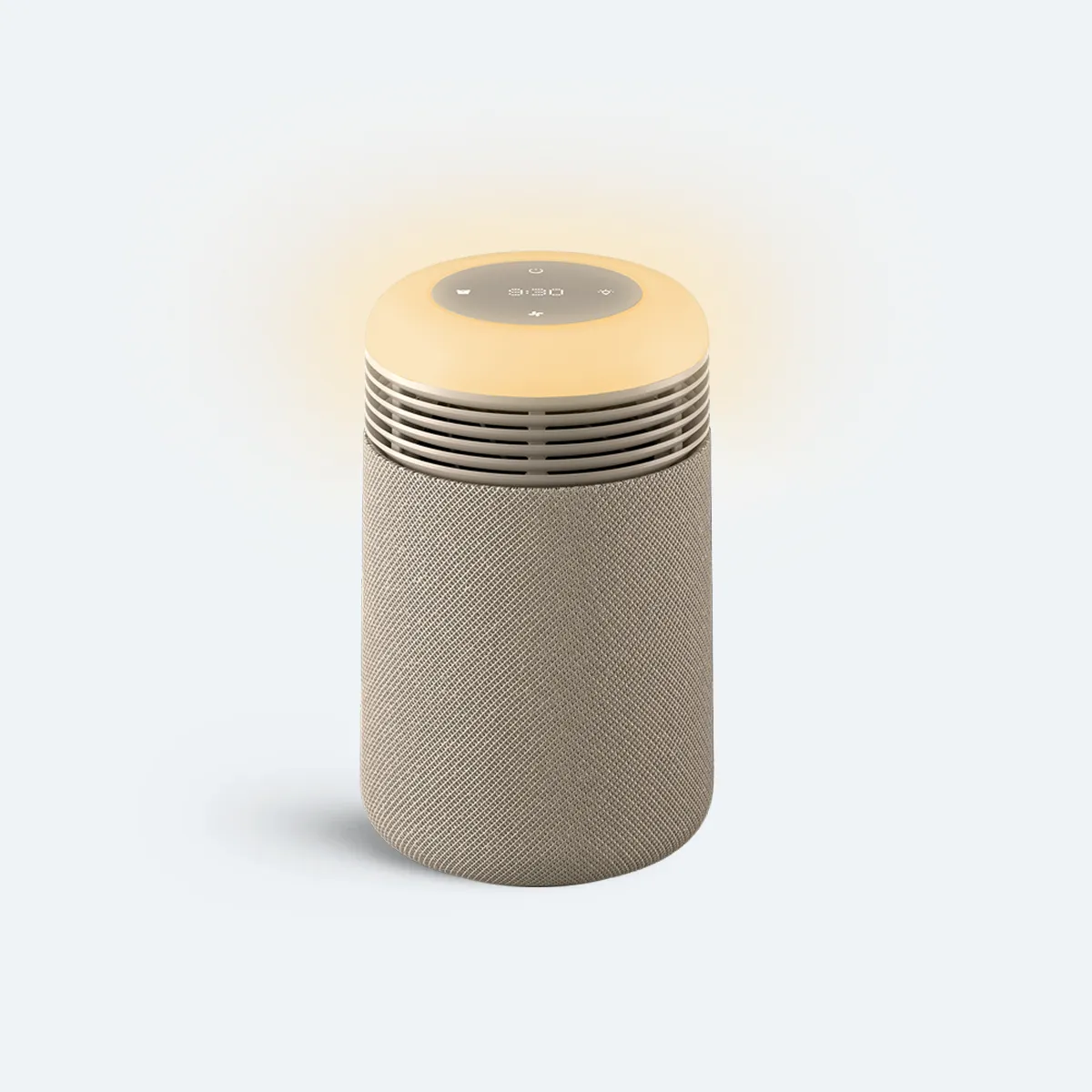
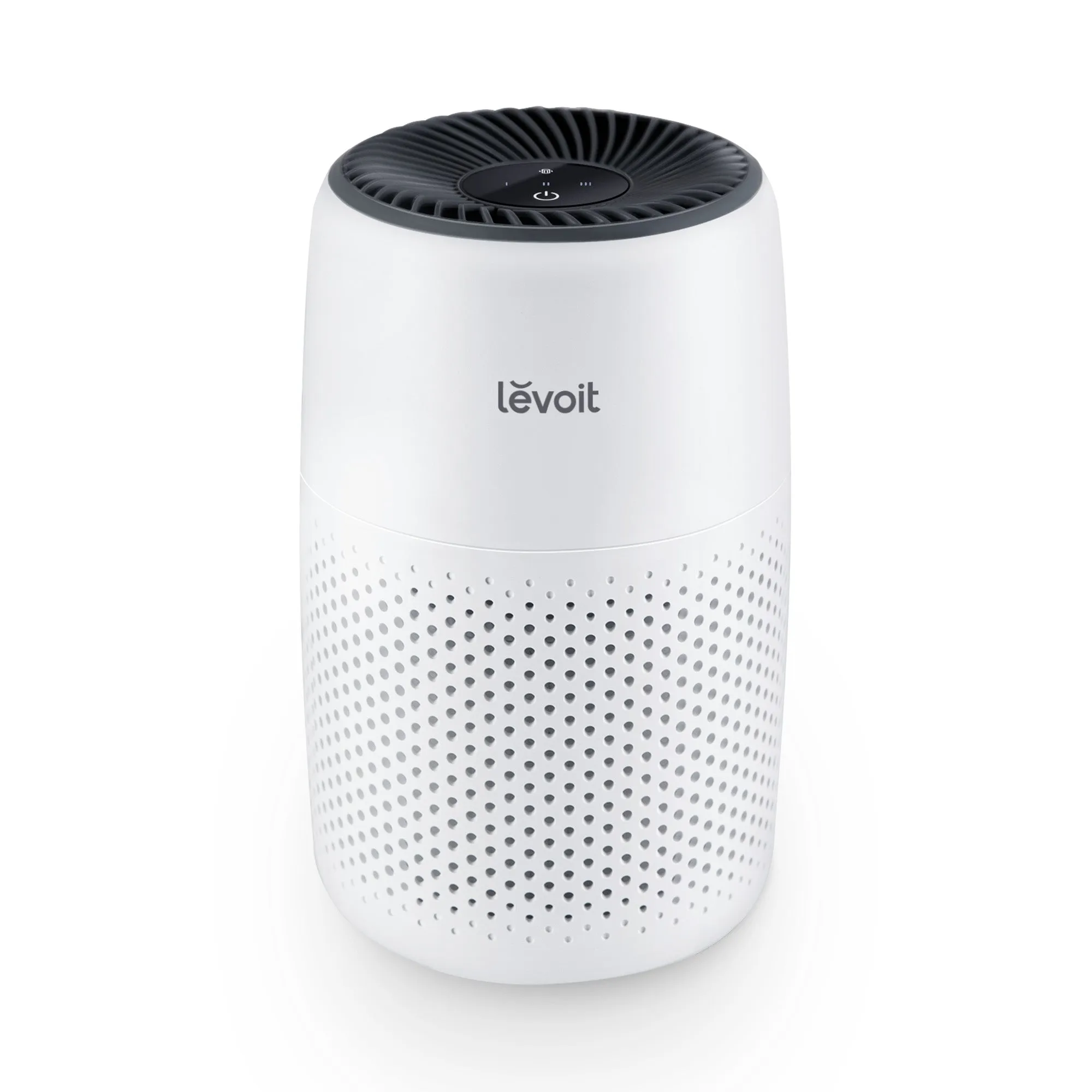
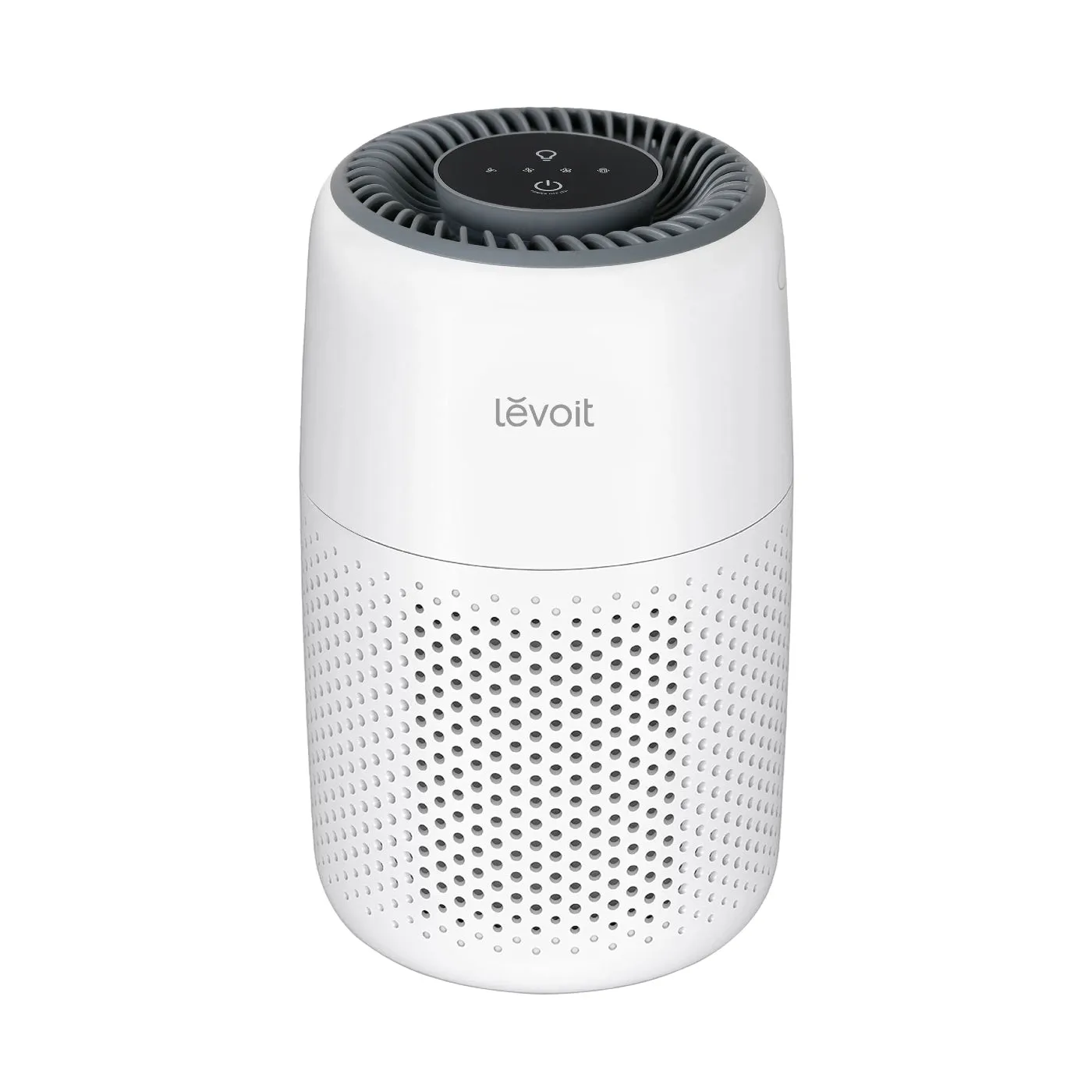
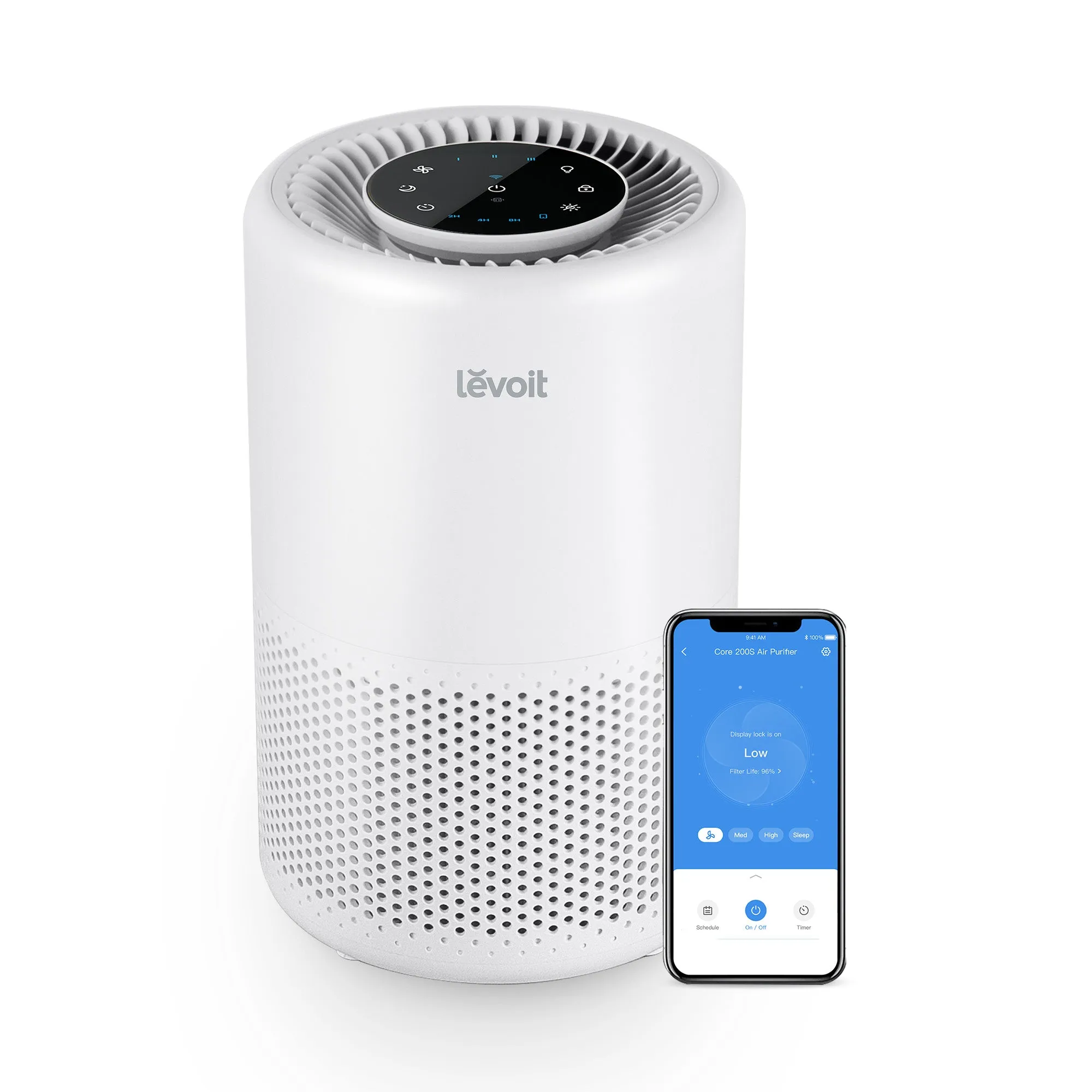
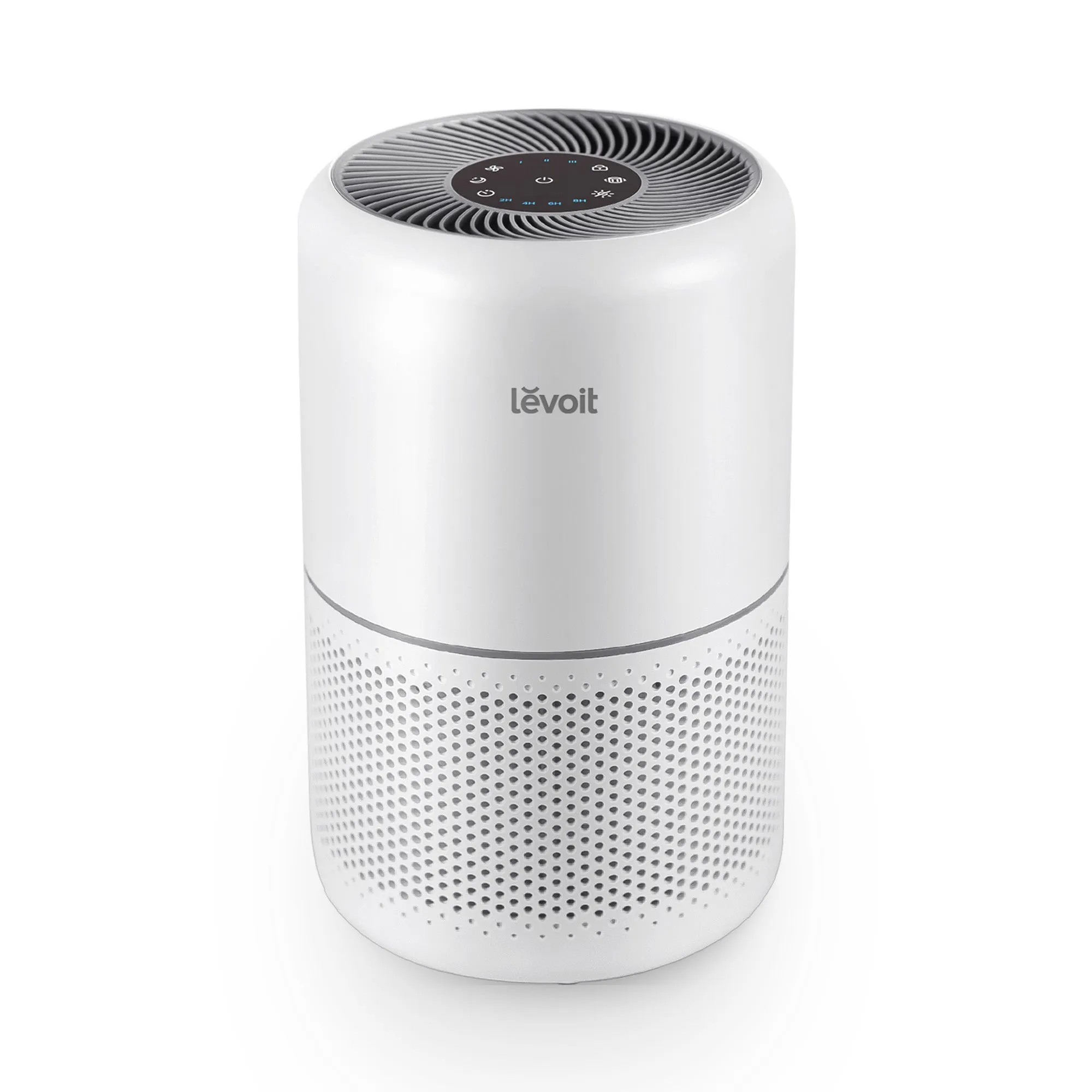
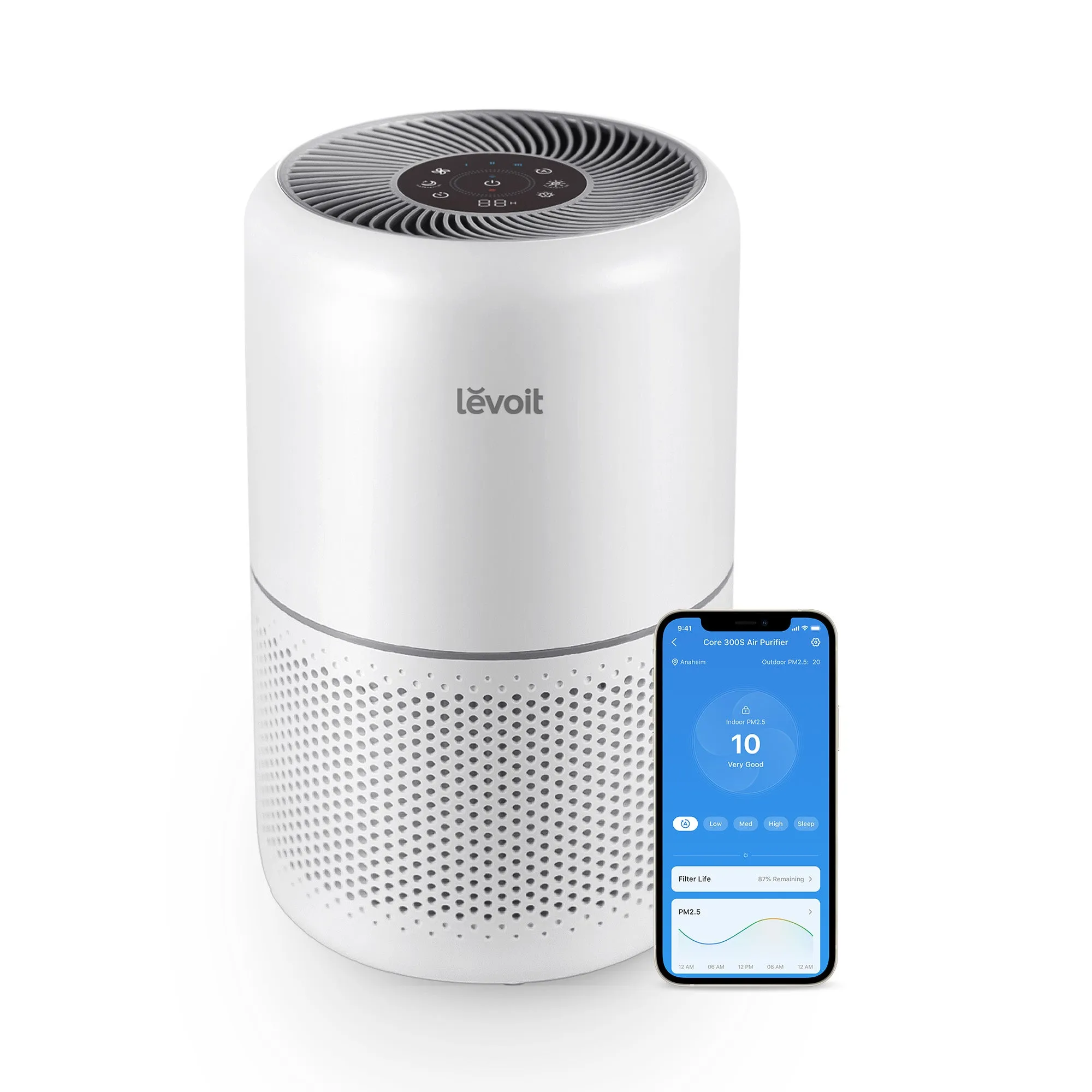
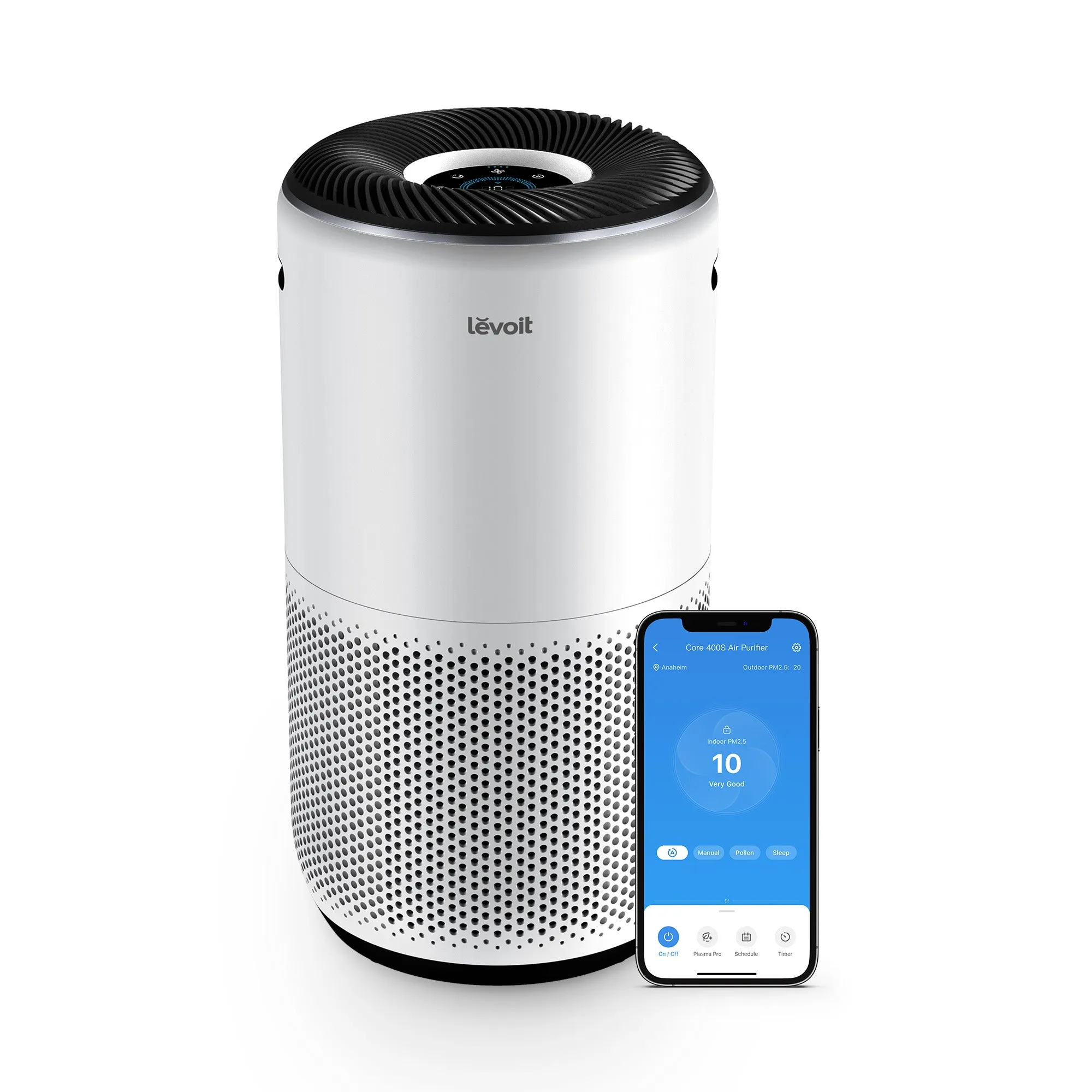
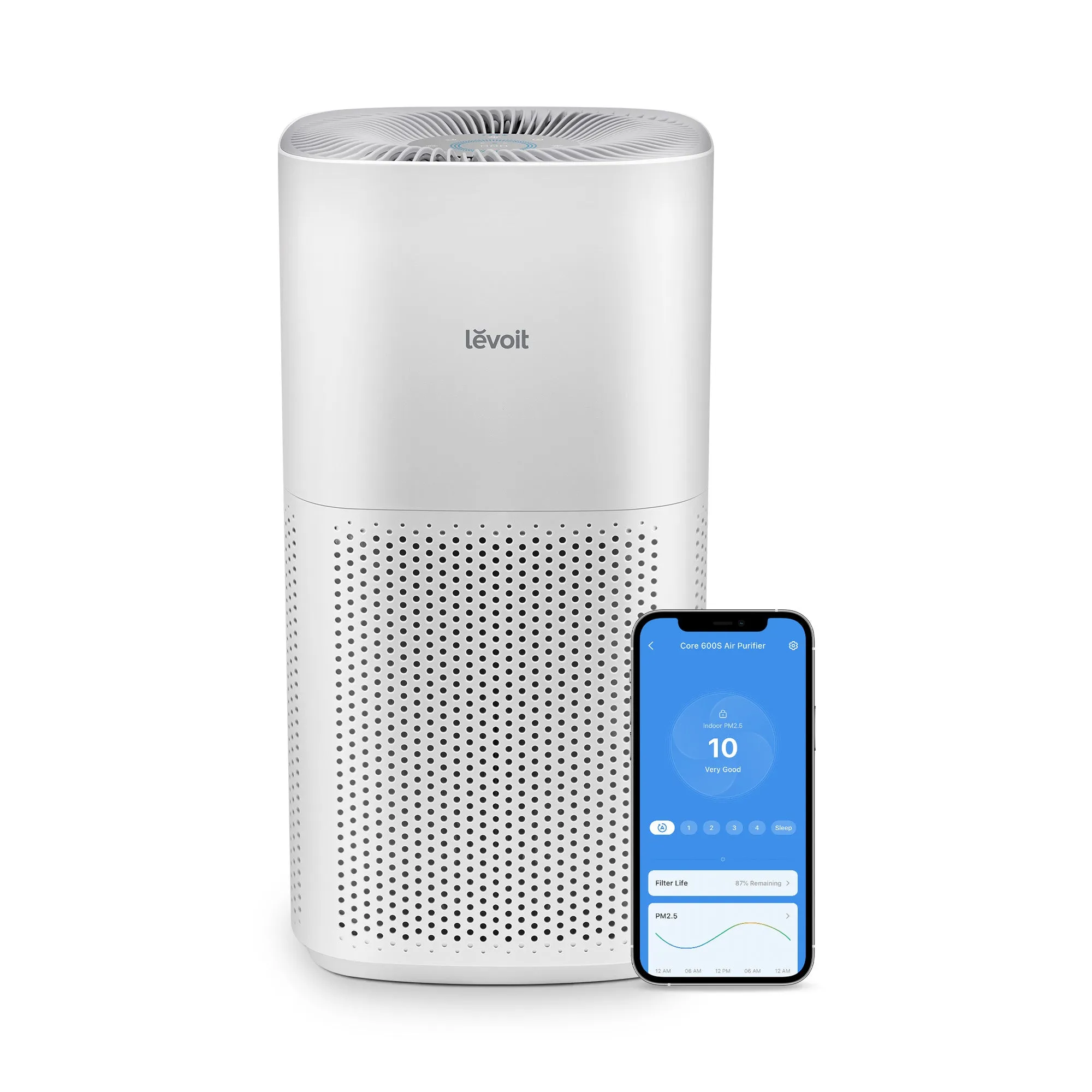
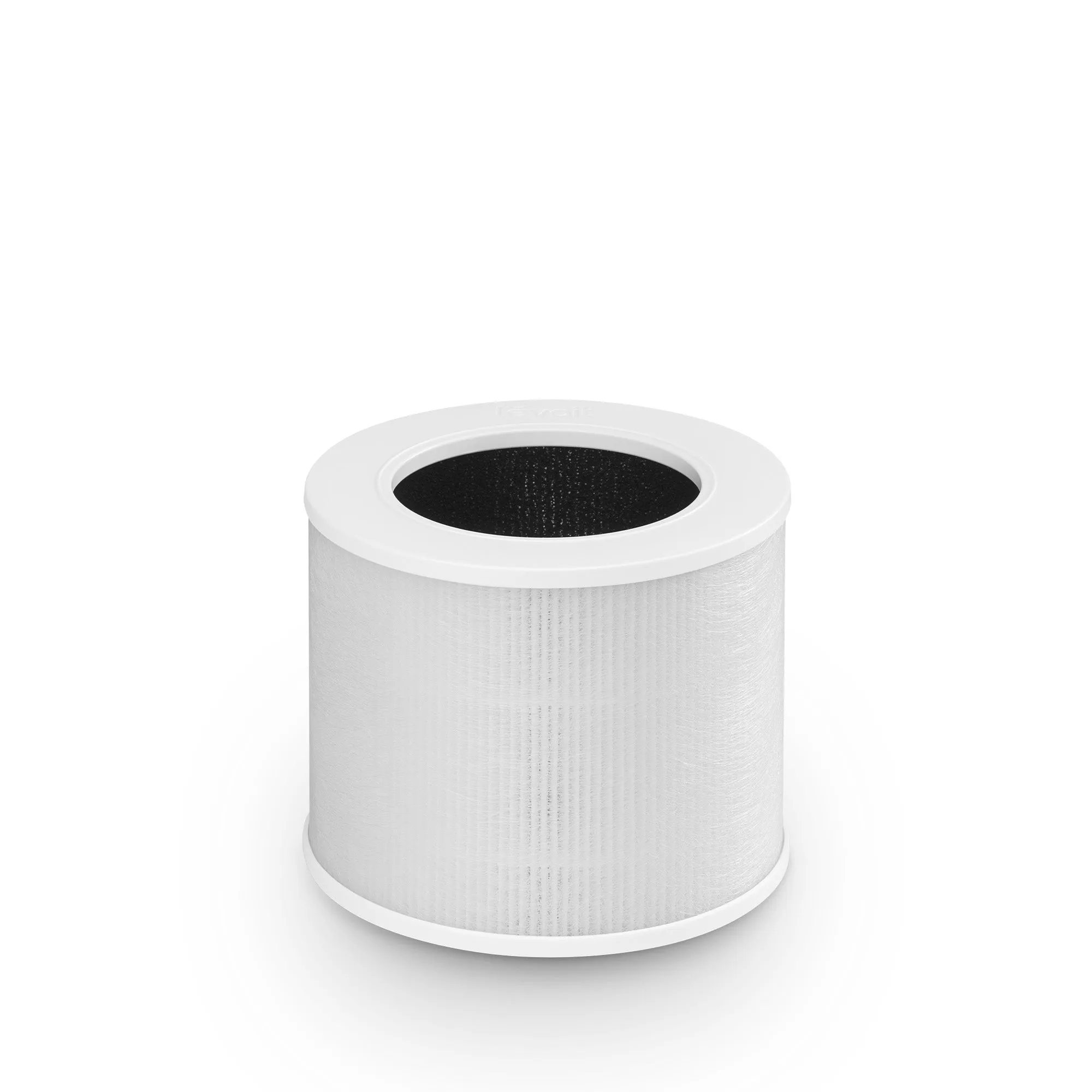
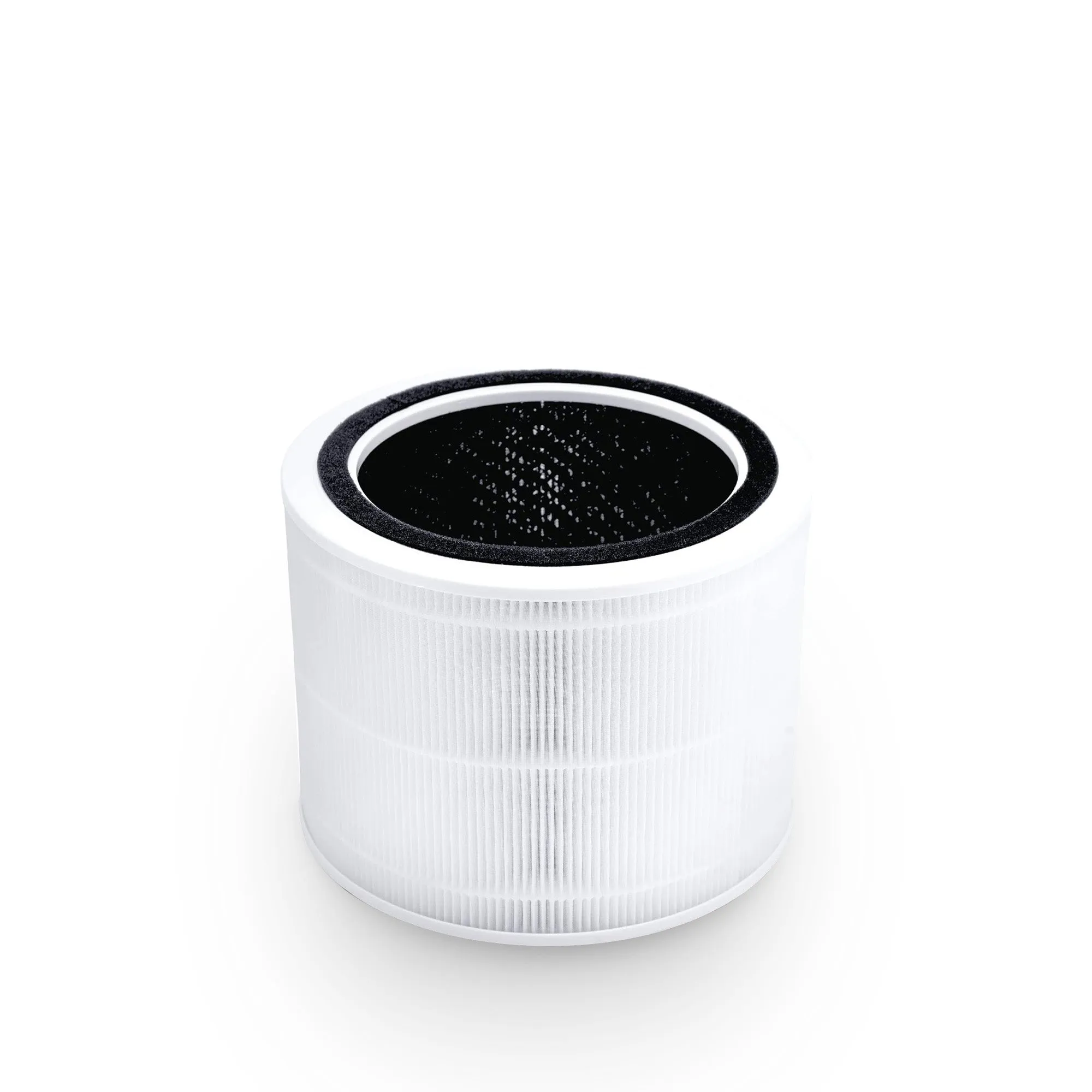
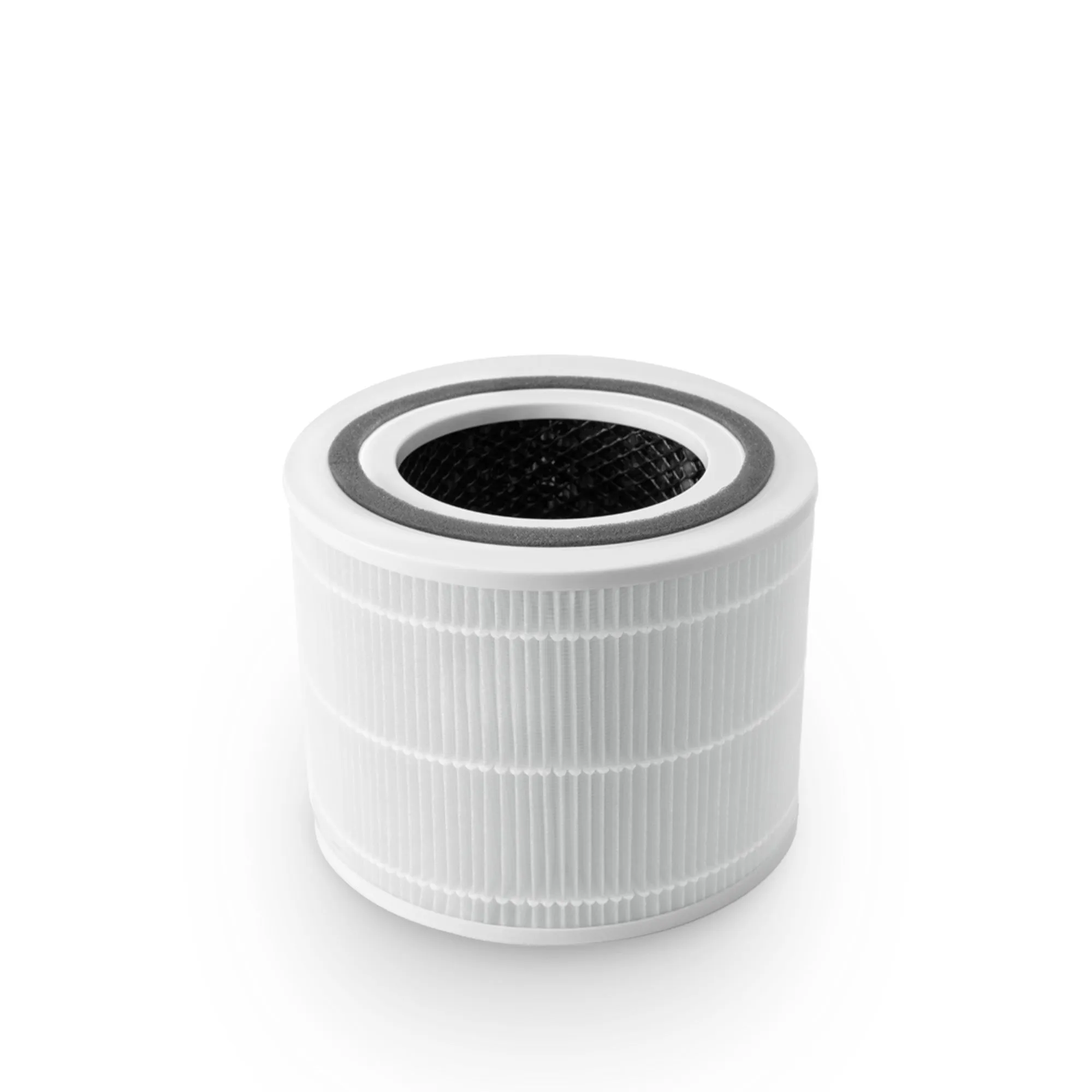
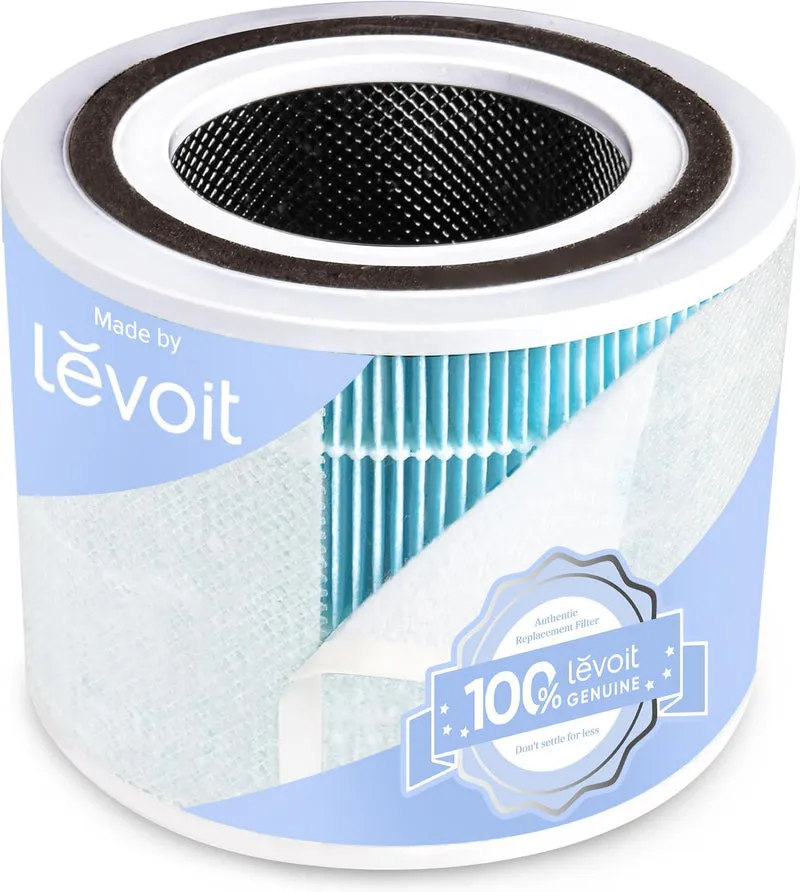
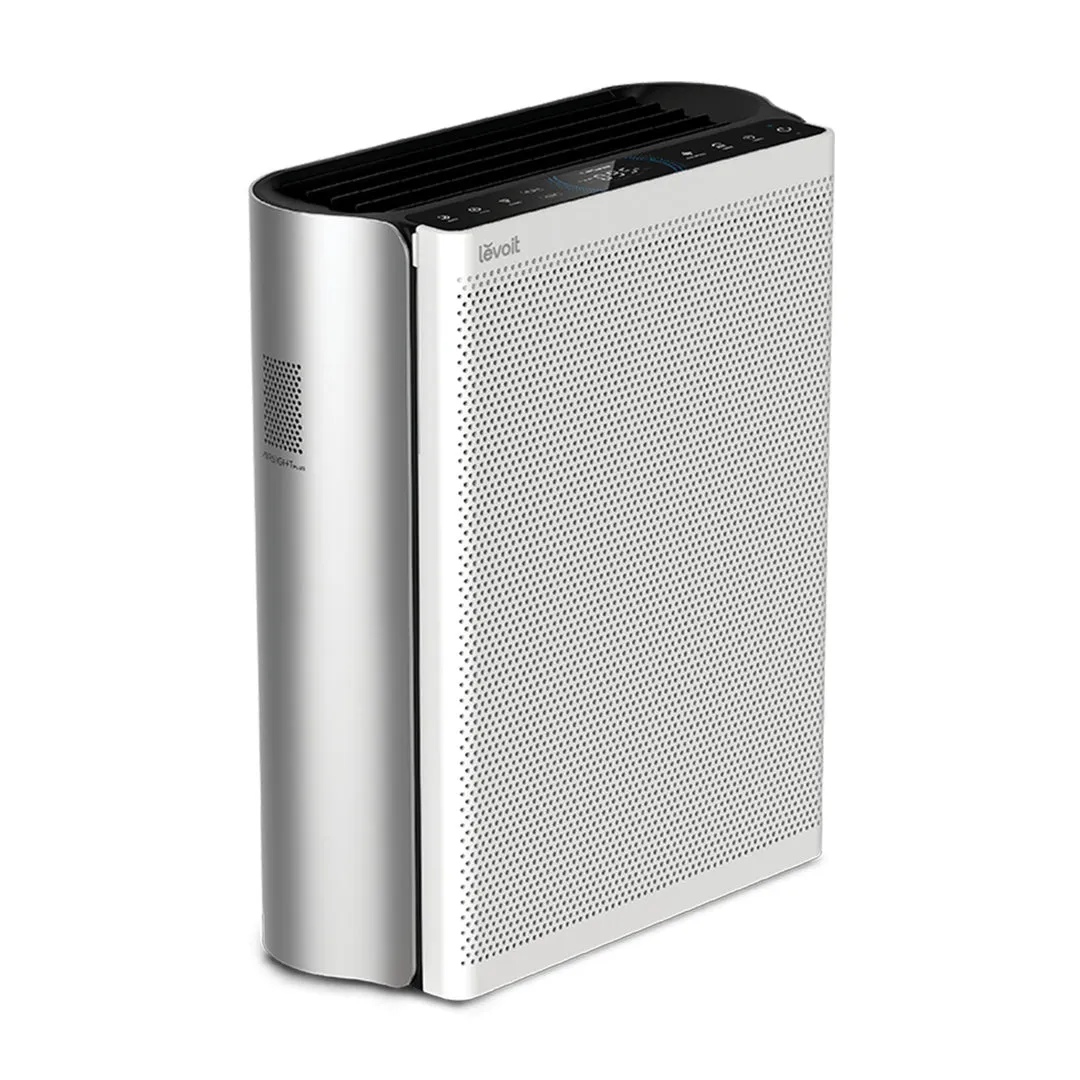
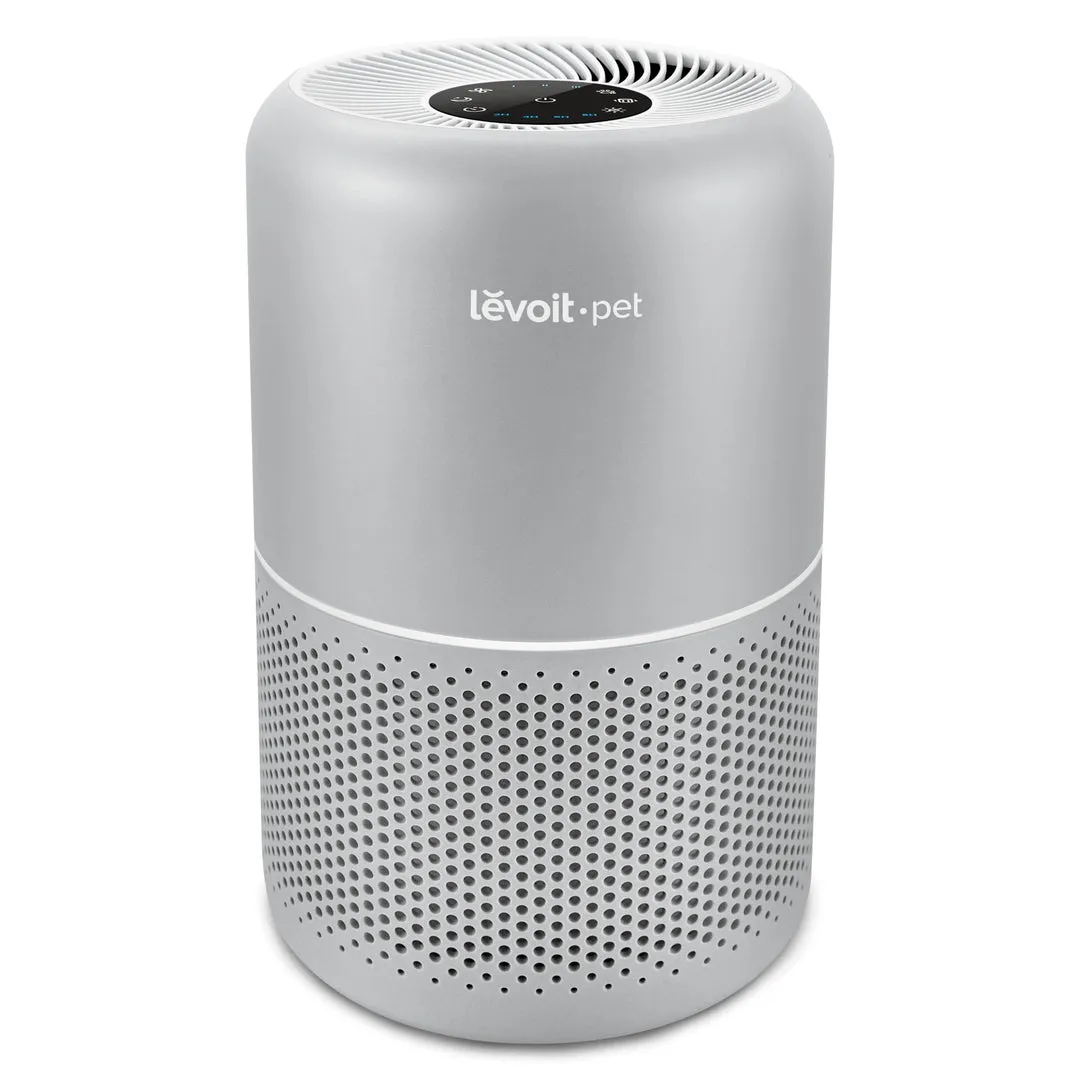
The Levoit Core Mini is a compact HEPA and activated carbon purifier suited for bedrooms, home offices, and allergy-prone rooms. For larger living areas or open-plan spaces, the Levoit Core 600S delivers quiet, high-CADR filtration with smart controls. Both models address the particle and gas pollutants most common in UAE homes. Browse the full range, including replacement filters and humidity management products, at the CleanAir UAE homepage and find the right fit for your space and budget.
Frequently asked questions
What is the most effective way to improve indoor air quality in a UAE home?
Improving indoor air quality starts with removing pollution sources and ventilating with clean outdoor air. Filtration with a correctly sized air purifier supplements these steps but does not replace them.
How should I manage humidity to prevent mould in my home?
Target 40%–60% relative humidity by fixing leaks, running exhaust ventilation in wet areas, and using a dehumidifier when sensor readings consistently exceed the target range.
Can air purifiers remove all indoor air pollutants?
Portable air cleaners reduce particle pollution reliably when sized correctly, but they cannot remove every pollutant type. Source control and ventilation are still required alongside filtration for complete coverage.
How do I select an air purifier suitable for my room size?
Choose a unit with a CADR rated for your room and run it continuously. A HEPA-labelled purifier with a CADR too low for the space will not deliver meaningful air quality improvement.
How often should I replace air filters in purifiers or HVAC systems?
Replace filters every 60 to 90 days as a baseline, and more frequently in high-dust UAE environments. Dirty filters reduce filtration performance even when they appear clean to the naked eye.