Uncategorised
Why air purification is important for your health
Most people assume that staying indoors means staying away from pollution. The reality is different. Indoor pollutant levels are frequently 2 to 5 times higher than outdoor levels, and the average person spends the vast majority of their time inside. Understanding why air purification is important starts with recognising that the air circulating in your home or office carries dust, allergens, volatile organic compounds, and microscopic particles your lungs were never designed to filter continuously. This article covers the science behind indoor pollutants, how purifiers actually work, and what the research says about real health outcomes.
Table of Contents
- Key takeaways
- Why air purification is important for indoor spaces
- How air purifiers work and why filter standards matter
- Proven health benefits of air purification
- Practical tips to maximise purifier effectiveness
- Comparing purifier types before you buy
- My perspective on getting air purification right
- Air purifiers from Cleanair-ae: practical options for UAE homes
- FAQ
Key takeaways
| Point | Details |
|---|---|
| Indoor air is often more polluted | Pollutant concentrations indoors can be 2 to 5 times higher than outdoors, affecting long-term health. |
| True HEPA is the verified standard | Only True HEPA filters certified to H13/H14 capture 99.97% of particles at 0.3 microns. |
| Allergy and asthma relief is measurable | Clinical studies show a 25 to 60% reduction in allergy symptom severity with consistent HEPA use. |
| Correct sizing matters as much as filter quality | Target 5 air changes per hour for your room volume to achieve meaningful particle reduction. |
| Maintenance is non-negotiable | Neglected filters become allergen reservoirs and reduce purifier effectiveness significantly. |
Why air purification is important for indoor spaces
Indoor air carries a wider variety of pollutants than most people expect. The sources are everywhere: cooking fumes, synthetic flooring, furniture off-gassing, cleaning products, candles, and anything brought in on shoes or clothing. Add pets and you introduce dander and tracked-in outdoor particulates. The result is an accumulating mix of contaminants that recirculates through your ventilation system with nowhere to go.
The main categories of indoor pollutants include:
- Particulate matter (PM2.5 and PM10): Fine particles from cooking, combustion, and outdoor ingress that penetrate deep into lung tissue
- Allergens: Dust mite debris, pet dander, pollen, and mould spores that trigger allergic and asthmatic responses
- Volatile organic compounds (VOCs): Gases released by paints, adhesives, furnishings, and air fresheners, linked to headaches, respiratory irritation, and longer-term organ effects
- Biological contaminants: Bacteria, viruses, and fungal spores, particularly problematic in humid or poorly ventilated spaces
- Tobacco and combustion smoke: Ultrafine particles that carry carcinogens and deeply irritate bronchial tissue
Vulnerable groups bear the greatest burden. Children have developing respiratory systems and breathe more air relative to their body weight than adults. Elderly individuals and those with asthma or chronic obstructive pulmonary disease experience amplified inflammatory responses to the same particle concentrations. The impact on respiratory health is a manageable risk, but only when people recognise it exists in the first place.
How air purifiers work and why filter standards matter
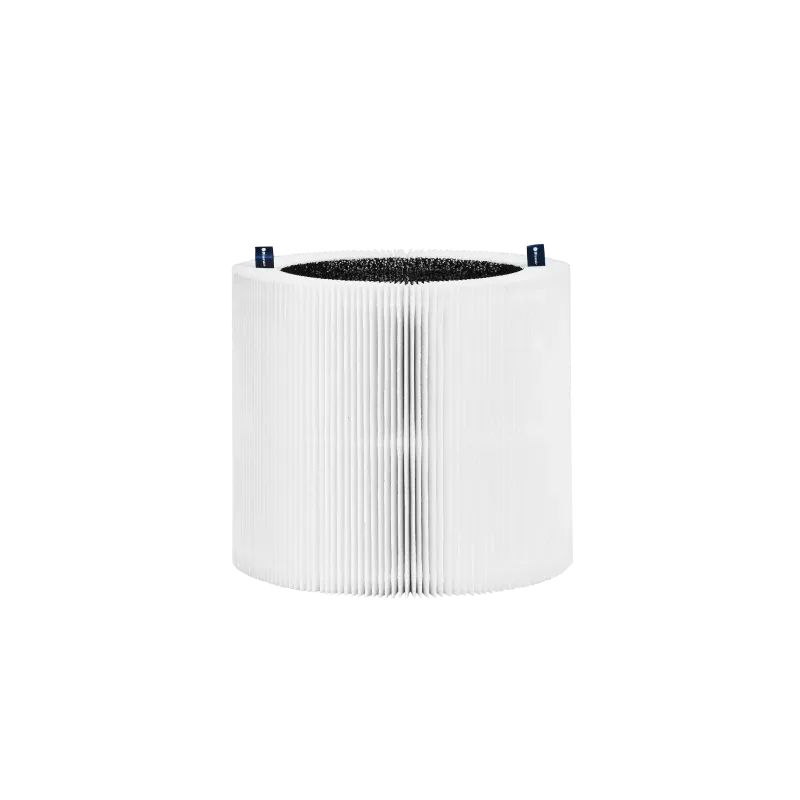
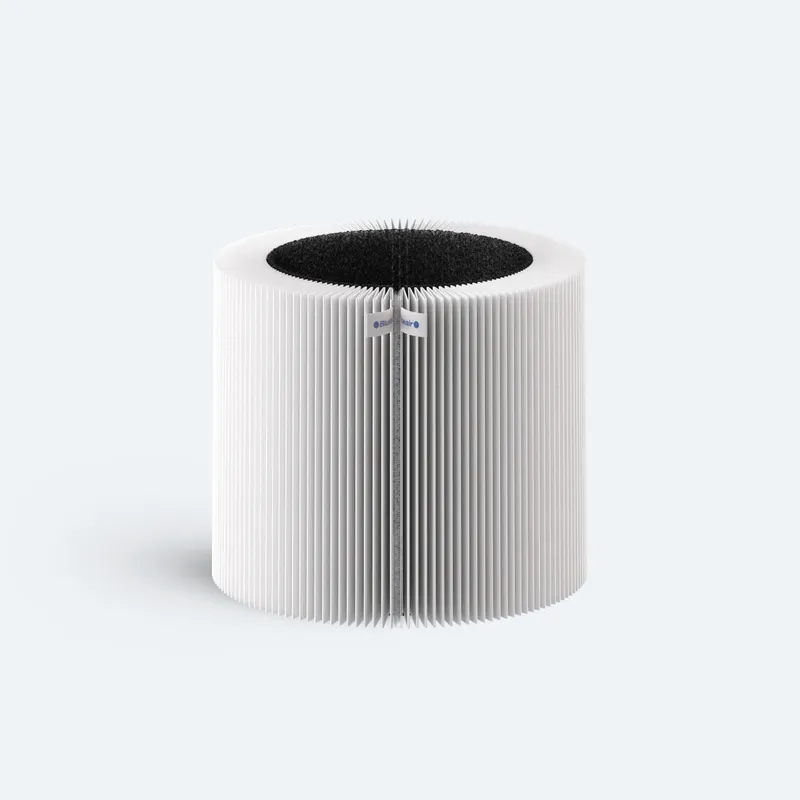
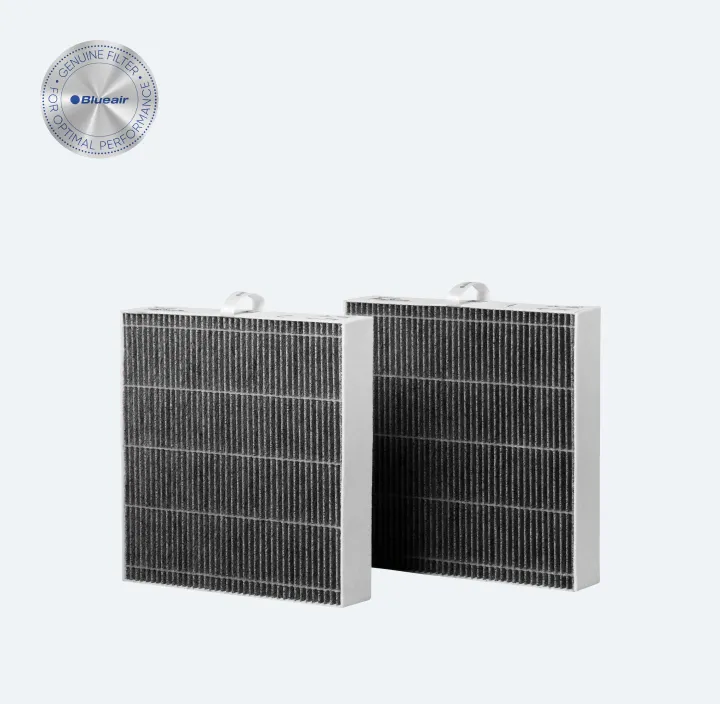
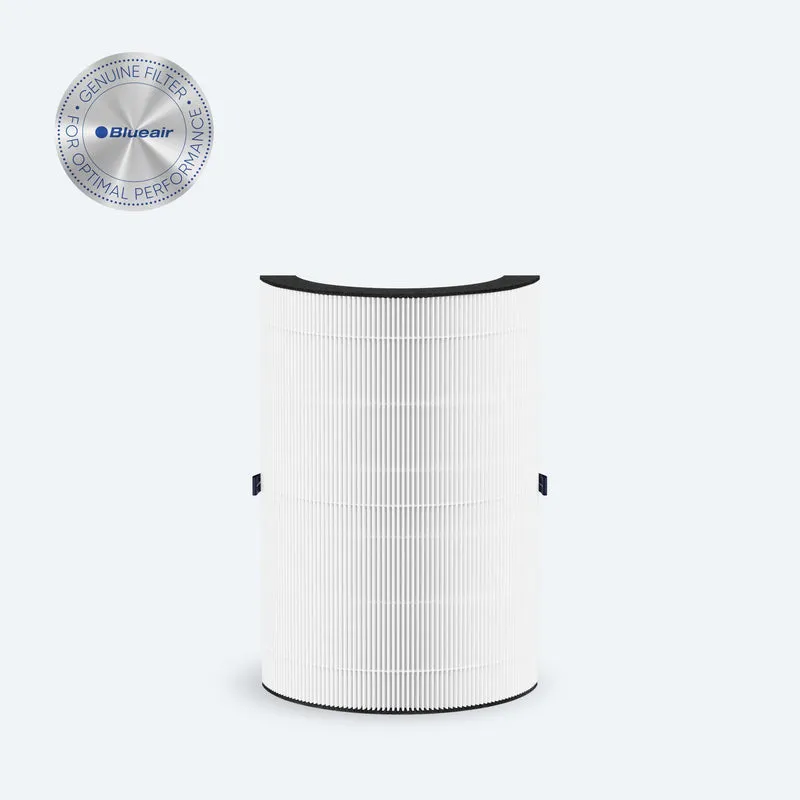
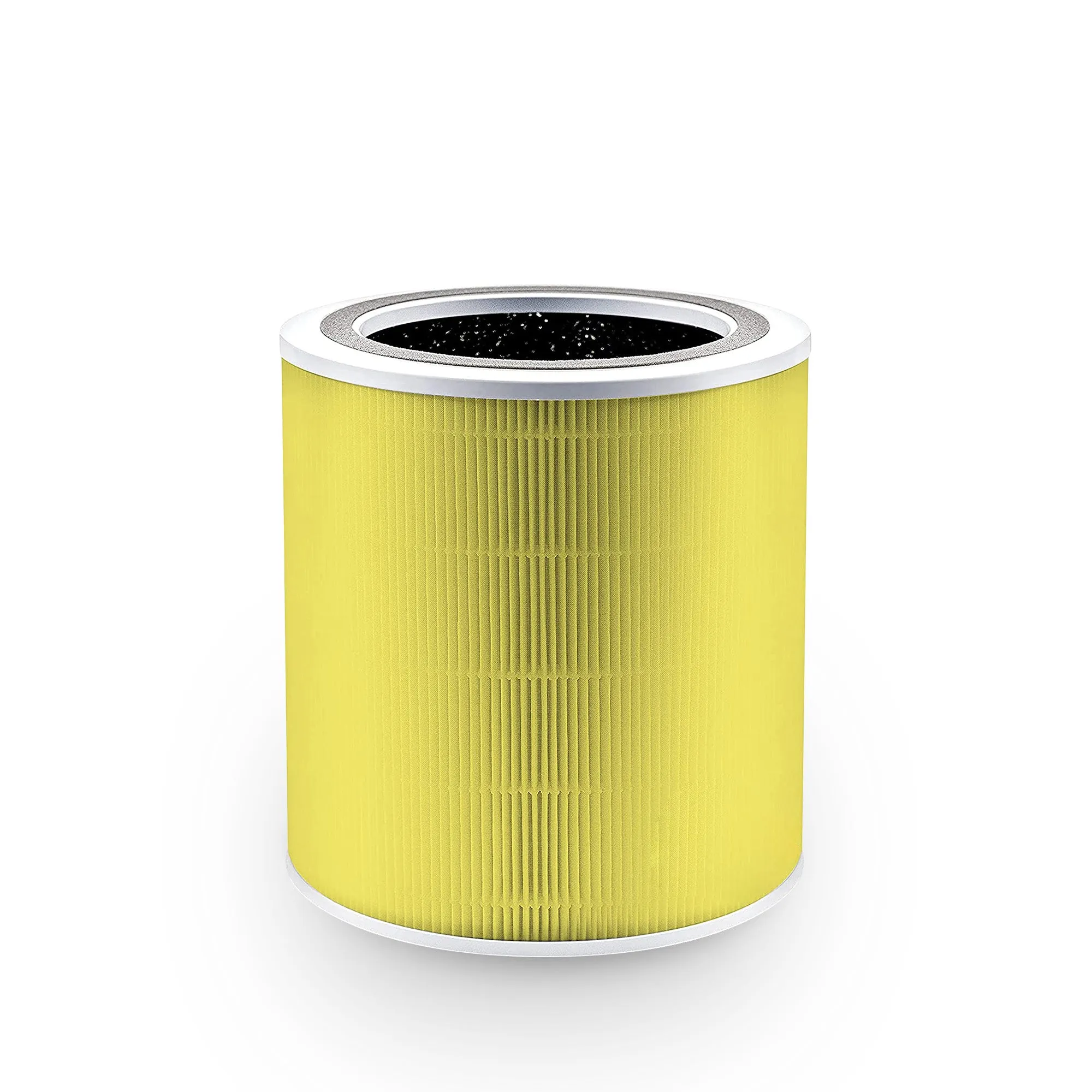
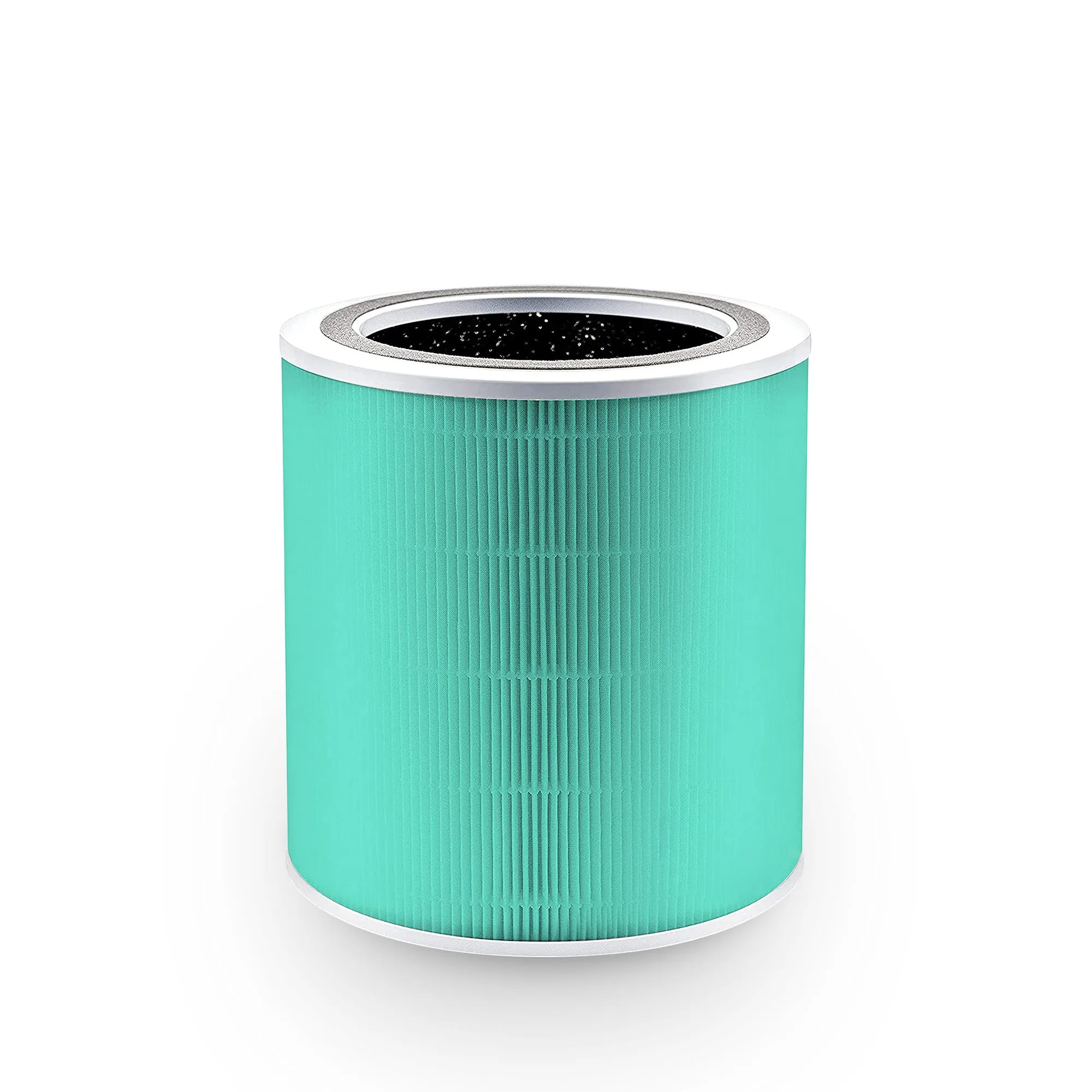
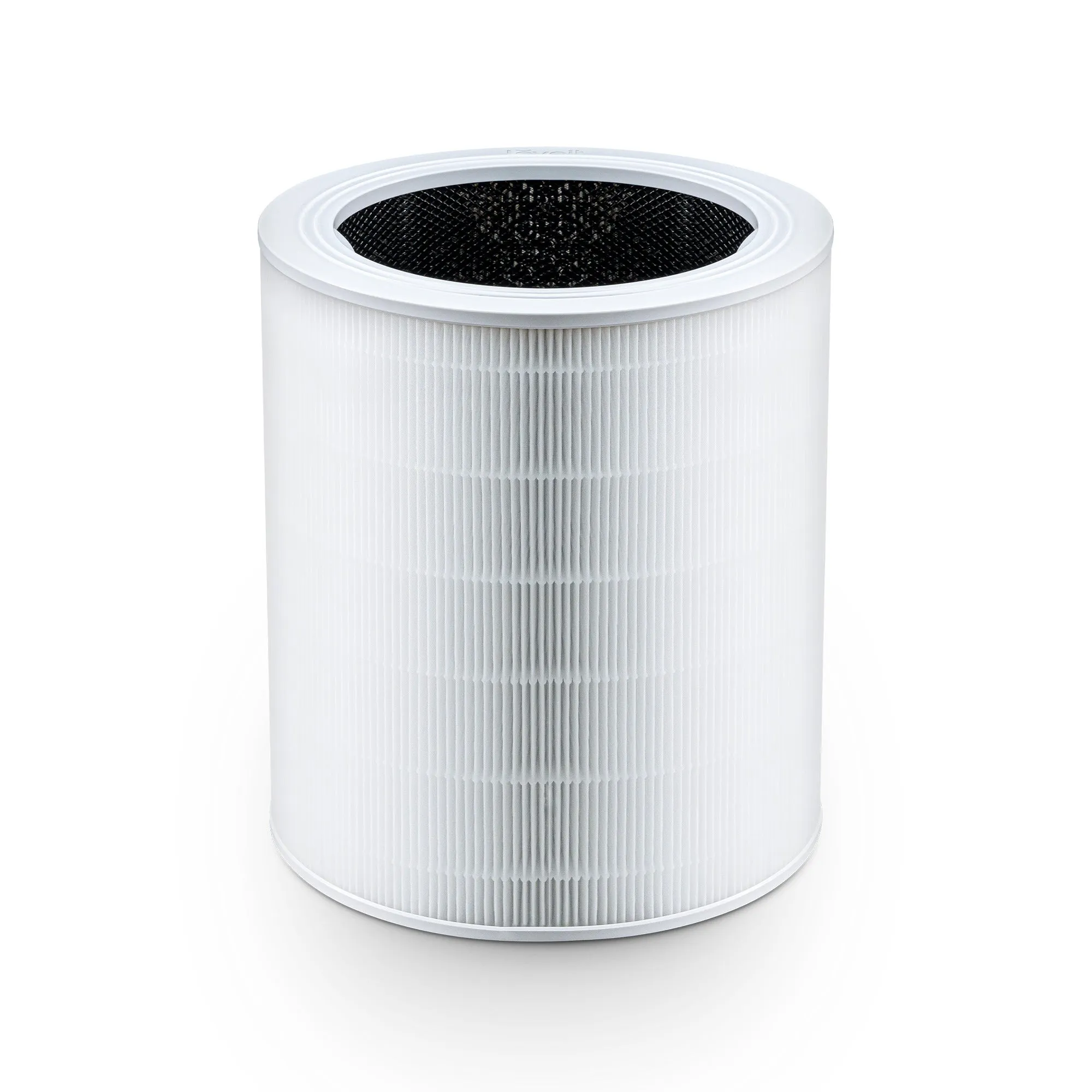
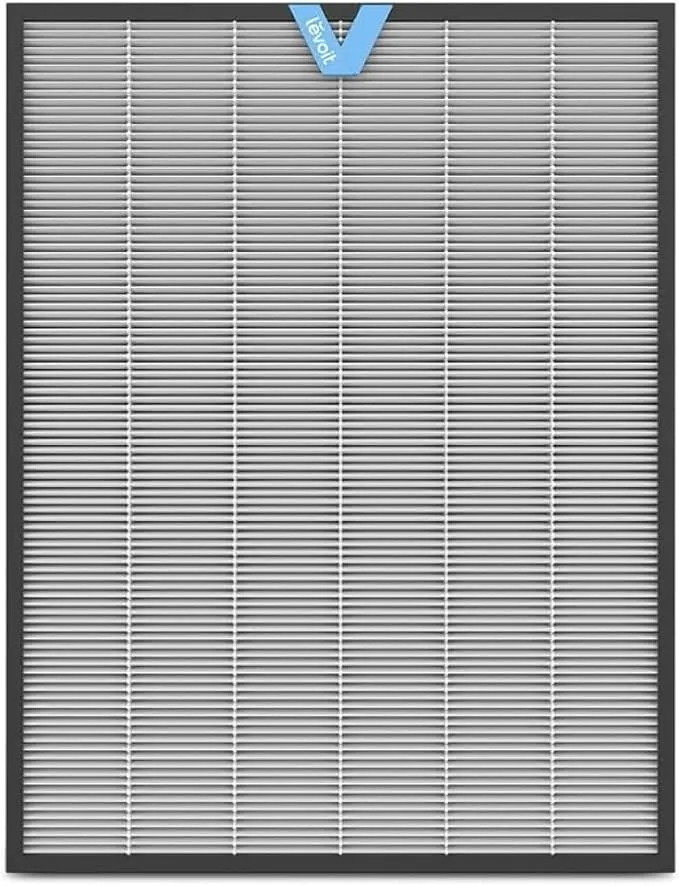
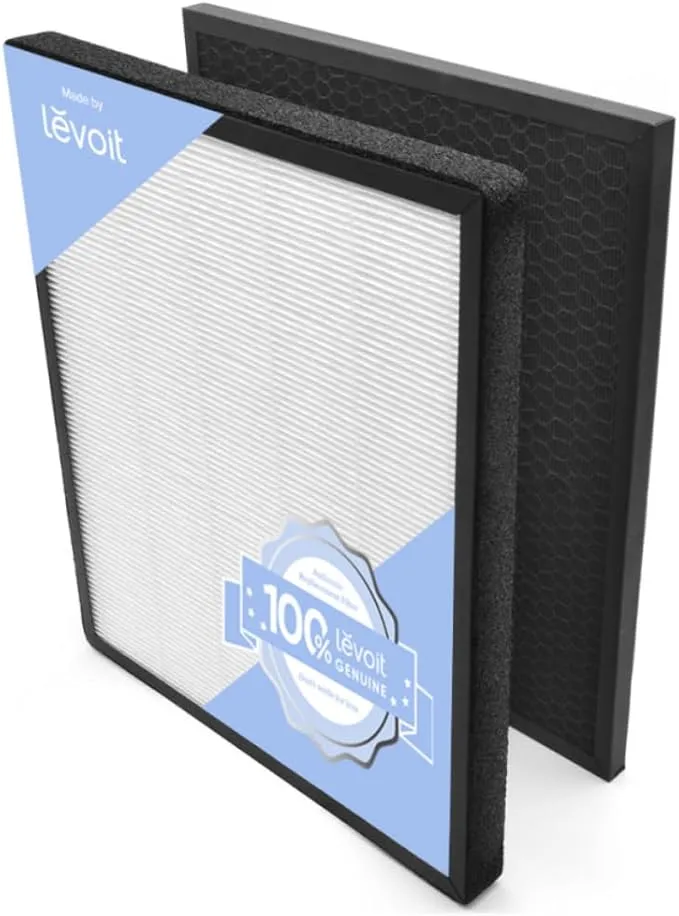
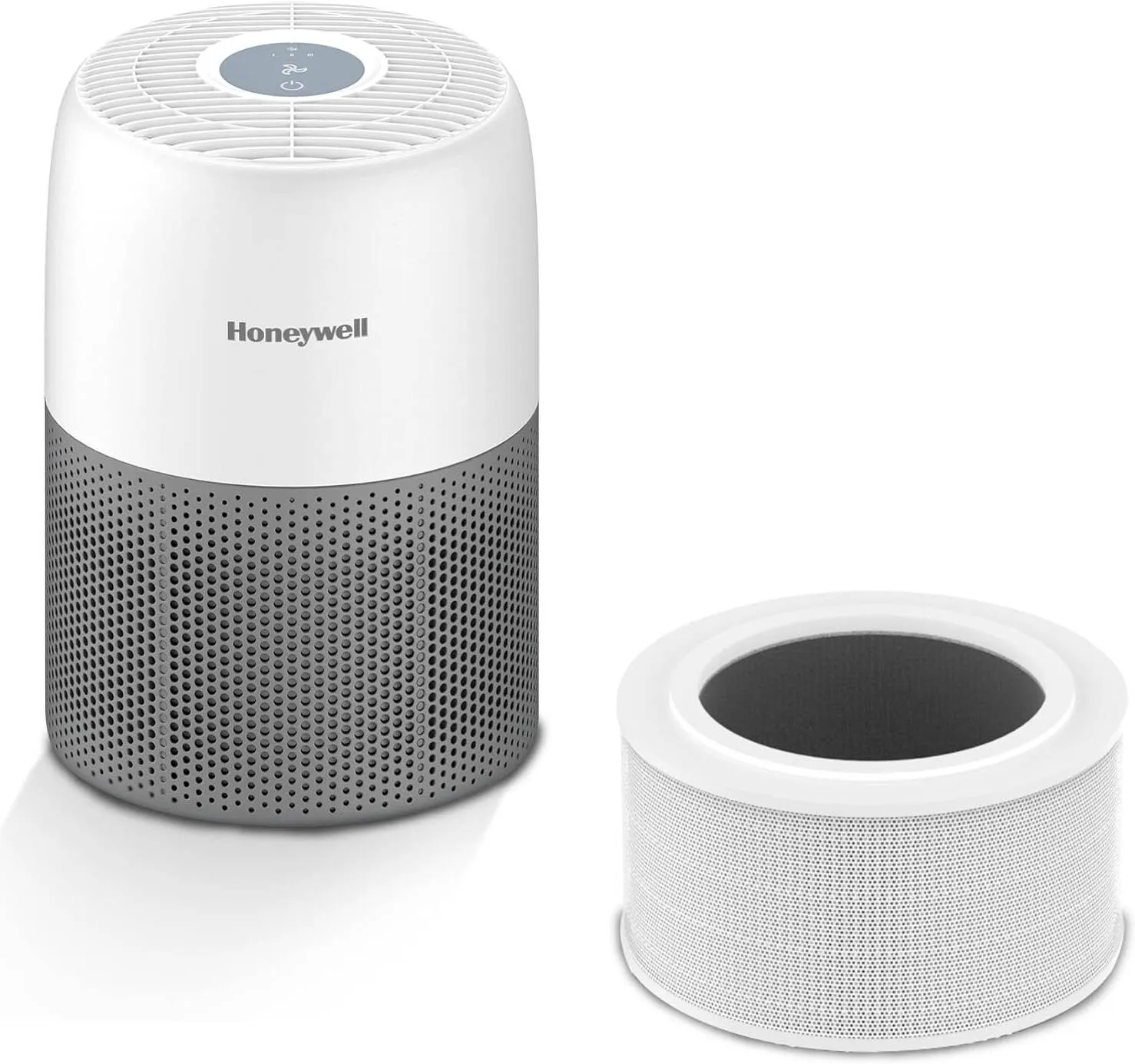
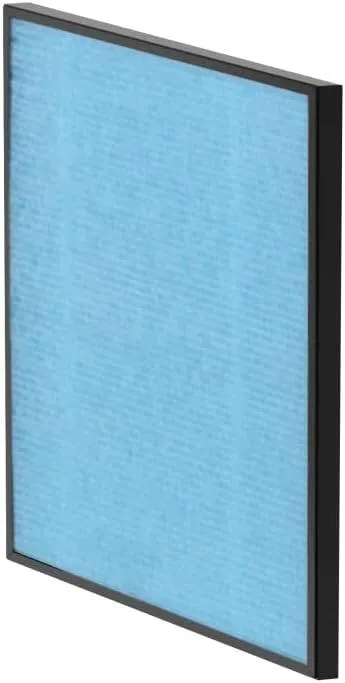
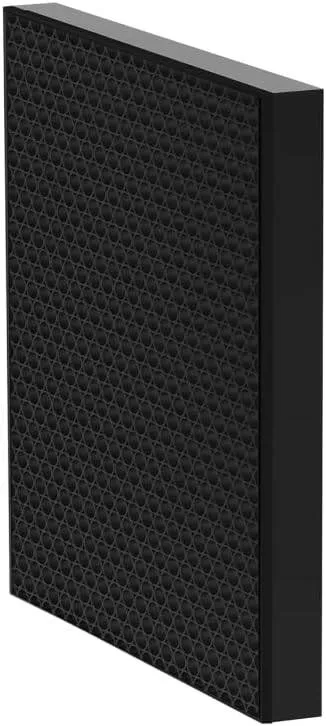
The technology inside a quality air purifier is more specific than the marketing suggests. A fan draws room air through one or more filter stages. A pre-filter captures larger particles like hair and dust. The core stage, a True HEPA filter, targets the fine particles that cause the most harm.
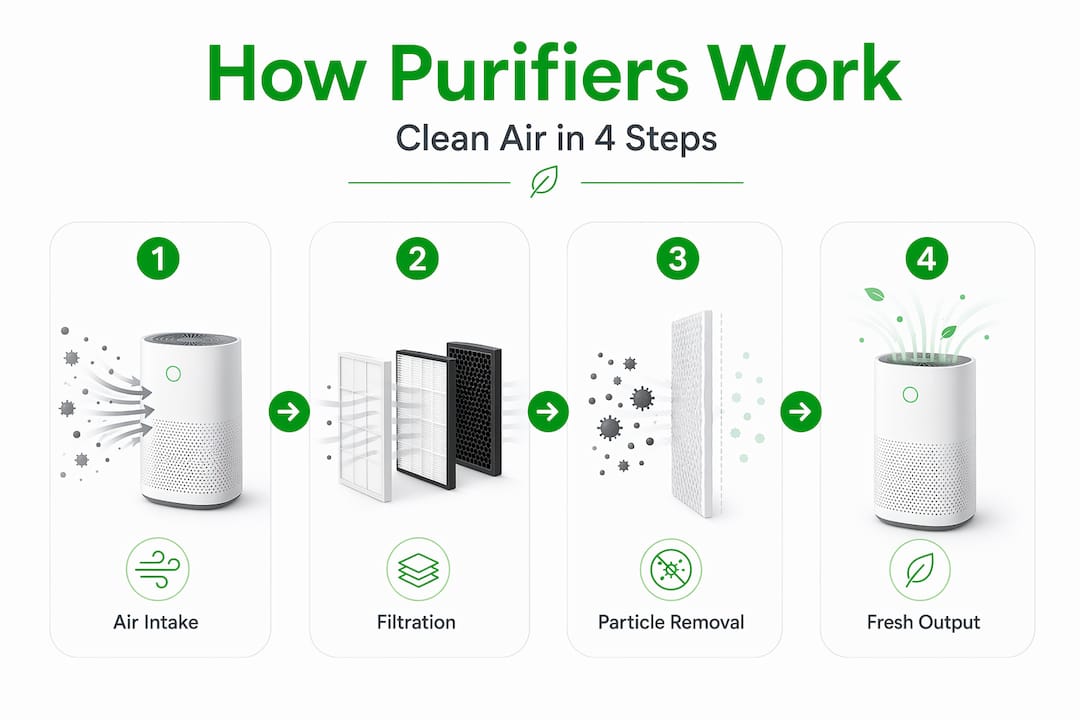
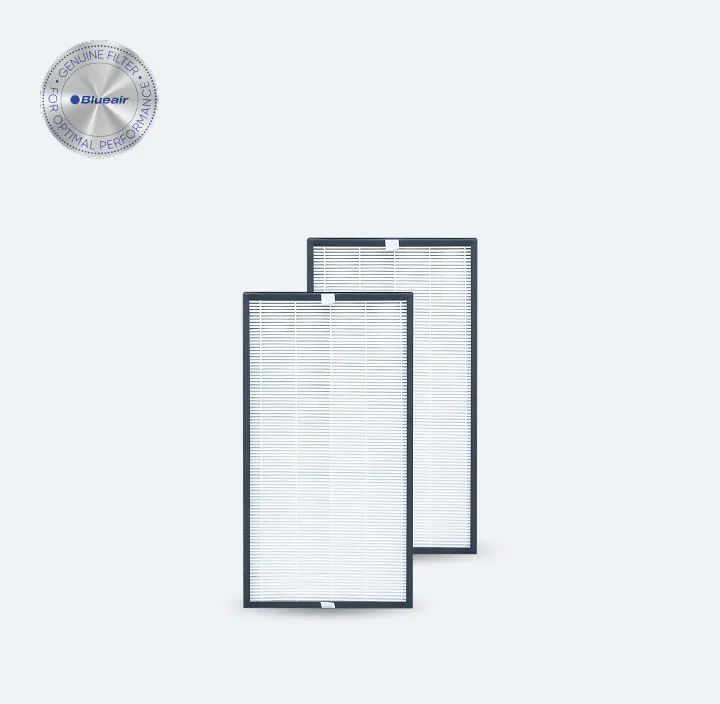
True HEPA filters capture 99.97% of airborne particles at 0.3 microns. That 0.3 micron figure is not arbitrary. It represents the most penetrating particle size, the point at which standard filtration struggles most. Filters rated H13 or H14 meet this verified standard. “HEPA-type” or “HEPA-style” products often capture only 85 to 95% of particles, which sounds close but means significant quantities of the most harmful fine particles pass through.
Ionisers and ozone generators are often marketed as alternatives. Ionisers charge particles so they stick to surfaces rather than removing them, which simply relocates the problem. Ozone generators actively produce ozone, a respiratory irritant. Neither meets the performance or safety standard of a True HEPA unit with activated carbon filtration.
Sizing is the other variable most buyers overlook. A purifier rated for 20 square metres placed in a 50 square metre open-plan room will run continuously without achieving meaningful air quality improvement. The target is 5 air changes per hour for your room volume. Check the Clean Air Delivery Rate (CADR) figure, not just the stated room coverage.
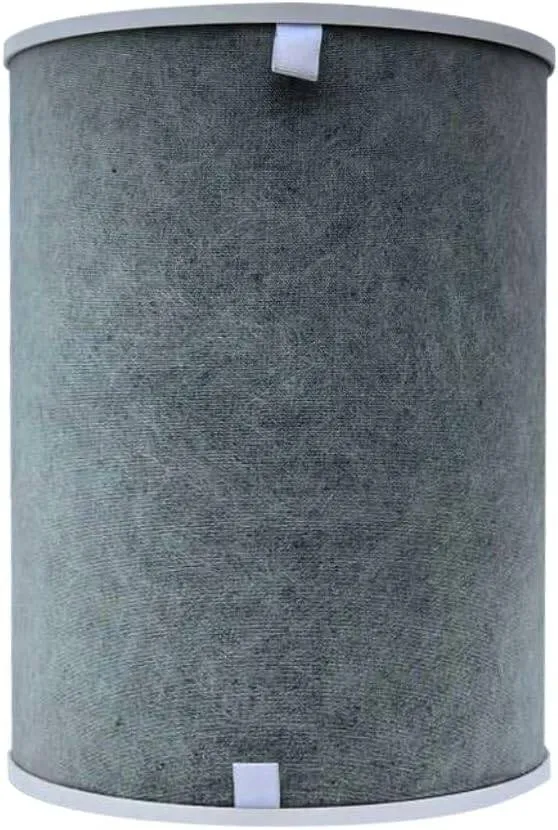
Pro Tip: When replacing filters, check the colour before the stated schedule. In the UAE, dust levels and construction activity can saturate filters significantly faster than manufacturer guidelines suggest. A visibly grey or brown filter is past its useful life regardless of the calendar.
Filter maintenance is where many purifiers fail in practice. Neglected filters accumulate the very contaminants they captured and can begin re-releasing particles into the air. Follow replacement schedules strictly and increase frequency during periods of heavy pollution or sandstorm activity.
Proven health benefits of air purification
The research is clear on outcomes when purifiers are used correctly. Studies confirm that properly operating HEPA air purifiers reduce indoor PM2.5 concentrations by 29 to 56% in real home environments. That reduction directly correlates with measurable improvements in respiratory and cardiovascular health markers.
| Health outcome | Reported improvement |
|---|---|
| Allergy symptom severity | 25 to 60% reduction with consistent HEPA use |
| Prescription inhaler reliance | Decreased use within 12 months among filter users |
| Indoor PM2.5 concentration | 29 to 56% reduction in residential settings |
| Sleep quality | Improved with reduced nasal congestion and better nocturnal breathing |
| Bronchial inflammation markers | Lowered in studies linking HEPA filtration with asthma control |
For allergy sufferers, the numbers are particularly meaningful. Air purification reduces allergy symptoms by 25 to 60% and decreases reliance on prescription inhalers within a year of consistent use. For households managing asthma, that translates directly into fewer emergency episodes and lower medication costs.
“Air purifiers are lifesaving for vulnerable groups but must be properly maintained to avoid becoming allergen traps.” — The Globe and Mail
During wildfire smoke events or periods of high urban pollution, the benefits of air purification intensify further. Filters saturate faster under these conditions, but a correctly sized, well-maintained purifier operating at 4 to 5 air changes per hour can reduce indoor particles by 60 to 90%. For residents of cities with elevated particulate pollution, a purifier running in the bedroom alone produces measurable overnight health improvements.
Practical tips to maximise purifier effectiveness
Getting real results from an air purifier depends on placement, habits, and maintenance working together. Here is a straightforward framework for home use:
- Place the purifier where it matters most. Bedrooms are the priority. You spend 7 to 9 hours there with the door closed, so a dedicated unit in the bedroom delivers the most concentrated health benefit for the least cost.
- Close windows when the purifier is running. Sealing the space allows the unit to process the same air volume repeatedly rather than continuously drawing in outdoor pollutants. This is especially relevant in urban areas or during construction activity nearby.
- Match the unit to the room. Calculate room volume (length x width x height in metres) and select a purifier with a CADR that achieves at least 5 air changes per hour. Undersized units underperform regardless of filter quality.
- Replace filters on schedule, or earlier. During high-pollution periods, check filters monthly. In the UAE, sandstorms and elevated outdoor PM levels mean filters can reach end-of-life in 4 to 6 weeks rather than 6 to 12 months.
- Combine with regular surface cleaning. Purifiers complement but do not replace vacuuming and dusting. Settled particles on surfaces become airborne again with movement and foot traffic.
Pro Tip: Run your purifier on a medium or high setting for one hour after cooking, vacuuming, or any activity that disturbs dust. Drop it to a low setting overnight for quiet operation with continuous filtration.
Structural improvements amplify results. Weatherstripping doors and sealing gap points in window frames reduces pollutant ingress significantly, making every air change the purifier achieves more effective.
Comparing purifier types before you buy
Not every air purifier on the market delivers the same results. The differences matter before you commit to a product.
| Purifier type | Filtration standard | Ozone risk | Best suited for |
|---|---|---|---|
| True HEPA + carbon | 99.97% at 0.3 microns | None | Allergy, asthma, general use |
| HEPA-type | 85 to 95% capture | None | Low-pollution environments only |
| Ioniser | Relocates particles | Low to moderate | Not recommended for health use |
| Ozone generator | Does not filter | High | Not recommended for occupied spaces |
| UV purifier | Targets biologicals only | Low (if sealed) | Supplement to HEPA, not standalone |
The most common mistakes buyers make come down to a short list:
- Choosing a product based on room size claims rather than CADR figures
- Purchasing “HEPA-type” filters expecting True HEPA performance
- Using ionisers or ozone generators in occupied bedrooms
- Buying a unit then neglecting filter replacement, negating the health benefit
- Expecting a purifier to compensate for active smoke sources or chronic ventilation failures
A purifier provides limited benefit in clean rural homes with consistently good ventilation and no occupants with respiratory conditions. In those settings, the return on investment is low. For urban households, homes with pets, spaces with VOC sources, or any environment where vulnerable individuals live or sleep, the evidence for benefit is strong and well-documented.
My perspective on getting air purification right
I have followed the air quality product category closely for years, and the pattern I see repeatedly is that people dismiss air purifiers after a bad experience caused by a bad product or a product used incorrectly. They bought an undersized ioniser, ran it in a room three times too large, never changed the filter, and concluded that purifiers do not work. The technology took the blame for a preventable failure.
What I have found is that effectiveness depends on three conditions being met simultaneously: a genuine True HEPA filter, a correctly sized unit, and a clean filter at all times. Miss any one of those and the results drop sharply. The science is not in question. The execution is what varies.
My honest view is that people often underinvest in the bedroom and overinvest everywhere else. One well-chosen, correctly sized True HEPA unit running overnight in the bedroom where you spend a third of your life will do more for your respiratory health than three budget devices scattered around common areas. Start there. Get the filter replacement right. Then expand if needed.
The importance of clean air is not a trend or a marketing construct. It is measurable in reduced symptom scores, lower medication use, and better sleep quality. The data supports it. The priority is making sure your purifier is actually doing what it claims.
— Wojciech
Air purifiers from Cleanair-ae: practical options for UAE homes
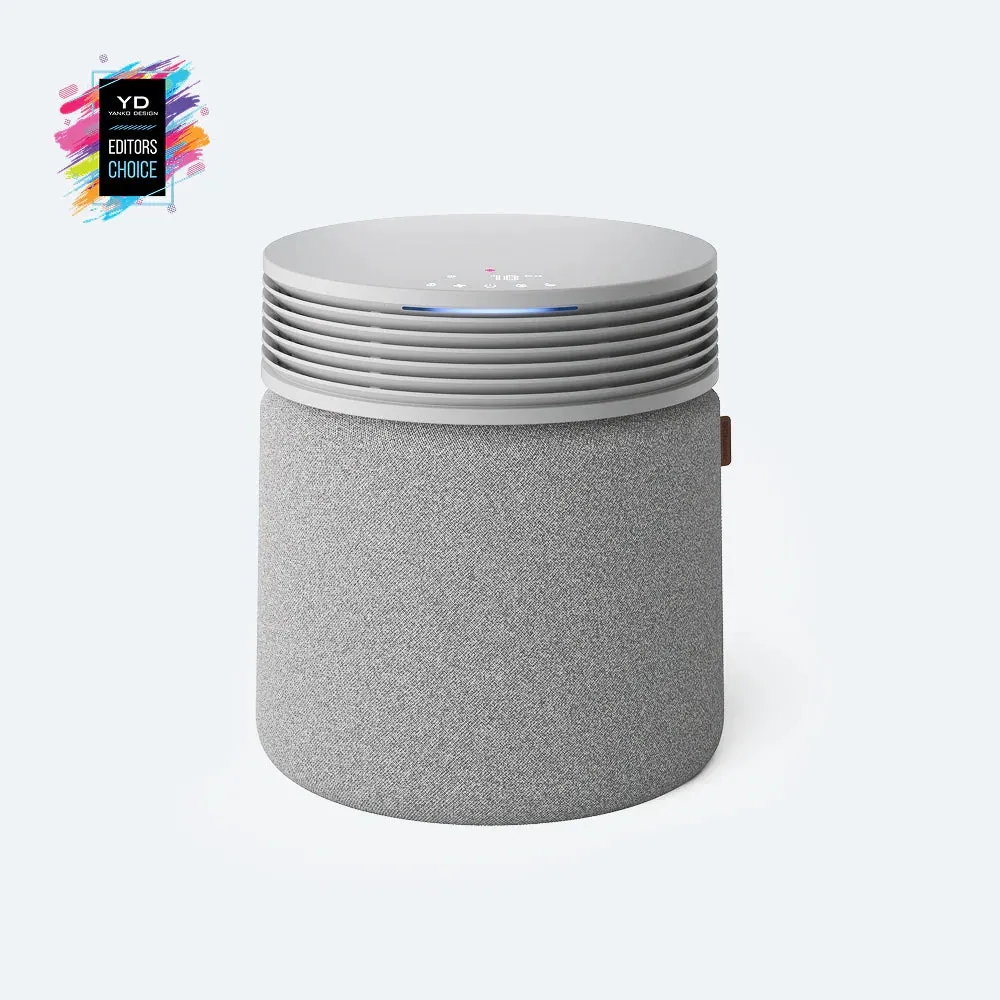
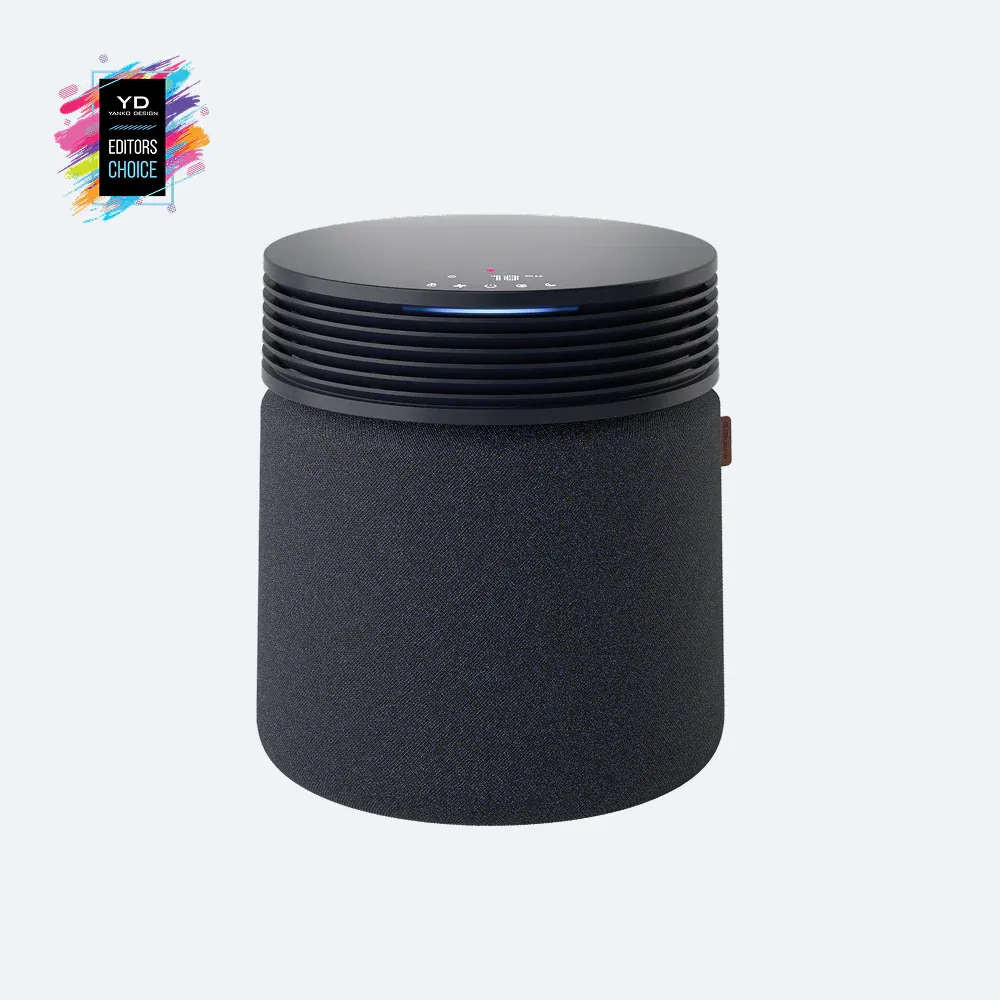
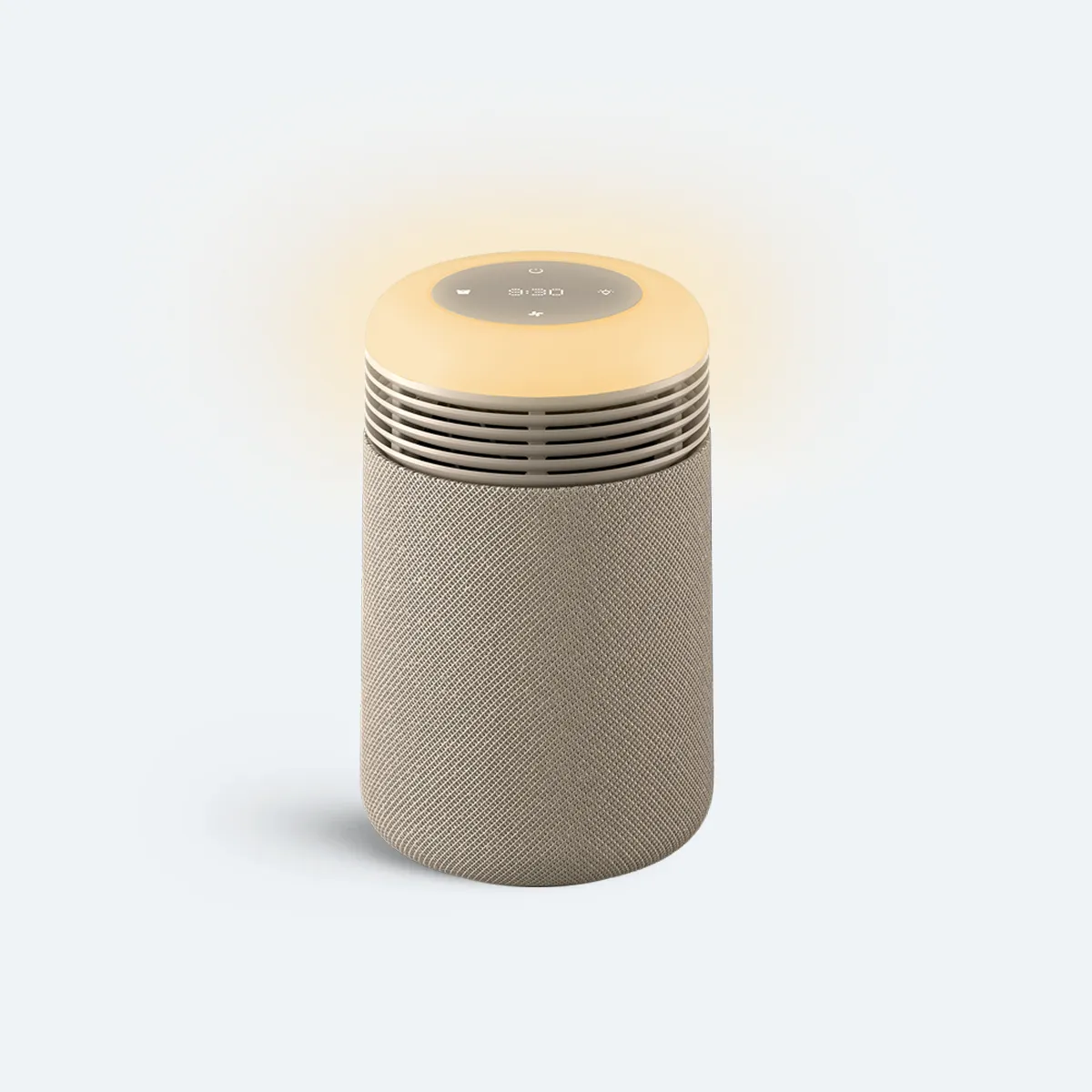
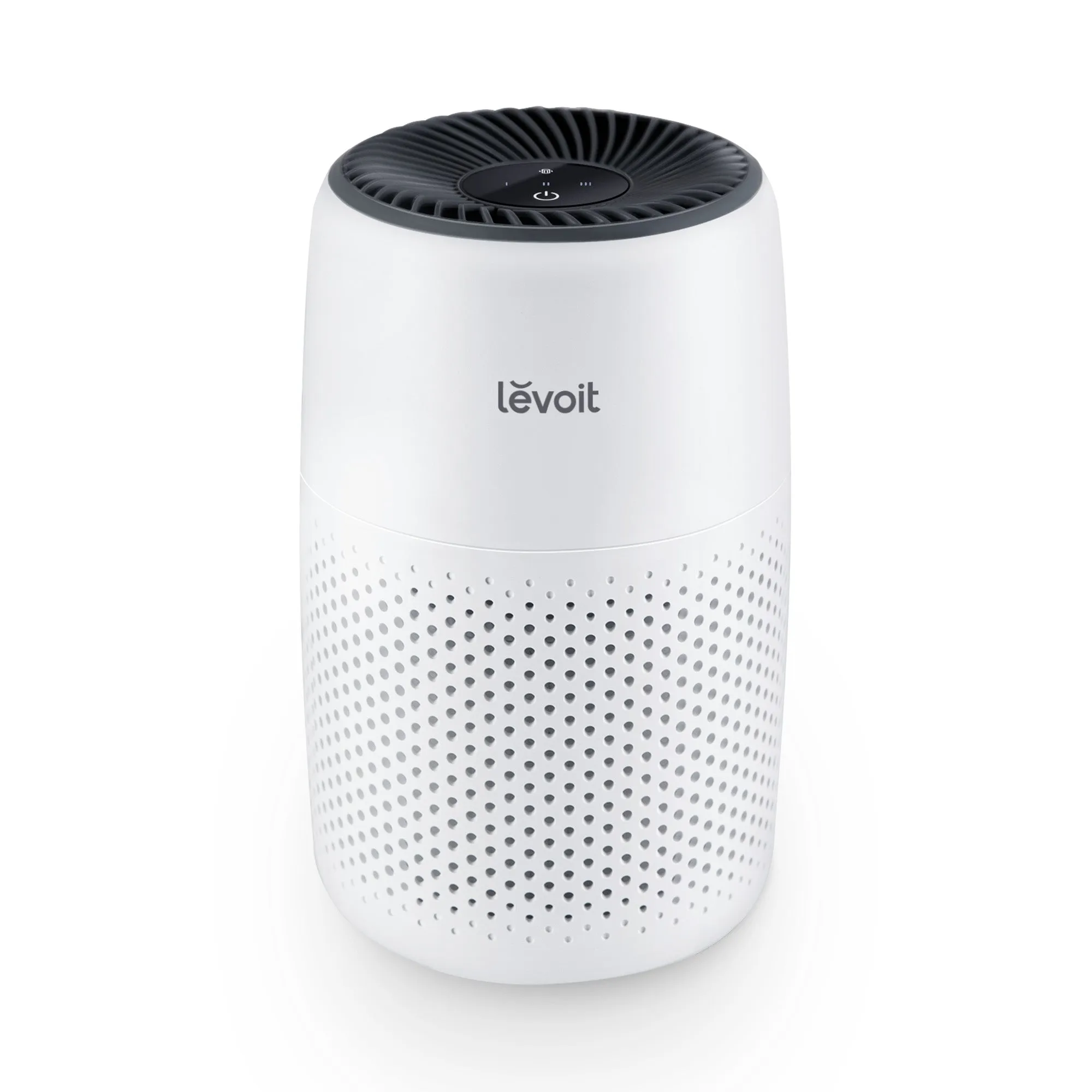
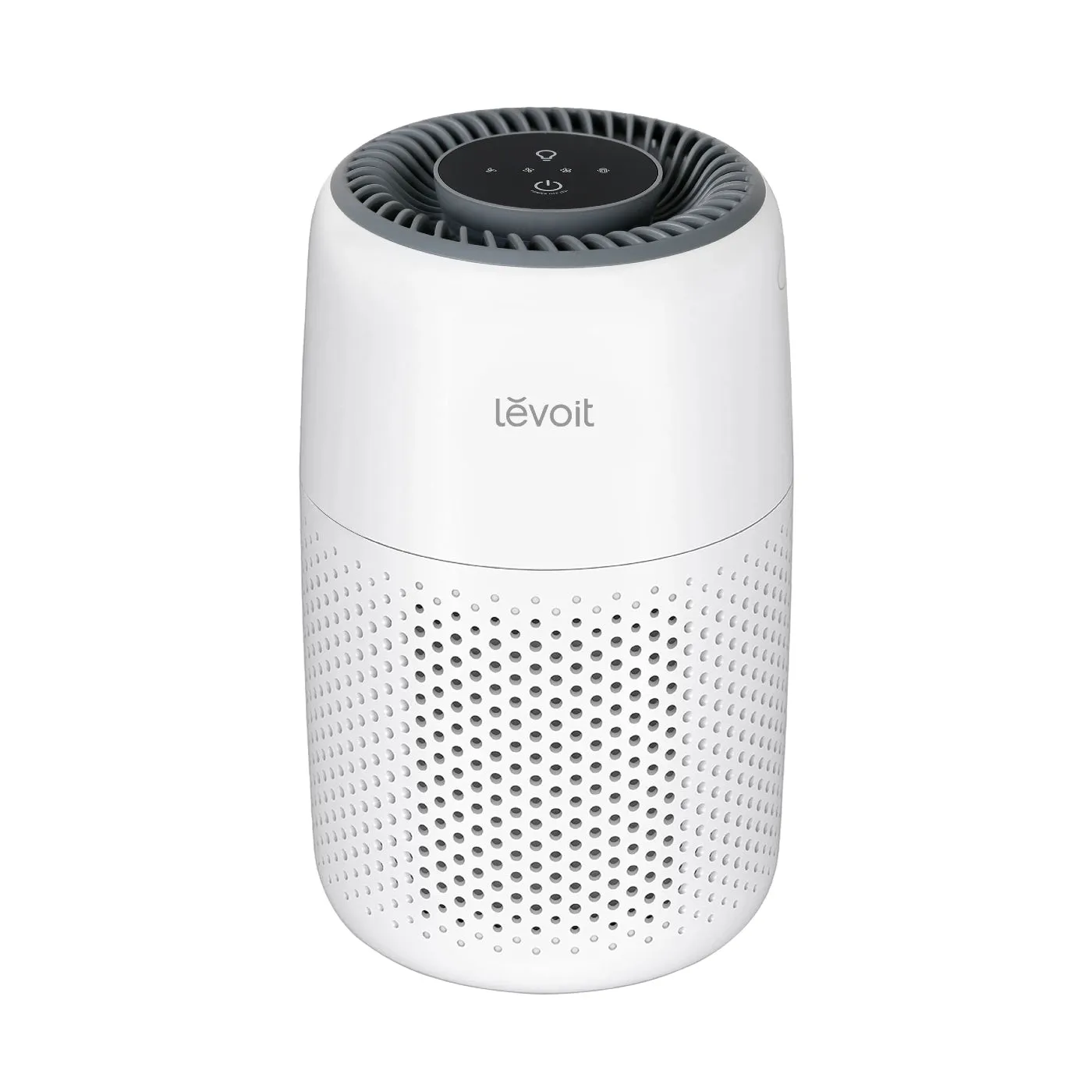
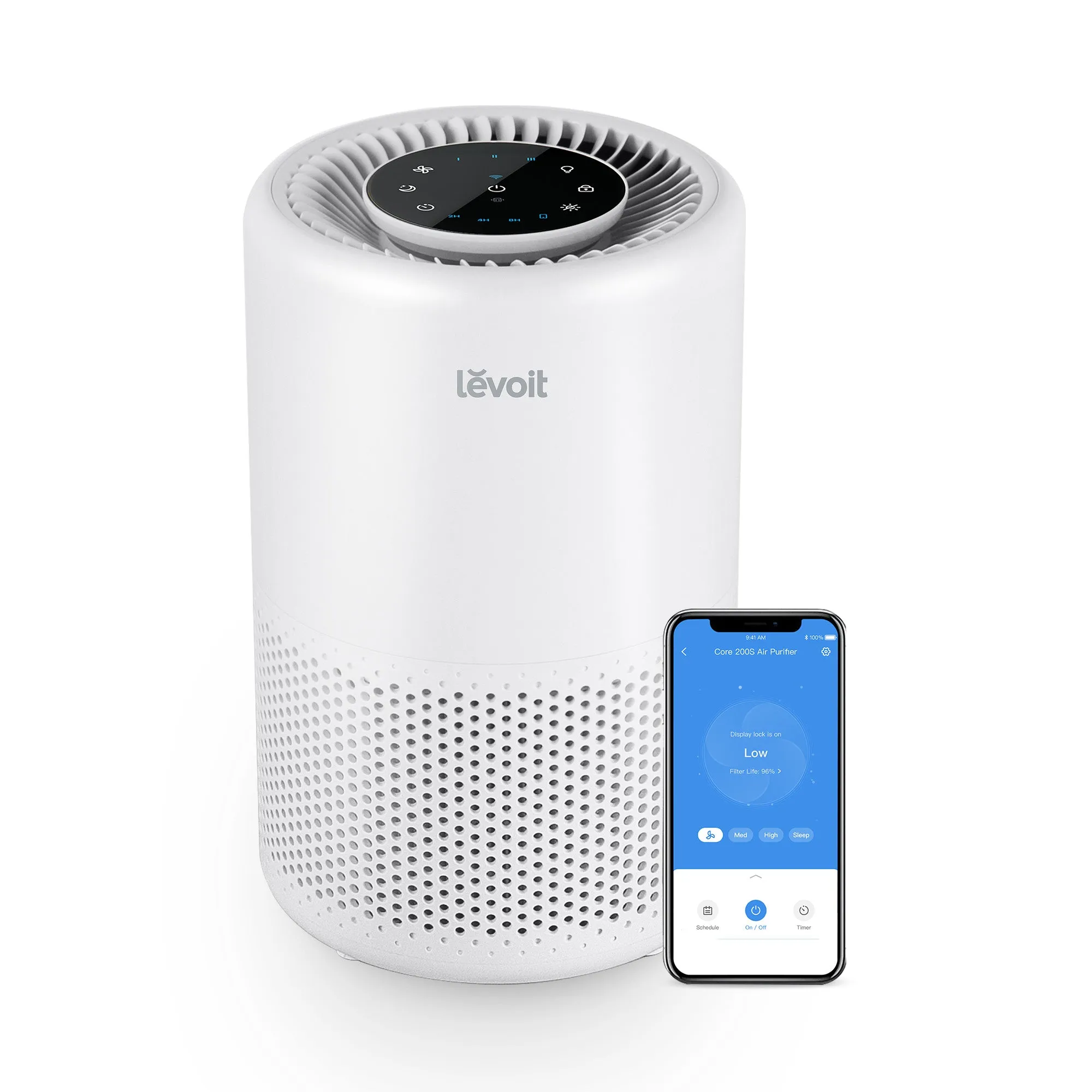
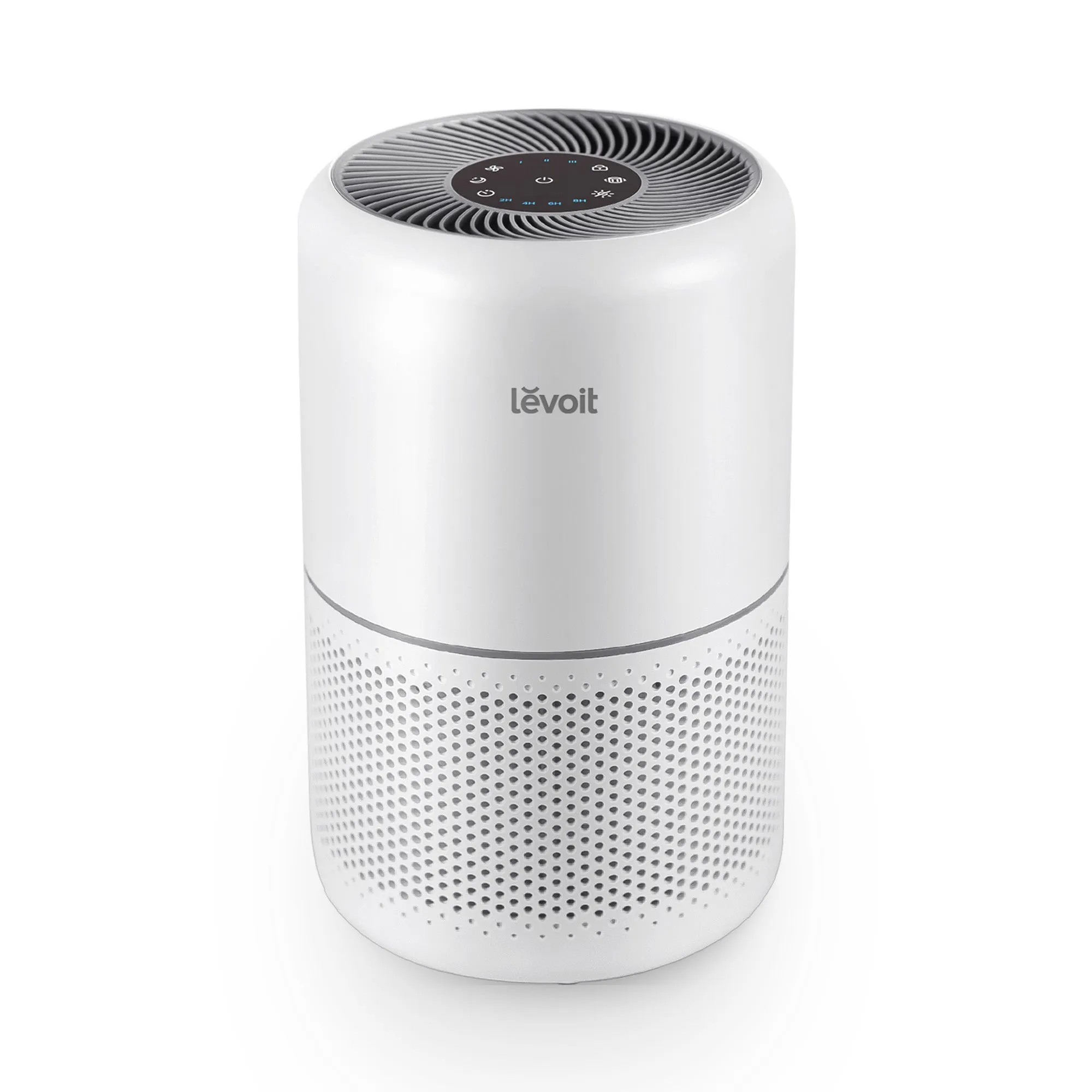
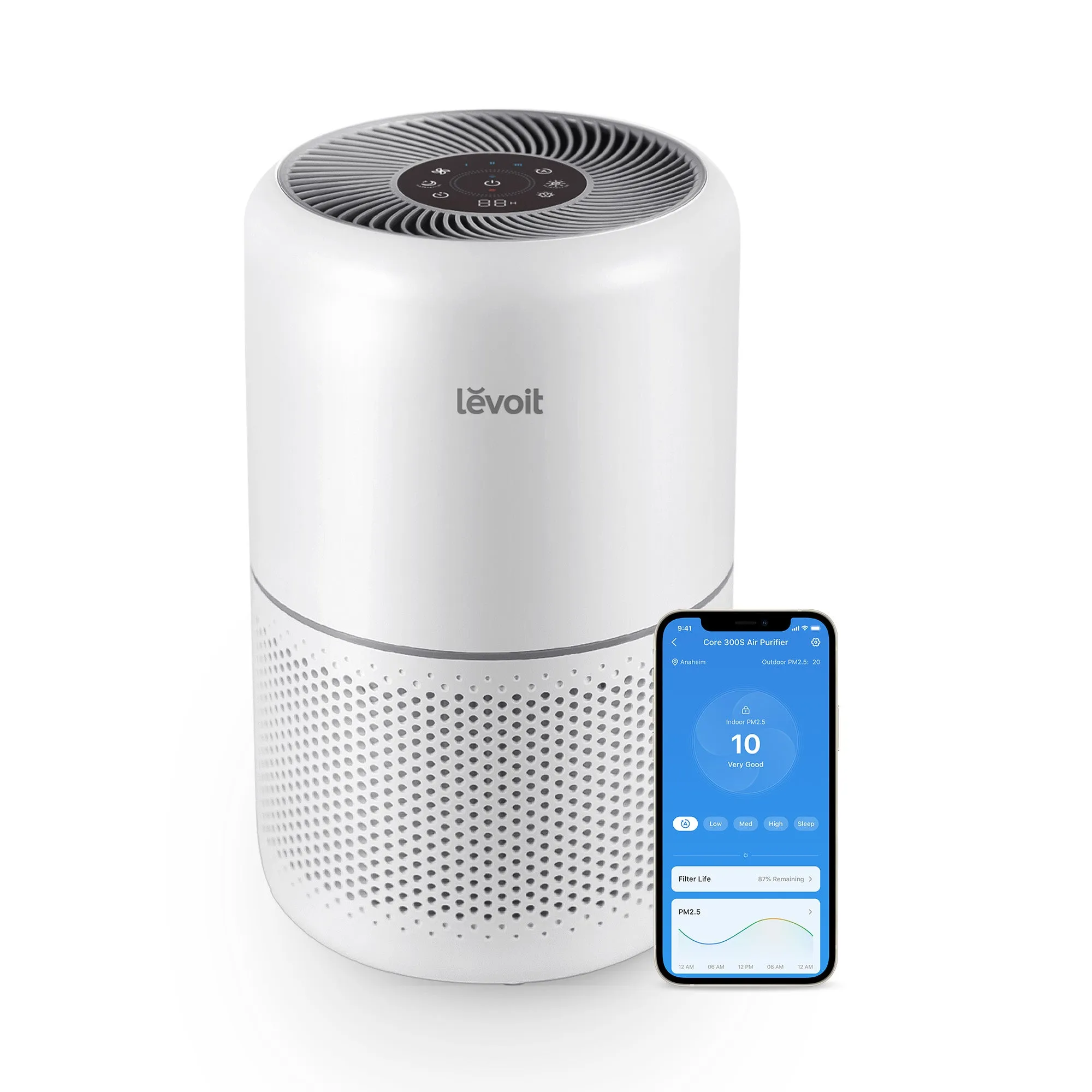
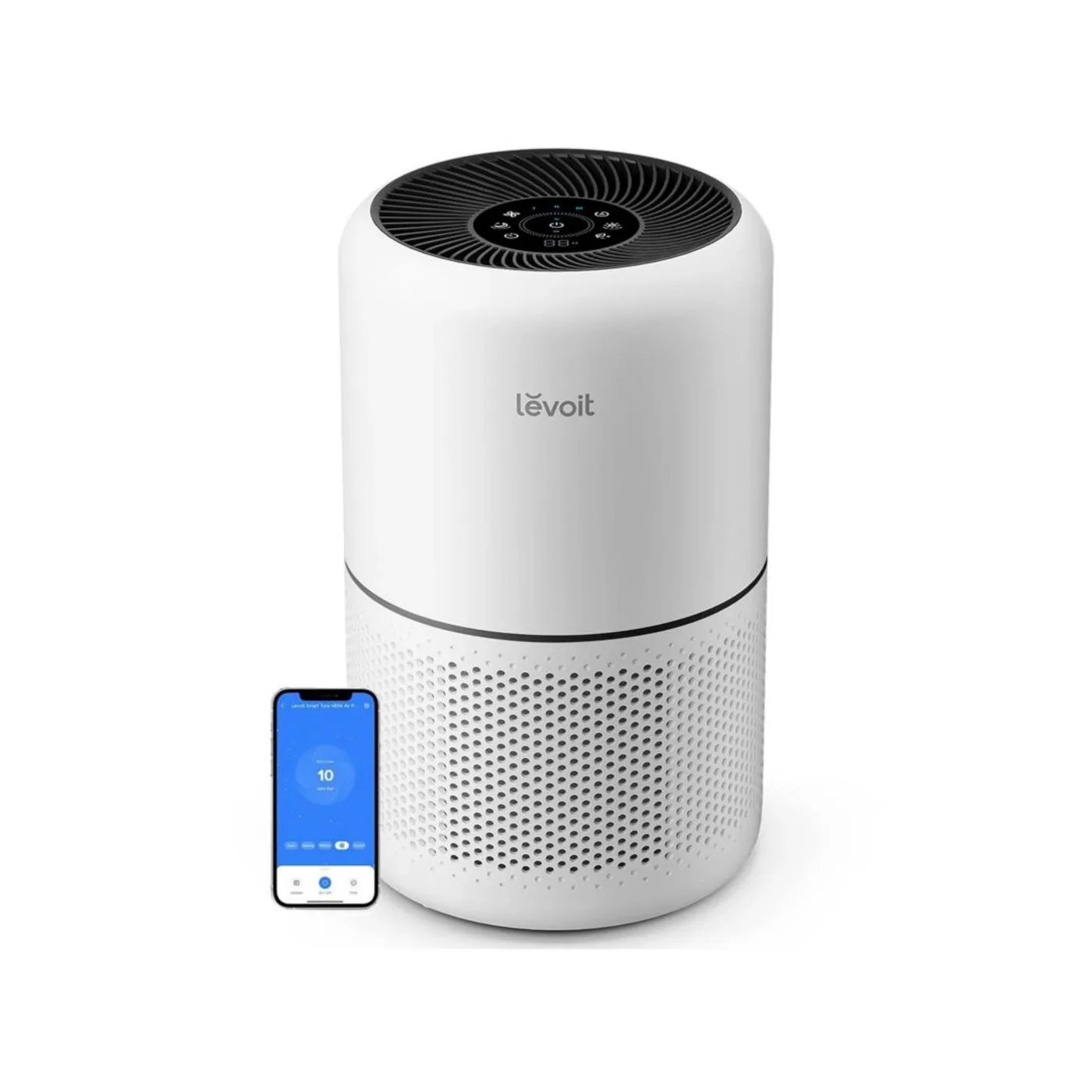
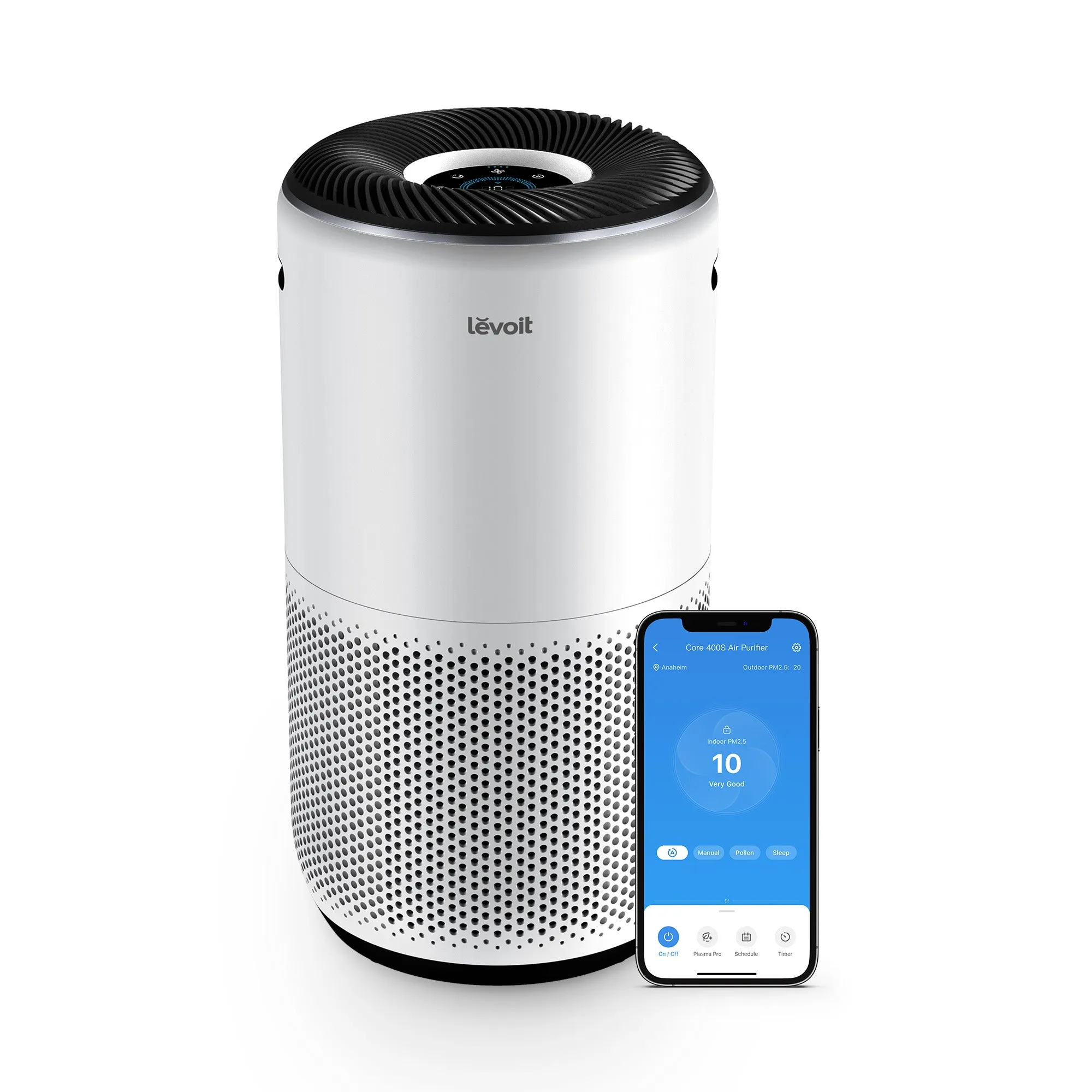
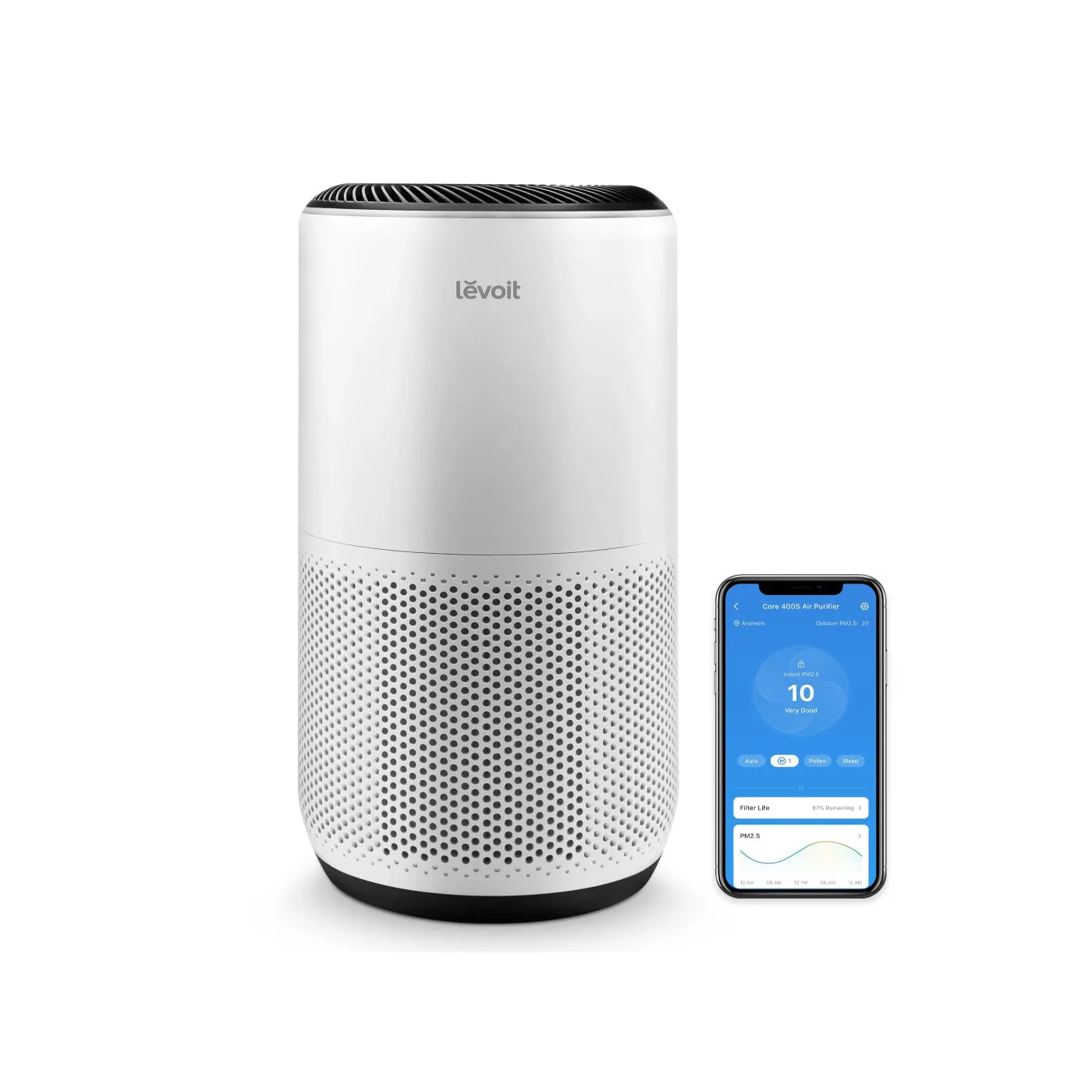
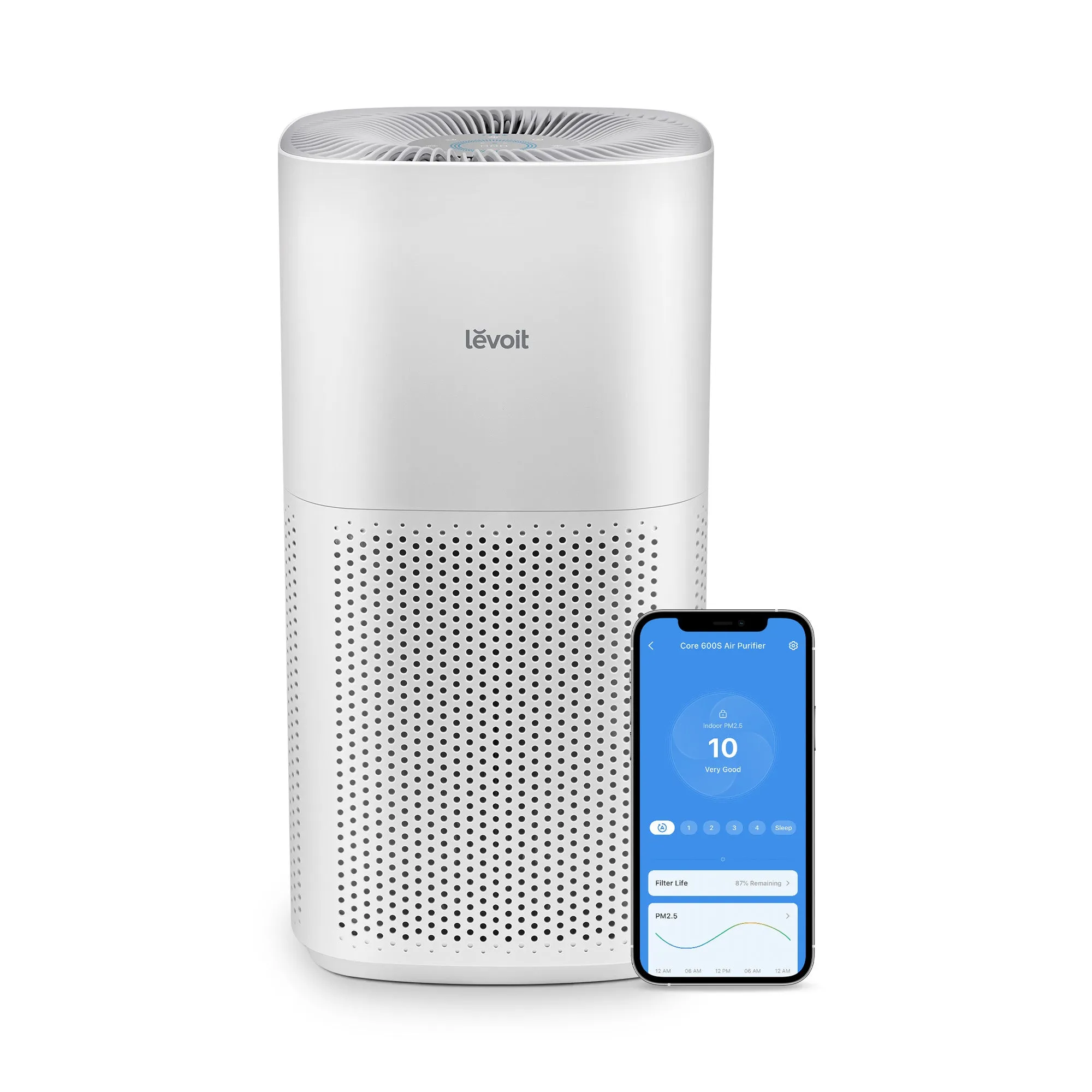
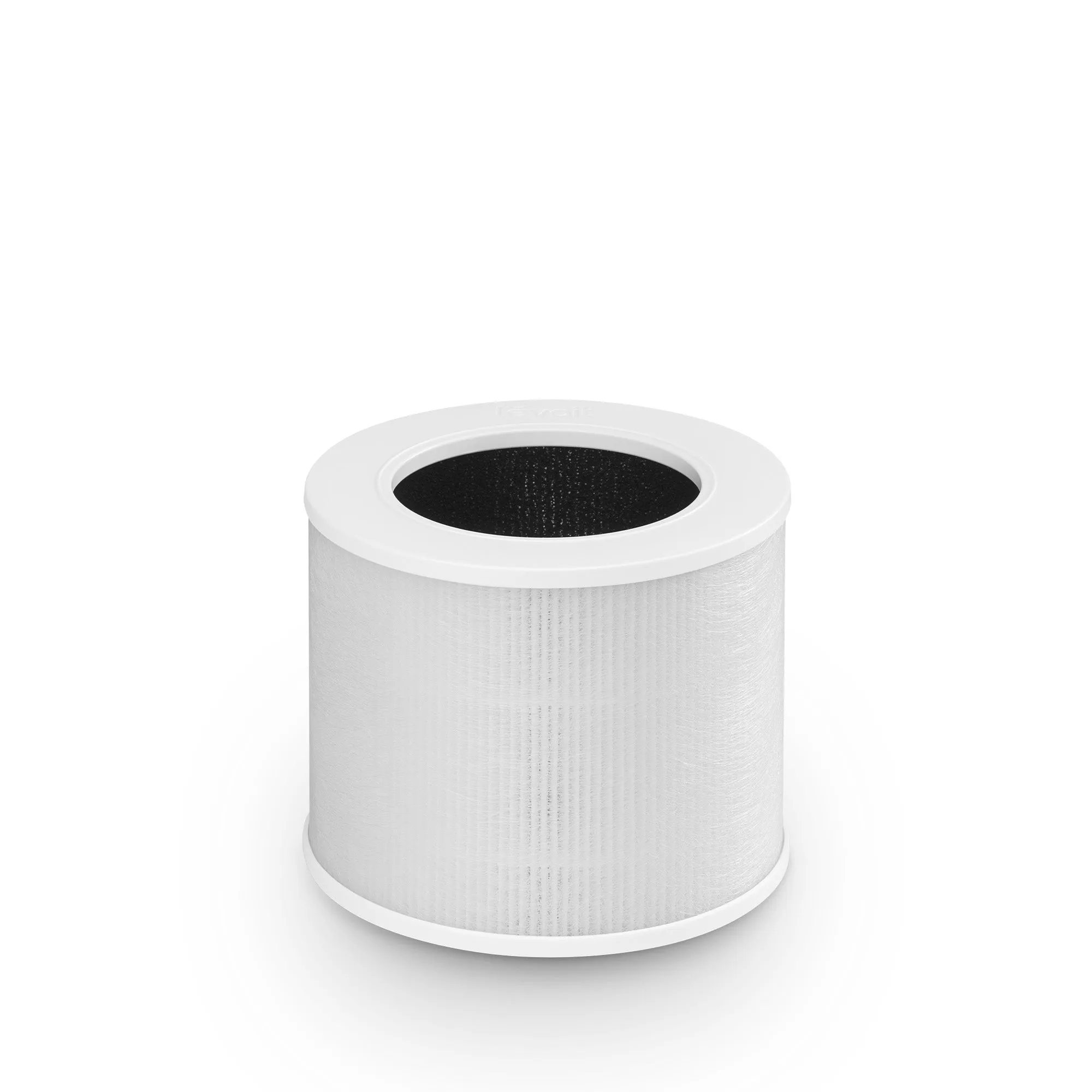
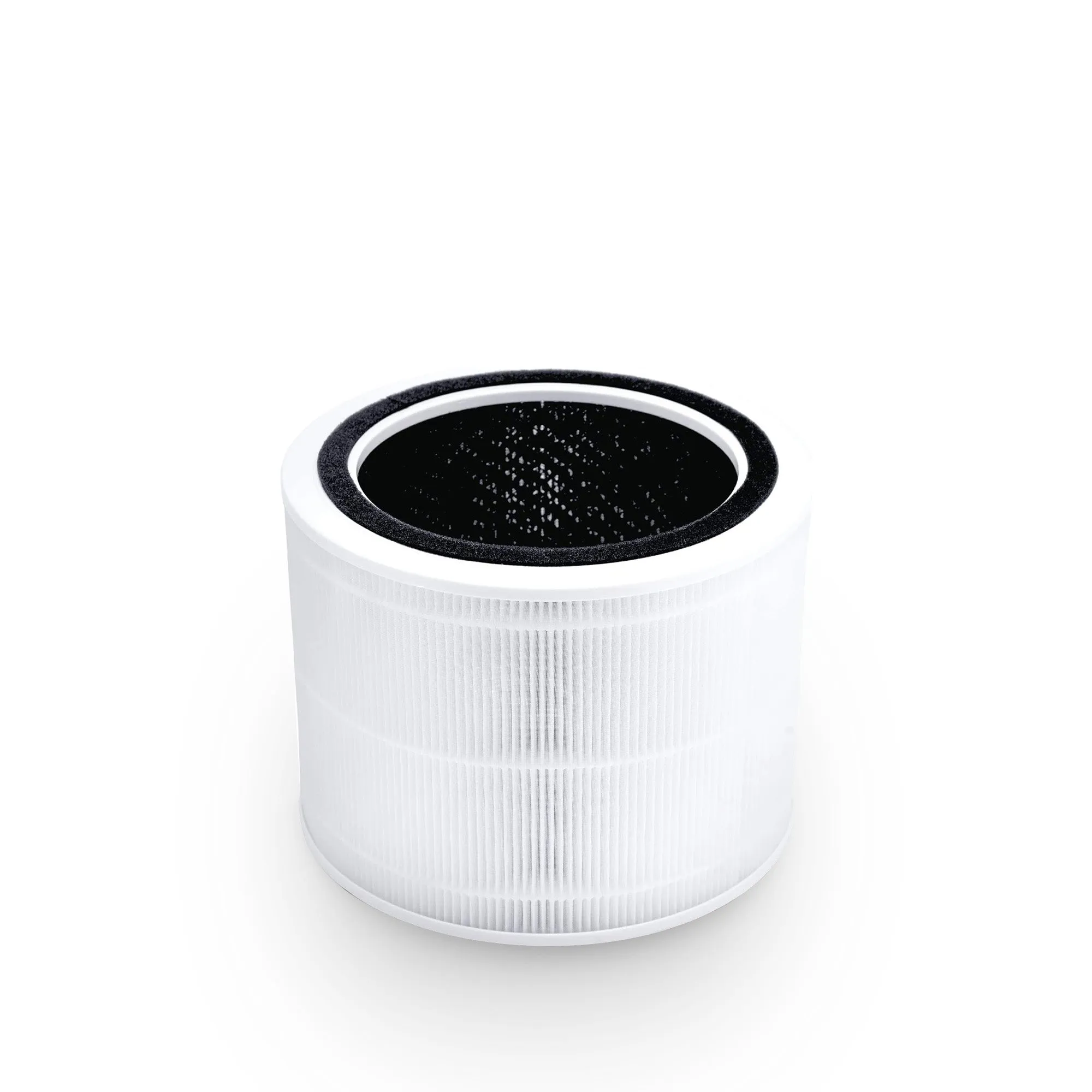
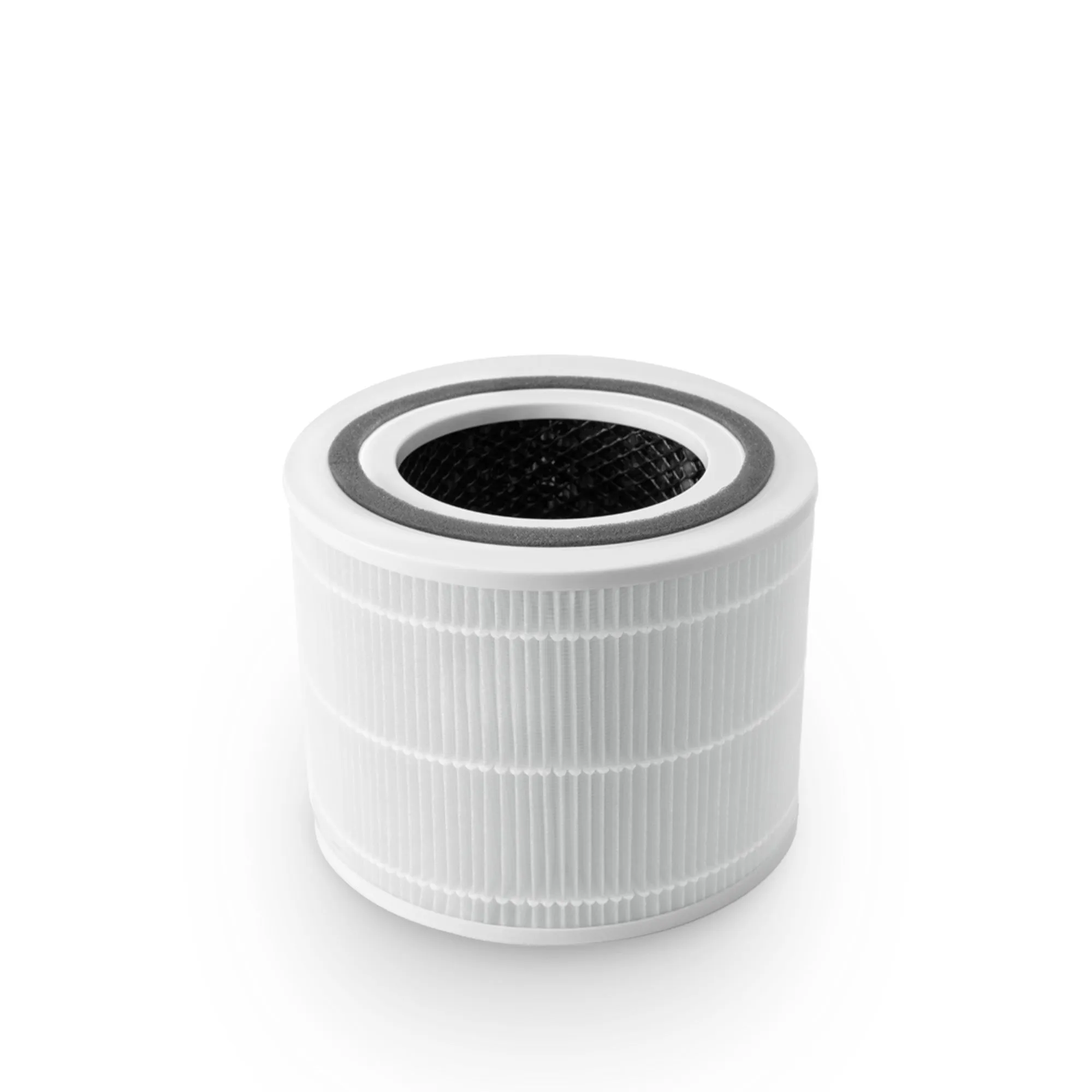
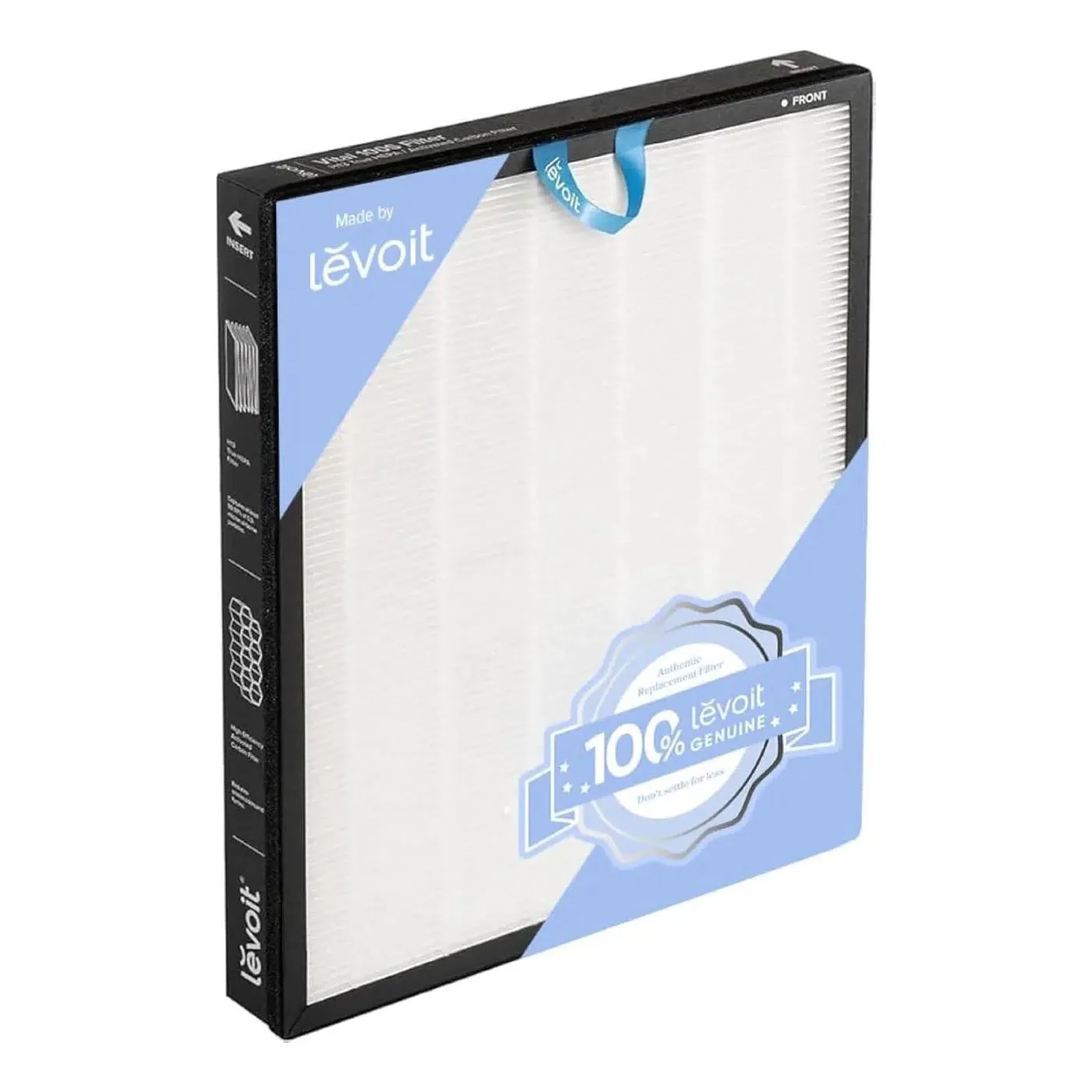
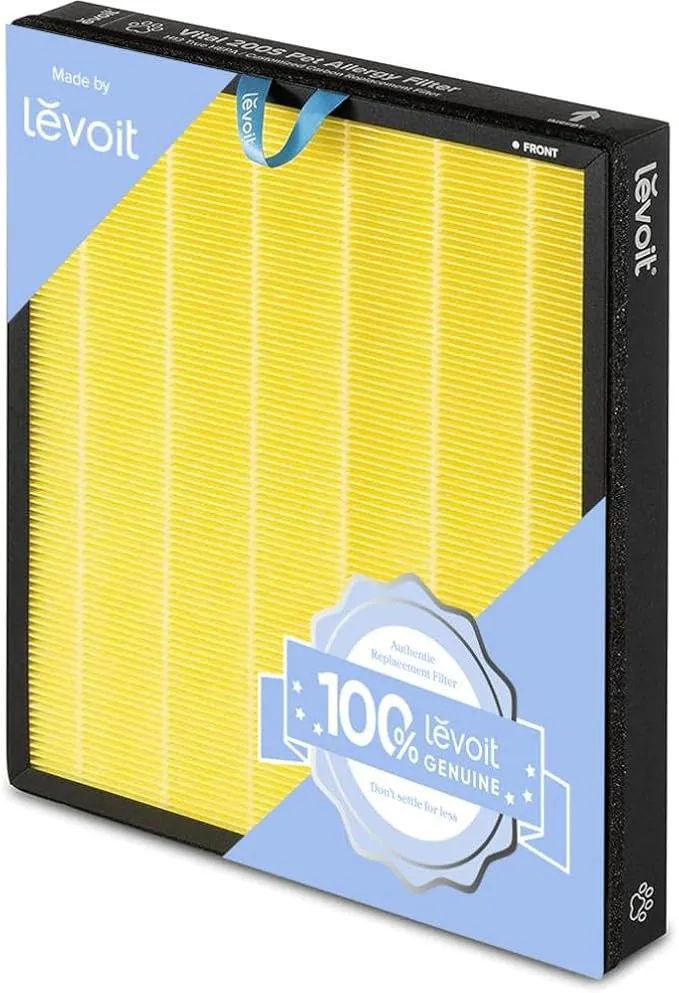
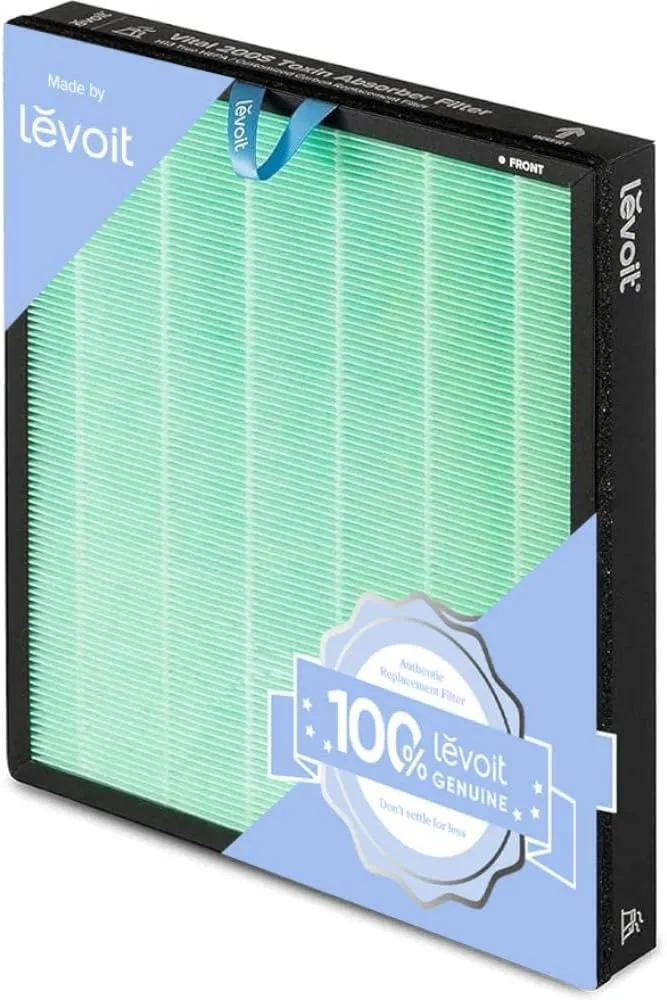
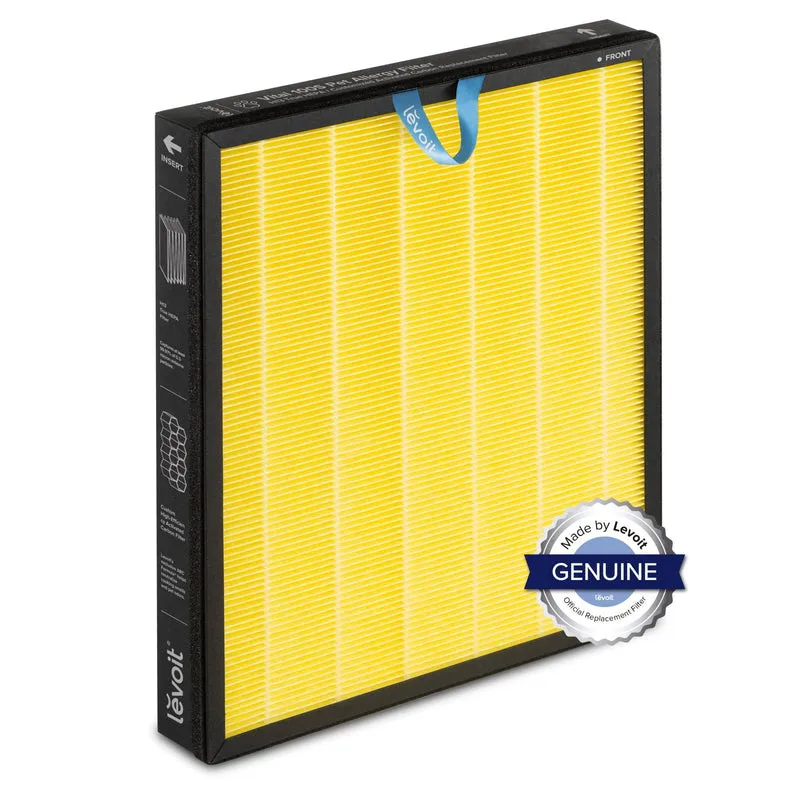
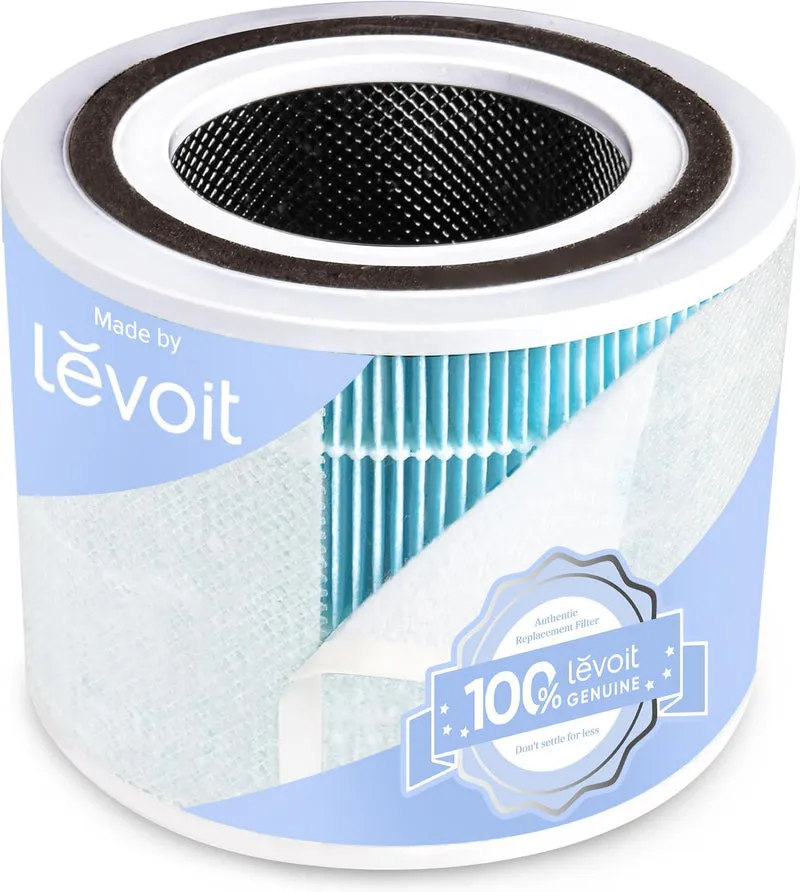
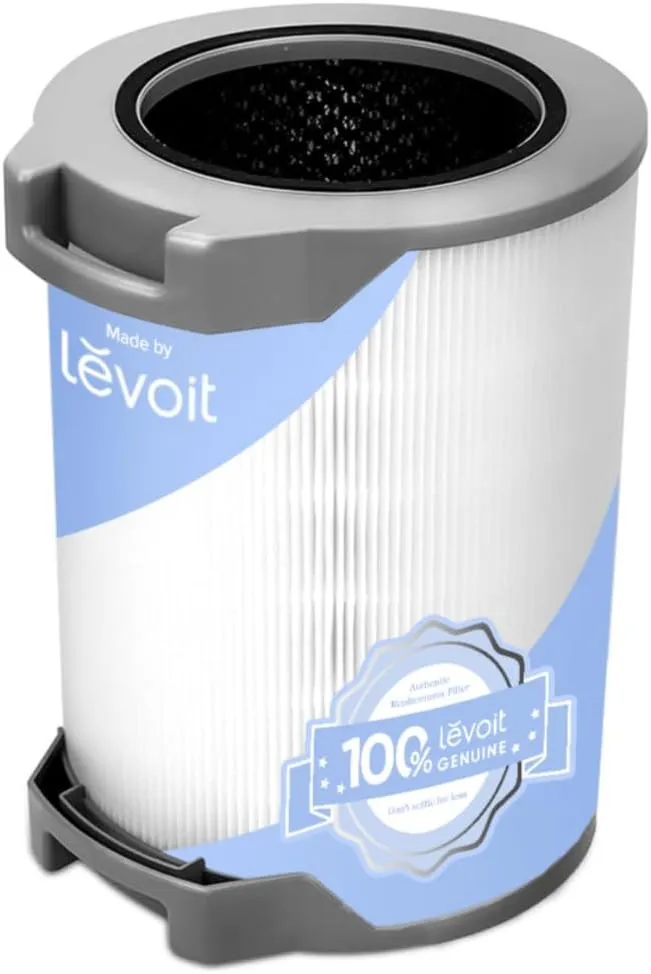
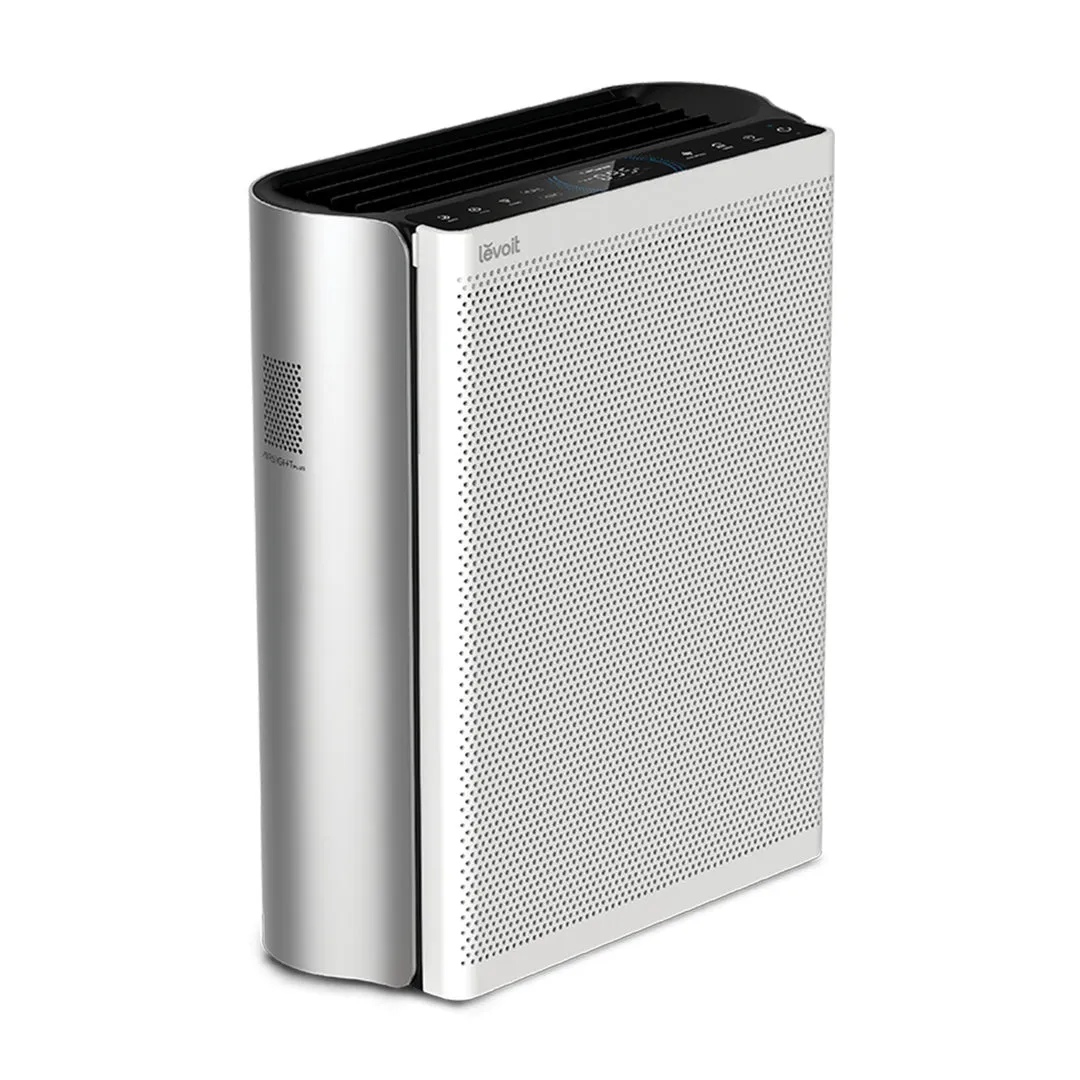
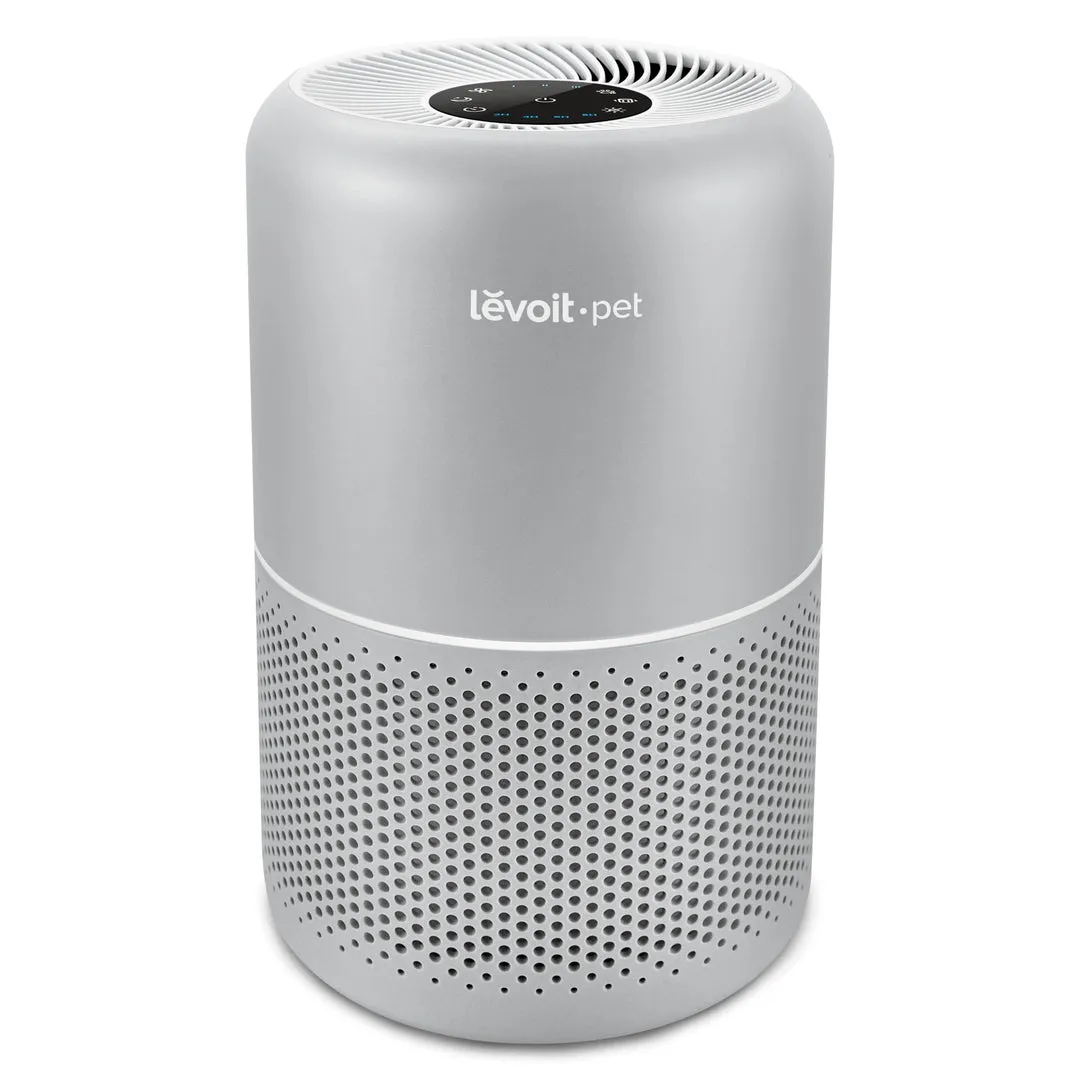
Cleanair-ae stocks a curated range of air purifiers suited to UAE conditions, from compact bedroom units to high-capacity models for open-plan offices and living areas. The Levoit Core Mini portable purifier is a practical choice for allergy sufferers who need True HEPA filtration in a personal space without the bulk. For larger rooms or office environments, the Levoit Core 600S quiet air purifier offers smart controls, high CADR output, and whisper-quiet operation suitable for workspaces and open living areas. Replacement filters, accessories, and expert guidance are available with fast delivery across Dubai, Abu Dhabi, and the wider UAE.
FAQ
What are the main benefits of air purification at home?
Air purification reduces indoor PM2.5 concentrations by 29 to 56%, lowers allergy symptom severity by 25 to 60%, and decreases reliance on prescription inhalers within 12 months of consistent use.
Why does True HEPA matter more than HEPA-type filters?
True HEPA filters capture 99.97% of particles at 0.3 microns, meeting a certified H13/H14 standard. HEPA-type filters typically capture only 85 to 95%, allowing the most harmful fine particles to pass through.
How often should I replace my air purifier filter in the UAE?
Manufacturer guidelines suggest 6 to 12 months, but in the UAE, sandstorms and elevated dust levels can saturate filters in 4 to 6 weeks. Check filter colour monthly and replace when visibly discoloured.
Does an air purifier replace regular cleaning and ventilation?
No. Purifiers remove airborne particles but do not address pollutants settled on surfaces. Regular vacuuming, dusting, and adequate ventilation remain necessary alongside air purification for complete indoor air quality management.
Who benefits most from using an air purifier?
Children, elderly individuals, asthma sufferers, and allergy patients gain the greatest measurable benefit. Urban residents and those in homes with pets, VOC sources, or poor natural ventilation also see significant improvements.