

Uncategorised
Top air quality solutions 2026: UAE home guide
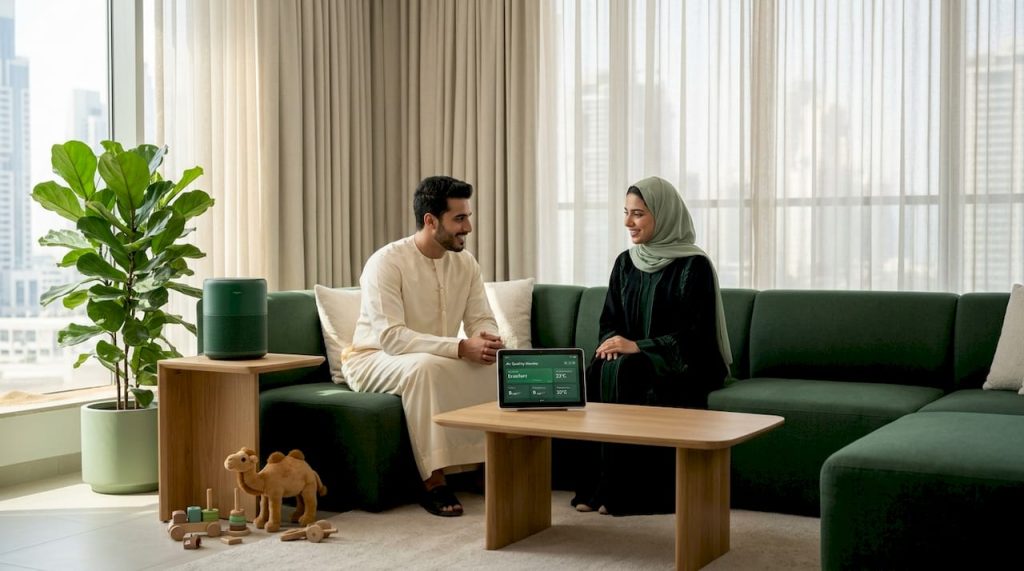
Indoor air in UAE homes carries a heavier load than most families realise. Sealed, air-conditioned spaces trap fine dust, VOCs from furniture and cleaning products, and humidity that encourages mould. Finding the top air quality solutions 2026 has to offer means cutting through a crowded market of monitors, purifiers, and filters with very different capabilities. This guide covers the key criteria, the leading products suited to UAE conditions, and a practical framework for matching solutions to your home’s actual pollutant profile.
Table of Contents
- Key takeaways
- 1. Why UAE homes need tailored air quality solutions in 2026
- 2. Key criteria for evaluating air quality monitors and purifiers
- 3. Top air quality monitors for UAE homes
- 4. Leading air purifiers and filtration technologies for UAE interiors
- 5. Comparison of top monitors and purifiers for UAE households
- 6. Matching solutions to your home scenario
- My perspective on selecting air quality solutions in the UAE
- Cleanair-ae’s recommended solutions for UAE homes in 2026
- FAQ
Key takeaways
| Point | Details |
|---|---|
| Monitor before you buy | Identify your home’s specific pollutants (PM2.5, VOCs, CO2) before choosing a purifier. |
| Match technology to pollutant | HEPA filters target particles; activated carbon targets gases and odours; pair both for full coverage. |
| Size purifiers correctly | Undersized units fail during dust events or cooking spikes common in UAE households. |
| Use smart automation | App-connected devices respond to real-time air quality changes without manual adjustment. |
| Combine monitoring and purification | Experts recommend pairing matched monitor and purifier technologies for best results. |
1. Why UAE homes need tailored air quality solutions in 2026
UAE homes face a combination of outdoor and indoor air challenges that most other climates do not produce together. Sandstorms push fine particulate matter through gaps in building envelopes. Air-conditioning runs year-round, recirculating air and concentrating pollutants indoors. Meanwhile, VOCs from composite furniture, paints, and cleaning products accumulate in sealed rooms.
The trends in air quality management moving into 2026 reflect growing awareness of these compound threats. Generic purifiers and basic monitors are no longer adequate. Families need solutions that address particulate matter, gases, humidity, and biological growth simultaneously. The good news: the product market has responded with multi-function devices at a wider range of price points than ever before.
2. Key criteria for evaluating air quality monitors and purifiers
Before comparing specific products, it helps to understand what separates a well-matched solution from an expensive disappointment.
Pollutant coverage. The most practical top air quality monitors 2026 detect PM2.5, VOCs, humidity, and temperature as a minimum. CO2 sensing is valuable if you work from home or have children studying indoors. Not every monitor covers all categories, so check the sensor list carefully.
Sensor accuracy. Laser particle counters are more reliable than optical sensors for PM2.5. Electrochemical sensors outperform metal oxide sensors for CO and certain gases. A device that reads inaccurately is worse than no device: it creates false confidence.
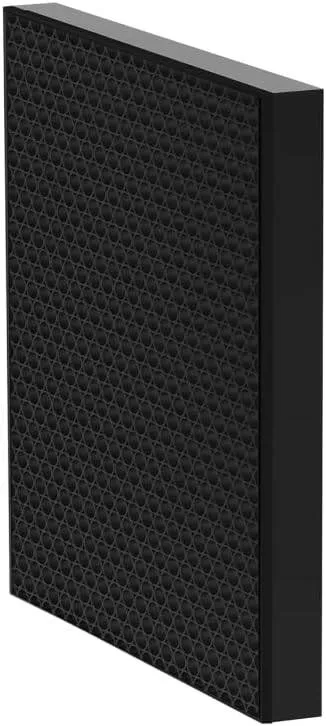
Filtration technology. For particles, true HEPA (or HEPA H13) is the standard to look for. HEPA filters capture 99.97% of airborne particles down to 0.3 microns. Avoid products labelled “HEPA-type” or “HEPA-like” as these meet no verified standard. Activated carbon is required for gases, odours, and VOCs. For a broader barrier against bacteria and mould, some units add an ionic stage.
Room coverage and CADR. Clean Air Delivery Rate (CADR) measures how quickly a purifier cleans a given volume of air. Incorrect purifier sizing produces underperformance during UAE dust events or high-VOC cooking periods. Check the manufacturer’s coverage area, then size up rather than down.
Smart features. Auto mode (sensor-triggered fan speed), app control, and smart home integration are no longer premium-only features. They make a meaningful practical difference in a home where air quality fluctuates throughout the day.
Energy and noise. A purifier running 24 hours a day adds to your electricity bill. Look for units under 30W at moderate speeds. Night modes below 25 dB allow continuous operation in bedrooms without disruption.
Pro Tip: Run a multi-pollutant monitor for at least one week before purchasing a purifier. The data will show you whether your primary problem is particles, gases, or humidity. Buying a HEPA-only unit when your main issue is VOCs leaves the core problem unsolved.
3. Top air quality monitors for UAE homes
Comprehensive multi-sensor monitors with PM2.5, VOCs, CO2, and radon detection deliver the most useful data for personalised air quality management.
- Airthings View Plus. Best overall for UAE families wanting full-spectrum data. Detects radon, CO2, VOCs, PM2.5, humidity, temperature, and air pressure. Wall-mounted with a colour display and a clear app. Radon is rarely discussed in the UAE context, but VOC and PM2.5 readings are immediately applicable.
- Awair Element. Strong budget option with PM2.5, CO2, VOC, humidity, and temperature sensing. Clean app interface and solid sensor accuracy for the price range.
- Aranet4 HOME. Purpose-built CO2 monitor using a photoacoustic sensor rather than a cheaper NDIR approximation. The most accurate standalone CO2 device available to consumers. Useful if poor ventilation is a known concern in your home or office.
- Qingping Air Monitor Lite. Compact and affordable. Covers PM2.5, CO2, temperature, and humidity. Integrates with Apple HomeKit and other smart home platforms, which makes it appealing if you already run a connected home.
- Atmotube PRO. Portable device for both indoor and outdoor use. Detects VOCs, PM1, PM2.5, PM10, and atmospheric pressure. Practical for UAE residents who want to track air quality during outdoor exercise or commuting.
Only some monitors include VOC sensing alongside PM2.5, so pairing the right monitor with a purifier that targets your specific pollutant profile is the advised approach.
Pro Tip: If you cook frequently or use aerosol cleaning products indoors, prioritise a monitor with both PM2.5 and VOC sensing. These two sources alone can spike indoor pollution well above outdoor levels during routine household activities.
| Monitor | Key sensors | Best for | Approx. price range |
|---|---|---|---|
| Airthings View Plus | PM2.5, VOC, CO2, radon, humidity | Comprehensive home monitoring | AED 800–1,100 |
| Awair Element | PM2.5, CO2, VOC, humidity | Budget-conscious families | AED 500–700 |
| Aranet4 HOME | CO2 only (high accuracy) | Poor ventilation, offices | AED 450–600 |
| Qingping Air Monitor Lite | PM2.5, CO2, humidity | Smart home integration | AED 180–280 |
| Atmotube PRO | VOC, PM1, PM2.5, PM10 | Portable indoor and outdoor use | AED 400–550 |
4. Leading air purifiers and filtration technologies for UAE interiors
The best air purification methods 2026 has available fall into three core technology categories, often combined within a single unit.
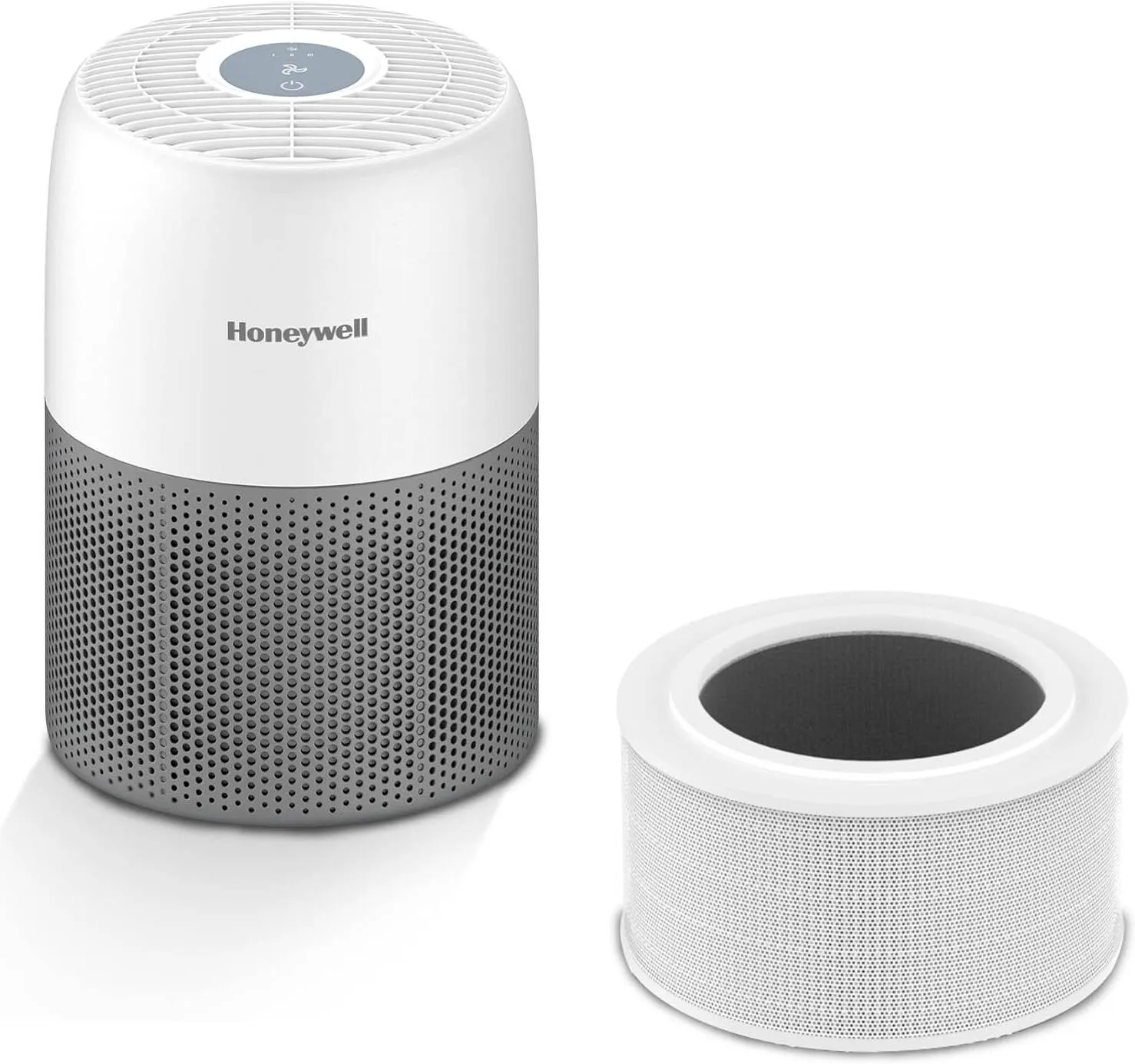
True HEPA filtration remains the backbone of particle removal. For UAE homes dealing with fine dust and allergens, a true HEPA or H13-rated filter is non-negotiable. The Philips AC0651/10 (600 series), available in the UAE at AED 399, covers rooms up to 44 m², operates as quietly as 19 dB, and draws only 12W. It includes smart sensing and app control, making it a well-rounded entry-level choice for bedrooms and medium rooms.
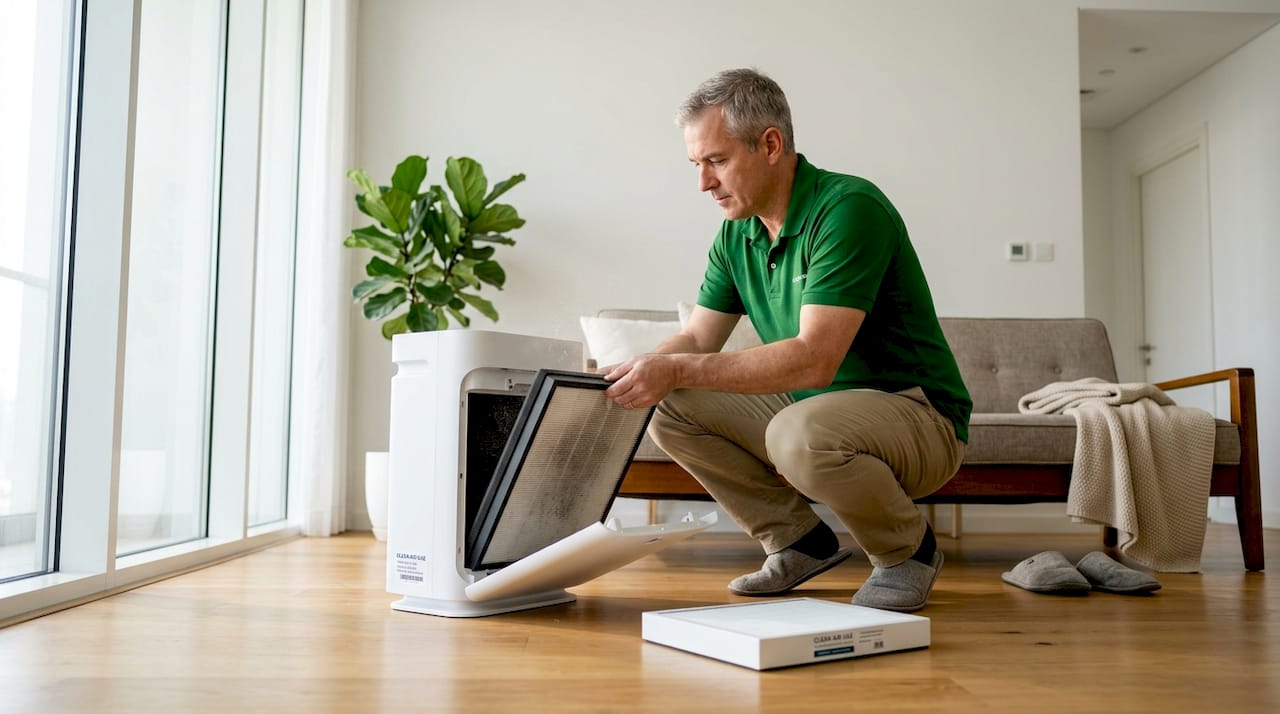
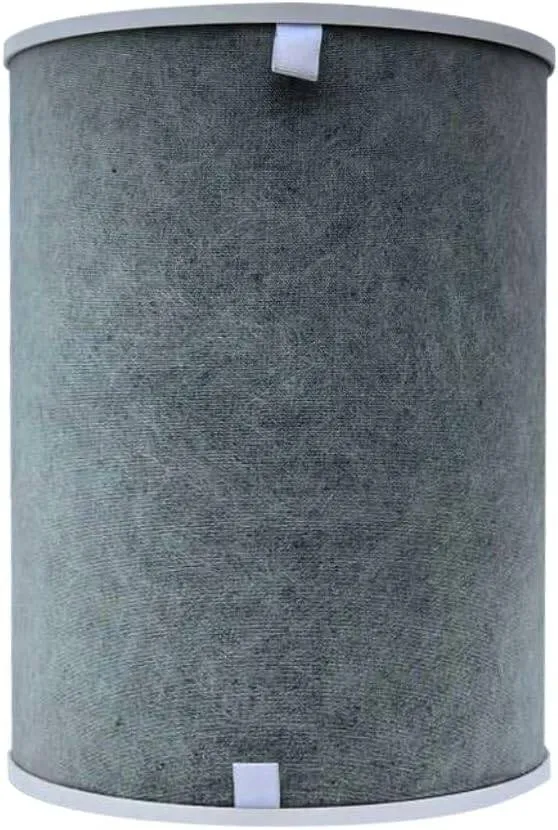
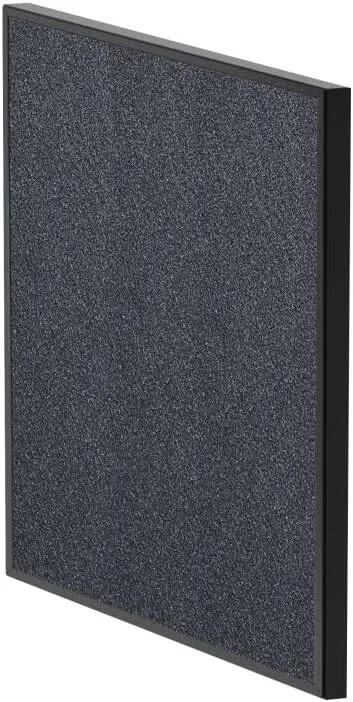
Activated carbon filters target gases, cooking odours, and VOCs that HEPA cannot capture. Any purifier addressing a UAE kitchen or a room with new furniture should include a substantial carbon layer, not just a thin pre-filter carbon coating.
Ionic and multi-stage filtration adds a further layer. Ionic units that meet EPA standards are safe and can neutralise bacteria, mould spores, and viruses alongside particles. The Sharp FXJ80UW combines ionic technology with particle filtration for broad-spectrum coverage.
At the premium end, the Dyson Big+Quiet Formaldehyde BP03 uses a three-stage HEPA system to capture particles and decompose VOCs including formaldehyde. Filters last up to five years, and it includes app and voice controls. It is suited to large open-plan living areas common in UAE apartments and villas.
Price context: effective air cleaning solutions start at under AED 400 for smaller spaces. Premium purifiers from brands such as Dyson sit in the AED 1,500 to 3,000 range, with performance and filter longevity to match.
Pro Tip: When comparing CADR values, check the particle CADR specifically rather than the single combined figure some brands report. Smoke CADR is the most demanding and closest to fine PM2.5 performance in real conditions.
5. Comparison of top monitors and purifiers for UAE households
| Product | Type | Pollutants addressed | Coverage | Smart features | Price range (AED) |
|---|---|---|---|---|---|
| Airthings View Plus | Monitor | PM2.5, VOC, CO2, radon, humidity | N/A | App, integrations | 800–1,100 |
| Awair Element | Monitor | PM2.5, VOC, CO2, humidity | N/A | App | 500–700 |
| Philips AC0651/10 | Purifier (HEPA) | Particles, allergens | Up to 44 m² | App, auto mode | ~399 |
| Dyson BP03 | Purifier (HEPA + carbon) | Particles, VOC, formaldehyde | Large rooms | App, voice control | 1,800–2,800 |
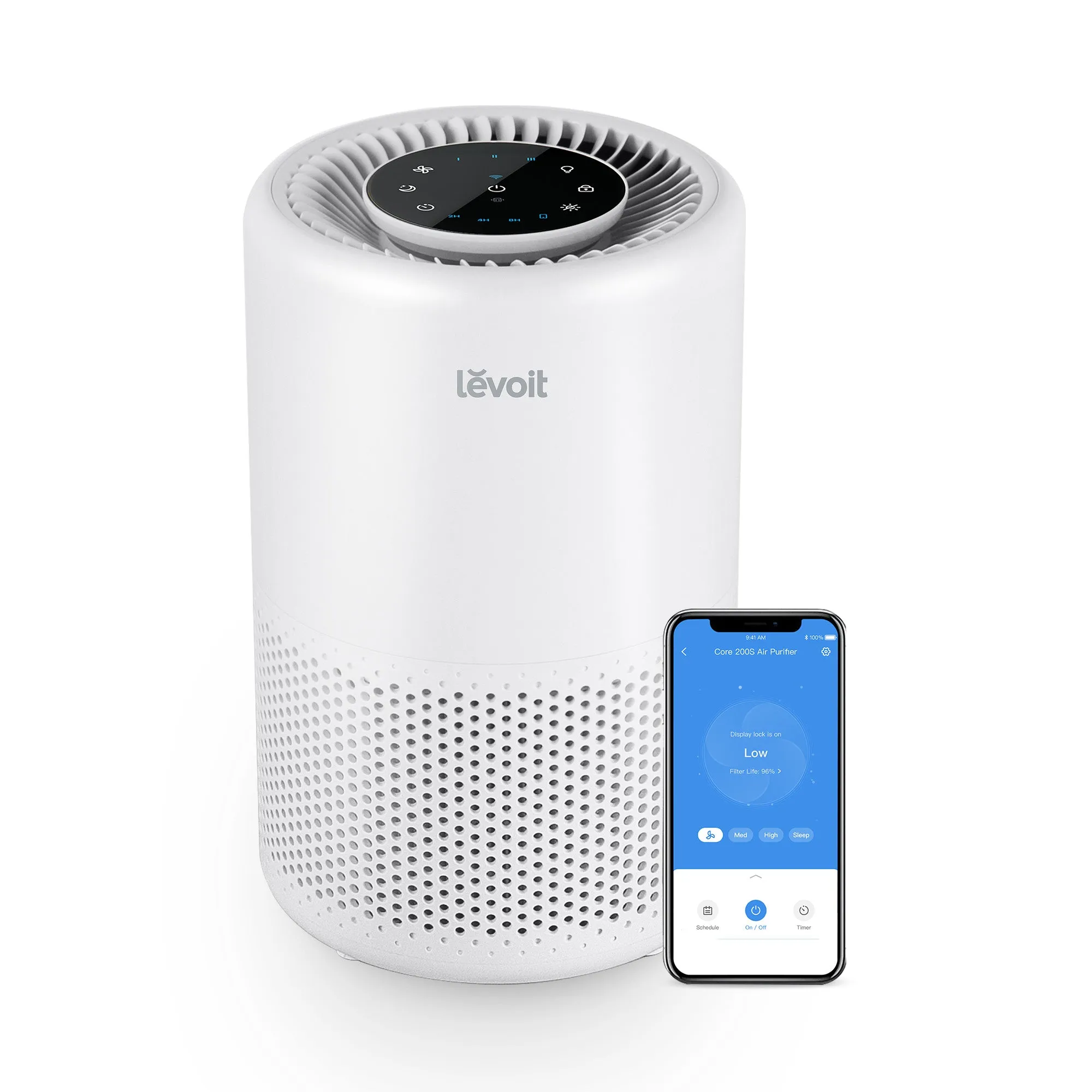
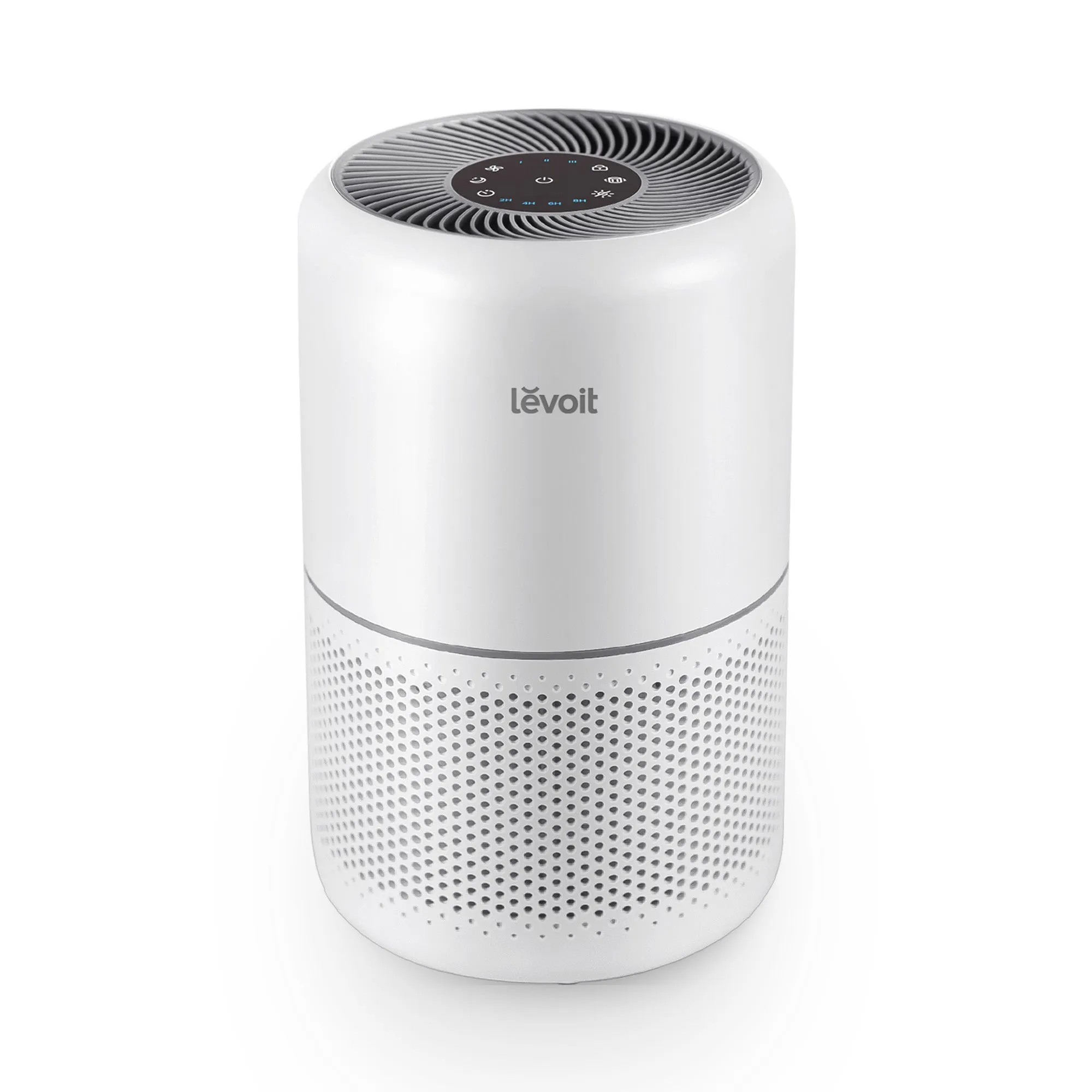
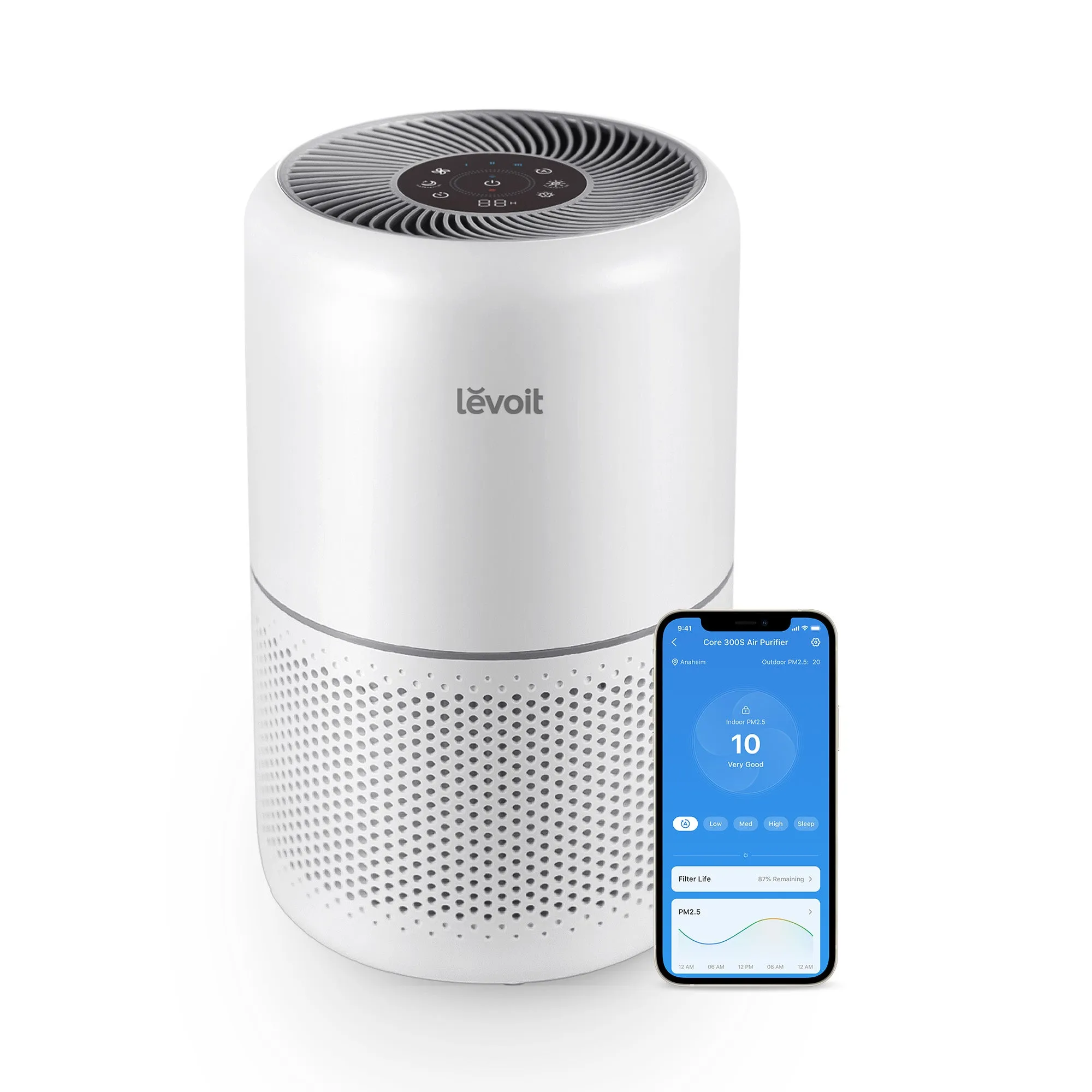
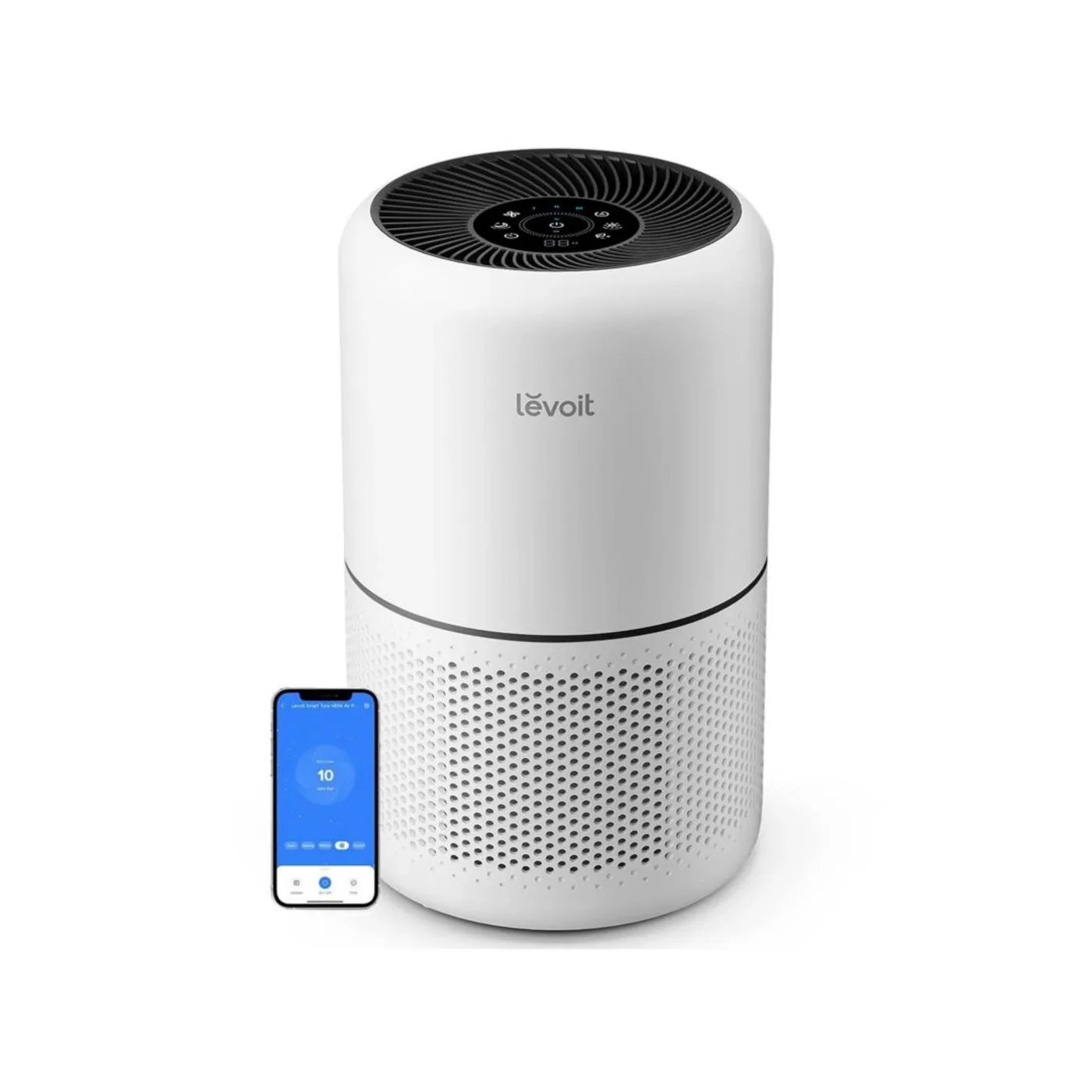
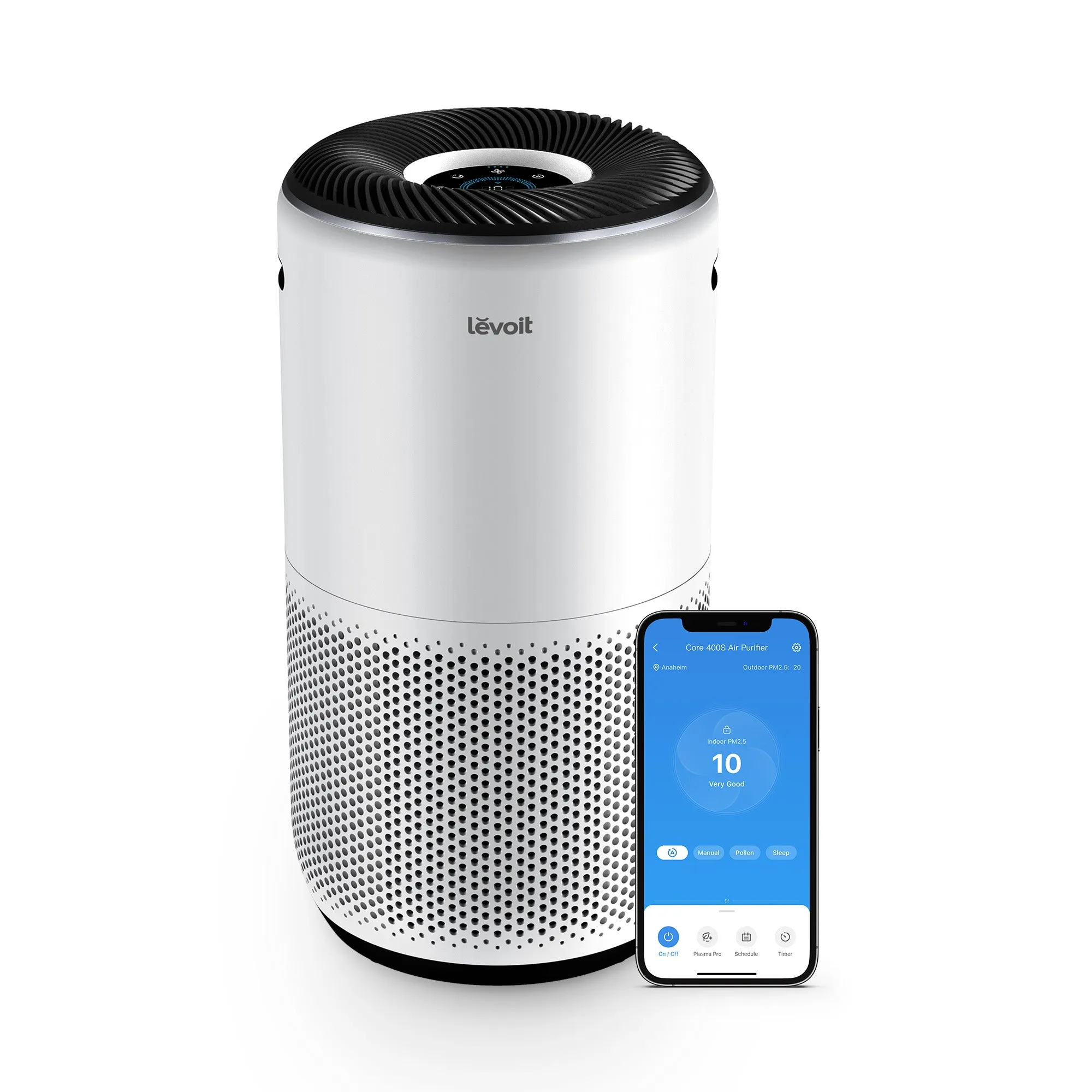
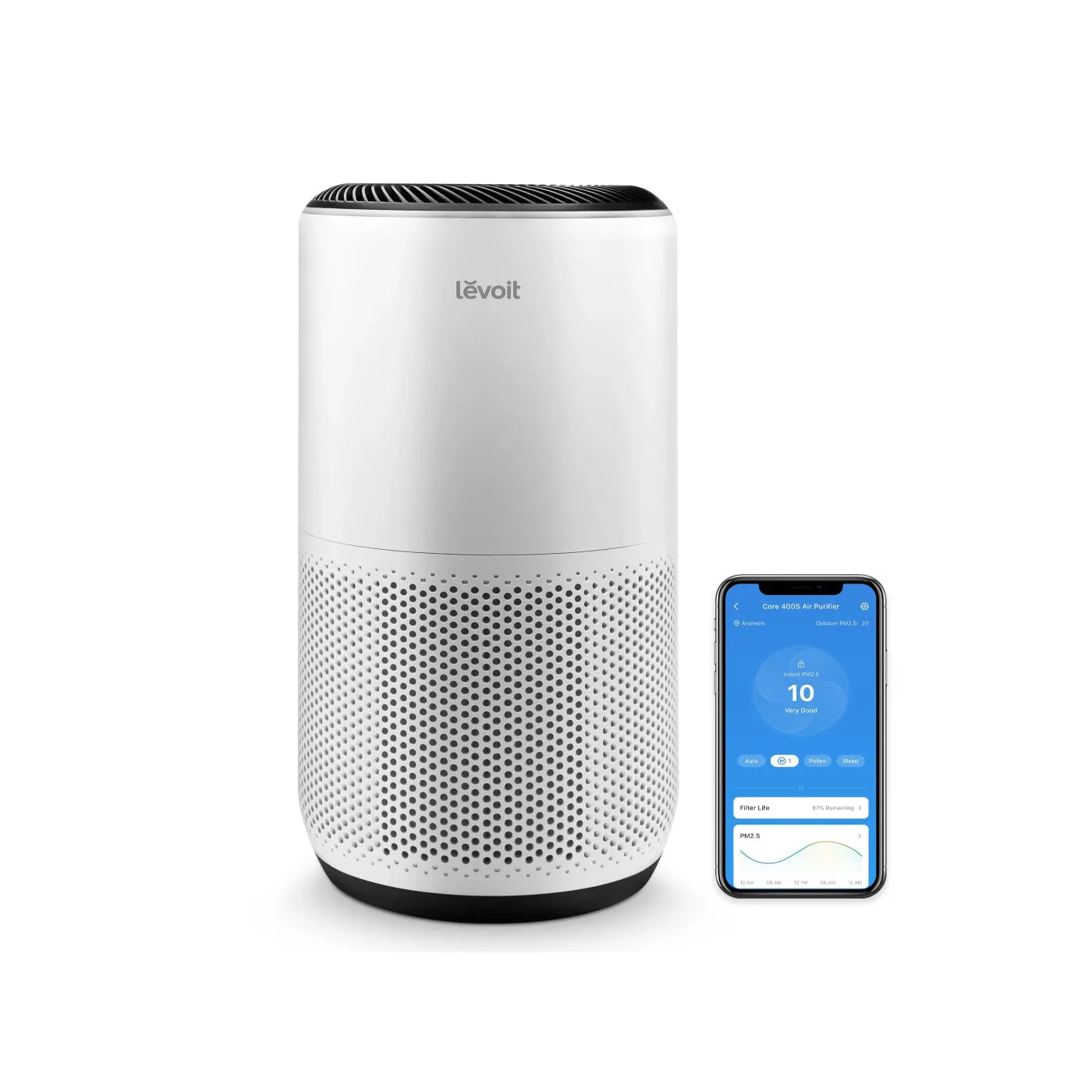
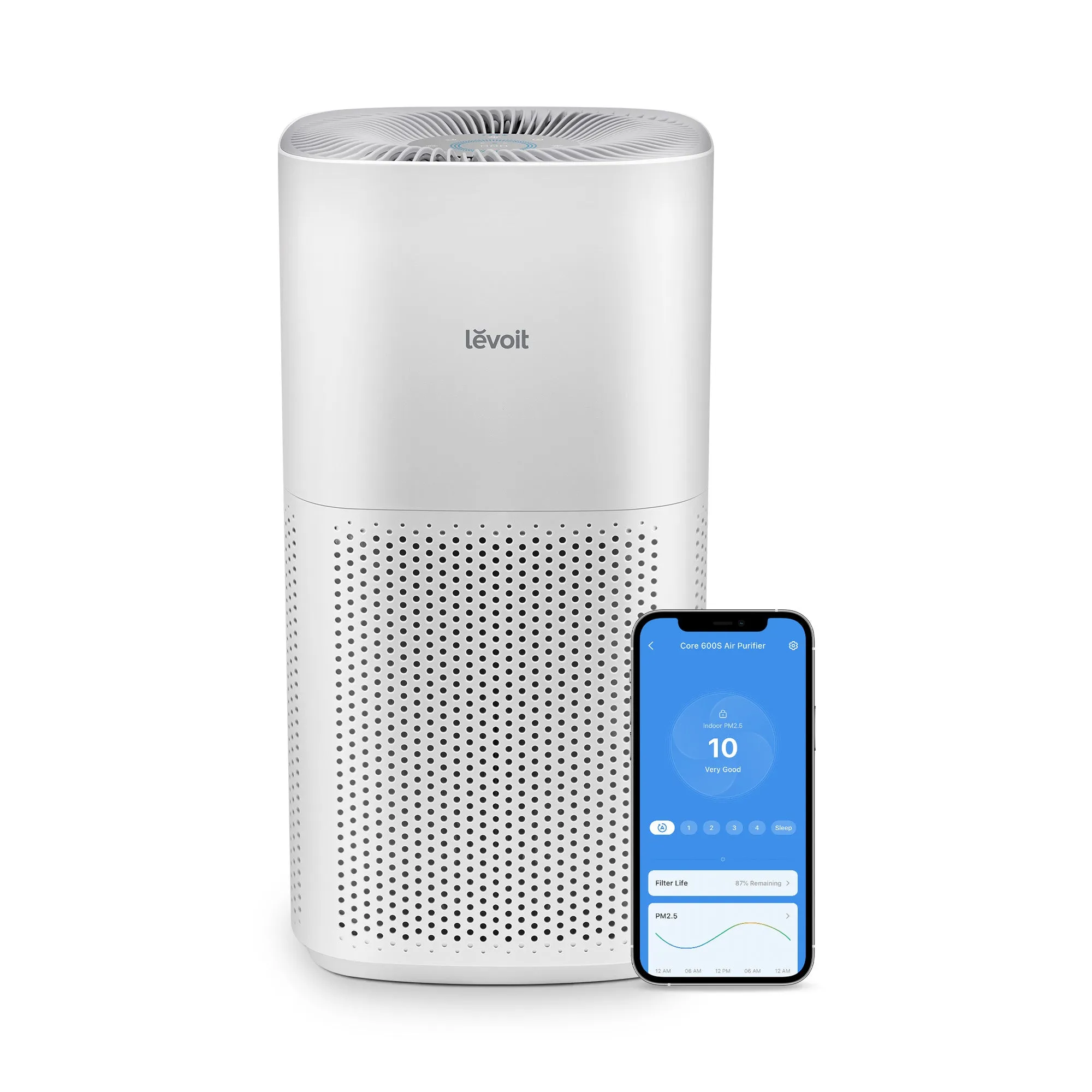
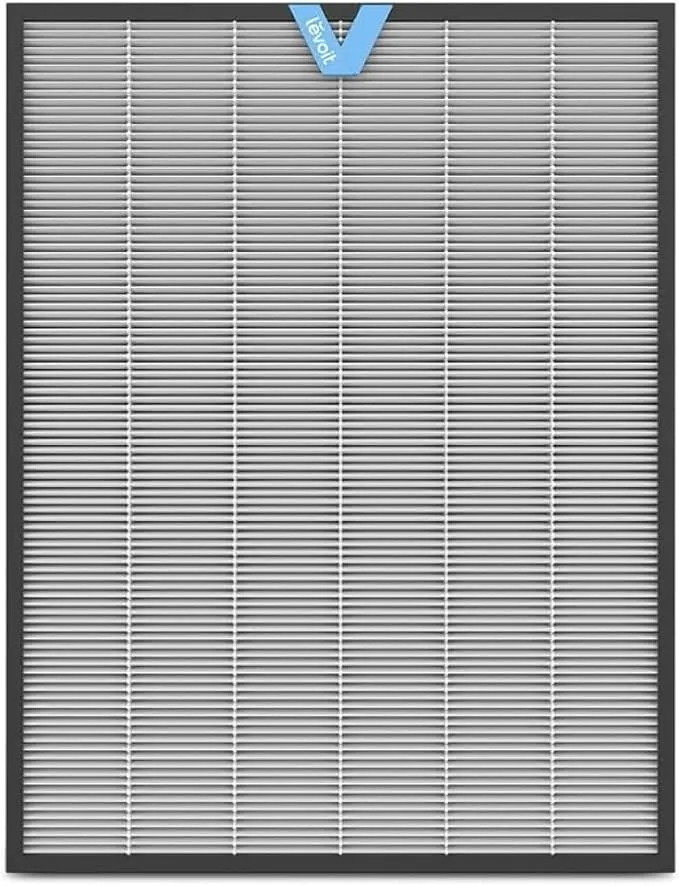
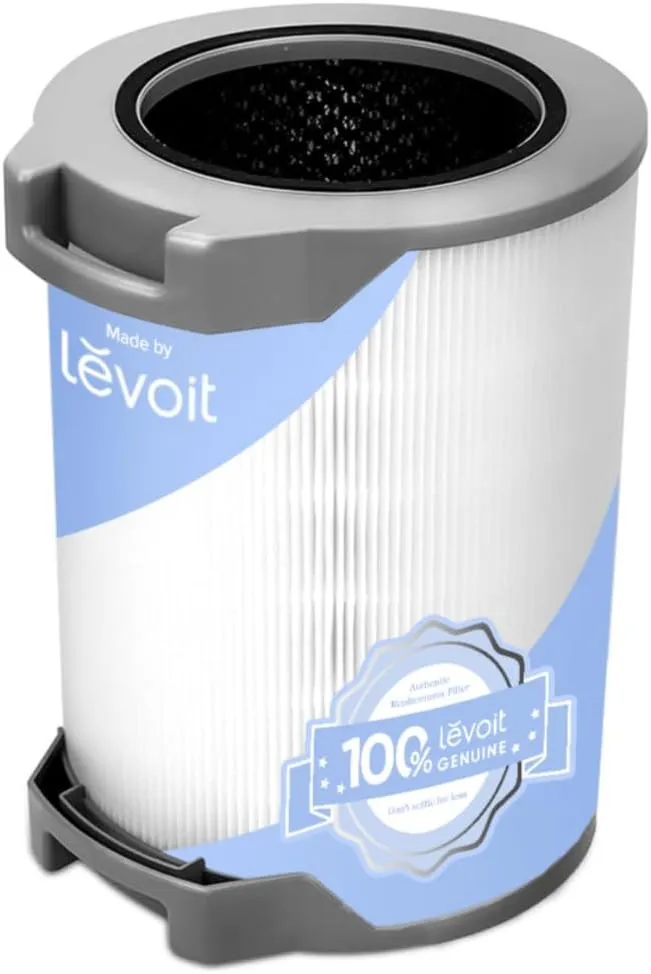
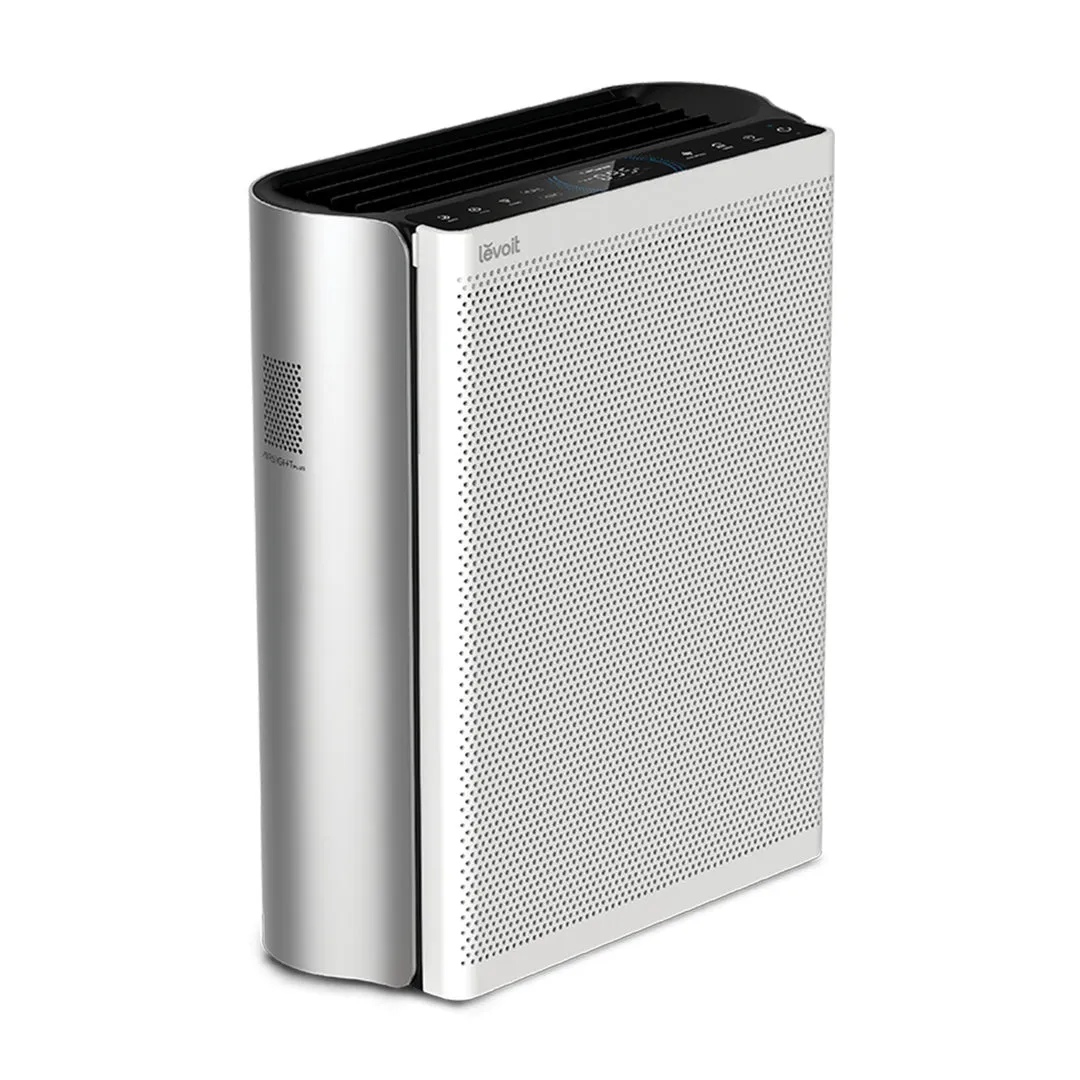
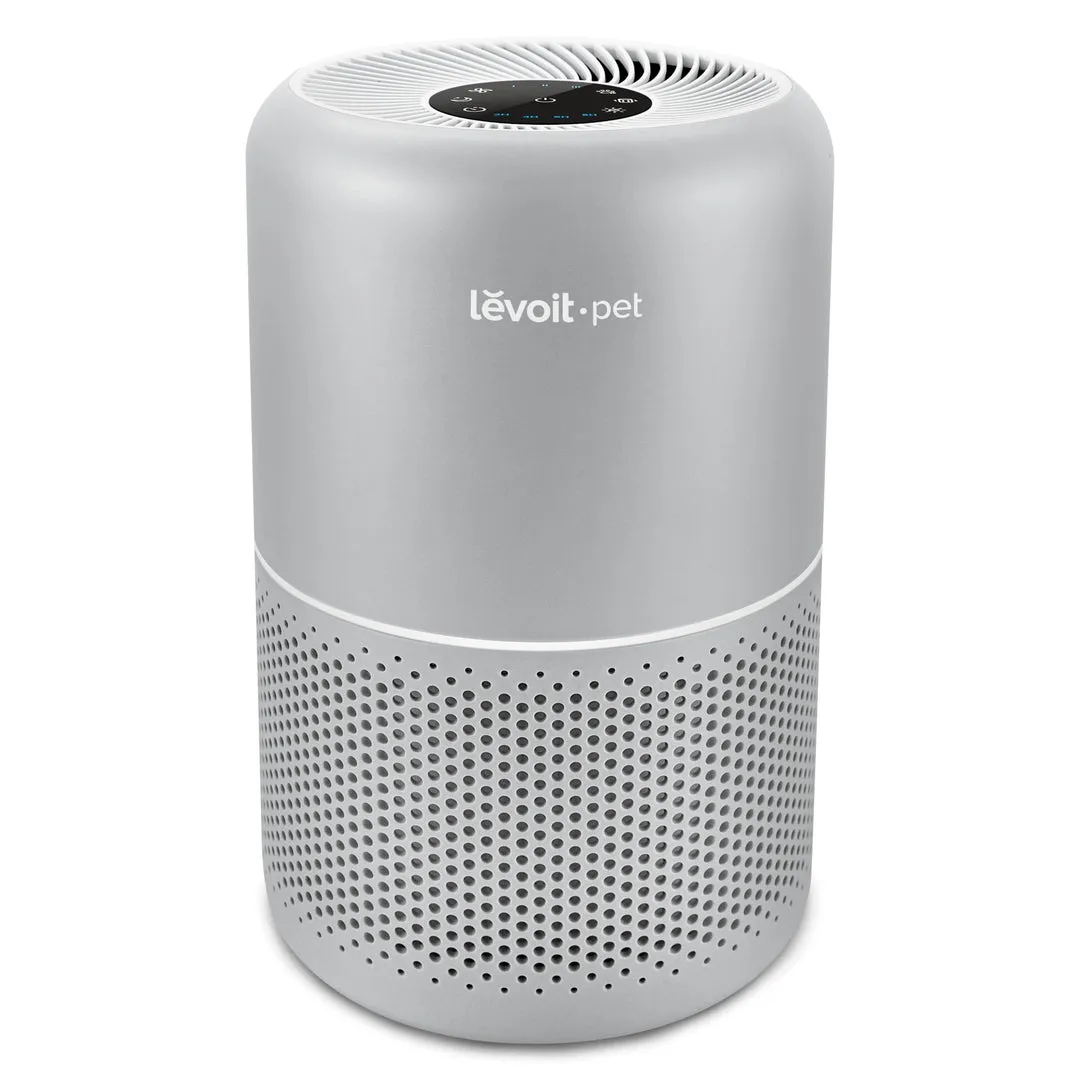
| Levoit Core 600S | Purifier (HEPA + carbon) | Particles, odours, VOC | Up to 76 m² | App, auto mode, voice | 700–1,000 |
| Sharp FXJ80UW | Purifier (HEPA + ionic) | Particles, bacteria, mould | Medium rooms | Limited | 600–900 |
The table shows clear trade-offs. Monitors provide data without improving air; purifiers clean without telling you what they removed. For meaningful air quality management, a multi-parameter monitor paired with an app-connected purifier gives both real-time visibility and automated response.
Energy efficiency and filter replacement costs matter over time. A purifier running at 20W costs far less annually than one running at 60W. Factor in annual filter replacement, which typically runs AED 150 to 400 depending on the model and filter type.
6. Matching solutions to your home scenario
Not every household has the same needs. The right choice depends on your space, your family’s health profile, and your primary pollutant concerns.
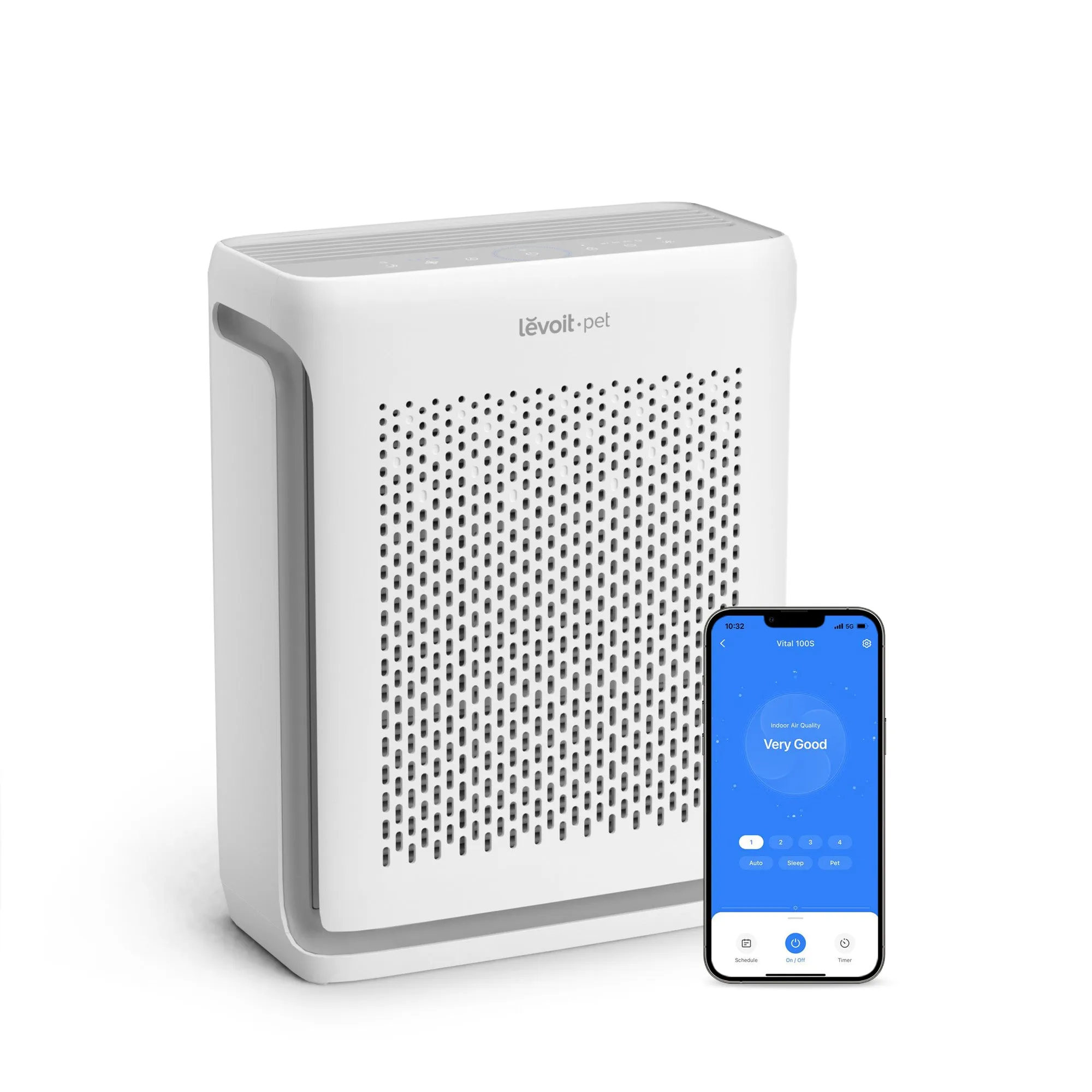
- Small apartments (under 40 m²): A single mid-range HEPA purifier with carbon filtration covers the main living area. Pair with a budget monitor to confirm performance. The Philips AC0651/10 or a compact Levoit model fits this scenario well. See the portable allergy solutions available from Cleanair-ae for compact options.
- Large villas or open-plan homes: One high-CADR unit (such as the Levoit Core 600S) handles the main living space. Add a secondary unit for bedrooms. Smart control across devices helps maintain consistent quality throughout.
- Allergy or asthma sufferers: Prioritise true HEPA H13 filtration. Avoid ionic-only devices as the primary solution. Track PM2.5 daily with a monitor. Pre-filter replacement is often needed more frequently in UAE dust conditions.
- High VOC concerns (new furniture, fresh paint, cooking-heavy households): Activated carbon is not optional. Check the weight of the carbon filter, not just its presence. A comprehensive monitor showing VOC readings confirms when levels return to safe ranges.
- Tight budgets: Start with a monitor. Identifying your actual pollutant profile prevents spending on the wrong technology. An AED 200 monitor used correctly delivers more value than an AED 600 purifier targeting the wrong problem.
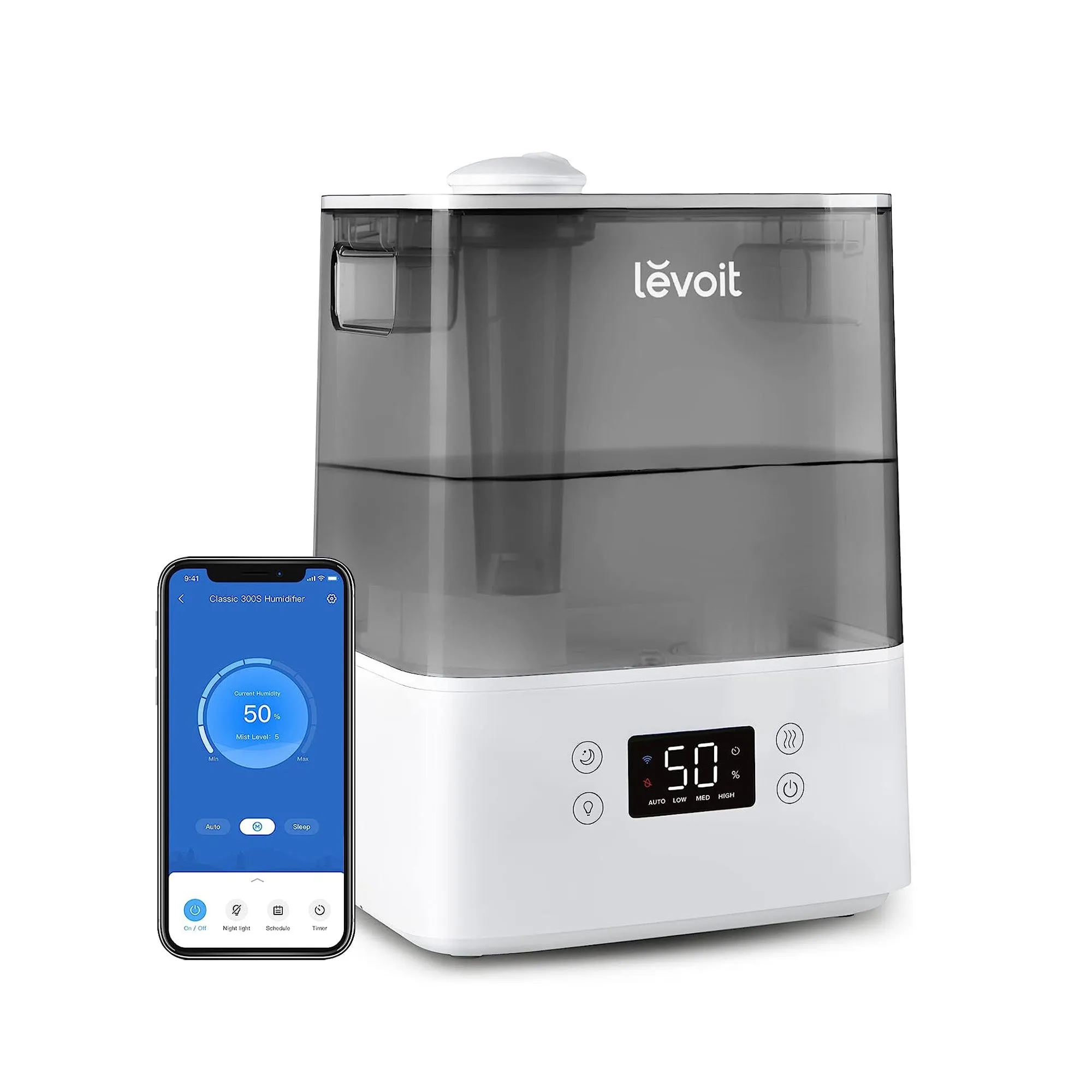
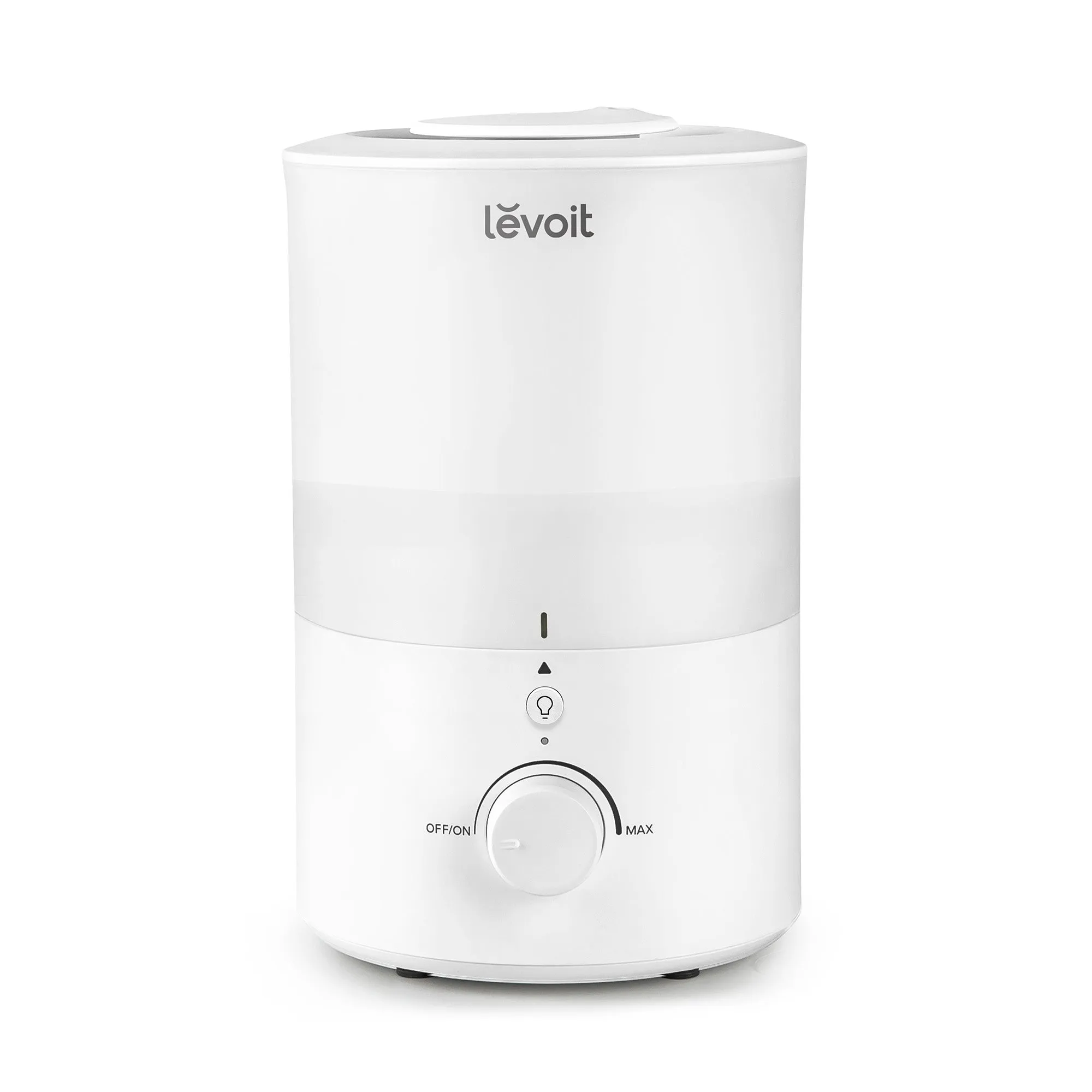
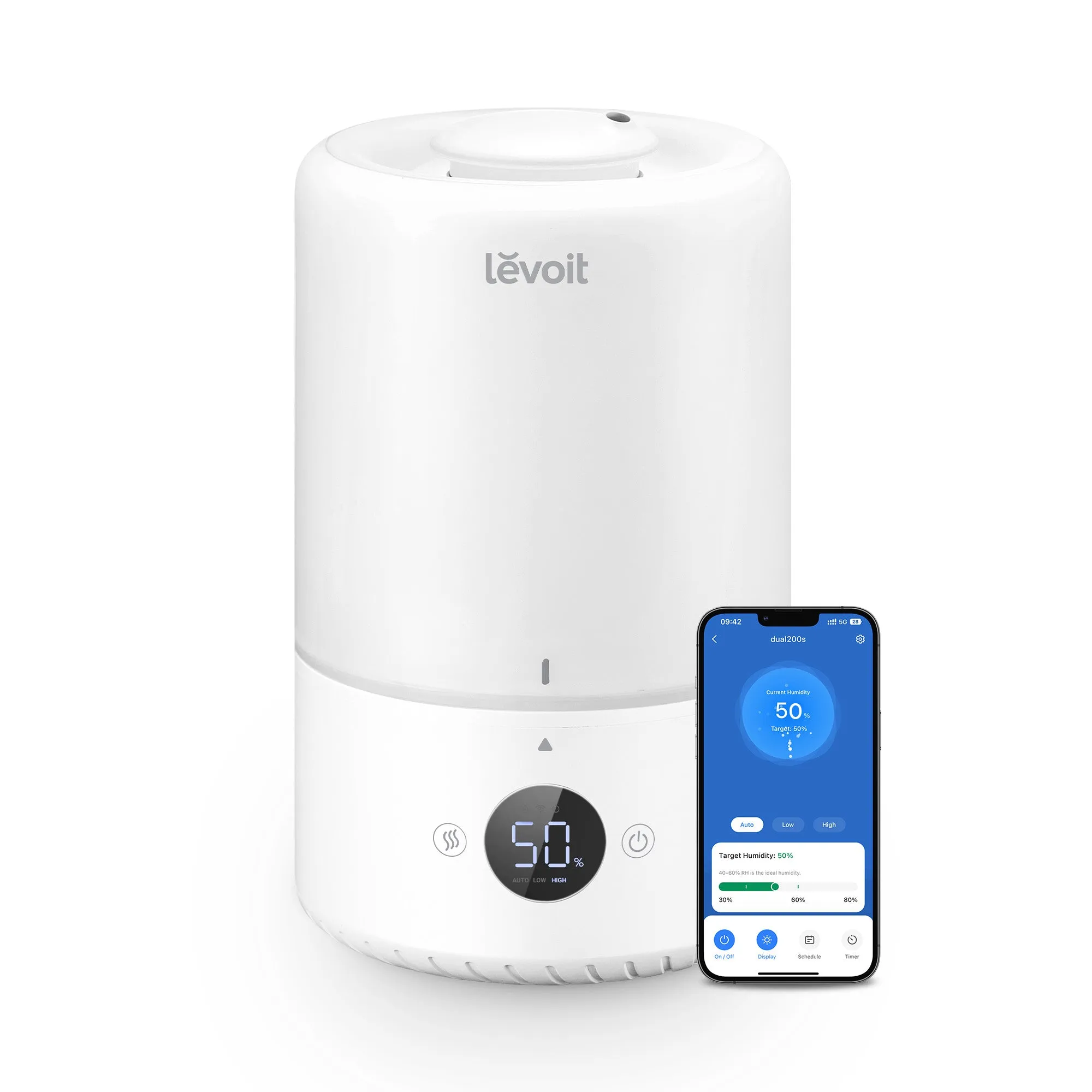
- Humidity management: In tightly sealed, hot-climate homes, controlling humidity alongside particle and VOC filtration prevents biological growth and indoor discomfort. A combined purifier and humidifier, or separate dedicated units, addresses this.
My perspective on selecting air quality solutions in the UAE
I’ve spent considerable time evaluating air quality products across different home types, and the most consistent mistake I see is purchasing a purifier before understanding what’s actually in the air.
Most families buy a HEPA unit because they’ve heard HEPA is the best standard, and it is for particles. But families frequently purchase HEPA purifiers without sizing them to their main rooms, and many UAE homes have a more pressing VOC or humidity problem than a particle problem. A monitor costing AED 250 used for two weeks changes the quality of every decision that follows.
The second pattern I’d highlight is underestimating smart automation. A purifier that responds automatically to a cooking spike or an open window event does far more useful work than one set to a fixed medium fan speed. The difference in real-world air quality is significant. The effective air cleaning solutions worth prioritising in 2026 are those connected to sensors that trigger a response when pollution actually occurs.
My honest view on budgeting: spend 30% of your total budget on a good monitor and 70% on the right purifier. Routinely reassess. Seasonal changes in the UAE, renovation work, new furnishings, and family health changes all shift the pollutant profile in your home. The goal is not to buy once and forget it.
— Wojciech
Cleanair-ae’s recommended solutions for UAE homes in 2026
Cleanair-ae stocks a curated range of air quality products with fast delivery across Dubai, Abu Dhabi, and the broader UAE.
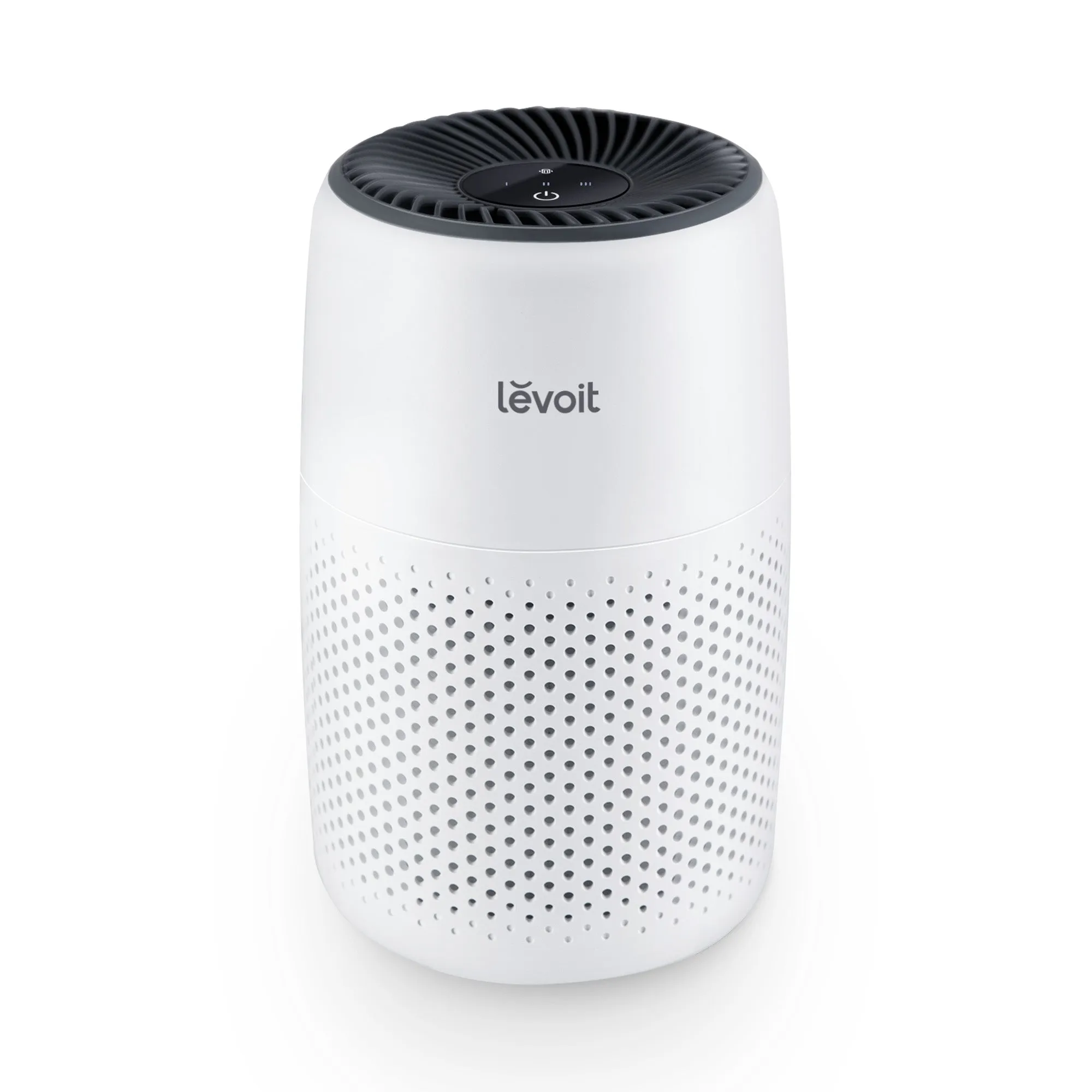
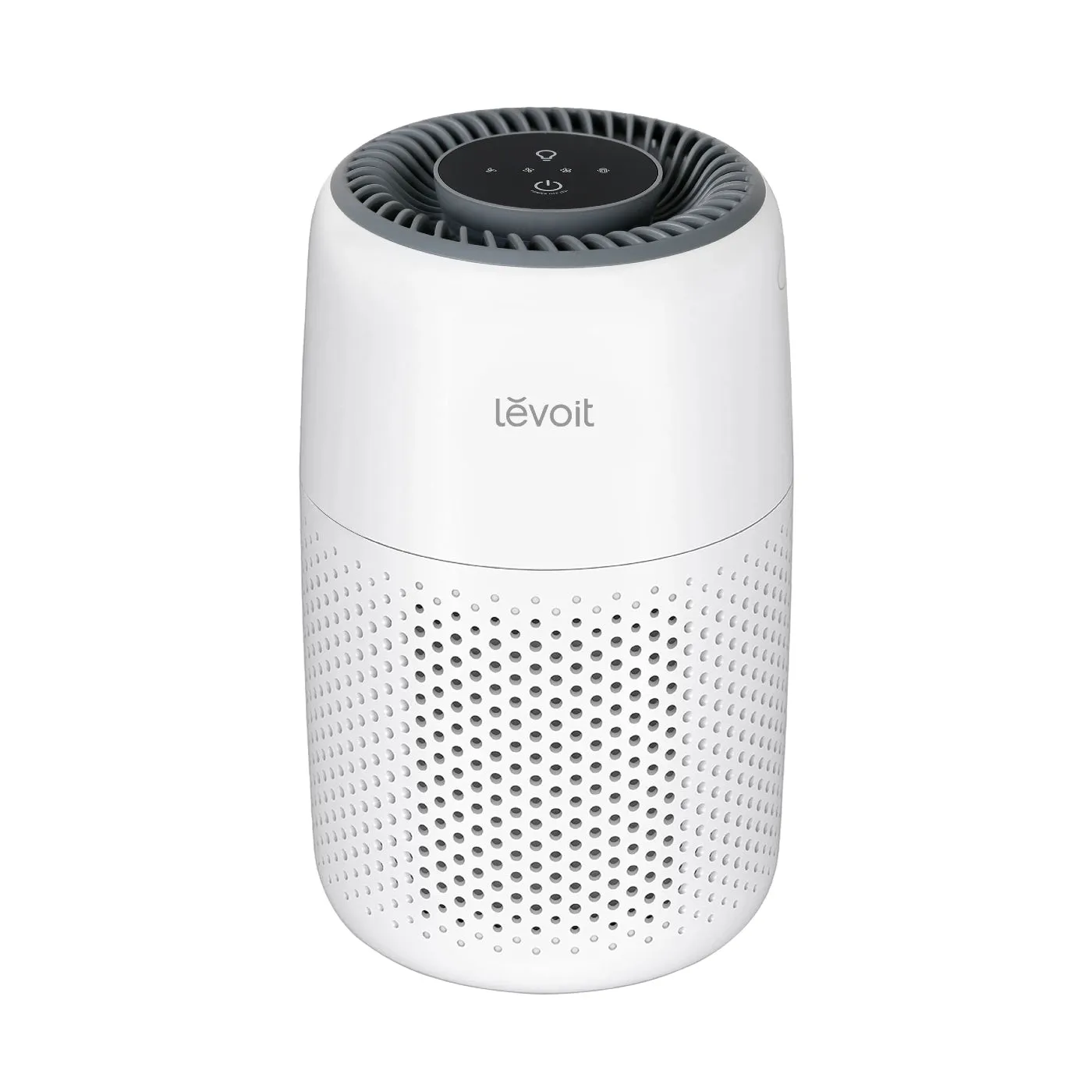
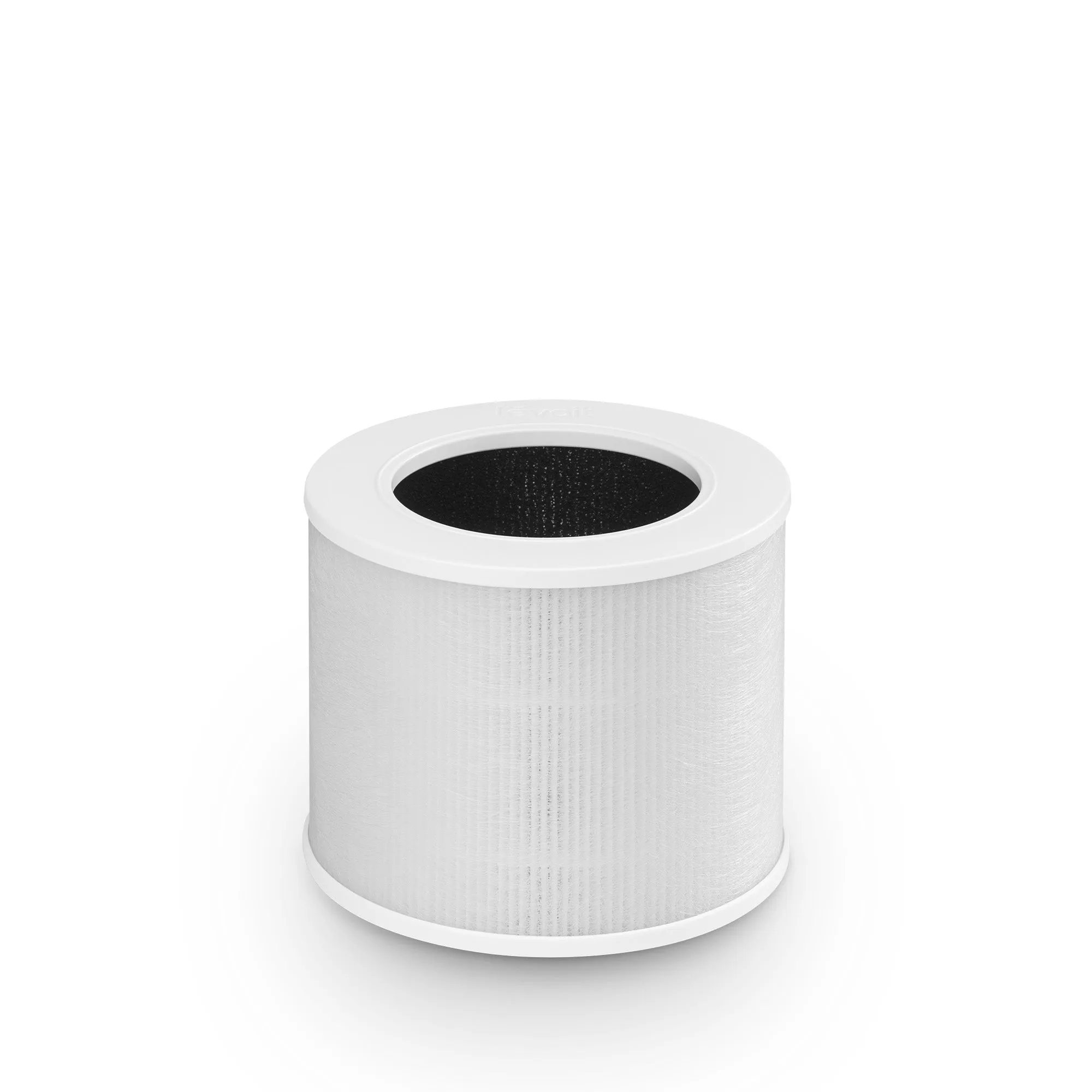
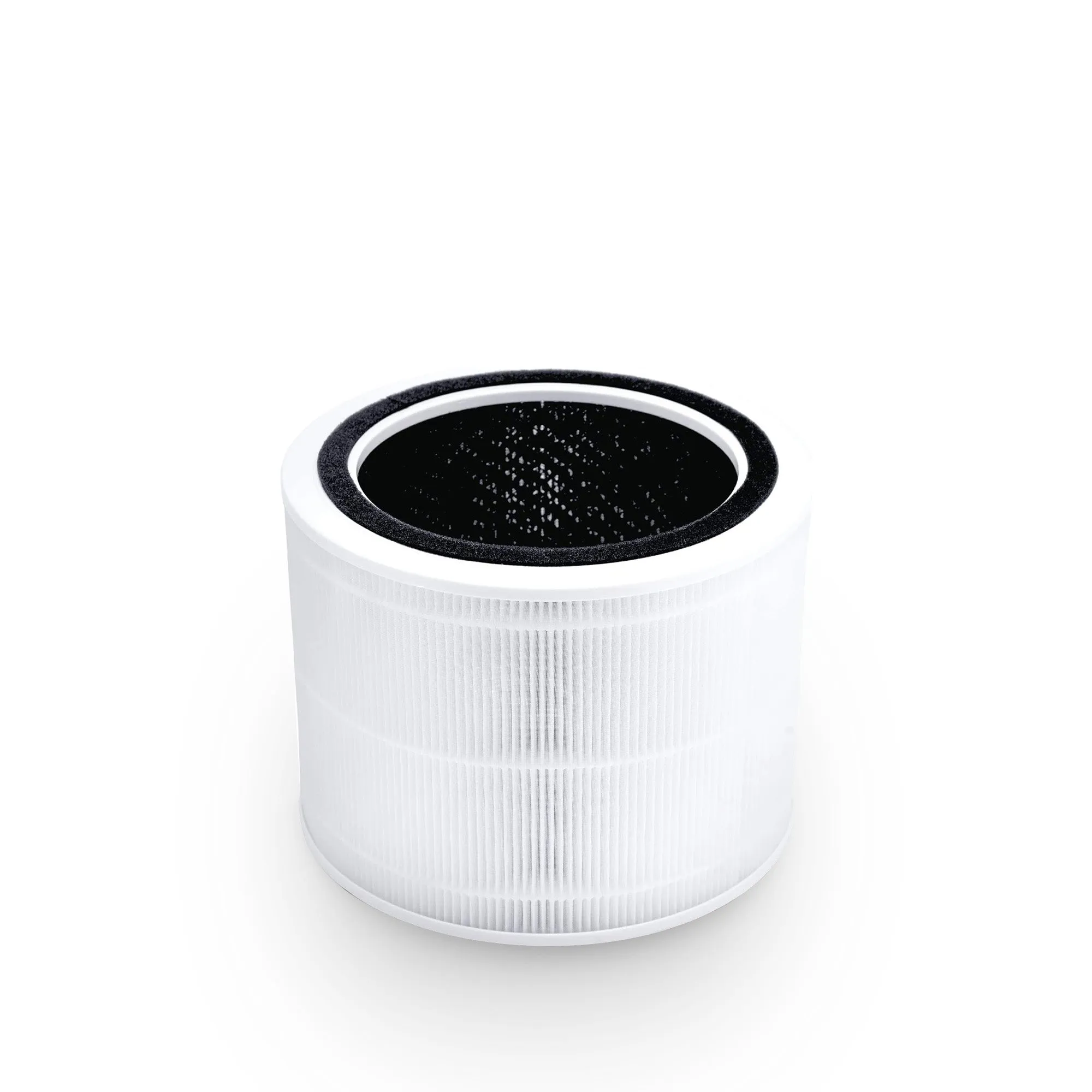
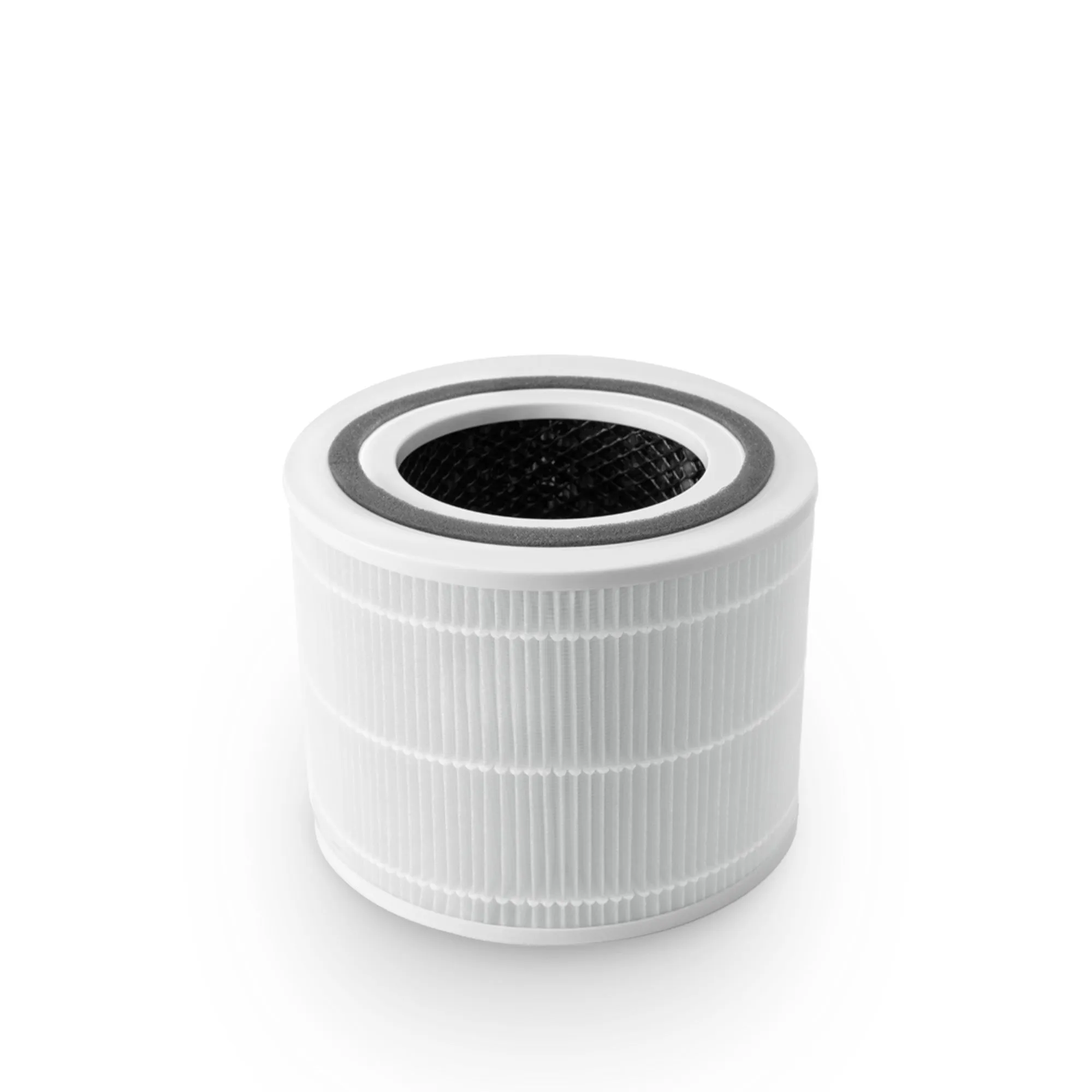
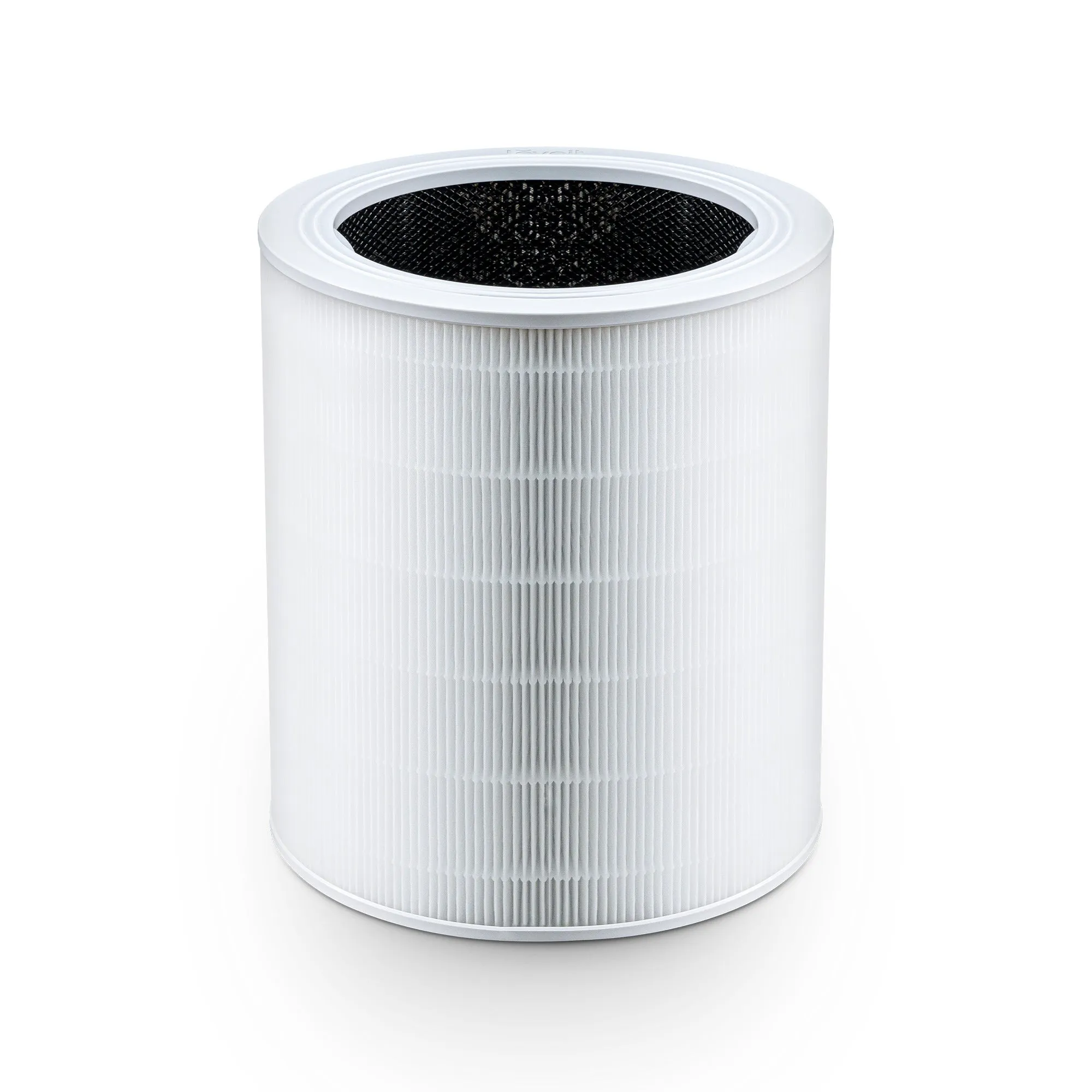
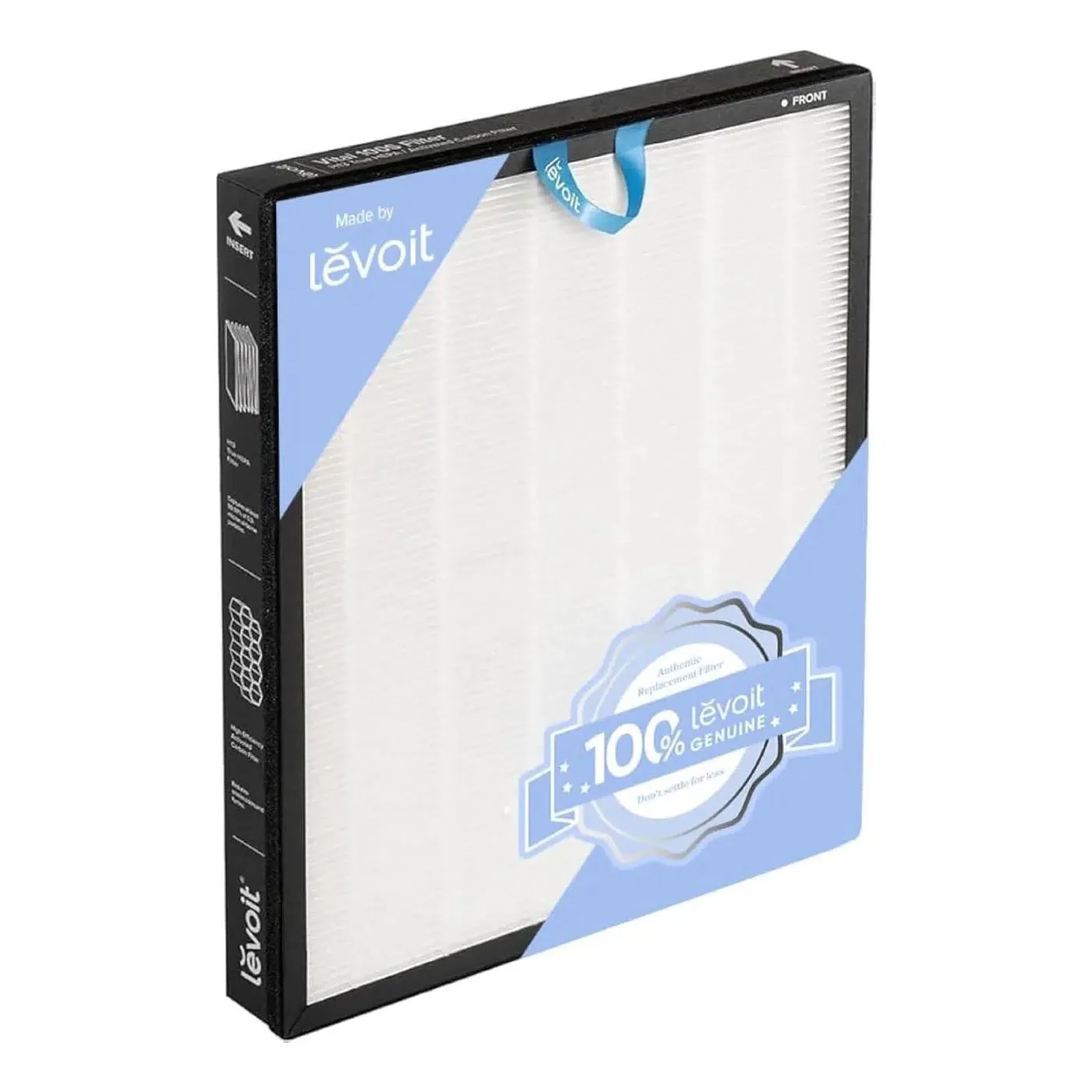
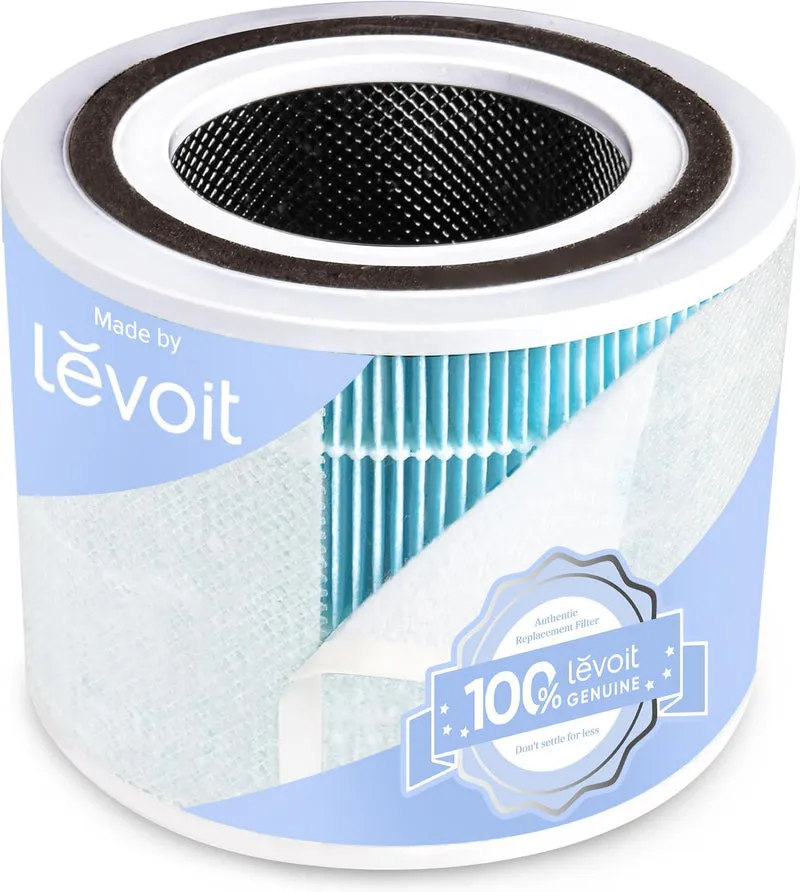
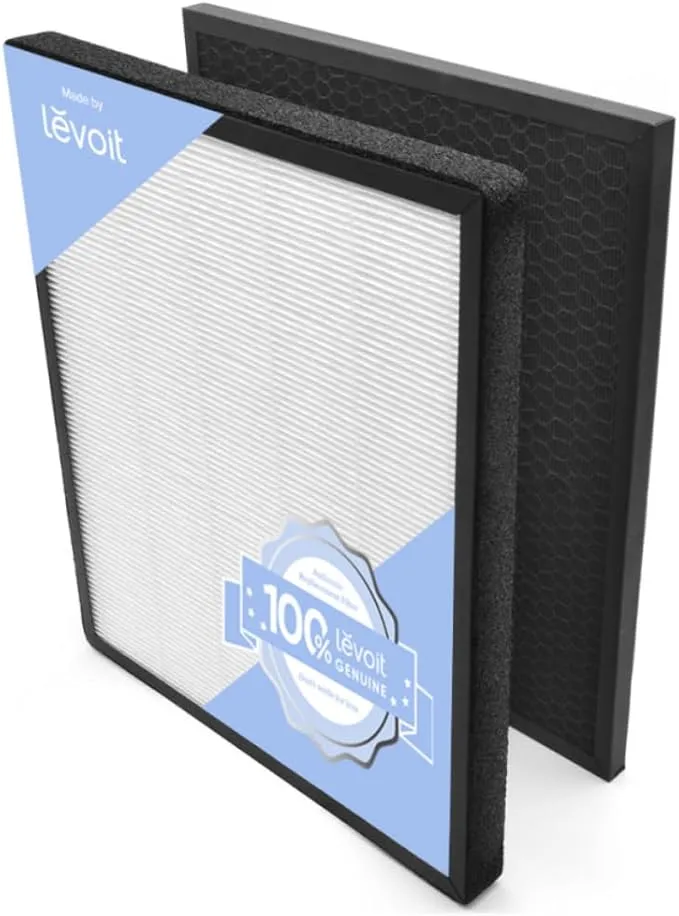
For smaller spaces and allergy relief, the Levoit Core Mini is a compact HEPA purifier suited to bedrooms, nurseries, and personal workspaces. For larger rooms and offices requiring smart control and higher CADR, the Levoit Core 600S delivers quiet, app-connected purification across up to 76 m². Both models reflect the selection criteria covered in this guide: true HEPA filtration, activated carbon layers, and smart automation. Replacement filters and accessories are also available through Cleanair-ae, with free UAE delivery on orders over AED 49.
FAQ
What are the top air quality solutions for UAE homes in 2026?
The top air quality solutions 2026 combines multi-parameter air quality monitors (covering PM2.5, VOCs, and CO2) with true HEPA purifiers that include activated carbon filtration. Smart, app-connected devices that respond automatically to pollution changes offer the best real-world performance.
Which air purifier technology is best for UAE dust and VOCs?
True HEPA or HEPA H13 filtration removes fine particles and dust effectively. For VOCs and cooking odours, a substantial activated carbon layer is required alongside HEPA. Devices combining both technologies cover the two most common UAE indoor pollutant categories.
How do I know if my purifier is the right size for my room?
Check the manufacturer’s stated coverage area in square metres and match it to your room. For UAE conditions involving cooking, dust events, or open balcony doors, size up rather than using the minimum recommended area. The Philips AC0651/10 covers up to 44 m² and is a reliable mid-range benchmark.
Do I need both a monitor and a purifier?
Yes. Experts consistently recommend pairing a monitor with a matched purifier because monitors identify your specific pollutants and confirm whether your purifier is working. Running a purifier without monitoring is effectively operating blind.
What should I prioritise if I have a limited budget?
Start with an air quality monitor. Accurate data about your home’s pollutant profile prevents spending on the wrong purifier technology. Once you understand whether particles, VOCs, humidity, or CO2 is your primary concern, you can select a purifier matched to that specific need.