
Uncategorised
Why purify air in bedrooms: sleep and health guide
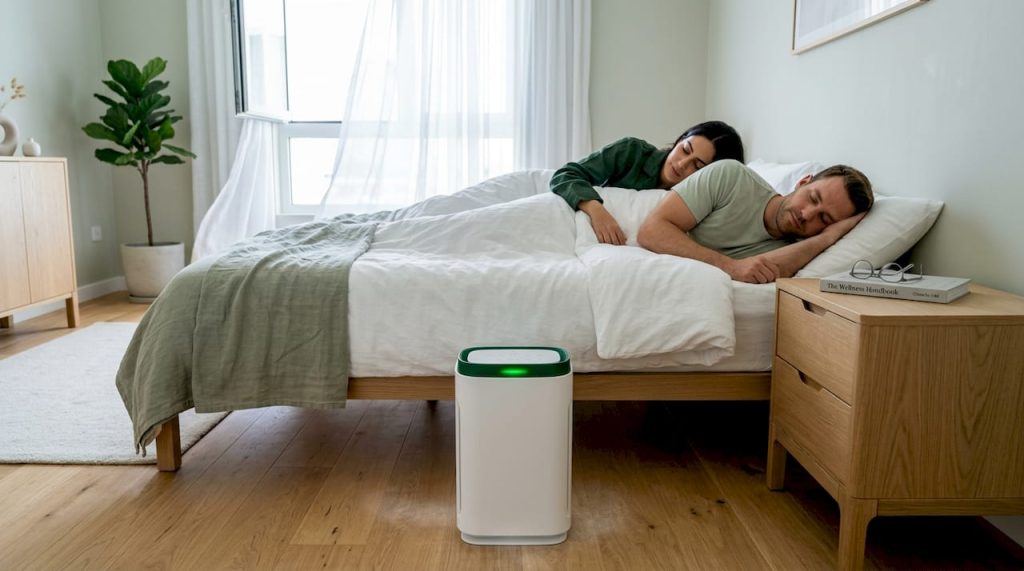
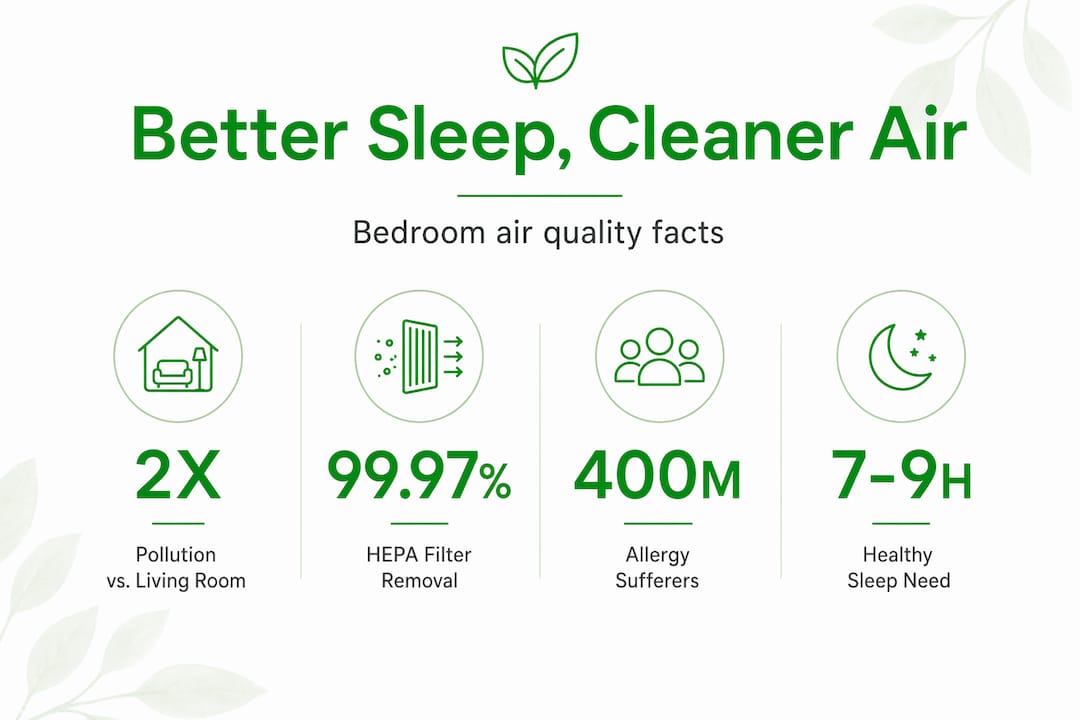
Most people assume their bedroom is a safe haven. It feels clean, private, controlled. Yet the air inside it is often far from clean. Understanding why purify air in bedrooms matters starts with one uncomfortable fact: indoor pollutant levels regularly run two to five times higher than outdoor levels, and you spend a significant portion of your life breathing that air while asleep. For parents especially, the bedroom is where children spend the most concentrated, uninterrupted time. What is in that air affects how well they sleep, how clearly they think, and how healthy they stay.
Table of Contents
- Key takeaways
- Why bedroom air quality affects your sleep
- How effective air purification works
- The houseplant myth, addressed directly
- Practical steps to improve bedroom air
- My perspective on bedroom air purification
- Bedroom air purifiers from Cleanair-ae
- FAQ
Key takeaways
| Point | Details |
|---|---|
| Indoor air is often more polluted | Bedroom air concentrations of pollutants can be two to five times higher than outdoor levels. |
| Bedroom pollutants disrupt sleep | Dust mites, pollen, VOCs, and pet dander trigger congestion and irritation that fragment sleep. |
| True HEPA filtration is the standard | Only True HEPA filters capture 99.97% of particles at 0.3 microns, the size most harmful to airways. |
| Plants do not replace air purifiers | You would need hundreds of plants per square metre to match even basic mechanical ventilation. |
| Layered approach works best | Removing pollutant sources, improving ventilation, and adding filtration together deliver the best results. |
Why bedroom air quality affects your sleep
Your bedroom is not just where you sleep. It is where your body repairs itself. During sleep, your respiratory system continues working, and whatever is floating in the air enters your lungs without the conscious filtering of waking hours. That makes air quality in sleeping areas a direct factor in sleep quality, not just a background concern.
The main sources of bedroom air pollution are closer than you think:
- Dust mites thrive in mattresses, pillows, and carpets, releasing waste particles that trigger allergic reactions
- Pet dander settles on surfaces and circulates back into the air through movement and bedding disturbance
- Pollen enters through windows and attaches to clothing and hair, redistributing during the night
- Volatile organic compounds (VOCs) off-gas from furniture, flooring, paints, and synthetic fabrics
- Smoke and combustion particles from cooking, candles, and outdoor traffic infiltrate through gaps and ventilation
- Pathogens including bacteria and viruses that circulate in shared household air
When you breathe these in during sleep, the consequences are concrete. Indoor pollutants are directly linked to headaches, throat irritation, coughing, and worsening of chronic respiratory conditions like asthma. Poor air quality also drives nasal congestion that leads to mouth breathing, snoring, and repeated micro-arousals throughout the night. You wake up feeling unrested without knowing why.
For children, the effects are amplified. Their airways are smaller and more reactive, and they breathe more air relative to their body weight than adults. Reducing allergens in bedrooms where children sleep is not a luxury. It is basic health maintenance.
How effective air purification works
Not all air purifiers perform equally, and the difference matters if you want genuine results rather than a humming machine providing false reassurance.
The benchmark for reliable filtration is the True HEPA standard. HEPA filters capture at least 99.97% of airborne particles down to 0.3 microns. This includes dust mite debris, pollen, mould spores, pet dander, and fine particulate matter. Products labelled “HEPA-type” or “HEPA-like” do not meet this standard and often capture significantly fewer particles.
The practical evidence supports True HEPA filtration strongly. Portable air cleaners with HEPA filtration reduce indoor fine particle concentrations by approximately 60%, with measurable improvements in respiratory health outcomes. That figure is significant when you consider how many hours per night a bedroom occupant is breathing in that cleaner air.
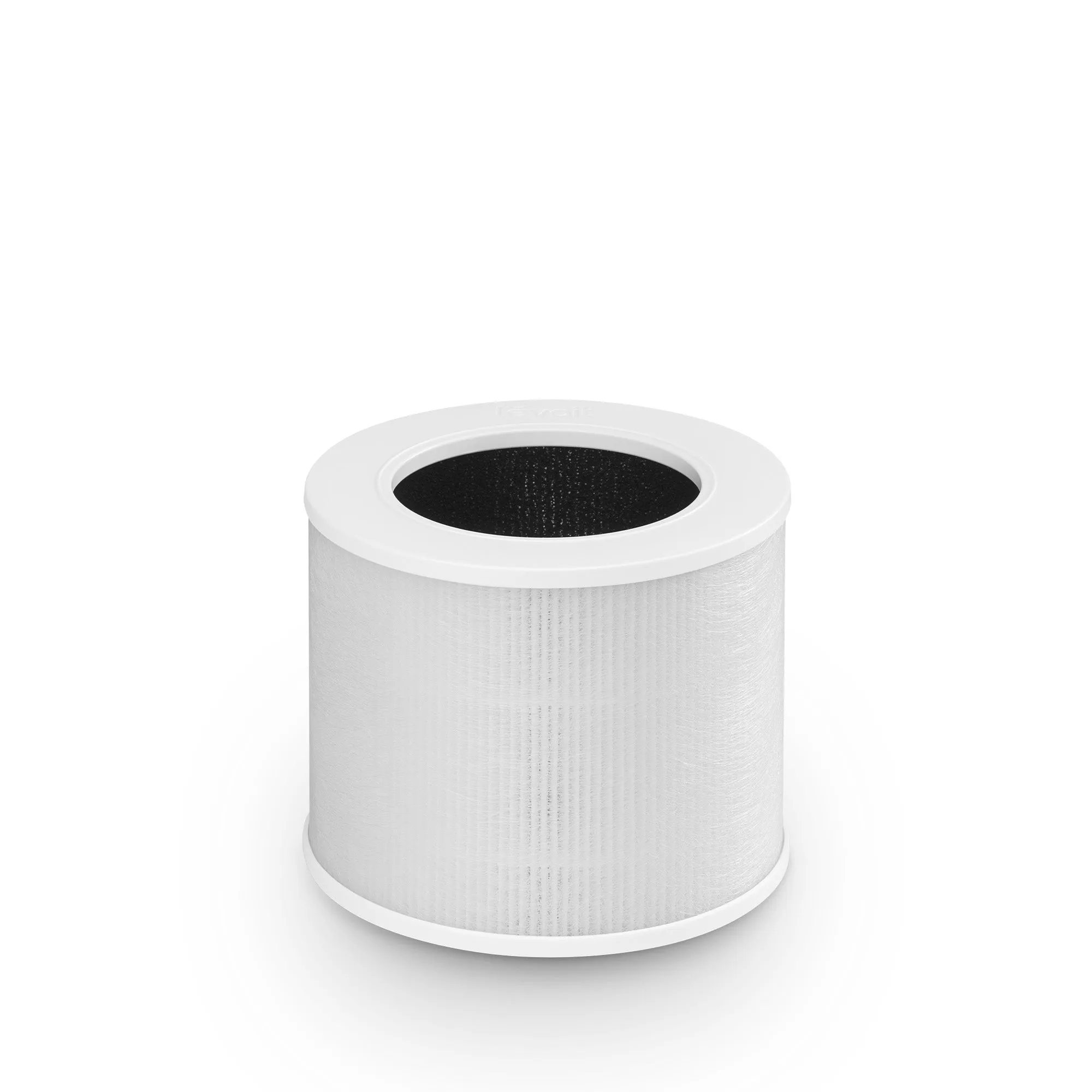
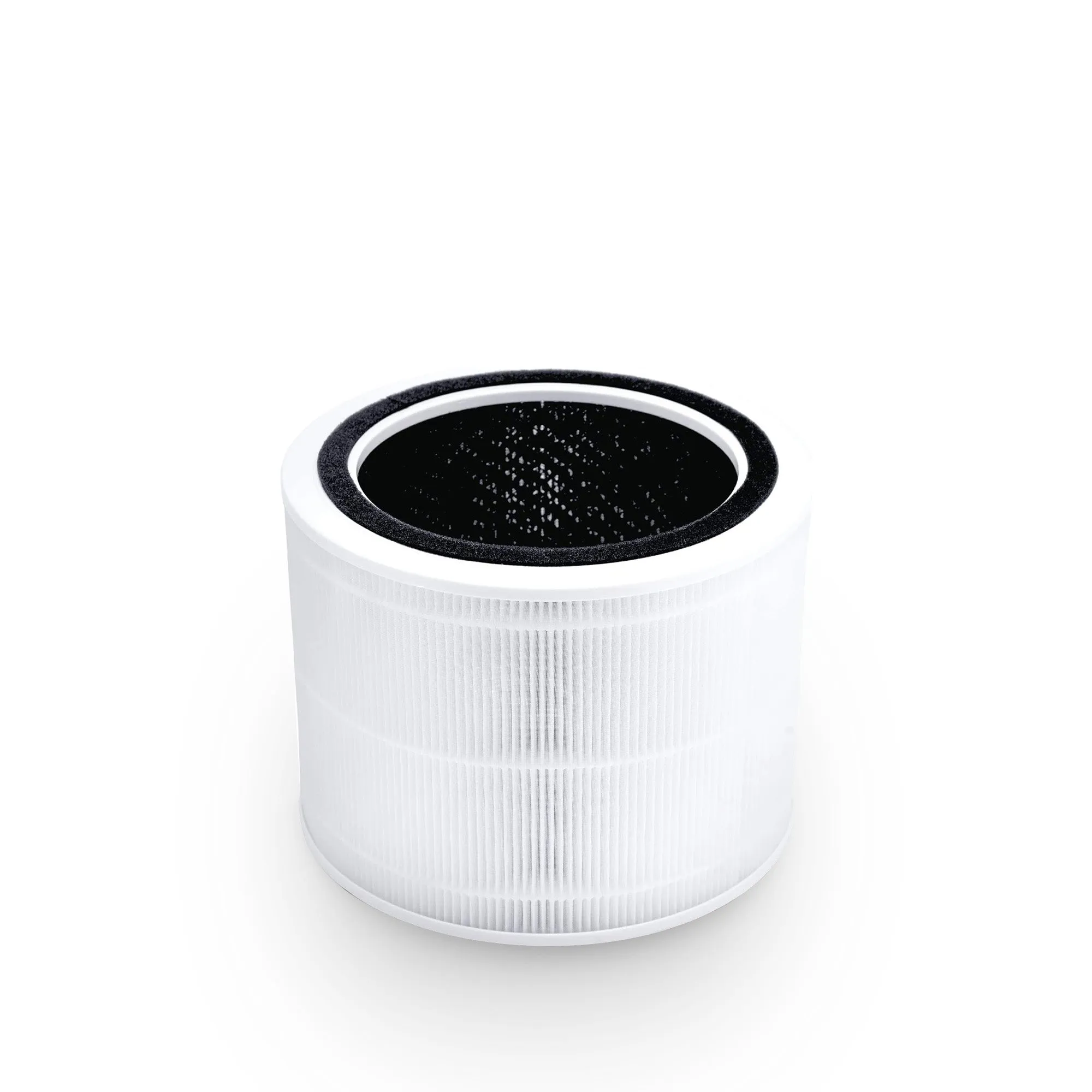
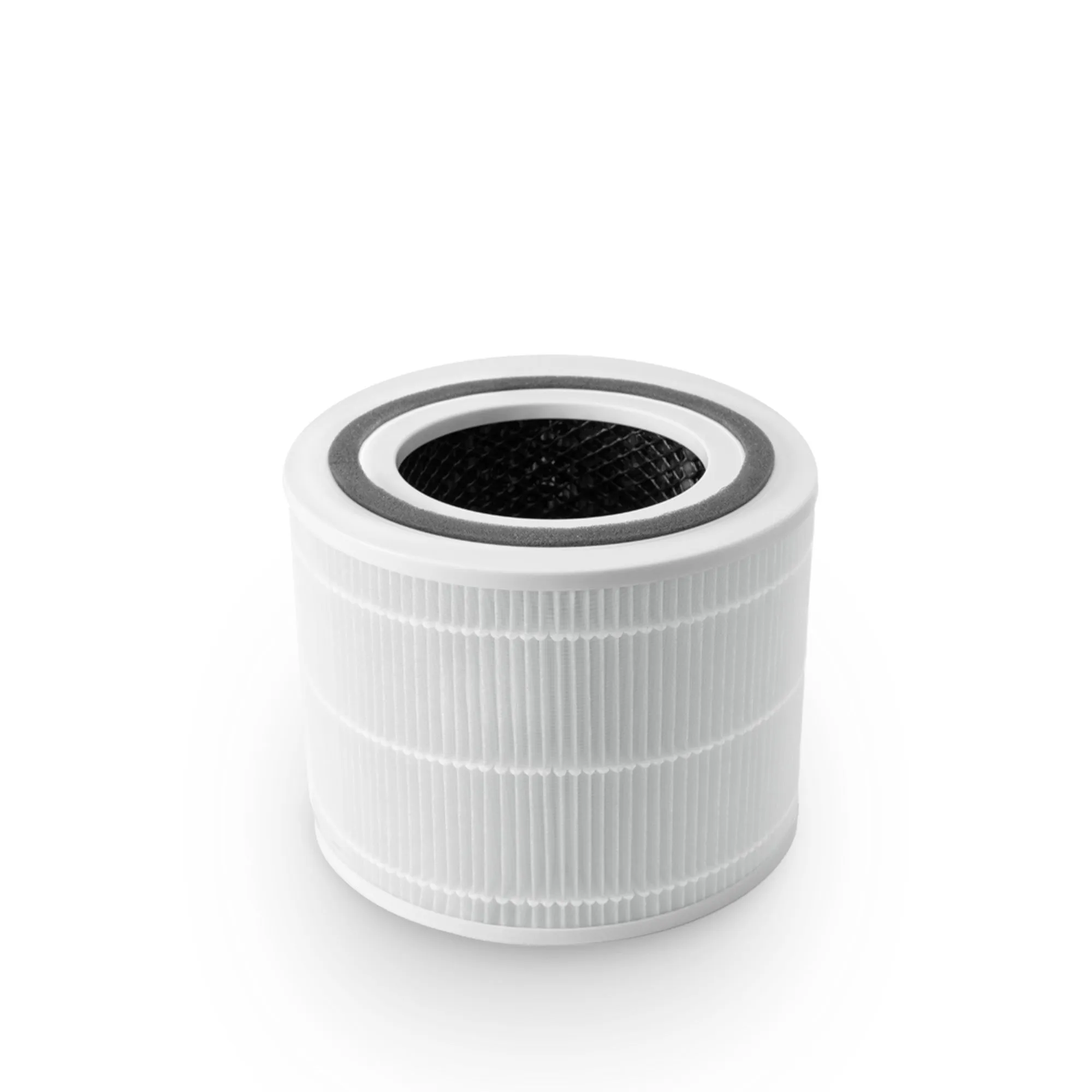
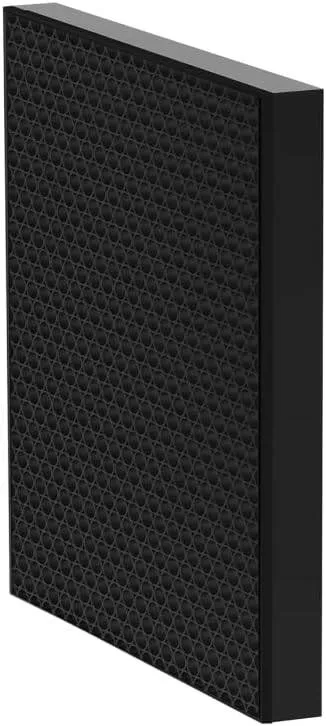
Beyond particle filtration, activated carbon layers handle what HEPA cannot. VOCs and odours from furniture, cleaning products, and off-gassing materials are gases, not particles. They pass straight through HEPA filters. Activated carbon adsorbs these gases, making it an important addition for bedrooms with new furniture or in urban environments with traffic pollution.
When selecting the best air purifiers for bedrooms, room size and CADR rating matter. AHAM Verifide CADR ratings confirm verified particle removal performance and indicate the speed at which a unit cleans a given volume of air. Matching the CADR to your room size is the single most important specification check when buying.
Pro Tip: Run your bedroom air purifier continuously on a low setting rather than only when you notice dust or odours. Consistent operation maintains a steady low-particle environment instead of cycling between polluted and clean air.
There are limits, though. Mechanical filtration alone cannot address all pollutants. Humidity control, regular cleaning, and source reduction all play separate roles that filtration cannot replicate. An air purifier is one part of a system, not the entire system.
The houseplant myth, addressed directly
The idea that houseplants clean indoor air is genuinely appealing. It is also largely incorrect when applied to real bedroom conditions. This misconception is worth addressing directly because it leads people to skip genuine air quality improvements in favour of an ineffective alternative.
The original NASA research cited in support of plants was conducted in sealed chambers with highly controlled conditions, not in living spaces with normal air exchange rates. When researchers applied those findings to real indoor environments, the numbers stopped adding up.
| Method | Particle removal effectiveness | Practical requirements |
|---|---|---|
| True HEPA air purifier | Removes 99.97% of particles to 0.3 microns | One unit sized to room CADR |
| Houseplants | Negligible in real-world conditions | 10 to 1,000 plants per square metre needed |
| Open window ventilation | Dilutes indoor pollutants | Dependent on outdoor air quality |
| Activated carbon filter | Removes VOCs and gases | Combined with HEPA in quality units |
To achieve the air-cleaning effect of a single air purifier, you would need between 10 and 1,000 plants per square metre of floor space. A standard bedroom contains roughly 12 to 16 square metres. The arithmetic makes the houseplant strategy unworkable.
That said, plants do offer real benefits. Psychological wellbeing, perceived comfort, and a connection to natural elements are genuine positives worth having. The problem arises when plants are treated as a substitute for filtration rather than a pleasant complement. Overwatered plants also introduce excess humidity and potential mould growth, which actively worsens bedroom air quality. Keep them if you enjoy them, but do not rely on them to improve bedroom air quality in any measurable way.
Practical steps to improve bedroom air
Effective indoor air quality management follows a clear hierarchy: remove pollution sources first, improve ventilation second, and use filtration to address what remains. Following this order gives you the best return on effort and cost.
-
Remove or reduce pollutant sources. Wash bedding weekly in hot water to kill dust mites. Vacuum mattresses, carpets, and upholstered furniture regularly using a vacuum with a HEPA filter. Remove shoes at the bedroom door to stop outdoor particles being walked in. If possible, replace carpets with hard flooring, which holds significantly less allergen load.
-
Improve ventilation. Open windows for 10 to 15 minutes each morning to flush overnight accumulations of CO₂, humidity, and off-gassed VOCs. If outdoor air quality is poor (common in urban UAE environments with dust and traffic), run an air purifier with windows closed instead. Maintain HVAC filters and replace them on schedule, as dirty filters recirculate particles rather than removing them.
-
Control humidity. Dust mites and mould both thrive in humidity above 50%. A simple hygrometer costs very little and tells you whether your bedroom humidity is in the safe range of 40 to 50%. A dehumidifier or well-maintained air conditioning unit keeps it there.
-
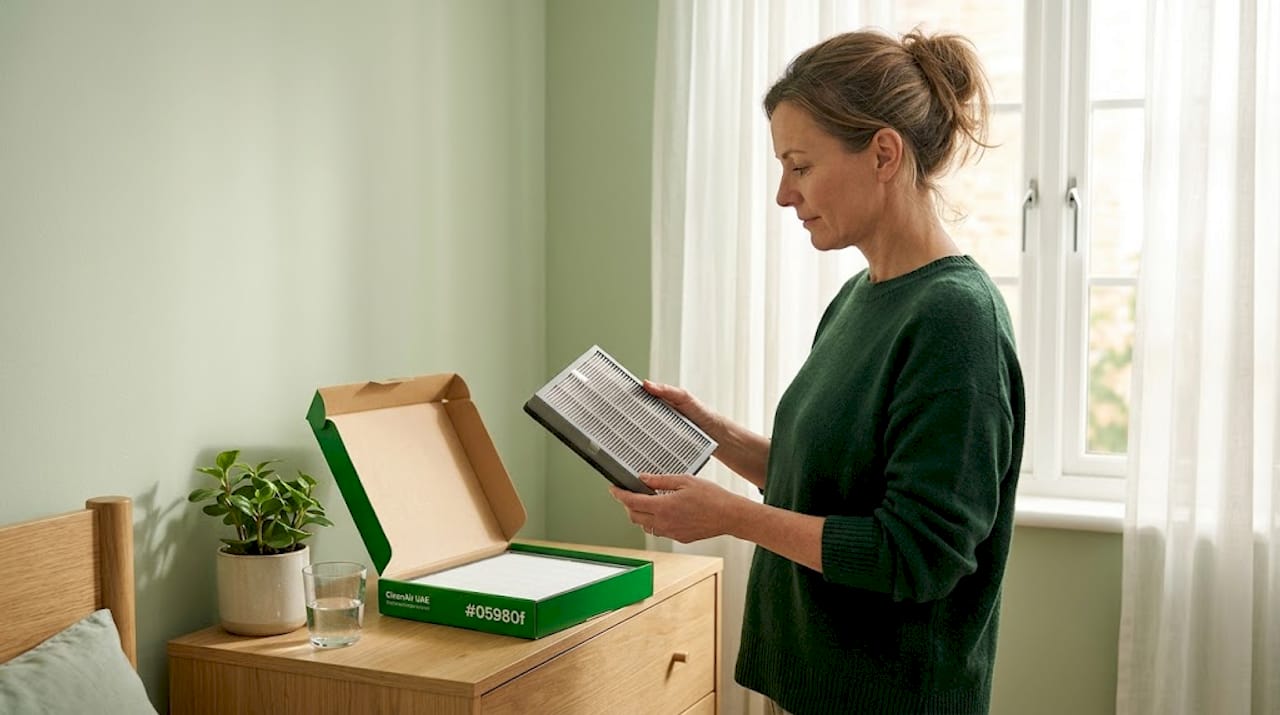
Use a True HEPA air purifier correctly. Place it where air circulates freely, away from walls and corners. Run it continuously, especially during sleep. Replace filters on the manufacturer’s schedule. A clogged filter does not clean air. It restricts airflow and may recirculate captured particles.
-
Avoid ozone-generating devices. Ozone air purifiers are marketed as fresh-air solutions but generate ozone that irritates lung tissue. They are not safe for regular indoor use, particularly in bedrooms where you sleep with sustained exposure.
Pro Tip: The importance of bedroom air filters increases significantly after renovations, new furniture deliveries, or repainting. New materials off-gas VOCs heavily in the first weeks. Running an activated carbon and HEPA combined unit continuously during this period reduces your exposure substantially.
Clean indoor air functions as a form of invisible infrastructure for health, particularly relevant for households with young children, elderly members, or anyone with respiratory conditions. The steps above do not require significant expenditure. Consistency matters far more than budget.
My perspective on bedroom air purification
I have seen a consistent pattern when it comes to bedroom air quality. People invest in mattresses, blackout curtains, white noise machines, and sleep supplements, then wonder why they still wake up congested or tired. The air itself gets overlooked almost every time.
What I have found is that allergy sufferers, in particular, notice the change from a quality HEPA purifier faster than almost any other intervention. Within a week of consistent use, nasal congestion during sleep often reduces noticeably. That is not a minor quality-of-life improvement. For parents watching a child repeatedly wake up sneezing, it is a meaningful shift.
The common mistake I see is treating air purification as a one-time purchase decision rather than an ongoing practice. Buying the right unit and then neglecting filter changes, or placing it in a corner with limited airflow, produces disappointingly little result. The technology is straightforward. It is the discipline of consistent use and maintenance that determines whether it works.
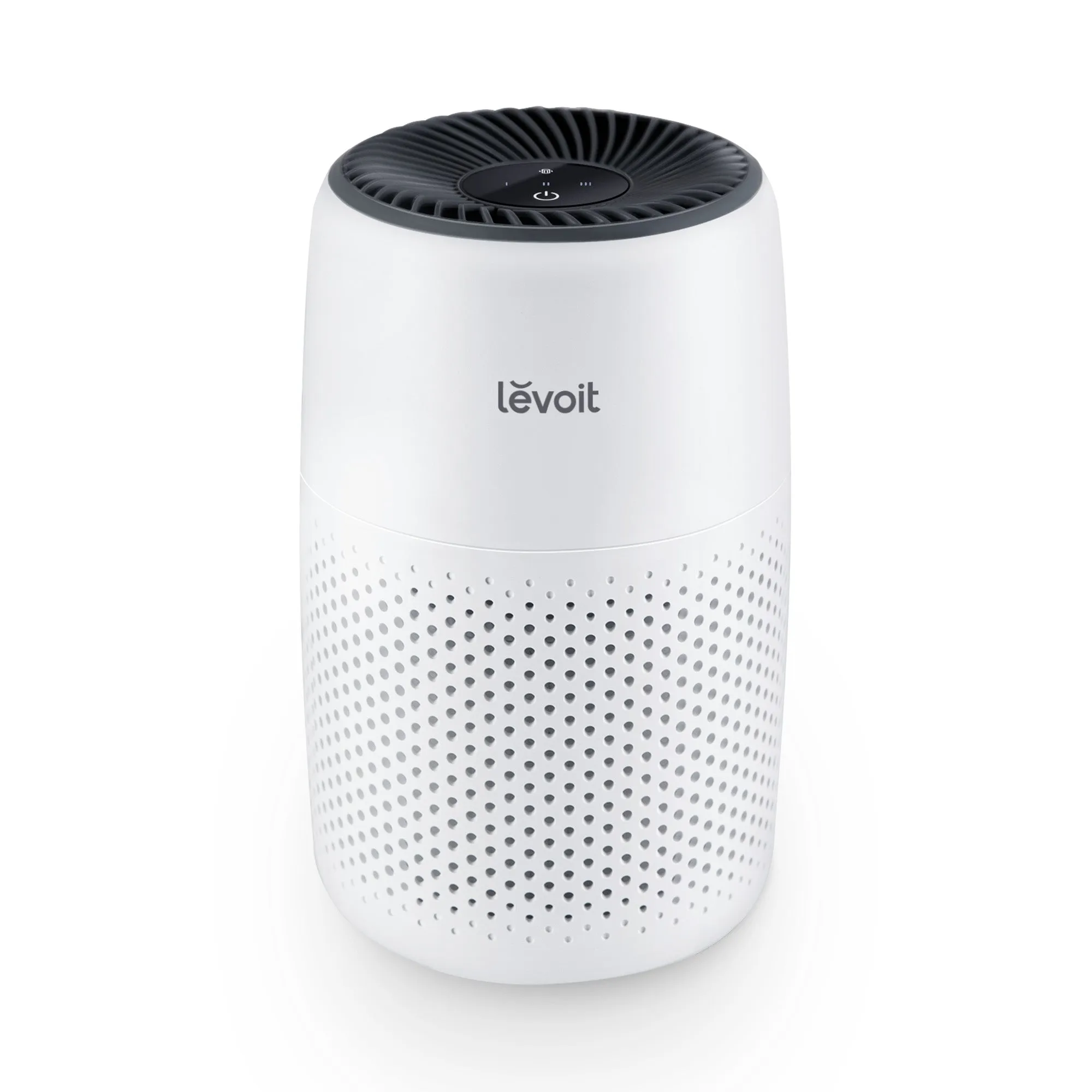
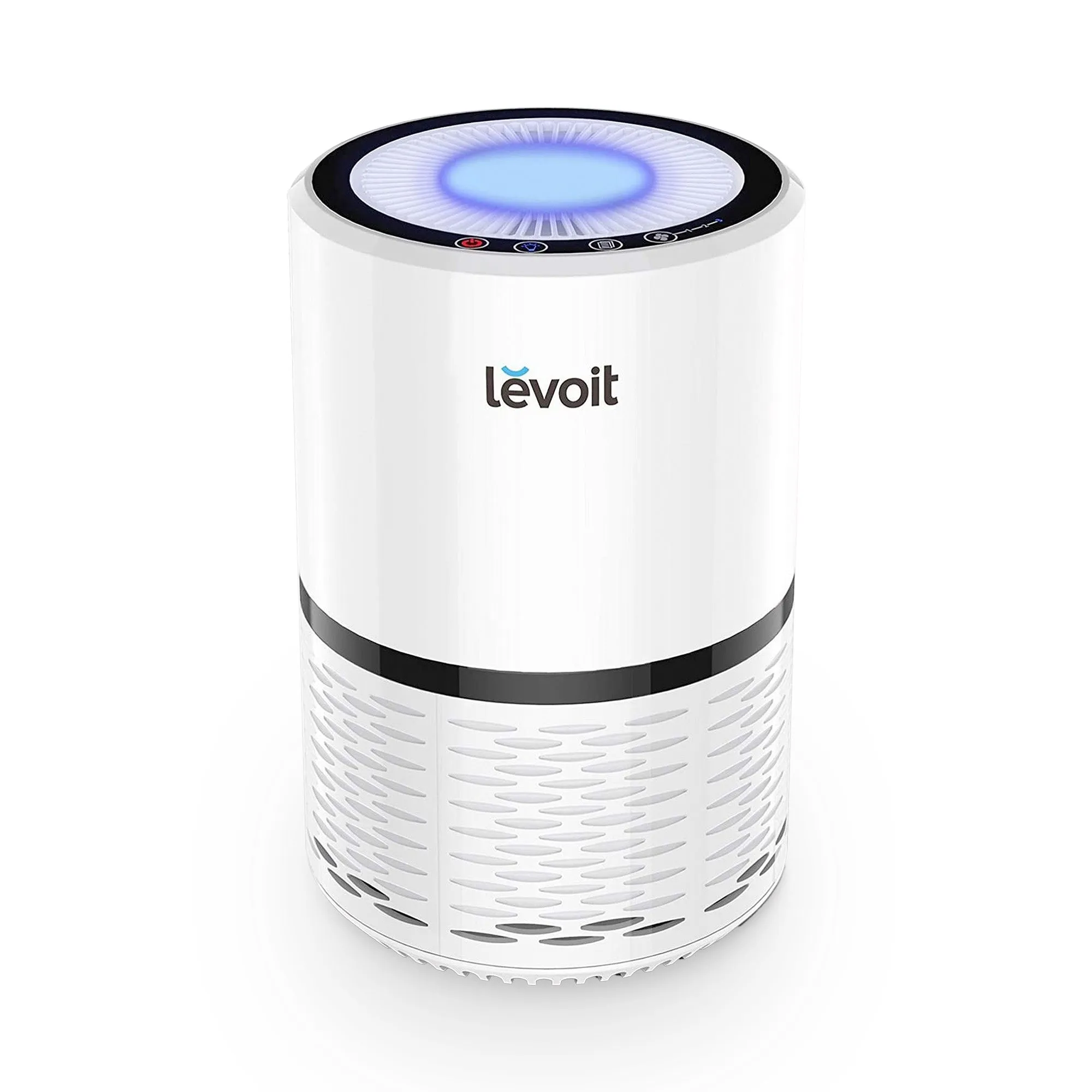
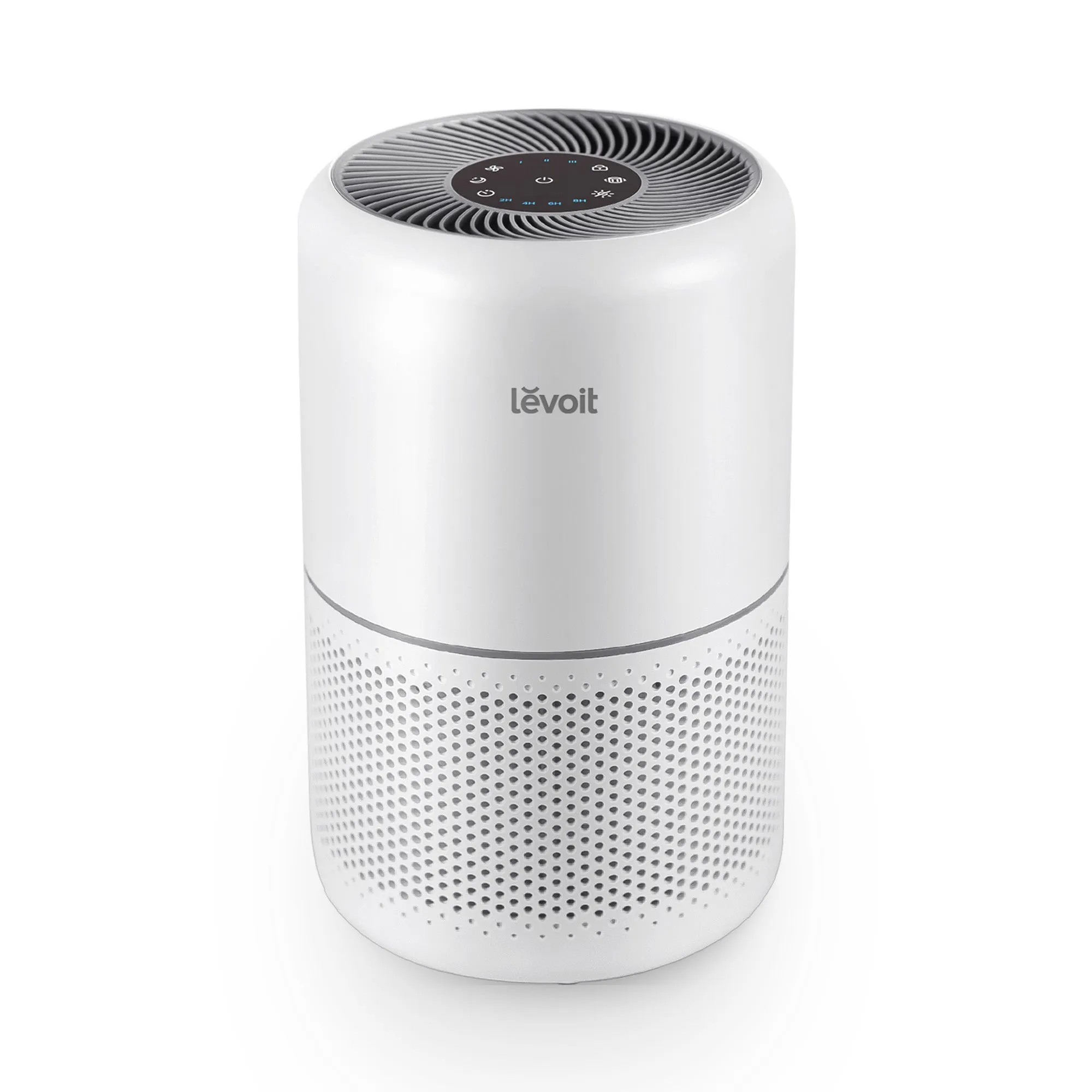
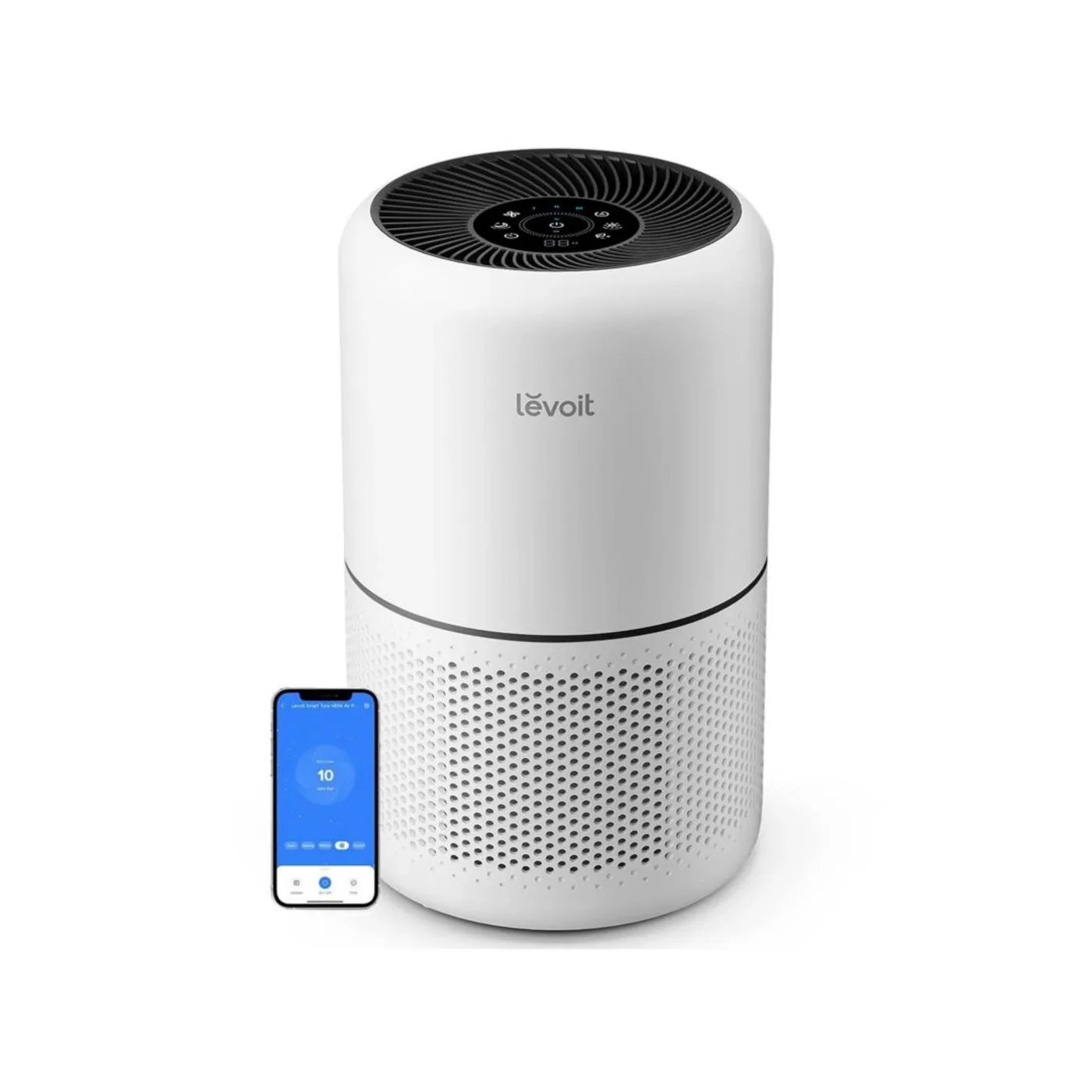
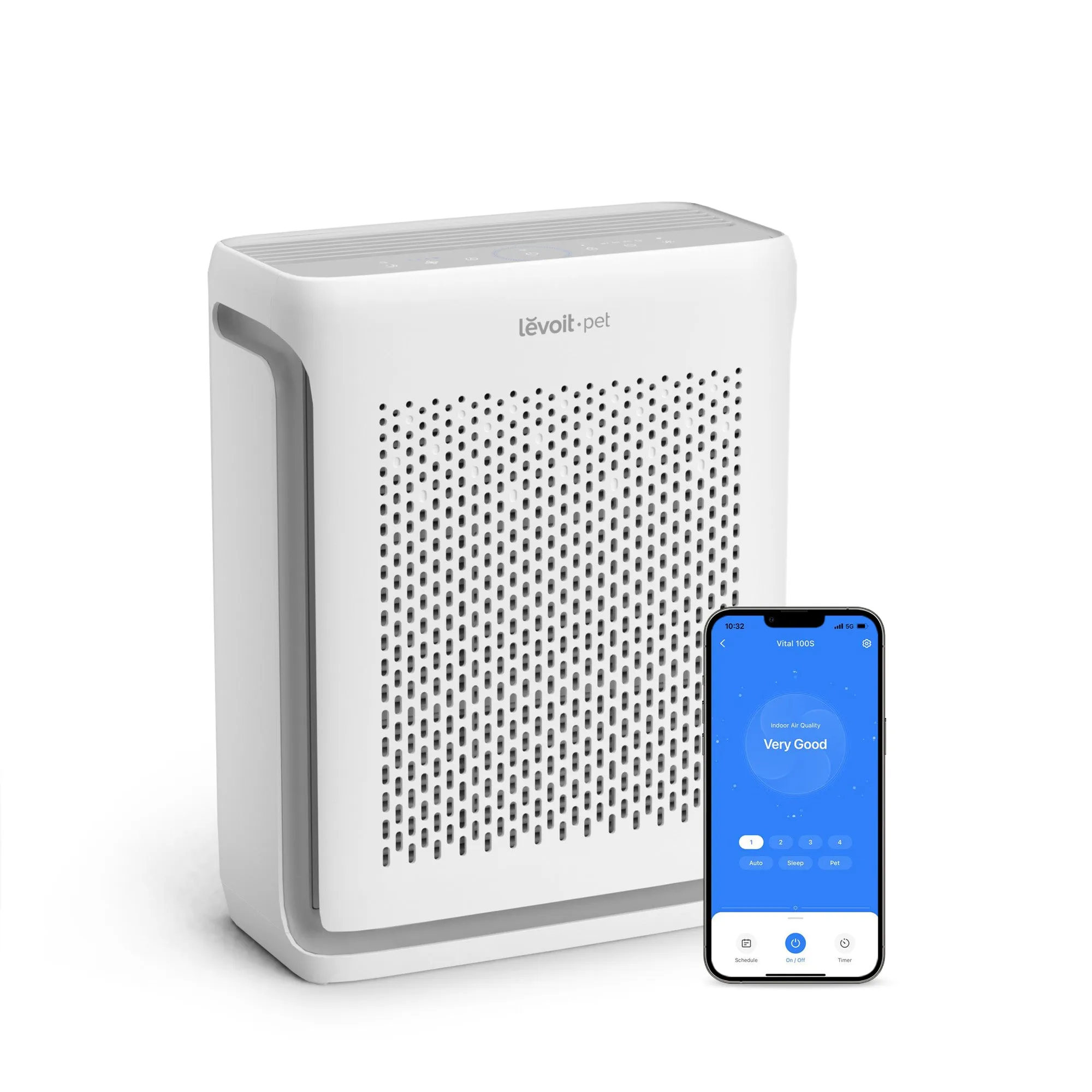
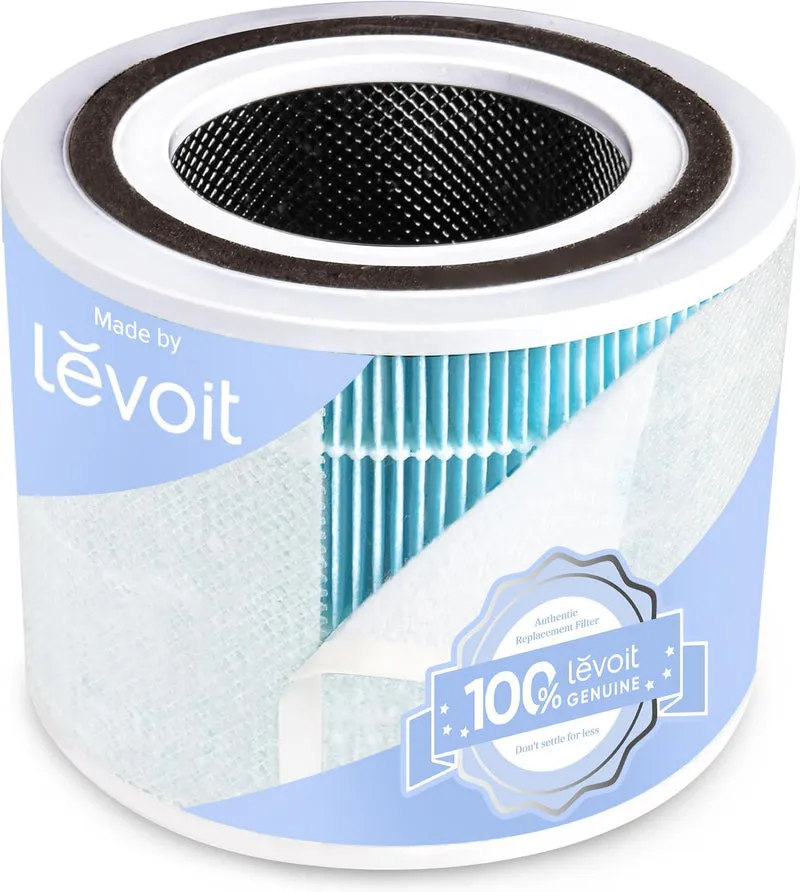
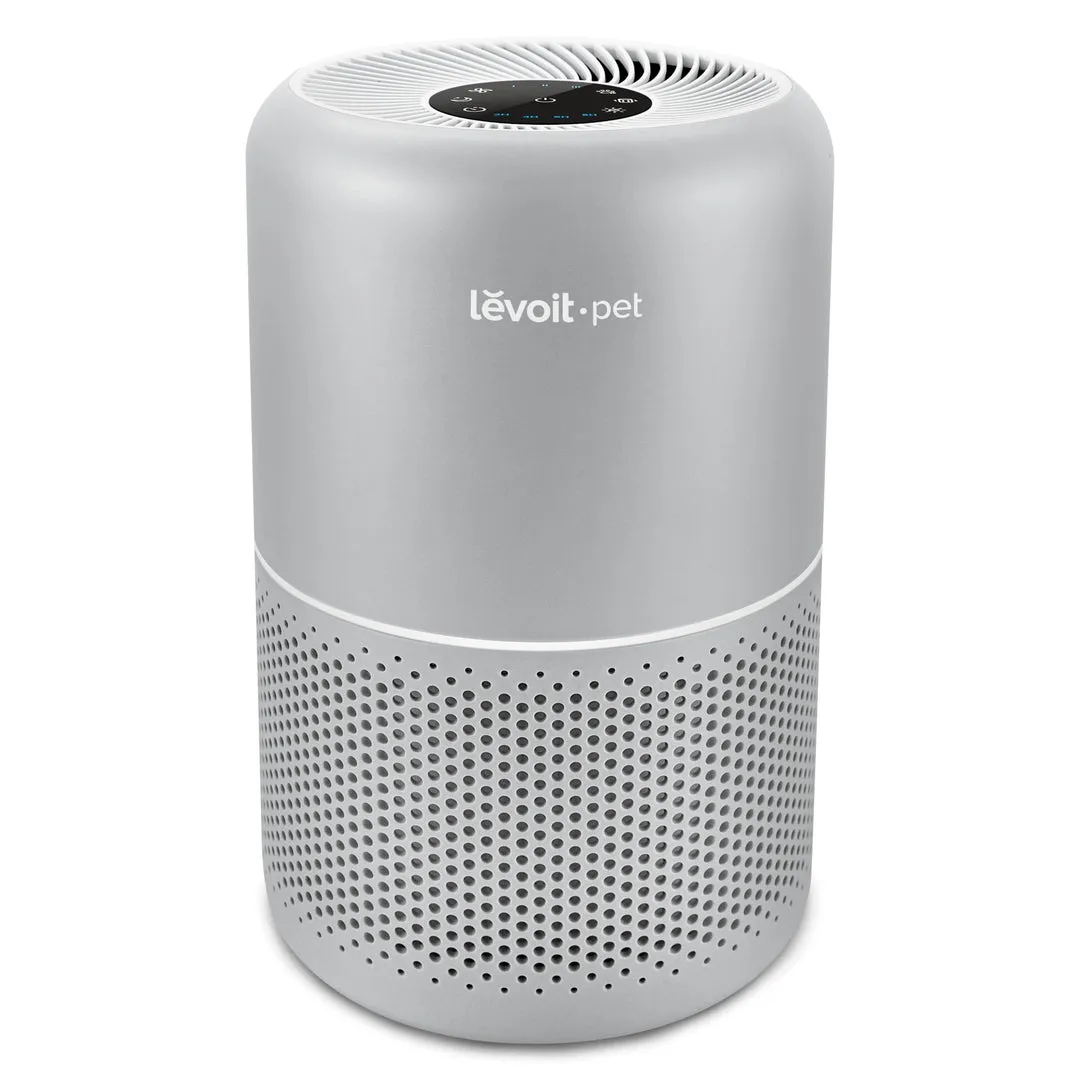
My honest assessment: start with the Levoit Core Mini for a smaller bedroom or a child’s room. It is compact, quiet enough not to disturb sleep, and uses proper three-stage filtration. For a larger primary bedroom, look at higher-CADR options. The size match matters more than brand loyalty.
The balance between technology and lifestyle is real. An air purifier running in a room full of dusty carpet, rarely washed bedding, and no ventilation is working against significant odds. Combined with the practical steps above, the results are genuinely better than either approach alone.
— Wojciech
Bedroom air purifiers from Cleanair-ae
You now have a clear picture of what affects bedroom air quality and what the evidence says about fixing it. The next step is finding the right product for your specific situation.
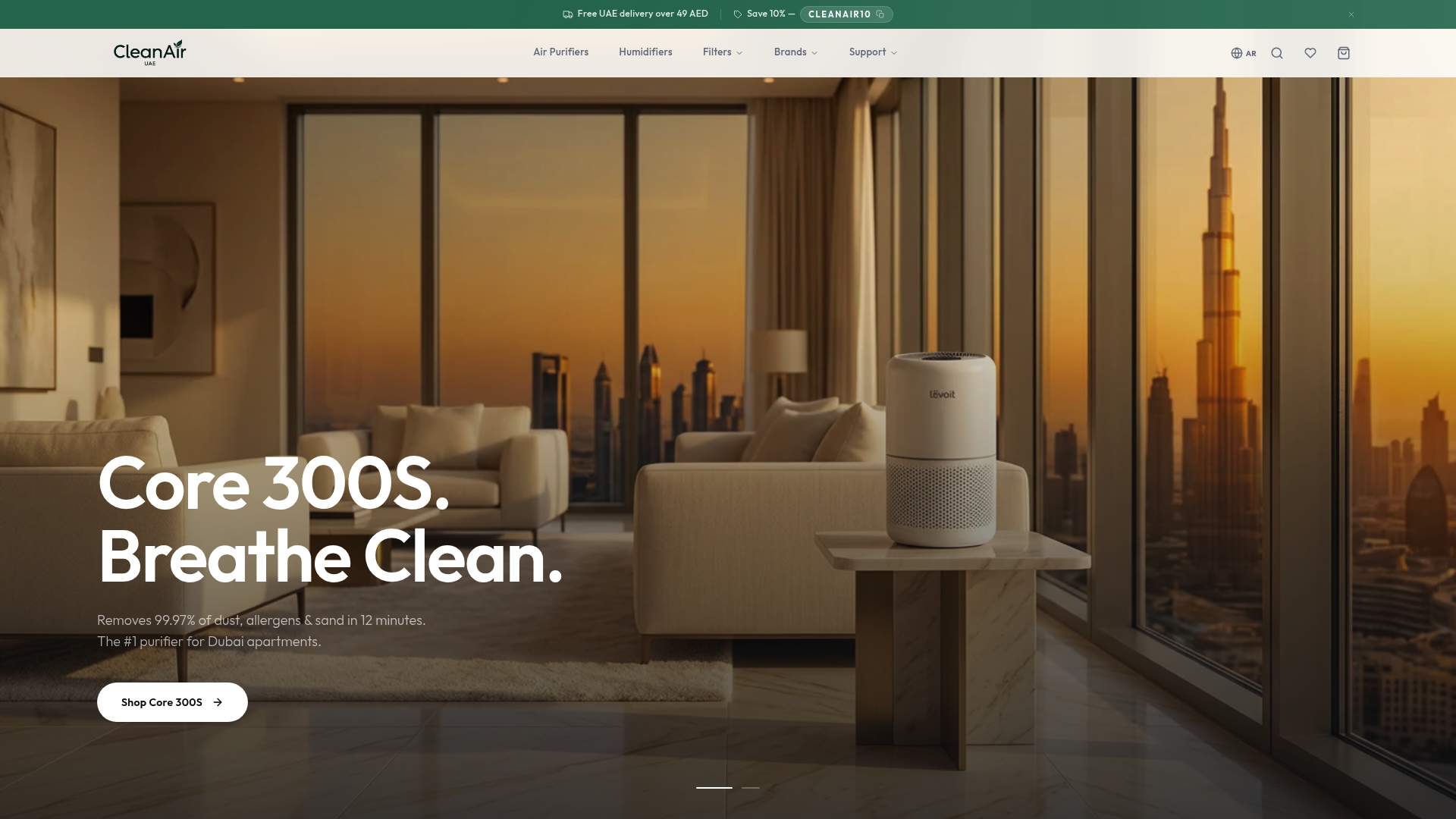
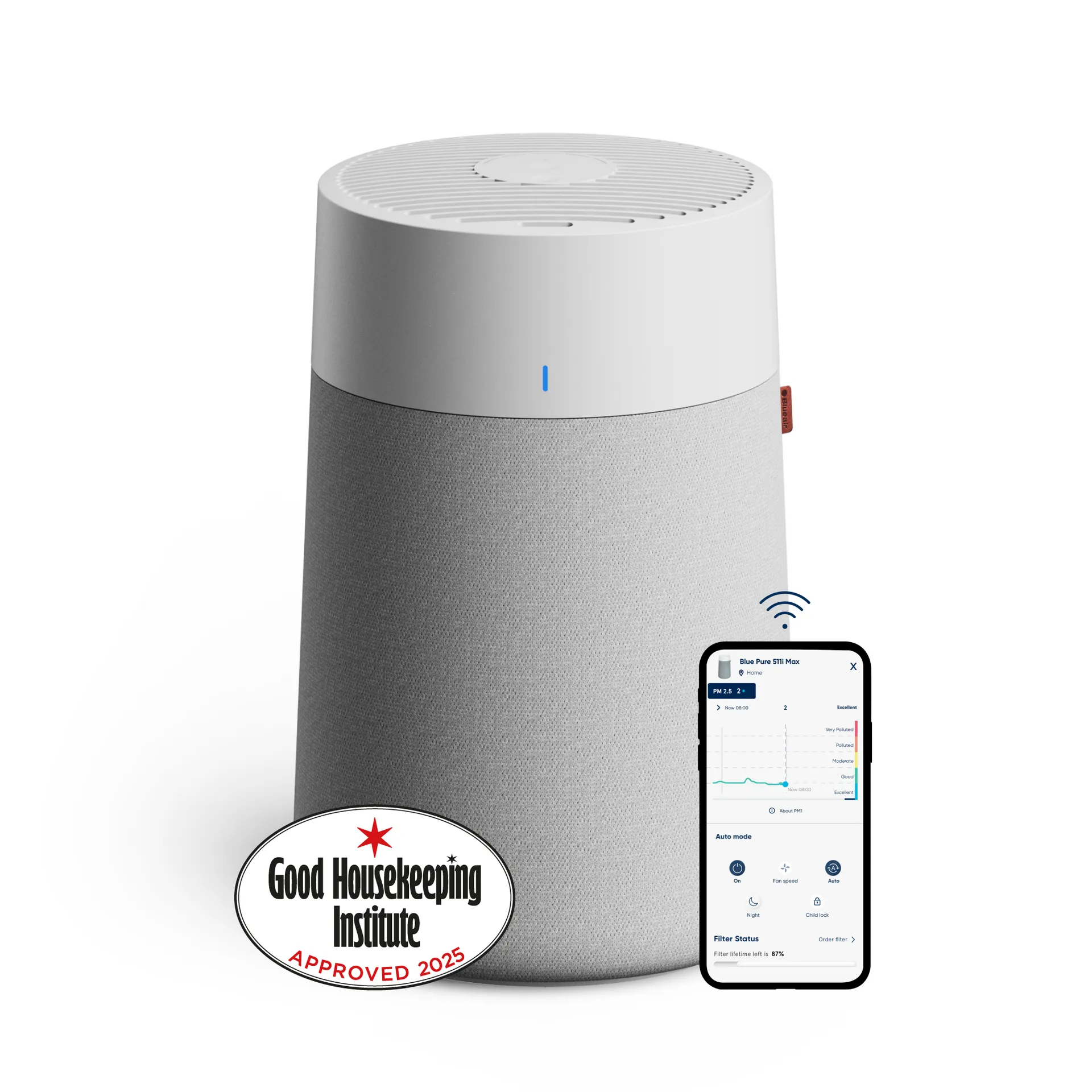
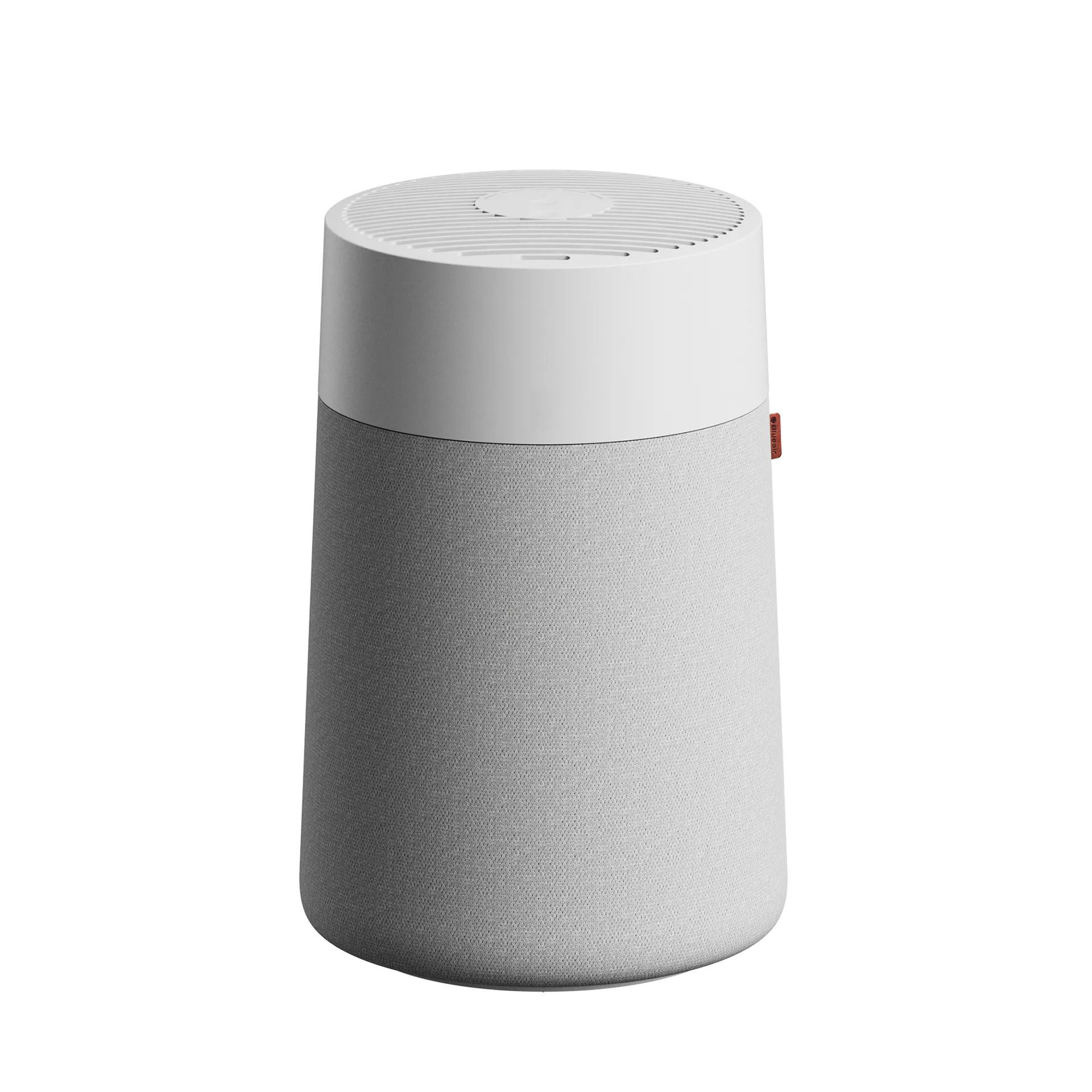
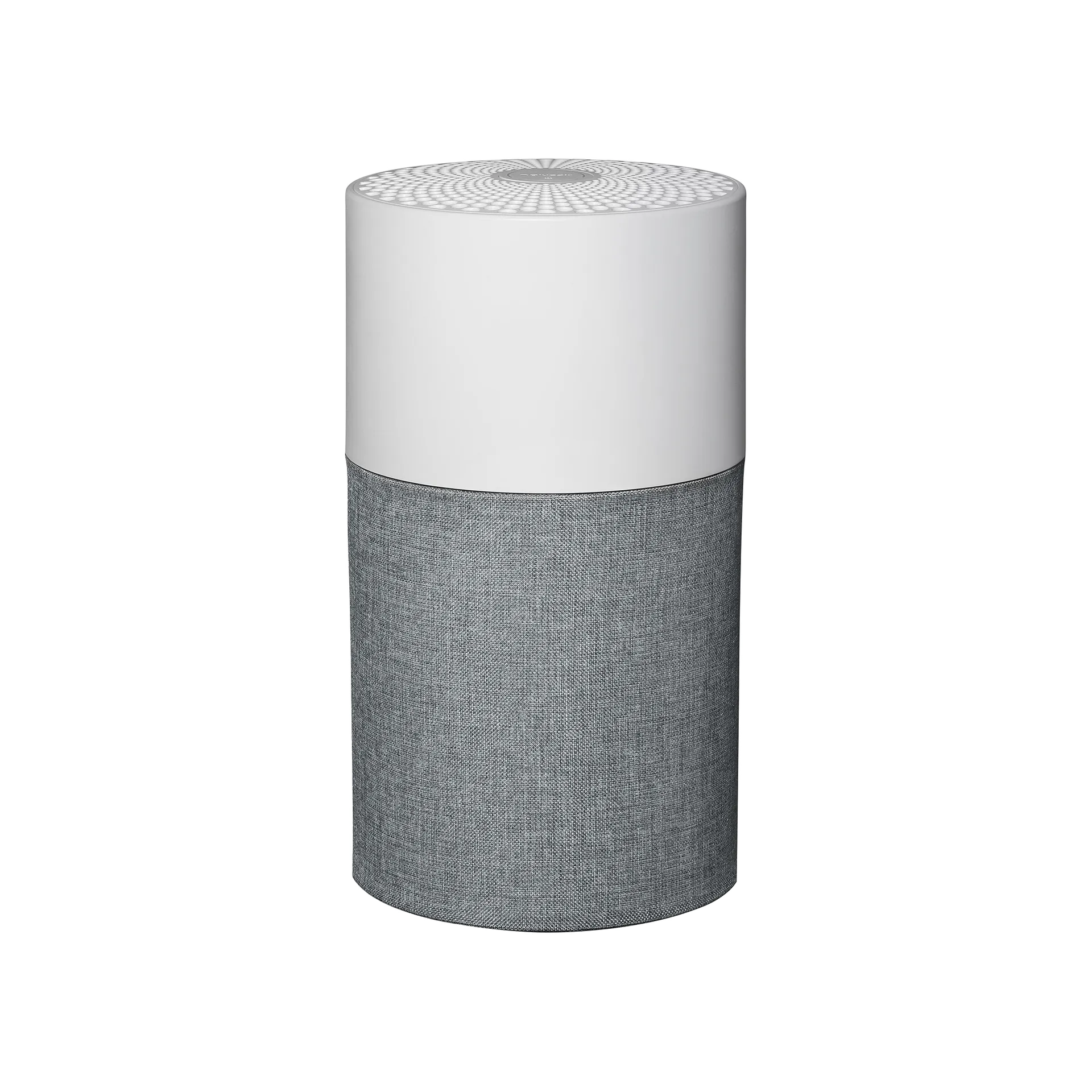
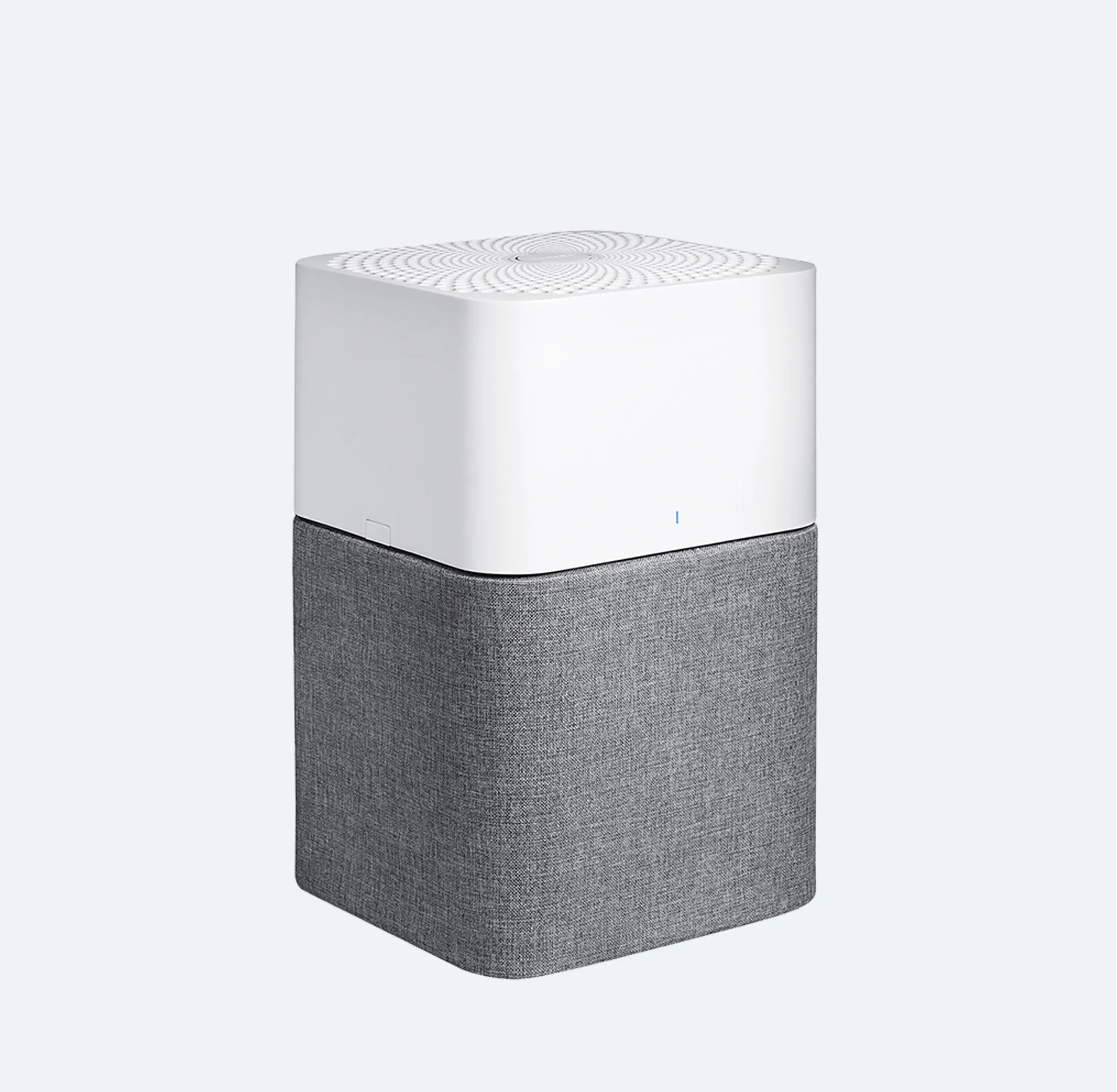
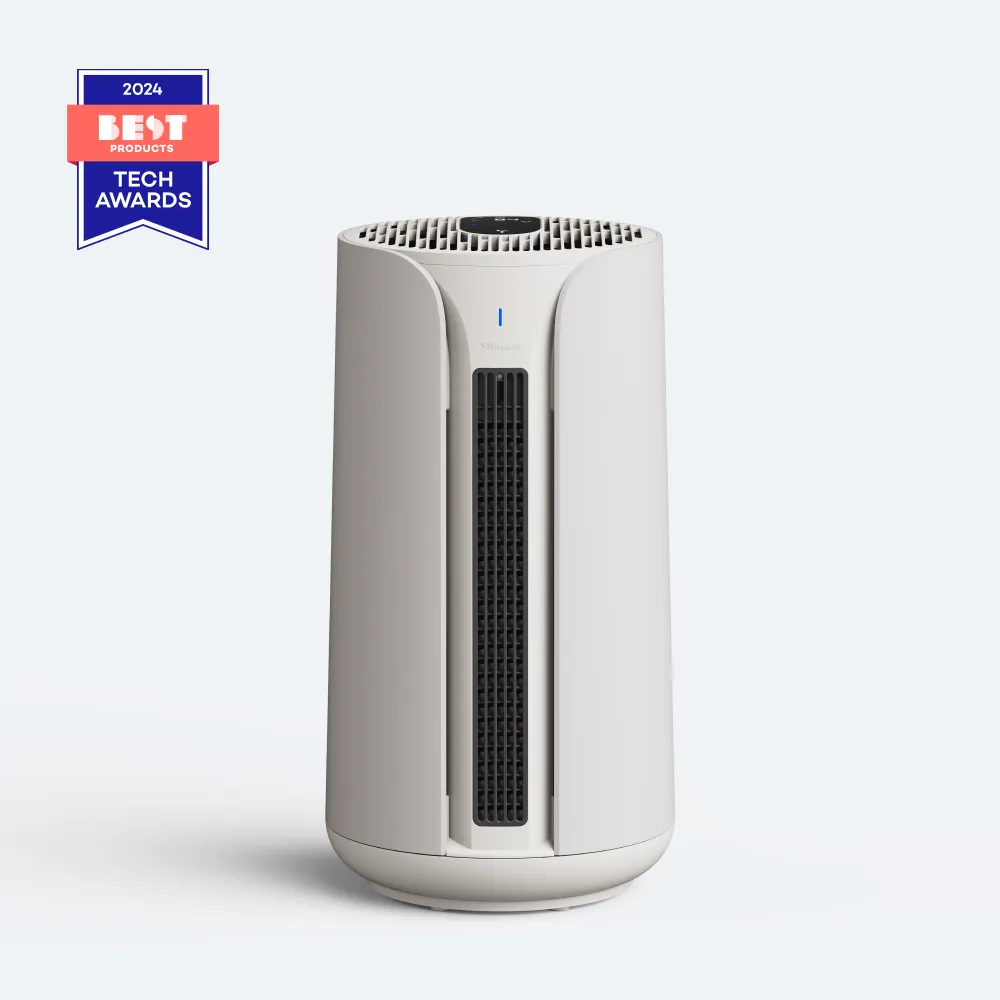
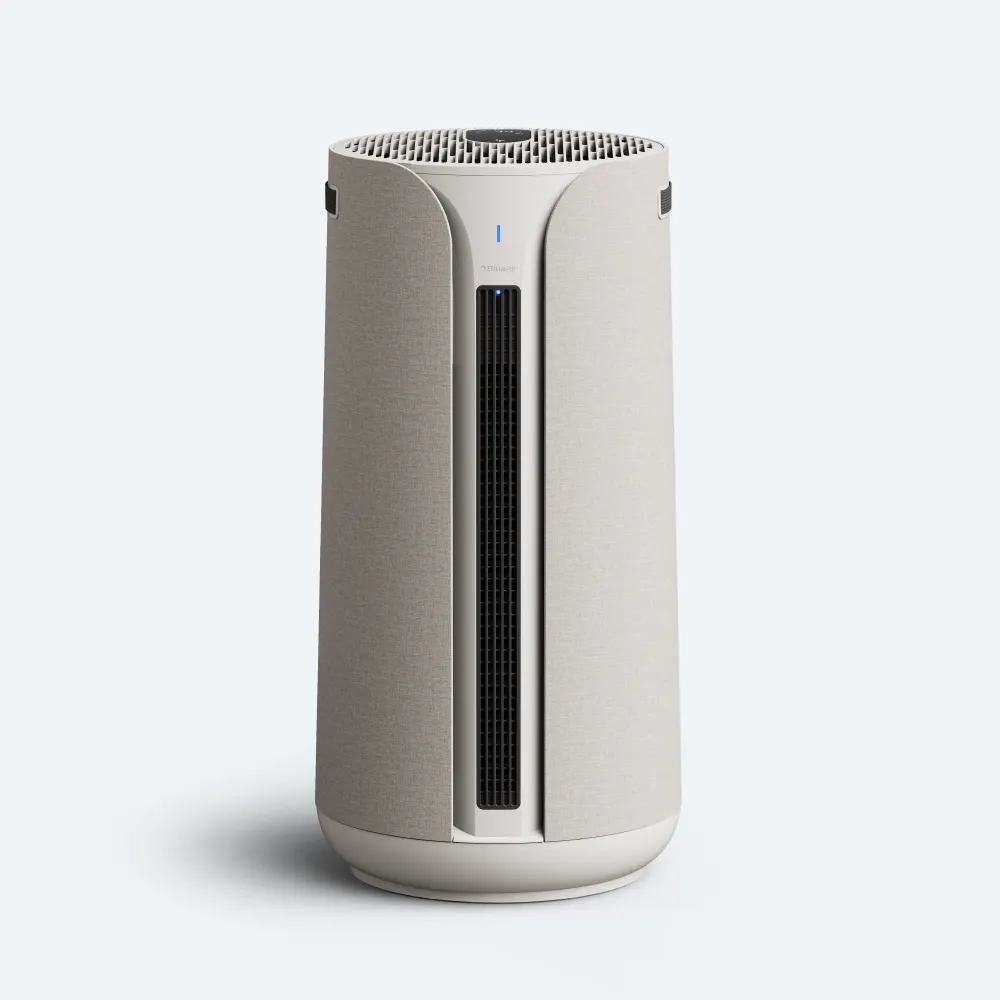
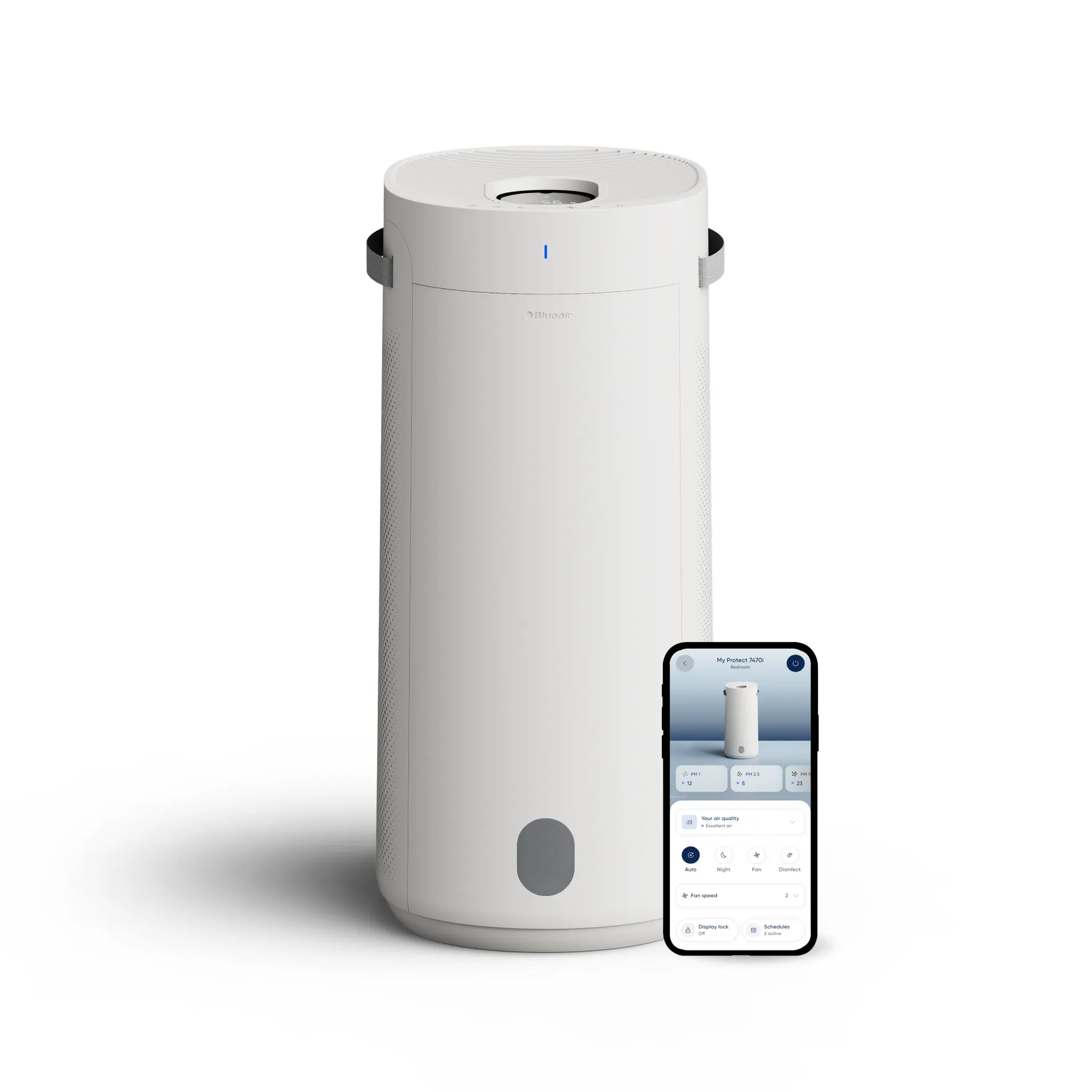
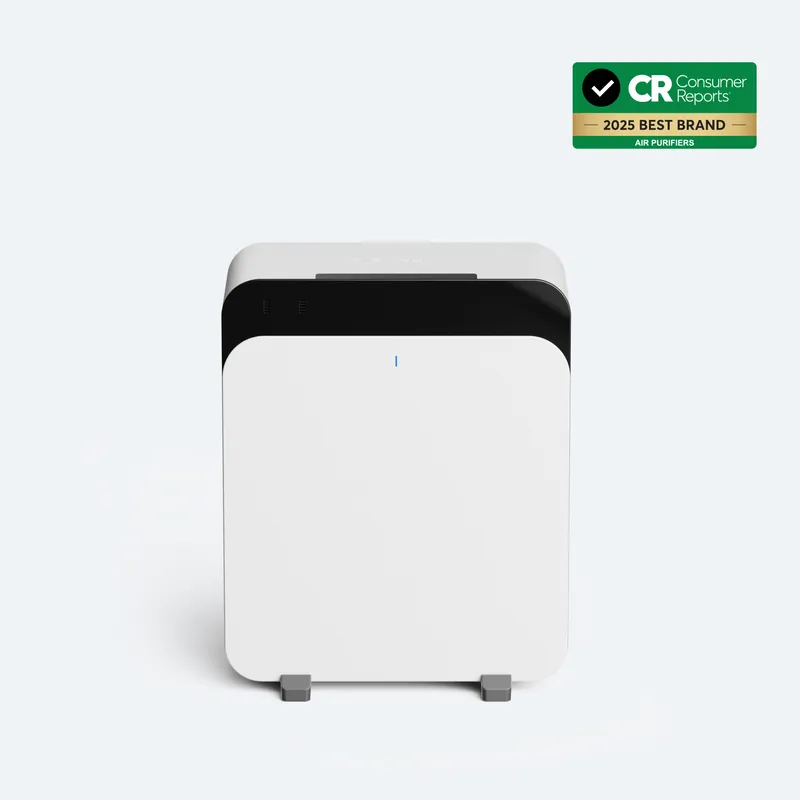
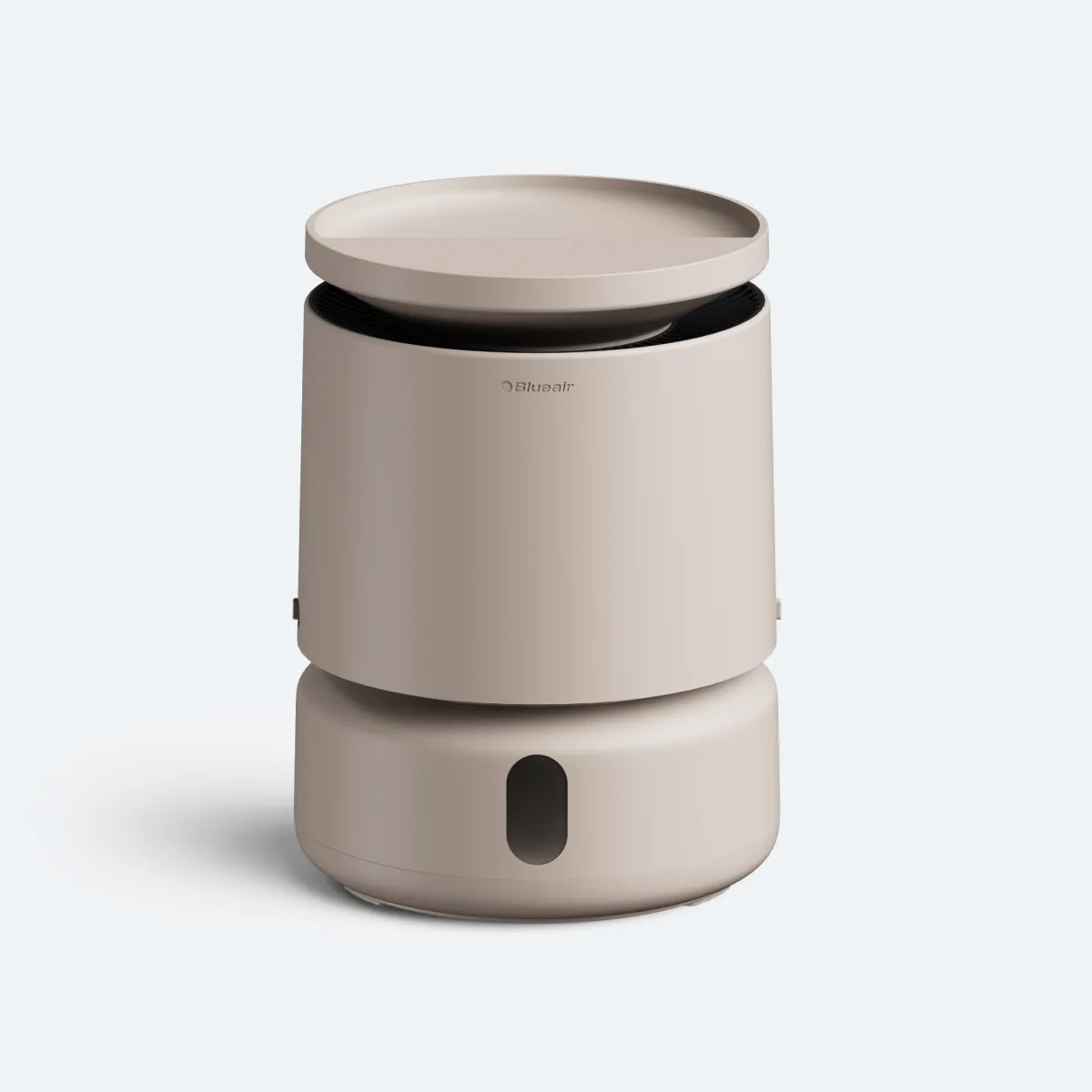
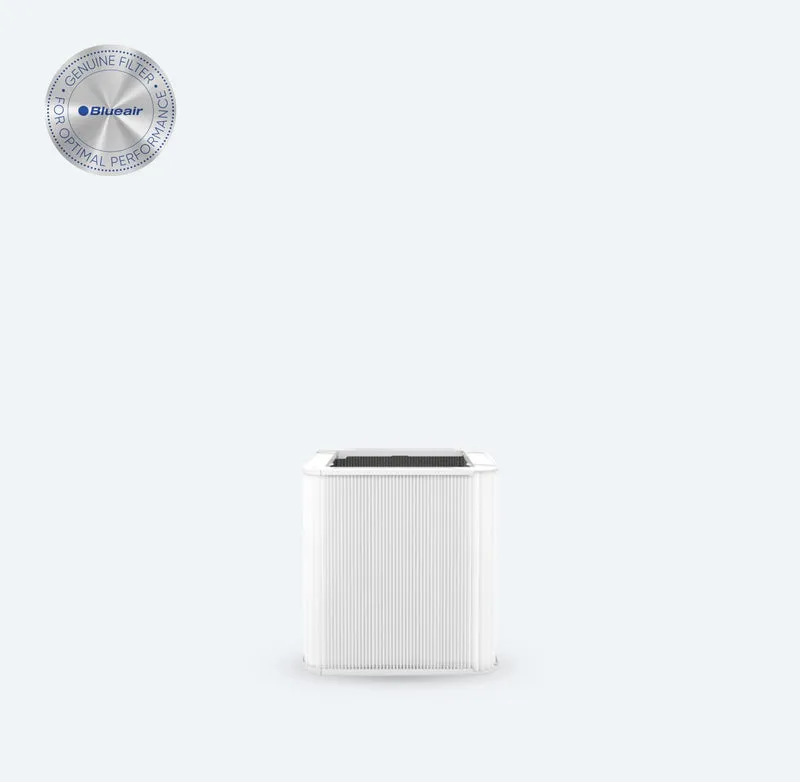
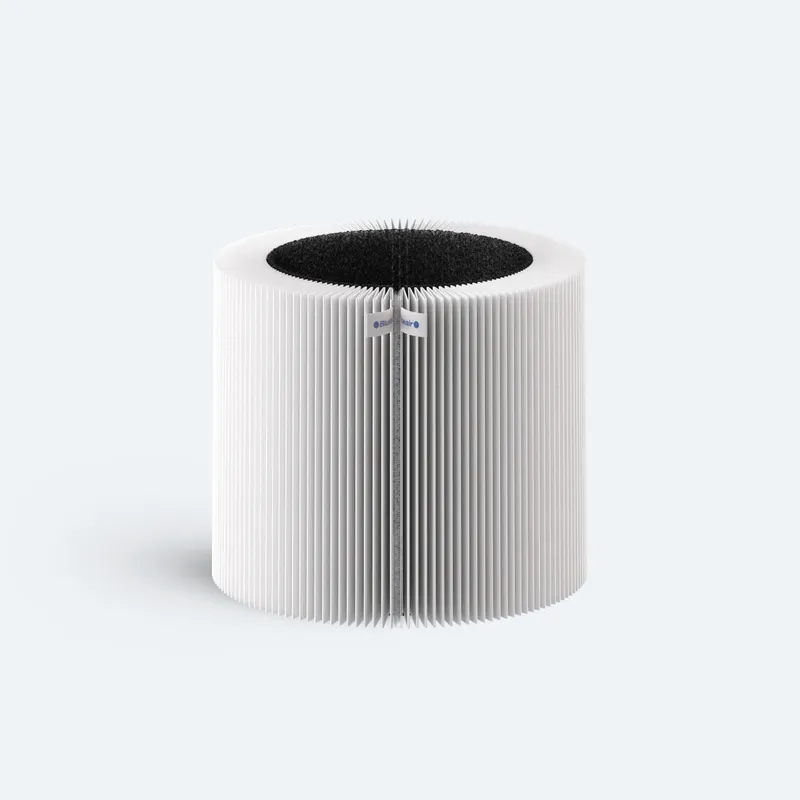
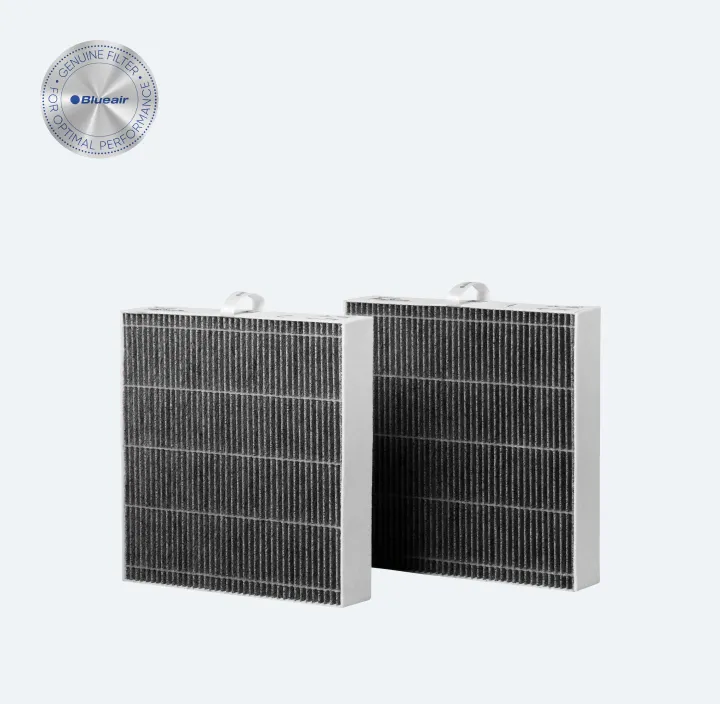
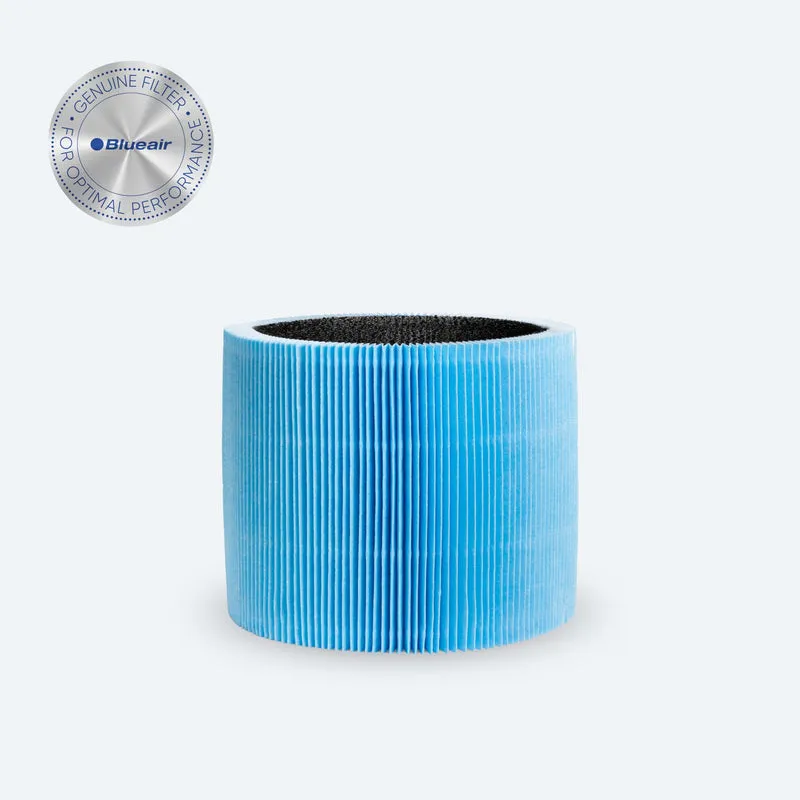
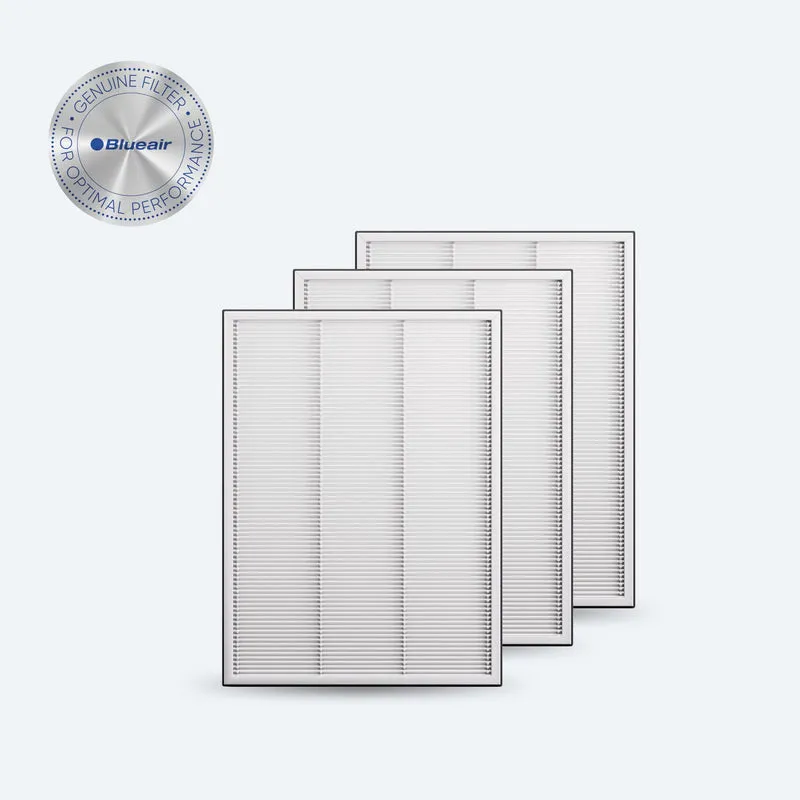
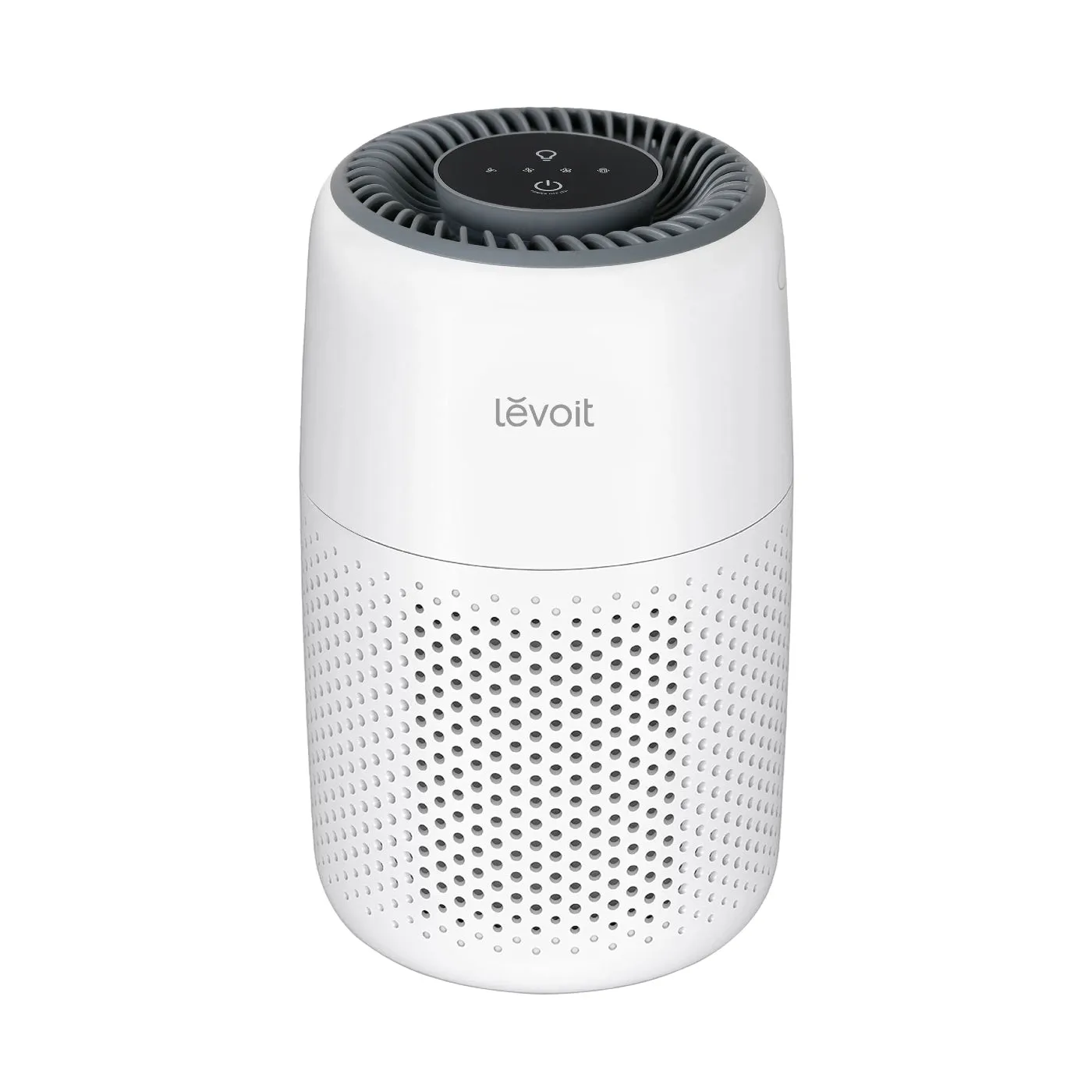
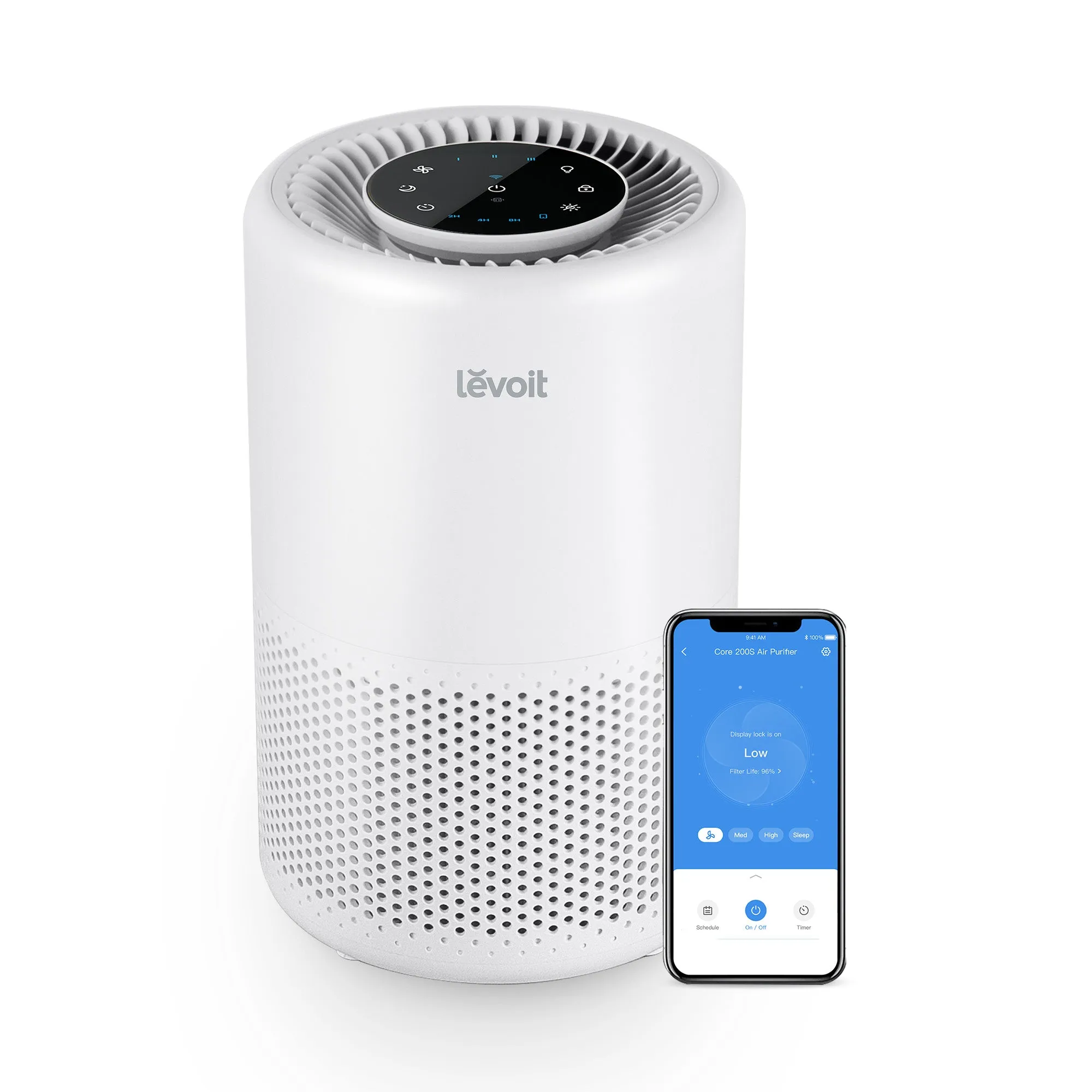
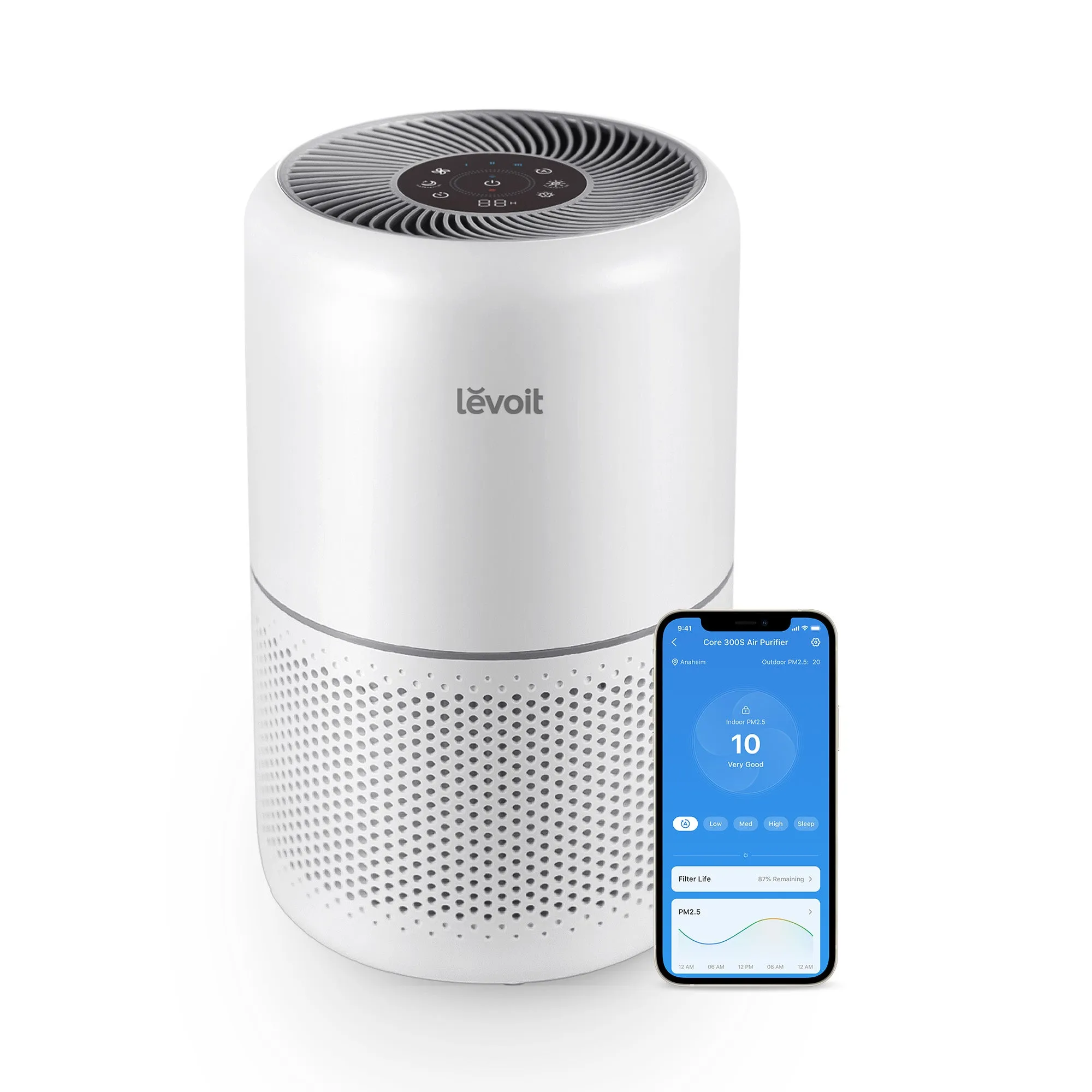
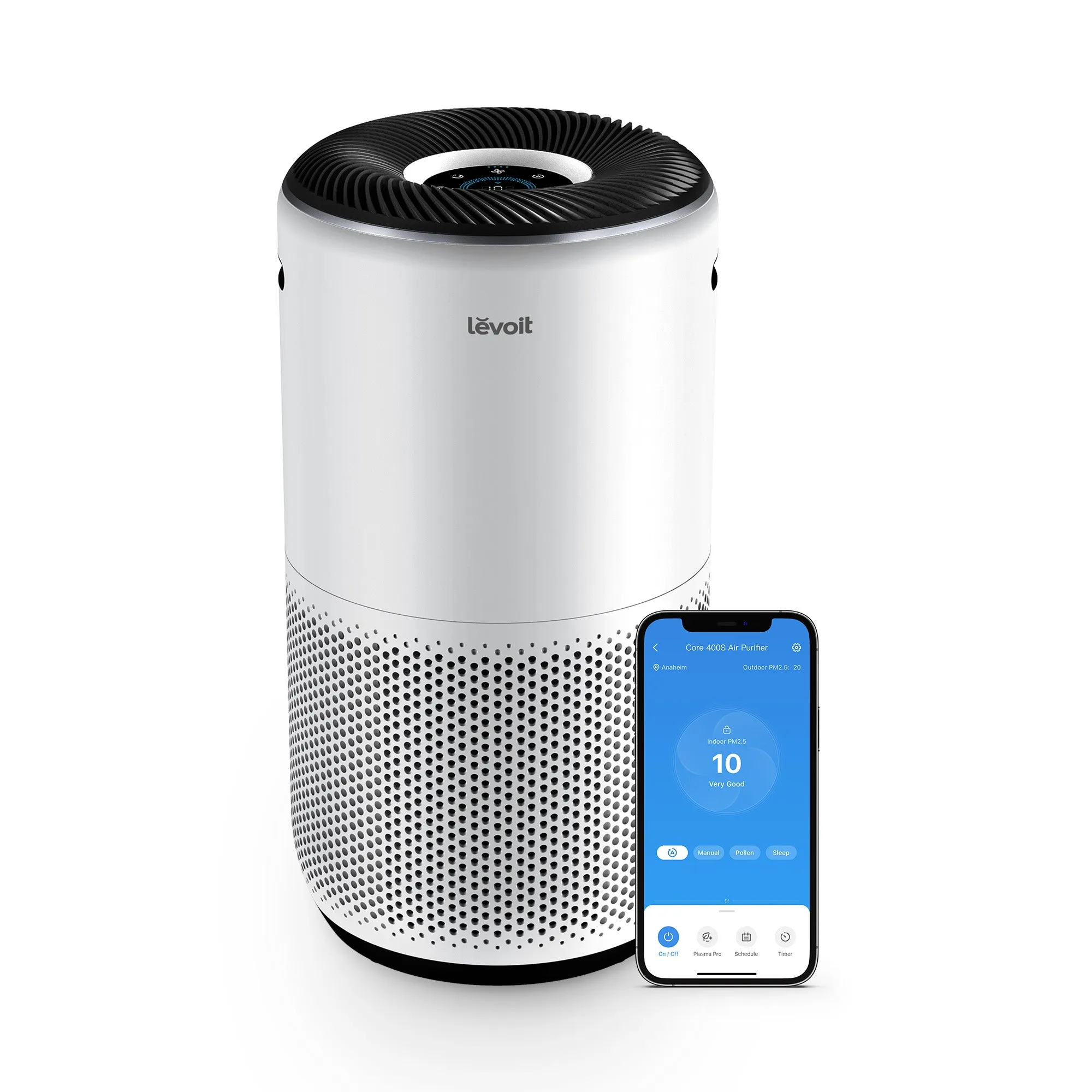
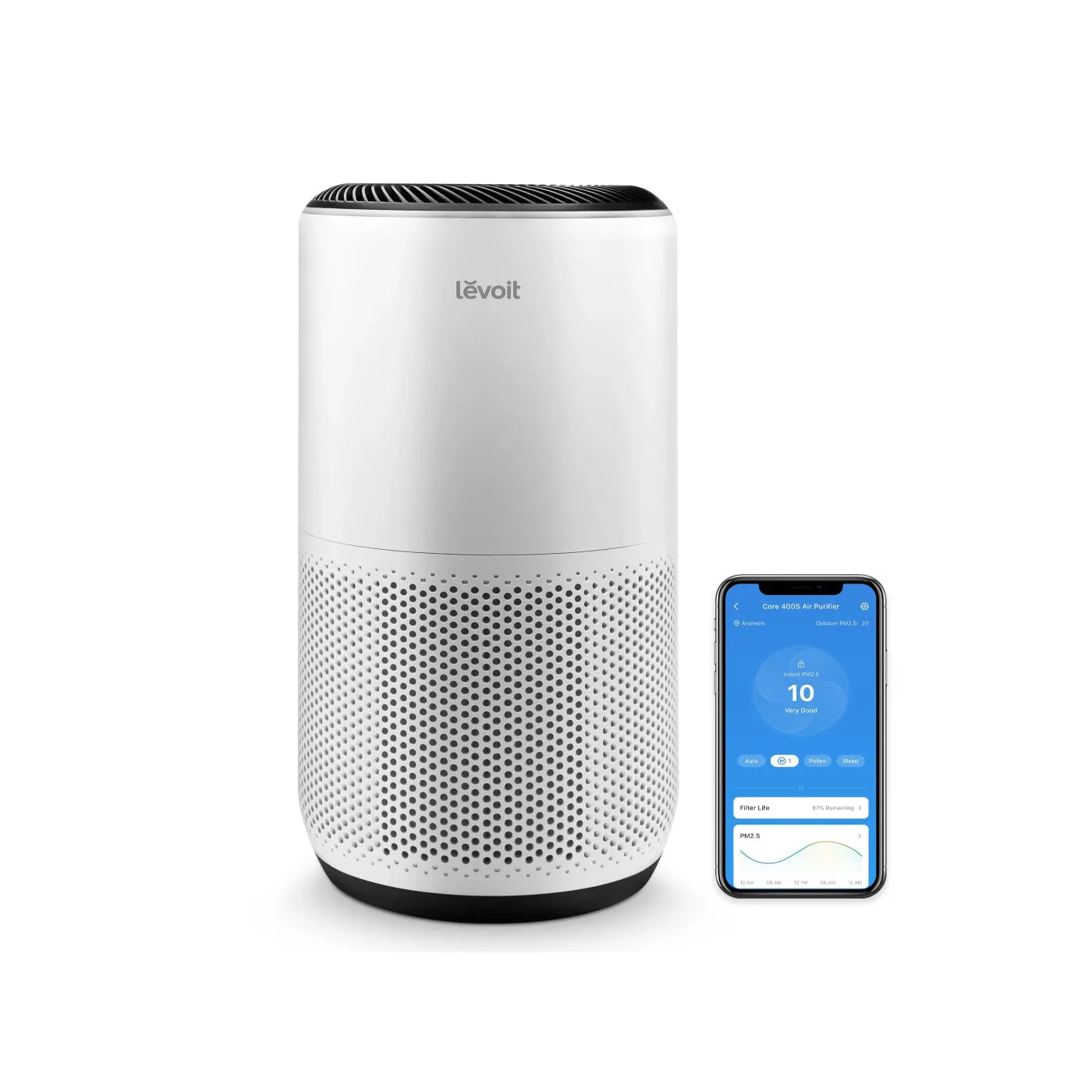
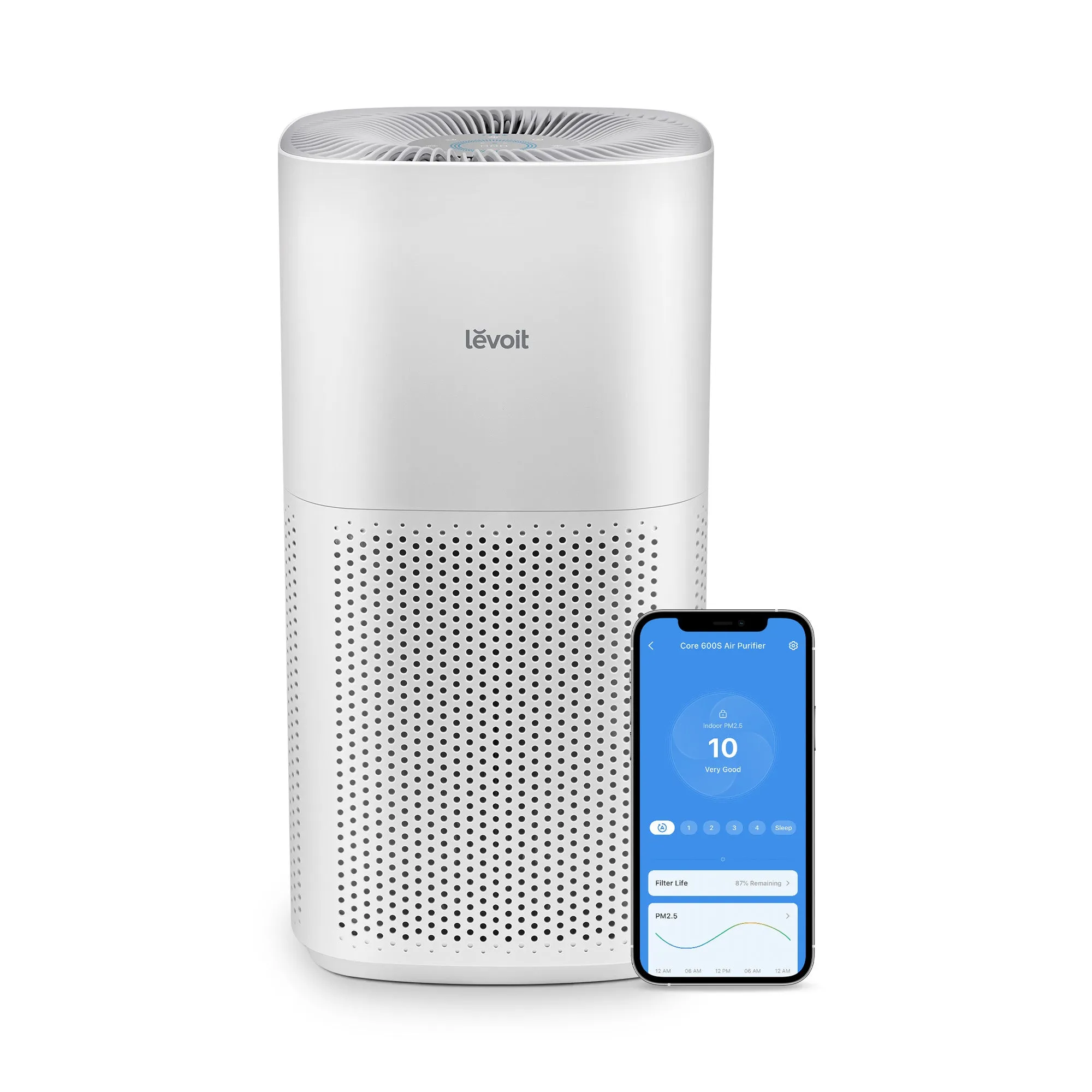
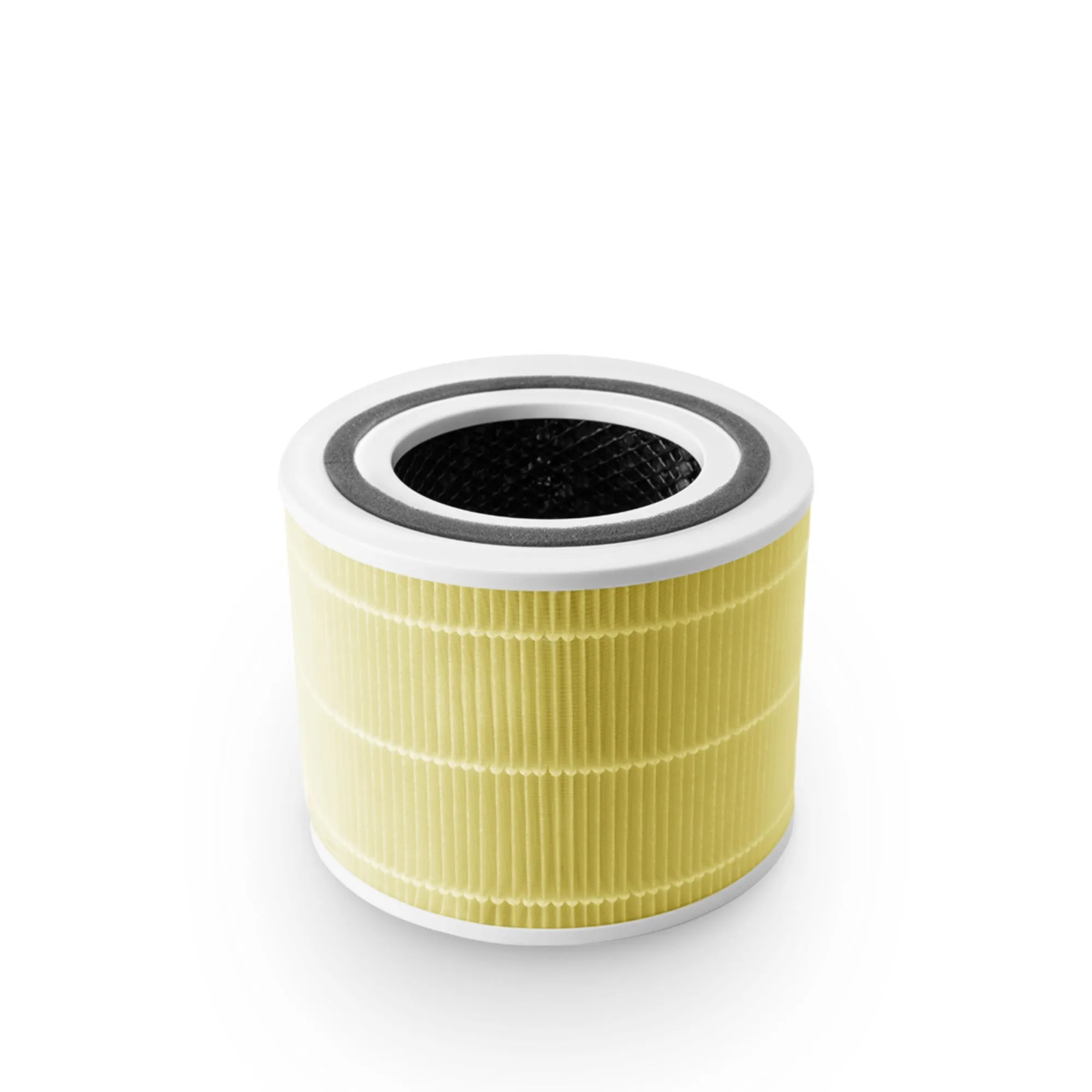
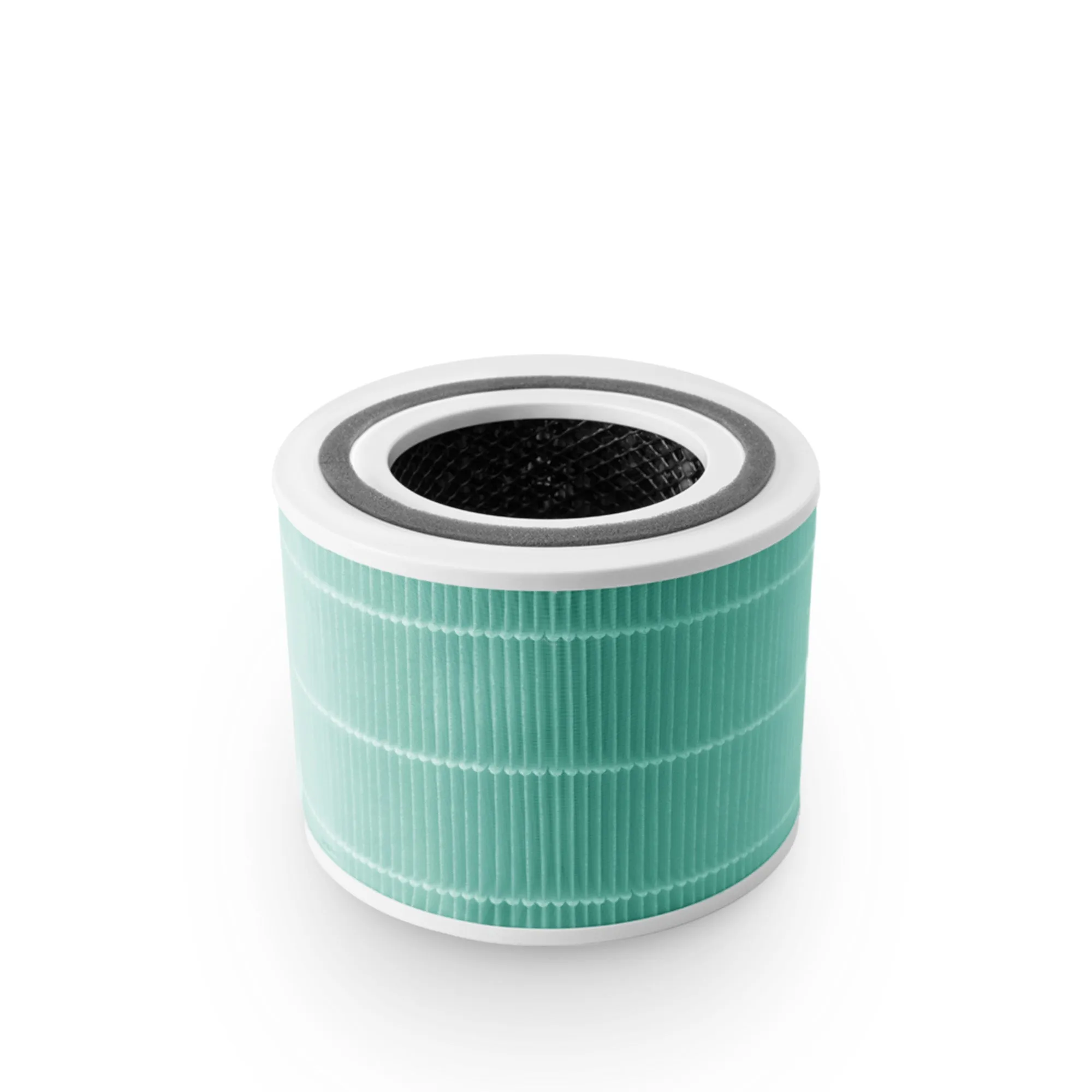
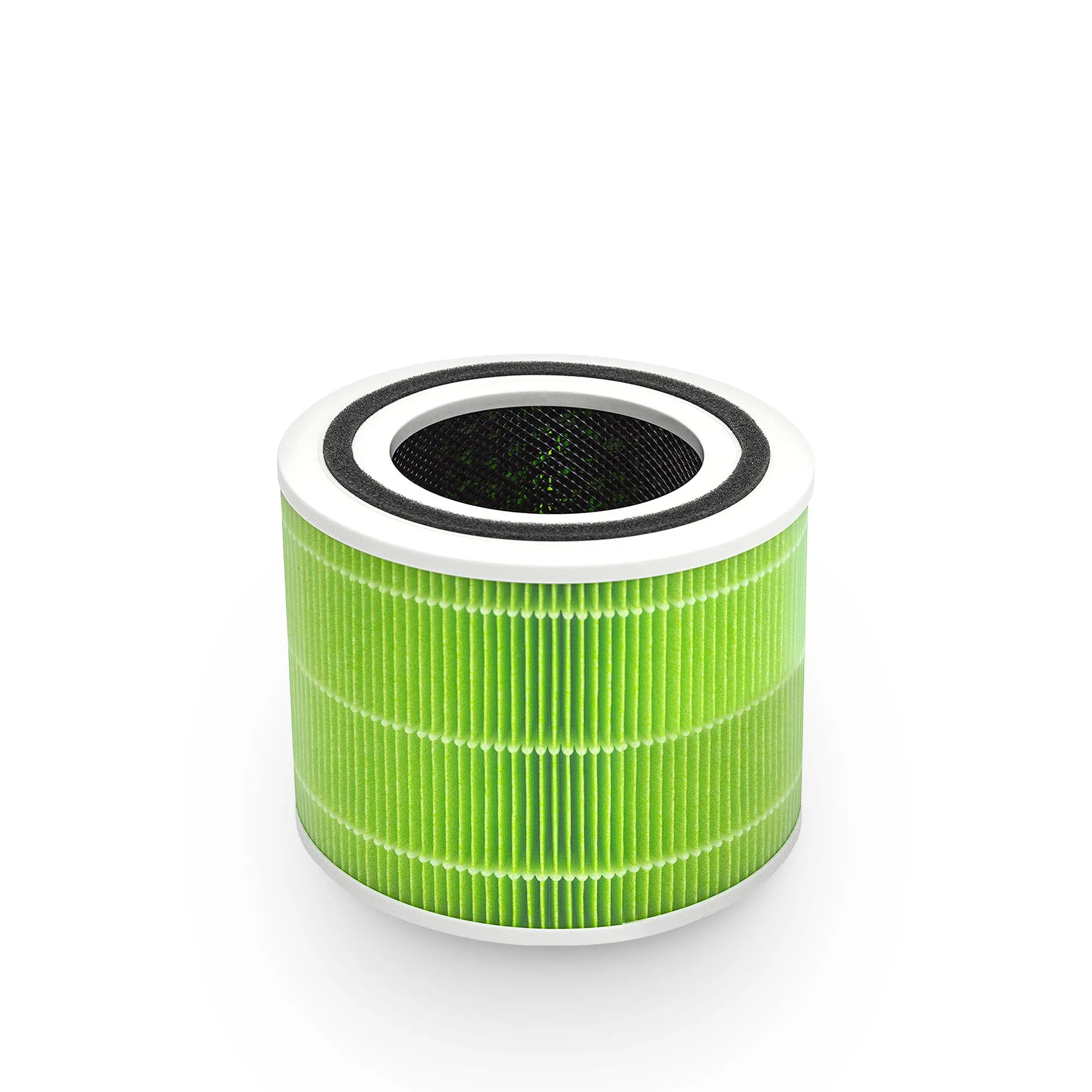
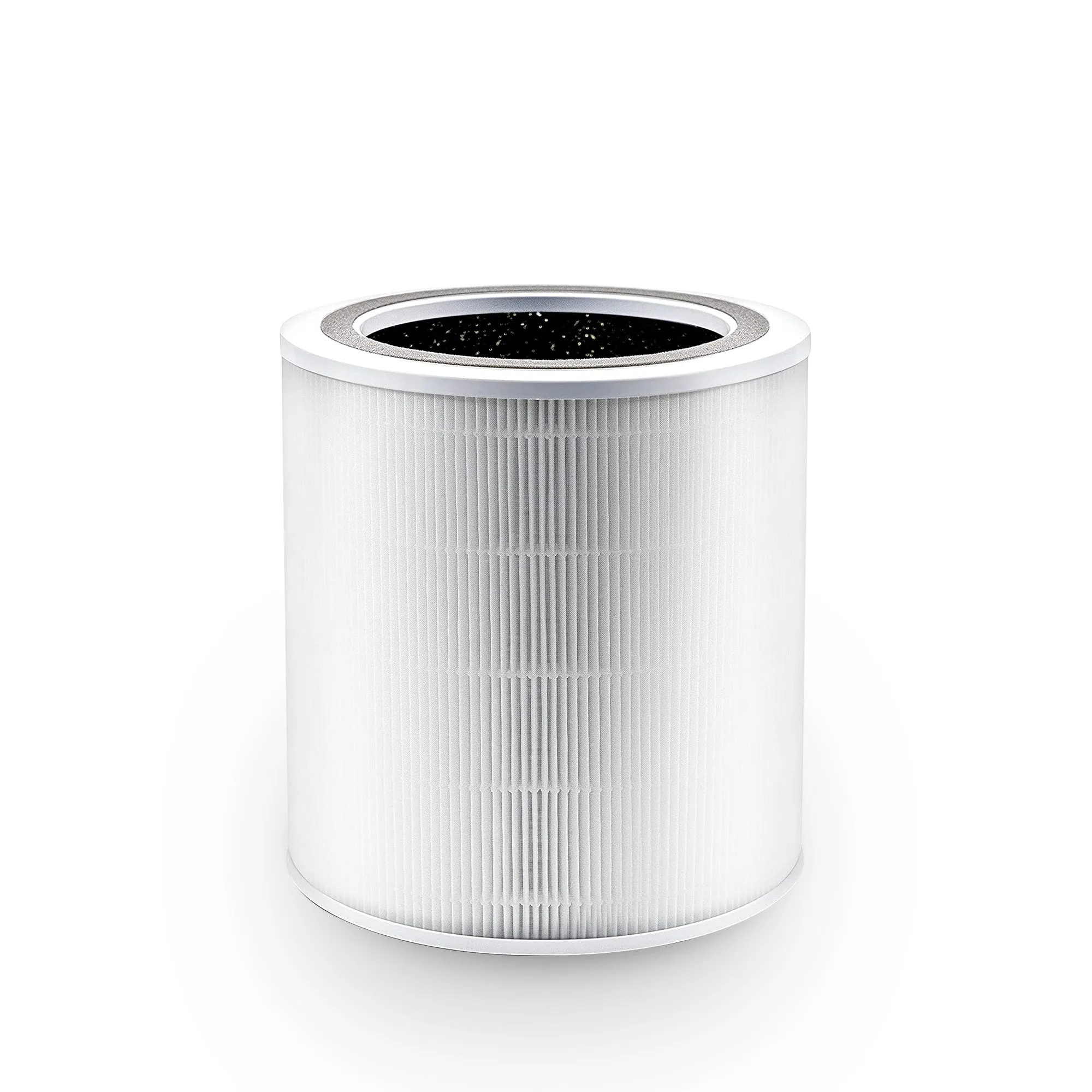
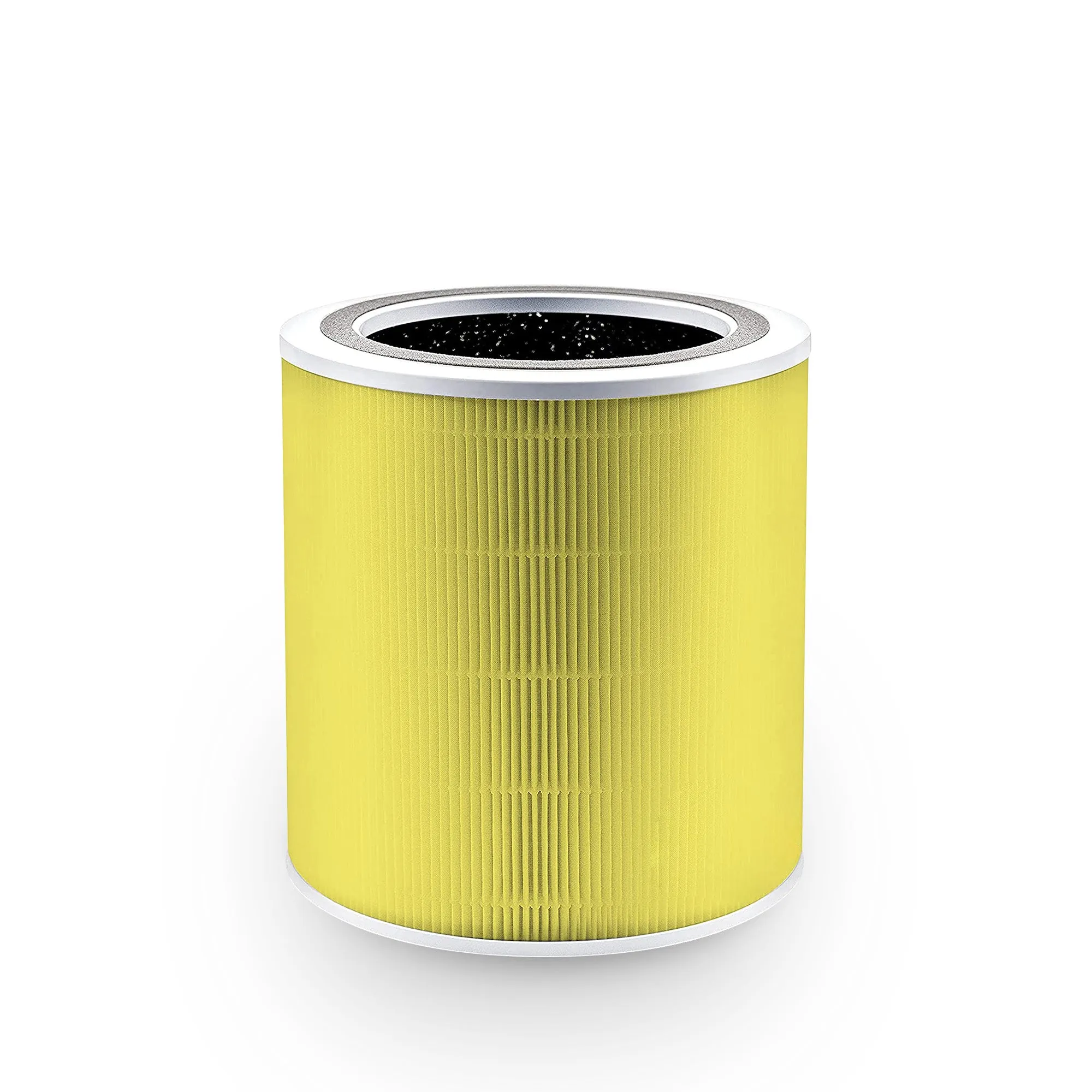
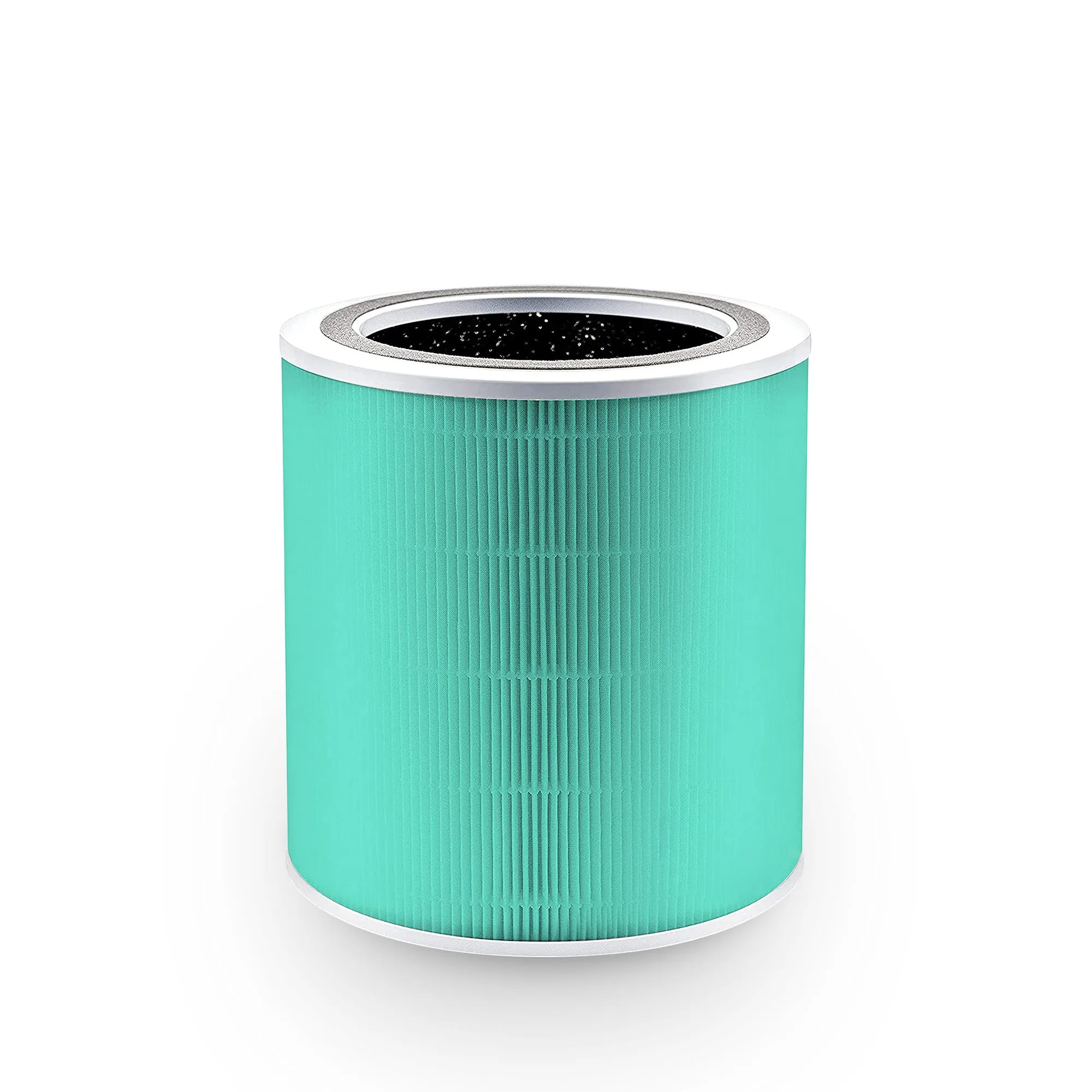
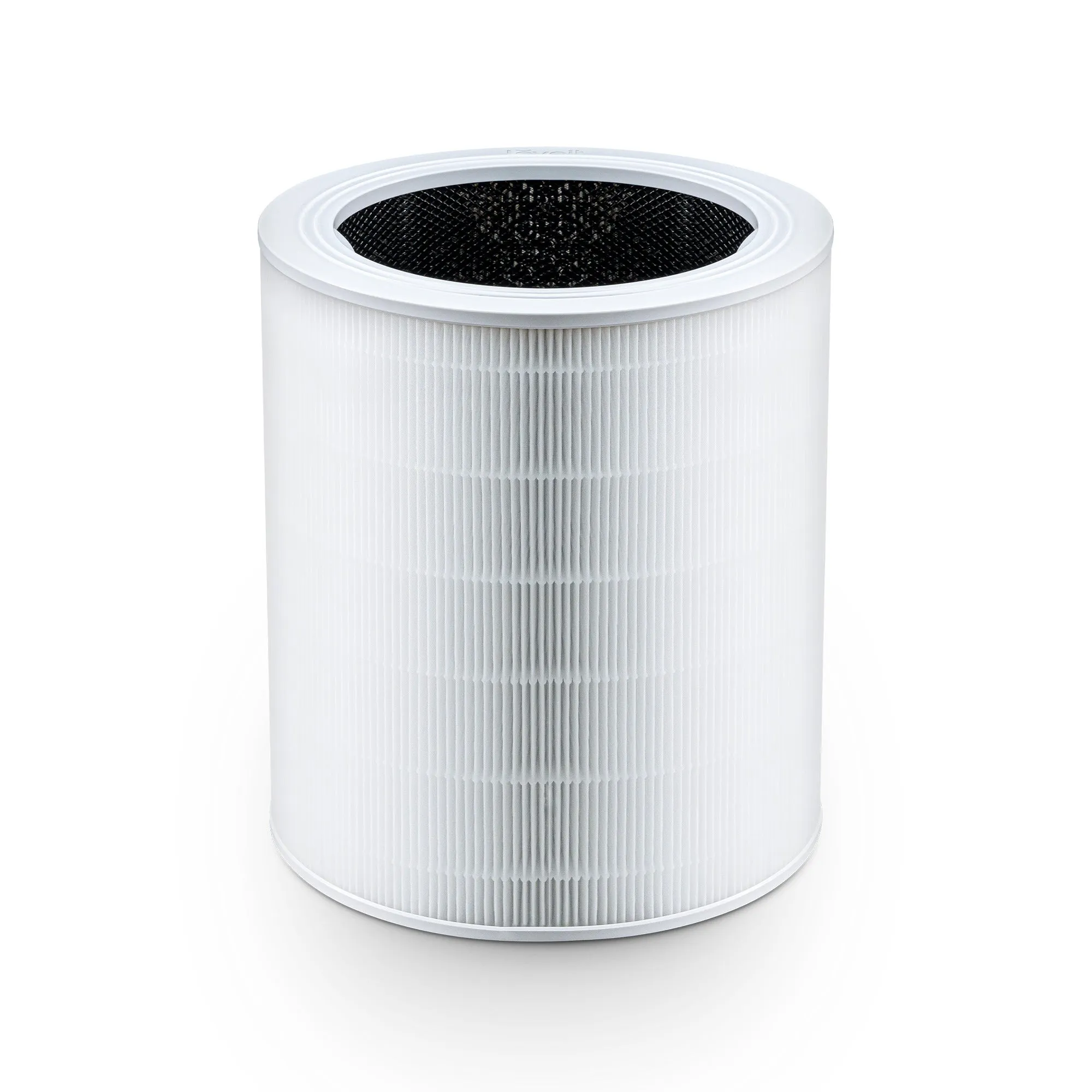
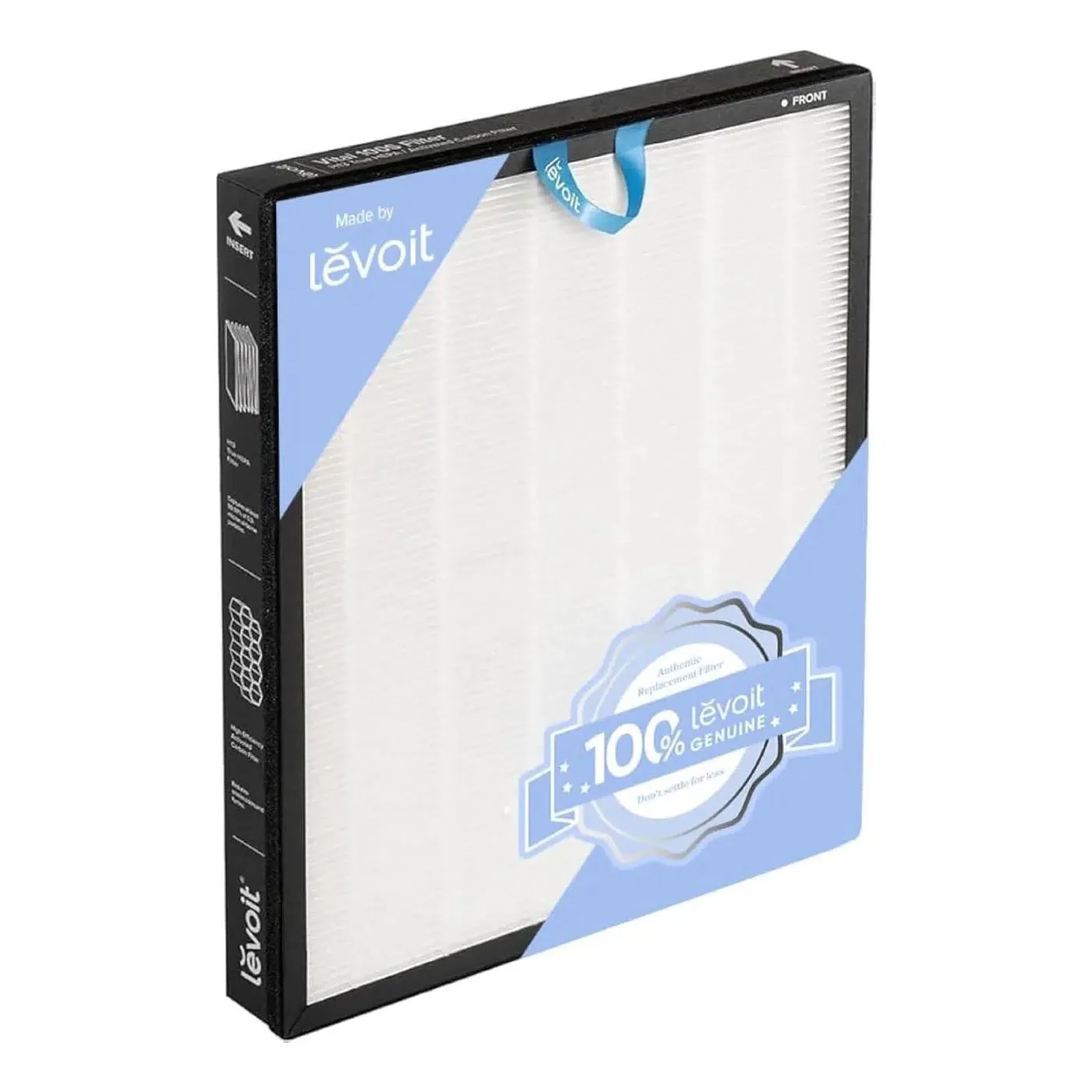
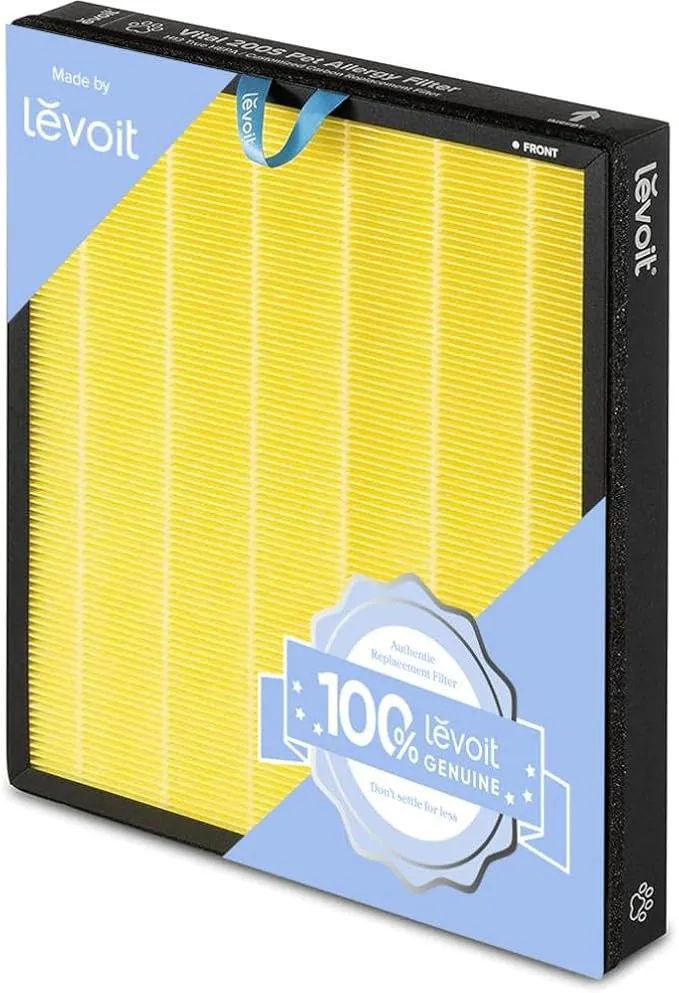
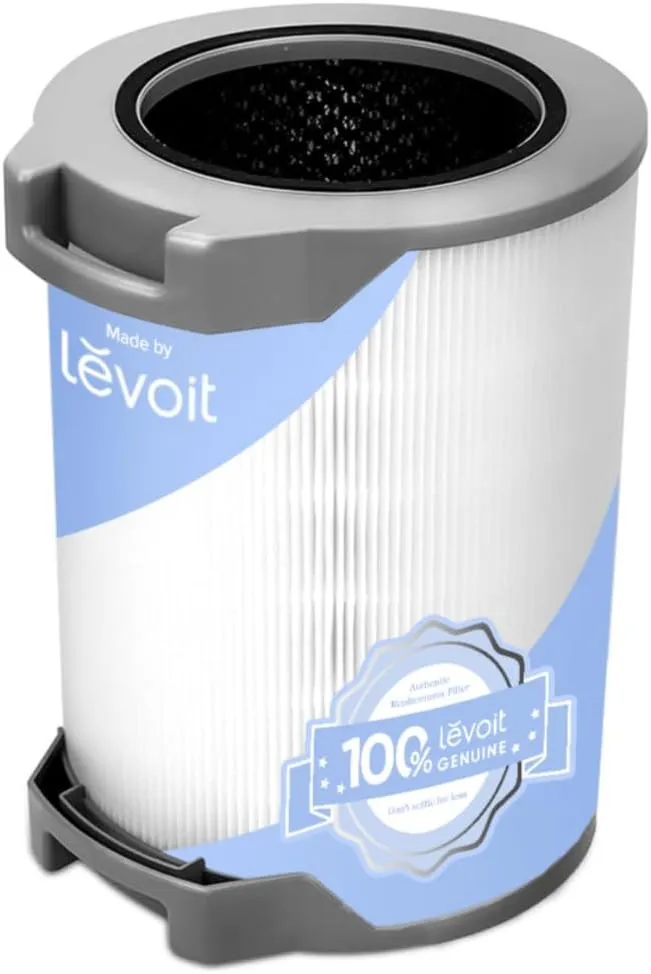
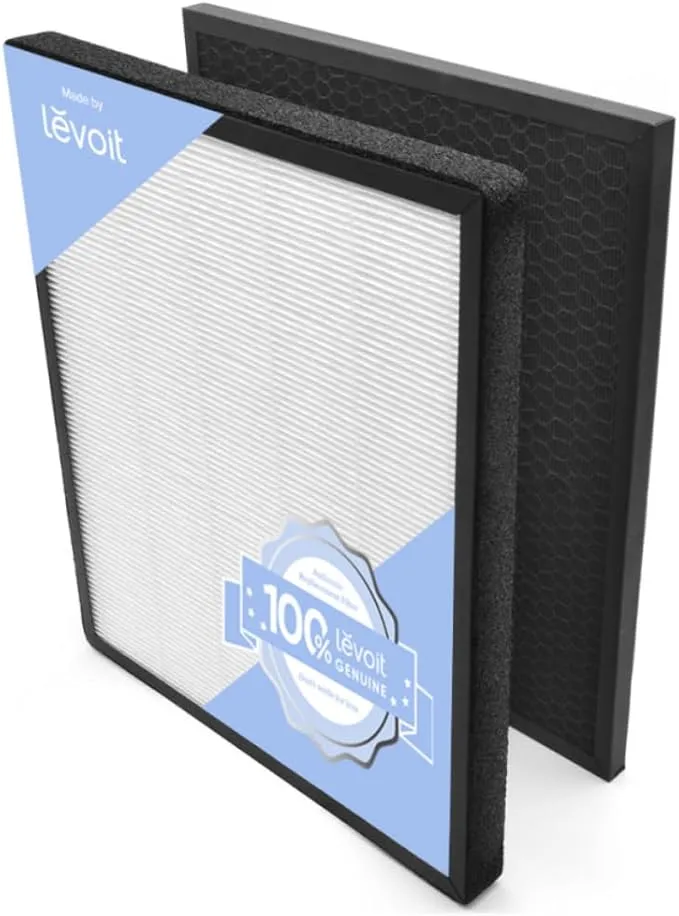
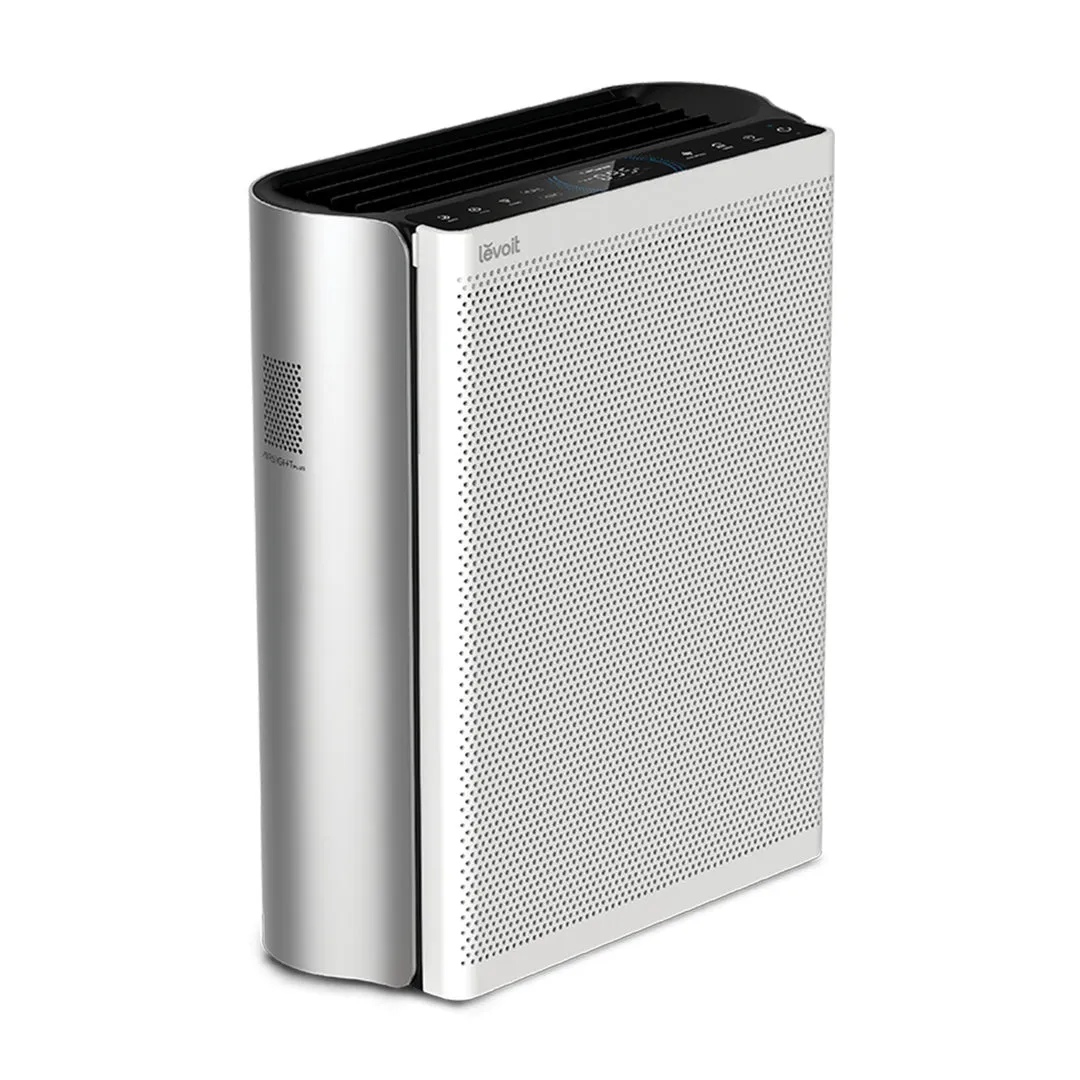
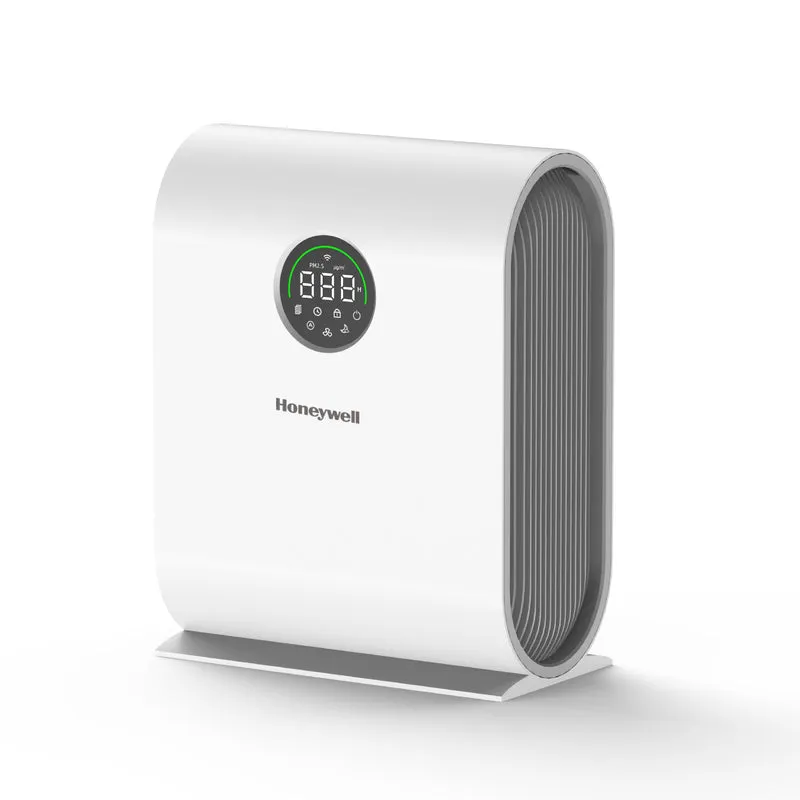
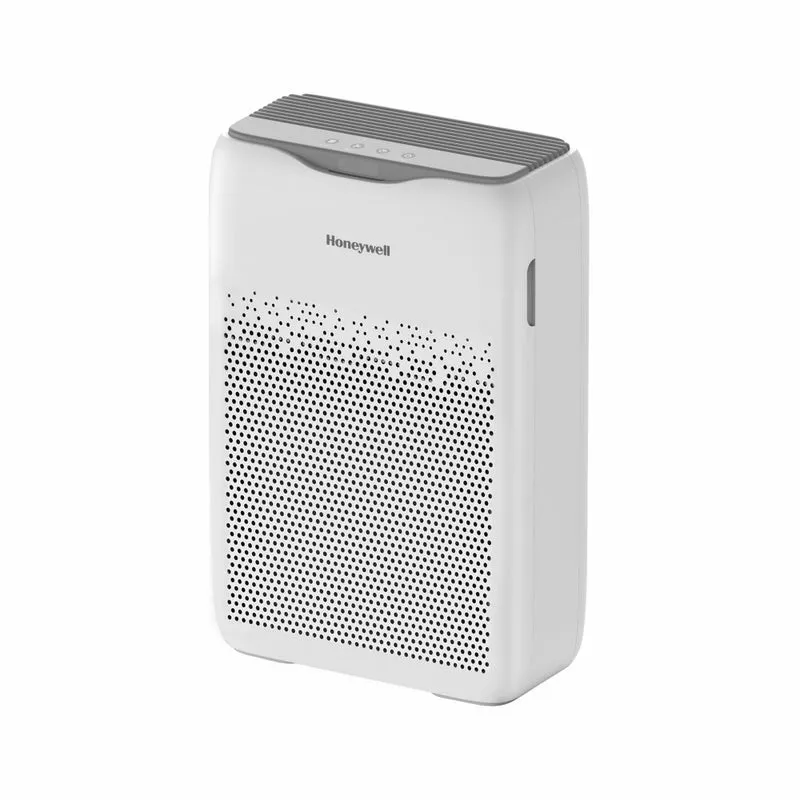
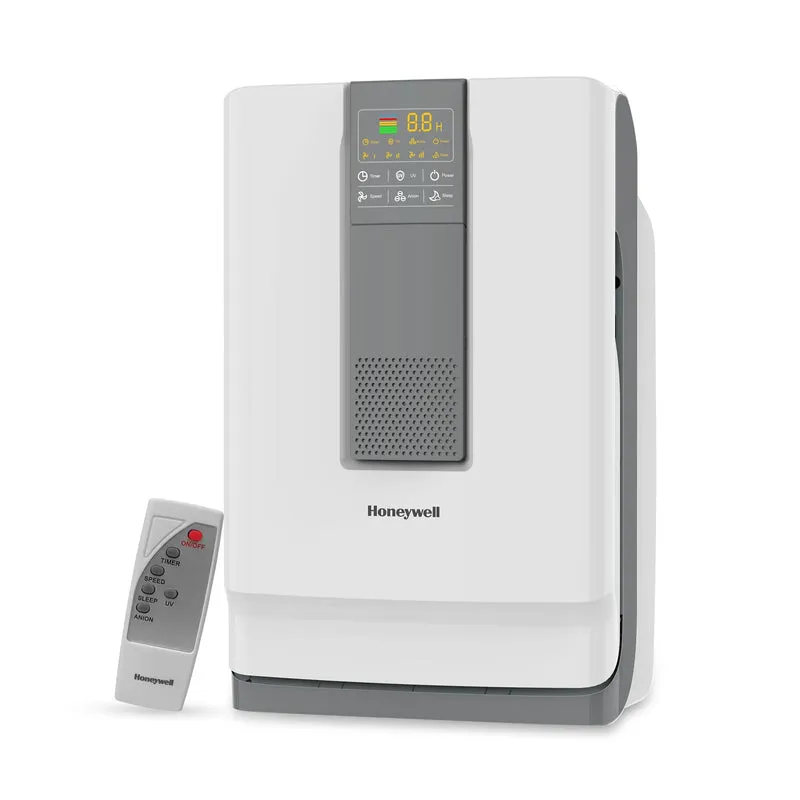
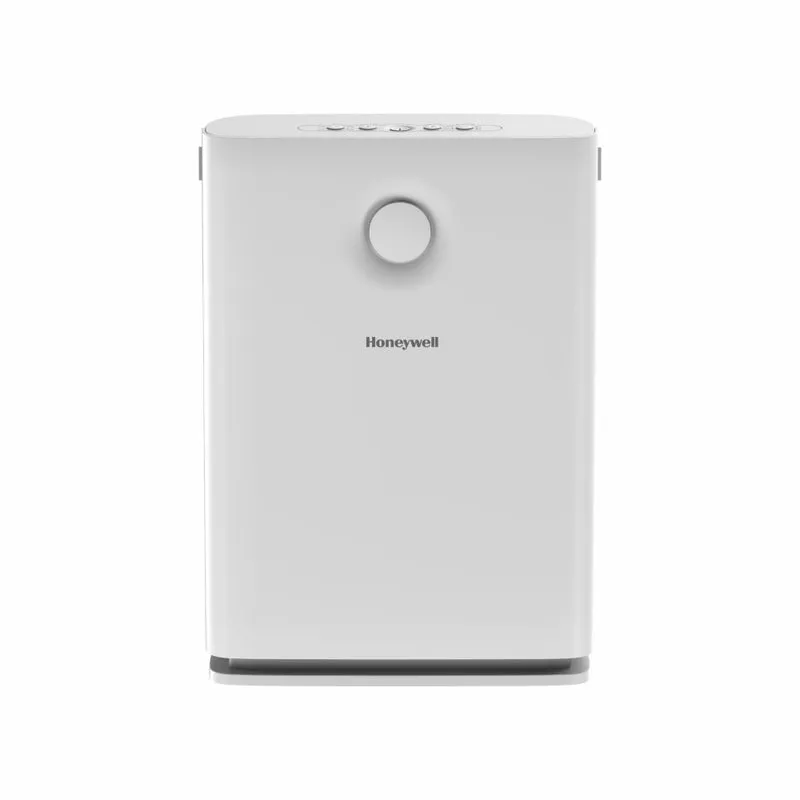
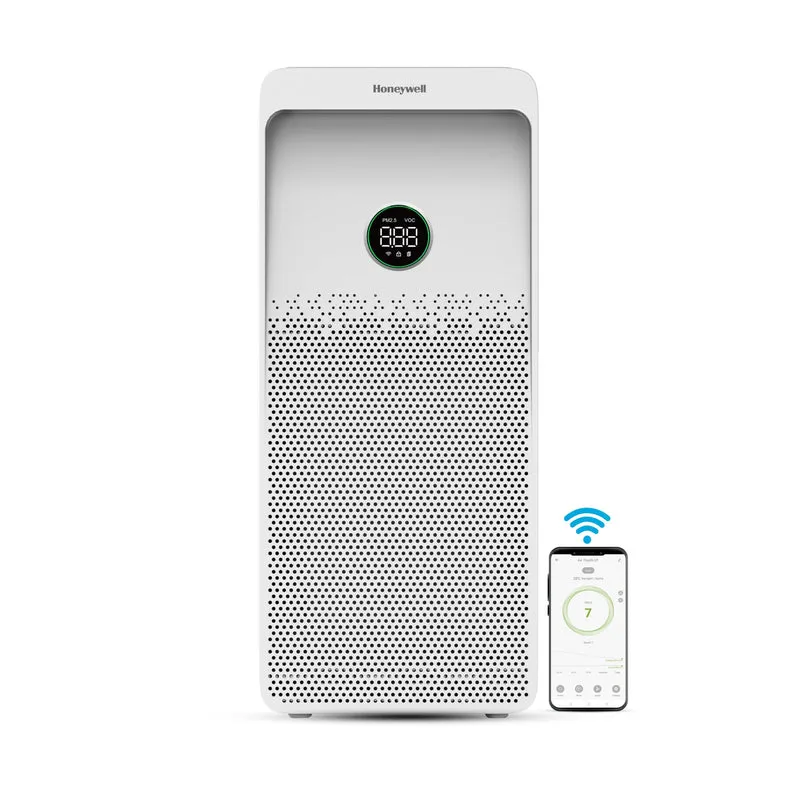
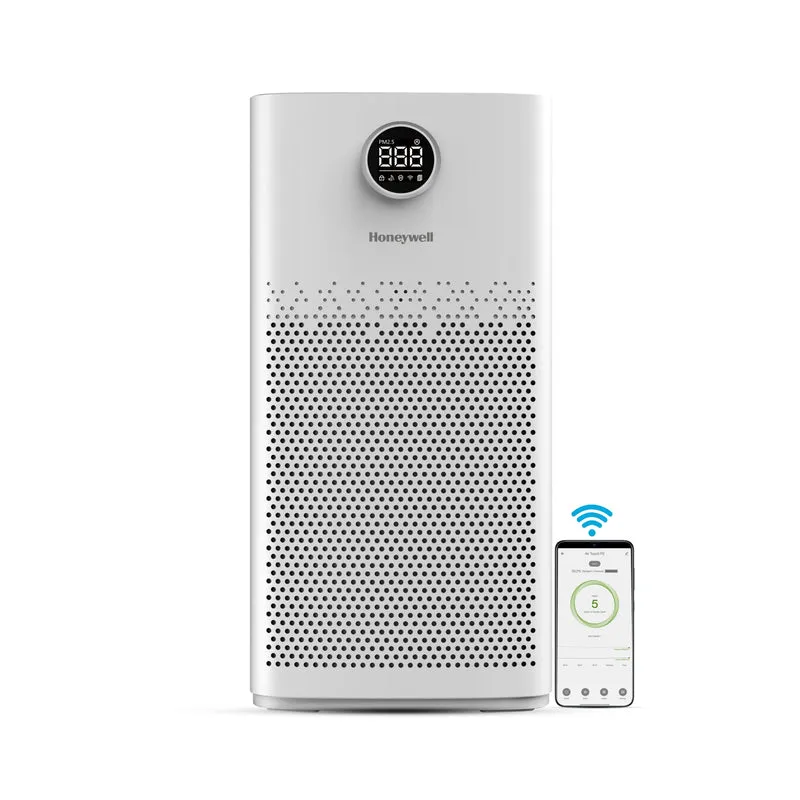
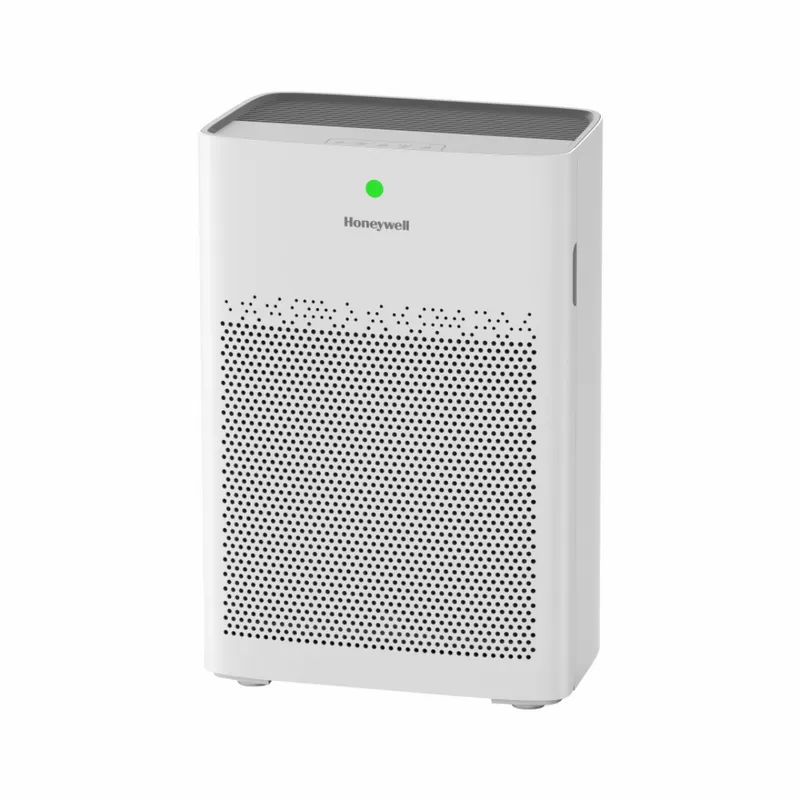
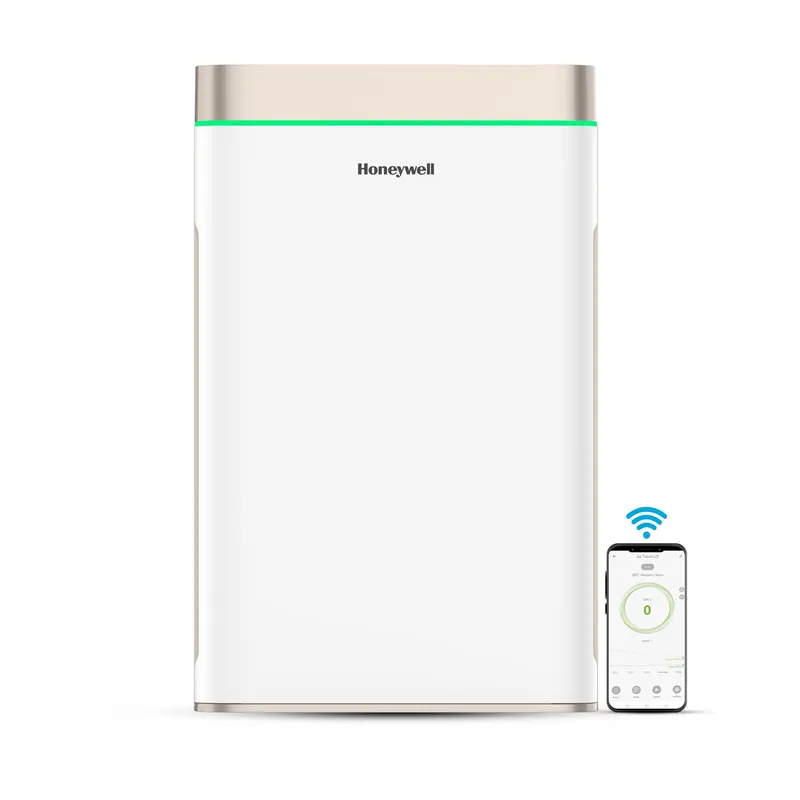
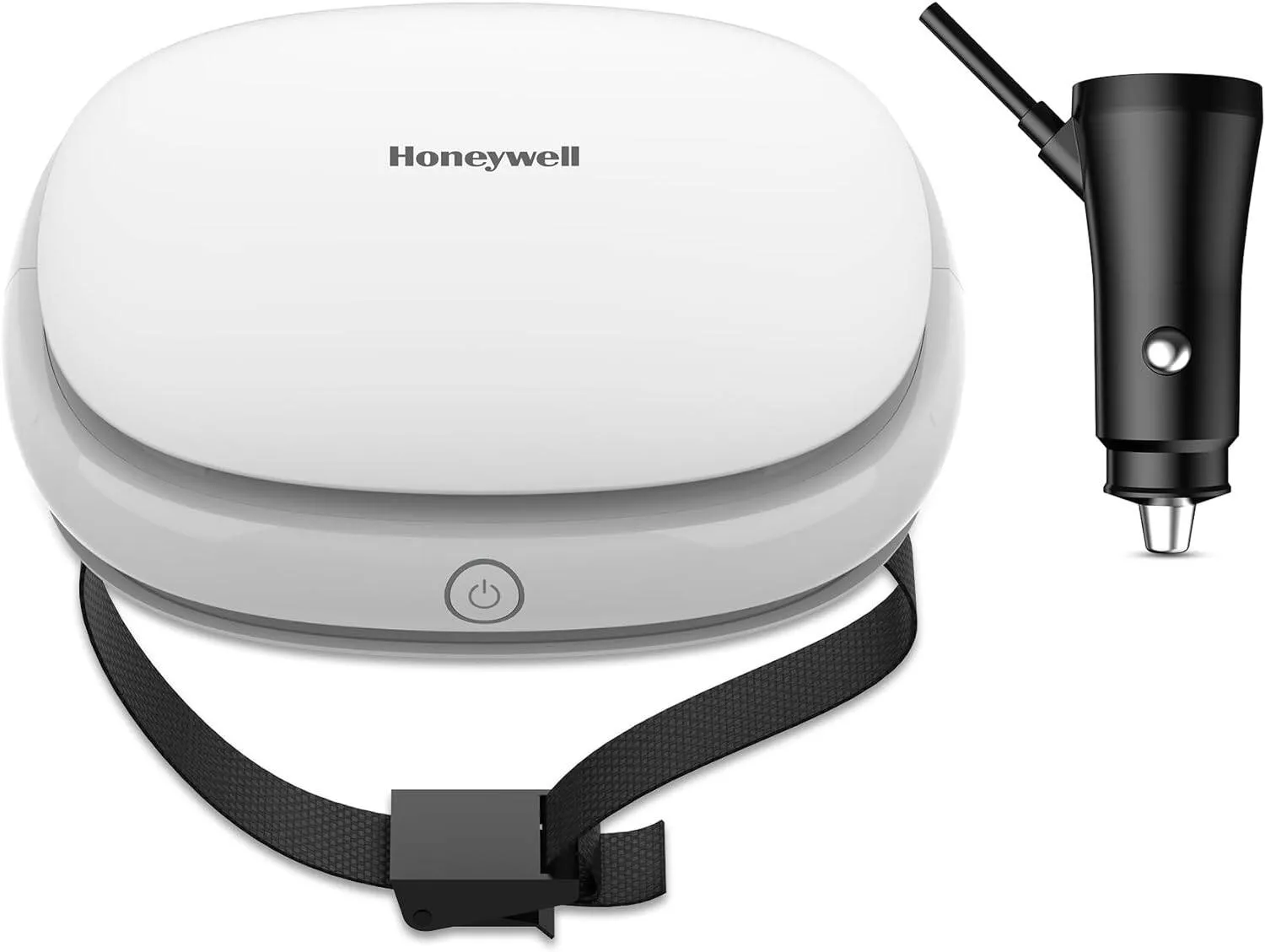
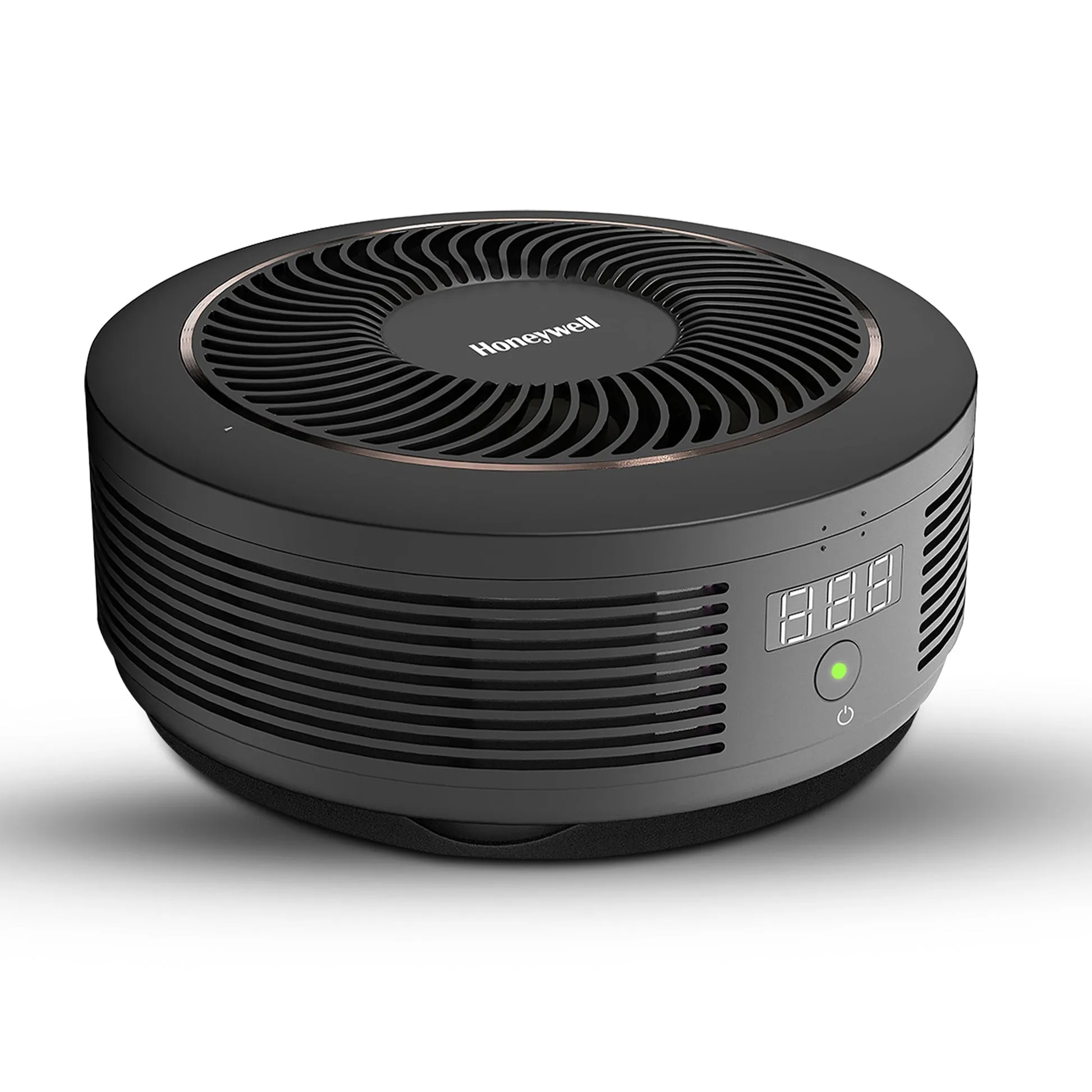
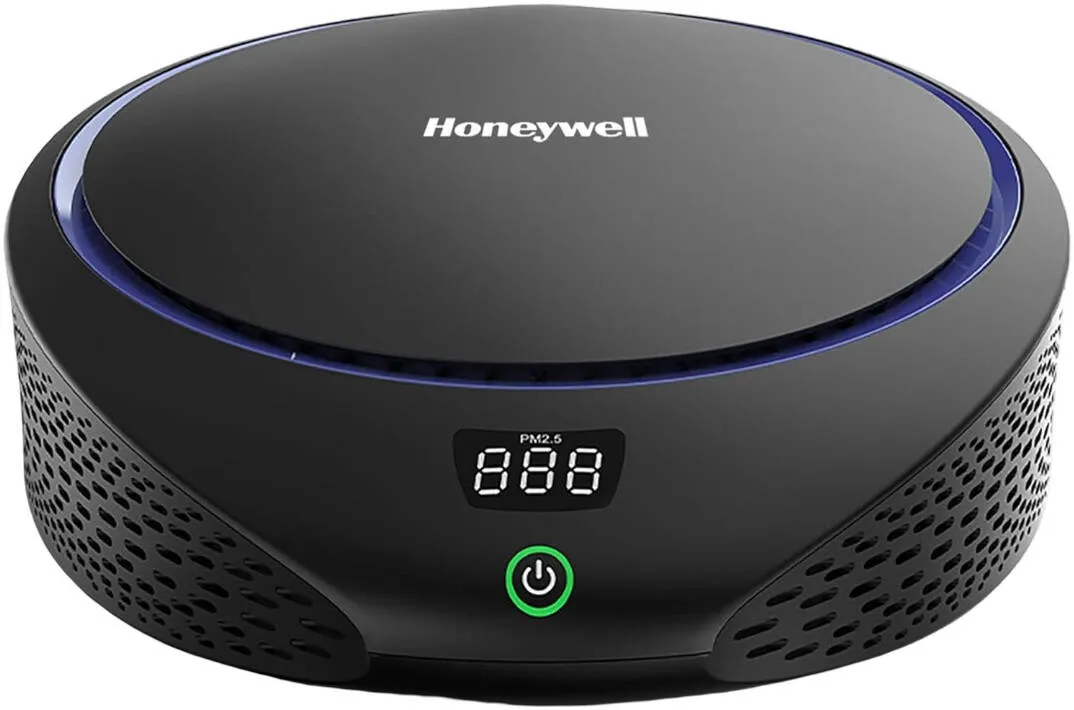
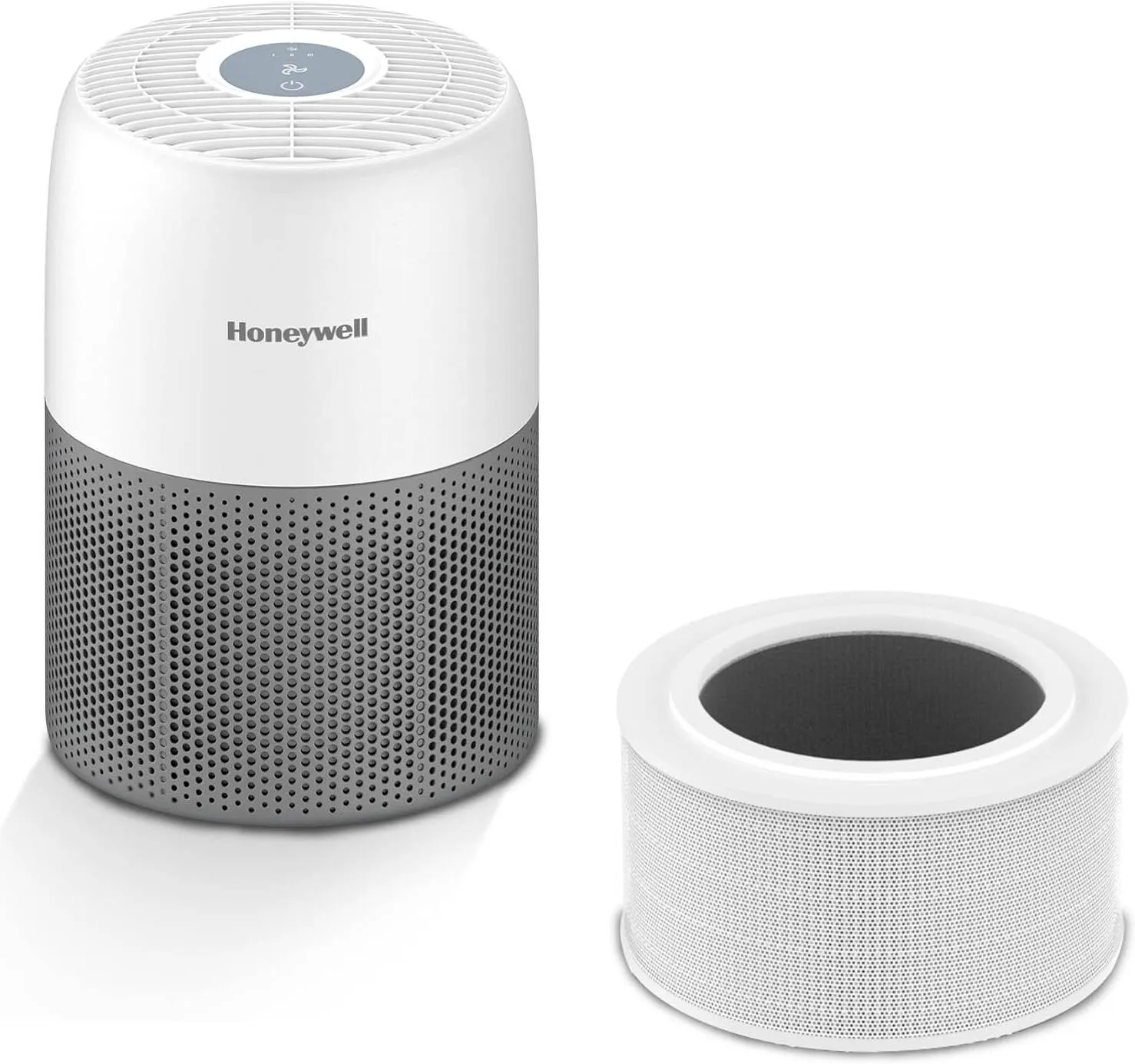
Cleanair-ae carries a curated range of bedroom-suitable air purifiers from Levoit, Blueair, and Honeywell, all available with fast delivery across Dubai, Abu Dhabi, and the wider UAE. For smaller bedrooms and children’s rooms, the Levoit Core Mini offers compact True HEPA filtration in a quiet, portable format well suited to allergy relief. For medium to large bedrooms requiring higher air change rates, the Levoit Core 600S delivers smart, quiet, high-performance filtration with app-based control. Replacement filters are stocked for all models. Use code SAVE10 at checkout for 10% off your first order.
FAQ
Why is bedroom air quality worse than other rooms?
Bedrooms accumulate allergens from bedding, mattresses, and carpets, and are often smaller and less ventilated than living areas. This concentration effect means pollutant levels can be notably higher than in other parts of the home.
Do houseplants genuinely clean bedroom air?
No. Research shows you would need between 10 and 1,000 plants per square metre to match the air-cleaning effect of normal mechanical ventilation. Plants offer psychological benefits but are not a substitute for a True HEPA air purifier.
How often should bedroom air purifier filters be changed?
Most True HEPA filters require replacement every 6 to 12 months depending on use and local air quality. In dusty UAE environments, checking filters every six months and replacing as needed maintains performance.
What is the best placement for a bedroom air purifier?
Place the unit away from walls and corners to allow free airflow on all sides. Position it near the breathing zone if possible, and run it continuously on a low, quiet setting during sleep for best results.
Are ozone air purifiers safe to use in bedrooms?
No. Ozone-generating devices produce ozone that irritates lung tissue and should not be used in enclosed sleeping environments. Choose a unit with True HEPA and activated carbon filtration instead.