Uncategorised
What are HEPA filters? A clear family guide
HEPA stands for High Efficiency Particulate Air, and if you have ever stood in a shop staring at air purifiers wondering what the term actually means, you are not alone. What are HEPA filters, really? Most people assume any filter labelled “HEPA” is equally effective. That assumption is costly. True HEPA filters remove at least 99.97% of airborne particles at 0.3 microns, a standard that cheaper “HEPA-style” alternatives simply do not meet. This guide covers how HEPA filtration works, what the health research says, how to spot misleading labelling, and how to choose the right unit for your home.
Table of Contents
- Key takeaways
- What are HEPA filters and how do they work?
- Health benefits of HEPA filtration
- True HEPA vs HEPA-type filters: what the labels mean
- Choosing and using a HEPA air purifier at home
- My take on HEPA filters and what most buyers overlook
- HEPA air purifiers from Cleanair-ae
- FAQ
Key takeaways
| Point | Details |
|---|---|
| True HEPA is a certified standard | Only H13 grade or better meets the 99.97% efficiency benchmark at 0.3 microns. |
| Four mechanisms do the work | HEPA fibres trap particles via interception, impaction, diffusion, and electrostatic attraction. |
| Health benefits go beyond breathing | Recent research links HEPA use to measurable cognitive improvements in adults over 40. |
| HEPA does not remove gases | Pair your HEPA unit with an activated carbon filter to tackle odours and VOCs. |
| Unit design matters as much as the filter | A poorly sealed purifier can allow air to bypass the HEPA media entirely. |
What are HEPA filters and how do they work?
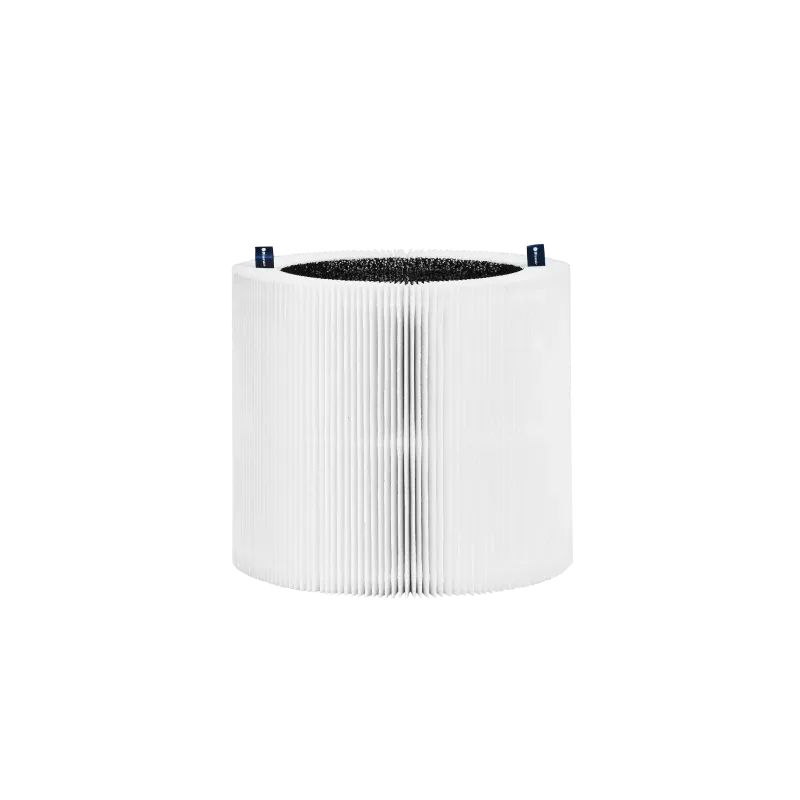
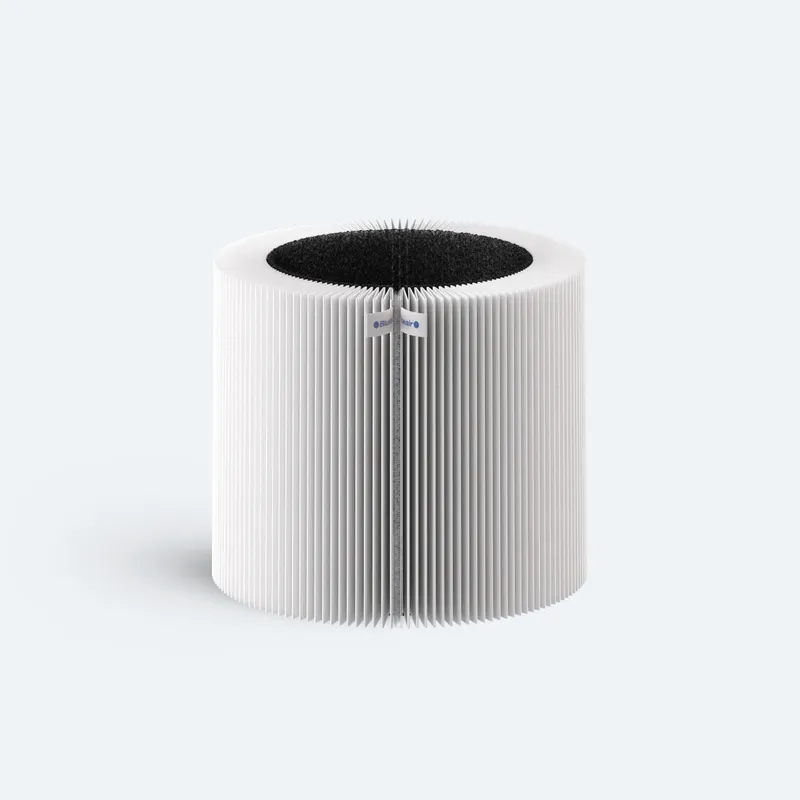
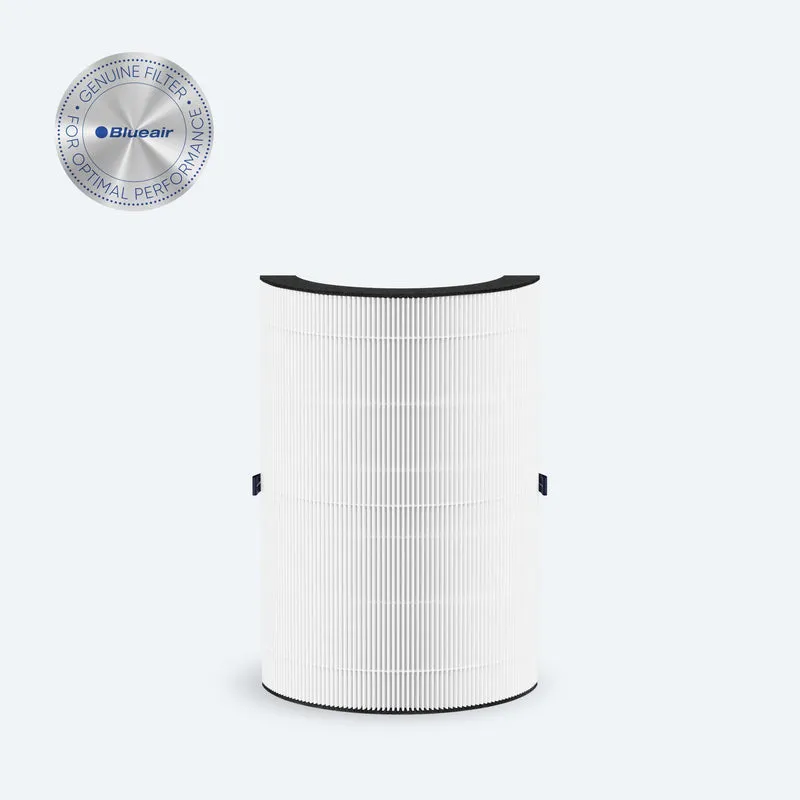
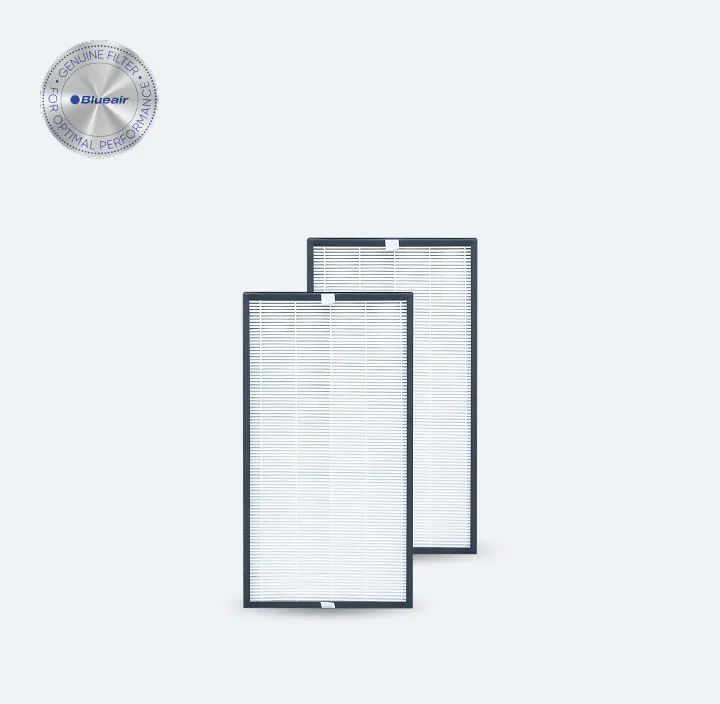
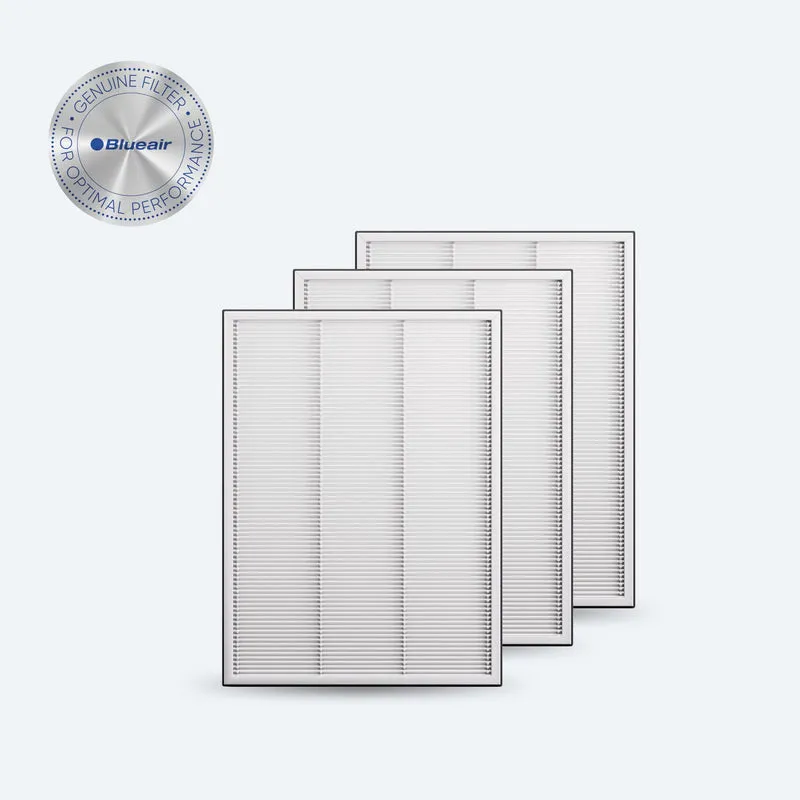
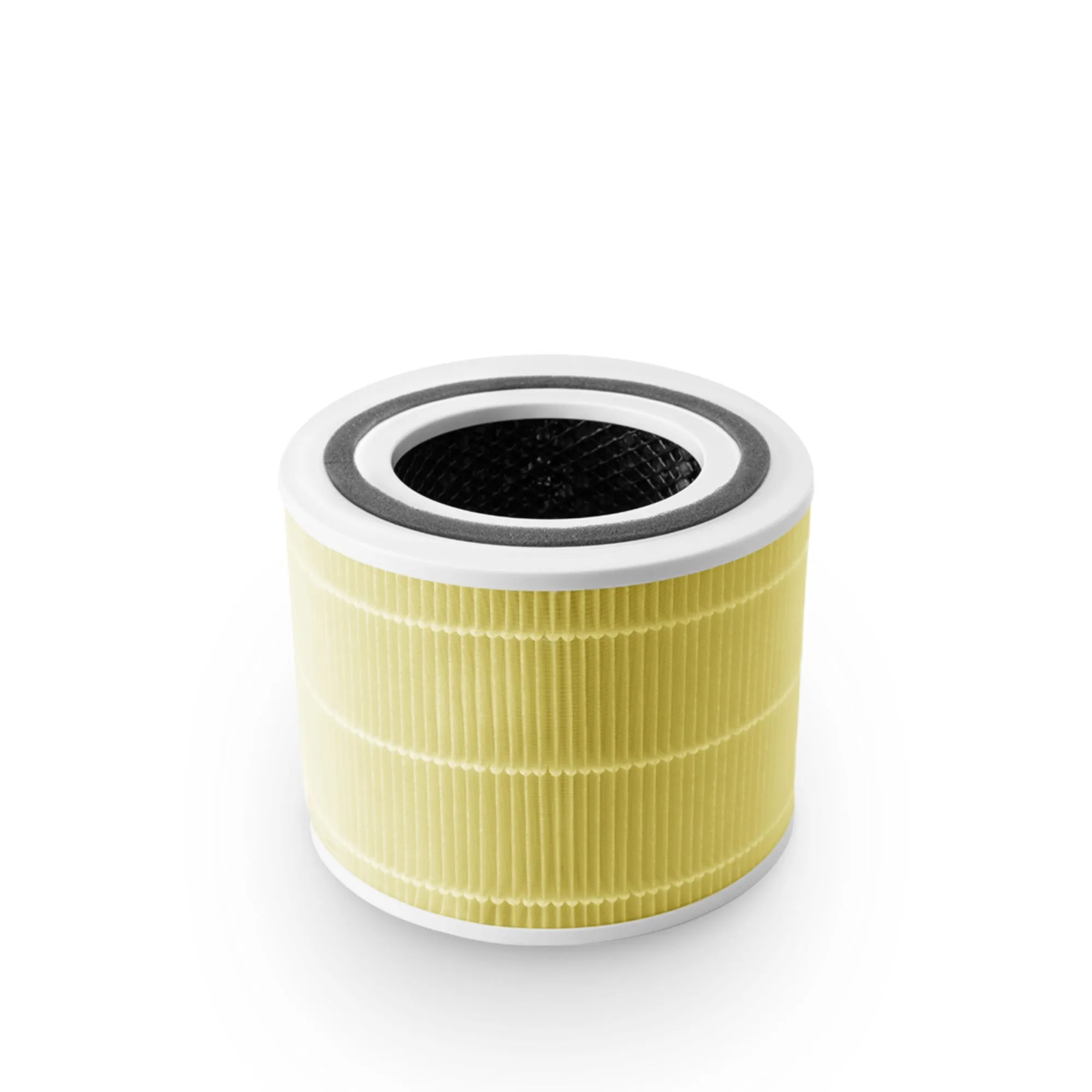
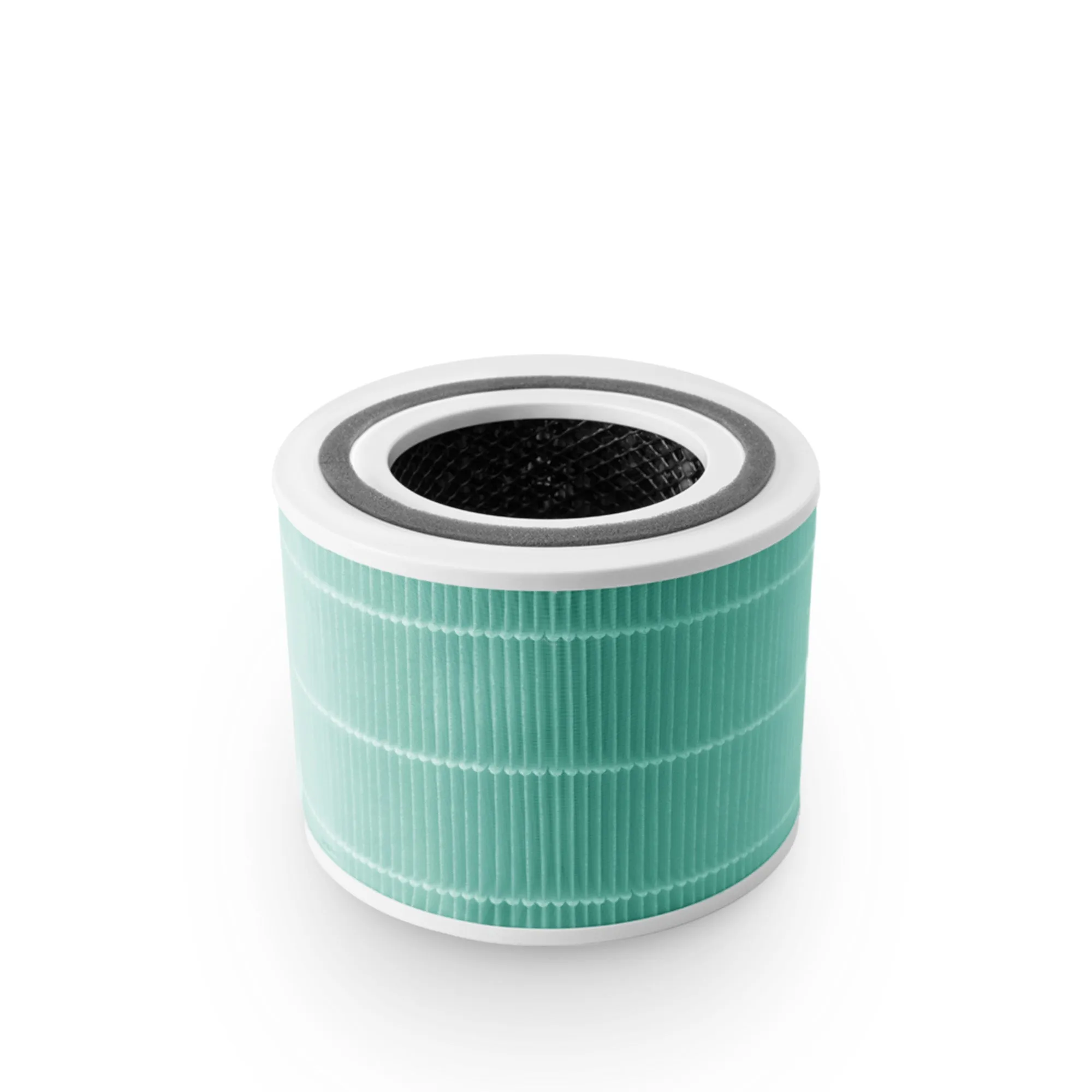
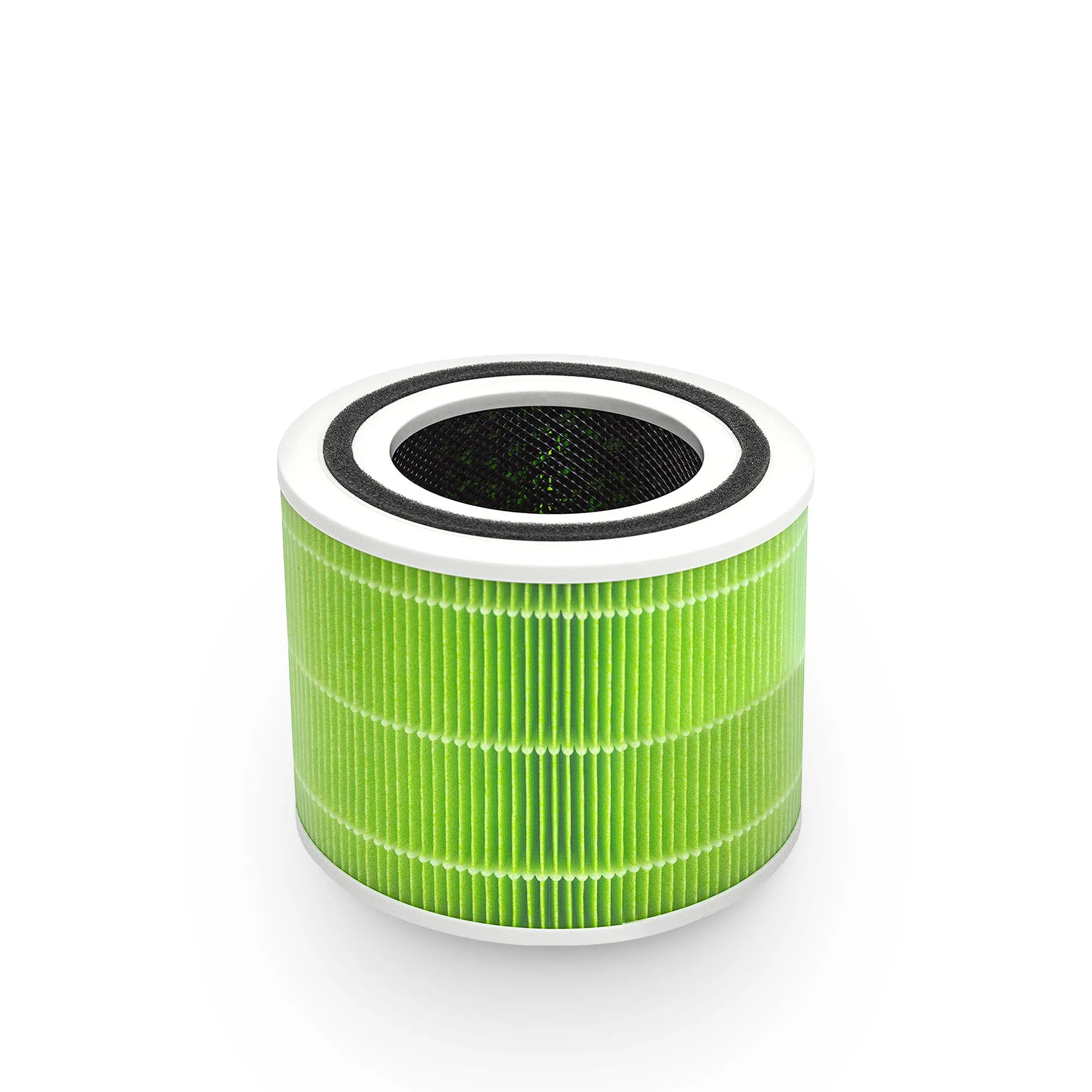
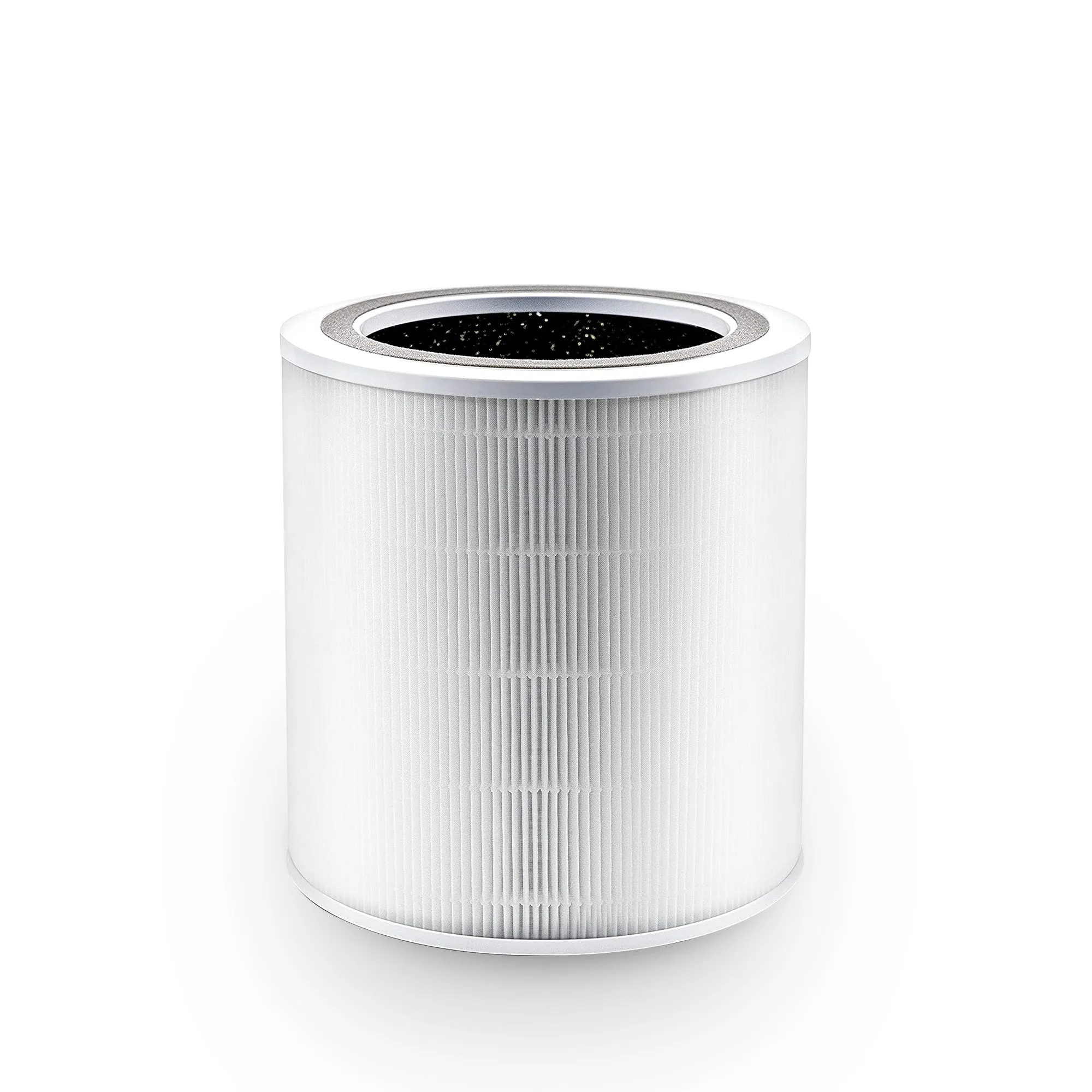
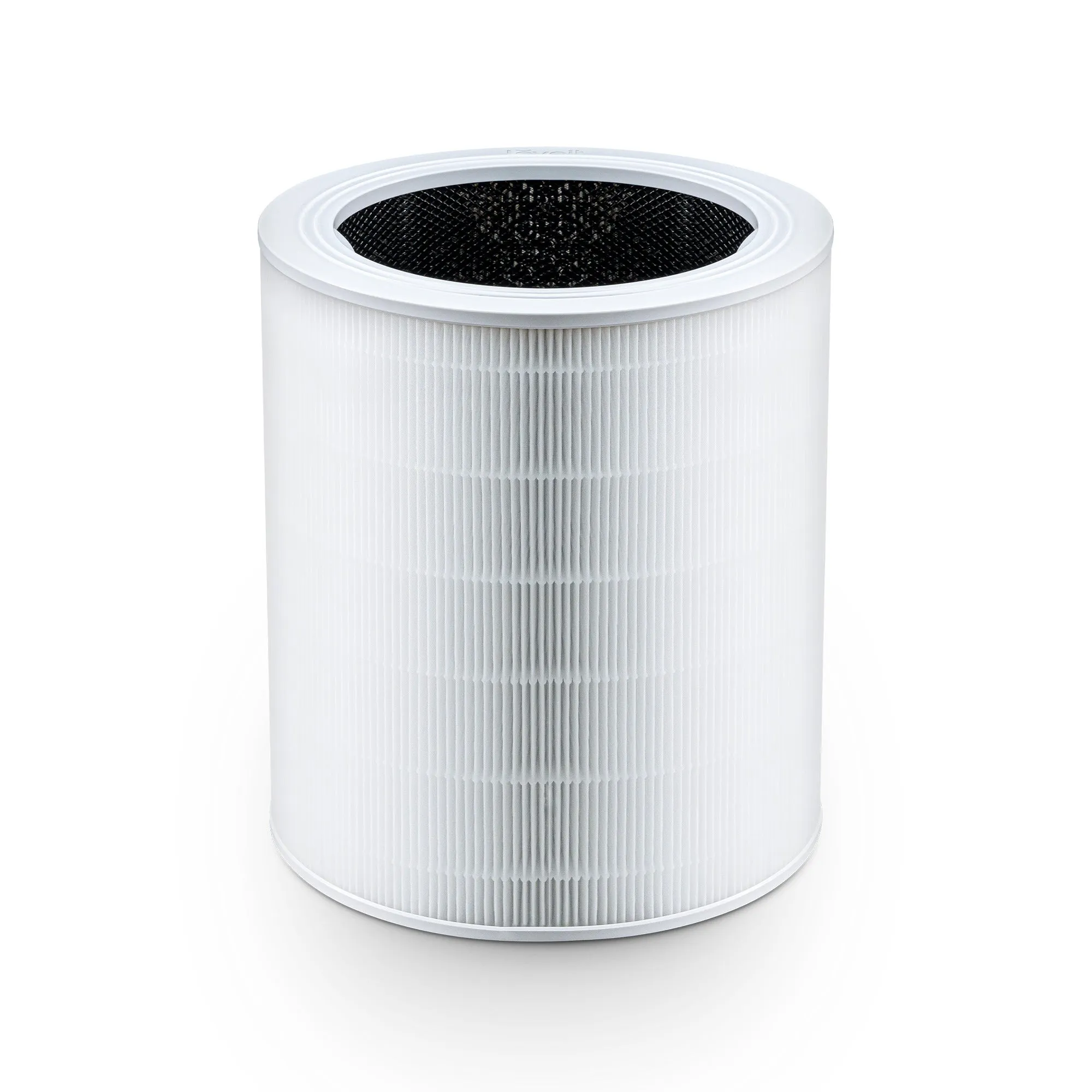
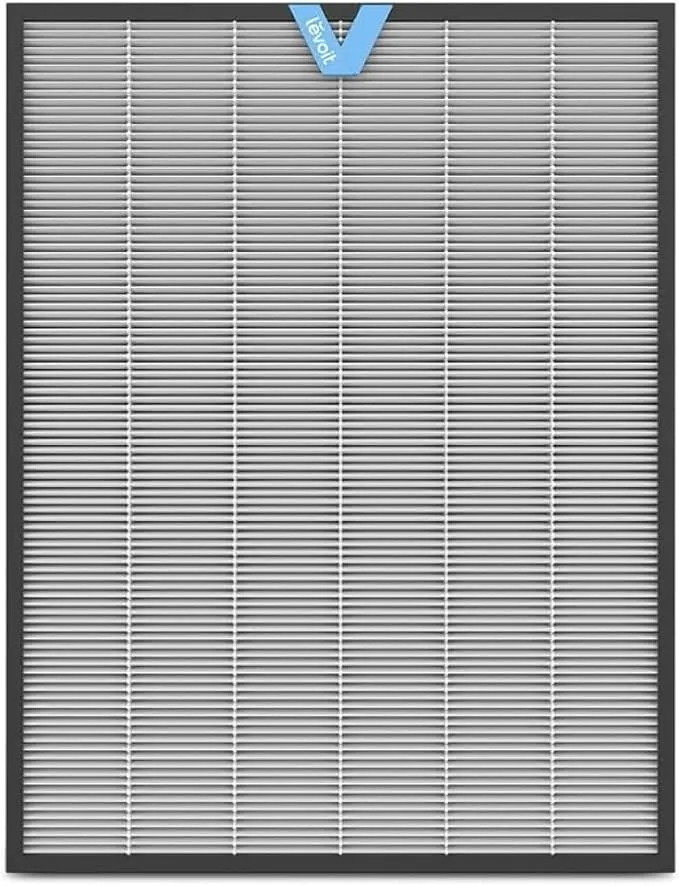
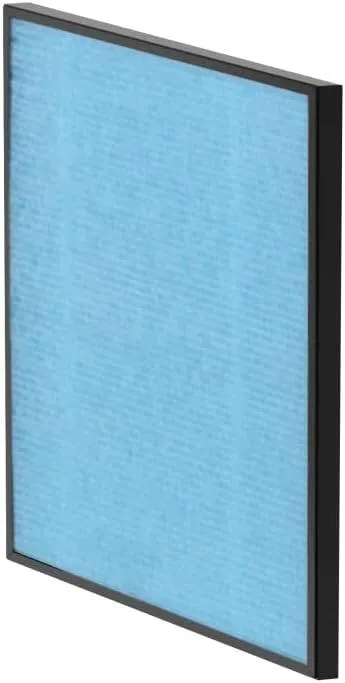
HEPA filters are made from a dense mat of randomly arranged fibres, typically fibreglass, folded into tight pleats to maximise the surface area packed inside a compact frame. Air passes through this fibrous maze, and particles get trapped through four distinct physical mechanisms rather than simple sieving.
Here is how each mechanism works:
- Interception. Particles travelling along an airstream come close enough to a fibre to touch it and stick. Medium-sized particles between roughly 0.3 and 1 micron are caught this way most frequently.
- Impaction. Larger, heavier particles cannot follow the curved airflow around a fibre. They travel in a straight line, collide with the fibre, and stay there.
- Diffusion. Very small particles, those below 0.1 micron, move erratically due to collisions with gas molecules (Brownian motion). This random path increases the chance of contact with a fibre.
- Electrostatic attraction. Some particles carry an electrical charge and are drawn towards oppositely charged fibres, adding another layer of capture for fine particles.
The 0.3 micron size is deliberately chosen as the certification benchmark because it is the most penetrating particle size for fibrous filters. Particles both smaller and larger than 0.3 microns are actually trapped with higher efficiency. So when a filter passes the 0.3 micron test, you know it performs even better across the full spectrum of particle sizes you encounter at home.
Pro Tip: When reading product specifications, look for the filter’s stated efficiency at 0.3 microns specifically. A figure quoted at a different particle size may be inflating the apparent performance.
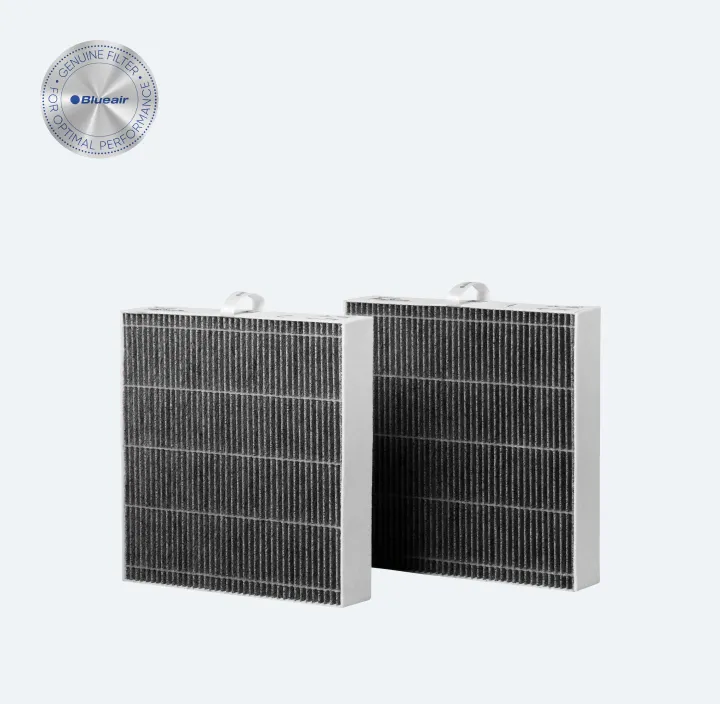
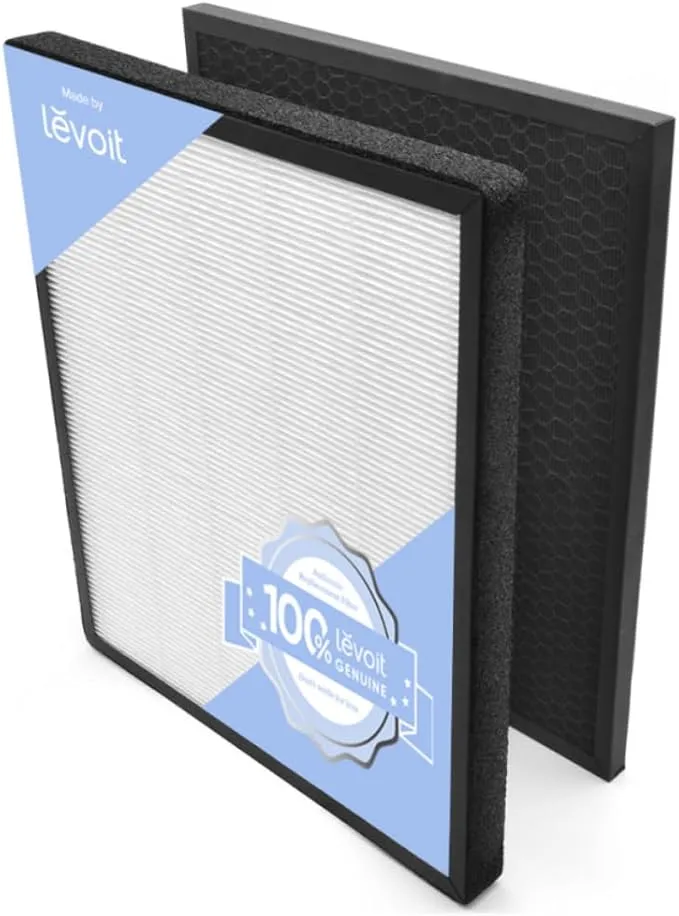
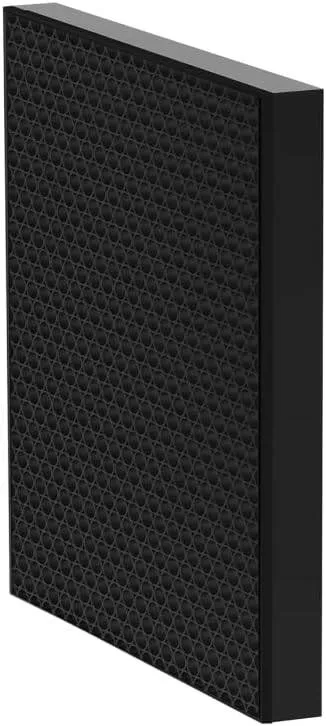
What HEPA filters do not capture are gases, volatile organic compounds (VOCs), and odours. Those require a separate activated carbon layer. Many quality purifiers combine both in a single unit, which is worth looking for if cooking smells or chemical odours are a concern in your home.
Health benefits of HEPA filtration
The benefits of air filtration with a true HEPA filter go well beyond reducing visible dust. HEPA media captures a broad catalogue of indoor pollutants, including pollen, dust mite debris, mould spores, pet dander, bacteria, and fine particulate matter known as PM2.5. For families with allergy or asthma sufferers, removing these particles from circulating air is directly linked to fewer symptoms and fewer acute episodes.
The health benefits of clean air are increasingly backed by clinical evidence. A 2026 study published in Scientific Reports found that HEPA filtration improved cognitive test performance in adults aged 40 and over after just one month of use. Participants using a true HEPA air purifier completed the Trail Making Test Part B in an average of 54.0 seconds, compared to 61.4 seconds for those using a sham filter. That is a 12% improvement in a task that measures processing speed and mental flexibility.
“Public health research is increasingly recognising the neurological and cognitive benefits of reducing particulate matter exposure via HEPA filtration.” — Scientific Reports, 2026
The benefits of clean indoor air extend to sleep quality, cardiovascular health, and long-term respiratory function. PM2.5 particles are small enough to reach deep into the lungs and enter the bloodstream, which is why their removal matters far beyond what you can smell or see. For households in urban areas, or anywhere with traffic pollution nearby, a HEPA purifier addresses a real and measurable risk.
One limitation worth knowing: HEPA filters do not remove gases or odours. If your concern includes cooking fumes, tobacco smoke residue, or cleaning product chemicals, you need a unit that combines HEPA with activated carbon filtration.
True HEPA vs HEPA-type filters: what the labels mean
This is where many families waste money without realising it. The word “HEPA” appears on a huge range of products, but it does not automatically mean the filter meets any certified standard. Understanding what is true HEPA versus what is a marketing term protects both your budget and your family’s health.
True HEPA filters, H13 grade or better, are tested and certified to capture 99.97% of particles at 0.3 microns. Anything labelled “HEPA-type”, “HEPA-style”, or “HEPA-like” typically captures only around 85 to 90% of particles at the same size. That gap is significant. In a room full of airborne allergens, a HEPA-style filter leaves a meaningful proportion of pollutants recirculating.
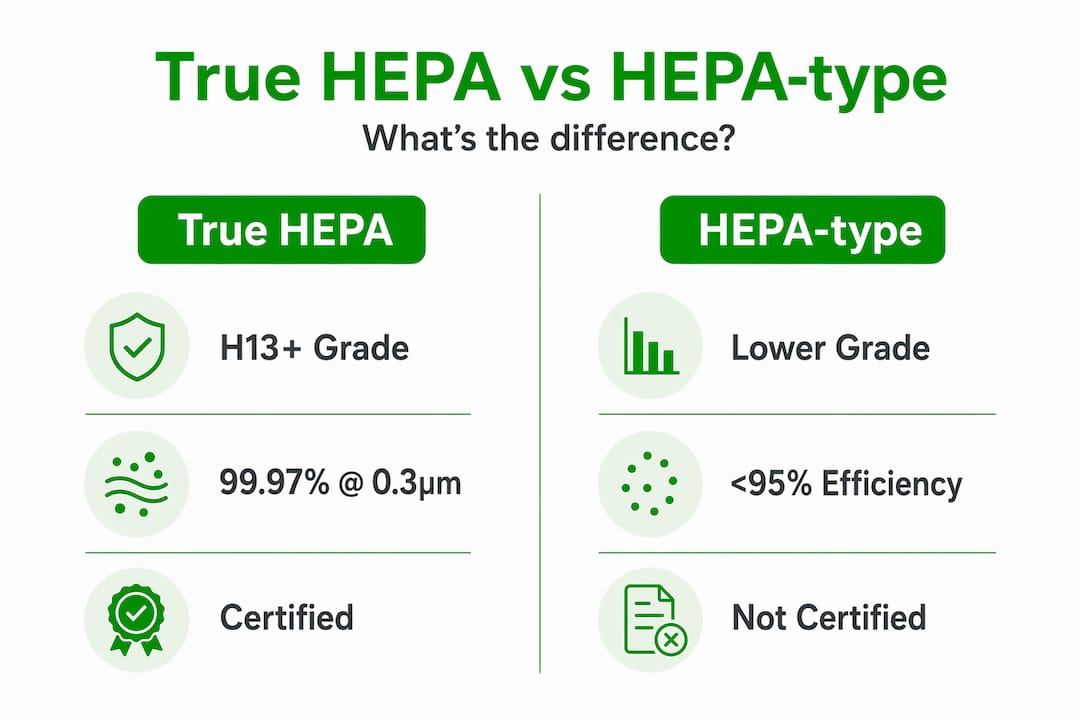
The table below shows how common filter types compare:
| Filter type | Typical efficiency at 0.3 µm | Particle size range captured | Best suited for |
|---|---|---|---|
| True HEPA (H13+) | 99.97% or higher | 0.01 µm and above | Allergens, bacteria, PM2.5, fine dust |
| HEPA-type / HEPA-style | 85–90% | 0.3 µm and above | General dust, coarse particles |
| MERV 13 (HVAC filter) | ~85–90% at fine particles | 0.3–10 µm | Heating and cooling system filtration |
| Activated carbon | Gases and VOCs only | N/A (molecular adsorption) | Odours, chemicals, smoke residue |
MERV ratings are a separate system used to rate filters for heating, ventilation, and air conditioning systems. MERV ratings assess efficiency across particles between 0.3 and 10 microns, which serves a different purpose than a standalone HEPA purifier. A MERV 13 filter in your building’s ducted system is useful, but it is not a direct substitute for a certified HEPA air purifier in a bedroom or living room.
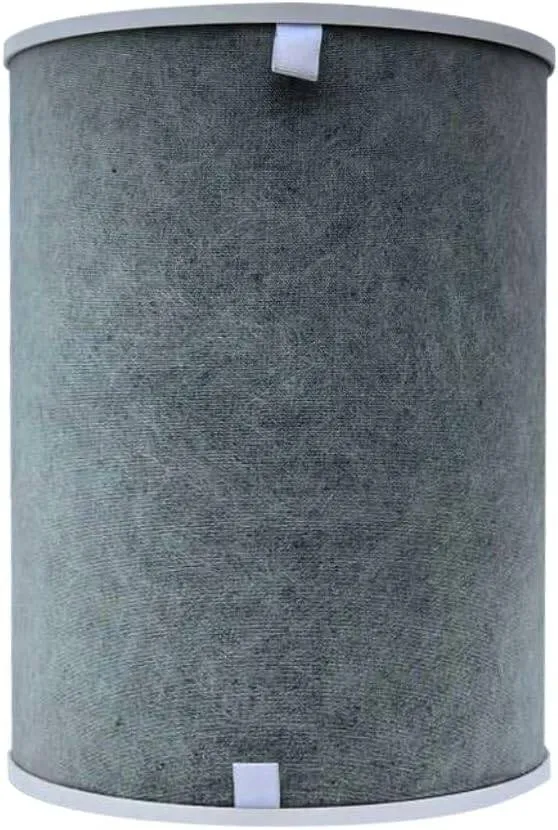
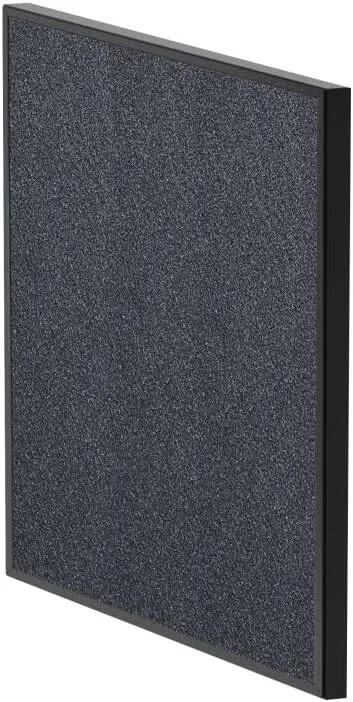
Regarding activated carbon: carbon filters adsorb VOCs and odours at a molecular level, but they have no effect on particles. Carbon layers also saturate over time and need replacing more frequently than HEPA media. The two technologies are genuinely complementary. For most families, the best HEPA filters for allergies combine both layers in a single sealed unit.
- Look for “H13 True HEPA” or an equivalent certified rating on the specification sheet.
- Avoid products that only say “HEPA-type” without any stated efficiency figure.
- Check whether the carbon layer is a thin mesh sheet or a thicker, granular bed. Thicker is more effective.
Pro Tip: Ask the retailer for the filter’s test certificate or efficiency data sheet. Any reputable brand will have this available. If a company cannot supply it, treat the filter grade claim with caution.
Choosing and using a HEPA air purifier at home
Selecting the right unit comes down to three things: sizing, sealing, and maintenance. Get all three right and you will notice a real improvement in air quality. Miss one, and you may have spent good money on a purifier that underperforms.
-
Size the unit to your room. Use the Clean Air Delivery Rate (CADR) figure on the product specification to match the purifier to your room volume. For allergy relief, around 4 air changes per hour is the recommended target. A unit rated for 20 square metres will not clean a 50 square metre open-plan living area adequately.
-
Check that the unit is sealed. Effective HEPA filtration requires all air passing through the purifier to travel through the filter media, not around it. A poorly designed casing with gaps or a loose filter housing allows bypass. Read independent reviews that specifically mention leakage testing, not just the filter grade.
-
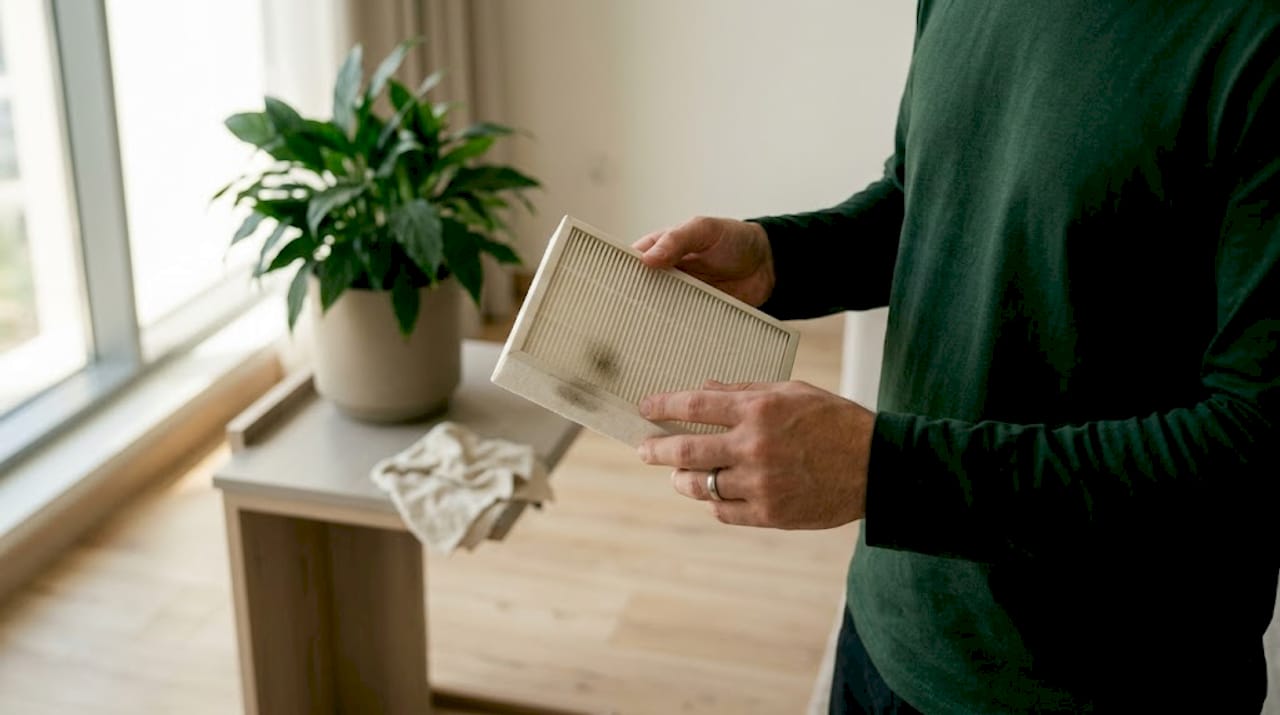
Replace the filter on schedule. Most HEPA filters need replacing every 6 to 12 months depending on usage and local air quality. In dusty climates or homes with pets, lean towards the shorter end. A saturated filter reduces airflow, strains the motor, and stops capturing particles effectively. The filter indicator lights on modern units are a guide, but visible discolouration is an equally reliable signal.
-
Combine with carbon when needed. If your household deals with cooking odours, VOCs from furniture or paint, or anyone smokes in the property, a HEPA-only unit will not address those concerns. Choose a model with an activated carbon layer built in, or add a standalone carbon filter alongside your HEPA unit.
Pro Tip: Run your air purifier continuously on a low setting rather than intermittently on a high setting. Continuous low-speed operation maintains cleaner air with less noise and lower energy consumption than short bursts at maximum power.
My take on HEPA filters and what most buyers overlook
I have spent considerable time reviewing air quality products and speaking to families across the UAE about what they actually notice once a purifier is running. What I find is that most people focus entirely on the filter itself, and almost nobody thinks about the unit’s sealing or airflow design until after they are disappointed with the results.
The filter grade matters, absolutely. But a certified H13 True HEPA filter inside a poorly constructed casing with air bypass is measurably worse than a mid-range unit with a genuinely sealed, well-engineered housing. I have seen test data on “budget true HEPA” units where real-world particle removal sits closer to 80% simply because of casing gaps.
The cognitive research also deserves more attention than it typically receives. Most marketing for air purifiers focuses on allergies and breathing. The finding that HEPA filtration improved cognitive performance in adults over 40 changes the conversation. Clean air is not just a comfort issue for families with hay fever. It is a neurological health issue for everyone in the household.
My honest advice: spend less time comparing filter grades between similarly priced units and more time looking at CADR figures, unit sealing, and the quality of the manufacturer’s filter replacement programme. Those details separate the purifiers that genuinely deliver benefits of cleaner air from the ones that look good on paper.
— Wojciech
HEPA air purifiers from Cleanair-ae
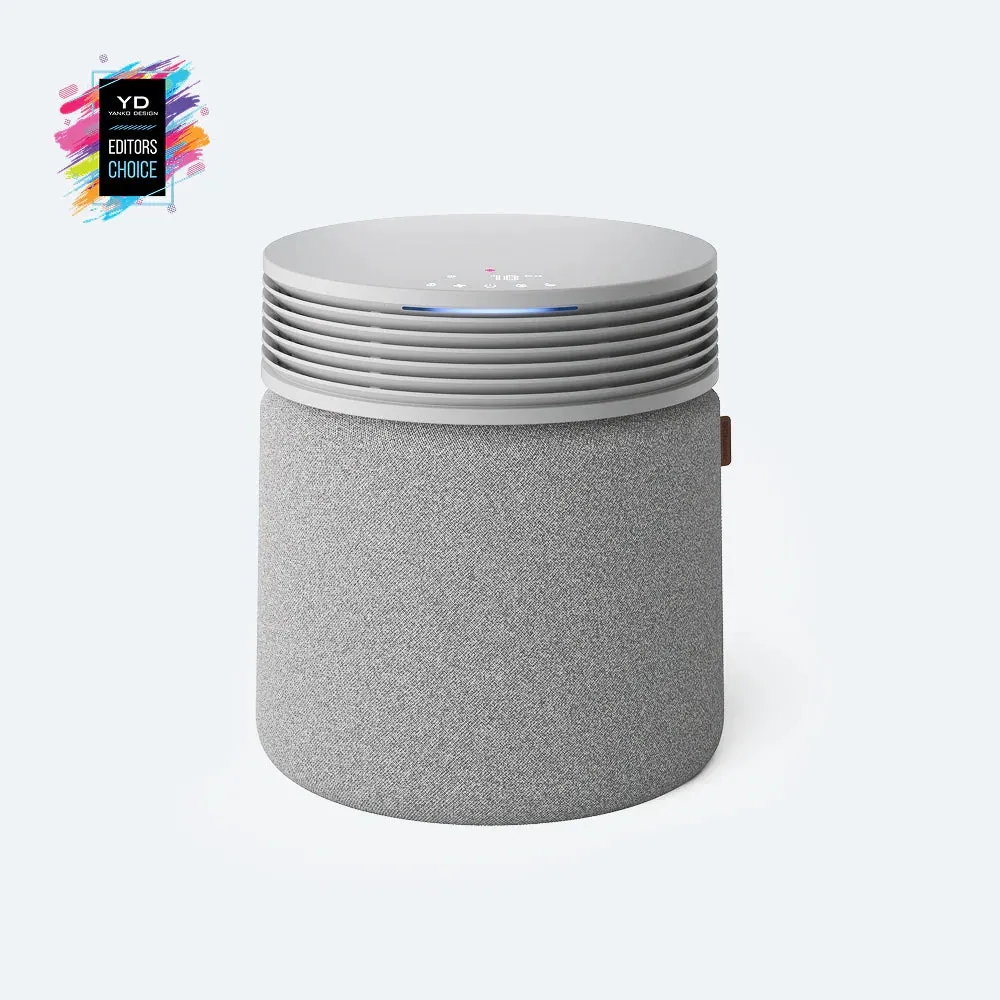
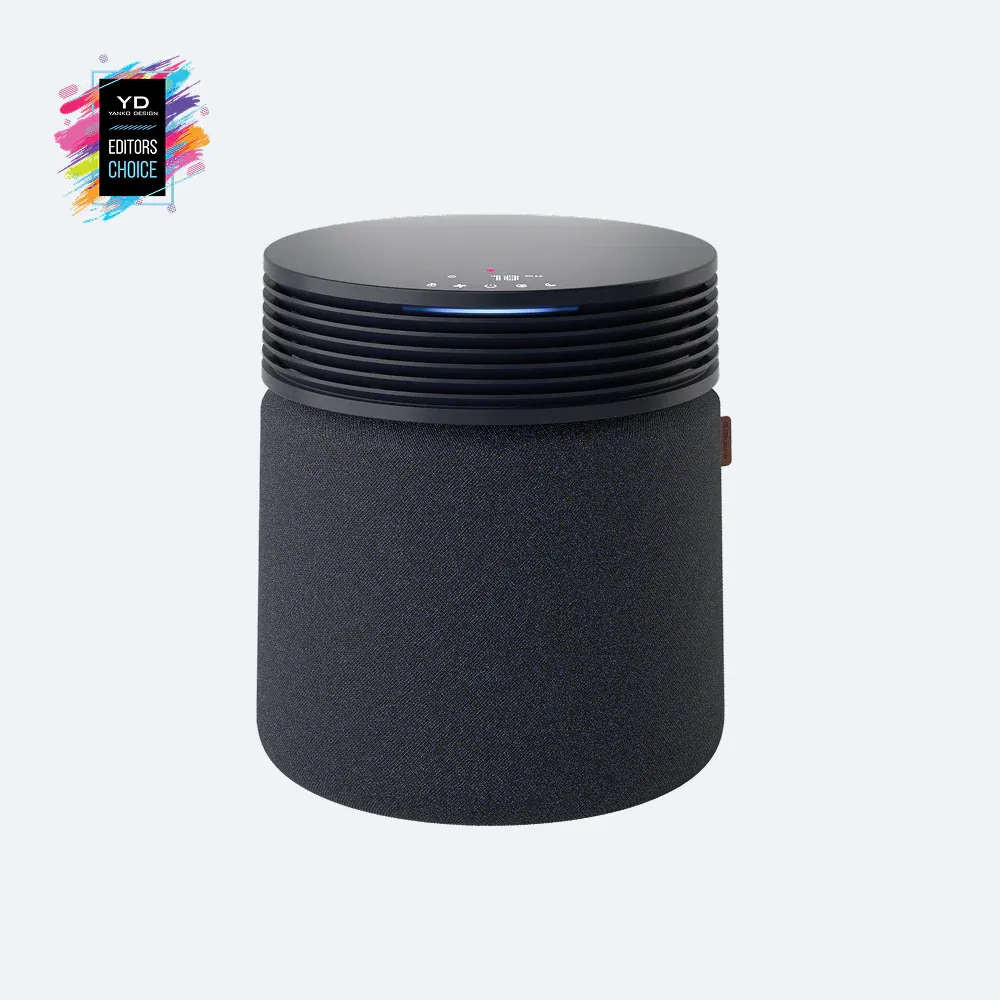
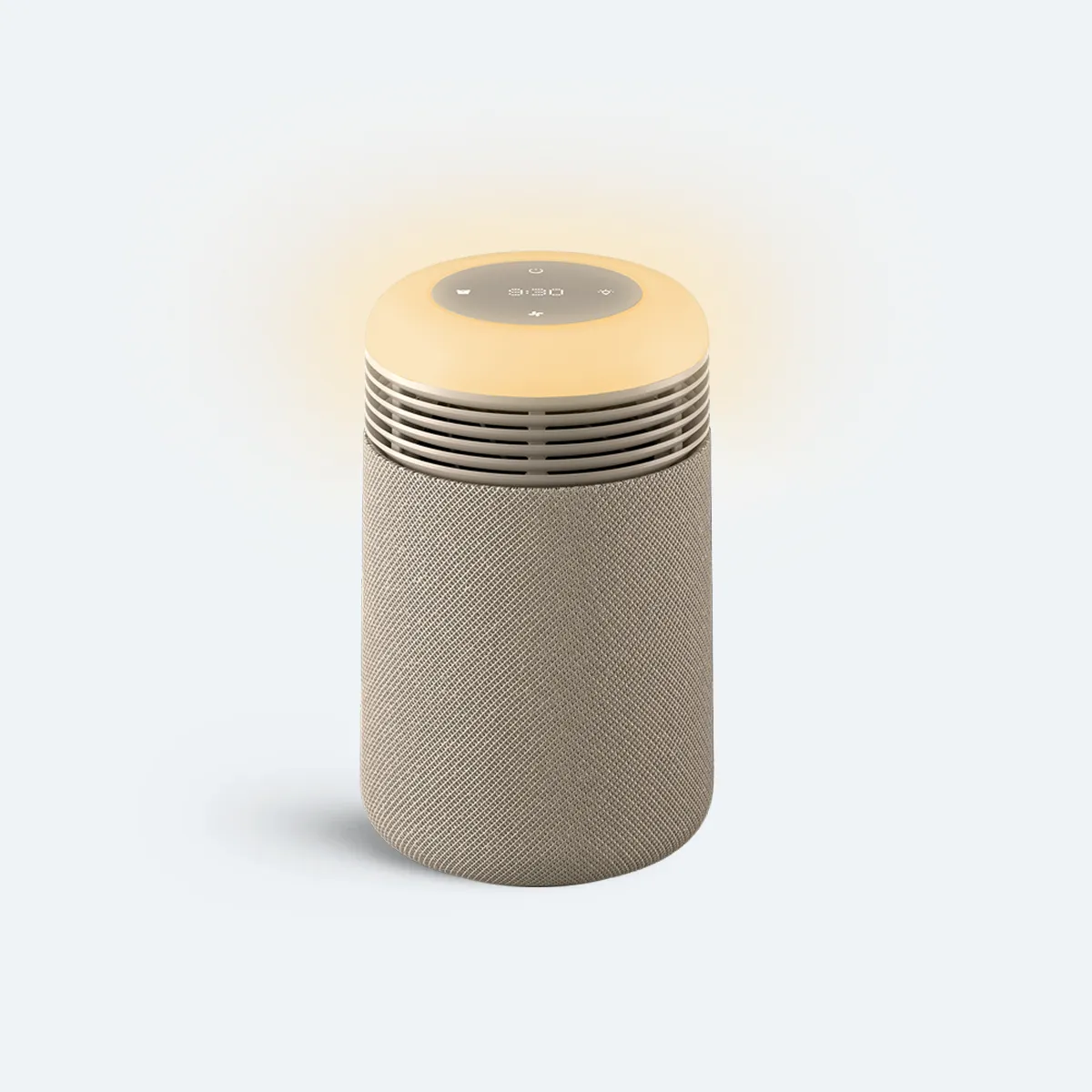
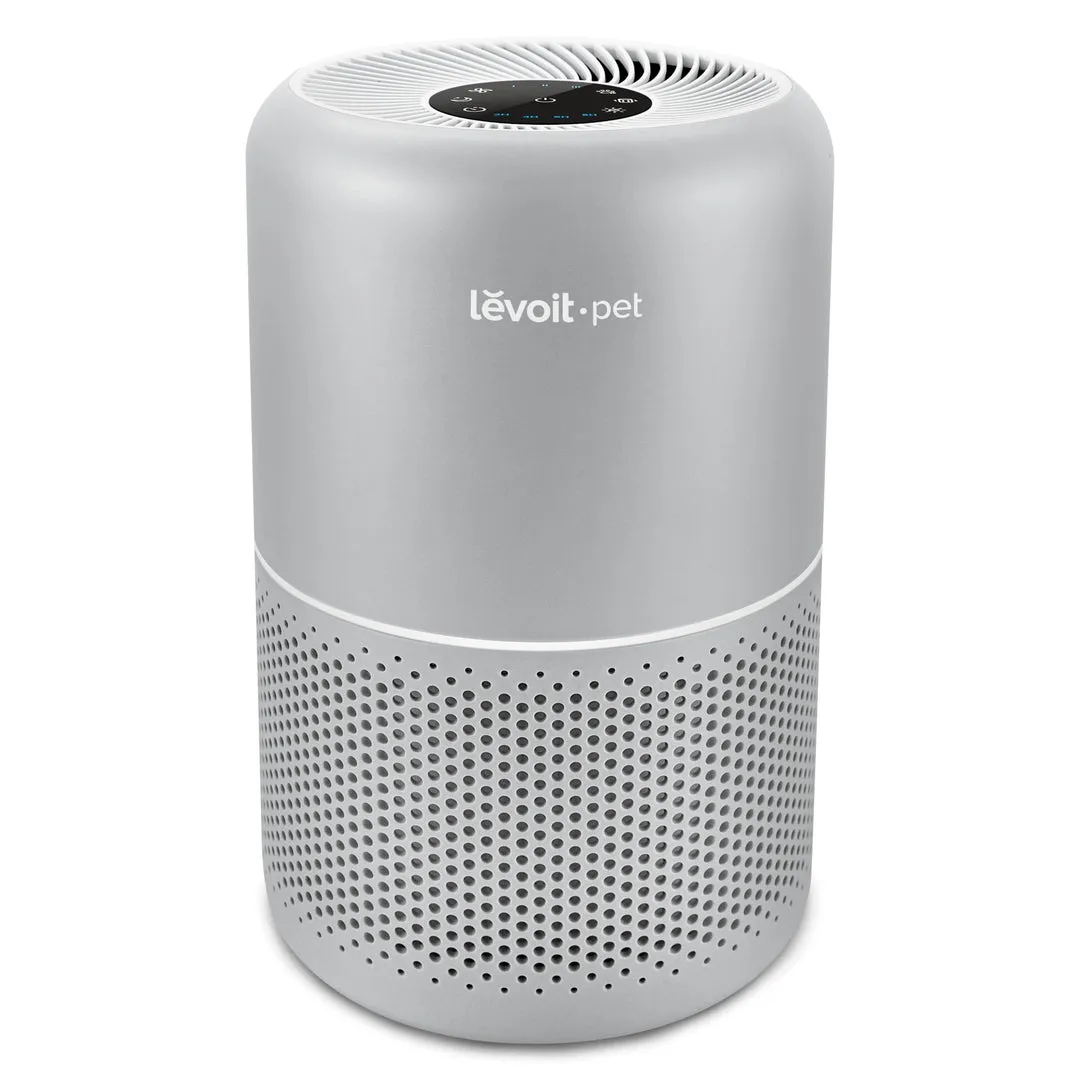
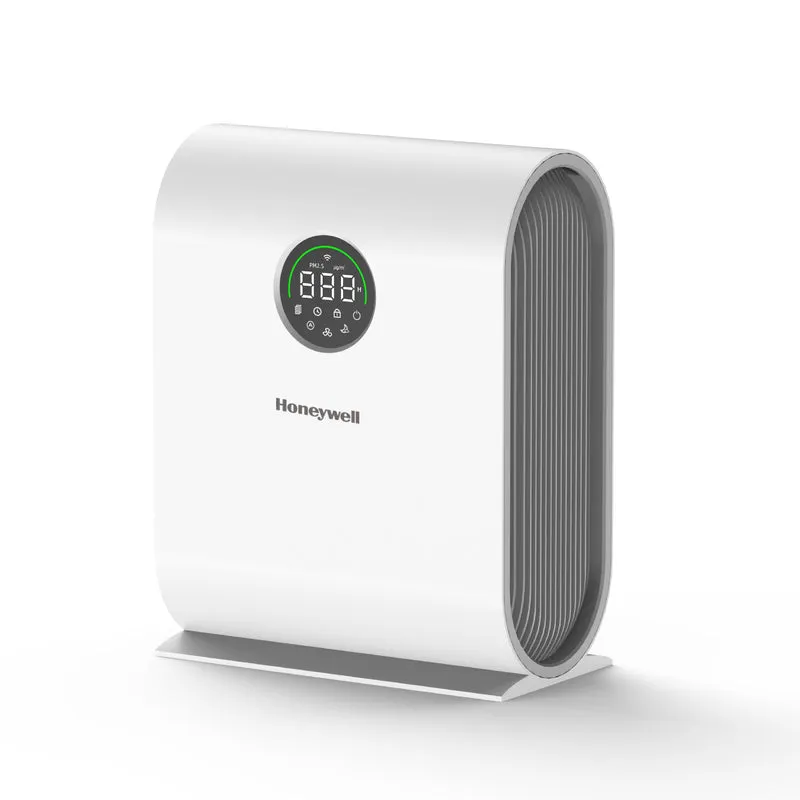
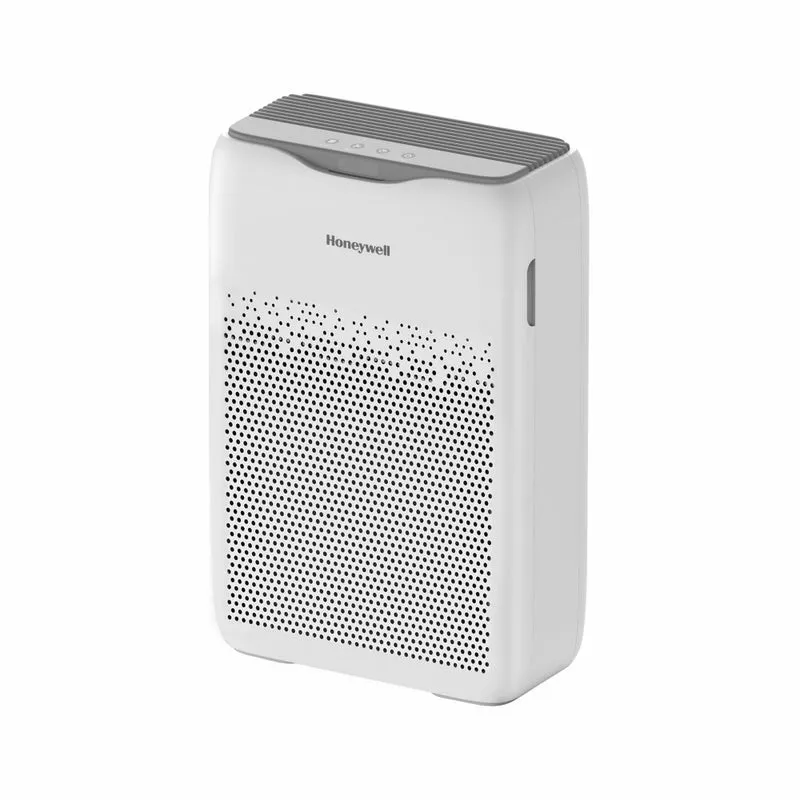
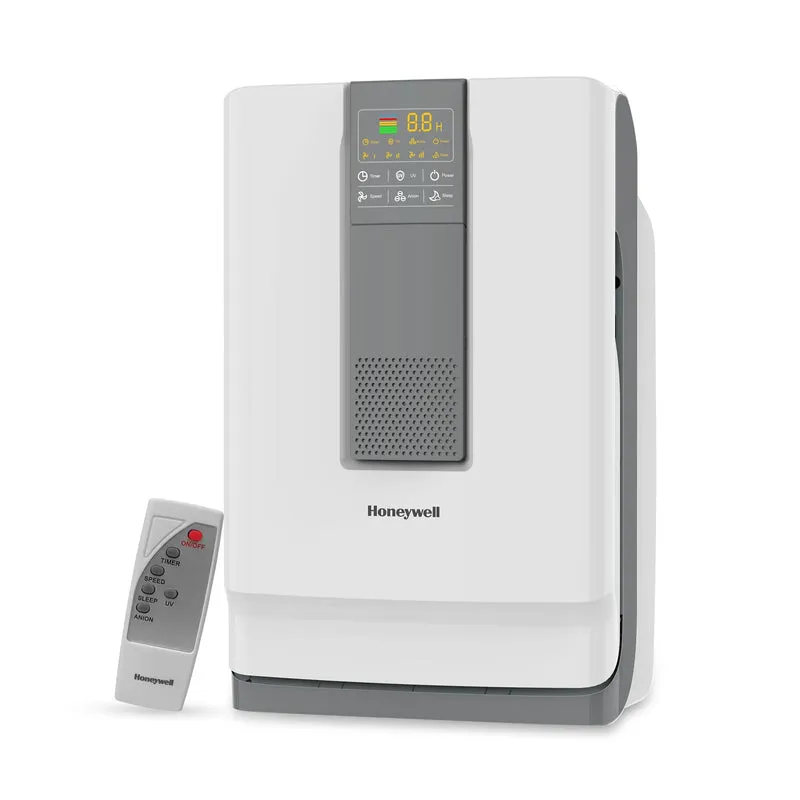
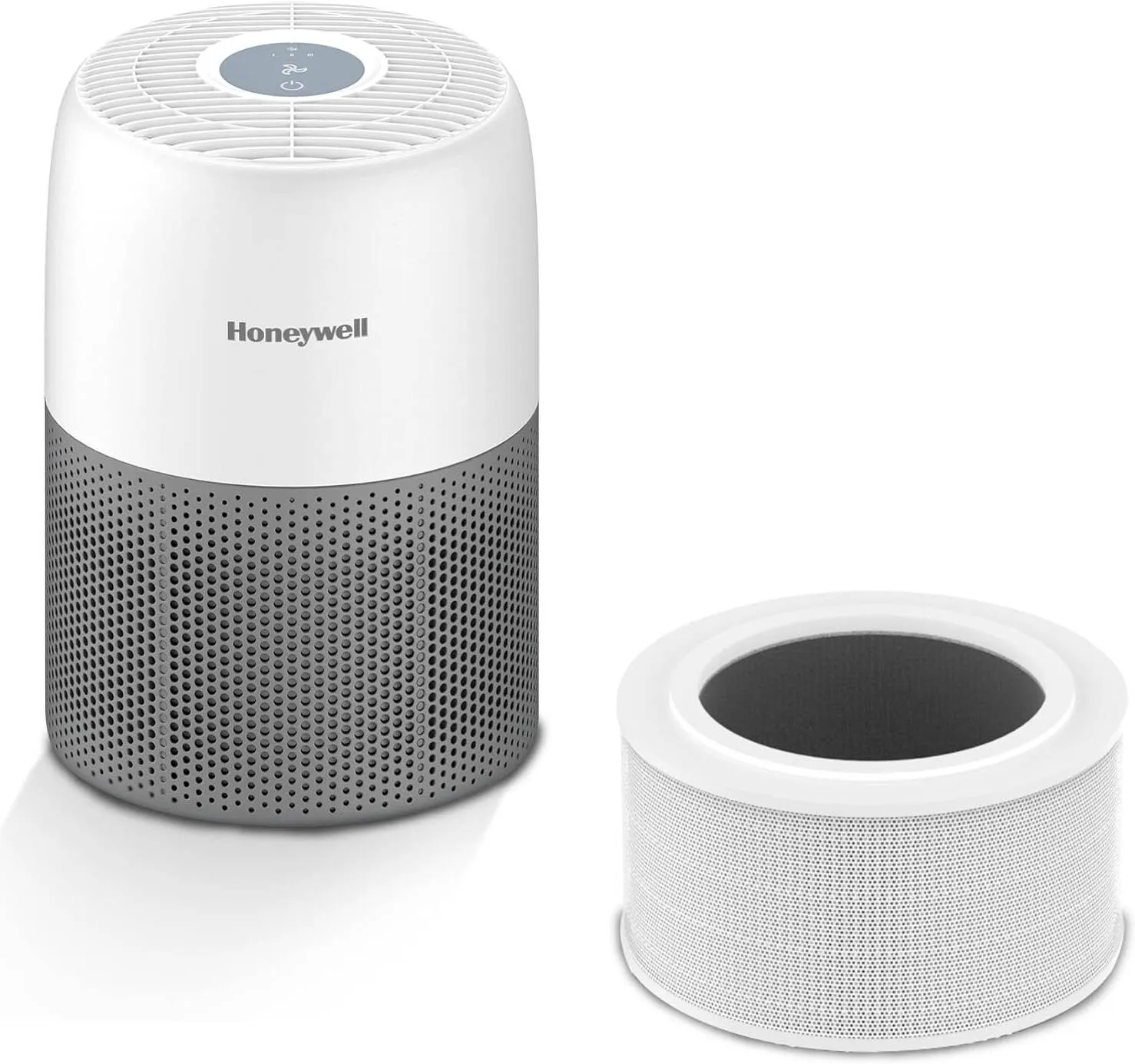
For families and individuals looking to put true HEPA filtration to work at home or in the office, Cleanair-ae stocks a focused range of certified units from brands including Levoit, Blueair, and Honeywell, with fast delivery across Dubai, Abu Dhabi, and the wider UAE.
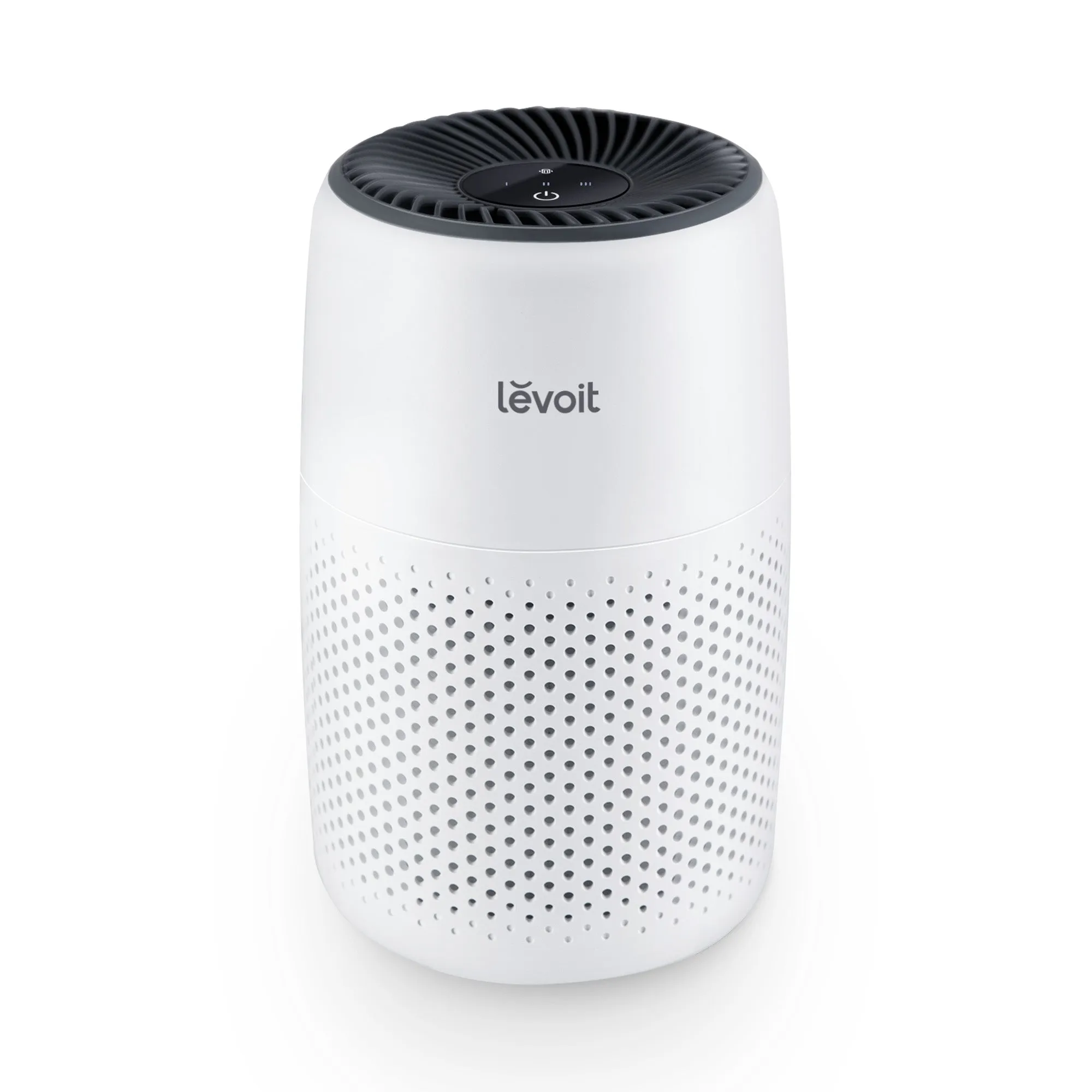
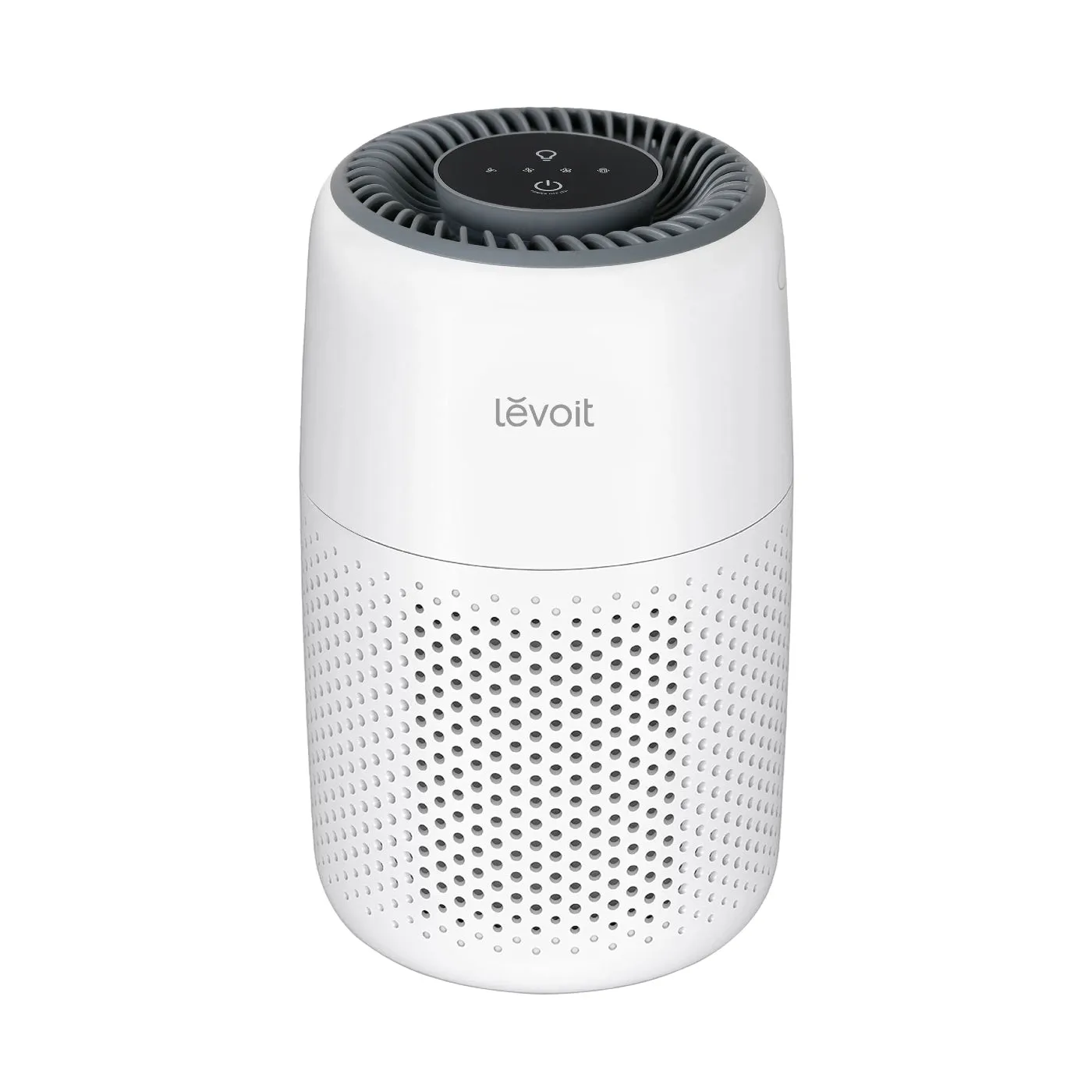
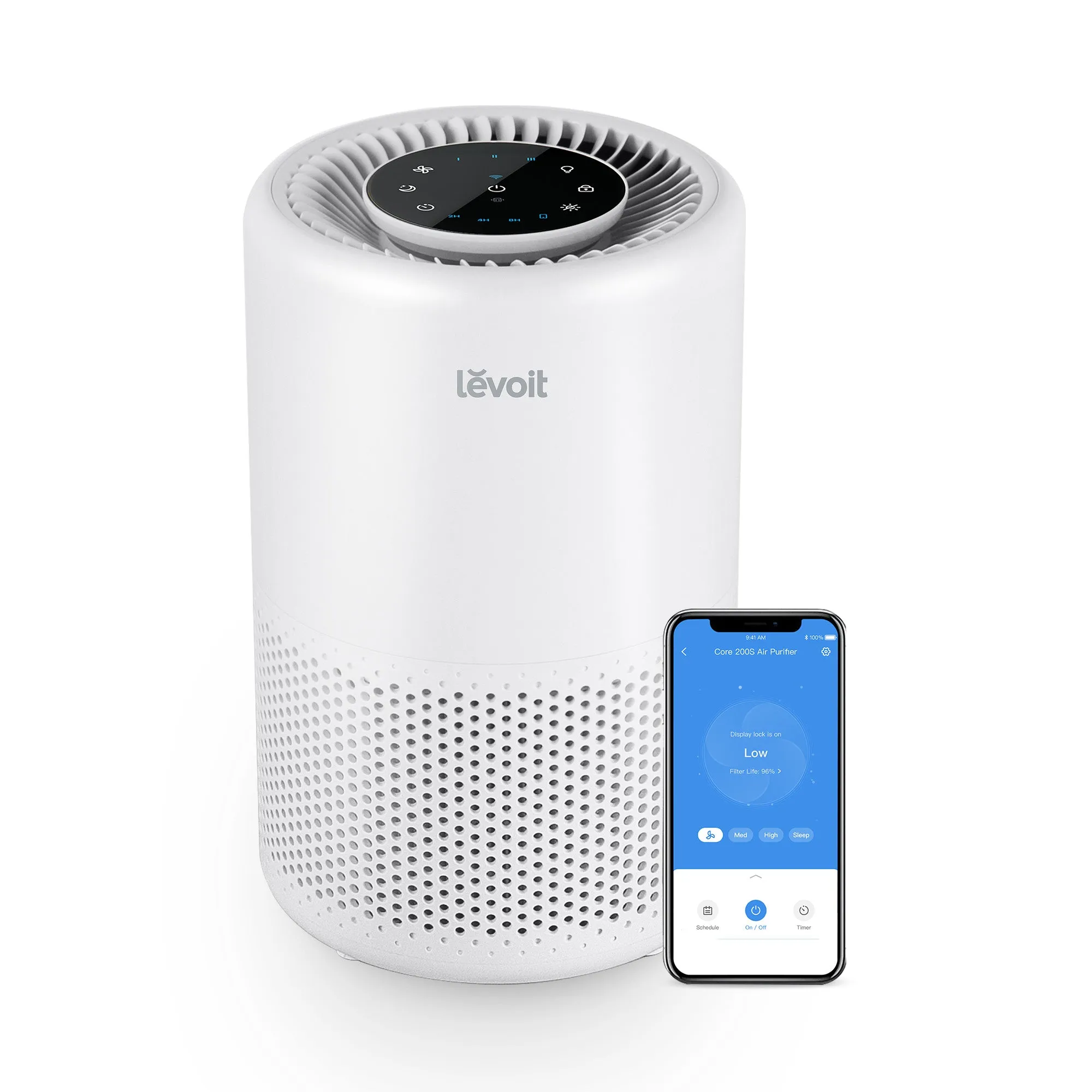
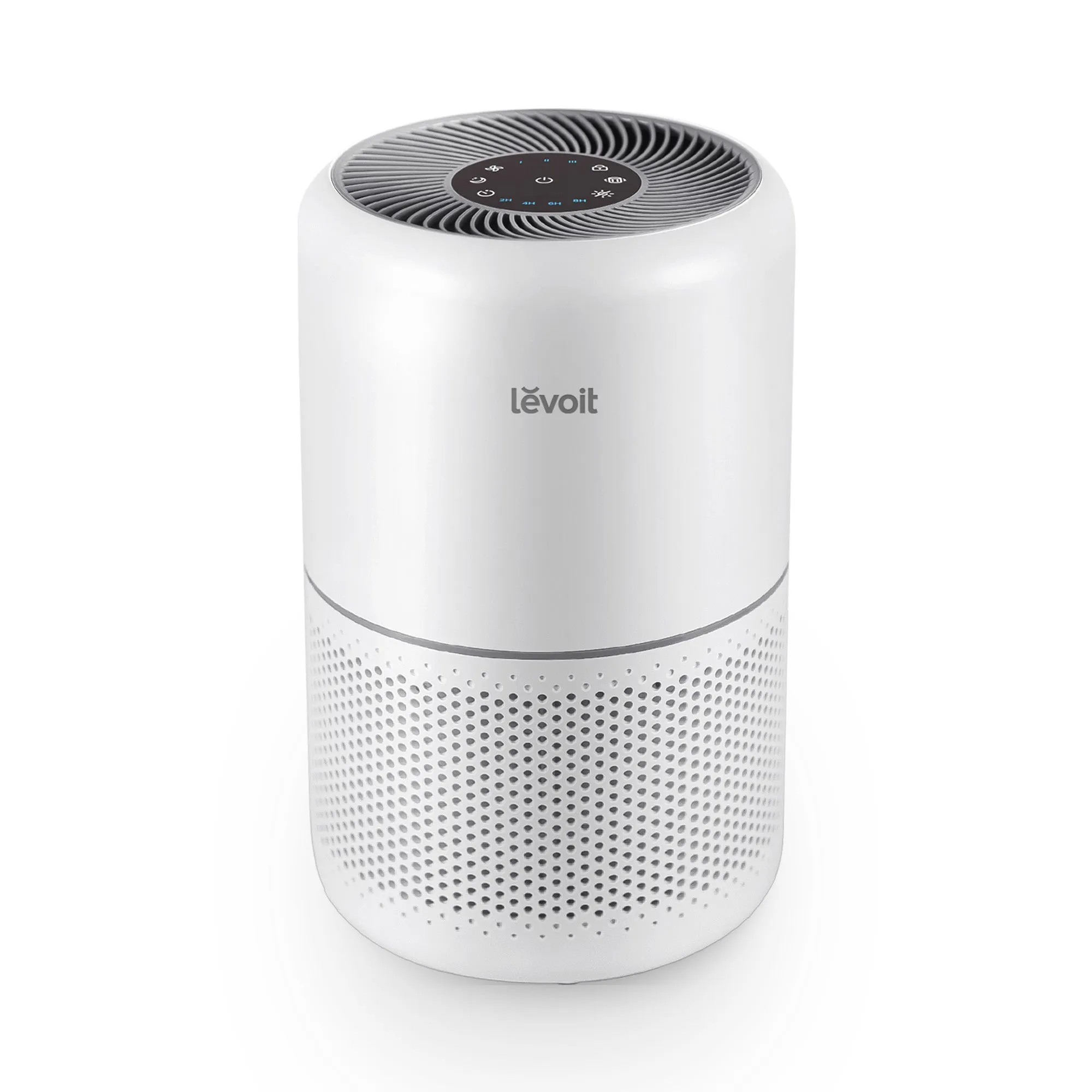
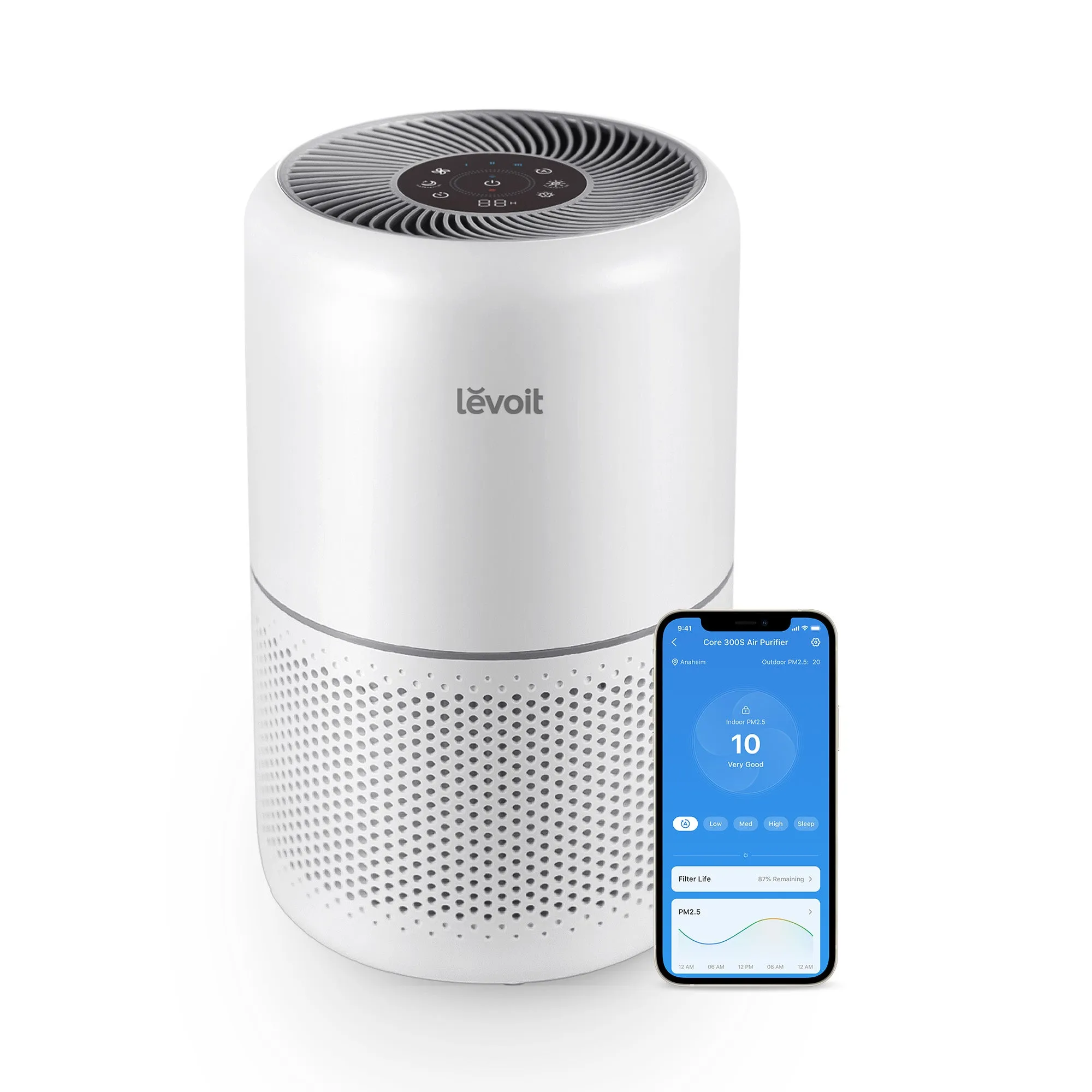
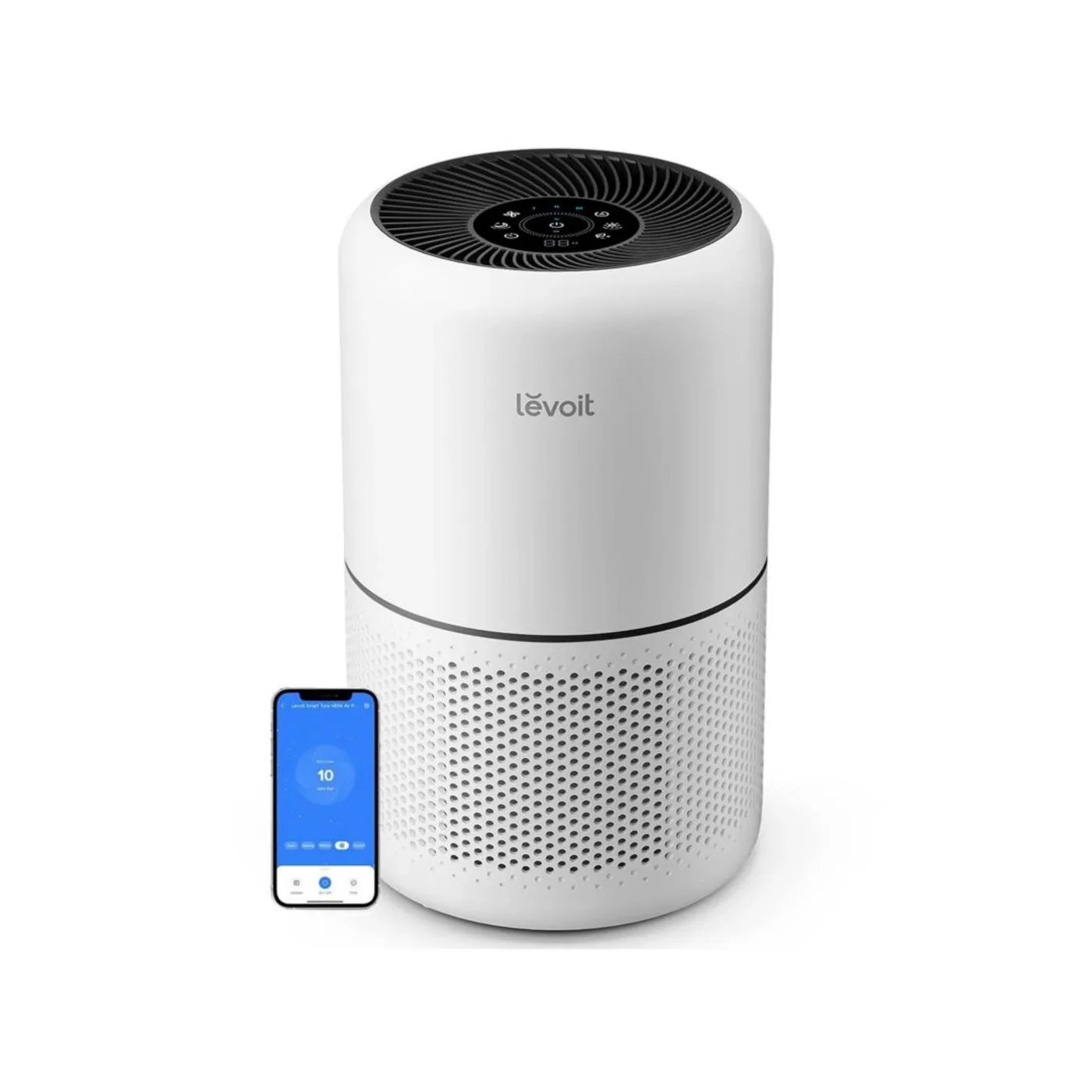
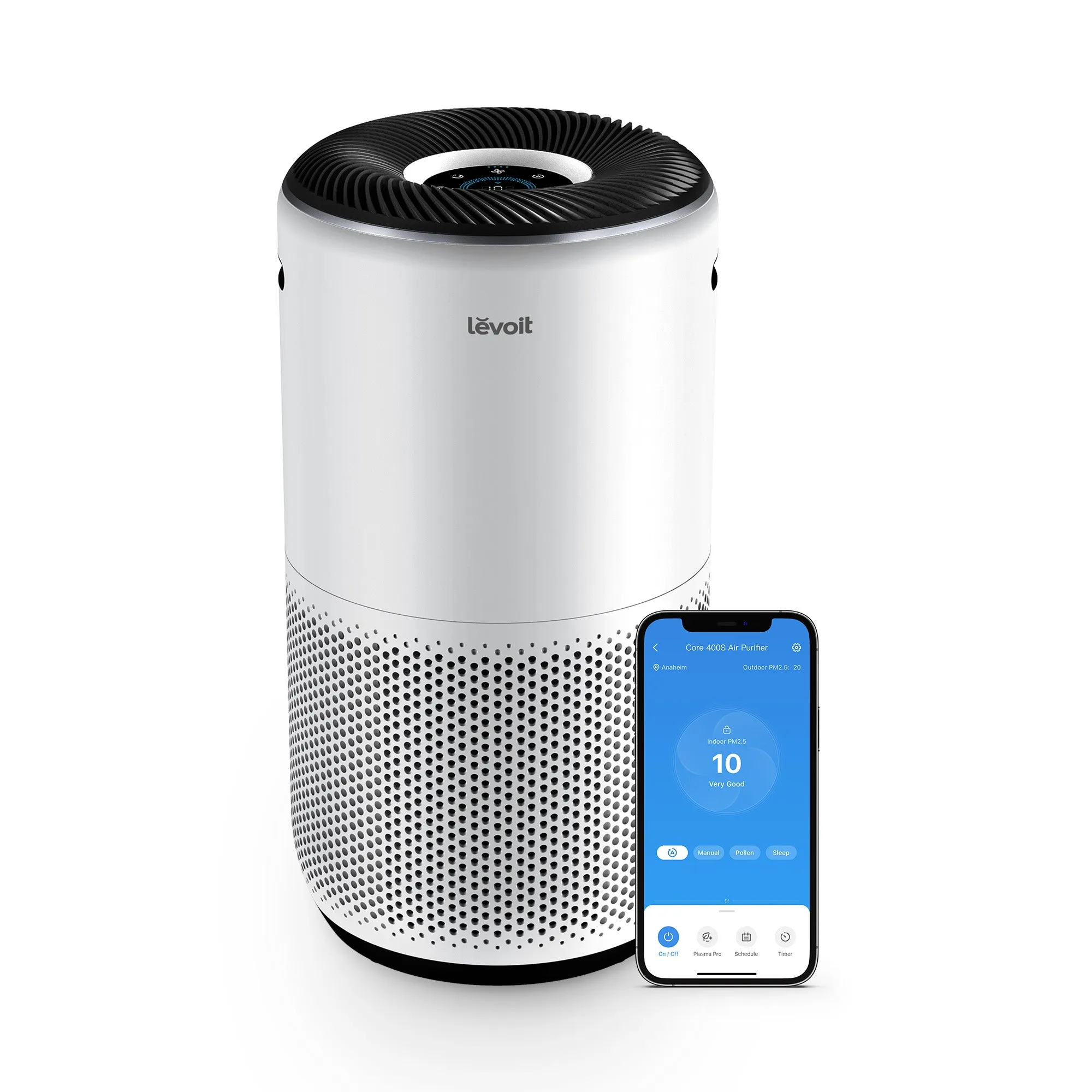
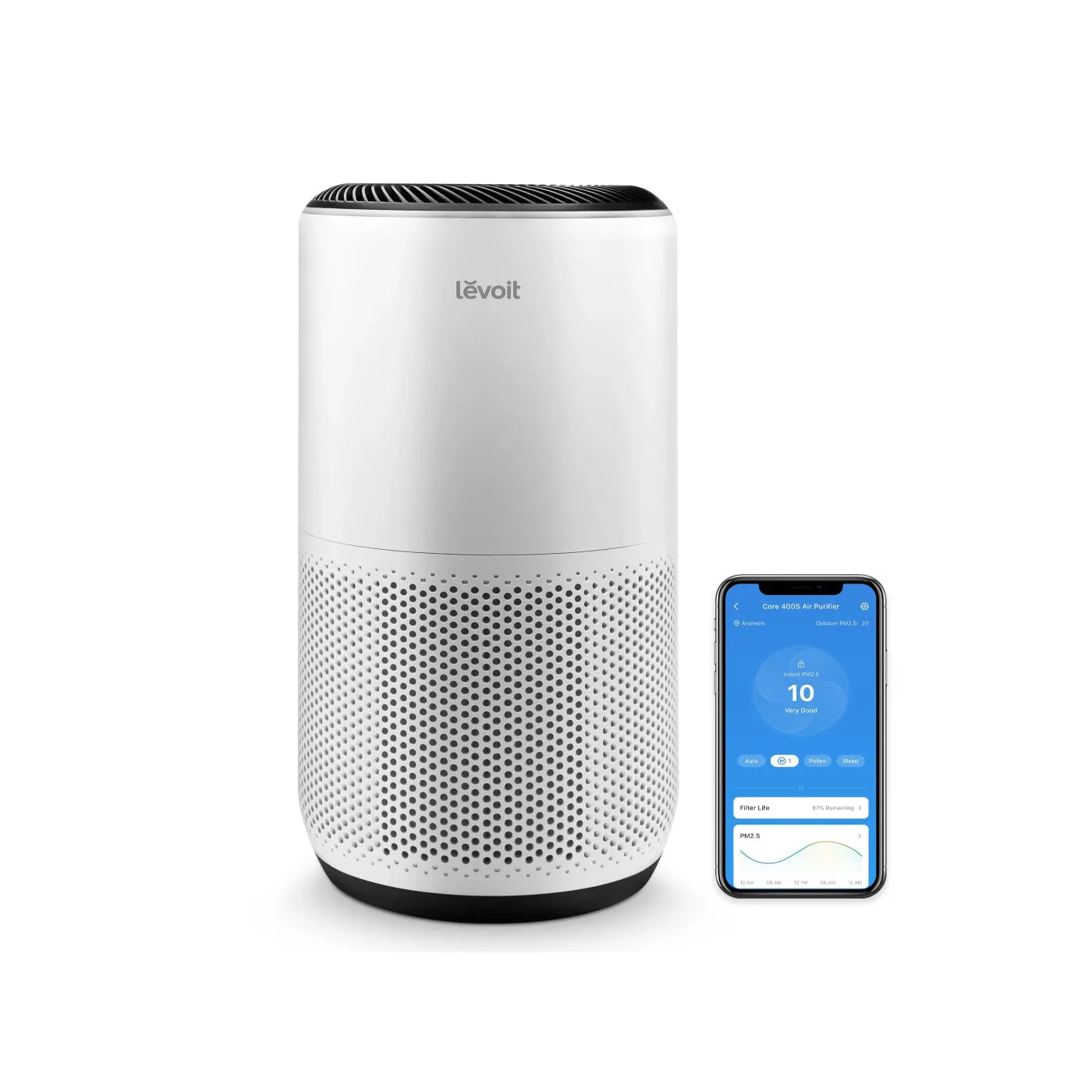
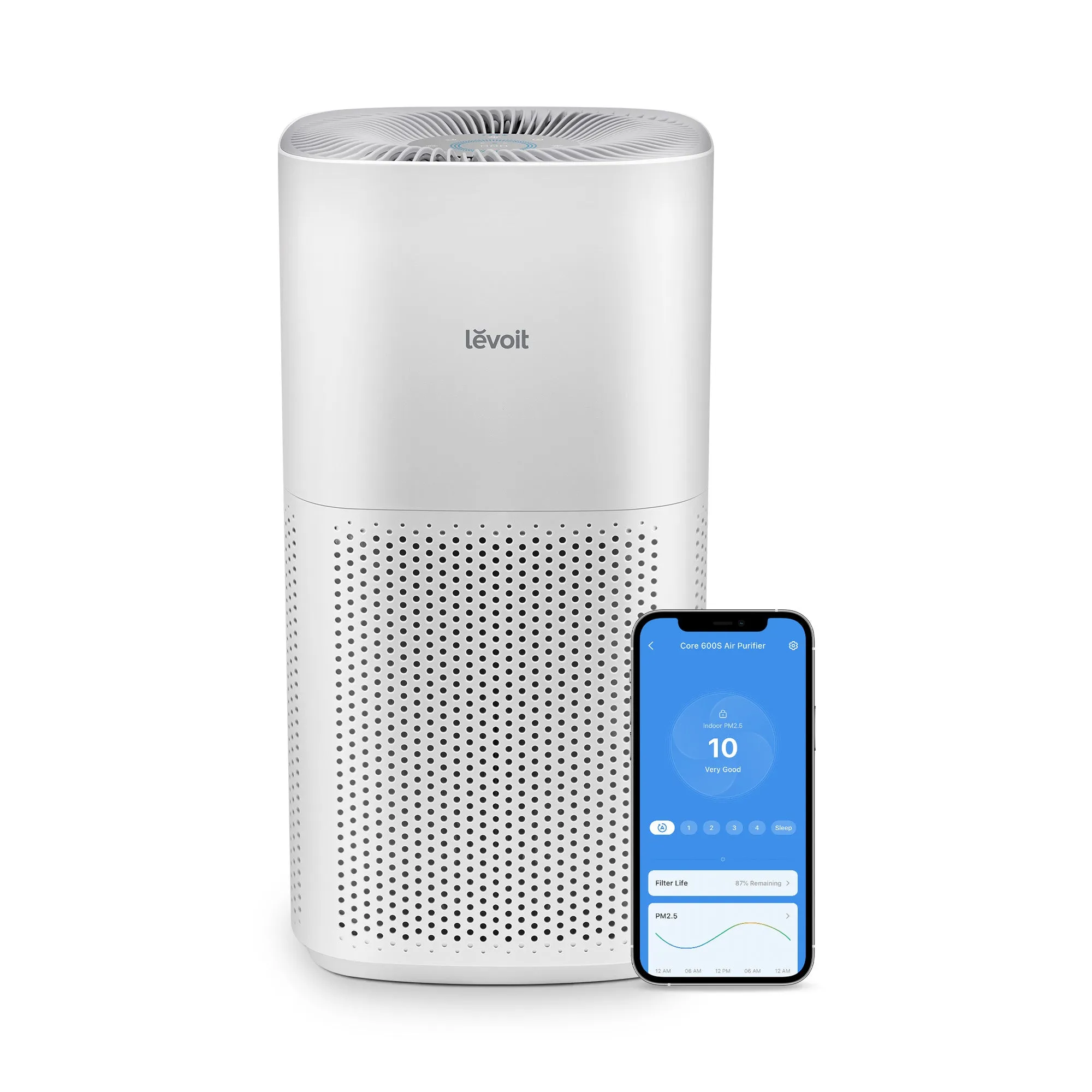
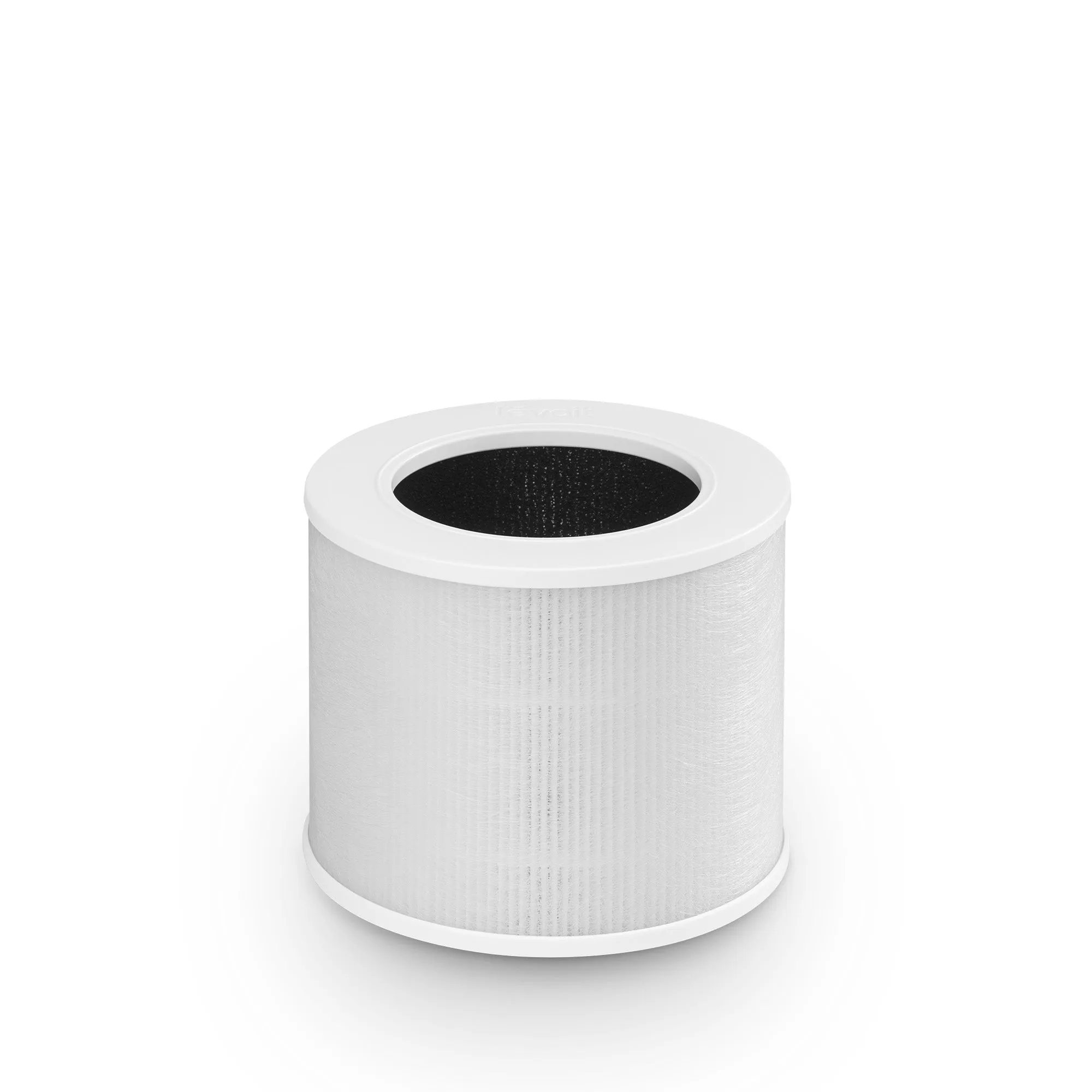
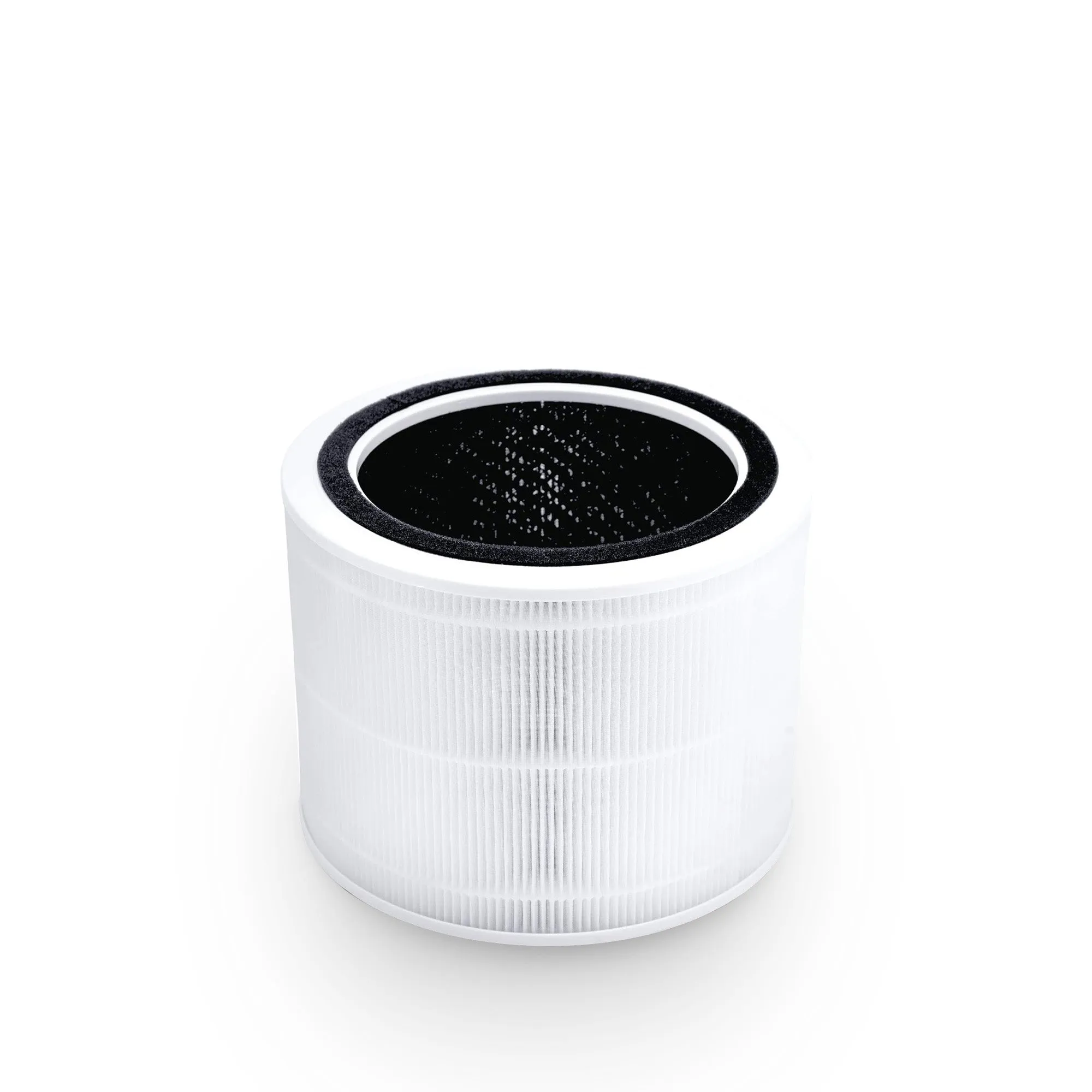
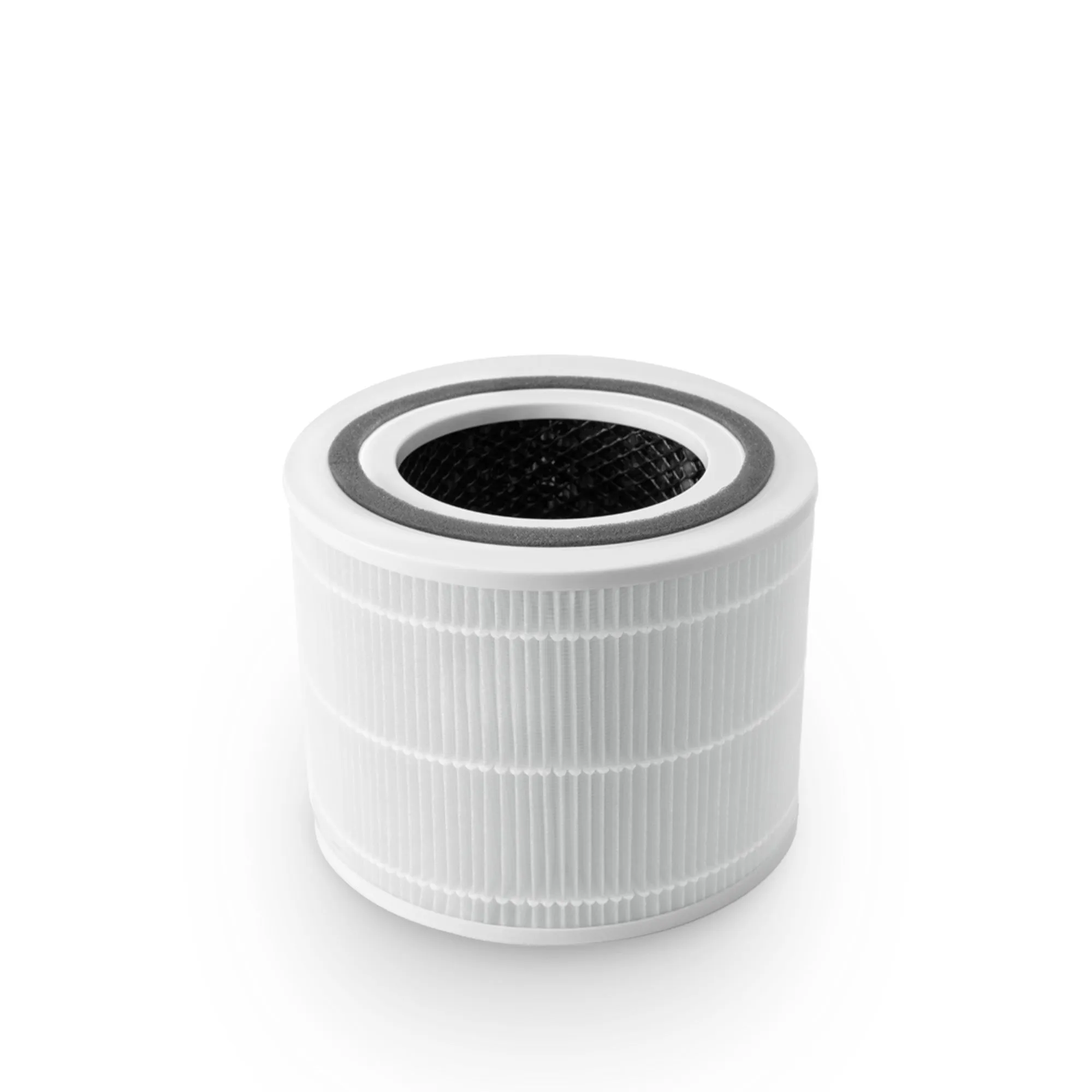
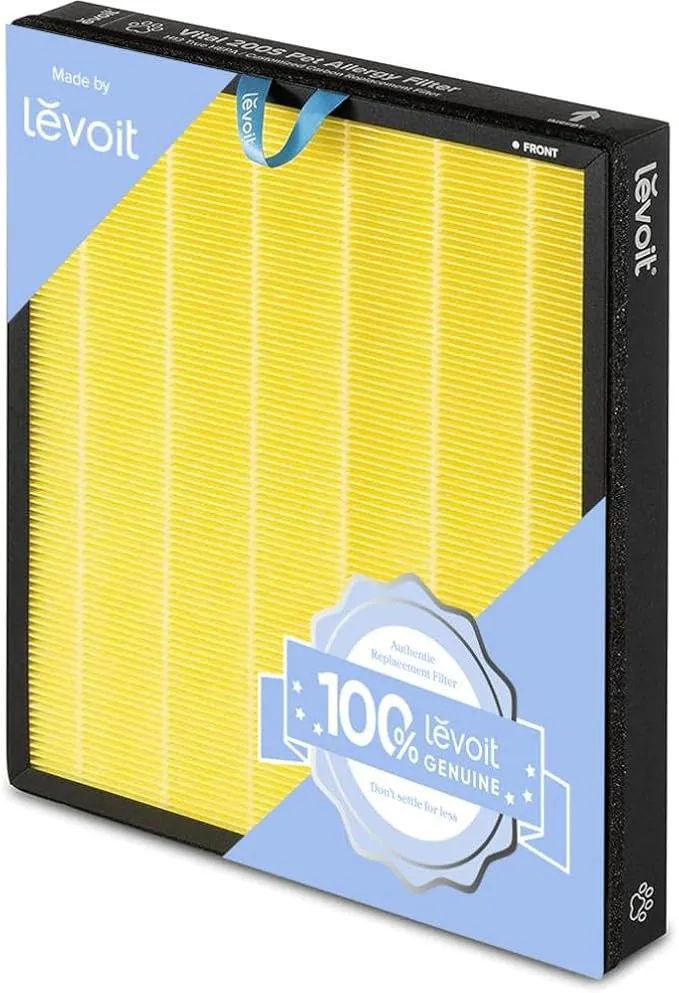
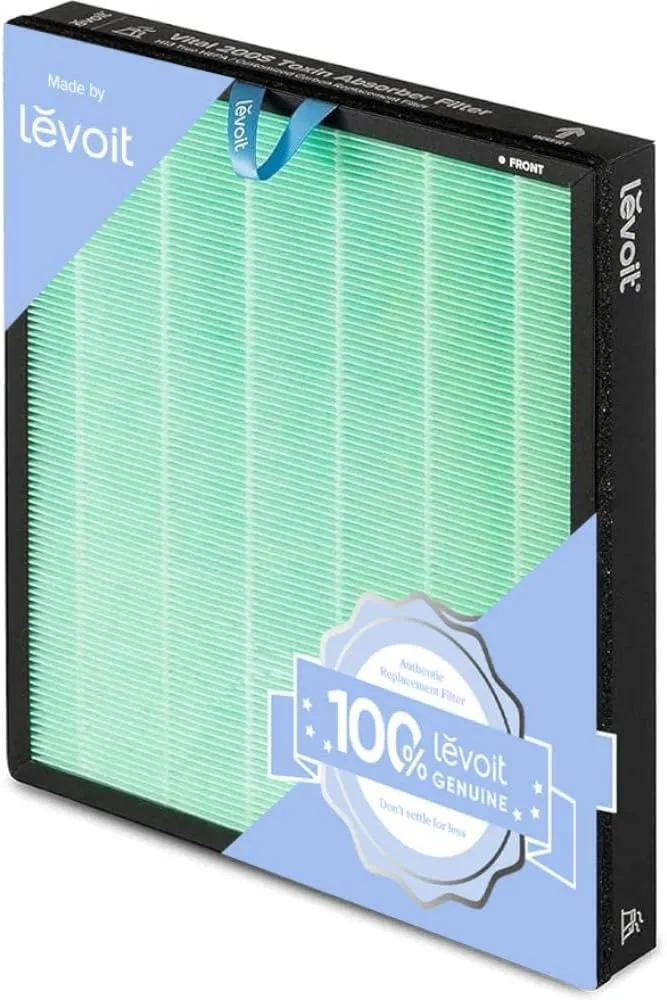
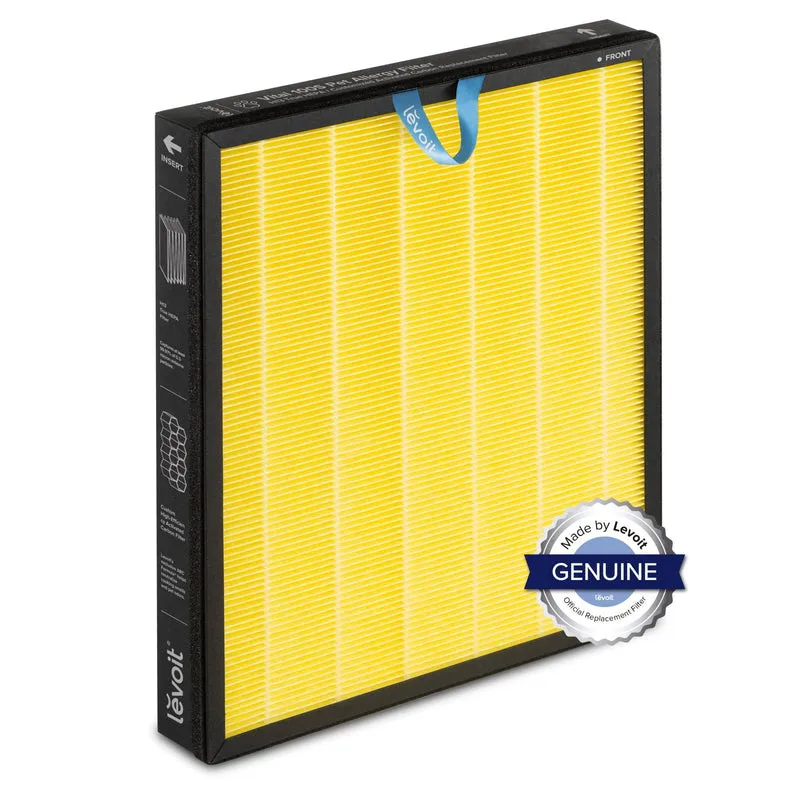
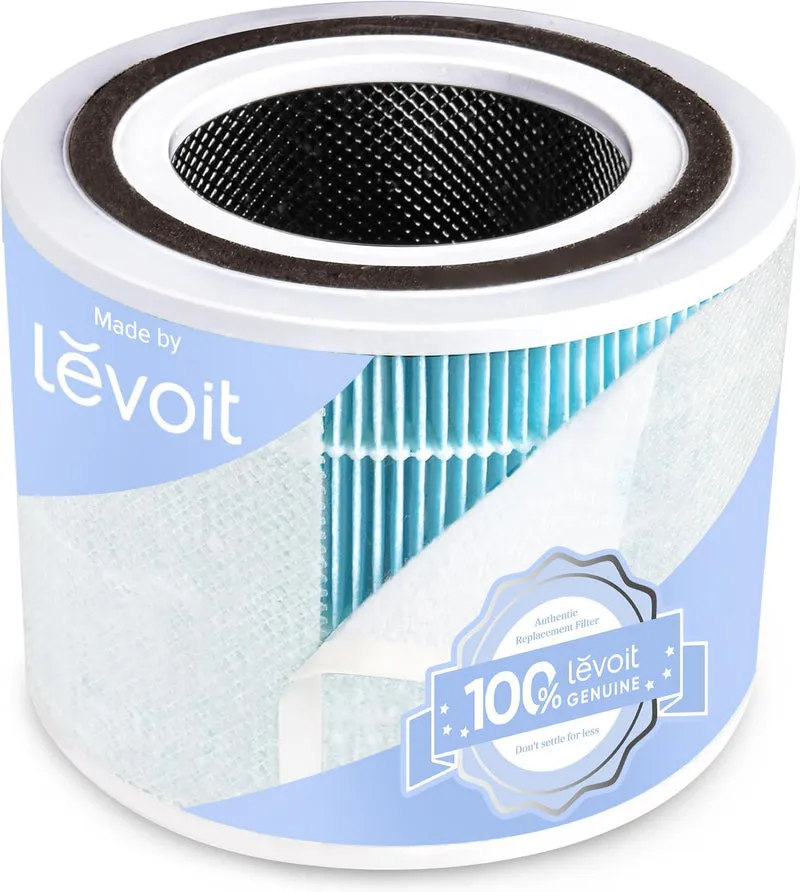
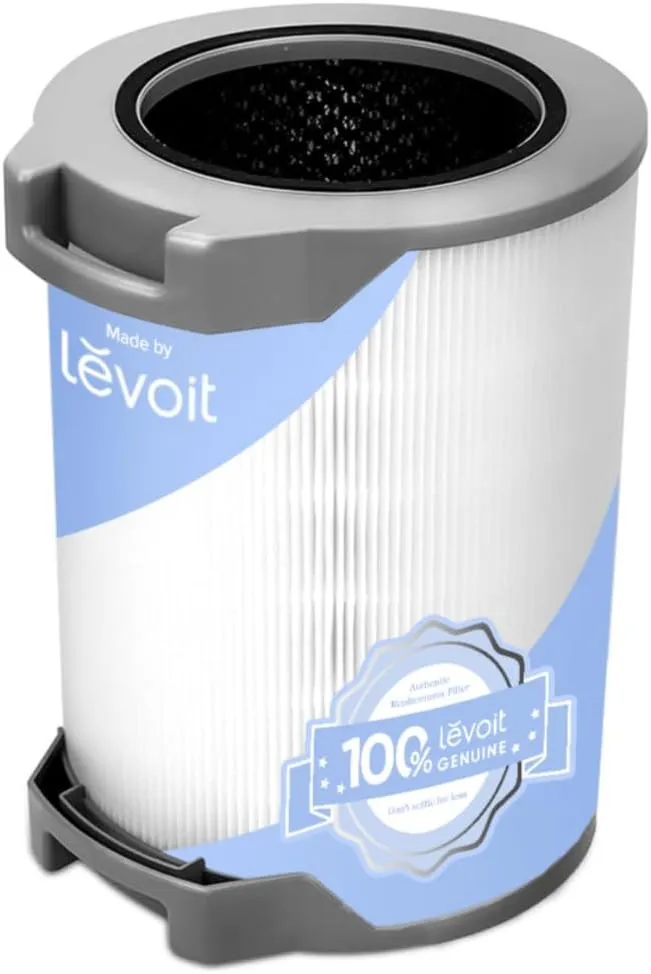
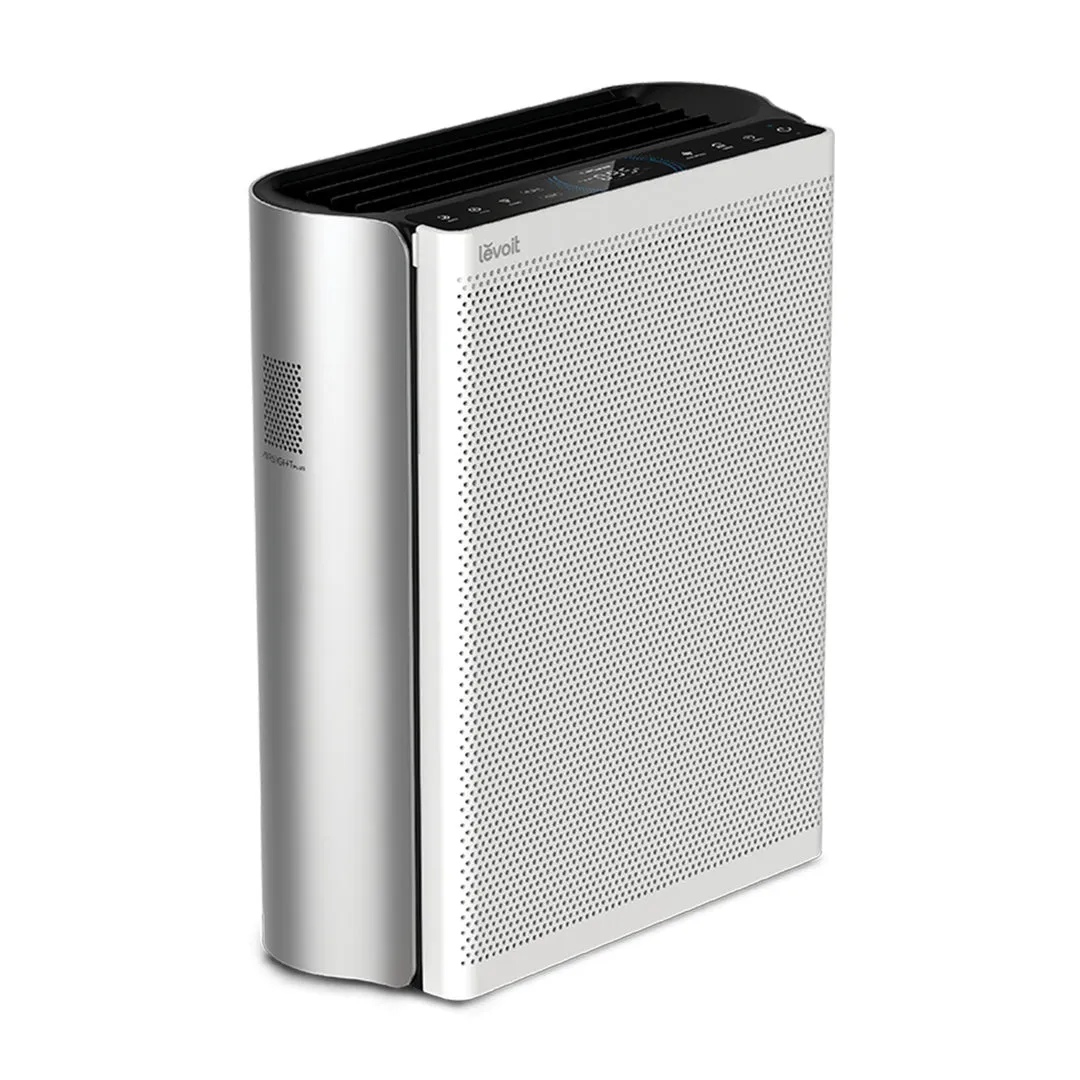
The Levoit Core Mini is a compact true HEPA purifier well suited to bedrooms, small offices, or children’s rooms. It combines a three-stage filtration system, including an activated carbon layer, in a portable unit that runs quietly enough for overnight use. For larger spaces, the Levoit Core 600S offers a higher CADR rating with smart controls and near-silent operation, making it a practical choice for open-plan living areas or commercial environments. Both models use certified H13 True HEPA filters and replacement filters are available directly through the site.
FAQ
What does HEPA stand for?
HEPA stands for High Efficiency Particulate Air. It refers to a filtration standard requiring a filter to capture at least 99.97% of airborne particles at 0.3 microns in size.
What is true HEPA and how does it differ from HEPA-type?
True HEPA filters, rated H13 or above, meet a certified 99.97% efficiency standard at 0.3 microns. HEPA-type or HEPA-style filters are uncertified and typically capture only 85 to 90% of particles at the same size.
Do HEPA filters remove viruses and bacteria?
HEPA filters capture bacteria and many viruses because both fall within the particle size range that true HEPA media traps efficiently, particularly through diffusion and electrostatic attraction mechanisms.
How often should a HEPA filter be replaced?
Most HEPA filters need replacing every 6 to 12 months. In high-dust environments or homes with pets, replacing closer to every 6 months maintains filtration performance and protects the purifier’s motor.
Can a HEPA filter remove odours?
HEPA filters do not remove gases or odours. For odour removal, a unit must also include an activated carbon filter layer, which adsorbs volatile organic compounds and cooking or smoke smells separately from particulate filtration.