Uncategorised
What are allergen filters? A clear home guide
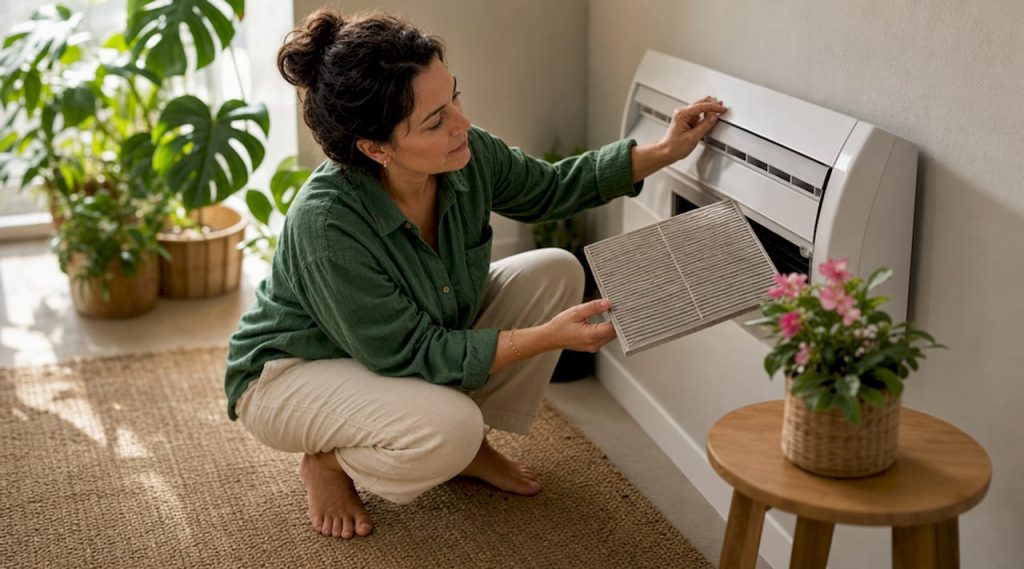
Allergen filters are specialised air filters designed to capture microscopic airborne particles that trigger allergic reactions, including pollen, pet dander, dust mite debris, and mould spores. In the industry, these are commonly referred to as high-efficiency particulate air (HEPA) filters or rated by the Minimum Efficiency Reporting Value (MERV) scale, both of which quantify how effectively a filter removes particles from circulating air. For allergy and asthma sufferers, selecting the correct filter is not a minor detail. It directly determines how much of the air you breathe indoors has been cleaned of the particles most likely to trigger symptoms.
What are allergen filters and how are they classified?
Allergen filters are a category of filtration media rated to capture particles in the size range most associated with allergic responses, typically between 0.3 and 10 microns. Pollen grains measure roughly 10 to 100 microns, while pet dander and dust mite fragments fall between 0.5 and 10 microns. Mould spores range from 1 to 30 microns. A filter must be rated to capture particles across this entire range to be genuinely useful for allergy management.
The two dominant classification systems are MERV ratings and the EPA HEPA standard. MERV ratings run from 1 to 20, with higher numbers indicating finer filtration. True HEPA filters capture at least 99.97% of airborne particles sized 0.3 microns or larger, making them the benchmark for medical-grade air cleaning. MERV ratings below 8 are standard fibre glass filters that offer minimal allergen protection.
Brands such as Filtrete (by 3M) market their filters using their own MPR (Micro-Particle Performance Rating) scale, which maps loosely onto MERV. Regardless of the labelling system, the underlying principle is the same: denser filter media with more surface area captures more particles per cubic metre of air passed through it.
What types of allergen filters are available?
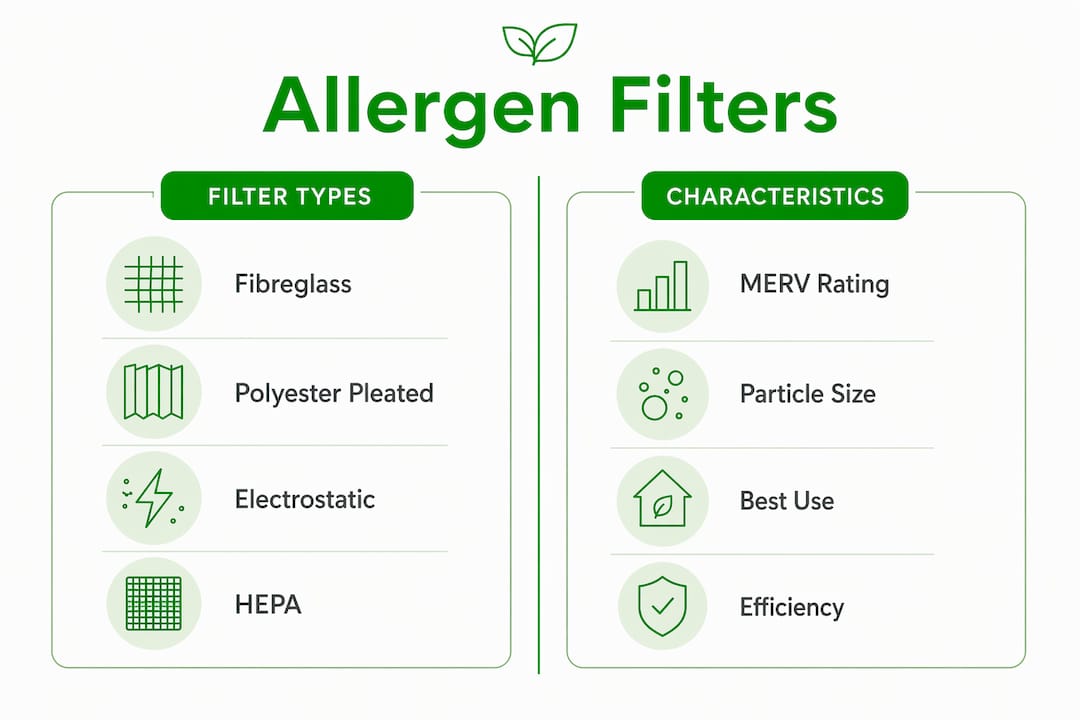
The three main types used in residential settings are pleated polyester filters, electrostatic filters, and HEPA filters. Each uses a different physical mechanism and suits different applications.
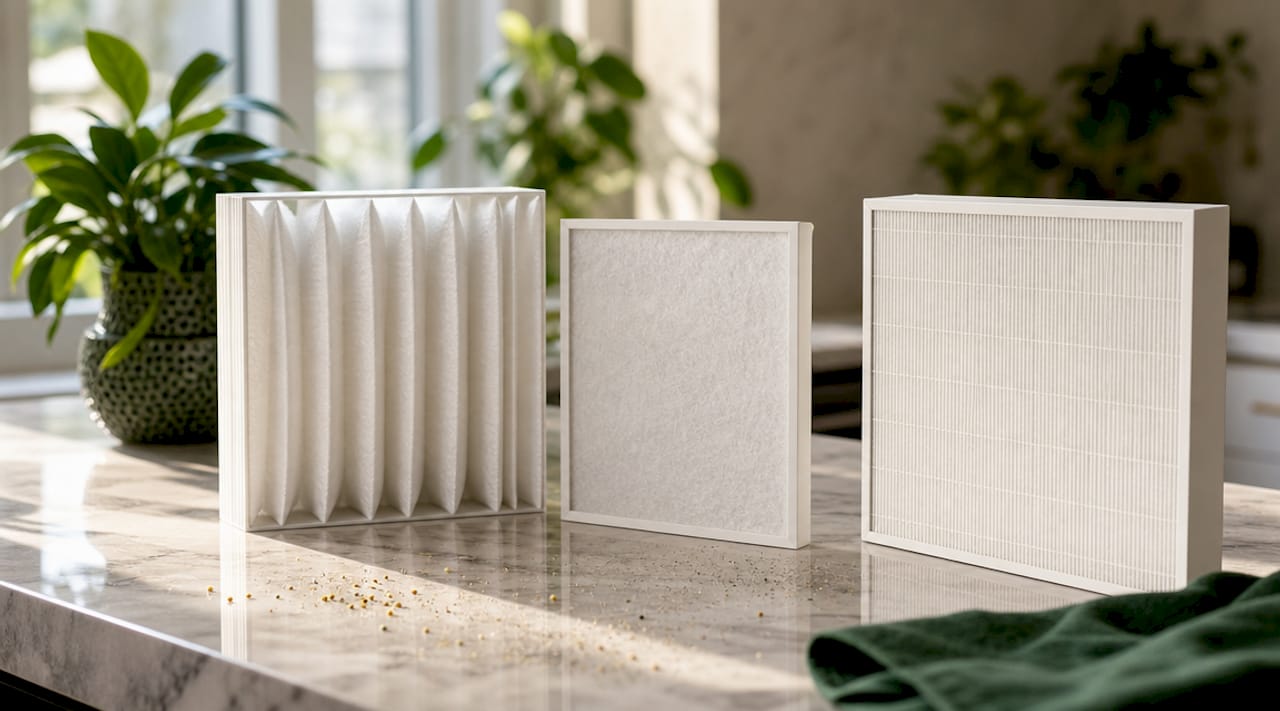
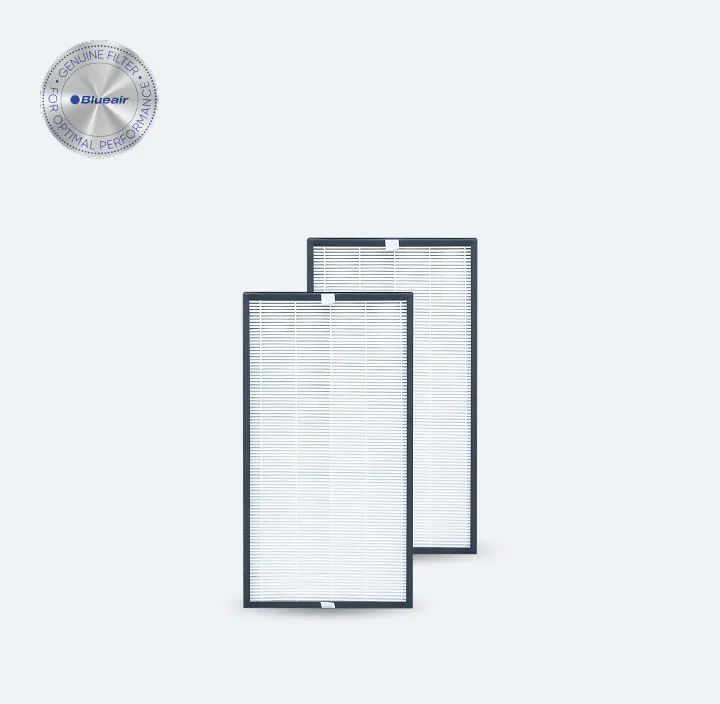
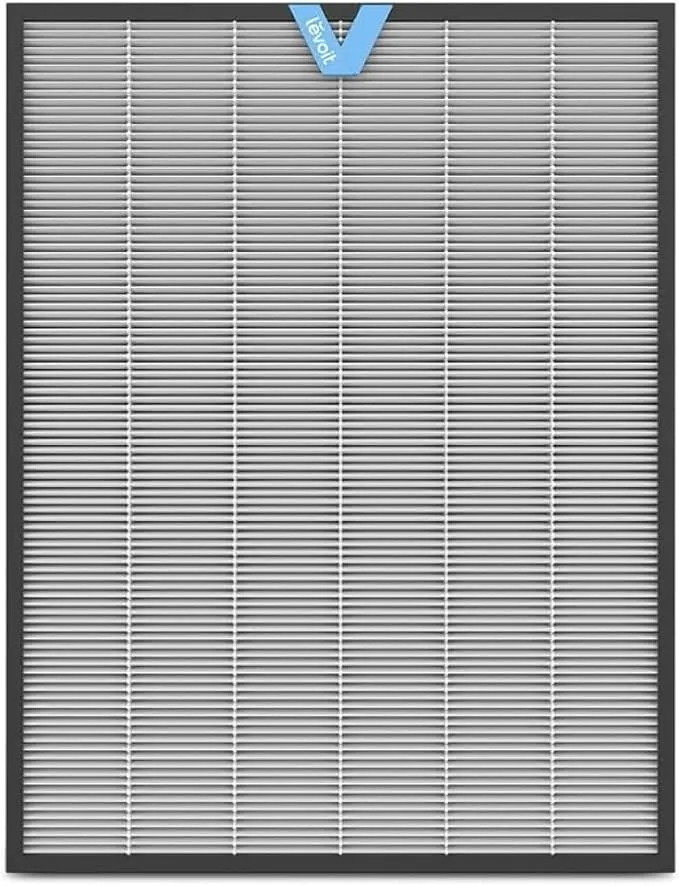
Pleated polyester filters fold the filter media into a series of V-shapes, increasing the total surface area available for particle capture without increasing the filter’s footprint. This design is standard in HVAC systems and is available in MERV ratings from 8 to 13 for residential use.
Electrostatic filters use self-charging synthetic fibres that generate a static charge as air passes through. The charge attracts oppositely charged particles, including fine dust and some bacteria. Washable electrostatic filters are reusable but typically achieve MERV ratings of only 6 to 8, which limits their effectiveness for fine allergens.
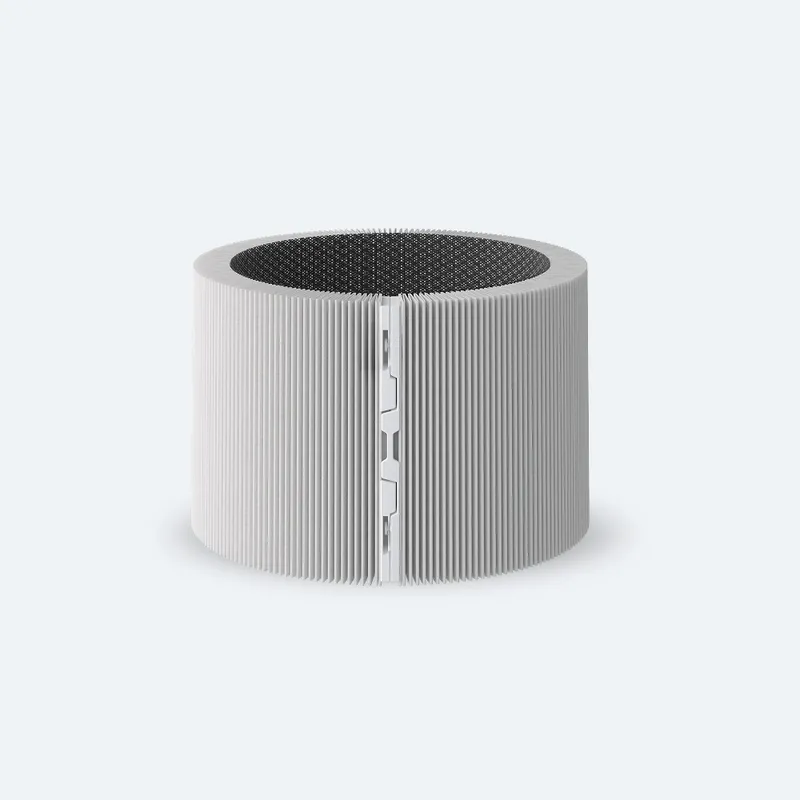
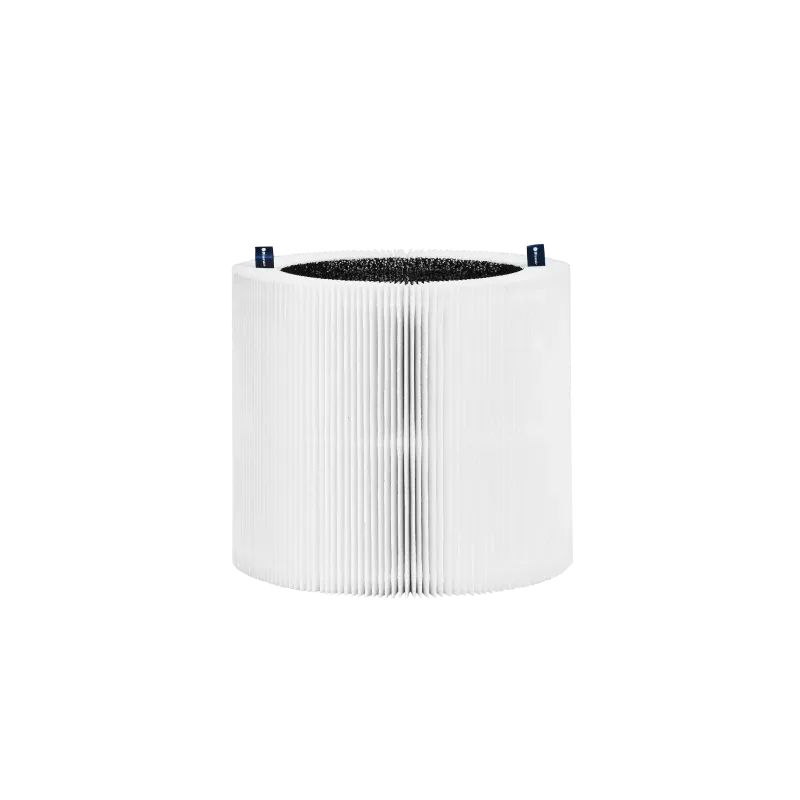
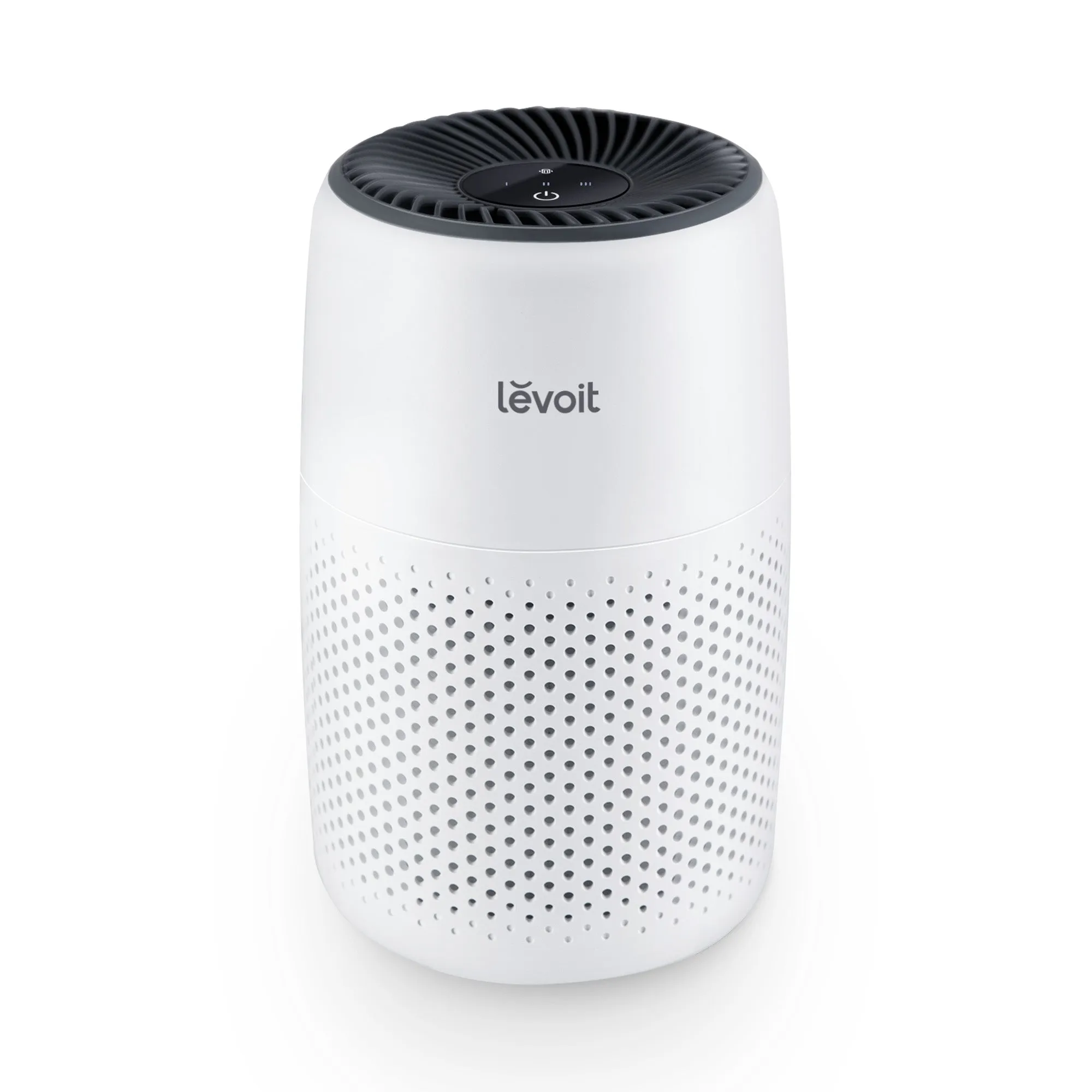
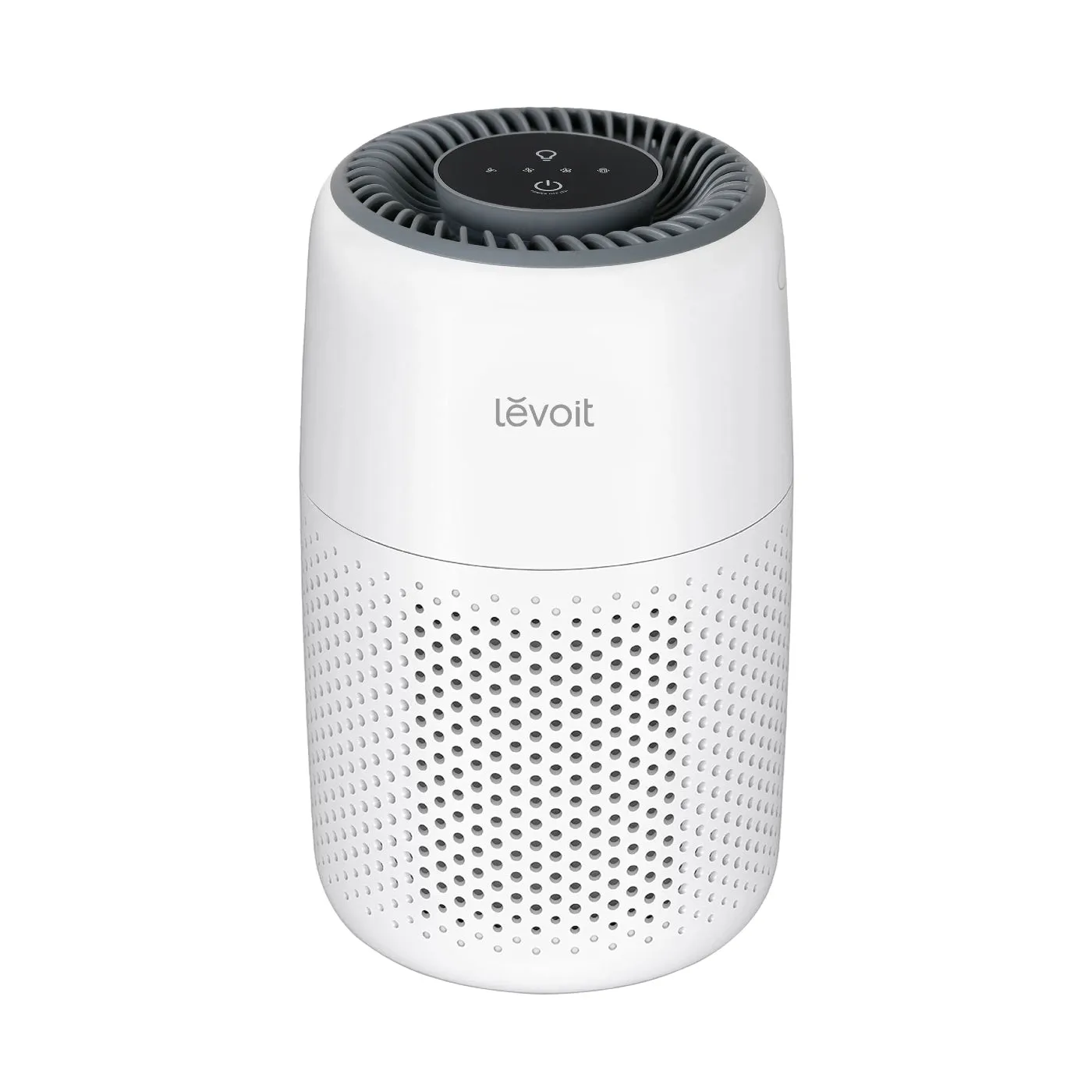
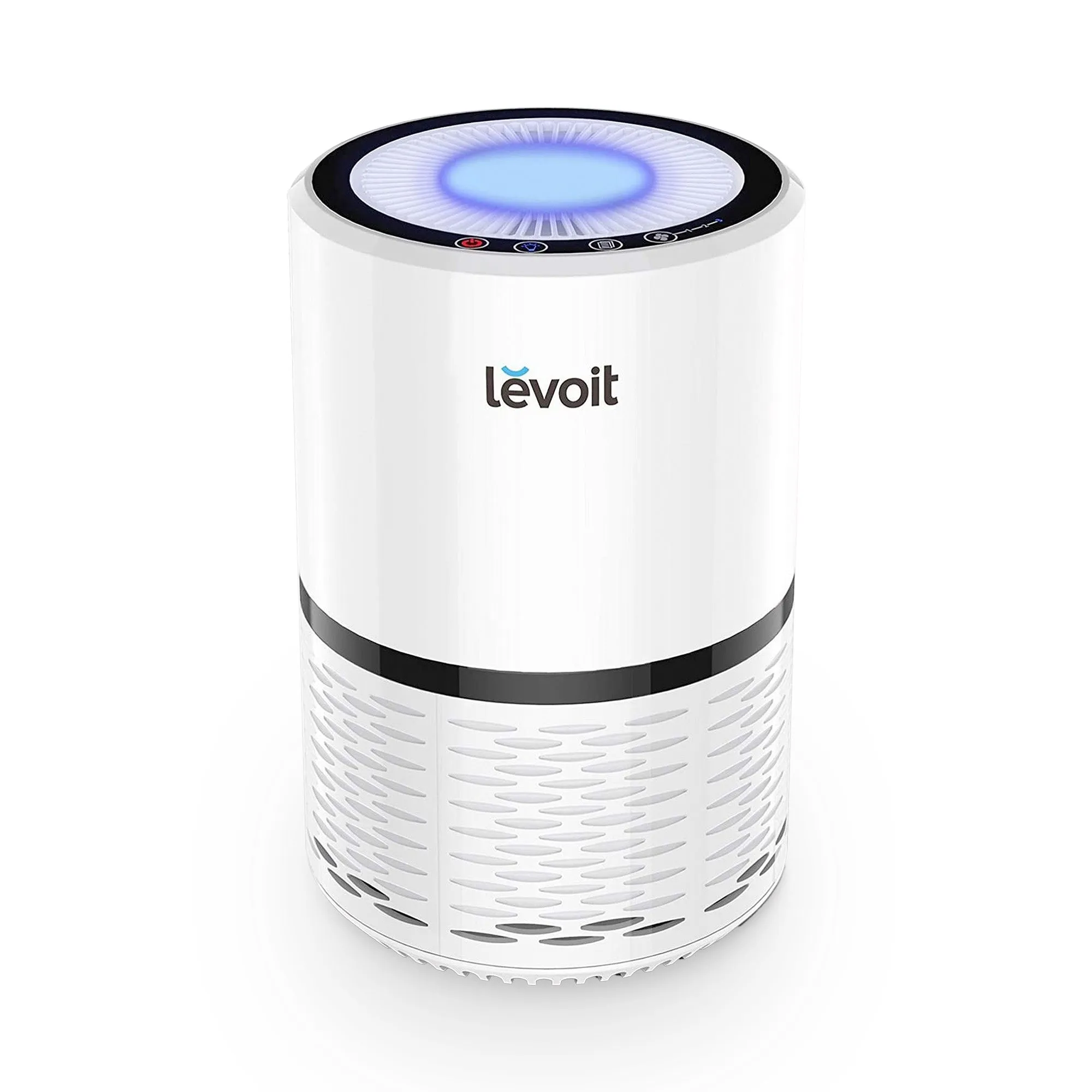
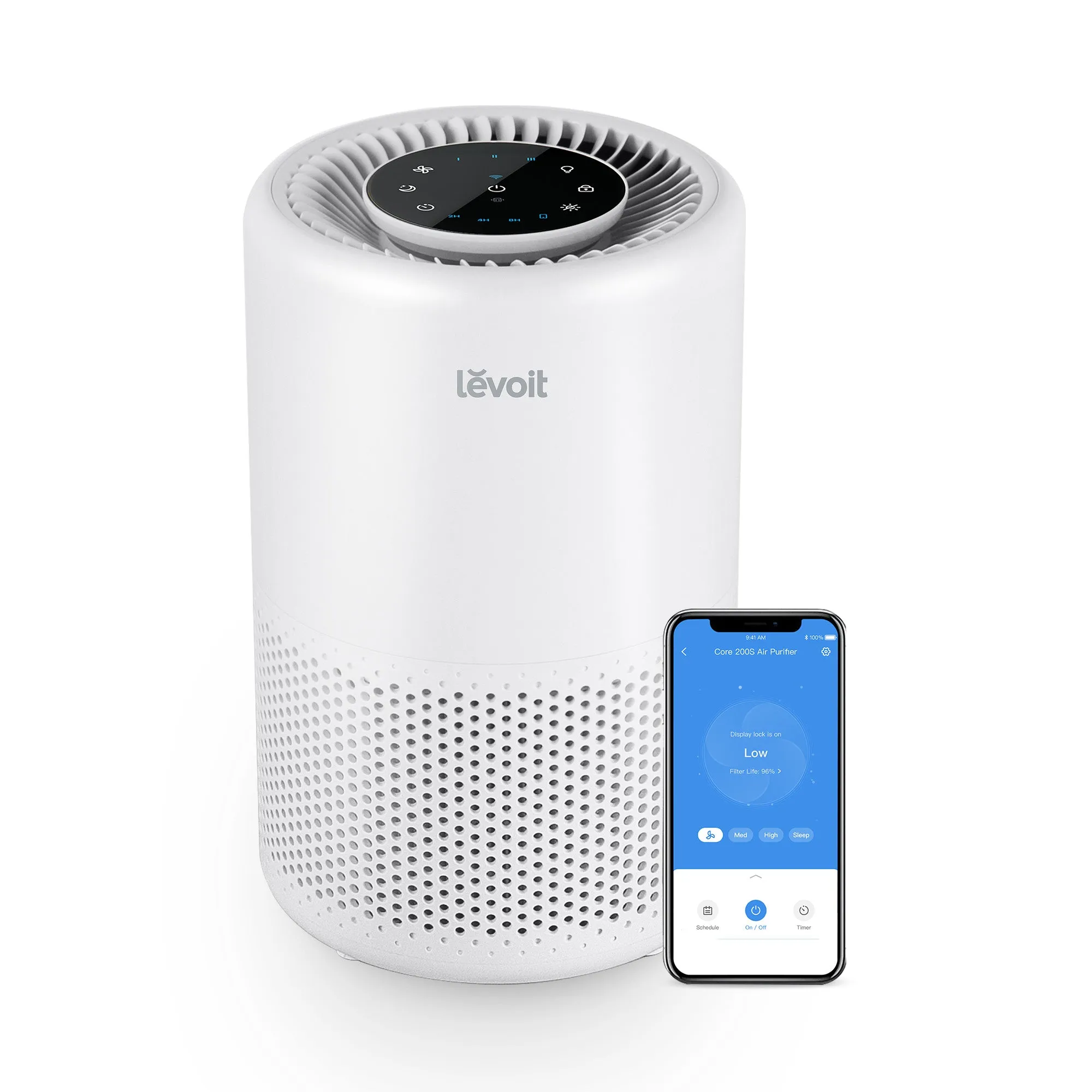
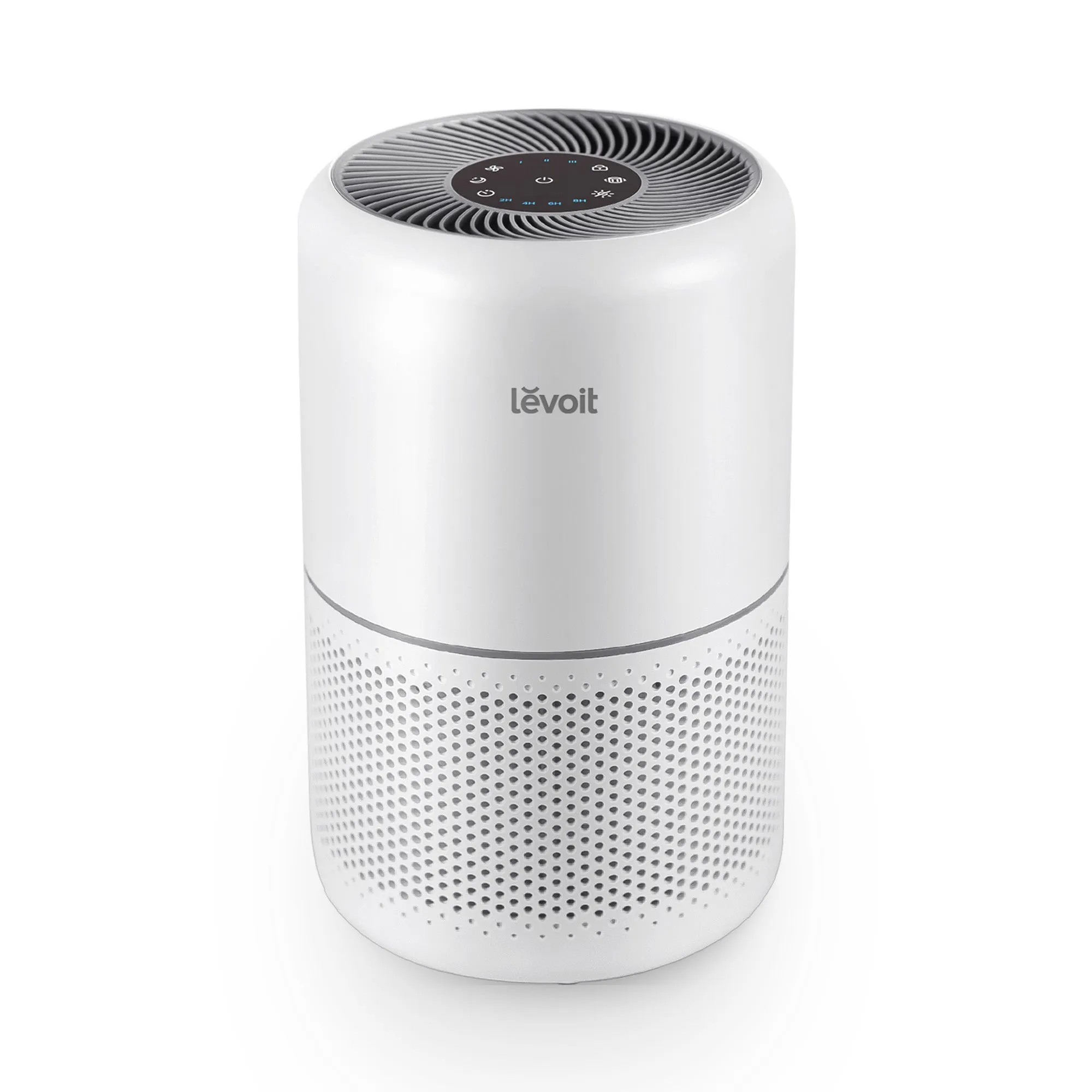
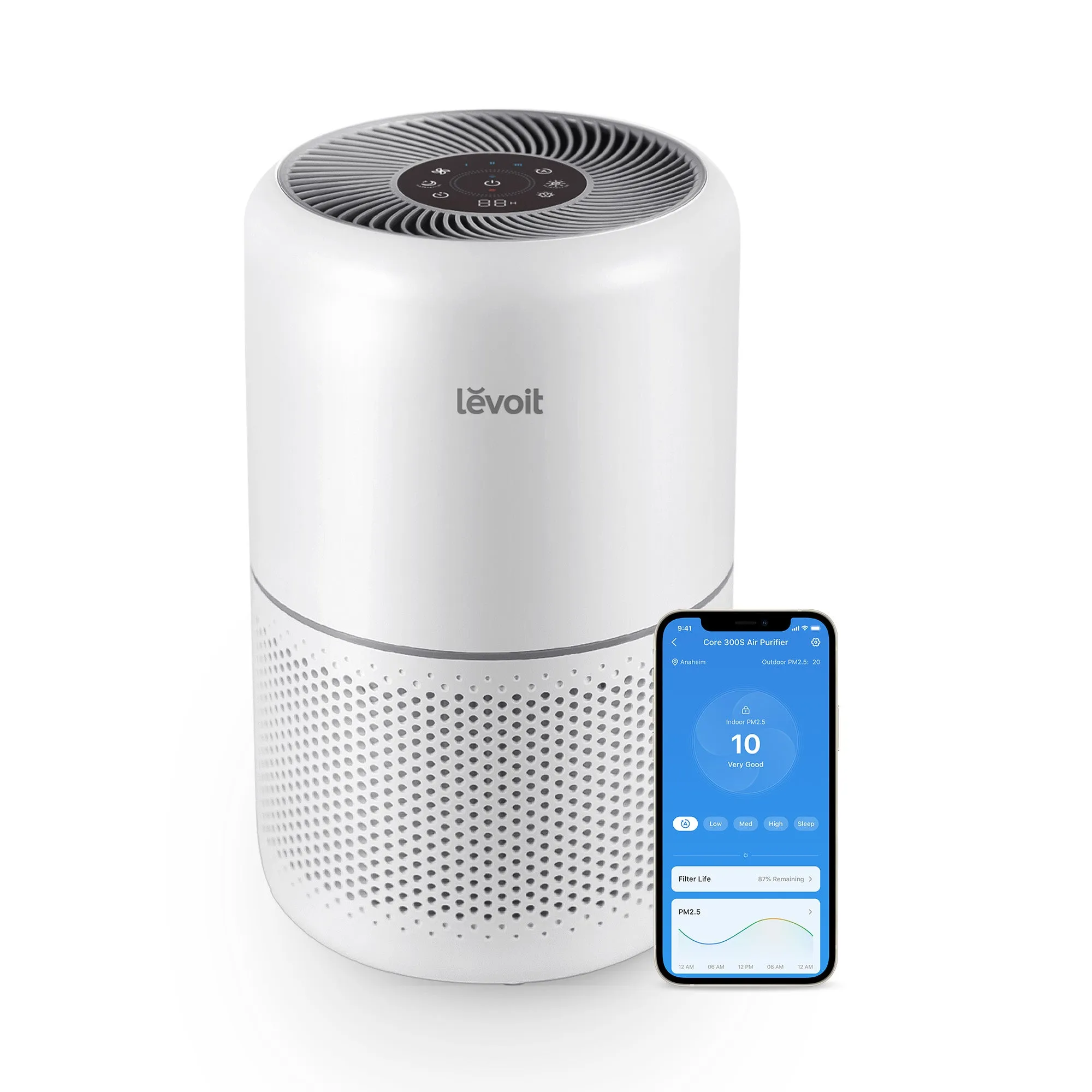
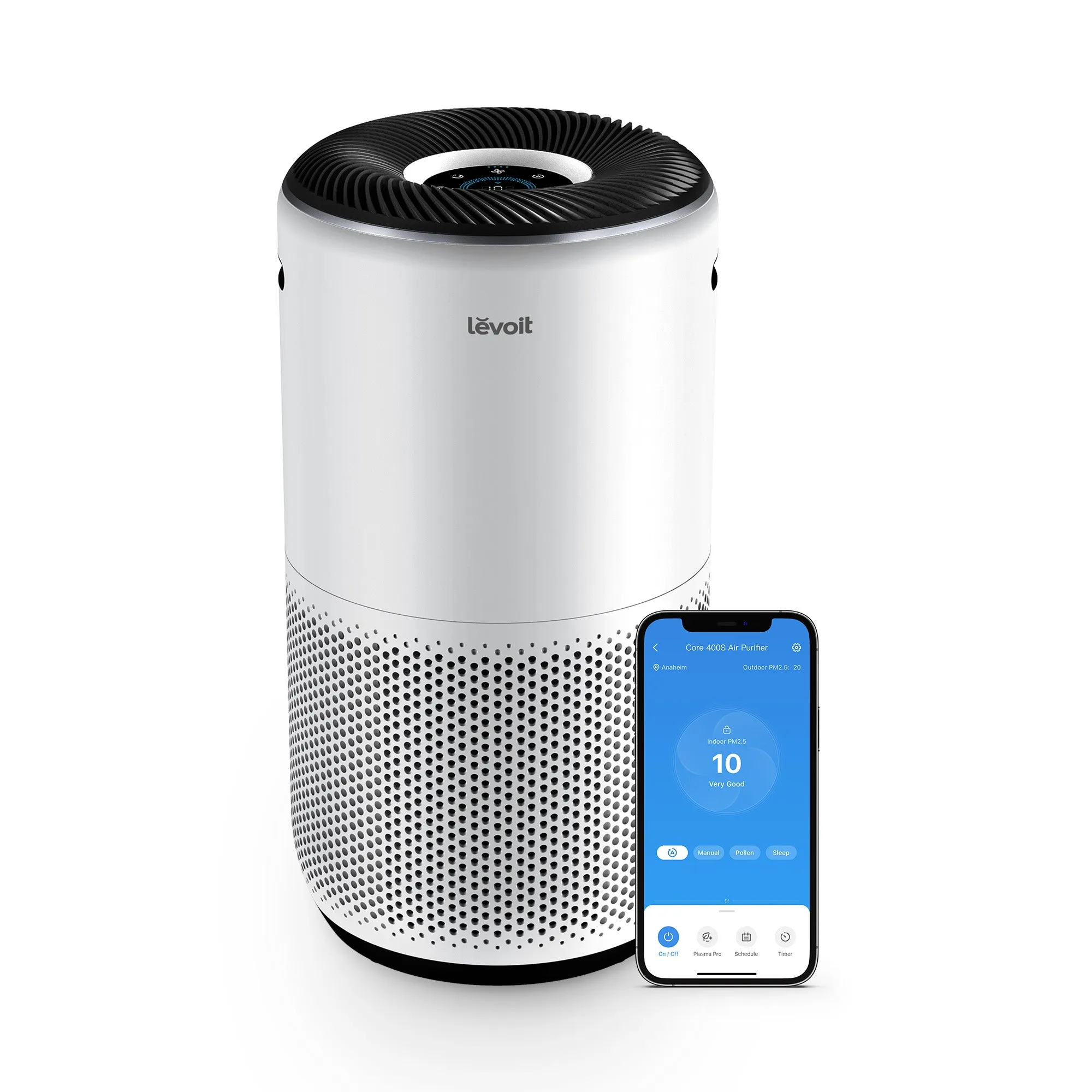
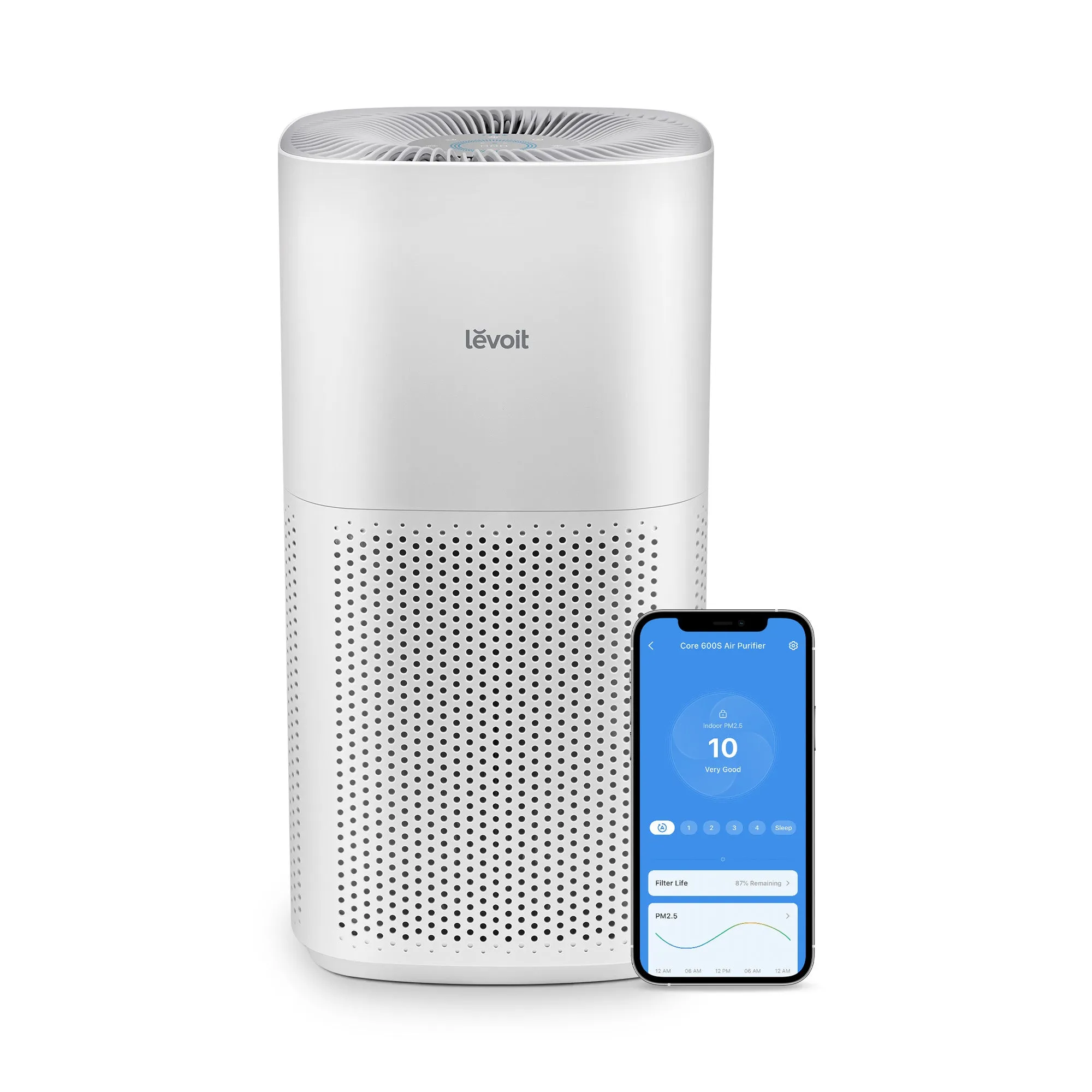
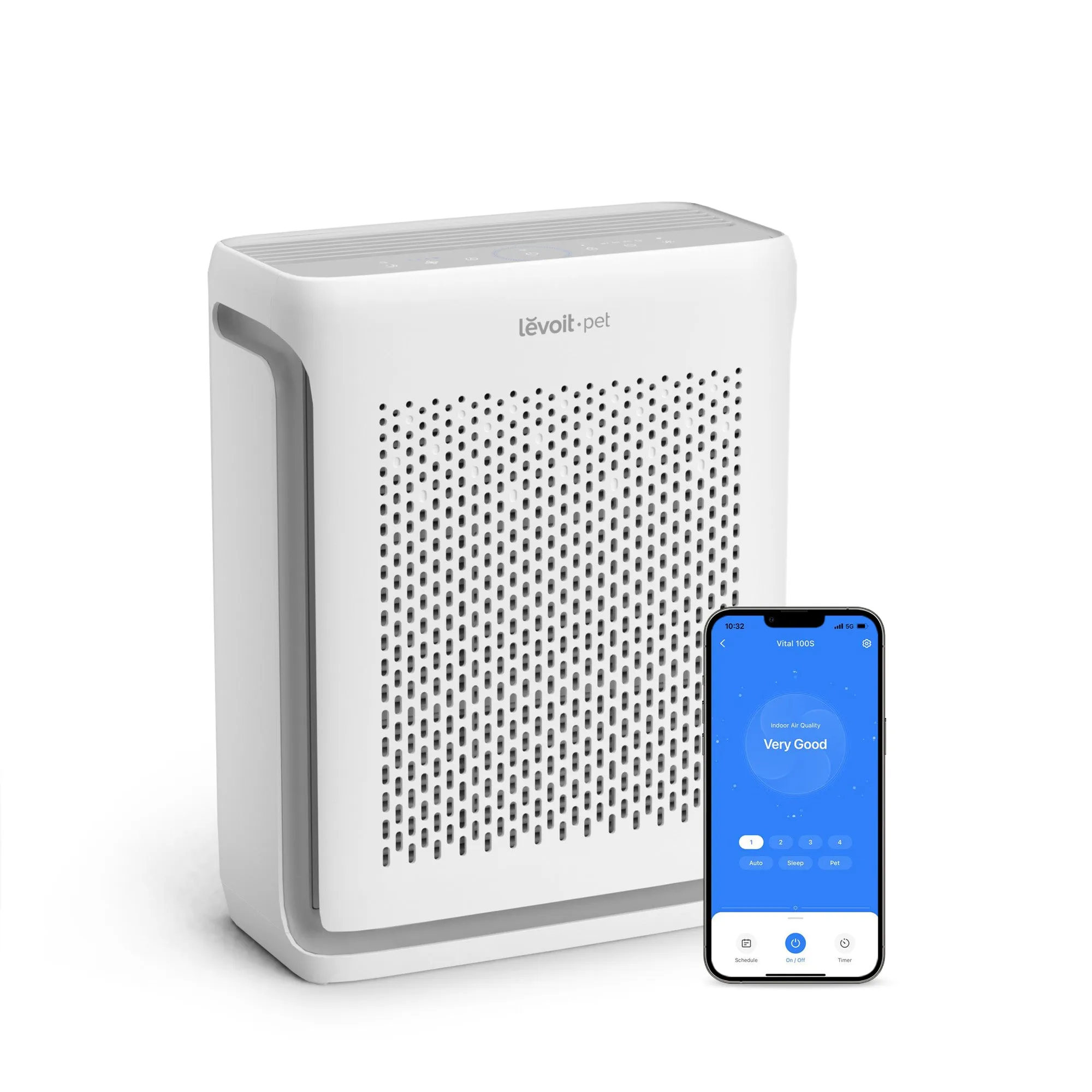
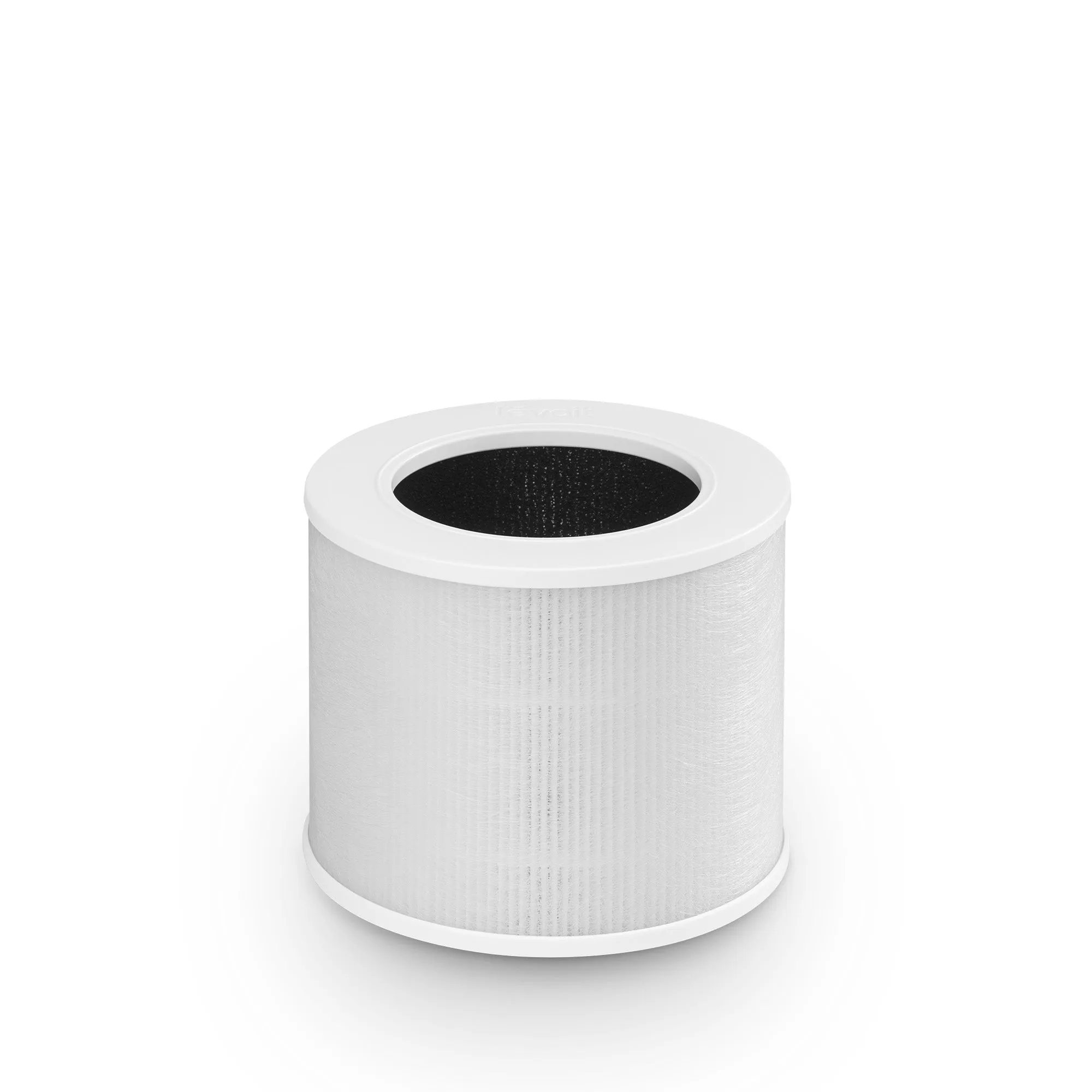
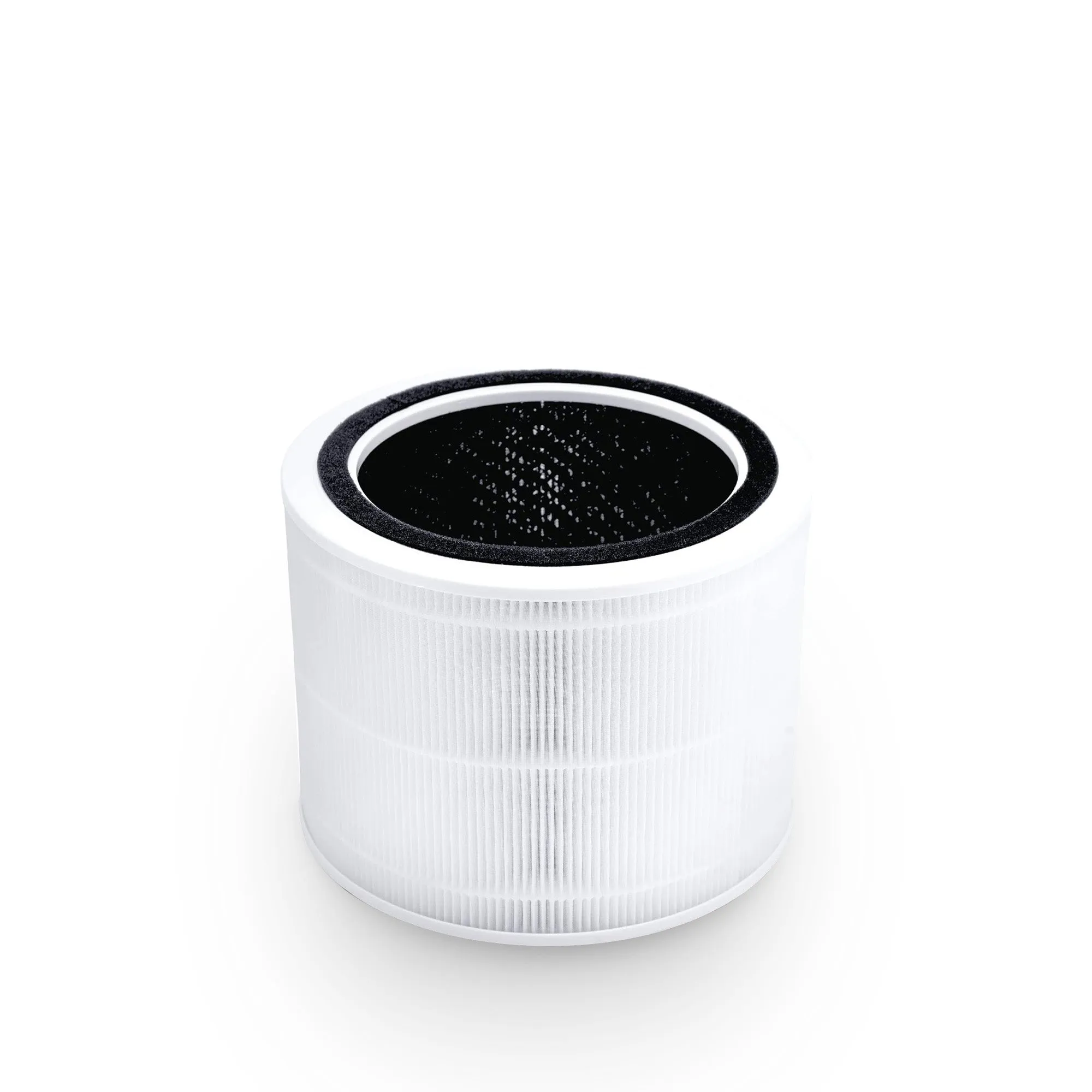
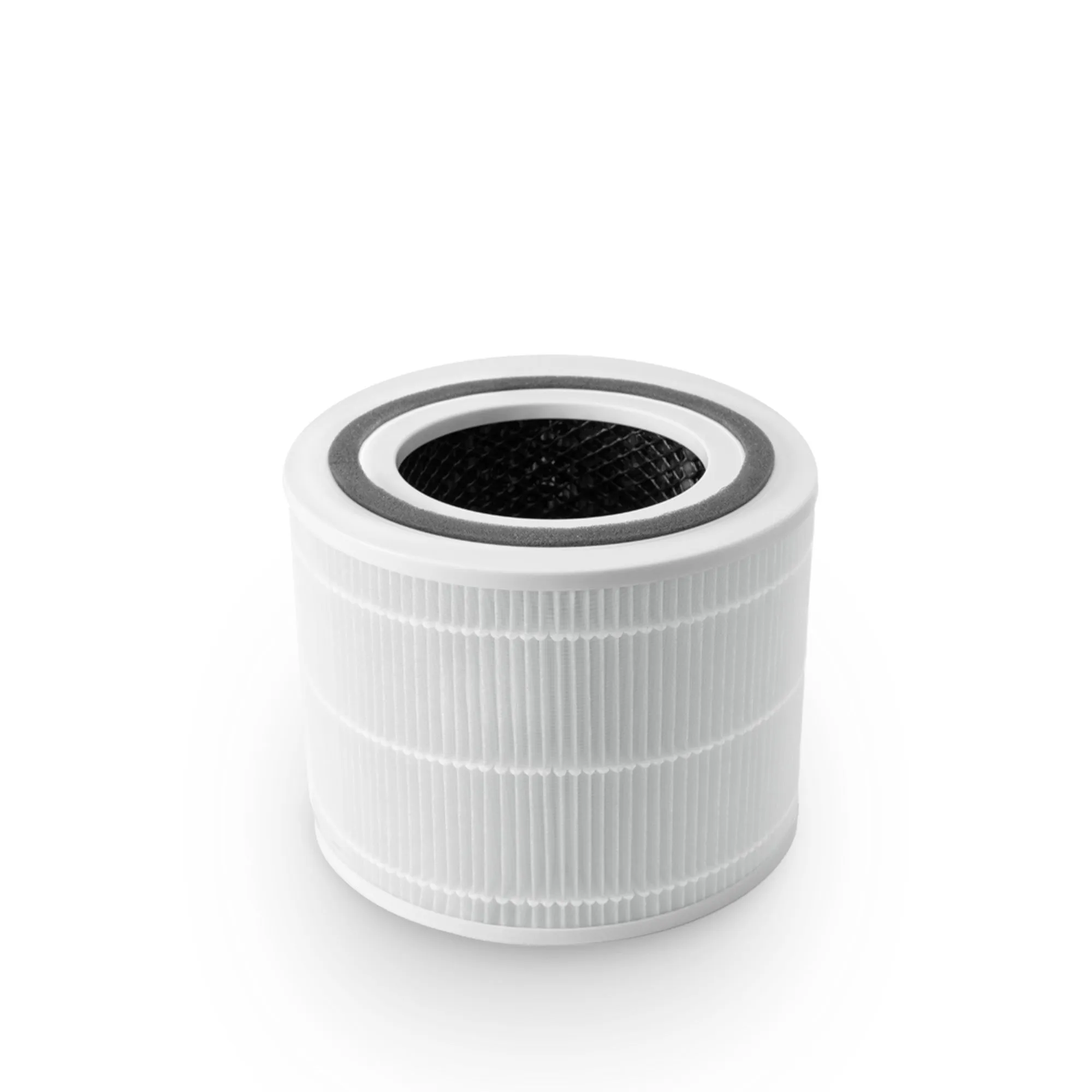
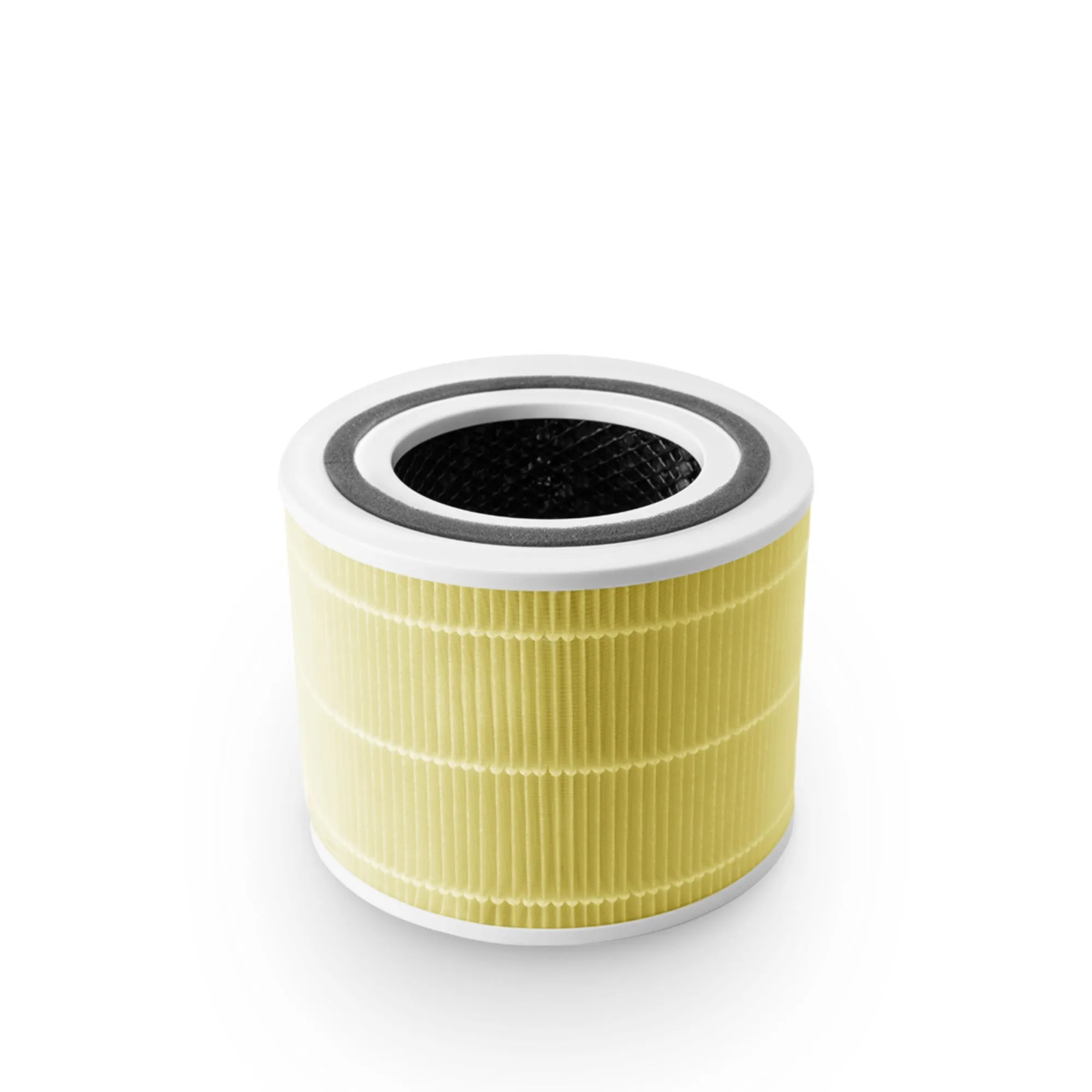
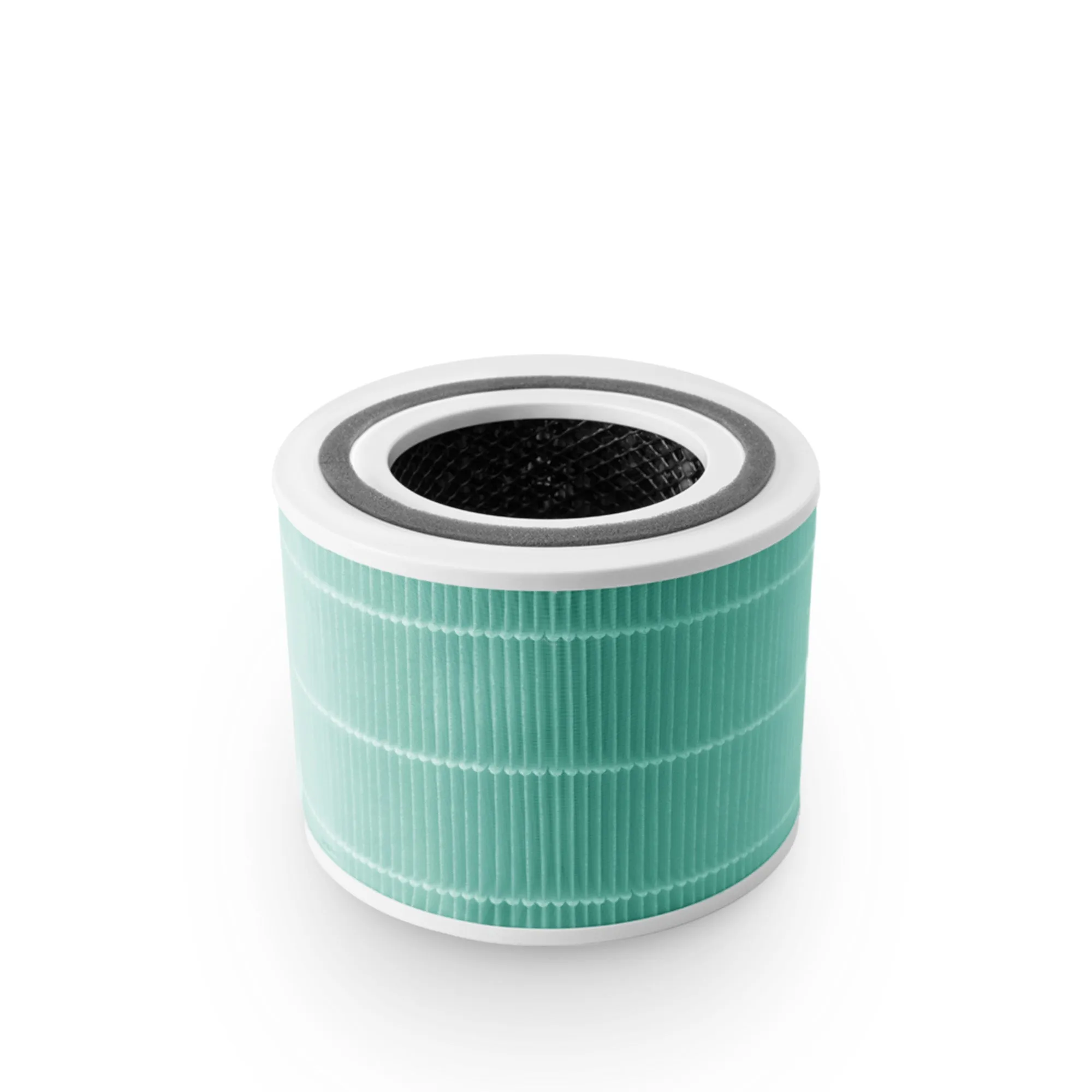
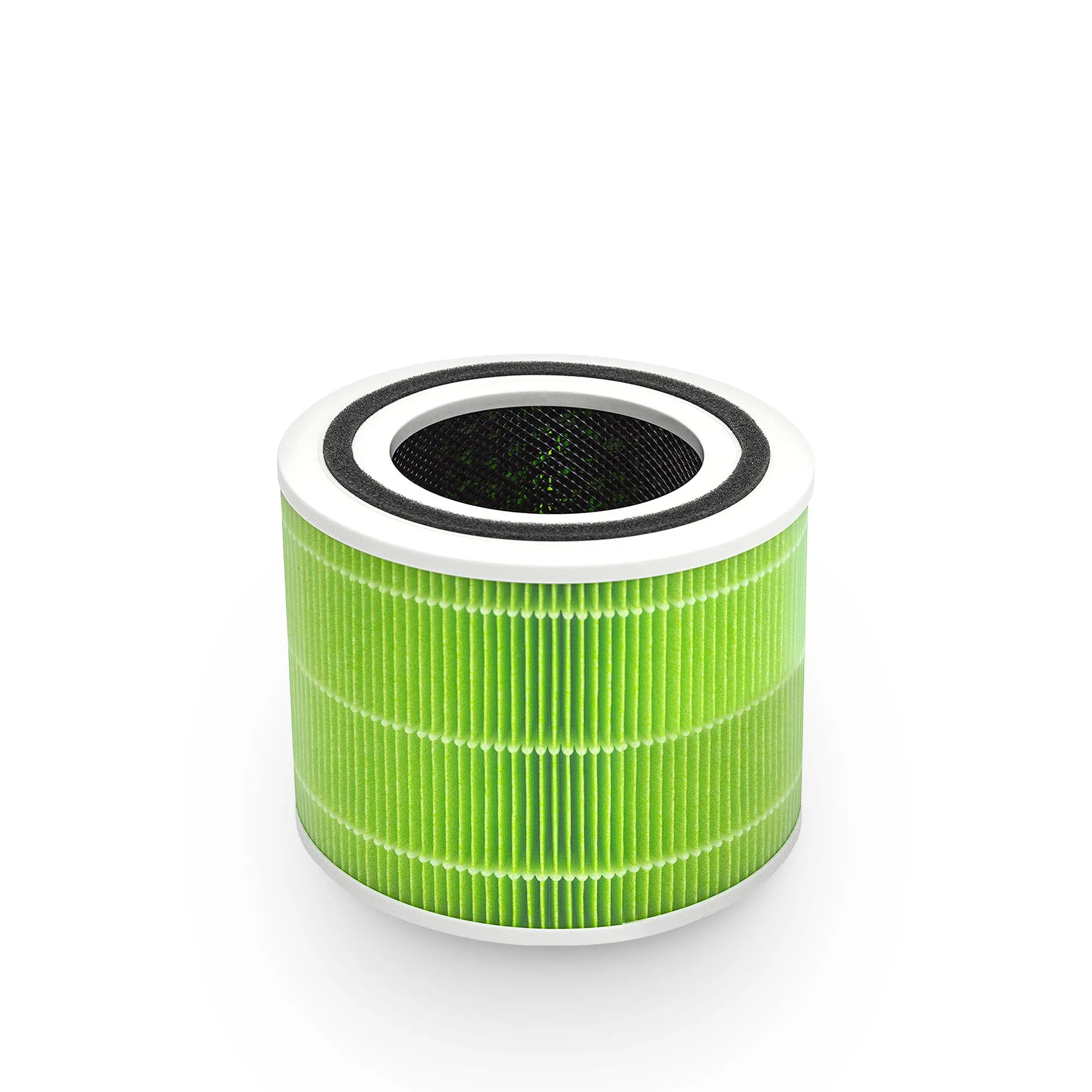
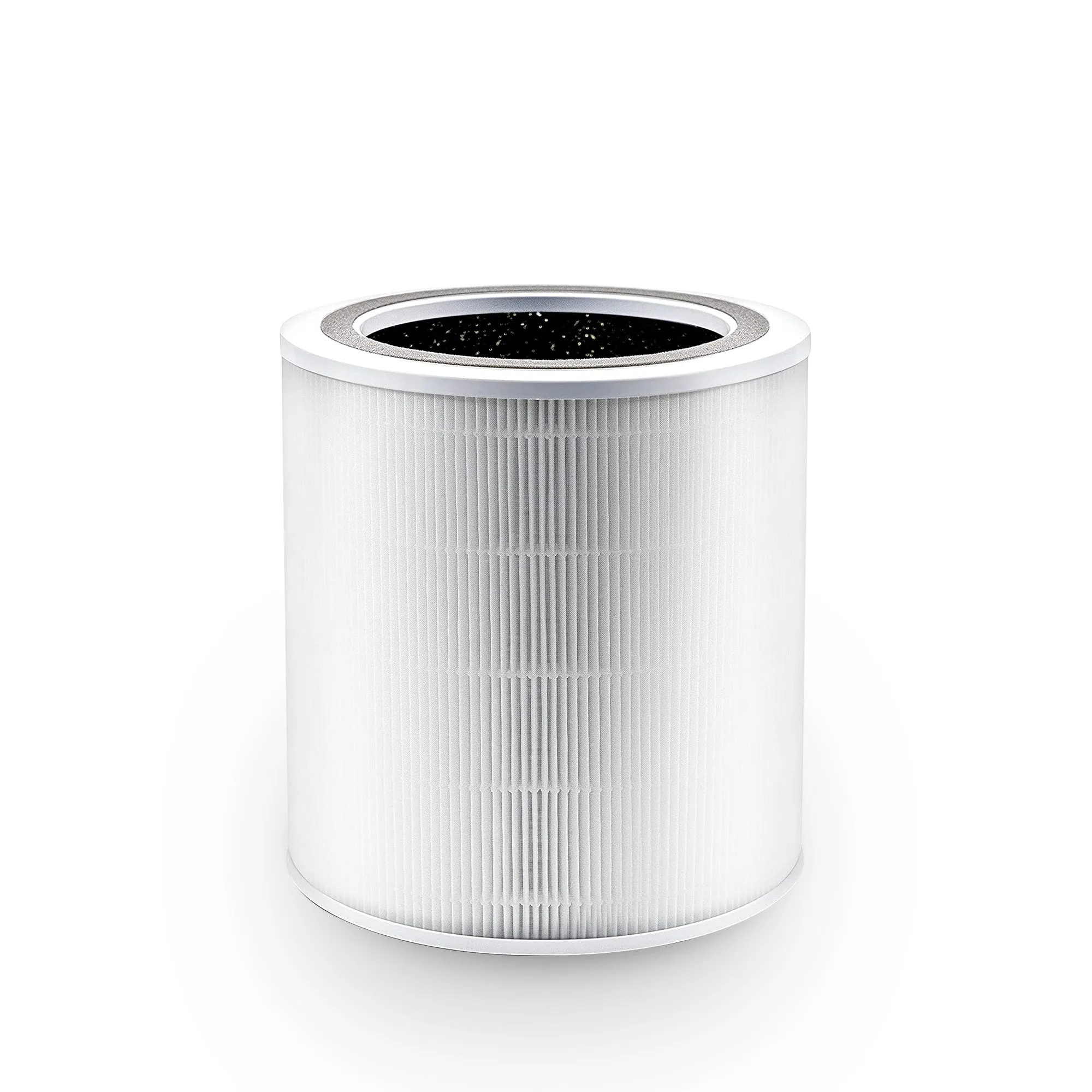
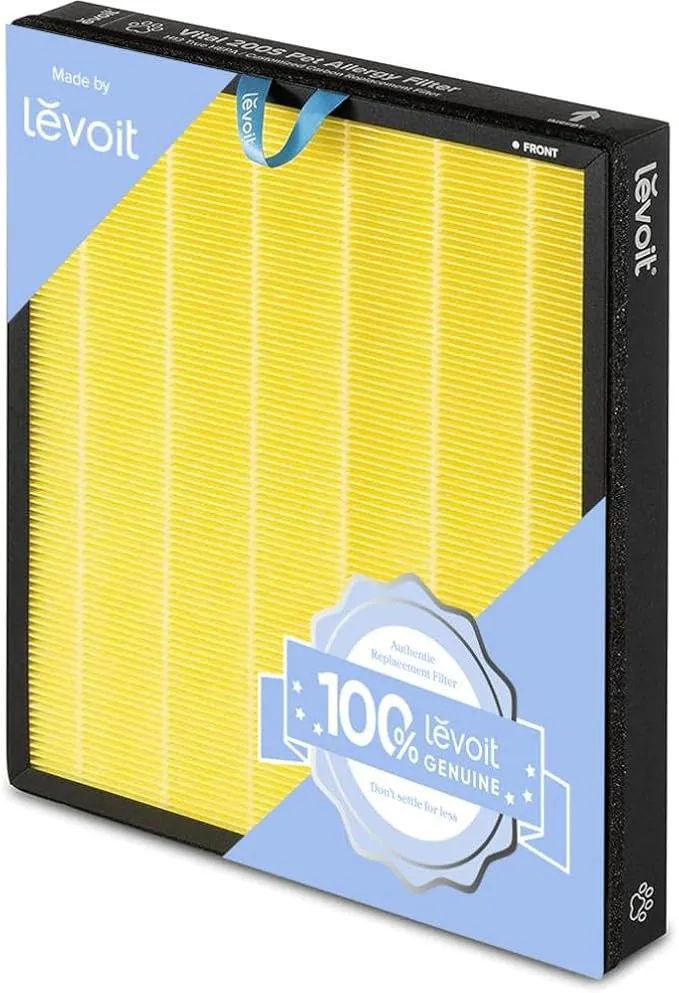
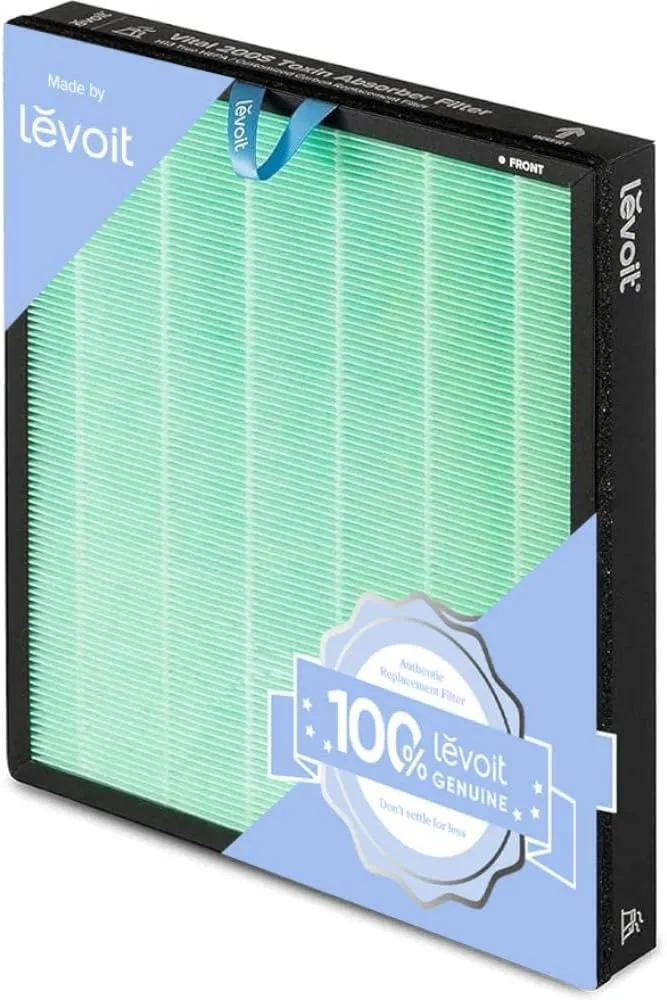
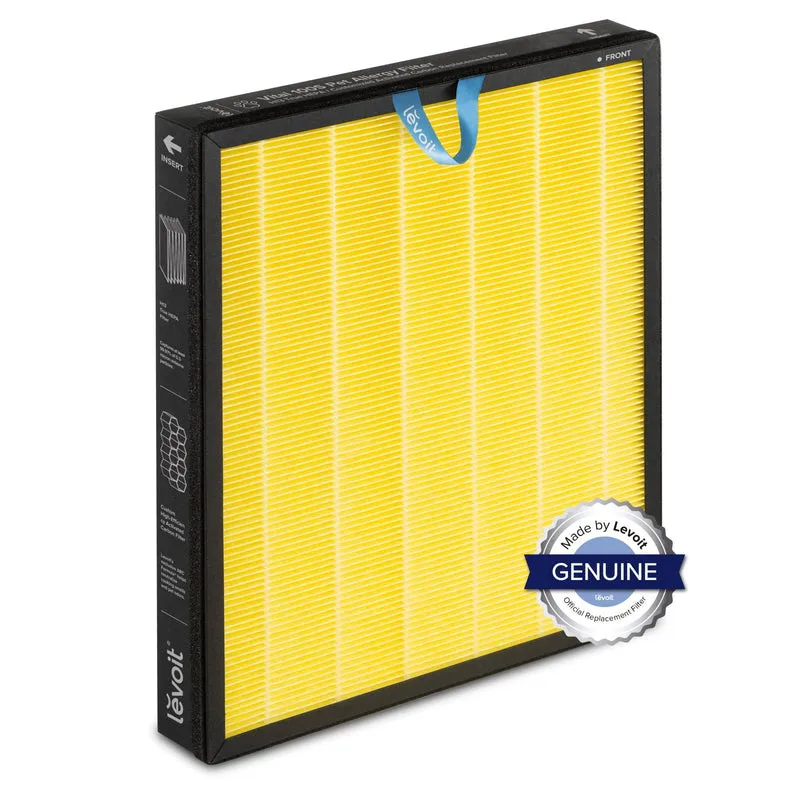
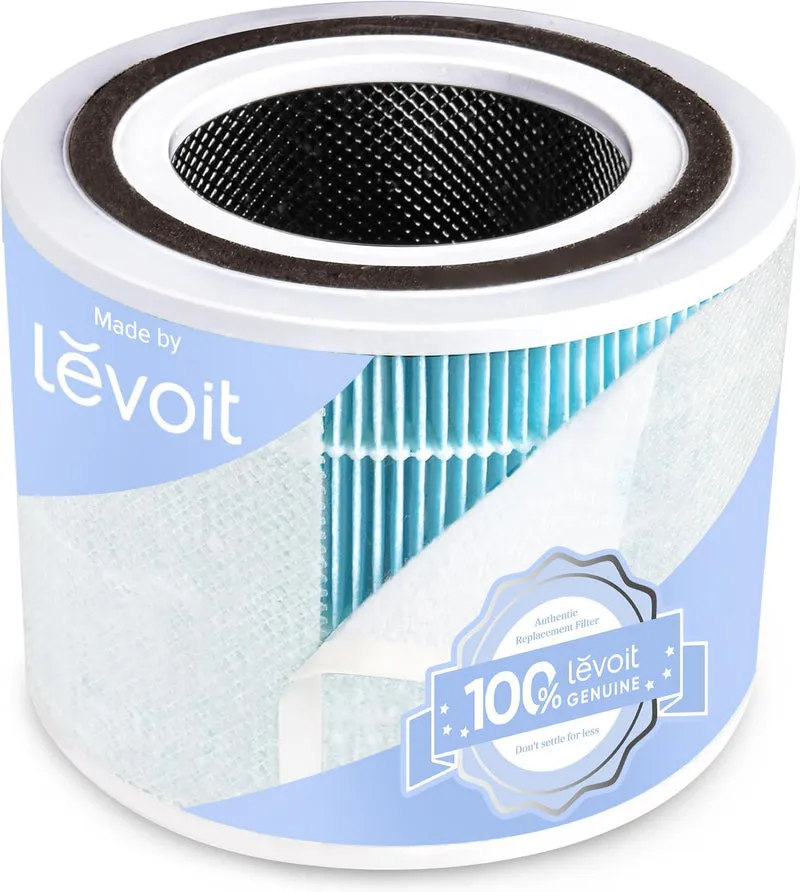
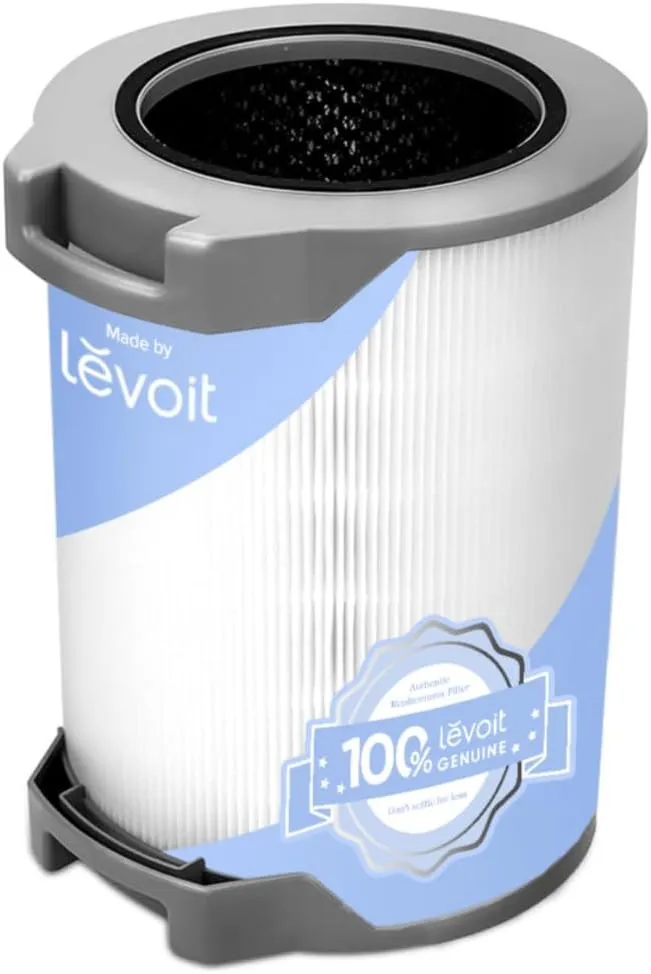
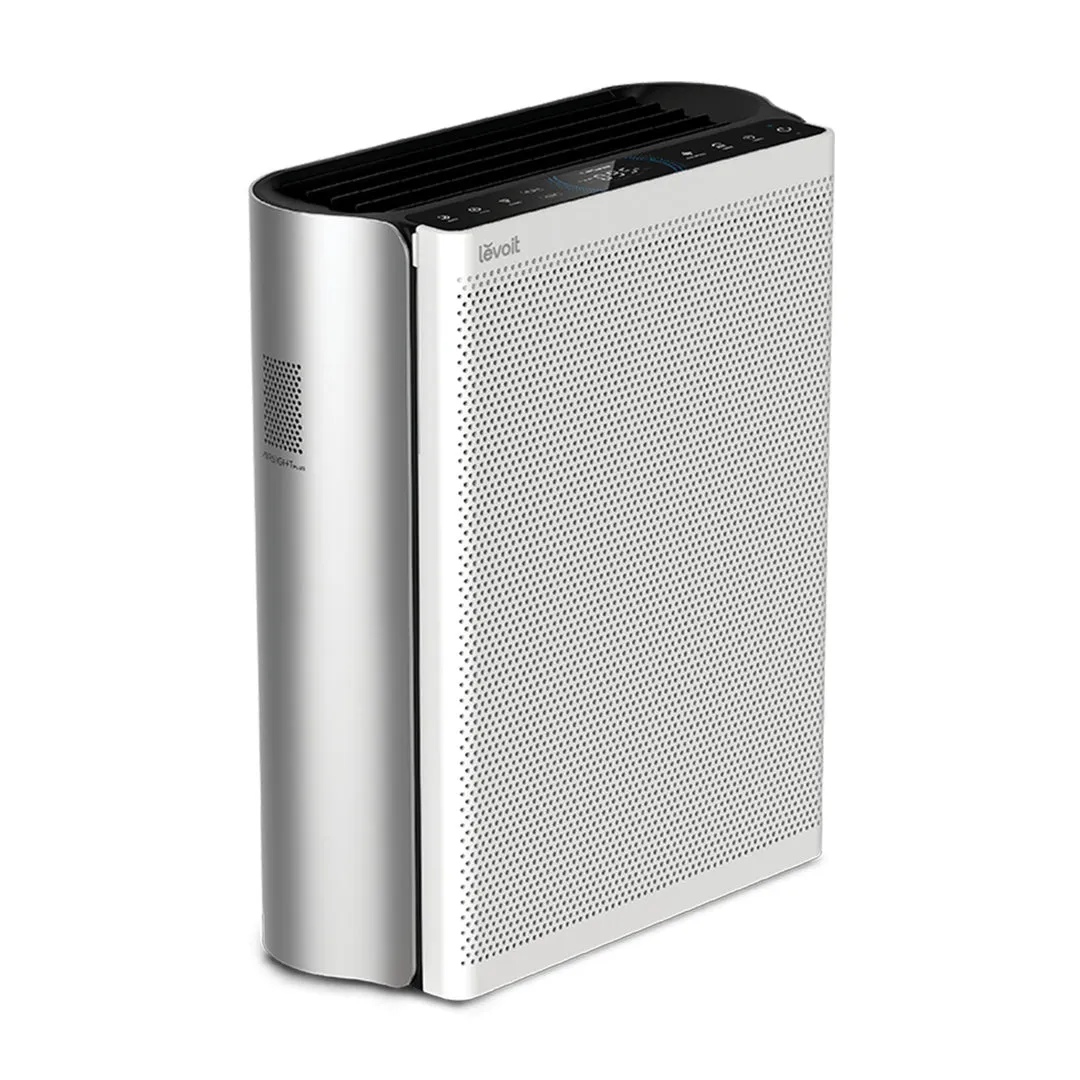
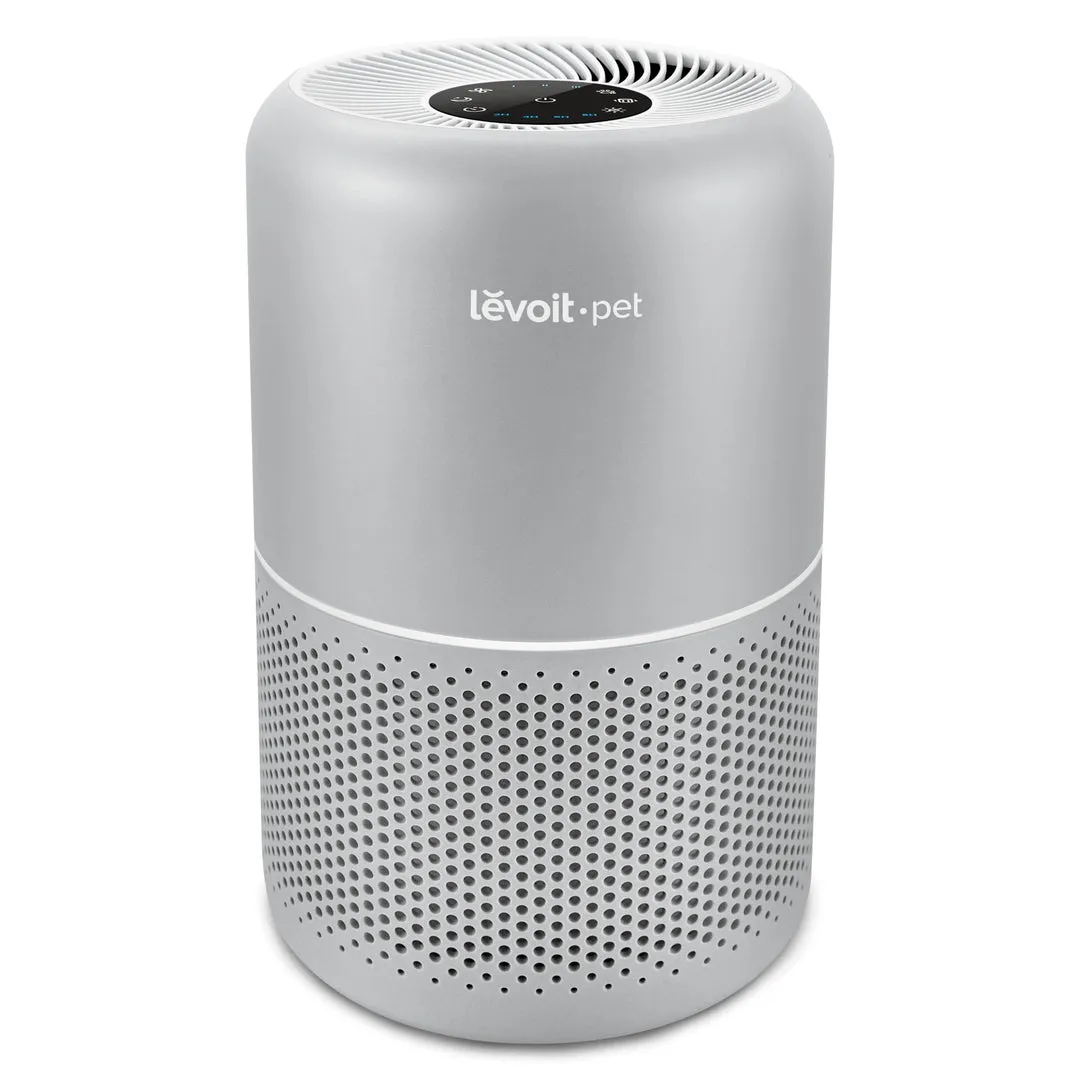
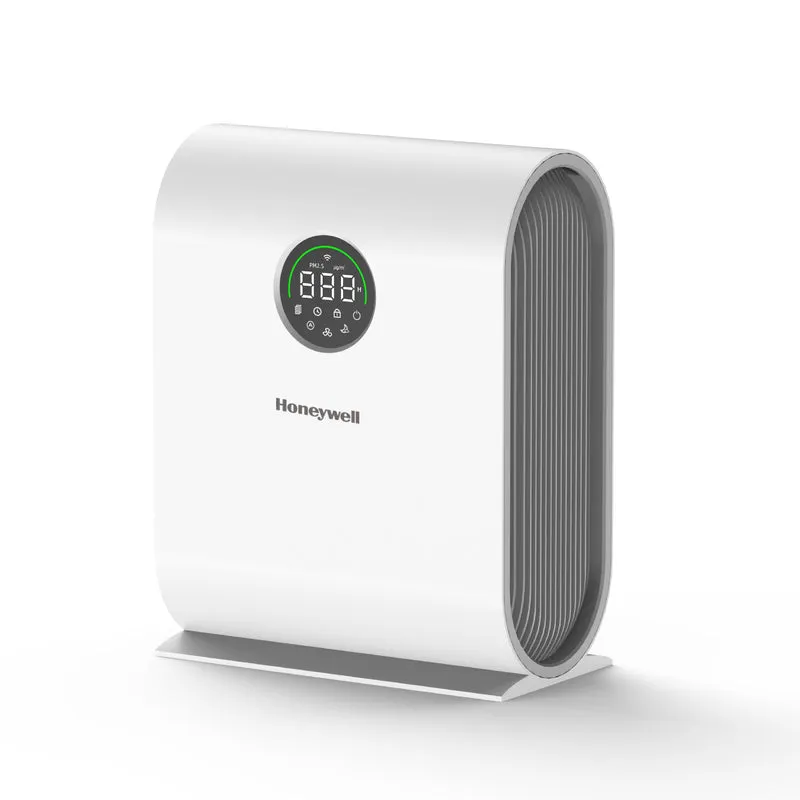
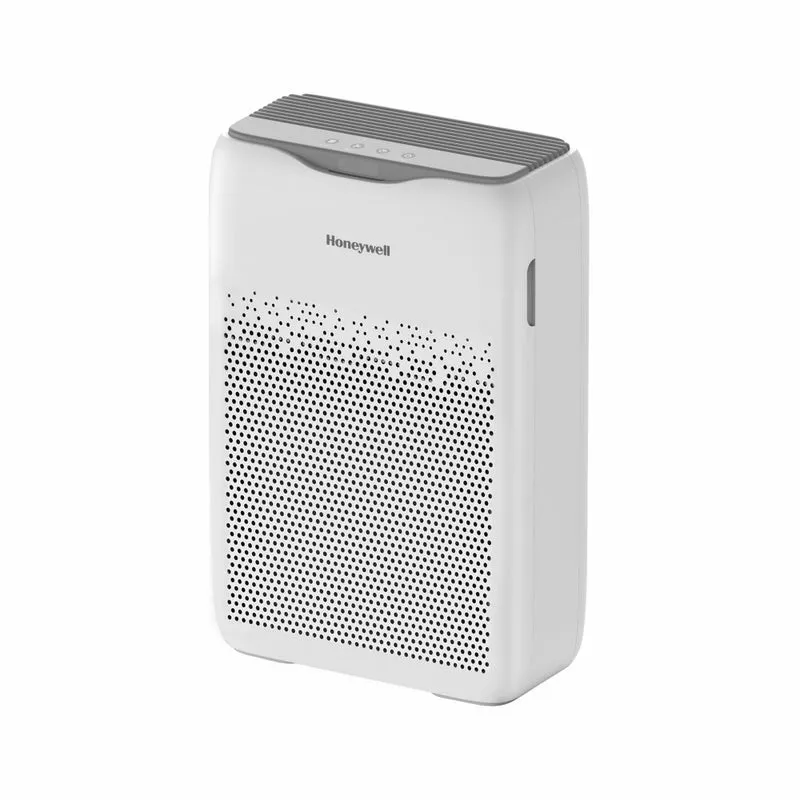
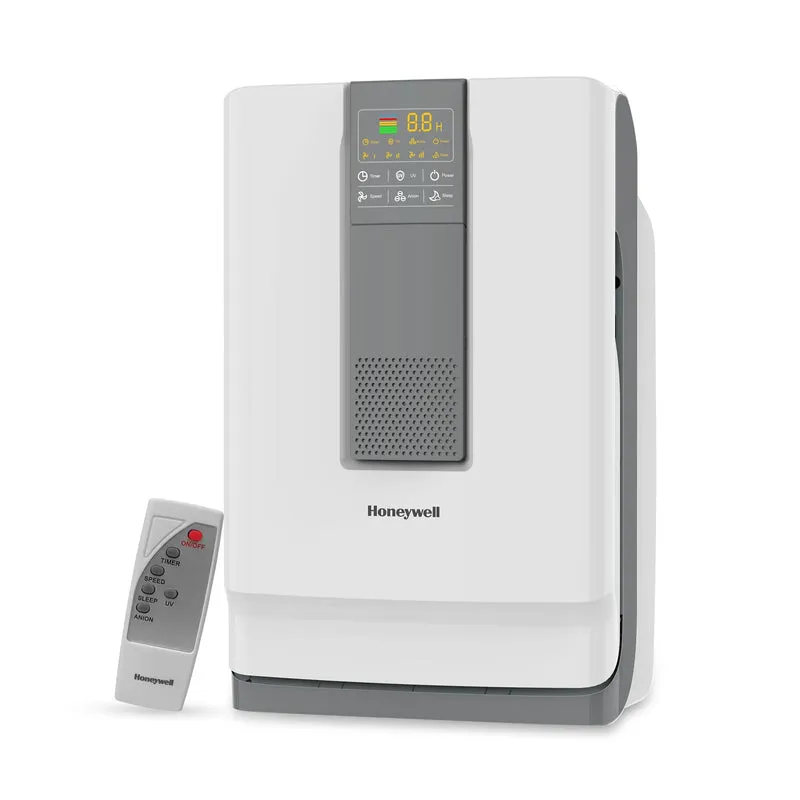
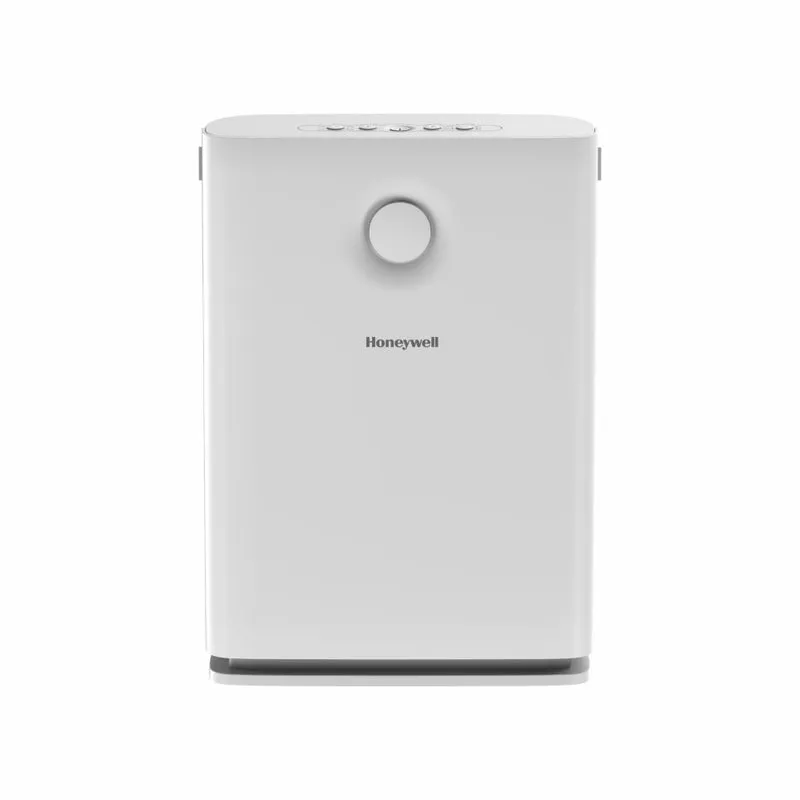
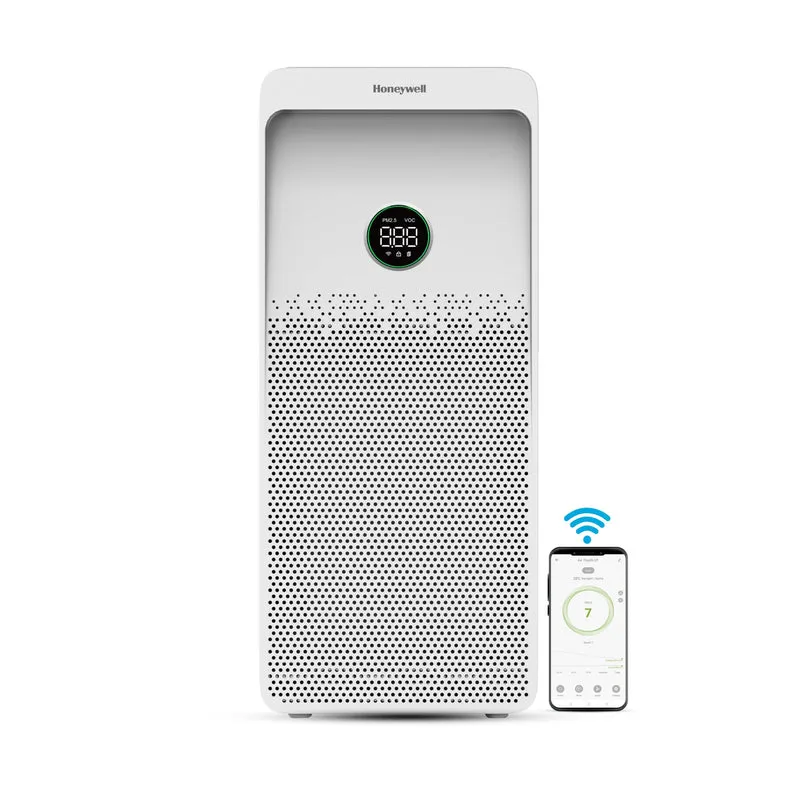
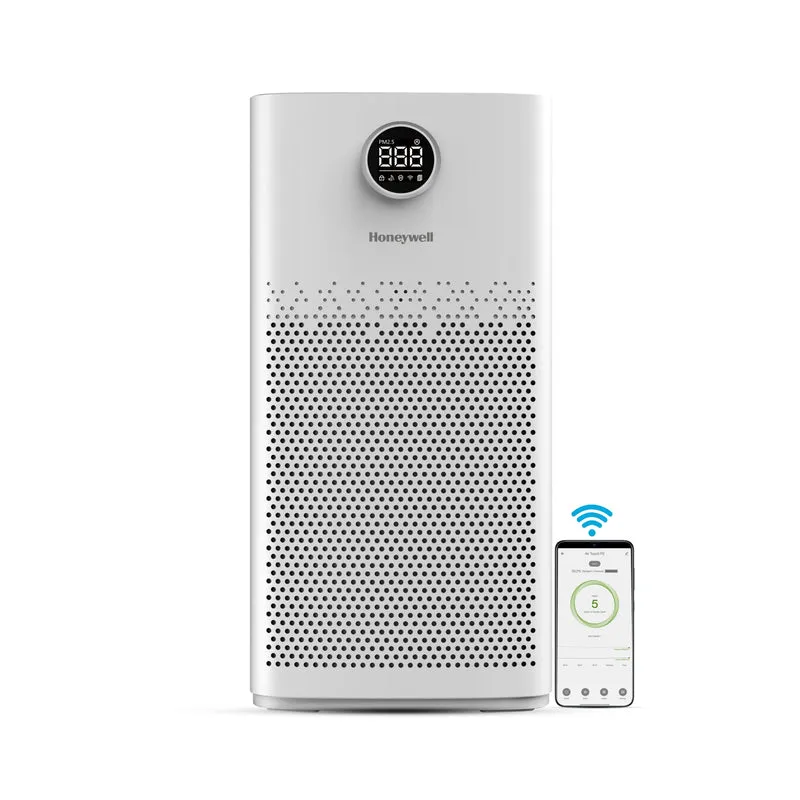
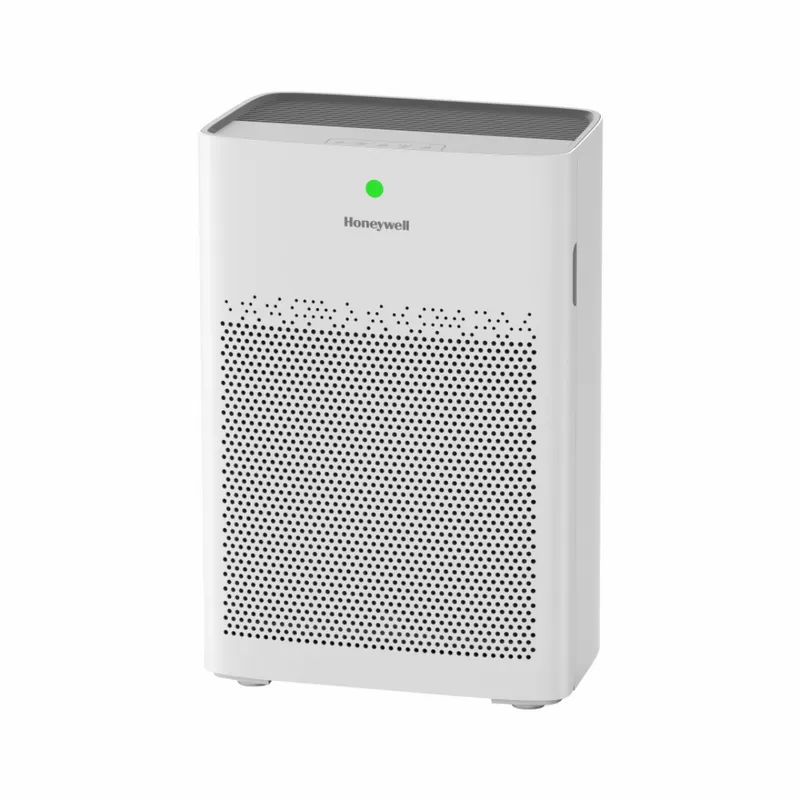
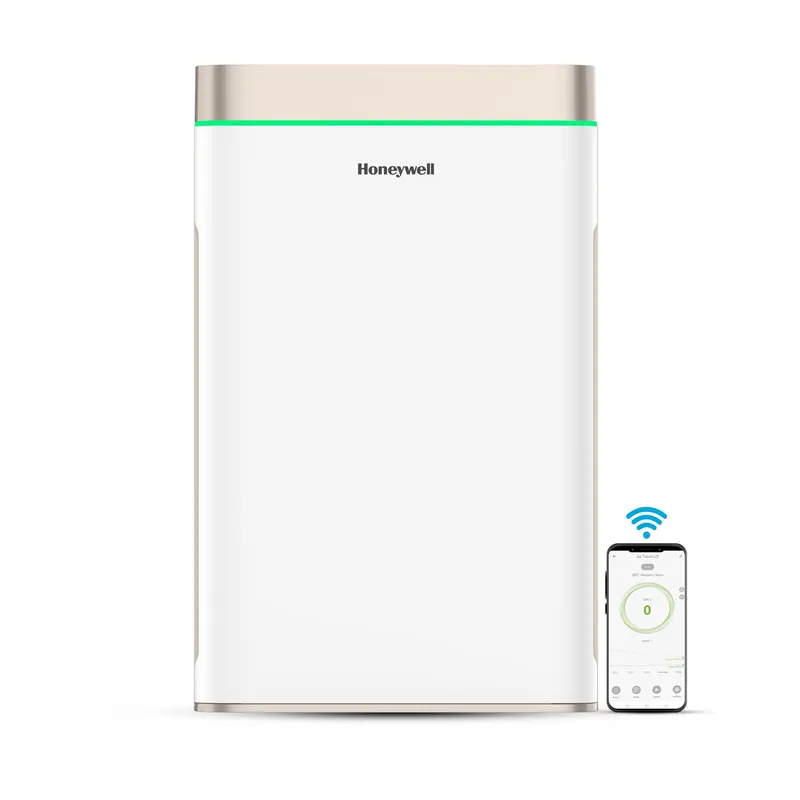
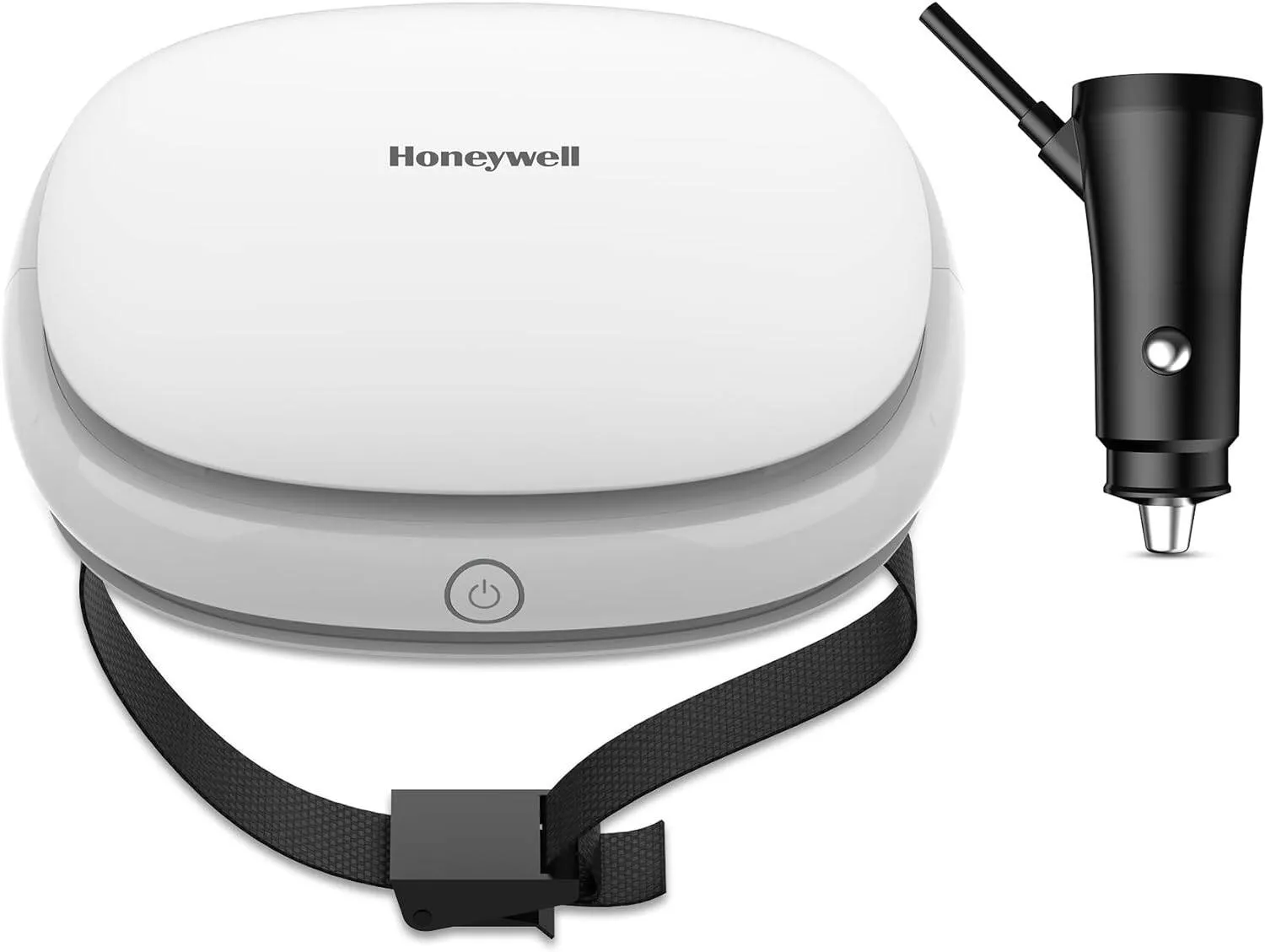
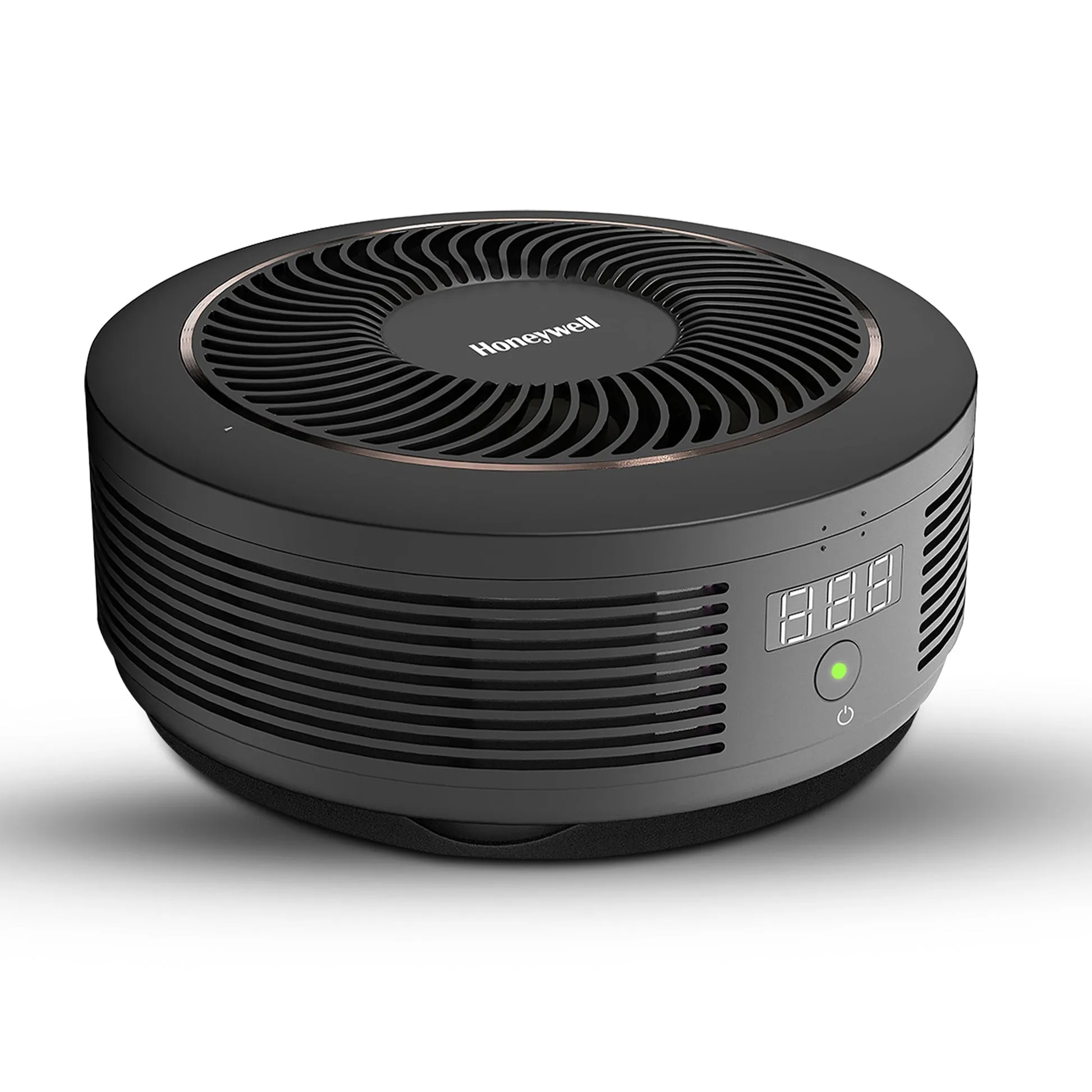
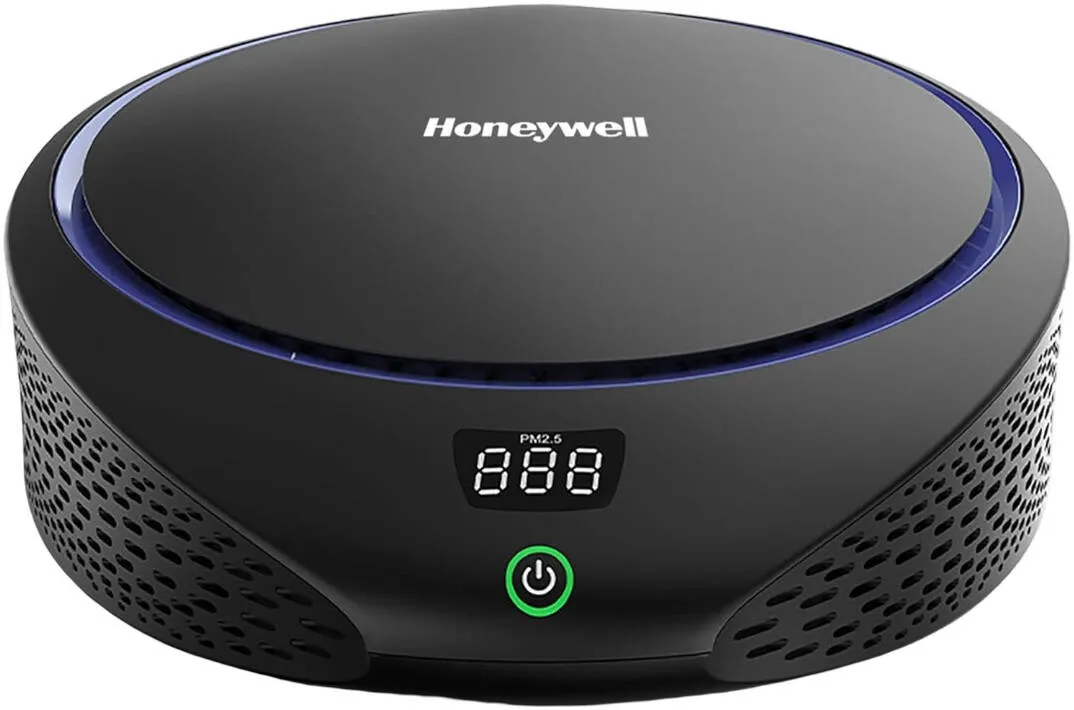
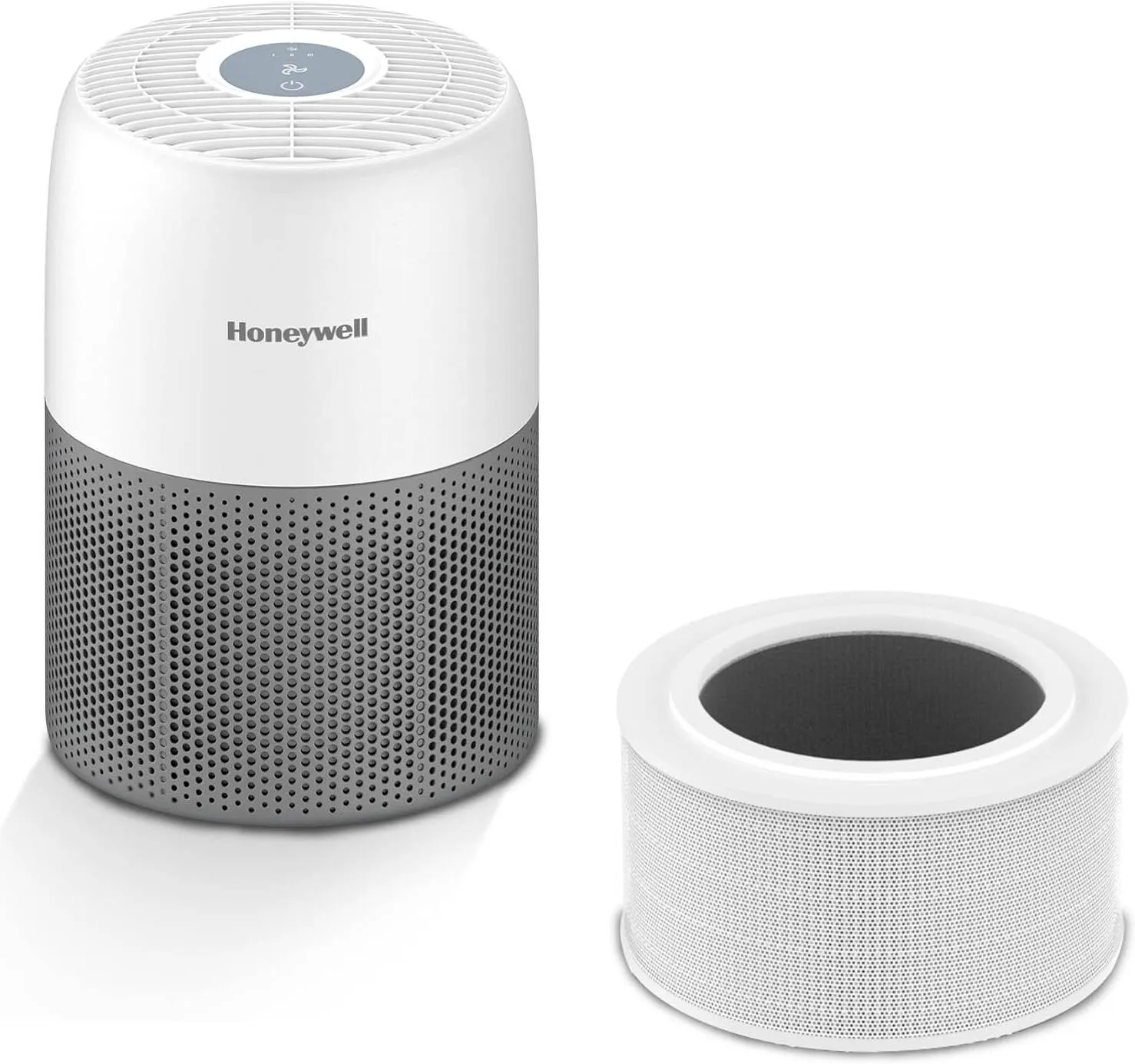
HEPA filters use a dense mat of randomly arranged fibres and achieve filtration through three distinct physical mechanisms: interception, impaction, and diffusion. HEPA filters use interception, impaction, and diffusion to capture particles of different sizes, and are actually more efficient with particles smaller than 0.3 microns due to Brownian motion. HEPA filters are standard in portable air purifiers from brands such as Blueair, Levoit, and Honeywell.
| Filter type | Typical MERV rating | Particle capture size | Best use case |
|---|---|---|---|
| Fibreglass (basic) | 1 to 4 | Particles above 10 microns | Equipment protection only |
| Pleated polyester | 8 to 13 | 1 to 10 microns | Residential HVAC allergen control |
| Electrostatic (washable) | 6 to 8 | 3 to 10 microns | Low-maintenance general filtration |
| HEPA | 17 to 20 equivalent | 0.3 microns and above | Portable purifiers, medical environments |
Pro Tip: Never buy a filter labelled “allergen” without checking the MERV rating printed on the filter frame. The word “allergen” alone carries no regulatory meaning.
How do allergen filters work to capture airborne particles?
Allergen filters do not simply act as sieves. A sieve stops particles larger than its holes. Filter media works through four distinct mechanisms, which is why a HEPA filter can capture particles far smaller than the gaps between its fibres.
Interception occurs when a particle following an airstream passes close enough to a fibre to make contact and stick. Impaction occurs when a larger, heavier particle cannot follow the curving airstream around a fibre and collides with it directly. Diffusion applies to very small particles below 0.1 microns, which move erratically due to Brownian motion and are therefore more likely to contact a fibre. Electrostatic attraction applies to charged filters, where particles are pulled toward fibres by an electrical charge.
MERV ratings quantify the result of these mechanisms across specific particle size ranges. MERV 11 filters capture 70 to 85% of particles in the 1 to 3 micron range, while MERV 13 filters capture approximately 98% of particles sized 0.3 to 10 microns. This distinction matters because dust mite allergen particles and pet dander fragments often fall in the 1 to 3 micron range, where MERV 11 already performs well.
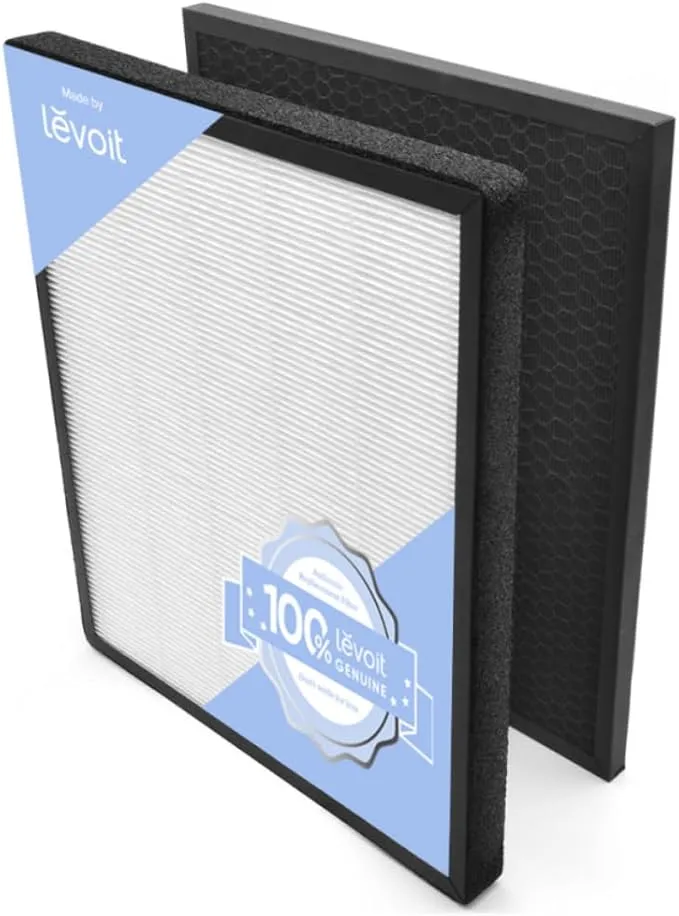
One important limitation: filters capture particulate matter only. They do not remove gaseous pollutants, volatile organic compounds (VOCs), or odours. For those, activated carbon filters complement HEPA by removing gaseous pollutants and VOCs that HEPA filters cannot capture. You can read more about this distinction in the Cleanair-ae guide on HEPA vs carbon filters.
Pro Tip: Pleat count matters. A filter with more pleats per inch has greater surface area, which reduces airflow resistance and extends the filter’s useful life before replacement is needed.
What are the benefits of allergen filters for allergy and asthma sufferers?
The primary benefit of allergen filters is a measurable reduction in the concentration of airborne particles that trigger symptoms. Lower particle concentrations translate directly to fewer episodes of sneezing, nasal congestion, itchy eyes, and asthma attacks triggered by inhaled allergens. This is not a theoretical benefit. It is the mechanism behind EPA guidance on indoor air quality management.
“Filtration must be combined with ventilation and source control for effective indoor air quality management.” — U.S. EPA
Filtration alone is not a cure for allergies or asthma. It is a significant supportive measure within a broader strategy that also includes reducing allergen sources, improving ventilation, and controlling humidity to limit mould and dust mite growth. The EPA is explicit that no single intervention is sufficient on its own.
For most households, MERV 11 to MERV 13 pleated filters achieve the optimal balance of allergen removal and HVAC system performance. Filters rated below MERV 8 provide negligible allergen protection. Filters rated above MERV 13 typically require purpose-built HVAC systems or portable units to handle the increased airflow resistance without damaging equipment.
The benefits extend beyond symptom relief. Cleaner indoor air reduces the total allergen load in soft furnishings, carpets, and bedding over time, since fewer particles circulate to settle. This cumulative effect makes consistent filtration more valuable than intermittent use. For UAE residents, where windows are often kept closed due to heat and outdoor dust, indoor filtration carries additional weight. The Cleanair-ae guide on controlling indoor allergens covers this regional context in detail.
How to choose the best allergen filter for your home
Selecting the right filter requires matching four variables: your HVAC system’s rated capacity, the correct physical dimensions, the appropriate MERV rating, and a realistic maintenance schedule.
Check your HVAC system’s blower rating first. Incorrect filter sizing and using filters with too high a MERV can cause airflow restriction and damage HVAC blower motors. Most residential systems are rated for filters up to MERV 13. Installing a MERV 16 filter in a standard system increases static pressure to the point where the blower motor overheats and fails prematurely.
Measure your existing filter before ordering. Nominal filter size labels do not match actual dimensions. A filter labelled 20x20x1 inches may measure 19.5×19.5×0.75 inches in practice. A poor fit allows unfiltered air to bypass the media entirely, which defeats the purpose of a high-efficiency filter.
Match the MERV rating to your needs and system. For most allergy sufferers, MERV 11 to 13 pleated filters are the correct choice. HEPA-grade filtration in a portable unit from Levoit or Honeywell is the better option when your HVAC system cannot support higher MERV ratings.
| MERV rating | Particle capture efficiency | HVAC compatibility | Typical replacement interval |
|---|---|---|---|
| 8 | Captures particles above 3 microns | All residential systems | Every 3 months |
| 11 | 70 to 85% of 1 to 3 micron particles | Most residential systems | Every 60 to 90 days |
| 13 | ~98% of 0.3 to 10 micron particles | Systems rated for high static pressure | Every 60 days |
| HEPA (portable) | 99.97% of 0.3 micron particles | Portable units only | Every 6 to 12 months |
Pro Tip: “Hypoallergenic” is often a marketing term; verifying the MERV rating printed on the filter frame is the only reliable indicator of allergen capture capability. Ignore packaging claims and read the frame.
Regular filter replacement aligned with system runtime and environmental conditions is critical for maintaining performance. In high-pollen seasons or homes with pets, replace filters at the shorter end of the recommended interval. A clogged filter restricts airflow and can actually shed captured particles back into the air stream.
What are the limitations of allergen filters?
Allergen filters address airborne particulate matter. They do not address every source of indoor air quality problems, and understanding these limits prevents over-reliance on filtration alone.
- Filters do not remove allergens already settled in carpets, bedding, or upholstery. Regular vacuuming with a HEPA-equipped vacuum cleaner and washing bedding at 60°C are necessary complements.
- HEPA filters require proper maintenance to remain effective. A saturated filter loses efficiency and increases resistance, reducing airflow through the unit.
- Gaseous pollutants, cooking fumes, and VOCs from furniture or cleaning products pass through HEPA media entirely. Activated carbon filters should be used alongside HEPA filters to remove volatile organic compounds and odours, addressing broader indoor air quality issues beyond particulate allergens.
- Portable air purifiers clean the air in a single room. HVAC filters treat the whole house but only when the system fan is running. Running the fan continuously on low speed improves whole-home filtration coverage significantly.
- Dampness and poor ventilation generate mould spores and dust mite populations faster than any filter can remove them. Source control, meaning fixing leaks, reducing humidity below 50%, and improving ventilation, is not optional. Filtration must be combined with ventilation and source control for effective indoor air quality management.
For households with pets, the Cleanair-ae guide on air purifiers for pet-friendly homes covers the combined filtration and source control approach in practical detail.
Key takeaways
Allergen filters are most effective when matched to your HVAC system’s capacity, sized accurately, rated at MERV 11 to 13 for most homes, and replaced on a schedule tied to actual usage rather than a fixed calendar date.
| Point | Details |
|---|---|
| HEPA is the gold standard | True HEPA captures 99.97% of particles at 0.3 microns, but requires a compatible portable unit or specialist HVAC system. |
| MERV 11 to 13 for most homes | This range captures the majority of allergen-sized particles without overloading standard residential HVAC blowers. |
| Measure before you buy | Nominal filter sizes do not match actual dimensions; always measure your existing filter to avoid bypass gaps. |
| Filters do not remove gases | Pair HEPA or pleated filters with activated carbon media to address VOCs, odours, and chemical pollutants. |
| Replace by runtime, not calendar | High-pollen seasons and pet households require shorter replacement intervals regardless of the date on the packaging. |
Sizing, timing, and the mistake most people make
Most people buying allergen filters focus entirely on the MERV rating and ignore the two factors that determine whether the filter actually works: physical fit and replacement timing. I have seen households running MERV 13 filters with a visible gap around the frame because the nominal size did not match the actual slot dimensions. Every particle bypassing that gap makes the MERV rating irrelevant.
The second consistent mistake is treating filter replacement as a calendar task. In the UAE, where outdoor dust levels spike during shamal wind events and pollen counts rise sharply in spring, a filter that would last 90 days in a temperate climate may be saturated in 45 days. I check filters visually every month during high-dust periods rather than waiting for a scheduled date.
My honest recommendation for most allergy sufferers is a MERV 13 pleated filter in the HVAC system combined with a HEPA portable unit in the bedroom. The HVAC filter handles whole-home particle reduction. The portable unit, running continuously in the room where you spend the most time, provides the highest-quality air where it matters most. Brands like Levoit and Honeywell offer reliable portable units at accessible price points, and their replacement filter costs are predictable. The health benefits of air purification compound over time when the system is maintained consistently.
Do not wait for symptoms to worsen before replacing a filter. By the time a clogged filter is affecting your air quality noticeably, it has been underperforming for weeks.
— Wojciech
Allergen filter and air purifier solutions from Cleanair-ae
Cleanair-ae stocks a curated range of air purifiers and replacement filters suited to allergy and asthma management across UAE homes and offices, with fast delivery to Dubai, Abu Dhabi, and beyond.
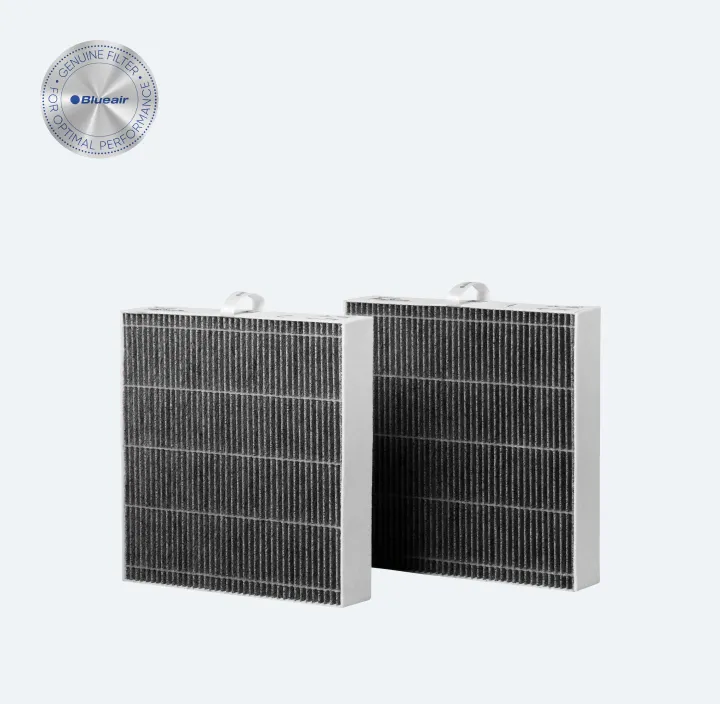
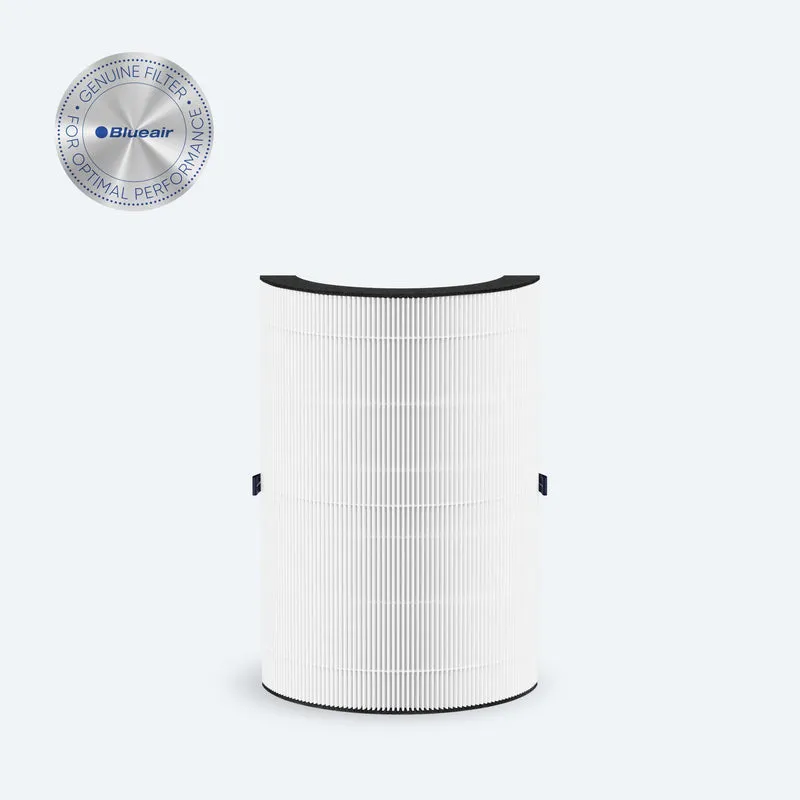
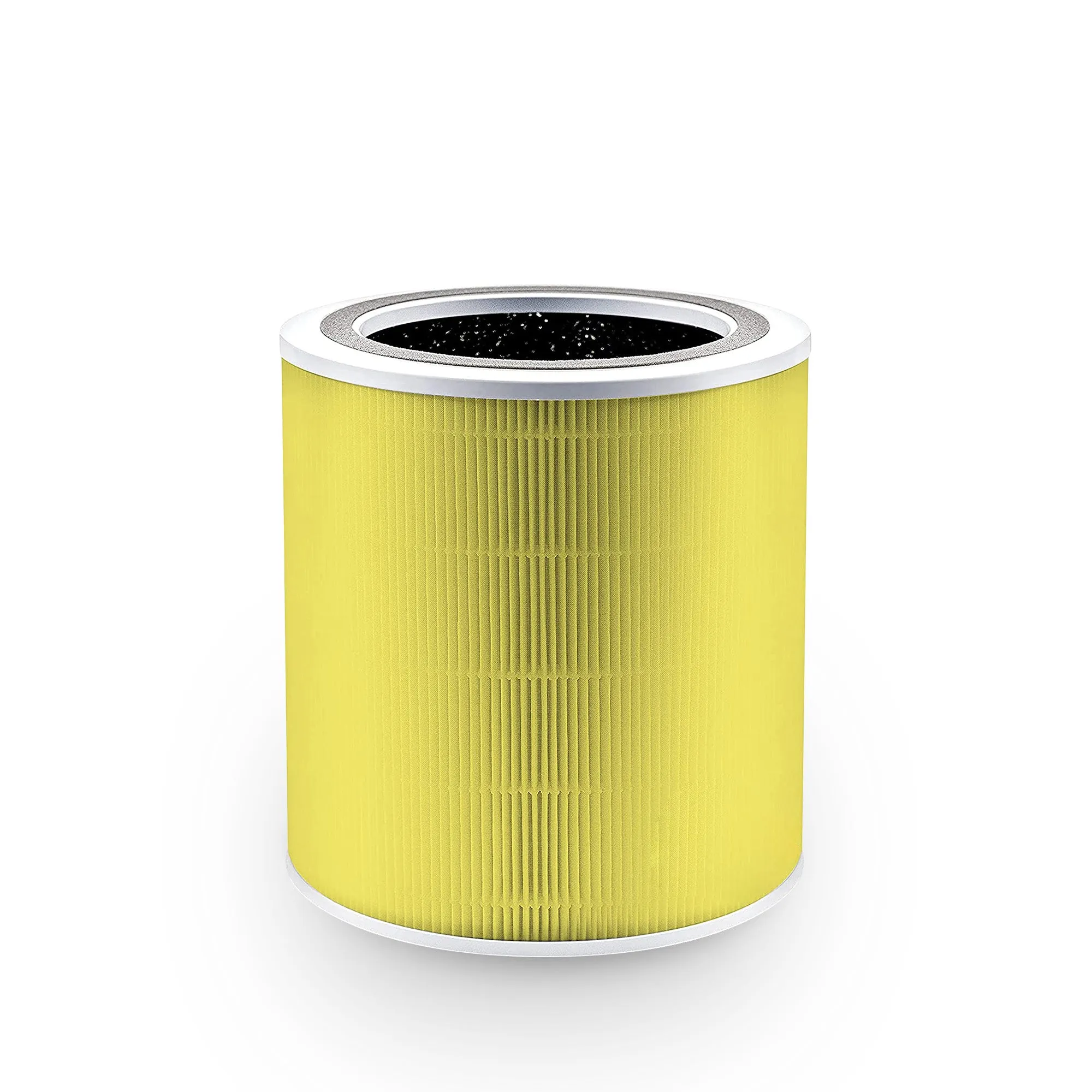
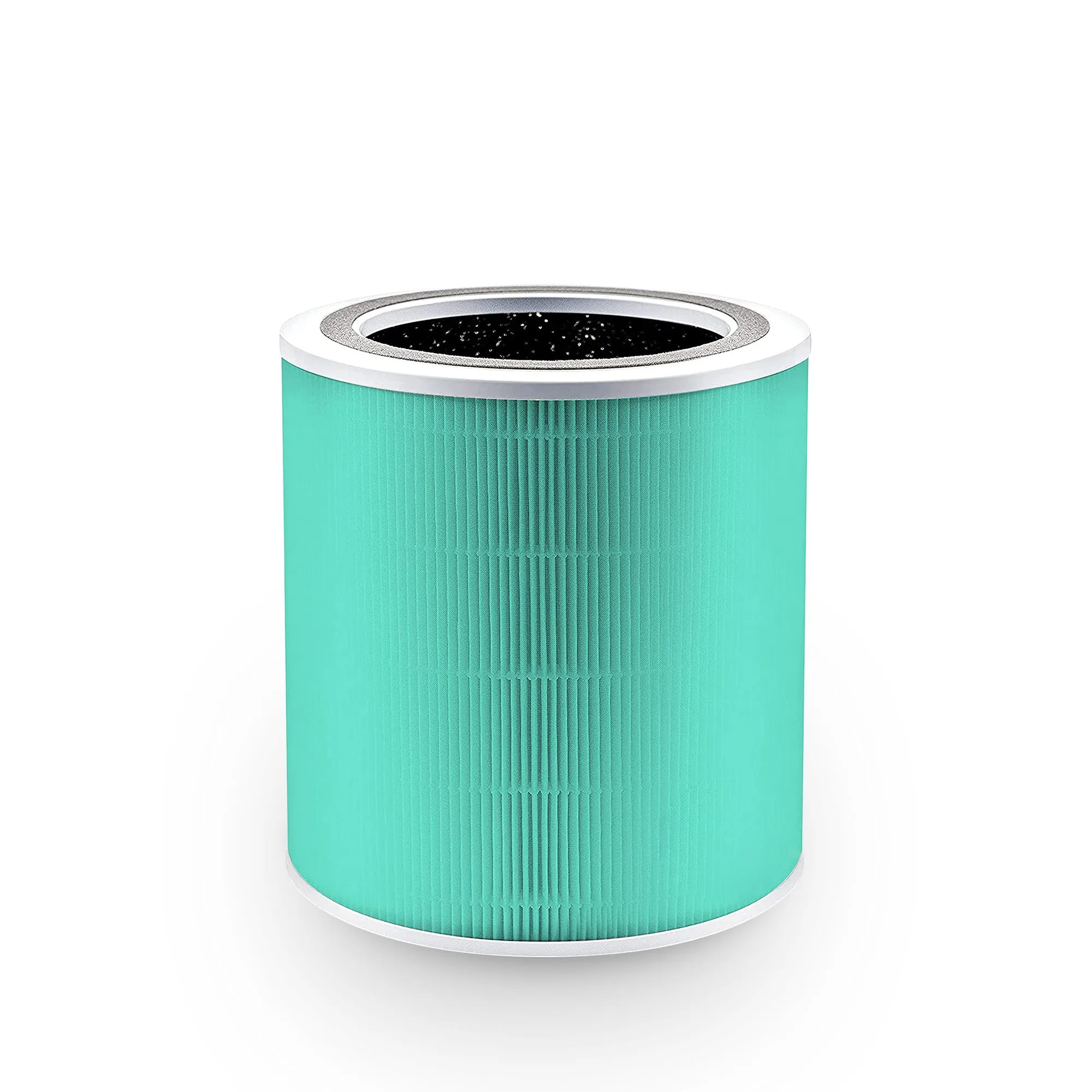
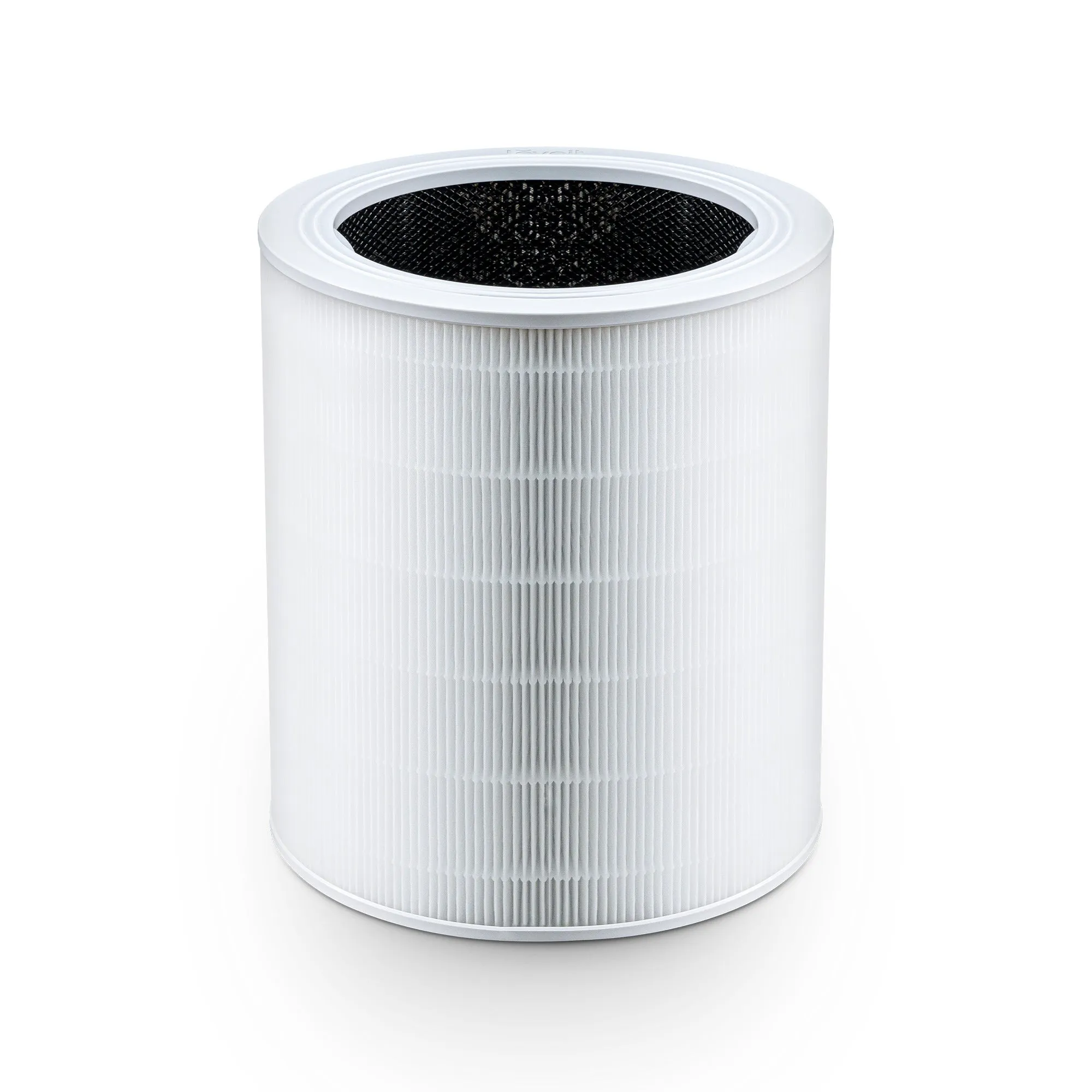
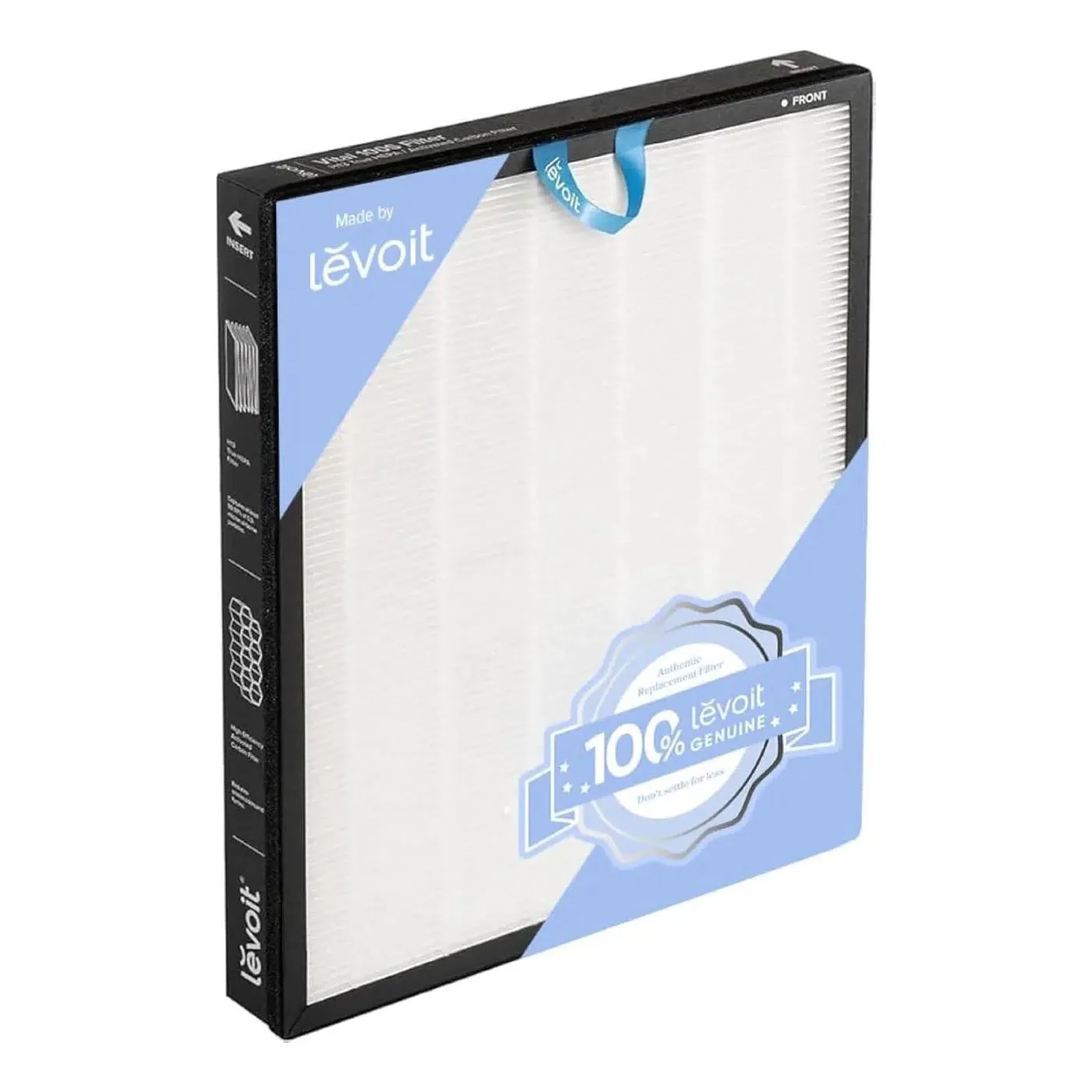
The 2026 air purifier buying guide on the Cleanair-ae website covers filter selection, room sizing, and brand comparisons including Blueair, Honeywell, and Levoit in practical detail. For direct filter replacement, the high efficiency filter FLT LEV 12 is a high-MERV option compatible with Levoit units and suited to households managing allergen loads. The Cleanair-ae support team can advise on HVAC compatibility, replacement schedules, and product selection for specific room sizes and allergy profiles.
FAQ
What is the difference between allergen filters and regular filters?
Regular filters (MERV 1 to 7) protect HVAC equipment from large dust particles but capture very little of the fine particulate matter that triggers allergies. Allergen filters, rated MERV 8 and above, are specifically designed to capture pollen, pet dander, dust mite debris, and mould spores in the size ranges that cause allergic responses.
Do allergen filters actually help with asthma symptoms?
Yes, when rated at MERV 11 or above and maintained correctly. Reducing the concentration of airborne allergens and fine particles lowers the frequency and severity of asthma triggers indoors, though filtration works best as part of a broader strategy that includes source control and ventilation.
How often should allergen filters be replaced?
Replacement intervals depend on usage and environment. MERV 11 to 13 pleated filters typically last 60 to 90 days in average conditions, but households with pets, high dust levels, or during peak pollen season should inspect and replace filters every 30 to 45 days.
Can allergen filters remove pet dander completely?
No filter removes 100% of pet dander, but HEPA-rated filters and MERV 13 pleated filters capture the vast majority of dander particles in circulating air. Settled dander on surfaces requires regular cleaning with a HEPA-equipped vacuum in addition to air filtration.
Are HEPA filters suitable for standard home HVAC systems?
True HEPA filters are generally not compatible with standard residential HVAC systems because their density creates airflow resistance that most blower motors cannot handle safely. HEPA filtration is best delivered through dedicated portable air purifiers or HVAC systems specifically engineered for high-static-pressure filters.