
Uncategorised
Why prevent dry indoor air: health and home guide
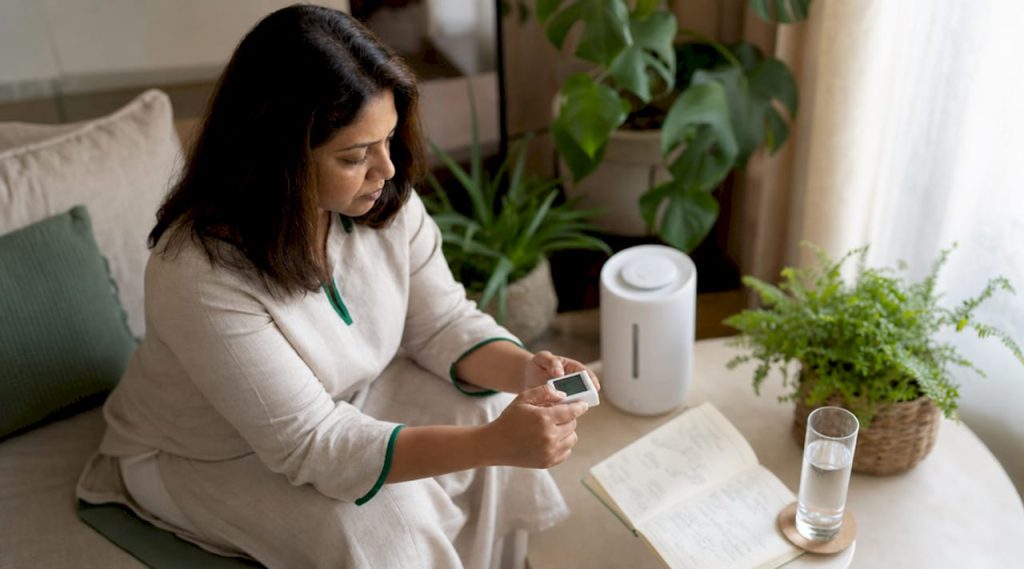
Dry indoor air is defined as an indoor environment where relative humidity drops below 30%, creating conditions that damage both health and the physical fabric of a home. Understanding why prevent dry indoor air matters is straightforward: low humidity dries out mucous membranes, increases susceptibility to respiratory infections, and causes measurable damage to wood, paint, and electronics. The US EPA and CDC both identify indoor humidity control as a direct factor in respiratory health outcomes. A hygrometer, a humidifier from brands such as Levoit or Honeywell, and a few simple habits are all that stand between you and a noticeably healthier indoor environment.
What health effects does dry indoor air cause?
Dry indoor air affects the body through a clear physiological chain. The mucous membranes lining the nose, throat, and lungs depend on adequate moisture to trap airborne particles and pathogens. When indoor humidity falls below 30%, those membranes dry out, and the body’s first line of defence against infection is compromised. The CDC identifies low humidity as a direct contributor to nasal dryness and a higher risk of airborne respiratory infections.
The effects extend well beyond a dry nose. Dry indoor air is also linked to worsening asthma and respiratory allergies, because dry mucous membranes increase airway irritation and sensitivity. For anyone already managing a respiratory condition, this is a meaningful aggravating factor, not a minor inconvenience. Children and elderly individuals are particularly vulnerable because their respiratory systems are either still developing or less resilient.
Common physical symptoms of dangerously low indoor humidity include:
- Dry, itchy skin and chapped lips, caused by moisture evaporating from the skin surface faster than the body can replace it
- Scratchy throat and persistent dry cough, which worsen overnight when heating systems run continuously
- Dry, irritated eyes, particularly relevant for contact lens wearers
- Frequent nosebleeds, a direct result of dried-out nasal passages cracking under low humidity
- Disrupted sleep, because nasal congestion and throat irritation interrupt breathing patterns
“Humidifiers can relieve a dry nose, throat, lips, and skin. However, they need to be maintained properly. Dirty humidifiers can breed mould or bacteria.” — US EPA
The benefits of humid air at the correct level are not cosmetic. Maintaining relative humidity between 30% and 50% keeps mucous membranes functional, reduces the frequency of colds and flu transmission, and supports better sleep quality. The effects of indoor humidity on daily wellbeing are cumulative and often only noticed once the problem is corrected.
How does dry indoor air damage your home?
The dangers of dry air are not limited to the body. Humidity below 30% causes wood to lose moisture, leading to cracking floorboards, warping furniture joints, and splitting door frames. Hardwood floors are particularly susceptible because they expand and contract with humidity changes. Over a single winter season of inadequate humidity, visible gaps can appear between floorboards.
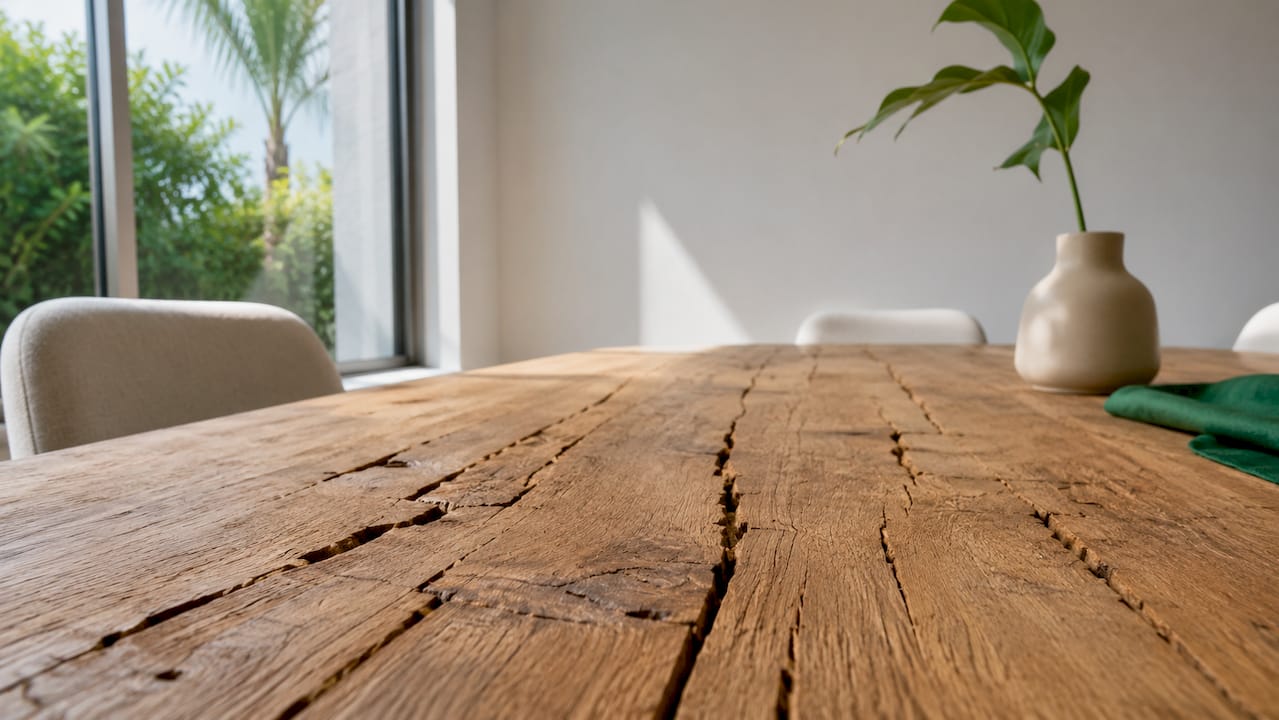
Paint and wallpaper also suffer. Low humidity causes paint to become brittle and peel at edges and corners, while wallpaper adhesive dries out and lifts from walls. These are not cosmetic issues that can be ignored indefinitely. Repairing them is costly, and the root cause, dry air, will simply repeat the damage if left unaddressed.
Static electricity increases noticeably when indoor humidity is low, which is both an annoyance and a genuine risk to electronics. Static discharge can damage sensitive components in computers, televisions, and audio equipment. Fabric fibres in carpets and upholstery also attract dust and pet hair more aggressively in dry conditions.
The table below compares the risks at both ends of the humidity spectrum, illustrating why balance is the goal rather than simply adding as much moisture as possible.
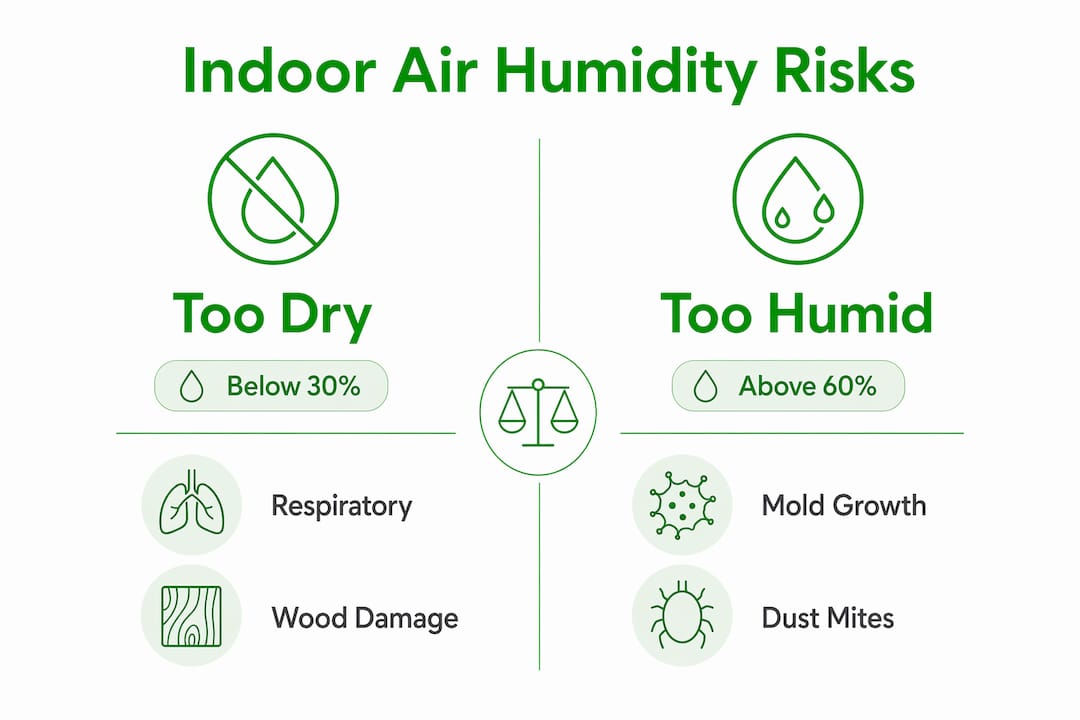
| Condition | Humidity level | Primary risks |
|---|---|---|
| Too dry | Below 30% RH | Respiratory infections, cracking wood, static electricity, nosebleeds |
| Balanced | 30% to 50% RH | Minimal biological or structural risk, comfortable for occupants |
| Too humid | Above 60% RH | Mould growth, dust mite proliferation, condensation, structural damp |
Pro Tip: Place a digital hygrometer in the room you spend the most time in. Readings below 30% or above 60% require immediate action. Models from brands like ThermoPro or Govee cost under 20 AED and remove all guesswork.
The EPA recommends maintaining indoor relative humidity between 30% and 50% in winter, with ASHRAE permitting up to 60% in warmer months. Staying within this range protects both occupants and the building itself.
What are the best strategies for preventing dry indoor air?
Preventing dry indoor air requires a combination of active humidification, accurate monitoring, and a few low-effort natural techniques. The following steps, applied consistently, maintain indoor humidity within the healthy range throughout the year.
-
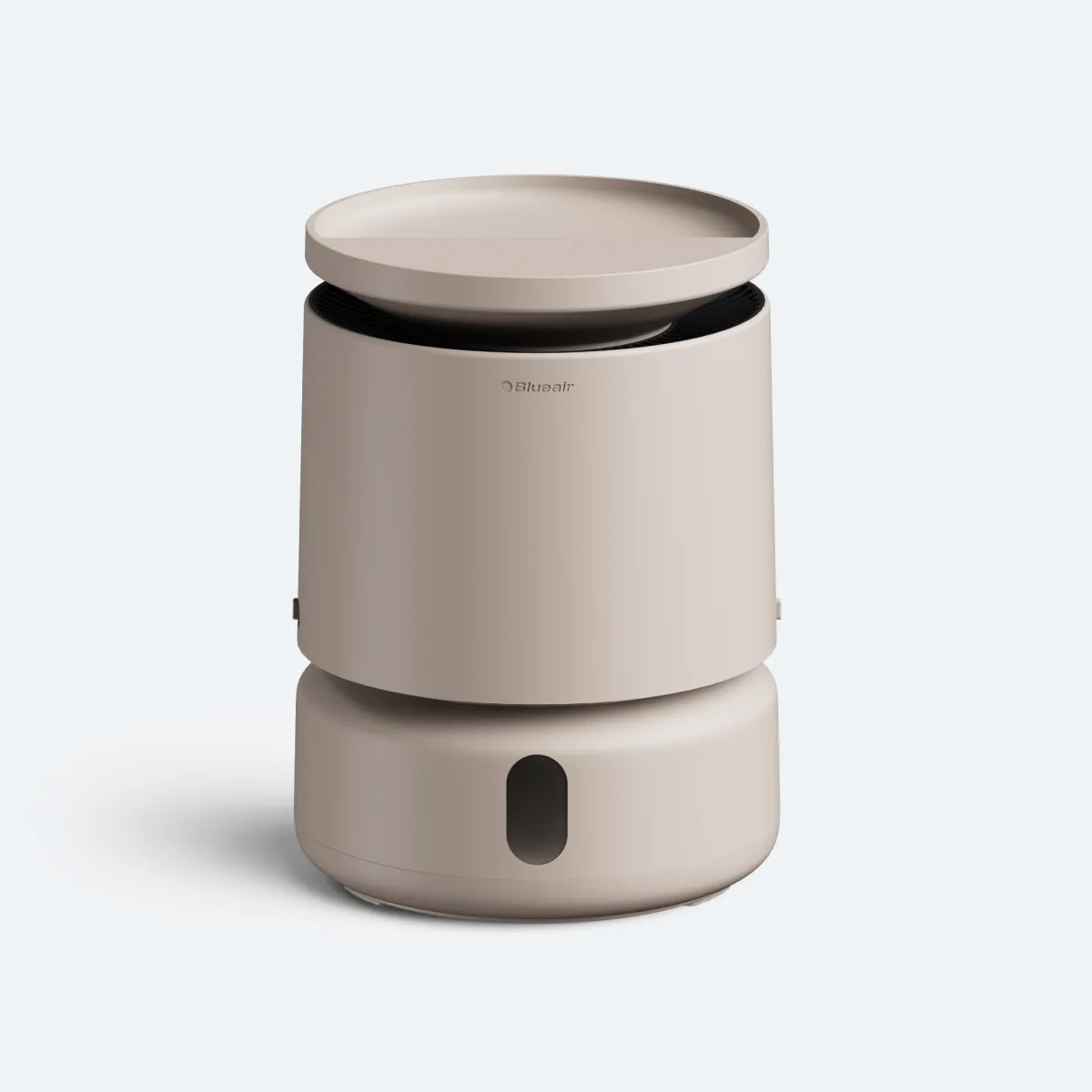
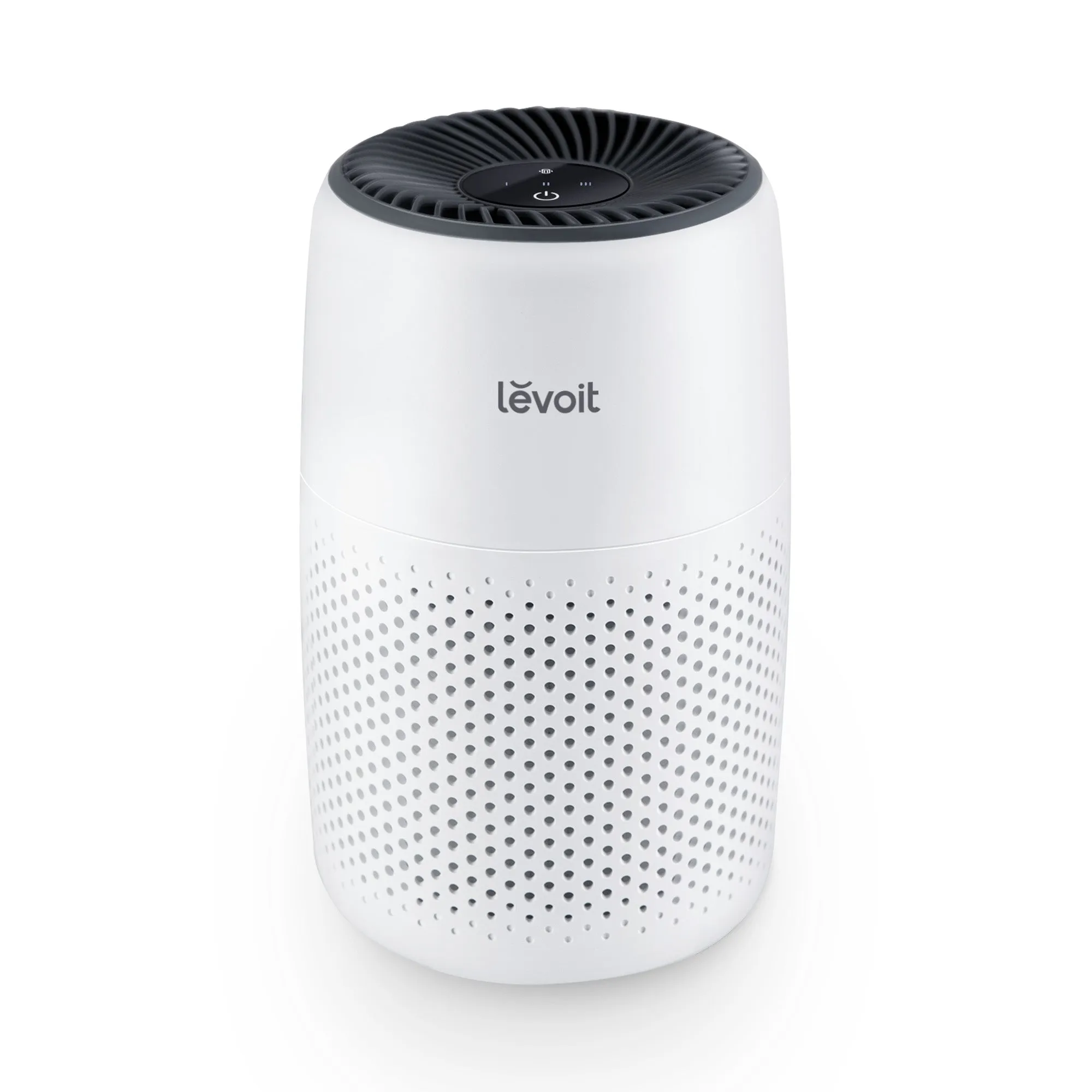
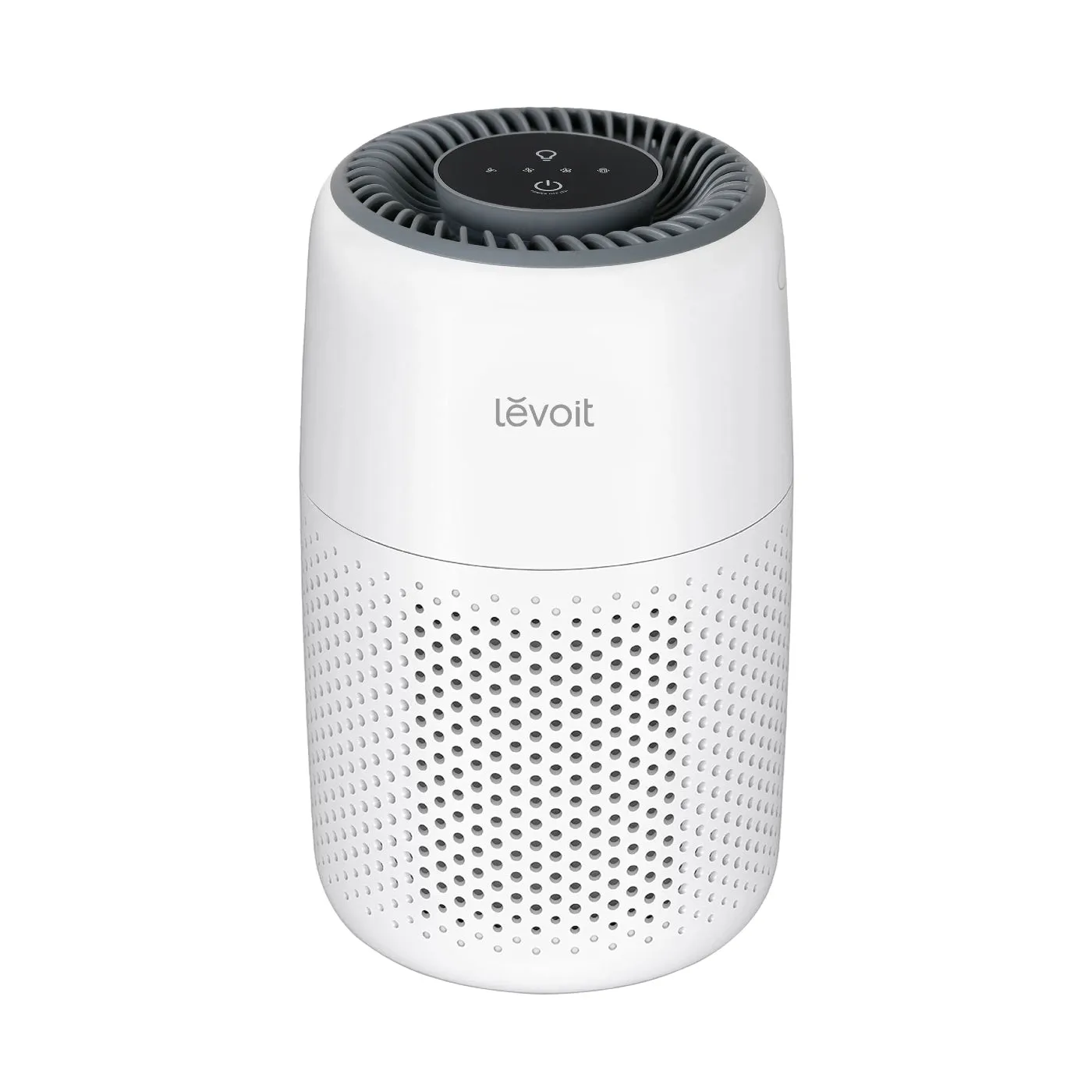
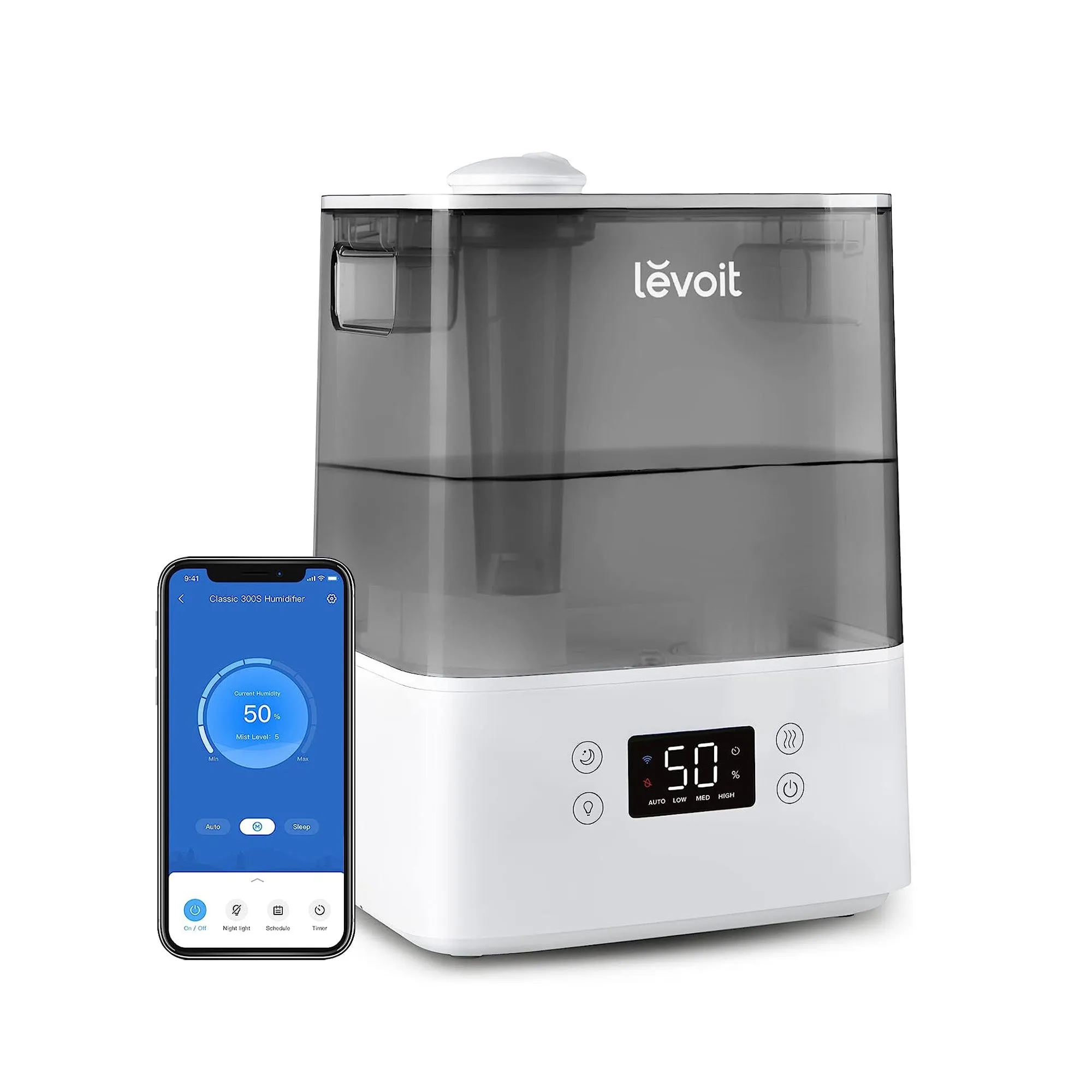
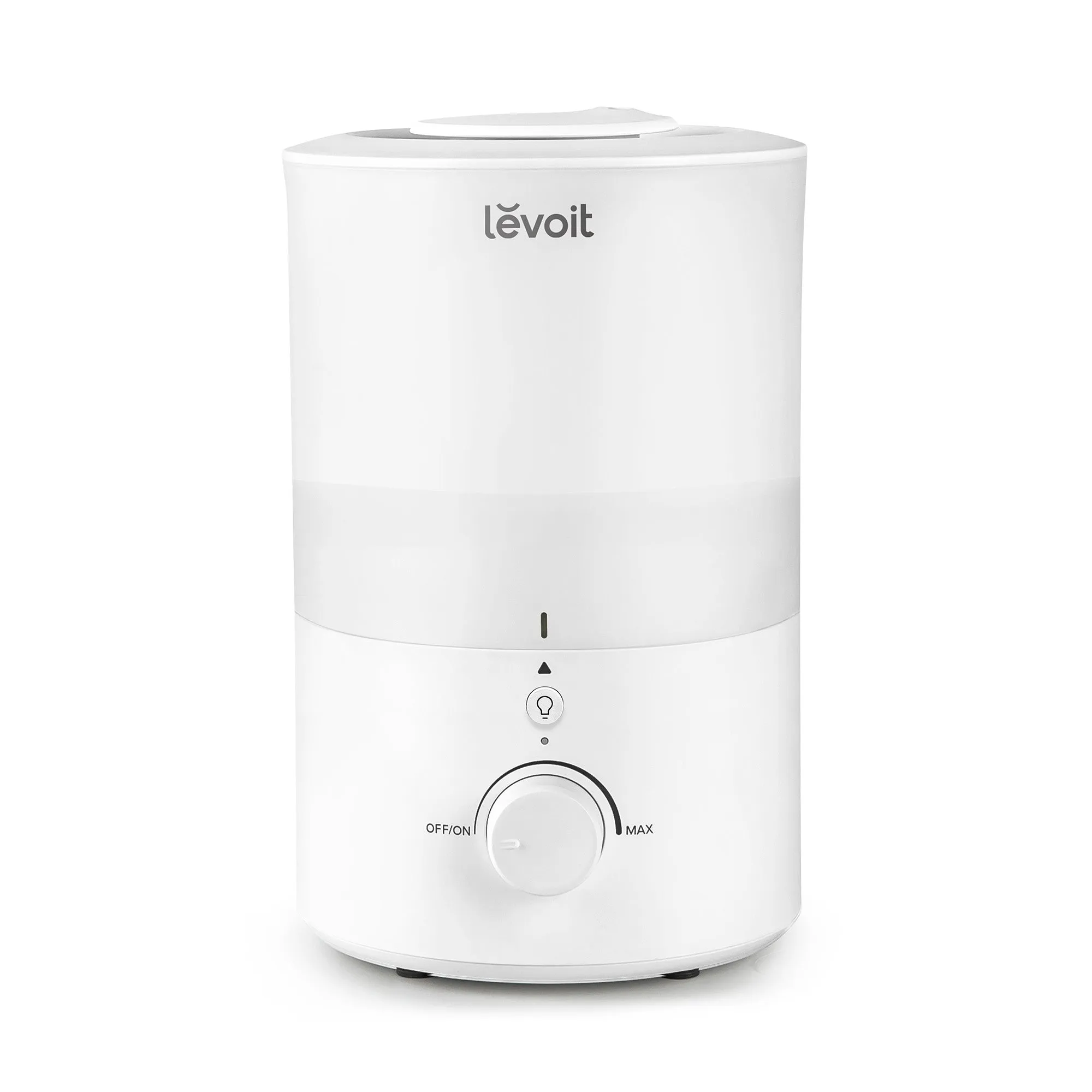
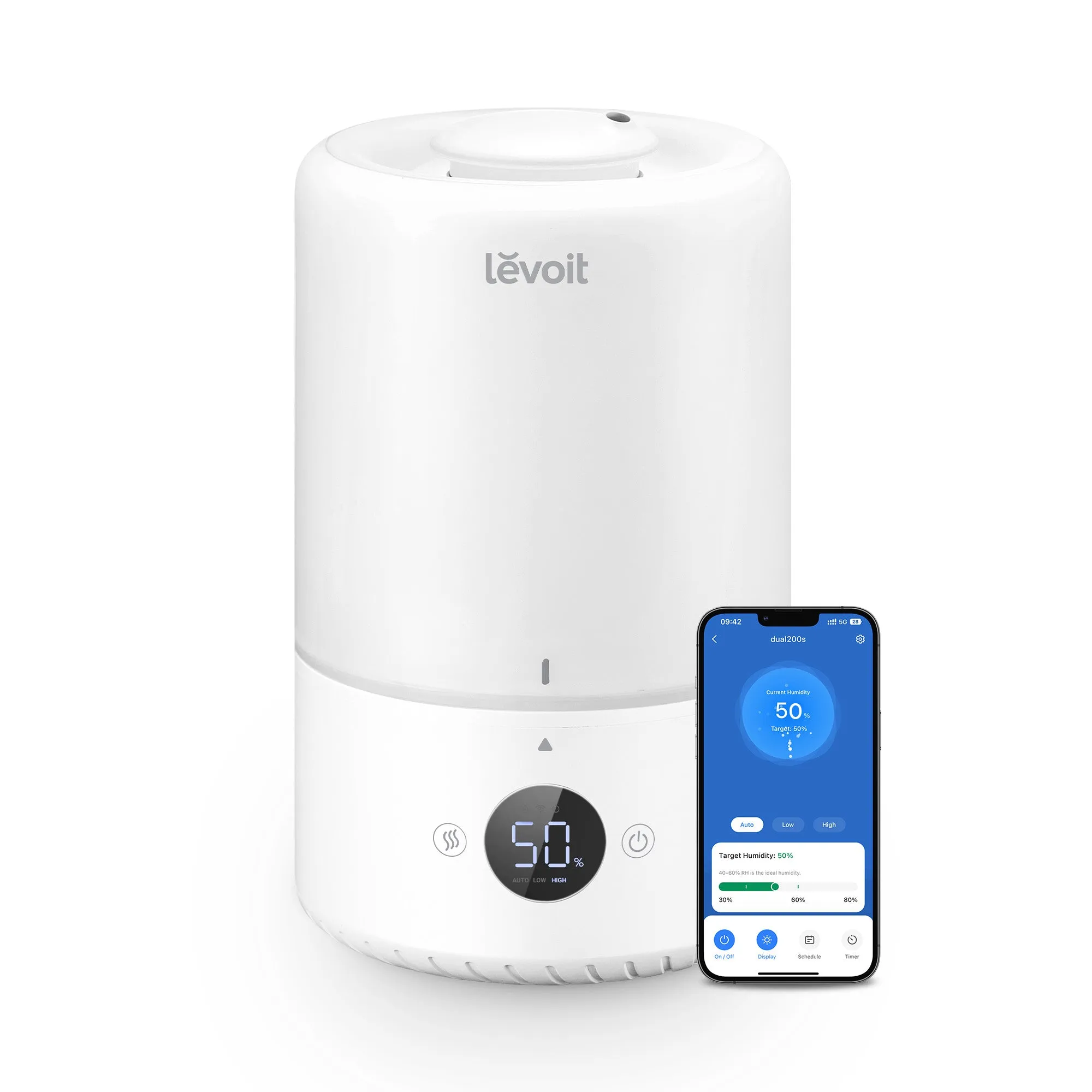
Install a humidifier suited to your room size. Levoit, Honeywell, and Blueair all produce models with built-in humidistats that switch off automatically when the target humidity is reached. This prevents over-humidification without requiring constant manual adjustment.
-
Monitor with a hygrometer daily. Accurate humidity measurement is the foundation of any prevention strategy. A hygrometer tells you whether your humidifier is working, whether natural methods are sufficient, and when to reduce output.
-
Use distilled or low-mineral water in your humidifier. Tap water contains minerals that are dispersed as fine white dust when using ultrasonic models. Distilled water eliminates this issue and reduces internal scale build-up.
-
Dry laundry indoors during winter. Natural humidification techniques such as drying laundry on a rack, placing water containers on radiators, and keeping houseplants in living areas all contribute measurable moisture to indoor air without any running cost.
-
Ventilate strategically. Opening windows briefly in the morning exchanges stale dry air without significantly dropping indoor humidity, particularly in the UAE where outdoor humidity is often higher than air-conditioned indoor environments.
-
Keep humidity below 50% to prevent biological growth. Running a humidifier without monitoring creates the opposite problem. Dust mites thrive above 50% RH, and mould colonies can establish within 48 hours on surfaces where condensation forms.
Pro Tip: In air-conditioned UAE homes, the air conditioning system itself is a primary driver of indoor dryness. Running a humidifier in the same room as an active AC unit is normal and necessary, not contradictory.
Learning how to humidify indoors effectively is less about buying expensive equipment and more about consistent monitoring and simple daily habits. The combination of a hygrometer, a well-maintained humidifier, and one or two natural methods covers most households completely.
How to use humidifiers safely without creating new risks
The prevention of dry indoor air is a balance. Adding moisture reduces discomfort, but a poorly maintained humidifier can disperse biological pollutants and mineral particles directly into the air you breathe. The US EPA is explicit on this point: humidifiers that are not cleaned regularly become a source of microbial contamination, including bacteria and mould spores.
Safe humidifier use follows a clear set of practices:
- Empty and dry the water tank daily. Standing water in a humidifier tank is the primary environment for bacterial and mould growth. Emptying it each morning and allowing it to air-dry before refilling takes under two minutes.
- Disinfect the tank and base weekly. Use a diluted white vinegar solution or a manufacturer-approved disinfectant. Rinse thoroughly before refilling to avoid dispersing cleaning agents into the air.
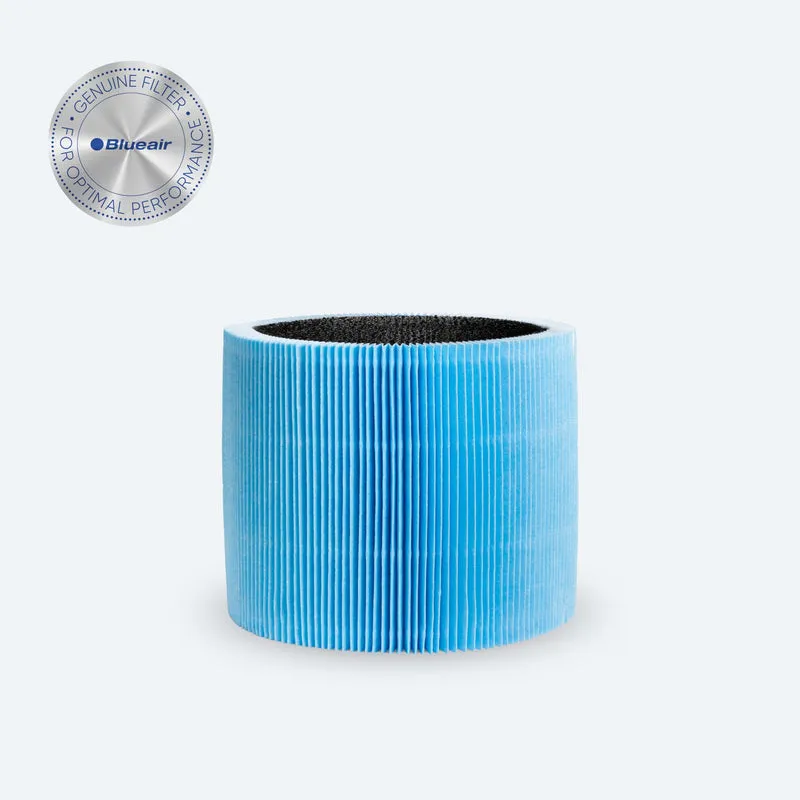
- Replace filters on schedule. Humidifiers with wicking filters require regular replacement, typically every one to three months depending on usage and water hardness. A clogged filter reduces output and harbours bacteria.
- Use cool-mist models in children’s rooms. Warm-mist humidifiers involve a heating element that poses a burn risk if a child touches the unit or tips it over. Cool-mist models, including ultrasonic types, are the safer choice for nurseries and children’s bedrooms.
- Watch for signs of over-humidification. Condensation on windows, a persistent damp smell, or visible moisture on walls indicates the humidifier is running too long or at too high a setting. Reduce output and increase ventilation immediately.
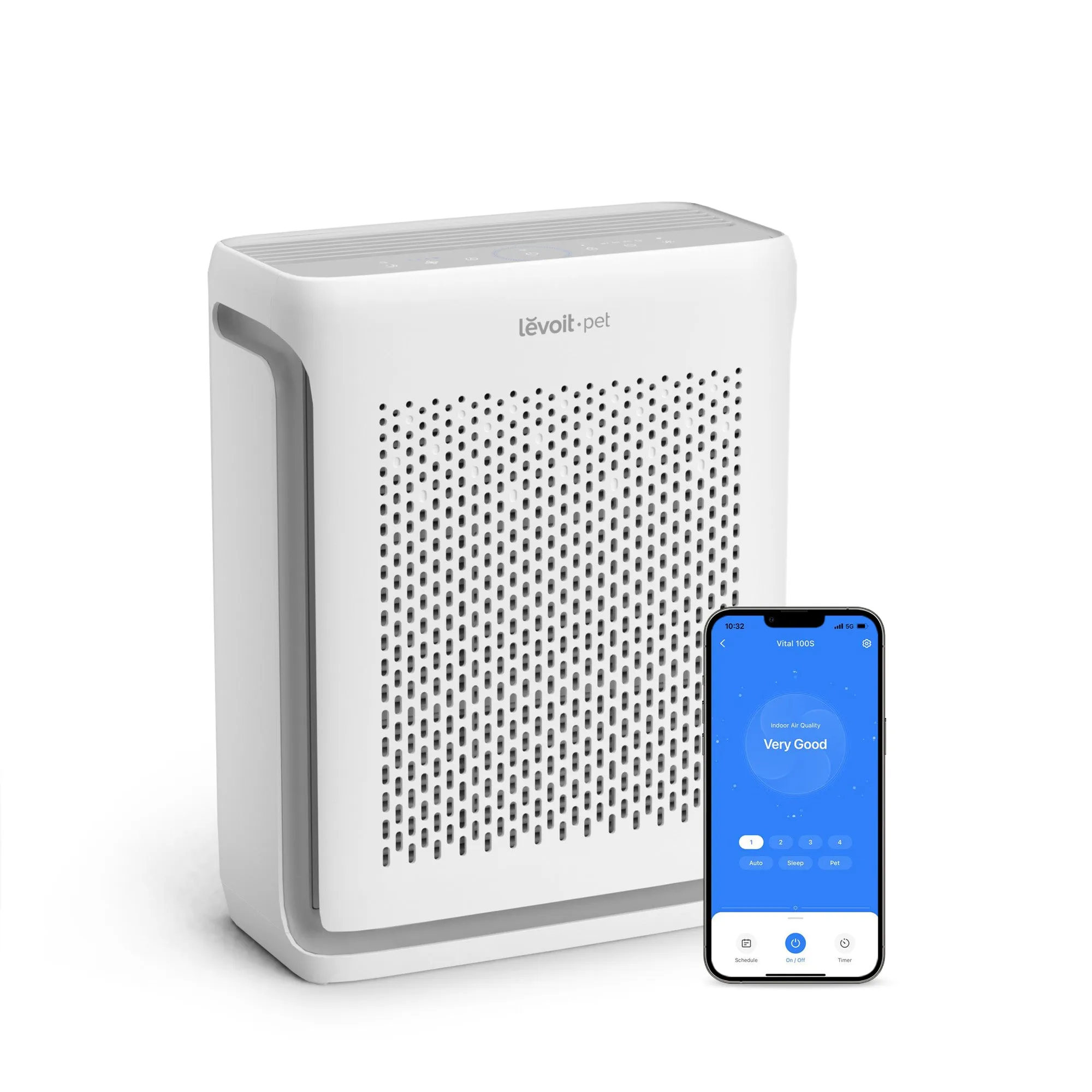
Improper humidifier maintenance is the single most common reason humidifiers cause harm rather than benefit. Vulnerable groups, including children, elderly individuals, and those with asthma or compromised immune systems, face the greatest risk from contaminated output. Understanding the difference between air purifiers and humidifiers also helps clarify which device addresses which problem, since the two serve distinct functions and are often confused.
Key takeaways
Preventing dry indoor air requires maintaining relative humidity between 30% and 50%, using a well-maintained humidifier, and monitoring levels daily with a hygrometer.
| Point | Details |
|---|---|
| Target humidity range | Keep indoor relative humidity between 30% and 50% to protect health and home materials. |
| Health risks of dry air | Low humidity dries mucous membranes, increasing susceptibility to respiratory infections and worsening asthma. |
| Home material damage | Humidity below 30% causes wood to crack, paint to peel, and static electricity to damage electronics. |
| Safe humidifier use | Empty and dry the tank daily, disinfect weekly, and use distilled water to prevent microbial contamination. |
| Natural methods | Drying laundry indoors, houseplants, and water containers on radiators all raise indoor moisture without running costs. |
What I have learnt from managing dry indoor air year-round
Most households in the UAE underestimate how aggressively air conditioning strips moisture from indoor air. I have seen people run humidifiers for a week, notice an improvement, and then stop because the problem seems solved. It is not solved. It requires consistent maintenance throughout the months when AC or heating runs continuously.
The most common mistake is skipping the hygrometer entirely and guessing at humidity levels. You cannot feel the difference between 28% and 38% RH with any reliability. The instrument costs almost nothing and removes all uncertainty. Buy one before you buy a humidifier.
The second mistake is neglecting cleaning. A humidifier that has not been cleaned in three weeks is not a neutral device. It is actively dispersing whatever has grown in the tank. I would rather someone ran no humidifier at all than ran a contaminated one in a child’s bedroom.
The third thing worth knowing is that natural methods genuinely work as a supplement. A few houseplants and a rack of laundry drying near a radiator can raise humidity by several percentage points in a medium-sized room. These are not alternatives to a humidifier in severe dryness, but they reduce the load on the device and lower the risk of over-humidification.
Patience matters here. Humidity levels do not respond instantly to changes. Give any adjustment 24 hours before concluding it is not working.
— Wojciech
Improve your indoor air quality with Cleanair-ae
Cleanair-ae supplies humidifiers, air purifiers, and air quality accessories from Levoit, Honeywell, and Blueair, with fast delivery across Dubai, Abu Dhabi, and the wider UAE. Whether you are addressing dry air in a single bedroom or managing humidity across a larger home or office, the product range covers both needs.

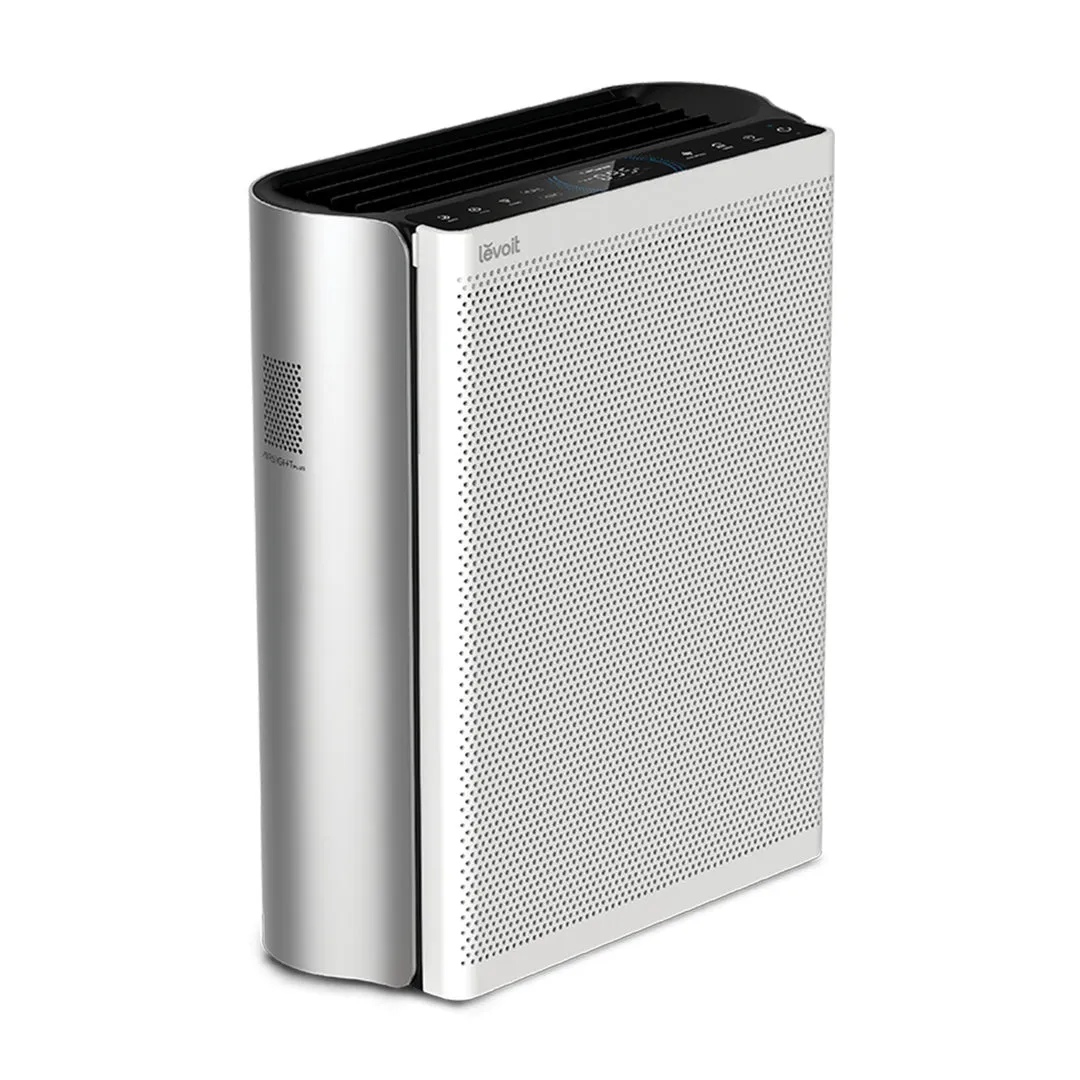
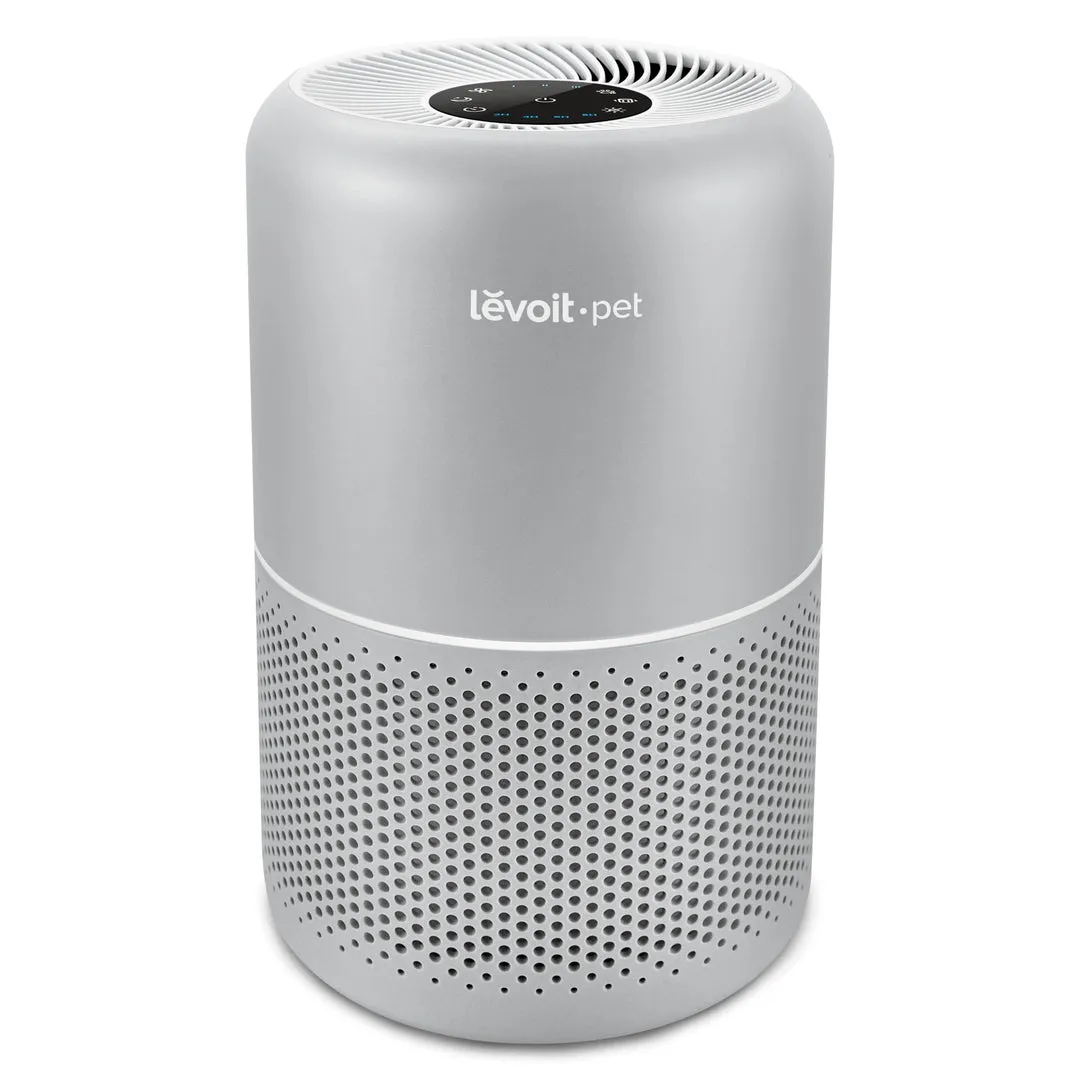
For households new to humidity control, the Levoit humidifier range offers models with built-in humidistats, quiet operation, and straightforward maintenance. If you are weighing up which type of device best suits your situation, the 2026 buying guide on the Cleanair-ae site covers humidifiers and air purifiers side by side with clear product comparisons. Free UAE delivery applies on orders over 49 AED.
FAQ
What is the ideal indoor humidity level for health?
The EPA recommends maintaining indoor relative humidity between 30% and 50% in winter. Levels below 30% cause nasal dryness and increase infection risk; levels above 60% promote mould and dust mite growth.
How do I know if my indoor air is too dry?
Common indicators include frequent static shocks, cracking wooden furniture, dry skin, persistent sore throat, and nosebleeds. A hygrometer gives an accurate reading and removes any guesswork.
Can a humidifier make indoor air quality worse?
Yes, if not maintained correctly. Poorly maintained humidifiers disperse bacteria, mould spores, and mineral particles into the air. Daily emptying, weekly disinfecting, and using distilled water prevent this entirely.
What are the simplest ways to increase indoor moisture naturally?
Drying laundry indoors, placing water-filled containers on radiators, and keeping houseplants in living areas all raise indoor humidity without any running cost or equipment. These methods work well as a supplement to a humidifier rather than a full replacement.
Does air conditioning cause dry indoor air?
Air conditioning removes moisture from the air as part of its cooling process, which is a primary cause of low indoor humidity in UAE homes and offices. Running a humidifier alongside an active AC unit is both normal and necessary to maintain a healthy humidity level.