
Uncategorised
The role of dehumidifiers in humid homes: 2026 guide
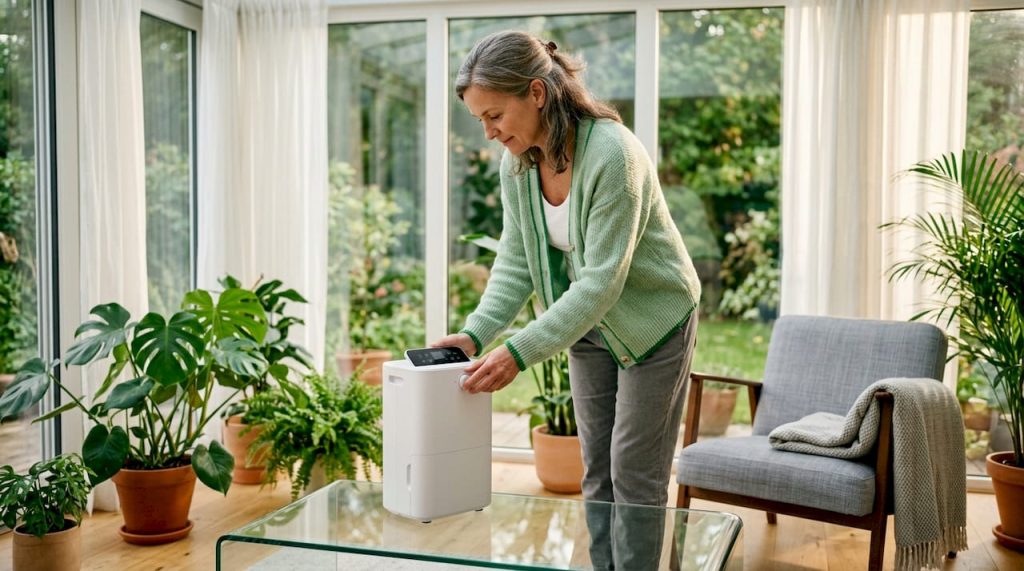
A dehumidifier is a device that extracts excess moisture from indoor air to bring relative humidity (RH) down to a safe, comfortable range. In humid climates, this single function delivers a cascade of benefits: fewer allergens, lower cooling costs, and protection for walls, floors, and furnishings. The role of dehumidifiers goes well beyond simple comfort. ASHRAE, the EPA, and the Journal of Allergy and Clinical Immunology all point to humidity control as a front-line measure for healthier indoor environments. Modern ENERGY STAR-certified models achieve 5.8 to 7.2 litres of water removal per kWh, making them far more efficient than older units. That efficiency matters when a device runs for hours each day.
How do dehumidifiers work to manage indoor moisture?
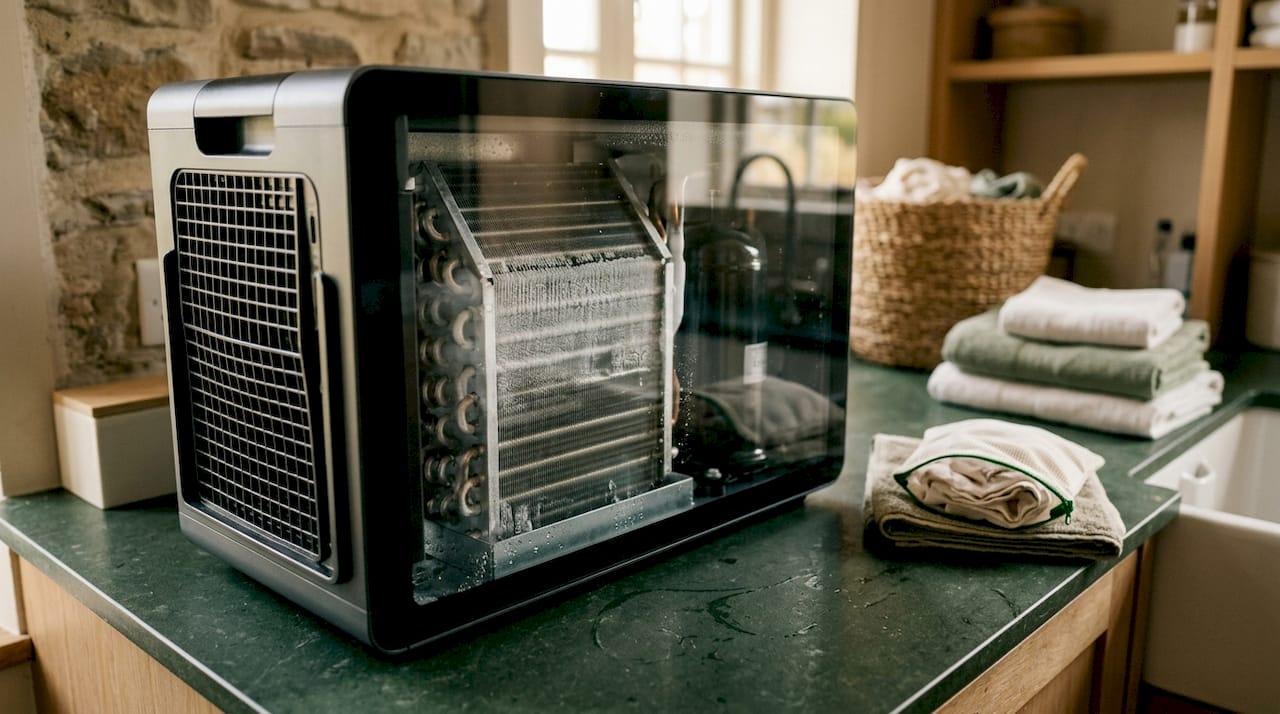
Two main technologies dominate the market. Refrigerant compressor dehumidifiers draw warm, humid air over cold coils, causing moisture to condense and drip into a collection tank. Desiccant dehumidifiers pass air over a moisture-absorbing material, typically silica gel, and then heat that material to release the captured water. CHOICE confirms that desiccants perform better in cooler, unheated spaces such as garages or lofts, while compressor units are more energy-efficient in warm living areas.
A common misconception is that dehumidifiers filter the air the way an air purifier does. They do not. A dehumidifier removes water vapour; it does not capture dust, pollen, or volatile organic compounds. If you want both functions, you need both devices. Understanding this distinction prevents disappointment and helps you spend your budget wisely.
Sizing matters more than most buyers realise. A unit rated for 20 litres per day will struggle in a 100-square-metre open-plan living space with high occupancy. Measure the floor area of each zone you want to treat before purchasing, and factor in ceiling height and typical moisture sources such as cooking, showering, and drying laundry indoors.
Key operational points to keep in mind:
- Place the unit away from walls and furniture to allow unrestricted airflow on all sides.
- Empty the water tank daily, or connect a continuous drain hose to a floor drain or sink.
- Clean the air filter every two weeks in dusty environments.
- Check the coils for frost build-up if the room temperature drops below 15°C, as compressor units lose efficiency in the cold.
Pro Tip: Elevating a dehumidifier a few centimetres off a cold concrete floor improves both airflow and drainage, which is particularly useful in basements and garages.
What are the key benefits of using dehumidifiers indoors?
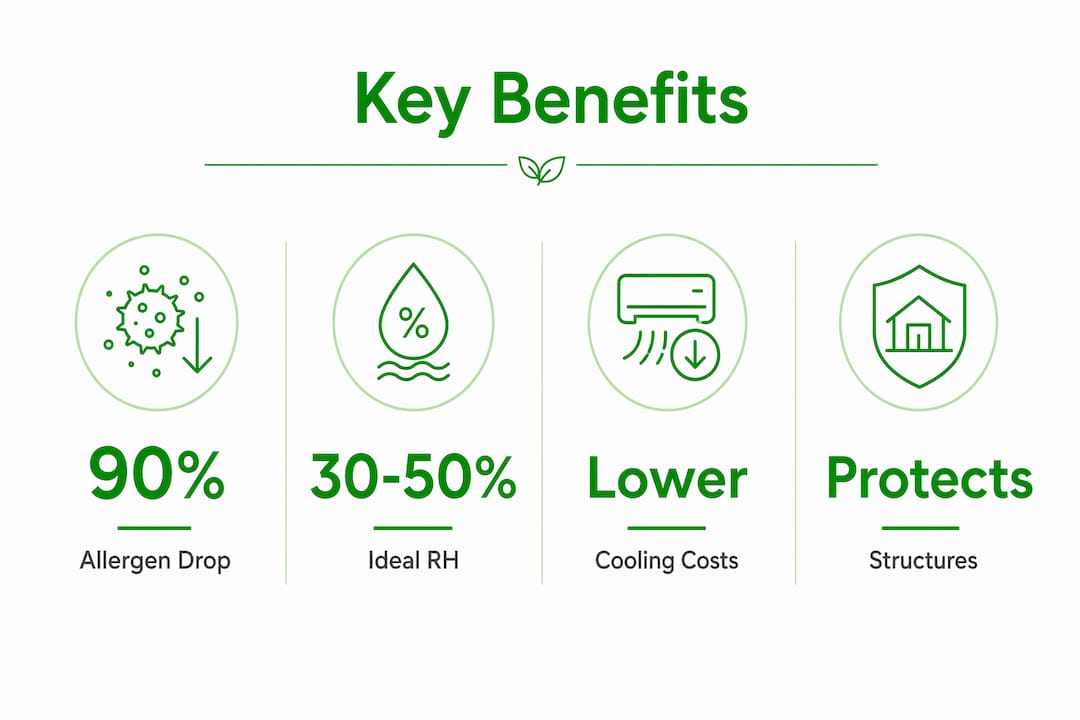
The health case for dehumidifiers is well-documented. Keeping RH below 45% suppresses dust mite populations by over 90%, which directly reduces one of the most common triggers for asthma and allergic rhinitis. Mould spores also require sustained high humidity to germinate; drop the RH consistently and mould growth slows significantly. For households with children, elderly residents, or anyone with respiratory conditions, this is not a minor benefit.
Beyond health, dehumidifiers reduce the perceived temperature indoors. Humid air feels warmer than dry air at the same temperature because sweat evaporates more slowly. By lowering RH, a dehumidifier makes a room feel cooler without adjusting the thermostat. ENERGY STAR data shows that this effect can cut home cooling energy use by 18 to 23% in humid climates. That is a meaningful reduction on an annual electricity bill.
“Effective humidity management improves thermal comfort, reduces cooling energy use, and protects materials by preventing condensation rather than just lowering humidity.” — MDPI Buildings research
Structural protection is another underappreciated advantage. Persistent high humidity causes timber to warp, metal fittings to corrode, and plaster to soften. Condensation on cold surfaces accelerates these processes and can lead to costly repairs. Running a dehumidifier in a basement or utility room is far cheaper than replacing joists or repainting walls every two years.
| Benefit | What it means in practice |
|---|---|
| Allergen reduction | Dust mite populations fall by over 90% when RH stays below 45% |
| Energy savings | Cooling costs drop by 18 to 23% in humid climates with consistent use |
| Mould prevention | Sustained low RH prevents spore germination on walls and ceilings |
| Material protection | Timber, plaster, and metal fittings last longer without repeated moisture exposure |
| Faster laundry drying | Placing a unit near drying clothes speeds the process in humid indoor conditions |
On the subject of laundry: CHOICE notes that dehumidifiers speed up indoor drying but do not replace tumble dryers for large loads. Position the unit within two metres of the drying rack and keep the room door closed to concentrate the effect.
What humidity levels should dehumidifiers maintain?
The EPA and ASHRAE both recommend keeping indoor RH between 30% and 50% for optimal health and comfort. Recent MDPI Buildings research adds useful nuance: maintaining RH up to 60 to 65% during the cooling season is acceptable, provided condensation on surfaces is avoided. This matters because condensation, not humidity itself, is the primary driver of mould growth and material damage. A room at 62% RH with no cold surfaces is safer than a room at 55% RH with a poorly insulated wall acting as a condensation point.
Seasonal variation also applies. In winter, indoor air tends to be drier due to heating, so a dehumidifier may not be needed at all. In summer, or year-round in tropical and semi-arid coastal climates like those across the UAE, sustained high outdoor humidity pushes indoor RH well above 60% without active control. Dehumidifiers and humidifiers are often used in tandem across seasons to maintain a balanced indoor environment around 50% RH.
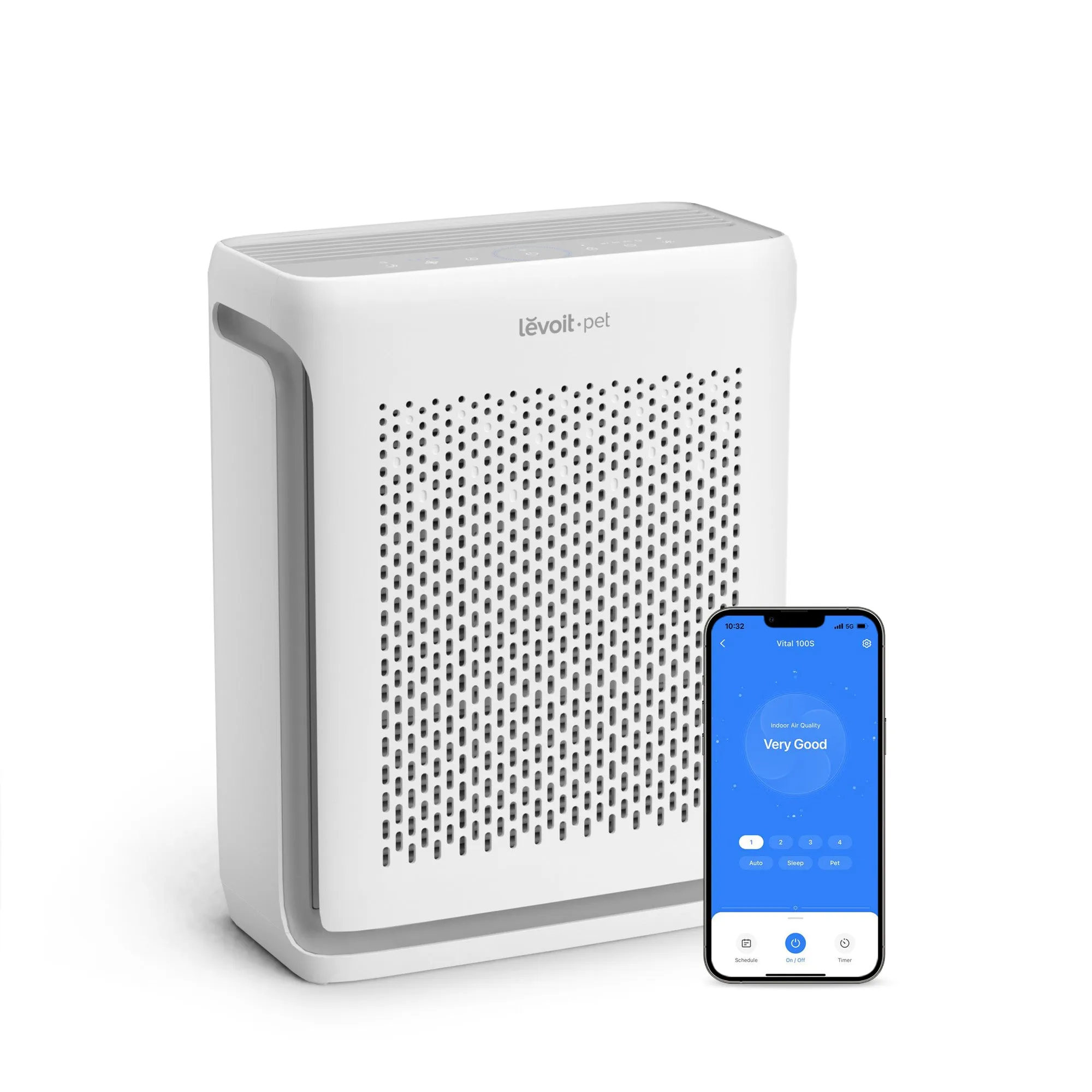
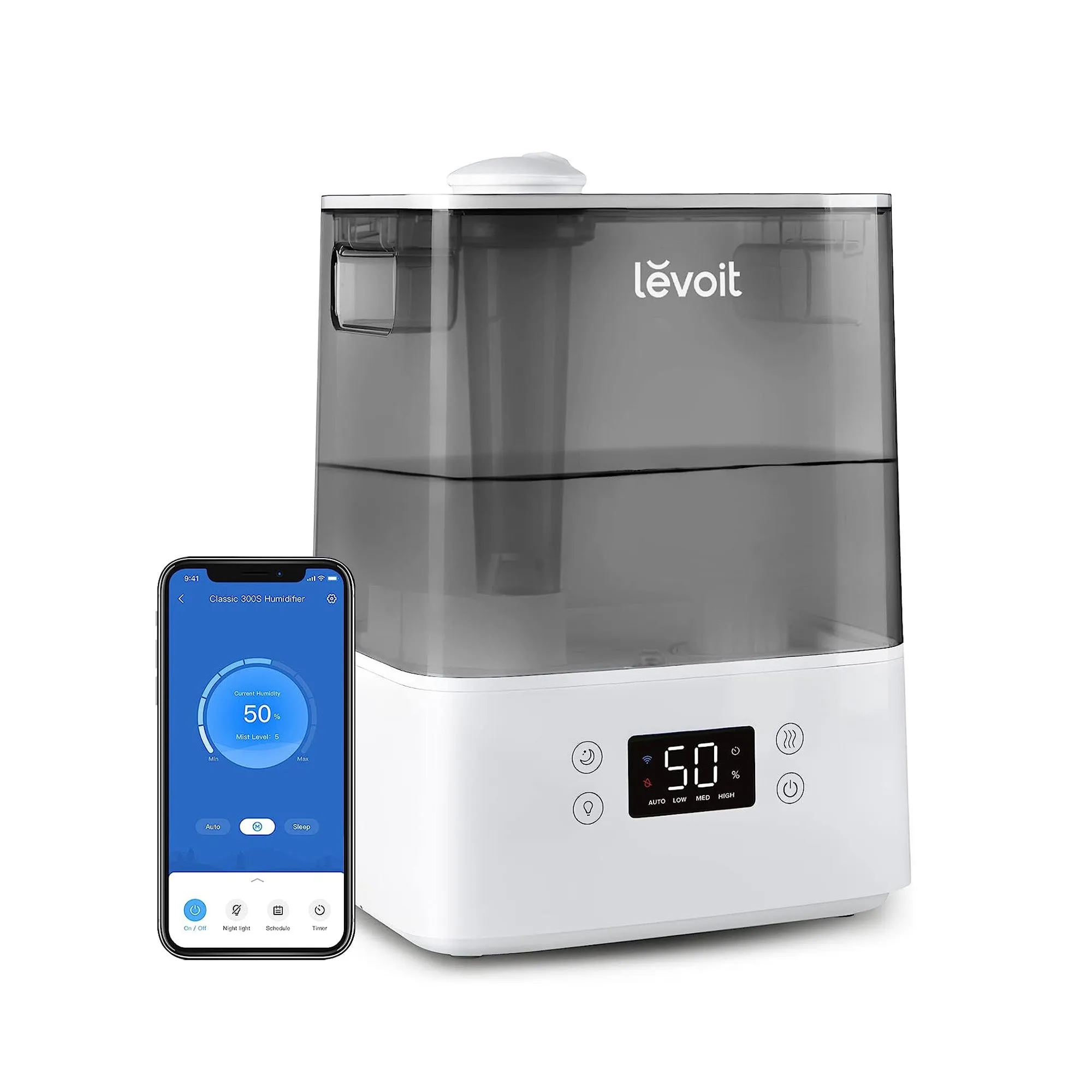
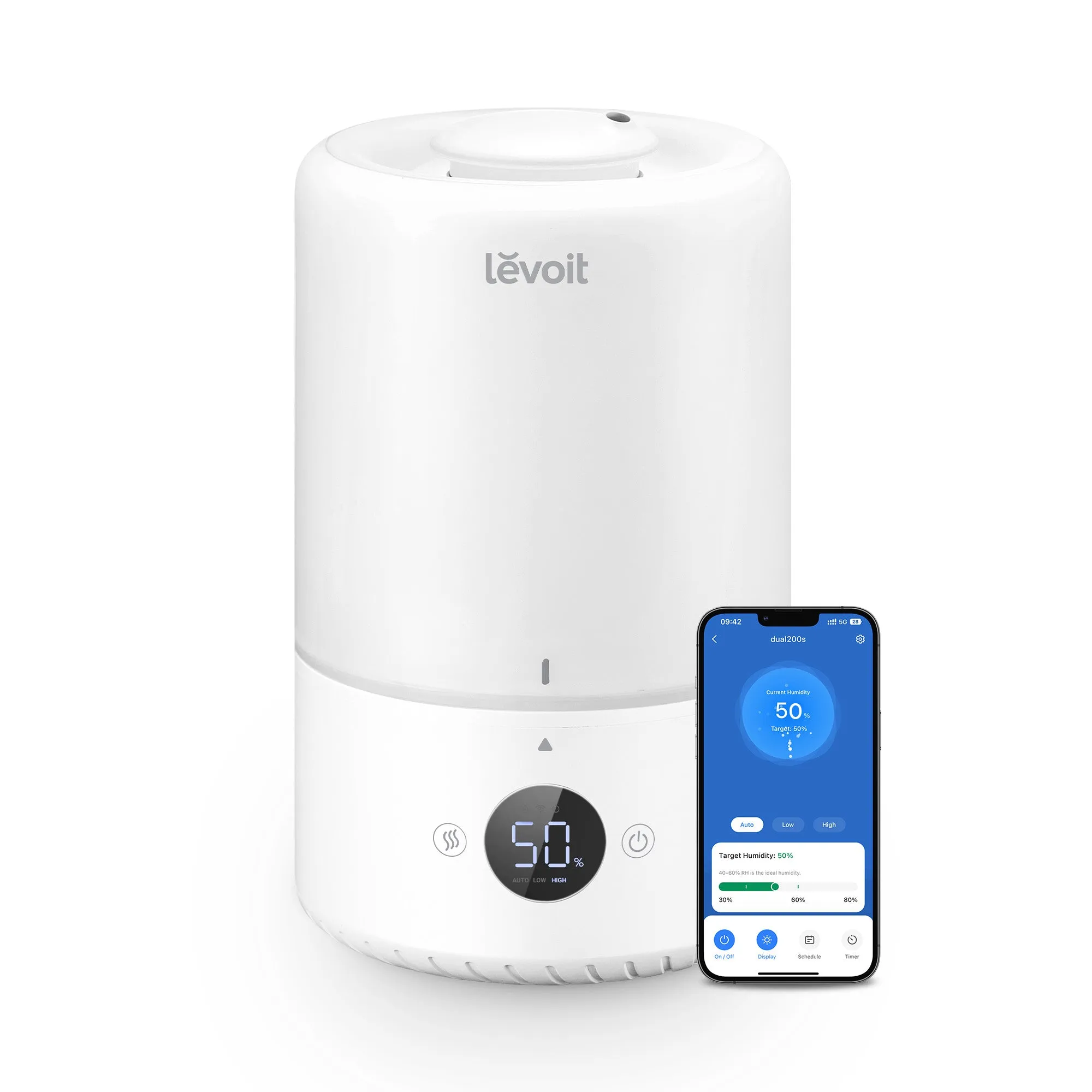
Dehumidifiers, humidifiers, and air purifiers each address different problems. A dehumidifier lowers excess moisture. A humidifier adds moisture in dry conditions. An air purifier removes particulate matter and gases but does not affect RH at all. For a full comparison of these devices, the differences between air purifiers and humidifiers are worth reviewing before you decide which combination suits your home.
Pro Tip: A standalone hygrometer costs very little and gives you a real-time RH reading. Set your dehumidifier’s built-in hygrostat to 50% and verify it against the hygrometer reading once a week. Cheap hygrostats can drift by 5 to 10 percentage points over time.
How to use and maintain a dehumidifier effectively
Choosing the right capacity is the starting point. Manufacturers rate units by litres of water removed per day under standard test conditions, but real-world output varies with room temperature and starting humidity. As a general guide, a 10 to 16 litre unit suits a single bedroom or bathroom; a 20 to 30 litre unit is appropriate for a living room or open-plan kitchen; a 50-litre-plus commercial unit handles large basements or post-flood drying.
Follow this sequence when setting up a new unit:
- Measure the floor area and ceiling height of the target room.
- Identify moisture sources: cooking, showering, occupant respiration, and any visible damp patches.
- Select a unit with a capacity rated 20% above your calculated need to allow for peak humidity events.
- Position the unit centrally in the room, at least 30 centimetres from any wall, and elevated off cold floors.
- Set the built-in hygrostat to 50% RH and allow the unit to cycle on and off automatically rather than running continuously.
- Connect a continuous drain hose if the tank requires emptying more than once a day.
Proper sizing and hygrostat use prevents continuous operation and unnecessary energy waste. Continuous operation is not only costly; it accelerates mechanical wear. Neglecting basic maintenance such as cleaning coils and drain hoses can increase energy consumption by 31 to 44% and shorten compressor lifespan by nearly three years. A monthly wipe-down of the coils and a fortnightly rinse of the filter are the two tasks that matter most.
For post-flood drying, run the dehumidifier continuously with all windows and doors closed, and use a fan to circulate air across wet surfaces. In this scenario, a larger commercial unit or a rental unit is worth considering rather than overworking a domestic model. Continuous drainage options and timers help maintain stable humidity in persistently damp spaces without requiring daily manual intervention.
Pro Tip: Pair your dehumidifier with your home’s ventilation system where possible. Running an exhaust fan in the bathroom and kitchen reduces the moisture load the dehumidifier must handle, which extends its service life and lowers running costs.
Key takeaways
Dehumidifiers reduce indoor relative humidity to the 40 to 50% range, suppressing allergens, cutting cooling costs, and protecting building materials from condensation damage.
| Point | Details |
|---|---|
| Core function | Dehumidifiers extract water vapour from air; they do not filter dust or pollen. |
| Health benefit | Keeping RH below 45% reduces dust mite populations by over 90%, easing allergy and asthma symptoms. |
| Energy savings | Consistent use cuts home cooling energy by 18 to 23% in humid climates. |
| Correct sizing | Match unit capacity to room size and moisture load; oversizing wastes money, undersizing wastes effort. |
| Maintenance | Clean coils and filters monthly to avoid a 31 to 44% rise in energy consumption. |
Why humidity control deserves more attention than it gets
Most homeowners I speak with treat a dehumidifier as a last resort, something you buy after you spot mould or smell damp. That reactive approach costs more in the long run. By the time mould is visible, it has usually been growing for weeks inside wall cavities or under flooring. The remediation bill is always higher than the cost of a mid-range dehumidifier running preventively.
The other mistake I see regularly is buying a unit that is too small for the space and then wondering why it runs constantly without results. A dehumidifier that never cycles off is a sign of undersizing, not a sign that it is working hard. It is working inefficiently, and the compressor will fail early.
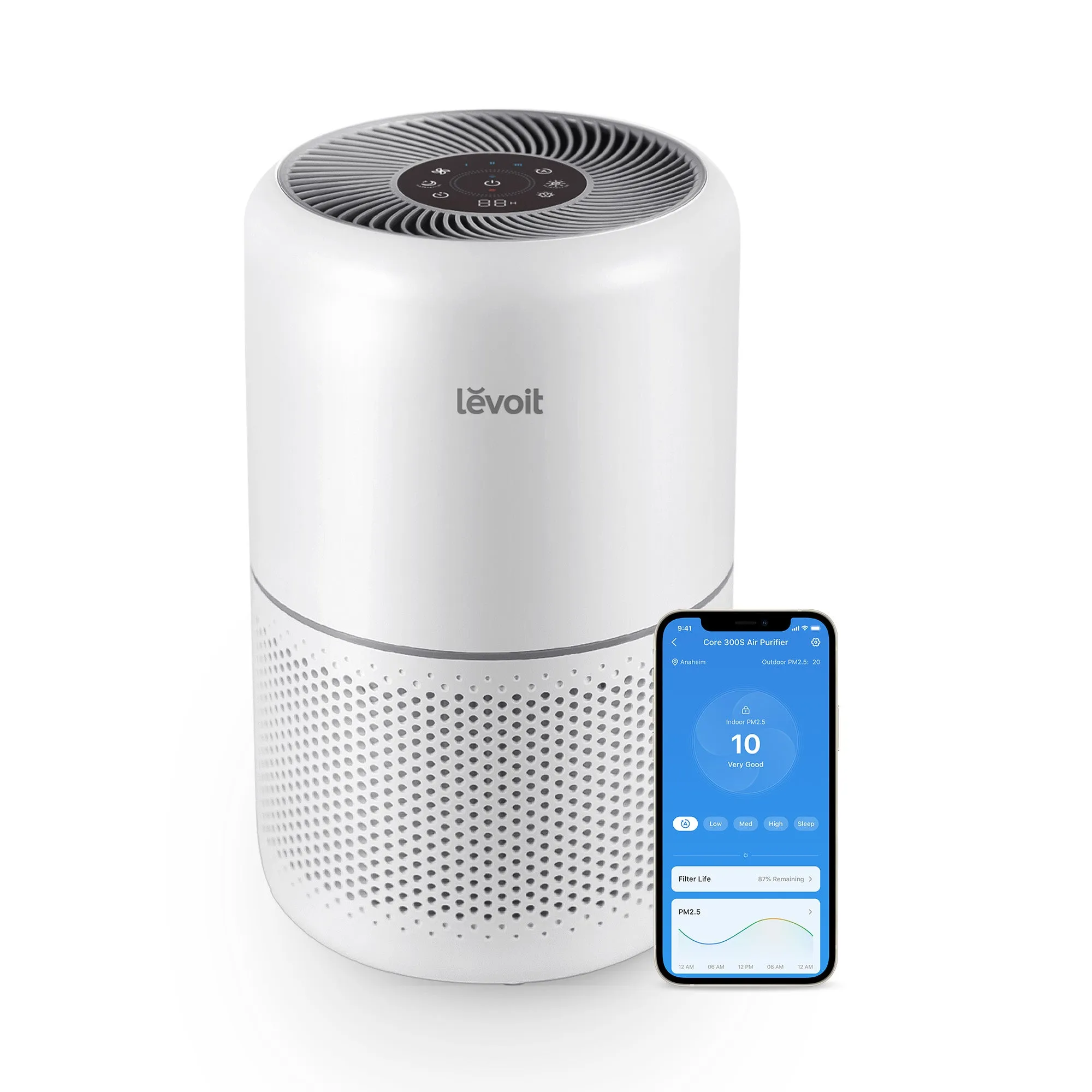
What I find genuinely interesting about the current generation of dehumidifiers is the integration with smart home systems. Units with Wi-Fi connectivity and app-based hygrostat control allow you to monitor RH remotely and receive alerts when levels spike. For property managers overseeing multiple units in Dubai or Abu Dhabi, this kind of remote monitoring is a practical tool, not a luxury. Humidity control is becoming part of the broader indoor air quality strategy that health-conscious residents are building into their homes from the outset.
The bottom line: treat humidity management as a year-round discipline, not a seasonal fix. Pair your dehumidifier with a hygrometer, set a target of 45 to 50% RH, and maintain the unit properly. The returns in health, comfort, and energy savings are consistent and measurable.
— Wojciech
Explore air quality solutions from Cleanair-ae
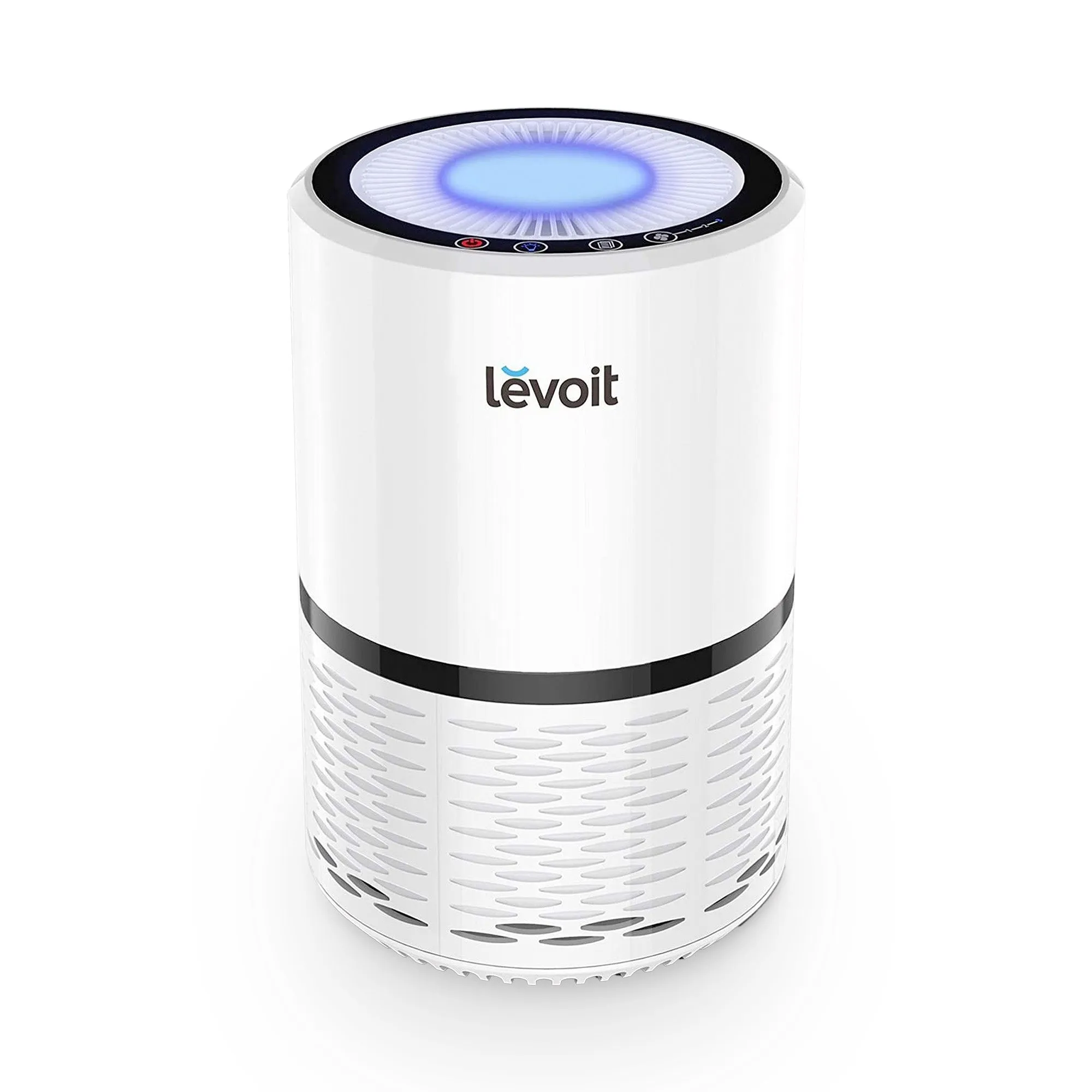
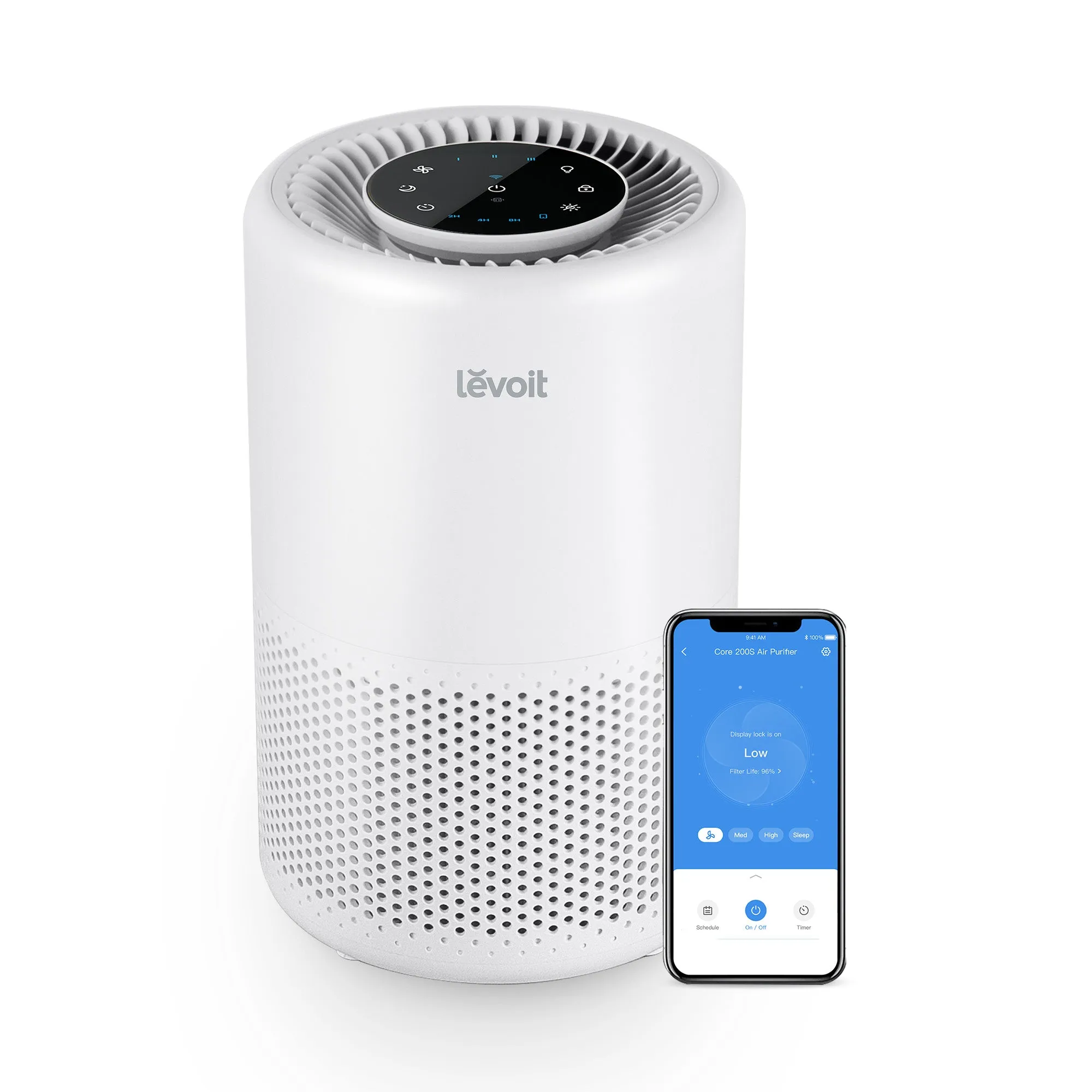
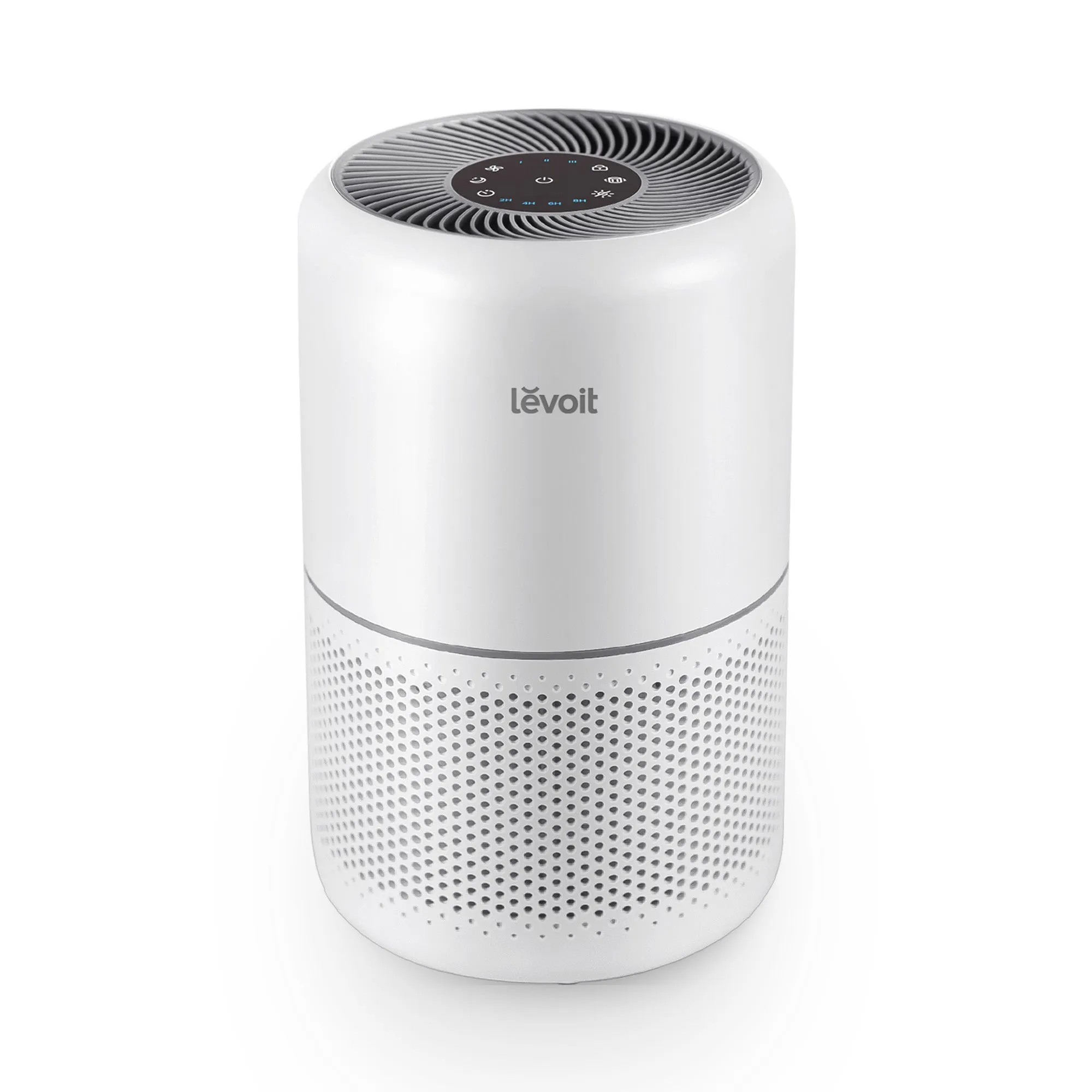
Cleanair-ae stocks a curated range of air quality products for residents and businesses across Dubai, Abu Dhabi, and the wider UAE. Whether you are managing humidity in a single bedroom or across a larger property, the right combination of devices makes a measurable difference. For guidance on selecting the most suitable equipment, the 2026 air purifier buying guide covers key specifications and product comparisons in detail. If you are weighing up which device type suits your specific needs, the air purifiers vs humidifiers comparison page explains the distinctions clearly. Cleanair-ae offers free UAE delivery on orders over 49 AED, with brands including Blueair, Honeywell, and Levoit available for fast dispatch.
FAQ
What does a dehumidifier actually do?
A dehumidifier draws in humid air, removes water vapour through condensation or absorption, and returns drier air to the room. It does not filter particles or gases; that function requires a separate air purifier.
What RH level should a dehumidifier be set to?
ASHRAE and the EPA recommend 30 to 50% RH for indoor spaces. Setting your dehumidifier’s hygrostat to 50% RH balances health, comfort, and energy use for most homes in humid climates.
Can a dehumidifier reduce mould growth?
Sustained RH below 50% prevents mould spores from germinating on most surfaces. Condensation on cold walls or windows remains a risk regardless of overall RH, so insulation and ventilation must also be addressed.
How often should a dehumidifier be serviced?
Clean the air filter every two weeks in regular use and wipe down the coils monthly. Neglecting this maintenance can raise energy consumption by 31 to 44% and reduce compressor lifespan by nearly three years.
Is a dehumidifier the same as an air purifier?
No. A dehumidifier controls moisture levels; an air purifier removes airborne particles, allergens, and gases using filters such as HEPA or activated carbon. Many households in humid climates benefit from running both devices together.