
Uncategorised
How to prevent indoor dust buildup effectively
Indoor dust buildup is the gradual accumulation of particles from outdoor soil, skin cells, fabric fibres, and pet dander that settle on surfaces and circulate through the air in your home. The good news is that dust accumulation is largely preventable. With consistent cleaning habits, smart entry management, and the right air quality tools, you can reduce indoor dust to a fraction of what most households tolerate. This article covers the exact methods that work, from no-shoes policies and HEPA vacuuming to humidity control and air purifier selection.
What household habits prevent dust accumulation most effectively?
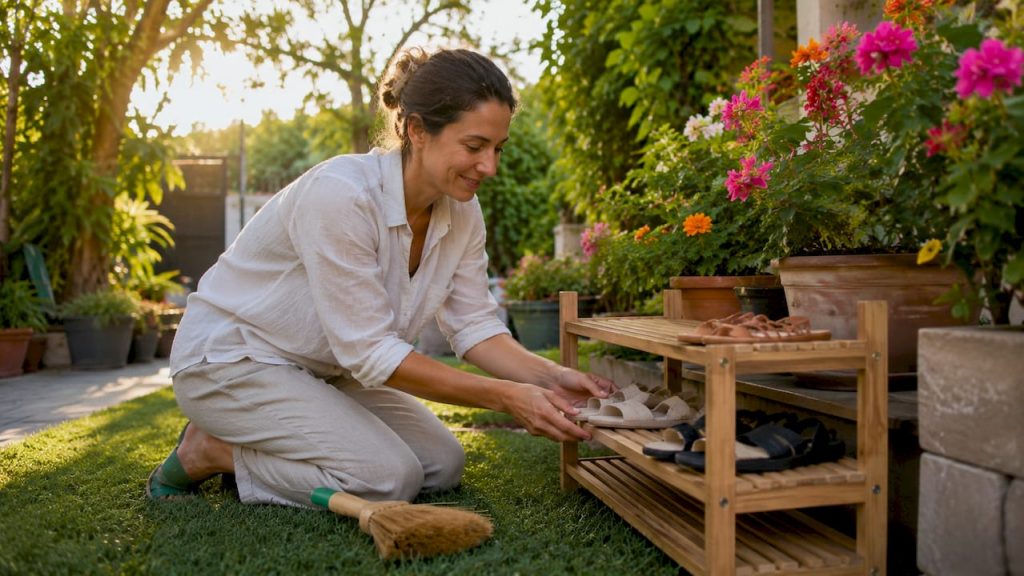
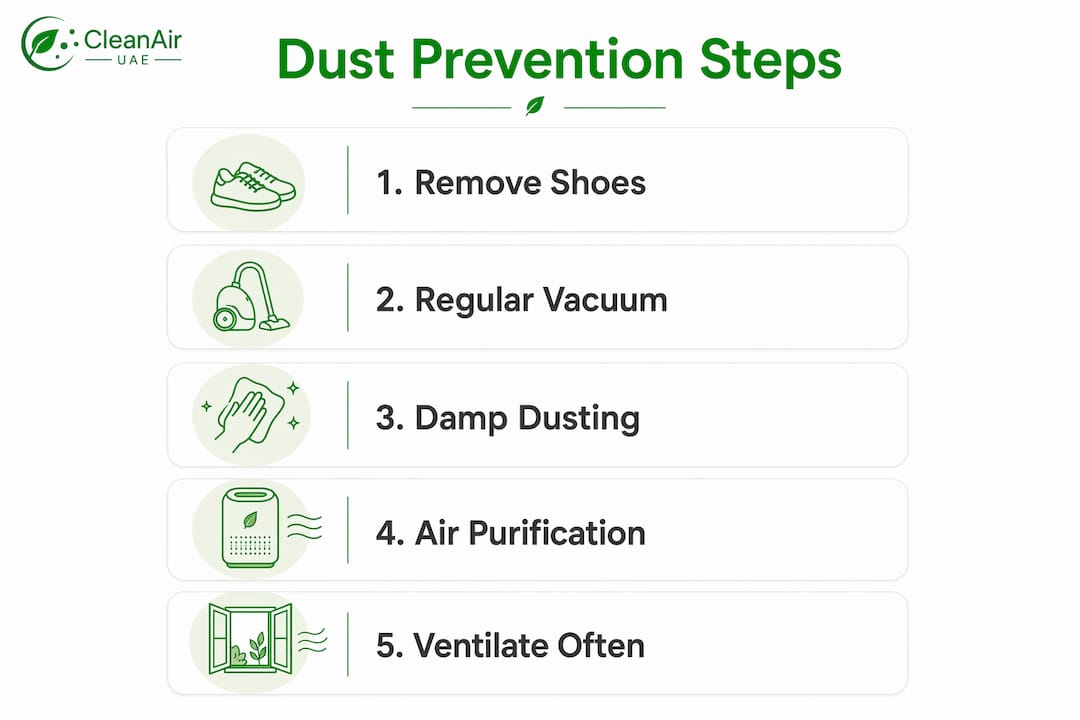
The single most impactful change you can make is enforcing a no-shoes policy indoors. A no-shoes policy can prevent up to 80% of household dust from entering your home in the first place. Shoes track in soil, pollen, and outdoor pollutants that then break down into fine particles and spread across every room.
Beyond footwear, these habits make a measurable difference:
- Dual doormats at every entry point. Using a doormat outside and inside traps particles before they spread further into the home. Choose low-pile mats that are easy to shake out or wash weekly.
- Regular pet grooming. Pet dander and shed hair are significant contributors to household dust. Brushing pets outdoors at least twice a week and washing their bedding regularly reduces the volume of particles they deposit indoors.
- Decluttering surfaces. Open shelves, decorative objects, and piles of paper all act as dust traps. The fewer items sitting on surfaces, the less area dust has to settle on and the faster you can clean.
- Keeping windows closed during high-pollen or high-wind periods. In the UAE, where fine desert sand is a persistent outdoor pollutant, closing windows during sandstorms or peak wind hours is one of the most direct ways to control indoor allergens and reduce incoming particles.
Pro Tip: Place a small bench or shoe rack directly at your front door. When removing shoes is convenient, household members and guests are far more likely to follow through consistently.
How can cleaning techniques and tools minimise household dust?
The method matters as much as the frequency. Most people clean in the wrong order and with the wrong tools, which means they redistribute dust rather than remove it.
Follow this sequence for maximum efficiency:
- Start at the top. Cleaning from the top down prevents dust from falling onto already cleaned surfaces. Begin with ceiling fan blades, light fittings, and the tops of wardrobes before moving to shelves, furniture, and finally floors.
- Use a damp microfibre cloth. Dry dusting aerosolises particles, sending them back into the air where they resettle within minutes. A slightly moistened microfibre cloth traps dust on contact and removes it from the surface entirely.
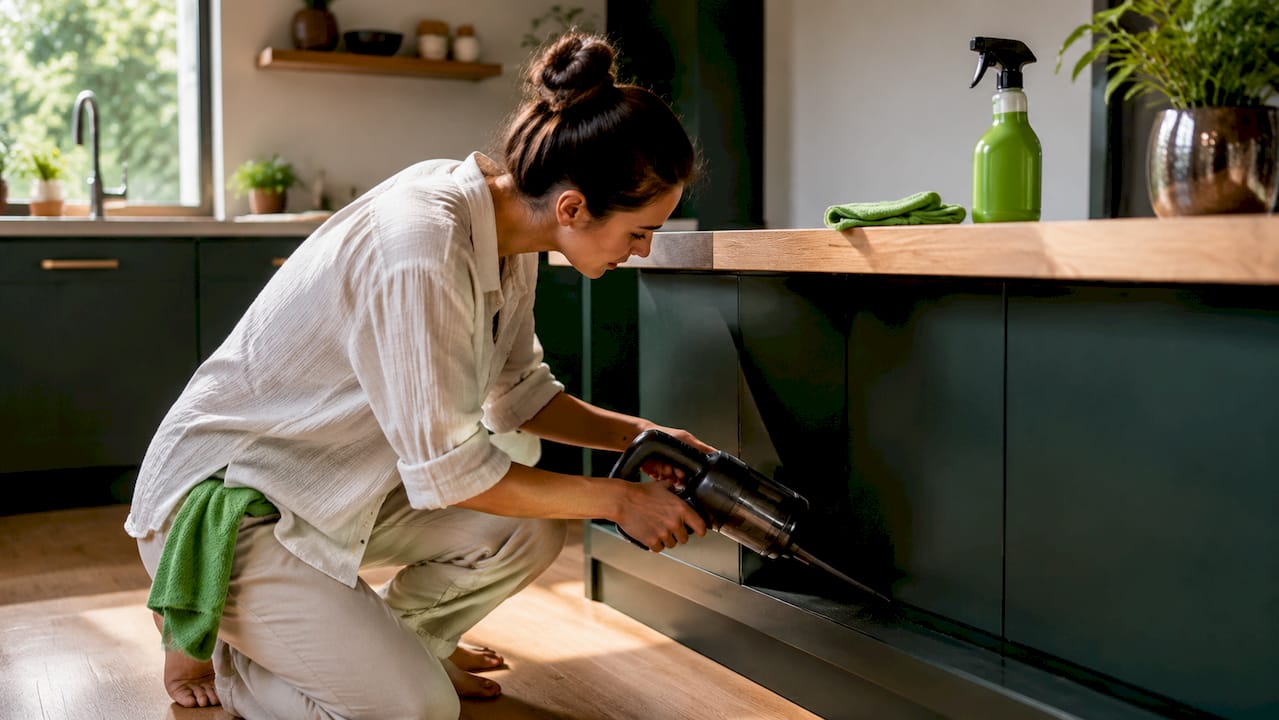
- Vacuum with a HEPA-filtered machine. Standard vacuum cleaners without HEPA filters exhaust fine particles back into the room. Machines from brands like Dyson, Miele, or Shark with true HEPA filtration capture particles down to 0.3 microns. Vacuum upholstery, mattresses, and skirting boards, not just floors.
- Wash bedding weekly in hot water. Washing bedding at 54°C or above kills dust mites and removes the allergens they produce. Dust mites thrive in mattresses and pillows and are a primary driver of dust-related allergies.
Pro Tip: Fit your vacuum with a crevice tool and use it along skirting boards, under radiators, and behind furniture legs. These are the areas where dust compacts most densely and is least often reached.
The table below summarises the most effective cleaning tools and their primary use case:
| Tool | Best use | Key benefit |
|---|---|---|
| Damp microfibre cloth | Dusting surfaces and furniture | Traps dust rather than spreading it |
| HEPA vacuum cleaner | Floors, upholstery, mattresses | Captures fine particles without re-releasing them |
| Vacuum crevice attachment | Skirting boards, vents, tight corners | Reaches compacted dust in overlooked areas |
| Washing machine (hot cycle) | Bedding, cushion covers, curtains | Kills dust mites at temperatures above 54°C |
What role does air quality and ventilation play in dust prevention?
Cleaning removes dust that has already settled. Air quality management stops it from settling in the first place. These two approaches work together, and neglecting either one limits the results of the other.
Key air quality measures to adopt:
- Replace HVAC filters on schedule. HVAC filters should be replaced every one to three months under normal conditions, and every two months in homes with pets or allergy sufferers. A clogged filter recirculates dust through your ventilation system rather than capturing it.
- Maintain indoor humidity between 40% and 60%. Keeping humidity in this range reduces static electricity, which causes dust to cling to surfaces, and limits the conditions in which dust mites thrive. A hygrometer costs very little and tells you exactly where your home sits.
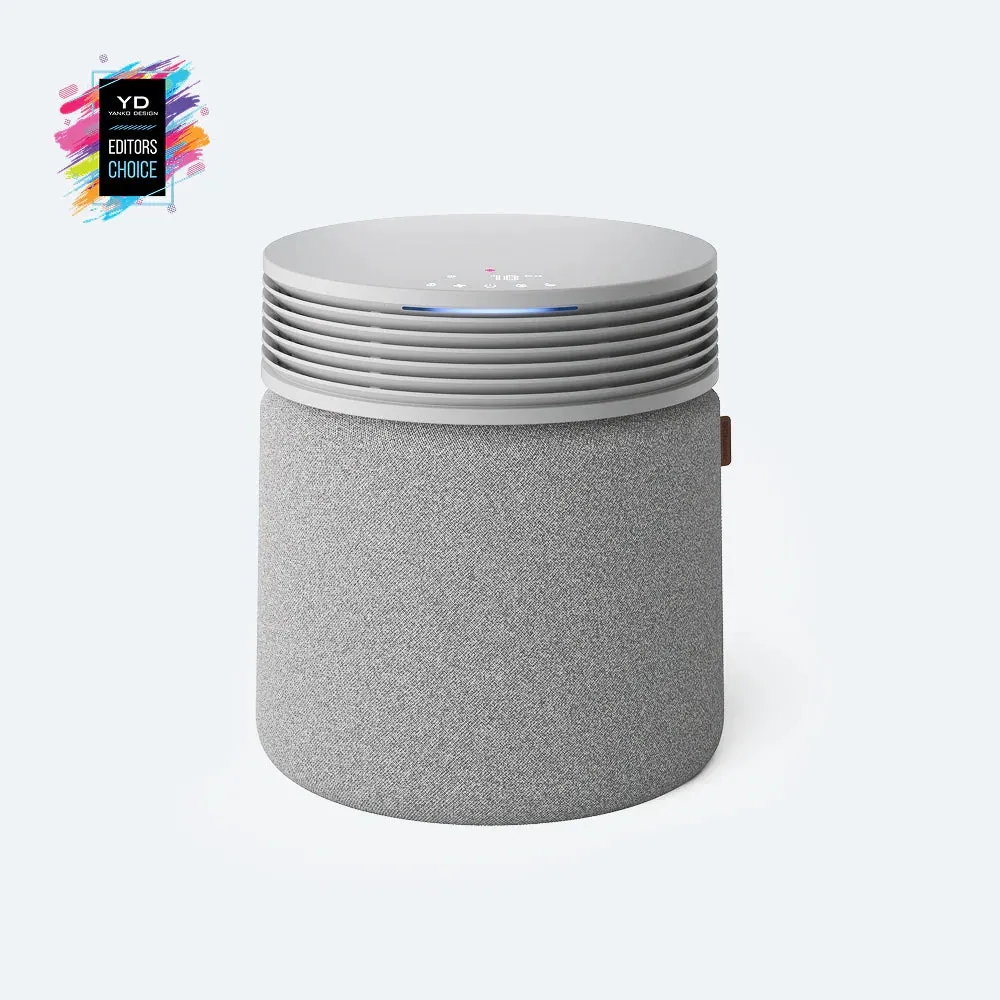
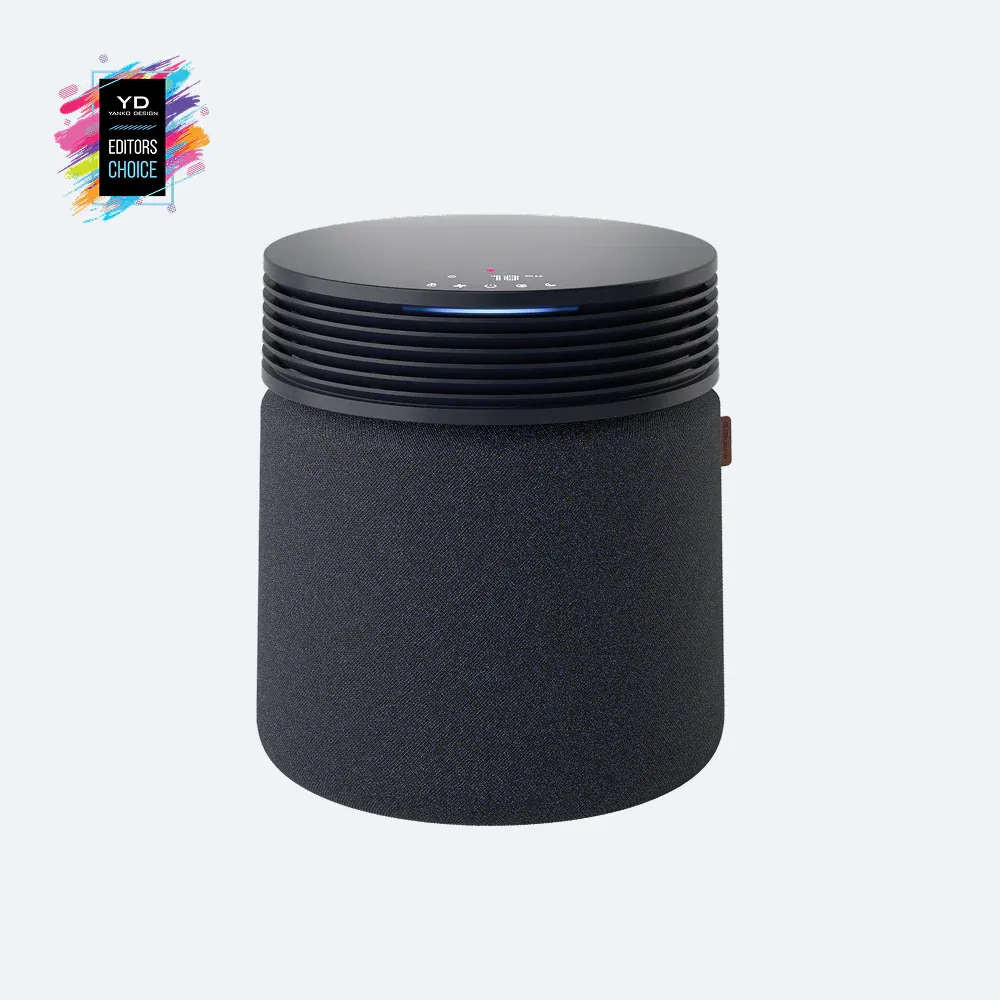
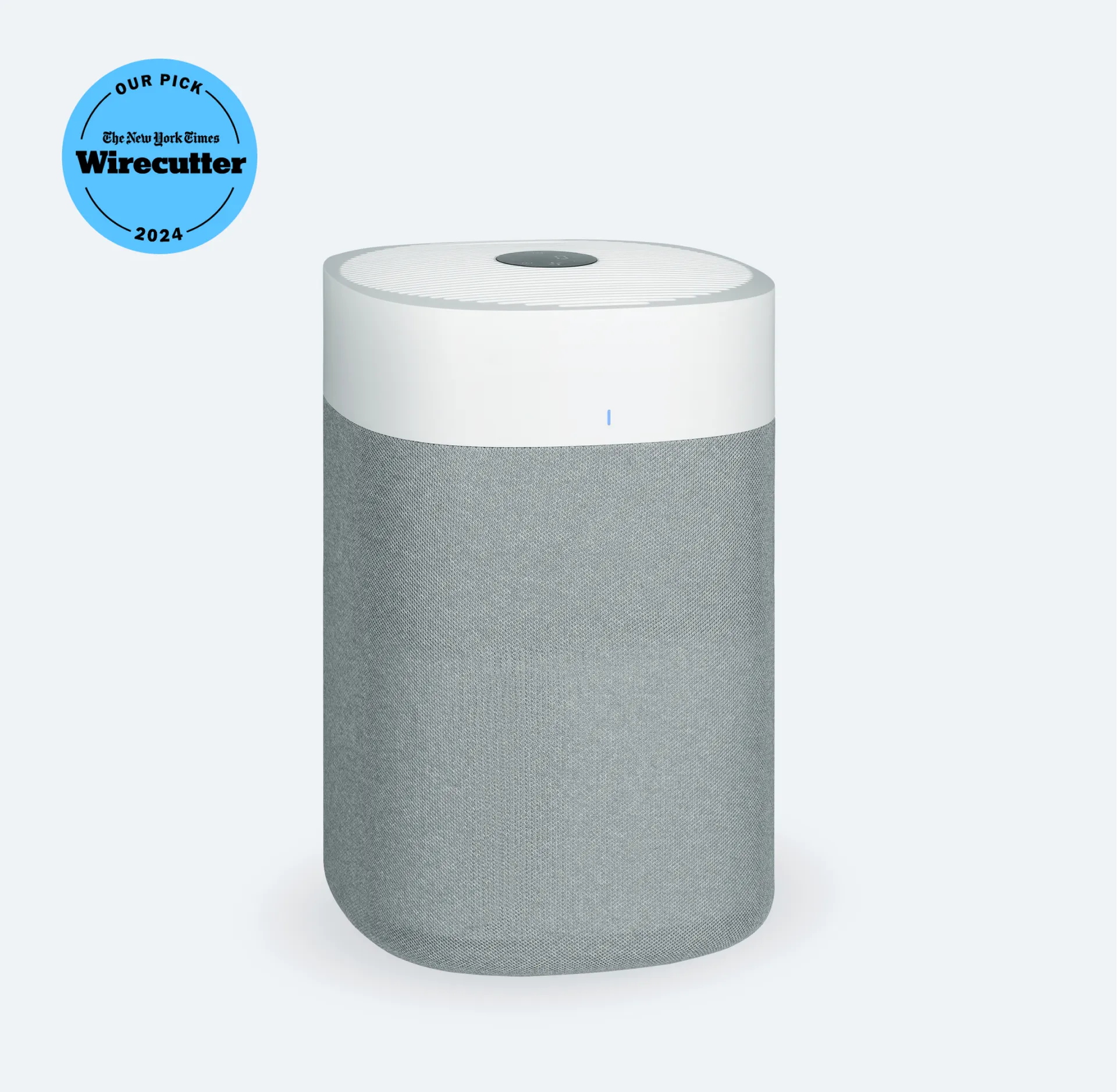
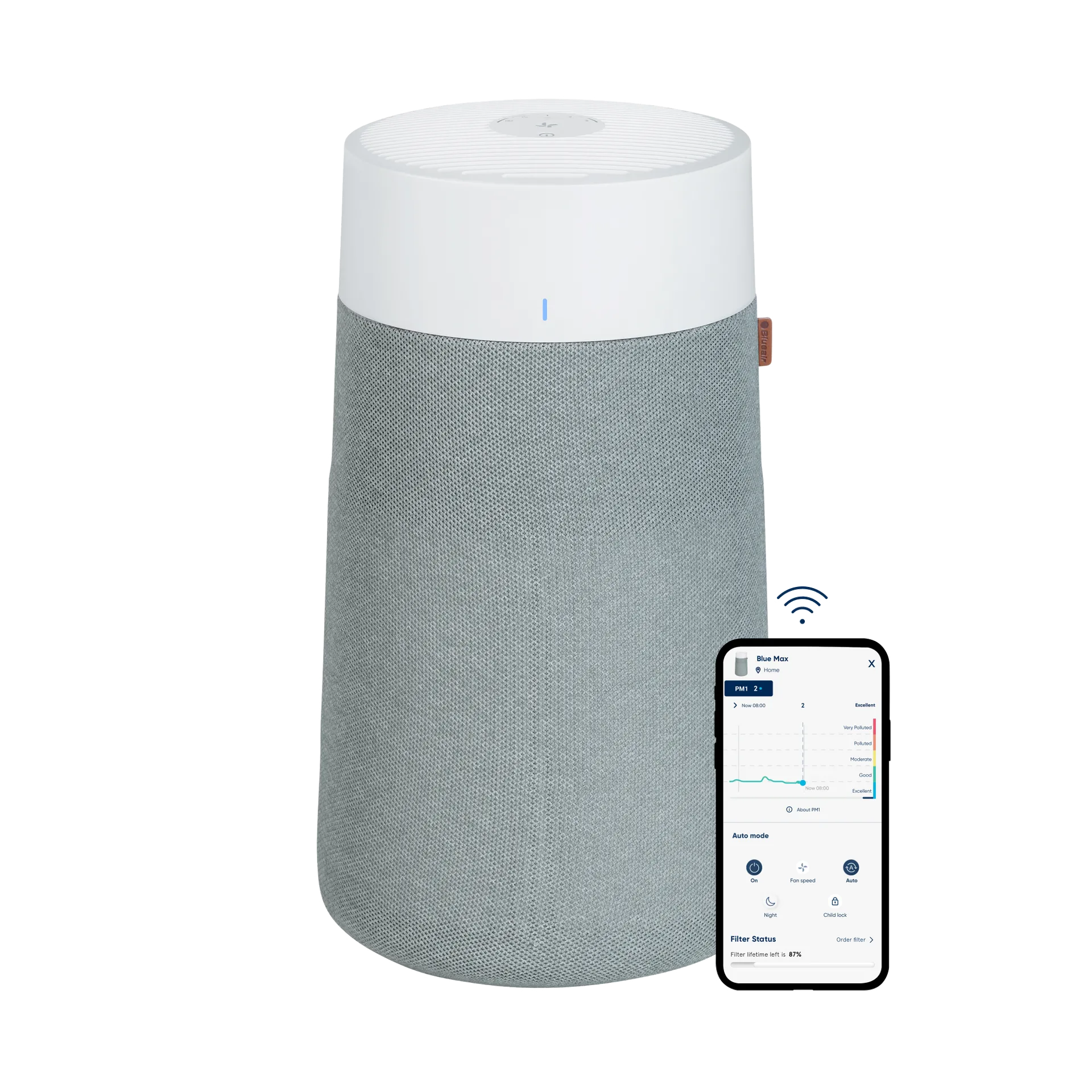
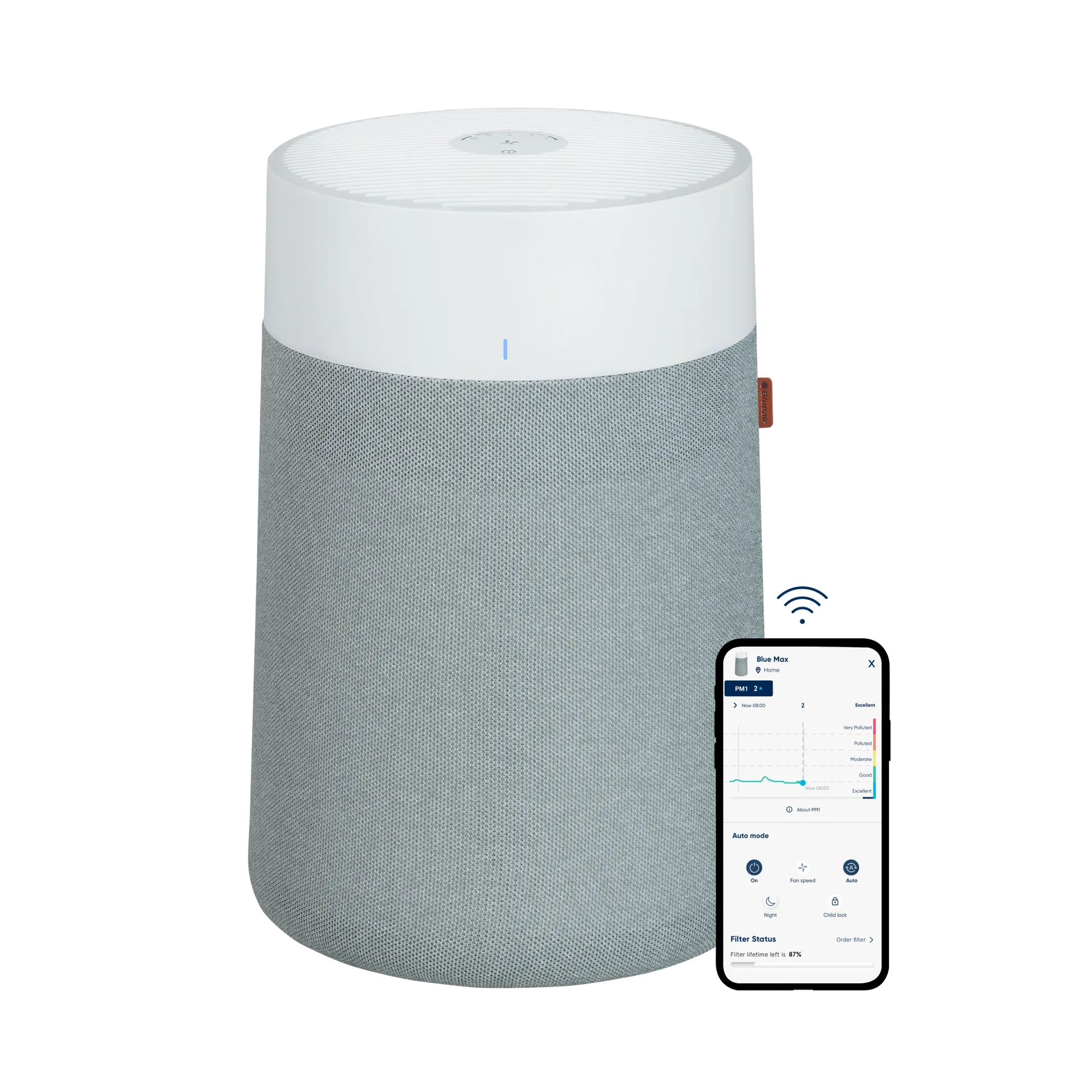
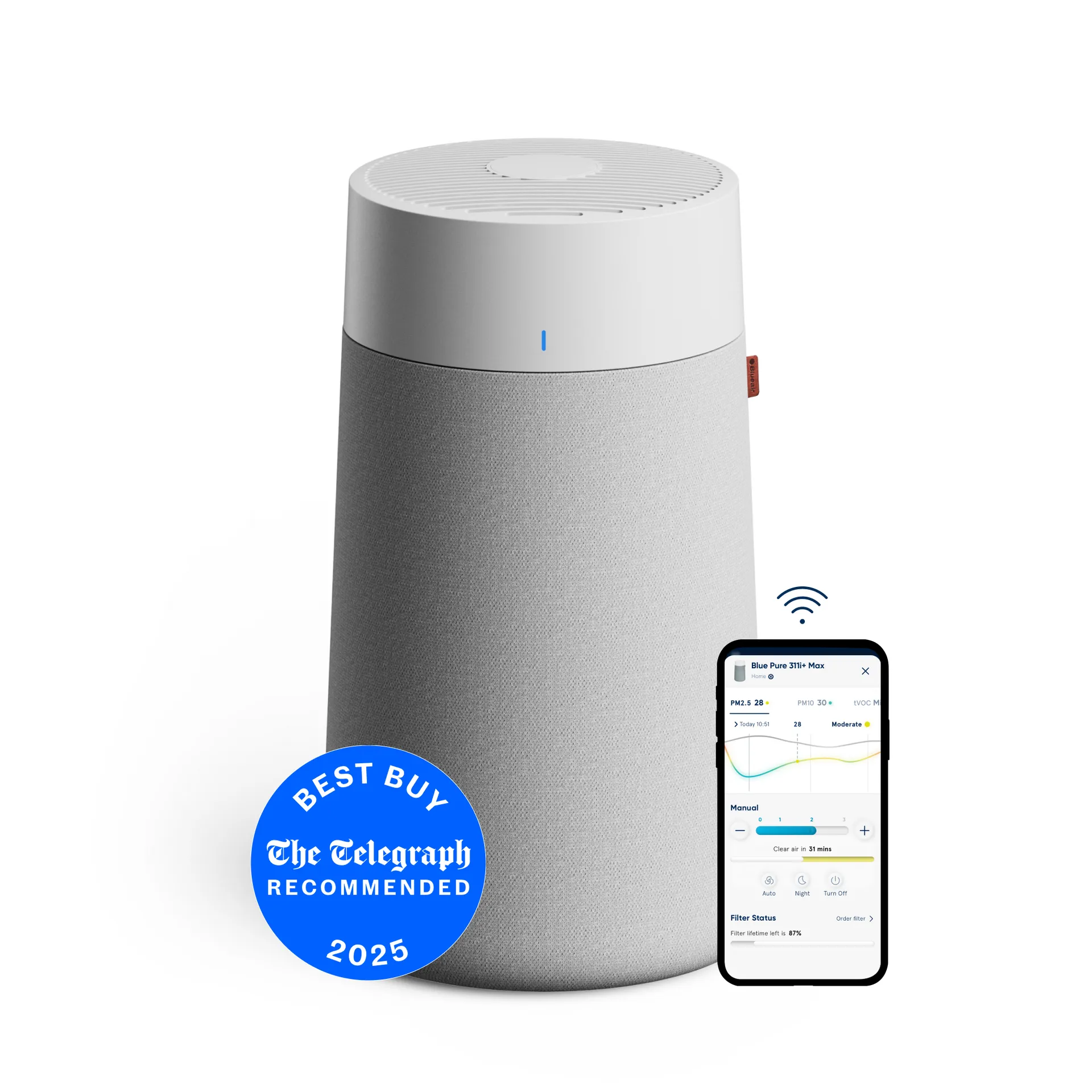
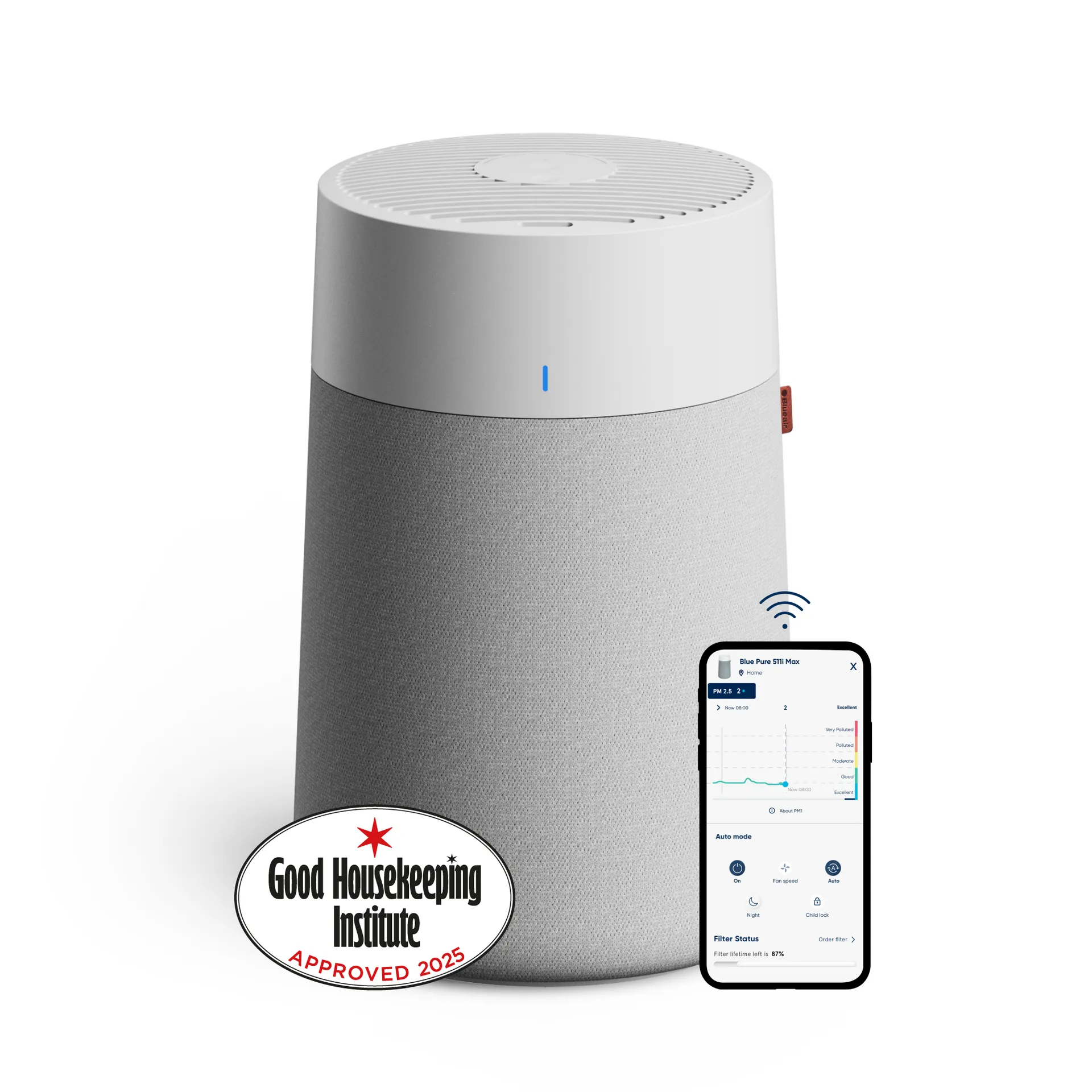
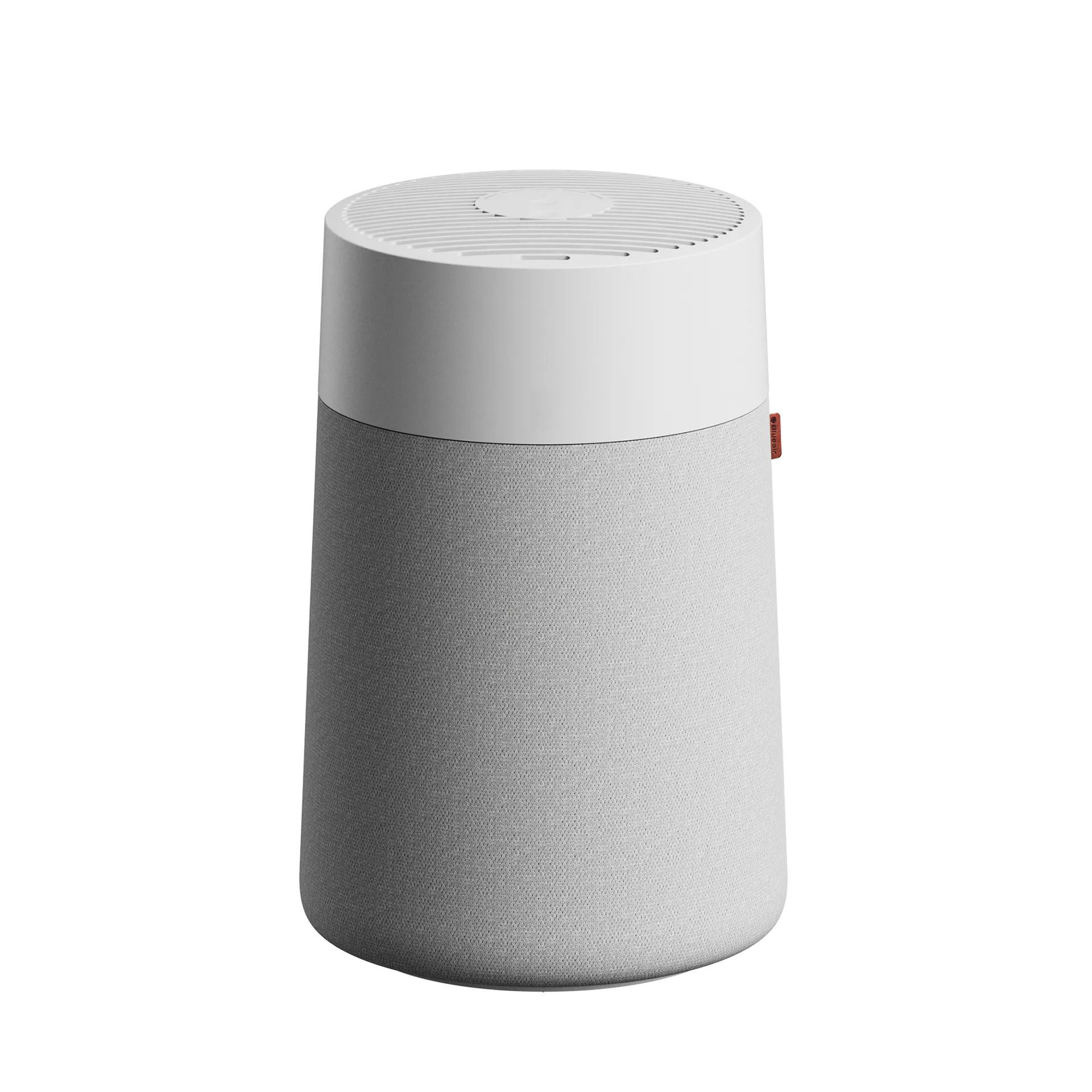
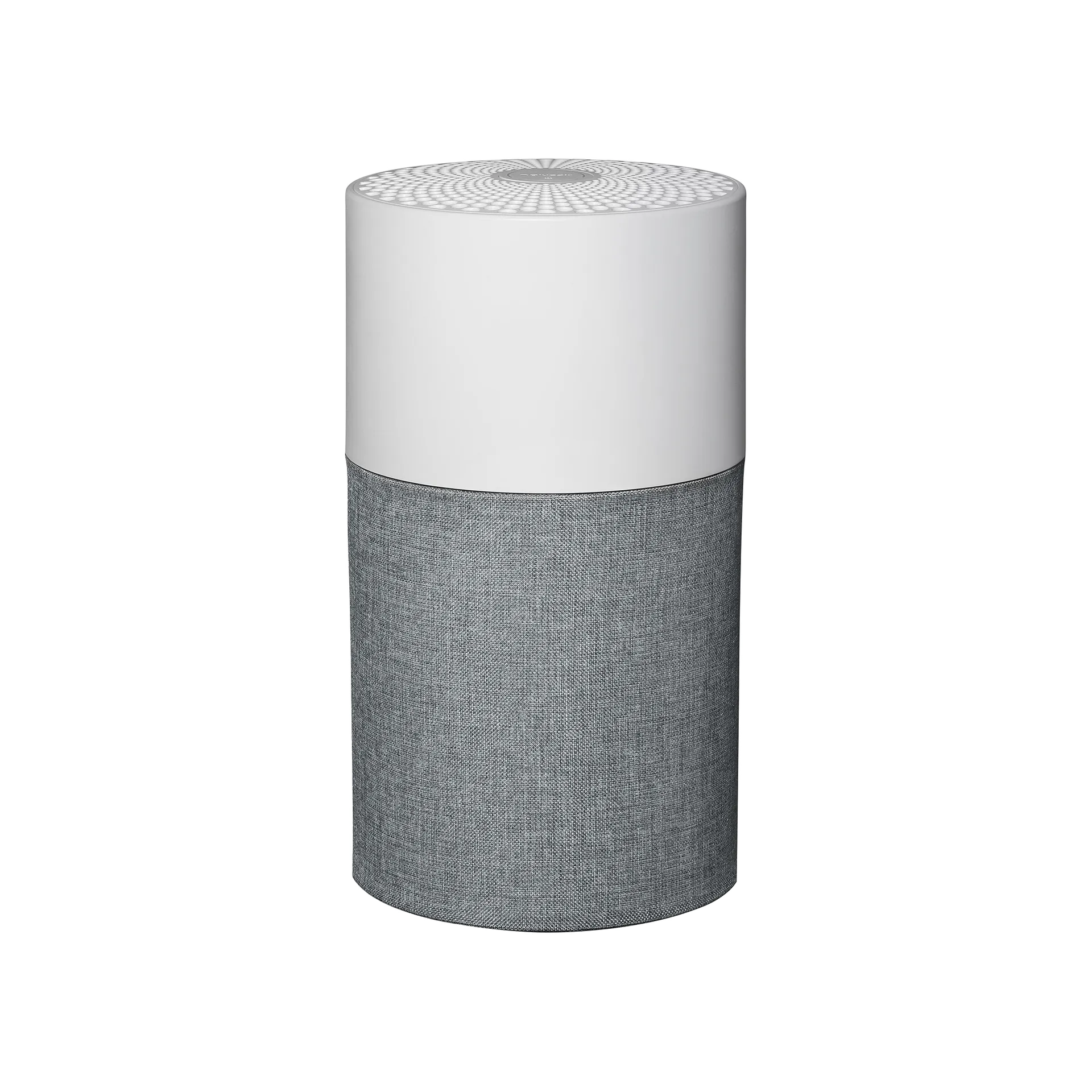
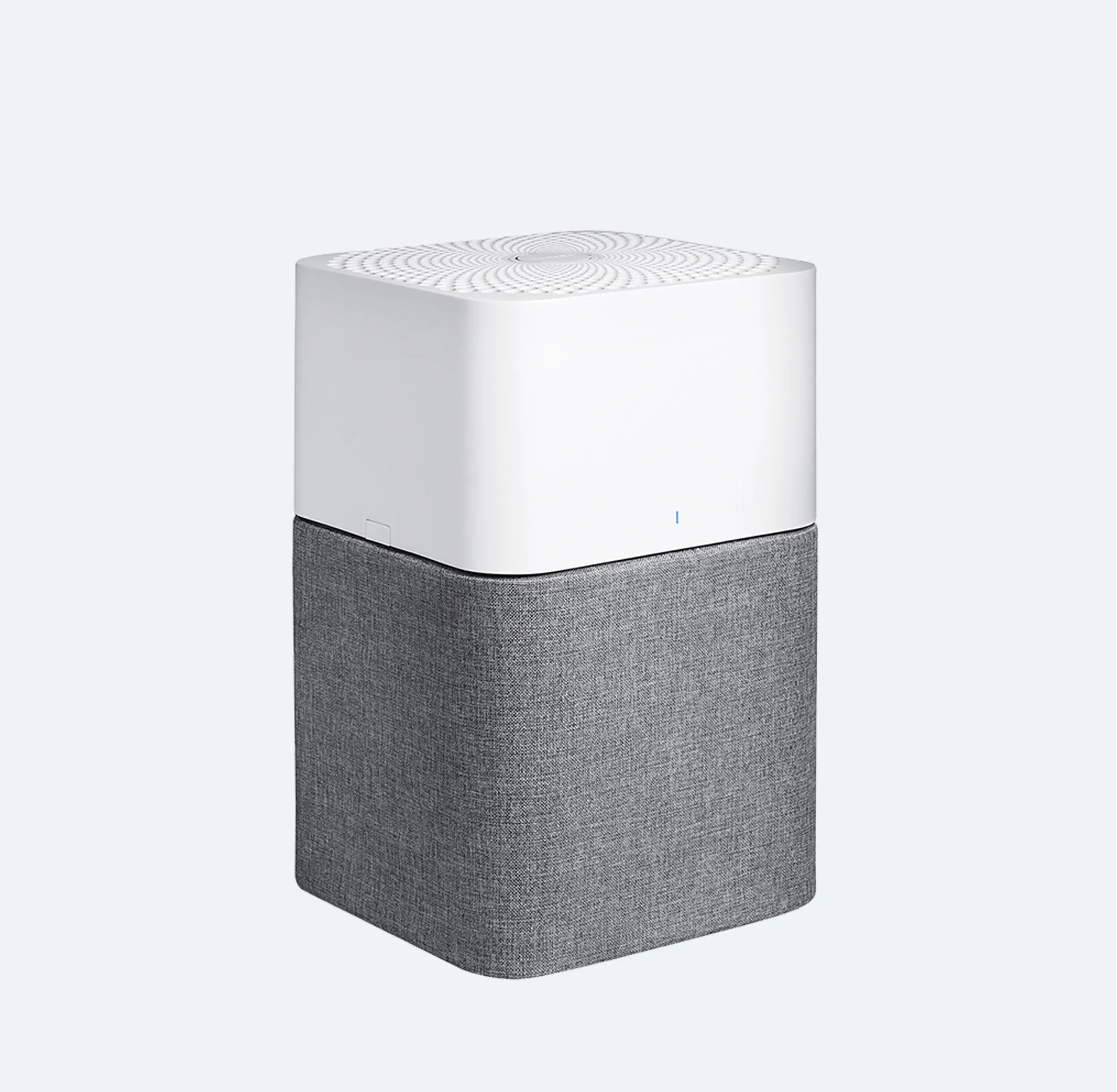
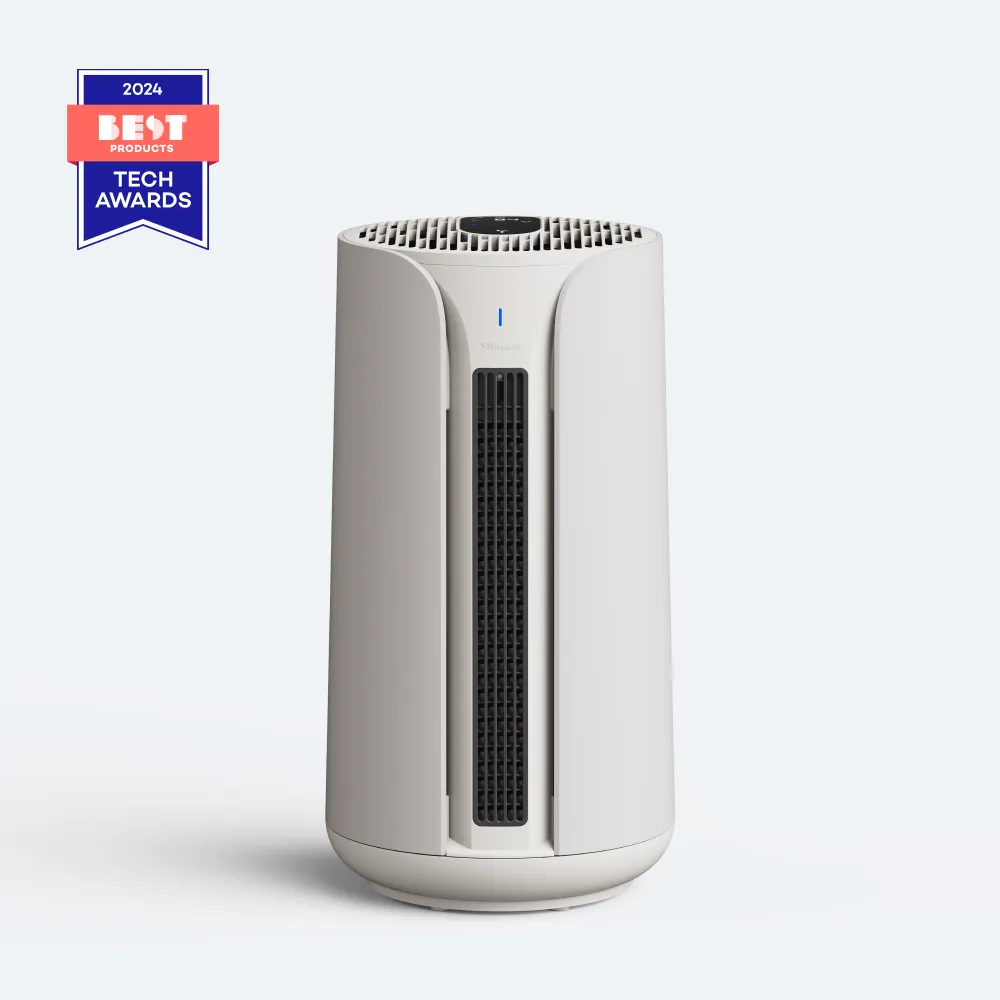
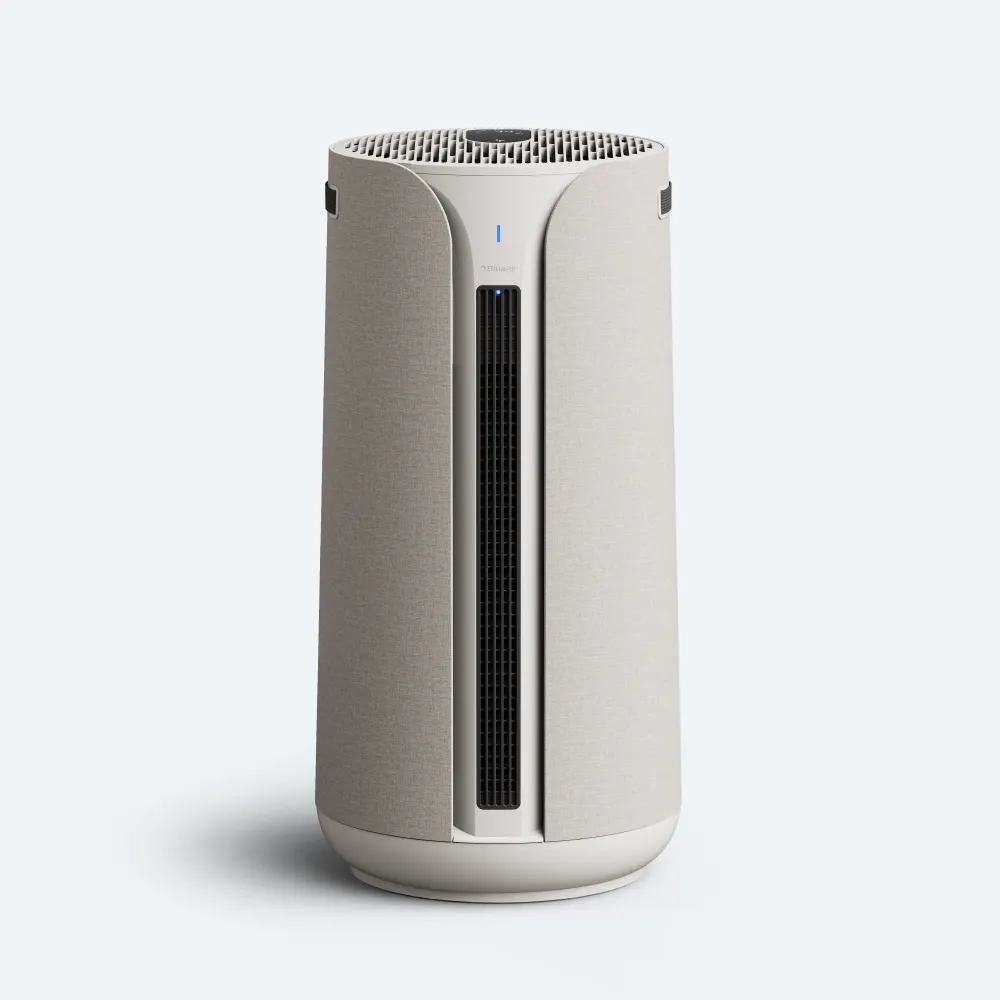
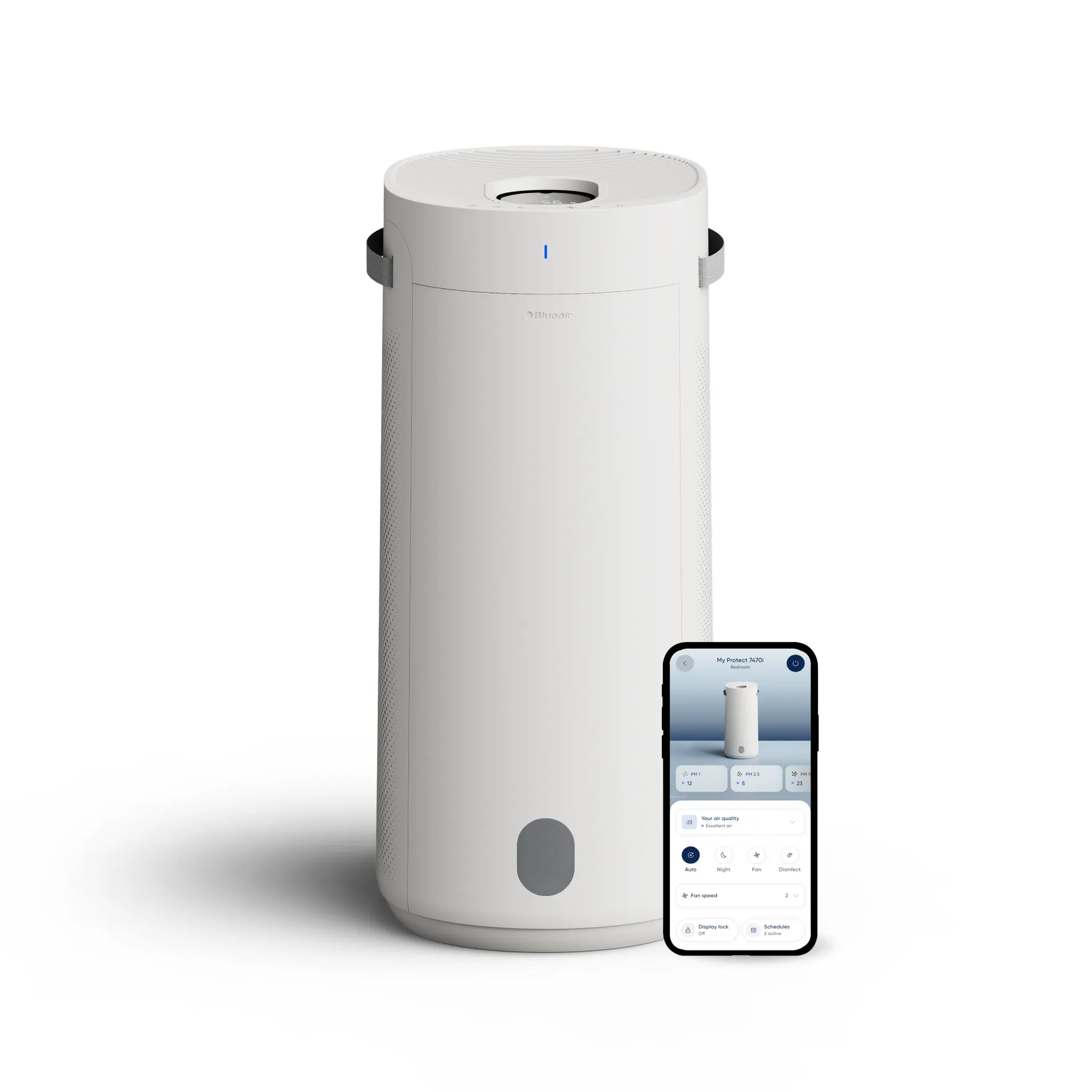
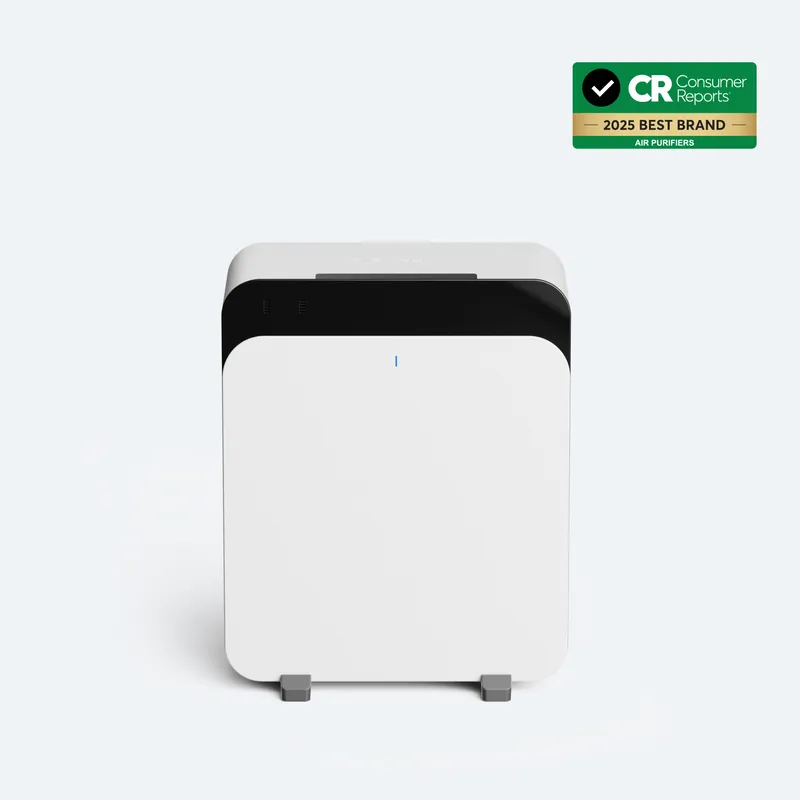
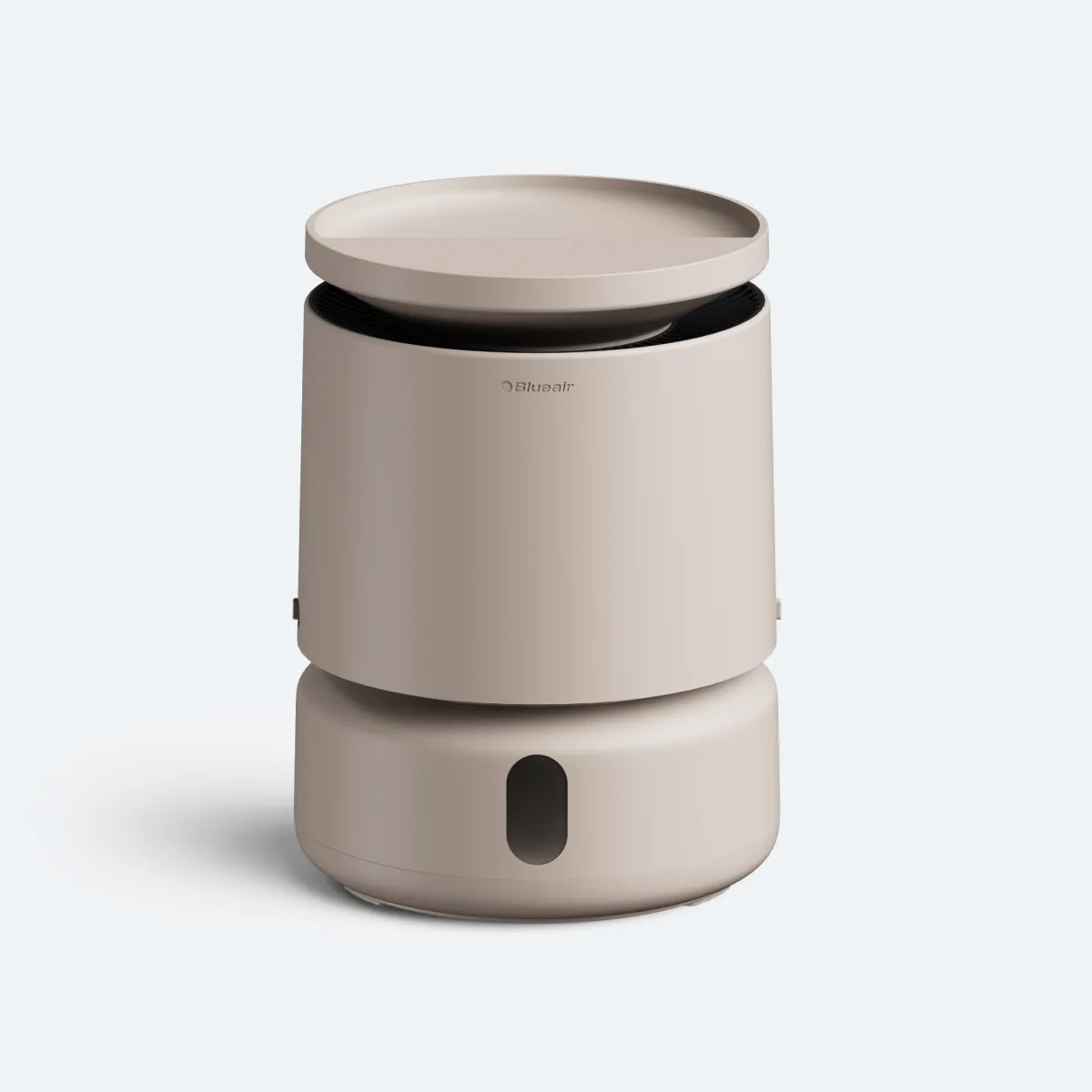
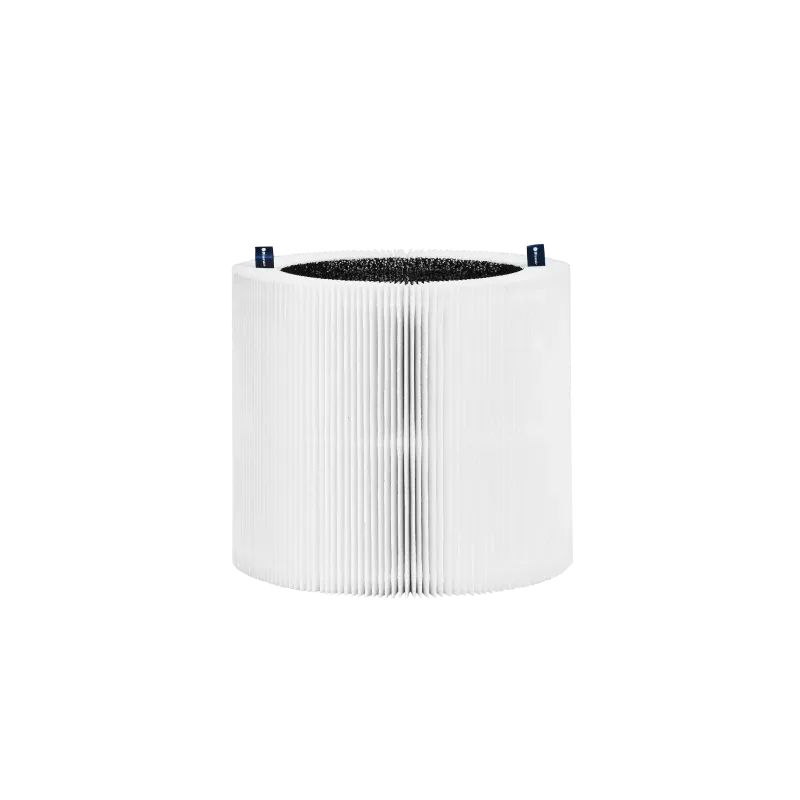
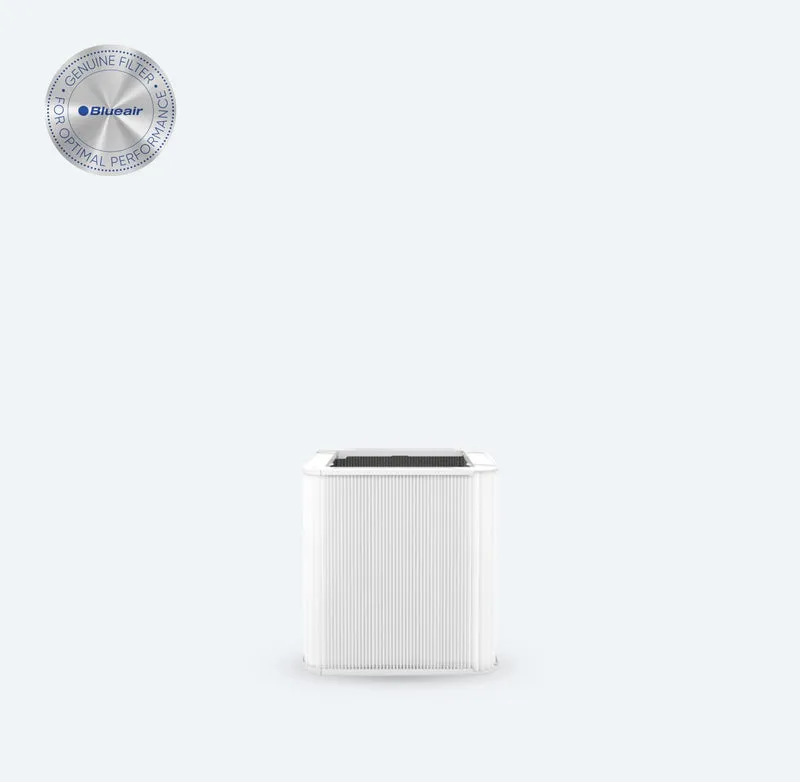
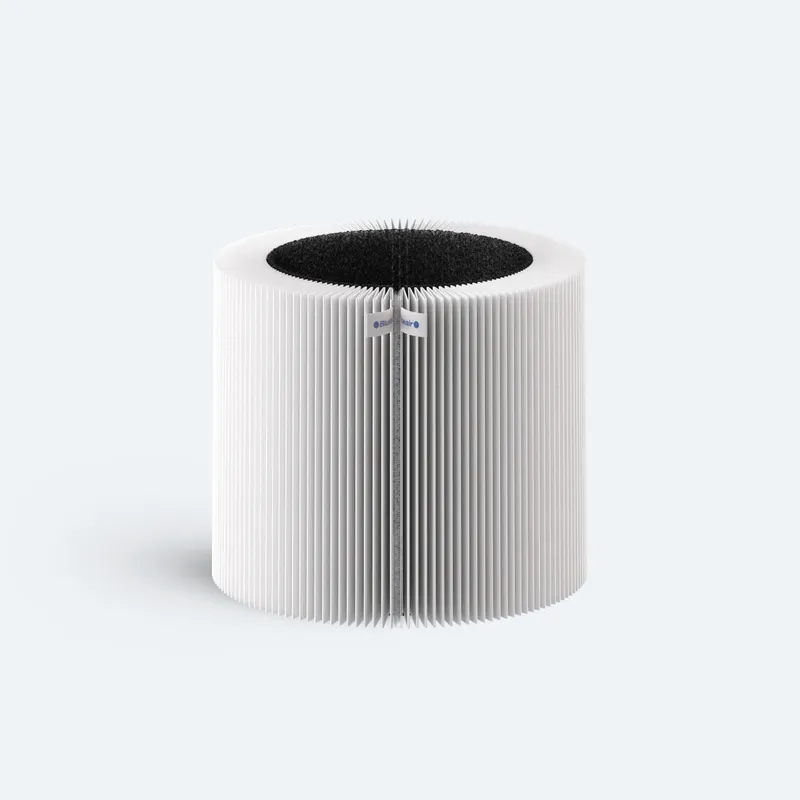
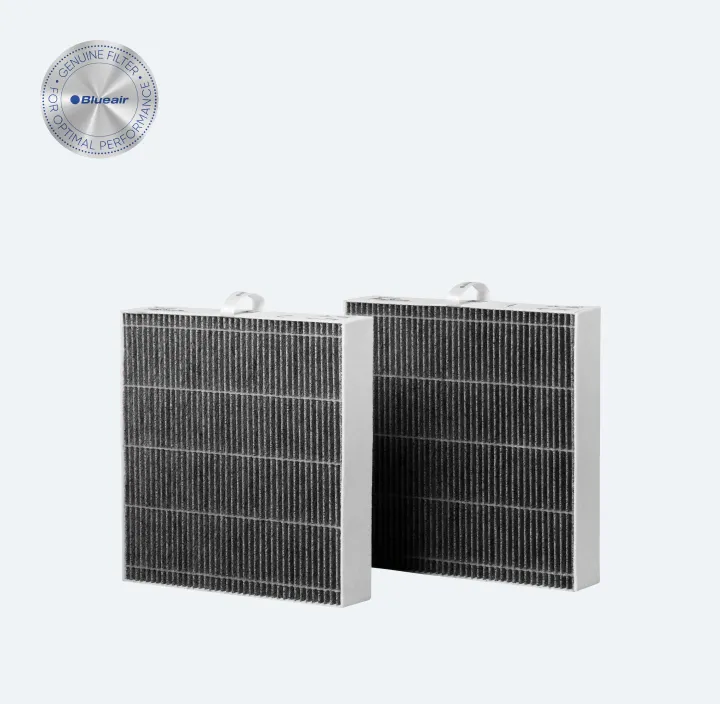
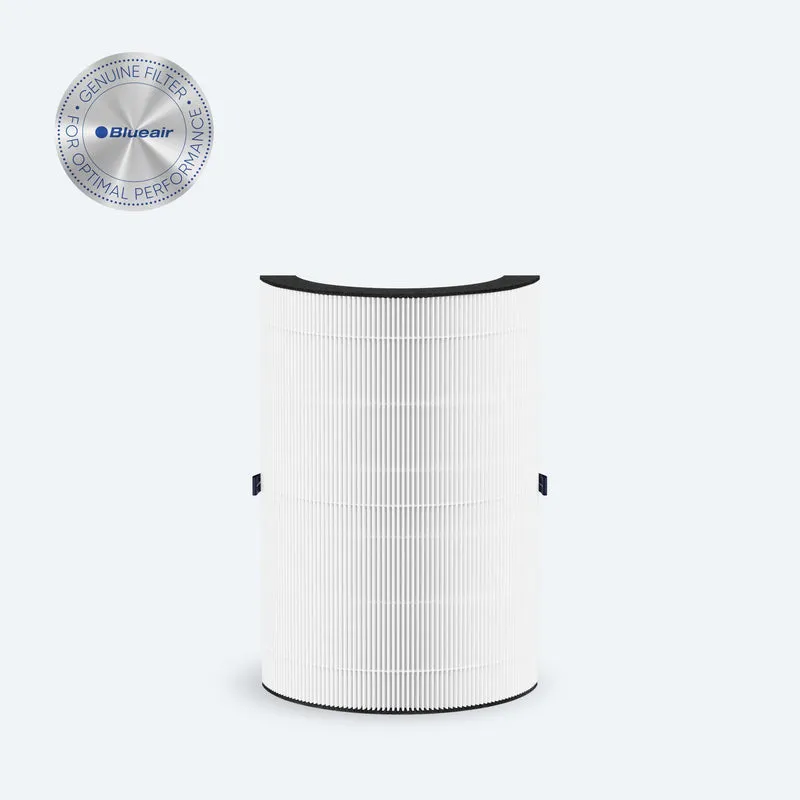
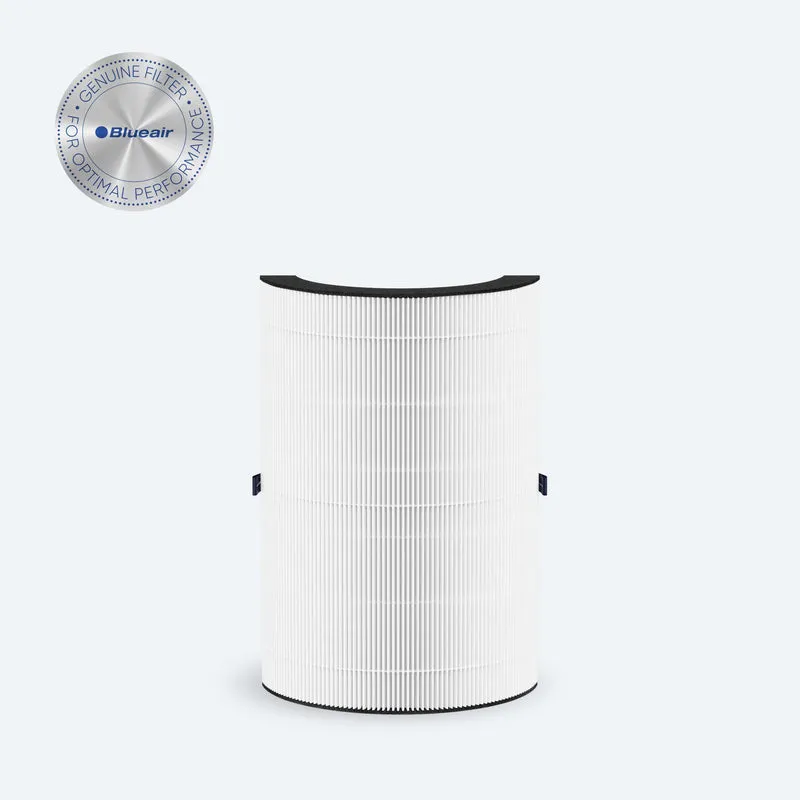
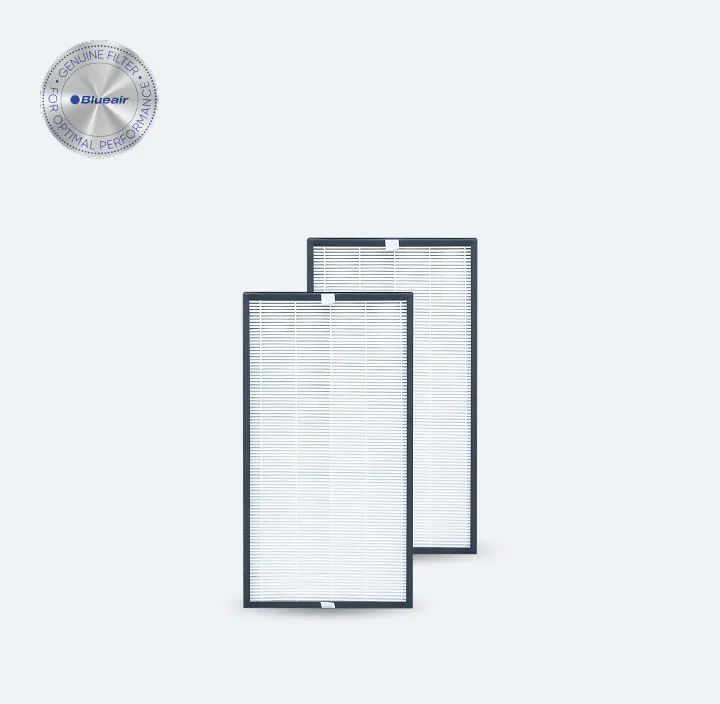
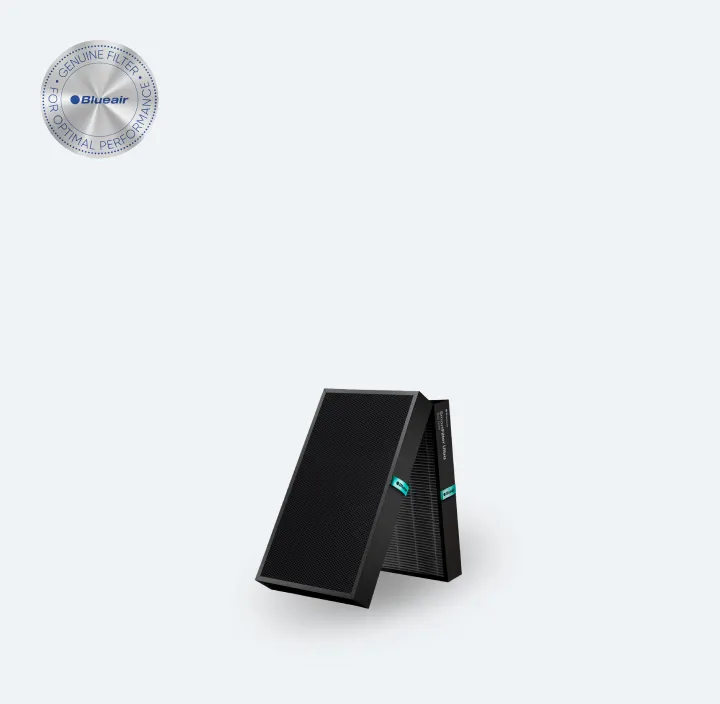
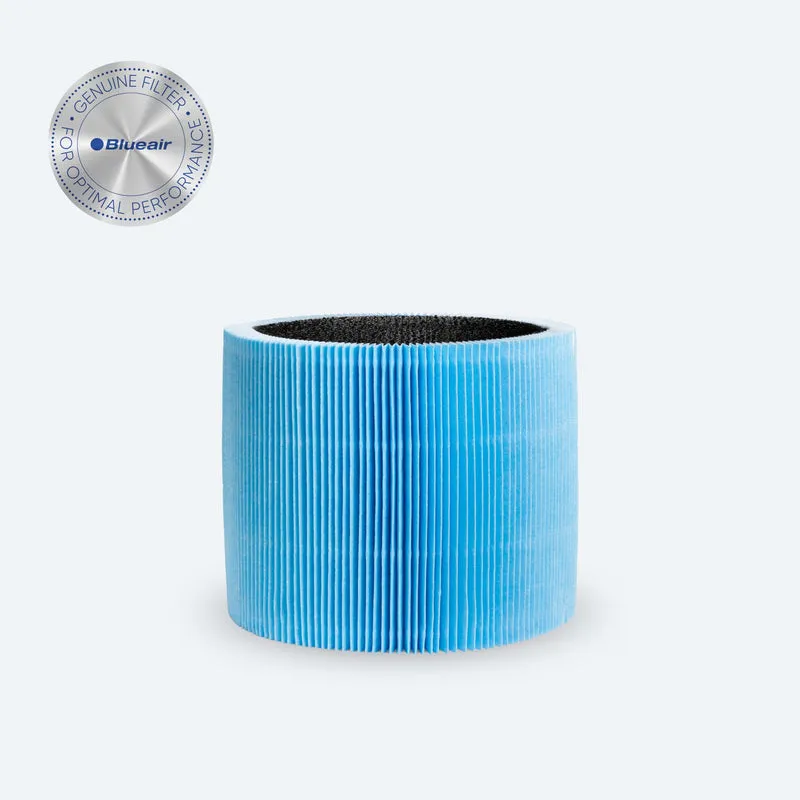
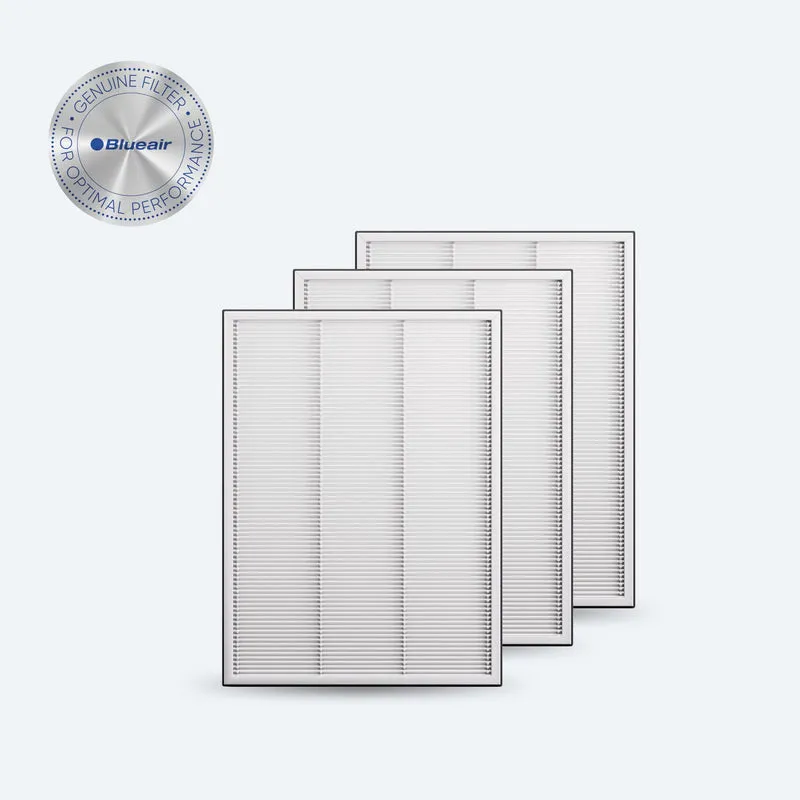
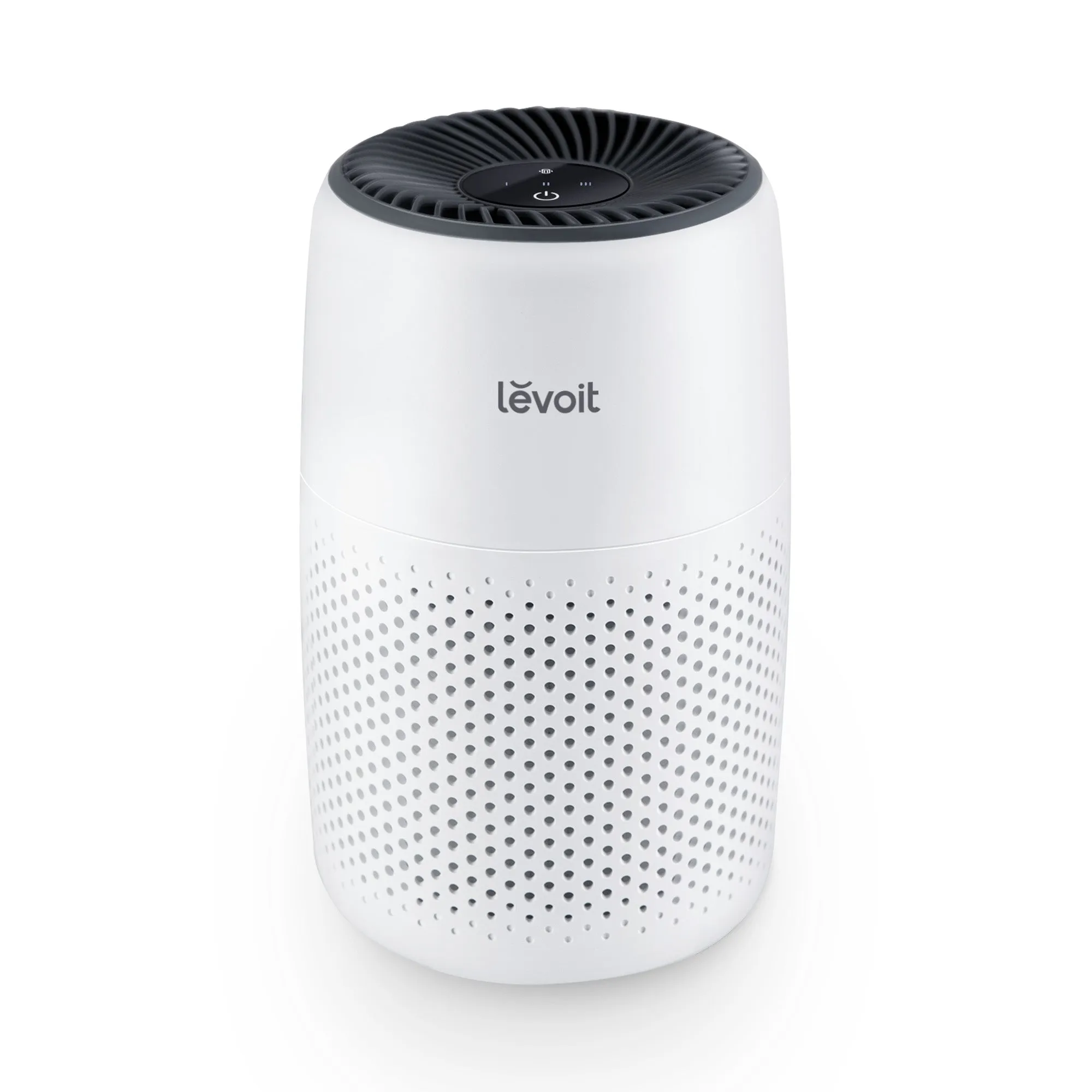
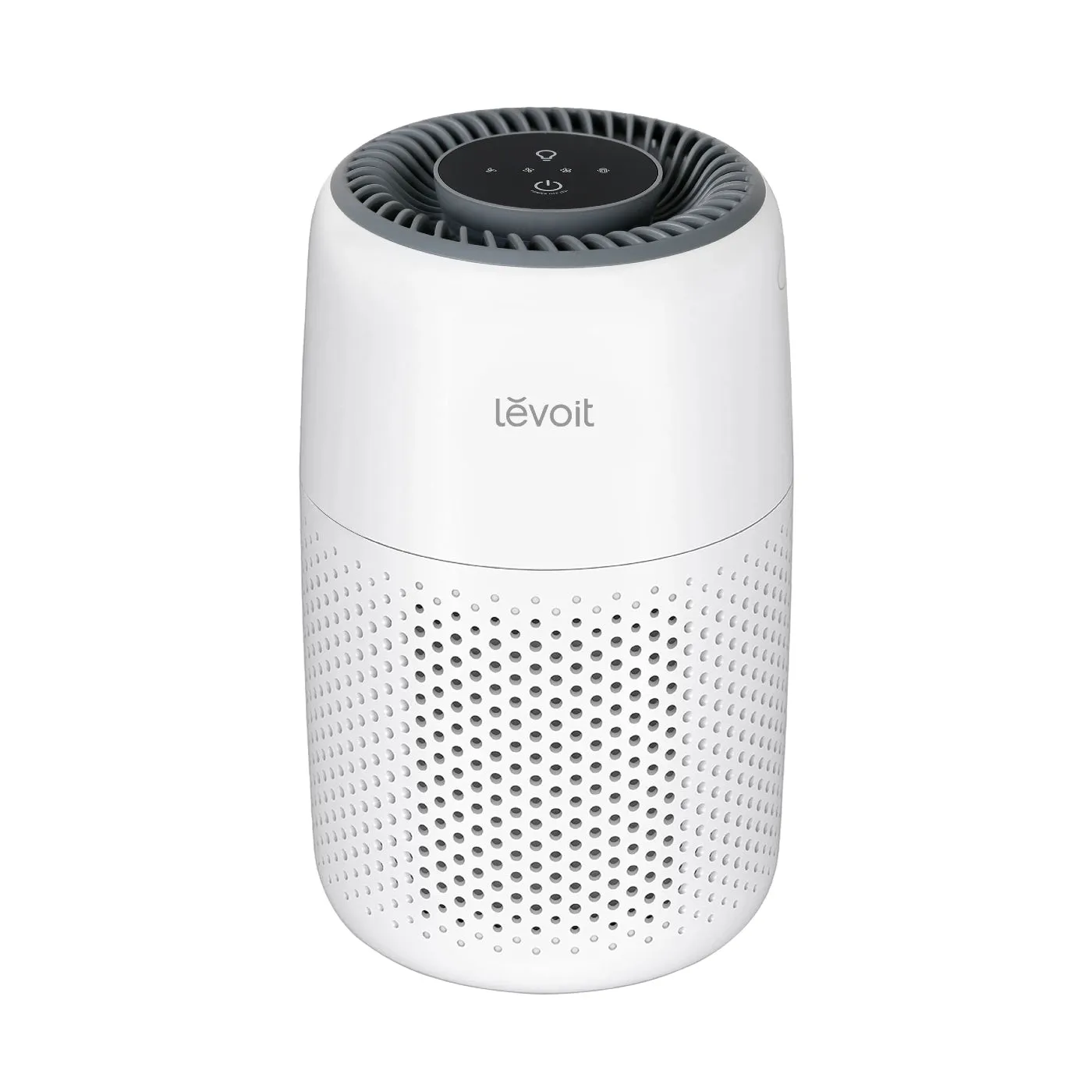
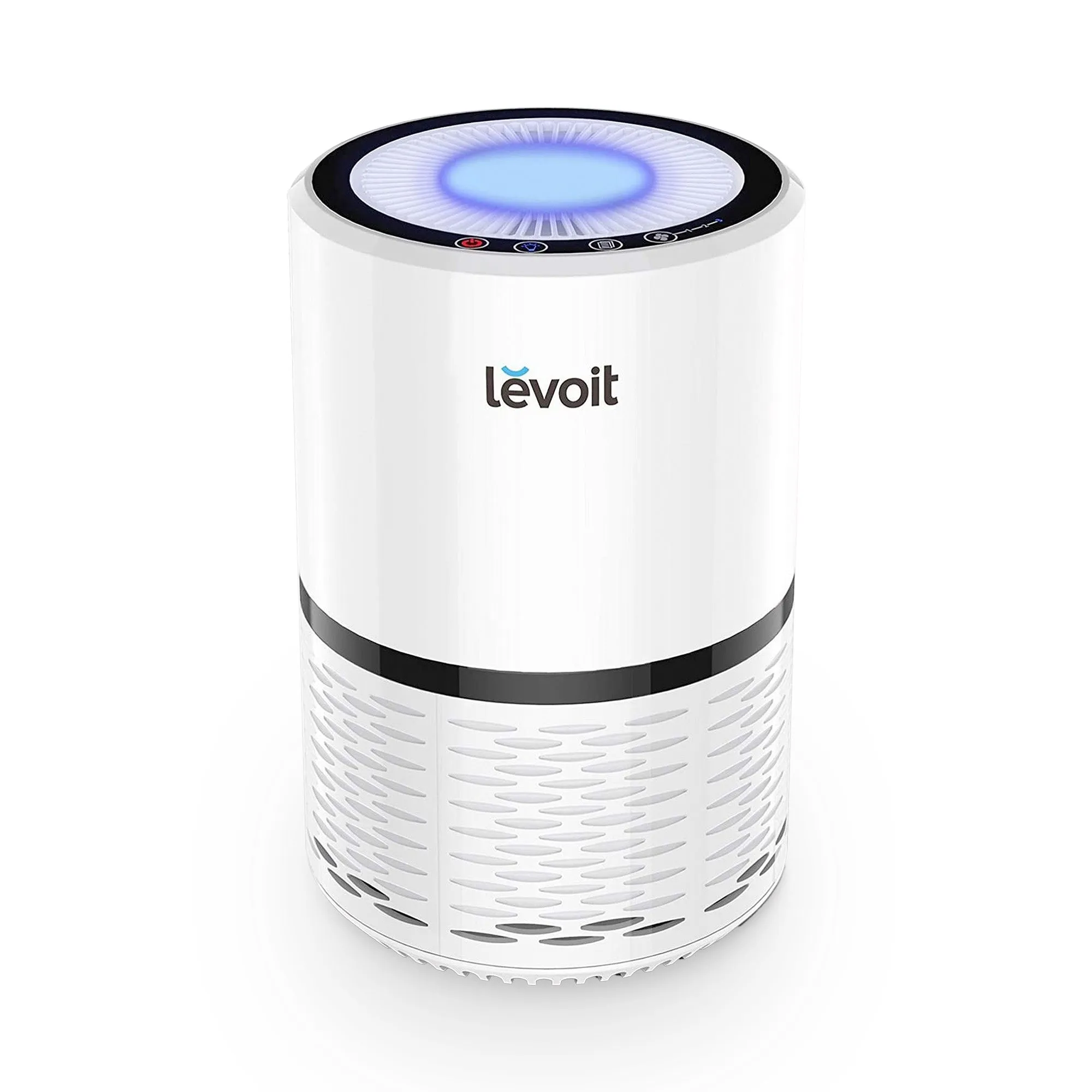
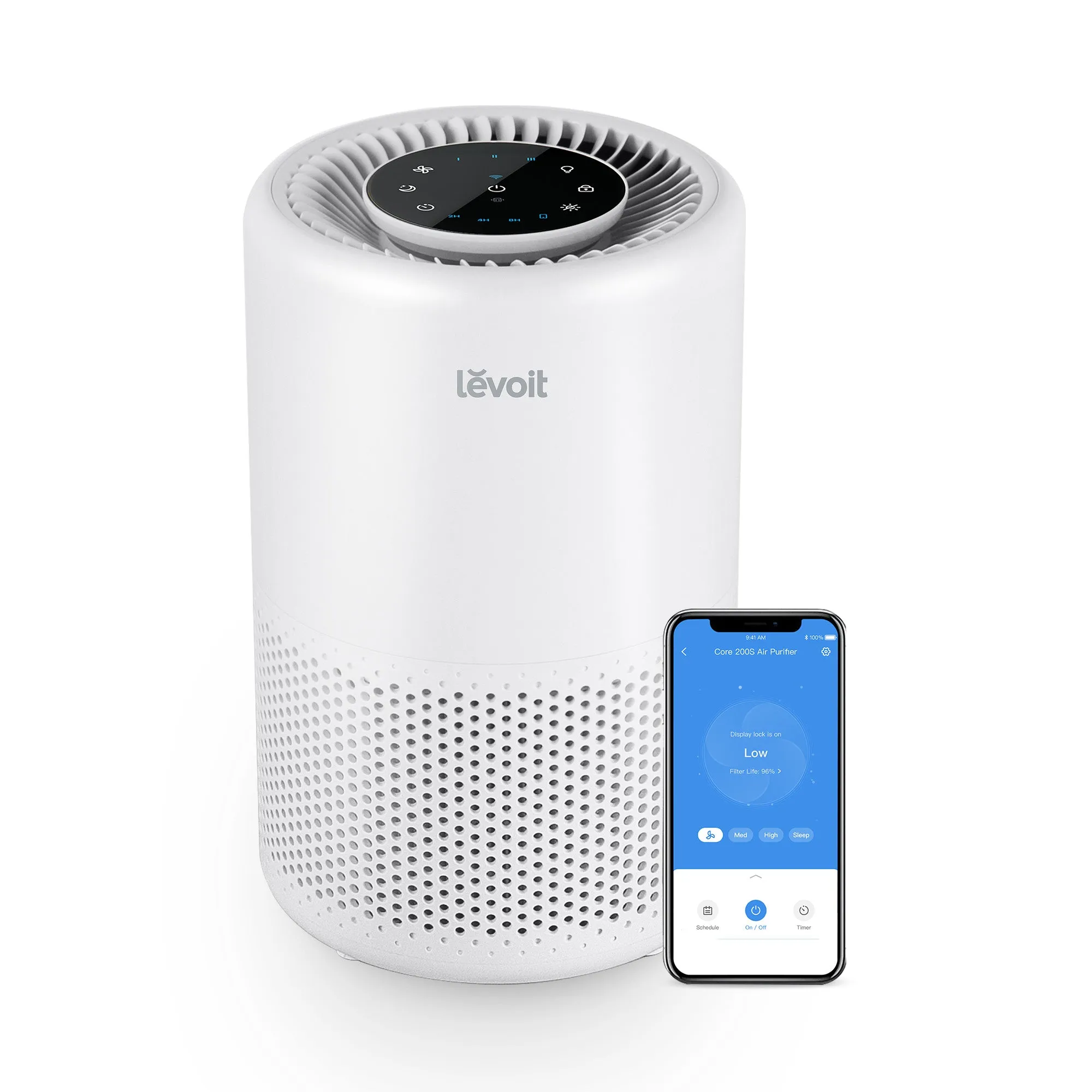
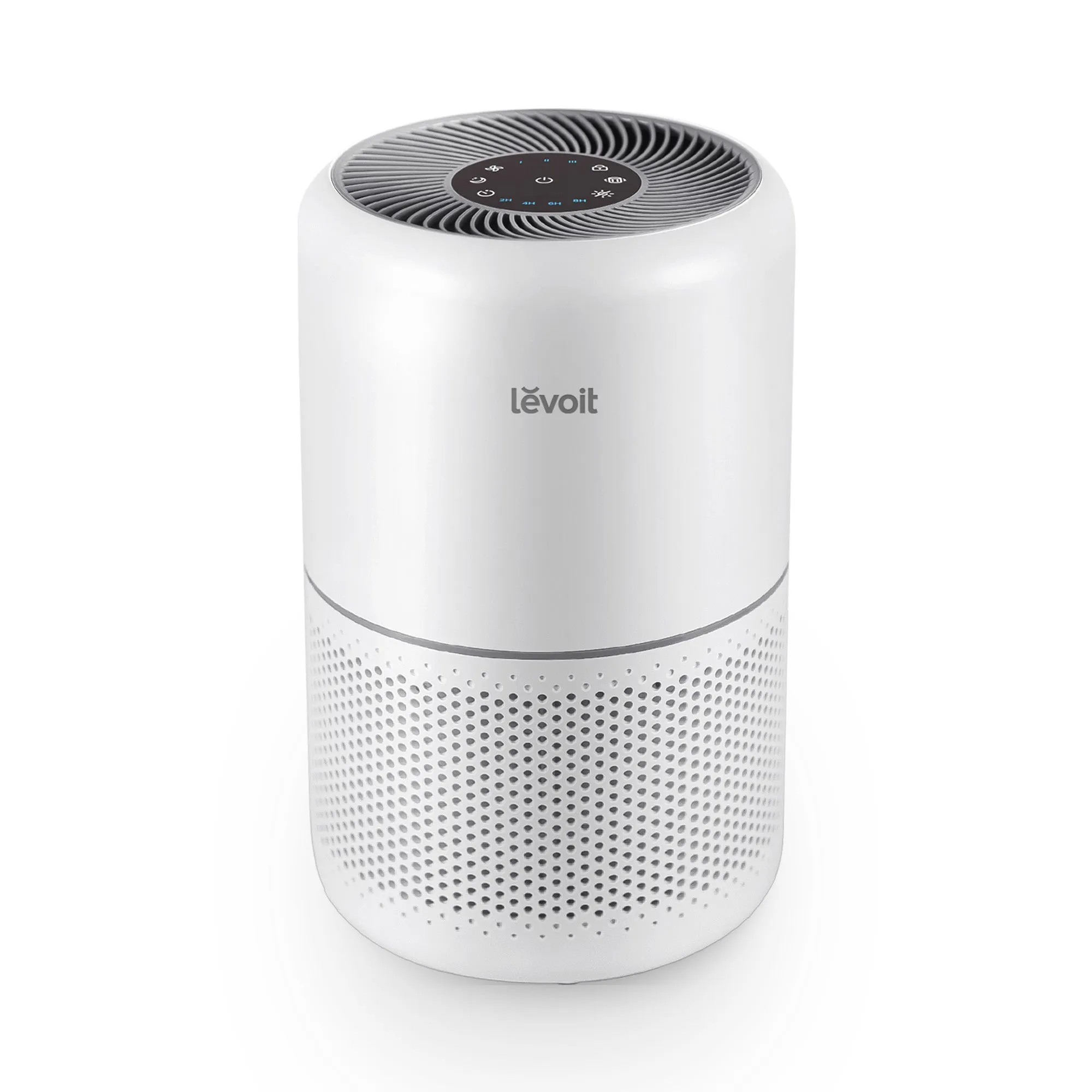
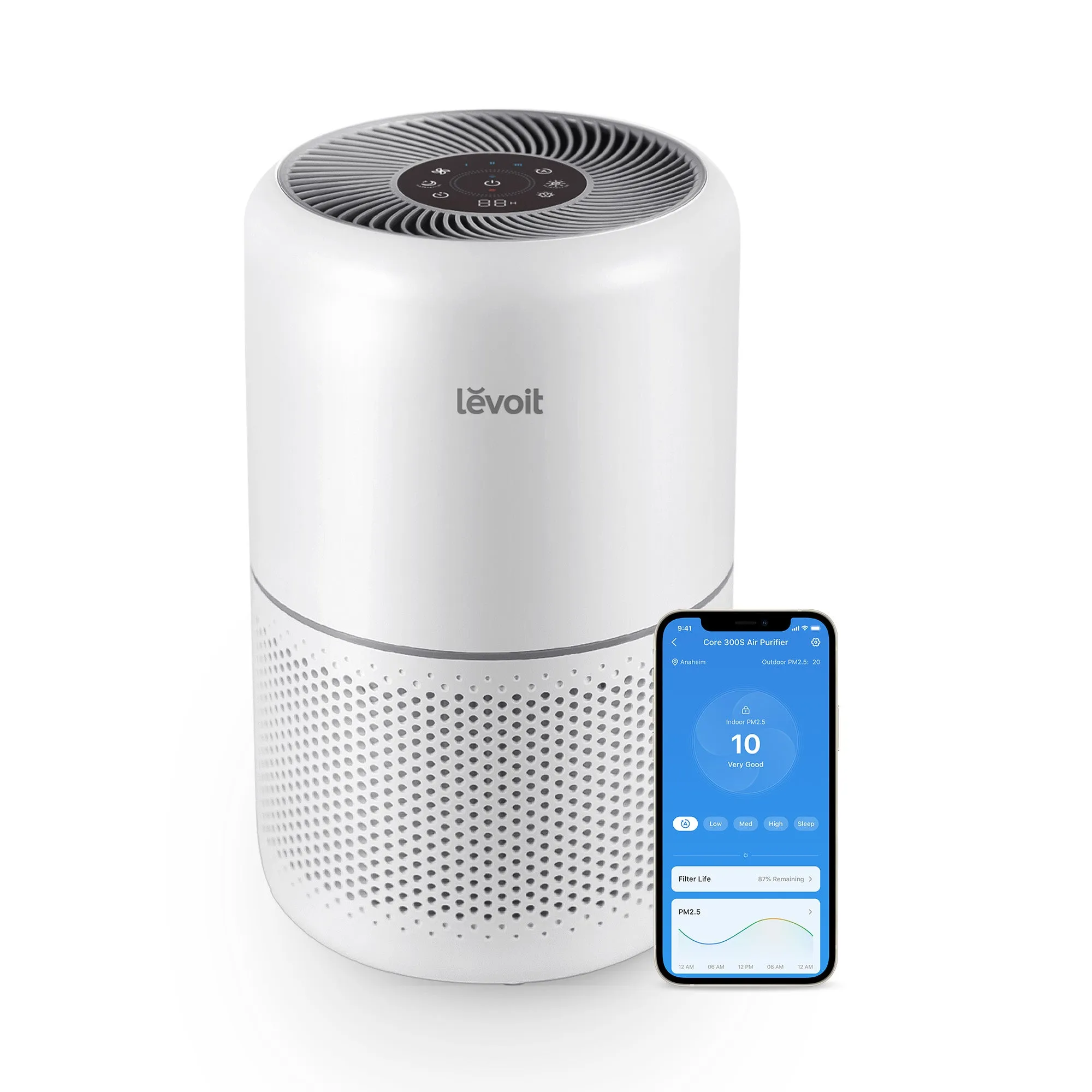
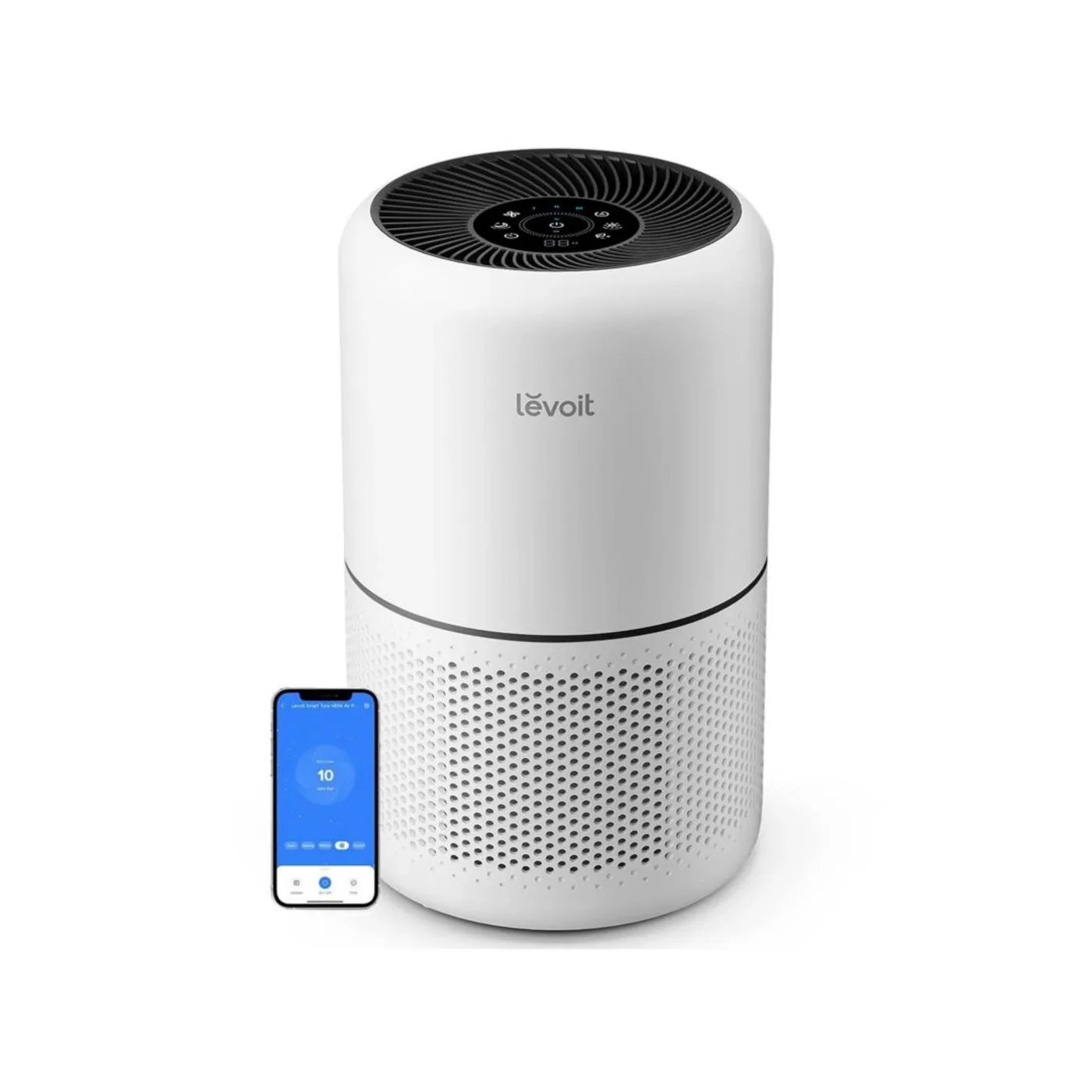
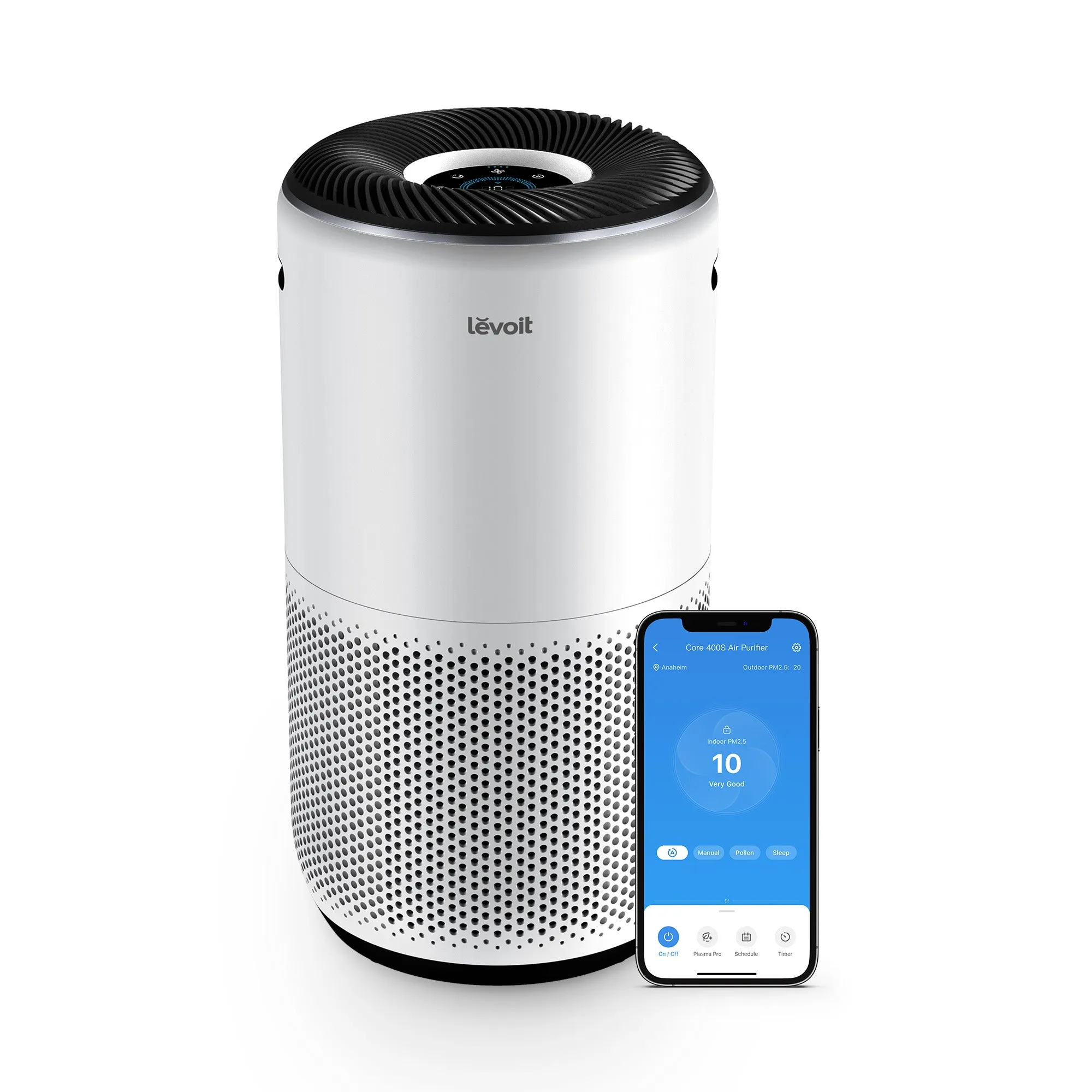
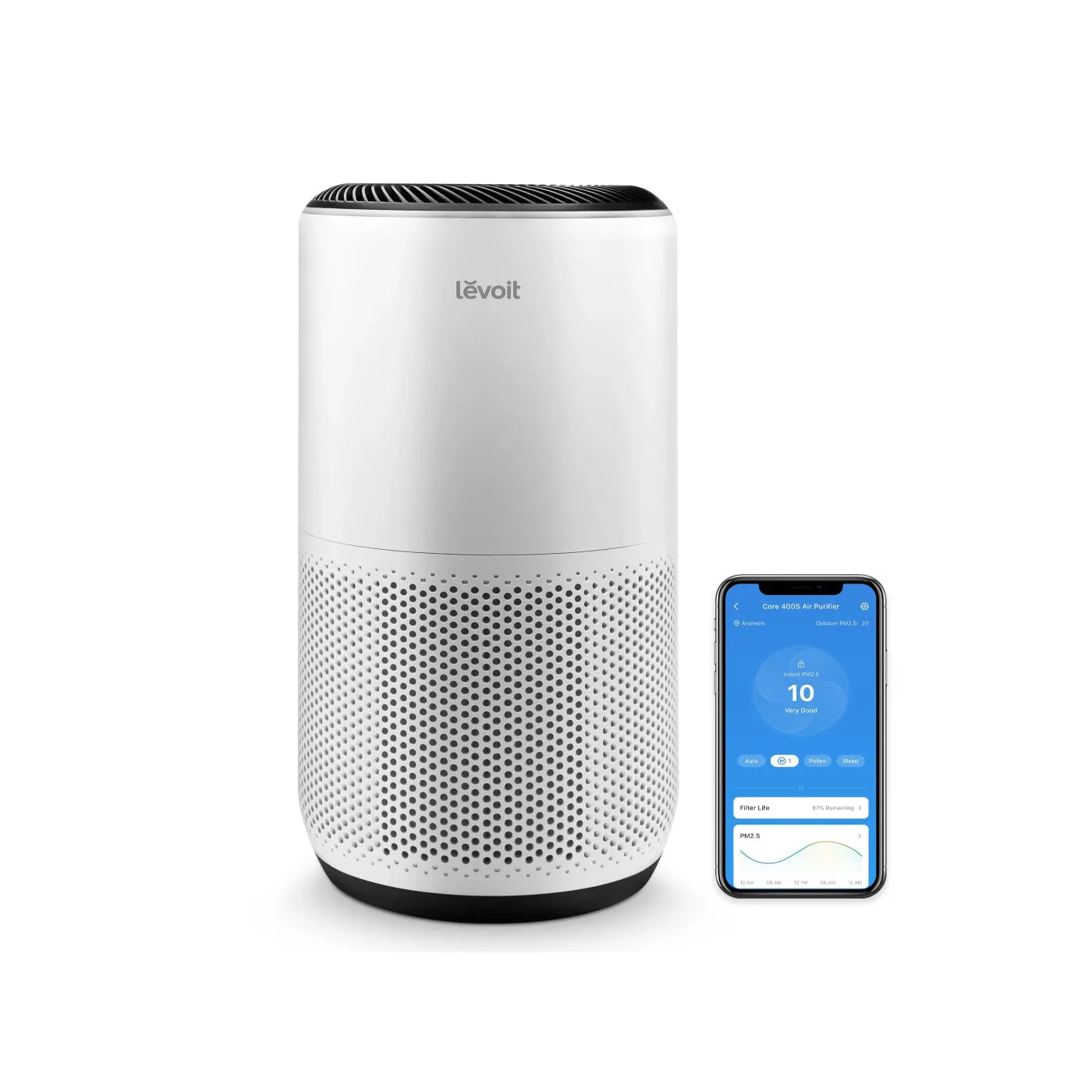
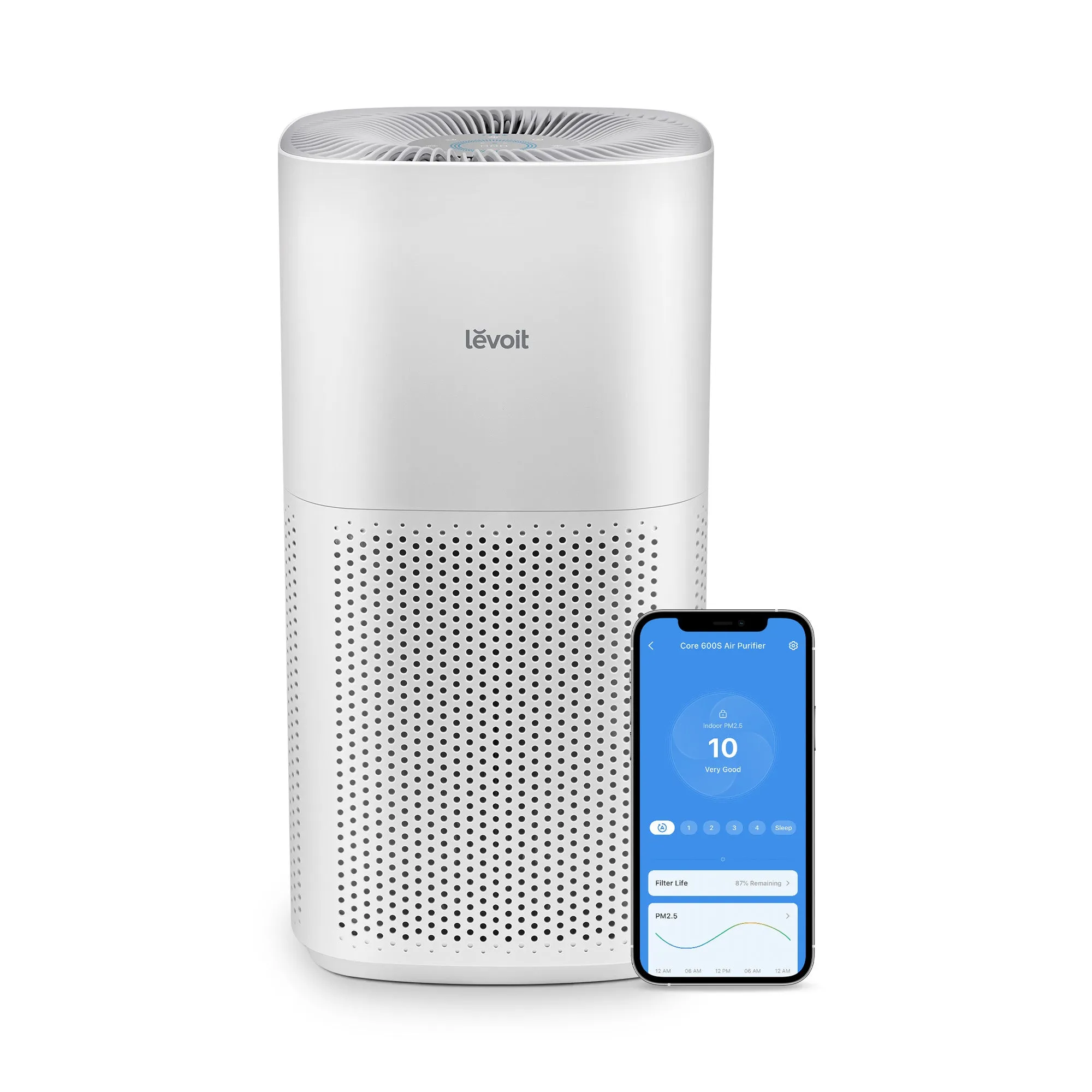
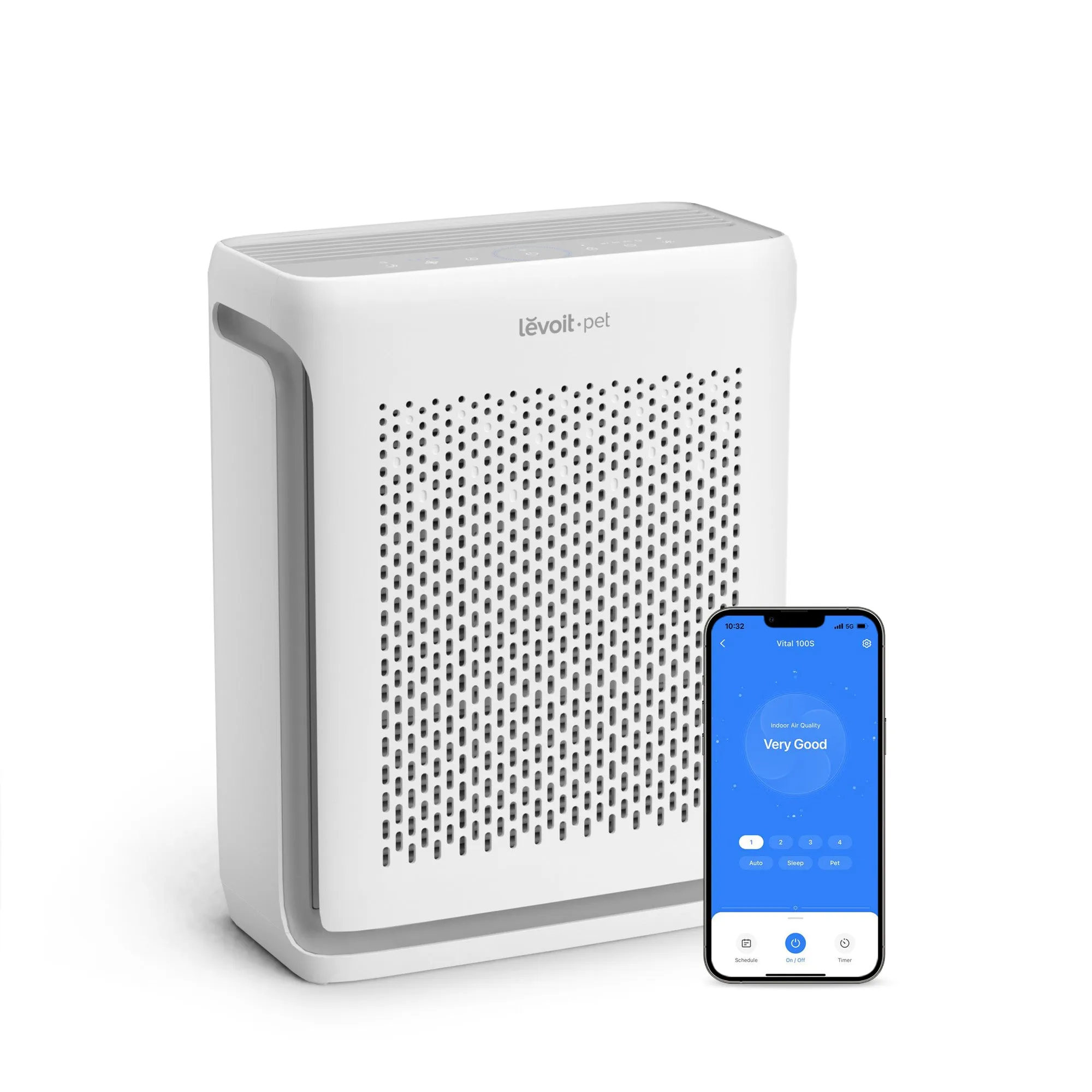
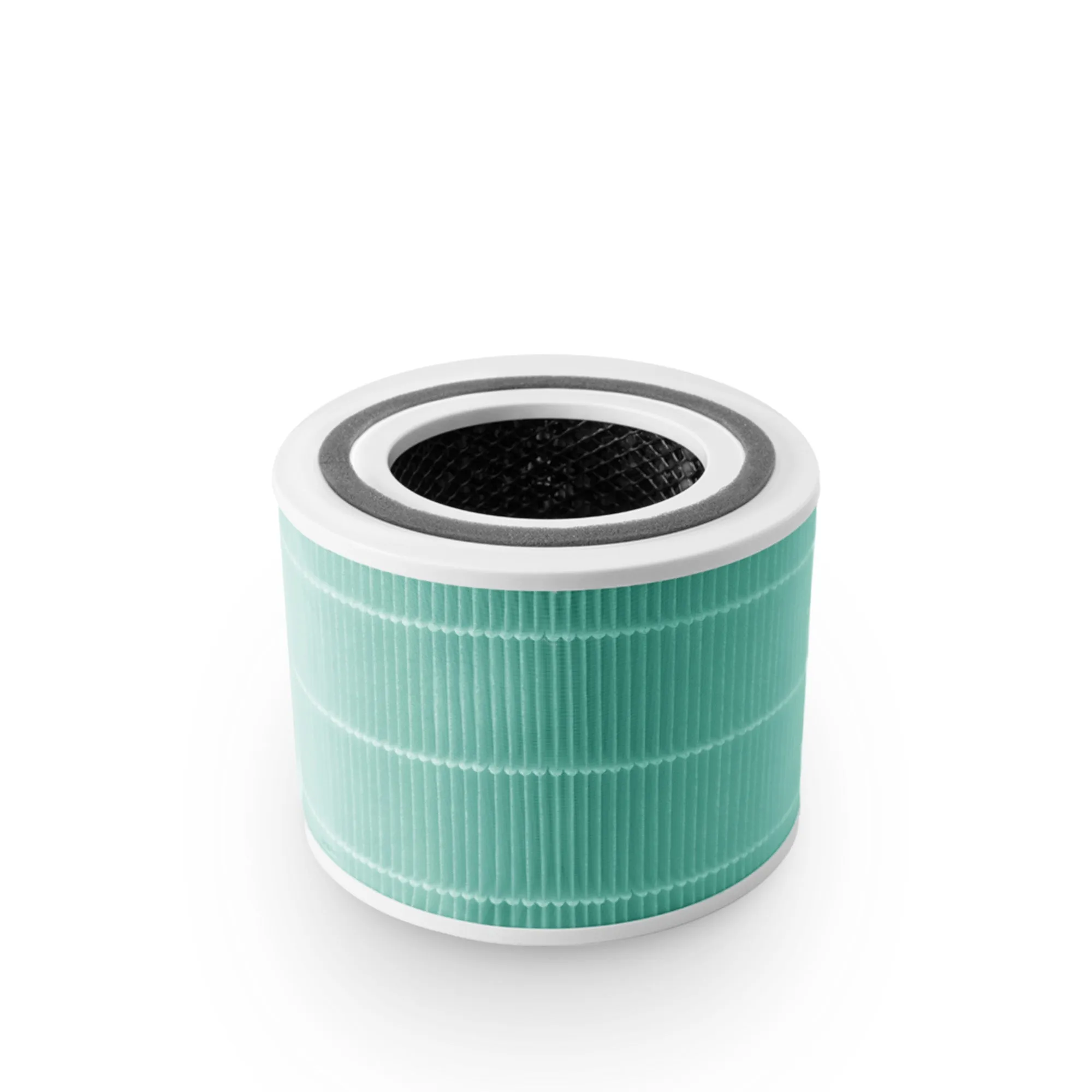
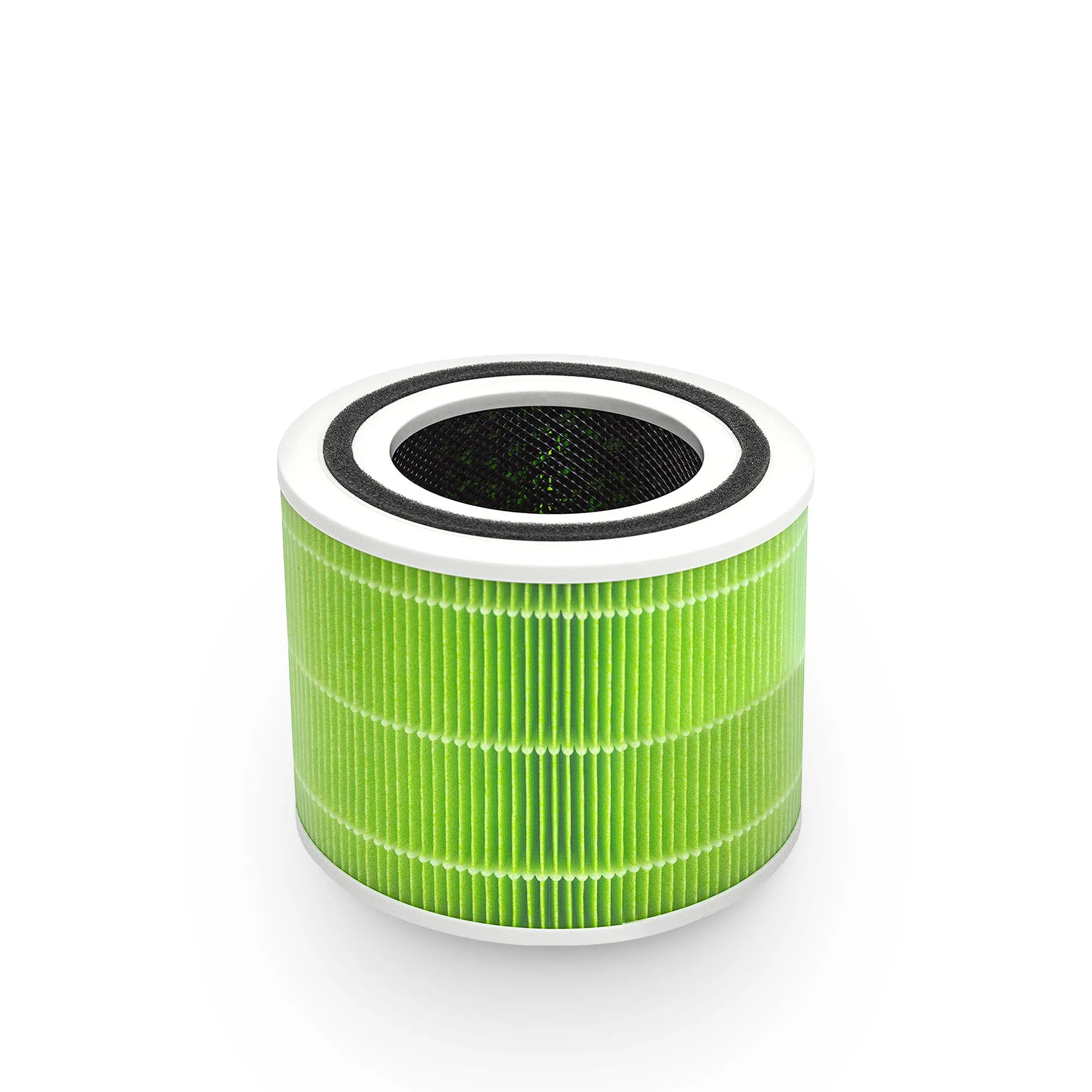
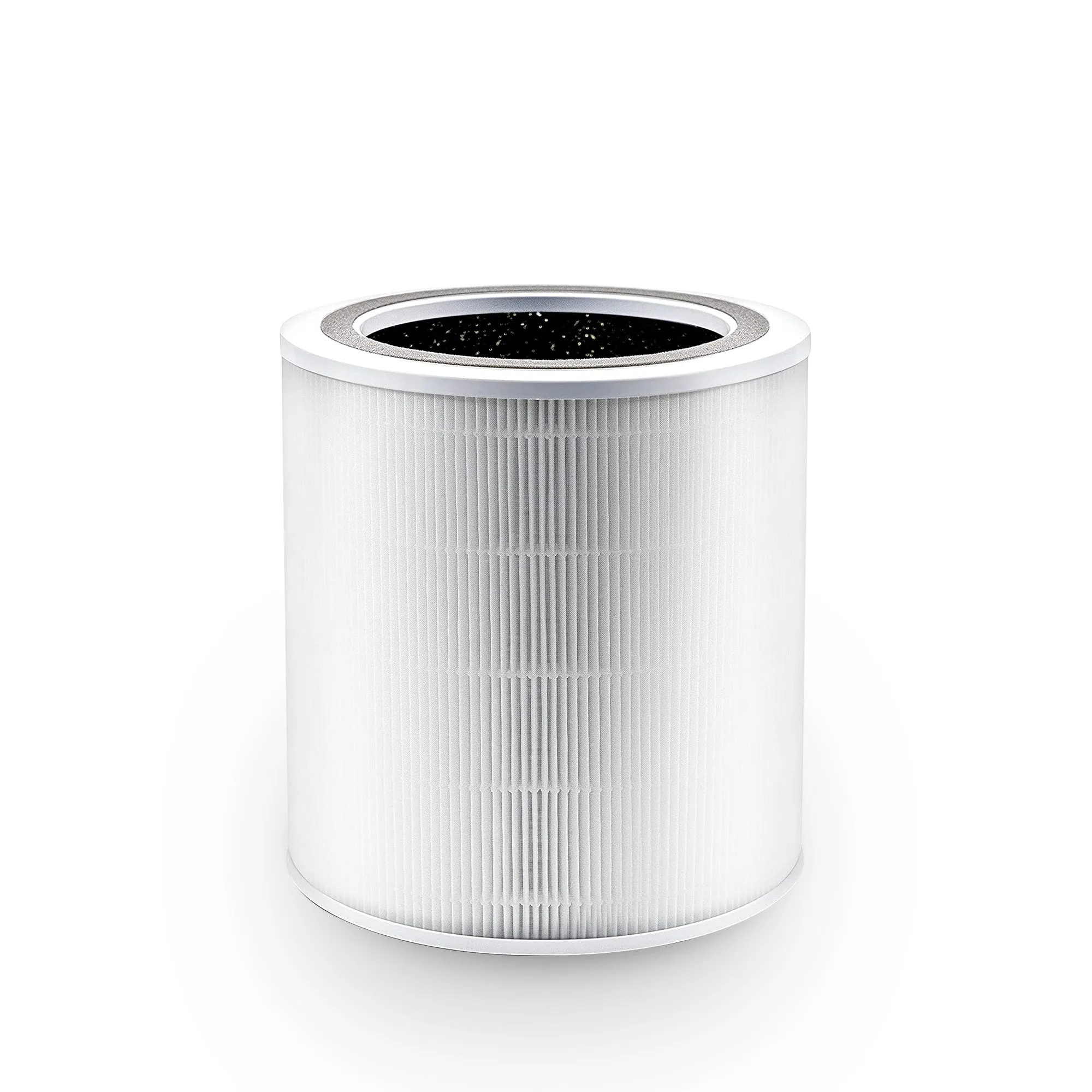
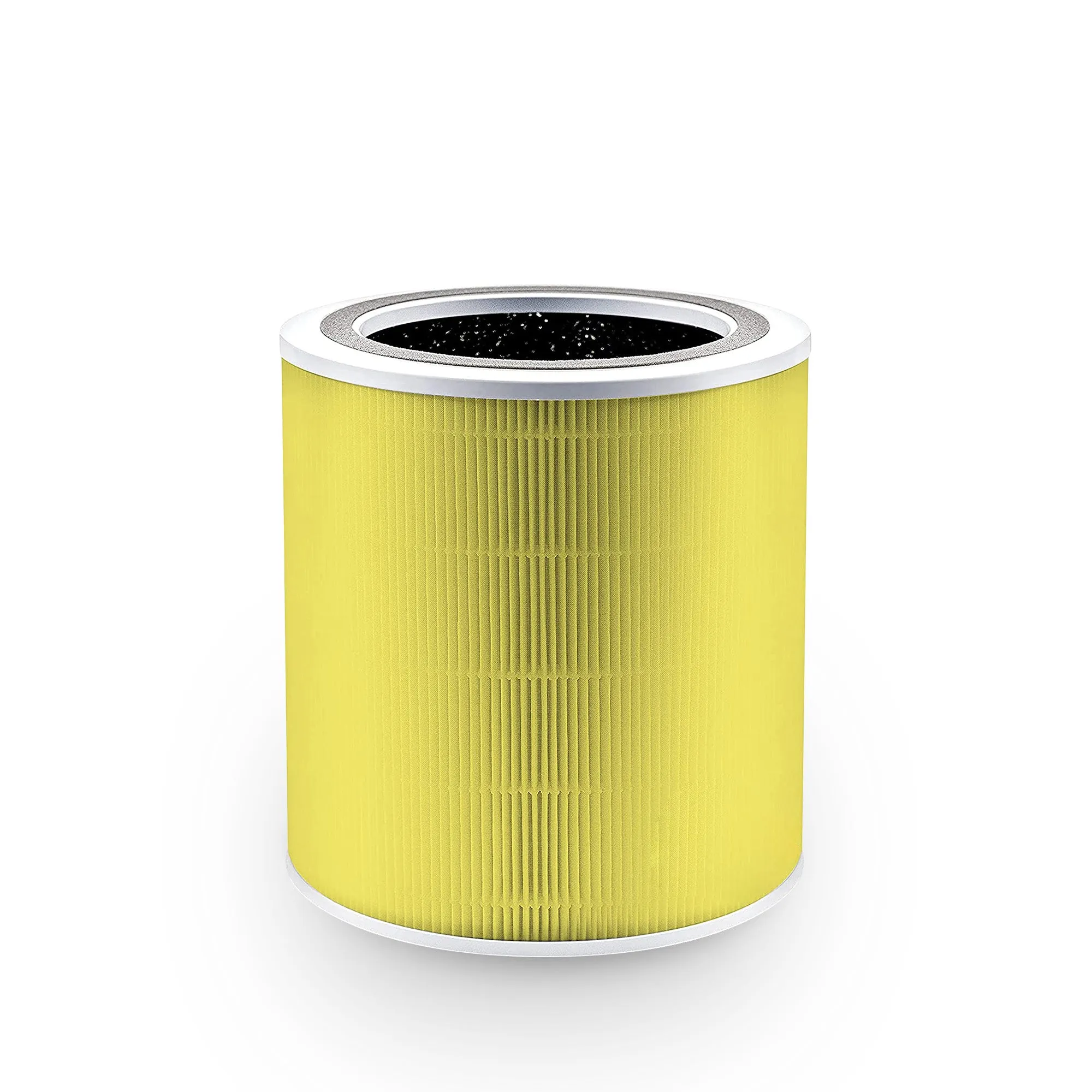
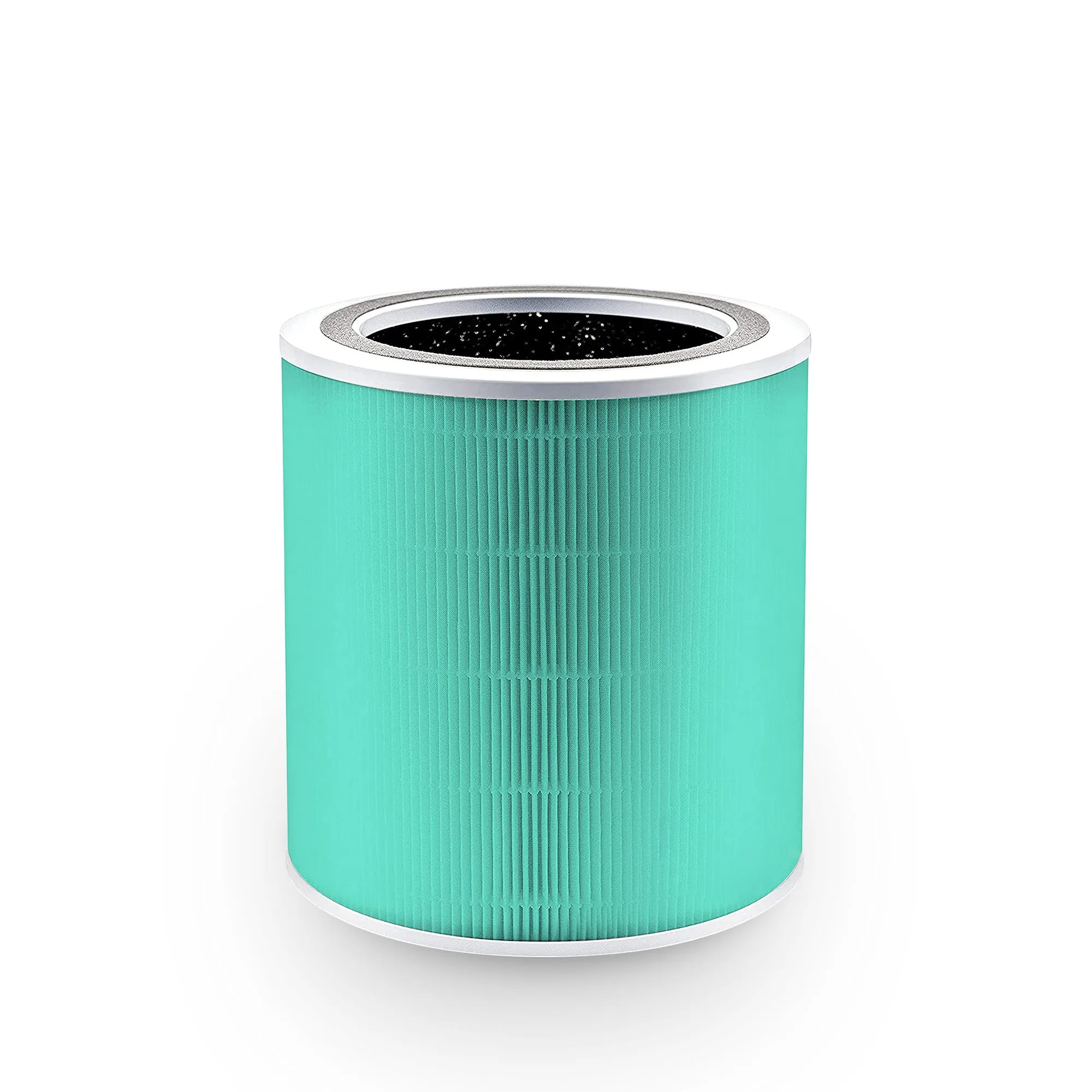
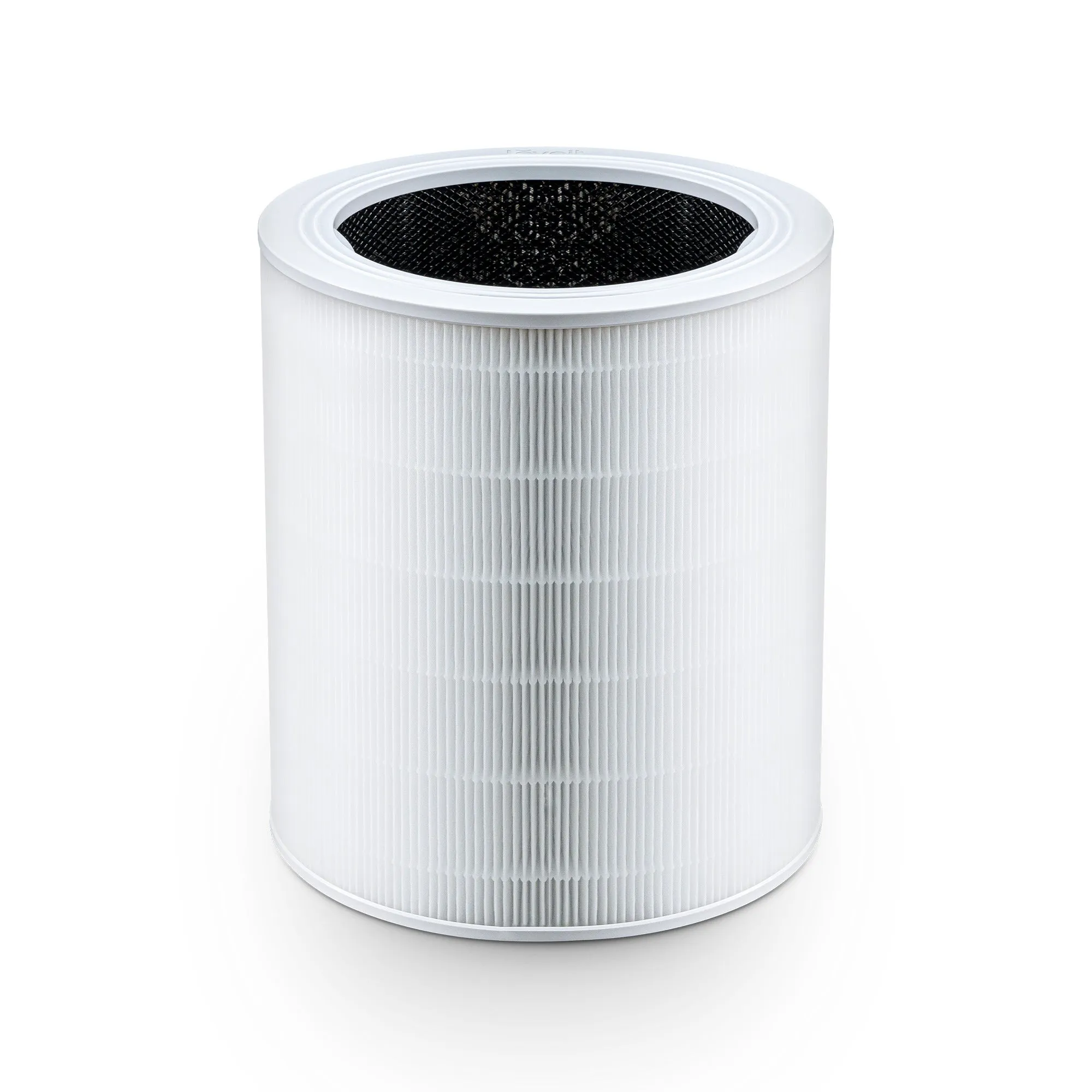
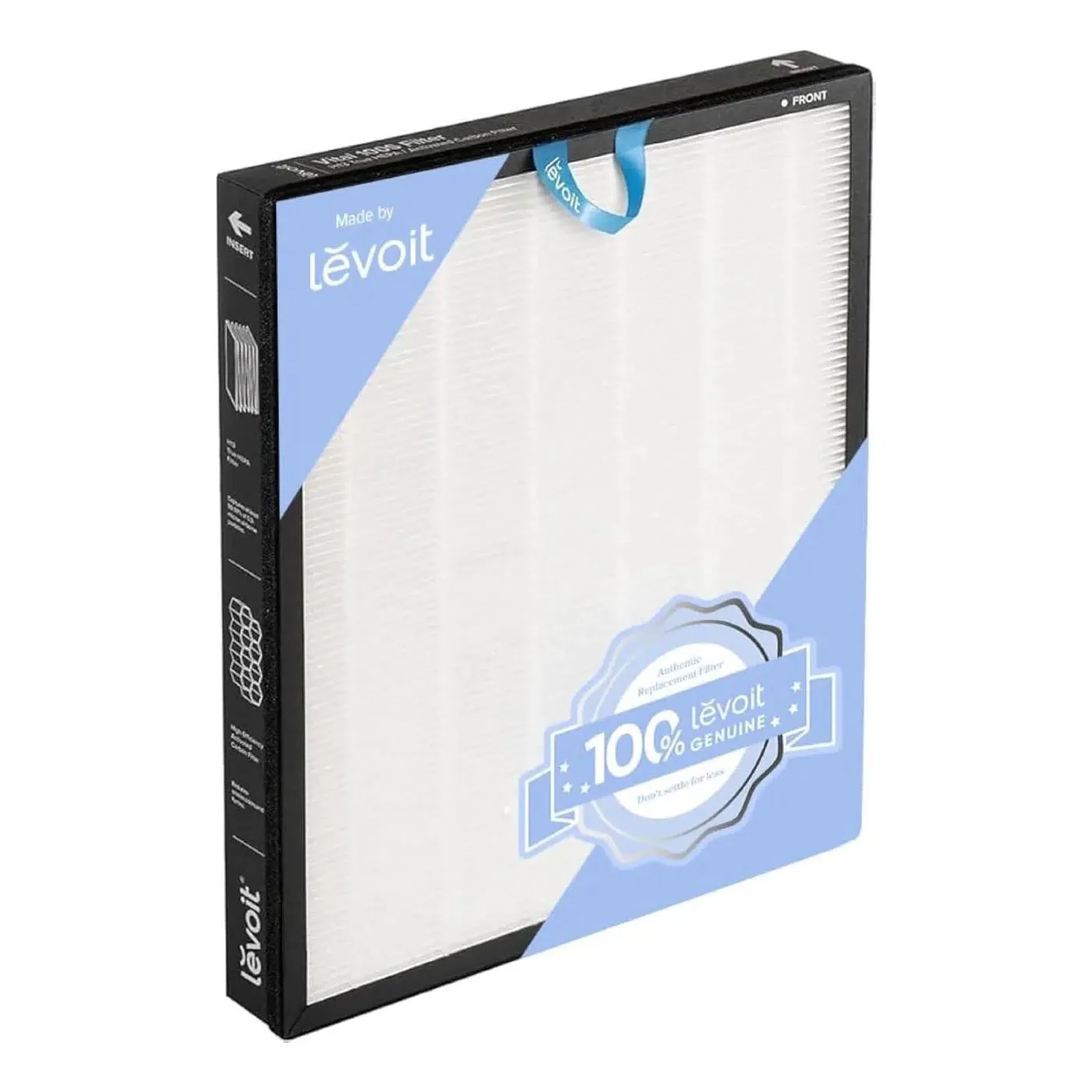
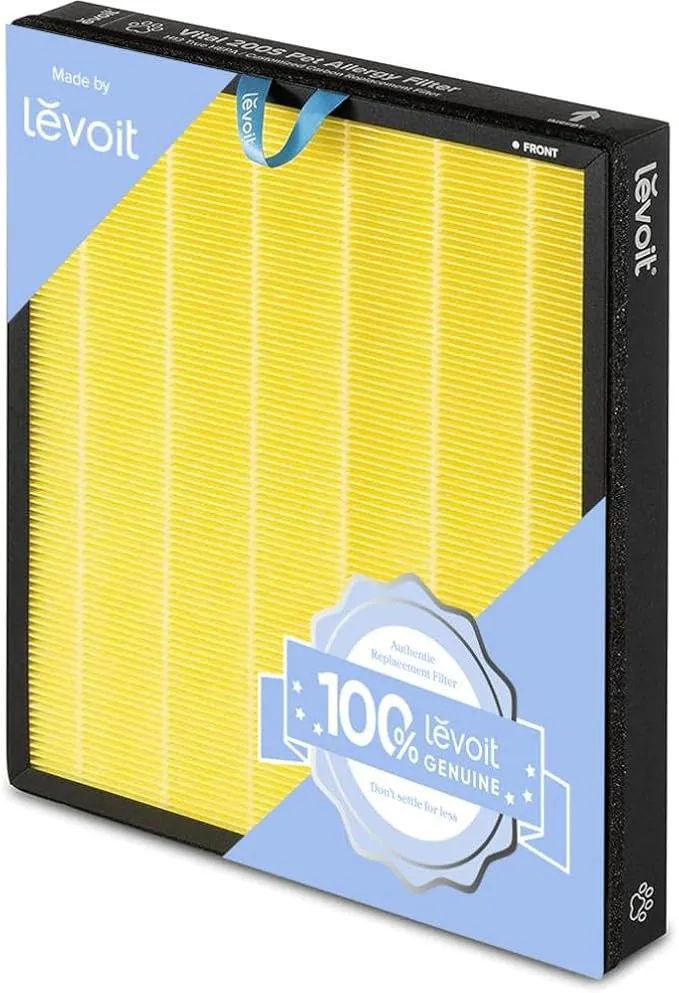
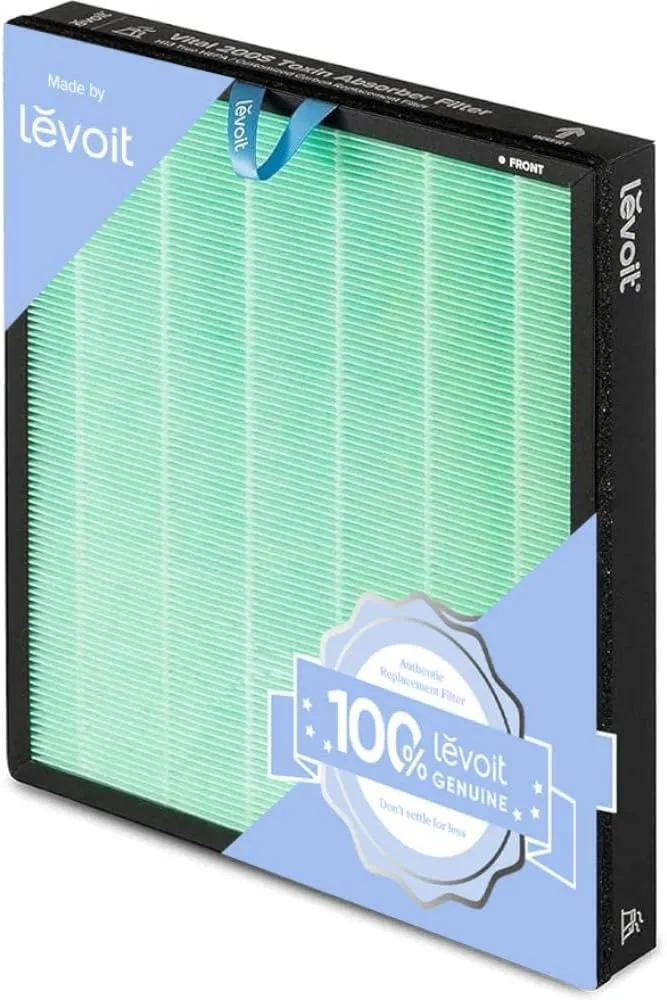
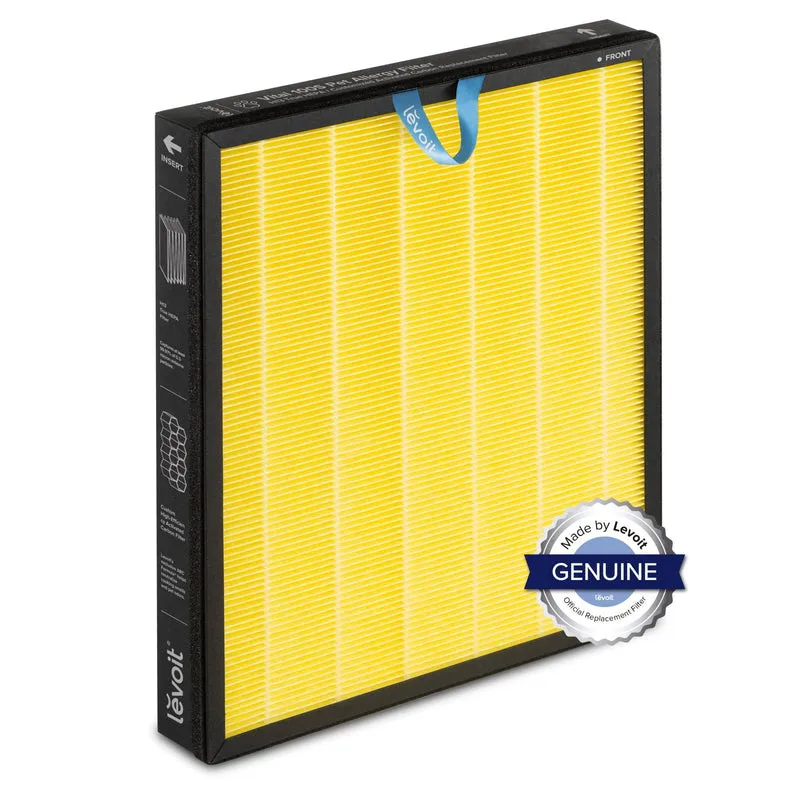
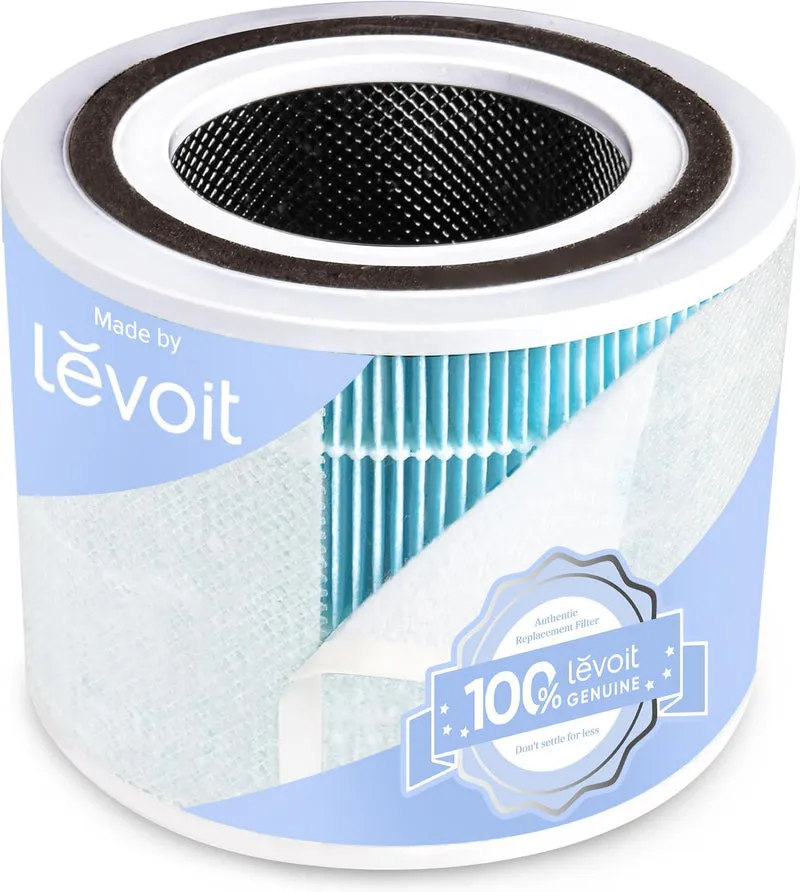
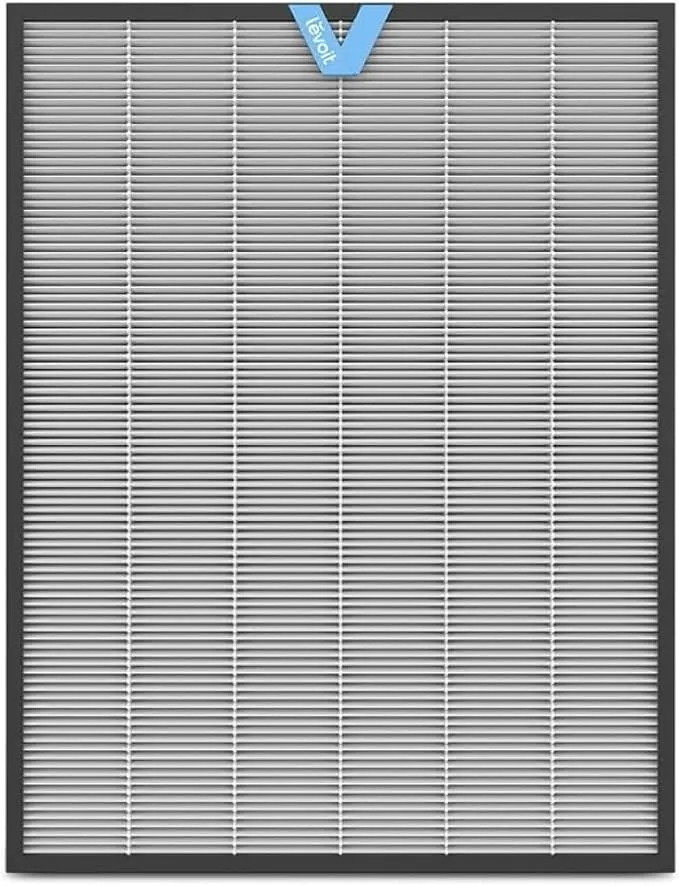
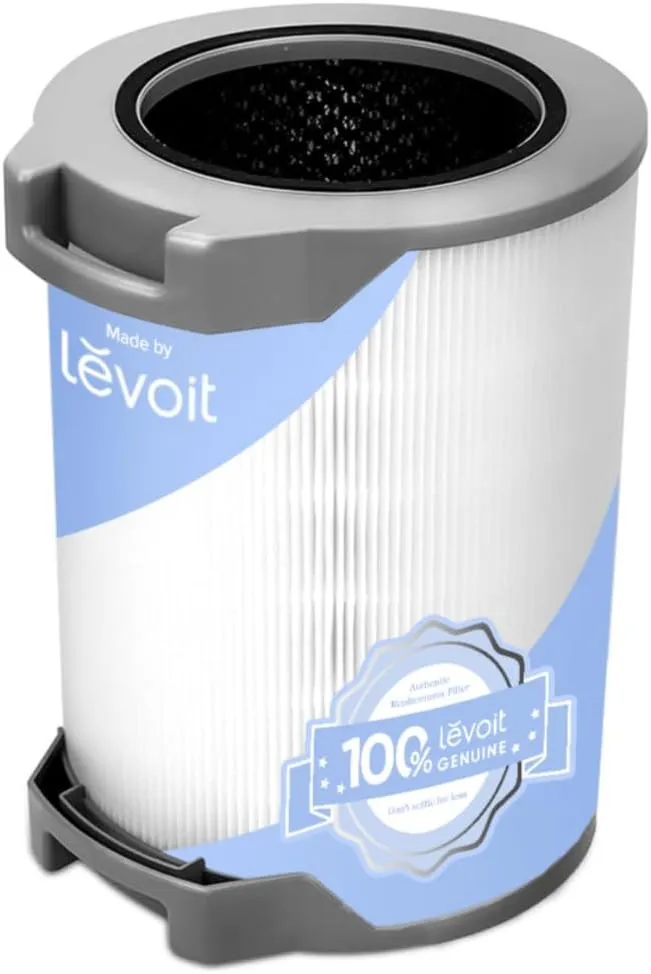
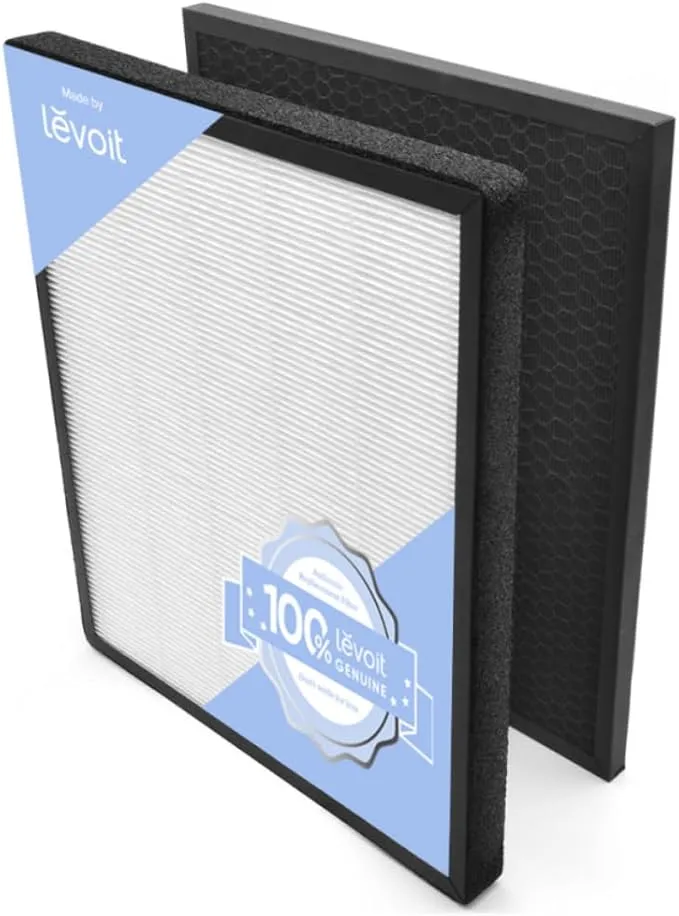
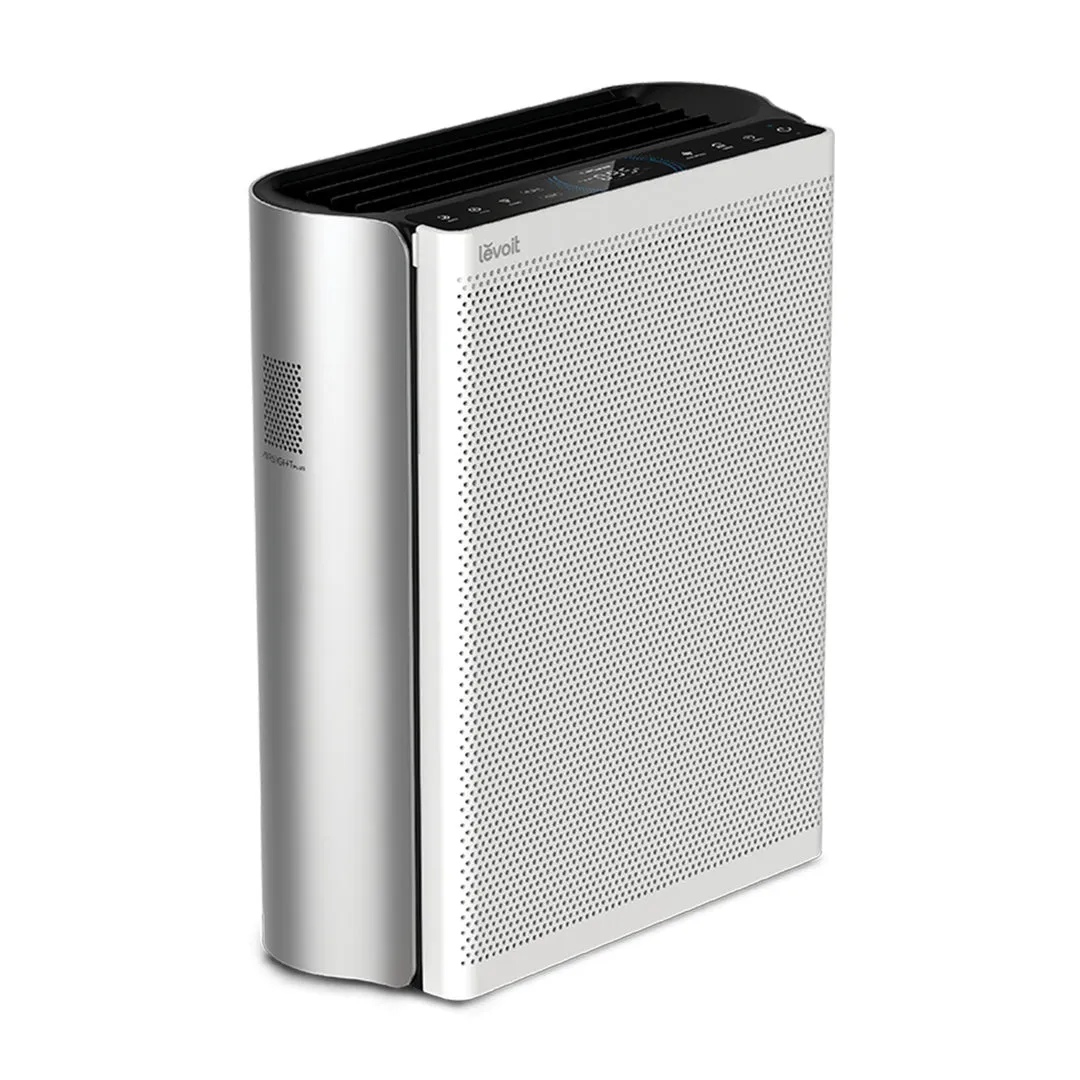
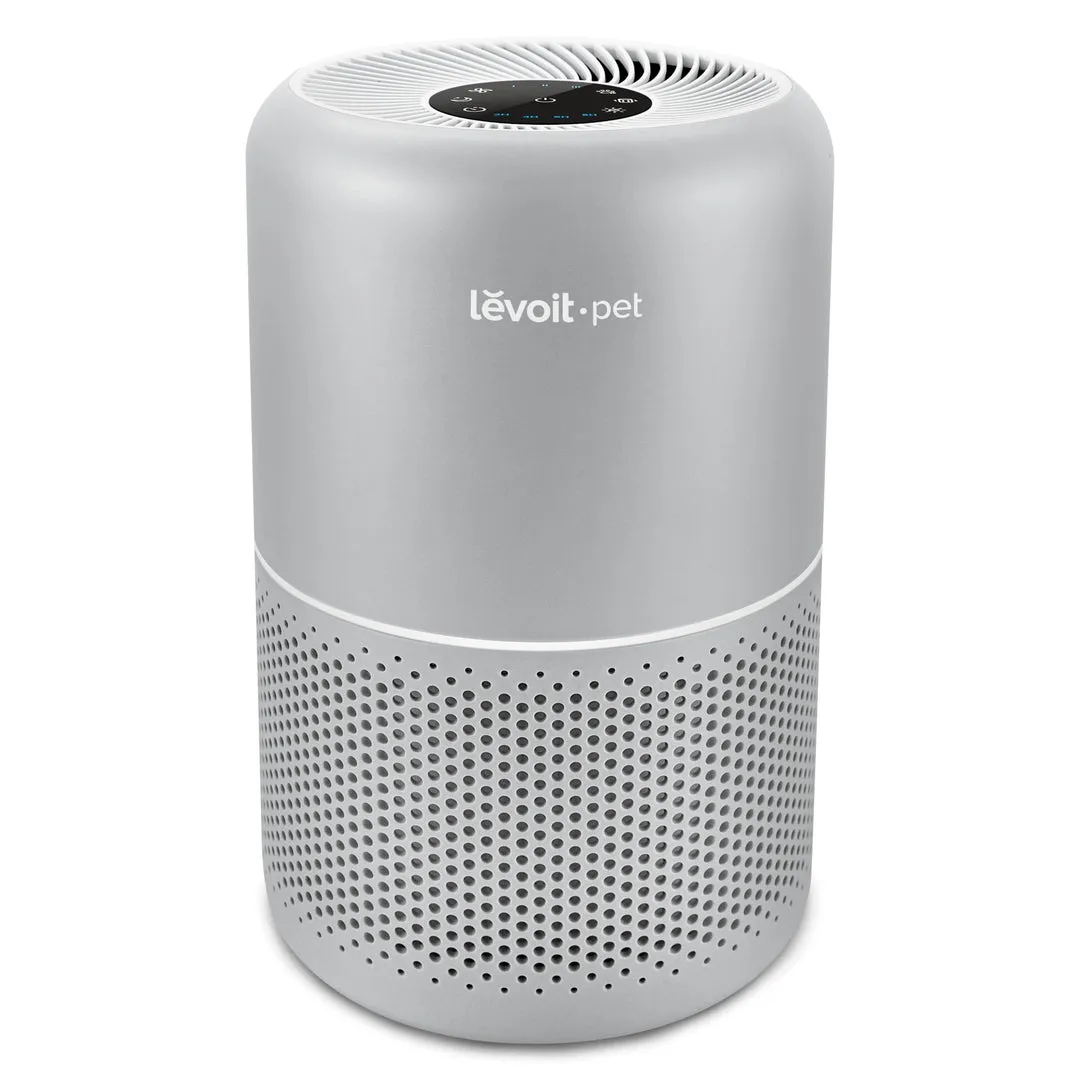
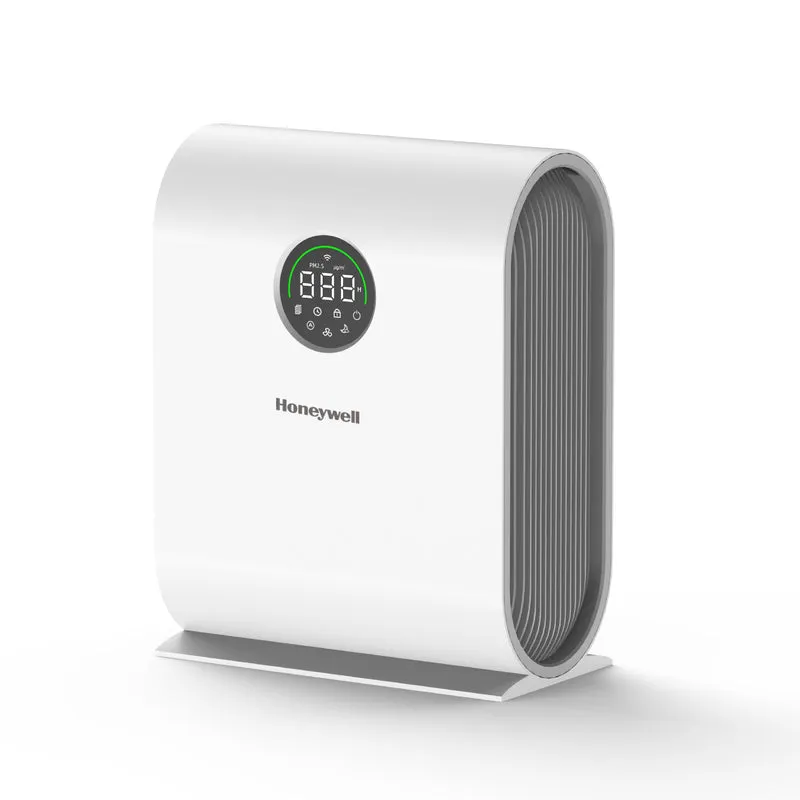
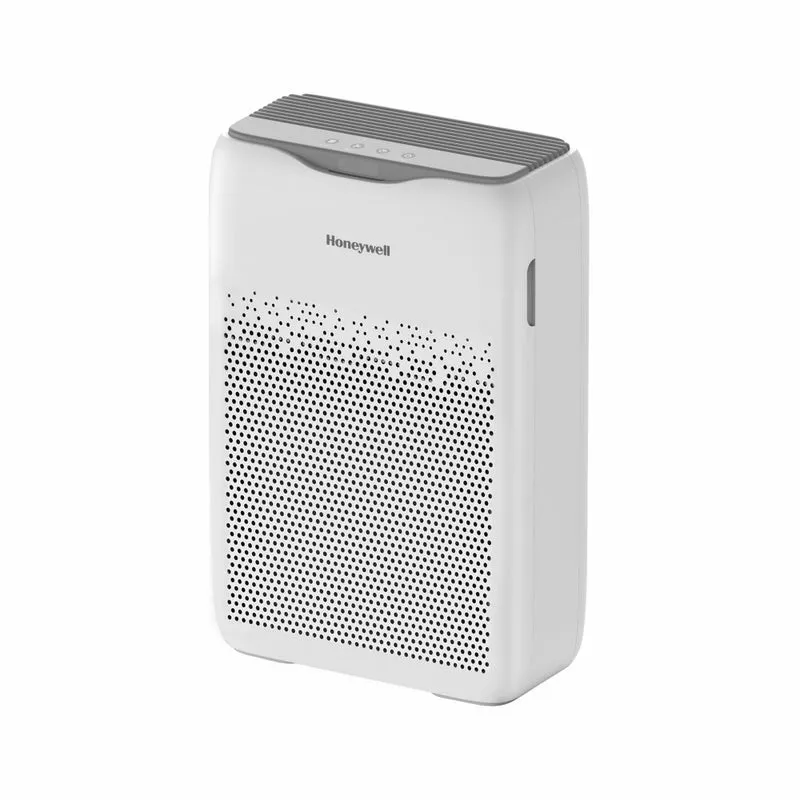
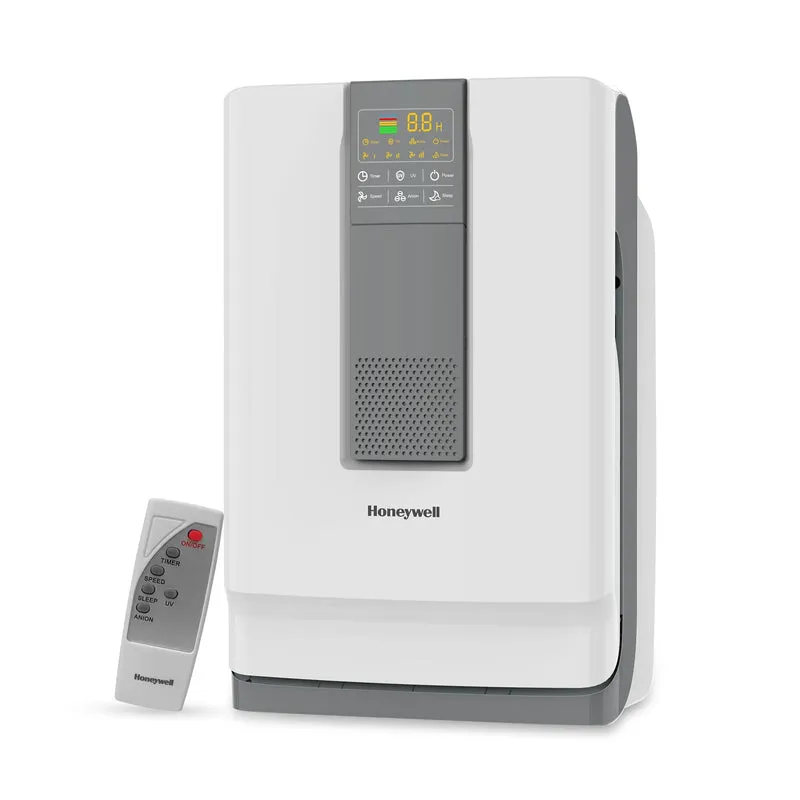
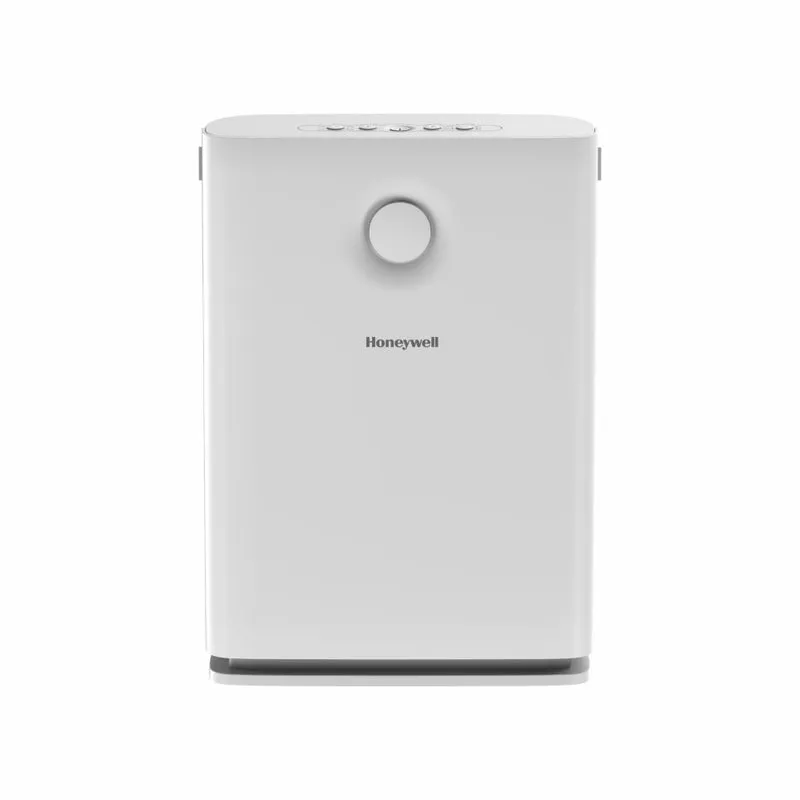
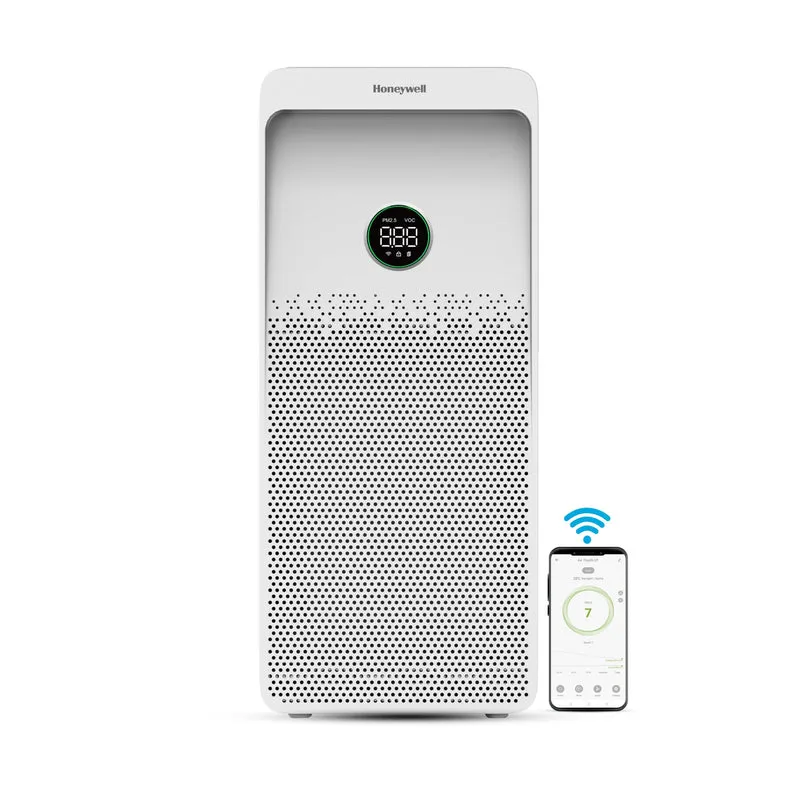
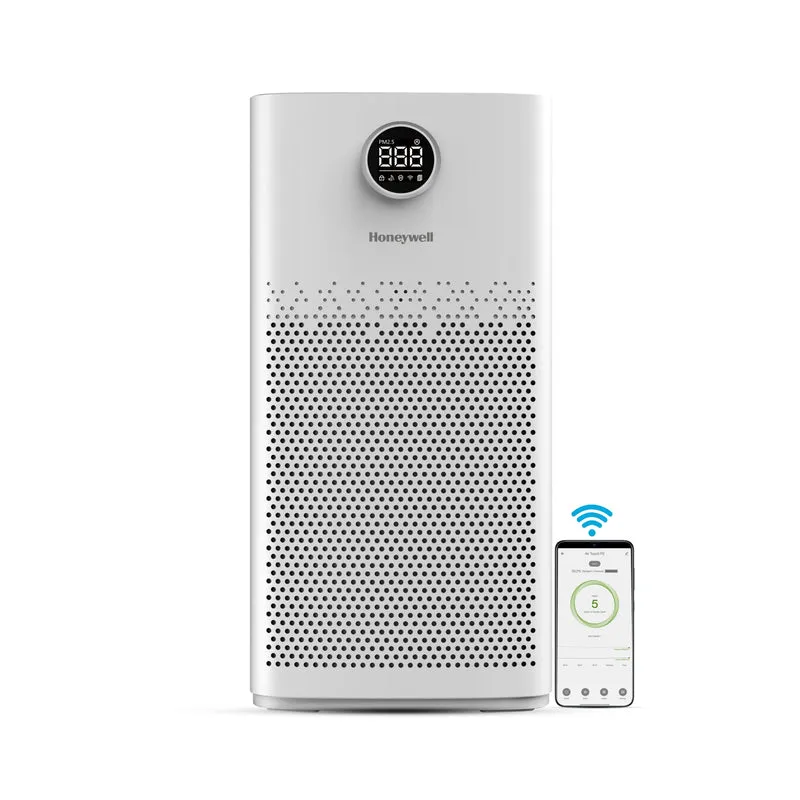
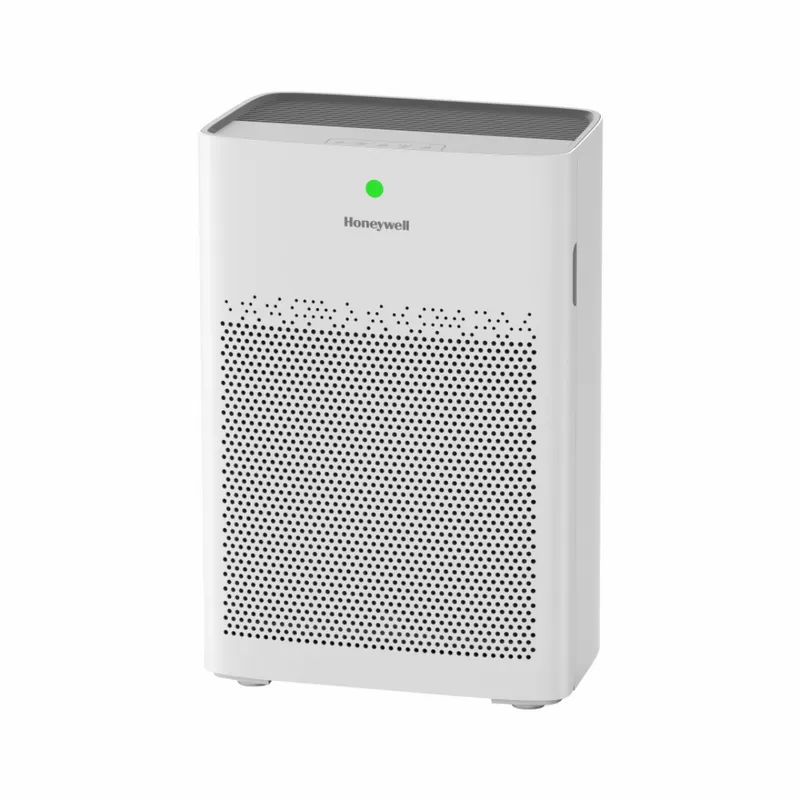
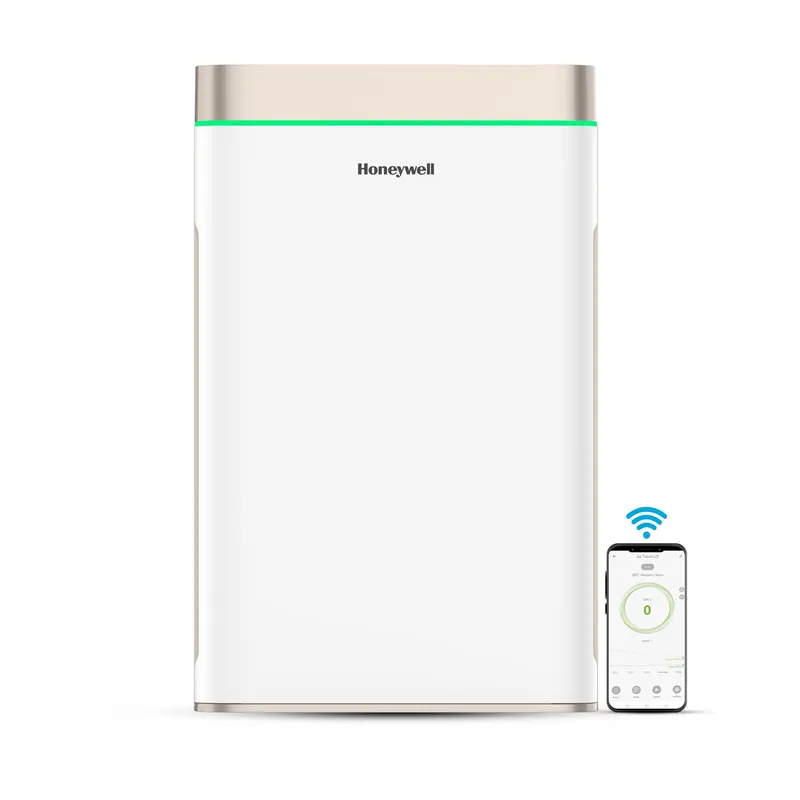
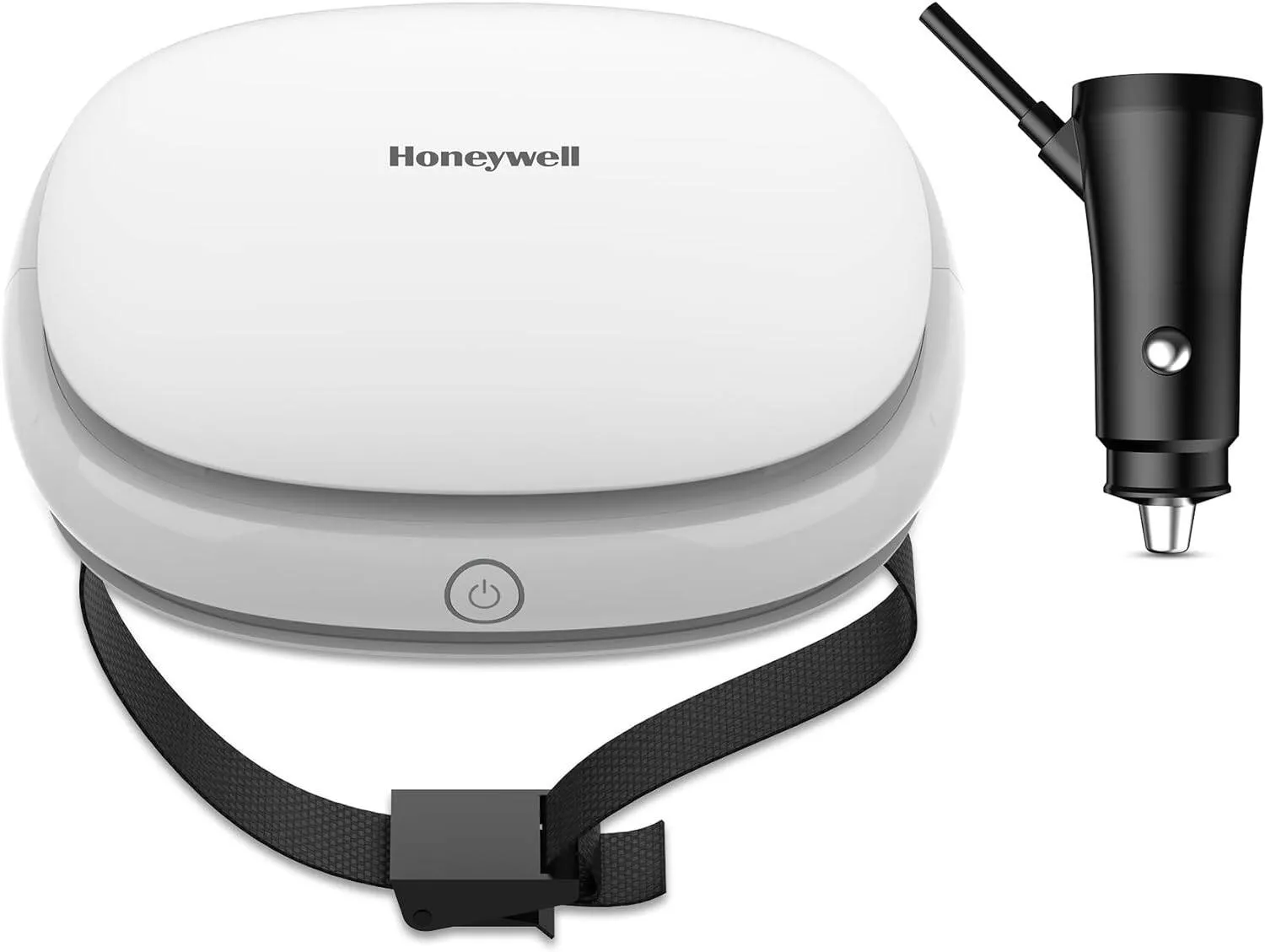
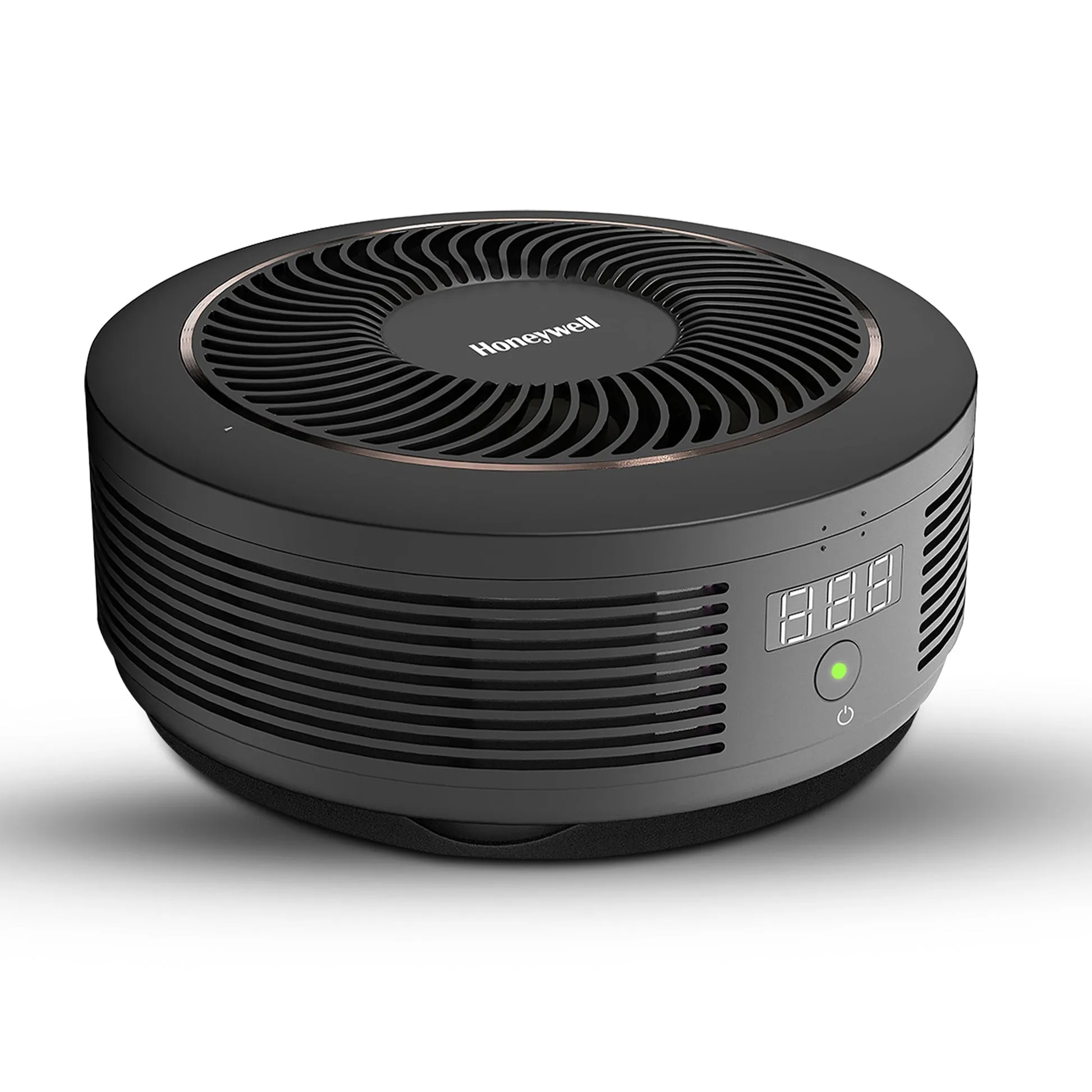
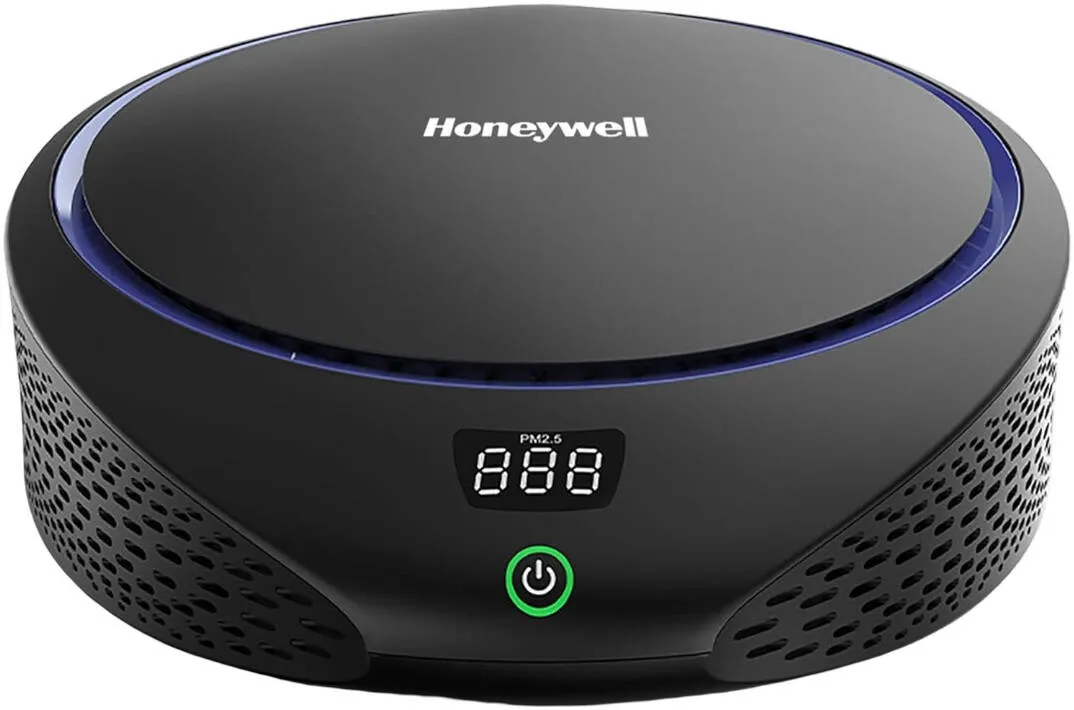
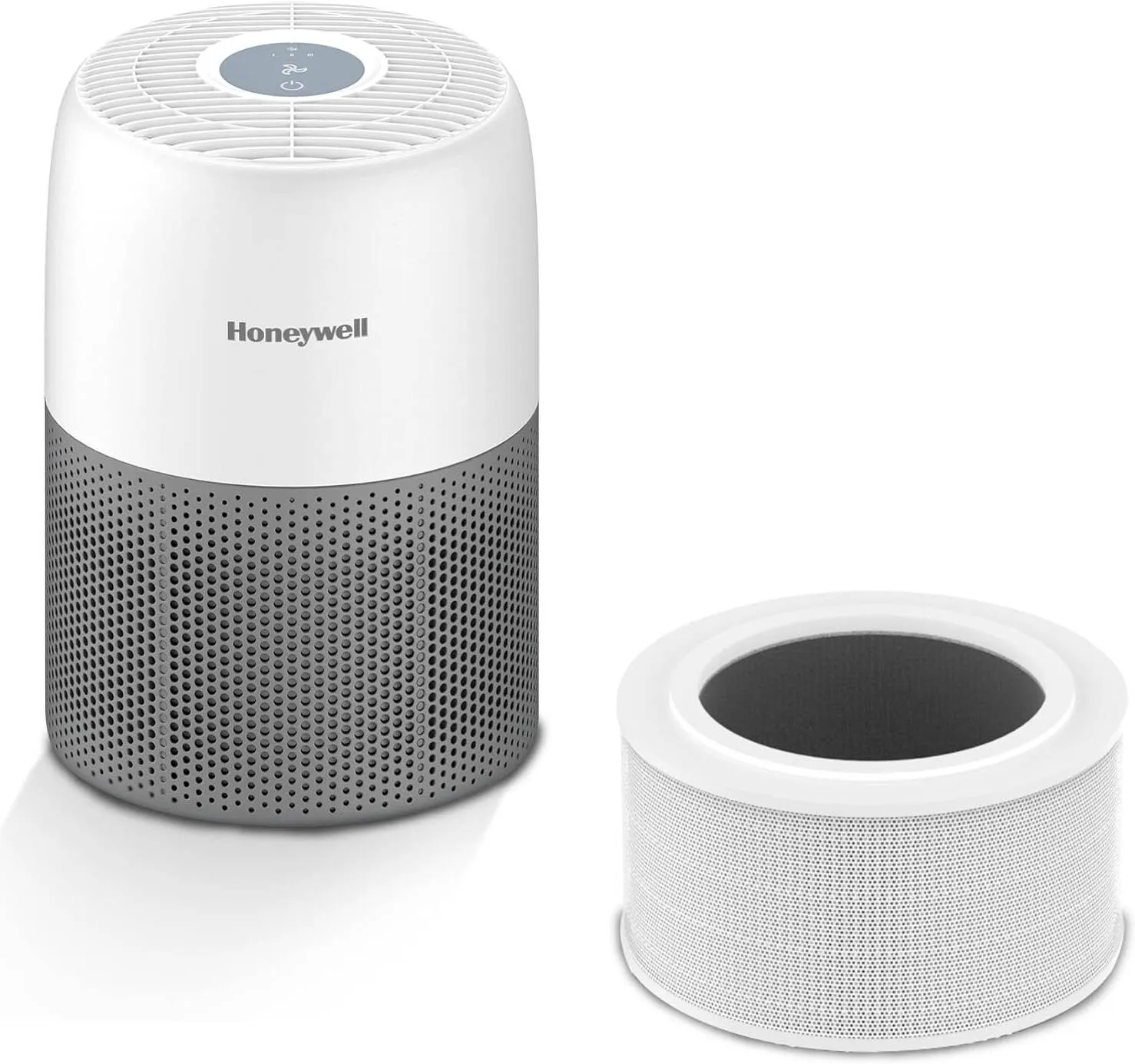
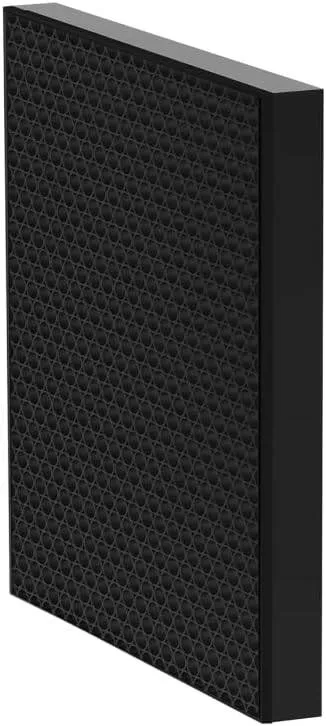
- Use a high-efficiency air purifier. Air purifiers with HEPA filtration can capture up to 99.95% of airborne dust and ultrafine particles. This means significantly less dust settles on your surfaces between cleaning sessions. Brands like Blueair, Levoit, and Honeywell offer models suited to rooms of different sizes.
The comparison below shows how air quality tools differ in their approach to dust control:
| Device | Primary function | Dust control mechanism |
|---|---|---|
| HEPA air purifier | Filters airborne particles continuously | Captures dust before it settles on surfaces |
| Humidifier | Adds moisture to dry air | Reduces static cling and dust mite habitat |
| HVAC with clean filter | Circulates conditioned air | Prevents dust redistribution through vents |
Understanding why air purification matters for your health makes it easier to justify the investment. In the UAE, where outdoor air quality can fluctuate significantly, an indoor air purifier is not a luxury item. It is a practical tool for maintaining a cleaner, healthier home.
Which household areas need special attention to reduce dust buildup?
Some areas collect dust at a far higher rate than others, and most cleaning routines miss them entirely. Addressing these spots consistently makes a noticeable difference to overall dust levels.
- Air vents and grilles. Surface wiping is not enough. Vacuuming vents with a round brush attachment removes nearly all embedded dust, and for a thorough clean, removing the vent cover entirely allows access to the duct opening. Dusty vents blow particles directly into the room every time the air conditioning runs.
- Lampshades and light fittings. Fabric lampshades trap dust in their fibres and are rarely cleaned. Vacuum them gently with an upholstery attachment or wipe with a dry natural fibre cloth monthly.
- Mattresses and upholstered furniture. These surfaces shed fibres and accumulate skin cells continuously. Vacuum mattresses monthly and use mattress protectors that can be washed regularly.
- Curtains and blinds. Fabric curtains hold dust and release it every time they are moved. Wash them every two to three months, or switch to roller blinds, which are far easier to wipe clean.
On the topic of cleaning cloths, natural fibre cloths are environmentally preferable to synthetic microfibre because they do not release non-biodegradable plastic fibres when laundered. If sustainability matters to you, cotton or linen cloths are a practical alternative for light dusting tasks.
Pro Tip: After vacuuming your mattress, sprinkle a thin layer of bicarbonate of soda, leave it for 15 minutes, then vacuum again. This neutralises odours and lifts residual particles from the fabric.
What common mistakes undermine a low-dust cleaning routine?
Most dust control failures come down to a handful of repeated errors rather than a lack of effort. Correcting these makes your existing routine significantly more effective.
- Cleaning floors before dusting higher surfaces. This is the most common mistake. Dust dislodged from shelves and furniture falls to the floor, undoing the vacuuming you just completed. Always dust from ceiling to floor.
- Using dry cloths or feather dusters. These tools move dust around rather than removing it. A dry feather duster on a bookshelf simply sends particles into the air, where they resettle within 20 minutes.
- Neglecting filter and fabric maintenance. A vacuum with a full bag or a blocked filter loses suction and stops capturing fine particles. Washing soft furnishings infrequently allows dust mite populations to grow unchecked.
- Cleaning inconsistently. A thorough clean once a month is less effective than a lighter clean twice a week. Dust accumulates quickly, and regular short sessions prevent the heavy buildup that requires far more effort to address.
Consistency beats intensity every time. A 15-minute weekly routine covering the highest-traffic surfaces will keep dust levels lower than a single deep clean each month.
The expert cleaning advice available from Cleanair-ae covers these routines in detail, with specific guidance for UAE homes where desert dust adds an additional layer of challenge.
Key takeaways
Preventing indoor dust buildup requires combining consistent cleaning habits, controlled entry points, and active air quality management rather than relying on any single method alone.
| Point | Details |
|---|---|
| No-shoes policy | Prevents up to 80% of incoming dust by stopping particles at the door. |
| Top-down cleaning order | Dusting from ceiling to floor stops dust from resettling on cleaned surfaces. |
| HEPA filtration | Vacuums and air purifiers with HEPA filters capture particles that standard tools miss. |
| Humidity control | Keeping indoor humidity at 40 to 60% reduces dust mite populations and static cling. |
| Filter replacement schedule | HVAC filters changed every one to three months prevent dust recirculation through vents. |
Dust prevention in practice: what actually works
I have spent years looking at how people manage indoor air quality, and the pattern is consistent. The households with the least dust are not the ones that clean the hardest. They are the ones that have removed the sources and blocked the entry points.
The no-shoes policy is the single change I recommend above everything else. It feels like a small social adjustment, but the reduction in tracked-in soil and outdoor particles is immediate and visible. Pair that with a decent HEPA vacuum used twice a week, and you have already addressed the majority of the problem.
Where I see people go wrong is in over-investing in cleaning products and under-investing in air quality. A Levoit or Blueair purifier running continuously in the main living area does more for your dust levels between cleans than any spray or cloth. The particles it captures never settle on your surfaces at all.
My honest view is that perfection is not the goal. A realistic routine that you actually follow beats an elaborate system you abandon after two weeks. Start with the no-shoes rule, switch to a damp microfibre cloth, and replace your HVAC filter. Those three changes alone will produce a noticeable result within a fortnight.
— Wojciech
Reduce indoor dust with the right tools from Cleanair-ae

Cleanair-ae stocks a curated range of air purifiers, replacement filters, and air quality accessories designed for homes and offices across Dubai, Abu Dhabi, and the wider UAE. If you are ready to move beyond cleaning routines and address airborne dust at the source, the 2026 air purifier buying guide covers every key specification to look for, including HEPA grade, room coverage, and filter replacement costs. For those exploring options beyond a standard purifier, the air purifier alternatives list outlines eight proven methods for cleaner indoor air. Free delivery across the UAE is available on qualifying orders.
FAQ
How much dust can a no-shoes policy actually prevent?
Enforcing a no-shoes policy at the front door prevents up to 80% of household dust from entering the home. Shoes are the primary vehicle for tracking in outdoor soil, pollen, and fine particles.
How often should I replace my HVAC filter to reduce dust?
HVAC filters should be replaced every one to three months under standard conditions, or every two months in homes with pets or allergy sufferers. A clogged filter recirculates dust rather than capturing it.
Do air purifiers genuinely help with indoor dust?
Yes. High-efficiency air purifiers with HEPA filtration capture up to 99.95% of airborne dust and ultrafine particles, which means significantly less dust settles on surfaces between cleaning sessions.
What is the best way to dust furniture without spreading particles?
Use a slightly damp microfibre cloth rather than a dry duster. Dry dusting aerosolises particles, sending them back into the air where they resettle quickly. A damp cloth traps and removes dust on contact.
What indoor humidity level reduces dust mite populations?
Maintaining humidity between 40% and 60% limits dust mite reproduction and reduces the static electricity that causes dust to cling to surfaces. A basic hygrometer lets you monitor this easily.