
Uncategorised
Why prevent mold with humidifiers: 2026 guide
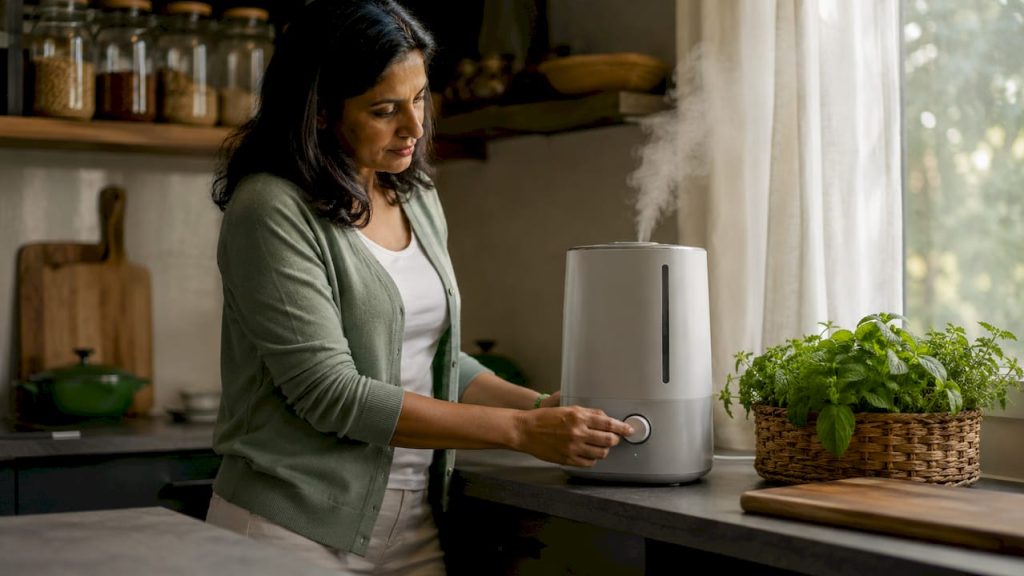
Preventing mold with humidifiers is defined by one core principle: indoor relative humidity must stay between 30% and 50% at all times. A humidifier that runs without monitoring or maintenance does not prevent mold. It creates the conditions for it. The EPA, ASHRAE, and independent researchers all point to the same thresholds, the same maintenance failures, and the same preventable outcomes. This guide covers the science behind humidity and mold risk, the practical steps that keep your home safe, and the common mistakes that turn a health tool into a hazard.
Why prevent mold with humidifiers: humidity and mold risk
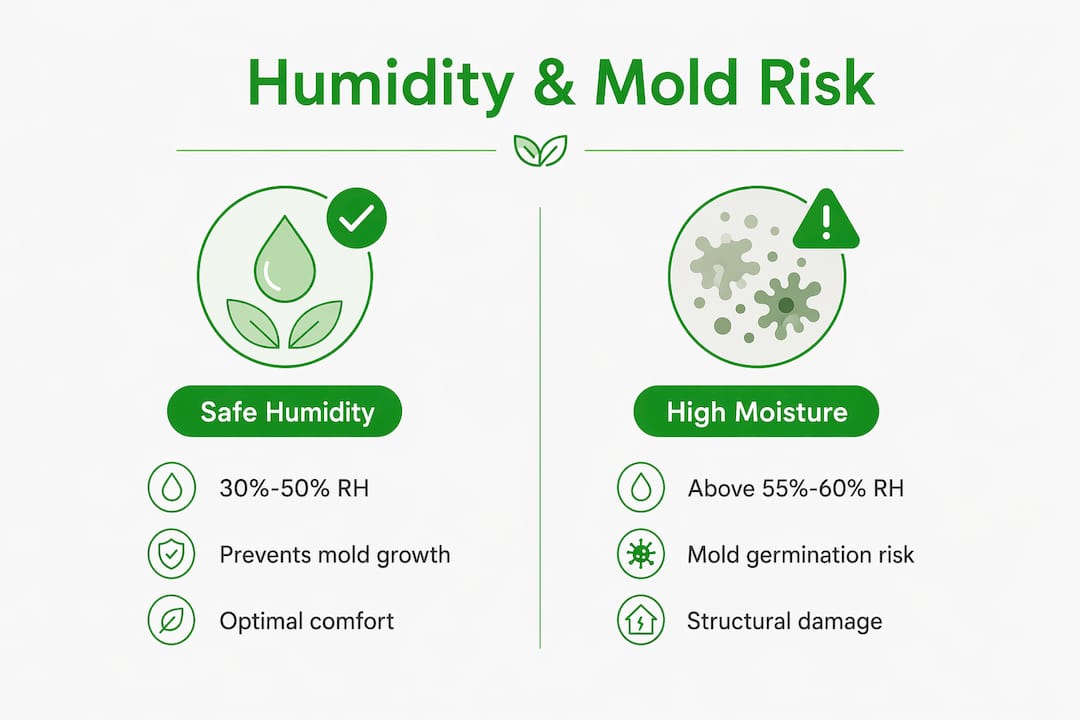
Relative humidity (RH) is the percentage of moisture in the air compared to the maximum it can hold at a given temperature. When RH climbs above 55%–60%, building materials such as drywall and timber begin absorbing moisture faster than they can release it. That absorbed moisture is what feeds mold, not the air itself.
Sustained RH above 55%–60% can push building materials to moisture levels that trigger mold germination in as little as 10–14 days. That is a short window. Most homeowners do not notice a problem until visible patches appear, which is weeks after the process has already started.
Drywall is particularly vulnerable. Drywall can reach 16% moisture content, the recognised mold germination threshold, without any visible condensation or surface wetness. A moisture meter, not a visual check, is the reliable tool here. Brands such as General Tools and Tavool produce affordable pin-type moisture meters that give you a reading in seconds.
The optimal RH range for mold prevention is 30%–50%, as confirmed by the EPA’s indoor air quality guidelines. Staying within this range keeps air comfortable, protects building materials, and removes the moisture conditions that mold spores need to germinate.
| RH Level | Risk Level | Recommended Action |
|---|---|---|
| Below 30% | Low mold risk, high dryness risk | Run humidifier, monitor daily |
| 30%–50% | Optimal range | Maintain and monitor |
| 51%–60% | Elevated risk | Reduce humidifier output |
| Above 60% | High mold risk | Switch to dehumidifier |
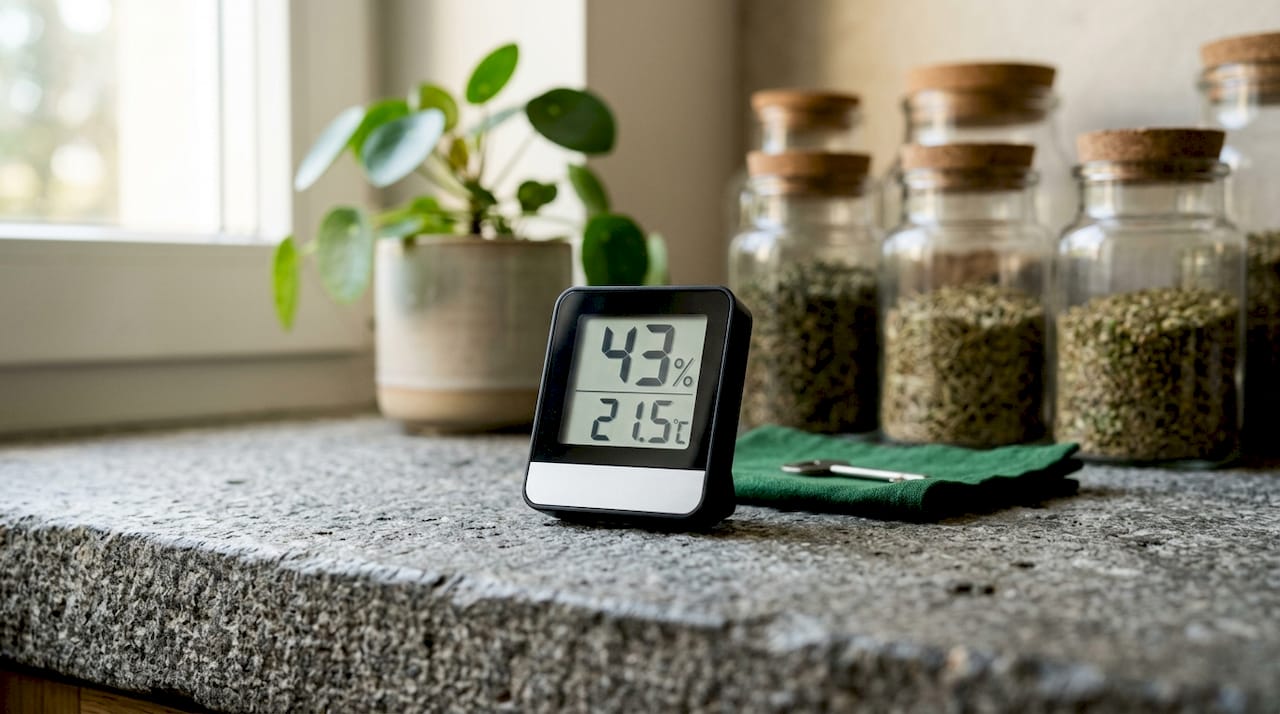
Pro Tip: Place a digital hygrometer, such as those made by Govee or ThermoPro, in the room where your humidifier runs. Check it morning and evening until you understand how your space responds to the device.
How to prevent mold growth when using a humidifier
Proper humidifier use is an active process, not a passive one. The device requires daily attention and weekly maintenance to remain safe. The following steps reflect guidance from the EPA and independent cleaning research.
-
Empty and dry the reservoir daily. Stagnant water is the primary source of microbial growth inside humidifiers. Empty the tank each morning, wipe the interior with a clean cloth, and allow it to air dry before refilling.
-
Use distilled or demineralised water. Ultrasonic humidifiers disperse minerals and microorganisms from tap water directly into indoor air. Distilled water eliminates this risk. It also reduces the white mineral dust that settles on furniture near the device.
-
Deep clean weekly. Effective deep cleaning uses a 50:50 mix of hydrogen peroxide and water, or 1 gallon of water with 1 teaspoon of bleach. Soak internal components for 20 minutes, then scrub and rinse thoroughly.
-
Never mix cleaning agents. Mixing vinegar and hydrogen peroxide creates peracetic acid, which is corrosive and harmful to inhale. Use one agent at a time and rinse all surfaces completely before reassembling.
-
Position the device correctly. Elevate the humidifier at least 3 feet off the floor and keep it away from walls, curtains, and upholstered furniture. Mist that settles on porous surfaces before evaporating creates localised moisture patches that feed mold.
-
Set a target and stop there. Run the humidifier until your hygrometer reads 45%–50%, then switch it off or set it to auto. Continuous operation in a sealed room will push RH above the safe threshold within hours.
Pro Tip: If your humidifier does not have a built-in humidistat, pair it with a smart plug and a Govee hygrometer that sends alerts to your phone. You get automatic shutoff control without buying a new device.
For a broader look at humidification and health benefits, Cleanair-ae’s guide covers safe operation guidelines alongside the respiratory and skin benefits of balanced indoor humidity.
Humidifier vs dehumidifier: which controls mold better?
The choice between a humidifier and a dehumidifier depends entirely on your current indoor RH level. Using the wrong device makes mold risk worse, not better.
A humidifier adds moisture to dry air. It is the right tool when indoor RH falls below 30%, which is common in air-conditioned homes across the UAE during cooler months. Dry air causes cracked skin, irritated airways, and static buildup. A dehumidifier removes excess moisture. It is the correct choice when RH exceeds 60%, which is the point at which humidity above 60% signals a need for a dehumidifier rather than a humidifier.
In naturally humid climates, humidifier use can increase mold risk when applied without first checking indoor RH. This is a common error in coastal and tropical environments. Always measure before you run.
Stable indoor humidity levels, avoiding spikes and over-saturation, are the defining factor in mold prevention. Neither device is inherently safer. Both require monitoring.
| Feature | Humidifier | Dehumidifier |
|---|---|---|
| Function | Adds moisture to air | Removes moisture from air |
| Best used when | RH below 30% | RH above 60% |
| Mold risk if misused | High (over-humidification) | Low if maintained |
| Health benefit | Relieves dry air symptoms | Reduces mold and dust mites |
| Maintenance need | Daily and weekly | Weekly tank emptying |
Understanding the differences between air purifiers and humidifiers is also worth your time if you are managing indoor air quality across multiple concerns, including allergens and particulates alongside humidity.
Do humidifiers cause mold? common misconceptions explained
The short answer is no. Humidifiers do not spray mold spores. They raise air moisture levels, and uncontrolled moisture is what causes mold to grow on home surfaces. The distinction matters because it changes where you focus your prevention efforts.
There are two separate mold risks to understand:
- Mold inside the device. A poorly maintained humidifier tank becomes a breeding ground for bacteria and mould. When the device runs, it disperses those microorganisms into the air you breathe. This is a direct health risk and is entirely preventable with the cleaning routine described above.
- Mold on home surfaces. This results from sustained high RH pushing moisture into walls, ceilings, and flooring. The humidifier is the indirect cause here. The real cause is the absence of monitoring and humidity control.
- White dust on surfaces. This is mineral residue from tap water, not mold. It is harmless in small quantities but signals that you should switch to distilled water, particularly with ultrasonic models.
- Condensation on windows. This is a reliable early warning sign that indoor RH is too high. If you see regular condensation, reduce humidifier output and check your hygrometer reading.
- When to call a professional. If you find dark patches on walls or ceilings, a musty odour that persists after cleaning, or visible mold growth covering more than 1 square metre, contact a certified mold inspector. The NHS and Public Health England both advise professional assessment for large-scale mold problems, as DIY removal can spread spores.
The air purification checklist from Coway also covers humidity as part of a broader indoor air quality framework, which is useful if you are managing multiple air quality factors at once.
Key takeaways
Preventing mold with humidifiers requires active humidity monitoring, daily device maintenance, and correct placement to keep indoor RH within the 30%–50% safe range.
| Point | Details |
|---|---|
| Optimal humidity range | Keep indoor RH between 30% and 50% to prevent mold germination. |
| Daily maintenance | Empty and dry the reservoir every day to stop microbial buildup inside the device. |
| Use distilled water | Distilled or demineralised water prevents mineral and microbial dispersal into indoor air. |
| Monitor with tools | Use a digital hygrometer and moisture meter, not visual checks, for reliable early detection. |
| Know when to dehumidify | Switch to a dehumidifier when indoor RH exceeds 60%; humidifiers worsen risk above this threshold. |
What years of humidity monitoring actually taught me
Most people treat a humidifier like a kettle. Fill it, switch it on, forget it. That approach is exactly how you end up with a mold problem you did not see coming.
The single most useful thing I have done in any home is place a moisture meter against the wall near where a humidifier runs. Not a hygrometer measuring the air. A pin meter pressed into the drywall. The readings are often surprising. Air RH can sit at a comfortable 48% while the wall behind a poorly placed humidifier reads 14% or 15% substrate moisture. That is close to the 16% germination threshold, and there is nothing visible to warn you.
The “set and forget” habit is the root cause of most humidifier-related mold cases I have seen. People buy a device, run it through winter, and discover mold in spring. The mold did not appear overnight. It built up over weeks of unchecked moisture in materials that looked perfectly dry.
My honest view is that a hygrometer should be sold with every humidifier as standard. It is not. So you need to buy one separately and actually use it. Govee and ThermoPro both make reliable units for under 20 AED equivalent. There is no excuse for guessing.
The other thing worth saying: placement matters more than most guides admit. A humidifier pointing at a fabric sofa or a curtain will saturate that material long before the room air reaches a problematic RH level. Elevation and distance from soft furnishings are not optional details. They are the difference between a device that helps and one that causes damage.
Done correctly, balanced indoor humidity genuinely improves health. Respiratory comfort, skin condition, and sleep quality all respond to RH in the 40%–50% range. The goal is not to avoid humidifiers. It is to use them with the same attention you would give any appliance that directly affects your home environment.
— Wojciech
Cleanair-ae’s humidifier range for safer indoor air
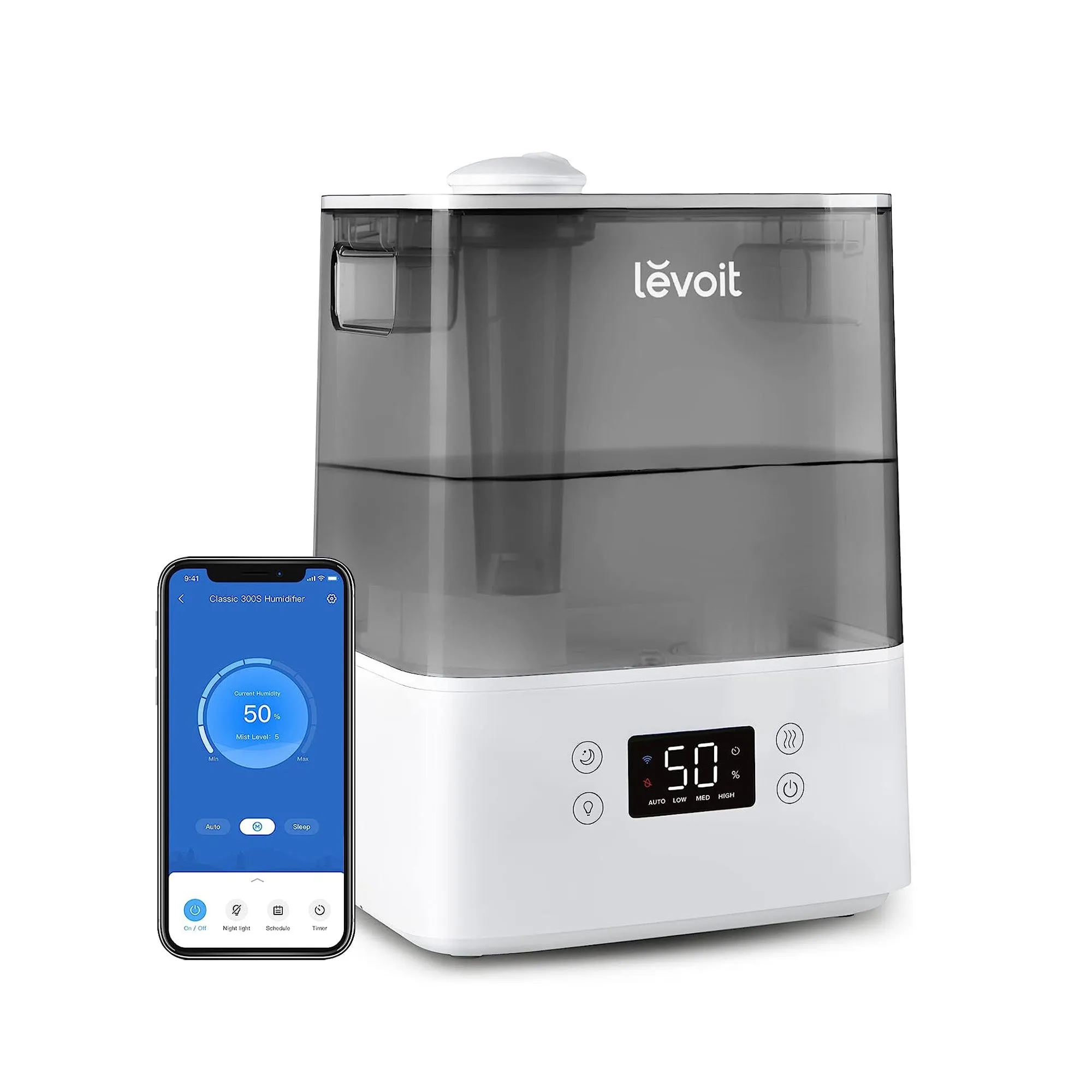
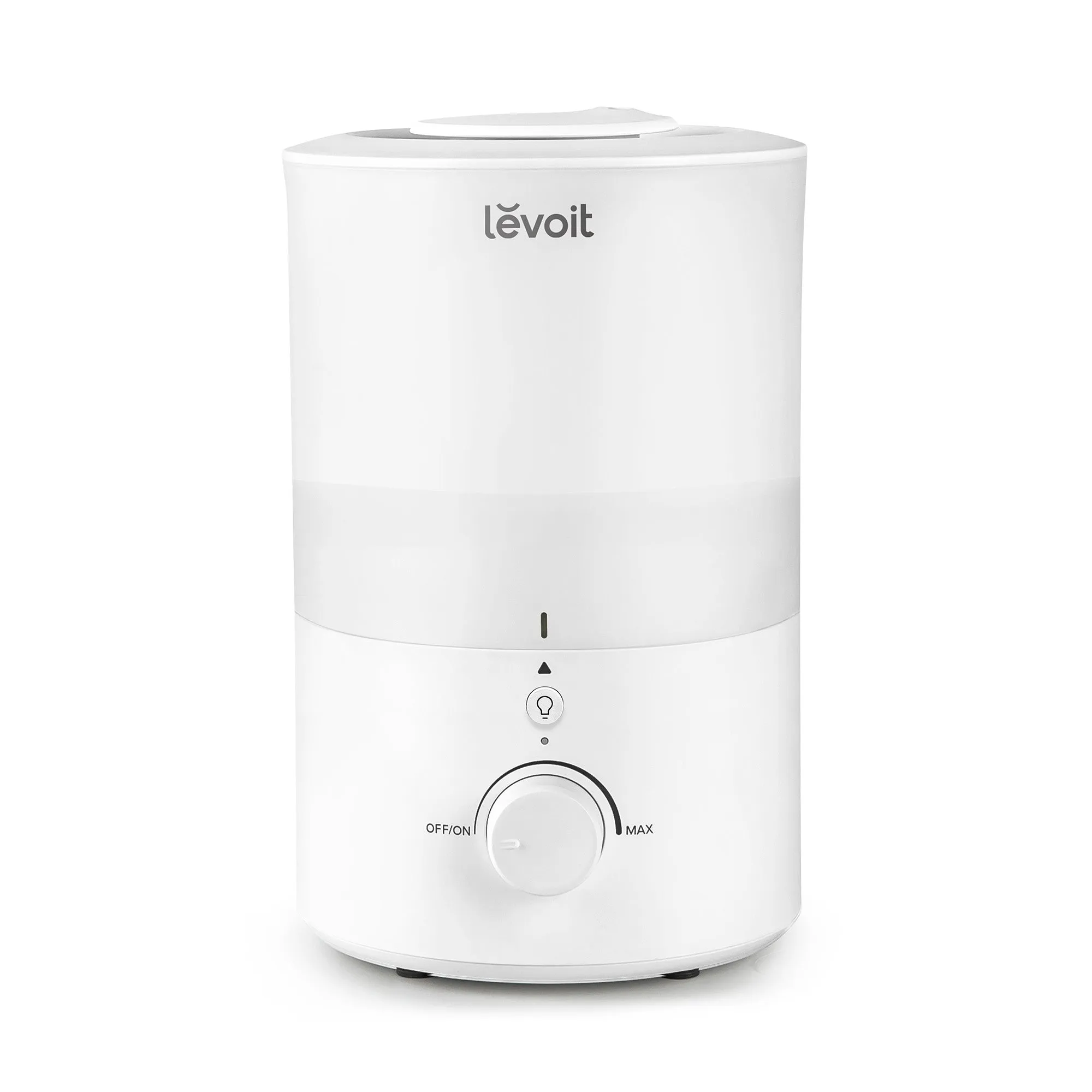
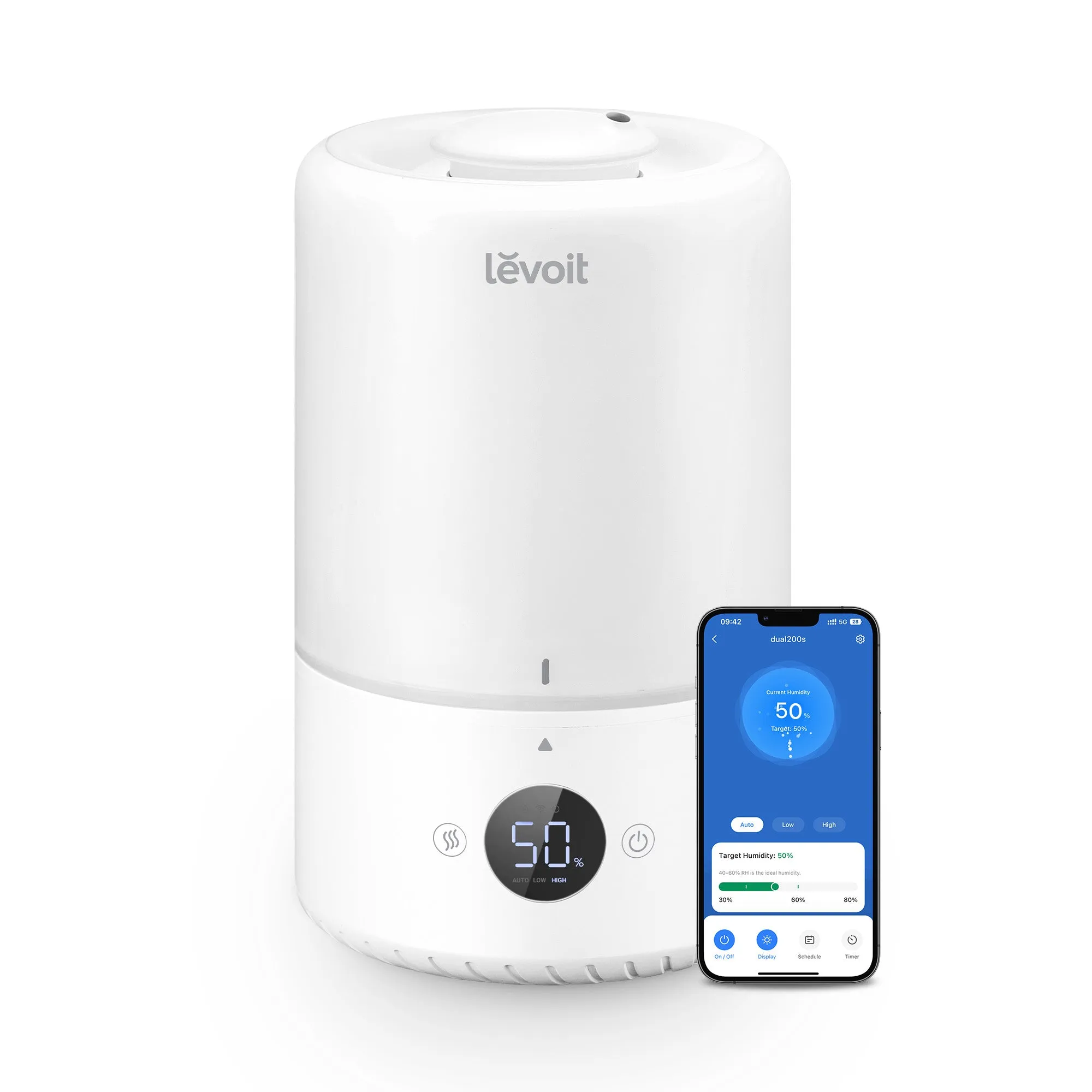
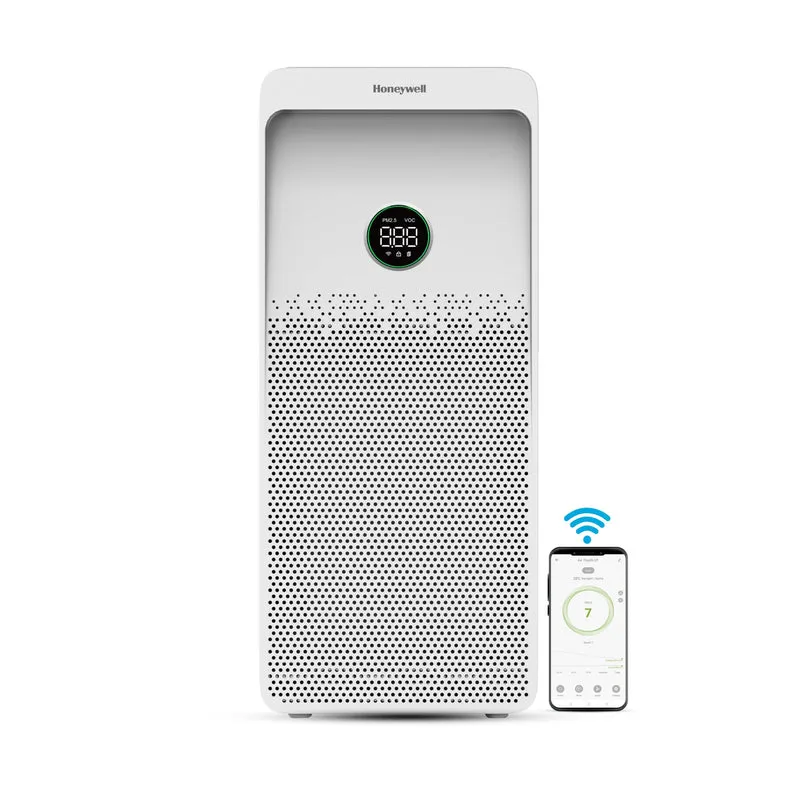
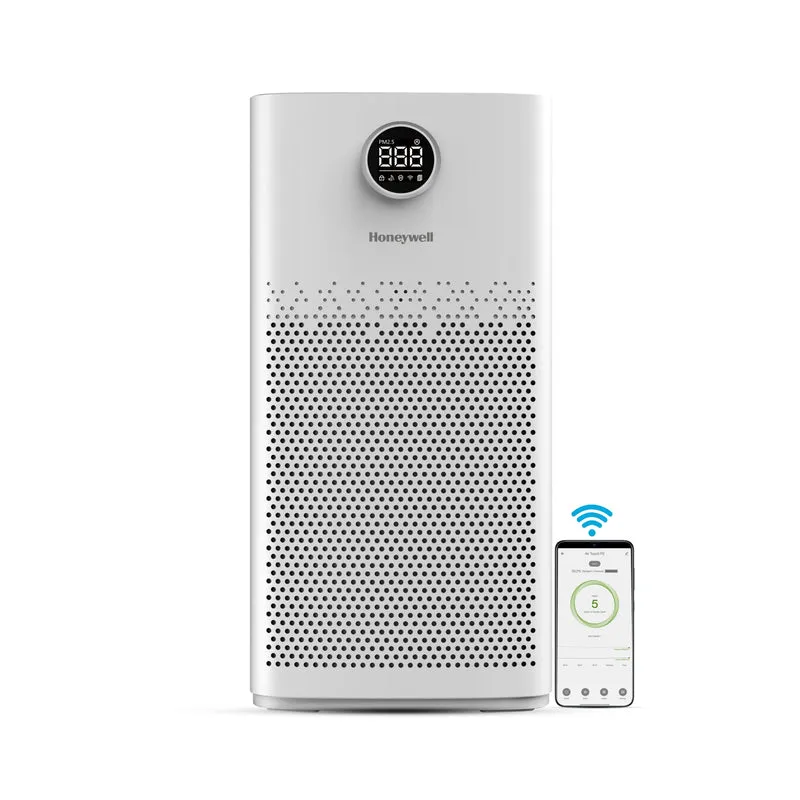
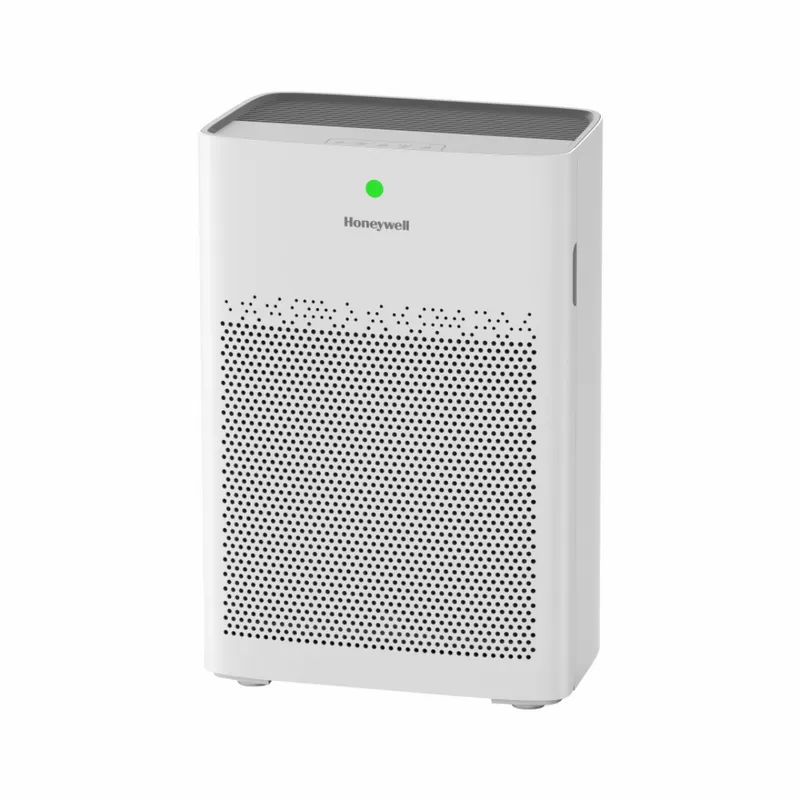
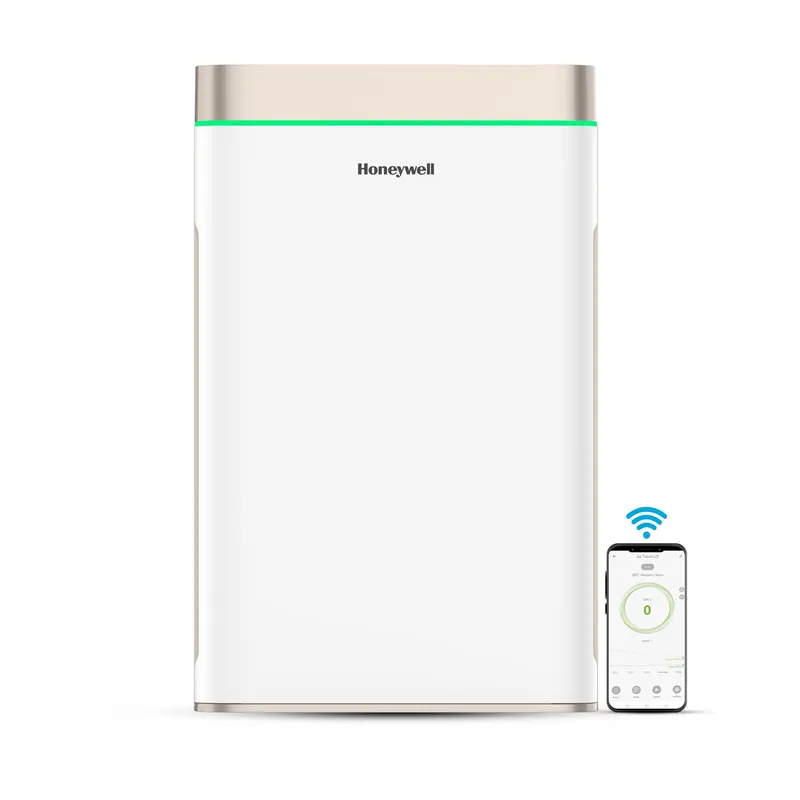
Cleanair-ae stocks a curated range of humidifiers suited to UAE homes and apartments, including models with built-in humidistats that stop operation automatically when your target RH is reached. Brands such as Levoit and Honeywell feature across the range, with options for single rooms through to larger open-plan spaces. For those new to humidity control, the 2026 air purifier buying guide covers device selection criteria including humidity management features. If you are looking at broader indoor air quality methods beyond a single device, the air purifier alternatives list outlines eight proven approaches. Free delivery across Dubai and Abu Dhabi is available on orders over 49 AED.
FAQ
What humidity level prevents mold in the home?
Indoor relative humidity between 30% and 50% prevents mold growth. The EPA advises keeping RH below 50% at all times to reduce mold and dust mite risk.
Can a humidifier make mold worse?
Yes, if indoor RH rises above 55%–60% due to unmonitored humidifier use. Building materials absorb excess moisture and reach mold germination thresholds within 10–14 days.
How often should i clean my humidifier to prevent mold?
Empty and dry the reservoir daily, and deep clean weekly using a 50:50 hydrogen peroxide and water solution or a diluted bleach mix, rinsing thoroughly after each clean.
Should i use a humidifier or dehumidifier for mold control?
Use a humidifier when indoor RH is below 30%, and switch to a dehumidifier when RH exceeds 60%. Using a humidifier in an already humid environment increases mold risk.
Does the type of water i use in a humidifier affect mold risk?
Yes. Tap water in ultrasonic humidifiers disperses minerals and microorganisms into the air. Distilled or demineralised water reduces both mineral dust and microbial exposure indoors.