





Uncategorised
Role of air quality sensors: a practical guide

Air quality sensors are devices that detect and measure pollutants and environmental conditions in the air, giving individuals and organisations the data they need to protect health indoors. The role of air quality sensors spans from identifying particulate matter (PM2.5, PM10) and volatile organic compounds (VOCs) to flagging CO2 build-up that signals poor ventilation. Guidance from the WHO on air pollution frames monitoring not as a research exercise but as a direct tool for public health action. For homes, offices, schools, and healthcare facilities across the UAE, understanding what these sensors do and how to use their data correctly is the difference between informed decisions and false reassurance.
How do air quality sensors work?
Air quality sensors convert physical or chemical signals from the surrounding air into readable data. The two most common technologies are optical sensing and electrochemical sensing. Optical sensors detect particulate matter by shining a laser or LED through a sample of air and measuring how particles scatter the light. Electrochemical sensors detect gases such as CO2, nitrogen dioxide, and ozone by measuring the electrical current produced when target molecules react with a sensing electrode.
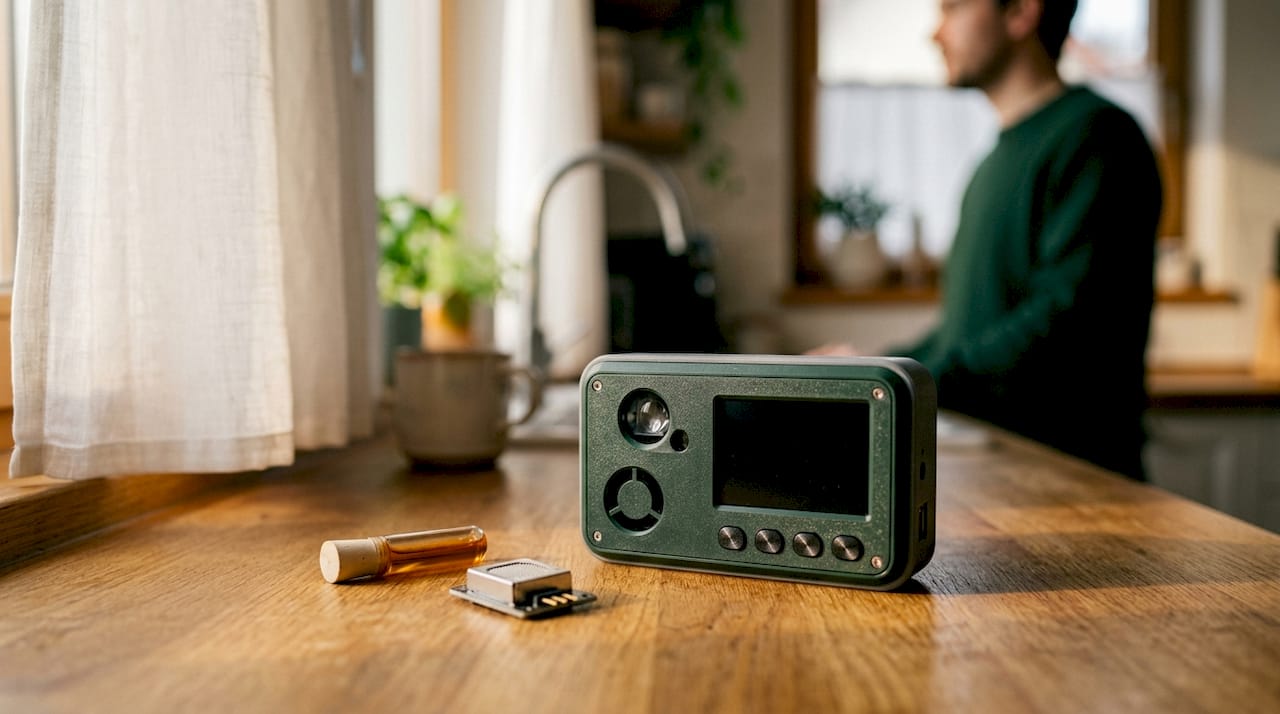
Modern indoor air quality monitors, such as those using the Sensirion SEN6x platform, combine multiple parameters in one device: PM2.5, CO2, VOCs, temperature, and humidity. This multi-parameter approach matters because pollutants rarely appear in isolation. High humidity, for example, can cause optical sensors to overcount particles, which is a known interference that affects raw readings without correction.
Signal processing is where sensor data becomes useful. Raw electrical or optical signals pass through firmware algorithms, and increasingly through machine learning models, to produce calibrated concentration values. These corrections improve accuracy but also introduce model dependency. A correction trained on one city’s air chemistry may perform poorly in a different environment.
- Optical (light-scattering) sensors: measure PM2.5 and PM10 by detecting how particles deflect a laser beam
- Electrochemical sensors: measure gases including CO2, ozone, and nitrogen dioxide via chemical reactions at an electrode
- Metal oxide sensors: detect VOCs by measuring changes in electrical resistance when gas molecules adsorb onto a heated surface
- Multi-parameter units: combine two or more of the above into a single housing for comprehensive indoor monitoring
Pro Tip: Place sensors away from windows, cooking areas, and air conditioning vents. Localised sources create readings that do not represent the broader room environment.
Why are air quality sensors important for indoor air quality?
Continuous air quality monitoring catches pollutant events that occasional manual checks miss entirely. A single spot measurement taken on a Tuesday morning tells you nothing about Friday evening cooking fumes or weekend cleaning product use. Sensors running continuously build a time-series record that reveals patterns, peaks, and persistent problems.
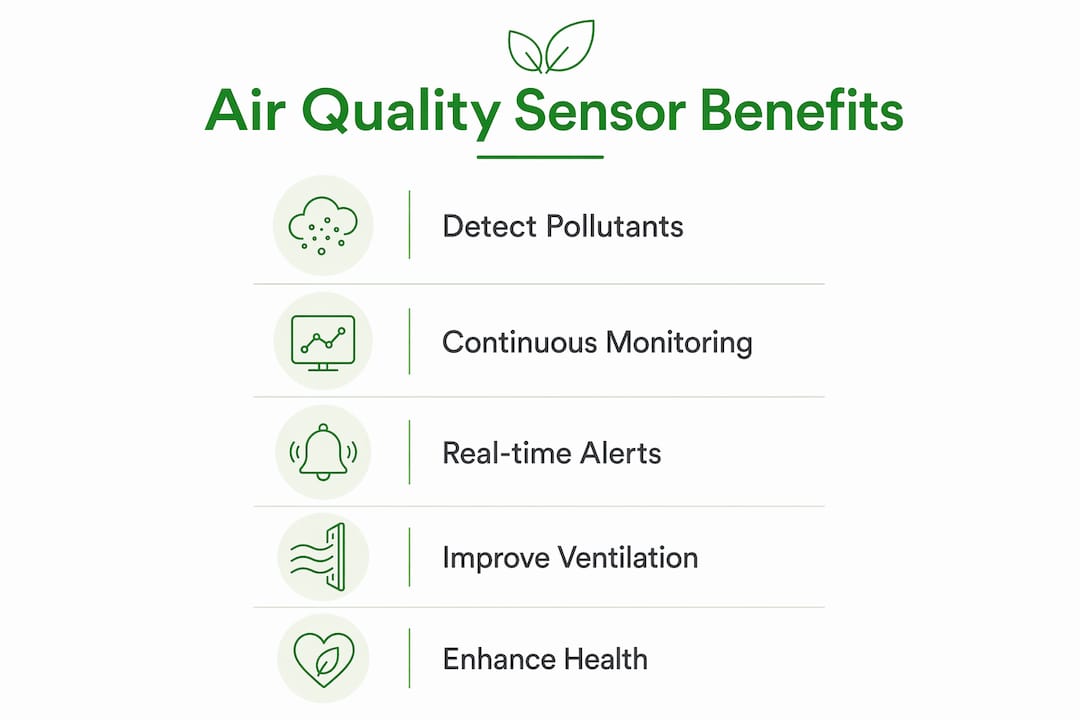
The importance of air quality monitoring is clearest when you consider CO2. CO2 concentration is a reliable proxy for ventilation effectiveness and occupancy density. When CO2 rises above 1,000 parts per million in an office or classroom, it signals that fresh air supply is insufficient. Cognitive performance and comfort decline well before CO2 reaches levels considered dangerous, making real-time data from sensors genuinely useful for building managers.
The following settings gain the most from continuous sensor monitoring:
- Offices and open-plan workplaces: CO2 and VOC sensors identify ventilation shortfalls that affect staff concentration and wellbeing.
- Schools and universities: Children are more vulnerable to airborne pollutants. Sensors provide early warning of PM2.5 spikes from outdoor traffic or indoor activities.
- Healthcare facilities: Hospitals require tight control of particulate matter and airborne pathogens. Sensors supplement HEPA filtration systems by confirming that air quality targets are being met in real time.
- Residential homes: Parents and property managers use sensors to detect VOCs from new furniture, formaldehyde from flooring, or PM2.5 from cooking. Understanding what causes indoor pollution is the first step to addressing it.
The Air Quality Index (AQI) translates raw sensor readings into a simple scale that non-specialists can act on. The WHO’s framework positions AQI communication as a practical public health tool, not a technical metric reserved for scientists. Sensors feed this pipeline from measurement to awareness to action.
How is sensor performance evaluated and why does calibration matter?
Sensor accuracy is not fixed at manufacture. It changes with temperature, humidity, sensor age, and the specific mix of pollutants in the local environment. The US EPA’s Air Sensor Toolbox provides standardised guidance on how to evaluate low-cost sensors against reference monitors, and that guidance exists precisely because raw sensor output is often unreliable without validation.
The EPA’s testing protocol for PM2.5 sensors requires co-location with reference monitors at multiple sites for at least 30 days. This duration is not arbitrary. Seasonal variation, humidity swings, and changing pollution sources all affect sensor behaviour, and a 30-day window captures enough variability to produce a meaningful performance picture. Adding more sensors to a network without this validation step does not improve data quality.
Performance is measured using three key metrics:
| Metric | What it measures | Why it matters |
|---|---|---|
| RMSE (Root Mean Square Error) | Average magnitude of prediction errors | Lower values mean the sensor tracks reference readings more closely |
| R² (Coefficient of determination) | How well sensor data correlates with reference data | Values closer to 1.0 indicate stronger agreement |
| MAE (Mean Absolute Error) | Average absolute difference between sensor and reference | Useful for understanding typical daily error magnitude |
Site-specific calibration consistently outperforms generic calibration models applied across multiple locations. A calibration equation built using local reference data reduces systematic errors that broad models cannot account for. For VOC and BTEX sensors, the challenge is more complex. Research published in Copernicus AMT shows that VOC calibration models tend to overestimate baseline concentrations and underestimate concentration peaks, which means pollutant-specific validation is not optional.
Pro Tip: Request calibration certificates and performance test reports before purchasing a sensor for professional use. A sensor without documented collocation testing against a reference monitor is an unknown quantity.
What are practical examples of air quality sensors improving indoor environments?
Sensors deliver value when they prompt a specific action. A CO2 reading that climbs steadily through a school afternoon is not just a number. It is evidence that the ventilation system needs adjustment, and that evidence is available in real time rather than after a quarterly inspection. This is the practical difference that continuous monitoring makes in managed buildings.
- Ventilation control in offices: CO2 sensors integrated with building management systems trigger increased fresh air supply automatically when occupancy rises. This reduces energy waste from over-ventilating empty spaces while protecting air quality when rooms are full.
- Healthcare facility monitoring: Hospitals pair low-cost sensors with reference-grade monitors to create layered coverage. Sensors flag anomalies quickly; reference monitors confirm whether the anomaly is real or a sensor artefact.
- Retail and hospitality spaces: PM2.5 sensors detect particle spikes from cleaning products, foot traffic, or outdoor pollution entering through doors. Managers use this data to time air purifier operation and filter replacement.
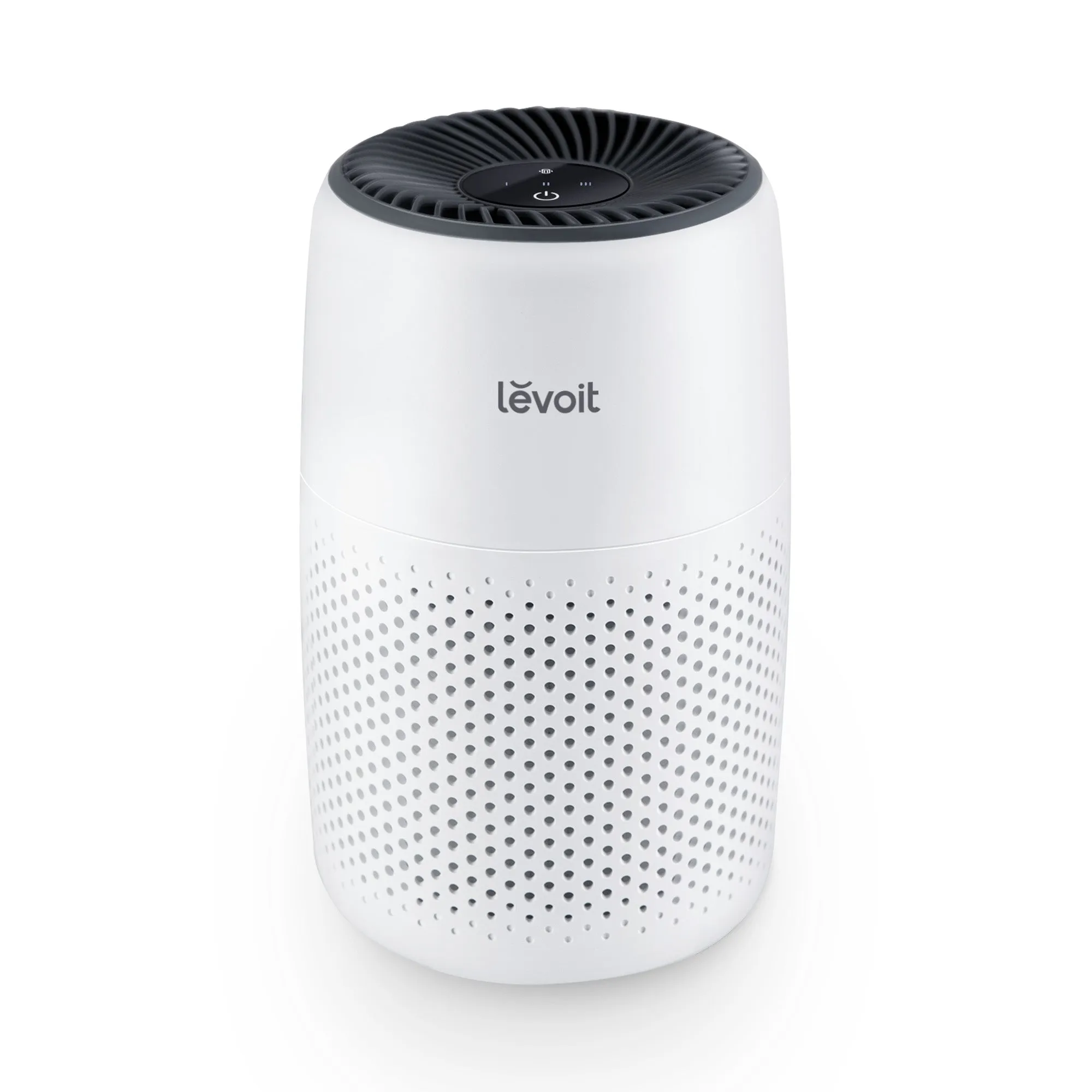
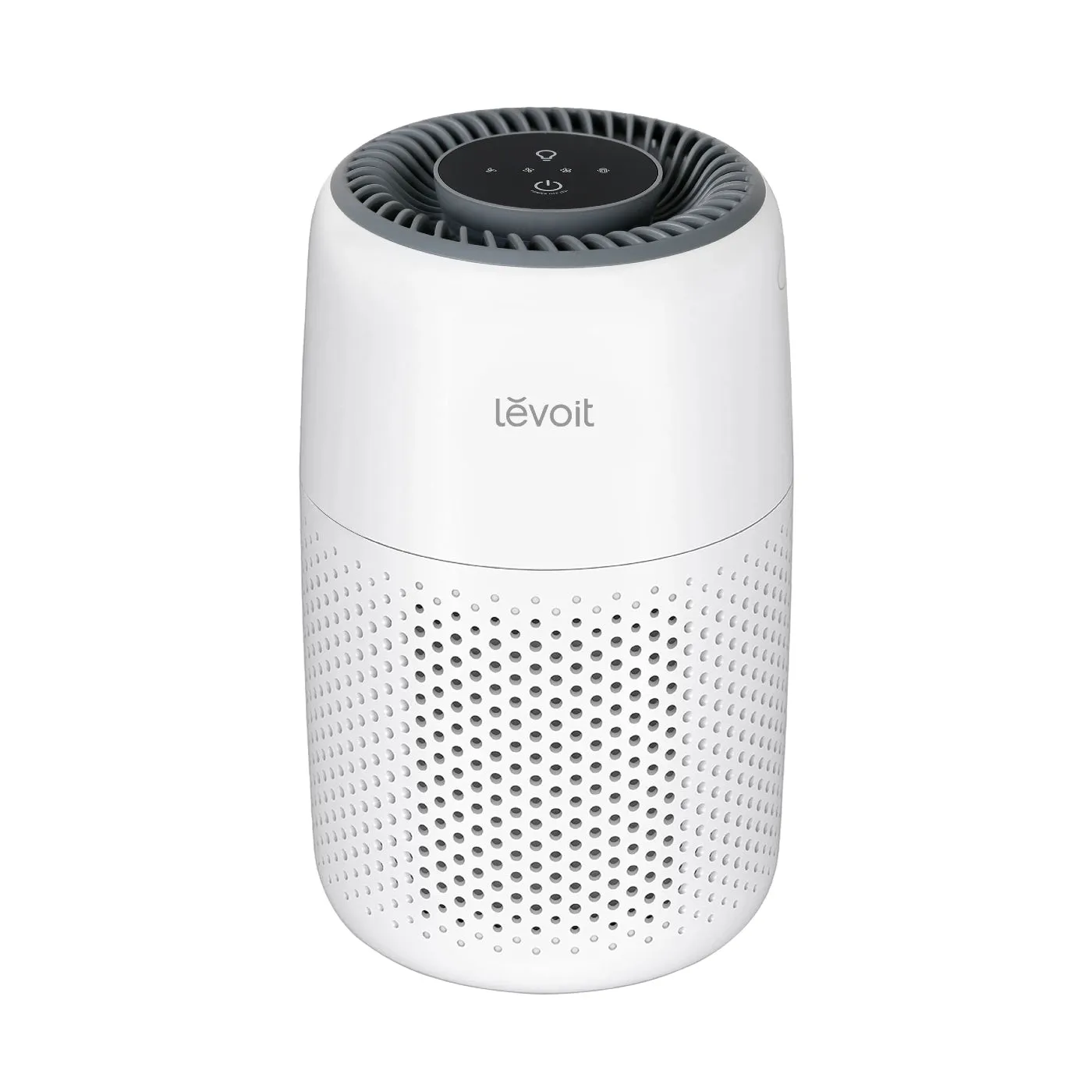
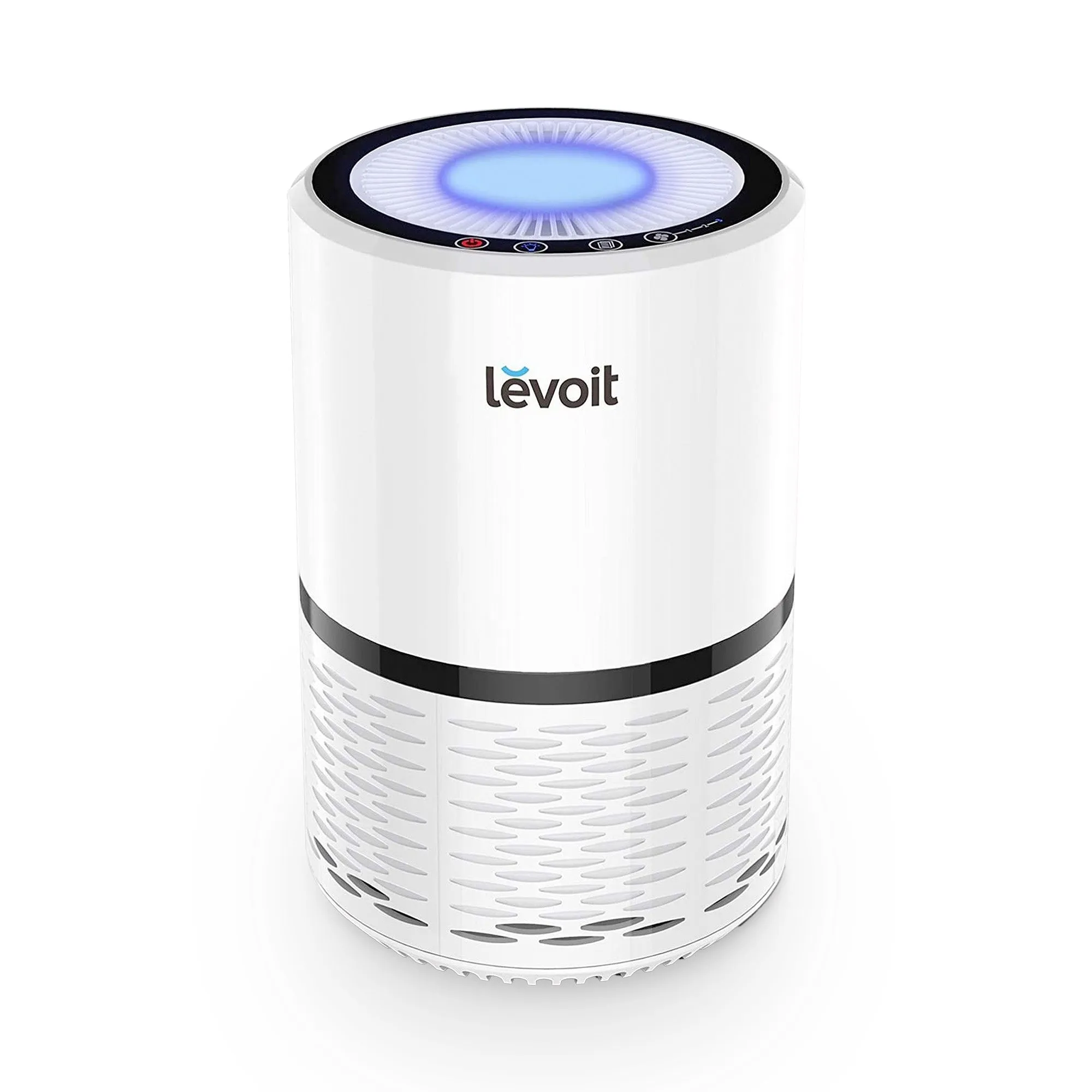
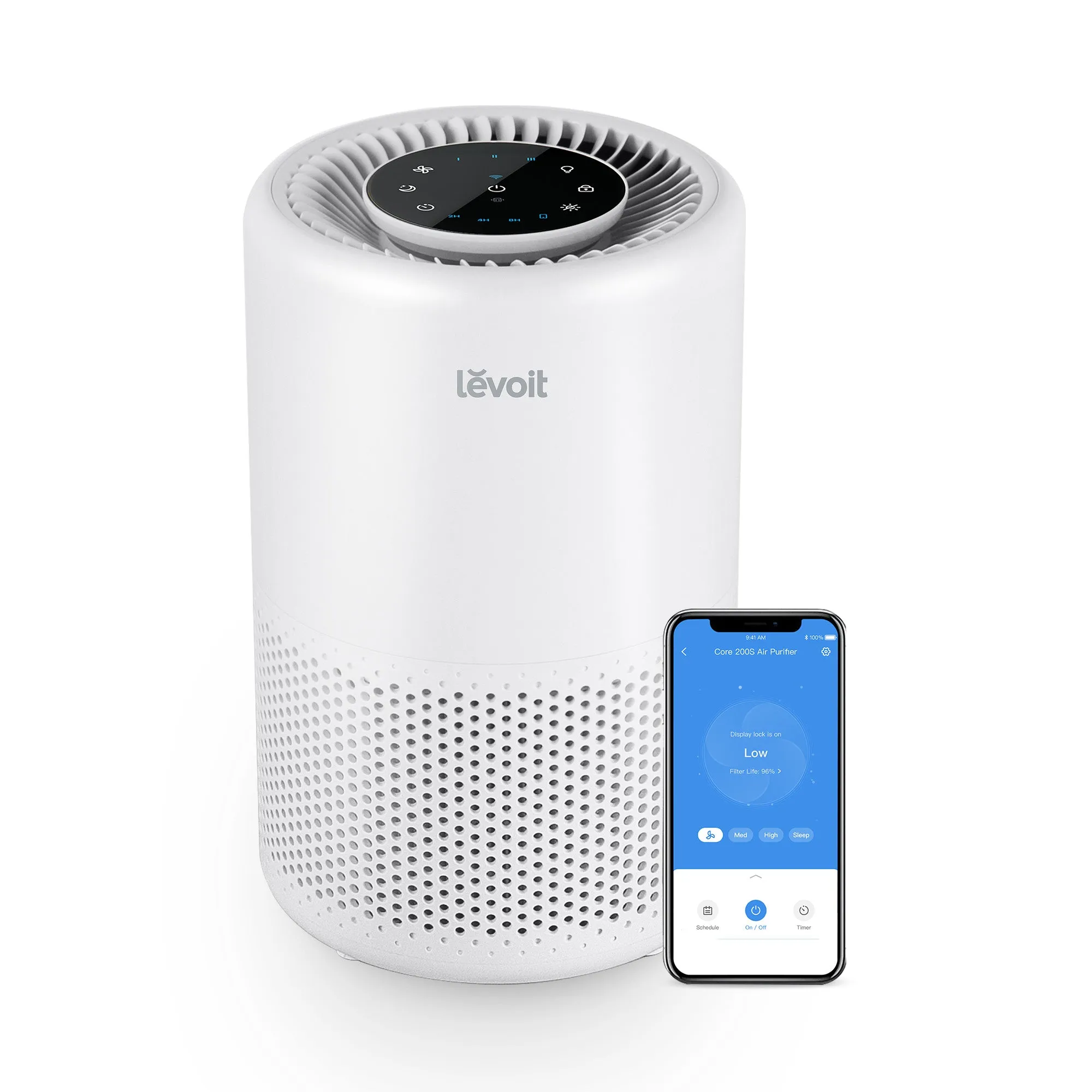
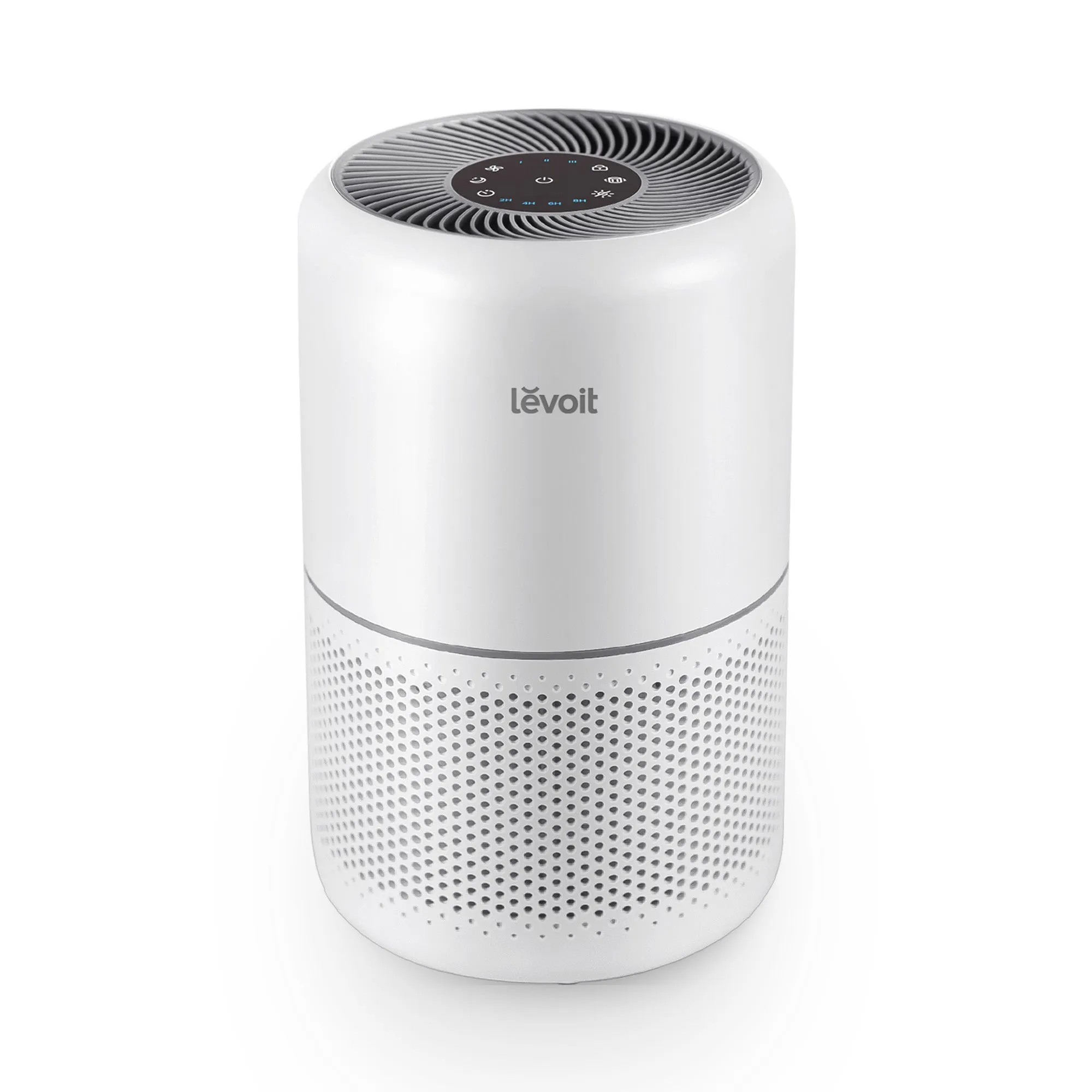
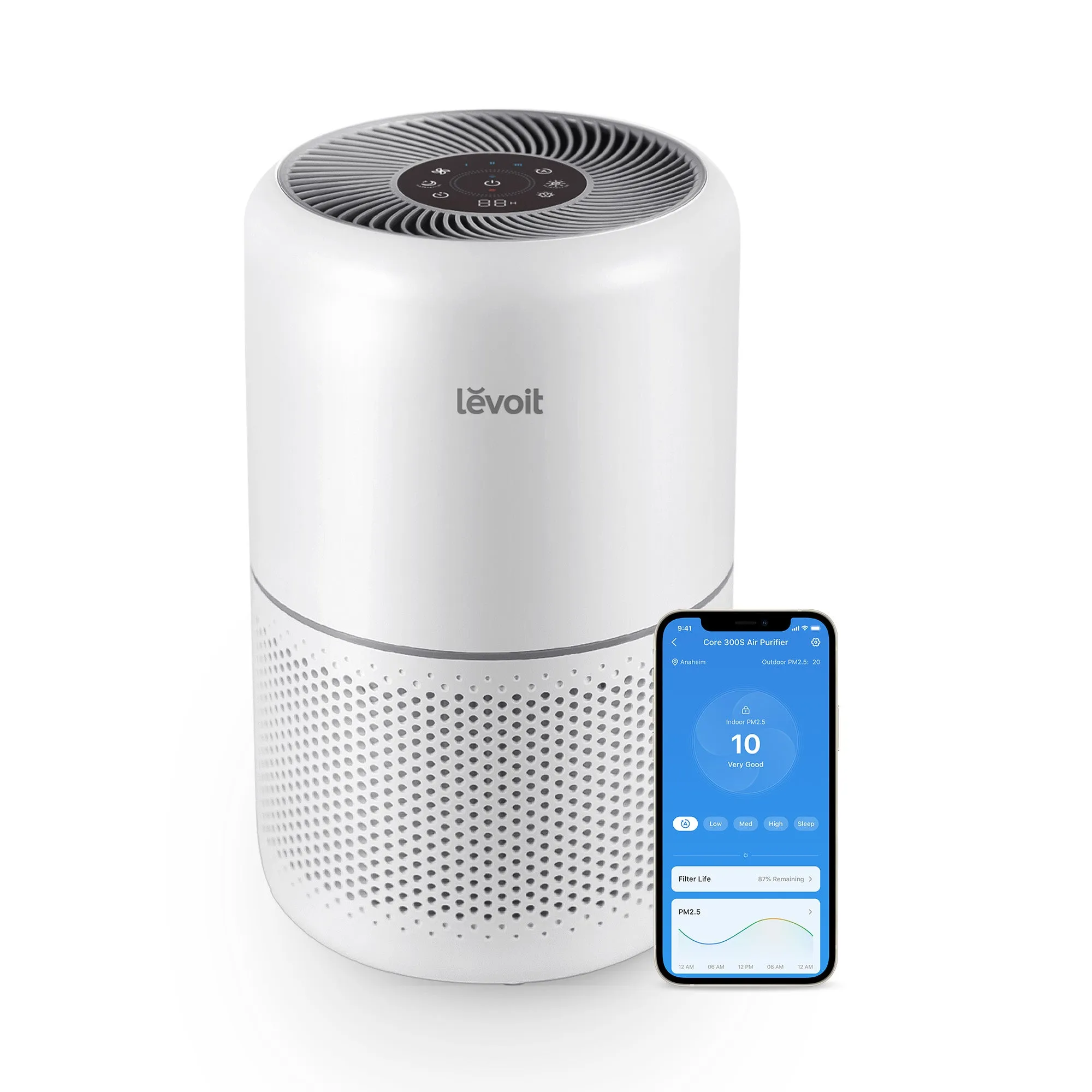
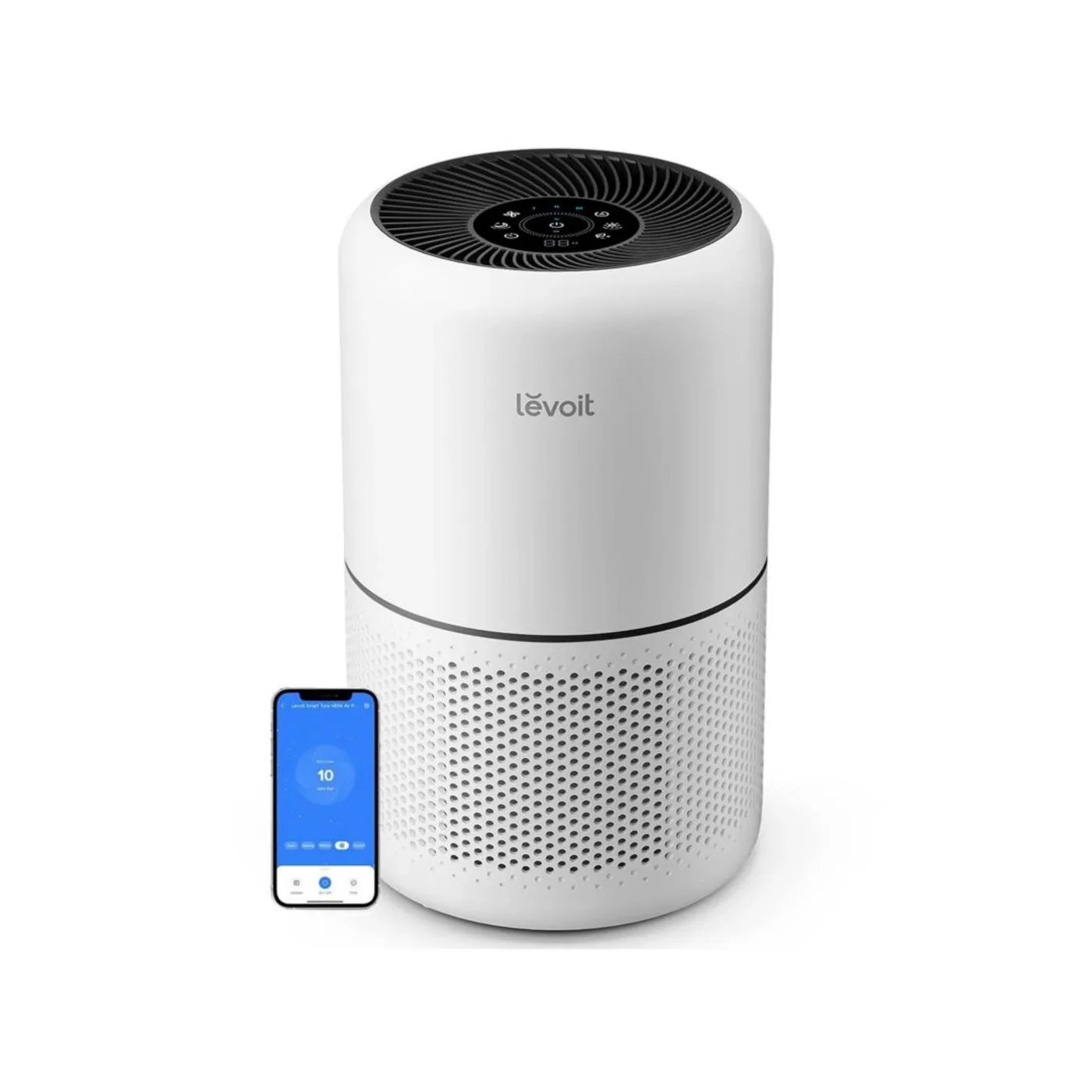
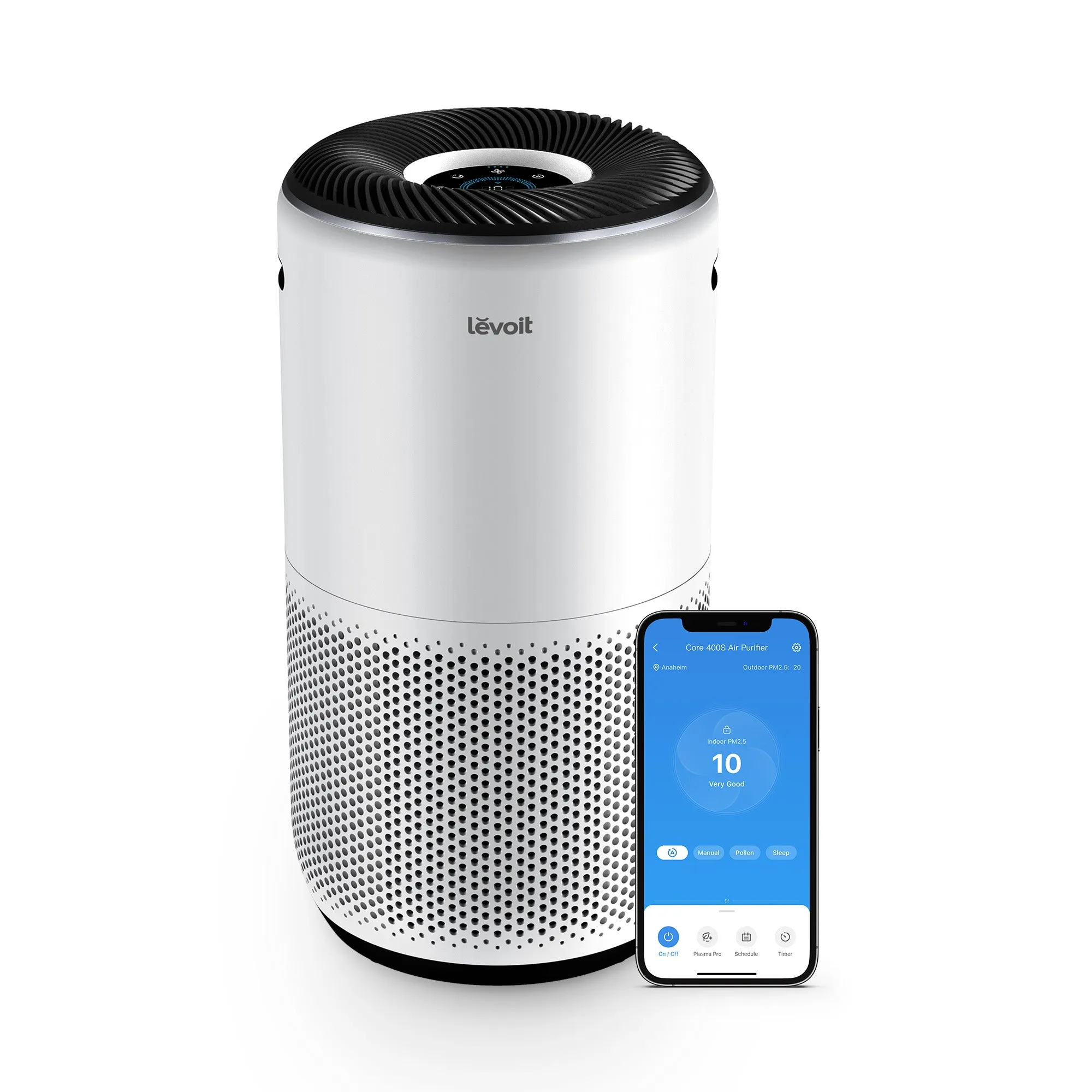
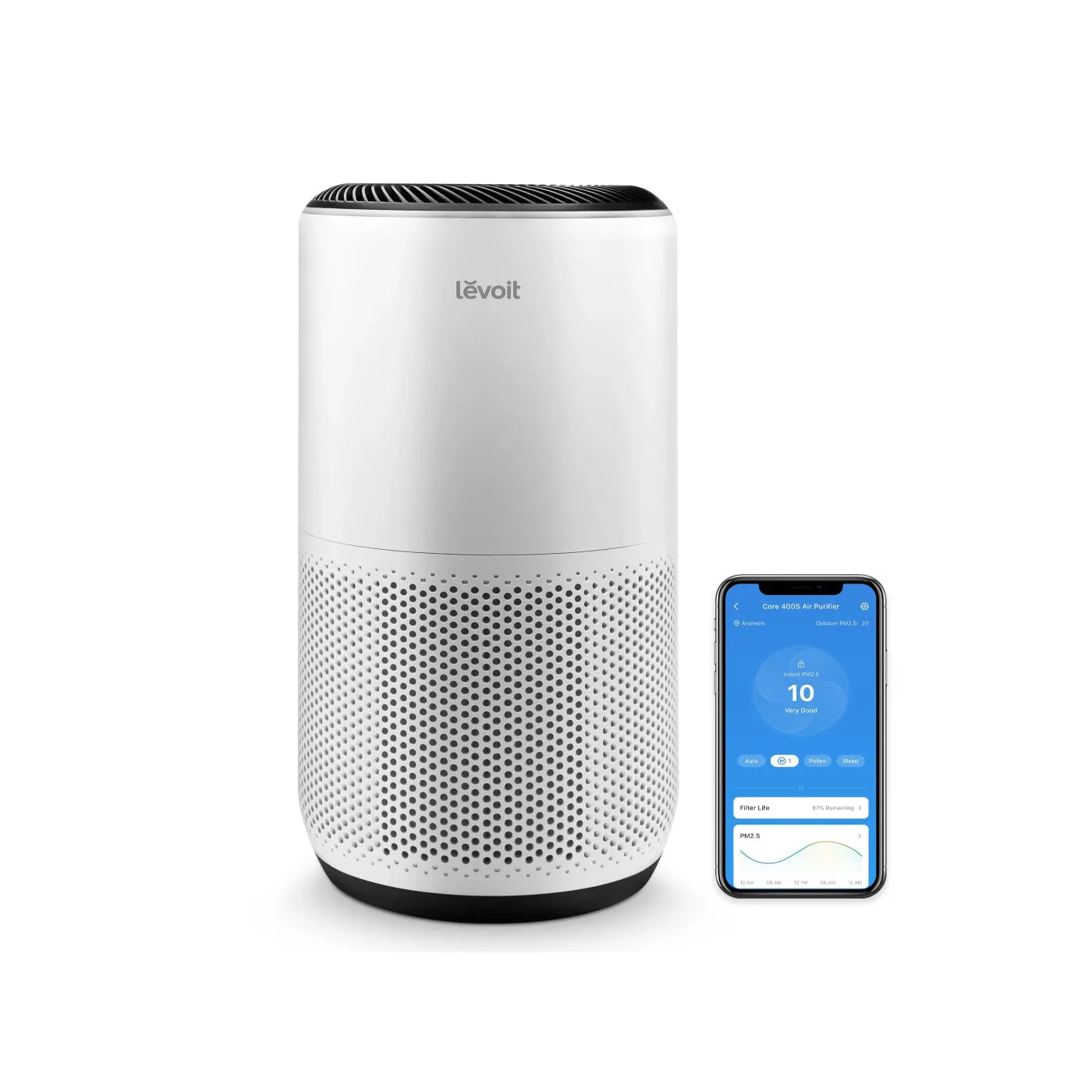
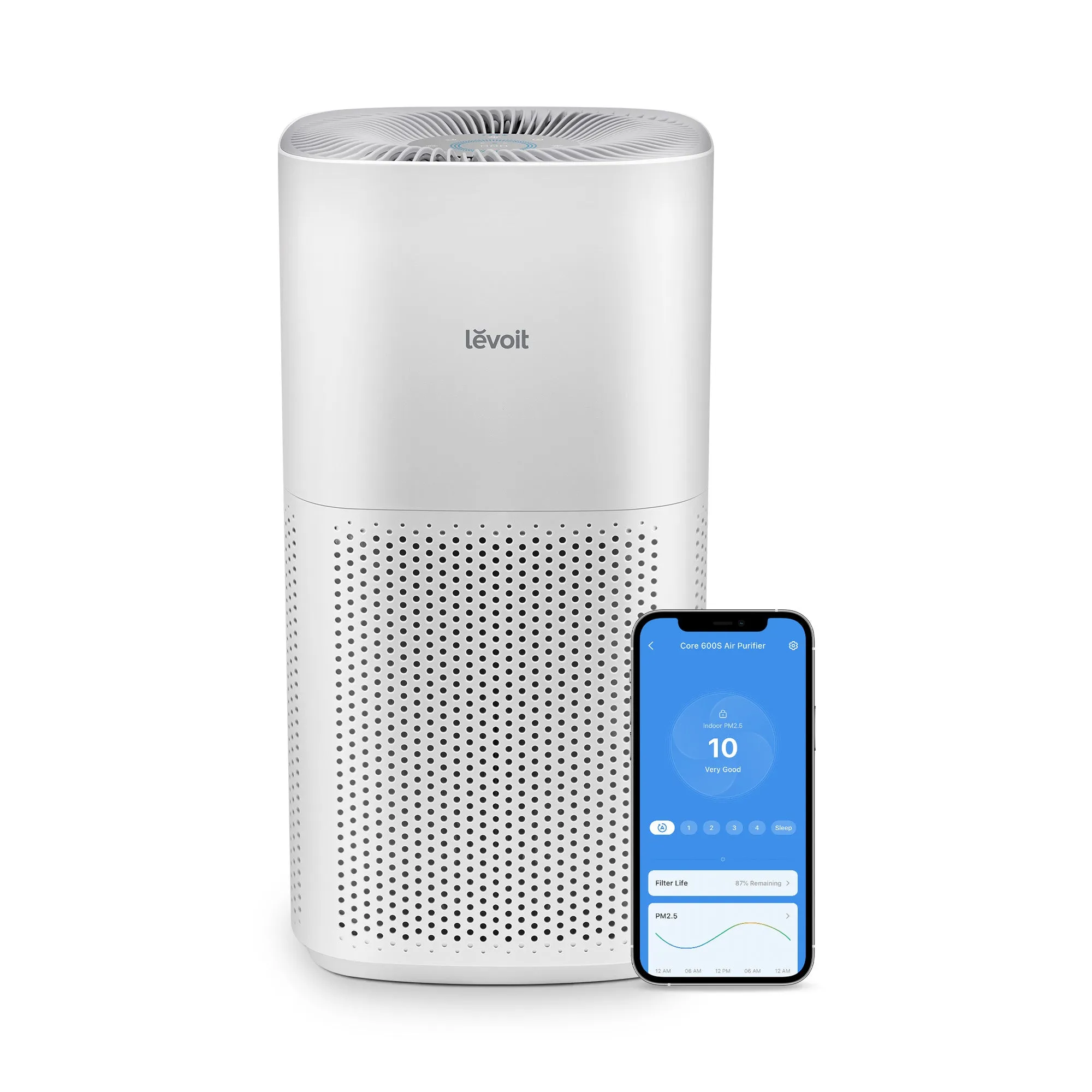
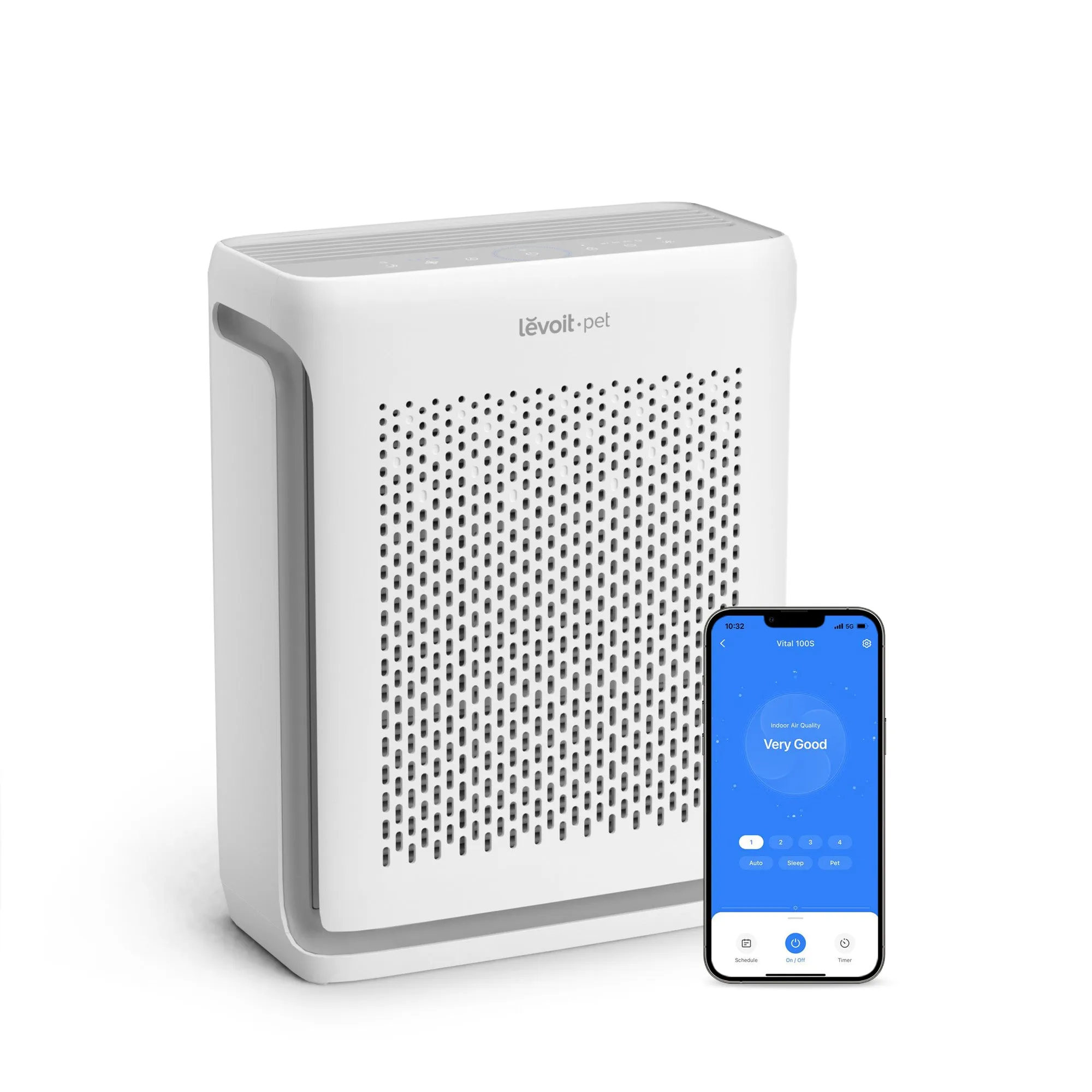
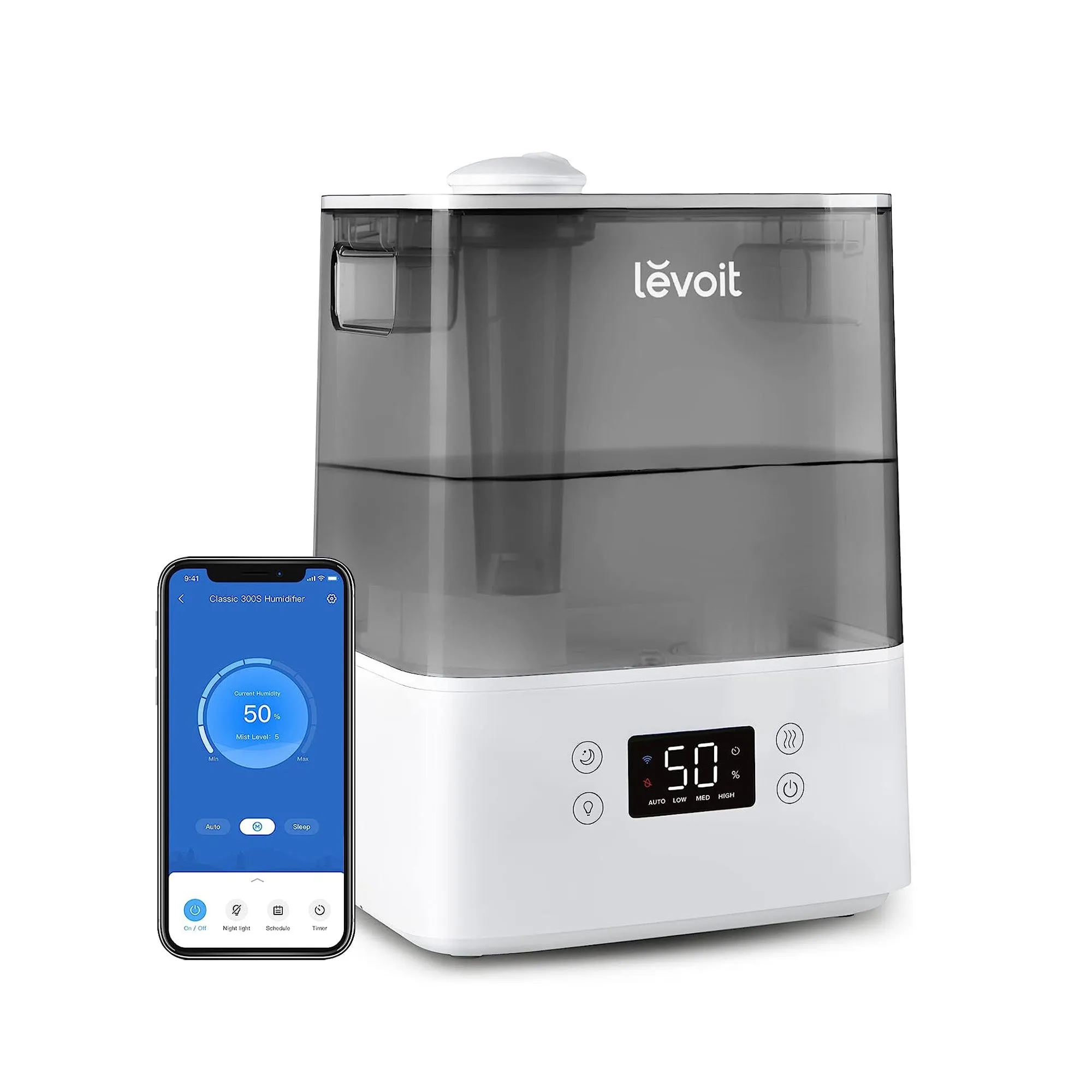
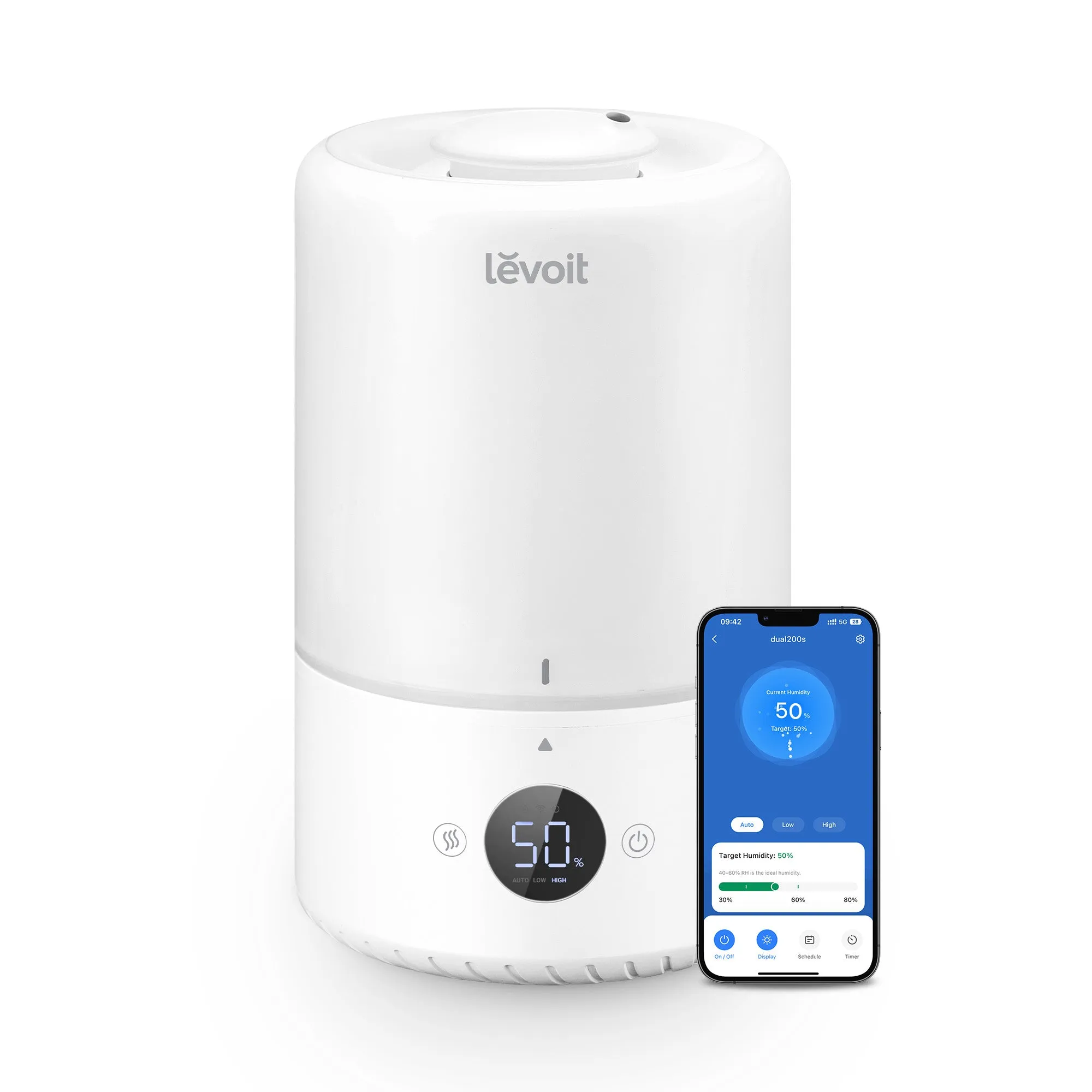
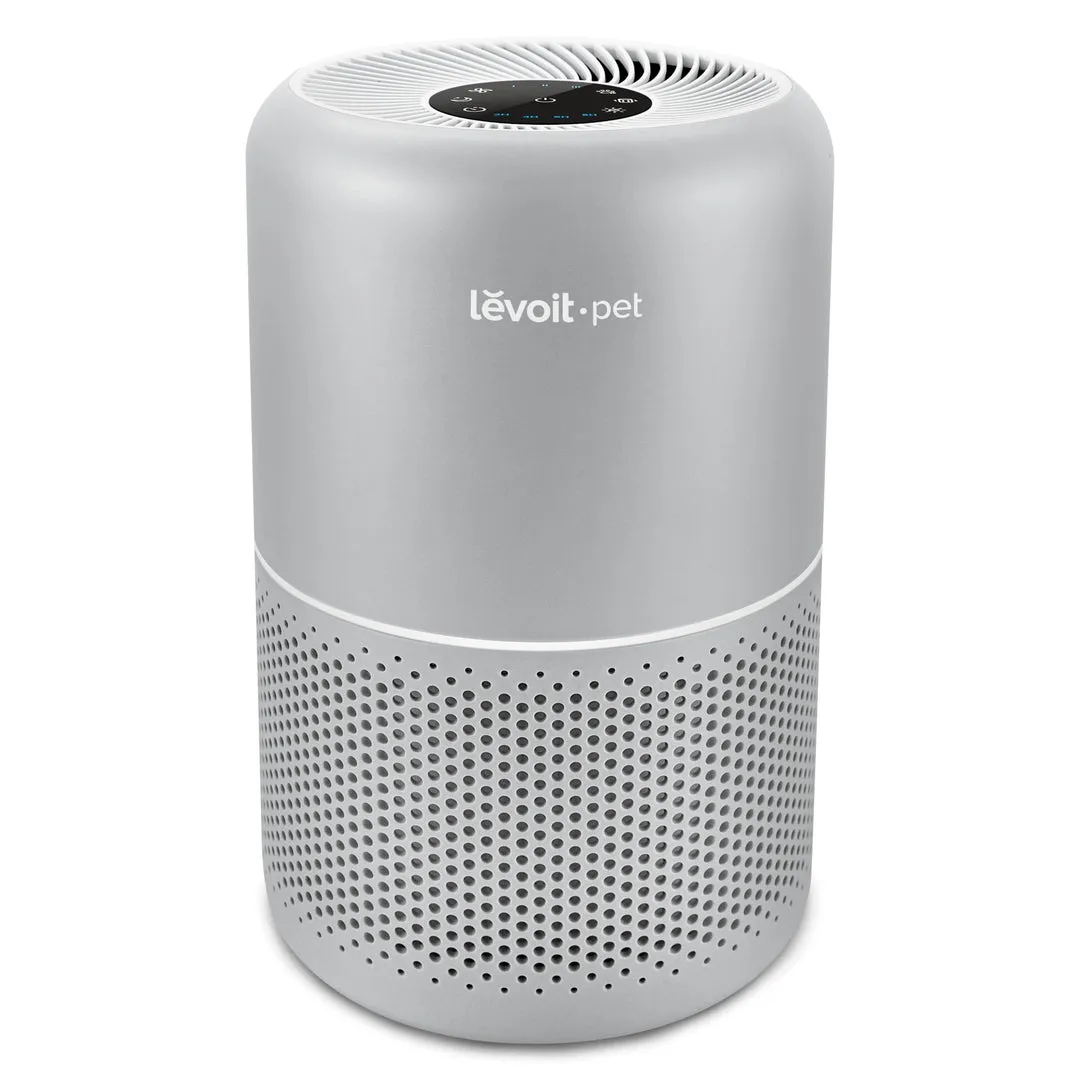
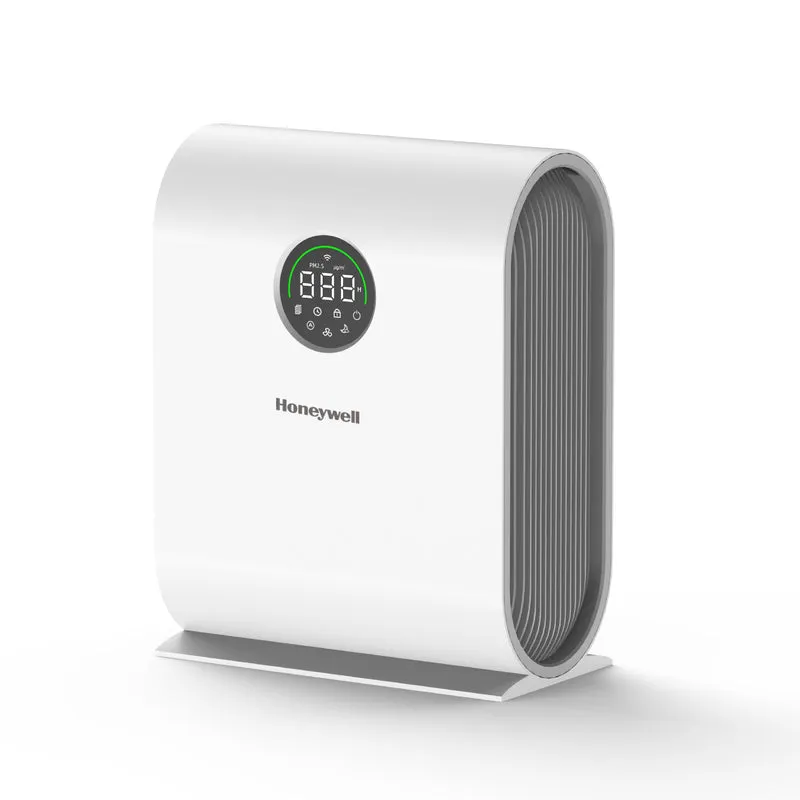
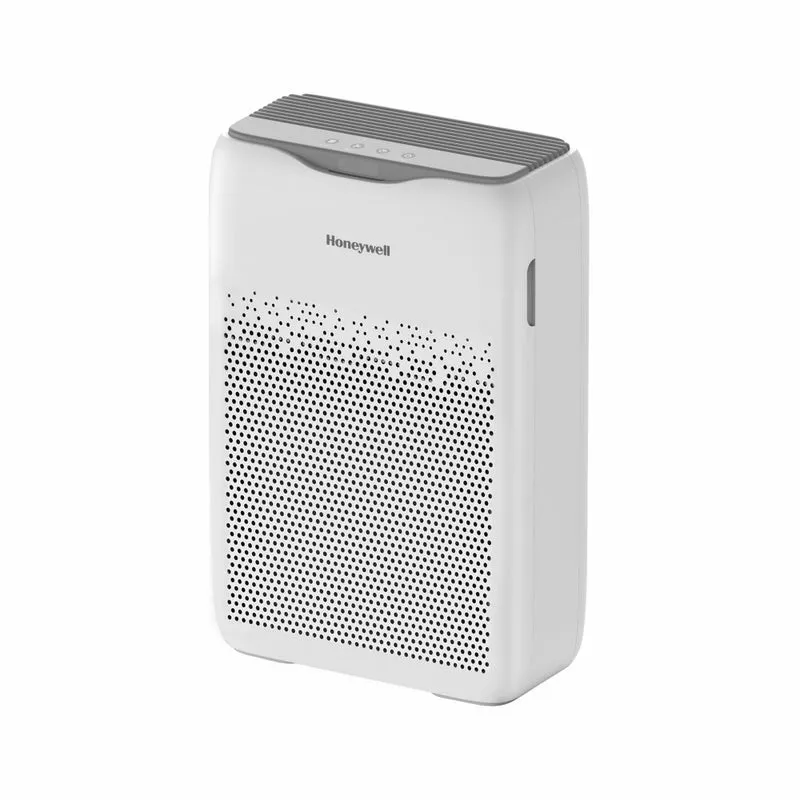
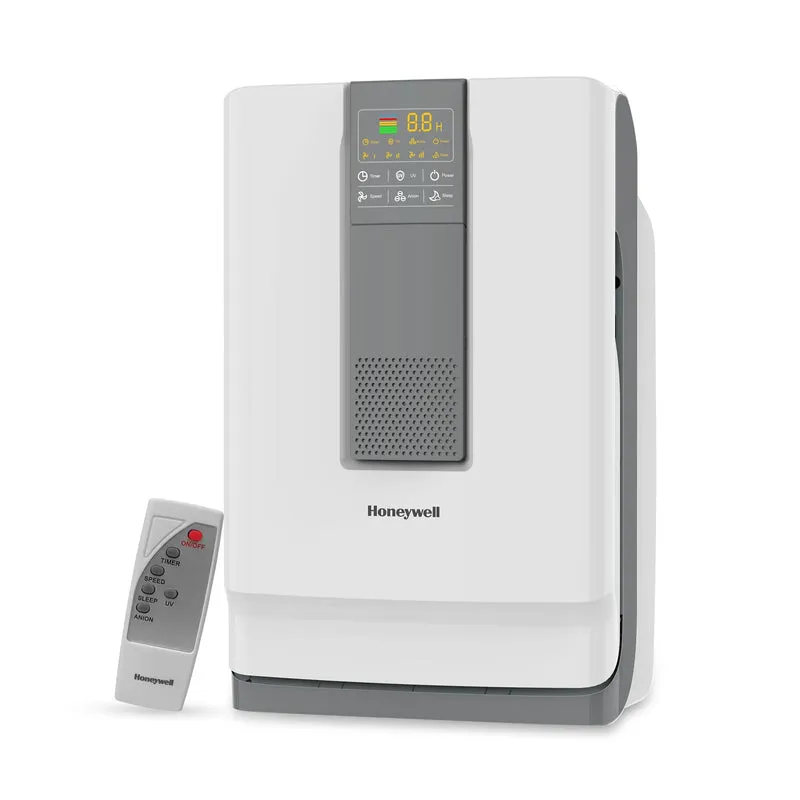
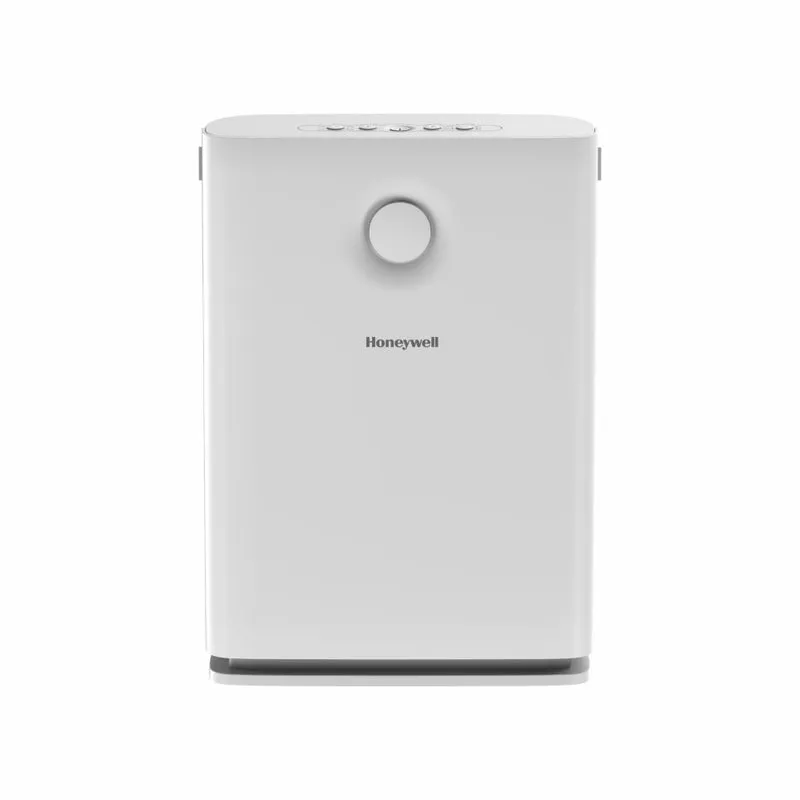
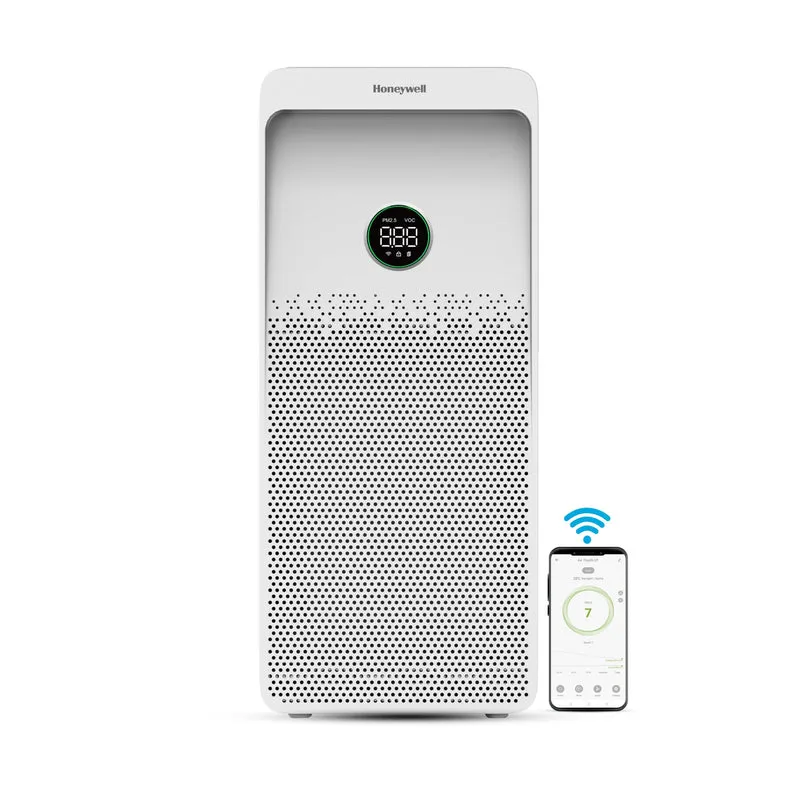
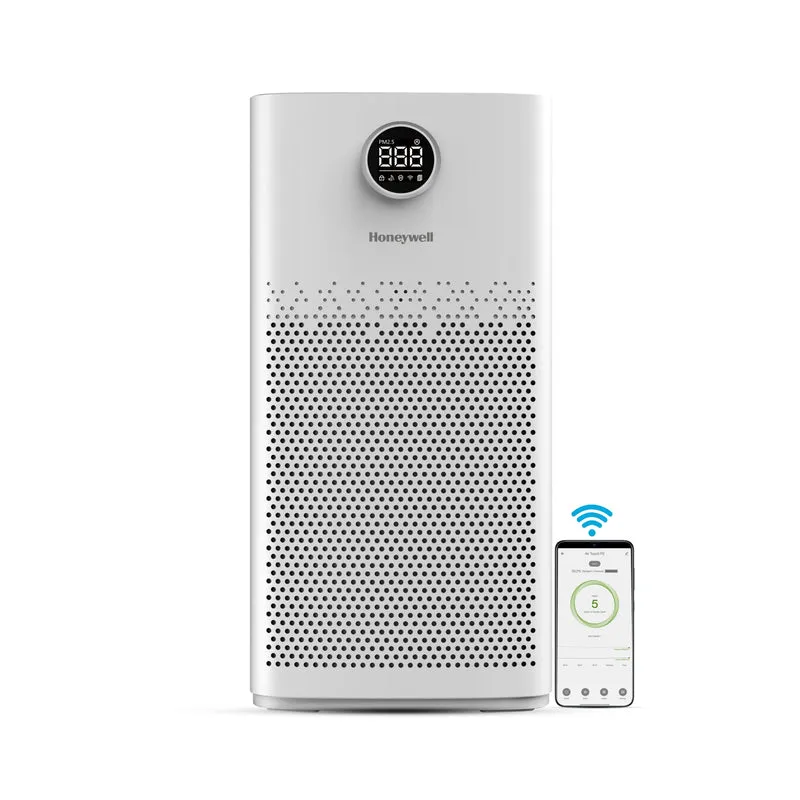
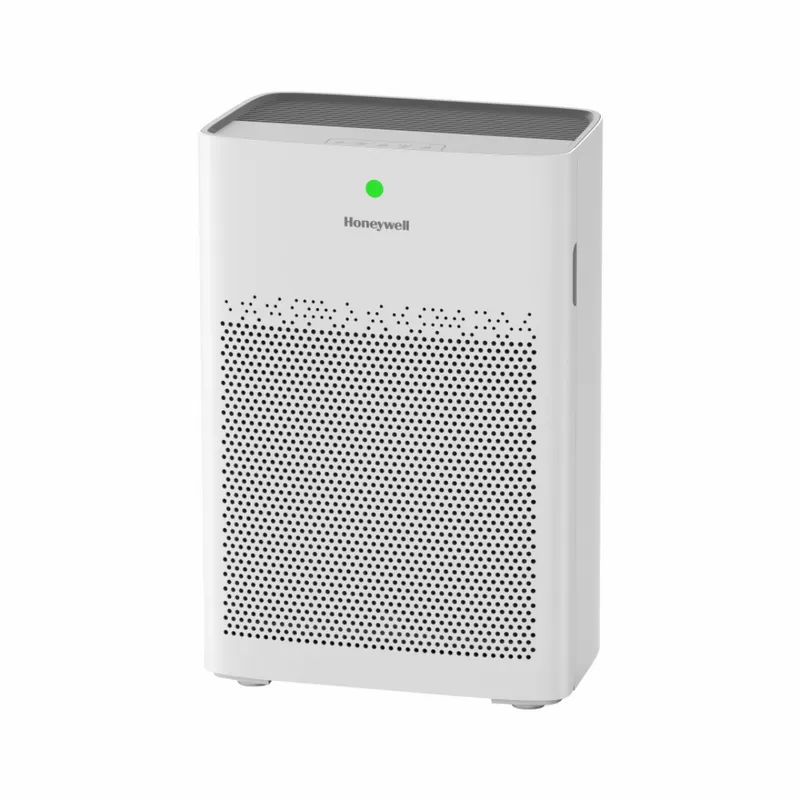
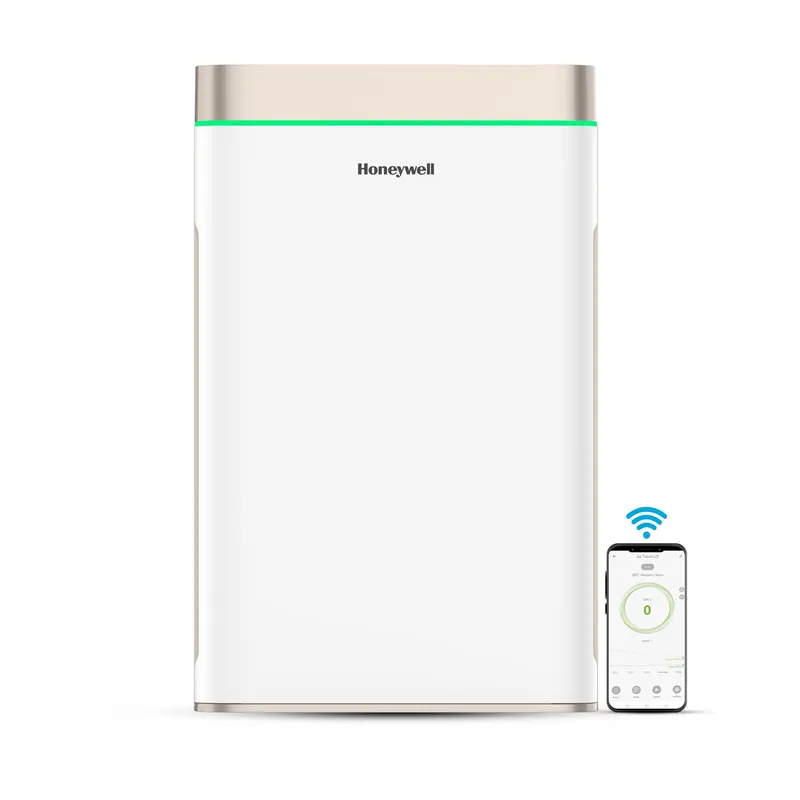
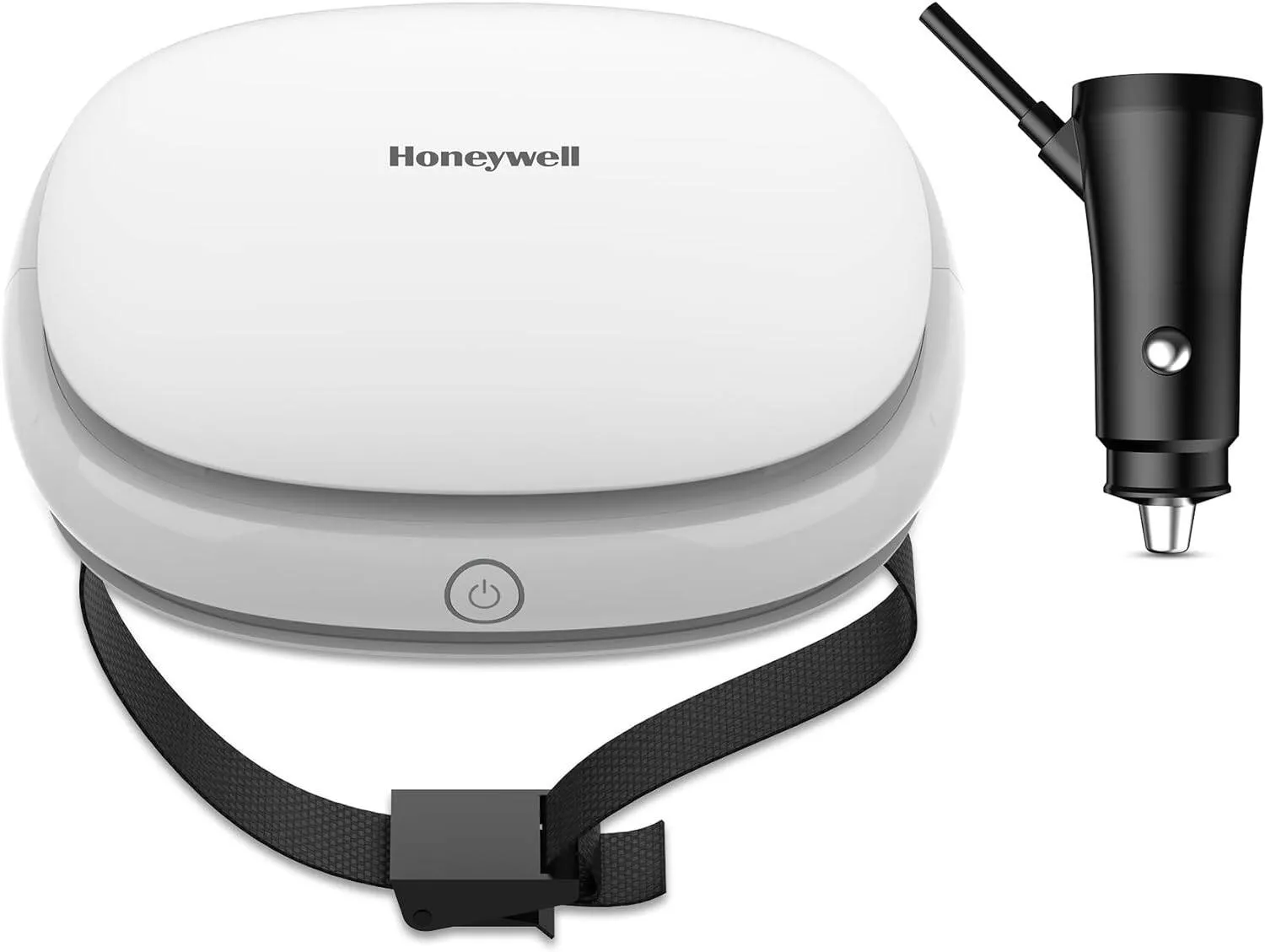
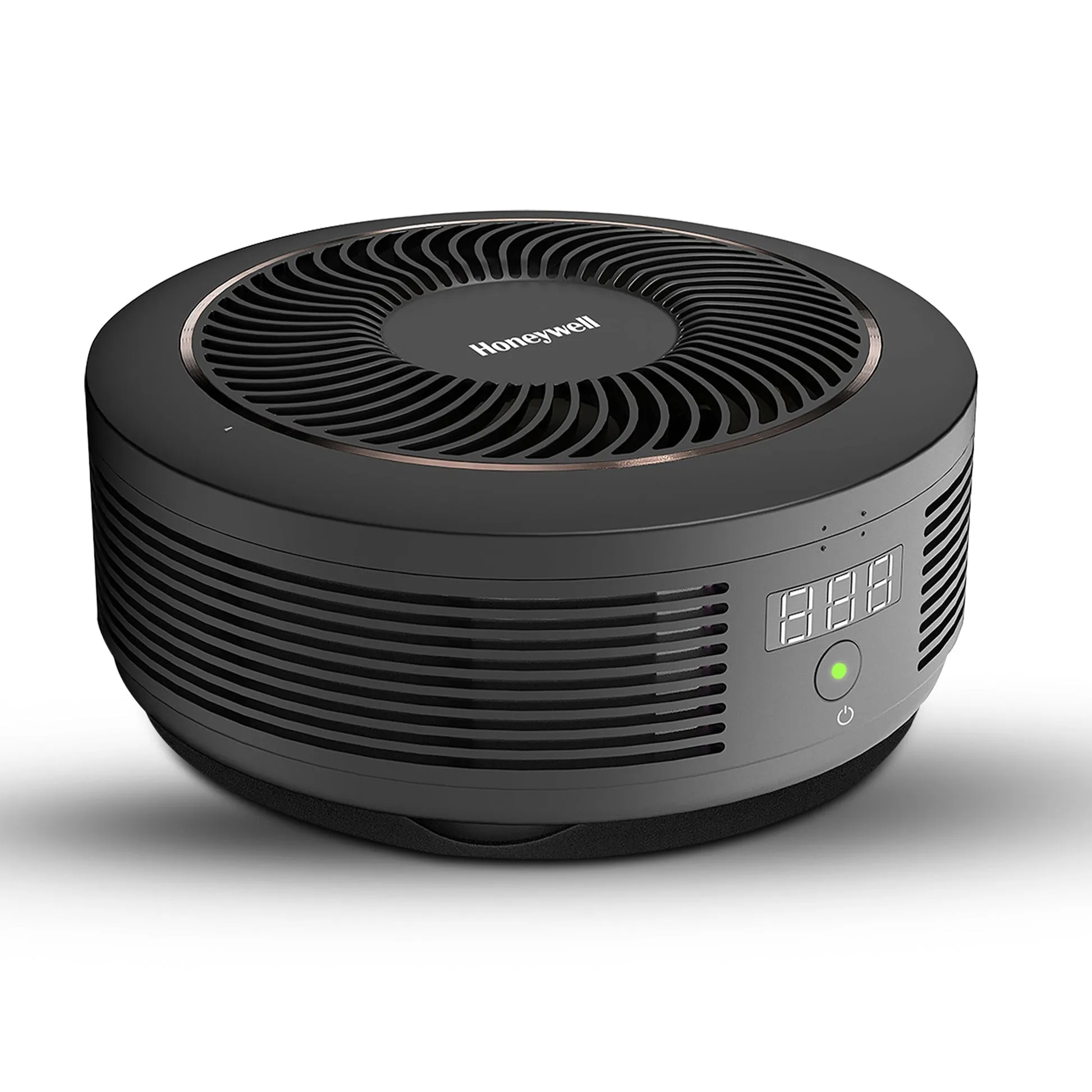
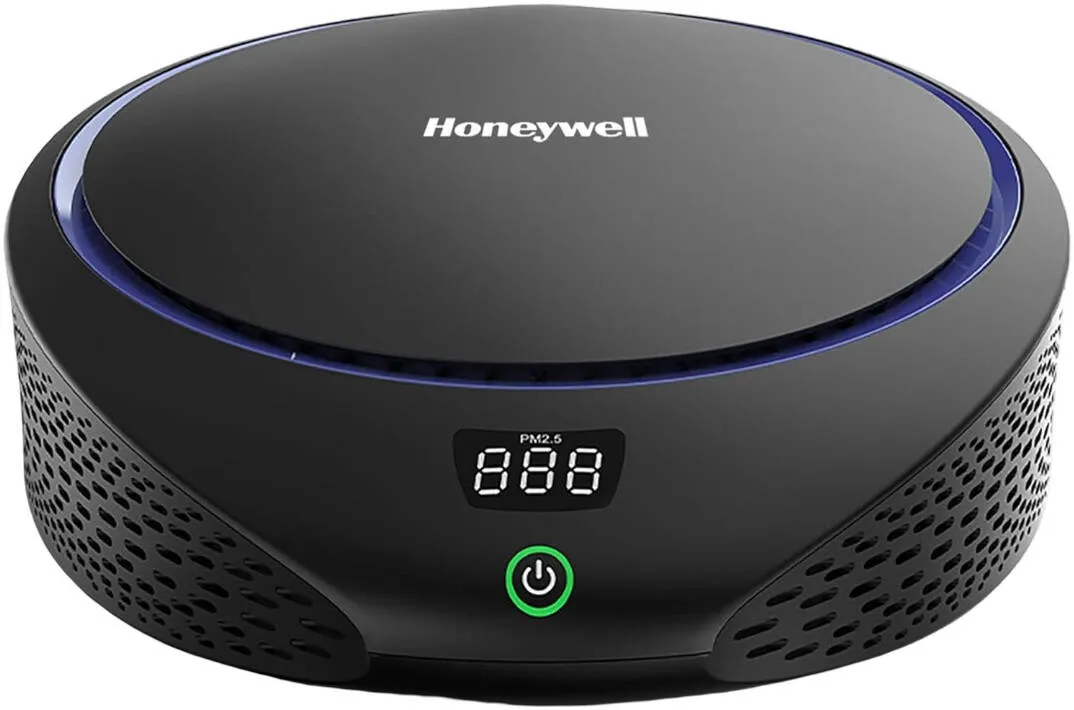
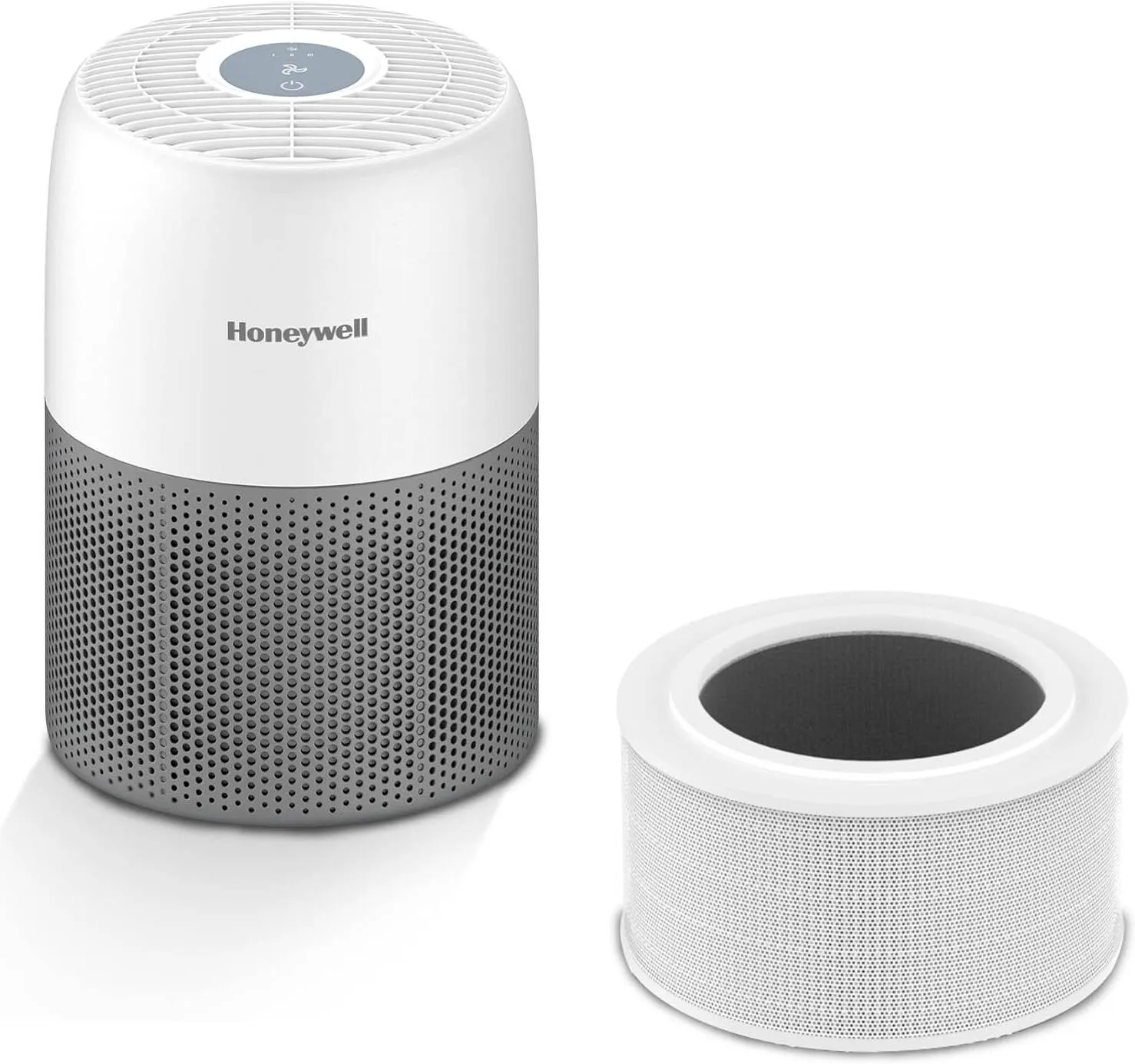
- Smart home integration: Consumer-grade sensors from brands such as Honeywell and Levoit connect to IoT platforms, sending alerts to smartphones when VOC or PM2.5 levels exceed user-set thresholds. This gives residents in Dubai and Abu Dhabi real-time awareness of indoor conditions without specialist equipment.
- Post-renovation monitoring: New building materials off-gas VOCs for weeks after installation. Sensors placed in newly renovated rooms track the decline in VOC concentration and confirm when it is safe to occupy the space fully.
Reviewing an indoor air quality checklist alongside sensor data helps residents and property managers connect readings to specific sources and remediation steps.
How do air quality sensors differ from regulatory-grade monitors?
The distinction between low-cost sensors and regulatory-grade reference monitors is one of purpose, not just price. Reference monitors, such as those used by national environmental agencies, are designed for compliance measurement. They use gravimetric, beta attenuation, or Federal Equivalent Method techniques that deliver traceable, legally defensible data. They are expensive, require trained operators, and are not practical for dense deployment indoors.
| Feature | Low-cost air quality sensors | Regulatory-grade reference monitors |
|---|---|---|
| Cost | Low to moderate | High |
| Data update frequency | Near real-time (seconds to minutes) | Hourly averages typical |
| Accuracy | Variable; requires calibration | High; traceable to national standards |
| Maintenance | Minimal | Regular, specialist maintenance |
| Best use | Supplementary, indicative monitoring | Compliance and regulatory reporting |
| Deployment scale | High-density networks possible | Limited by cost and logistics |
The EPA Toolbox framework draws a clear operational line: sensors are for indicator monitoring, providing local awareness and flagging issues for investigation. Reference monitors are for decision-grade monitoring, producing data that can support regulatory action or compliance reporting. Treating sensor data as equivalent to reference data leads to poor decisions in both directions, either ignoring real problems or acting on sensor artefacts.
For most residents, property managers, and businesses, investing in air quality solutions means starting with sensors to understand the indoor environment, then using that understanding to select appropriate air purification or ventilation improvements. Sensors inform the strategy; they do not replace the need for validated reference data when regulatory compliance is the goal.
Key takeaways
Air quality sensors provide the most value when their data is properly calibrated, contextualised against reference monitors, and used to drive specific ventilation or air-cleaning actions rather than treated as standalone compliance evidence.
| Point | Details |
|---|---|
| Sensors supplement, not replace, reference monitors | Use sensor data for awareness and trend detection, not regulatory compliance. |
| Calibration is non-negotiable | Site-specific calibration reduces systematic errors that generic models cannot correct. |
| CO2 is a reliable ventilation proxy | Rising CO2 in offices and schools signals inadequate fresh air supply before health effects appear. |
| Multi-parameter monitoring adds context | Combining PM2.5, CO2, VOC, temperature, and humidity readings gives a fuller picture of indoor air quality. |
| Performance evaluation requires time | EPA guidance requires at least 30 days of co-location with a reference monitor to assess sensor reliability. |
Sensors are useful tools, but only if you understand their limits
I have spent considerable time reviewing how organisations deploy air quality sensors, and the pattern I see most often is misplaced confidence in raw data. A sensor is purchased, installed, and its readings are taken at face value. Nobody checks whether the device has been calibrated for the local environment, and nobody compares its output against a reference instrument. The result is a number on a screen that may be accurate, or may be 40% off, and the user has no way to tell.
The sensors themselves are not the problem. The technology has improved substantially, and multi-parameter devices now offer genuine value for indoor monitoring. The problem is the assumption that buying a sensor is the same as having reliable data. Calibration, collocation testing, and an understanding of each sensor’s known failure modes are what convert a measurement into something you can act on.
What I find encouraging is the direction of travel. IoT integration means sensor networks can now feed data into building management systems automatically, triggering ventilation adjustments without human intervention. Machine learning corrections are improving the accuracy of VOC and PM sensors in ways that were not practical five years ago. But none of that removes the need for a baseline validation step. The organisations getting the most from their sensor investments are the ones that treat calibration as a running cost, not a one-time setup task.
My recommendation is straightforward. Start with a clear question: what do you need to know, and what action will you take based on the answer? That question shapes which sensors you need, where to place them, and how to interpret what they tell you. Technology without that framework produces data without decisions.
— Wojciech
Air quality monitoring and purification solutions from Cleanair-ae
Understanding sensor data is only part of the picture. Acting on it requires the right equipment.

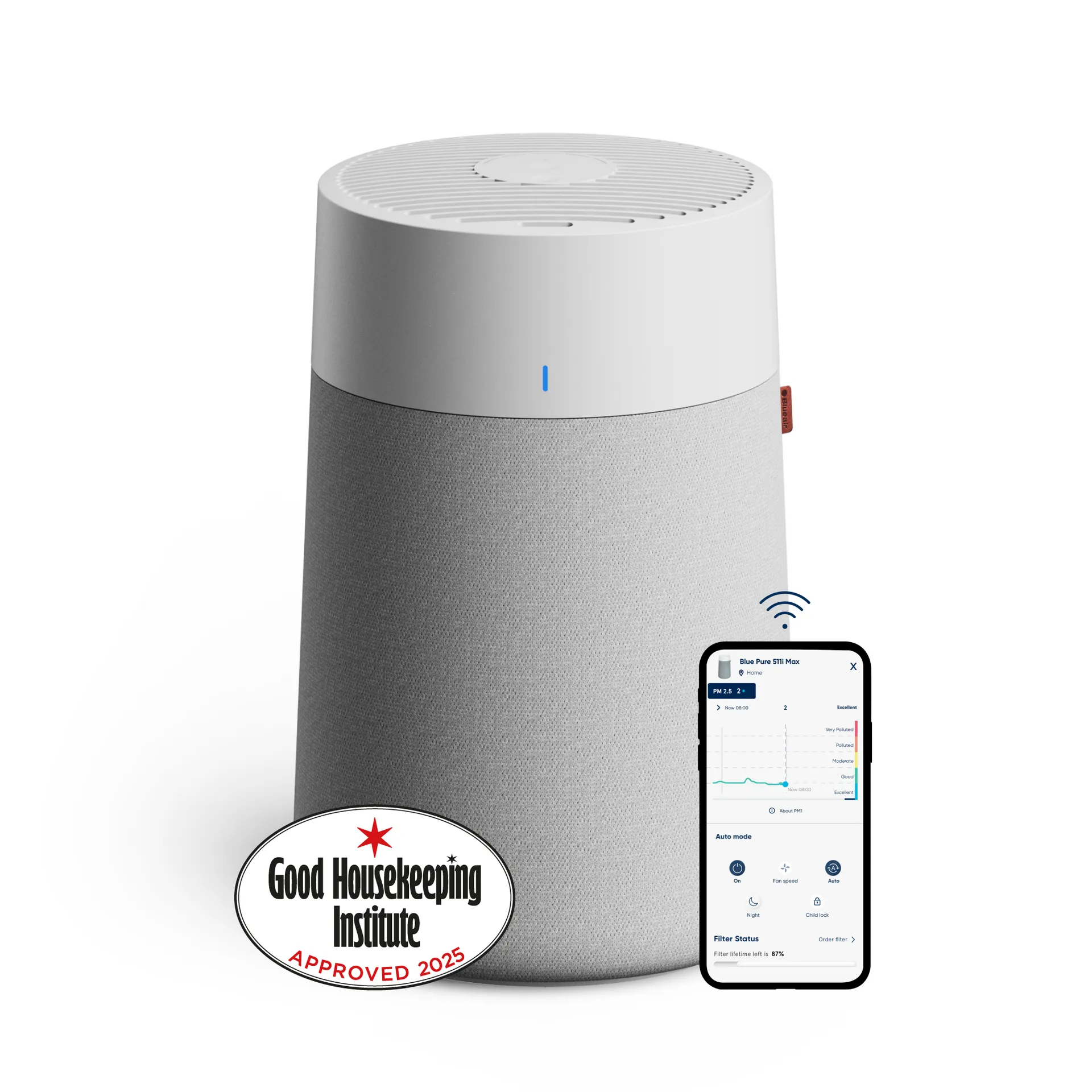
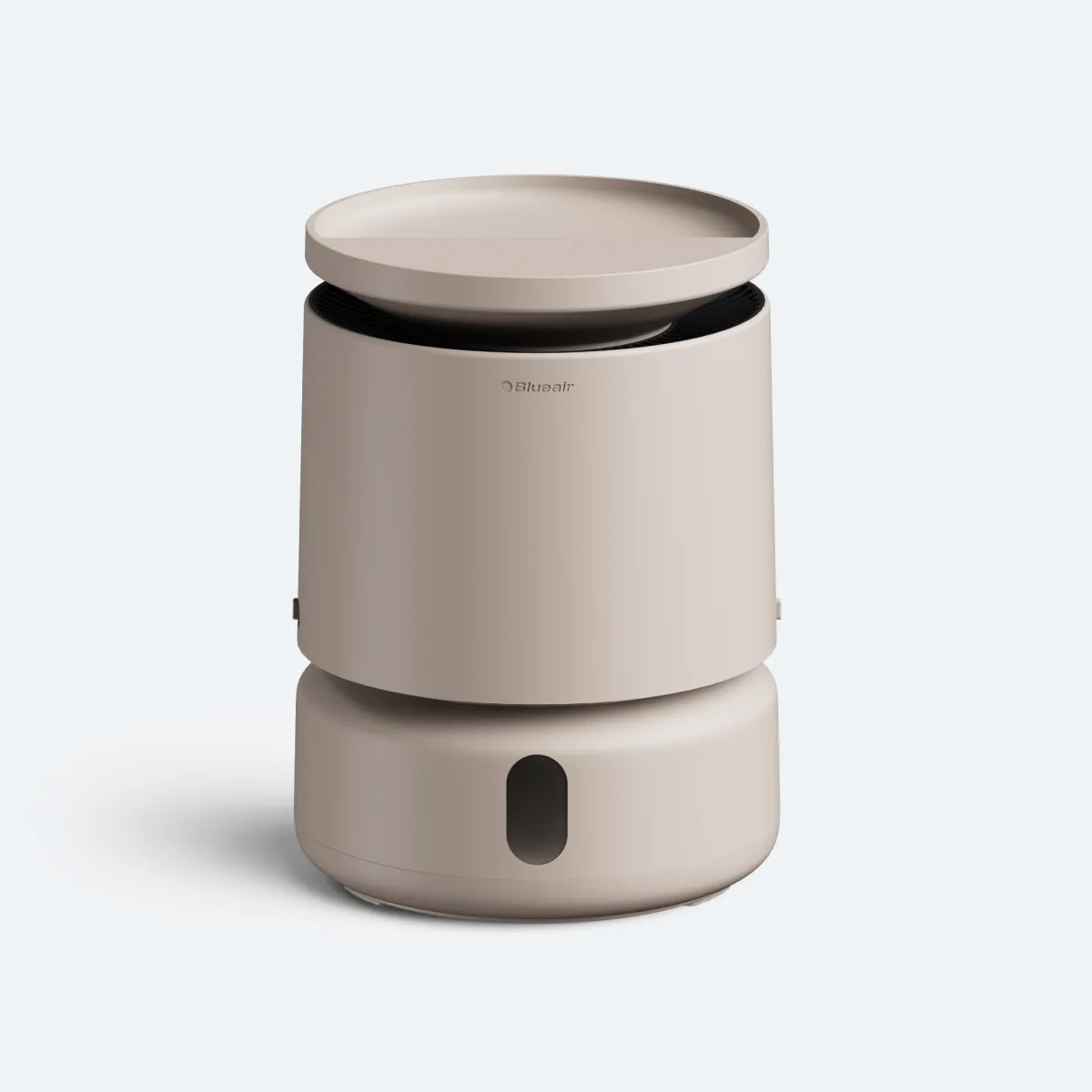
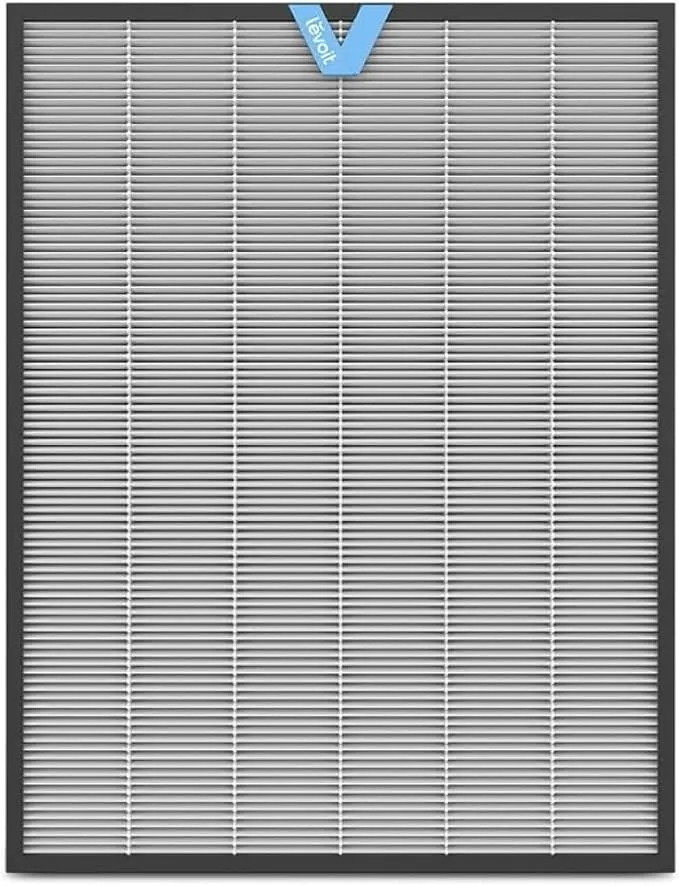
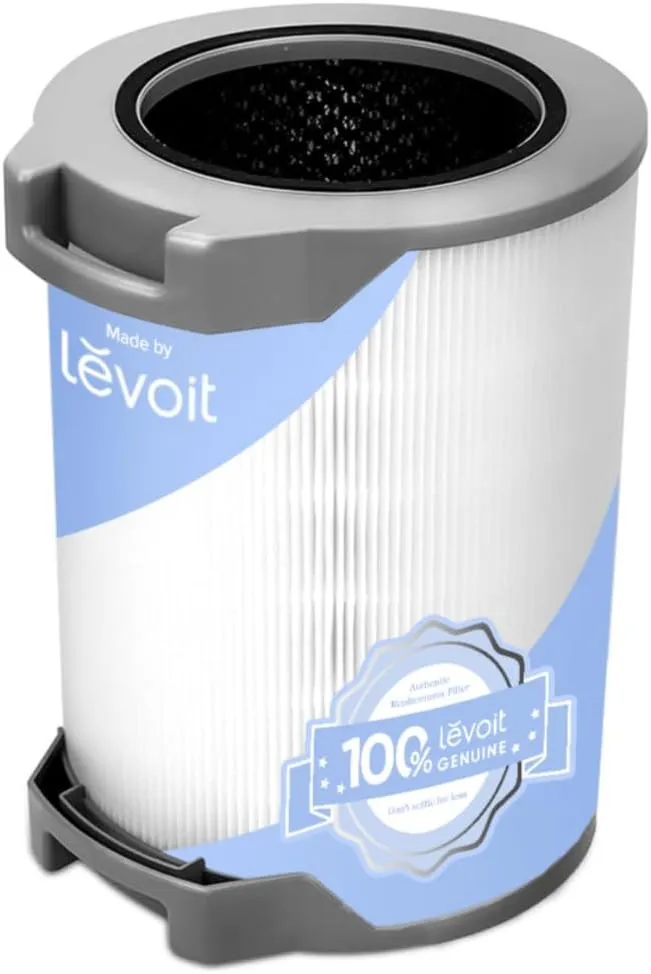
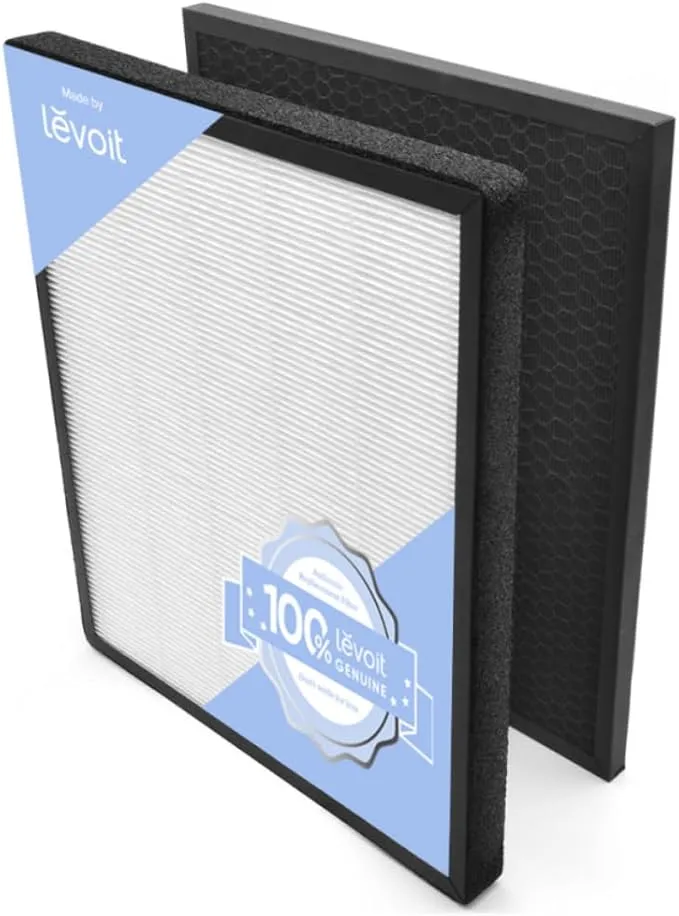
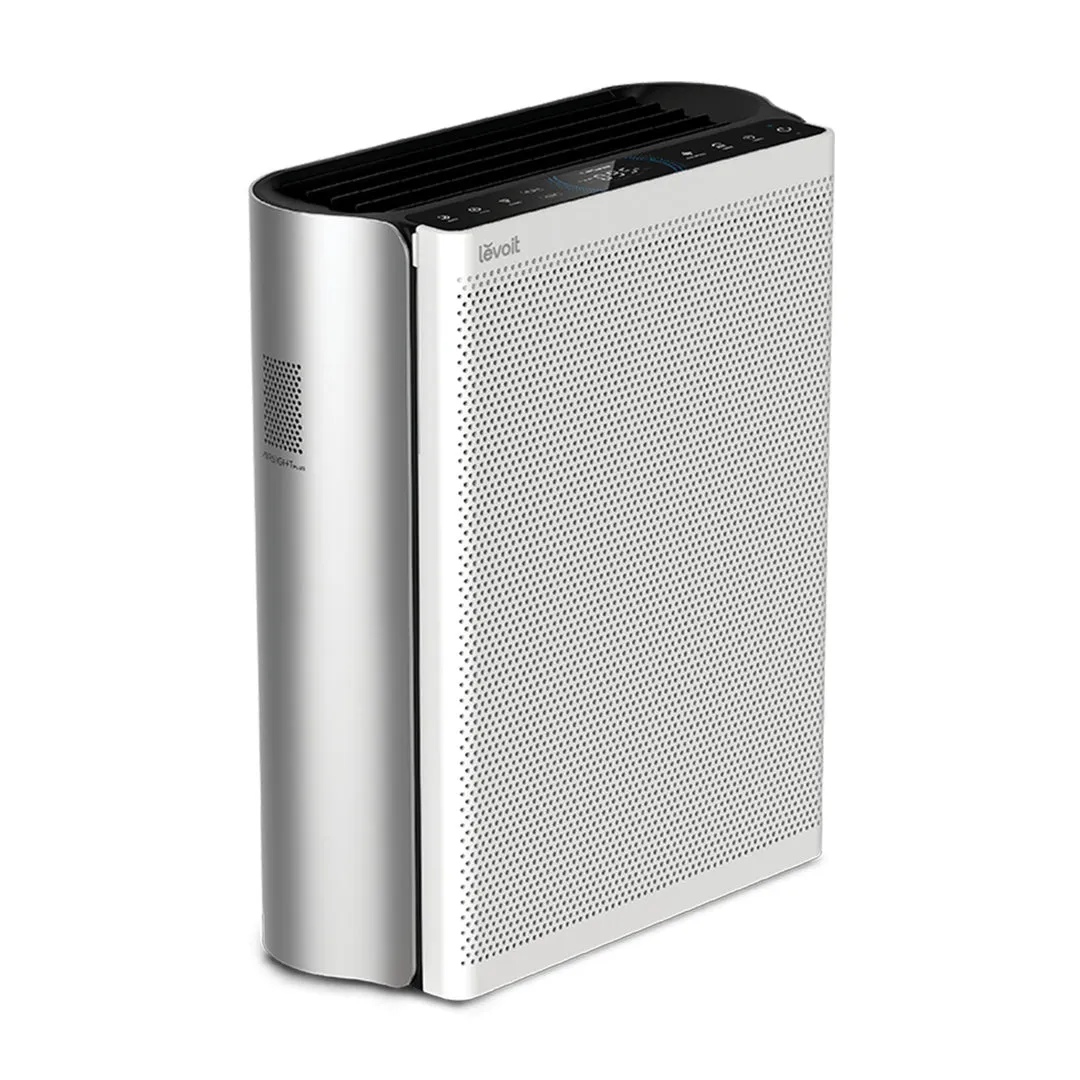
Cleanair-ae stocks a curated range of air purifiers, filters, and accessories from Blueair, Honeywell, and Levoit, suited to residential and commercial spaces across Dubai and Abu Dhabi. Whether sensor readings have flagged elevated PM2.5 in a bedroom or VOC build-up in a newly renovated office, the air purifier buying guide for 2026 covers how to match purification capacity to room size and pollutant type. For those exploring options beyond standalone purifiers, the air purifier alternatives list outlines eight proven methods for improving indoor air quality informed by monitoring data. Free UAE delivery is available on qualifying orders.
FAQ
What does an air quality sensor measure?
Air quality sensors measure pollutants and environmental parameters including PM2.5, PM10, CO2, VOCs, temperature, and humidity. The specific parameters depend on the sensor type and its intended application.
How do air quality sensors work in simple terms?
Optical sensors shine a light through air and measure how particles scatter it. Electrochemical sensors detect gases by measuring the electrical current produced when target molecules react with a sensing electrode.
Why does calibration matter for air quality sensors?
Uncalibrated sensors can produce readings that are significantly higher or lower than actual pollutant concentrations. Site-specific calibration, validated against a reference monitor over at least 30 days, is the standard approach recommended by the US EPA.
Can air quality sensors replace regulatory monitors?
No. Sensors provide supplementary, indicative data suitable for awareness and trend monitoring. Regulatory-grade reference monitors produce traceable, compliance-grade data that low-cost sensors cannot replicate without extensive validation.
What is CO2 monitoring used for indoors?
CO2 monitoring indicates ventilation effectiveness and occupancy levels. Concentrations above 1,000 parts per million in occupied spaces typically signal that fresh air supply is insufficient, which affects comfort and cognitive performance.