


Uncategorised
Smart air quality technologies: UAE home guide

Smart air quality technologies are advanced systems that monitor, analyse, and automate responses to indoor air pollutants in real time. In the UAE, where residents spend the majority of their time indoors and face regional challenges such as desert dust, high humidity, and urban VOC emissions, these systems are not optional extras. They are practical tools for protecting health and maintaining comfort. Standards such as ASHRAE 62.1-2025 and WELL v2 now mandate continuous multi-parameter monitoring, signalling that indoor air quality (IAQ) management has moved firmly into mainstream building practice.
1. Smart air quality technologies: what they are and why they matter in the UAE
Smart air quality technologies is the popular term for what the industry formally calls IAQ monitoring and control systems. These systems use electronic sensors, wireless connectivity, and data analytics to track pollutants and trigger corrective actions. The core parameters any credible system must cover are PM2.5, CO2, VOCs, temperature, and humidity. Advanced systems extend this to PM1, PM10, and barometric pressure. In the UAE context, fine particulate matter from sandstorms and VOCs from construction materials make multi-parameter coverage especially relevant.
2. Particulate matter (PM2.5 and PM1) sensors
PM2.5 sensors detect fine particles smaller than 2.5 micrometres, the fraction most damaging to respiratory health. PM1 sensors go further, capturing ultrafine particles that penetrate deepest into lung tissue. Entry-level monitors typically include PM2.5 detection, while professional-grade devices add PM1 and PM10 channels for a fuller picture. In Dubai and Abu Dhabi, where construction activity and seasonal dust events are frequent, a monitor that tracks both PM2.5 and PM10 gives you a more complete view of particulate risk. Look for laser particle counters rather than basic optical sensors for greater accuracy at low concentrations.
3. CO2 monitors
CO2 concentration is the most reliable proxy for ventilation quality in occupied spaces. When CO2 rises above 1,000 parts per million, cognitive performance declines and occupants report fatigue. A smart CO2 monitor with real-time alerts tells you exactly when to open a window, run a ventilation unit, or reduce occupancy. In tightly sealed, air-conditioned UAE apartments and offices, CO2 can build quickly. Monitors that log data over time also reveal patterns, such as CO2 peaks during meetings or after cooking, that a single reading would miss.
4. VOC sensors
Volatile organic compounds (VOCs) off-gas from paints, adhesives, cleaning products, and furniture. VOC sensors measure total VOC concentration in parts per billion and flag spikes that coincide with specific activities. New UAE residential developments often use materials that off-gas heavily in the first months after fit-out. A VOC sensor placed in a newly furnished room will show you exactly how long elevated levels persist and whether ventilation is sufficient. Pair VOC data with an air purifier fitted with an activated carbon filter for direct remediation.
5. Temperature and humidity sensors
Temperature and humidity are not merely comfort parameters. High humidity above 60% promotes mould growth and dust mite proliferation, both significant allergen sources in UAE coastal cities. Smart humidity sensors trigger dehumidifiers or HVAC adjustments automatically when thresholds are crossed. Temperature monitoring helps identify hot spots in rooms where HVAC coverage is uneven. Combined, these two readings inform decisions about humidifier and dehumidifier use that directly affect occupant health.
6. IoT air quality sensors with mesh networking
Wireless, peel-and-stick IoT air quality sensors deploy in under five minutes per unit using Bluetooth or Zigbee mesh networks, with no contractors required. This contrasts sharply with traditional wired monitoring systems, which require significant installation cost and disruption. A mesh network of sensors across multiple rooms gives a whole-property view rather than a single-point snapshot. For UAE villas, large apartments, or small commercial premises, this distributed approach reveals which zones have the worst air quality and where intervention is most needed. The low installation barrier means property managers can deploy monitoring without specialist support.
Pro Tip: Place sensors at breathing height (roughly 1–1.5 metres from the floor) and away from windows, corners, and direct airflow from air conditioning vents. Incorrect sensor placement produces skewed readings that lead to poor decisions.
7. Smart home integrated air quality monitors
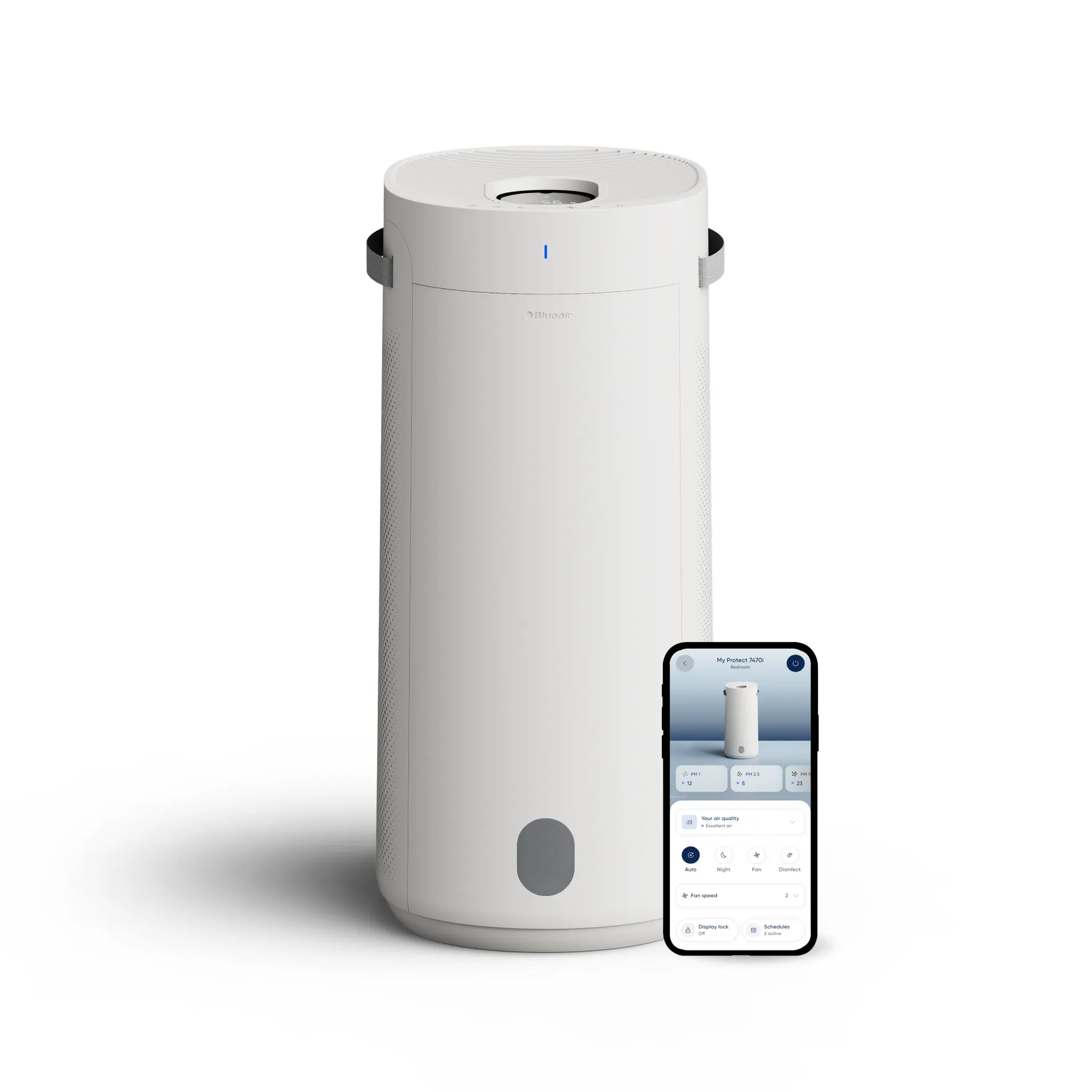
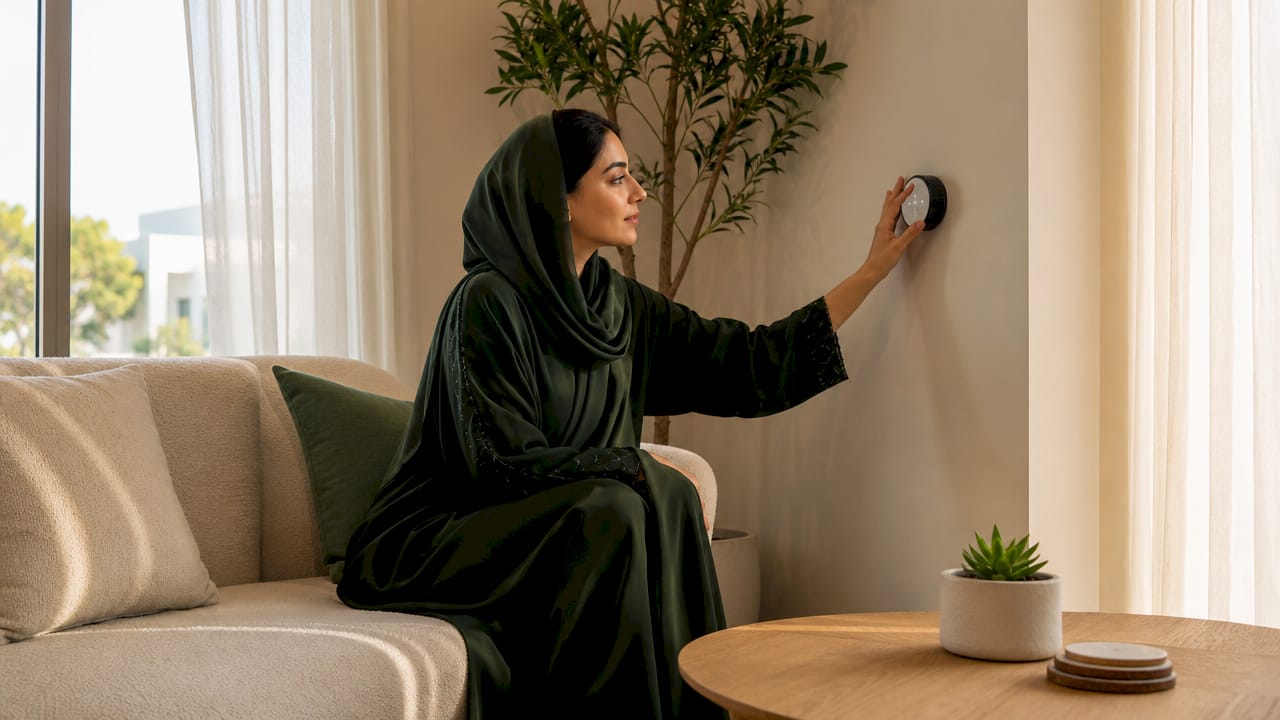
Integration with Apple Home, Google Home, or Matter-compatible ecosystems turns a standalone monitor into a control hub. Smart home integration enables automated routines: when PM2.5 exceeds a set threshold, the air purifier switches to high speed without any manual input. This closed-loop approach maintains air quality without requiring constant attention. For busy households or SME offices in the UAE, automation removes the reliance on occupants remembering to act on alerts. Compatibility with Matter, the unified smart home standard, is the most future-proof choice for new purchases in 2026.
8. Predictive AI ventilation control
Predictive AI differentiates advanced IAQ systems from basic threshold-alert devices. Rather than waiting for CO2 or PM2.5 to breach a limit, predictive AI pre-adjusts ventilation based on occupancy patterns and historical environmental data. A system that knows a meeting room fills at 9am every weekday can begin increasing fresh air supply at 8:45am, preventing the CO2 spike rather than reacting to it. This shift from reactive to proactive control is the defining feature of enterprise-grade IAQ platforms. For UAE commercial spaces with predictable occupancy cycles, the energy savings from precise ventilation control can offset subscription costs.
9. Entry-level vs professional-grade monitors
Entry-level monitors cost between $70 and $100, covering core parameters with smartphone app connectivity. Professional-grade devices range from $199 to $350, adding advanced parameters, higher sensor accuracy, and API access for building management system integration. Annual subscriptions for advanced analytics and compliance reporting reach up to $350 per year. The right tier depends on your use case: a single-room home monitor needs only entry-level capability, while a small office seeking WELL v2 compliance needs professional-grade multi-sensor coverage. Budget for both the device and any ongoing subscription when comparing total cost of ownership.
10. Closed-loop air purification systems
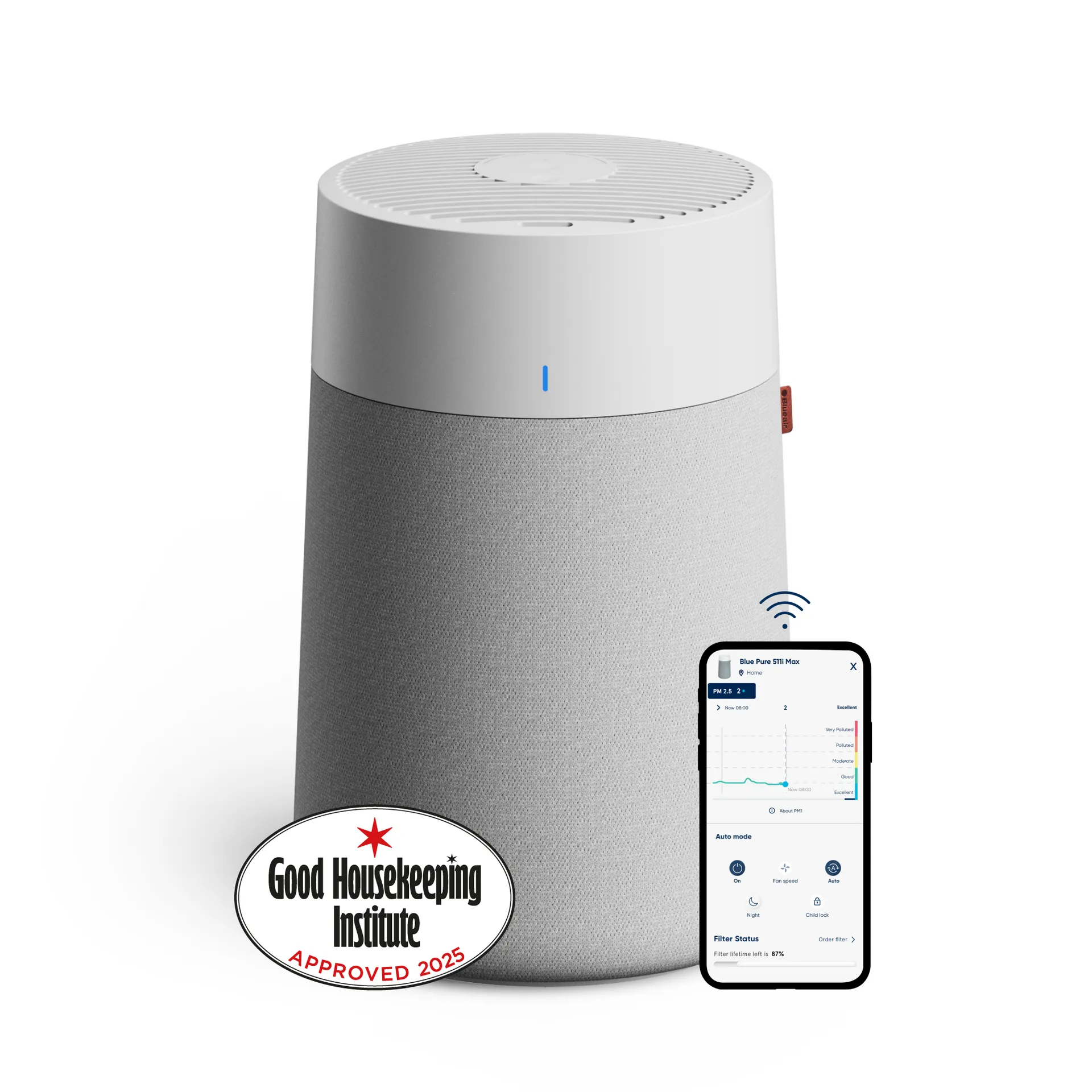
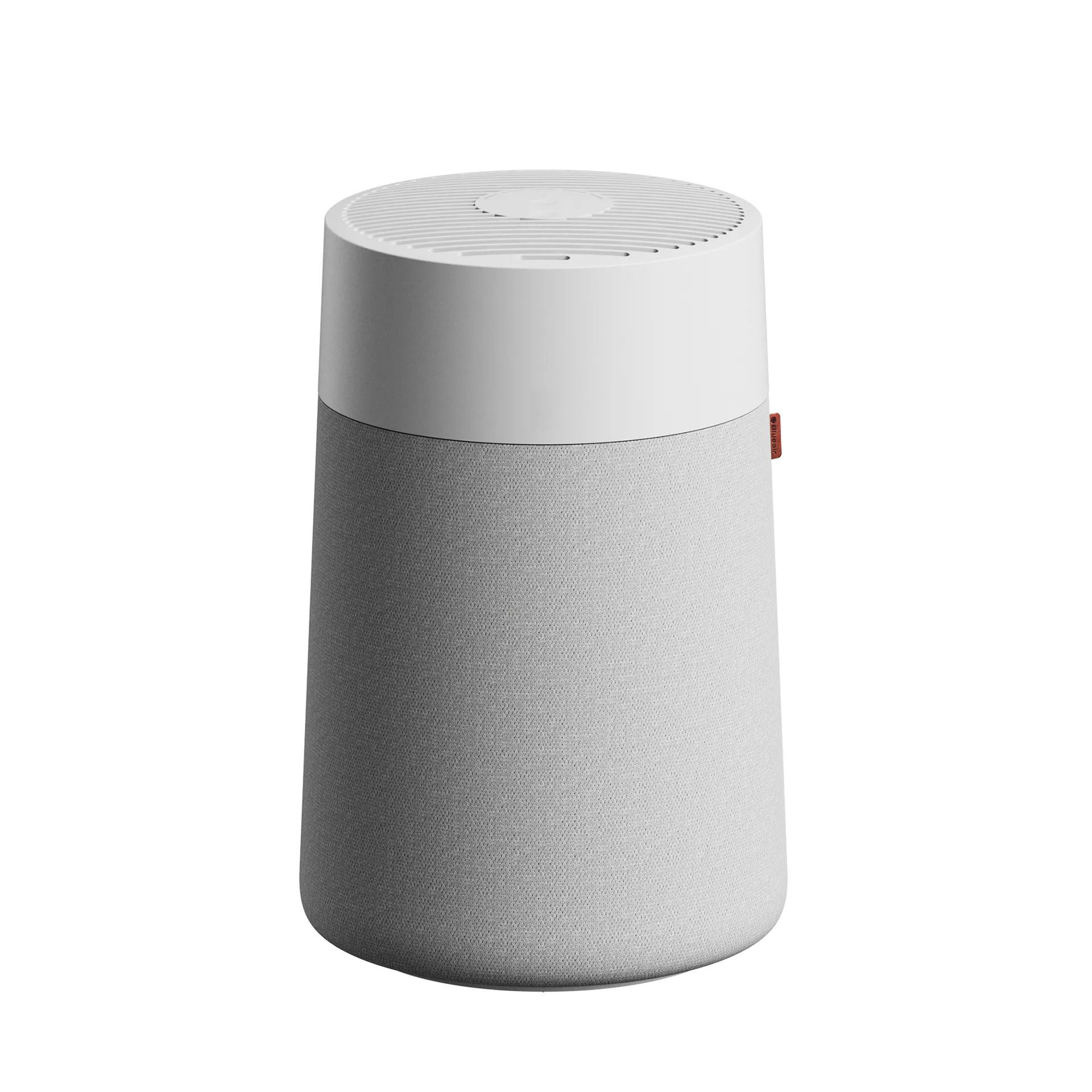
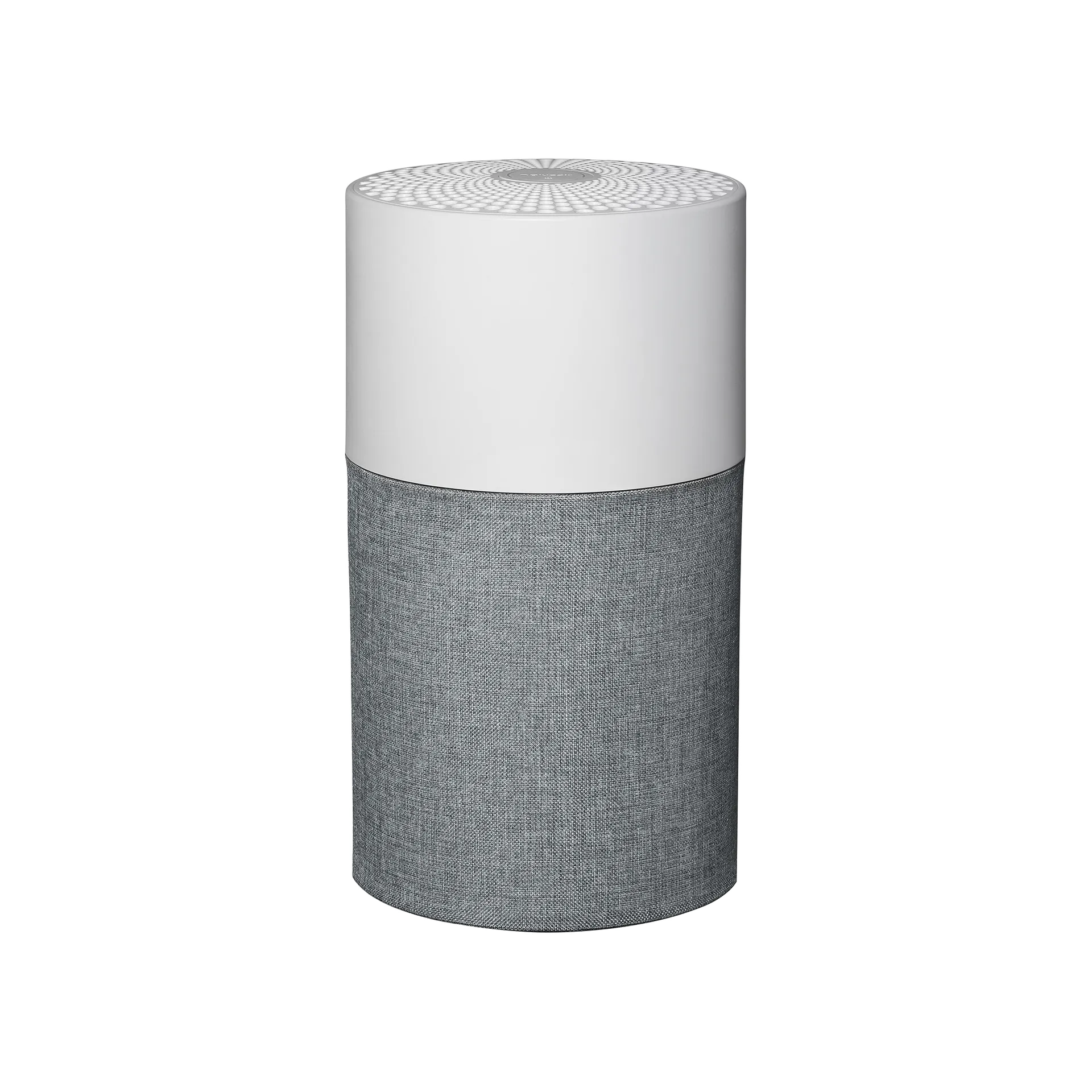
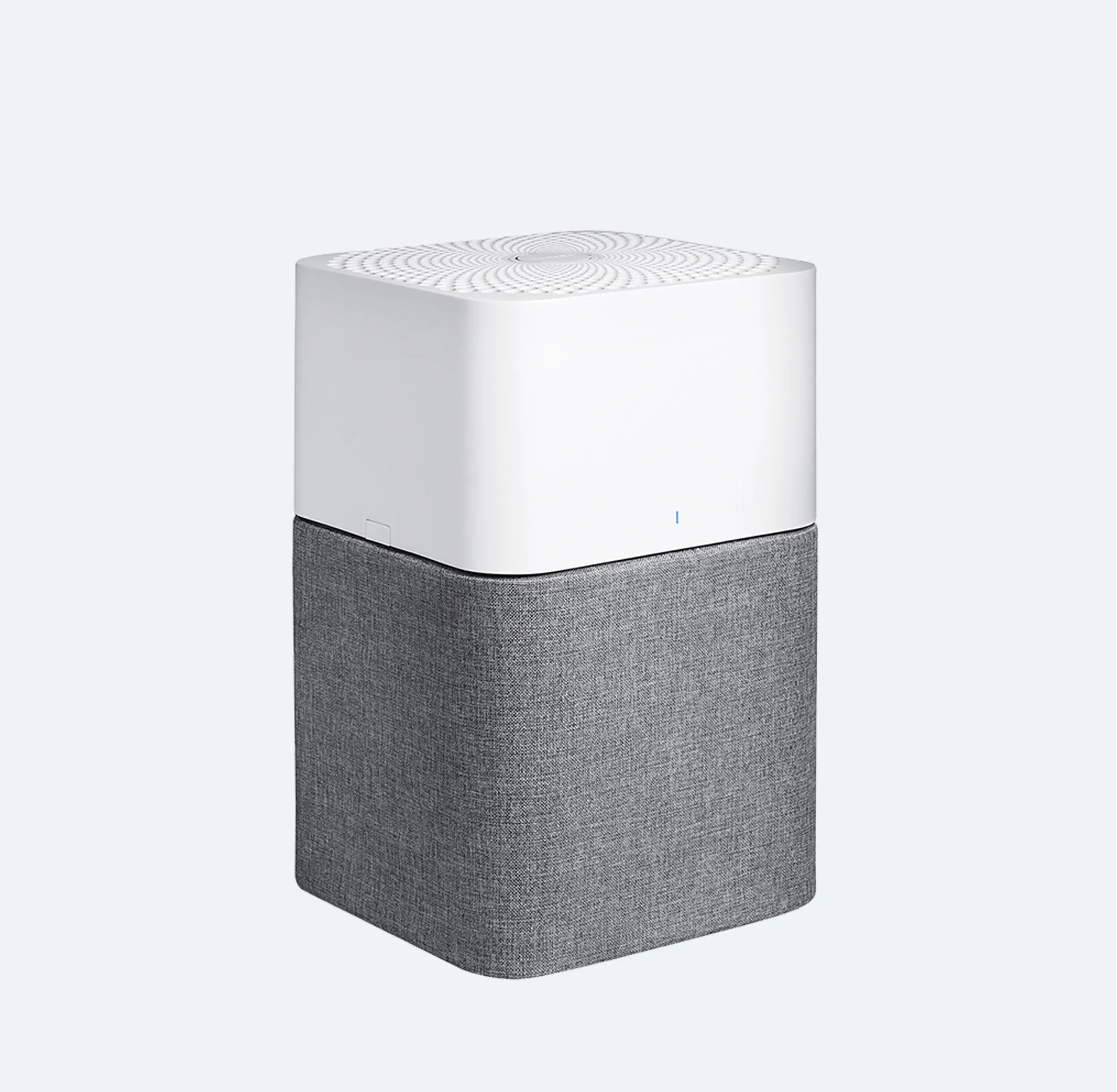
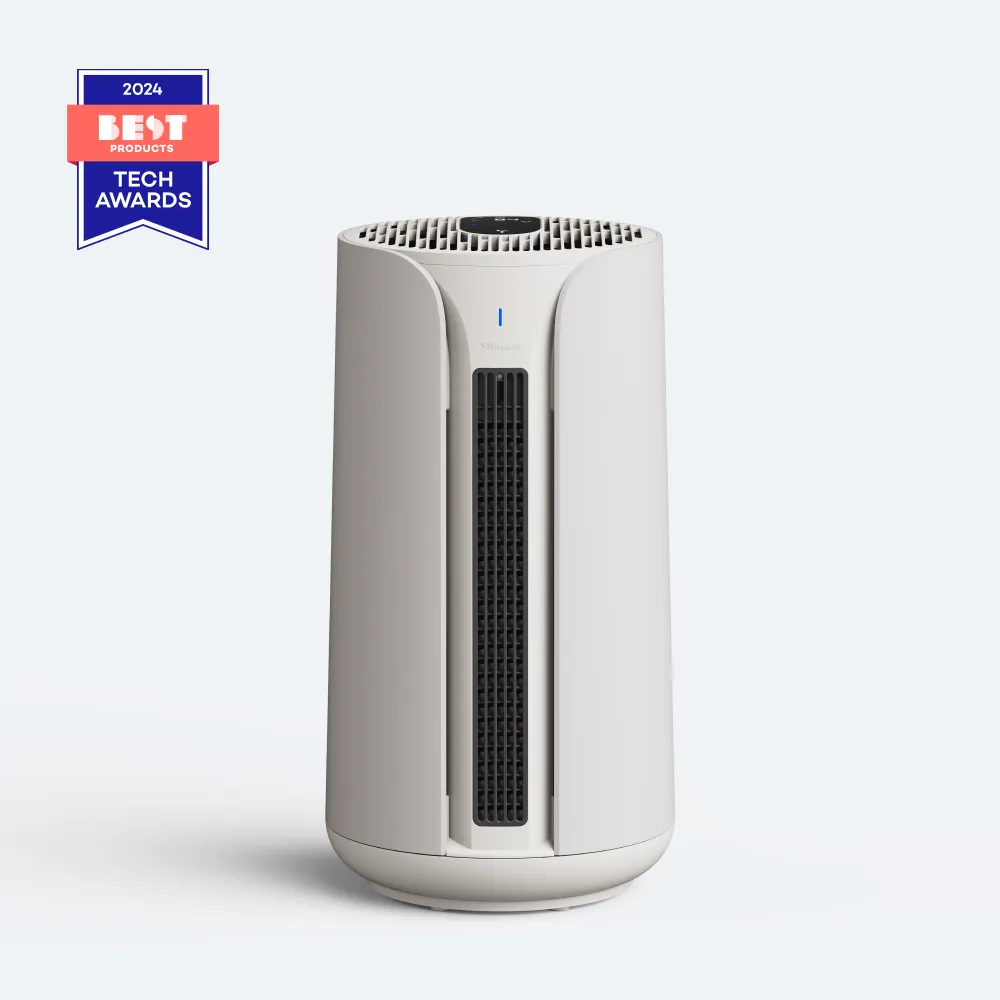
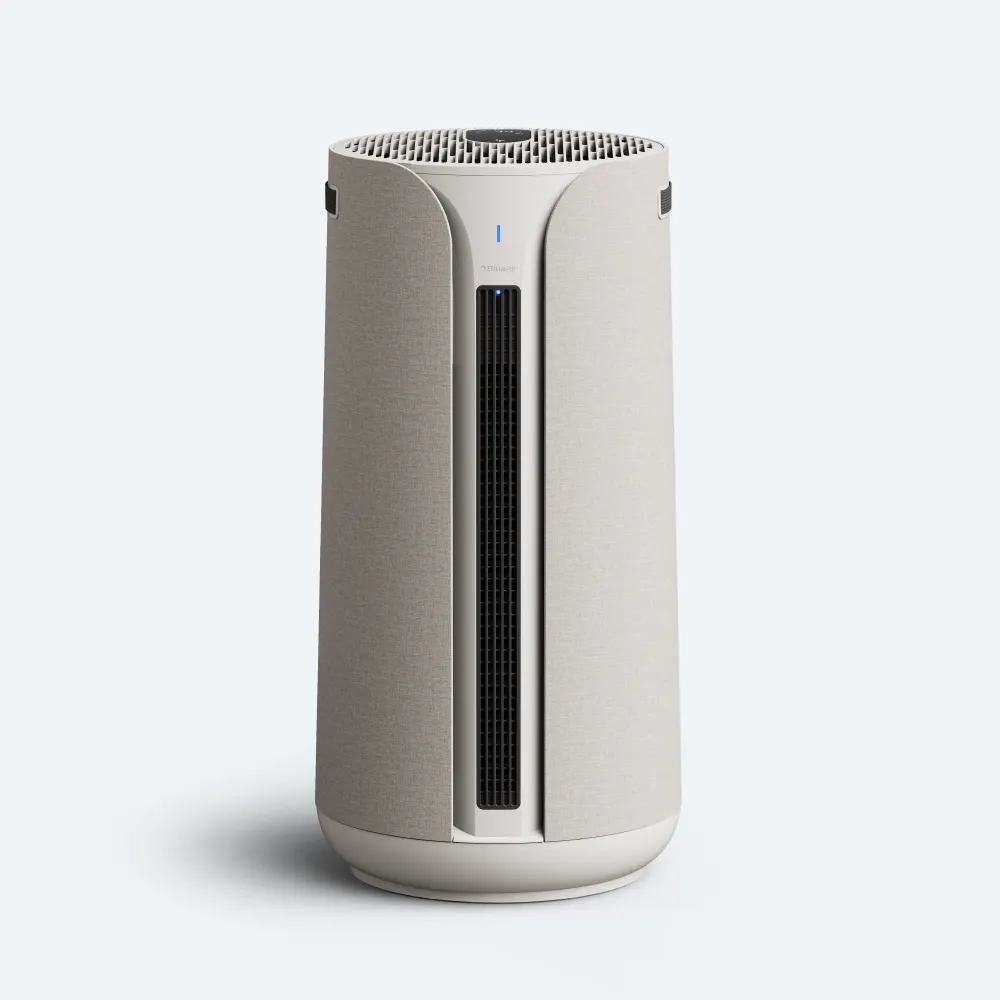
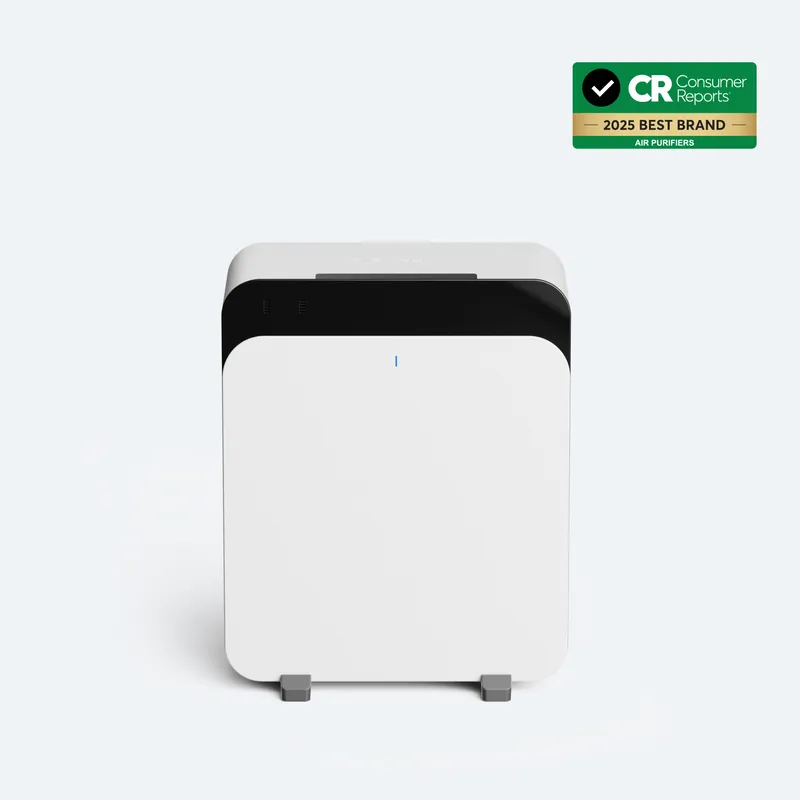
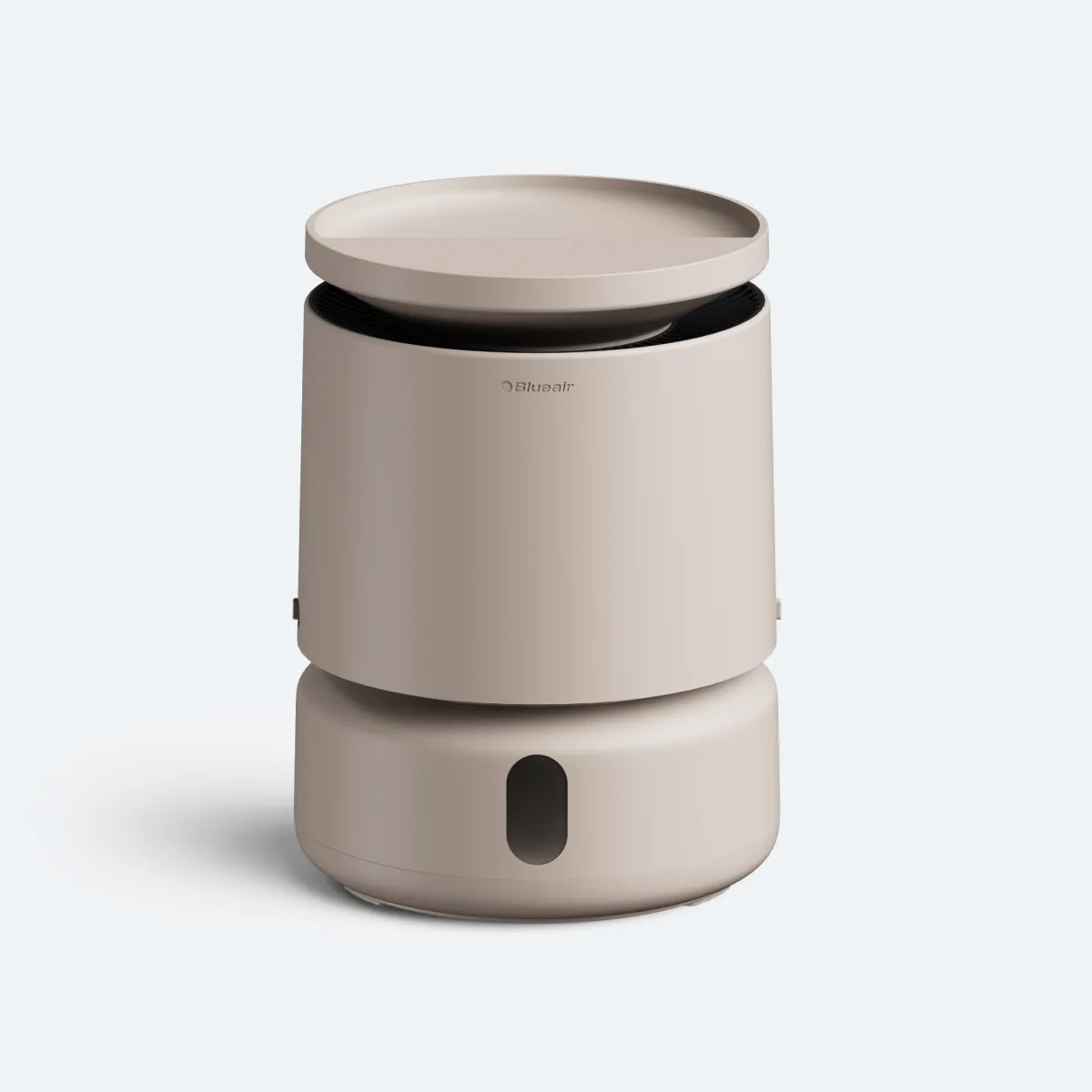
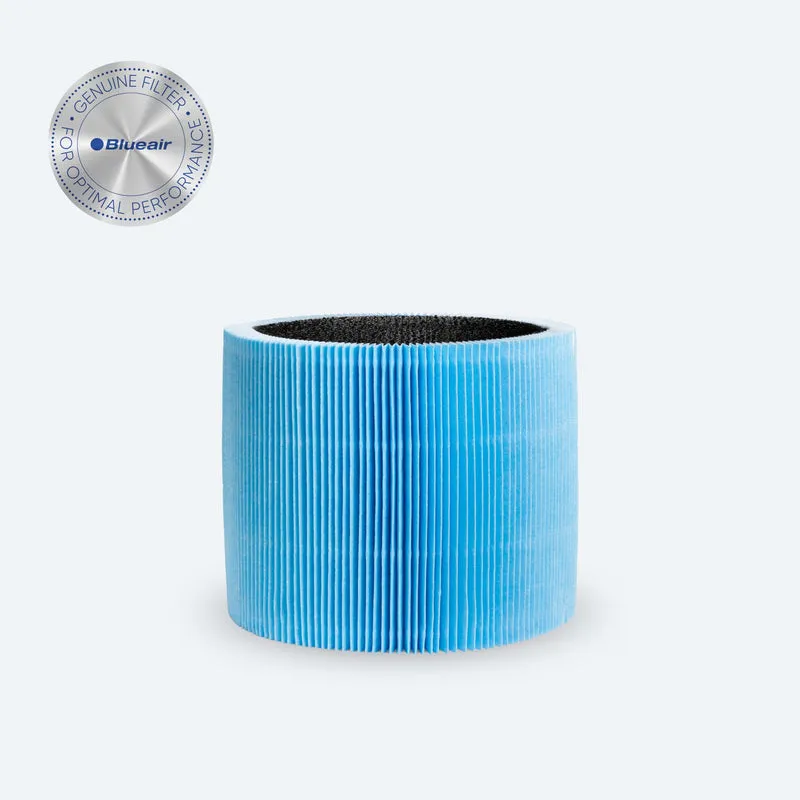
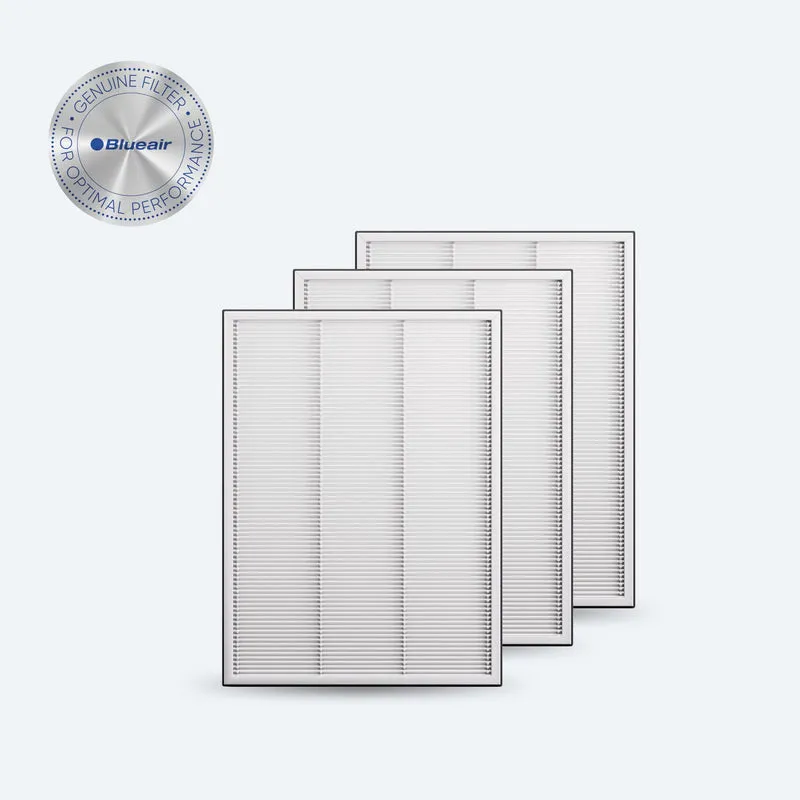
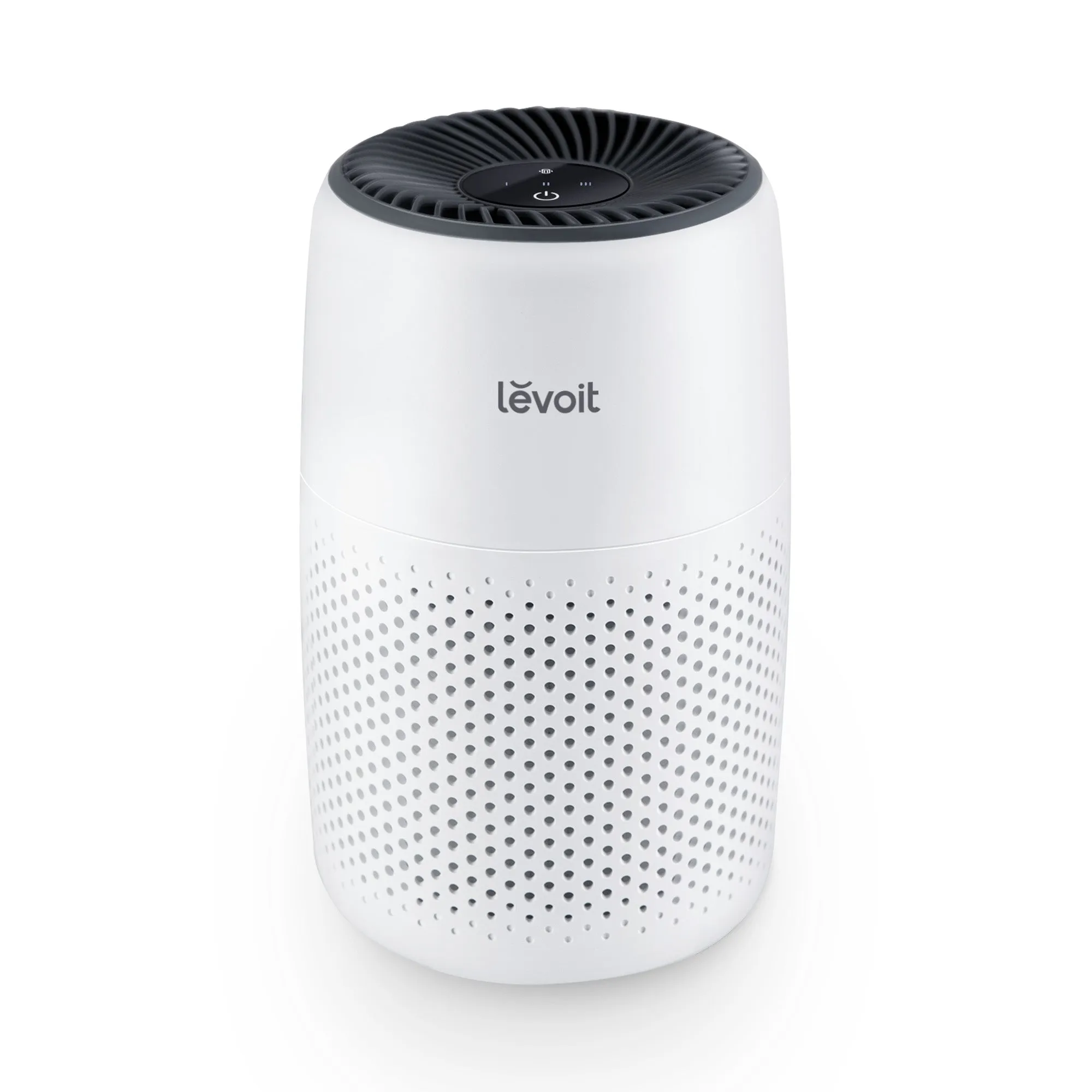
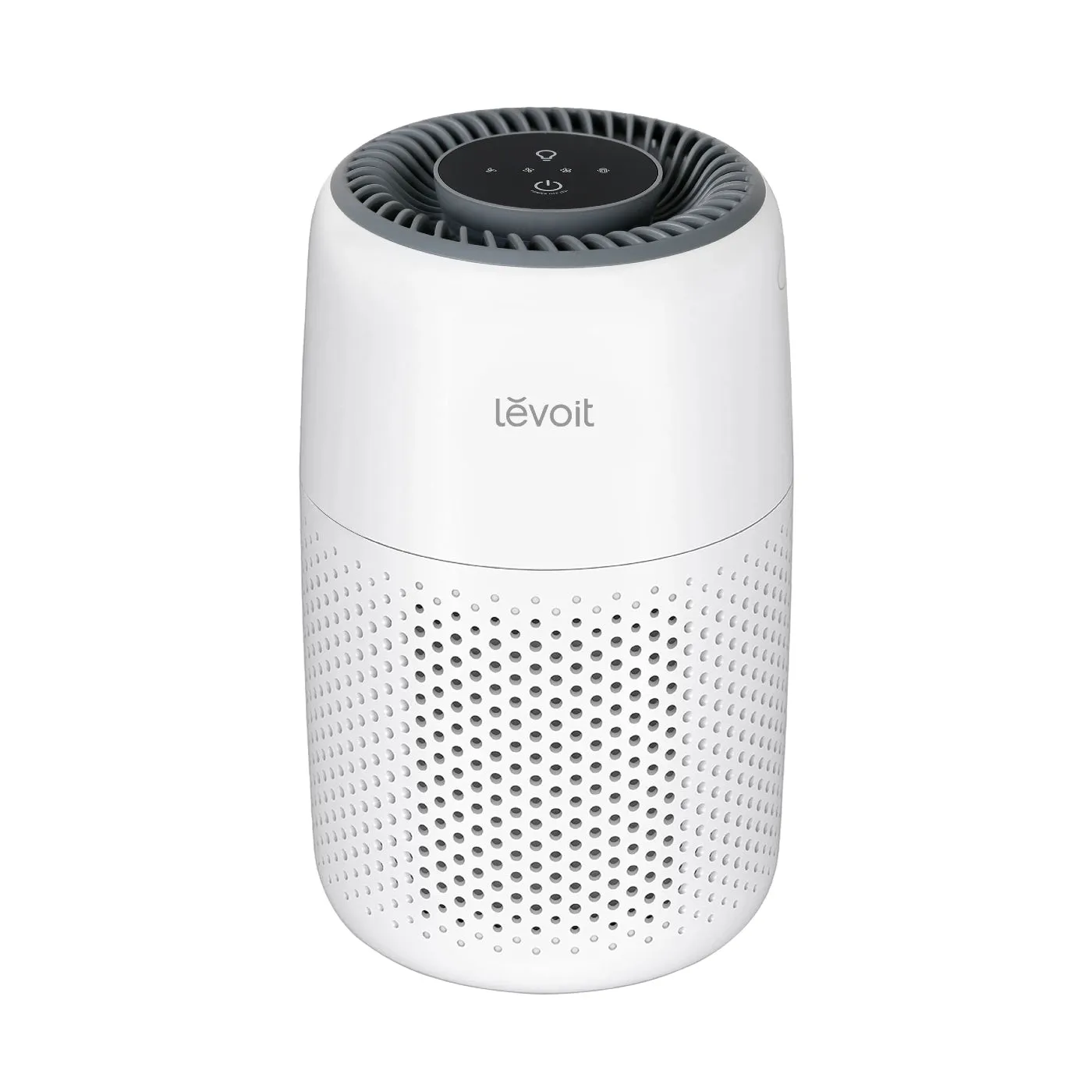
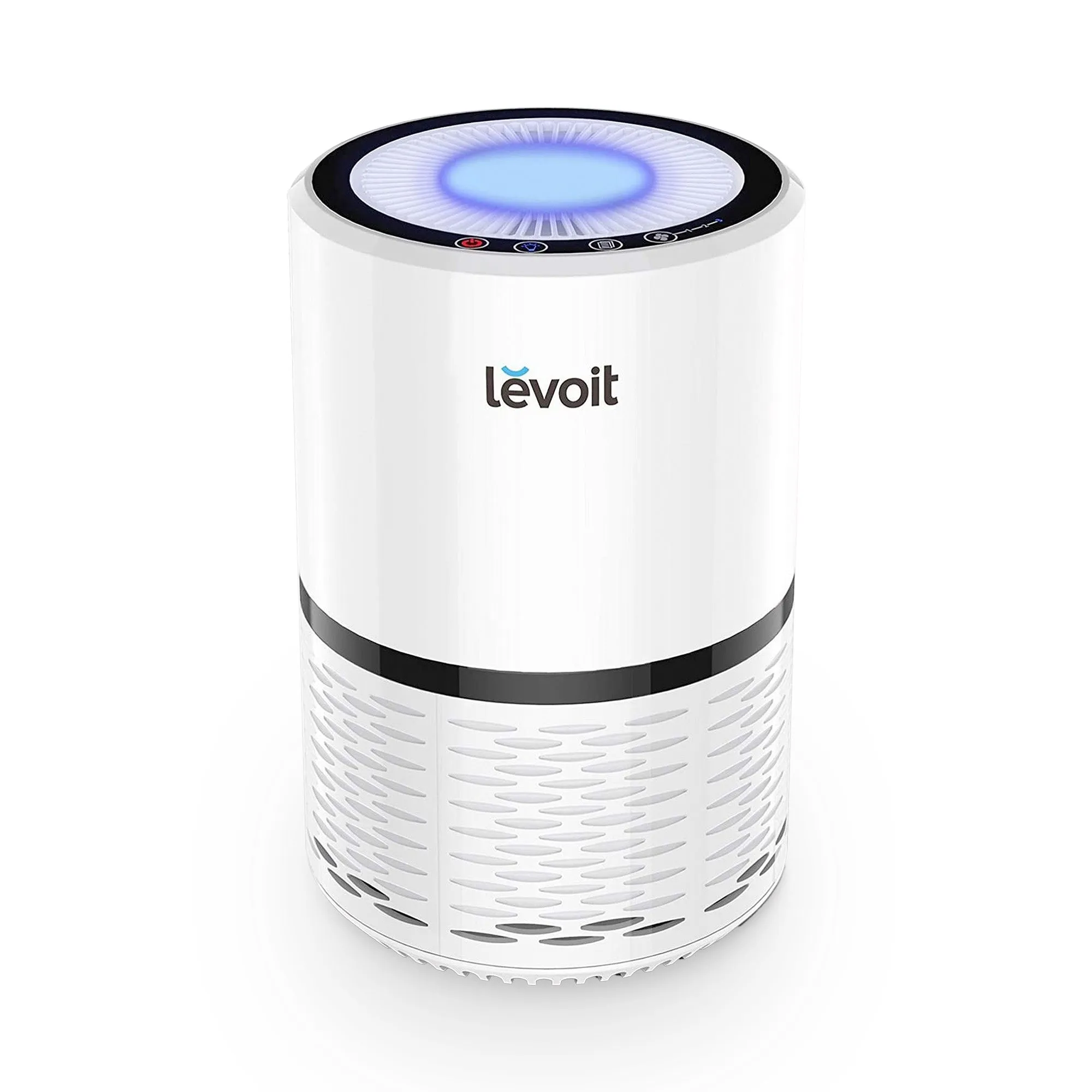
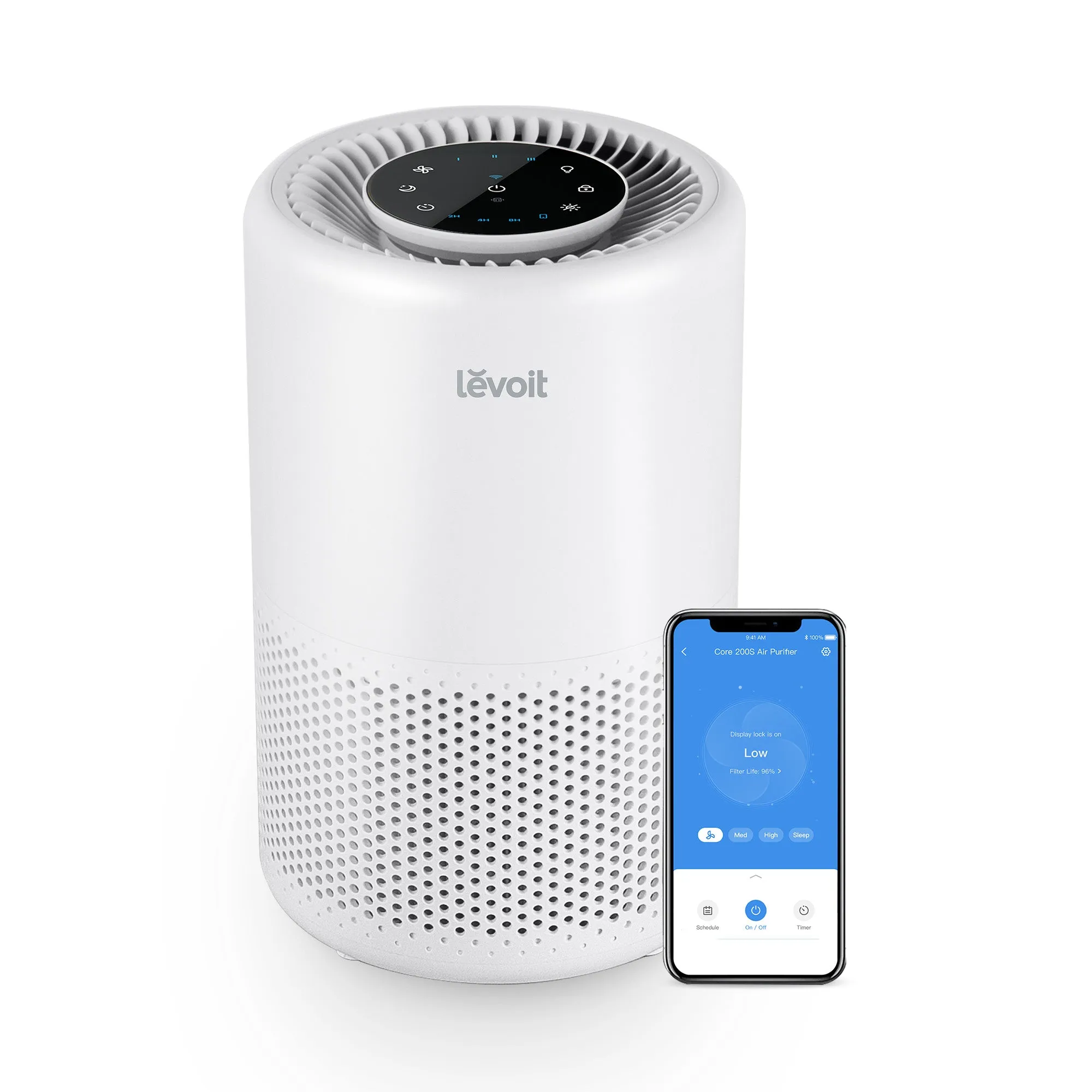
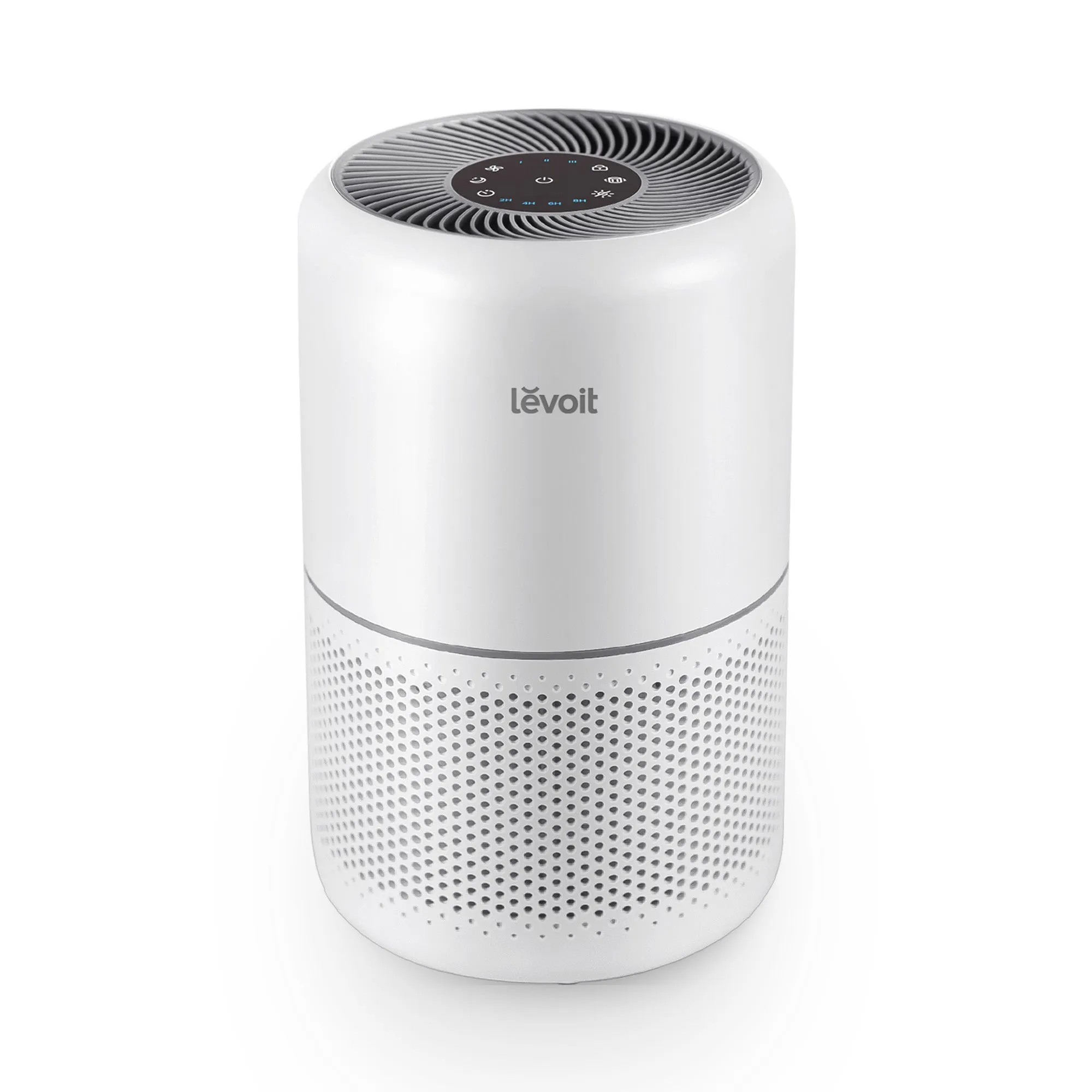
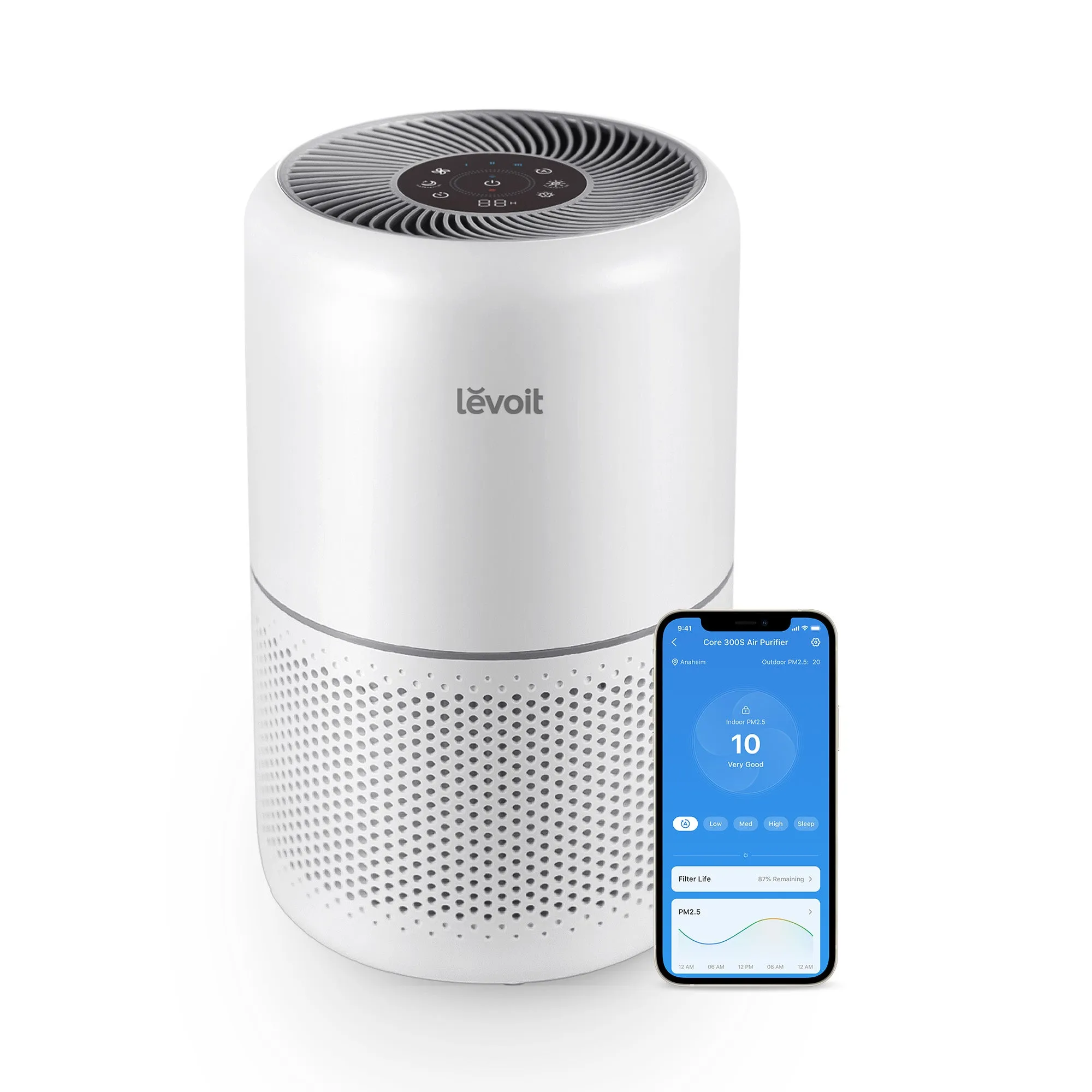
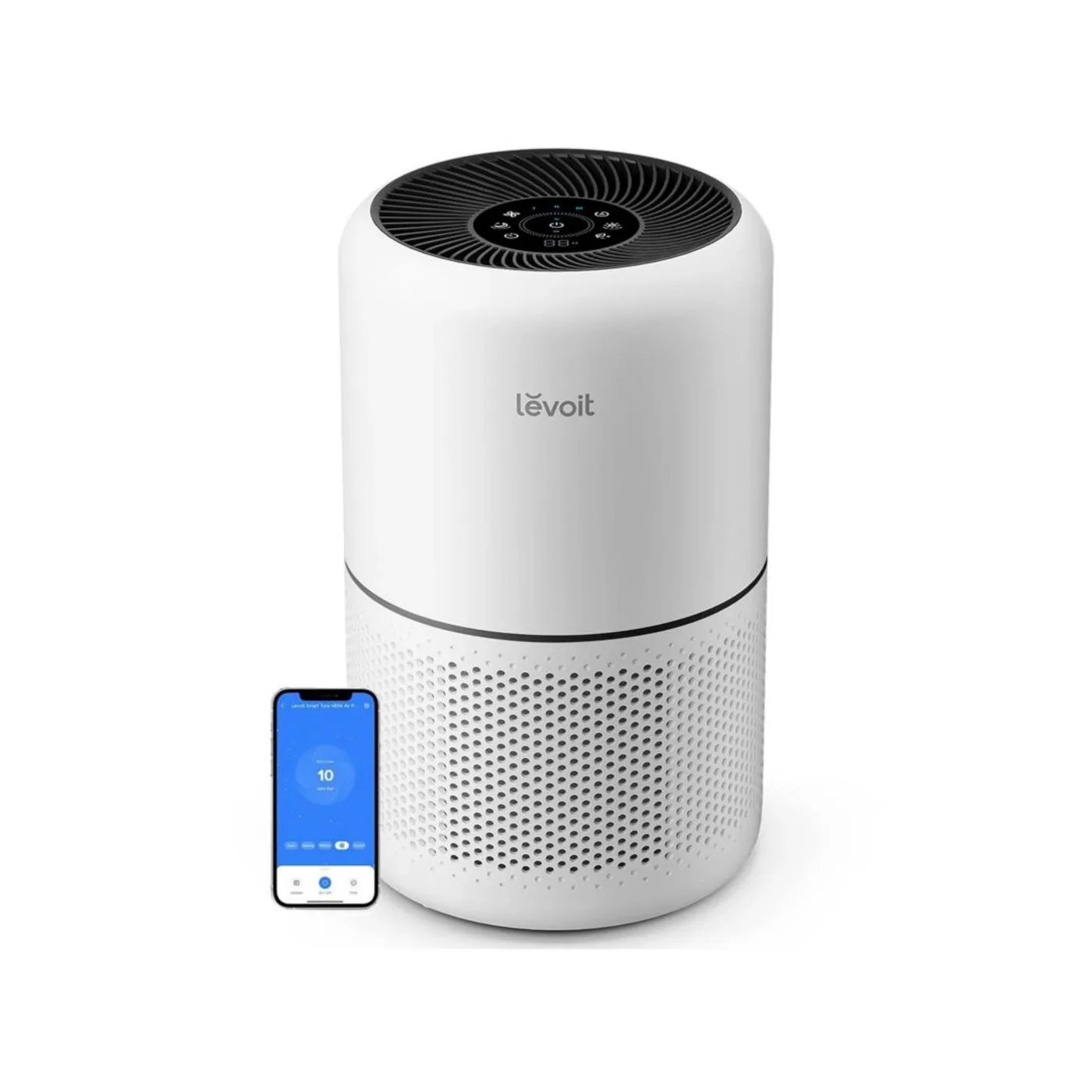
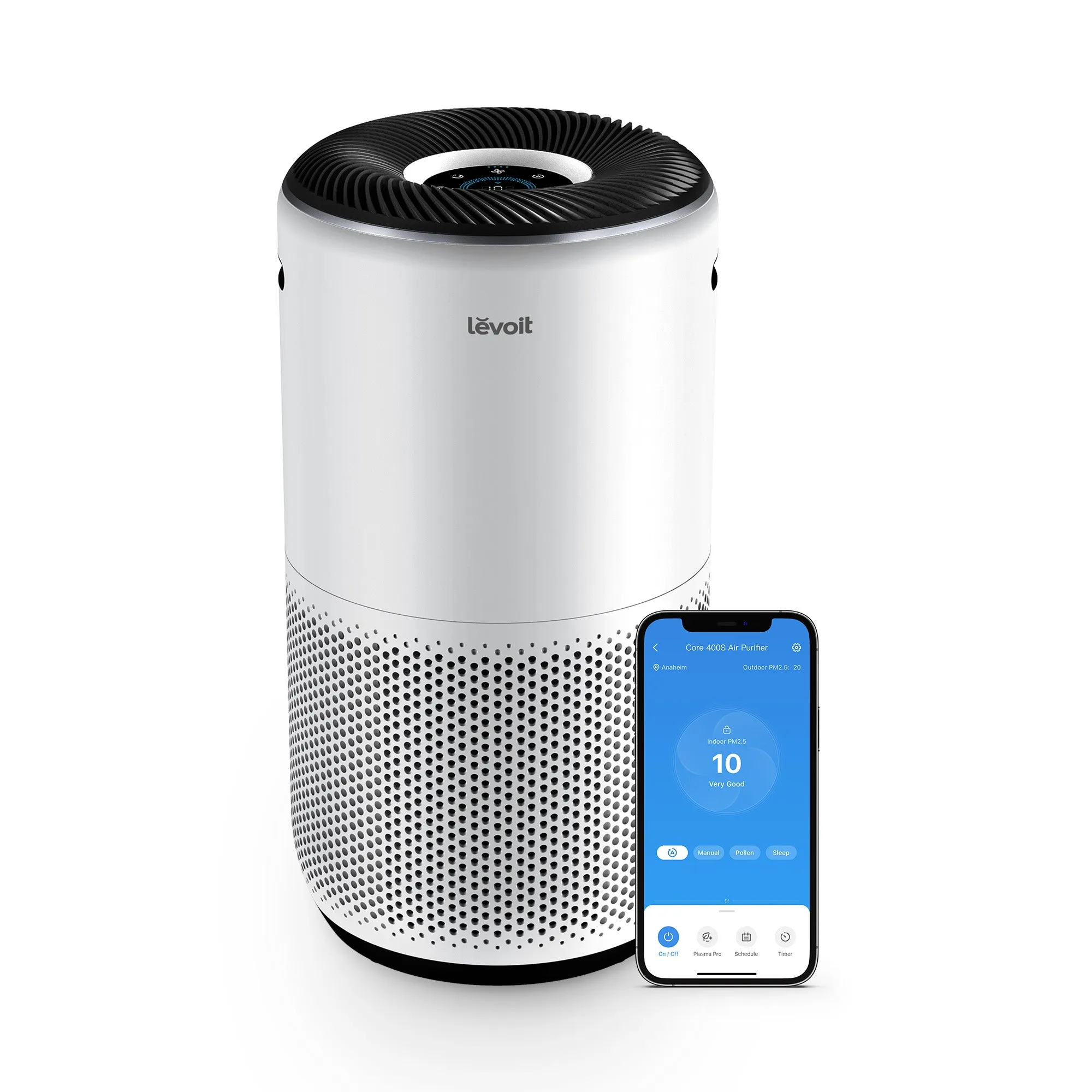
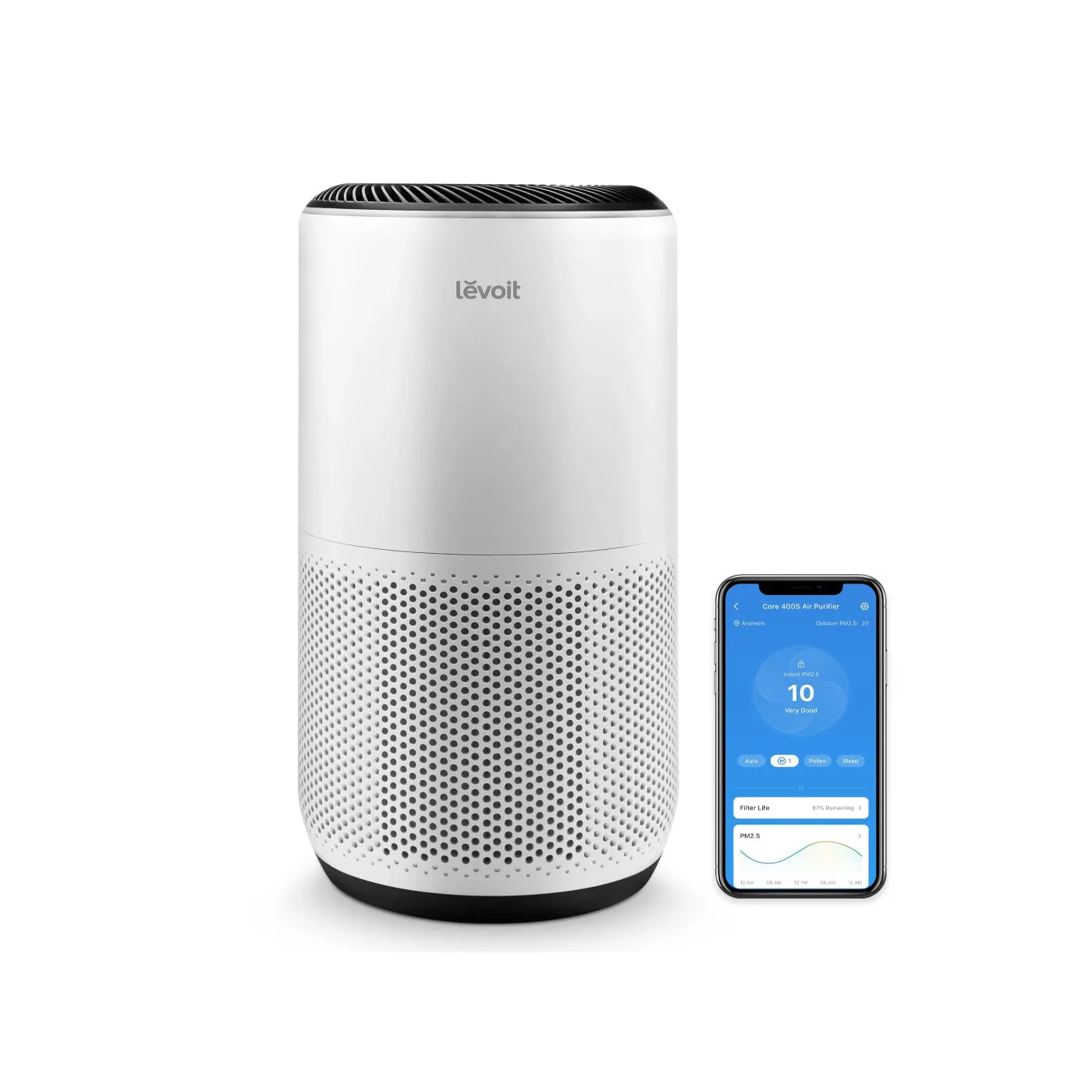
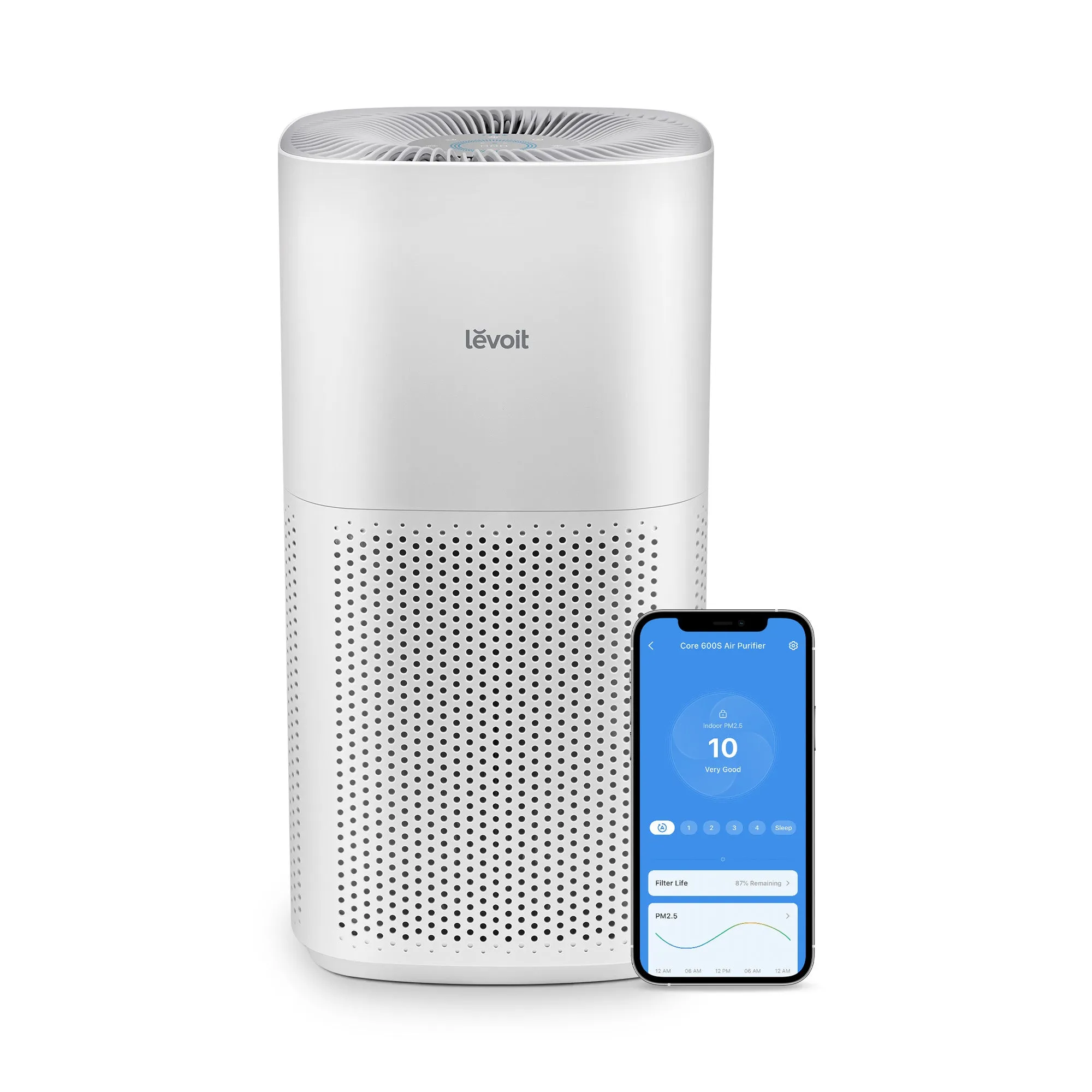
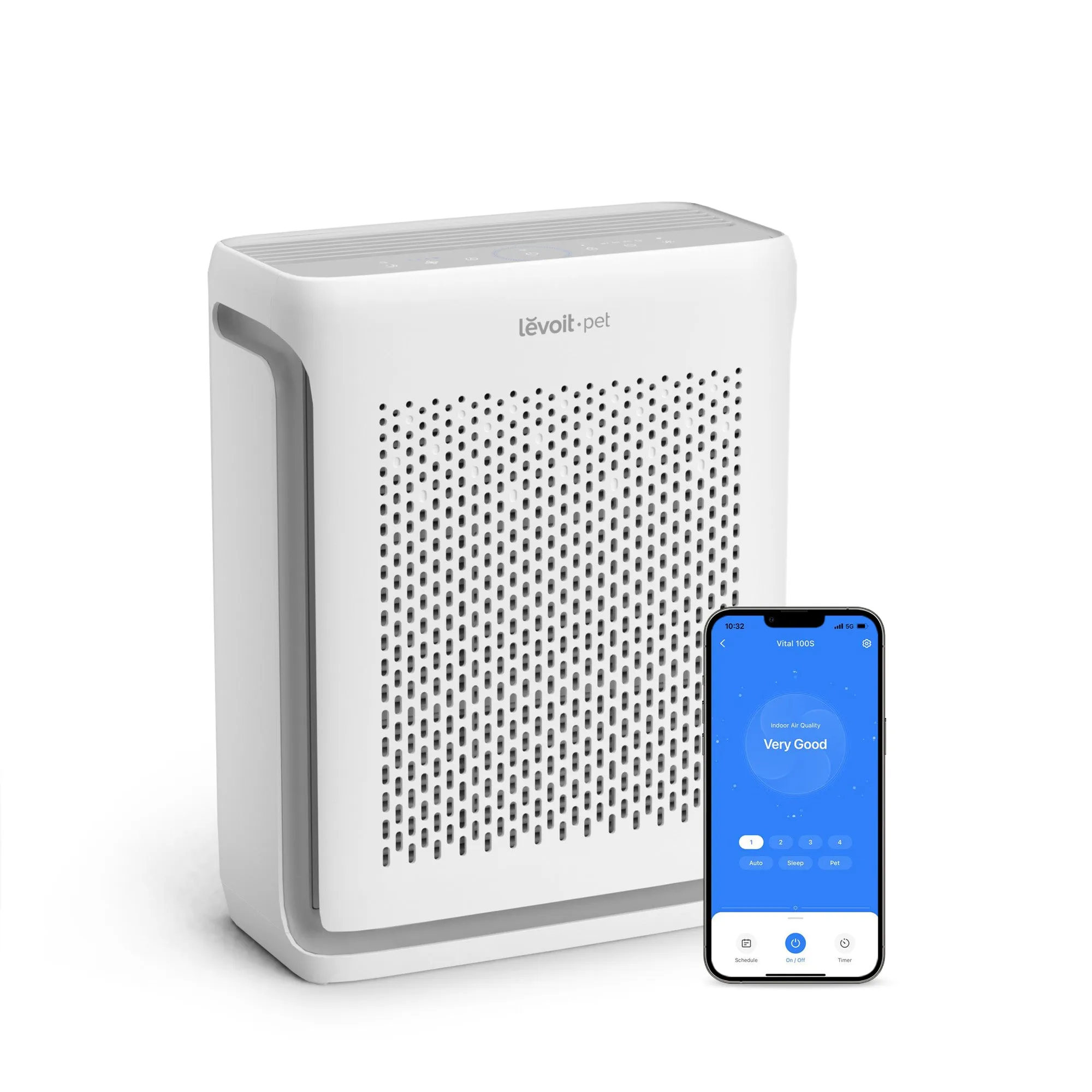
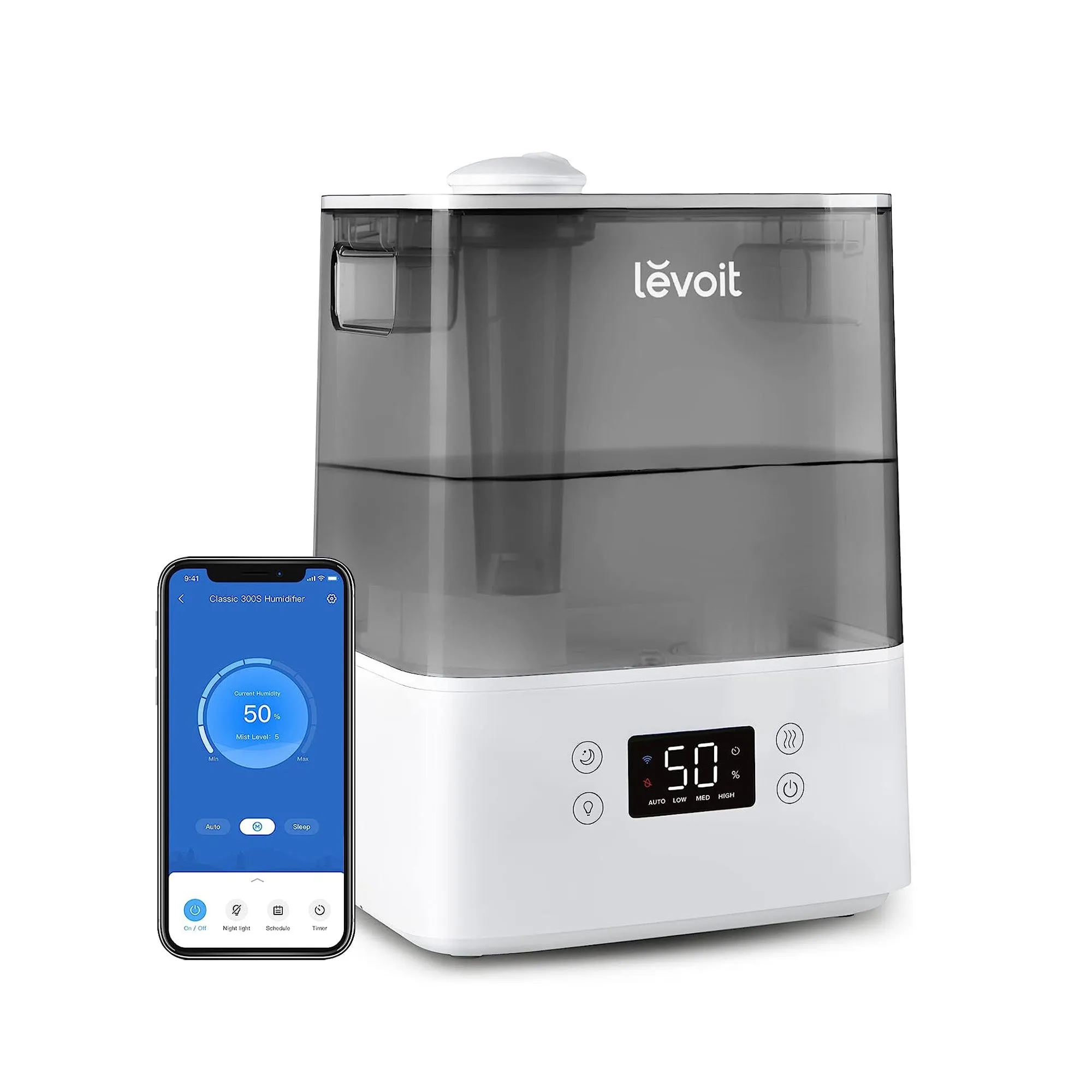
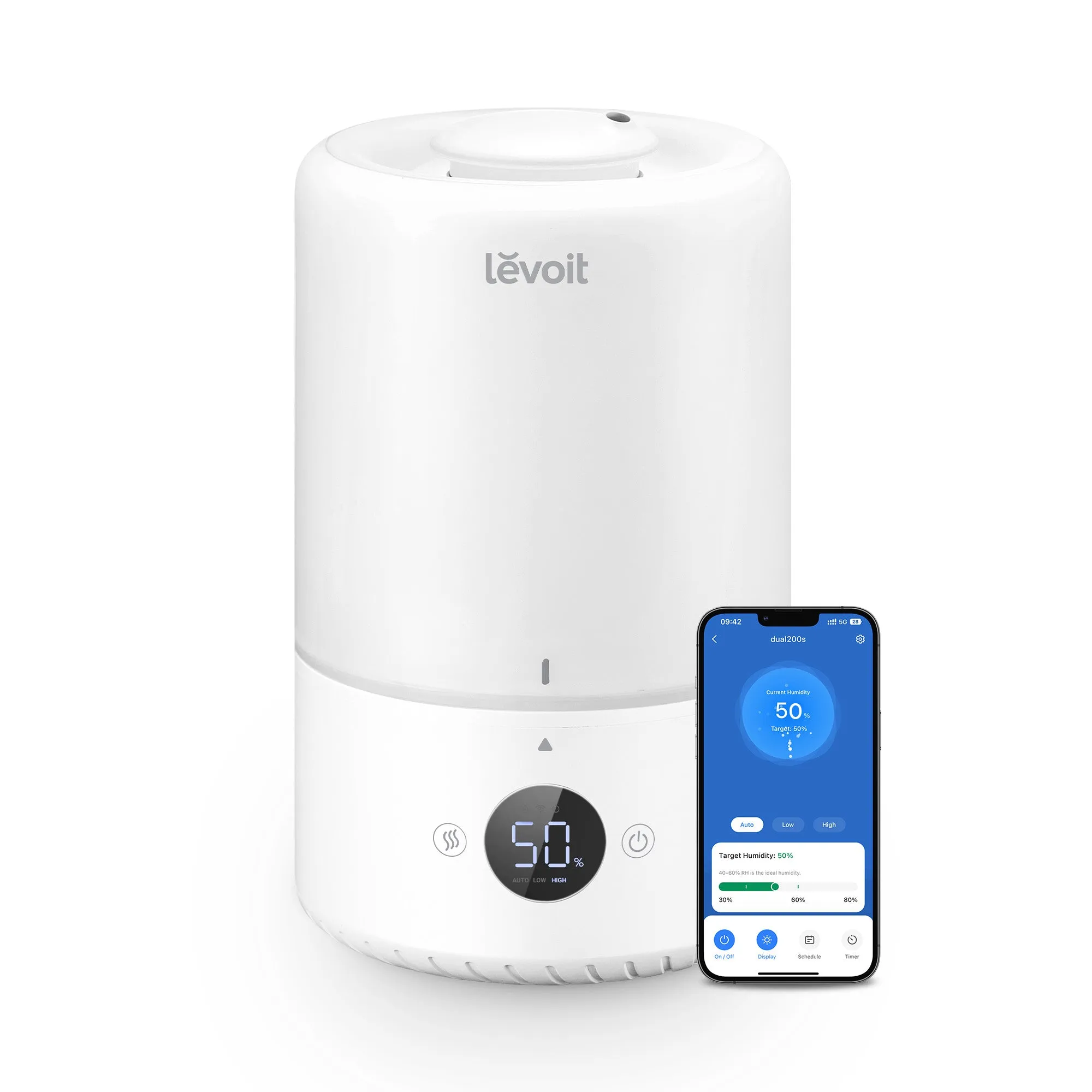
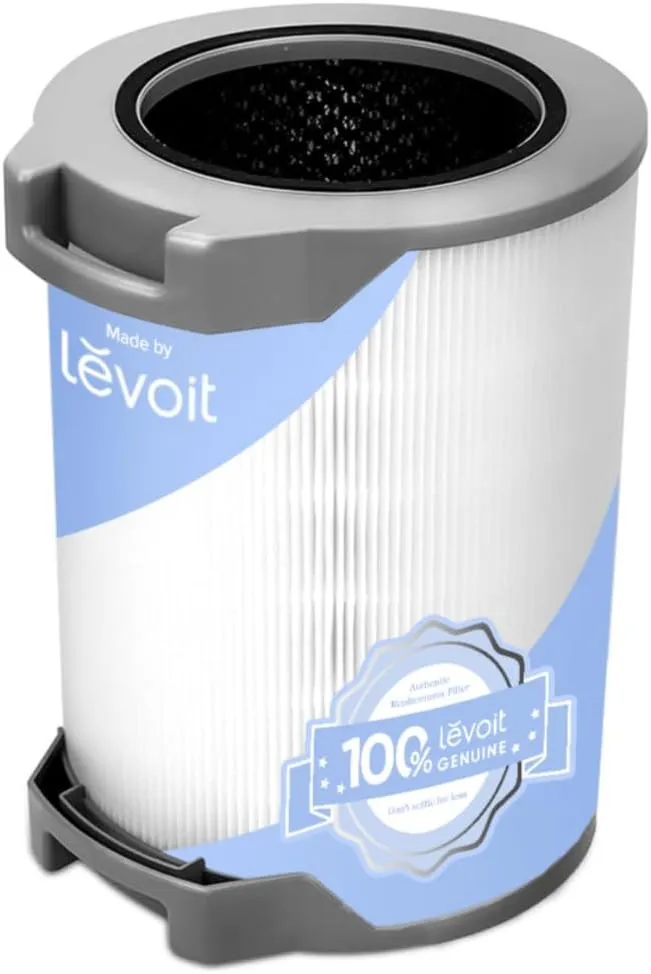
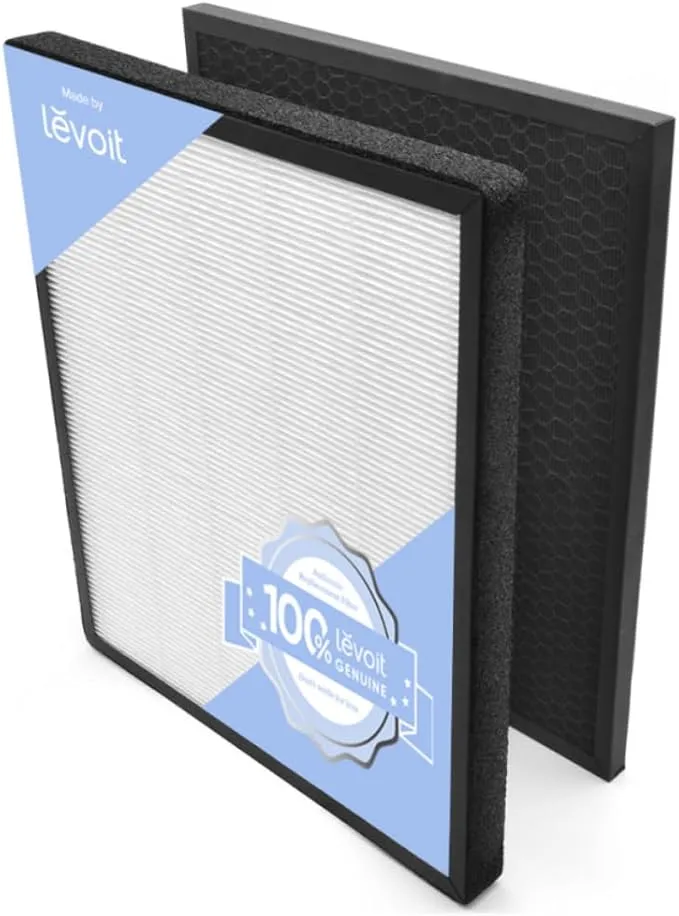
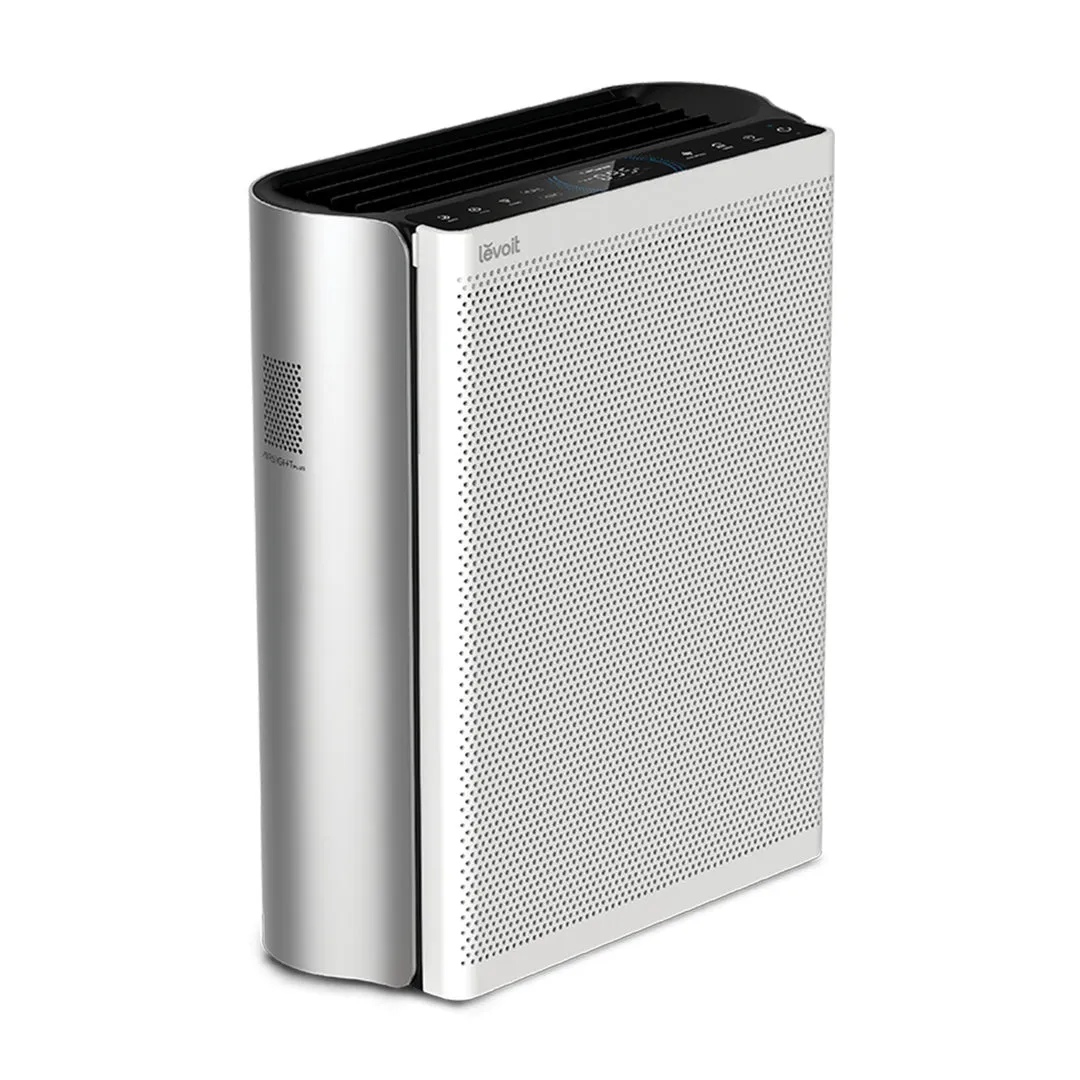
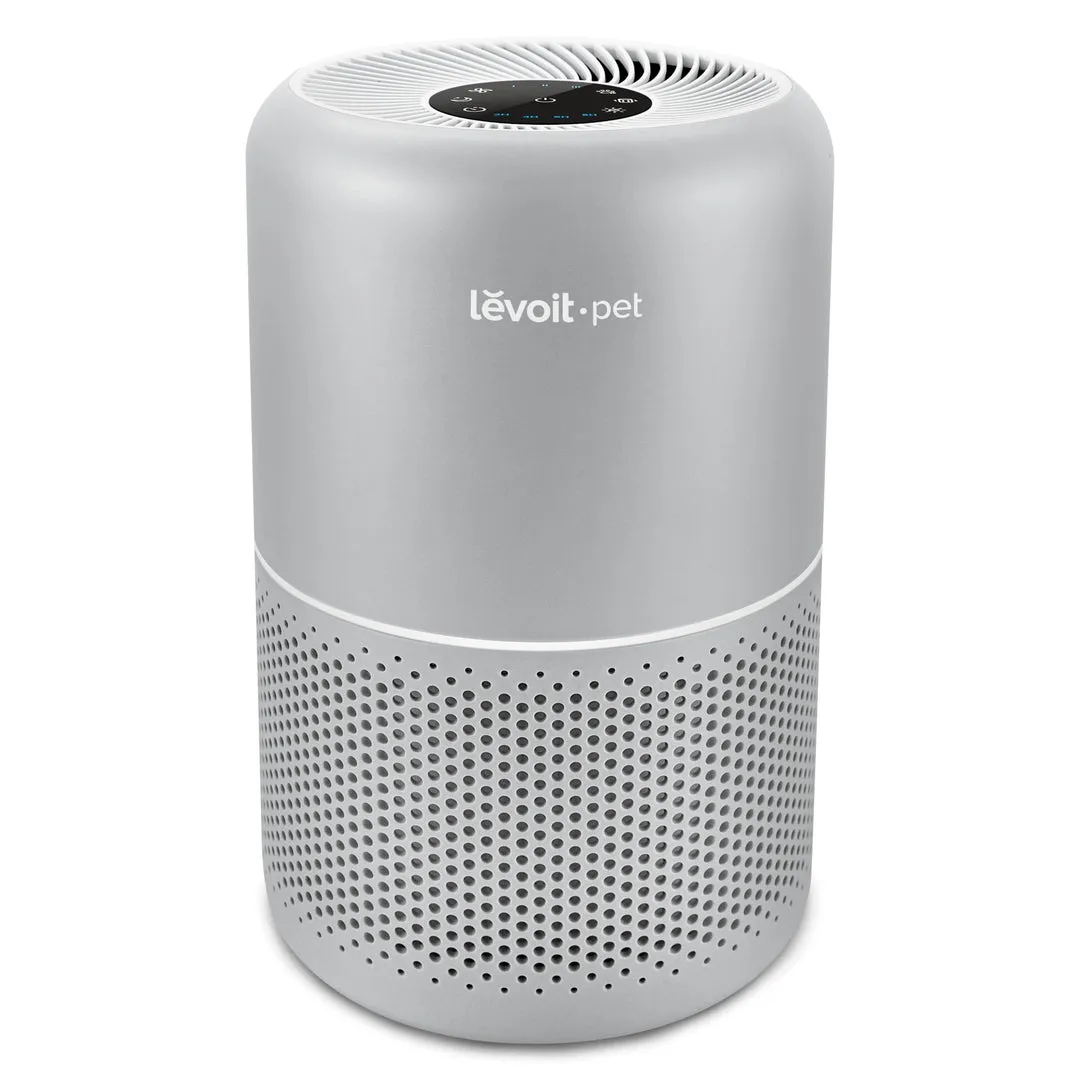
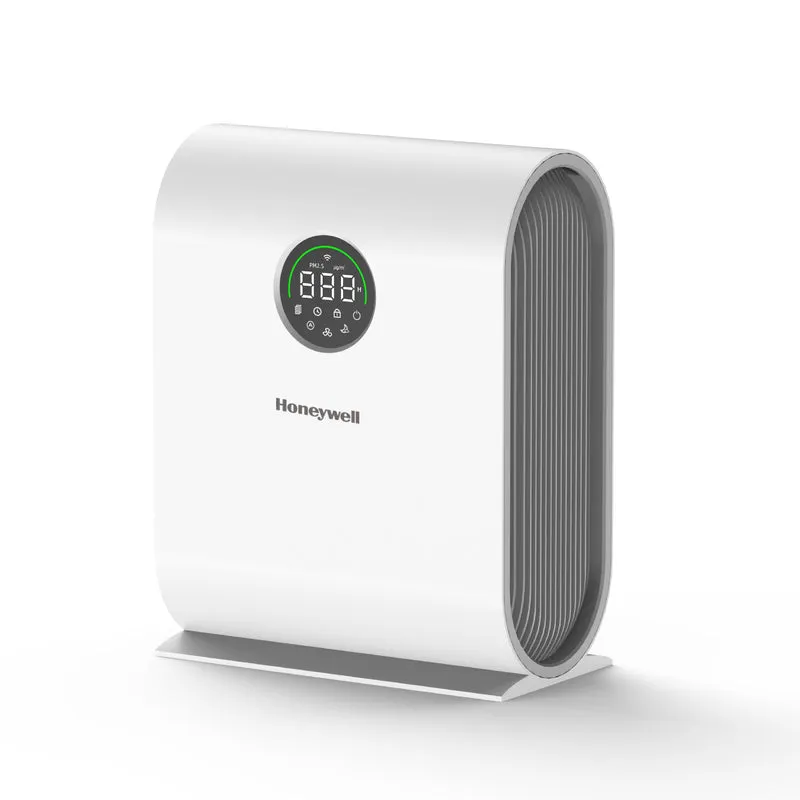
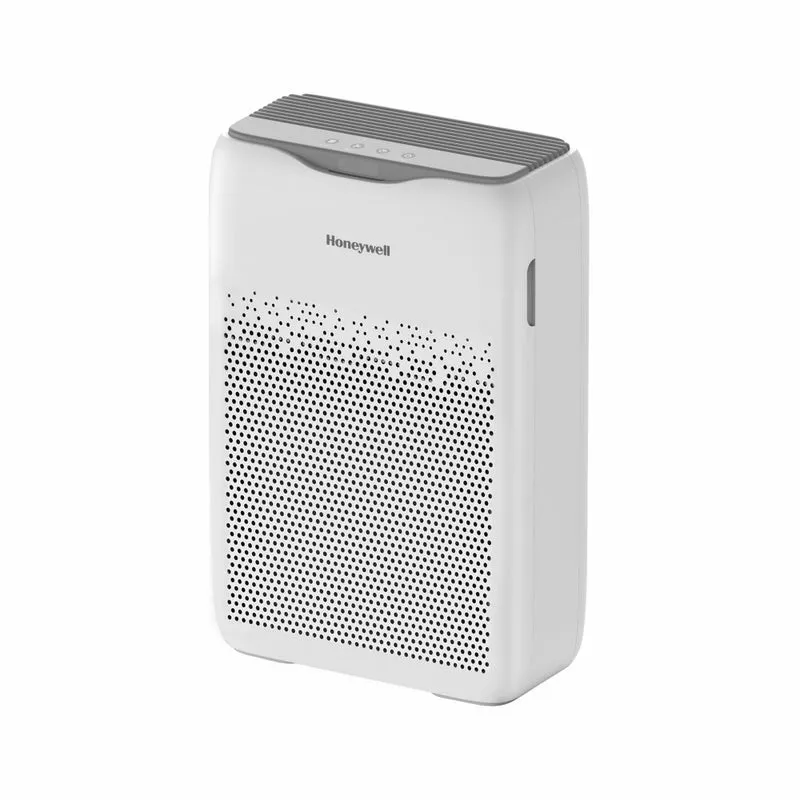
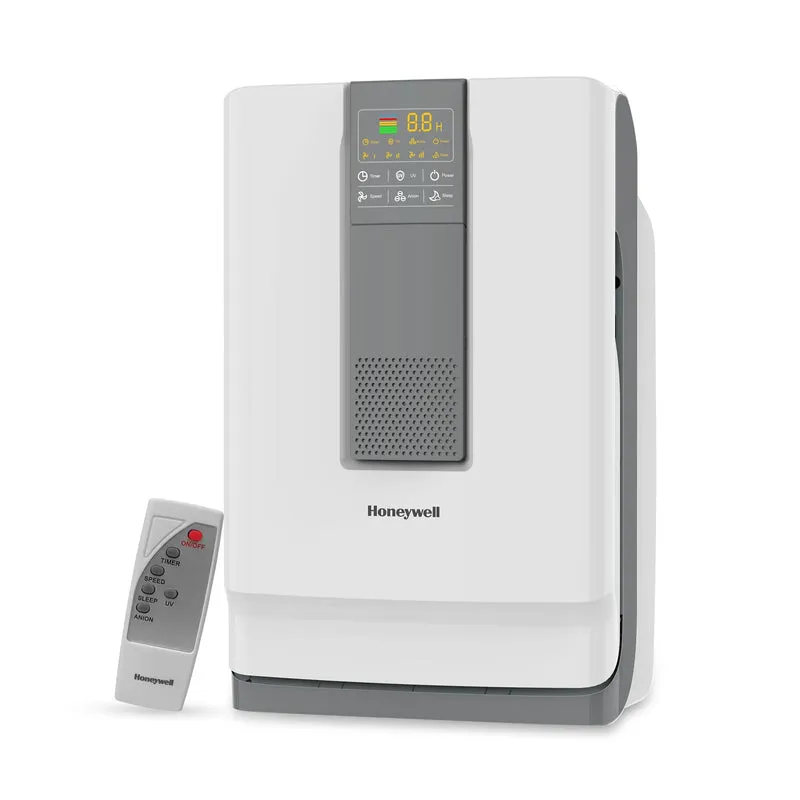
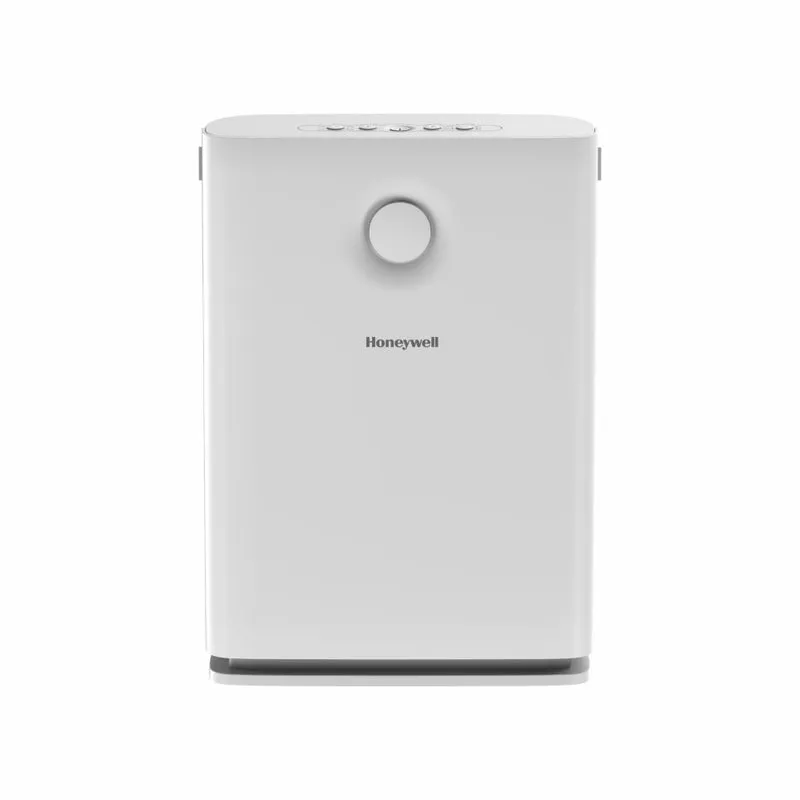
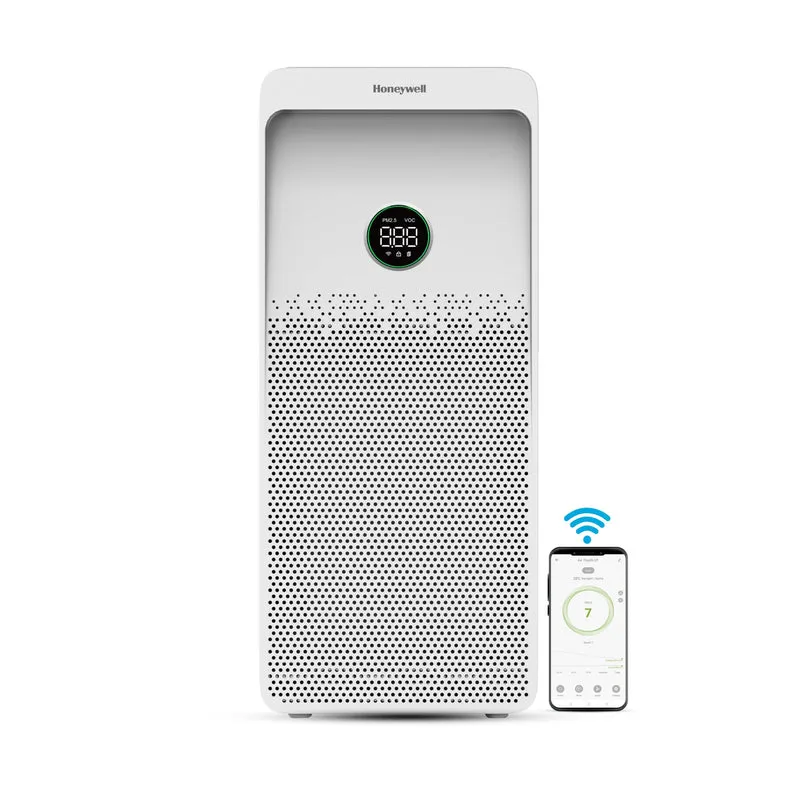
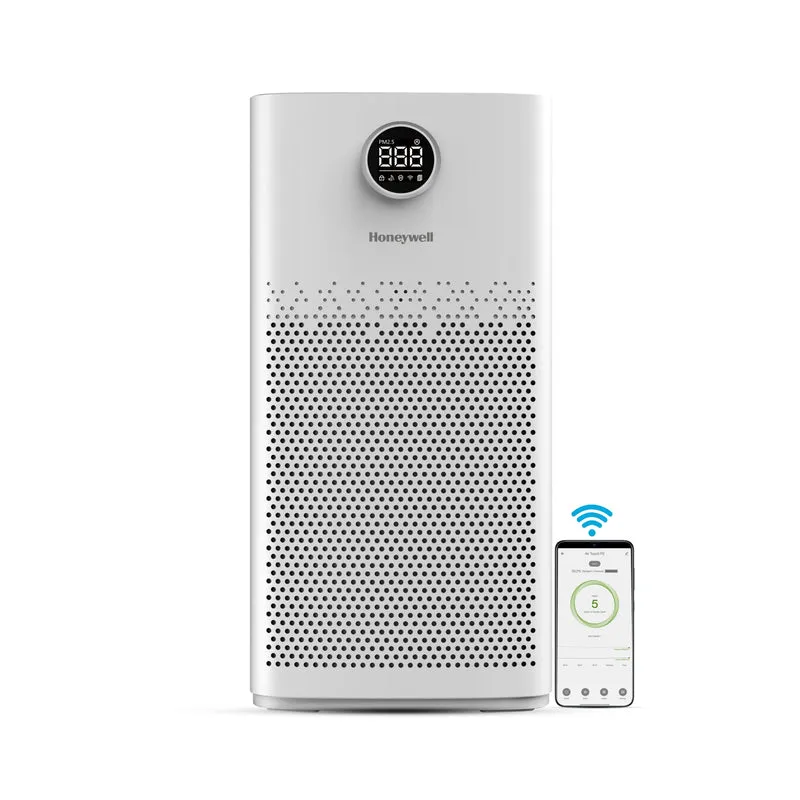
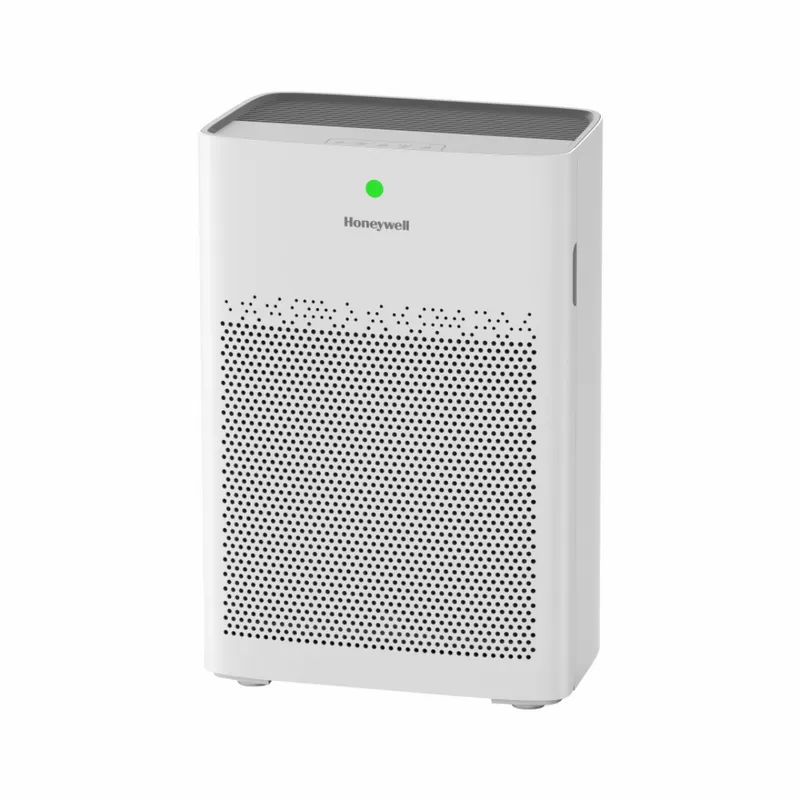
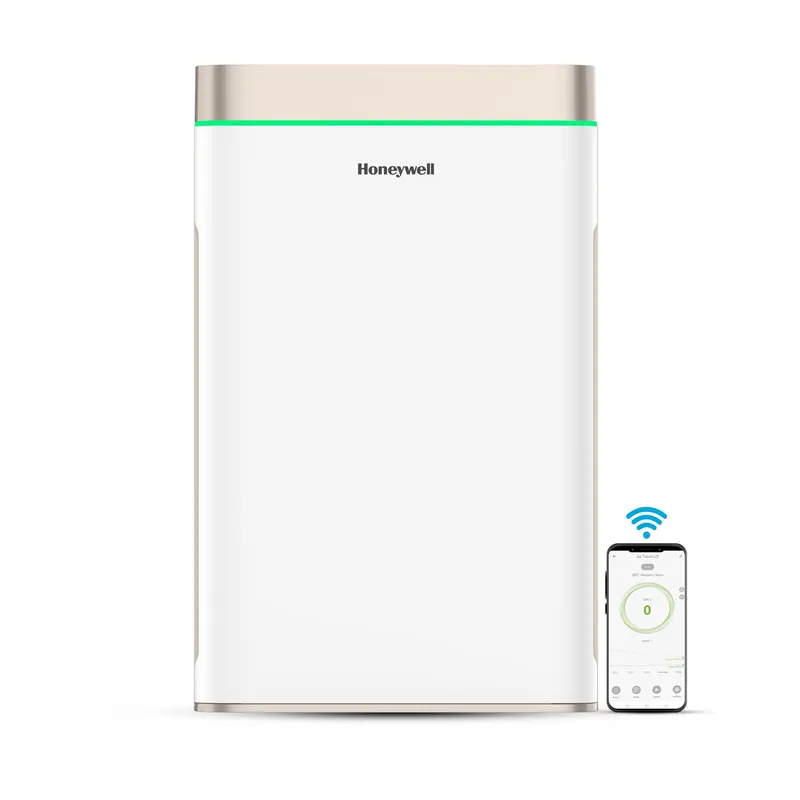
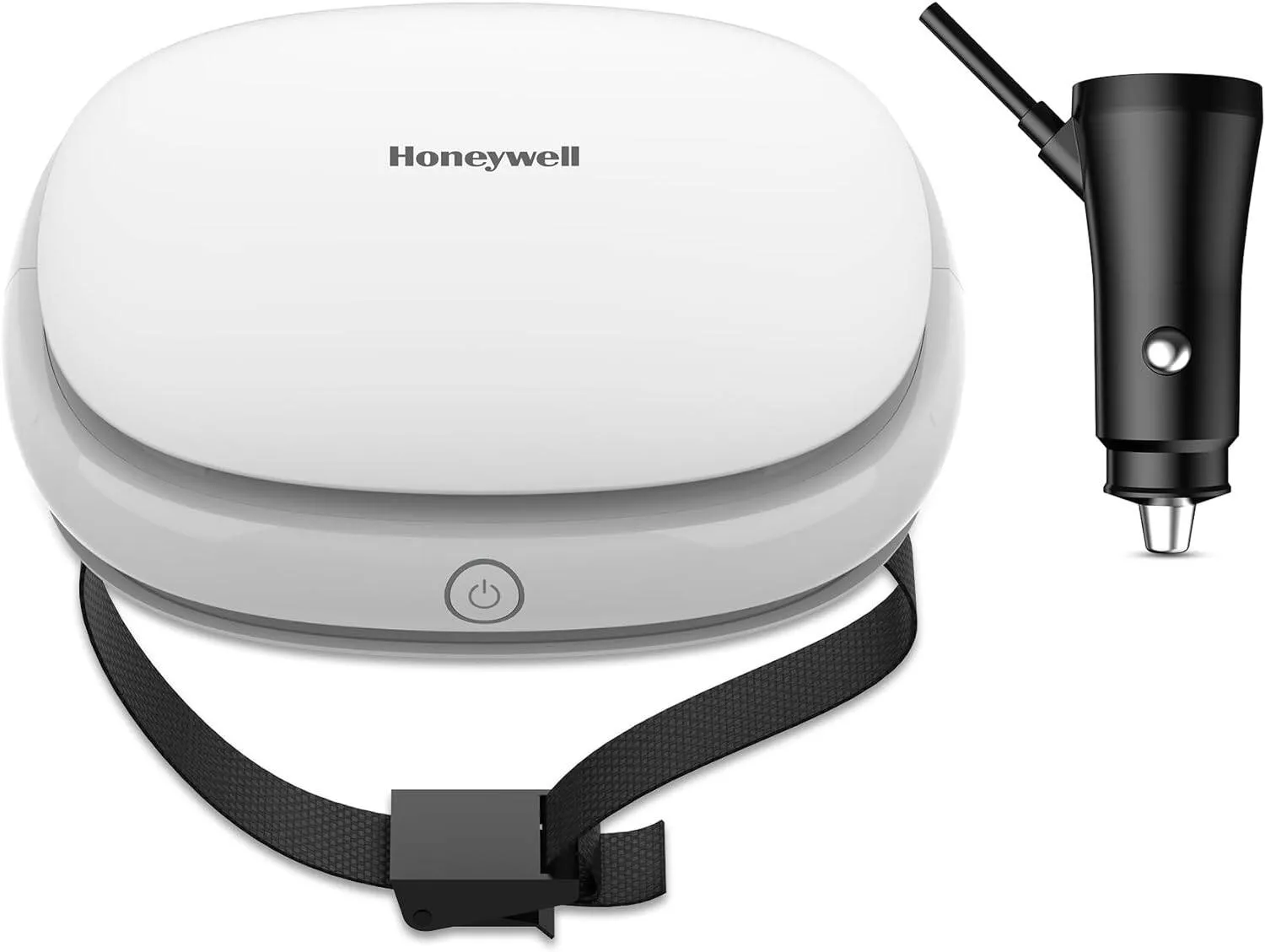
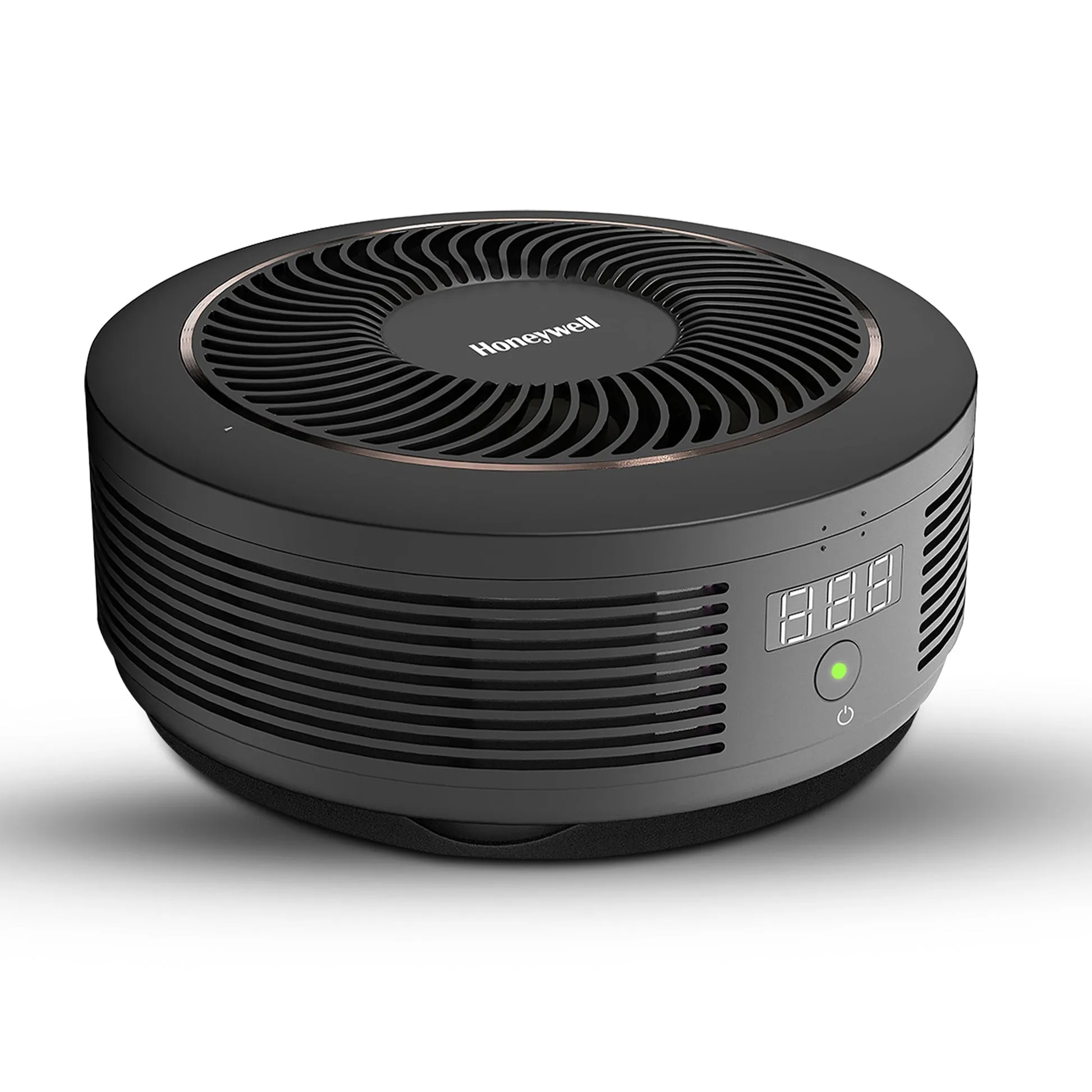
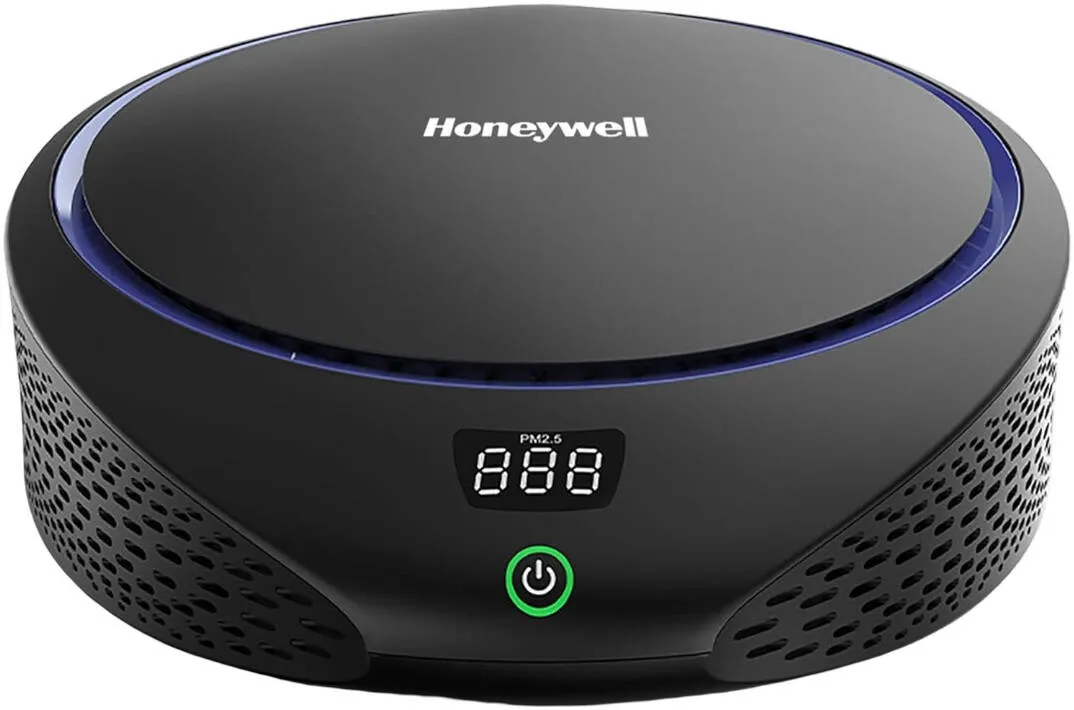
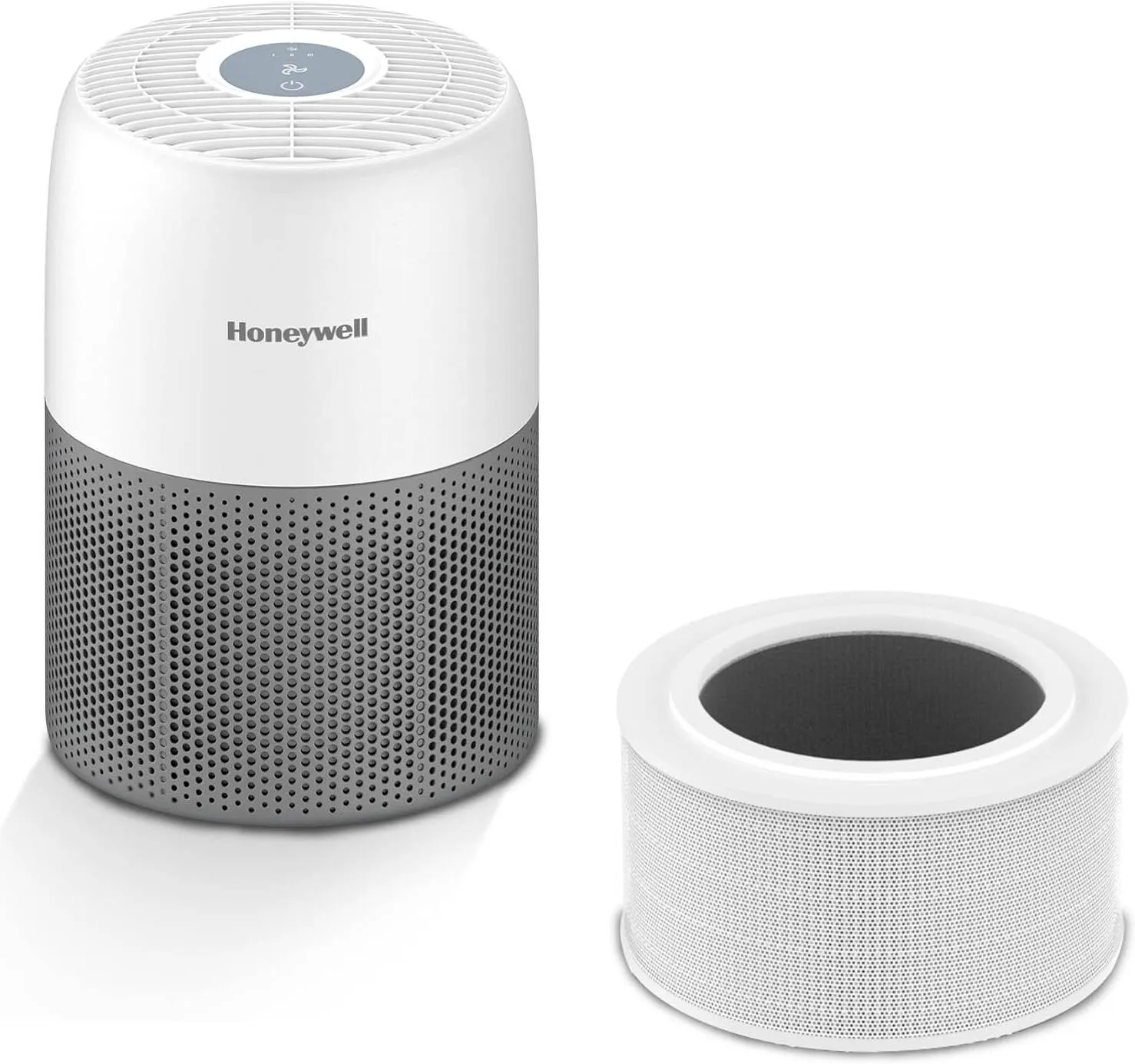
Monitoring sensors provide diagnostics but do not clean air. Actual improvement requires integration with an air purifier or HVAC unit that responds to sensor data. A closed-loop system connects the monitor’s output to the purifier’s speed control, so the device works harder when pollution rises and idles when air is clean. This is the most effective configuration for UAE homes where outdoor dust events cause sudden indoor PM2.5 spikes. Cleanair-ae stocks air purifiers from Blueair, Honeywell, and Levoit that are compatible with smart control inputs, making closed-loop setup straightforward for UAE residents.
How smart air quality tools work technically
Smart IAQ systems rely on three layers: sensors, connectivity, and analytics. Sensors convert physical properties (particle count, gas concentration, temperature) into electrical signals. Connectivity, via Wi-Fi, Bluetooth, or Zigbee, transmits that data to a cloud platform or local hub. Analytics software then interprets the data, generates alerts, and, in advanced systems, issues control commands.
The critical distinction is between monitoring and purification. Sensors tell you what is in the air. They do not remove it. Many residents in the UAE invest in a monitor and assume the problem is solved. It is not. The monitor is the diagnostic tool; the purifier or ventilation unit is the treatment.
Sensor placement determines data quality. A sensor positioned near an air conditioning vent reads artificially clean air. One placed in a corner reads stagnant air unrepresentative of the room. The correct position is at breathing height, in the centre of the occupied zone, away from direct airflow.
Key distinction: Static-setpoint systems react when a pollutant crosses a fixed threshold. Predictive AI systems analyse trends and occupancy history to adjust air handling before a threshold is reached. For commercial spaces with regular occupancy patterns, predictive control delivers measurably better outcomes.
For large UAE villas or commercial premises, a mesh network of sensors across zones is more informative than a single device. Each node reports independently, and the platform aggregates data to show which rooms need attention and when.
What to look for when choosing smart air quality tools
Selecting the right system requires matching device capability to your specific environment and budget.
Parameters monitored. At minimum, choose a device that tracks PM2.5, CO2, VOCs, temperature, and humidity. If your property is near construction sites or busy roads in Dubai, add PM10 coverage. Review the role of air quality sensors to understand which parameters matter most for your situation.
Accuracy and sensor type. Laser particle counters outperform basic optical sensors for PM detection. Electrochemical sensors provide more reliable VOC readings than metal oxide alternatives. Check manufacturer specifications for measurement range and stated accuracy before purchasing.
Ecosystem compatibility. If you use Apple Home or Google Home, confirm the device supports those platforms natively. Matter compatibility is the safest long-term choice. Avoid devices locked to proprietary apps with no third-party integration.
Installation requirements. Plug-and-play monitors suit most residential users. Peel-and-stick wireless sensors suit multi-room or commercial deployments. Wired systems offer the highest reliability but require professional installation and higher upfront cost.
Automation and alerts. Real-time push notifications are the baseline. Automated control of connected purifiers or HVAC units is the upgrade worth paying for. Check whether automation requires a paid subscription tier.
Pro Tip: Before buying, list the specific pollutants you are most concerned about. UAE residents near industrial zones should prioritise PM and VOC coverage. Those in high-rise apartments with limited ventilation should prioritise CO2 monitoring. Matching the device to the actual risk profile saves money and delivers more useful data.
For small businesses, air purification and SME productivity are directly linked. A monitor that triggers purifier automation during peak occupancy hours protects both staff health and business output.
Comparing smart air quality technologies by use case
| Feature | Entry-level monitors | Professional-grade systems |
|---|---|---|
| Parameters covered | PM2.5, CO2, VOCs, temp, humidity | PM1, PM2.5, PM10, CO2, VOCs, temp, humidity, barometric pressure |
| Connectivity | Wi-Fi, Bluetooth | Wi-Fi, Zigbee, API, BMS integration |
| Automation | Basic app alerts | Predictive AI, closed-loop HVAC control |
| Cost range | $70–$100 device | $199–$350 device, up to $350/year subscription |
| Best for | Single rooms, home use | Multi-room, commercial, compliance-driven environments |
Entry-level monitors suit residents who want visibility into their home’s air quality without complex setup. Professional-grade systems suit property managers, small businesses, and anyone seeking WELL v2 or LEED v4.1 compliance. The gap between the two tiers is not just price. It is the difference between knowing there is a problem and having a system that fixes it automatically.
- Budget users: Entry-level plug-and-play monitor with smartphone alerts and a compatible air purifier.
- Tech-forward households: Smart home integrated monitor with Matter compatibility and automated purifier control.
- Small commercial premises: Multi-sensor mesh network with predictive AI analytics and HVAC integration.
- Compliance-driven operators: Professional-grade multi-parameter system with API output and subscription-based reporting for ASHRAE 62.1-2025 or WELL v2 documentation.
Approximately 87% of small commercial buildings lack automated environmental monitoring. Wireless mesh sensors close that gap without the cost and disruption of wired installations.
Key takeaways
Smart air quality technologies deliver real health and comfort benefits only when monitoring is paired with active purification or ventilation control.
| Point | Details |
|---|---|
| Monitoring alone is insufficient | Sensors diagnose air quality; air purifiers and HVAC units are required to actually clean the air. |
| Core parameters matter | Any credible system must track PM2.5, CO2, VOCs, temperature, and humidity as a minimum. |
| Placement determines accuracy | Position sensors at breathing height, away from vents and corners, for reliable readings. |
| Automation adds real value | Smart home integration enables closed-loop control that maintains air quality without manual intervention. |
| Match tier to use case | Entry-level devices suit homes; professional-grade systems suit commercial spaces and compliance requirements. |
UAE air quality tech: what I have actually learnt from using these systems
The most common mistake I see UAE residents make is buying a monitor, seeing alarming numbers, and then doing nothing with the data. A sensor that shows PM2.5 at 80 micrograms per cubic metre during a shamal dust event is giving you genuinely useful information. But that information only has value if it triggers a response: closing windows, running an air purifier on high, or activating HVAC recirculation mode.
The second misconception is that a higher price automatically means better protection. Professional-grade devices are worth the investment for commercial spaces or multi-room villas where you need zone-by-zone data and compliance reporting. For a single bedroom or studio apartment, an entry-level monitor paired with a quality air purifier from a brand like Blueair or Levoit delivers most of the practical benefit at a fraction of the cost.
What genuinely excites me about the direction this technology is heading is predictive AI control. The shift from “alert me when it is bad” to “prevent it from getting bad” is significant. UAE offices with predictable occupancy patterns stand to benefit most. A system that pre-ventilates a conference room before a morning meeting is not a luxury feature. It is a straightforward productivity tool.
My practical advice: start with a single entry-level monitor in the room where you spend the most time. Use the data for two weeks before buying anything else. You will quickly see whether your primary concern is dust, CO2 from poor ventilation, or humidity from coastal air. That data tells you exactly which indoor air quality accessories and purification devices to add next.
— Wojciech
Cleanair-ae products that work with smart air quality monitoring
Knowing what is in your air is the first step. Acting on that data is where Cleanair-ae comes in.
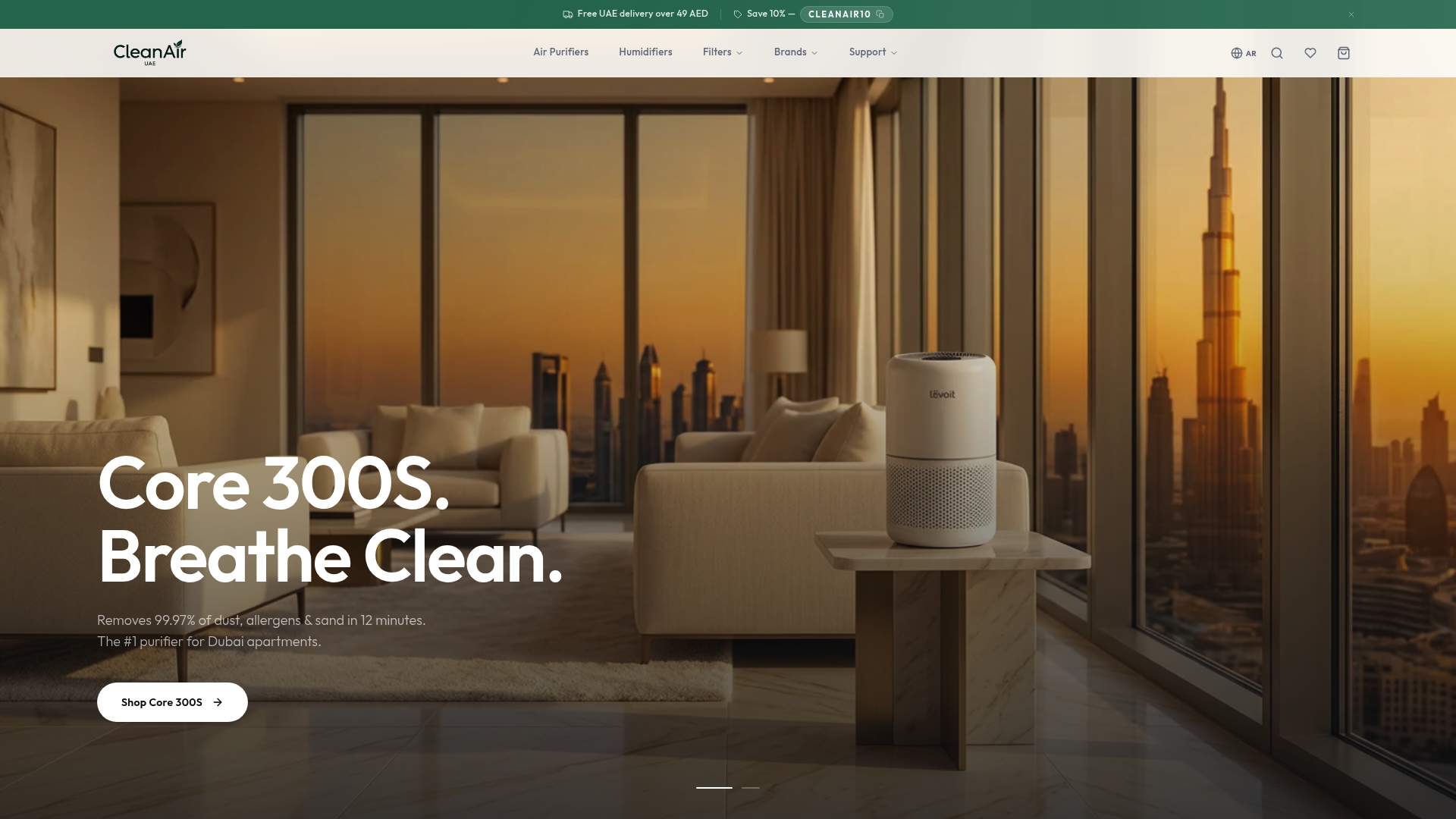
Cleanair-ae stocks air purifiers from Blueair, Honeywell, and Levoit, all of which can be integrated into closed-loop setups triggered by smart monitor data. When your sensor detects a PM2.5 spike from a dust event, a compatible purifier responds automatically. For residents unsure where to start, the air purifier buying guide covers how to match purifier capacity to room size and pollutant type. Those looking beyond purifiers can review the air purifier alternatives list for complementary approaches. Free delivery across Dubai and Abu Dhabi is available on orders over 49 AED.
FAQ
What parameters should a smart air quality monitor track?
At minimum, a monitor should track PM2.5, CO2, VOCs, temperature, and humidity. Advanced systems also cover PM1, PM10, and barometric pressure for more complete IAQ data.
Do air quality monitors clean the air?
No. Monitors measure and report air quality data but do not remove pollutants. Cleaning the air requires a separate air purifier or ventilation unit connected to act on the monitor’s readings.
How do I improve indoor air quality using smart tools?
Pair a smart monitor with a compatible air purifier to create a closed-loop system. The monitor detects pollutant levels and the purifier responds automatically, maintaining clean air without manual adjustment.
Are wireless IoT sensors suitable for UAE apartments?
Yes. Peel-and-stick wireless sensors deploy in under five minutes with no contractor required, making them well-suited to UAE apartments and small commercial spaces where wired installation is impractical.
What is the difference between entry-level and professional-grade monitors?
Entry-level monitors cost $70–$100 and cover core parameters with app alerts. Professional-grade devices cost $199–$350 and add advanced parameters, higher accuracy, API integration, and compliance reporting for standards such as ASHRAE 62.1-2025.