


Uncategorised
Air quality measurement explained for families

Air quality measurement is the process of quantifying airborne pollutants through standardised indexes and sensors to assess health risks. The most widely used tool is the Air Quality Index (AQI), a 0 to 500 scale developed by the US Environmental Protection Agency (EPA) to communicate outdoor pollution levels in plain terms. Key pollutants tracked include PM2.5, PM10, ozone, carbon monoxide (CO), nitrogen dioxide (NO2), and sulphur dioxide (SO2). For families spending most of their time indoors, understanding air quality measurement explained in practical terms is the first step toward making real improvements at home.
What is the Air Quality Index and how does it explain pollution levels?
The AQI translates complex pollutant data into a single number that anyone can act on. Values below 50 are classified as “Good”, while readings above 100 signal that air quality is unhealthy for sensitive groups, including children, the elderly, and people with asthma.
The scale runs across six colour-coded categories:
| AQI range | Category | Health guidance |
|---|---|---|
| 0–50 | Good | No action needed |
| 51–100 | Moderate | Unusually sensitive people should limit prolonged outdoor exertion |
| 101–150 | Unhealthy for sensitive groups | Sensitive groups should reduce outdoor activity |
| 151–200 | Unhealthy | Everyone should limit prolonged outdoor exertion |
| 201–300 | Very unhealthy | Everyone should avoid prolonged outdoor exertion |
| 301–500 | Hazardous | Everyone should remain indoors |
The AQI uses a “worst pollutant wins” approach. Rather than averaging all pollutants together, it reports the single pollutant posing the greatest risk at that moment. This makes the AQI a conservative health-risk tool, not a general air summary.
AQI readings also shift hourly. Weather patterns, traffic, and seasonal fires all push readings up and down throughout the day. Air quality fluctuates like weather, so checking a forecast before outdoor exercise is a practical habit worth building.
Pro Tip: Check your local AQI forecast the evening before any outdoor activity. On days above 100, move exercise indoors to protect your lungs and cardiovascular system.
Which pollutants are measured and why do they matter?
Air quality assessment methods track six core pollutants, each with distinct sources and health effects. Understanding what each one does helps you interpret readings correctly.
- PM2.5 are fine particles roughly 2.5 micrometres in diameter, approximately 30 times thinner than a human hair. They penetrate deep into the lungs and enter the bloodstream, making them the most health-critical pollutant tracked.
- PM10 are coarser particles from dust, pollen, and construction. They irritate the nose and throat but do not penetrate as deeply as PM2.5.
- Ozone (O3) forms when sunlight reacts with vehicle exhaust and industrial emissions. It aggravates asthma and reduces lung function, particularly in children.
- Carbon monoxide (CO) comes from combustion sources including gas cookers, boilers, and vehicle engines. High indoor concentrations are dangerous and often undetectable without a sensor.
- Nitrogen dioxide (NO2) originates mainly from road traffic and gas appliances. Long-term exposure increases the risk of respiratory infections.
- Sulphur dioxide (SO2) is produced by burning fossil fuels and industrial processes. It triggers breathing difficulties, especially in people with asthma.
Pollutant concentrations are expressed in parts per million (ppm) or micrograms per cubic metre (µg/m³). Regulatory limits such as 25 µg/m³ for PM2.5 exist in many regions as a benchmark for safe long-term exposure. Staying below these thresholds reduces chronic health risk.
Pro Tip: Most families focus on outdoor pollution and overlook indoor volatile organic compounds (VOCs). Furniture, cleaning sprays, and synthetic flooring all release VOCs that standard outdoor AQI readings never capture. A home monitor with a VOC sensor fills that gap.
How is air quality measured indoors versus outdoors?
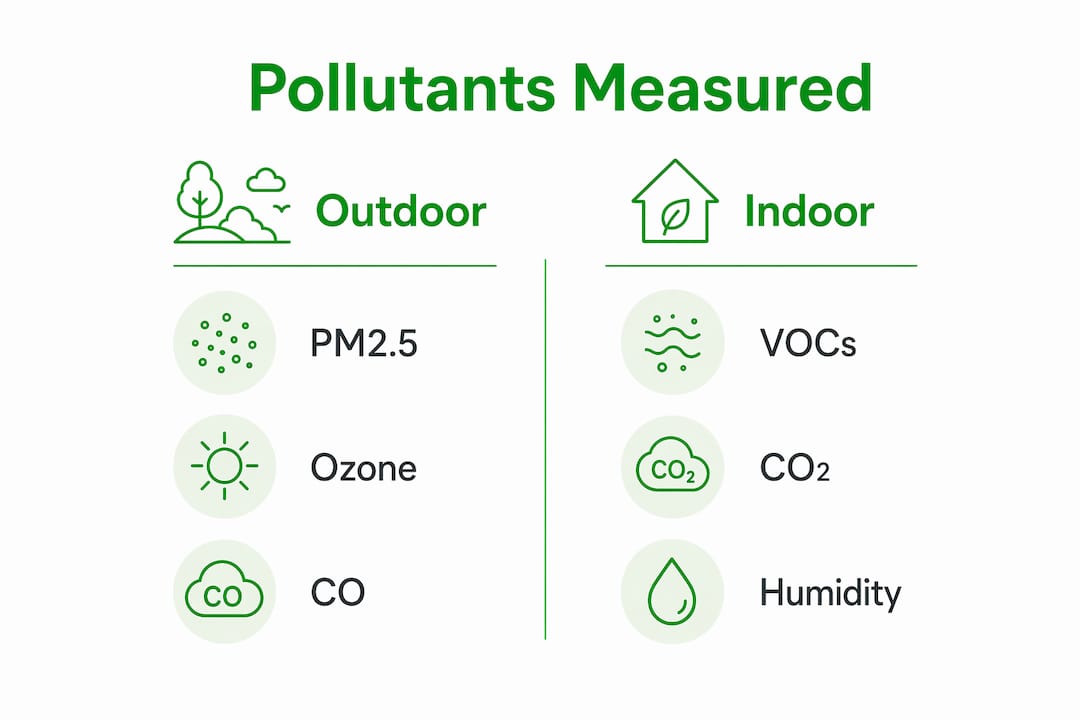
Outdoor and indoor measurement are fundamentally different tasks. Indoor air quality often differs significantly from outdoor conditions because indoor pollution comes from entirely different sources: furniture off-gassing, cooking fumes, cleaning products, and mould.
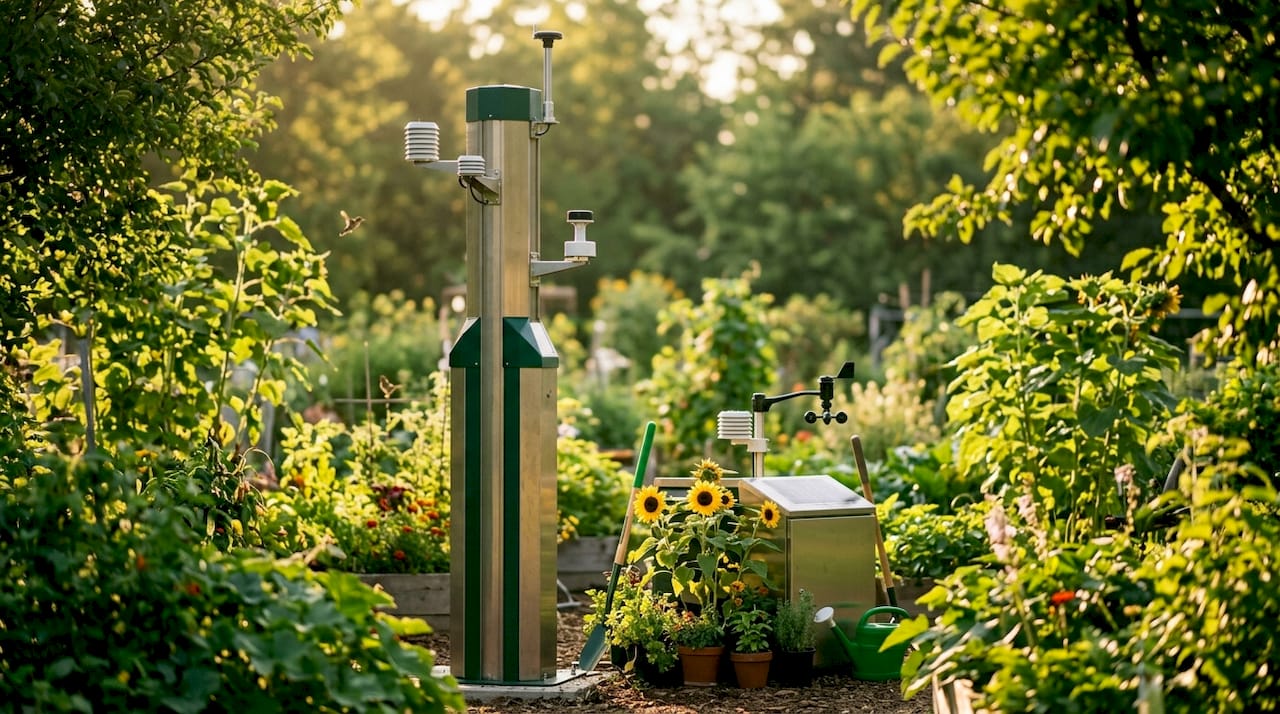
Outdoor monitoring relies on fixed government stations that run continuously, sampling air over set averaging windows. For example, ozone is averaged over one hour while PM2.5 is averaged over 24 hours. These longer windows smooth out short spikes, which is useful for public health policy but less useful for real-time decisions at home.
| Factor | Outdoor monitoring | Indoor monitoring |
|---|---|---|
| Pollutants tracked | PM2.5, PM10, ozone, CO, NO2, SO2 | PM2.5, VOCs, CO2, CO, humidity |
| Measurement method | Fixed government stations | Portable home sensors |
| Averaging period | 1-hour to 24-hour windows | Real-time or near real-time |
| Main challenge | Reflects local area, not your home | Sensor accuracy varies by device |
| Cost | Government-funded | Typically £40–£250 per device |
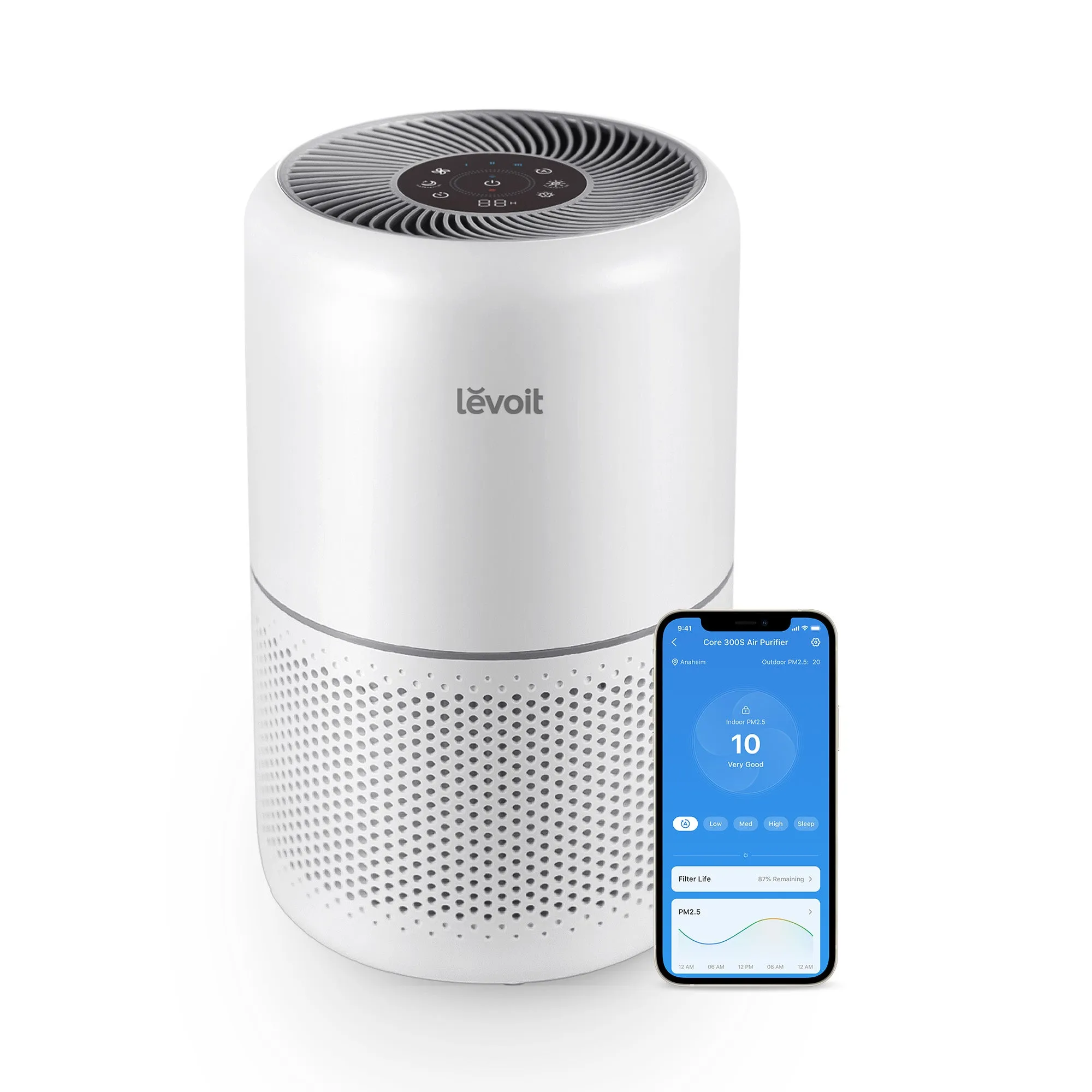
Home air quality monitors measure PM2.5, VOCs, CO2, temperature, and humidity in real time. Understanding the capabilities of your device matters because a basic monitor may only track PM2.5, missing CO or VOCs entirely. Choosing a monitor that matches your household’s specific risks, such as gas cooking or pets, gives you more relevant data.
Pro Tip: Place your home monitor away from windows and cooking areas during initial setup. Running it for 48 hours in a closed room gives you a reliable baseline before you start comparing readings.
For a detailed breakdown of the differences, the Cleanair-ae guide on indoor vs outdoor air quality covers the practical implications for UAE homes specifically.
How do you interpret air quality readings for your family’s health?
Interpreting a sensor reading requires context. A PM2.5 reading of 35 µg/m³ on a home monitor is not the same as an AQI of 35. The AQI is a calculated index based on longer averaging periods, while a home sensor shows a real-time snapshot. Real-time indoor spikes from cooking or cleaning can look alarming but may clear within minutes once ventilation improves.
Practical thresholds to act on:
- PM2.5 above 25 µg/m³ indoors: Open windows if outdoor AQI is below 100, or run an air purifier on a higher setting.
- CO2 above 1,000 ppm: Ventilate the room. High CO2 signals poor air exchange and causes fatigue and reduced concentration.
- VOC spikes after cleaning: Air out the space for at least 30 minutes. Switch to low-VOC products where possible.
- AQI above 150 outdoors: Keep windows closed and rely on indoor filtration rather than natural ventilation.
Families with young children, elderly members, or anyone with asthma or allergies should treat the 100 AQI threshold as their personal action point, not the general public threshold of 150. Sensitive groups face health risks at lower concentrations than healthy adults.
Continuous monitoring matters more than occasional checks. A single reading tells you the current state. A week of data tells you whether your morning cooking routine, evening traffic outside, or weekend cleaning products are the main drivers of poor air quality in your home. The Cleanair-ae indoor air quality checklist provides a structured way to track and act on these patterns.
Key takeaways
Accurate air quality measurement requires both outdoor AQI awareness and real-time indoor monitoring, because outdoor readings do not reflect the pollutants generated inside your home.
| Point | Details |
|---|---|
| AQI is a health communication tool | The 0–500 scale reports the single worst pollutant, not an average of all pollutants. |
| PM2.5 is the priority pollutant | Its tiny size allows it to penetrate the lungs deeply, making it the most health-critical metric to track. |
| Indoor and outdoor air differ | VOCs, CO2, and CO from cooking and furnishings are not captured by outdoor AQI readings. |
| Averaging periods affect interpretation | Real-time home sensor spikes do not equal AQI values, which use 1-hour to 24-hour averages. |
| Sensitive groups need lower thresholds | Children, the elderly, and those with asthma should act at AQI 100, not the general public threshold of 150. |
What I have learned from tracking air quality at home
By Wojciech
Most families I speak with assume that if the outdoor AQI looks fine, the air inside their home is fine too. That assumption is wrong, and it is the single most common mistake I see. Outdoor readings tell you nothing about the VOCs your new sofa is releasing, the CO2 building up in a bedroom overnight, or the PM2.5 spike from a 10-minute frying session in the kitchen.
The second mistake is treating a home monitor as a pass or fail test. A high reading is not a crisis. It is information. When I first started tracking my own home, I was surprised to find that my worst air quality moments happened during routine cleaning, not during high-pollution weather events outside. Switching to fragrance-free, low-VOC cleaning products made a measurable difference within days.
The third thing I have noticed is that people buy a monitor, check it obsessively for a week, and then stop looking. The value is in the long-term pattern, not the daily number. Set your monitor to log data over time and review it weekly. You will quickly identify your household’s specific pollution drivers and fix them one by one.
Outdoor AQI awareness still matters. On days when the AQI climbs above 100, keeping windows closed and running a good air purifier is the right call. But do not let outdoor numbers give you false confidence about what is happening inside your four walls.
— Wojciech
Air quality products and guides from Cleanair-ae
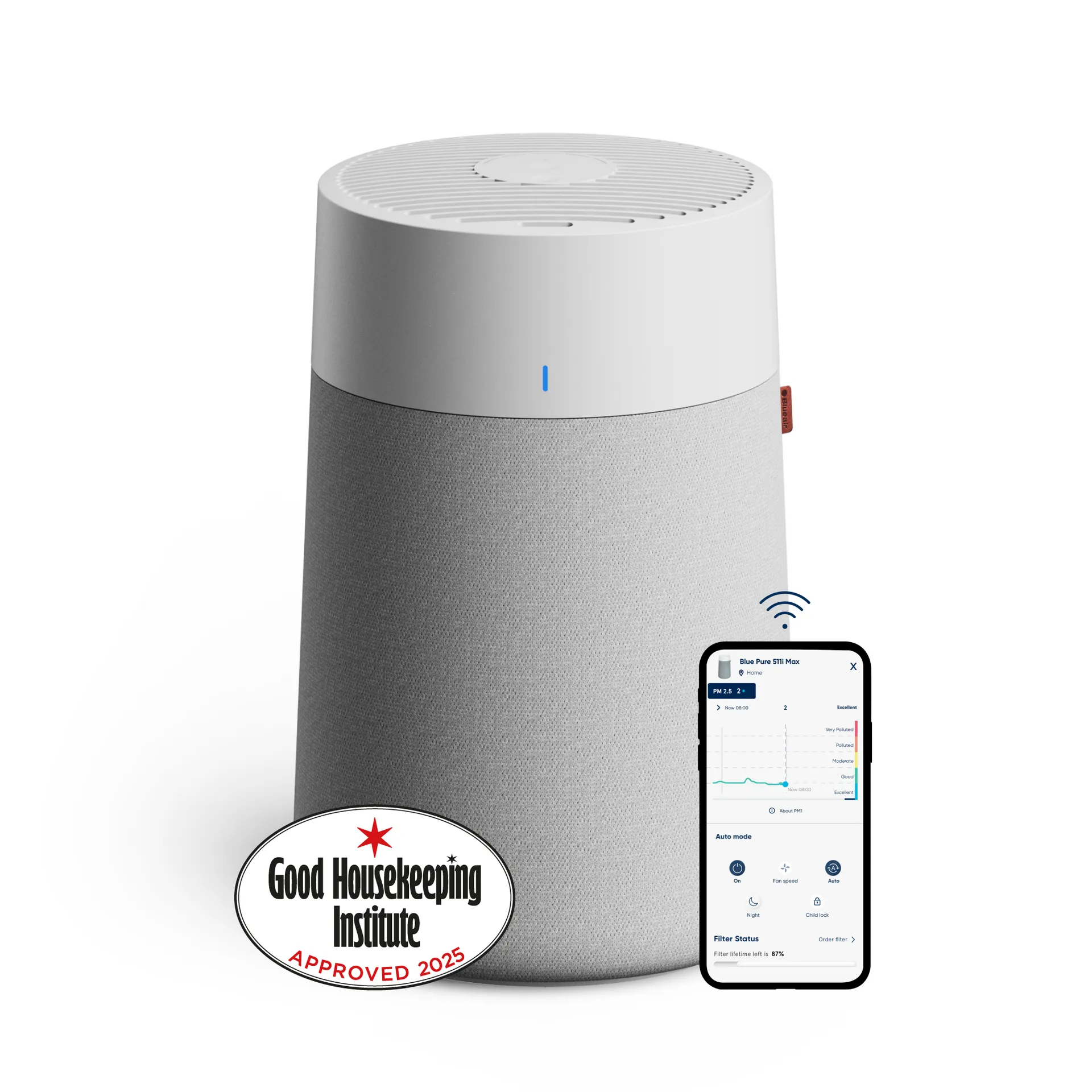
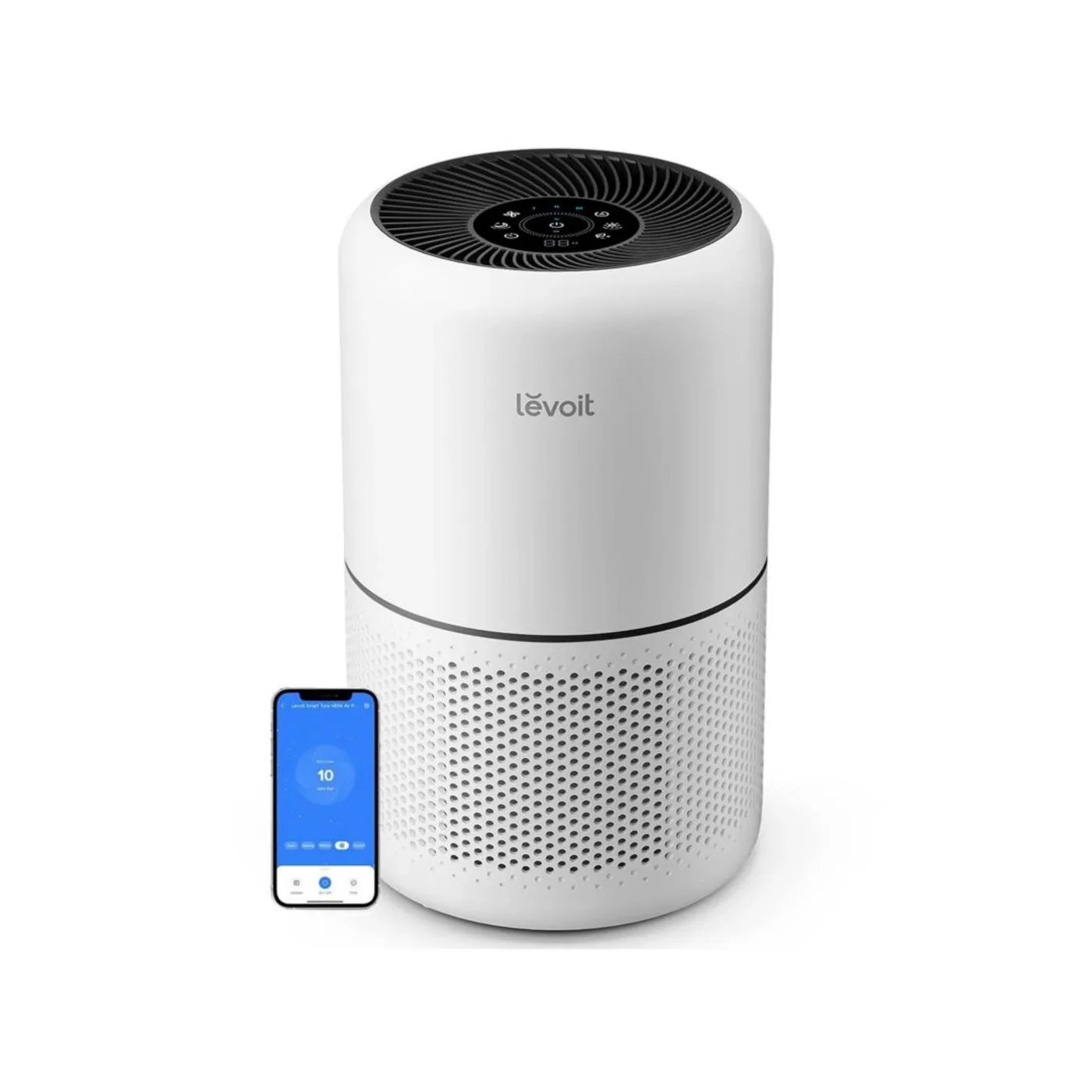
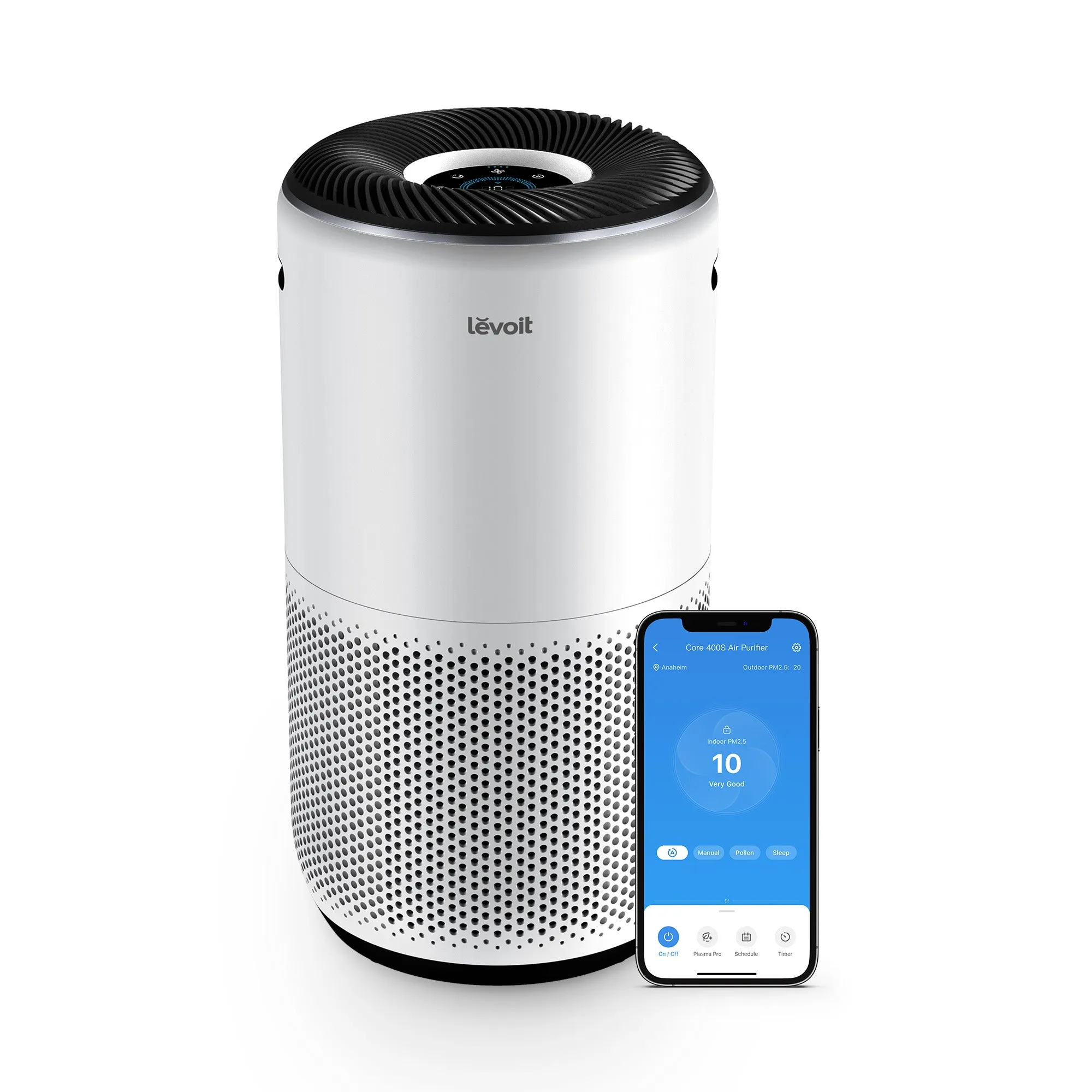
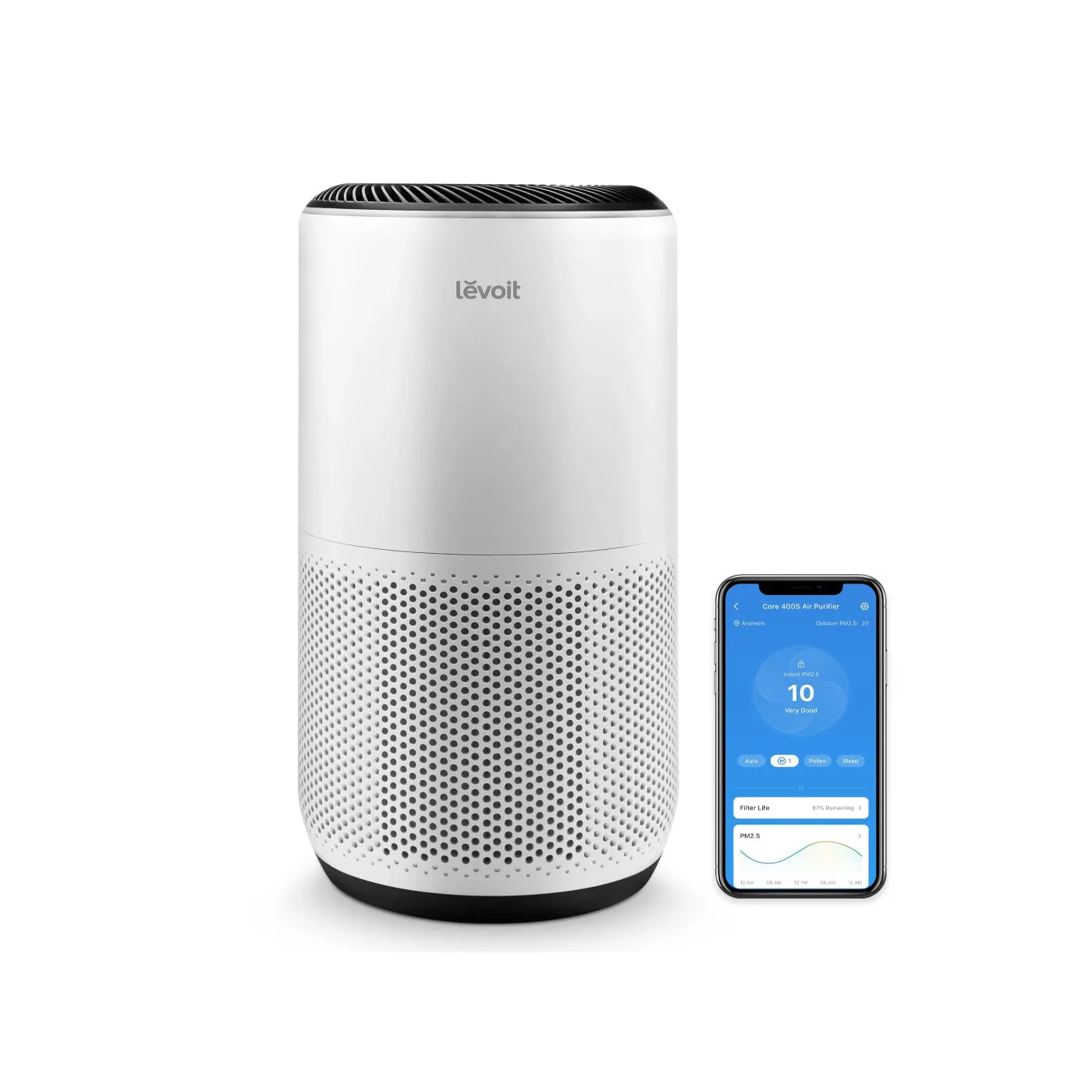
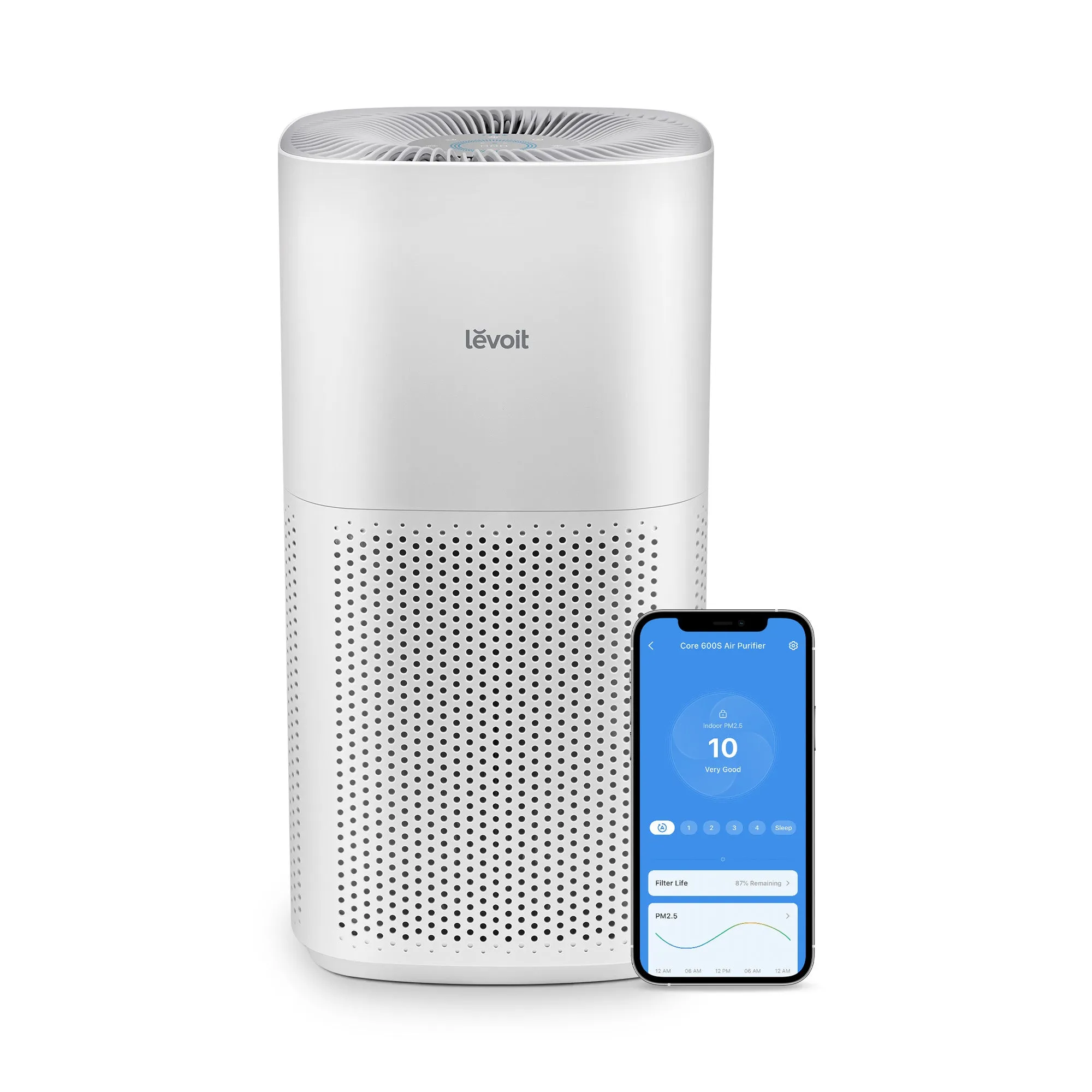
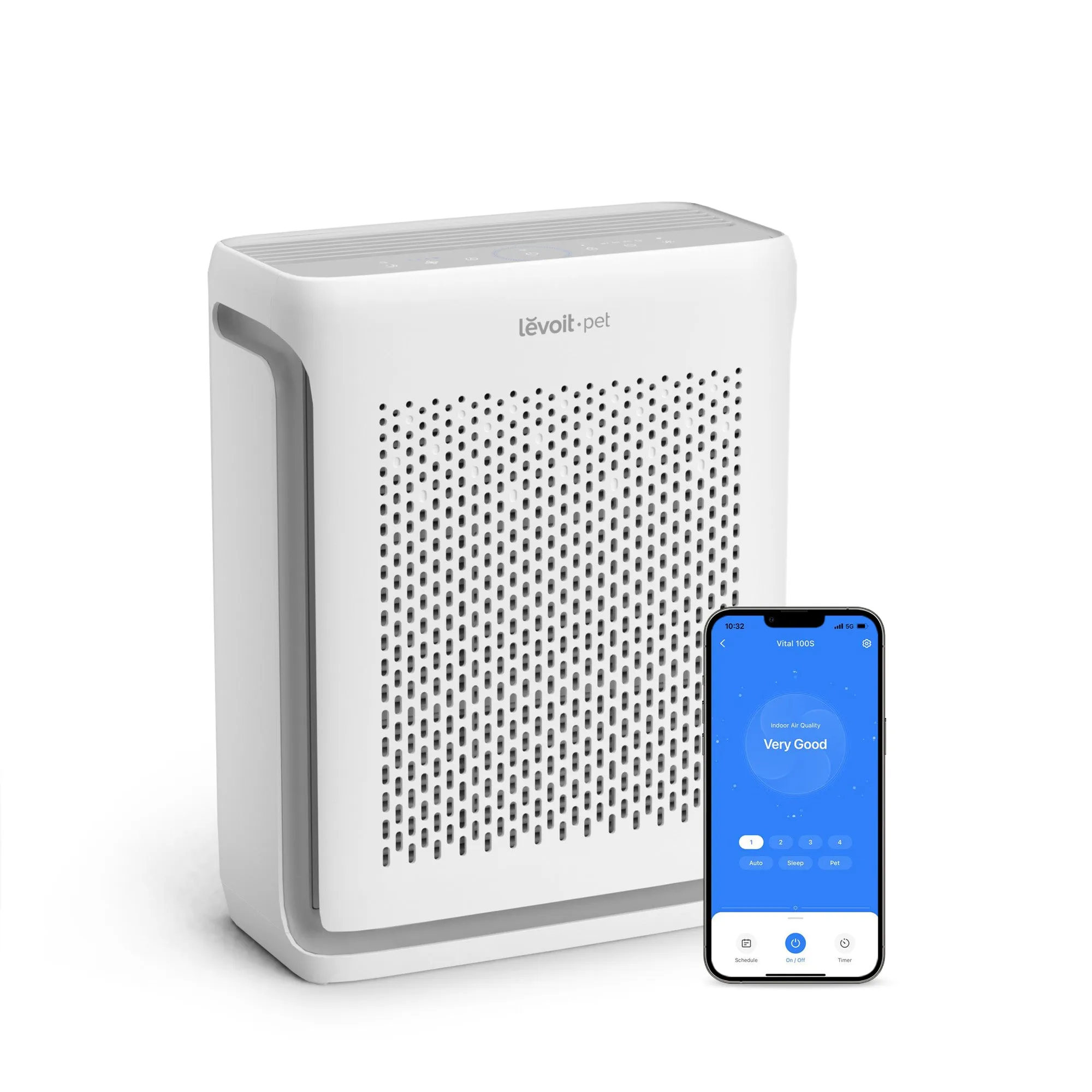
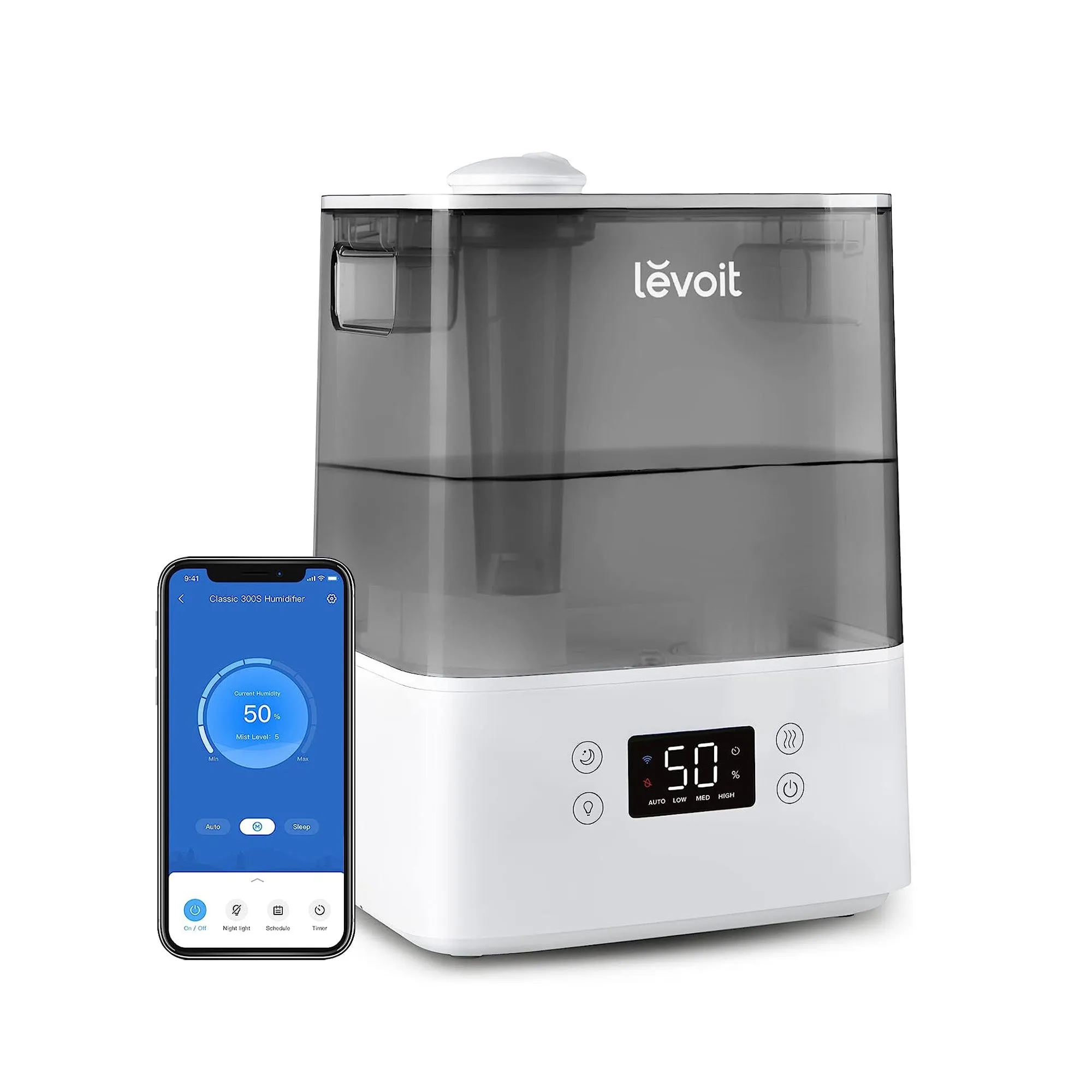
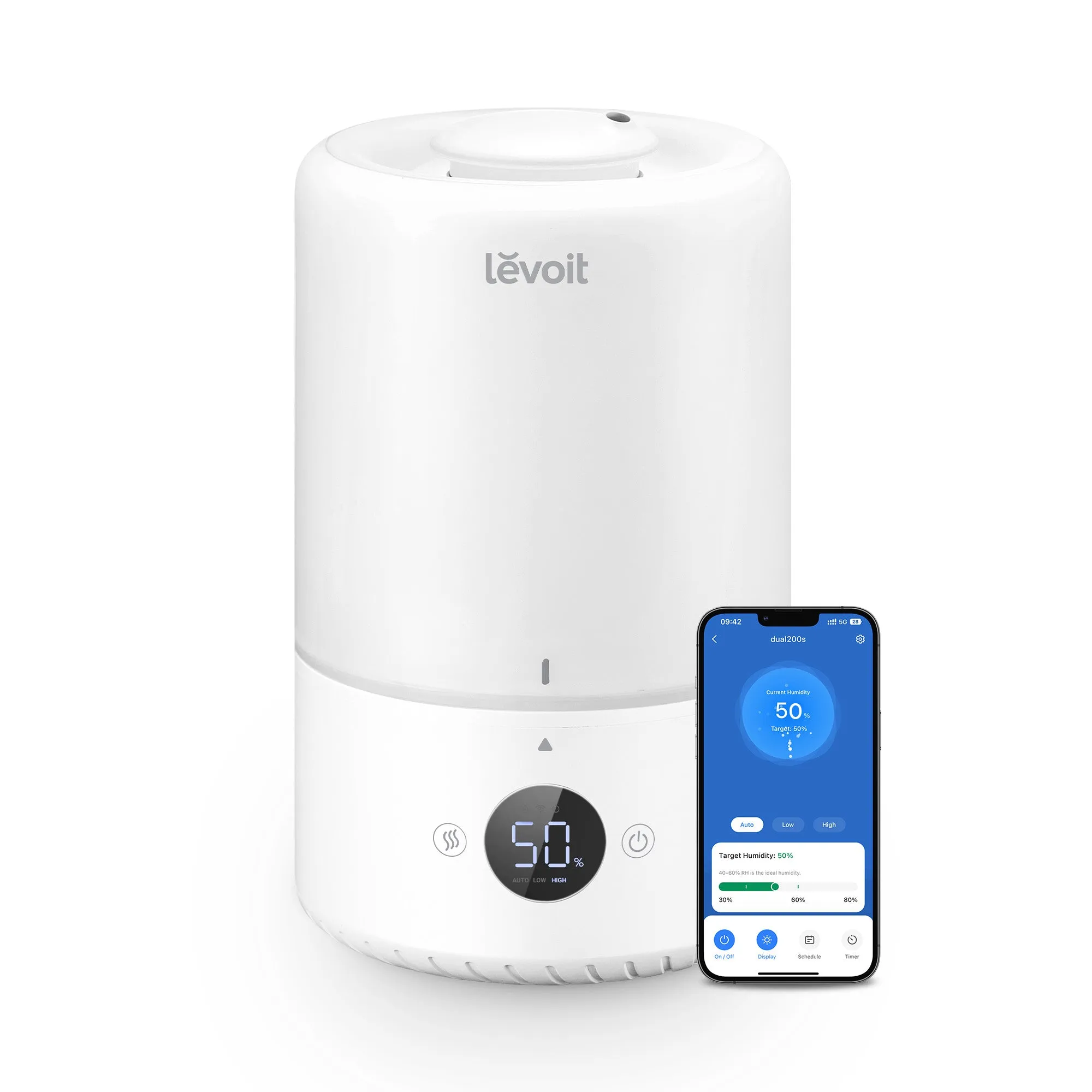
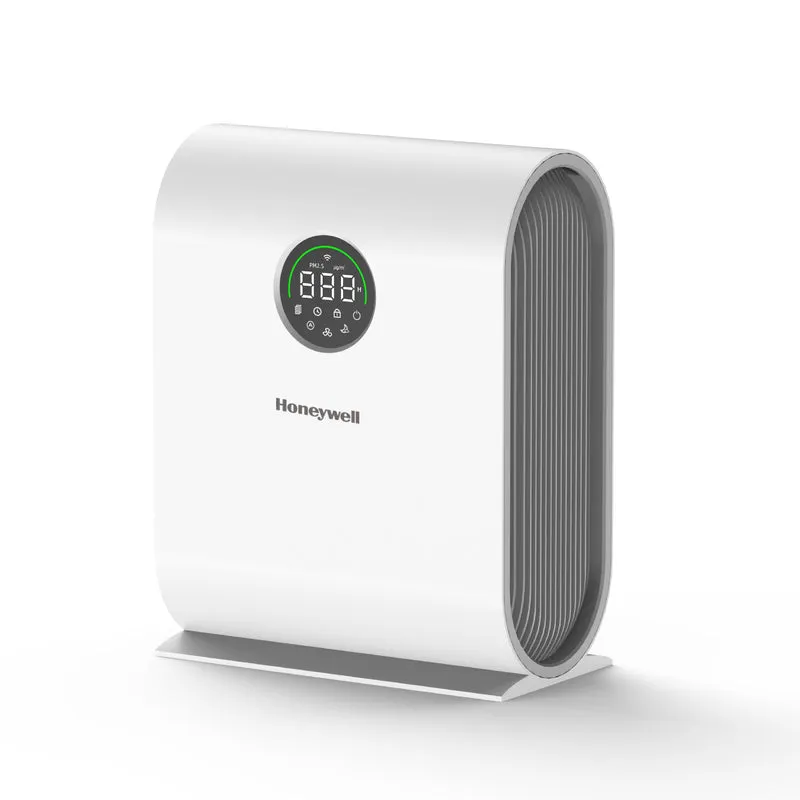
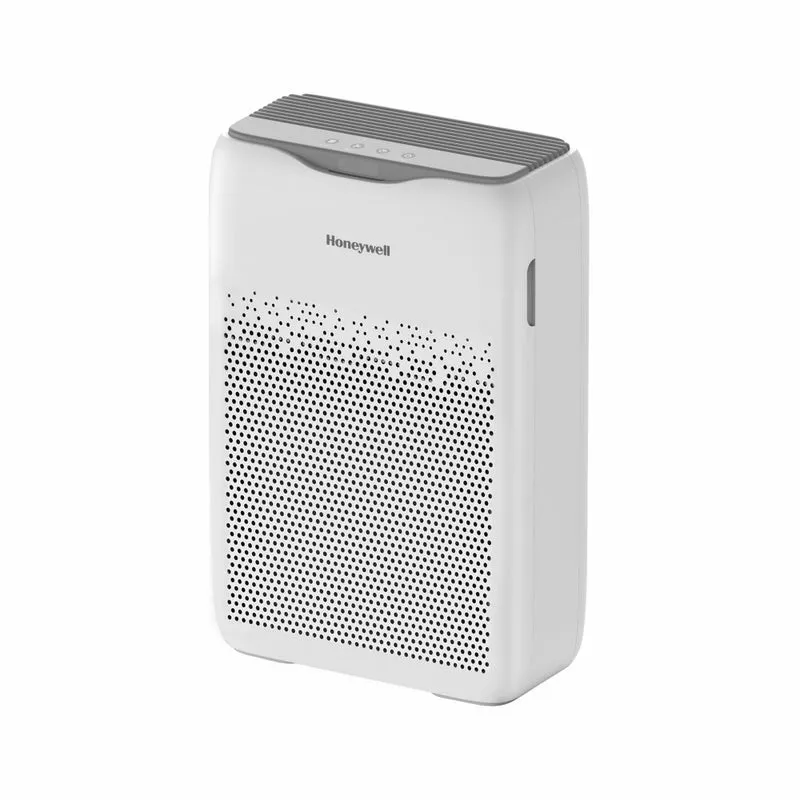
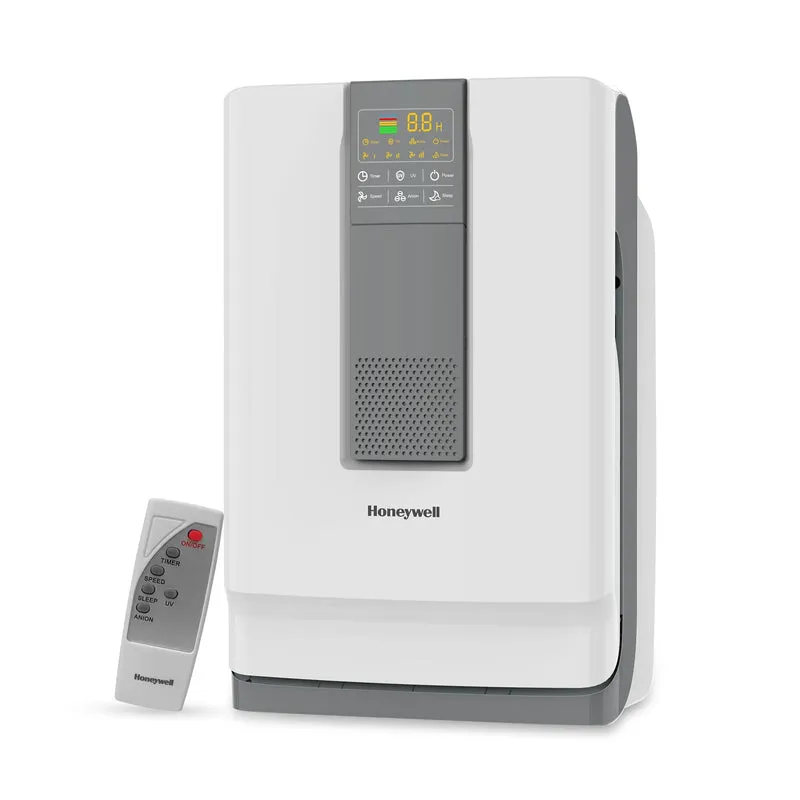
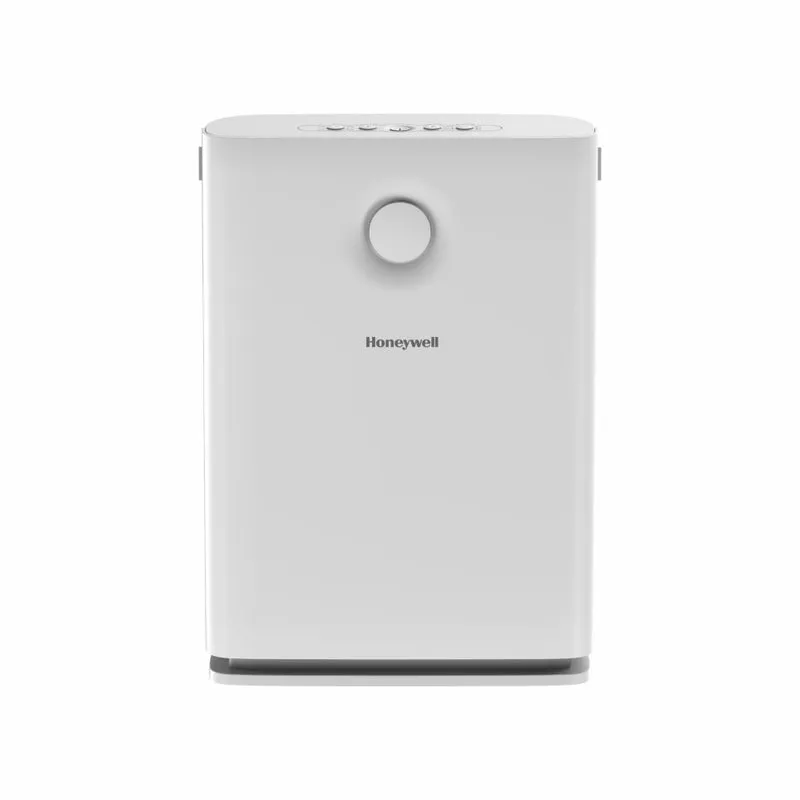
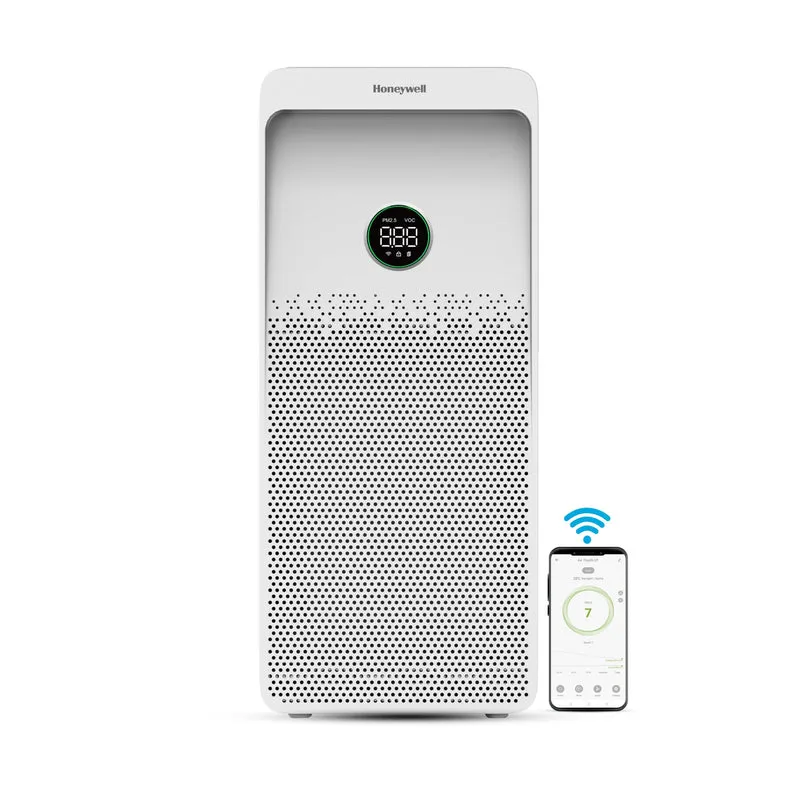
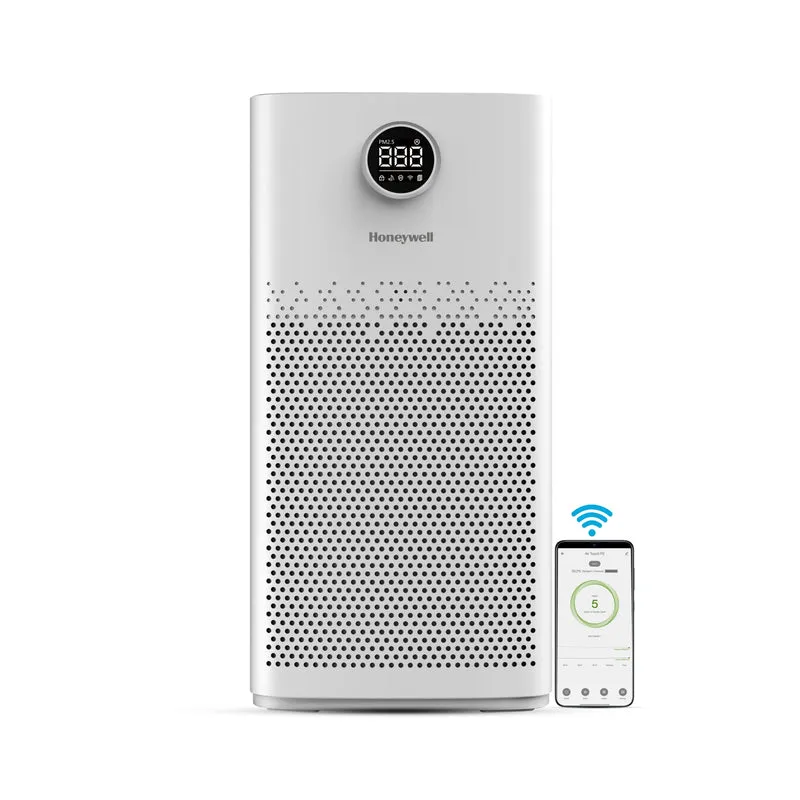
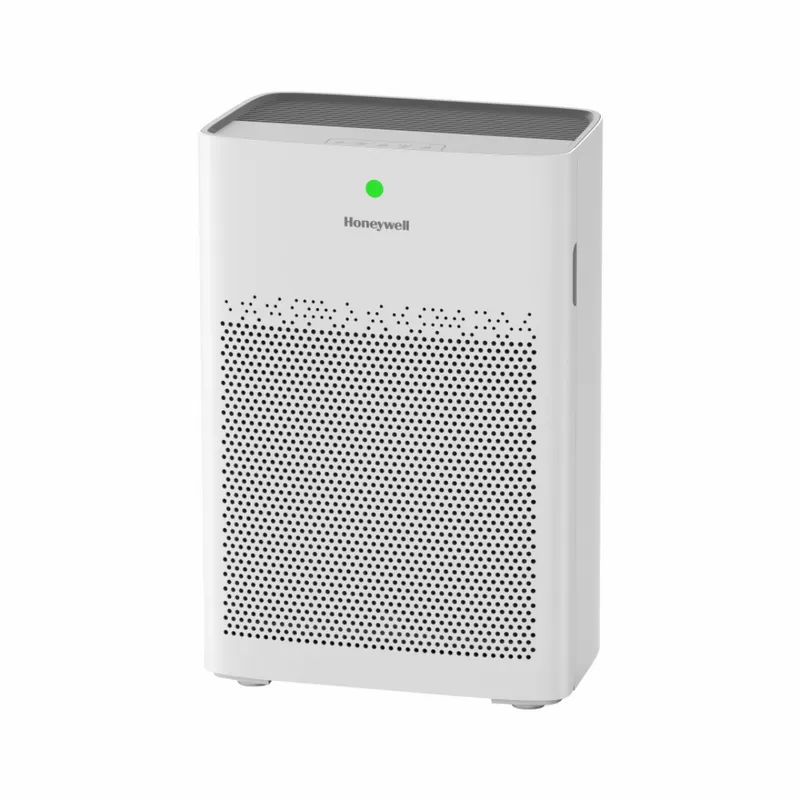
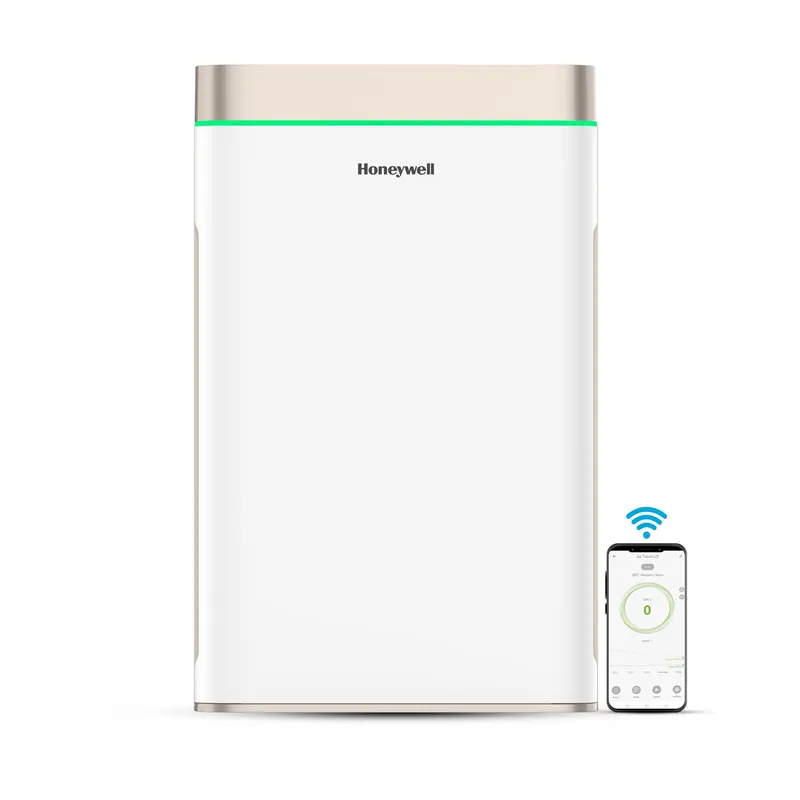
Cleanair-ae stocks a curated range of air purifiers, filters, and accessories suited to homes across Dubai, Abu Dhabi, and the wider UAE. Brands including Blueair, Honeywell, and Levoit cover everything from compact bedroom units to larger living-space models.
For families ready to act on their air quality readings, the air purifier buying guide for 2026 covers how to match a purifier’s CADR rating and filter type to your room size and pollutant profile. If you are looking beyond purifiers, the 8 proven methods guide covers practical steps that complement any monitoring setup. Free UAE delivery is available on orders over 49 AED.
FAQ
What does an AQI reading of 100 mean?
An AQI of 100 marks the boundary between “Moderate” and “Unhealthy for sensitive groups.” Children, the elderly, and people with respiratory conditions should begin limiting prolonged outdoor activity at this level.
Does outdoor AQI reflect indoor air quality?
No. Outdoor AQI does not capture indoor pollutants such as VOCs from furniture and cleaning products, CO2 from occupants, or CO from gas appliances. A separate indoor monitor is needed for an accurate picture.
What is PM2.5 and why is it dangerous?
PM2.5 refers to particles 2.5 micrometres or smaller in diameter. Their tiny size allows them to bypass the body’s natural filters and penetrate deep into lung tissue, increasing the risk of respiratory and cardiovascular disease.
How often should I check my home air quality monitor?
Check readings daily and review logged trends weekly. A single reading shows current conditions, but weekly patterns reveal which household activities, such as cooking or cleaning, are the main sources of poor indoor air quality.
What is the difference between ppm and µg/m³?
Both are units for measuring pollutant concentration. Parts per million (ppm) is commonly used for gases like CO and CO2, while micrograms per cubic metre (µg/m³) is the standard for particles like PM2.5, with a widely referenced regulatory limit of 25 µg/m³ for long-term exposure.