


Uncategorised
Ozone in indoor air: what it is and why it matters

Ozone in indoor air is defined as the presence of O3, a reactive gas made of three oxygen atoms, inside enclosed living or working spaces. Unlike outdoor ozone, which forms naturally in the upper atmosphere, indoor ozone reaches you primarily through infiltration from outside air and from devices that generate it deliberately or as a byproduct. The US Environmental Protection Agency and the California Air Resources Board (CARB) both flag indoor ozone as a respiratory hazard, even at low concentrations. Understanding what is ozone in indoor air is the first step to protecting your health at home or at work.
What are the main sources of ozone indoors?
Outdoor air is the single largest source of indoor ozone. On hot, sunny days, ground-level ozone builds up outside and seeps in through gaps around windows, doors, and ventilation systems. Indoor ozone levels typically sit between 20% and 70% of outdoor concentrations, depending on how well sealed a building is. That range means a high-ozone summer afternoon outside translates directly into elevated levels inside.
Several indoor sources add to that baseline:
- Ozone-generating air purifiers and ionisers. Devices marketed as “ionic” or “plasma” air cleaners often produce ozone as a deliberate or incidental output. Ozone-generating purifiers cause lung tissue damage even when sold as cleaning devices. Medical guidelines advise against their use in occupied spaces.
- Electrical arcing. Faulty wiring, loose sockets, and ageing electrical equipment produce ozone through electrical discharge. A sharp, chlorine-like smell near an outlet is a warning sign that warrants professional inspection.
- Office and home equipment. Laser printers and photocopiers generate small amounts of ozone during operation. In poorly ventilated offices, repeated use across a working day accumulates measurable concentrations.
- UV lamps. Germicidal ultraviolet lamps used for surface sterilisation can emit ozone if they operate at wavelengths below 254 nanometres.
Knowing your sources lets you act on the right ones. Outdoor infiltration requires timing and ventilation strategy. Indoor generators require device choices.
What health effects does indoor ozone cause?
Ozone is a lung irritant. It reacts with the lining of the airways, causing inflammation, reduced lung function, and worsened asthma symptoms. These effects occur at concentrations well within the range found in ordinary homes and offices.
Vulnerable groups face the greatest risk. Children and sensitive individuals spend up to 90% of their time indoors, where pollutant concentrations can run 2–5 times higher than outdoors. That statistic matters because it means children receive a disproportionately high dose relative to their body weight. Older adults and people with pre-existing respiratory or cardiovascular conditions face similar amplified risk.
A less obvious danger comes from ozone’s chemistry. Ozone reacts with indoor VOCs to produce secondary pollutants including formaldehyde and ultrafine particles. These secondary products can be more harmful than the original contaminants. Common VOC sources include cleaning sprays, furniture off-gassing, and air fresheners, all of which are present in most homes.
“No scientific body recognises any safe continuous indoor ozone concentration for air cleaning purposes. Levels near 0.05 ppm can harm respiratory health, and federal agencies advise against ozone generator use in occupied spaces due to airway inflammation risks.”
The practical implication is clear. There is no threshold below which indoor ozone is considered beneficial. Any device that adds ozone to your indoor air is adding a health risk, not removing one.
Pro Tip: If anyone in your household has asthma or allergies, check your indoor air quality checklist to identify ozone sources before purchasing any air cleaning device.
How does ozone behave indoors: concentration, decay, and detection?
Ozone does not persist indefinitely indoors. It reacts with surfaces, furnishings, and airborne compounds, breaking down over time. Ozone decays indoors with a half-life of 30–90 minutes depending on humidity, temperature, and surface area. With active ventilation, that decay time drops to 10–15 minutes. The implication is that ozone from an outdoor peak or a device can linger for over an hour in a closed, still room.
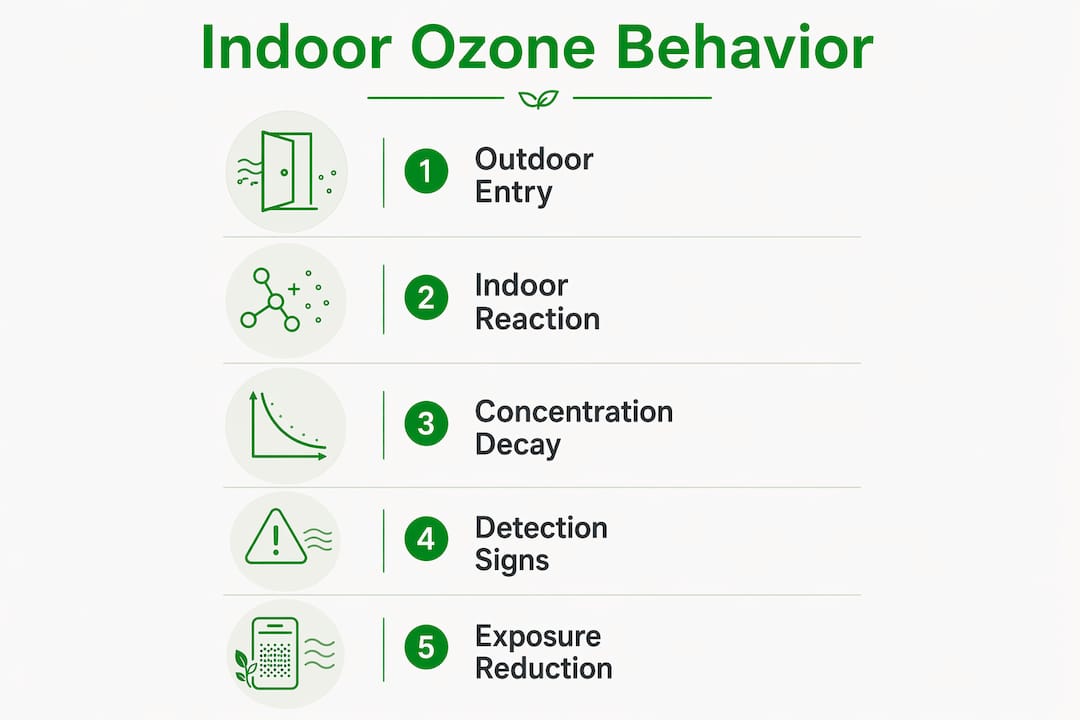
The table below summarises key indoor ozone dynamics:
| Factor | Typical range or value |
|---|---|
| Indoor vs outdoor concentration | 20%–70% of outdoor level |
| Decay half-life without ventilation | 30–90 minutes |
| Decay half-life with ventilation | 10–15 minutes |
| Peak outdoor ozone hours | 12 PM–6 PM on hot, sunny days |
| Detectable smell threshold | Around 0.01 ppm |
Peak outdoor ozone occurs between noon and 6 PM on hot, sunny days. Keeping windows closed during those hours is the most direct way to limit infiltration. Early morning ventilation, before ground-level ozone builds up, is the safer window for fresh air.
Detection is simpler than most people assume. Most people detect ozone by a sharp, metallic, chlorine-like smell at concentrations starting around 0.01 ppm. If you can smell it, it is already at a health-relevant level. Your nose is a reliable early warning system, and for most households it reduces the need for a dedicated ozone monitor.
Pro Tip: If you notice a sharp, chlorine-like smell near an electrical socket or appliance, do not ignore it. That odour near wiring signals electrical arcing, which is a fire hazard requiring professional repair, not just an air quality concern.
What practical steps reduce indoor ozone exposure?
Reducing ozone pollution indoors does not require expensive equipment. It requires the right habits and the right device choices.
- Close windows between noon and 6 PM on summer days. This is the single most effective step for limiting outdoor ozone infiltration. Ground-level ozone peaks during afternoon heat, and open windows during those hours bring it straight inside.
- Ventilate early in the morning. Outdoor ozone is at its lowest before 10 AM. Opening windows then allows fresh air exchange without the ozone load of peak hours.
- Remove ozone-generating devices from occupied rooms. Any purifier or ioniser that produces ozone should not run while people are present. If you are unsure whether a device generates ozone, check for CARB certification, which sets strict limits on ozone emissions from air cleaning devices.
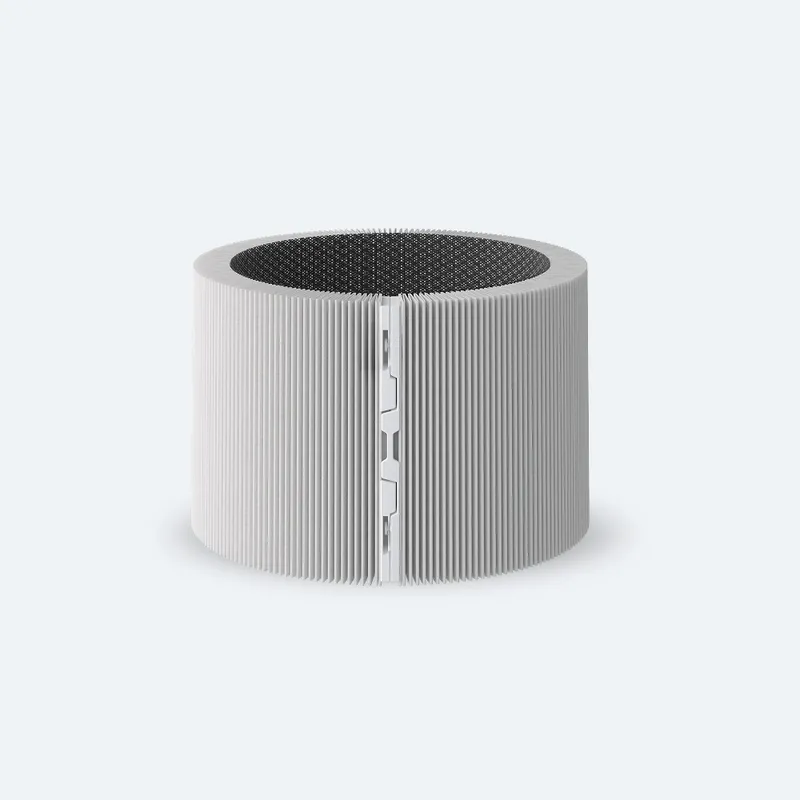
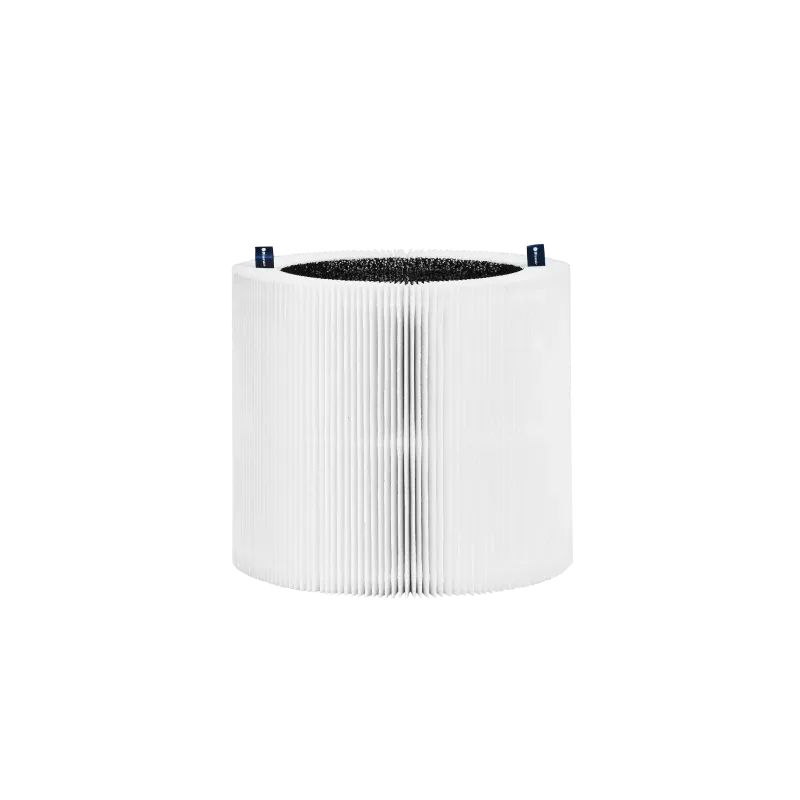
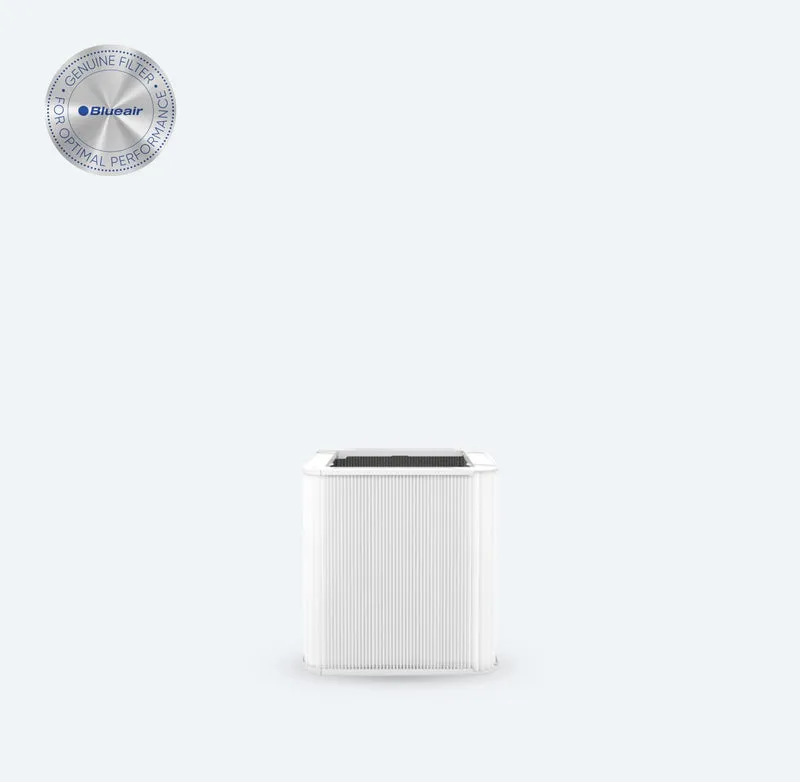
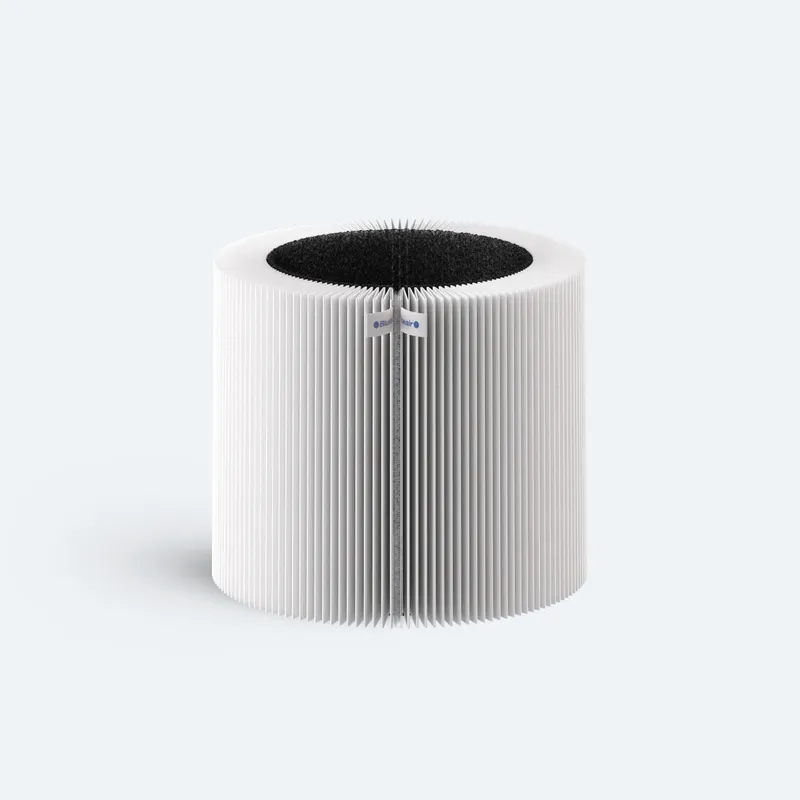
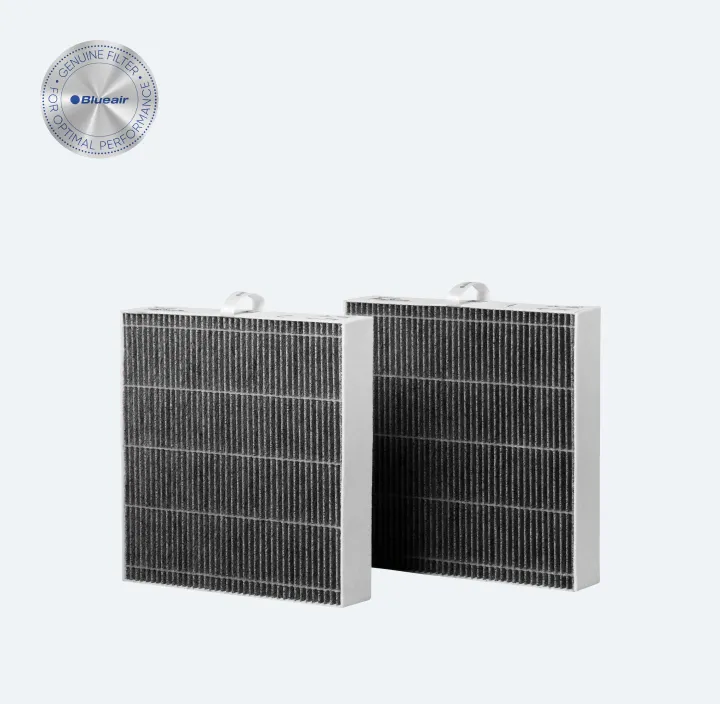
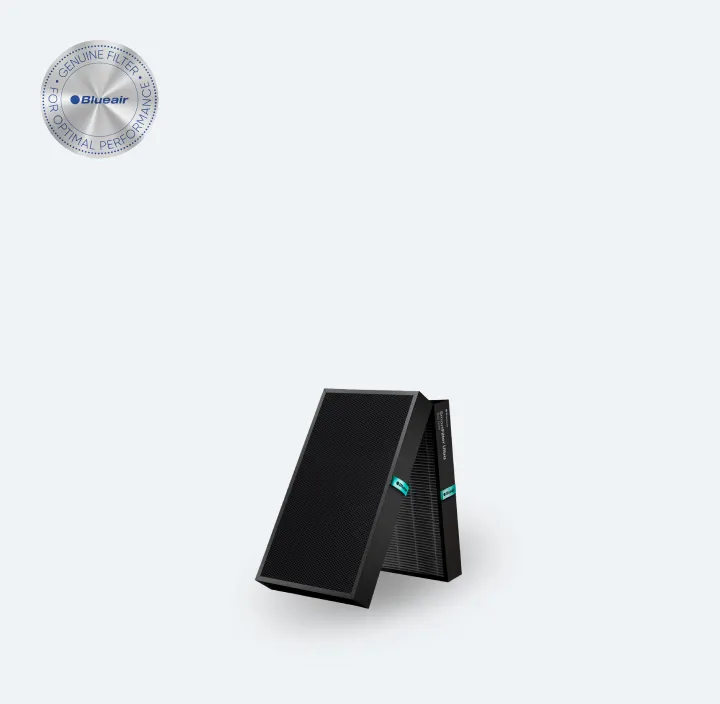
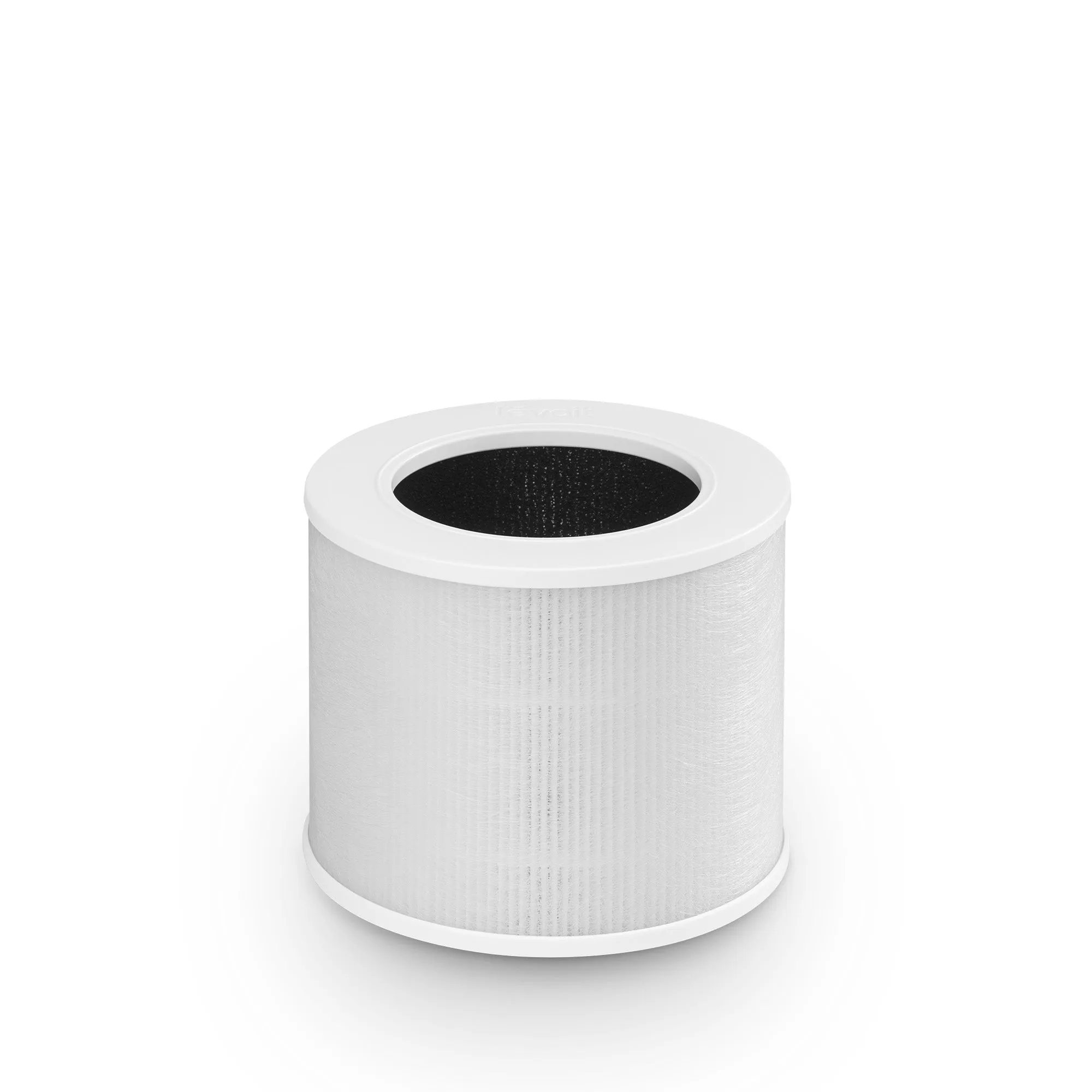
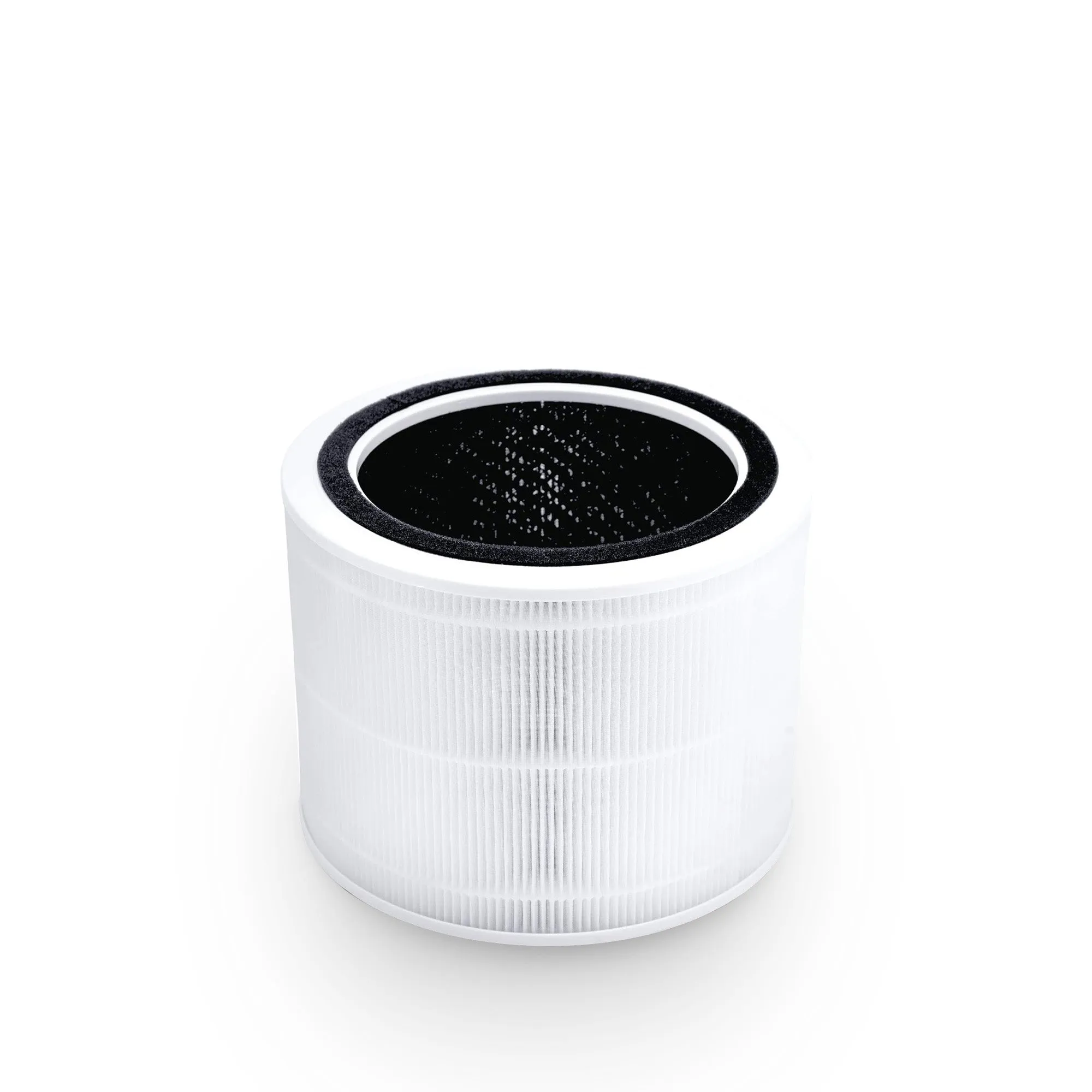
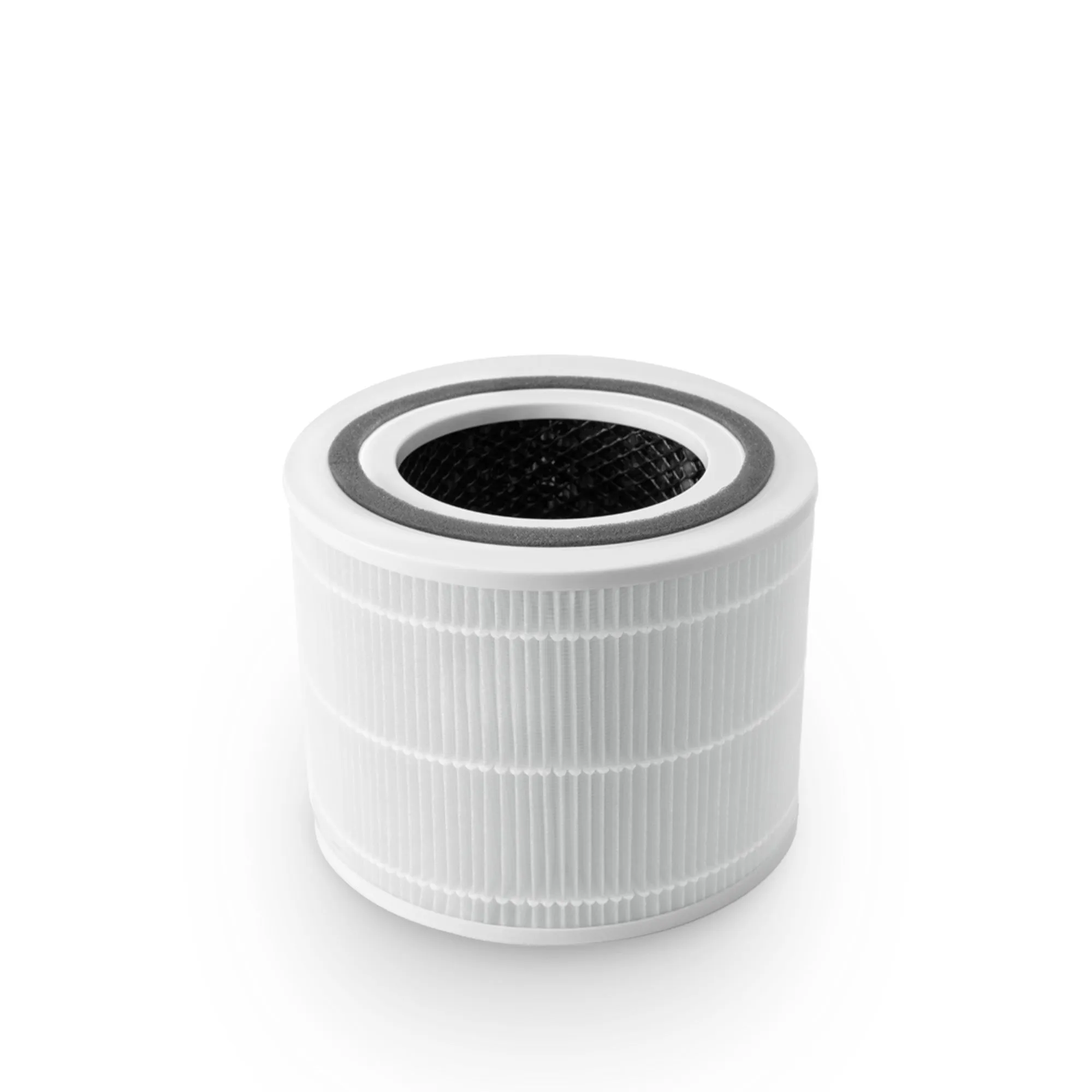
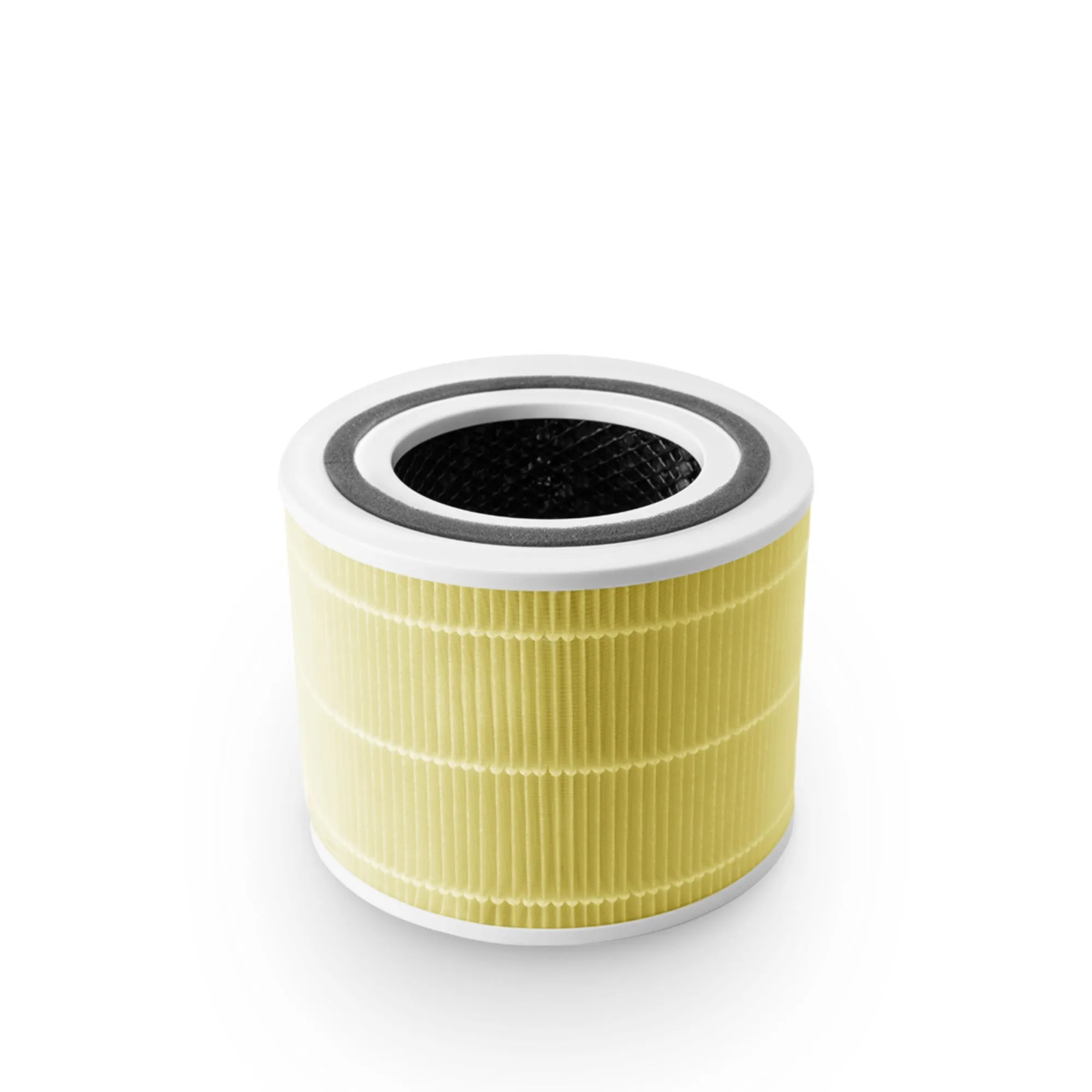
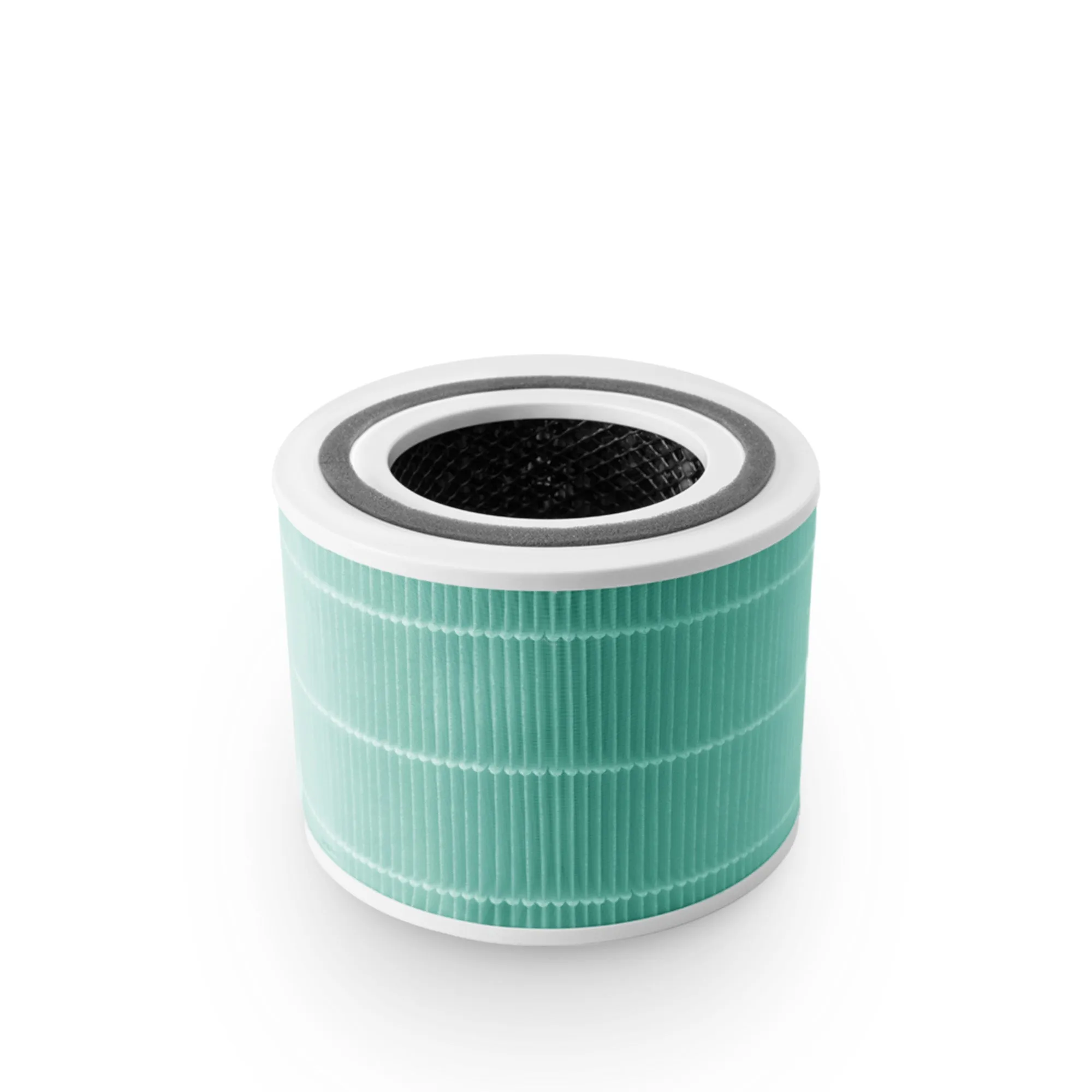
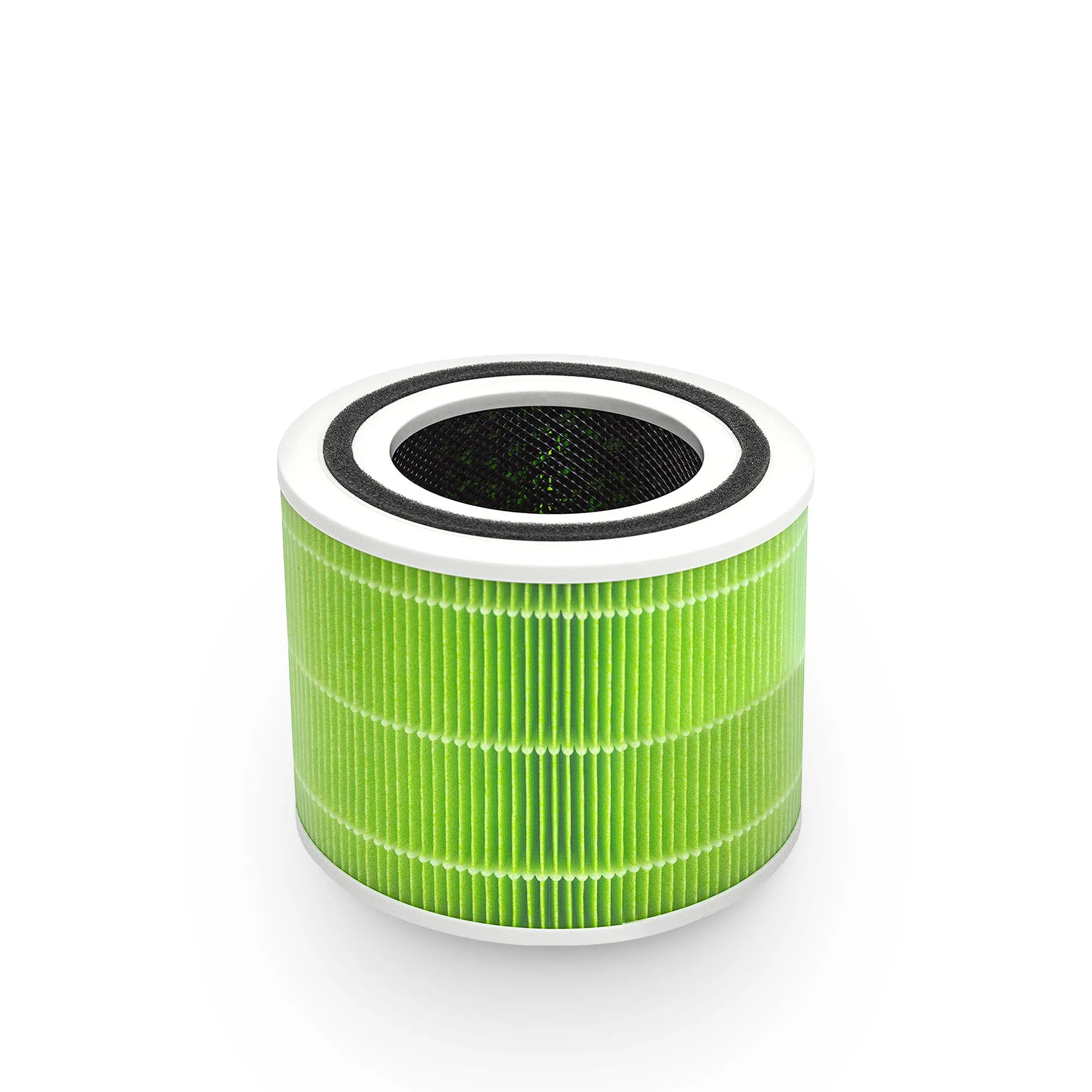
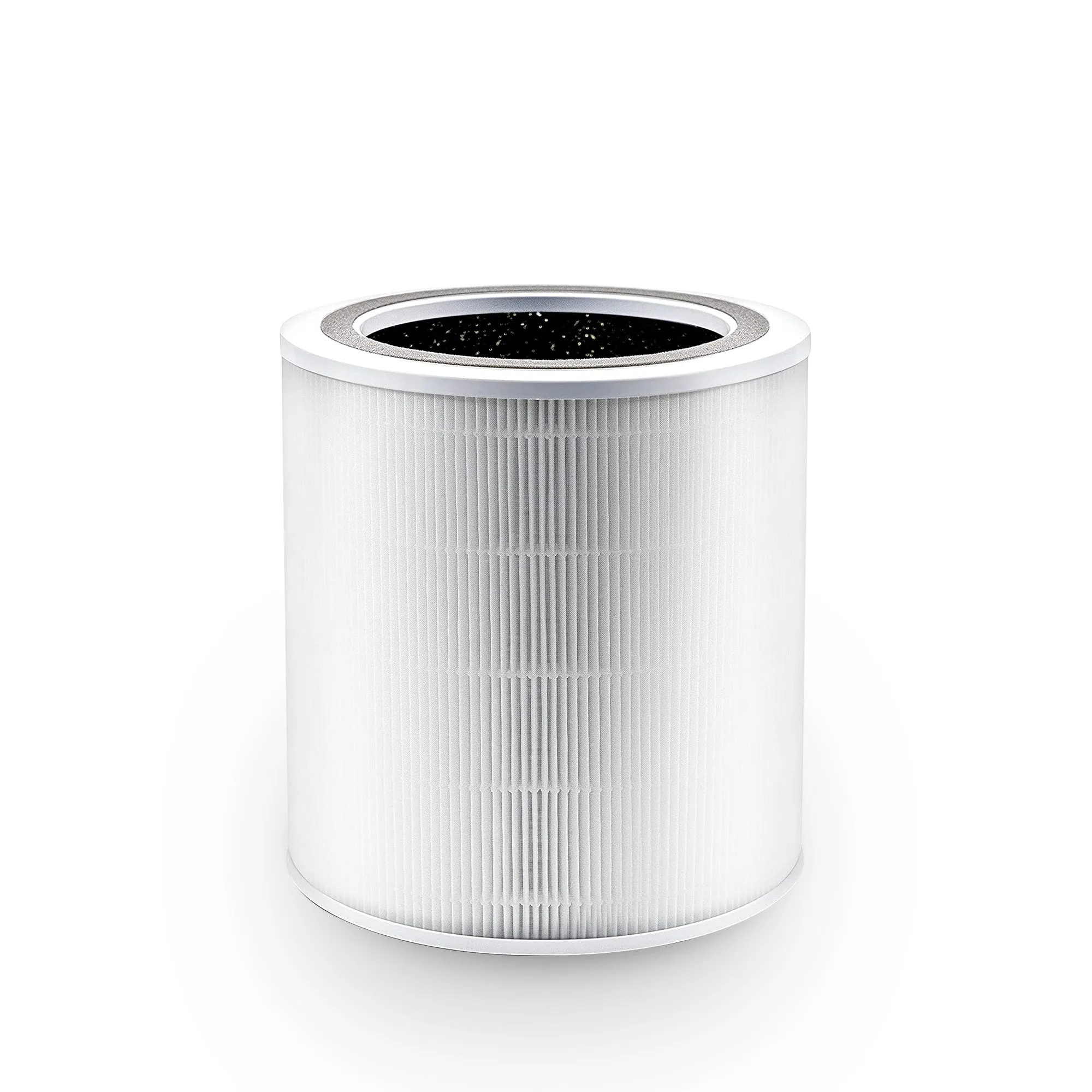
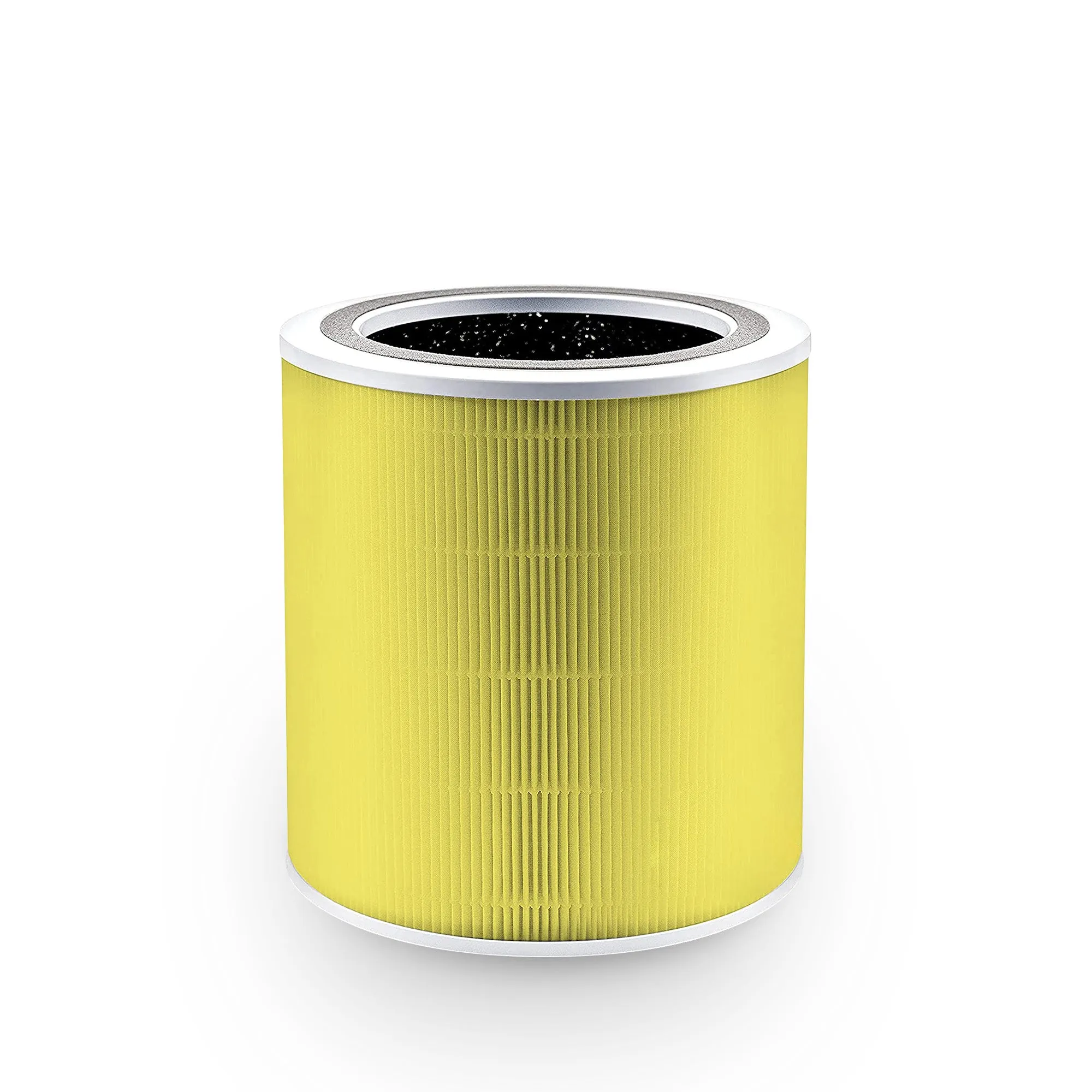
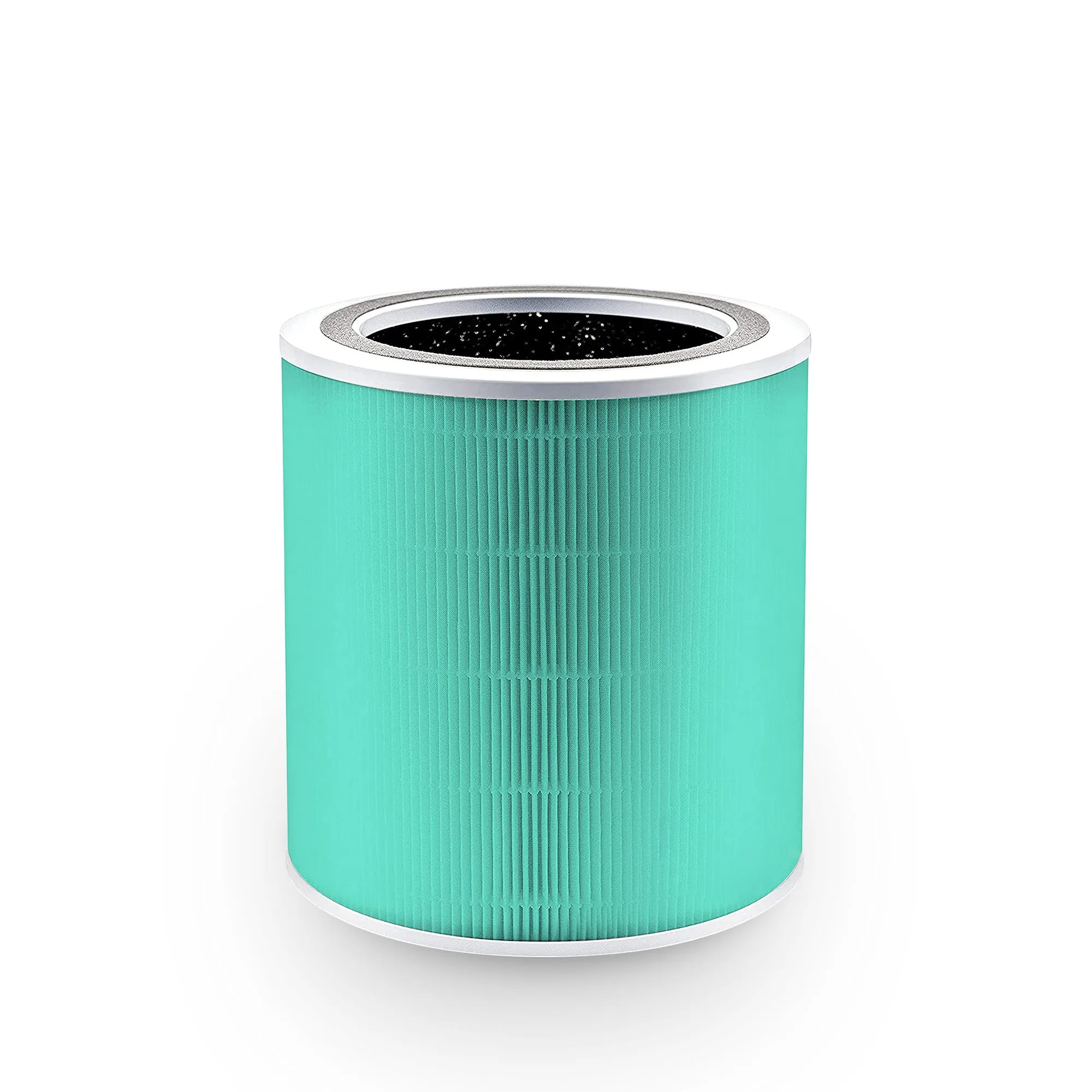
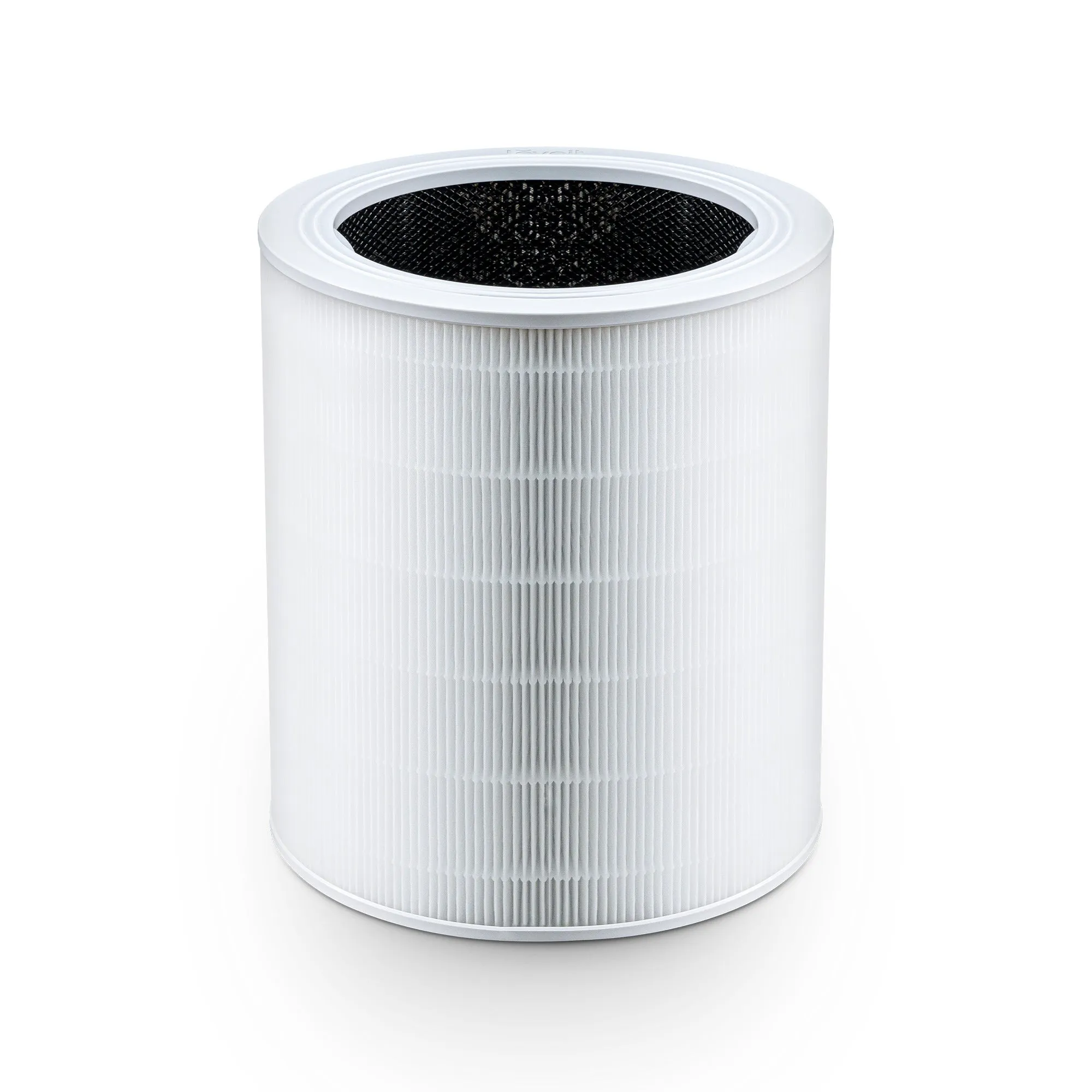
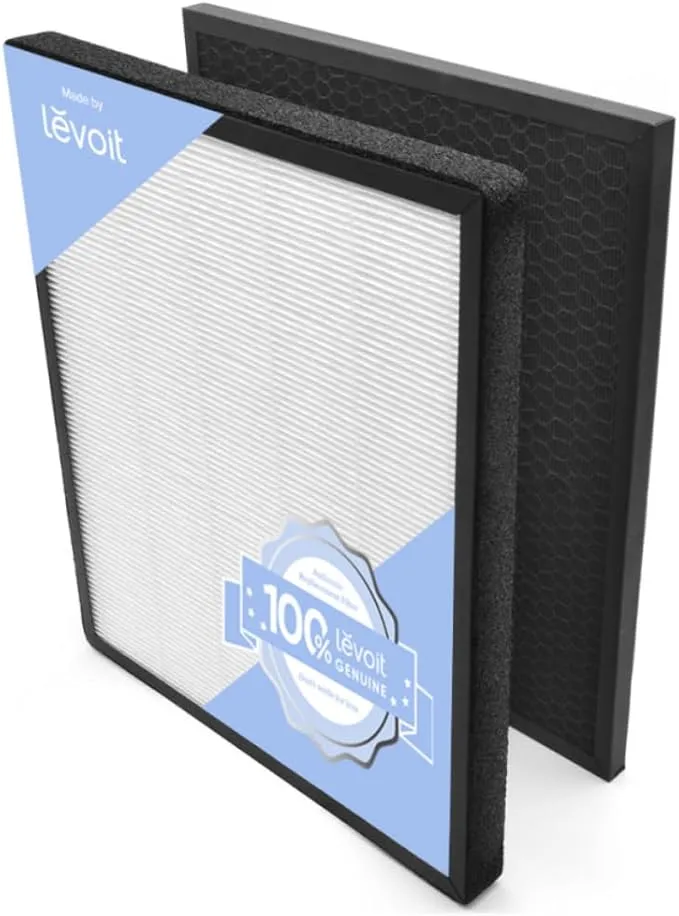
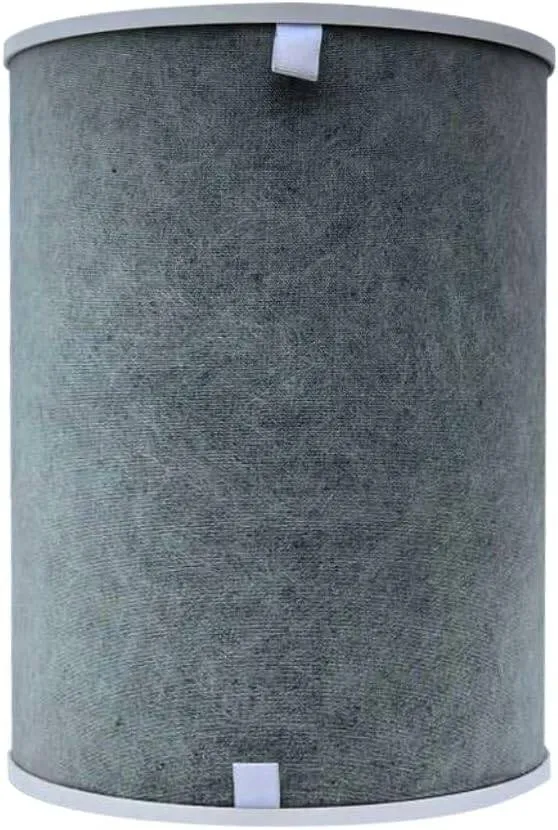
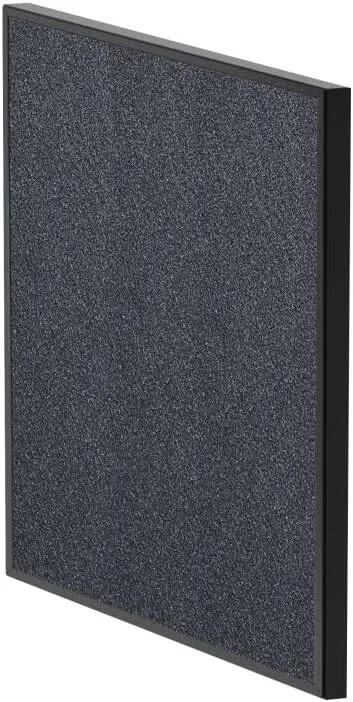
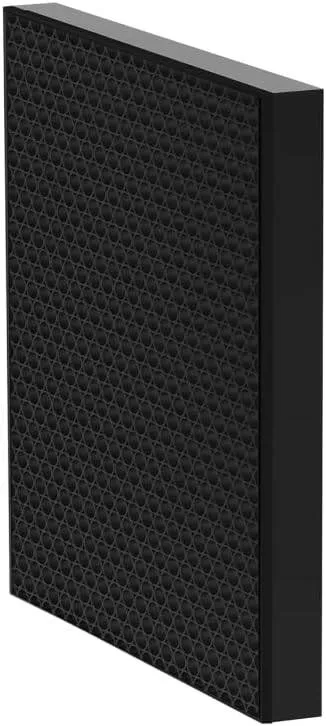
- Choose air purifiers with activated carbon filters. Standard HEPA filters cannot remove ozone because it is a gas. Effective ozone reduction requires activated carbon or charcoal filter media. The carbon bed must be adequately sized and replaced on schedule. Spent carbon media allows ozone to pass through unfiltered.
- Reduce indoor VOC sources. Fewer VOCs means fewer secondary pollutants when ozone is present. Switch to fragrance-free cleaning products, improve ventilation when using sprays, and allow new furniture to off-gas in a well-ventilated space before bringing it into a bedroom.
- Inspect electrical equipment regularly. Printers, photocopiers, and ageing appliances all contribute to indoor ozone. Servicing equipment and replacing worn components limits this source.
Pro Tip: When buying an air purifier, look for the CARB certification mark and confirm the activated carbon filter weight. A filter with less than 1 lb of carbon media will exhaust quickly in a typical room. Check the air purifier buying guide for specific model recommendations.
For a broader look at safe air cleaning methods beyond purifiers, the air purifier alternatives guide covers eight evidence-based approaches that do not introduce ozone into your home.
Key takeaways
Indoor ozone is a reactive gas with no safe indoor concentration for air cleaning, and the most effective protection combines timed ventilation, activated carbon filtration, and the removal of ozone-generating devices from occupied spaces.
| Point | Details |
|---|---|
| Ozone definition | O3 is a triatomic reactive gas that enters homes from outside air and indoor devices. |
| Primary sources | Outdoor infiltration, ozone-generating purifiers, electrical arcing, and office equipment. |
| Health risk | Ozone irritates airways, worsens asthma, and reacts with VOCs to form formaldehyde and ultrafine particles. |
| Decay and detection | Ozone persists 30–90 minutes indoors; a sharp, chlorine-like smell signals health-relevant levels. |
| Reduction steps | Close windows at peak hours, use activated carbon filters, and avoid CARB-uncertified purifiers. |
The “fresh air” smell that is not fresh at all
The most persistent misconception I encounter about indoor air quality is the belief that ozone smells clean. People associate that sharp, electric scent with freshness, and some device manufacturers have built entire marketing campaigns around it. The reality is the opposite. That smell is the gas itself, and if you can detect it, you are already breathing a concentration that irritates airways.
Ozone generators are sold as air cleaners, but they function as chemical oxidisers. Oxidation is not the same as cleaning. It breaks down some odour molecules, but it simultaneously creates new, often more harmful compounds from whatever VOCs are already in the room. The trade-off is never worth it in an occupied space.
The devices that actually reduce airborne pollutants without adding new ones use physical filtration: true HEPA for particles, and a substantial activated carbon bed for gases including ozone. CARB certification is the most reliable shortcut for consumers who do not want to audit every technical specification themselves. If a device lacks that certification, the ozone output is unverified.
My practical advice is this: if a device smells like anything other than clean air, it is changing your air chemistry, not cleaning it. Understanding the difference between ozone in air purifiers and genuine air filtration is the most useful thing you can know before buying any air quality product.
— Wojciech
Safe air purifier options from Cleanair-ae
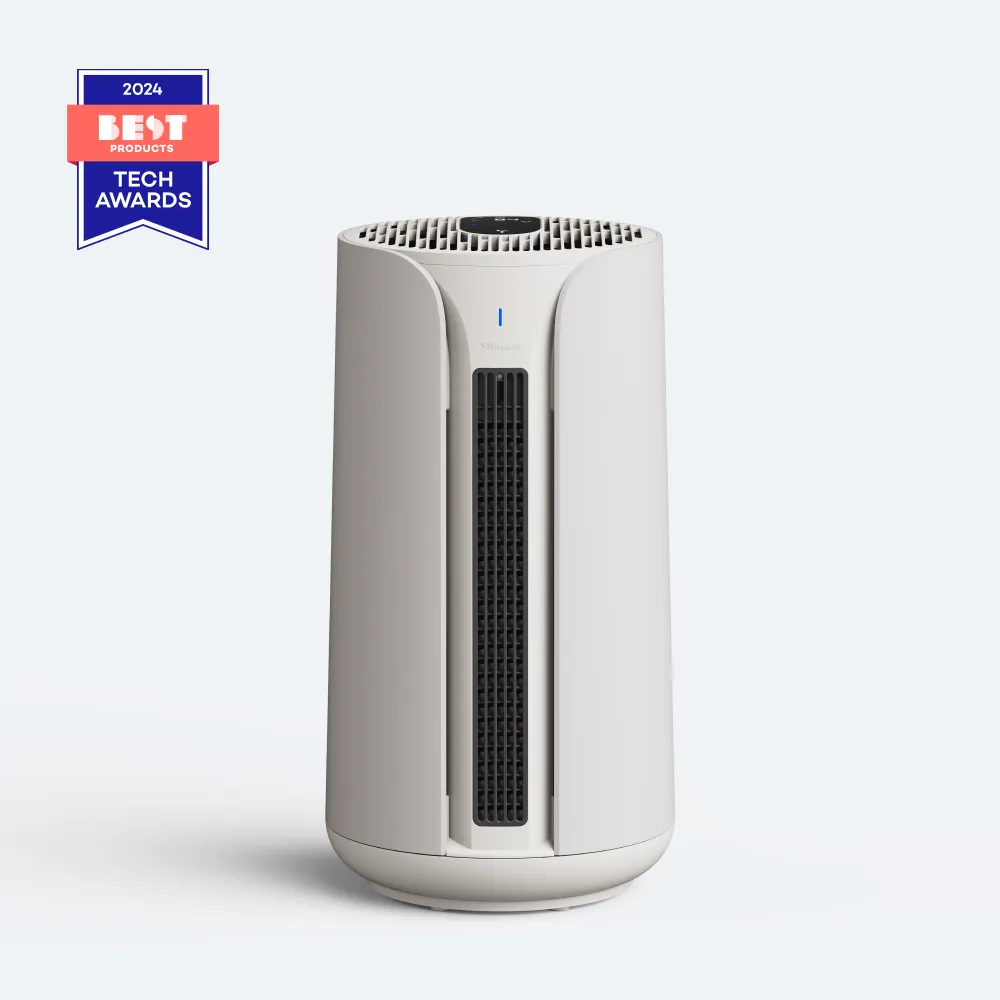
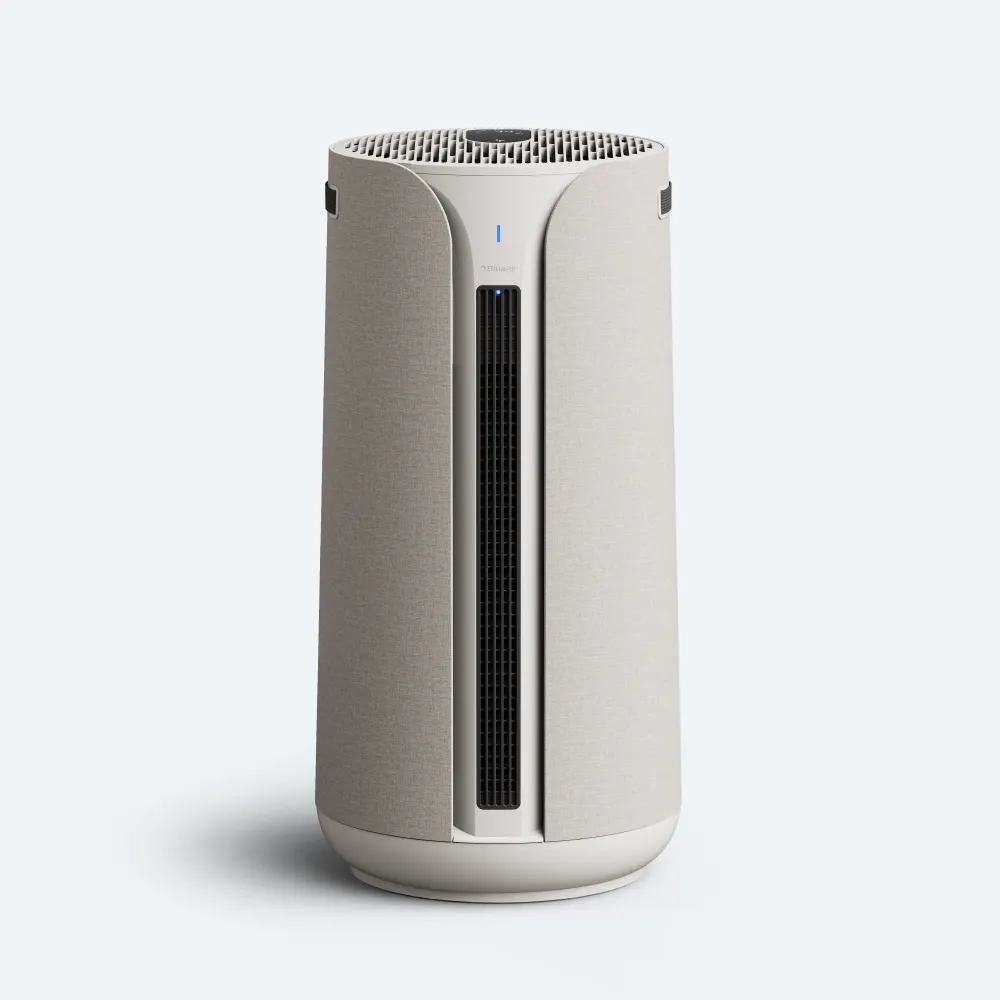
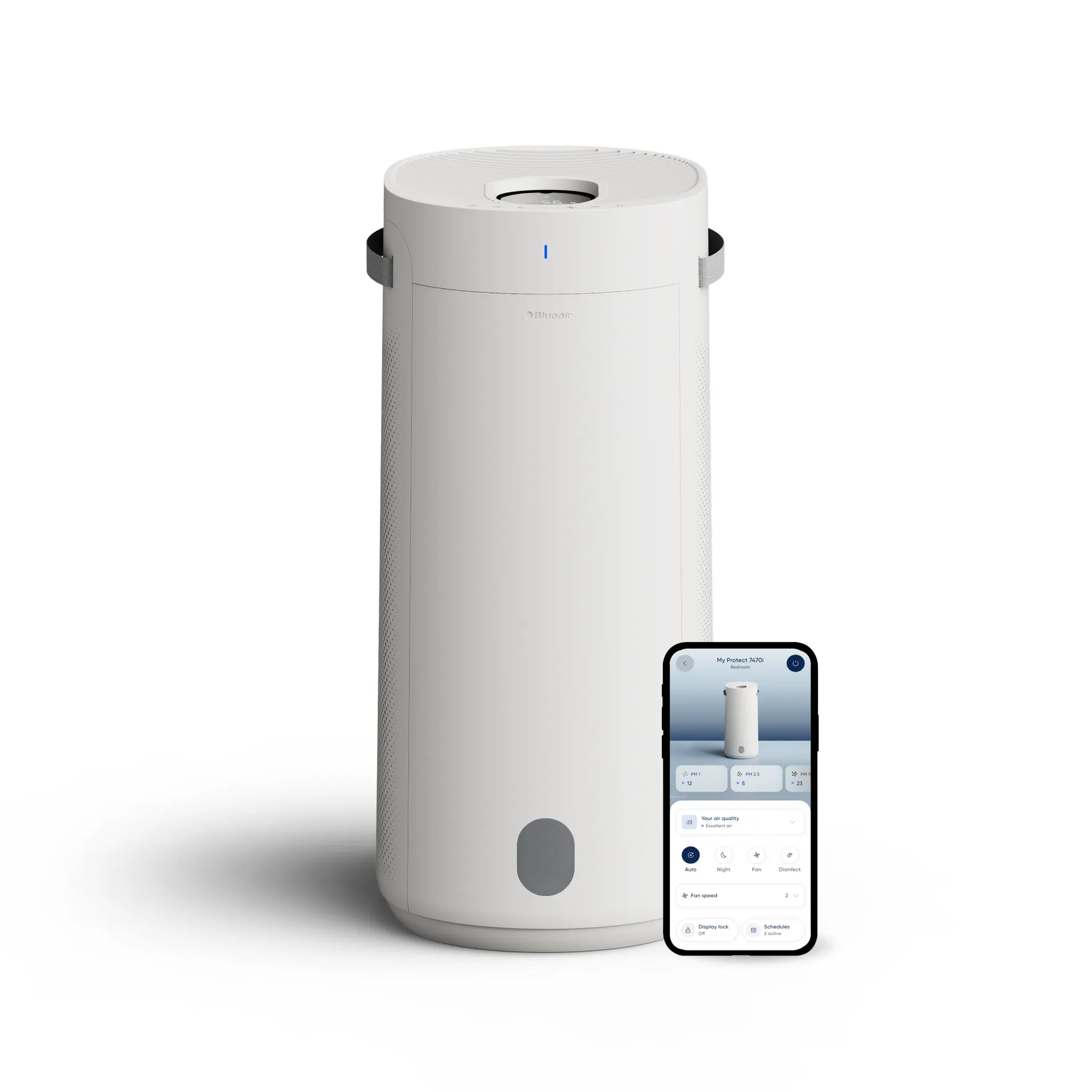
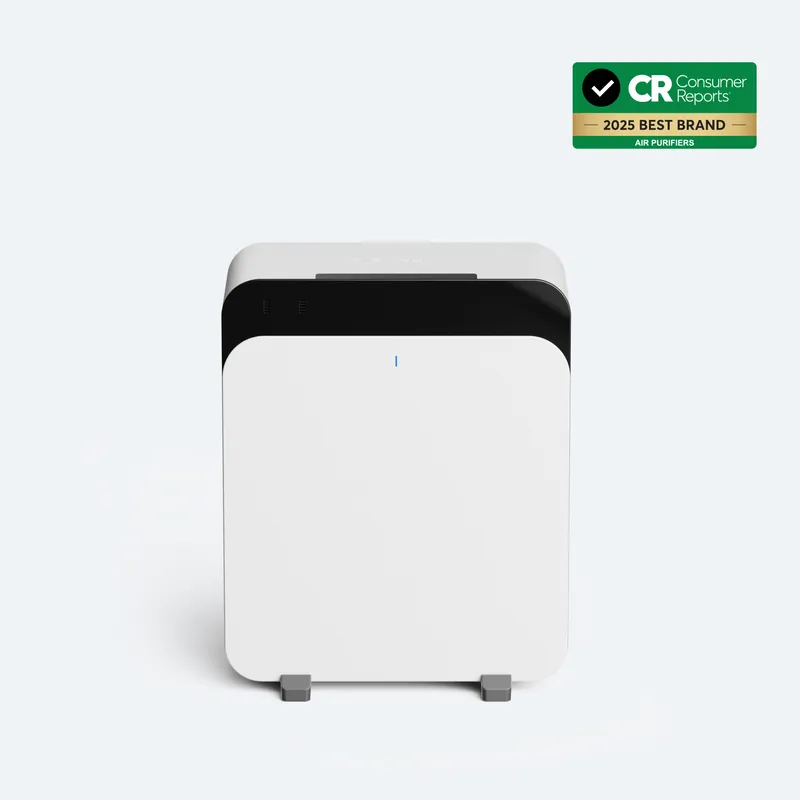
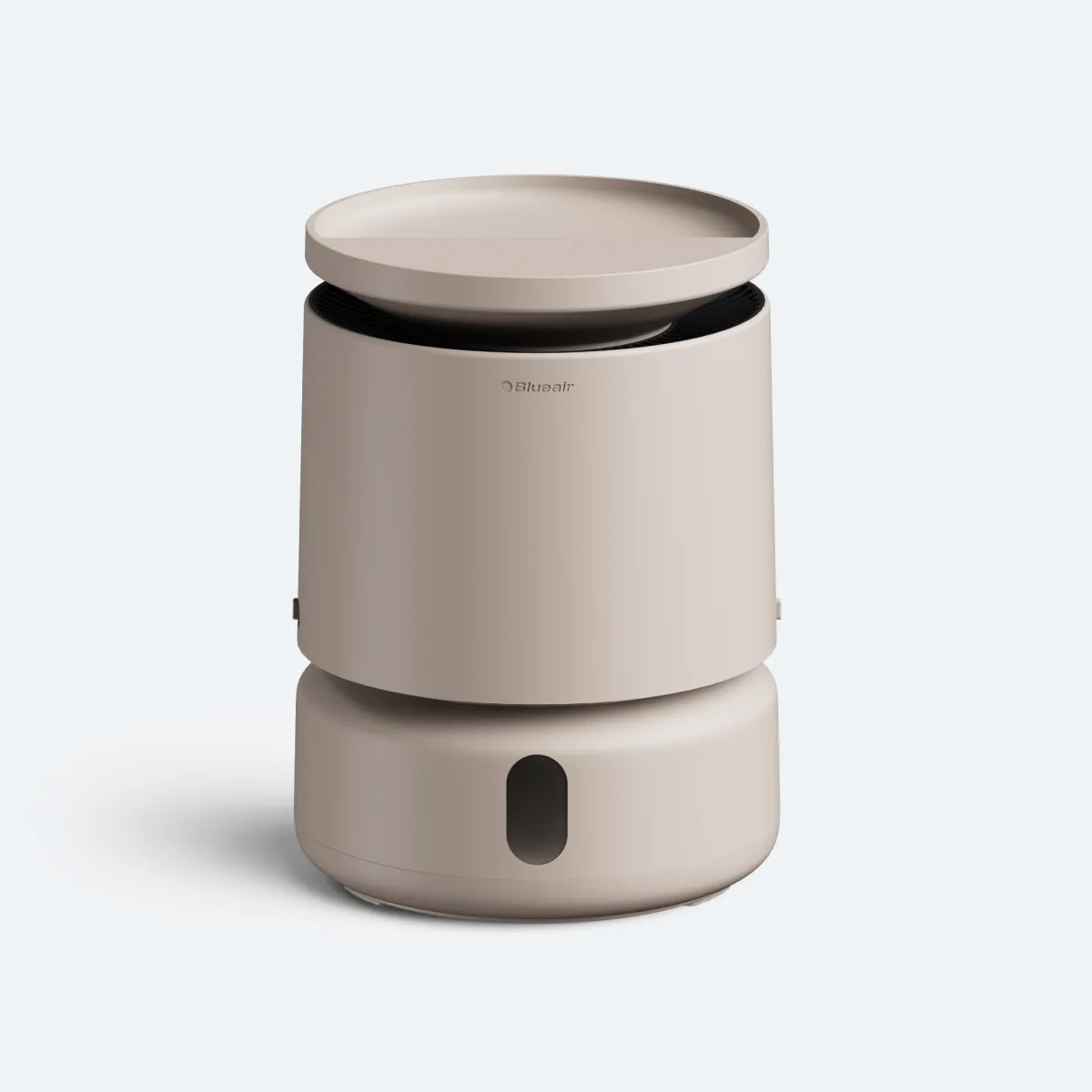
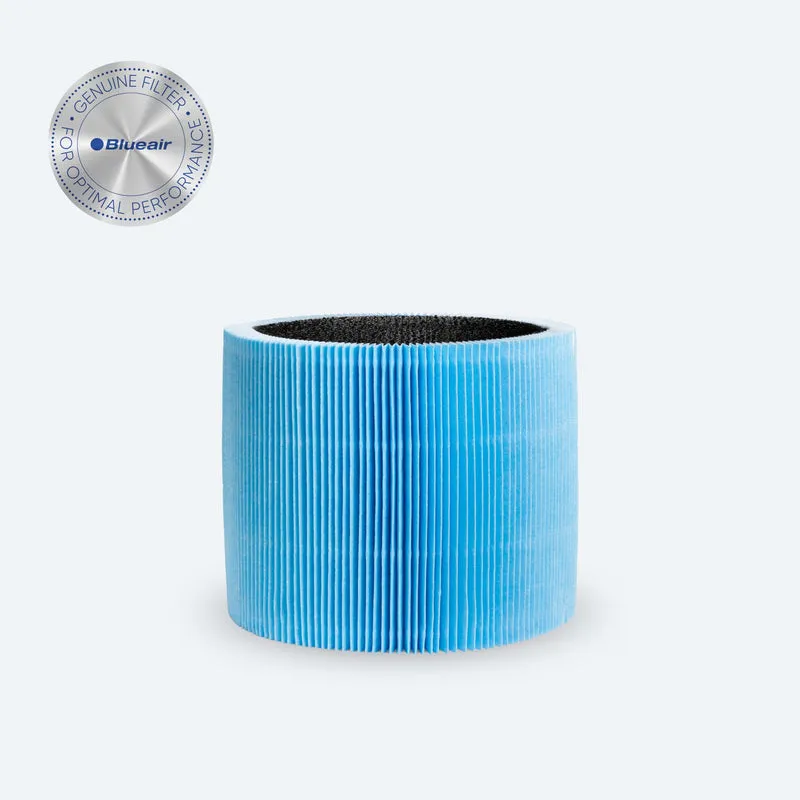
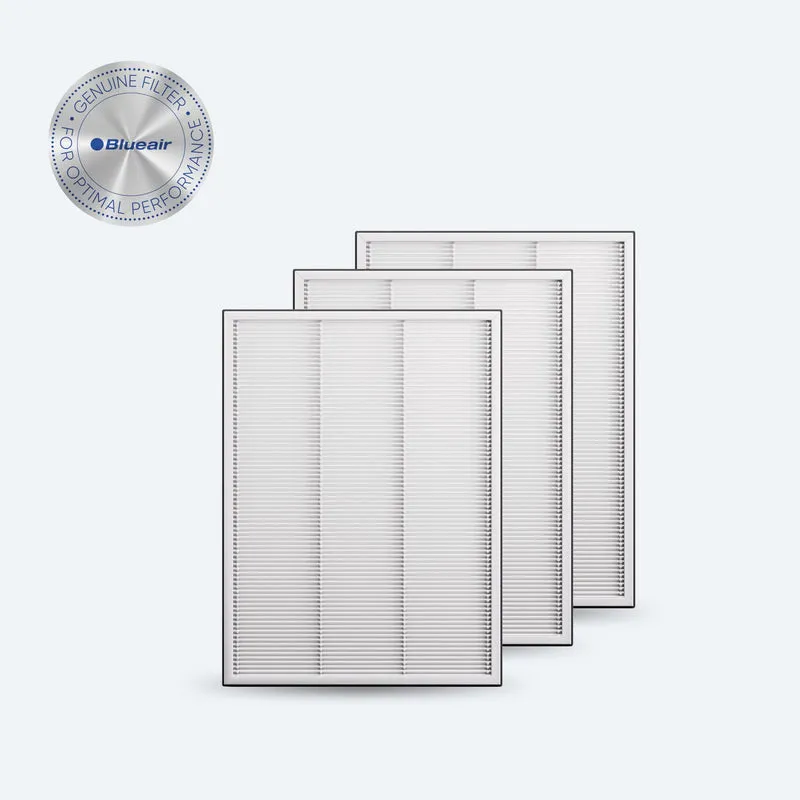
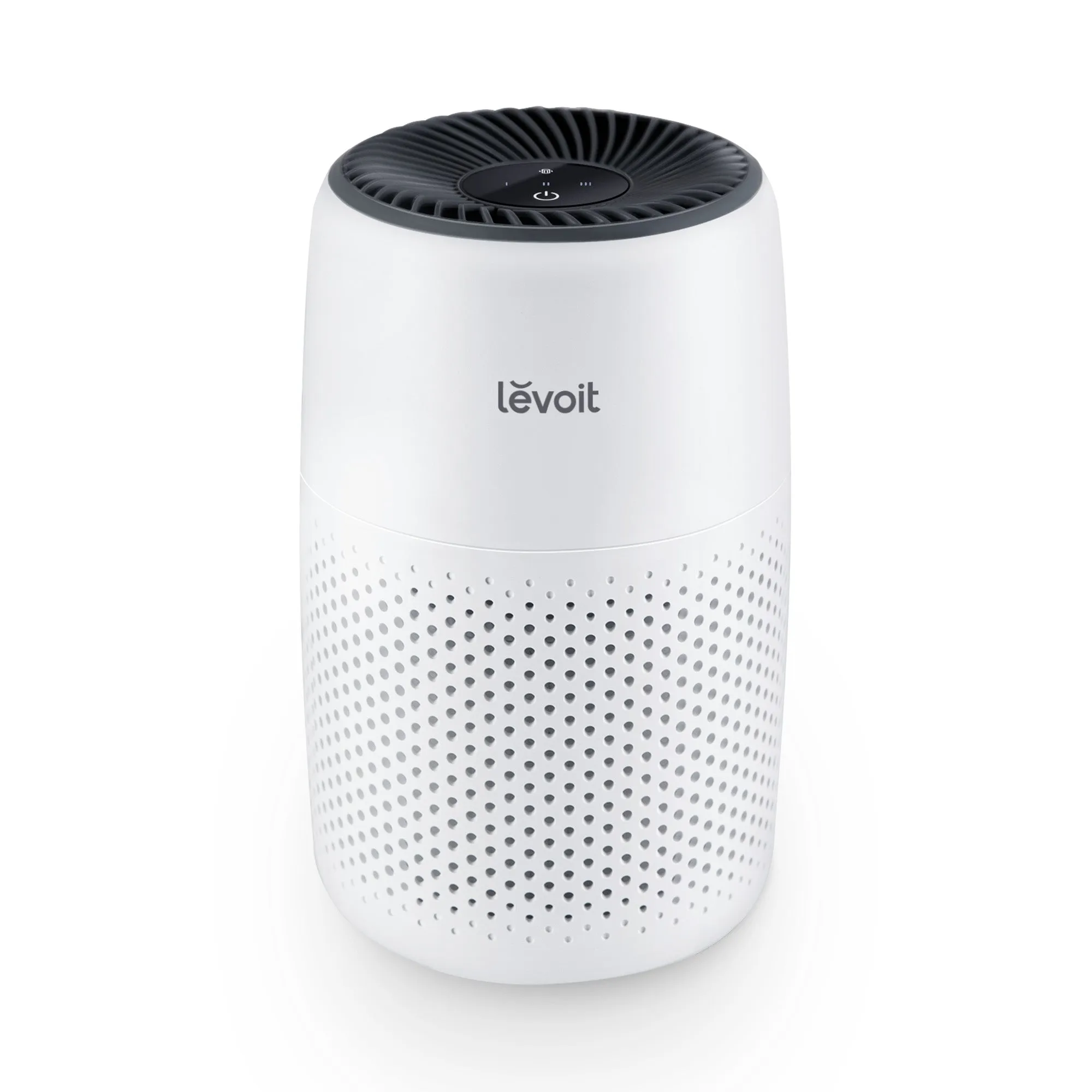
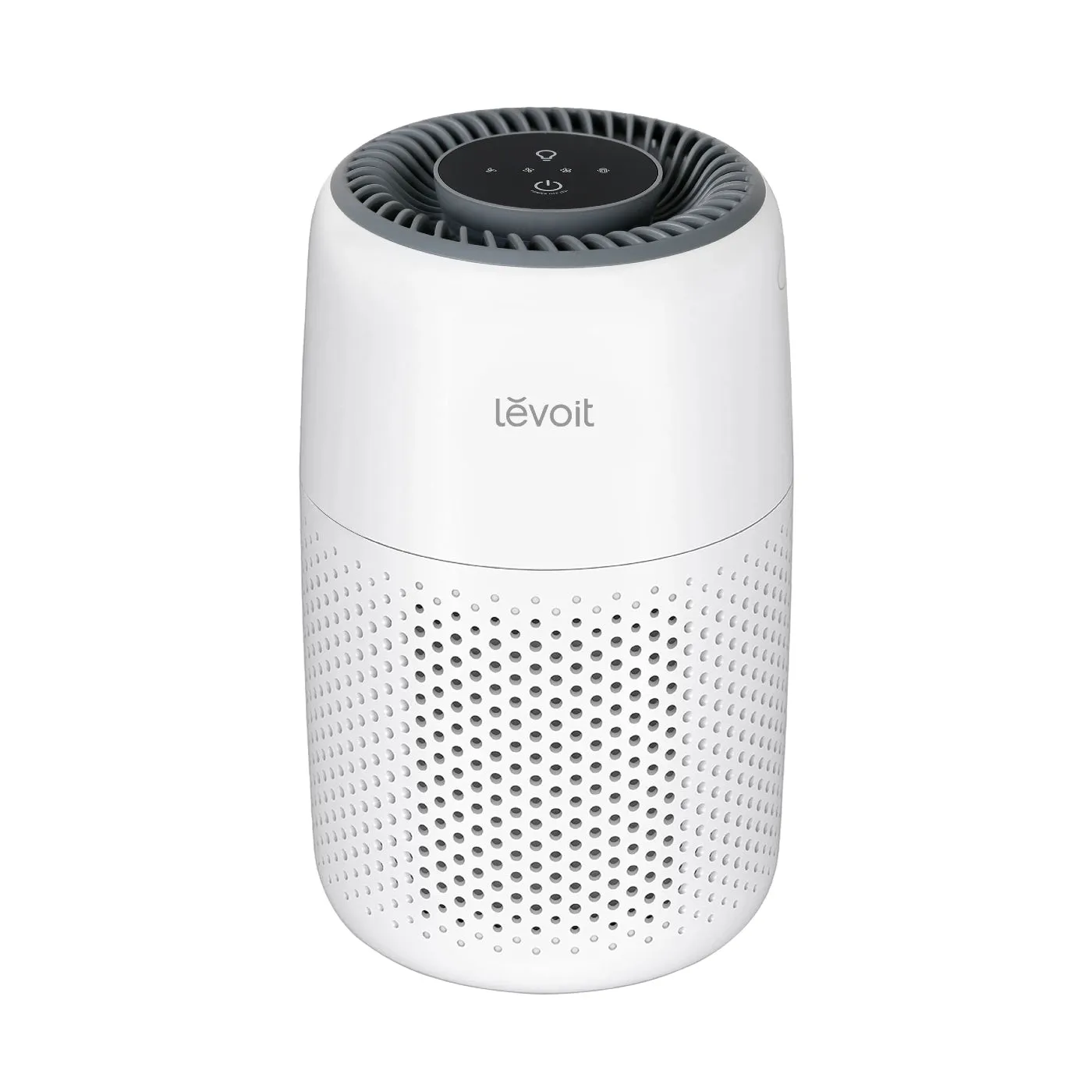
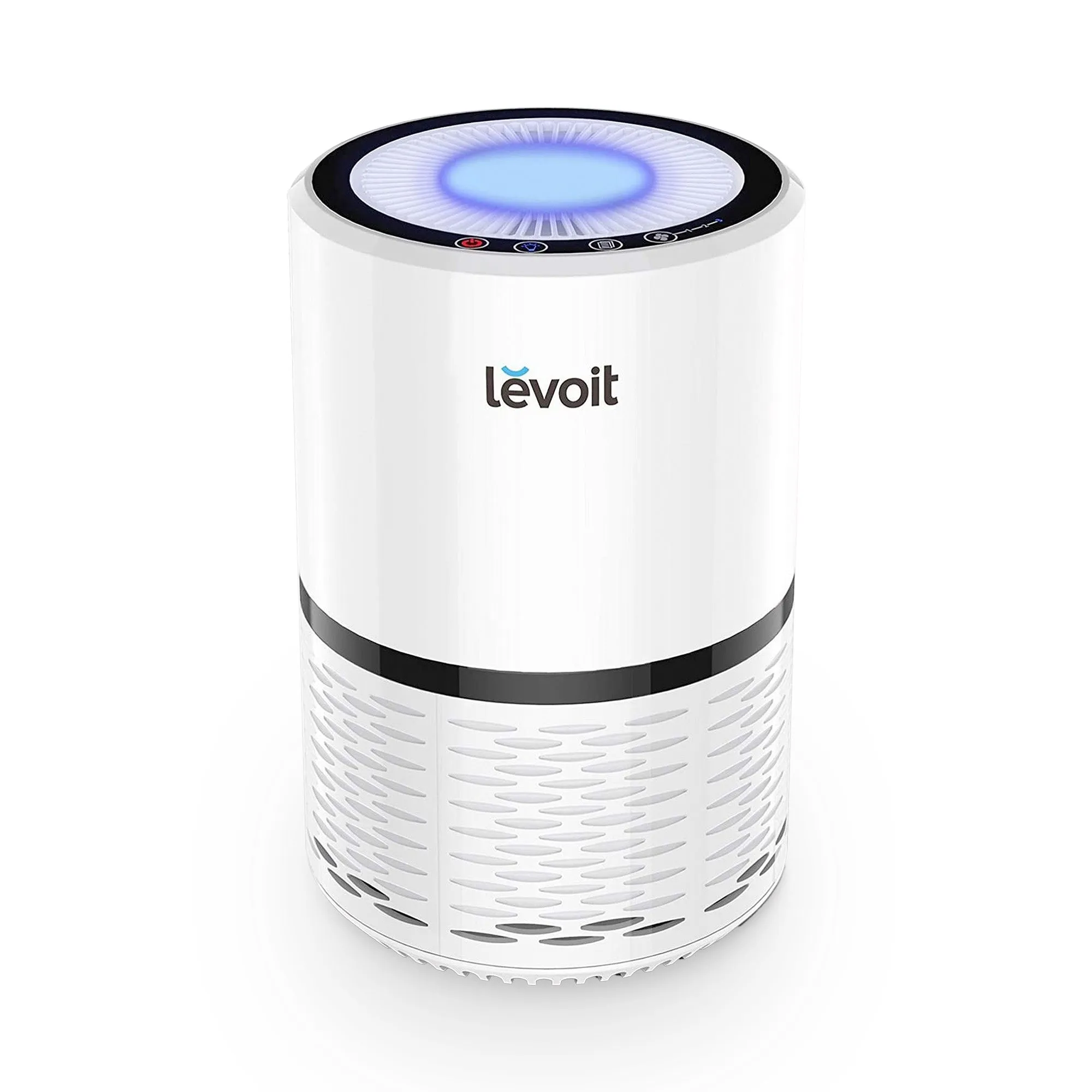
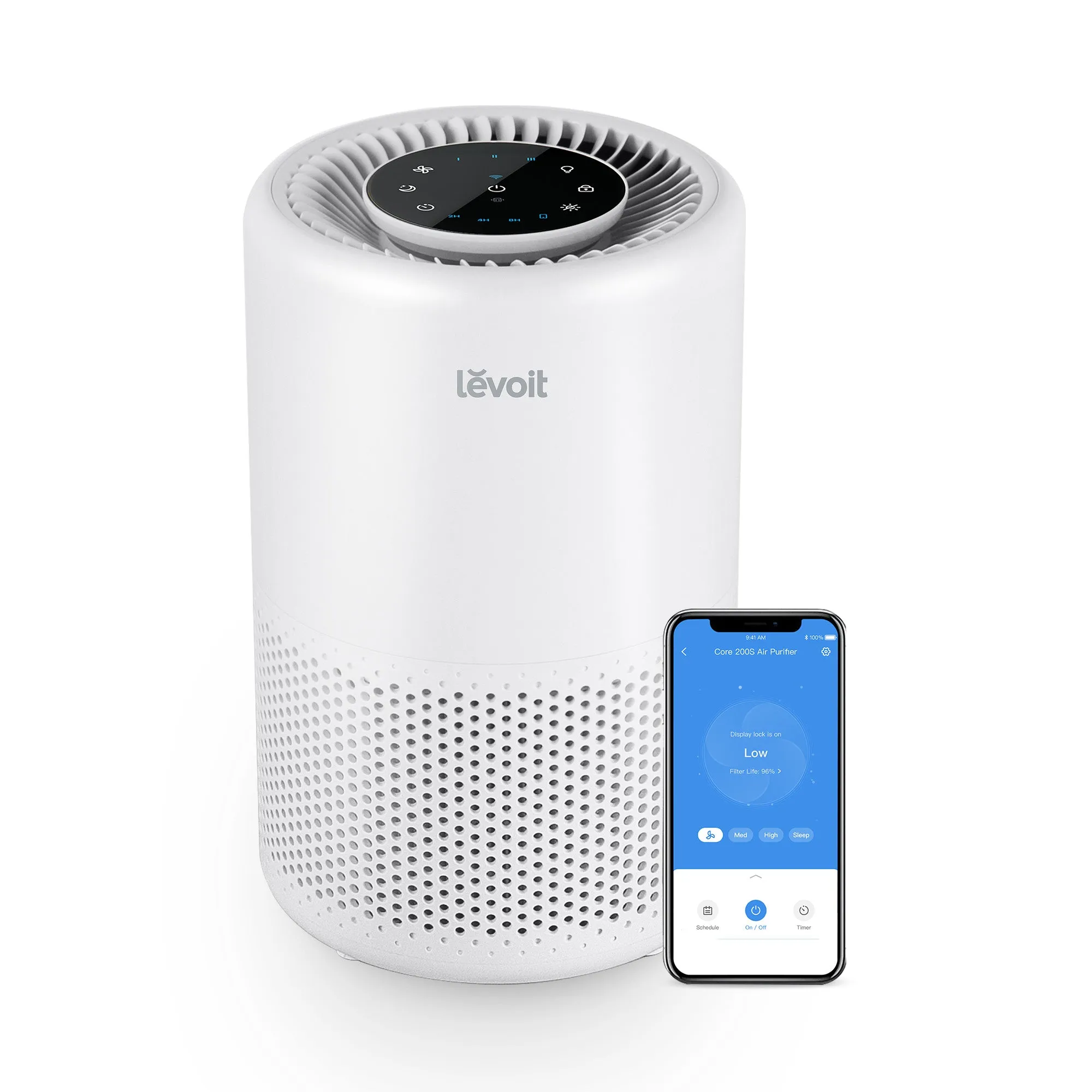
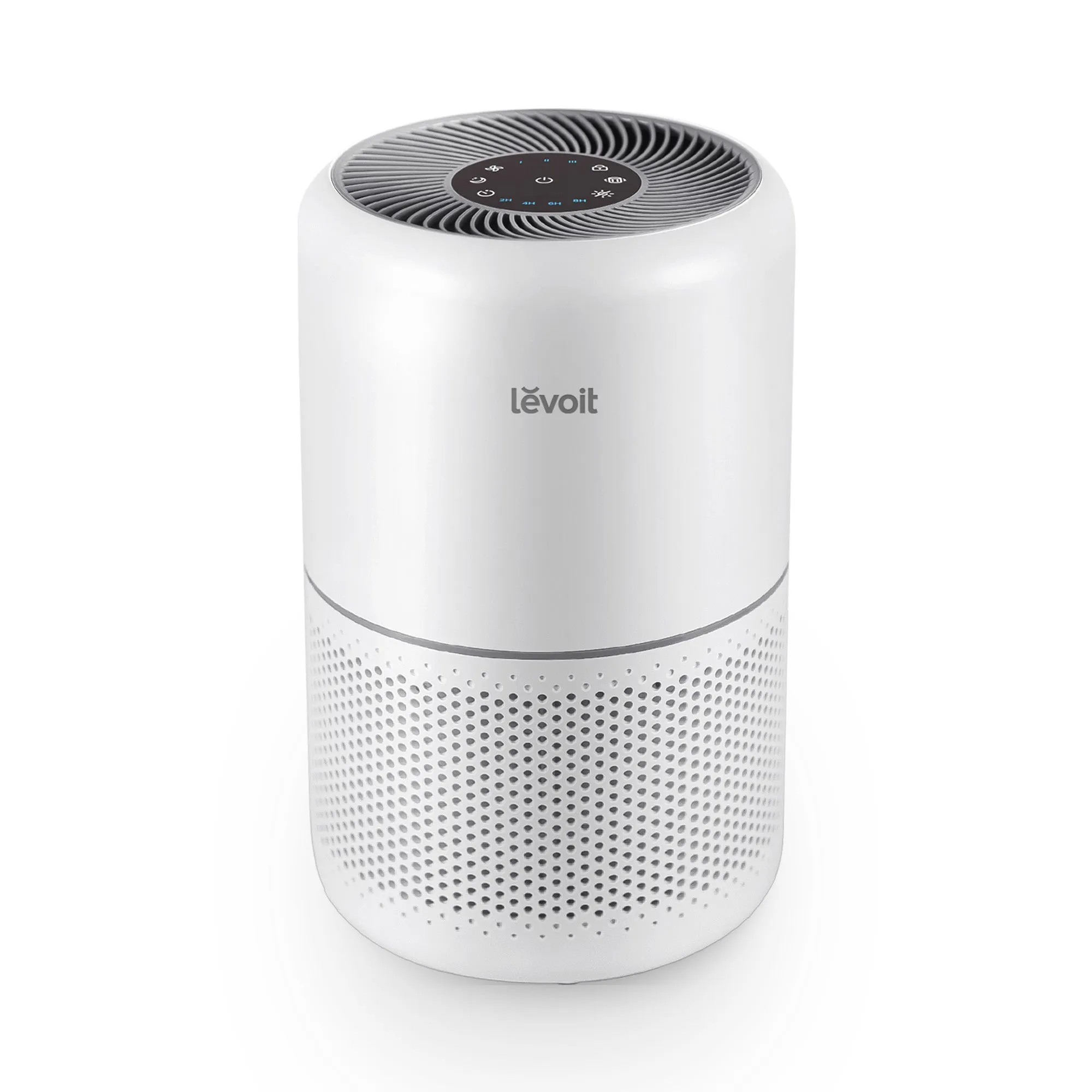
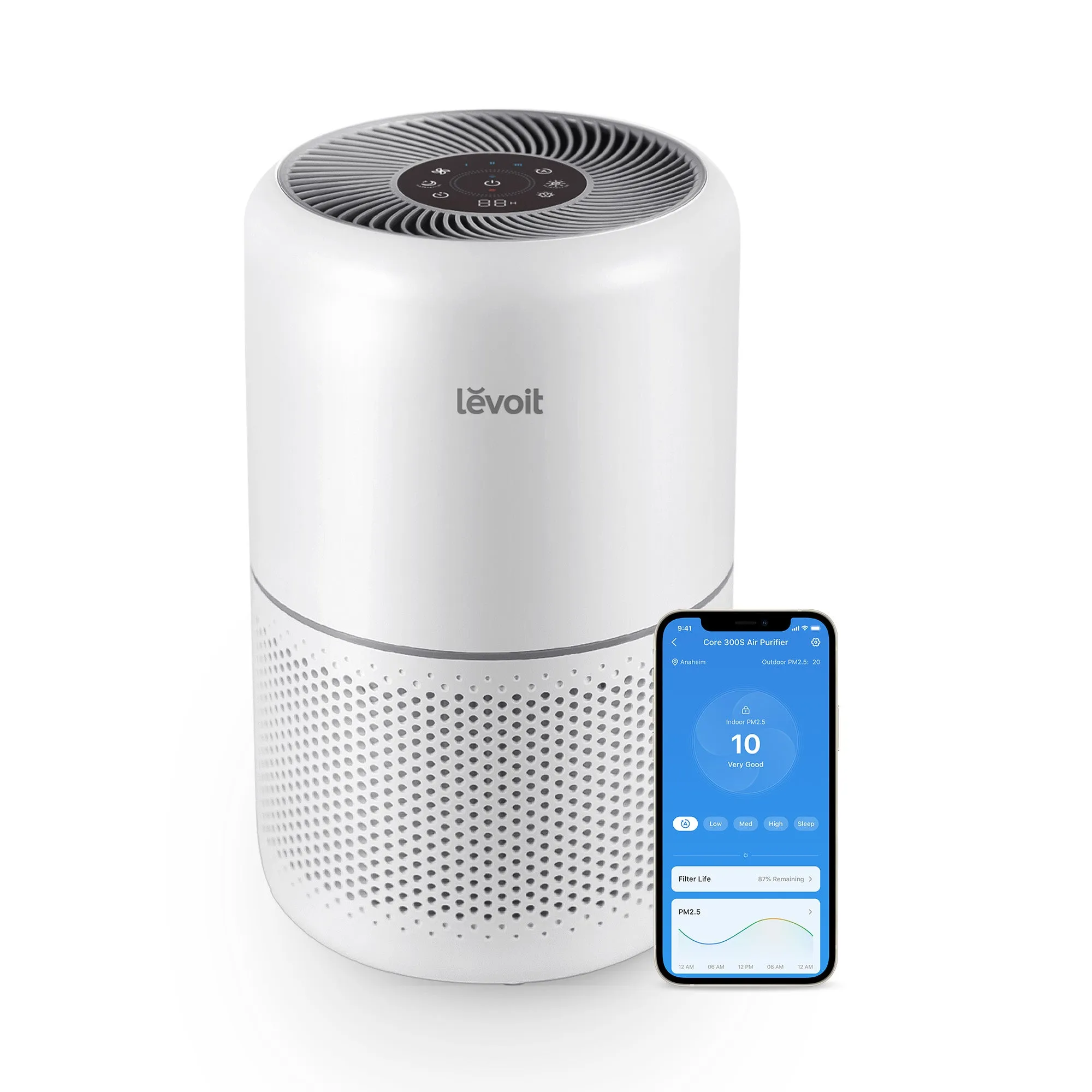
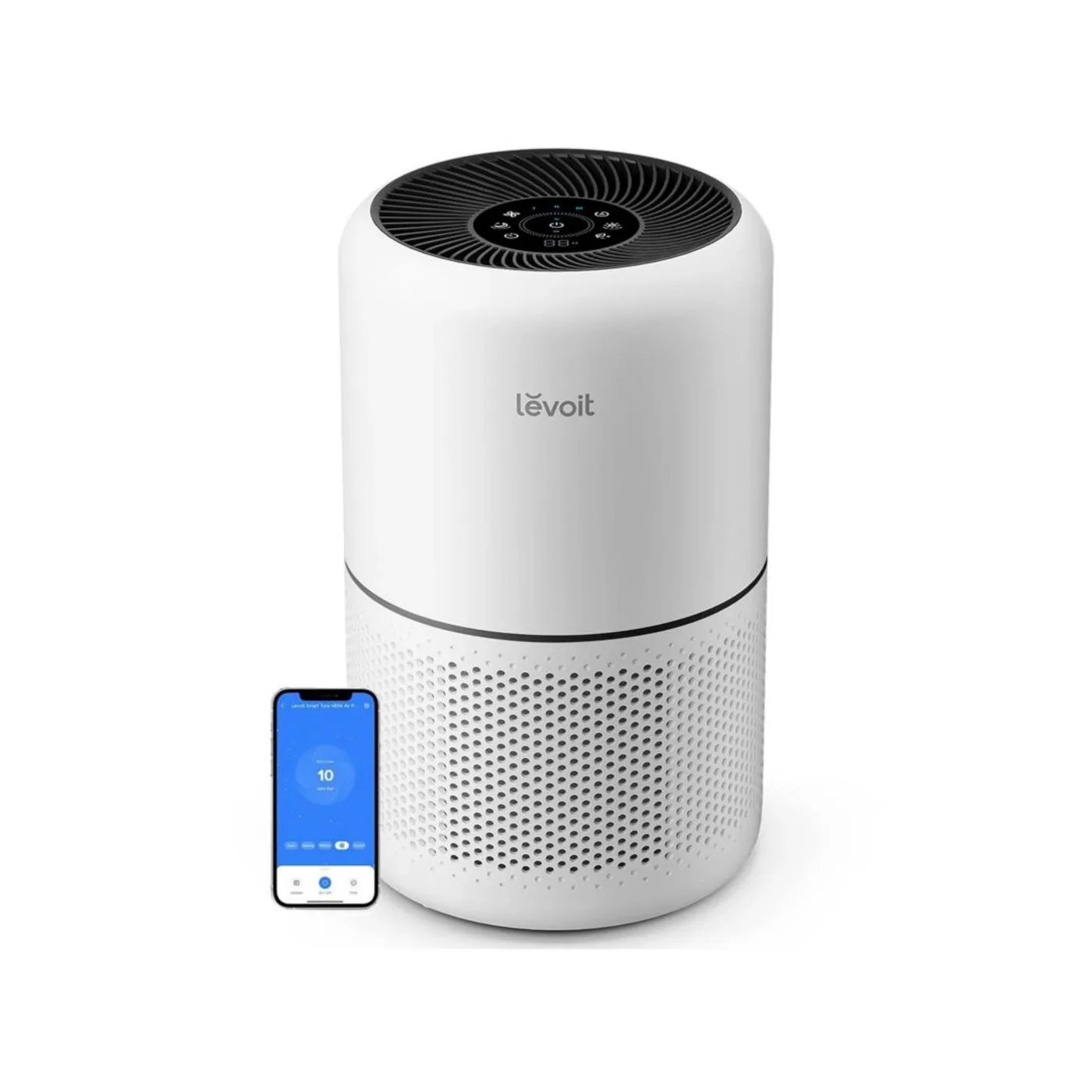
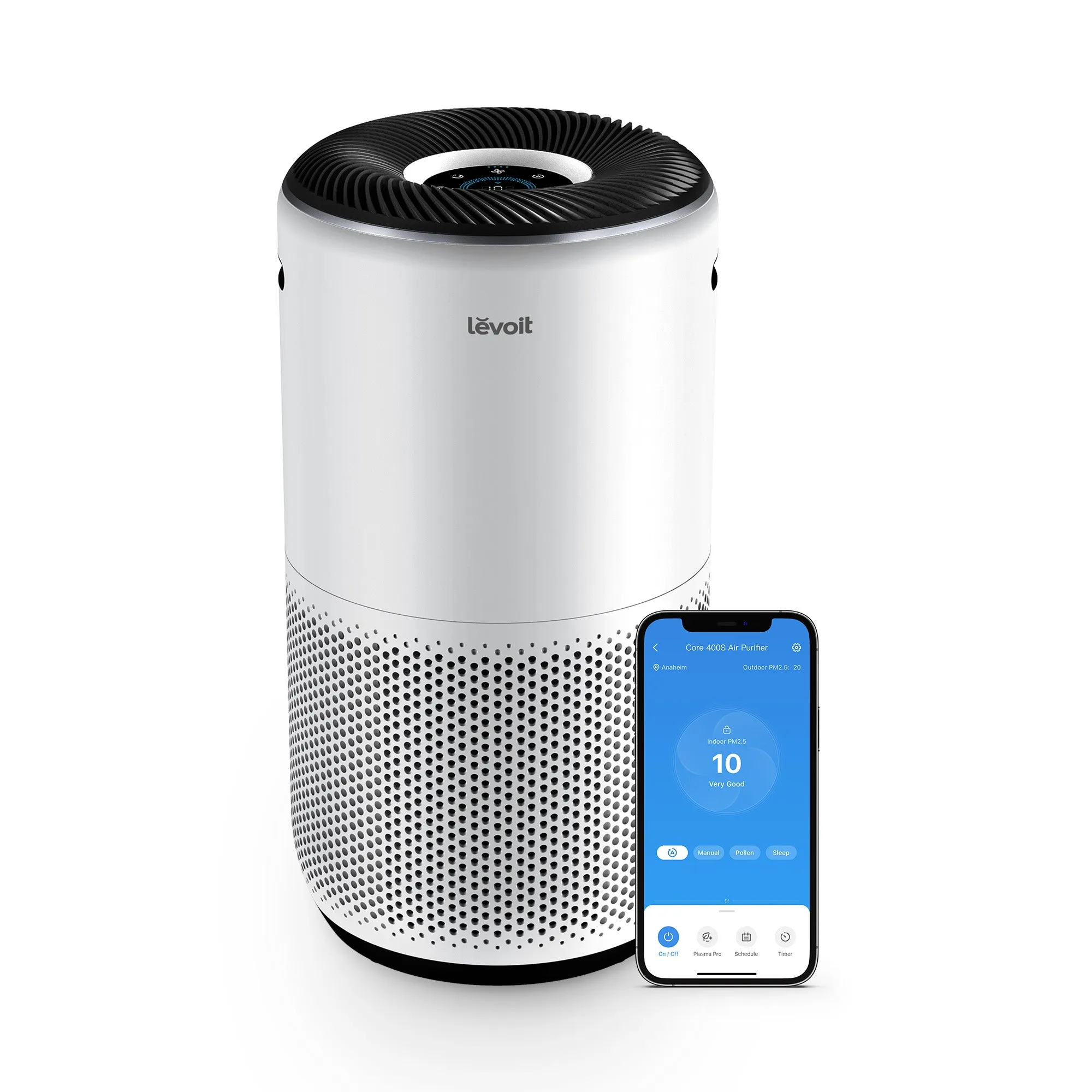
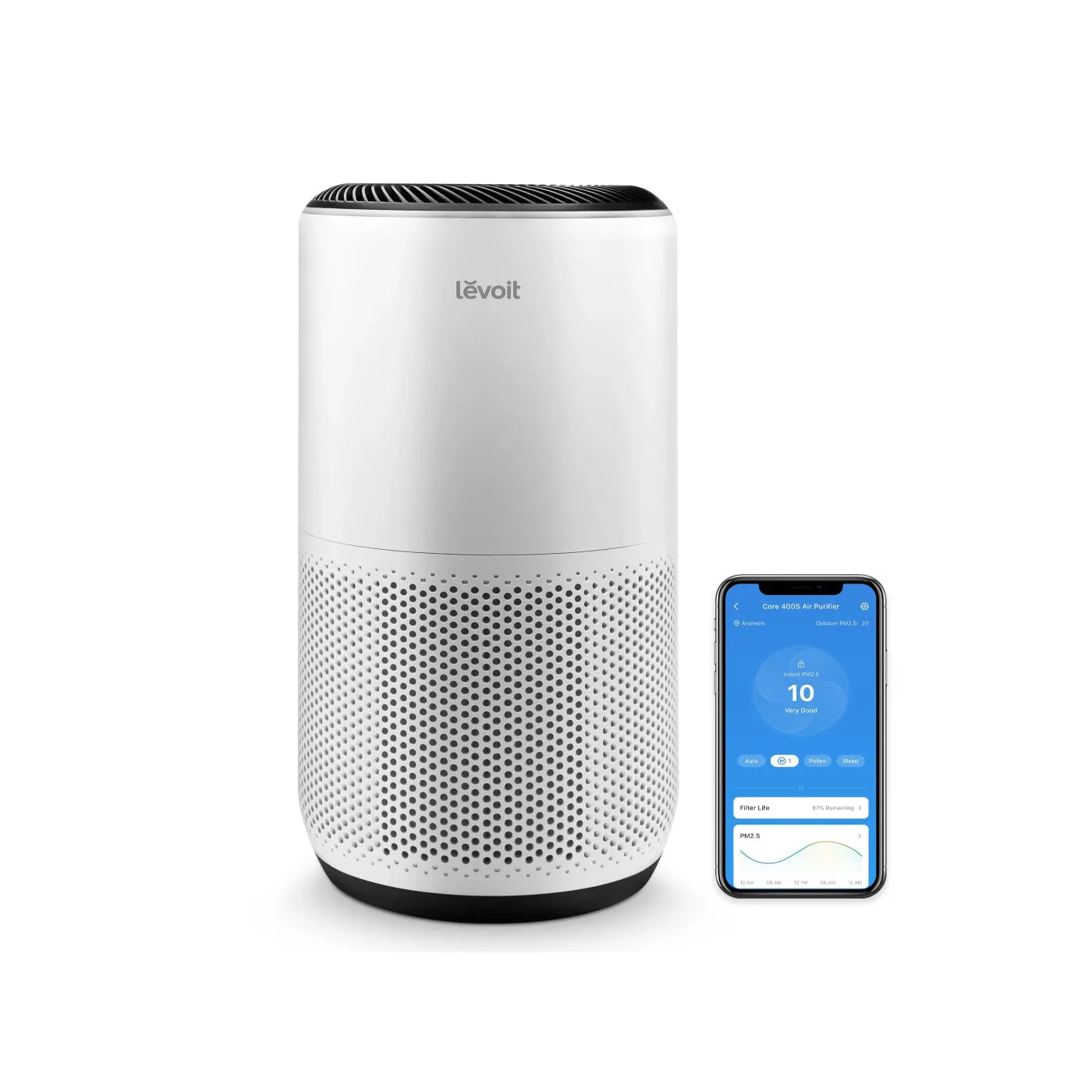
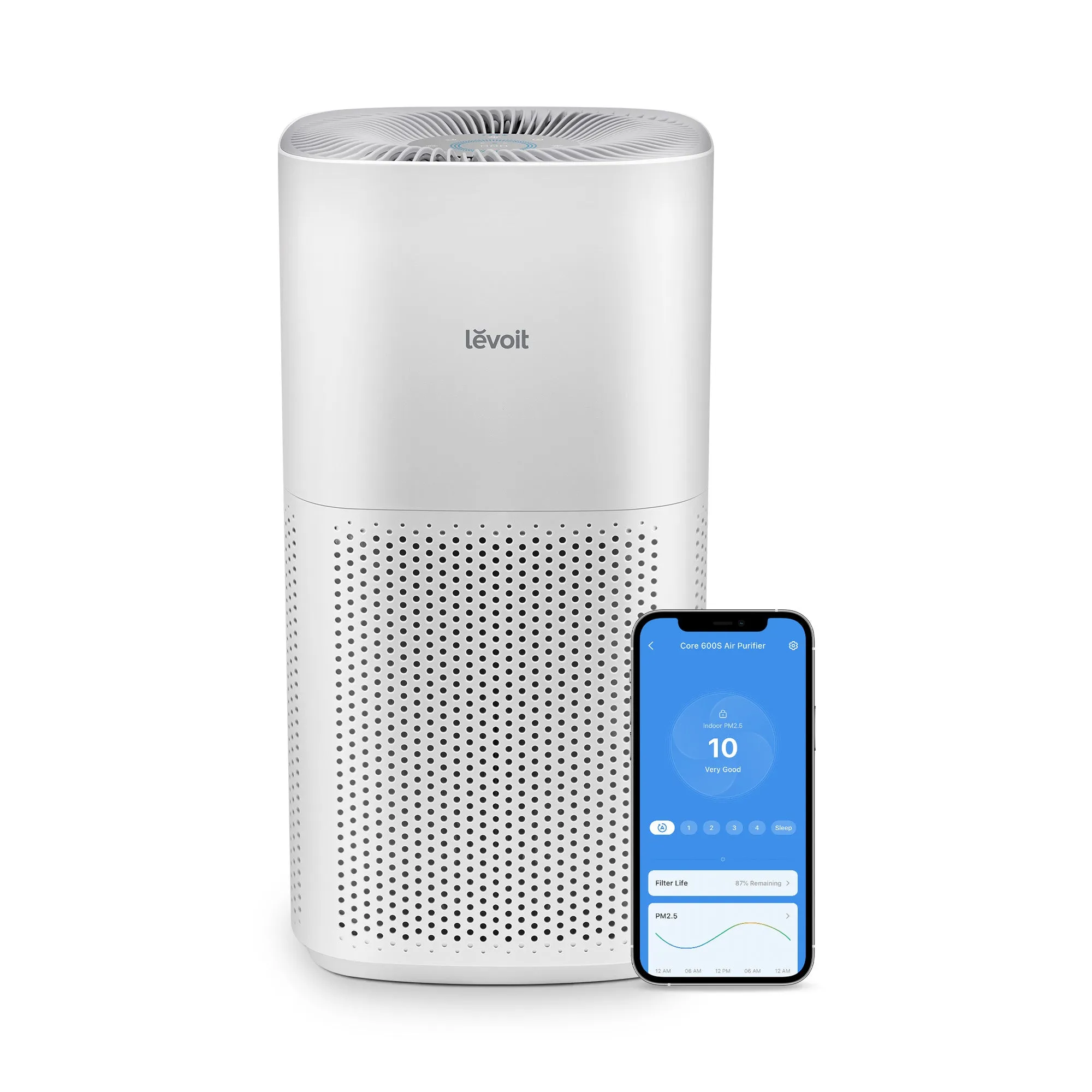
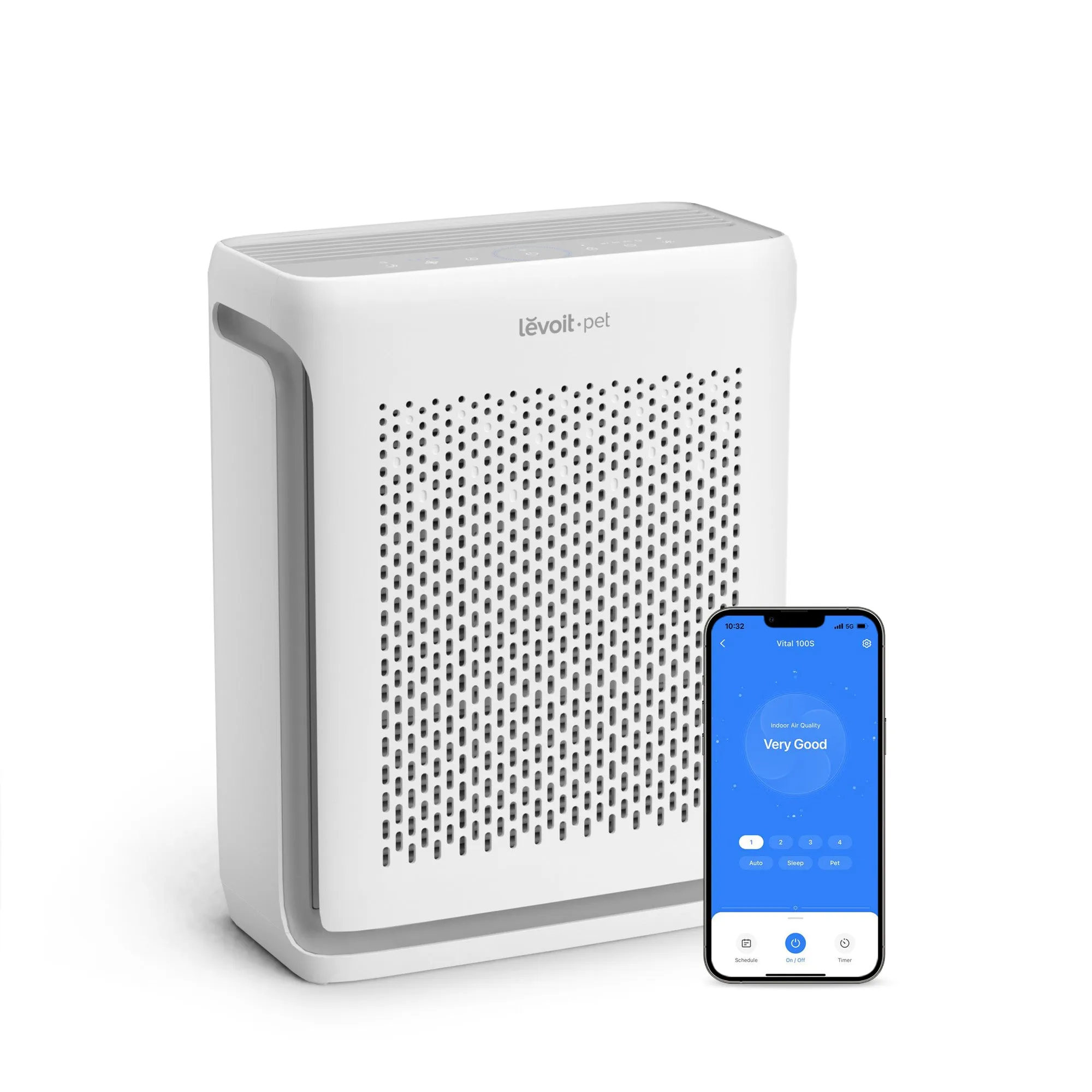
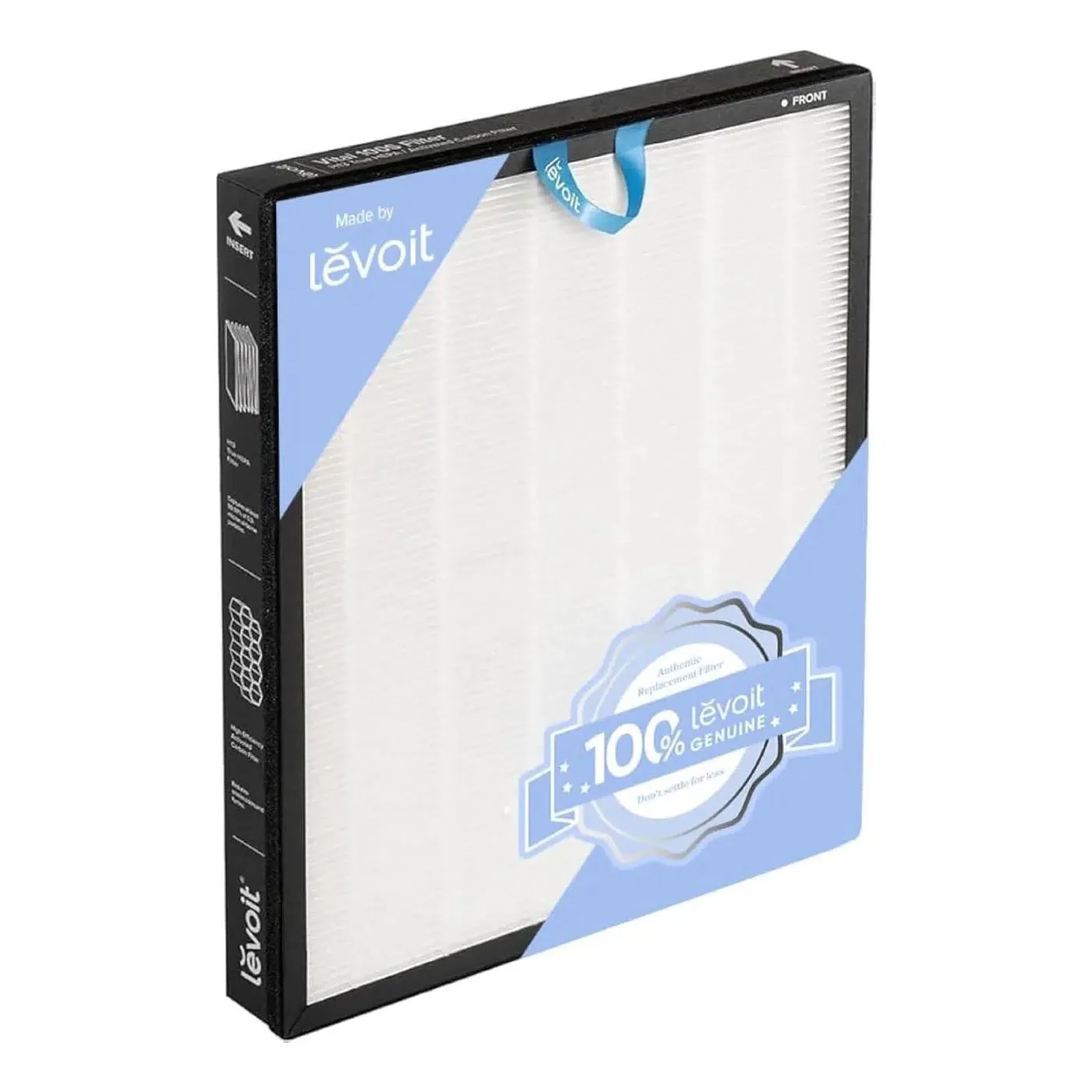
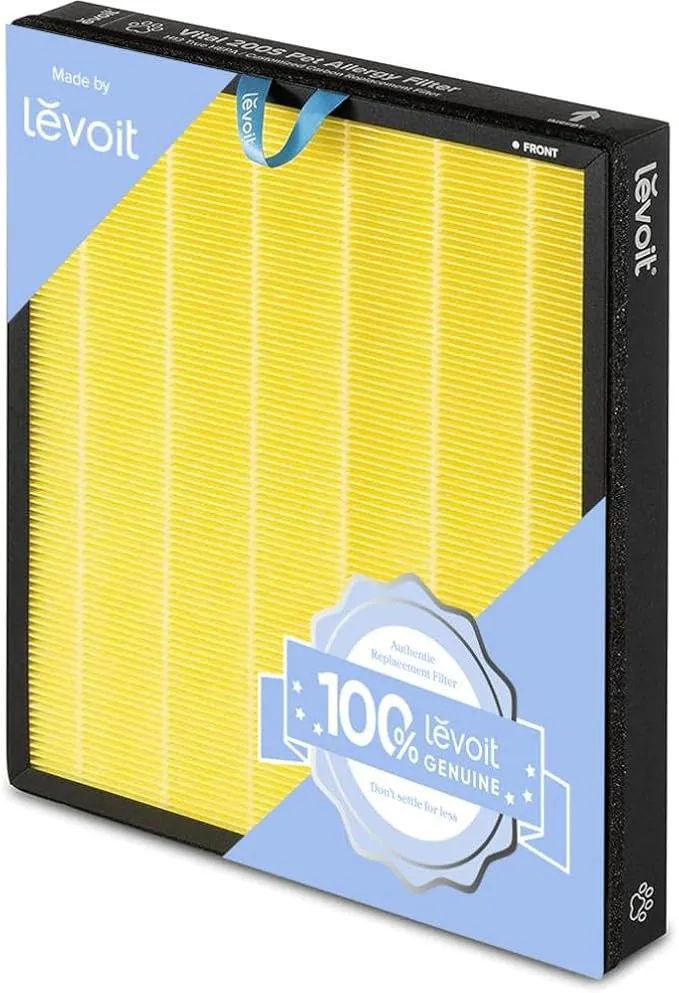
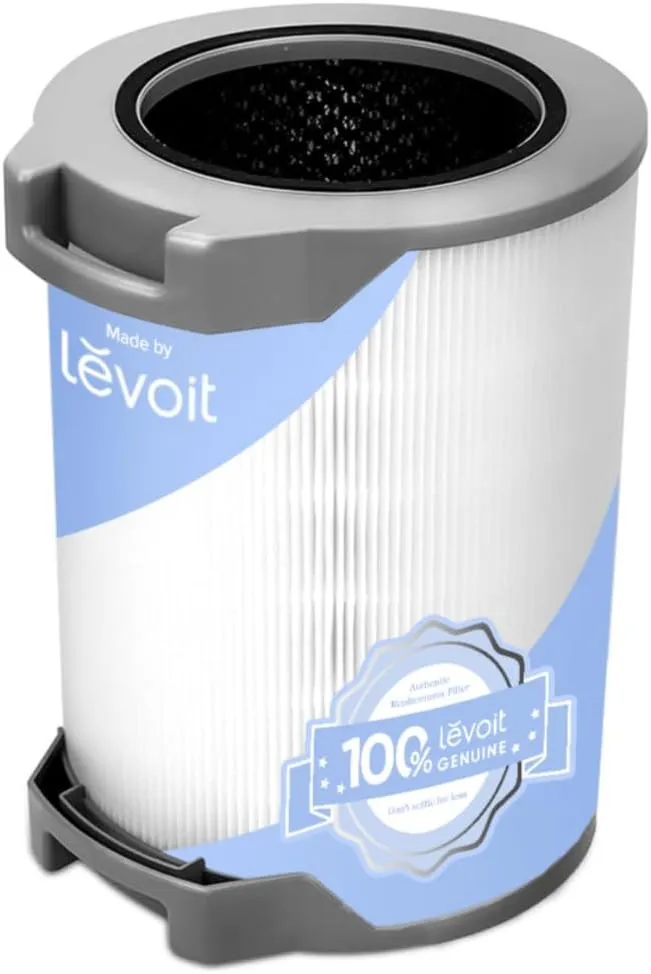
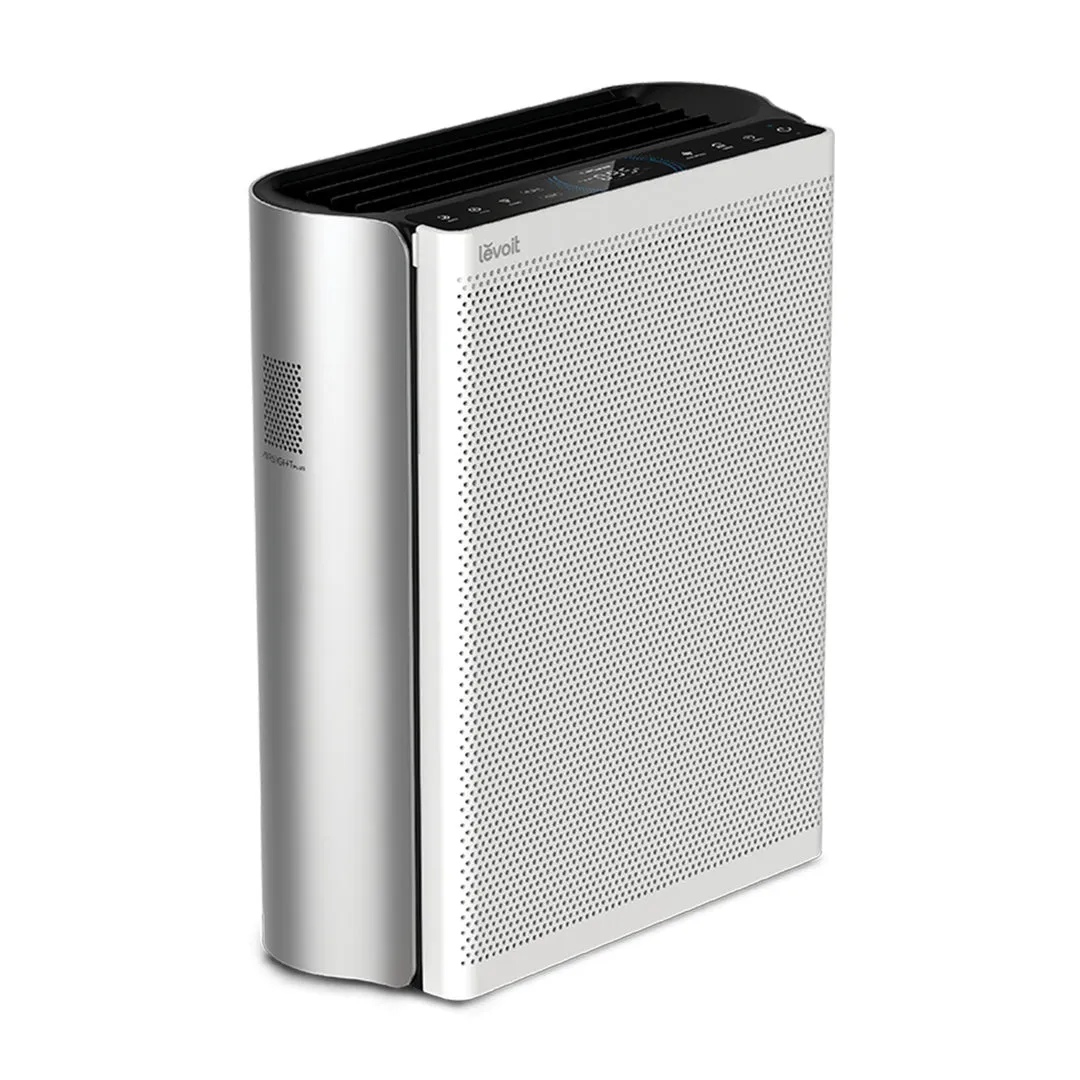
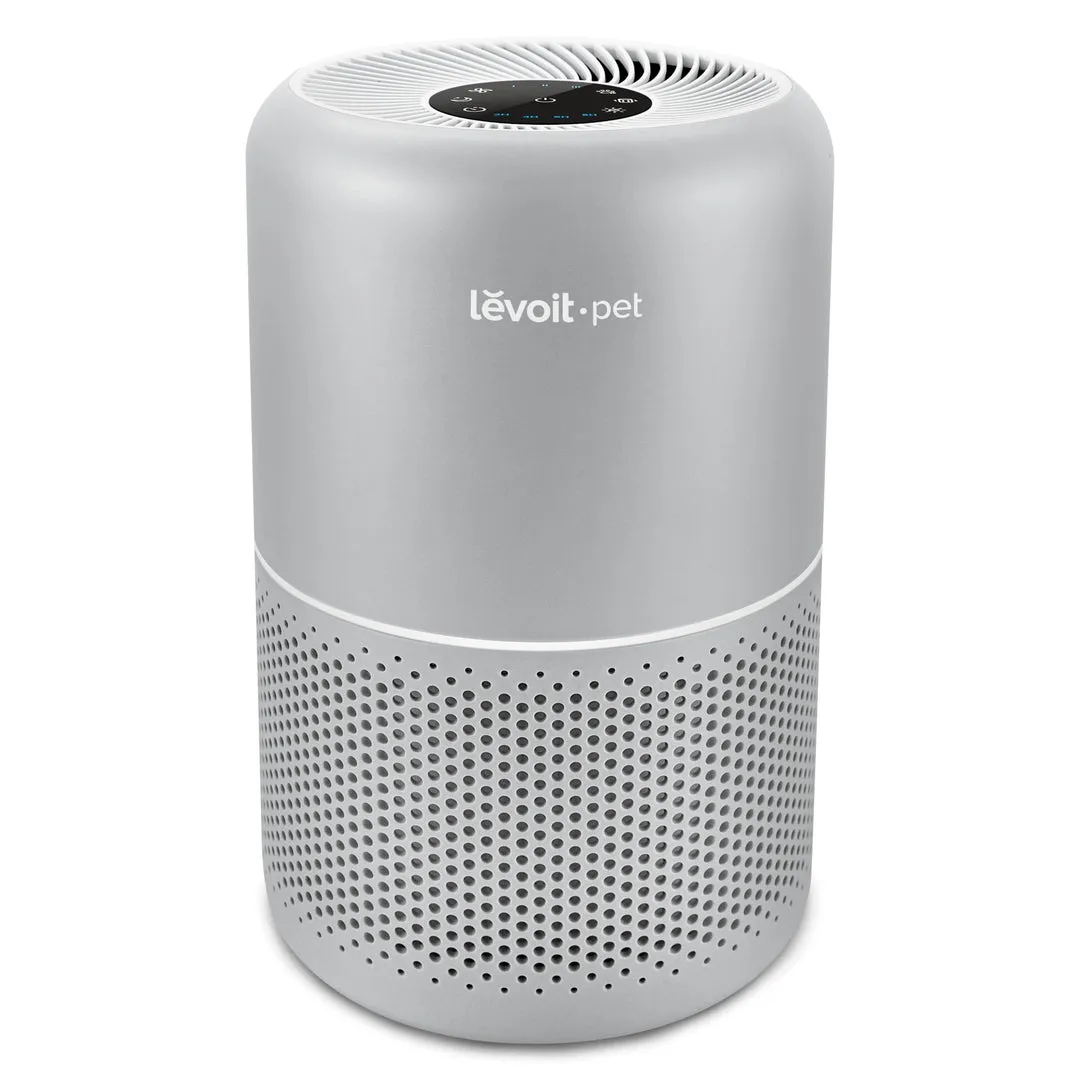
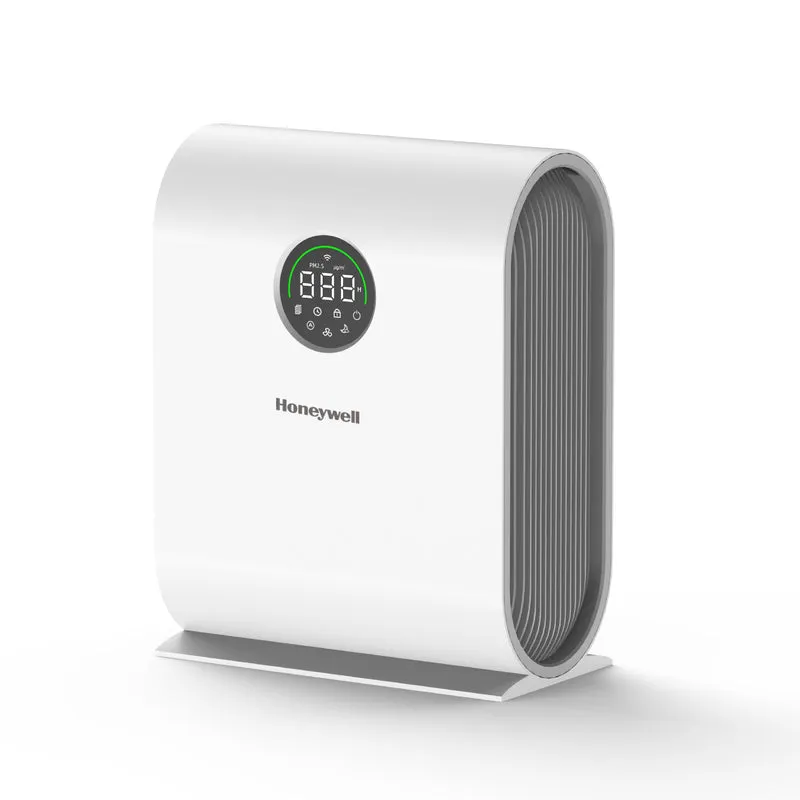
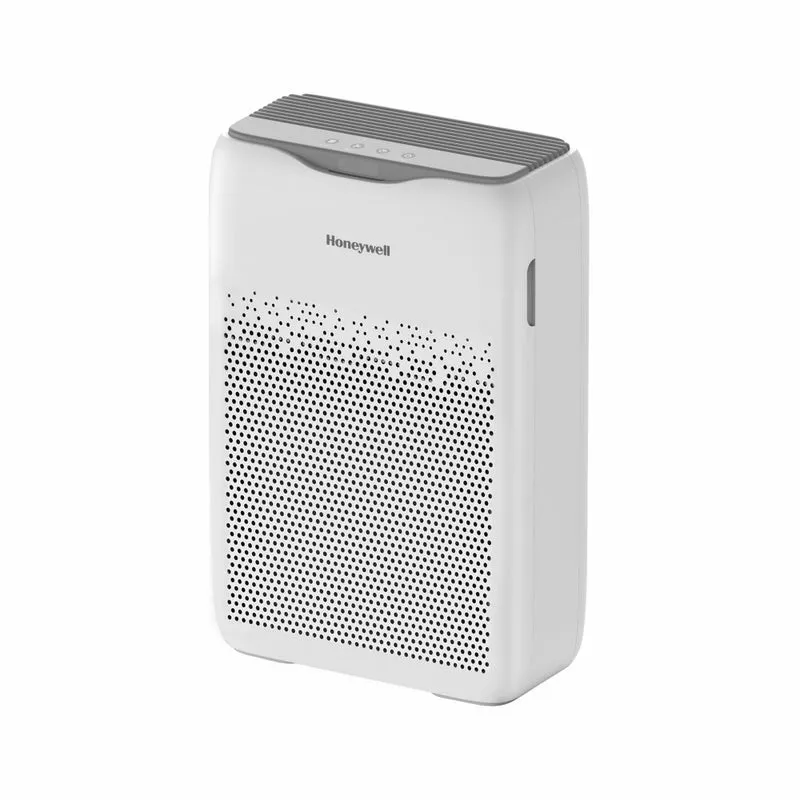
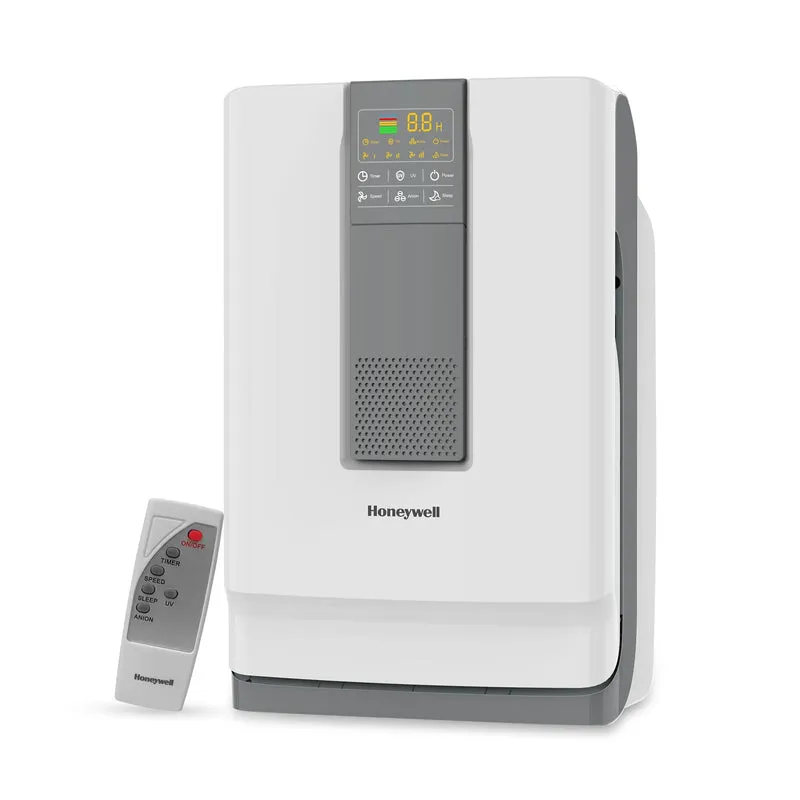
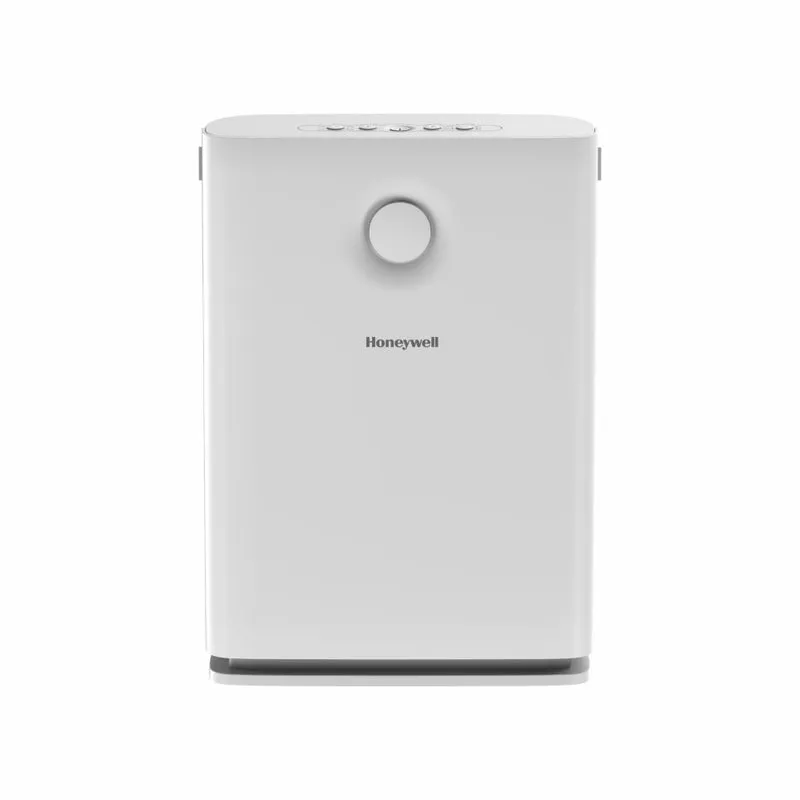
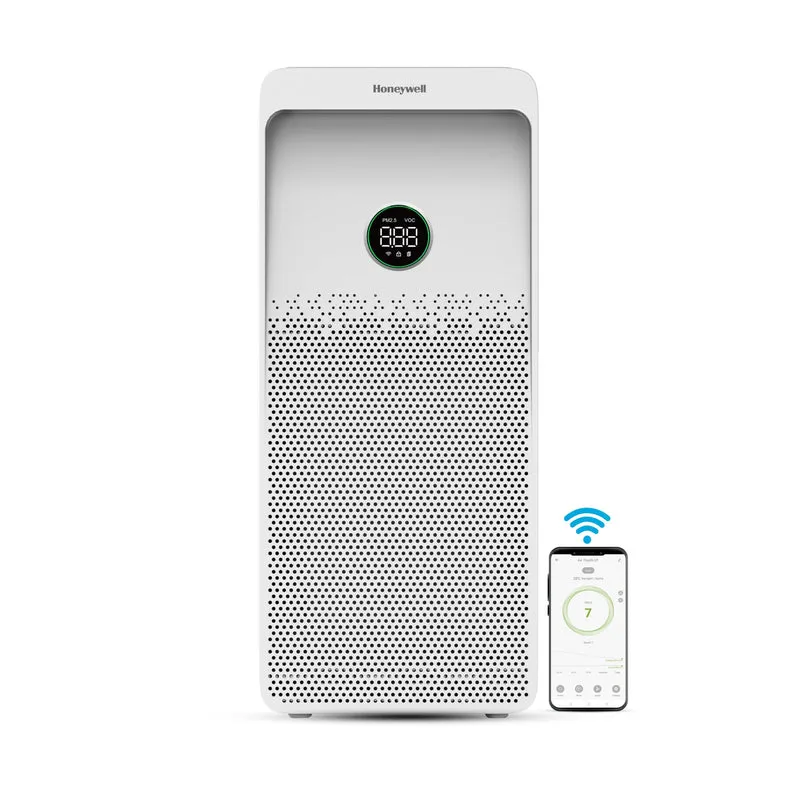
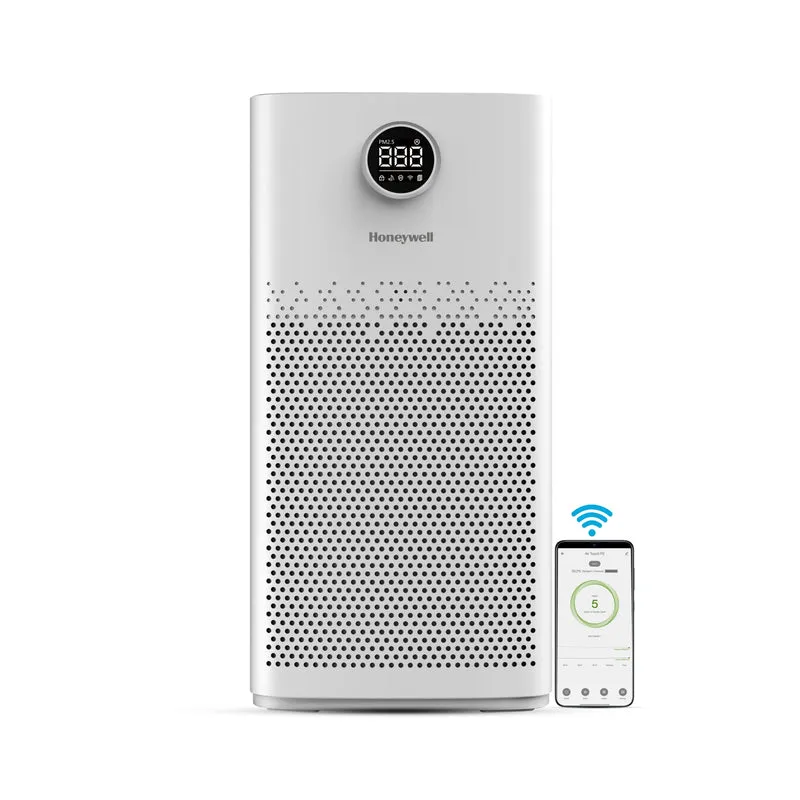
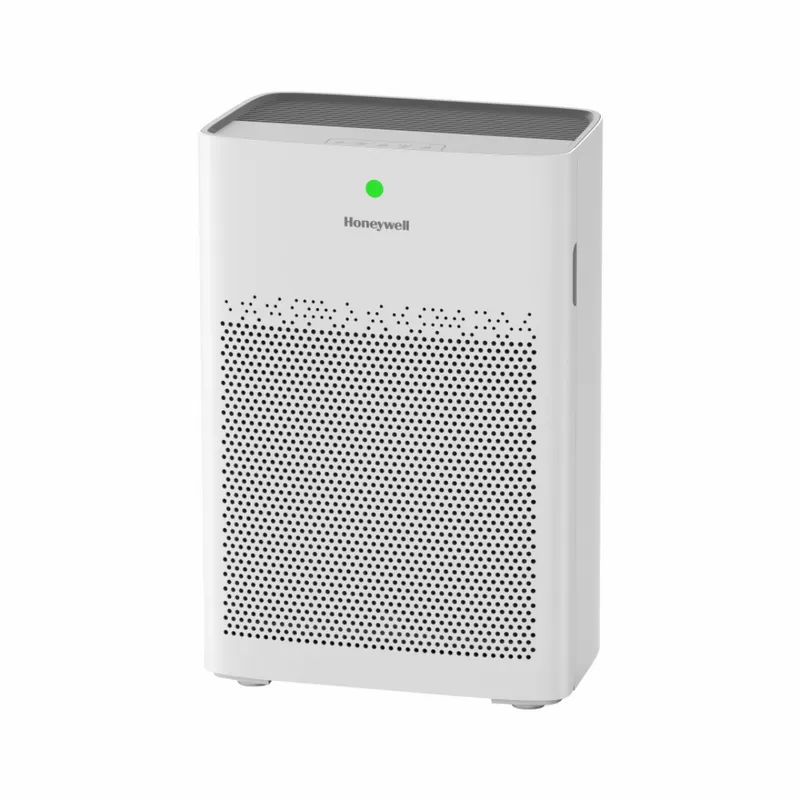
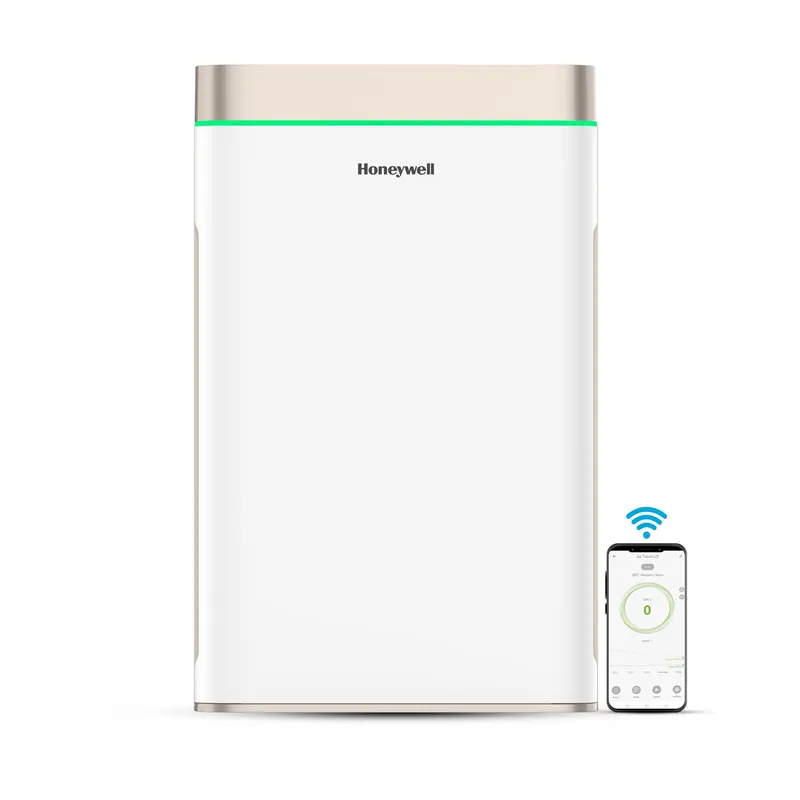
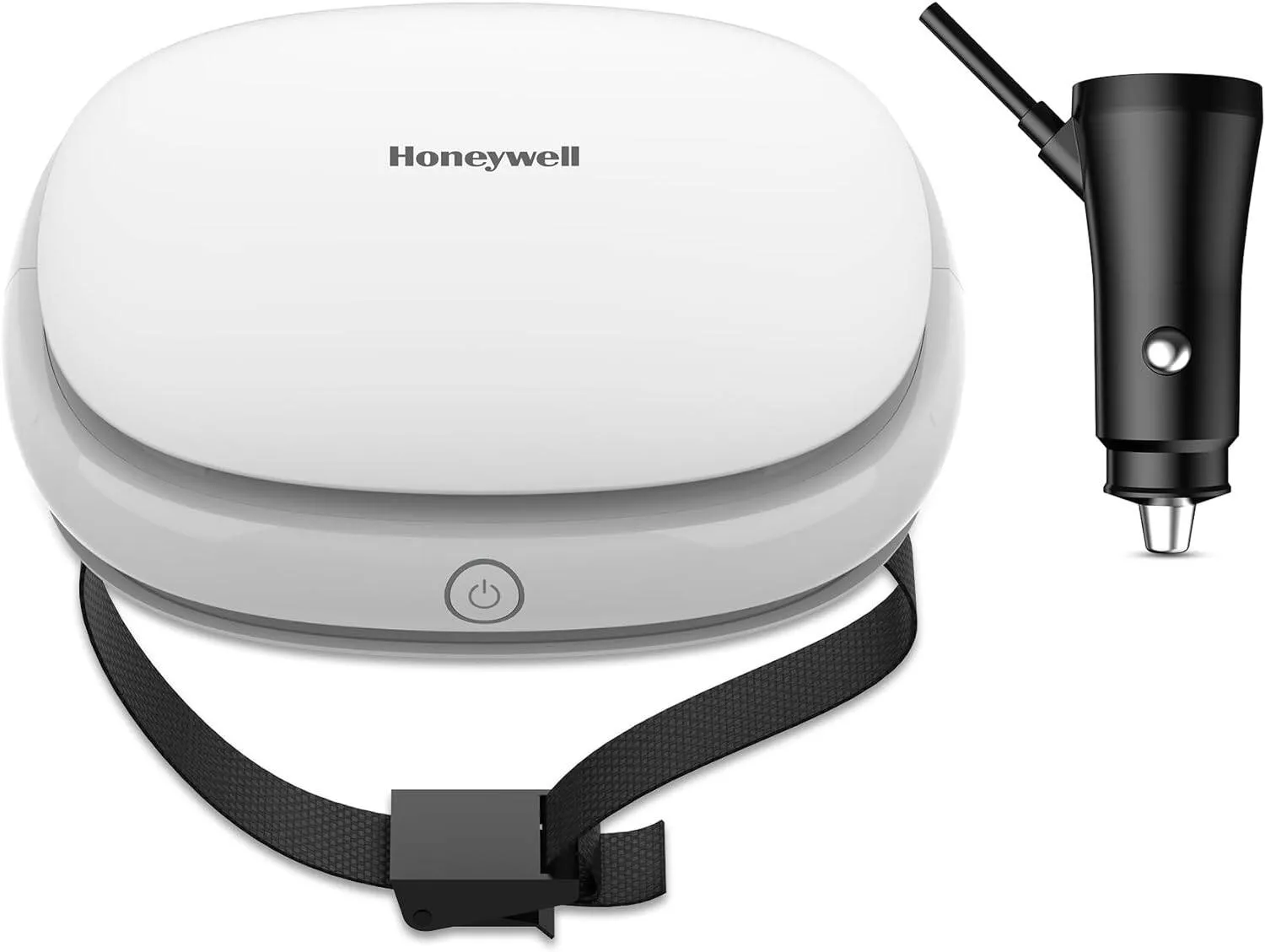
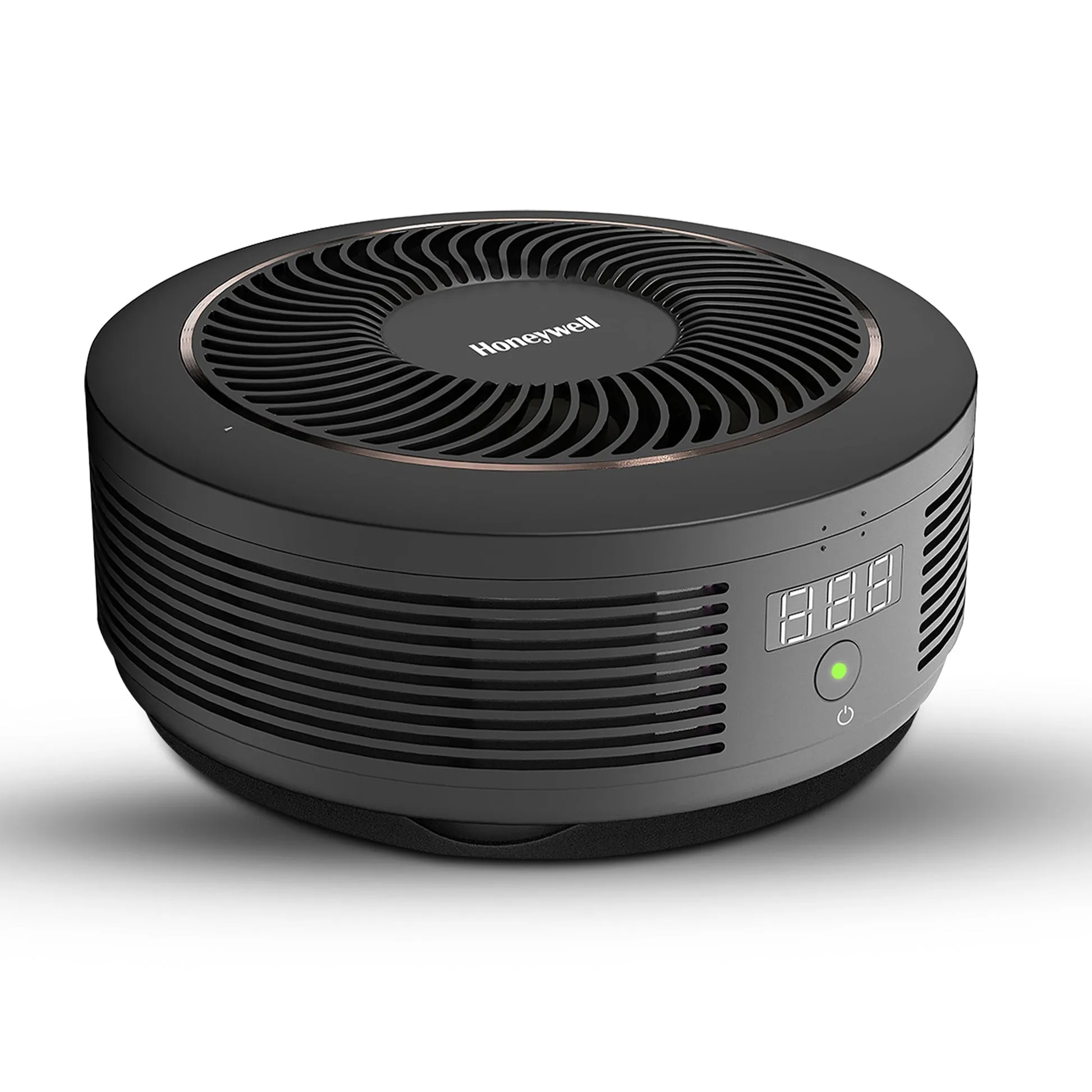
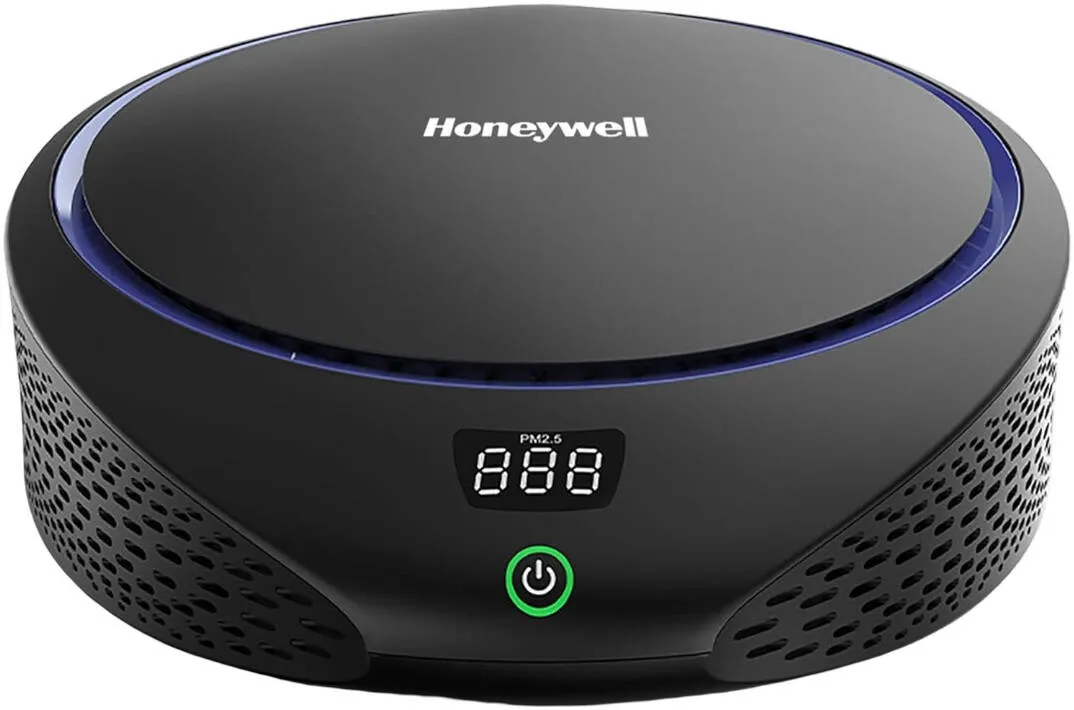
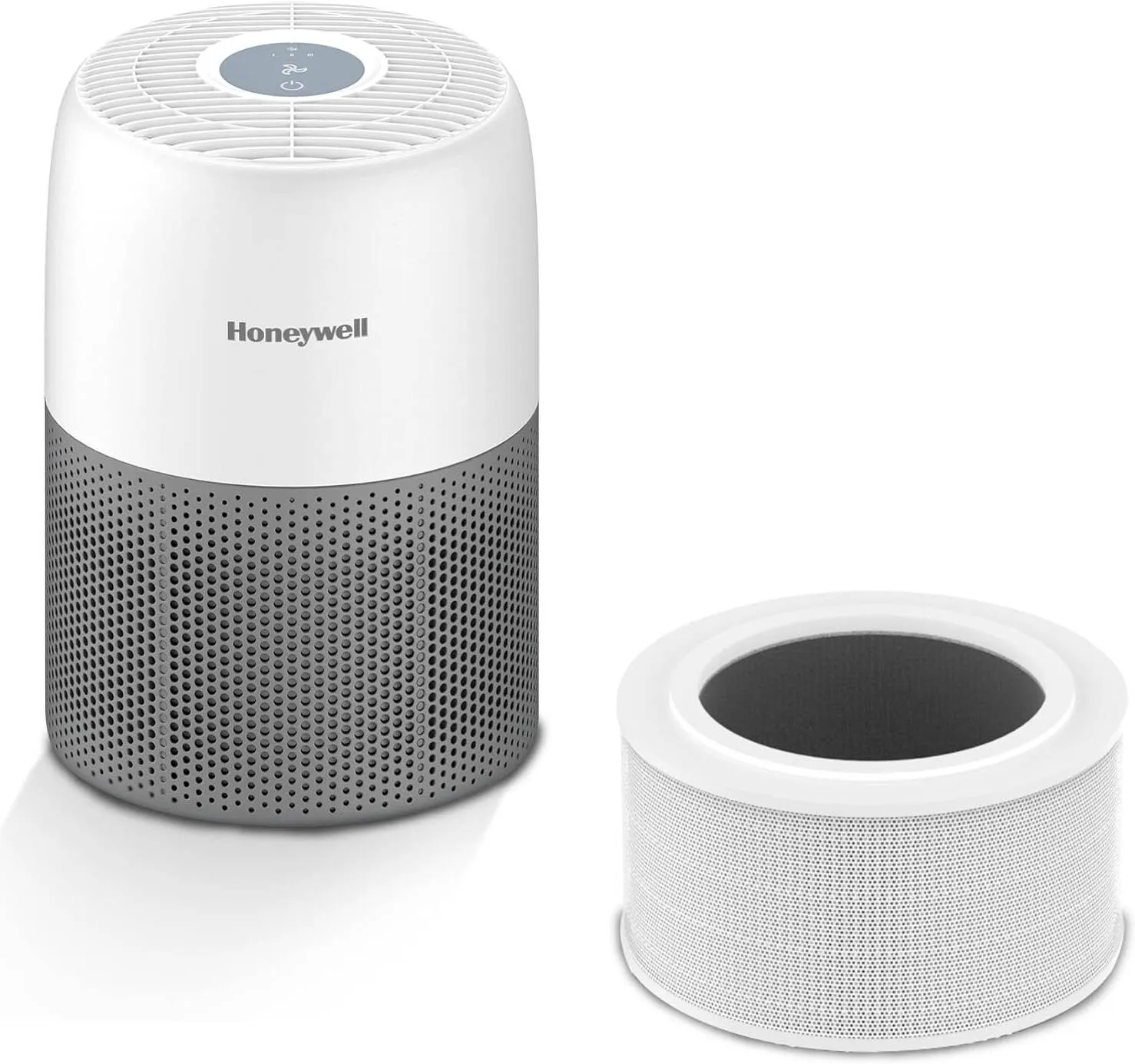
Choosing a purifier that does not add ozone to your home is straightforward when you know what to look for. Cleanair-ae stocks a curated range of air purifiers from brands including Blueair, Honeywell, and Levoit, all selected for verified low-ozone output and effective filtration performance. Each product listing includes filter type details so you can confirm activated carbon media before purchasing.
For residents across Dubai and Abu Dhabi, Cleanair-ae offers free UAE delivery on orders over 49 AED, with replacement filters available for all stocked models. The safe air cleaning methods guide covers eight alternatives to ozone-generating devices, with product links for each approach. For a full comparison of purifier specifications and ozone ratings, the 2026 buying guide provides model-by-model detail to support your decision.
FAQ
What is ozone in indoor air, exactly?
Ozone in indoor air is O3, a gas made of three oxygen atoms, present inside buildings through outdoor infiltration or indoor generation. It is a known respiratory irritant with no recognised safe concentration for indoor air cleaning.
Is a small amount of indoor ozone harmful?
Levels near 0.05 ppm can harm respiratory health, and no scientific body recognises any safe continuous indoor ozone concentration. Even low concentrations worsen asthma and react with VOCs to form secondary pollutants.
Can a HEPA filter remove ozone?
Standard HEPA filters cannot remove ozone because it is a gas, not a particle. Effective ozone reduction requires an activated carbon filter with adequate media weight, replaced on a regular schedule.
How can I tell if ozone levels are high indoors?
A sharp, metallic, chlorine-like smell indicates ozone at around 0.01 ppm, which is already a health-relevant concentration. If the smell is near electrical equipment, it may also signal electrical arcing requiring professional inspection.
When should I keep windows closed to avoid ozone?
Keep windows closed between noon and 6 PM on hot, sunny days when outdoor ground-level ozone peaks. Ventilate in the early morning, before 10 AM, when outdoor ozone concentrations are at their lowest.