Uncategorised
How to maintain HVAC filters in UAE homes
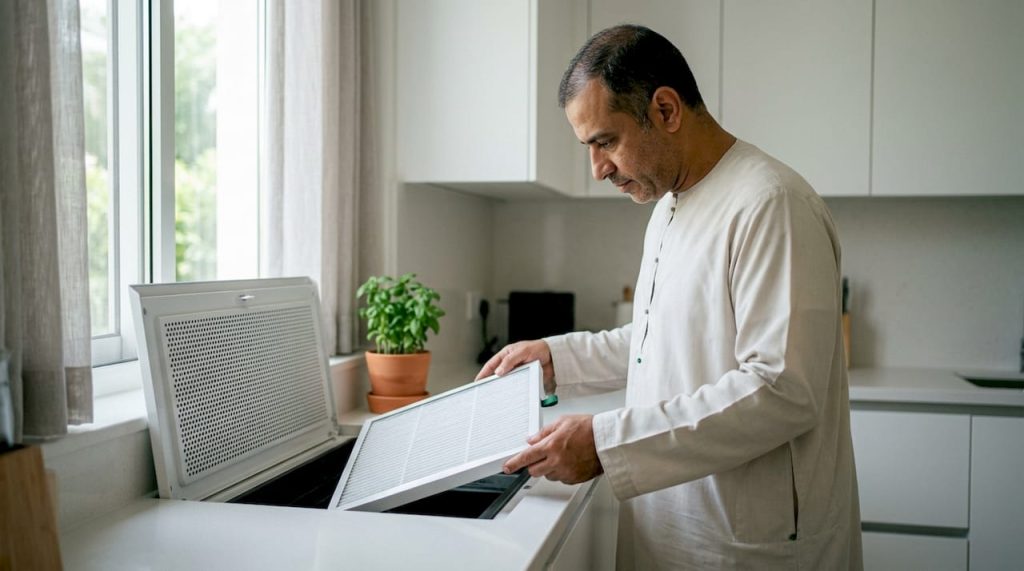
HVAC filter maintenance is defined as the regular process of inspecting, cleaning, or replacing air filters to keep your system running efficiently and your indoor air clean. In the UAE, where dust storms, construction activity, and near-continuous air conditioning use are facts of life, knowing how to maintain HVAC filters is not optional. A neglected filter increases energy consumption by 5%–15% and risks compressor damage or frozen coils. That cost is avoidable with a consistent maintenance routine.
How often should you inspect and replace HVAC filters?
The standard recommendation for 1-inch residential filters is replacement every 30–90 days, but that range is wide for a reason. Actual replacement timing depends on climate, occupancy, pets, and air quality, not the calendar alone. In the UAE, where fine particulate matter from desert dust and construction sites loads filters faster than in temperate climates, the lower end of that range applies to most households.
Monthly visual inspections are the baseline practice. Hold the filter up to a light source. If you cannot see light passing through, the filter is saturated and needs replacing immediately.
Here is a practical guide to replacement frequency by household condition:
| Household condition | Recommended replacement interval |
|---|---|
| Single occupant, no pets, low dust | Every 60–90 days |
| Family home, no pets | Every 60 days |
| One pet in the home | Every 30–60 days |
| Multiple pets or allergy sufferers | Every 30–45 days |
| 4-inch media filter, standard use | Every 6–12 months |
| High-dust area or near construction | Every 20–30 days |
The UAE-specific row matters. If your building is near an active construction site, or if you live in a villa with outdoor-facing vents, treat your filter as a 30-day replacement regardless of what the packaging says.
Pro Tip: Set a recurring phone reminder on the first day of each month to check your filter. A 30-second inspection saves you from a costly service call.
Step-by-step guide to inspecting, cleaning, and replacing filters
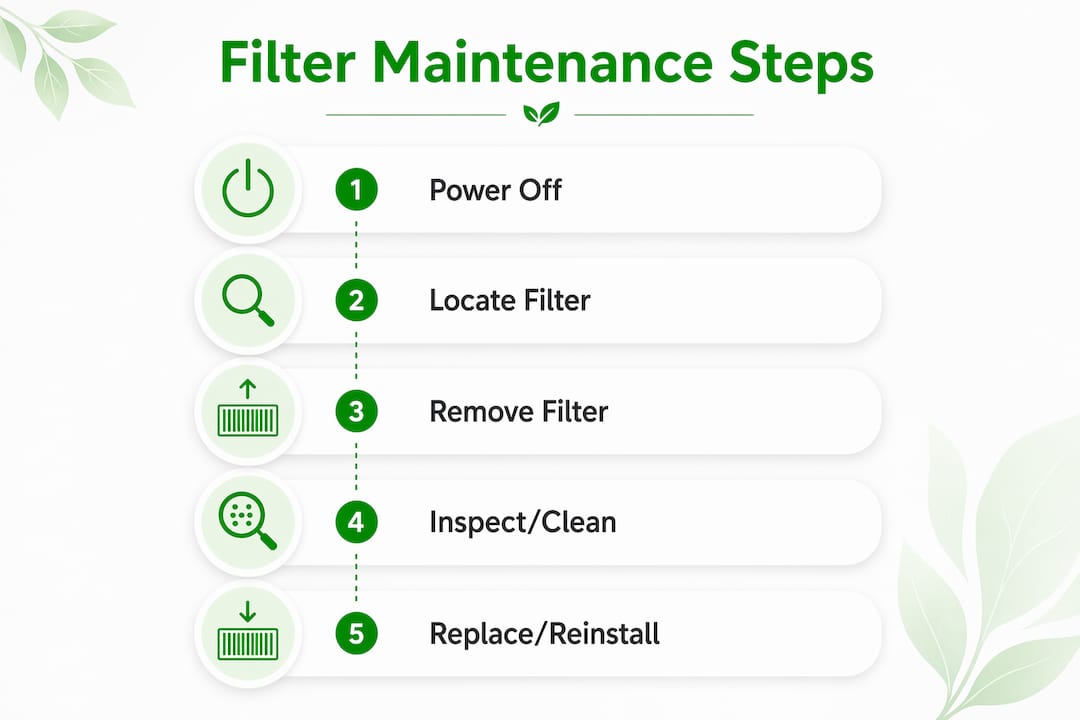
Safe filter maintenance starts before you touch the unit. Power down your HVAC system completely before removing any filter. This prevents loose dust from being drawn into the ductwork and redistributed through your home.
What you need before you start
Gather these items: a replacement filter of the correct dimensions, a soft brush or vacuum with a brush attachment, a damp cloth, and a bin liner for disposal. Check the existing filter’s label for its exact size and MERV rating before purchasing a replacement.
Inspecting and removing the filter
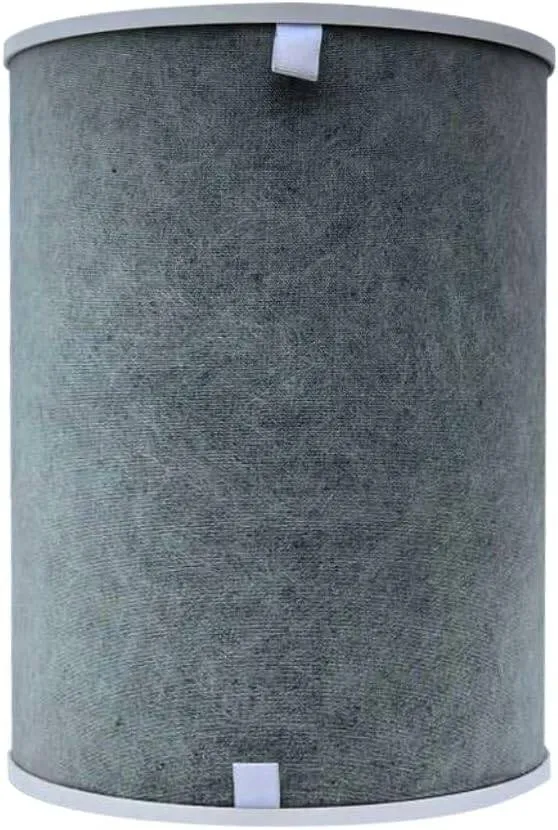
Locate the filter housing, which is typically behind a return air grille or inside the air handler unit. Slide the filter out carefully, keeping it flat to avoid shaking loose debris. Hold it to a light source. Grey or brown colouring across the surface confirms saturation. Any visible tears, bent frames, or collapsed pleats mean the filter needs replacing regardless of its colour.

Cleaning washable filters correctly
Washable filters require a specific technique. Rinse against the airflow direction using a gentle stream of water, not a pressure washer or garden hose at full force. Rinsing with the airflow pushes contaminants deeper into the media. After rinsing, leave the filter to dry completely in a shaded, well-ventilated area before reinstalling. Moisture left on the filter promotes mould growth inside your ducts.
Pressure washers damage disposable fibreglass and pleated filters permanently. Use them only on filters explicitly labelled as washable by the manufacturer.
Installing the replacement correctly
Every filter carries an airflow arrow printed on its frame. That arrow must point towards the blower, not towards the return air grille. Installing it backwards restricts airflow and forces your system to work harder. Slide the filter in firmly and check all four edges for gaps. Even a small gap allows unfiltered air to bypass the media entirely.
Pro Tip: Write the installation date on the filter frame with a marker pen. You will always know exactly when it was last changed without checking your phone.
Common mistakes that damage filters and HVAC systems
Running your HVAC without a filter is the single most damaging mistake a homeowner can make. Dust and debris coat the evaporator coil directly, reducing heat transfer and eventually causing the coil to freeze. A frozen coil leads to compressor failure, and professional repair costs range from £65 to £200 (AED 300–950) depending on the fault.
Other common errors include:
- Using the wrong filter size. A filter that is too small leaves gaps around the frame. A filter that is too large will not seat properly. Always match dimensions exactly.
- Reinstalling a damp washable filter. Moisture in the duct system creates the conditions for mould and bacterial growth, which then circulates through your home.
- Ignoring airflow direction. A backwards filter restricts airflow, raises energy bills, and strains the blower motor.
- Skipping inspections during summer. UAE summers mean your system runs almost continuously. Filter loading accelerates significantly between june and september.
A saturated or incorrectly installed filter does not just reduce air quality. It forces your HVAC to run longer cycles, raises your electricity bill, and shortens the lifespan of the compressor. The filter is the cheapest component in the system. Neglecting it puts every other component at risk.
Recognise these warning signs of a filter problem: reduced airflow from vents, higher-than-usual electricity bills, visible dust settling quickly on surfaces, or the system cycling on and off more frequently than normal. If you see any of these, check the filter first before calling a technician. For post-construction HVAC cleaning, professional duct inspection is advisable regardless of filter condition.
Pro Tip: If your electricity bill spikes without an obvious reason, pull the filter out and inspect it. A clogged filter is the most common and most overlooked cause of sudden energy increases.
Choosing the right filter type and MERV rating for your UAE home
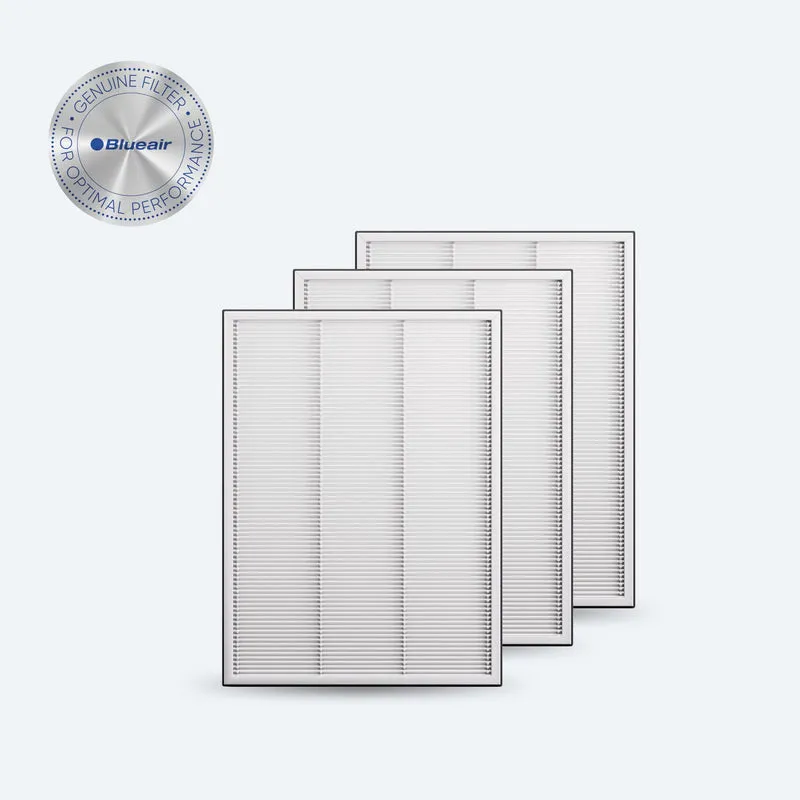
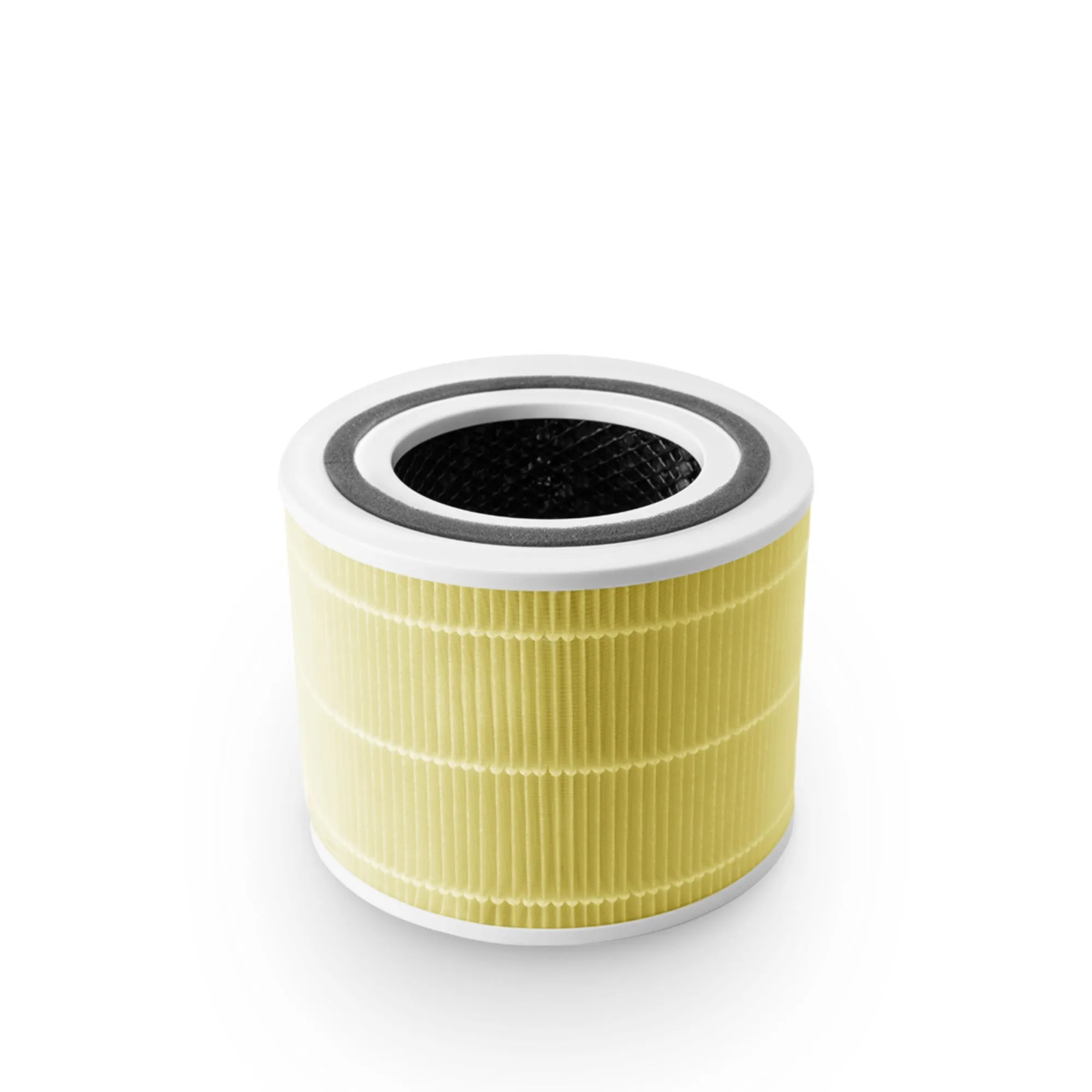
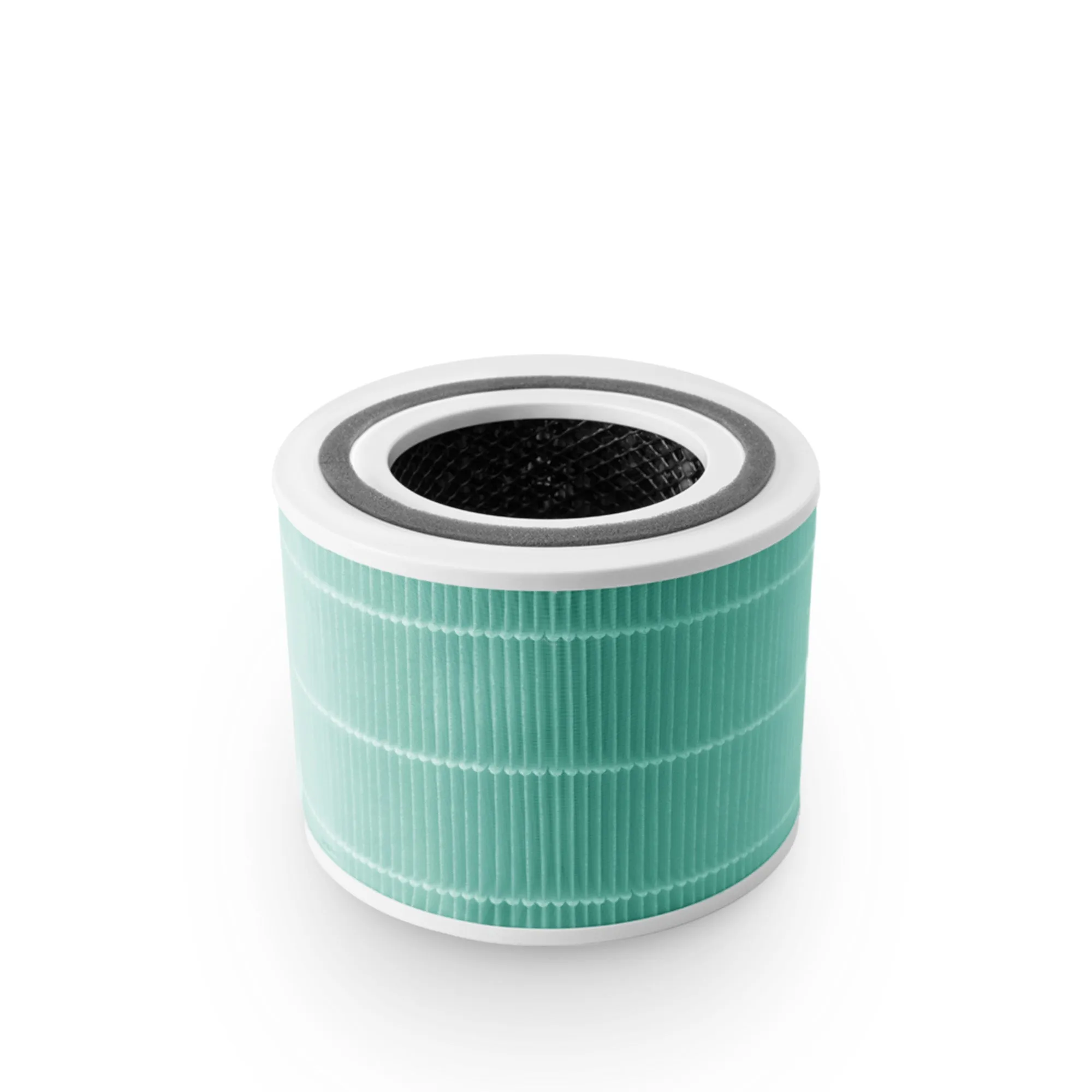
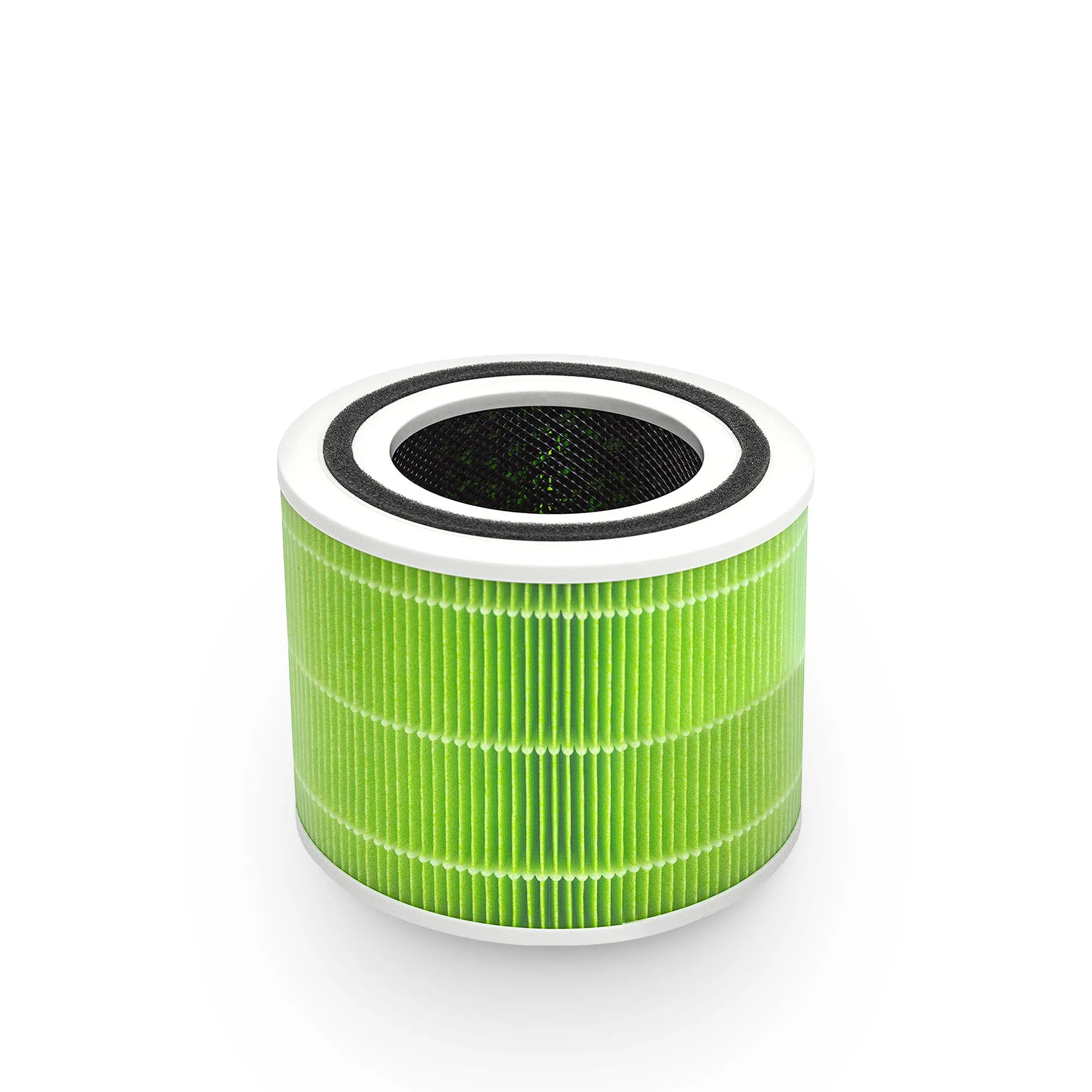
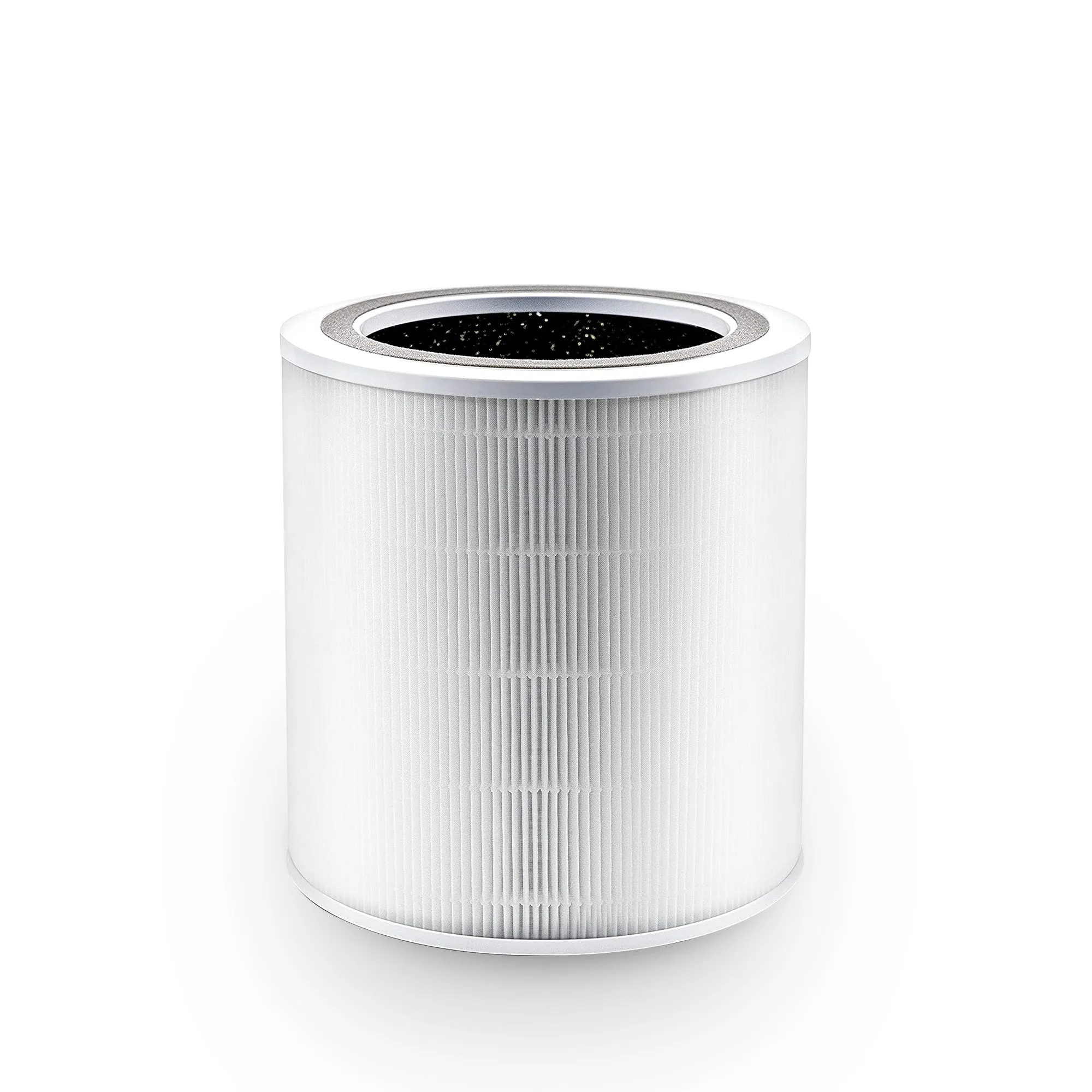
The MERV (Minimum Efficiency Reporting Value) scale rates how effectively a filter captures airborne particles. MERV 1–4 filters catch large debris only. MERV 8–11 filters capture dust mites, mould spores, and fine dust. MERV 13+ filters trap bacteria and fine particulate matter, making them suitable for allergy sufferers. For UAE homes, a MERV 8–11 filter is the practical starting point given the ambient dust levels.
Upgrading to MERV 11+ filters without confirming your system’s compatibility can cause frozen coils, reduced airflow, and compressor damage. Higher MERV ratings increase static pressure inside the system. A contractor should test static pressure before you make the switch. For allergy management, the air improvement guide for allergies on Cleanair-ae covers filter selection alongside other indoor air quality measures.
| Filter type | MERV range | Best suited for |
|---|---|---|
| Fibreglass (disposable) | 1–4 | Basic dust protection, low-cost rental properties |
| Pleated (disposable) | 8–13 | Most UAE family homes, general dust and allergens |
| Media (thick pleated) | 11–16 | Allergy sufferers, homes near construction |
| Washable/reusable | 1–8 | Budget-conscious households, low-dust environments |
Matching filter dimensions is non-negotiable. A filter that does not fit the housing precisely allows unfiltered air to bypass the media. Check the existing filter’s printed dimensions before every purchase, as UAE suppliers stock a wide range of sizes and labelling varies by brand. Understanding the difference between HEPA and carbon filters is also useful if you are considering supplementary air purification alongside your HVAC system.
Key takeaways
Condition-led HVAC filter maintenance, not fixed calendar rules, is the most effective approach for UAE homeowners to protect air quality and system efficiency.
| Point | Details |
|---|---|
| Inspect monthly, replace by condition | Hold the filter to light monthly; replace immediately if saturated or damaged. |
| UAE conditions shorten filter life | Dust, construction, and continuous summer use require 20–45 day replacement cycles in many homes. |
| Power down before any filter work | Always switch off the HVAC system before removing a filter to prevent duct contamination. |
| Match MERV rating to your system | Confirm compatibility before upgrading to MERV 11+ to avoid coil freezing and compressor damage. |
| Dry washable filters completely | Reinstalling a damp filter promotes mould growth inside ductwork and degrades air quality. |
What I have learned from maintaining HVAC filters in the UAE
The advice I give most often is this: stop trusting the packaging interval and start trusting your eyes. I have seen filters in Dubai apartments that were completely black after three weeks during a shamal dust event, and filters in air-conditioned offices that lasted four months without issue. The environment dictates the schedule, not the manufacturer’s label.
The single habit that changed my approach was keeping a filter change log with dates, filter dimensions, and MERV ratings. After six months of entries, patterns become clear. You learn exactly when your home’s filters load up, and you stop either over-replacing (wasting money) or under-replacing (damaging the system). A simple notes app on your phone is sufficient.
UAE homeowners also underestimate the impact of ramadan and summer periods when occupancy patterns shift. More people at home during the day means more cooking, more movement, and faster filter loading. I build an extra inspection into my routine at the start of june and again in october when the system transitions from peak cooling. Integrating filter checks into seasonal home maintenance, alongside cleaning indoor air quality in commercial buildings, makes the task feel routine rather than reactive.
— Wojciech
Air quality products and filter resources from Cleanair-ae
Cleanair-ae stocks replacement filters, air purifiers, and accessories suited to UAE homes and businesses across Dubai and Abu Dhabi.
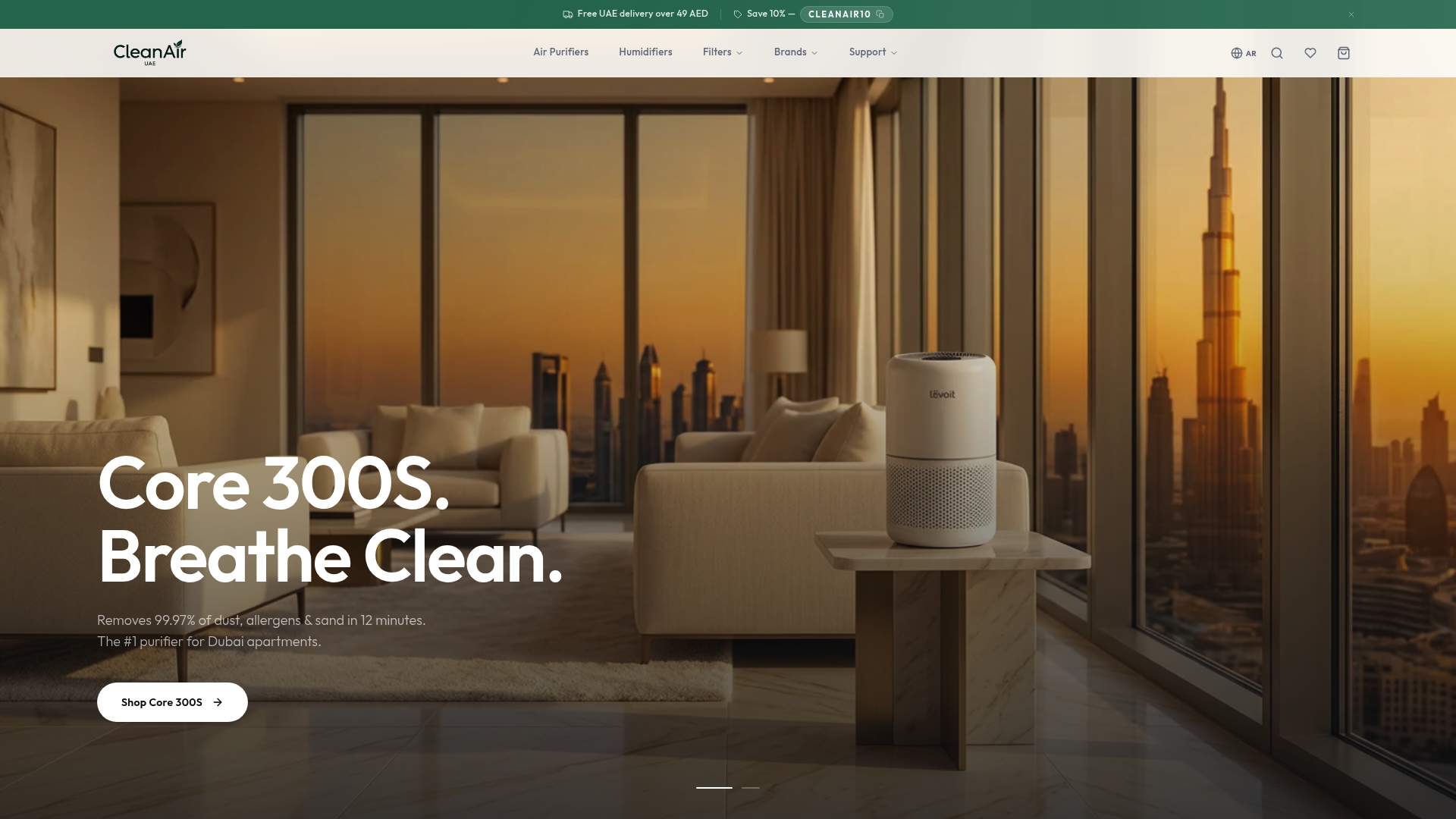
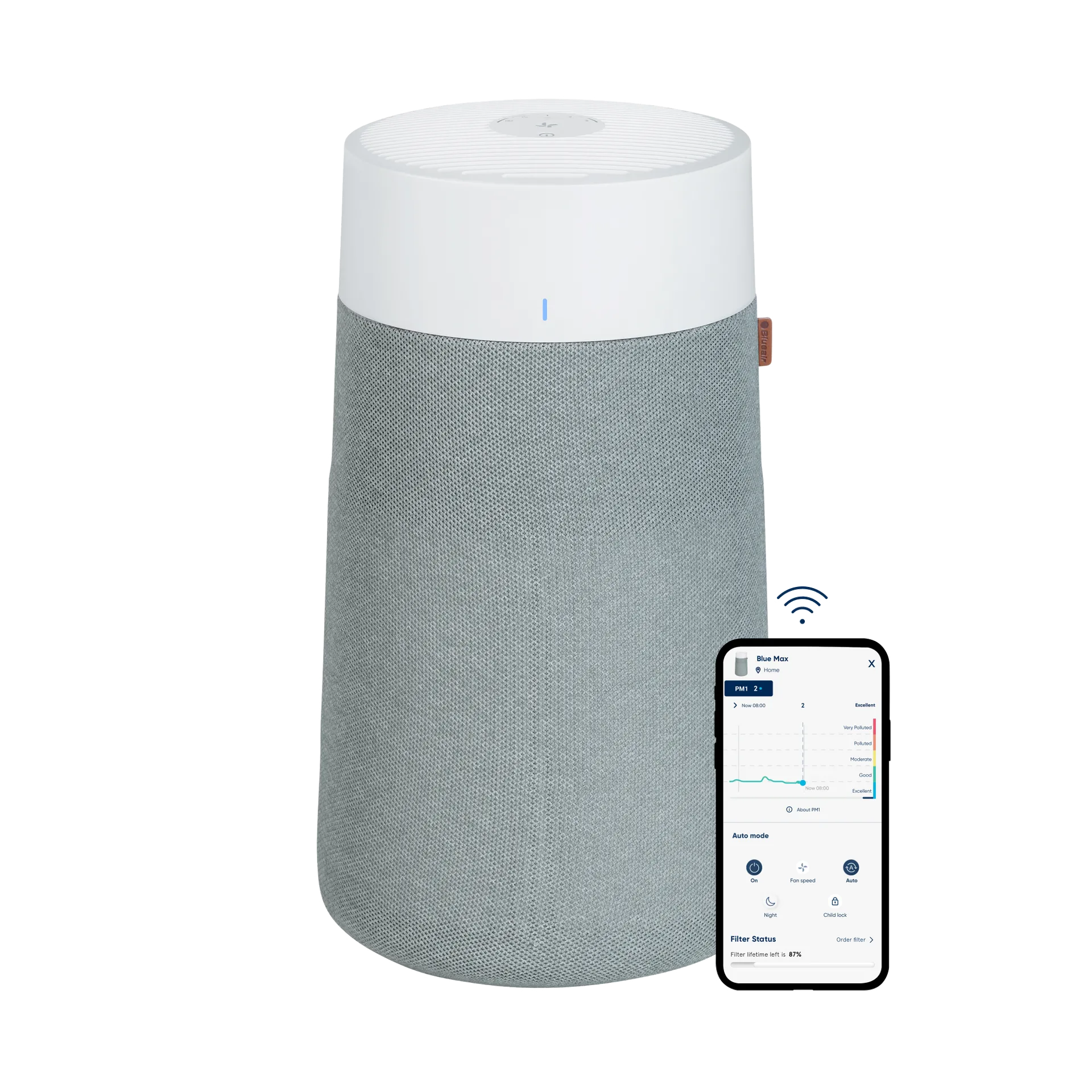
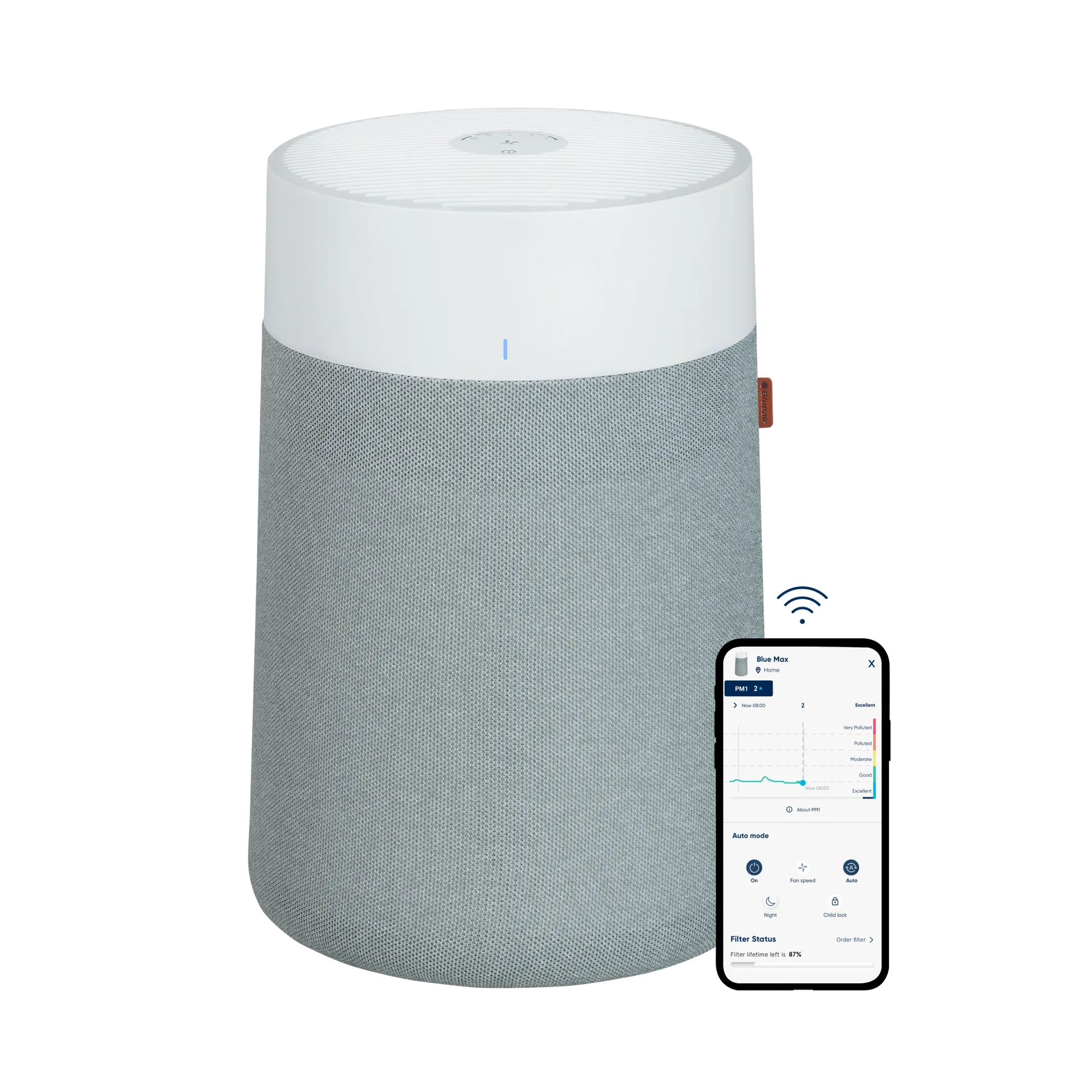
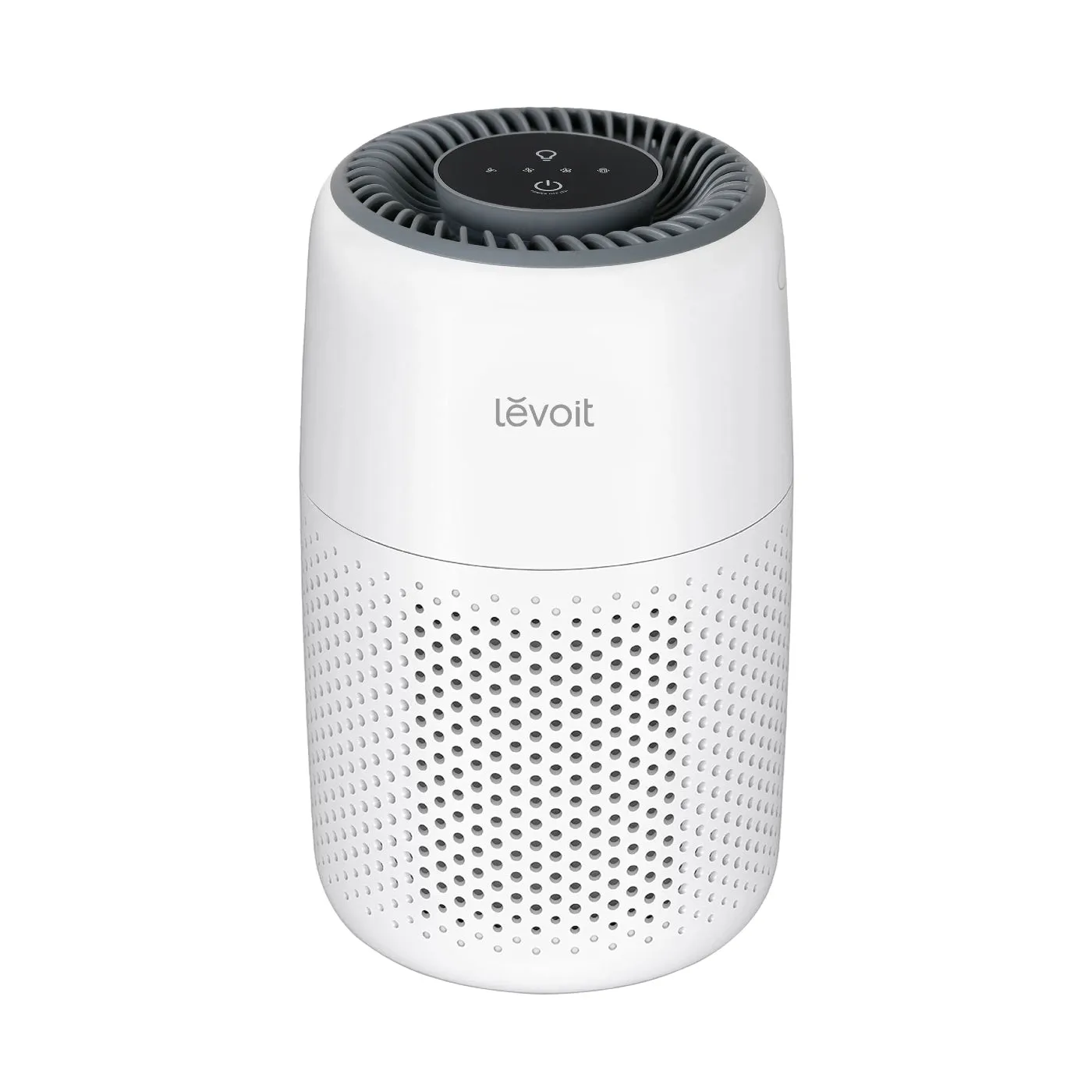
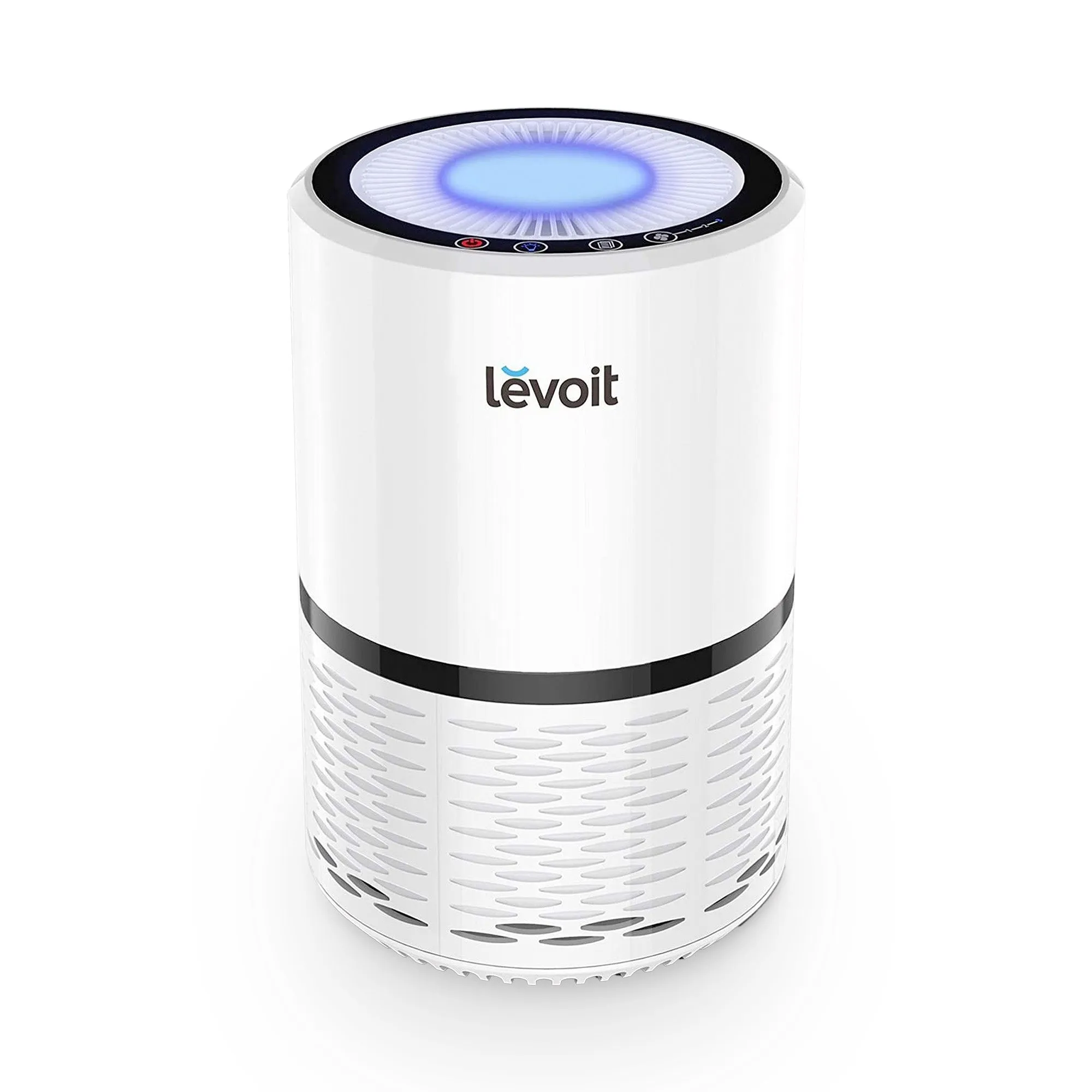
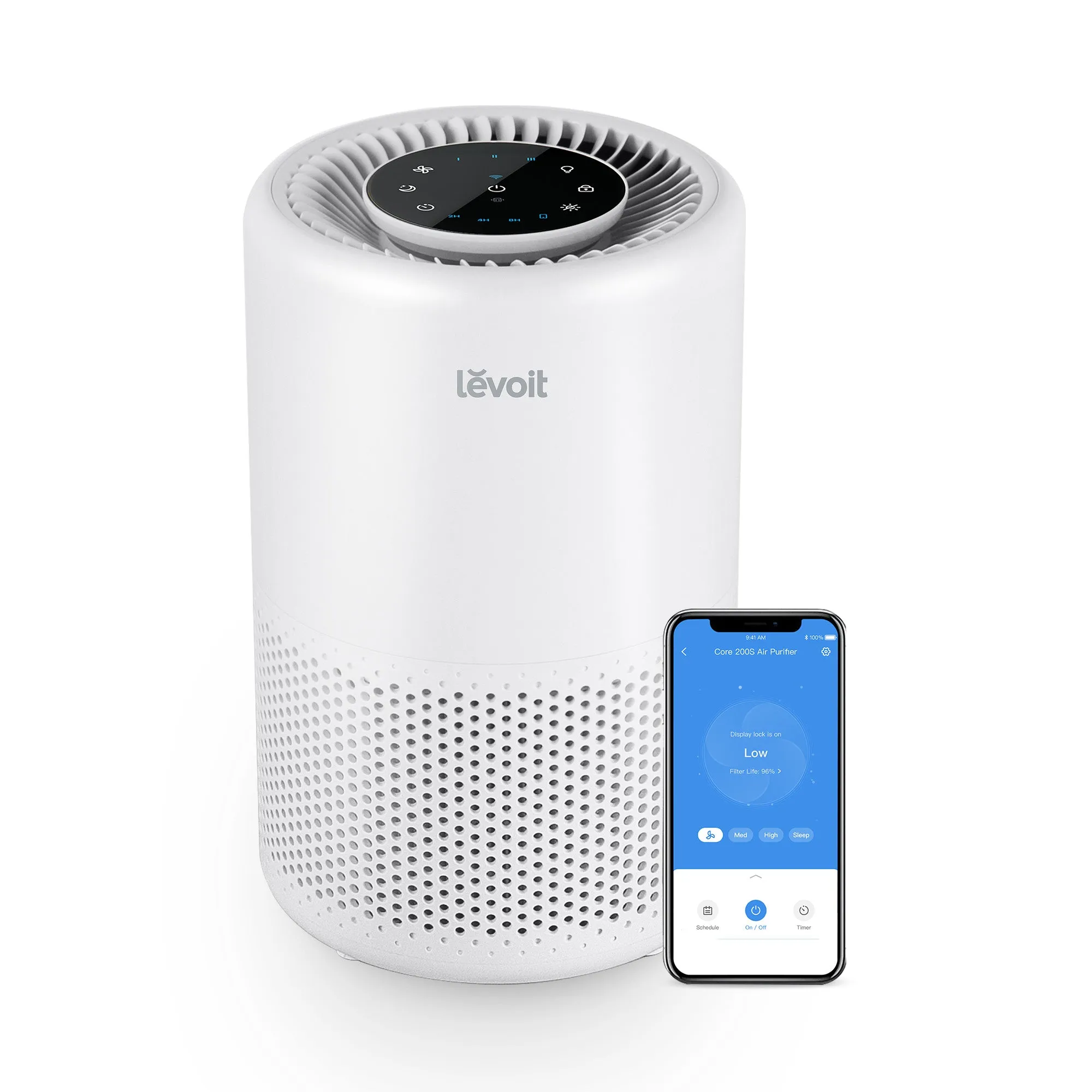
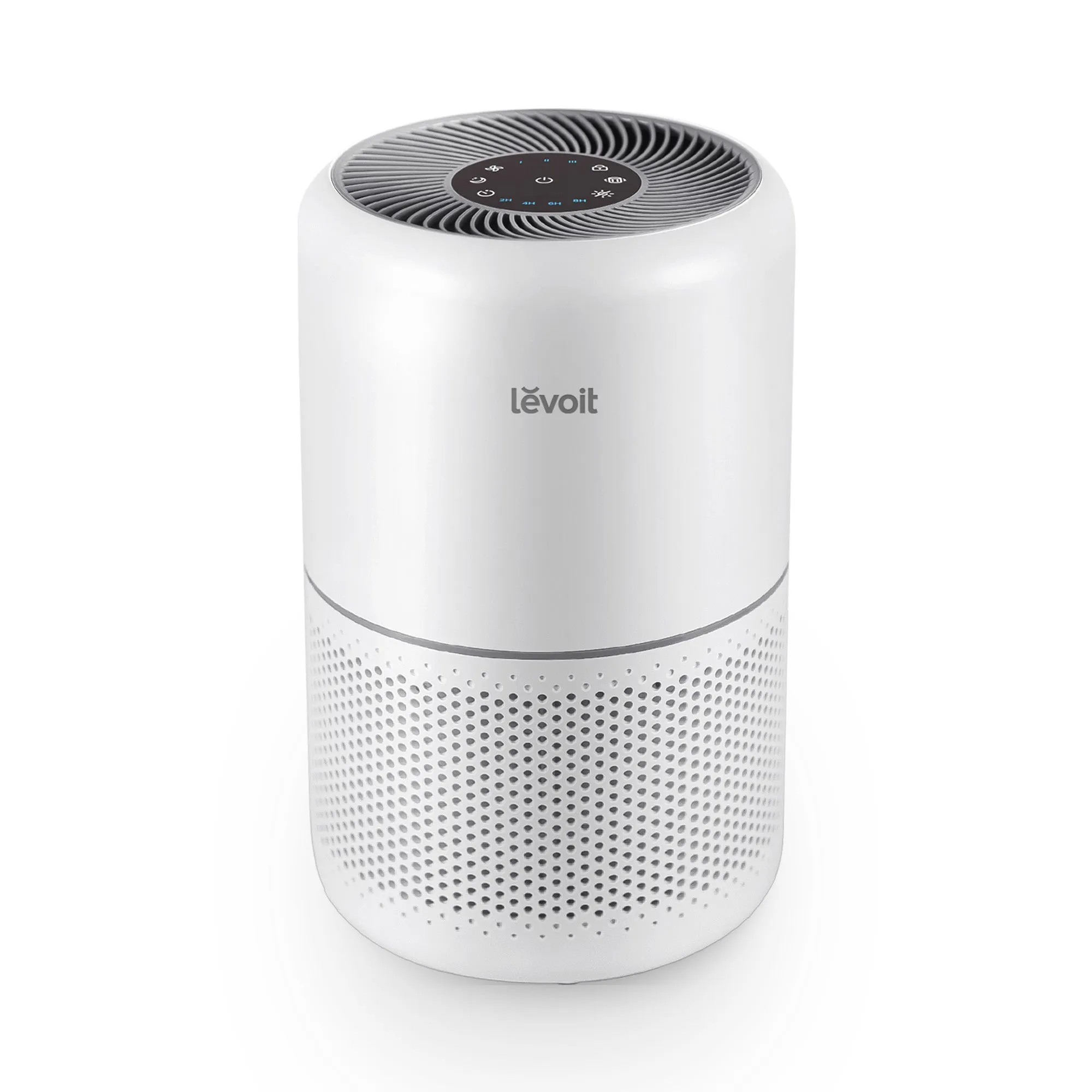
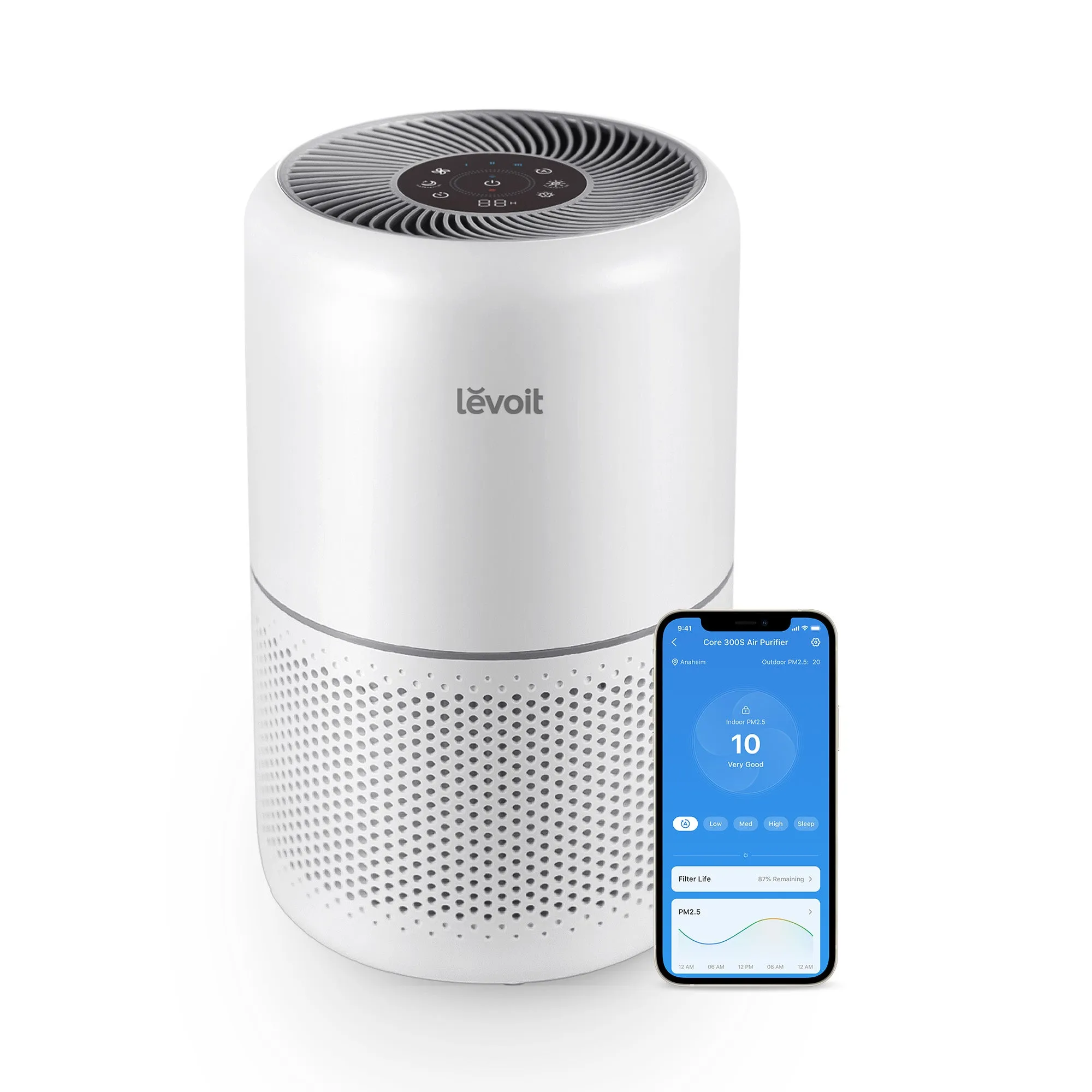
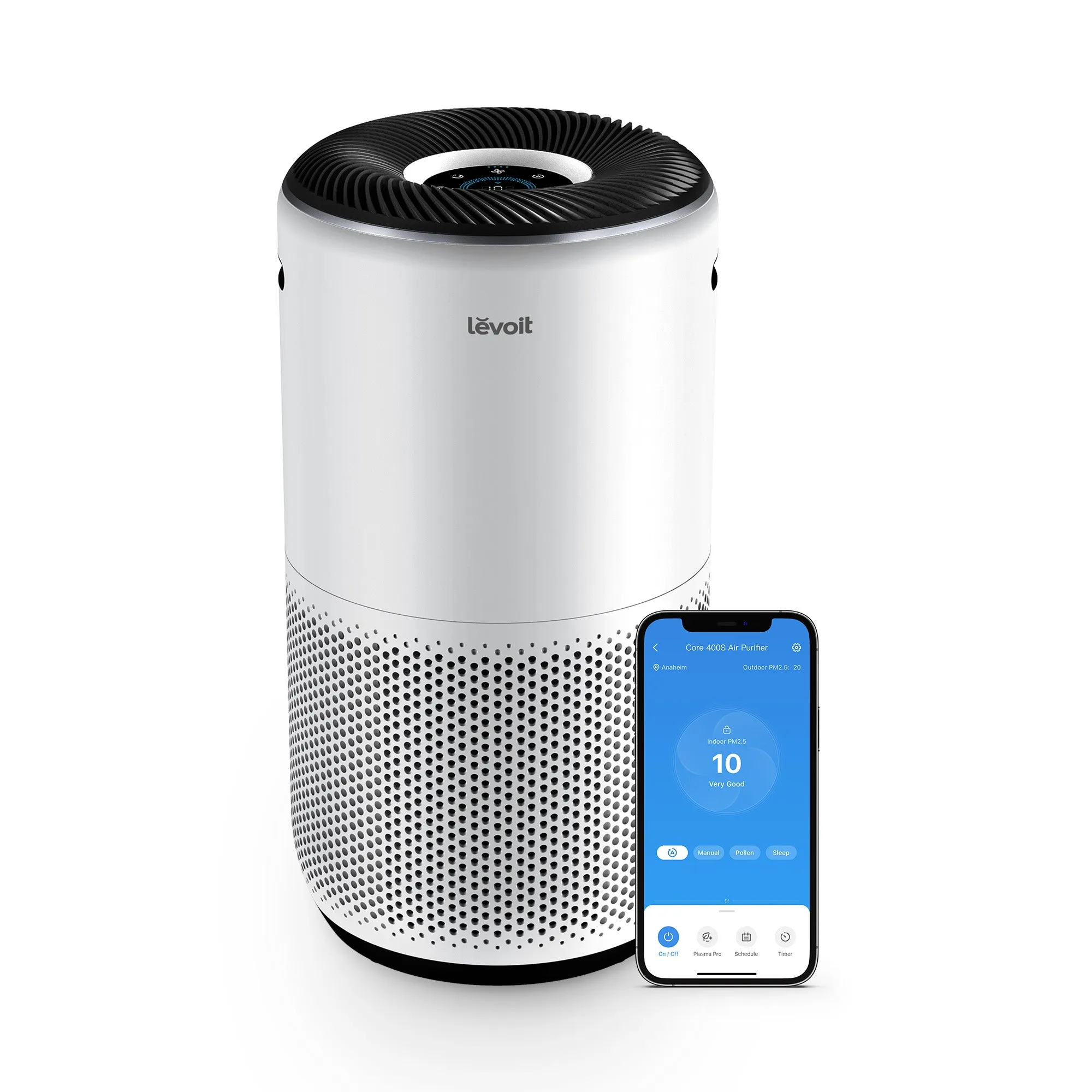
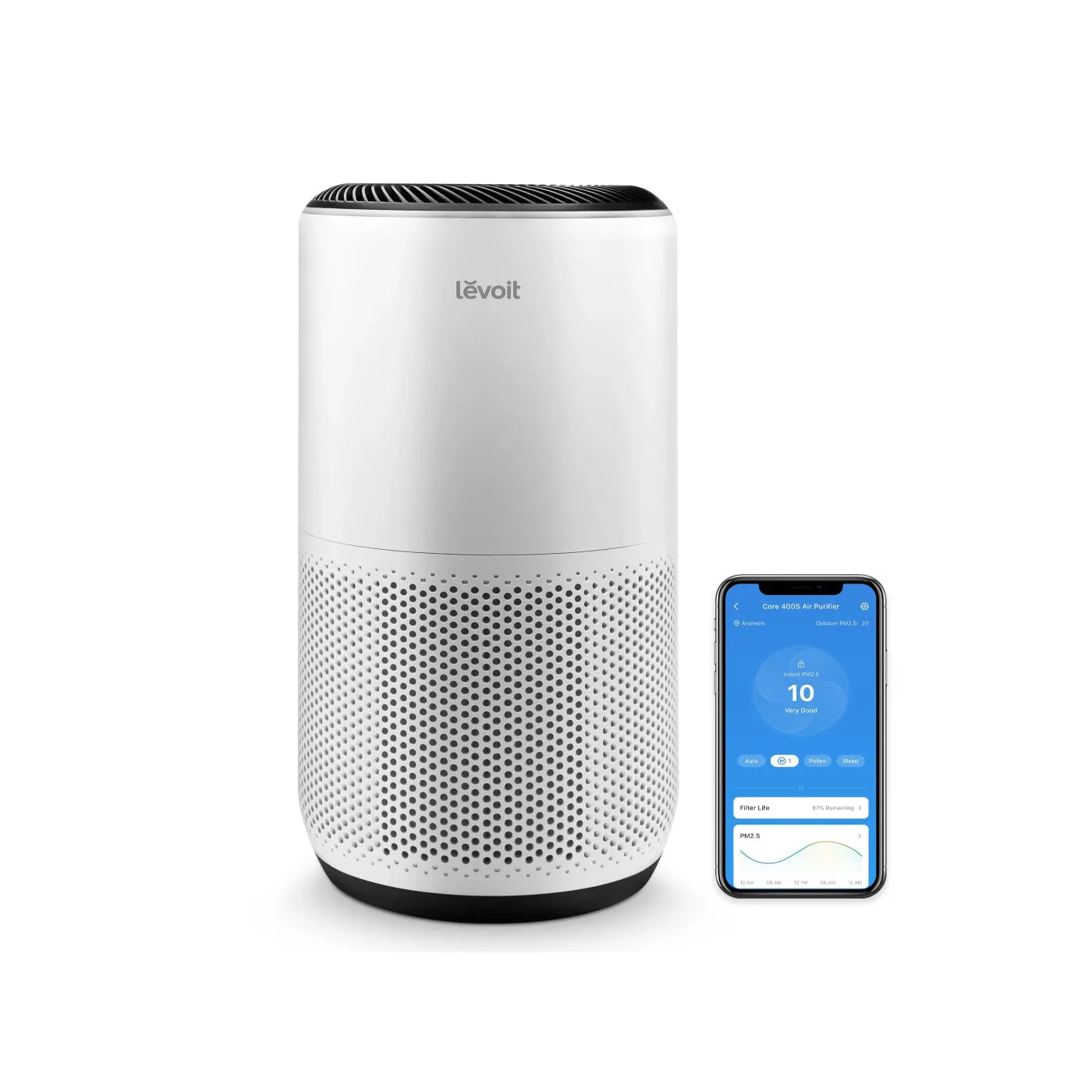
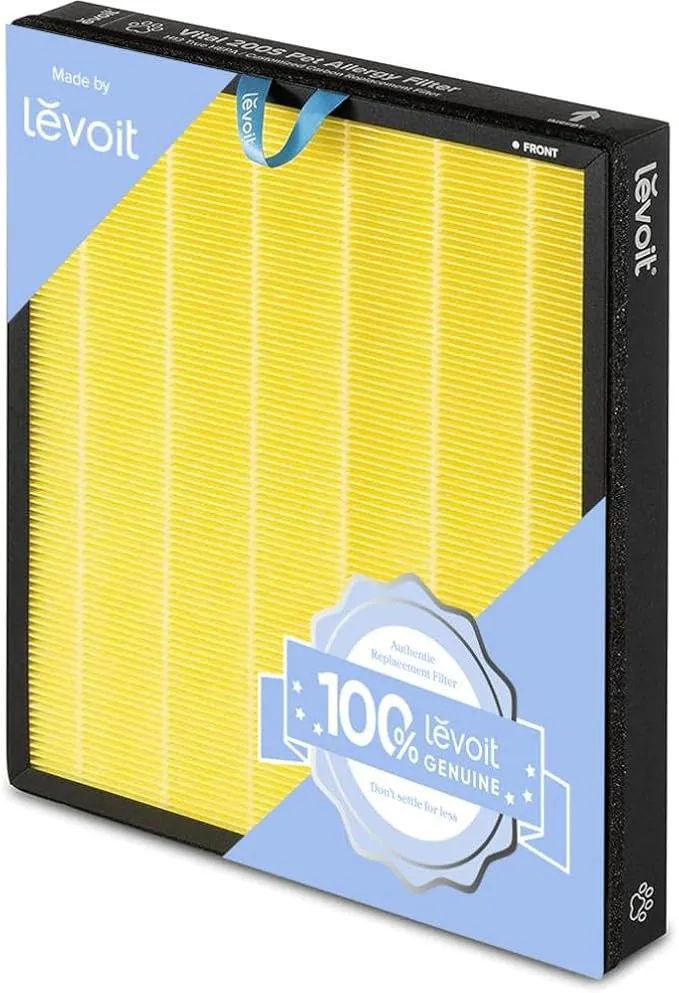
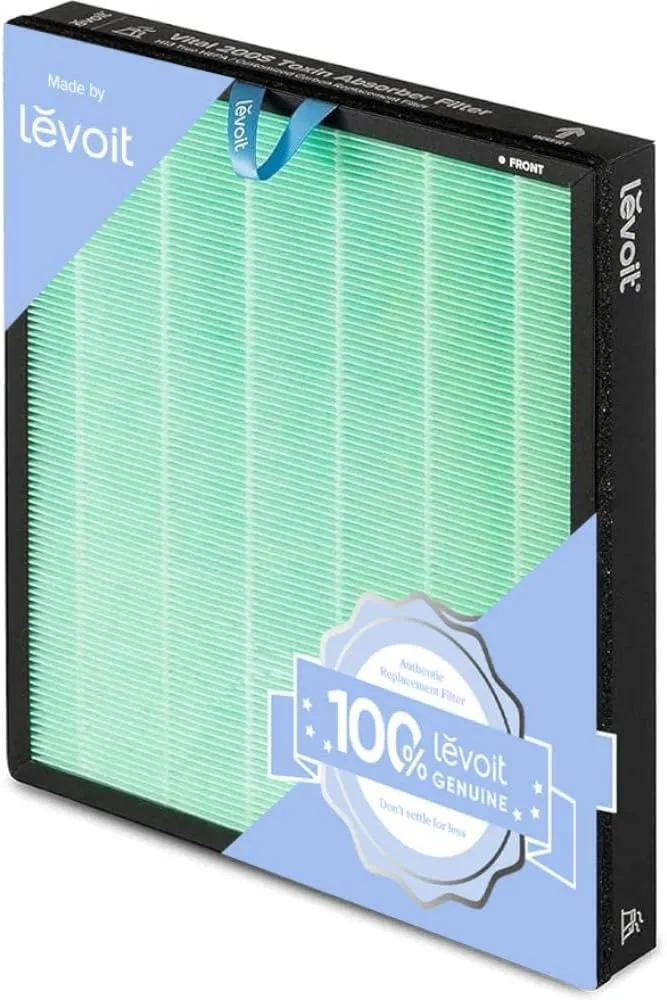
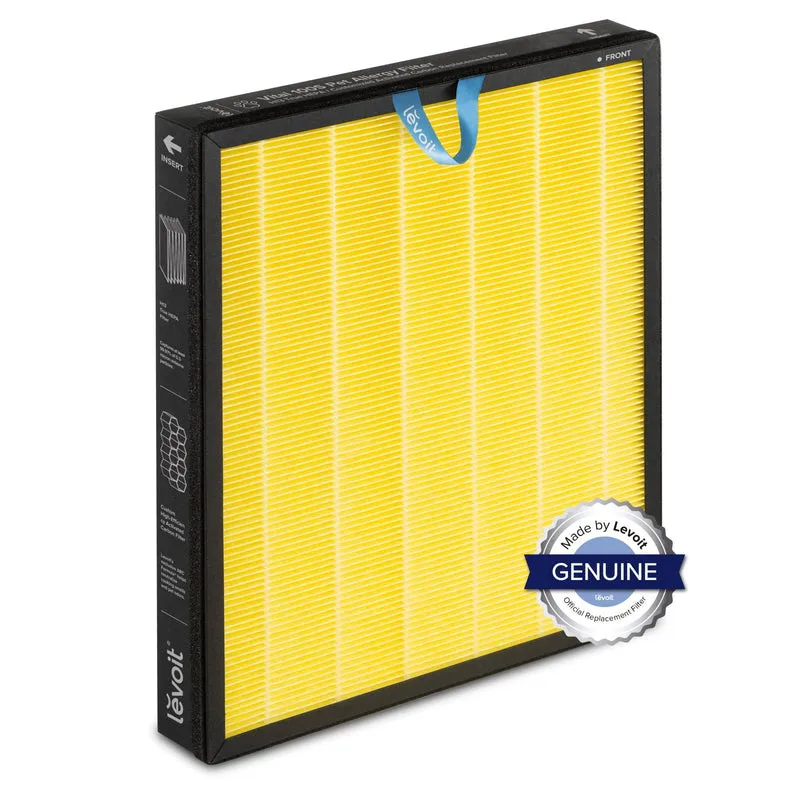
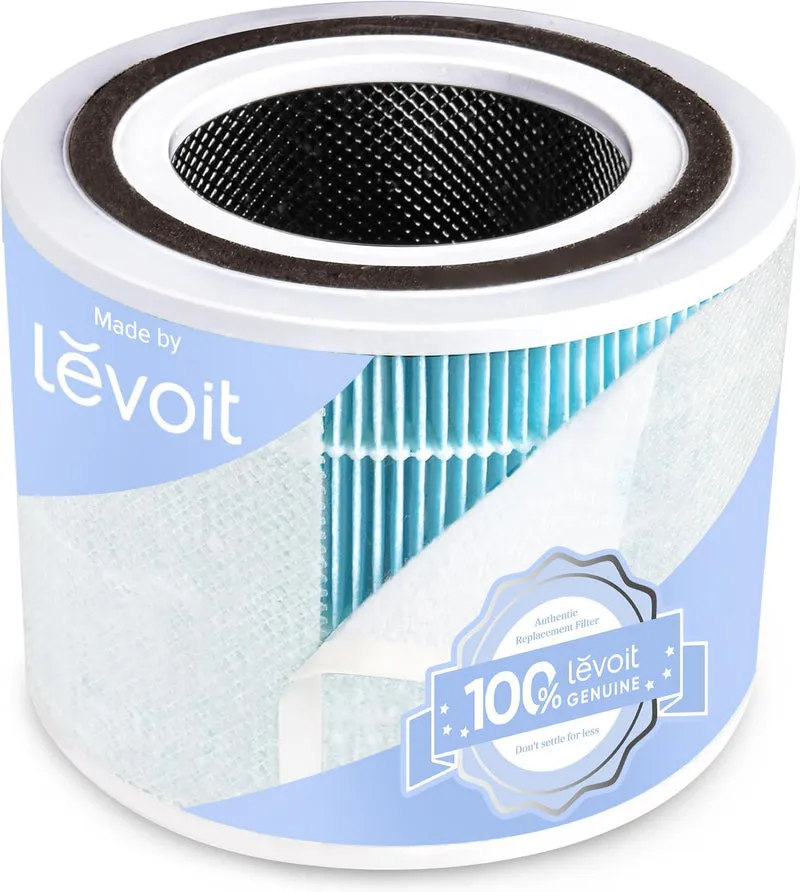
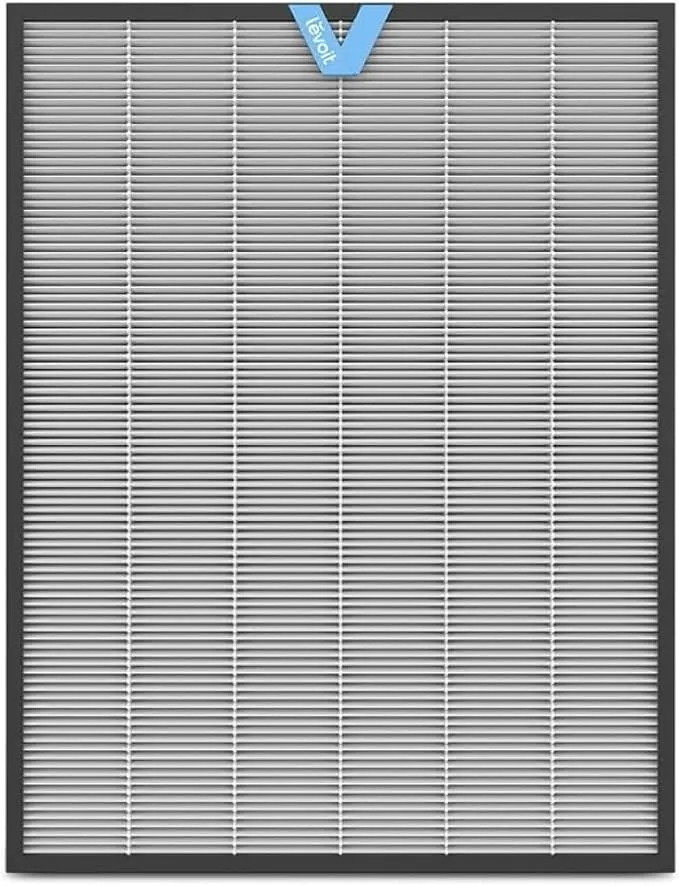
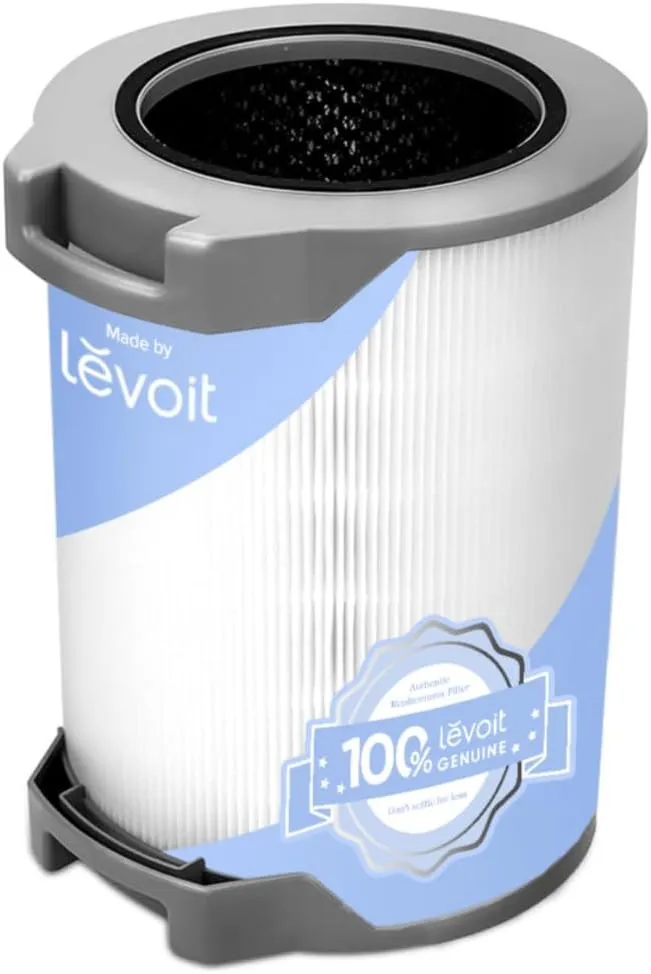
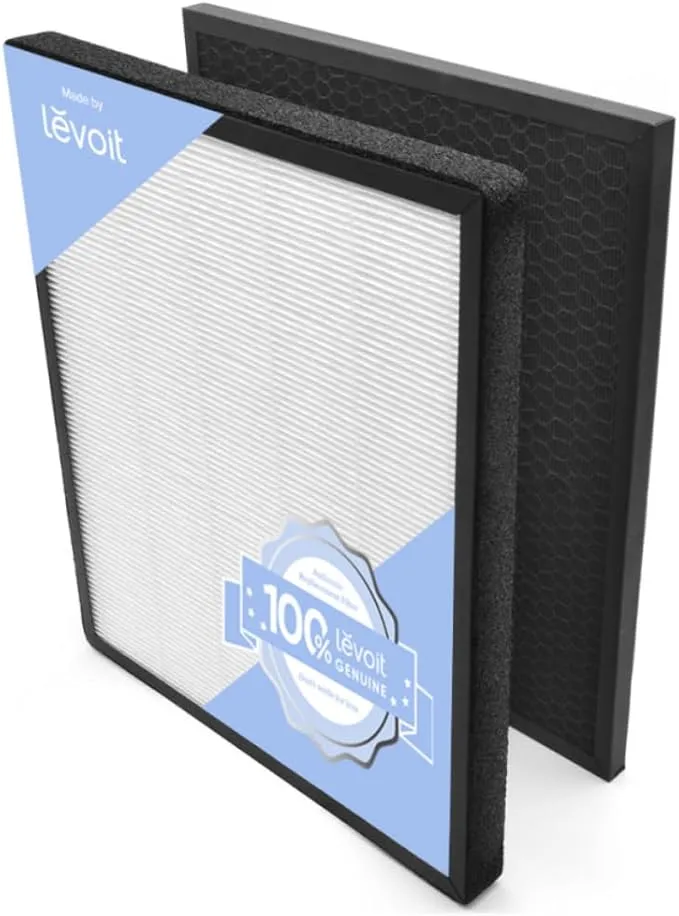
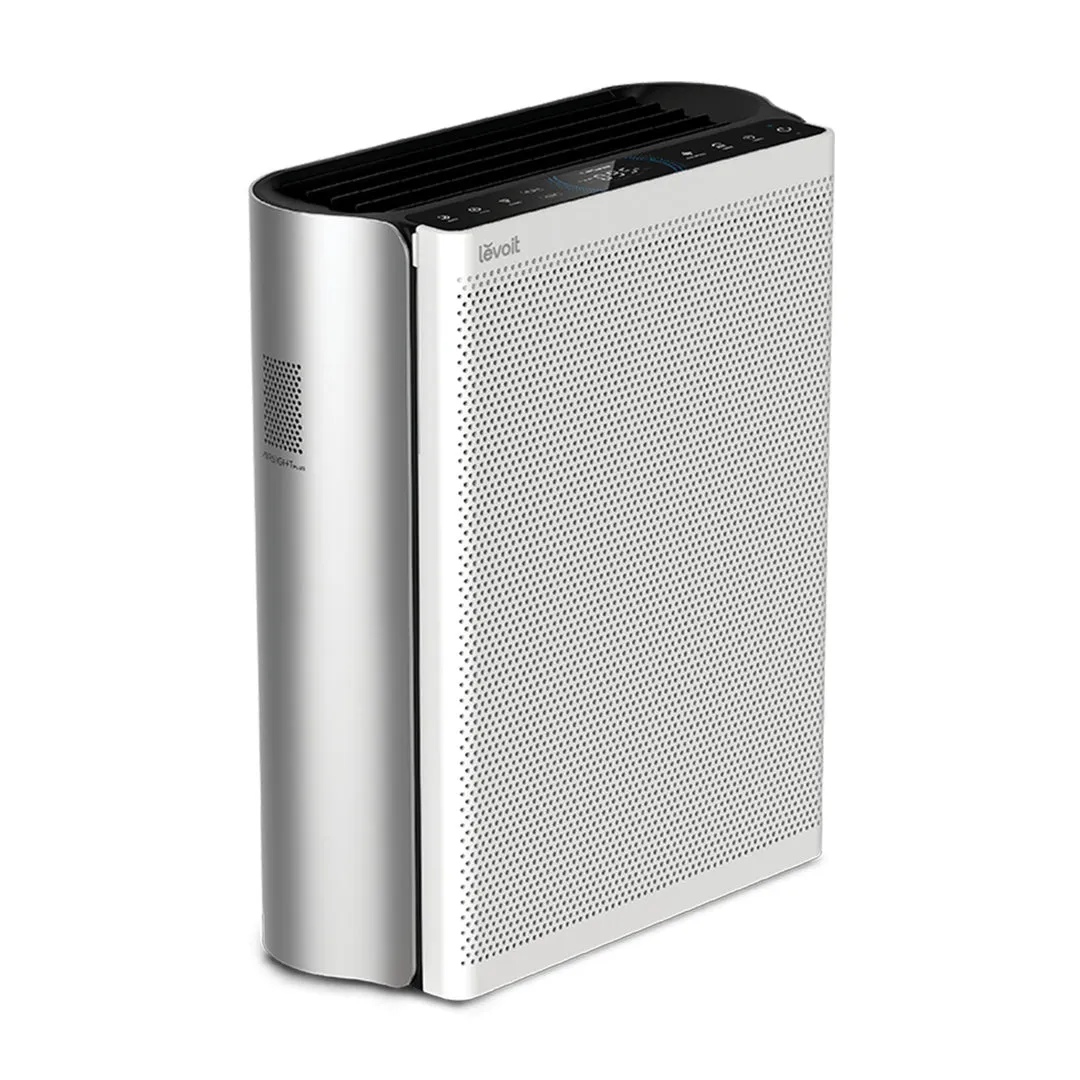
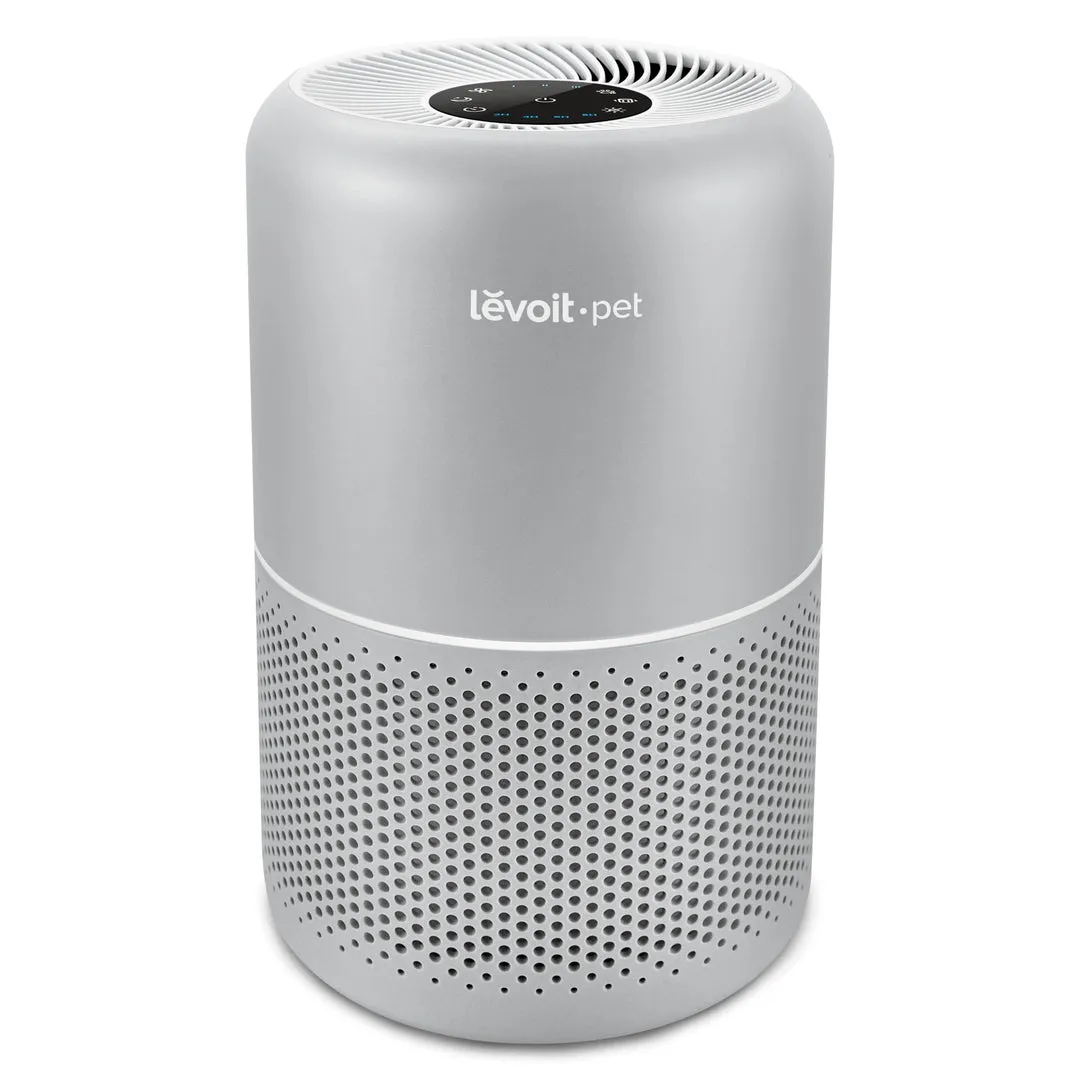
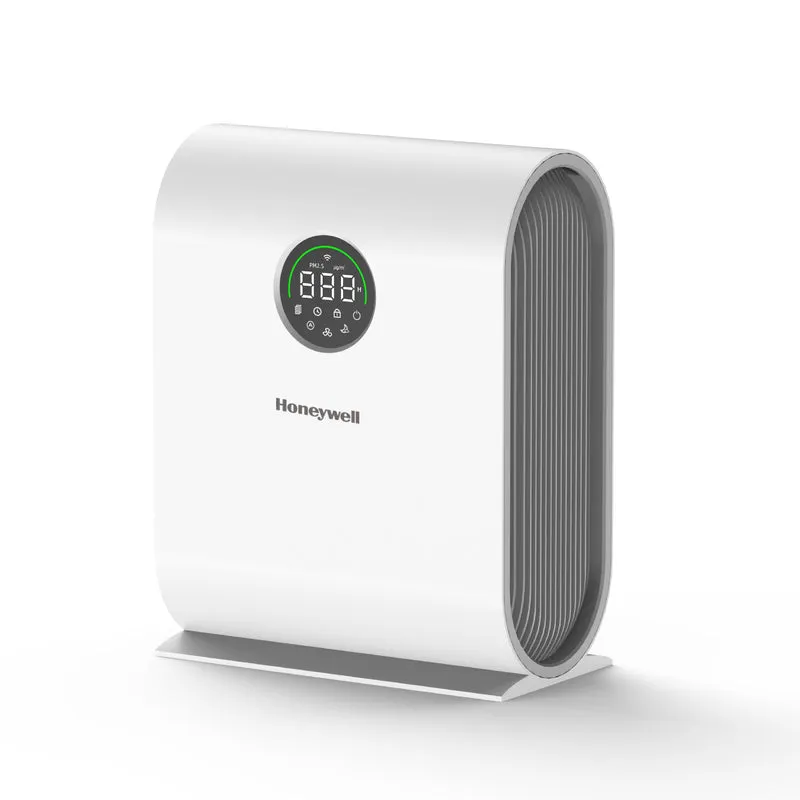
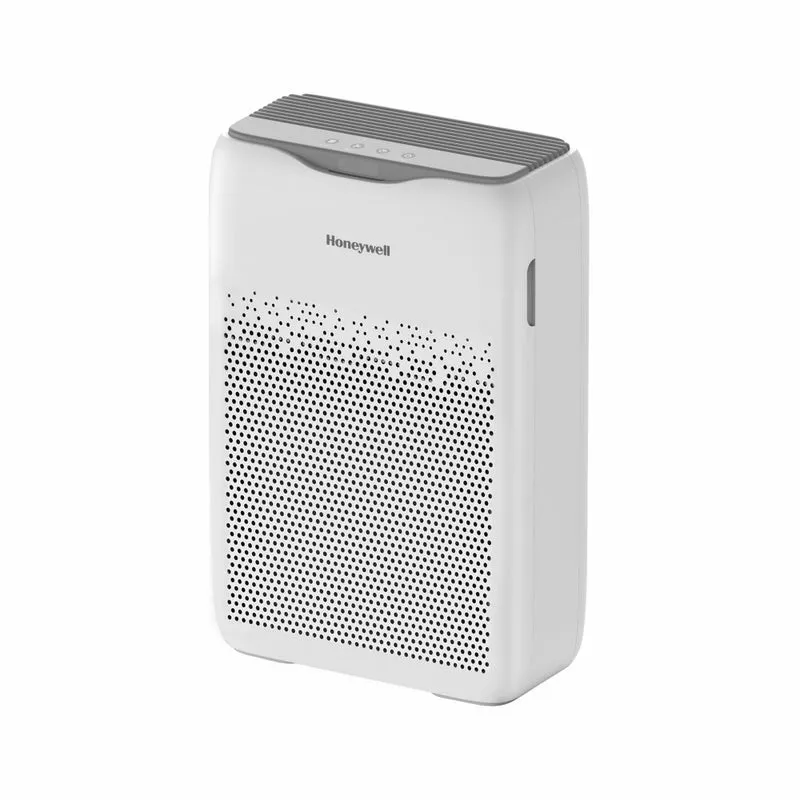
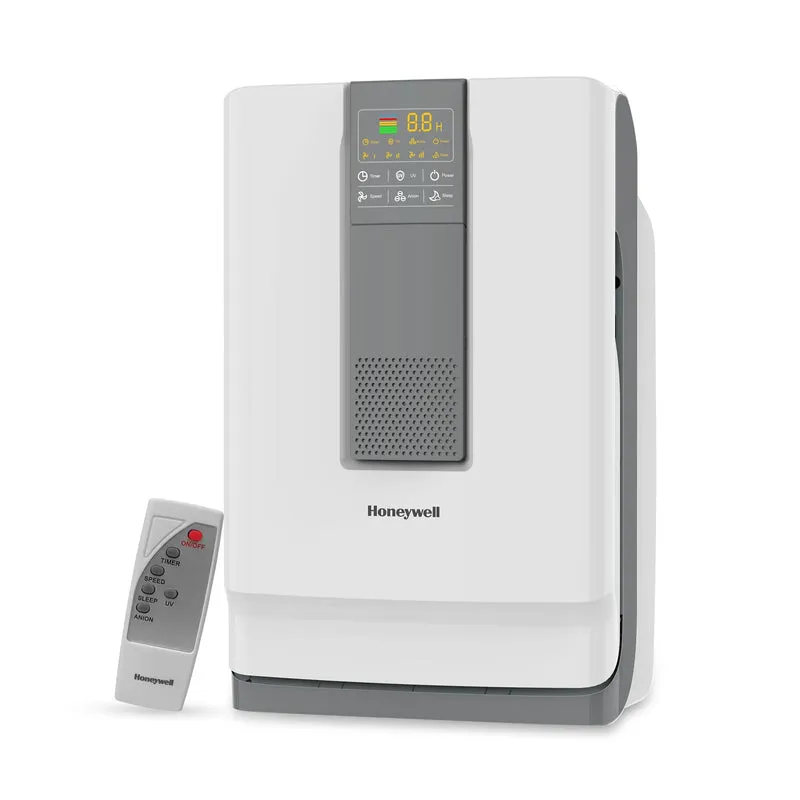
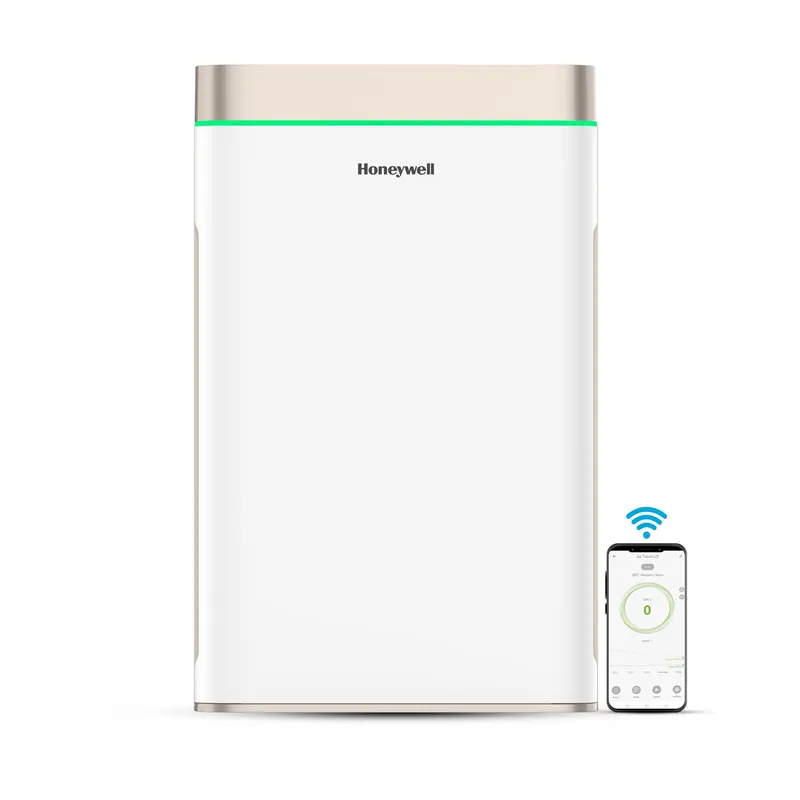
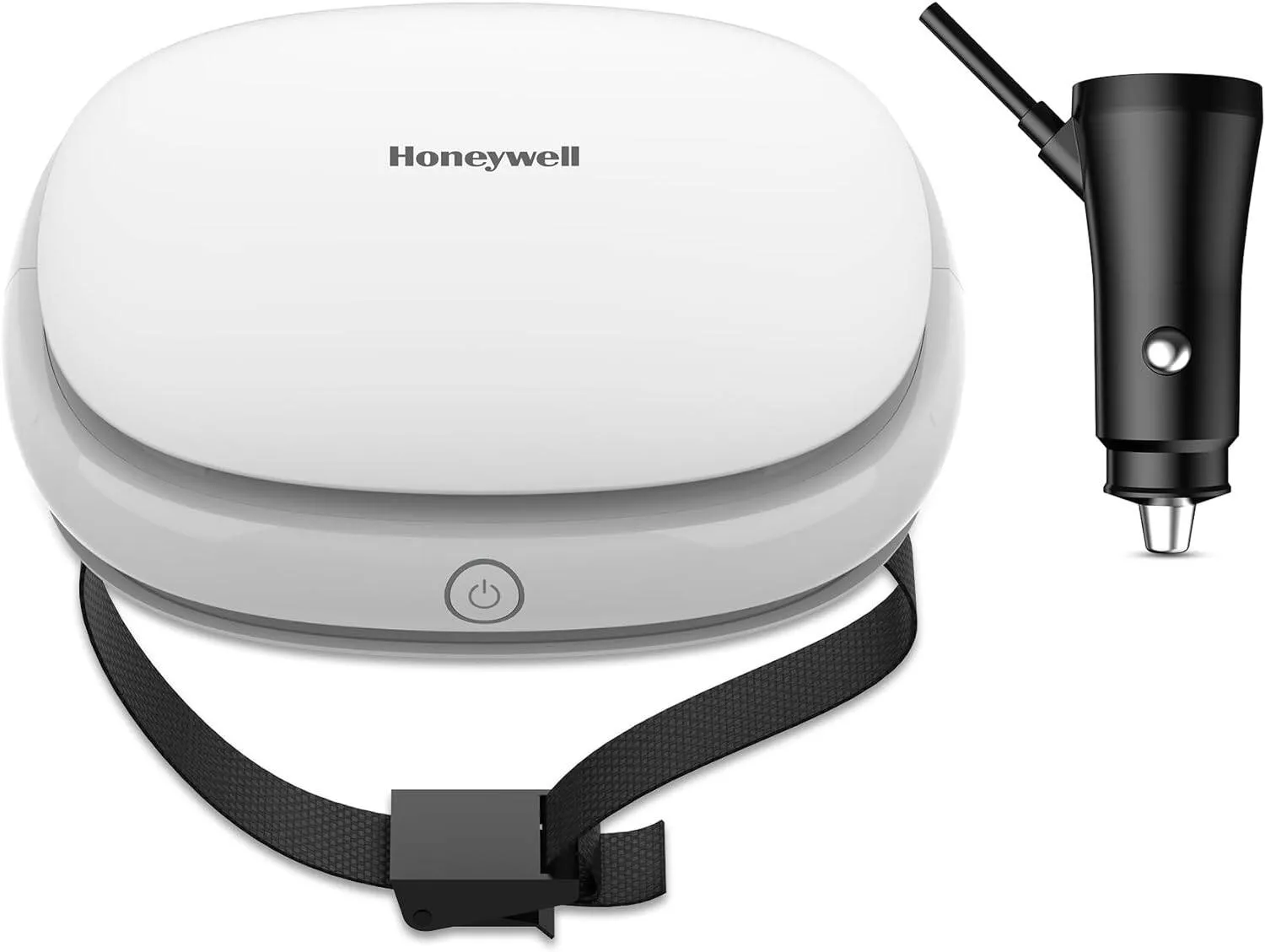
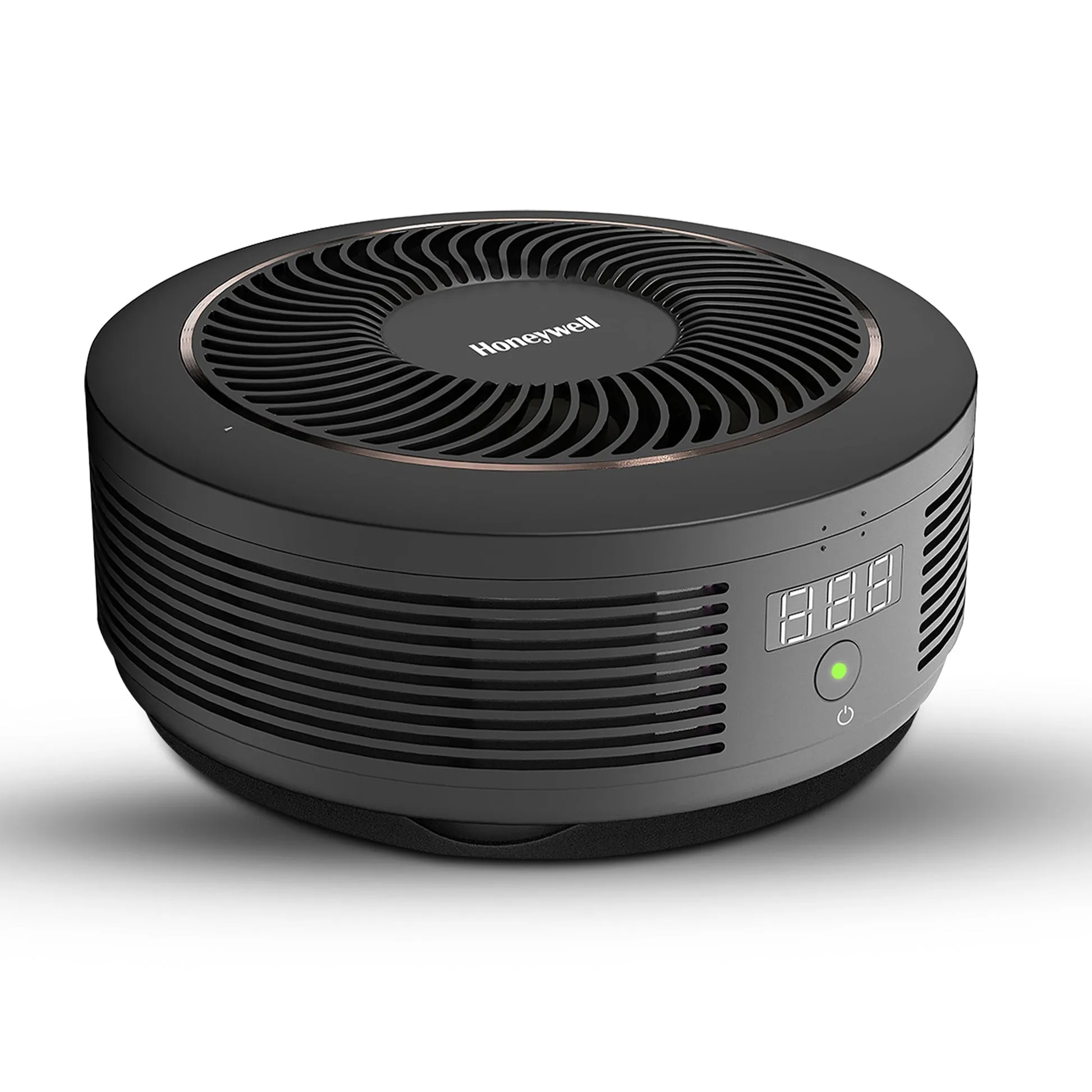
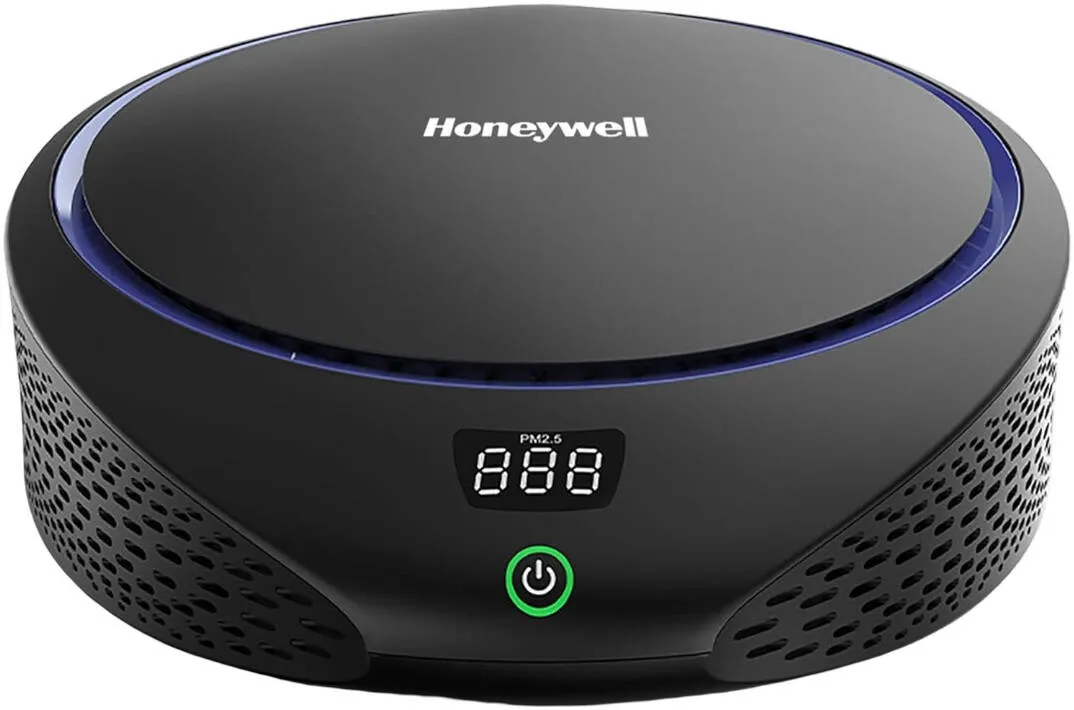
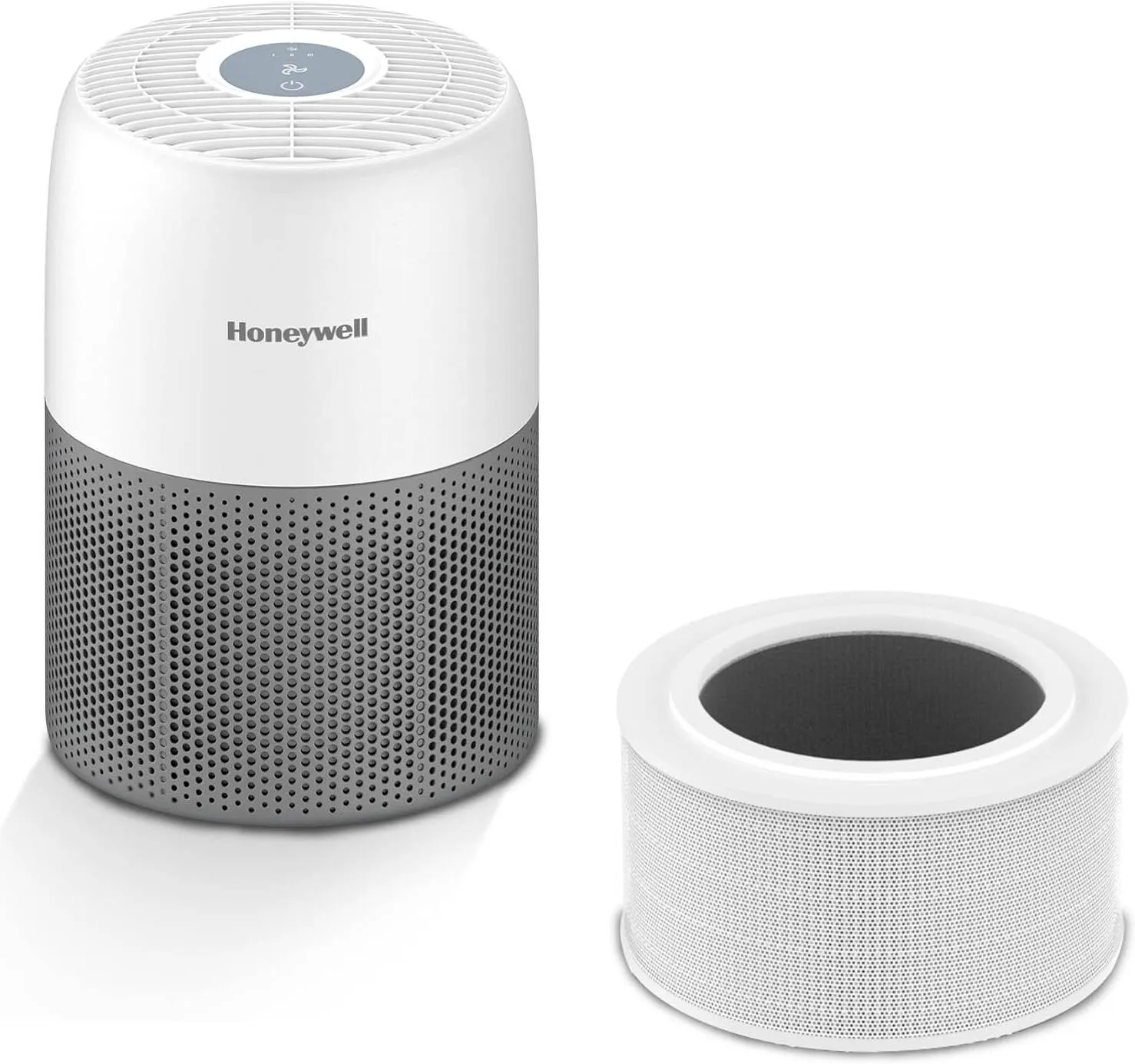
For homeowners who want to go beyond filter maintenance, the air purifier buying guide for 2026 on Cleanair-ae covers the full range of air cleaning options, from standalone purifiers to supplementary filtration. Brands including Blueair, Honeywell, and Levoit are available with free UAE delivery on orders over AED 49. If you are managing allergies or living near a construction zone, the air quality accessories guide lists additional tools that work alongside your HVAC system to maintain cleaner indoor air year-round.
FAQ
How often should HVAC filters be changed in the UAE?
Most UAE homes should replace 1-inch filters every 30–60 days due to high ambient dust levels. Homes with pets or allergy sufferers need changes every 30–45 days.
What are the signs of a dirty HVAC filter?
Reduced airflow from vents, rising electricity bills, and dust settling quickly on surfaces all indicate a saturated filter. Holding the filter to a light source confirms saturation if no light passes through.
Can you clean a disposable HVAC filter?
Disposable fibreglass and pleated filters cannot be safely cleaned. Washing them forces contaminants deeper into the media and damages the filter structure. Only filters labelled as washable by the manufacturer should be rinsed.
What MERV rating is best for a UAE home?
A MERV 8–11 pleated filter suits most UAE family homes, capturing fine dust, mould spores, and allergens. Confirm your HVAC system’s compatibility before upgrading above MERV 11 to avoid airflow restrictions.
Is it safe to run an HVAC system without a filter?
Running an HVAC without a filter allows dust to coat the evaporator coil directly, causing coil freezing and compressor damage. Always fit a correctly sized filter before operating the system.