Uncategorised
Air filtration upgrade for apartment complexes: 2026 guide
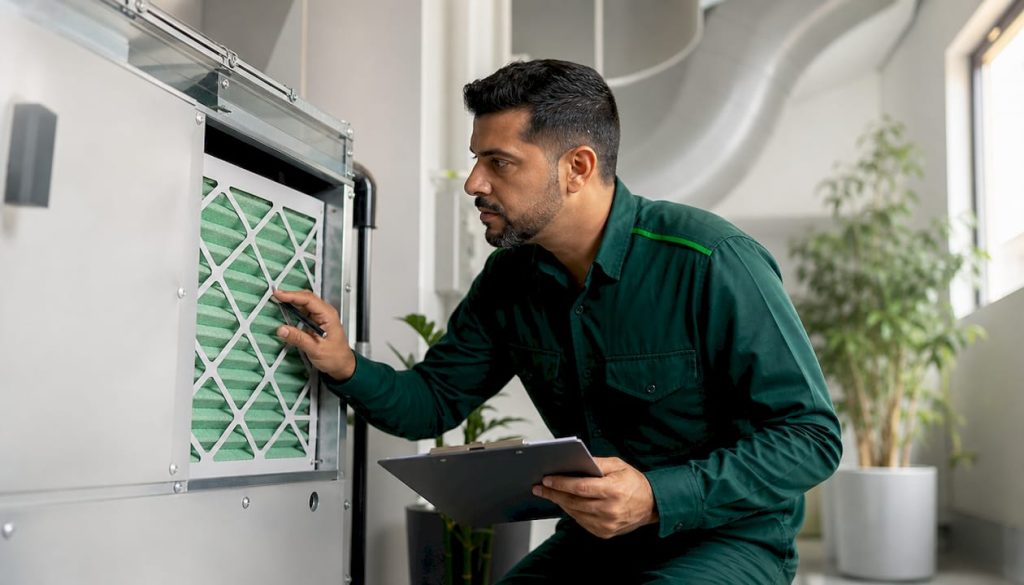
An air filtration upgrade in an apartment complex is defined as the systematic replacement or enhancement of HVAC filters, ductwork sealing, and ventilation balancing to meet ASHRAE 52.2 and EPA indoor air quality standards. Property managers who treat this as a simple filter swap consistently underperform. The most effective upgrades combine MERV 13 filtration, static pressure testing, and duct sealing before a single new filter goes in. Done correctly, an air filtration upgrade for an apartment complex reduces cross-unit pollutant transfer, lowers tenant complaints, and creates a documented compliance record that protects the building owner.
What prerequisites are essential before an air filtration upgrade in an apartment complex?
Property managers often err by assuming standard filter upgrades are quick fixes. In reality, a comprehensive system evaluation including static pressure testing and airflow capacity adjustments must come first. Skipping this step risks coil freeze-up and equipment damage within 6–12 months of installation.
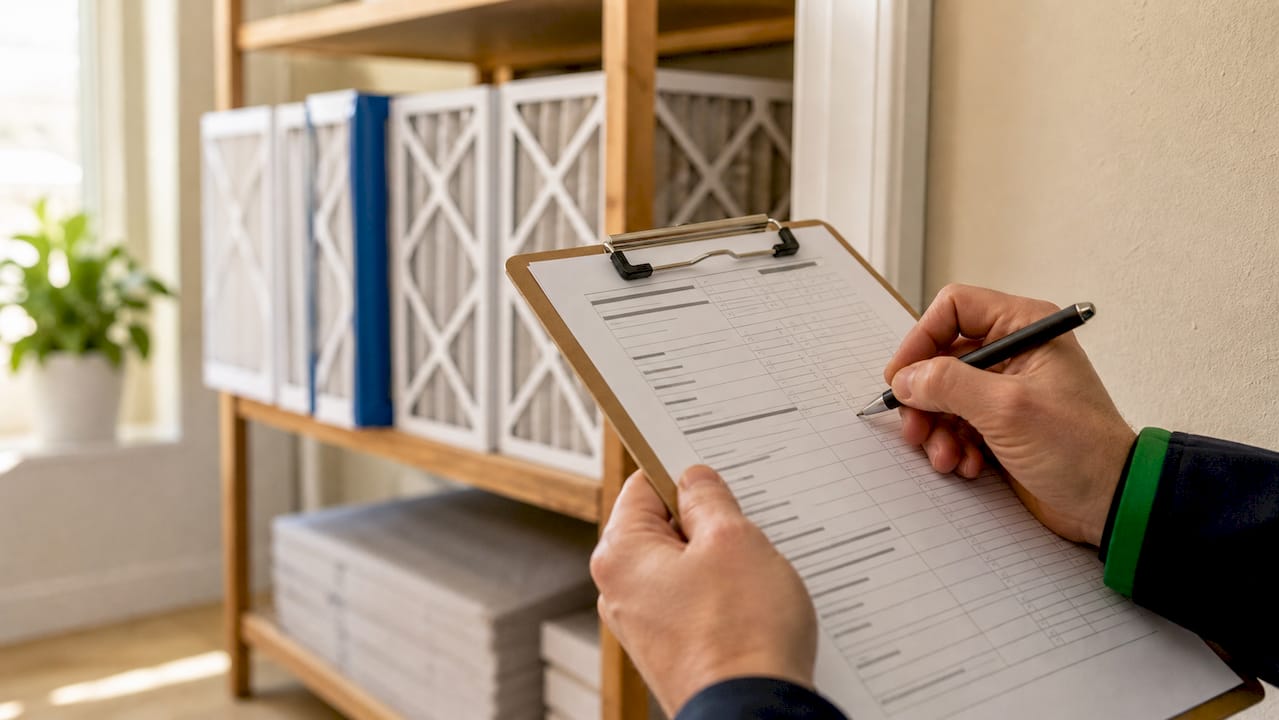
Start with a full audit of your existing HVAC units. Document every filter size, access point, and unit type across each wing and floor. This inventory becomes the foundation for your maintenance schedule and procurement planning.
Static pressure testing tells you whether your fan motors can handle a higher-efficiency filter. Filters with a greater pressure drop restrict airflow. Without adequate motor capacity, upgrading to MERV 13 from a MERV 8 baseline can reduce air delivery and degrade indoor conditions rather than improve them.
Duct leakage is the issue most property managers overlook. Balancing exhaust-to-supply ratios and sealing duct leakage are more effective at improving indoor air quality than installing high-efficiency filters alone. Pressure imbalances drive pollutants from one unit into another, particularly in high-rise buildings where stack effect is significant.
Before scheduling any installation work, notify tenants in writing. Give at least 48 hours’ notice, explain what access is required, and confirm the expected duration per unit. This reduces refusals and keeps your project on schedule.
- Audit all filter sizes and HVAC unit types by floor and wing
- Conduct static pressure tests on fan motors before specifying new filters
- Seal duct leakage and verify exhaust-to-supply air balance
- Check for stack effect pressure imbalances in buildings above four storeys
- Document all findings with photographs for your maintenance records
- Send written tenant notifications at least 48 hours before access
Pro Tip: Photograph every filter housing before and after installation. This photographic audit trail supports liability protection and demonstrates due diligence to insurers and regulators.
How do you select and install the best air filters for apartment complexes?
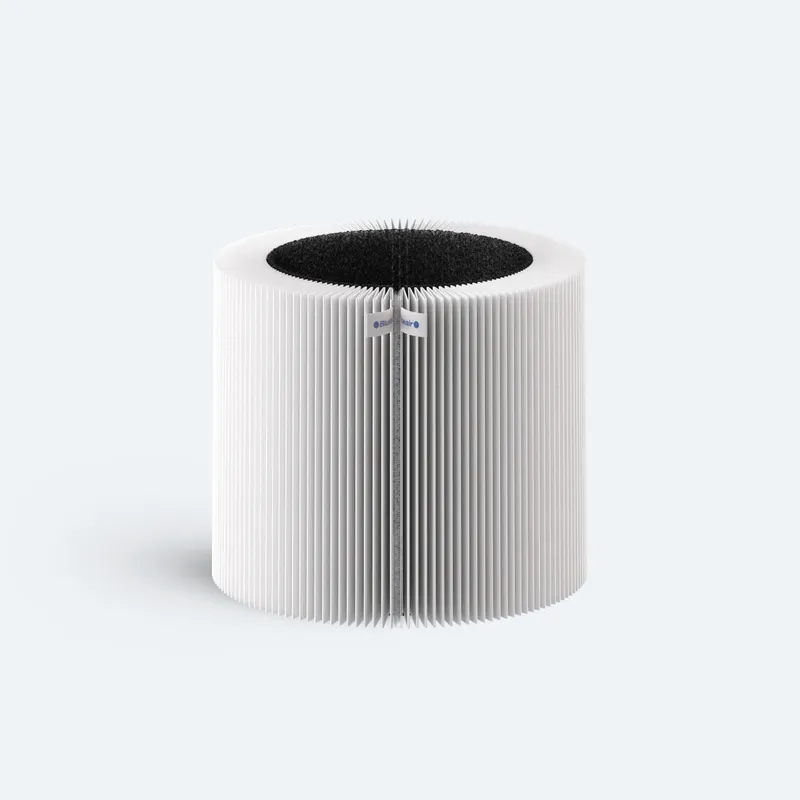
Filter selection for multi-unit residential buildings requires matching filter efficiency to system capability. MERV ratings measure a filter’s ability to capture particles of specific sizes. MERV 11 captures most pollen, mould spores, and fine dust. MERV 13 captures fine particles including bacteria and smoke, aligning with ASHRAE 52.2 recommendations for residential ventilation.
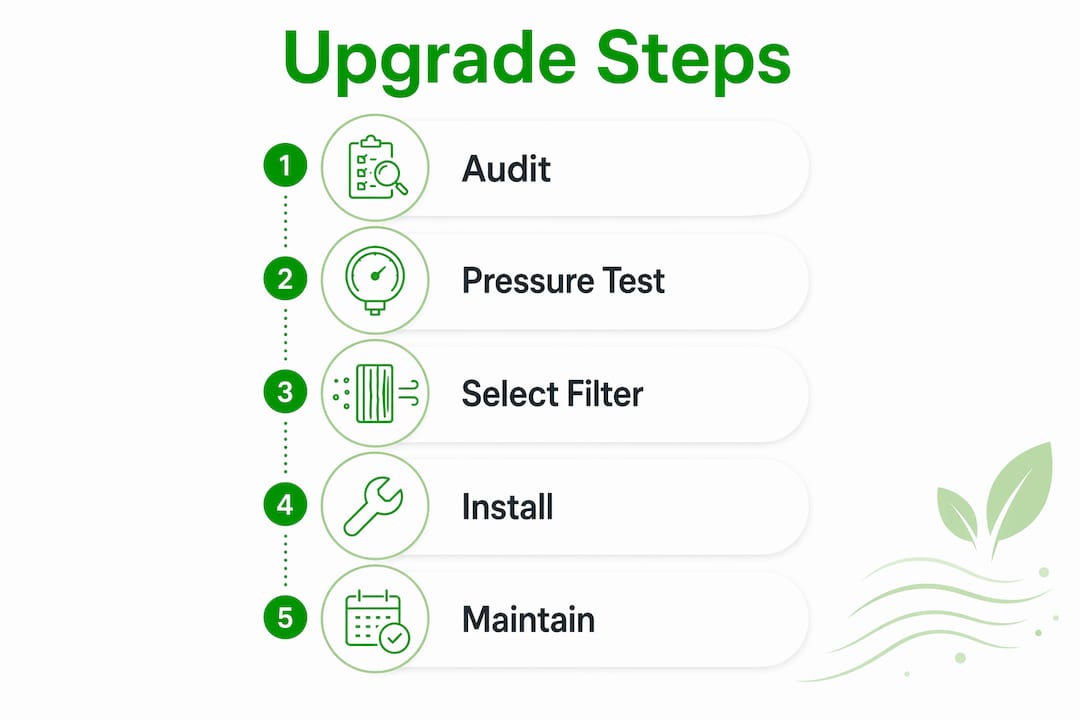
The risk with high-efficiency filters is airflow restriction. Installing filters with too high a pressure drop without corresponding system upgrades leads to reduced air quality and equipment damage. Always cross-reference your static pressure test results before specifying MERV 13 or above.
MERV rating comparison for apartment buildings
| Filter grade | MERV rating | Particles captured | Typical use case |
|---|---|---|---|
| Standard fibreglass | MERV 1–4 | Large dust, lint | Basic equipment protection only |
| Mid-range pleated | MERV 8–10 | Pollen, dust mites, mould | General residential use |
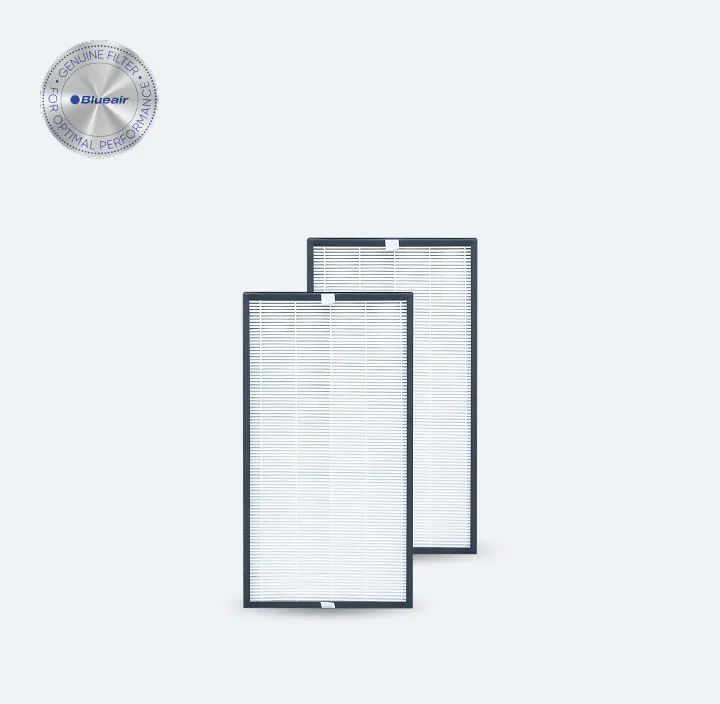
| High-efficiency pleated | MERV 11–13 | Fine dust, bacteria, smoke | Recommended for most apartment complexes |
| HEPA equivalent | MERV 16–17 | Sub-micron particles | Specialist units, requires system assessment |
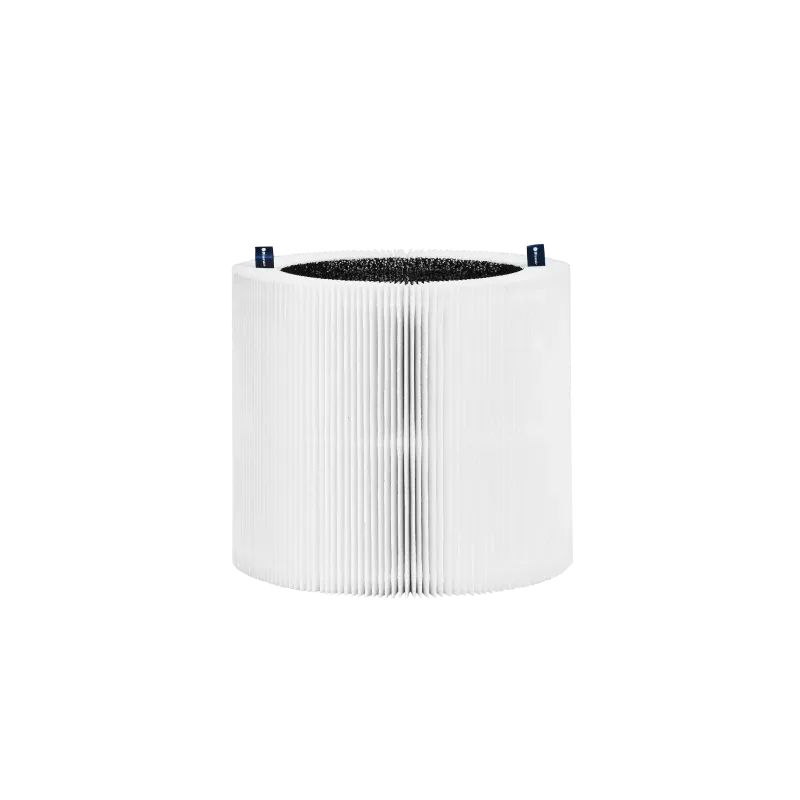
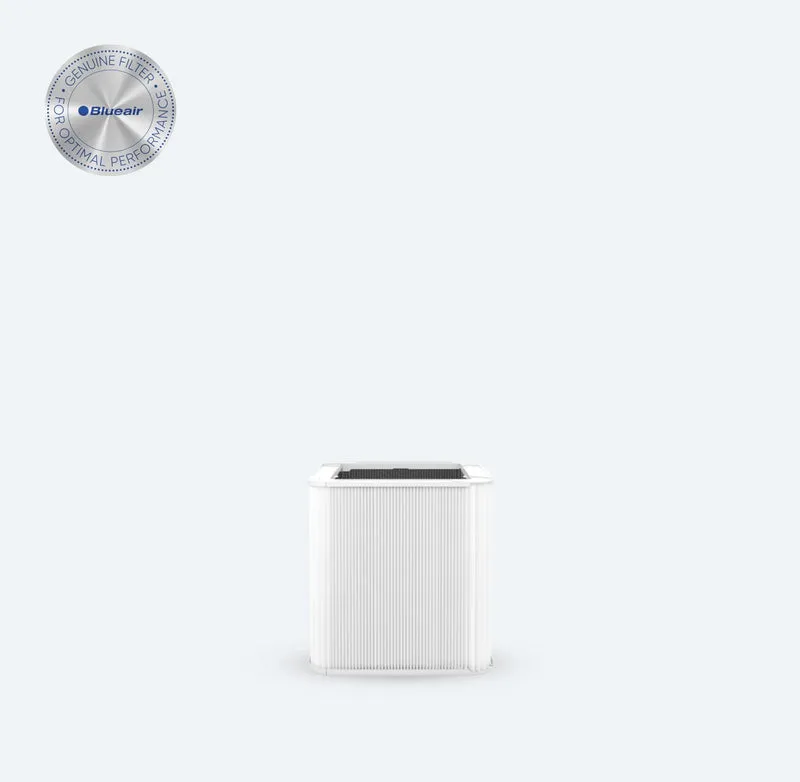
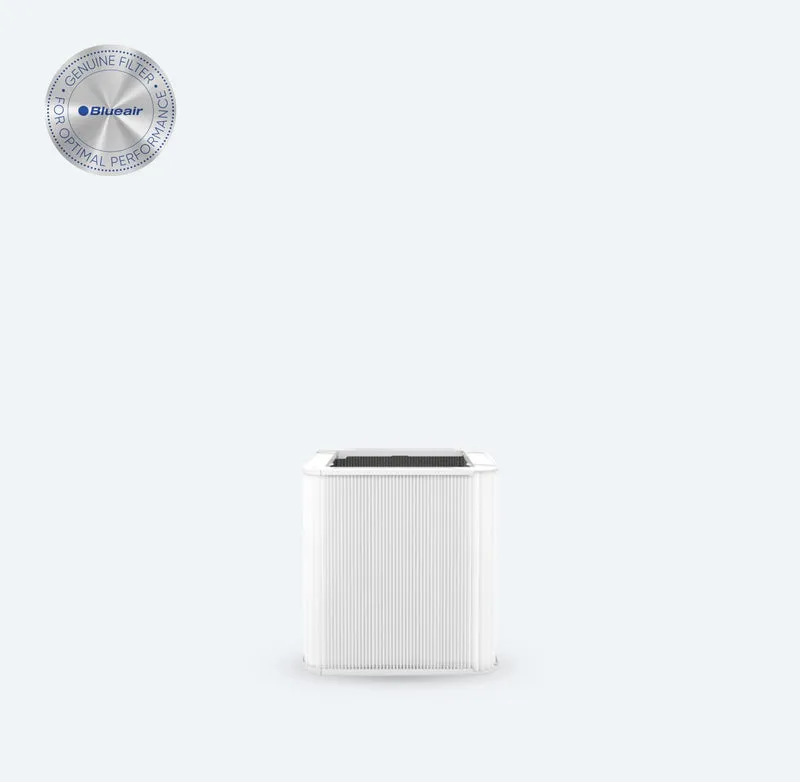
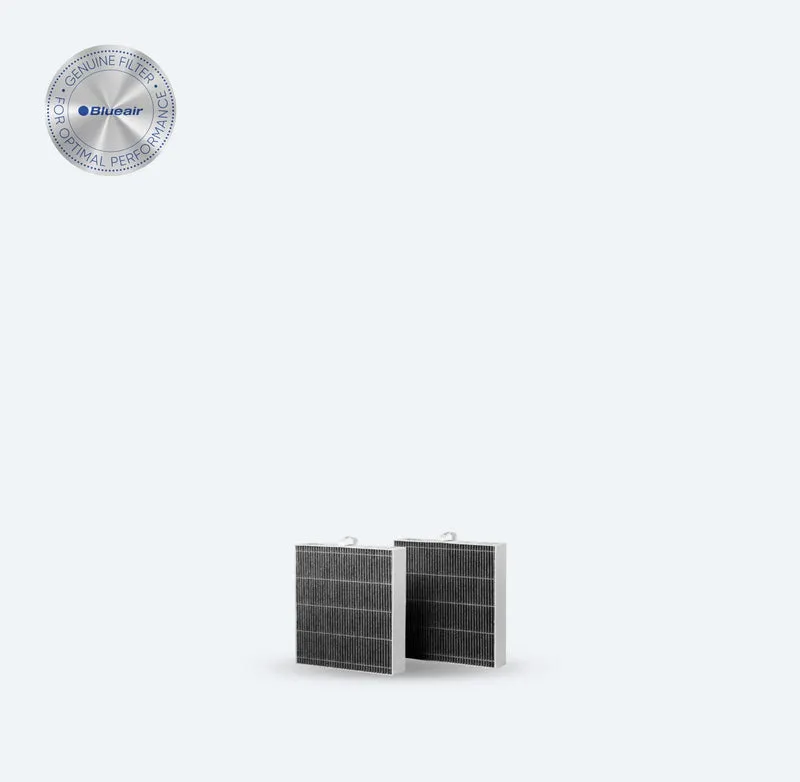
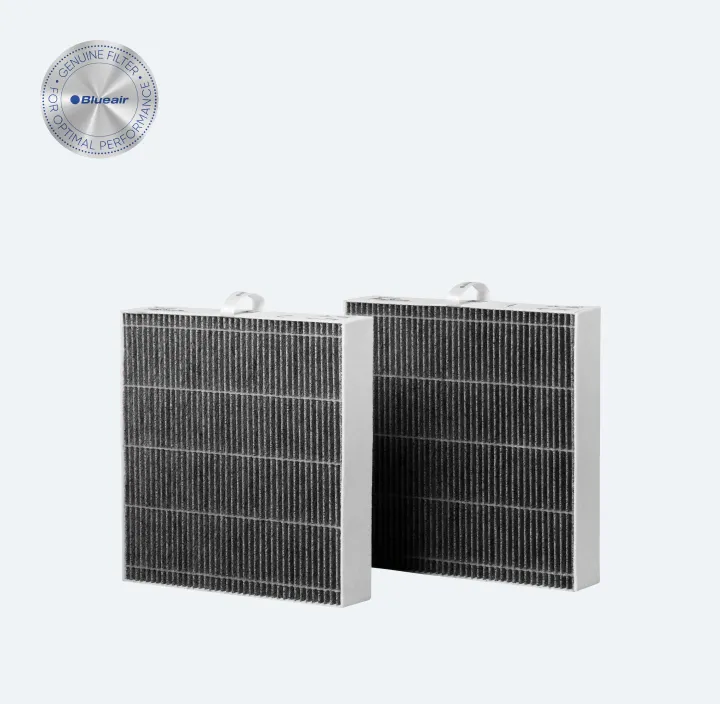
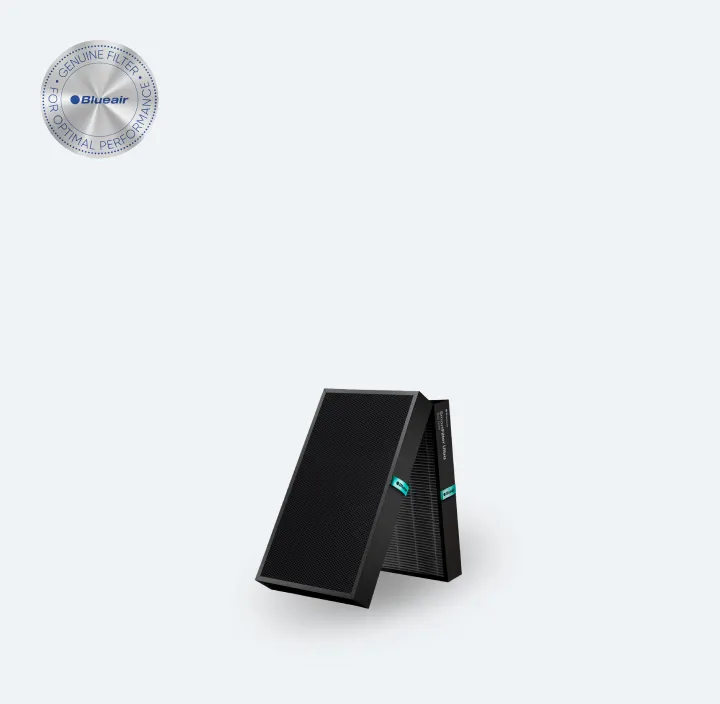
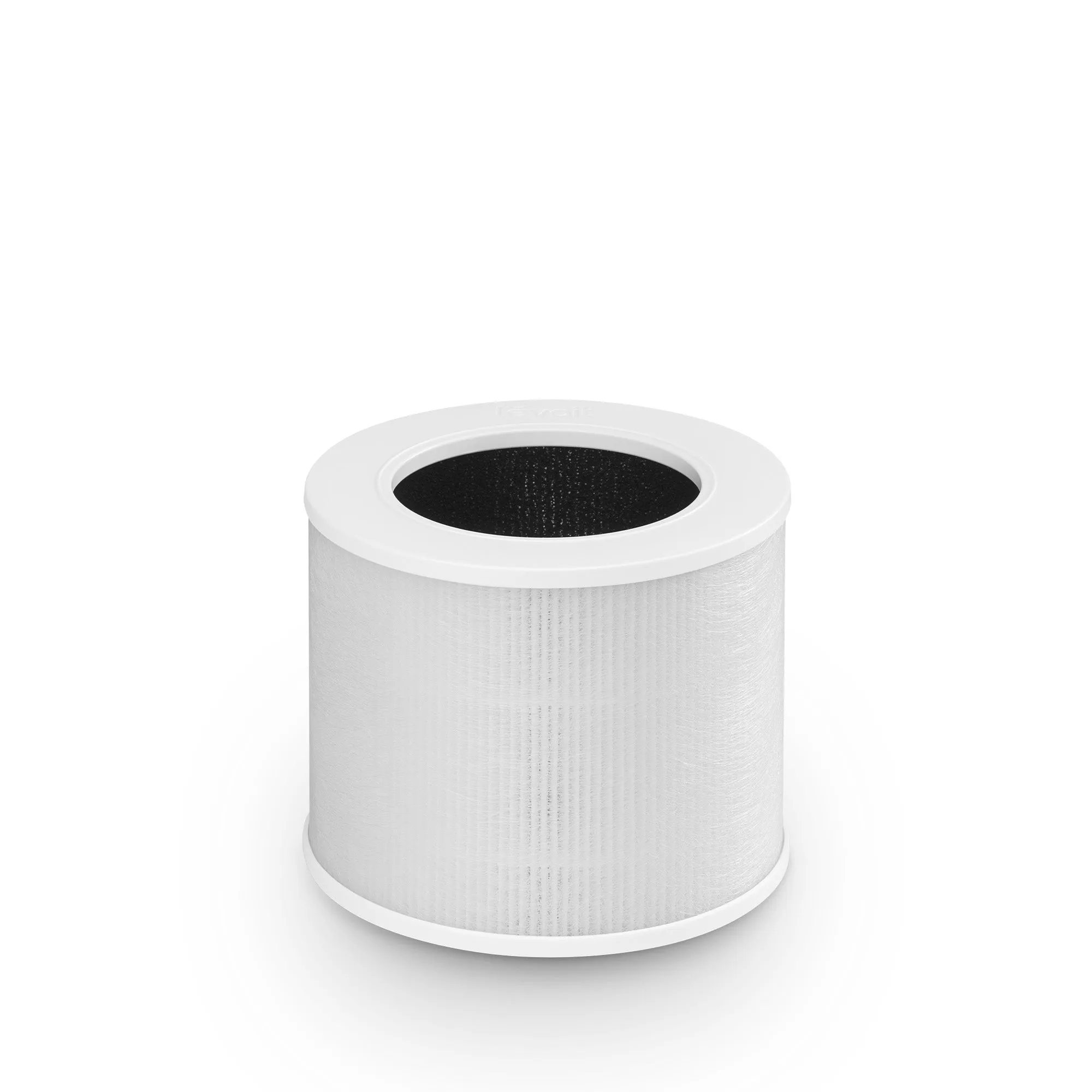
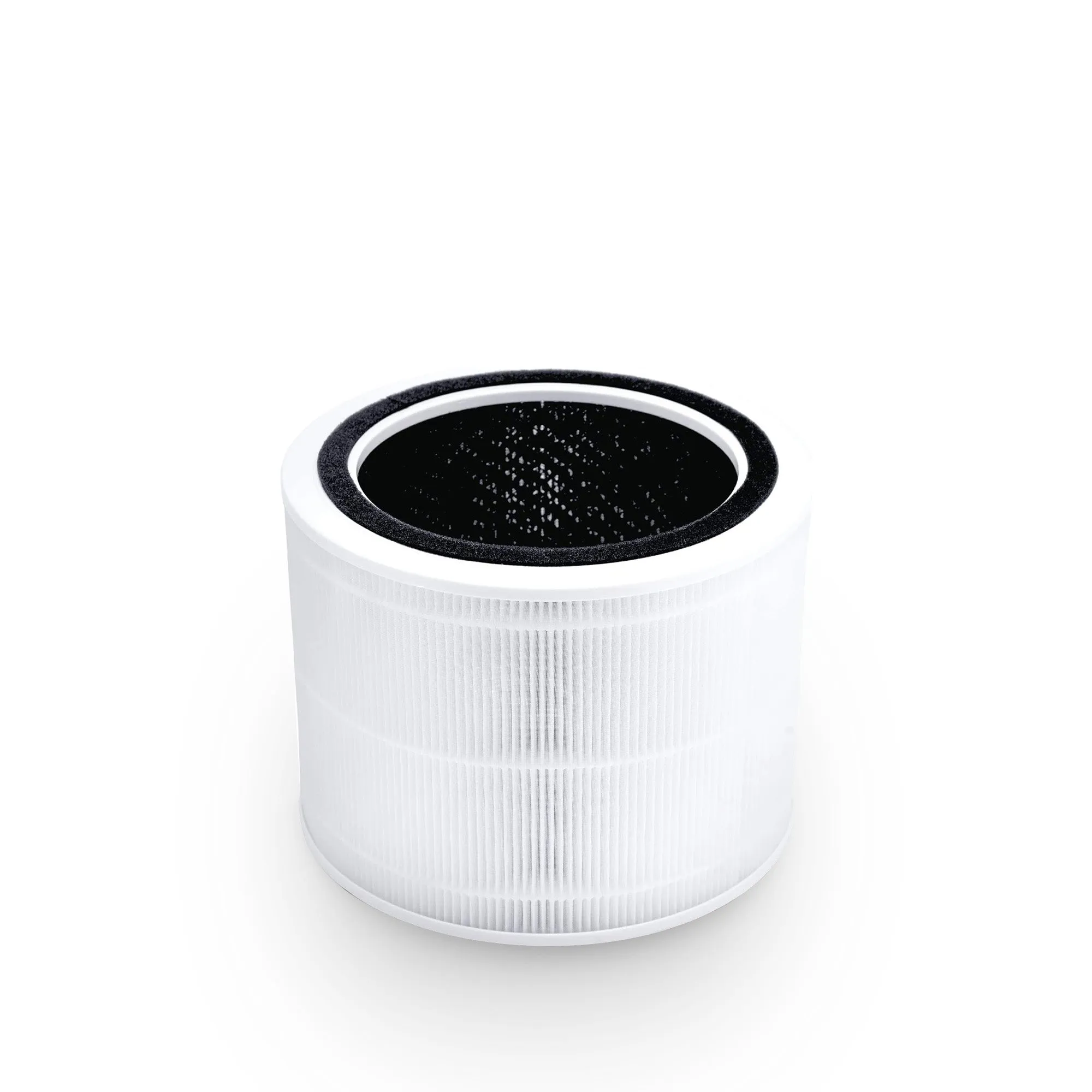
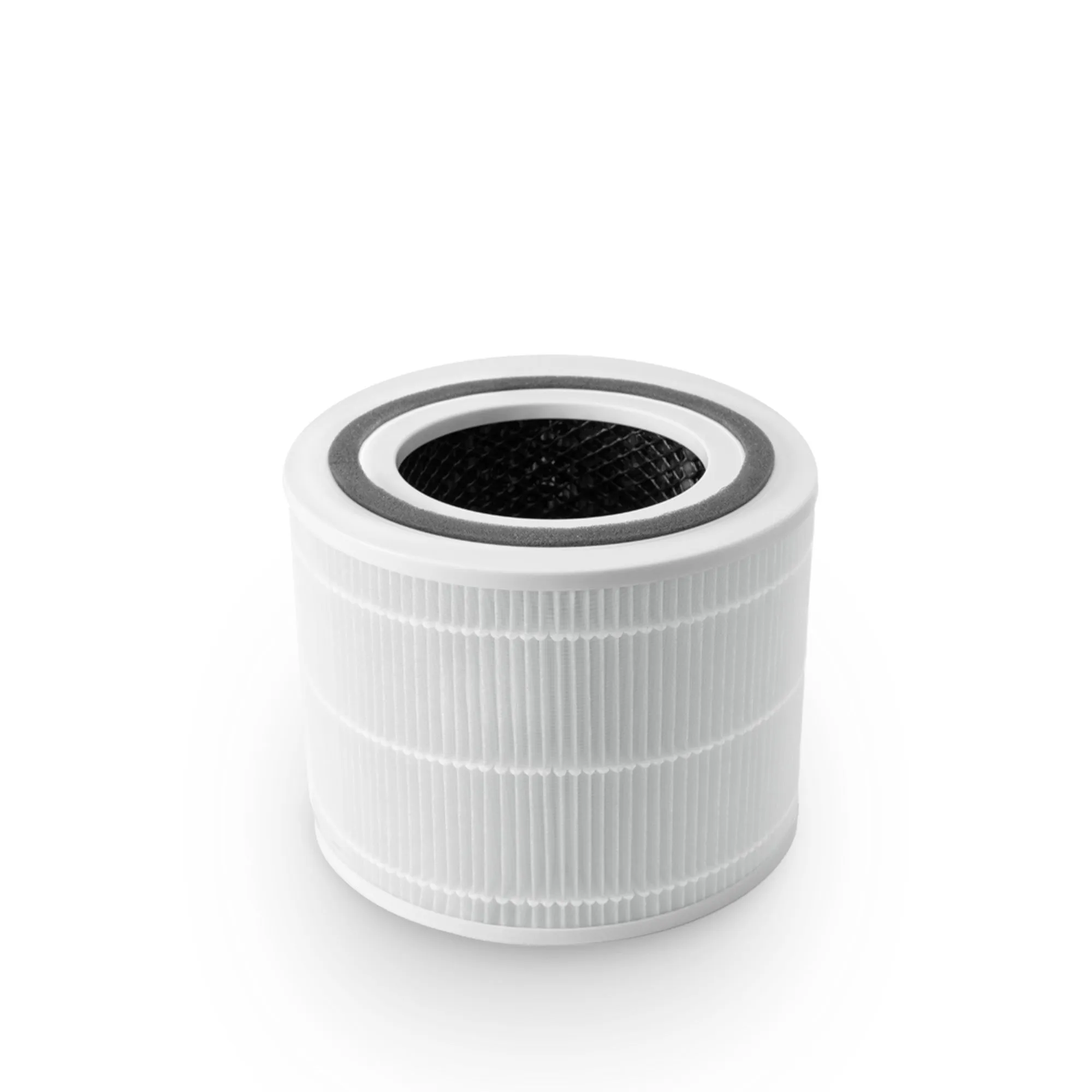
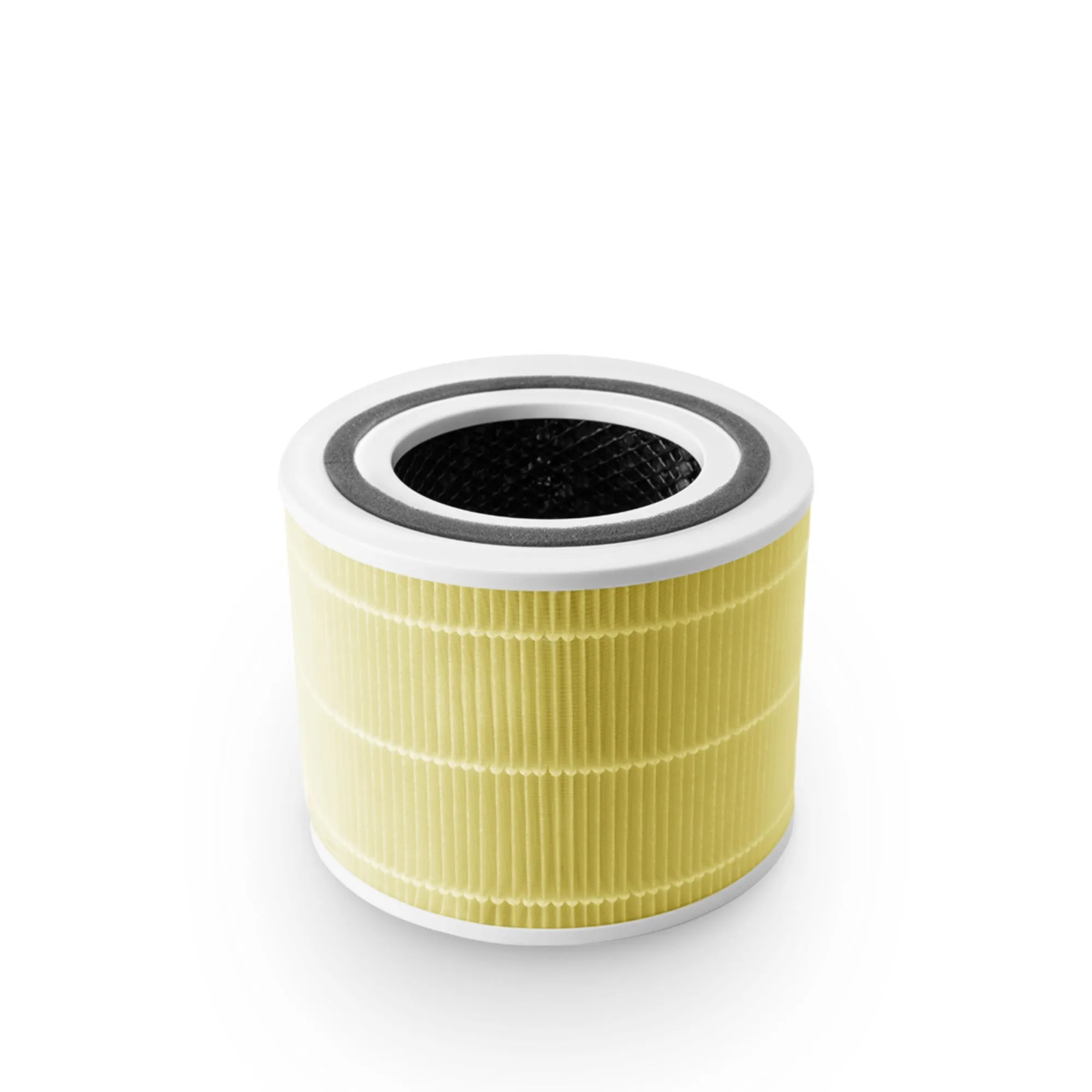
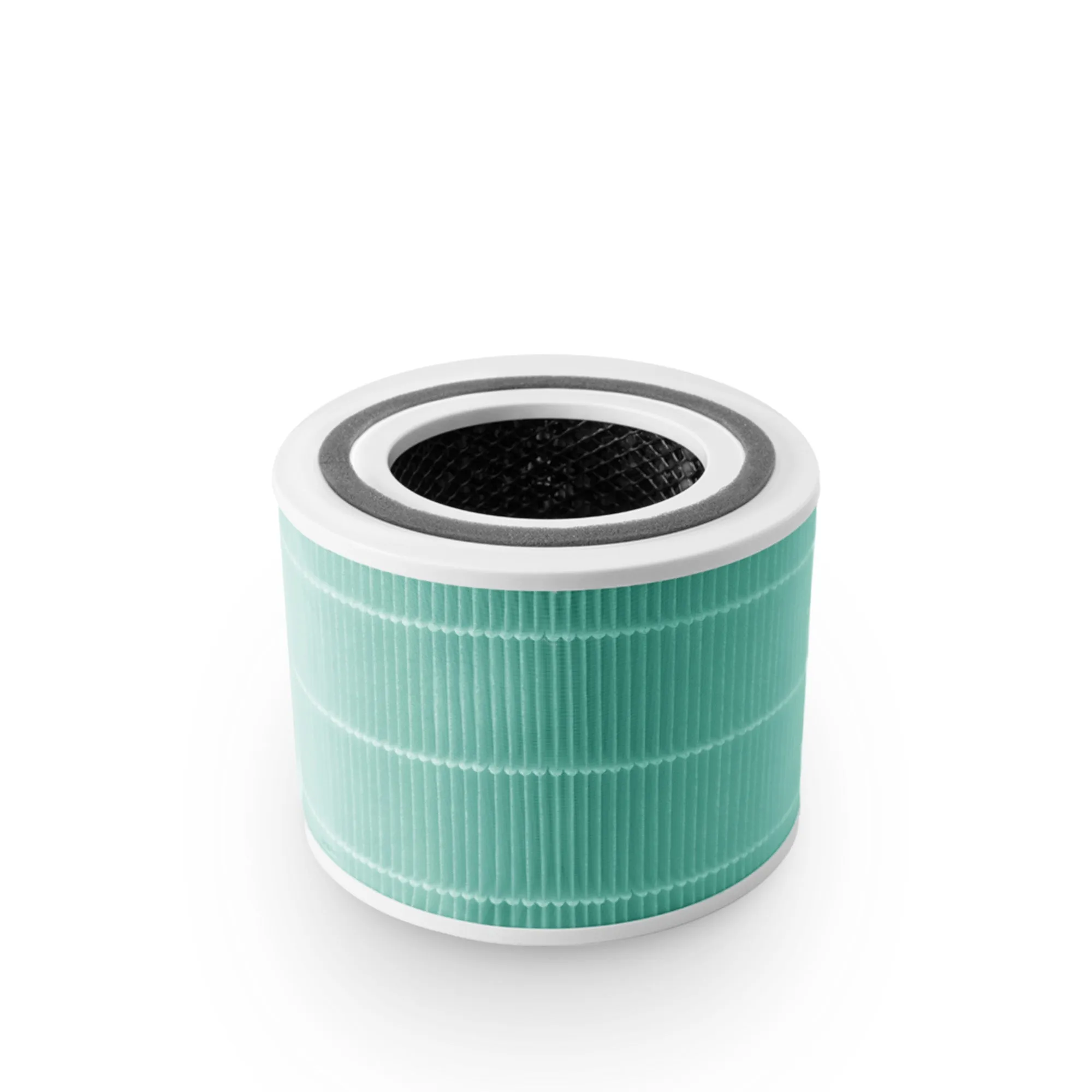
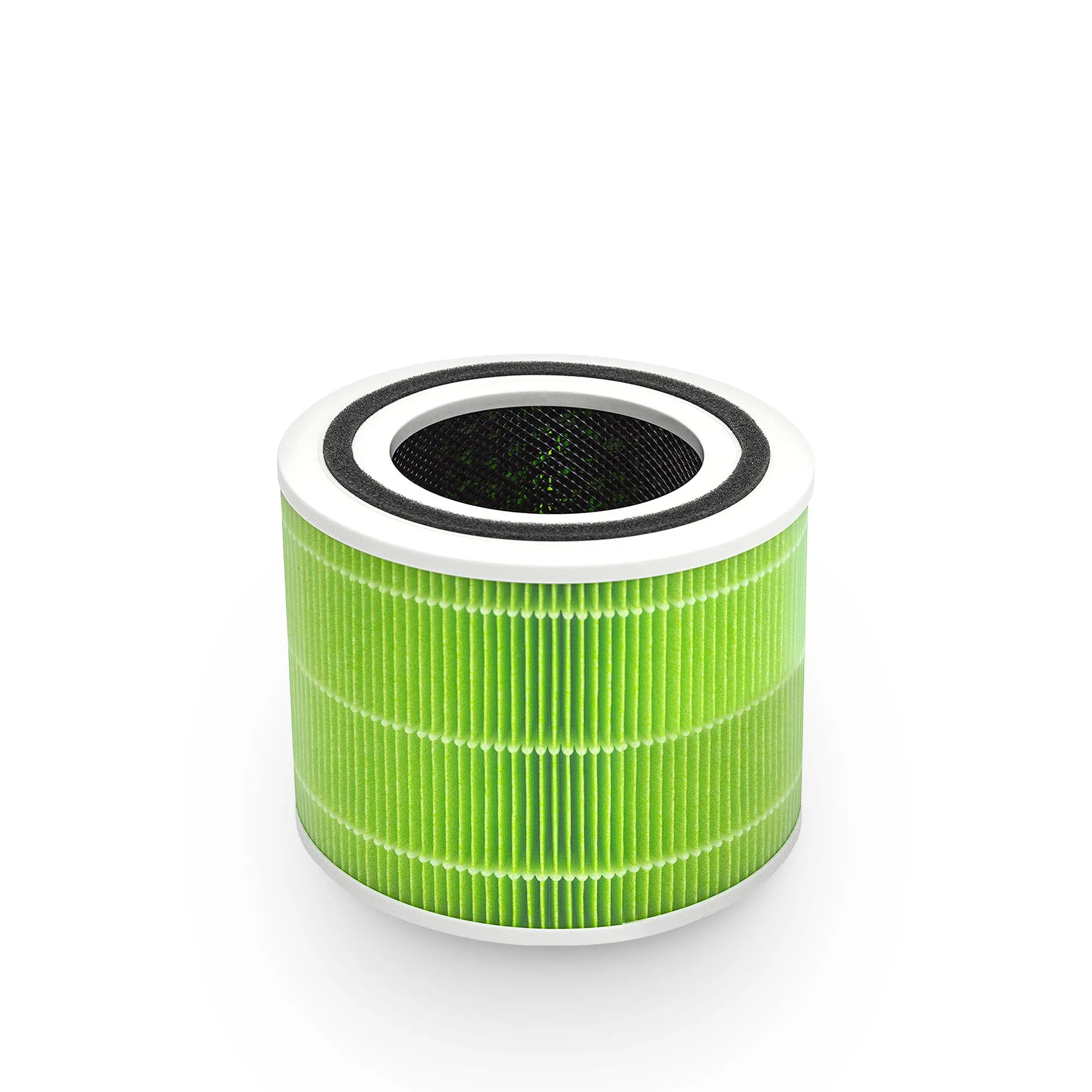
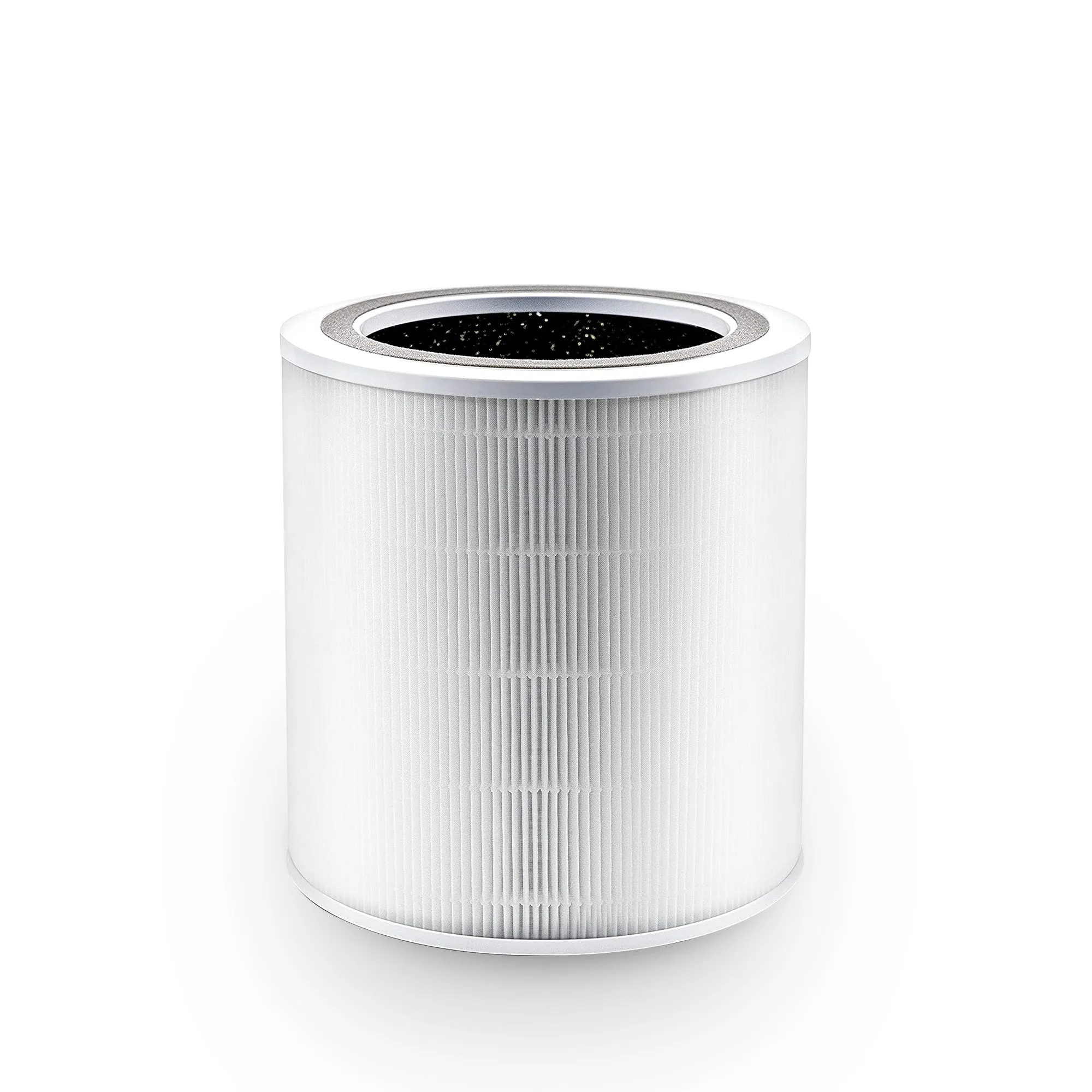
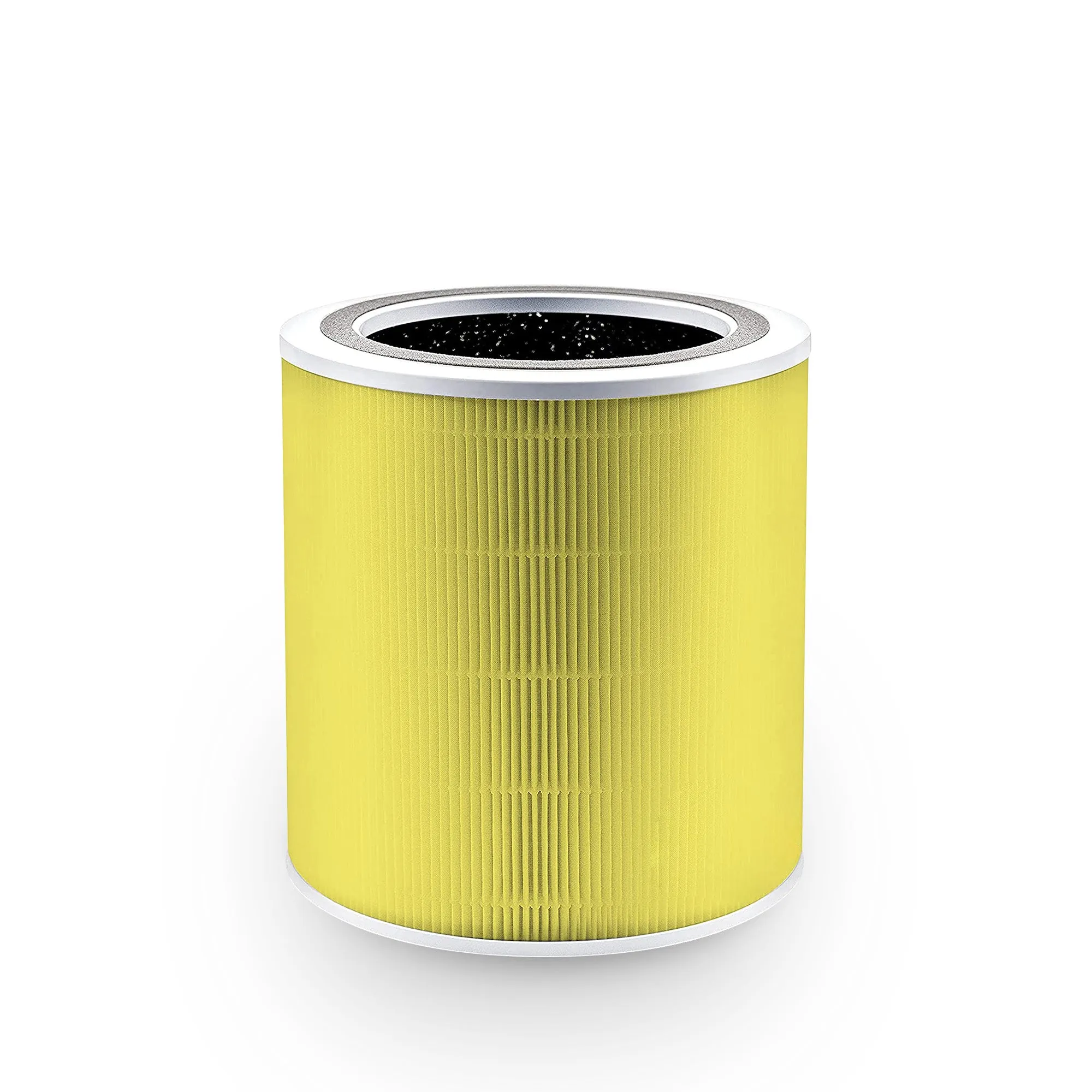
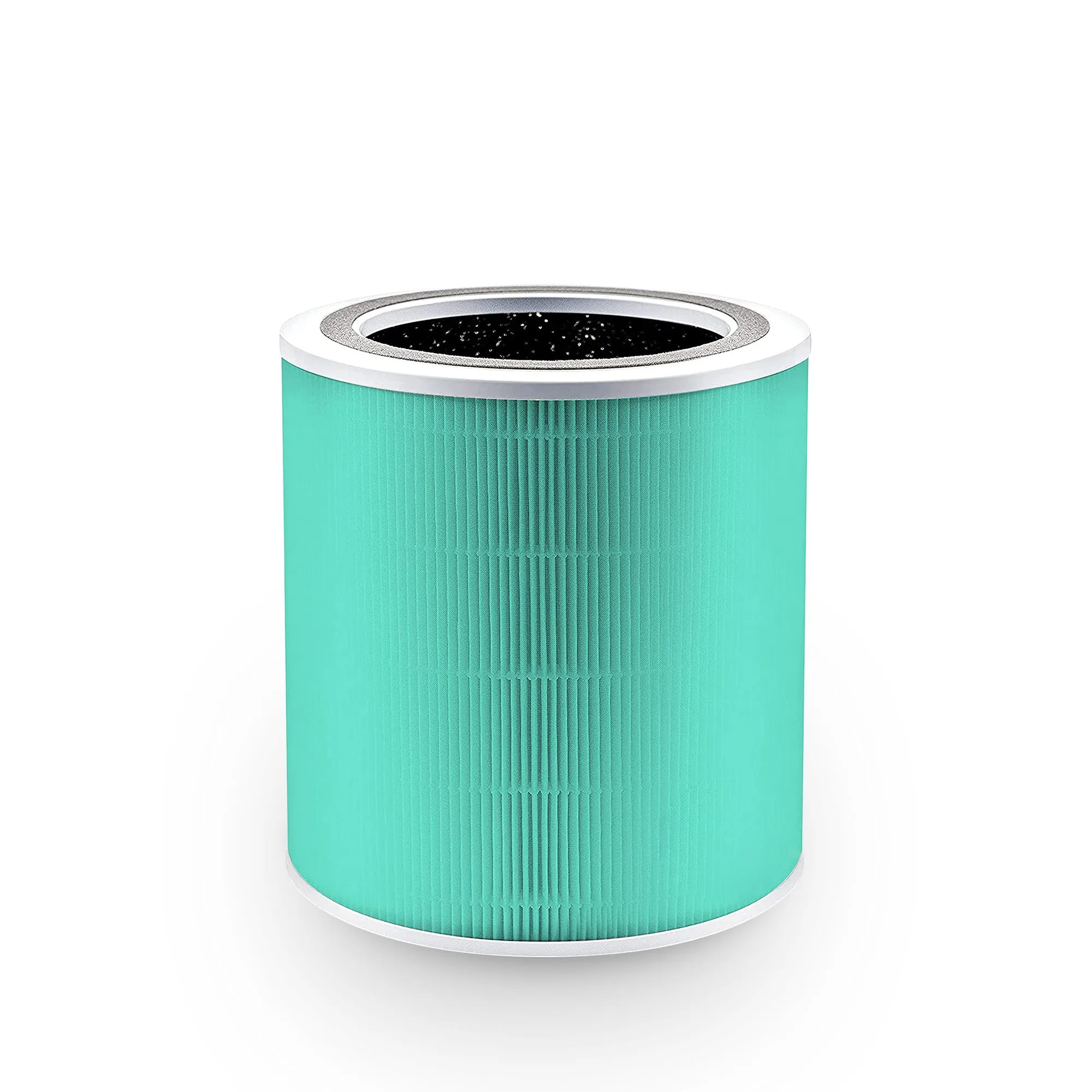
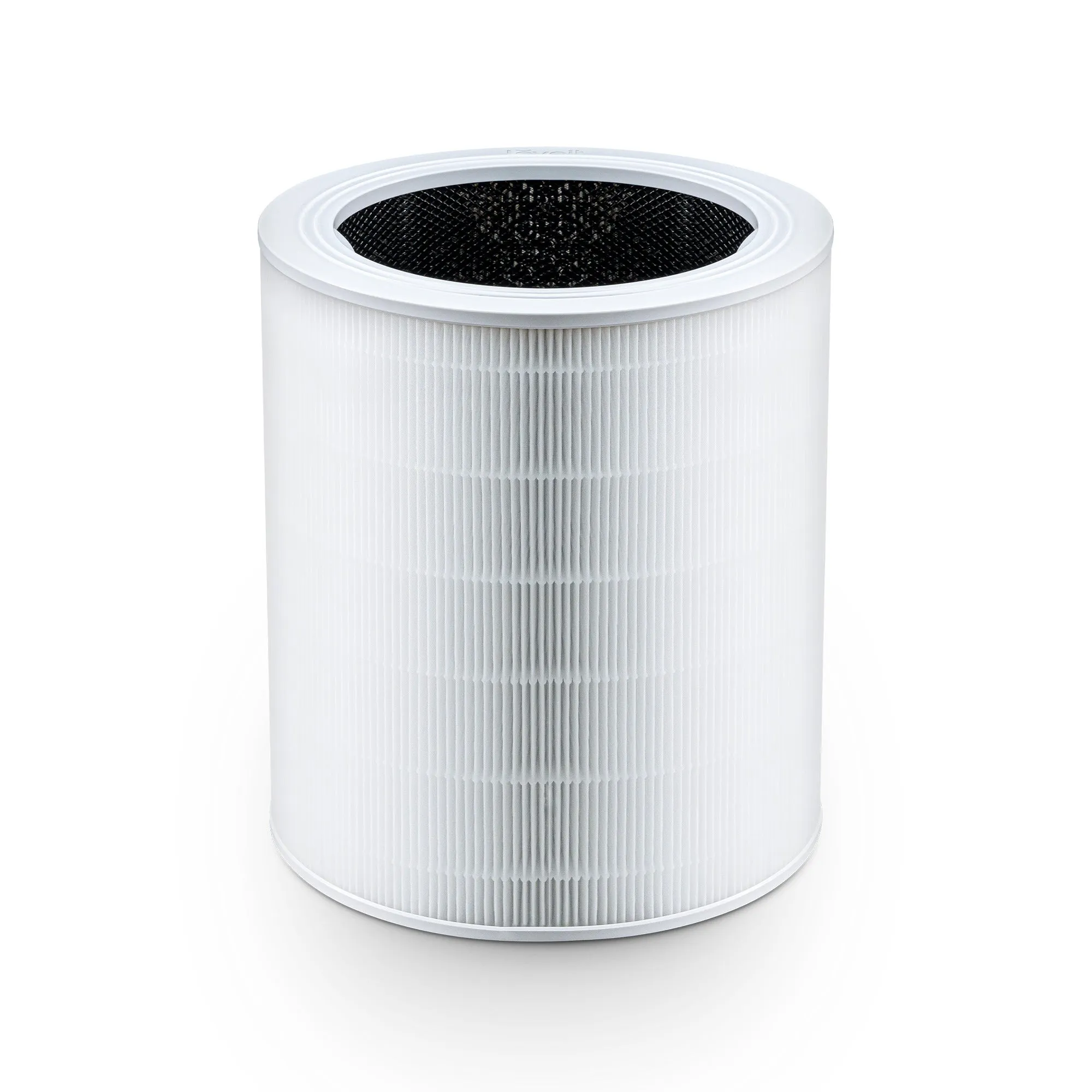
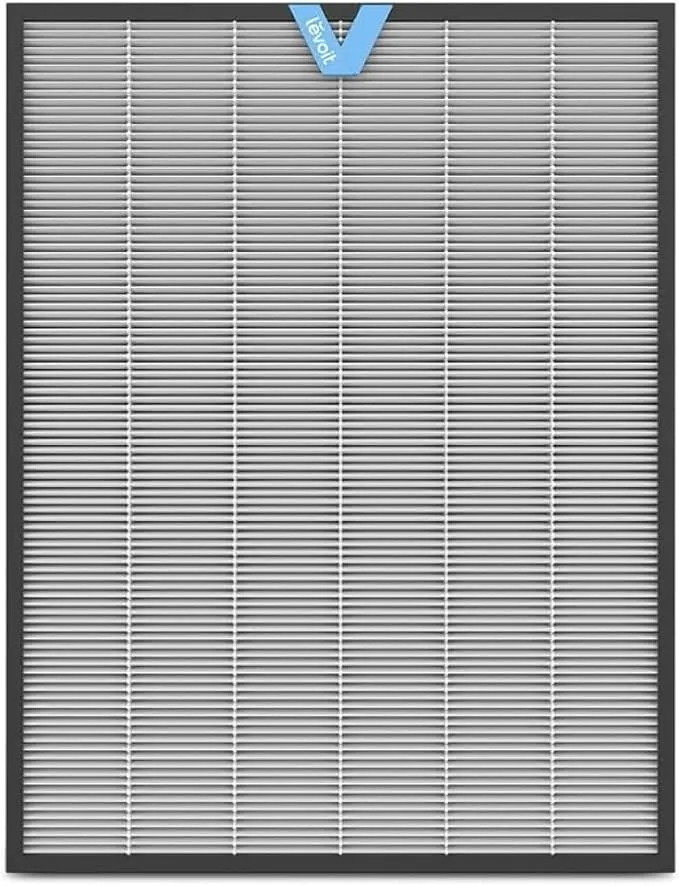
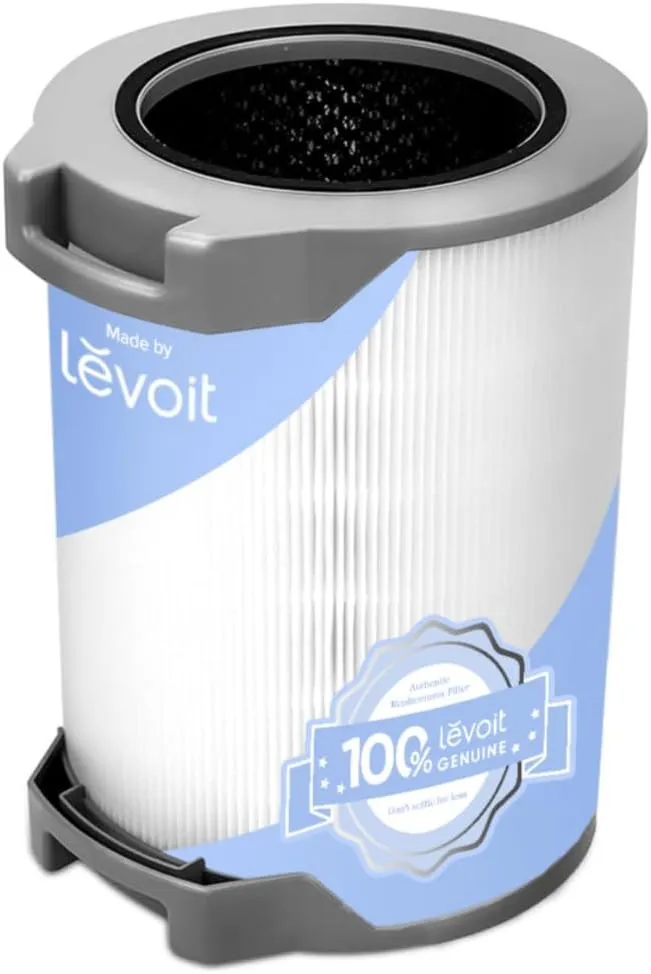
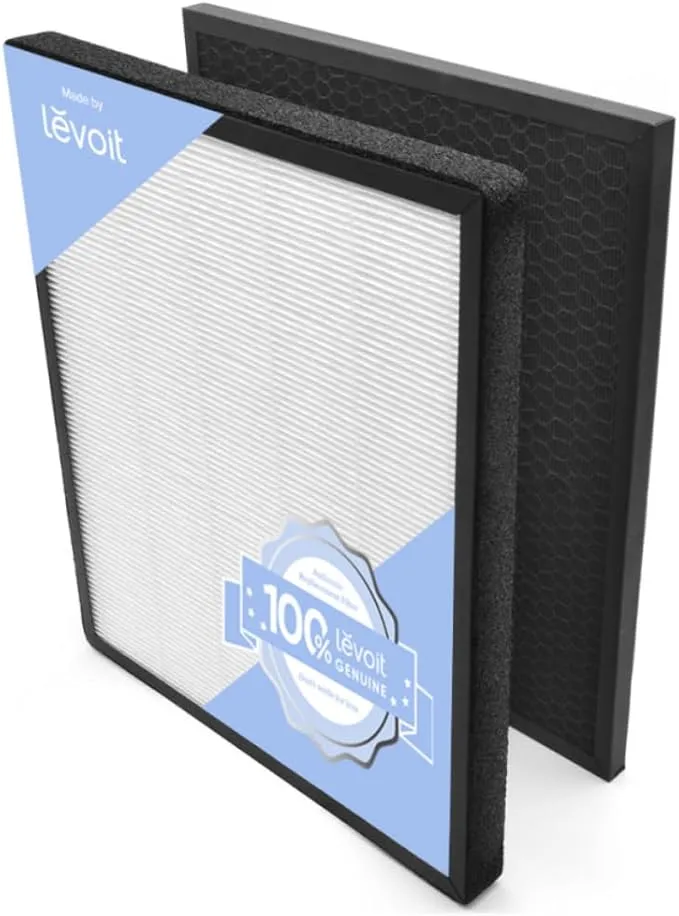
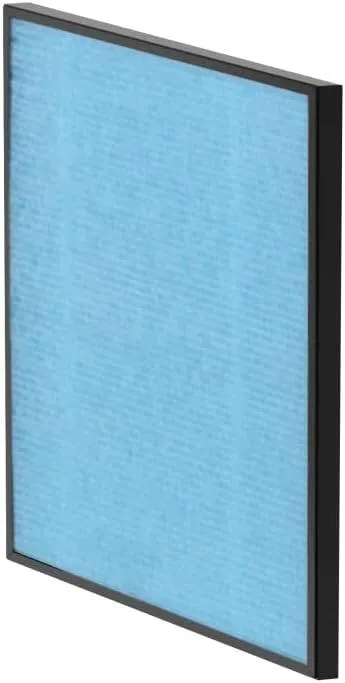
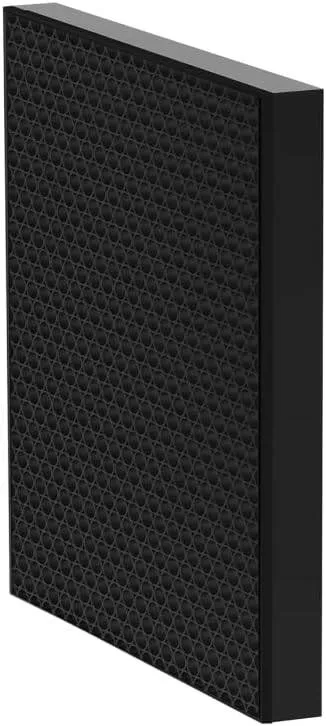
For buildings with PTAC (packaged terminal air conditioner) units, specialised HEPA and active carbon filters can be installed without renovation or permits provided a quarterly replacement cycle is strictly followed. Active carbon layers address odour control, which is a persistent concern in multi-unit buildings where cooking smells and cannabis use migrate between units.
Replacement intervals vary by unit conditions. Pet-heavy or high-pollen urban units may require filter changes every 6–8 weeks. Standard residential units typically run on a 90-day cycle. Build these variables into your procurement plan from the outset.
Pro Tip: Standardise filter sizes across units wherever possible. Fewer SKUs mean simpler procurement, lower stock costs, and faster emergency replacements.
What maintenance strategies ensure long-term success after upgrading HVAC systems?
A one-time installation delivers short-term gains. Sustained apartment air quality improvement requires a structured maintenance programme. HVAC filters in multi-unit buildings require replacement every 30–90 days, with monthly inspections to adjust cycles for high-traffic or pet-friendly units.
The most effective approach organises replacements by building zone rather than by individual unit request. Group units by floor or wing, schedule replacements in batches, and log every service visit with date, filter grade, and technician name. This approach reduces labour costs and creates a consistent audit trail.
- Create a zone-based replacement schedule grouping units by floor or wing
- Conduct monthly visual inspections and photograph filter condition at each visit
- Log all maintenance digitally with date, filter grade, and technician details
- Adjust replacement frequency for units with pets, high occupancy, or known pollution sources
- Review static pressure readings quarterly to detect system strain early
- Update your filter inventory when unit configurations change due to refurbishment
Digital record keeping is not optional for professional property management. A digital inventory-linked maintenance system with photographic proof schedules filter replacements, documents tenant notifications, and enhances audit trails for liability protection. This documentation also supports investment recovery conversations with building owners.
Tenant behaviour directly affects filter longevity. EPA guidelines identify occupant behaviour as a key factor in sustaining indoor air quality improvements. Educate tenants to avoid blocking supply vents with furniture, use exhaust fans during cooking and showering, and report any unusual odours promptly. A one-page guidance sheet distributed at tenancy commencement costs nothing and extends filter life measurably.
You can find a practical indoor air quality checklist that covers the key maintenance protocols relevant to residential settings.
How do you troubleshoot common issues after an air filtration upgrade?
Symptoms of a poorly executed upgrade appear within weeks. Tenants report stuffiness, increased noise from HVAC units, or persistent odours. These are not complaints to dismiss. They are diagnostic signals.
Stuffiness after a filter upgrade almost always indicates airflow restriction. Check static pressure readings against your pre-installation baseline. If pressure has risen significantly, the installed filter grade exceeds your system’s motor capacity. Downgrade to MERV 11 or arrange a fan motor assessment before reinstalling MERV 13 filters.
- Stuffiness or reduced airflow: check static pressure and compare to baseline readings
- Increased HVAC noise: inspect for filter bypass gaps or incorrect filter seating
- Persistent odours between units: reassess exhaust-to-supply balance and check for duct leakage
- Rapid filter clogging: identify pollution sources within the unit and shorten replacement intervals
- Uneven comfort across floors: investigate stack effect pressure imbalances in the riser shafts
Major ventilation restorations in large apartment buildings can eliminate significant duct leakage, improving consistent ventilation in over 98% of units. This demonstrates that duct integrity, not filter grade alone, determines whether tenants experience uniform air quality across the building.
Use IAQ testing tools to validate pollutant reductions after the upgrade. Particulate matter monitors and CO2 sensors provide objective data. If readings remain elevated despite correct filter installation, the problem lies in ventilation balance rather than filtration. At that point, escalate to a professional ventilation restoration service.
Pro Tip: Address duct leakage before attributing poor results to filter choice. Sealing leaks delivers measurable, building-wide improvements that no filter upgrade can replicate on its own.
For a structured approach to diagnosing problems, the Cleanair-ae guide on troubleshooting air quality issues covers common causes and practical fixes.
Key takeaways
A successful air filtration upgrade in an apartment complex requires system assessment, duct sealing, correct filter selection, and a structured maintenance programme before results are sustainable.
| Point | Details |
|---|---|
| Assess before upgrading | Static pressure testing and duct leakage checks must precede any filter installation. |
| Match filter grade to system capacity | MERV 13 is the target, but only if fan motor capacity supports the pressure drop. |
| Seal ducts first | Duct leakage correction improves air quality more reliably than filter upgrades alone. |
| Zone-based maintenance scheduling | Grouping units by floor or wing reduces labour costs and creates consistent audit records. |
| Tenant education sustains results | Simple occupant behaviours, such as not blocking vents, extend filter life and system performance. |
What I have learned from managing air filtration upgrades in apartment buildings
The most common mistake I see property managers make is purchasing high-grade filters before touching the ductwork. It feels productive. It is not. Stack effect pressure imbalances in buildings above six storeys can render a MERV 13 filter almost irrelevant if polluted air is bypassing it through leaking risers. I have seen buildings where duct sealing alone, before any filter change, produced a more measurable improvement in tenant comfort than the subsequent filter upgrade.
Older buildings present a specific challenge: unit configurations are rarely standardised. You may have three different PTAC models across a single floor, each requiring a different filter size. Rushing to a uniform specification without auditing this first creates a procurement mess and gaps in coverage. Document everything before you order anything.
Tenant engagement is underrated. A brief written guide explaining why vents should stay clear and why exhaust fans matter during cooking reduces filter loading noticeably over a 12-month period. It also shifts some responsibility to the occupant, which matters when a tenant claims their unit has poor air quality despite a recent filter change.
Finally, document every step with photographs and digital logs. This is not bureaucracy. It is protection. When a tenant raises a health complaint or a regulator requests maintenance records, a complete digital audit trail is the difference between a resolved issue and a liability claim.
— Wojciech
Air filtration products and support from Cleanair-ae
Property managers planning a residential air filtration upgrade need reliable products and clear guidance on filter specifications.
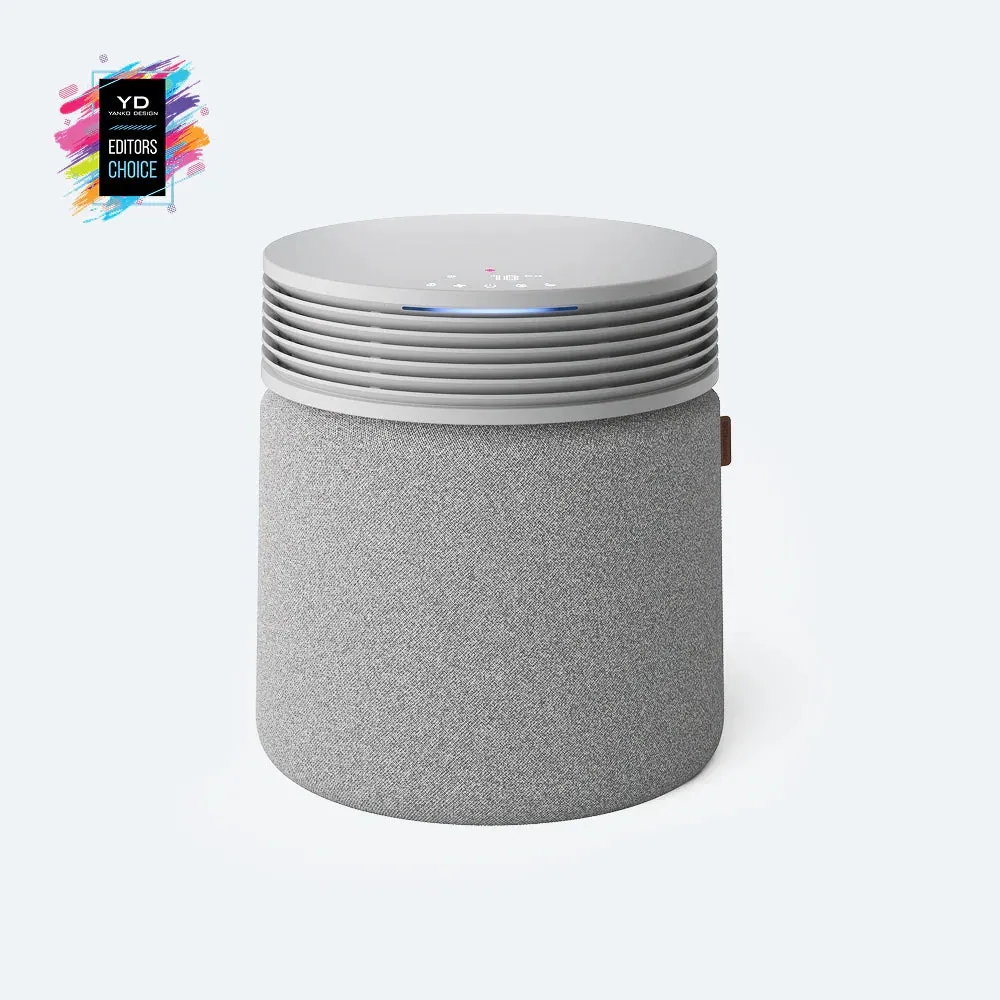
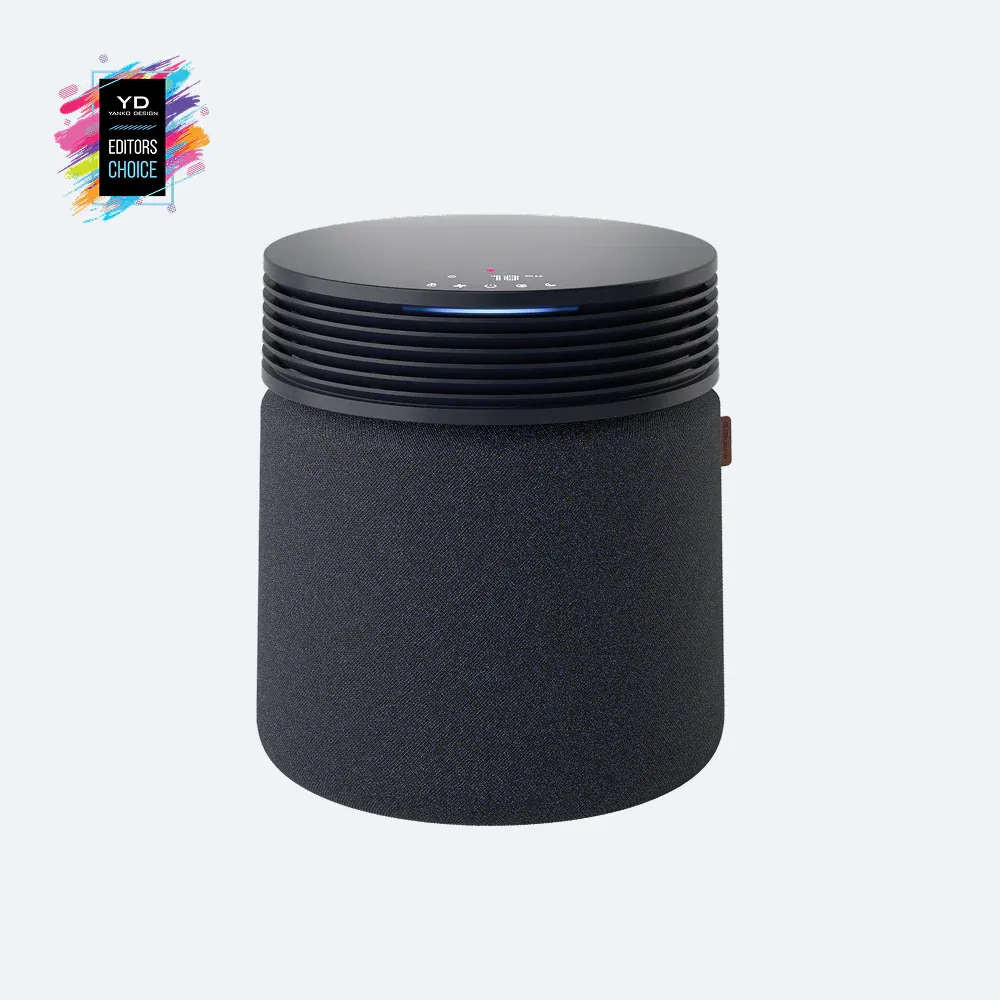
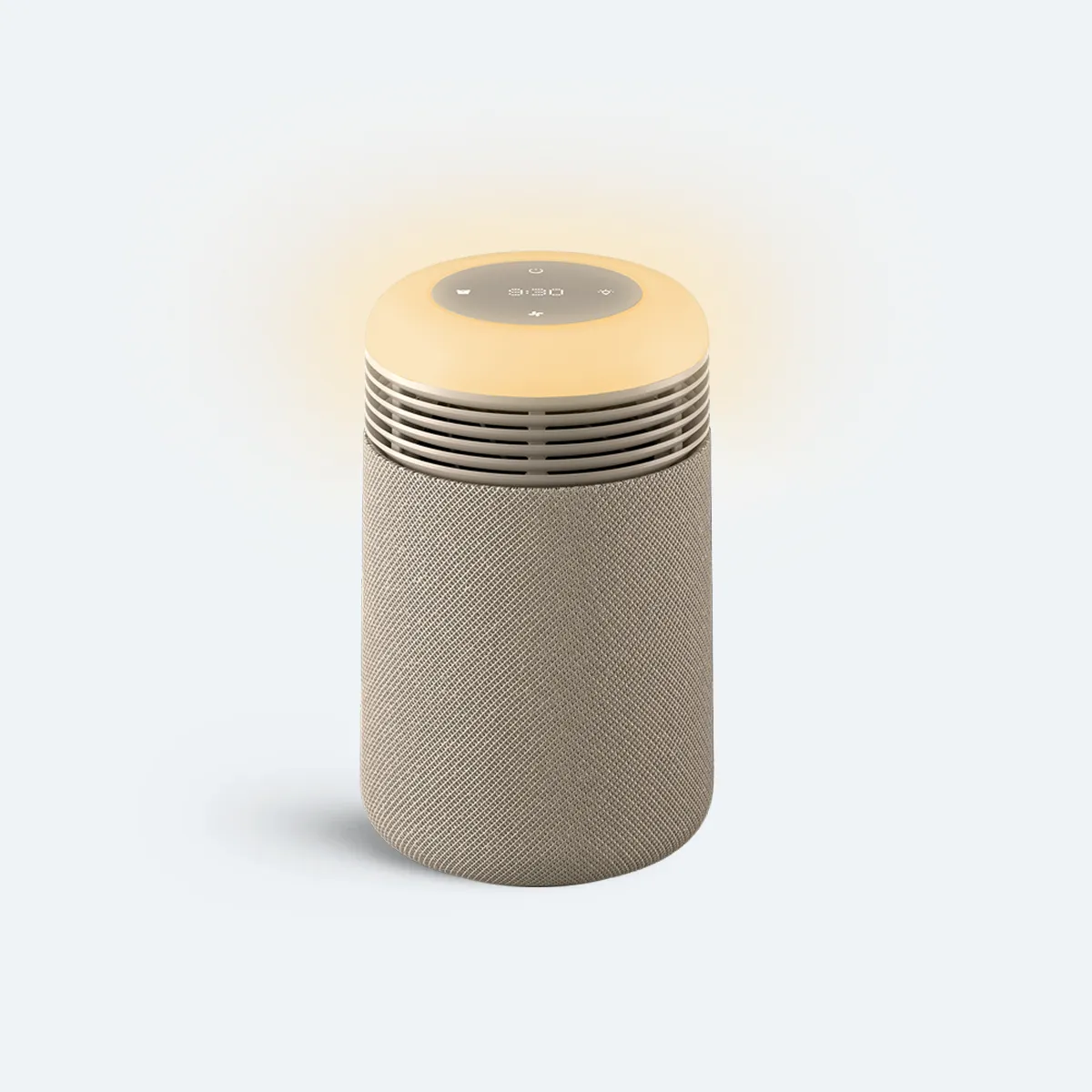
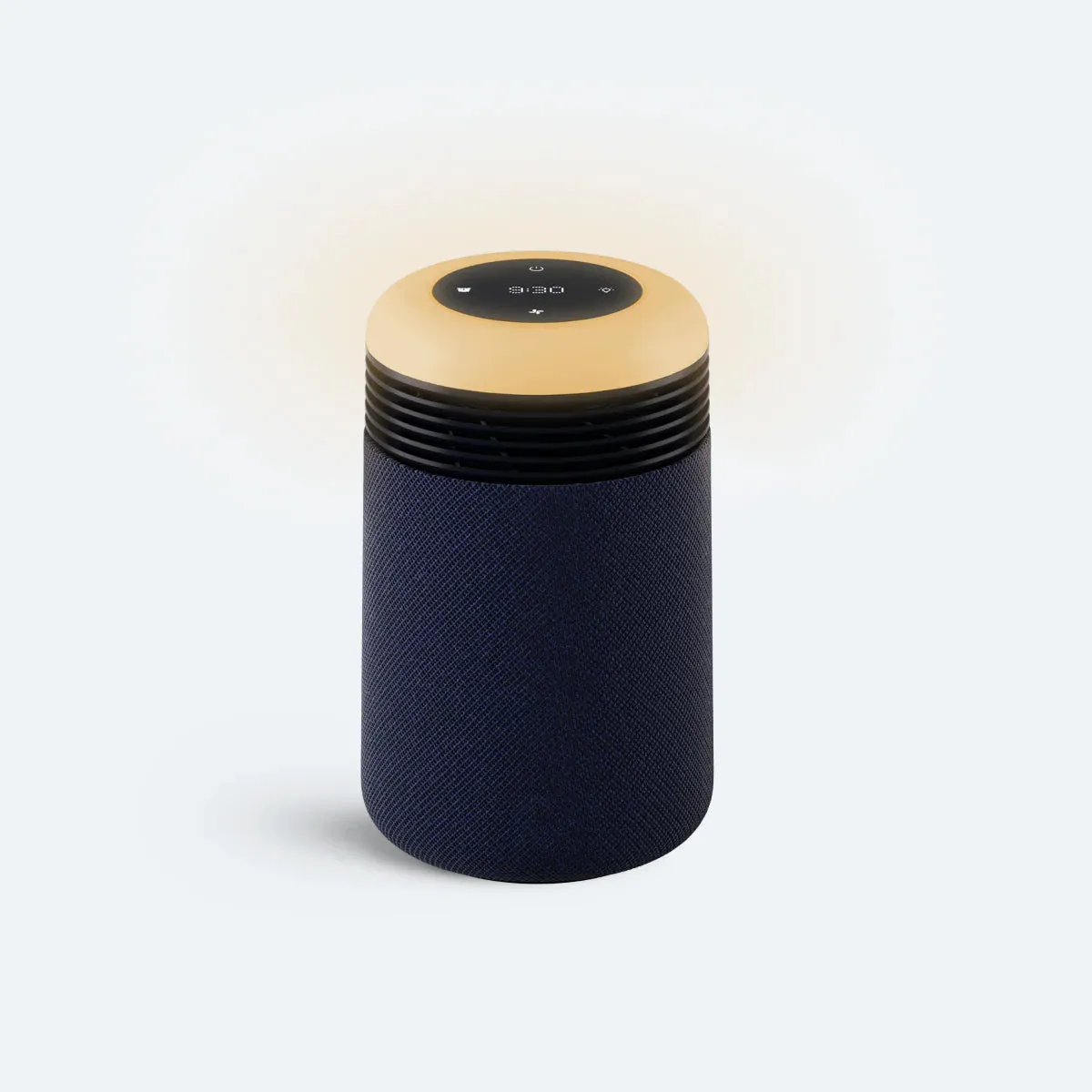
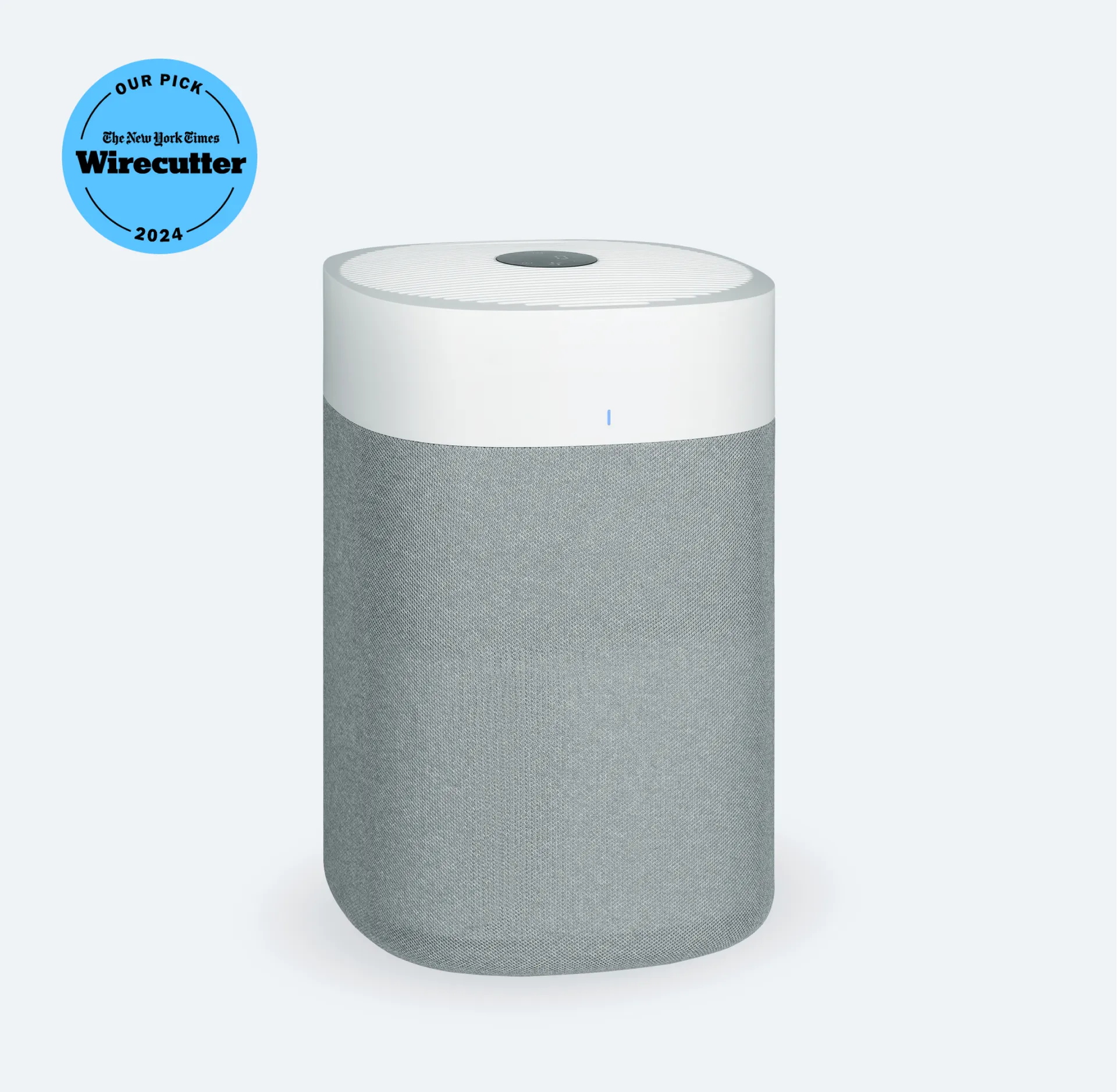
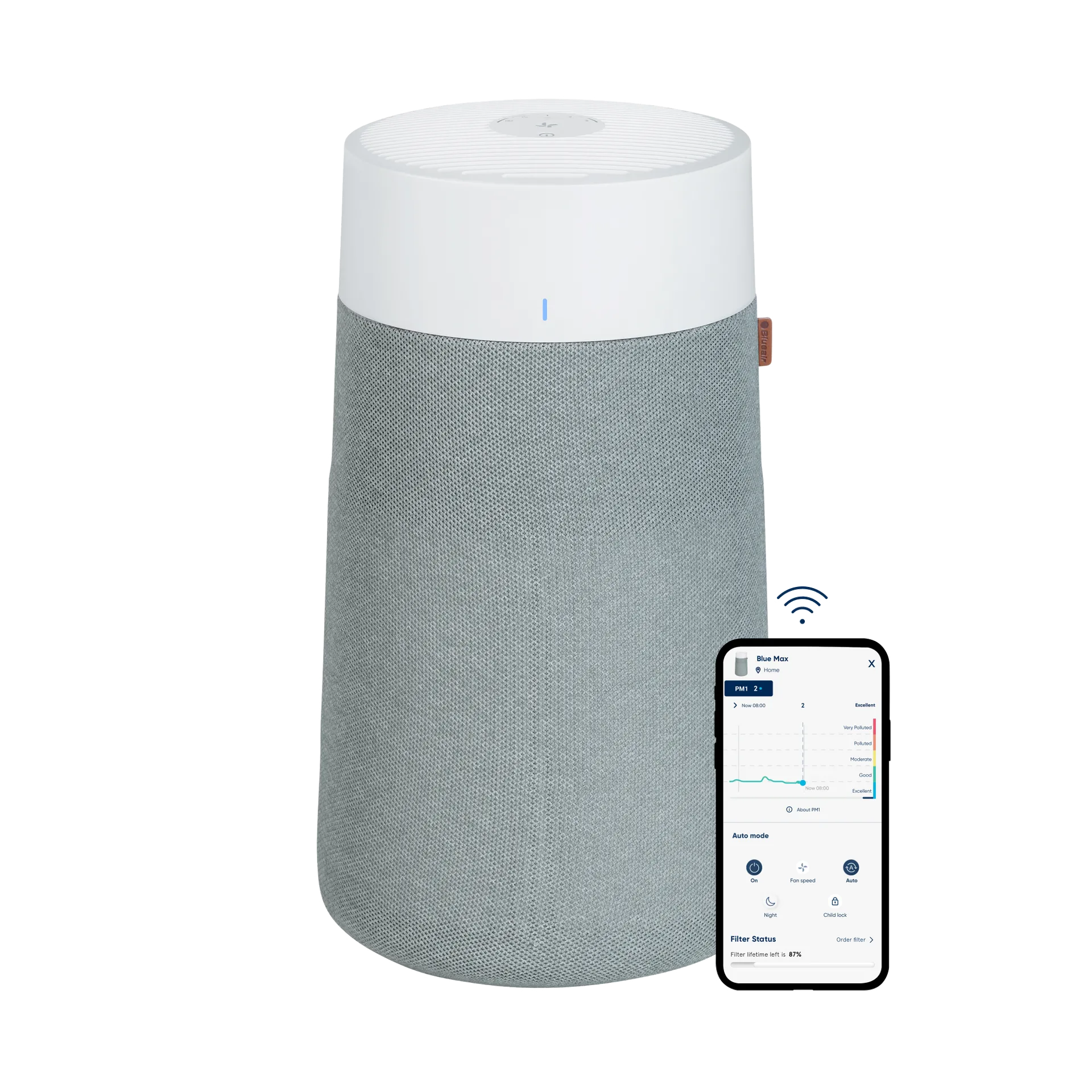
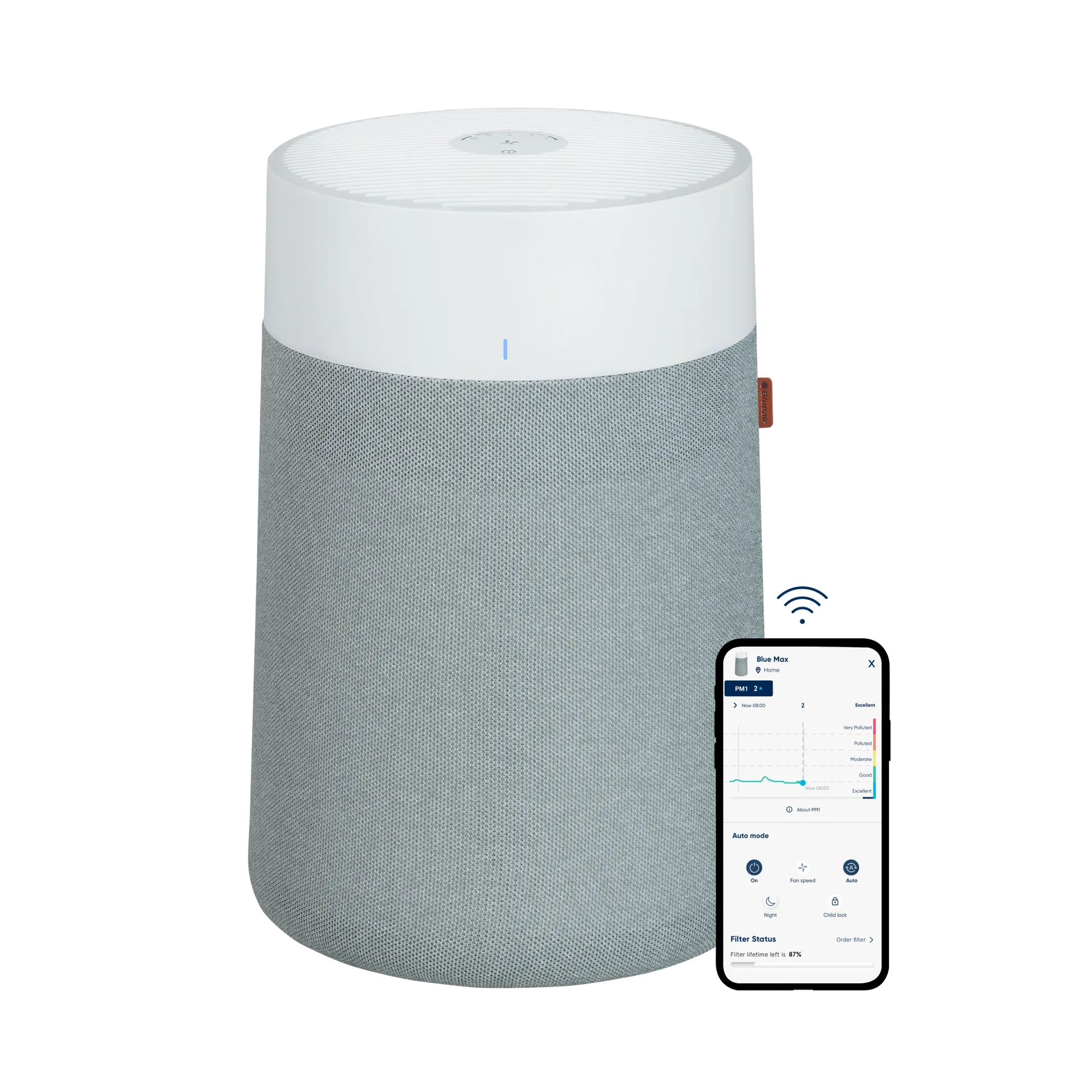
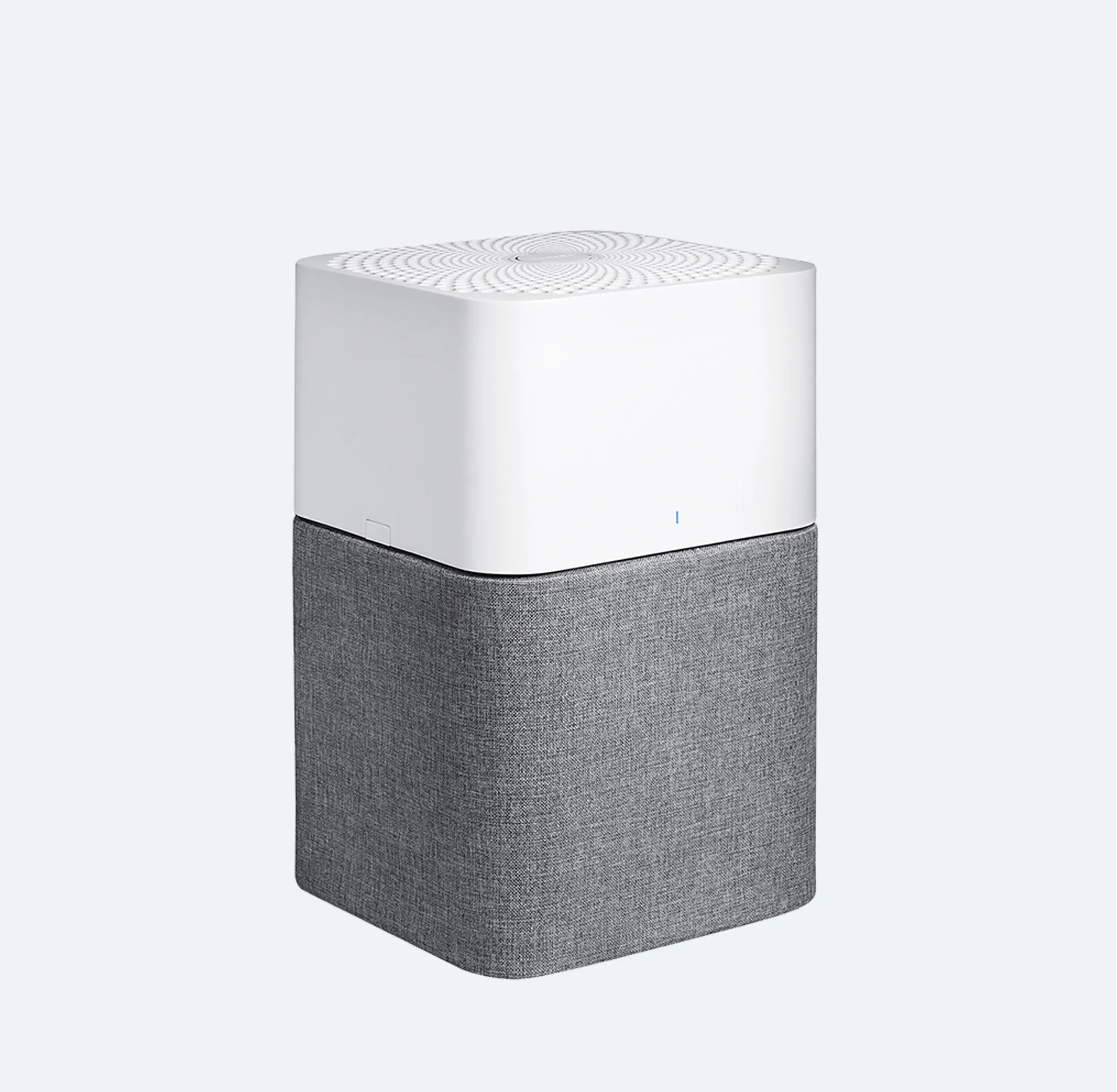
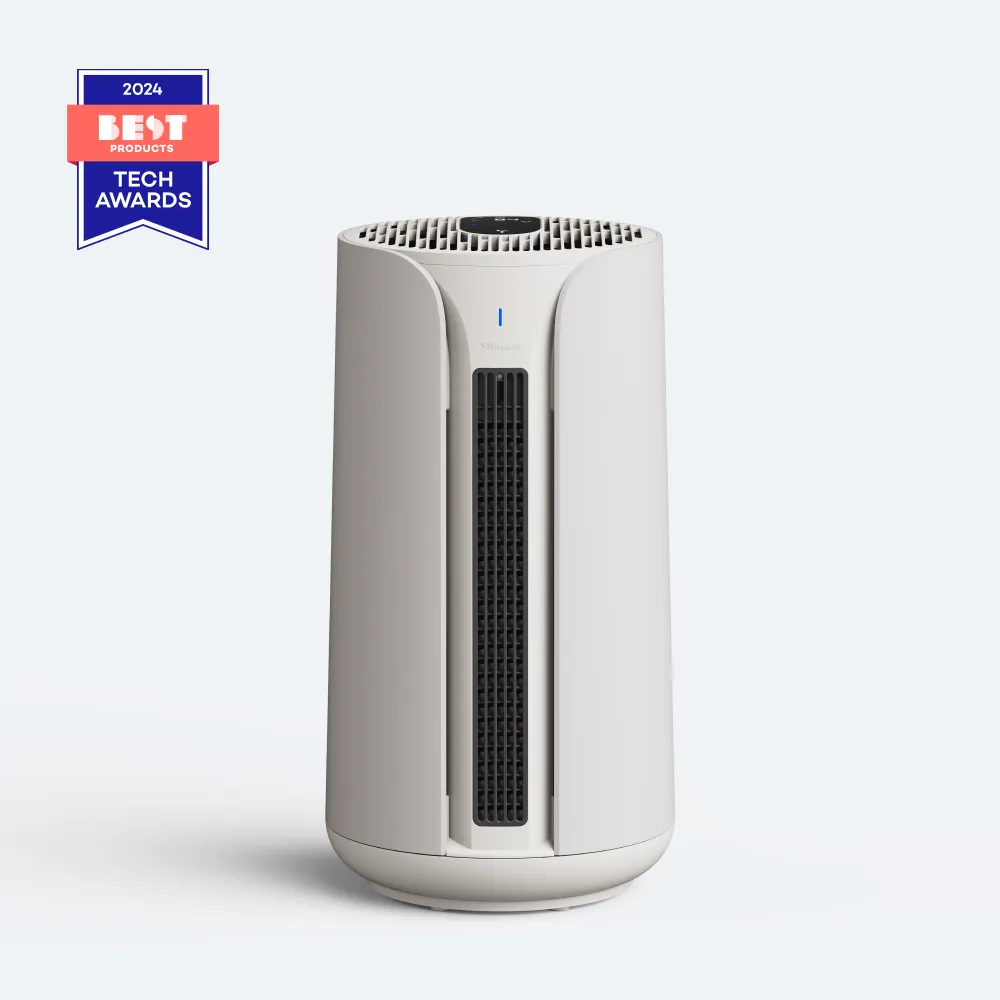
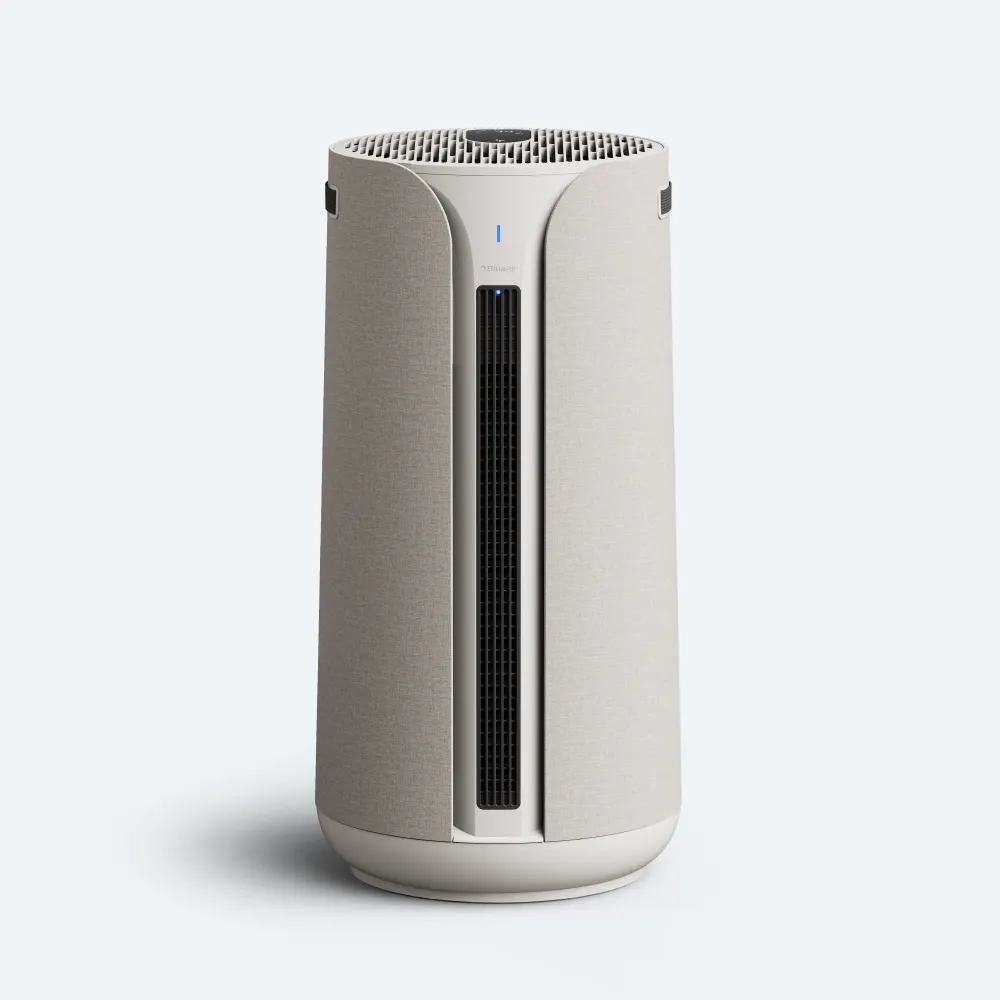
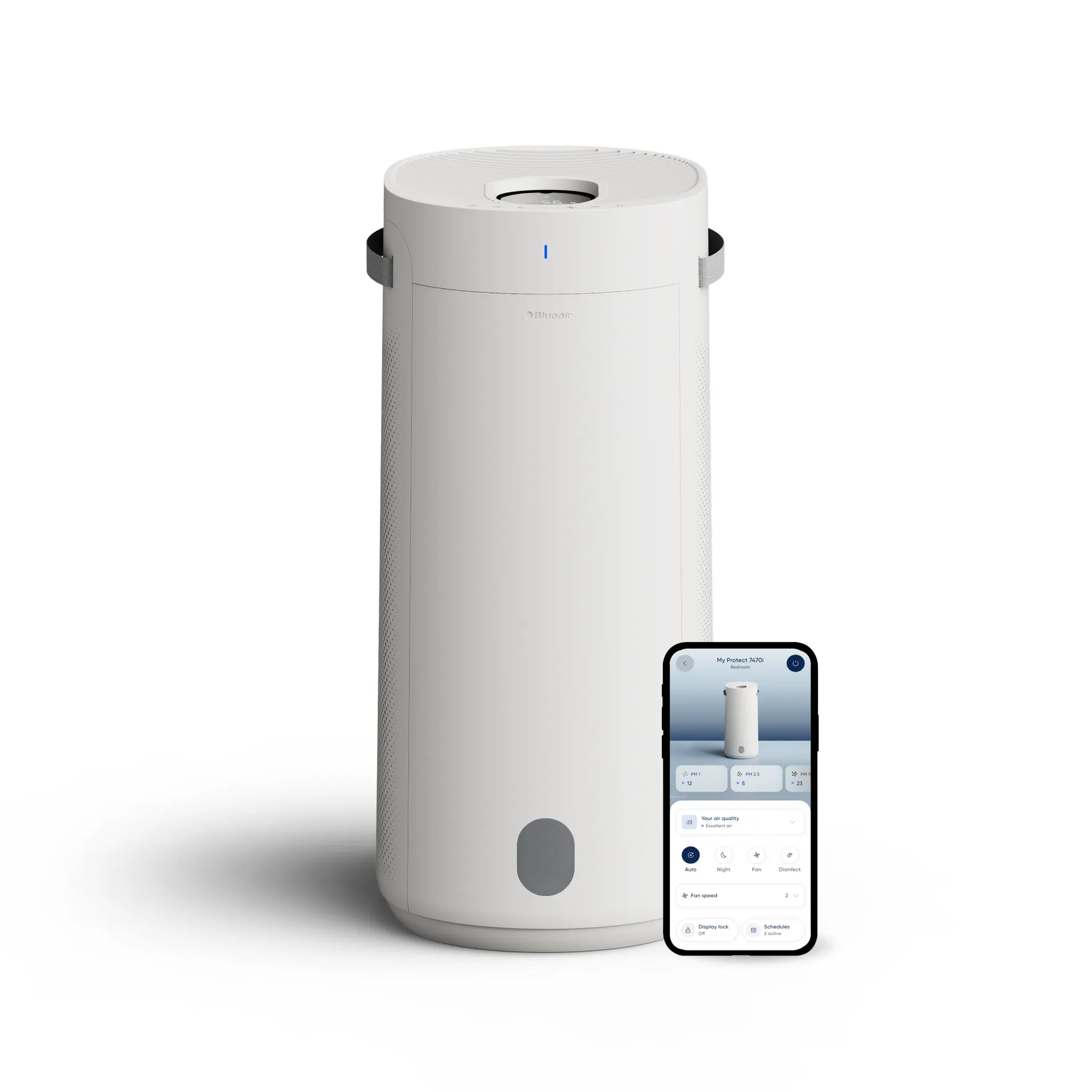
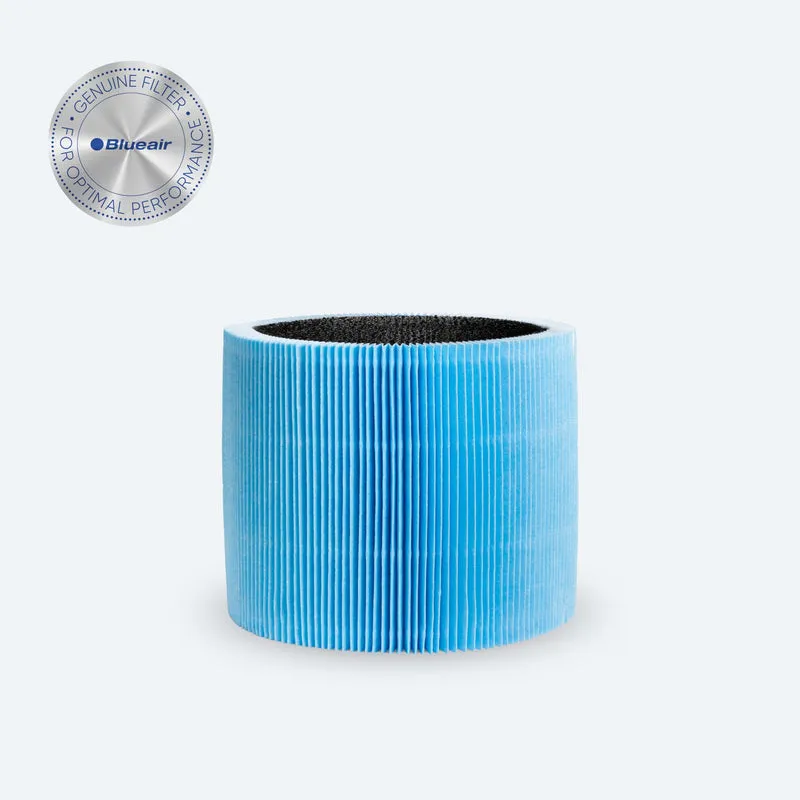
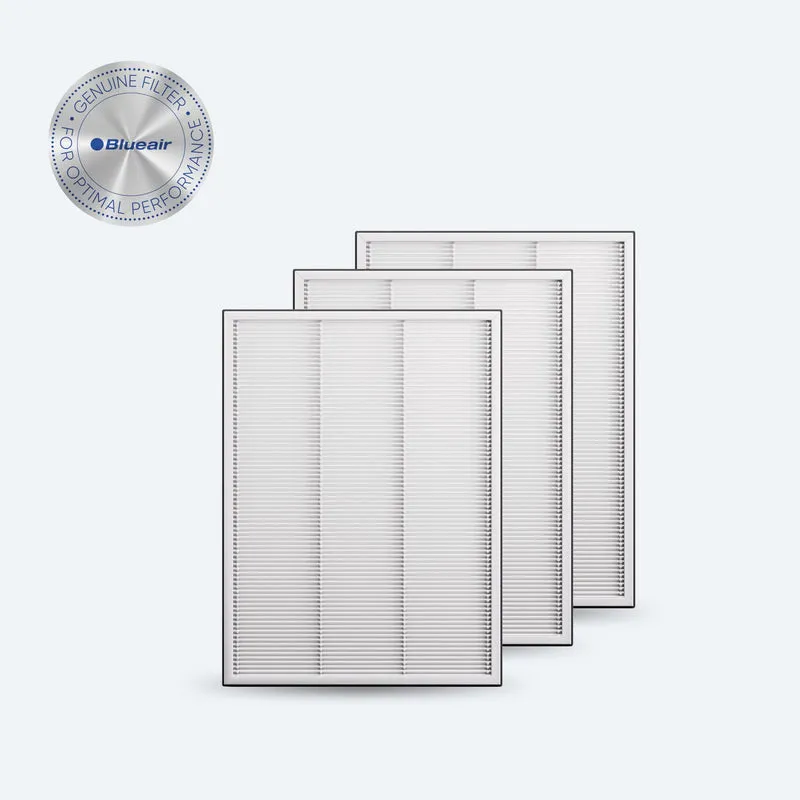
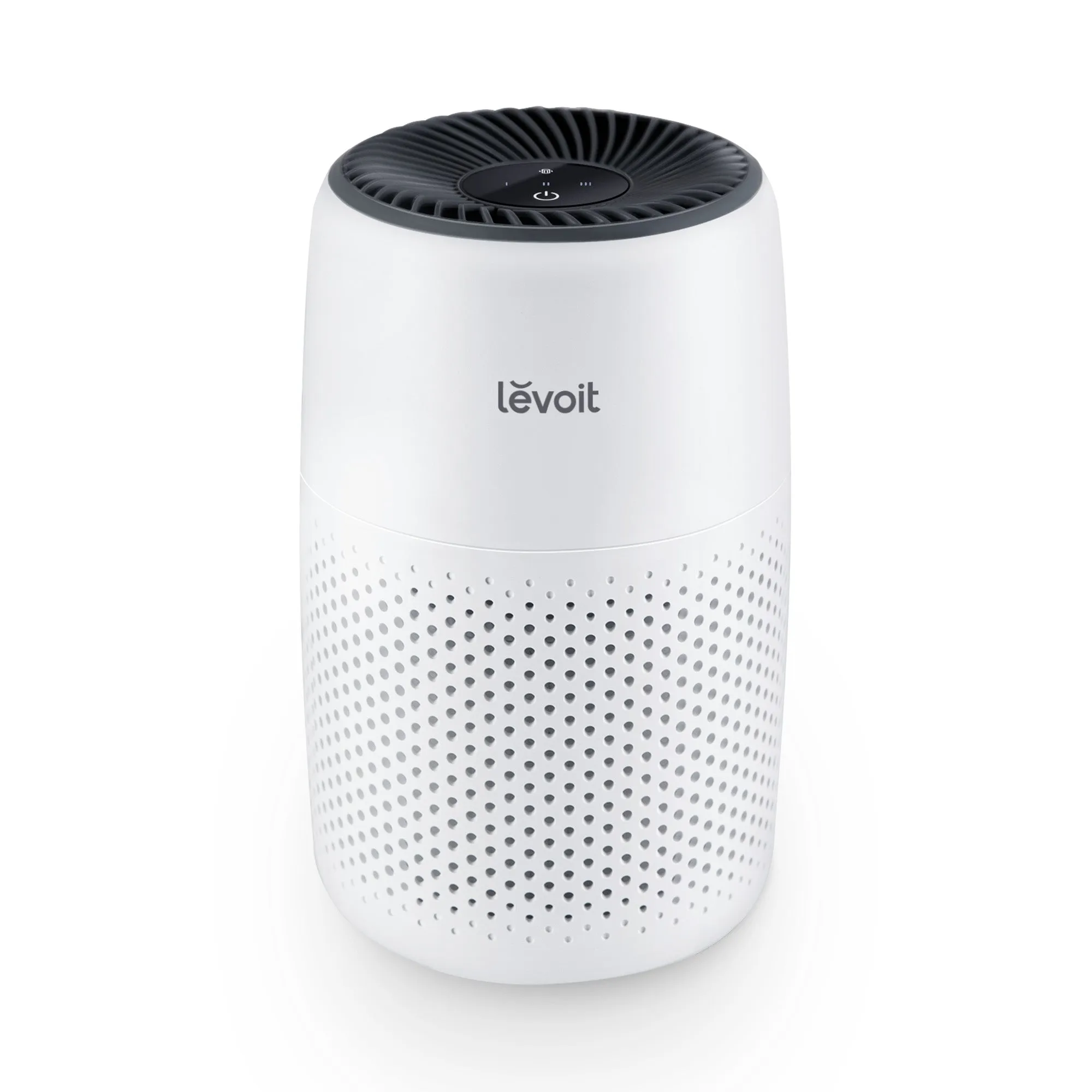
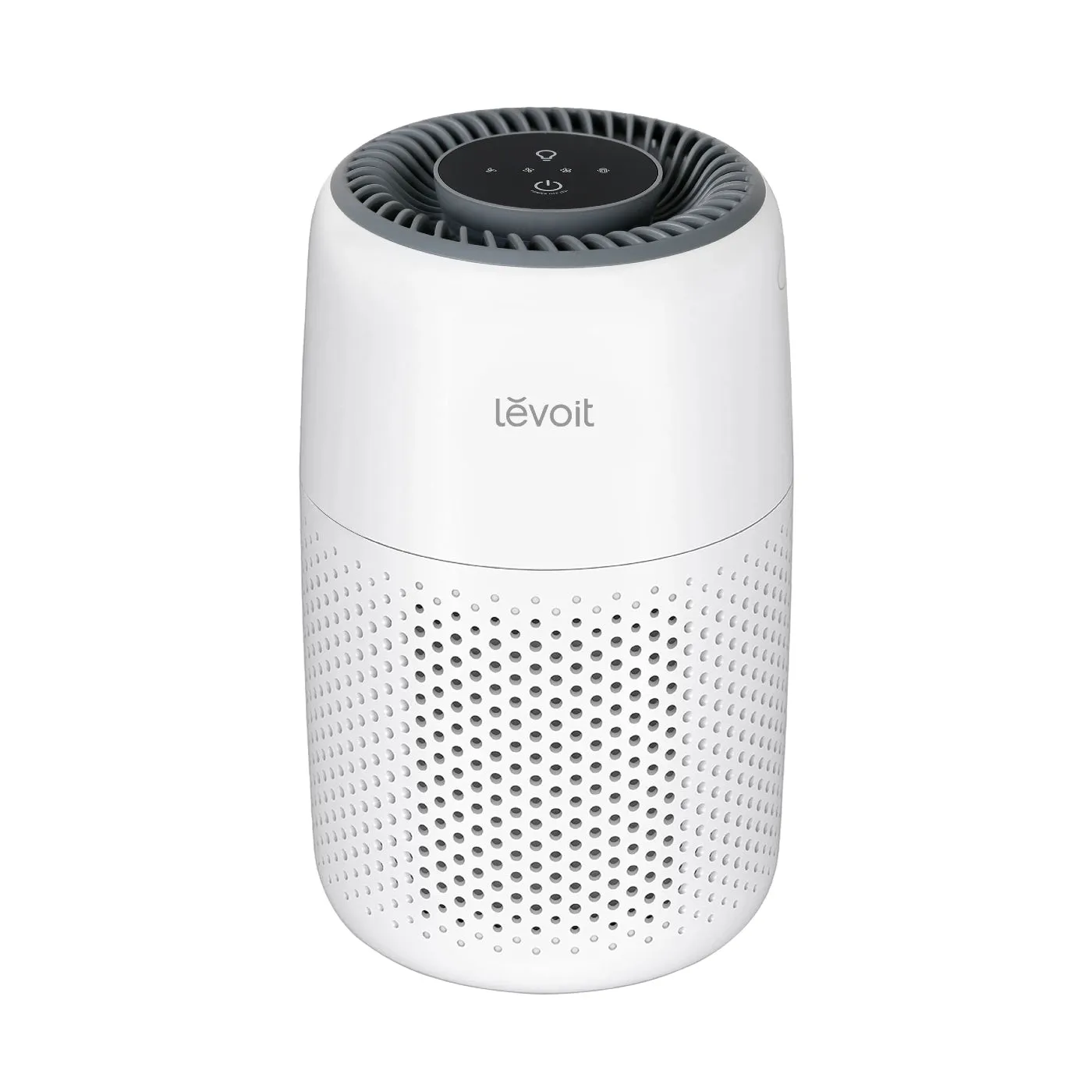
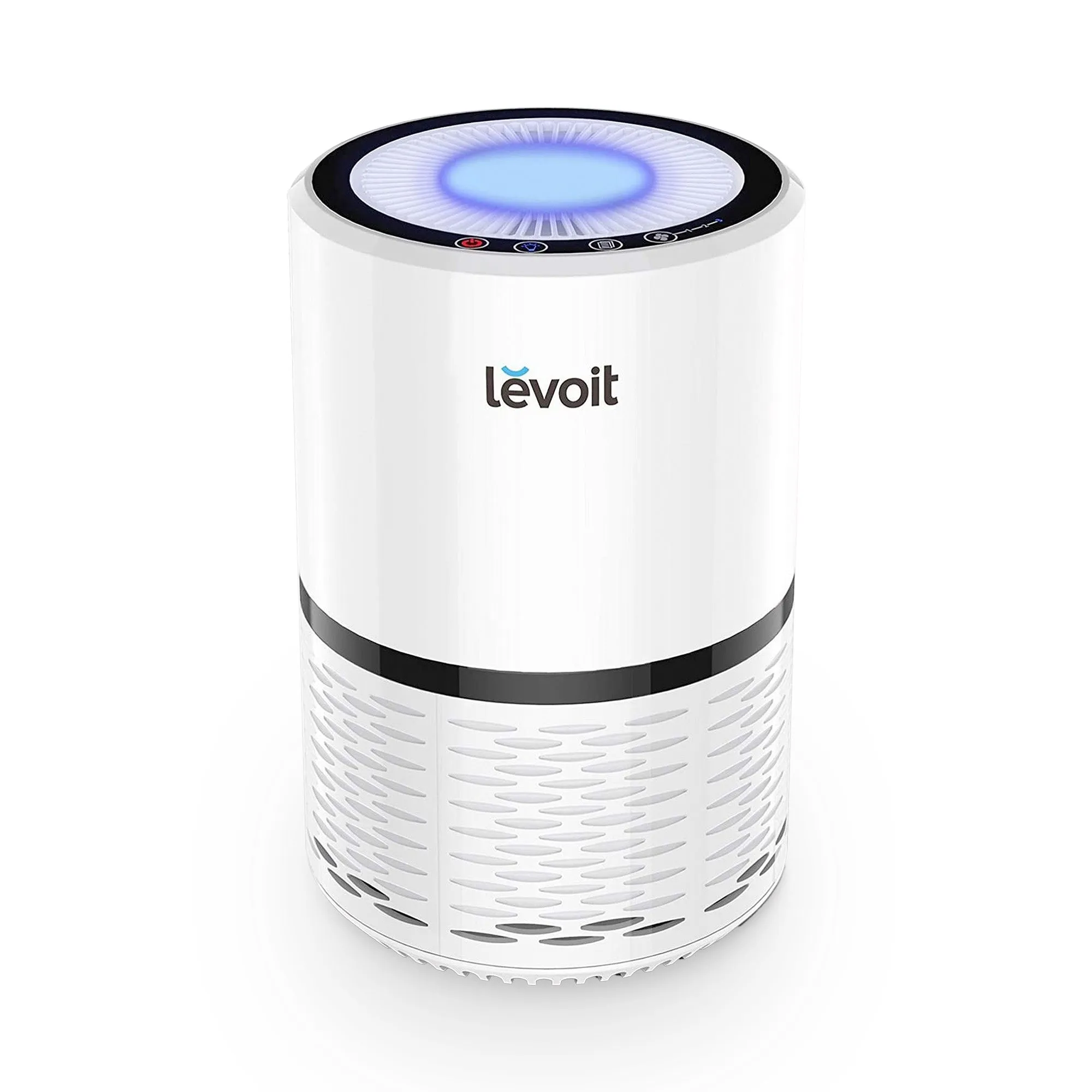
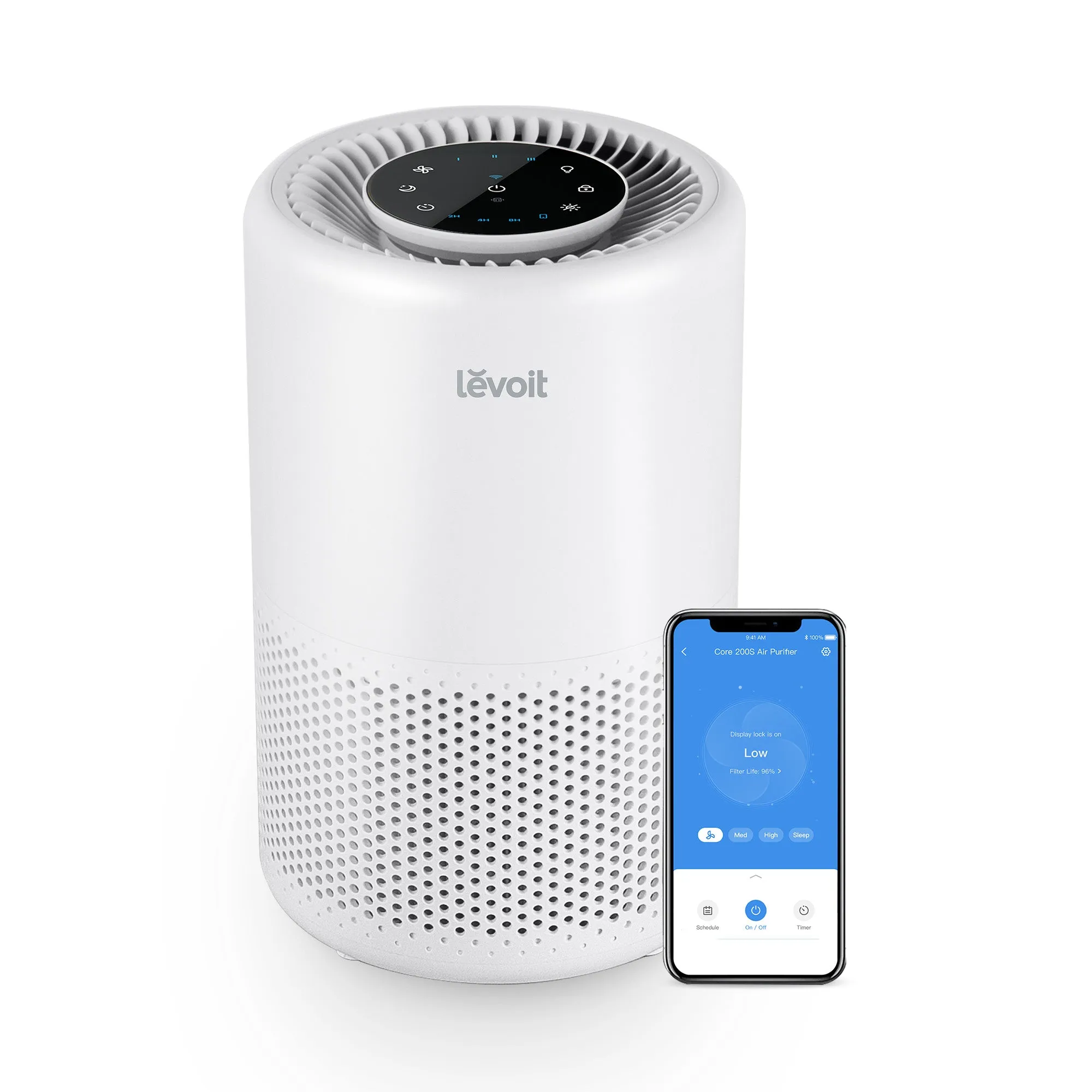
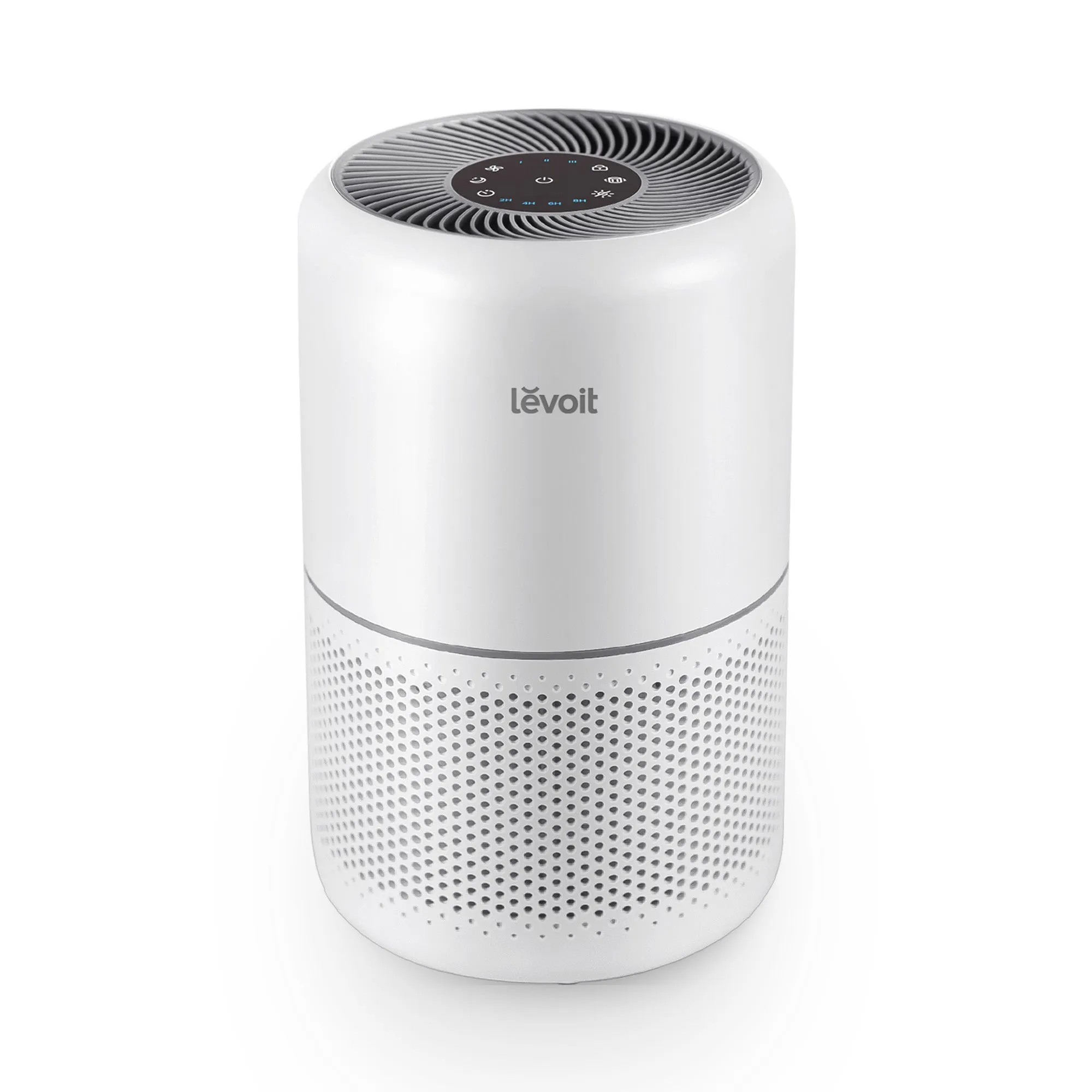
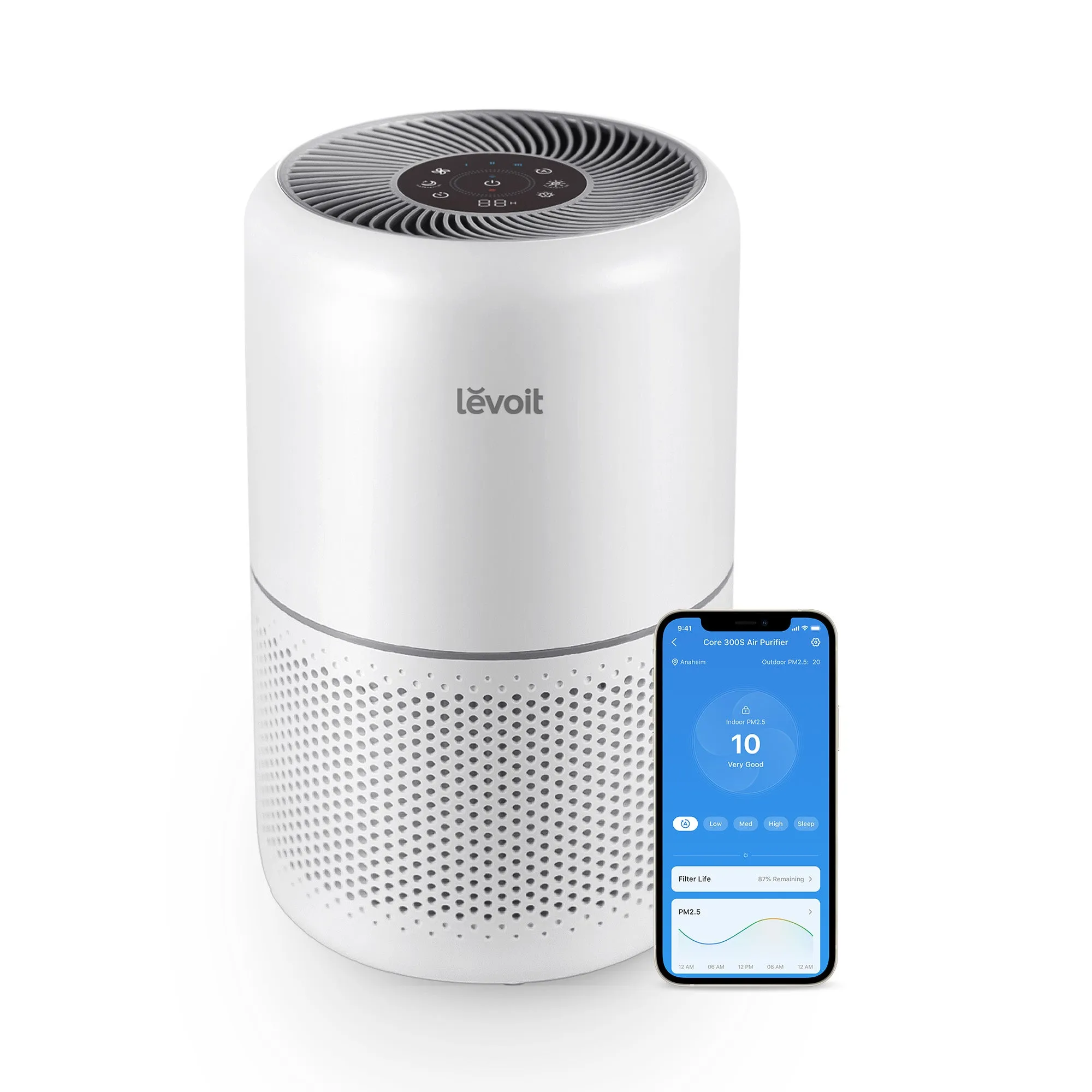
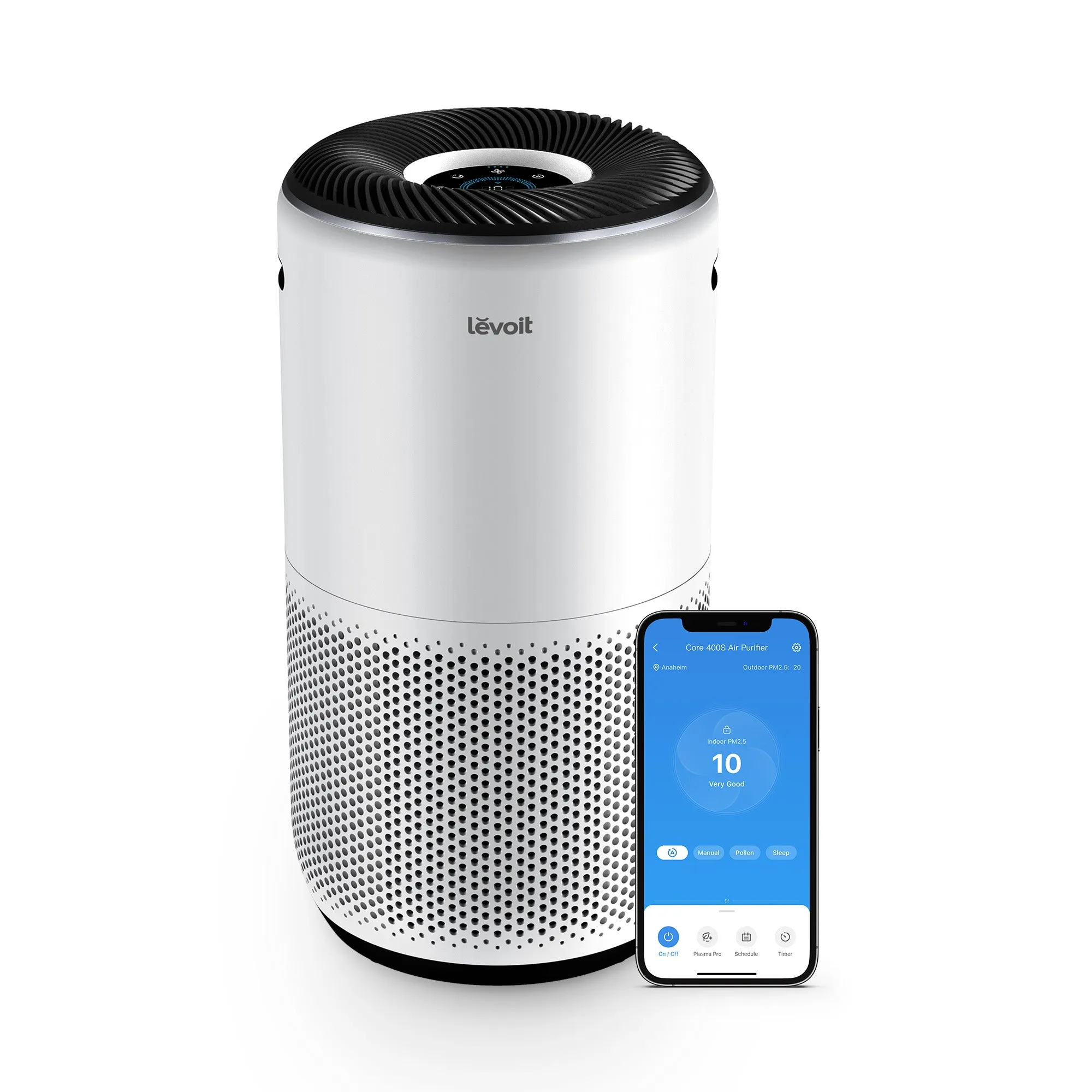
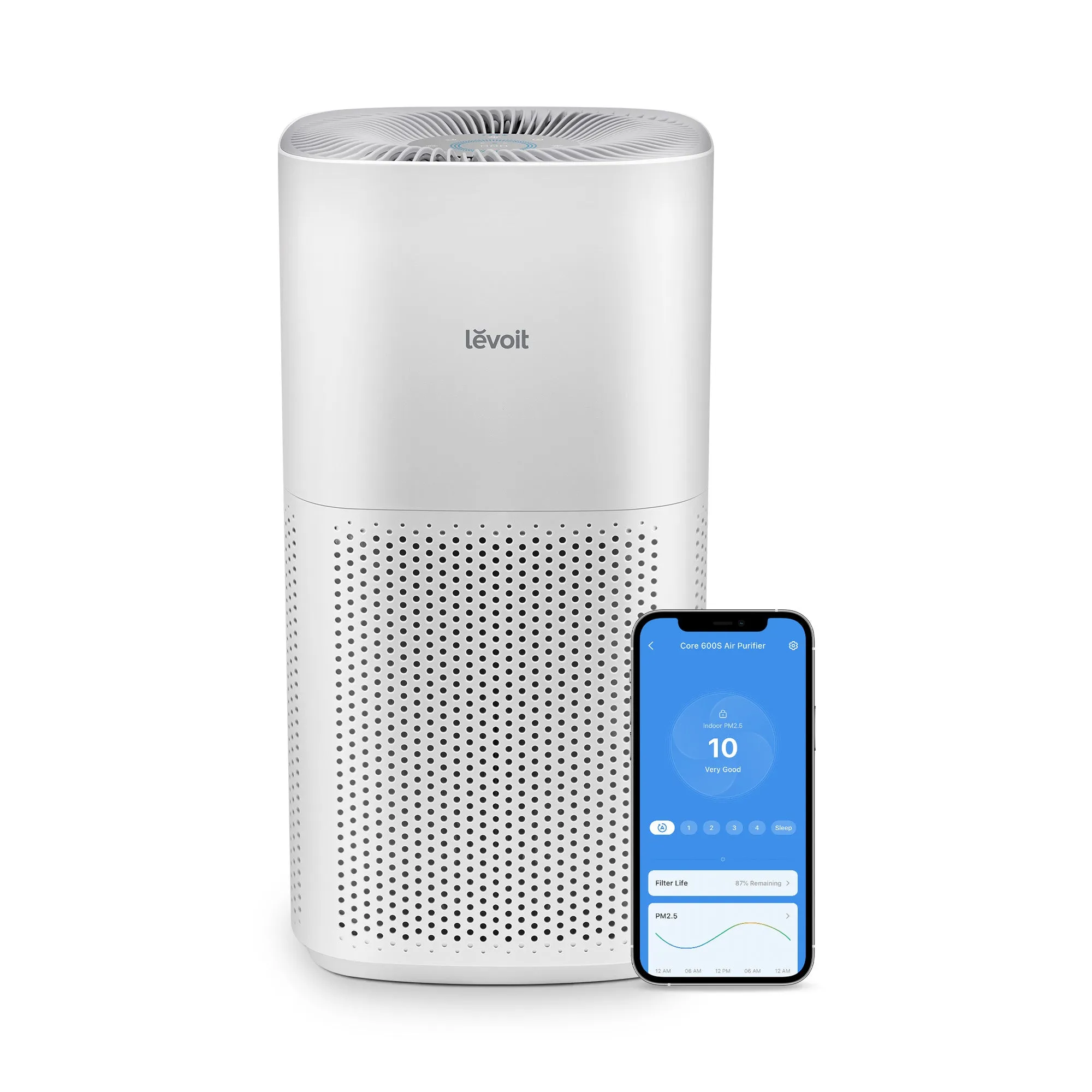
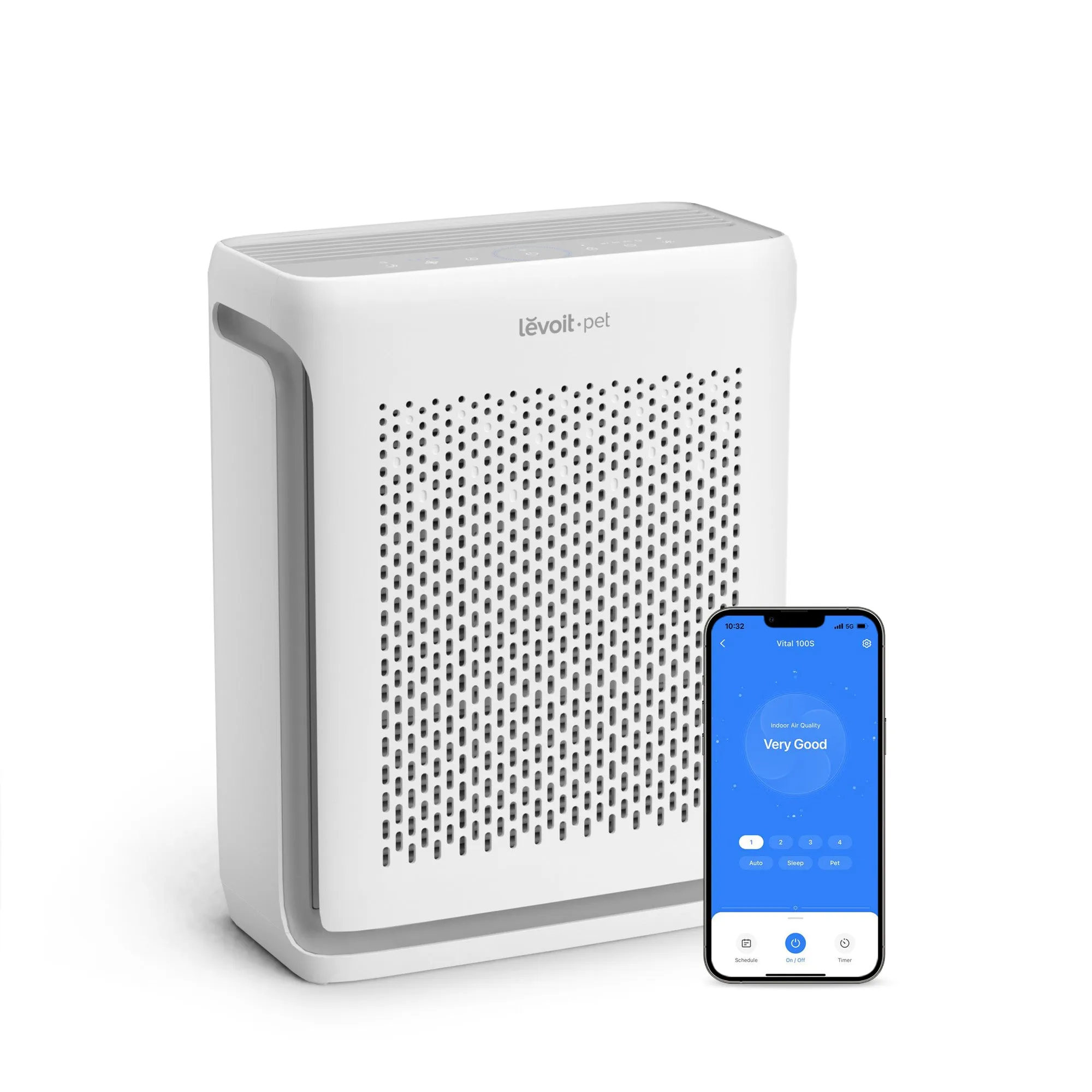
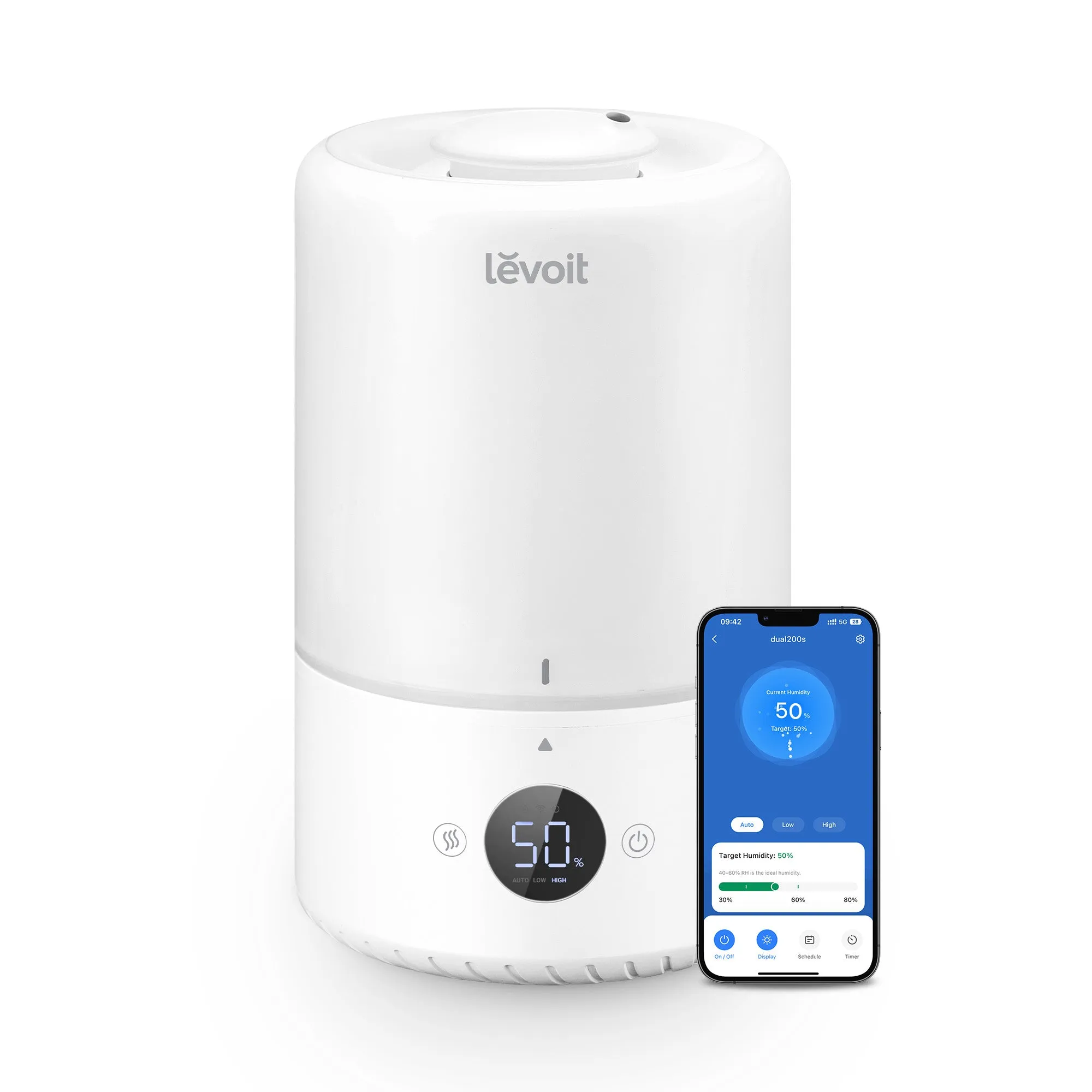
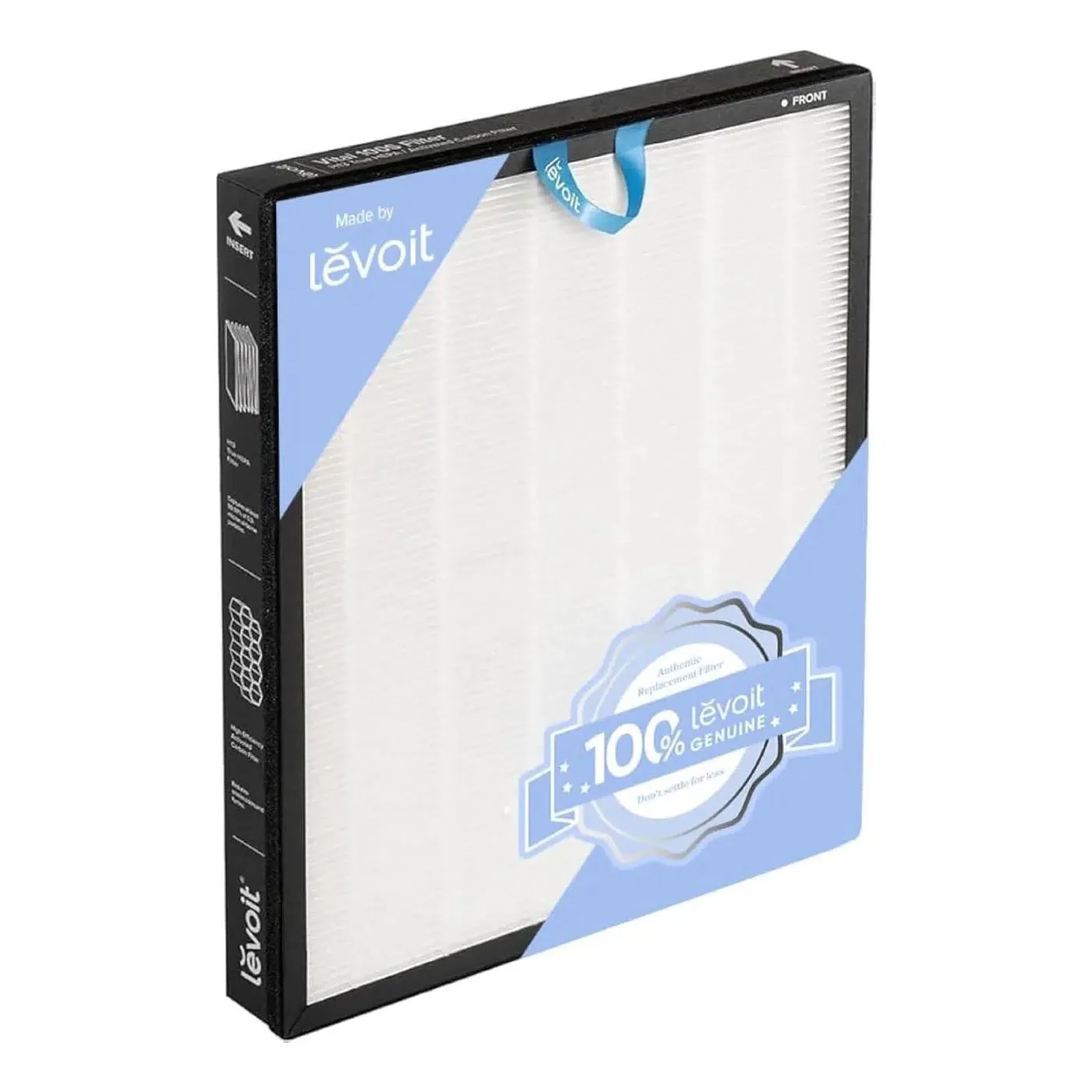
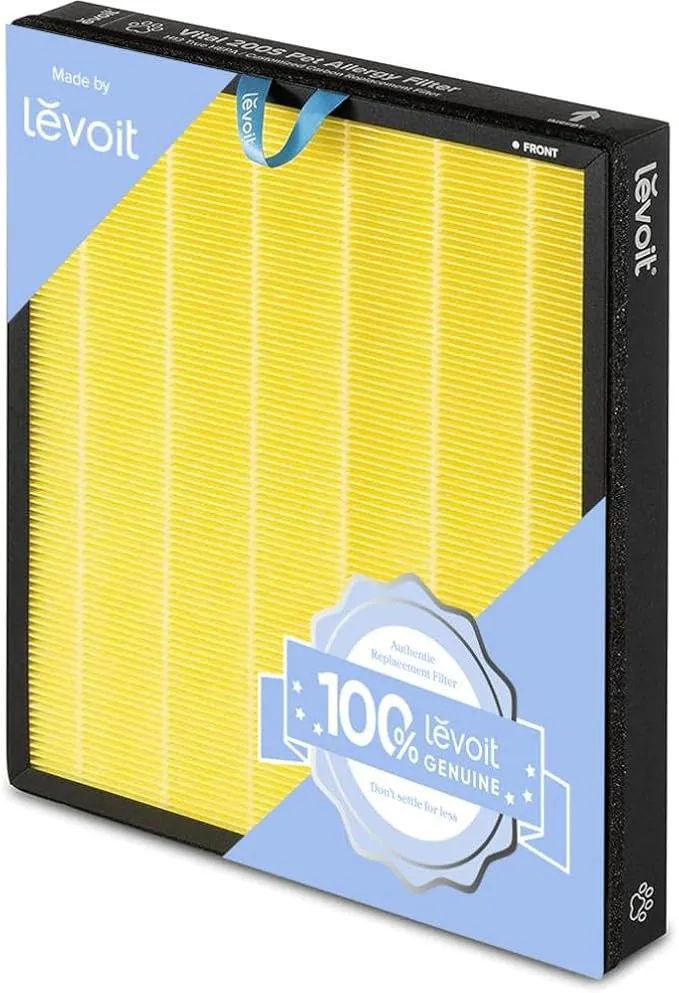
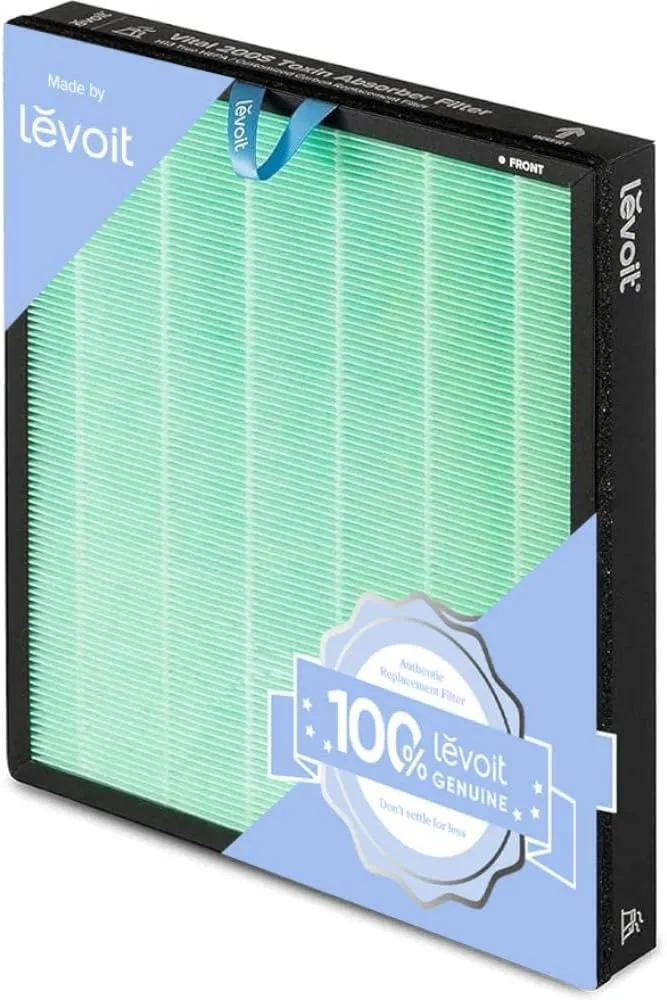
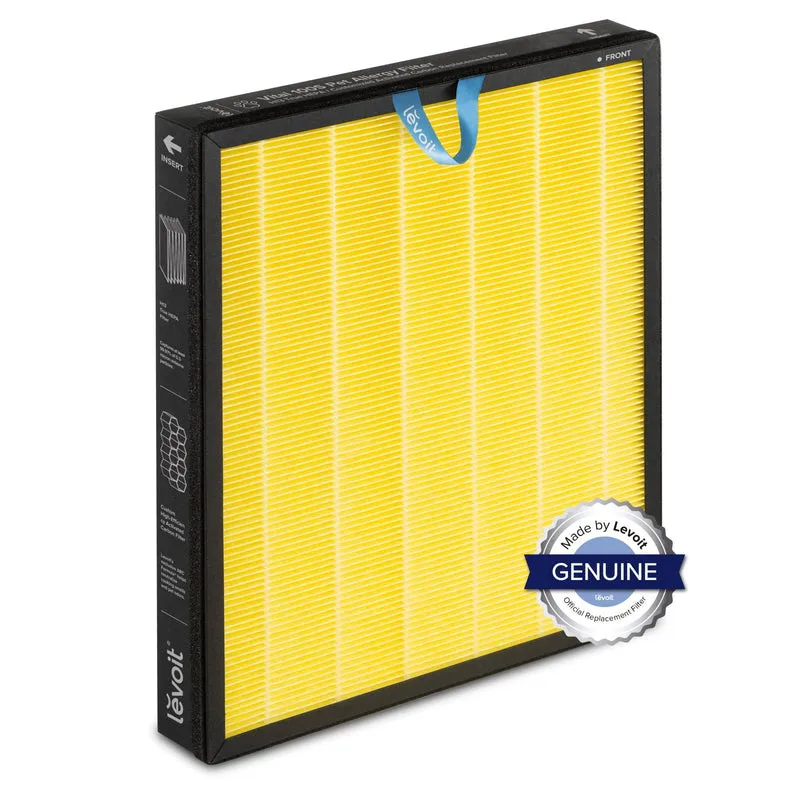
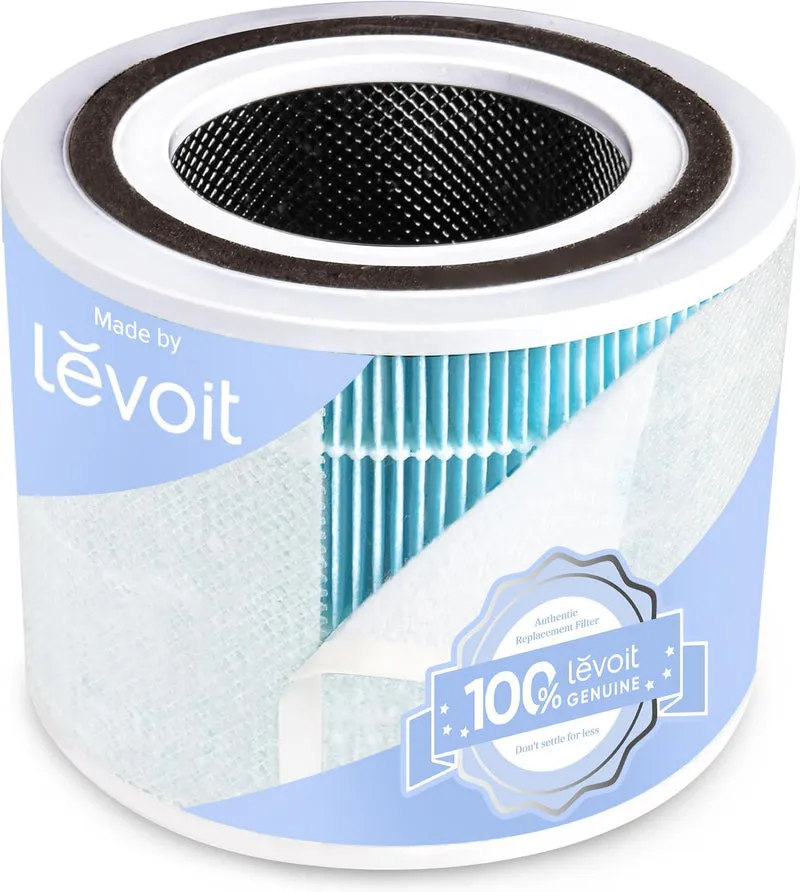
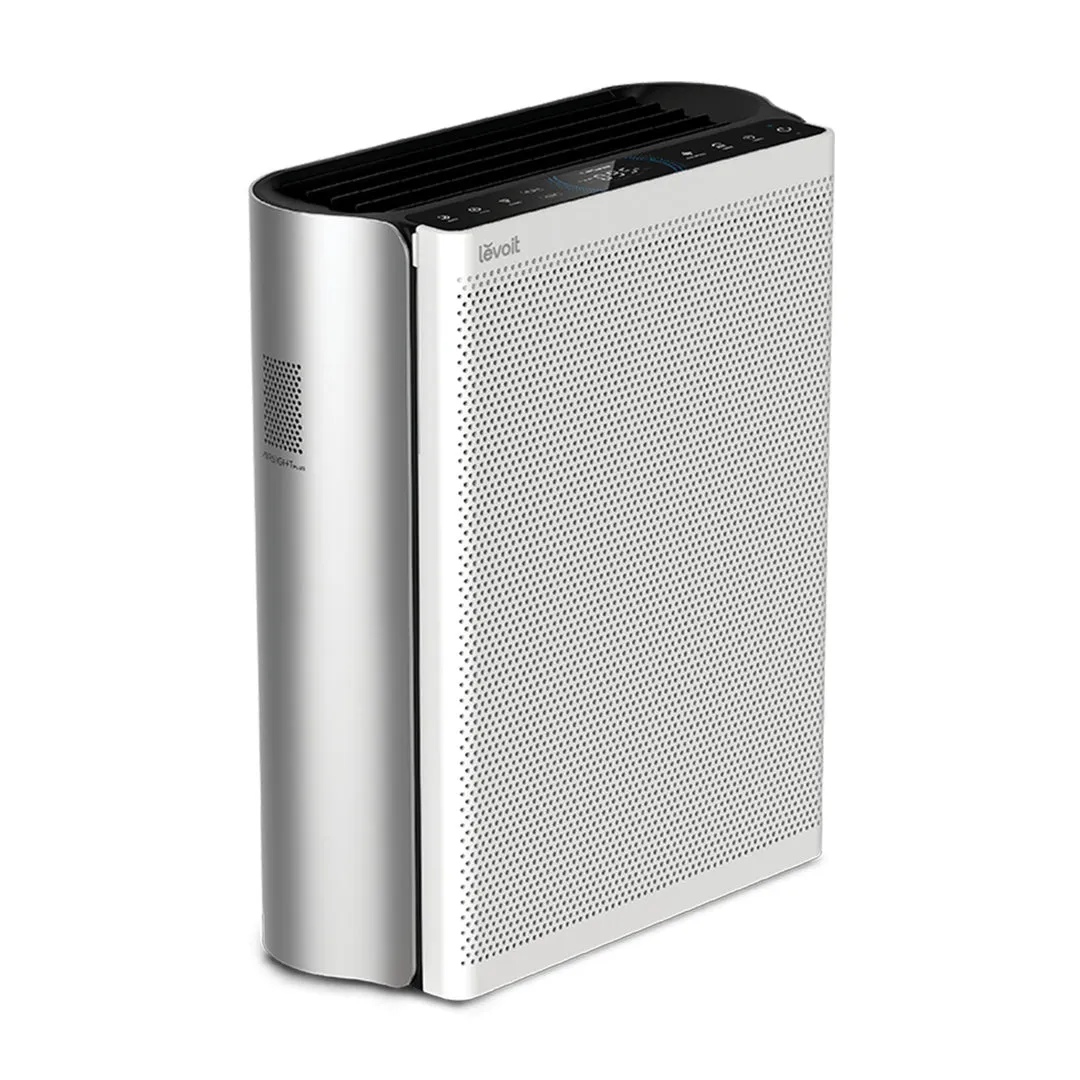
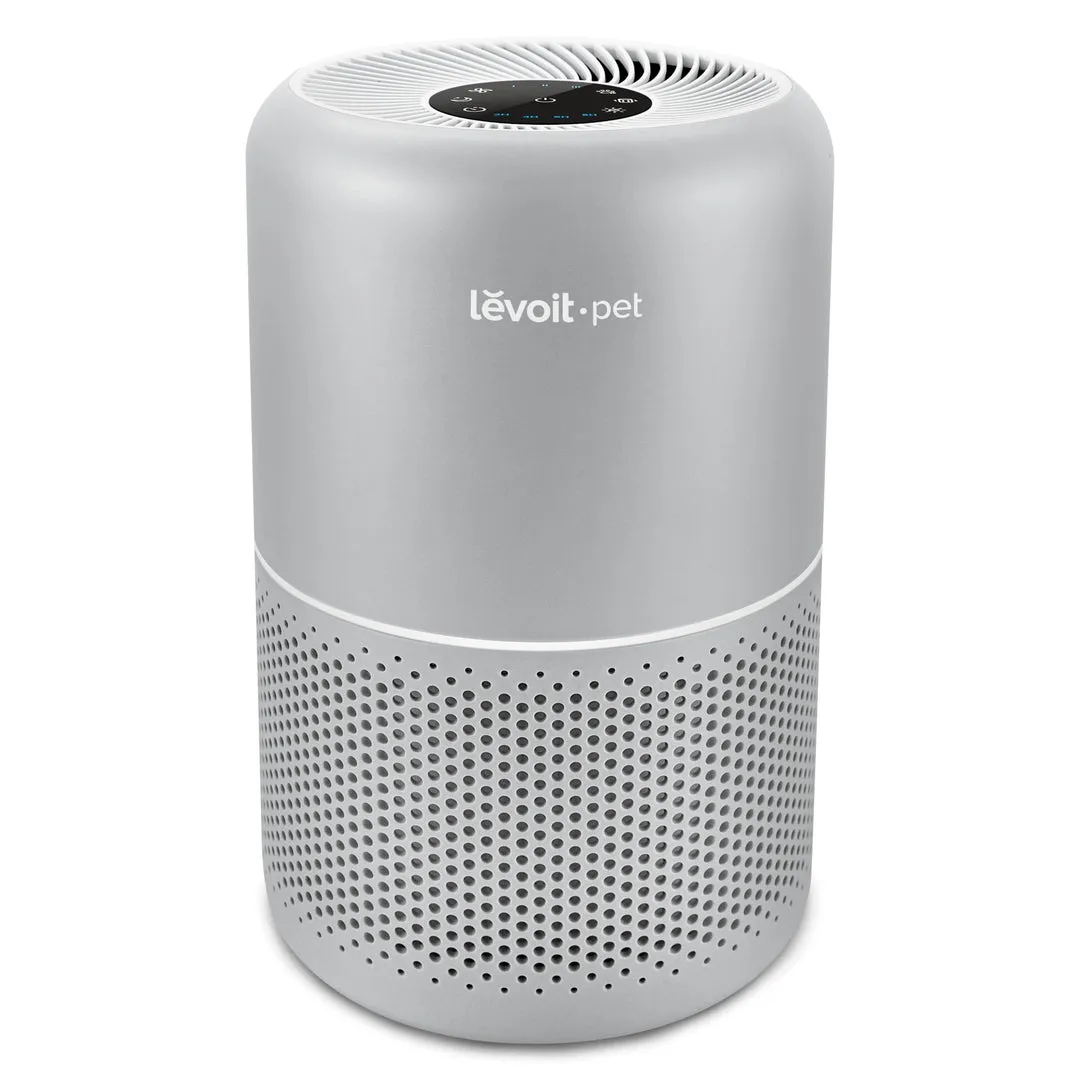
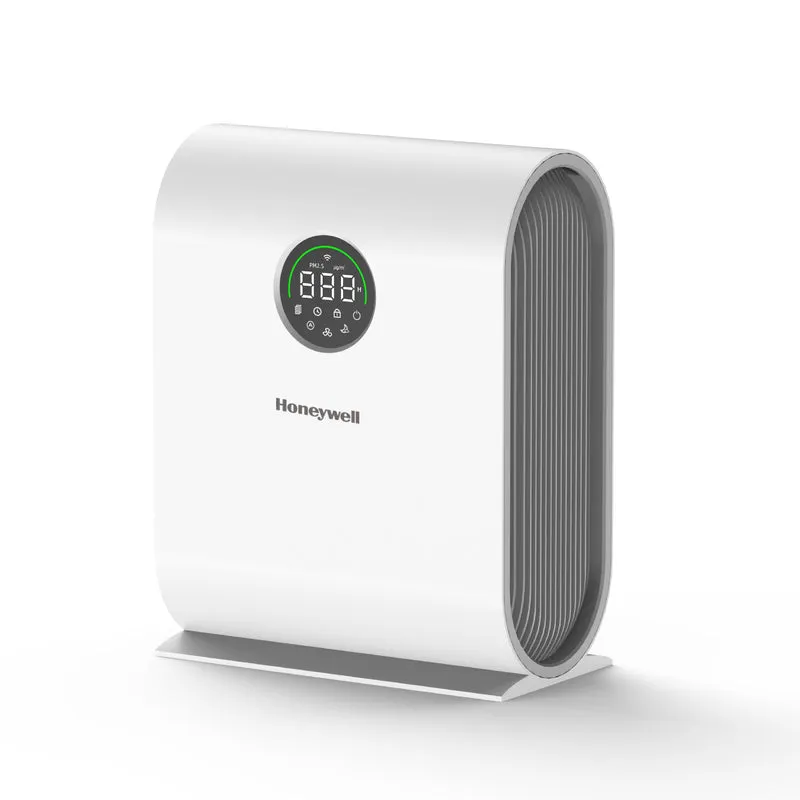
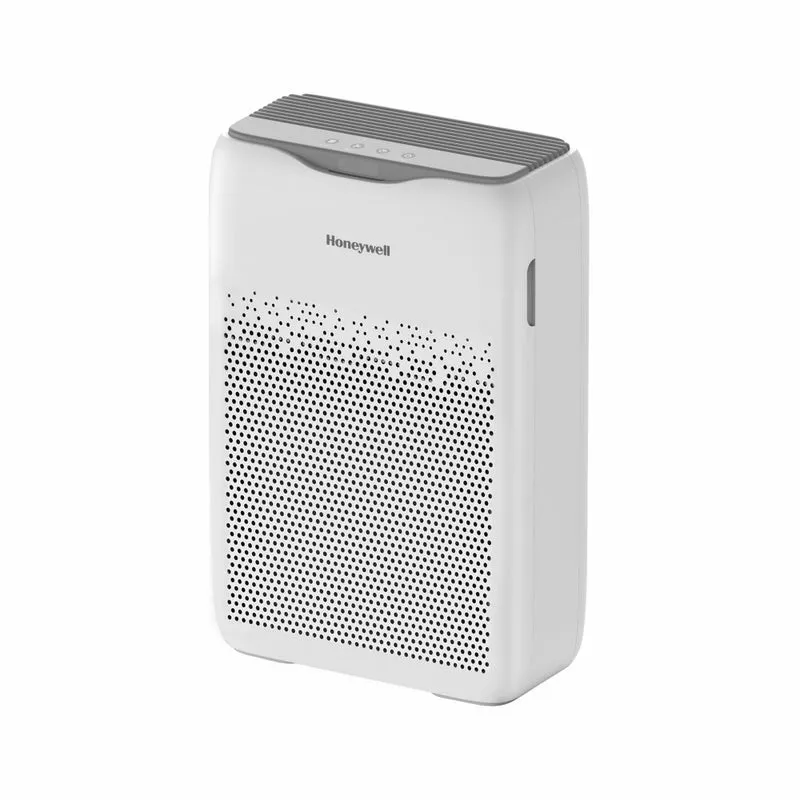
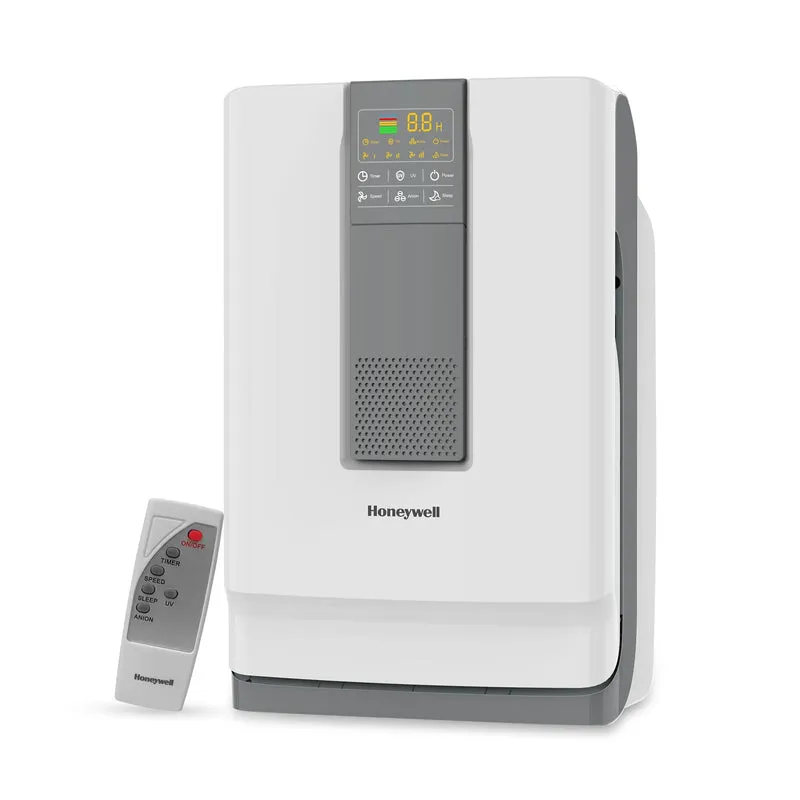
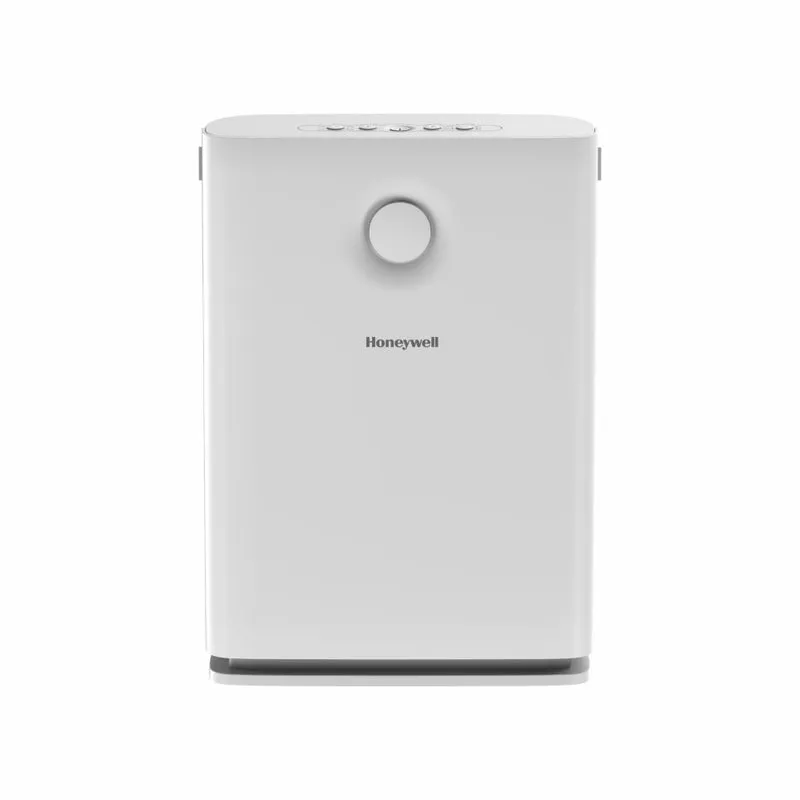
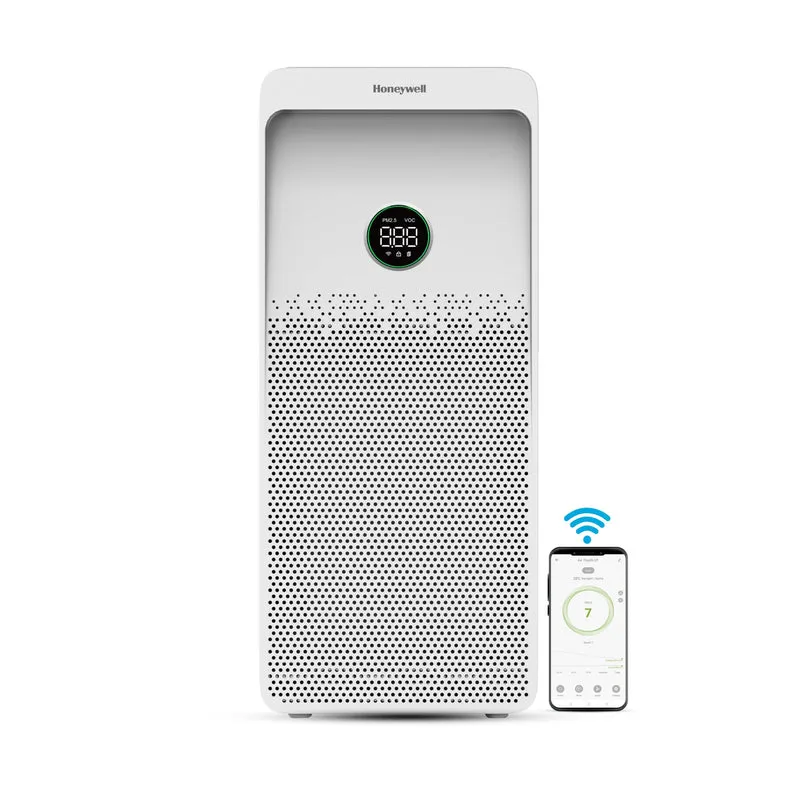
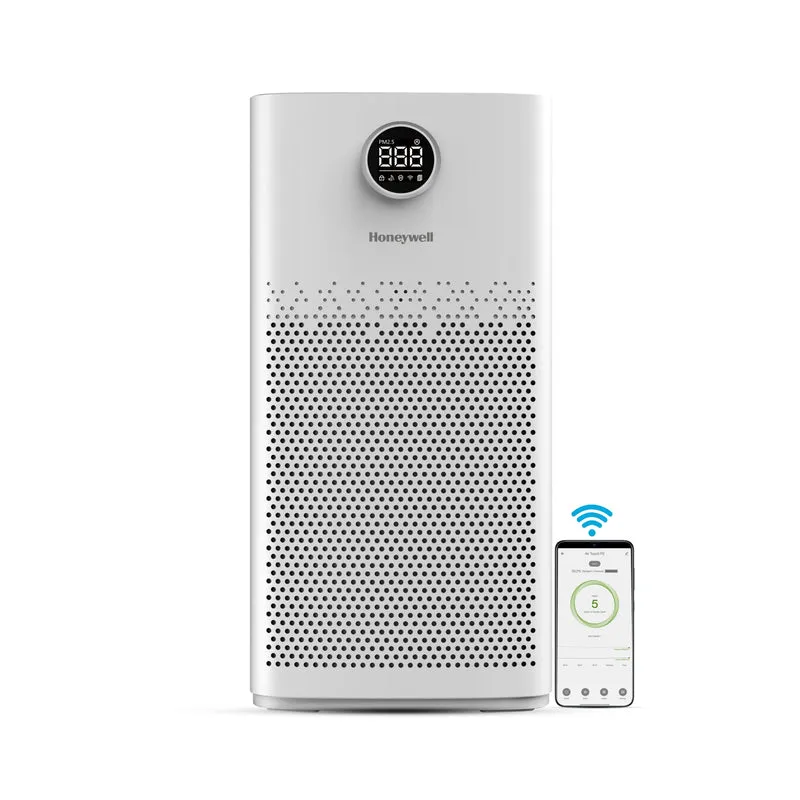
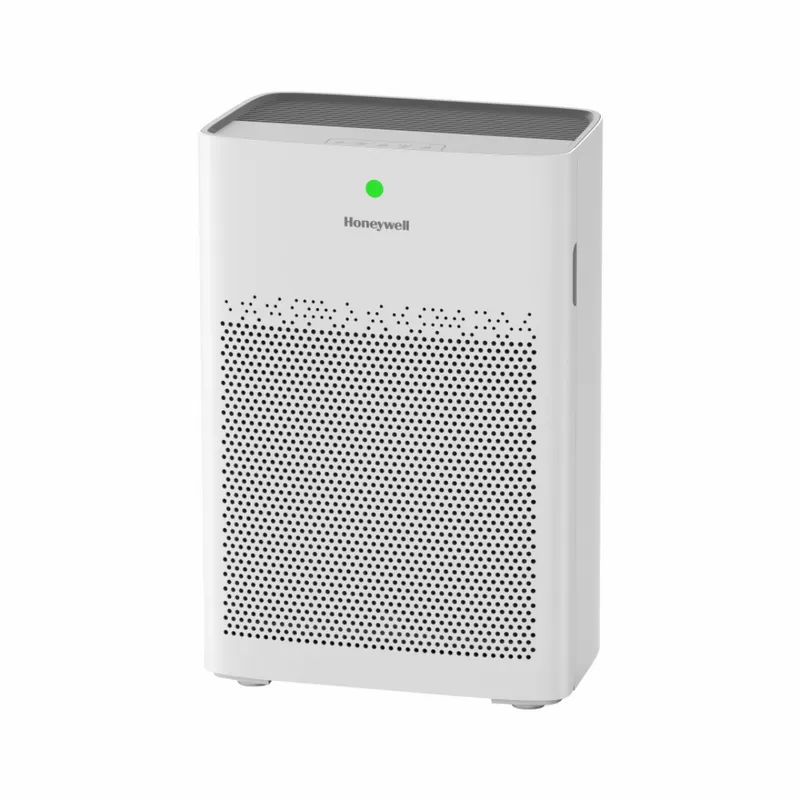
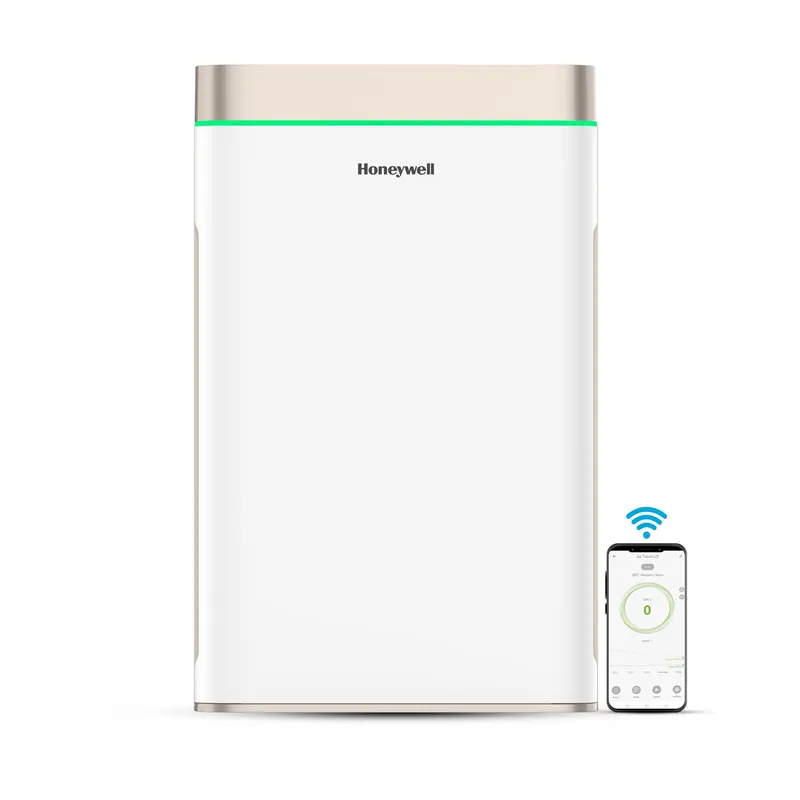
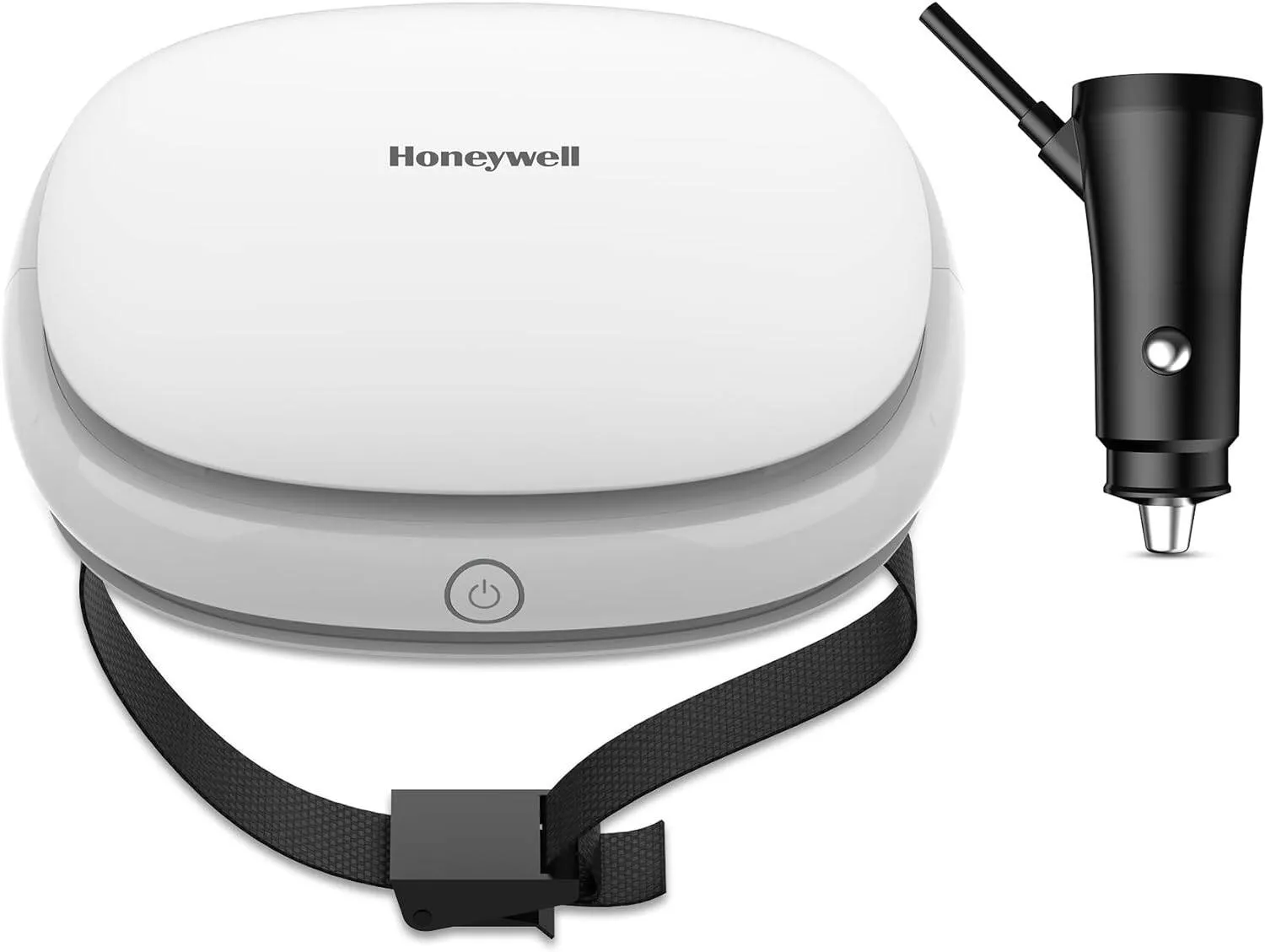
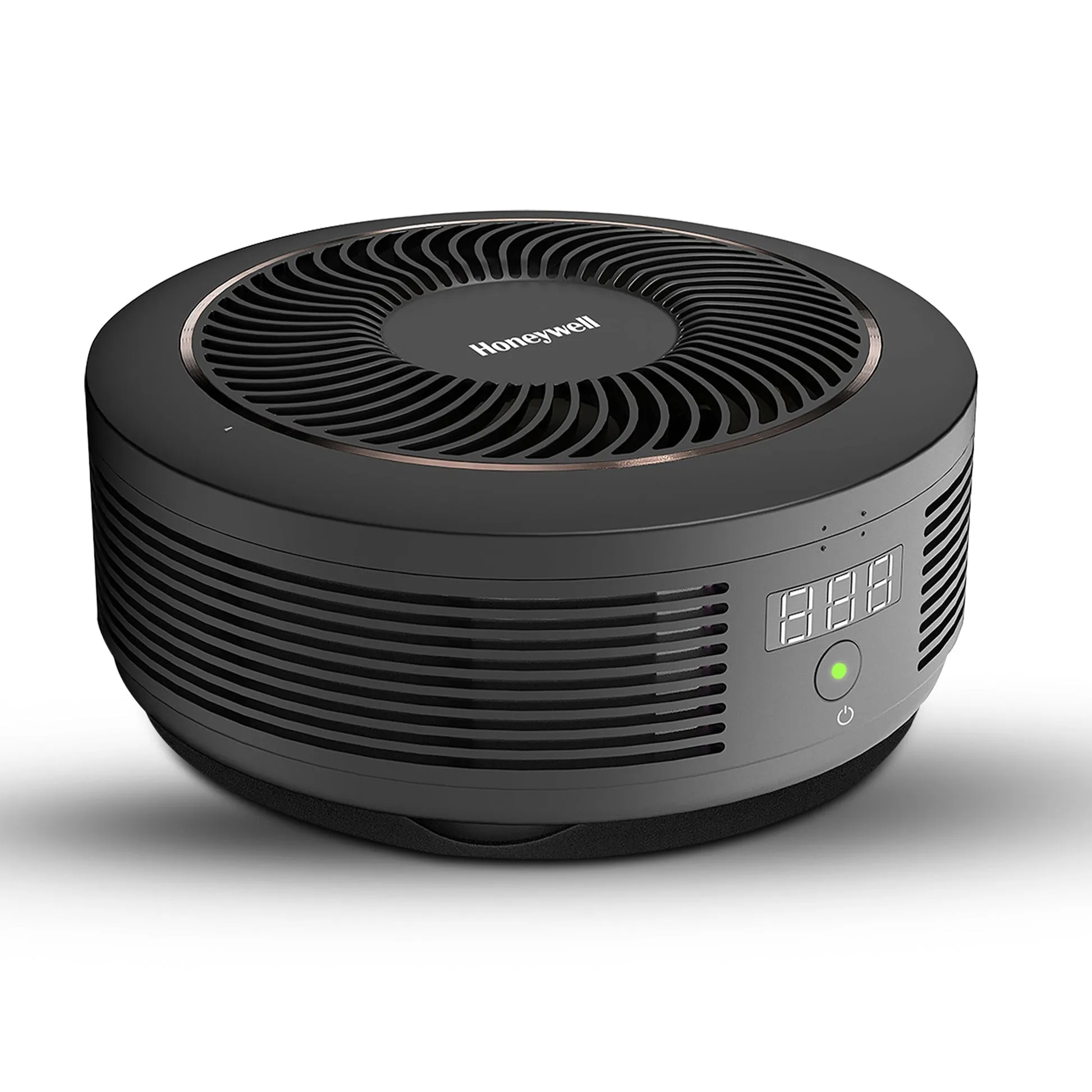
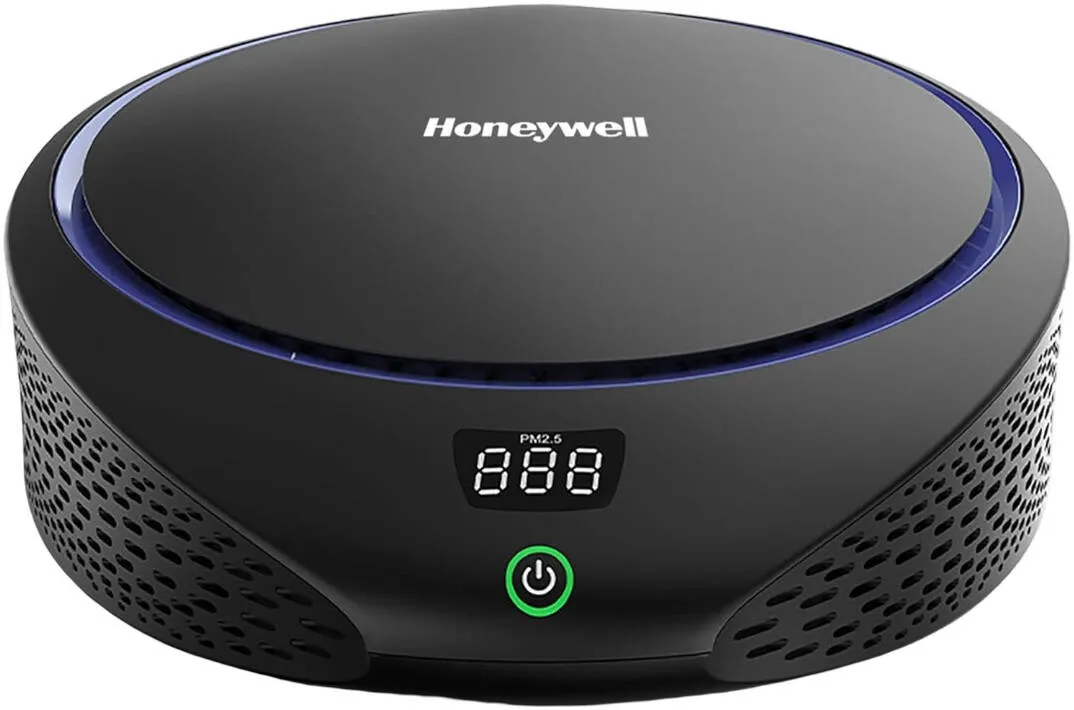
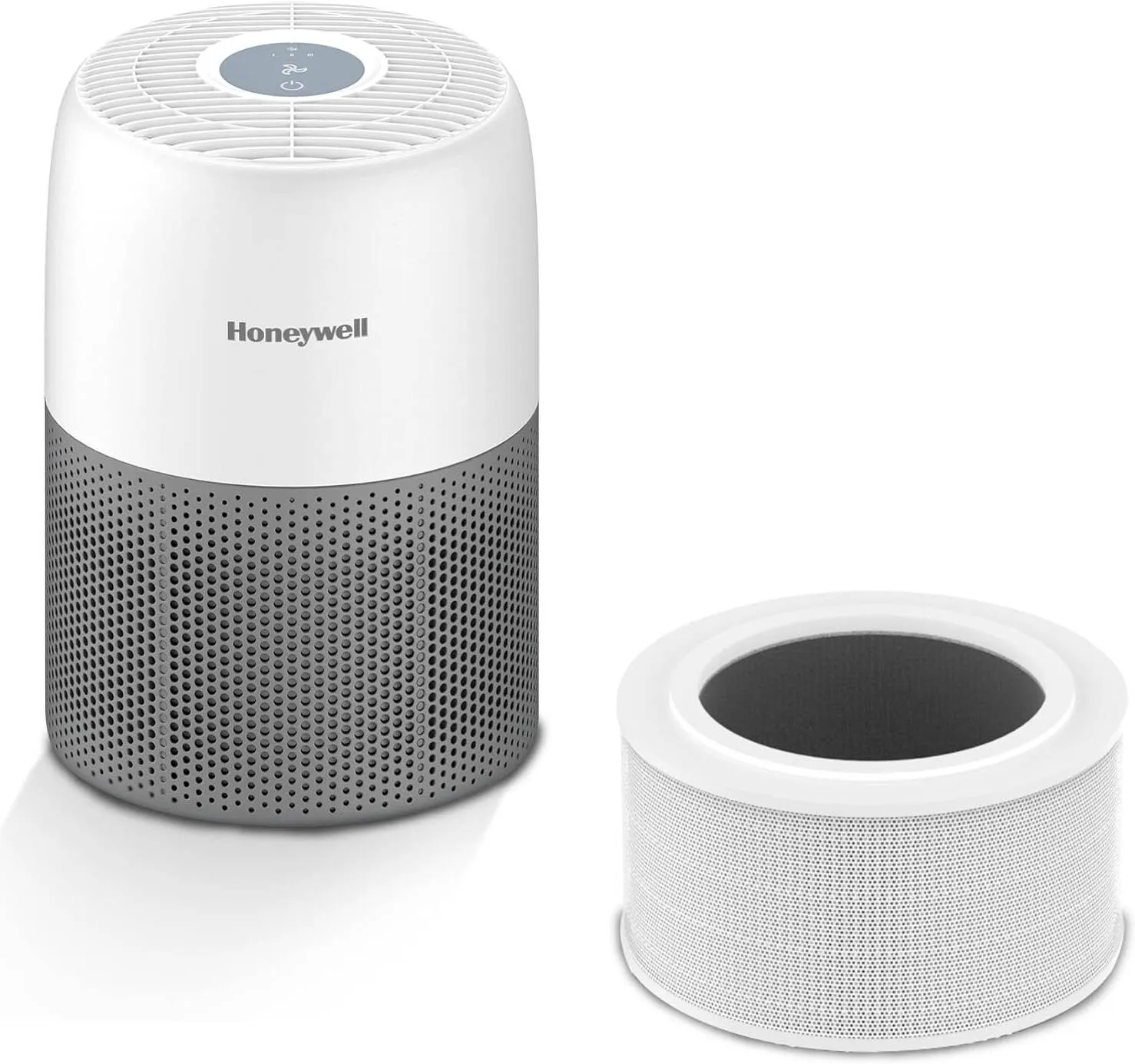
Cleanair-ae stocks a curated range of air purifiers, replacement filters, and accessories from Blueair, Honeywell, and Levoit, all suited to residential and multi-unit applications. The 2026 air purifier buying guide covers filter grades, room coverage, and unit compatibility in detail. For buildings where supplementary purification supports the central HVAC system, the guide on air purifier alternatives outlines eight proven methods that complement a filter upgrade programme. Free delivery across the UAE is available on orders over 49 AED, with fast despatch to Dubai and Abu Dhabi.
FAQ
What MERV rating is best for apartment complex HVAC systems?
MERV 11 to MERV 13 is the recommended range for most apartment complexes. MERV 13 aligns with ASHRAE 52.2 residential ventilation standards but requires a static pressure test to confirm motor compatibility before installation.
How often should apartment HVAC filters be replaced?
Standard residential units require filter replacement every 30–90 days. Pet-heavy or high-pollution units may need changes every 6–8 weeks to prevent system strain and maintain air quality.
Can high-efficiency filters damage an apartment HVAC system?
Yes. Filters with a high pressure drop can reduce airflow, cause coil freeze-up, and damage equipment within 6–12 months if the fan motor lacks sufficient capacity. Static pressure testing before installation prevents this.
What is the most effective first step in an apartment air quality upgrade?
Sealing duct leakage and balancing exhaust-to-supply air ratios deliver greater indoor air quality gains than filter upgrades alone. These corrections must precede the installation of high-efficiency filters.
Do tenants need to do anything to support an air filtration upgrade?
Yes. EPA guidelines confirm that occupant behaviour is a key factor in sustaining indoor air quality. Tenants should avoid blocking supply vents, use exhaust fans during cooking and showering, and report unusual odours promptly.