
Uncategorised
The role of ventilation in air quality: a complete guide

How ventilation shapes your indoor air quality
Ventilation does one fundamental job: it supplies fresh outdoor air while removing stale indoor air, diluting pollutants before they accumulate to harmful levels. The primary contaminants it addresses are moisture, carbon dioxide (CO2), volatile organic compounds (VOCs), airborne pathogens, and particulate matter. Without adequate airflow, these build up silently, affecting health long before you notice any obvious signs.
Research from WHO guidelines confirms that ventilation rates below 10 litres per second per person are associated with higher prevalence of health complaints and worse perceived air quality in office environments. That threshold is not arbitrary. It reflects decades of epidemiological data linking airflow to respiratory outcomes, concentration levels, and occupant comfort.
- Moisture control: removes water vapour generated by cooking, bathing, and breathing
- CO2 dilution: replaces exhaled air with fresh outdoor air, maintaining cognitive function
- VOC removal: expels chemical emissions from furniture, cleaning products, and building materials
- Pathogen reduction: reduces the concentration of airborne virus particles in enclosed spaces
- Odour management: prevents stale, unpleasant air from accumulating in occupied rooms
Good ventilation also protects the building itself. Persistent moisture causes structural deterioration, timber rot, and mould growth on surfaces. Ventilation is not a comfort feature. It is a health and building protection measure.
Why indoor air quality matters for your health
Poor indoor air quality is directly linked to respiratory infections, allergic rhinitis, asthma, and reduced cognitive performance. People spend the majority of their time indoors, so the quality of that air has a measurable effect on daily health and productivity.
“Good ventilation has been linked to health benefits such as better sleep and concentration, and fewer sick days off from work or school.”
— GOV.UK guidance on ventilation
The relationship between pollutant concentration and ventilation is direct. When airflow drops, CO2 rises, VOC levels climb, and airborne pathogens linger longer. In poorly ventilated rooms, aerosols containing viruses can remain suspended in the air for extended periods, even after an infected person has left. The risk increases further when occupants are exercising, singing, or speaking loudly.
WHO indoor air quality data shows that ventilation rates critically affect health outcomes and occupant comfort, underlining the need to meet recommended minimums. For property managers and homeowners alike, this means ventilation is not something to address only when problems appear. It requires consistent attention as part of routine building management.
What types of ventilation are there, and what do they do?
Ventilation falls into three broad categories: natural, mechanical, and hybrid. Each has distinct strengths depending on building type, climate, and occupancy.
Natural ventilation relies on wind pressure and the stack effect, where warm air rises and escapes through high-level openings, drawing cooler air in at lower levels. Windows, vents, chimneys, and open doors all contribute. Natural ventilation can achieve high air change rates cost-effectively, but its performance depends entirely on outdoor conditions, building orientation, and whether occupants actually open windows. In cold weather or polluted urban environments, it often falls short.
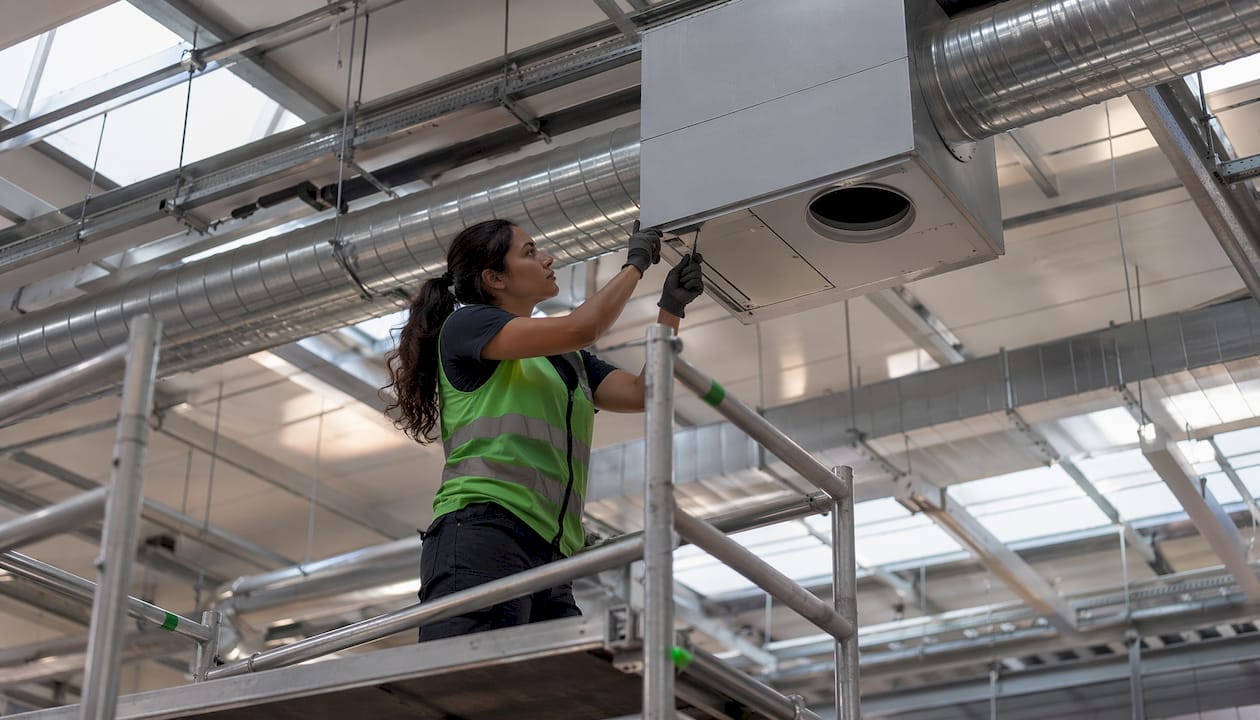
Mechanical ventilation uses powered fans and ductwork to deliver consistent airflow regardless of weather or occupant behaviour. Key system types include:
- Extract fans: remove stale air from kitchens and bathrooms directly to the outside
- Mechanical ventilation with heat recovery (MVHR): supplies filtered fresh air while recovering heat from exhaust air, reducing energy loss
- Demand-controlled ventilation (DCV): adjusts airflow automatically based on CO2 sensors or occupancy levels
- Positive input ventilation (PIV): pushes filtered air into the building from a central unit, typically in the loft
Mechanical systems maintain consistent ventilation regardless of weather, which is particularly important in modern airtight buildings where natural infiltration is minimal.
Hybrid (mixed-mode) ventilation combines both approaches, using natural ventilation when conditions allow and switching to mechanical support when needed. Schools and commercial buildings frequently use this strategy to balance energy use with reliable air quality control.
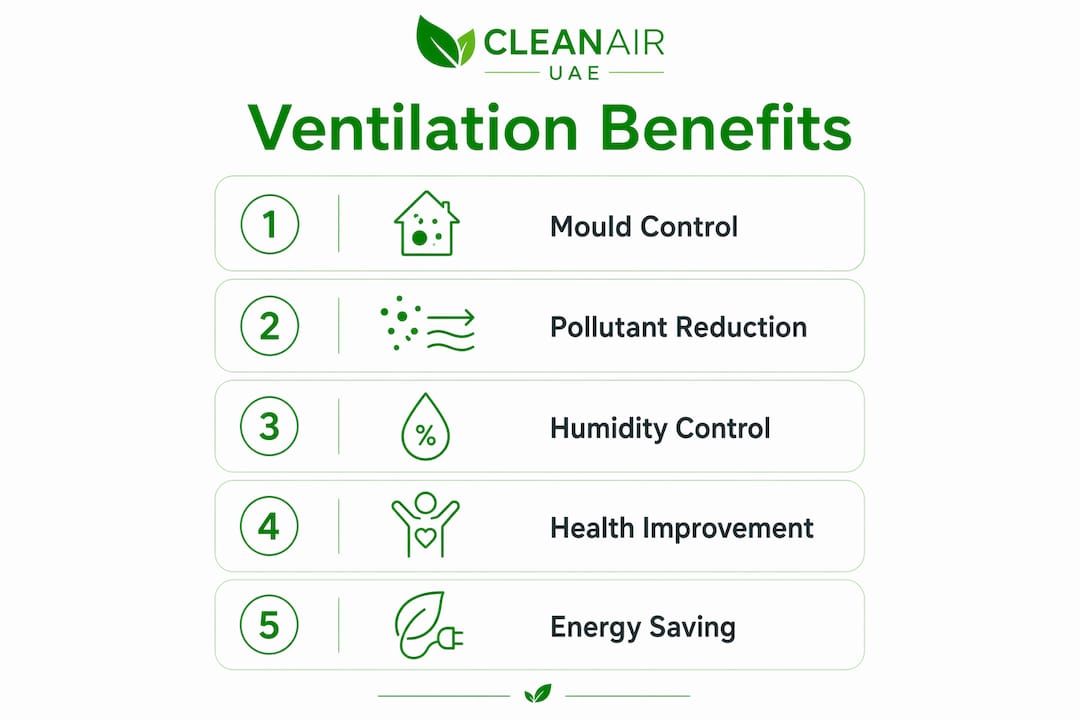
The practical benefits of ventilation in buildings
Ventilation delivers measurable benefits across health, comfort, and building fabric. The table below summarises the key outcomes.
| Benefit | Outcome |
|---|---|
| Mould prevention | Removes moisture before it condenses on surfaces |
| Reduced pollutant exposure | Dilutes CO2, VOCs, and airborne pathogens |
| Improved occupant health | Fewer respiratory symptoms and sick days |
| Better cognitive performance | Lower CO2 levels support concentration and alertness |
| Building fabric protection | Prevents timber rot, plaster damage, and structural deterioration |
| Odour control | Removes cooking, cleaning, and biological odours |
Beyond the table, the financial case is clear. Buildings with chronic moisture problems face repair costs that dwarf the cost of a properly maintained ventilation system. Mould remediation, structural repairs, and redecorating are all avoidable with adequate airflow.
Key benefits at a glance:
- Protects occupants from airborne infections and allergens
- Reduces condensation and associated structural damage
- Supports energy efficiency when combined with heat recovery
- Maintains comfortable temperature and humidity levels
- Contributes to compliance with building regulations and workplace standards
MVHR systems improve energy efficiency by recovering heat from exhaust air, making them particularly suited to well-insulated modern homes where energy loss through traditional ventilation would otherwise be significant.
What happens when ventilation is inadequate?
The effects of poor ventilation accumulate gradually, which is why they are often attributed to other causes. Headaches, fatigue, and difficulty concentrating are common early signs. Over time, inadequate airflow leads to more serious consequences.
“In poorly ventilated rooms the amount of virus in the air can build up, increasing the risk of spread, especially if there are lots of infected people in the room.”
— GOV.UK ventilation guidance
Research published via OSTI found that as ventilation rates drop from 10 to 5 litres per second per person, the average prevalence of sick building syndrome symptoms increases by approximately 23%. Conversely, increasing ventilation from 10 to 25 litres per second per person reduces symptom prevalence by approximately 29%. These figures are supported by WHO guideline data as well. These figures apply to office environments, but the underlying mechanism, pollutant dilution, applies equally to homes and schools.
Structural consequences are equally serious. Persistent moisture from inadequate ventilation causes mould growth on walls and ceilings, timber decay in roof structures, and deterioration of insulation. WHO data on damp buildings shows that occupants of damp or mouldy buildings face increased risk of respiratory symptoms, respiratory infections, allergic rhinitis, and asthma. Vulnerable groups including children, elderly people, and those with existing respiratory conditions are at greatest risk.
How to keep your ventilation system working properly
A ventilation system that is not maintained delivers progressively worse air quality, often without any obvious warning signs. Filters clog, fans slow, and ductwork accumulates debris, all of which reduce airflow and allow pollutants to build up.
Neglecting filter changes and fan operation causes moisture build-up and mould growth, directly degrading indoor air quality. Core maintenance tasks include:
- Filter replacement: follow manufacturer schedules, typically every 3–12 months depending on system type and local air quality
- Fan inspection: check that extract fans in kitchens and bathrooms operate at full speed and are not obstructed
- Duct cleaning: remove accumulated dust and debris from supply and extract ducts periodically
- Inlet and outlet checks: clear external grilles of leaves, debris, and blockages
- Control system testing: verify that sensors, timers, and demand-controlled settings function correctly
Occupant behaviour matters too. Blocking vents to reduce noise or draughts, or switching off mechanical systems to save energy, undermines the entire system. In modern airtight buildings, mechanical ventilation must operate continuously. Blocking it causes moisture and mould problems regardless of how well the building is otherwise managed.
Pro Tip: Check your extract fans by holding a sheet of tissue paper near the grille. If it does not hold against the grille under suction, the fan needs servicing or replacement.
Controlling indoor humidity through ventilation
Maintaining indoor relative humidity between 40% and 60% is the target for both health and building protection. Below 40%, air becomes uncomfortably dry and can irritate airways. Above 60%, mould growth on surfaces becomes a genuine risk, and dust mite populations increase.
Ventilation removes moisture at a rate determined by the difference between indoor and outdoor humidity levels. Cold outdoor air carries less moisture than warm indoor air, so ventilation is most effective at removing humidity during cooler months. In hot, humid climates, outdoor air may carry more moisture than indoor air, meaning ventilation alone cannot control humidity and air conditioning or dehumidification is also required.
| Humidity level | Risk | Recommended action |
|---|---|---|
| Below 40% | Dry airways, static electricity, irritation | Reduce ventilation rate or add humidification |
| 40%–60% | Optimal range | Maintain current ventilation |
| Above 60% | Mould growth, dust mites, structural damage | Increase ventilation or use dehumidifier |
Best practices for humidity management through ventilation:
- Open windows for at least 15 minutes each morning to clear overnight moisture from breathing
- Use extract fans during and after cooking, bathing, and showering
- Keep internal doors open to allow air circulation between rooms
- Move furniture slightly away from external walls to allow airflow behind them
- Monitor humidity with a low-cost hygrometer and adjust ventilation accordingly
A hygrometer costs very little and gives you a real-time reading of indoor humidity. Paired with a basic humidity control strategy, it removes the guesswork entirely. For new-build properties, construction moisture requires intensified ventilation and heating for 18–24 months to avoid structural damage as the building dries out.
Health standards and guidelines for ventilation
Several authoritative bodies set specific parameters for ventilation and indoor air quality. Meeting these standards is not just good practice. In workplaces and schools, it is a legal requirement.
“Ventilation must be sufficient either to remove pollutants and humidity generated indoors or to dilute their concentrations to acceptable levels for the health and comfort of the occupants.”
— WHO Guidelines for Indoor Air Quality, NCBI Bookshelf
Key parameters and monitoring methods:
- CO2 concentration: UK school guidelines (BB101) set a daily average target of below 1,000 ppm in mechanically ventilated teaching spaces, with a maximum of 1,500 ppm for no more than 20 consecutive minutes
- Ventilation rate: WHO and CIBSE guidance references 10 litres per second per person as a minimum for occupied spaces
- Relative humidity: 40%–60% is the accepted healthy range across health authority and industry guidance
- CO2 monitors: a portable CO2 monitor with readings above 800 ppm indicates that more fresh air is needed
- Air change rate: the CDC recommends aiming for at least 5 air changes per hour of clean air in occupied rooms
Source control remains the primary IAQ strategy. Ventilation complements it by diluting residual pollutants, but relying solely on ventilation can increase outdoor pollutant ingress and energy use. The balanced approach combines pollutant source reduction with adequate ventilation and, where necessary, supplemental filtration.
Energy efficiency is a genuine consideration. Demand-controlled ventilation, MVHR systems, and well-designed natural ventilation all reduce energy consumption while maintaining air quality. Ventilation should not be treated as a binary choice between health and energy bills.
Ventilation strategies for different building types
The right ventilation approach depends on the building’s age, construction, use, and occupancy patterns.
Residential homes typically rely on a combination of background ventilators (trickle vents in window frames), intermittent extract fans in wet rooms, and whole-house mechanical systems in newer builds. Older properties with suspended timber floors and open fireplaces benefit from natural infiltration, but modern draught-proofed homes need deliberate mechanical provision. For practical guidance on optimising air circulation in both homes and offices, the principles of airflow direction and extract positioning apply across both settings.
Schools and classrooms use hybrid systems most frequently. CO2 monitoring is standard practice, with mechanical ventilation triggered when levels exceed set thresholds. BB101 guidelines govern design requirements for new and refurbished school buildings in England.
Offices and commercial spaces often use centralised HVAC systems with demand-controlled ventilation. Occupancy sensors and CO2 monitors allow the system to scale airflow to actual use, reducing energy waste during low-occupancy periods.
Healthcare settings require the highest standards, with directional airflow from clean to dirty zones, negative pressure isolation rooms, and HEPA filtration in high-risk areas. Natural ventilation is used in lower-risk areas of some facilities, particularly in lower-income settings where mechanical systems are not available.
Industrial and retail spaces face specific challenges from process emissions, customer footfall, and variable occupancy. Local exhaust ventilation (LEV) captures pollutants at source before they disperse into the general space.
How air filtration and purification work alongside ventilation
Ventilation and air filtration are complementary, not interchangeable. Ventilation dilutes and removes pollutants by replacing indoor air with outdoor air. Filtration cleans the air that is already in the space by passing it through a filter medium that captures particles, pathogens, and in some cases gases.
HEPA and UV air cleaners can reduce airborne pathogen concentrations but do not replace ventilation. They are most useful where fresh air intake is limited, such as in rooms without openable windows, or where outdoor air quality is poor enough that increasing ventilation would introduce more pollutants than it removes.
MERV-13 rated filters, used in HVAC systems, capture a high proportion of fine particles including many airborne pathogens. UV air treatment systems can inactivate viruses and bacteria in the airstream. For a full overview of available technologies, air cleaning methods range from mechanical filtration to photocatalytic oxidation, each suited to different pollutant types and room sizes.
The layered approach works best: source control first, then adequate ventilation, then supplemental filtration where needed. Carpet and soft furnishings also trap particulate matter that ventilation alone cannot remove. Regular carpet cleaning reduces the reservoir of settled dust and allergens that recirculate into the air.
Which indoor pollutants does ventilation actually address?
Ventilation is effective against pollutants that are generated continuously indoors and that accumulate when airflow is insufficient. Proper ventilation dilutes the following contaminants, reducing exposure and health risks:
- Carbon dioxide (CO2): produced by occupant respiration; elevated levels cause drowsiness, headaches, and reduced concentration
- Volatile organic compounds (VOCs): emitted by paints, adhesives, cleaning products, and furniture; linked to eye and respiratory irritation
- Moisture and water vapour: generated by cooking, bathing, and breathing; leads to condensation and mould when not removed
- Airborne pathogens: viruses and bacteria suspended in aerosol droplets; diluted and removed by fresh air supply
- Particulate matter: fine dust, skin cells, and fibres that remain airborne in still conditions
- Radon: a naturally occurring radioactive gas that enters from the ground; ventilation reduces indoor concentrations in affected areas
- Combustion products: carbon monoxide and nitrogen dioxide from gas appliances; extract ventilation removes these from kitchens
Ventilation is less effective against pollutants with very high source rates, such as a gas leak or heavy chemical use. In those cases, source control and extraction at point of generation are the primary responses.
How to improve ventilation without replacing your HVAC system
Improving ventilation in an existing building does not require a full system replacement. Several low-cost and no-cost measures deliver meaningful improvements.
Open windows strategically. Cross-ventilation, where windows on opposite sides of a room or building are open simultaneously, creates airflow that clears stale air quickly. Even opening a window for a few minutes at a time helps remove accumulated pollutants. For allergy sufferers, timing window opening to avoid high pollen periods matters. Air improvement solutions for allergies cover this balance in detail.
Upgrade extract fans. Replacing an old, slow bathroom or kitchen fan with a higher-capacity unit is inexpensive and has an immediate effect on moisture and odour removal. Humidity-sensing fans that activate automatically when moisture levels rise are a practical upgrade for wet rooms.
Install trickle vents. Many replacement windows can be fitted with trickle vents in the frame, providing continuous low-level background ventilation without draughts or significant heat loss.
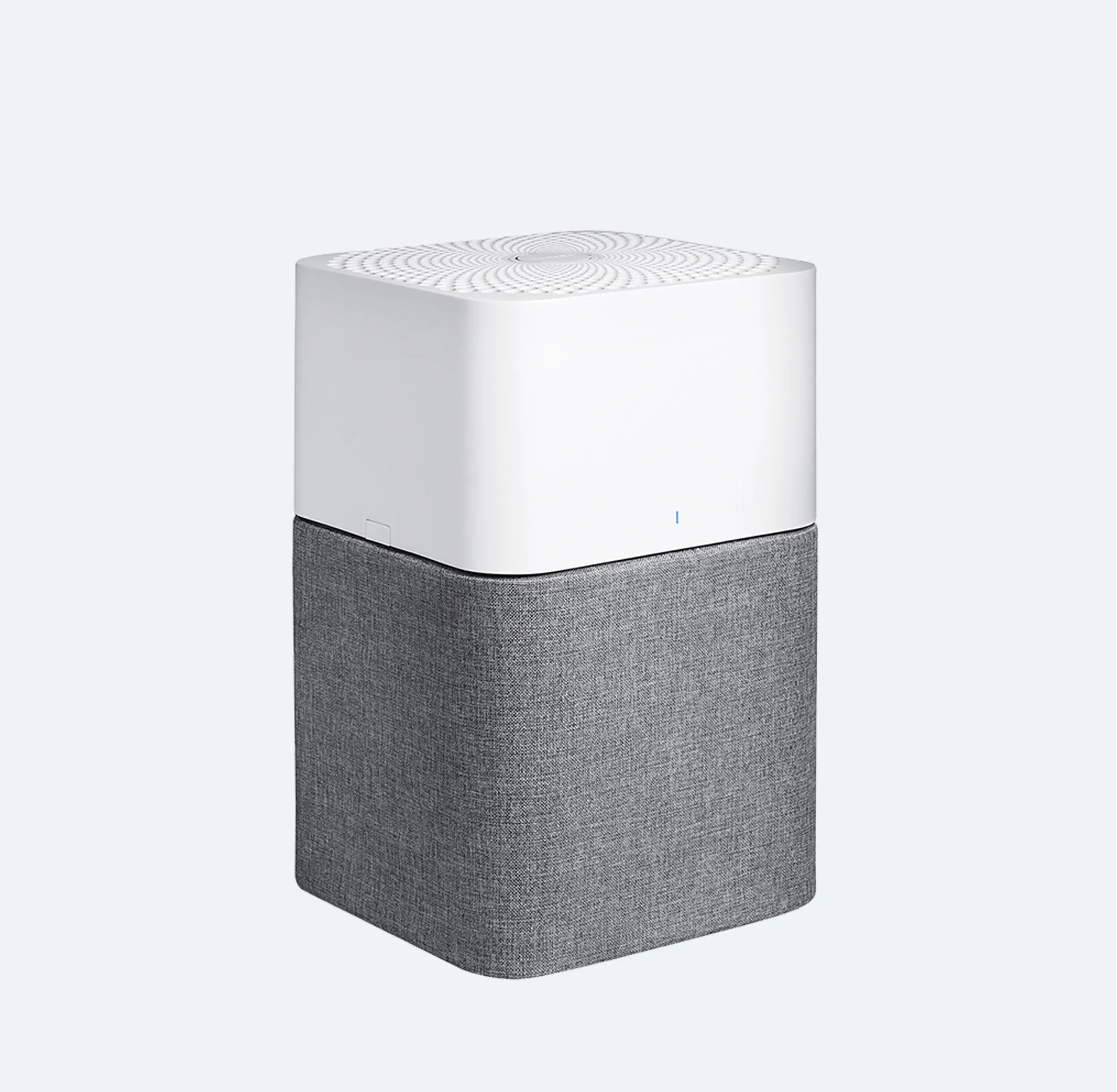
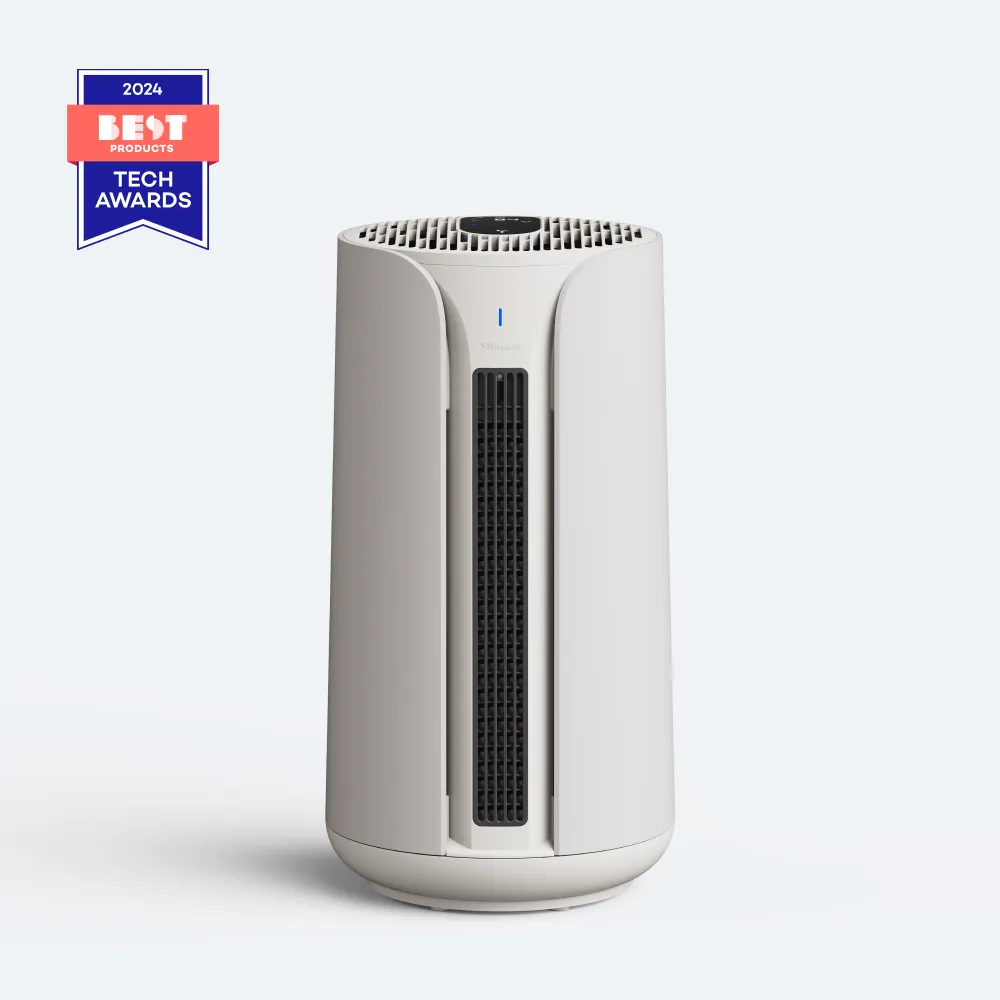
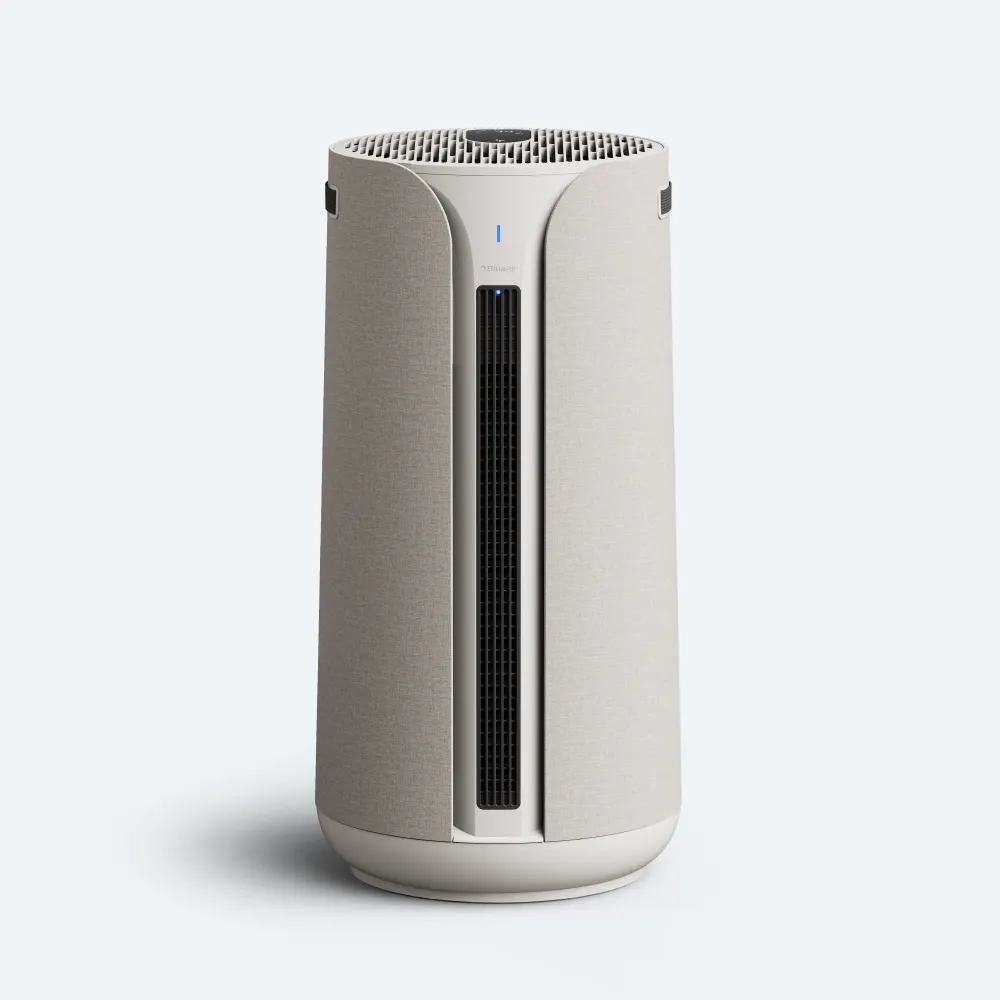
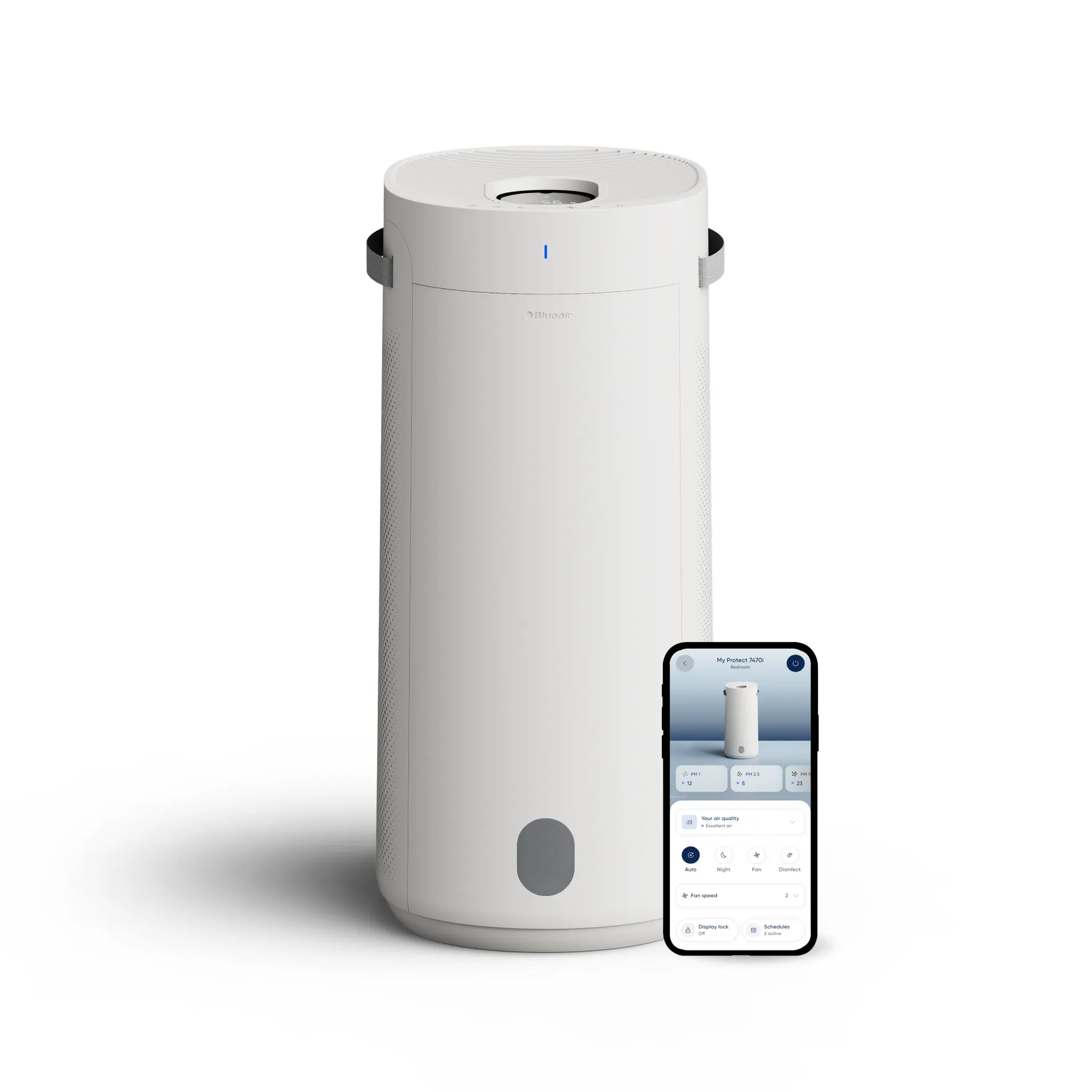
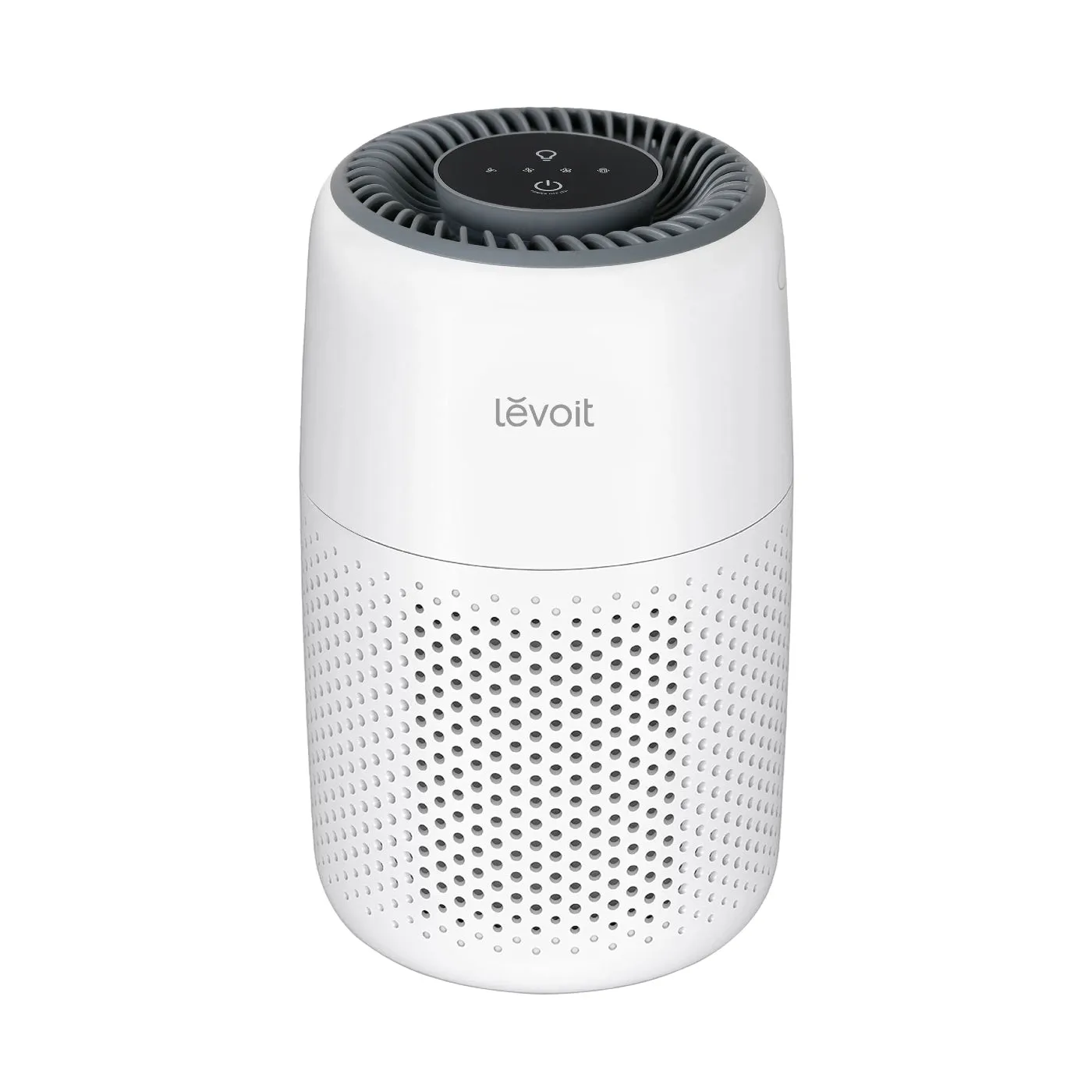
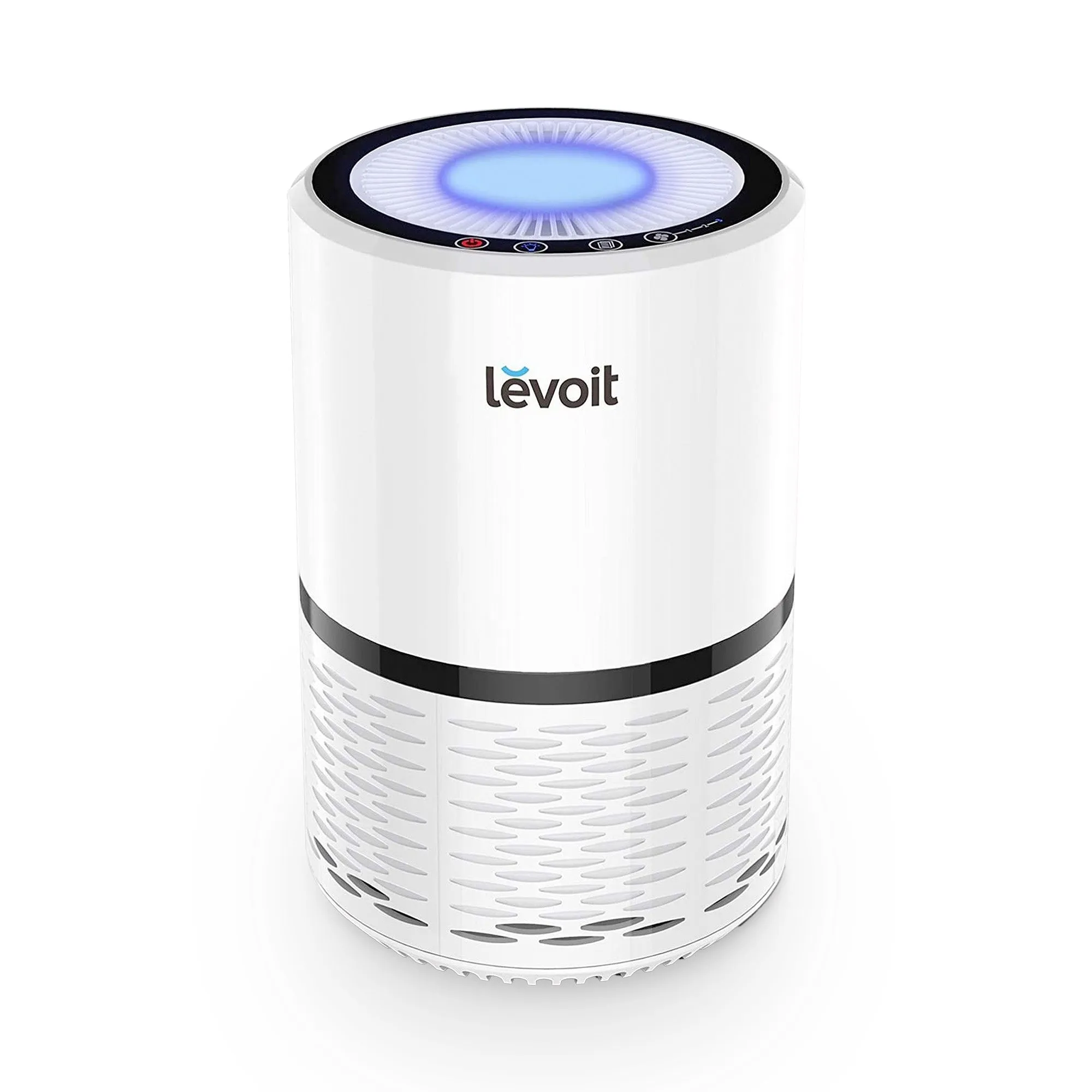
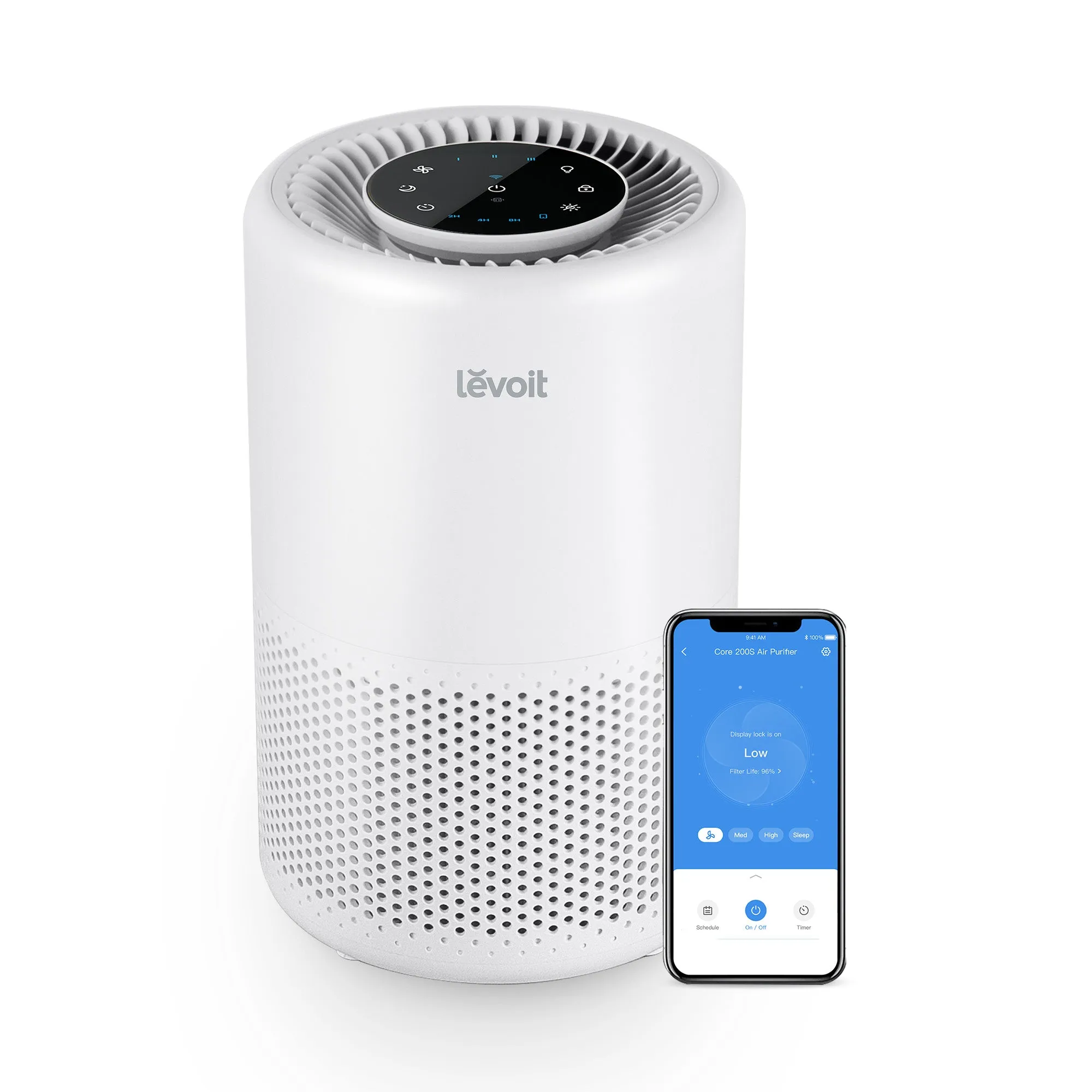
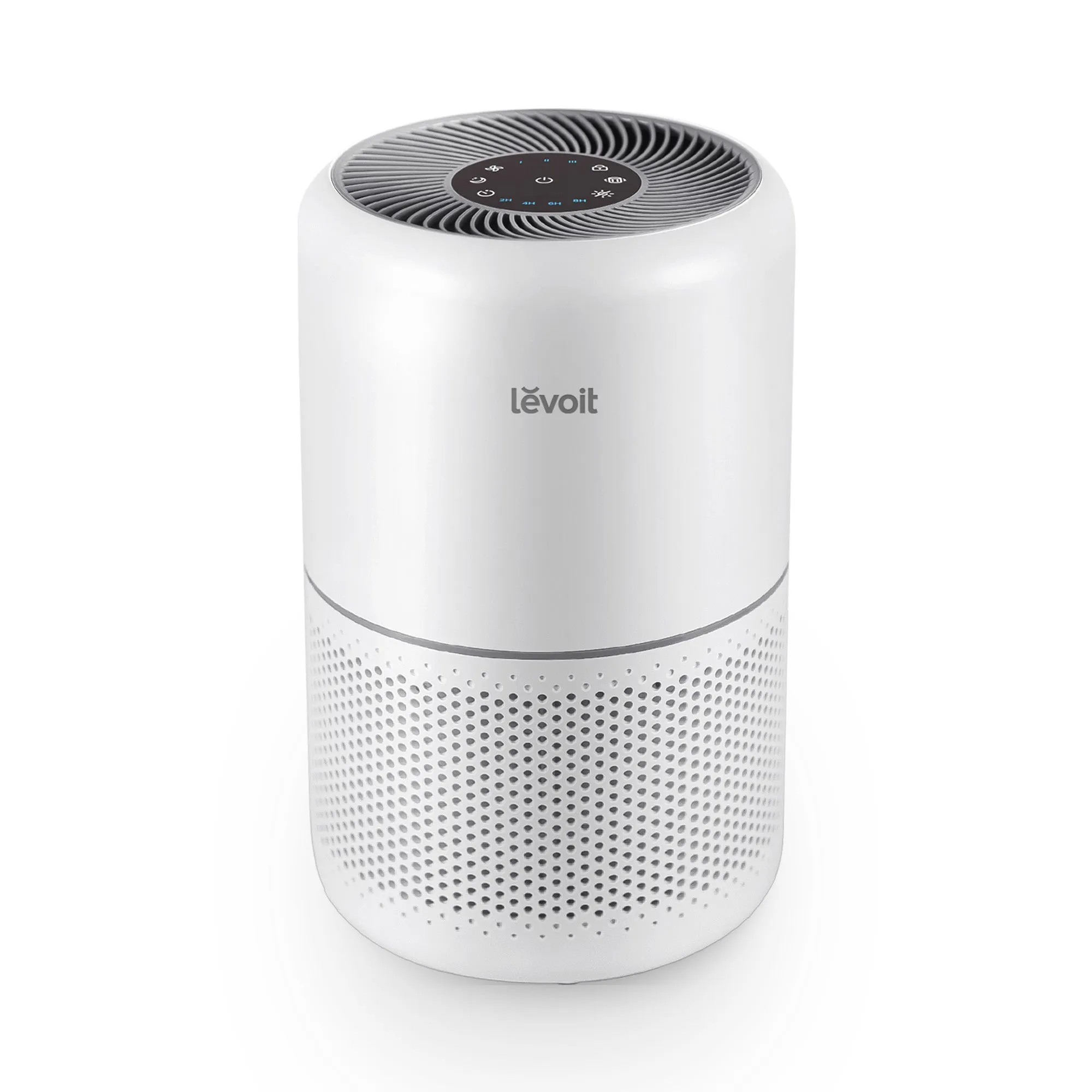
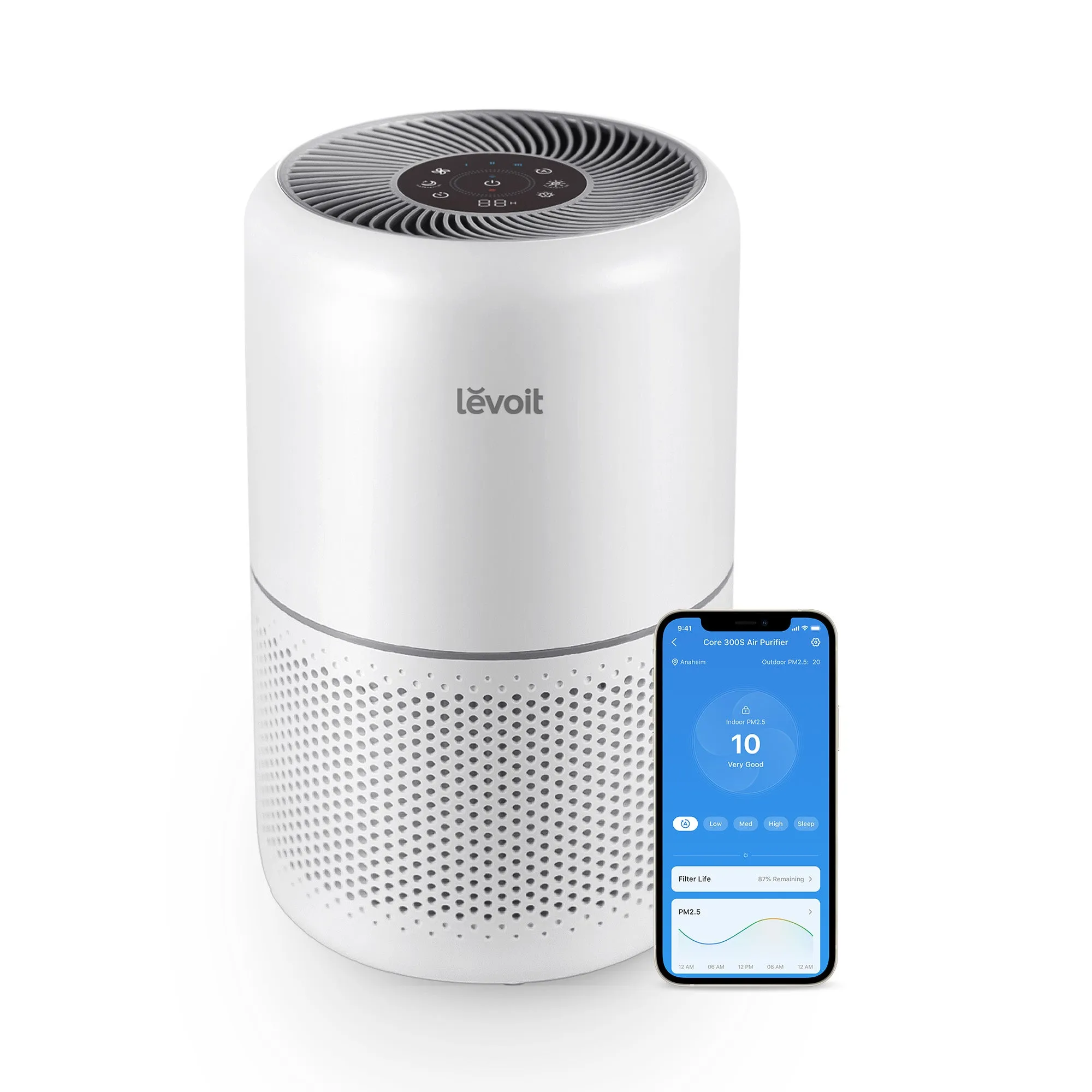
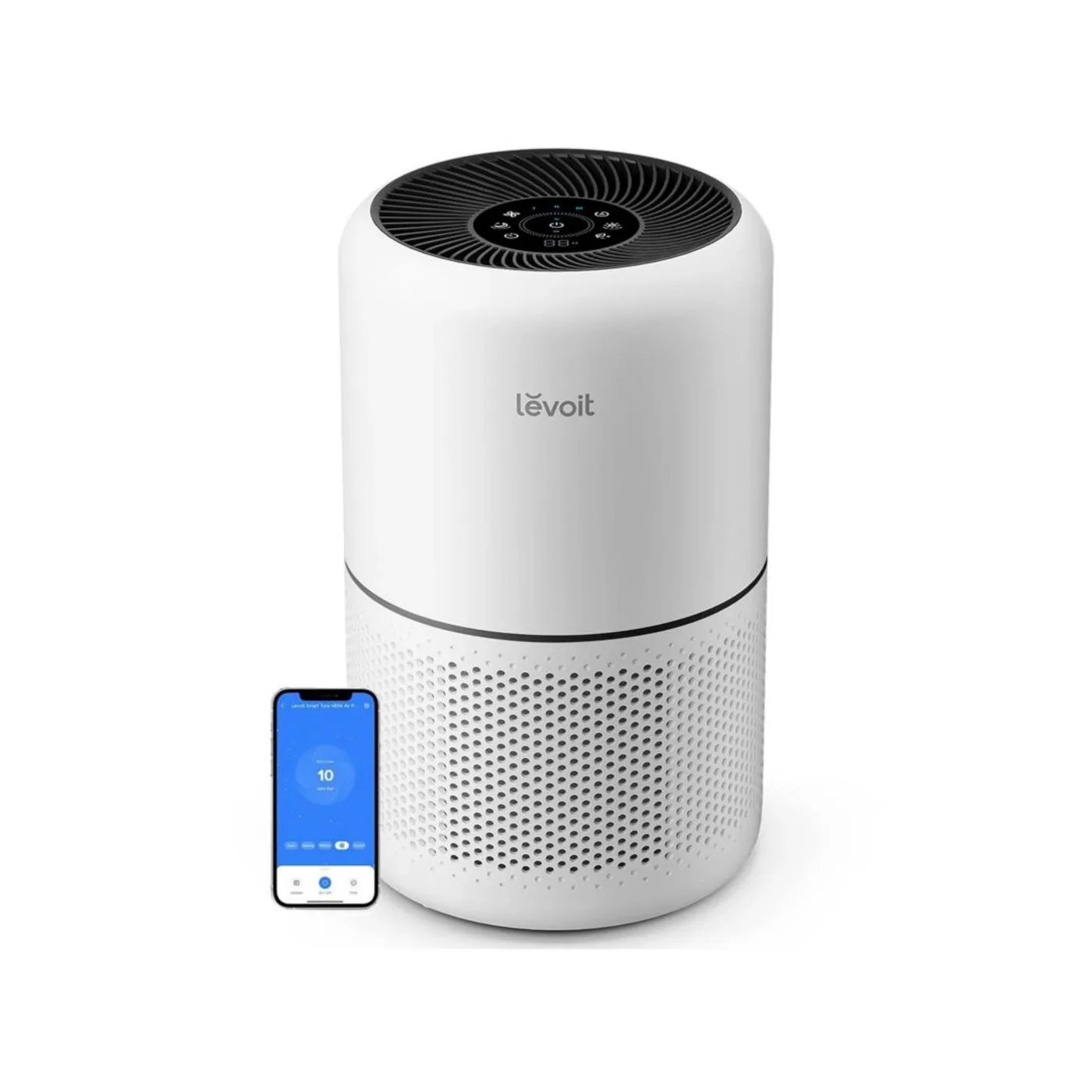
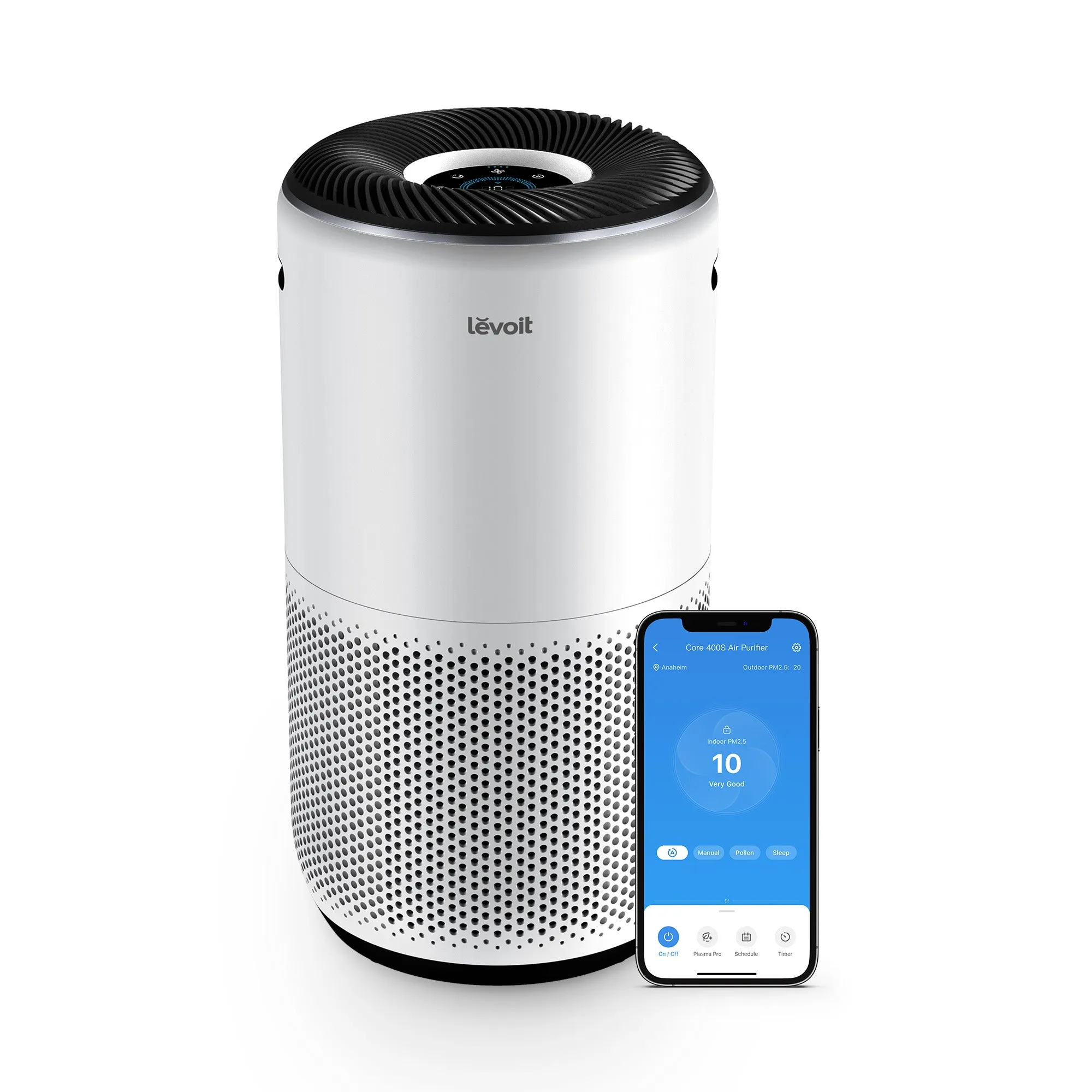
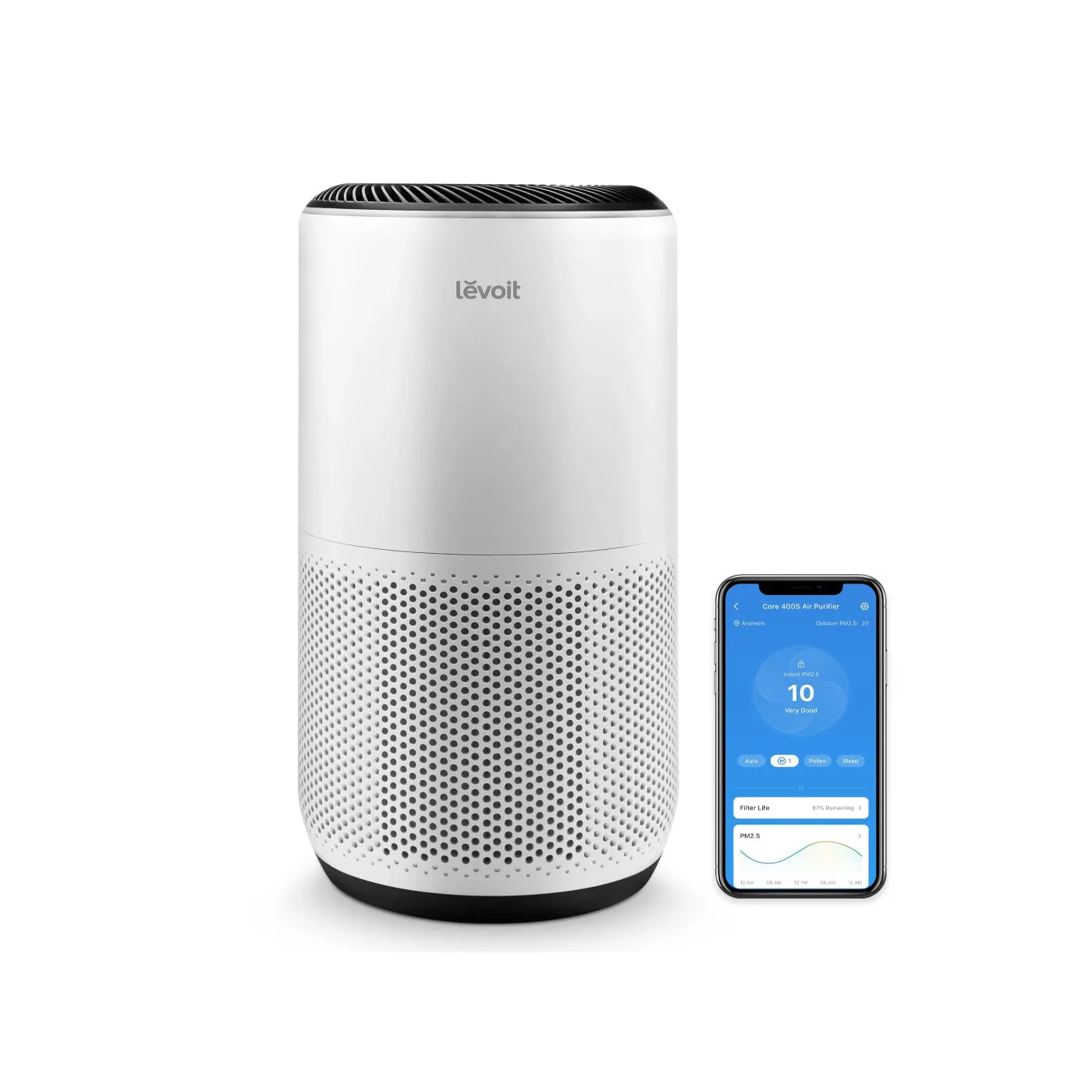
Use portable air cleaners. Where fresh air intake cannot be increased, a HEPA air cleaner provides supplemental particle removal. Size the unit to the room using the clean air delivery rate (CADR) specification.
Add a CO2 monitor. Knowing when CO2 levels exceed 800 ppm tells you exactly when to open a window or increase mechanical ventilation. It removes guesswork and helps you respond to actual conditions rather than schedules.
Rearrange furniture. Blocking air vents or placing large items against external walls restricts airflow. Moving furniture away from vents and walls costs nothing and improves air distribution immediately.
Key takeaways
Adequate ventilation is the single most effective measure for maintaining healthy indoor air quality, controlling moisture, and protecting both occupants and building fabric.
| Point | Details |
|---|---|
| Minimum ventilation rate | WHO guidelines link rates below 10 litres per second per person to higher health complaint prevalence. |
| Humidity target | Keep indoor relative humidity between 40% and 60% to prevent mould and respiratory irritation. |
| Symptom reduction | Increasing ventilation from 10 to 25 litres per second per person reduces sick building syndrome symptoms by approximately 29%. |
| Maintenance is non-optional | Neglected filters and fans cause moisture build-up and mould, directly worsening indoor air quality. |
| Filtration complements ventilation | HEPA and UV air cleaners reduce airborne pathogens but do not replace fresh air supply. |
Improve your indoor air quality with Cleanair-ae

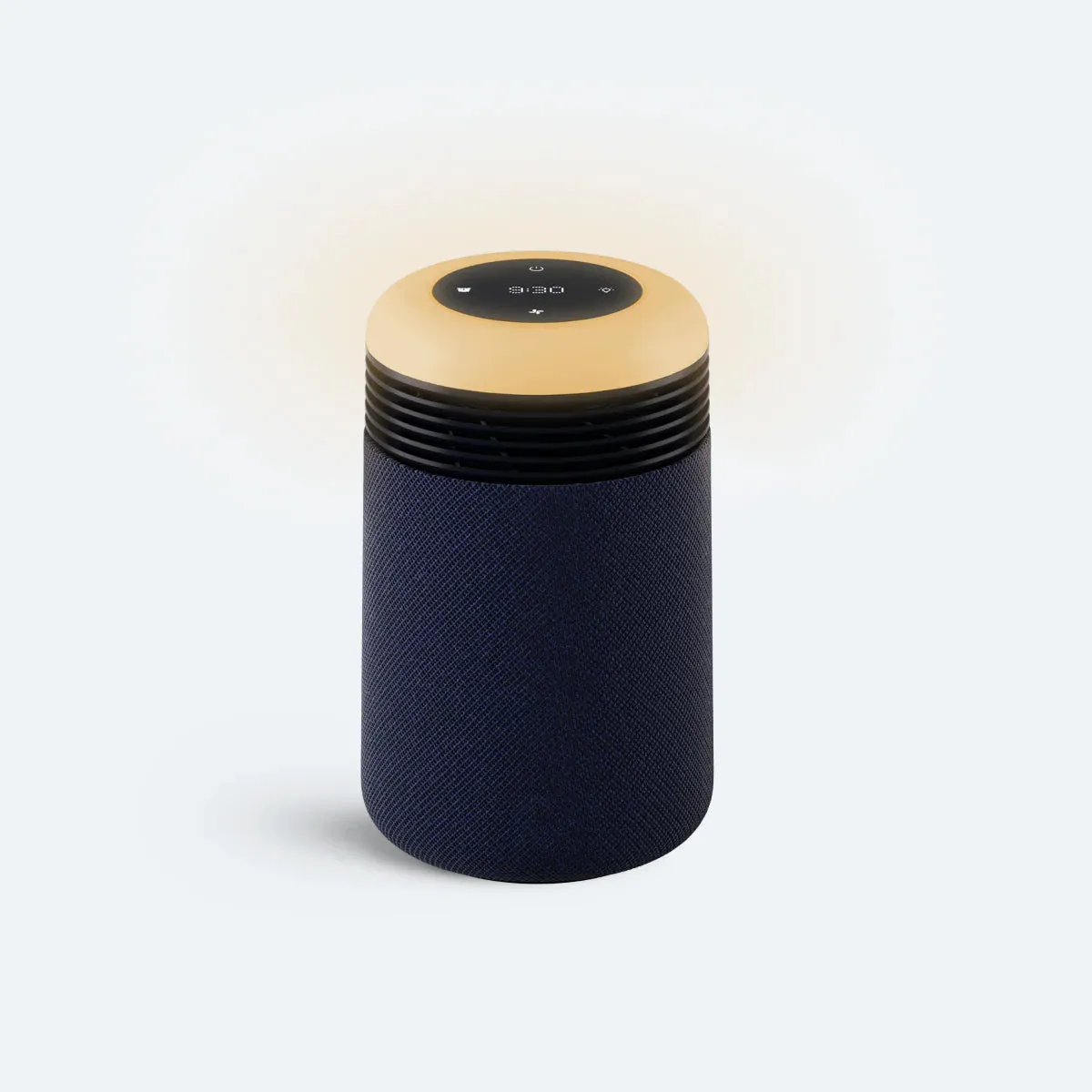
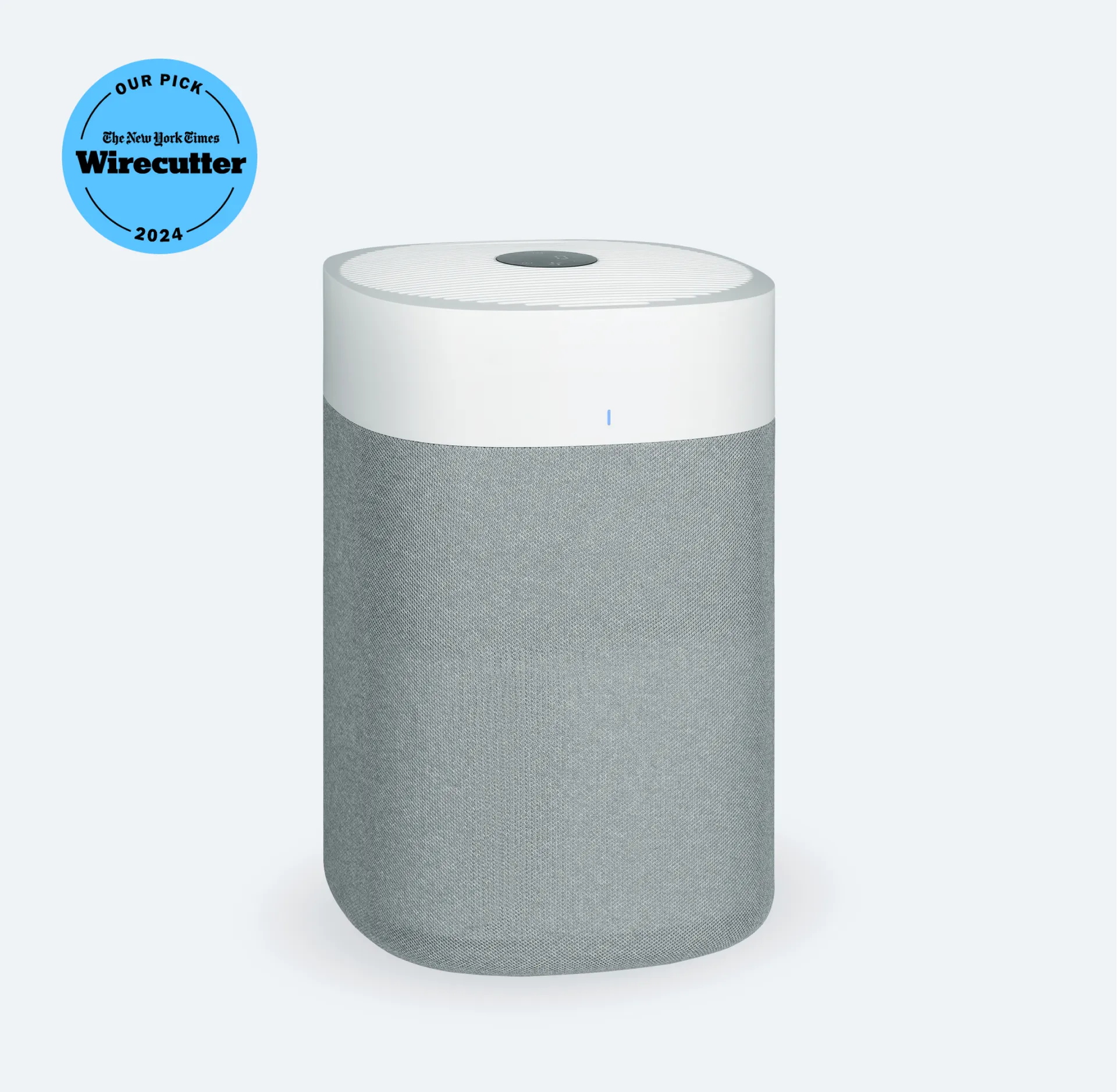
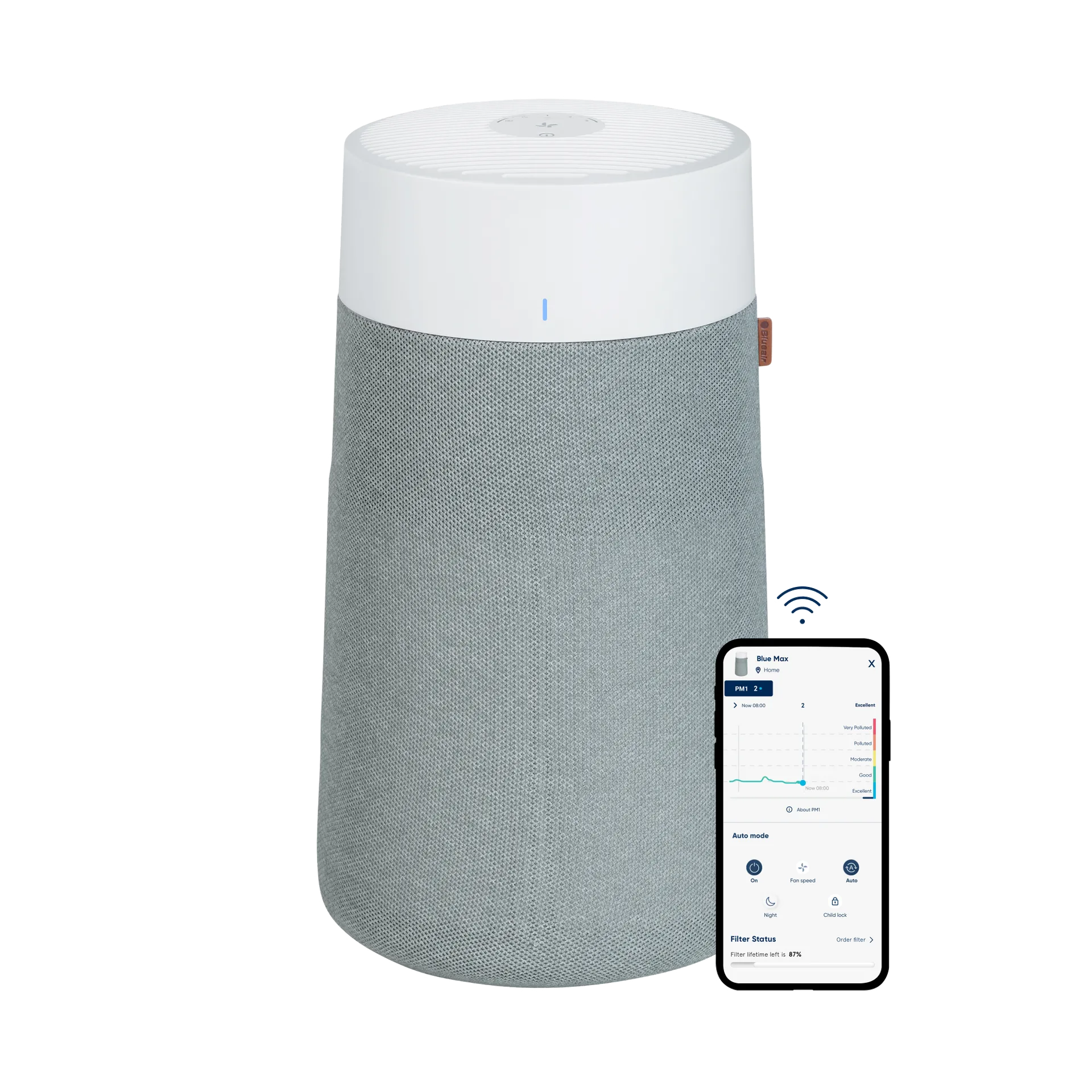
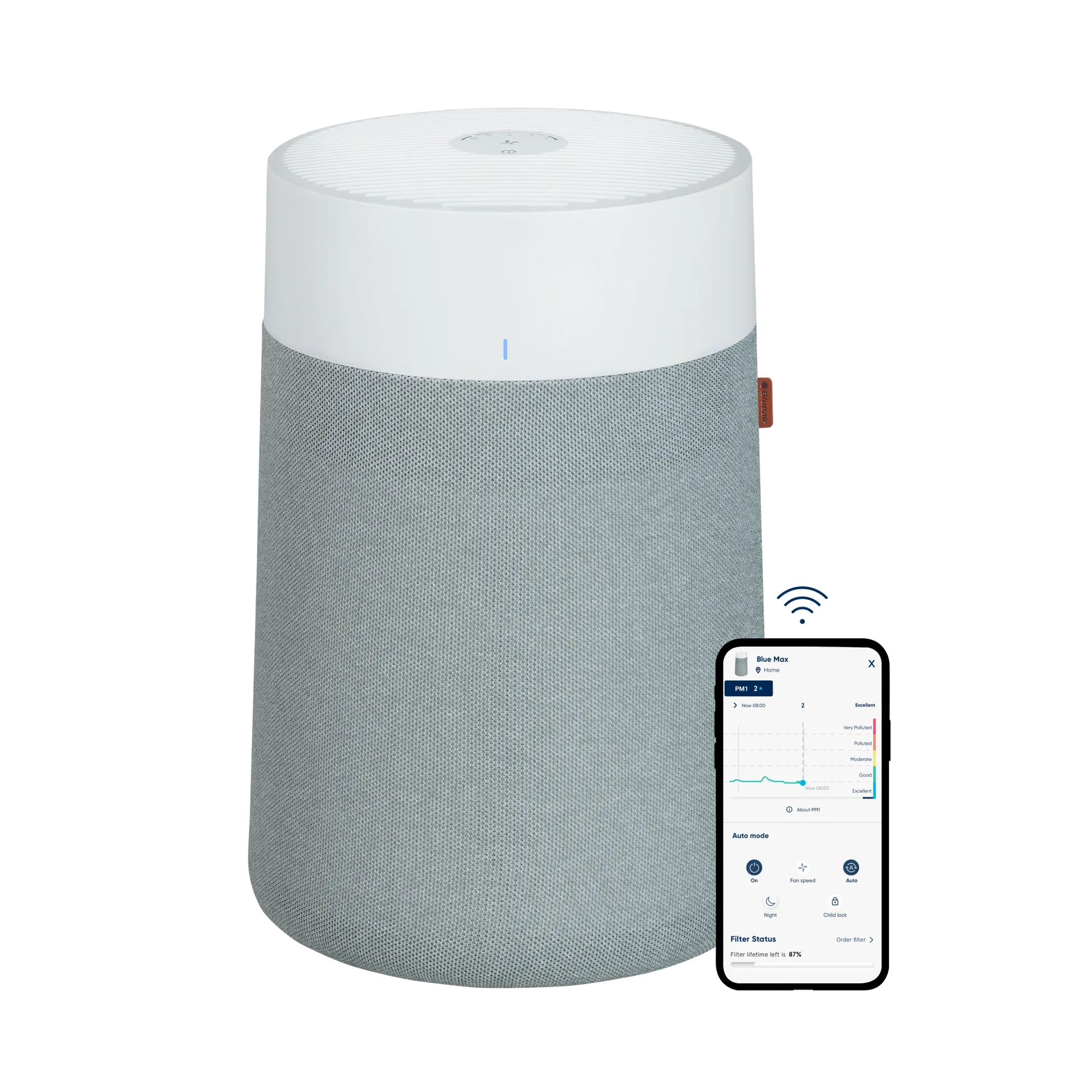
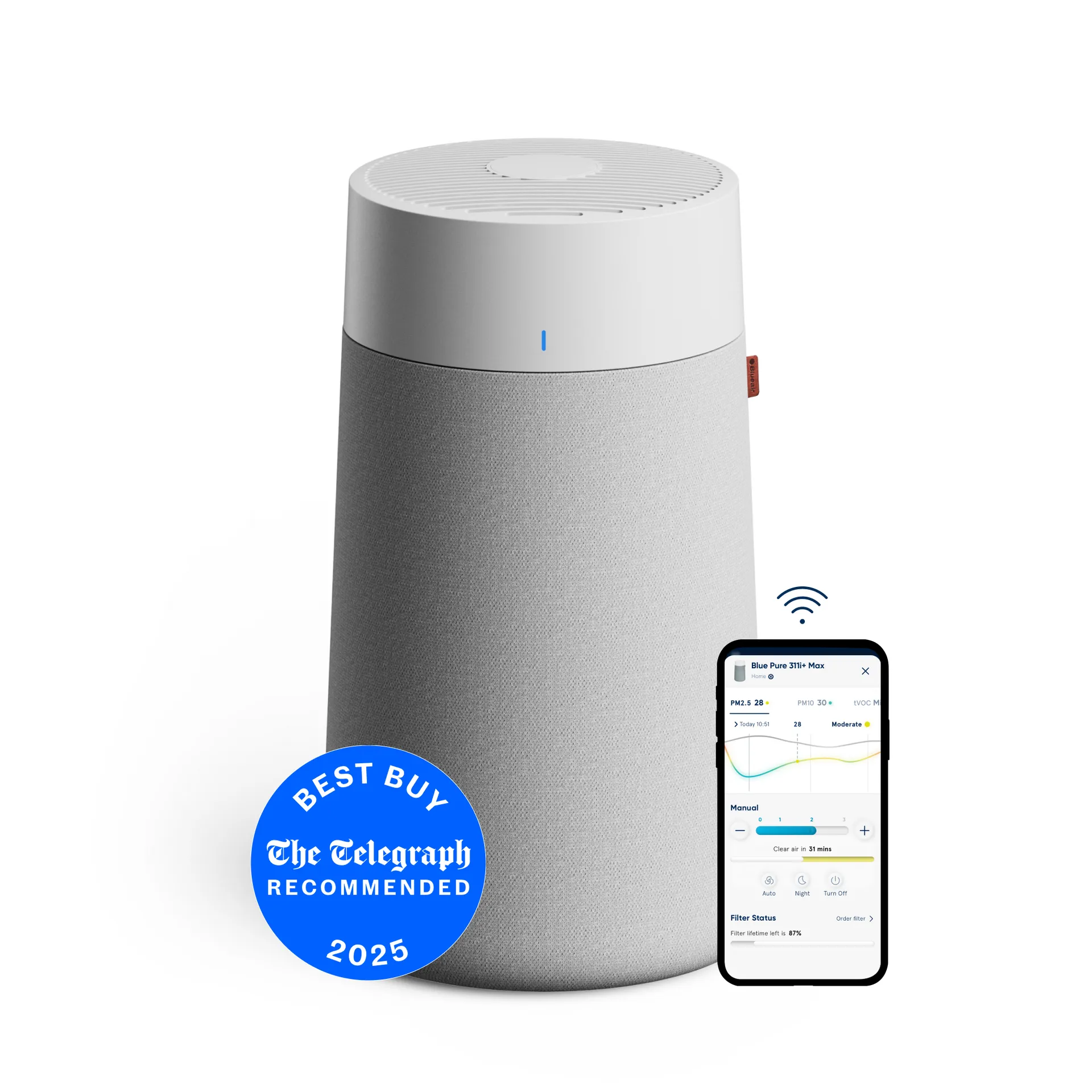
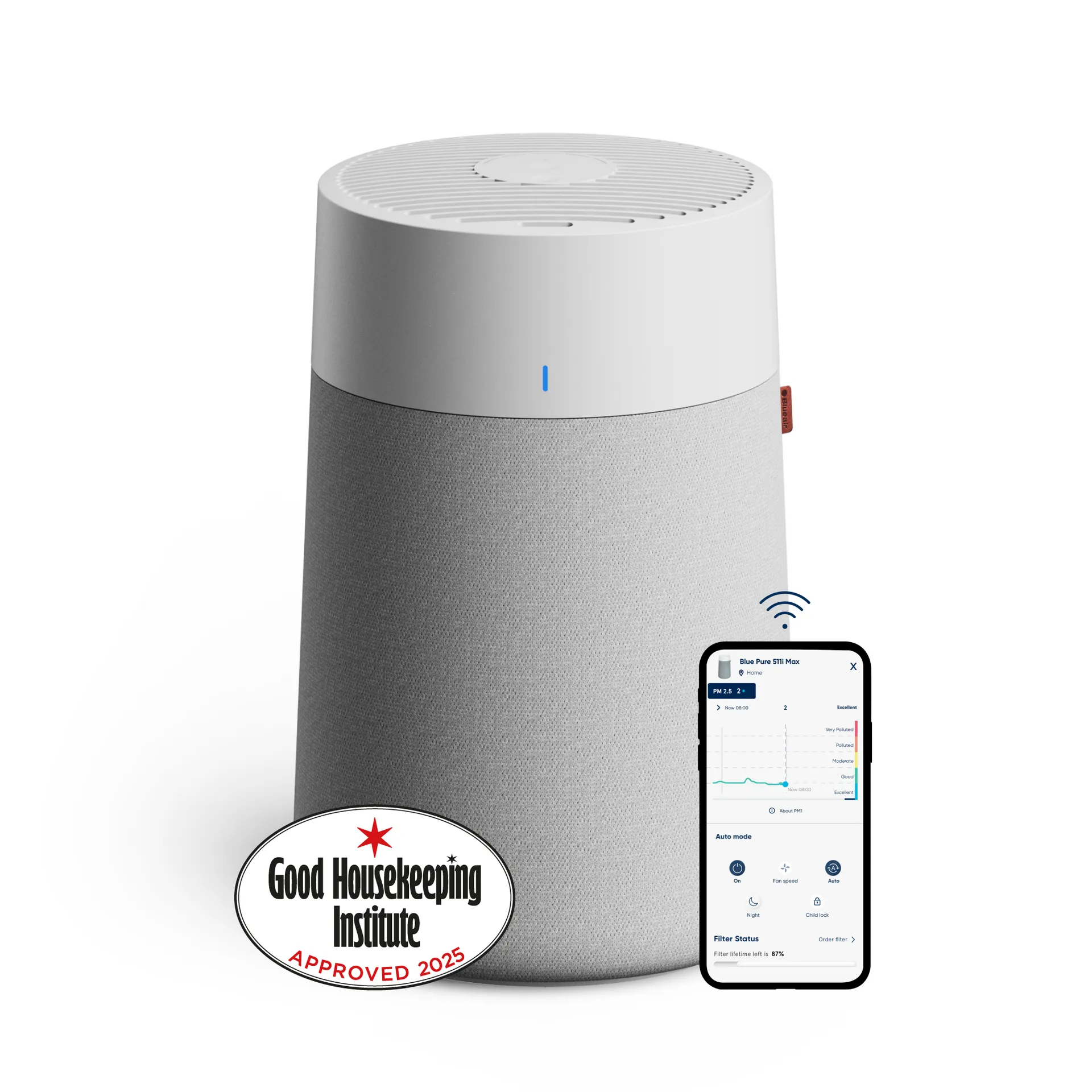
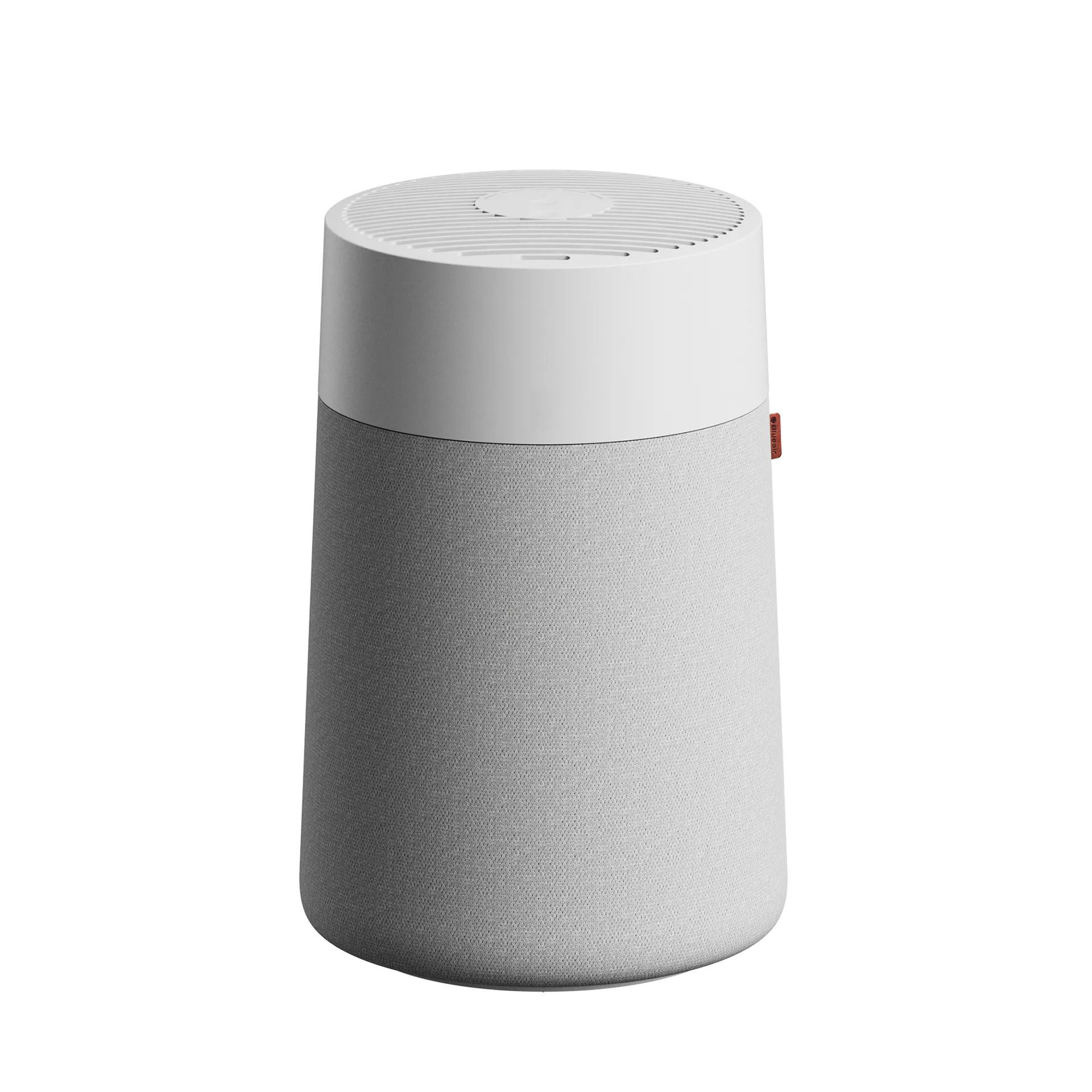
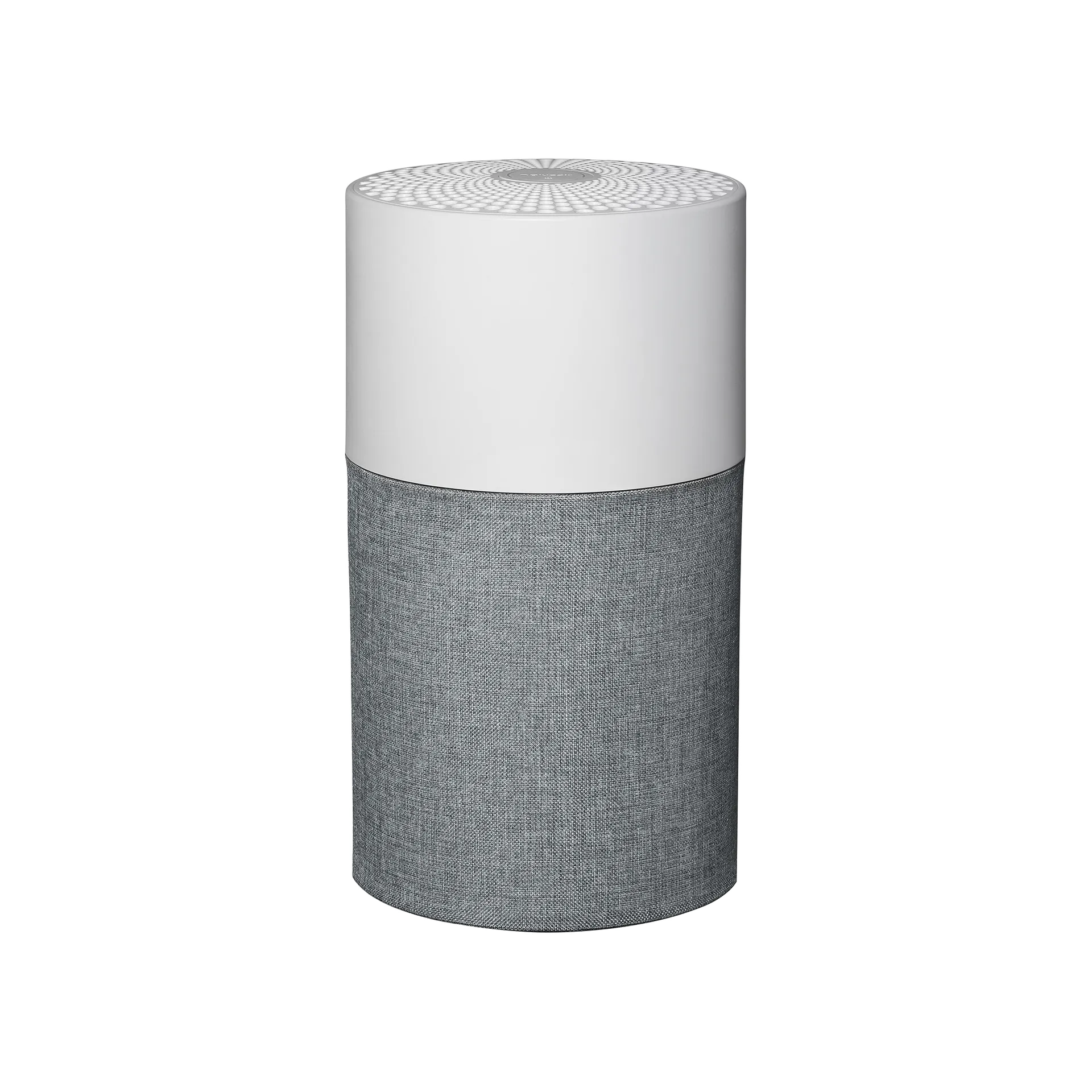
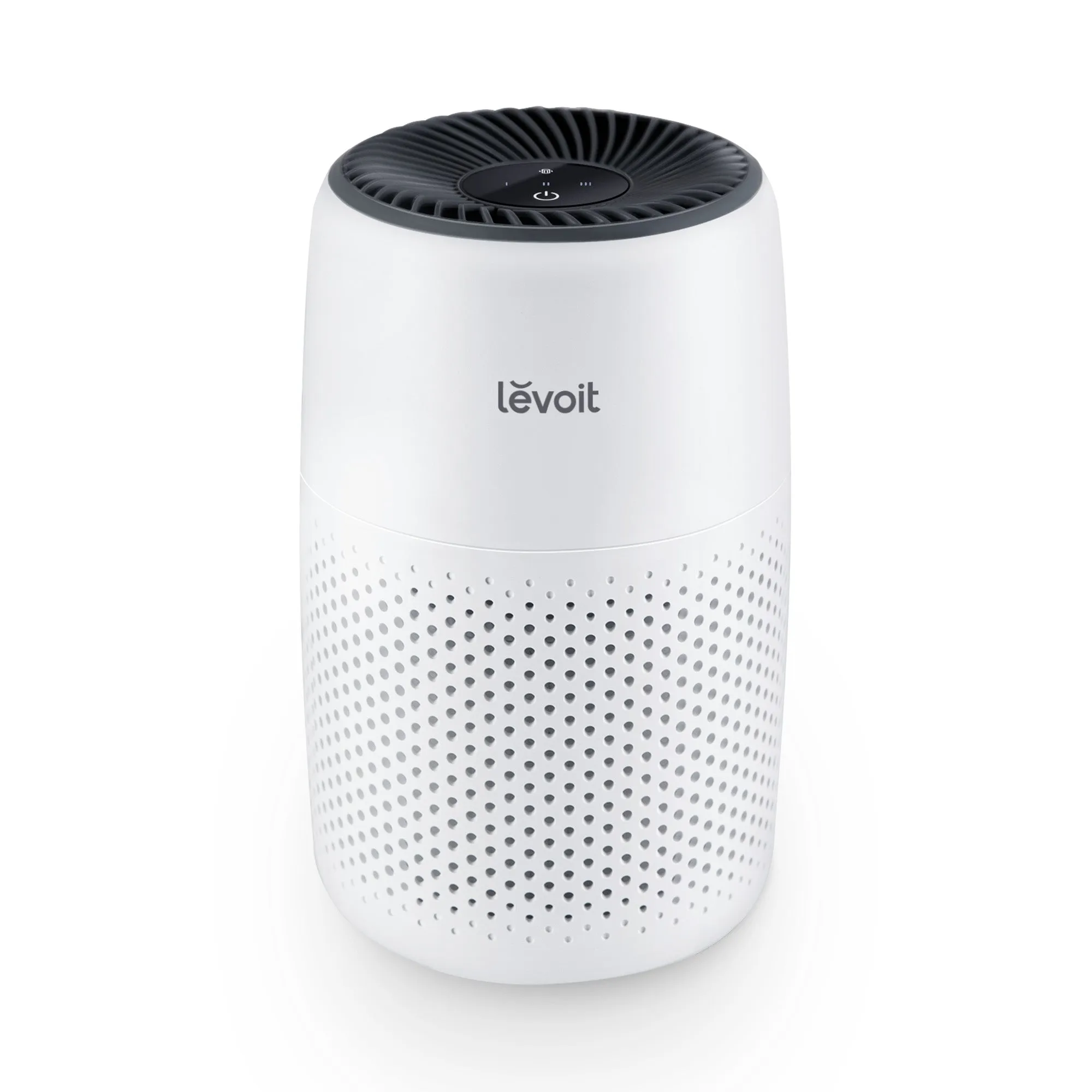
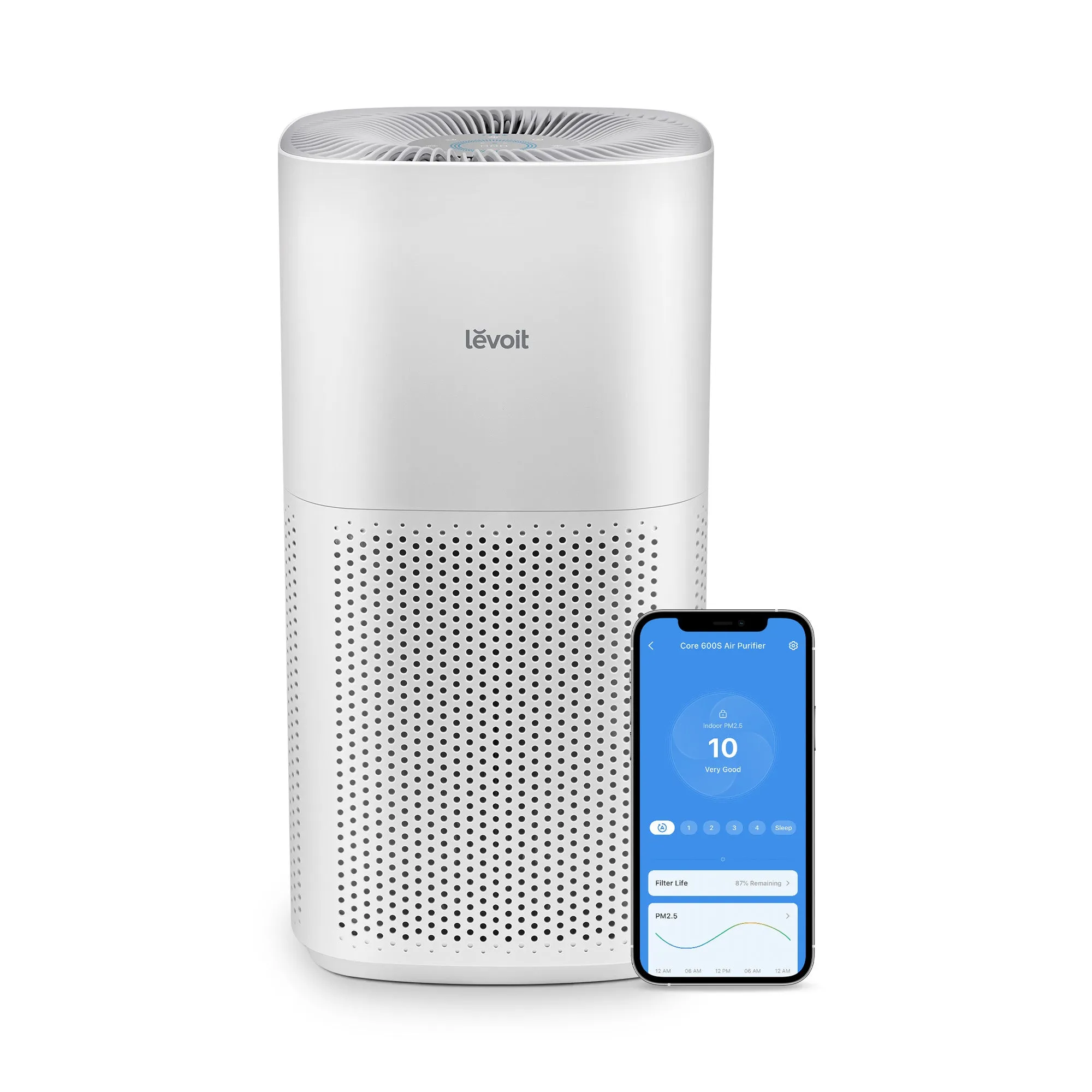
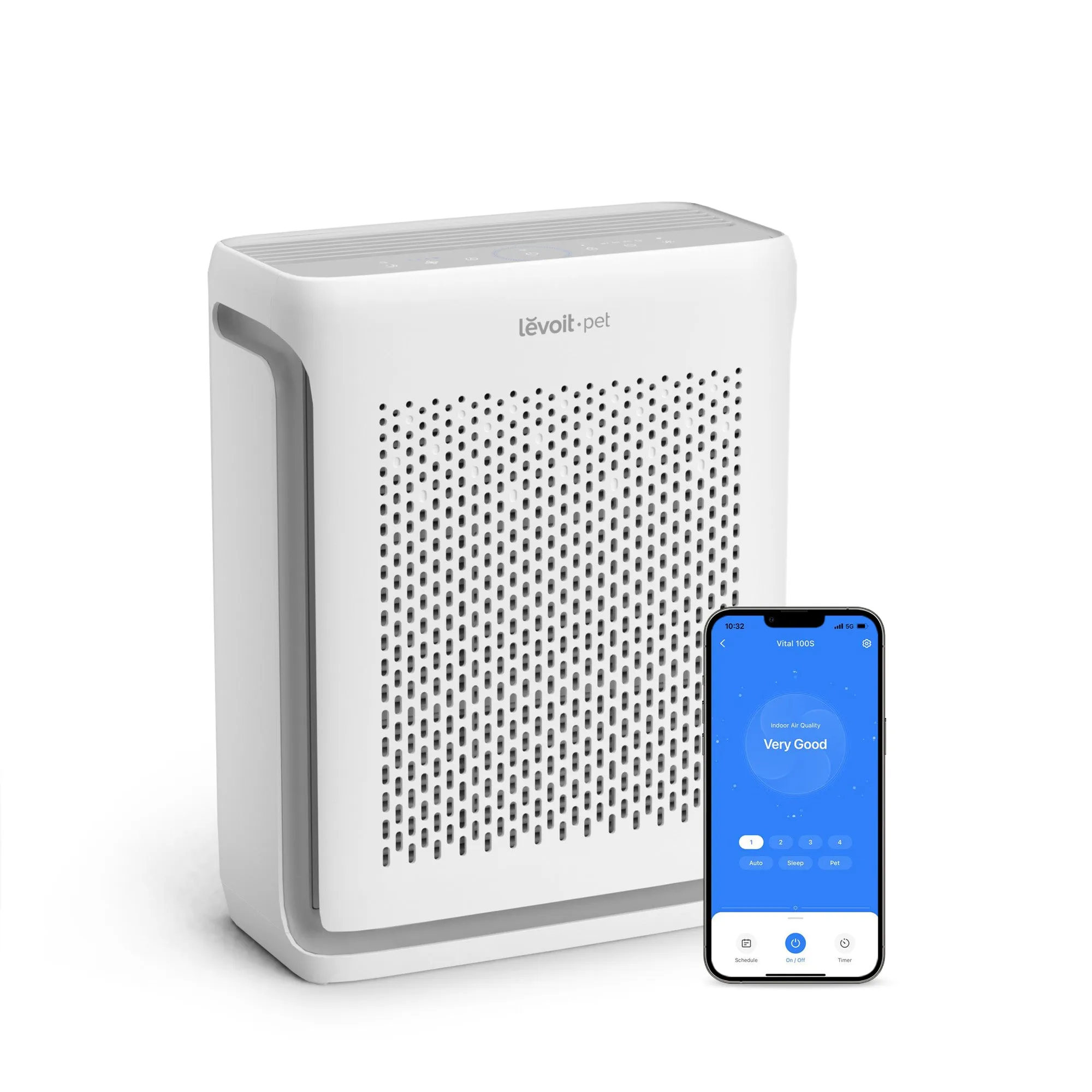
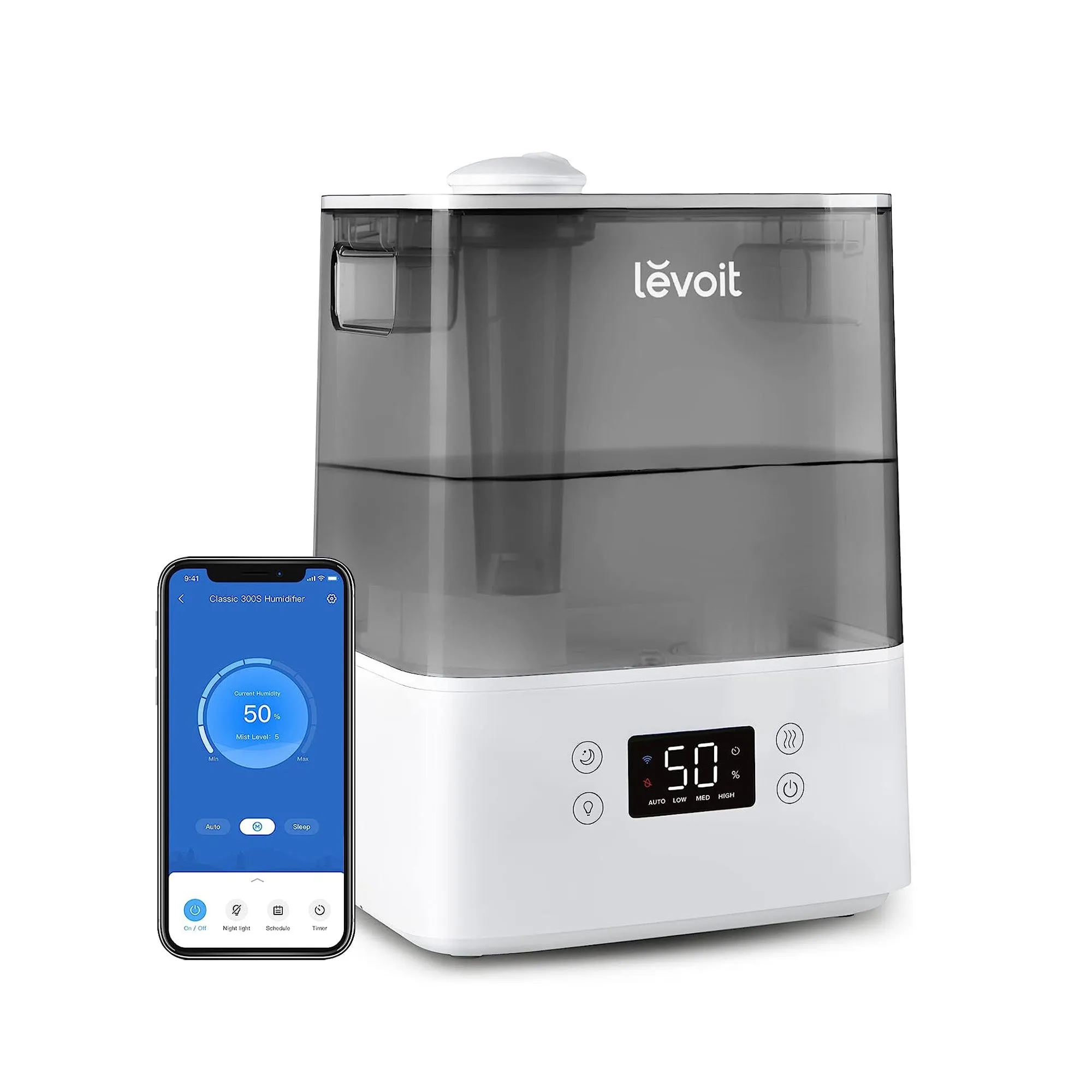
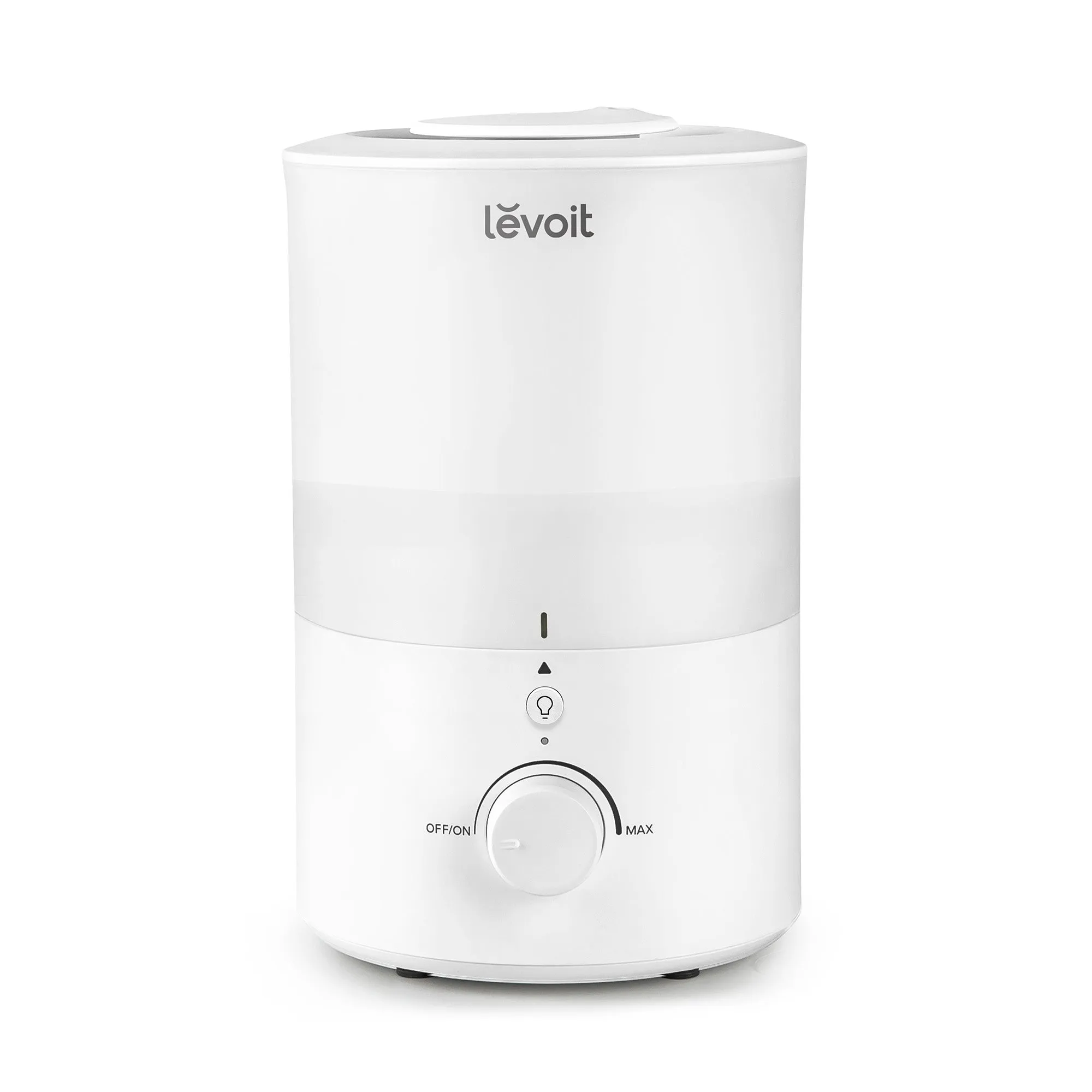
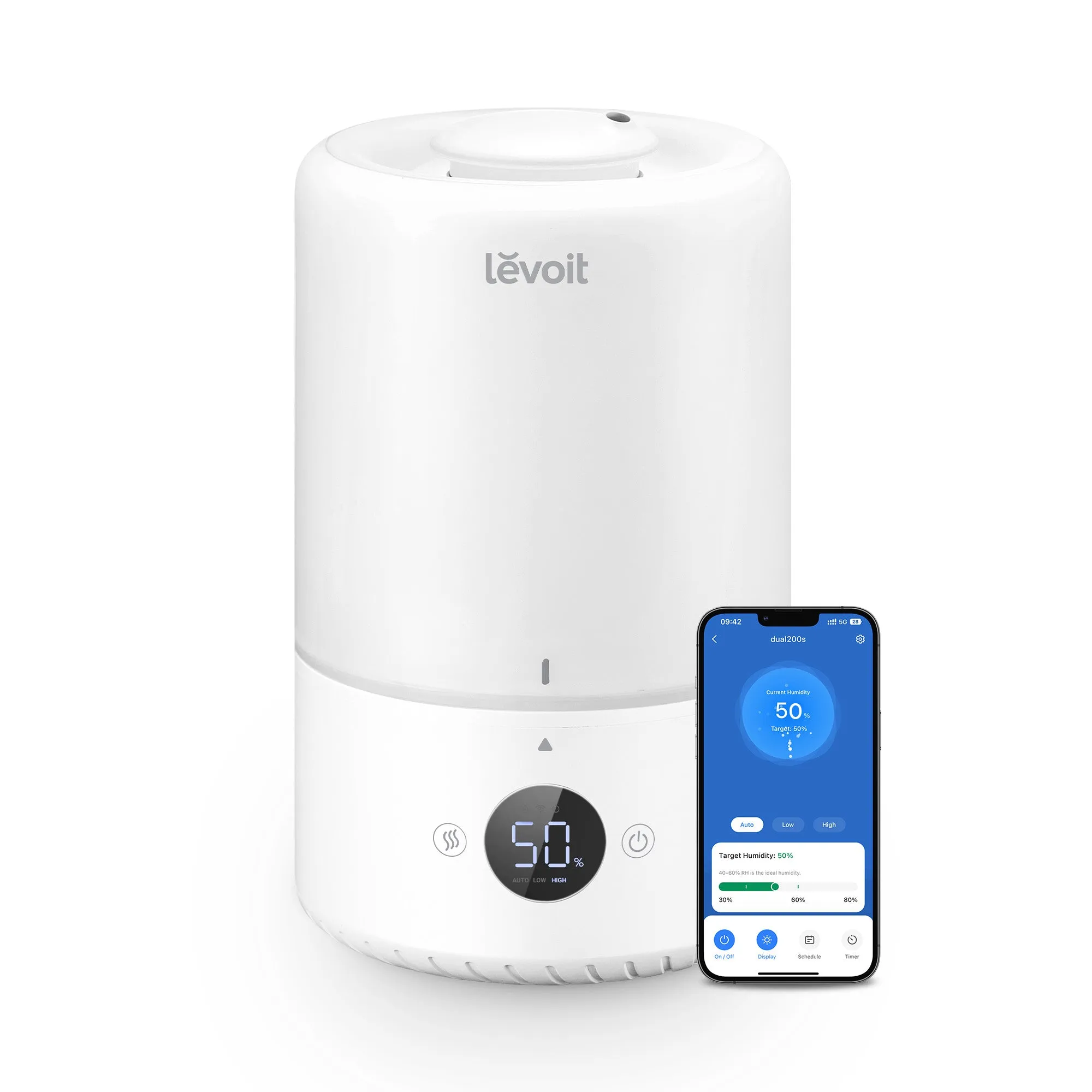
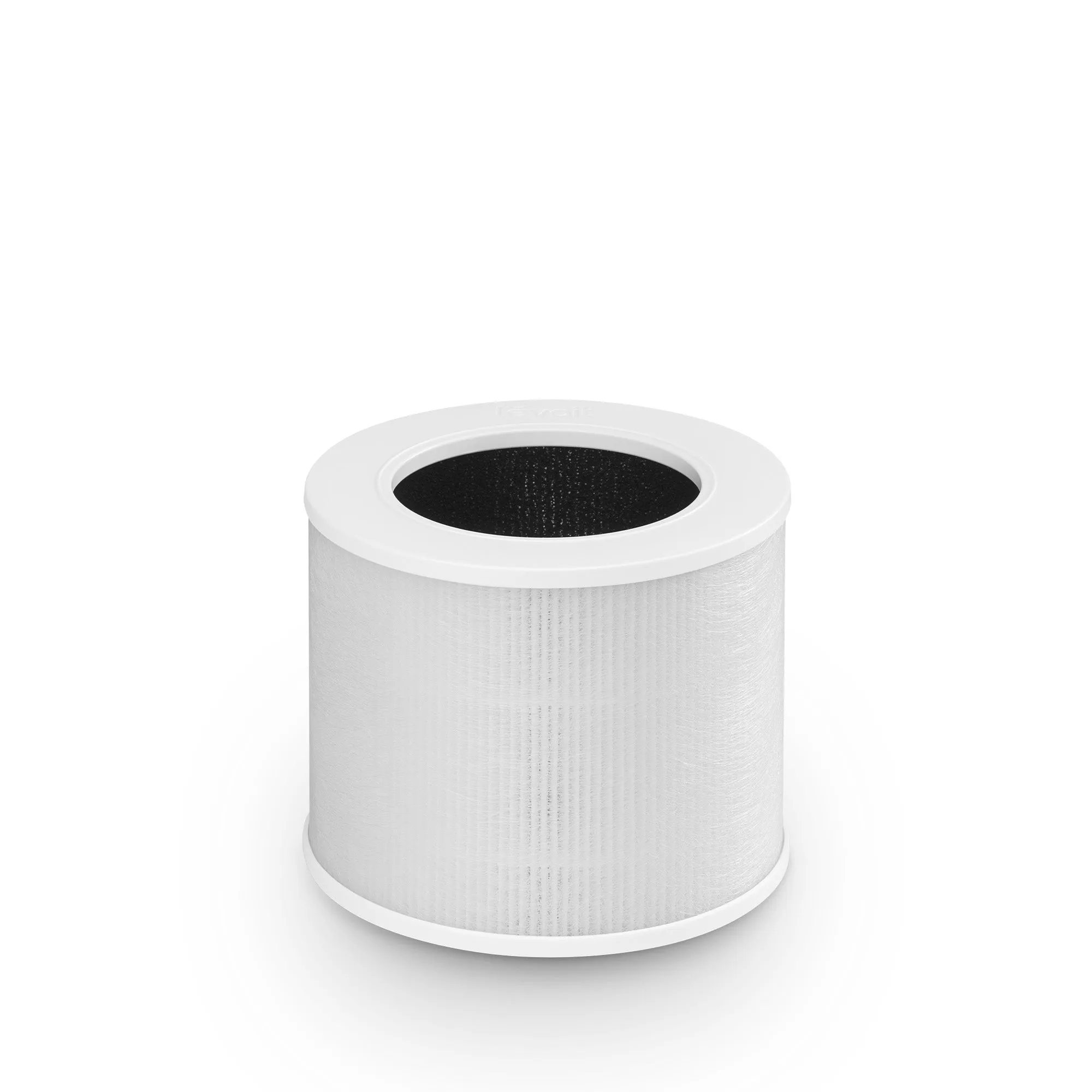
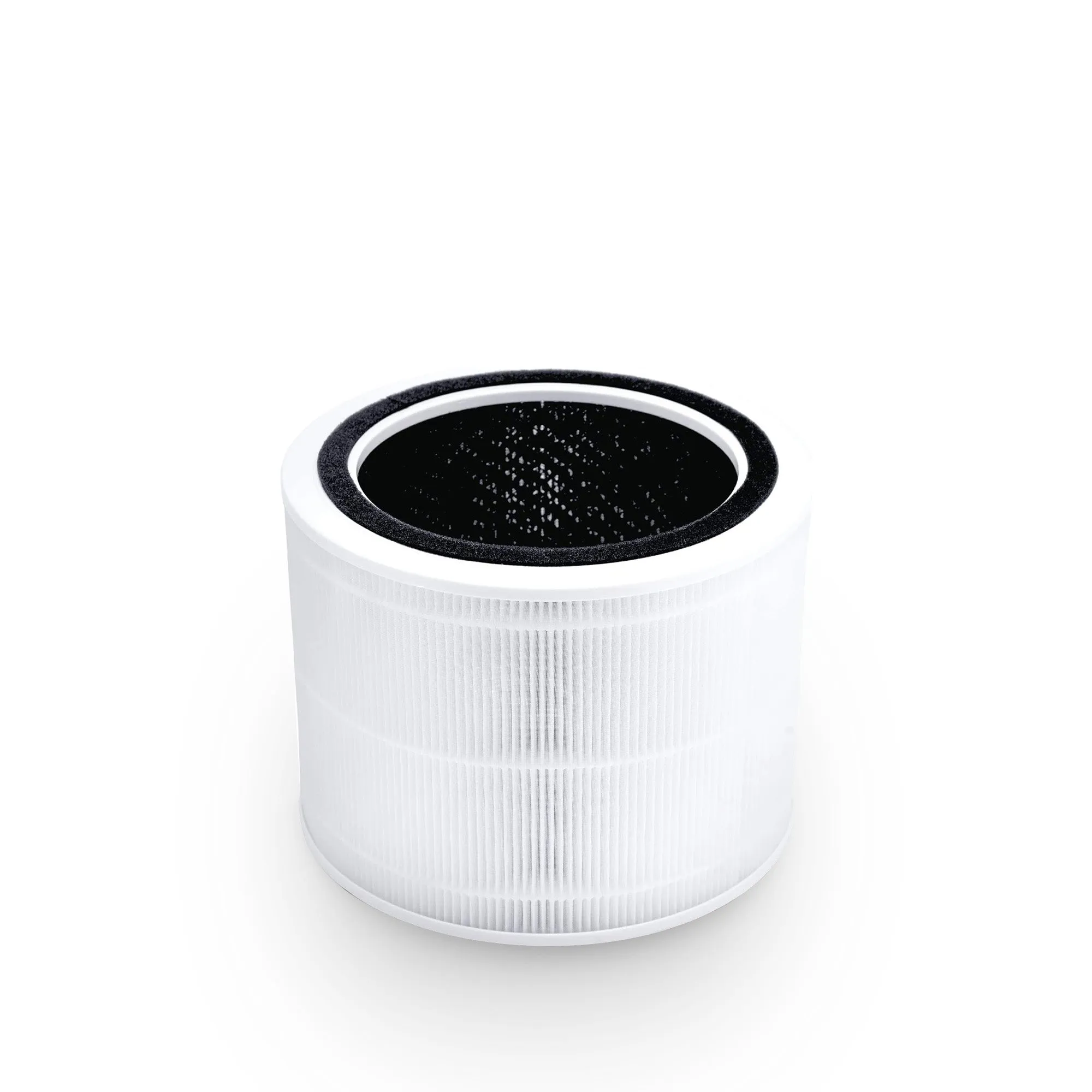
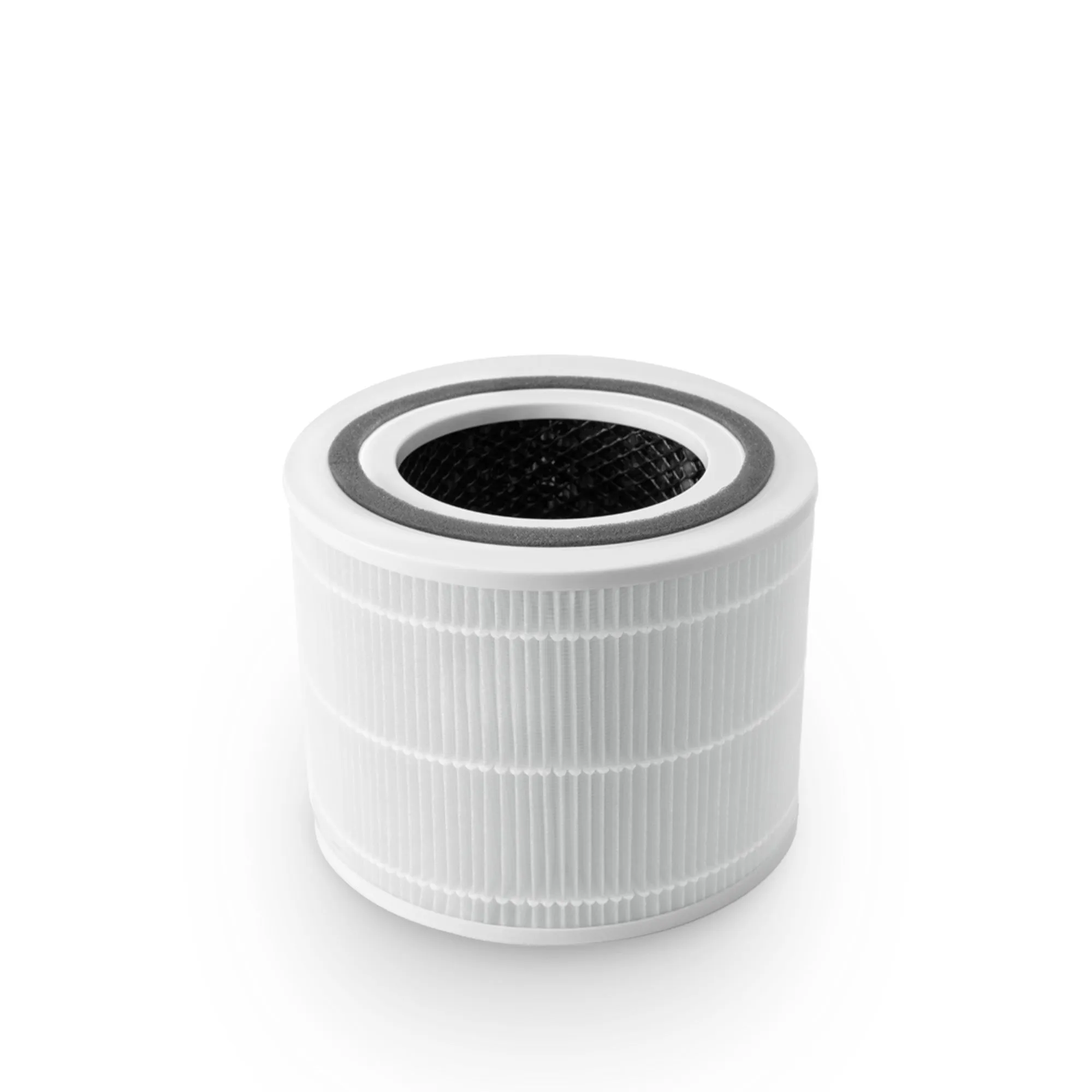
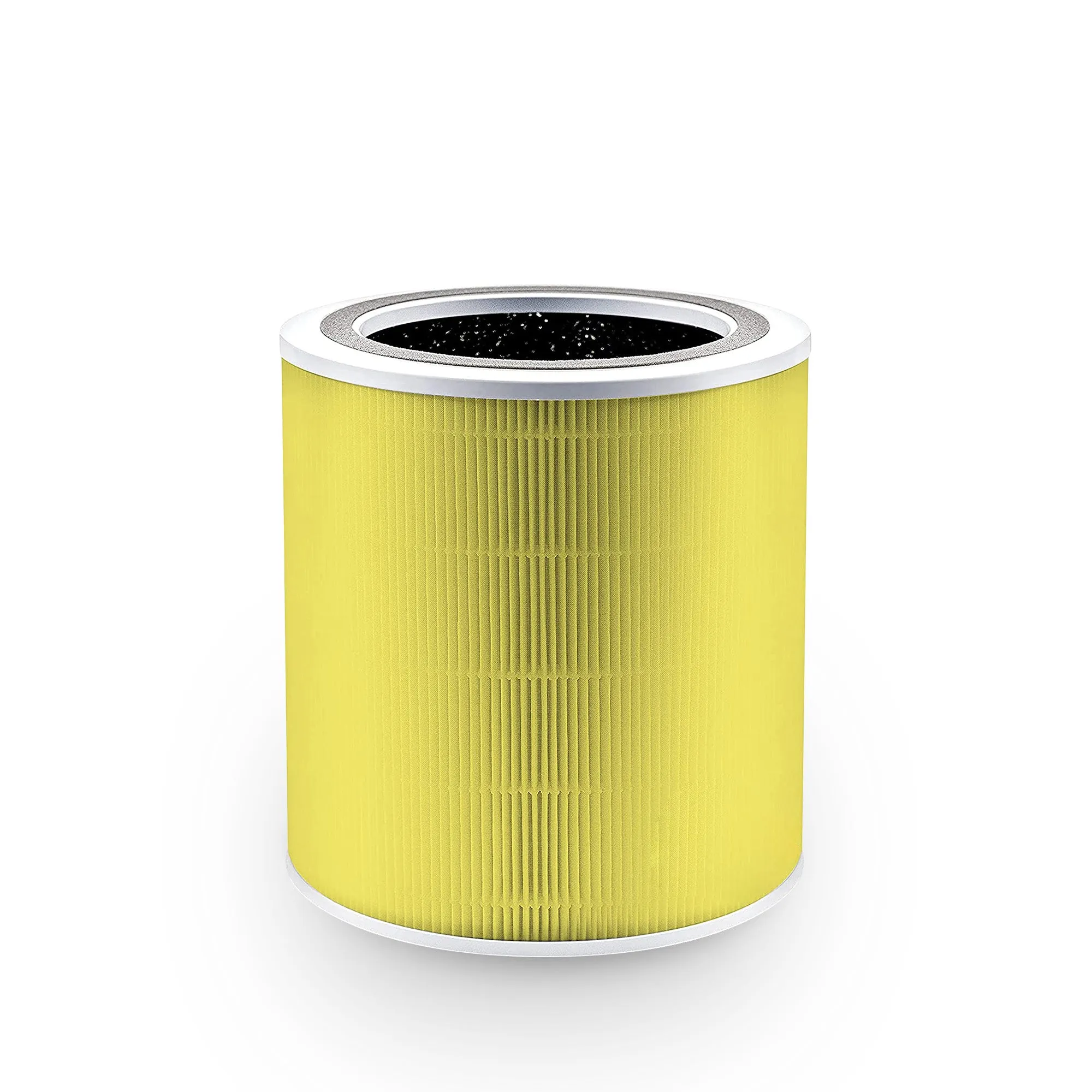
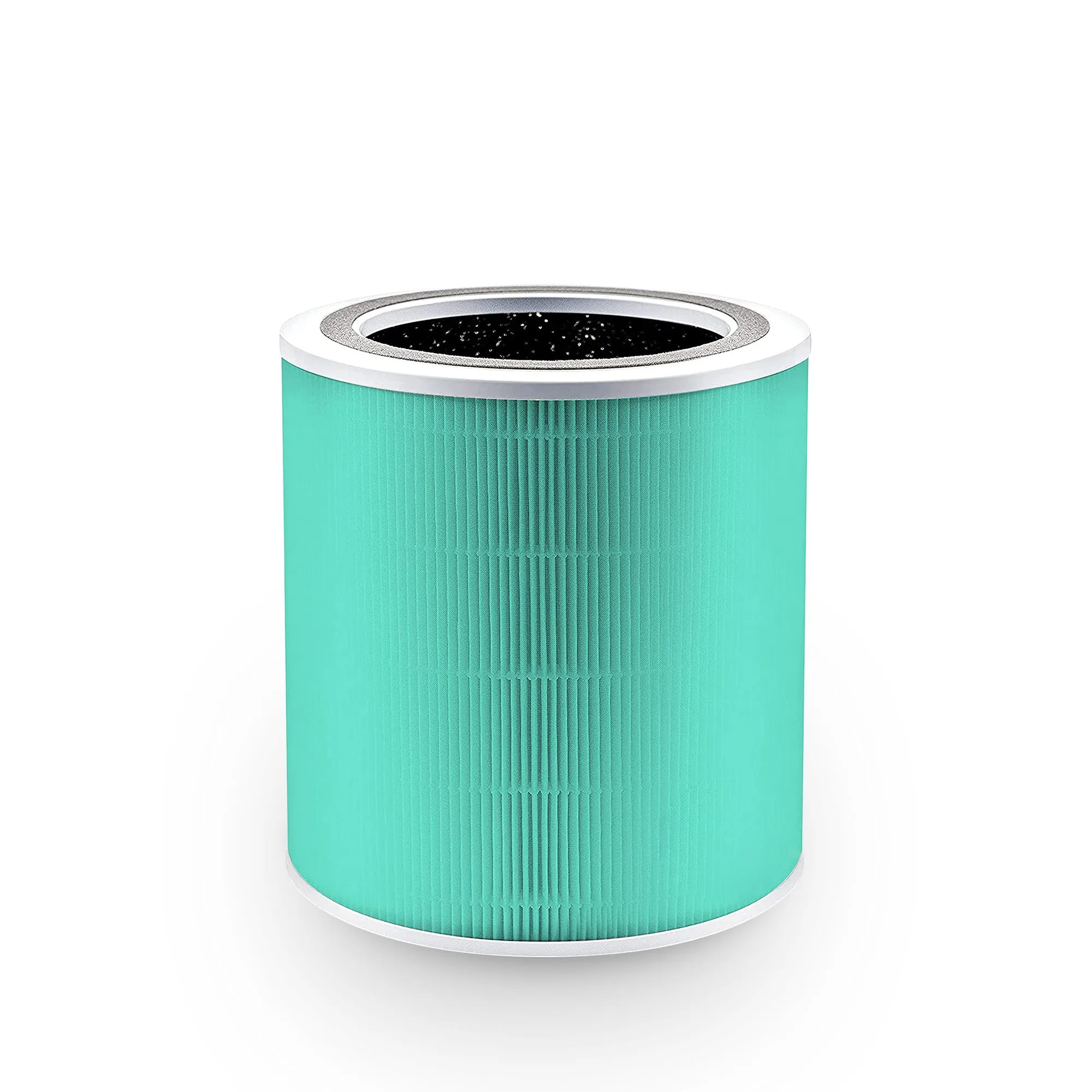
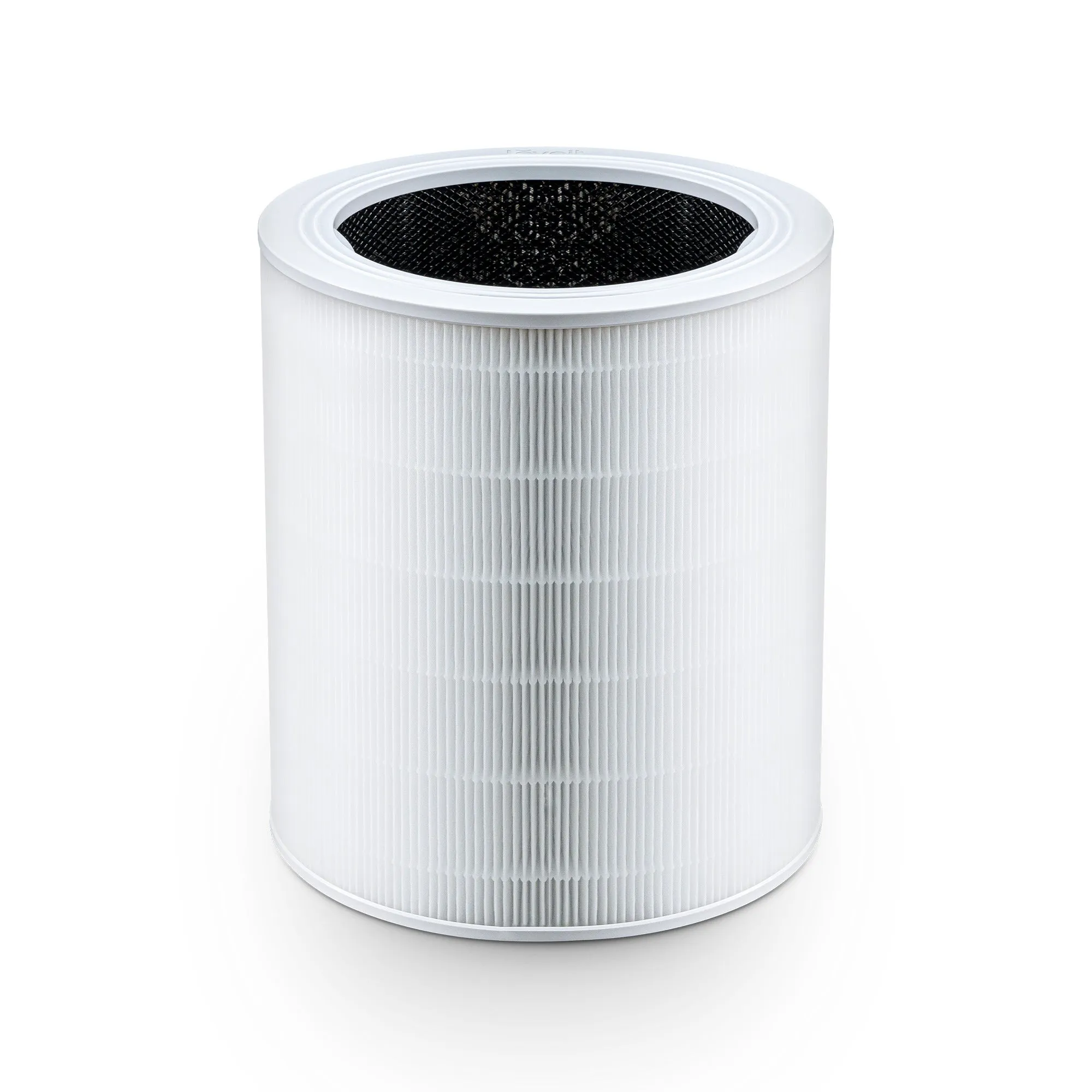
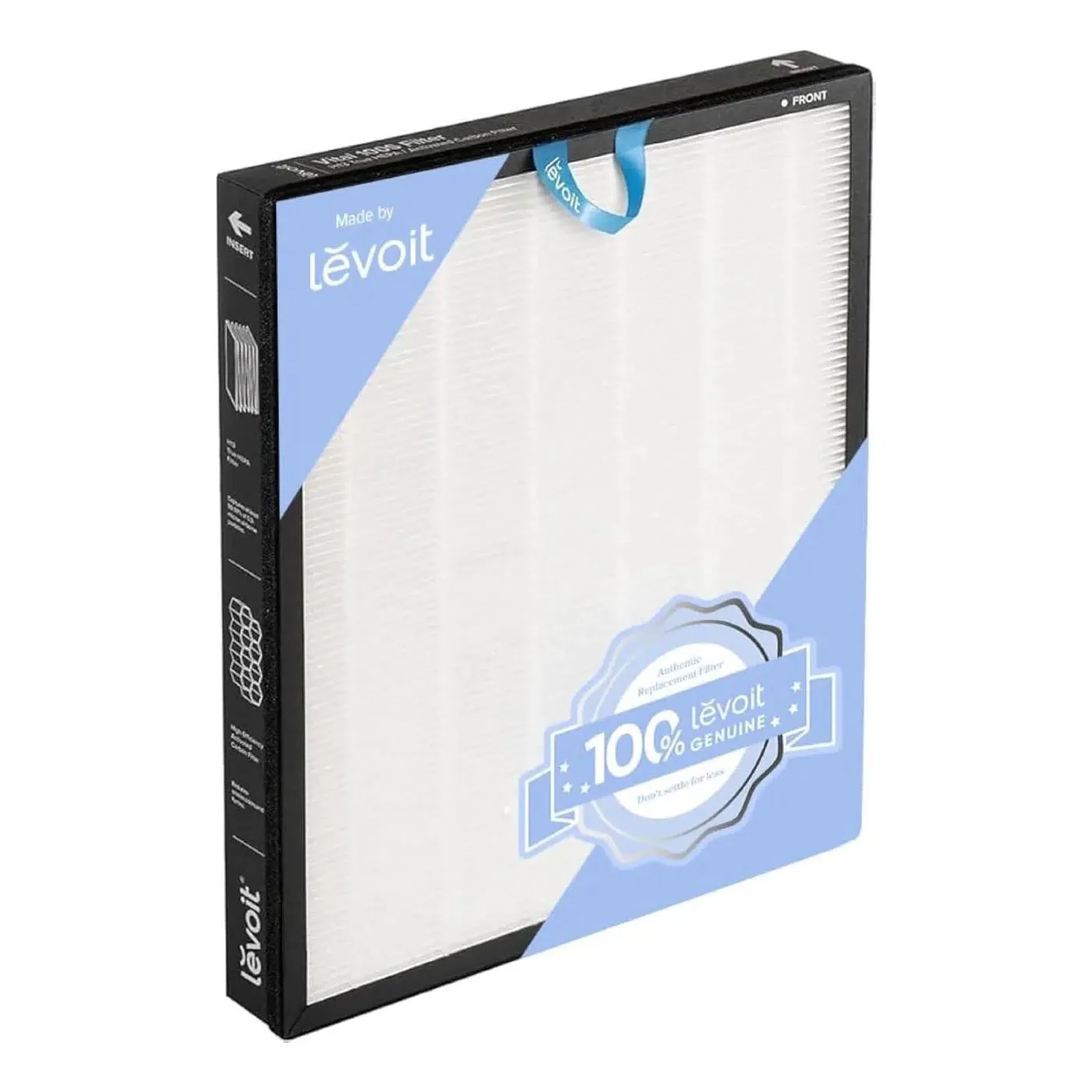
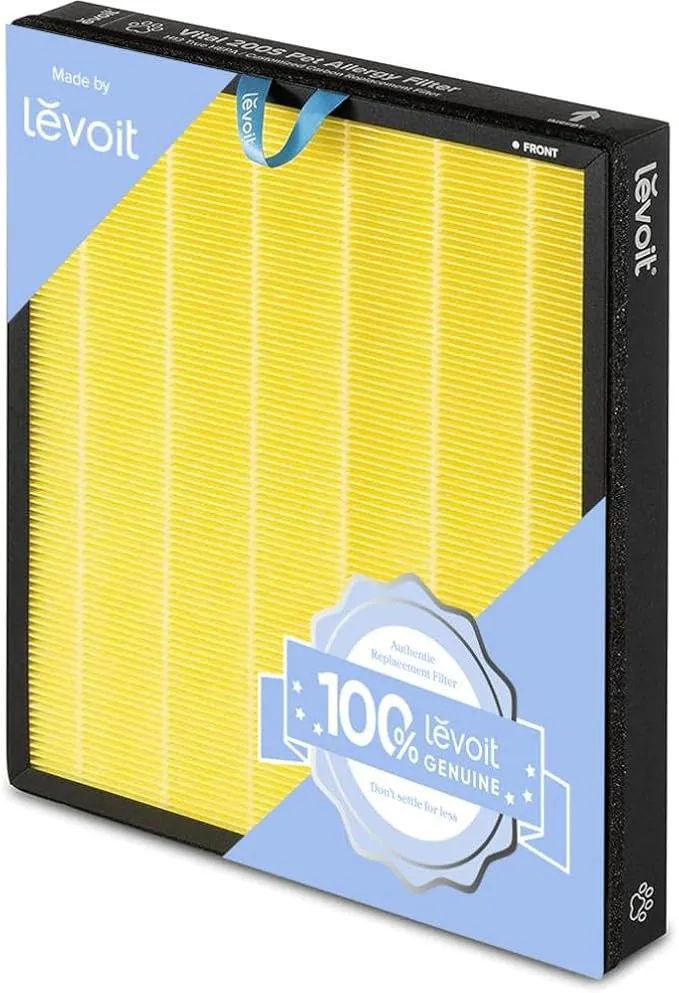
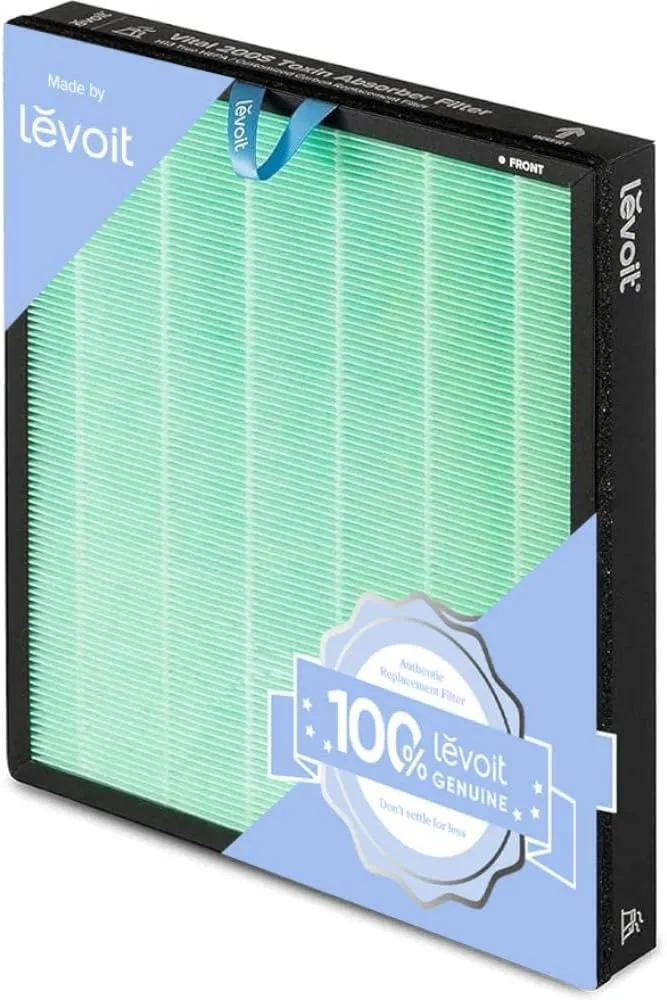
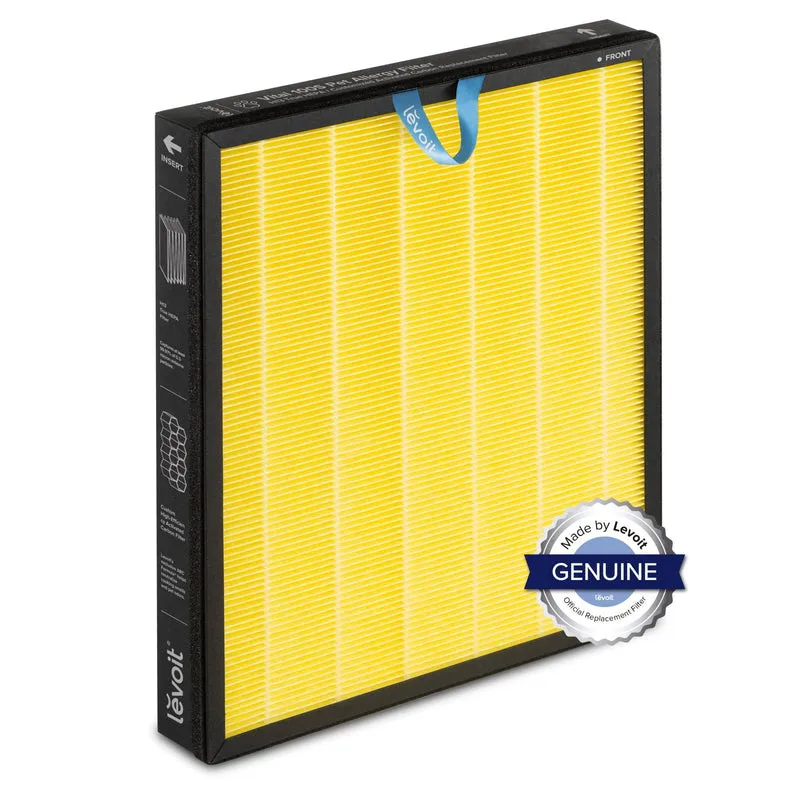
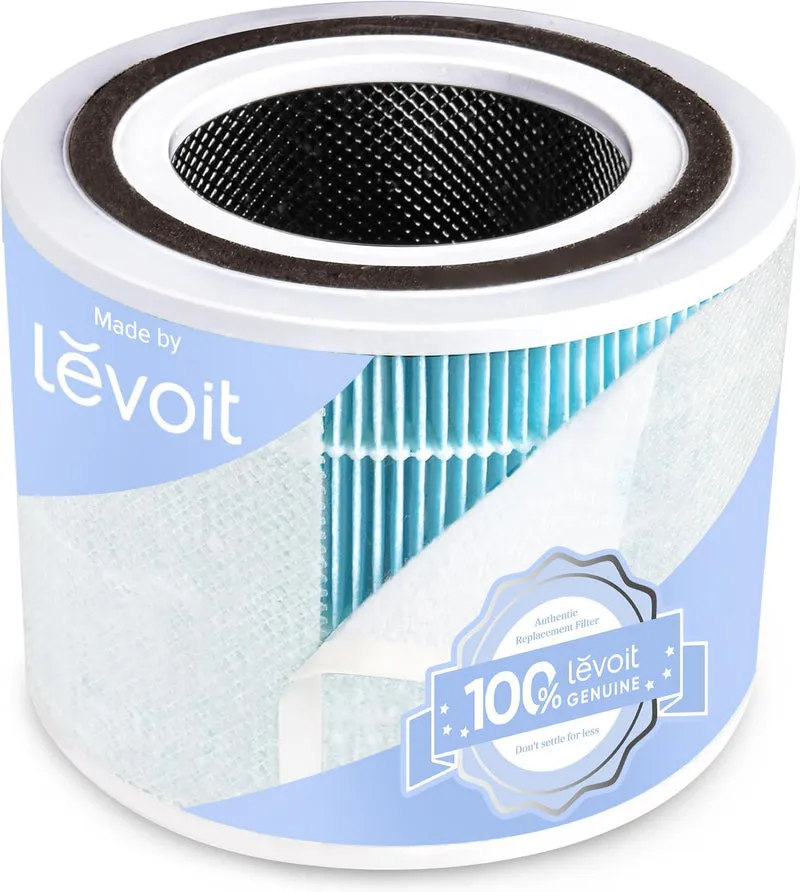
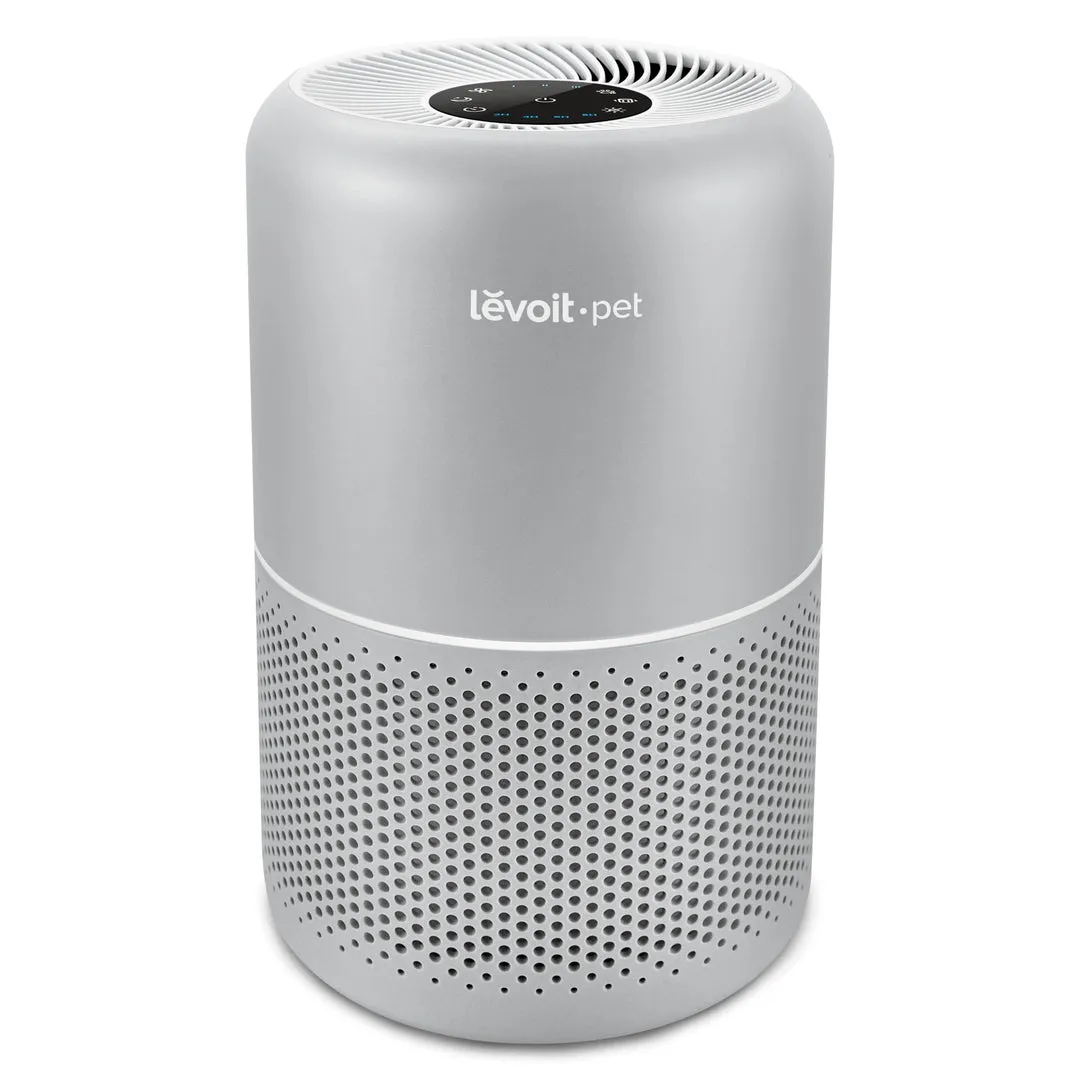
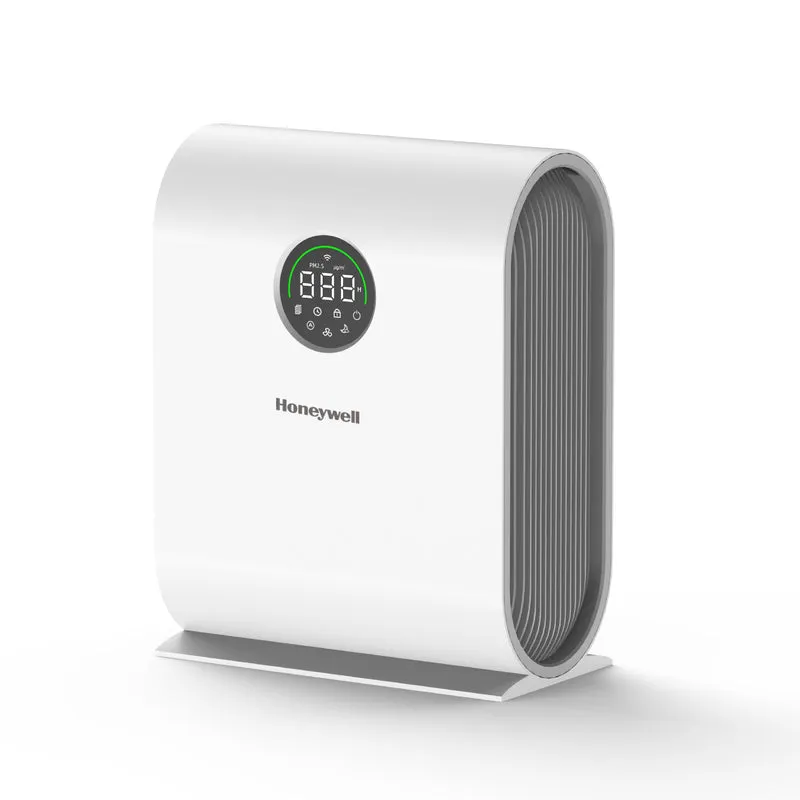
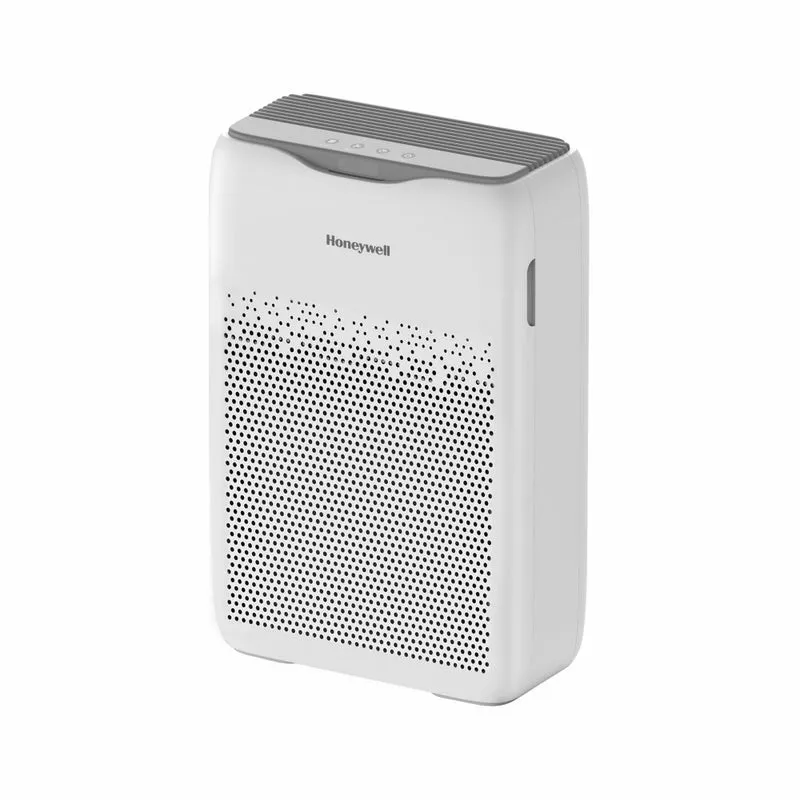
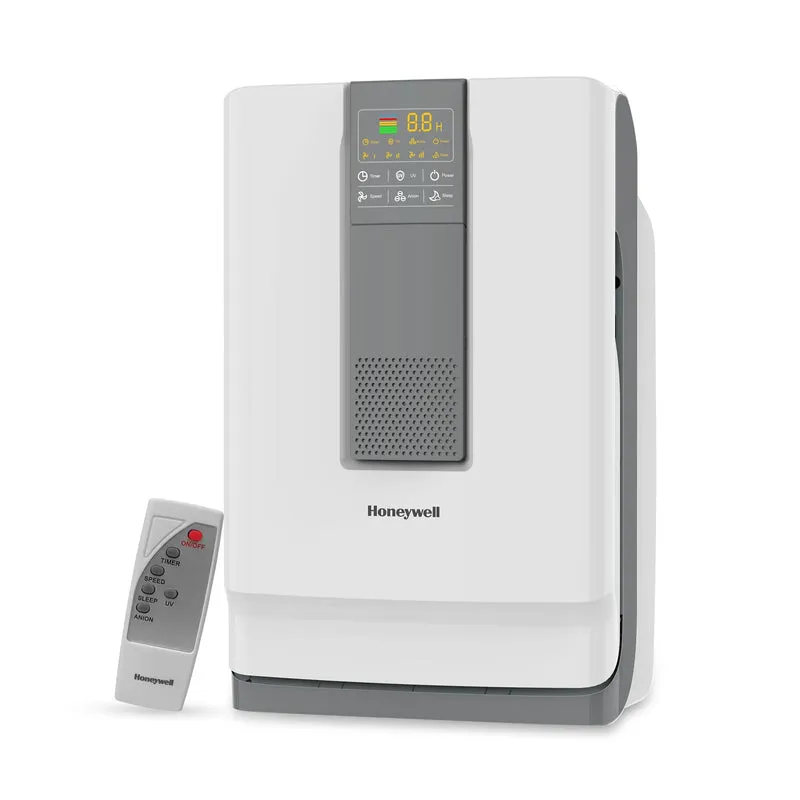
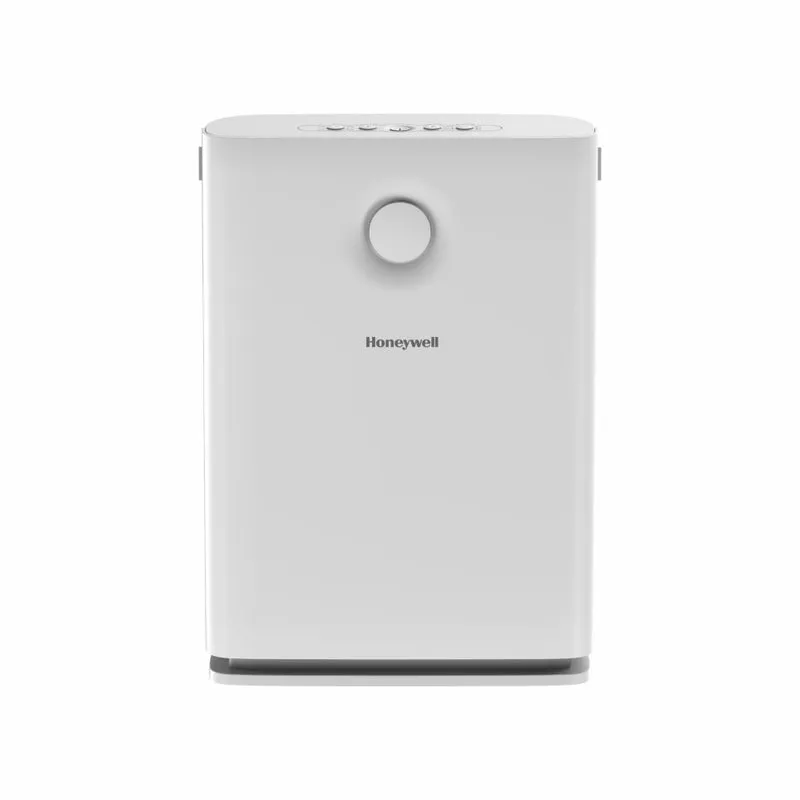
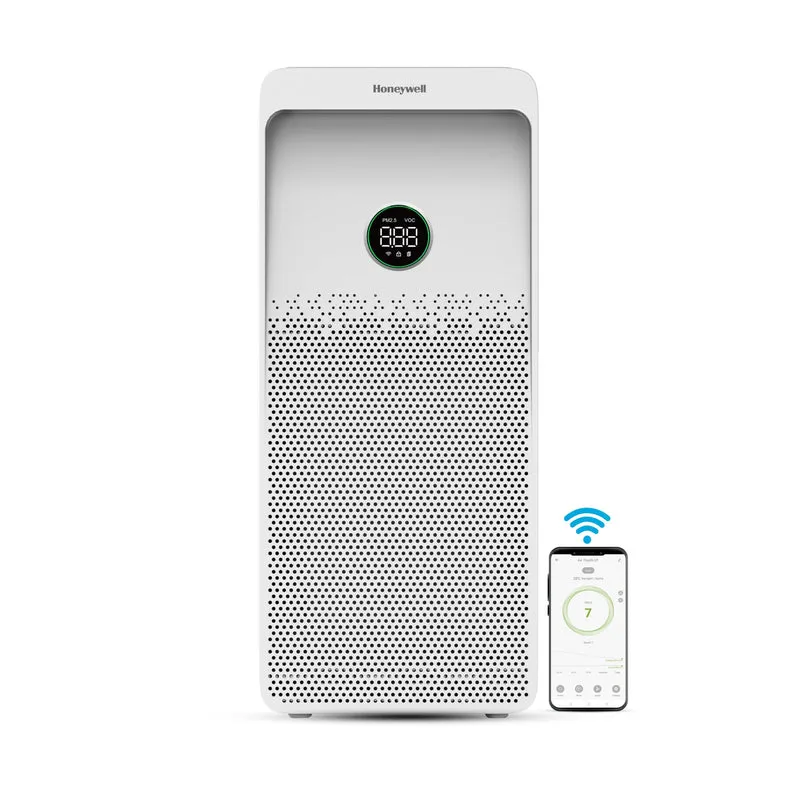
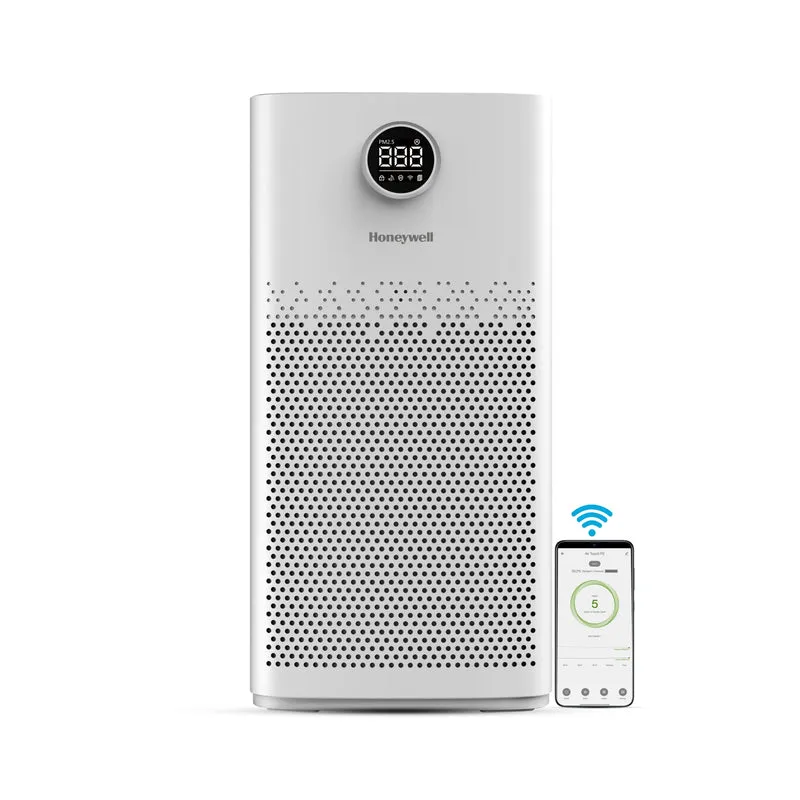
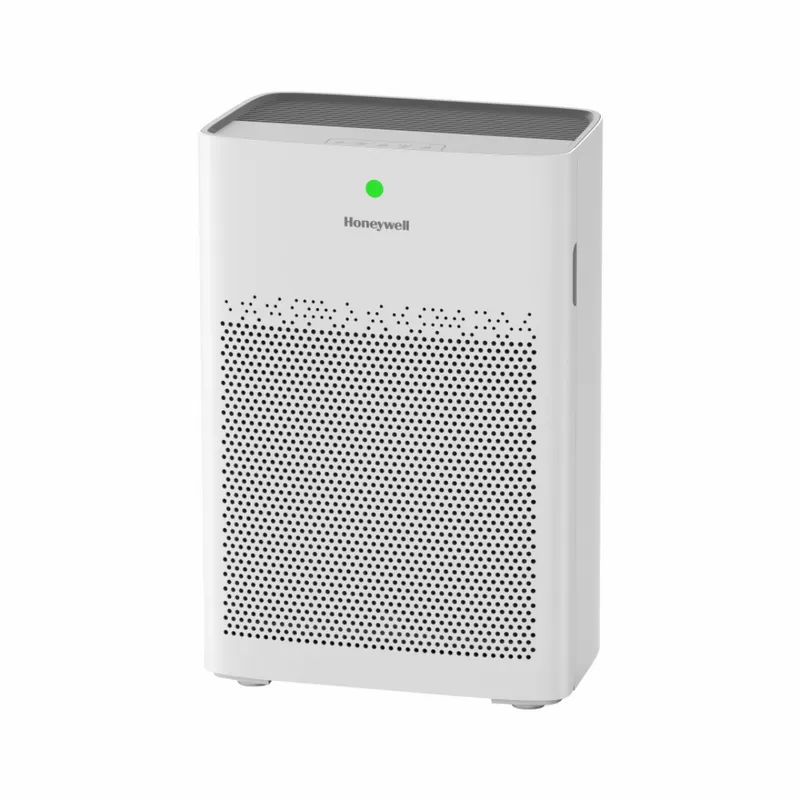
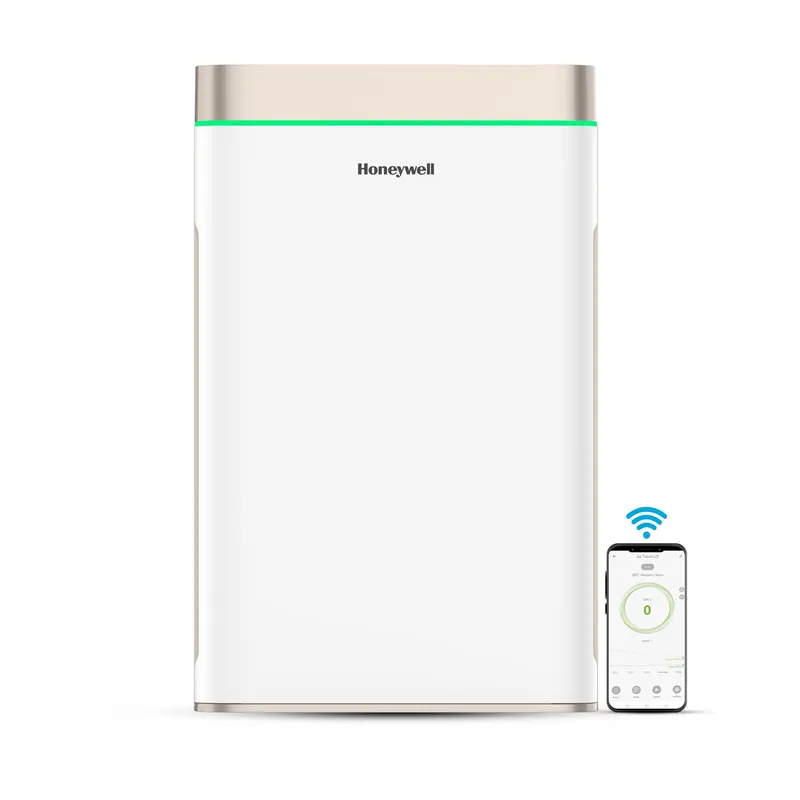
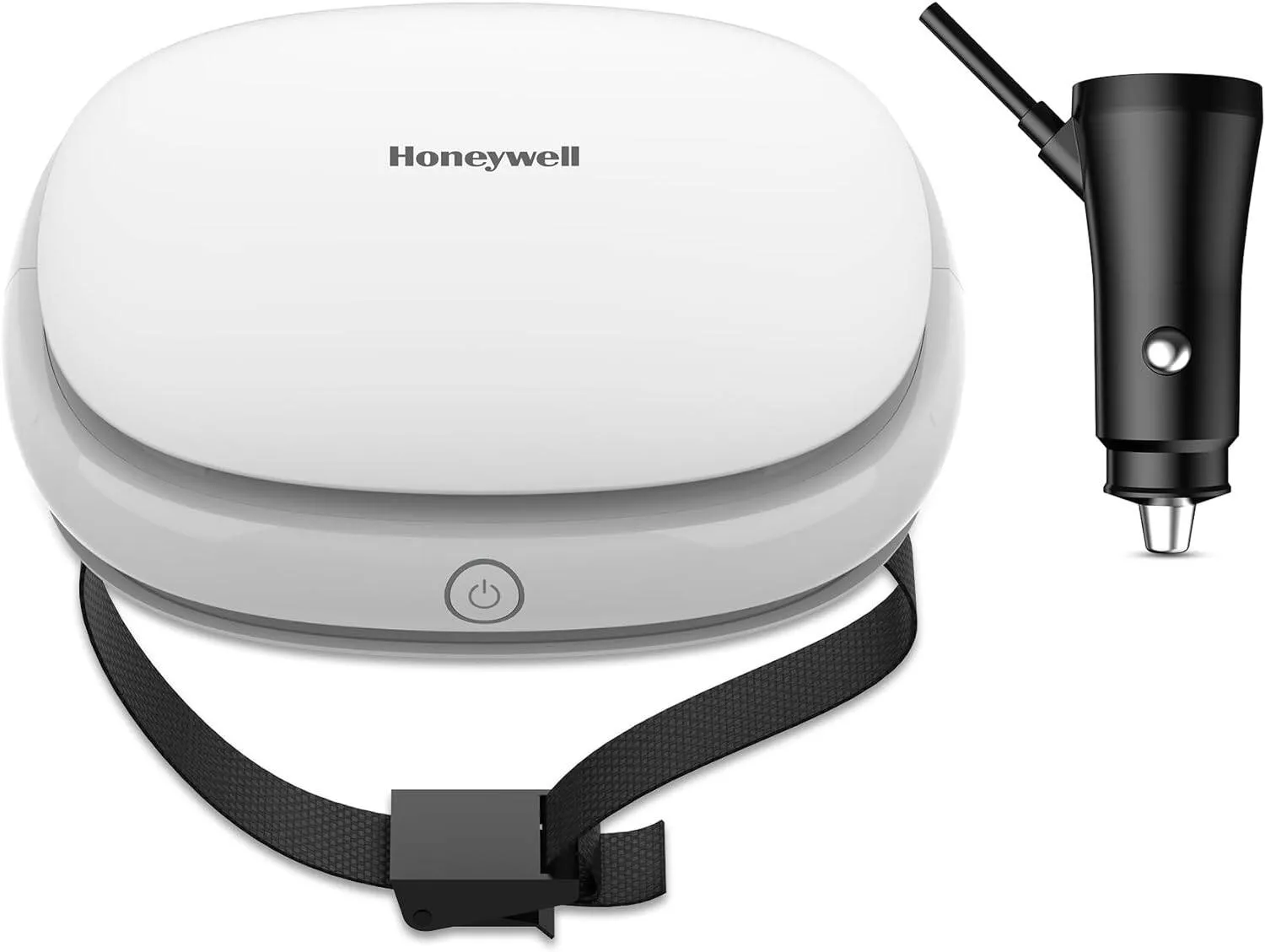
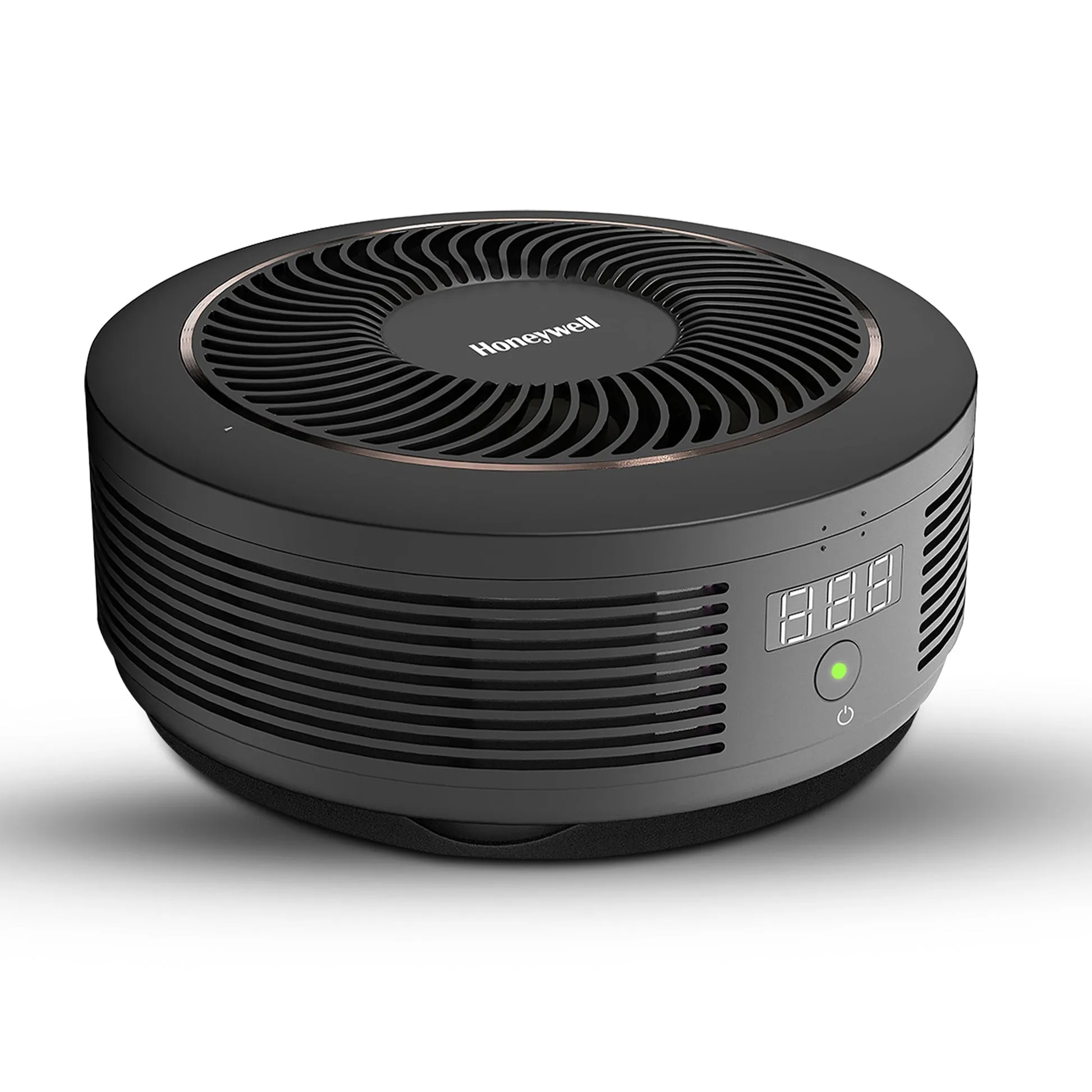
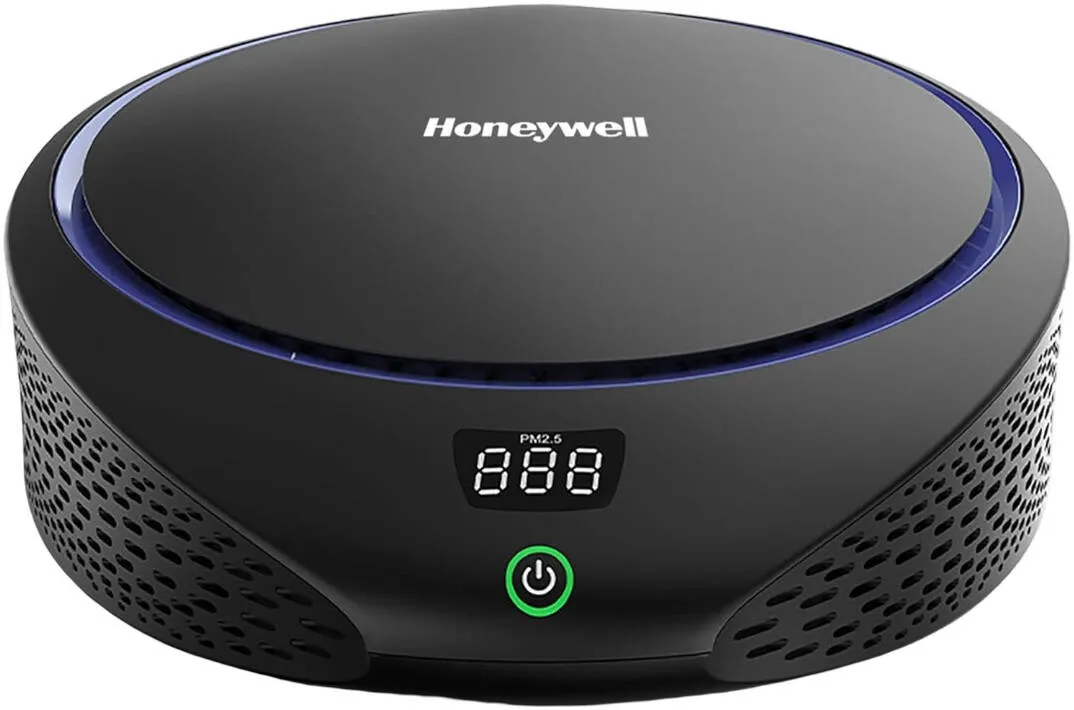
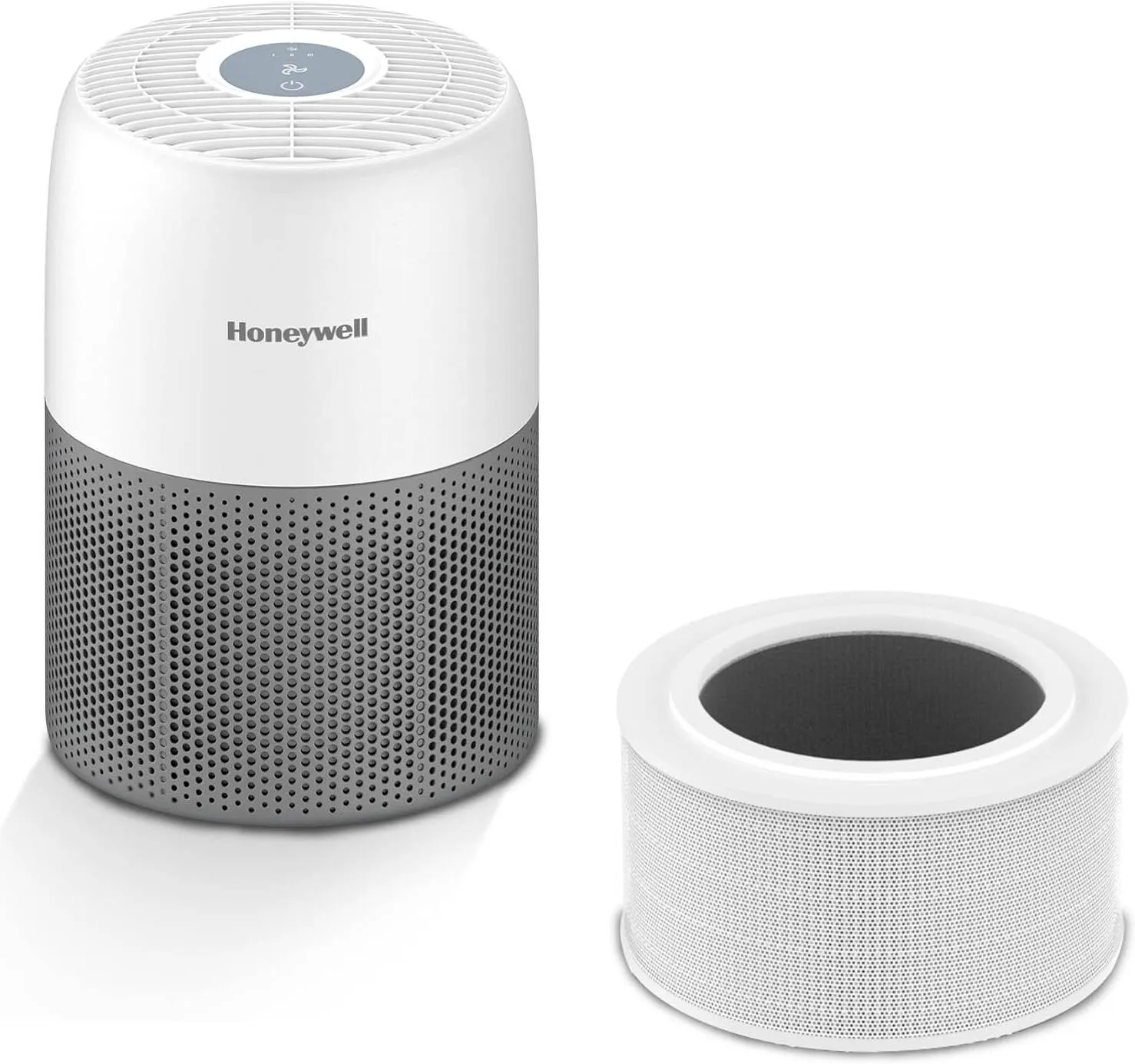
Ventilation addresses the source of most indoor air problems, but filtration handles what ventilation cannot. Cleanair-ae stocks a curated range of air purifiers, humidifiers, and replacement filters from Blueair, Honeywell, and Levoit, with free UAE delivery on orders over 49 AED.
Whether you need a HEPA air purifier for a bedroom, a replacement filter for an existing unit, or guidance on the right product for your space, the air purifier buying guide covers every category with clear specifications and honest recommendations.