



Uncategorised
Must-have air quality features: a health-first guide

The non-negotiable features for any indoor air quality monitor or purifier are: a reliable PM2.5 sensor, NDIR CO₂ measurement, true HEPA filtration plus a substantial activated carbon stage, a verified CADR matched to your room, and transparent calibration and filter-replacement data. The UK’s Daily Air Quality Index (DAQI) runs on a 1–10 scale across four bands and covers NO₂, PM10, PM2.5, O₃ and SO₂. It is the public reference point for checking whether your home monitor is reading in the right range.
Quick checklist — save or print before you shop:
- PM2.5 and PM10 sensor specified (optical or laser)
- NDIR CO₂ sensor (not metal-oxide)
- True HEPA filter (H13 or H14 rated)
- Activated carbon stage (not a token layer)
- CADR figure published and sized appropriately for your room
- Calibration method and drift tolerance stated by vendor
- Filter-life indicator and replacement cost confirmed
- Noise level at medium/sleep speed at comfortably low levels
Health comes first. Gadget features such as voice control and colour dashboards add nothing if the sensor is unreliable or the filter bypasses particles. EN and UK testing standards, plus DAQI alignment, are the anchors to use when comparing claims.
Table of Contents
- What should your monitor actually measure?
- Which sensor technologies give you reliable data?
- Core purifier hardware: filtration stages that actually work
- How to match a purifier to your room using CADR and ACH
- Filter life, noise and running costs: the true cost of ownership
- Controls, app features and data privacy
- UK certifications, DAQI and how to verify your readings
- Matching features to your primary goal
- Research-backed thresholds and buying rules for UK buyers
- Key takeaways
- The features I actually prioritise for a family home
- Cleanair-ae: products matched to your room and budget
- Further reading and practical UK sources
What should your monitor actually measure?
The key air quality indicators for indoor health fall into six categories. Each one tells you something different about your environment.
- PM2.5 and PM10. Fine and coarse particles from cooking, candles, traffic infiltration and allergens. PM2.5 penetrates deep into the lungs and is linked to respiratory and cardiovascular effects, according to WHO guidance-air-quality-and-health) on particulate matter.
- CO₂. A proxy for ventilation quality. Above 1,000 ppm, the room needs fresh air. Above 1,500 ppm, cognitive performance and sleep quality can suffer.
- VOCs. Volatile organic compounds off-gas from paints, furniture, cleaning products and adhesives. Relevant after renovation or in newly furnished rooms.
- NO₂. Enters from traffic and gas hobs. Relevant in urban UK homes and kitchens.
- O₃ (ozone). A secondary pollutant formed outdoors; can infiltrate on high-pollution days. Some ioniser-type purifiers also generate it indoors.
- Humidity and temperature. Relative humidity above 60% promotes mould growth and dust mite activity. Below 40% dries mucous membranes and can worsen respiratory conditions.
CO₂ above 1,000 ppm is the most reliable trigger for opening a window or boosting ventilation. PM2.5 spikes during cooking or candle use are the most common indoor events worth tracking. Humidity sits in a different category: it does not appear on DAQI, but it directly amplifies the risk from other pollutants by supporting biological growth.
Pro Tip: Match your sensor priorities to your trigger goal. Allergy sufferers benefit from PM2.5 and humidity sensors. Households with gas hobs should monitor NO₂. Those in newly renovated rooms need VOC detection. You do not need every sensor if you know your primary problem.


Which sensor technologies give you reliable data?
Sensor type determines whether a reading is trustworthy or merely decorative. The three benchmark technologies are:
- NDIR (non-dispersive infrared) for CO₂. The industry standard. NDIR sensors provide consistent long-term accuracy and resist the drift common to cheaper electrochemical or metal-oxide (MOS) sensors. If a monitor does not specify NDIR for CO₂, assume it uses MOS and treat readings as directional only.
- Optical or laser particle counters for PM. Count particles by light scattering. Laser-based units are more consistent at low concentrations. Both are acceptable; the key check is whether the vendor publishes calibration against a reference instrument.
- PID (photoionisation detector) for VOCs. The reliable option for total VOC measurement. MOS VOC sensors are far cheaper but respond differently to different compounds and drift quickly.
Common failure modes worth knowing: sensor drift over 12–18 months without recalibration, poor air sampling (the sensor sits in a dead-air pocket inside the unit), and cheap housings that allow condensation near the sensor board. Budget monitors under around £50 frequently use low-fidelity sensors and can produce unreliable data. Treat them as trend indicators, not health instruments.
Reference anchor: The UK DAQI covers NO₂, PM10, PM2.5, O₃ and SO₂ on a 1–10 scale. Cross-checking your monitor’s PM2.5 or NO₂ reading against the nearest AURN station on a still day is the most practical home validation method available.
A practical home check: note your monitor’s PM2.5 reading before and during cooking on a gas hob. A credible sensor will show a clear spike within two to three minutes. If the reading barely moves, the sensor is either poorly positioned or low-fidelity. For CO₂, a sealed room with two people should reach 800–1,000 ppm within 30–45 minutes. If it does not, the NDIR claim is worth querying with the vendor.
Core purifier hardware: filtration stages that actually work
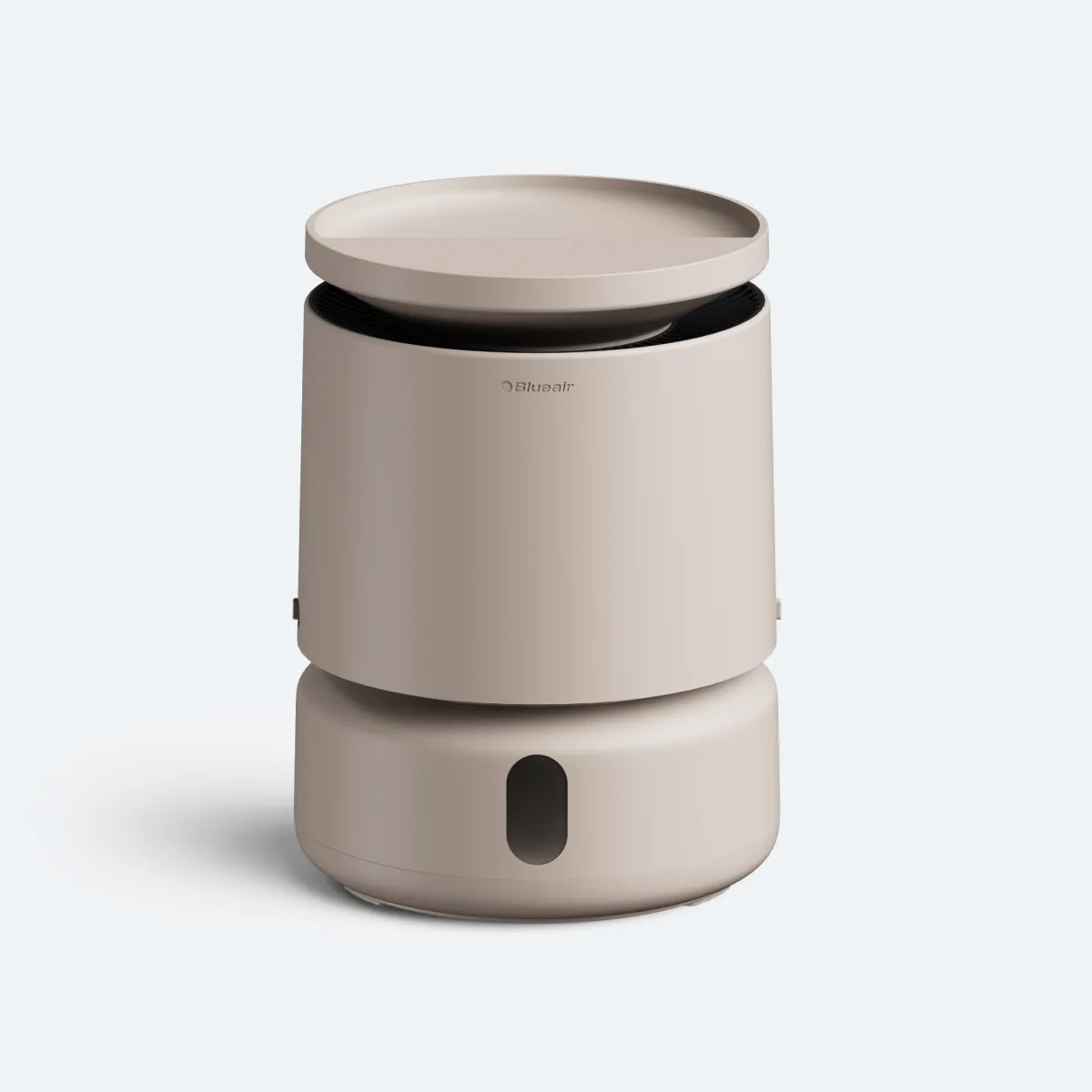
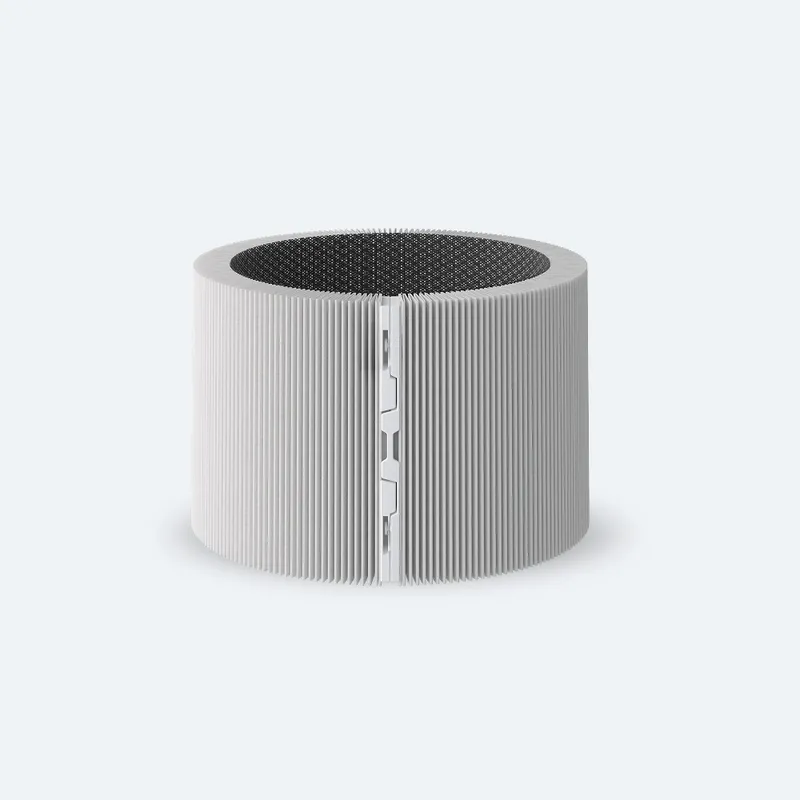
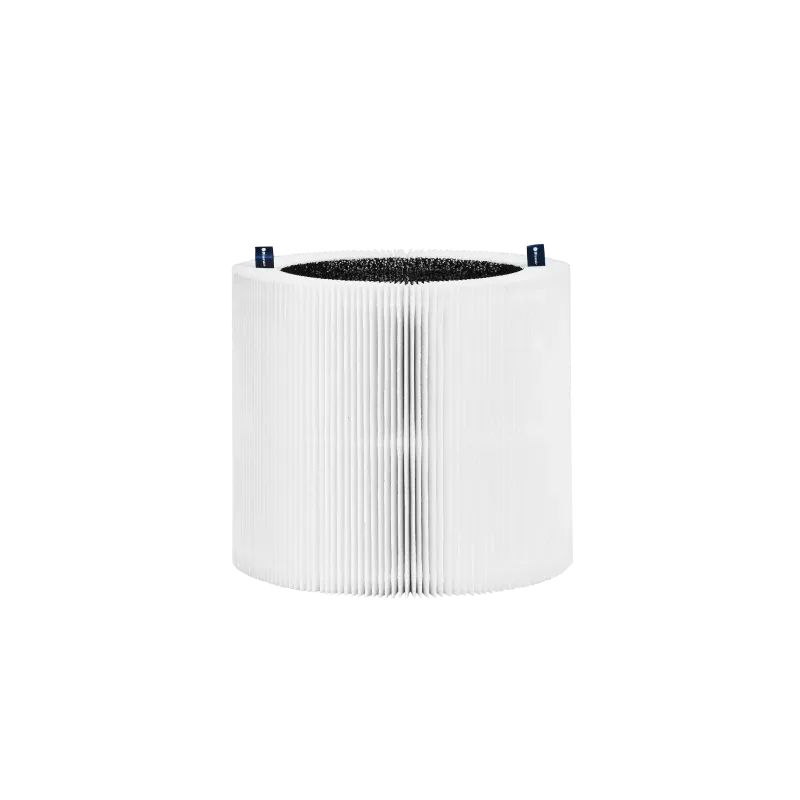
True HEPA filtration and a substantial activated carbon stage are the two most critical hardware features for home air purification. Everything else is secondary.
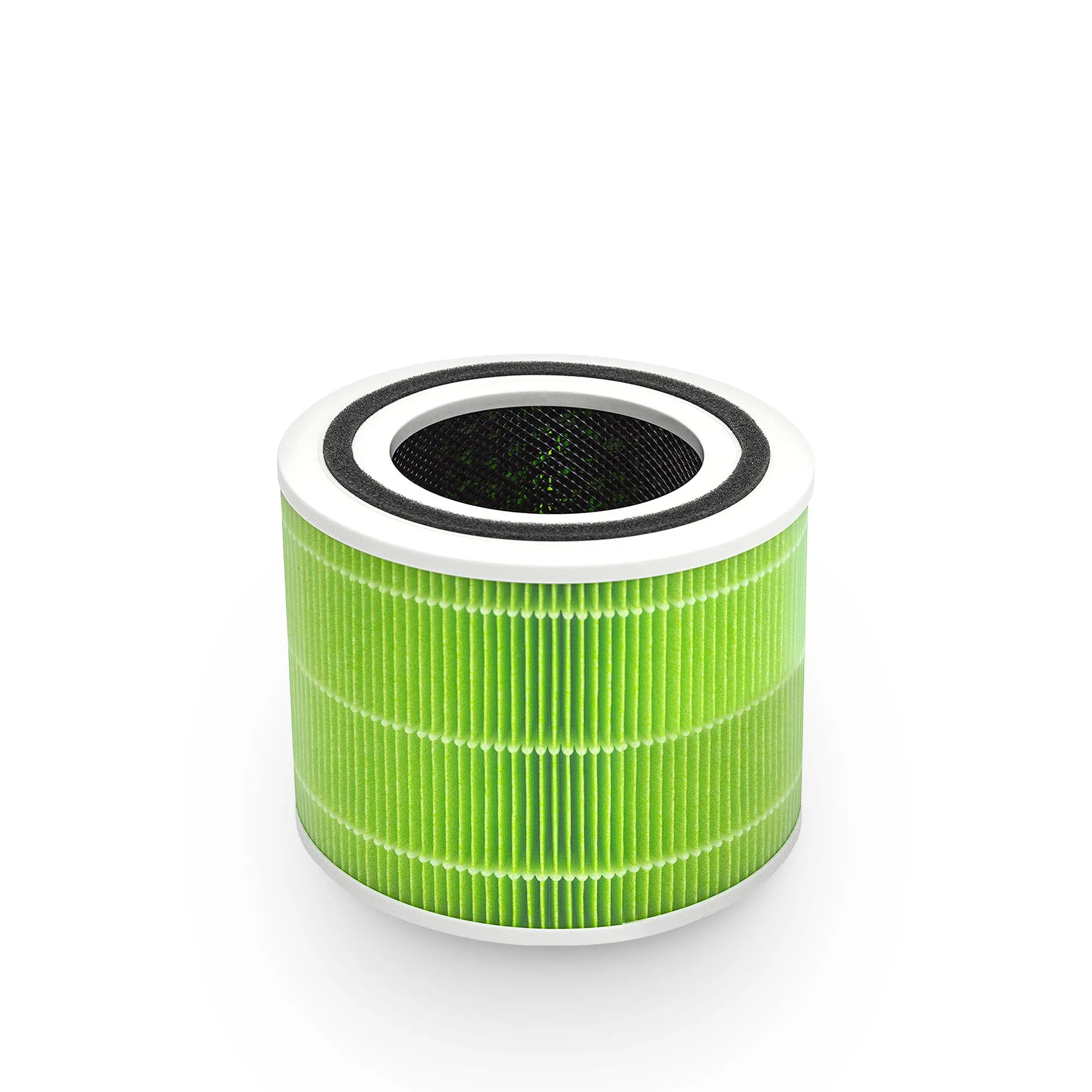
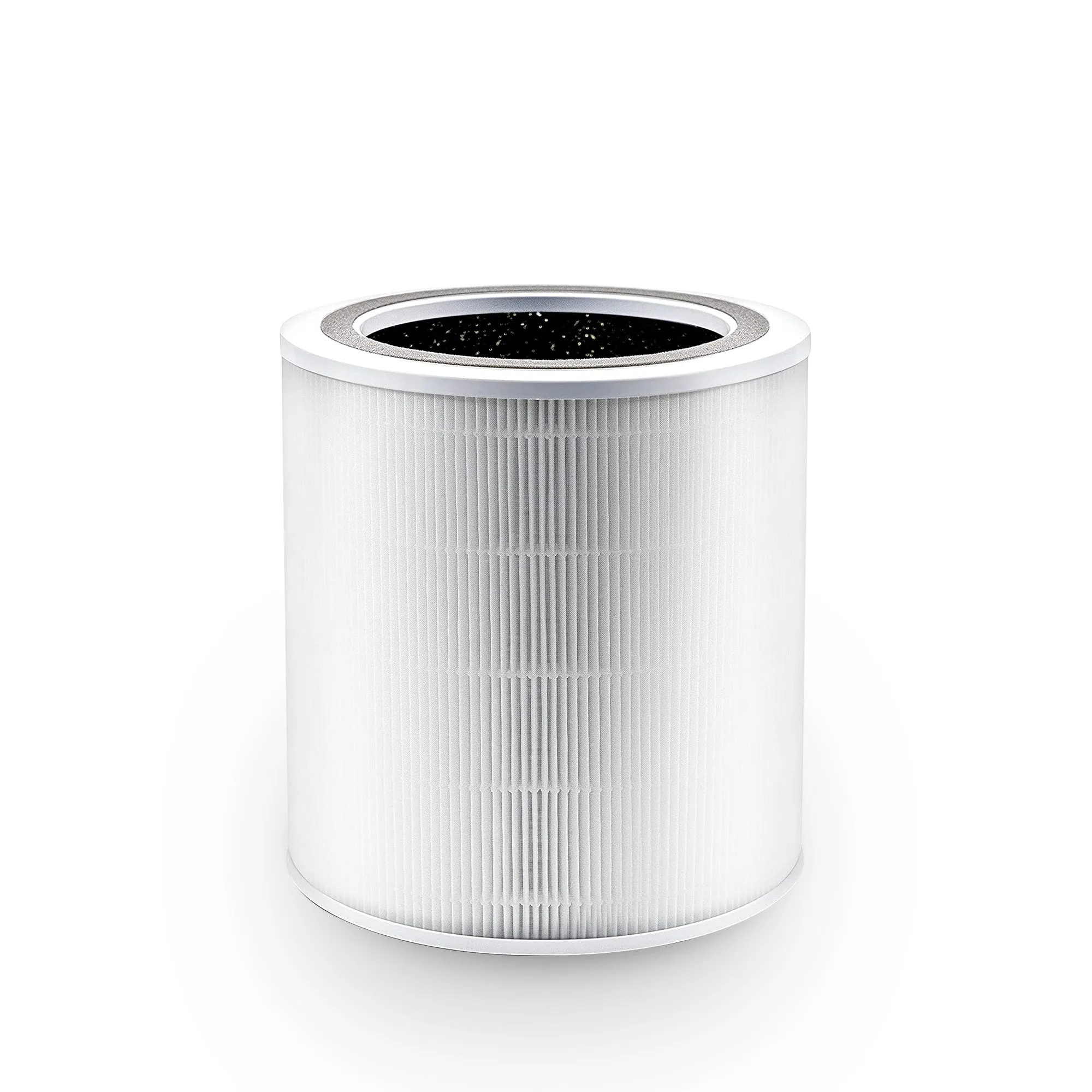
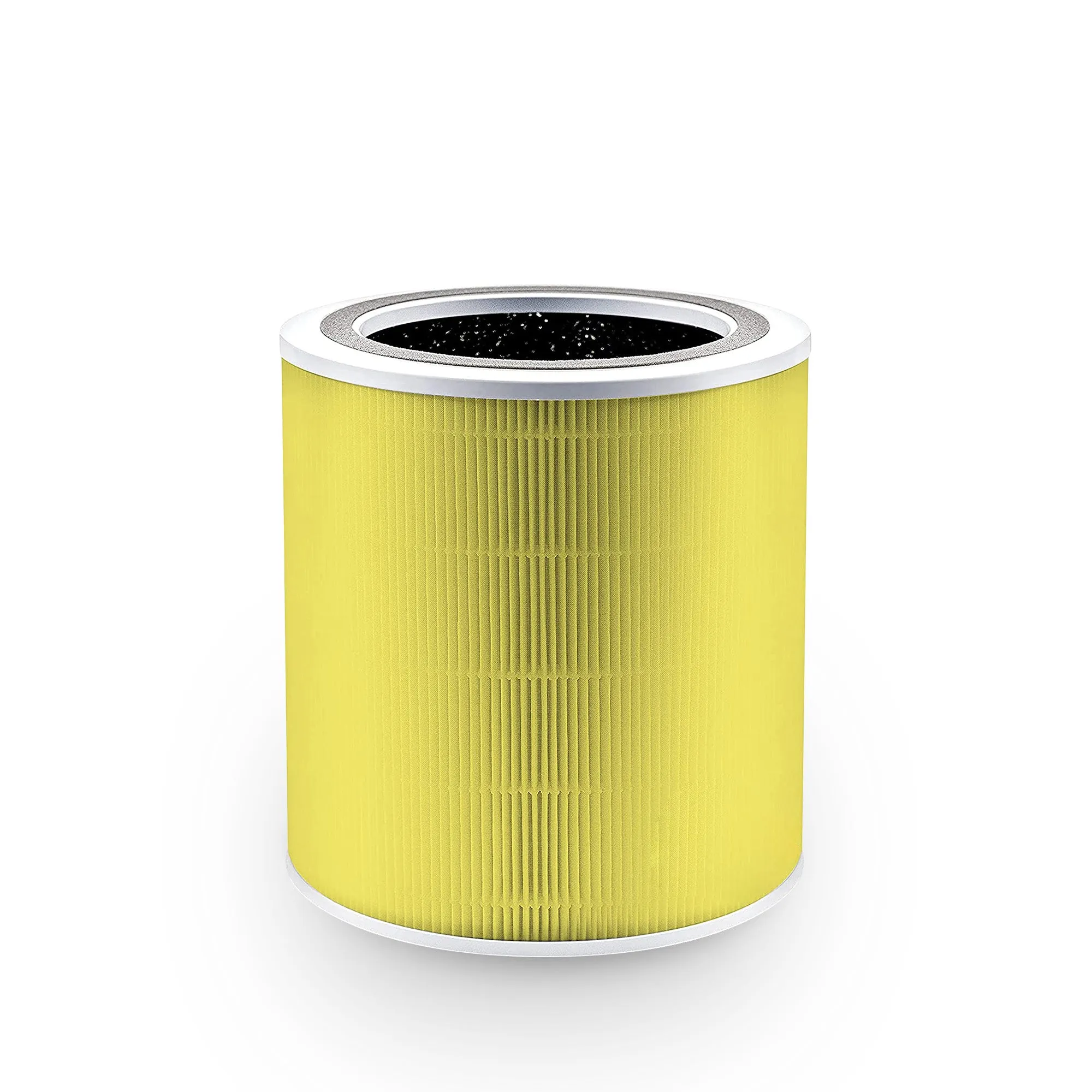
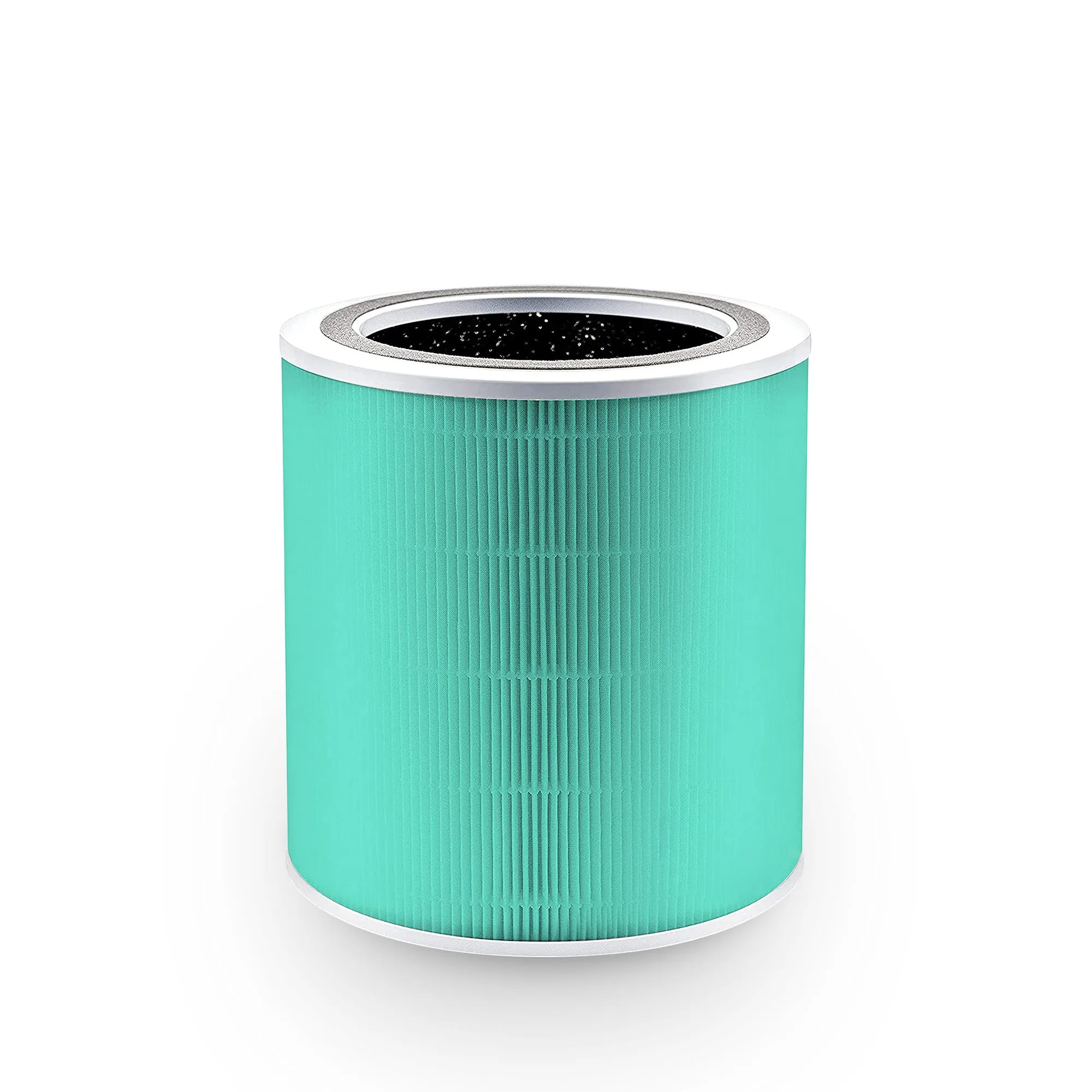
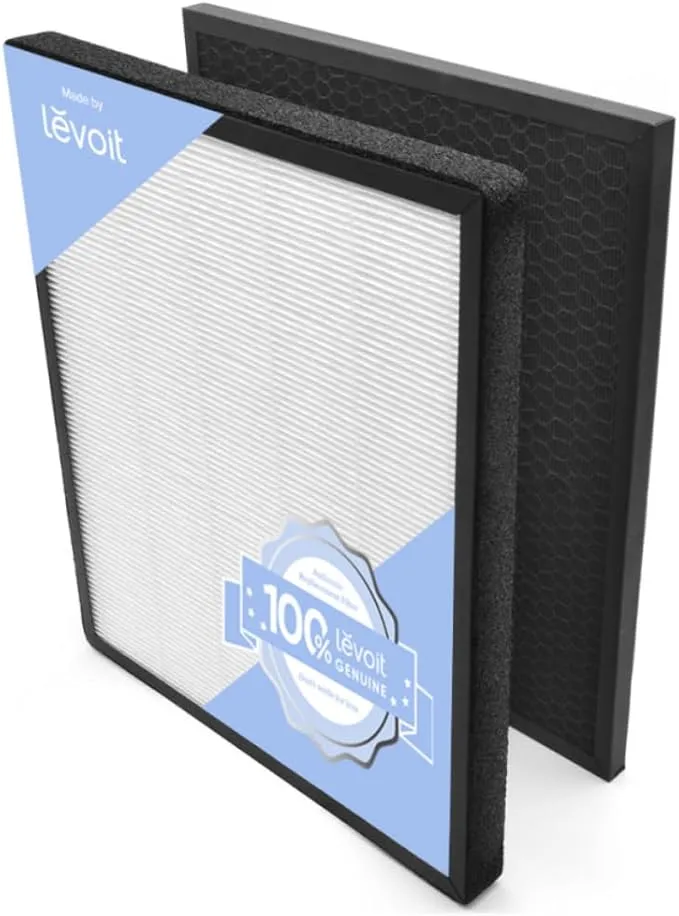
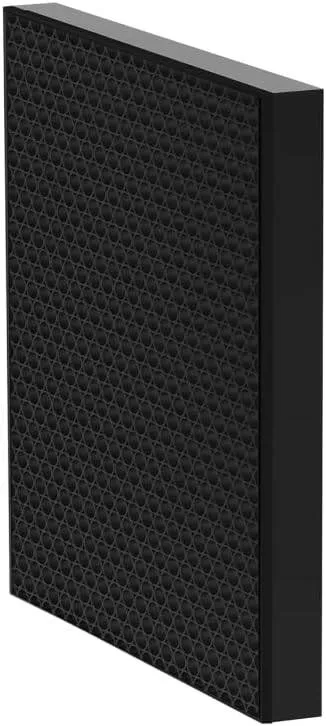
True HEPA (rated H13 or H14 to EN 1822) captures at least 99.95% of particles at 0.3 microns, which covers PM2.5, pollen, pet dander, dust mite debris and most mould spores. “HEPA-type” or “HEPA-like” filters do not meet this standard. Check the spec sheet for the EN 1822 rating, not just the marketing label.
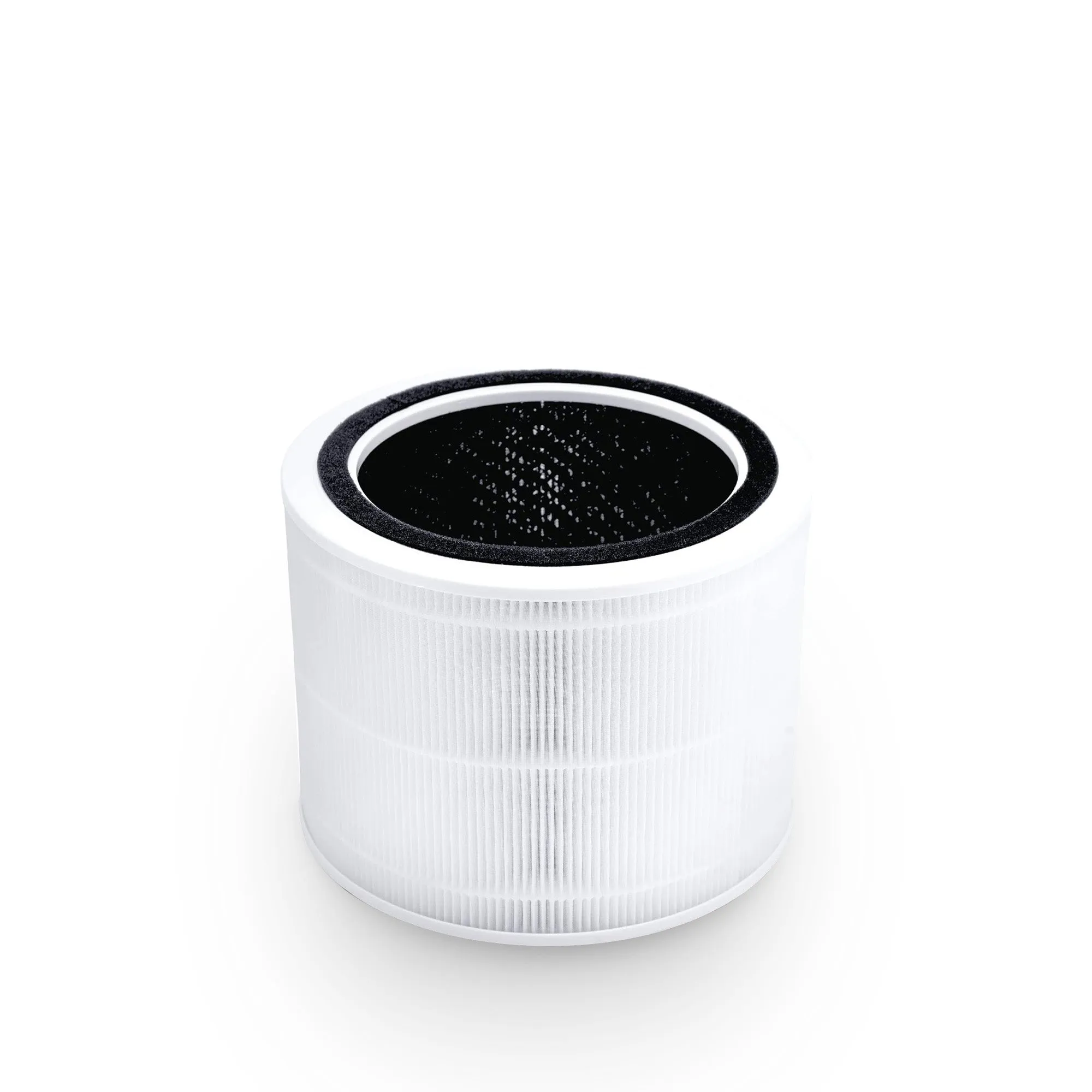
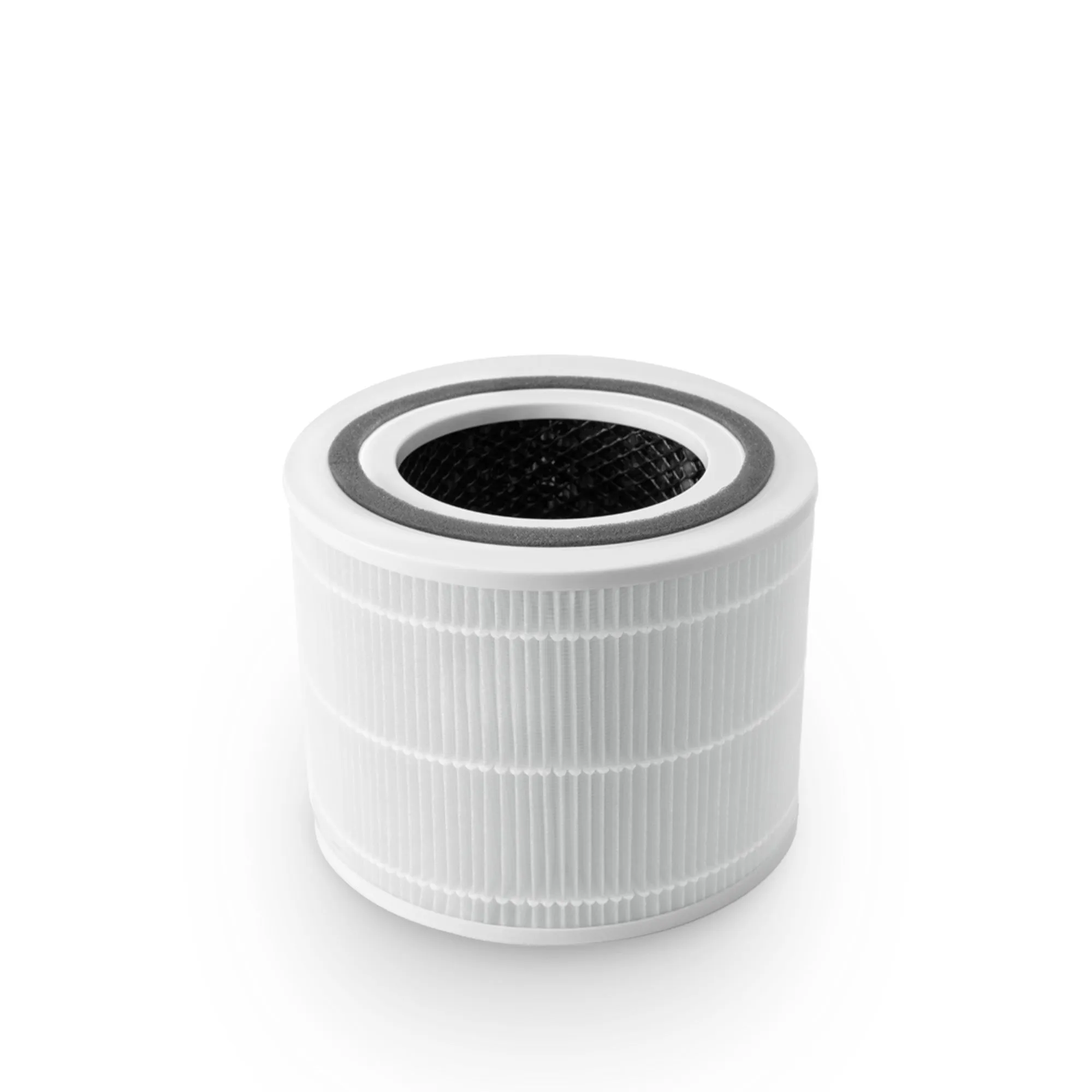
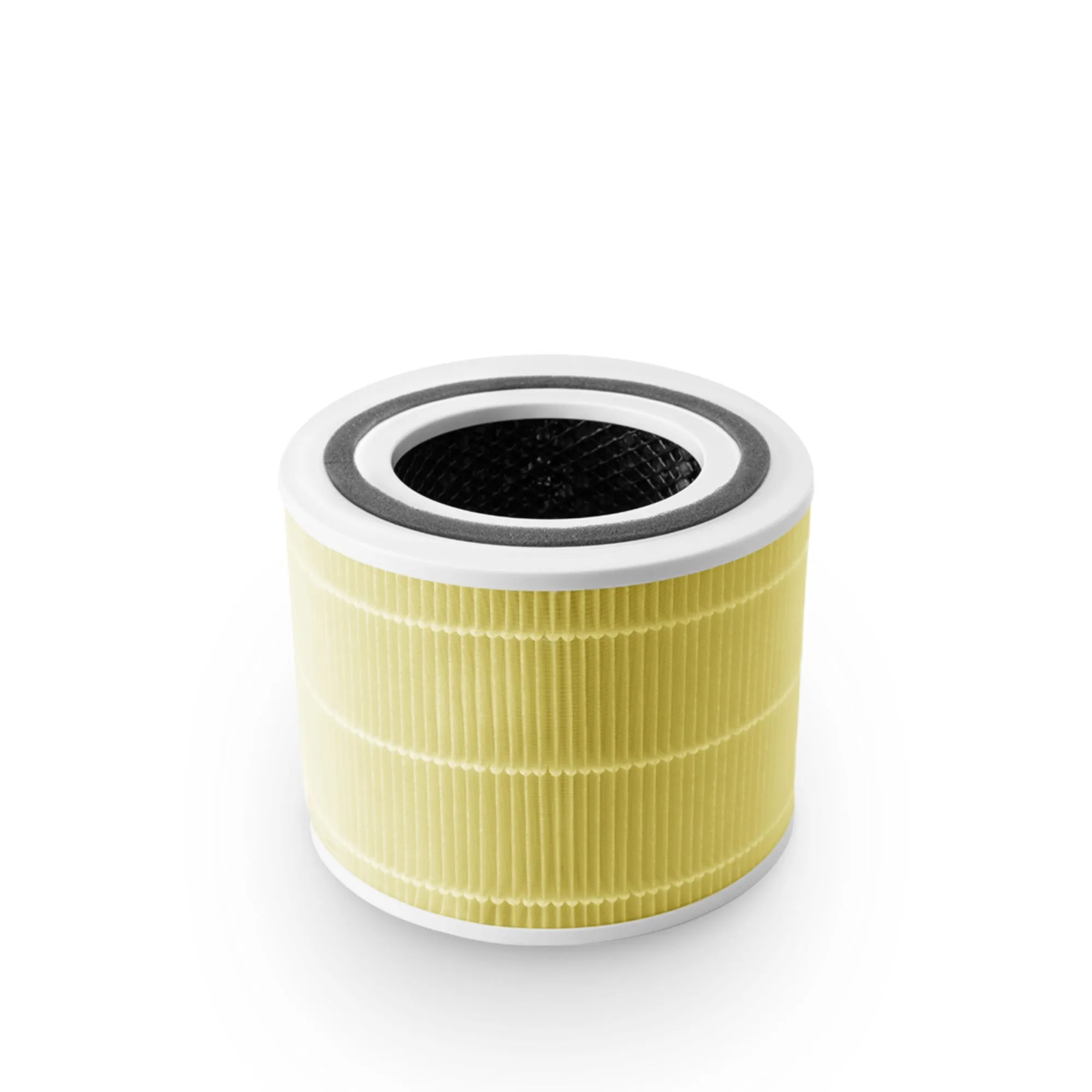
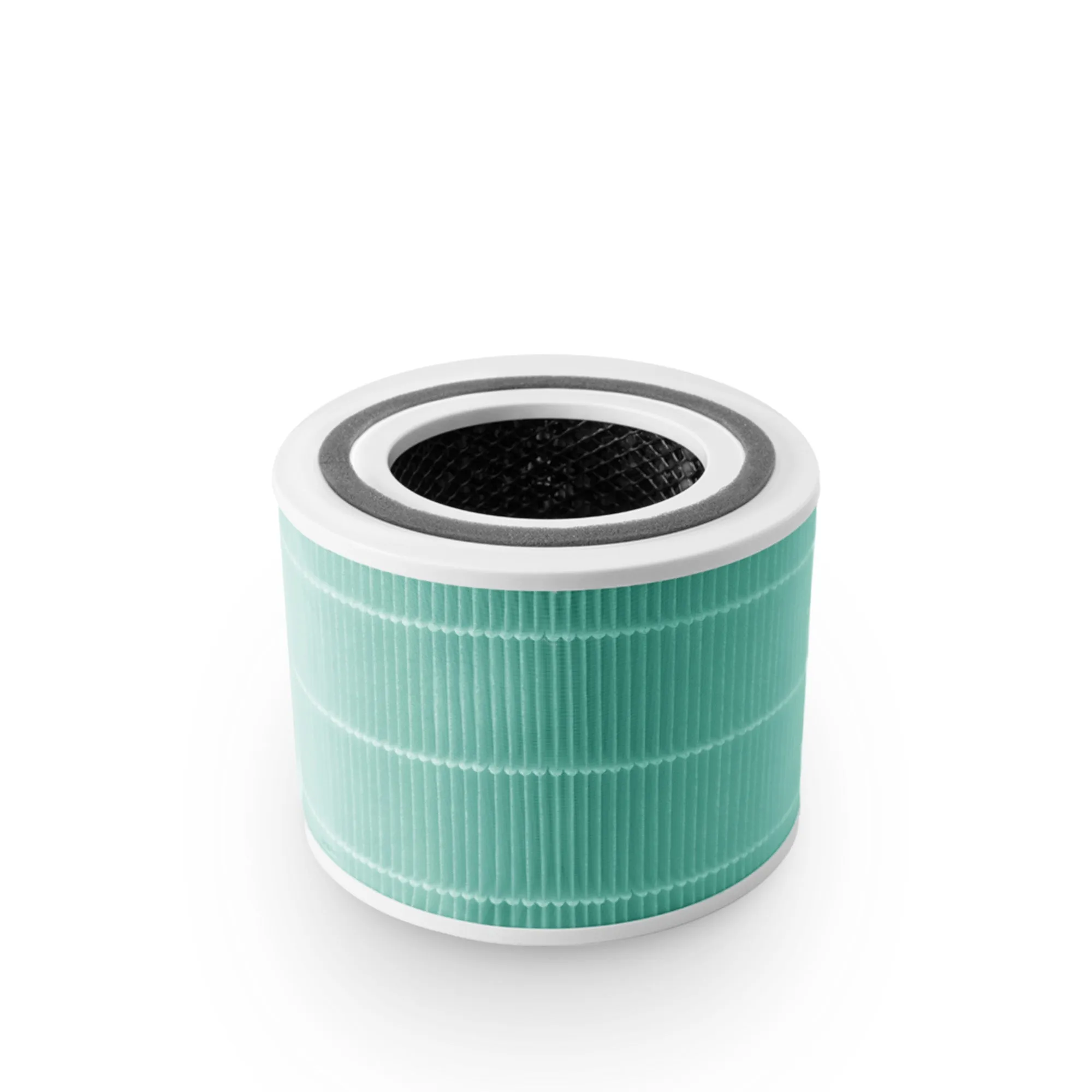
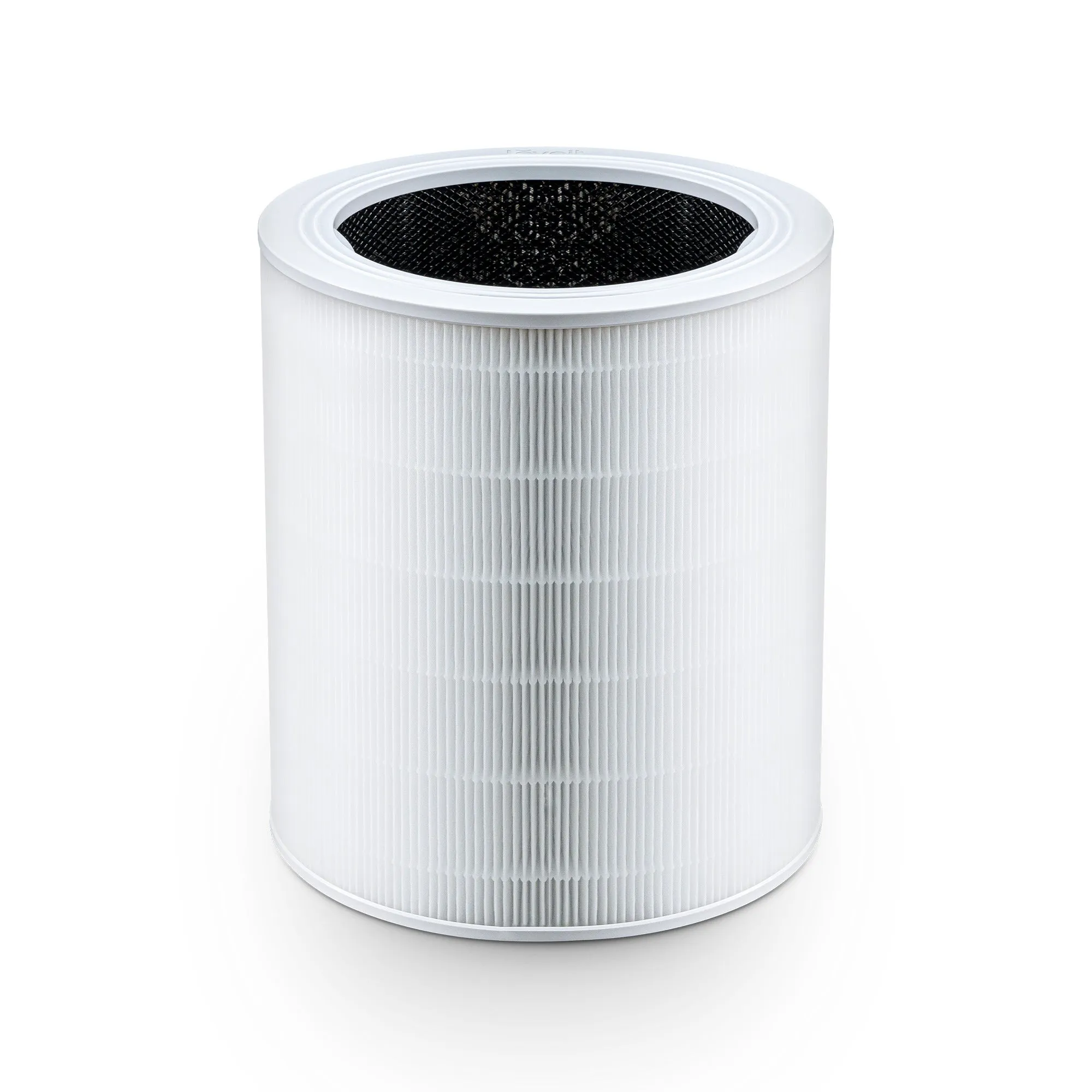
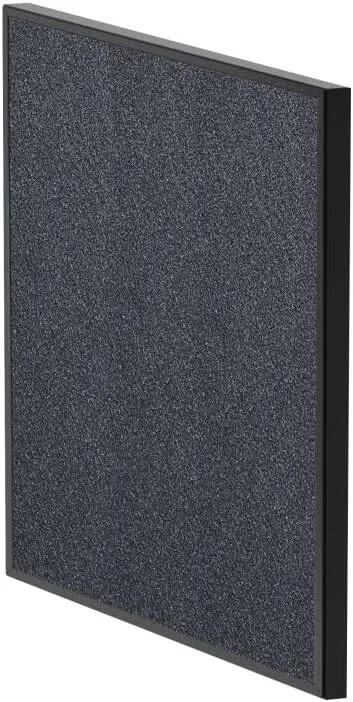
Activated carbon adsorbs gases, odours and VOCs. The key variable is weight: a meaningful carbon stage uses at least several hundred grams of granular activated carbon. Thin carbon-impregnated mesh layers, common in budget units, saturate within weeks and offer little ongoing protection against cooking odours or VOCs.
Sealed filter path matters more than most buyers realise. If the airflow can bypass the filter media through gaps in the housing, the HEPA rating on the filter itself is irrelevant. A sealed path and automatic filter-life alerts materially improve real-world performance by preventing bypass and keeping the unit running at rated efficiency.
Prefilter extends the life of the HEPA stage by capturing larger particles (hair, lint, large dust). Washable prefilters reduce running costs. Check that the prefilter is accessible without tools.
| Feature | What to check on the spec sheet |
|---|---|
| Filter type | EN 1822 H13/H14 rating stated |
| Capture efficiency | ≥99.95% at 0.3 µm confirmed |
| Carbon stage | Weight or volume of carbon stated |
| Sealed path | Vendor confirms no bypass design |
| Filter life | Hours or months stated at a given ACH |
| Replacement cost | Replacement filter price publicly listed |
How to match a purifier to your room using CADR and ACH
“Covers up to X square metres” is a marketing figure, not a performance guarantee. The reliable metric is CADR (Clean Air Delivery Rate) combined with your target air changes per hour (ACH) for the actual room volume.
Sample room sizing table:
| Room type | Approx. volume (m³) | Target ACH | Required CADR (m³/h) |
|---|---|---|---|
| Bedroom | 30 | 3–4 | — |
| Living room | 60 | 4–5 | — |
| Open-plan kitchen/living | — | 4–5 | — |
| Smoking/high-load room | 50 | 5–6 | — |
Step-by-step CADR calculation:
- Measure room length × width × ceiling height in metres to get volume (m³).
- Choose your target ACH: 3–4 for low-use bedrooms, 4–5 for living rooms, 5–6 for cooking or smoking scenarios.
- Multiply room volume by target ACH to get required CADR in m³/h.
- Check the purifier’s stated CADR at its effective running speed (not maximum).
- If the unit’s CADR at medium speed falls below your calculated requirement, size up.
High ceilings and open-plan layouts increase volume significantly. A room with a 3-metre ceiling has 25% more volume than the same footprint with a standard 2.4-metre ceiling. For open-plan spaces, calculate the full connected volume, not just the area where the purifier sits.
Filter life, noise and running costs: the true cost of ownership
A purifier priced at £150 with £80 replacement filters every six months costs more over two years than a £250 unit with £40 annual filters. Running cost calculation matters.
Variables that shorten stated filter life:
- Pets (dander loads the HEPA stage faster)
- Smoking or regular candle use (saturates carbon quickly)
- Construction or renovation nearby (heavy PM10 load)
- Running at high speed continuously rather than auto mode
Simple annual cost estimate (illustrative):
- Note the stated filter life in hours at the speed you plan to run it.
- Divide your planned daily run hours into the stated filter life to get months per filter.
- Multiply filter cost by the number of replacements per year.
- Add energy cost: wattage × daily hours × 365 × your unit electricity rate (UK average is around 24p/kWh as of recent Ofgem price cap periods).
Noise at medium speed is the figure that matters for bedrooms and living rooms. A unit rated at 65 dB on maximum is irrelevant if you run it on medium at 32 dB. Always ask for the noise specification at the speed you will actually use. Sleep mode should be below 30 dB for most people to sleep undisturbed.
Maintenance features worth paying for:
- Filter-life indicator (hours-based, not just a timer)
- Easy filter access without tools
- Washable prefilter
- Confirmed spare parts availability and filter stock from the manufacturer
Controls, app features and data privacy
Practical controls matter more than dashboards. The features that improve health outcomes are:
- Stable auto mode that responds to PM2.5 or CO₂ readings, not just a timer
- Custom alert thresholds (e.g., notify when CO₂ exceeds 1,000 ppm)
- Time-weighted alerts rather than spike notifications, which reduce alert fatigue
- Local data history accessible without a cloud account
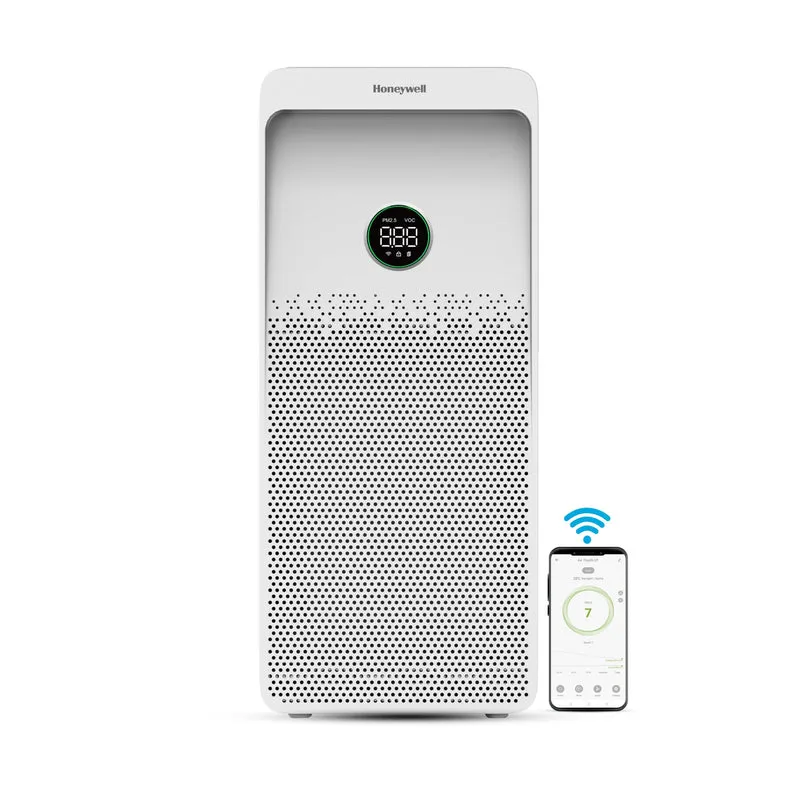
App features such as exportable logs, cloud backup and smart home integration via Matter, HomeKit, Google Home or Amazon Alexa are useful if you plan automation. Matter certification is the most future-proof option for multi-brand ecosystems. For smart home integration, check whether the device processes data locally or requires a cloud connection, and what the vendor’s data retention policy states.
Privacy questions worth asking before purchase: Does the device work fully offline? How long does the vendor retain air quality logs? How frequently does firmware update, and are updates automatic or manual?
Pro Tip: Favour vendors who publish calibration routines and firmware update histories over those who lead with app aesthetics. A clear calibration statement is a stronger signal of long-term reliability than a polished interface.
UK certifications, DAQI and how to verify your readings
The DAQI scale runs from 1 (Low) to 10 (Very High) across four bands and covers NO₂, PM10, PM2.5, O₃ and SO₂. It is the standard public reference for air pollution in the UK. Home monitors are not statutory instruments; they are directional tools. The AURN (Automatic Urban and Rural Network) and other national networks use Type Approved analysers and MCERTS-certified equipment to produce the near-hourly data that underpins DAQI.
What this means in practice: your home monitor will not match AURN readings exactly, and it is not expected to. A well-calibrated consumer device should track the direction and rough magnitude of outdoor changes. If your PM2.5 reading rises when the local DAQI station reports Moderate or High, the sensor is behaving correctly.
What credible third-party testing looks like:
- Published test report from an independent laboratory (not just a vendor white paper)
- Comparison against a reference instrument under controlled conditions
- Stated accuracy tolerance (e.g., ±10% for PM2.5, ±50 ppm or ±5% for CO₂)
- EN or CE marking where applicable
Standards note: For CO₂ sensors, an acceptable consumer tolerance is ±50 ppm or ±3% of reading, whichever is greater. For PM2.5, ±10–15% against a reference instrument is a reasonable expectation from a mid-tier optical sensor. Vendors who publish these tolerances are more trustworthy than those who state only “high accuracy.”
Avoid any monitor that claims regulatory-grade precision without a published test report. The gap between a £40 MOS sensor and a calibrated NDIR unit is not a marketing distinction; it is the difference between data you can act on and data that misleads you.
Matching features to your primary goal
Different problems call for different priorities. The table below maps the most common goals to the features that matter most.
| Goal | High priority | Medium priority | Lower priority |
|---|---|---|---|
| Allergy / hay fever relief | True HEPA H13+, PM2.5 sensor, humidity sensor | Prefilter, sealed path, CADR sizing | VOC sensor, app integration |
| Asthma management | True HEPA H13+, PM2.5 sensor, CADR sizing | NO₂ sensor, auto mode | Voice control, colour display |
| Odour / smoke control | Large activated carbon stage, True HEPA | VOC sensor, PID-based | CO₂ sensor |
| Ventilation monitoring | NDIR CO₂ sensor, humidity sensor | NO₂ sensor | HEPA filtration |
| General freshness | PM2.5 sensor, True HEPA, CADR sizing | Activated carbon, auto mode | Smart home integration |
For allergy sufferers, the HEPA stage and a correctly sized CADR are non-negotiable. Everything else is optional. For ventilation-focused buyers, the NDIR CO₂ sensor is the single most important feature; a purifier without a CO₂ sensor will not tell you when to open a window.
Budget shortcuts: If funds are limited, buy the correct CADR for your room before buying smart features. A well-sized purifier with True HEPA and no app will outperform a connected device with a HEPA-type filter and a CADR too small for the room. Add sensors and connectivity later as a separate monitor if needed.
Research-backed thresholds and buying rules for UK buyers
The evidence base for air purification consistently points in the same direction: True HEPA plus activated carbon and reliable sensors deliver better health outcomes than gadget-heavy units with weaker filtration. Prioritising hard functional features over soft tech features is the consistent recommendation from independent editorial guidance.
Buying rules of thumb:
Avoid monitors priced under around £50 for any meaningful pollutant detection. Specify NDIR for CO₂ measurement. Prefer vendors who publish calibration routines and drift tolerances. For purifiers, confirm the CADR at medium speed, not maximum.
For CO₂, the actionable threshold is 1,000 ppm for ventilation. For PM2.5, the WHO provides guideline values and interim targets that underpin public-health messaging; the DAQI Moderate band begins at 12 µg/m³ (24-hour mean for PM2.5) as a practical UK reference point.
Pro Tip: Run a structured trial when you receive a new device. On day one, note readings with windows closed for one hour. Then open a window and note how quickly CO₂ drops and PM2.5 changes. Compare PM2.5 readings to the nearest DAQI station on the same day. This gives you a baseline and a quick sense of whether the sensors are behaving credibly.
Reliable mid-tier devices tend to deliver the best return for most households: full sensor suites (NDIR CO₂, optical PM, PID VOC), Matter or local hub options, and published maintenance costs without subscription requirements.
Key takeaways
The single most important rule when buying an air quality monitor or purifier is to confirm sensor type and CADR before any other feature, because filtration quality and measurement accuracy determine whether a device protects health or merely displays numbers.
| Point | Details |
|---|---|
| Sensor type first | Specify NDIR for CO₂ and optical/laser for PM; avoid metal-oxide sensors for health decisions. |
| True HEPA is the baseline | H13 or H14 rated to EN 1822 captures ≥99.95% of particles at 0.3 µm; “HEPA-type” does not. |
| Size by CADR and ACH | Calculate room volume × target ACH (appropriate for your room use) to confirm the purifier’s CADR is sufficient. |
| Check running costs | Confirm filter replacement price and interval before purchase; total ownership cost often exceeds the unit price. |
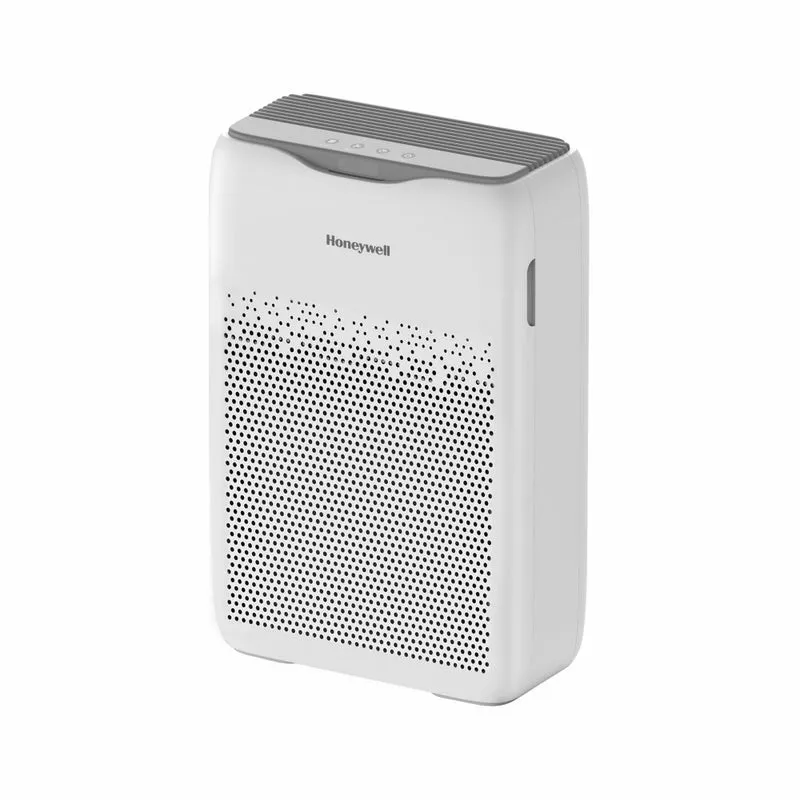
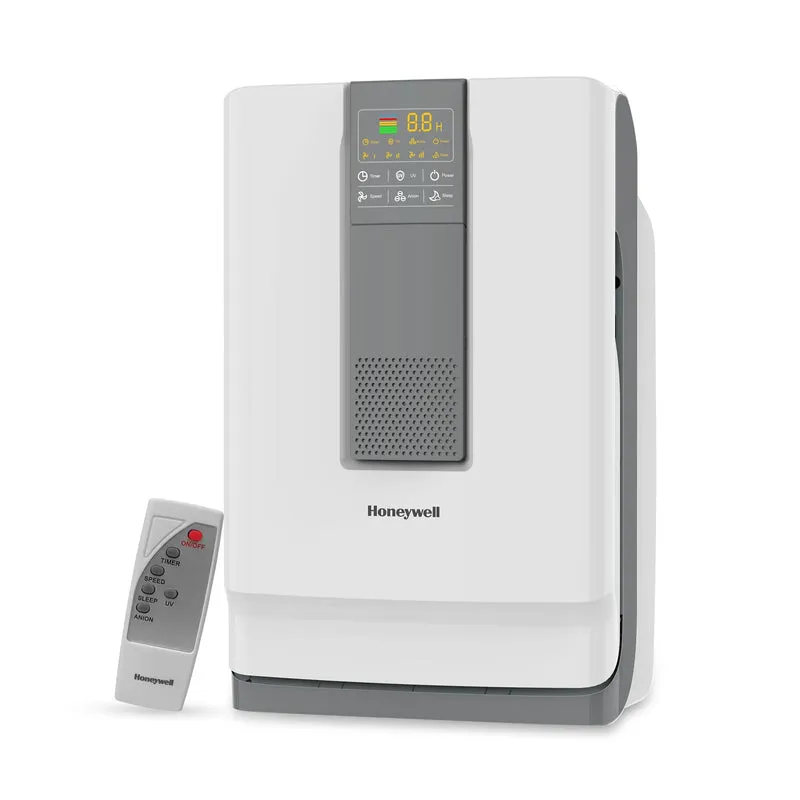
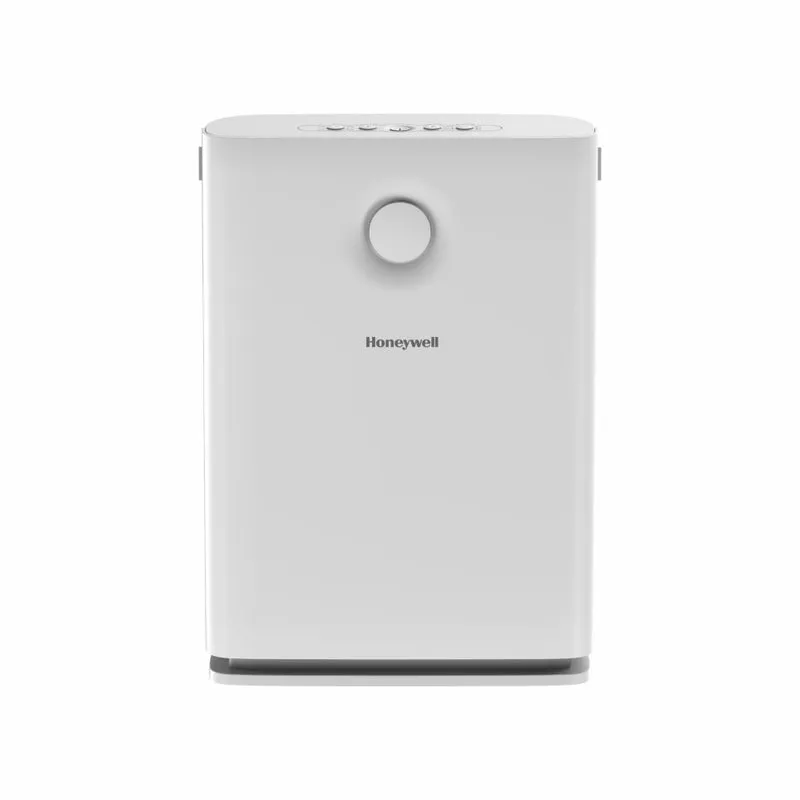
| Cleanair-ae for verified products | Cleanair-ae stocks recognised brands including Blueair, Honeywell, and Levoit, with confirmed filter availability and fast delivery. |
The features I actually prioritise for a family home
Most buying guides treat every feature as equally important. In practice, the hierarchy is much simpler once you have lived with these devices.
For a bedroom, quietness at the speed the purifier runs all night matters more than any sensor. A unit that reads 28 dB on sleep mode and delivers adequate CADR for the room is worth more than a technically superior device that forces you to drop to a speed too low to clean the air properly. Bedroom placement near the bed but away from direct airflow works best; the purifier should draw air from the room, not blow it at a sleeping face.
For a kitchen or open-plan living space, the activated carbon stage and a CO₂ or NO₂ sensor are the priorities. Cooking on a gas hob produces both particulates and NO₂. A purifier without a meaningful carbon stage will not address cooking odours, and a monitor without NO₂ sensing will miss one of the most common indoor pollutants in UK homes. Placing the monitor at breathing height, away from the hob itself, gives a more representative reading.
Pet dander loads the HEPA stage faster than most other sources. If you have pets, budget for more frequent filter replacements and check that the prefilter is washable. The air quality measurement guide for families covers placement and reading interpretation in practical terms.
The feature I consistently deprioritise is the app dashboard. A clear LED indicator on the unit itself, showing green/amber/red, does more for day-to-day behaviour change than a detailed historical graph most people check once. Connectivity is useful for automation; it is not useful for health if the underlying sensor is unreliable.
Cleanair-ae: products matched to your room and budget
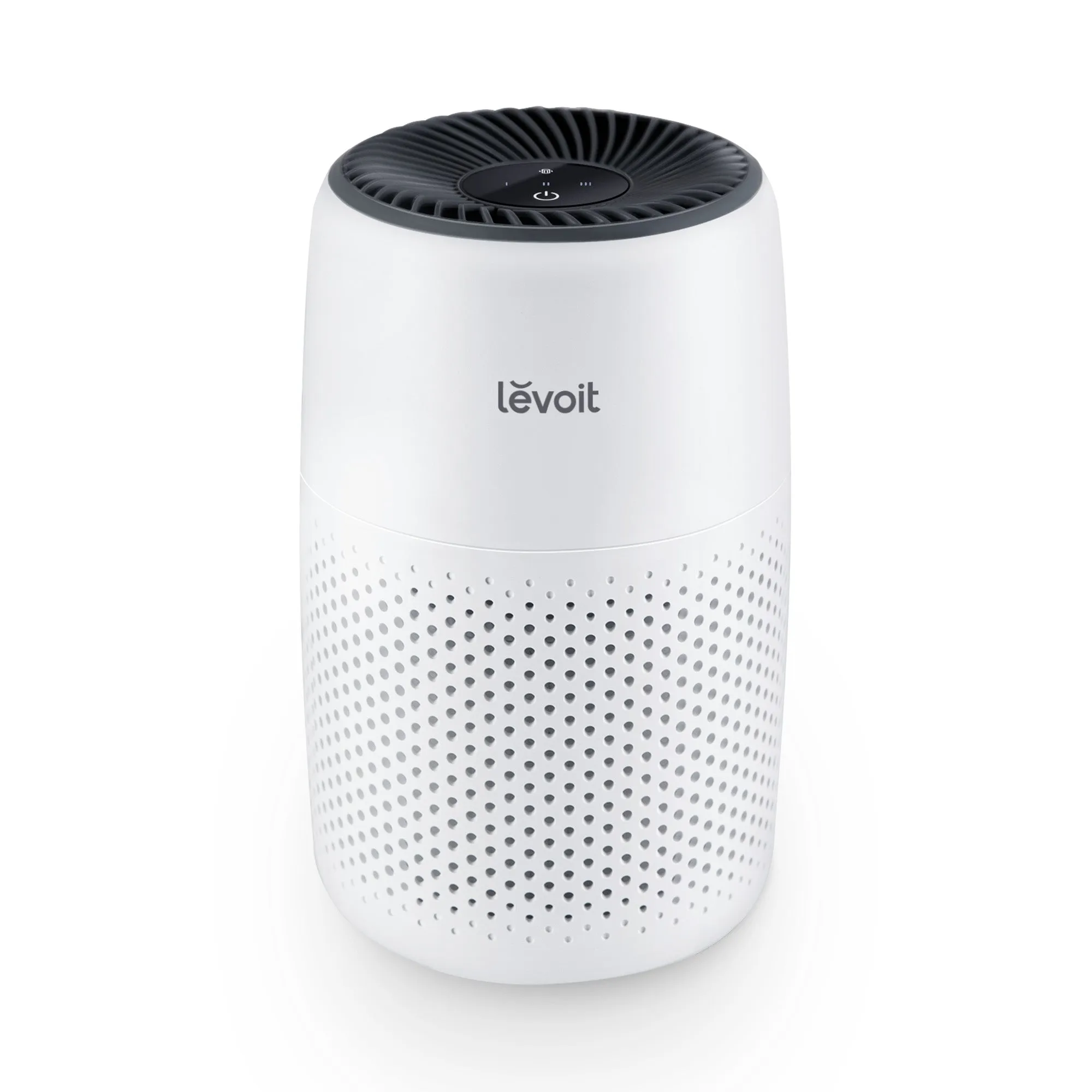
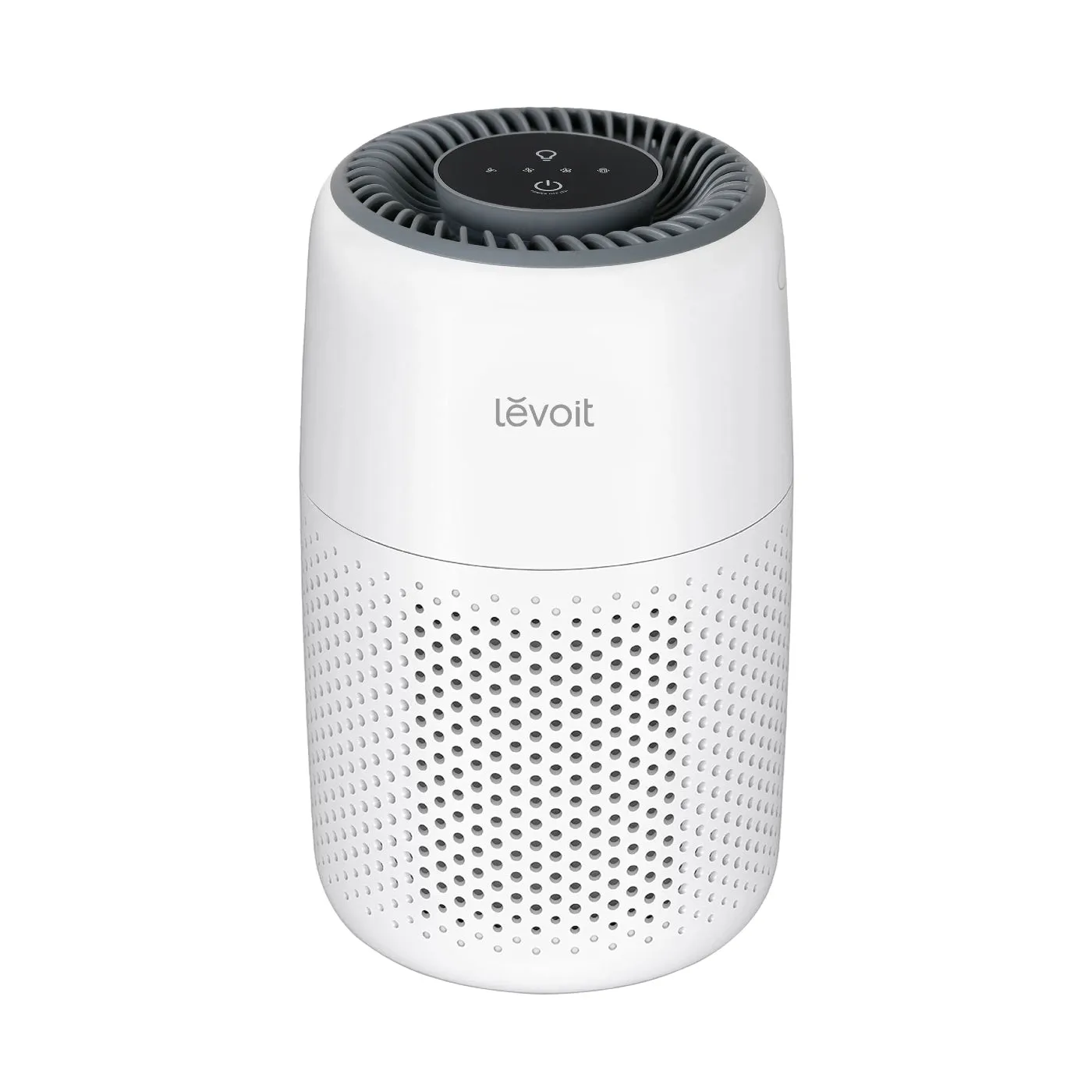
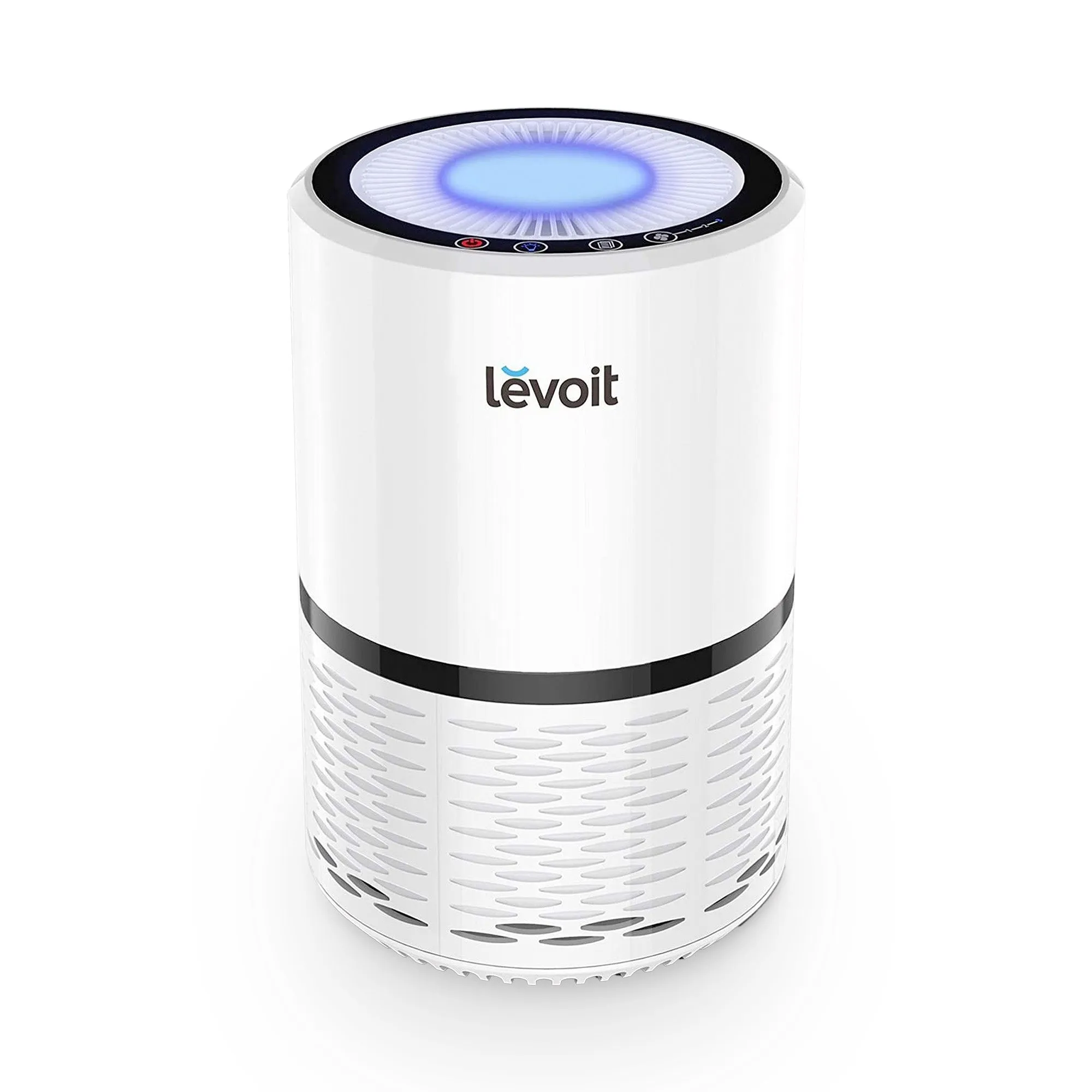
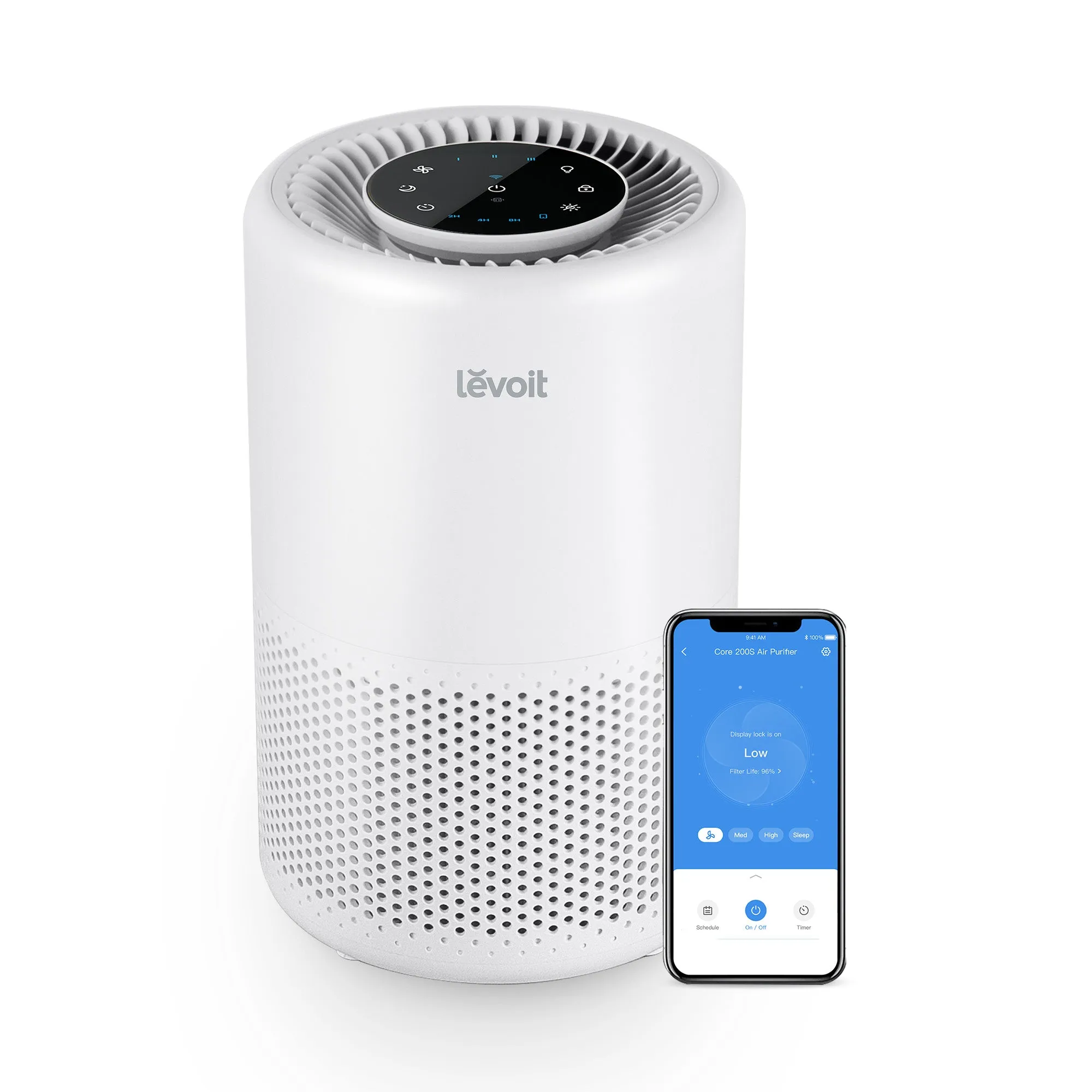
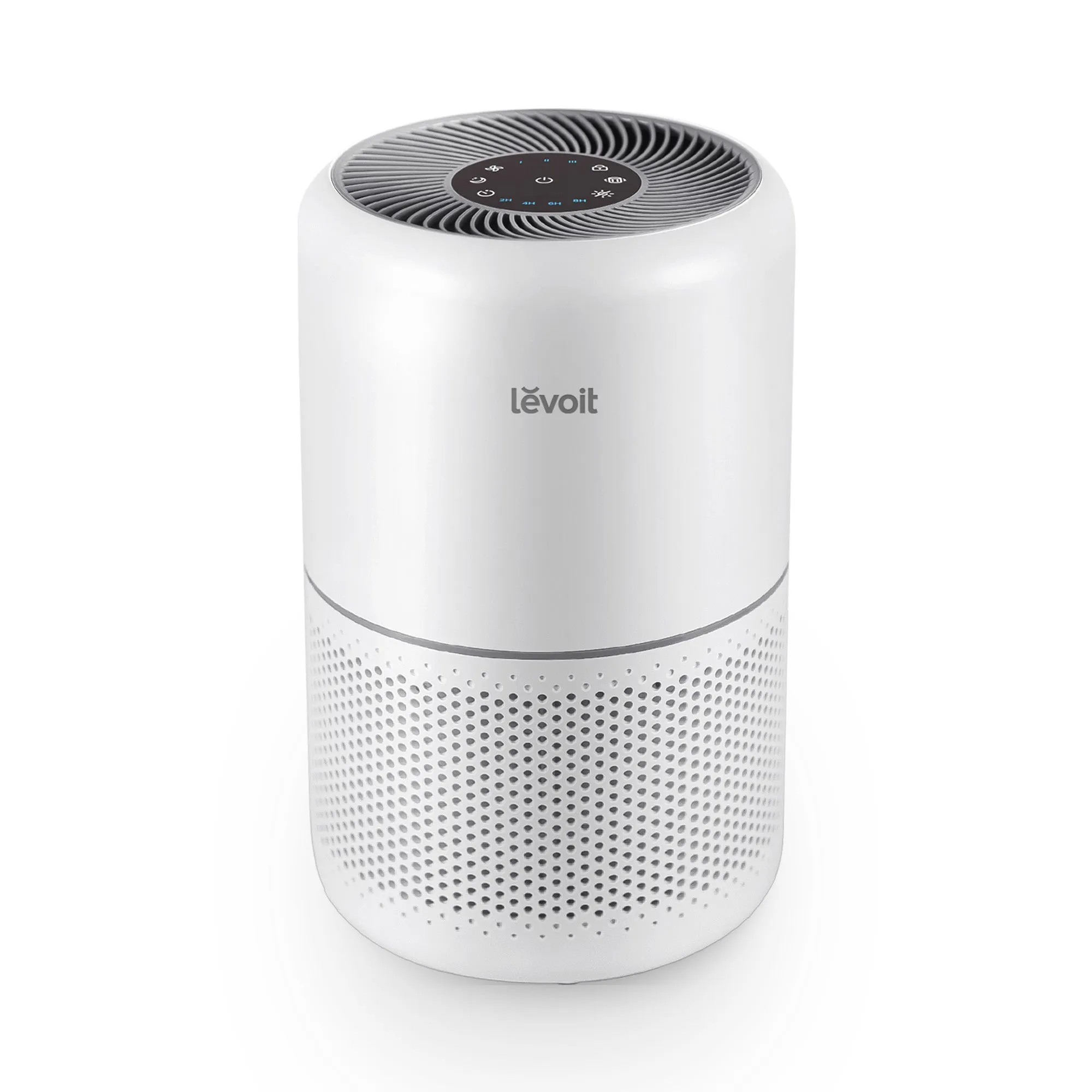
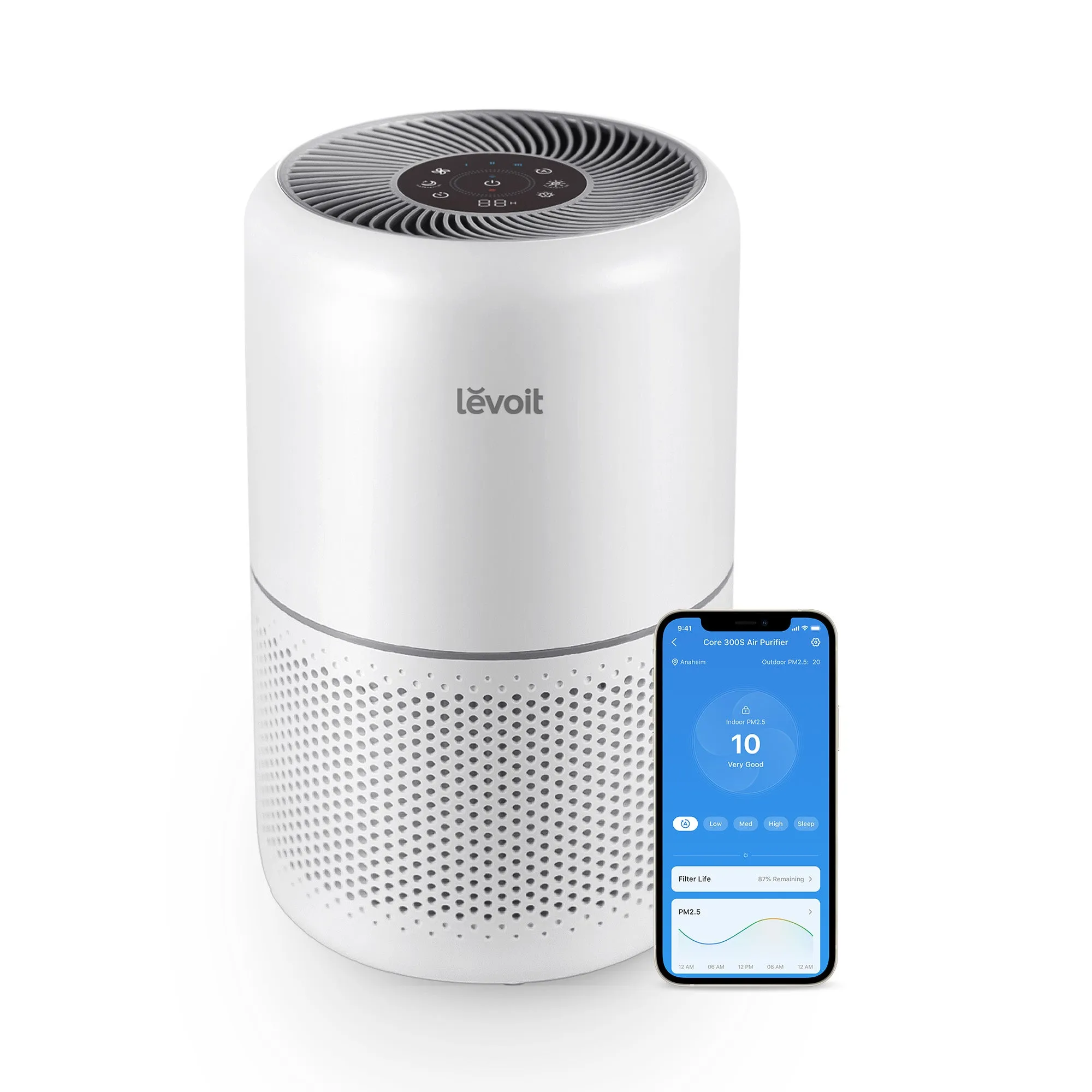
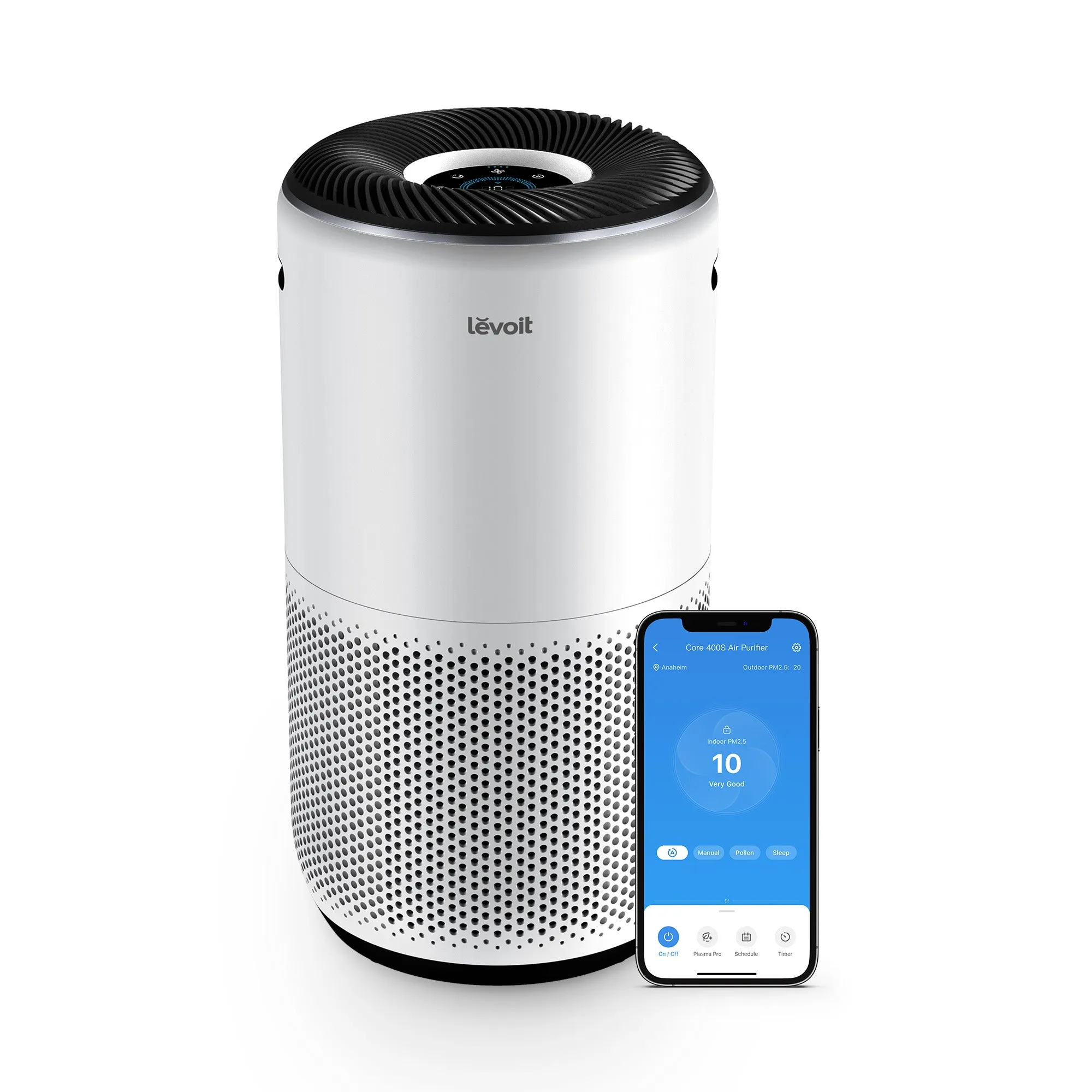
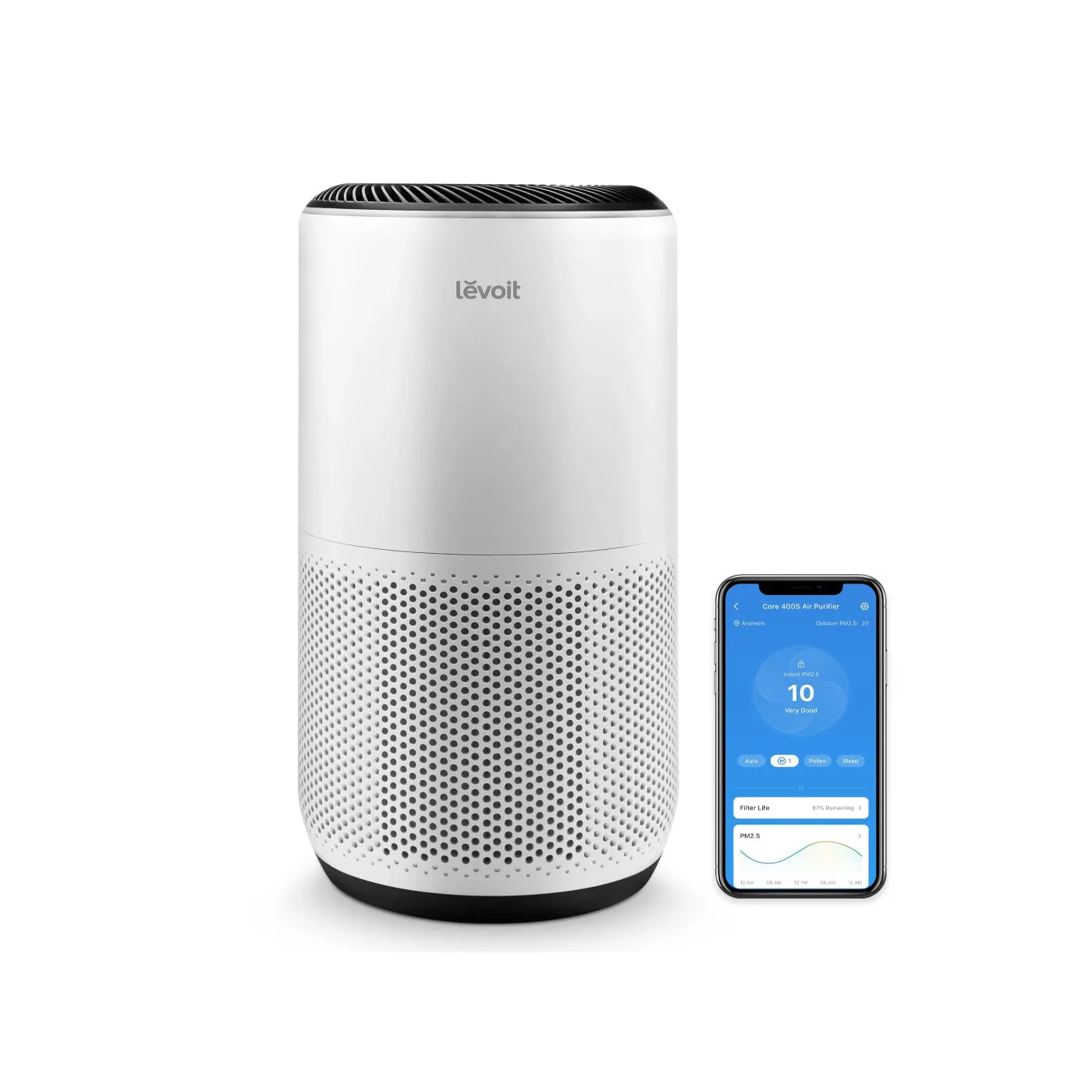
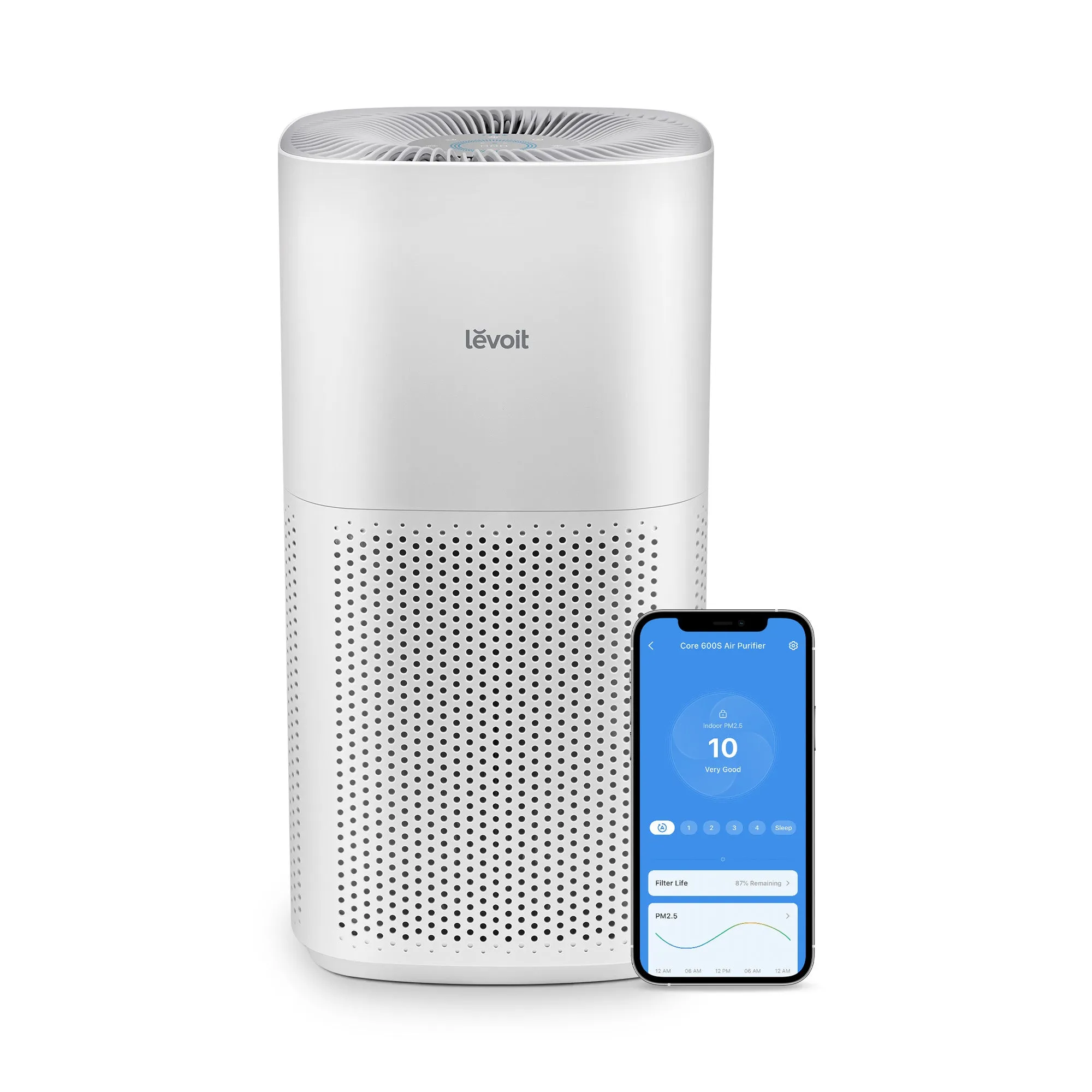
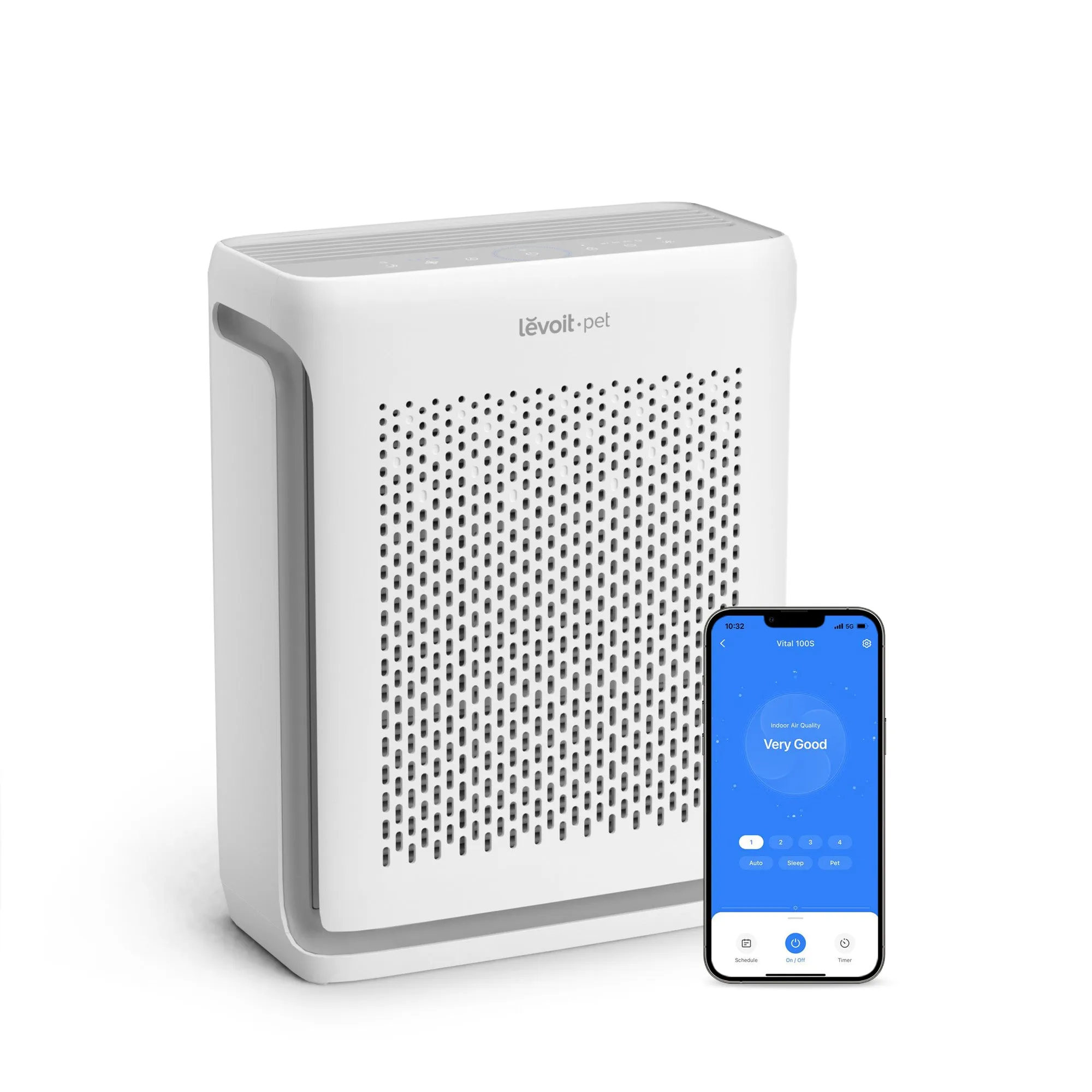
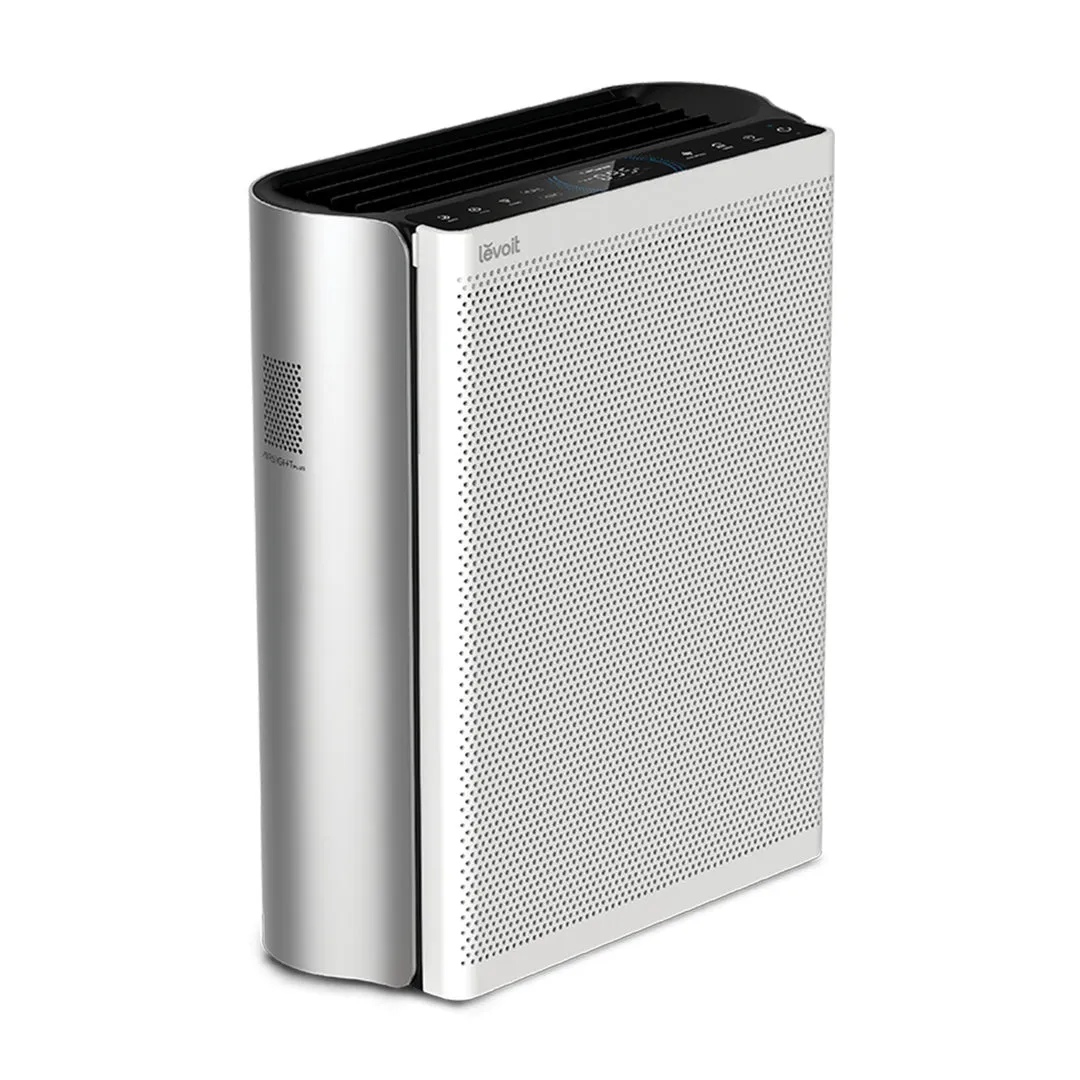
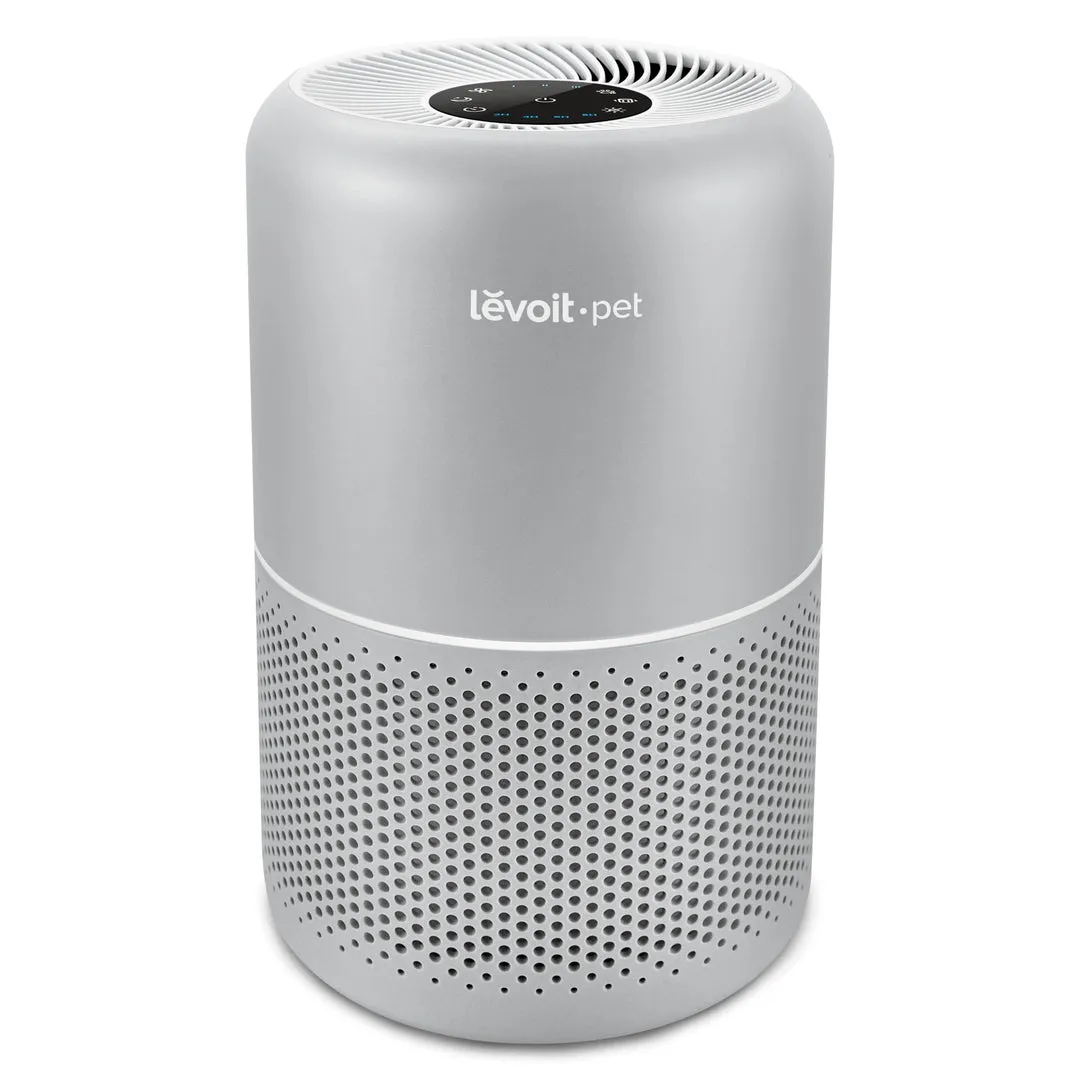
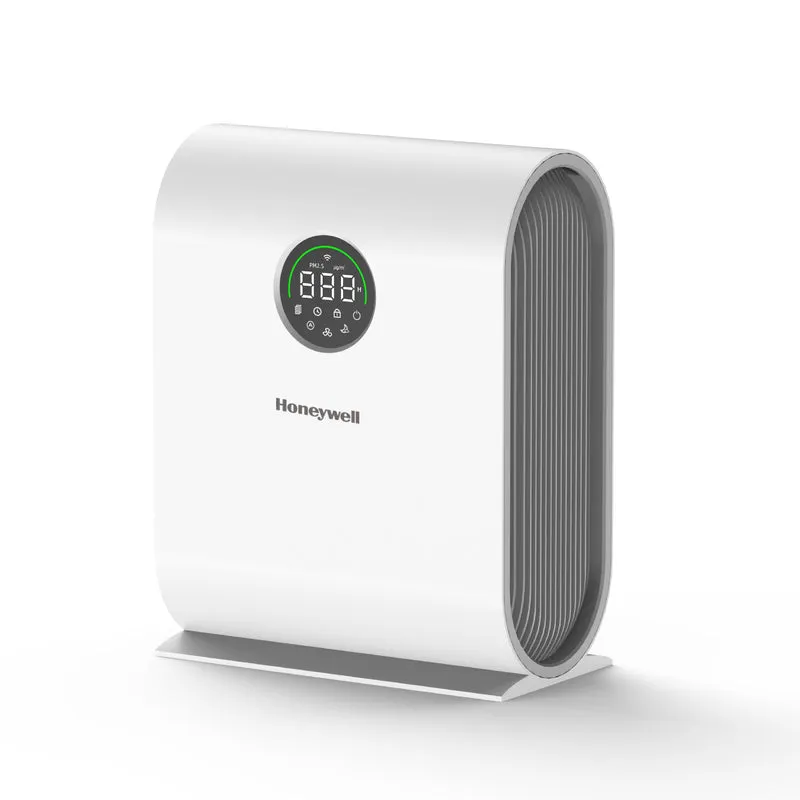
Choosing the right device comes down to three numbers: your room volume, your target ACH, and your filter replacement budget. Cleanair-ae stocks recognised brands including Blueair, Honeywell, and Levoit, covering home, commercial, and automotive use, with confirmed filter availability and fast delivery.
The air purifier buying guide covers room-sizing, filter selection, and running cost estimates in one place. If you need a quick room-sizing check or want to confirm which replacement filter fits your existing unit, the product pages list filter compatibility and replacement intervals directly.
- Product selection across home, commercial, and car use cases
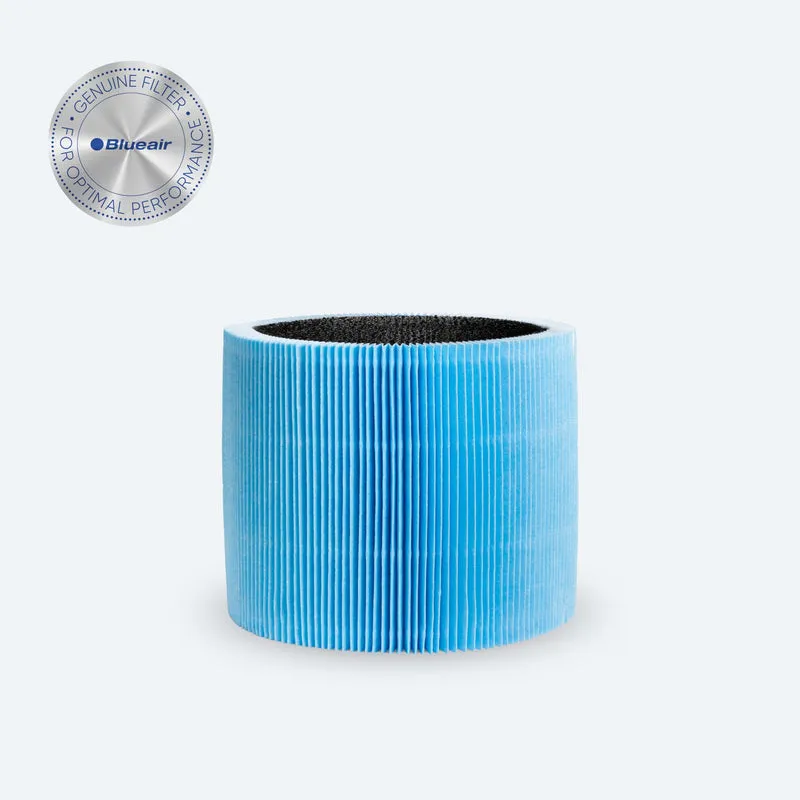
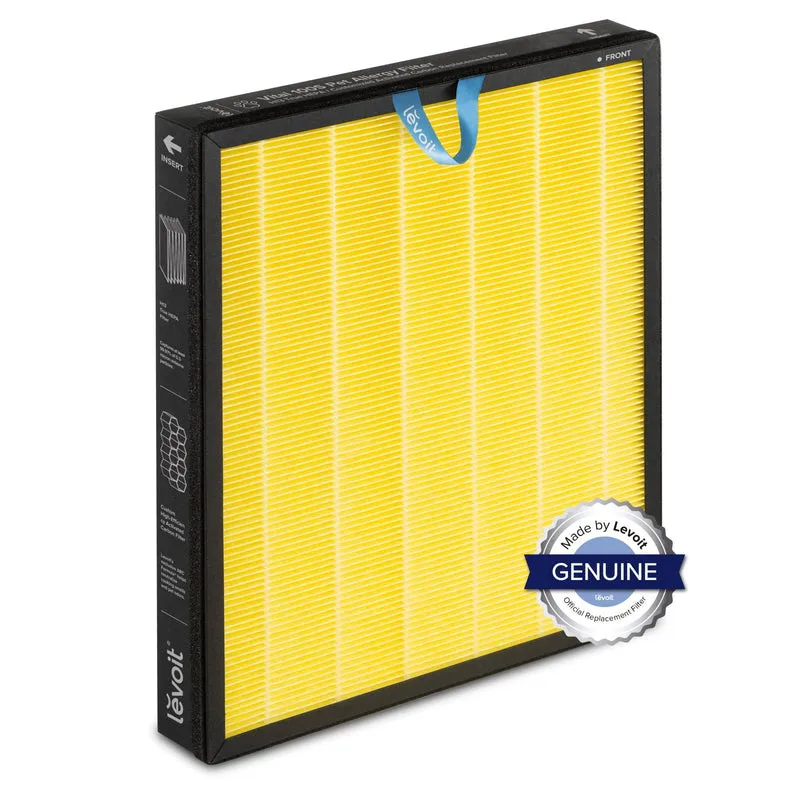
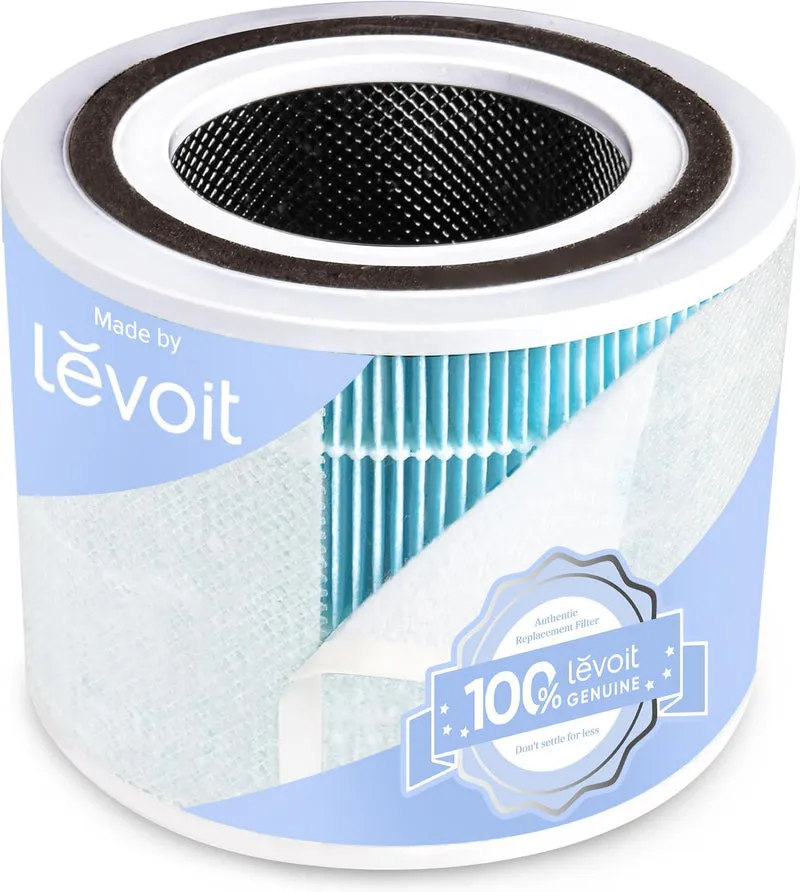
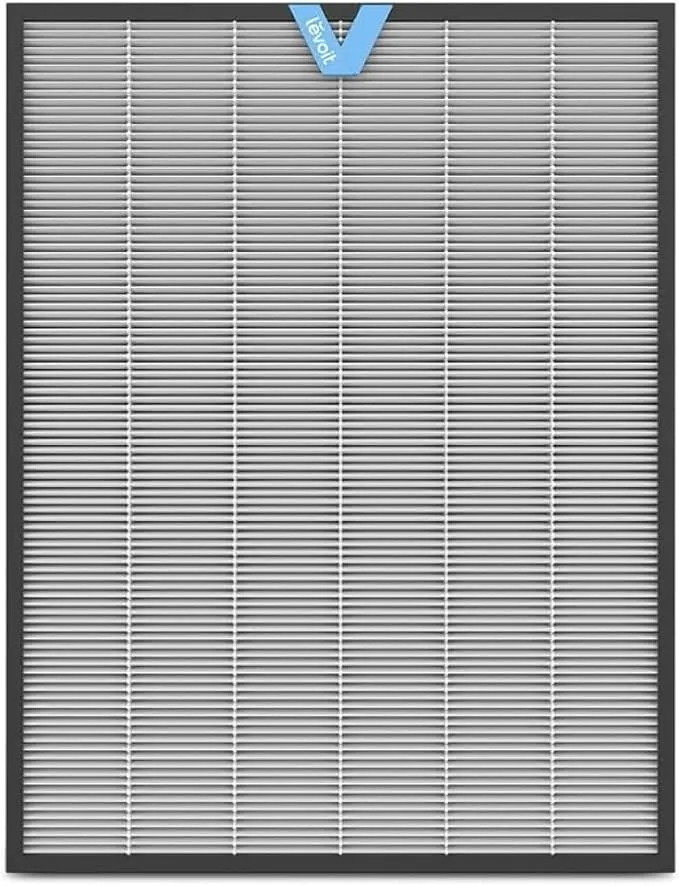
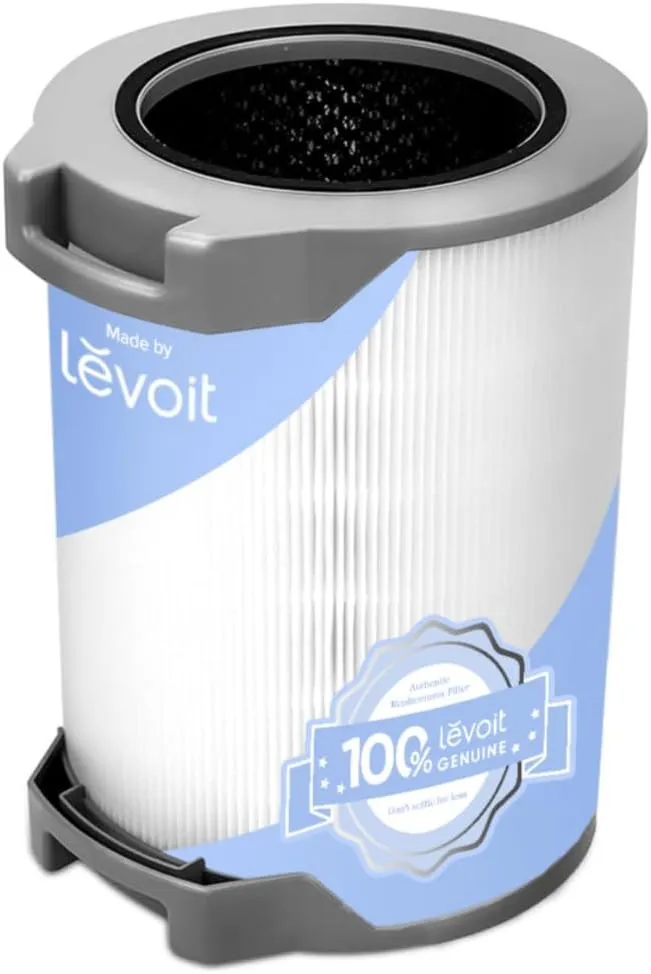
- Replacement filters for Blueair, Honeywell, and Levoit units
- Fast delivery with confirmed stock
Visit the buying guide to confirm the right CADR for your room and check current filter prices before you order.
Further reading and practical UK sources
Authoritative references for verifying thresholds and understanding standards:
- UK-AIR DAQI — the public reference for UK air pollution bands. Use this to cross-check your monitor’s PM2.5, NO₂ and O₃ readings against local station data.
- GOV.UK air quality statistics background — explains the AURN, Type Approval and MCERTS standards that underpin national monitoring. Useful for understanding why home monitors are directional rather than statutory.
- WHO ambient air pollution fact sheet-air-quality-and-health) — the evidence base for PM2.5 and other pollutant health thresholds. Relevant when evaluating whether a device’s detection range covers the concentrations that matter for health.
- Cambridge Sensotec indoor air quality monitor guidance — practical explanation of NDIR vs MOS sensor technology and drift tolerances. Useful when comparing CO₂ sensor specifications.
- IndoorHumidity budget vs premium monitor comparison — covers the practical limitations of under-£50 units and what to expect from mid-tier devices.
- How plants affect indoor air in commercial spaces — a useful partner resource on biophilic strategies and how plant-based approaches interact with particulate settling in larger spaces.
- Cleanair-ae air purifier buying guide — room-sizing, filter selection and brand comparisons for UK and UAE buyers.