
Uncategorised
Air filter vs air purifier: what UK homes need
For most health-conscious UK homes, the answer is both. Use a correctly rated HVAC filter for whole-house baseline particle control, and add a true-HEPA portable purifier sized by CADR in the rooms you occupy most. If odours or VOCs are a concern, the purifier needs an activated carbon stage, too.
The short version: Filtration and purification are complementary, not competing. EPA guidance is clear that filtration works best as a supplement to source control and ventilation, not a replacement for either.
TL;DR at a glance:
- Allergies or dust: Upgrade your HVAC filter to a moderate efficiency MERV rating and add a true-HEPA purifier in the bedroom.
- Smoke events or wildfire: A portable HEPA purifier running continuously is the priority; HVAC filters alone are too intermittent.
- Cooking odours or VOCs: You need activated carbon. HEPA alone will not remove gases.
- Whole-house baseline only: A MERV-rated HVAC filter is sufficient for general dust and equipment protection.
- Rented property or no HVAC: A portable purifier with true-HEPA and carbon is your primary option.
The key standards to know: HEPA (removes nearly all particles at an important size), MERV (rates HVAC filter efficiency on a scale), and CADR (measures how quickly a purifier cleans a given room volume). The NHS and British Lung Foundation both acknowledge that indoor air quality affects respiratory health, making these choices genuinely worth getting right.
Table of Contents
- What is the difference between an air filter and an air purifier?
- Which filter types remove which pollutants?
- How do CADR, ACH, MERV, and HEPA ratings actually compare?
- When should you use an HVAC filter, a purifier, or both?
- What do filter replacements and running costs look like?
- Safety notes and misleading claims to watch for
- How to choose the right option: a step-by-step checklist
- HVAC filter vs portable purifier: side-by-side comparison
- What does the research say UK homes should do?
- Key takeaways
- A practical note on choosing the right approach
- Where to find the right purifier for your home
- Useful sources and further reading
What is the difference between an air filter and an air purifier?
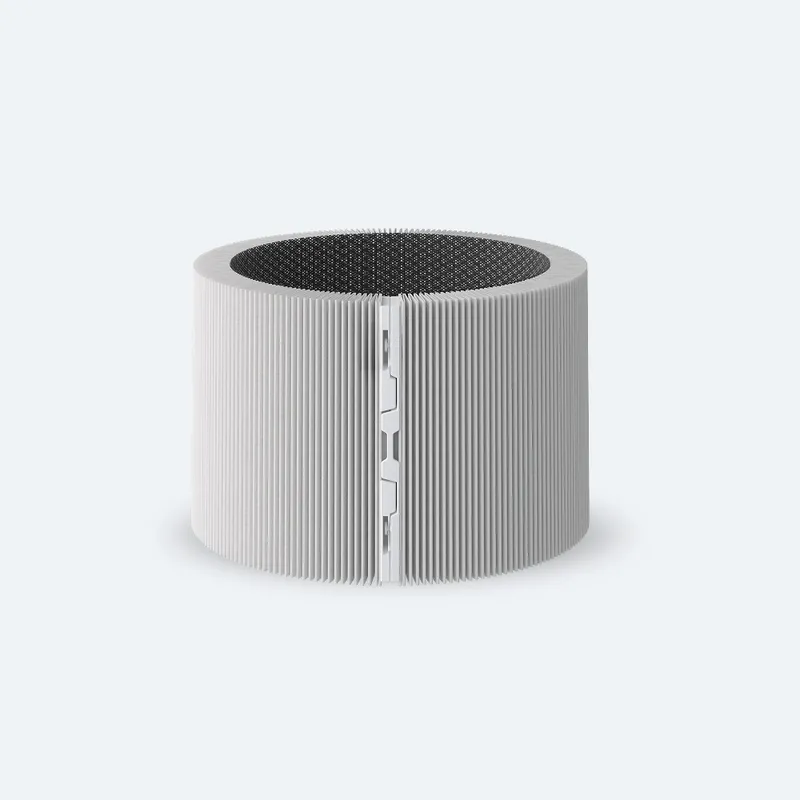
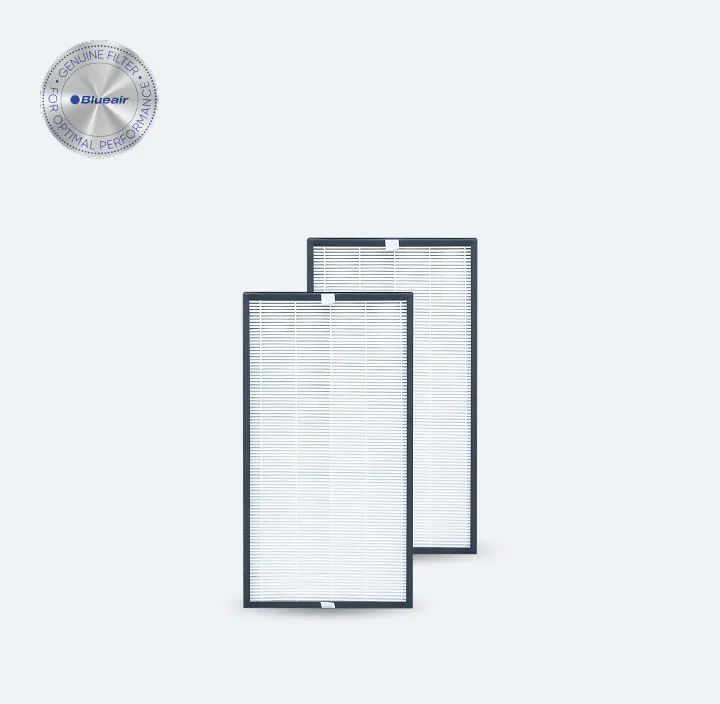
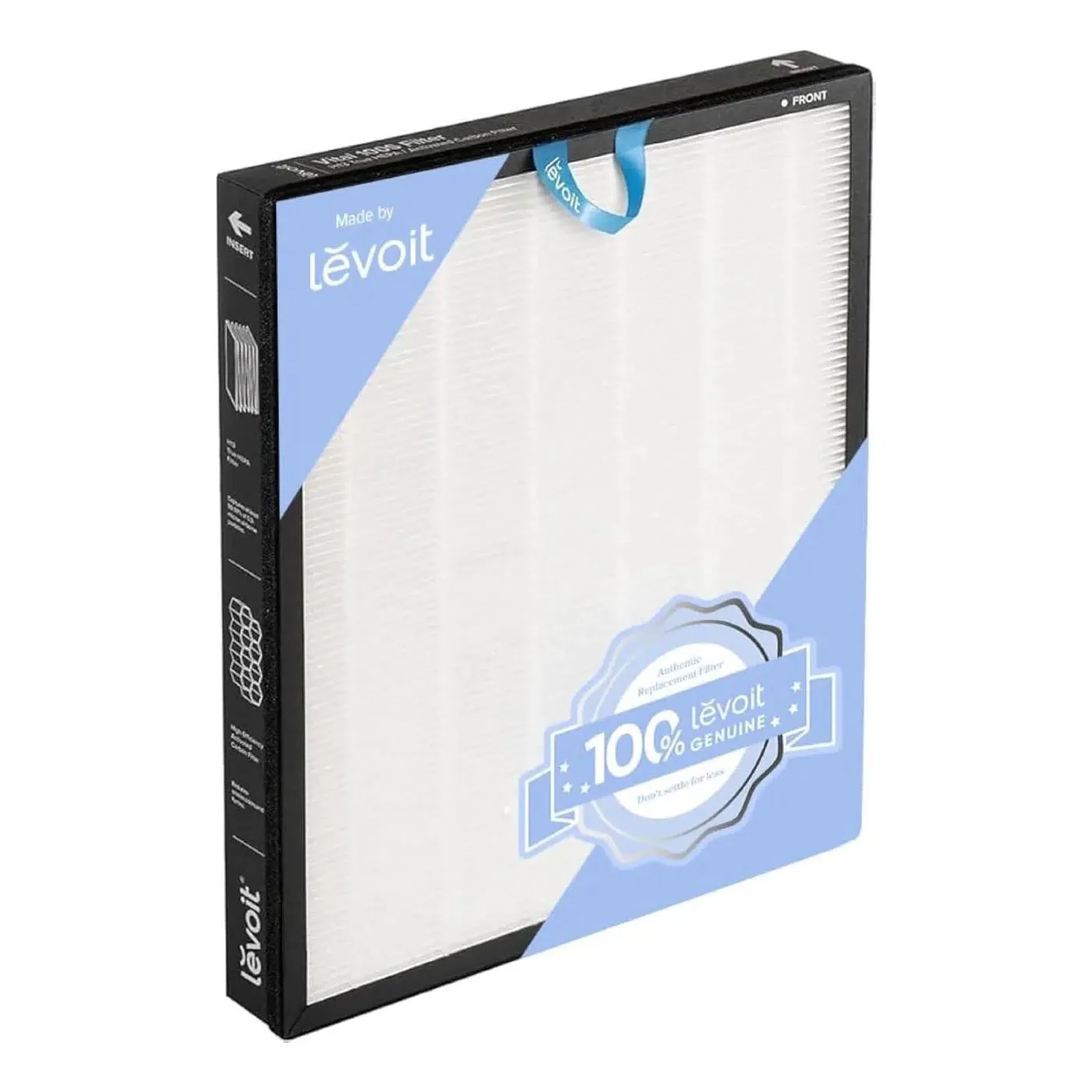
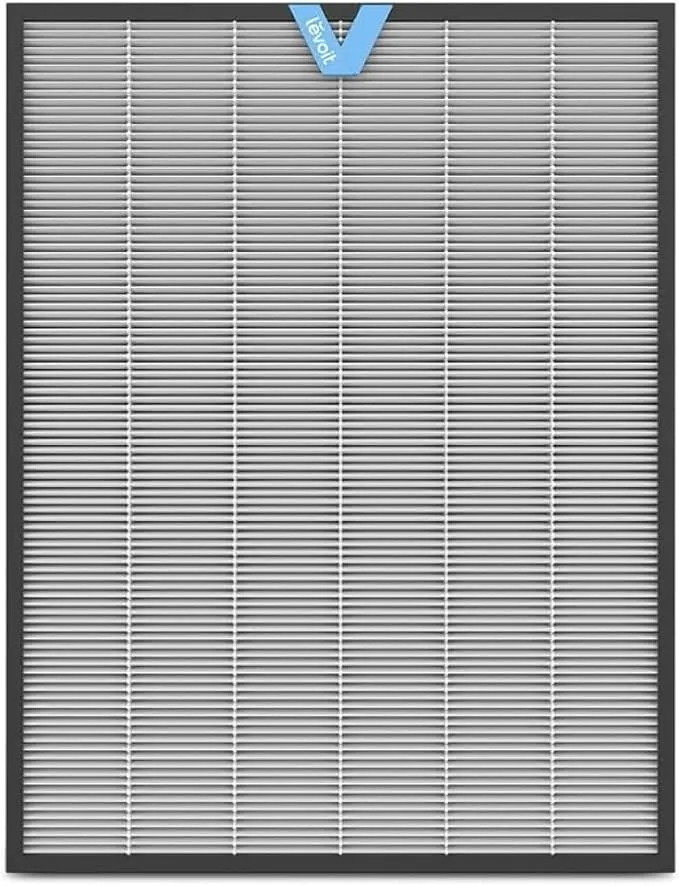
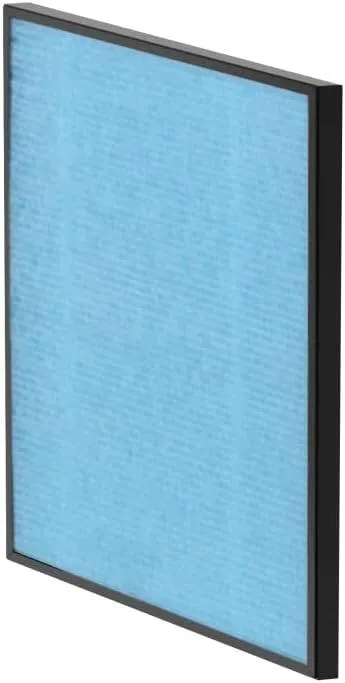
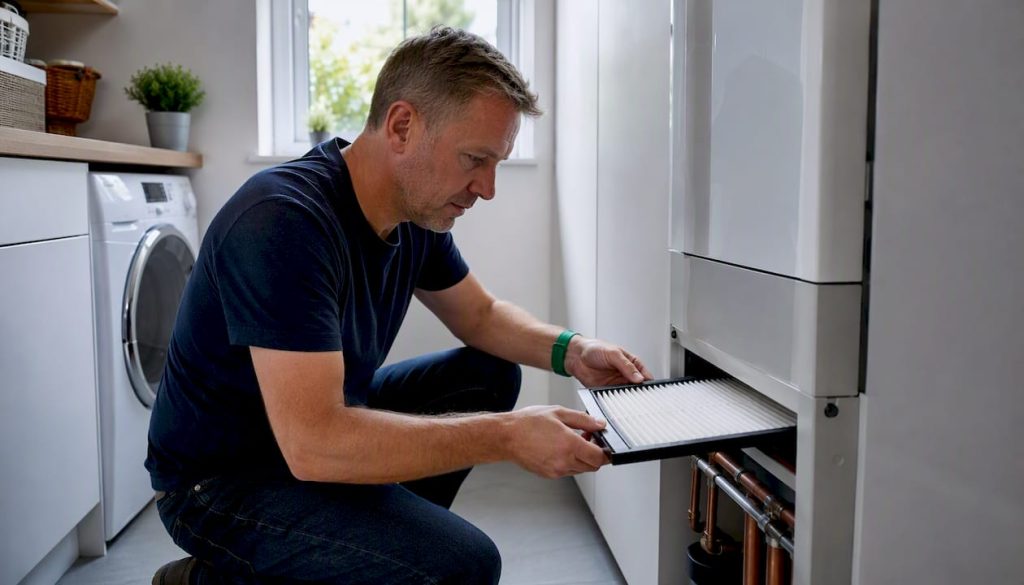
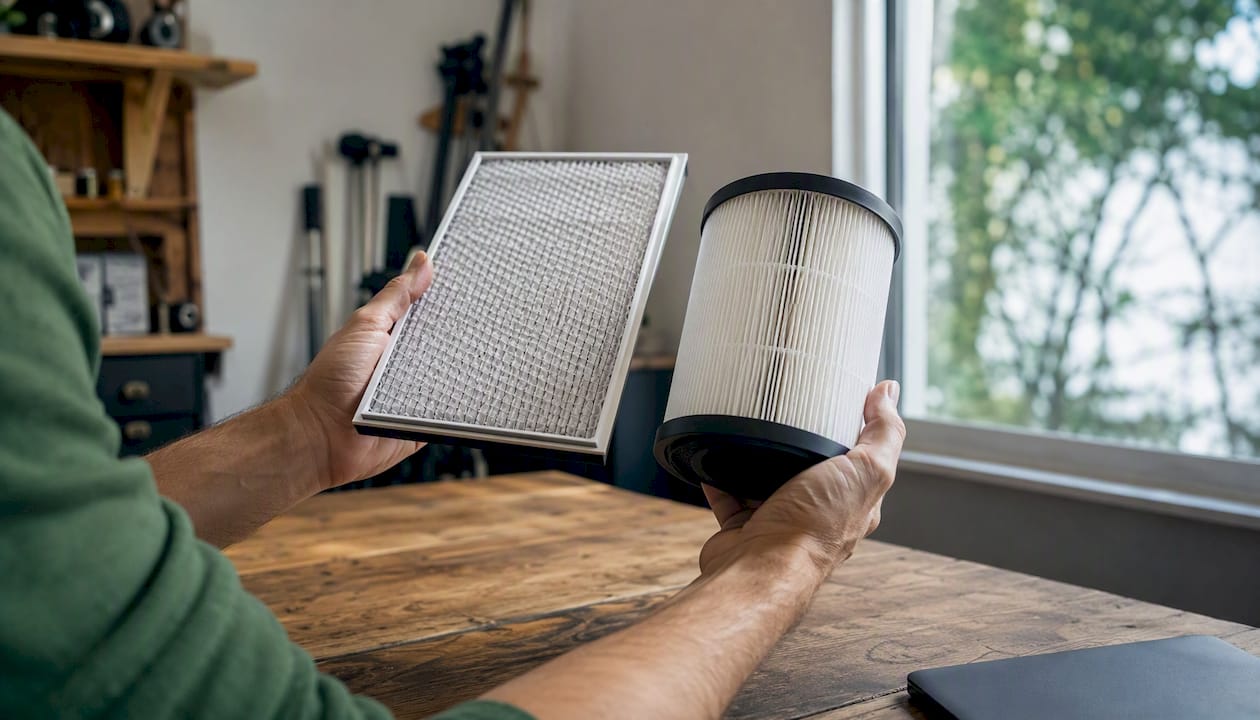
An HVAC air filter is a passive component fitted inside your central heating or ventilation system. Air passes through it only when the system fan runs, which in most UK homes means intermittently during heating cycles. The filter medium, typically pleated synthetic or fibreglass media, traps particles as air moves through the ductwork. MERV ratings describe how efficiently it does that job: MERV 8 captures pollen and dust mite debris; MERV 11 adds finer particles including some mould spores; MERV 13 approaches fine-particle capture useful for allergy sufferers, though not every domestic blower can handle the added resistance.
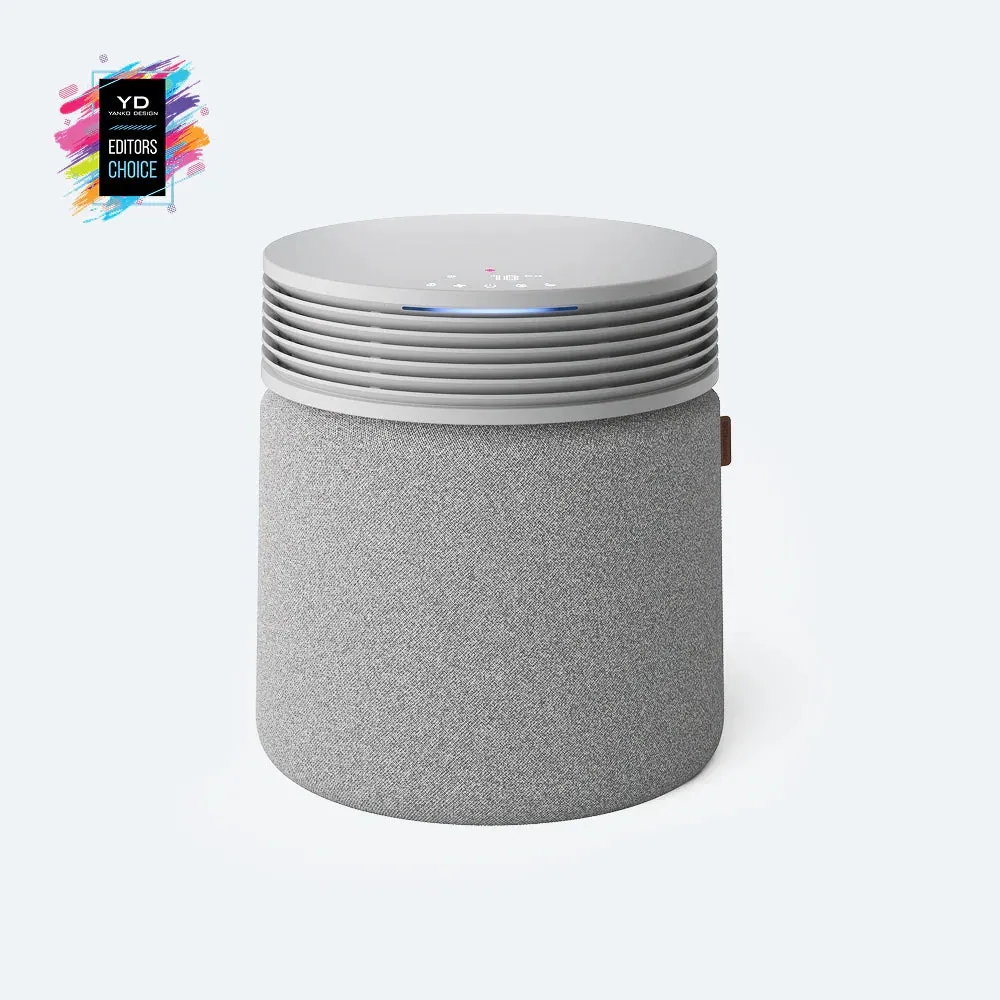
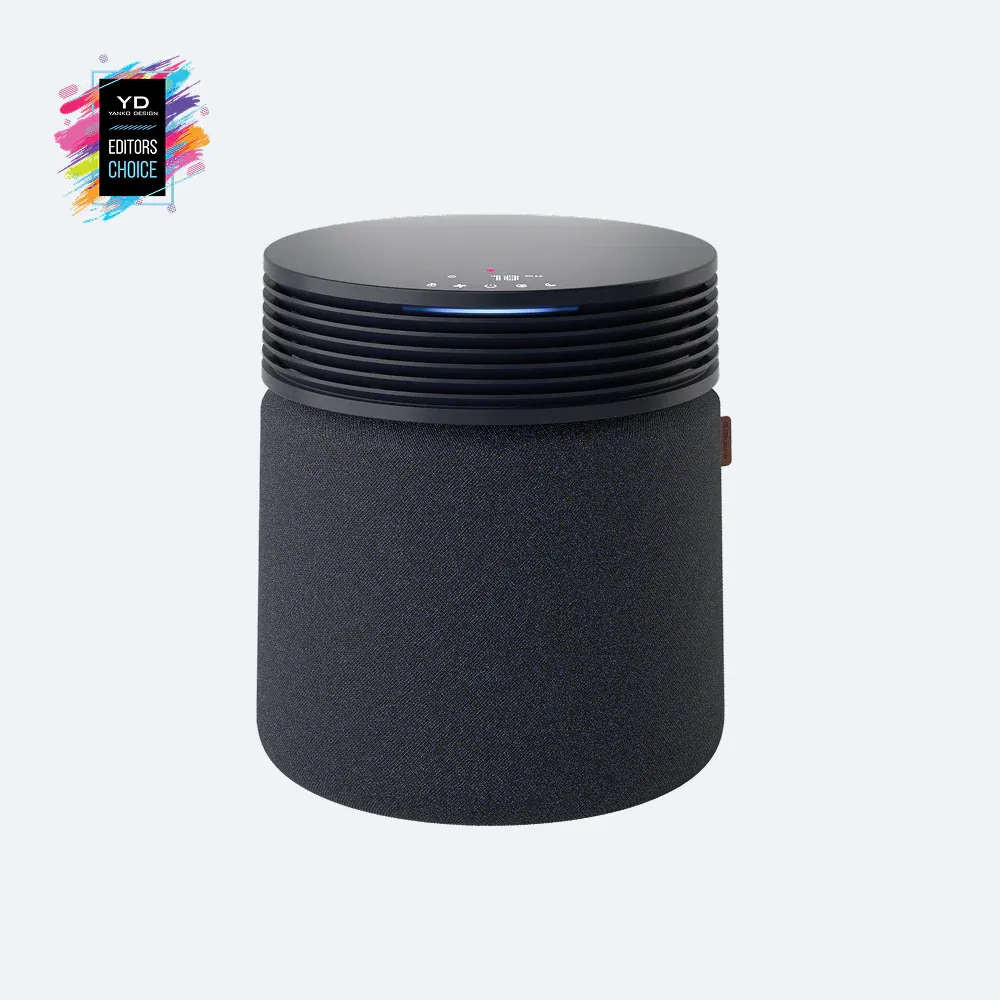
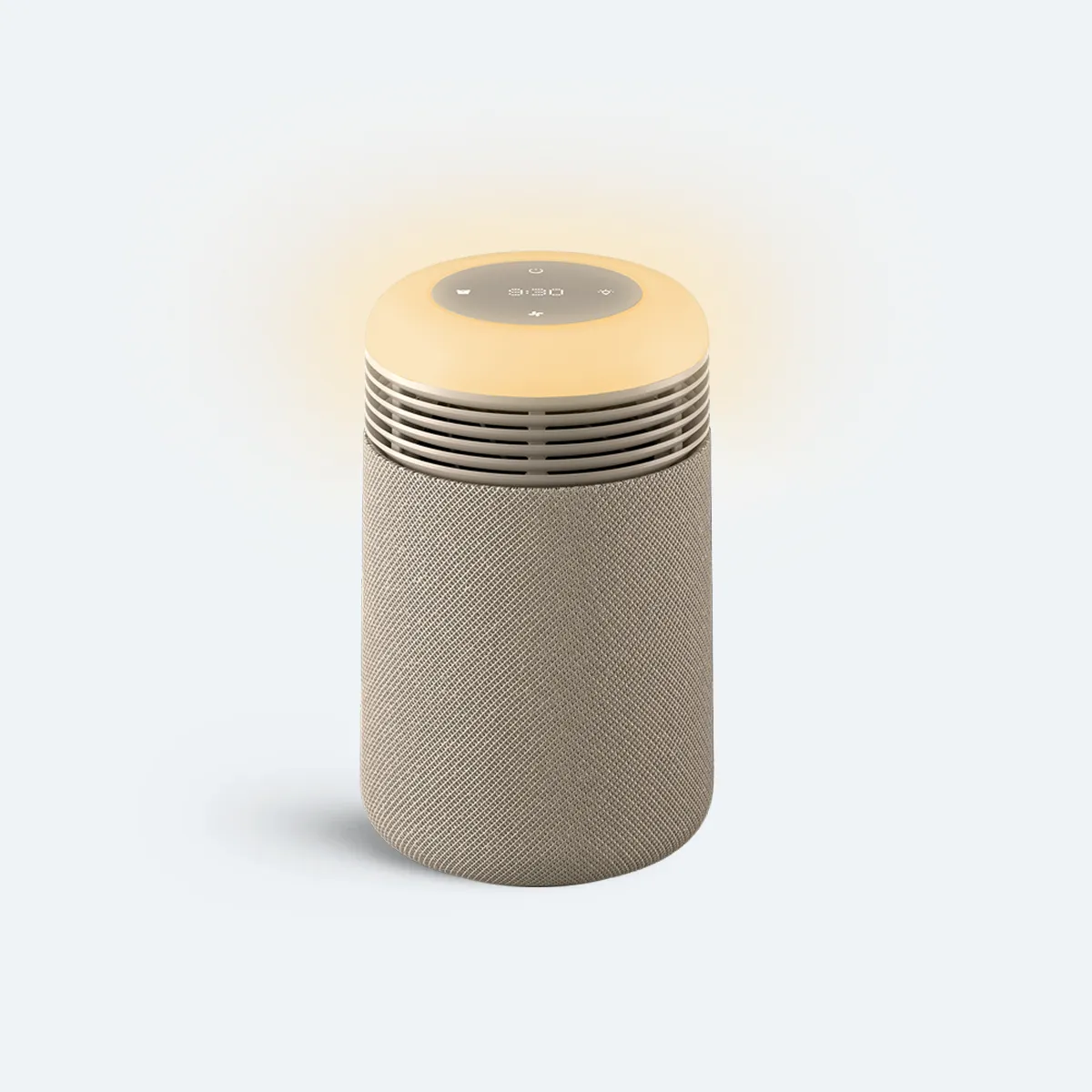
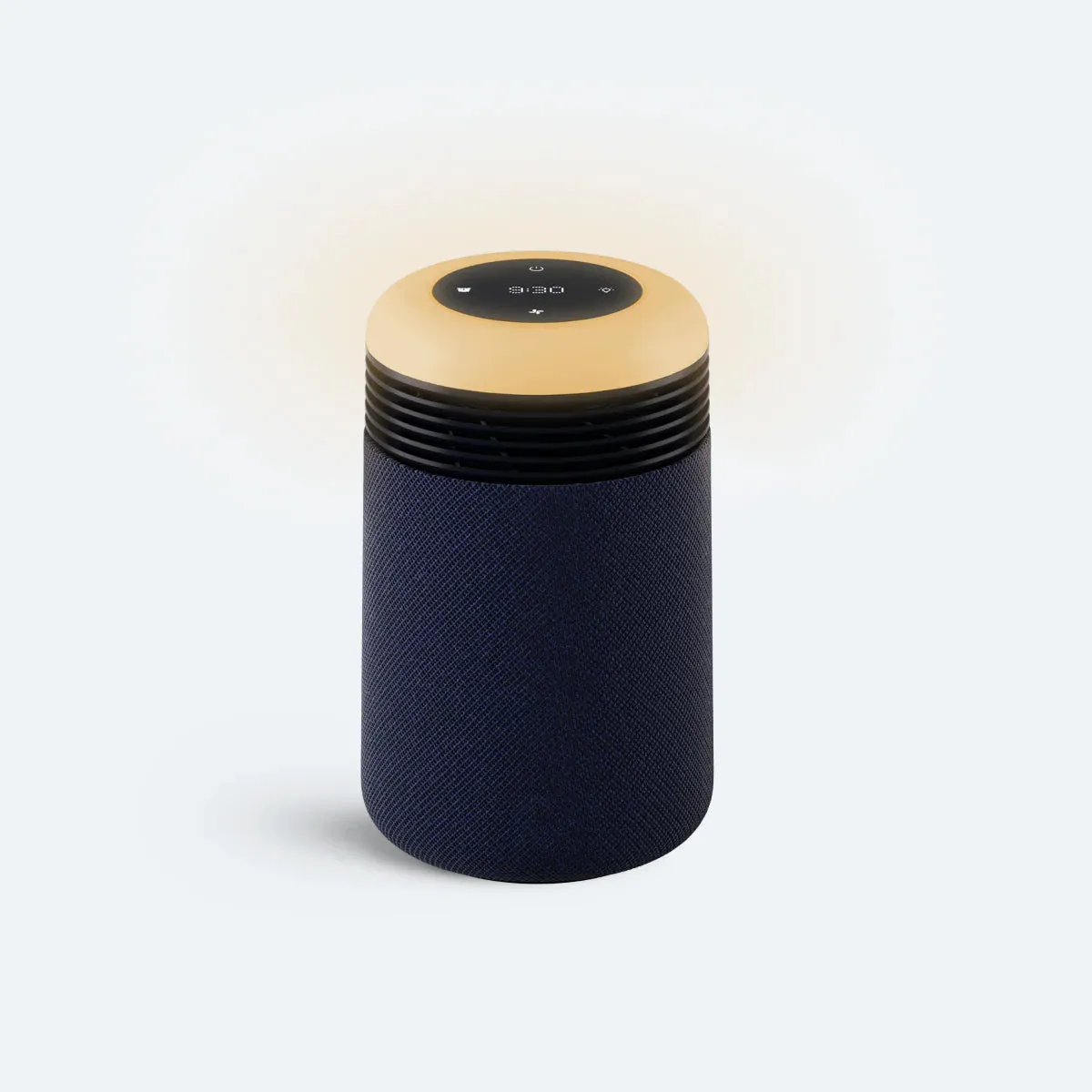
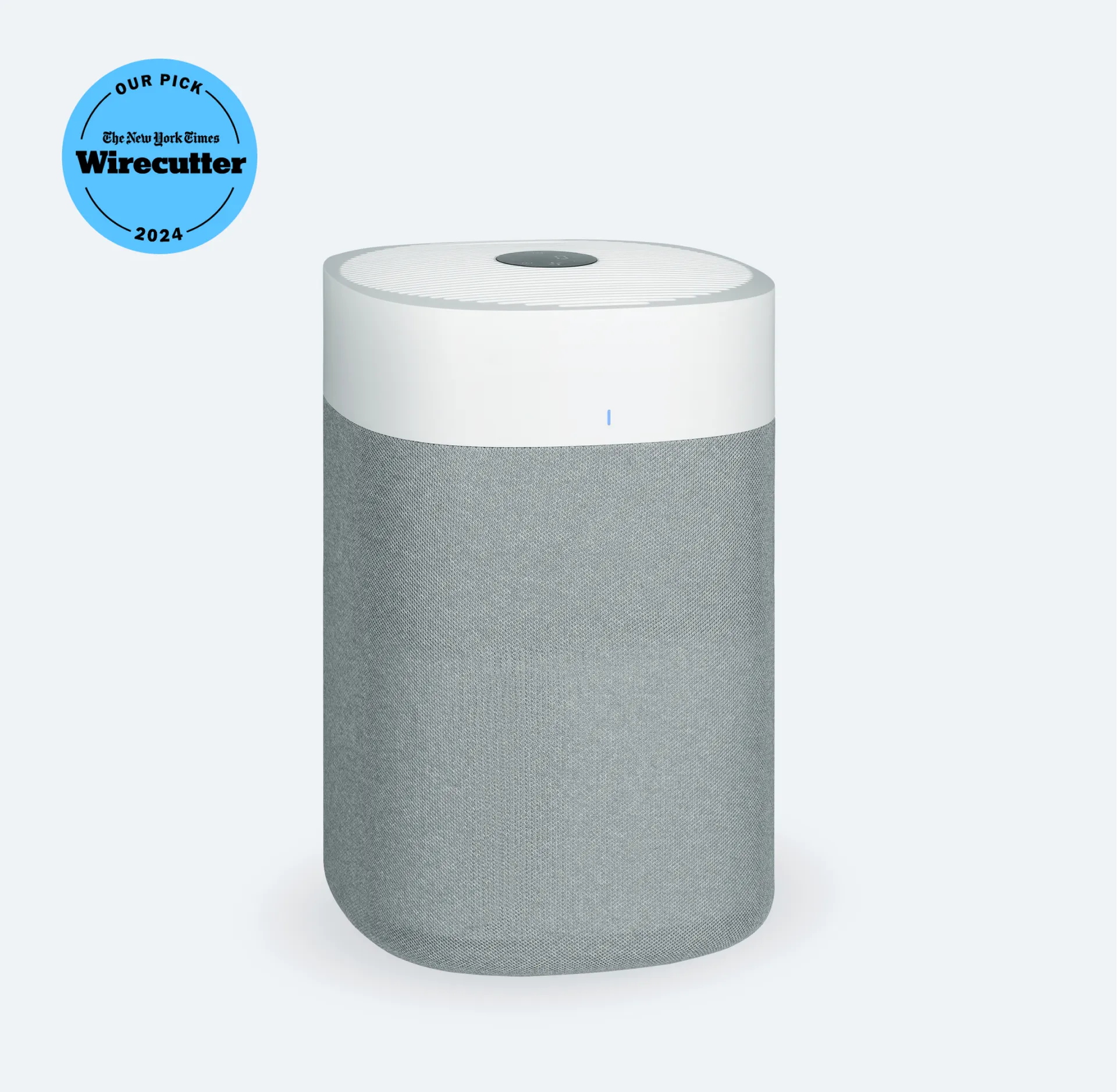
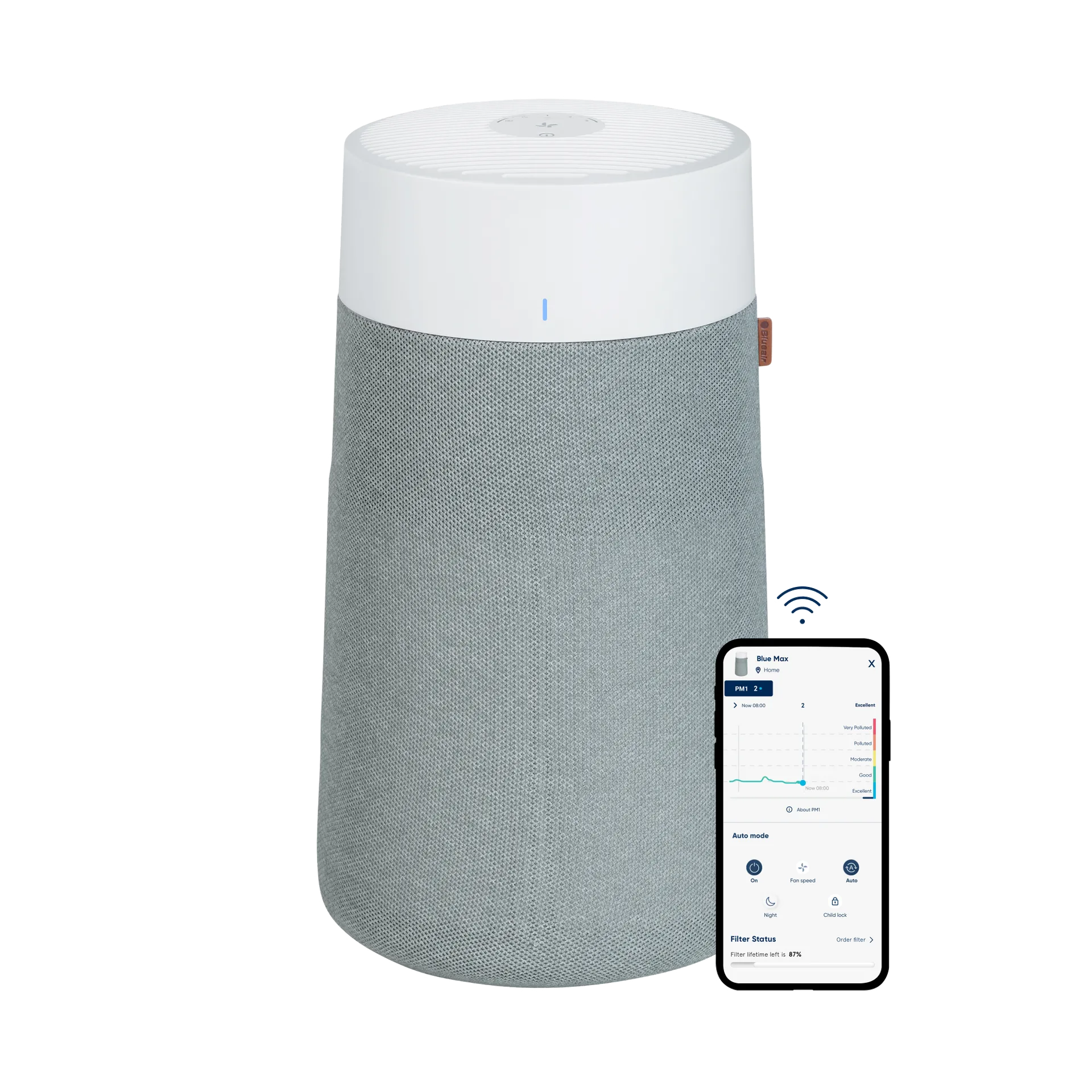
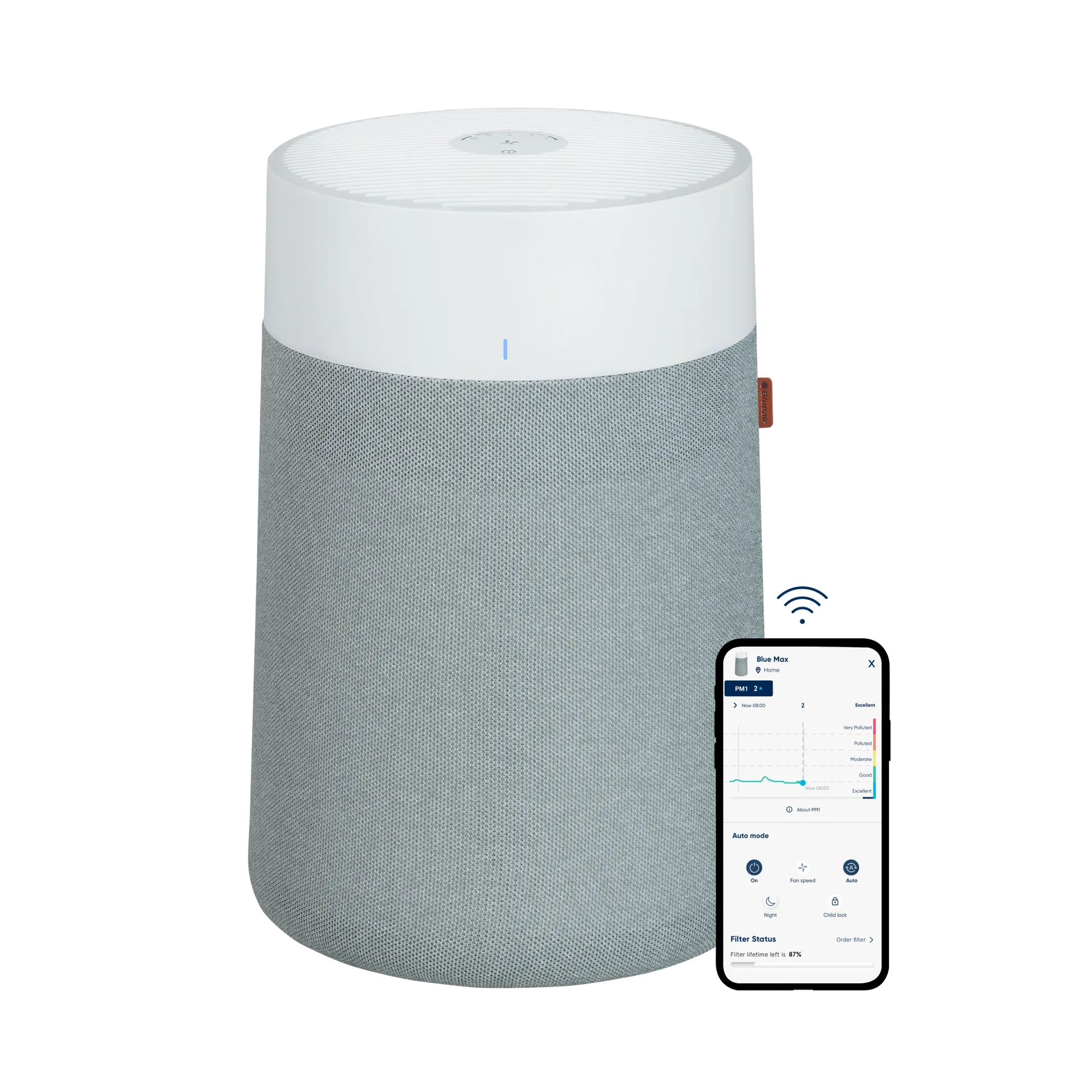
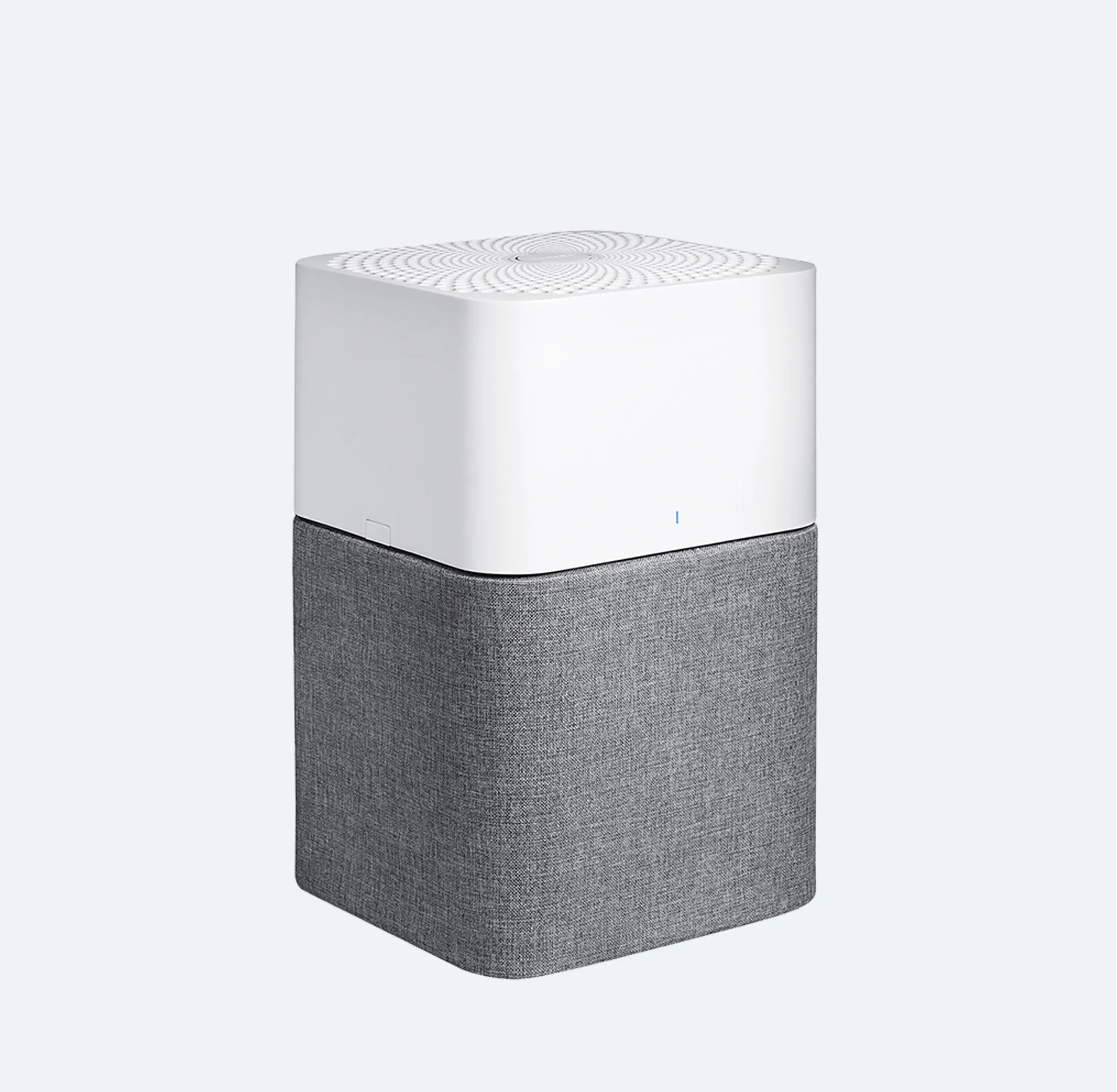
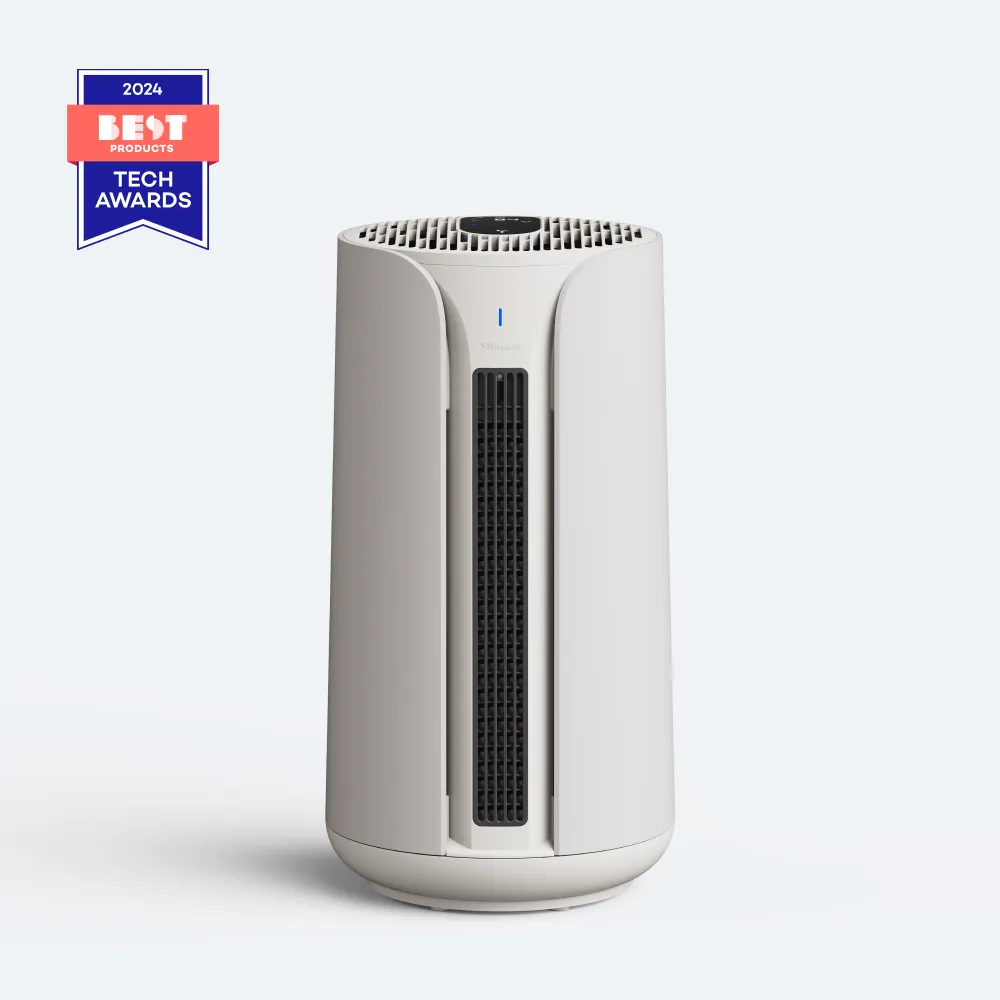
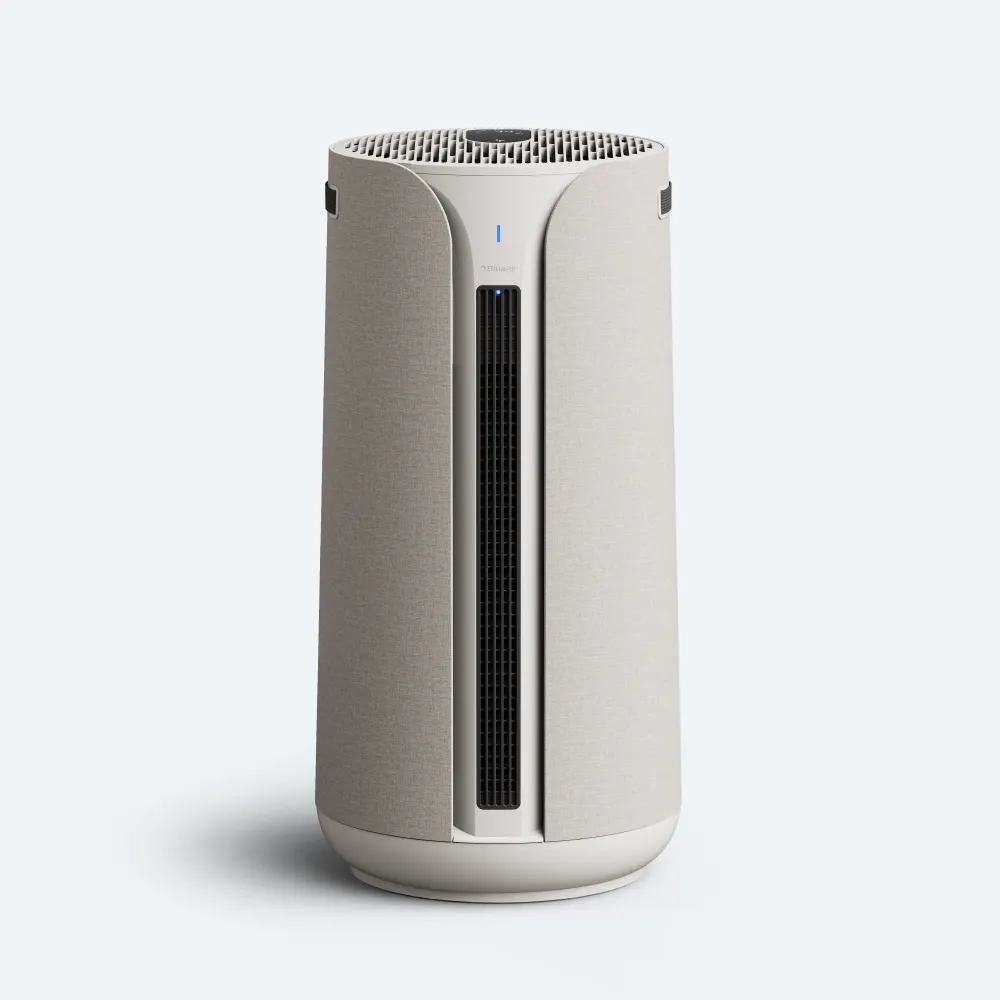
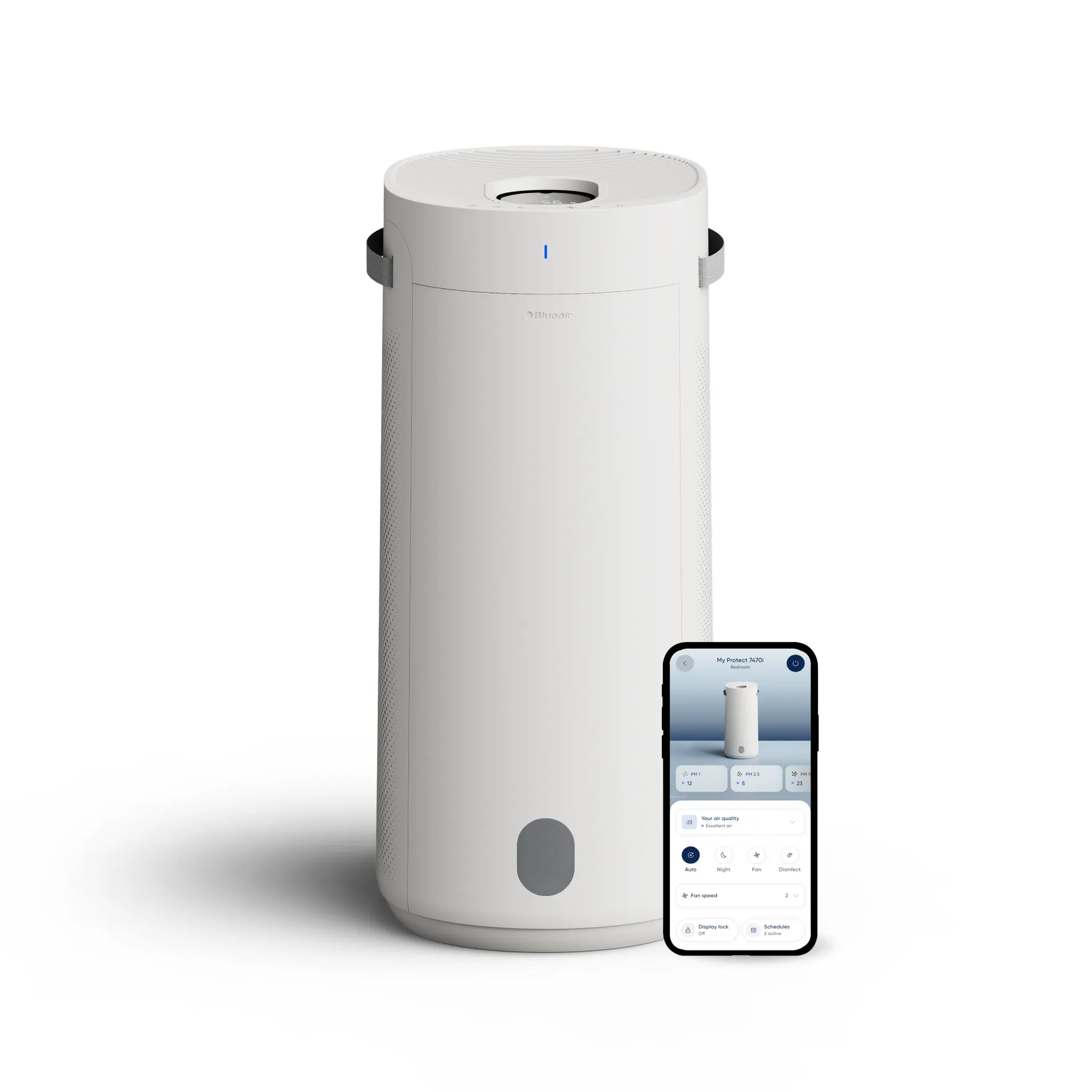
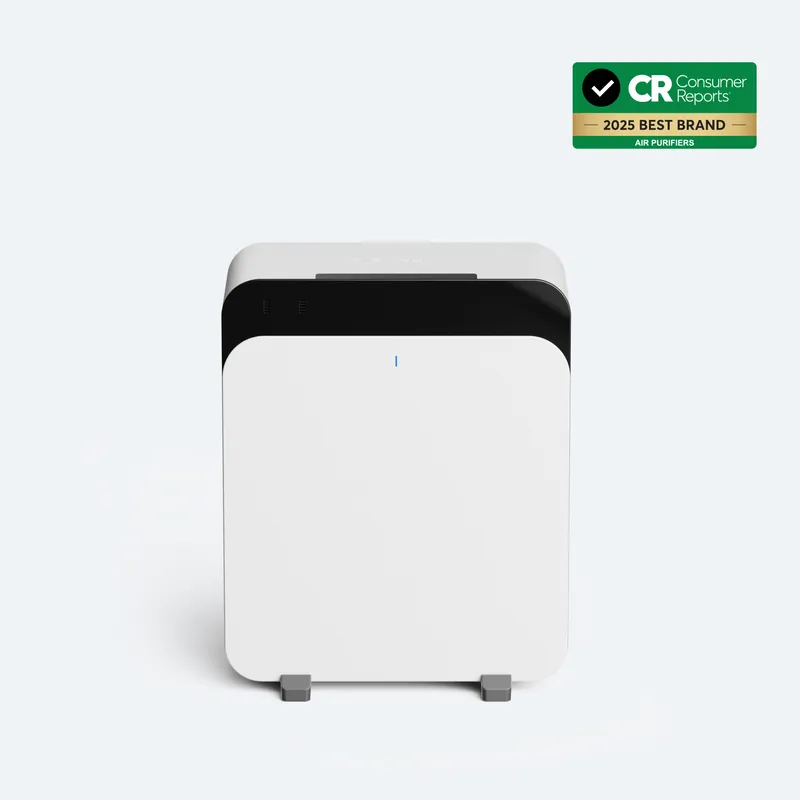
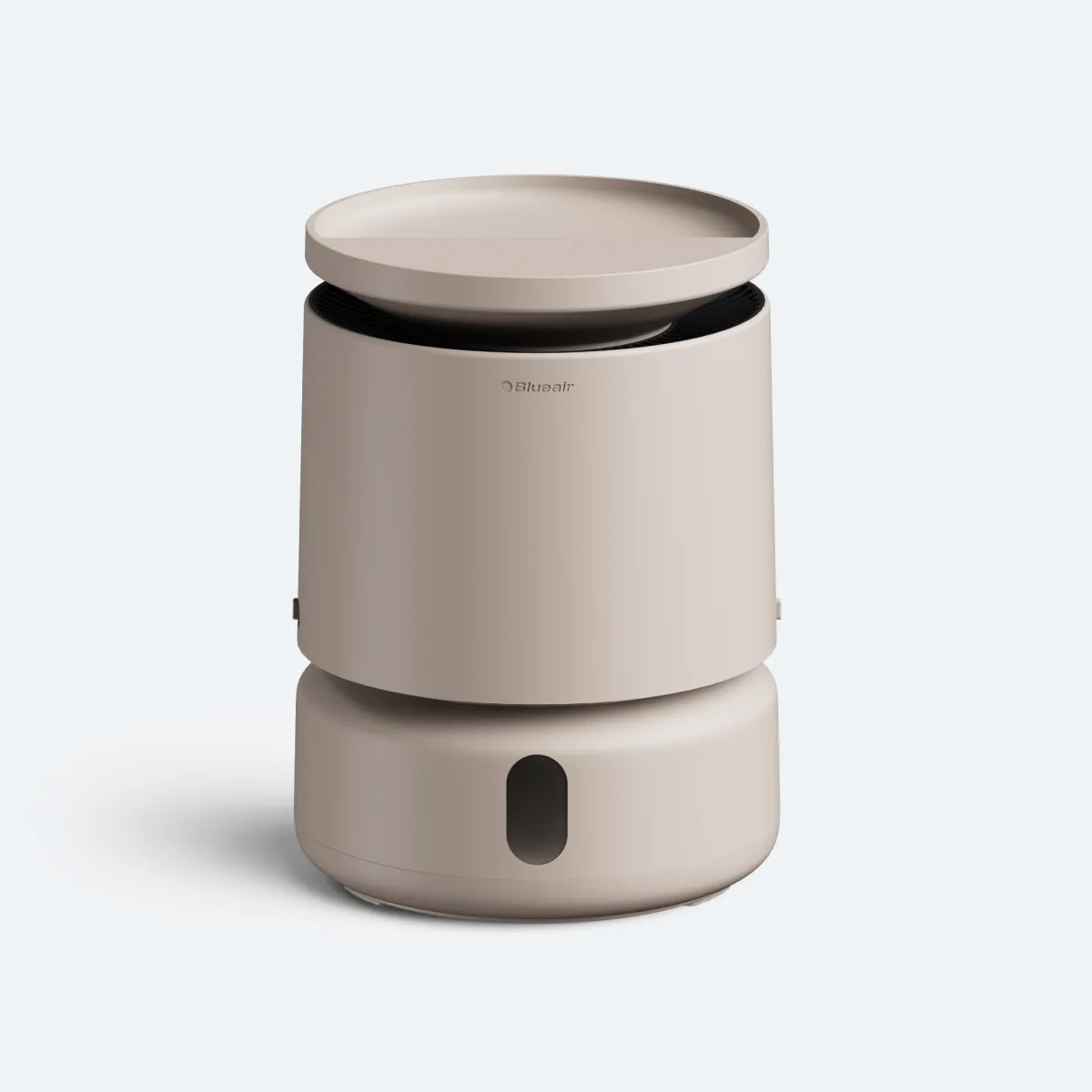
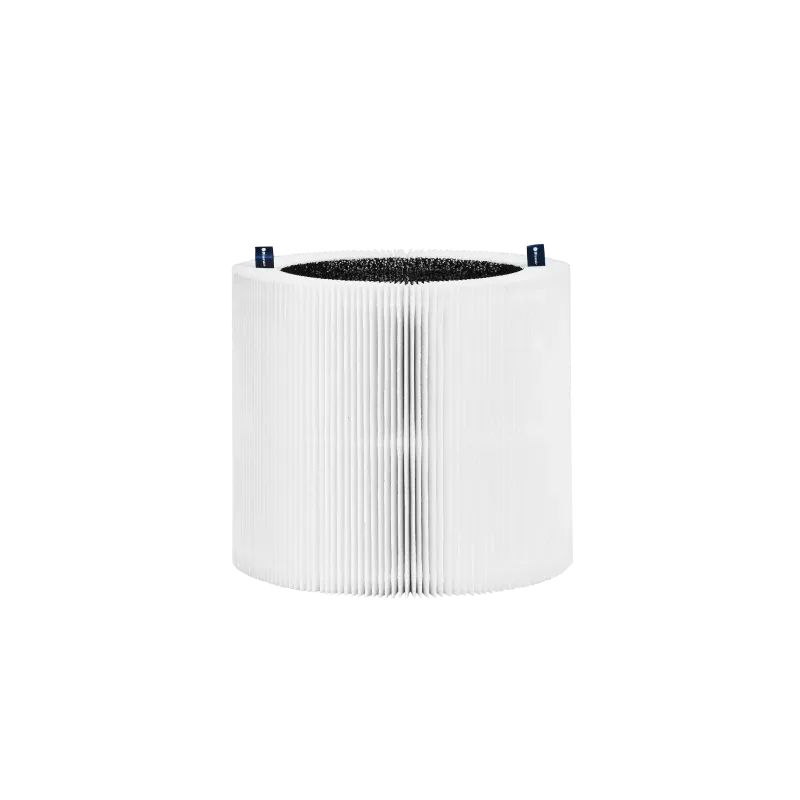
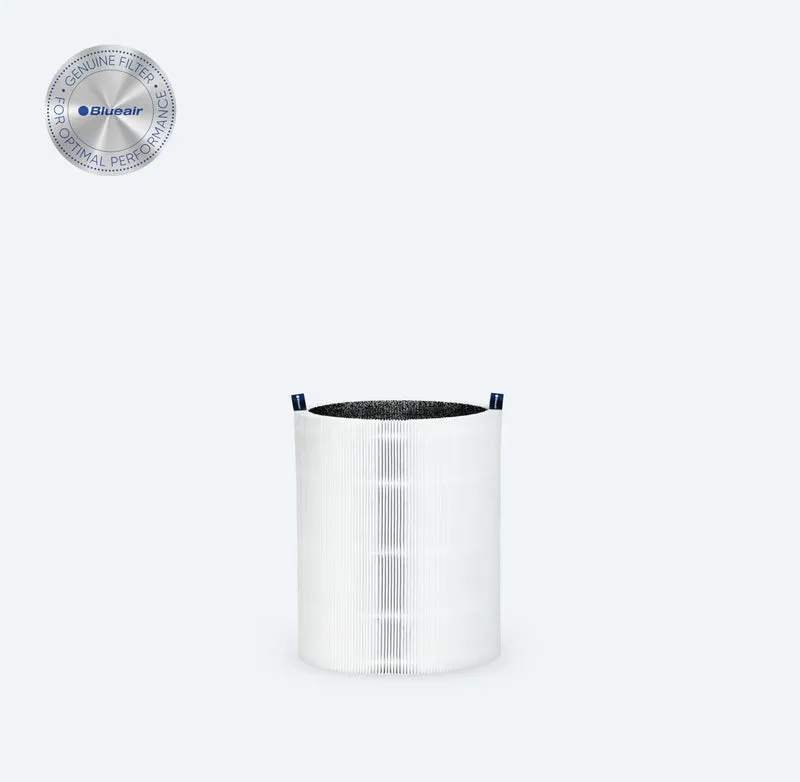
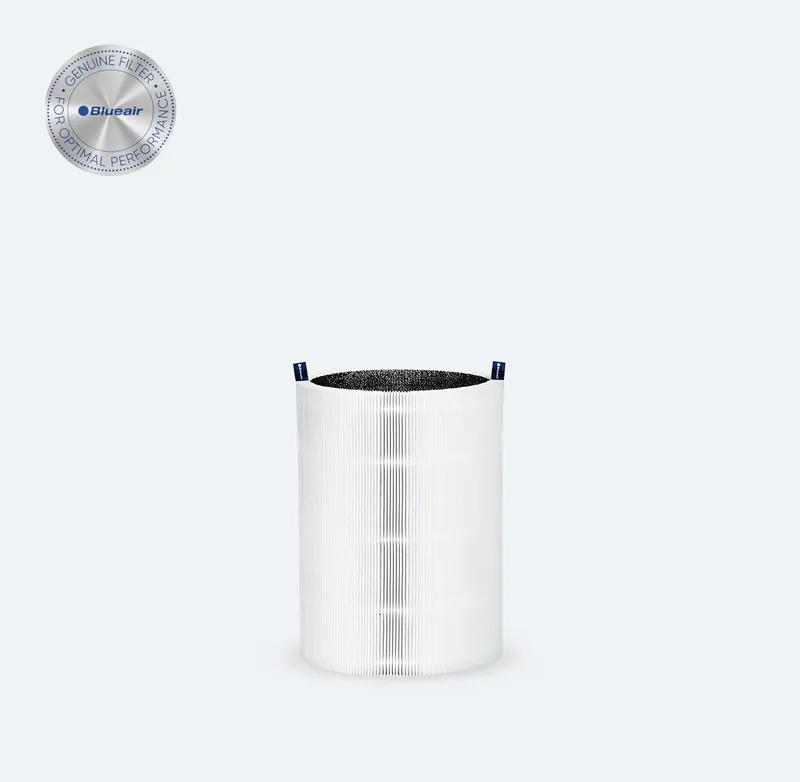
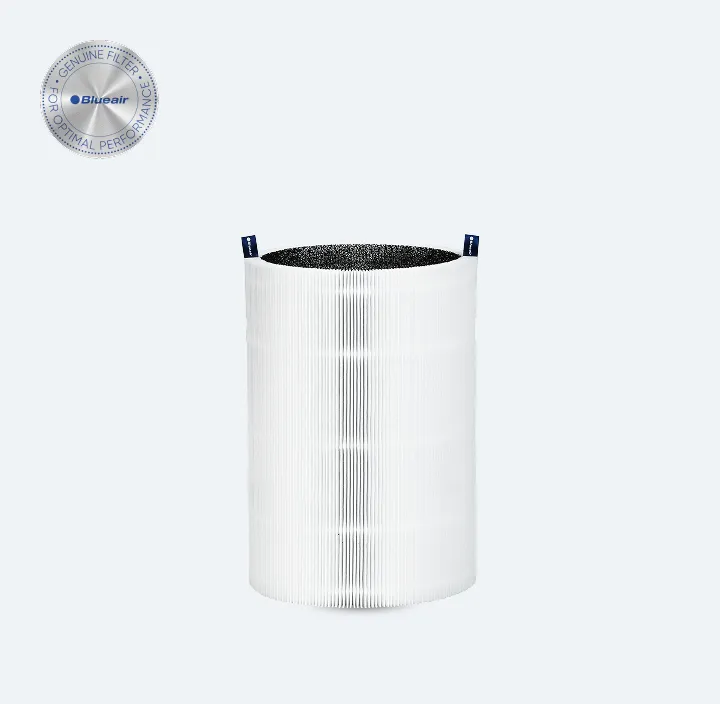
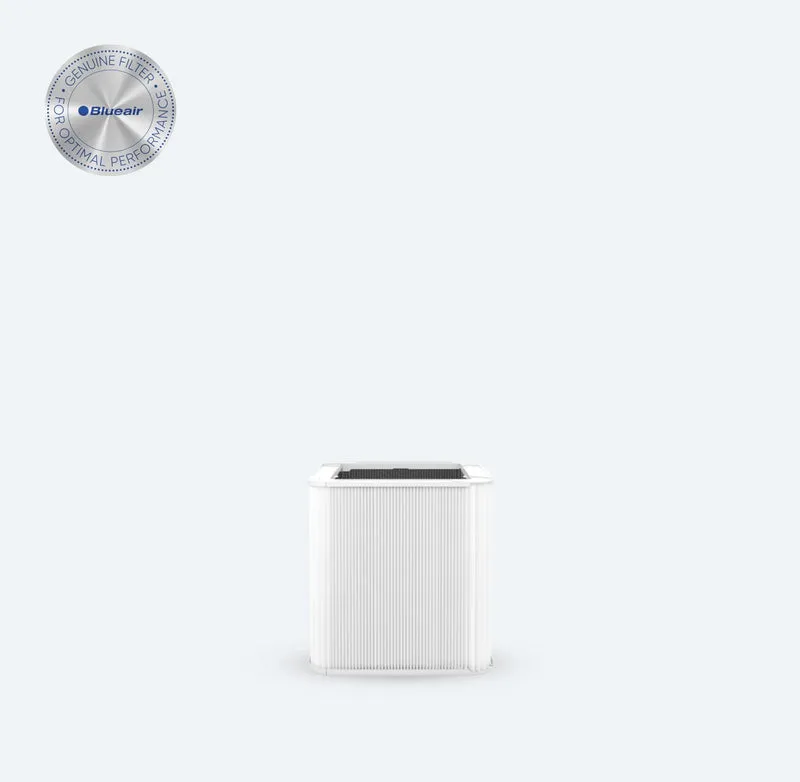
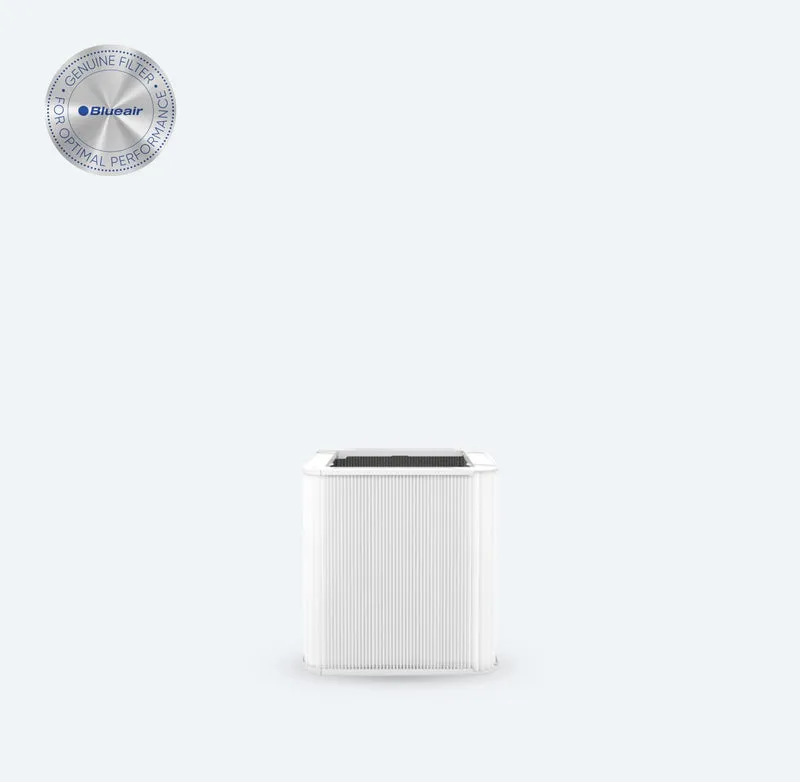
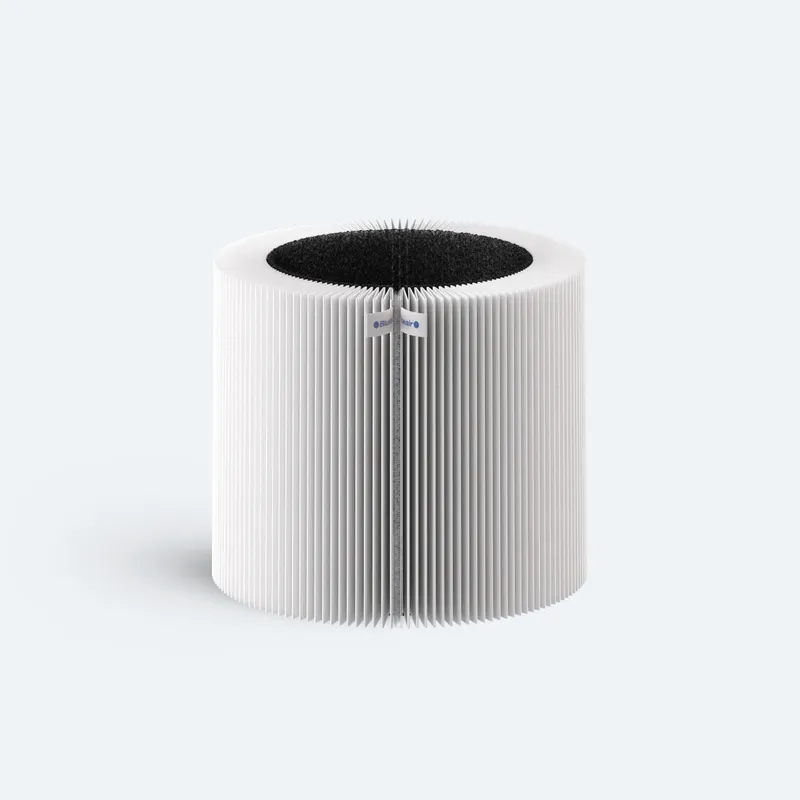
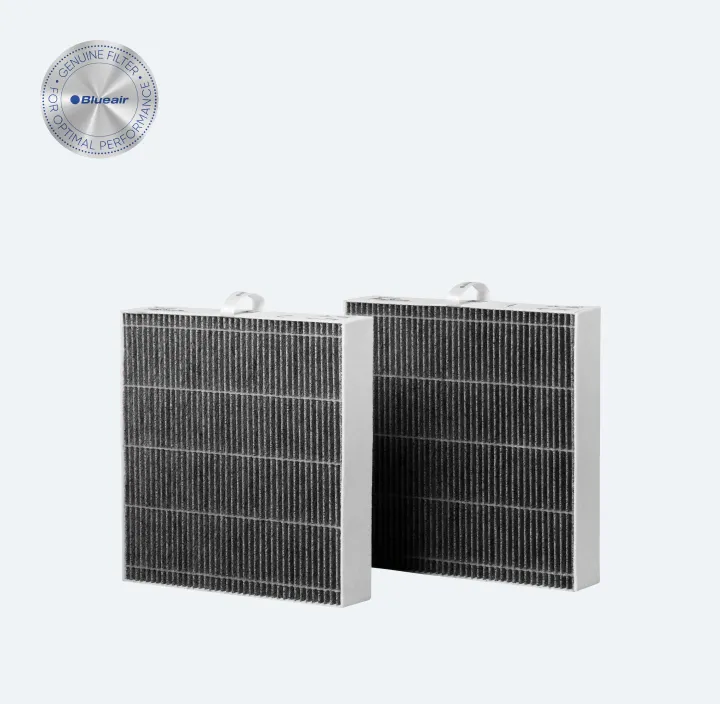
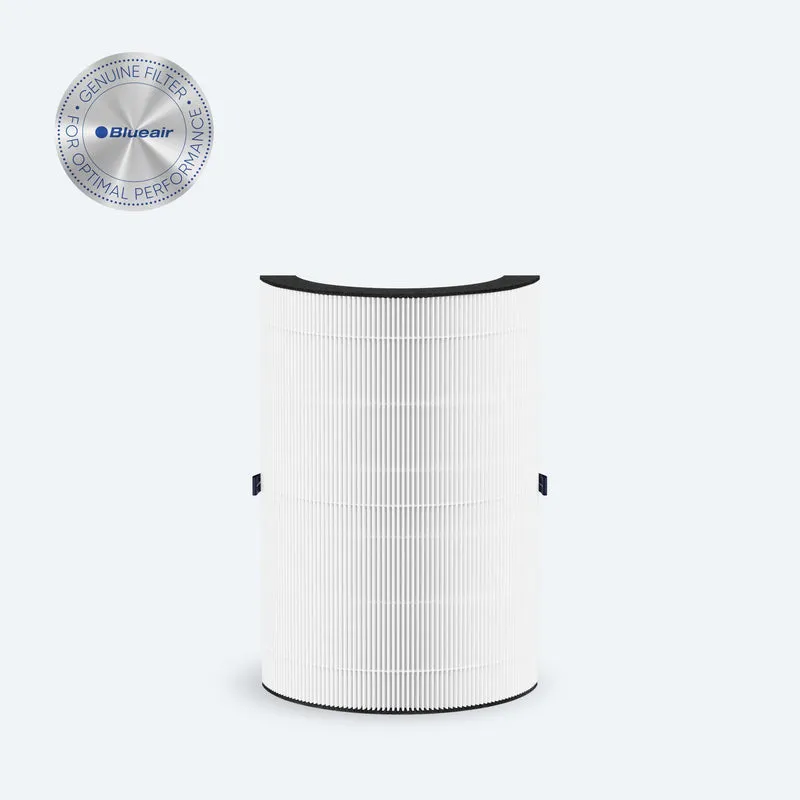
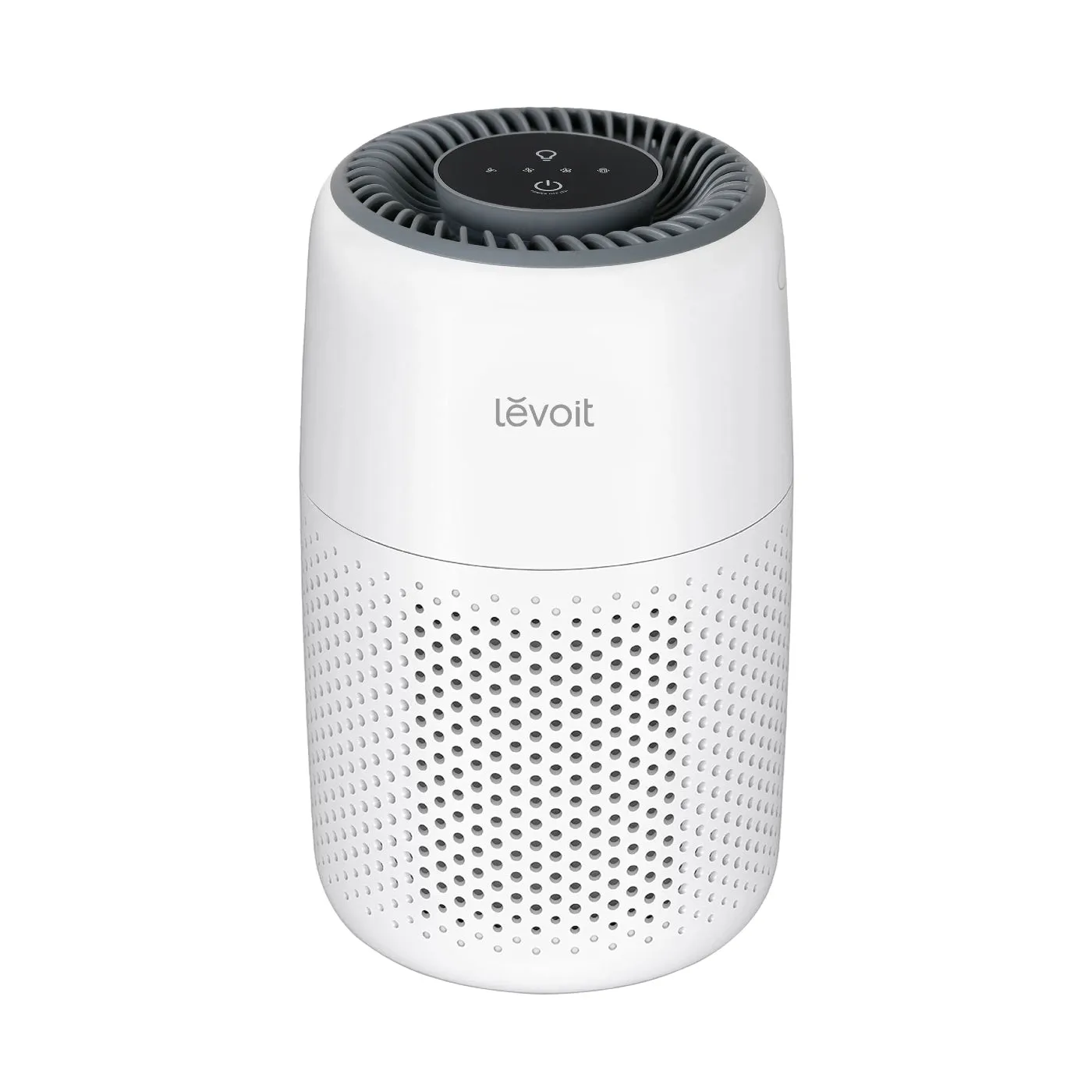
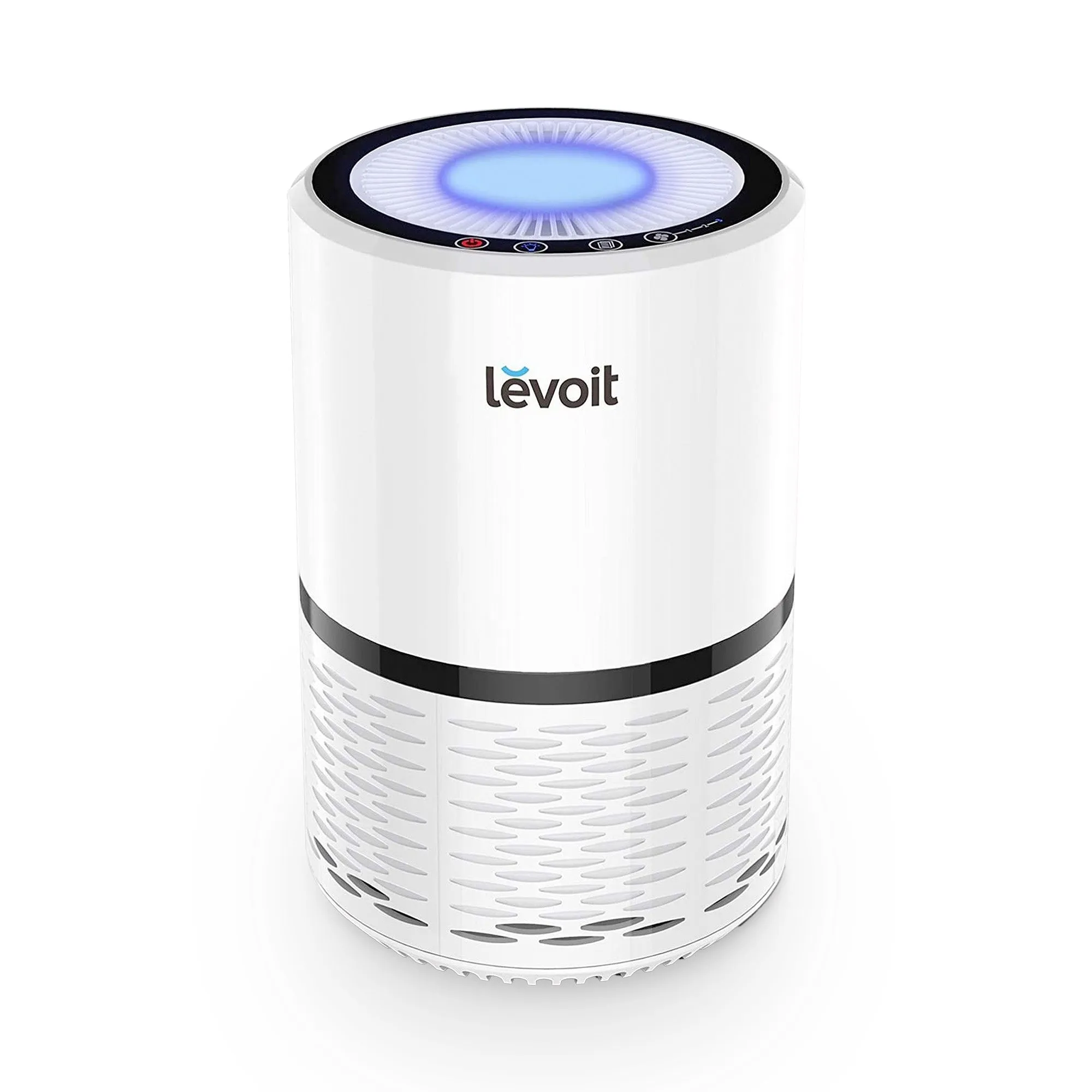
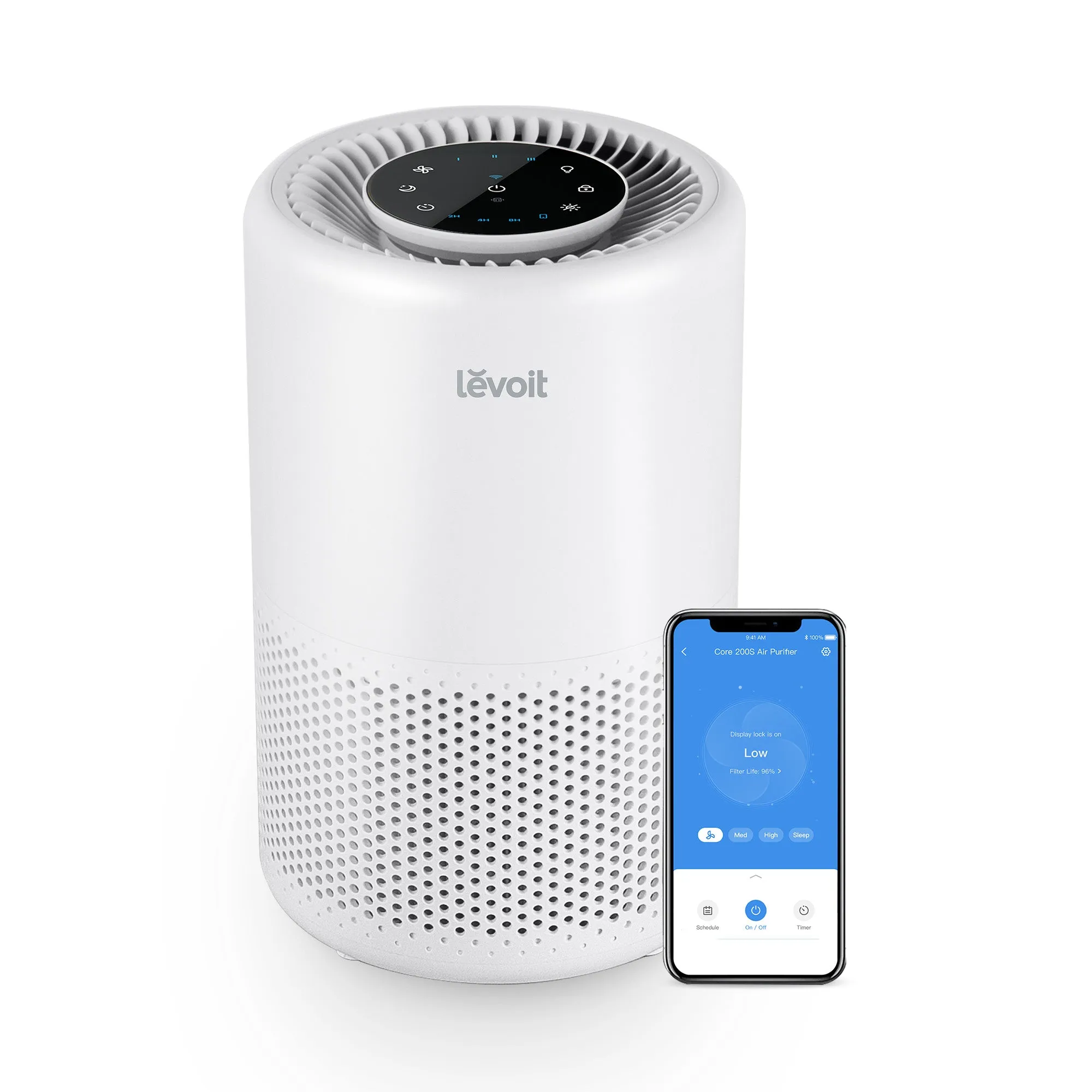
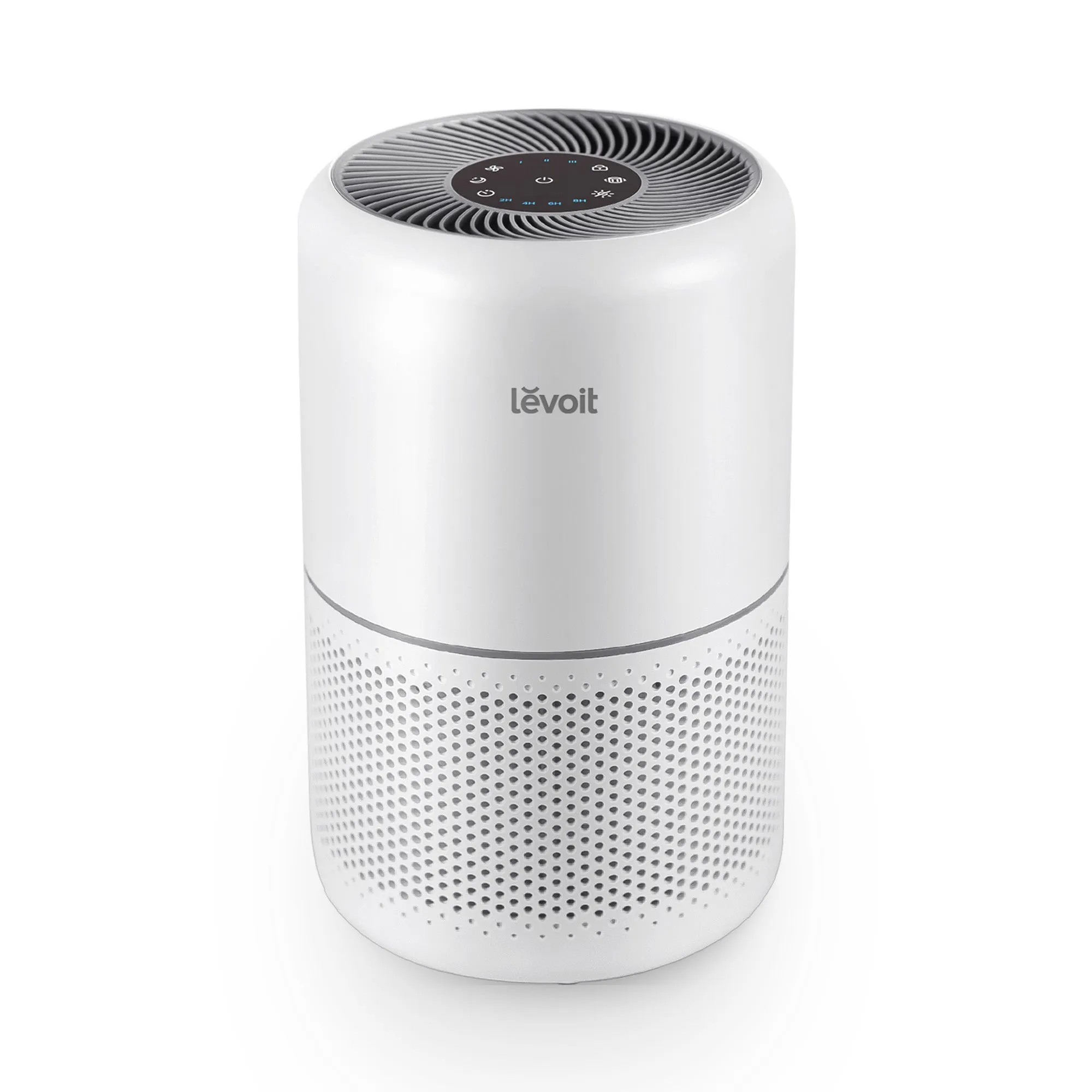
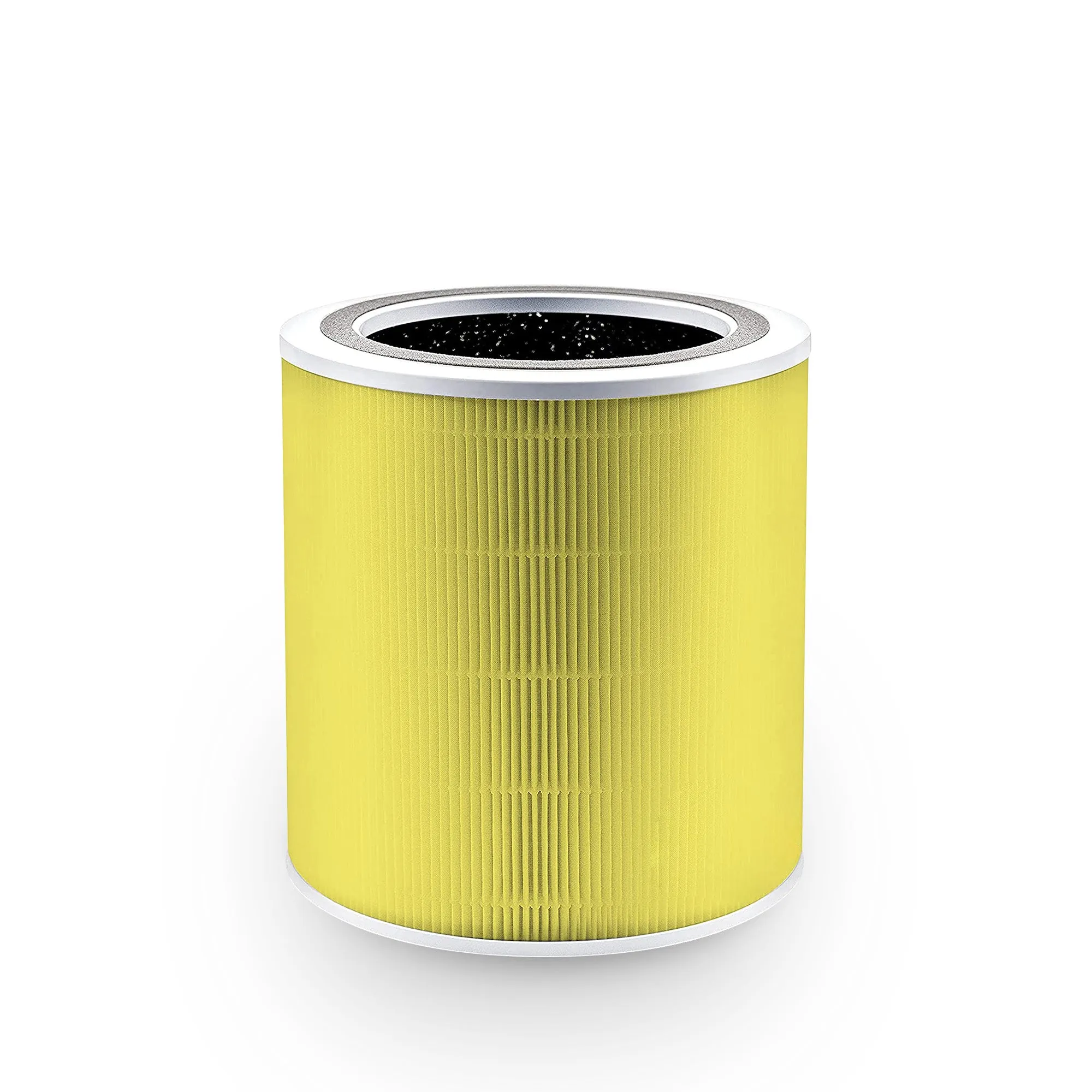
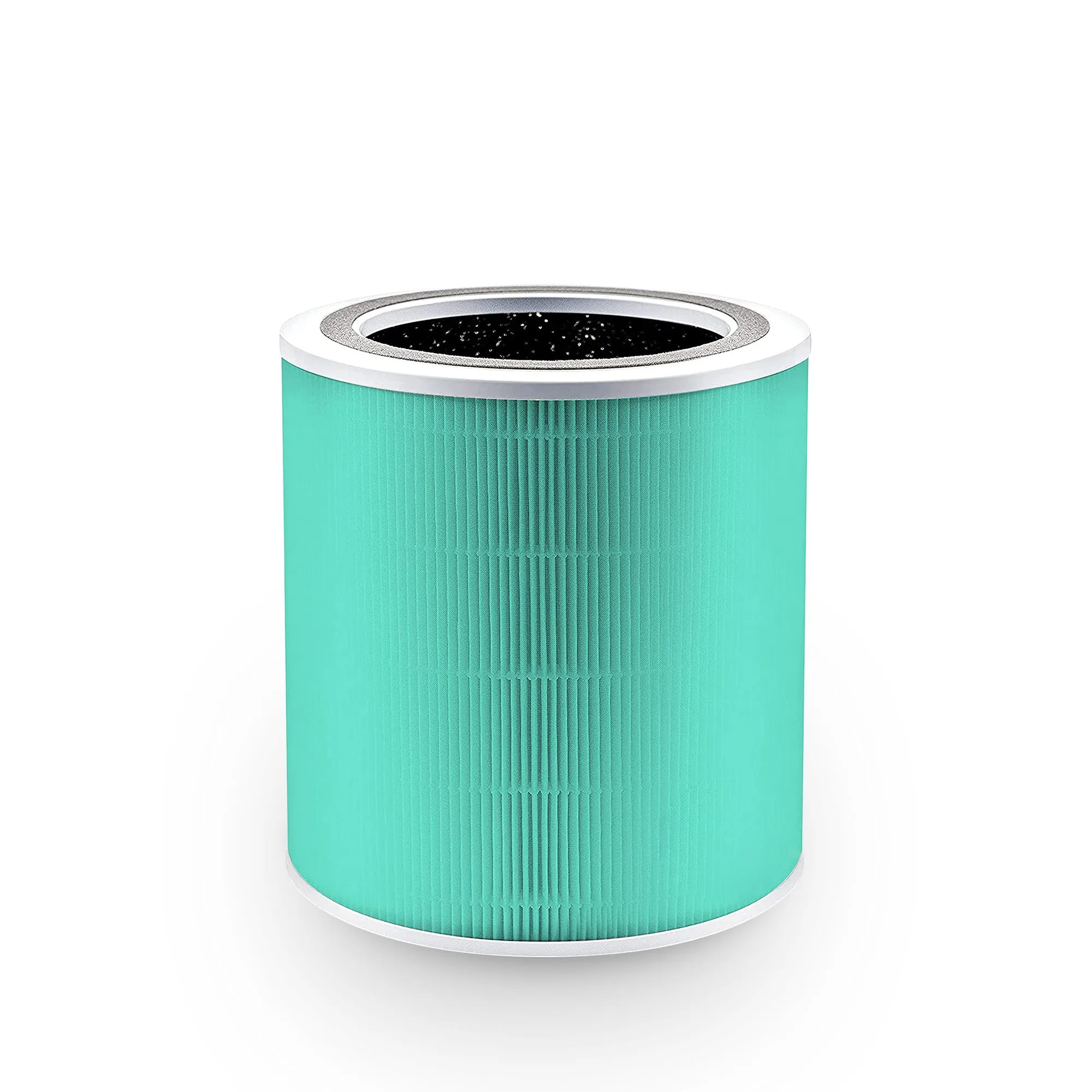
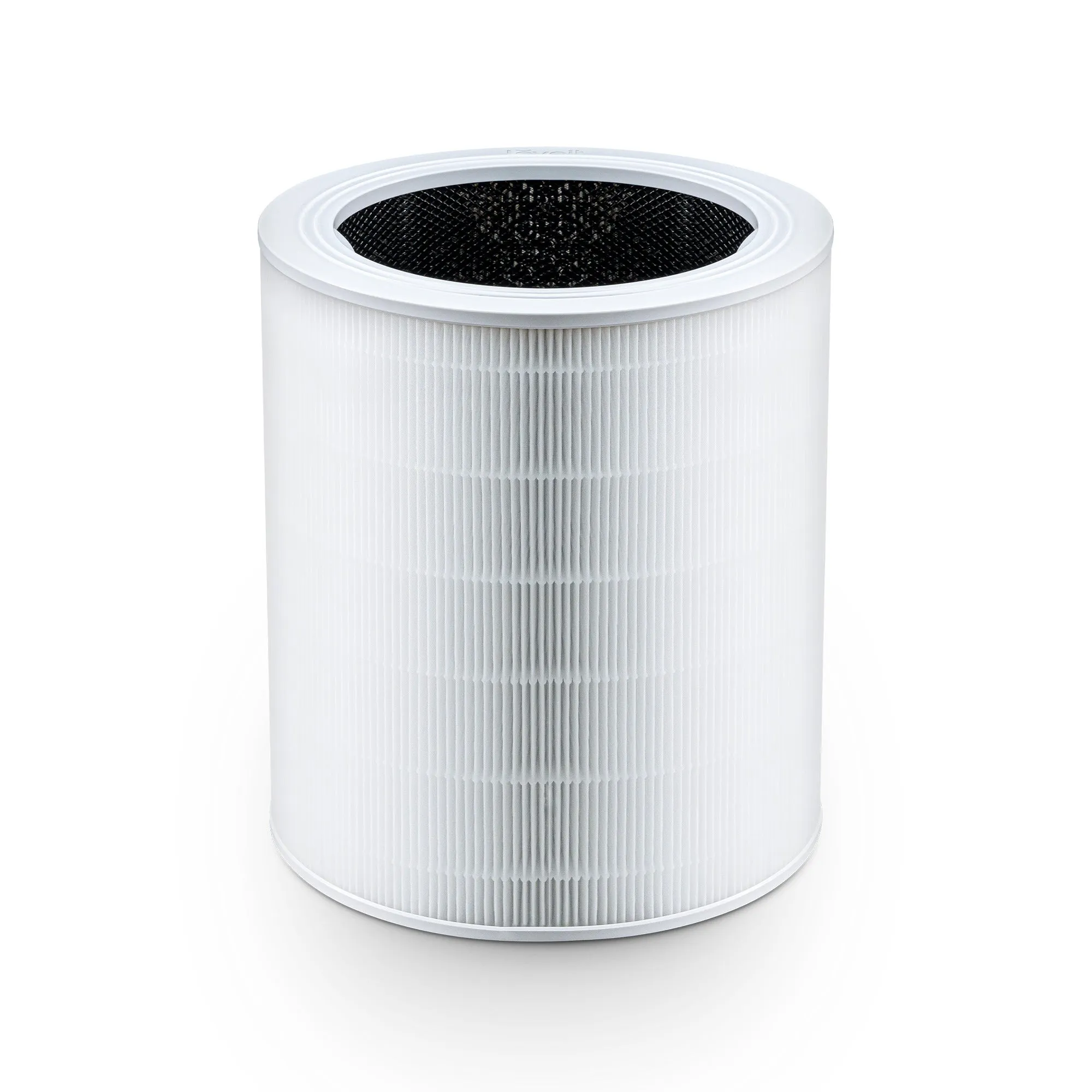
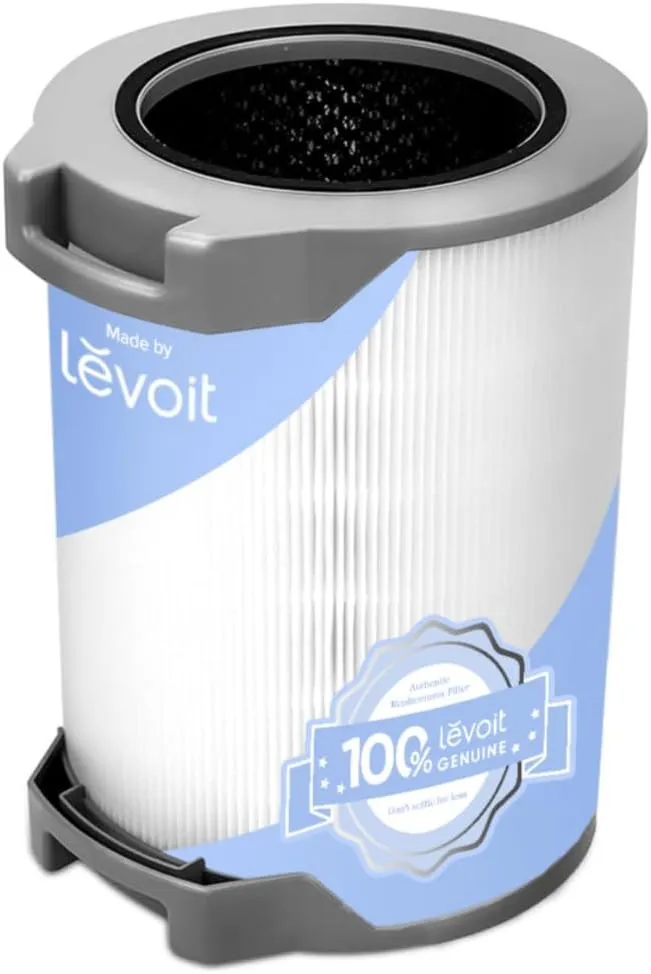
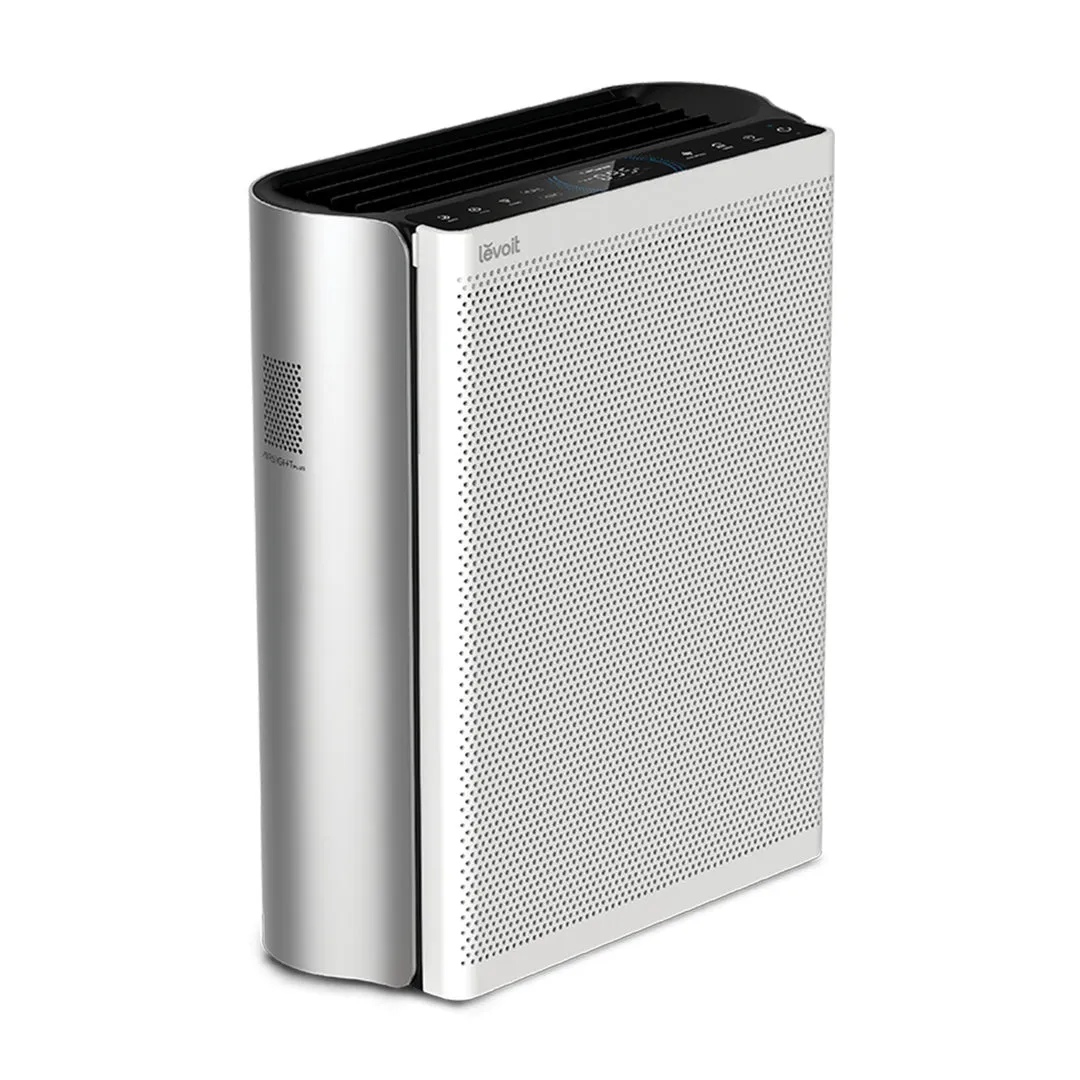
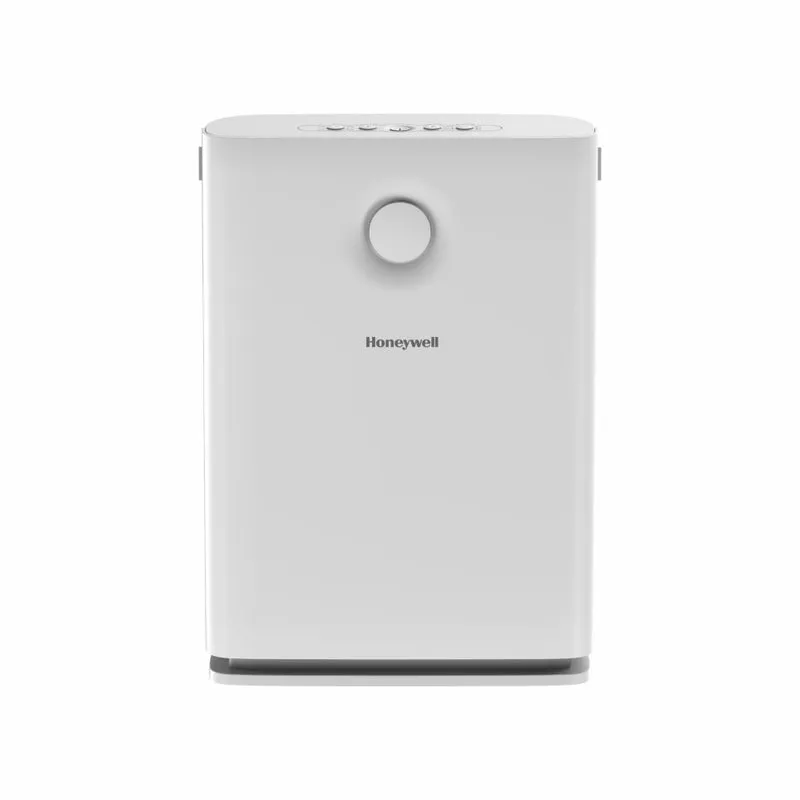
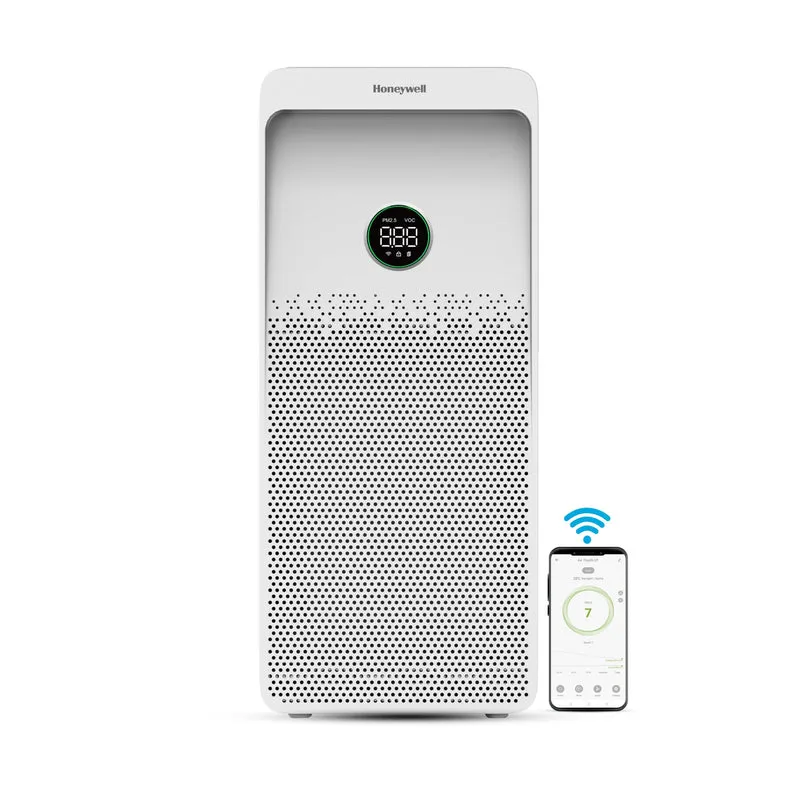
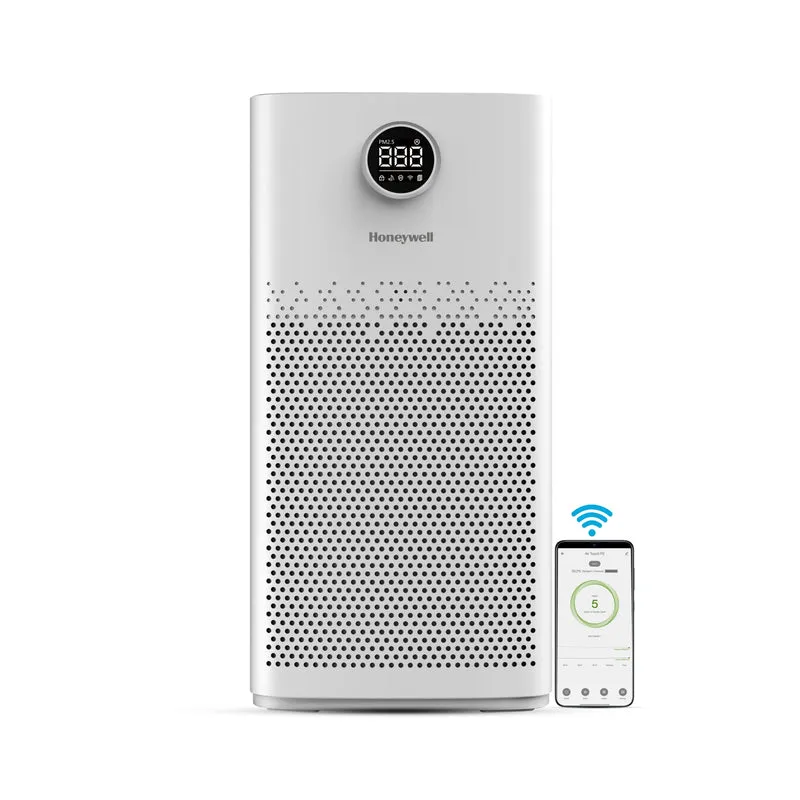
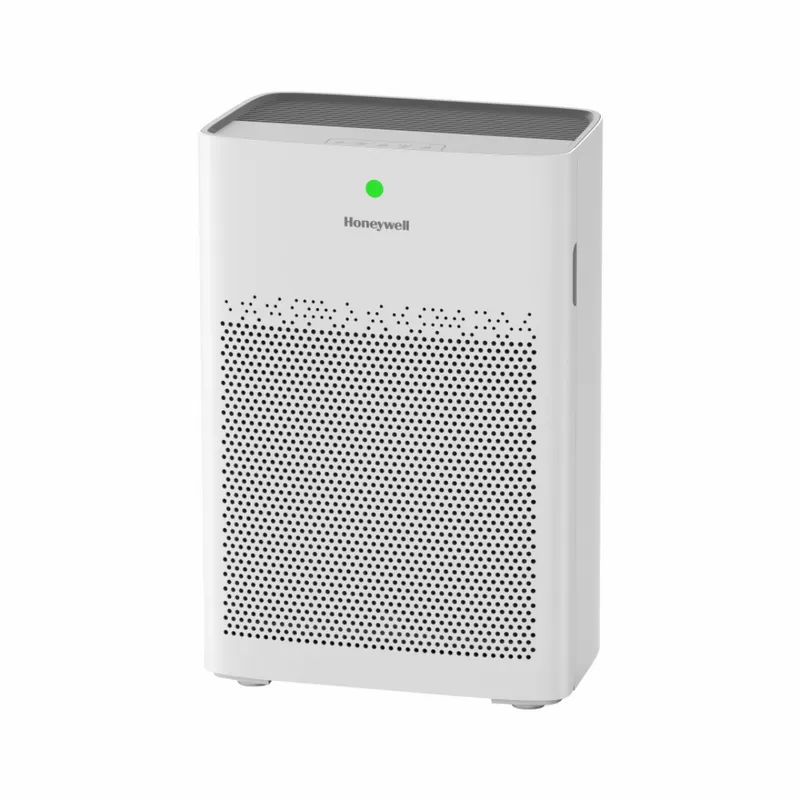
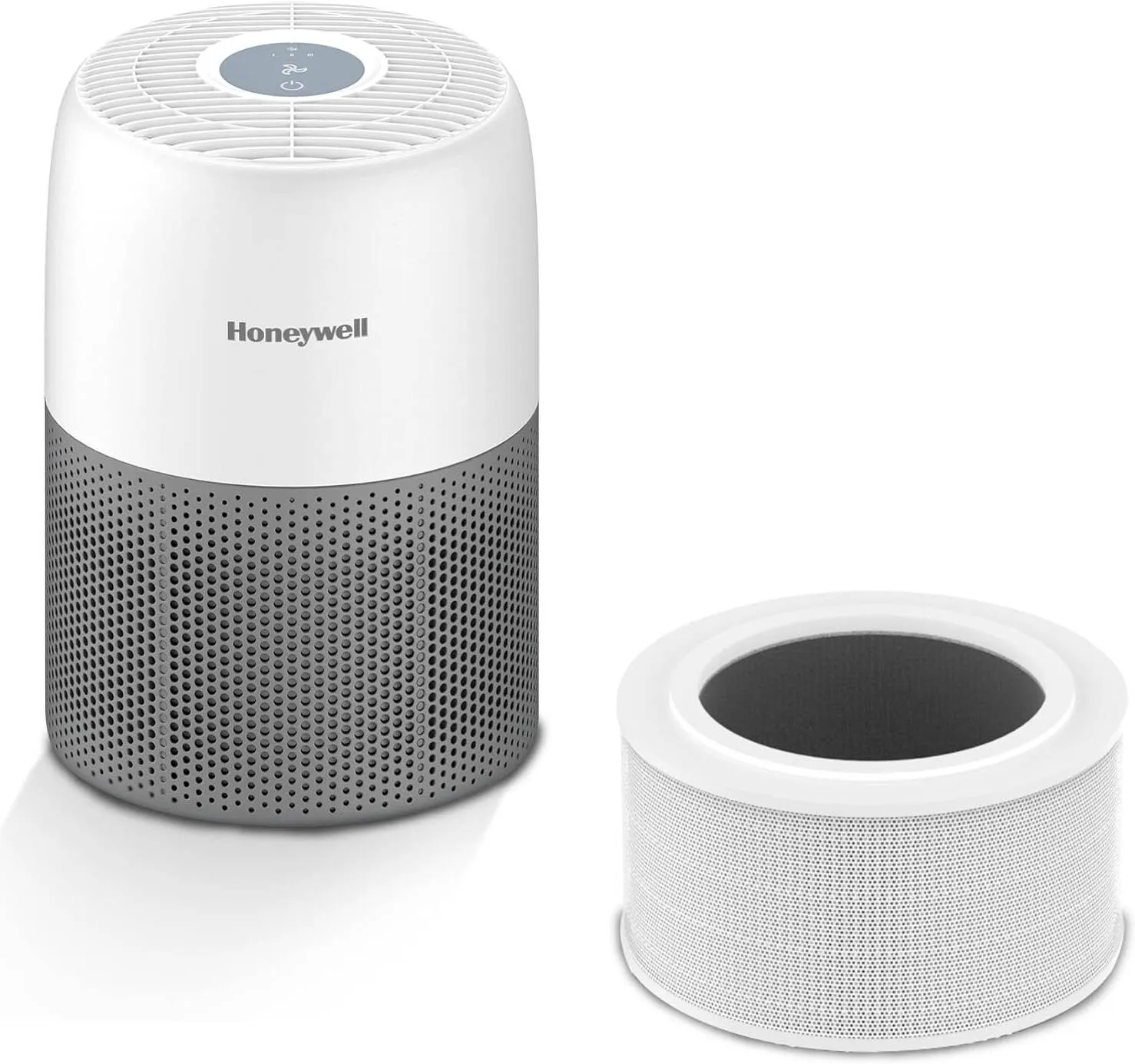
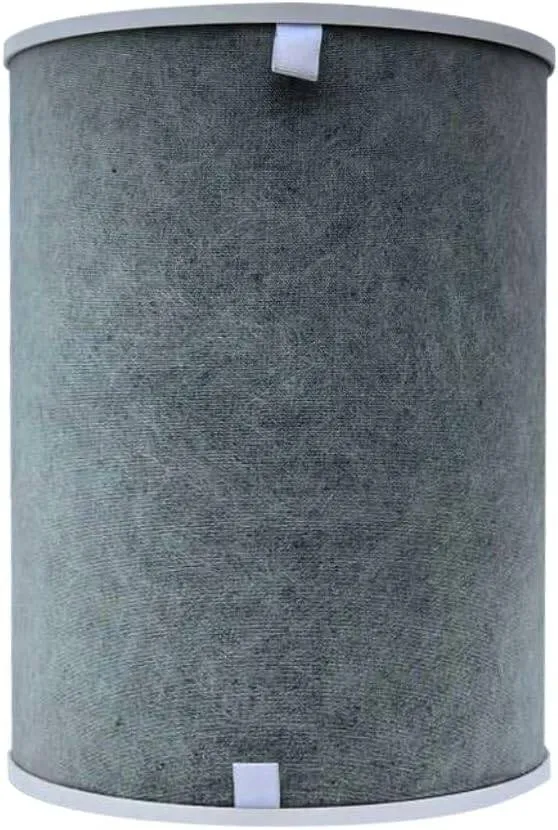
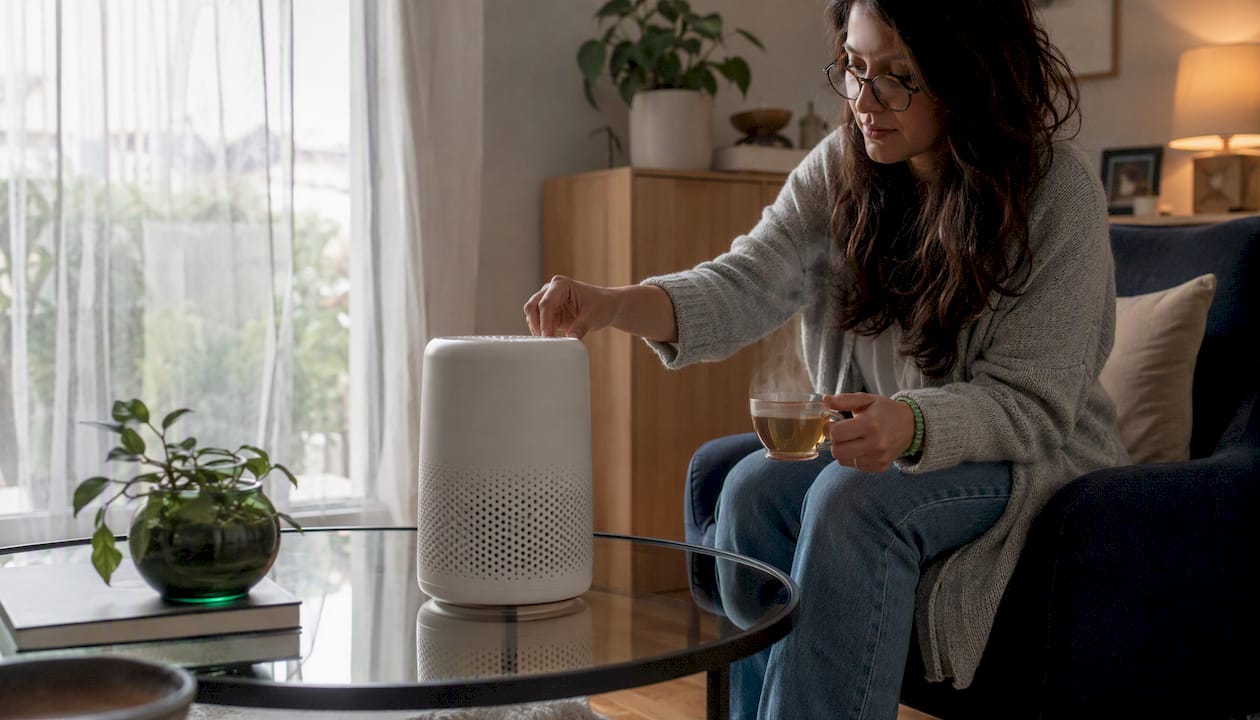
A portable air purifier is an active, standalone device with its own fan. It draws room air through a sequence of filter stages, typically a pre-filter for large debris, a true-HEPA layer for fine particles, and an activated carbon bed for gases and odours. Some units add UV-C lamps or ionisers. Because it runs independently of any central system, it can operate continuously for single-room protection regardless of whether the heating is on.
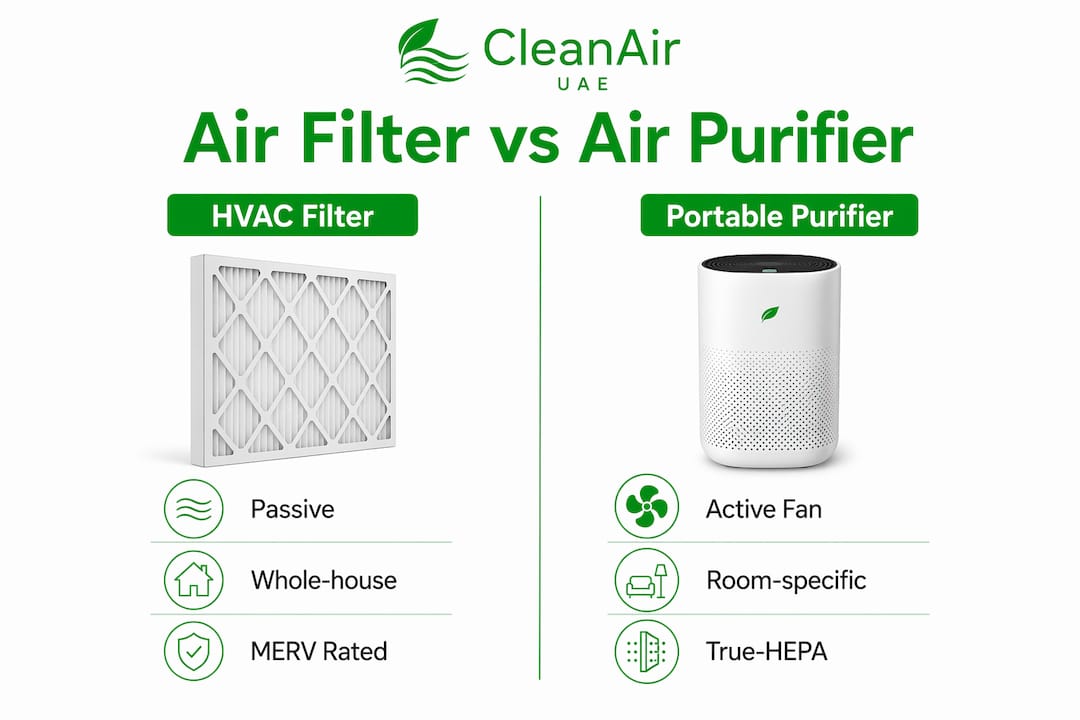
The practical gap between them comes down to coverage and continuity. An HVAC filter treats the whole house but only when the fan runs, which the EPA notes is often a limited fraction of the time during heating and cooling seasons. A portable purifier covers one room but can run 24 hours a day.
Key operational differences:
- HVAC filters: whole-home coverage, passive, fan-dependent, particle-focused.
- Portable purifiers: single-room, active, continuous, multi-stage (particles and gases).
- HEPA is a standalone device standard; MERV is the HVAC filter scale.
- Continuous operation matters most for bedrooms and during pollution events.
Pro Tip: Position a portable purifier near the centre of the room, away from walls and furniture, so air can circulate freely through all intake vents. Placing it in a corner reduces effective coverage.
Which filter types remove which pollutants?
Matching the technology to the pollutant is the most practical step most buyers skip.
True-HEPA (mechanical filtration)
True-HEPA captures nearly all airborne particles at 0.3 µm in a single pass. That covers PM2.5, pollen, pet dander, dust mite debris, mould spores, and smoke particulates. The label matters: “HEPA-type” or “99% HEPA” products do not meet the same standard and should be treated with scepticism.
Activated carbon and gas-phase adsorbents
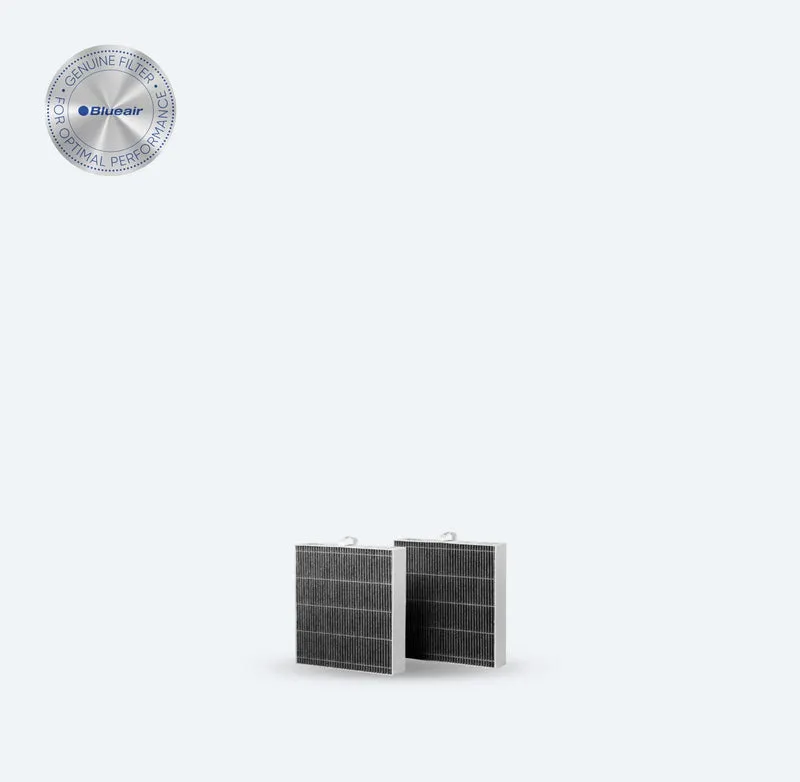
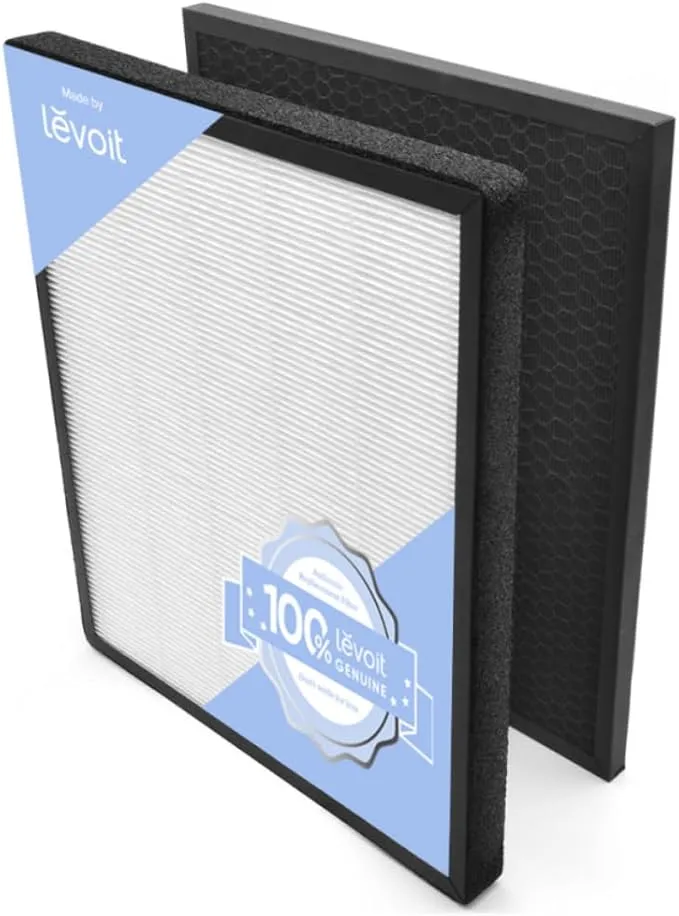
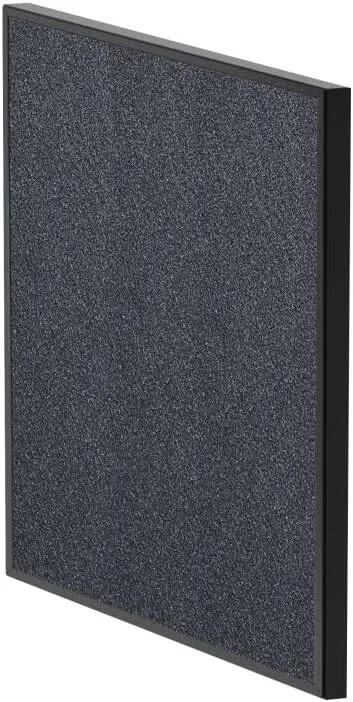
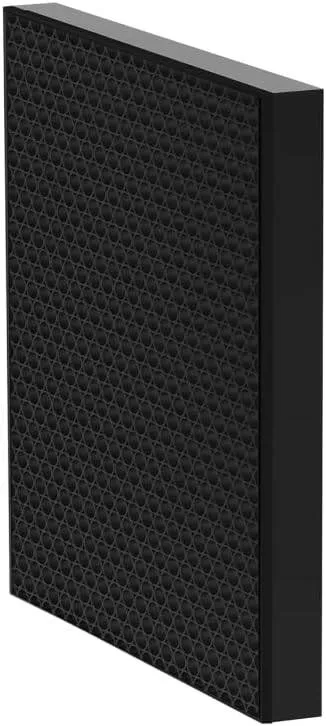
Activated carbon is required for odours and VOCs; HEPA media alone does not remove gases. Carbon bed thickness and weight matter significantly. A thin carbon pad, common in budget units, saturates quickly and offers limited capacity. For cooking odours, paint fumes, or VOCs from new furniture, look for units with a substantial carbon bed, not just a carbon-coated pre-filter. For a deeper comparison of these two stages, the HEPA vs carbon filters guide from Cleanair-ae covers the trade-offs clearly.
Ionic and electrostatic approaches
Ionisers charge airborne particles so they stick to surfaces or a collection plate. They can reduce airborne particle counts, but some generate ozone as a by-product. The EPA advises caution with ozone-producing devices because ozone itself is a respiratory irritant. Electrostatic precipitators carry the same risk if not properly maintained.
Ozone warning: Some ionisers and electrostatic precipitators produce ozone at concentrations that can irritate airways, particularly for people with asthma or other respiratory conditions. Mechanical HEPA filtration and activated carbon carry no such risk.
UV-C and photocatalytic oxidation
UV-C lamps can inactivate some airborne microbes when air passes slowly enough through the irradiation zone. Photocatalytic oxidation (PCO) can break down some VOCs but may produce intermediate by-products. Neither technology removes particles or gases in the way HEPA and carbon do. They are best treated as supplementary stages rather than primary filtration.
Layered combinations
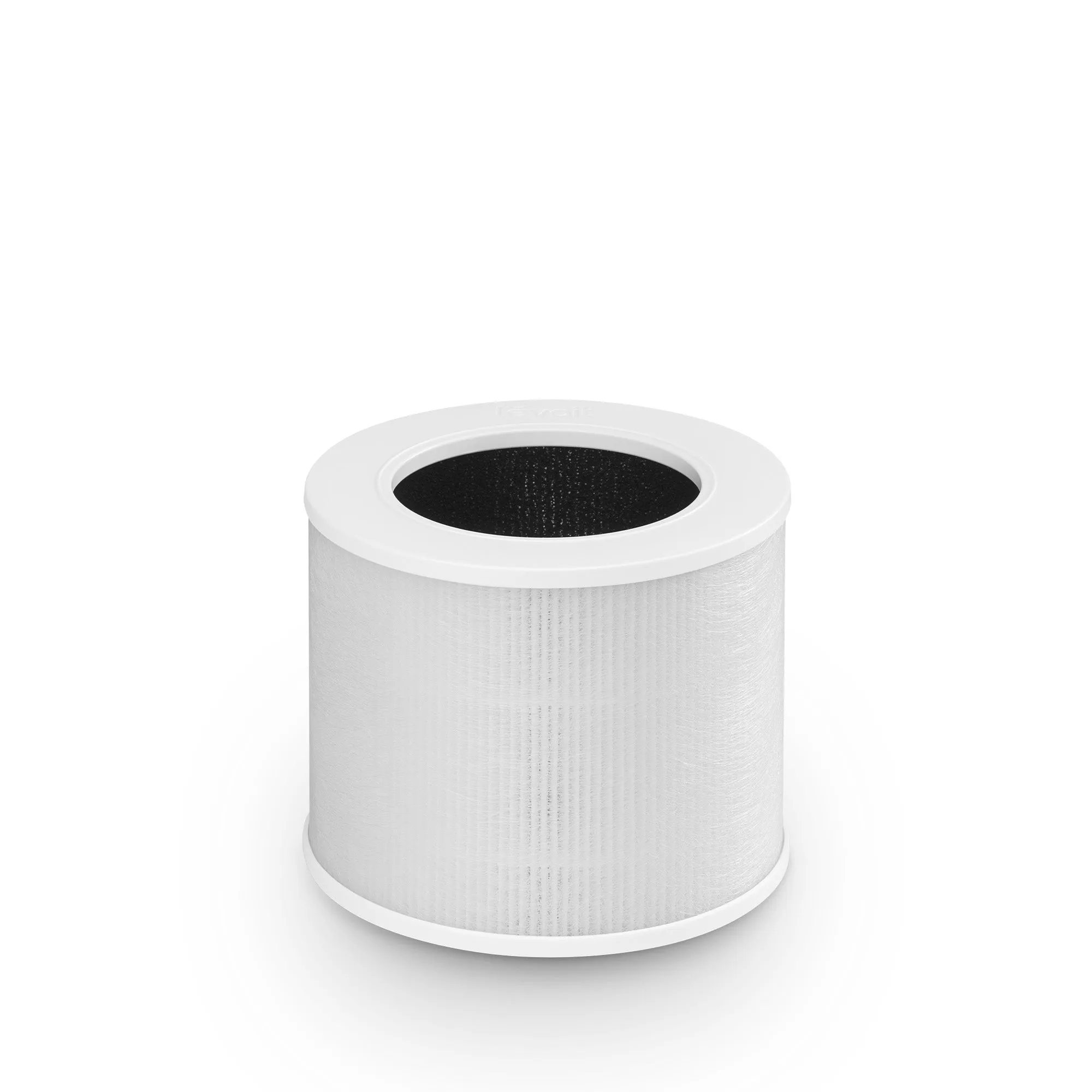
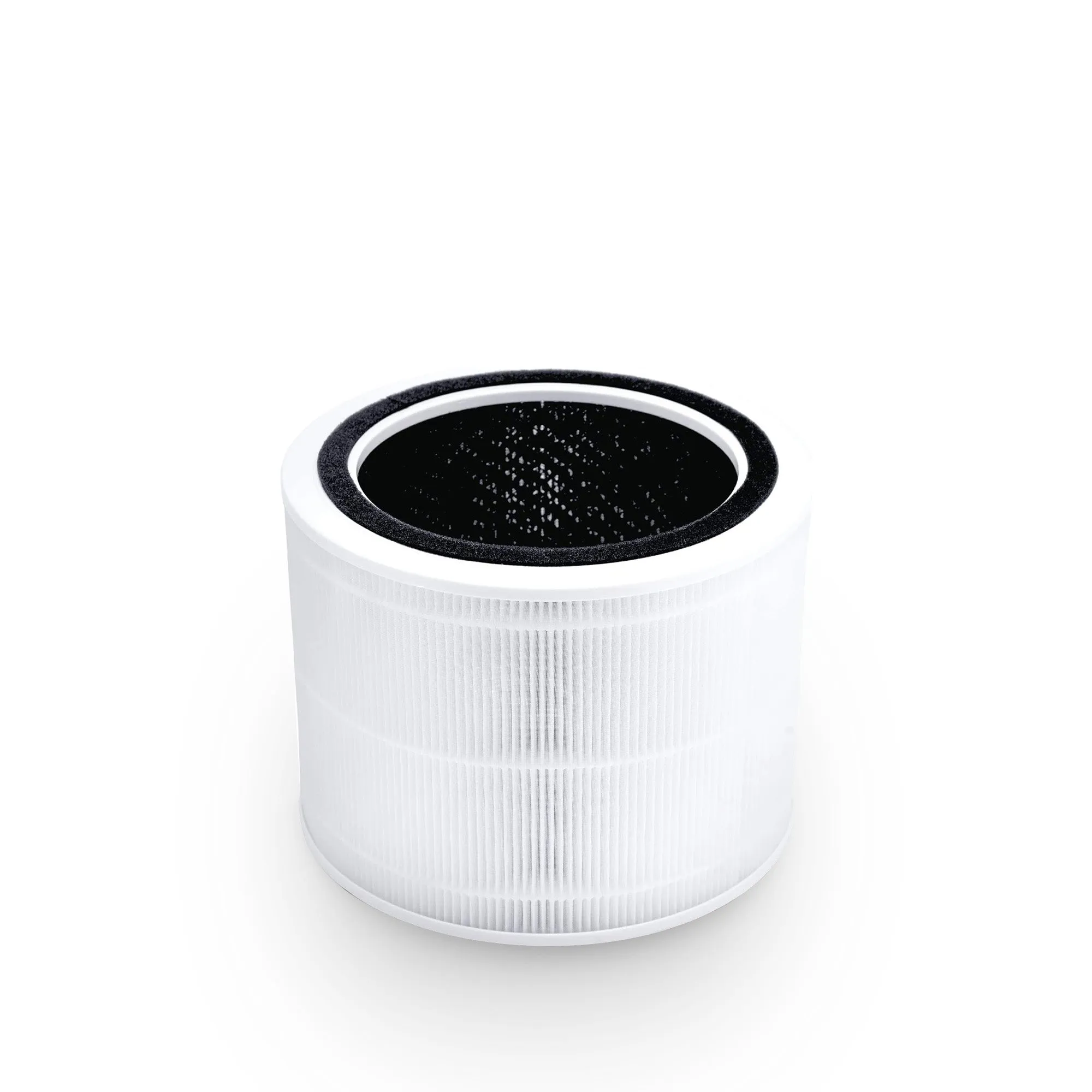
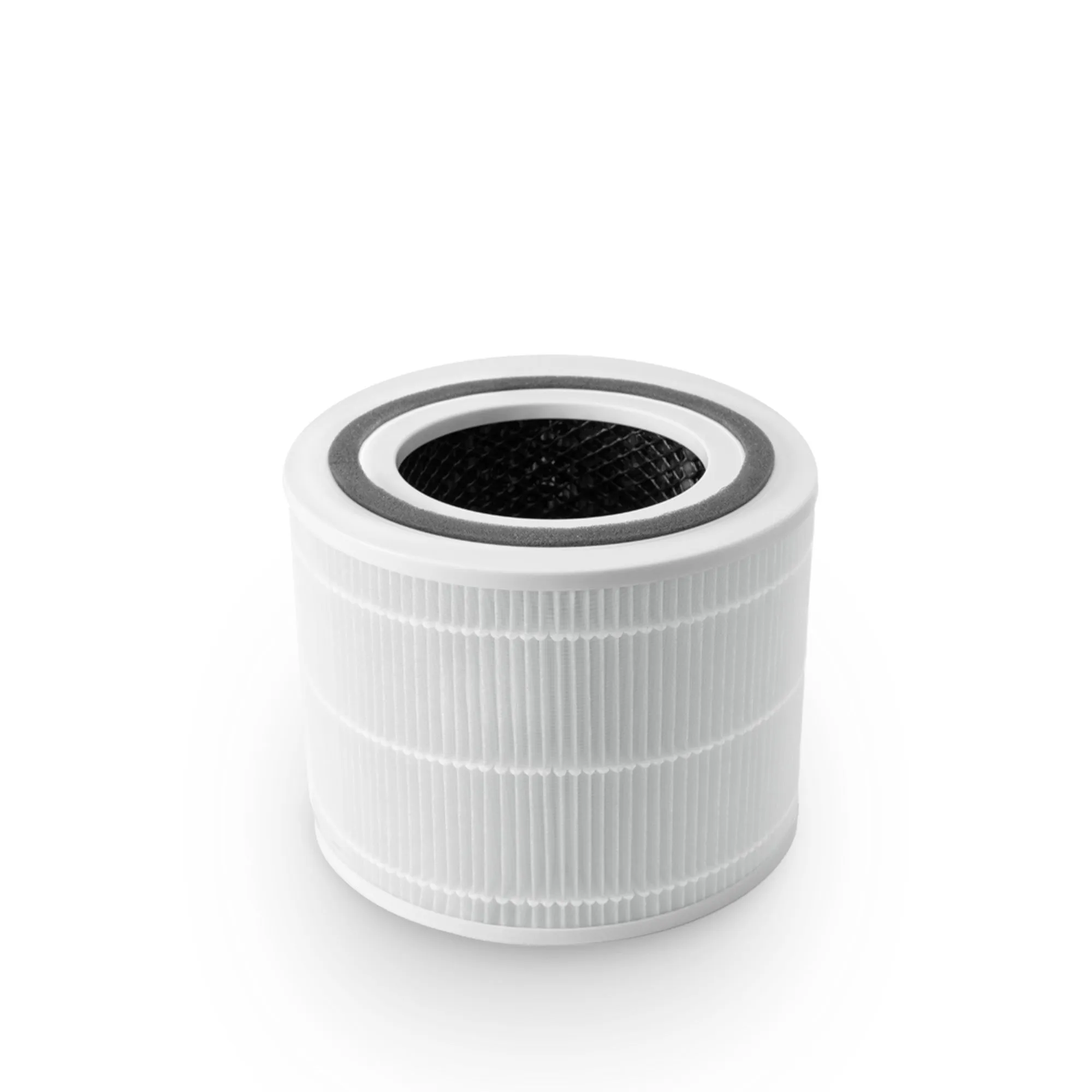
Most quality portable purifiers combine true-HEPA with activated carbon, which is why they outperform single-stage units for households dealing with both particles and odours. For allergy sufferers, that combination is the practical starting point.
Pro Tip: When reading product specifications, look for “true-HEPA” (not “HEPA-type”), the carbon weight or volume in grams, and independent CADR test data. If a manufacturer does not publish these figures, treat performance claims with caution.
How do CADR, ACH, MERV, and HEPA ratings actually compare?
These four metrics answer different questions. Understanding each one lets you size a device correctly rather than guessing by room area alone.
| Metric | What it measures | Practical use |
|---|---|---|
| CADR | Volume of clean air delivered per minute (smoke, dust, pollen) | Size a portable purifier to a room; higher CADR = faster cleaning |
| ACH | Air changes per hour in a given room volume | Target 4–5 ACH for bedrooms; 2–3 ACH for living rooms |
| MERV | HVAC filter particle-removal efficiency (scale 1–16+) | Moderate MERV ratings for most homes; higher MERV for allergy control if compatible |
| HEPA | Single-pass efficiency at 0.3 µm (true-HEPA: 99.97%) | Benchmark for portable purifier particle performance |
CADR and room sizing
CADR is the practical metric for sizing portable purifiers; it measures how many cubic feet (or metres) of clean air the device delivers per minute for smoke, dust, and pollen separately. A higher CADR number means the unit cleans a larger room faster. AHAM and Energy Star both use CADR for performance comparisons, making it the most reliable cross-brand comparison point.
ACH rule of thumb
To calculate ACH, multiply the room’s floor area by ceiling height to get volume, then divide the purifier’s CADR (converted to the same unit) by that volume and multiply by 60. For a typical UK bedroom, a purifier delivering several air changes per hour provides meaningful particle reduction during sleep.
HEPA vs MERV
HEPA is not on the MERV scale. True-HEPA exceeds MERV 17 in efficiency but is only practical in standalone devices because the filter resistance is too high for most domestic HVAC blowers. For HVAC systems, MERV 13 is the recommended target for fine-particle capture, provided your blower can handle it.
Statistic to anchor your choice: True-HEPA filters must capture 99.97% of particles at 0.3 µm, the most penetrating particle size, in a single pass. That figure is the standard, not a marketing claim.
Key sizing steps:
- Measure the room’s floor area and ceiling height.
- Multiply to get volume, then calculate the CADR needed for 4–5 ACH.
- Check the manufacturer’s CADR figure (smoke CADR is the most conservative and most useful).
- Prefer units with AHAM-verified CADR data over self-reported figures.
When should you use an HVAC filter, a purifier, or both?
The right answer depends on what you are trying to remove and what your home setup allows.
When an HVAC filter is the primary tool:
- General dust control across multiple rooms simultaneously.
- Protecting heating and cooling equipment from debris buildup.
- Whole-home baseline particle reduction for households without specific allergy or smoke concerns.
- Homes with a compatible central system where upgrading to MERV 11–13 is straightforward.
When a portable purifier takes priority:
- Bedroom allergies or asthma: a purifier running continuously through the night delivers far more air changes than an intermittent HVAC cycle.
- Wildfire smoke or acute pollution events: portable units respond immediately and can be moved to the most affected room.
- Strong cooking odours or VOCs from renovation materials: requires activated carbon, which HVAC filters do not provide.
- Rented flats or terraced houses where the HVAC system cannot be modified.
- Nurseries, home offices, or any room where occupancy is high and air quality matters most.
Combined strategy for typical UK homes:
- Small flat (one or two rooms): A single true-HEPA and carbon purifier sized for the largest room, repositioned as needed. HVAC upgrade may not be applicable.
- Terraced house with gas central heating: Upgrade the boiler-system filter to the highest compatible MERV, run the fan more frequently, and add a bedroom purifier.
- Semi-detached with full central heating: MERV 11–13 whole-home filter plus a HEPA purifier in the bedroom and main living area. If pets or cooking odours are present, ensure the purifier includes a substantial carbon stage.
For allergy-specific guidance, the air improvement solutions for allergies resource from Cleanair-ae covers product selection and room-by-room strategies in more detail.
What do filter replacements and running costs look like?
Upfront price is only part of the ownership cost. Replacement filters and energy use add up over a year.
Replacement intervals:
- HVAC filters (MERV 8–11): every 60–90 days under normal use; more frequently with pets or allergy sufferers in the home.
- True-HEPA cartridges in portable purifiers: typically every 6–12 months depending on air quality and run time.
- Activated carbon stages: every 3–6 months, particularly in kitchens or homes with high VOC loads. Carbon saturates faster than HEPA media.
- Pre-filters: rinse or replace every 2–4 weeks to protect the HEPA layer and maintain airflow.
Energy Star guidance recommends inspecting or changing HVAC filters monthly, noting that a dirty filter increases energy costs and can damage equipment. That monthly check is worth building into a routine.
Energy use
Portable purifiers on low or medium speed typically draw between 20 W and 60 W. Running a mid-range unit continuously at medium speed costs roughly the same as leaving a low-energy light bulb on. High-speed settings draw more power and generate more noise, so most users run high speed for an hour to clear the air, then drop to low overnight.
Annual cost estimate
A bedroom purifier with annual HEPA replacement and two carbon stage replacements per year represents a predictable recurring cost. Check the manufacturer’s published replacement filter prices before buying: units with cheap upfront prices sometimes carry expensive proprietary filters. Transparent replacement pricing is a genuine trust signal when comparing models.
Statistic callout: Standard guidance recommends changing HVAC filters regularly, but households with pets or allergy sufferers should check and replace filters more frequently as needed.
Safety notes and misleading claims to watch for
Not every air-cleaning technology is equally safe, and not every marketing claim is equally honest.
Ozone from ionisers and electrostatic precipitators
Some ionisers and electrostatic precipitators produce ozone as a by-product of their operation. Ozone at elevated concentrations irritates the respiratory tract and can worsen asthma. The EPA advises caution with these technologies, particularly for people with existing respiratory conditions. Mechanical HEPA filtration carries no such risk.
HEPA does not remove gases
This is the single most common misunderstanding. A true-HEPA filter traps particles with high efficiency, but gases and VOCs pass straight through the media. If you are dealing with paint fumes, formaldehyde from new furniture, or persistent cooking odours, you need activated carbon alongside HEPA, not HEPA alone.
Coverage limits
A portable purifier only cleans the air that passes through it. Closed doors, large rooms, or units placed in corners reduce effective coverage. An HVAC filter only works when the fan runs, which in most UK homes is a fraction of the day.
On misleading labels: “HEPA-type”, “HEPA-like”, and “99% HEPA” are not the same as true-HEPA. The true-HEPA standard requires 99.97% single-pass efficiency at 0.3 µm. Any label that softens or qualifies that figure is describing a lower-performing product.
Common misleading claims to spot:
- “99% germ removal” without a stated test method or independent verification.
- “HEPA-type” presented as equivalent to true-HEPA.
- CADR figures that are self-reported rather than AHAM-verified.
- Carbon filters described only as “activated carbon layer” with no weight or volume stated.
- Ionisers marketed as “ozone-free” without third-party testing to confirm it.
Independent measurement and transparent replacement costs are the clearest signals that a manufacturer stands behind its product. If that data is absent, look elsewhere.
How to choose the right option: a step-by-step checklist
Work through these five steps before buying anything.
-
Identify your primary pollutant. Dust and pollen: HEPA is sufficient. Odours, VOCs, or smoke gases: you need activated carbon too. Microbes: UV-C may help as a supplementary stage, but HEPA remains the particle foundation.
-
Check HVAC compatibility. Find out what MERV rating your current system uses and whether the blower can handle a higher-rated filter. If you are considering MERV 13 or above, consult an HVAC technician first. Installing a filter with too much resistance can restrict airflow and stress the blower motor.
-
Size a portable purifier by CADR and ACH. Measure your room, calculate the volume, and work out the CADR needed for 4–5 air changes per hour. Do not rely on manufacturer room-size claims alone; check the CADR figure directly.
-
Specify true-HEPA and a carbon stage where needed. Reject “HEPA-type” products. If VOCs or odours are present, confirm the carbon bed weight or volume is stated. Avoid ozone-generating technologies.
-
Budget for replacements and plan maintenance. Calculate annual filter costs before purchase. Set a replacement schedule: HVAC filter every 60–90 days, HEPA cartridge every 6–12 months, carbon stage every 3–6 months. Factor in energy use at your expected run speed.
Pro Tip: If you plan to upgrade to MERV 13 or higher, contact a qualified HVAC technician to confirm your system can handle the increased static pressure. A high-MERV filter installed in an incompatible system can reduce airflow, increase energy bills, and shorten equipment life.
For a broader checklist covering the full range of indoor air quality factors, the indoor air quality checklist from Cleanair-ae is a practical starting point.
HVAC filter vs portable purifier: side-by-side comparison
| Dimension | HVAC air filter | Portable HEPA purifier (with carbon) |
|---|---|---|
| What it removes | Particles (dust, pollen, dander, mould spores) | Particles + gases, VOCs, odours (with carbon stage) |
| Best use-cases | Whole-home baseline, equipment protection, general dust | Bedrooms, smoke events, odours, rented properties |
| Coverage / speed | Whole house; limited by fan run time | Single room; continuous; sized by CADR and ACH |
| Installation | Fixed in HVAC system; requires compatible slot | Plug-in, portable, no installation needed |
| Maintenance costs | Filter every 60–90 days; low per-unit cost | HEPA every 6–12 months; carbon every 3–6 months |
| Noise | Silent (fan noise from HVAC system only) | Low hum on low speed; audible on high speed |
| Safety / side-effects | None (mechanical media) | Safe with HEPA/carbon; avoid ioniser ozone risk |
What does the research say UK homes should do?
The evidence points clearly to a layered approach. EPA guidance frames filtration and purification as supplements to source control and ventilation, not replacements. The recommended sequence is: remove or reduce pollutant sources first, ventilate with outdoor air where possible, then add filtration as a third layer.
For the filtration layer itself, standard guidance recommends MERV 8–11 for whole-home baseline protection, with HVAC filter changes every 60–90 days. Pair that with a true-HEPA portable purifier in bedrooms and main living areas, sized by CADR for the room volume. Add activated carbon if odours or VOCs are present.
The research consensus: Source control and ventilation come first. Filtration and purification are effective supplements, but devices alone rarely solve poor indoor air quality if the pollutant source remains active.
Exceptions worth noting:
- Rental properties where HVAC modification is not permitted: rely on portable purifiers entirely.
- Older UK homes with no central ventilation system: portable purifiers become the primary tool.
- Homes near high-traffic roads or with occupants who have severe asthma: consider H13-grade HEPA units and consult the British Lung Foundation’s guidance on indoor air.
Immediate actions for readers ready to act:
- Check the MERV rating on your current HVAC filter and confirm whether your system can handle an upgrade.
- Run the HVAC fan for longer periods during high-pollution days, even without heating or cooling.
- Measure your bedroom and main living area; calculate the CADR needed for 4–5 ACH.
- Choose a true-HEPA unit with a stated carbon bed weight; verify AHAM-certified CADR data.
- Set calendar reminders for filter replacements from day one.
For readers who want to explore non-device strategies alongside filtration, the air purification strategies guide covers source control, ventilation, and complementary methods.
Key takeaways
For most UK homes, the most effective approach is a MERV-rated HVAC filter for whole-house baseline combined with a true-HEPA and activated carbon portable purifier sized by CADR in the rooms you use most.
| Point | Details |
|---|---|
| Layered approach works best | Combine a MERV 8–11 HVAC filter with a true-HEPA portable purifier for whole-home and room-level protection. |
| Size by CADR and ACH | Target 4–5 air changes per hour in bedrooms; use the CADR figure, not just the manufacturer’s room-size claim. |
| Carbon is needed for gases | True-HEPA removes particles; only activated carbon removes odours, VOCs, and cooking gases. |
| Avoid ozone-generating tech | Some ionisers and electrostatic precipitators produce ozone; mechanical HEPA and carbon carry no such risk. |
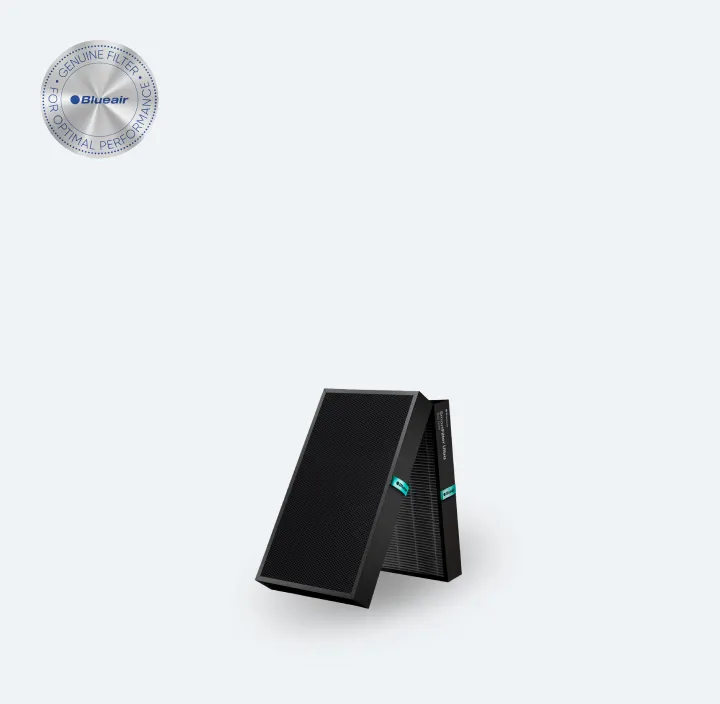
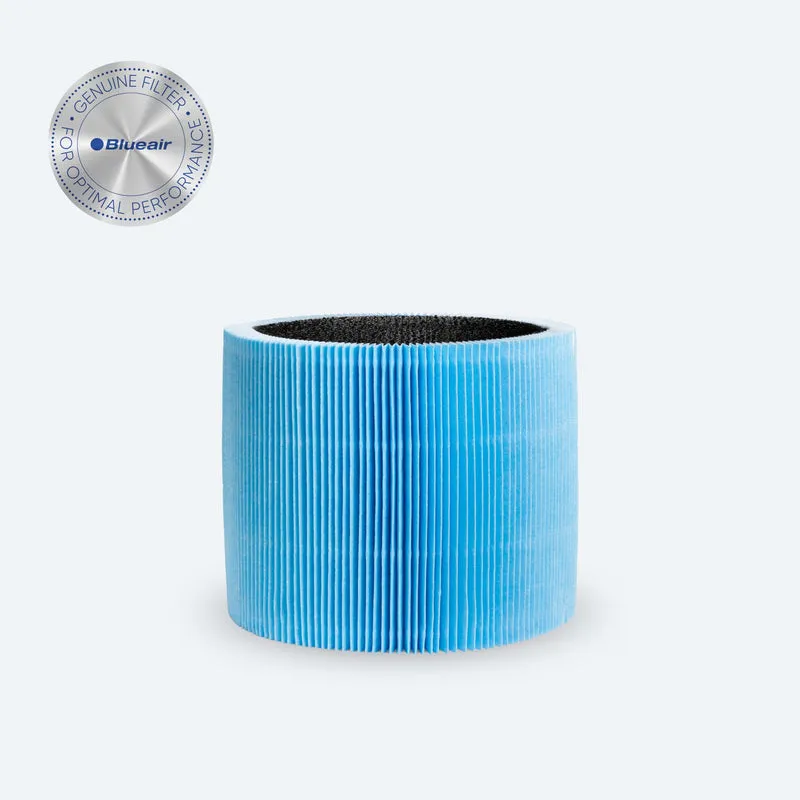
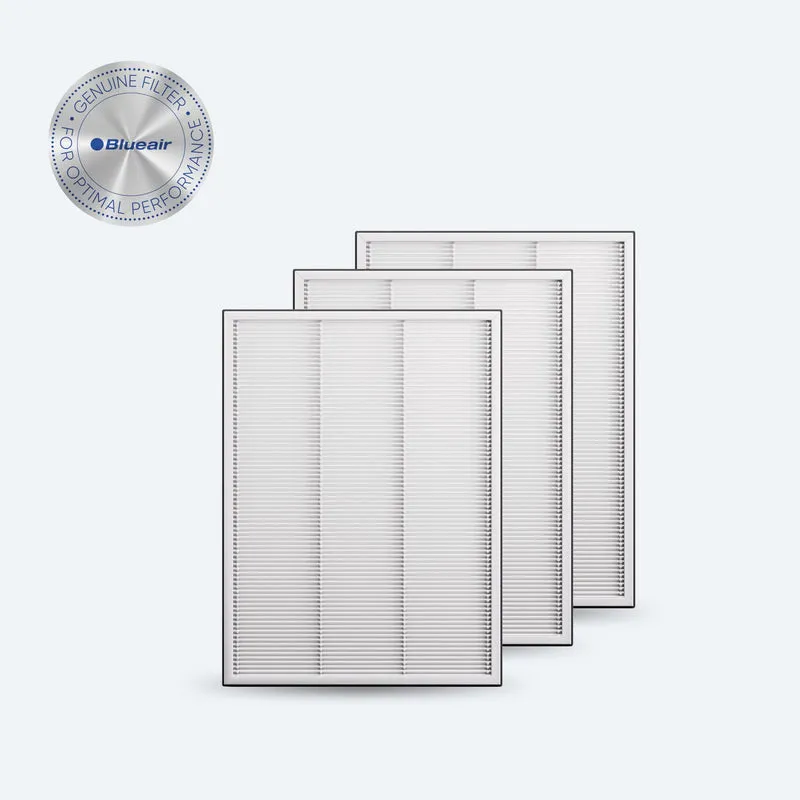
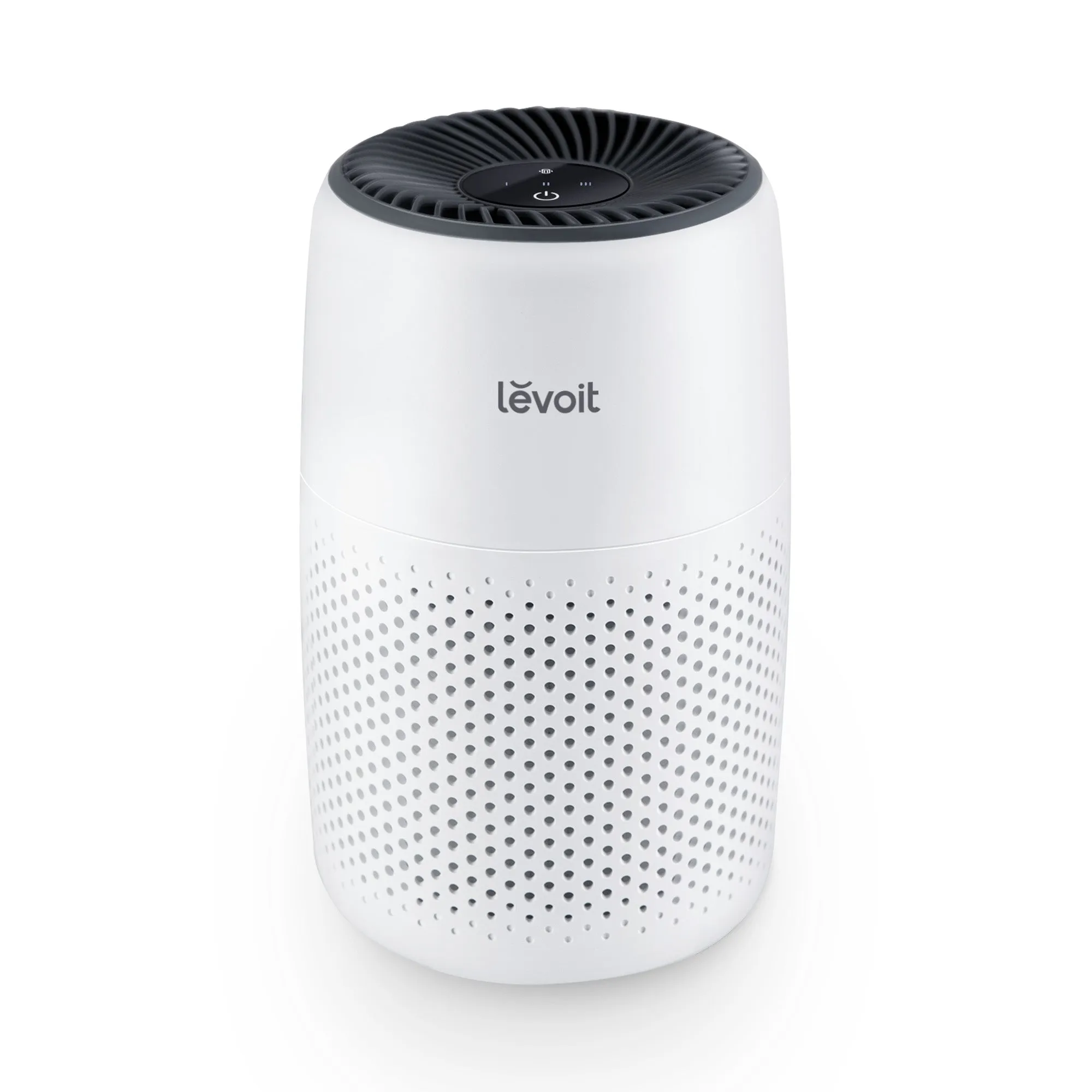
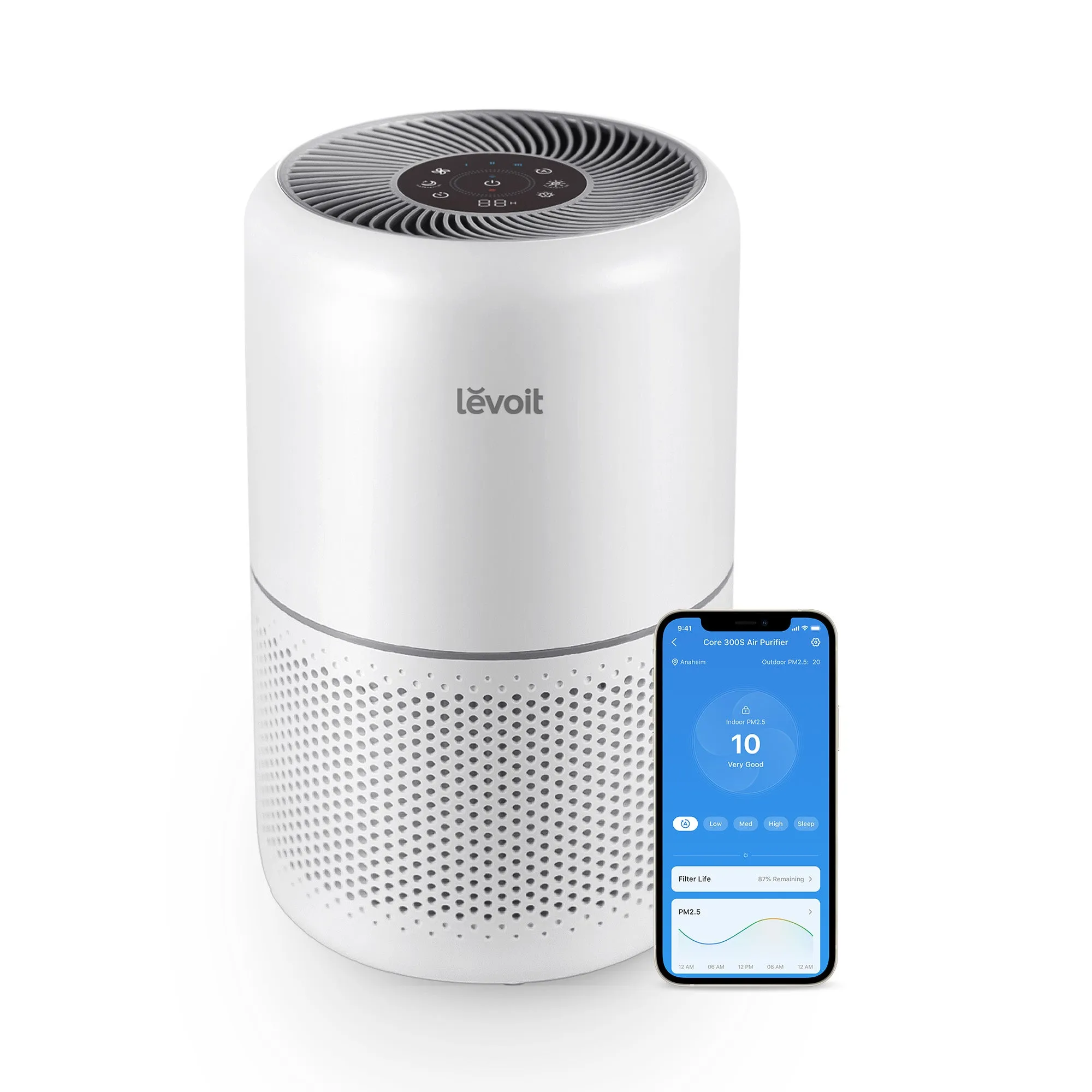
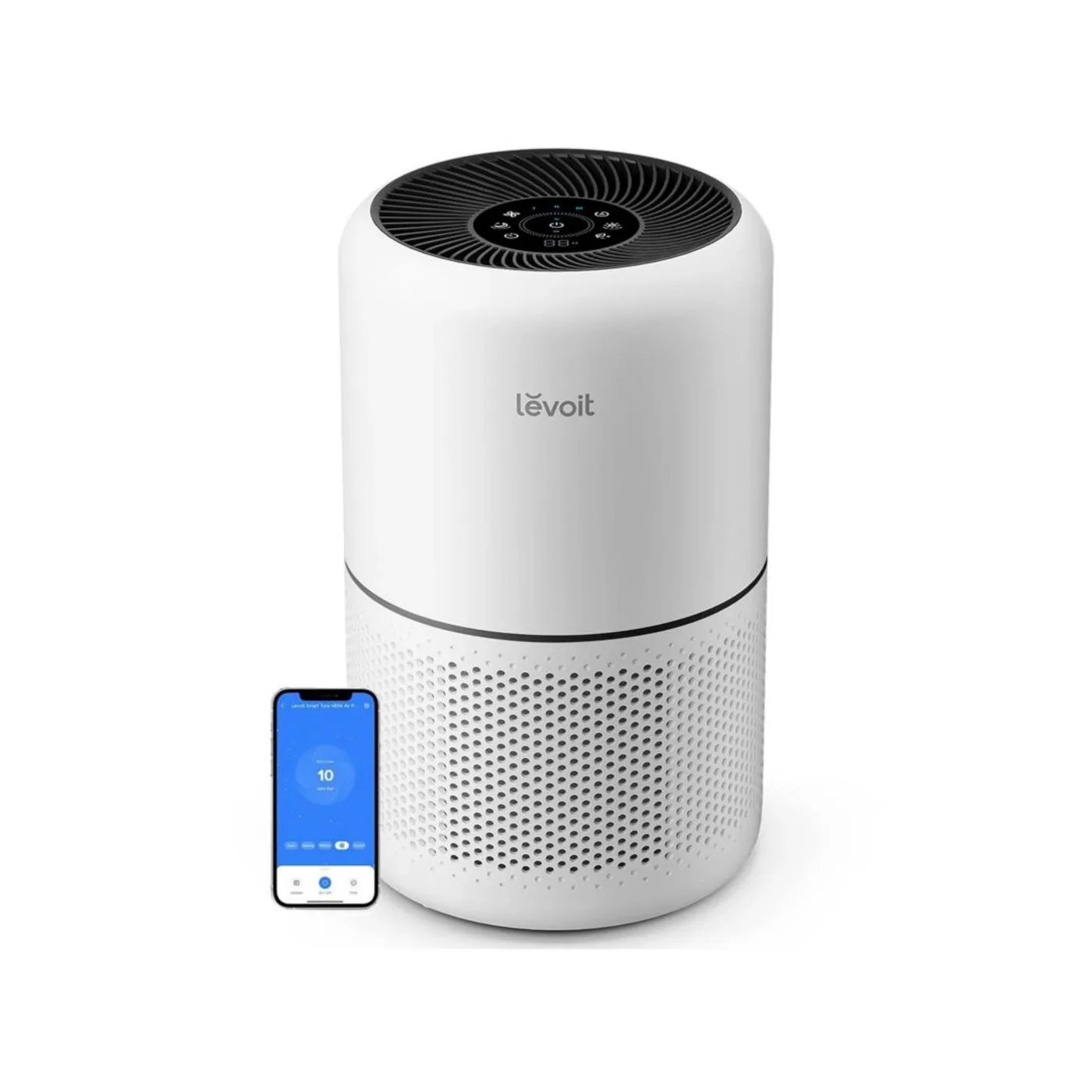
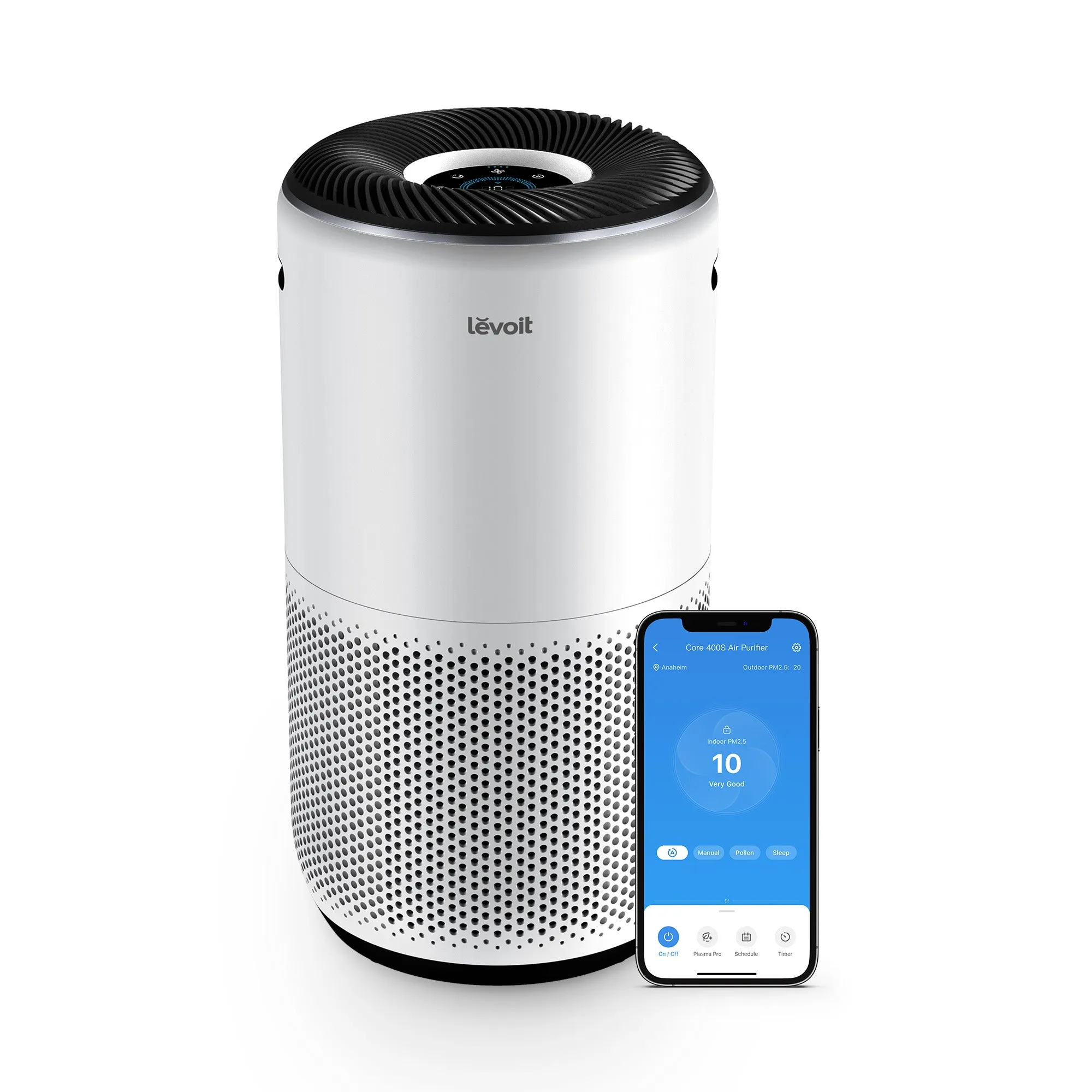
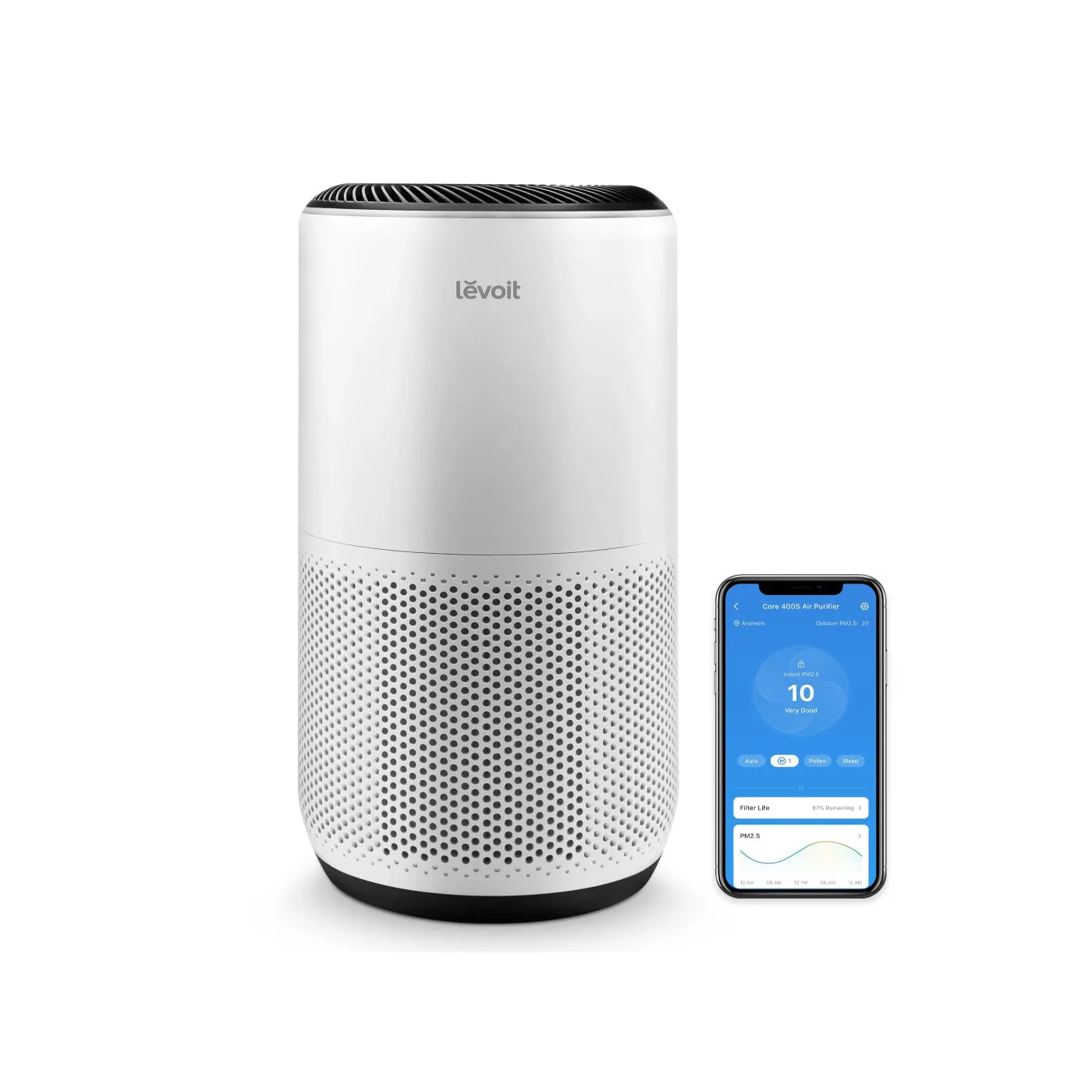
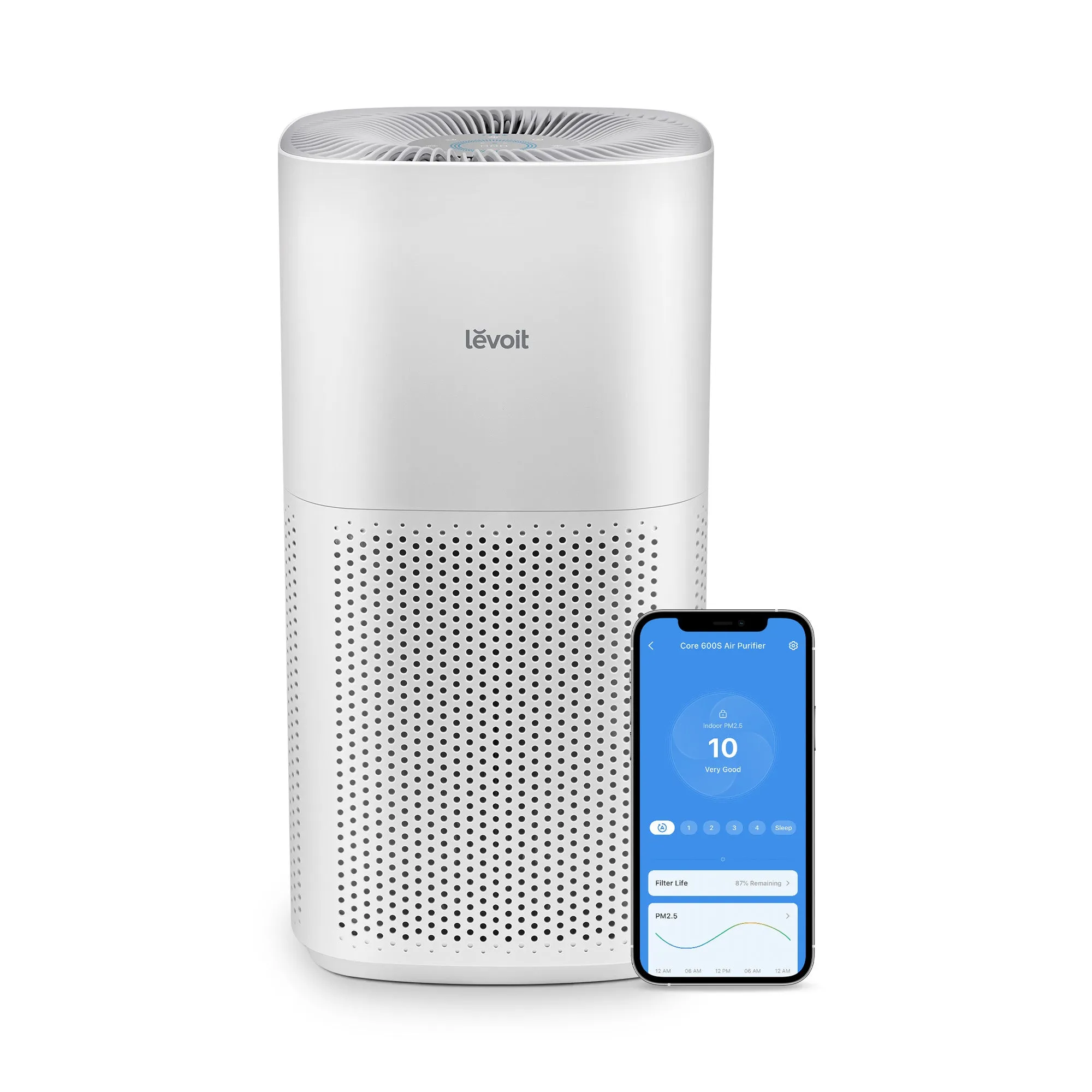
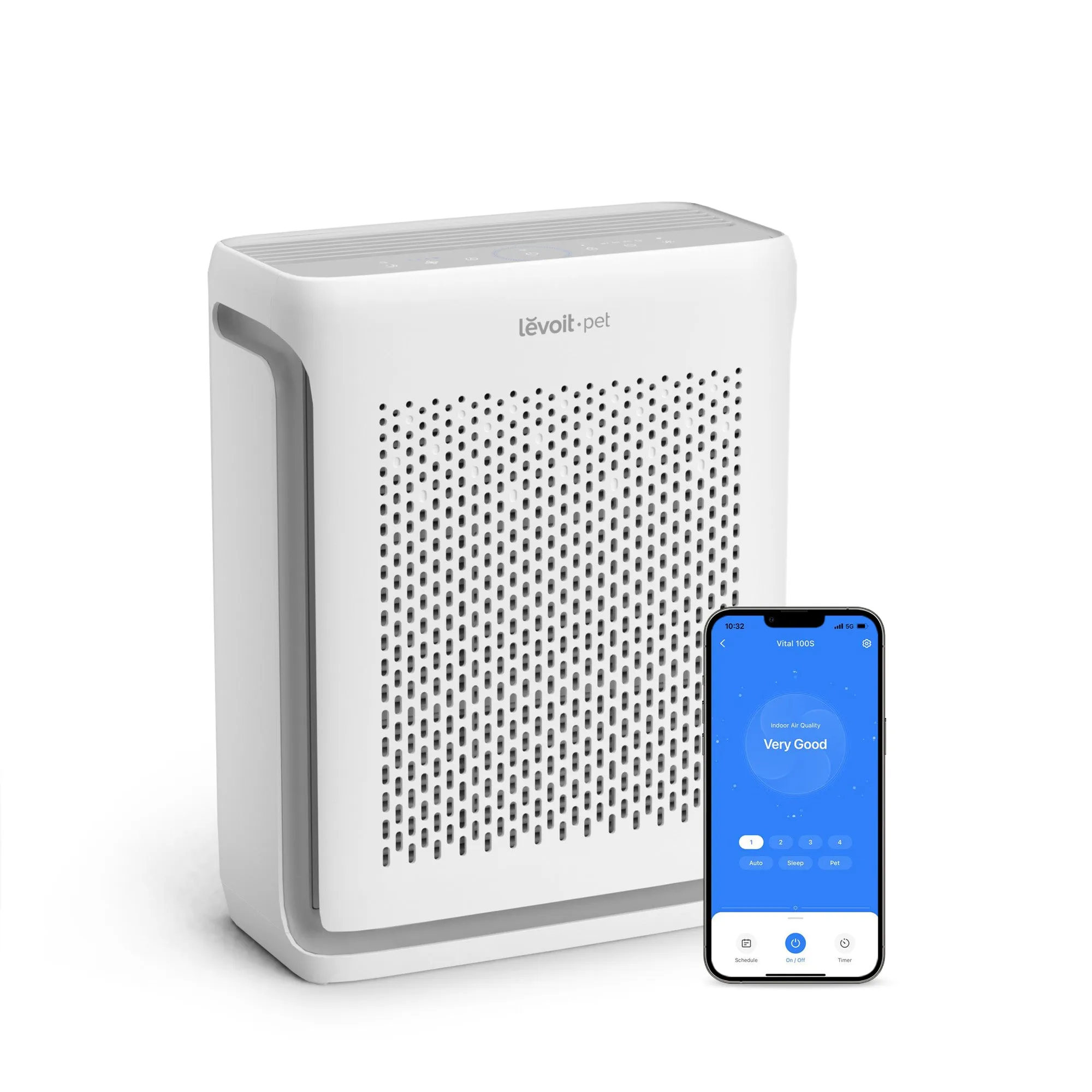
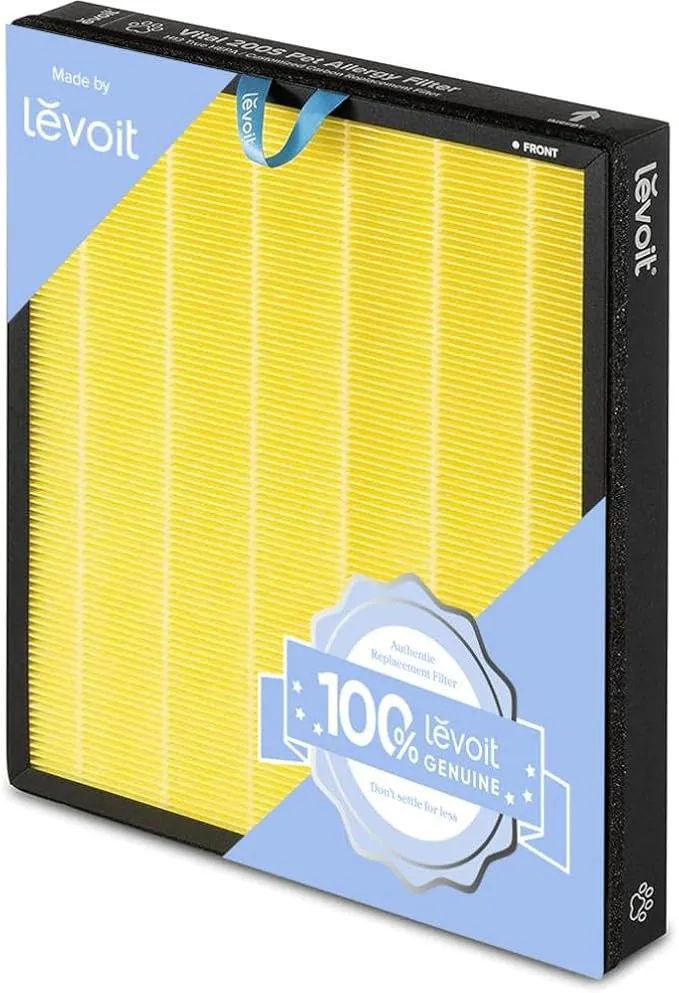
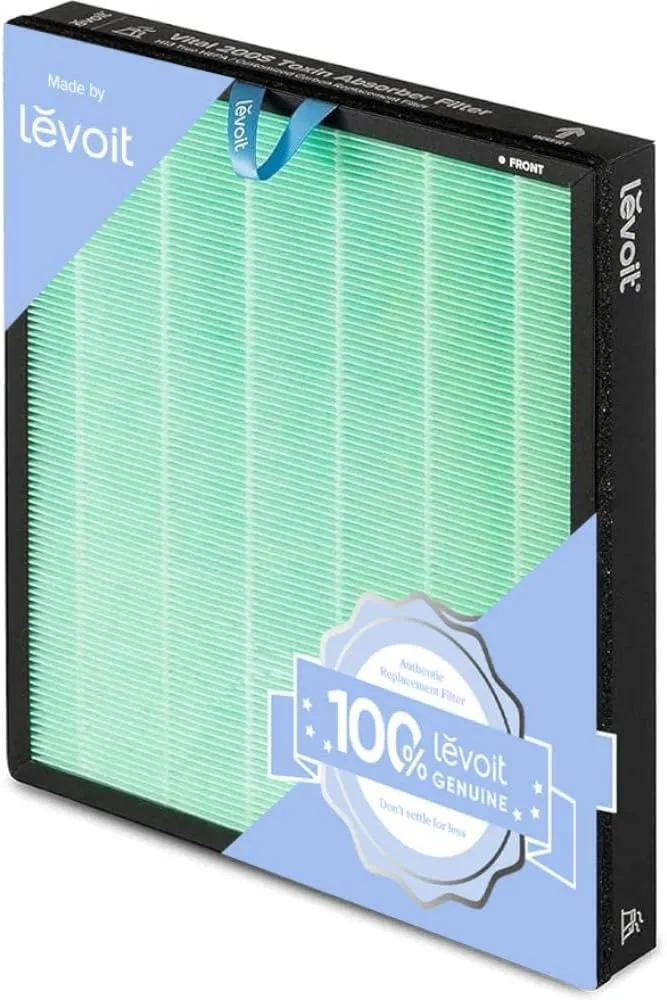
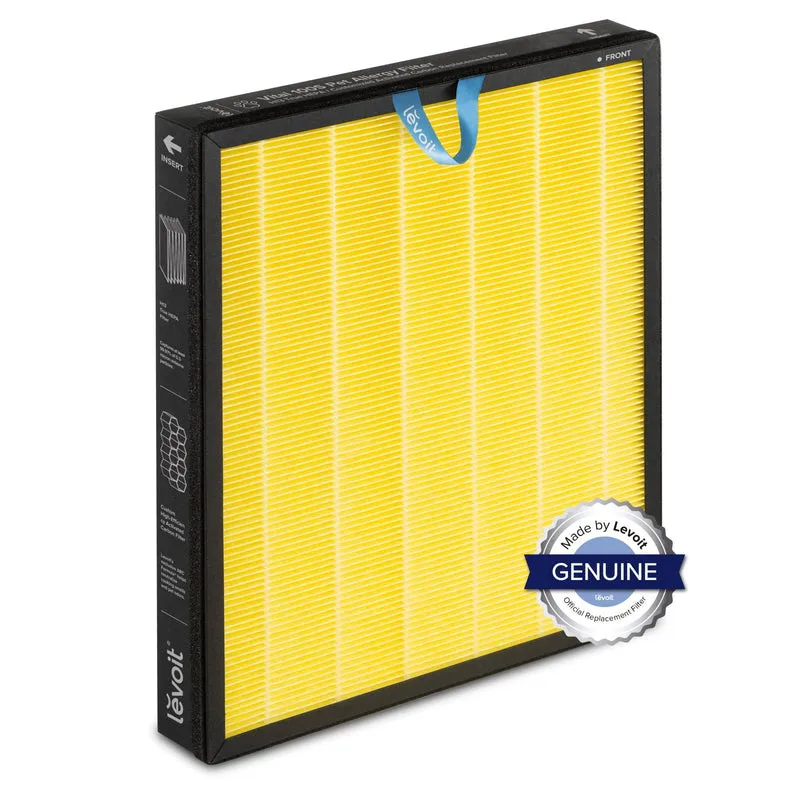
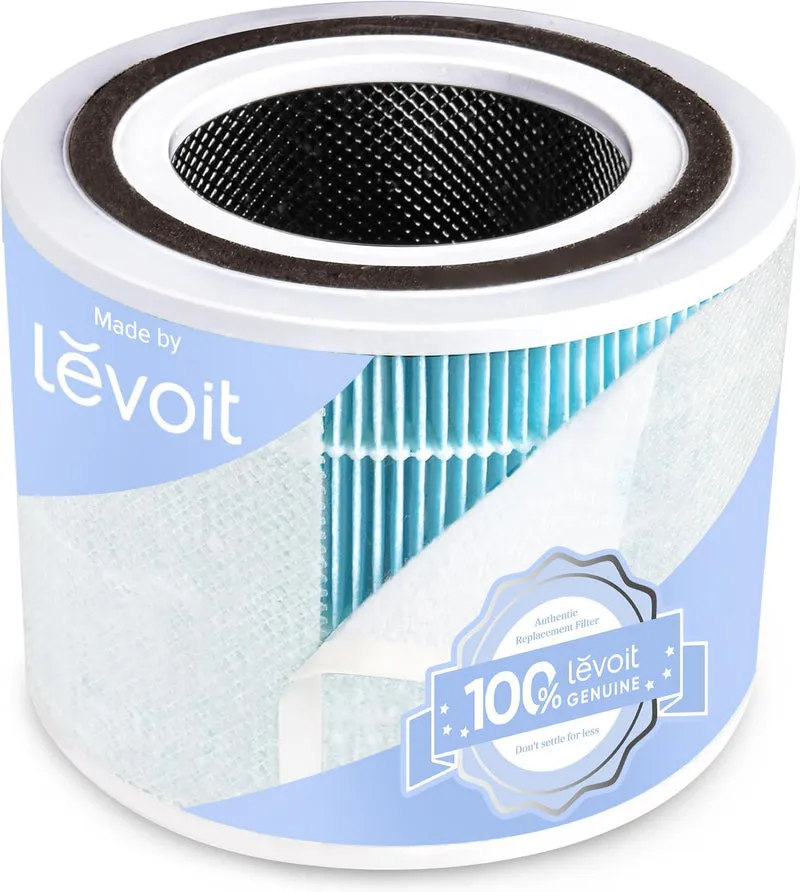
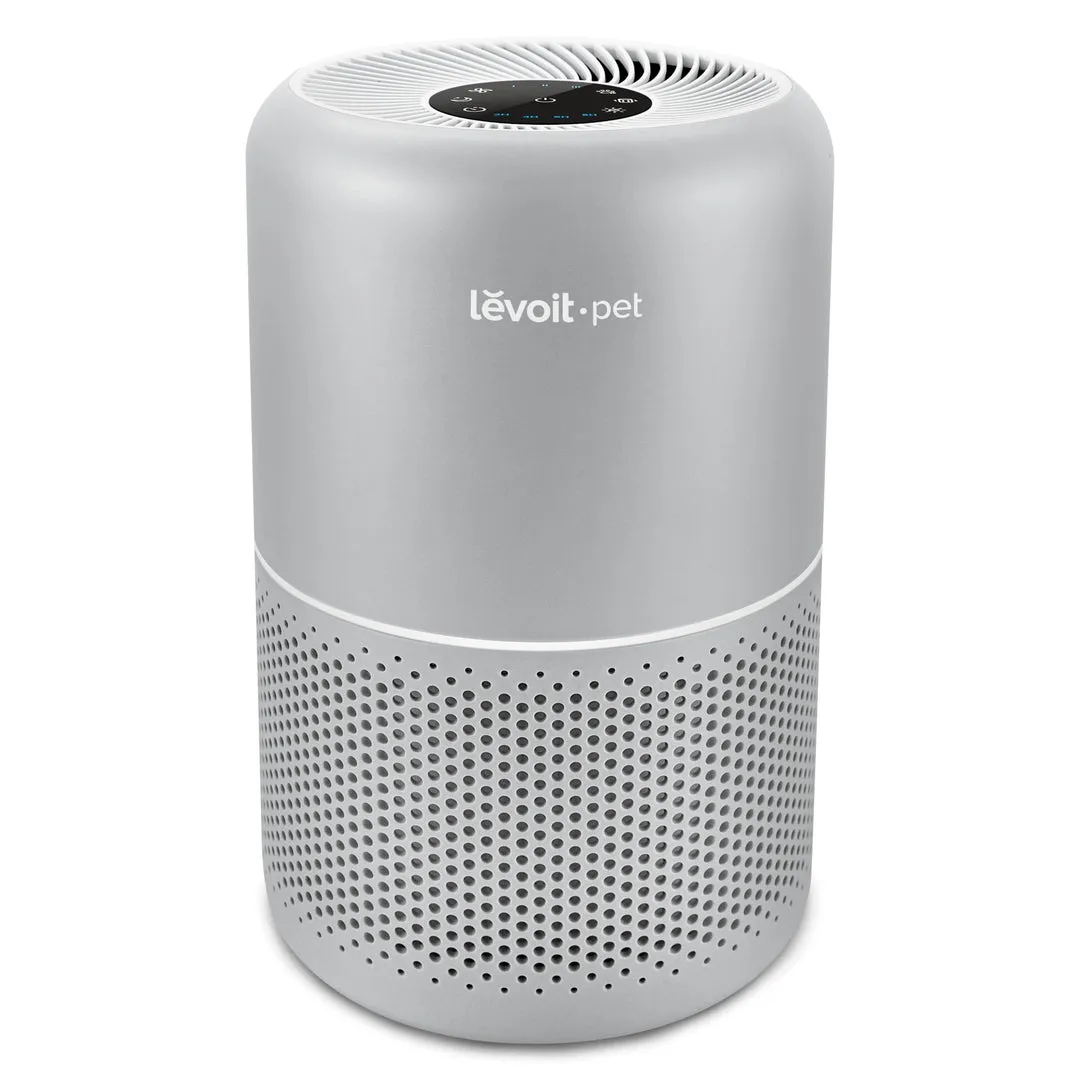
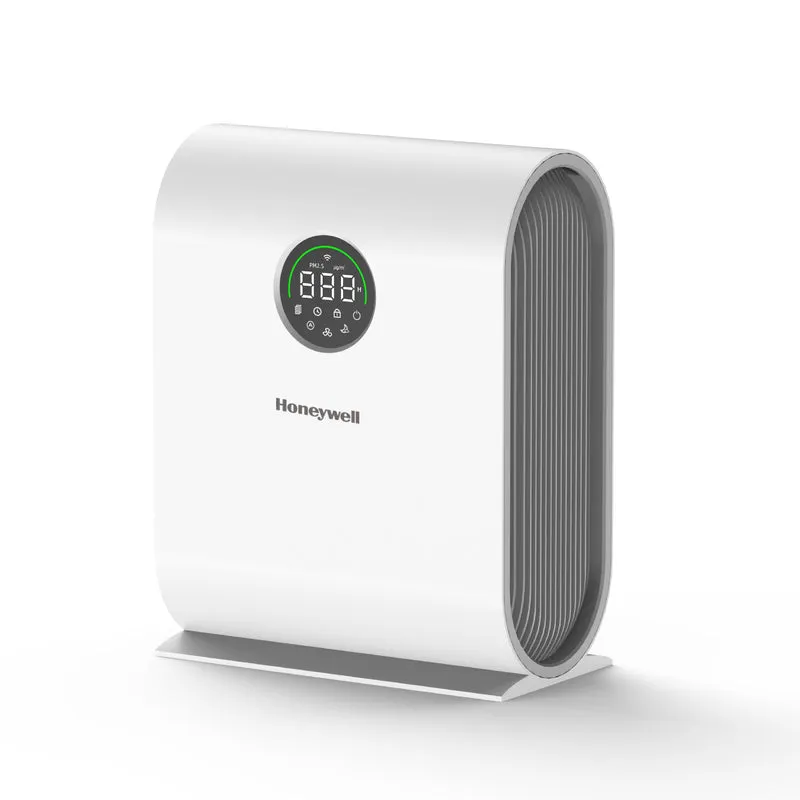
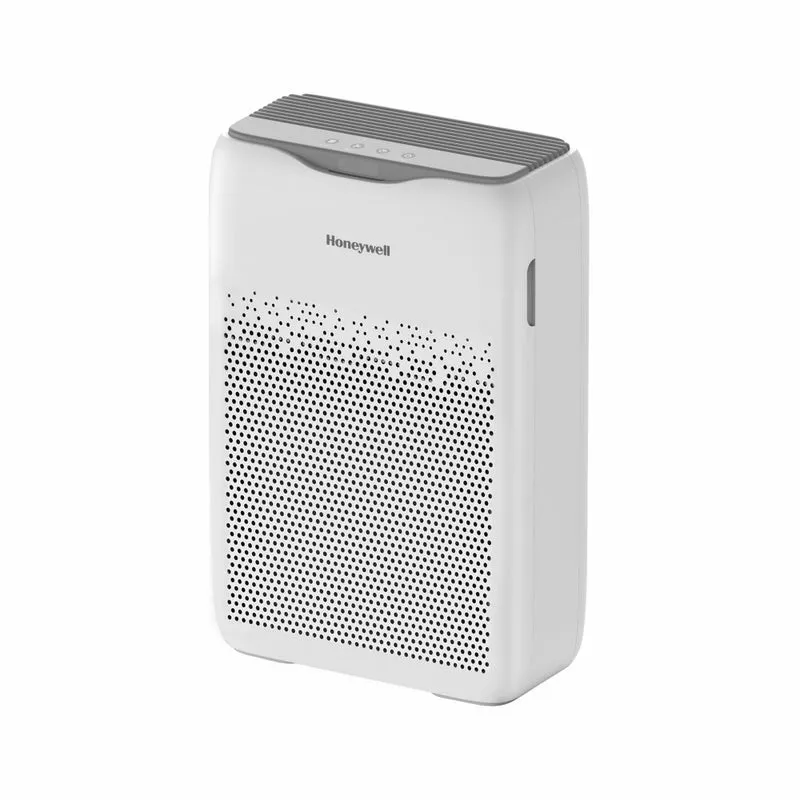
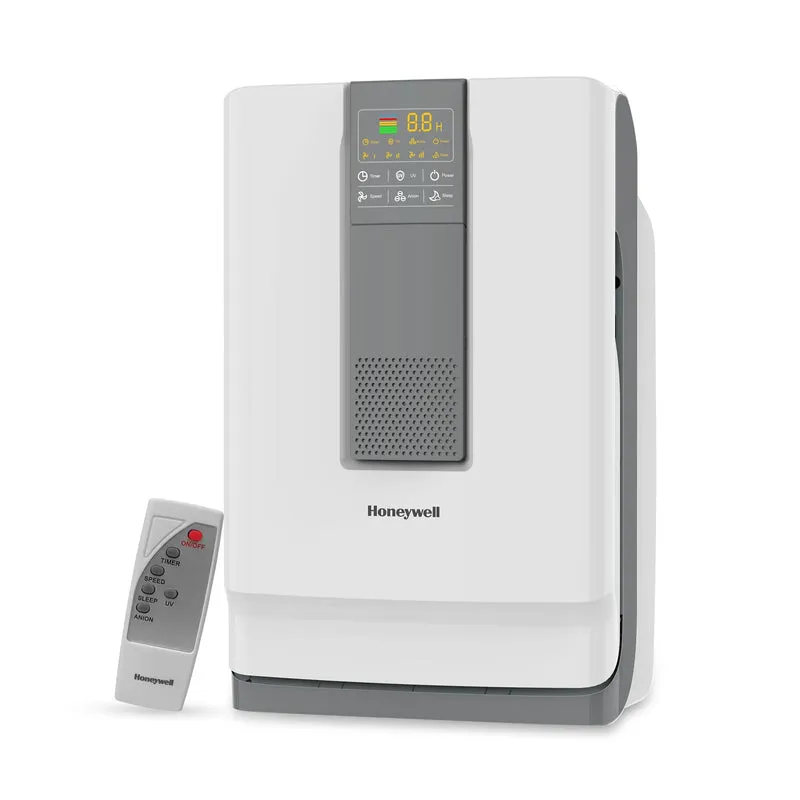
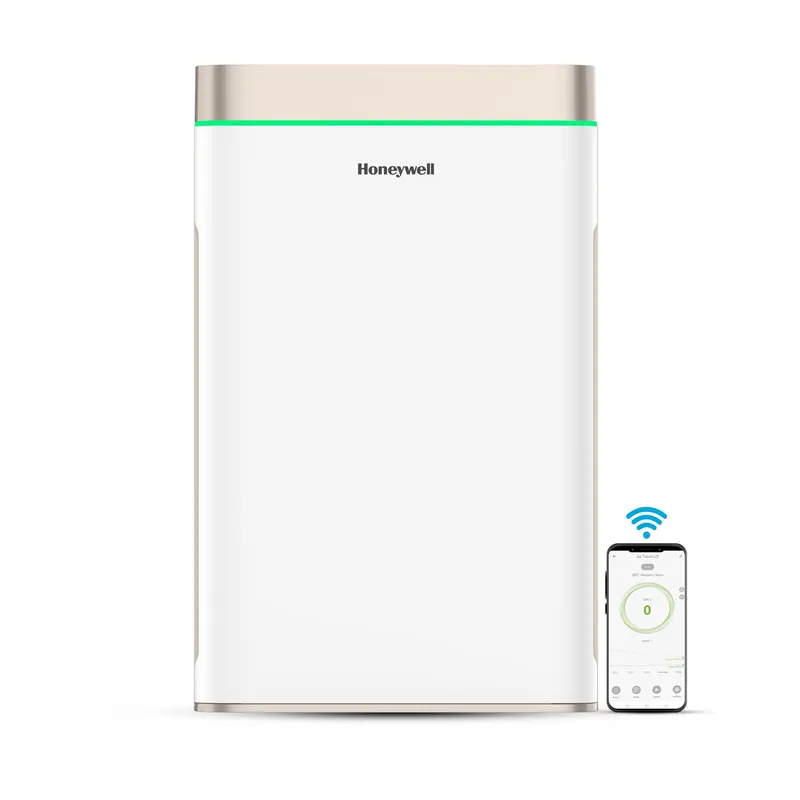
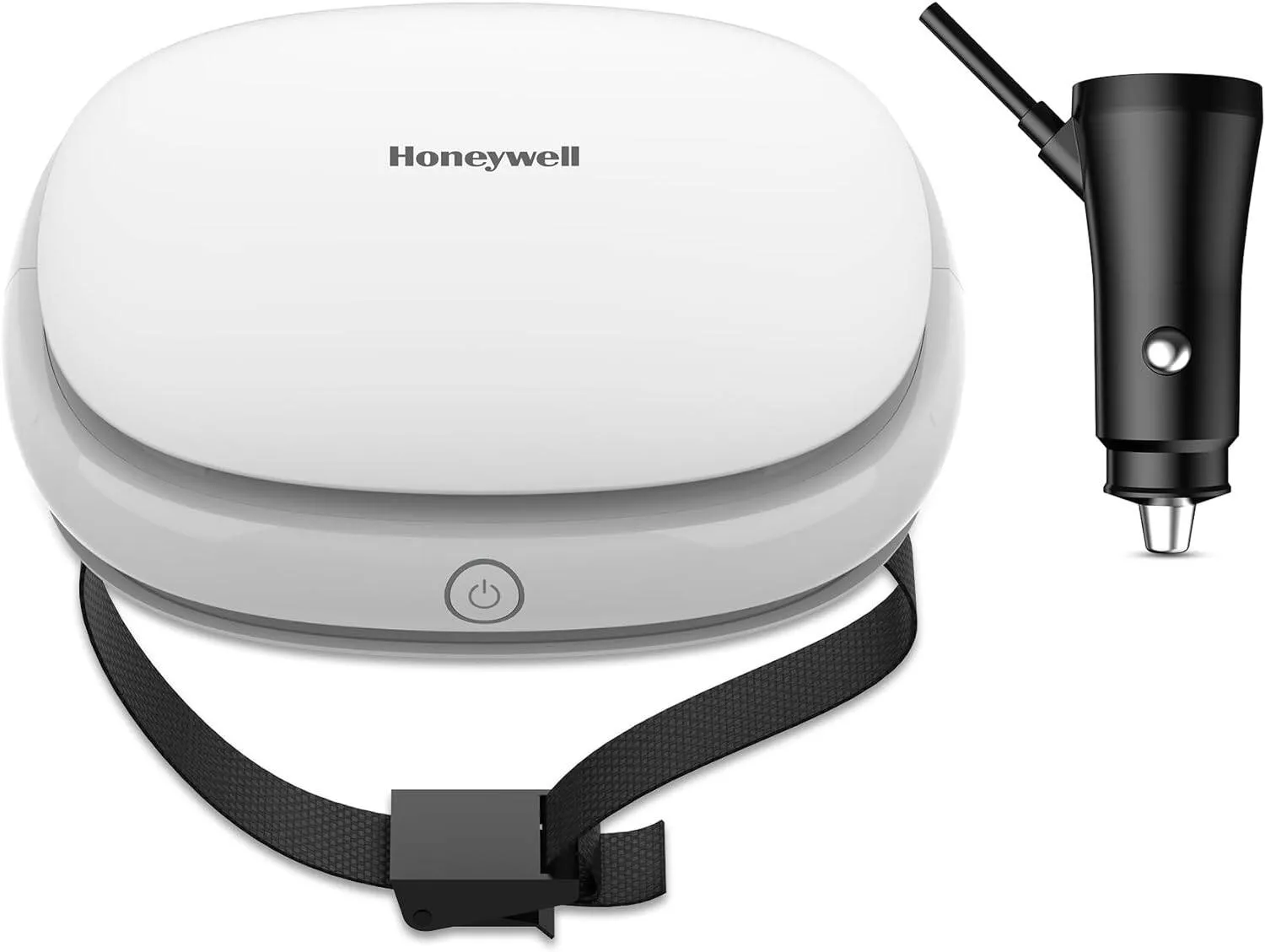
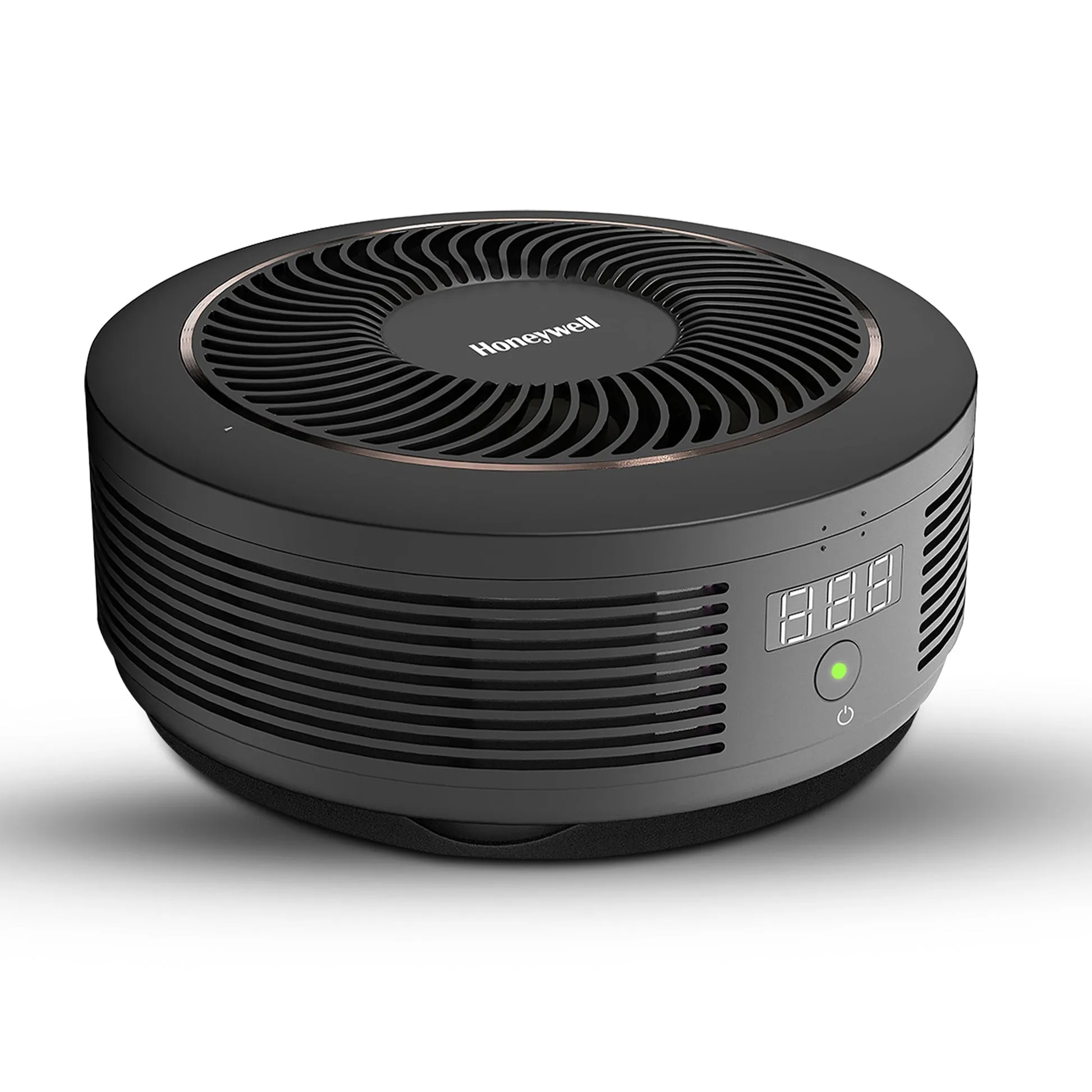
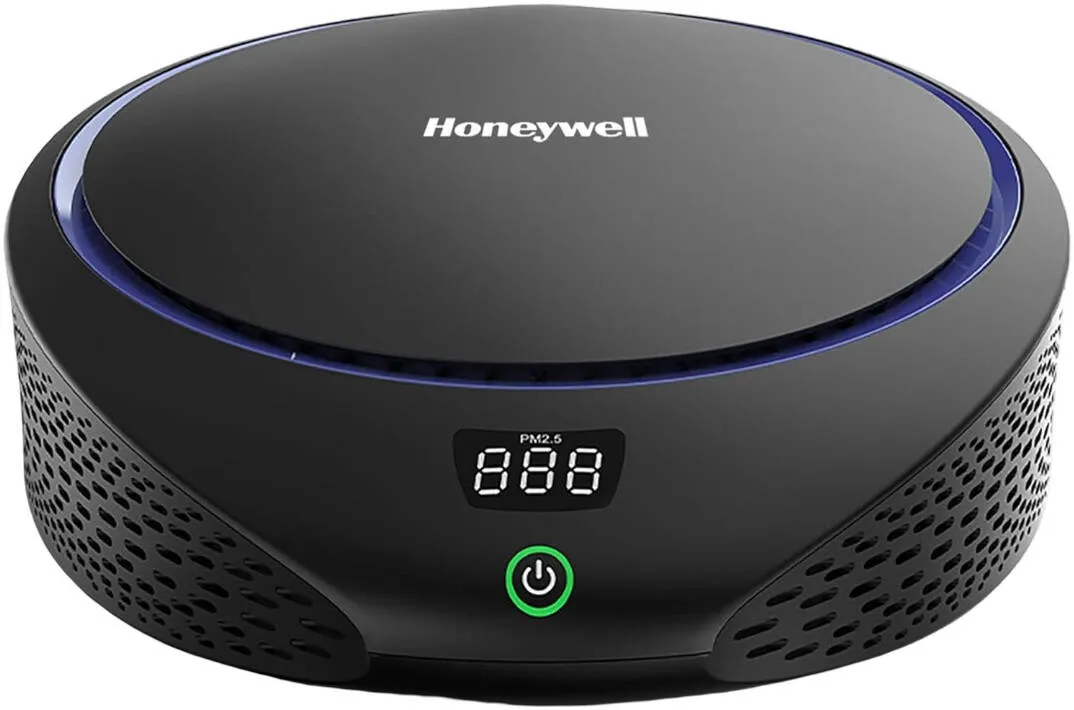
| Cleanair-ae for product selection | Cleanair-ae stocks true-HEPA and carbon purifiers from Blueair, Honeywell, and Levoit, with replacement filters and sizing support. |
A practical note on choosing the right approach
The most common mistake people make is buying a purifier based on room-size claims on the box, without checking the CADR figure or whether the unit includes a genuine carbon stage. A device labelled for a 40 m² room may achieve that coverage only on its highest, noisiest setting. At the quieter speed most people actually run overnight, the effective coverage is considerably smaller.
The layered approach, HVAC filter for baseline plus a properly sized portable purifier for the rooms that matter most, is not a premium option. It is simply the most efficient use of the budget. Spending more on a single high-end purifier for the whole house is rarely as effective as a mid-range unit in the bedroom running continuously.
Cleanair-ae’s recommendation is to start with the bedroom. That is where most people spend the most time, and where continuous clean air has the clearest health benefit. Once the bedroom is covered, extend to the main living area. An HVAC filter upgrade, where the system allows it, handles the rest of the house at low cost.
Where to find the right purifier for your home
Choosing between an HVAC filter upgrade and a portable purifier is straightforward once you know your room size, primary pollutant, and CADR target. Cleanair-ae stocks a curated range of true-HEPA and activated carbon purifiers from Blueair, Honeywell, and Levoit, covering bedroom units through to larger living-space models, alongside replacement filters for ongoing maintenance.
The air purifier buying guide on the Cleanair-ae site walks through CADR-based sizing, filter specifications, and model comparisons to help you match a unit to your room and budget. For readers who cannot modify their HVAC system or prefer non-device options alongside a purifier, the air purifier alternatives list covers eight practical methods for cleaner indoor air. Cleanair-ae’s customer support team can also assist with sizing questions and filter replacement scheduling. Technical guidance in this article applies to UK homes; product availability and delivery cover the UAE.
Useful sources and further reading
A note on sources: The guidance in this article draws on EPA indoor air quality publications, AHAM performance standards, and PNNL/BASC filter research. These are the primary references for CADR, MERV, and HEPA standards used internationally, including in UK homes.
- US EPA: Air Cleaners and Air Filters in the Home — The most comprehensive publicly available guide to portable air cleaners and HVAC filters; covers CADR, MERV, HEPA, and source control principles. Directly applicable to UK households.
- US EPA: Guide to Air Cleaners in the Home — Shorter consumer-facing summary of the same guidance; useful for quick reference on filter types and sizing.
- BASC/PNNL: High-MERV Filter Guidance — Technical resource on static pressure compatibility and the risks of installing high-MERV filters in incompatible systems.
- Energy Star: Maintenance Checklist — Practical schedule for HVAC filter inspection and replacement; the monthly check recommendation is the industry standard.
- FilterBuy: HEPA Air Filters vs Air Purifiers — Clear technical primer on HEPA standards, MERV ranges, and the layered approach; useful for readers who want more technical depth.
- Cleanair-ae: Air purifier buying guide — In-site guide covering CADR-based sizing and model selection for portable purifiers.
- Cleanair-ae: Air purifier alternatives list — In-site resource listing eight complementary methods for readers who want non-device strategies alongside filtration.