Uncategorised
Air improvement solutions for allergies: a practical guide
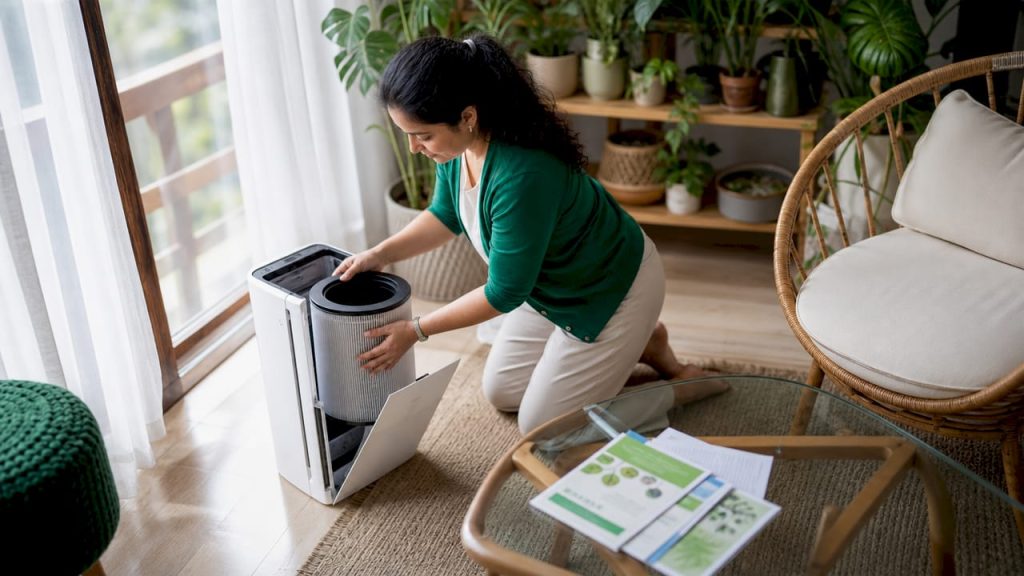
Effective air improvement solutions for allergies are defined as a combination of high-efficiency filtration, controlled ventilation, and moisture management that together reduce indoor allergen exposure to clinically meaningful levels. True HEPA filters capture 99.97% of airborne particles at 0.3 microns, including pollen, dust mite debris, mould spores, and pet dander. That single standard, recognised by AHAM and referenced by the EPA, sets the baseline for any credible allergy air quality solution. Ventilation technologies such as Energy Recovery Ventilators and Heat Recovery Ventilators add a second layer of defence by replacing stale indoor air with filtered outdoor air. No single device solves the problem alone.
1. Air improvement solutions for allergies: start with True HEPA filtration
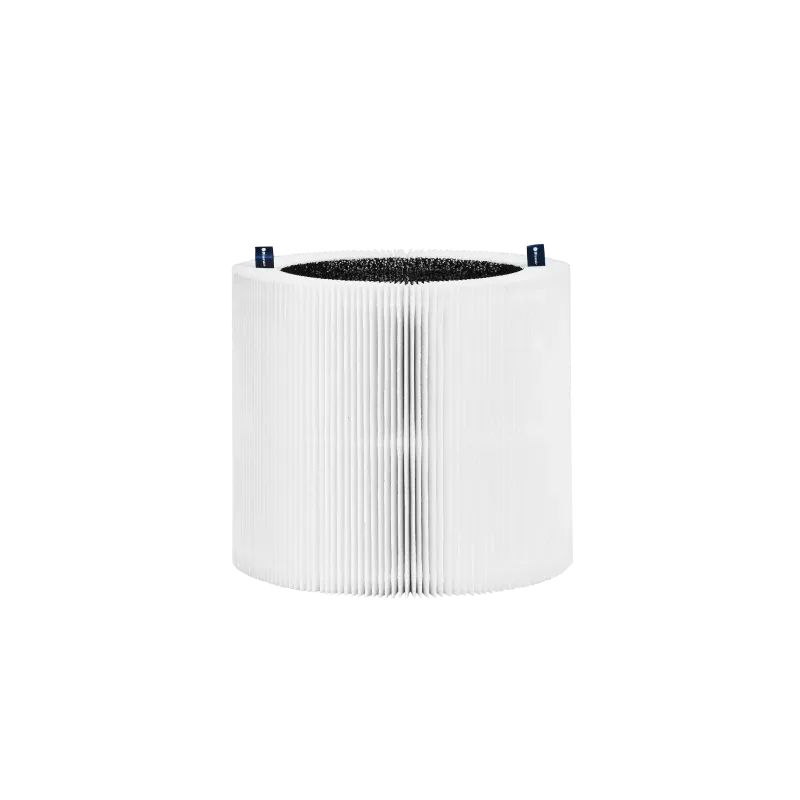
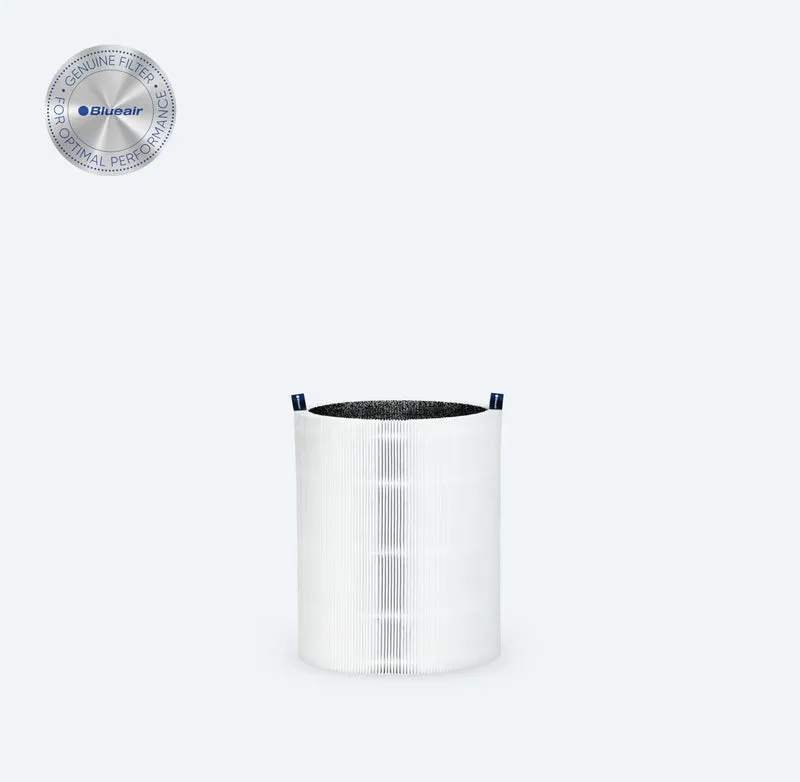
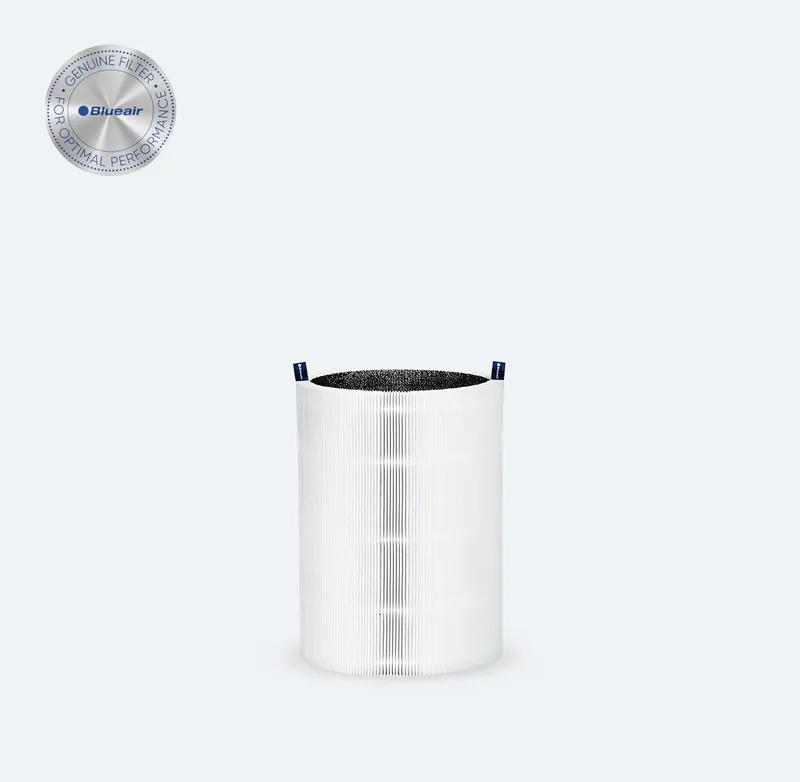
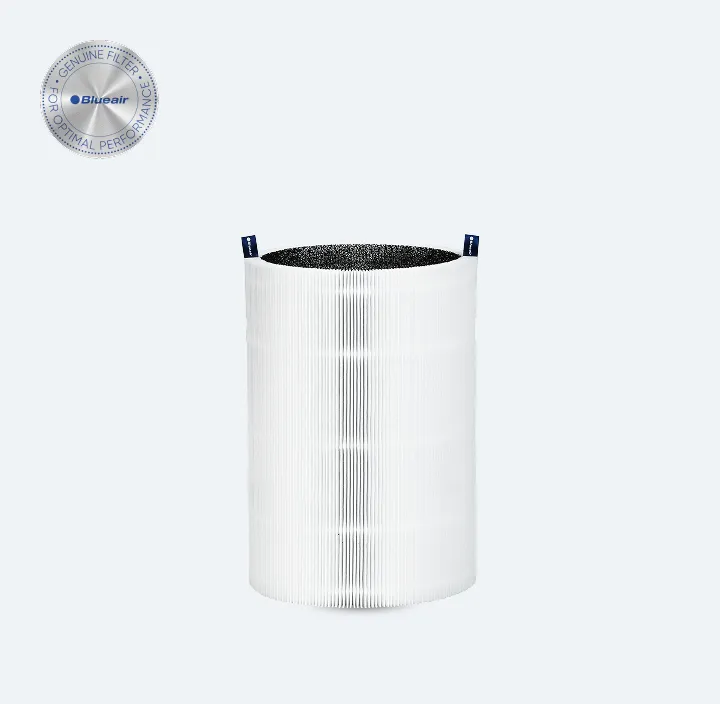
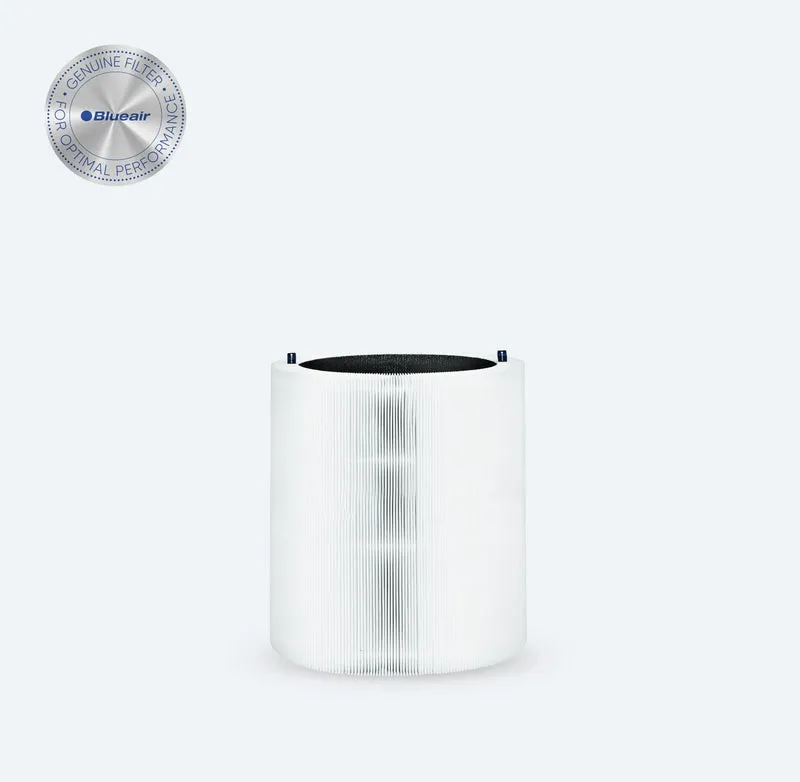
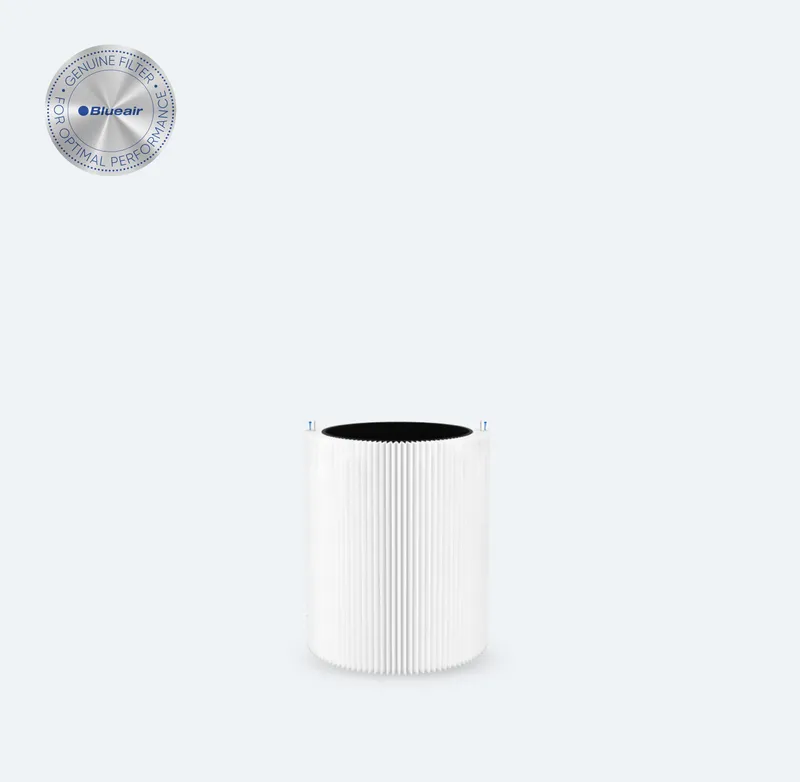
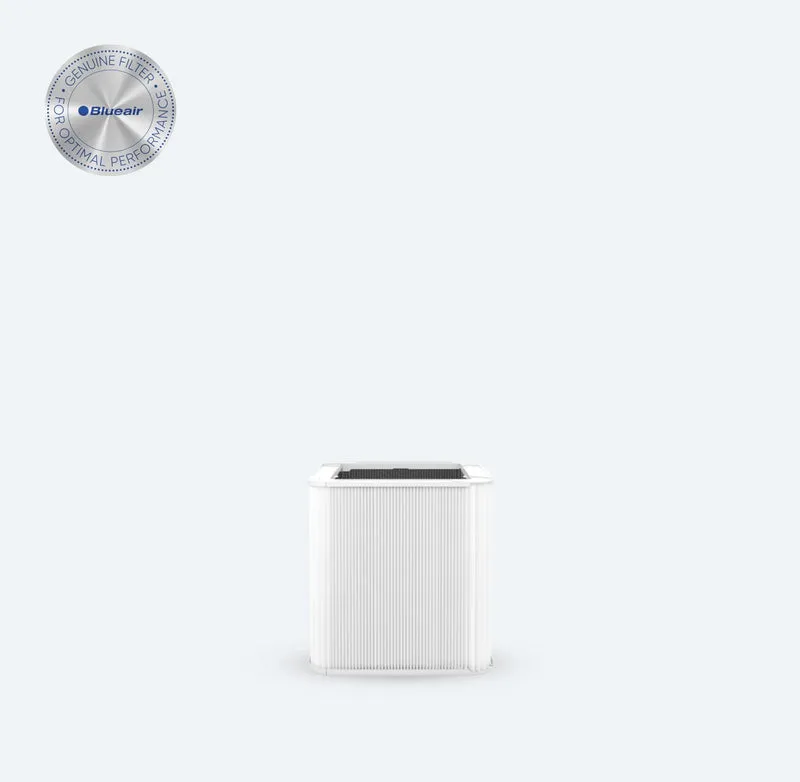
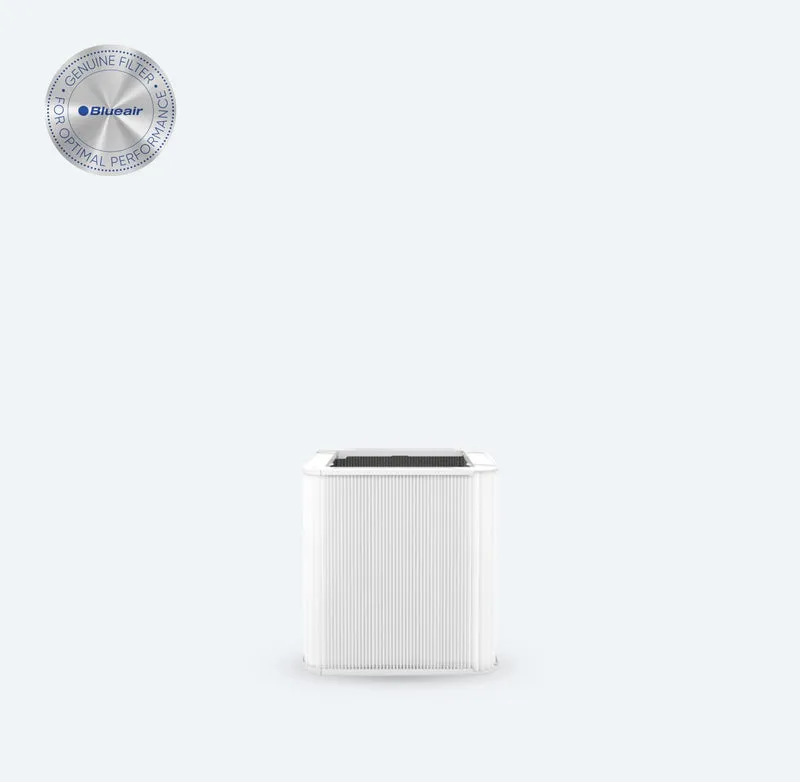
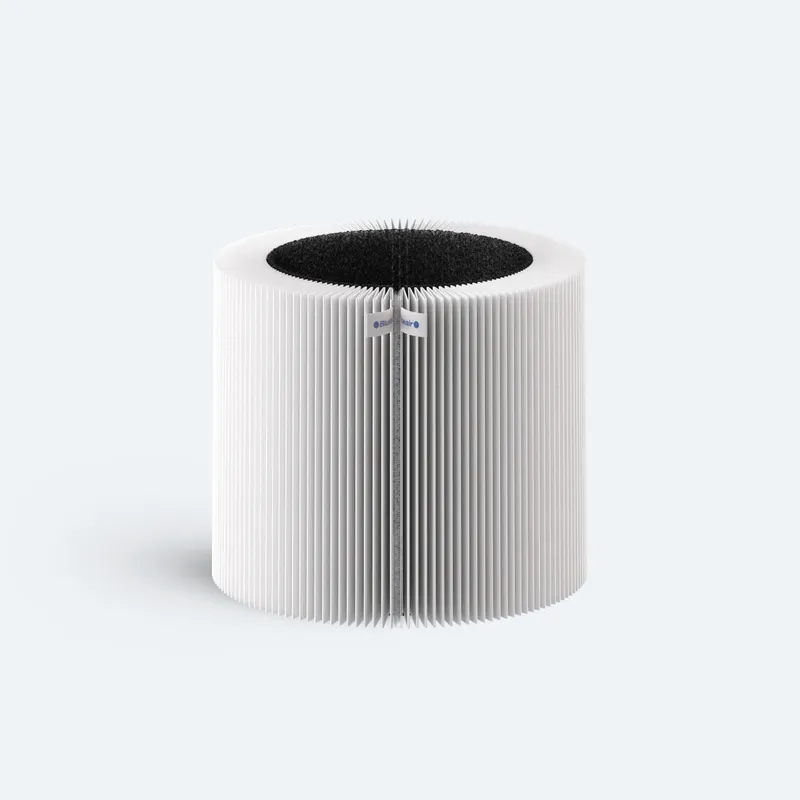
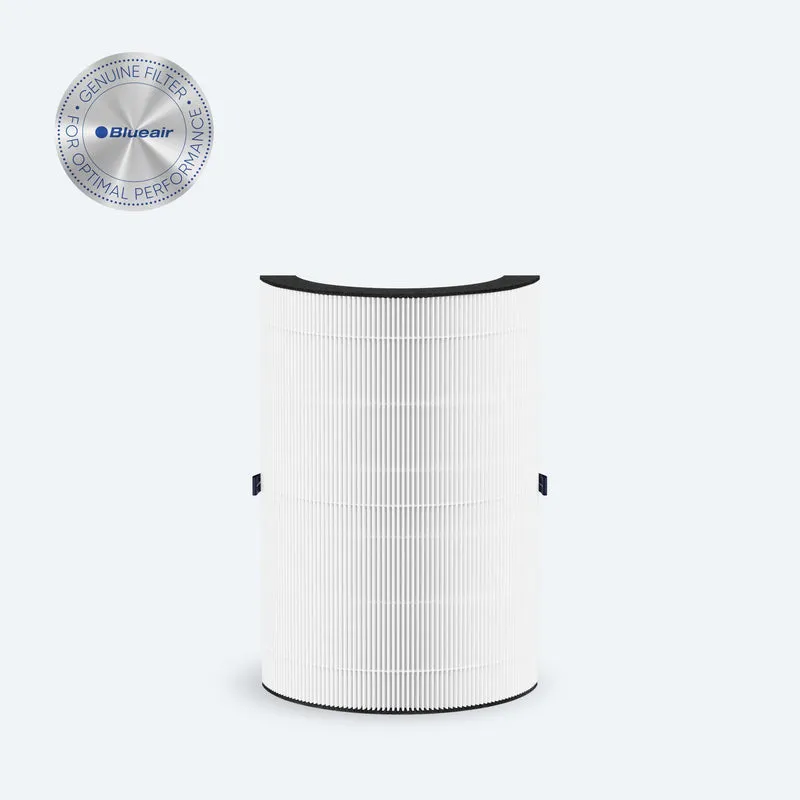
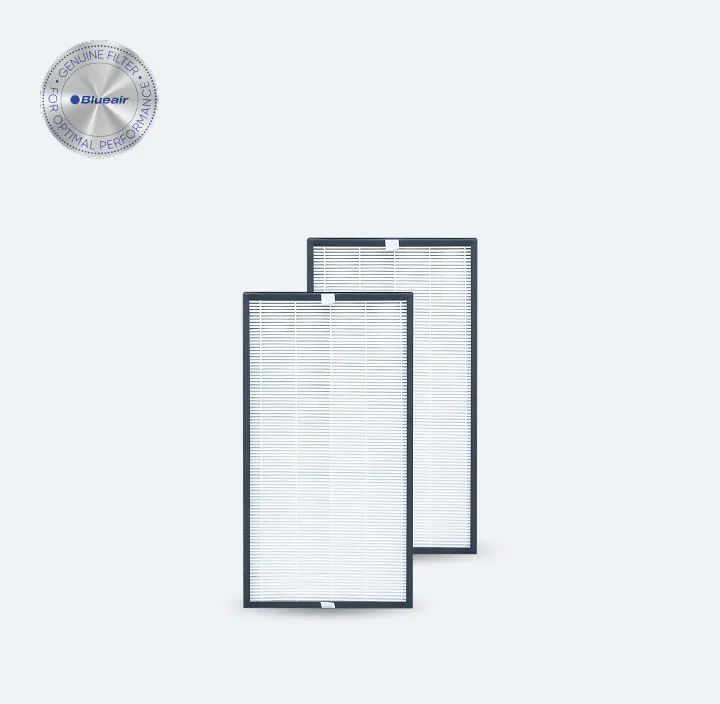
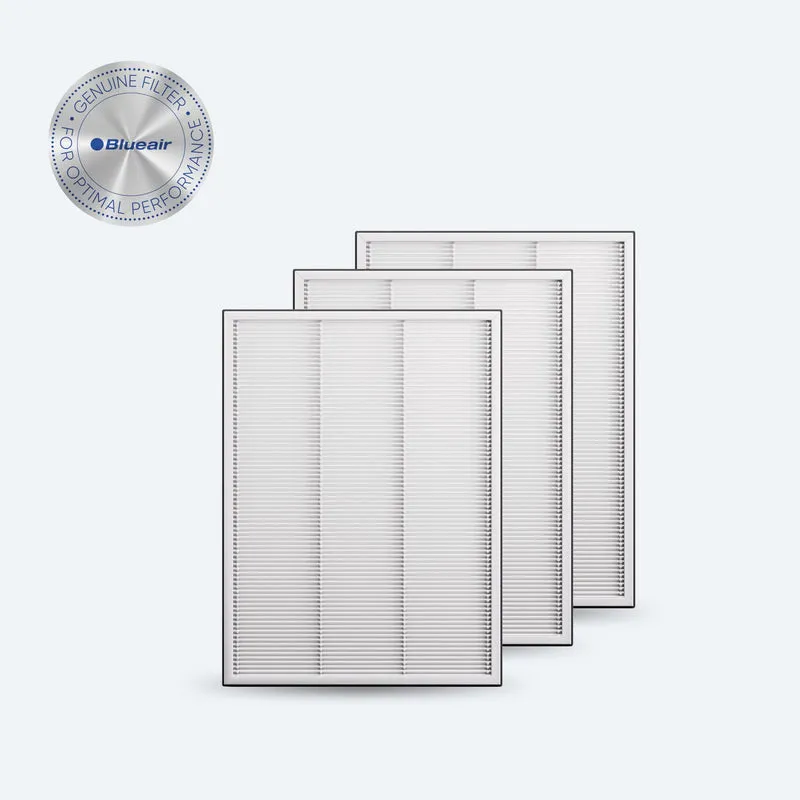
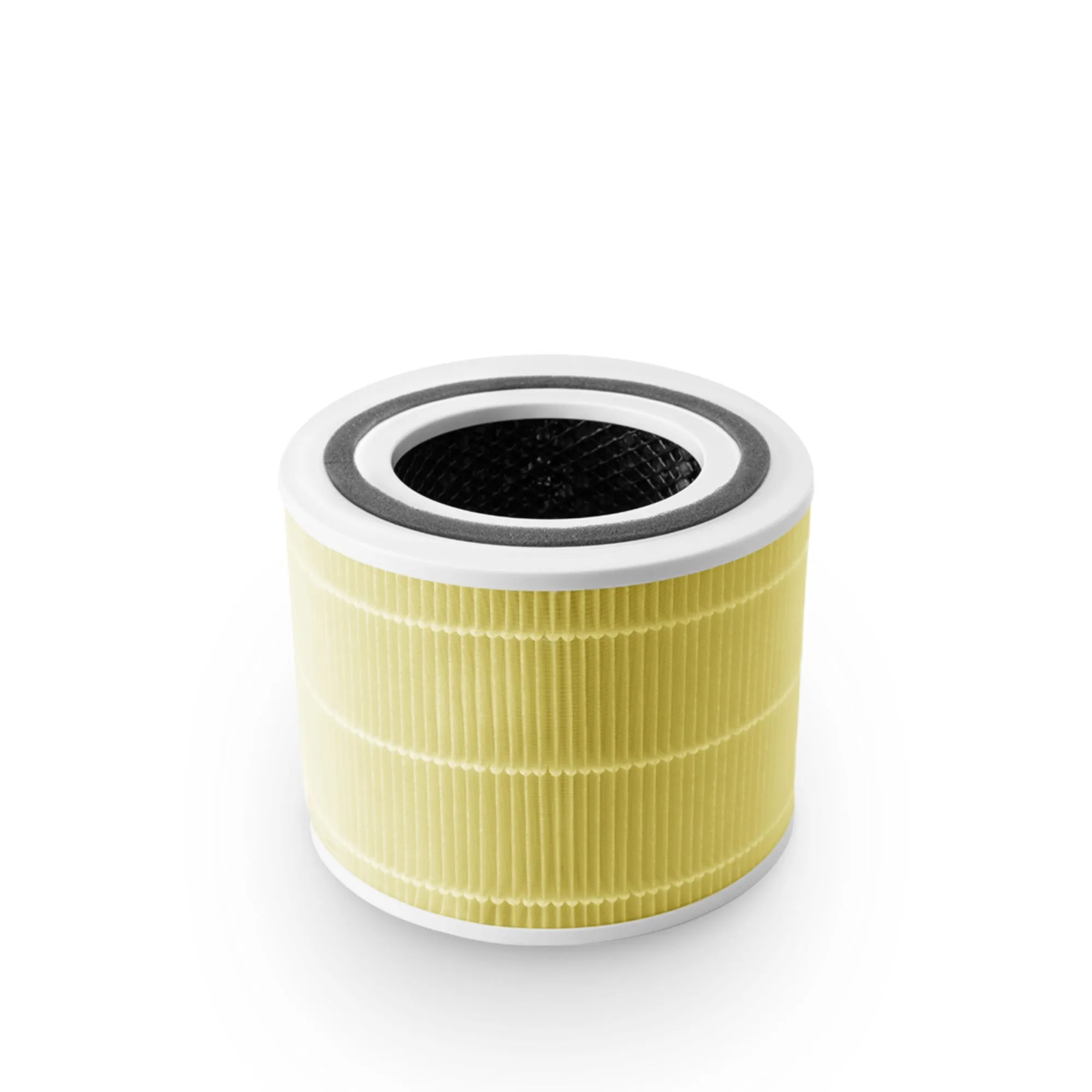
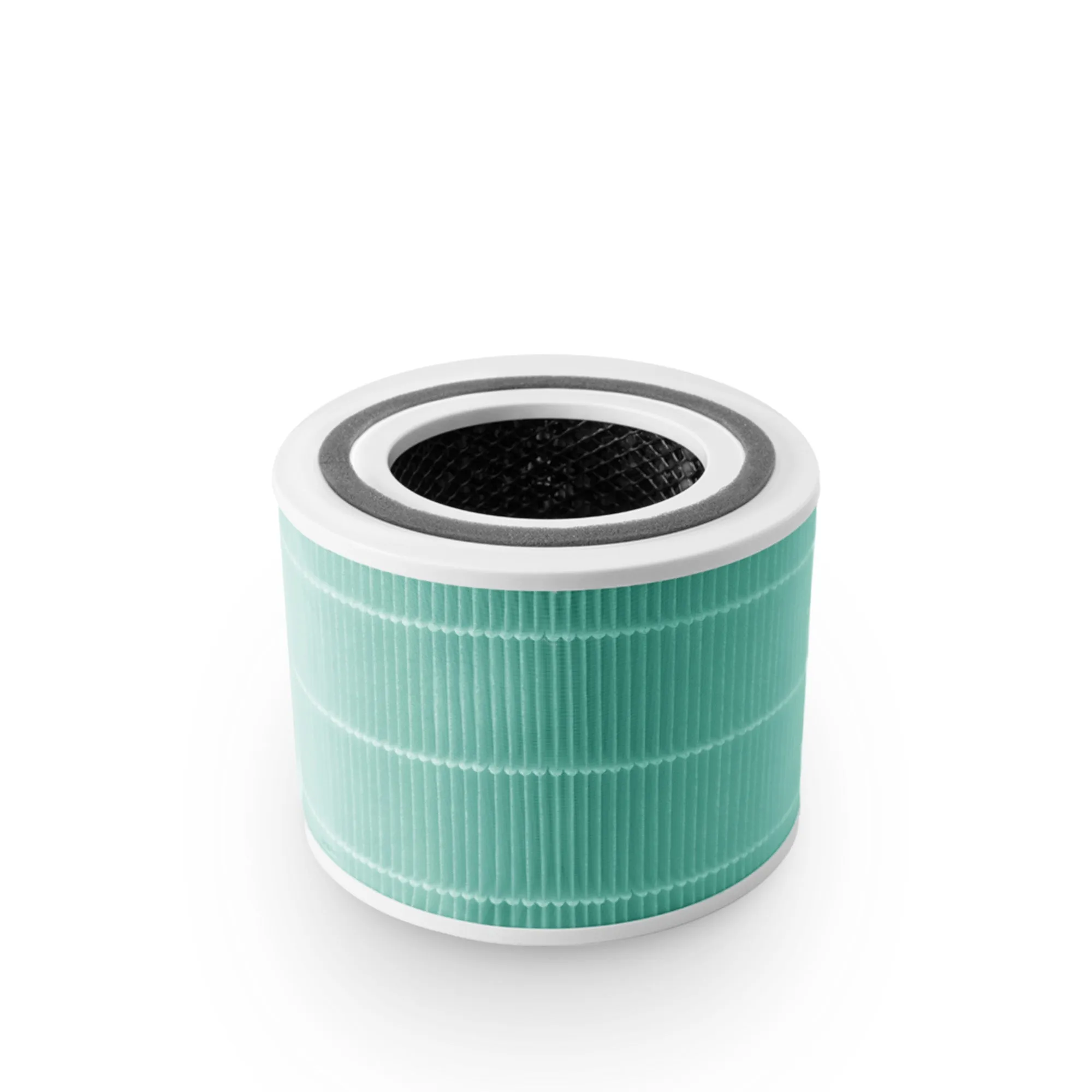
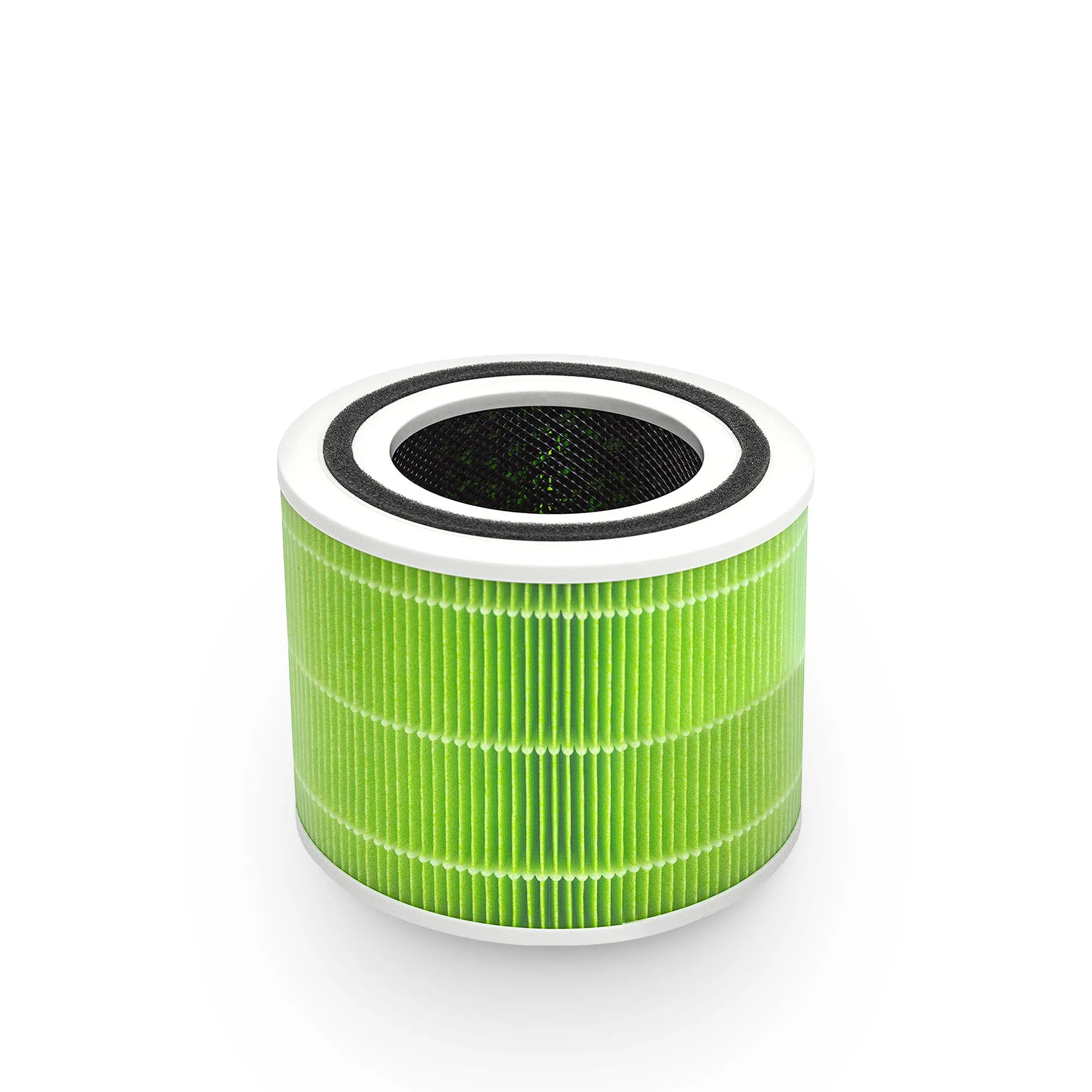
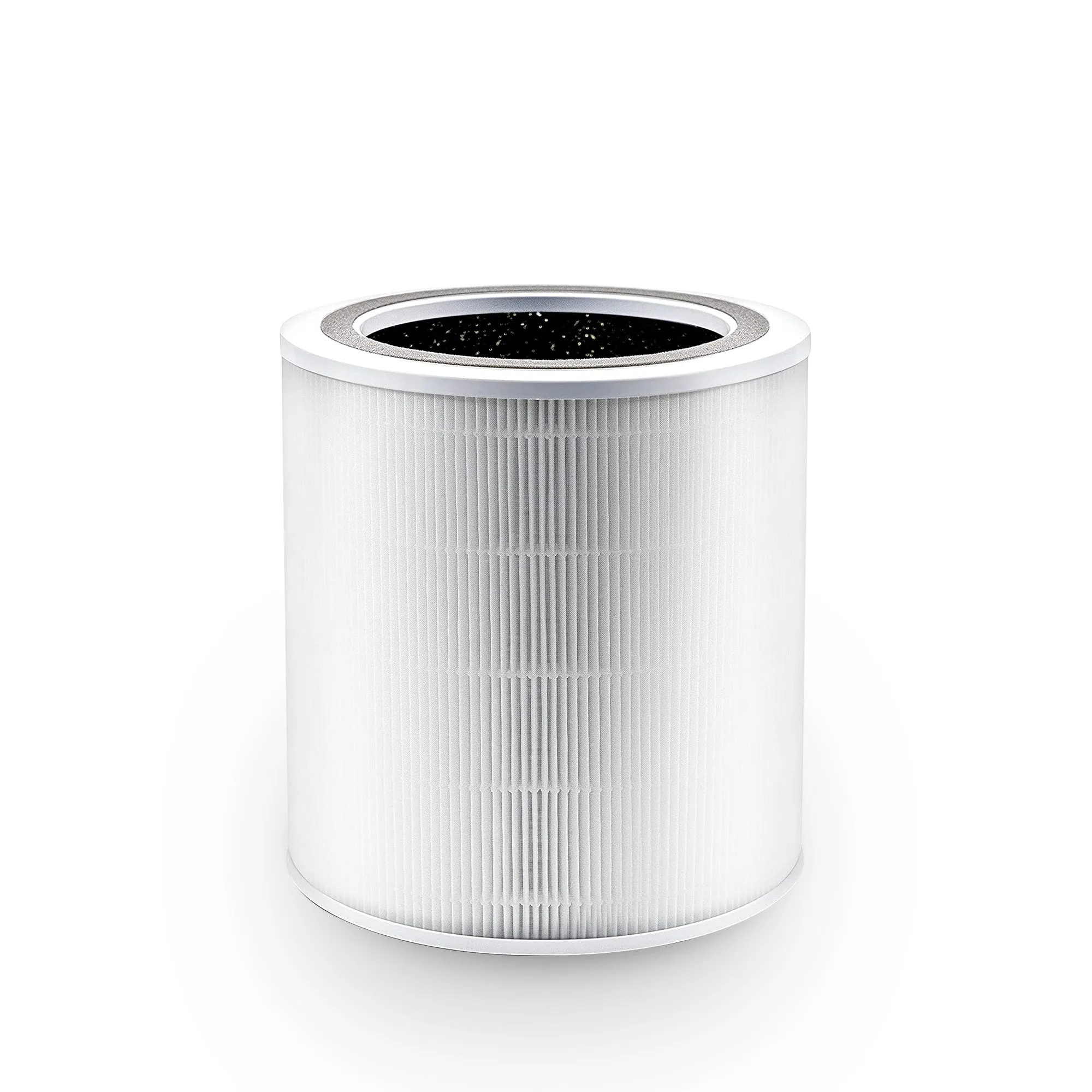
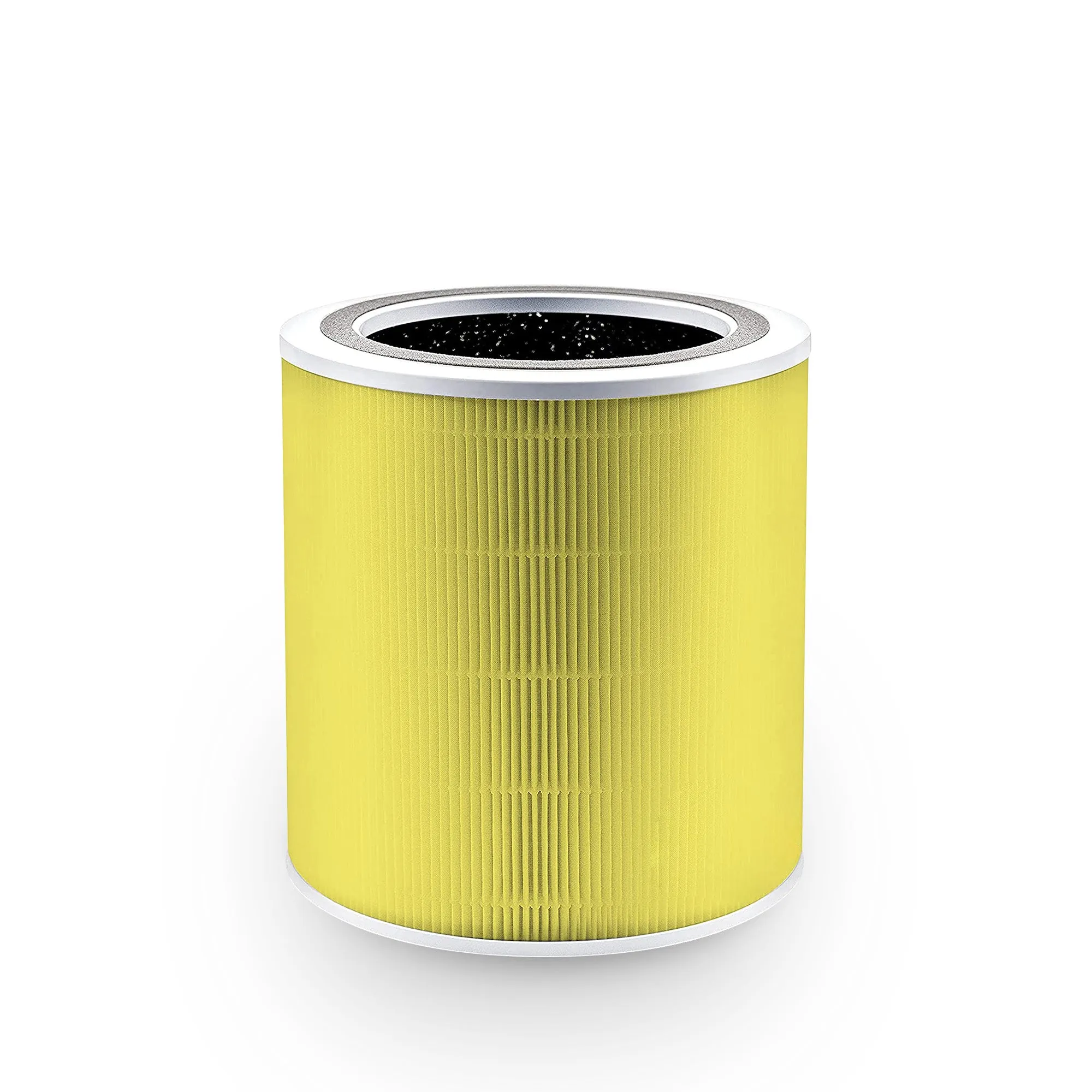
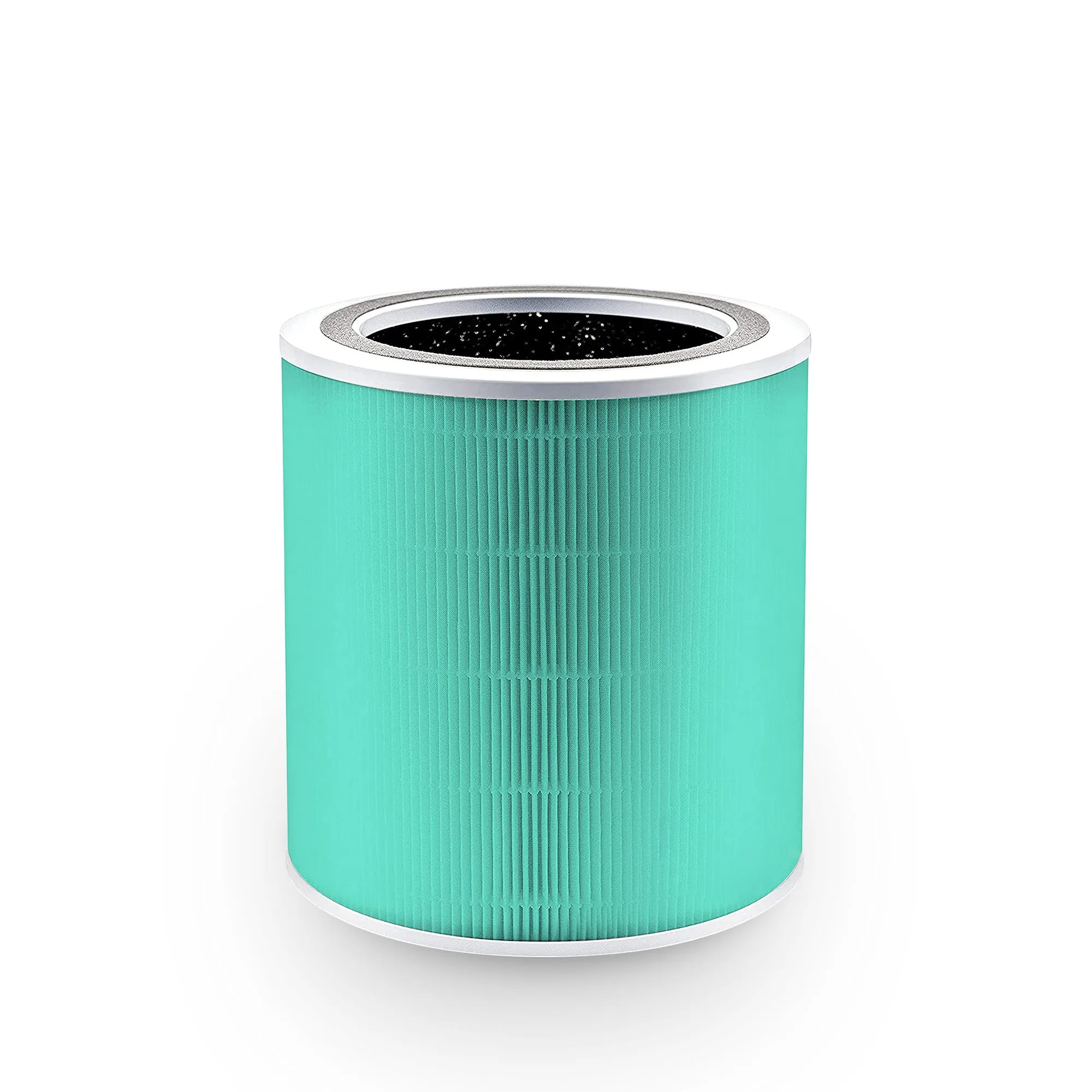
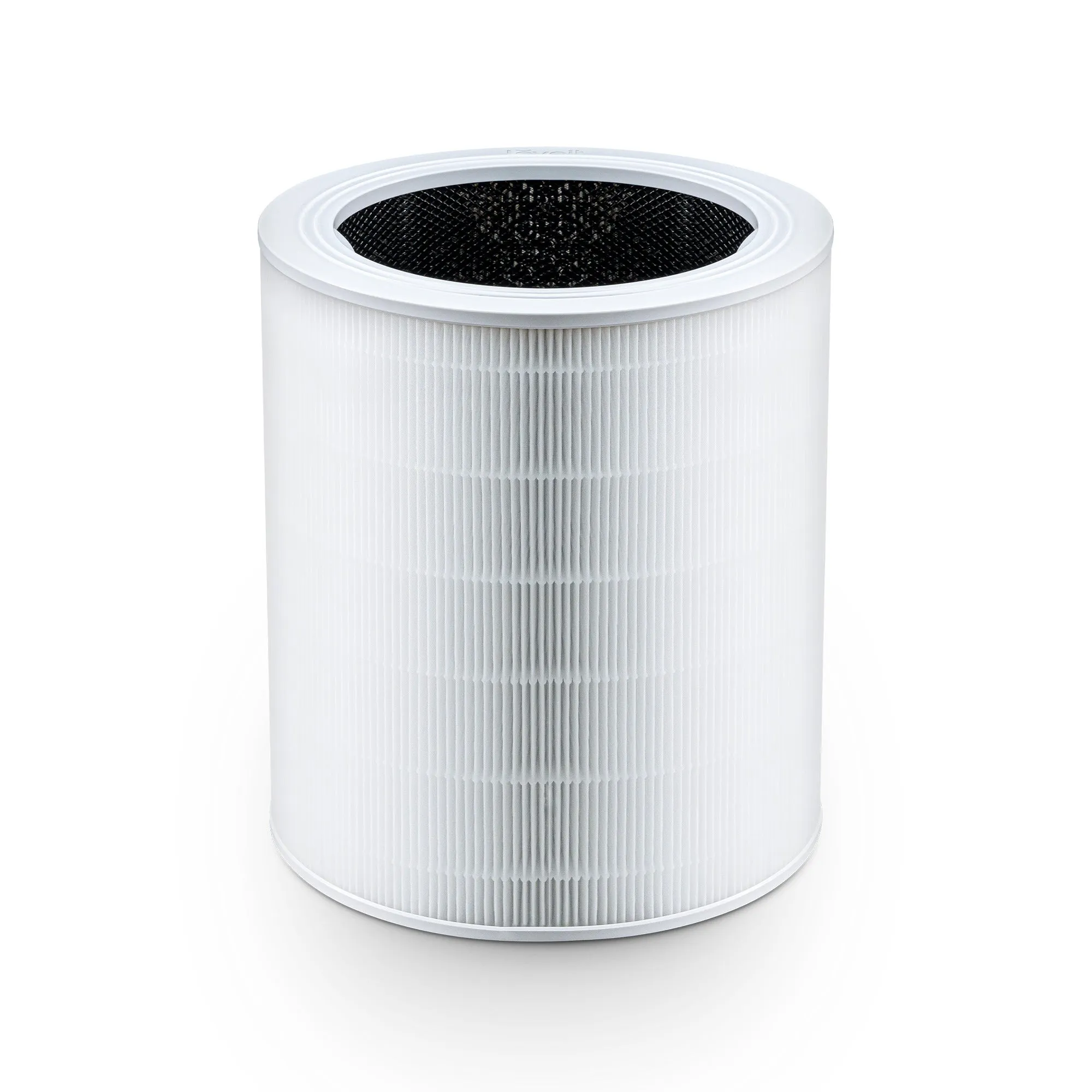
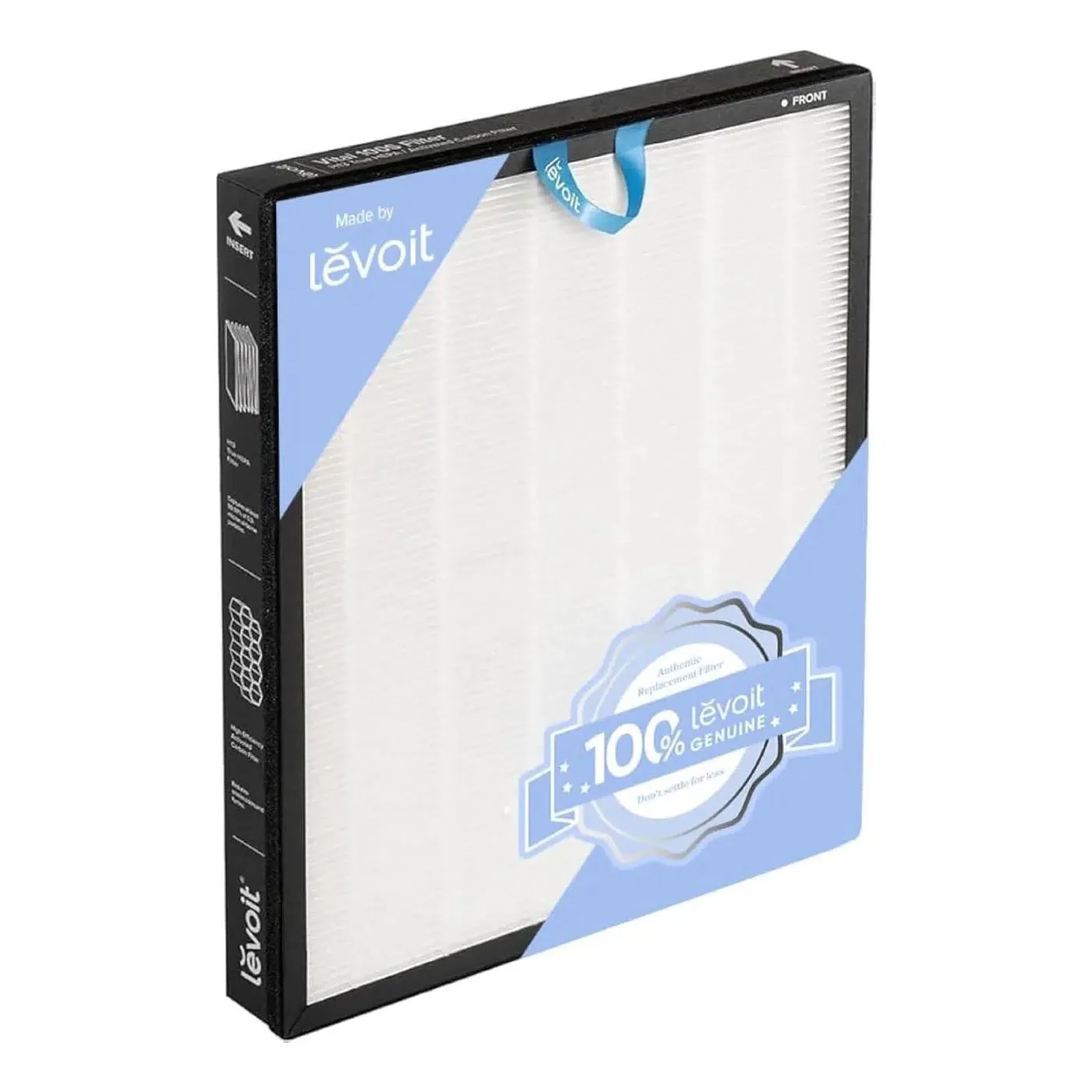
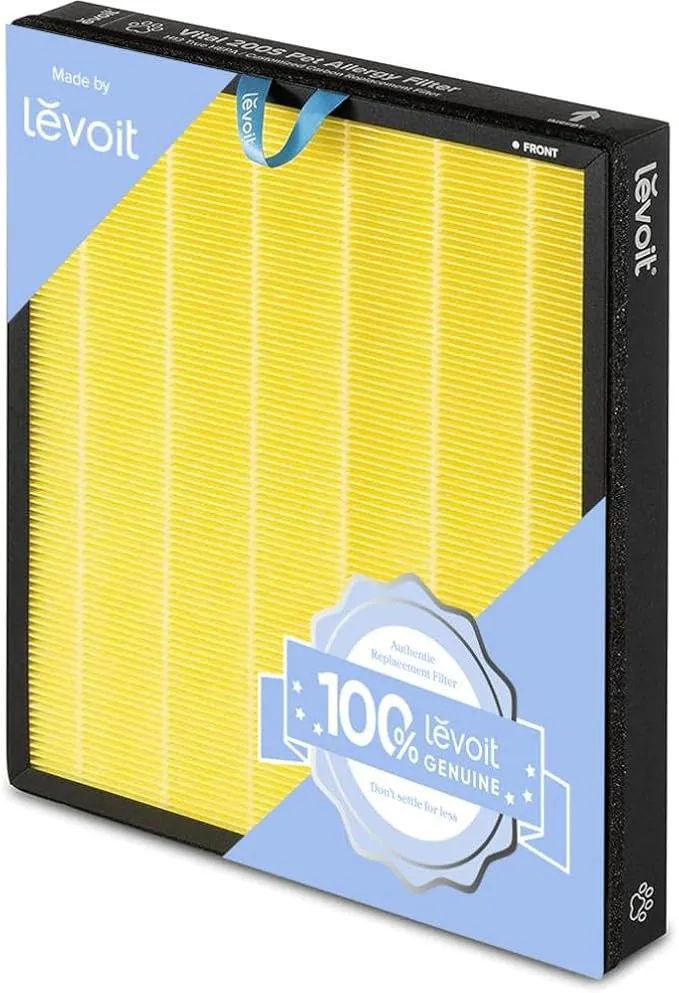
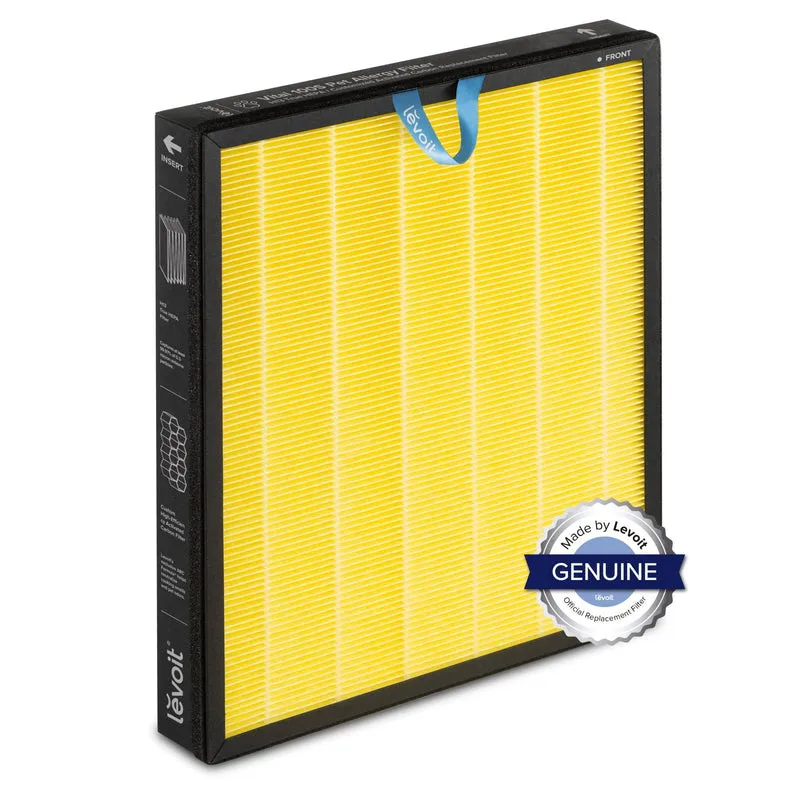
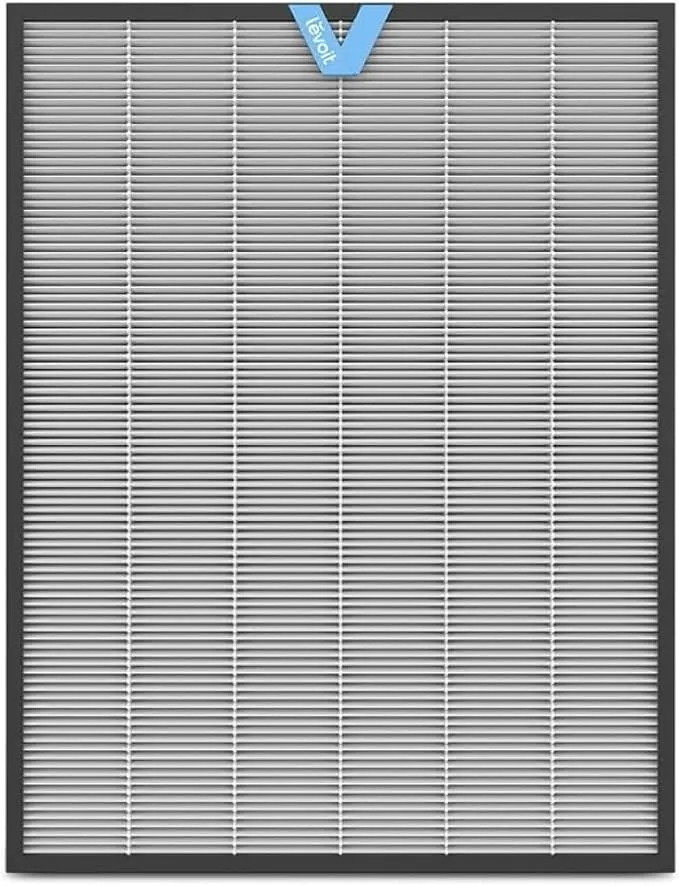
True HEPA filtration is the gold standard for removing airborne allergens in residential and workplace settings. The 99.97% capture rate at 0.3 microns covers the particle sizes most likely to trigger allergic reactions, including fine pollen and mould fragments. Units carrying the True HEPA designation meet a defined mechanical standard, not a marketing claim.
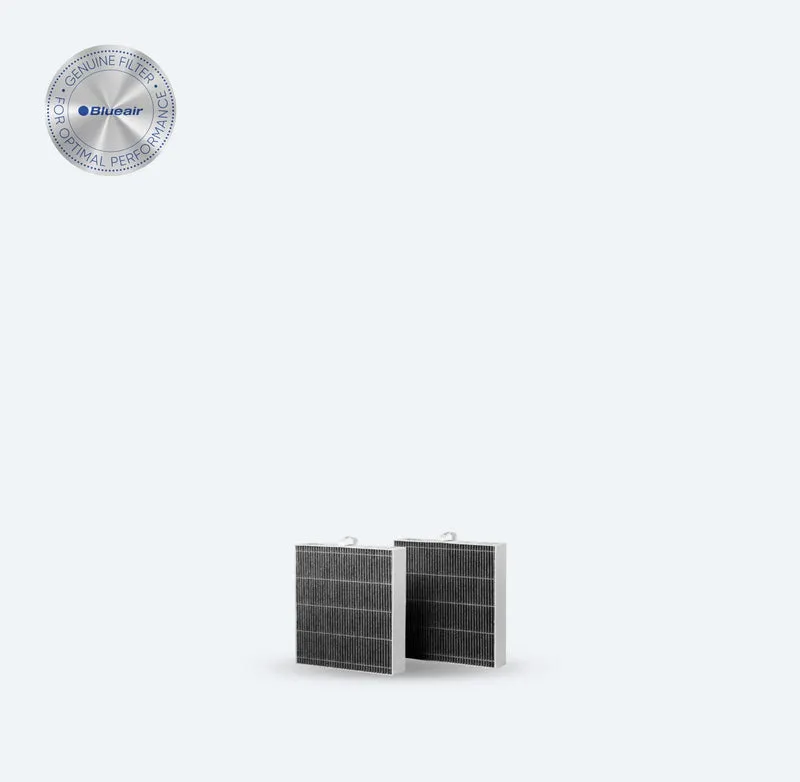
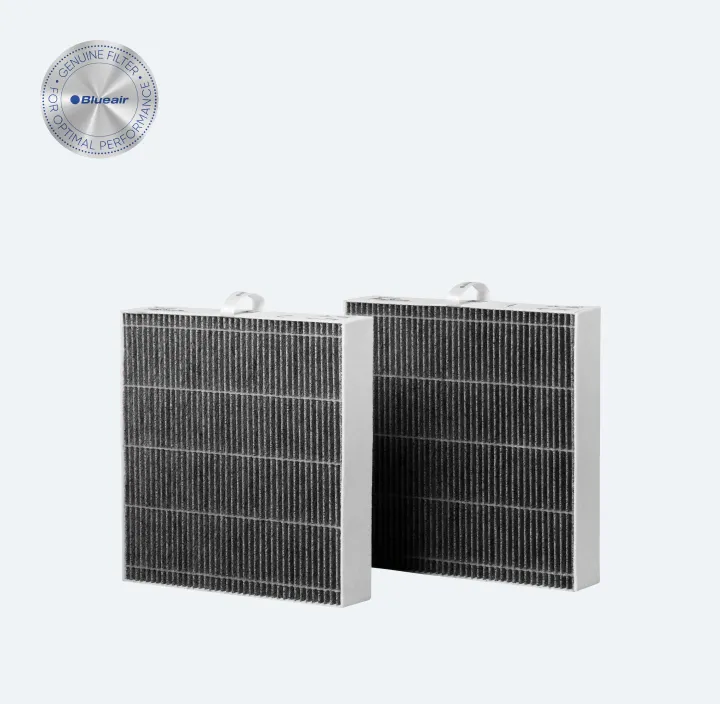
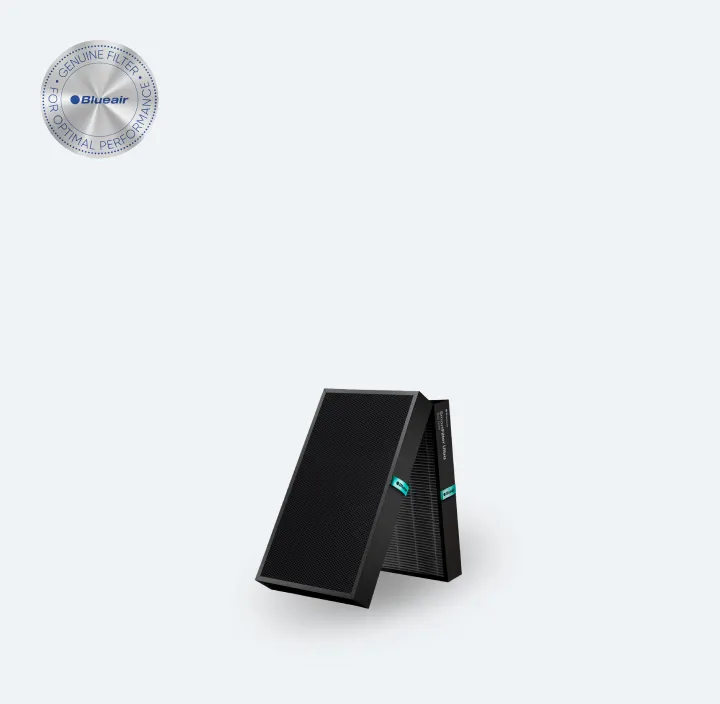
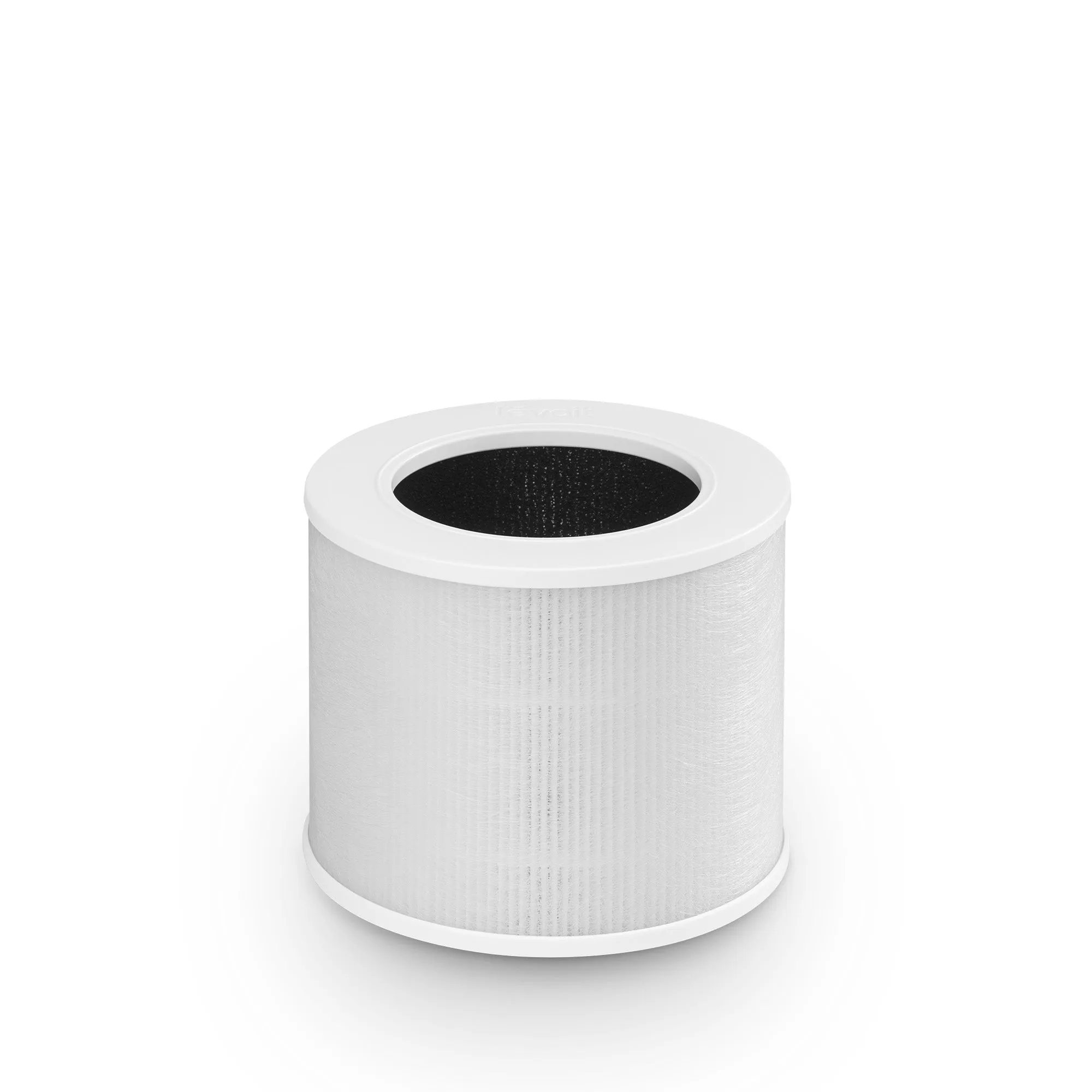
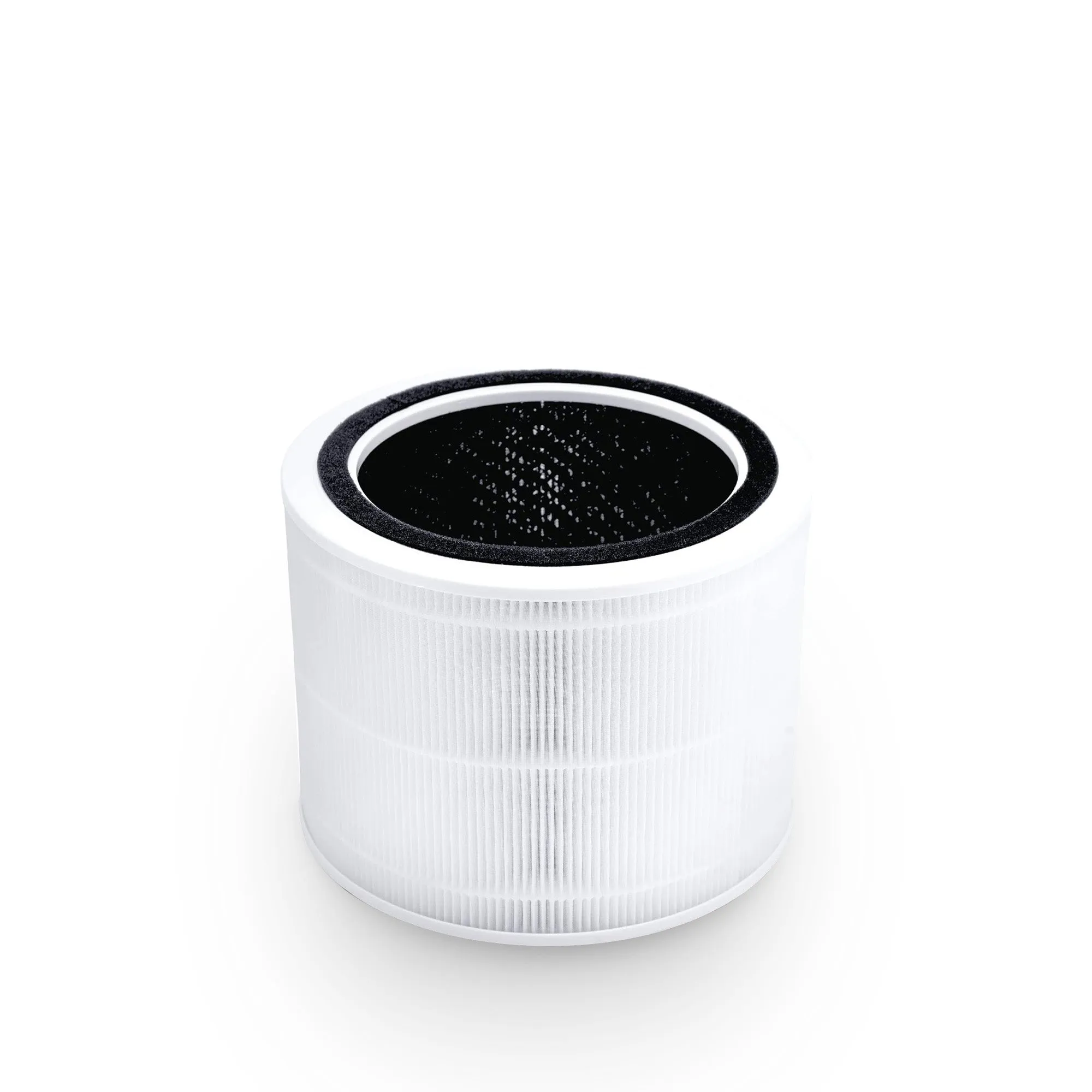
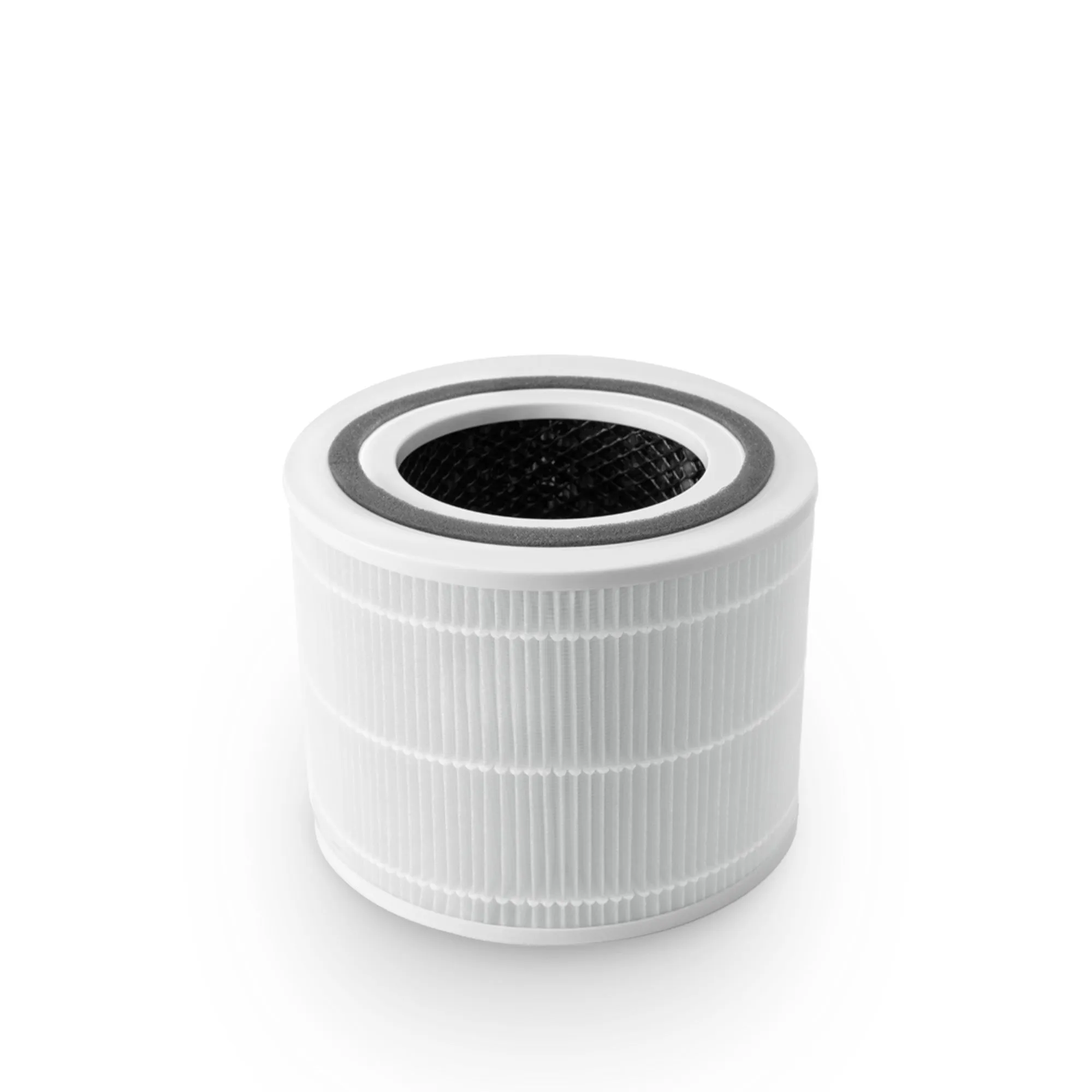
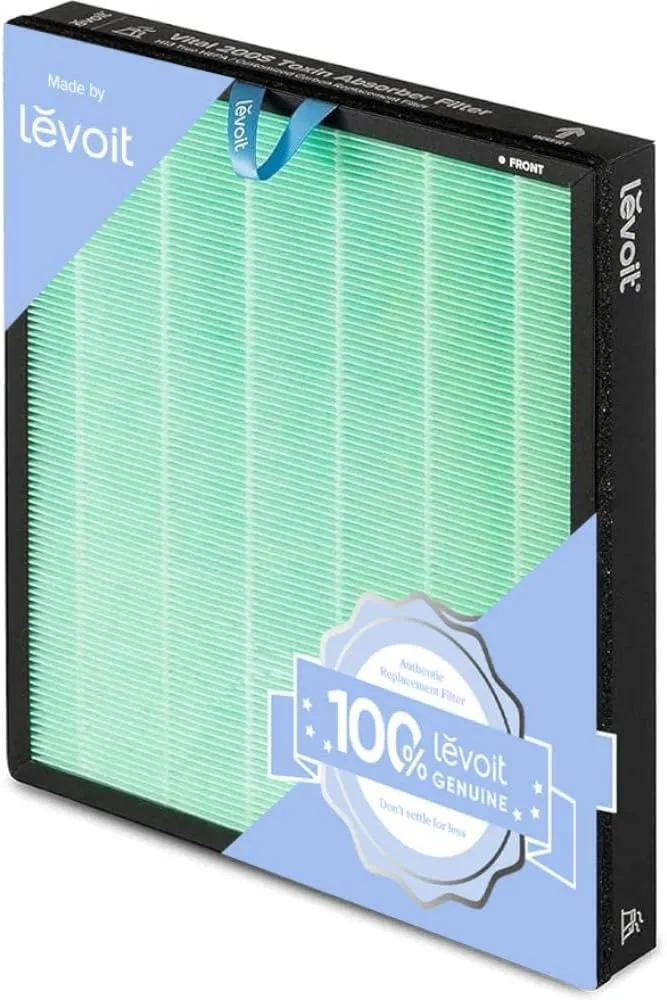
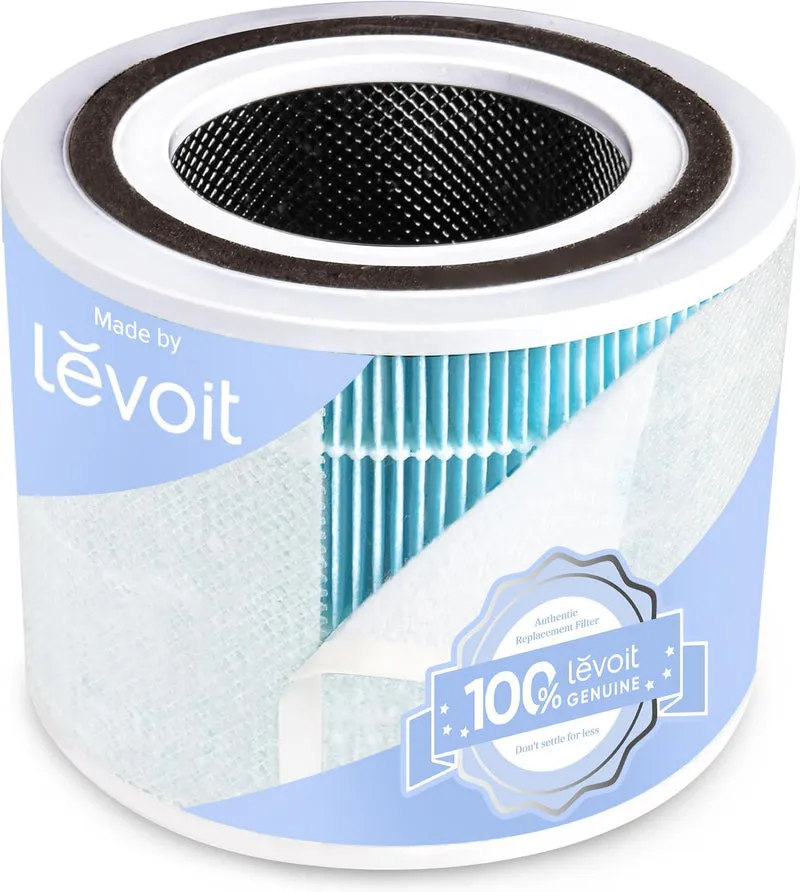
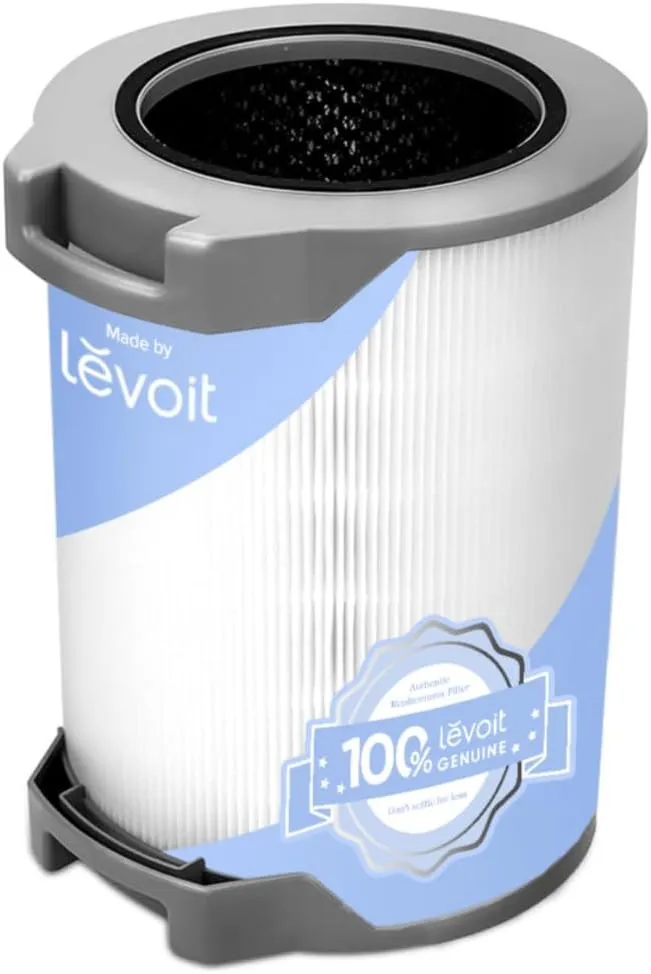
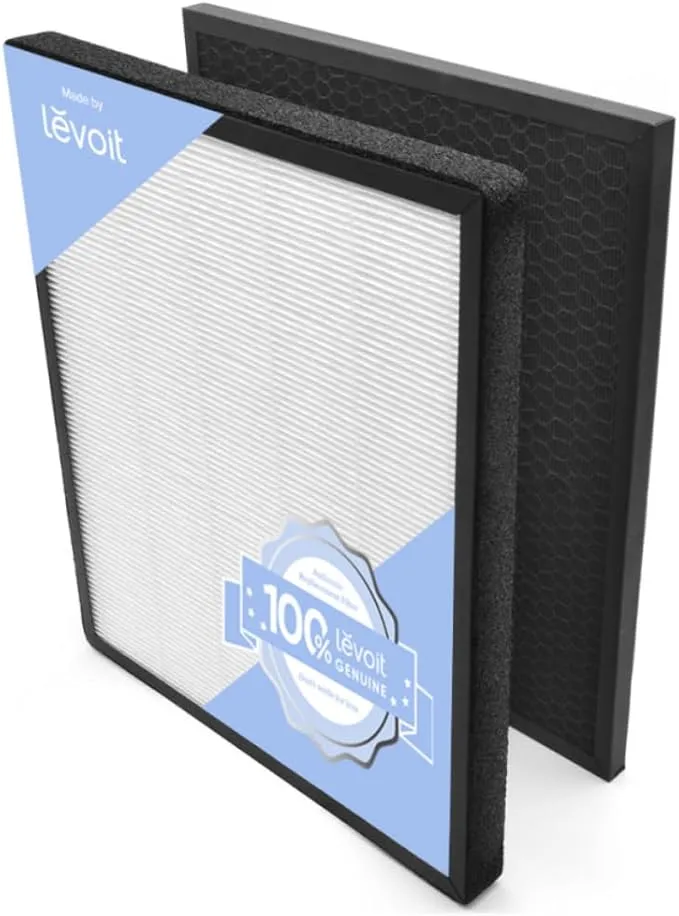
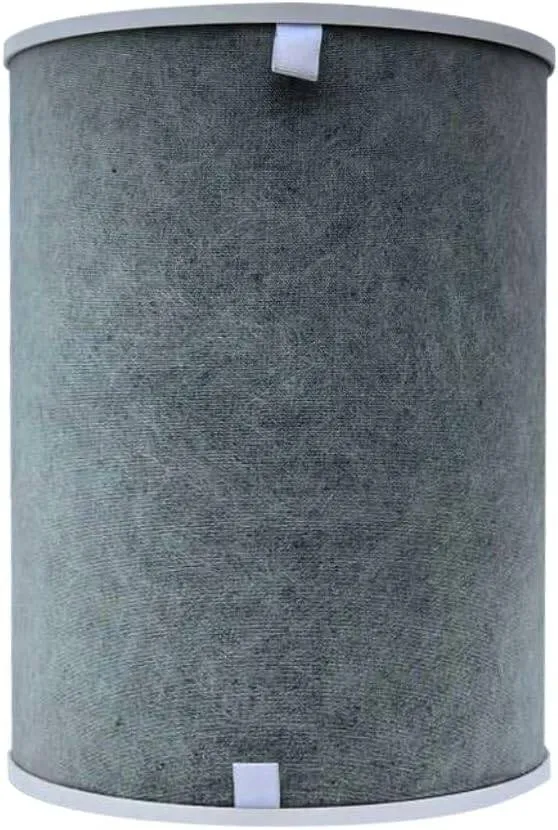
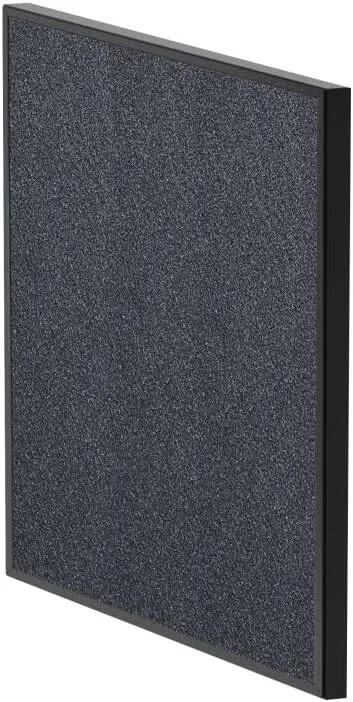
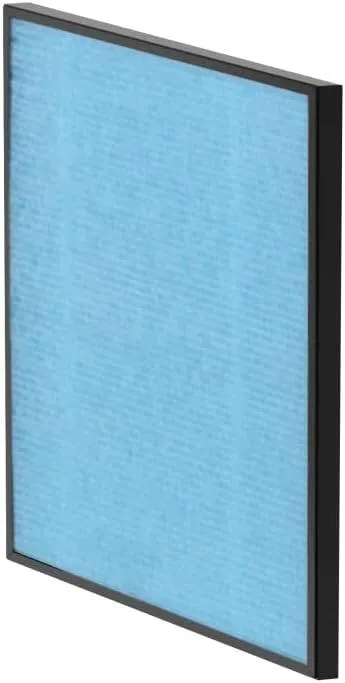
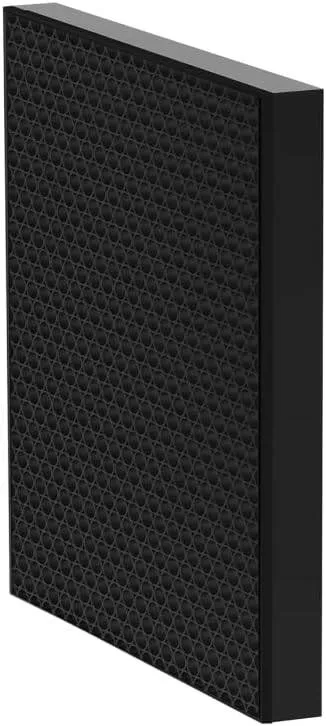
Activated carbon layers work alongside HEPA filters to address gaseous pollutants, volatile organic compounds, and odours that HEPA alone cannot capture. This matters for allergy sufferers who also react to cleaning product fumes or cooking smoke. Multi-stage filtration combining a pre-filter, True HEPA layer, and activated carbon stage gives the most complete coverage.
- True HEPA filter: captures particles at 0.3 microns at 99.97% efficiency
- Activated carbon stage: removes odours, gases, and VOCs
- Pre-filter: extends HEPA filter life by trapping larger particles first
- Multi-stage systems: combine all three for broadest allergen and pollutant removal
Pro Tip: Replace your True HEPA filter on the manufacturer’s schedule, typically every 6–12 months. A clogged filter reduces airflow and pushes allergens back into the room.
2. Match your air purifier to the room using CADR ratings
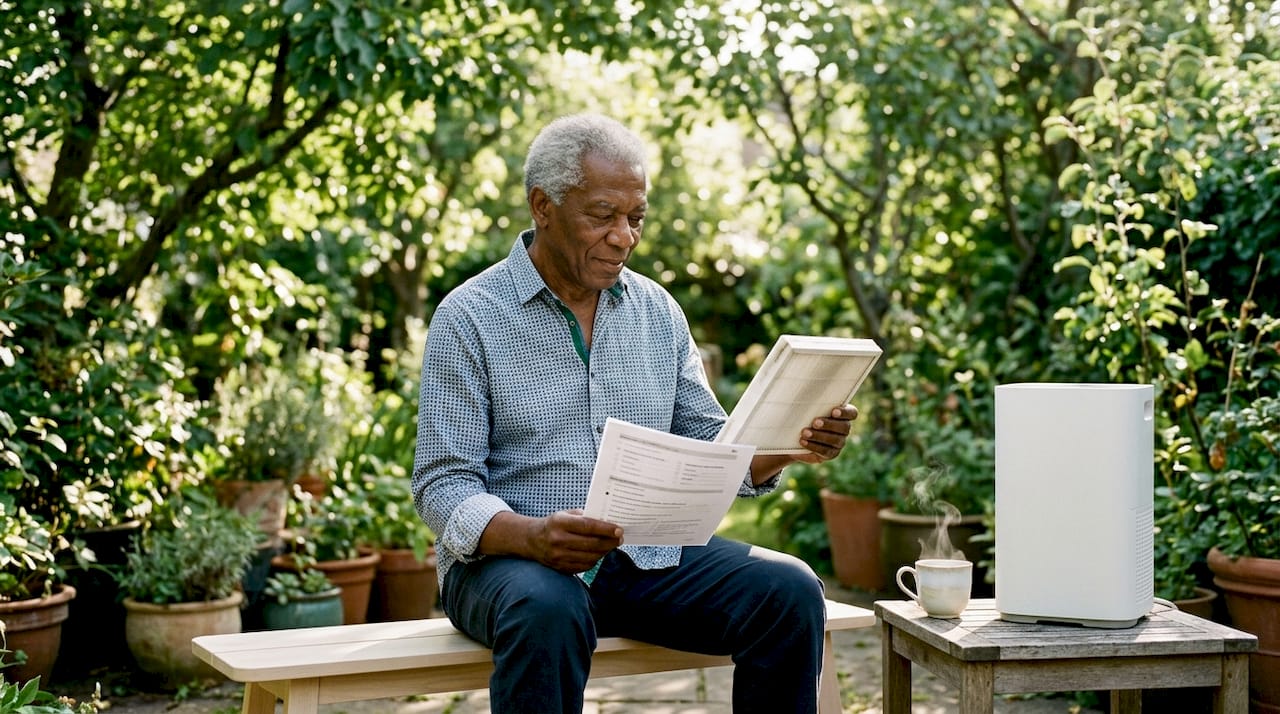
CADR, or Clean Air Delivery Rate, measures how quickly a purifier cleans a specific volume of air. A purifier with a pollen CADR below two-thirds of the room’s square footage will not cycle the air fast enough to reduce allergen levels effectively. This is the most common sizing mistake allergy sufferers make.
AHAM publishes CADR ratings independently, so you can compare units on a level basis. A 25 square metre bedroom needs a meaningfully different purifier than a 60 square metre open-plan living area. Always check the CADR for pollen, dust, and smoke separately, as each figure reflects different particle sizes.
Running a correctly sized purifier on a medium or high setting for most of the day produces far better results than running an undersized unit continuously. Position the unit away from walls and furniture to allow unrestricted airflow on all sides.
3. Prioritise smart sensors and automatic fan speed adjustment
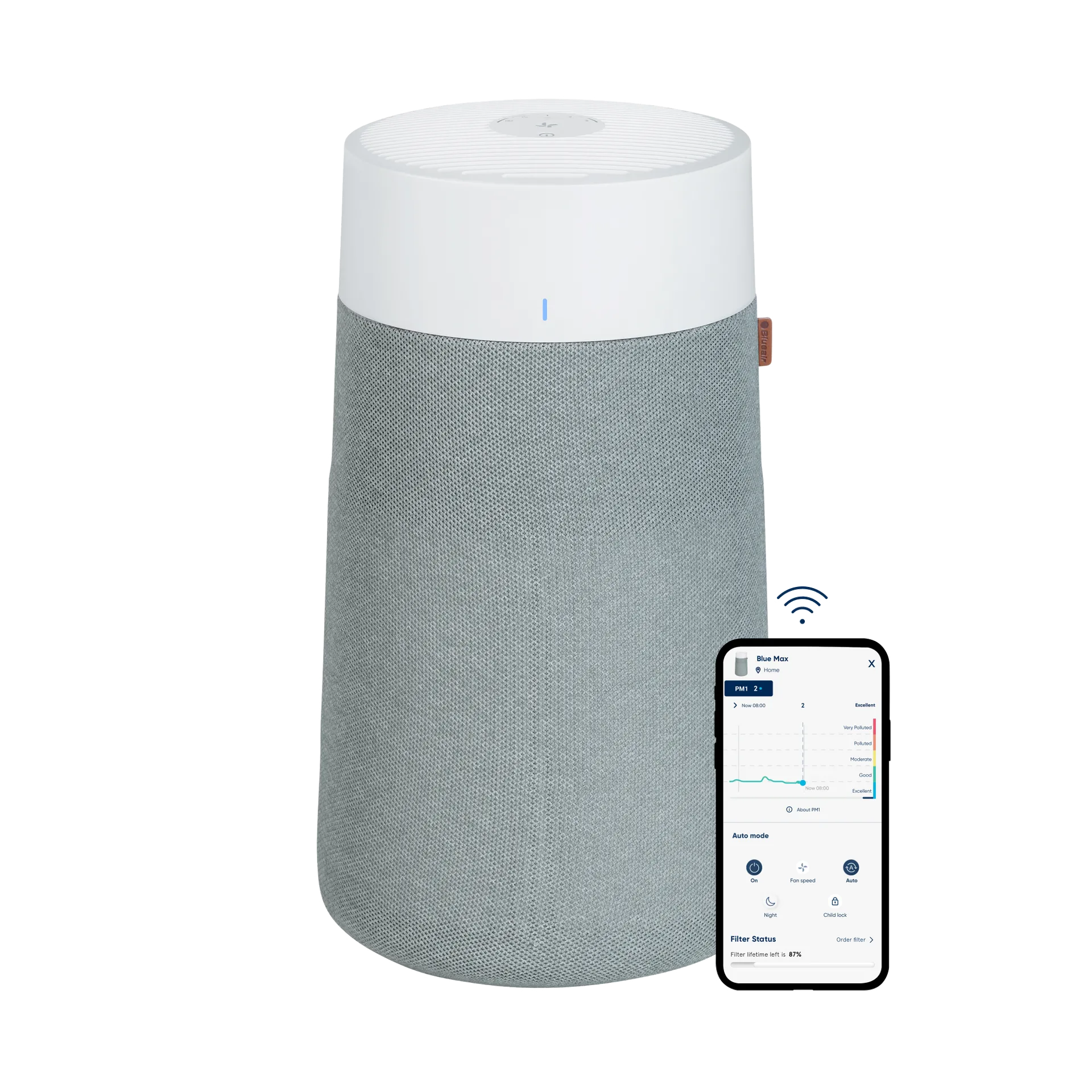
Air-quality specialist Dr Paula Olsiewski recommends selecting purifiers based on smart sensors that adjust fan speed automatically in response to real-time particle levels. This matters because allergen concentrations spike unpredictably, for example when someone enters a room, opens a window, or vacuums nearby. A fixed-speed purifier misses those peaks entirely.
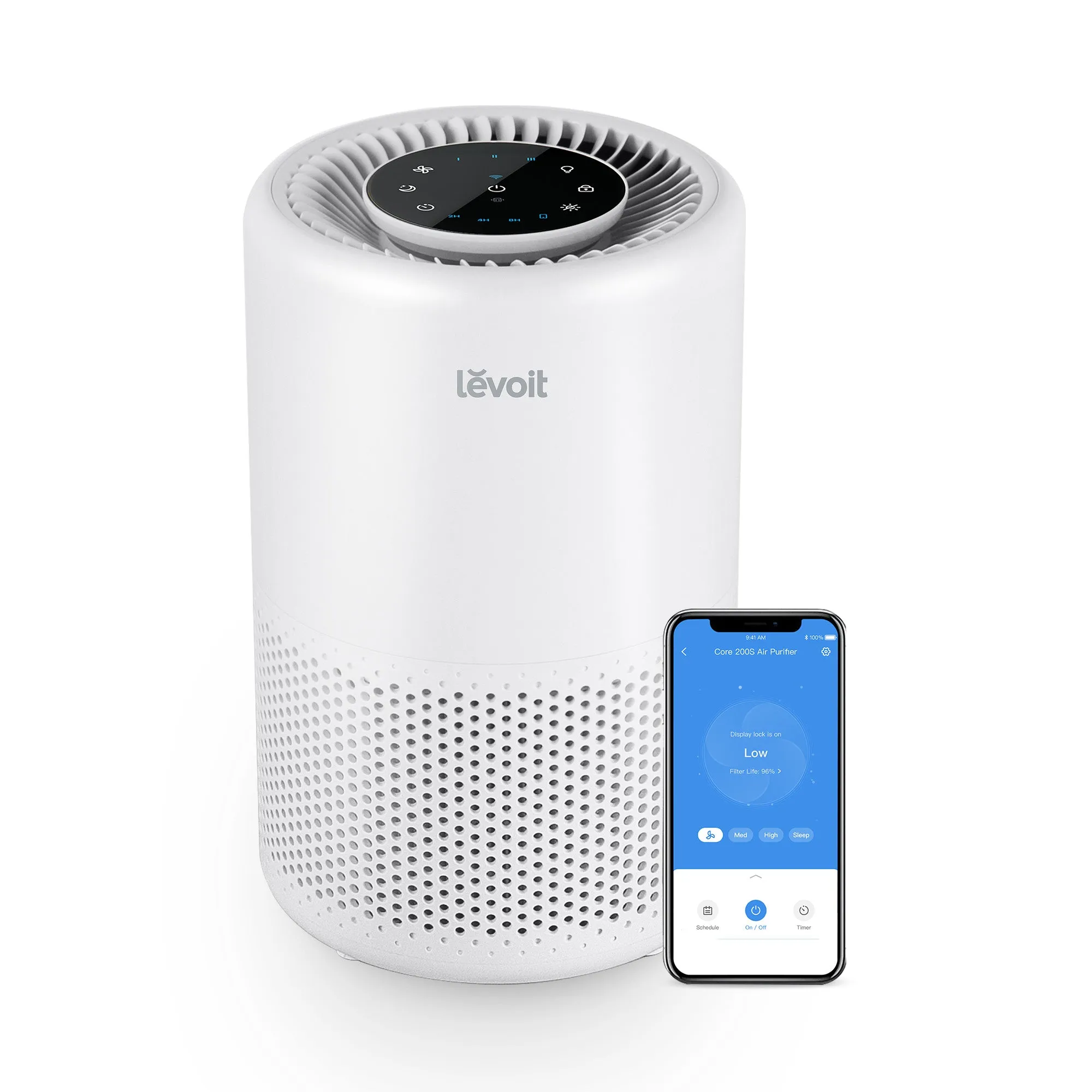
Smart sensor technology, explained in detail in the role of air quality sensors guide from Cleanair-ae, links particle detection directly to fan output. When particle levels drop, the fan slows and noise decreases. When levels rise, the fan accelerates without any manual input.
Noise level under 50 decibels is the recommended threshold for allergy sufferers who need the unit running through the night. Units that exceed this threshold get switched off, which defeats the purpose of owning one. Quiet operation and consistent use are directly connected.
4. Upgrade HVAC filters to MERV 11 or MERV 13
MERV, or Minimum Efficiency Reporting Value, rates how effectively a filter captures particles across a defined size range. MERV 11 filters remove roughly 75% of circulating allergens, while MERV 13 captures particles down to 0.3–1.0 microns, making it the better choice for severe allergy sufferers. Both are available in standard HVAC dimensions and fit most residential systems without modification.
HEPA filters cannot be installed in standard residential HVAC systems. Their density restricts airflow to the point where it can damage the system’s motor. MERV 11 and MERV 13 pleated filters balance filtration efficiency with the airflow requirements of a typical central heating and cooling unit.
| MERV rating | Particle size captured | Best suited for |
|---|---|---|
| MERV 8 | 3–10 microns | Basic dust and pollen control |
| MERV 11 | 1–3 microns | Moderate allergy sufferers |
| MERV 13 | 0.3–1 microns | Severe allergy and asthma cases |
Allergy-grade HVAC filters require replacement every 1–2 months during high-use periods. Leaving a filter in place beyond that interval reduces airflow and allows allergen build-up on the filter surface. Cleaning vents and registers at the same time prevents re-releasing trapped particles into the room.
Pro Tip: Consult an HVAC professional before switching to MERV 13 if your system is older than ten years. Higher-density filters can strain motors not designed for the increased resistance.
More detail on choosing the right filter for your central system is available in the allergen filters home guide from Cleanair-ae.
5. Use ERVs and HRVs to control outdoor allergen infiltration
Natural ventilation, meaning open windows and doors, introduces unfiltered outdoor air directly into the home. During pollen season, this can raise indoor allergen levels above outdoor levels within minutes. The EPA advises against relying on natural ventilation as a primary air quality strategy for allergy sufferers.
Mechanical ventilation systems such as ERVs and HRVs exchange stale indoor air with filtered outdoor air at a controlled rate. They maintain consistent air pressure and humidity balance while keeping allergen infiltration low. Ductless models can be installed room by room without major building work.
Signs that your home needs mechanical ventilation include persistent stuffiness, condensation on windows, and worsening allergy symptoms despite running an air purifier. These indicate inadequate air exchange rather than a filtration problem. An ERV or HRV addresses the root cause rather than filtering air that is already compromised.
- ERV (Energy Recovery Ventilator): transfers heat and moisture between incoming and outgoing air streams, suited to humid climates
- HRV (Heat Recovery Ventilator): transfers heat only, better suited to drier or cooler climates
- Ductless models: install through an external wall, no ductwork required
- Filtered intake: outdoor air passes through a filter before entering the room
Pro Tip: If your allergy symptoms are worst in the morning after a night with closed windows, an HRV or ERV running overnight will produce a noticeable improvement within a few days.
A broader comparison of ventilation options appears in the air purifier alternatives list on the Cleanair-ae website.
6. Control humidity to reduce dust mites and mould
Indoor humidity between 30% and 50% discourages dust mite reproduction and inhibits mould growth. Above 50%, both thrive. Below 30%, airborne particles become lighter and stay suspended longer, which can worsen respiratory symptoms.
A dehumidifier is the most direct tool for bringing humidity into the correct range in humid environments. The role of dehumidifiers in humid homes is particularly relevant in UAE settings, where ambient humidity can be high for extended periods. Pairing a dehumidifier with an air purifier addresses both airborne and surface allergen conditions simultaneously.
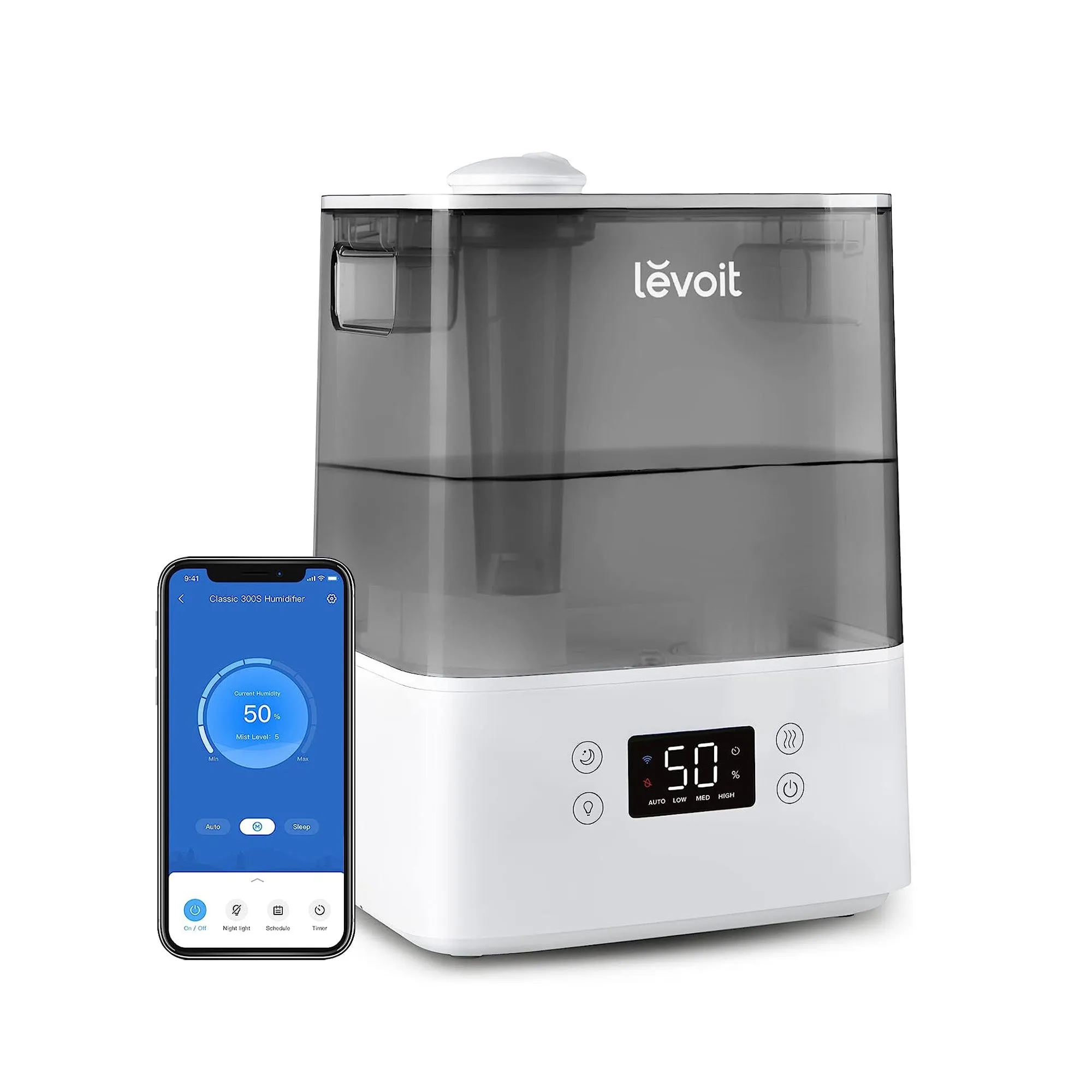
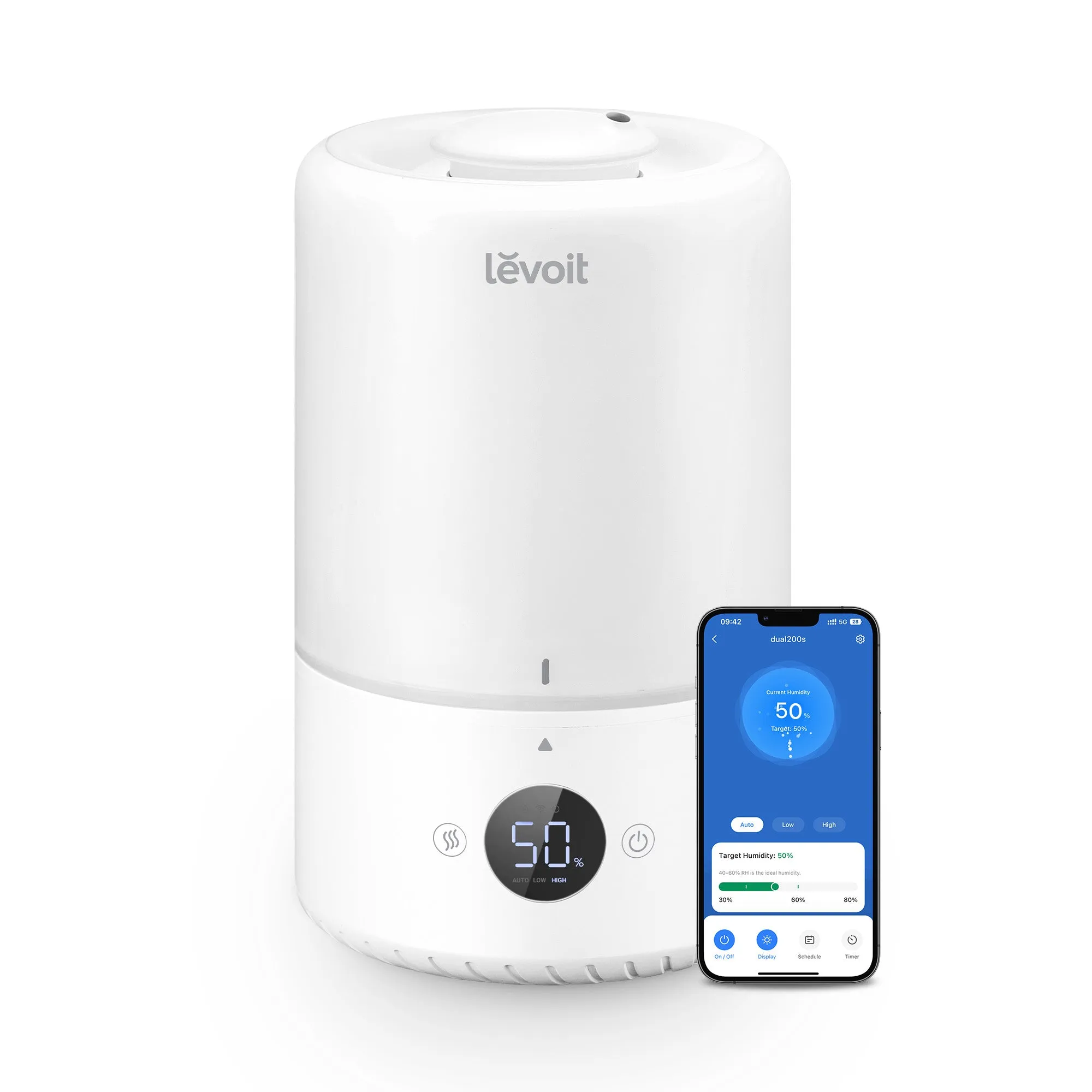
Hygrometers, available as standalone devices or built into many modern air purifiers, give you a real-time humidity reading. Without measurement, humidity management is guesswork. Set your dehumidifier to maintain 45% as a practical midpoint within the safe range.
7. Combine HEPA vacuuming and damp dusting with air filtration
Air purifiers cannot remove allergens settled on floors and surfaces. Dust mite debris, pet hair, and mould fragments accumulate on carpets, upholstery, and hard floors regardless of how effective the room’s air purifier is. Mechanical cleaning is not optional; it is part of the same system.
HEPA-certified vacuum cleaners trap particles inside the unit rather than exhausting them back into the room. Standard vacuum cleaners without HEPA filtration redistribute fine allergens into the air during use, temporarily worsening conditions. Damp dusting with a microfibre cloth captures particles rather than spreading them.
- Vacuum carpets and upholstered furniture twice weekly using a HEPA-certified cleaner
- Damp-dust hard surfaces, shelves, and skirting boards weekly
- Wash bedding at 60°C weekly to kill dust mites
- Clean air purifier pre-filters monthly to maintain airflow
Pro Tip: Run your air purifier on a high setting for 30 minutes after vacuuming. Vacuuming disturbs settled allergens and temporarily raises airborne particle counts.
8. Apply source control to reduce allergen load at the origin
Air purifier effectiveness is capped by source control. Keeping pets out of bedrooms, removing heavily contaminated soft furnishings, and reducing indoor irritants lowers the total allergen load that filtration systems must handle. This is the principle that allergy specialists at Johns Hopkins Bloomberg School of Public Health consistently emphasise.
Source control does not mean eliminating everything from your home. It means making targeted changes where allergen concentrations are highest. A bedroom with no pet access, allergen-proof mattress covers, and minimal soft furnishings requires far less filtration effort than an untreated room.
Avoid aerosol sprays, scented candles, and synthetic air fresheners indoors. These add gaseous pollutants that activated carbon filters must work harder to remove. Choosing fragrance-free cleaning products reduces the chemical load on your air cleaning system and on your respiratory tract.
Key takeaways
The most effective approach to reducing indoor allergens combines True HEPA filtration, MERV-rated HVAC filters, controlled mechanical ventilation, and consistent cleaning and humidity management.
| Point | Details |
|---|---|
| True HEPA is the baseline | Select purifiers certified to capture 99.97% of particles at 0.3 microns. |
| Match CADR to room size | A purifier’s pollen CADR should be at least two-thirds of the room’s square footage. |
| MERV 13 for HVAC systems | Replace standard HVAC filters with MERV 11 or 13 every 1–2 months for allergy relief. |
| Mechanical ventilation limits infiltration | ERVs and HRVs deliver filtered fresh air without opening windows to outdoor allergens. |
| Source control multiplies filtration gains | Keeping pets from bedrooms and controlling humidity reduces the allergen load filtration must handle. |
What I have learned about combining these solutions
Wojciech here. After years of working with air quality products and speaking with allergy sufferers across different home types, the pattern I see most often is this: people buy a good air purifier, notice some improvement, and then plateau. The plateau is almost always caused by one of three things: wrong sizing, inconsistent maintenance, or unaddressed sources.
The sizing issue surprises people. A purifier rated for 40 square metres placed in a 60 square metre open-plan space with high ceilings is working at a deficit from day one. The CADR number on the box is not a suggestion; it is a ceiling.
Maintenance is where commitment matters most. I have seen HEPA filters left in place for two years. At that point, the filter is a barrier to airflow, not a cleaning mechanism. The replacement schedule exists for a reason, and skipping it negates the purchase entirely.
The source control point is the one most people resist. Restricting a pet’s access to the bedroom feels like a significant lifestyle change. But a bedroom where a cat sleeps every night will have allergen levels that no purifier can fully address. Technology and behaviour work together. Neither works well without the other.
My practical advice: start with the bedroom. Get the sizing right, commit to the maintenance schedule, and make the source control changes in that one room first. The results will be clear enough to motivate the rest of the home.
— Wojciech
Air quality products for allergy relief at Cleanair-ae
Cleanair-ae stocks a curated range of air purifiers, HVAC filters, and humidity control products suited to allergy sufferers in Dubai, Abu Dhabi, and across the UAE.
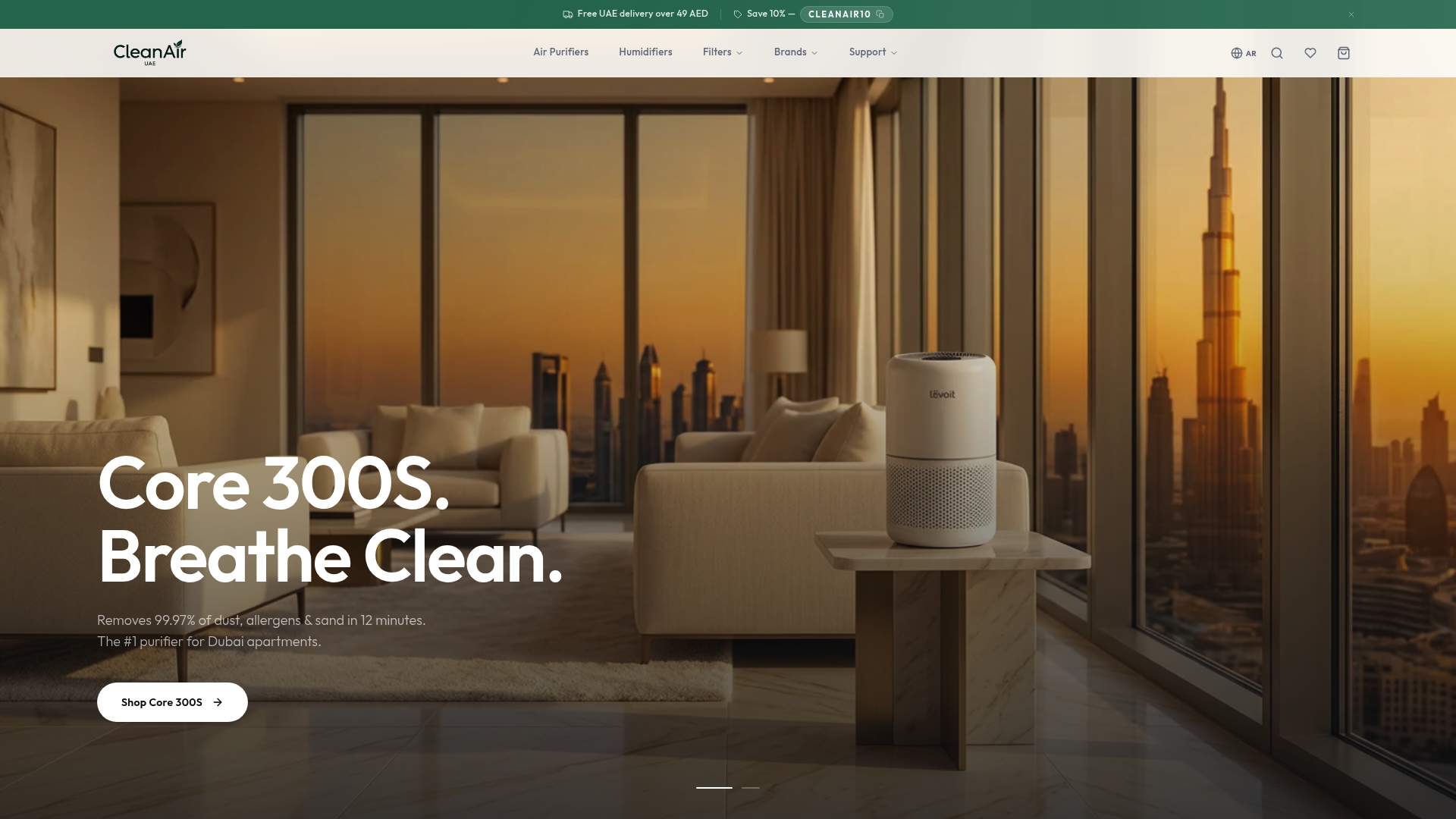
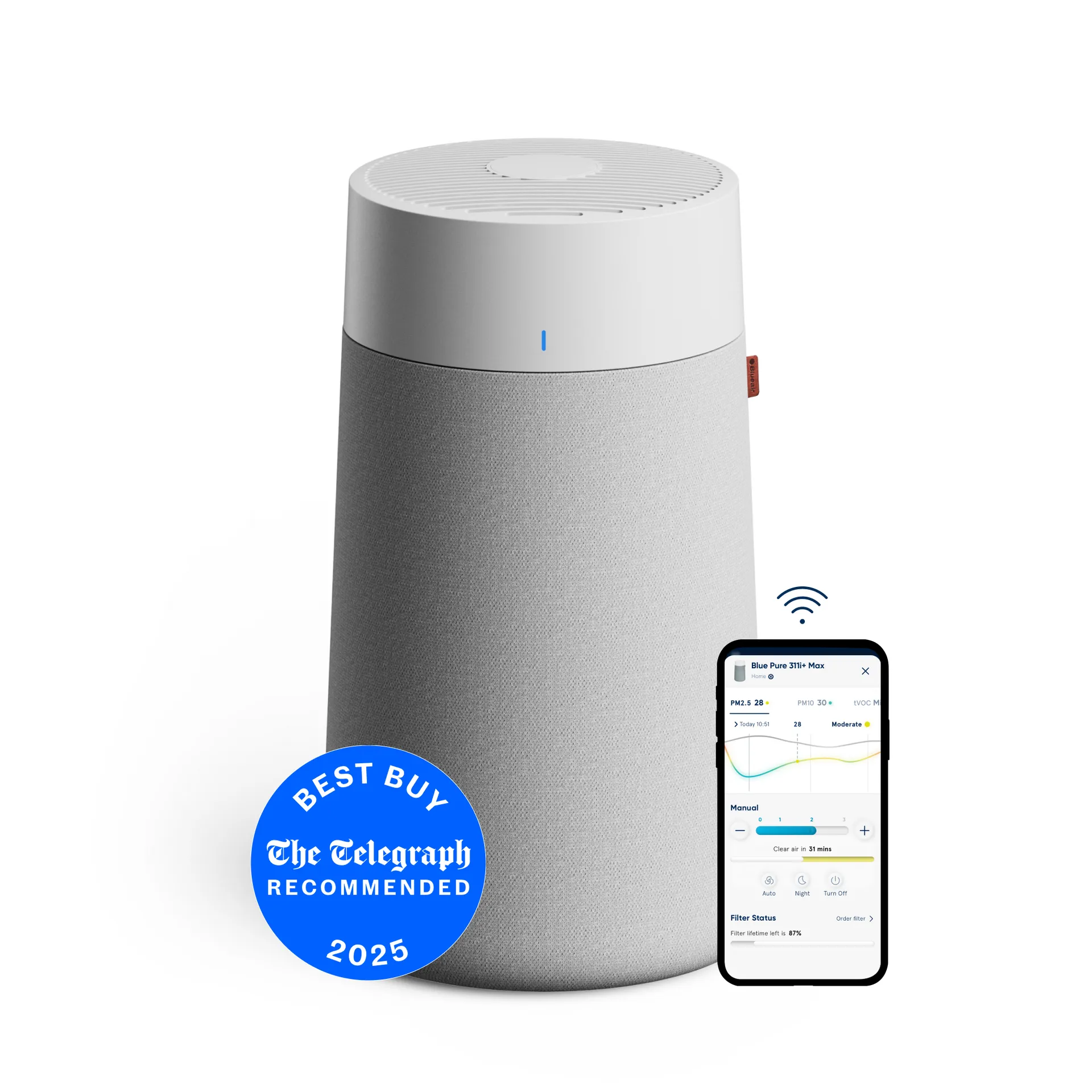
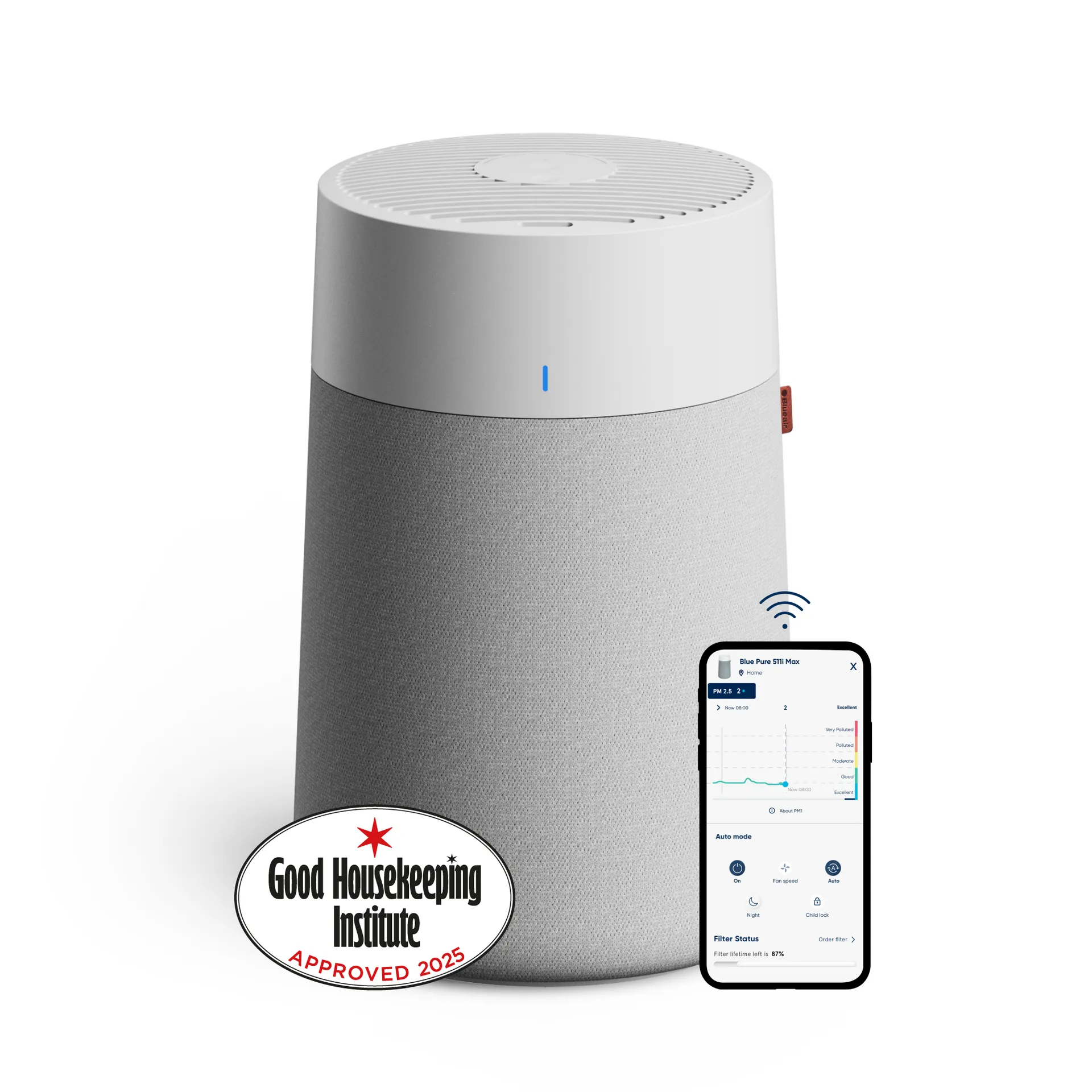
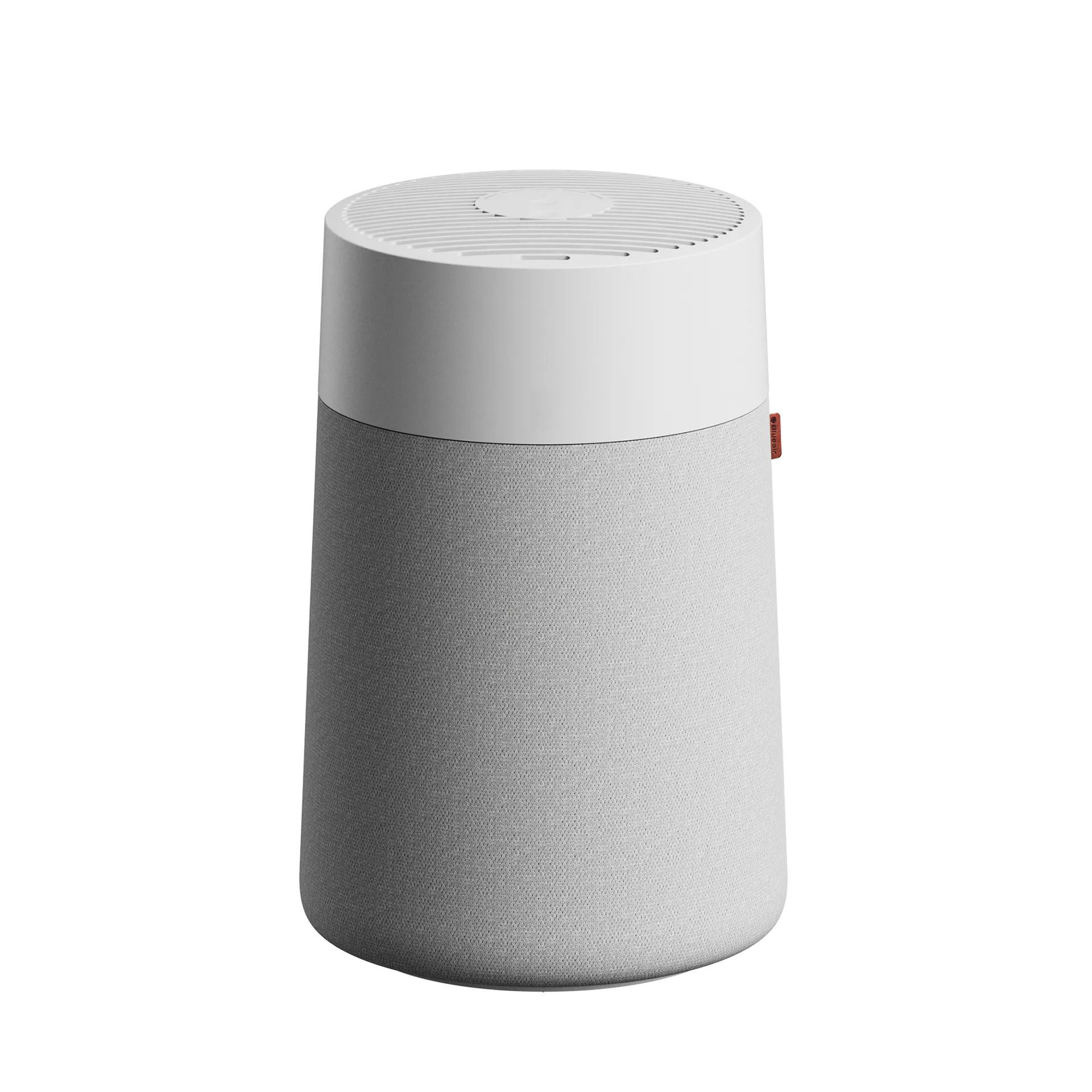
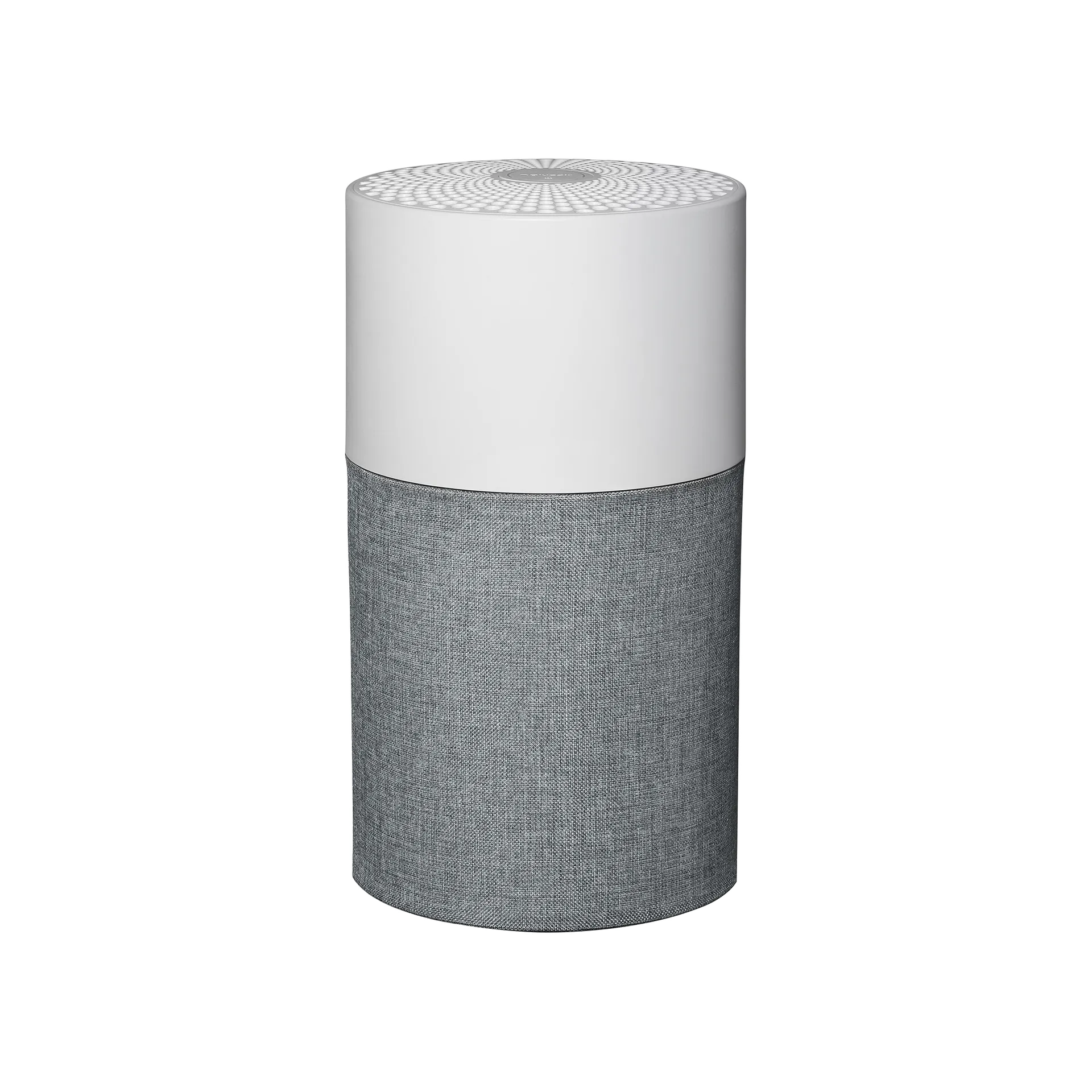
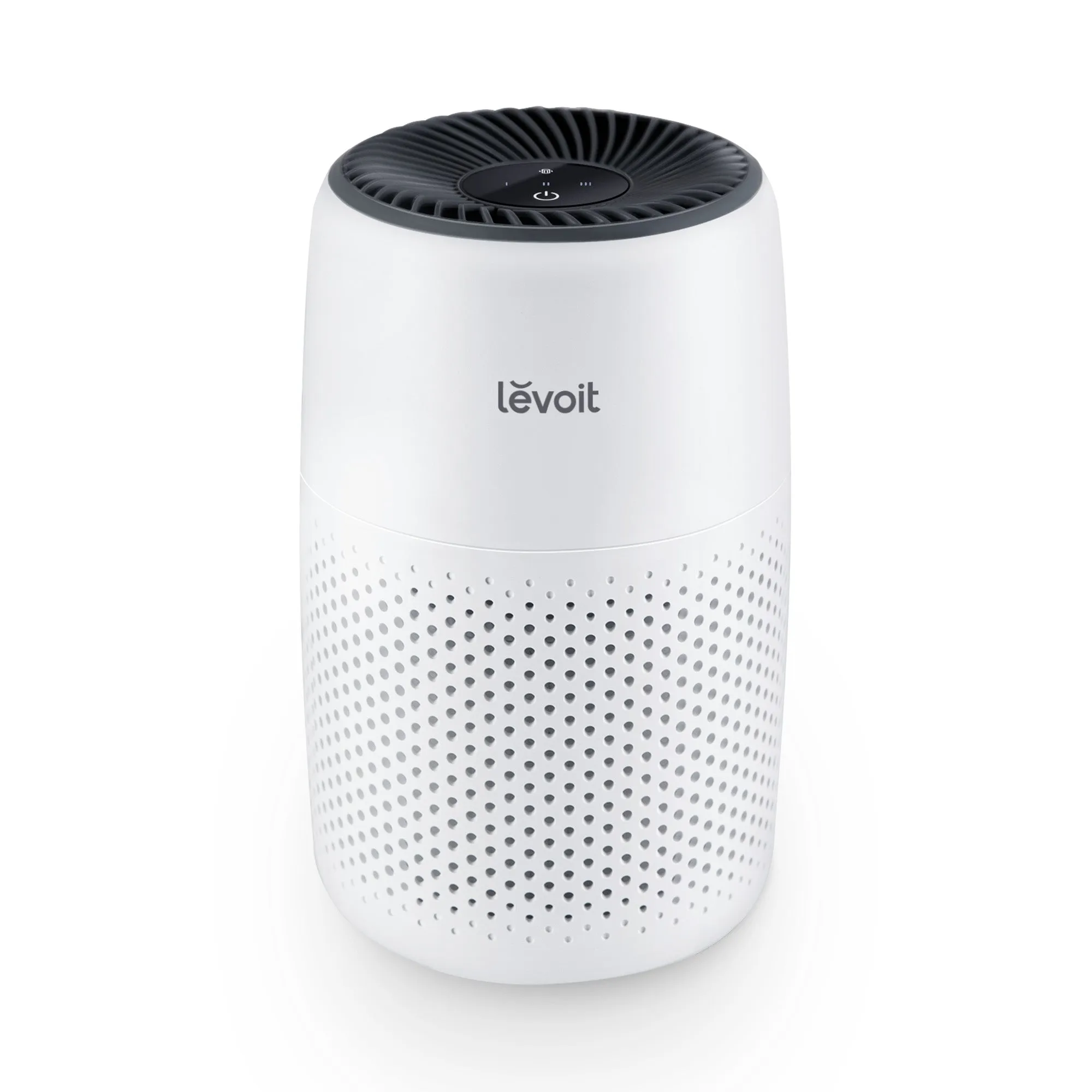
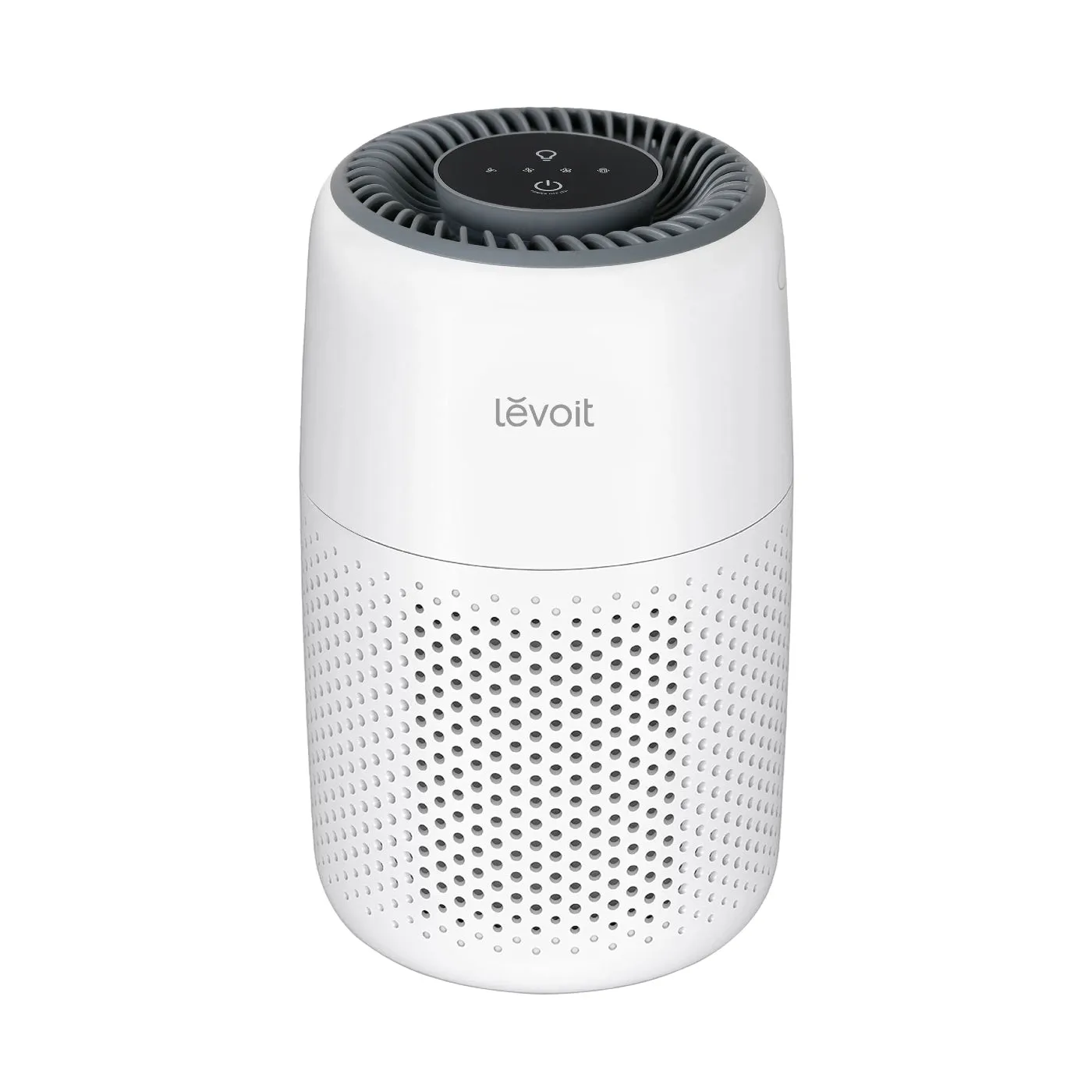
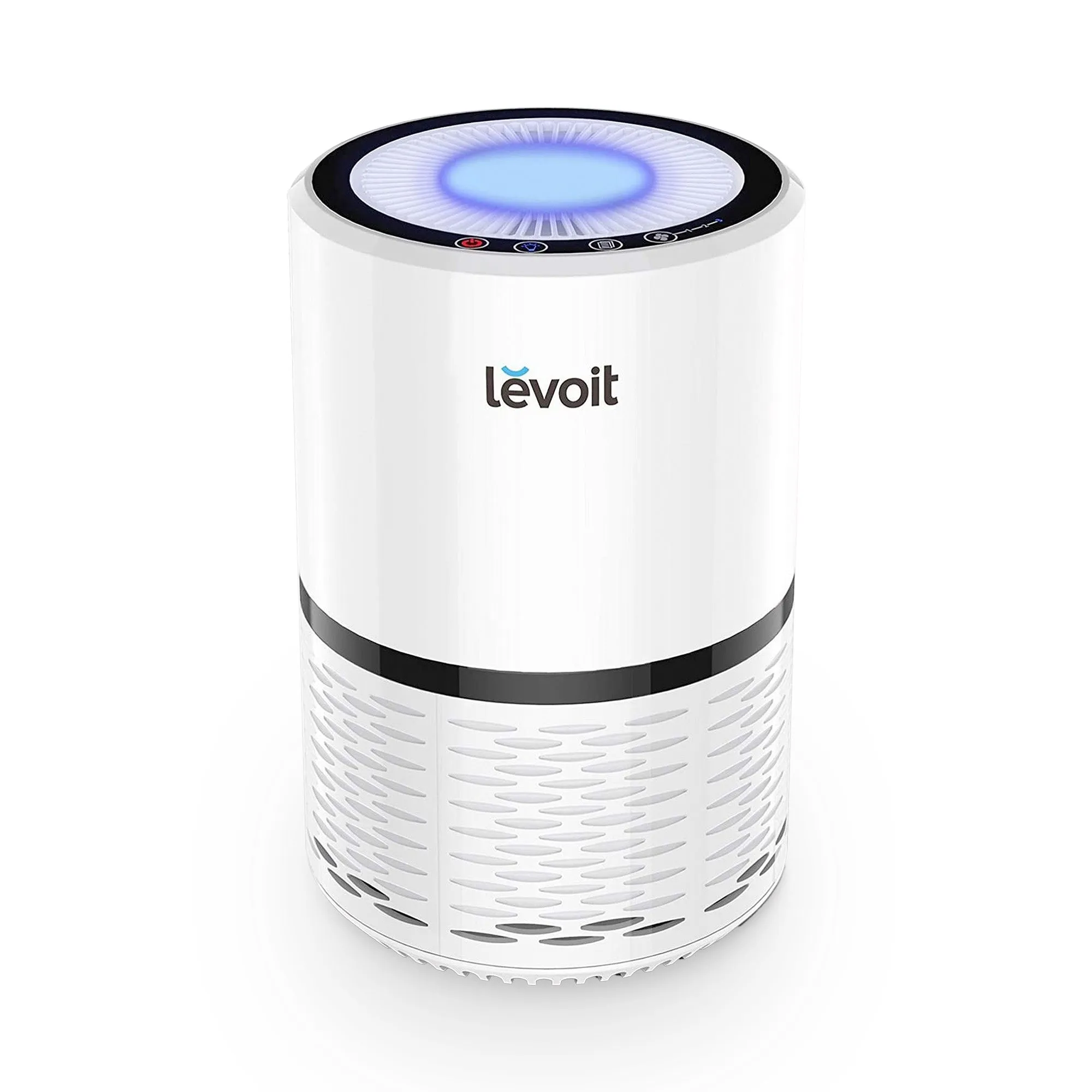
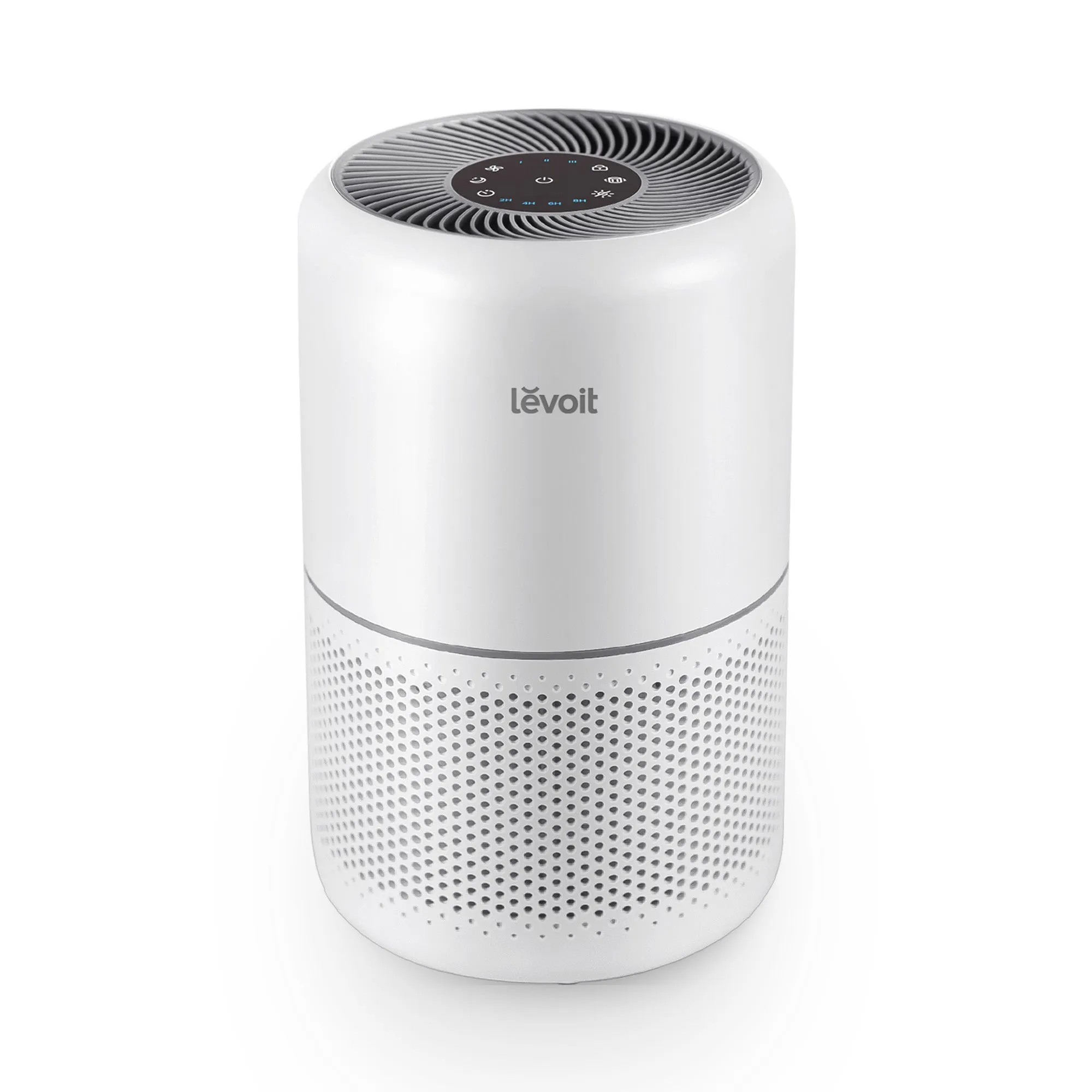
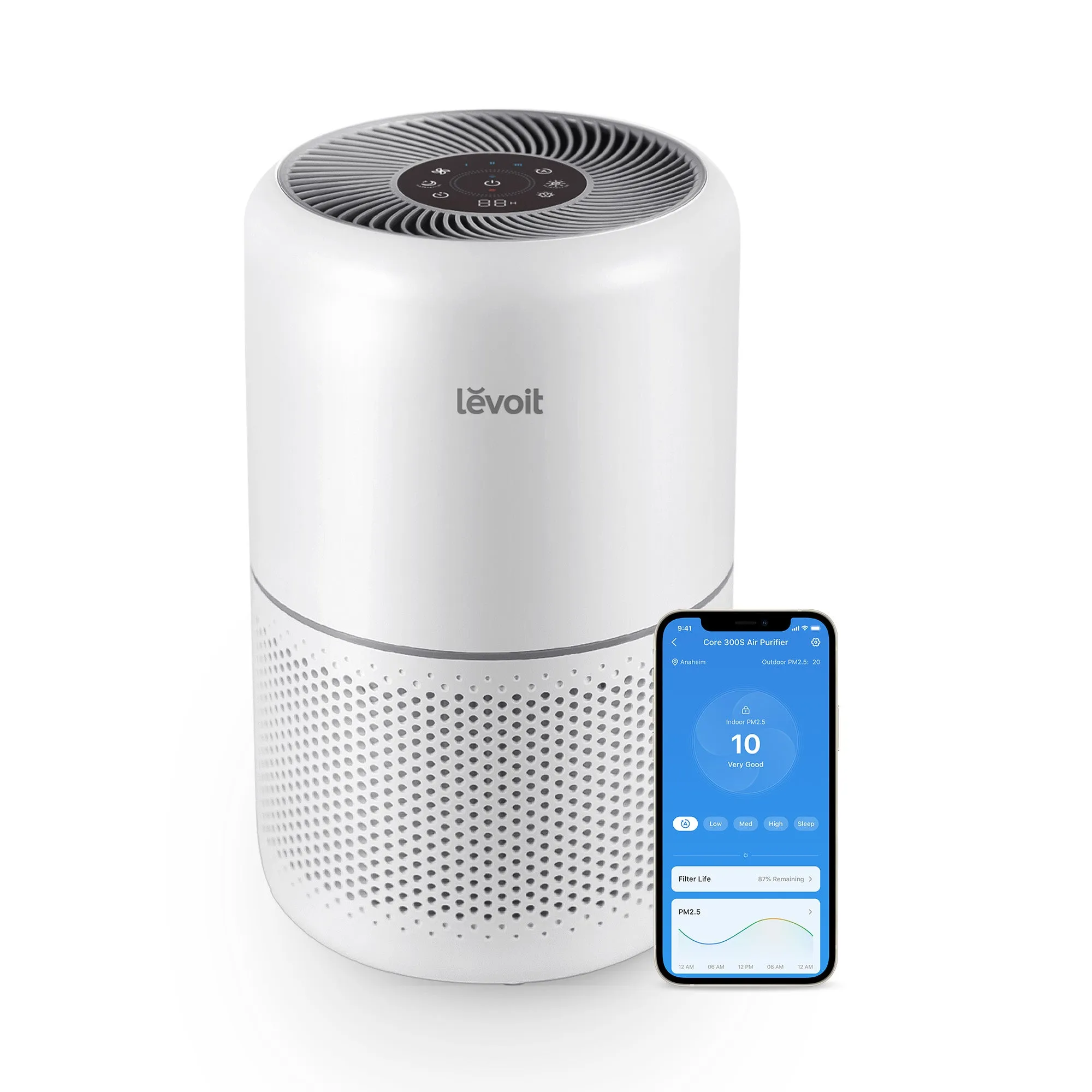
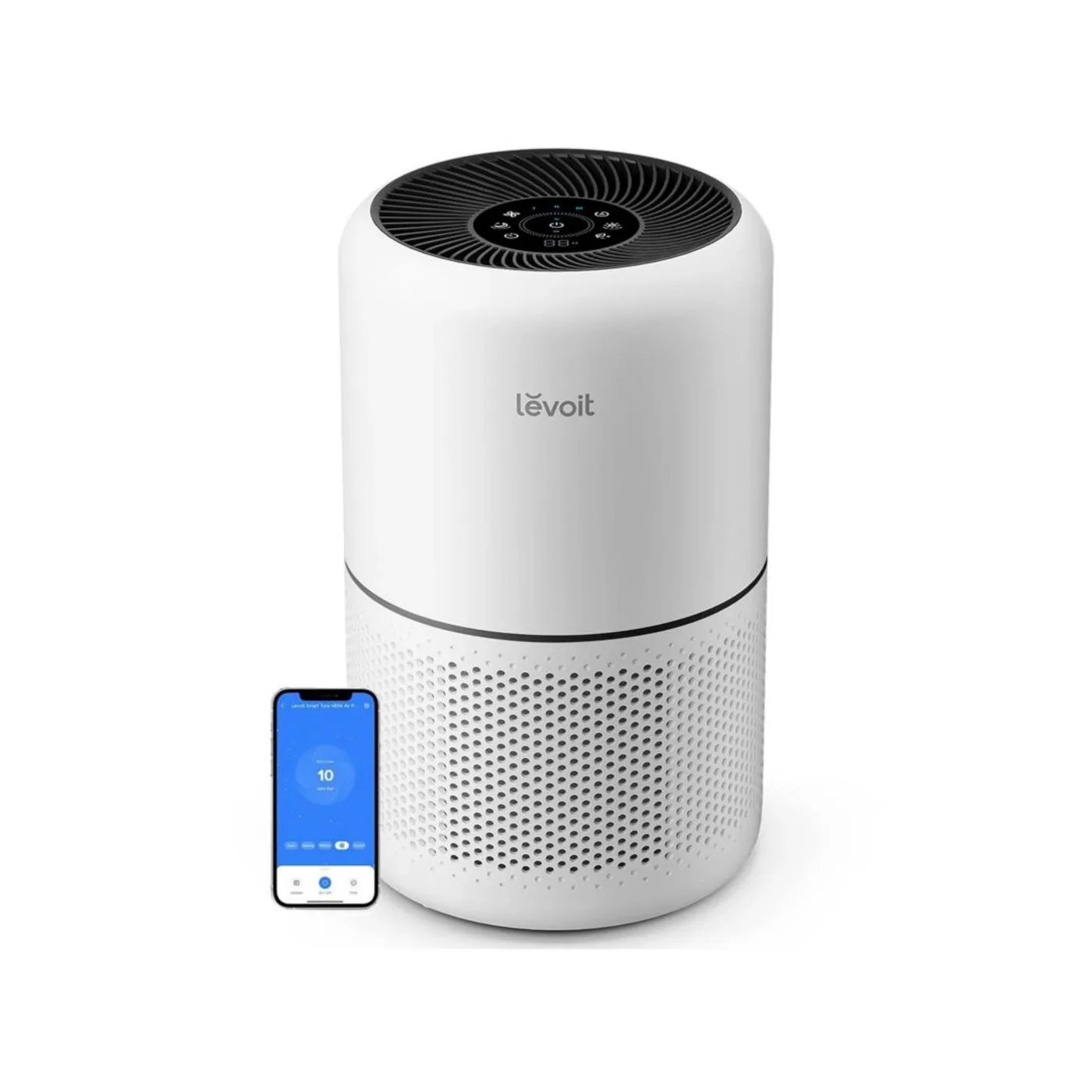
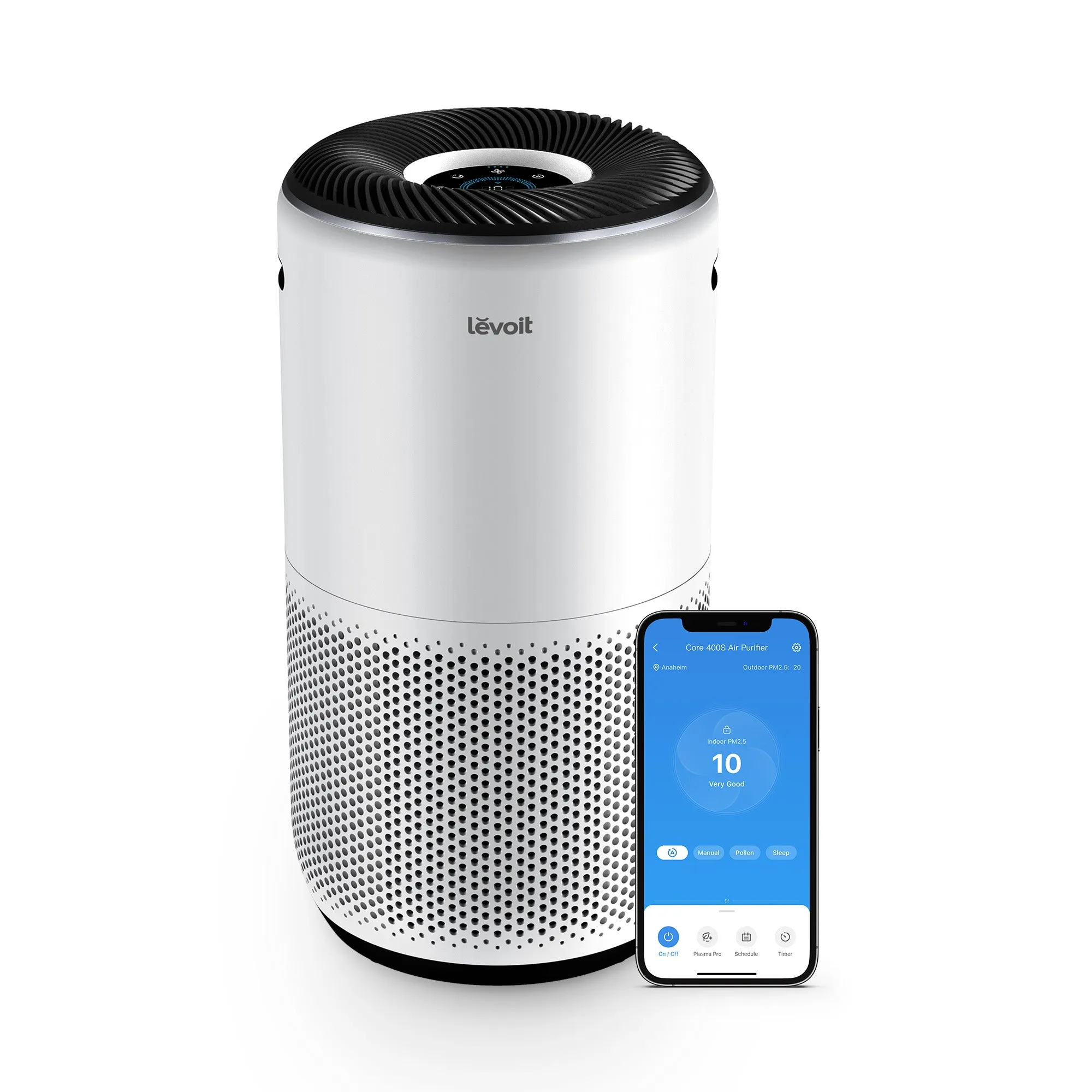
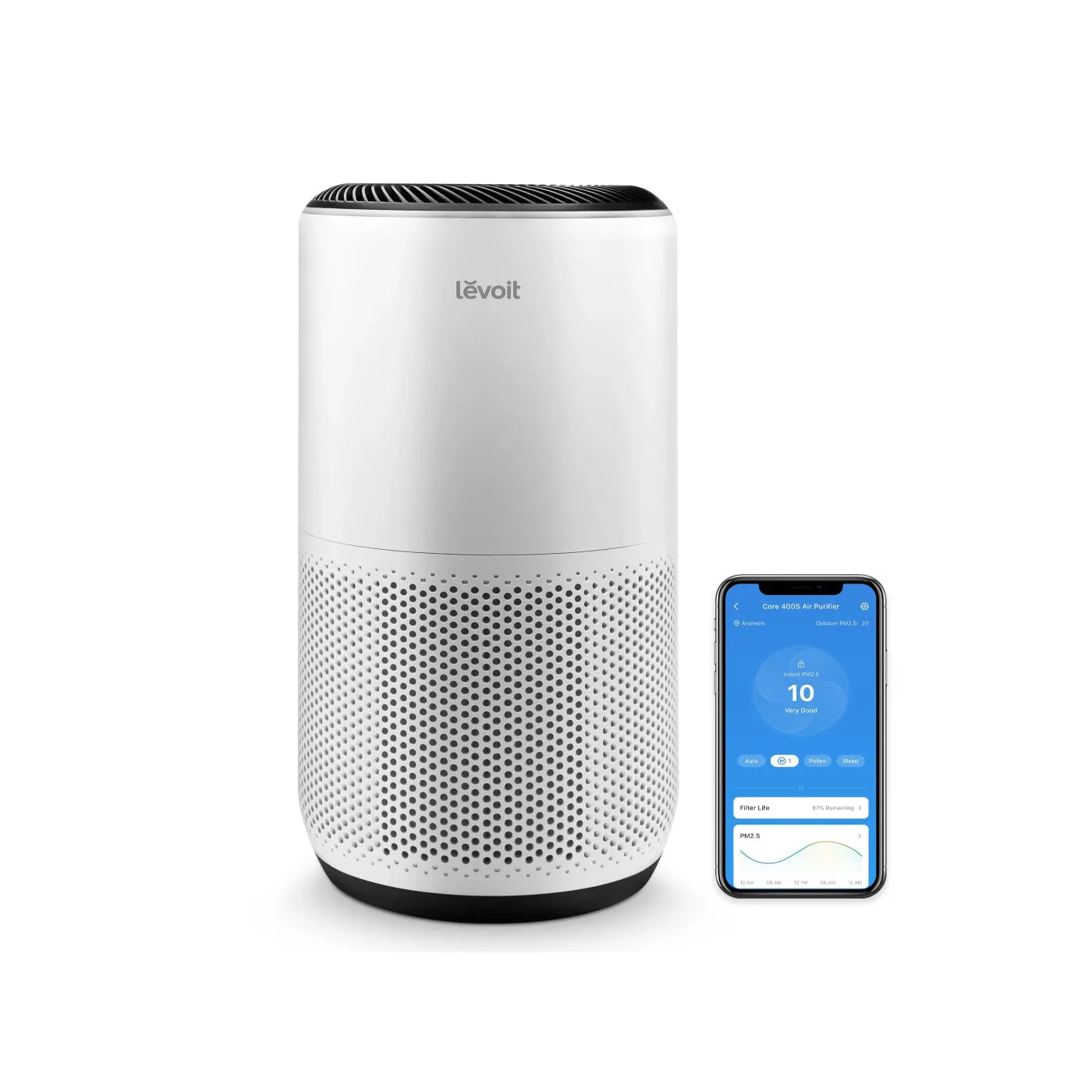
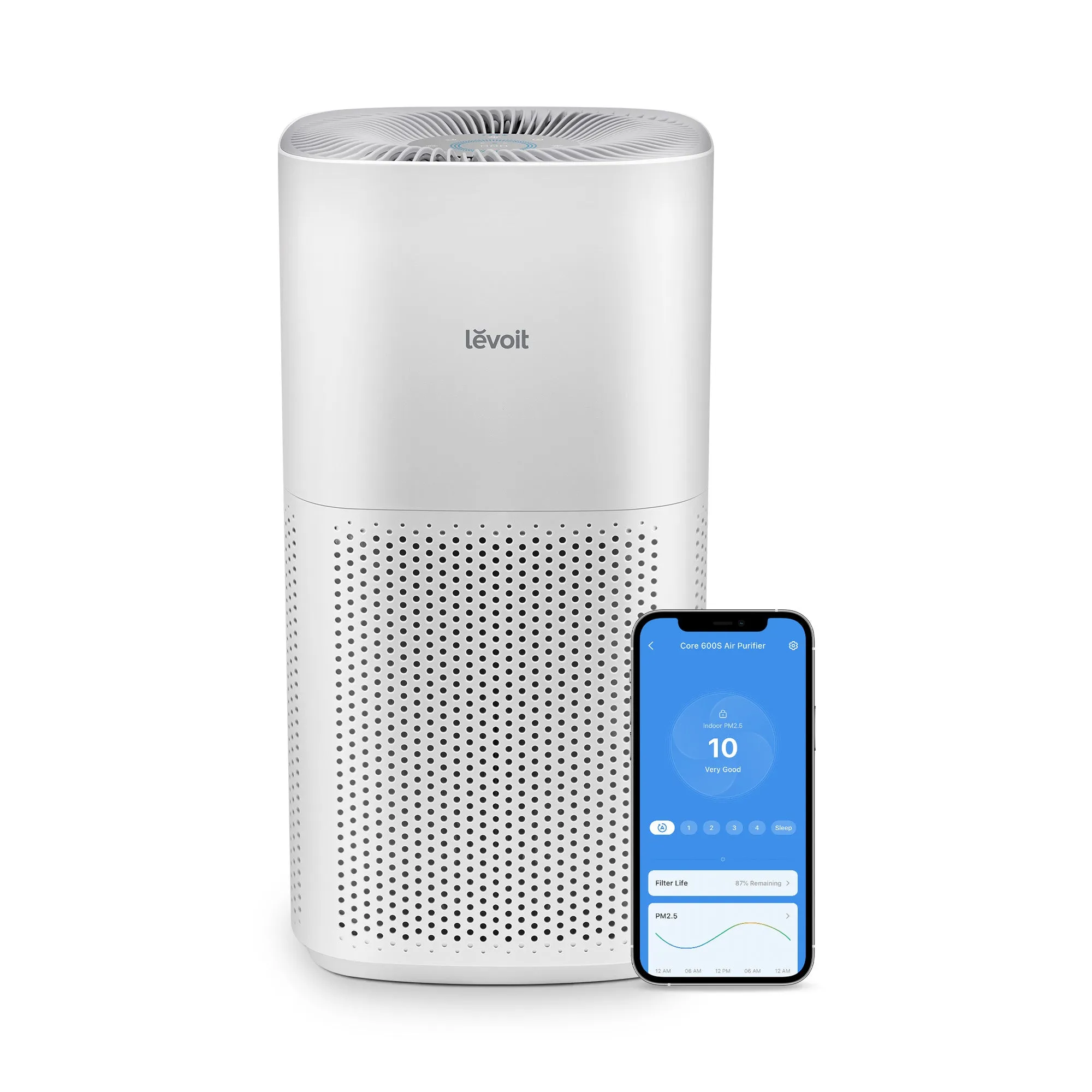
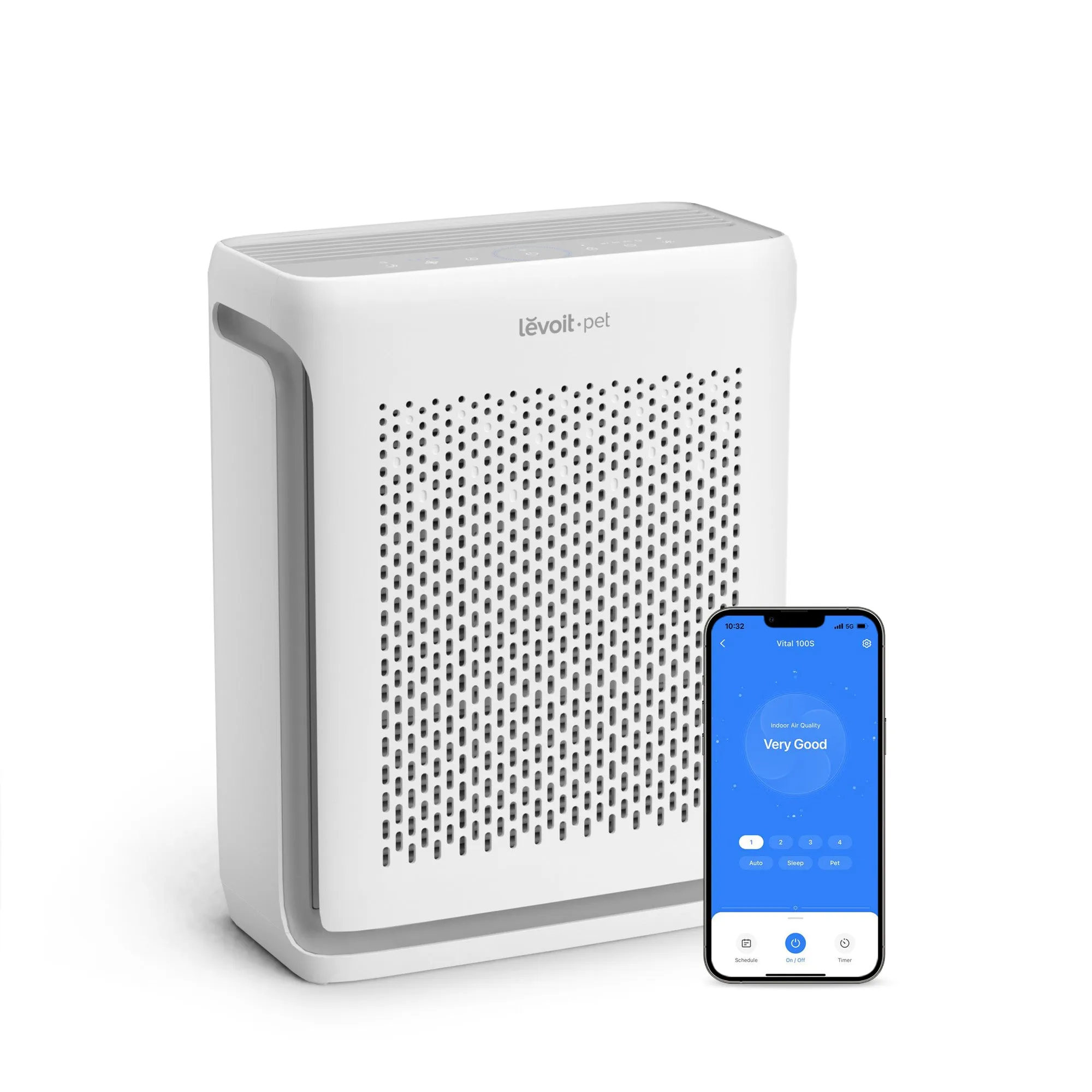
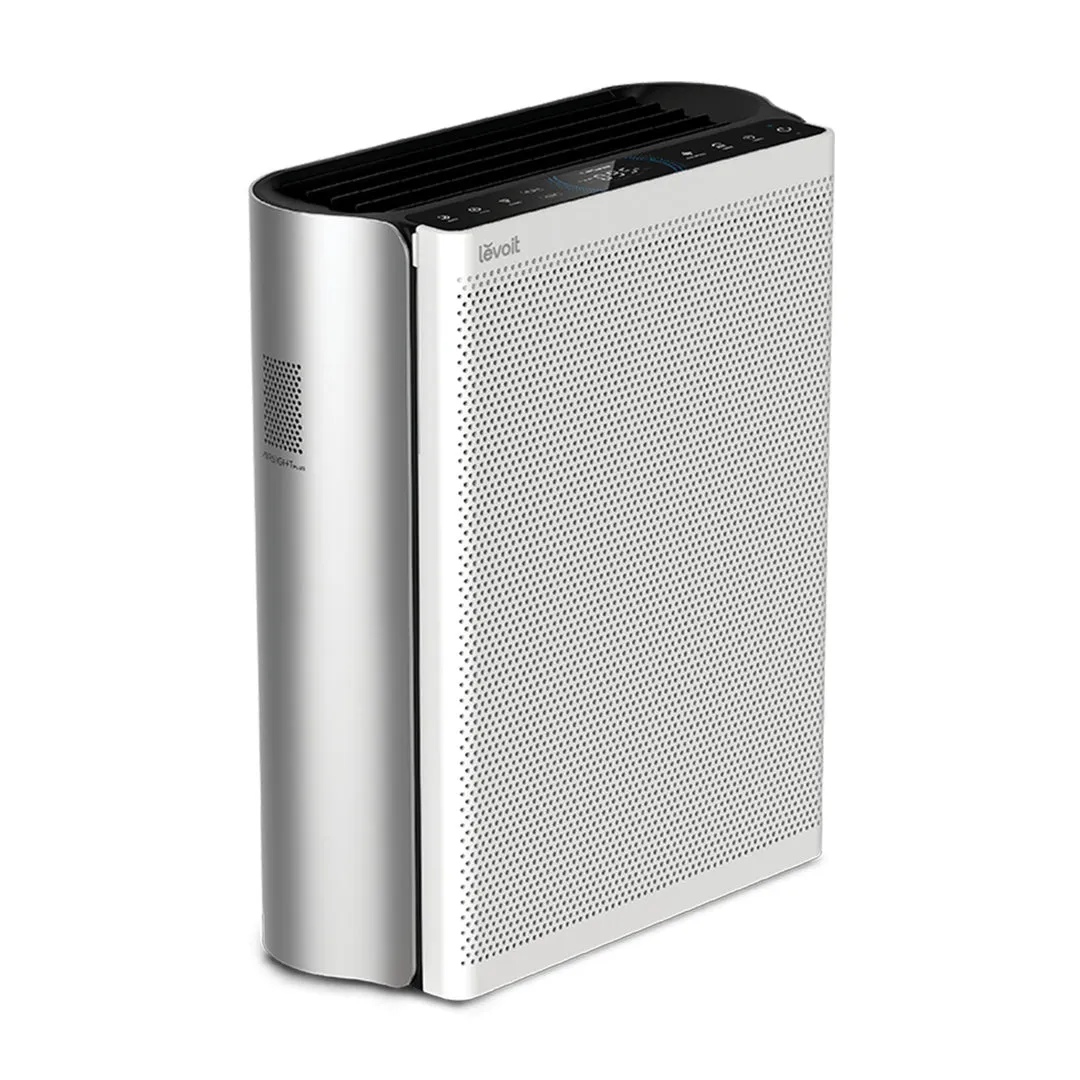
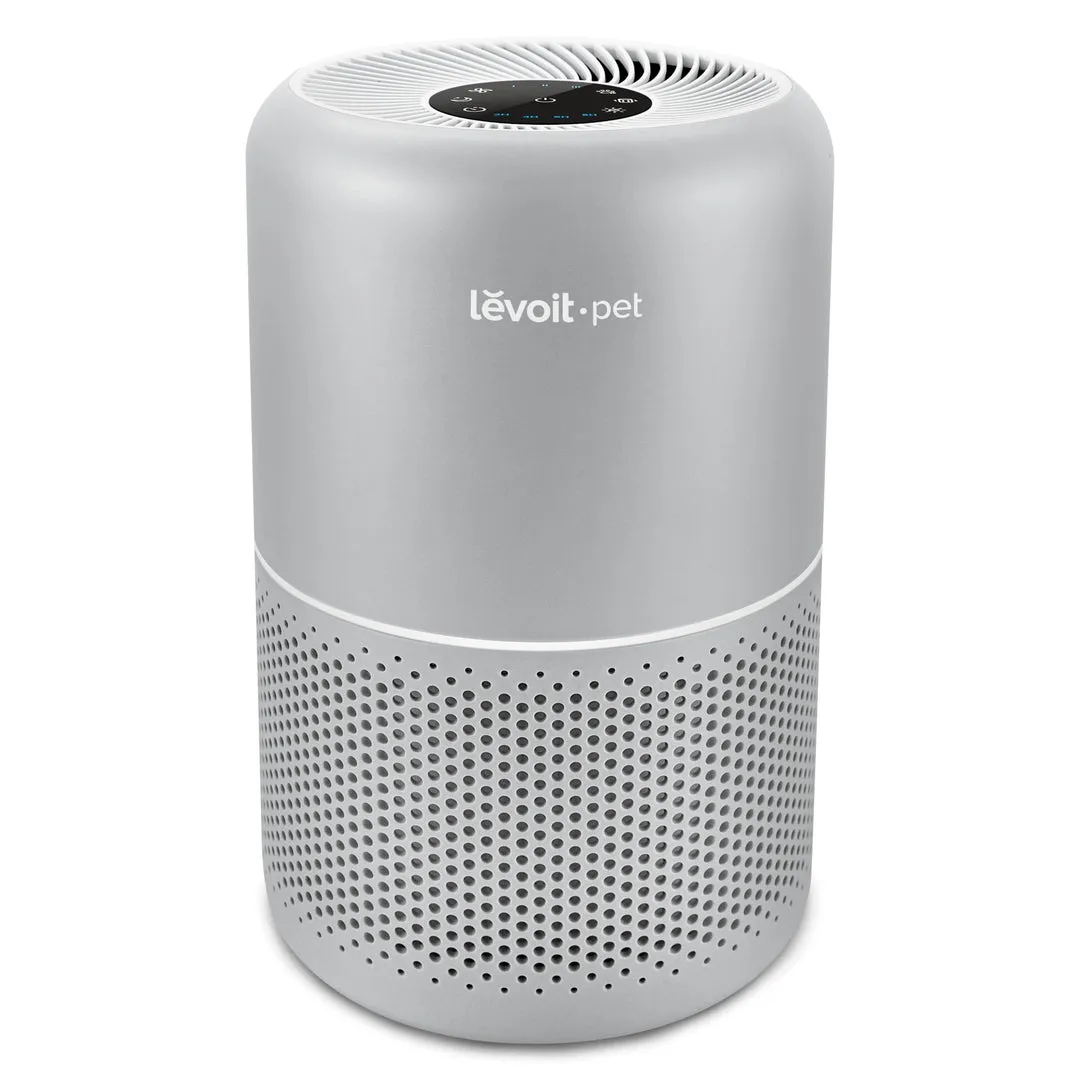
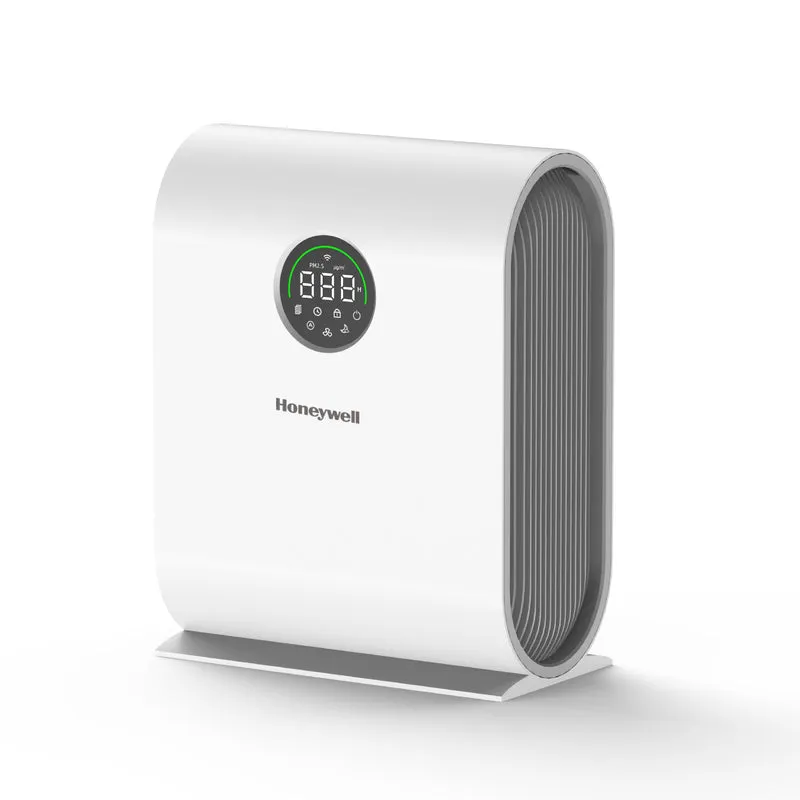
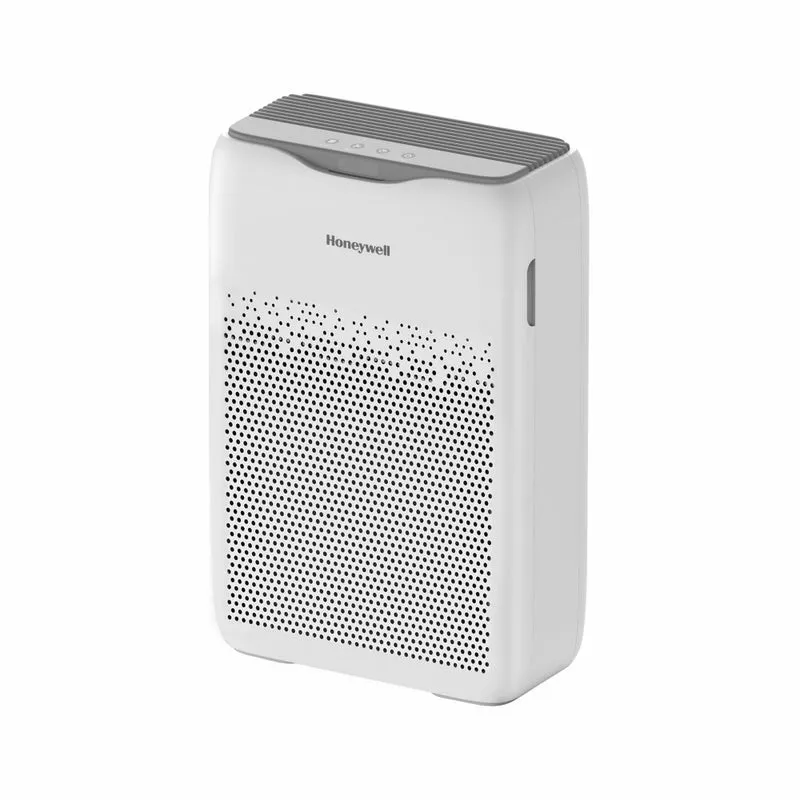
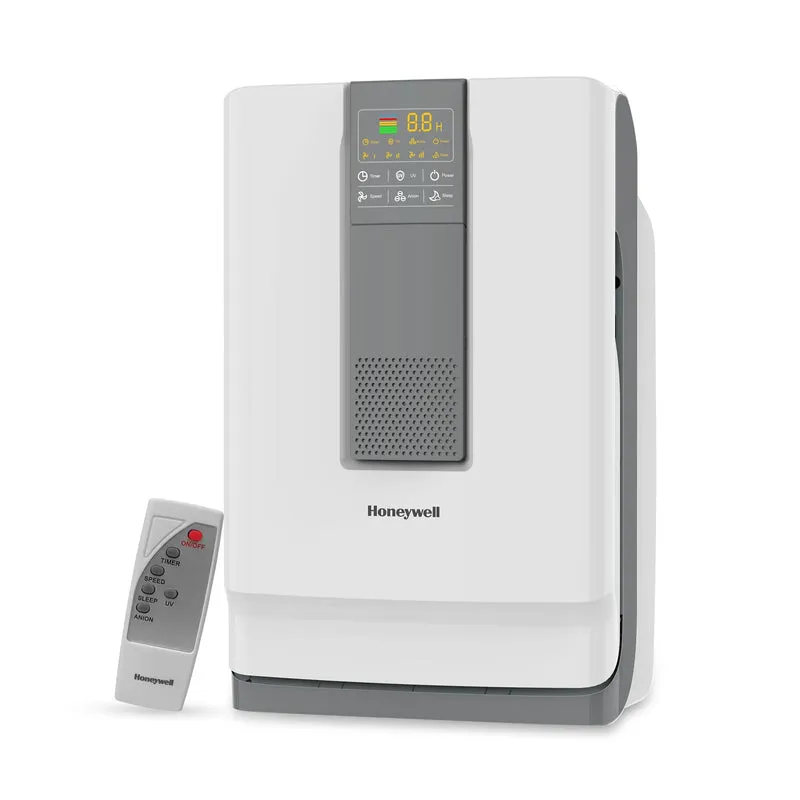
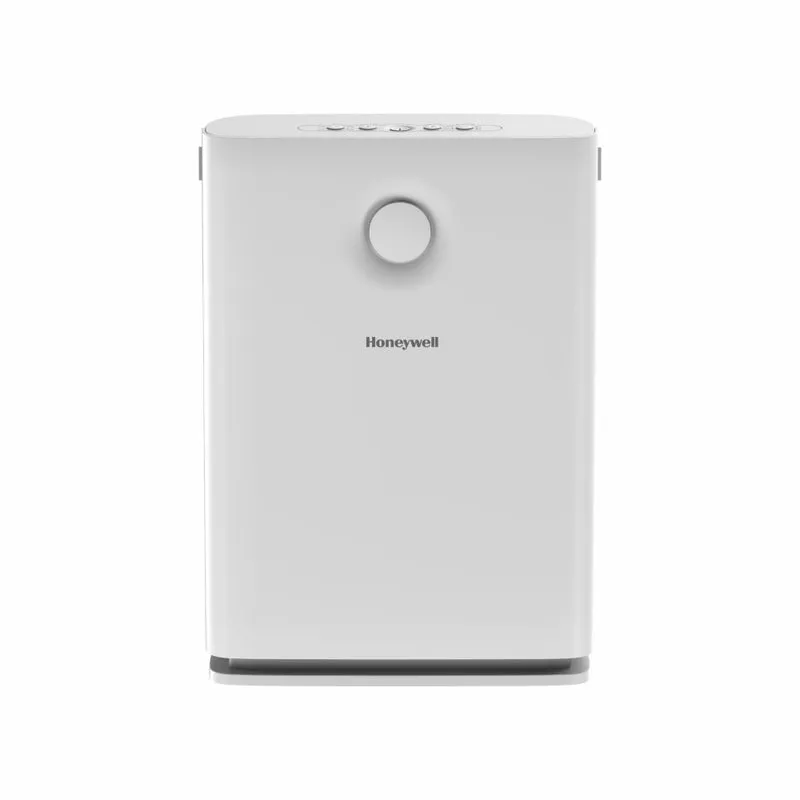
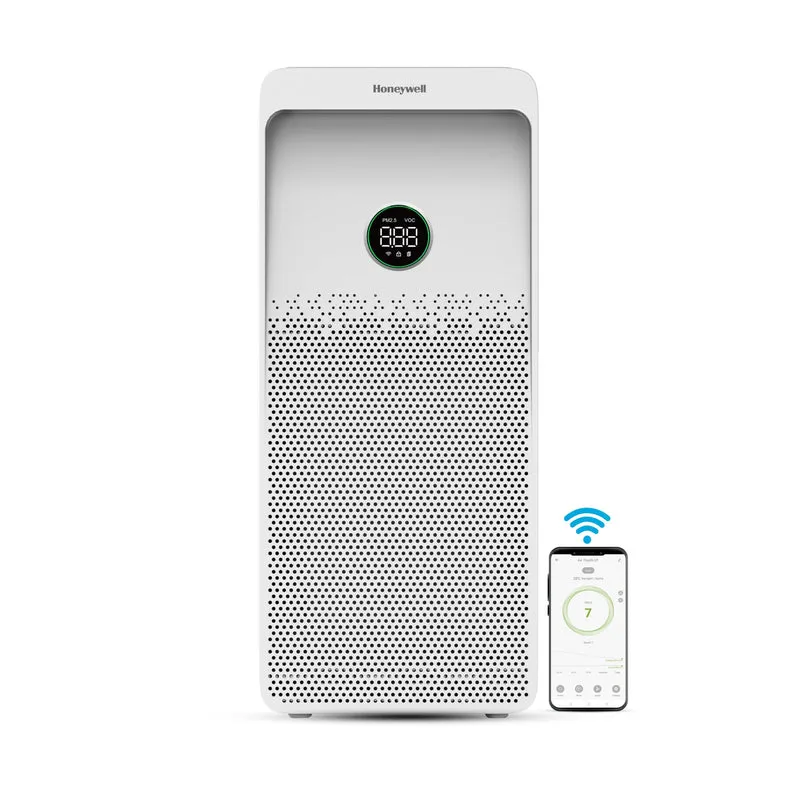
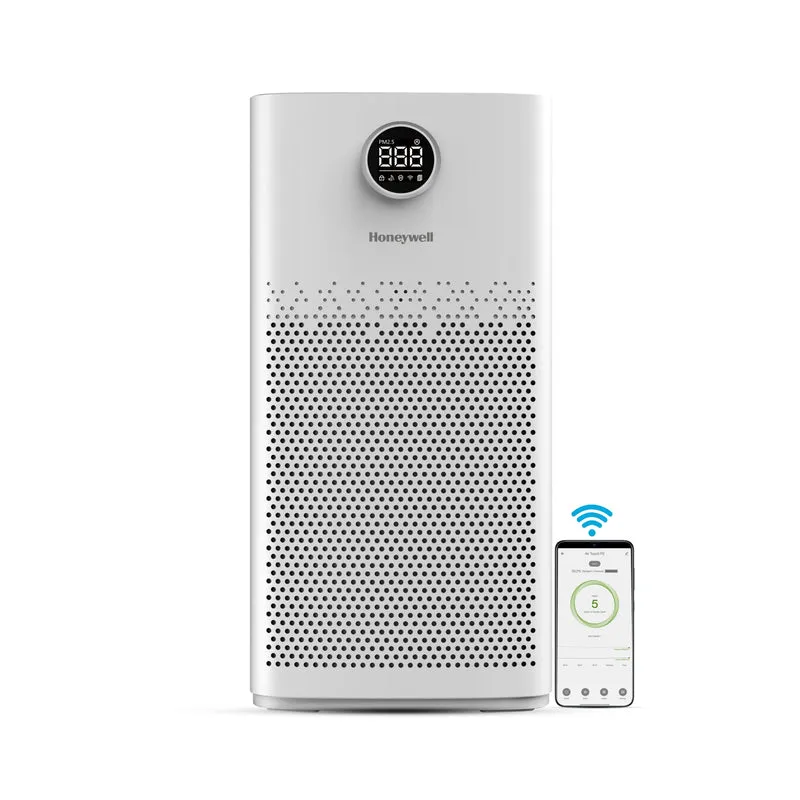
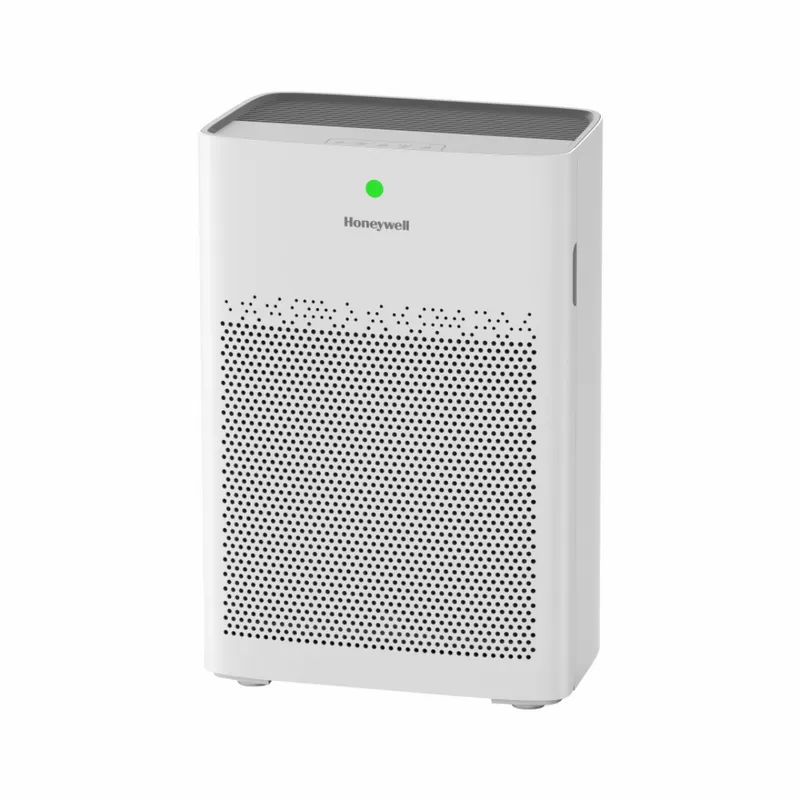
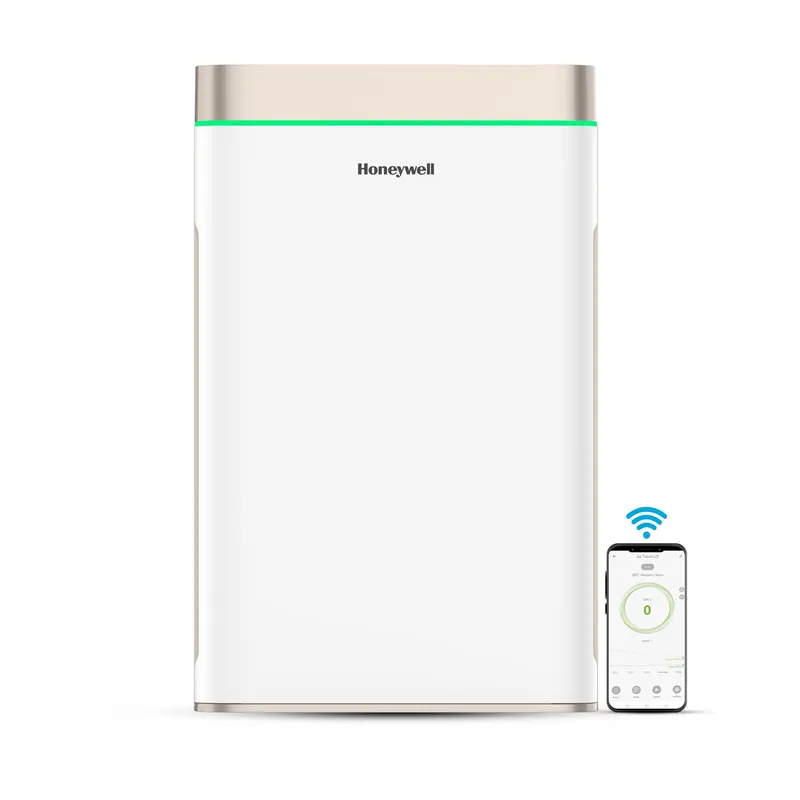
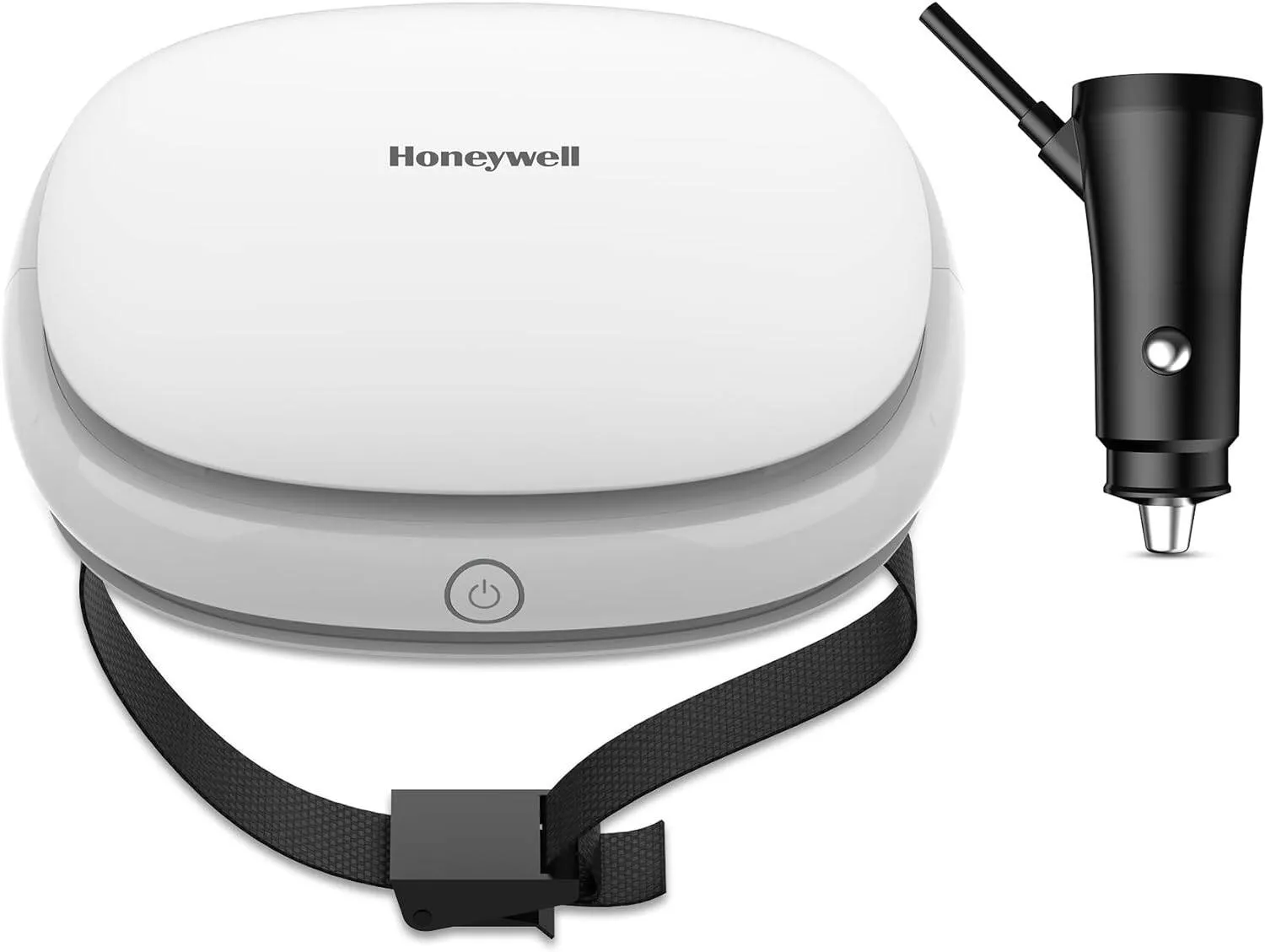
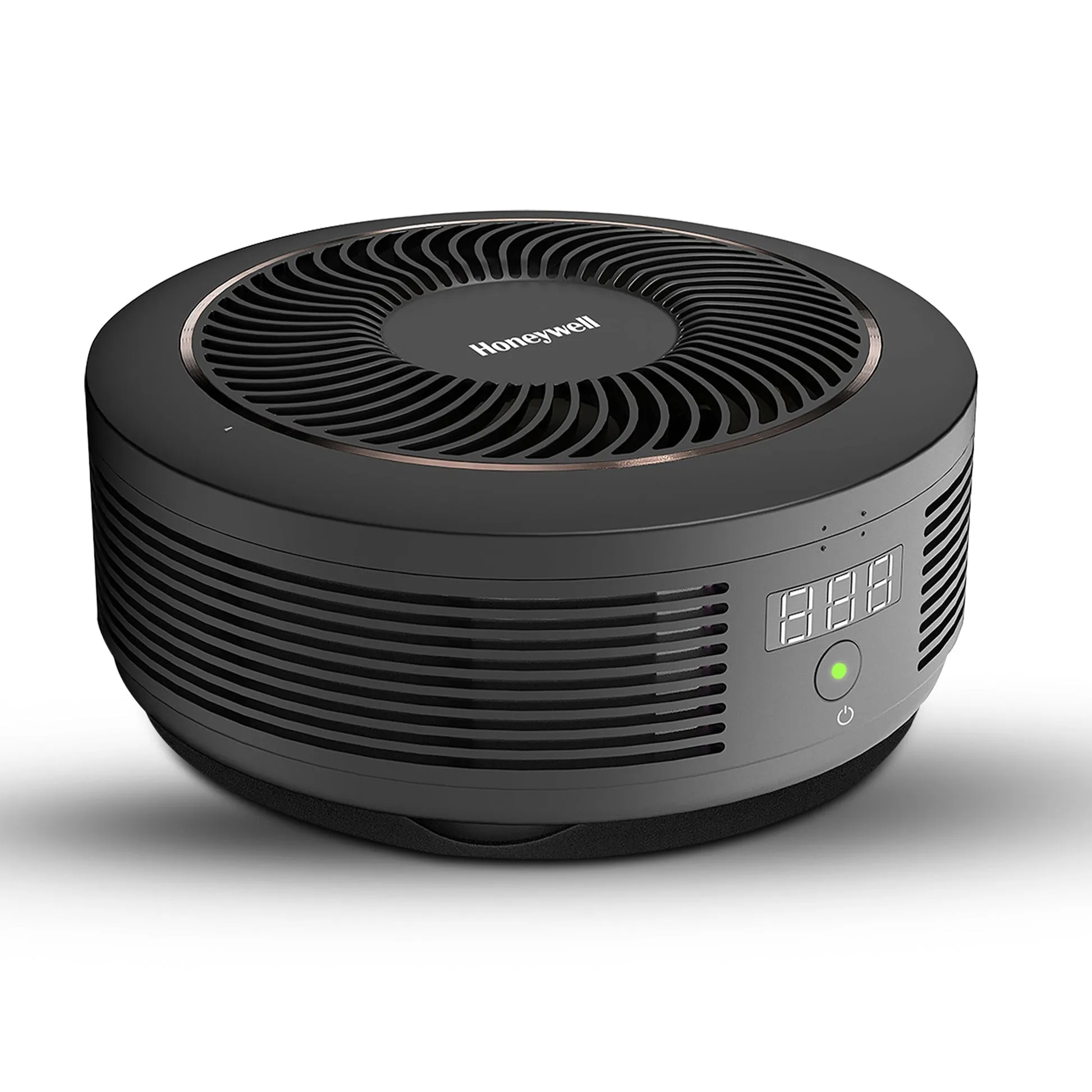
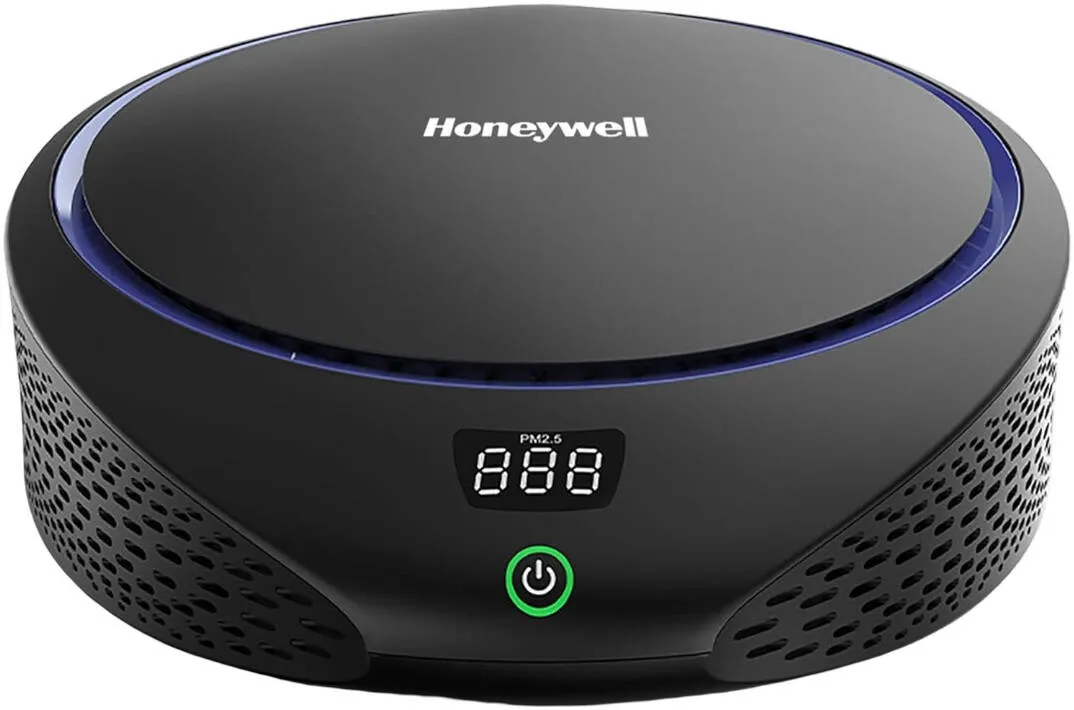
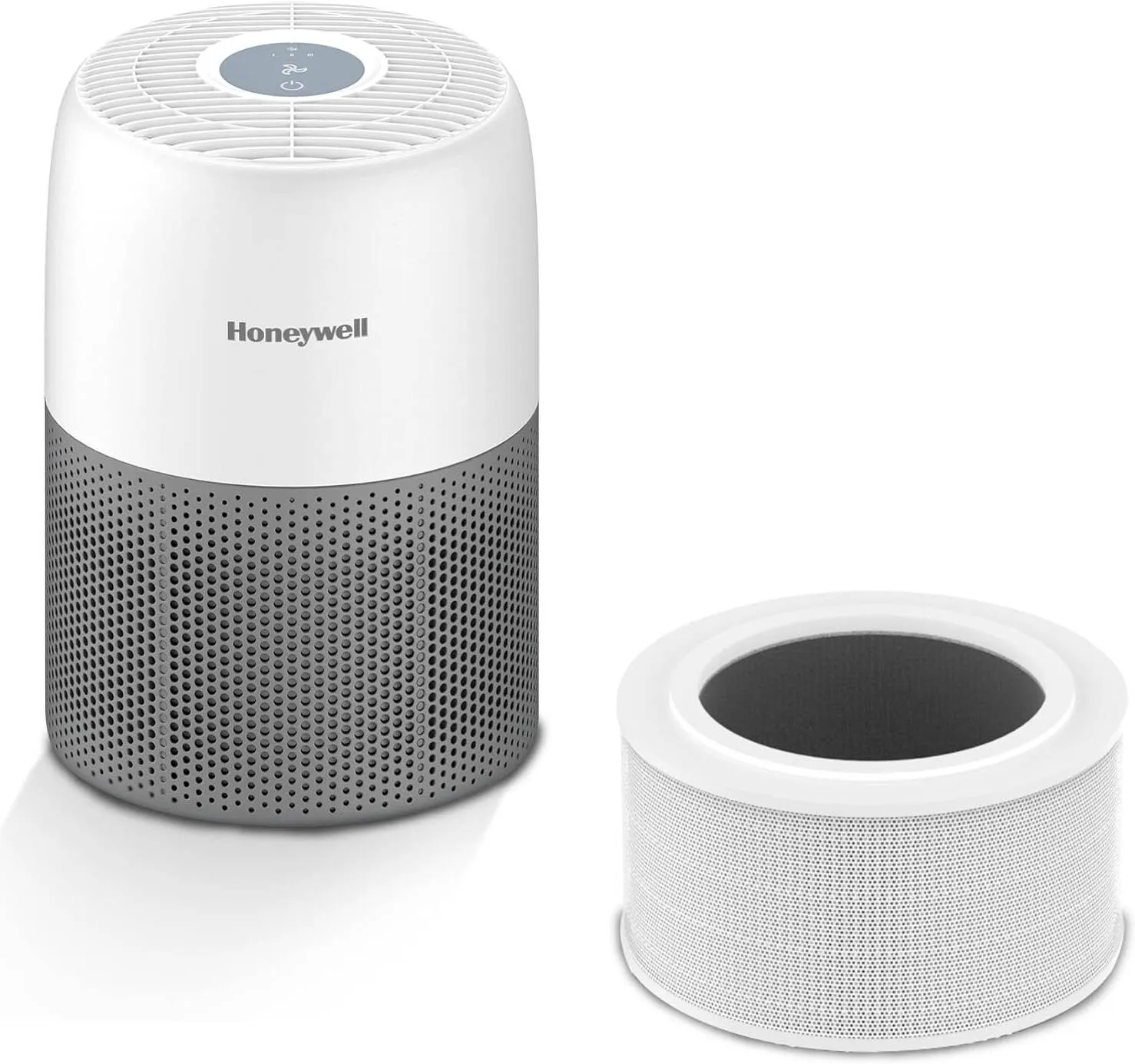
Brands including Blueair, Honeywell, and Levoit are available with fast UAE delivery. The air purifier buying guide for 2026 covers CADR ratings, filter types, and room-size matching in detail. For those weighing up ventilation options alongside purifiers, the air cleaning technologies guide sets out the full range of available solutions. The Cleanair-ae support team is available to assist with product selection based on your specific allergy triggers and home layout.
FAQ
What is the best filter type for allergy sufferers?
True HEPA filters are the most effective option, capturing 99.97% of airborne particles at 0.3 microns, including pollen, dust mite debris, and pet dander. For central HVAC systems, MERV 13 pleated filters are the appropriate alternative.
Can I use a HEPA filter in my HVAC system?
Standard residential HVAC systems cannot accommodate True HEPA filters due to airflow restrictions that can damage the motor. MERV 11 or MERV 13 filters provide effective allergen reduction while remaining compatible with most systems.
How often should I replace allergy-grade air filters?
HVAC filters rated MERV 11 or 13 require replacement every 1–2 months during periods of heavy use. Standalone air purifier HEPA filters typically last 6–12 months, depending on air quality and usage hours.
Do air purifiers remove all allergens from a room?
Air purifiers remove airborne allergens effectively but cannot address particles settled on floors, furniture, or bedding. HEPA-certified vacuuming and damp dusting are necessary to manage surface allergens alongside air purification.
What humidity level reduces dust mites and mould?
Maintaining indoor humidity between 30% and 50% discourages dust mite reproduction and inhibits mould growth. A hygrometer paired with a dehumidifier is the most reliable way to hold humidity within that range.