



Uncategorised
Air pollution definition: causes, effects, and what it means

Air pollution is defined as the presence of harmful substances in the atmosphere that damage human health, ecosystems, and the broader environment. These substances include gases, particulate matter, and biological molecules from both natural and human-made sources. The World Health Organization links air pollution to approximately 6.6 million deaths globally every year, with nearly 84% attributed to noncommunicable diseases such as heart disease and stroke. That scale makes understanding the air pollution definition not just an academic exercise, but a practical health priority for every household and business.
What are the main types and sources of air pollution?
Pollutants are classified as either primary or secondary. Primary pollutants are emitted directly into the atmosphere from a source, while secondary pollutants form through chemical reactions in the air. This distinction matters because secondary pollutants are often harder to control at the source.
The most common pollutant categories are:
- Particulate matter (PM2.5 and PM10): Tiny solid or liquid particles suspended in air. PM2.5 particles are about 30 times smaller than a human hair, allowing them to penetrate deep into the lungs and enter the bloodstream.
- Nitrogen oxides (NOx): Produced mainly by vehicle engines and power stations. They contribute directly to respiratory irritation and act as precursors to secondary pollutants.
- Carbon monoxide (CO): A colourless, odourless gas released by incomplete combustion in engines and boilers.
- Volatile organic compounds (VOCs): Emitted by paints, solvents, and vehicle exhaust. They react with NOx to form ground-level ozone.
- Sulphur dioxide (SO₂): Released by coal burning and industrial processes, contributing to acid rain and respiratory disease.
Human-made sources account for the majority of urban air pollution. Vehicle emissions, industrial manufacturing, power generation, and agricultural activity all release significant quantities of pollutants. Natural sources also contribute: wildfires release enormous volumes of particulate matter and carbon monoxide, volcanic eruptions emit sulphur dioxide, and pollen from trees and grasses adds biological particles to the air.
| Pollutant type | Primary or secondary | Common source |
|---|---|---|
| PM2.5 | Primary and secondary | Vehicle exhaust, wildfires, industrial dust |
| Ground-level ozone | Secondary | NOx and VOC reactions in sunlight |
| Carbon monoxide | Primary | Incomplete combustion, vehicle engines |
| Sulphur dioxide | Primary | Coal burning, industrial smelting |
| Nitrogen dioxide | Primary | Road traffic, power generation |
Understanding these categories helps you interpret air quality reports and make informed decisions about outdoor activity and indoor protection.
How does air pollution affect human health and vulnerable groups?
Air pollution affects nearly every organ system in the body. Short-term exposure causes eye irritation, coughing, and shortness of breath. Long-term exposure drives chronic conditions including asthma, chronic obstructive pulmonary disease, cardiovascular disease, and certain cancers. PM2.5 penetrates the lungs and bloodstream, triggering inflammation that accelerates heart disease and stroke.
Not everyone faces the same level of risk. Children, pregnant women, older adults, and people with chronic conditions or lower socioeconomic status are disproportionately affected. Children breathe more air relative to their body weight than adults, and their developing lungs are more vulnerable to permanent damage. Pregnant women exposed to high pollution levels face increased risks of preterm birth and low birth weight.
“Vulnerability to air pollution reflects social justice issues, with disadvantaged demographics facing higher exposure and worse health outcomes. Those with the fewest resources to protect themselves often live closest to industrial zones, busy roads, and other high-emission areas.”
The Air Quality Index (AQI) is the standard public health tool for communicating daily pollution risk. The AQI helps people adjust their activities based on current pollution levels, for example by avoiding outdoor exercise on high-pollution days. Families with children or elderly relatives benefit most from checking the AQI before planning outdoor activities. The indoor air quality checklist from Cleanair-ae offers a practical starting point for reducing exposure at home.
How do airborne pollutants interact and affect the environment?
Air pollution does not stay where it originates. Pollutants travel across borders, affecting regions far from the original emission source. This atmospheric transport makes air quality a shared, international problem rather than a local one. Only 31% of countries have laws addressing cross-border pollution, which leaves significant regulatory gaps.
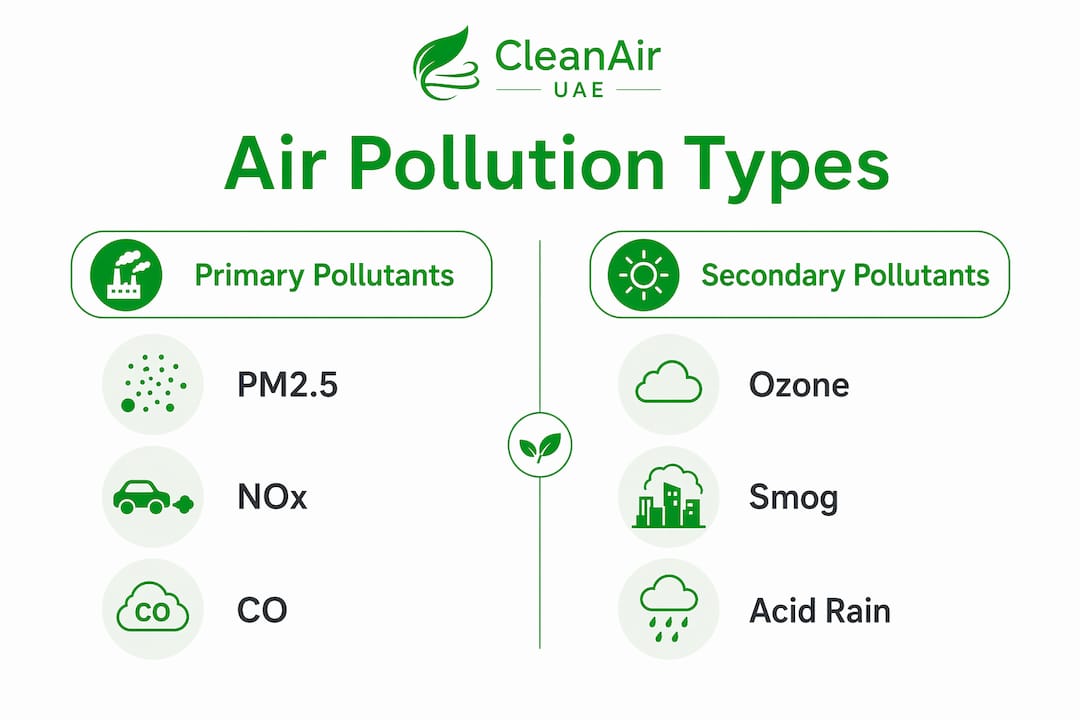
Chemical interactions between pollutants create new hazards. Nitrogen oxides and VOCs react with sunlight to form ground-level ozone, a secondary pollutant that damages lung tissue and harms crops and forests. Warm, sunny conditions accelerate this reaction, which is why ozone levels peak in summer afternoons in cities with heavy traffic.
Particulate matter also affects climate. Dark particles such as black carbon absorb solar radiation and warm the atmosphere, while some sulphate particles reflect sunlight and have a temporary cooling effect. These interactions mean that reducing air pollution carries benefits for both public health and climate stability.
Pro Tip: Houseplants do not meaningfully filter indoor air pollutants at the concentrations found in real homes. A certified HEPA air purifier removes PM2.5 far more reliably than any plant-based approach.
Indoor air quality deserves separate attention. Indoor air can be more polluted than outdoor air due to poor ventilation and internal sources such as gas cookers, cleaning products, and building materials. In the UAE, where residents spend the majority of their time indoors due to heat, this distinction is especially relevant. Cooking on a gas hob, using aerosol sprays, or living in a building with off-gassing synthetic materials all contribute to indoor pollution levels that can exceed outdoor readings.
| Indoor pollution source | Pollutant released | Health concern |
|---|---|---|
| Gas cooker | NOx, CO | Respiratory irritation |
| Cleaning sprays | VOCs | Airway inflammation |
| Building materials | Formaldehyde, VOCs | Long-term lung damage |
| Poor ventilation | CO₂, accumulated particles | Fatigue, reduced cognition |
What methods and tools measure air pollution and air quality?
Accurate measurement is the foundation of effective pollution control. Air quality monitoring covers several key pollutants, each requiring different detection methods:
- PM2.5 and PM10: Measured by optical particle counters or gravimetric filters. PM2.5 is the priority metric for health risk assessment.
- Nitrogen dioxide (NO₂): Monitored by electrochemical sensors or chemiluminescence analysers, particularly near road traffic.
- Ozone: Measured by ultraviolet photometry, with readings peaking in afternoon hours during warm months.
- Black carbon: Assessed by light absorption methods; a key indicator of combustion-related pollution.
Measuring multiple pollutants together gives a far more accurate picture of air quality than tracking a single metric. Relying on PM2.5 alone misses the risks posed by ozone and nitrogen dioxide, which affect different biological pathways. A complete monitoring approach covers at least PM2.5, NO₂, ozone, and black carbon.
Regulatory standards set the legal thresholds for acceptable pollution levels, but coverage is uneven globally. 43% of countries lack a legal definition for air pollution, and 34% have no outdoor air quality standards at all. That means a large share of the global population lives without enforceable legal protection from harmful air. For residents in countries with standards in place, the AQI translates complex monitoring data into a simple colour-coded scale that guides daily decisions. Families can use resources such as the air quality measurement guide from Cleanair-ae to understand what AQI readings mean in practice.
Indoor air quality monitoring is a growing priority. Portable sensors now measure CO₂, VOCs, PM2.5, and humidity in real time, giving households actionable data about their own living spaces. These devices do not replace professional assessments but provide a useful daily reference for identifying pollution spikes linked to cooking, cleaning, or poor ventilation.
Key takeaways
Air pollution causes approximately 6.6 million deaths per year, with indoor sources, particulate matter size, and regulatory gaps all shaping how serious the risk is for any given person or household.
| Point | Details |
|---|---|
| Primary vs secondary pollutants | Primary pollutants are emitted directly; secondary ones form through atmospheric reactions and are harder to control. |
| PM2.5 is the highest-risk particle | Its tiny size allows it to enter the bloodstream, driving heart disease, stroke, and lung damage. |
| Indoor air is often more polluted | Gas cookers, cleaning products, and poor ventilation can push indoor levels above outdoor readings. |
| Vulnerable groups face greater risk | Children, pregnant women, and older adults absorb more harm from the same exposure levels as healthy adults. |
| Monitoring requires multiple metrics | Tracking PM2.5 alone misses ozone and NO₂ risks; a complete picture needs at least four pollutant types. |
Why indoor air pollution is the risk most people underestimate
Most people picture air pollution as smog over a city skyline or exhaust fumes on a motorway. That image is accurate but incomplete. After years of following air quality research and working with households across the UAE, I find the indoor dimension is consistently the one people are least prepared for.
The numbers are striking. Indoor air in a poorly ventilated flat can carry higher concentrations of VOCs and particulate matter than the street outside, even in a city with moderate outdoor pollution. Gas cookers, synthetic furnishings, and aerosol cleaning products all contribute. In the UAE, where air conditioning recirculates indoor air for months at a time, the accumulation effect is real and measurable.
The practical response is not complicated. Check your AQI daily, ventilate when outdoor air quality permits, and use a certified HEPA purifier in rooms where you spend the most time. The step-by-step clean air routine from Cleanair-ae lays out exactly how to do this without overcomplicating it. What I have found is that people who take these steps consistently report noticeably better sleep and fewer respiratory symptoms within weeks. The science supports that outcome.
— Wojciech
Air quality products available from Cleanair-ae
Understanding what air pollution is and how it enters your home is the first step. Acting on that knowledge is the second.

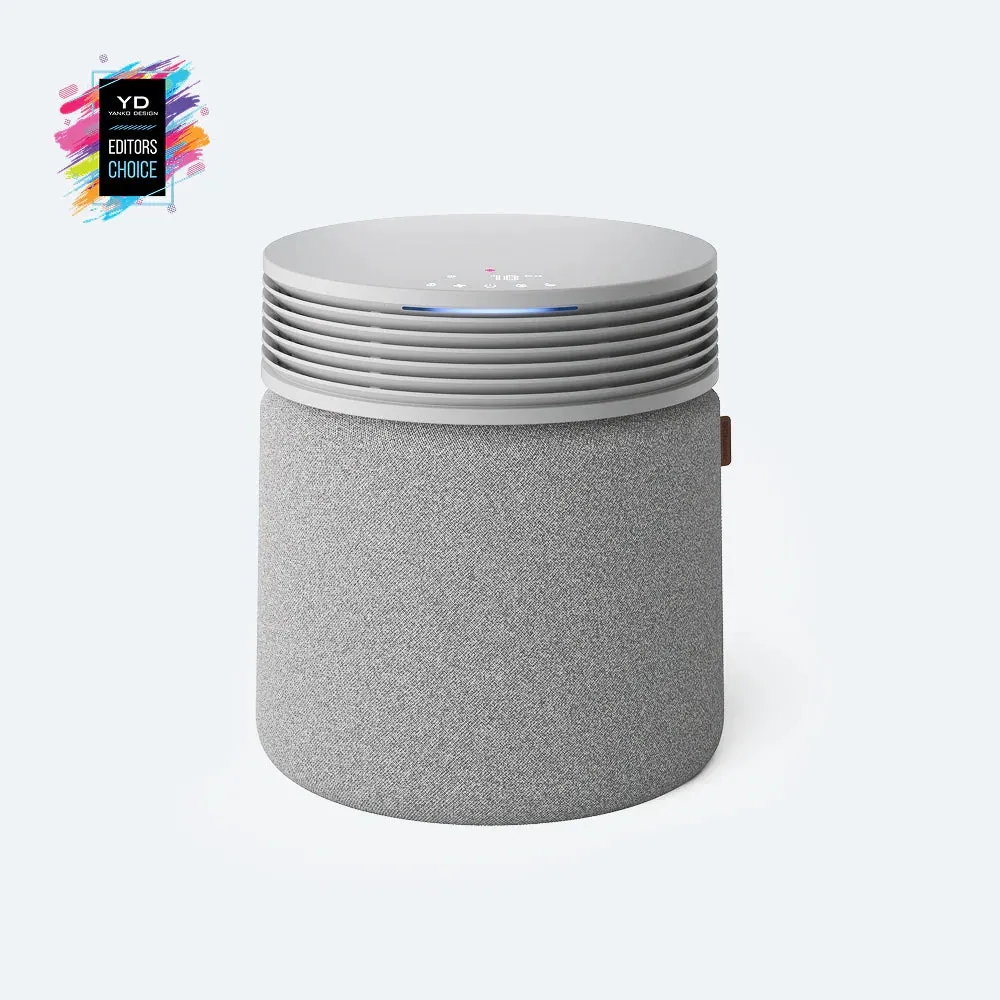
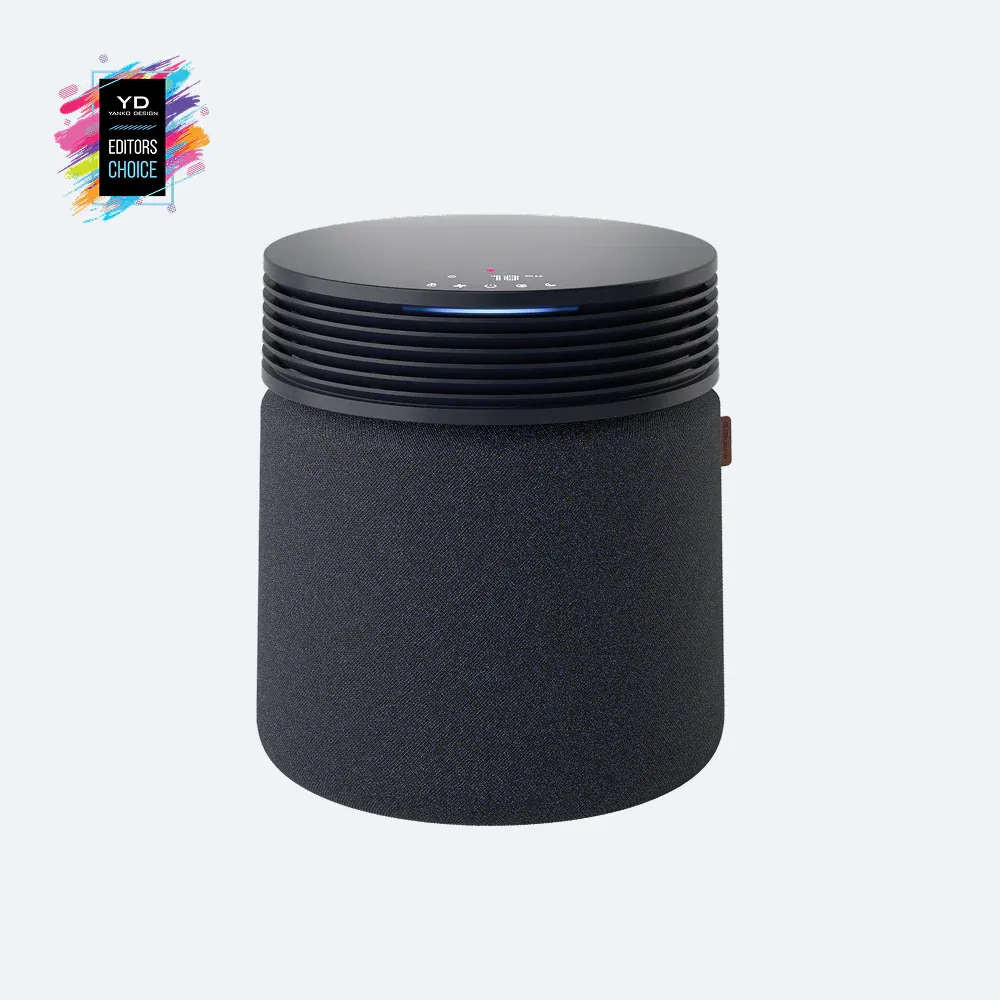
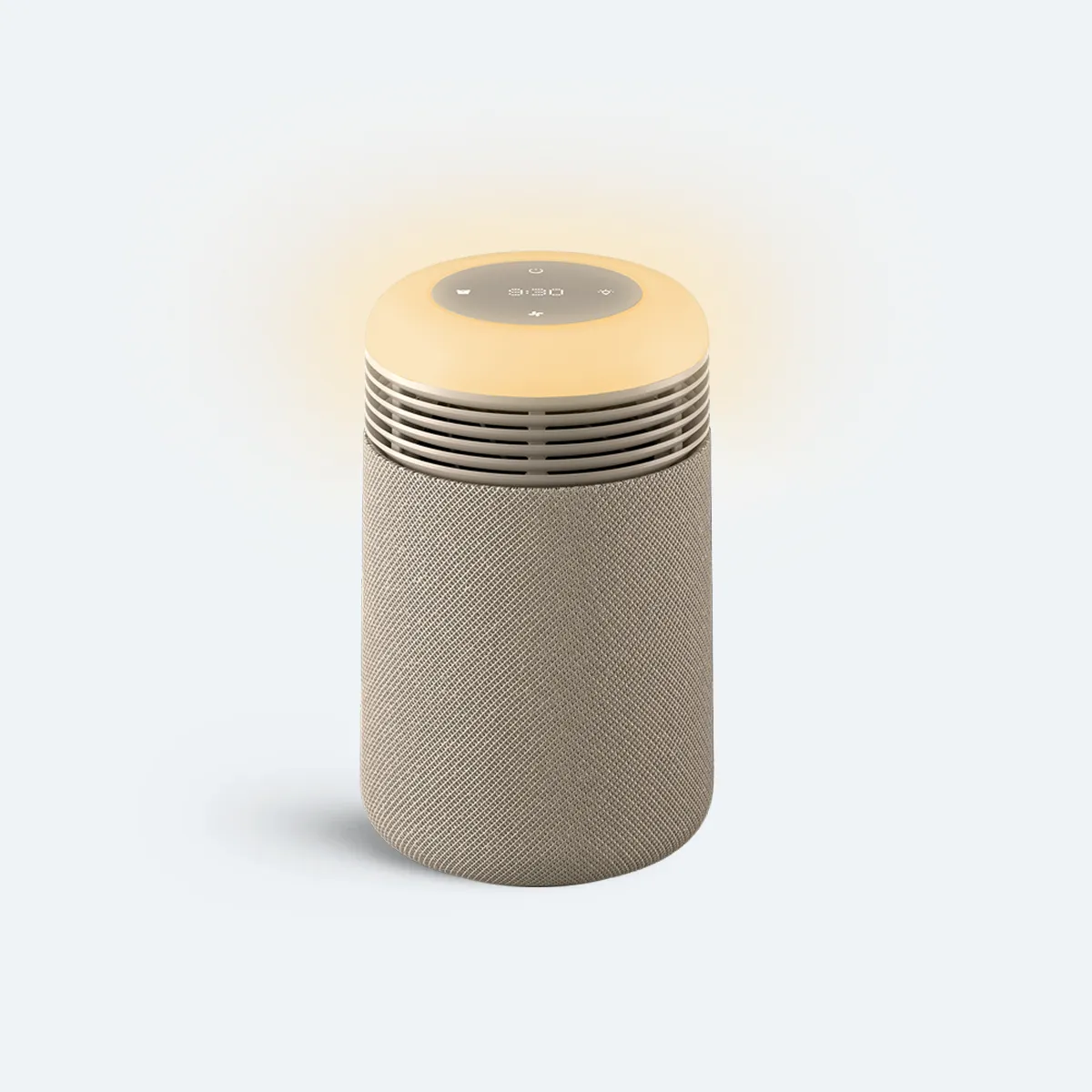
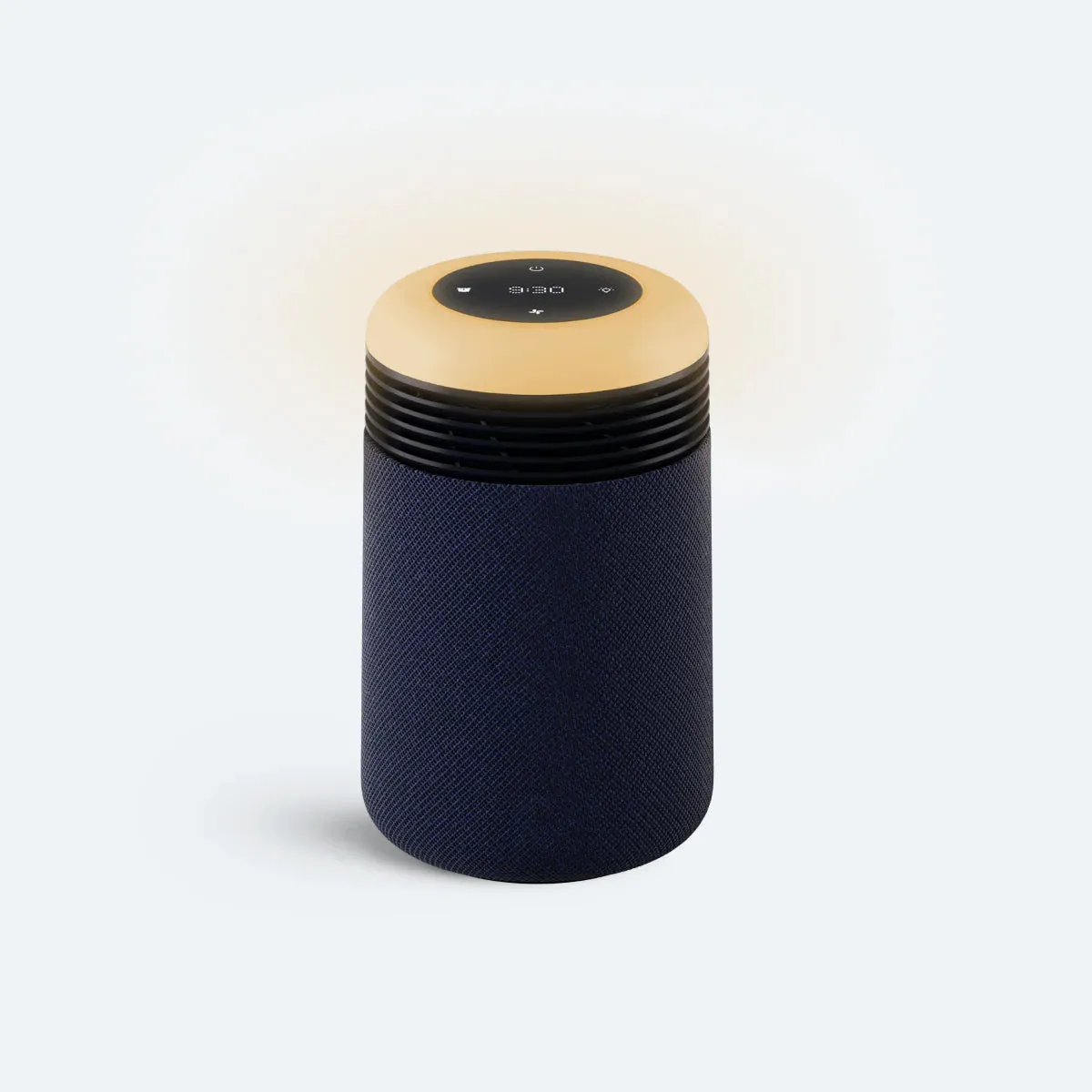
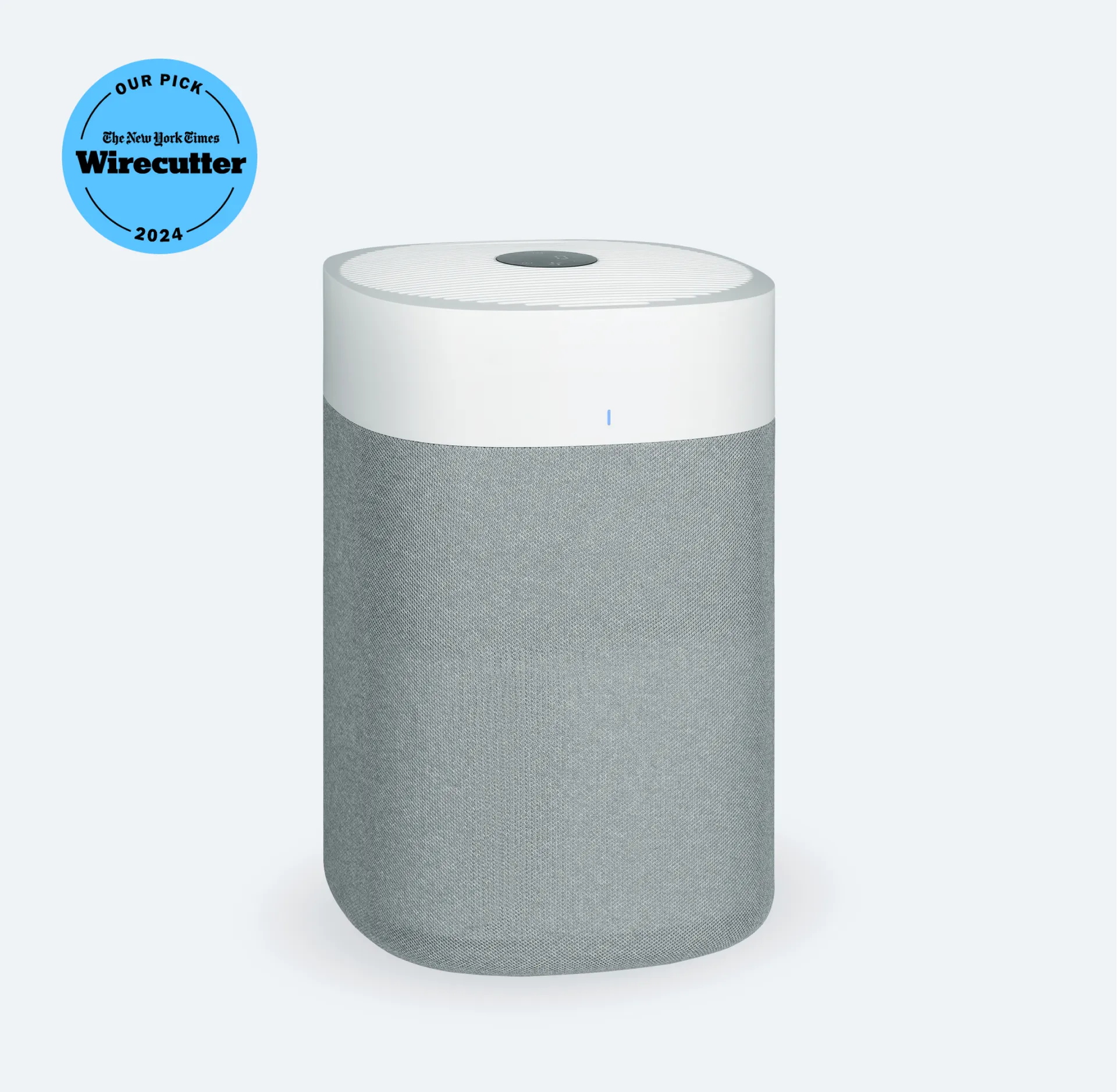
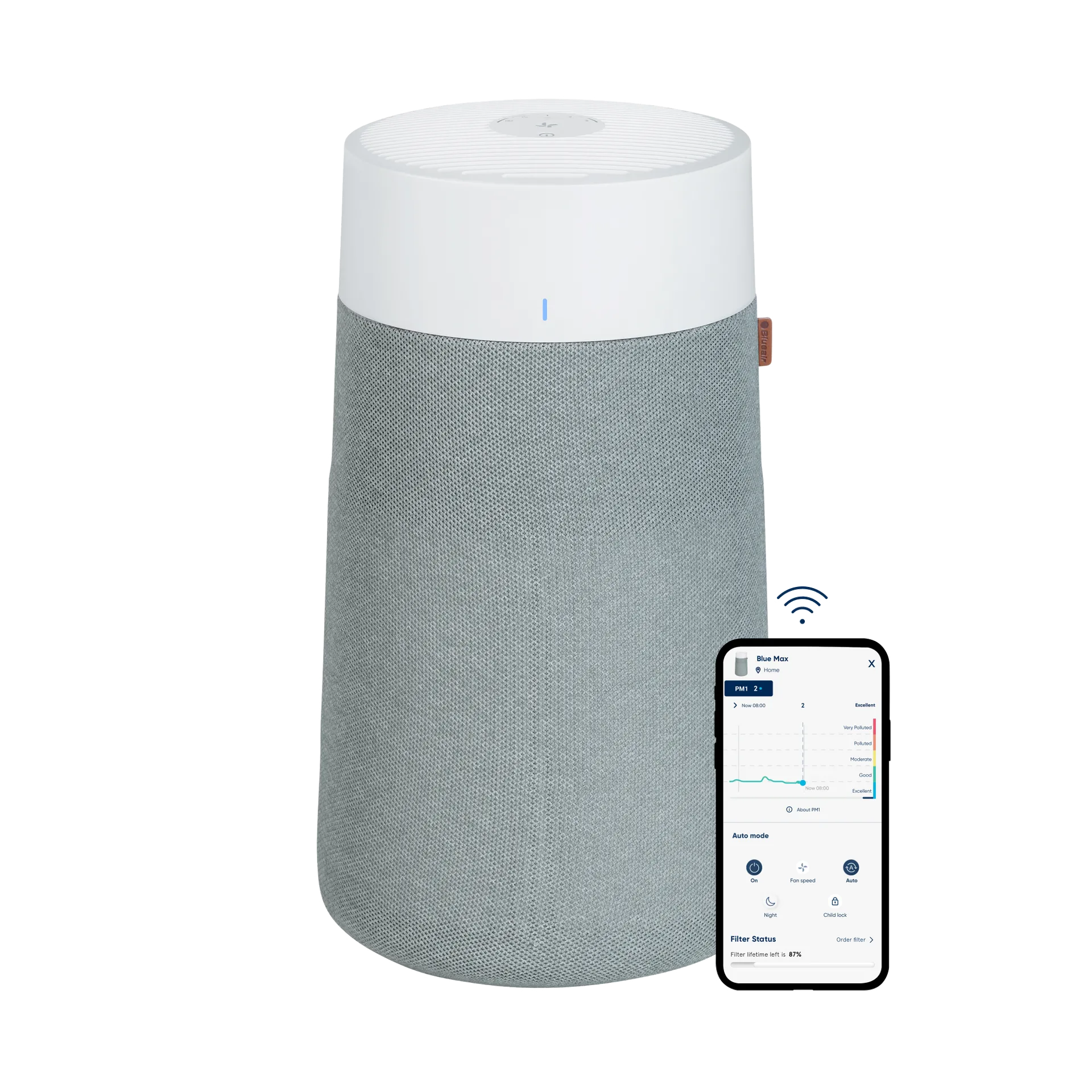
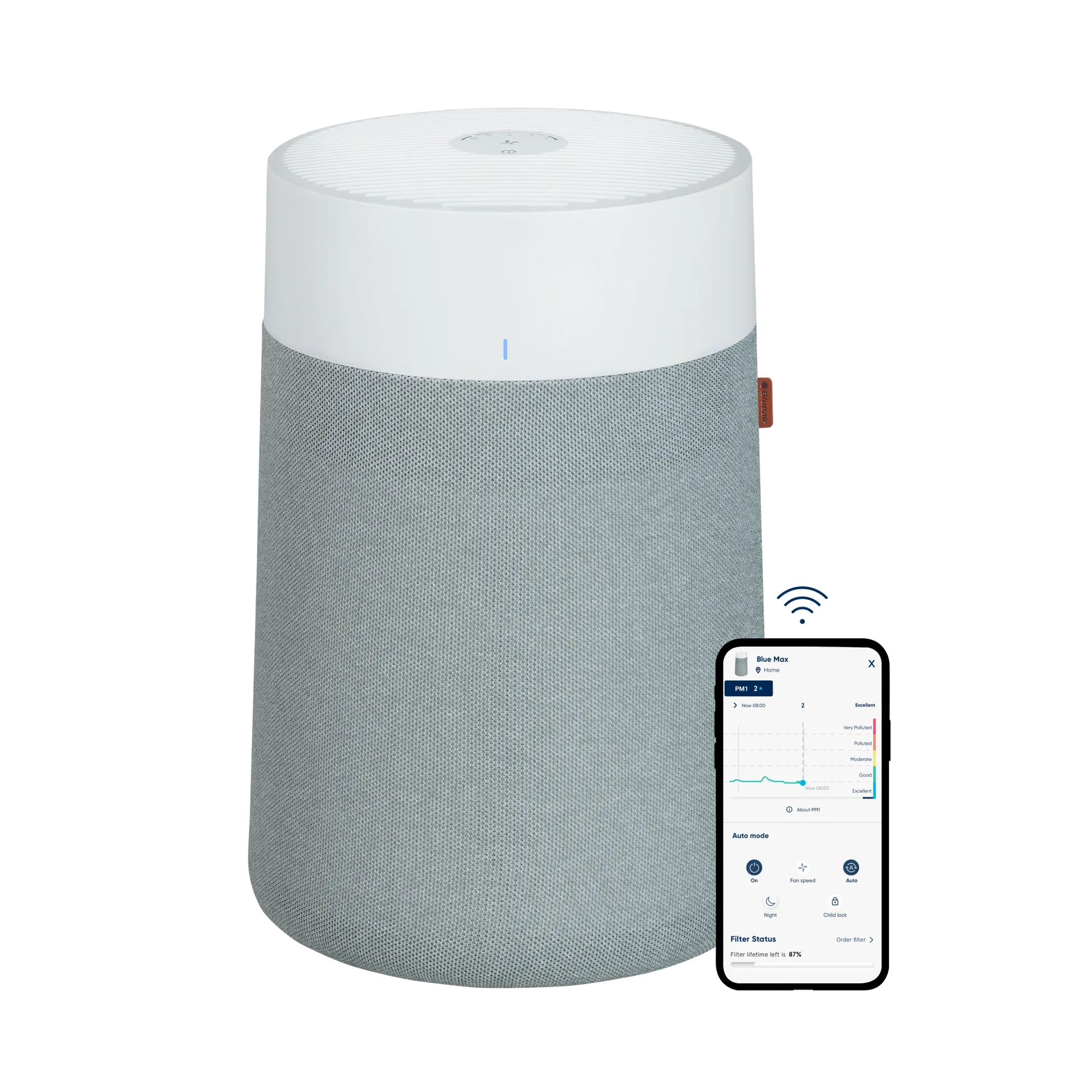
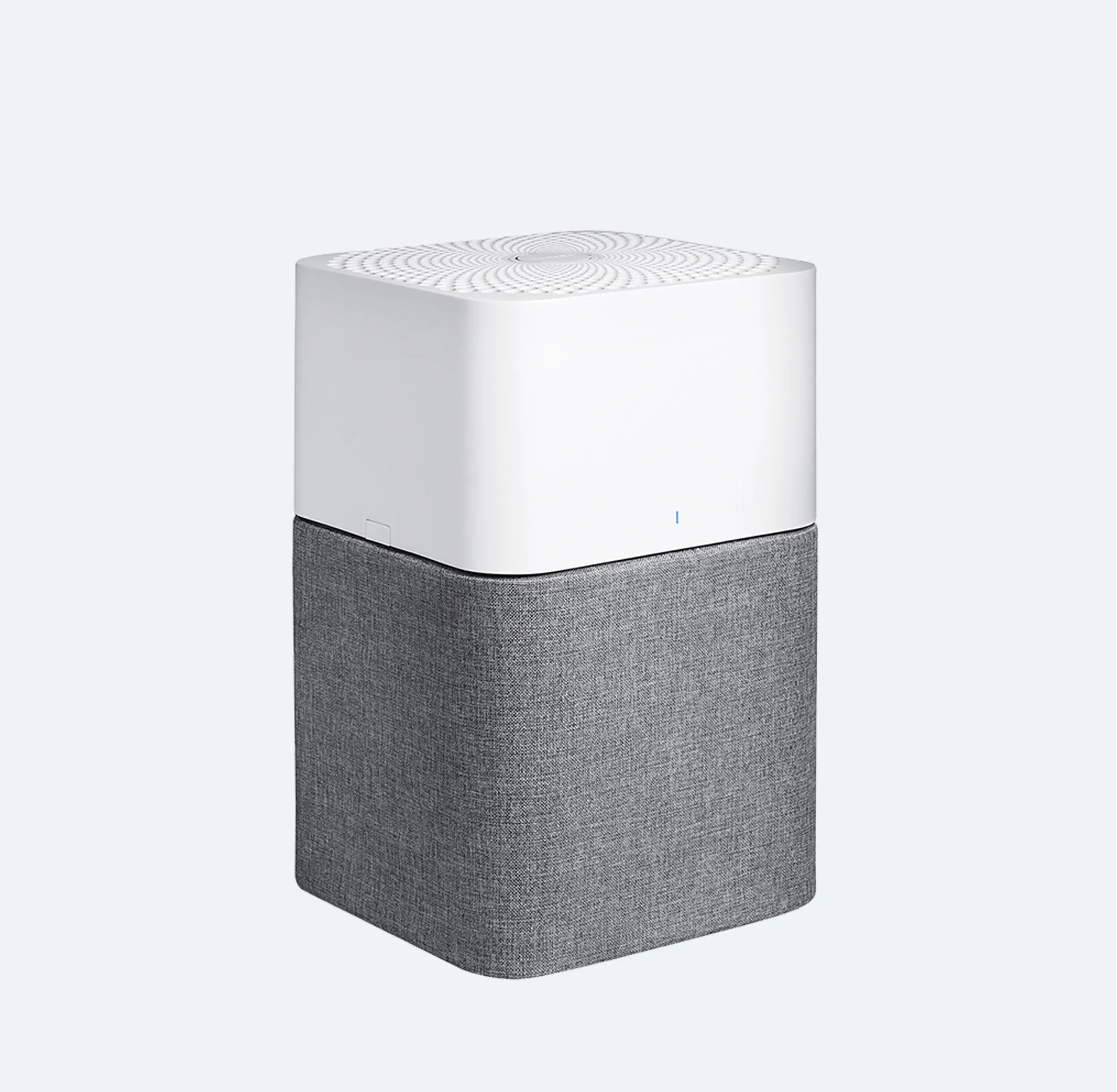
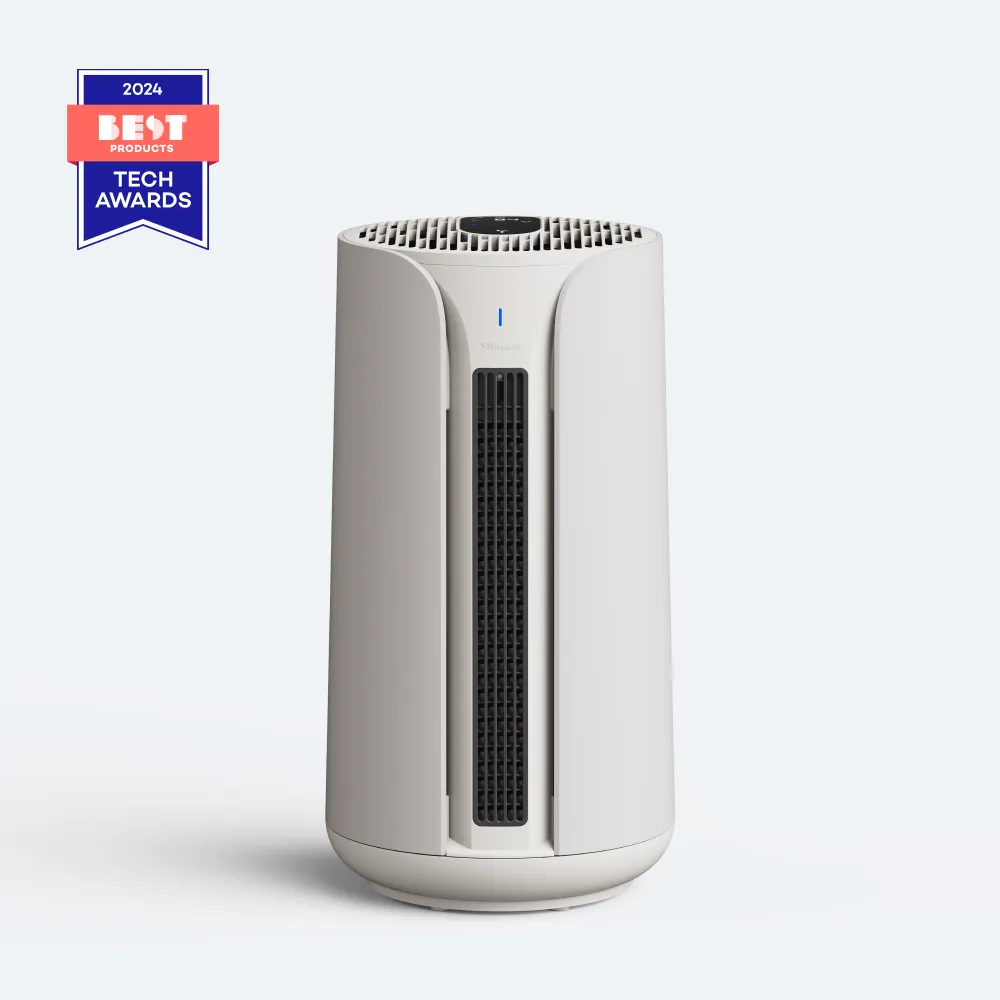
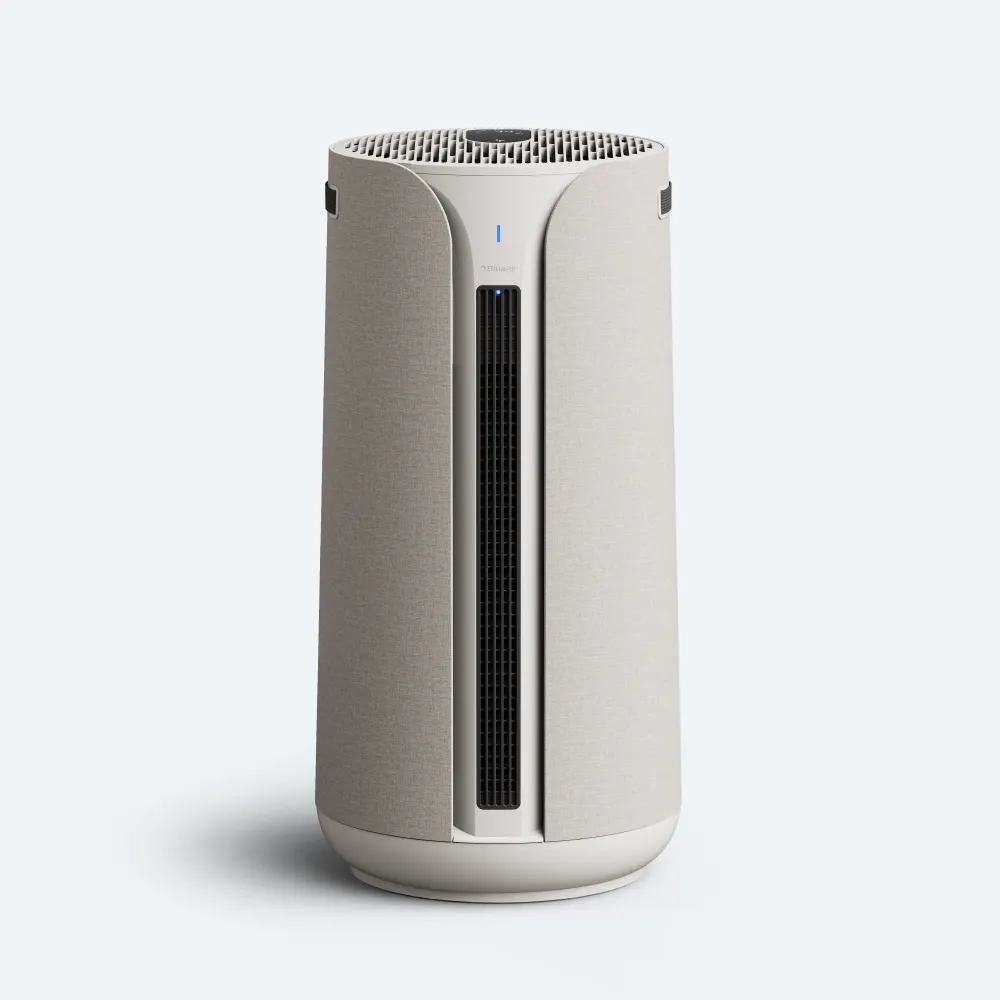
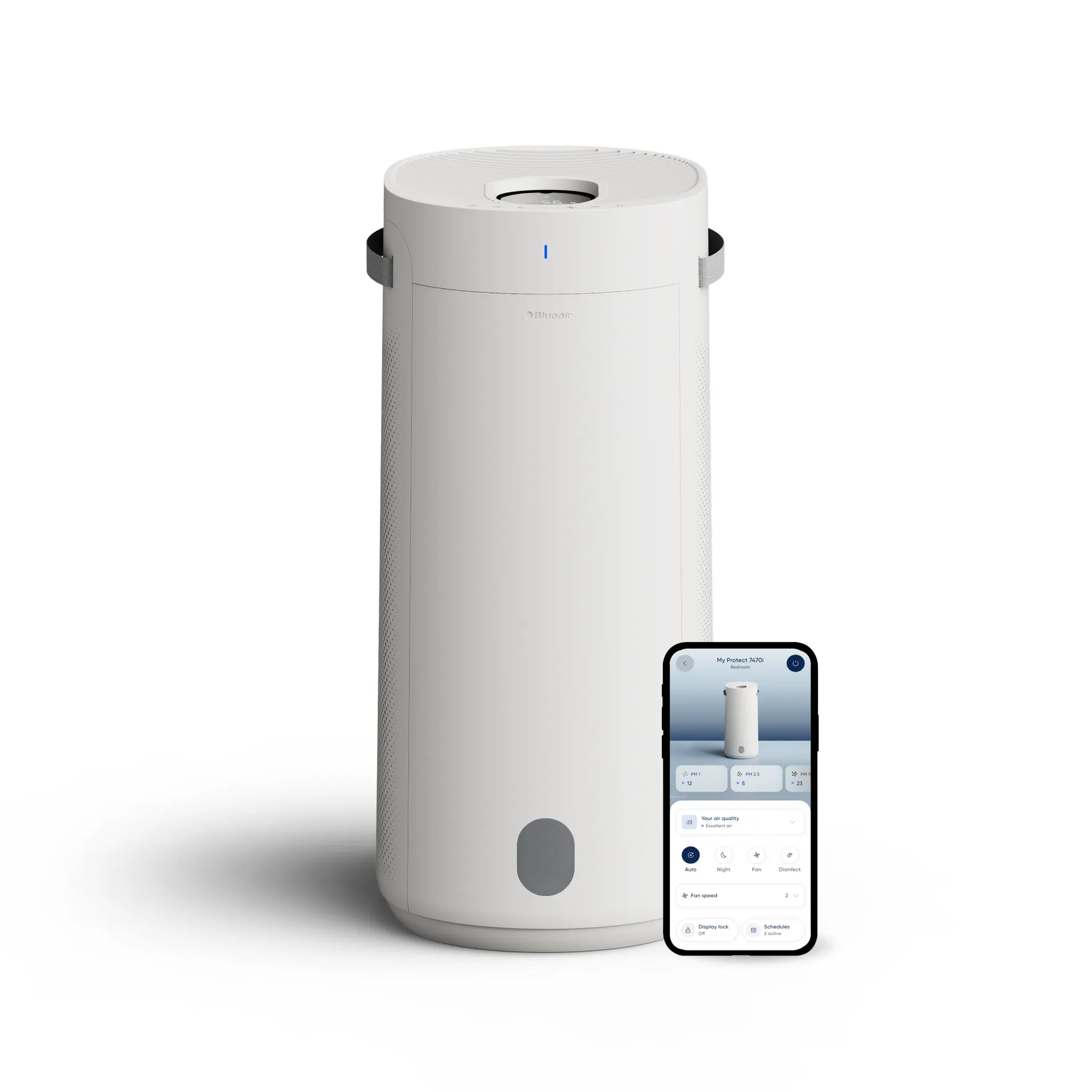
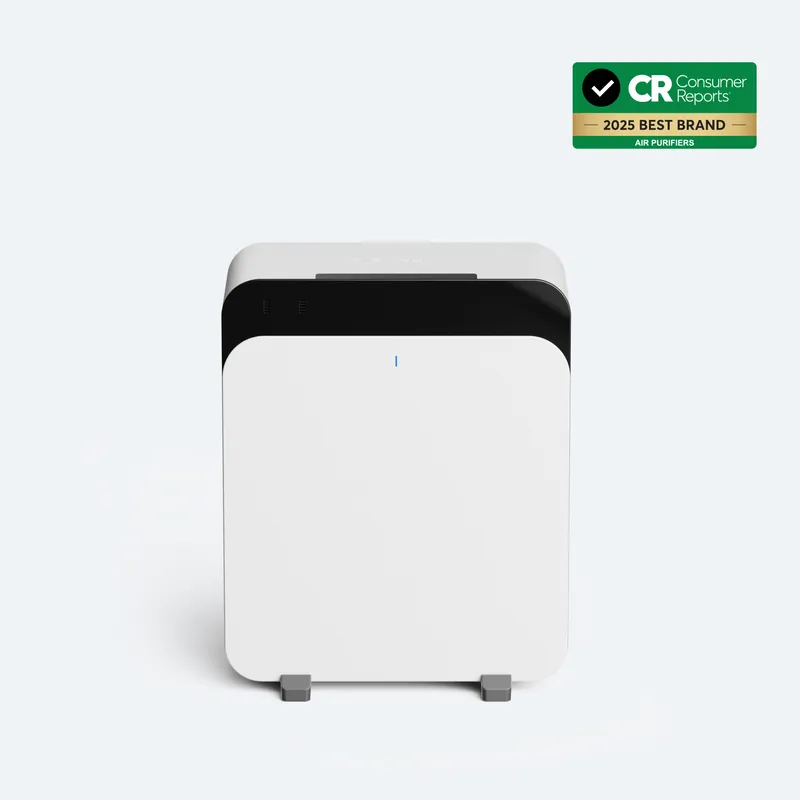
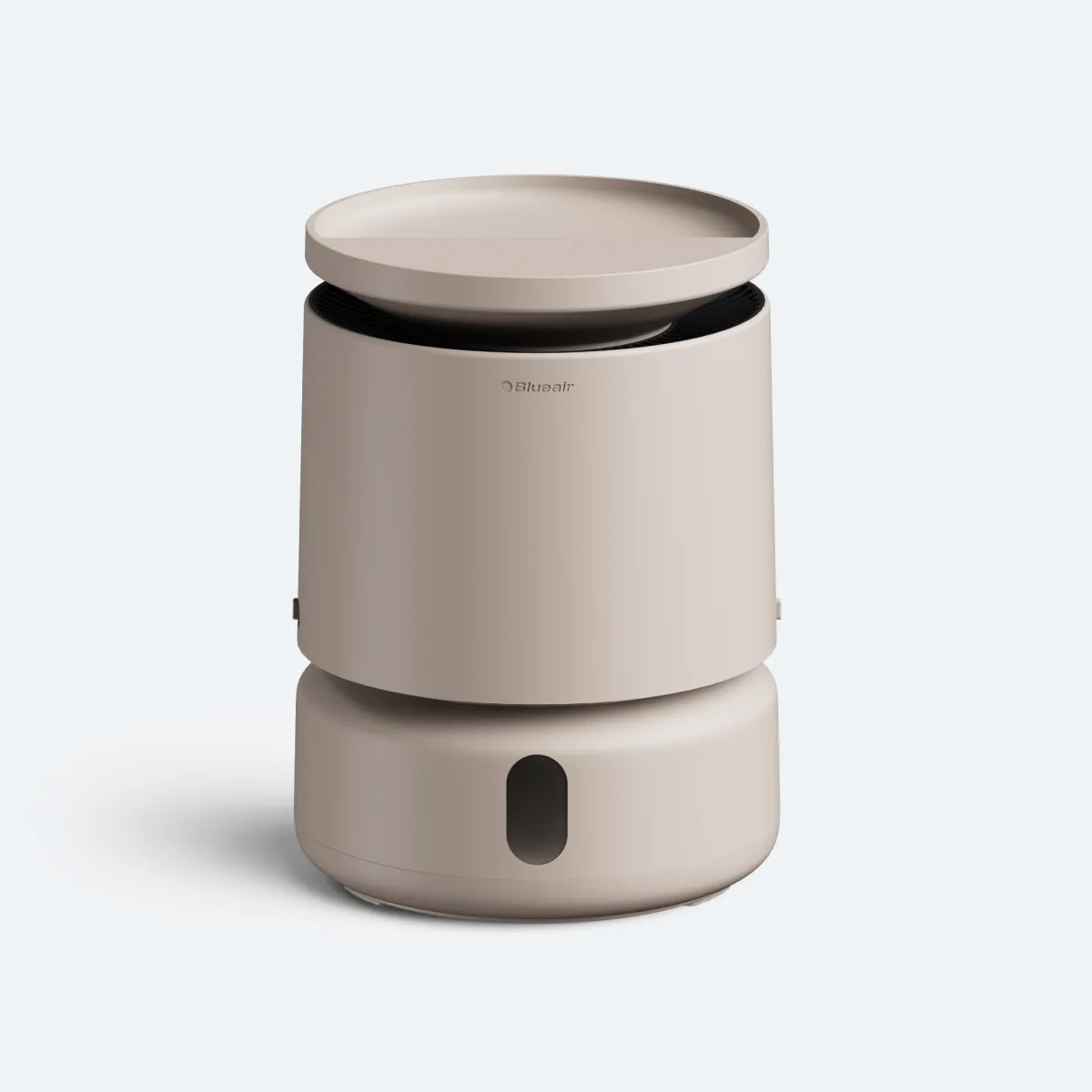
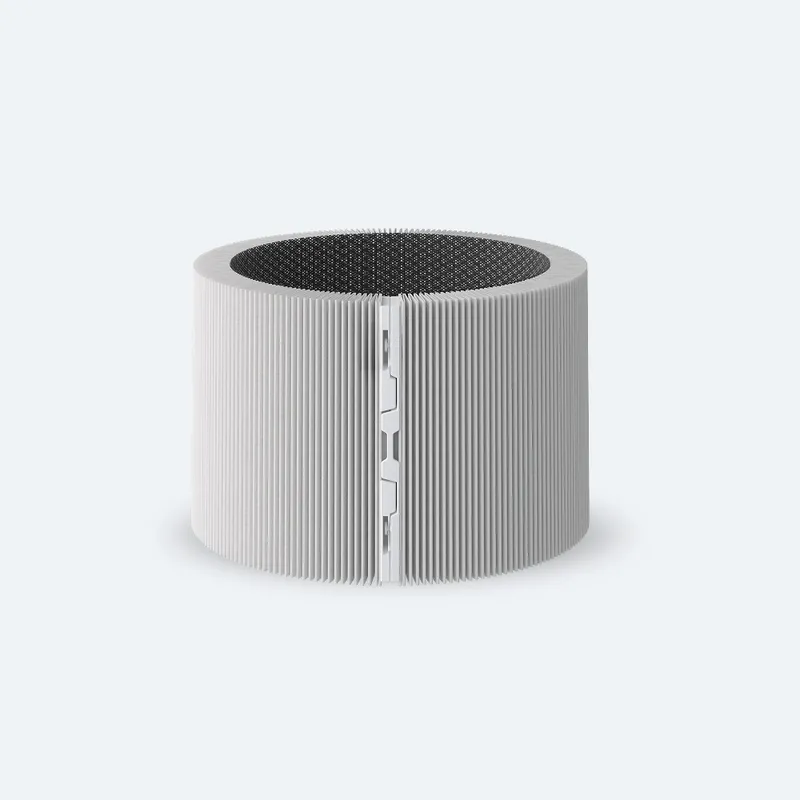
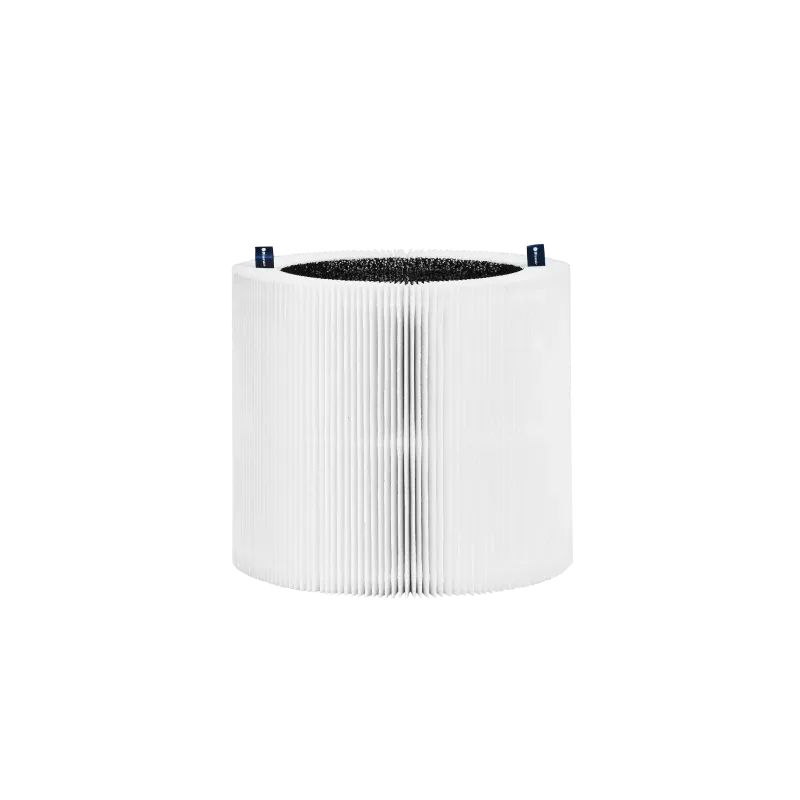
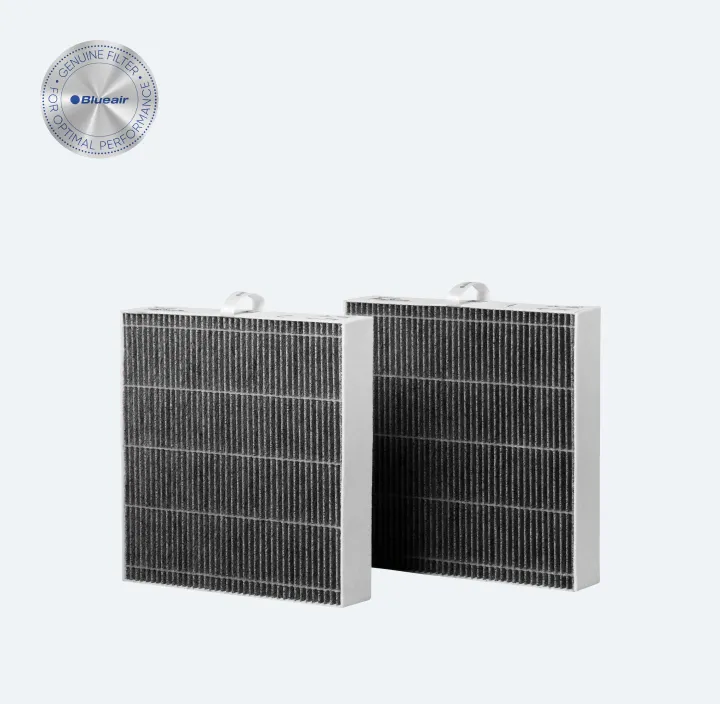
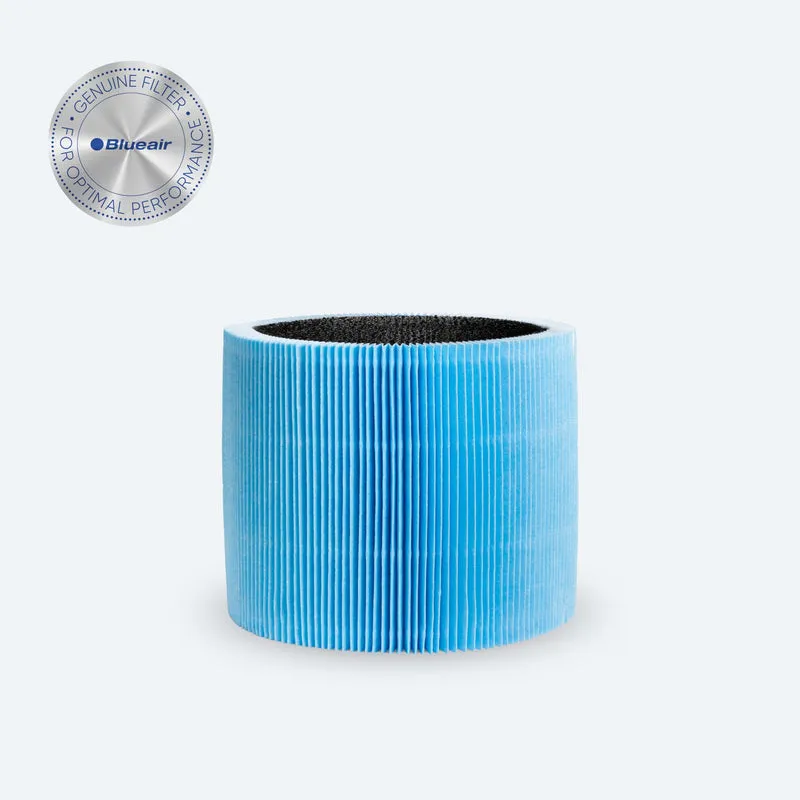
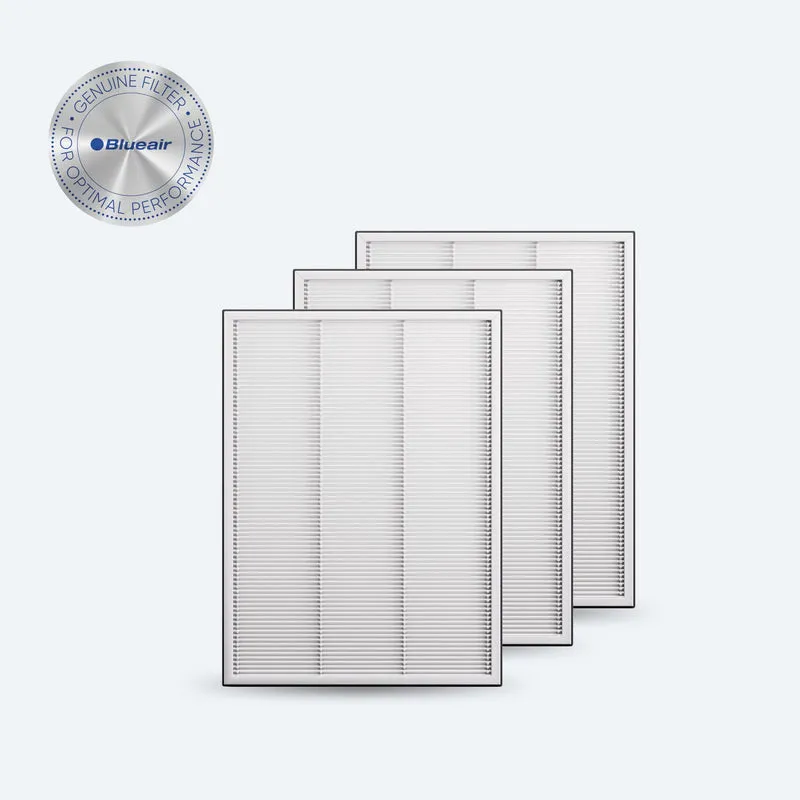
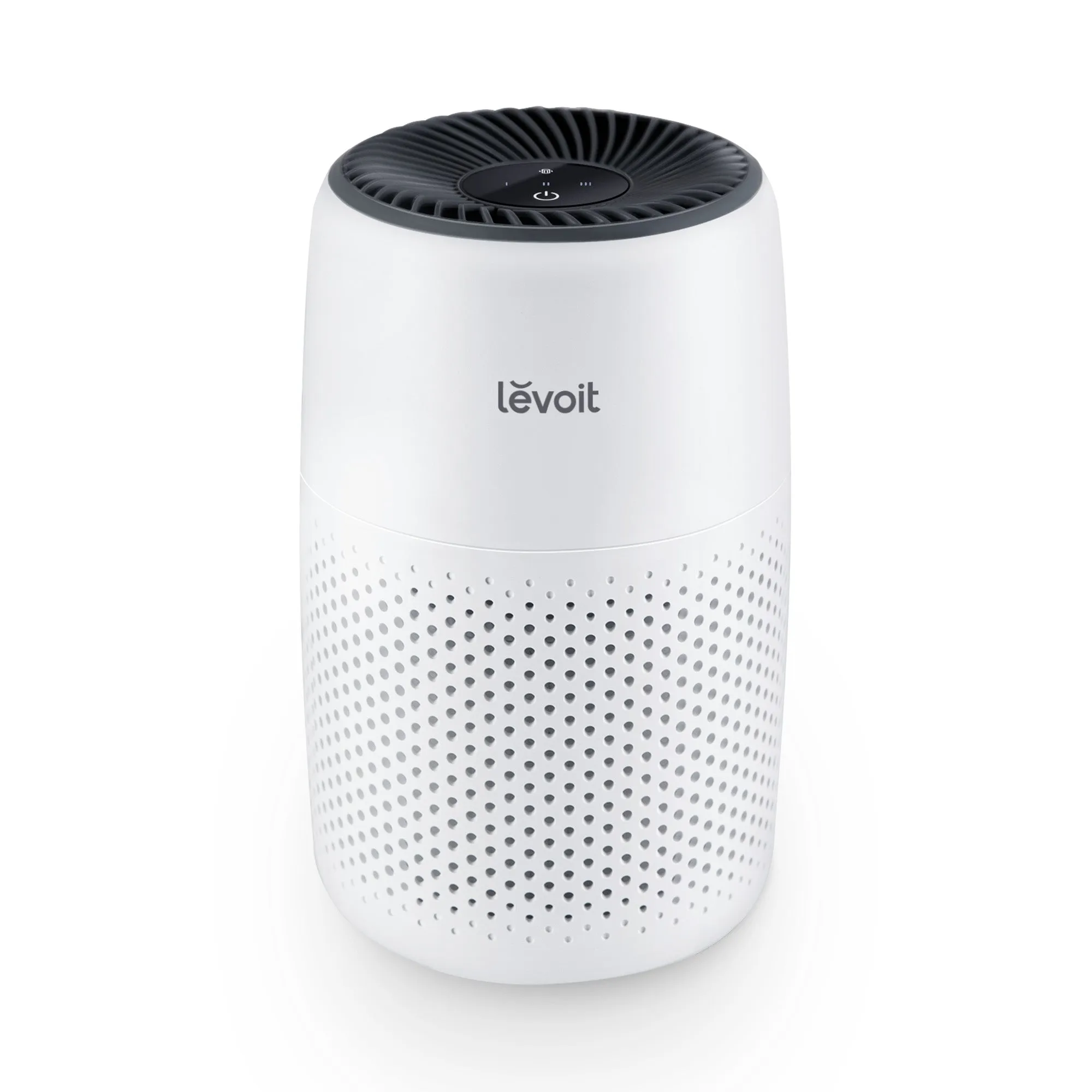
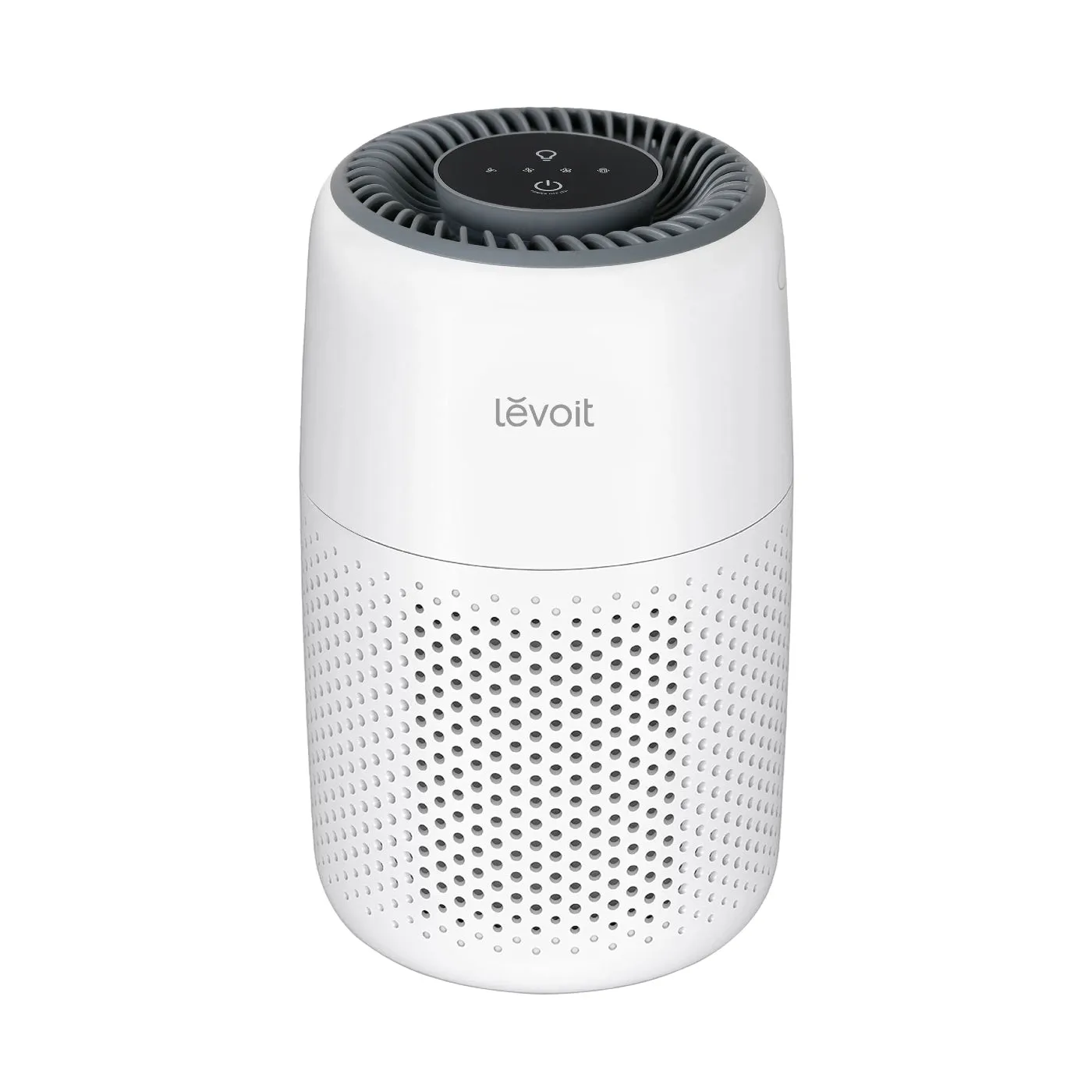
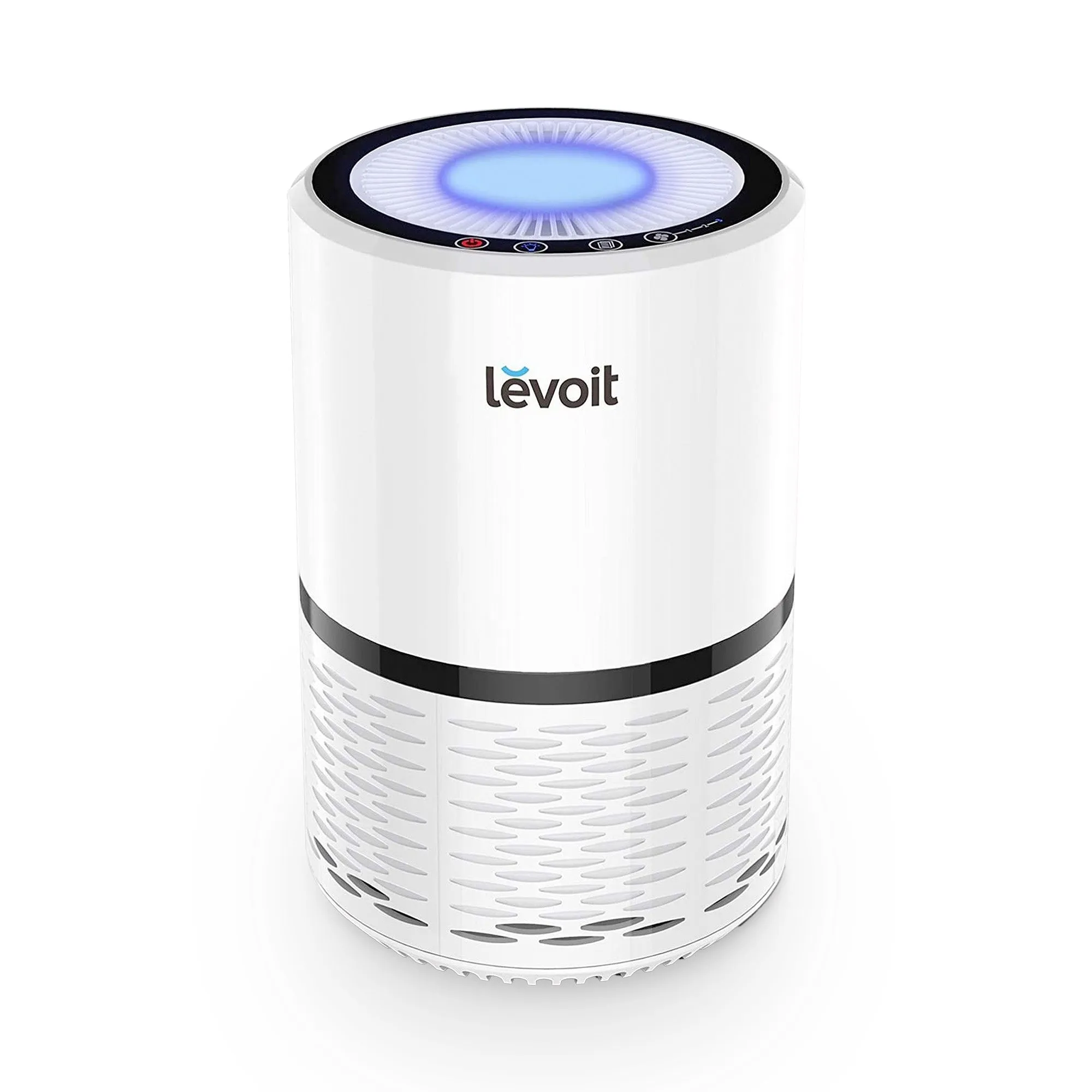
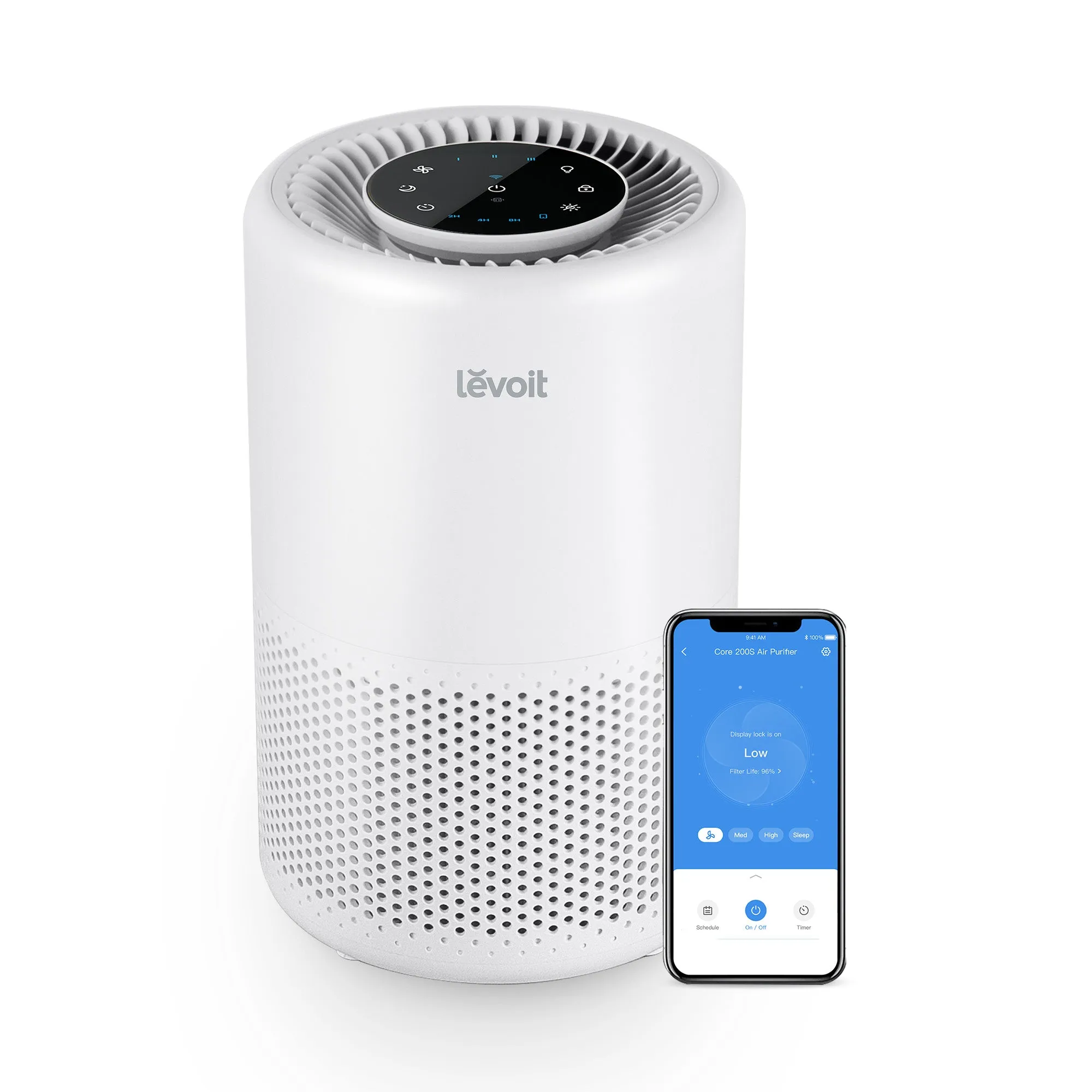
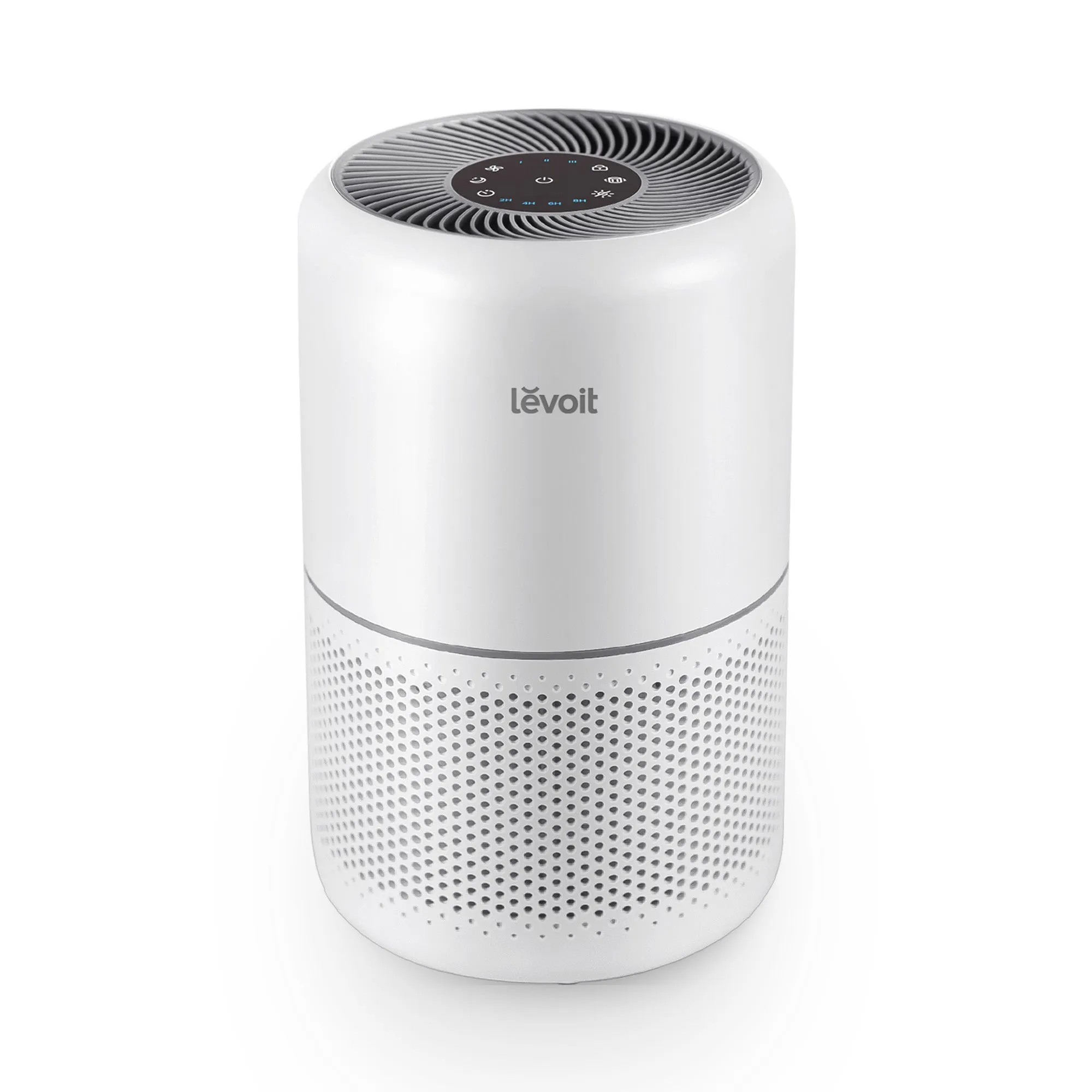
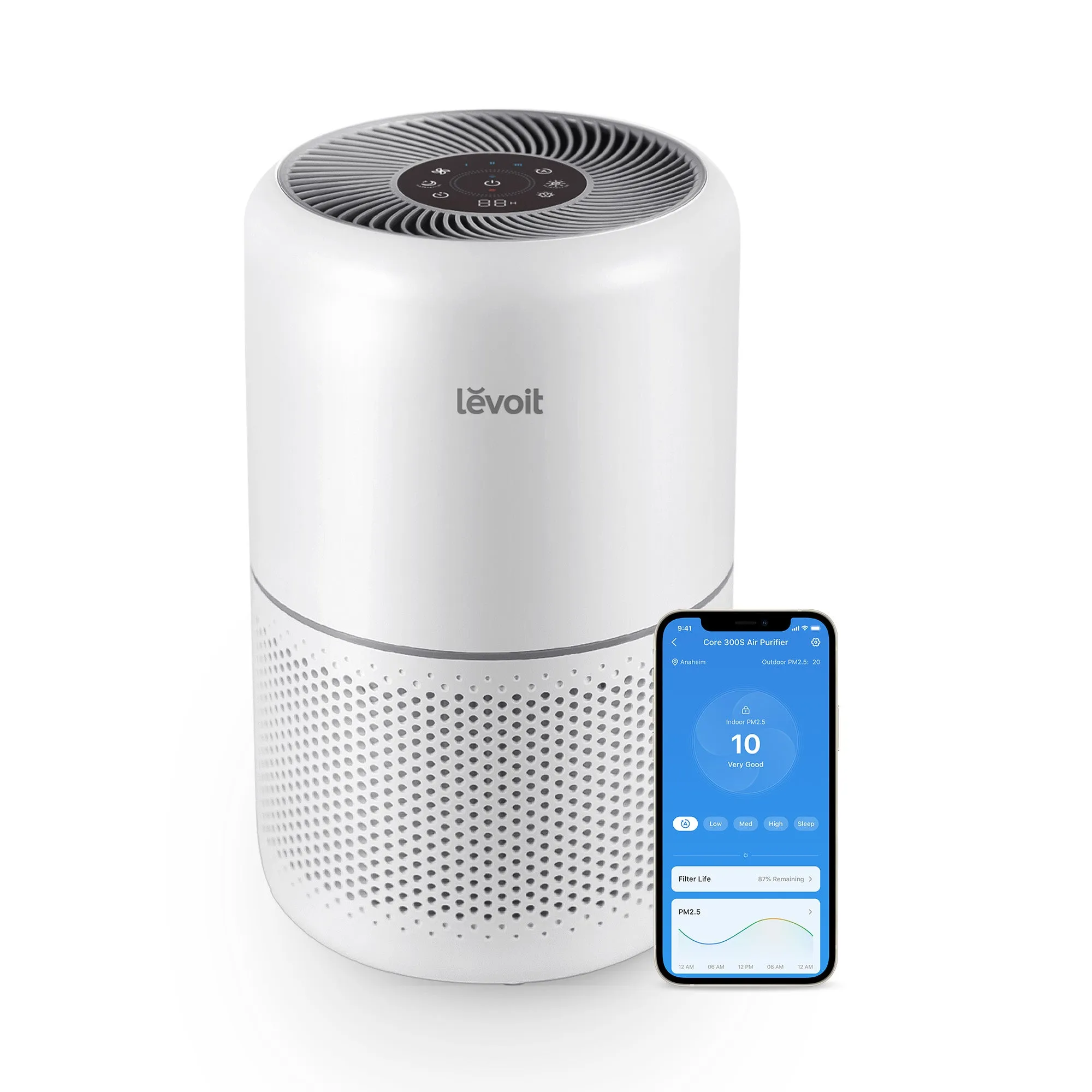
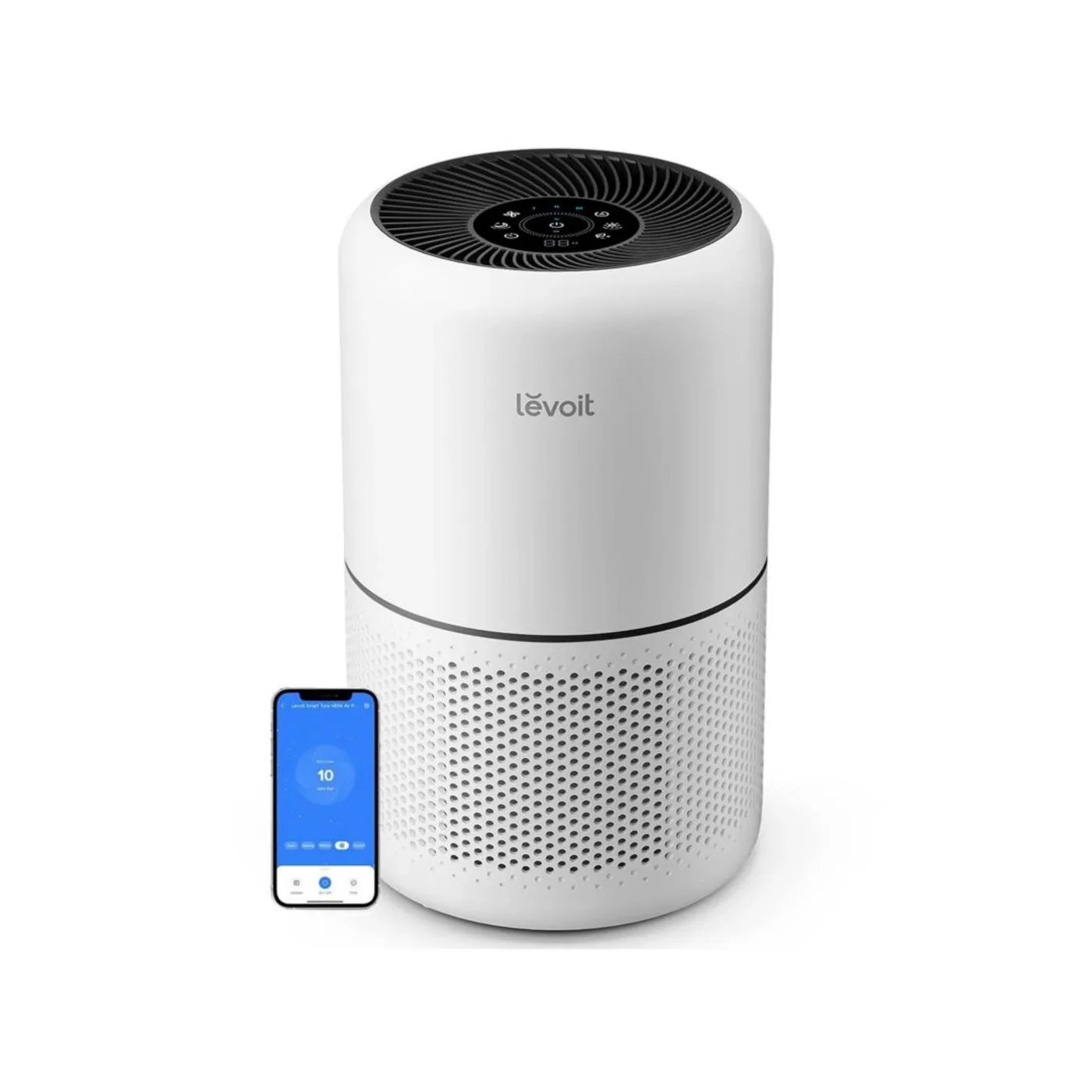
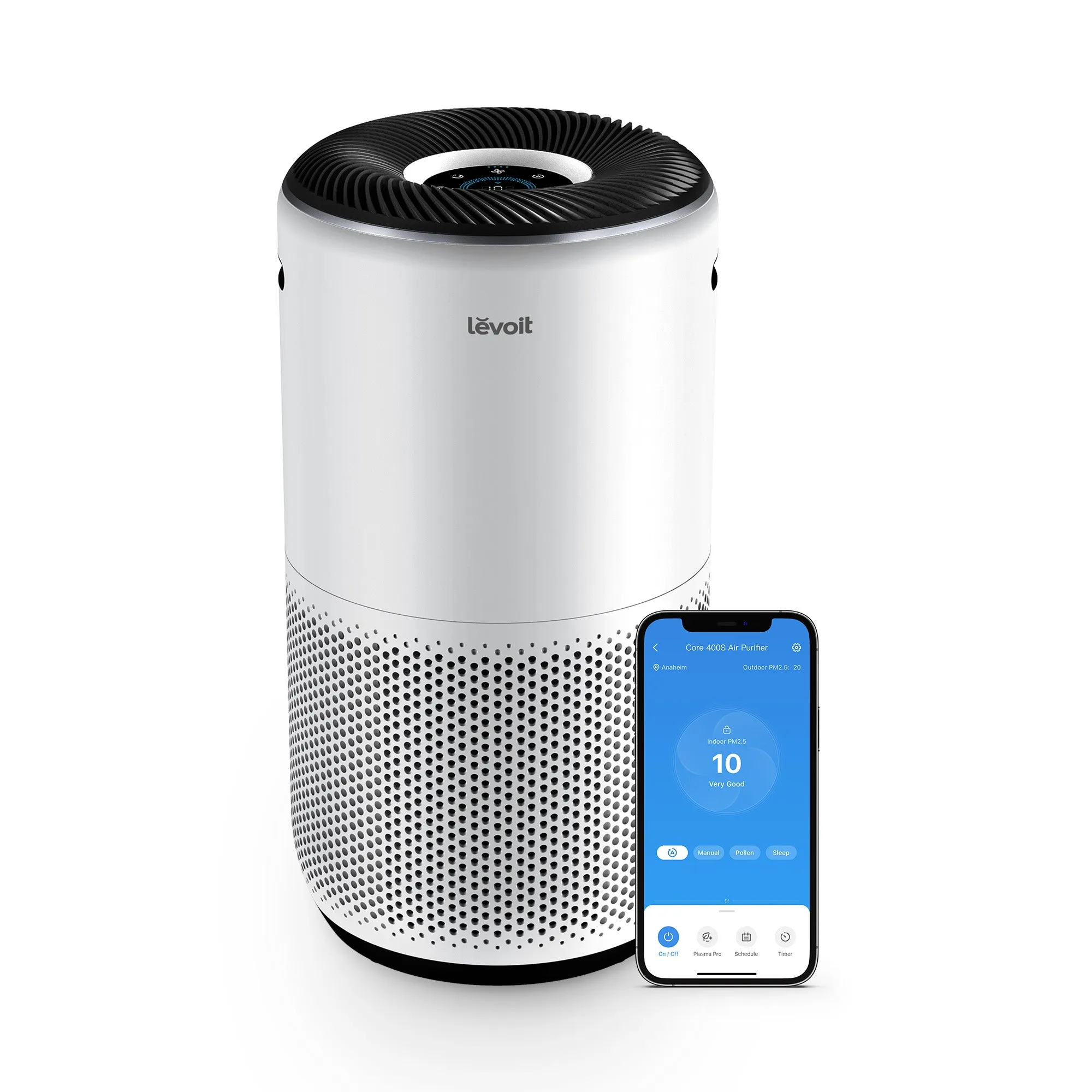
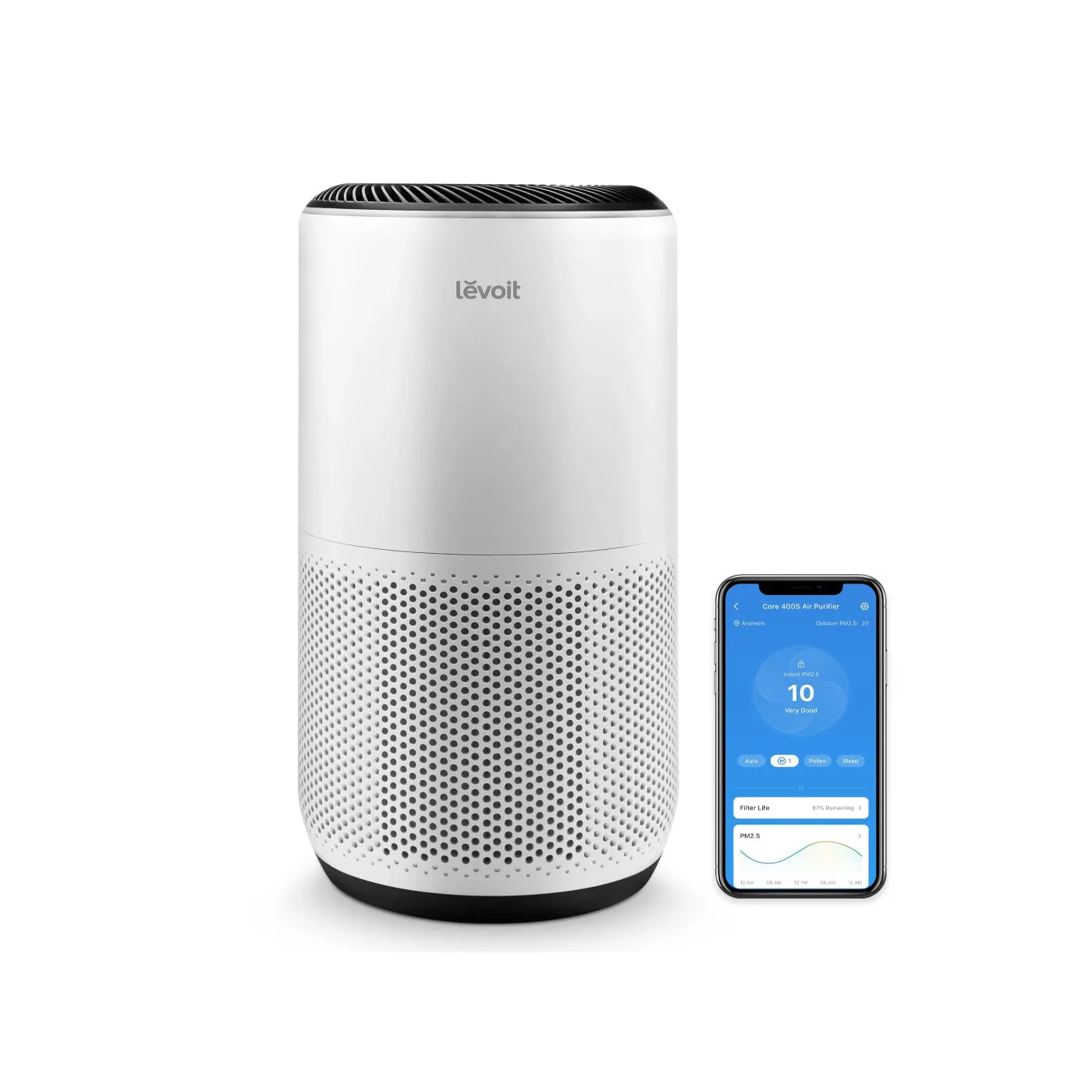
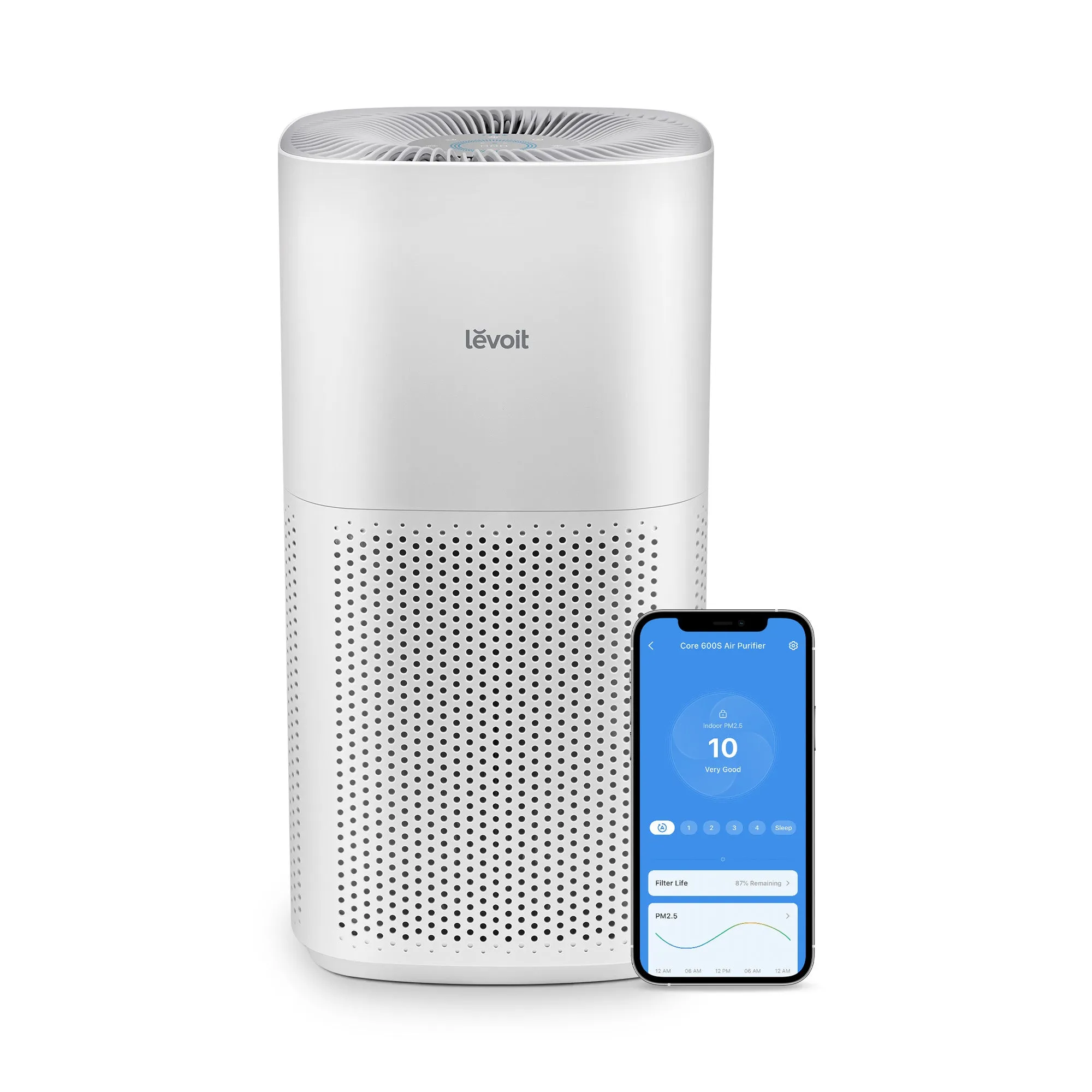
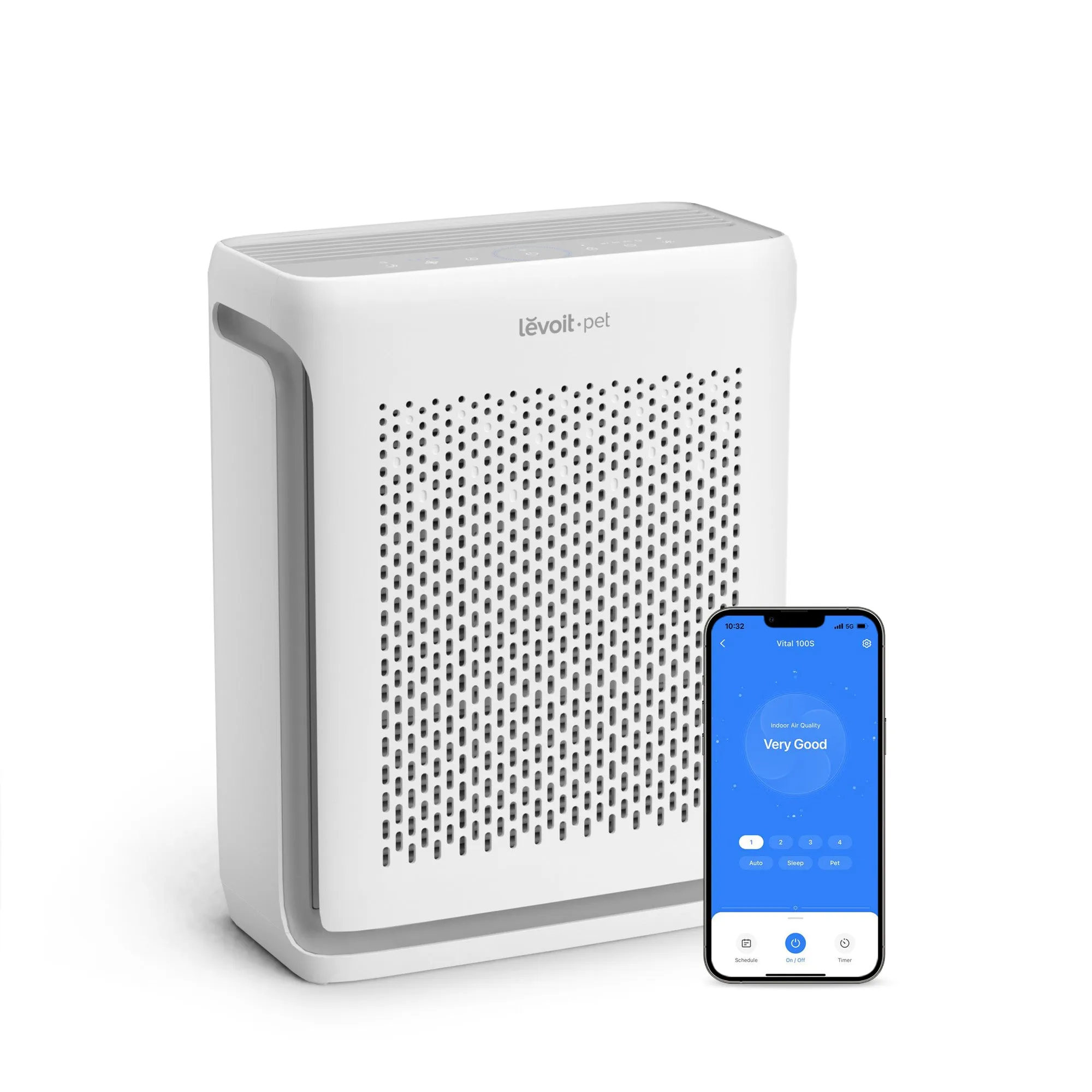
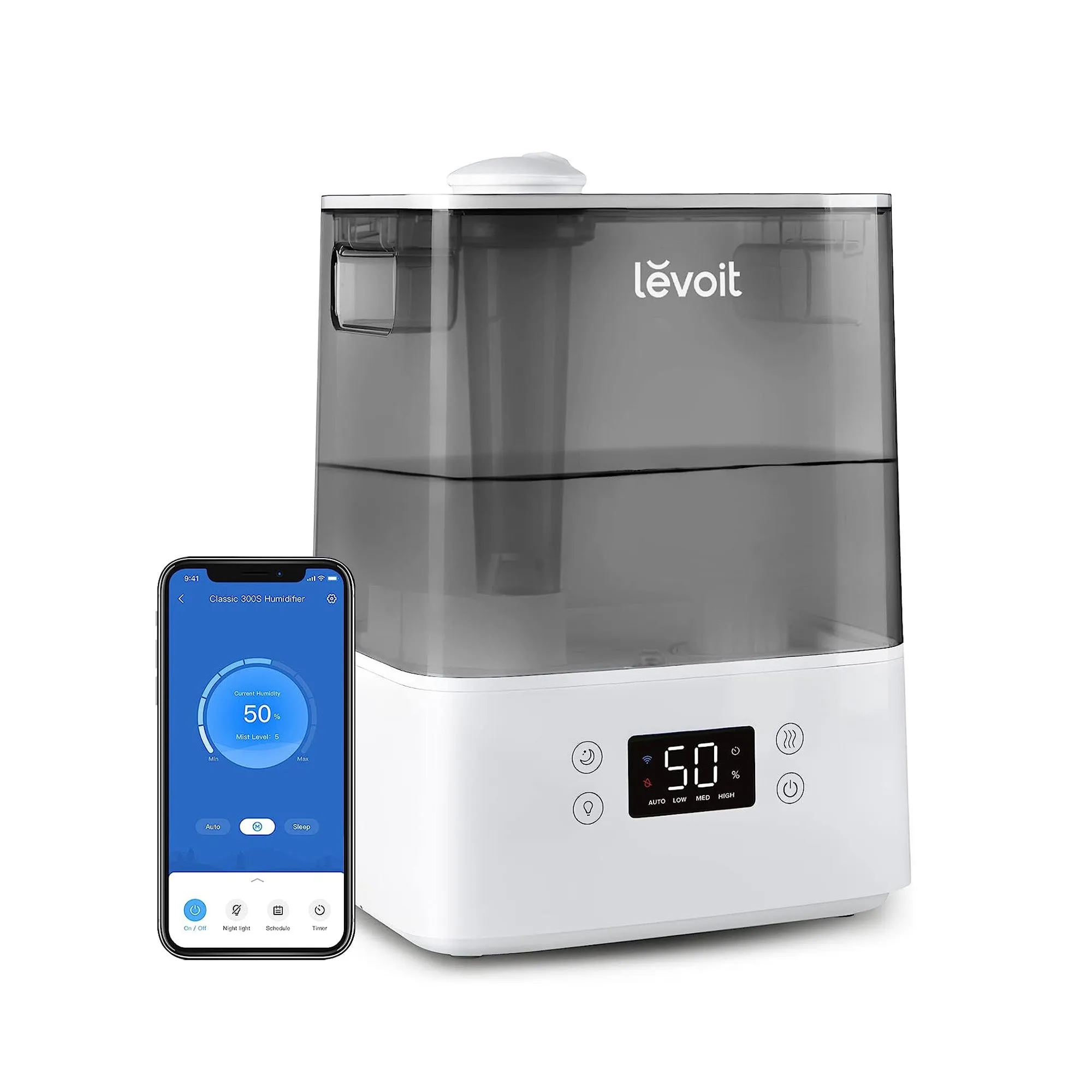
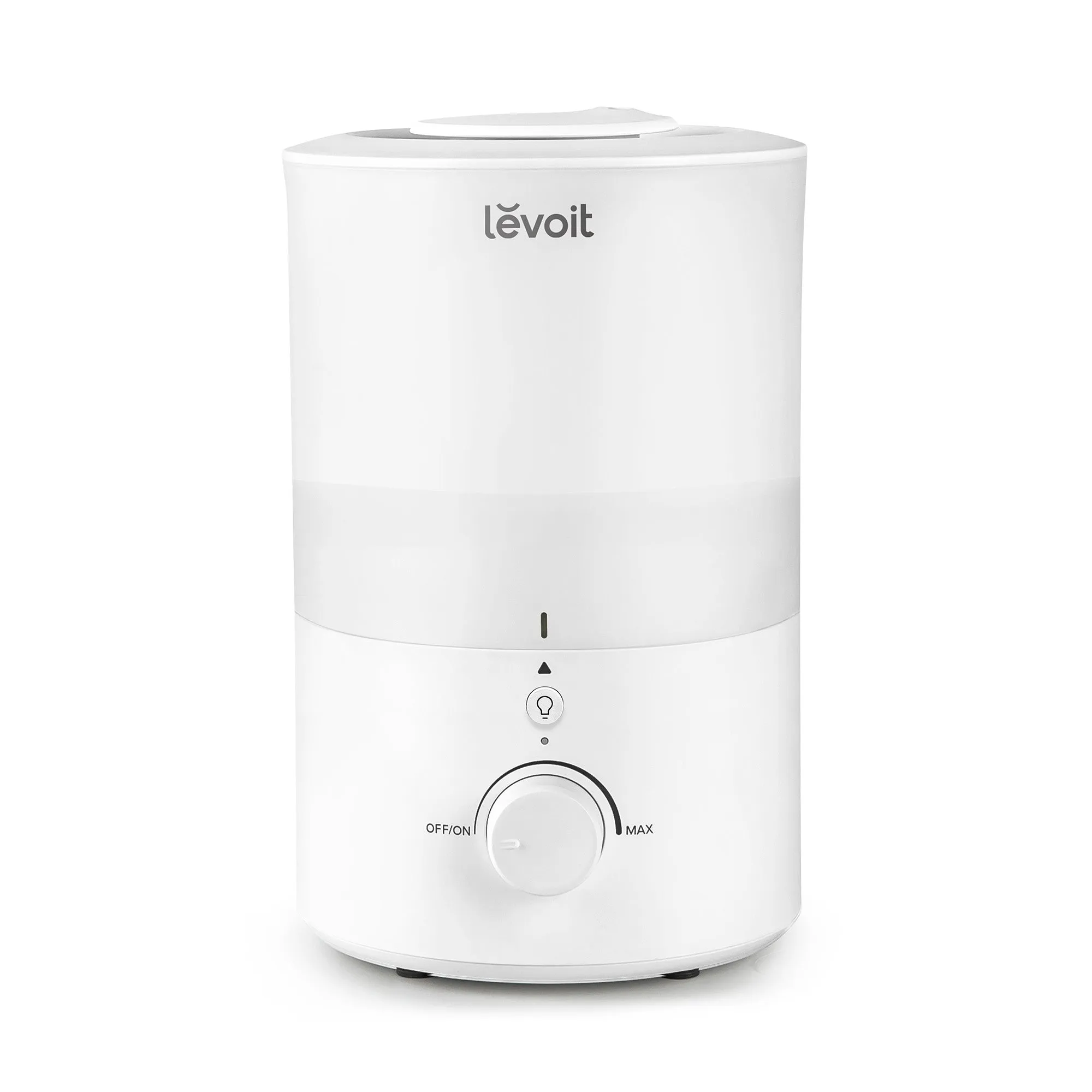
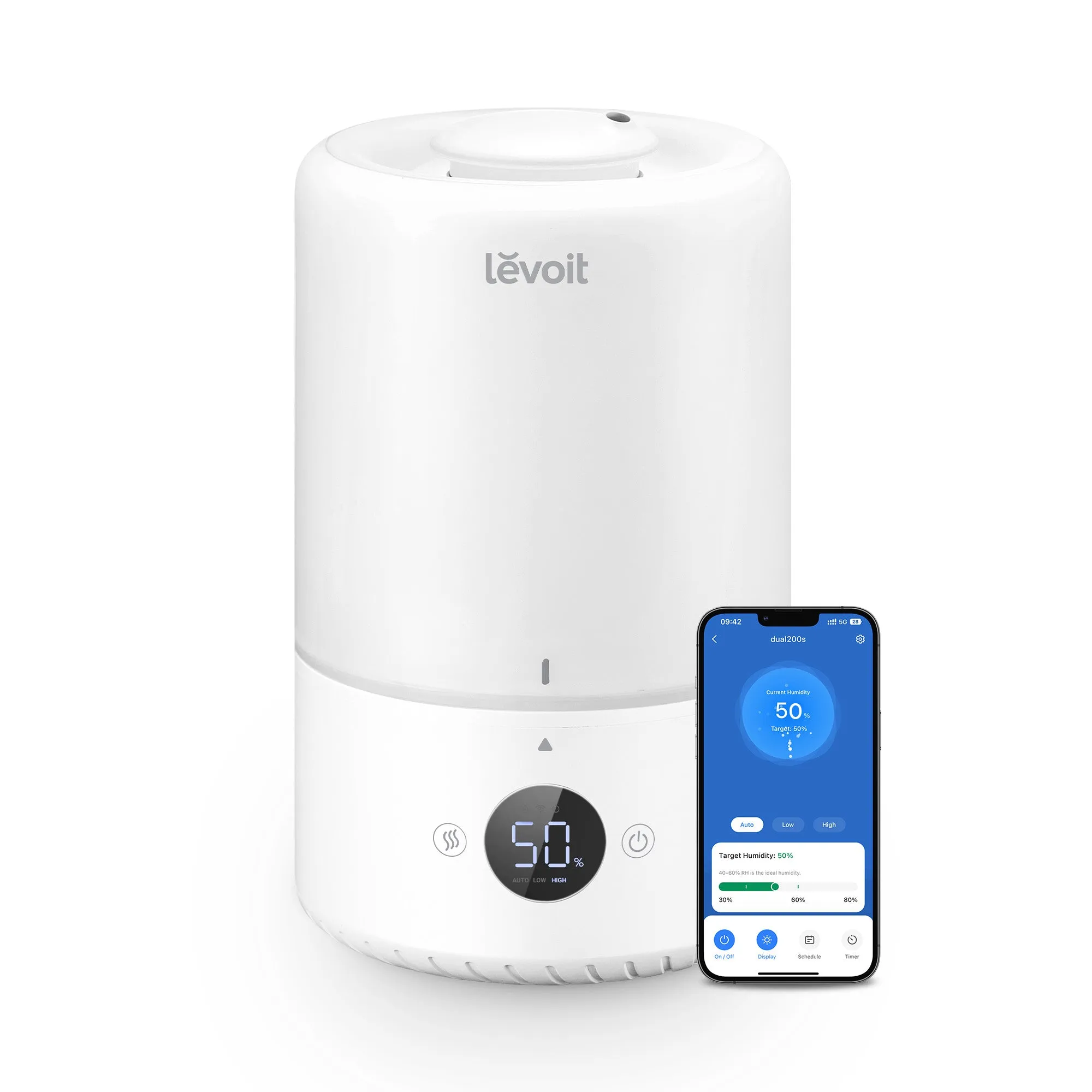
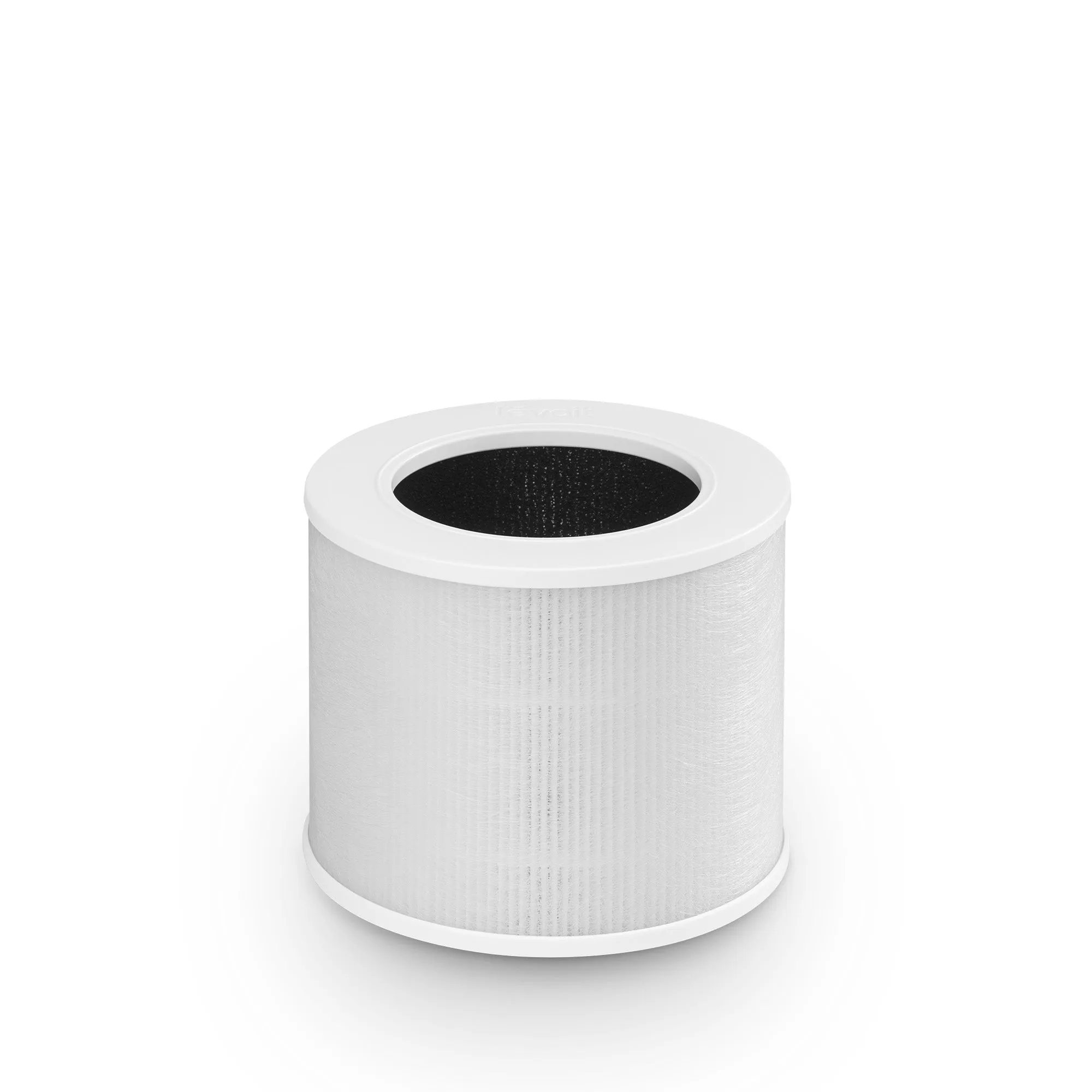
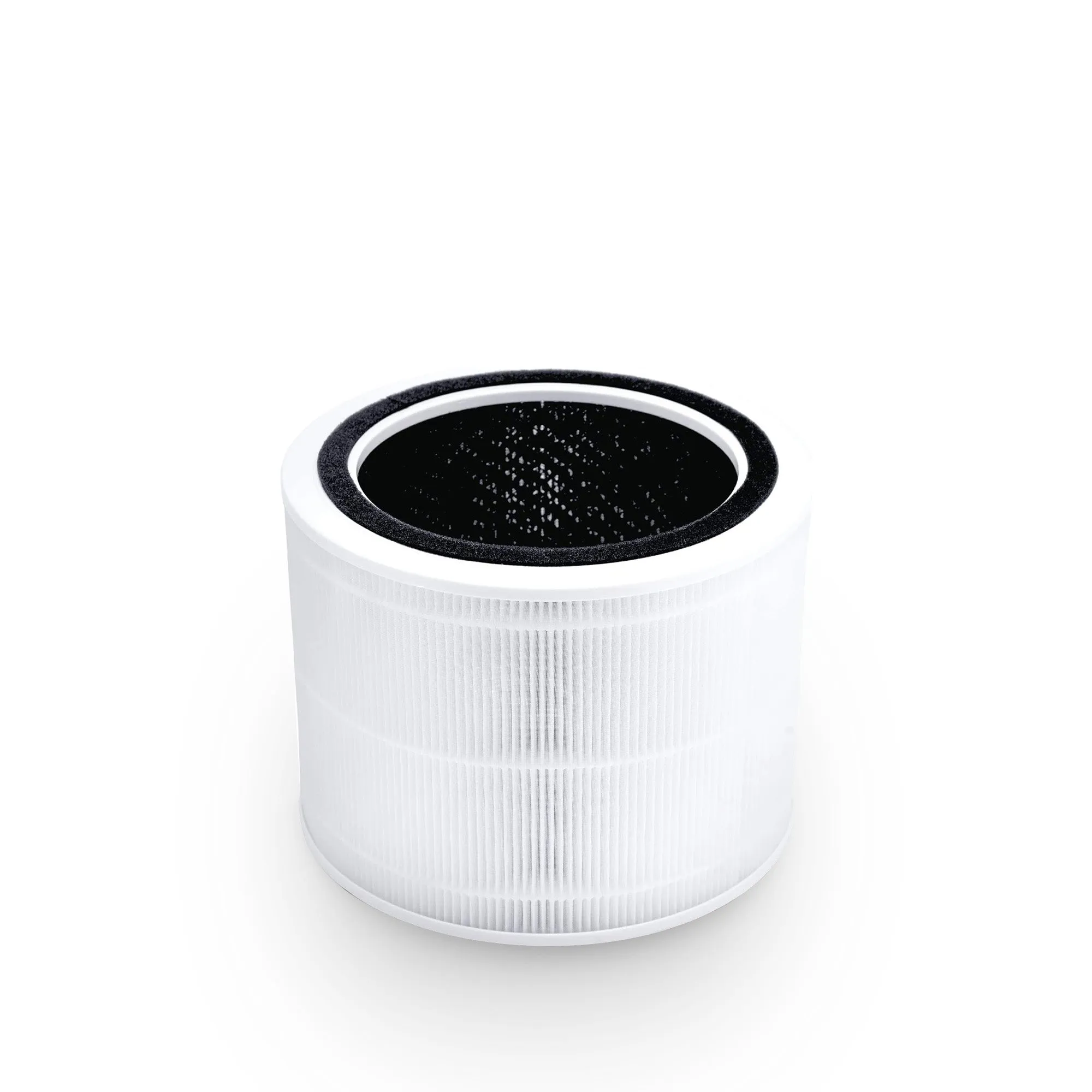
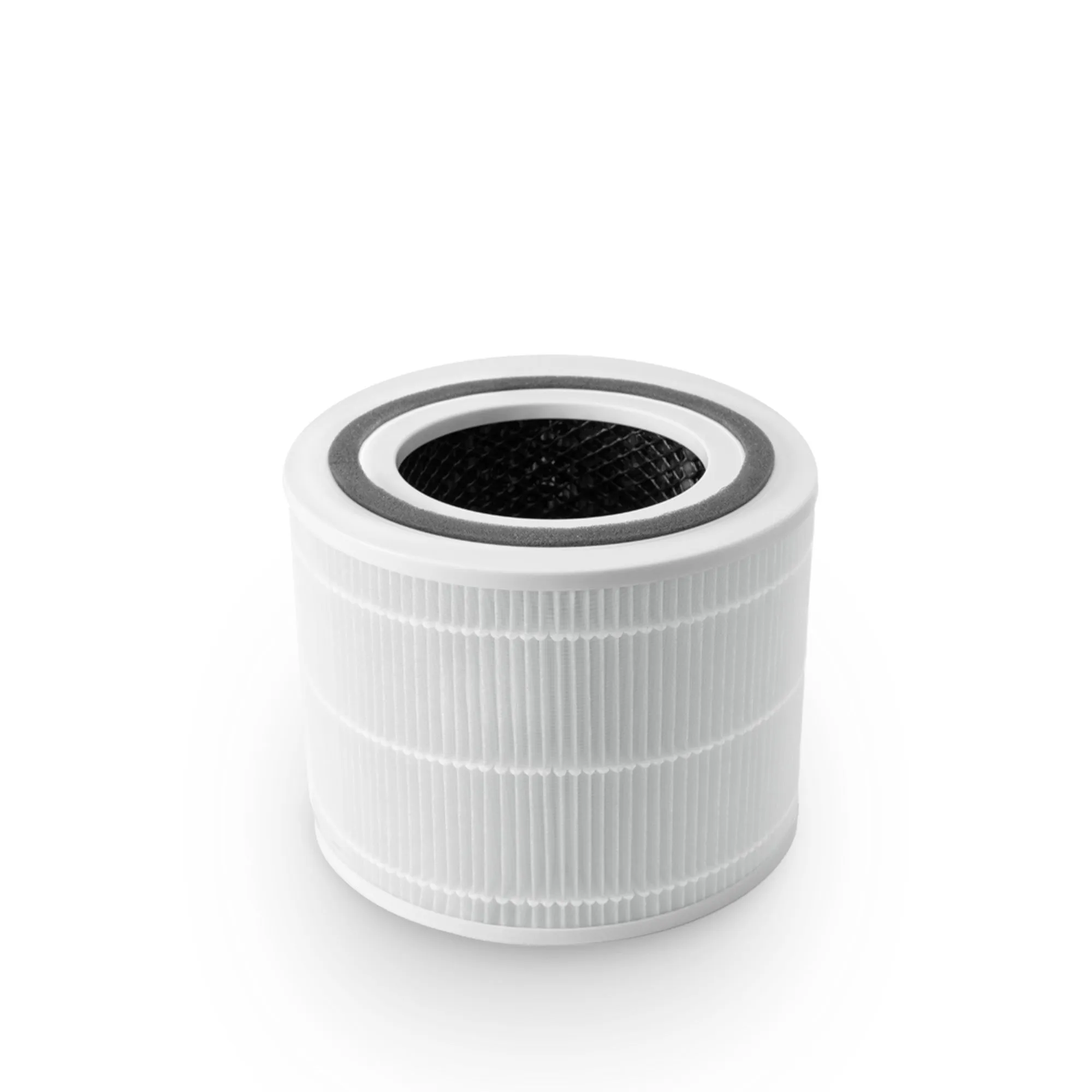
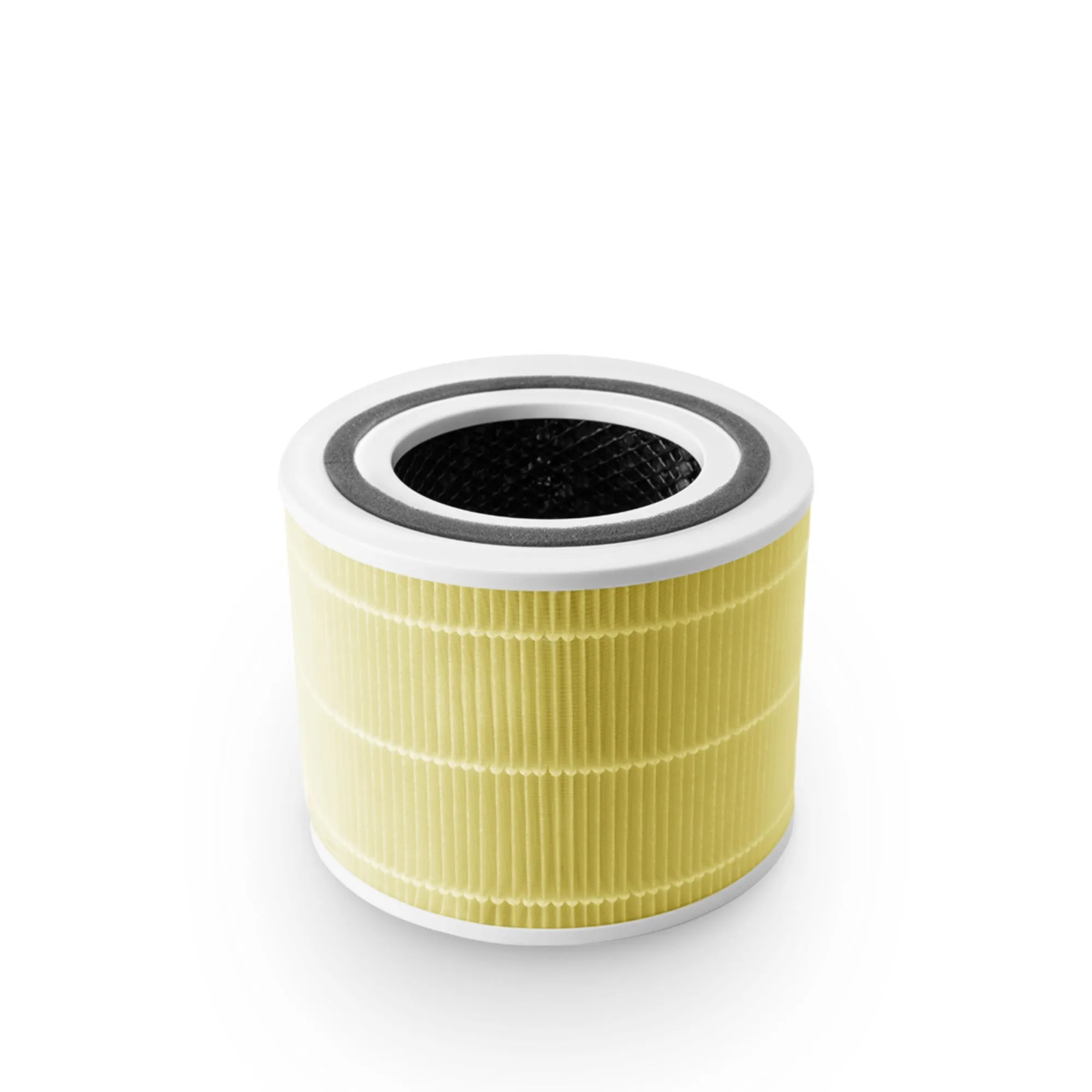
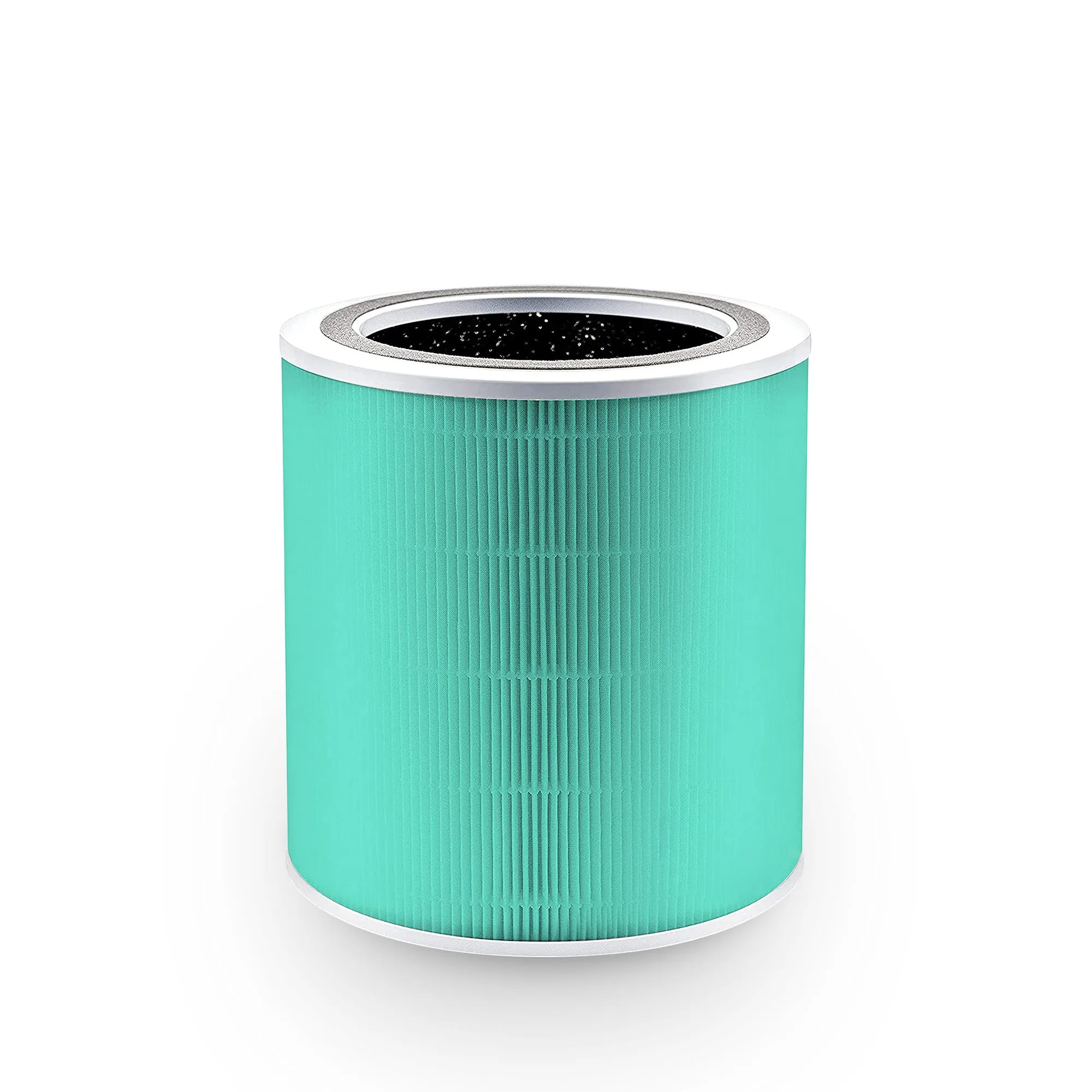
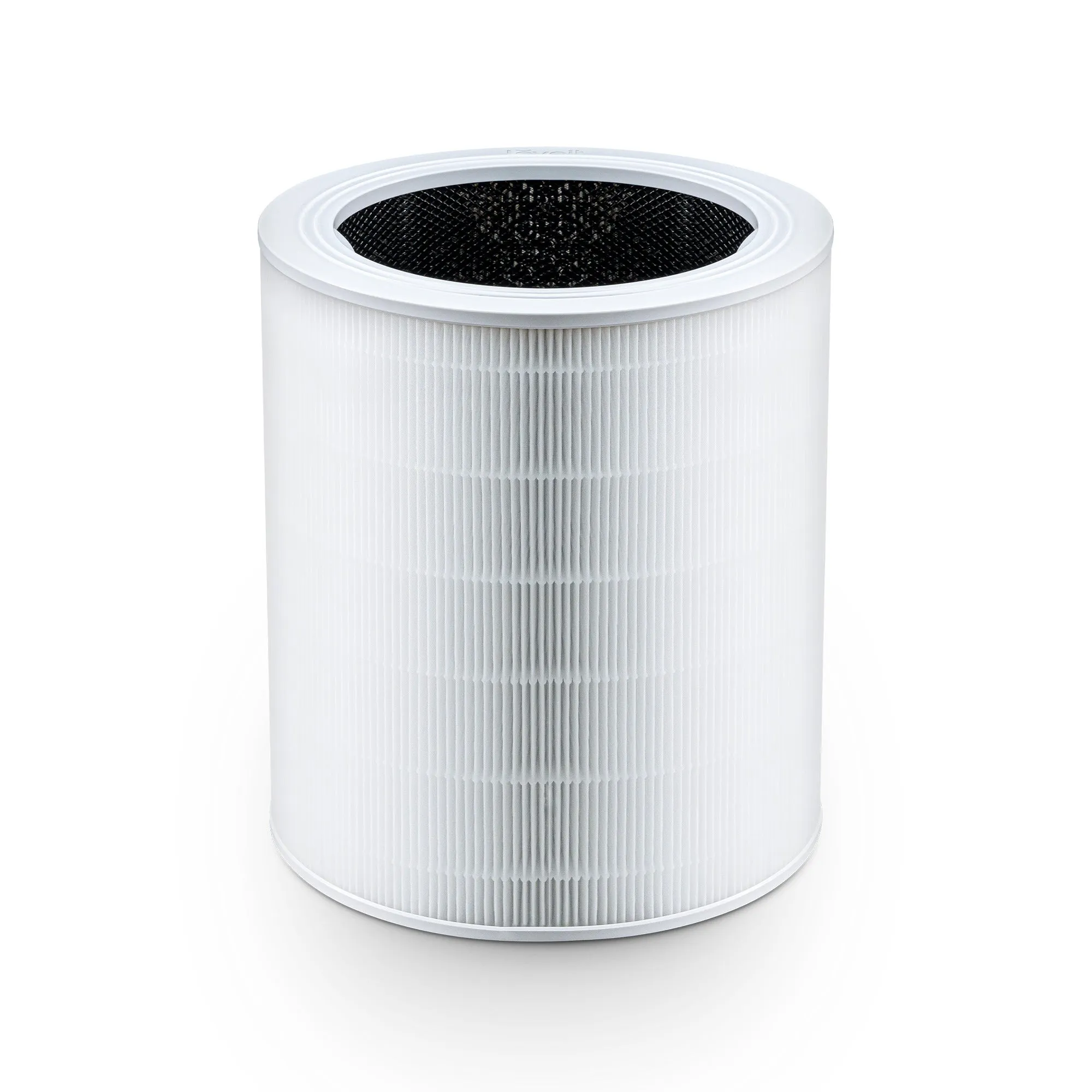
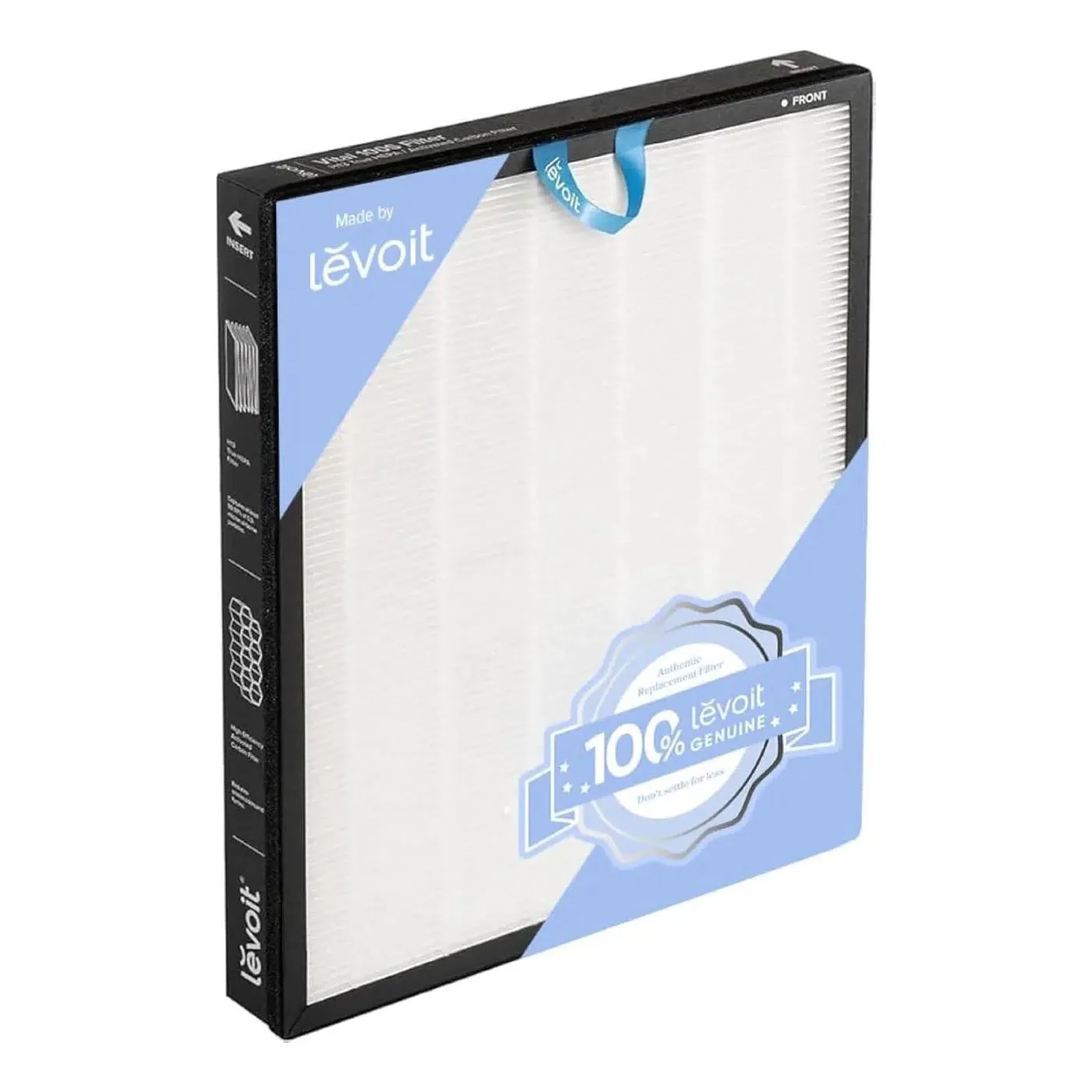
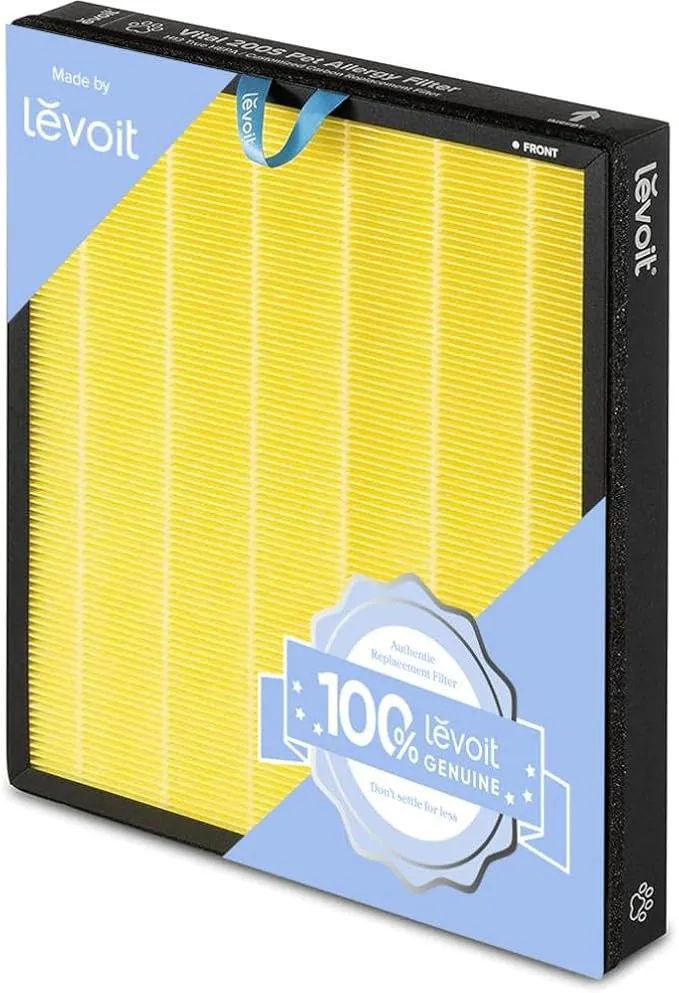
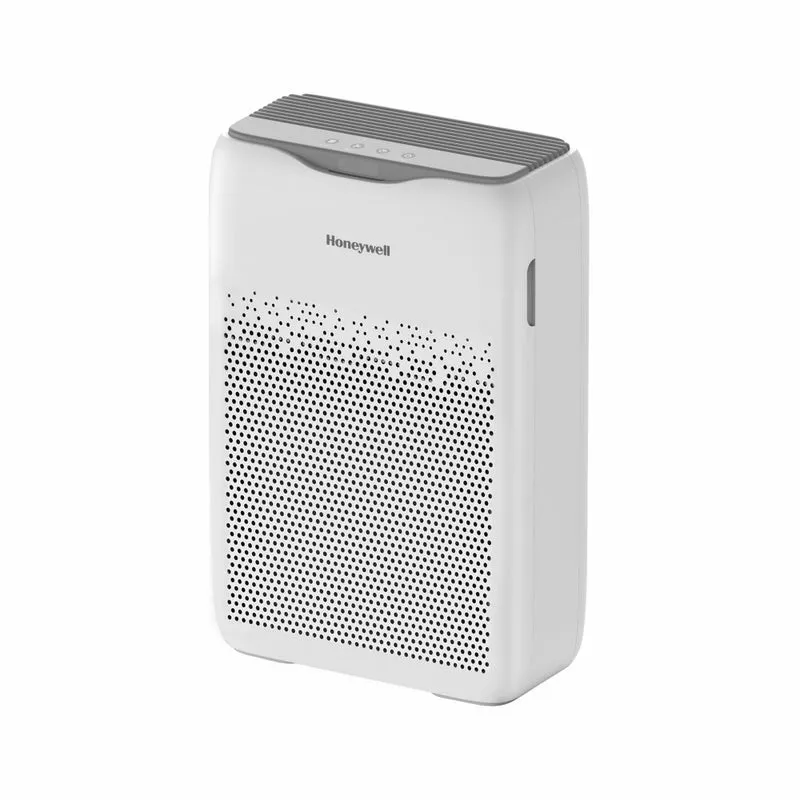
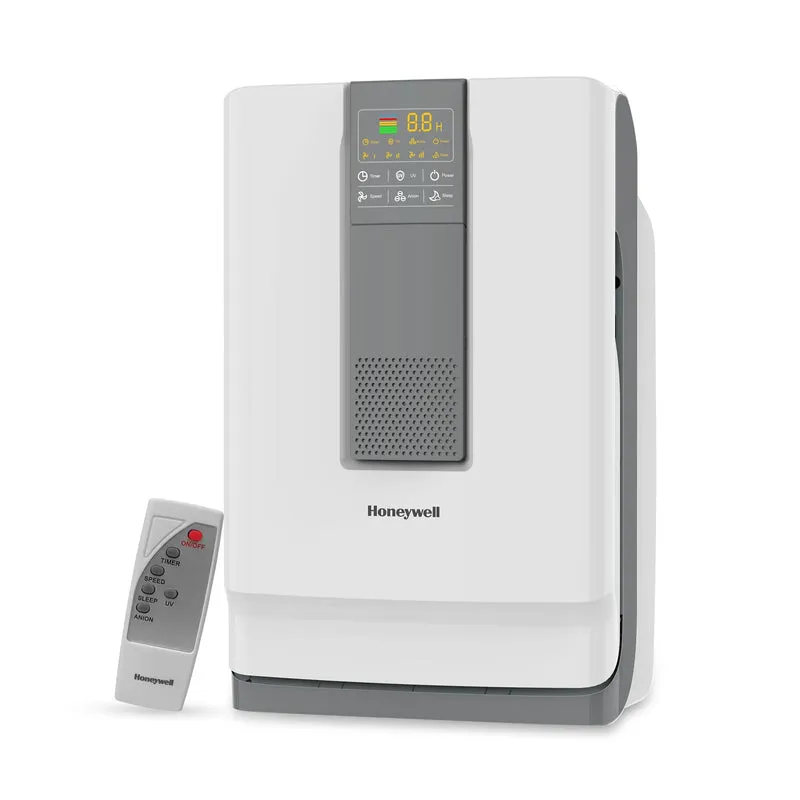
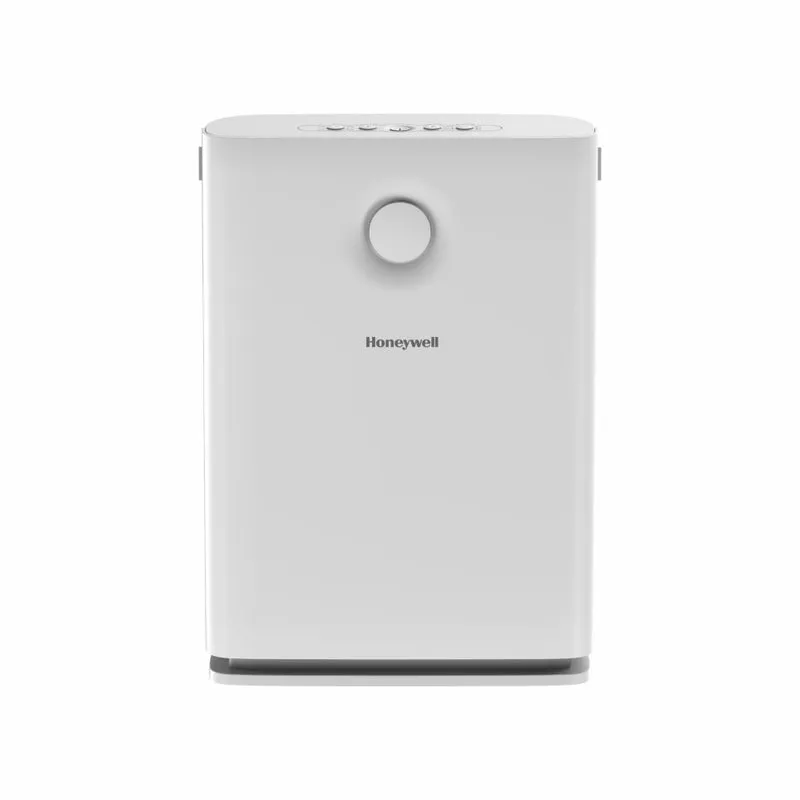
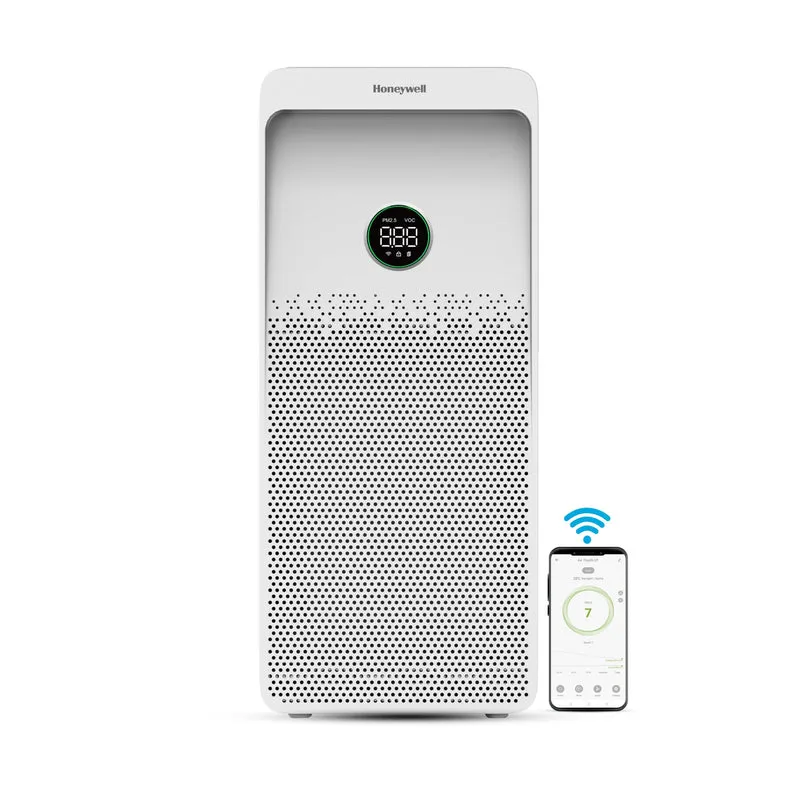
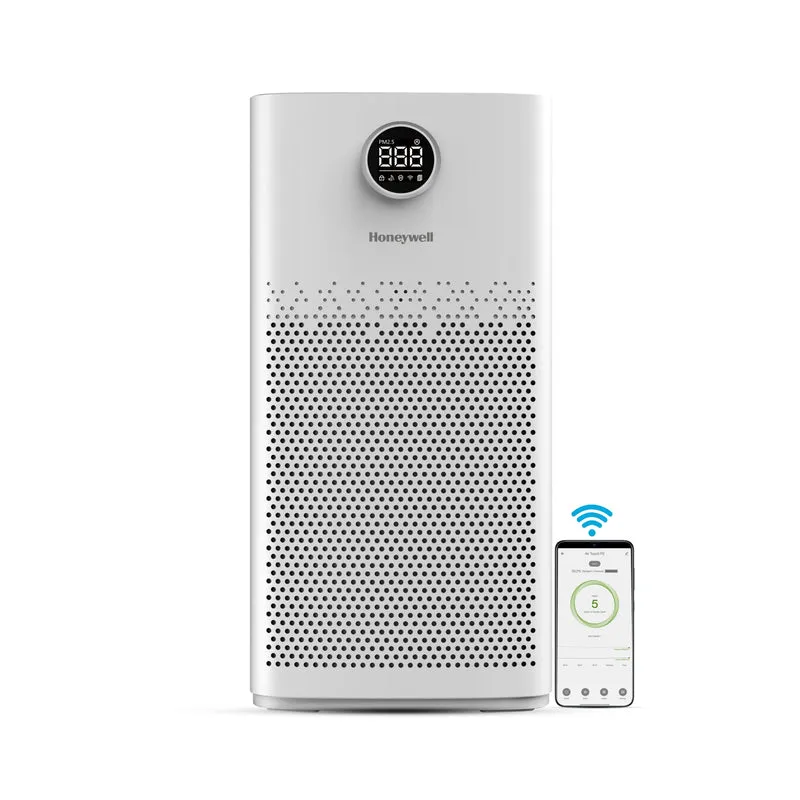
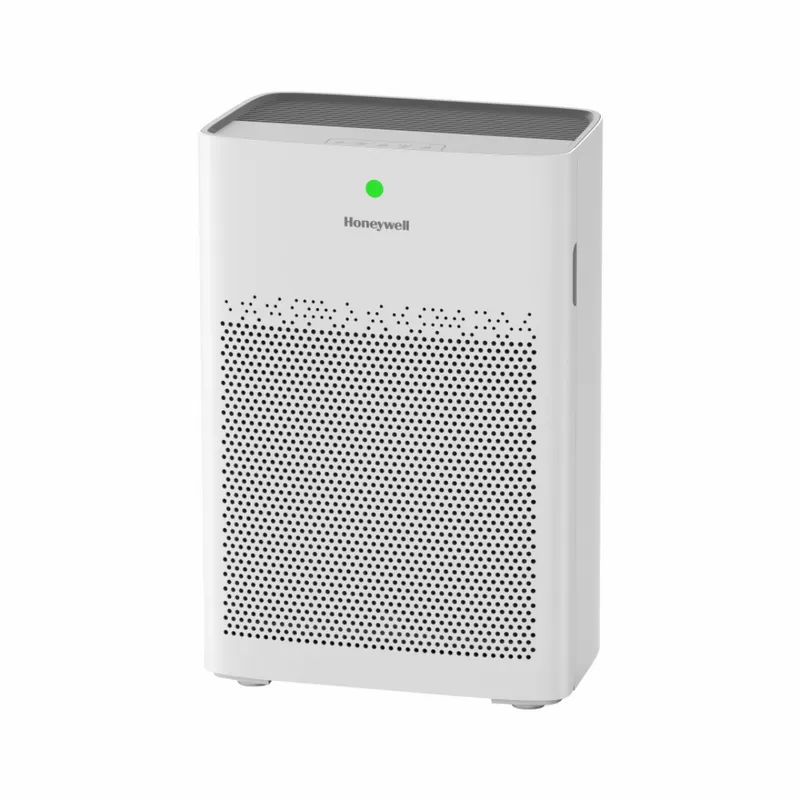
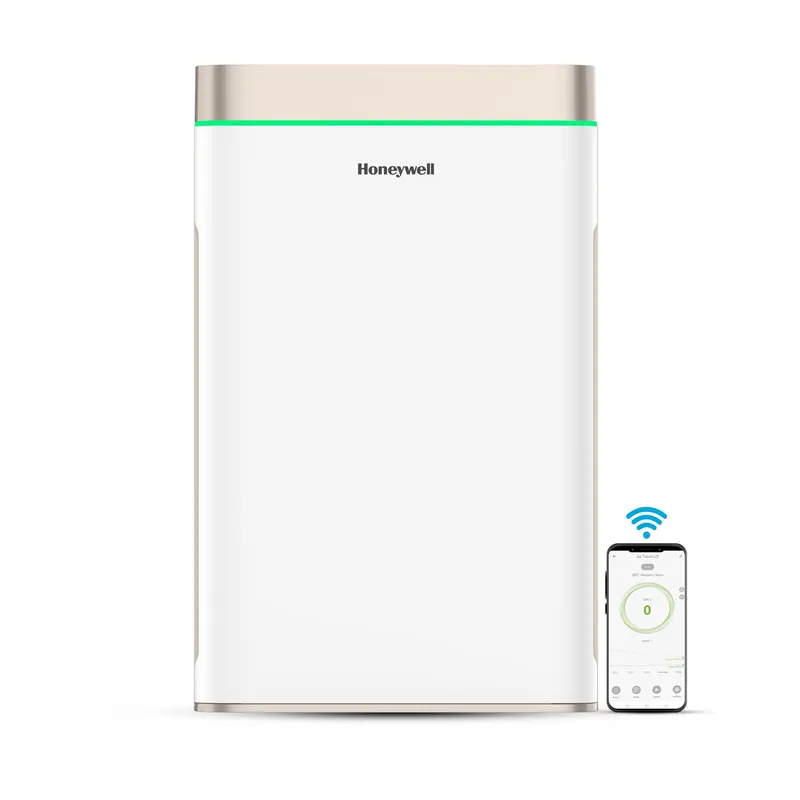
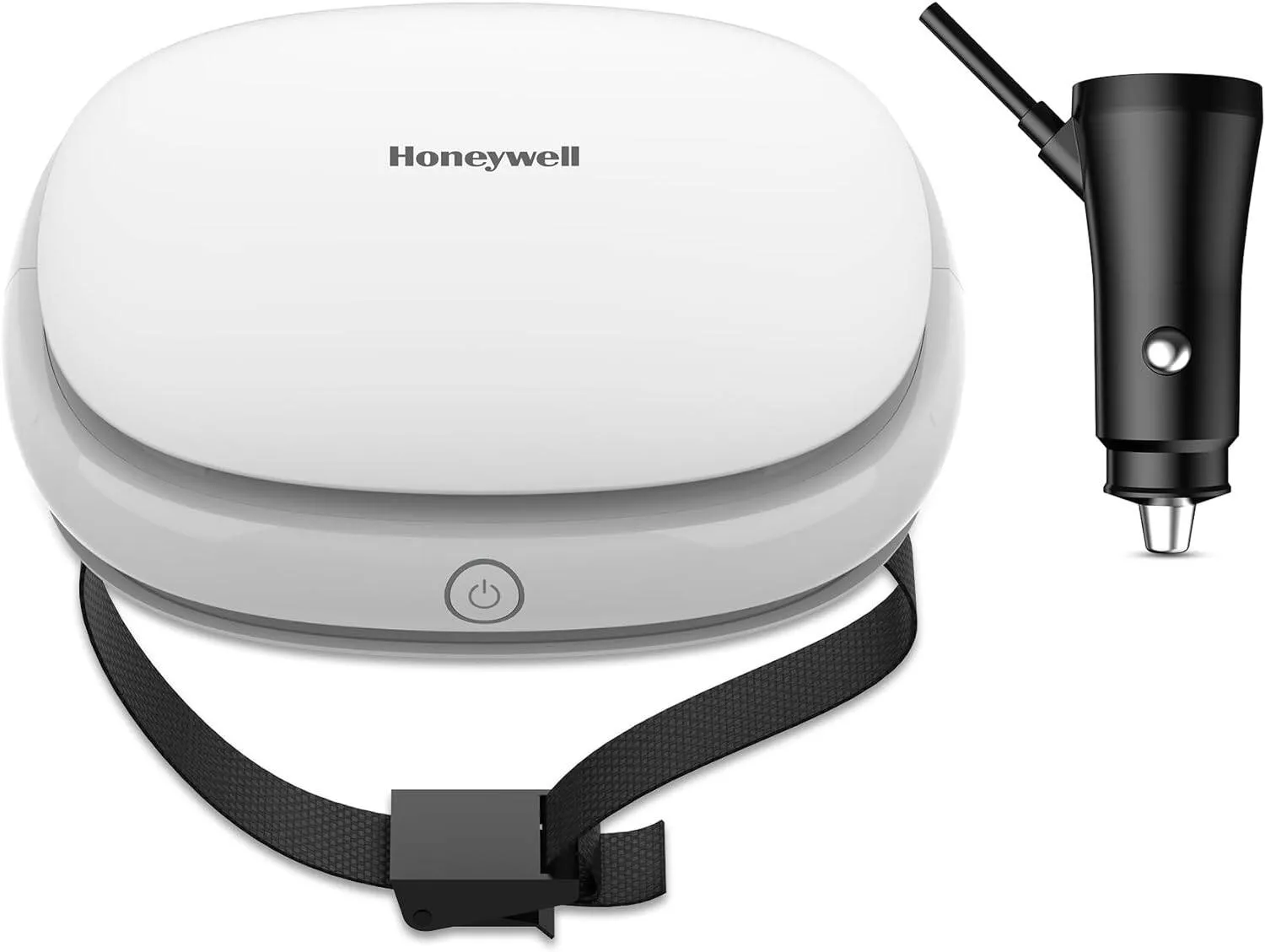
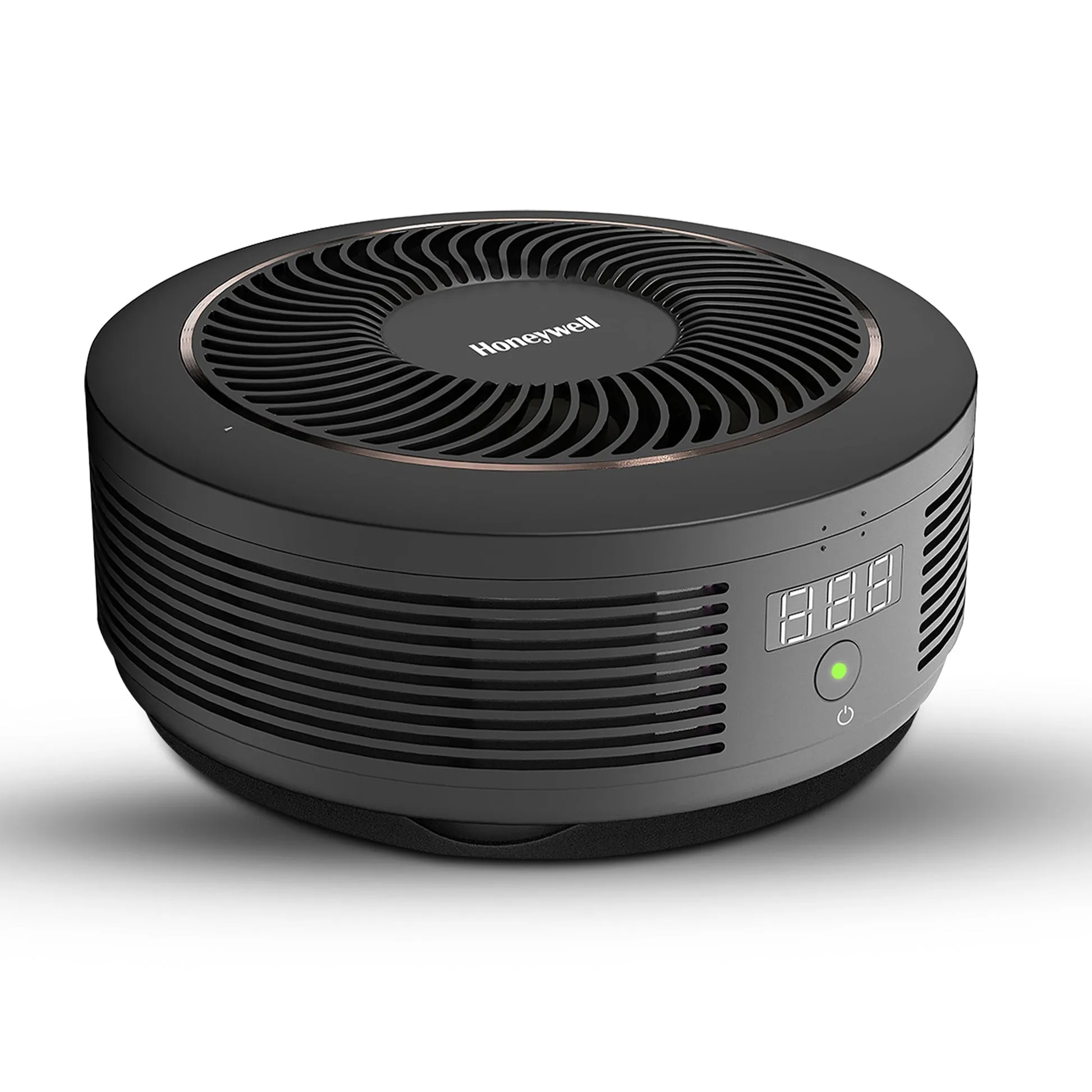
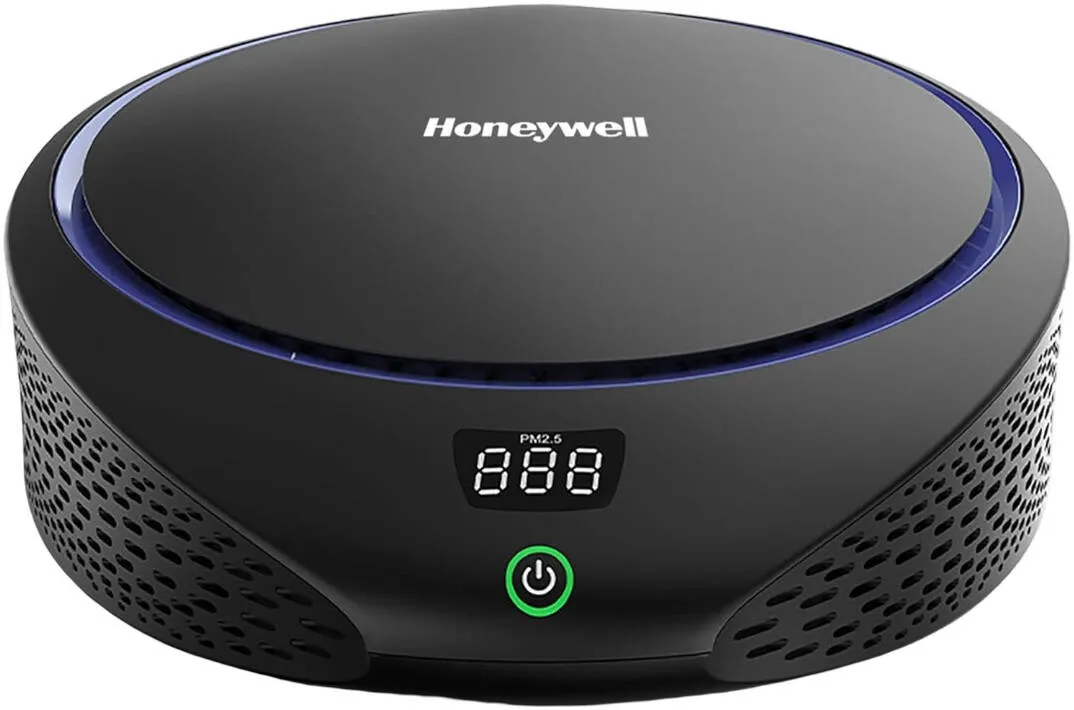
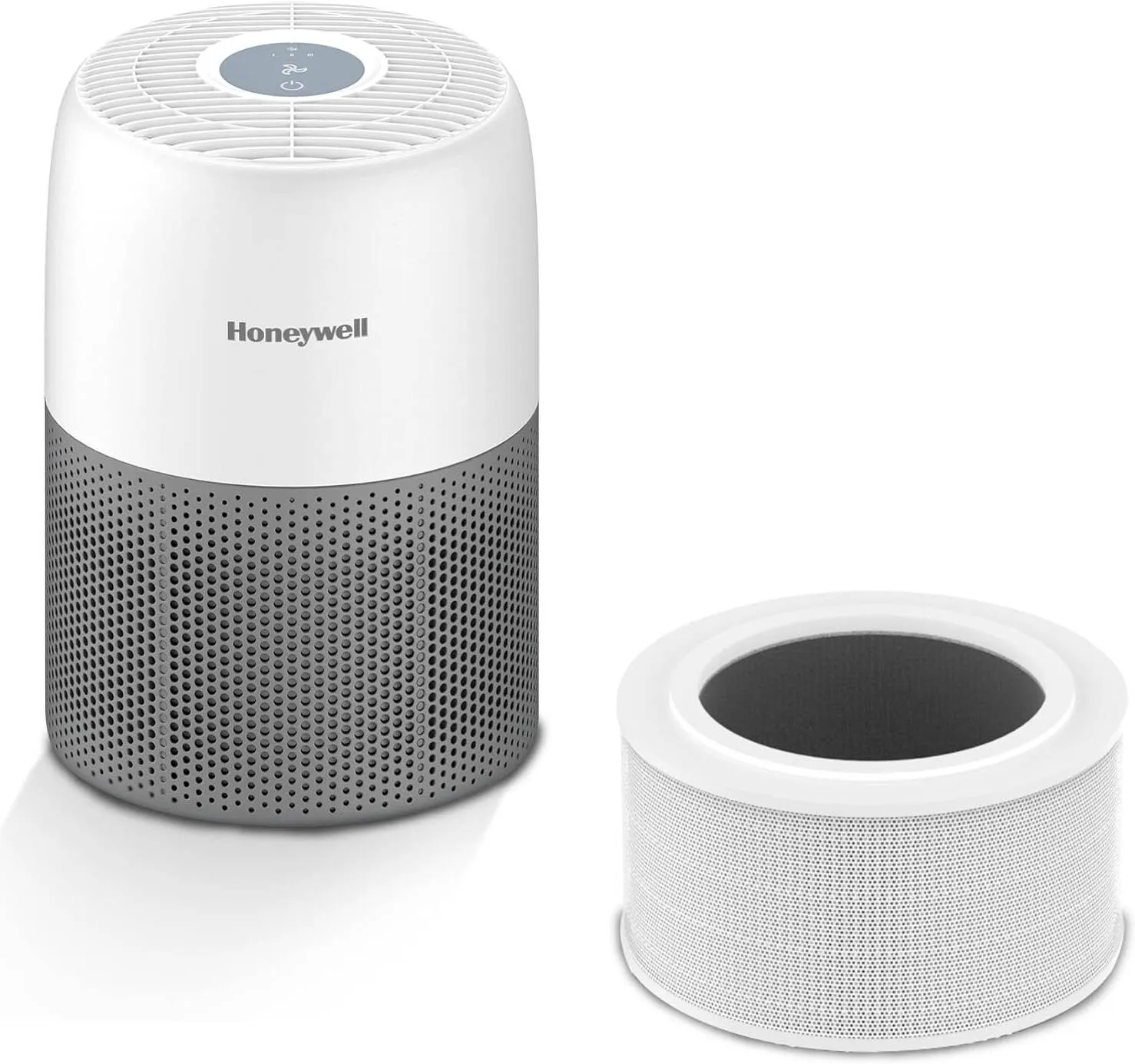
Cleanair-ae stocks a curated range of air purifiers, humidifiers, and replacement filters from brands including Blueair, Honeywell, and Levoit, with free delivery across Dubai and Abu Dhabi on orders over 49 AED. Whether you are protecting a child’s bedroom, a home office, or a commercial space, the air purifier buying guide covers how to match a device to your room size, pollutant type, and budget. For those not ready to invest in a purifier, the air purifier alternatives guide outlines eight proven methods for reducing indoor pollutant levels without a dedicated device.
FAQ
What is the standard air pollution definition?
Air pollution is defined as the introduction of harmful substances into the atmosphere that damage human health, ecosystems, and the environment. These substances include particulate matter, gases such as nitrogen dioxide and ozone, and biological particles.
What are the most dangerous types of air pollutants?
PM2.5 is considered the most dangerous common pollutant because its tiny size allows it to penetrate the lungs and enter the bloodstream, causing heart disease, stroke, and respiratory illness.
How does the Air Quality Index work?
The Air Quality Index translates pollution monitoring data into a colour-coded scale from 0 to 500, allowing the public to assess daily risk and adjust outdoor activity accordingly. Readings above 100 indicate conditions that are unhealthy for sensitive groups.
Can indoor air be more polluted than outdoor air?
Yes. Indoor air can exceed outdoor pollution levels when ventilation is poor and internal sources such as gas cookers, cleaning sprays, and synthetic building materials release pollutants continuously into an enclosed space.
Which groups are most at risk from air pollution?
Children, pregnant women, older adults, and people with chronic respiratory or cardiovascular conditions face the greatest health risks from air pollution exposure, as their bodies are less able to tolerate or recover from pollutant-driven inflammation.