

Uncategorised
Air purification strategies list: 12 methods for cleaner indoor air
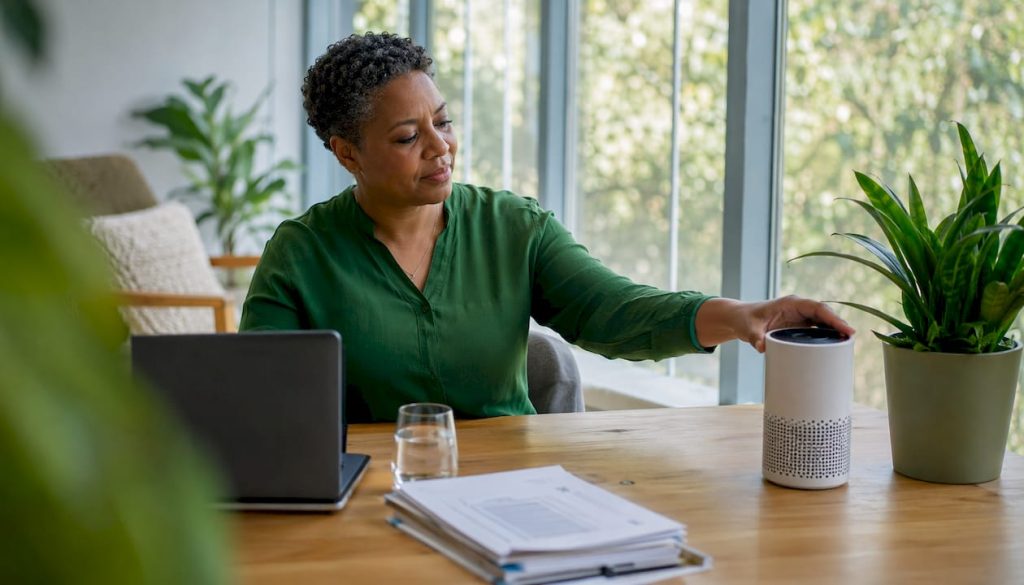
The most effective approach to indoor air quality improvement follows a clear hierarchy: source control first, ventilation second, and mechanical filtration third. Applied together, these methods deliver measurably cleaner air in UK homes and small indoor spaces. Here is a concise overview of the full list of air purification strategies covered in this article:
-
Source control — remove or reduce pollutant origins indoors
-
Ventilation — dilute indoor pollutants with outdoor air
-
Portable air cleaners — HEPA and activated carbon units sized by CADR
-
HVAC filtration — MERV 13 or higher filters for central systems
-
DIY air cleaners — box fan plus HEPA filter builds
-
Humidity control — maintain 30–50% relative humidity
-
UV germicidal irradiation (UVGI) — inactivate biological contaminants
-
Indoor plants — limited supplementary benefit
-
Behavioural changes — avoid smoking, VOC-heavy products indoors
-
Regular cleaning and maintenance — reduce dust, mould, and allergens
-
Air quality monitoring — CO₂, PM2.5, and VOC sensors
-
Seasonal strategy adjustment — adapt methods to UK climate conditions
Performance metrics such as Clean Air Delivery Rate (CADR), MERV ratings, and HEPA efficiency standards (99.95% particle capture at ≥0.3 microns) are referenced throughout. Standards from ASHRAE and guidance from the EPA and UK Health Security Agency underpin the recommendations below.
Table of Contents
- 1. How to reduce and control sources of indoor pollution
- 2. Optimising ventilation to dilute indoor pollutants
- 3. Portable air cleaners and HVAC filtration for particle and gas removal
- 4. DIY air cleaner options: what works and what to watch
- 5. Behavioural and environmental strategies that support cleaner air
- 6. UV germicidal irradiation (UVGI) for biological contaminants
- 7. How to test and monitor indoor air quality
- 8. UK-specific standards, seasonal factors, and research insights
- Key takeaways
- Cleanair-ae: air quality products for UK-standard performance
1. How to reduce and control sources of indoor pollution
Source control is the single highest-impact step in any effective air cleaning strategy. Removing or reducing a pollutant at its origin is more efficient than diluting or filtering it after the fact.
Common indoor pollution sources include:
- Tobacco and e-cigarette smoke
- Gas cookers and hobs without adequate extraction
- Volatile organic compounds (VOCs) from paints, adhesives, cleaning products, and personal care items
- Dust mites, pet dander, and mould spores
- Asbestos in older UK properties (pre-1999 construction)
- Carbon monoxide from poorly maintained boilers and gas appliances
- Formaldehyde off-gassing from new furniture and flooring
Practical source control steps for UK homes:
- Stop smoking indoors entirely. No filtration system fully compensates for active tobacco smoke in an enclosed space.
- Switch to low-VOC paints and cleaning products. Many UK retailers now stock certified low-emission alternatives.
- Seal or encapsulate asbestos-containing materials rather than disturbing them; contact a licensed contractor for assessment.
- Service gas appliances annually and fit a carbon monoxide detector on every floor.
- Vacuum with a HEPA-filtered vacuum cleaner and damp-dust surfaces to capture rather than redistribute particles.
- Wash bedding at 60°C weekly to reduce dust mite populations, particularly relevant for allergy sufferers.
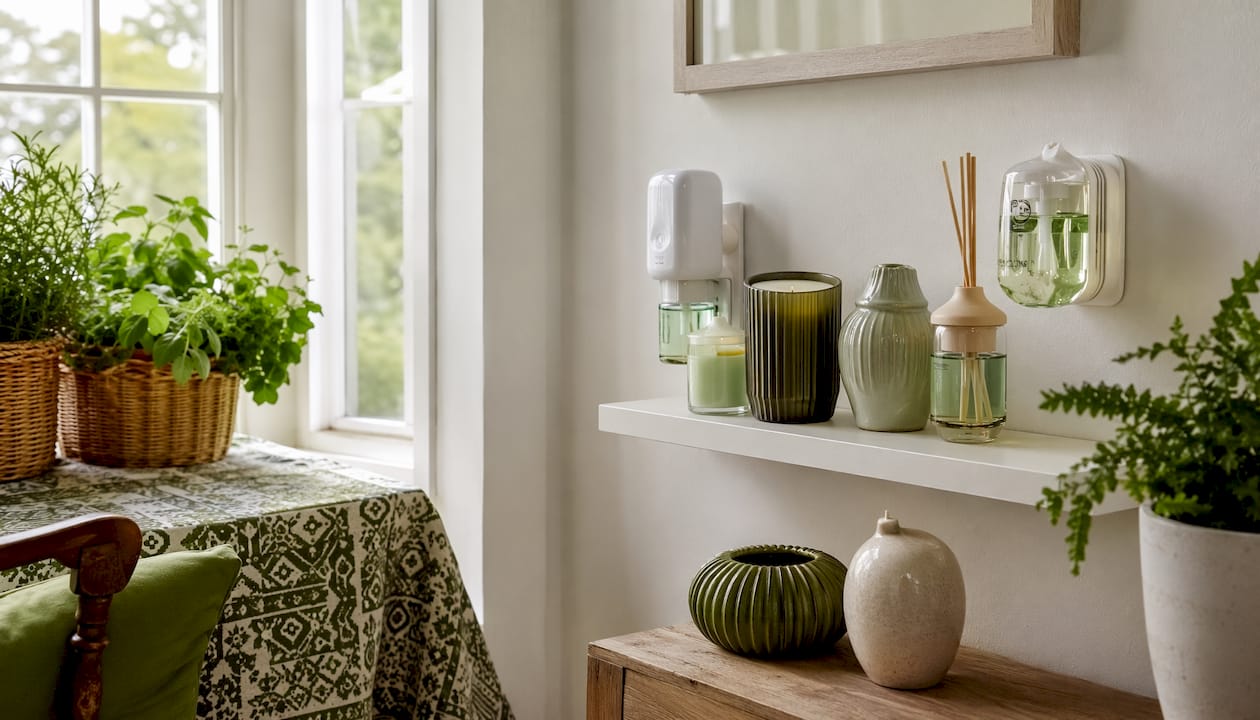
Pro Tip: The most overlooked VOC sources in UK homes are plug-in air fresheners and scented candles. Both release benzene and formaldehyde. Switching to unscented or naturally scented alternatives removes a continuous low-level pollutant source at zero cost.
2. Optimising ventilation to dilute indoor pollutants
Ventilation dilutes indoor pollutants by replacing stale air with outdoor air. Natural ventilation is cost-free and effective, but it requires timing and awareness of local outdoor air quality, particularly in urban UK areas near busy roads.
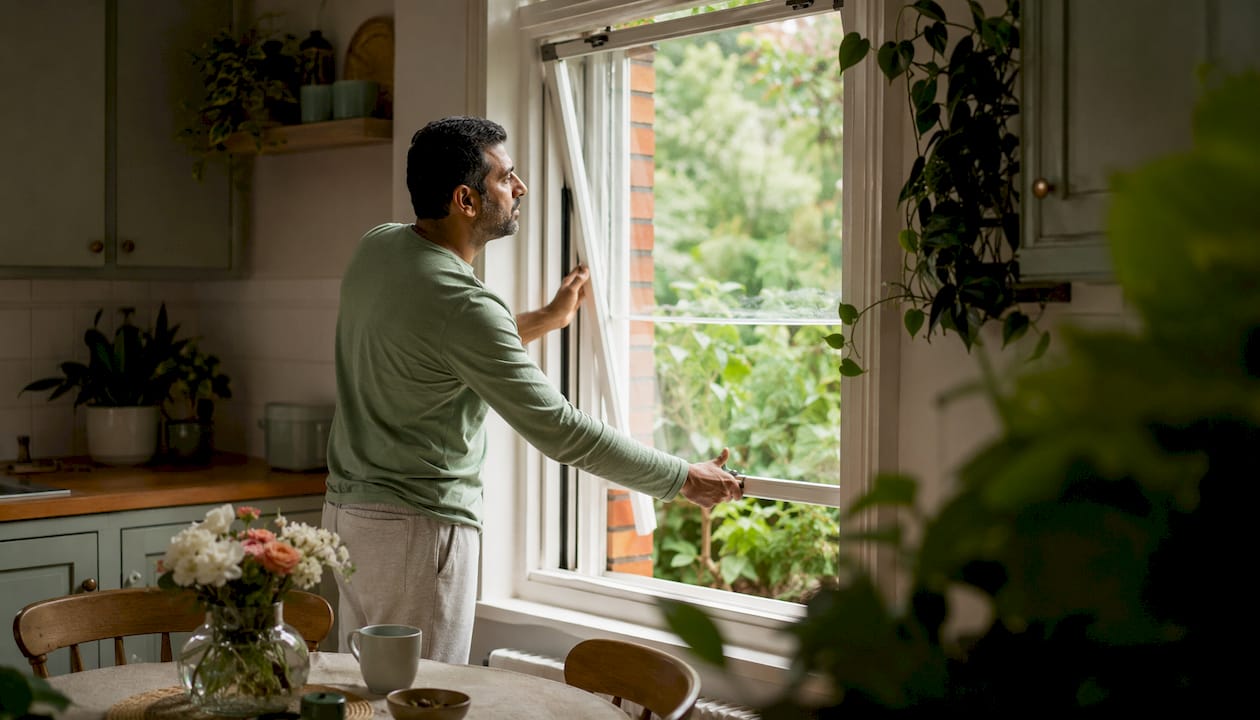
Experts recommend opening windows for at least 10 minutes daily to provide cost-effective ventilation, avoiding periods of poor outdoor air quality such as rush hour or high-pollen mornings.
| Ventilation method | Key benefit | Limitation |
|---|---|---|
| Opening windows | Free, immediate dilution of indoor pollutants | Introduces outdoor PM2.5, pollen, and noise |
| Trickle vents (fitted to UK window frames) | Continuous low-level background ventilation | Limited airflow rate; not suitable for high-pollution events |
| Exhaust fans (kitchen/bathroom) | Removes moisture, cooking fumes, and VOCs at source | Exhausts conditioned air; increases heating costs |
| Mechanical ventilation with heat recovery (MVHR) | Continuous filtered fresh air; retains heat | Higher installation cost; requires professional fitting |
| Positive input ventilation (PIV) | Reduces condensation and mould in UK homes | Draws in unfiltered loft air unless filter-equipped |
For UK homes in areas with elevated outdoor PM2.5, such as central London or near industrial zones, closing windows during high-pollution episodes and relying on filtration is the more practical approach. The UK government’s Defra Daily Air Quality Index provides real-time local readings to guide ventilation decisions.
Timing matters. Ventilate in the early morning or after rainfall, when outdoor particle counts tend to be lower. Avoid ventilating during bonfire season (October–November) or when local air quality alerts are active.
3. Portable air cleaners and HVAC filtration for particle and gas removal
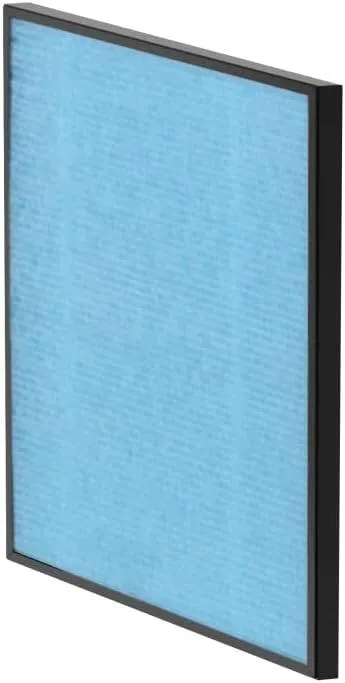
Mechanical filtration is the backbone of any indoor air purification strategy. HEPA filters remove at least 99.95% of particles ≥0.3 microns, covering PM2.5, dust, pollen, pet dander, and many biological aerosols. For central systems, MERV 13 or higher is the recommended minimum for capturing fine particulate matter.
Selecting a portable air cleaner
The Clean Air Delivery Rate (CADR) is the standard metric for sizing portable units. A unit’s CADR should cover at least two-thirds of the room’s floor area in square feet per minute. A 20m² UK living room, for example, requires a CADR of roughly 130–150 cfm for adequate particulate removal.
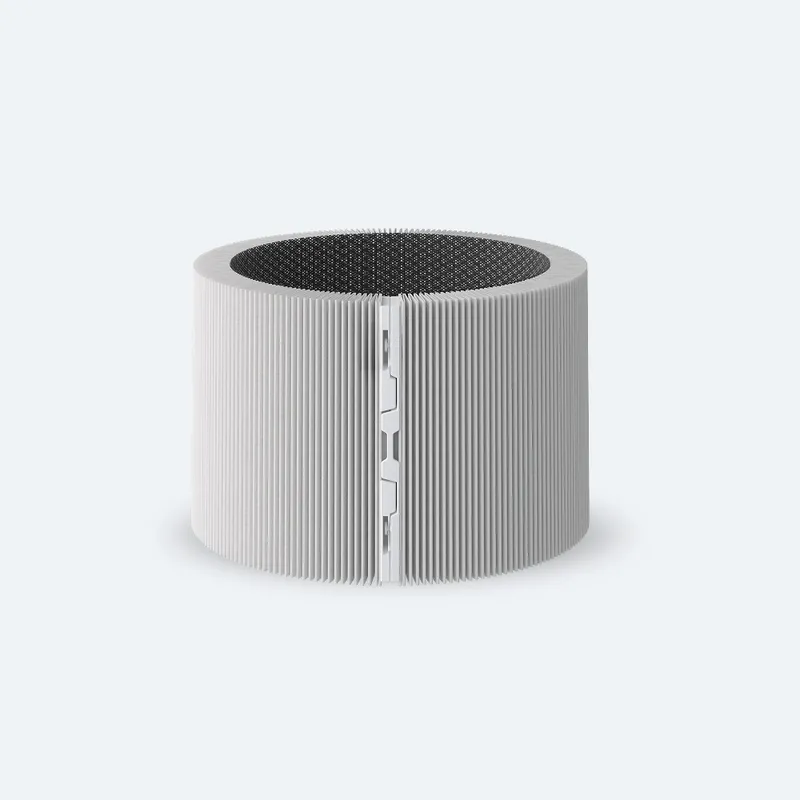
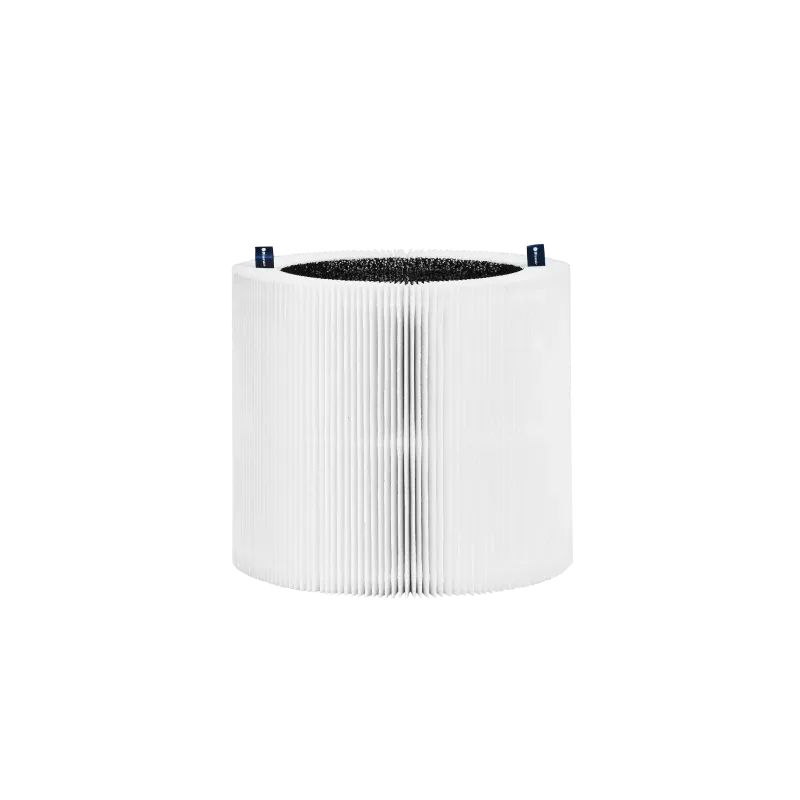
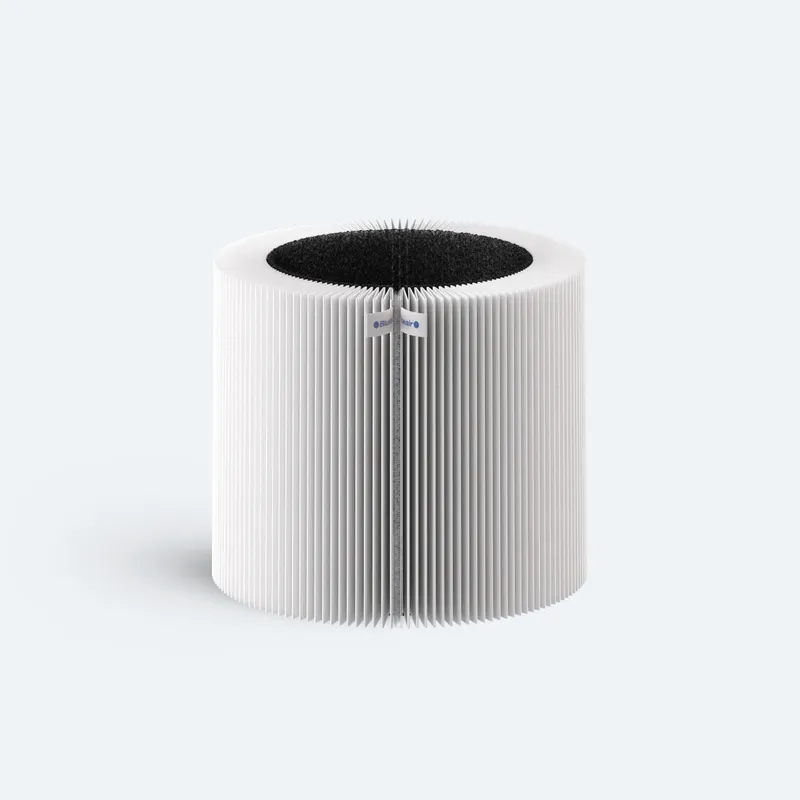
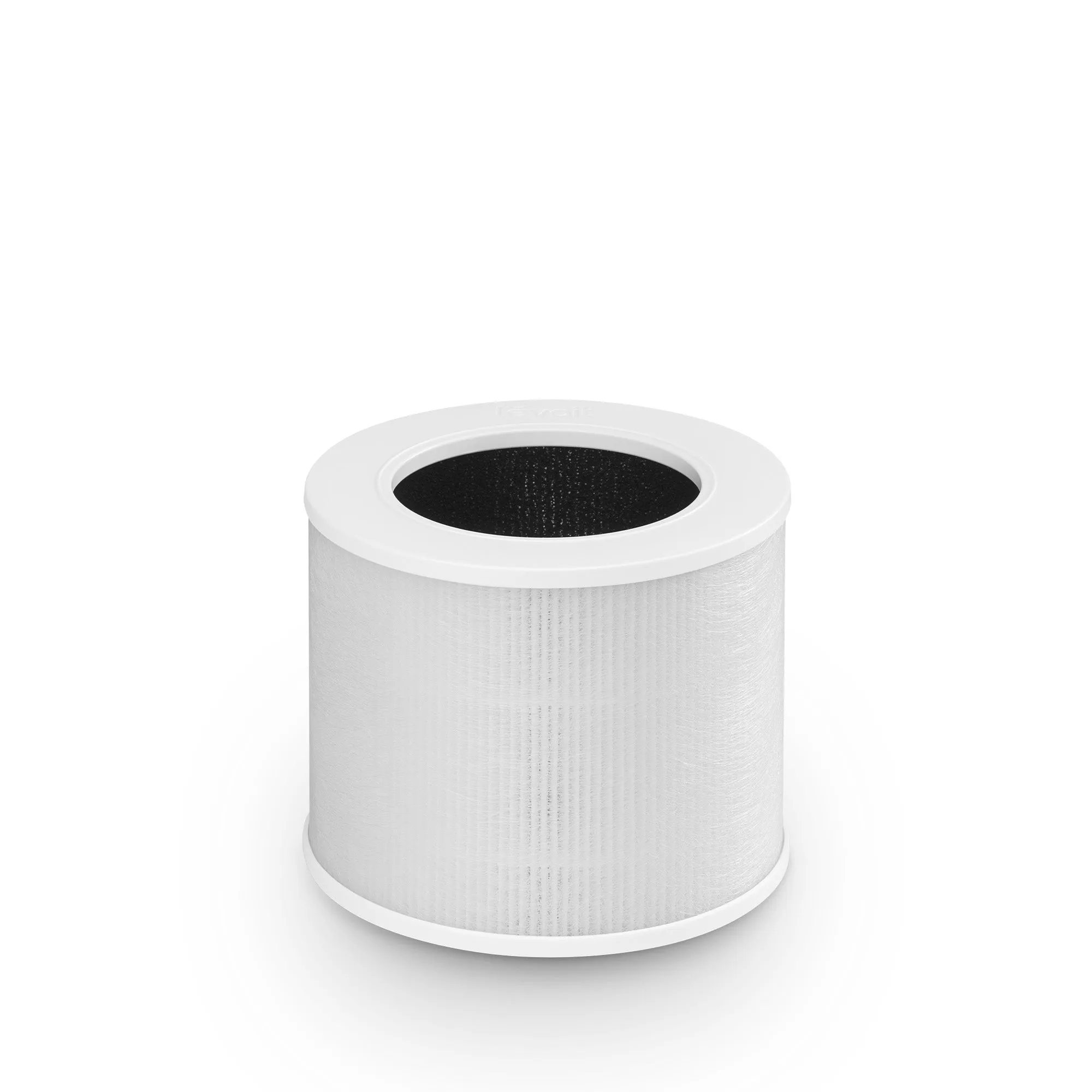
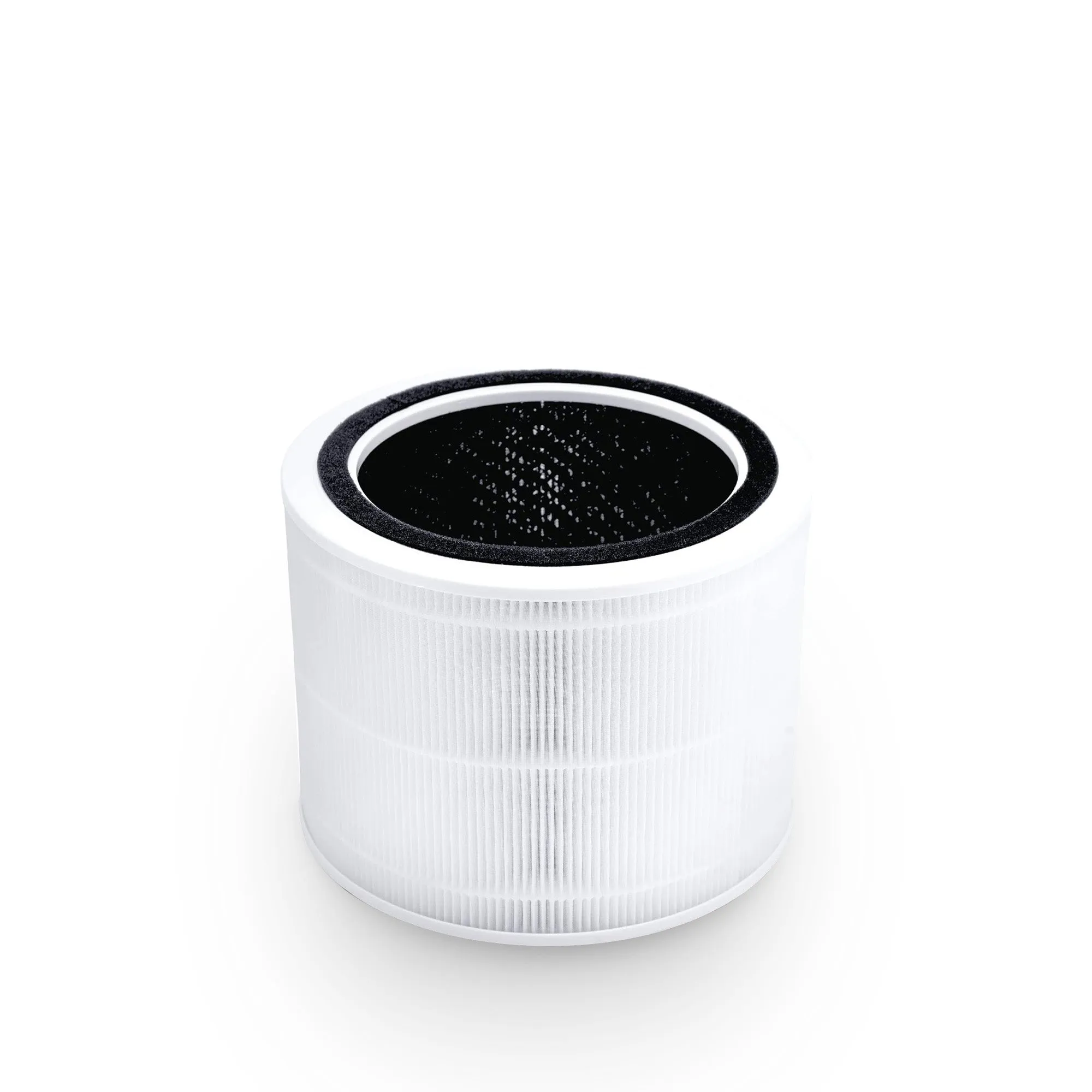
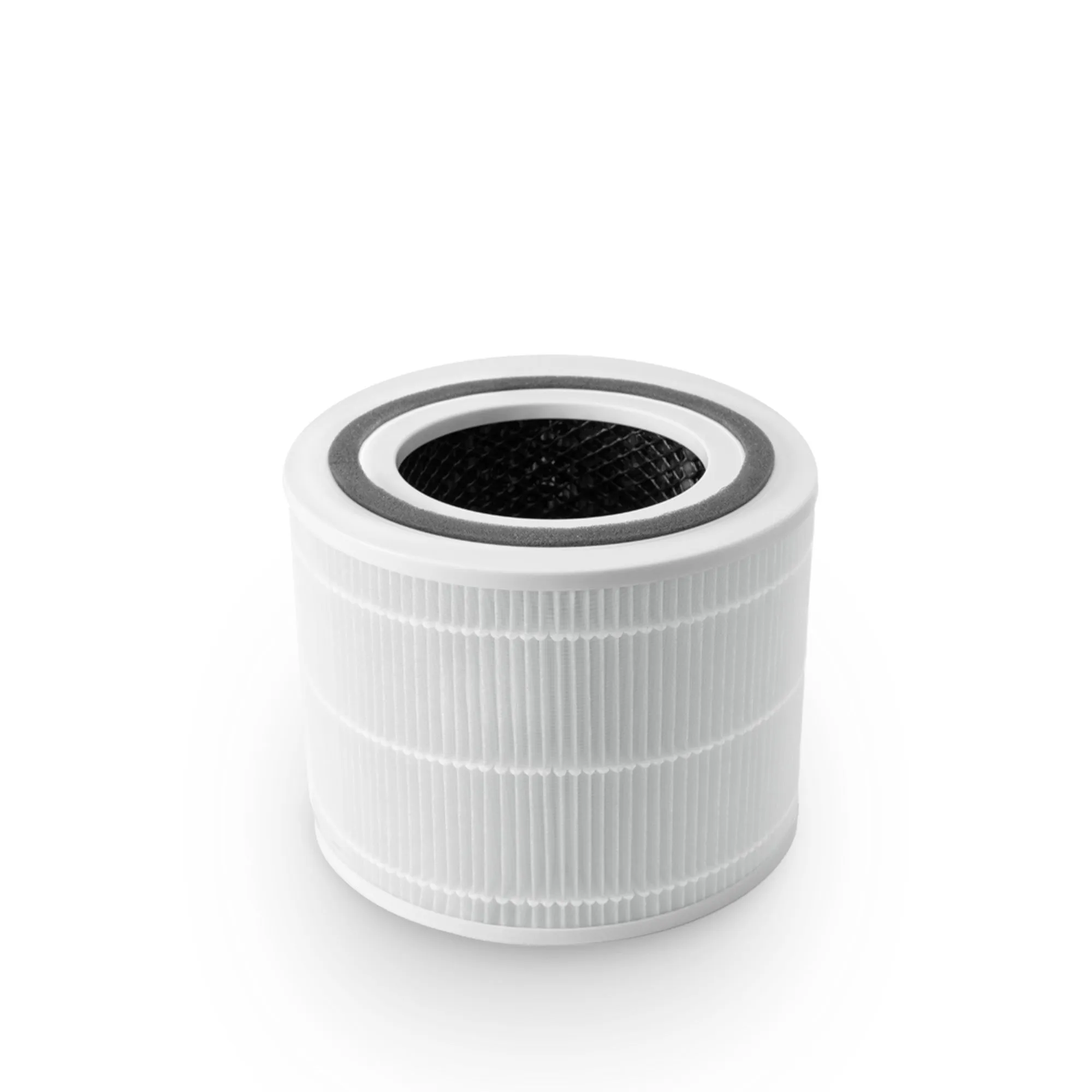
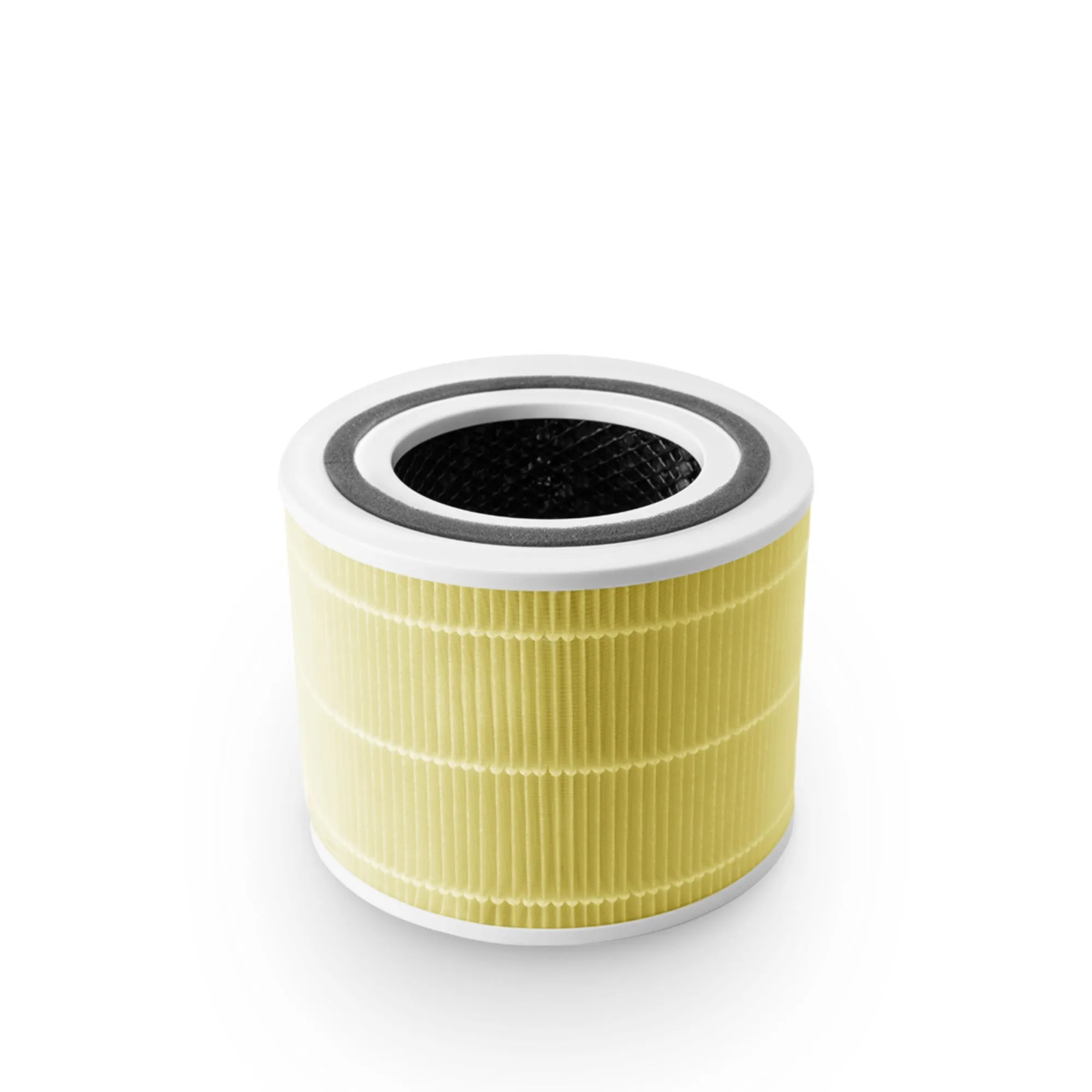
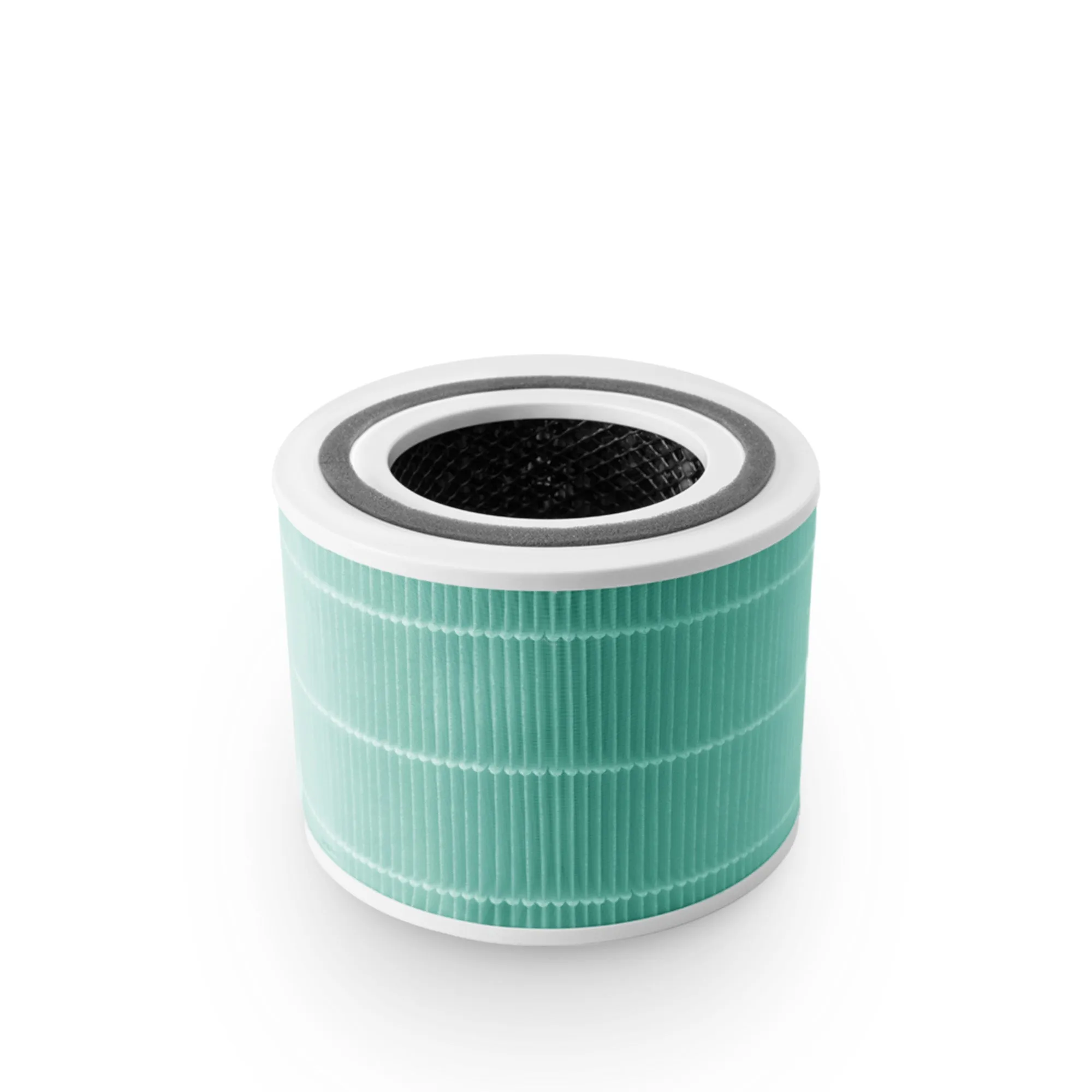
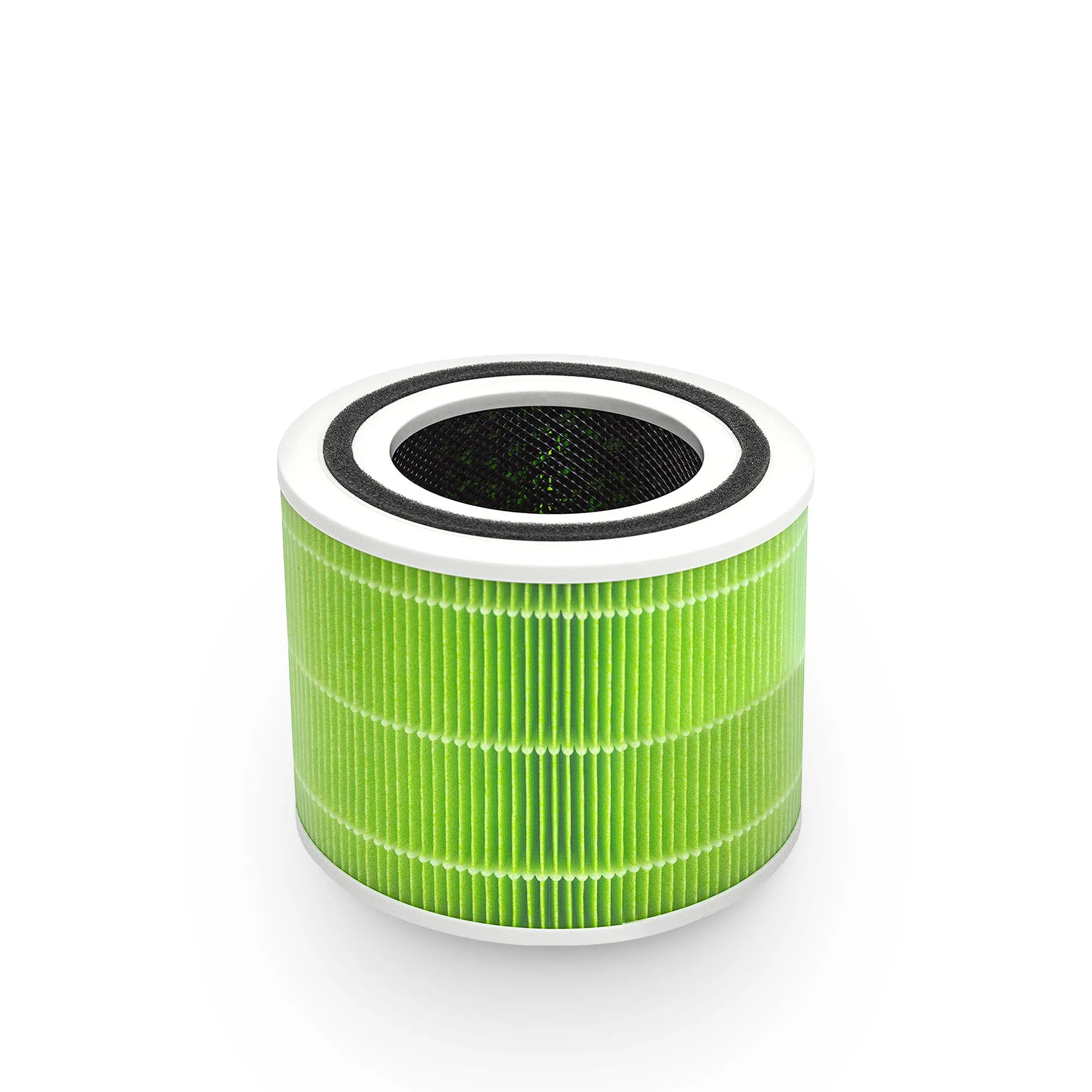
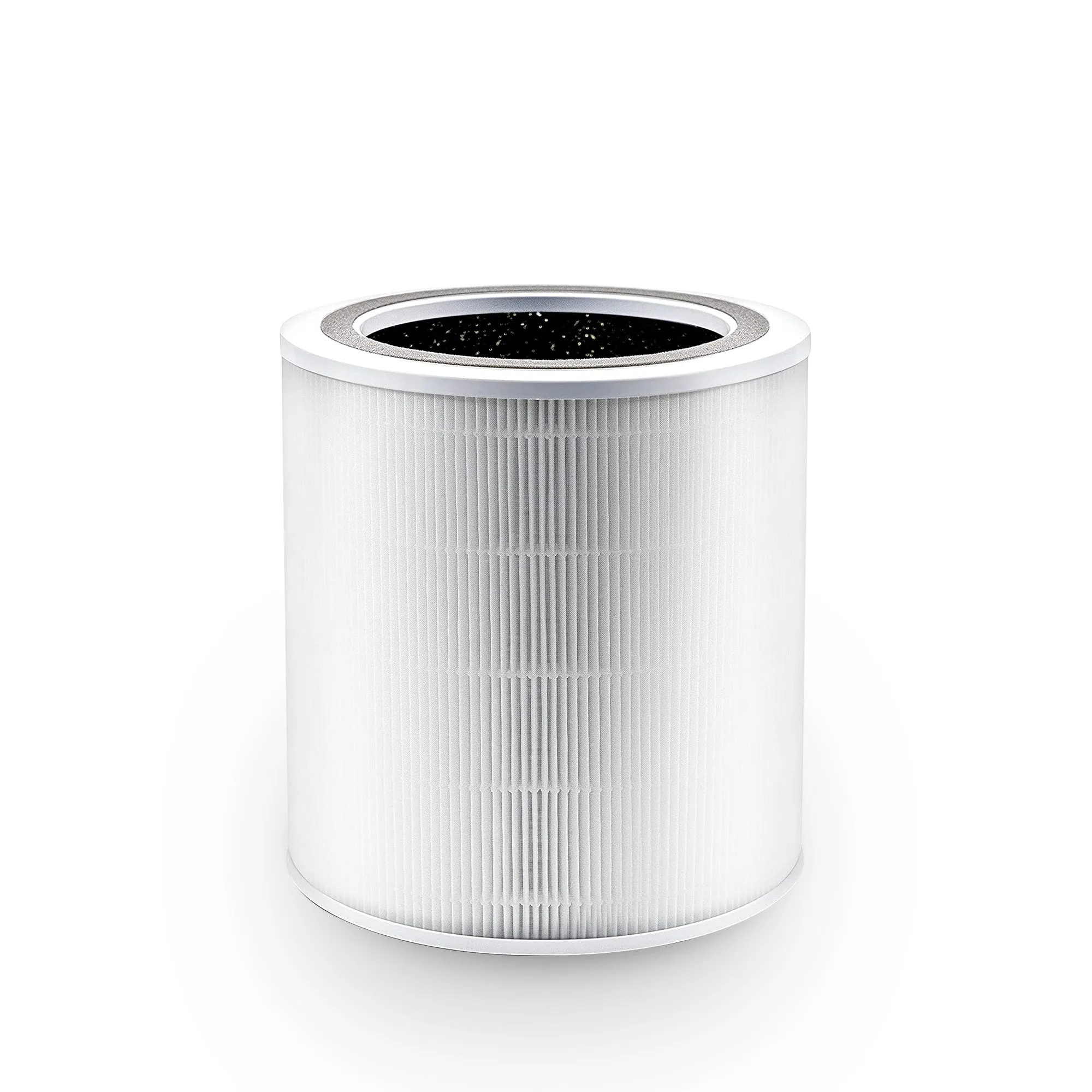
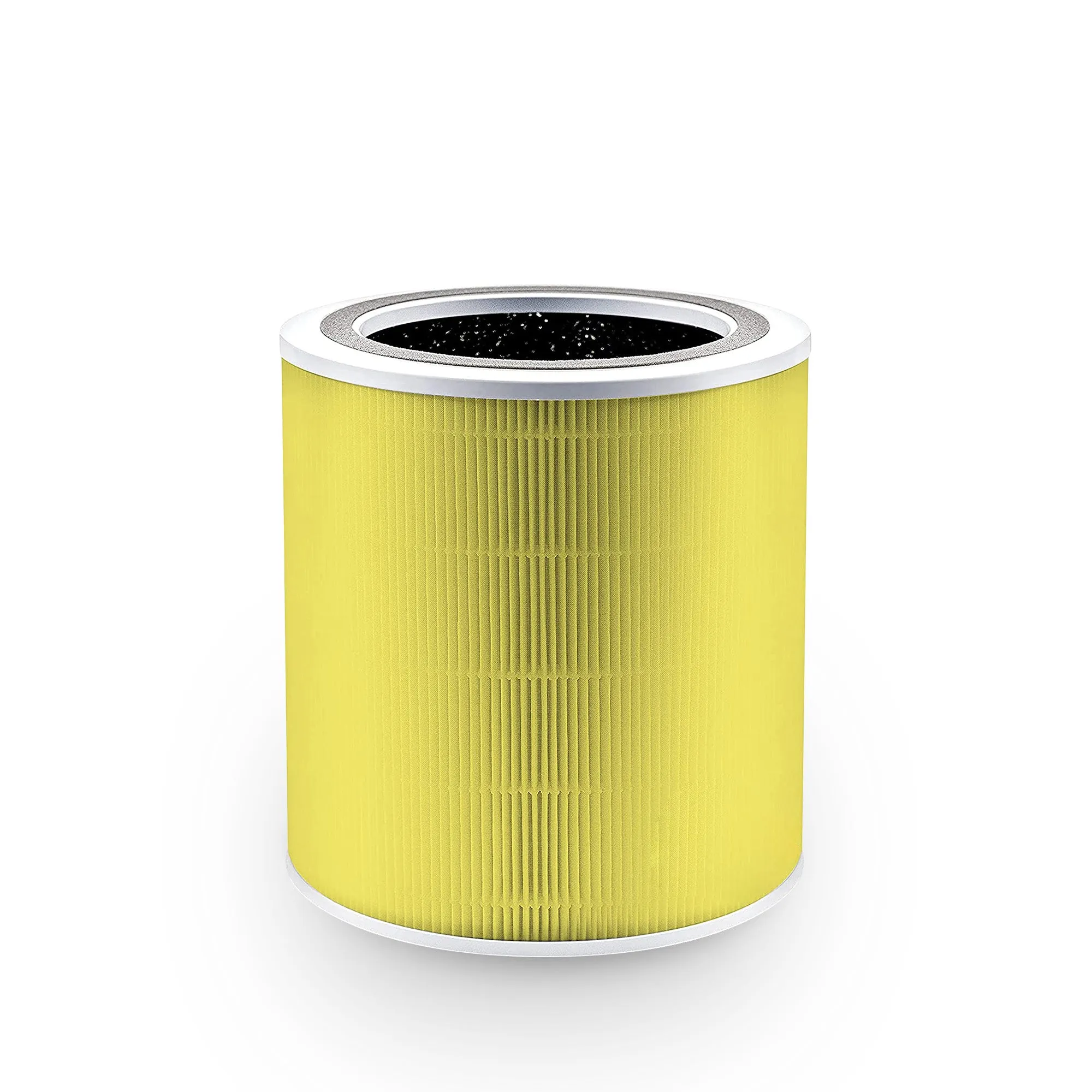
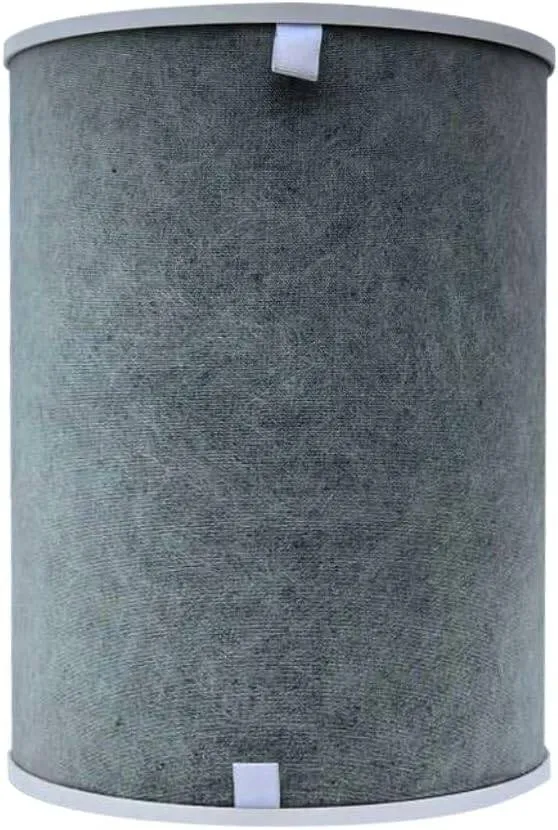
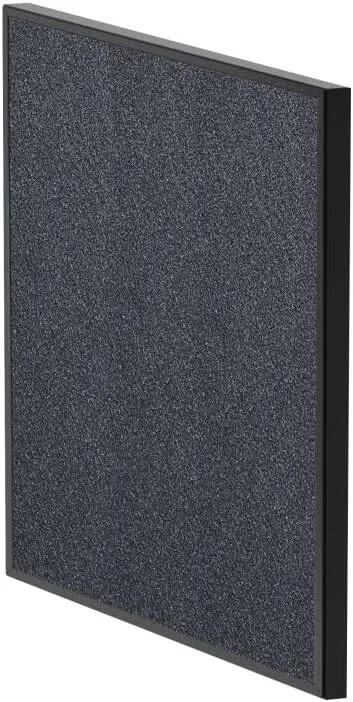
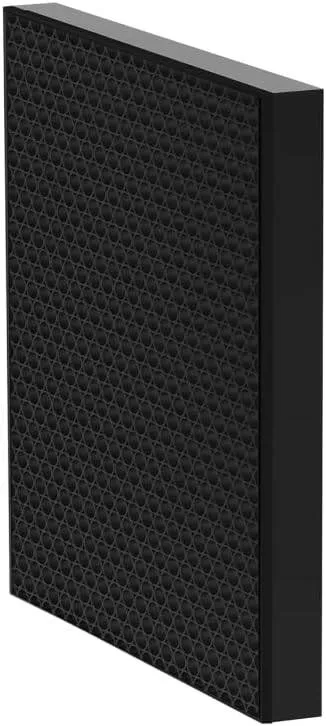
Portable air cleaners sized by CADR with combined HEPA and substantial activated carbon filters provide a practical solution for UK residential spaces. Note that no equivalent standard exists for gas and VOC removal; effectiveness depends entirely on the volume of activated carbon sorbent in the unit.
| Filter type | Particles removed | Gases/VOCs removed | Notes |
|---|---|---|---|
| HEPA (True HEPA) | ≥99.95% of ≥0.3 µm particles | None | Best for PM2.5, allergens, biological aerosols |
| MERV 13 (HVAC) | High efficiency for PM2.5 | None | Recommended minimum for UK HVAC systems |
| Activated carbon | Minimal | Yes, with sufficient sorbent volume | Thin carbon layers in budget units are largely ineffective |
| Combined HEPA + carbon | ≥99.95% particles | Partial gas/VOC removal | Most practical for UK homes |
| Electrostatic precipitator | Moderate particle capture | None | Can produce trace ozone; requires regular cleaning |
Recognised brands available in the UK
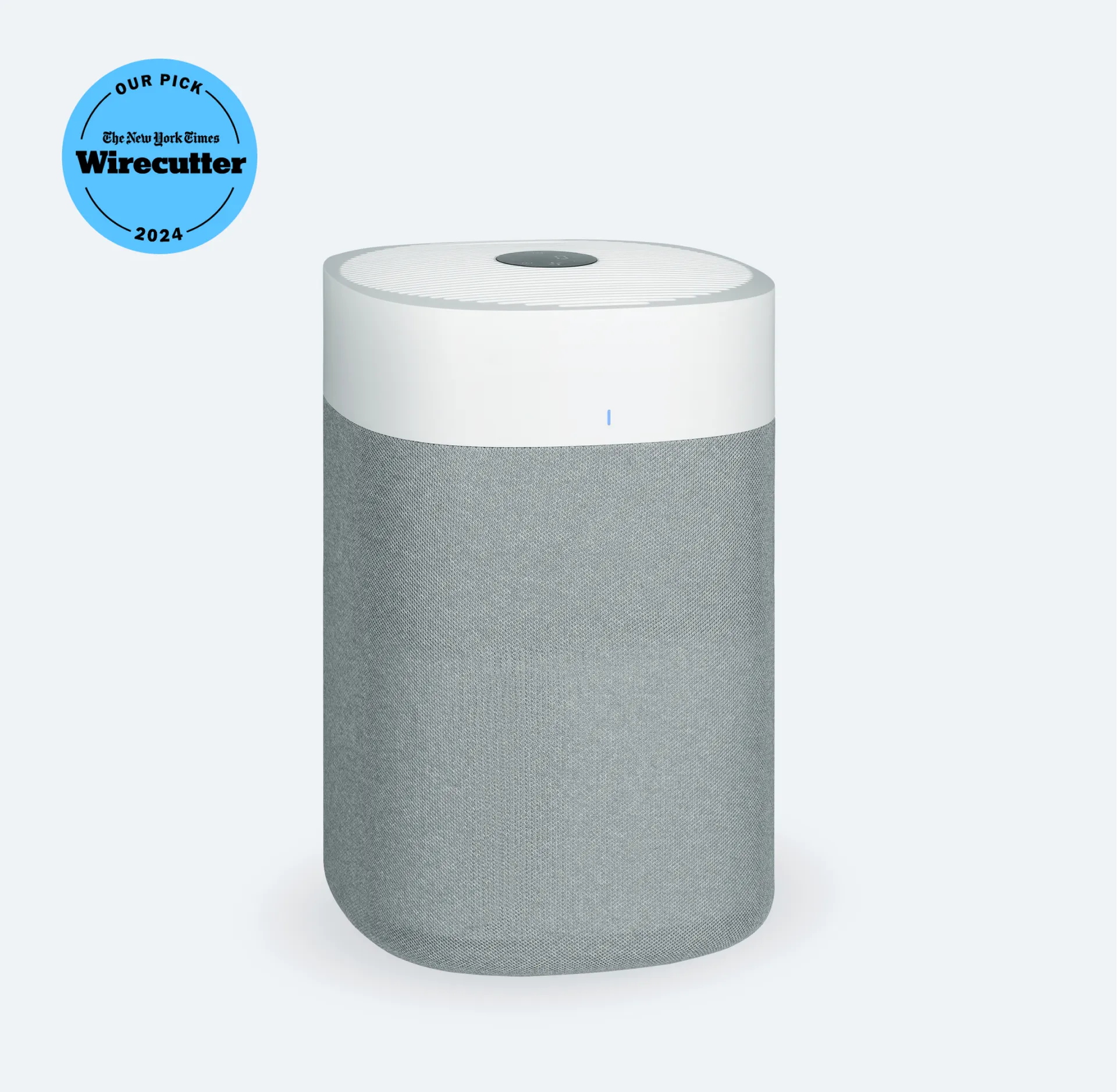
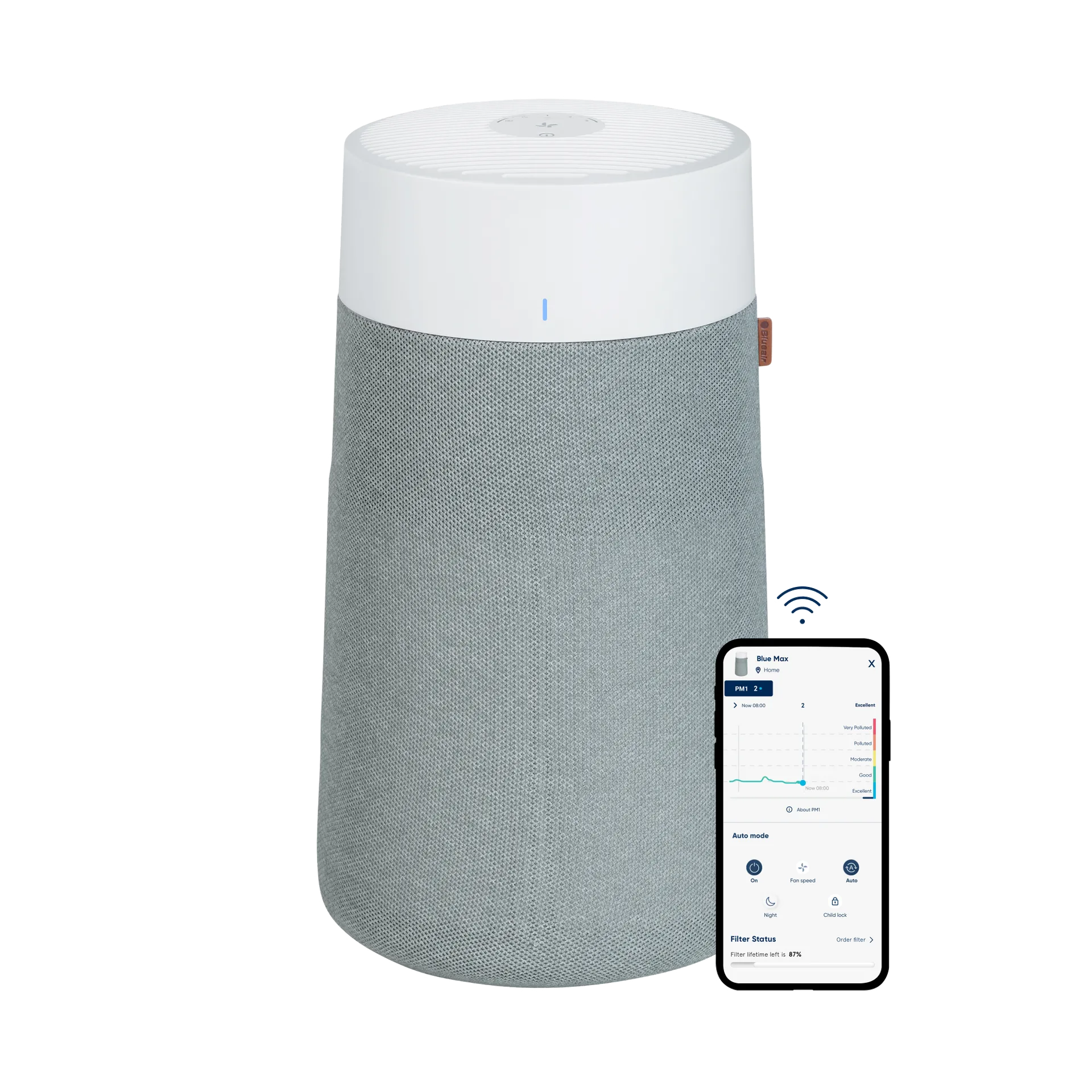
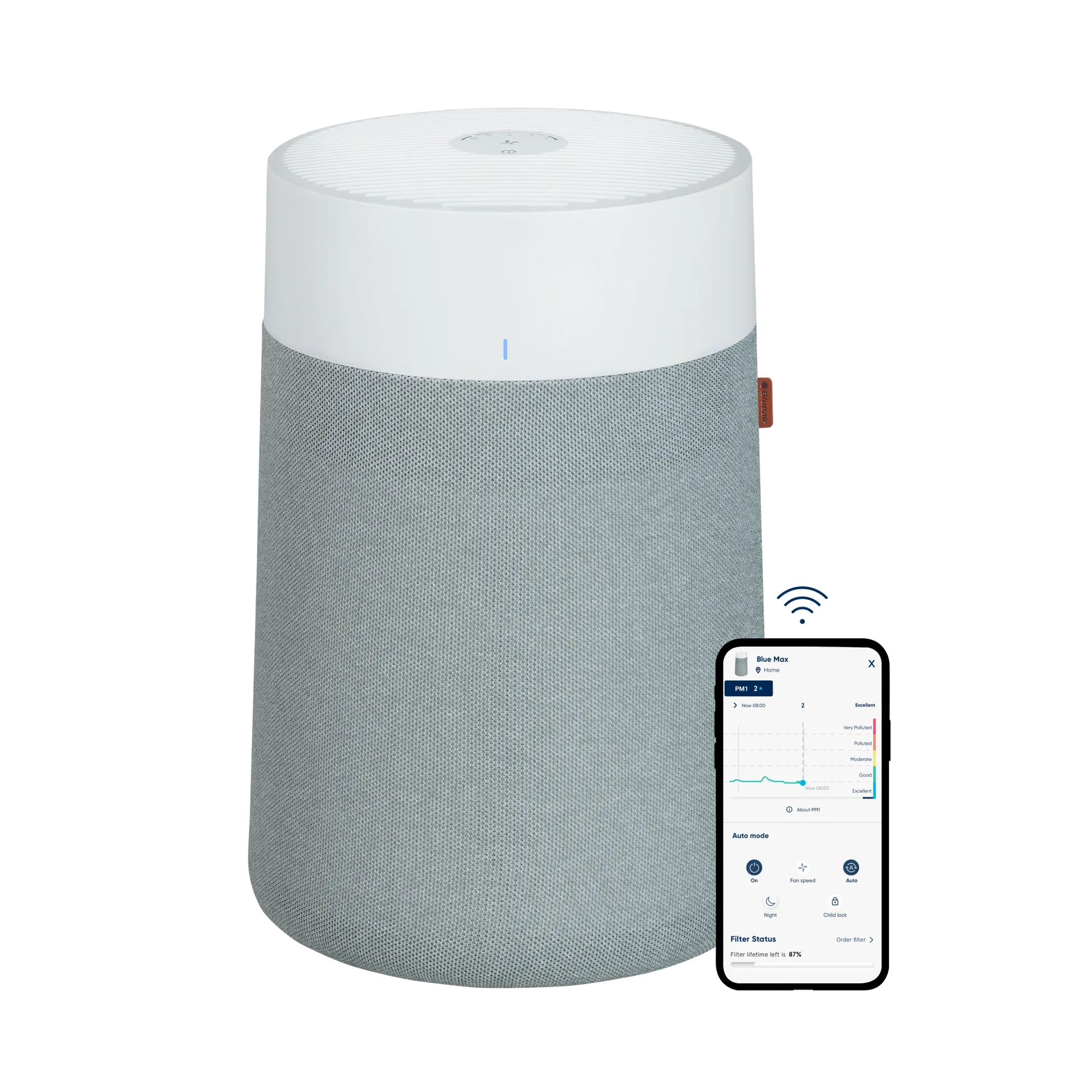
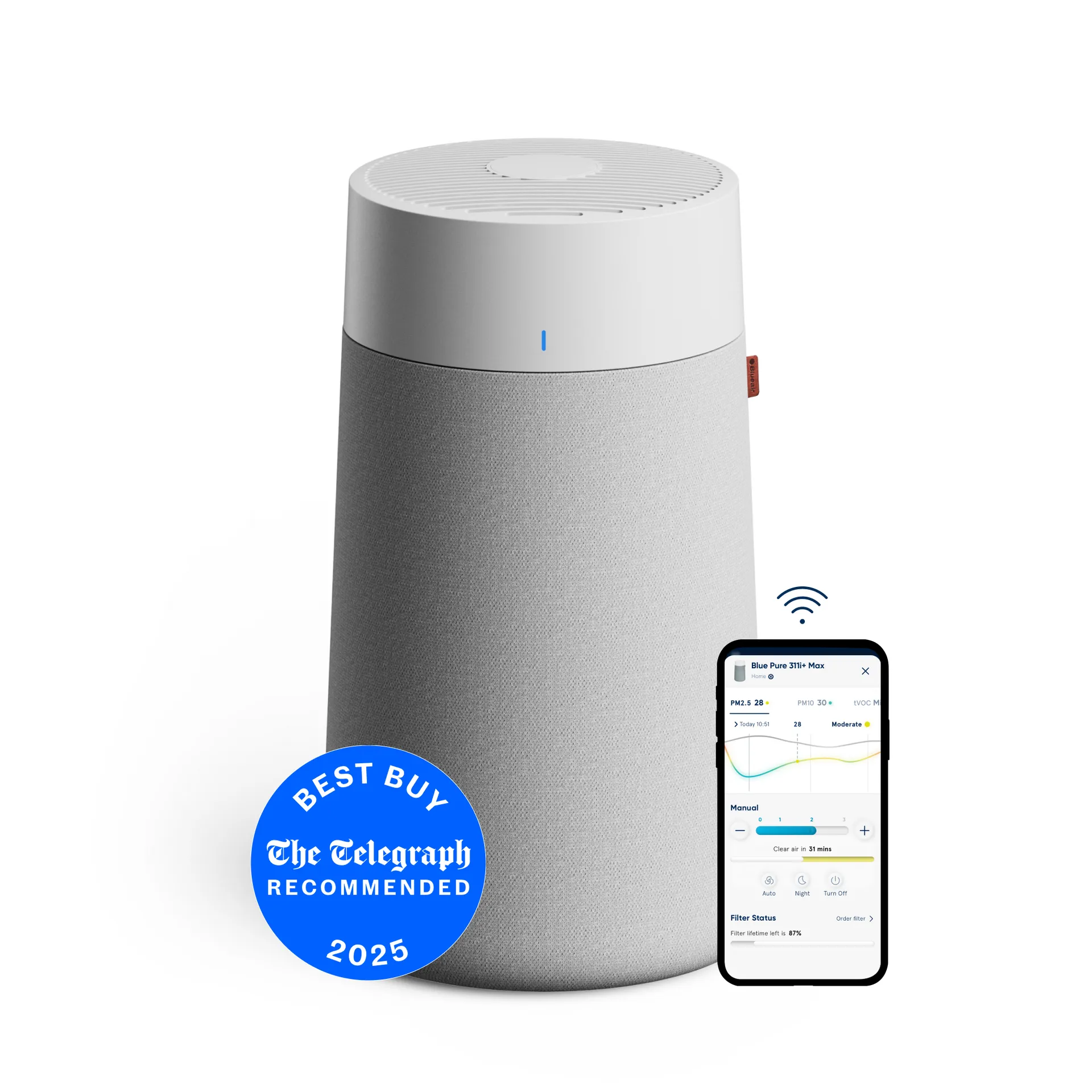
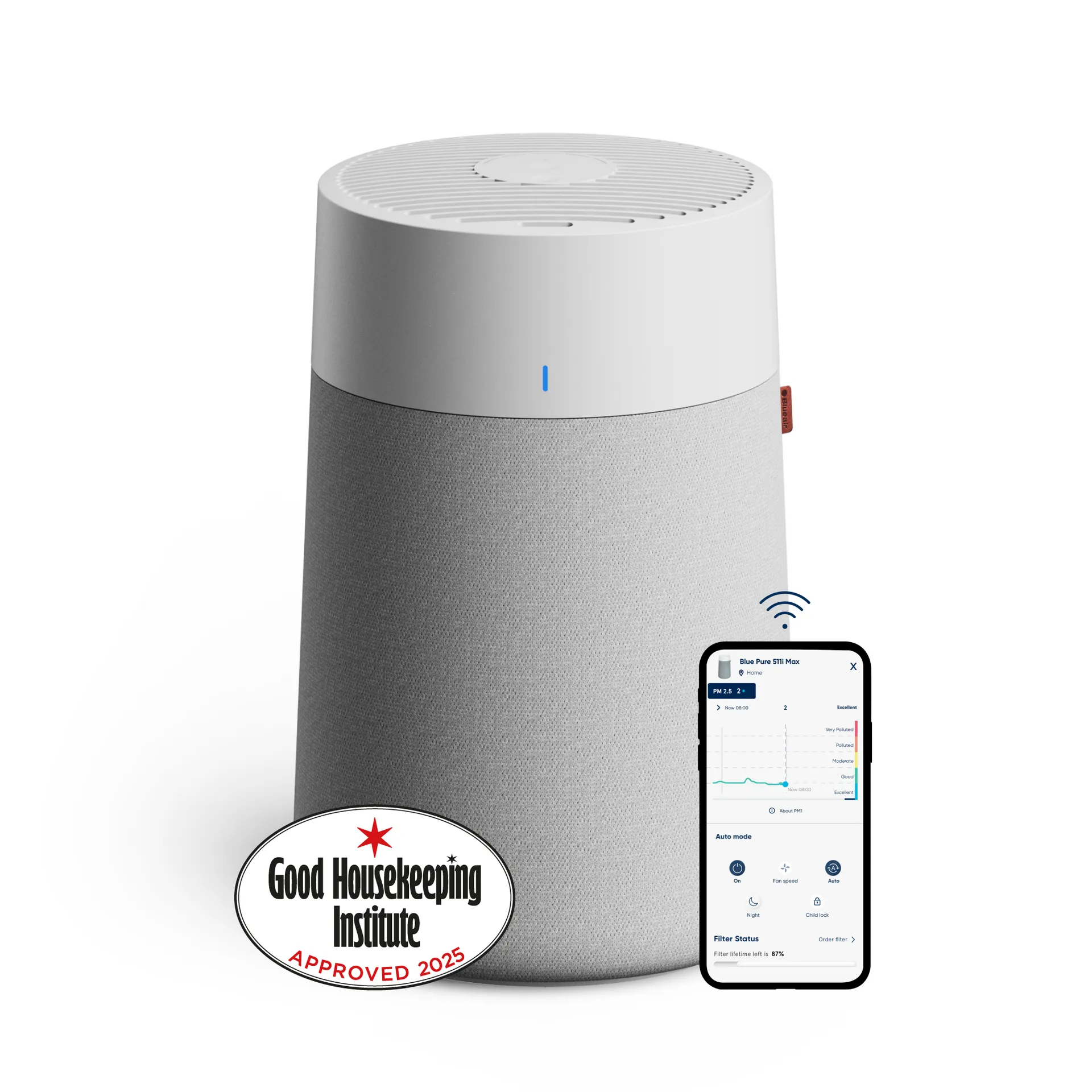
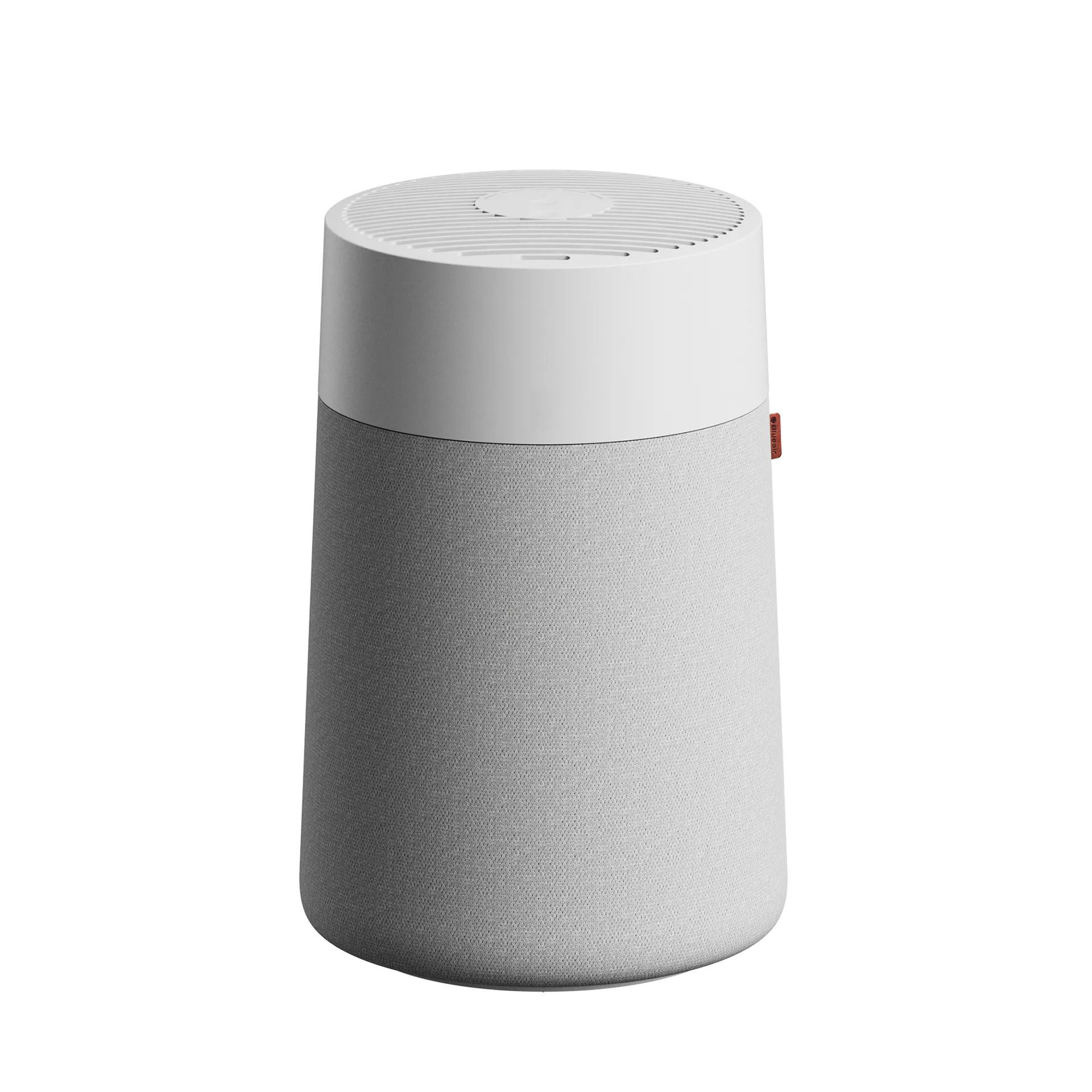
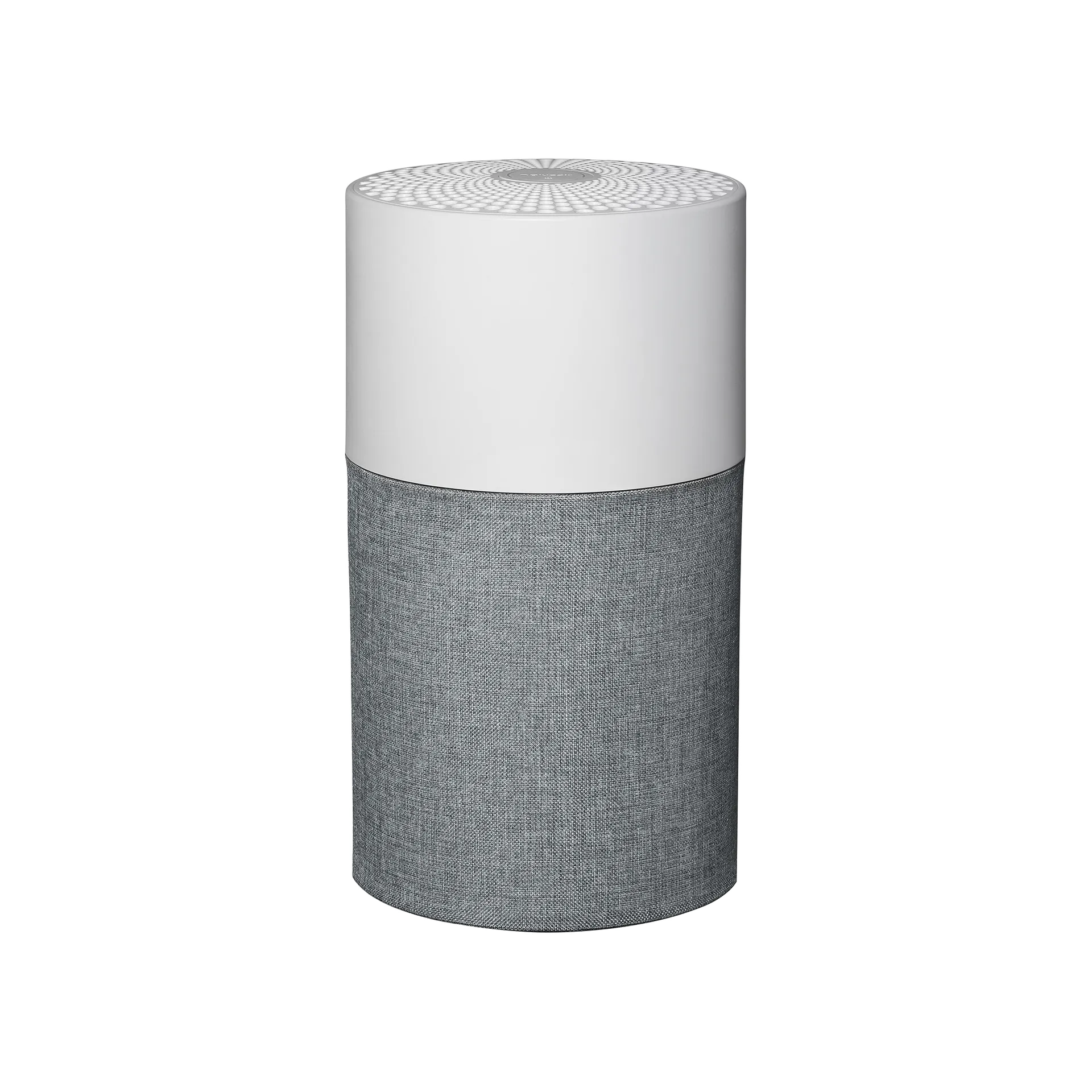
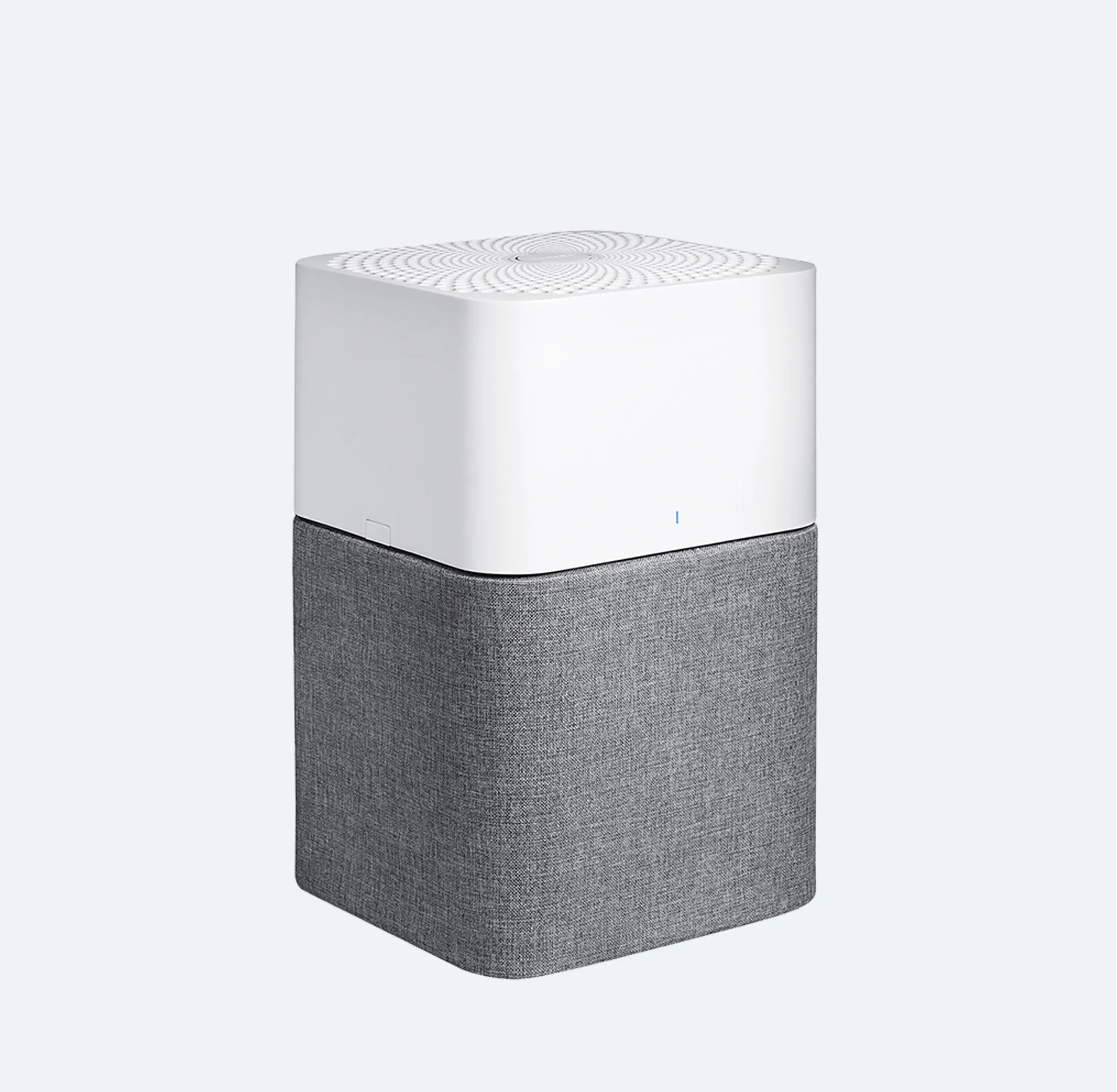
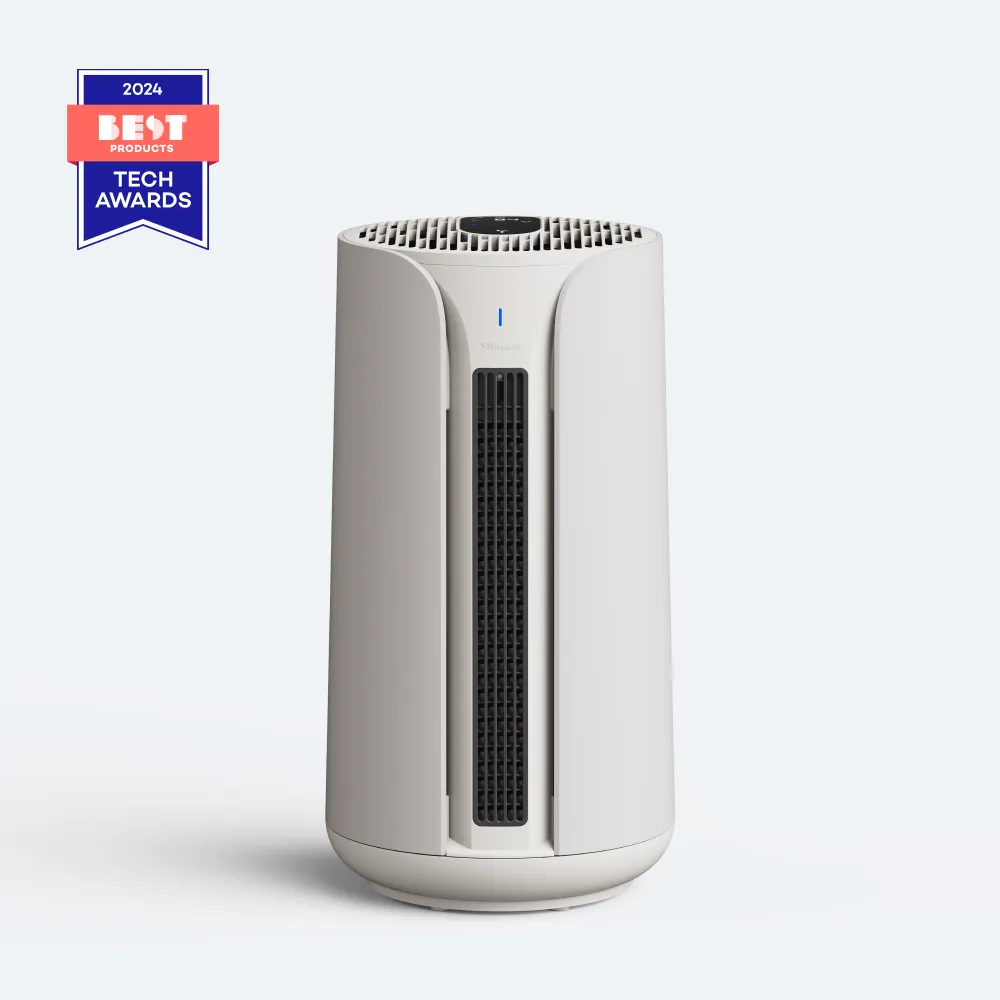
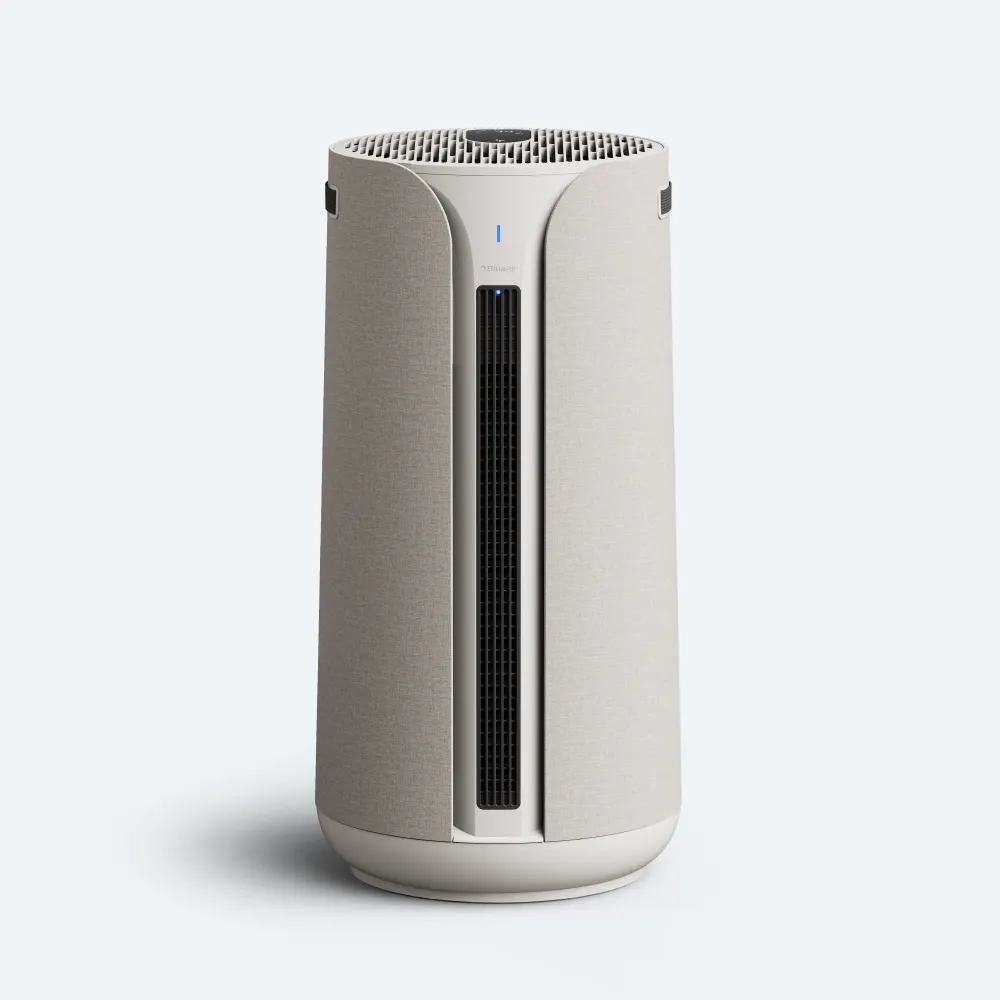
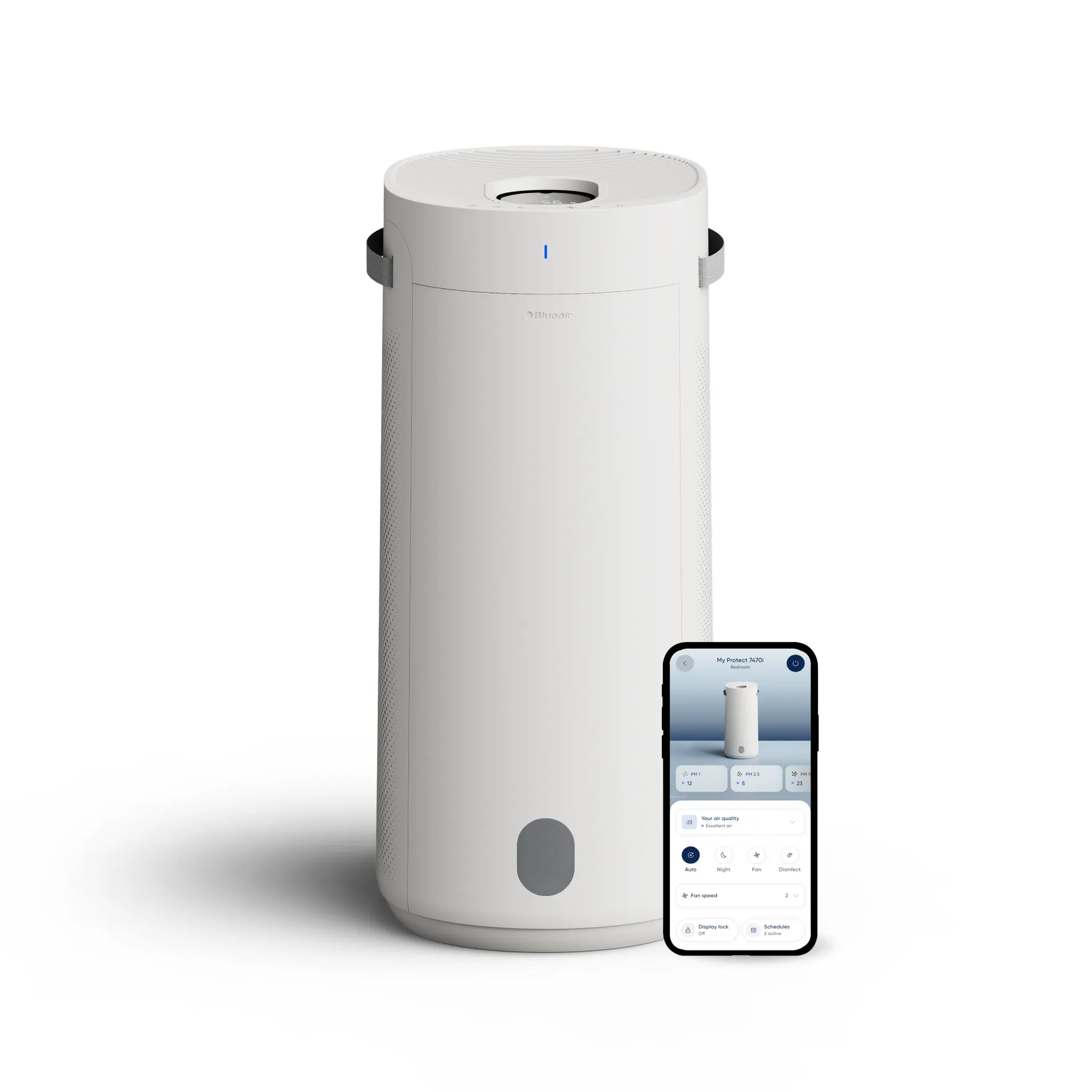
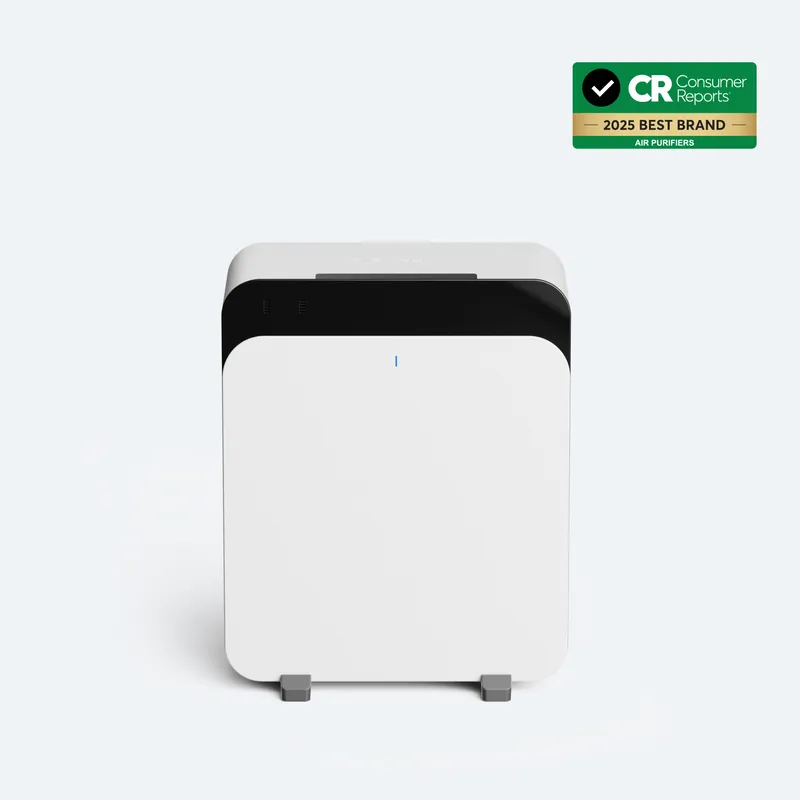
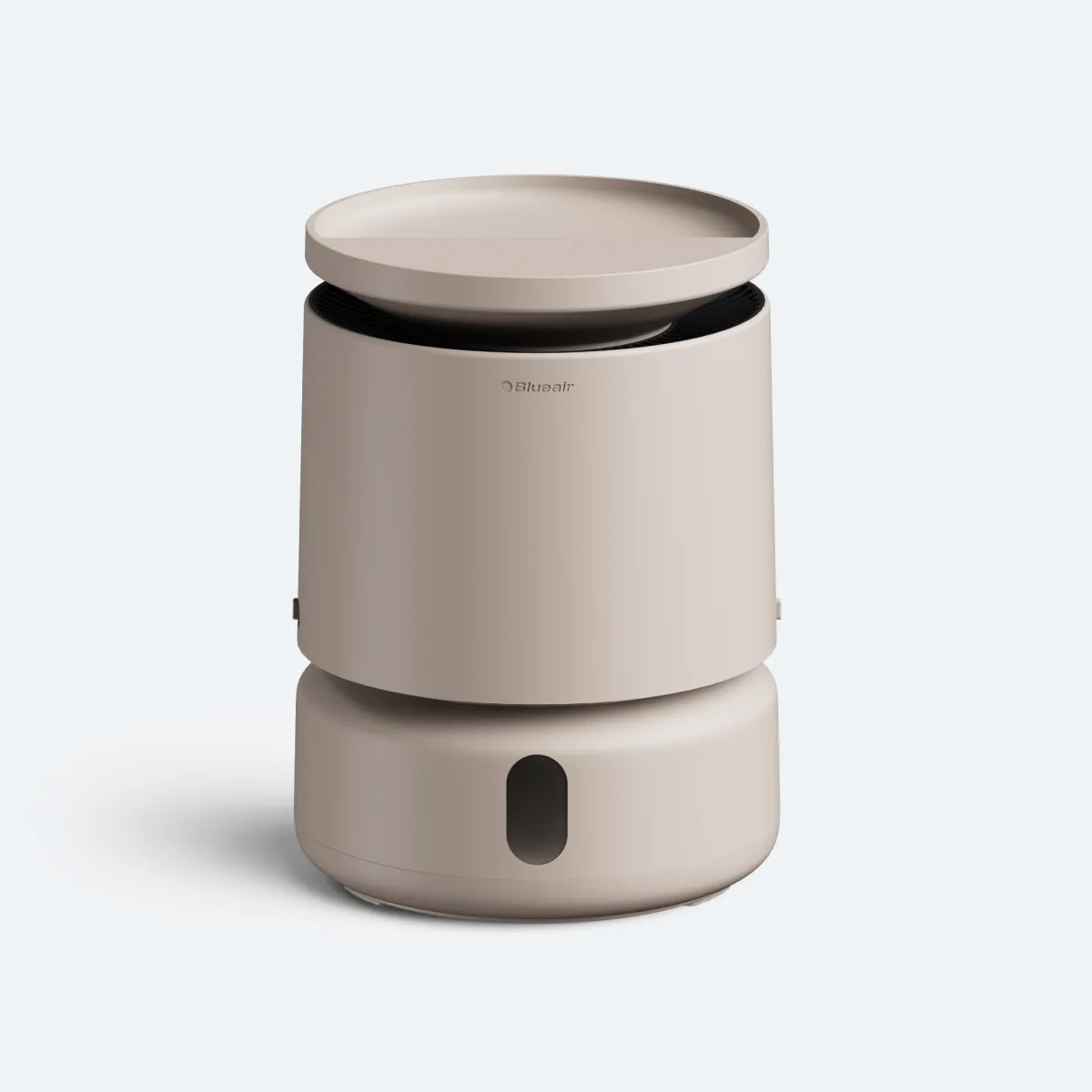
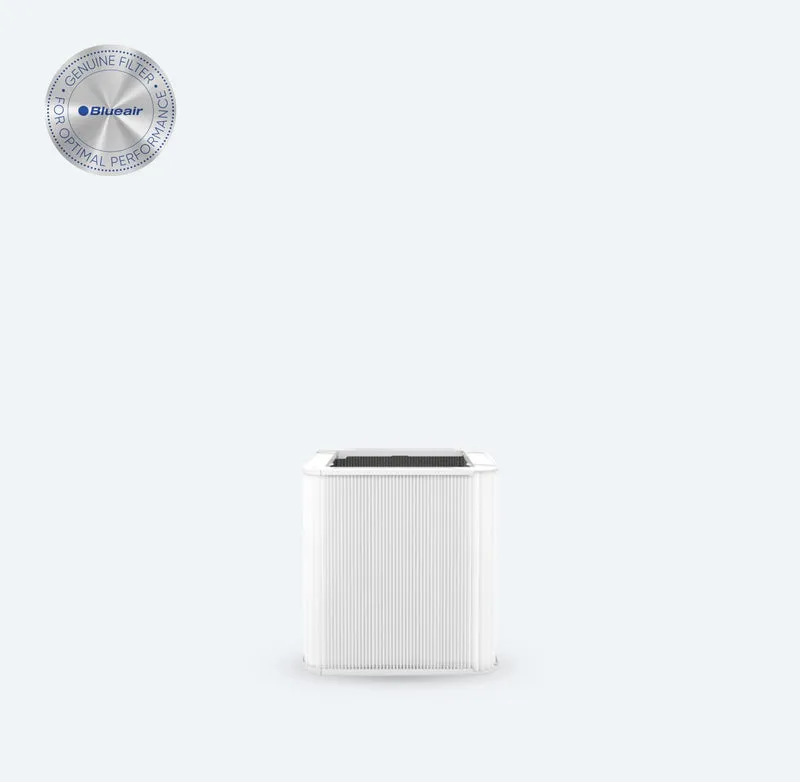
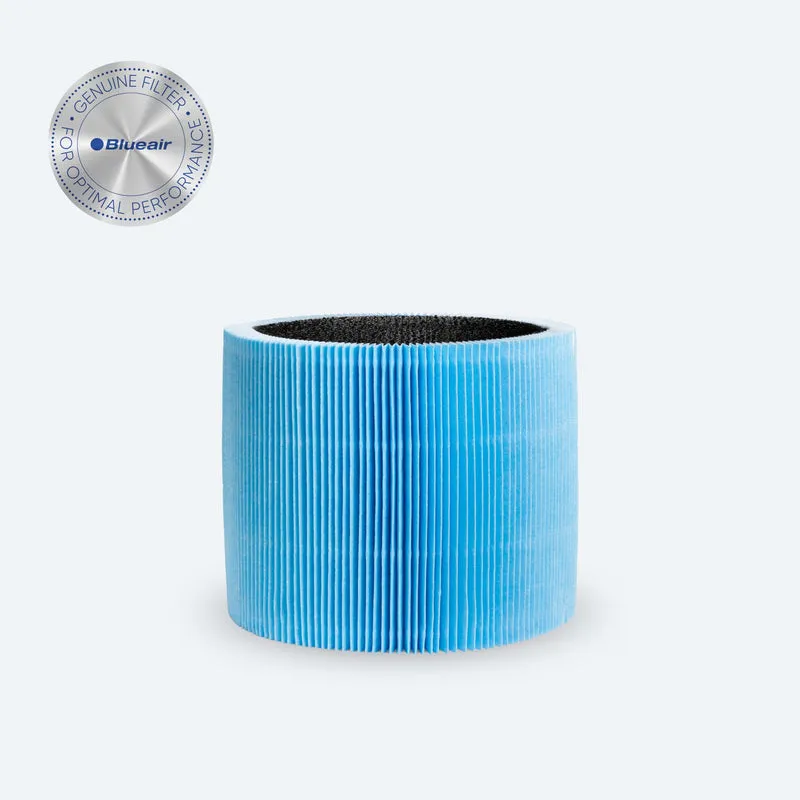
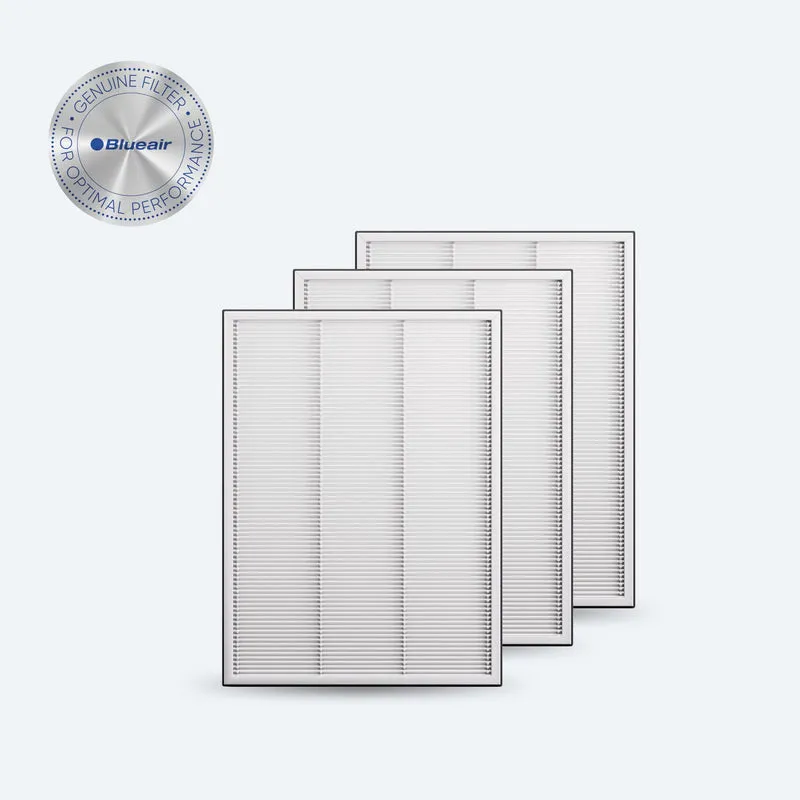
Blueair units use a combination of mechanical and electrostatic filtration, achieving high CADR values with relatively low noise levels. The Blue Pure series is well suited to UK bedroom and living room use.
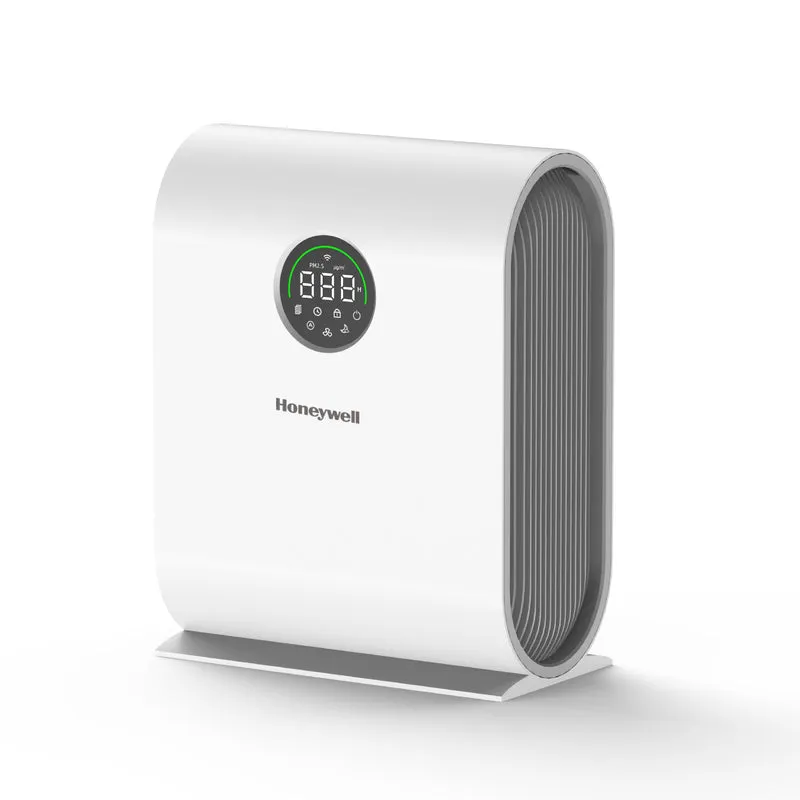
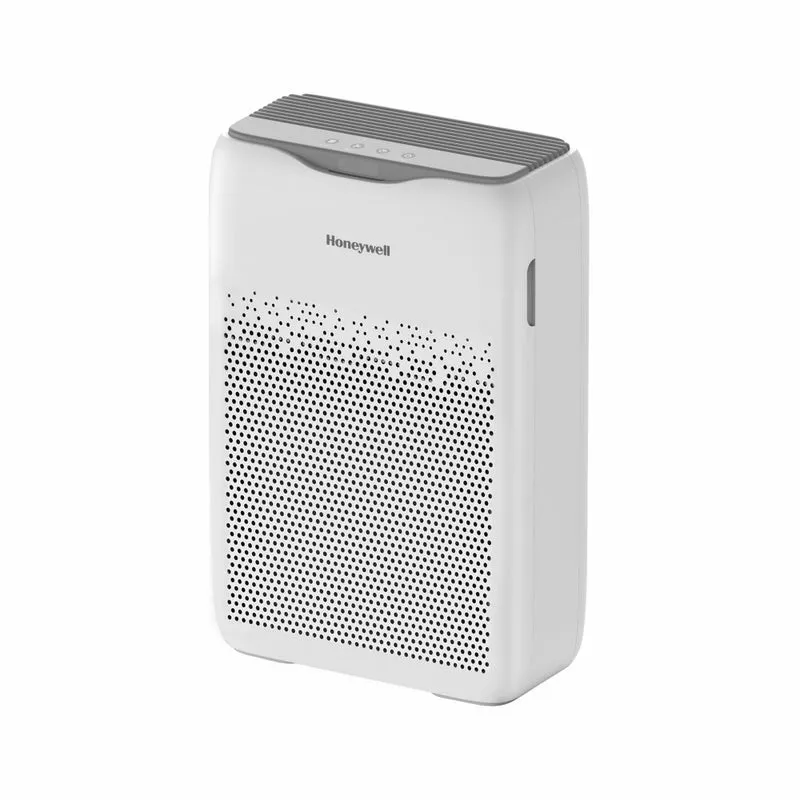
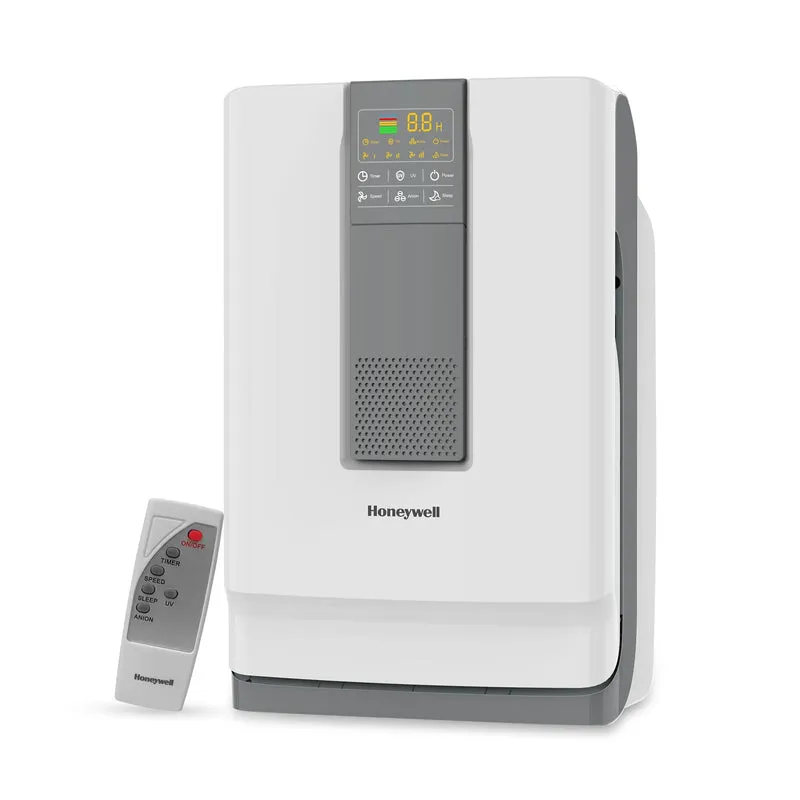
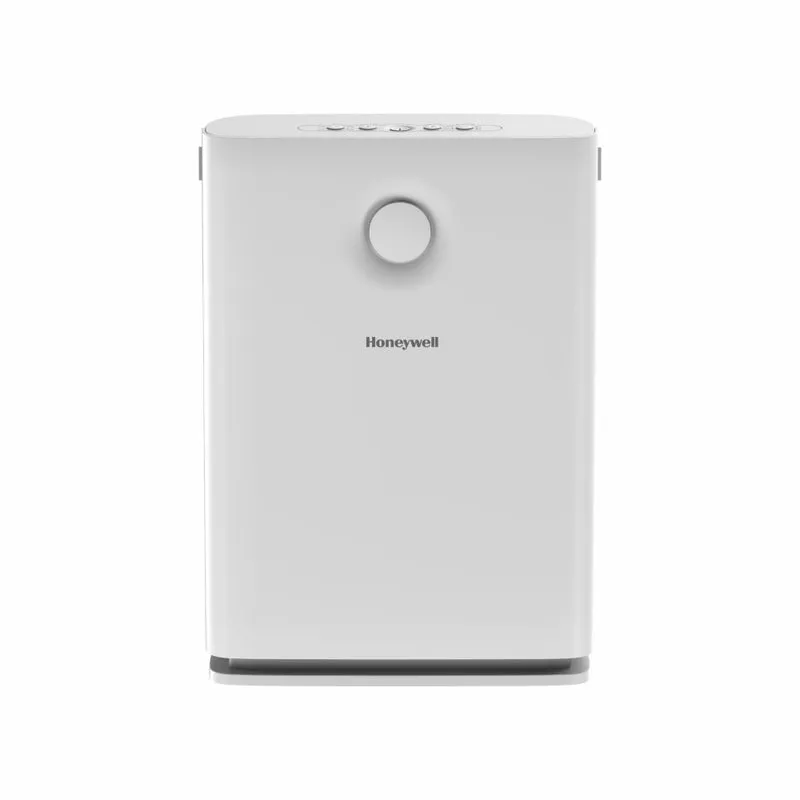
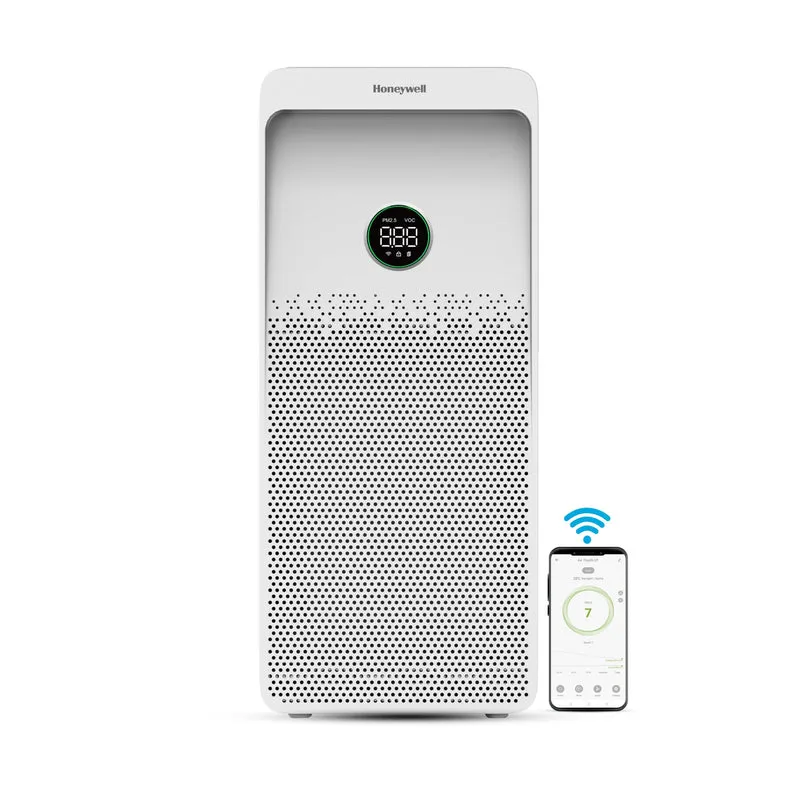
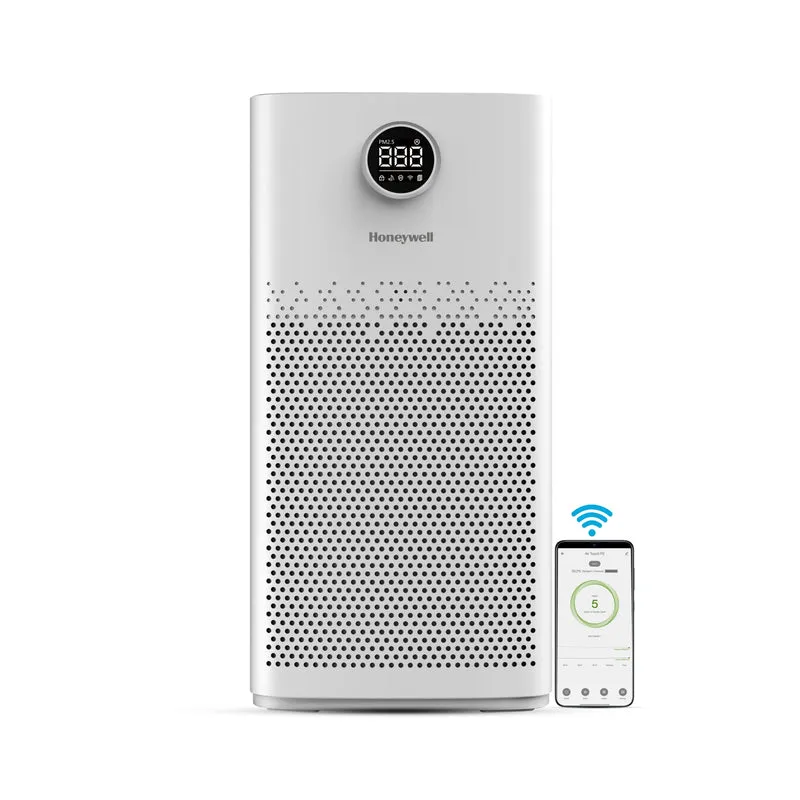
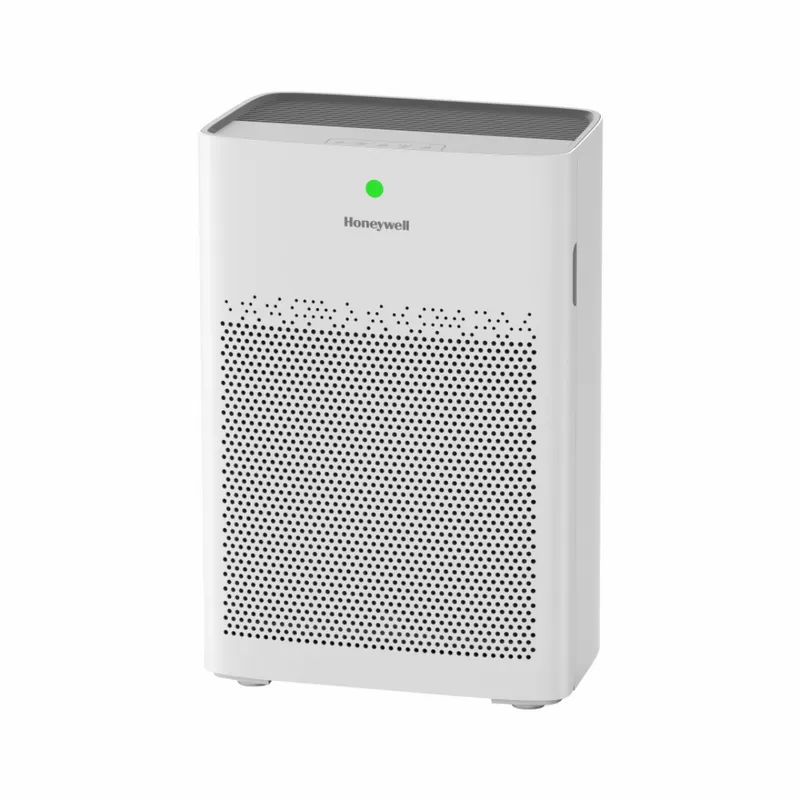
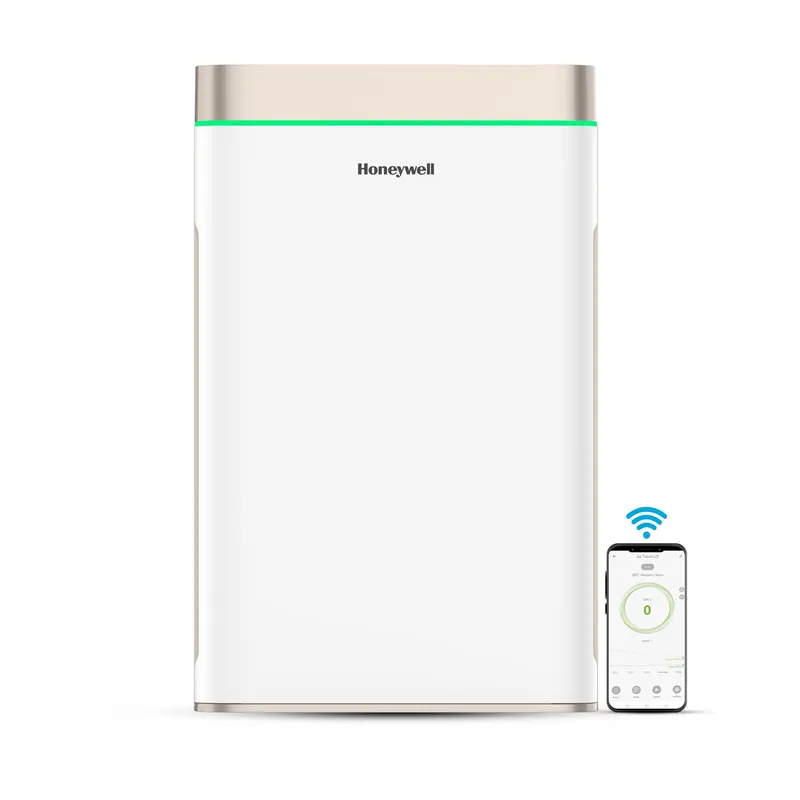
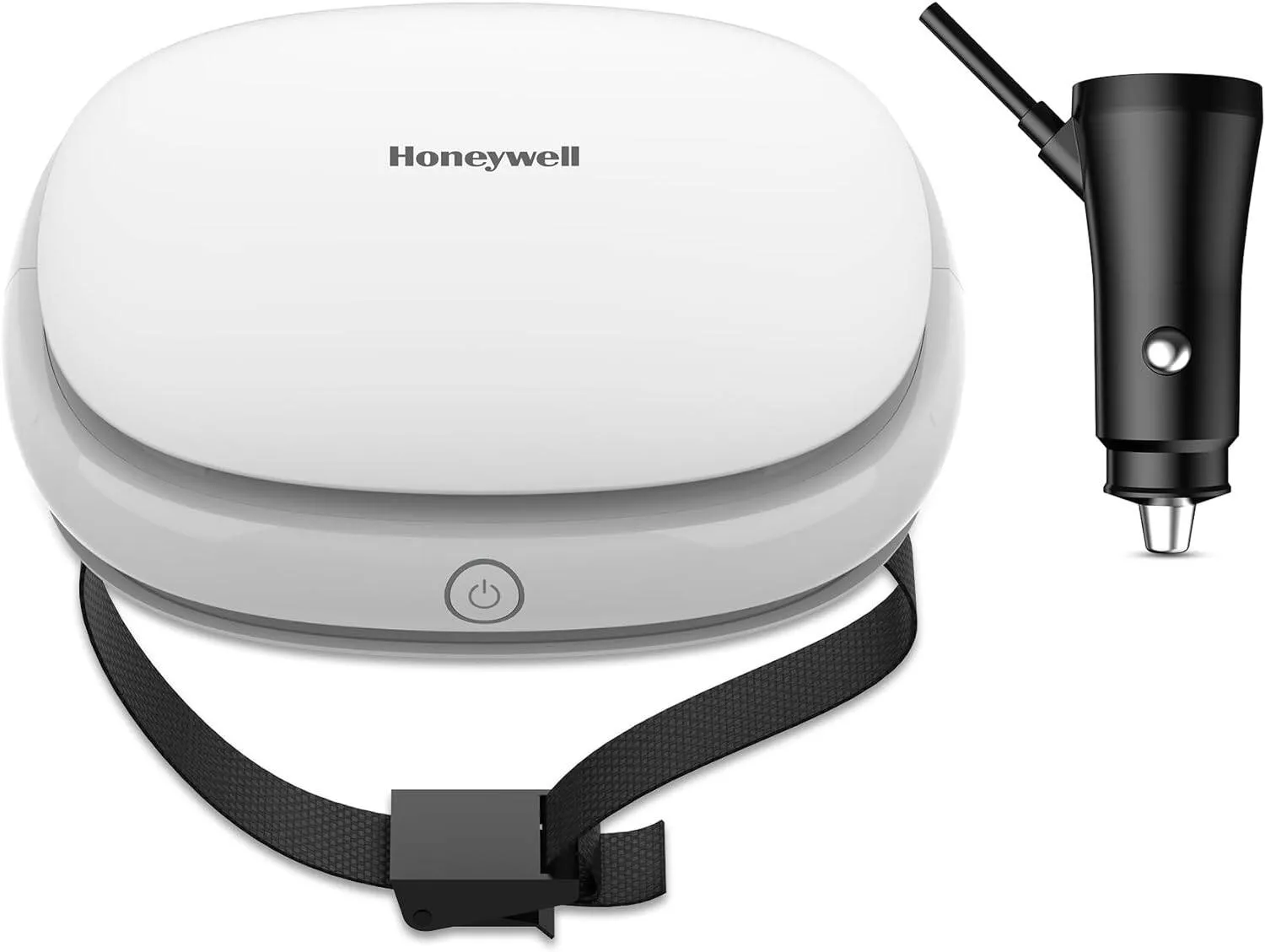
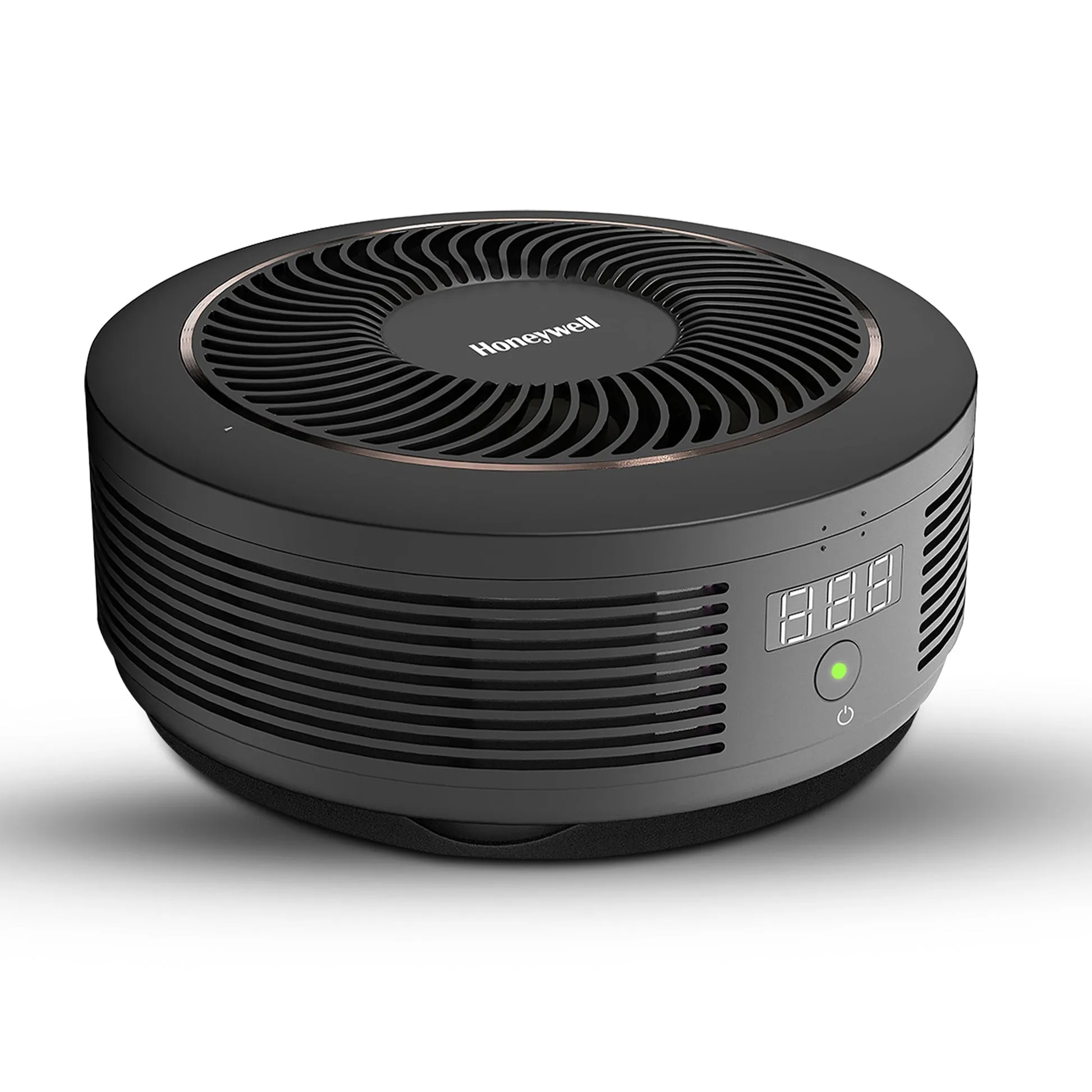
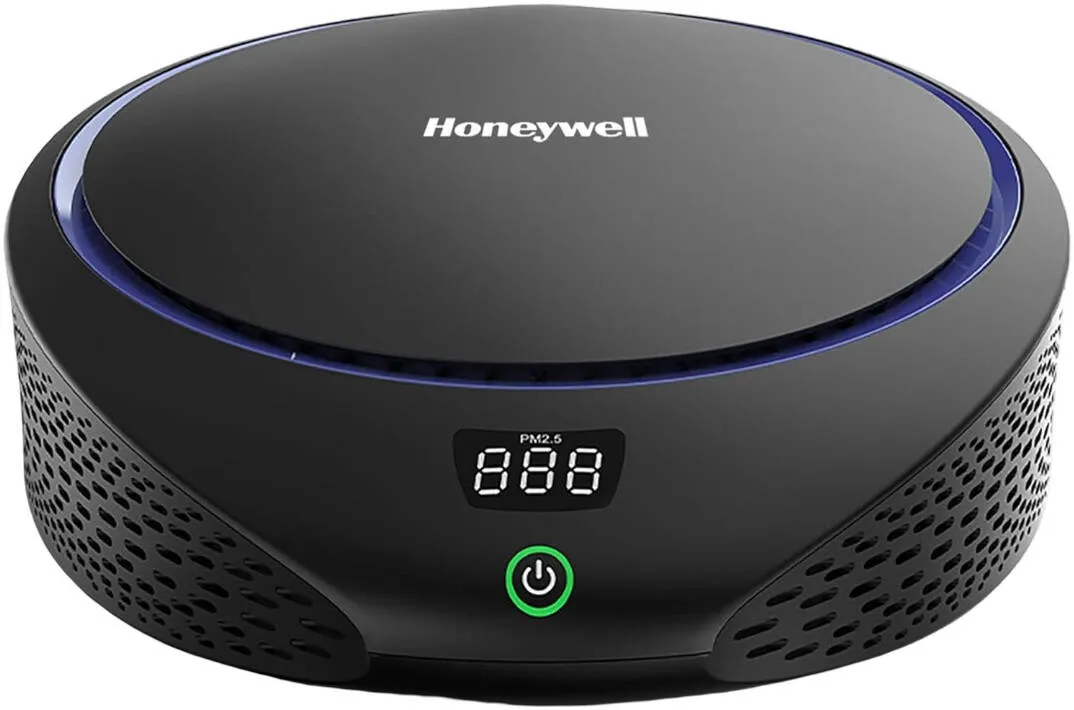
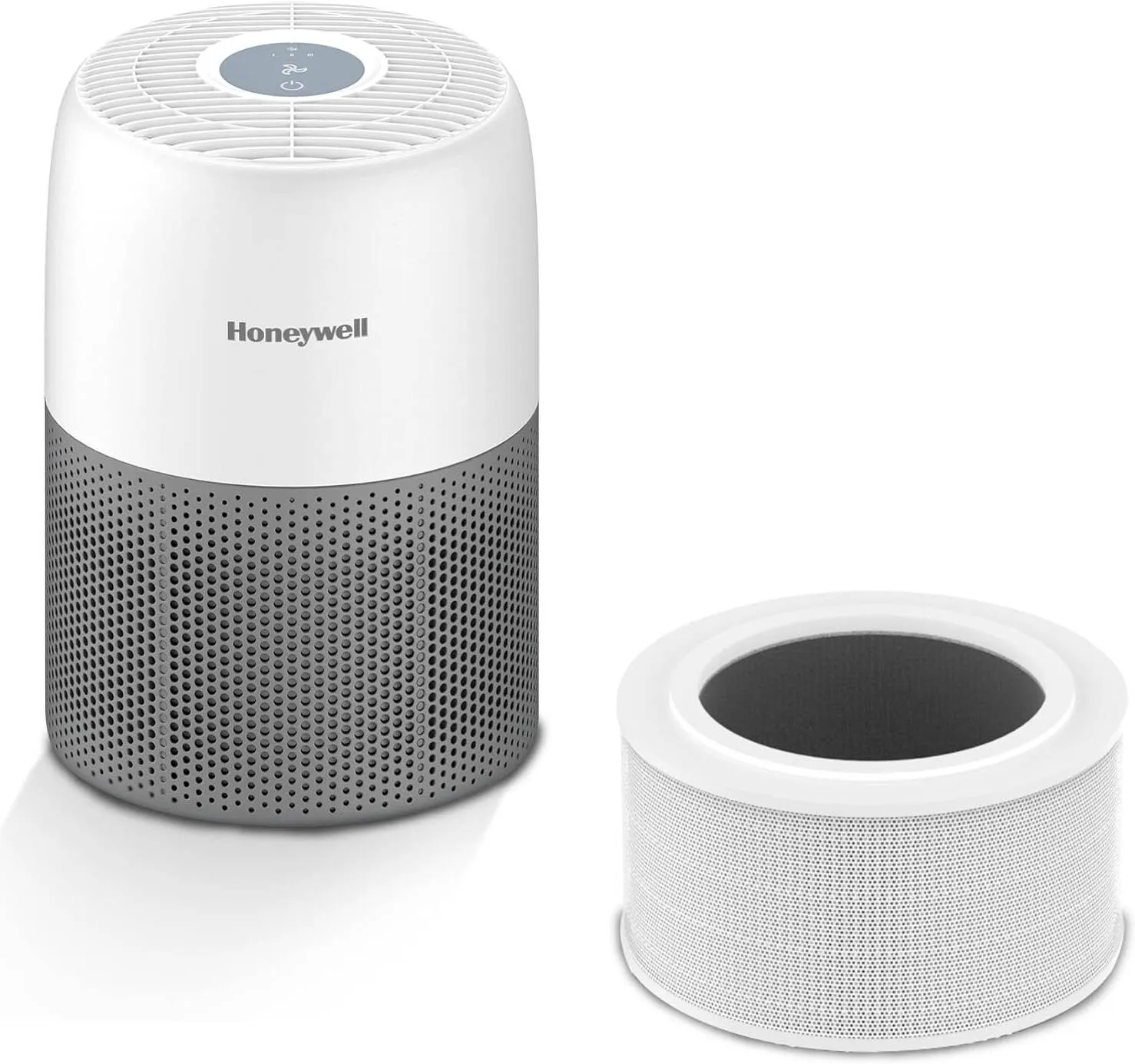
Honeywell offers a range of HEPA-certified purifiers across price points, including models with activated carbon pre-filters for VOC reduction. The HPA300 series is a commonly cited choice for larger UK rooms.
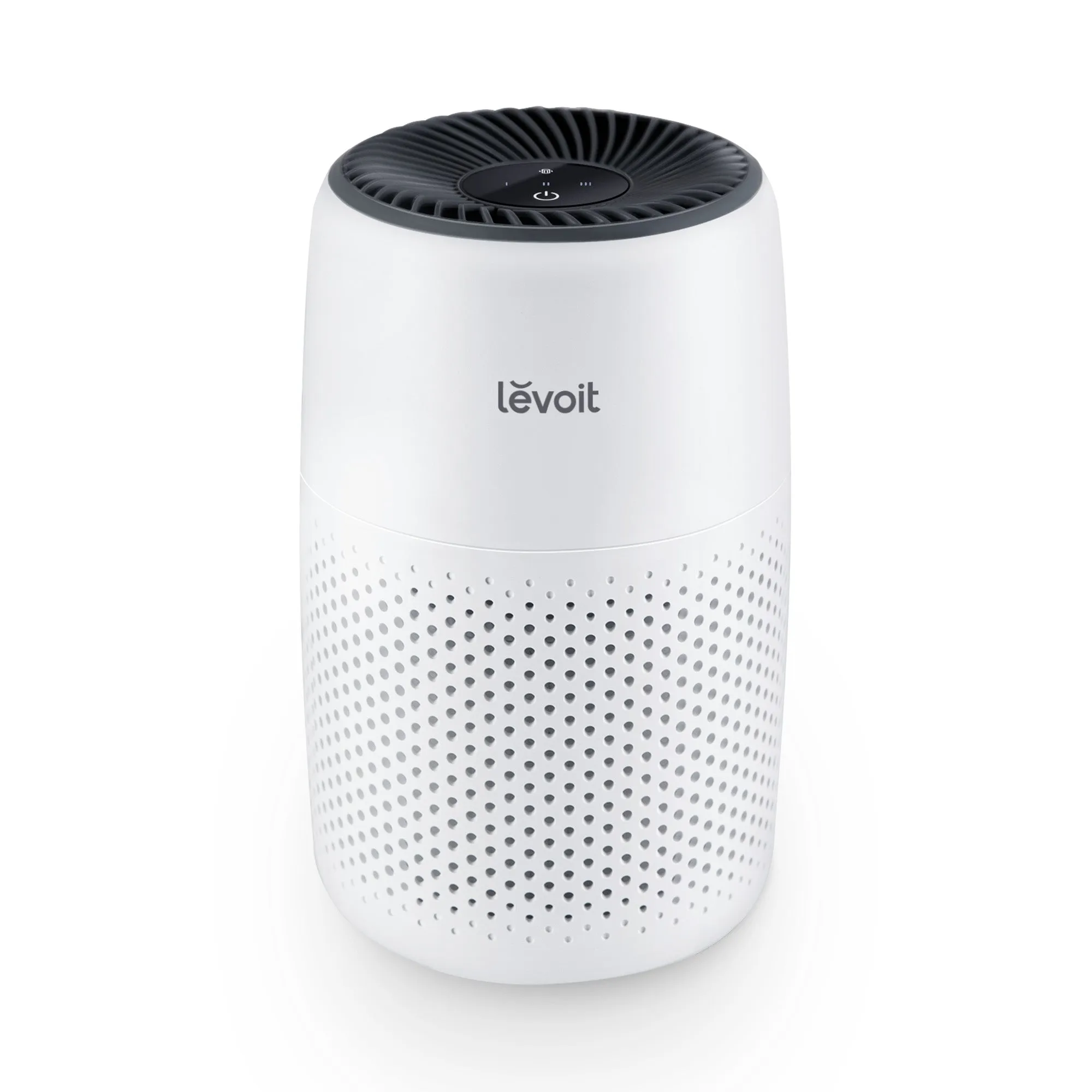
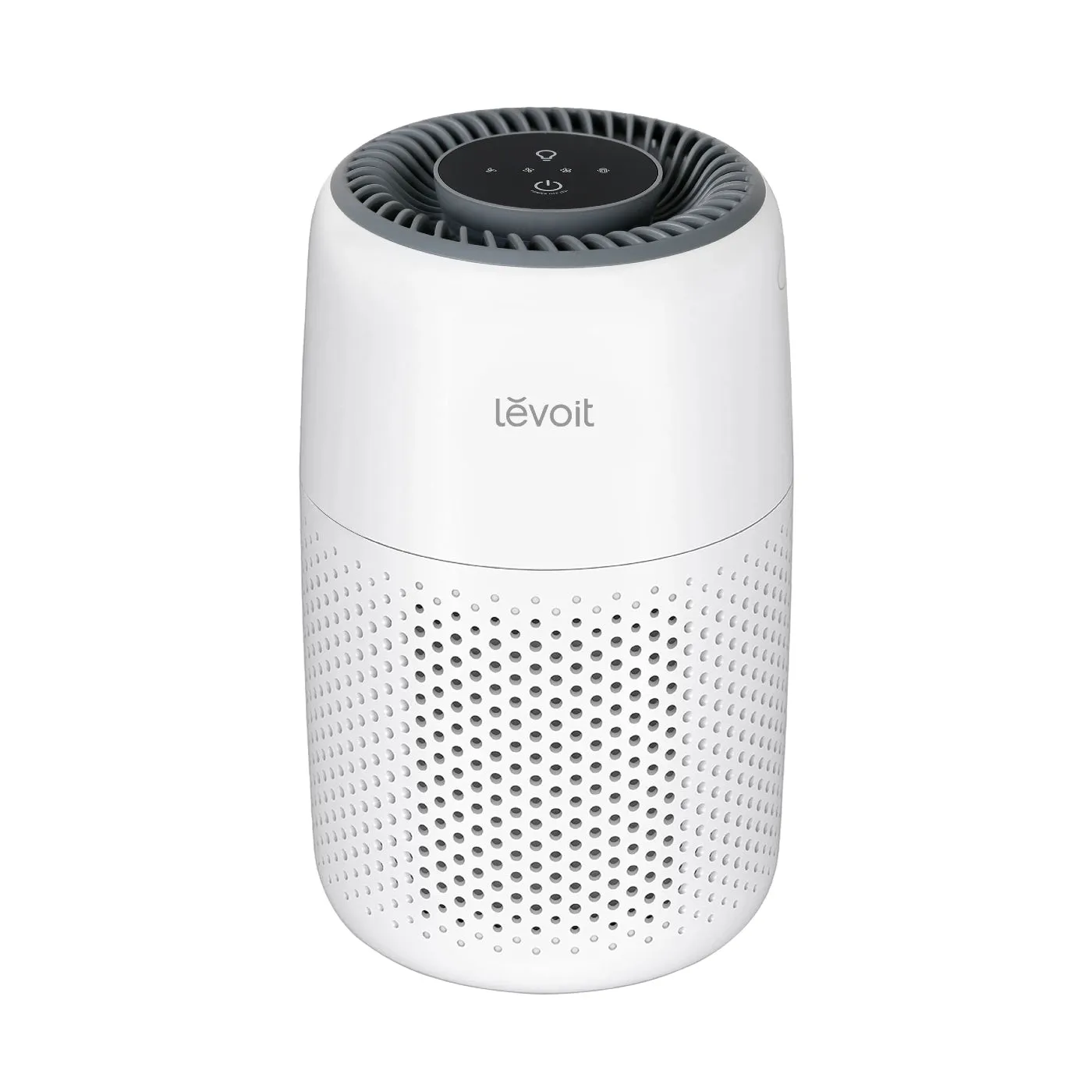
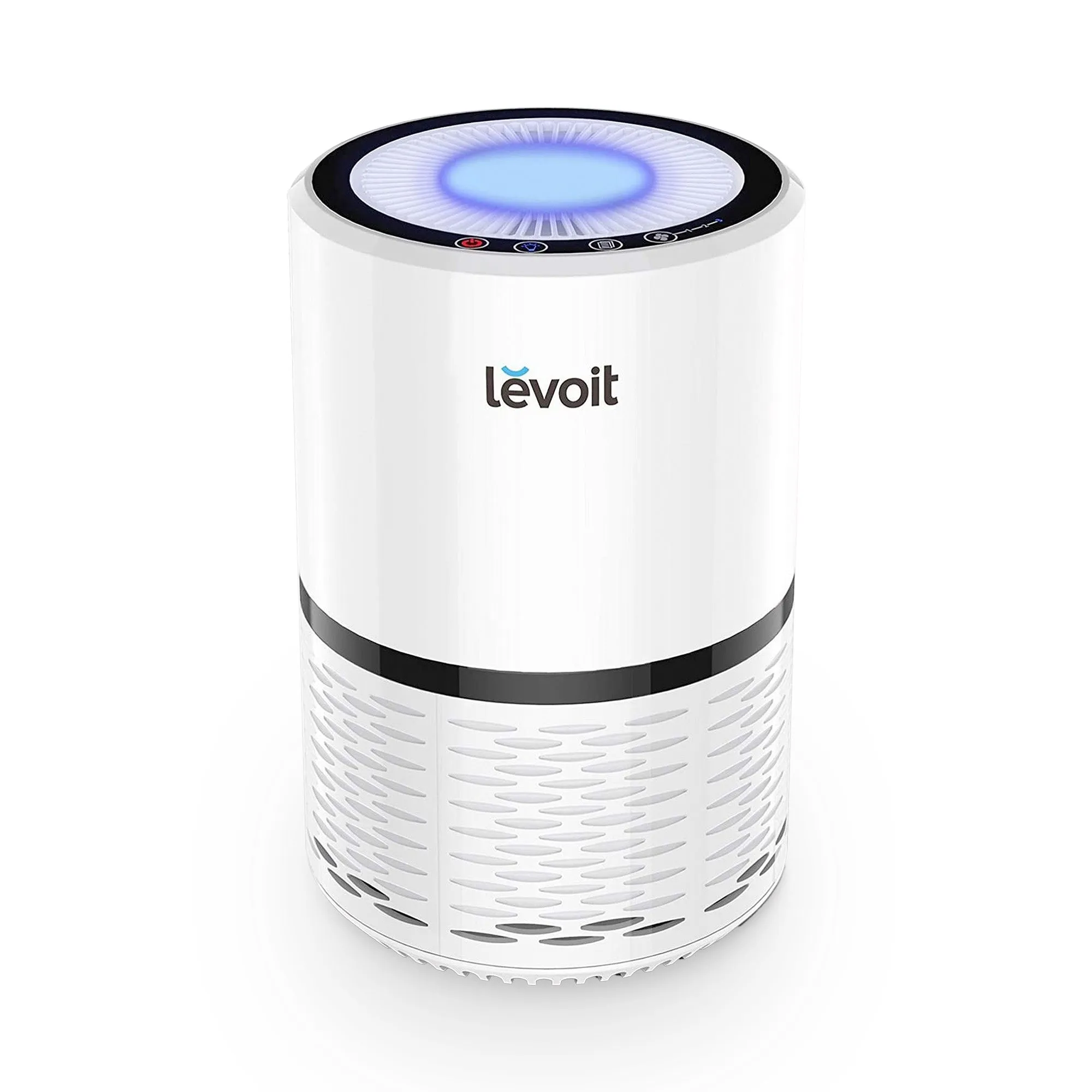
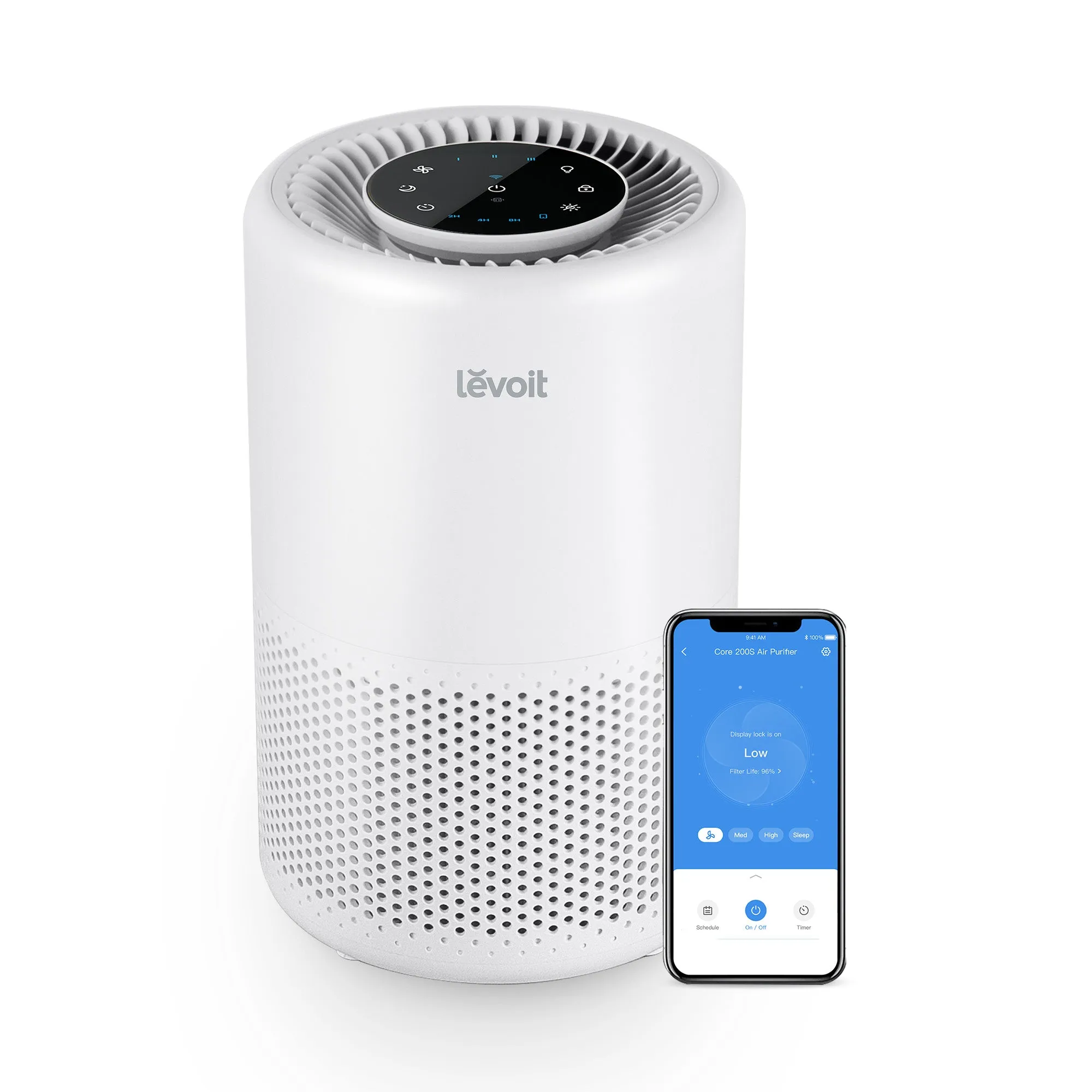
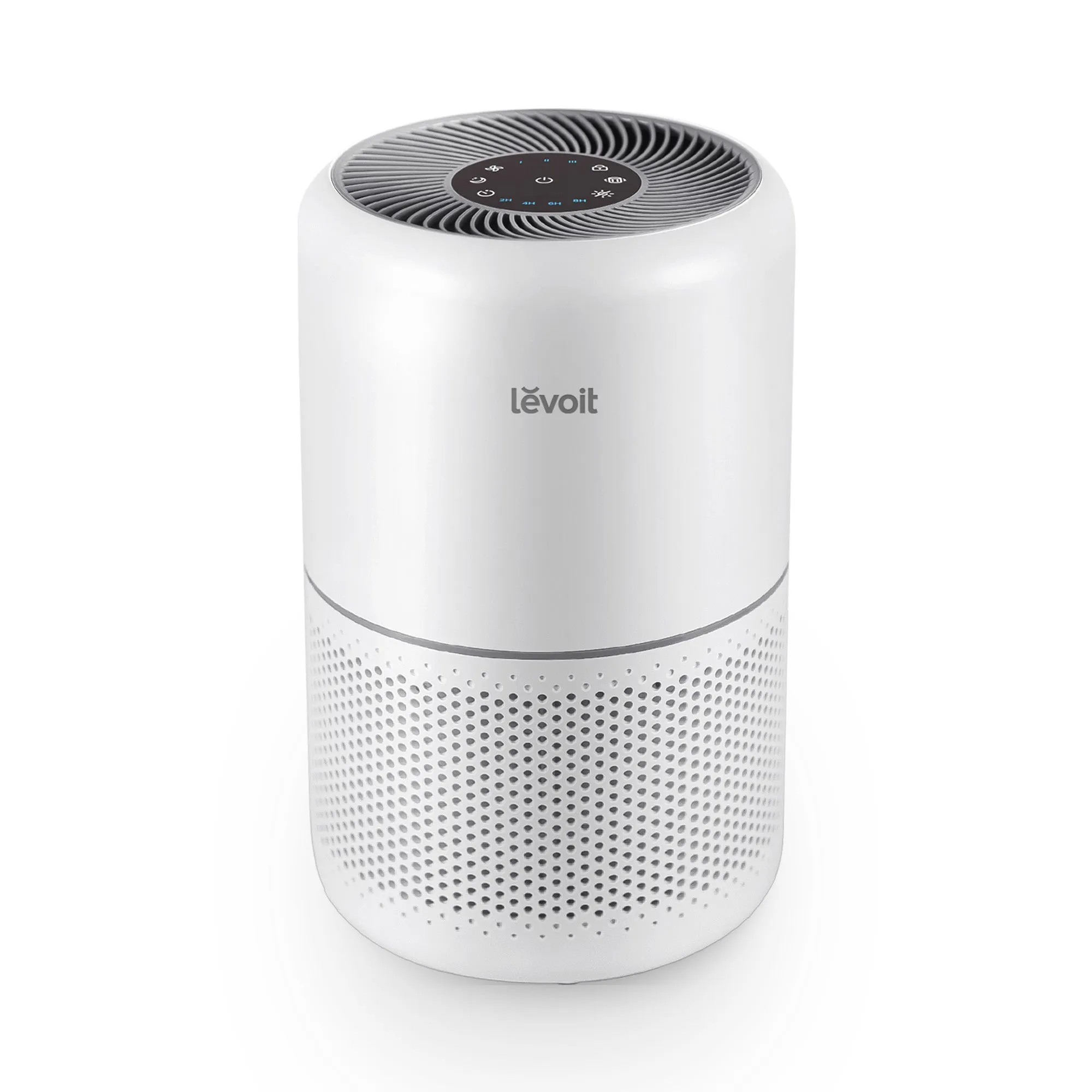
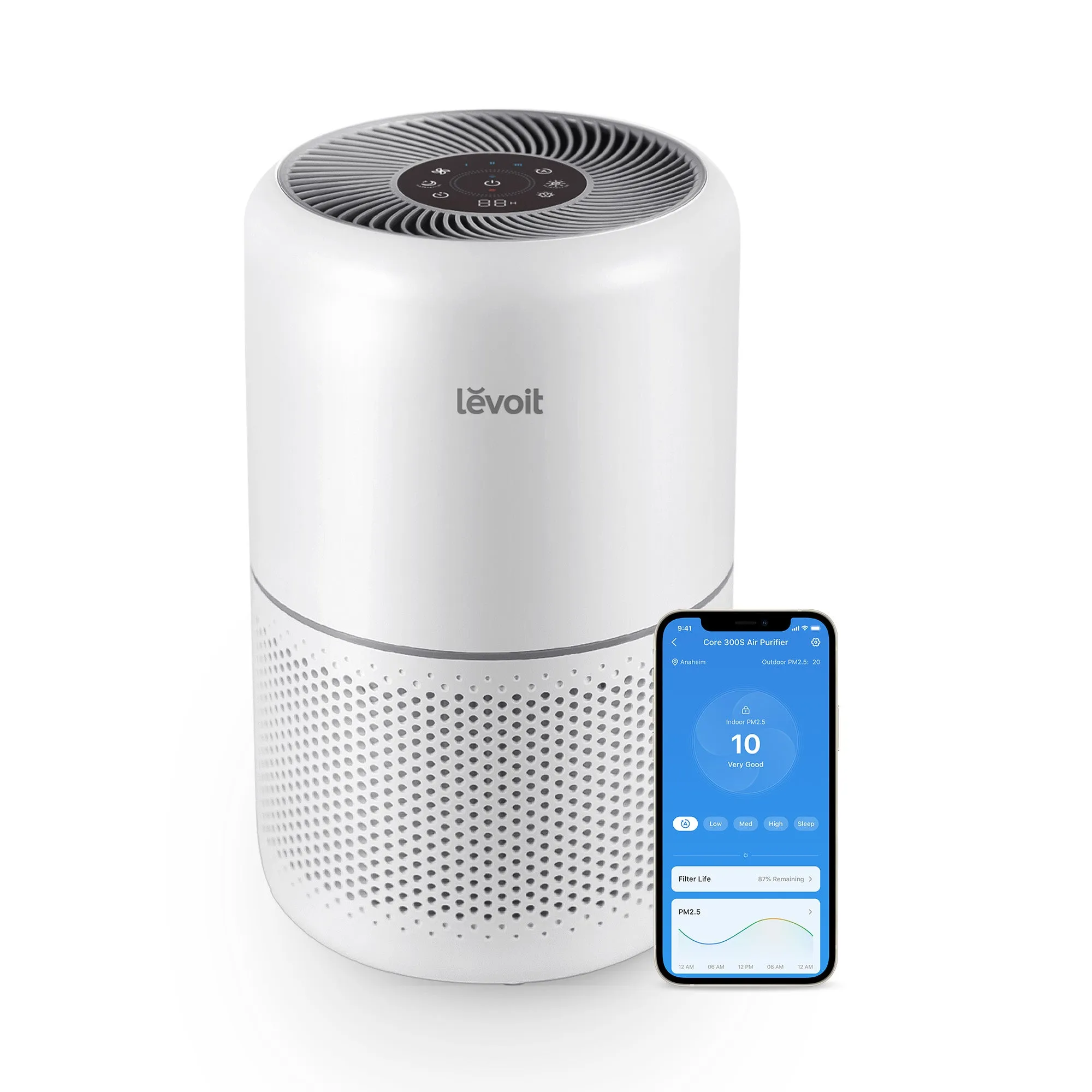
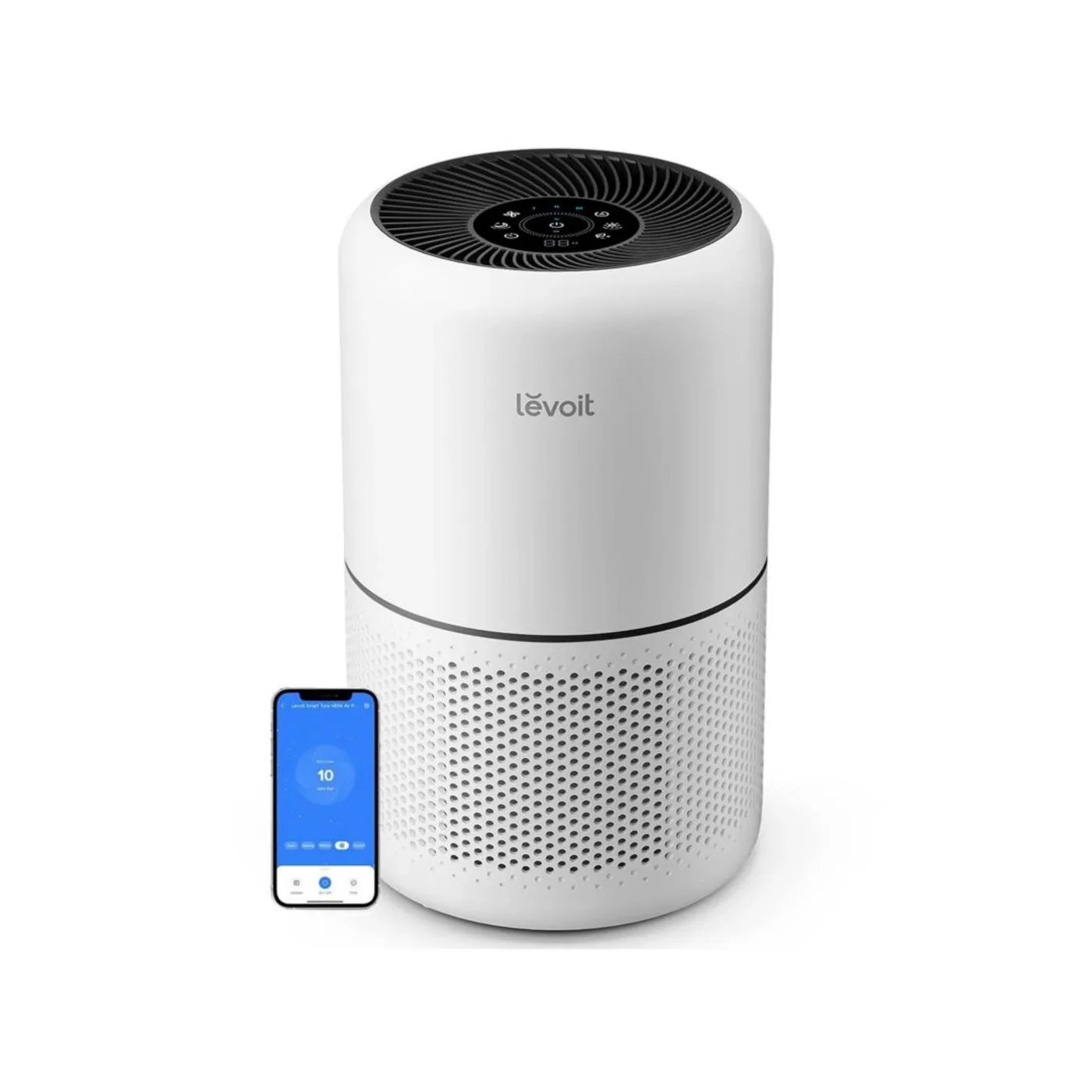
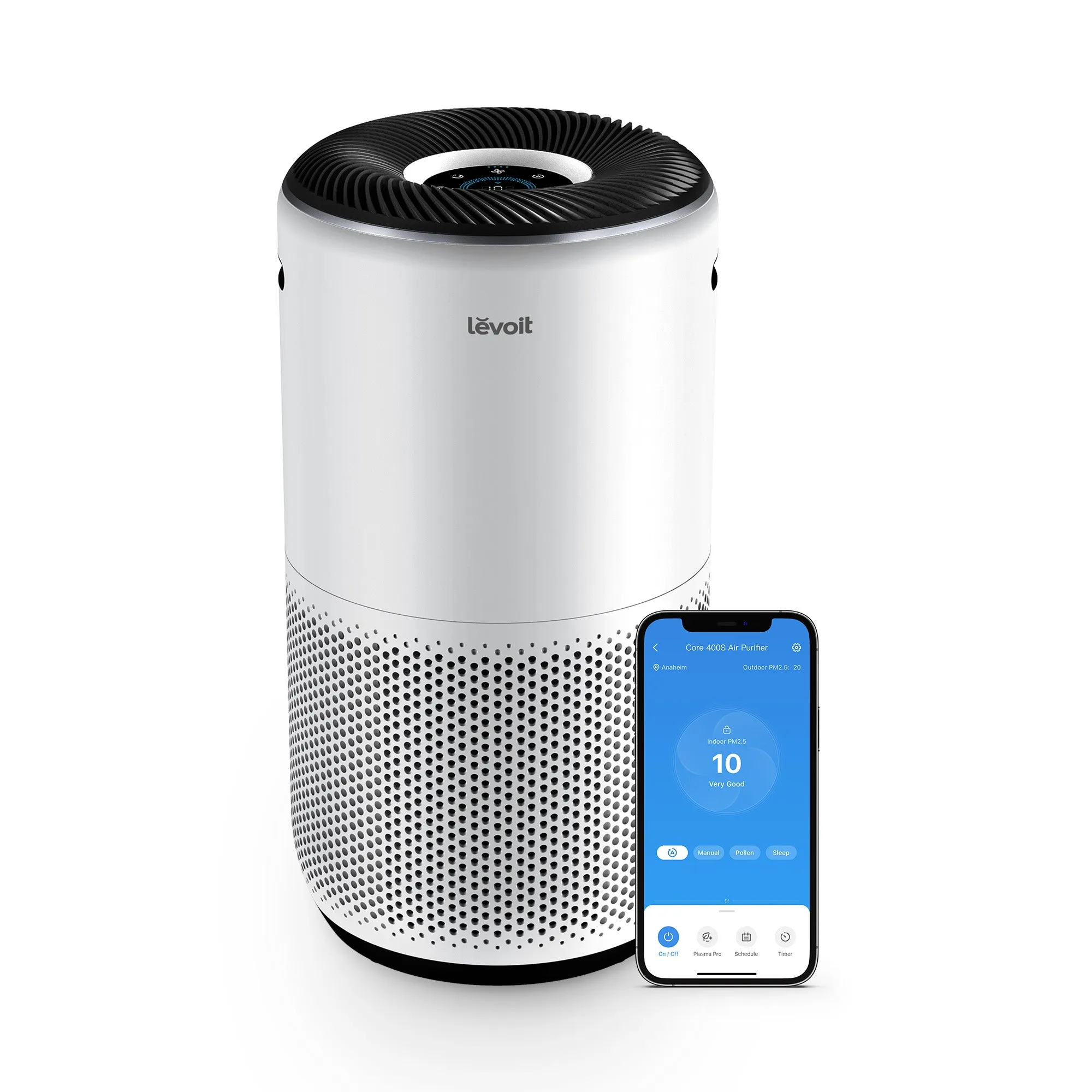
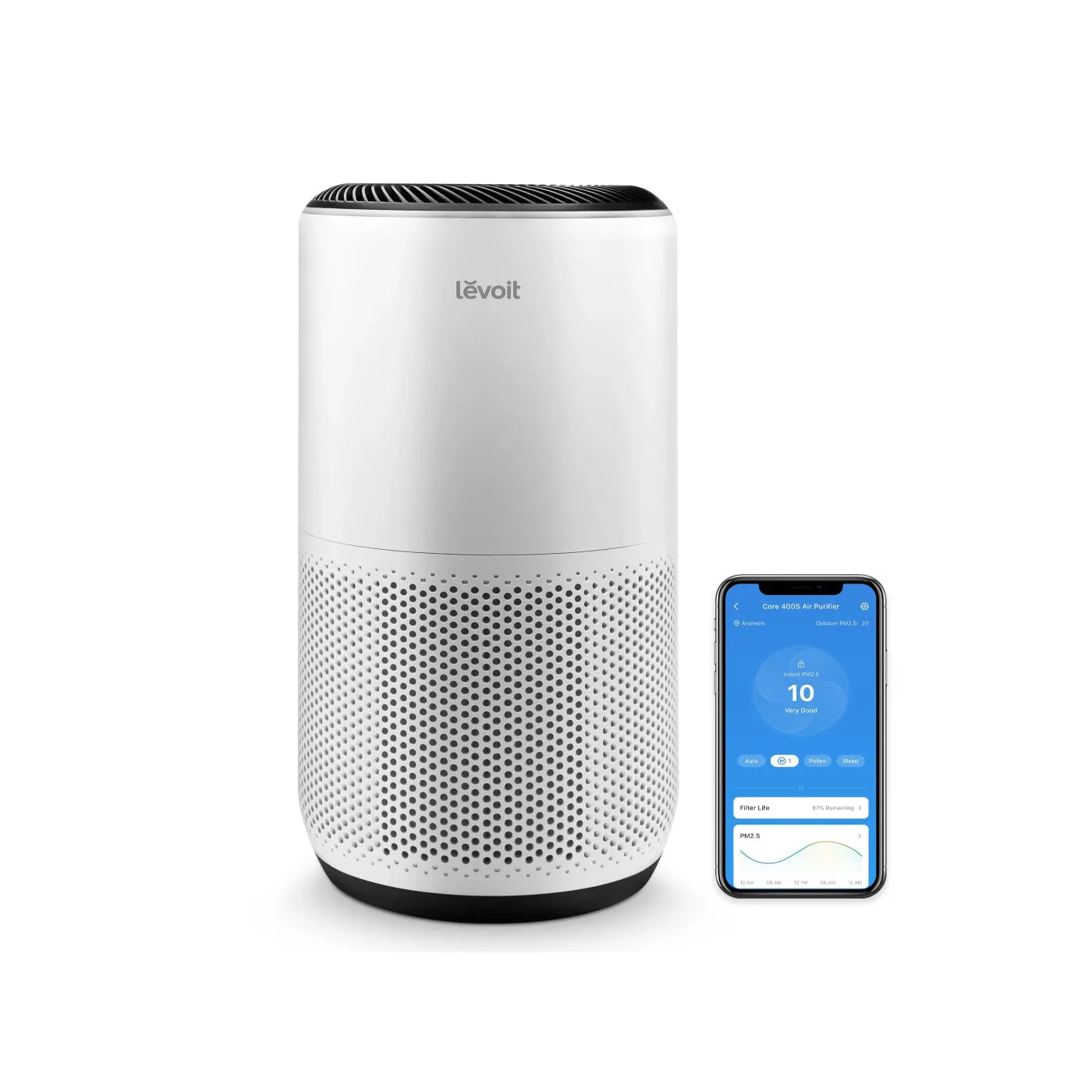
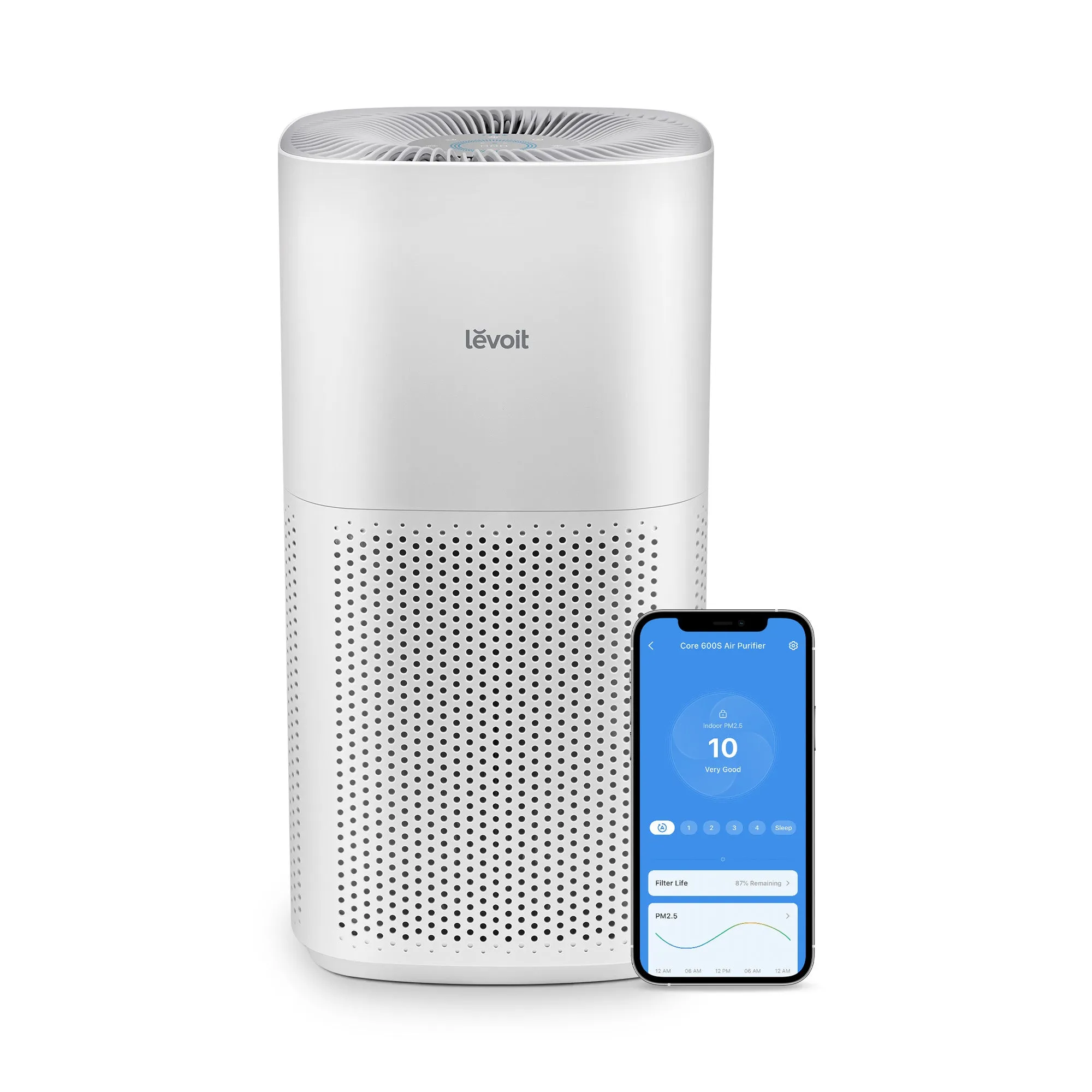
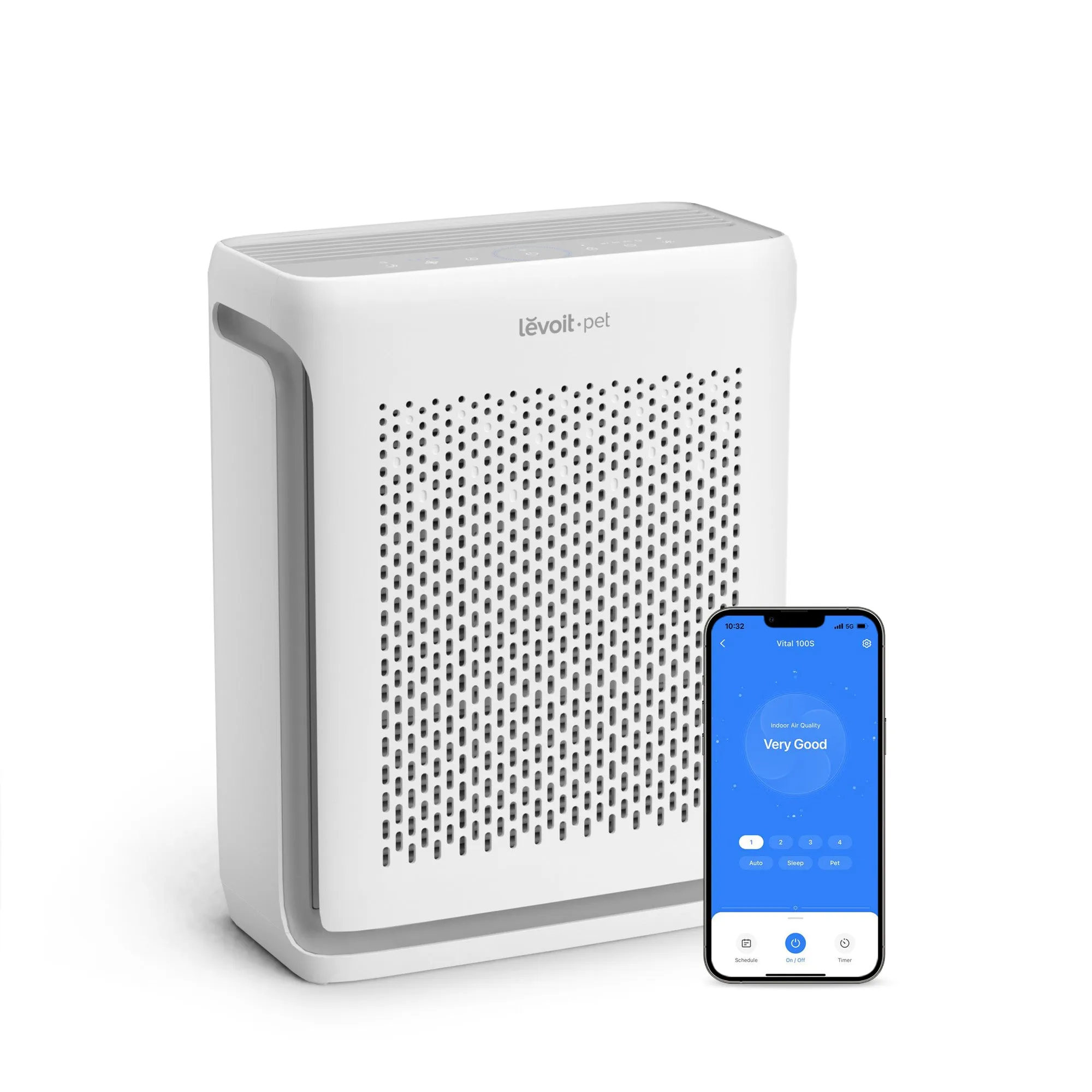
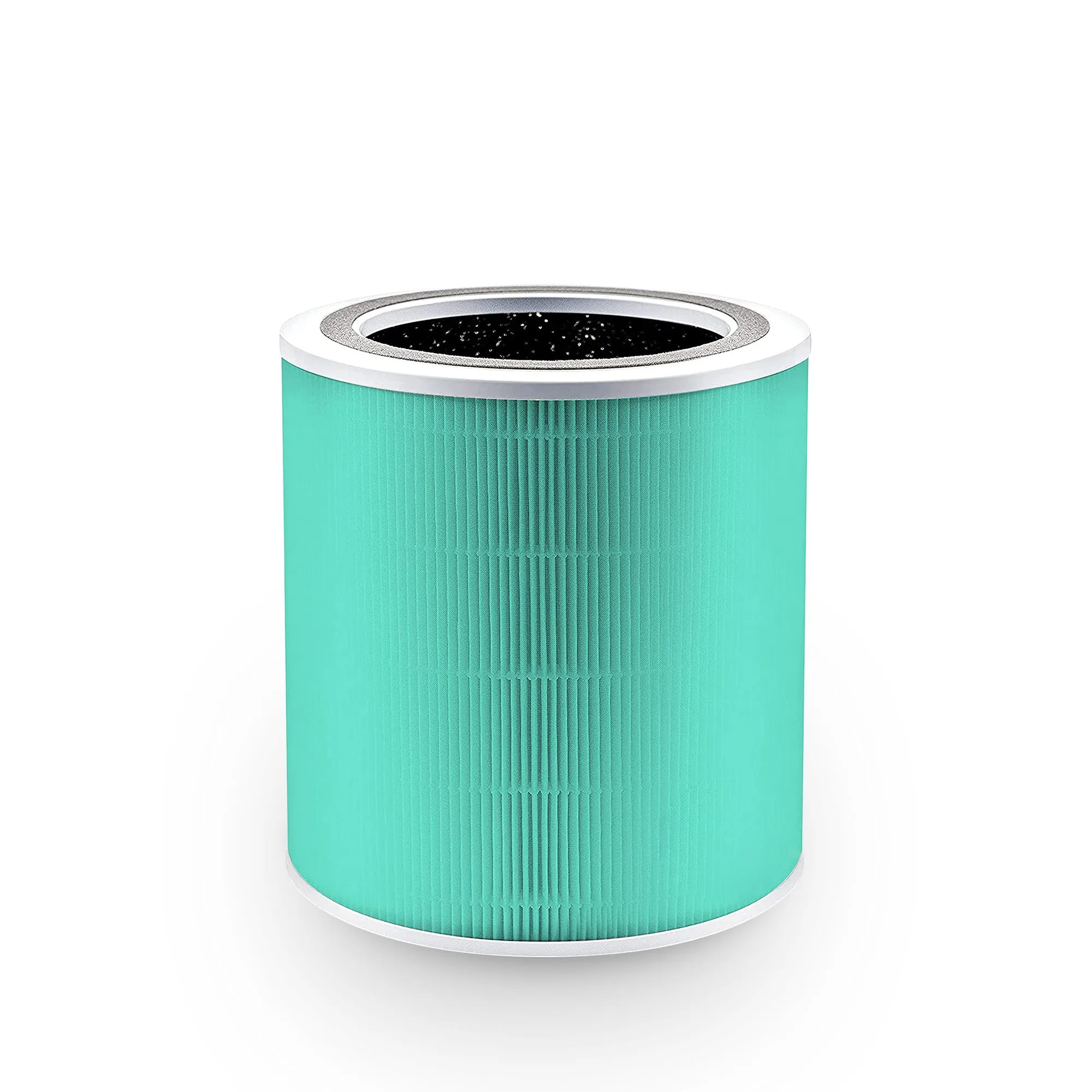
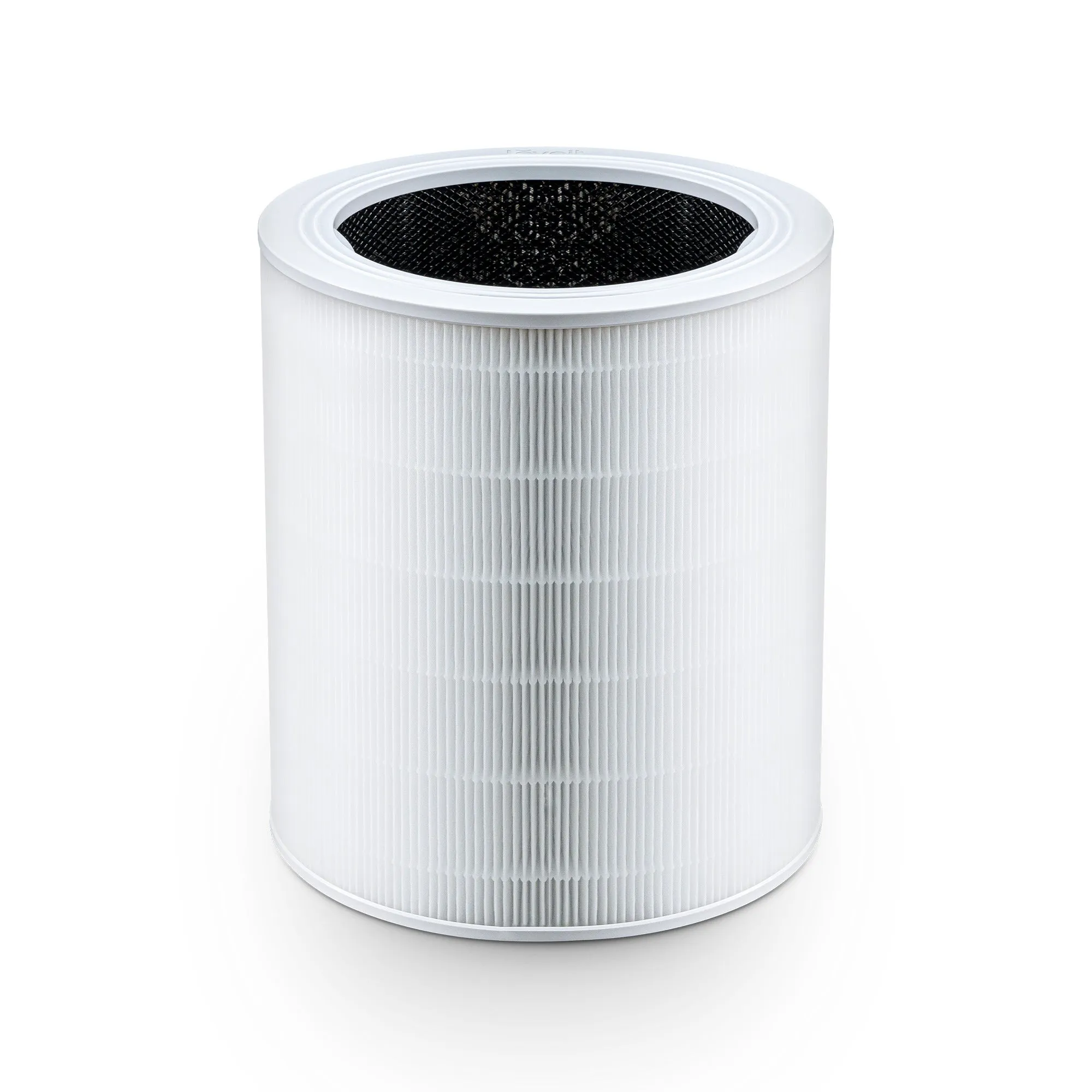
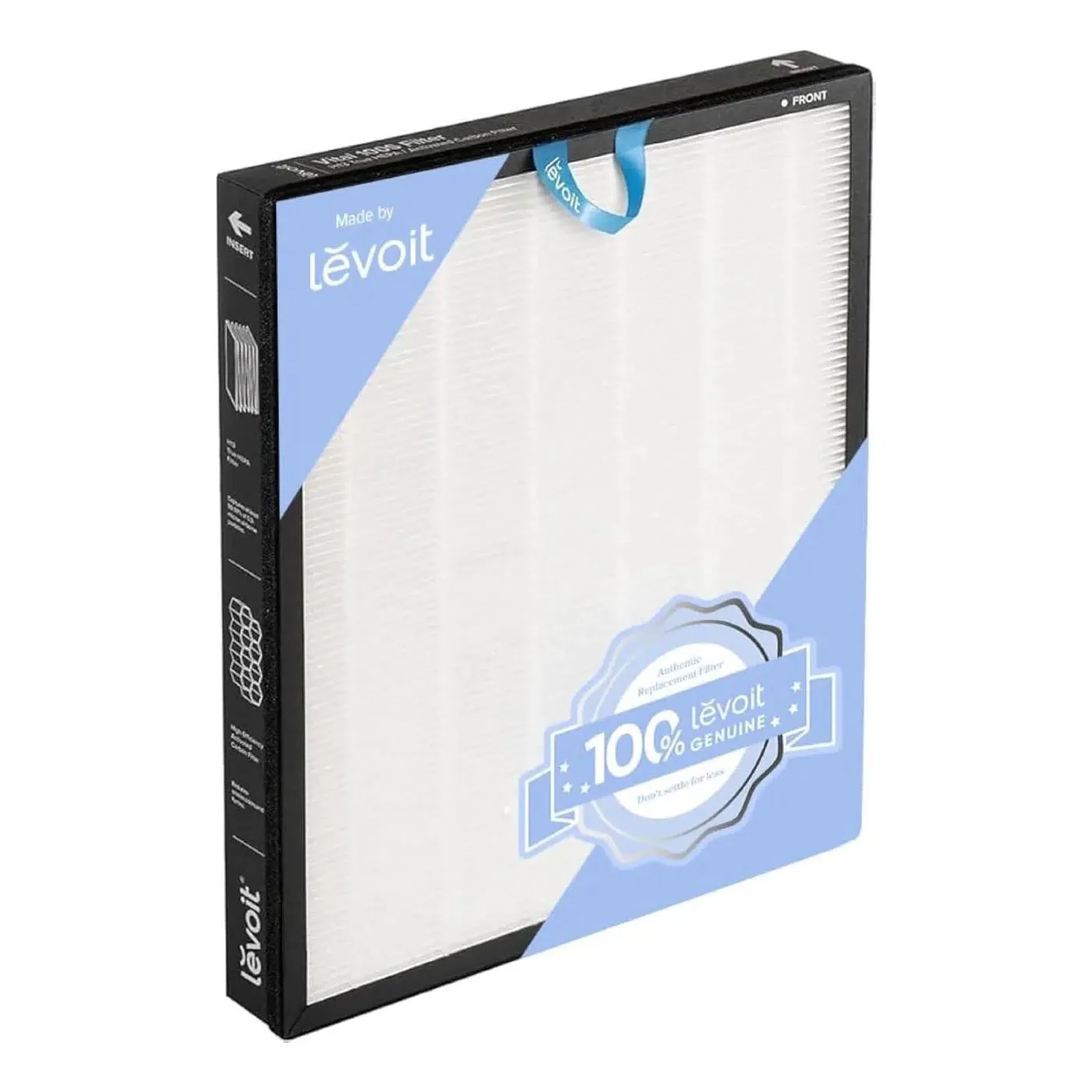
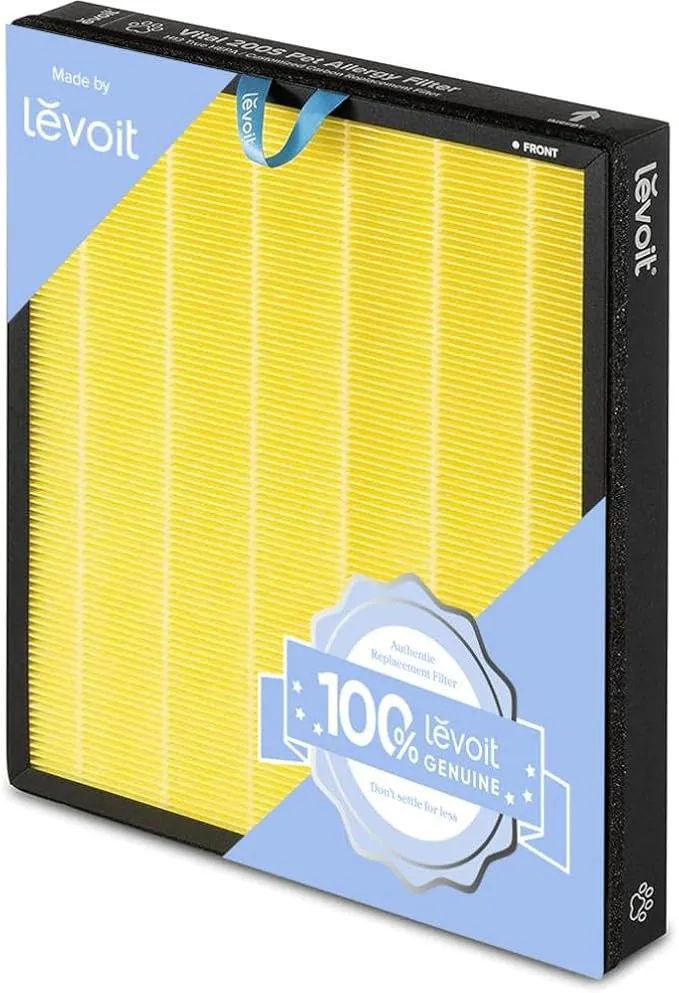
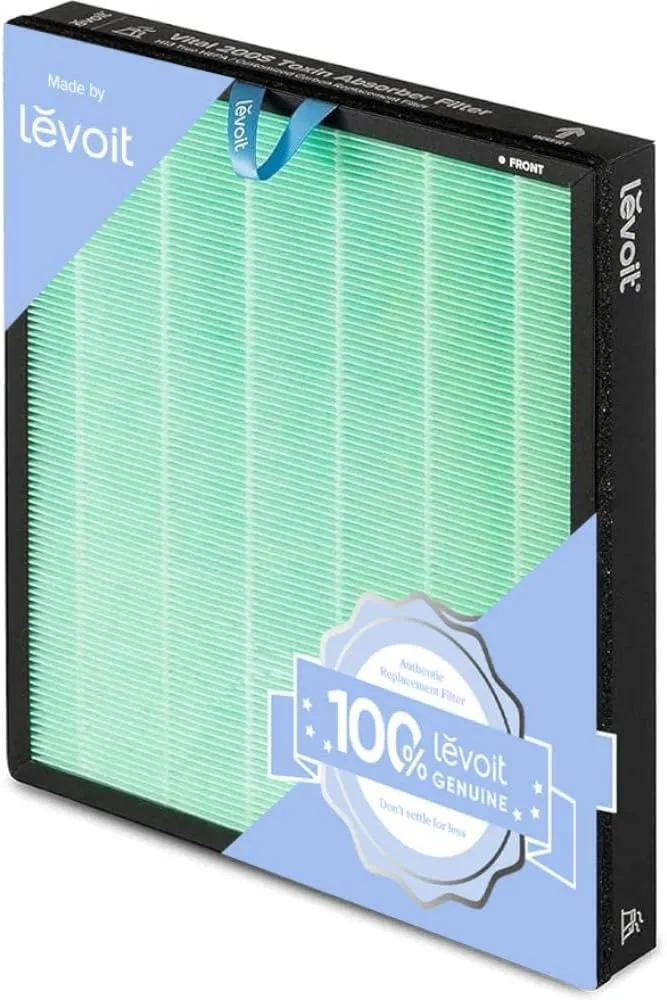
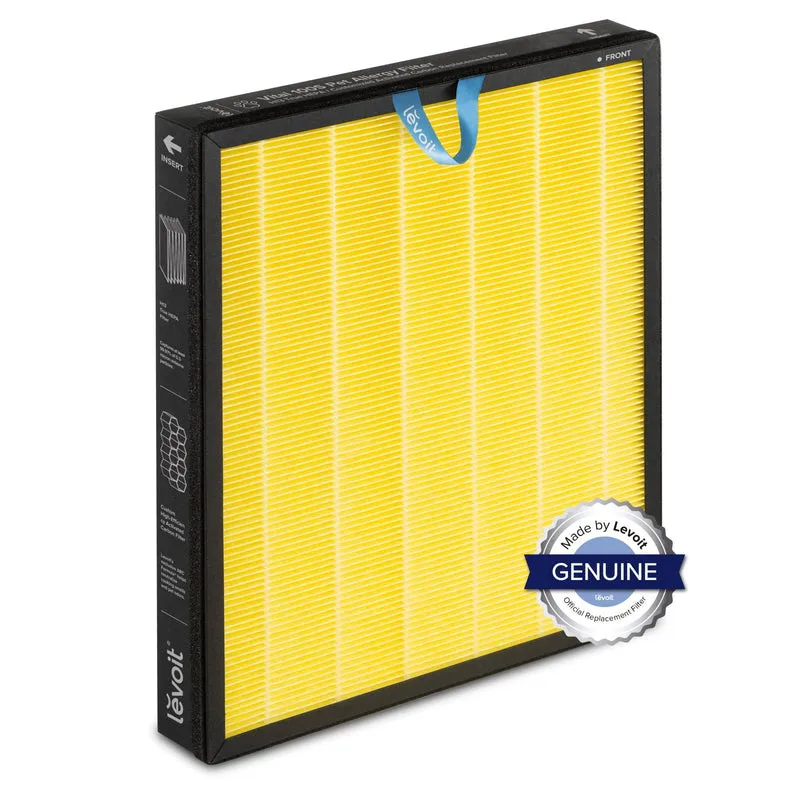
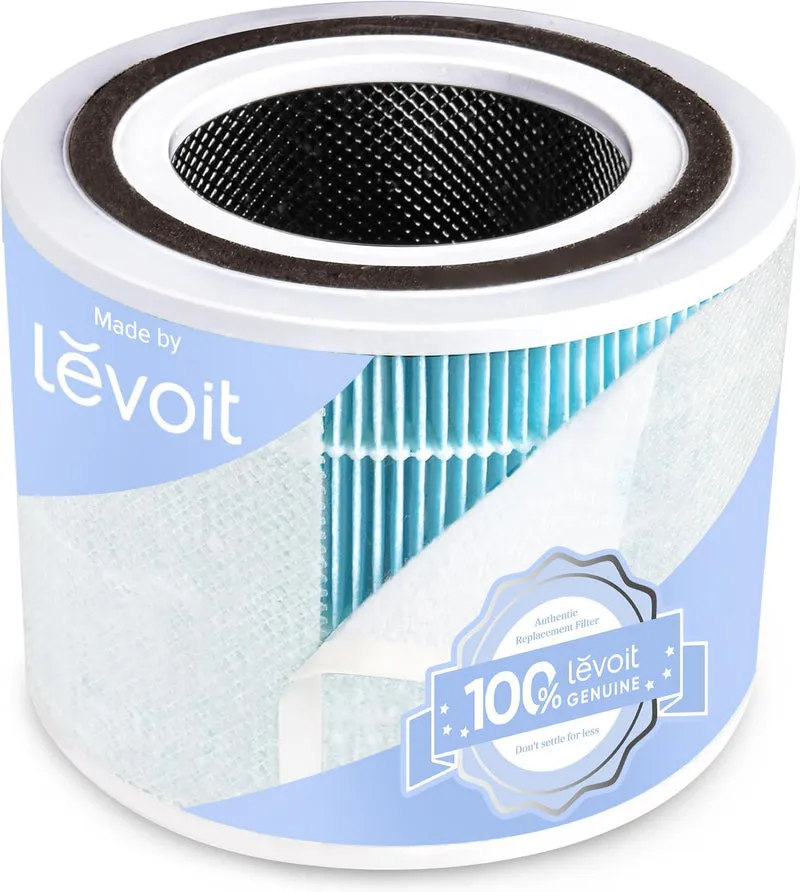
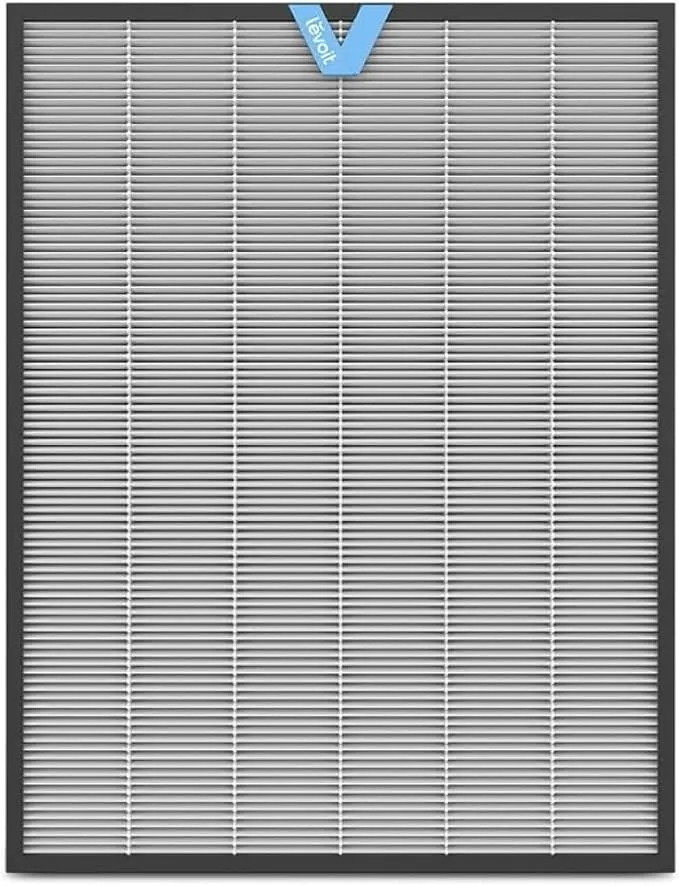
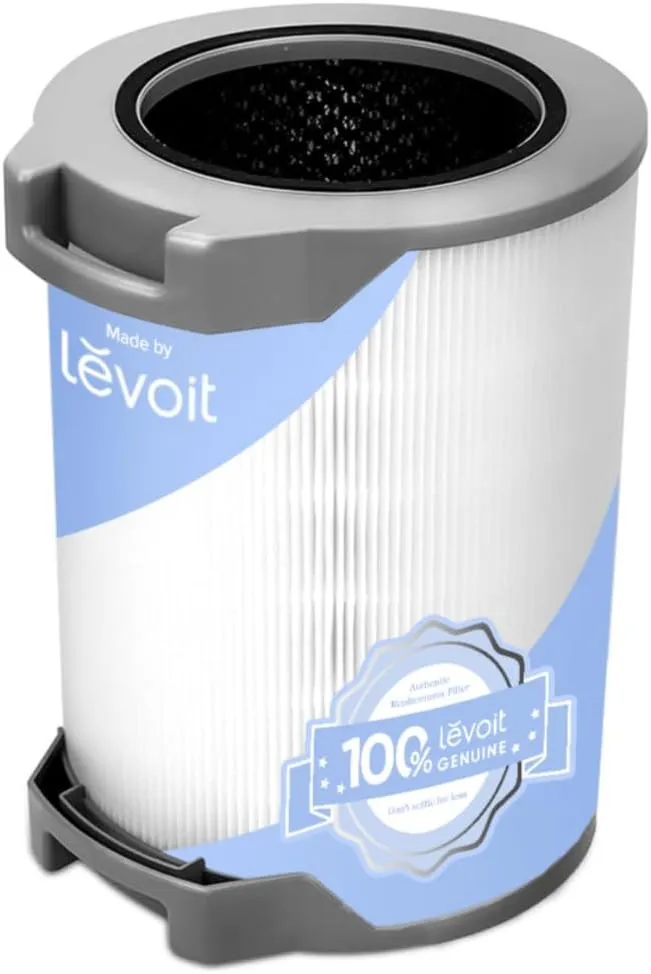
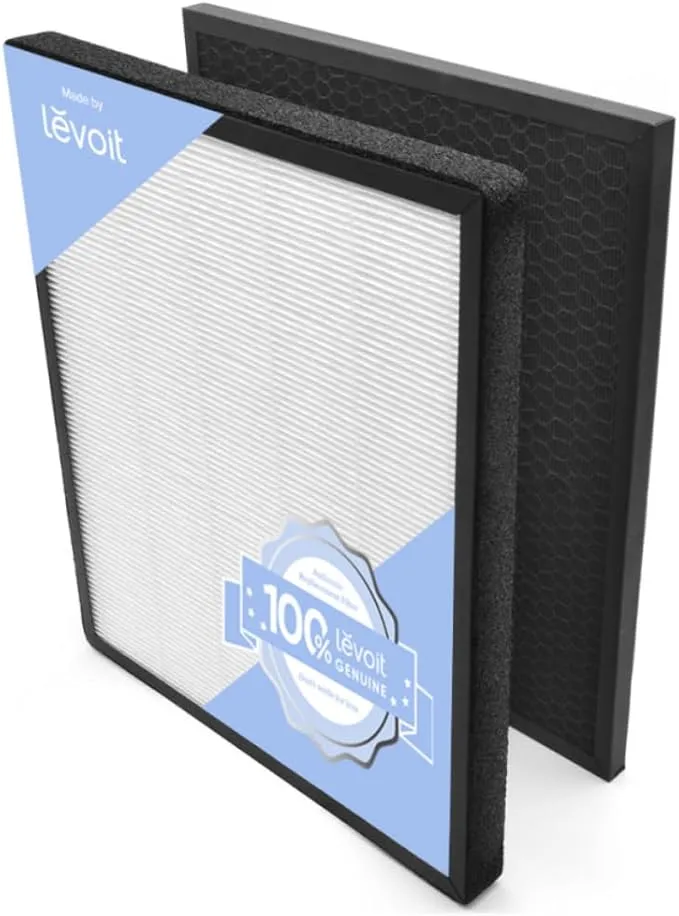
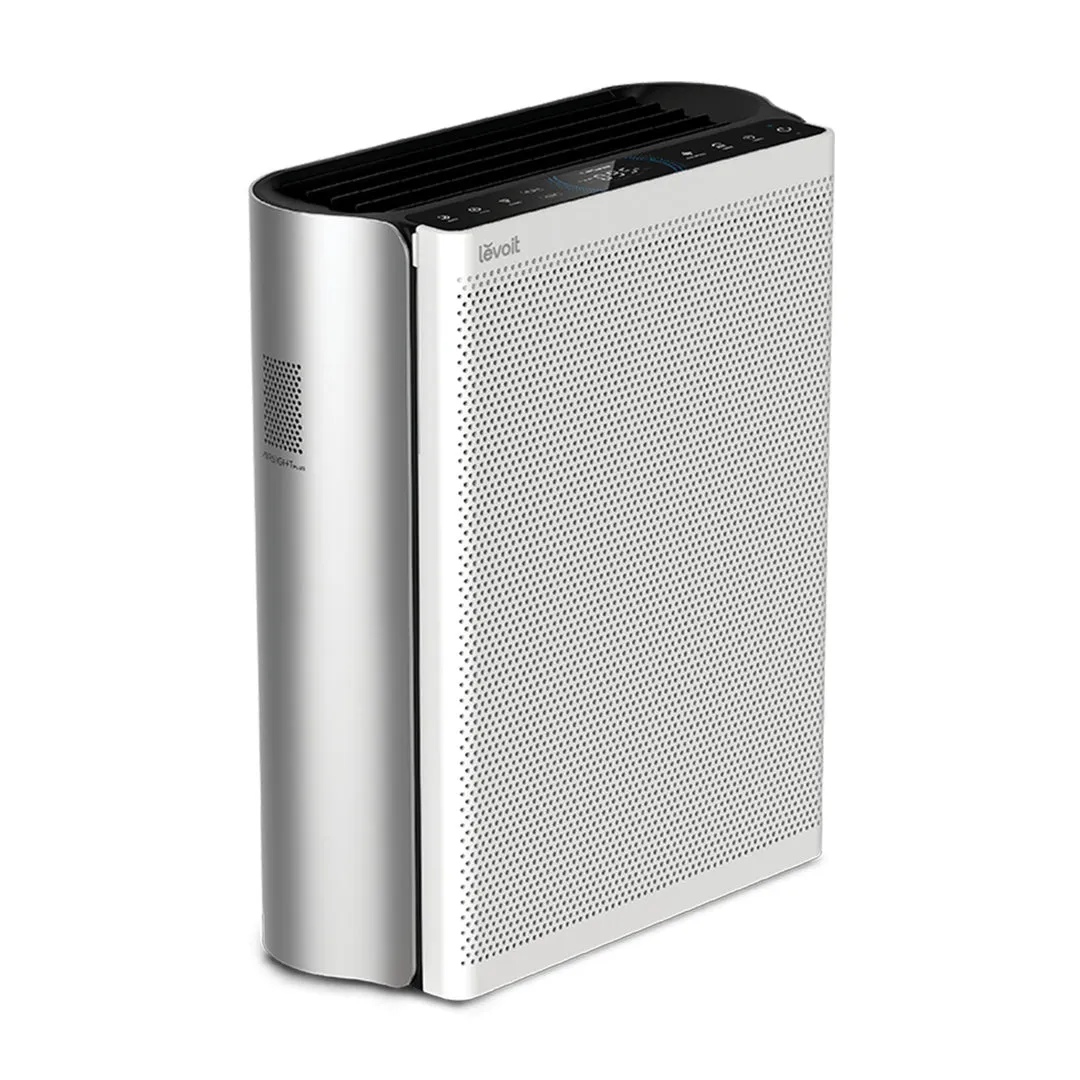
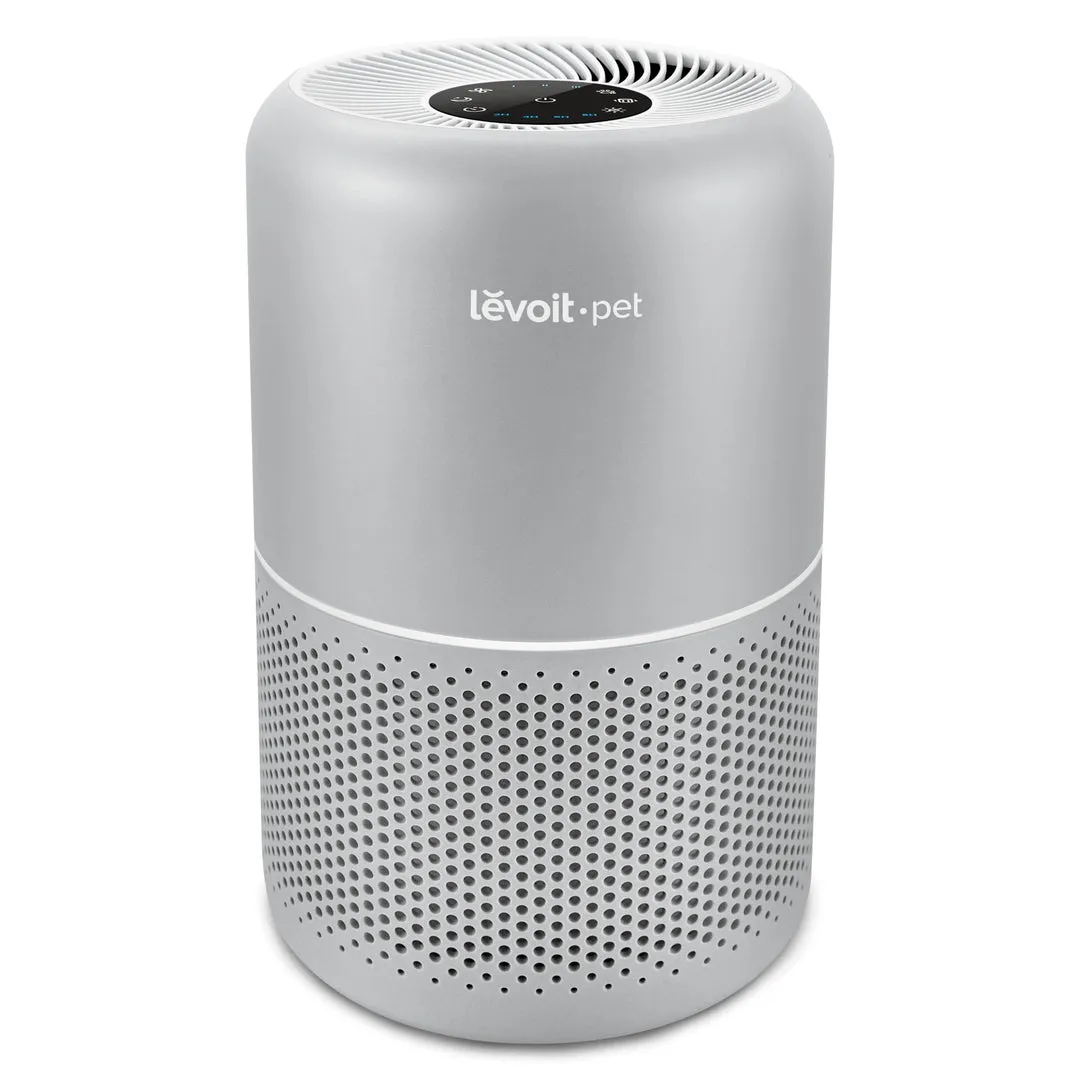
Levoit produces compact HEPA units with strong CADR-to-price ratios, making them a practical option for smaller UK spaces such as home offices and bedrooms.
Key points on filter selection:
- Activated carbon filters require substantial sorbent volume to remove gases effectively; single thin carbon layers in low-cost units provide minimal benefit.
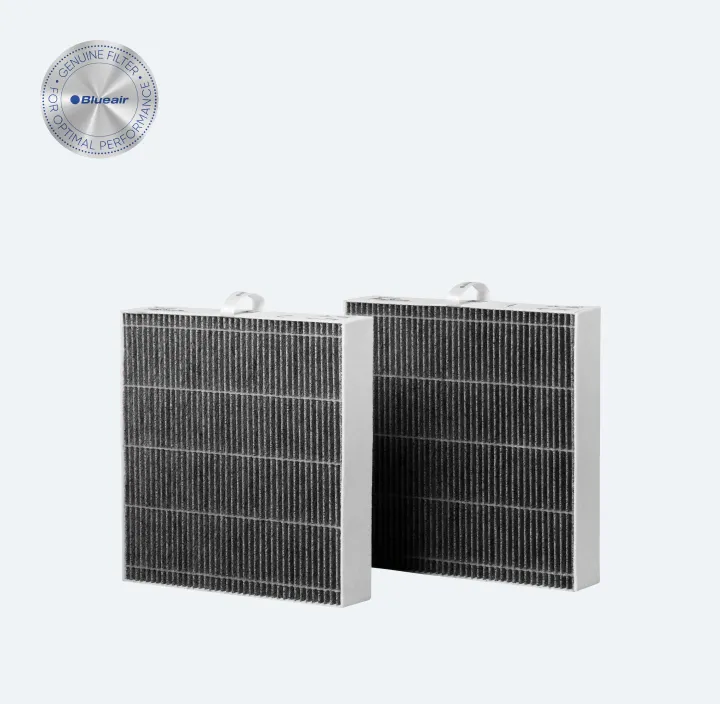
- Replace filters on the manufacturer’s schedule. A clogged HEPA filter reduces airflow and filtration efficiency significantly.
- Avoid ionisers and ozone generators as primary purification methods. Ionisers can generate ozone as a by-product, which is itself a respiratory irritant.
Pro Tip: Place a portable air cleaner in the room where you spend the most time, not necessarily the largest room. A correctly sized unit in a bedroom running overnight delivers more cumulative clean air than an undersized unit in a large open-plan space.
4. DIY air cleaner options: what works and what to watch
A DIY air cleaner built from a box fan and one or more HEPA filters is a well-documented, low-cost option for particulate removal. The Harvard Healthy Buildings programme has published guidance on DIY builds, and studies confirm they can achieve meaningful CADR values at a fraction of commercial unit costs.
How to build a basic DIY unit
- Select a standard box fan (typically 20-inch / 50cm).
- Attach one or two MERV 13 or HEPA-rated filters to the intake side of the fan, with the airflow arrow pointing towards the fan.
- Seal the edges between the filter and fan frame with tape to prevent air bypass.
- Run the fan on medium or high speed; position it away from walls to allow free air intake.
Performance factors
- Room size vs. fan output. A single box fan with one filter suits rooms up to approximately 15–20m². Larger spaces need a higher-output fan or multiple units.
- Filter rating. MERV 13 is the practical minimum; True HEPA filters improve fine particle capture but increase airflow resistance.
- Sealing quality. Air bypassing the filter at the edges negates much of the filtration benefit. Tape all gaps.
- Filter replacement. DIY units use the same filter media as commercial units; replace on the same schedule (typically every 3–6 months depending on use and local air quality).
DIY air cleaner do’s and don’ts
- ✅ Use a fan with a sealed motor housing to reduce fire risk.
- ✅ Check filter dimensions match the fan face precisely before purchasing.
- ✅ Position the unit centrally in the room or near the main pollution source.
- ✅ Run continuously during high-pollution events (cooking, cleaning, high outdoor PM2.5 days).
- ❌ Do not use fibreglass furnace filters; they are not rated for fine particle capture.
- ❌ Do not obstruct the fan outlet; free airflow is critical to performance.
- ❌ Do not rely on a DIY unit for gas or VOC removal; activated carbon is not typically included in these builds.
5. Behavioural and environmental strategies that support cleaner air
Filtration and ventilation work best alongside consistent behavioural habits. Several low-cost or no-cost practices make a measurable difference to indoor air quality in UK homes.
Humidity control
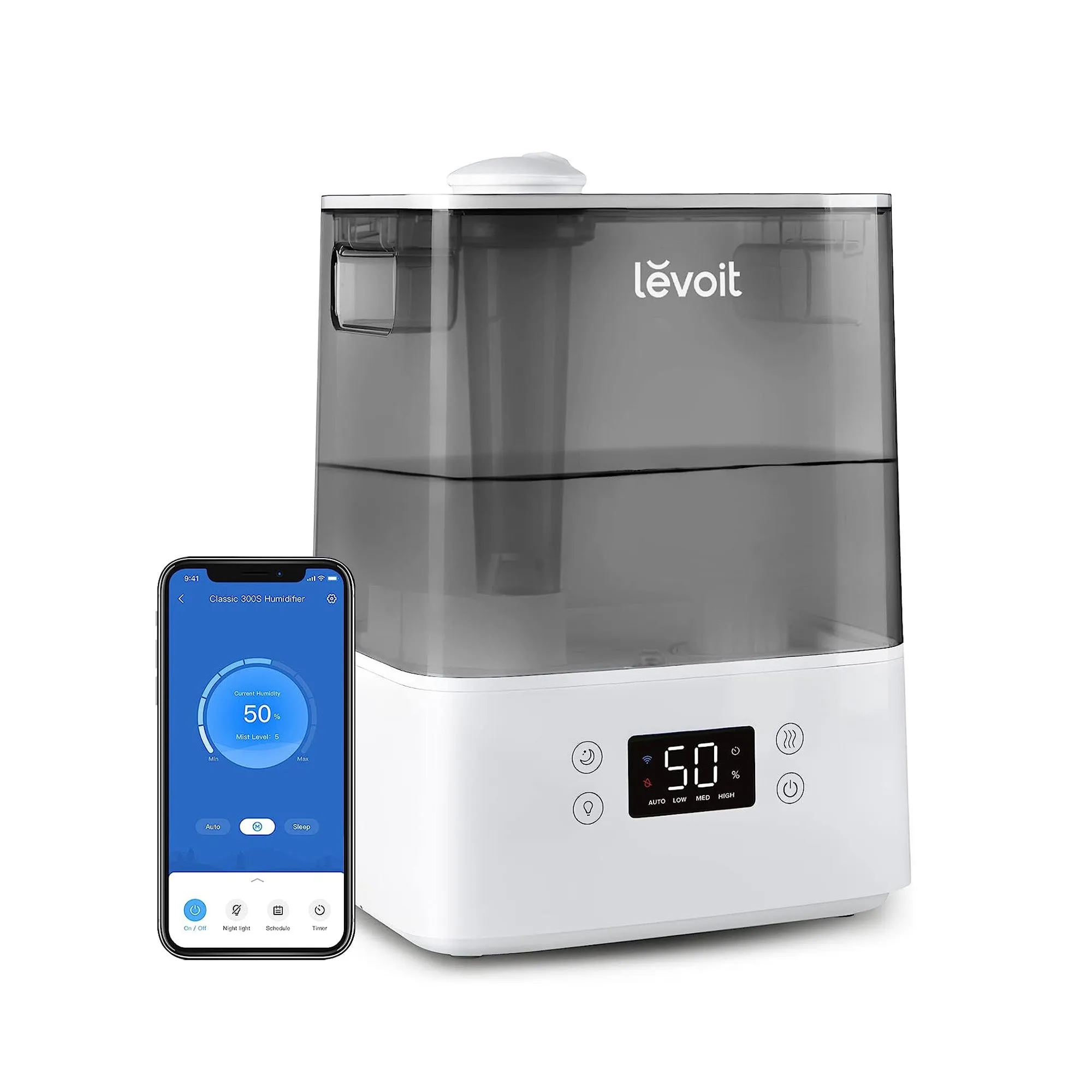
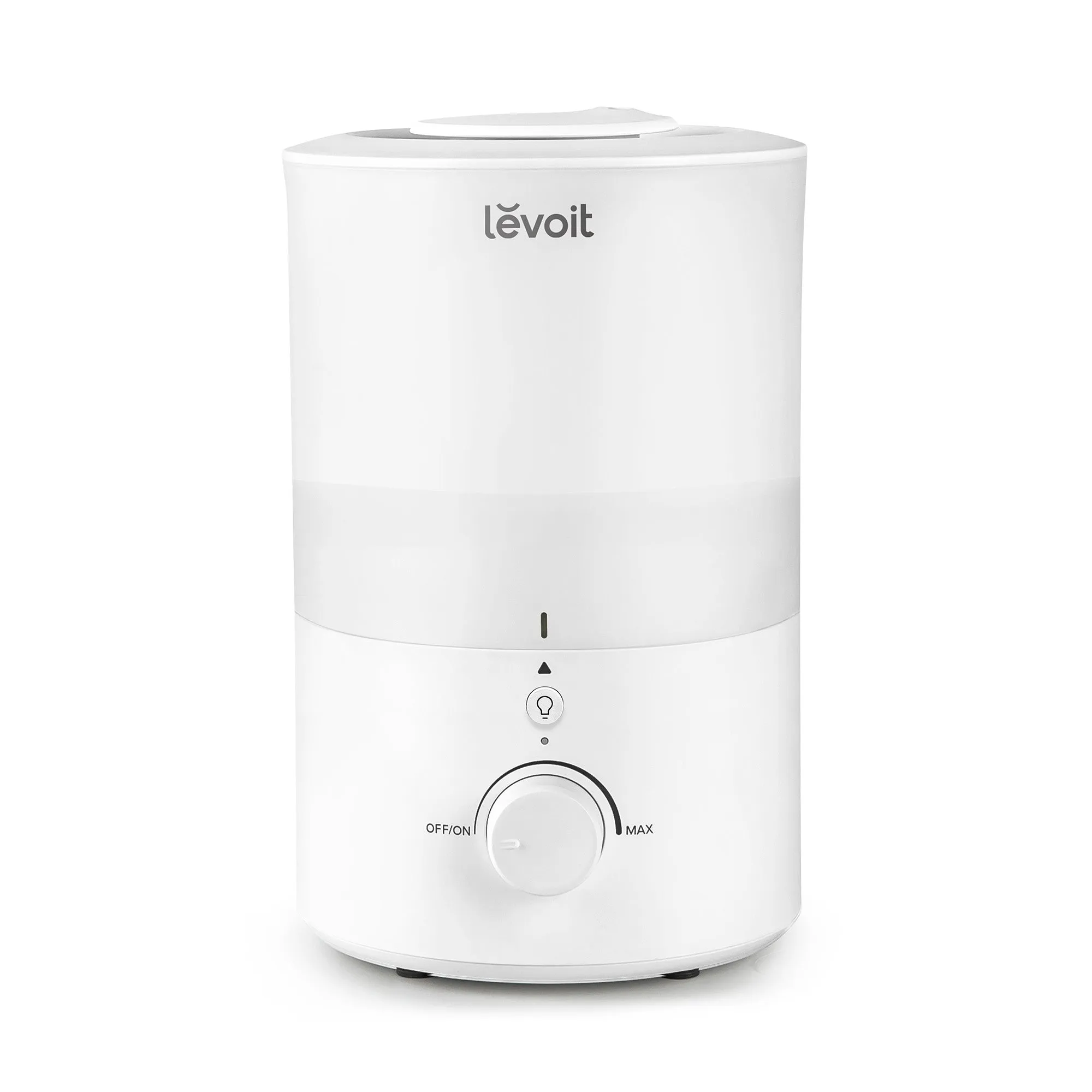
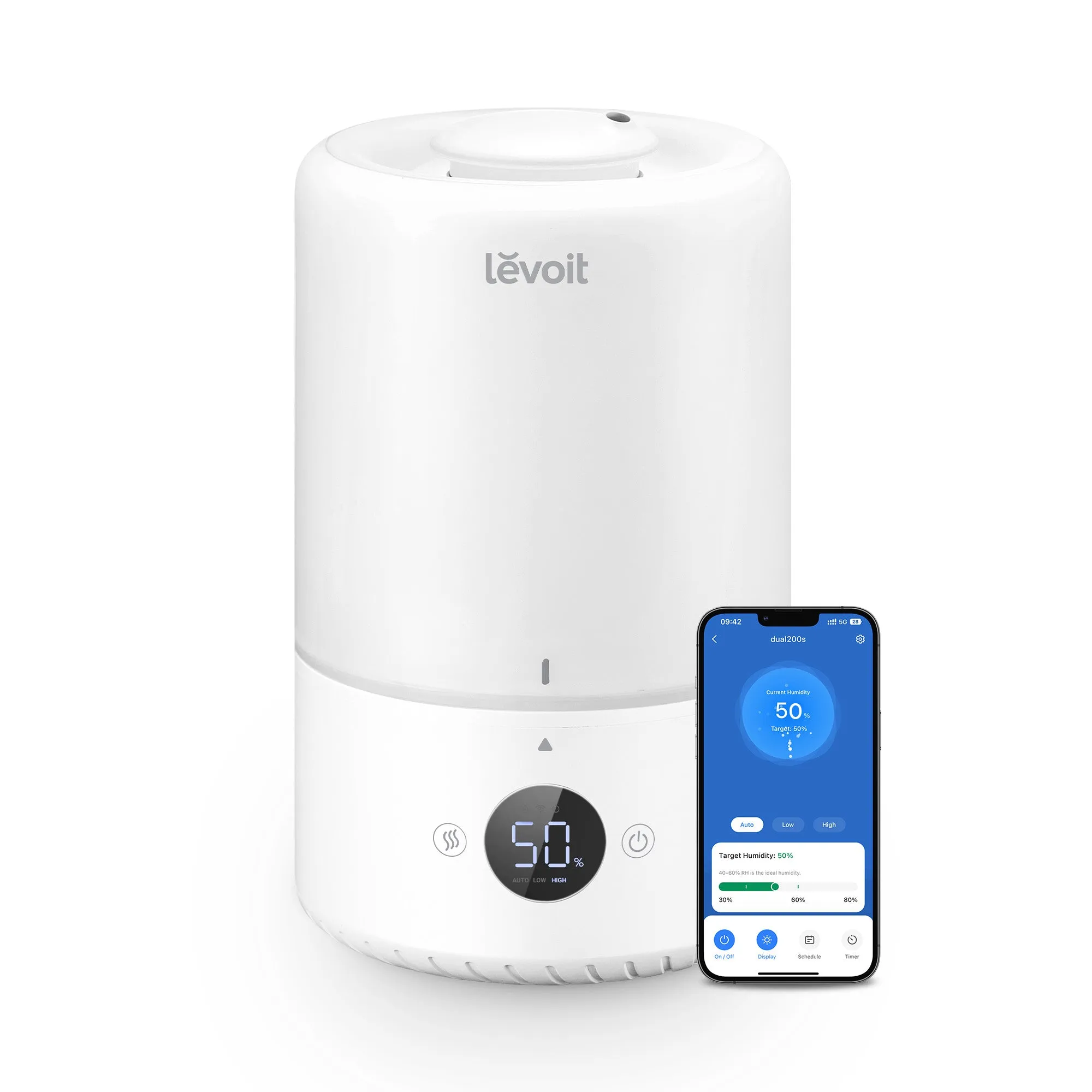
Maintaining indoor relative humidity within a moderate range limits mould growth, dust mite reproduction, and the survival of some airborne pathogens. UK homes, particularly older Victorian and Edwardian properties, are prone to condensation and damp. A dehumidifier in affected rooms keeps humidity within the recommended band. Conversely, central heating in winter can drop humidity below 30%, which irritates airways; a humidifier corrects this. For a detailed comparison of when each device is appropriate, the role of dehumidifiers in humid homes is worth reviewing.
Indoor plants
Plants have a limited but supplementary effect on indoor air quality. NASA’s 1989 Clean Air Study is frequently cited, but the research was conducted in sealed chambers with conditions far removed from a typical home. In a real living space, the air exchange rate is too high for plants alone to make a significant dent in VOC levels. They do contribute marginally to humidity regulation and have well-documented psychological benefits. Treat them as a complement to filtration, not a substitute.
Avoiding indoor pollution sources
- Do not smoke or vape indoors.
- Use cooking extraction fans that exhaust outdoors, not recirculating models, when frying or using a gas hob.
- Store paints, solvents, and adhesives in a sealed outdoor space or garage.
- Choose fragrance-free or low-VOC cleaning products.
- Air out dry-cleaned garments outdoors before bringing them inside.
Routine cleaning
Dust accumulates on surfaces and re-enters the air with movement. Vacuuming with a HEPA-filtered machine twice weekly, combined with damp-dusting hard surfaces, removes settled particulate before it becomes airborne again. Washing soft furnishings, curtains, and rugs regularly reduces allergen load, particularly for households with pets or allergy sufferers. For targeted allergy-focused air improvement, a structured cleaning schedule is as important as any device.
6. UV germicidal irradiation (UVGI) for biological contaminants
UV-C germicidal irradiation is an effective supplementary method for inactivating airborne microorganisms, including bacteria, viruses, and mould spores. The CDC’s NIOSH guidance identifies two primary delivery formats: in-duct UVGI systems installed within central HVAC ductwork, and upper-room GUV fixtures mounted near the ceiling in occupied spaces.
For UK residential use, in-duct UVGI is the more practical option. It treats air as it passes through the HVAC system without exposing occupants to UV-C radiation directly. Upper-room systems are more common in healthcare settings, schools, and high-occupancy commercial spaces.
Key points on UVGI:
- UVGI does not remove particles or gases; it must be used alongside mechanical filtration, not instead of it.
- Effectiveness depends on UV-C dose (intensity multiplied by exposure time) and the specific microorganism targeted.
- Poorly designed or maintained UVGI systems can produce ozone as a by-product; specify ozone-free UV-C lamp types when specifying a system.
- Standalone UV-C wand devices marketed for home use vary widely in output; many do not deliver sufficient dose to inactivate pathogens reliably.
UVGI is most valuable in UK homes where occupants have compromised immunity, respiratory conditions, or where mould contamination is a recurring problem.
7. How to test and monitor indoor air quality
Monitoring gives you data to act on rather than assumptions. The most useful parameters to track in a UK home are PM2.5, CO₂, total VOCs (TVOCs), and relative humidity.
- PM2.5 monitors measure fine particulate matter in real time. Readings above 12 µg/m³ (the WHO annual guideline) indicate a need for increased filtration or source control. Affordable options include the Airthings View Plus, IQAir AirVisual Pro, and the Temtop M10.
- CO₂ monitors are a reliable proxy for ventilation adequacy. CO₂ above 1,000 ppm in an occupied room indicates insufficient fresh air exchange; above 1,500 ppm, ventilation is poor. The Aranet4 is widely used in UK schools and offices for this purpose.
- TVOC sensors detect a broad range of gaseous pollutants. They are less precise than laboratory analysis but flag elevated VOC events such as painting, cleaning, or off-gassing from new furniture.
- Combined air quality monitors such as the Airthings Wave Plus measure radon, CO₂, PM2.5, humidity, TVOCs, and temperature in a single device, making them practical for whole-home monitoring.
- Radon test kits are particularly relevant in UK regions with elevated radon geology, including parts of Cornwall, Devon, Derbyshire, and Northamptonshire. Public Health England provides postcode-level radon risk maps.
Pro Tip: Place a CO₂ monitor in the bedroom. Most people spend 7–8 hours there with the door closed, and CO₂ can climb above 2,000 ppm overnight in a poorly ventilated room. A reading above 1,000 ppm on waking is a clear signal to improve overnight ventilation.
8. UK-specific standards, seasonal factors, and research insights
UK homes face a specific set of air quality challenges: older building stock with limited natural ventilation, damp climates that promote mould, urban pollution from road traffic, and seasonal variation that affects both outdoor air quality and the practicality of ventilation.
Seasonal strategy adjustments
In winter, UK homes are sealed against the cold, reducing natural ventilation and concentrating indoor pollutants. Filtration becomes the primary defence during this period. MVHR systems are particularly effective in winter as they deliver filtered fresh air without heat loss. In summer, natural ventilation is more practical, but urban areas experience elevated ozone and particulate levels on hot, still days; monitoring outdoor air quality before opening windows remains relevant.
| Season | Primary strategy | Secondary strategy | Key risk |
|---|---|---|---|
| Winter | HEPA filtration + HVAC MERV 13 | Trickle vents / MVHR | Mould from condensation; high indoor CO₂ |
| Spring | Natural ventilation (avoid high-pollen mornings) | HEPA filtration | Pollen; dust mite activity increases |
| Summer | Natural ventilation (monitor outdoor AQI) | Portable air cleaner | Urban ozone; PM2.5 on hot still days |
| Autumn | Transition to filtration-led approach | Source control (bonfire smoke) | Bonfire PM2.5; damp and mould onset |
UK regulatory and expert guidance
ASHRAE Standard 62.1 sets minimum ventilation rates for acceptable indoor air quality; UK Building Regulations Part F aligns broadly with these principles for new and substantially renovated properties. For HVAC systems, MERV 13 or higher filters are the recommended minimum for capturing PM2.5 in residential and commercial settings. The UK Health Security Agency’s guidance on air cleaning and filtration recommends mechanical filtration as the primary method, with UVGI as a supplementary layer in higher-risk settings.
Key figure: Indoor air is often more polluted than outdoor air, with pollutant concentrations frequently exceeding outdoor levels due to limited air exchange and the accumulation of indoor sources.
For a structured approach to assessing your home’s air quality against these standards, the indoor air quality checklist covers the key parameters in a practical format.
Key takeaways
Combining source control, ventilation, and correctly sized HEPA filtration delivers the greatest improvement to indoor air quality in UK homes and small indoor environments.
| Point | Details |
|---|---|
| Source control is the priority | Removing pollutant origins outperforms any filtration or ventilation strategy applied after the fact. |
| Size air cleaners by CADR | A unit’s CADR should cover at least two-thirds of the room’s floor area for effective particulate removal. |
| HEPA captures 99.95% of fine particles | True HEPA filters remove particles ≥0.3 microns, covering PM2.5, allergens, and biological aerosols. |
| Seasonal adjustment is necessary | UK winters require filtration-led strategies; summers allow more natural ventilation with outdoor AQI monitoring. |
| Cleanair-ae stocks Blueair, Honeywell, and Levoit | These brands cover the full range of UK residential needs, from compact bedroom units to larger living space purifiers. |
Cleanair-ae: air quality products for UK-standard performance
Selecting the right combination of devices from a reliable source saves time and avoids the common mistake of buying undersized or poorly rated equipment.
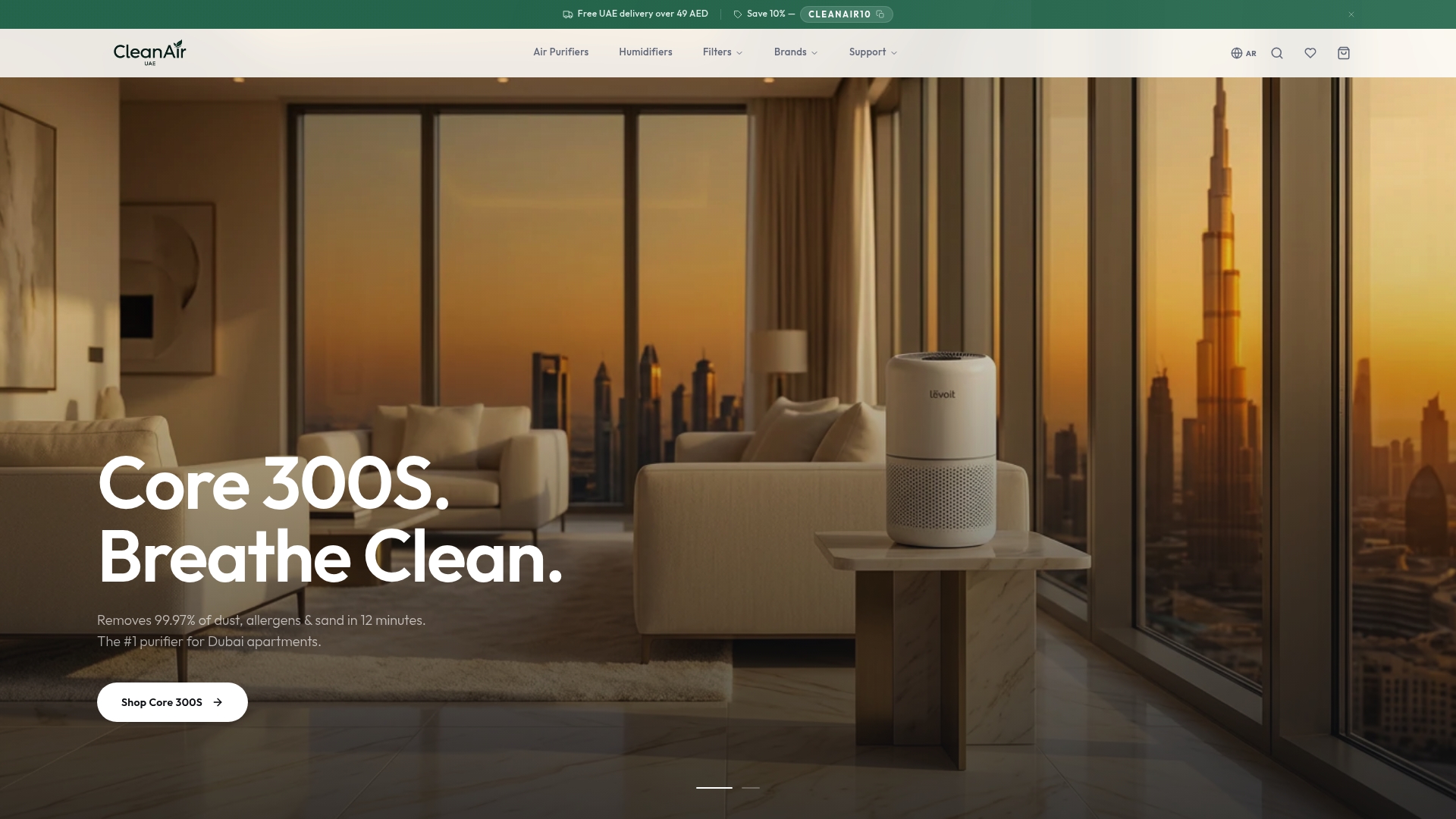
Cleanair-ae stocks a curated range of air cleaning technologies from Blueair, Honeywell, and Levoit, covering portable HEPA purifiers, replacement filters, and humidifiers suited to UK home sizes and air quality conditions. Each product category is selected for verified CADR ratings, genuine HEPA certification, and adequate activated carbon volume where gas removal is required. The air purifier buying guide on the site maps specific models to room sizes, making it straightforward to match a unit to your space without working through the technical specifications yourself. Browse the full product range at Cleanair-ae and select the unit that fits your room size and air quality priorities.