
Uncategorised
Air purifier alternatives list: 8 proven methods
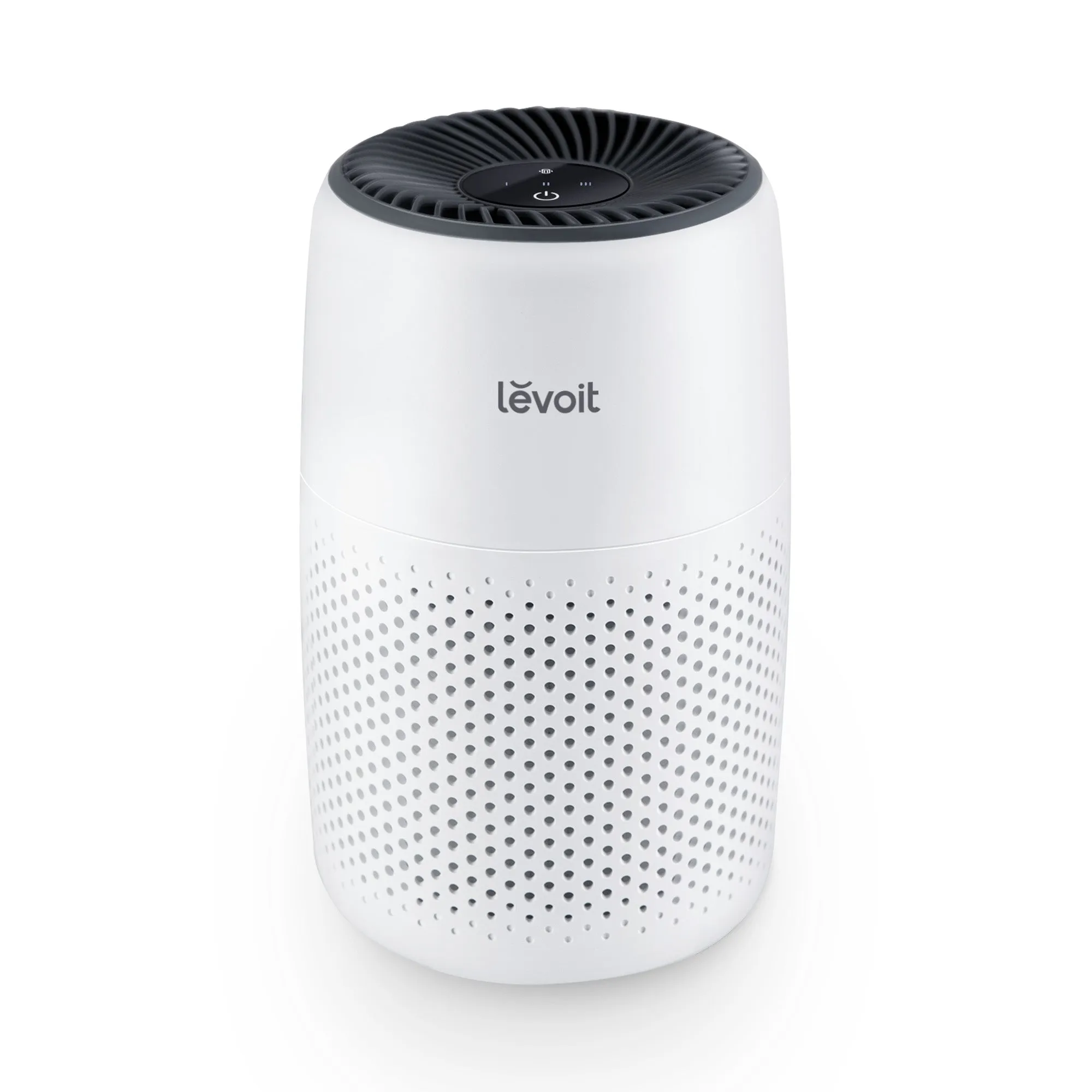
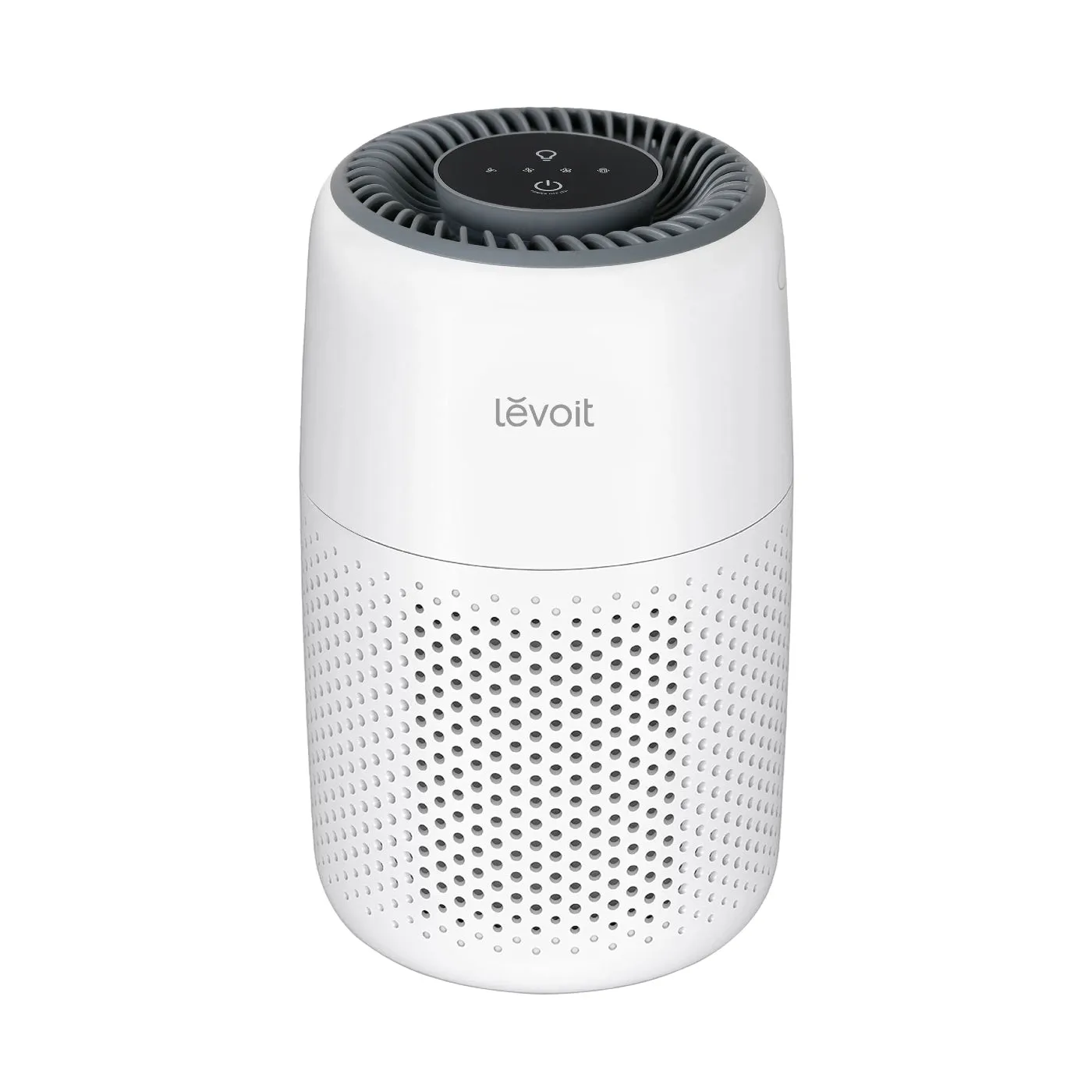
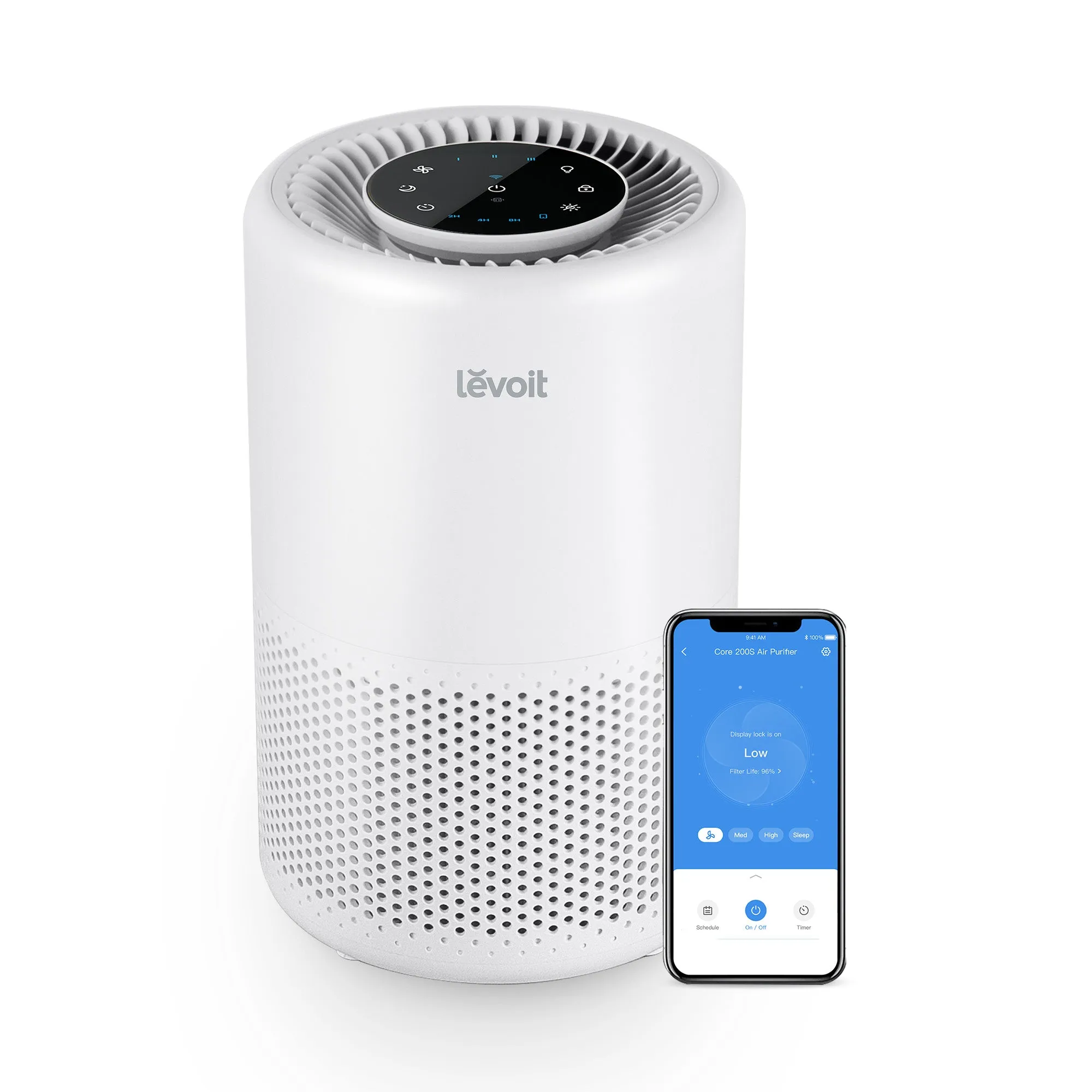
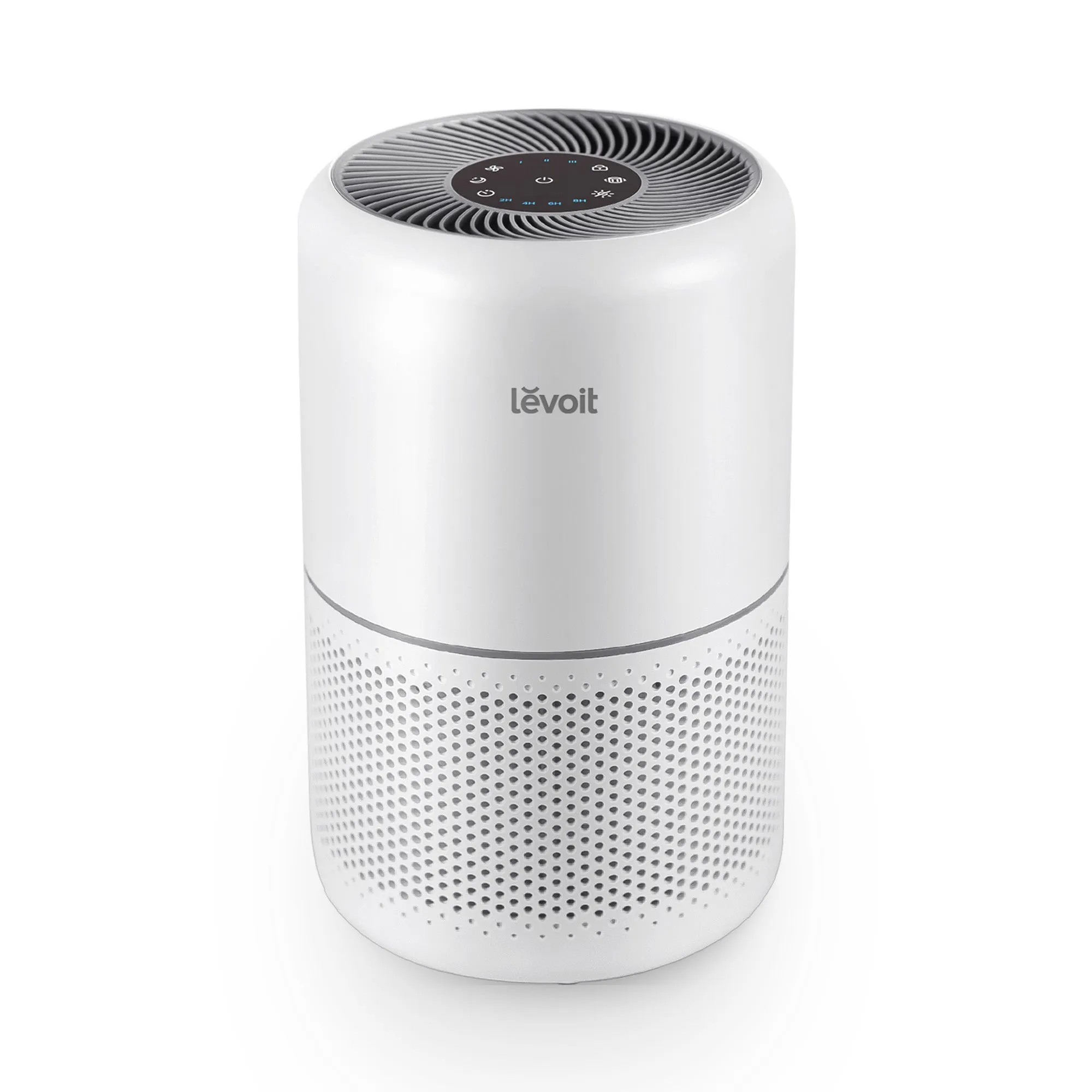
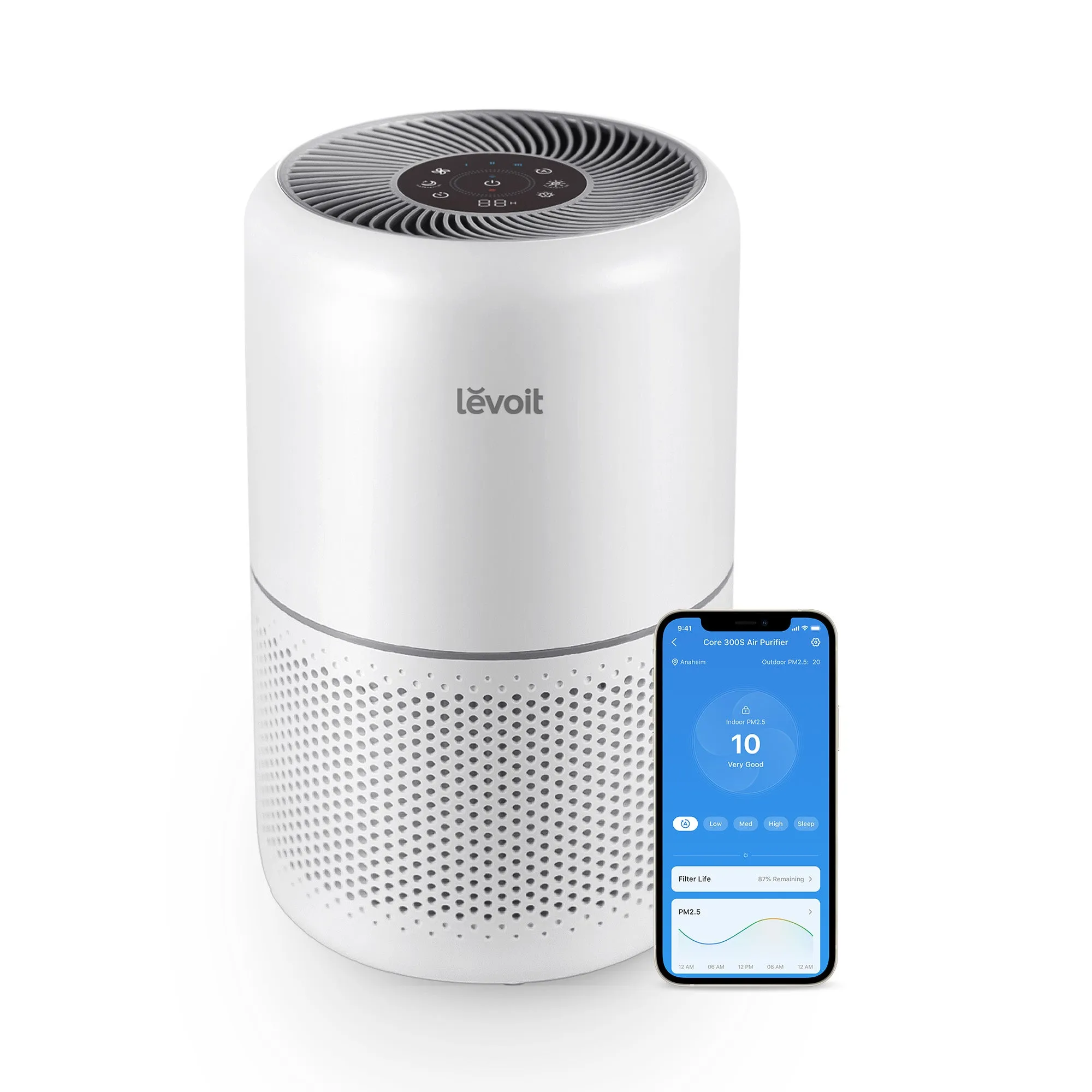
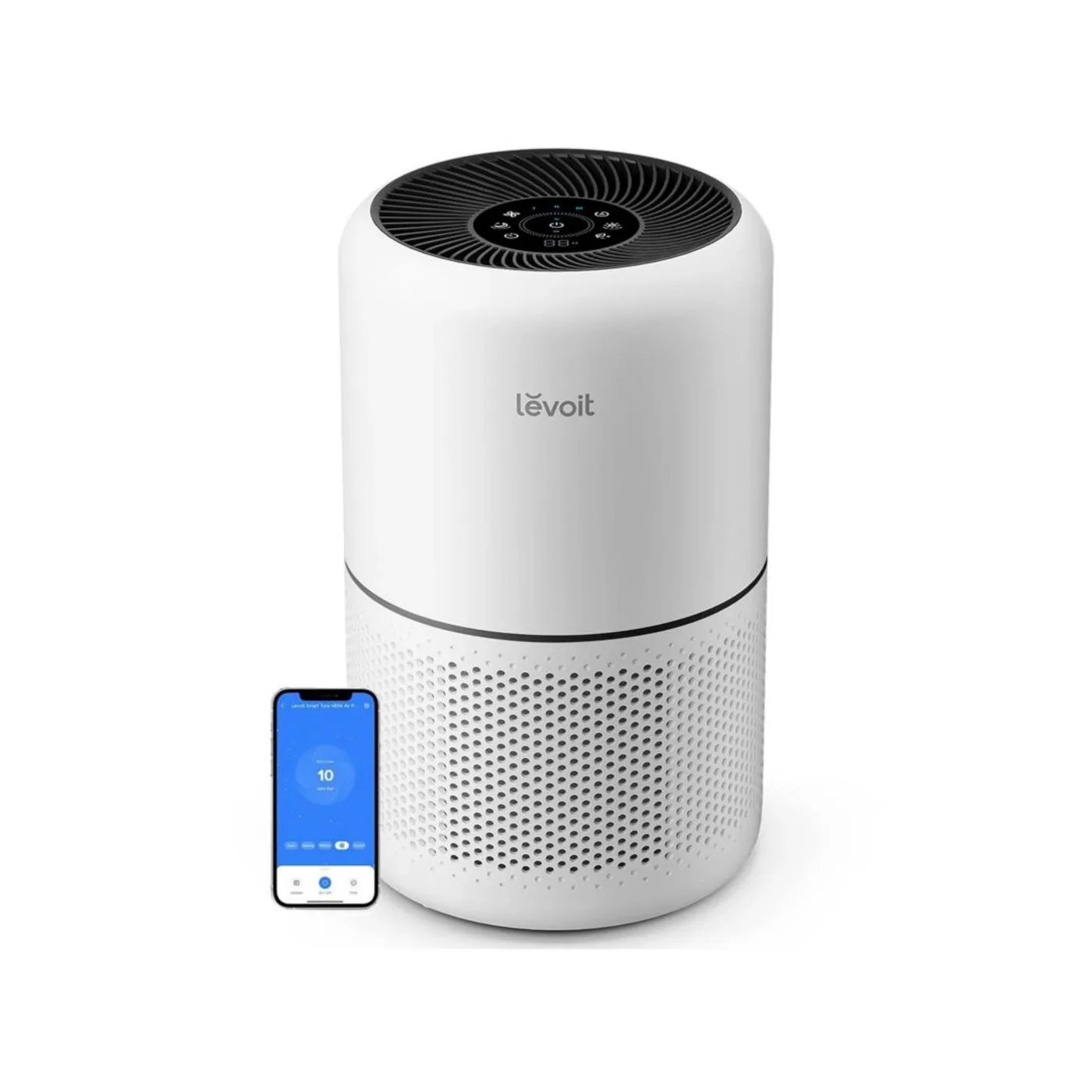
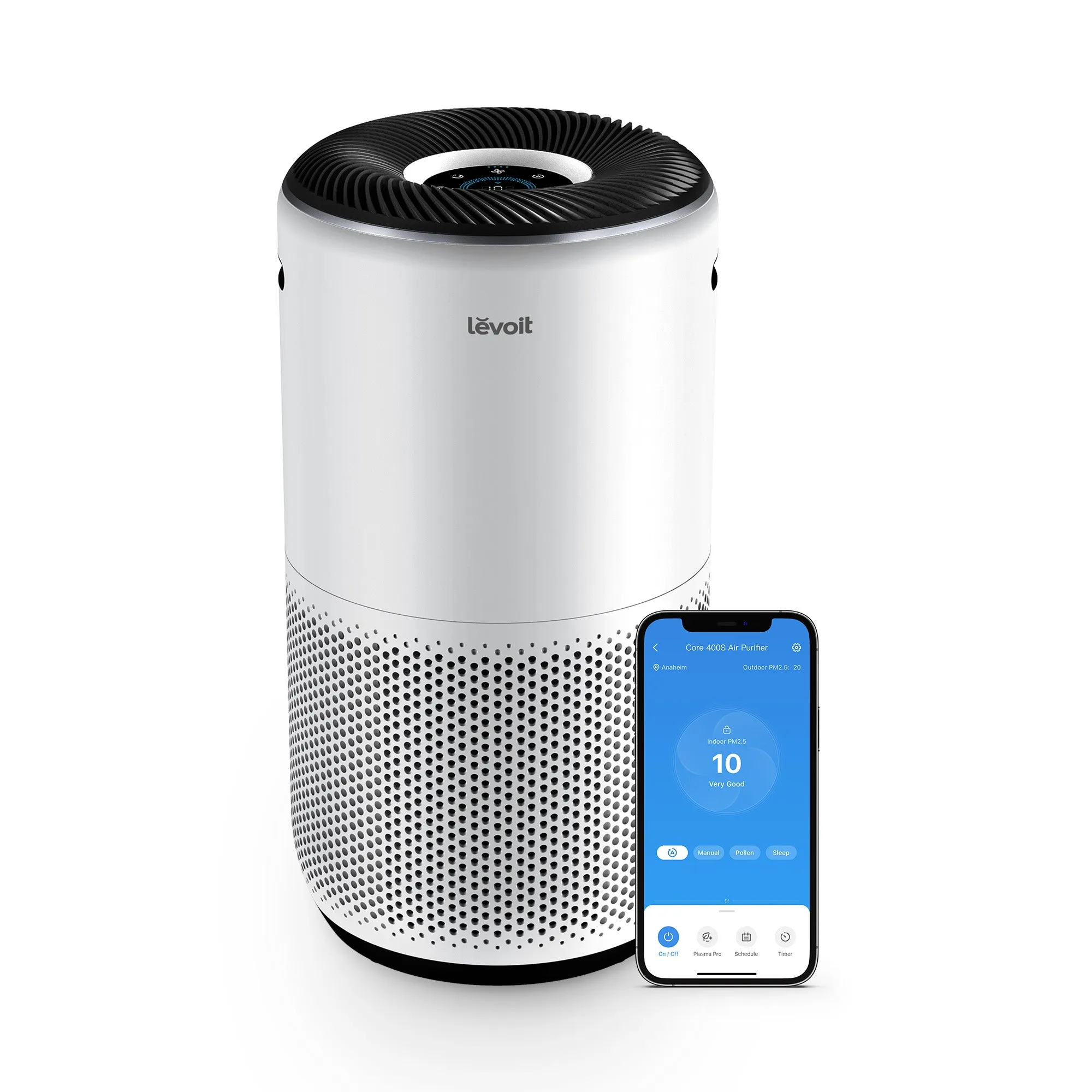
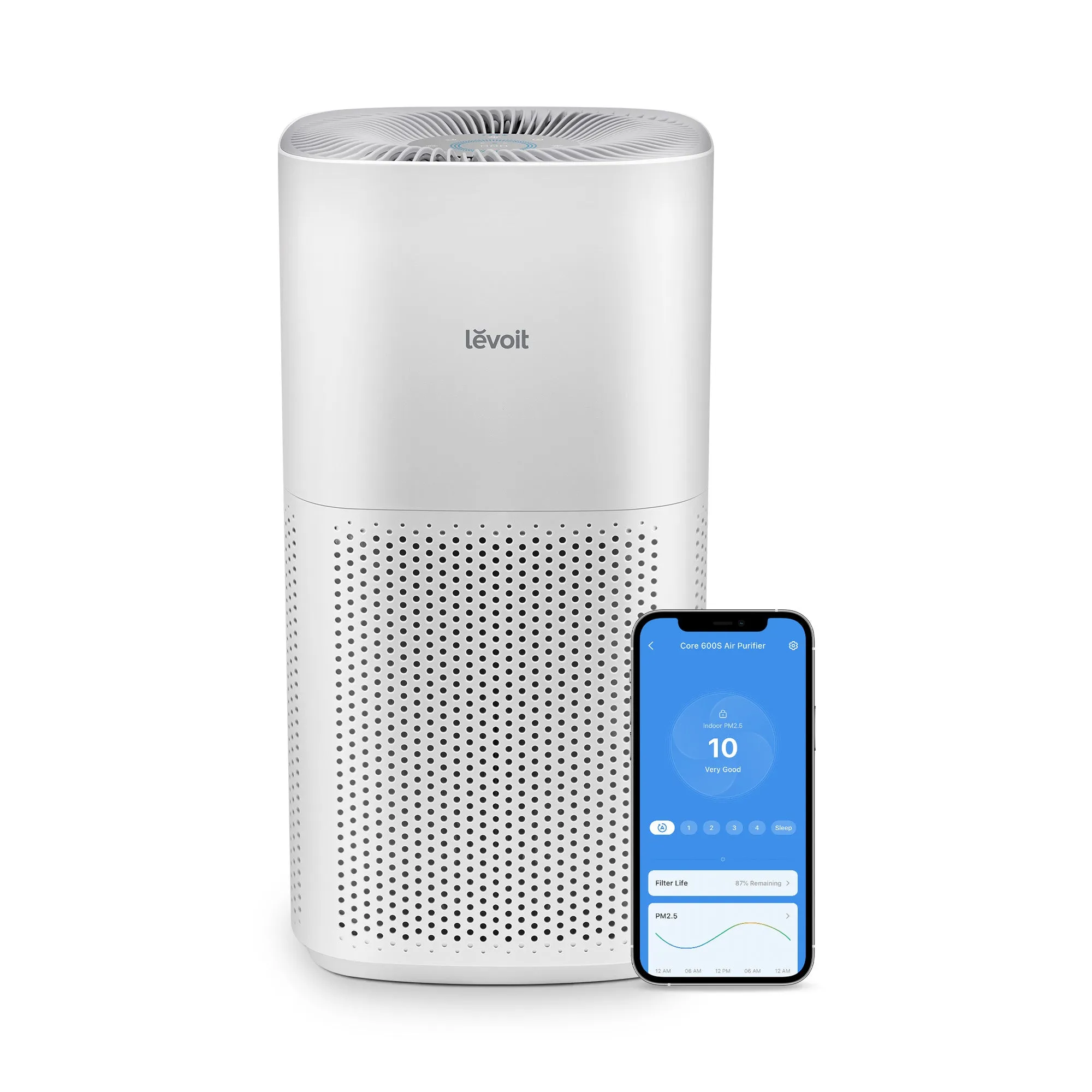
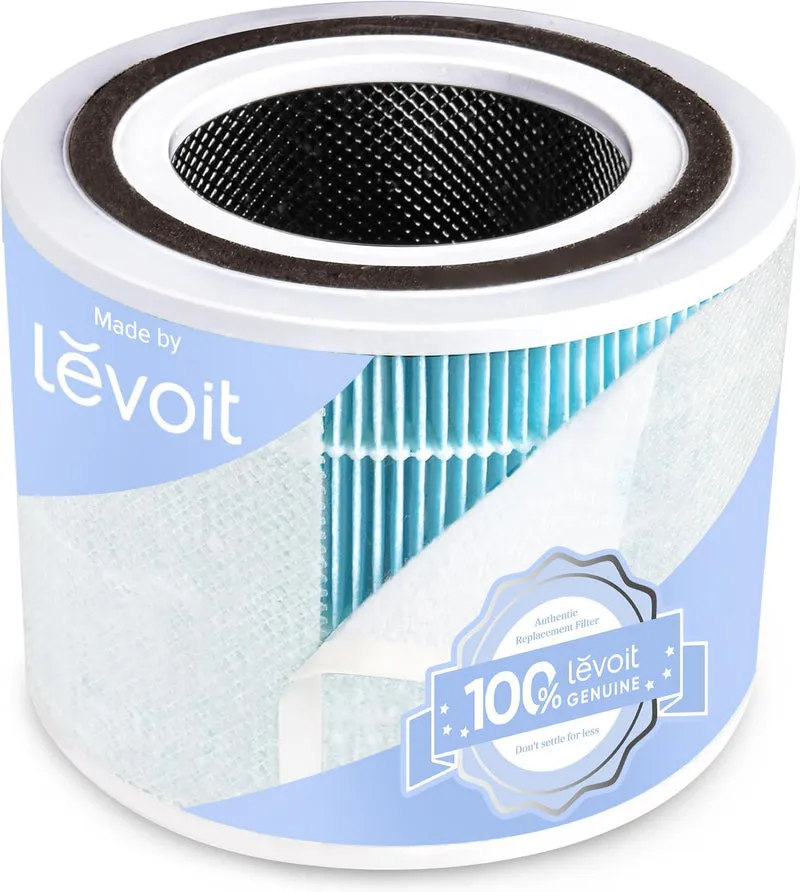
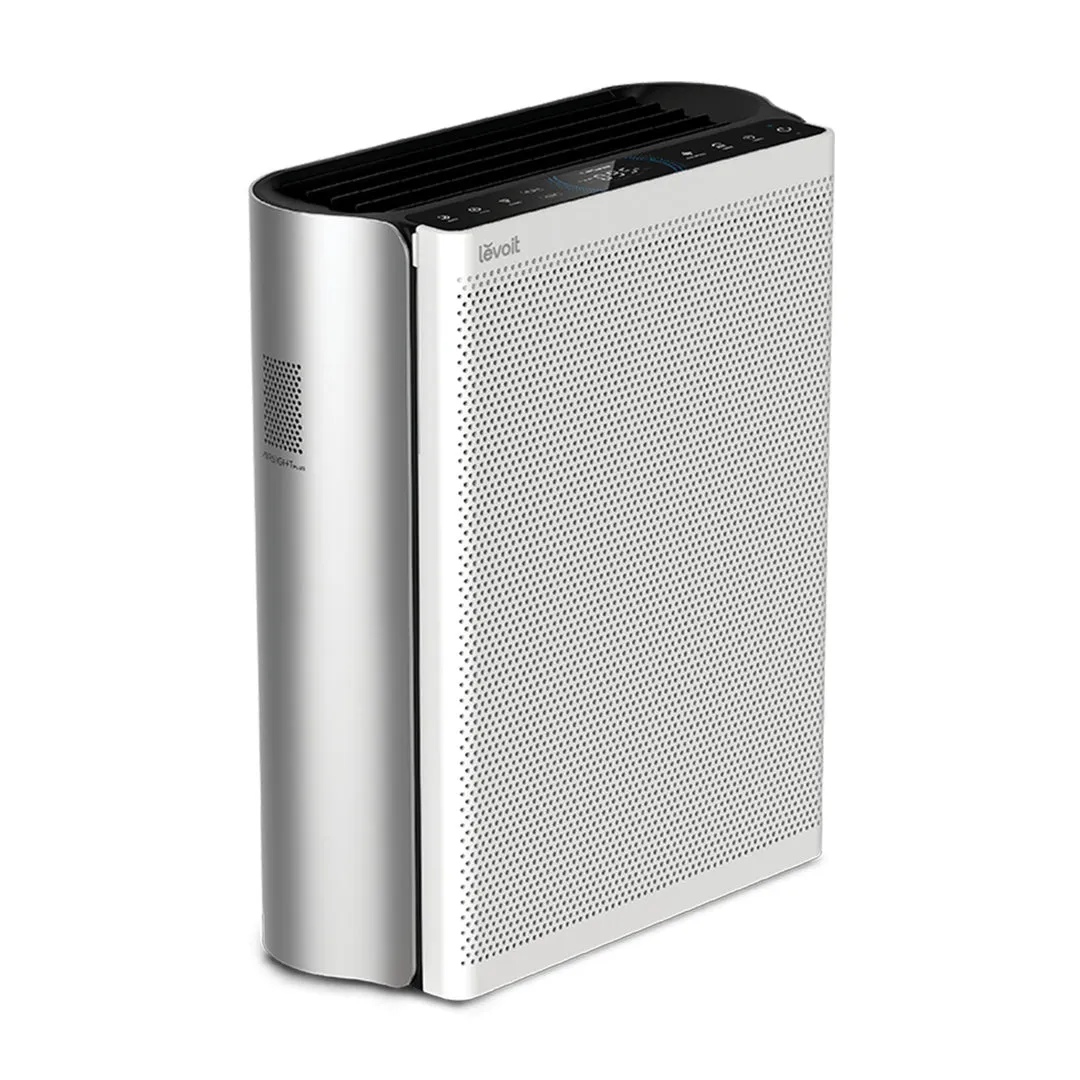
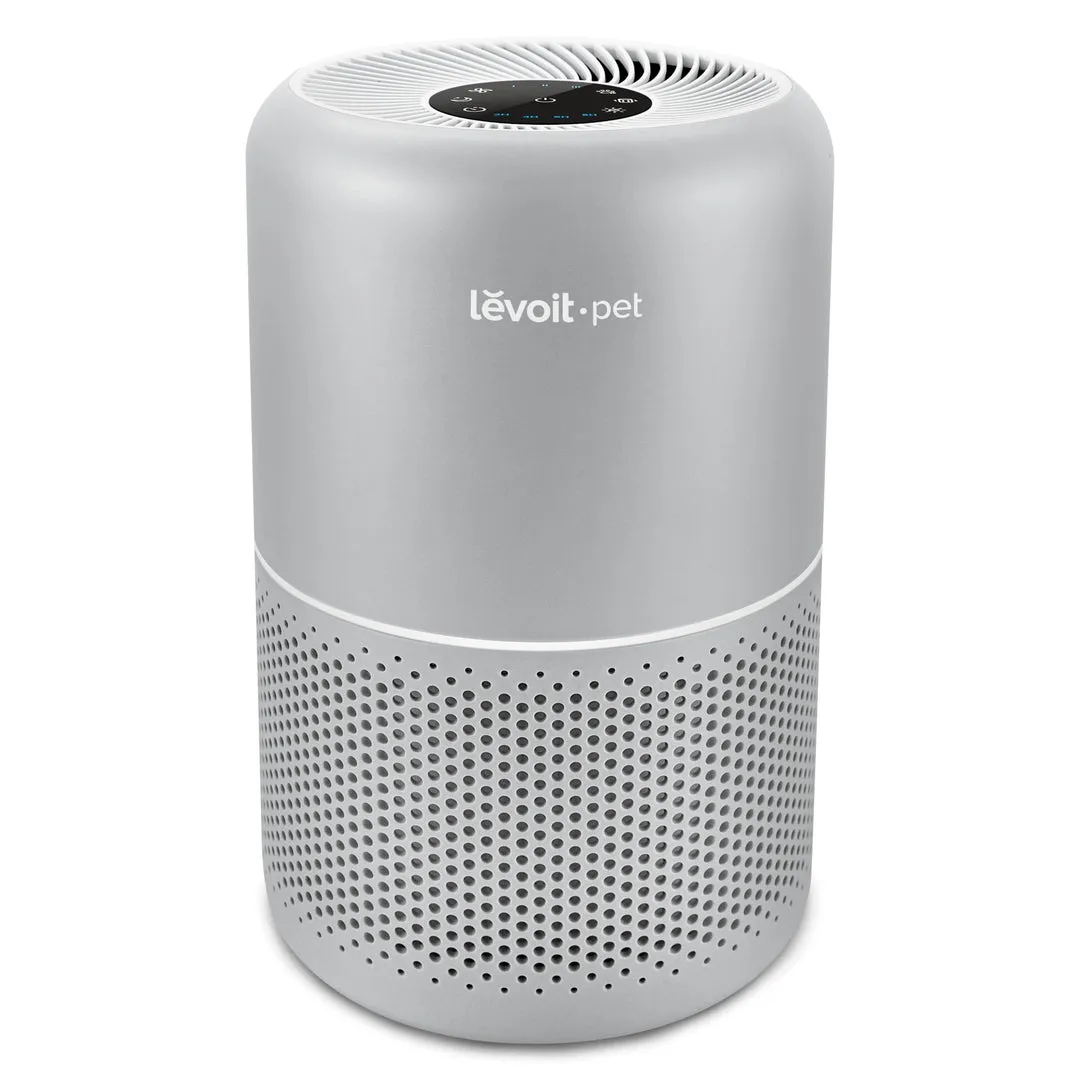
Source control, ventilation, and routine cleaning are the most effective air purifier alternatives for improving indoor air quality without the cost of commercial units. This air purifier alternatives list covers eight practical methods, from EPA-backed strategies to the DIY Corsi-Rosenthal Box, that reduce allergens, volatile organic compounds (VOCs), and particulate matter in homes and offices. Each approach works independently, but combining several produces the strongest results. For UAE residents dealing with dust and humidity, these methods are especially relevant alongside or instead of units like the Levoit Core 300 or Coway Airmega range.
1. Source control: the most effective air purifier alternative
Source control and ventilation are the most cost-efficient strategies for cleaner indoor air. This means removing or reducing the pollutants themselves before they spread, rather than filtering them after the fact. Common indoor sources include tobacco smoke, chemical cleaning products, scented candles, gas cookers, and synthetic air fresheners. Each releases VOCs or fine particles that accumulate in enclosed spaces.
Practical steps include switching to non-toxic, fragrance-free cleaners, prohibiting indoor smoking, and servicing combustion appliances annually. Source control prevents overreliance on mechanical purifiers, which reduces filter replacements and equipment wear over time. Think of it as treating the cause rather than the symptom.
- Replace aerosol sprays with pump-action or solid alternatives
- Use low-VOC paints and adhesives during renovation
- Store chemical products in sealed containers outside living areas
- Service gas hobs and boilers annually to reduce combustion byproducts
Pro Tip: Look for the EPA Safer Choice label when buying cleaning products. These are independently certified to contain no harmful VOC-releasing ingredients.
2. Ventilation: diluting pollutants without equipment

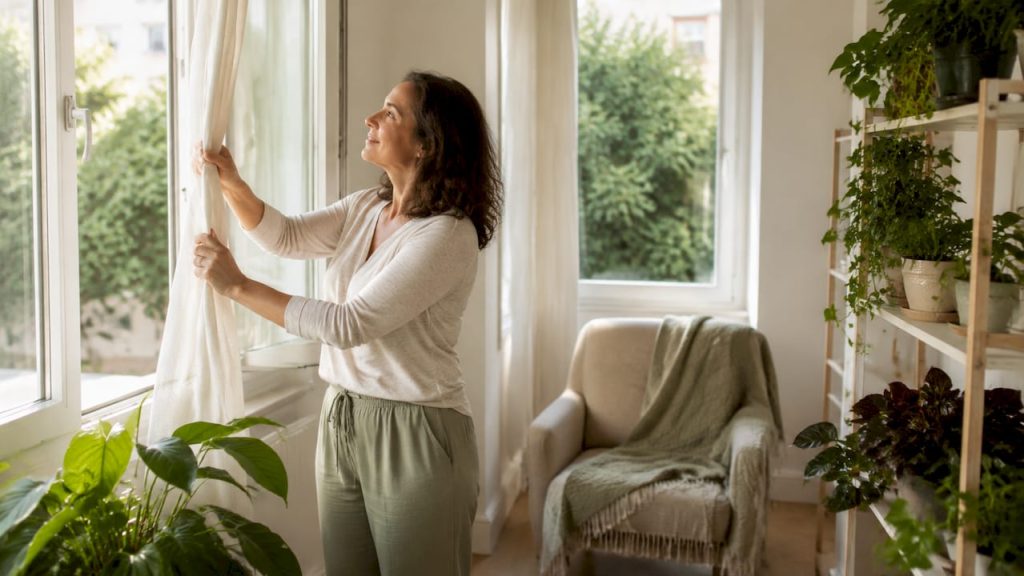
Proper ventilation dilutes indoor pollutants by replacing stale air with fresh outdoor air. Opening windows when outdoor air quality is acceptable costs nothing and immediately lowers concentrations of CO2, VOCs, and fine particles. In the UAE, this works best during cooler morning hours when dust levels are lower.
Exhaust fans in kitchens and bathrooms are among the most overlooked tools for ways to improve indoor air. The key detail: they must vent directly outside, not into a ceiling cavity or adjacent room. Maintaining exhaust fans that properly vent outside is a critical, often overlooked measure that costs nothing beyond basic upkeep.
Maintaining indoor humidity between 30 and 50% is equally important. Above 60%, mould and dust mites thrive. Below 30%, respiratory irritation increases. A basic hygrometer costs under 20 AED and gives you real-time readings.
| Ventilation method | Cost | Best suited for |
|---|---|---|
| Opening windows | Free | Apartments, small homes |
| Exhaust fans (kitchen/bathroom) | Low | All building types |
| HVAC filter upgrade (MERV-13) | Moderate | Villas, offices |
| Mechanical ventilation unit | Higher | Sealed commercial spaces |
3. HVAC filter upgrades for whole-home filtration
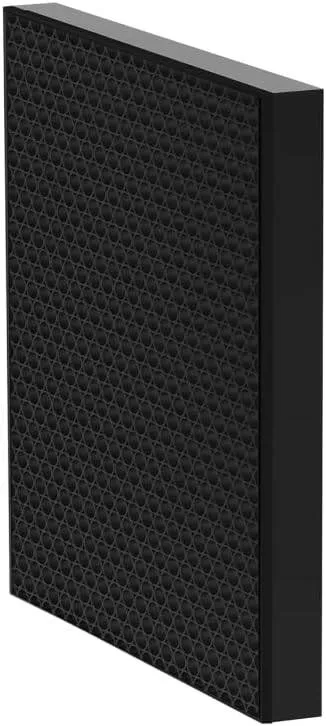
HVAC systems with quality filters provide superior whole-home air filtration compared to portable purifiers. A single MERV-13 filter installed in a central air conditioning unit cleans air across every room simultaneously. This is a significant advantage in UAE villas and offices where split-system AC units are standard.
MERV-13 filters capture particles as small as 0.3 microns, including dust, pollen, and some bacteria. Replacing them every 60 to 90 days costs a fraction of running a commercial purifier. Mechanical ventilation plays a critical role here. Upgrading filters is one of the highest-return, lowest-effort improvements available for indoor air quality.
4. Routine cleaning habits that reduce allergens
Regular cleaning captures dust particles and prevents allergen buildup, improving air quality without any mechanical device. The method matters as much as the frequency. Dry dusting with a cloth redistributes particles into the air. Damp dusting with a microfibre cloth traps them.
Vacuuming with a HEPA-filter vacuum is the standard for allergen-heavy homes. Standard vacuums without HEPA filtration expel fine particles back through the exhaust. Decluttering also reduces the surface area where dust, pet dander, and mould spores accumulate. Fewer objects on shelves and floors means fewer places for allergens to settle.
- Vacuum carpets and upholstery twice weekly using a HEPA-filter vacuum
- Damp-dust hard surfaces weekly with a microfibre cloth
- Wash bedding at 60°C fortnightly to kill dust mites
- Remove unnecessary soft furnishings in high-allergen rooms
Pro Tip: Schedule cleaning in the morning so any disturbed particles settle before you sleep. Night-time air in a recently cleaned room is measurably cleaner.
5. The Corsi-Rosenthal Box: best DIY air purifier alternative
The Corsi-Rosenthal Box is a DIY mechanical filtration device assembled from four or five MERV-13 furnace filters taped around a standard box fan. It was developed during the COVID-19 pandemic and has since become one of the most cited cheap air purifier alternatives in engineering and public health circles. The Corsi-Rosenthal Box provides air cleaning comparable to mid-range commercial purifiers at a fraction of the cost.
The total build cost sits between 150 and 300 AED depending on filter brand and fan size, compared to 600 to 1,500 AED for units like the Levoit Core 300 or Coway Airmega 200M. Clean Air Delivery Rate (CADR) performance is competitive with those mid-range models for rooms up to 30 square metres. For a guide on filter types and performance, the differences between MERV-13 and HEPA media are worth understanding before you build.
“The Corsi-Rosenthal Box is not a gimmick. Independent testing shows it performs comparably to commercial units costing five to ten times more, making it one of the most practical DIY air cleaning solutions available.”
Filter replacement is required every 6 to 12 months, and the assembled unit occupies more floor space than a commercial purifier. It also produces more noise at higher fan speeds. These are real trade-offs worth factoring in before building one.
6. Houseplants: natural air purifier options with limits
Houseplants are frequently cited as natural air purifier options, but the evidence requires careful reading. NASA research identified plants such as peace lilies, spider plants, and snake plants as capable of absorbing VOCs in controlled laboratory conditions. Real-world absorption rates in typical rooms are far lower than those conditions suggest.
Plants do contribute to air quality in two measurable ways: they absorb CO2 and release oxygen, and they increase relative humidity slightly through transpiration. Both effects are modest in a standard room. The practical value of houseplants lies in supporting other strategies rather than replacing them. A room with good ventilation, low VOC sources, and several plants will perform better than one with plants alone.
7. Beeswax candles and activated charcoal: eco-friendly options
Beeswax candles are marketed as eco-friendly air purifiers on the basis that they release negative ions when burned. The evidence for meaningful air cleaning is limited. What is true is that beeswax candles produce significantly less soot and fewer VOCs than paraffin candles. Replacing paraffin candles with beeswax is a source control measure, not an air purification one.
Activated charcoal bags are a more credible natural air purifier option for absorbing odours and some VOCs. Brands such as Moso Natural produce bamboo charcoal bags that adsorb moisture and odour compounds in enclosed spaces like wardrobes, car interiors, and small rooms. They do not filter particulate matter. Used alongside ventilation and cleaning, they address a specific subset of indoor air quality problems at low cost.
8. Combining methods: matching solutions to your space
No single alternative replaces a well-specified commercial purifier for all pollutant types. The strongest approach to indoor air quality improvement combines source control, ventilation, cleaning, and where needed, mechanical filtration. The table below matches common indoor environments to the most practical combination.
| Environment | Recommended combination |
|---|---|
| Small apartment | Source control + window ventilation + HEPA vacuum |
| Family villa | HVAC MERV-13 upgrade + cleaning routine + Corsi-Rosenthal Box |
| Home office | Source control + exhaust fan + activated charcoal bags |
| Commercial office | HVAC upgrade + professional cleaning schedule + air quality monitor |
Pro Tip: Combining at least three methods from this list produces noticeably better results than relying on any single approach. Start with source control, add ventilation, then layer in mechanical filtration if allergen levels remain high.
Key takeaways
The most effective approach to indoor air quality combines source control, ventilation, and targeted cleaning before adding any mechanical filtration device.
| Point | Details |
|---|---|
| Source control comes first | Eliminating pollutant sources reduces the burden on every other method. |
| Ventilation costs nothing | Opening windows and using exhaust fans dilutes pollutants immediately. |
| HEPA vacuuming matters | Standard vacuums redistribute allergens; HEPA models trap them. |
| Corsi-Rosenthal Box is cost-effective | DIY MERV-13 build delivers comparable CADR to mid-range commercial units. |
| Combine methods for best results | Three or more combined strategies outperform any single solution. |
Why I’d start with the boring stuff before buying anything
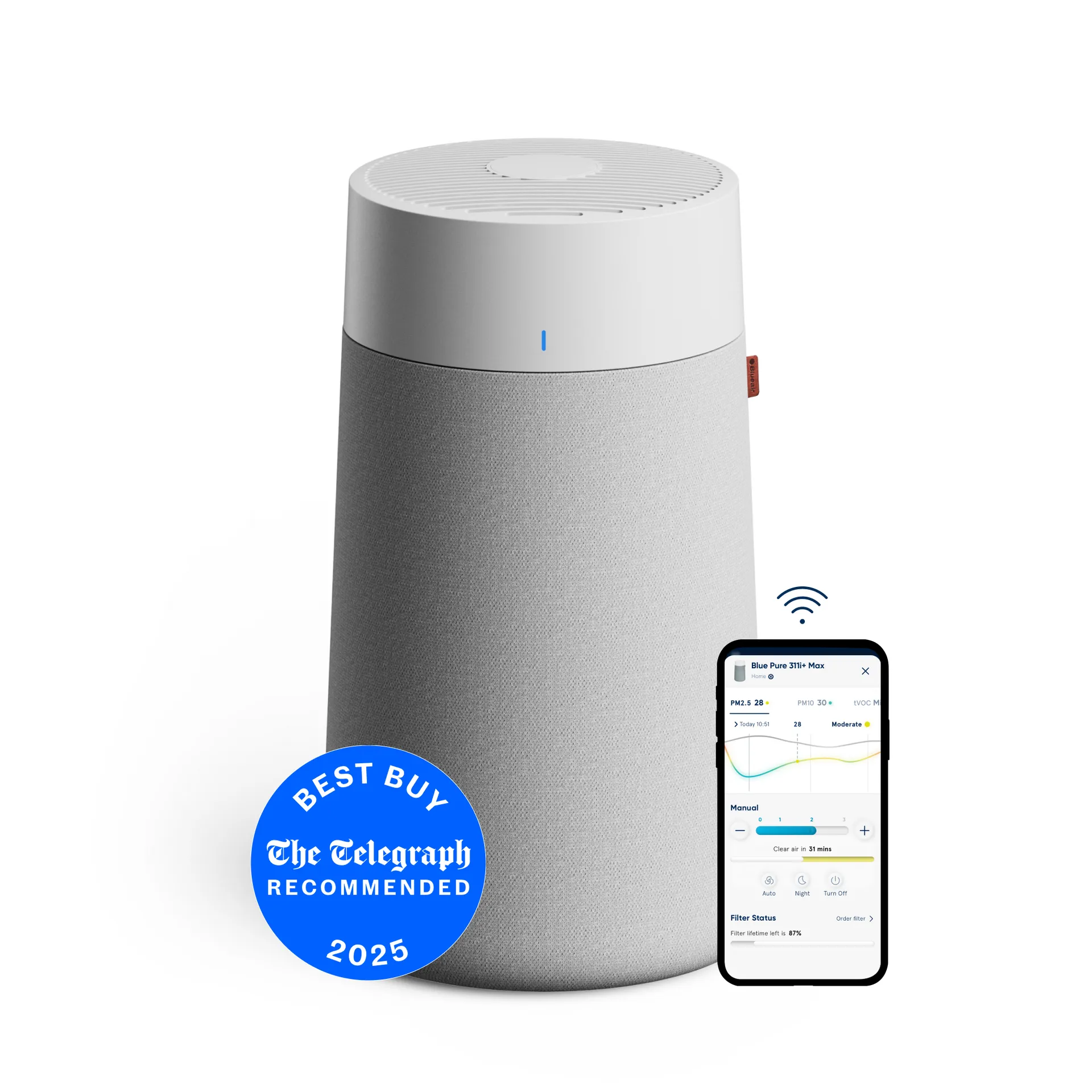
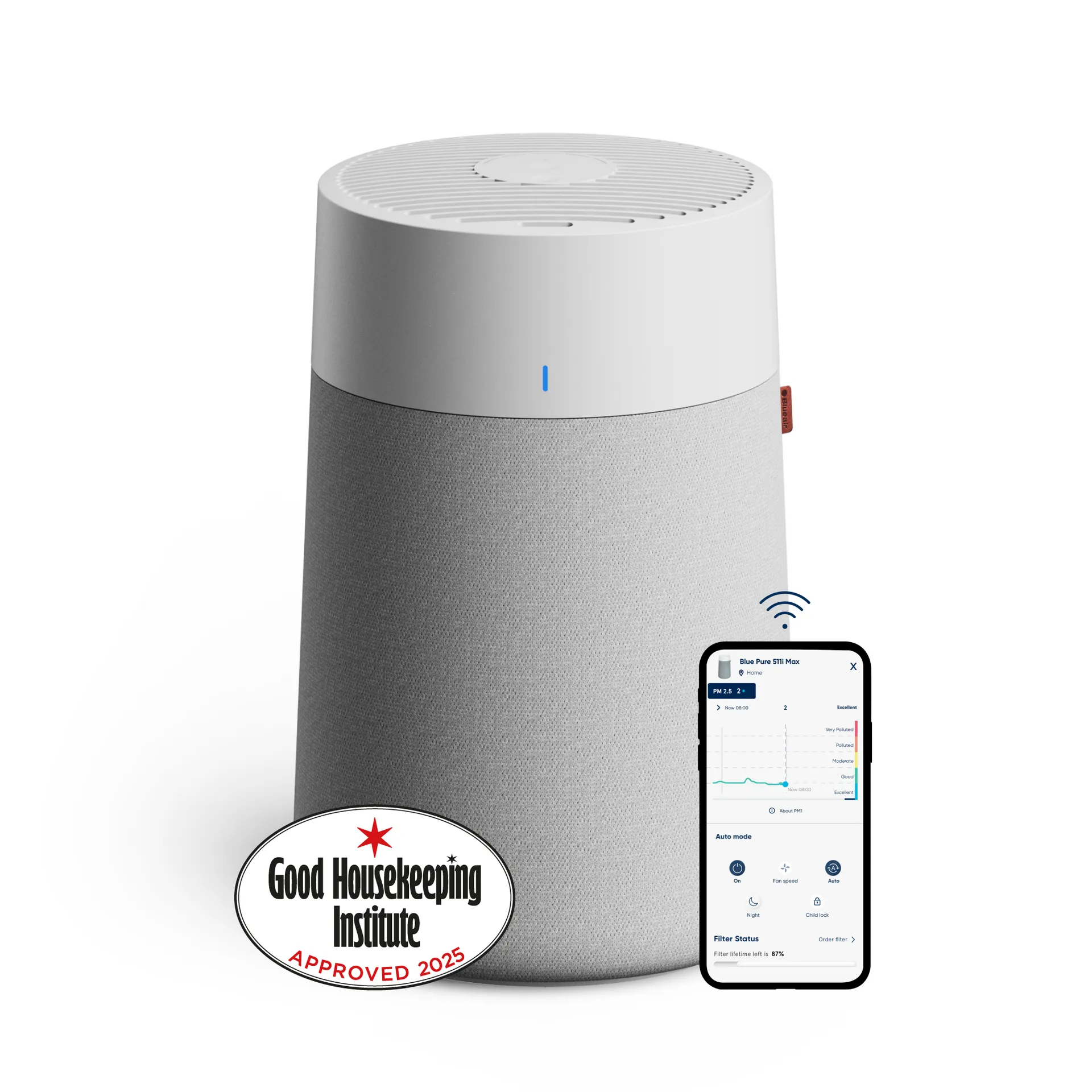
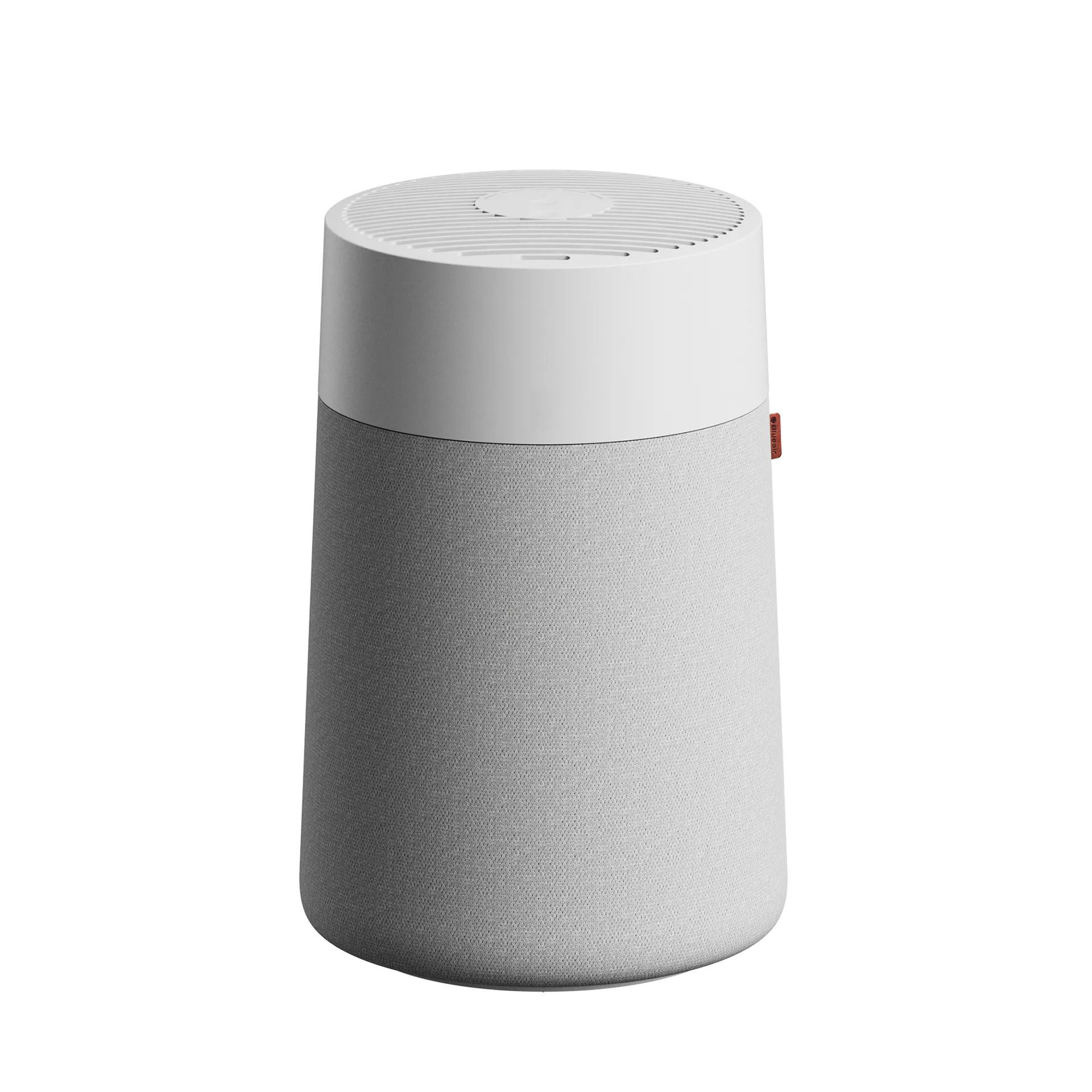
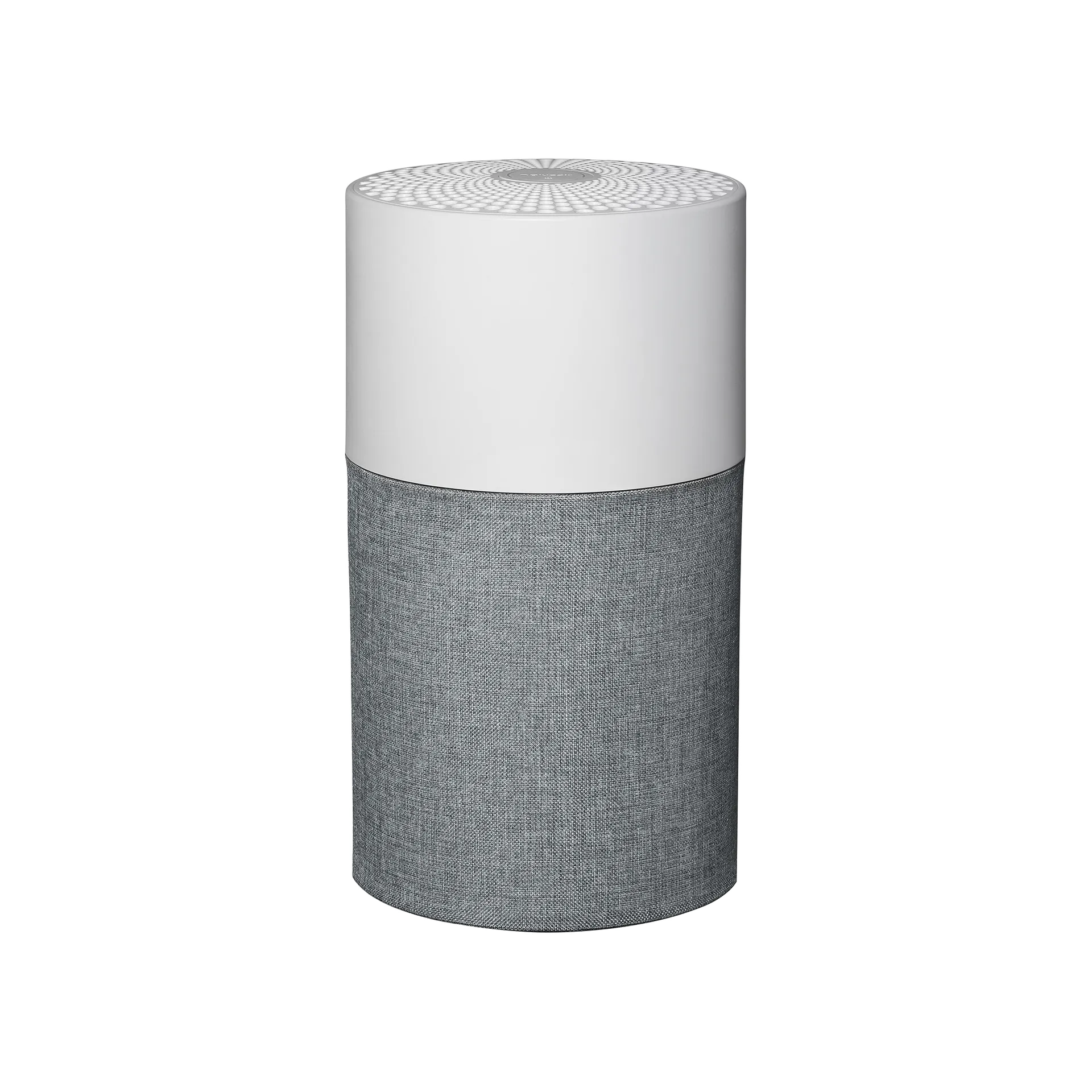
Most people reach for a product when they notice poor air quality. It’s understandable. A Levoit Core 300 or a Blueair unit looks like a solution you can unbox and switch on. But in practice, filtration alone is insufficient. A purifier running in a room full of VOC-releasing cleaning products, scented candles, and poor ventilation is working against itself constantly.
What I’ve found is that source control and ventilation changes produce faster, more noticeable improvements than buying equipment. Switching to fragrance-free cleaners, opening windows for 20 minutes each morning, and upgrading an HVAC filter costs under 100 AED in most cases. That’s the foundation. Once it’s in place, a commercial purifier or a Corsi-Rosenthal Box becomes genuinely effective rather than a compensating measure.
The ozone risk from certain ioniser-type purifiers is also underappreciated. Some devices marketed as air cleaners emit ozone as a byproduct, which is itself a respiratory irritant. Checking for CARB certification or third-party ozone-free verification before purchasing any electrical device is worth the five minutes it takes.
My honest recommendation: work through this list from top to bottom before spending on equipment. Most people find that steps one through four resolve the majority of their air quality concerns. Equipment fills the gaps that behaviour and habits cannot.
— Wojciech
Explore air quality solutions at Cleanair-ae
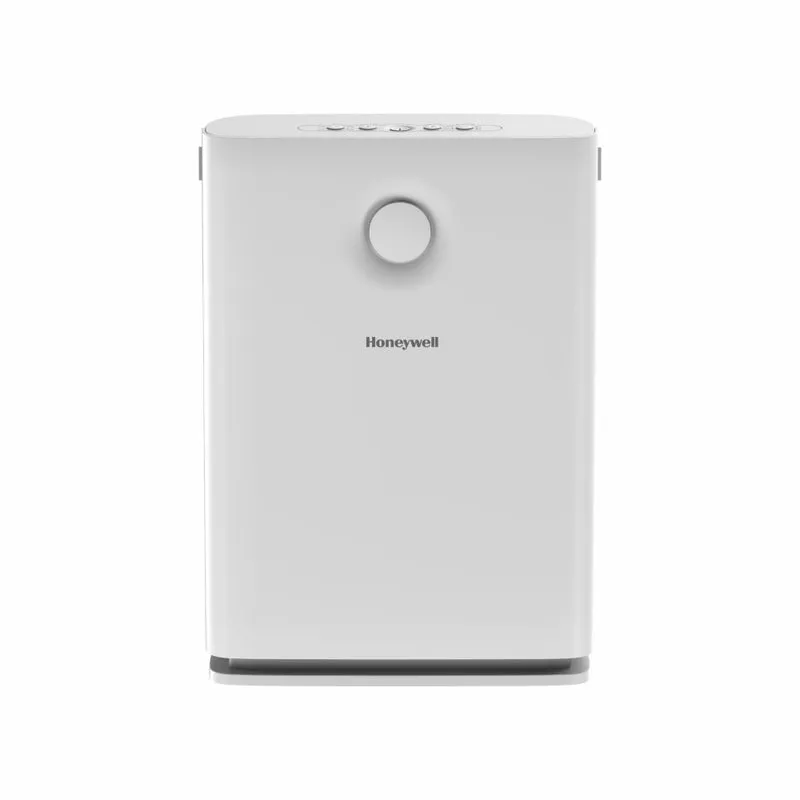
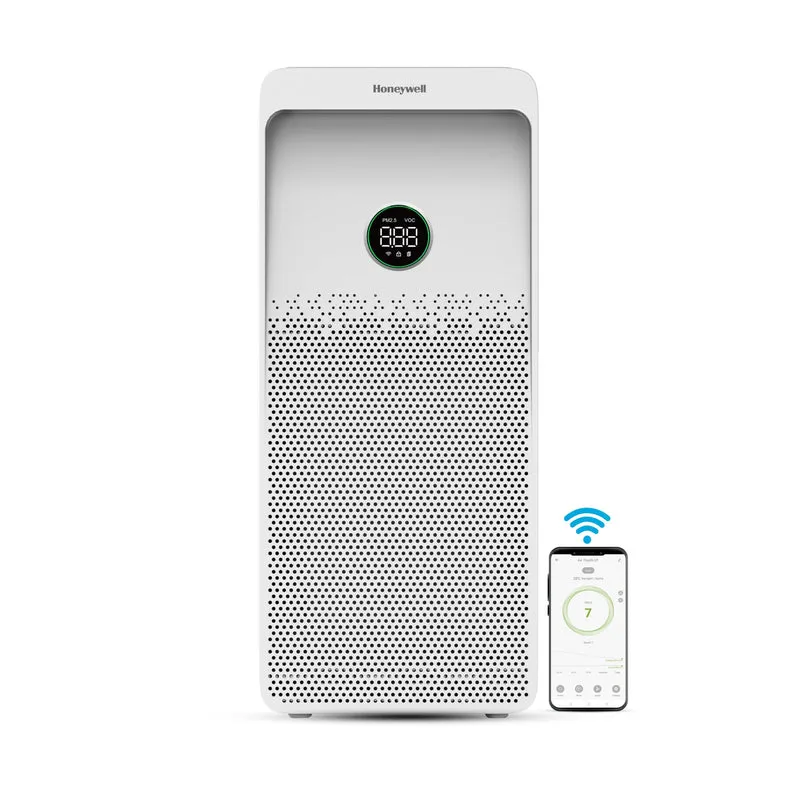
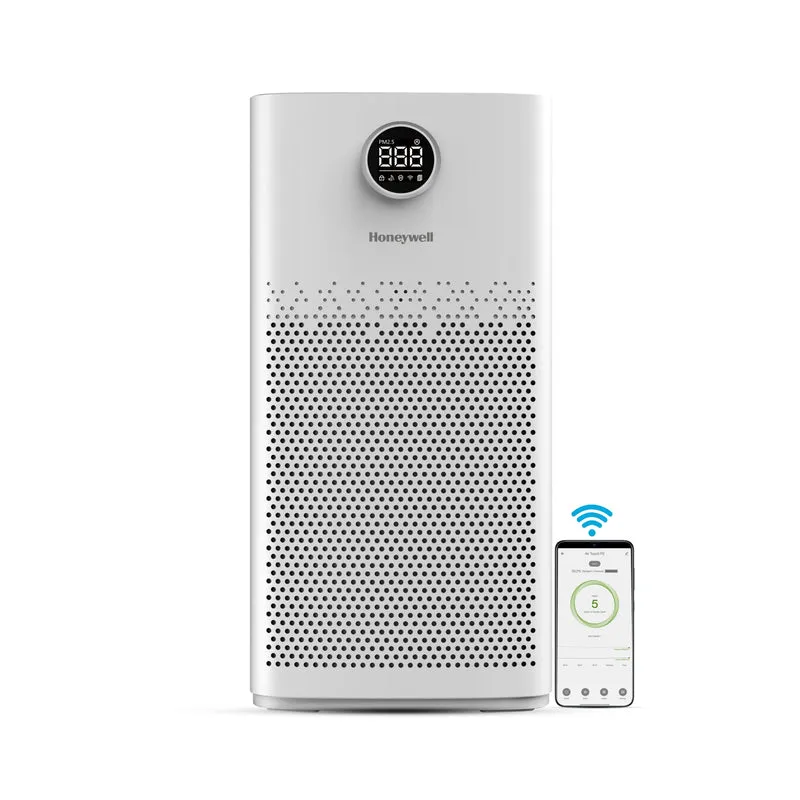
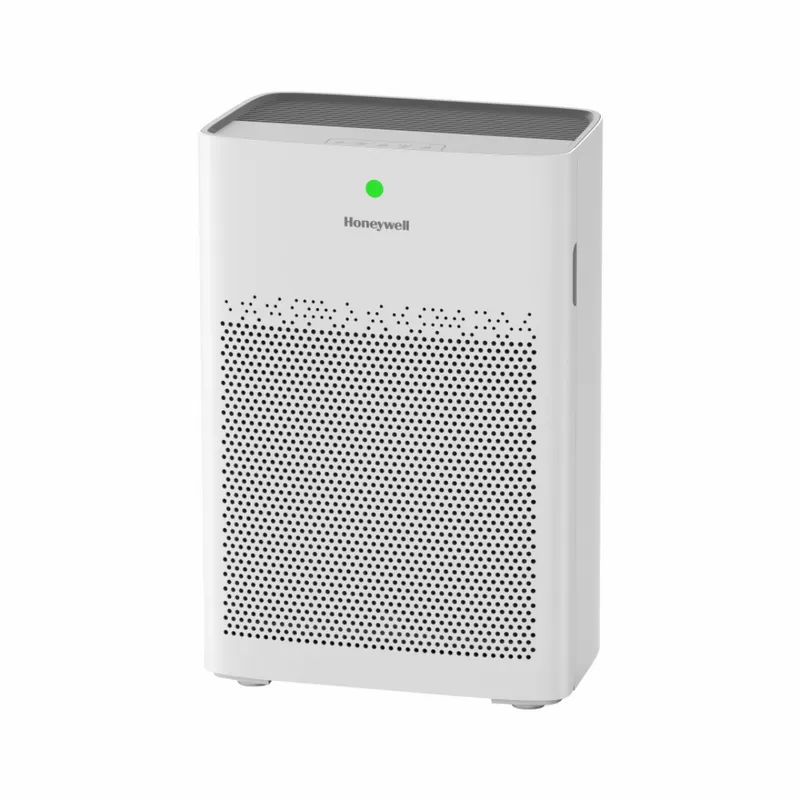
Cleanair-ae stocks a curated range of air purifiers, replacement filters, and air quality accessories suited to UAE homes and offices. Brands include Blueair, Honeywell, and Levoit, with fast delivery across Dubai and Abu Dhabi. If you’ve worked through the alternatives on this list and want to add mechanical filtration, the 2026 buying guide covers specifications, room sizing, and filter types in detail. Free UAE delivery applies on orders over 49 AED.
FAQ
What is the cheapest alternative to an air purifier?
Source control combined with window ventilation costs nothing and is the most cost-efficient starting point. For mechanical filtration on a budget, the Corsi-Rosenthal Box can be built for 150 to 300 AED using MERV-13 filters and a box fan.
Do houseplants actually clean indoor air?
Houseplants absorb small amounts of CO2 and VOCs, but real-world performance is far below laboratory test conditions. They support air quality as part of a broader strategy but do not replace ventilation or filtration.
How often should HVAC filters be replaced?
MERV-13 filters in central AC units should be replaced every 60 to 90 days in typical UAE conditions, where dust loading is higher than in most climates. Check filters monthly during sandstorm season.
Are ioniser air purifiers safe to use?
Some ioniser-type purifiers emit ozone as a byproduct, which is a respiratory irritant. The EPA advises consumers to check ozone certifications before purchasing any electrical air cleaning device.
What humidity level is best for indoor air quality?
The EPA recommends maintaining indoor relative humidity between 30 and 50%. Above 60%, mould and dust mites proliferate. A basic hygrometer monitors this in real time at minimal cost.