
Uncategorised
Air purifier buying guide for 2026
Choosing an air purifier should be straightforward. It rarely is. Walk into any product page and you are immediately confronted with CADR ratings, ACH figures, HEPA grades, smart sensors, and marketing terms that mean almost nothing without context. This air purifier buying guide cuts through that noise. It covers the criteria that actually matter, explains the filter types worth paying for, and gives you scenario-based recommendations so you can match the right unit to your specific situation, whether that is a bedroom in Dubai, a home office in Abu Dhabi, or a family living room with pets.
Table of Contents
- Key takeaways
- 1. Room size, CADR ratings, and air changes per hour
- 2. Filter types: True HEPA, H13, activated carbon, and what to ignore
- 3. Noise levels, energy use, and total cost of ownership
- 4. Smart features, sensors, placement, and maintenance
- 5. Choosing the right purifier for your specific scenario
- My take on what actually matters when buying an air purifier
- Explore Levoit air purifiers at Cleanair-ae
- FAQ
Key takeaways
| Point | Details |
|---|---|
| Size your purifier correctly | Use the 2/3 rule: your purifier’s CADR rating should be at least two-thirds of your room’s square footage. |
| Choose certified filters only | True HEPA or H13 HEPA filters are the only grades worth buying; avoid all “HEPA-like” or “HEPA-type” labels. |
| Calculate total running costs | Annual filter replacements cost between £25 and £65, and this figure should factor into any purchase decision. |
| Place the unit properly | Keep at least 15 to 30 centimetres of clearance around the purifier for effective air circulation. |
| Match features to your scenario | Allergy sufferers, pet owners, and office workers each need different filter grades, CADR levels, and noise specs. |
1. Room size, CADR ratings, and air changes per hour
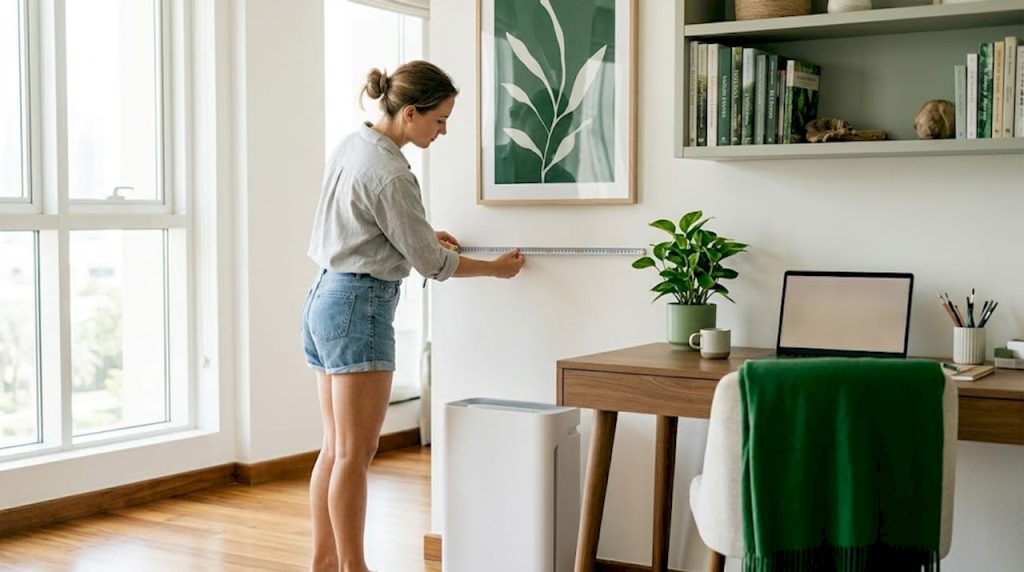
Before you look at any other specification, measure your room. Everything else follows from this single number.
CADR stands for Clean Air Delivery Rate, and it tells you how many cubic feet of filtered air the purifier delivers per minute for a given pollutant. The 2/3 rule gives you a simple starting point: your purifier’s CADR rating should equal at least two-thirds of your room’s square footage. For a 30-square-metre room (roughly 320 square feet), you need a minimum CADR of around 210. The same source recommends buying a unit rated for 1.5 times your actual room size, which allows the purifier to run on its quieter, lower speed settings whilst still cleaning the air thoroughly.
ACH, or air changes per hour, tells you how many times per hour the purifier cycles the entire room’s air volume through its filters. For general use, four air changes per hour is the accepted minimum. Allergy sufferers and asthma patients should look for five or six.
Pro Tip: To calculate ACH yourself, multiply your room’s square footage by the ceiling height to get the cubic volume, then check whether the purifier’s CADR at your chosen fan speed can turn over that volume four times per hour. Most manufacturers publish this figure, but few buyers check it.
A common mistake is buying a purifier labelled as suitable for “large rooms” without verifying the actual CADR figure. Marketing room size claims are frequently inflated. Check the CADR number directly and do the maths yourself.
2. Filter types: True HEPA, H13, activated carbon, and what to ignore
Filters are where air purifiers either earn their price or fail completely. There are three categories worth understanding.
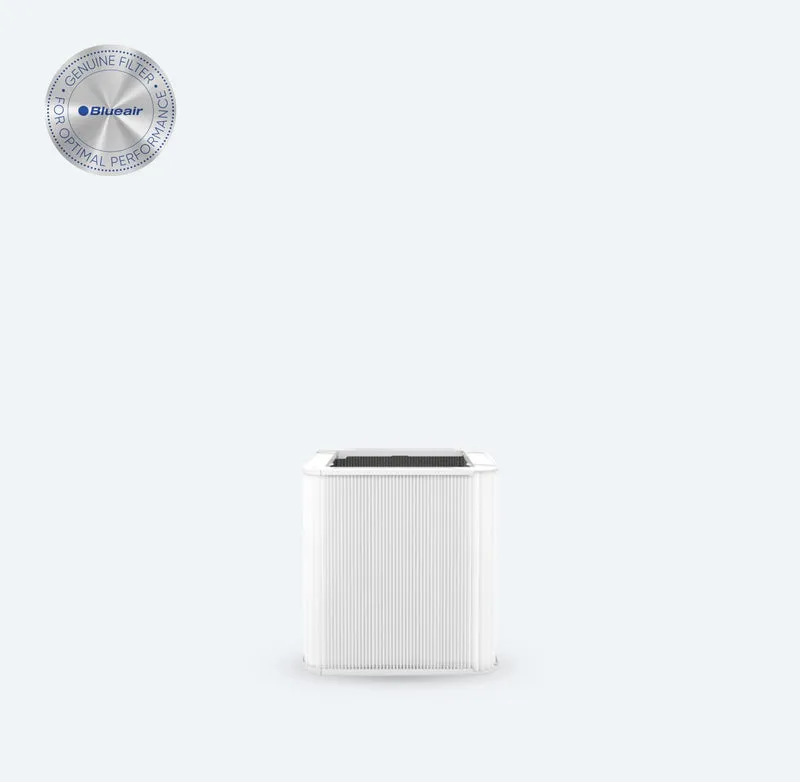
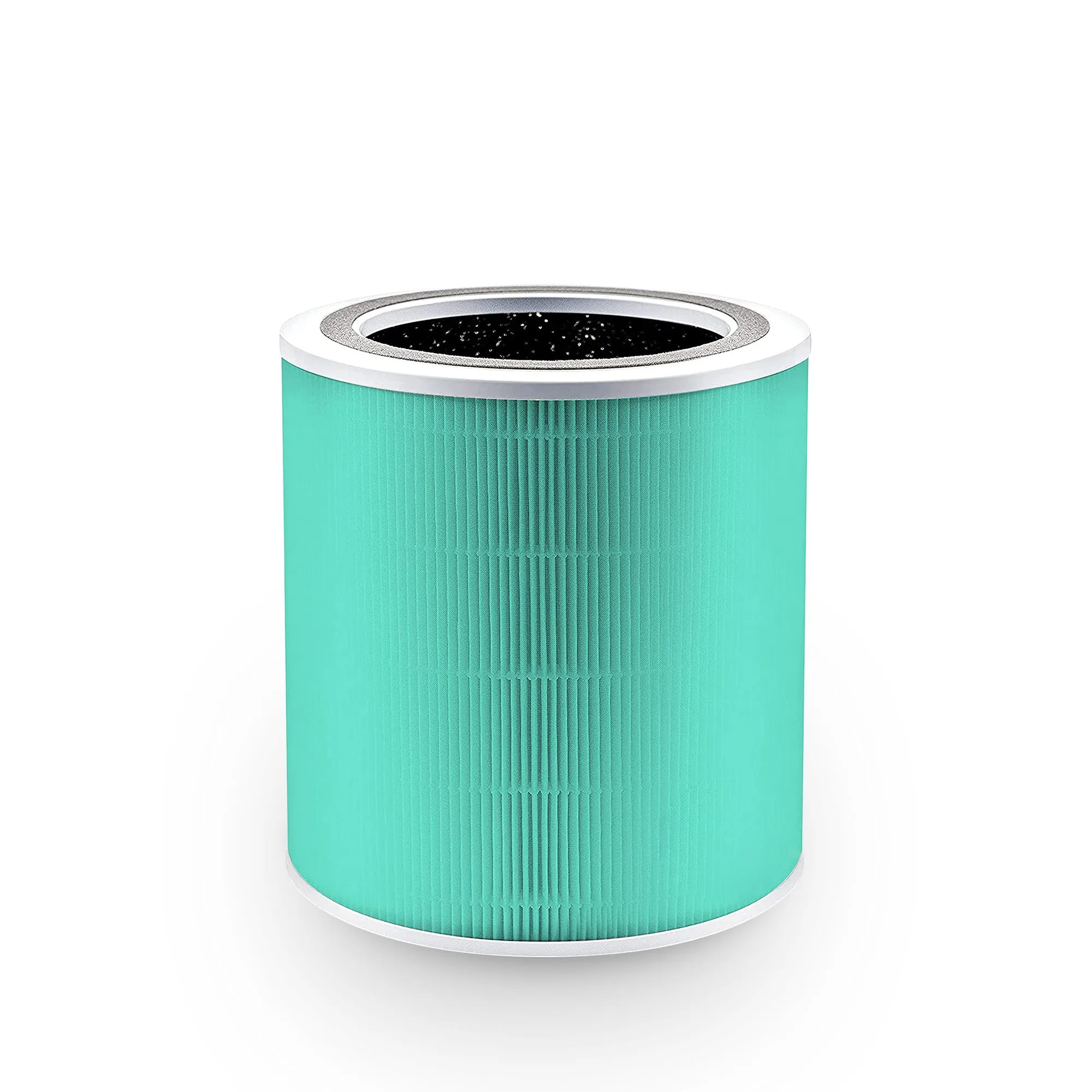
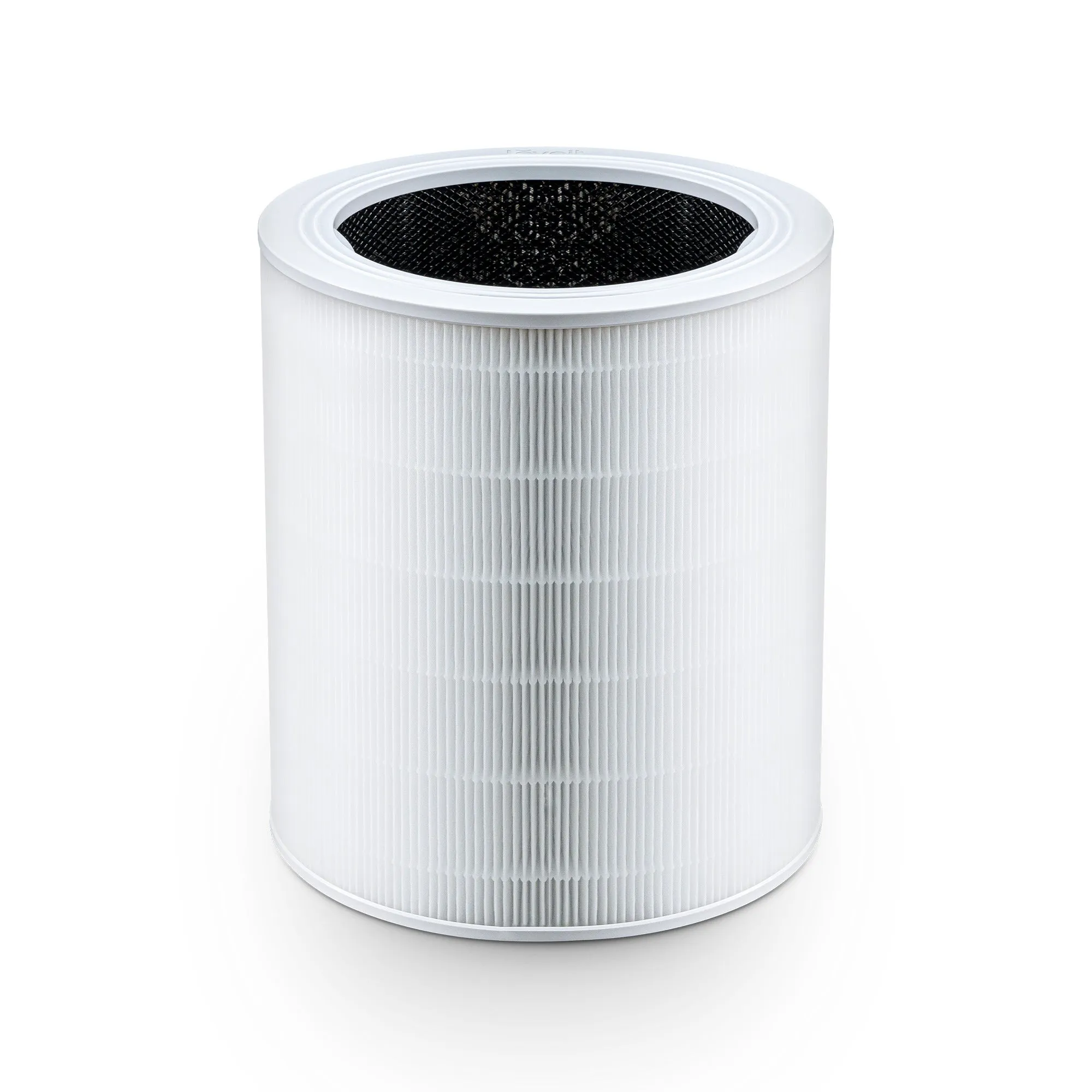
True HEPA filters capture 99.97% of particles at 0.3 microns. That covers dust, pollen, mould spores, and most pet dander. This is the baseline standard for any purifier worth buying.
H13 medical-grade HEPA filters capture 99.95% of particles at 0.1 microns, which extends filtration to bacteria, fine smoke particles, and some viral aerosols. If you have severe allergies, live near heavy traffic, or are dealing with wildfire smoke, H13 is the grade to specify.
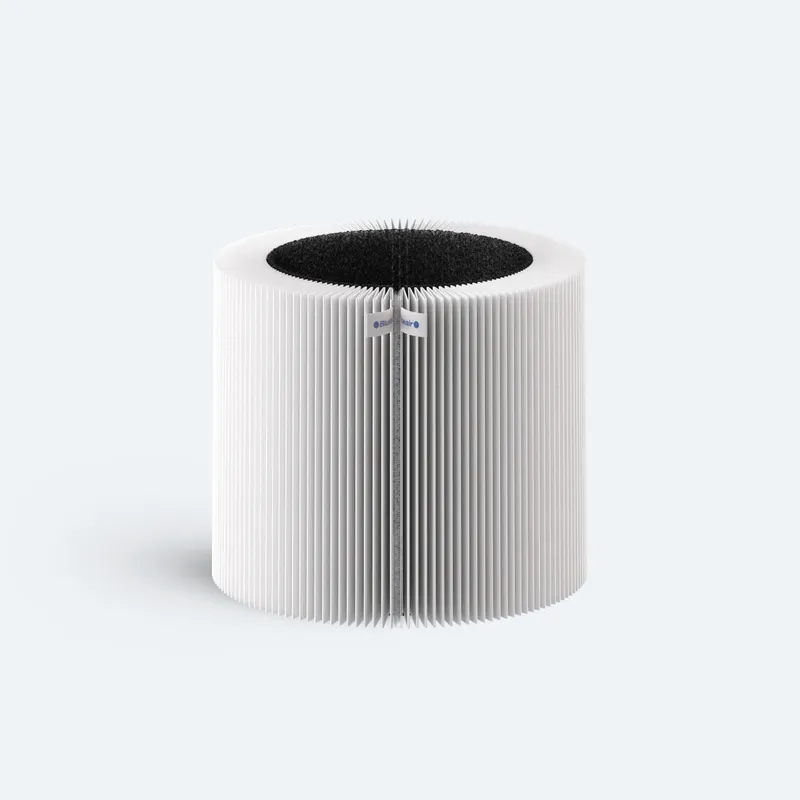
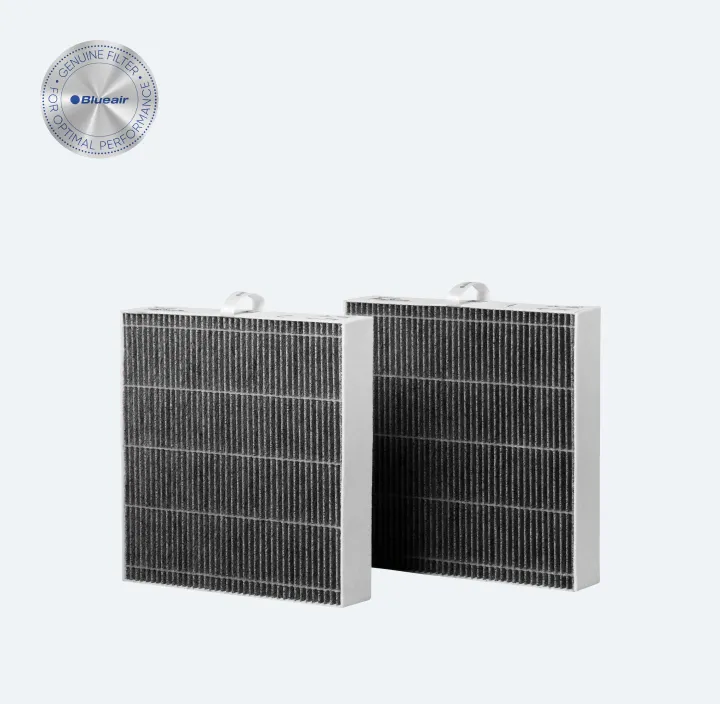
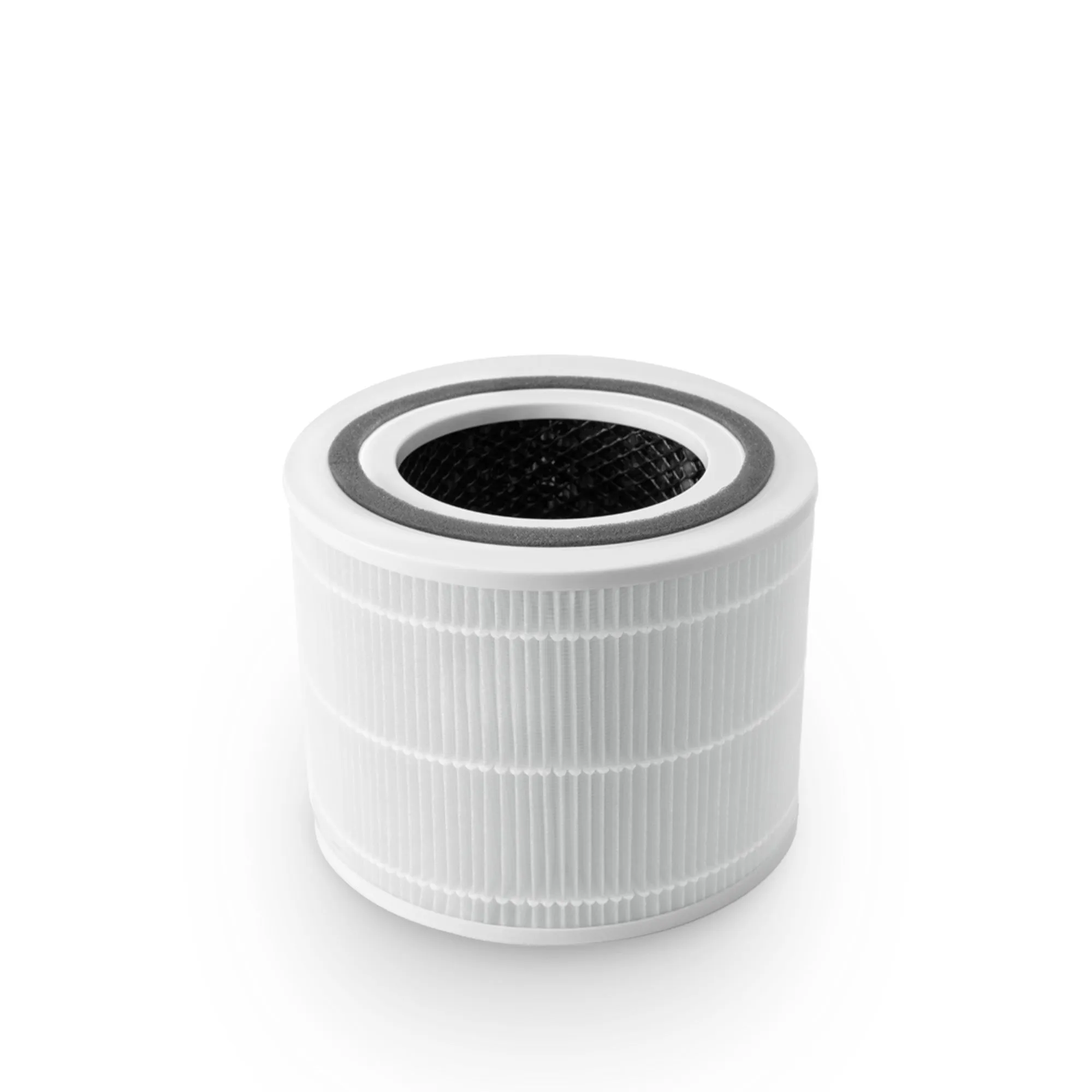
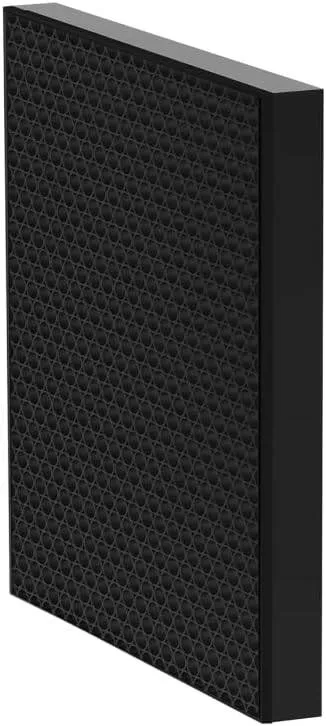
Activated carbon filters handle what HEPA cannot: gases, volatile organic compounds (VOCs), cooking odours, and chemical off-gassing from furniture and paint. A thin layer of carbon in a budget model will make little practical difference. Look for units with a substantial carbon block or granule bed, typically weighing at least 450 grams, for meaningful odour control.
What to avoid:
- “HEPA-like” or “HEPA-type” labels, which are not certified and typically capture only 85 to 95% of particles at 0.3 microns, compared to 99.97% for True HEPA
- Ionisers sold as primary filters, which produce ozone as a byproduct
- Washable HEPA filters for high-demand use. Whilst they reduce replacement costs, they capture fewer particles overall and are better suited to light-duty scenarios rather than allergy or smoke concerns
Always verify filter certification before purchasing. The label must state “True HEPA” or “H13 HEPA.” Any other phrasing is a marketing term, not a performance standard.
3. Noise levels, energy use, and total cost of ownership
A purifier you switch off because it disturbs your sleep cleans no air at all. Noise is therefore a practical buying criterion, not a luxury consideration.
| Room type | Recommended noise level | Notes |
|---|---|---|
| Bedroom | Below 25 dB on low speed | Above 50 dB on high speed is unsuitable for sleep |
| Living room | 30 to 45 dB acceptable | High speed noise less disruptive with ambient sound |
| Home office | Below 35 dB on working speed | Constant hum affects concentration |
| Commercial space | Up to 50 dB tolerable | Background noise in offices masks purifier sound |
Manufacturers tend to advertise the noise level at sleep mode only. Ask for the figure at the mid-speed setting, as this is where most purifiers run for the majority of the day.
On energy costs, most quality units draw between 8 and 50 watts at typical settings. Running a 20-watt purifier continuously costs roughly 35 to 50 AED per month in the UAE at standard electricity rates. That is manageable. What catches buyers out is the filter replacement cost.
Pro Tip: Before purchasing, search the replacement filter for your chosen model on a third-party retailer. If it is only available from the manufacturer, or if it costs more than 20% of the unit’s original price, factor that into your three-year total cost.
Annual filter costs range from £25 to £65 for most consumer models, but proprietary filters can run considerably higher. Over three to five years, a cheaper unit with expensive filters will frequently cost more than a premium model with widely available replacements.
4. Smart features, sensors, placement, and maintenance
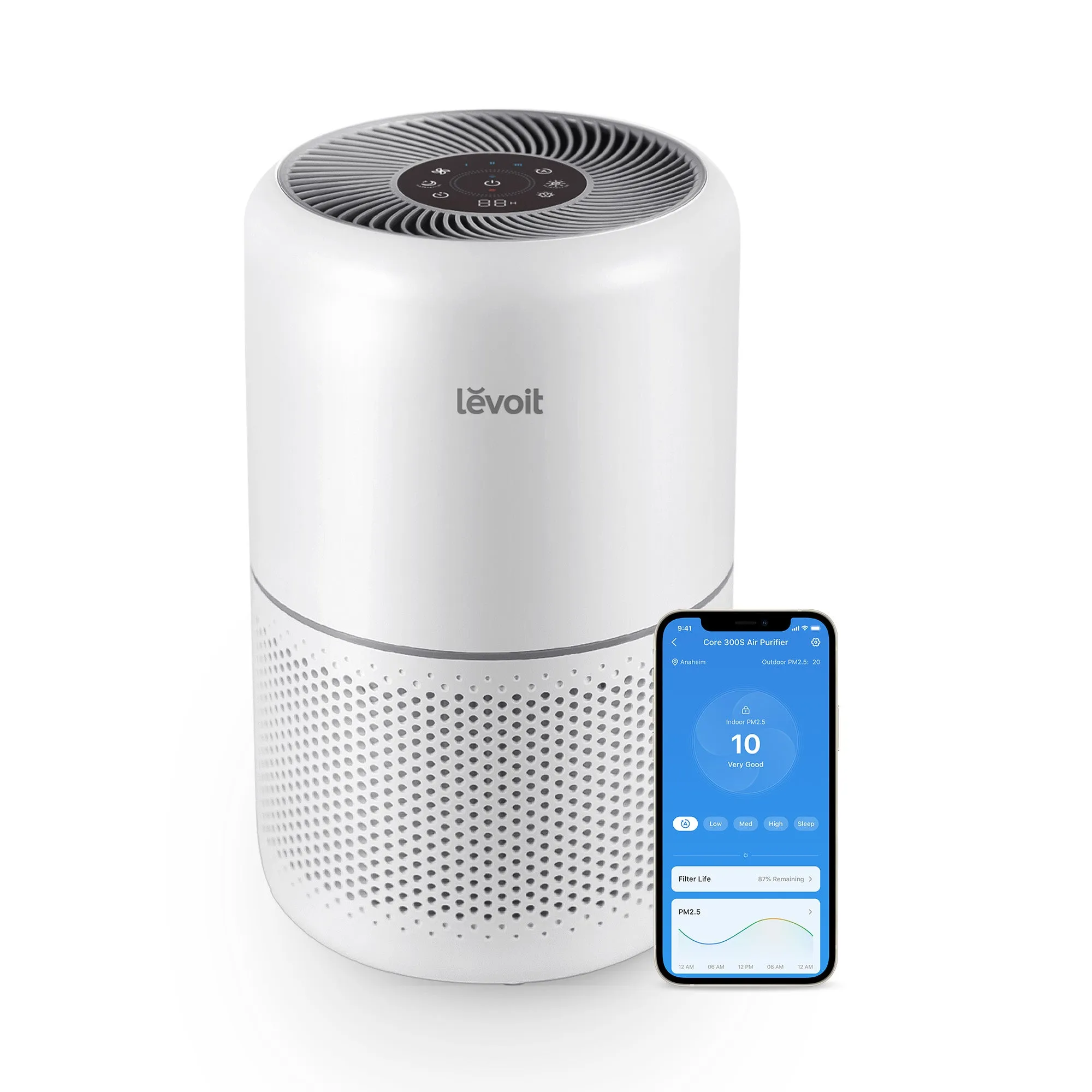
Smart air purifiers have seen a 656% surge in search volume year on year, which reflects genuine consumer interest. The auto-adjust functionality is the most useful feature: a quality particulate sensor reads the room’s air quality in real time and ramps the fan speed up when pollution rises, then dials back down when conditions improve. This saves energy and extends filter life.
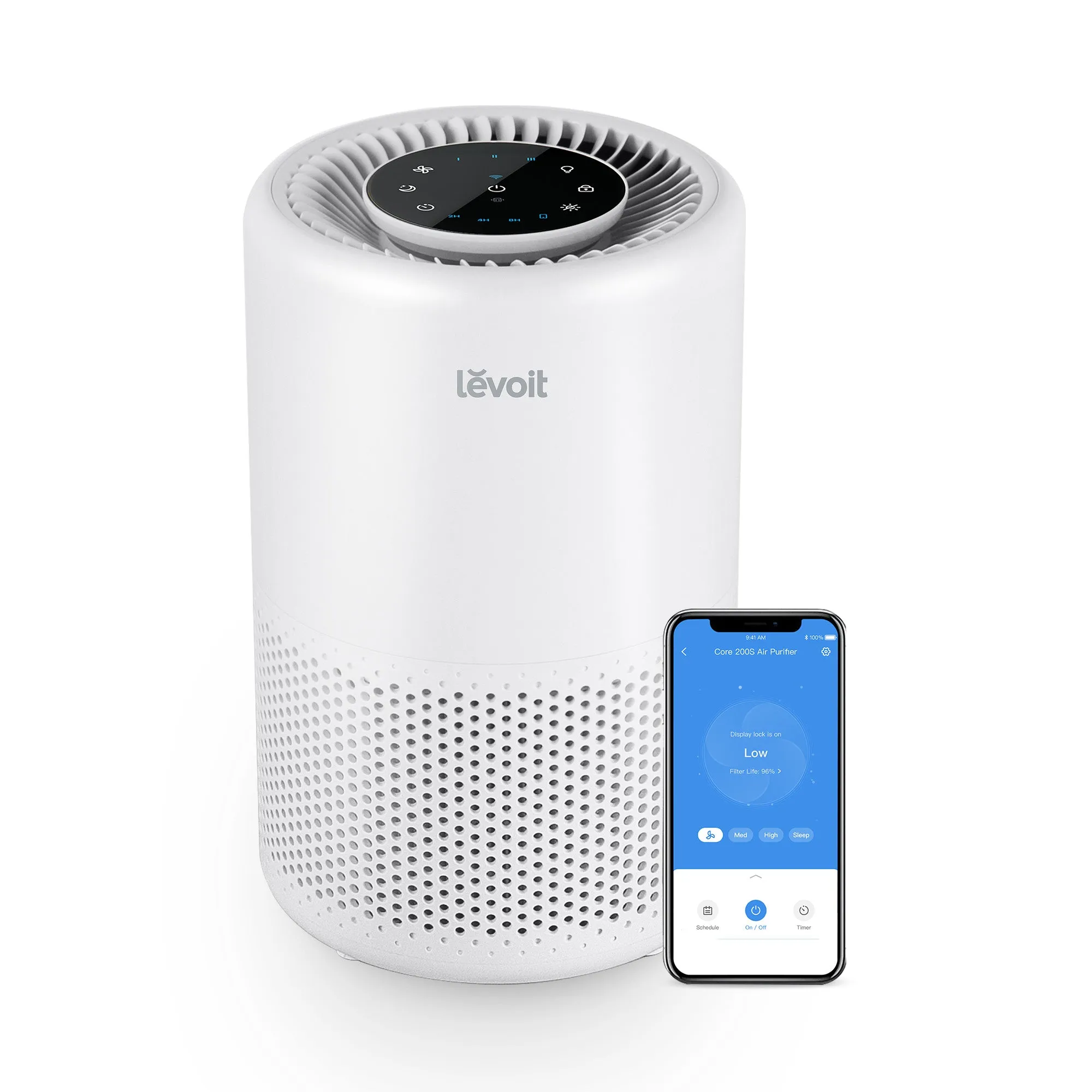
App control and scheduling are convenient extras rather than core performance features. They are worth having if you travel or manage multiple rooms, but they will not improve filtration if the underlying CADR and filter grade are wrong for the space.
On placement, the unit should sit on the floor or a low shelf in the room where you spend most time. The key rule: maintain 15 to 30 centimetres of clearance on all sides. Placing a purifier in a corner or behind a sofa cuts airflow significantly and undermines the CADR performance the manufacturer measured in an open-room test.
Maintenance is not complicated, but it is often neglected. An air quality maintenance guide for any purifier should include:
- Checking and cleaning the pre-filter every two to four weeks (most are washable)
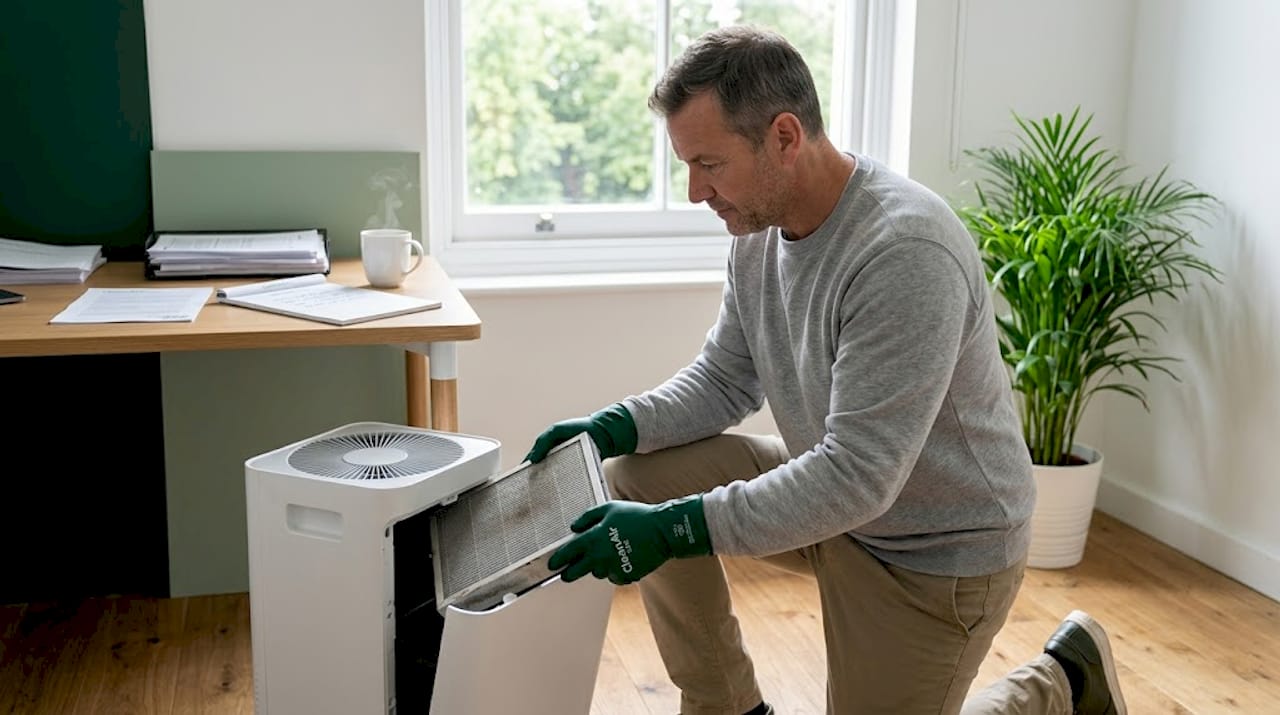
- Replacing the main HEPA filter every six to twelve months, depending on local air conditions
- Wiping down external vents monthly to prevent dust build-up restricting intake airflow
- Running the purifier most of the day, particularly in bedrooms and problem rooms. Intermittent use dramatically reduces its effectiveness
Pro Tip: In UAE conditions, where outdoor PM2.5 levels regularly spike during shamal wind events and construction periods, consider shortening HEPA filter replacement intervals to every six months rather than twelve.
5. Choosing the right purifier for your specific scenario
Different household scenarios require different specifications, and buying the wrong one is the single most common mistake. Here is a clear breakdown:
| Scenario | Priority features | Filter grade needed | Budget tier |
|---|---|---|---|
| Allergy relief | Airtight casing, high CADR | H13 HEPA | Mid to premium |
| Pet household | Pre-filter for hair, strong carbon | True HEPA or H13 | Mid range |
| Smoke and urban pollution | High CADR, heavy carbon bed | H13 HEPA | Premium |
| Home office | Low noise, smart auto mode | True HEPA | Entry to mid |
| General family use | Balanced CADR, timer, filter indicator | True HEPA | Entry to mid |
For allergy sufferers, the airtight seal between the filter and the unit casing matters as much as the filter grade itself. Air that bypasses the filter through gaps is unfiltered air. Check for units with gasketed filter housings.
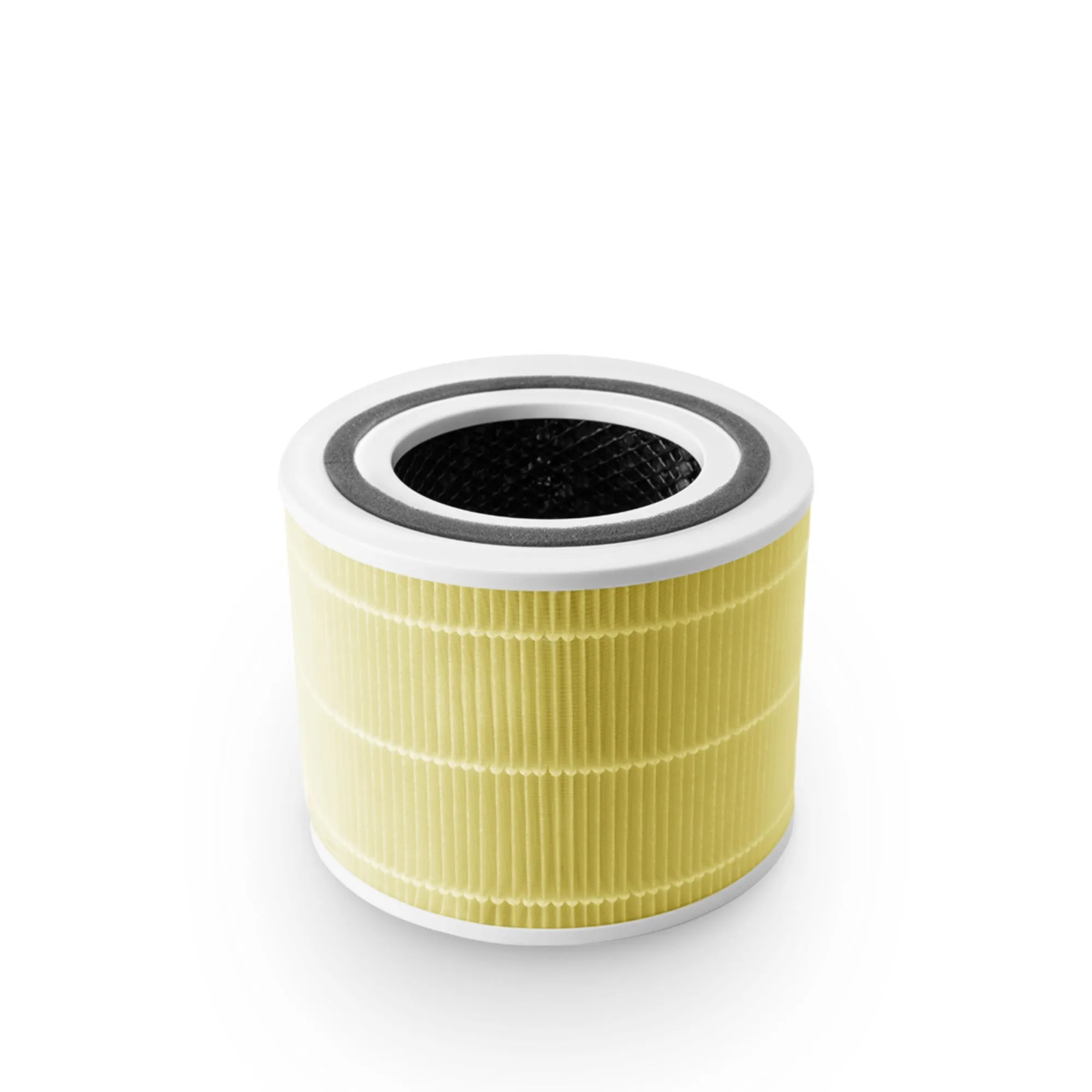
For pet owners, a quality pre-filter is non-negotiable. Pet hair and dander clog HEPA filters quickly. A washable mesh pre-filter extends the main filter’s life considerably and should be cleaned weekly.
For smoke and high-pollution environments, prioritise CADR and carbon mass over smart features. A unit with a high CADR, an H13 filter, and at least 500 grams of activated carbon will outperform a feature-rich “smart” model with a thin carbon layer and modest CADR.
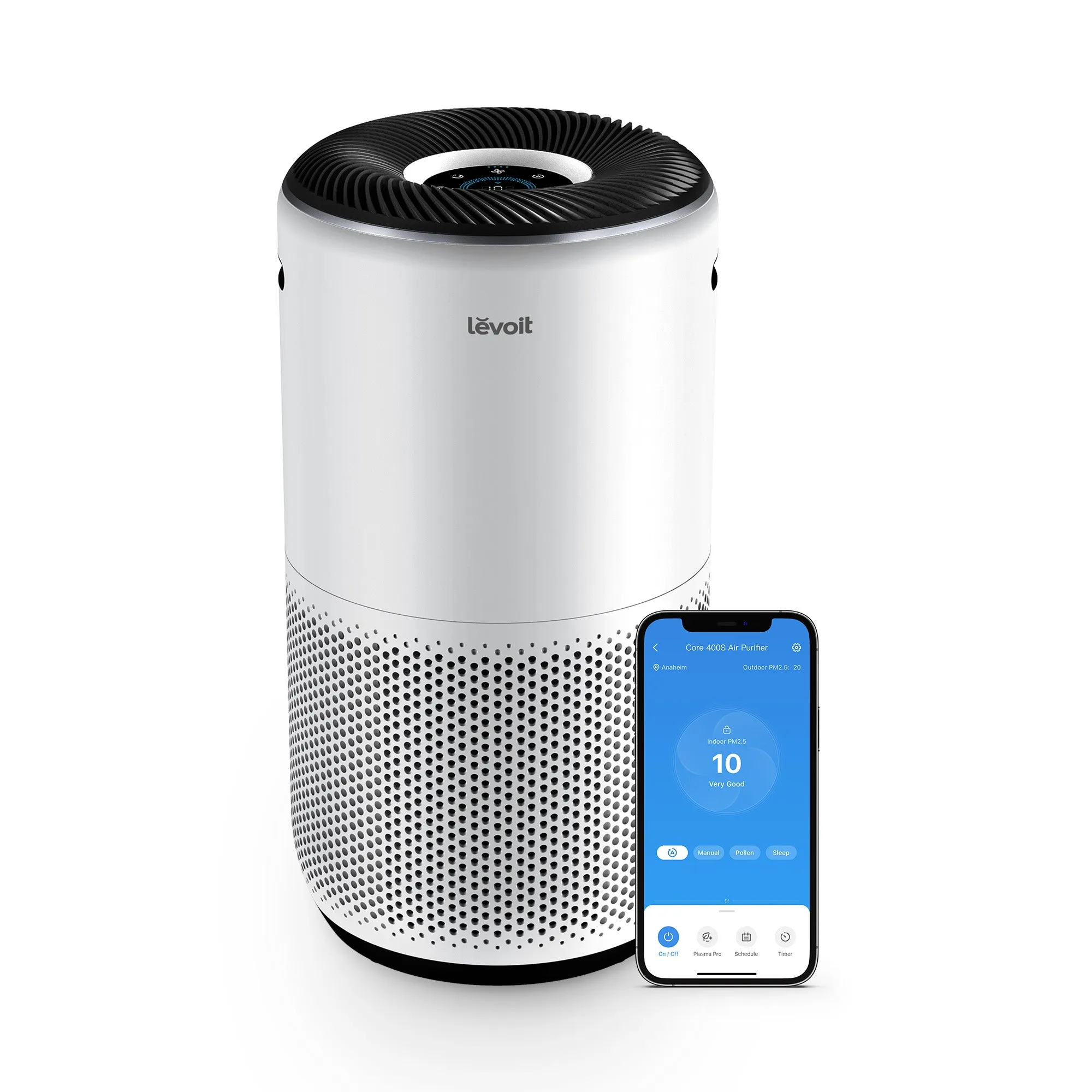
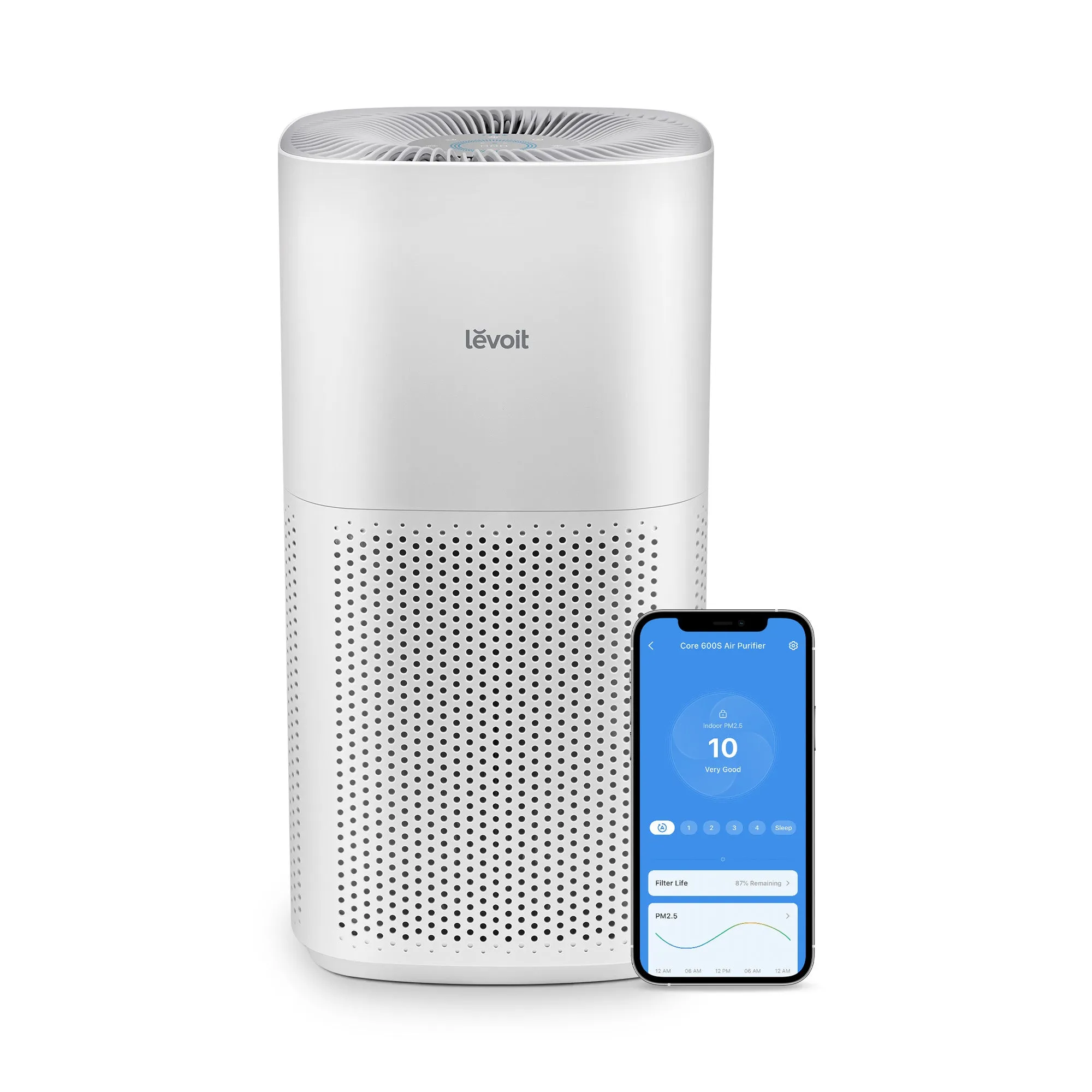
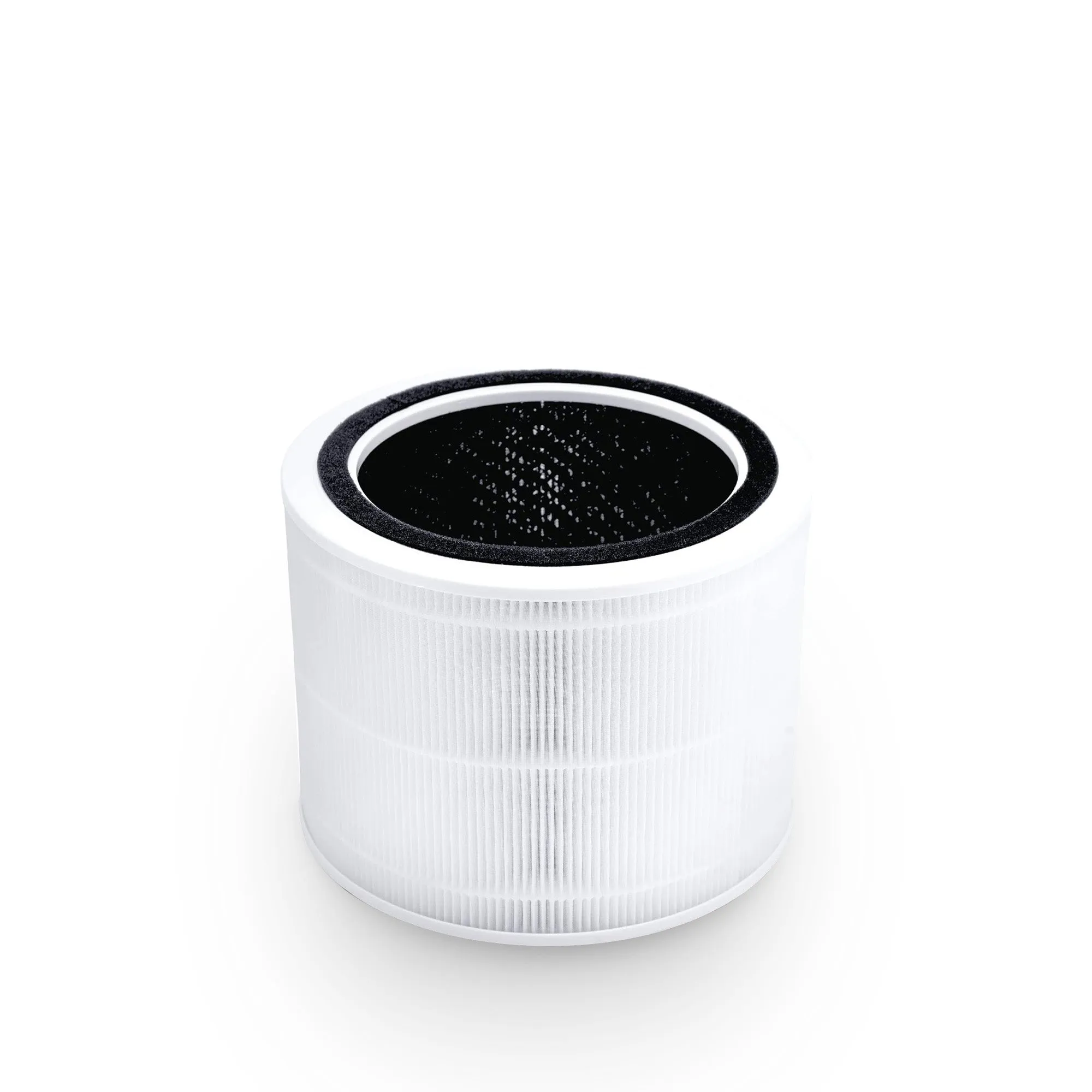
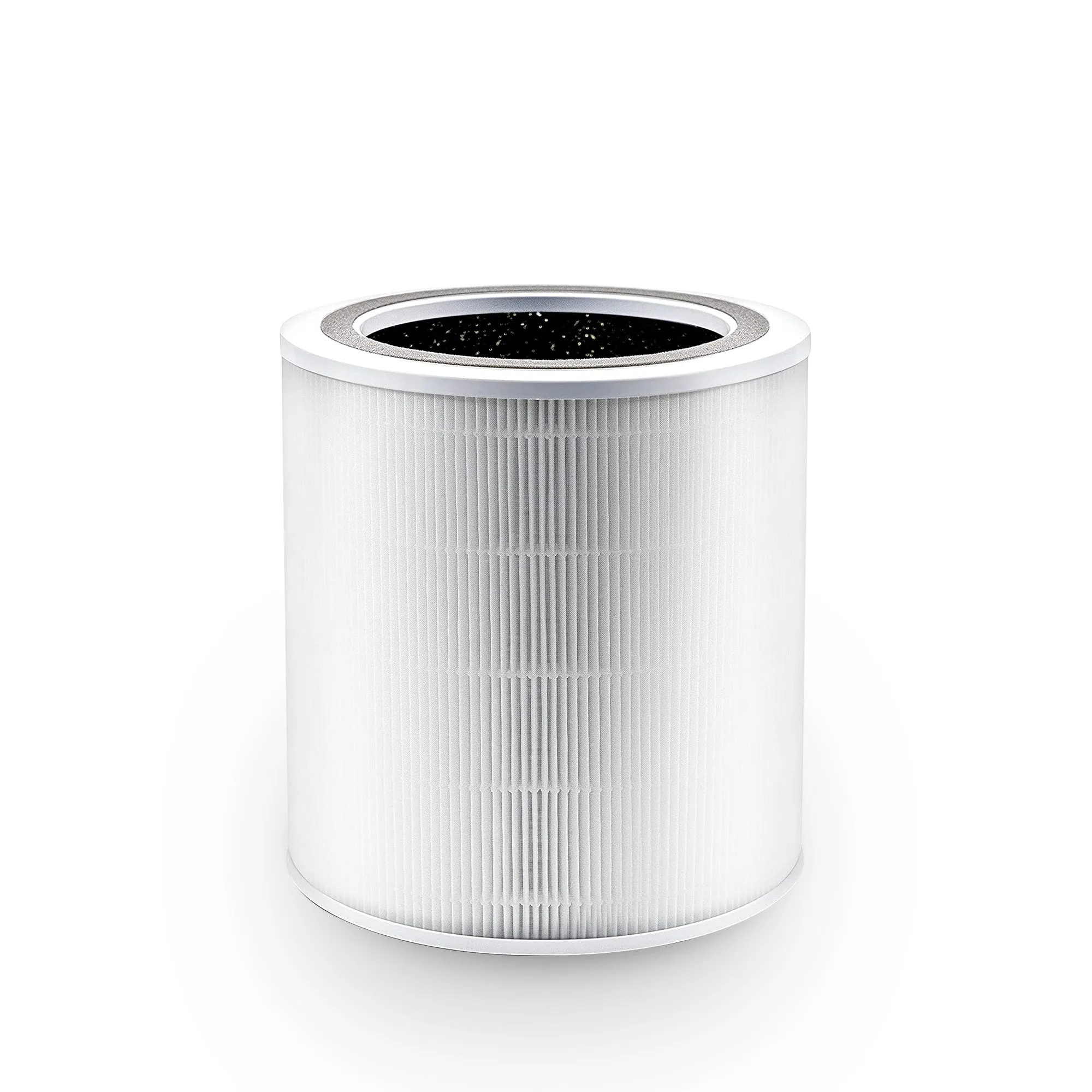
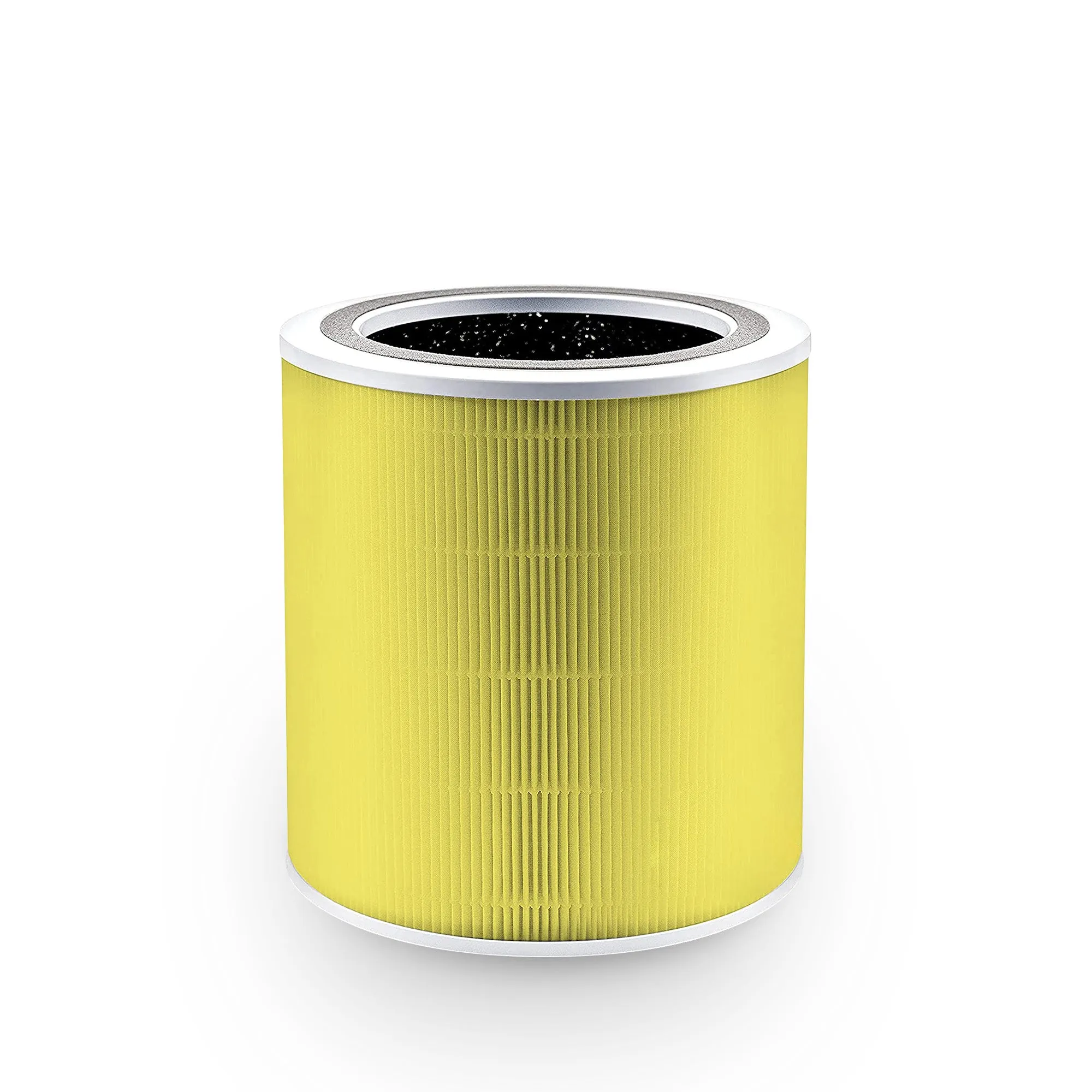
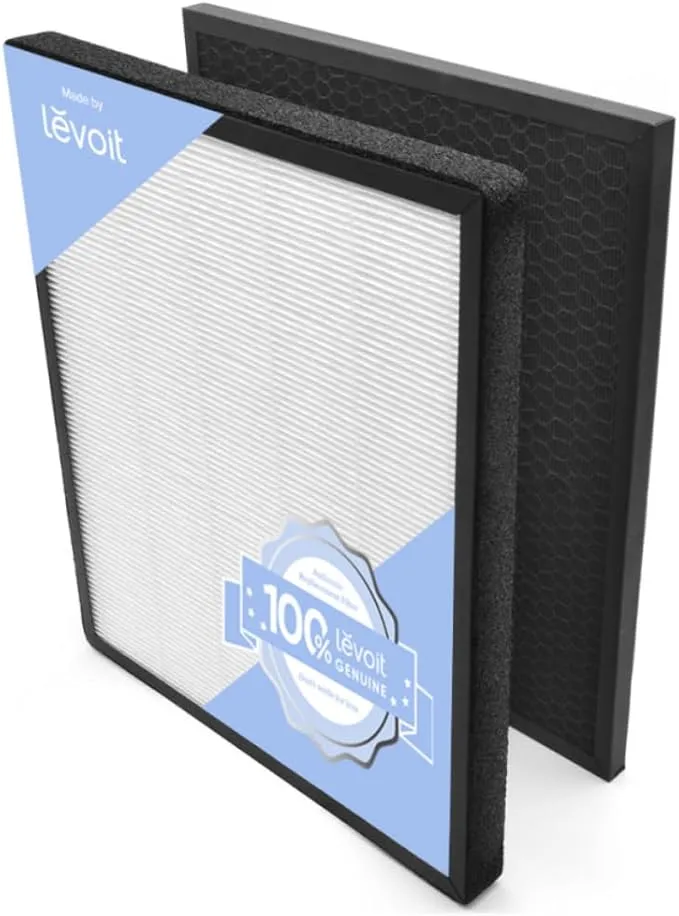
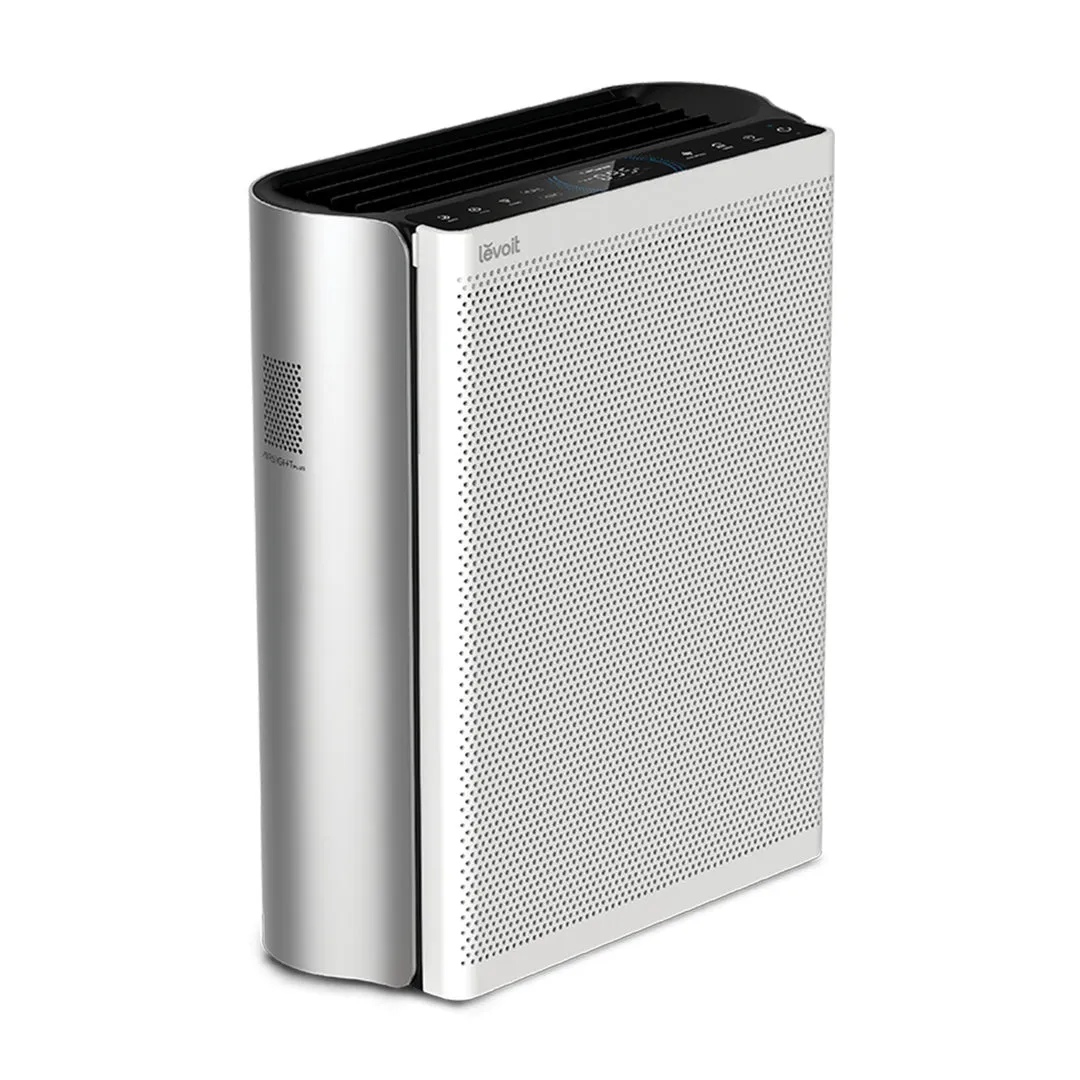
For home offices, the Levoit Core 600S is a strong option: genuinely quiet at working speeds, with auto-mode and a meaningful CADR for rooms up to 60 square metres.
My take on what actually matters when buying an air purifier
In my experience, the two things that disappoint buyers most are noise and undersizing. People see a rating that looks adequate on paper, bring the unit home, and then discover it needs to run on high speed to keep up with the room’s air volume. On high speed, it sounds like a desk fan. They switch it to a quiet setting, and it barely touches the air quality. This is a sizing problem, and it is entirely avoidable with the 2/3 rule.
I have also watched people spend a significant amount on a unit and then baulk at the filter replacement cost six months later. They switch to cheap, uncertified filters or stop replacing them altogether. At that point, the purifier is largely decorative. Factor in the filter cost before you buy, not after.
Smart features are genuinely useful, but only when the hardware underneath is right. An auto-adjust sensor on an undersized unit with a thin carbon filter is a well-designed mediocrity. Get the CADR, the filter grade, and the noise spec right first. The app is a nice bonus.
Finally, placement. I have seen people put purifiers in corners behind televisions and then wonder why their air quality readings barely shifted. Clear the space around the unit. Put it where people actually sit, not where it looks tidy.
— Wojciech
Explore Levoit air purifiers at Cleanair-ae
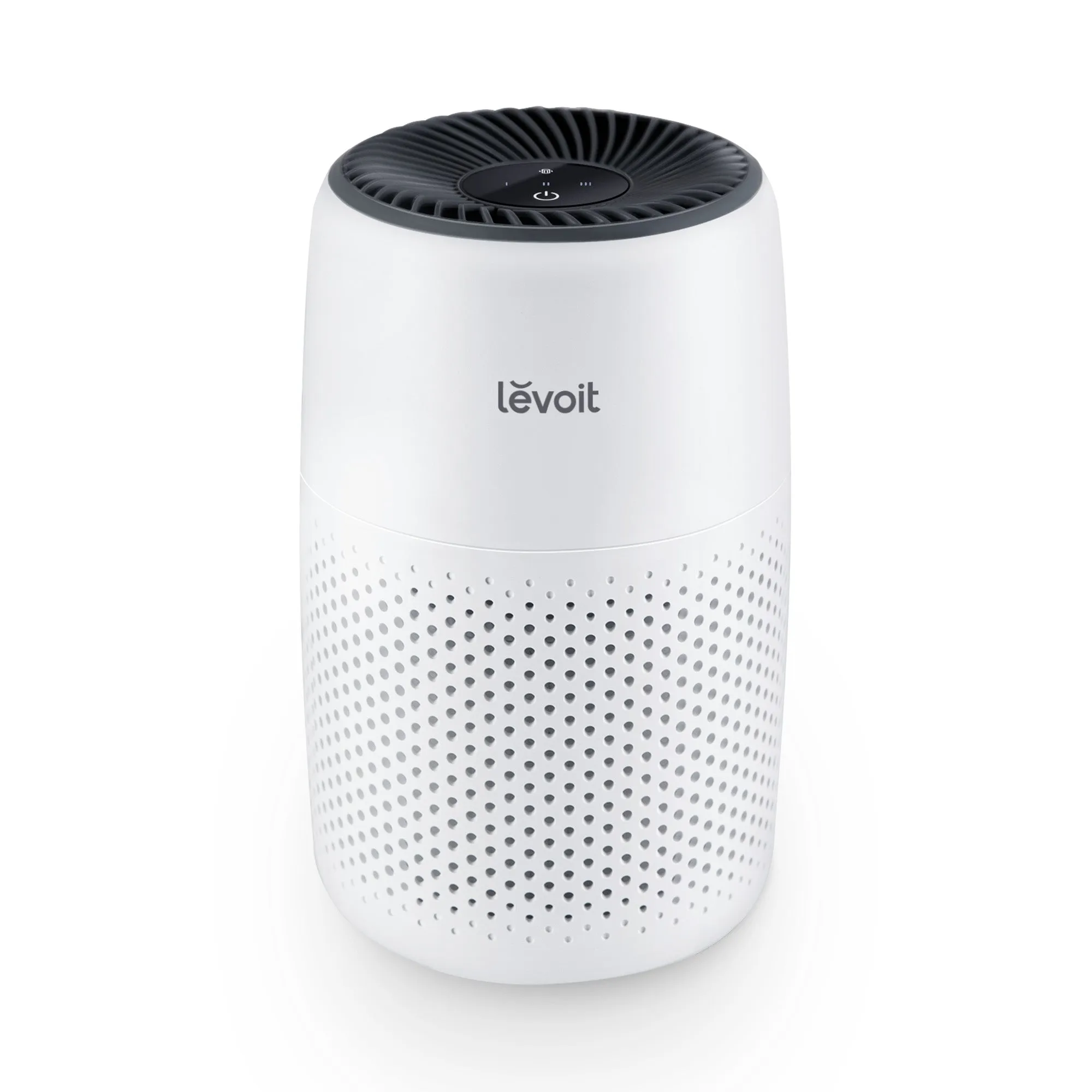
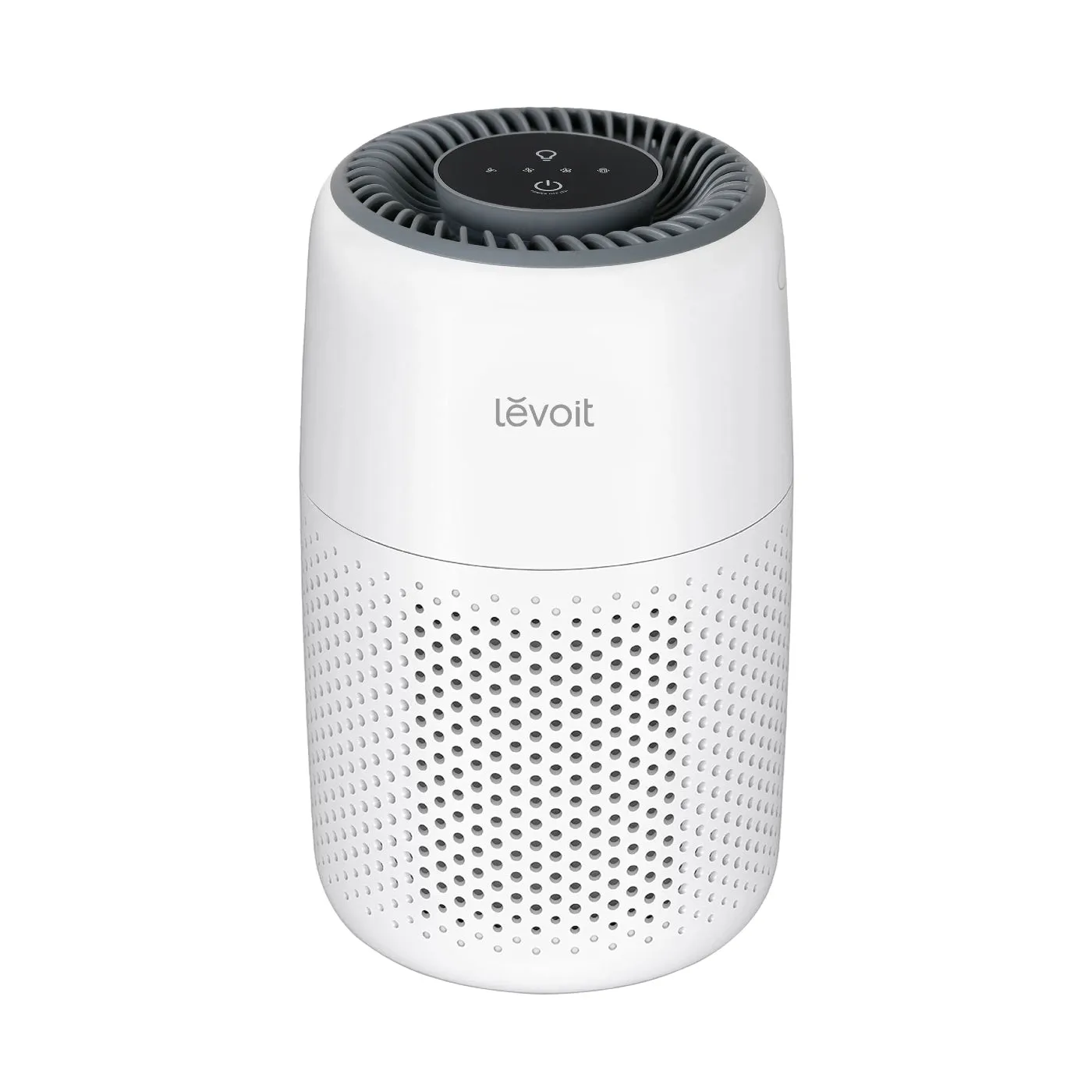
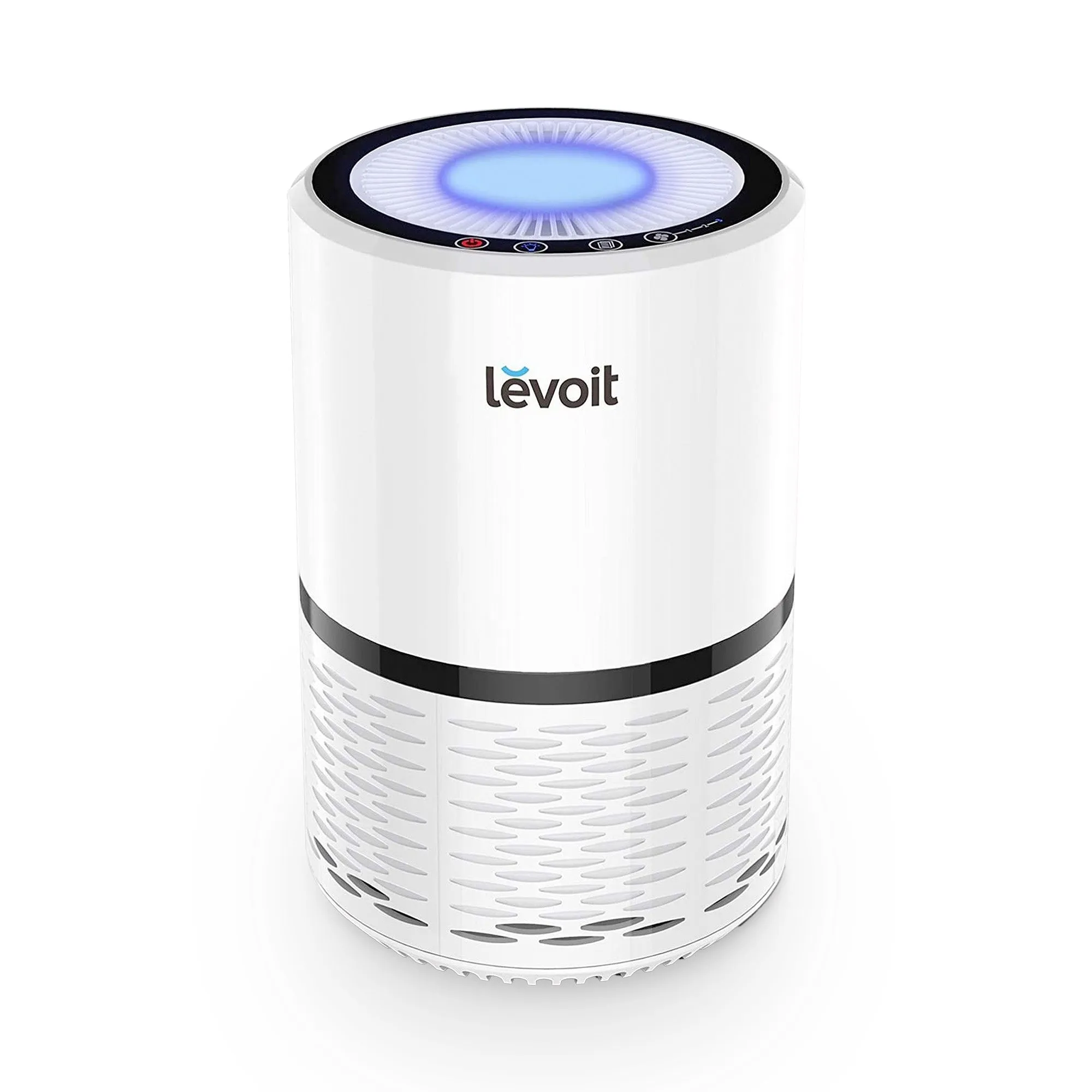
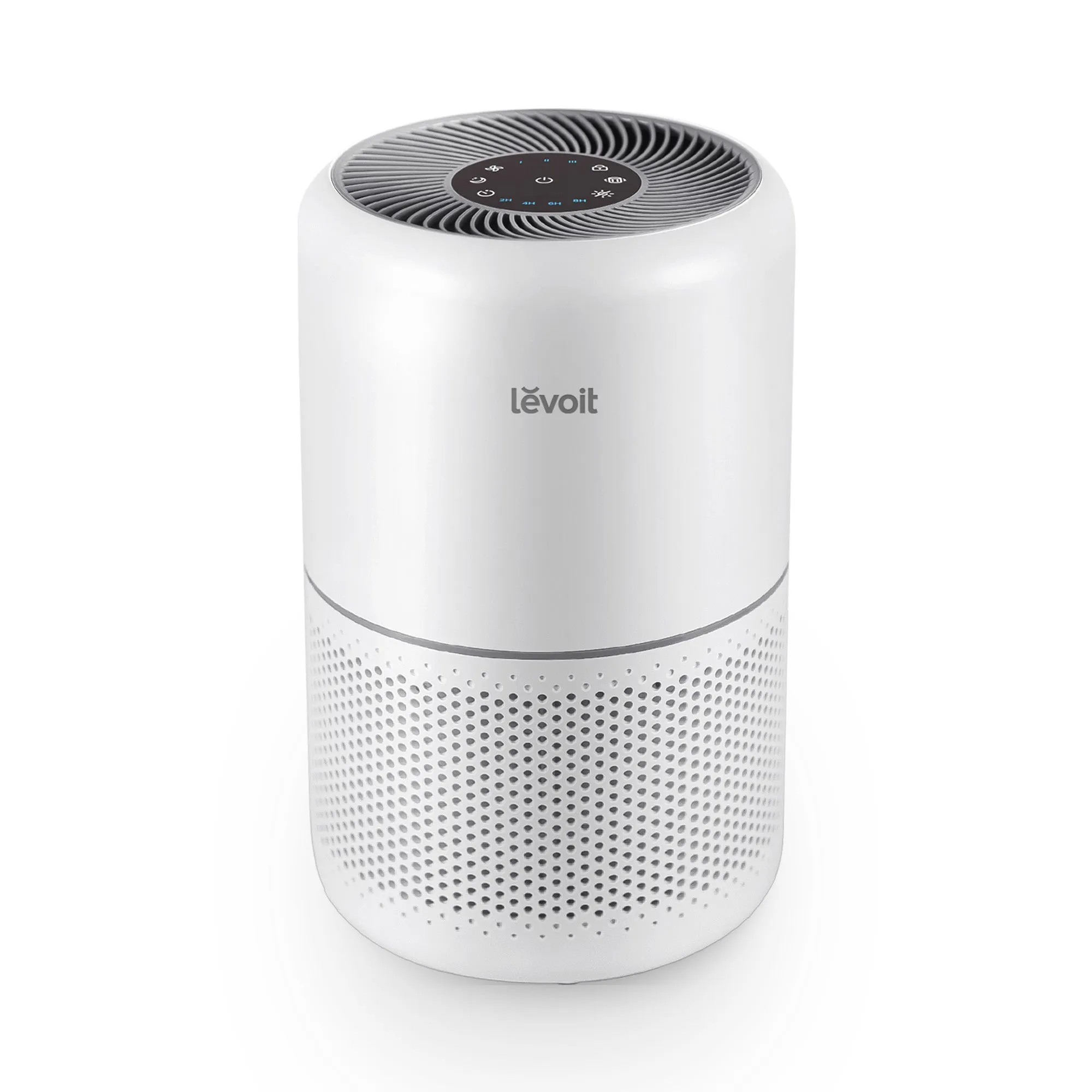
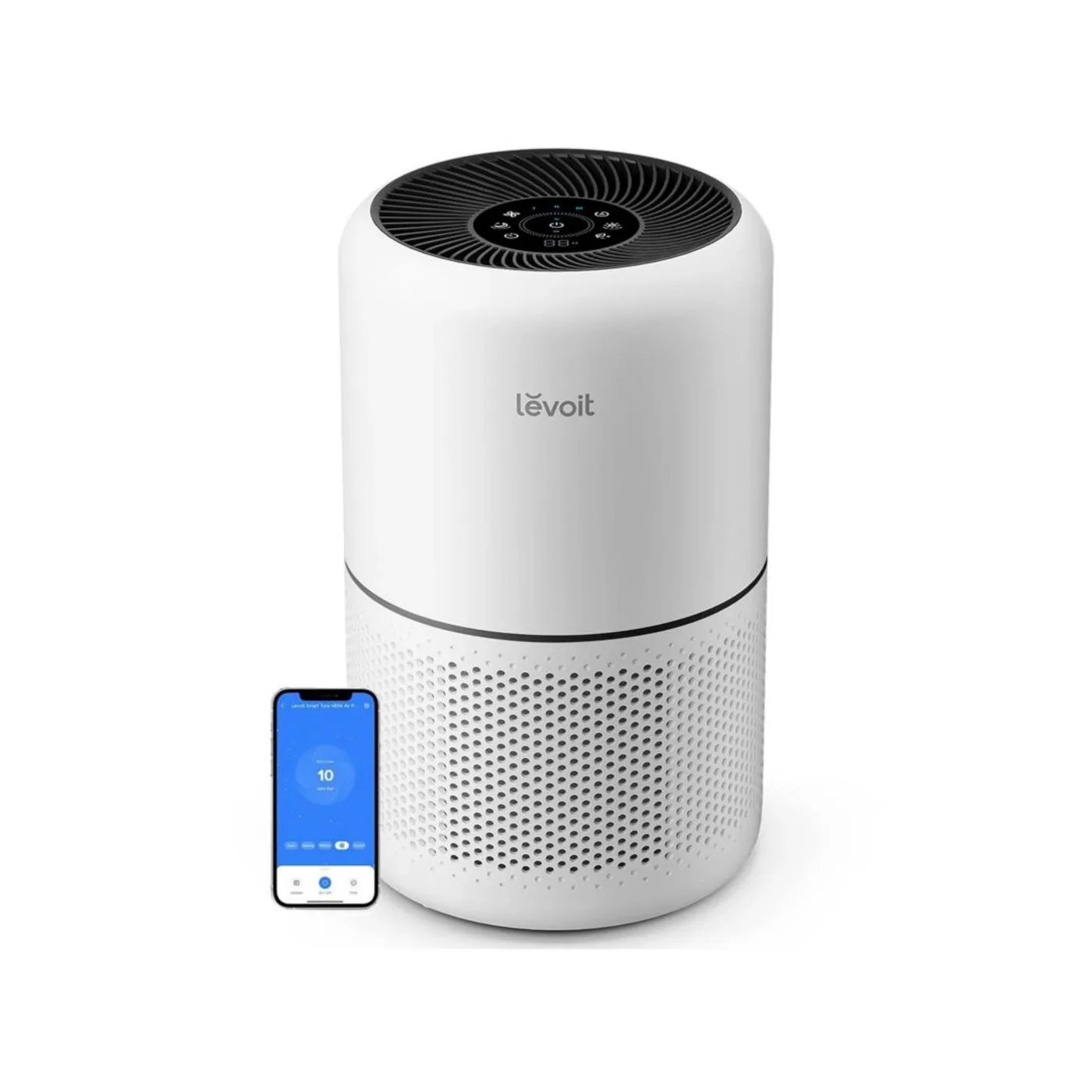
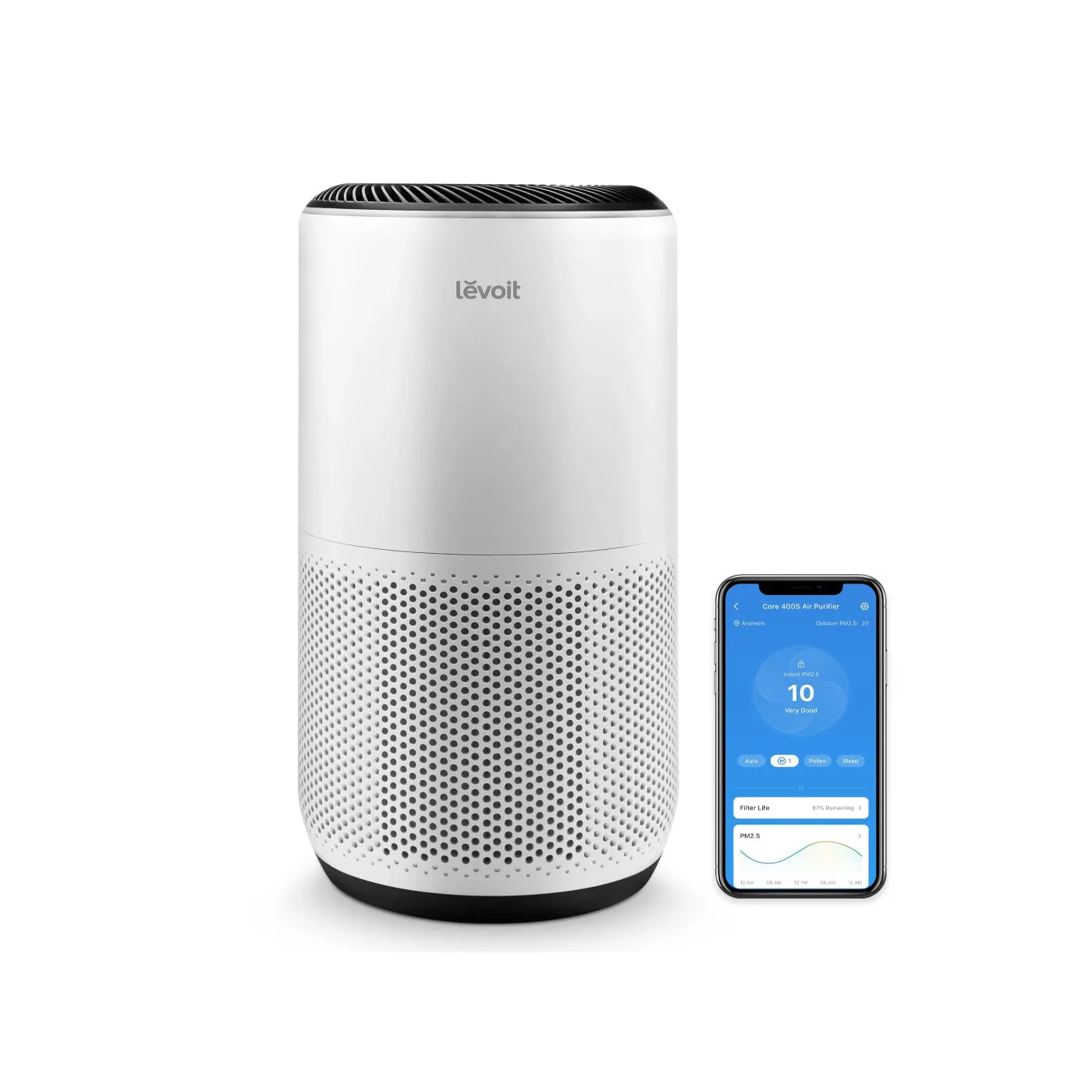
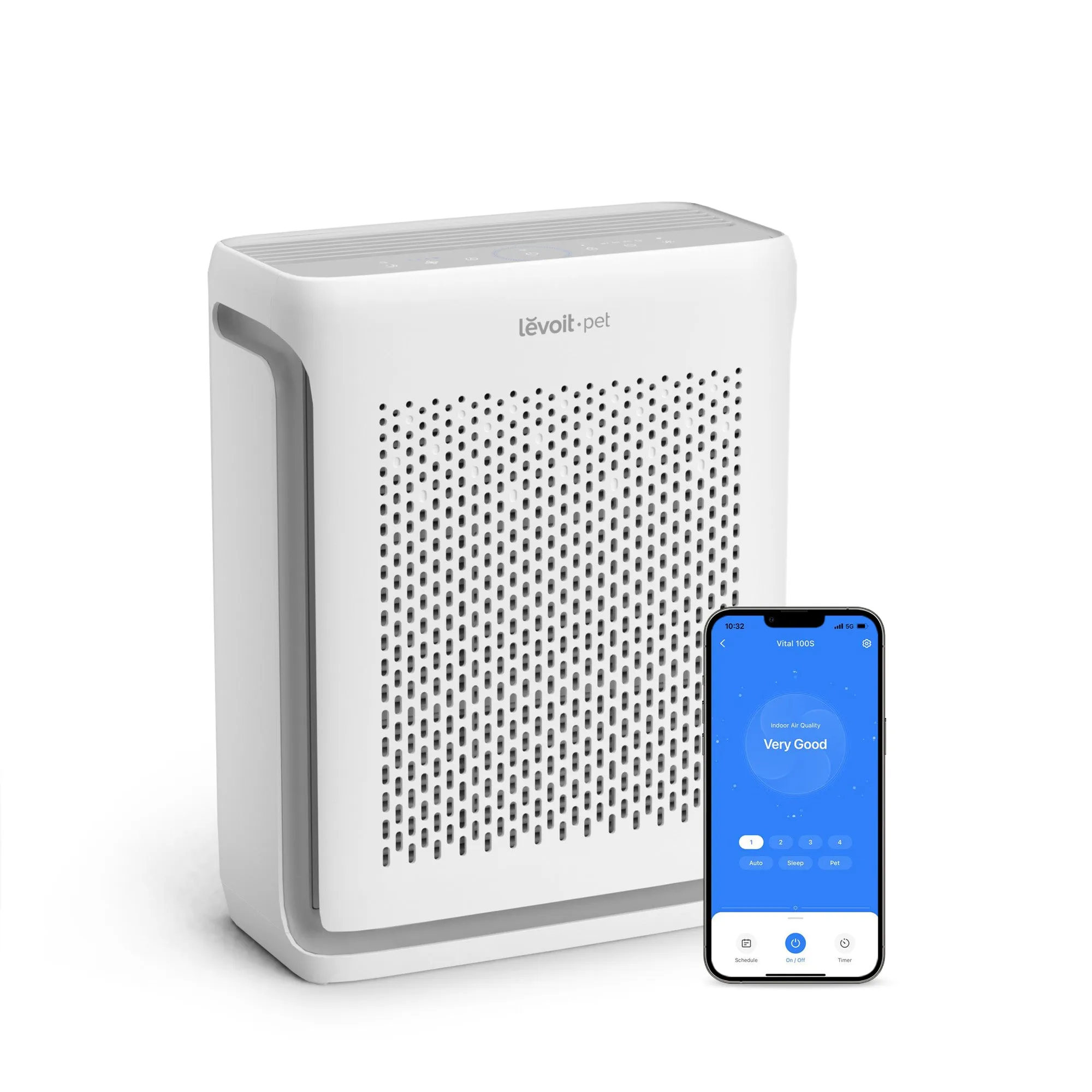
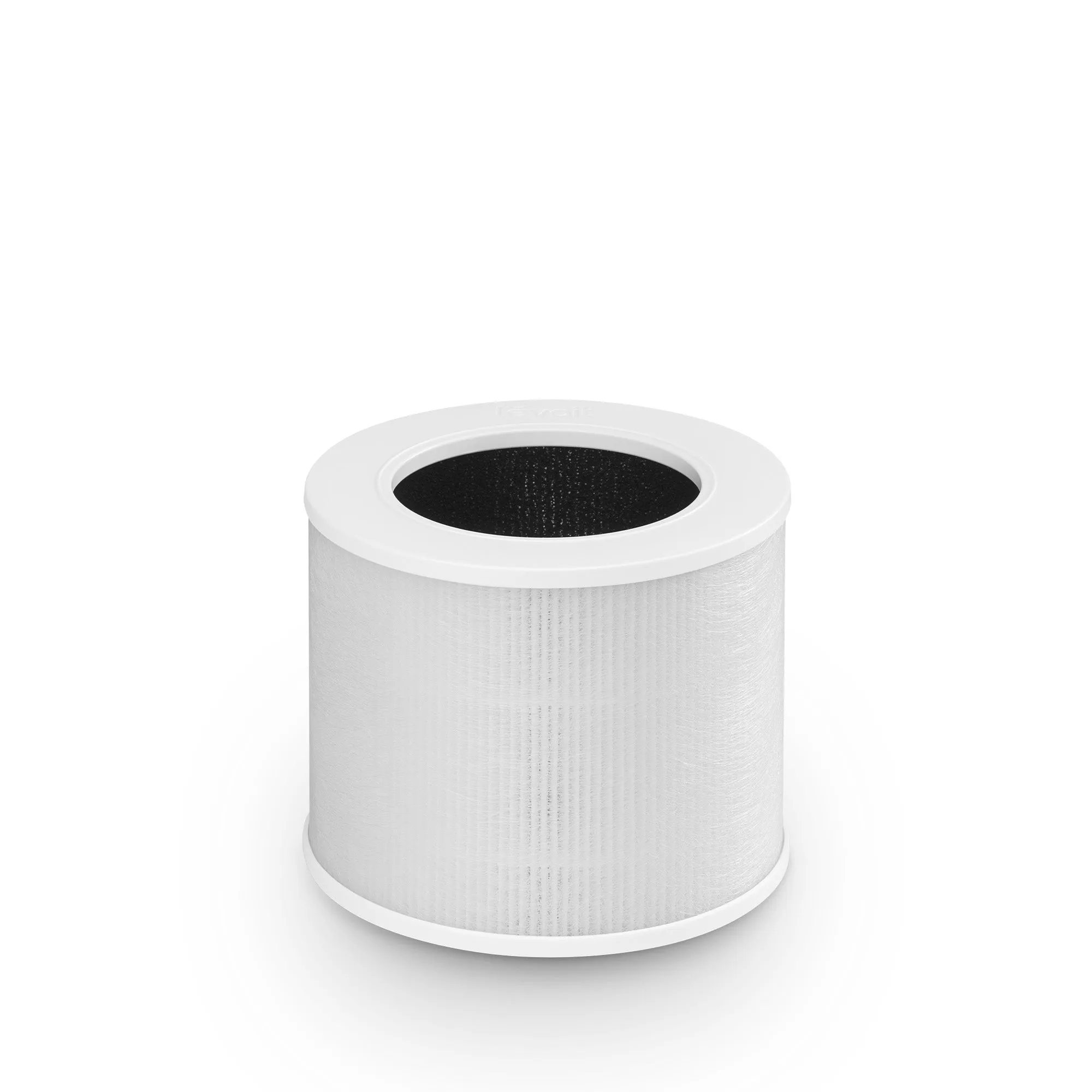
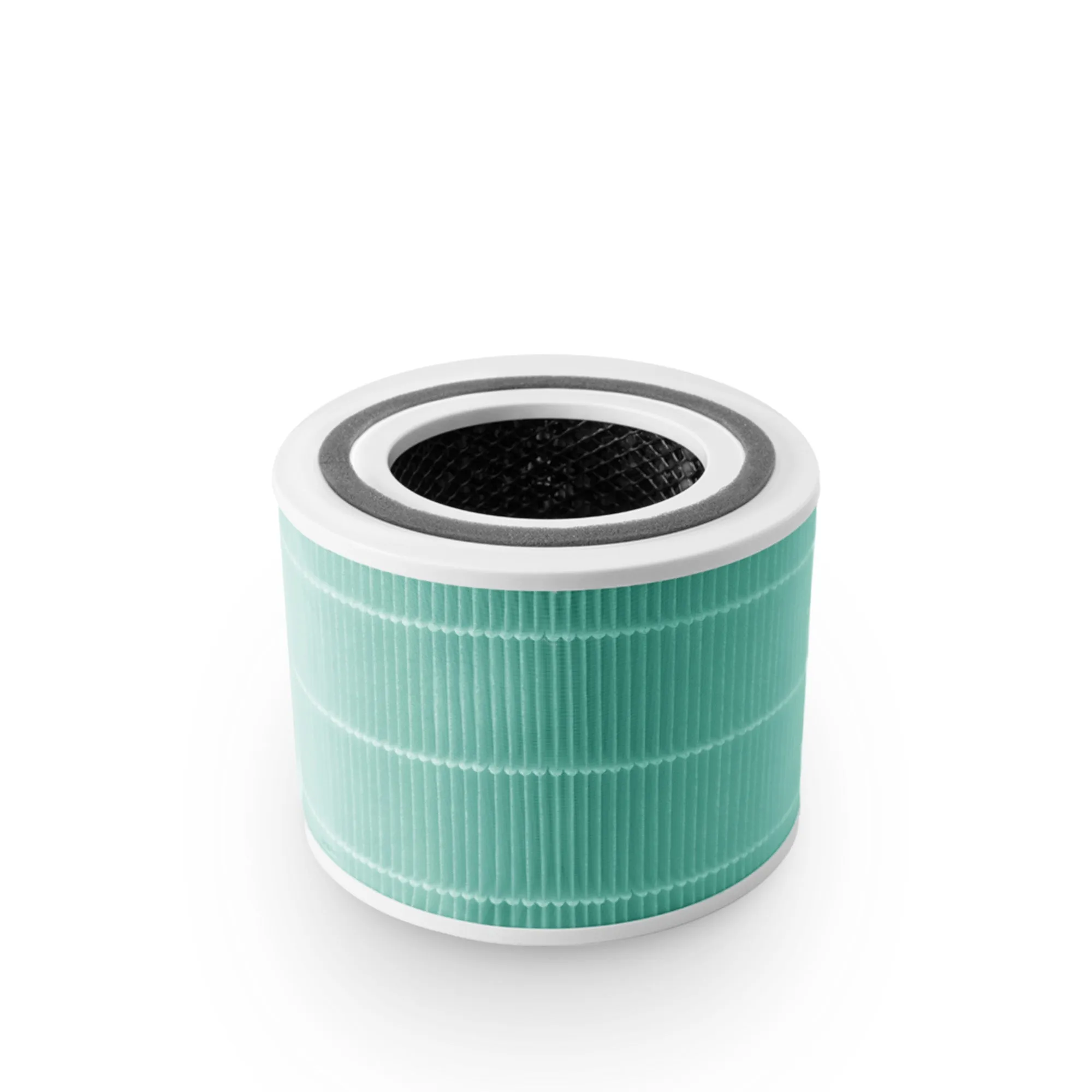
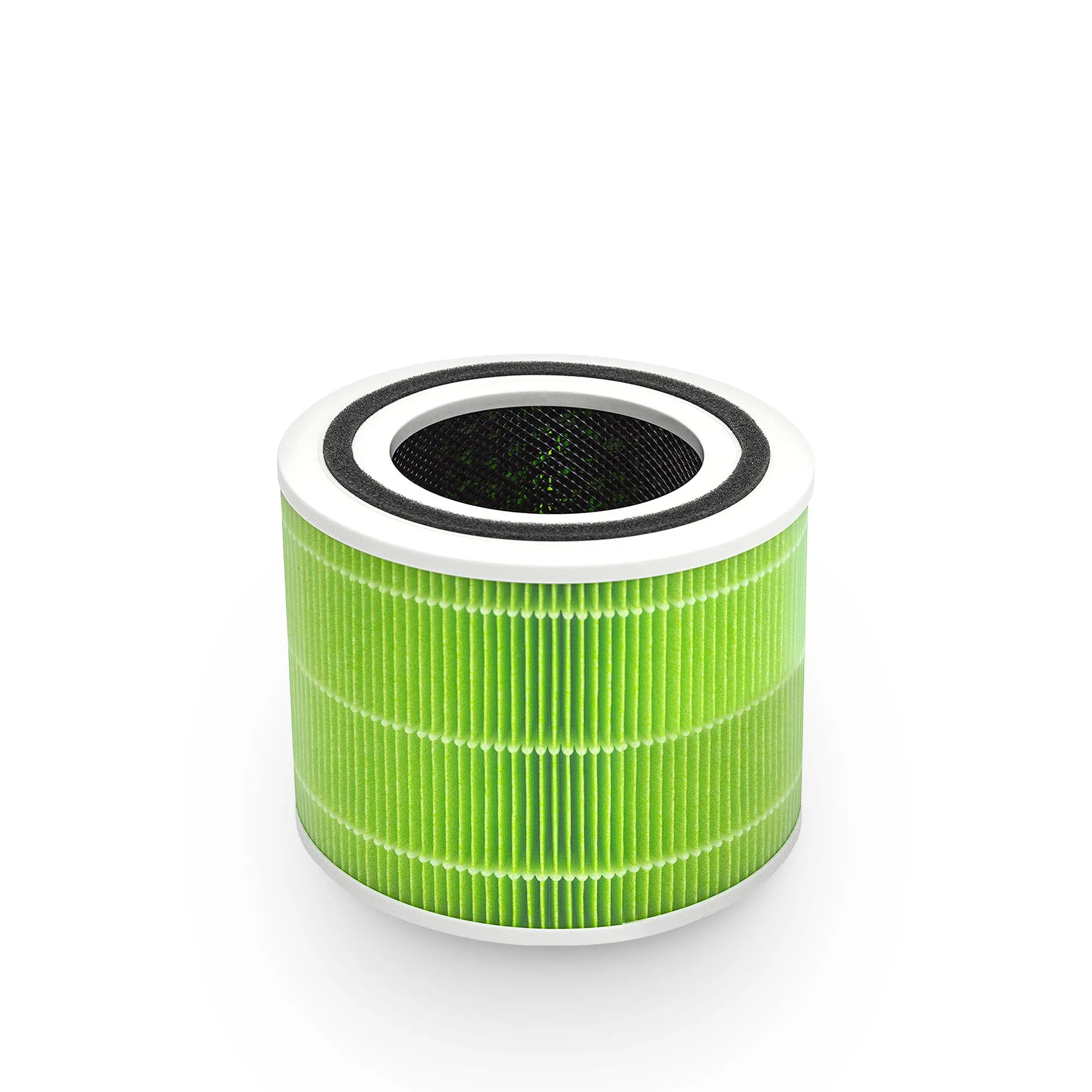
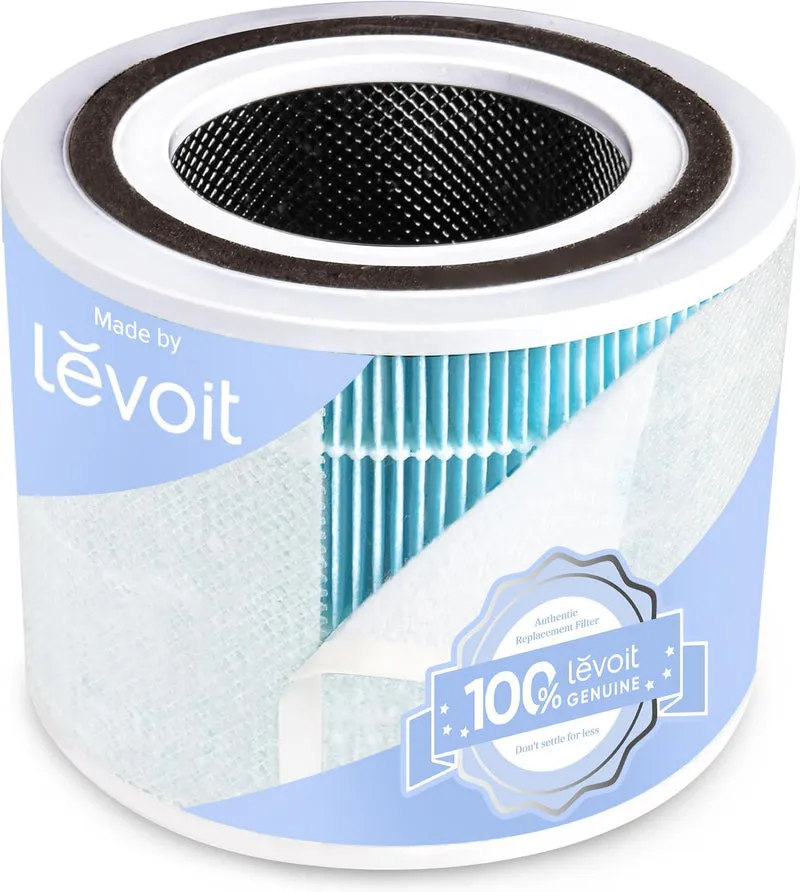
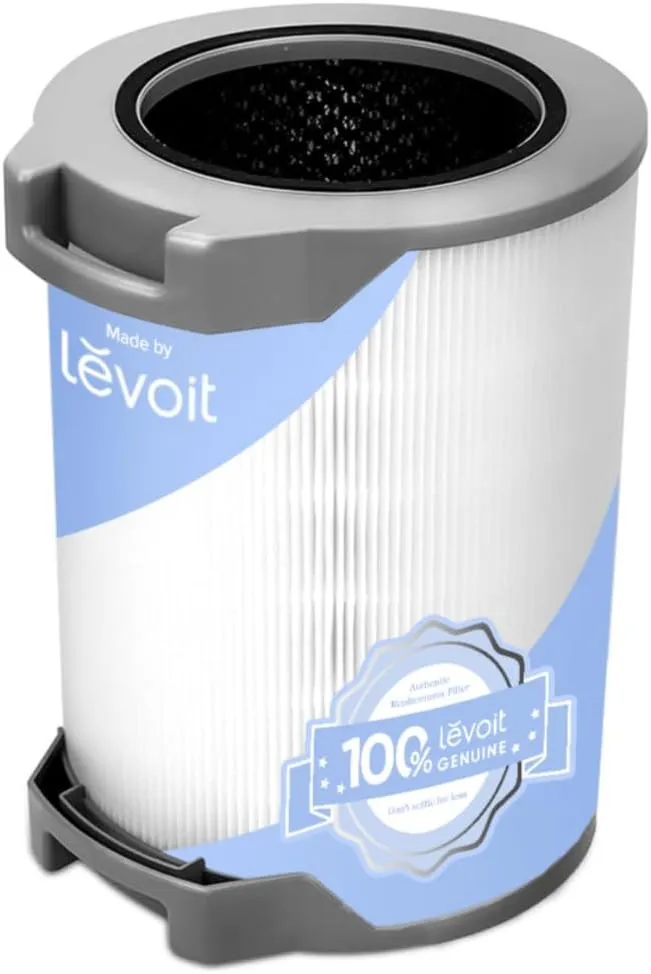
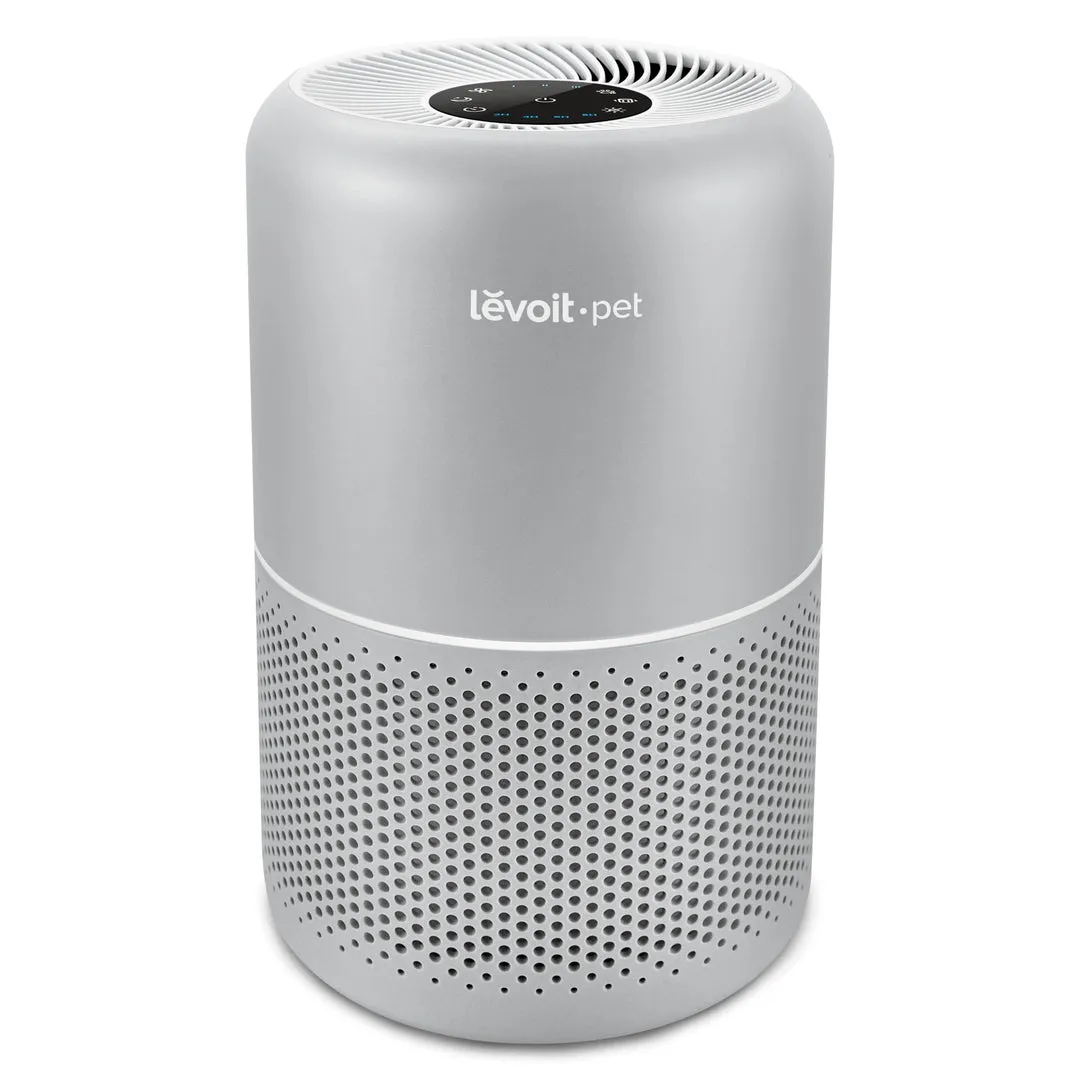
Cleanair-ae stocks a curated range of Levoit air purifiers suited to the conditions common across the UAE. For smaller rooms and allergy concerns, the Levoit Core Mini is a compact, portable unit with a certified True HEPA filter and a price point that makes it an accessible starting point. For larger rooms, home offices, or commercial spaces, the Levoit Core 600S offers a higher CADR, whisper-quiet operation at working speeds, and smart auto-mode that adjusts to real-time air quality readings.
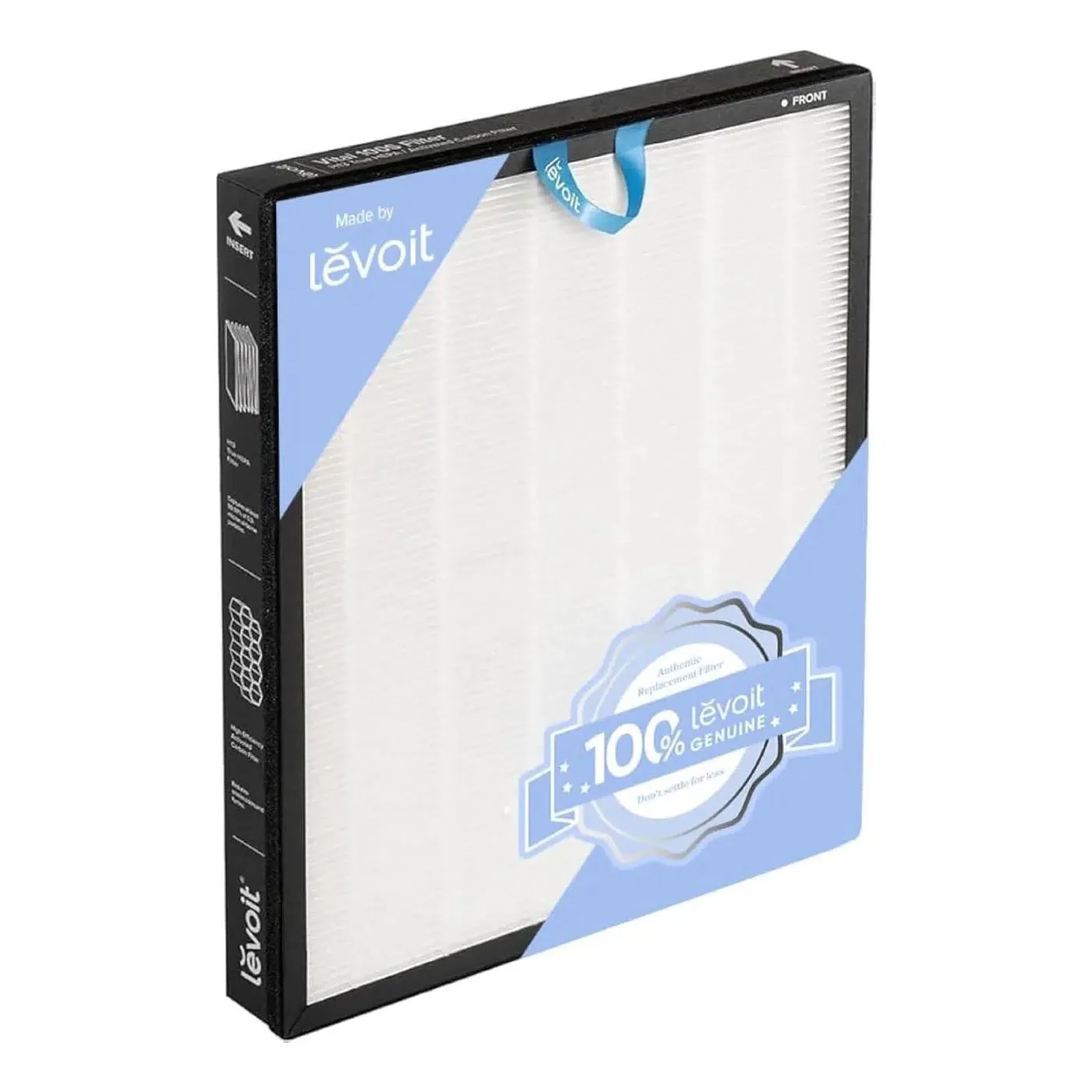
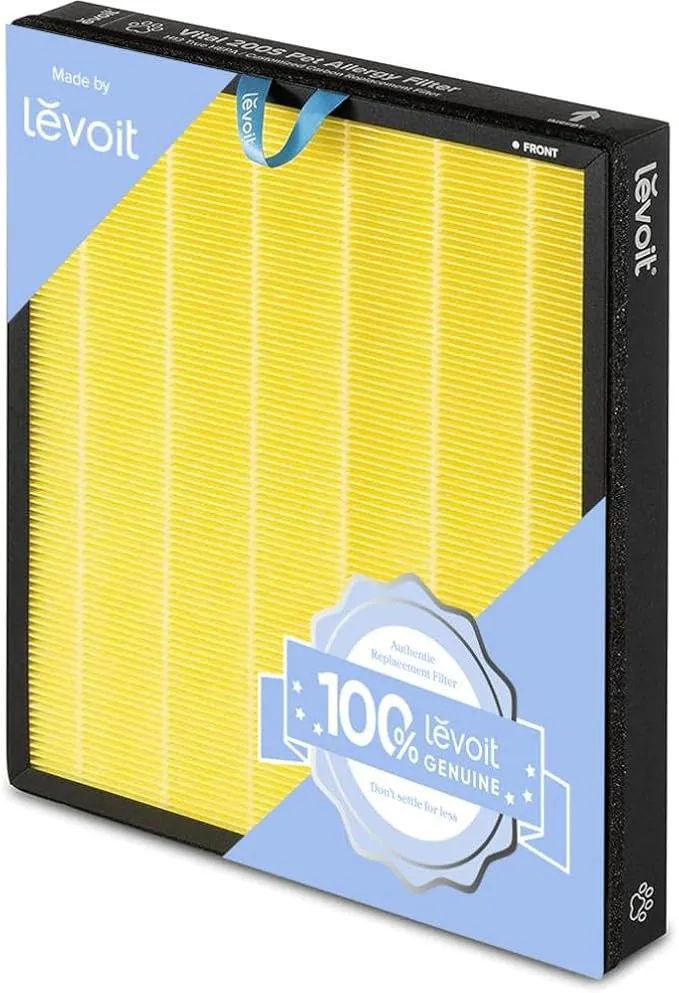
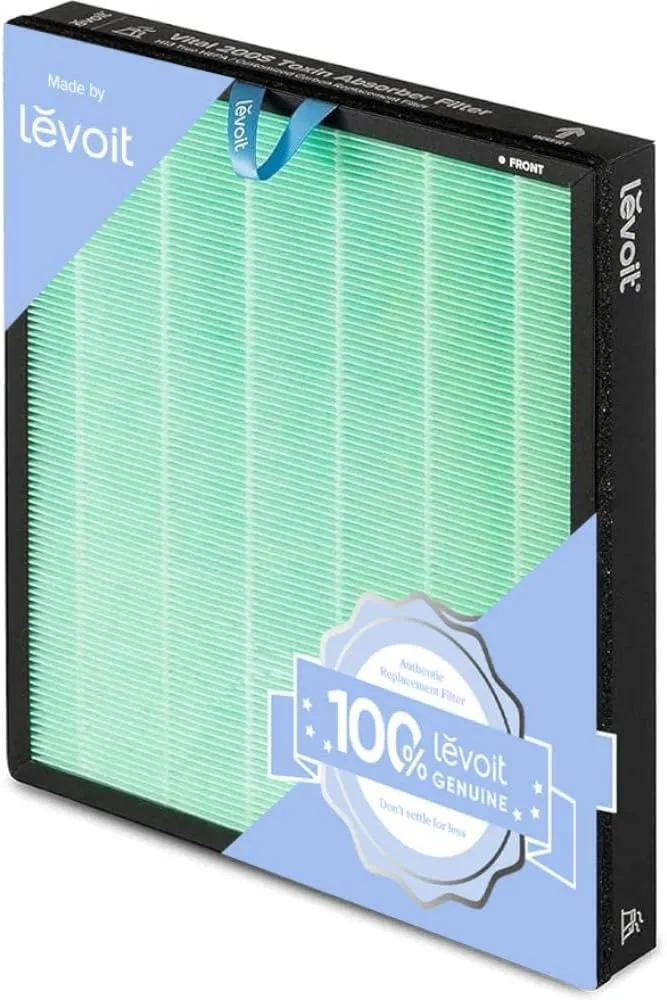
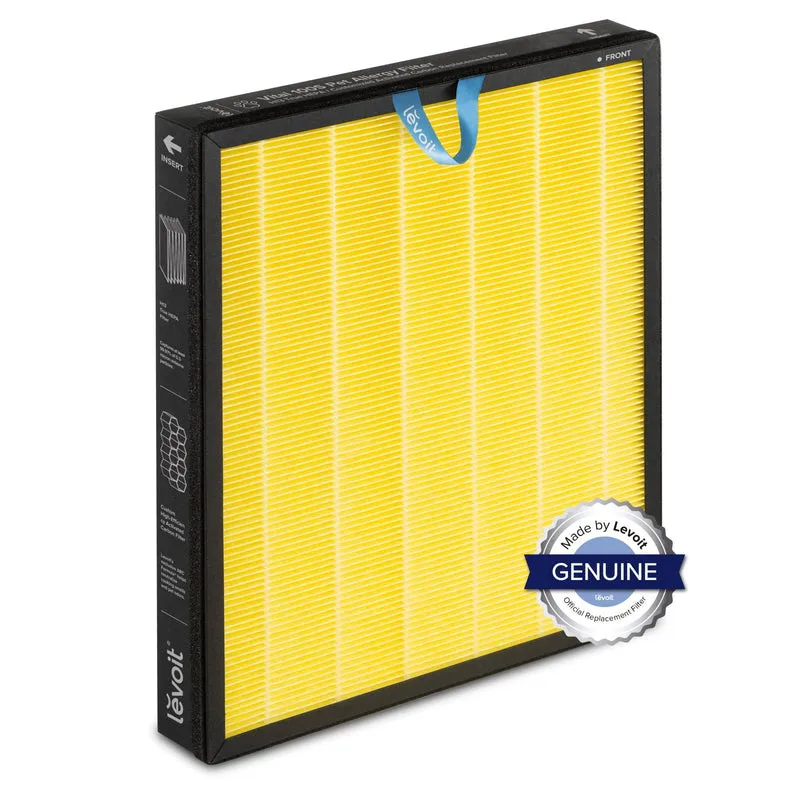
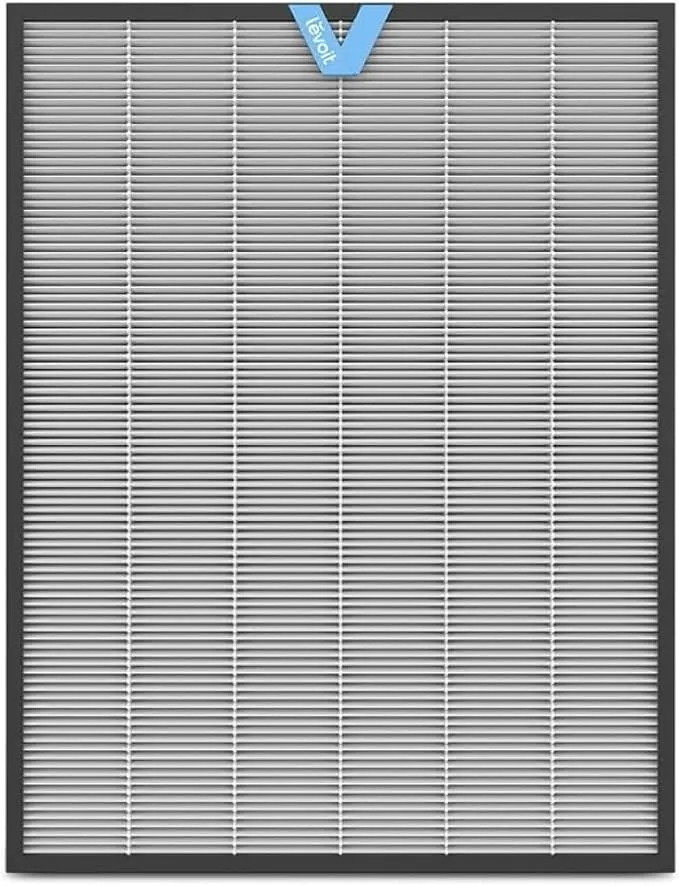
Replacement filters for both models are stocked directly on the site. Fast delivery covers Dubai, Abu Dhabi, and the broader UAE market. Filter availability and aftercare support are part of the standard service.
FAQ
What CADR rating do I need for my room?
Use the 2/3 rule: your purifier’s CADR should be at least two-thirds of your room’s square footage in square feet. For a 30-square-metre room, that means a minimum CADR of around 200.
Is H13 HEPA better than True HEPA?
Yes. True HEPA captures 99.97% of particles at 0.3 microns, while H13 HEPA captures 99.95% of particles at 0.1 microns, making it more effective against fine smoke, bacteria, and viral aerosols.
How often should I replace my air purifier filter?
Most HEPA filters need replacing every six to twelve months, depending on usage and local air conditions. In high-pollution environments such as the UAE, every six months is a safer interval.
Are “HEPA-like” filters worth buying?
No. Uncertified labels such as “HEPA-like” or “HEPA-type” indicate filters that typically capture only 85 to 95% of particles. Always look for a “True HEPA” or “H13 HEPA” certification.
Where should I place my air purifier?
Place it on the floor or a low surface in the room where you spend the most time. Keep at least 15 to 30 centimetres of clear space around all sides to allow unrestricted airflow.