


Uncategorised
Air purifiers vs humidifiers: key differences explained
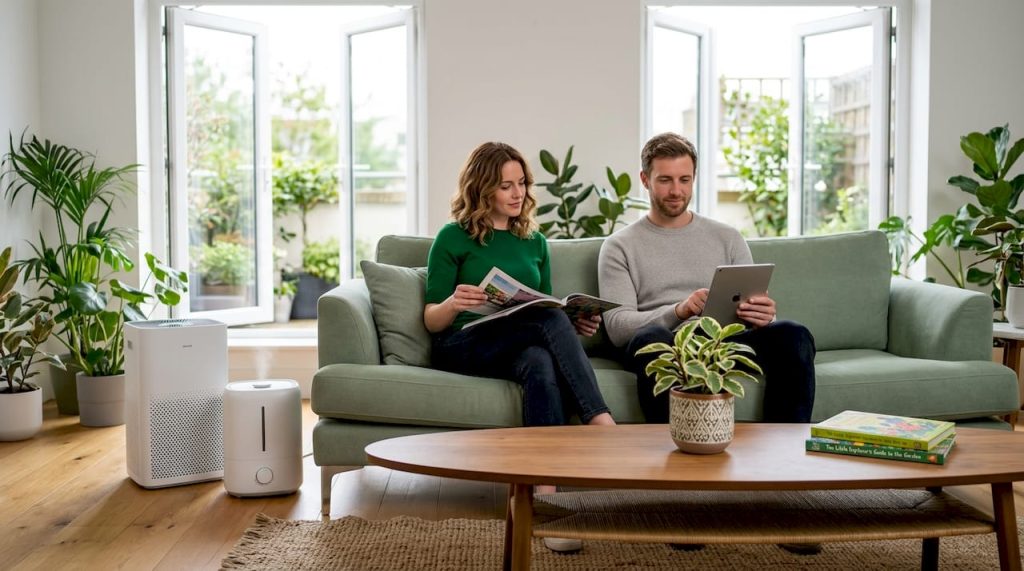
Many people searching for the difference between purifiers and humidifiers assume these devices solve the same problem. They do not. One removes particles and pollutants from the air you breathe. The other adjusts how much moisture is in that air. Buying the wrong one based on vague symptoms is a surprisingly common mistake, and it can leave you no better off, or even worse. This article explains how each device works, what the health implications are, and how to decide which one your home actually needs.
Table of Contents
- Key takeaways
- The difference between purifiers and humidifiers
- Health effects of air quality and humidity
- Humidifier types compared
- Choosing the right device for your home
- My honest take on this choice
- Air purifiers available at Cleanair-ae
- FAQ
Key takeaways
| Point | Details |
|---|---|
| Different functions entirely | Air purifiers clean contaminated air; humidifiers add moisture to dry air. |
| Symptoms guide your choice | Sneezing and itchy eyes point to a purifier; dry skin and static shocks point to a humidifier. |
| Measure before you buy | A hygrometer reading tells you whether humidity is actually the problem before you spend anything. |
| Humidifier misuse carries real risk | Dirty humidifiers can spread bacteria and cause serious respiratory conditions if not maintained properly. |
| Both devices can coexist | Using a purifier and a humidifier together is safe and sometimes the best approach for full air quality control. |
The difference between purifiers and humidifiers
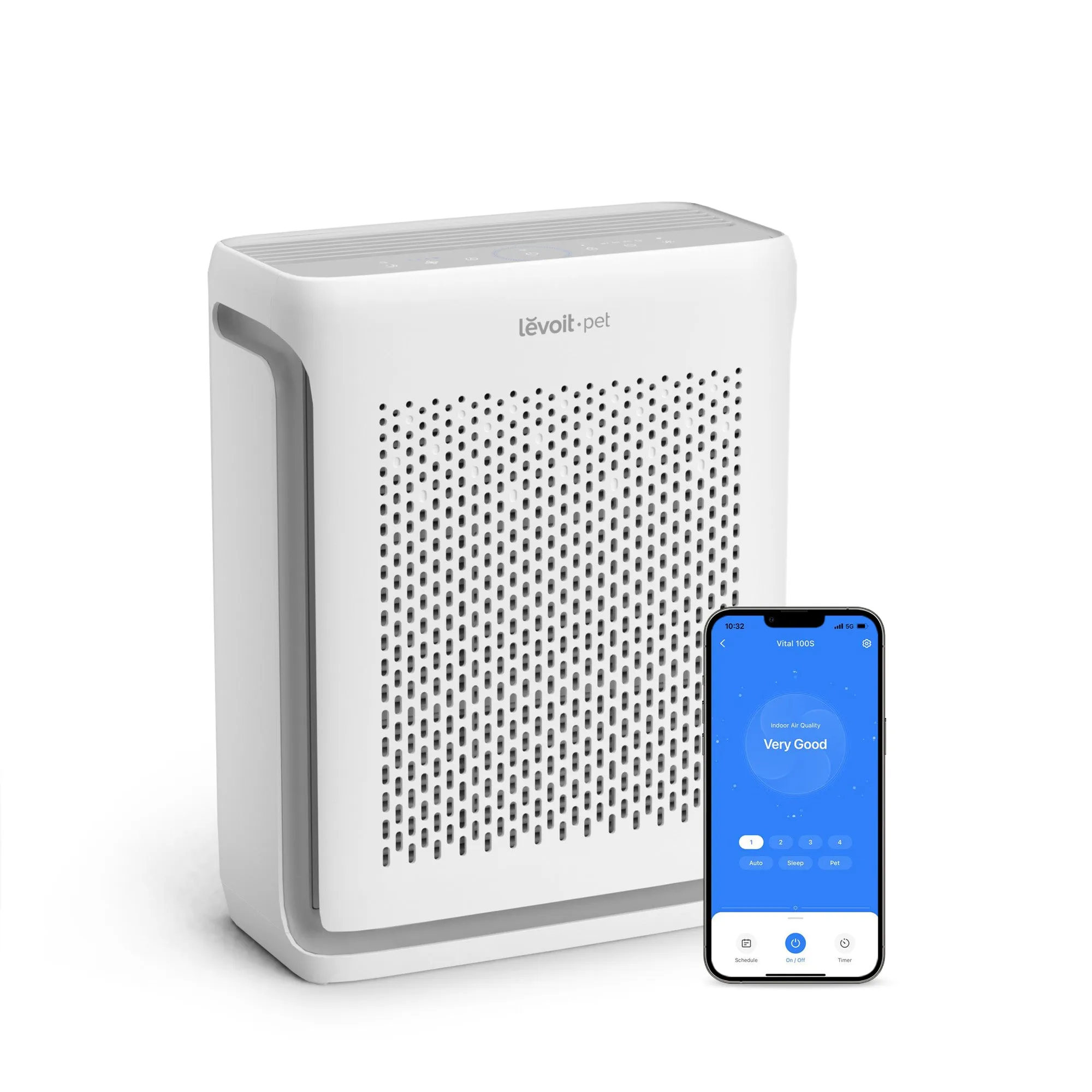
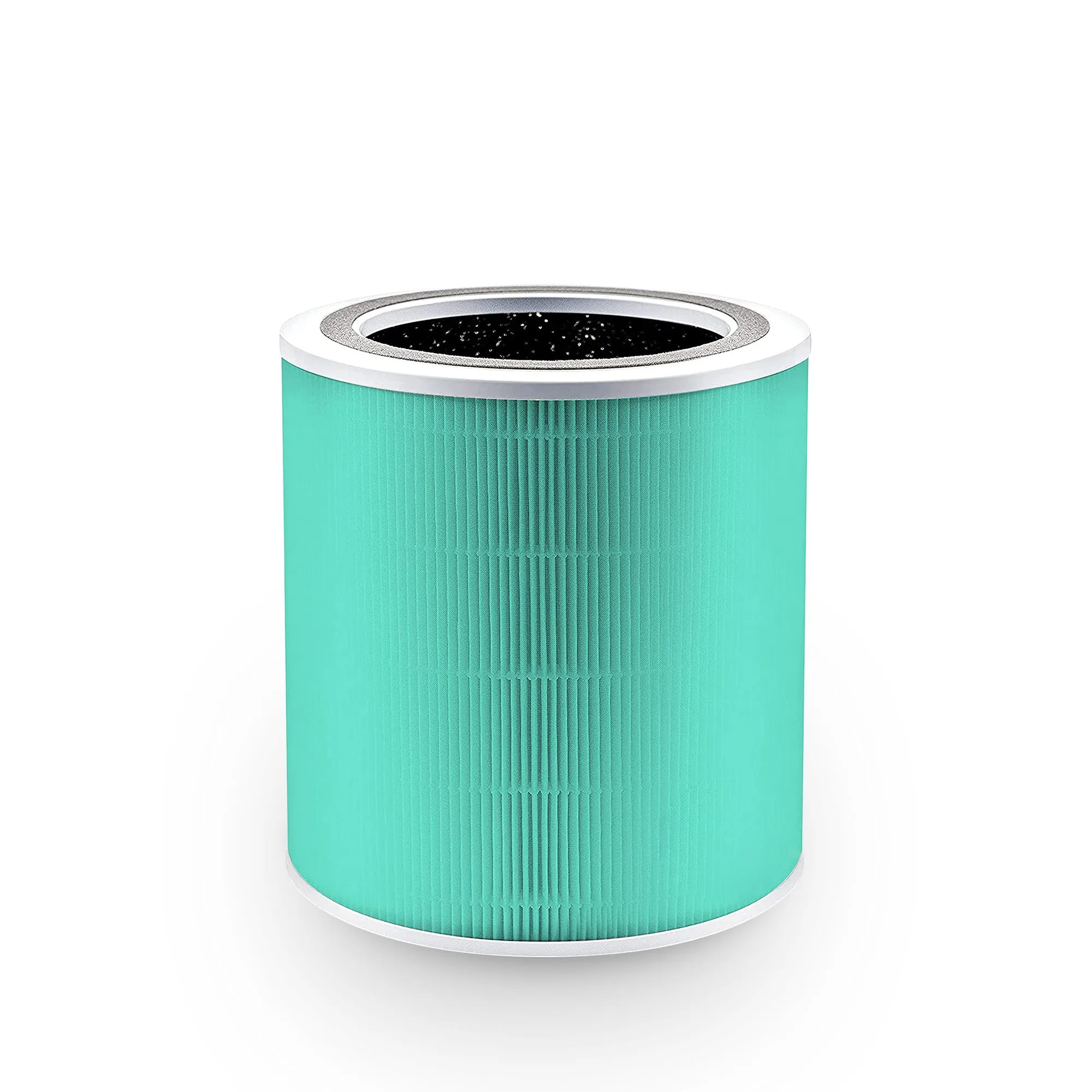
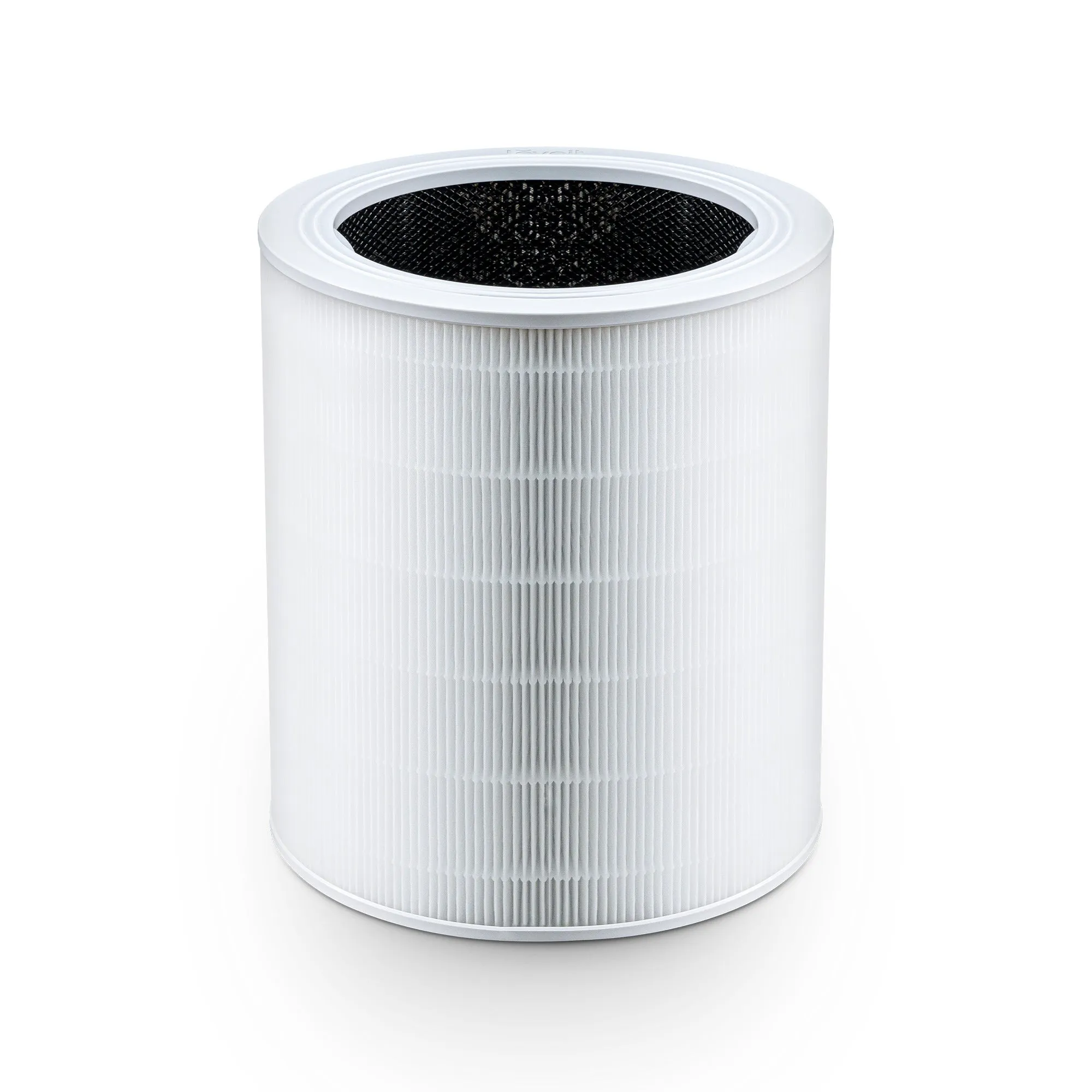
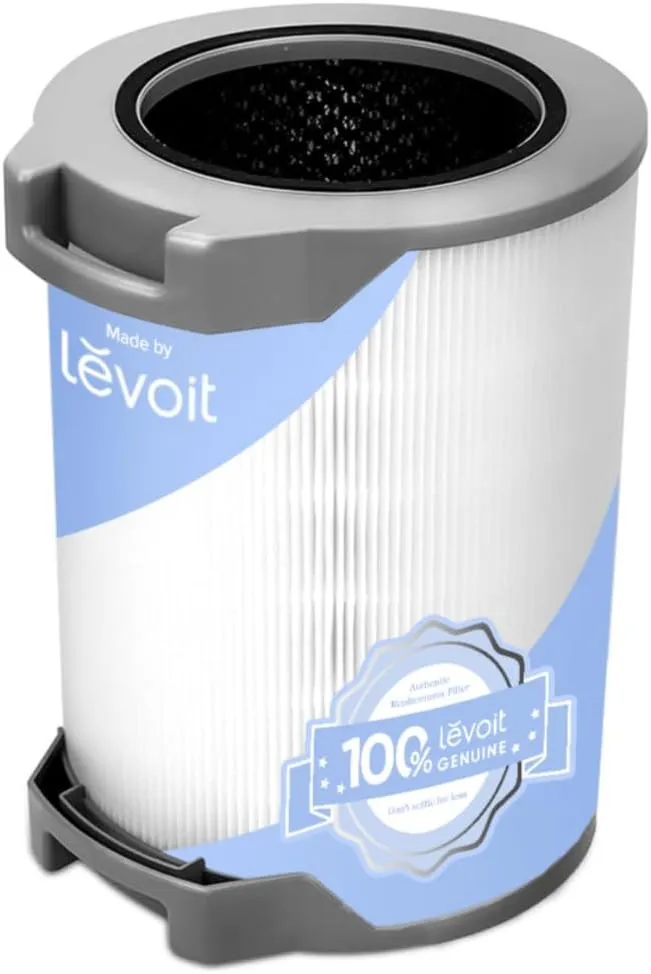
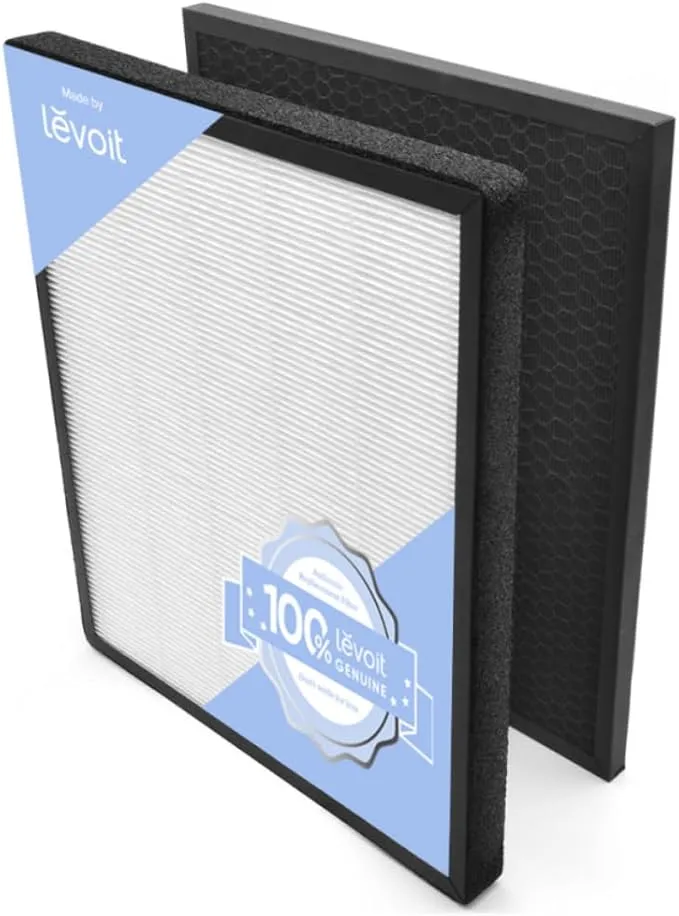
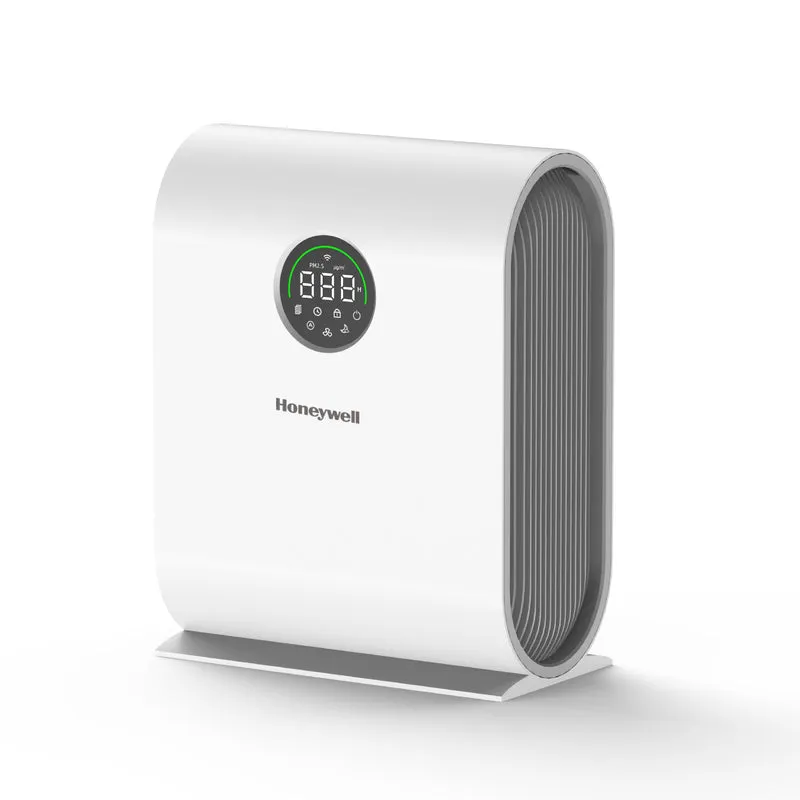
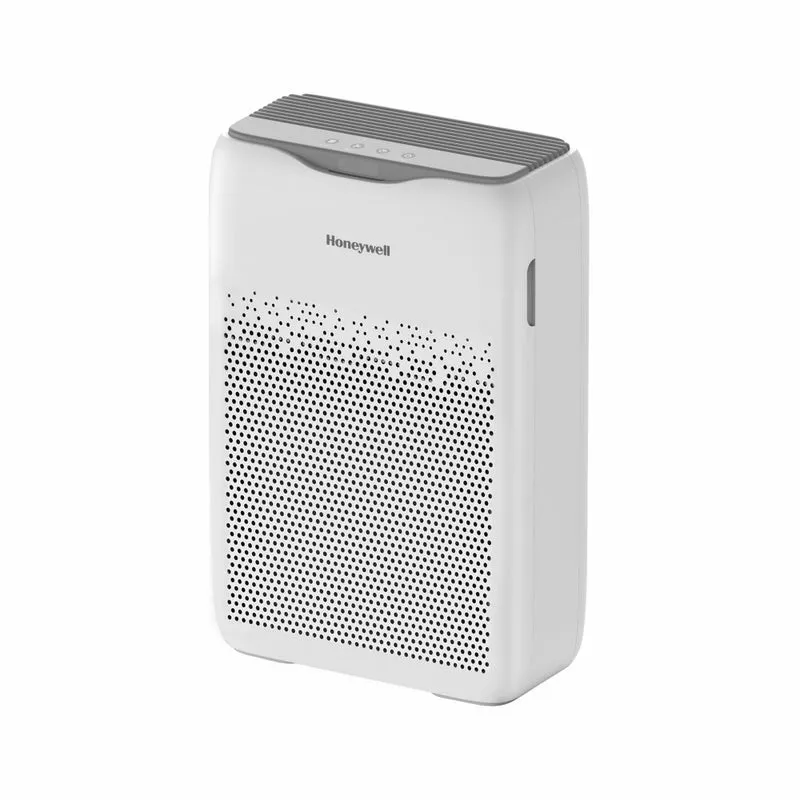
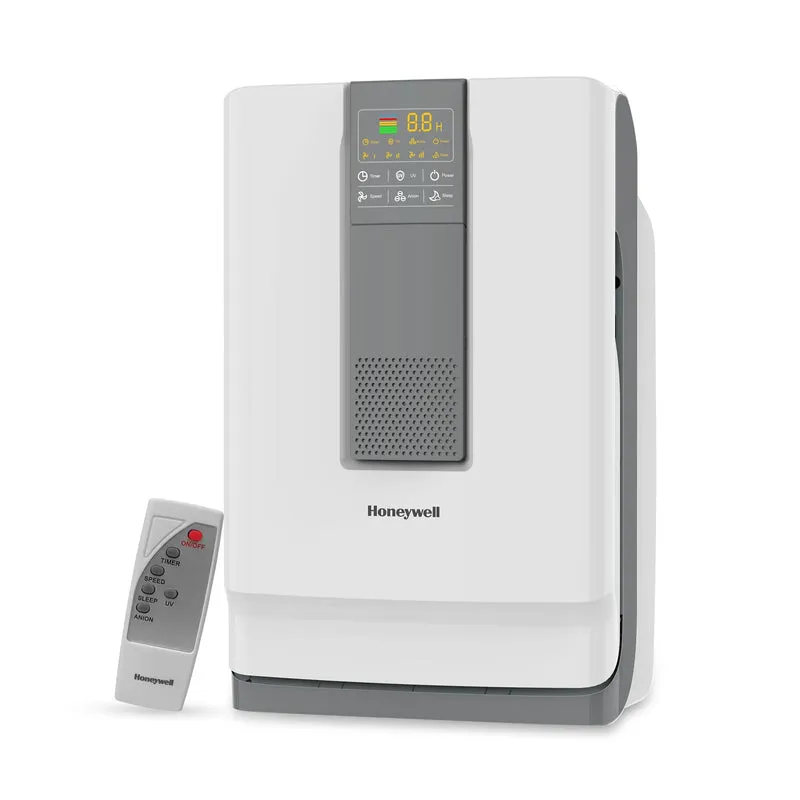
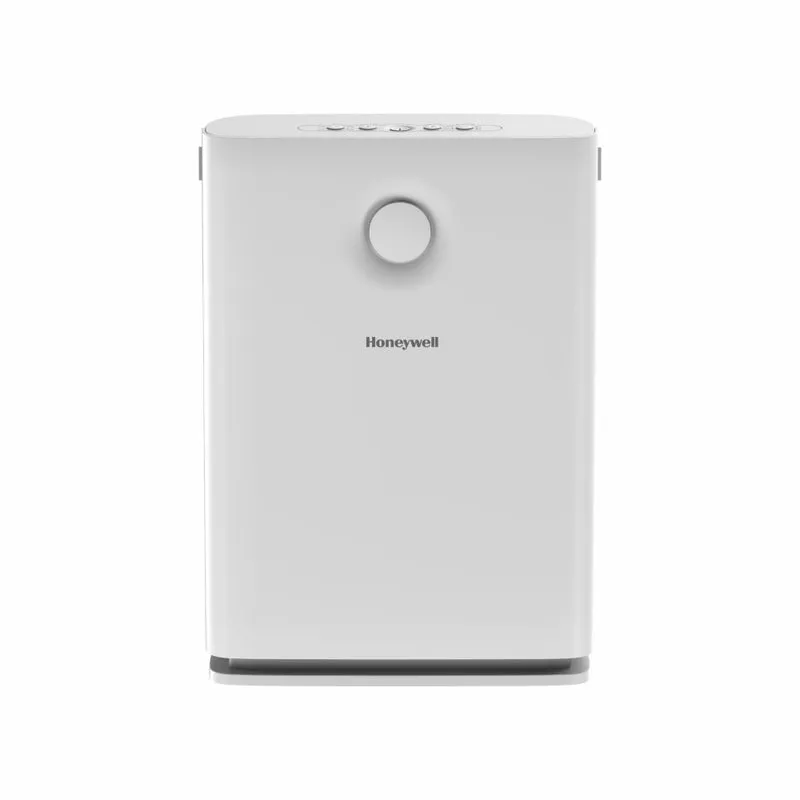
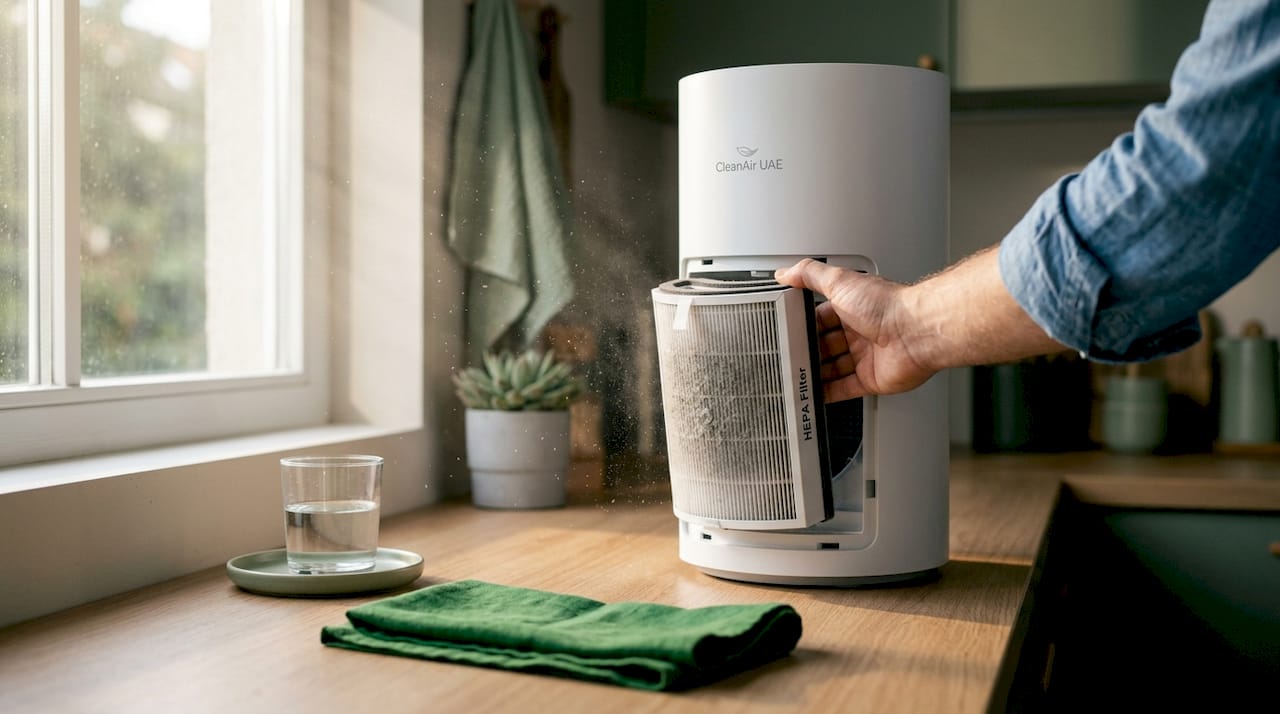
The core distinction is straightforward. An air purifier pulls air through a filtration system, trapping particles like dust, pollen, pet dander, smoke, and volatile organic compounds (VOCs). Most quality purifiers use HEPA filters, which capture particles down to 0.3 microns, alongside activated carbon layers that absorb odours and chemical residues. The cleaned air is then returned to the room.
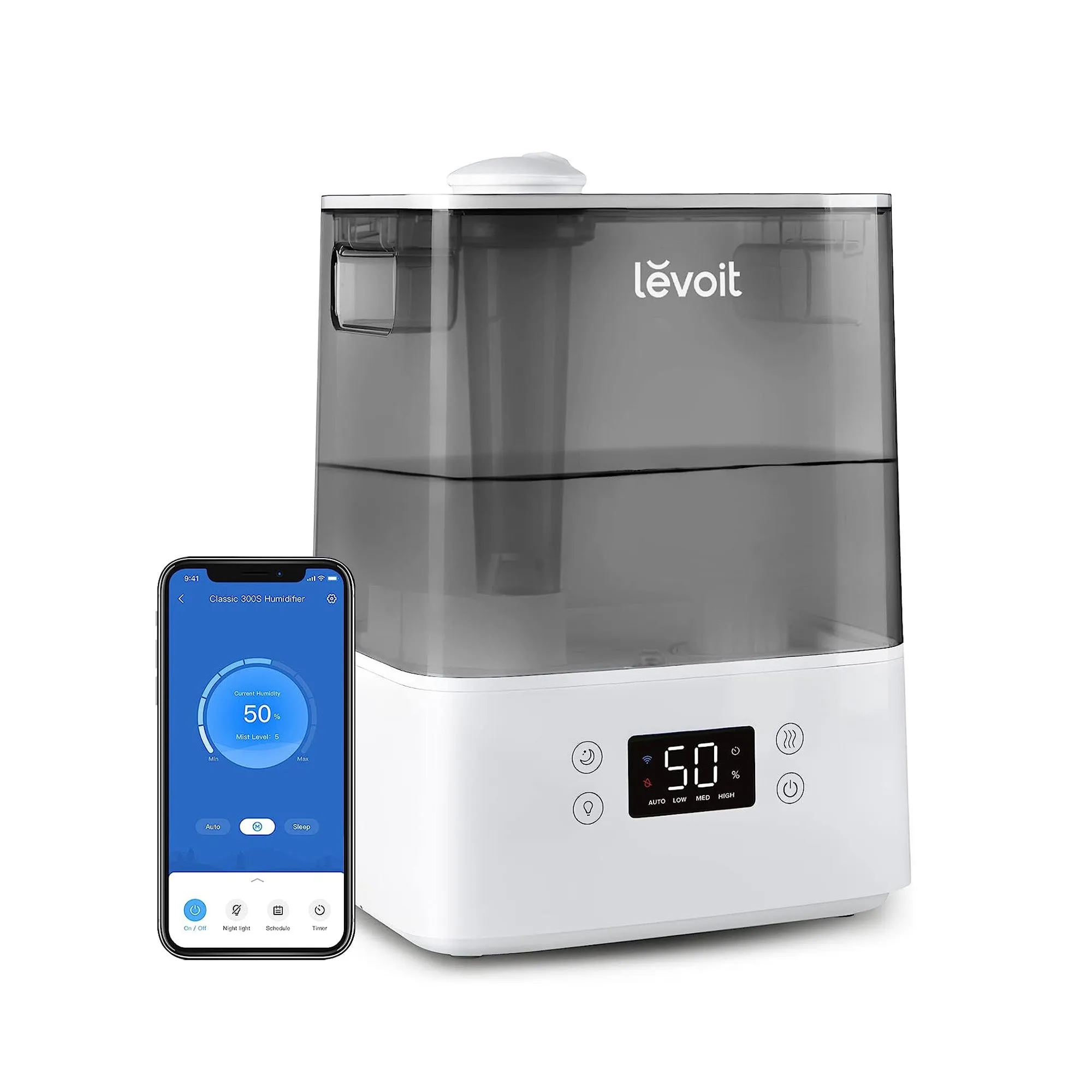
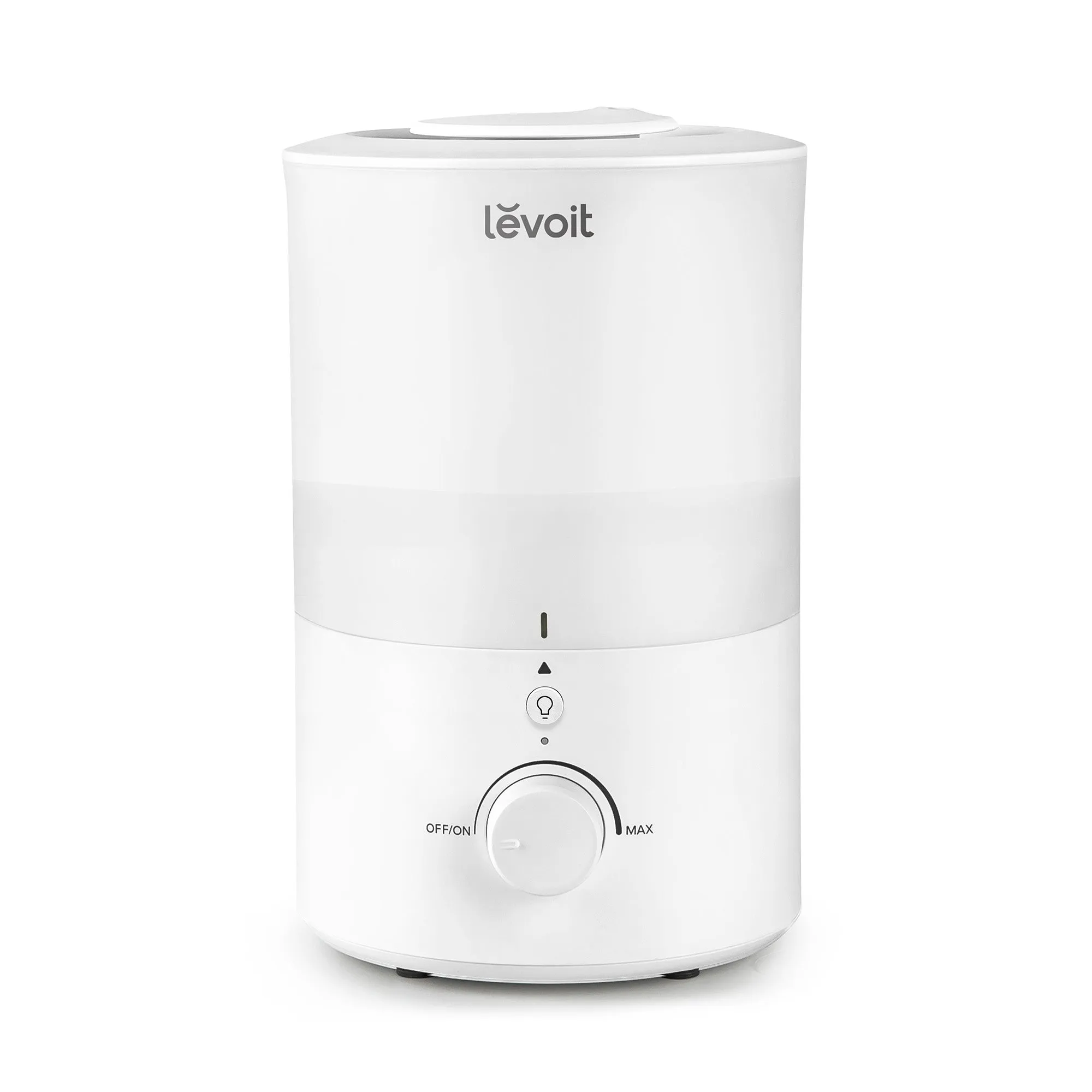
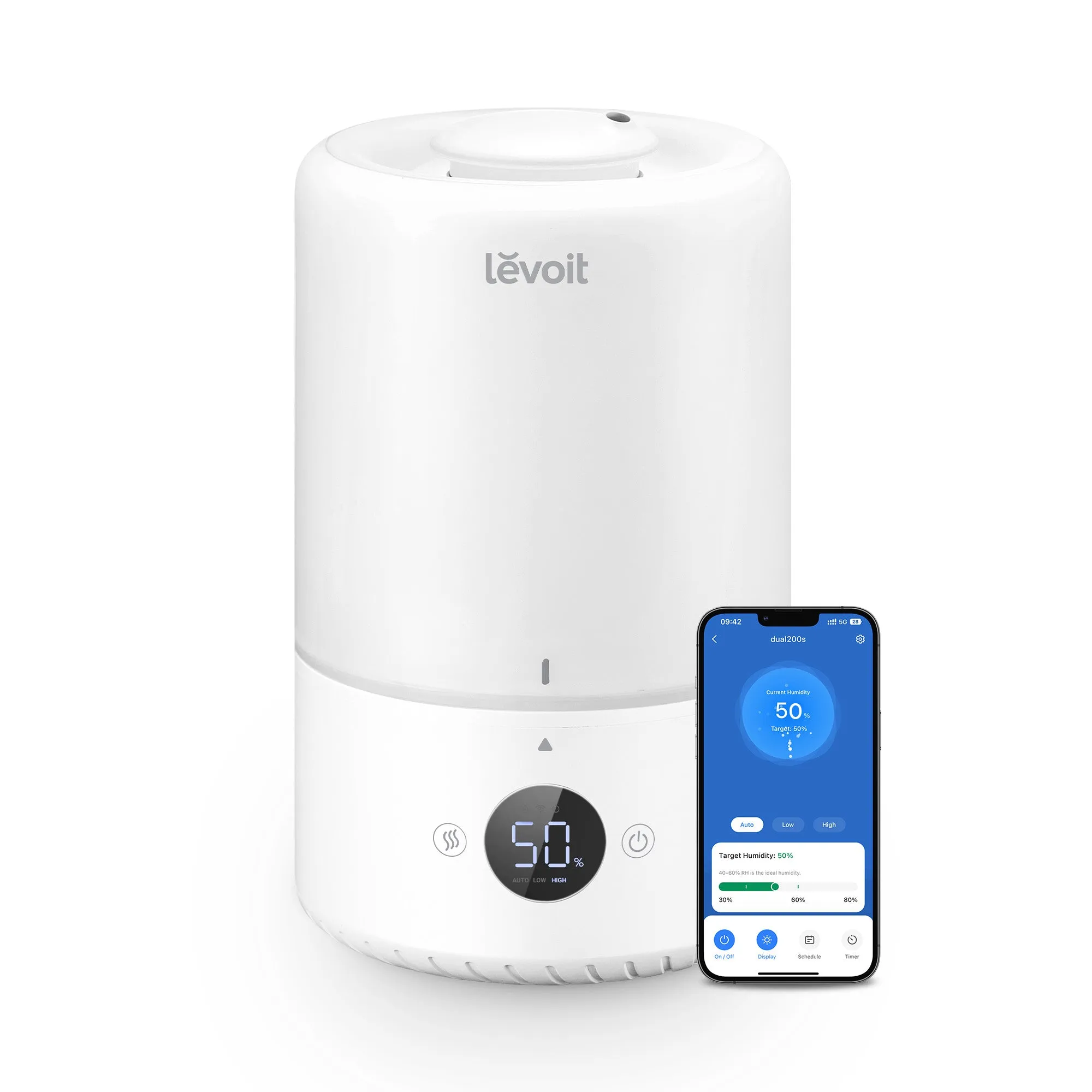
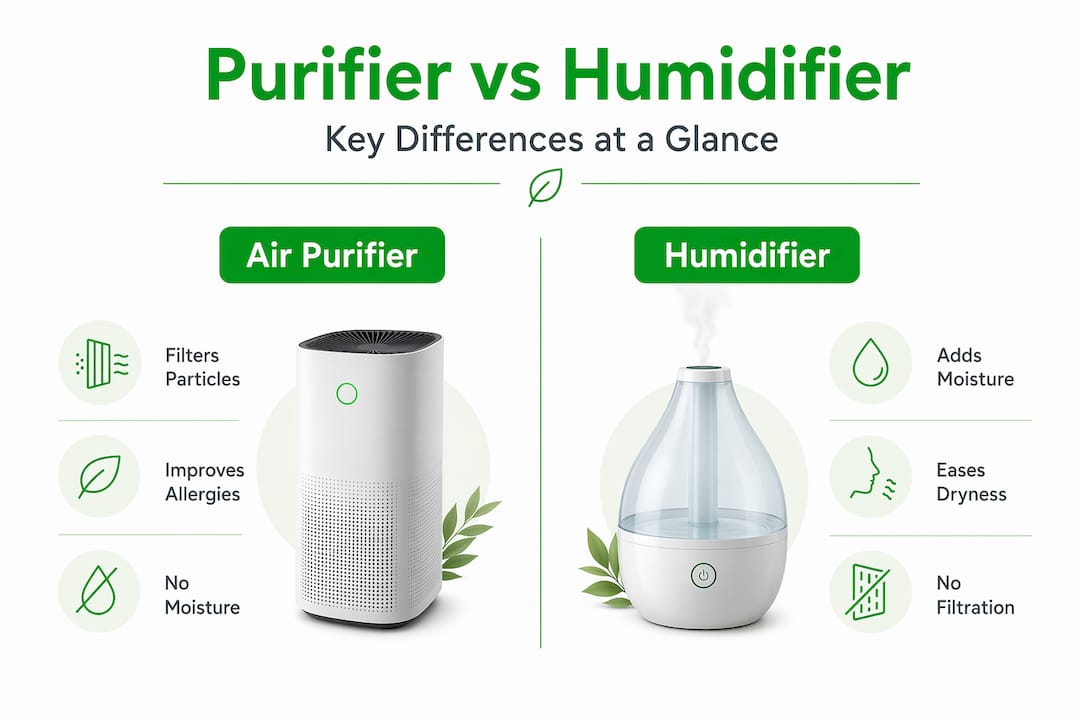
A humidifier, by contrast, does not filter anything. What it does is release water vapour, steam, or mist into the room to raise the relative humidity level. If you have dry air in your home, a humidifier addresses that. If you have dirty or polluted air, it does not.
Here is a quick breakdown of what each device addresses:
- Air purifier: dust, pollen, pet dander, mould spores, smoke, VOCs, odours
- Humidifier: dry skin, chapped lips, static electricity, cracked wood furniture, dry nasal passages
Typical air purifier costs range from around $60 to $800, depending on room coverage and filter type. Humidifiers generally run between $30 and $150. Running costs for either device sit around $3 to $5 per month for electricity. Neither is a major financial commitment, but buying the wrong one is a waste regardless of the price.
Pro Tip: If you live in a dusty urban environment or a home with pets, an air purifier will almost certainly deliver more noticeable day-to-day improvement than a humidifier.
Health effects of air quality and humidity
Getting this wrong has real health consequences. Indoor relative humidity should sit between 30% and 50% for comfort and health. Drop below 30% and you get dry mucous membranes, cracked skin, nosebleeds, and increased susceptibility to viruses. Push above 60% and conditions become favourable for mould growth and dust mites, both of which aggravate respiratory conditions.
Air purifiers address a separate but equally important set of concerns. Allergens, airborne irritants, and pollutants from cooking, traffic, or building materials circulate in the air of almost every home. A quality HEPA purifier reduces these consistently throughout the day. Adding moisture without filtering can actually worsen allergy symptoms if humidity encourages mould or dust mite proliferation.
The risks of humidifier misuse are frequently underestimated:
- Humidifier lung: A serious inflammatory lung condition linked to inhaling contaminated mist from a poorly maintained unit. Humidifier lung requires prompt removal of the contaminated device and medical attention.
- Mould and bacteria growth: Any standing water in a humidifier tank that is not emptied and cleaned regularly becomes a breeding ground for microorganisms.
- Mineral dust: Ultrasonic models that use tap water can disperse mineral particles into the air, causing respiratory irritation.
“Cleaning your humidifier every three days with white vinegar or hydrogen peroxide is not optional if you want to use it safely. A contaminated humidifier actively degrades your air quality rather than improving it.” Source: American Lung Association
Using distilled or demineralised water in ultrasonic models significantly reduces these risks. For air purifiers, the main maintenance task is replacing filters on schedule. Neglecting this reduces filtration efficiency rather than creating new health hazards, which makes purifiers a more forgiving device overall.
Humidifier types compared
Not all humidifiers work the same way, and the differences matter for both safety and maintenance.
| Type | How it works | Safety profile | Maintenance effort |
|---|---|---|---|
| Ultrasonic | Vibrates water into fine mist | Moderate risk (disperses minerals and microbes) | High (clean every 3 days, use distilled water) |
| Evaporative | Fan blows air through a wet wick filter | Lower risk (minerals trapped in wick) | Moderate (replace wick periodically) |
| Warm mist / steam | Boils water before releasing steam | Low microbial risk (heat kills bacteria) | Moderate (scale build-up in boiling chamber) |
| Whole-house | Integrated with HVAC system | Low risk when professionally maintained | Low day-to-day effort, professional servicing needed |
Evaporative humidifiers are generally recommended over ultrasonic models for households with children or anyone with respiratory conditions. The wick filter acts as a physical barrier, trapping contaminants rather than dispersing them. Ultrasonic models produce visible mist, which looks effective, but that visible mist can carry minerals and microorganisms directly into your lungs if the water is not clean.
Warm mist humidifiers are safer in terms of microbial risk because boiling kills bacteria before the steam is released. The trade-off is a slightly higher electricity bill and a surface that gets hot, making them less suitable around young children.
Pro Tip: If you want a humidifier that is easy to maintain and less likely to cause respiratory issues, an evaporative model with a replaceable wick is the safest everyday choice for most households.
Choosing the right device for your home
The most reliable approach is to let your symptoms and actual measurements guide the decision rather than guessing.
-
Measure your indoor humidity first. A basic hygrometer costs around $12 and tells you your actual relative humidity level. This single measurement prevents more unnecessary purchases than any other step. If your humidity reads 45%, a humidifier will not help you.
-
Identify your symptoms clearly. Sneezing, itchy or watery eyes, coughing, dust buildup on surfaces, and pet-related reactions all point toward a need for an air purifier. Dry skin, frequent nosebleeds, chapped lips, static shocks, and a scratchy throat in the mornings suggest low humidity.
-
Consider your environment. The UAE climate, for example, varies considerably between air-conditioned indoor spaces (which dry the air significantly) and the ambient outdoor humidity. Heavy reliance on air conditioning can drop indoor humidity well below 30%, making a humidifier genuinely useful.
-
Assess whether the wrong purchase would make things worse. Common mistakes include buying a humidifier for allergy symptoms, which can raise humidity and increase mould or dust mites, worsening the very problem you are trying to solve.
-
Consider both devices if the budget allows. An air purifier and a humidifier serve entirely different functions and do not interfere with each other. Running both in the same space gives you cleaner air at a controlled humidity level. Place them on opposite sides of the room so the humidifier’s output does not saturate the purifier’s filter prematurely.
Symptoms paired with humidity readings consistently produce better purchasing decisions than symptoms alone. Do not skip the measurement step.
My honest take on this choice
I have spoken with many people who bought a humidifier because their throat felt dry or they kept waking up with headaches. In most cases, the real problem was indoor air quality, not low humidity. Once they measured their humidity and found it sitting at 42%, the humidifier sat unused while their symptoms continued.
My experience is that an air purifier addresses a broader and more consistent set of problems across different seasons and living situations. If you are unsure which device you need and can only start with one, I would choose the purifier. Dust, allergens, and indoor pollutants are present year-round in almost every home. Low humidity tends to be more seasonal and situational.
What I rarely see discussed is the maintenance burden of humidifiers. People buy them for comfort and then forget to clean them. Within a week or two, that neglected tank can become a health hazard. Air purifiers are far more forgiving. A slightly overdue filter change reduces performance. A neglected humidifier tank can actively contaminate your air.
If your humidity genuinely reads below 30% and you have dry-air symptoms, a humidifier is the right call. Use distilled water, clean it every three days, and it will serve you well. But measure first. Every time.
— Wojciech
Air purifiers available at Cleanair-ae
For residents and businesses across the UAE looking to act on this comparison, Cleanair-ae stocks a range of purifiers suited to different room sizes and needs.
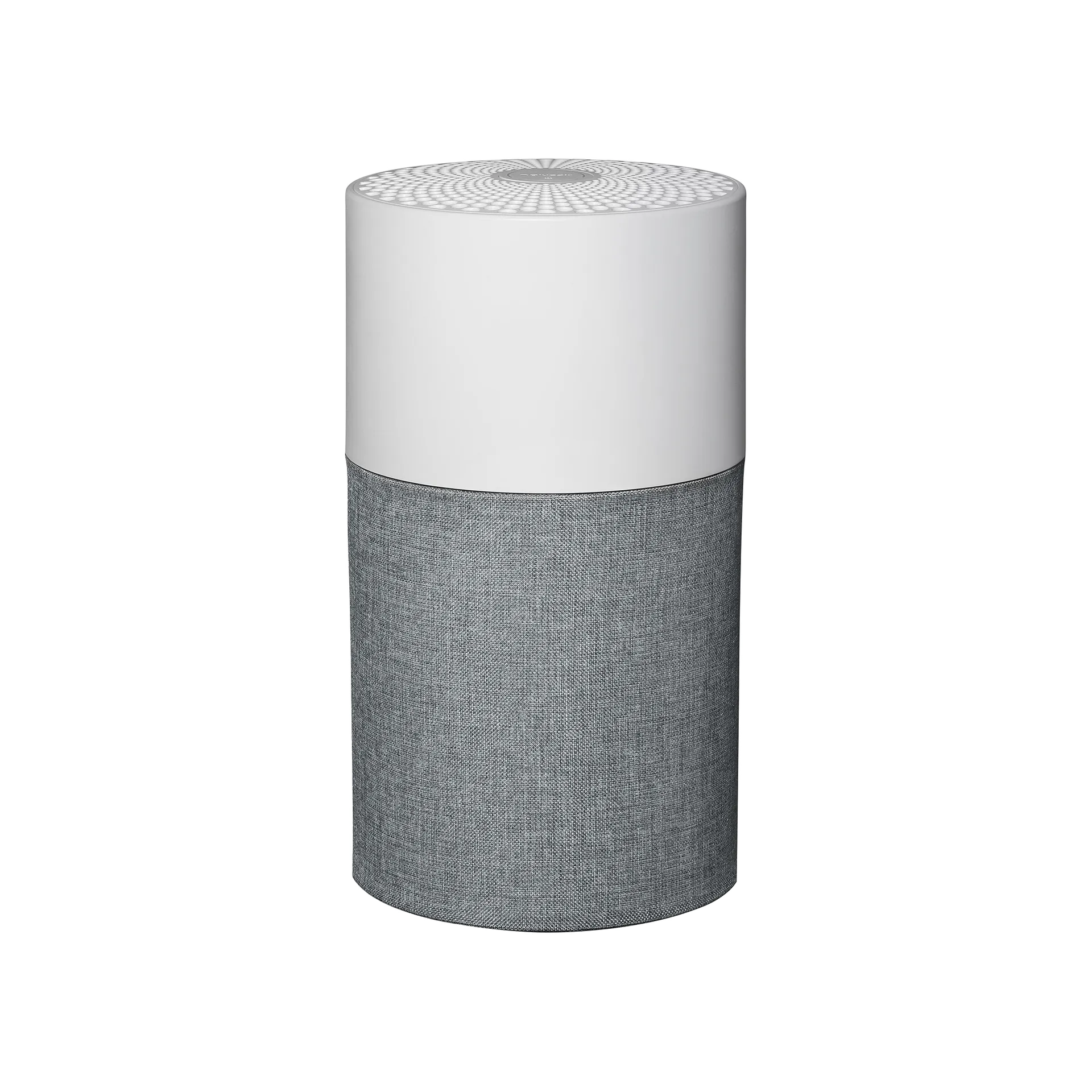
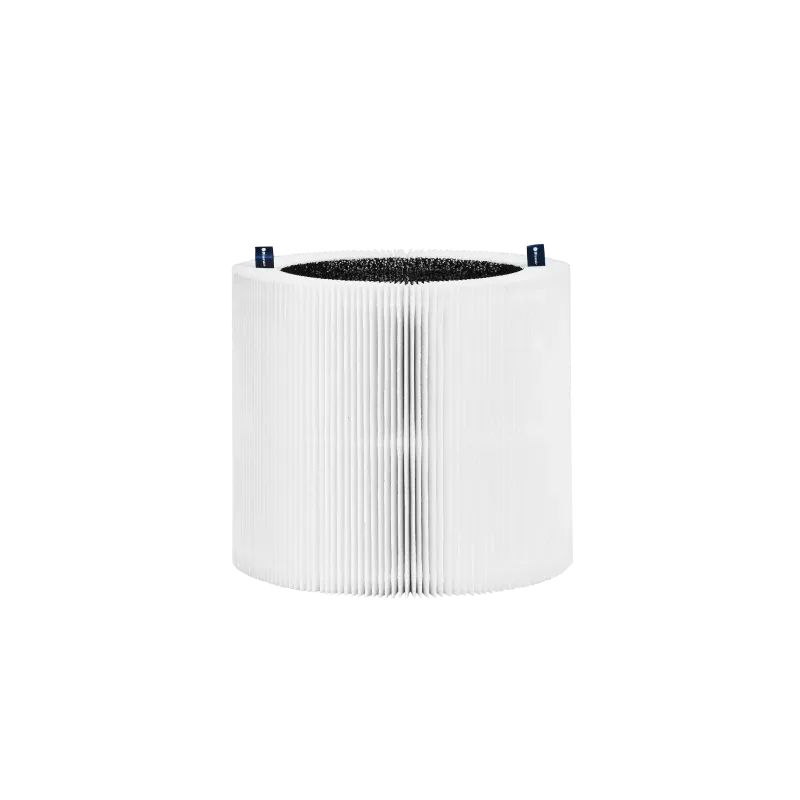
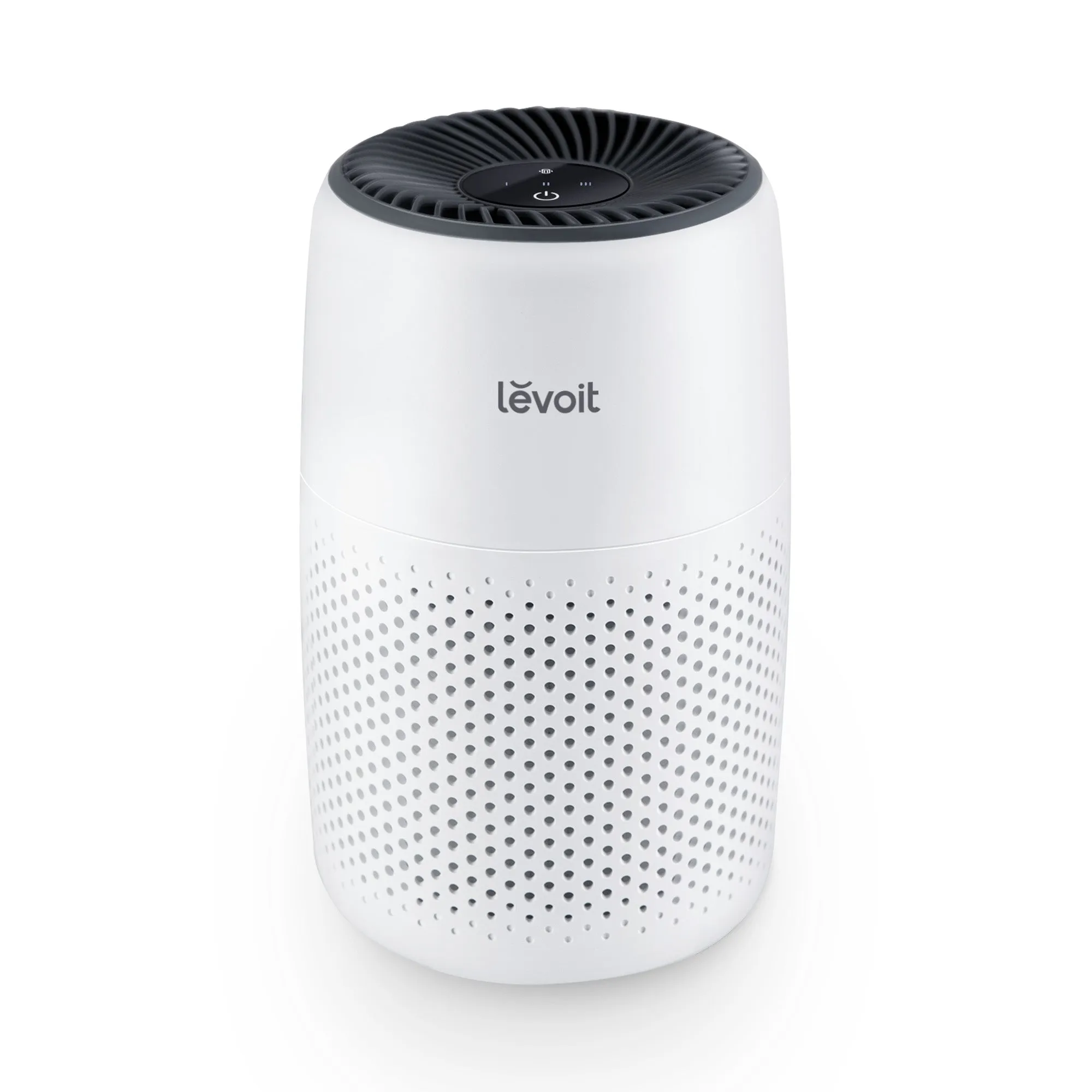
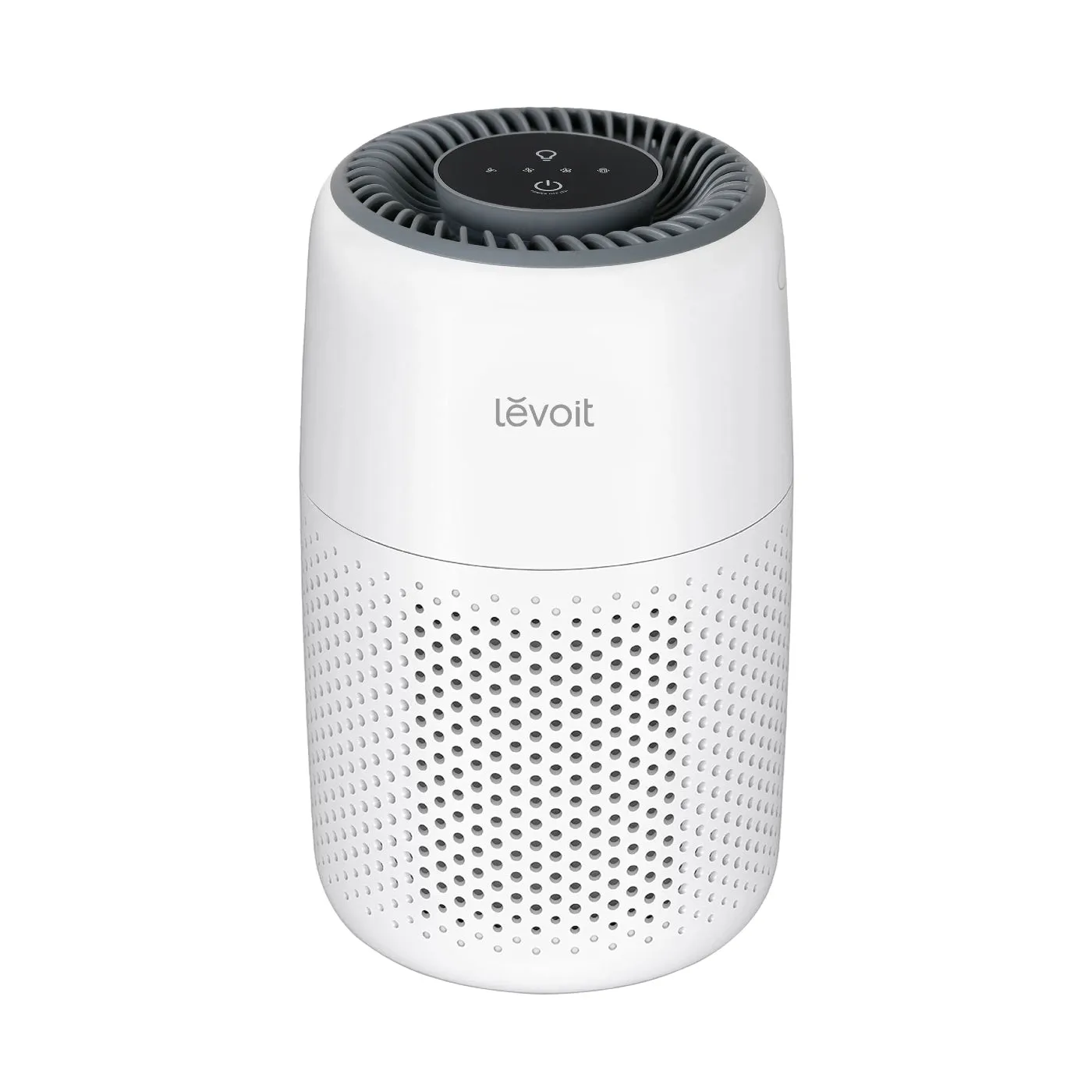
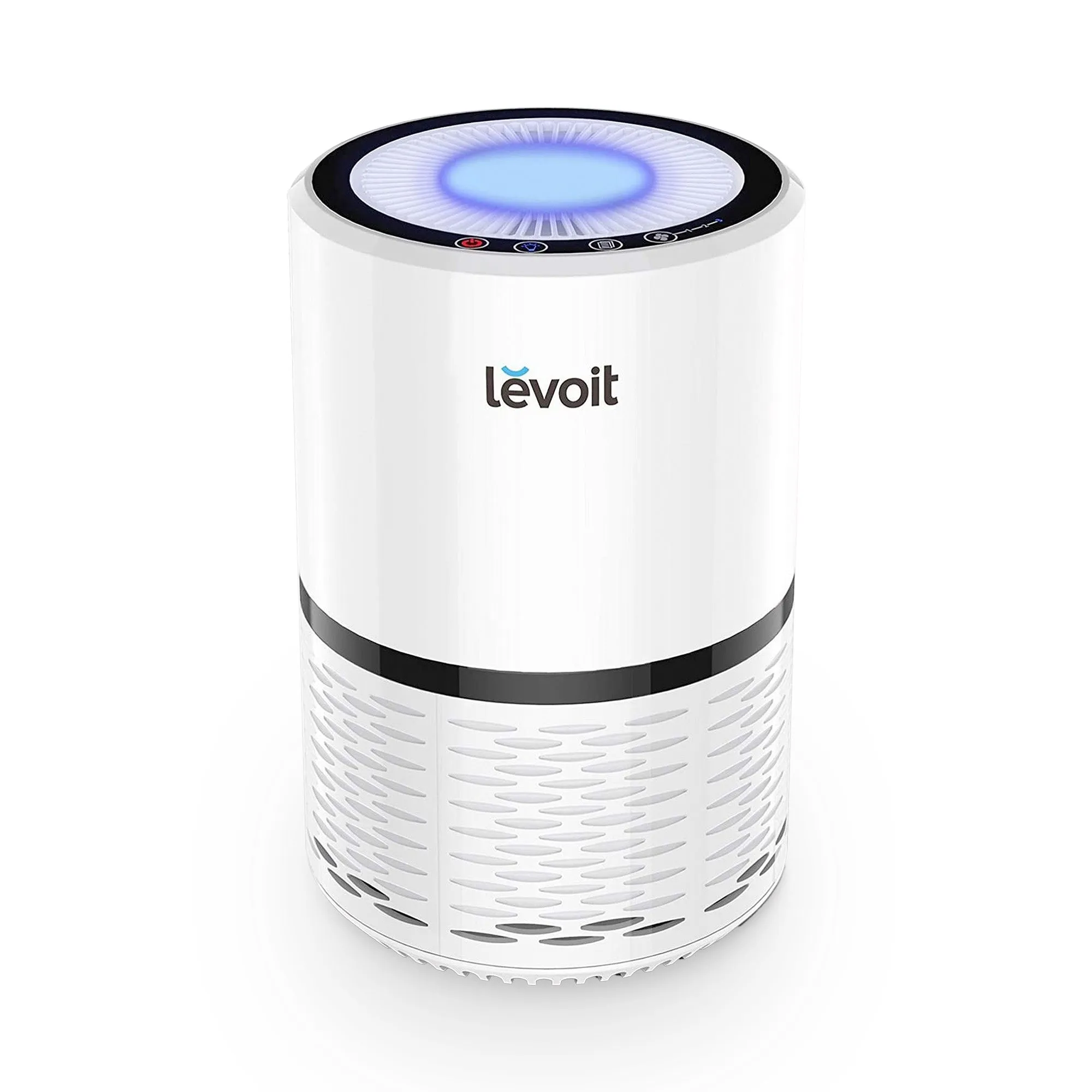
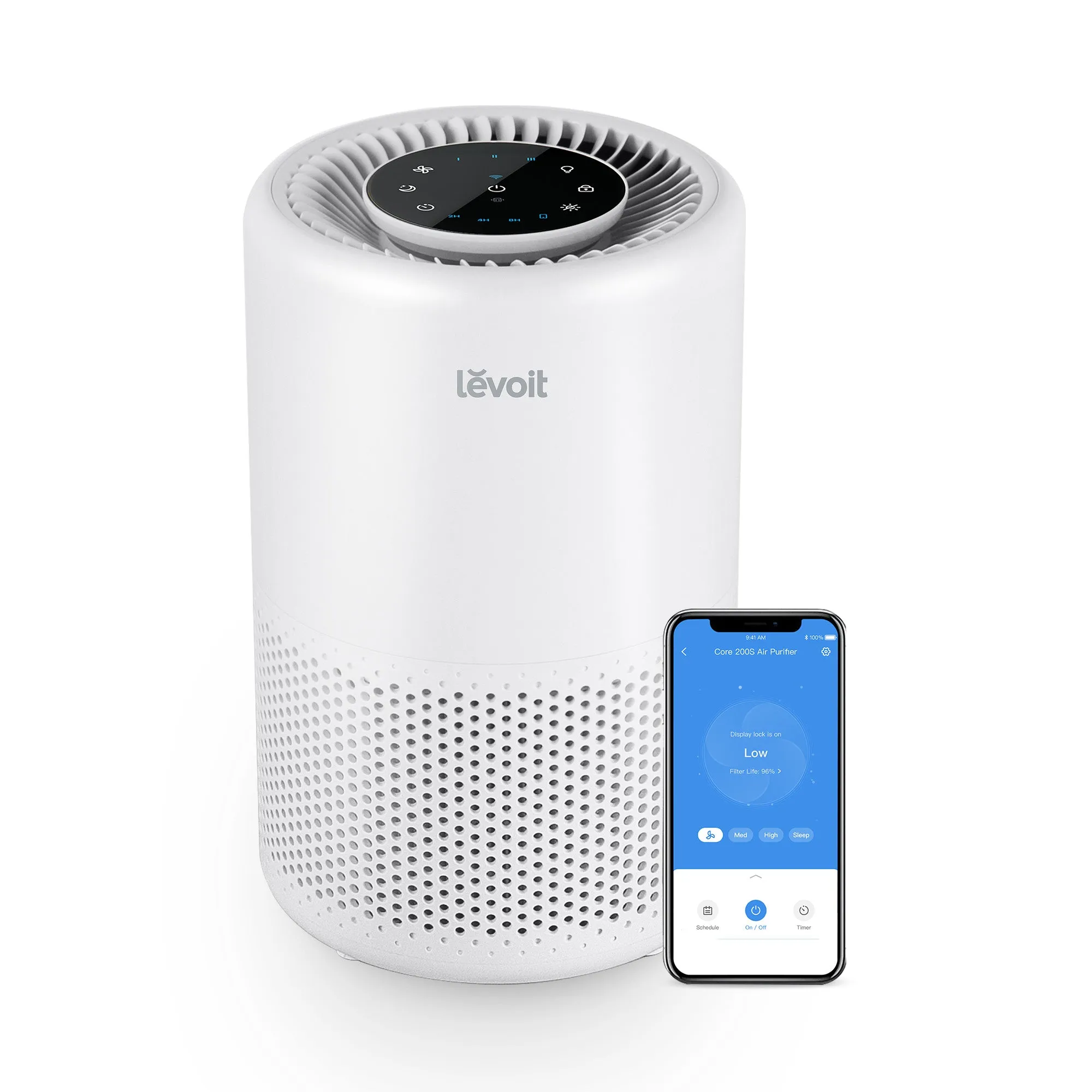
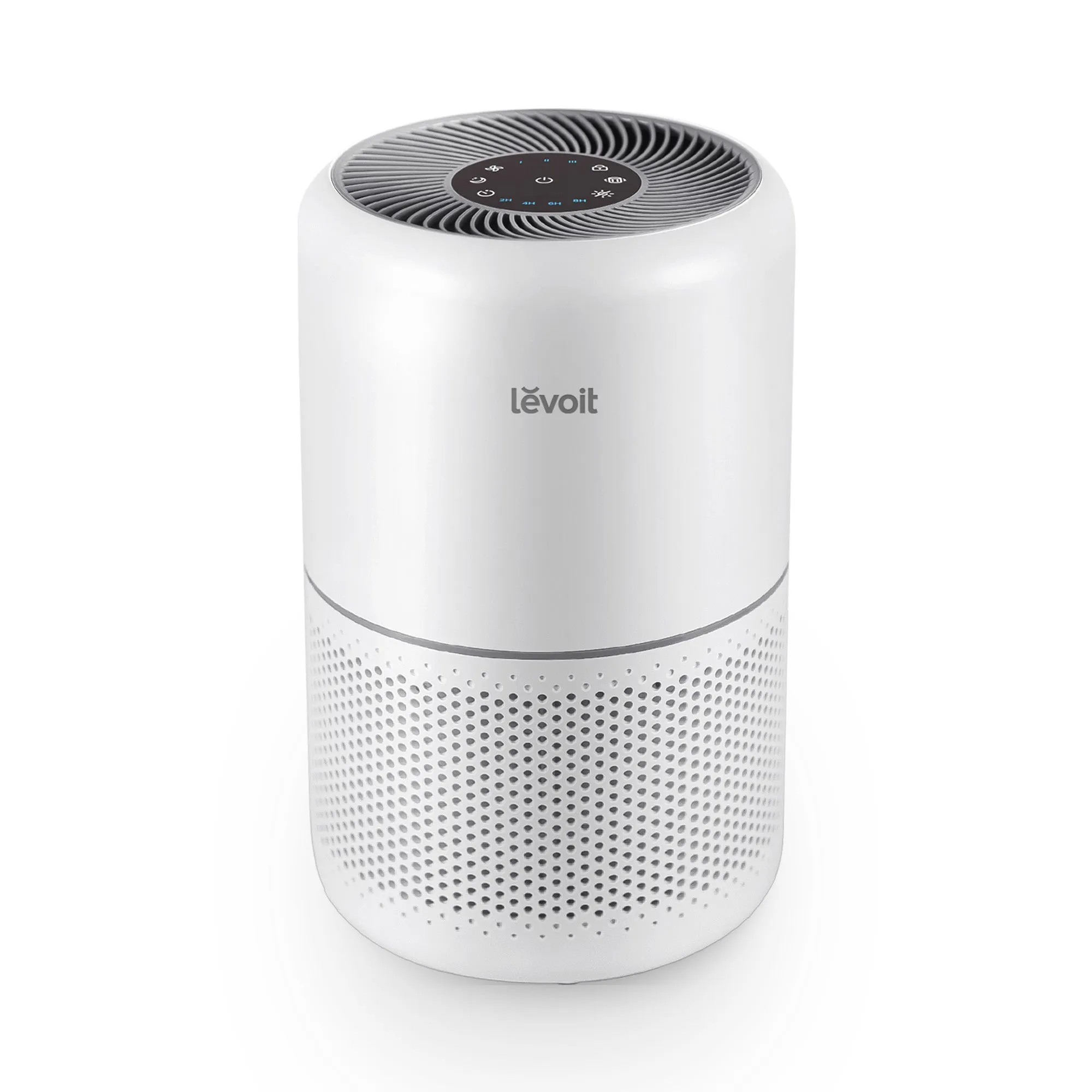
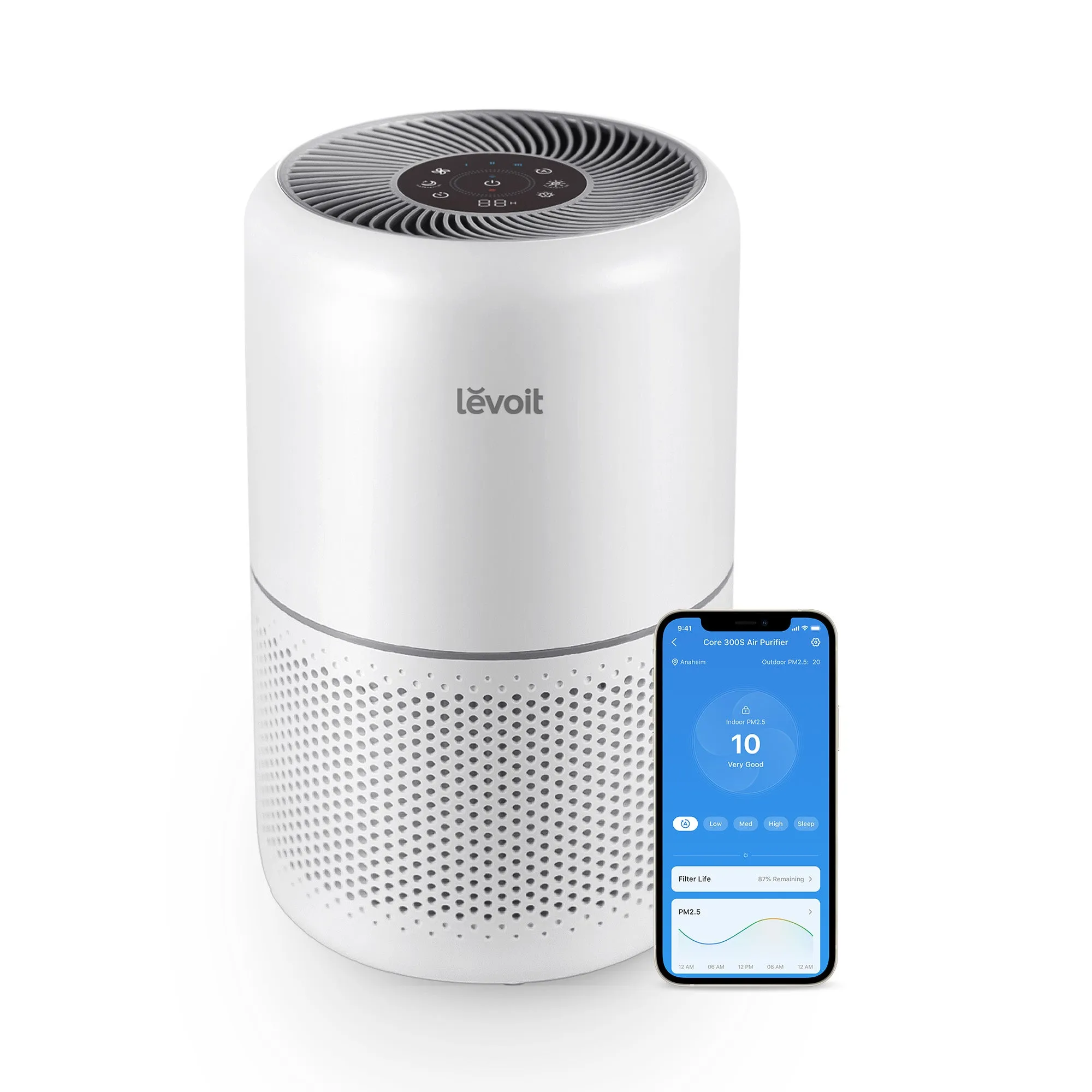
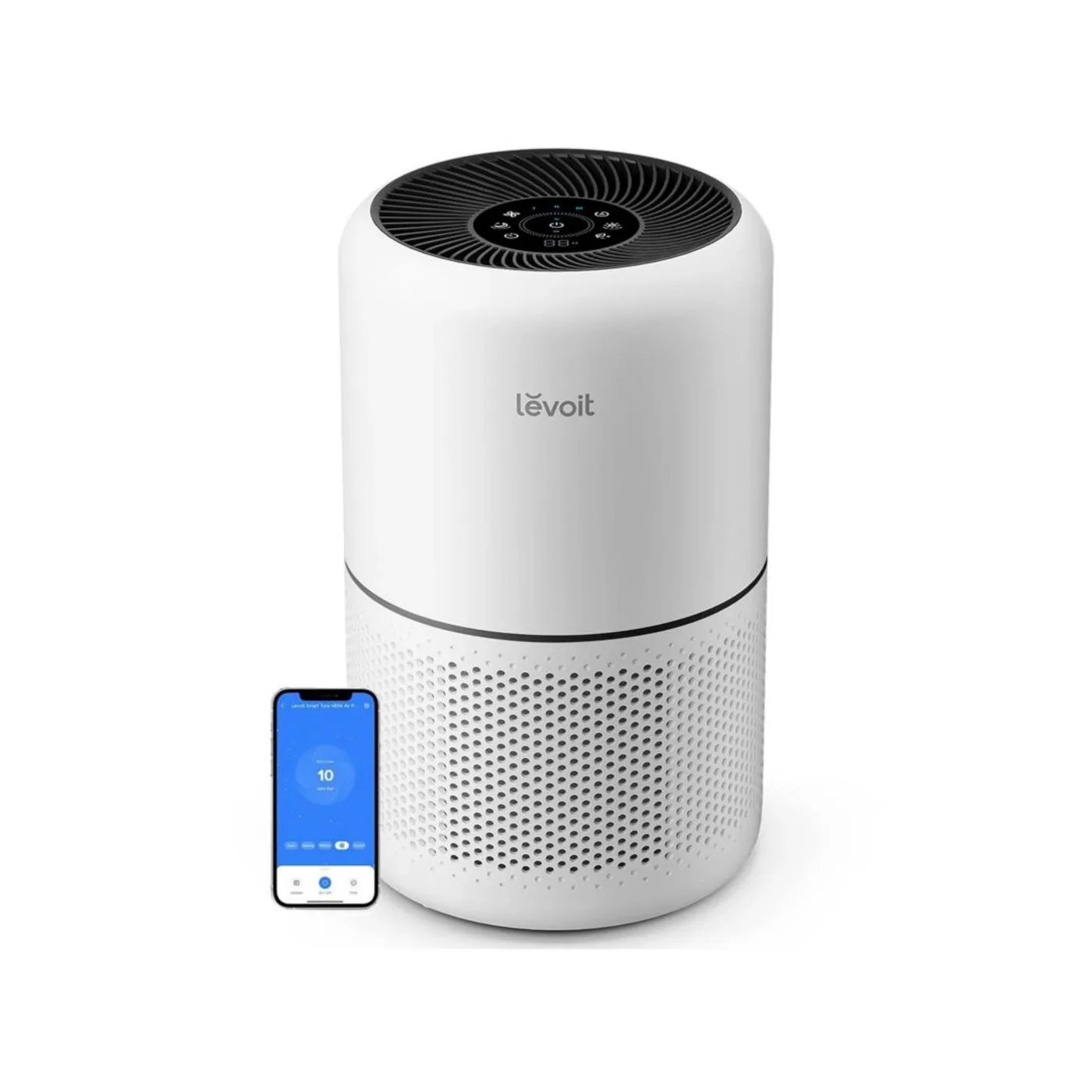
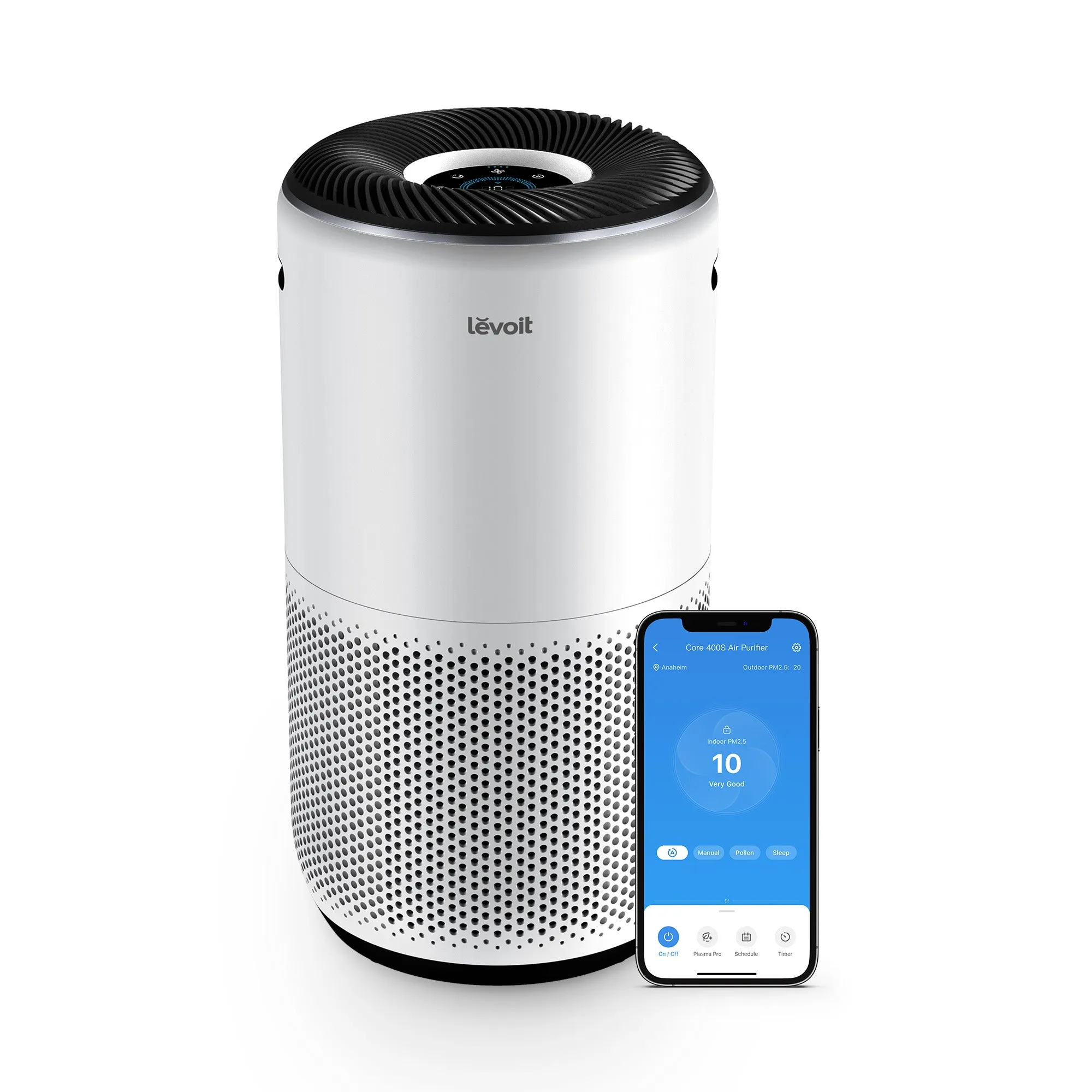
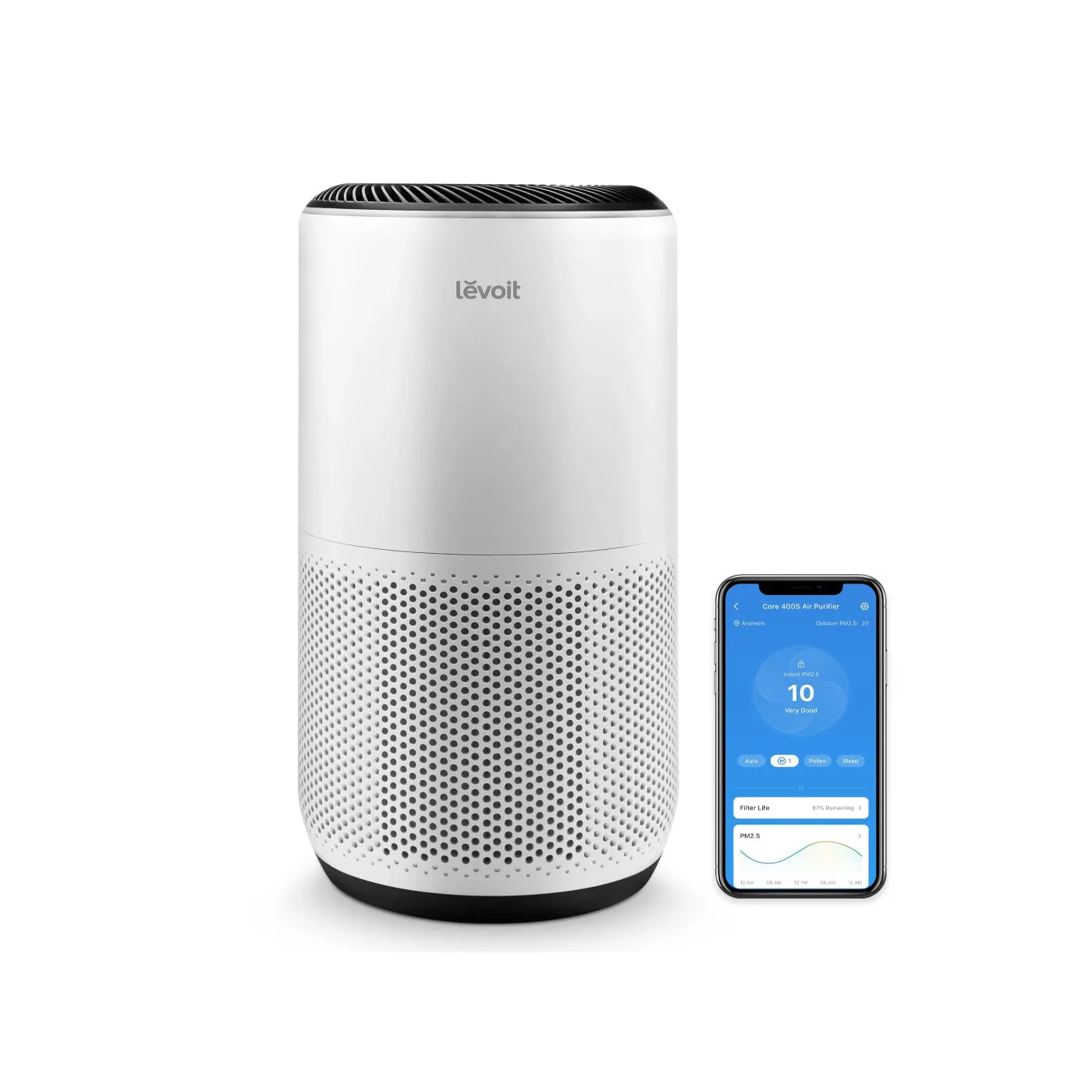
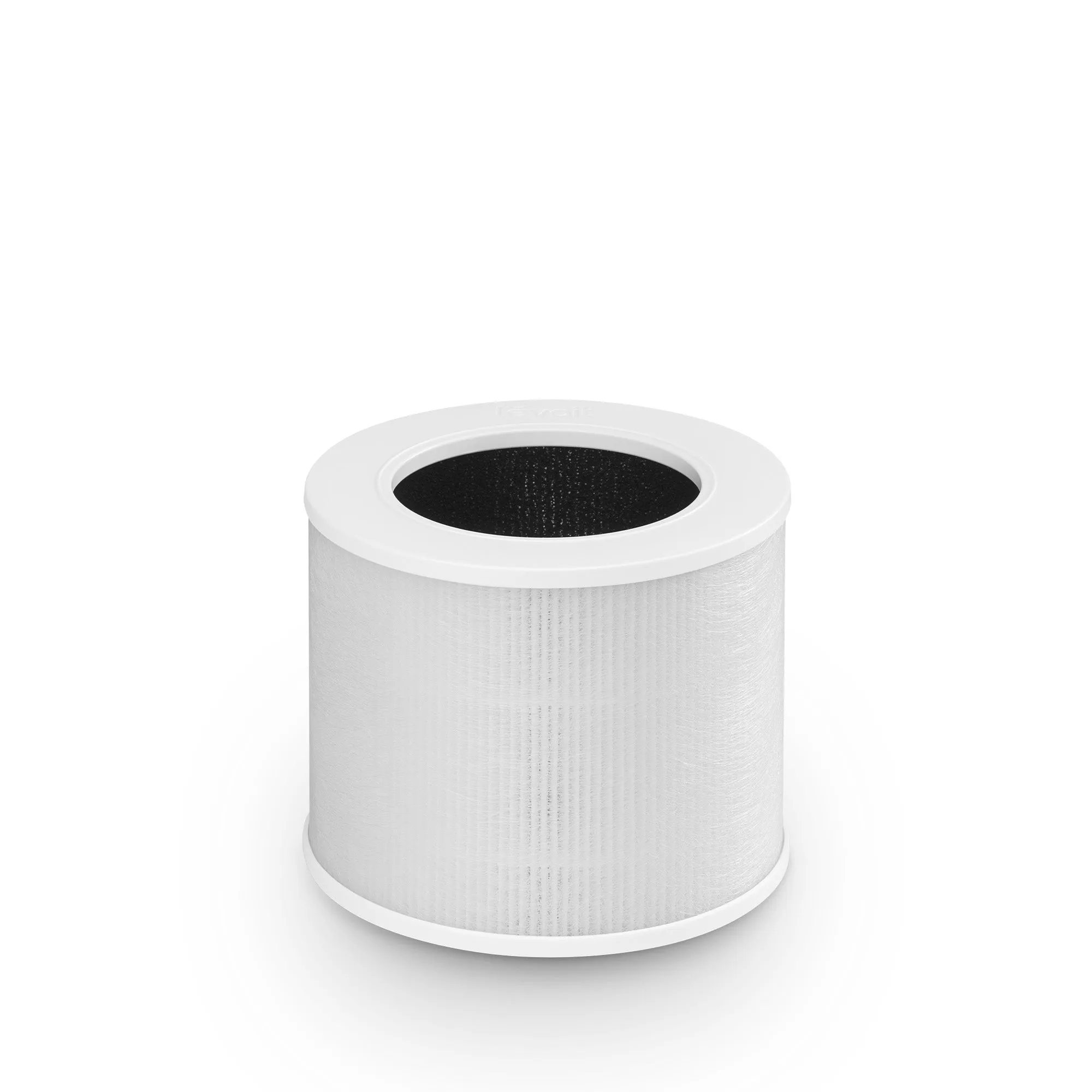
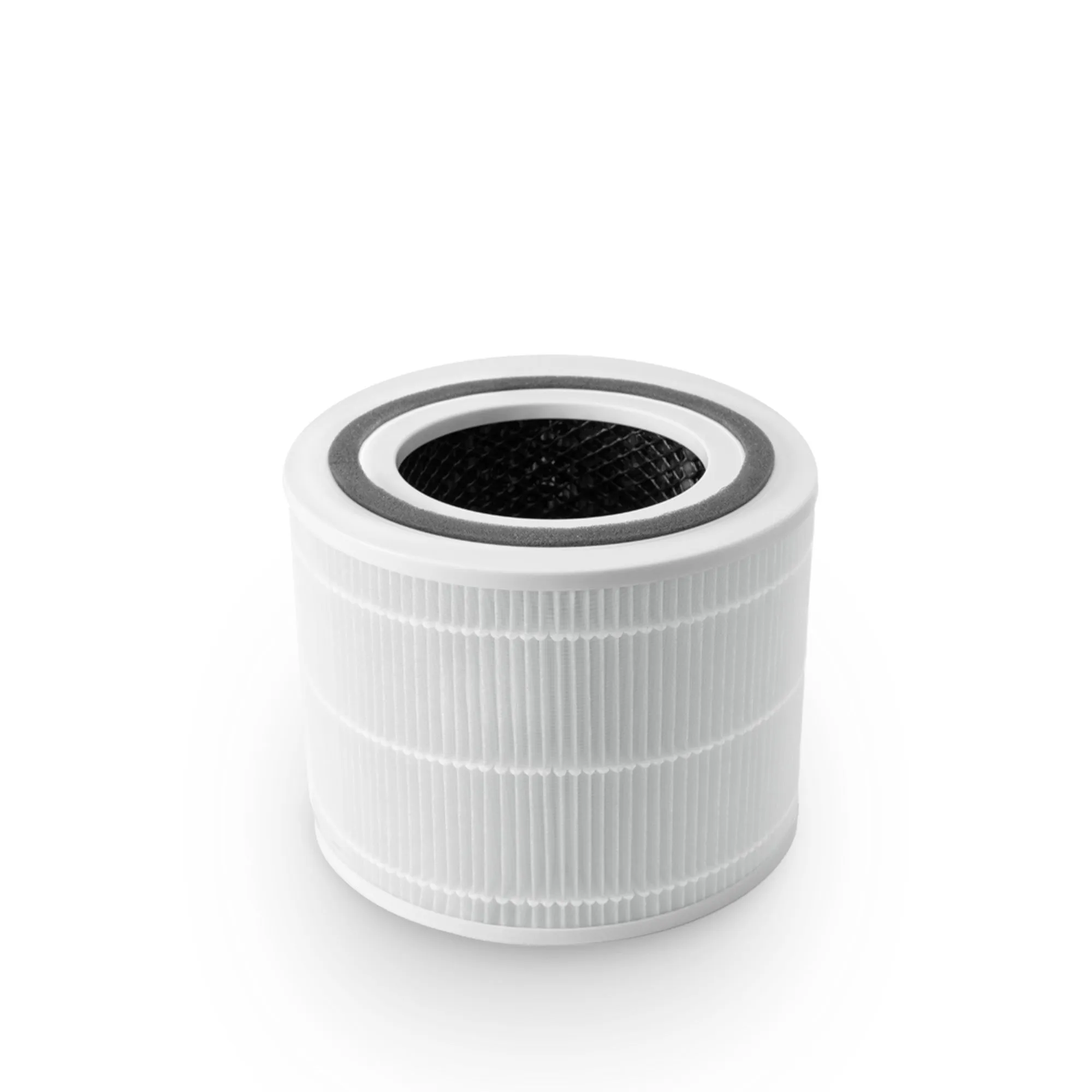
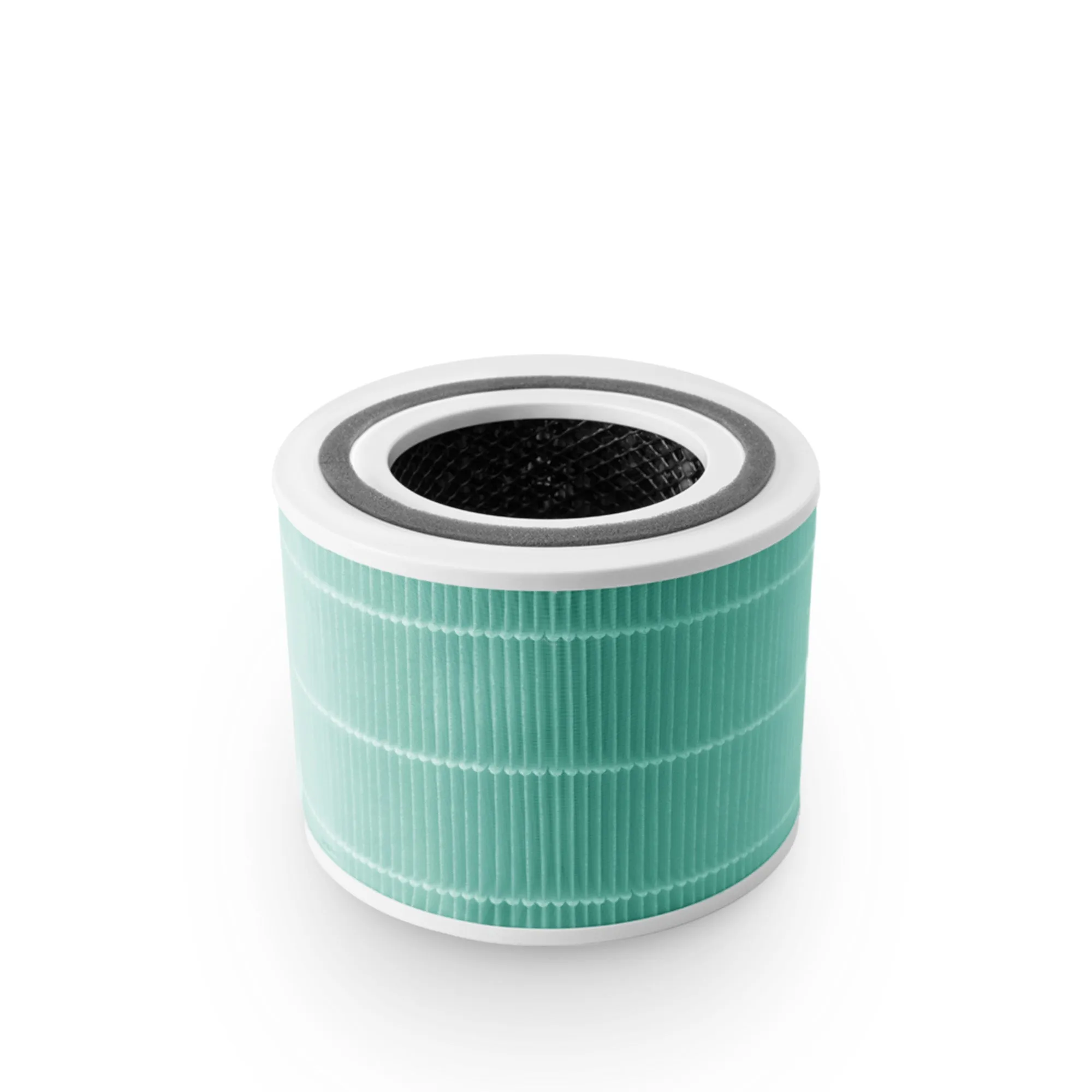
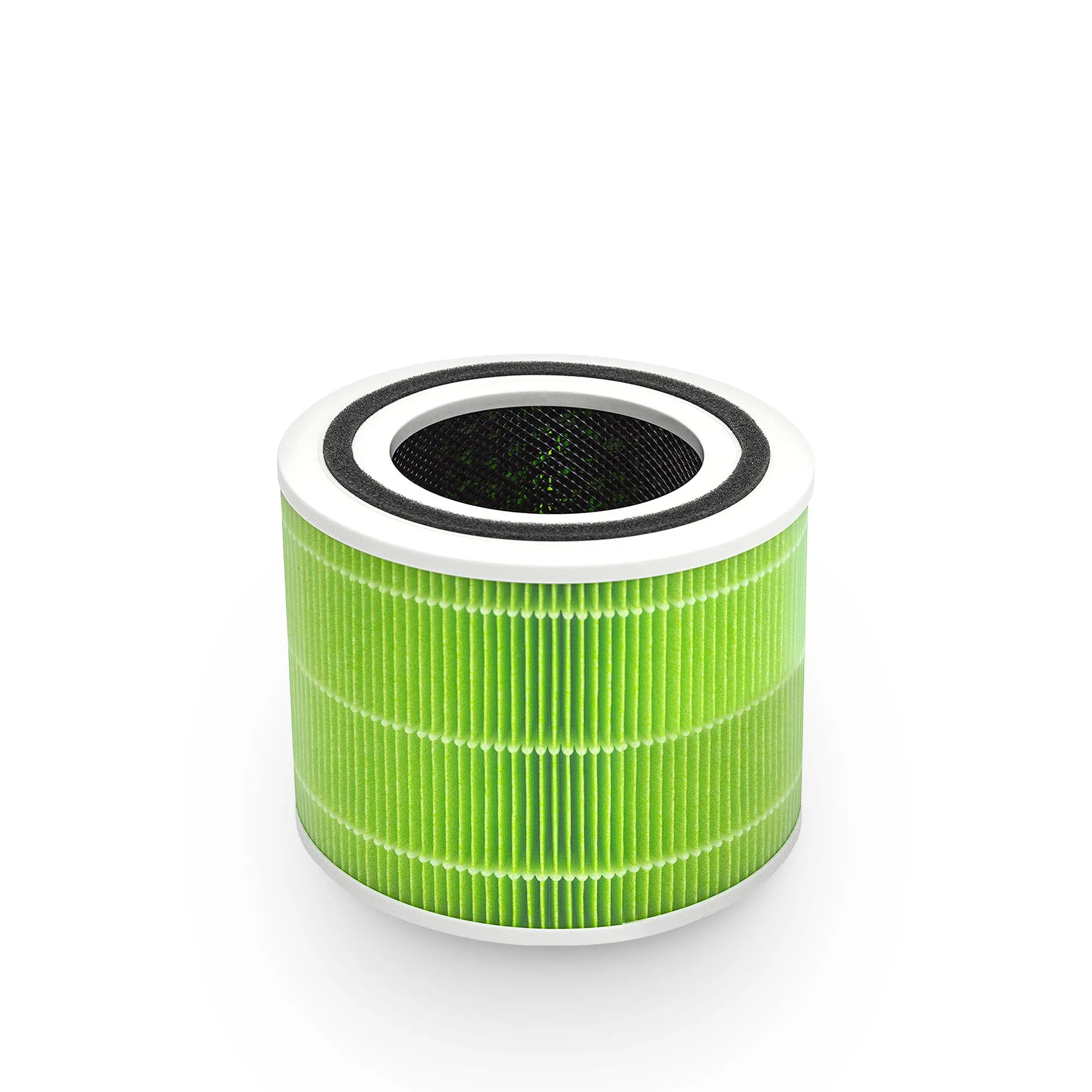
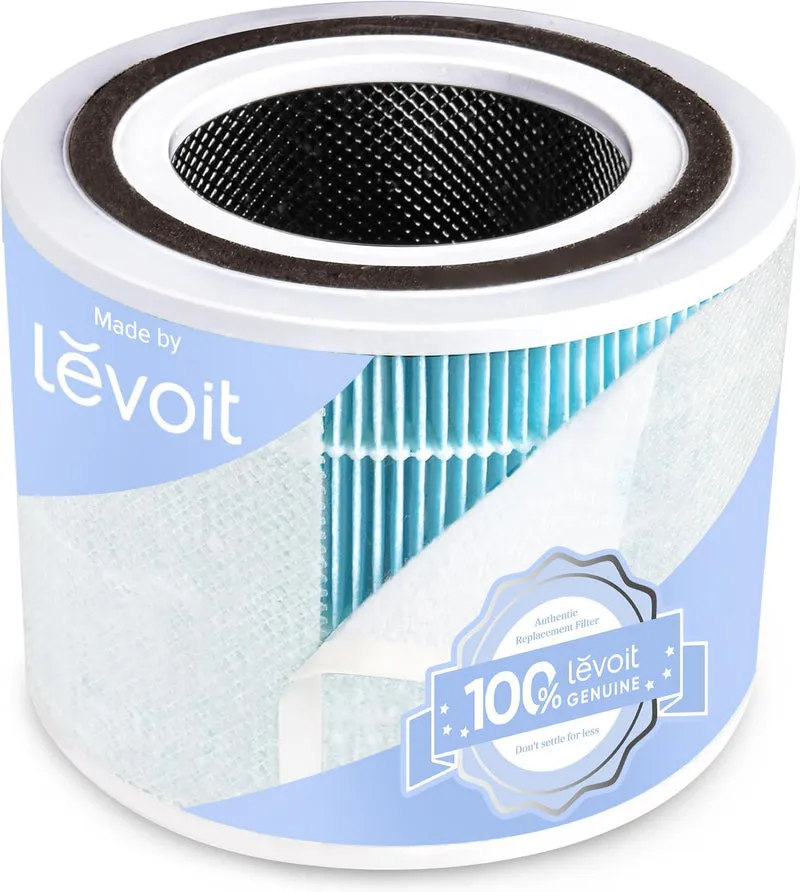
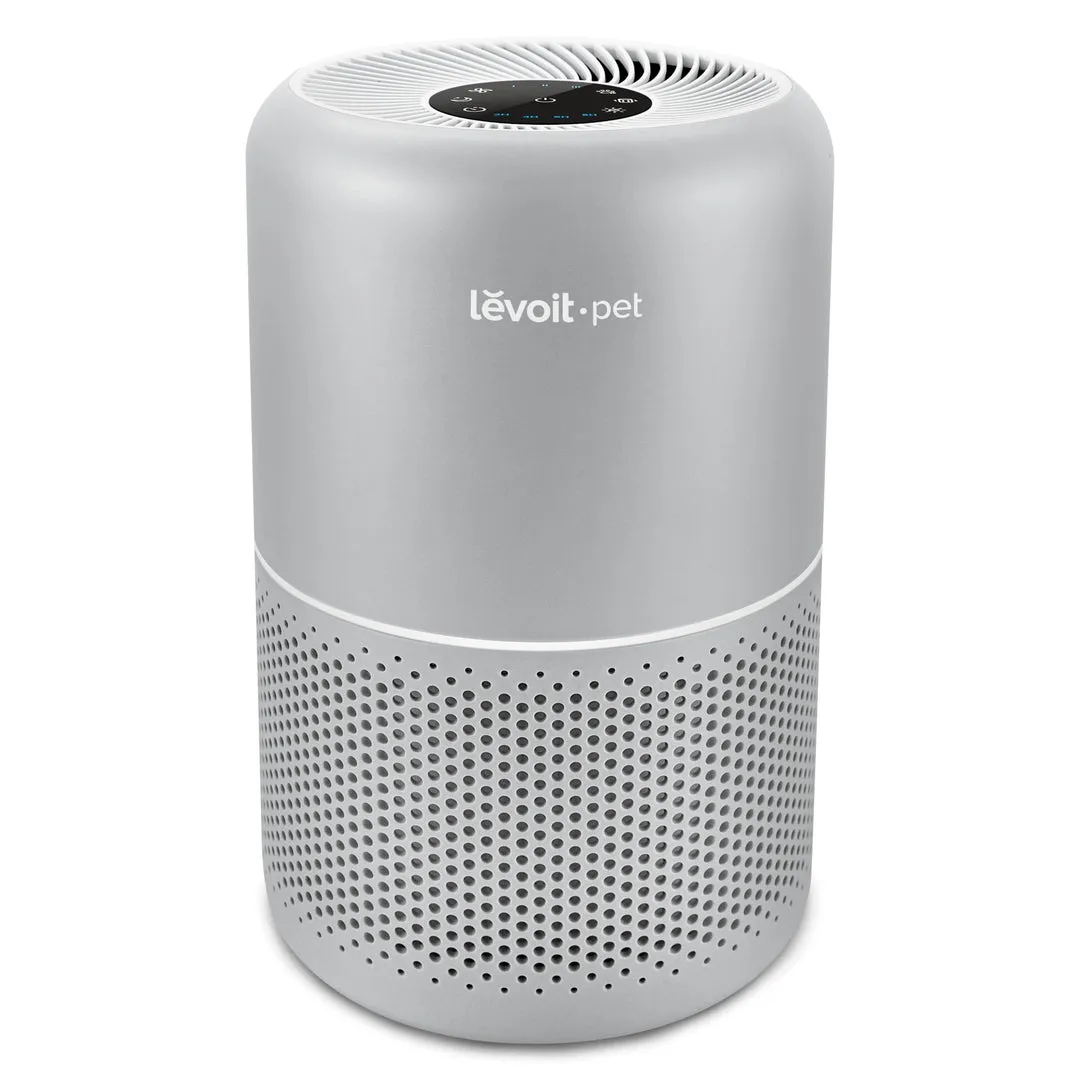
The Levoit Core Mini is a compact, portable option well suited to bedrooms, home offices, and smaller living spaces. It runs quietly, uses a three-stage HEPA filtration system, and covers up to 17 square metres. It is a practical starting point for anyone dealing with dust, pet dander, or allergen-related symptoms.
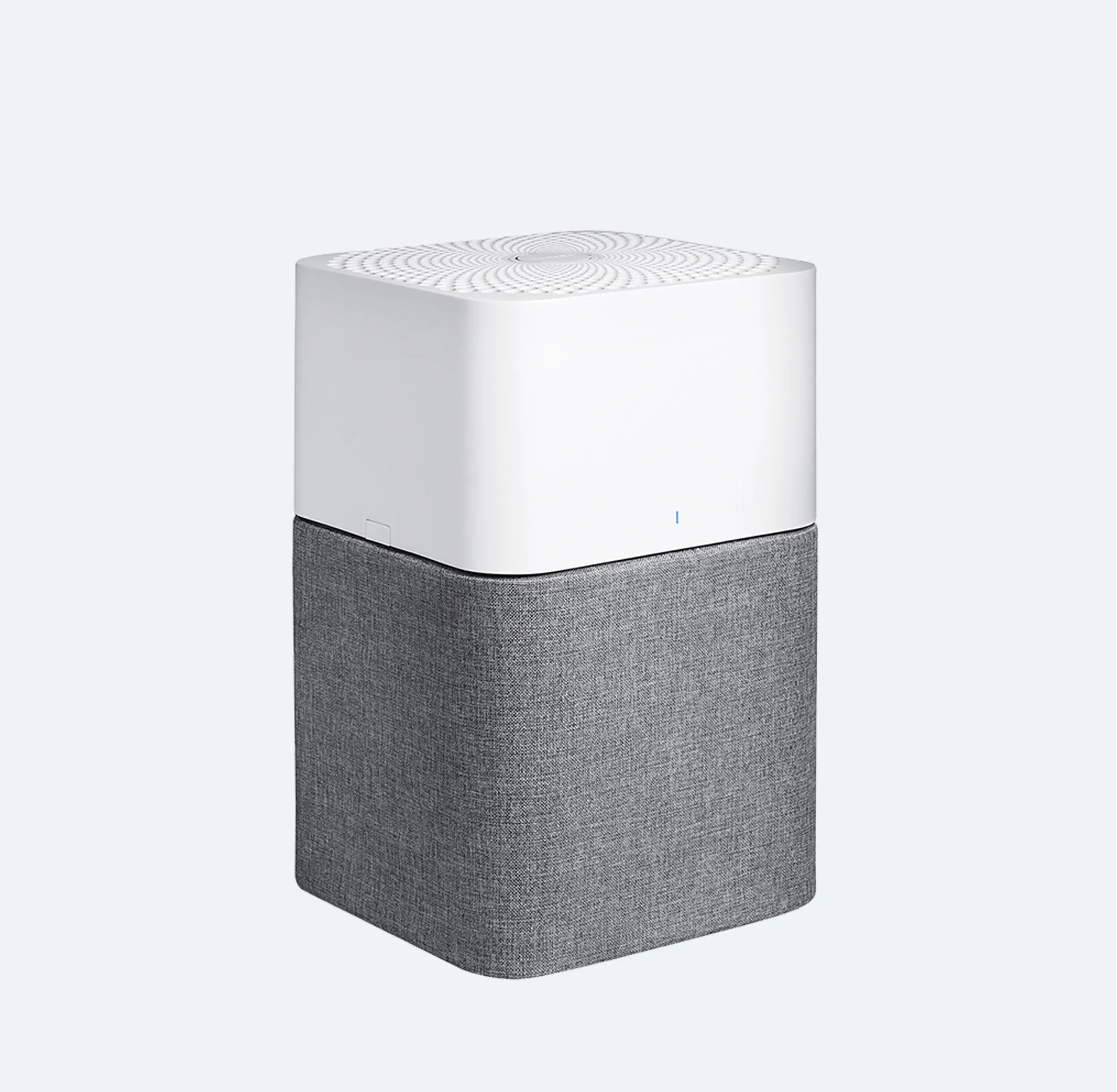
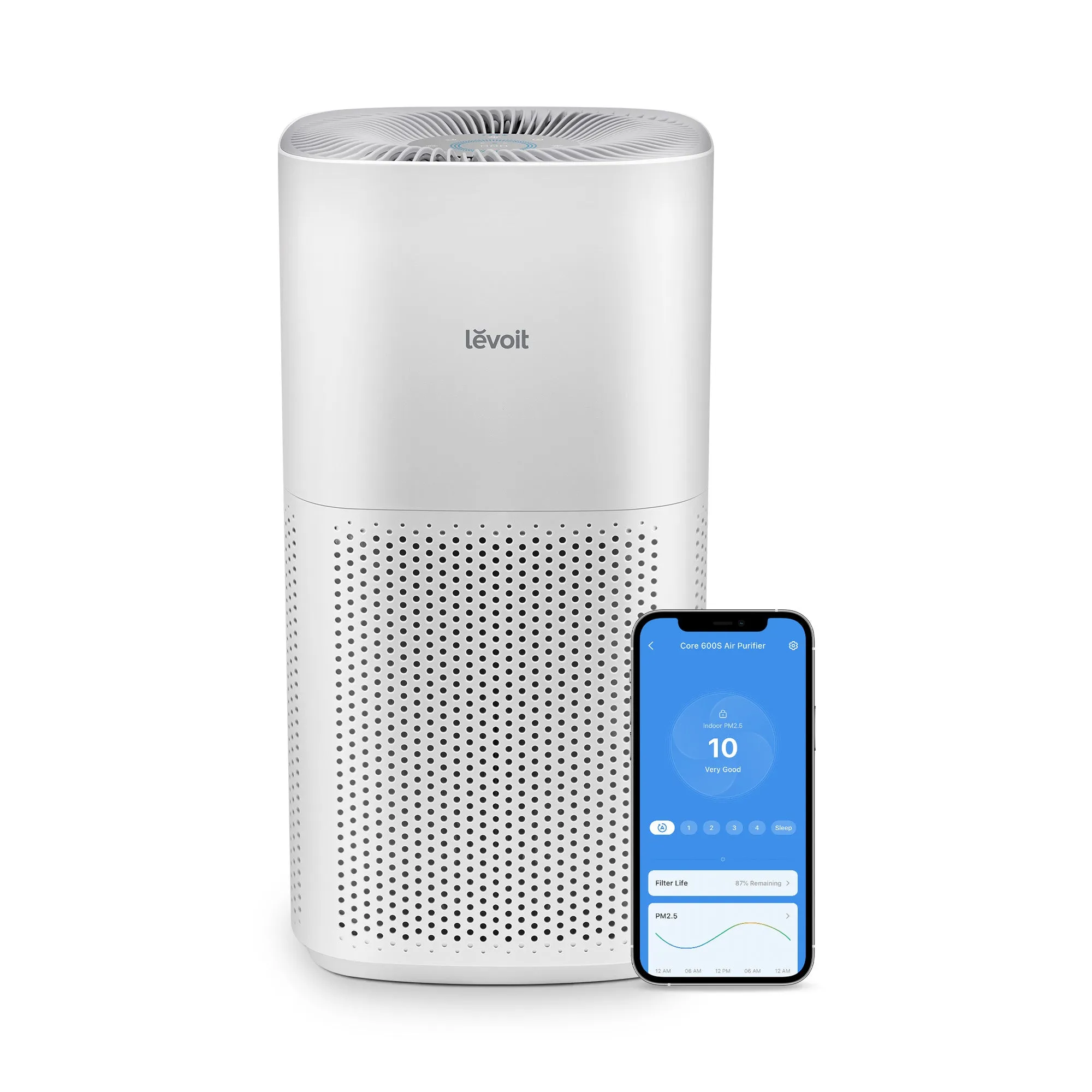
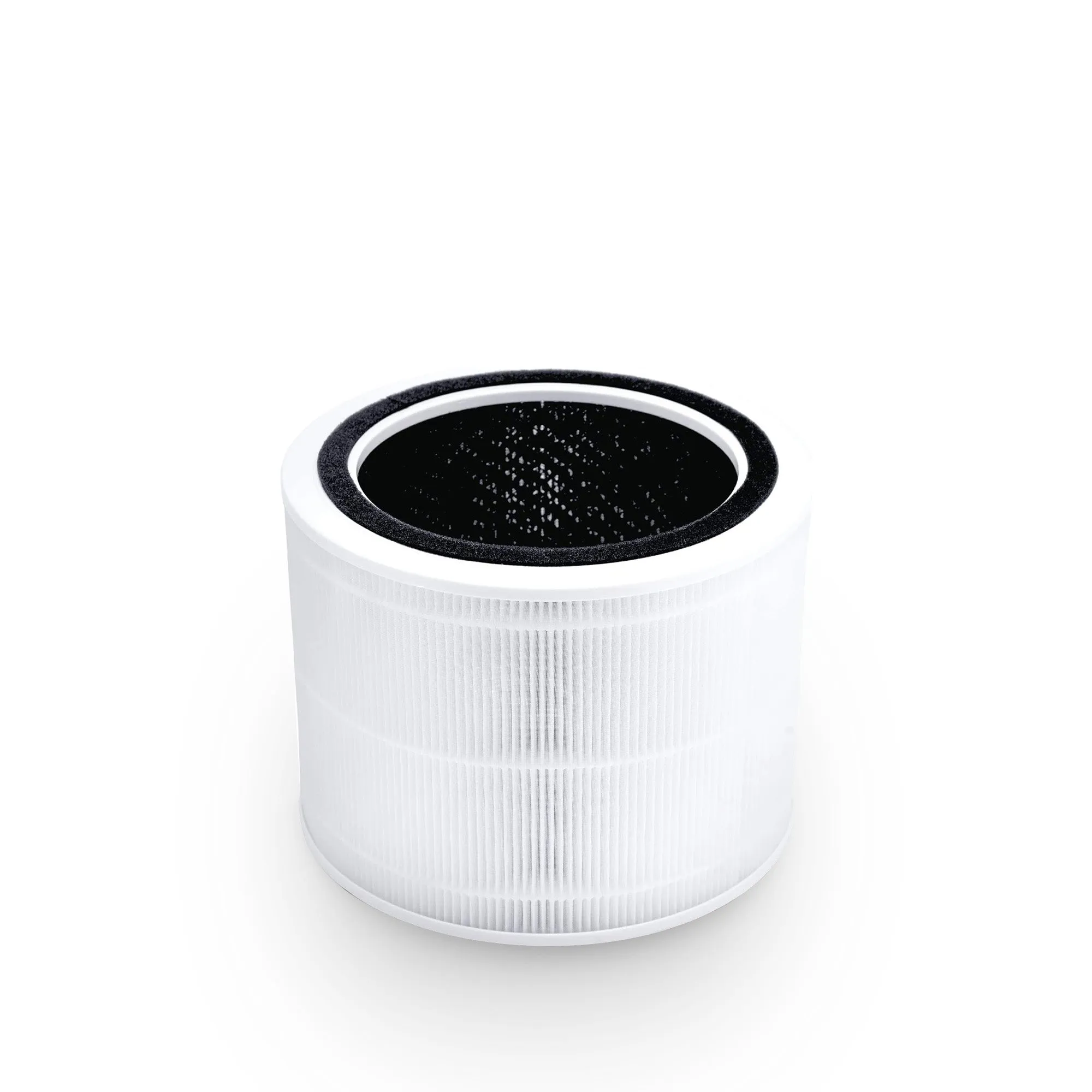
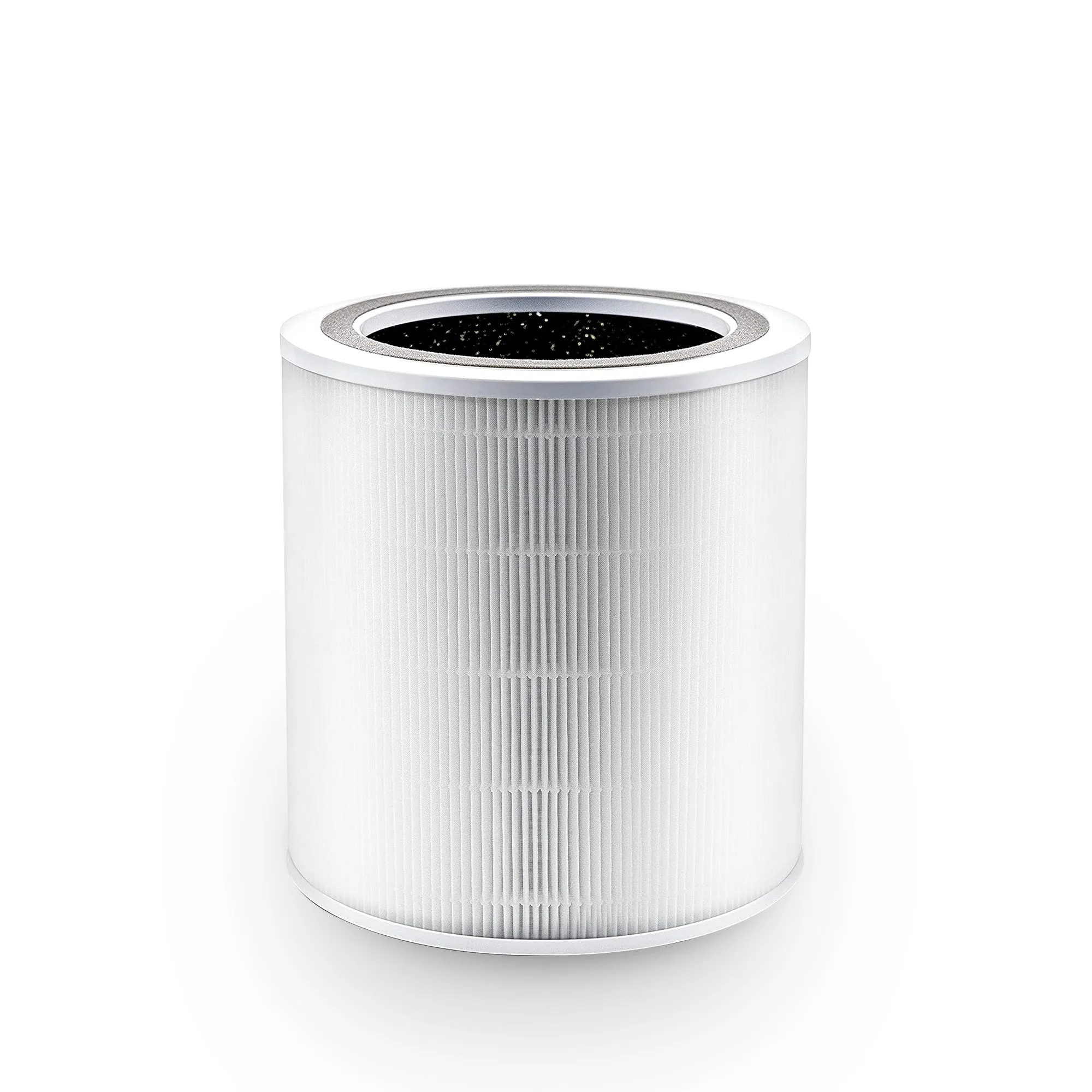
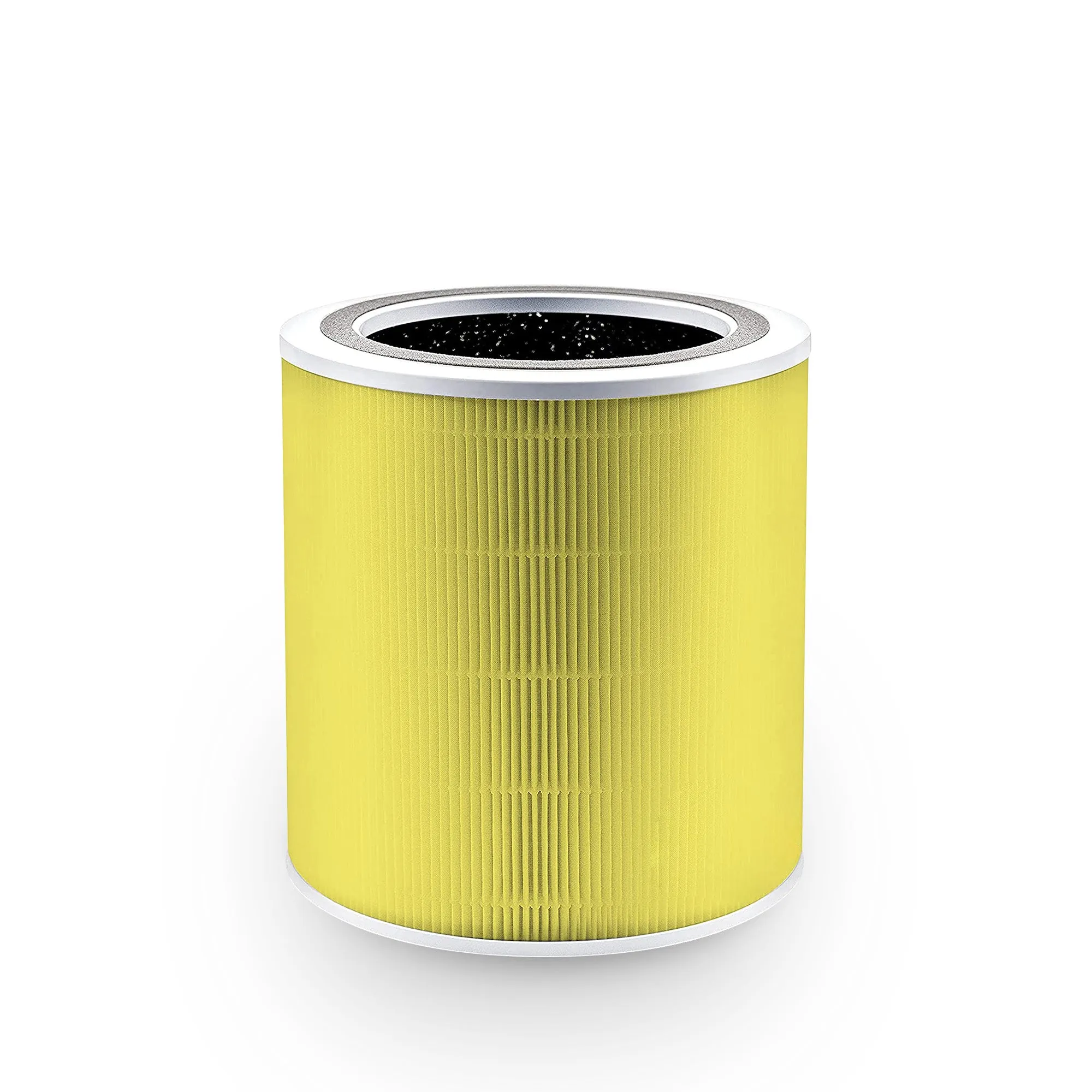
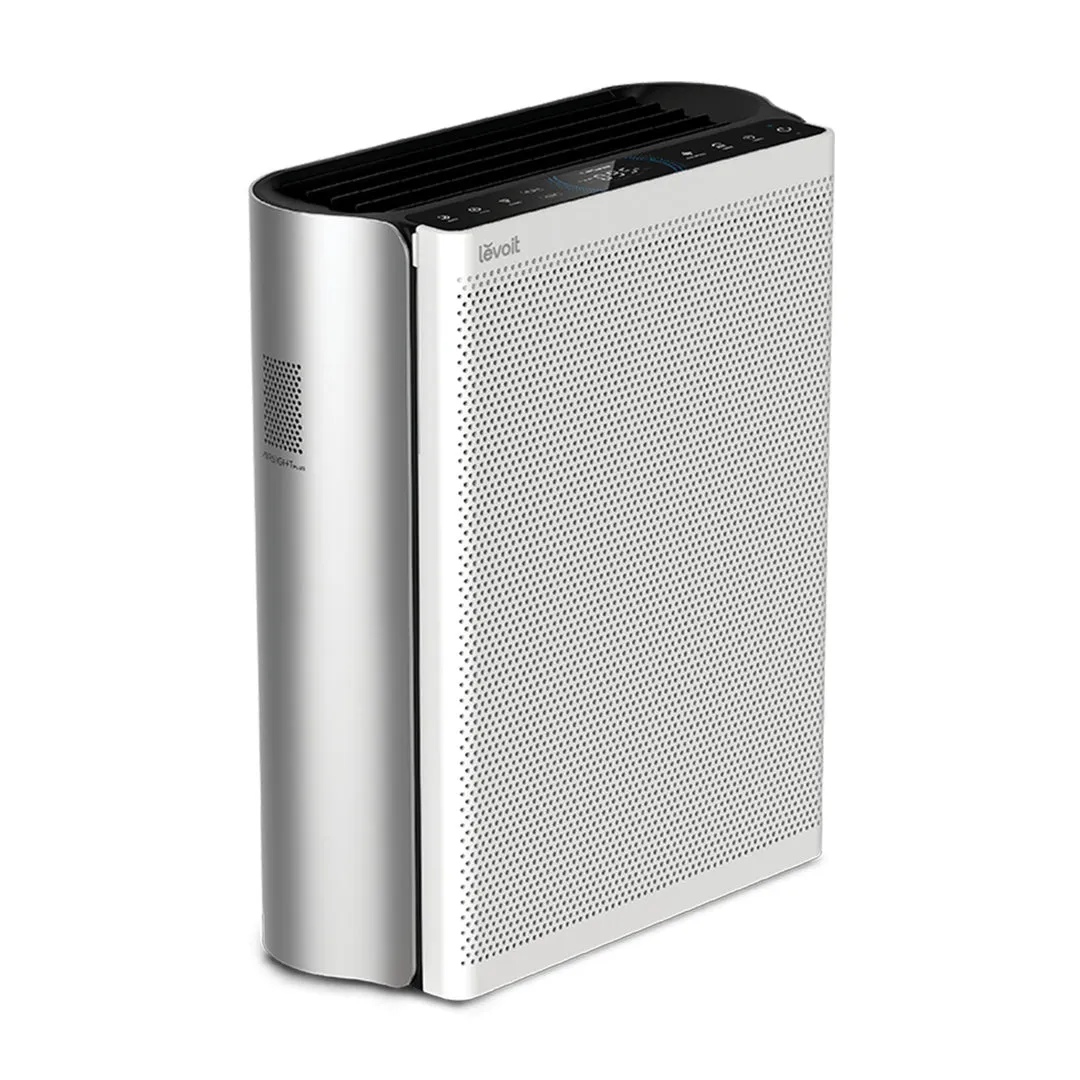
For larger spaces, the Levoit Core 600S covers up to 60 square metres and includes smart controls and auto mode. It suits open-plan offices, large living rooms, and commercial environments where consistent air quality matters. Both models are available with fast delivery across Dubai, Abu Dhabi, and the wider UAE.
FAQ
What is the main difference between a purifier and humidifier?
An air purifier removes airborne contaminants like dust, pollen, and smoke using filters. A humidifier adds moisture to the air to relieve dryness. The two devices address entirely separate air quality issues.
Do I need a humidifier or an air purifier for allergies?
An air purifier is the better choice for allergy relief. Humidifiers do not remove allergens, and raising humidity too high can increase mould and dust mites, which may worsen allergy symptoms.
Can I use both a purifier and humidifier in the same room?
Yes. The two devices perform different functions and do not interfere with each other. Place them on opposite sides of the room to prevent humidifier moisture from reaching the purifier’s filter directly.
How do I know if I need a humidifier?
Measure your indoor relative humidity with a hygrometer. If the reading is consistently below 30% and you experience dry skin, cracked lips, or frequent nosebleeds, a humidifier is likely to help.
Are ultrasonic humidifiers safe to use?
Ultrasonic humidifiers carry a higher risk than evaporative models if not maintained properly. They can disperse minerals and microorganisms into the air. Using distilled water and cleaning the tank every three days significantly reduces these risks.