Uncategorised
Air quality myths debunked: facts every home needs
Most people believe their home is a safe haven from pollution. That belief is one of the most persistent and harmful air quality myths debunked by indoor environmental science. Indoor air quality (IAQ) is the recognised industry term for the condition of air inside buildings, and the evidence shows it is frequently worse than the air outside. Misconceptions about filtration, ventilation, and energy use lead households to make decisions that actively worsen their indoor environment. This article addresses the most common air quality misconceptions directly, with evidence, so you can make informed choices.
Are air quality myths debunked by the indoor pollution data?
The short answer is yes, and the data is striking. Indoor air is frequently 2 to 5 times more polluted than outdoor air. That figure surprises most people, because the assumption is that walls and windows keep pollution out.
The reality is the opposite. Sealed spaces trap contaminants rather than exclude them. Sources include:
- Volatile organic compounds (VOCs) from paints, adhesives, and cleaning products
- Dust mites and pet dander that accumulate in carpets and soft furnishings
- Mould spores released by damp areas, particularly in bathrooms and kitchens
- Combustion byproducts from gas hobs, candles, and incense
Modern airtight homes trap VOCs and other pollutants far more effectively than older, draughtier constructions. High-efficiency building standards reduce energy loss, but they also reduce the natural air exchange that once diluted indoor contaminants. The result is that newer homes, which feel cleaner, often have worse IAQ without mechanical filtration or ventilation.
A further complication is detection. Many indoor pollutants lack odour or visual cues, meaning you cannot smell or see them until symptoms appear. Mould spores, VOCs, and fine particulate matter (PM2.5) are all invisible. Relying on your senses to judge air quality is one of the most common air quality misconceptions in circulation.
For a detailed breakdown of what drives indoor pollution, the Cleanair-ae guide on indoor pollution causes covers the main sources and their health implications.
Do all air purifiers work equally well?
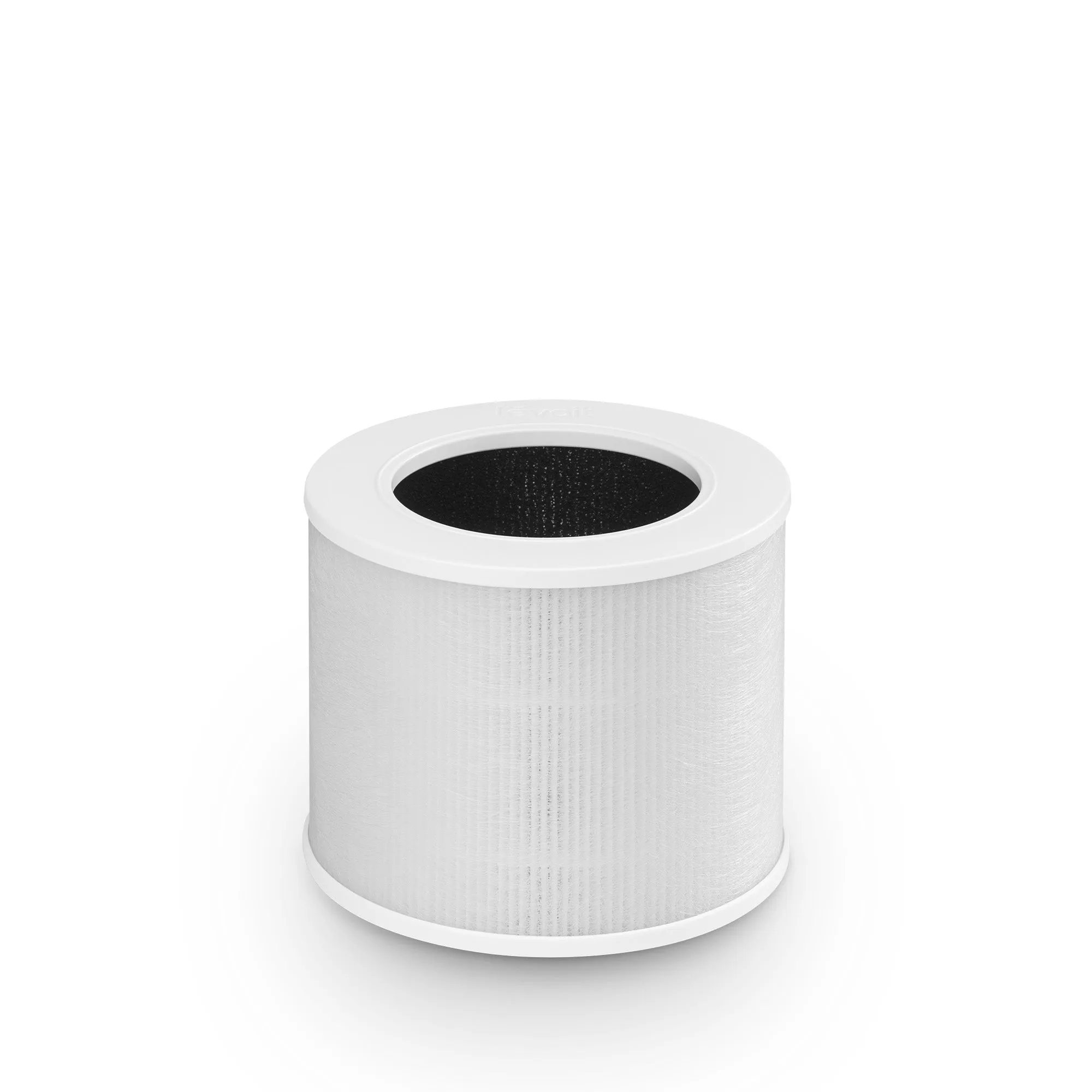
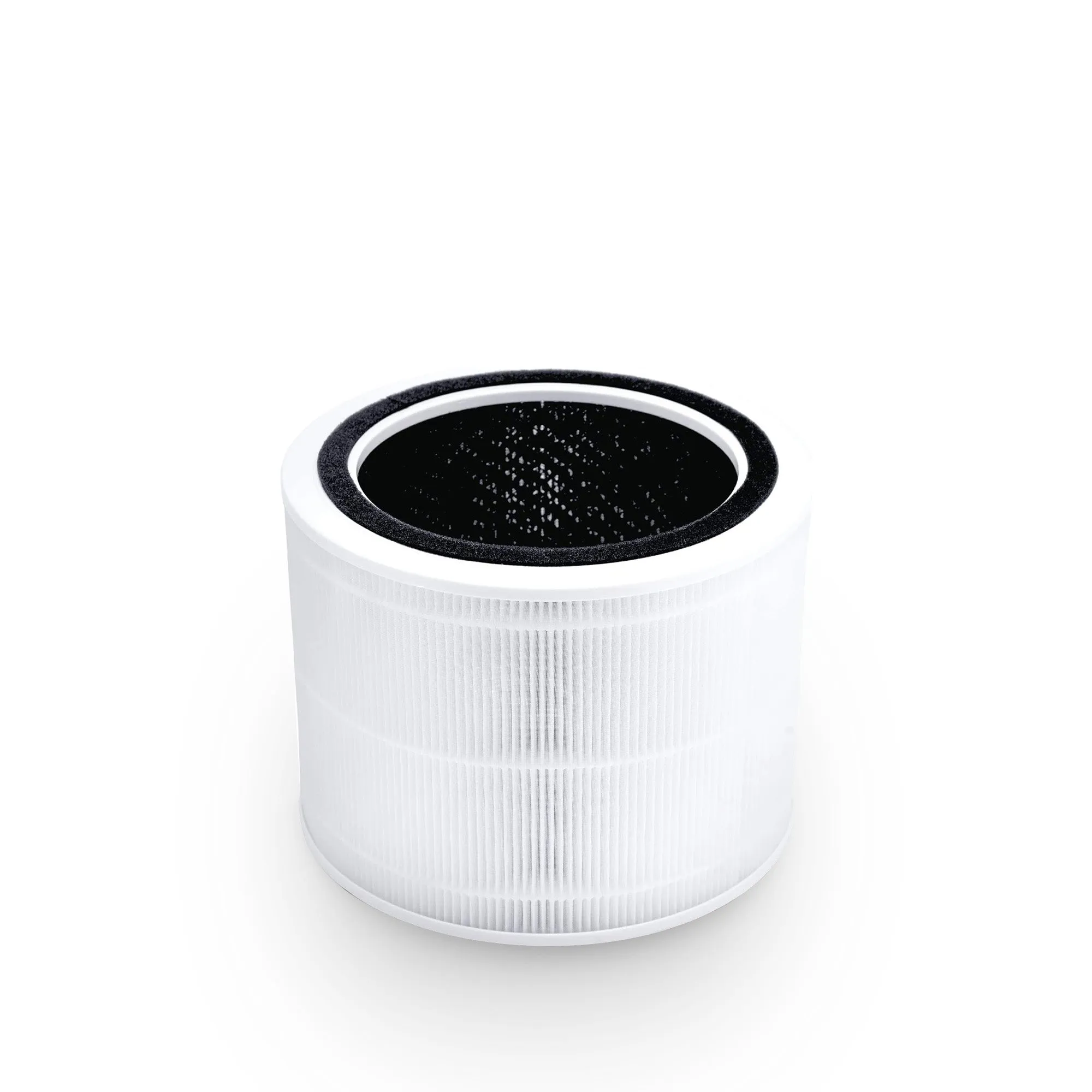
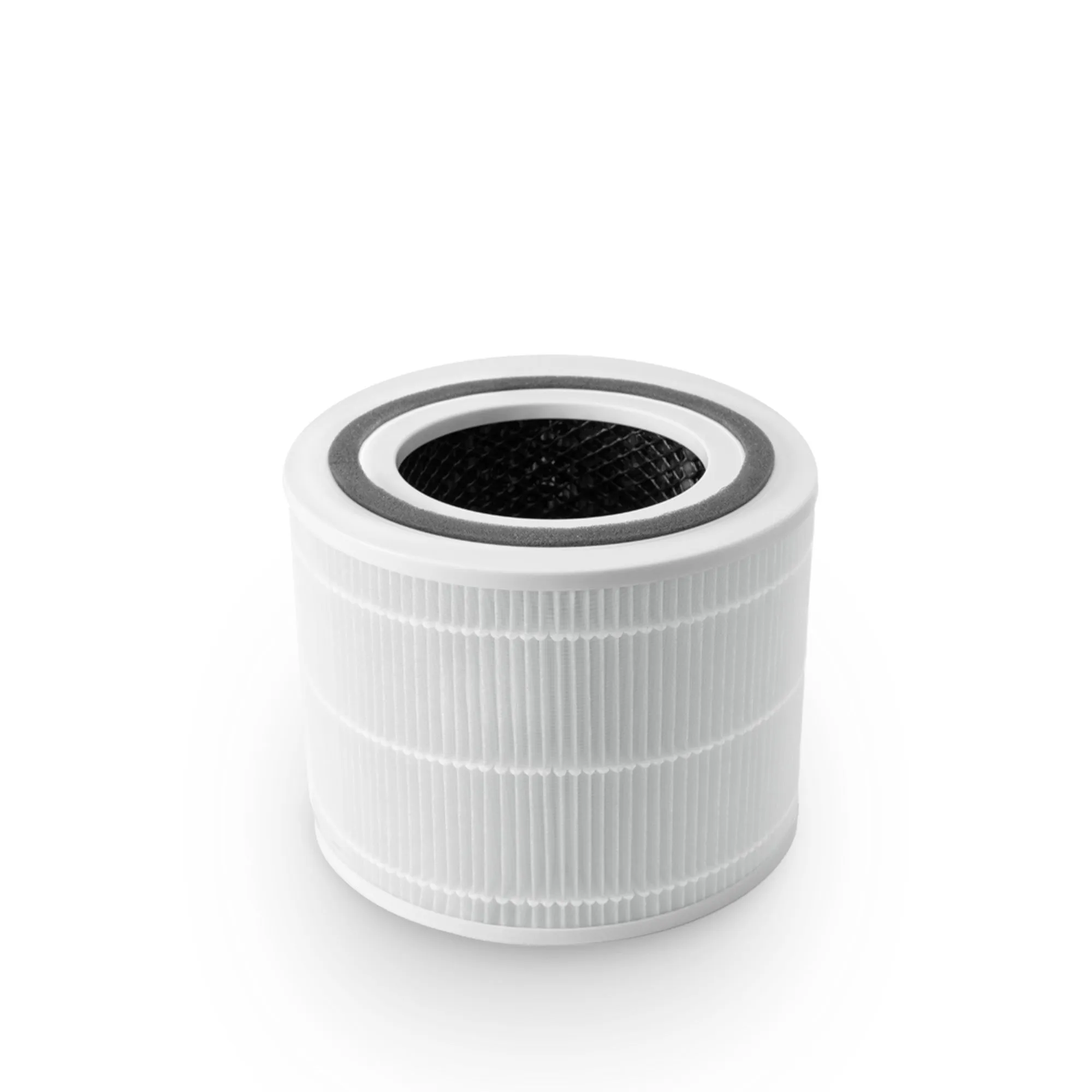
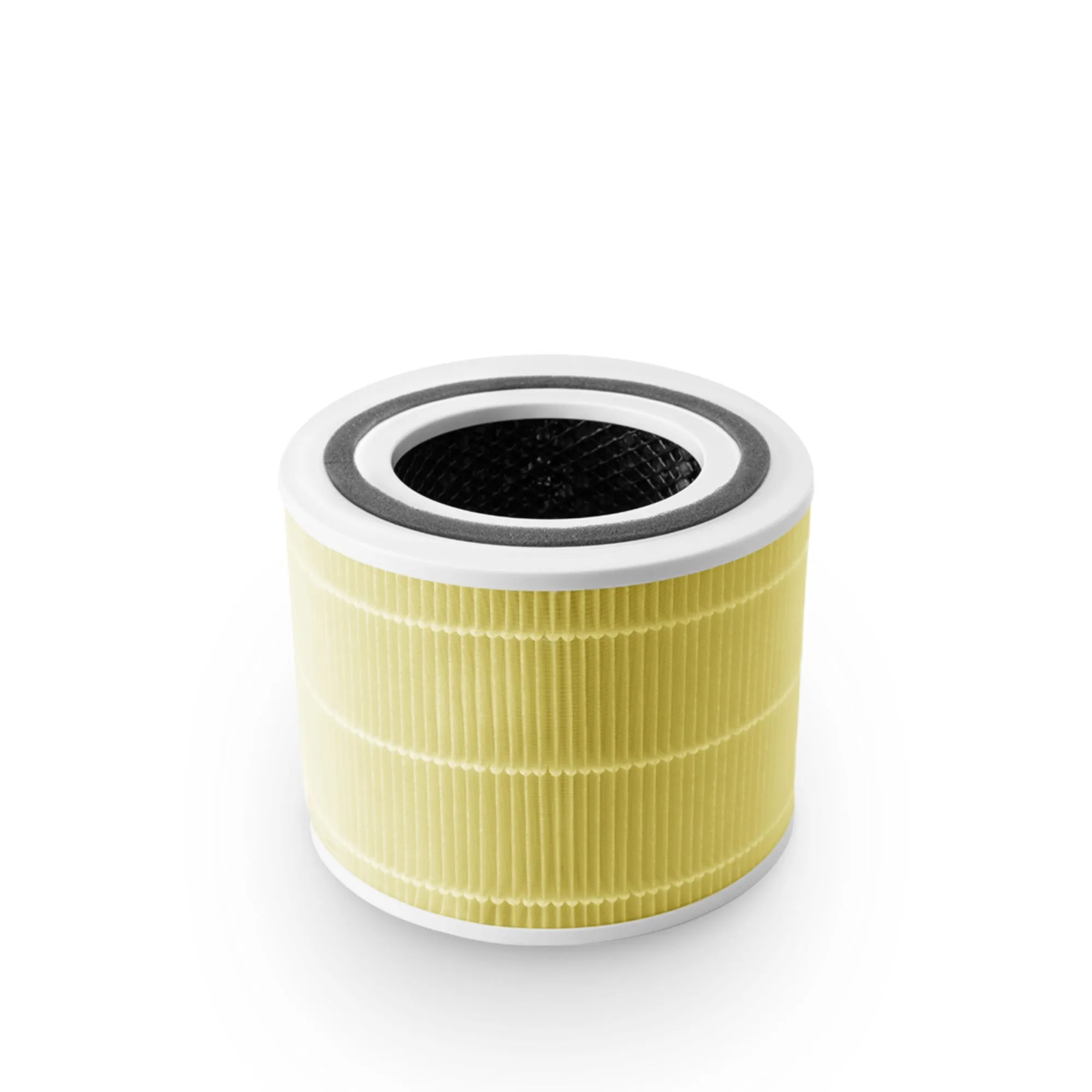
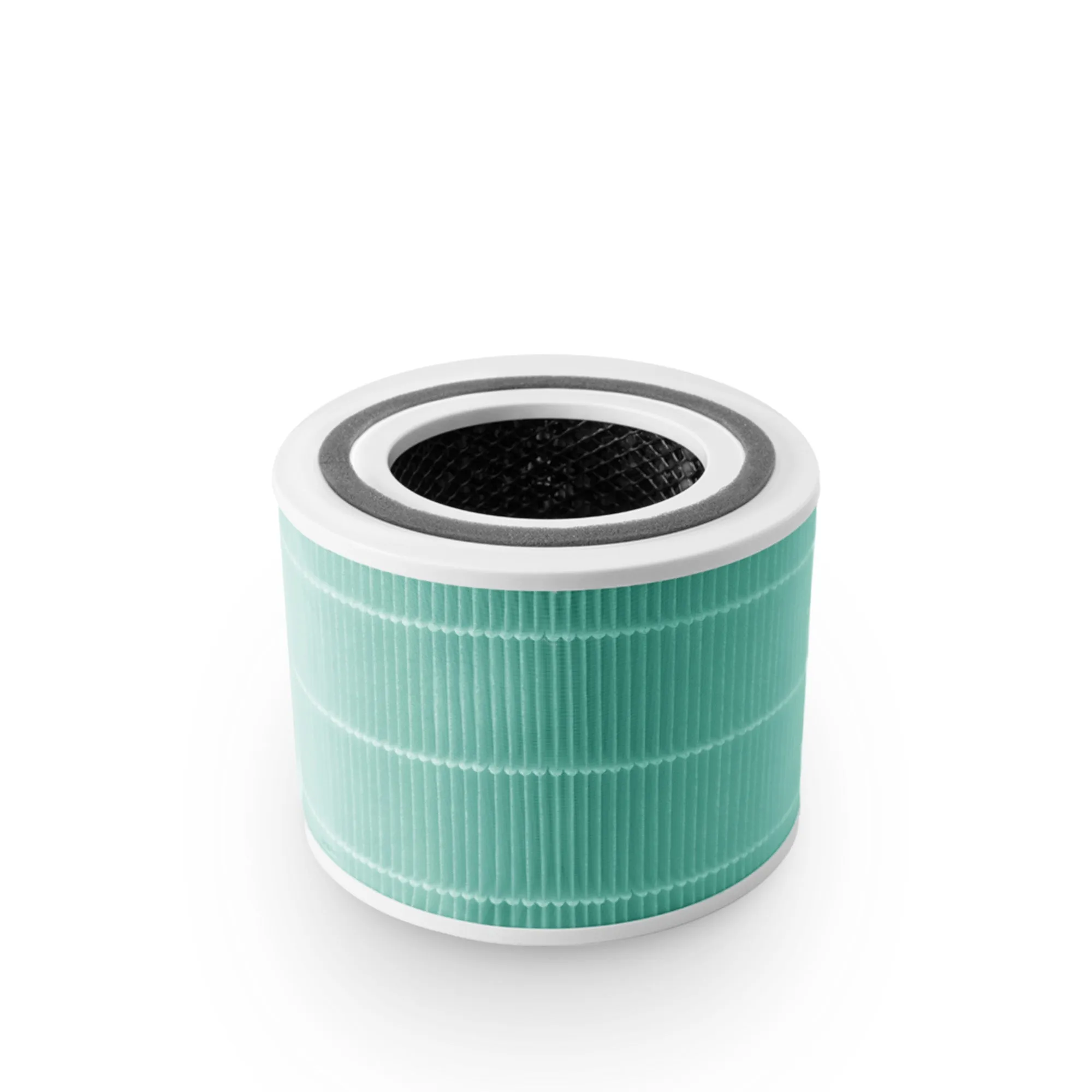
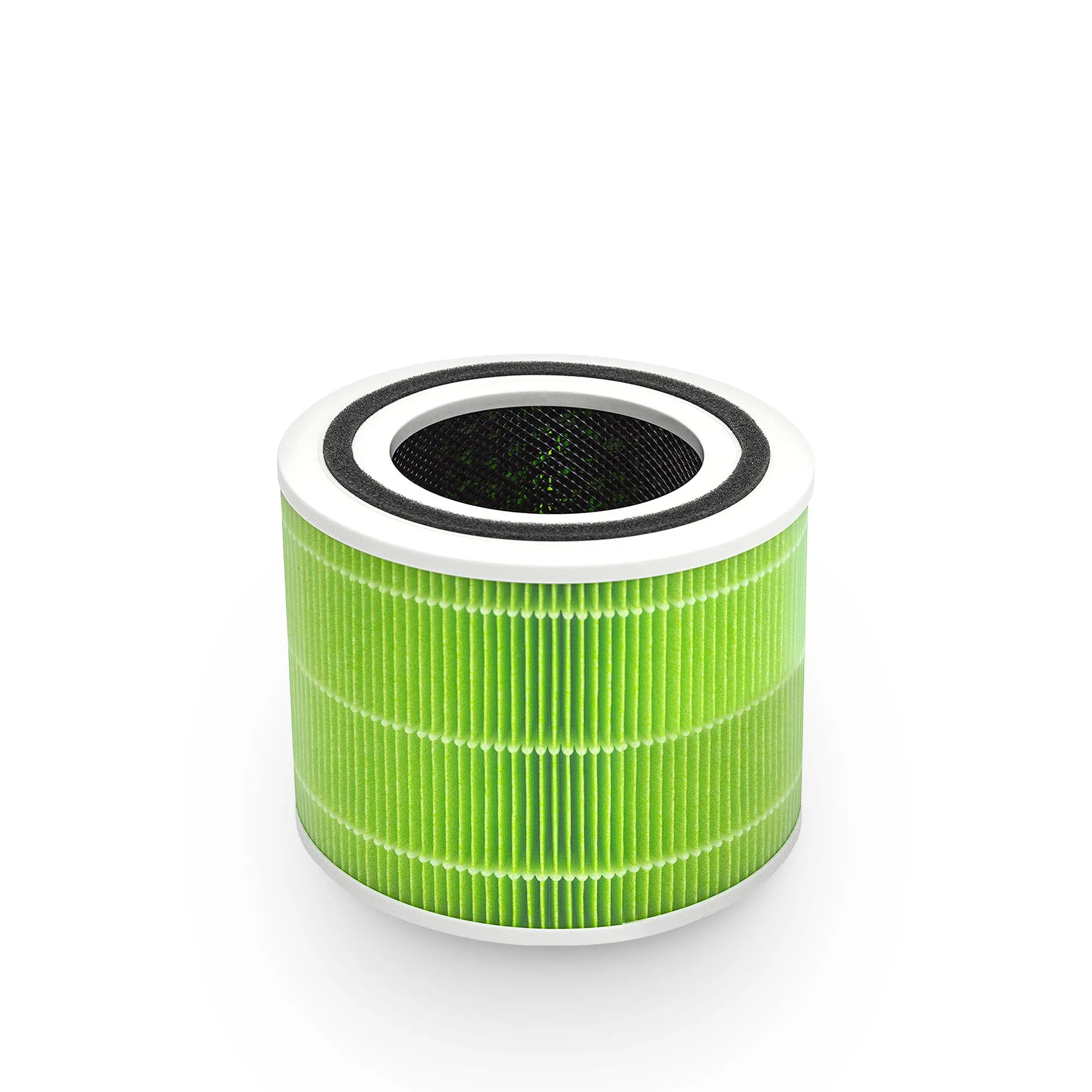
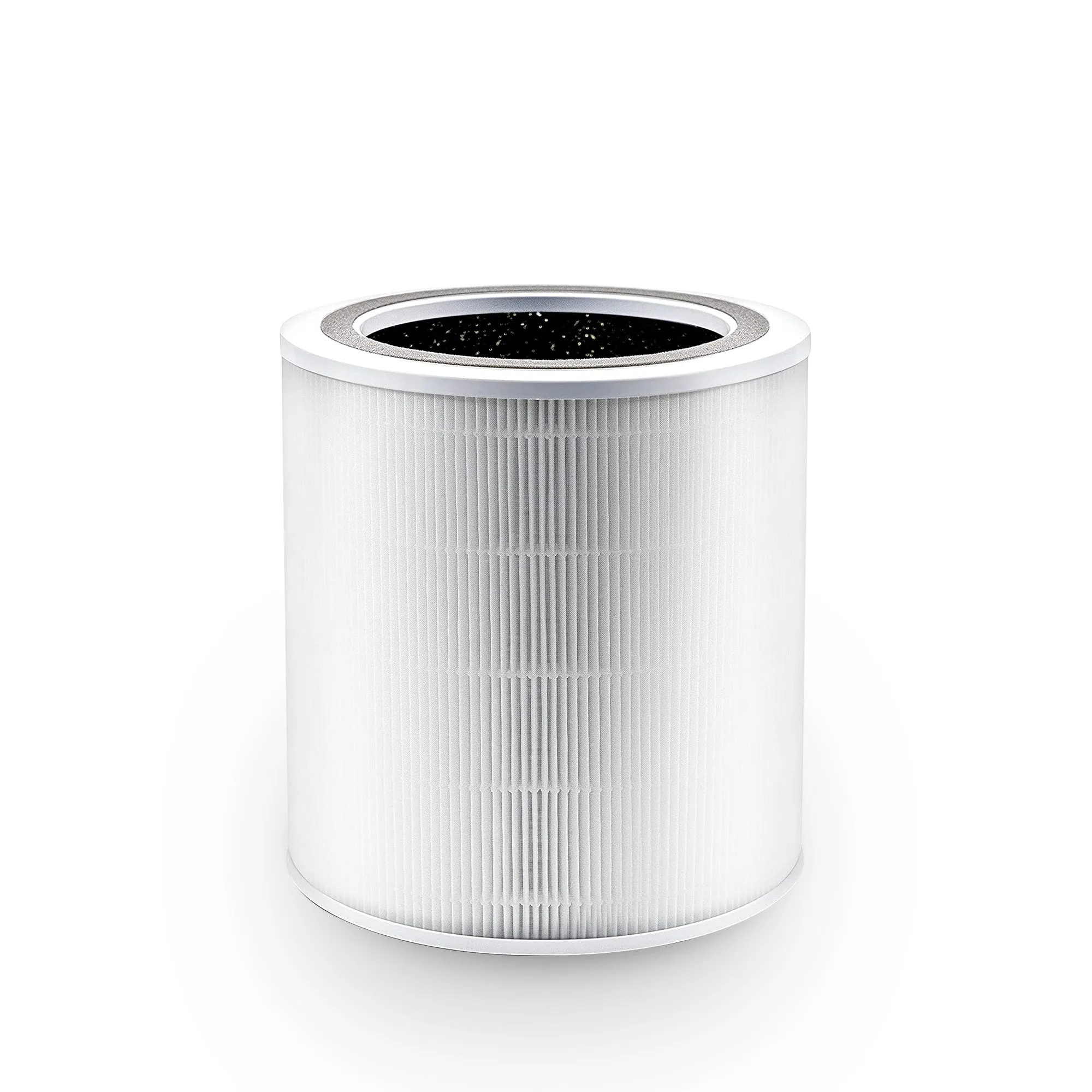
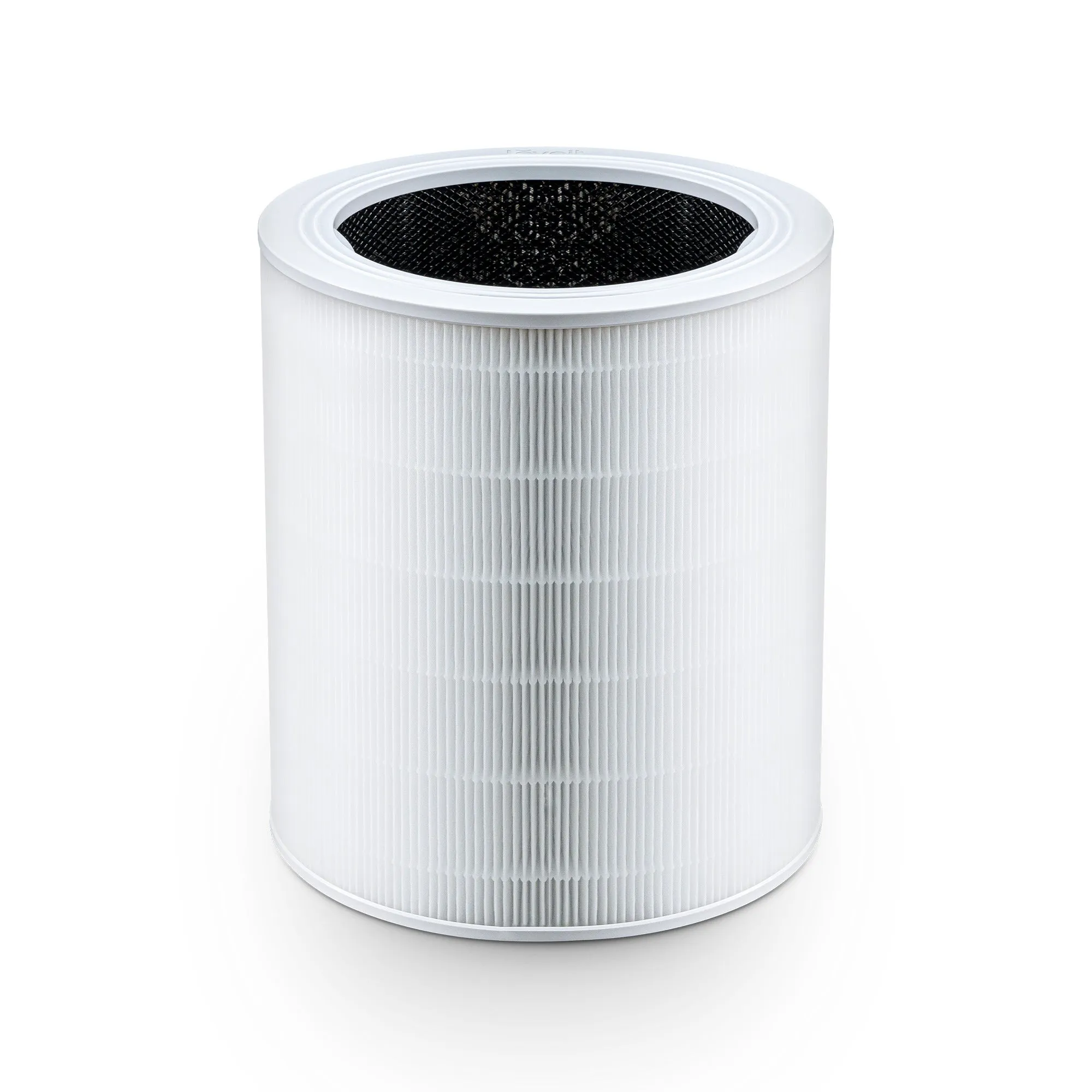
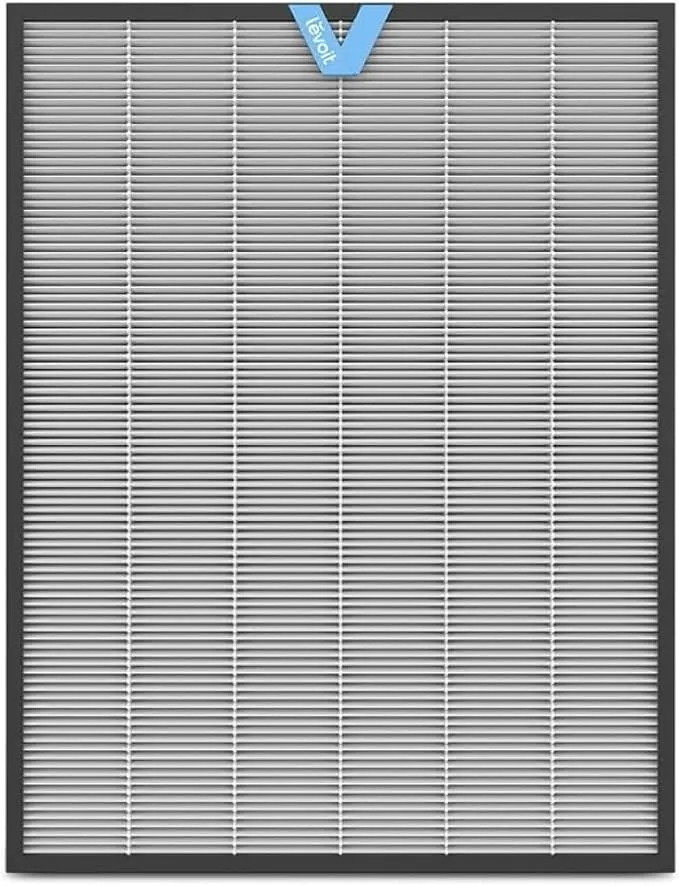
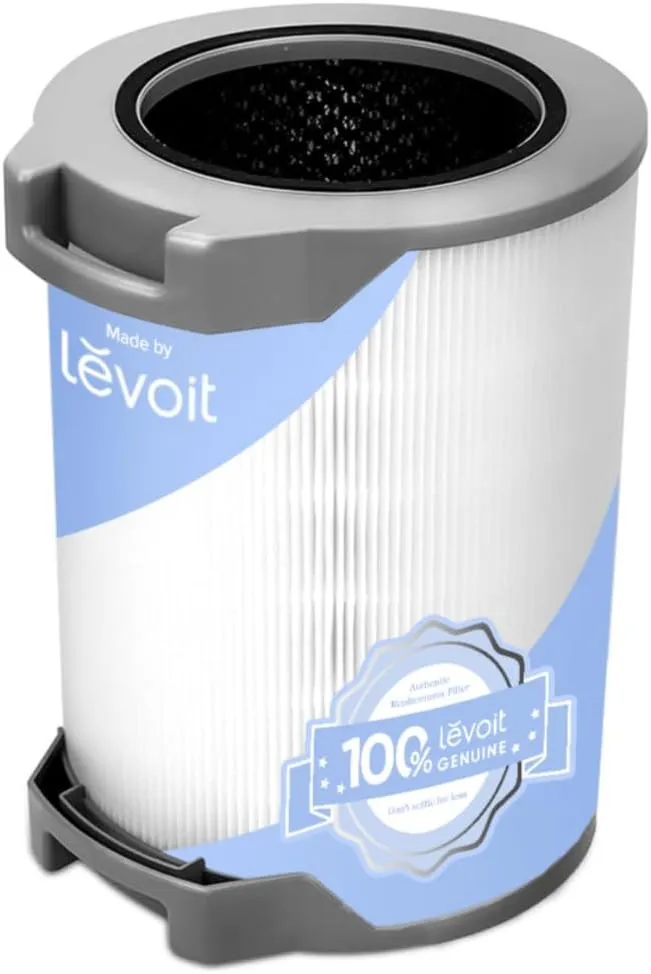
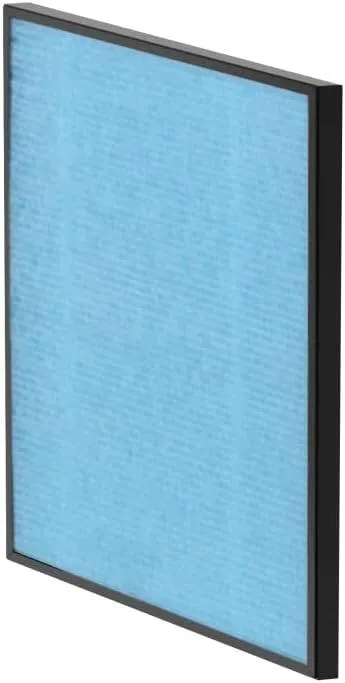
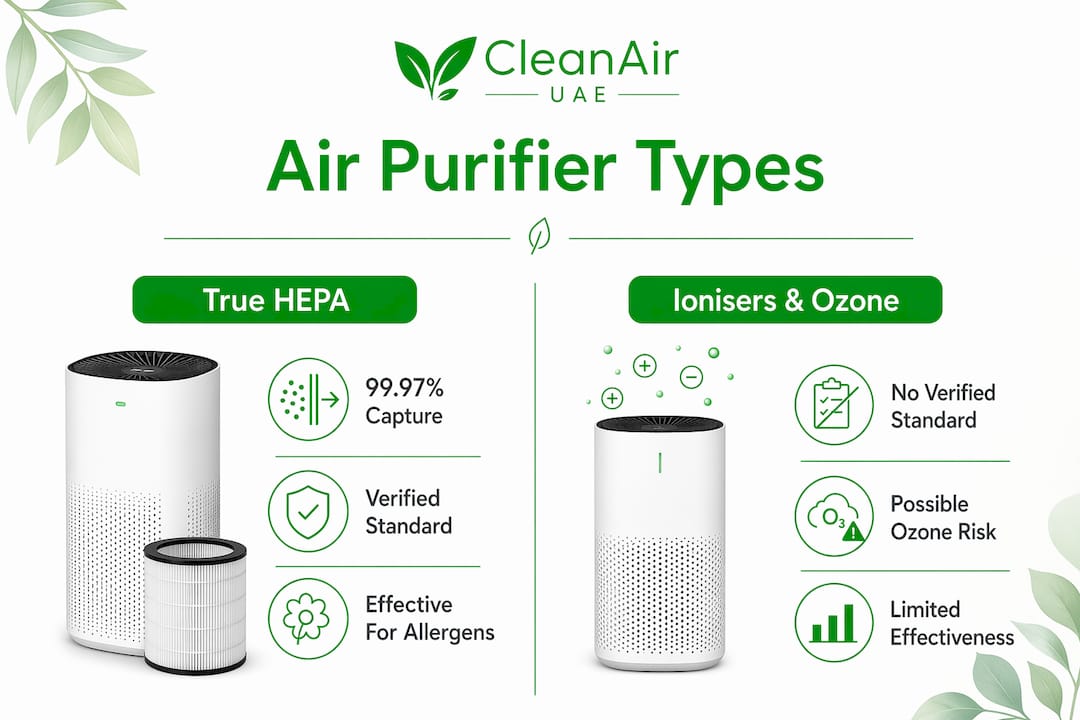
Air purifiers do not all perform equally, and the difference between filter types is significant. The term “HEPA” appears on many products, but it is not a protected label in all markets. True HEPA filters must meet verified lab standards, capturing 99.97% of particles at 0.3 microns. “HEPA-type” or “HEPA-style” filters carry no such verification. They may capture far less, and manufacturers are not required to publish test data.
When you use a correctly sized True HEPA purifier, the results are measurable. Portable HEPA purifiers reduce indoor PM2.5 levels by 25–50% in real-world homes. That is a meaningful reduction in the fine particles most associated with respiratory and cardiovascular harm.
What about ionisers and ozone generators?
Ionisers and ozone generators are frequently marketed as superior alternatives to HEPA filtration. This claim is false and, in the case of ozone generators, dangerous. The EPA states that no federal agency approves ozone generators for use in occupied spaces due to confirmed health risks. Ozone at concentrations sufficient to affect pollutants also irritates the lungs, aggravates asthma, and can react with other indoor chemicals to form harmful byproducts. Cleanair-ae has a dedicated guide on ozone in air purifiers that explains the risks and the safe technology alternatives.
A second common misconception is that one purifier cleans an entire home. A single unit placed in a living room does not filter air in bedrooms or hallways. Purifiers are rated by Clean Air Delivery Rate (CADR) and room size. Matching the unit to the room volume is the single most important purchasing decision you can make.
Pro Tip: Check the CADR rating on any purifier you consider. A unit rated for 20 square metres will not protect a 40-square-metre open-plan space, regardless of the brand.
| Filter type | Verified standard | Typical particle capture | Suitable for |
|---|---|---|---|
| True HEPA | Yes, 99.97% at 0.3 microns | PM2.5, dust, pollen, mould spores | Most residential and commercial spaces |
| HEPA-type | No verified standard | Variable, often unspecified | Not recommended for health-focused use |
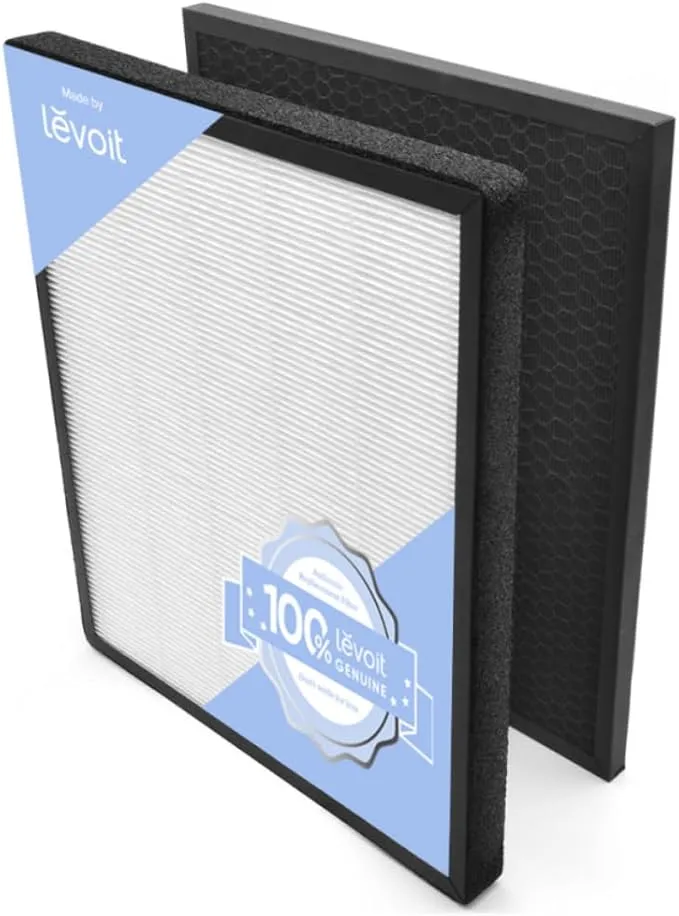
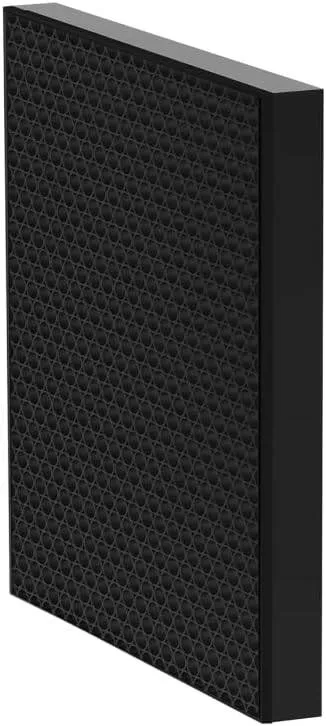
| Activated carbon | No particle capture | Gases, VOCs, odours | Used alongside HEPA, not as a replacement |
| Ozone generator | Not approved for occupied spaces | Unproven for particles | Not recommended; health hazard |
For a full comparison of filter technologies, the Cleanair-ae HEPA vs carbon filters guide covers the science clearly.
Can opening windows always improve indoor air quality?
Opening windows is the most instinctive response to stuffy air, but it is not always the right one. Outdoor air is not necessarily clean. Increased ventilation can introduce pollutants when outdoor air quality is poor, particularly in urban areas with traffic emissions, construction dust, or high pollen counts.
ASHRAE, the American Society of Heating, Refrigerating and Air-Conditioning Engineers, has moved away from fixed ventilation rate prescriptions in favour of an Indoor Air Quality Procedure (IAQP). This approach focuses on identifying and controlling specific contaminants rather than simply increasing air volume. The principle is that more air is not always better air.
Ventilation without filtration also carries energy and comfort costs. In the UAE, drawing in hot, humid outdoor air during summer places additional load on cooling systems and can introduce outdoor particulates. The practical guidance is:
- Monitor outdoor air quality before ventilating, using a local AQI (Air Quality Index) reading
- Use mechanical ventilation with filtration where outdoor air quality is regularly poor
- Combine source control (removing pollutant sources) with ventilation for best results
- Avoid relying on HVAC fans alone, as continuous fan use in systems with return leaks can pull attic or crawlspace contaminants into living areas
The core principle from IAQ specialists is that ventilation strategies must focus on measured contaminant control, not simply on increasing outdoor air volumes.
Does running an air purifier continuously waste energy or dry out the air?
Two persistent top air purifier myths concern energy consumption and humidity. Both are false.
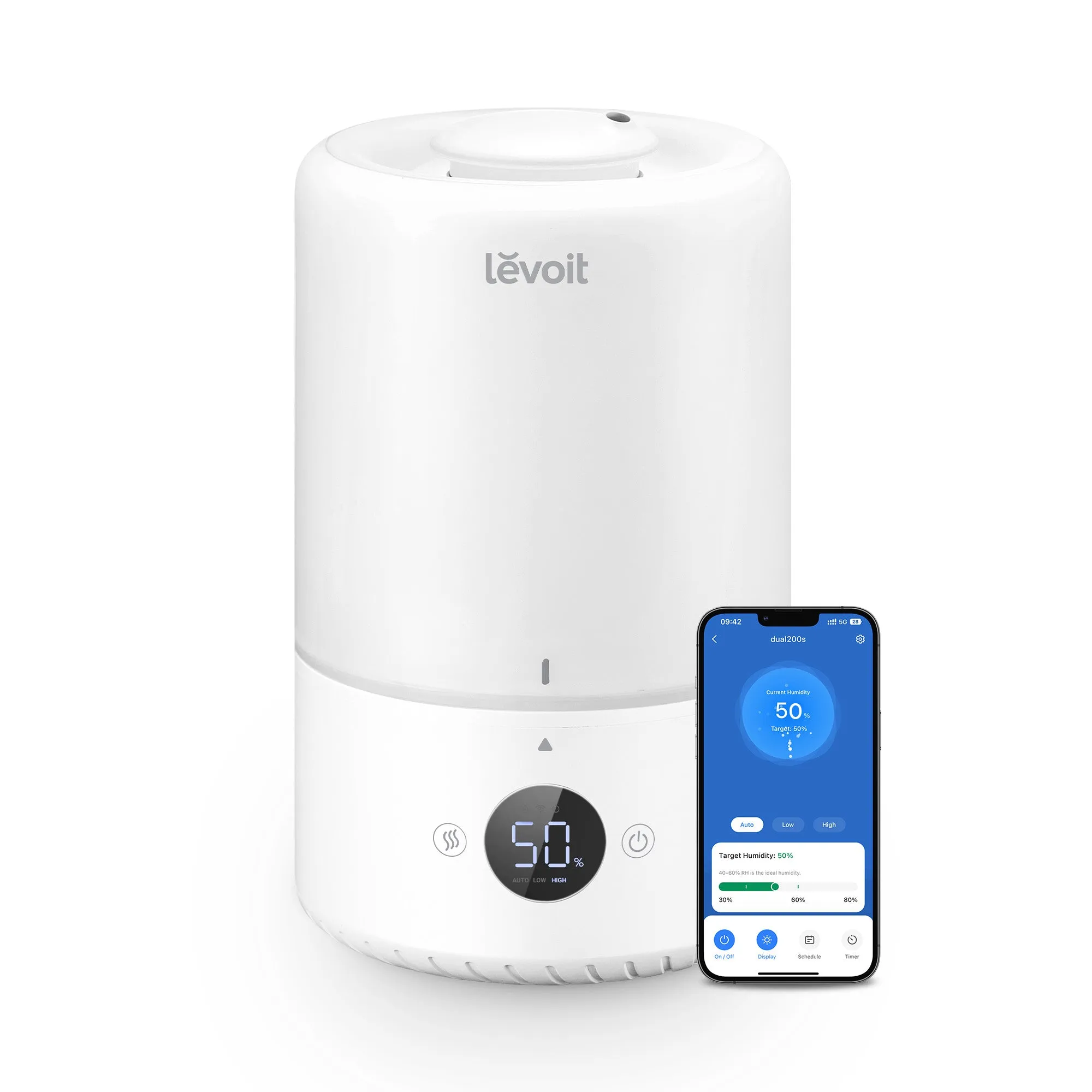
Air purifiers filter particles from the air. They do not extract moisture. Humidity is determined by the water content of the air, and a HEPA filter has no mechanism to remove it. If your home feels dry, the cause is almost certainly your heating or air conditioning system, not your purifier. If you need to add moisture, a humidifier is the correct tool. The two devices serve entirely different functions, and confusing them is a common air quality misconception. The Cleanair-ae article on air purifiers vs humidifiers explains the distinction clearly.
On energy use, the concern is also misplaced. Modern residential air purifiers can run at as low as 2W on their lowest settings. That is less than a standard LED light bulb. Running a purifier continuously at low speed costs very little and maintains consistent particle reduction throughout the day.
Continuous operation is actually the preferred approach. Pollutants accumulate steadily, and running a purifier only when you notice a problem means the air has already deteriorated. Low-speed continuous use keeps PM2.5 levels suppressed without significant noise or energy draw.
Pro Tip: Set your purifier to its lowest continuous setting overnight. You get the full benefit of sustained filtration with minimal noise and negligible energy cost.
Key takeaways
Air quality facts and fiction diverge most sharply on indoor pollution levels, filter standards, and ventilation: understanding these three areas produces the most practical improvements to your home environment.
| Point | Details |
|---|---|
| Indoor air is often more polluted | Indoor air can be 2 to 5 times more polluted than outdoor air due to trapped VOCs, dust, and allergens. |
| True HEPA is the verified standard | Only True HEPA filters meet the 99.97% capture rate at 0.3 microns; HEPA-type products carry no verified standard. |
| Ozone generators are not safe | No federal agency approves ozone generators for occupied spaces; they pose confirmed health risks. |
| More ventilation is not always better | Outdoor air can introduce pollutants; contaminant-specific control outperforms fixed ventilation rate increases. |
| Purifiers do not dry air or cost much | Air purifiers do not affect humidity, and modern units can run at as low as 2W on low settings. |
Why these myths cost more than people realise
I have spent years looking at how people approach air quality in their homes, and the pattern is consistent. The invisible nature of the problem is what makes it so persistent. You cannot see PM2.5. You cannot smell most VOCs. So the default assumption is that if nothing seems wrong, nothing is wrong.
What I find most striking is how often people invest in the wrong solution because of marketing rather than evidence. Ozone generators are sold with confident claims about eliminating bacteria and odours. HEPA-type filters are packaged to look identical to True HEPA products. The gap between what is claimed and what is certified is wide, and most people have no reason to know it exists.
The other thing I have observed is that people treat air quality as a single-lever problem. They buy a purifier and consider the job done. The reality is that filtration, ventilation, and source control work together. Removing the source of a pollutant is always more effective than filtering it continuously. Replacing a VOC-heavy paint with a low-VOC alternative reduces the load on your purifier permanently.
My honest view is that the most useful thing you can do is question the label on any air quality product before you buy it. Ask whether it carries a verified certification. Check the CADR rating against your room size. And do not assume that a newer, more airtight home is a cleaner one.
— Wojciech
Certified air quality products from Cleanair-ae
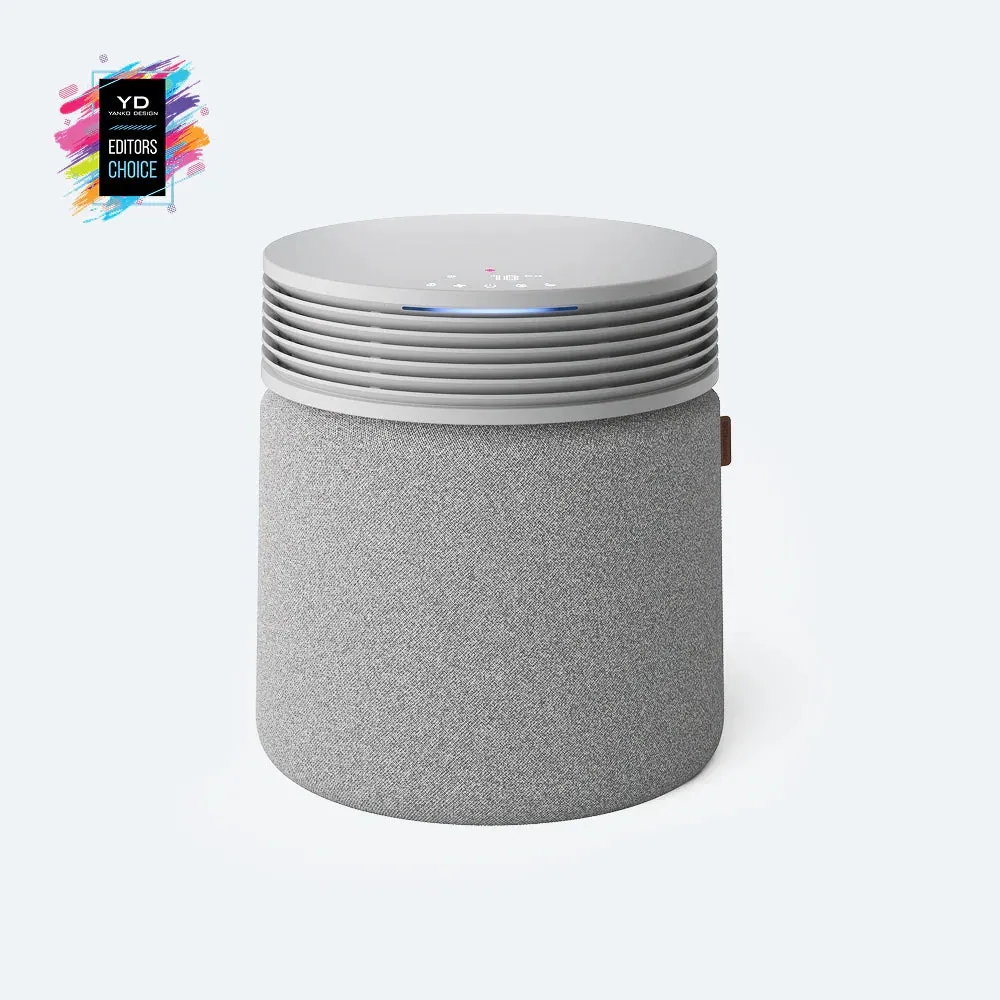
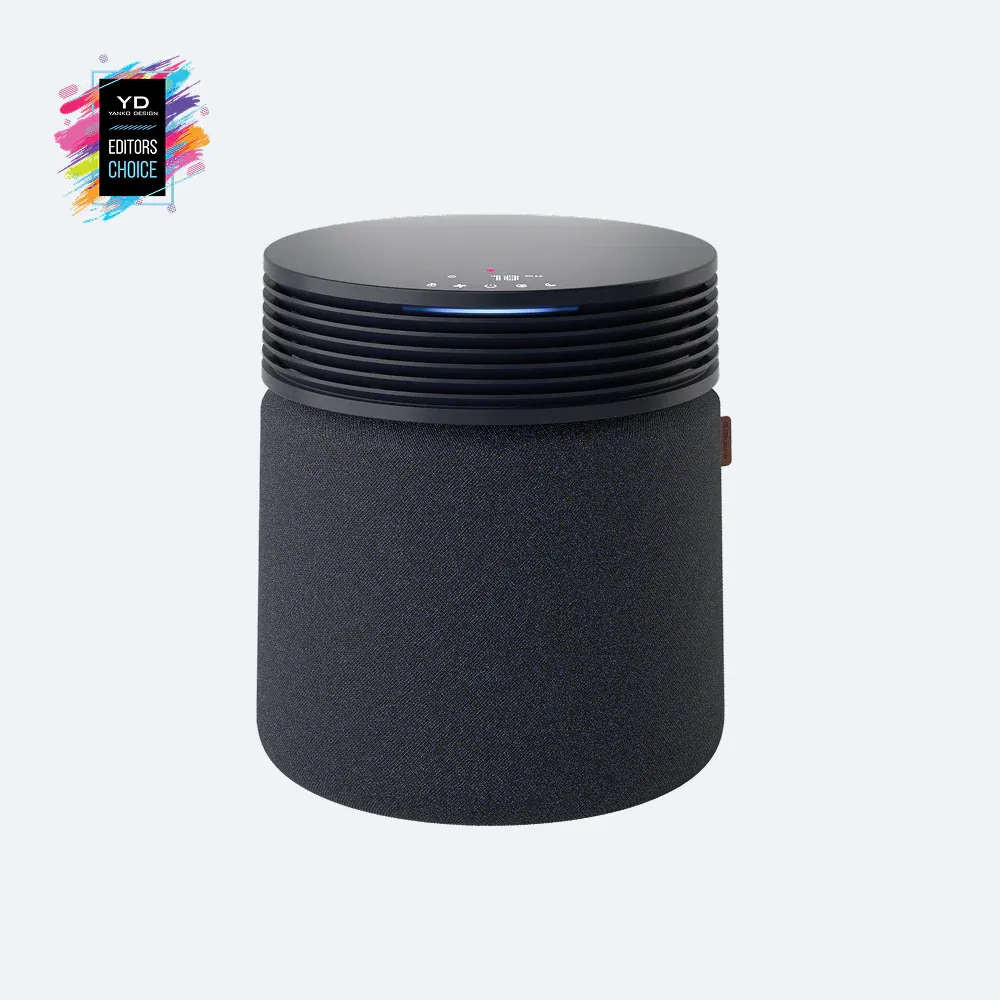
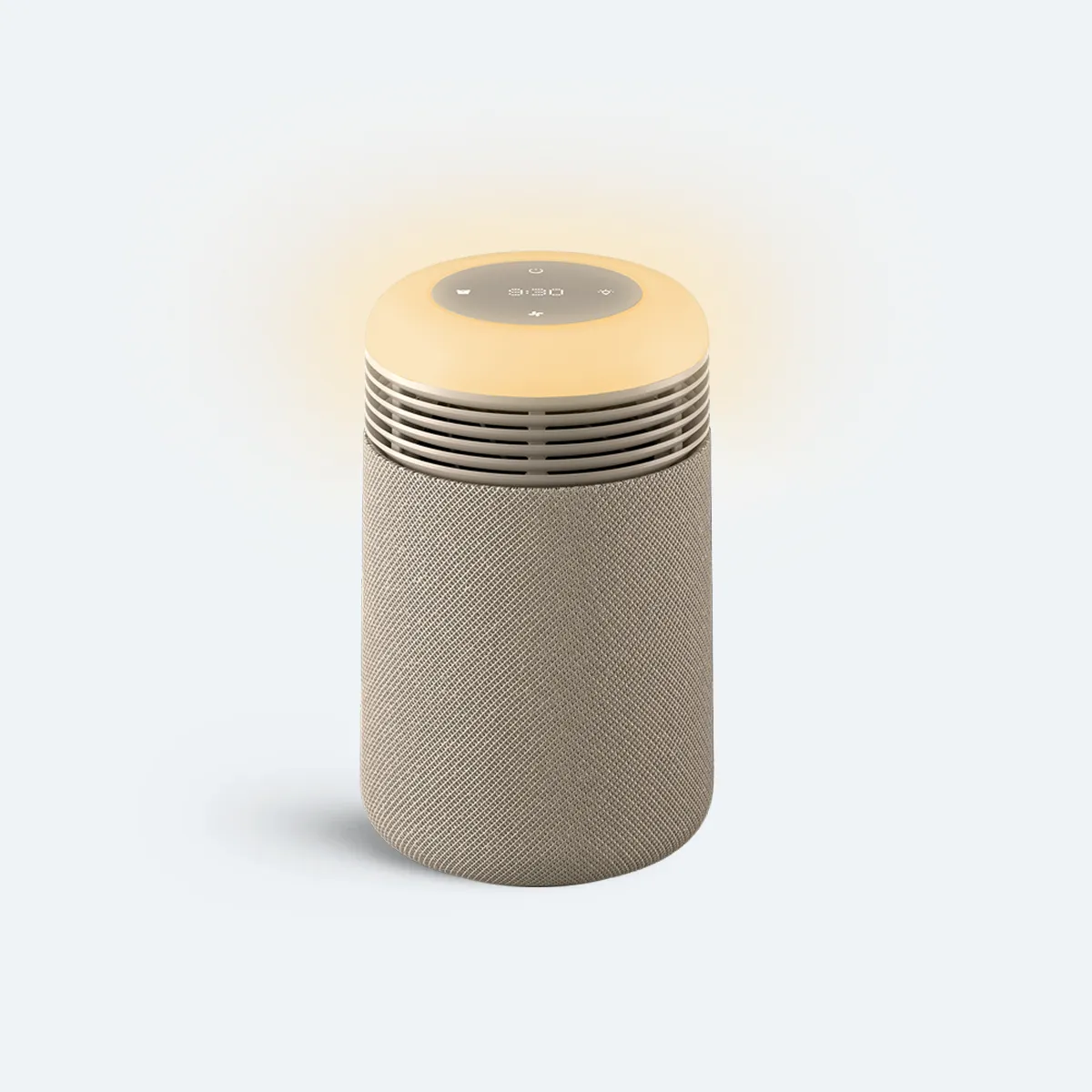
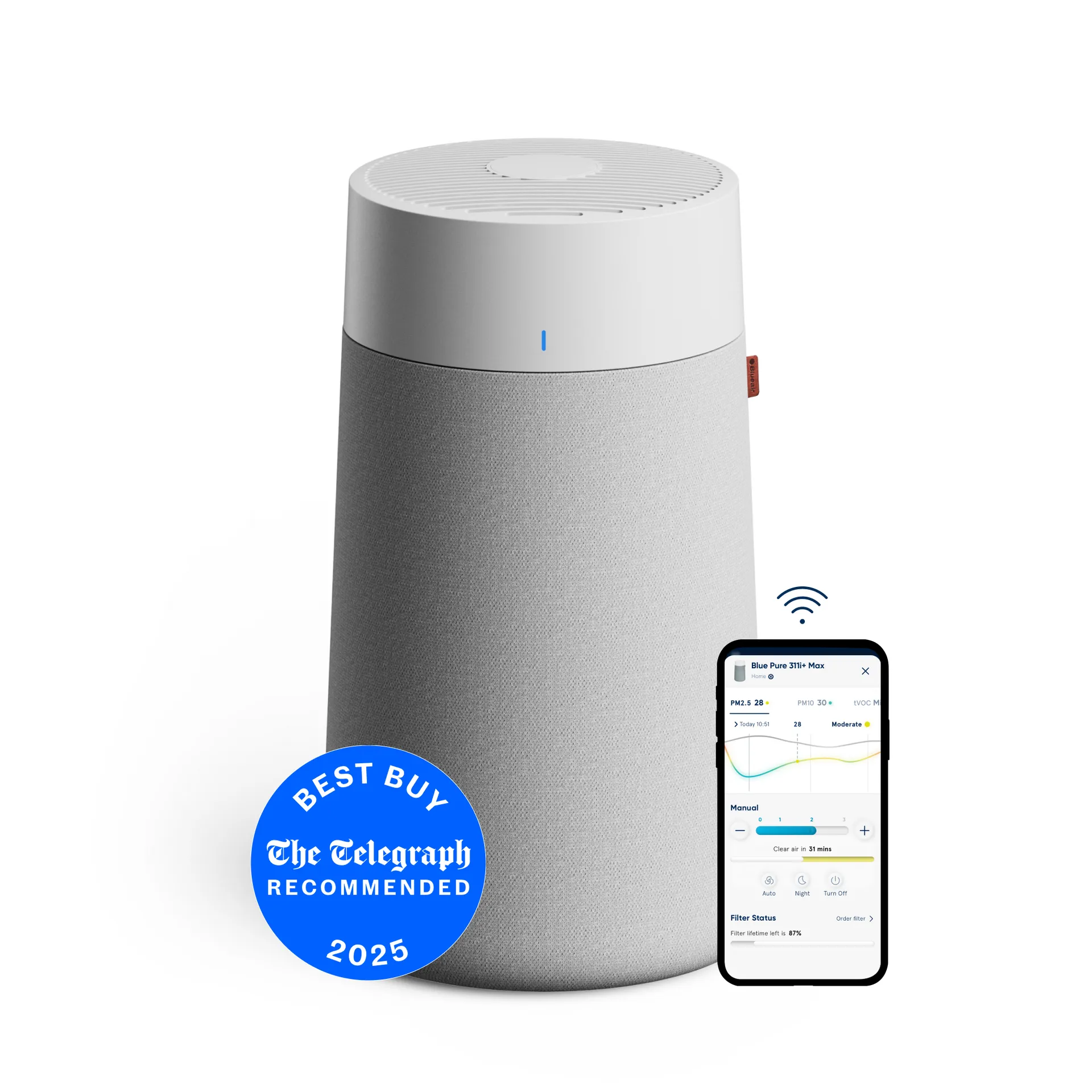
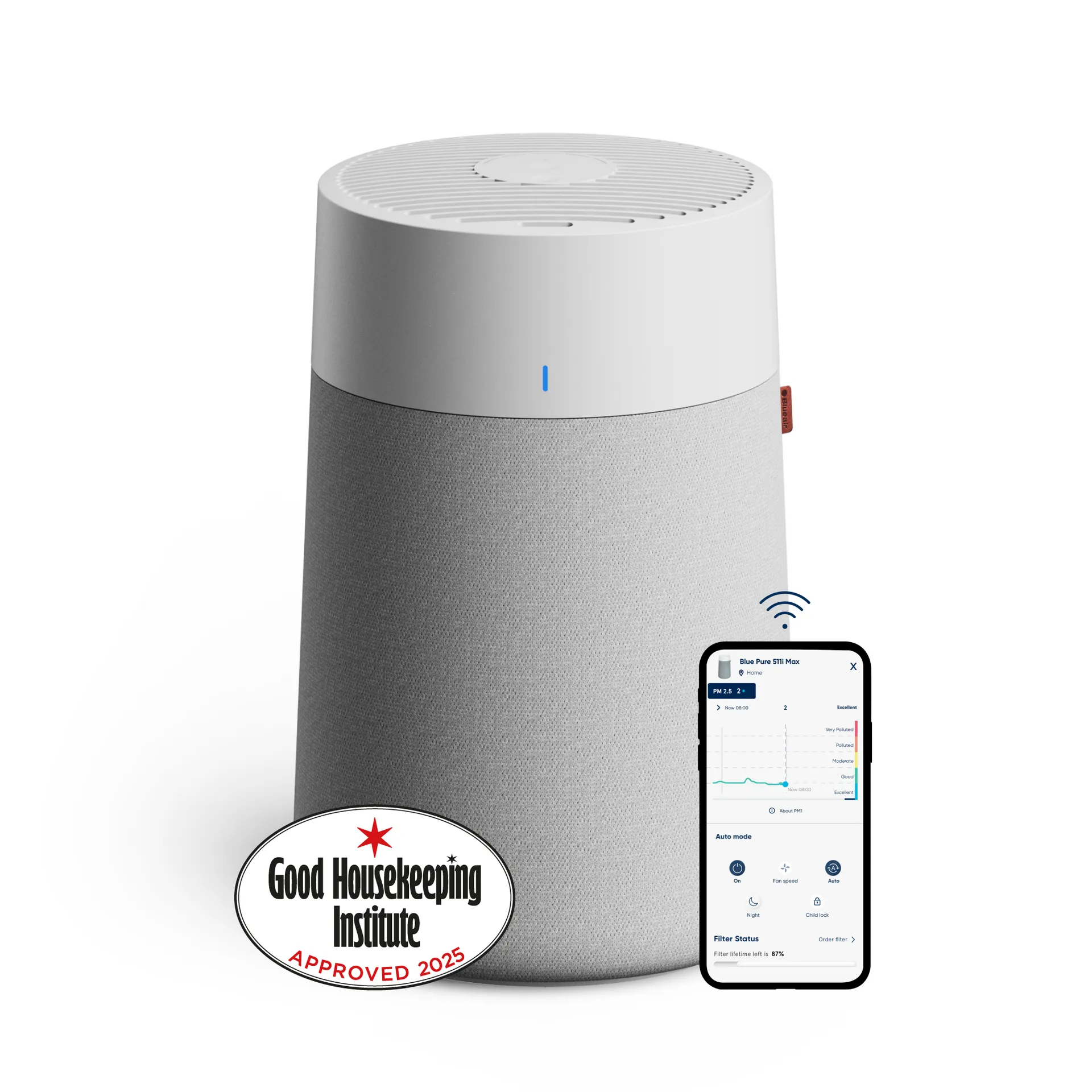
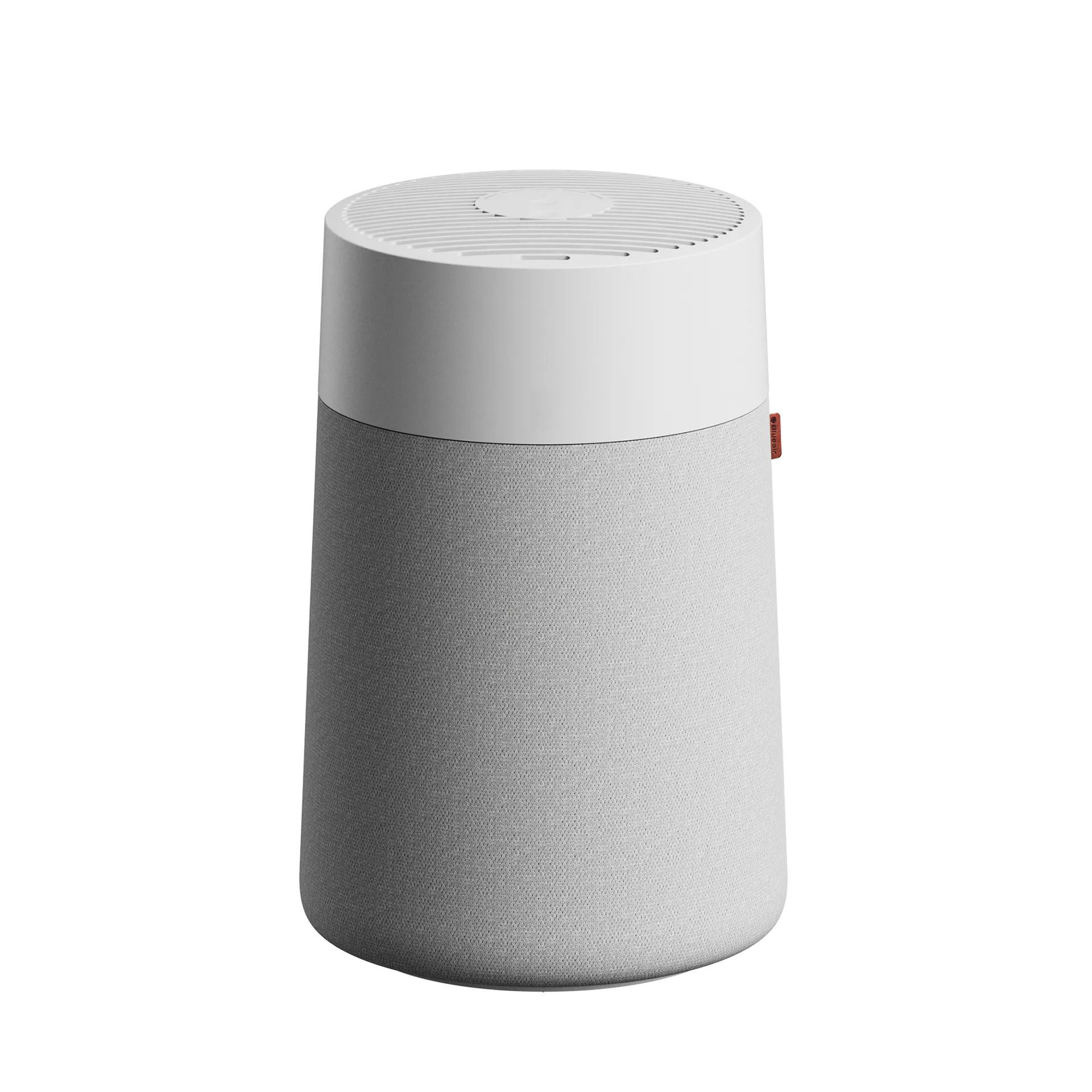
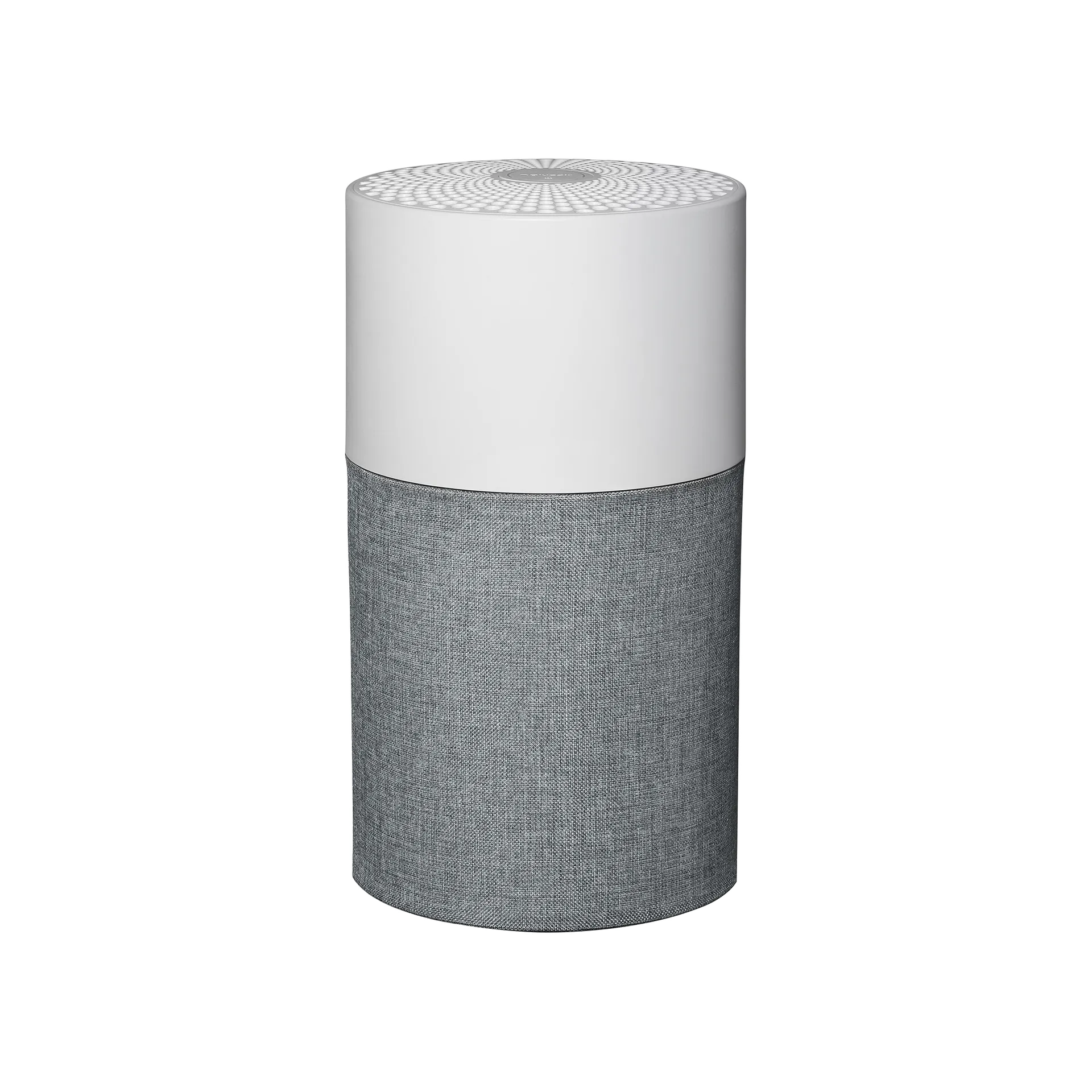
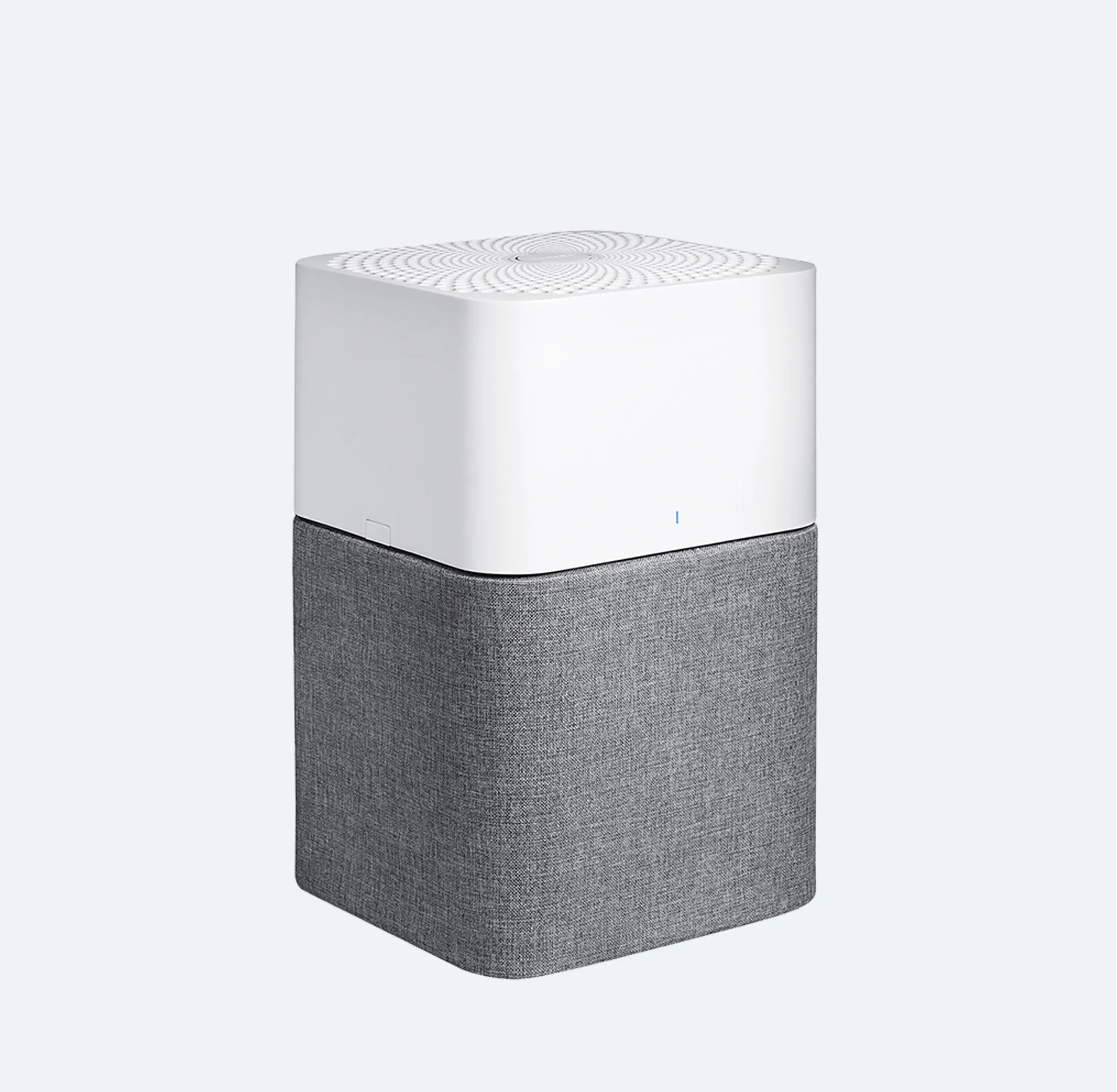
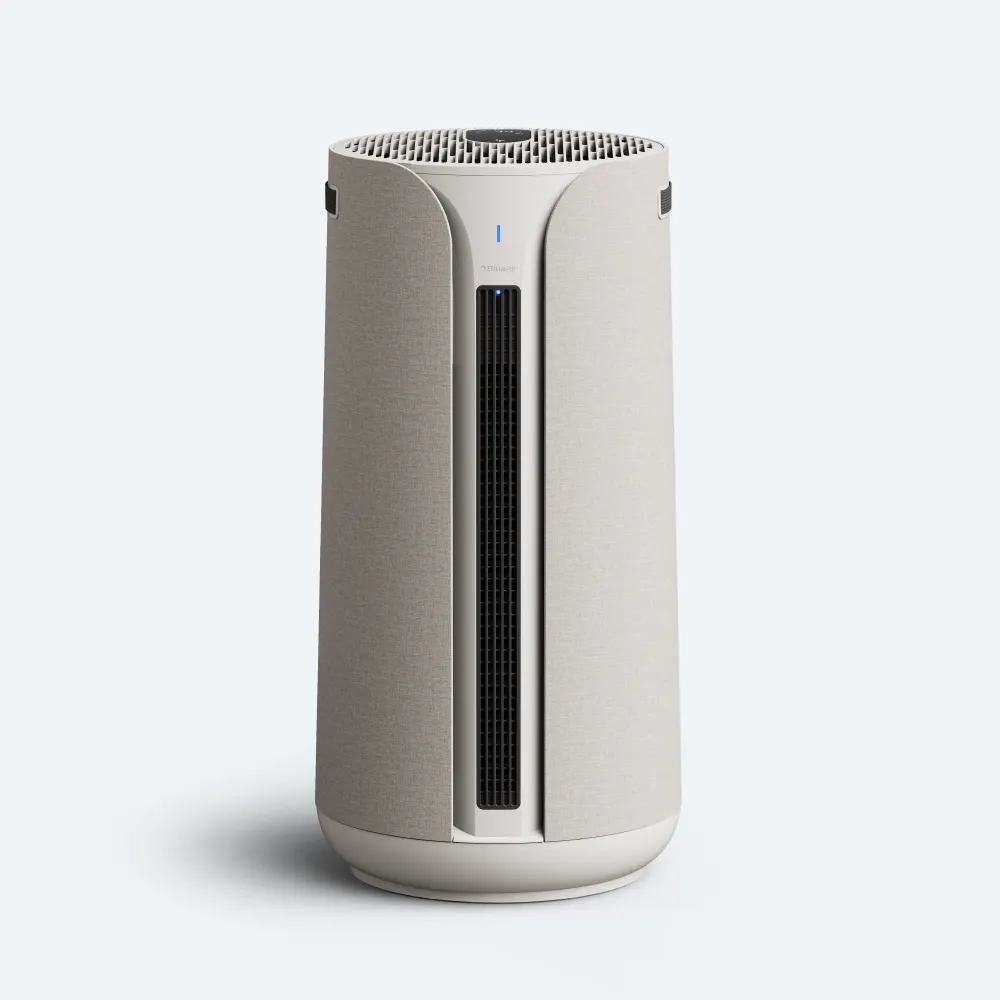
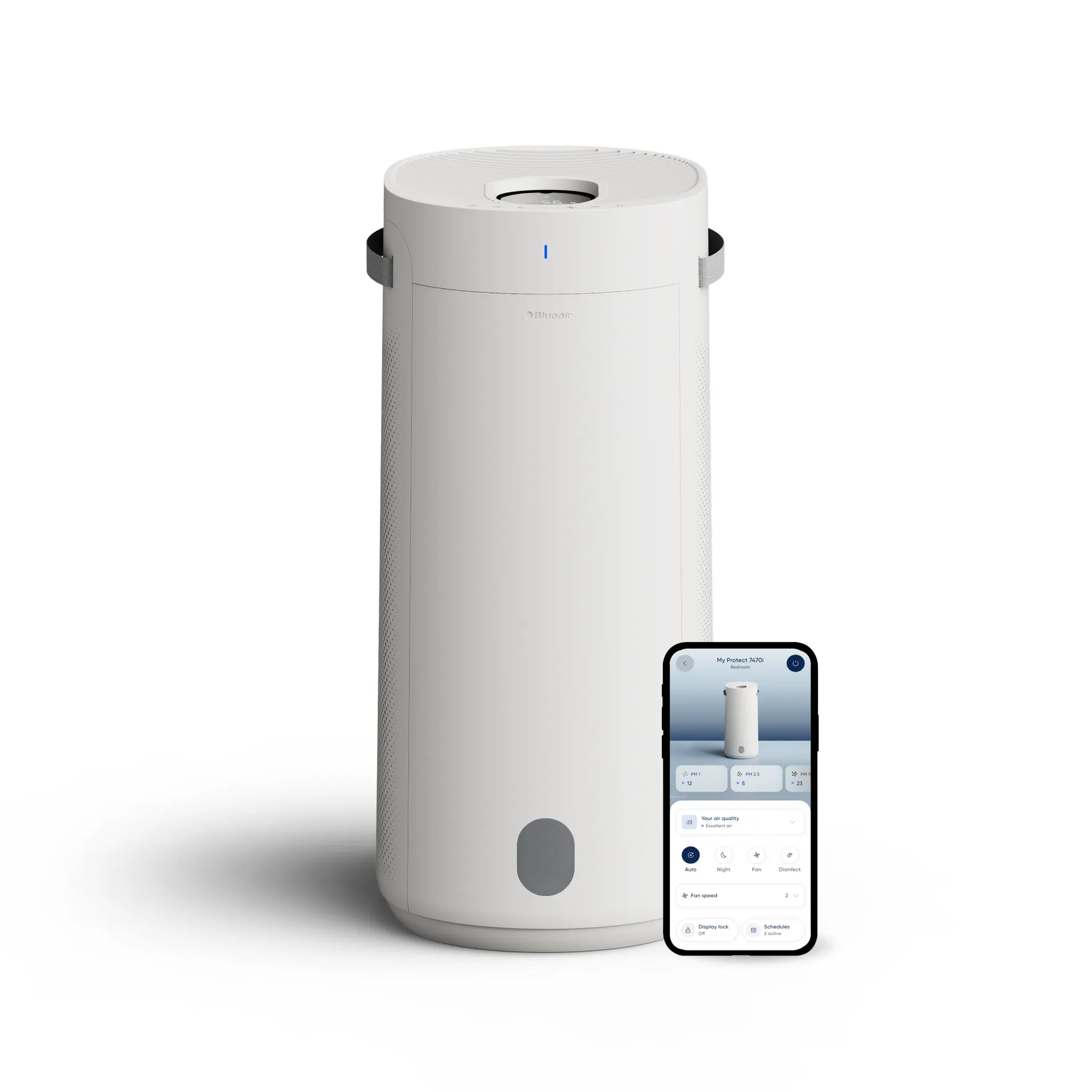
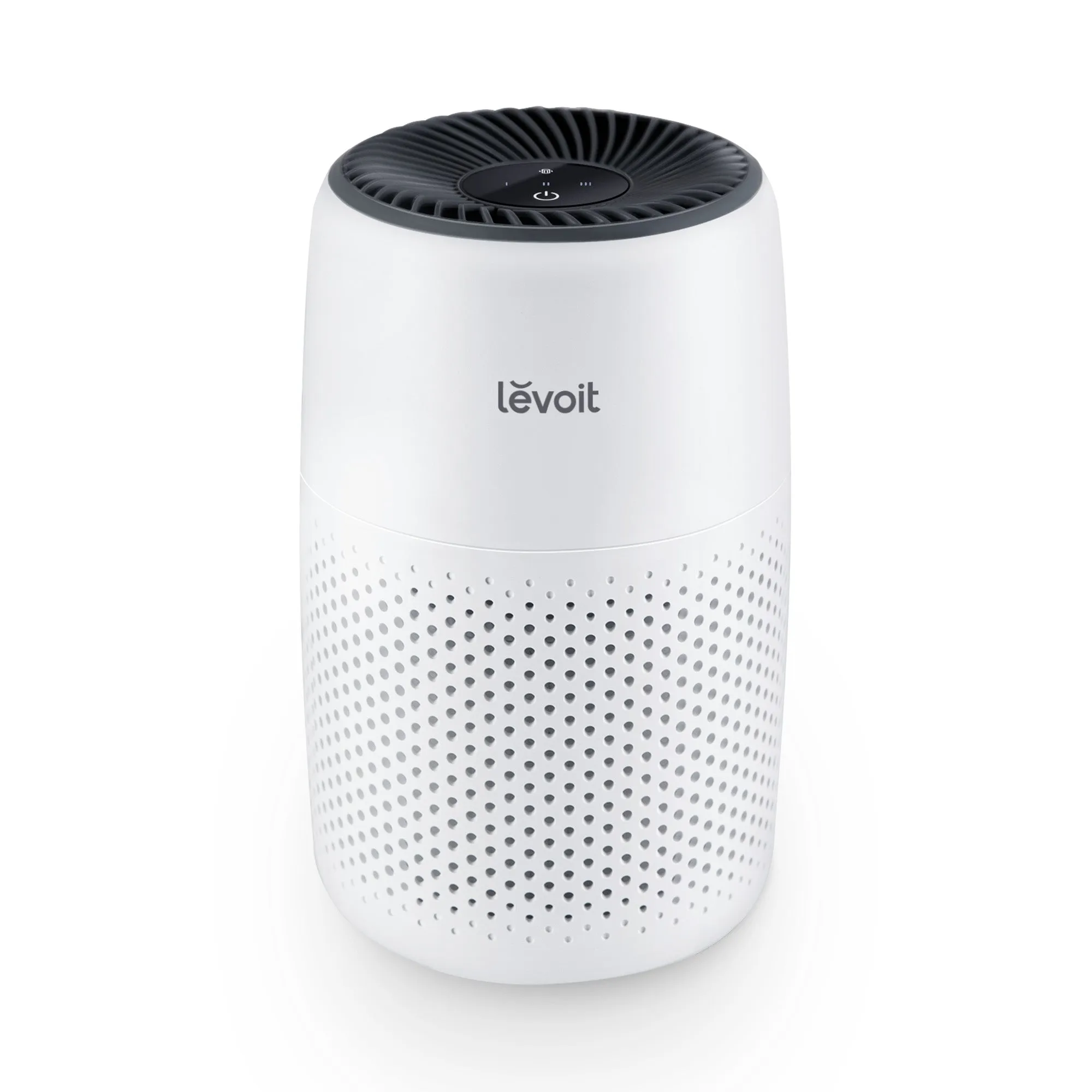
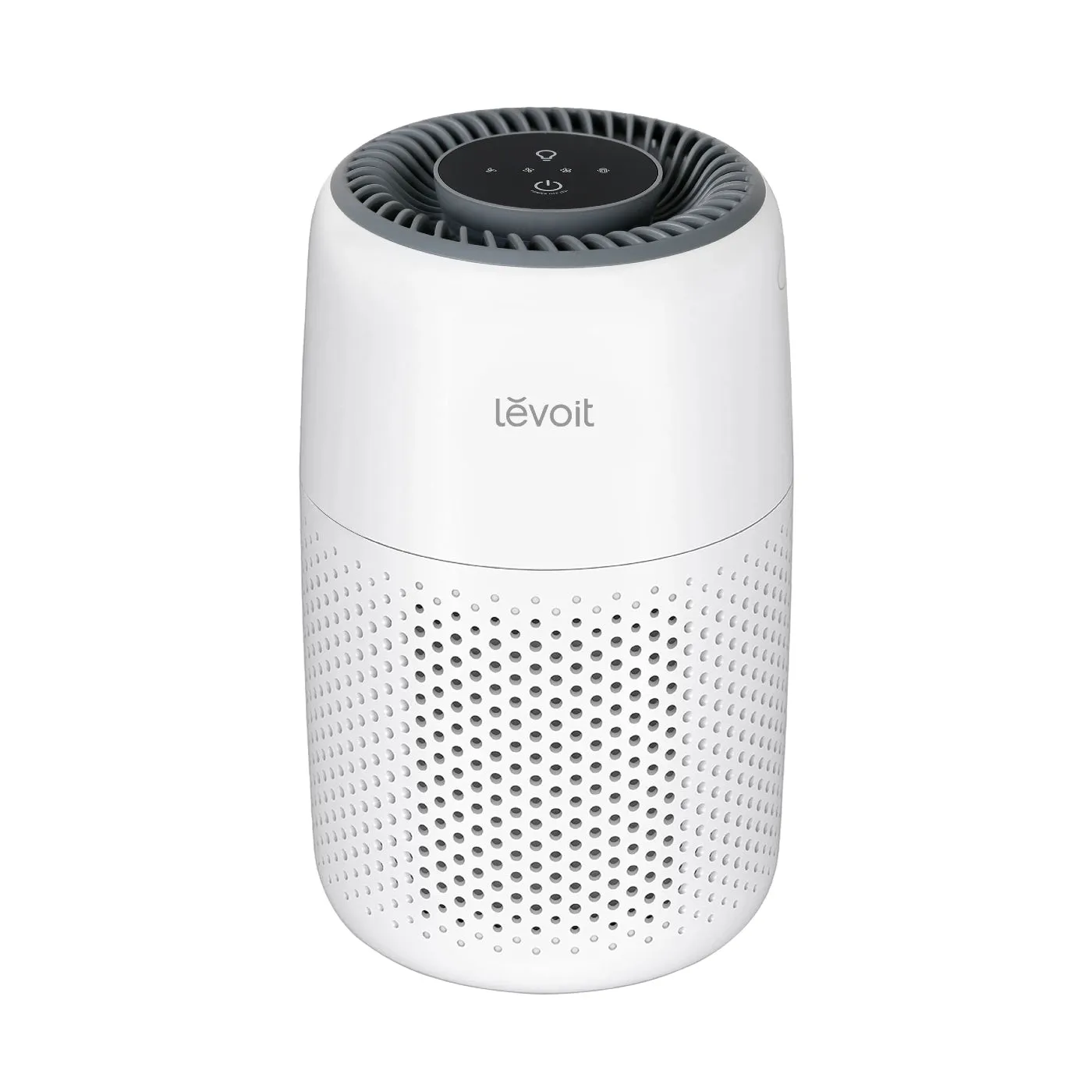
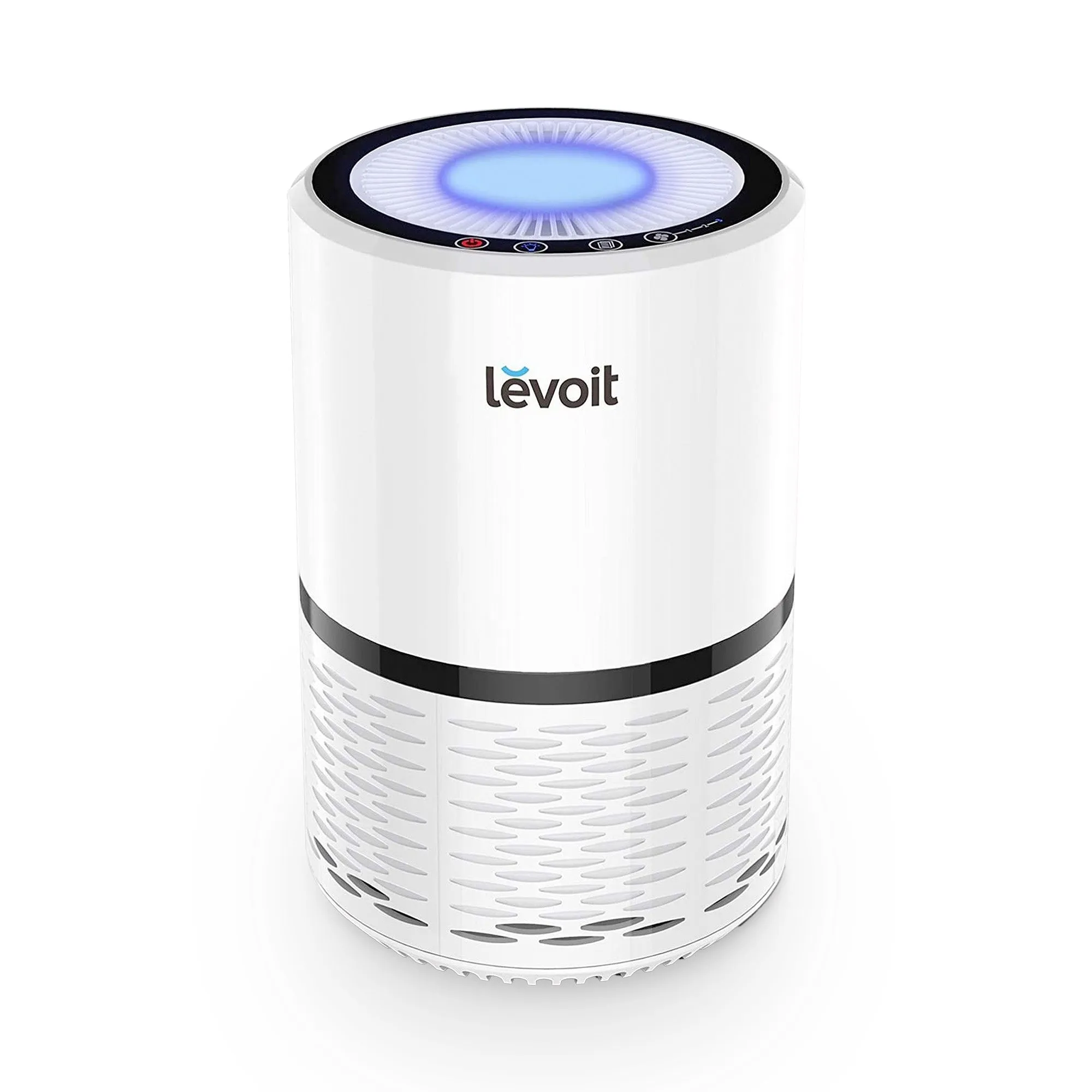
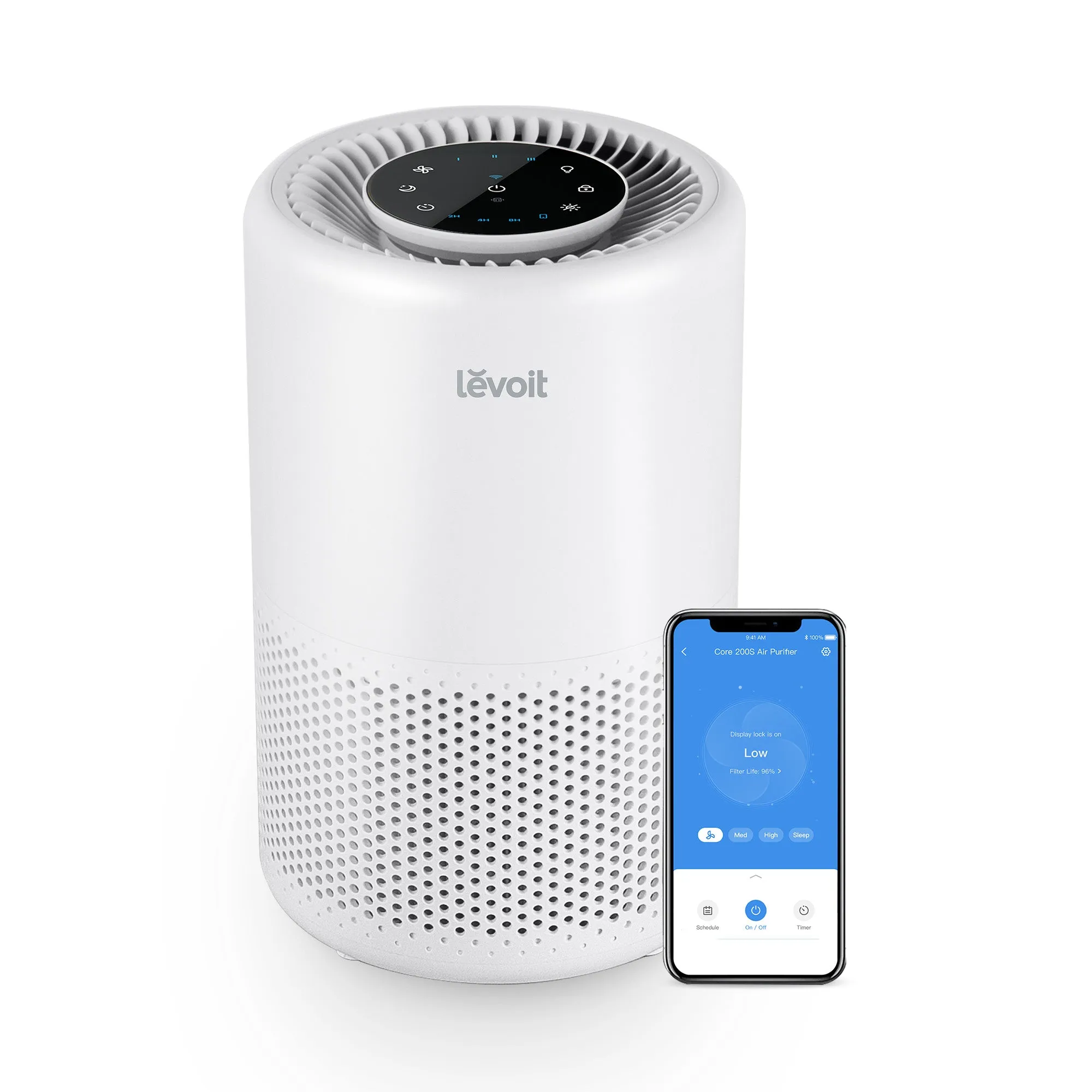
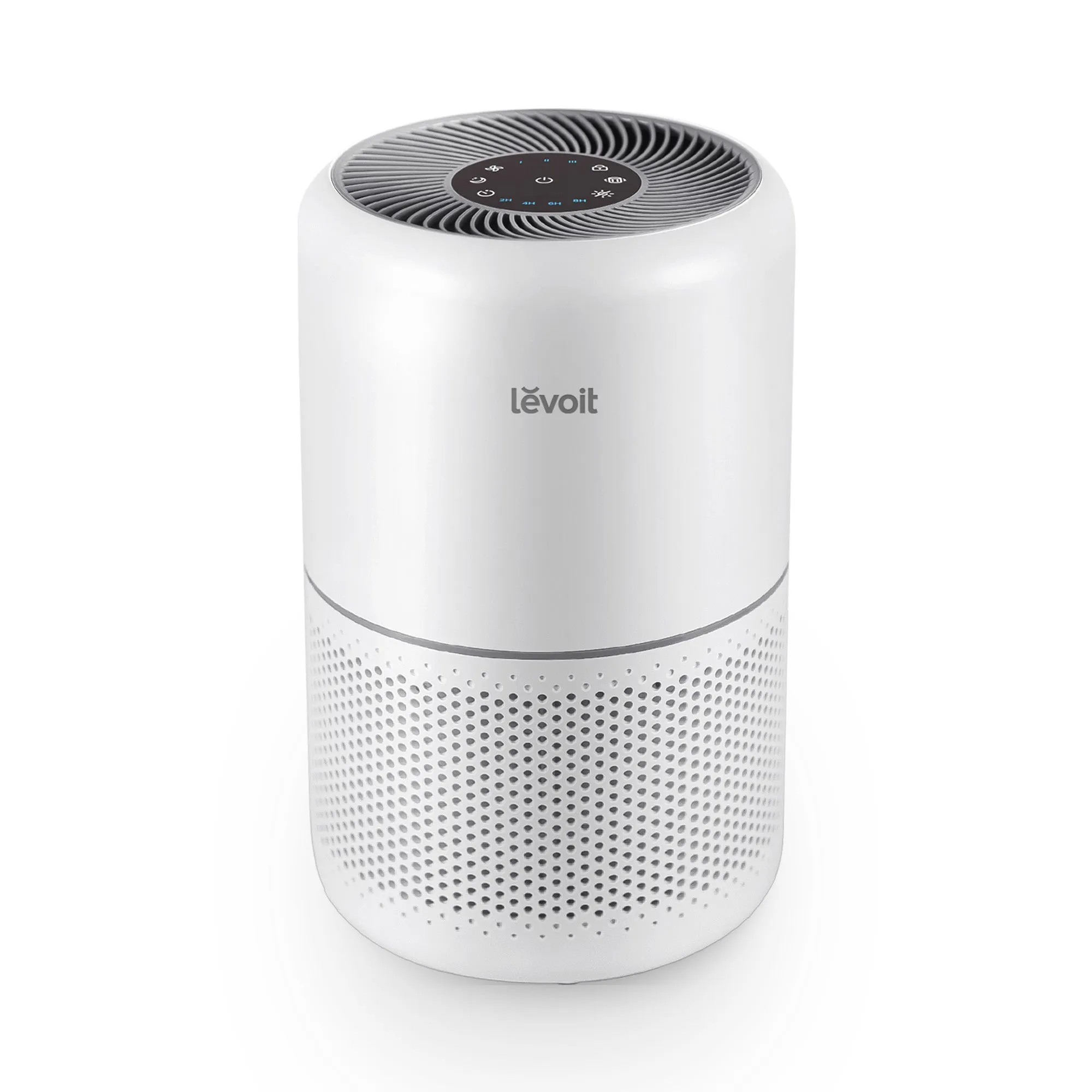
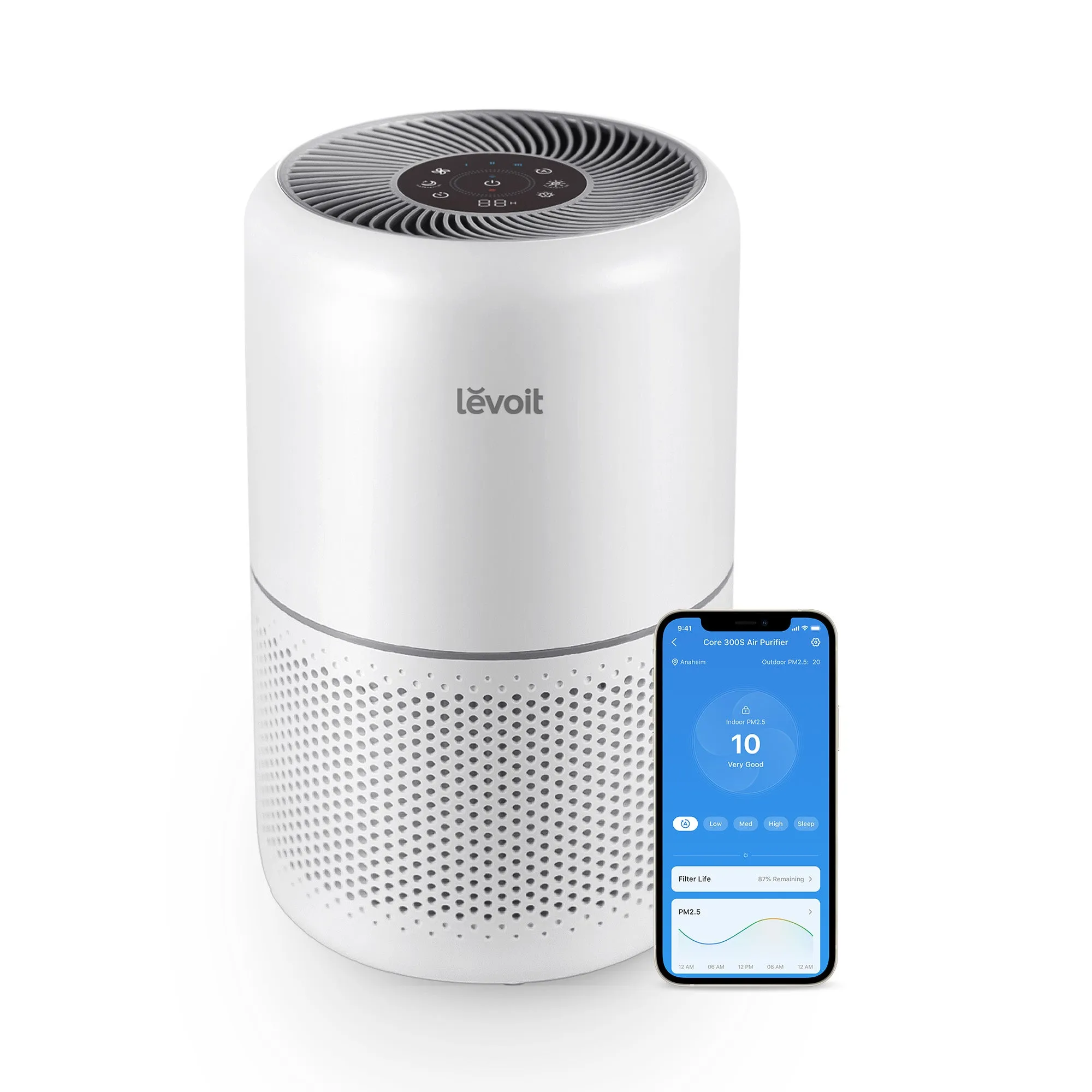
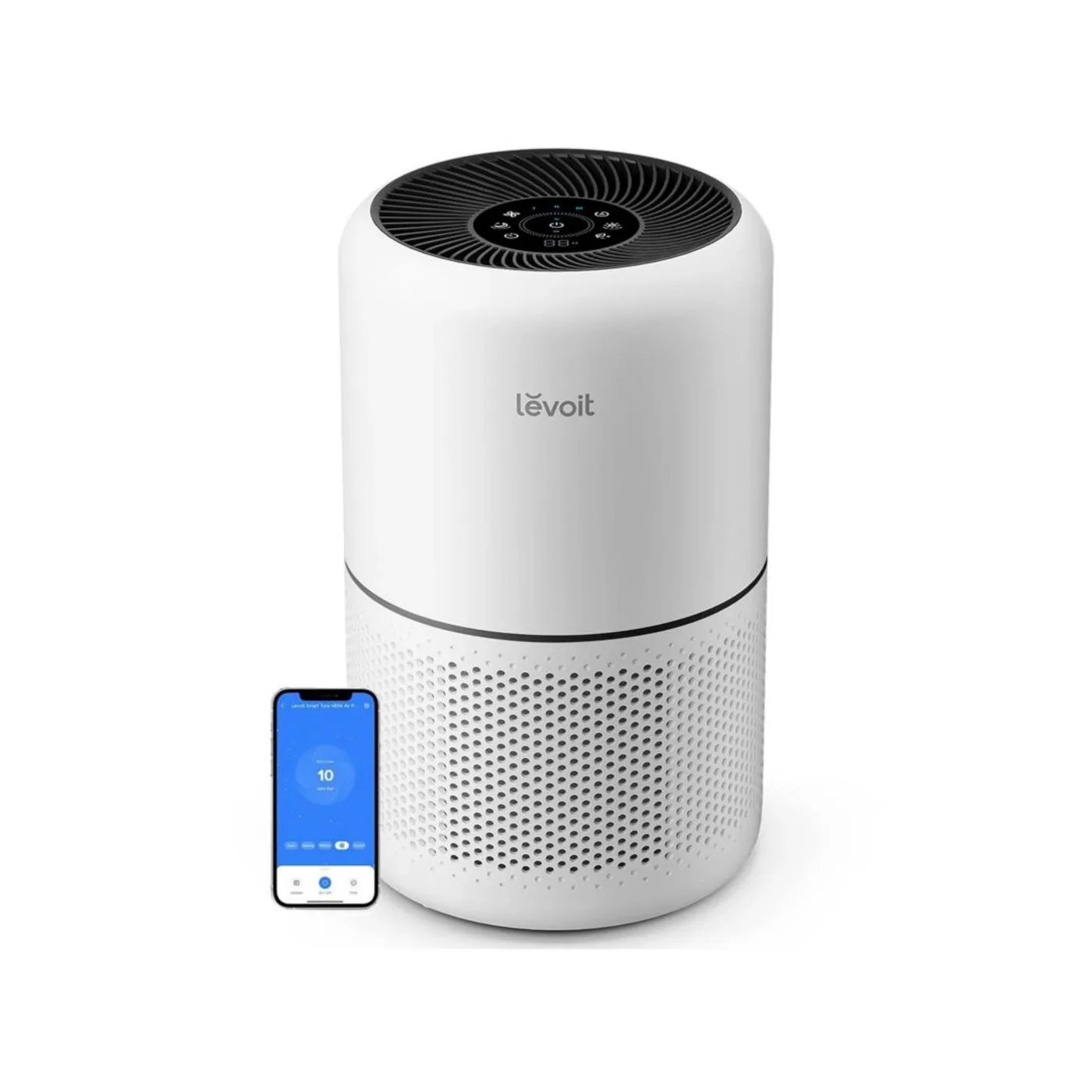
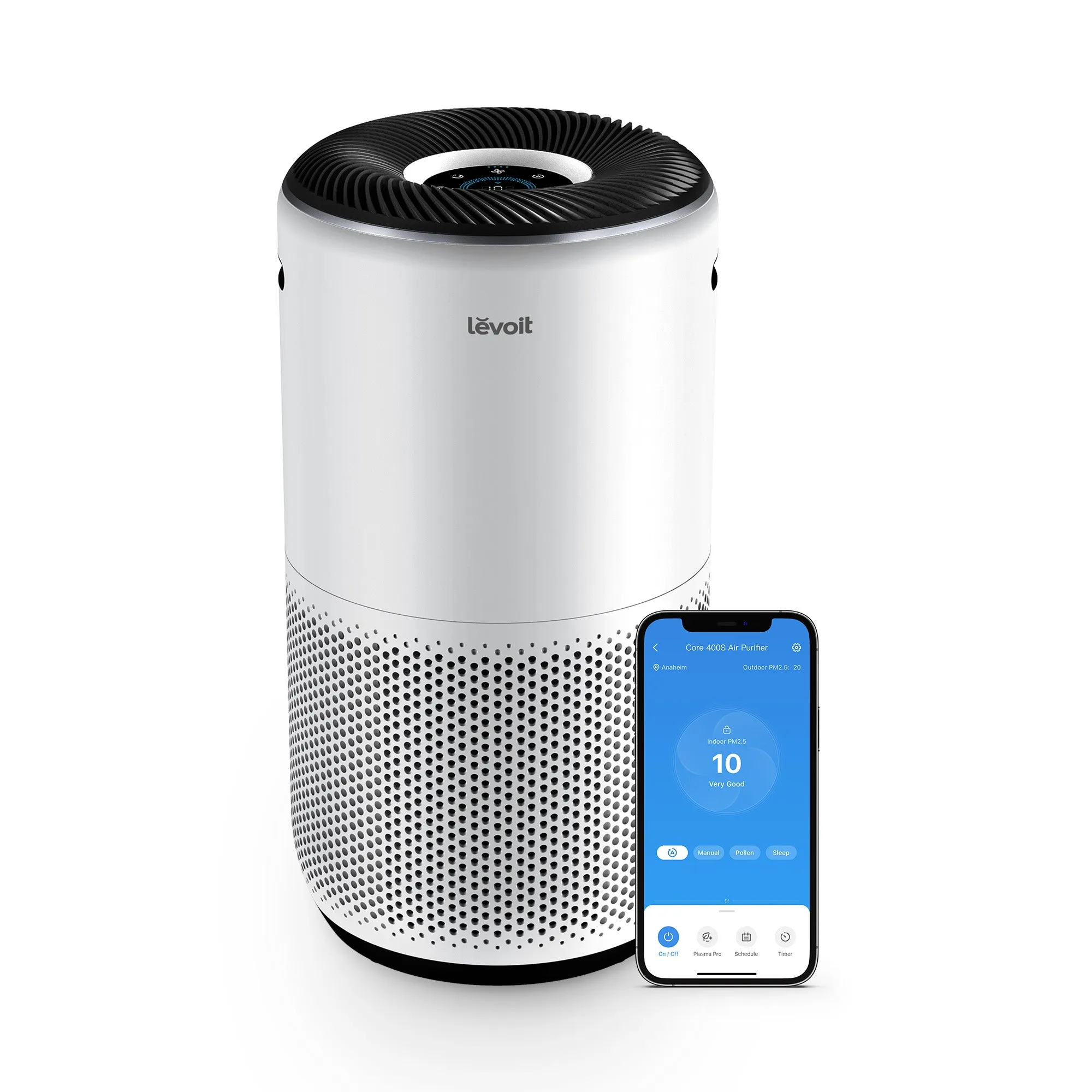
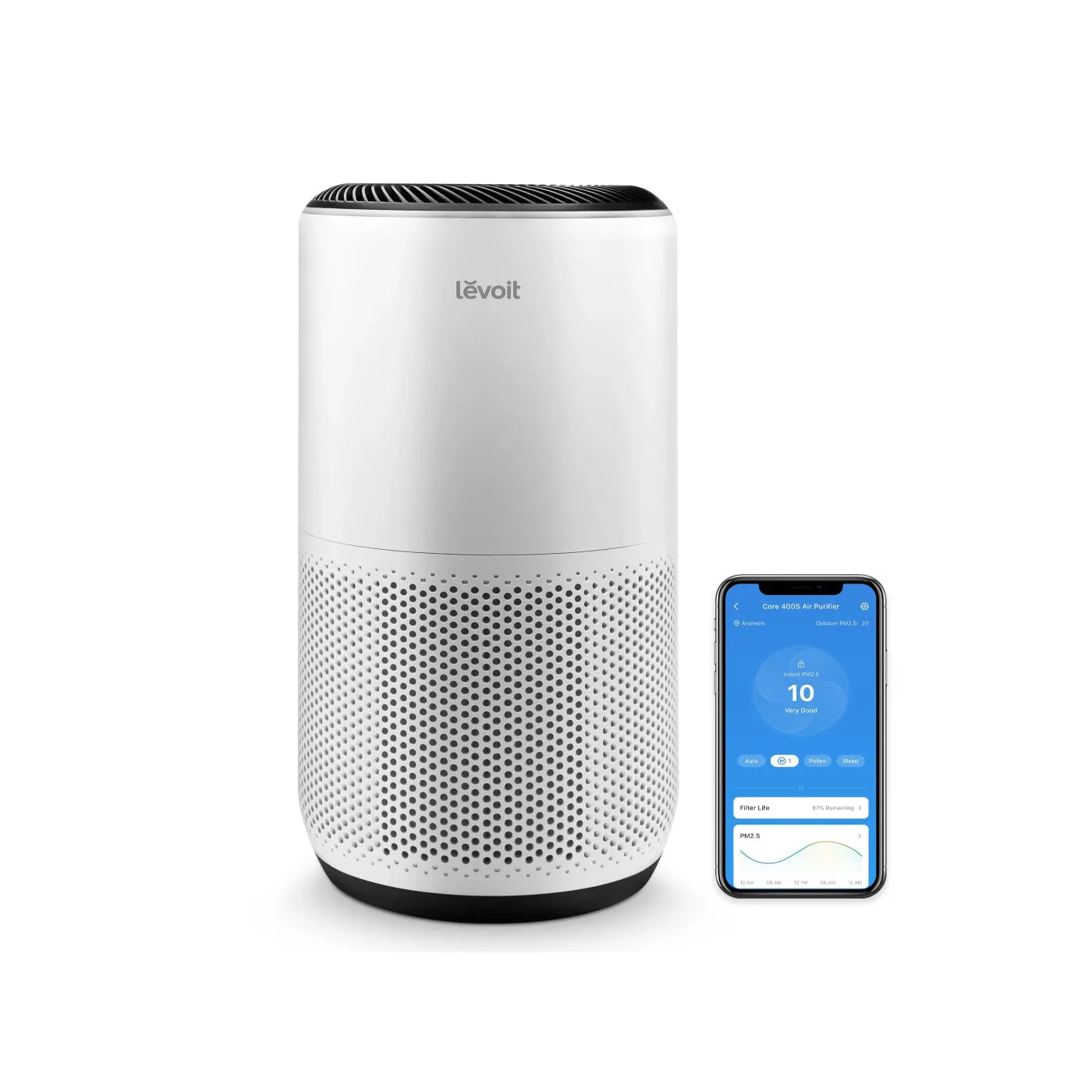
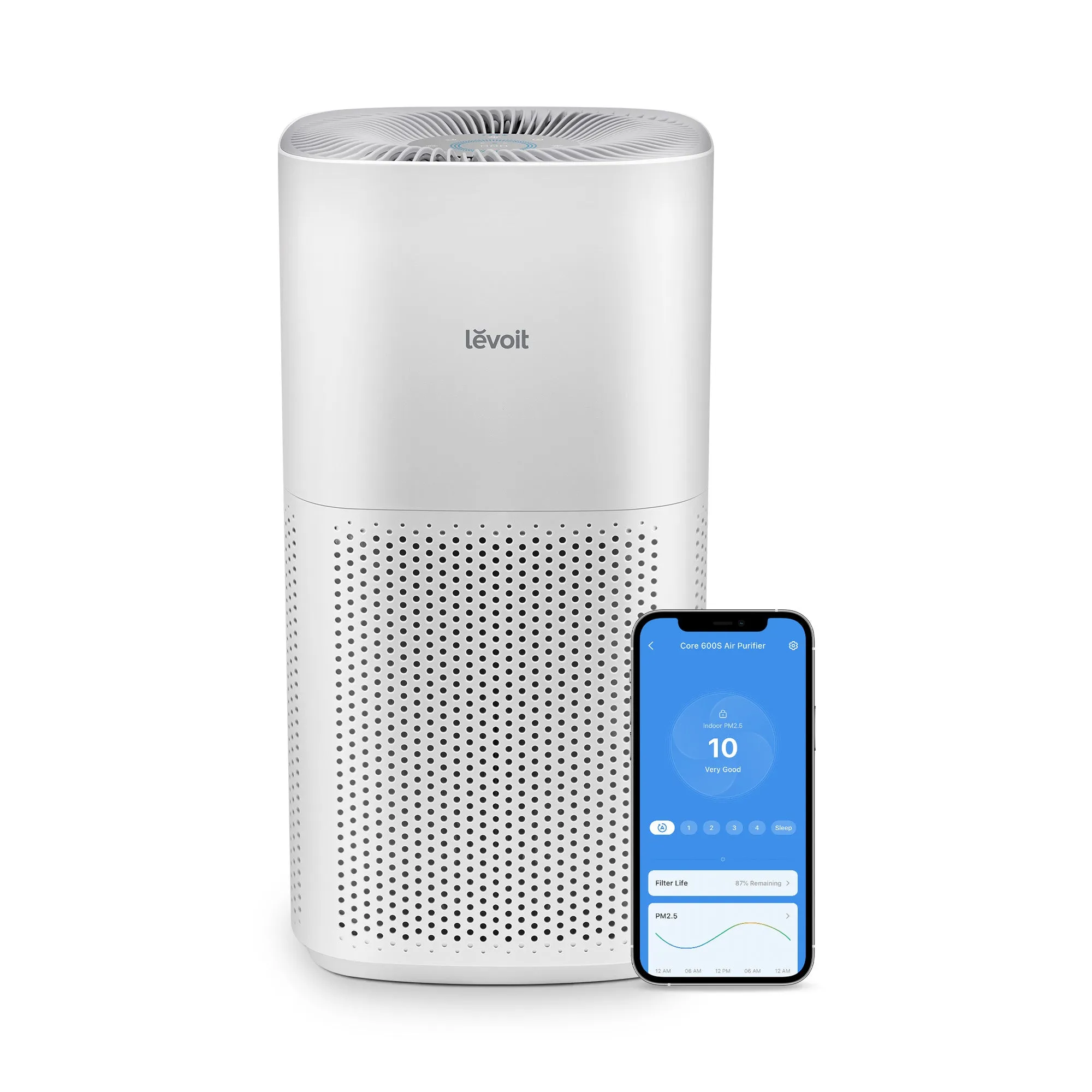
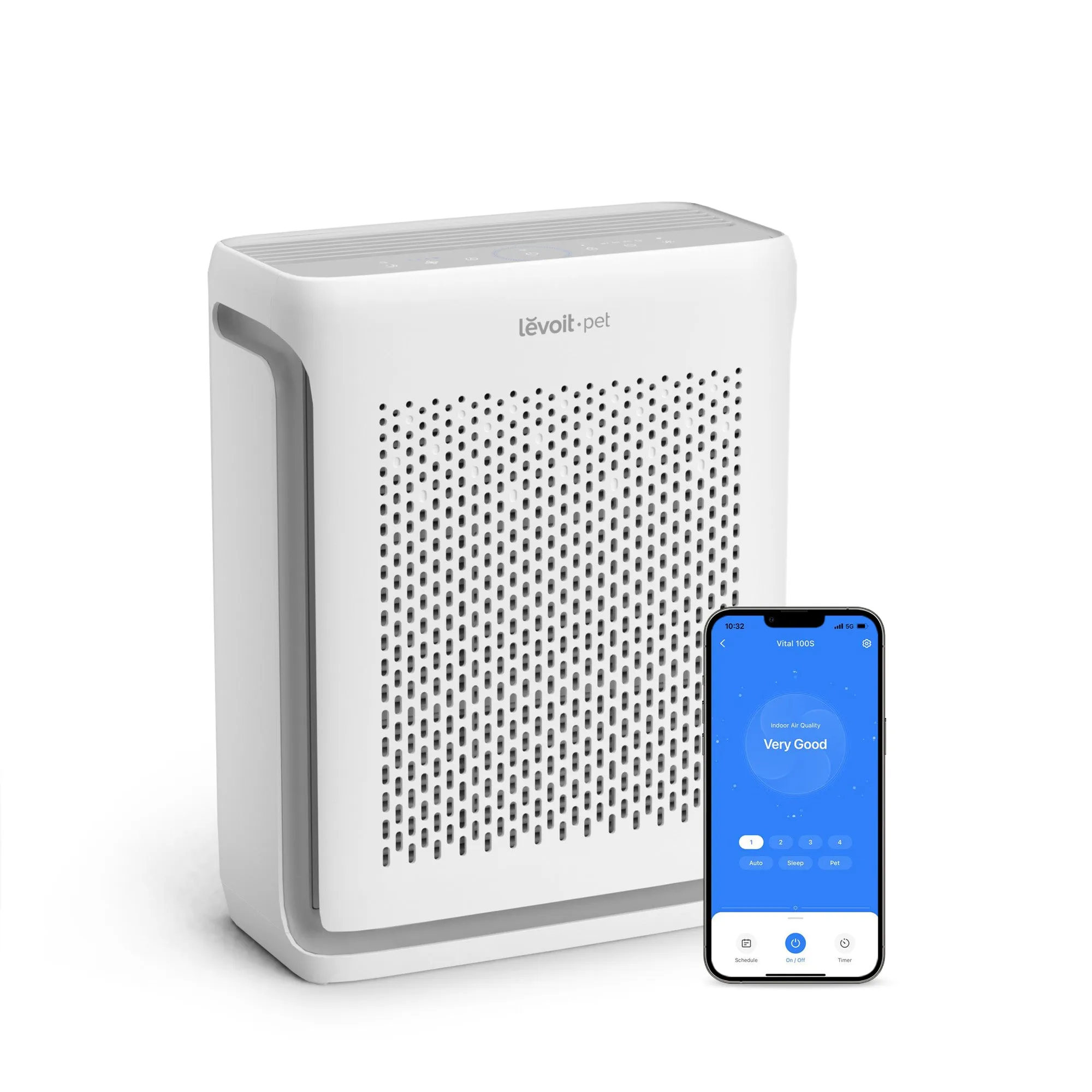
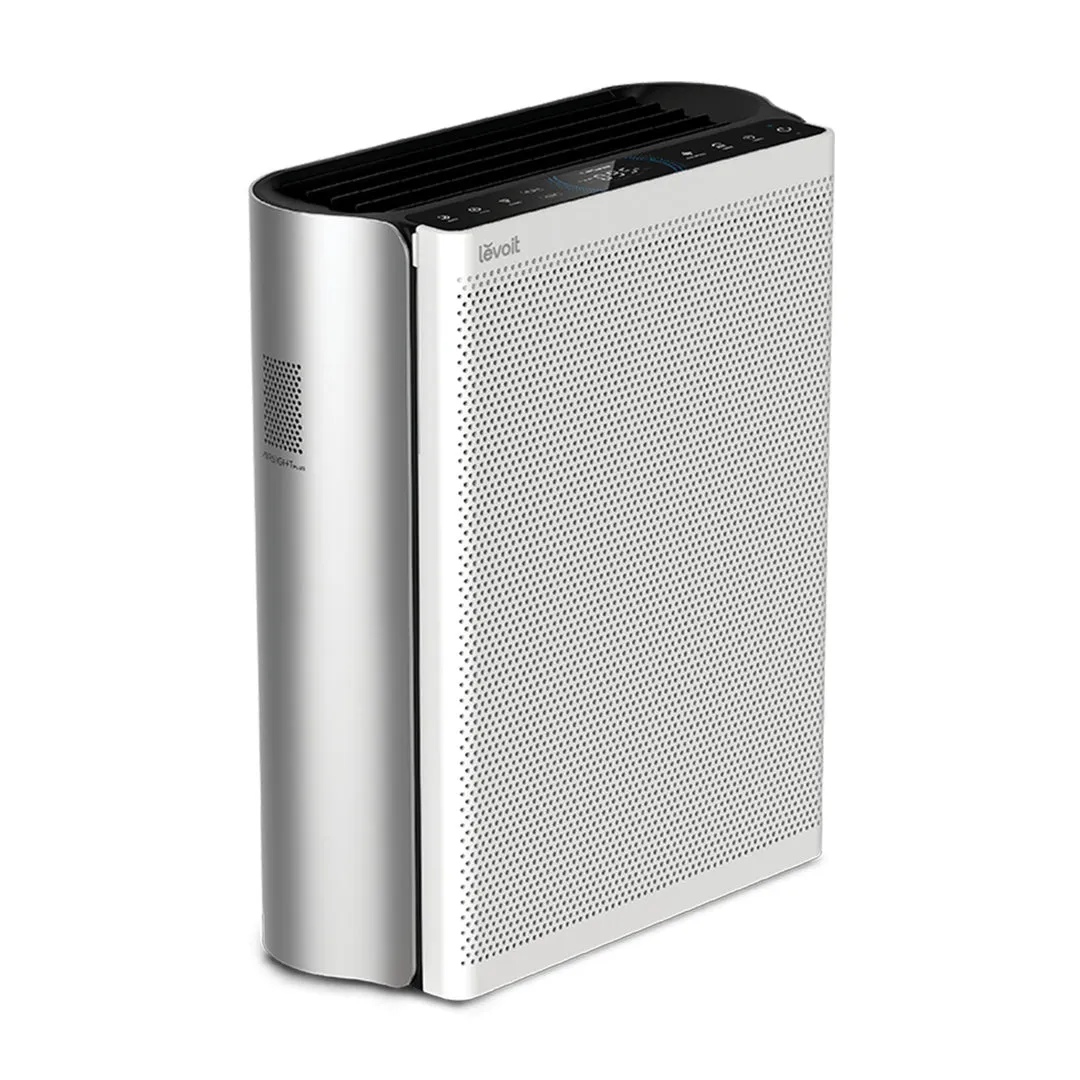
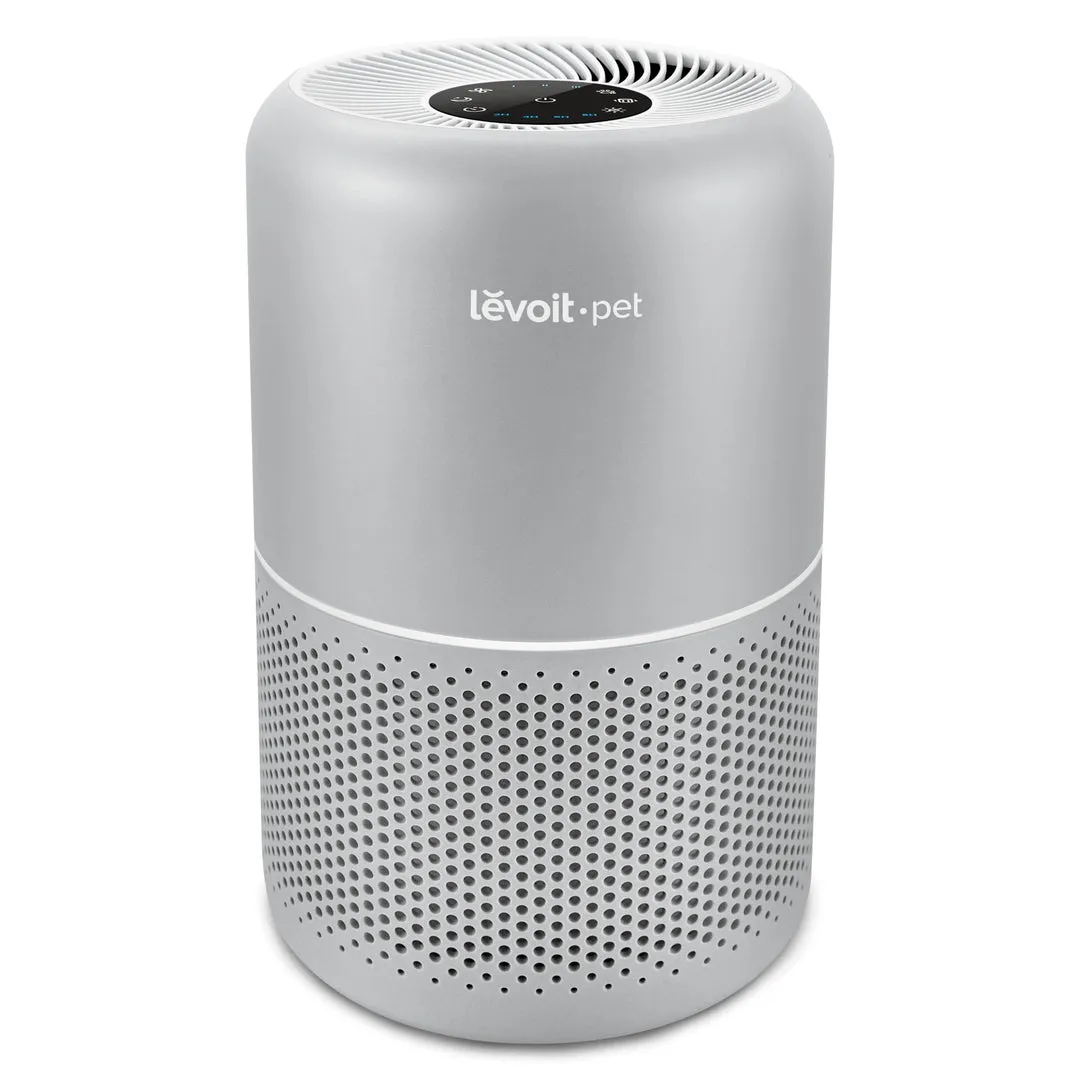
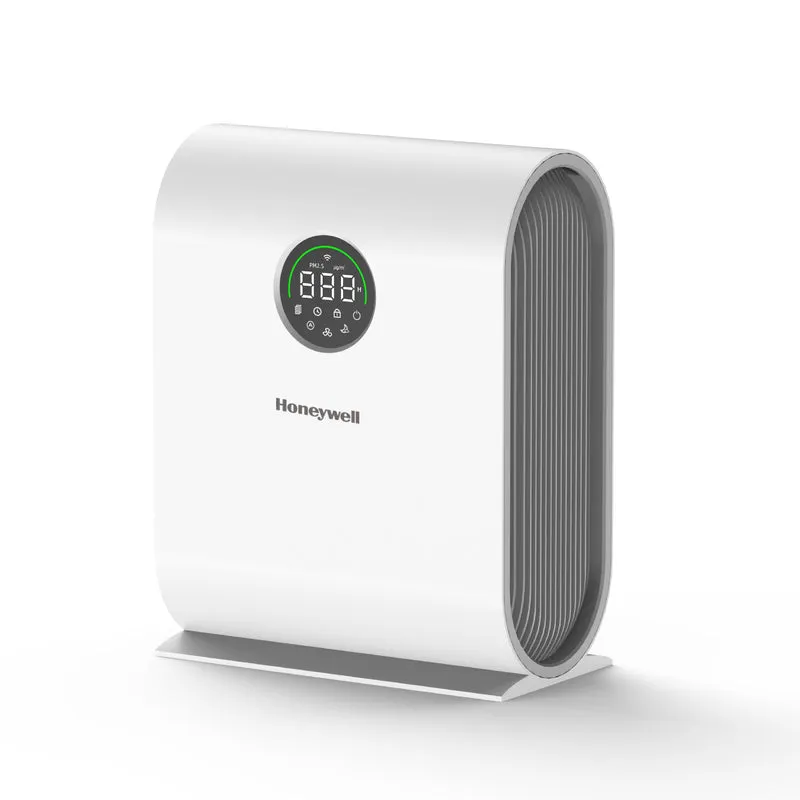
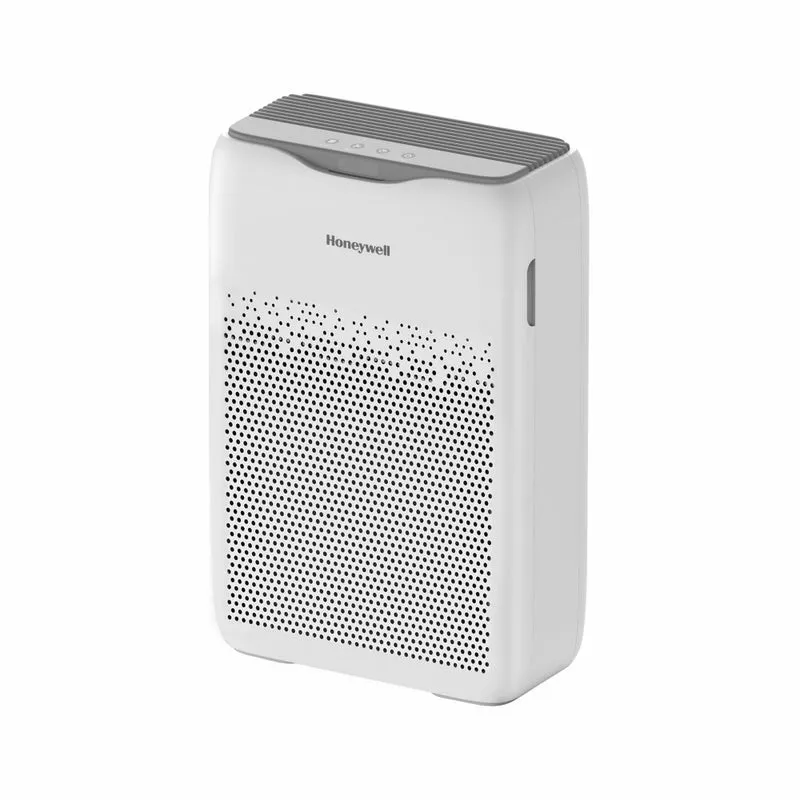
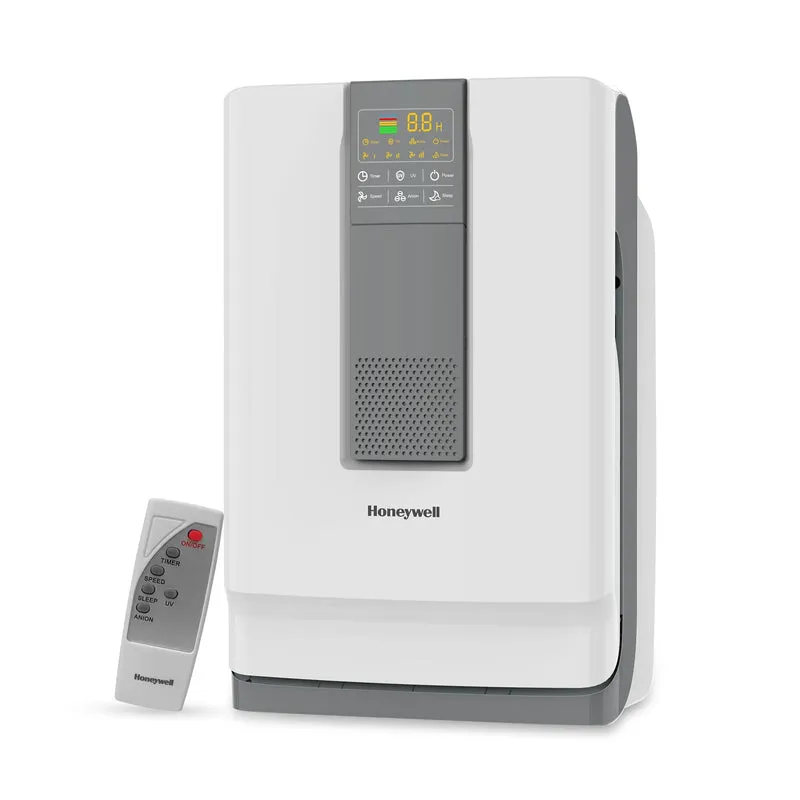
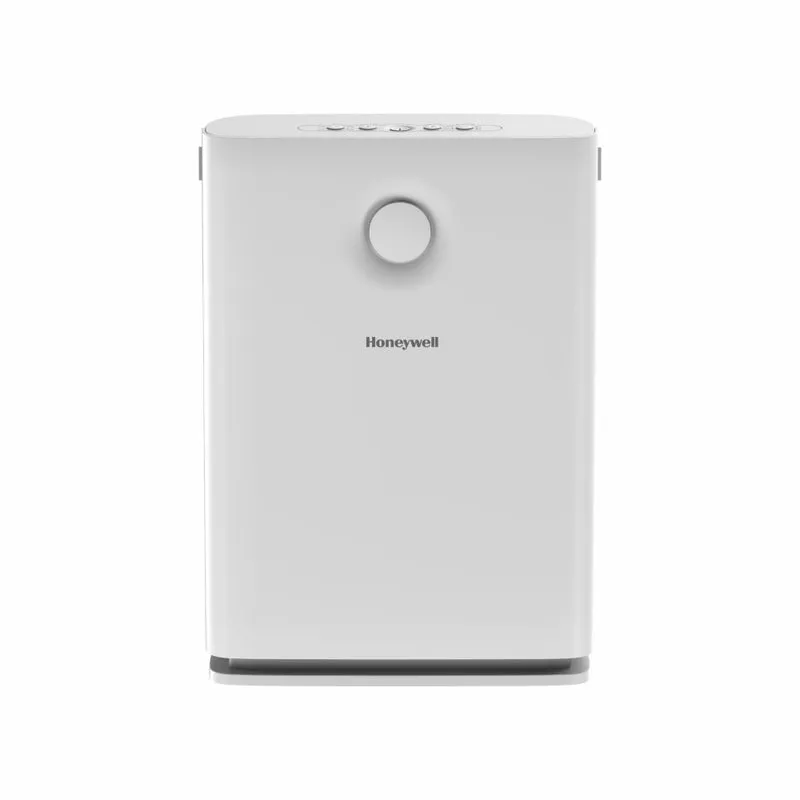
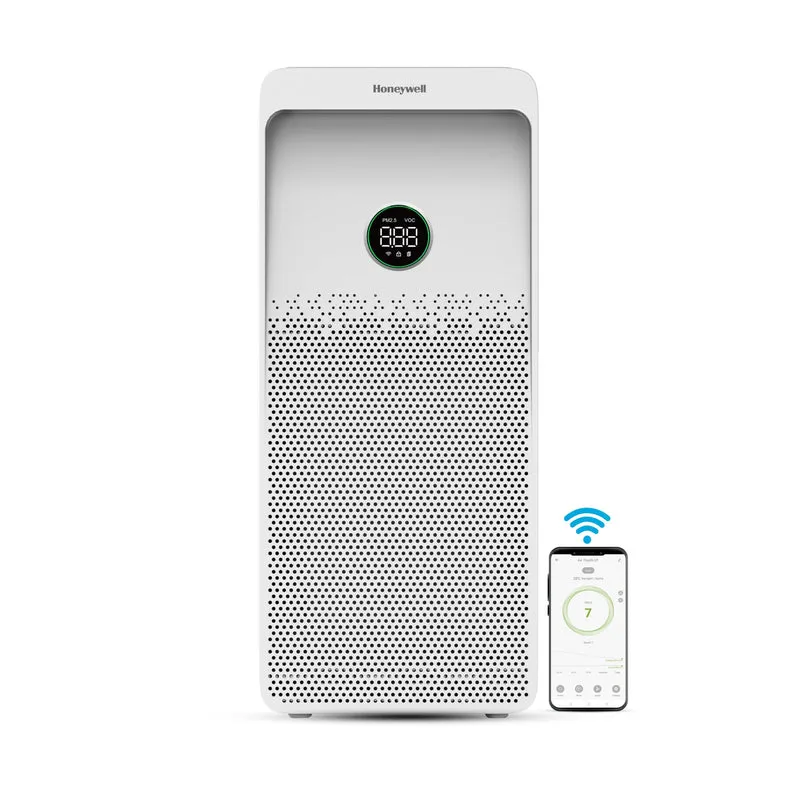
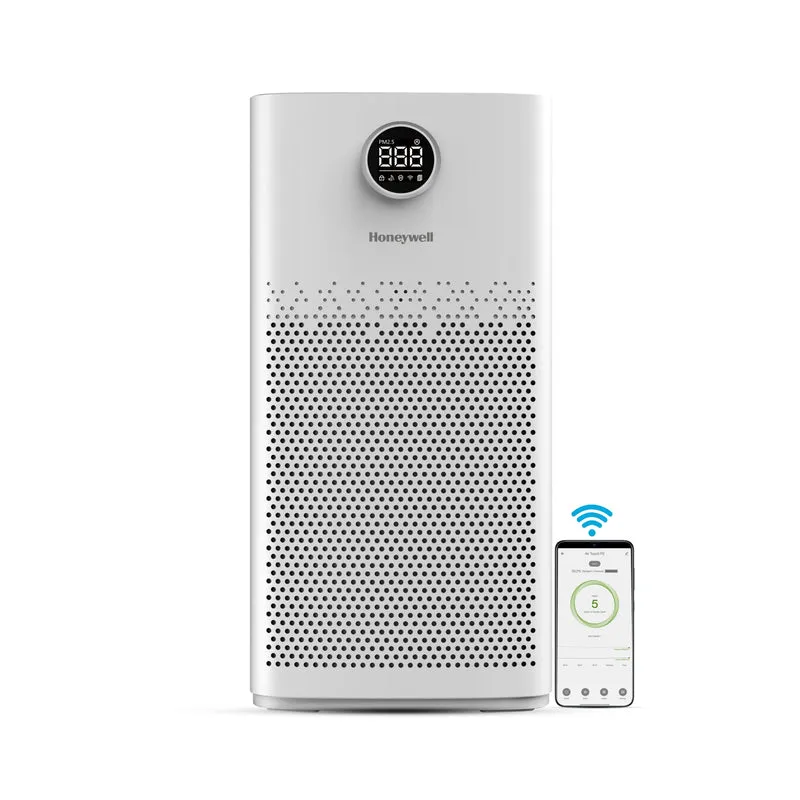
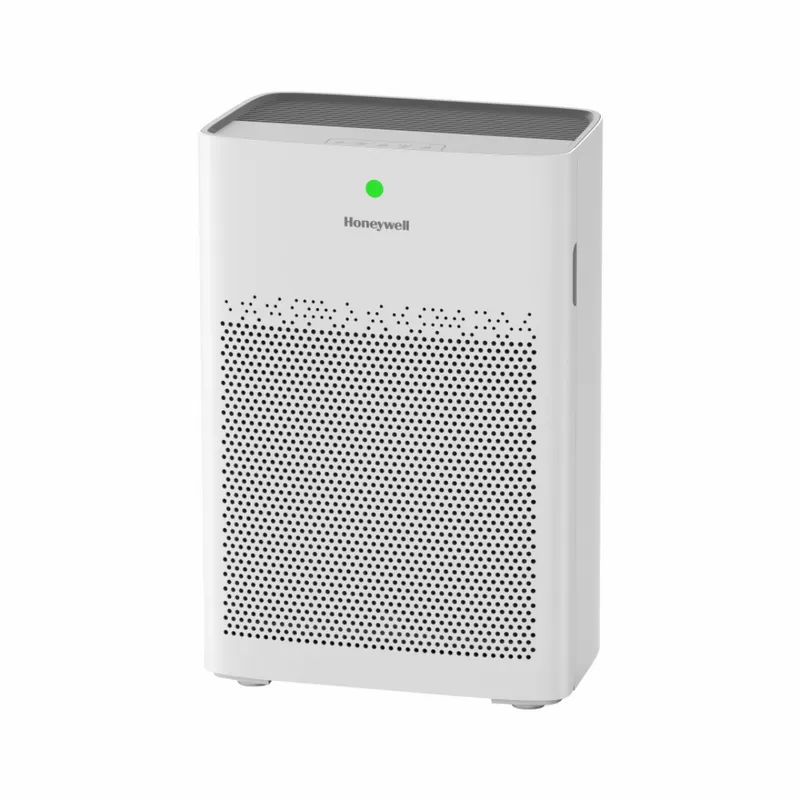
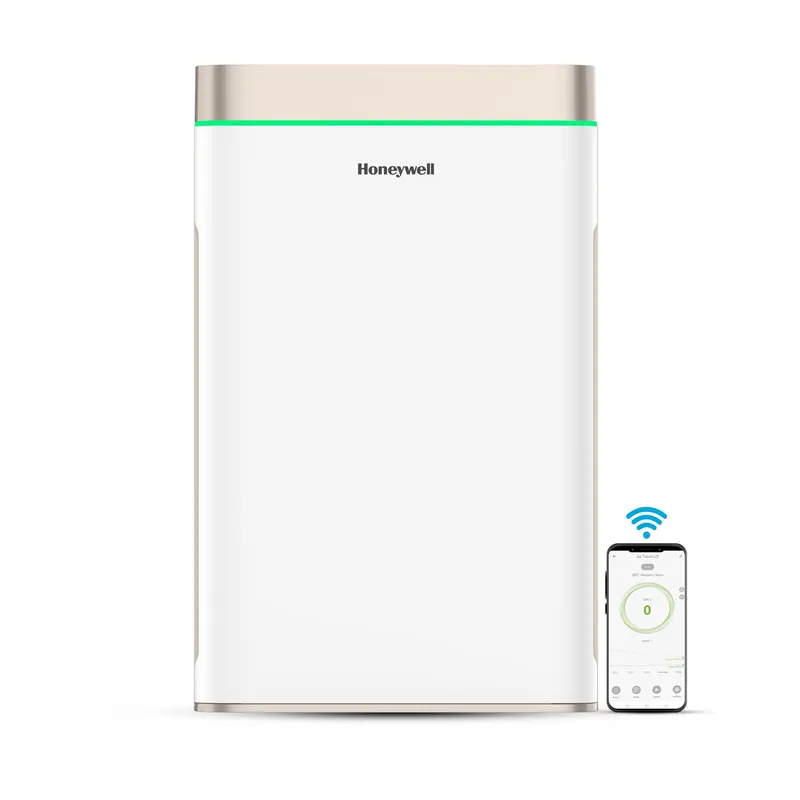
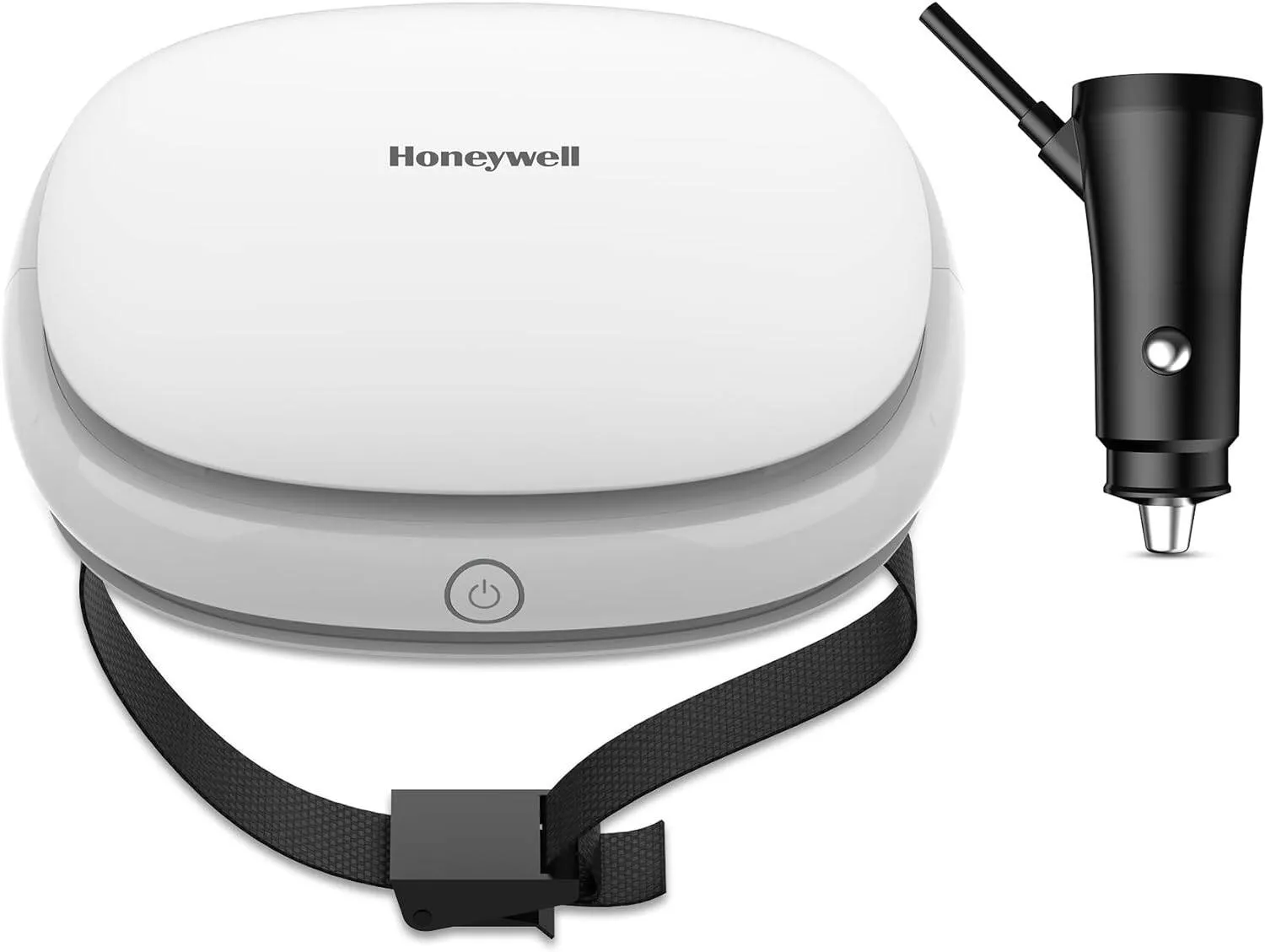
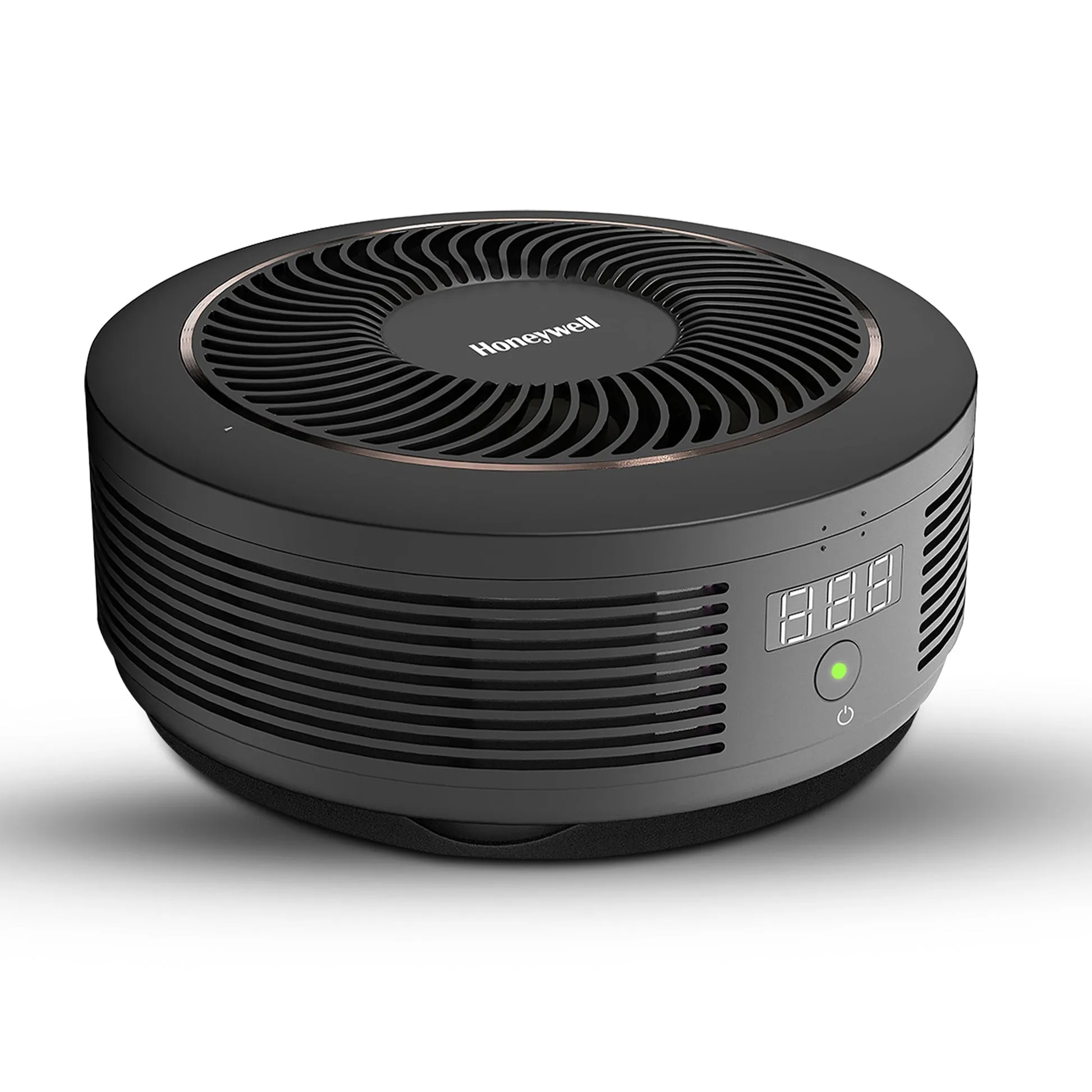
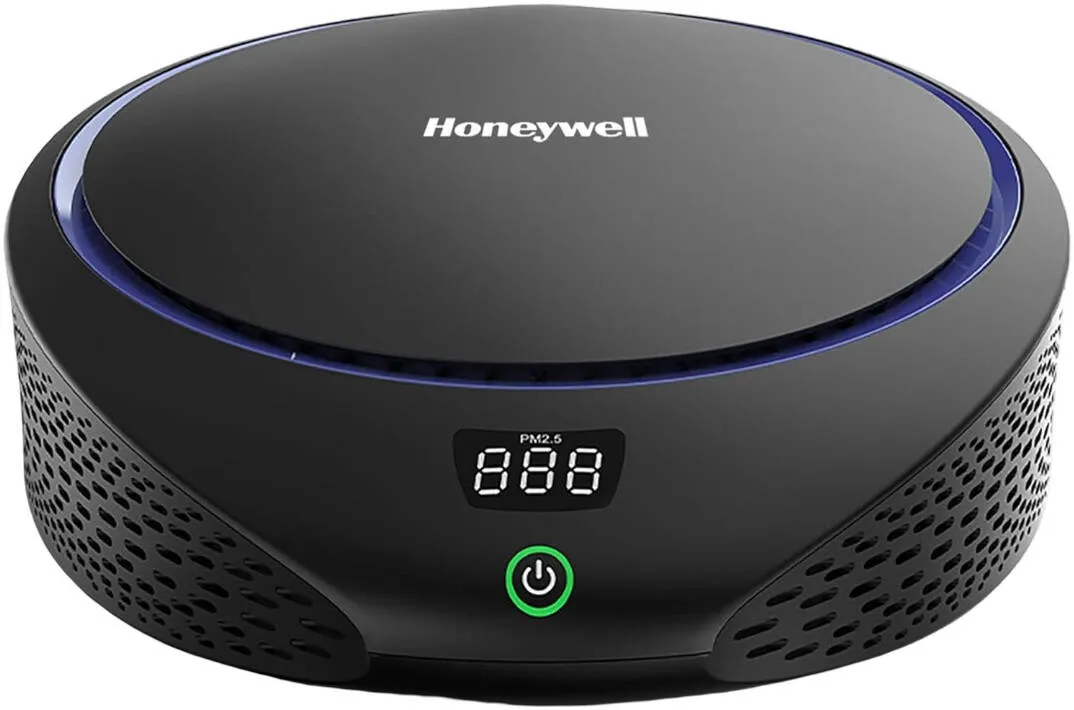
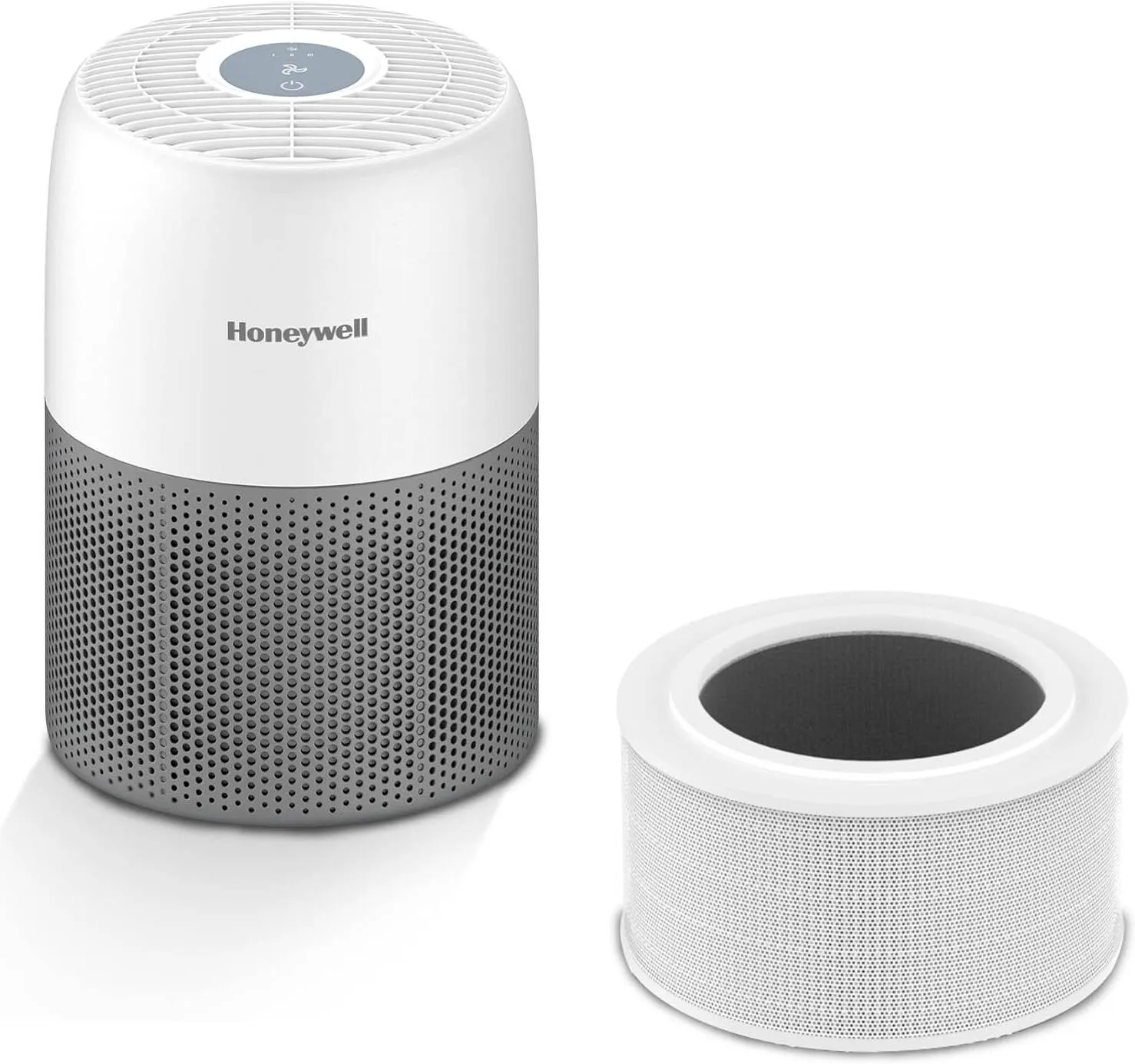
Choosing the right air purifier starts with verified specifications, not marketing claims. Cleanair-ae stocks certified True HEPA air purifiers from Blueair, Honeywell, and Levoit, all sized and rated for real rooms across Dubai, Abu Dhabi, and the wider UAE.
The Cleanair-ae air purifier buying guide for 2026 covers CADR ratings, room sizing, and filter certification in plain language. If you are weighing up filtration against other methods, the air purifier alternatives guide outlines eight proven approaches to improving indoor air quality. Free UAE delivery is available on orders over 49 AED.
FAQ
Is indoor air really more polluted than outdoor air?
Indoor air is frequently 2 to 5 times more polluted than outdoor air due to trapped dust, VOCs, and allergens. Modern airtight homes make this worse by reducing natural air exchange.
What is the difference between True HEPA and HEPA-type filters?
True HEPA filters meet a verified laboratory standard, capturing 99.97% of particles at 0.3 microns. HEPA-type filters carry no verified standard and may capture significantly less.
Are ozone generators safe to use at home?
Ozone generators are not approved by any US federal agency for use in occupied spaces. They produce ozone at concentrations that irritate the lungs and can create harmful chemical byproducts indoors.
Do air purifiers cause dry air?
Air purifiers do not remove moisture from the air. If your home feels dry, the cause is your heating or air conditioning system. A humidifier is the correct device for adding moisture.
Does opening windows always improve indoor air quality?
Not always. When outdoor air quality is poor due to traffic emissions, dust, or high pollen, opening windows can introduce more pollutants than it removes. Check your local AQI before ventilating.