

Uncategorised
Best practices for air filter replacement: homes and businesses
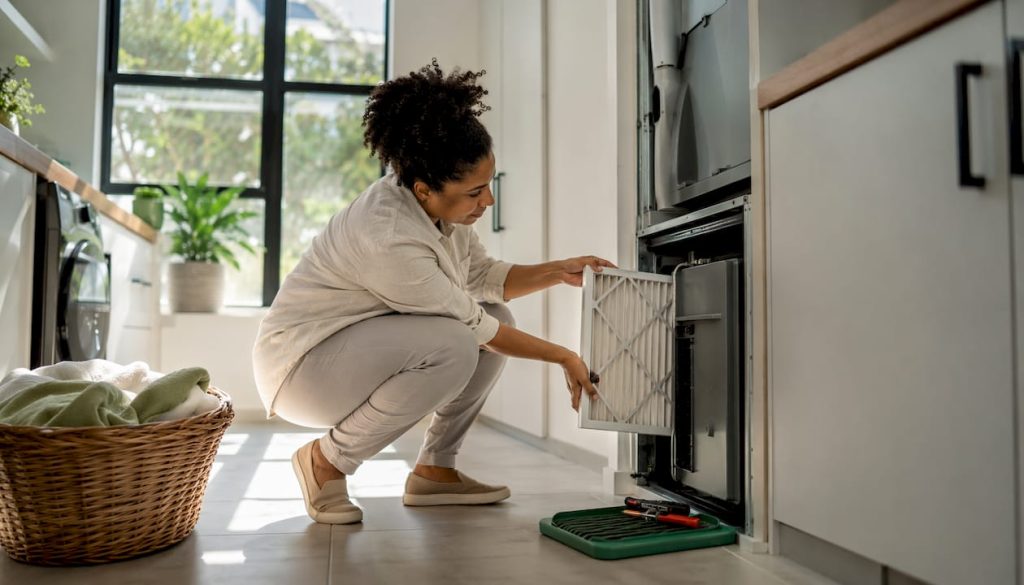
Inspect your HVAC filter now. Hold it up to a light source: if you cannot see light passing through evenly, replace it immediately. According to industry guidance, standard 1-inch pleated filters need replacing every 30–90 days, while 4-inch media filters last 6–12 months; in homes with pets or dusty conditions, use the shorter end of the range. A clogged filter can raise energy use noticeably, increasing costs and stressing your system and risk compressor or coil damage. Three actions to take right now:
- Inspect: Pull the filter and perform the light test.
- Replace: Swap it out if it fails the test or has exceeded its type-specific interval.
- Remind: Set a calendar alert or smart-thermostat prompt for your next check.
Table of Contents
- How often should you change your air filter?
- How to change an HVAC filter correctly and safely
- How do you choose the right filter for your system?
- What are the signs your filter needs attention right now?
- How to set a maintenance schedule you will actually follow
- Safe disposal and storing spare filters in the UK
- Key takeaways
- A practical note on filter maintenance
How often should you change your air filter?
The “every 90 days” rule applies to one specific scenario: a standard 1-inch pleated filter in an average household. Every other variable shifts that number.
| Filter type | Thickness | Typical interval |
|---|---|---|
| Fiberglass | 1 inch | About a month |
| Pleated | 1 inch | 30–90 days |
| Pleated media | 4–5 inch | 6–12 months |
| Washable/electrostatic | 1 inch | Clean monthly |
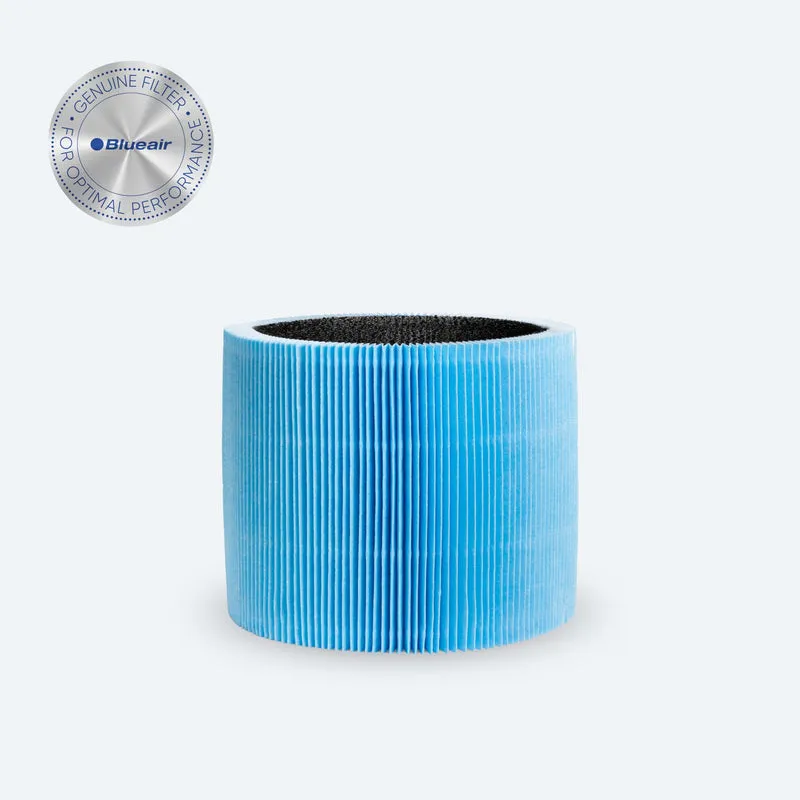
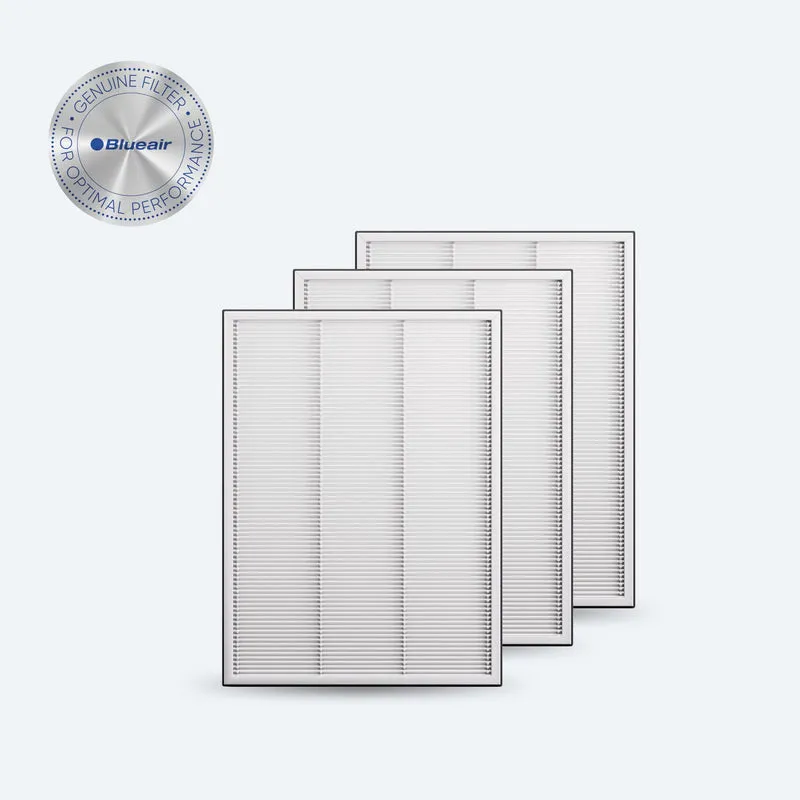
| True HEPA | Varies | Per manufacturer guidance |
Scenario adjustments matter just as much as filter type. Use the shorter end of any range when:
- Pets: One pet tends to speed filter clogging moderately; multiple pets or allergies shorten the interval significantly.
- Renovation or construction: Drywall dust clogs a filter in days. Swap to a cheap fiberglass filter during the work, then return to your standard filter once the site is clear.
- Wildfire smoke or high outdoor pollution: Inspect weekly during active smoke events.
- High occupancy or continuous fan mode: More air moved through the same filter means faster loading.
A note on UK filter standards: MERV ratings originate in the US. The UK and EU equivalent is ISO 16890, which classifies filters by the particle sizes they capture (PM1, PM2.5, PM10). A MERV 8 filter roughly corresponds to an ISO ePM10 class; MERV 11 aligns broadly with ePM2.5. When buying filters in the UK, check the ISO 16890 classification on the packaging and cross-reference with your system manual.
How to change an HVAC filter correctly and safely
The whole job takes under five minutes. Done correctly, it protects both the system and the air quality in the building.
- Turn the system off at the thermostat or power switch before opening the filter slot.
- Locate the filter. Common positions: a return-air grille on a wall or ceiling, or a slot at the air handler in a utility cupboard, loft, or basement.
- Note the airflow arrow on the old filter’s cardboard frame before removing it. The arrow follows the direction of airflow: from the room, through the filter, toward the blower motor.
- Remove the old filter carefully. Slide it straight out to avoid shaking loose dust back into the system. Place it directly into a bin bag.
- Perform the light test on the old filter: hold it to a window or lamp. If you cannot see light through it, it was overdue. Use this as a calibration point for your next interval.
- Insert the new filter with the arrow pointing toward the blower motor (away from the return grille). A filter installed backwards reduces filtration efficiency and increases strain on the system.
- Check the fit. The filter should sit snug with no visible gaps around the frame. Light leaks around the edges mean air is bypassing the filter entirely.
- Write the installation date on the filter frame in pencil or marker.
- Restart the system and confirm airflow at the nearest vent.
Pro Tip: Write the filter size and today’s date on the frame the moment you install it. If a contractor or family member checks the system later, they have the information they need without guessing.
If the filter slot is damaged, the housing is corroded, or you cannot identify the correct filter size, stop and contact a qualified HVAC technician. Do not force an ill-fitting filter into place.

How do you choose the right filter for your system?
For most UK homes and small business premises, aim for the MERV 8–11 range (ISO ePM2.5 or ePM10 class). This range captures pollen, dust, and pet dander without creating enough resistance to strain a standard residential blower.
Key trade-offs to understand:
- MERV 13 and above captures finer particles, including some bacteria and smoke particulates, but increases static pressure. Many residential blowers were not designed for this load. Without a static pressure test by a qualified technician, moving to MERV 13+ risks coil freeze in cooling mode and accelerated blower wear.
- Thicker media cabinets (4-inch or 5-inch slots) allow higher efficiency at lower resistance. If you want better filtration without the airflow penalty, a media cabinet upgrade is the right route, not simply buying a higher-MERV 1-inch filter.
- Washable filters last longer but require consistent monthly cleaning and deliver lower particle capture than a good pleated filter. None of the washable models tested by Consumer Reports have earned a recommendation.
Practical checklist before buying:
- Measure the actual filter slot (length, width, depth). Nominal sizes are often rounded; a gap around the frame means air bypass.
- Check the equipment manual for the maximum MERV or pressure drop the system supports.
- For severe allergy or asthma sufferers, consider a whole-house HEPA solution rather than pushing a standard system beyond its design limits.
- Eco-conscious options: some UK suppliers offer recyclable cardboard-frame pleated filters. Check the packaging for recycling instructions specific to your local council.
Pro Tip: During a renovation, swap your good pleated filter for a cheap fiberglass one. It protects the system from construction dust and saves your higher-quality filter for normal use.
What are the signs your filter needs attention right now?
Check the filter immediately if you notice any of the following:
- Reduced airflow from vents, even with the system running normally.
- Longer run times: the system runs but the room takes longer to reach the set temperature.
- Rising energy bills with no change in usage patterns.
- Ice on the refrigerant lines or outdoor unit in cooling mode.
- Musty or stale odours from the vents.
- Increased dust settling on surfaces faster than usual.
Energy impact: A dirty filter can increase energy use noticeably while the system works harder to move air through a restricted medium. Left unaddressed, restricted airflow can ice the evaporator coil or burn out the blower motor — repairs that cost significantly more than a replacement filter.
Diagnostic steps by trigger:
- Reduced airflow or longer runtimes: Pull and light-test the filter first. If it passes, check for blocked vents or closed dampers.
- Ice on coils: Turn the system off immediately, let the coil defrost, then replace the filter before restarting.
- Musty smell persisting after a filter change: The source is likely mould in the drain pan or on the evaporator coil. A filter change alone will not resolve this. Call a qualified technician for a coil and drain-pan inspection.
- Unusual noises or short cycling: These indicate a mechanical issue beyond filter maintenance. Contact a professional.
How to set a maintenance schedule you will actually follow
Memory is not a reliable system. Use a structured reminder method from day one.
Reminder options:
- Phone calendar: Set a repeating event at your chosen interval. Label it with the filter size so you can buy the right one without searching.
- Smart thermostat alerts: Models such as Ecobee and several Honeywell Home thermostats include runtime-based filter reminders, which adjust automatically for how much the system actually runs.
- Subscription delivery: Some UK filter suppliers offer scheduled delivery at your chosen interval. Filters arrive when you need them.
- Date marking on the frame: Write the installation date and the planned replacement date directly on the filter. Anyone who opens the panel can see at a glance when it is due.
Sample schedule by scenario:
| Scenario | Filter type | Inspection | Replacement |
|---|---|---|---|
| Baseline (no pets, clean area) | 1-inch pleated | Monthly | 60–90 days |
| One pet | 1-inch pleated | Monthly | 60 days |
| Multiple pets or allergies | 1-inch pleated | Monthly | 30–45 days |
| 4-inch media, baseline | 4-inch pleated | Every 3 months | 6–12 months |
| Renovation or construction | Cheap fiberglass | Weekly | As needed during works |
After any significant change in household conditions (a new pet, a renovation, a change in occupancy), inspect monthly for two months. That observation period tells you your home’s actual loading rate and lets you set a precise, custom interval rather than guessing.
Safe disposal and storing spare filters in the UK
Most disposable filters go into general household waste in the UK. Seal the used filter in a bin bag before carrying it through the building to avoid releasing trapped dust and particles. Do not shake or tap the filter to dislodge debris.
Practical disposal steps:
- Slide the old filter into a bin bag at the point of removal.
- Seal the bag immediately.
- Wash hands after handling.
- Check your local council’s guidance if the filter has been exposed to construction dust, biological contamination, or hazardous materials. Some councils provide specific drop-off points or hazardous waste collections.
For spare filter storage: keep them flat, in a dry location away from moisture and direct sunlight. Label each spare with its size and the date of purchase. A damp storage environment can degrade the filter media before installation.
Washable filters require rinsing with clean water, air-drying completely before reinstallation, and a dedicated storage spot to avoid contamination between cleans.
Key takeaways
Replacing filters on a type-specific schedule, using the light test, and setting structured reminders prevents the most common and costly HVAC failures.
| Point | Details |
|---|---|
| Inspect monthly | Pull the filter and hold it to a light; replace if you cannot see through it. |
| Follow type-based intervals | 1-inch pleated: 30–90 days; 4-inch media: 6–12 months; adjust shorter for pets or dusty conditions. |
| Energy and system risk | Dirty filters can raise energy use by 5–15% and risk coil freeze or compressor damage. |
| Stay in the MERV 8–11 range | Higher MERV ratings increase static pressure; verify system compatibility before upgrading. |
| Use structured reminders | Calendar alerts, smart thermostat prompts, or subscription delivery beat relying on memory. |
A practical note on filter maintenance
The most common mistake seen in the field is not neglecting filters entirely — it is installing them backwards. A filter with the airflow arrow pointing away from the blower motor bypasses its own filtration layer and accelerates dust build-up on the coil. The second most common error is using the wrong size: a filter that does not sit snug in the slot lets air bypass the medium completely, regardless of its MERV rating.
High-MERV filters are another area where good intentions cause problems. Fitting a MERV 13 filter into a system designed for MERV 8–11 without a static pressure check is a genuine risk. The blower works harder, the coil is more likely to freeze, and the filter itself loads faster than the manufacturer’s stated interval suggests. If you want better filtration, the right path is a media cabinet upgrade or a standalone air purifier, not simply buying a denser 1-inch filter.
A simple monthly inspection and a reliable reminder system prevent the majority of avoidable HVAC repairs. Cleanair-ae carries replacement filters and air quality accessories to support a consistent maintenance routine. For anything beyond a filter swap — persistent odours, ice on the lines, unusual noises — a qualified technician is the right call.
Recommended
- How to replace air filters: a homeowner’s guide — Blog | CleanAir UAE
- Step by step air filter replacement: 2026 guide — Blog | CleanAir UAE
- UAE air filter replacement guide: cleaner air, healthier homes — Blog | CleanAir UAE
- Air filtration upgrade for apartment complexes: 2026 guide — Blog | CleanAir UAE