
Uncategorised
Commercial HEPA filter selection guide for facilities
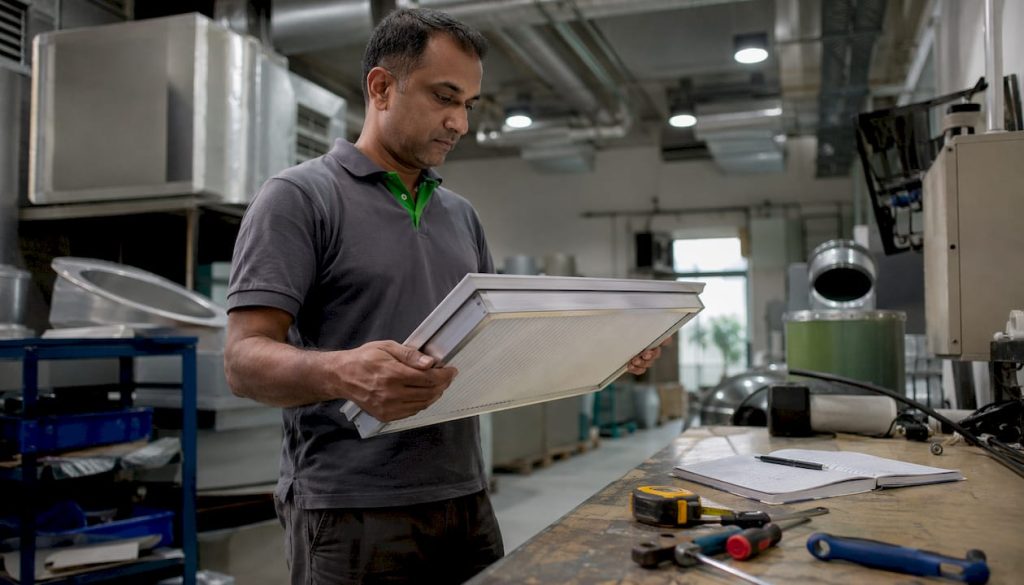
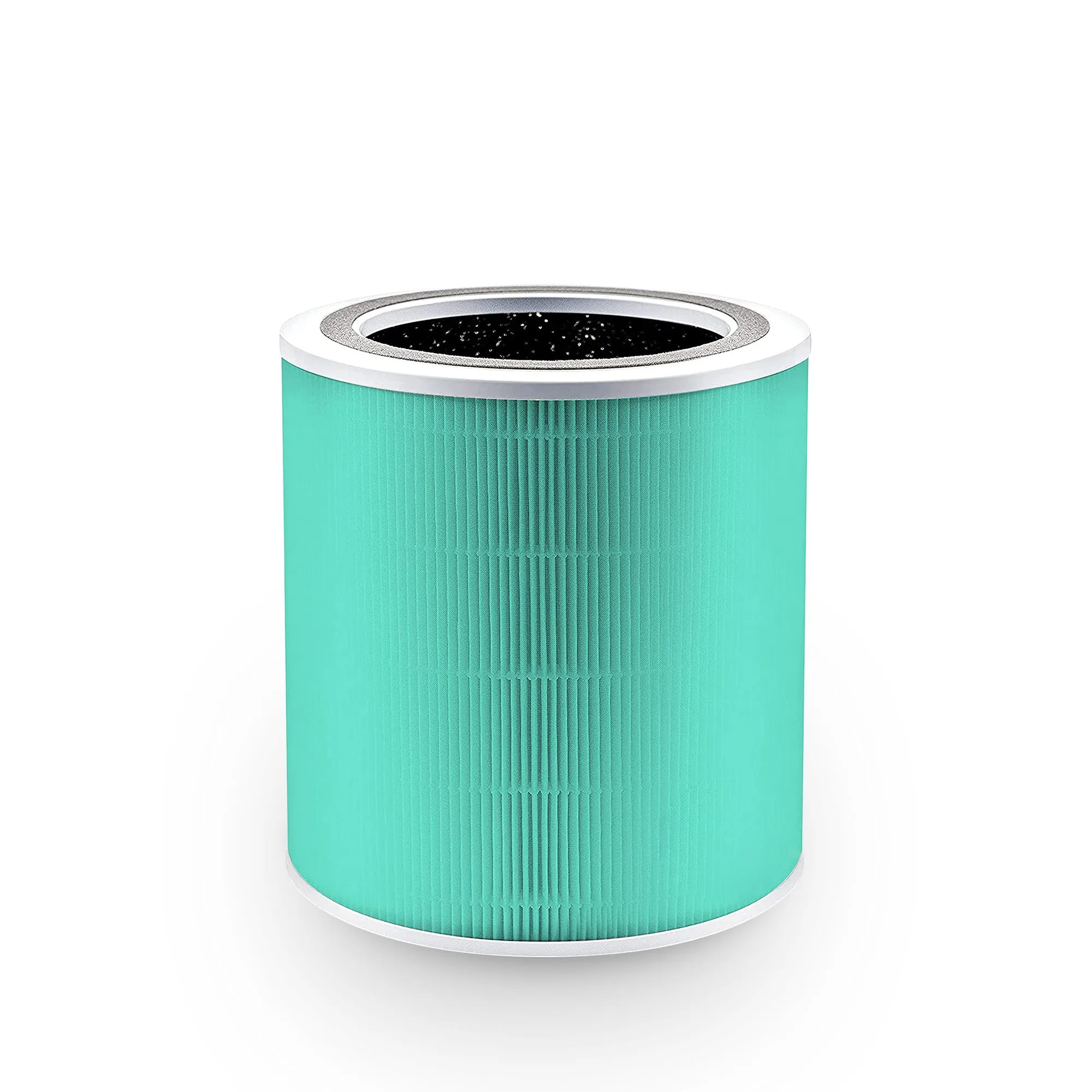
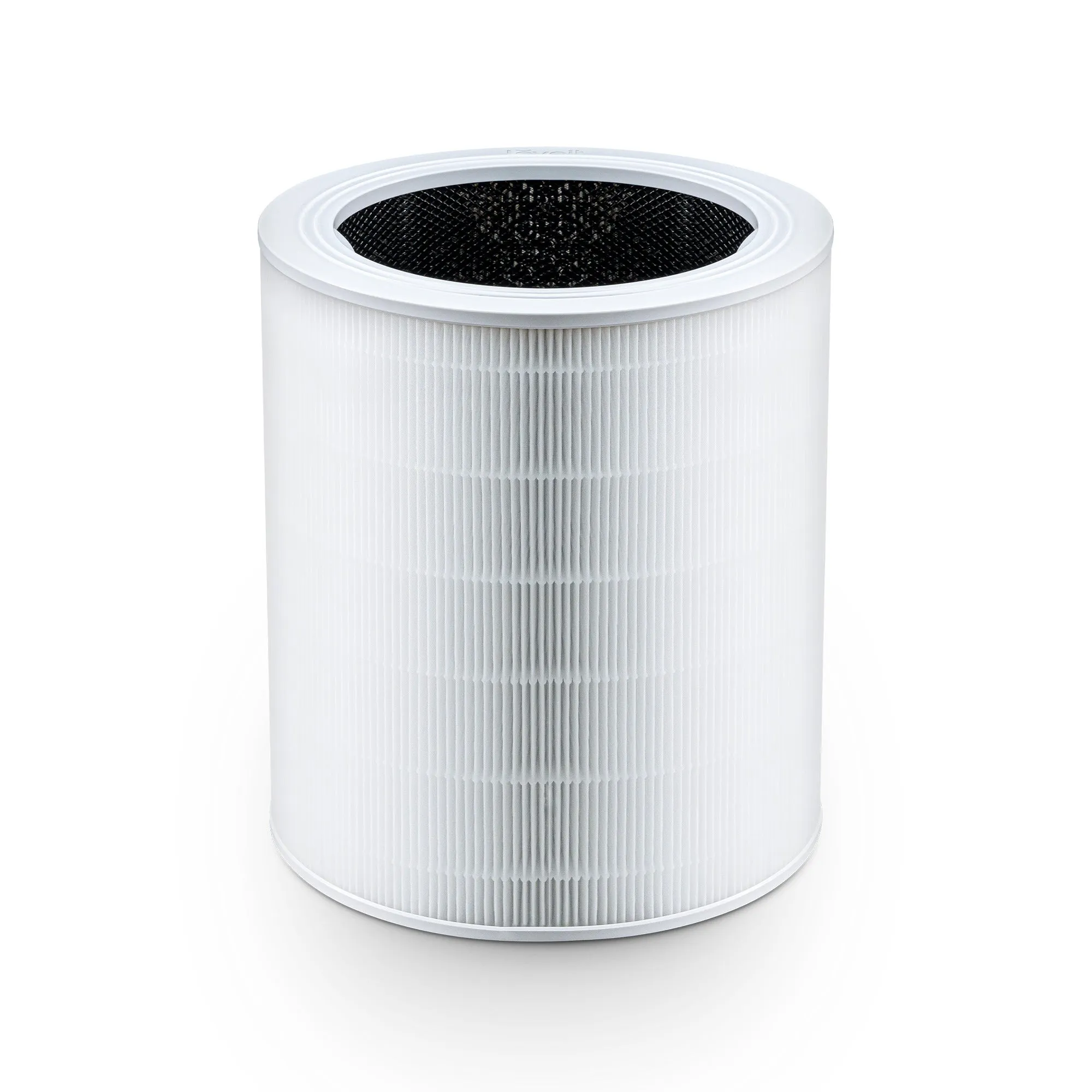
A commercial HEPA filter is defined as a filtration unit that captures at least 99.97% of airborne particles at 0.3 microns in diameter. That standard, set by the US EPA and mirrored in European EN1822 classifications, is the baseline for any serious commercial air filtration programme. Higher grades, specifically H13 at 99.95% and H14 at 99.995%, serve specialised environments such as cleanrooms and pharmaceutical facilities. For facility managers and business owners, this commercial HEPA filter selection guide covers every specification, application match, and maintenance practice needed to make the right procurement decision.
What are the key technical specifications for commercial HEPA filters?
Filter efficiency is only one number on a spec sheet. The figures that drive real-world performance and operating costs are pressure drop, airflow capacity, and filter design geometry.
Pressure drop and energy cost
Commercial HEPA filters carry an initial pressure drop of 0.5–1.5 inches water gauge (w.g.) under normal operating conditions. Replacement becomes necessary when that figure reaches 2.0–3.0 inches w.g. to prevent excessive strain on fans and motors. Higher pressure drop means the HVAC system works harder, which raises electricity consumption directly.
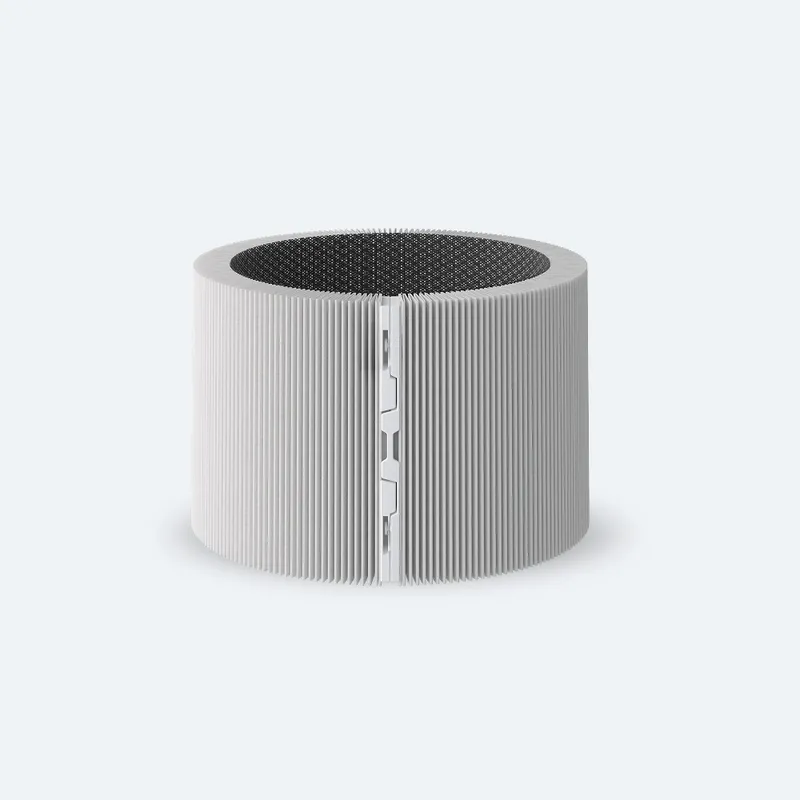
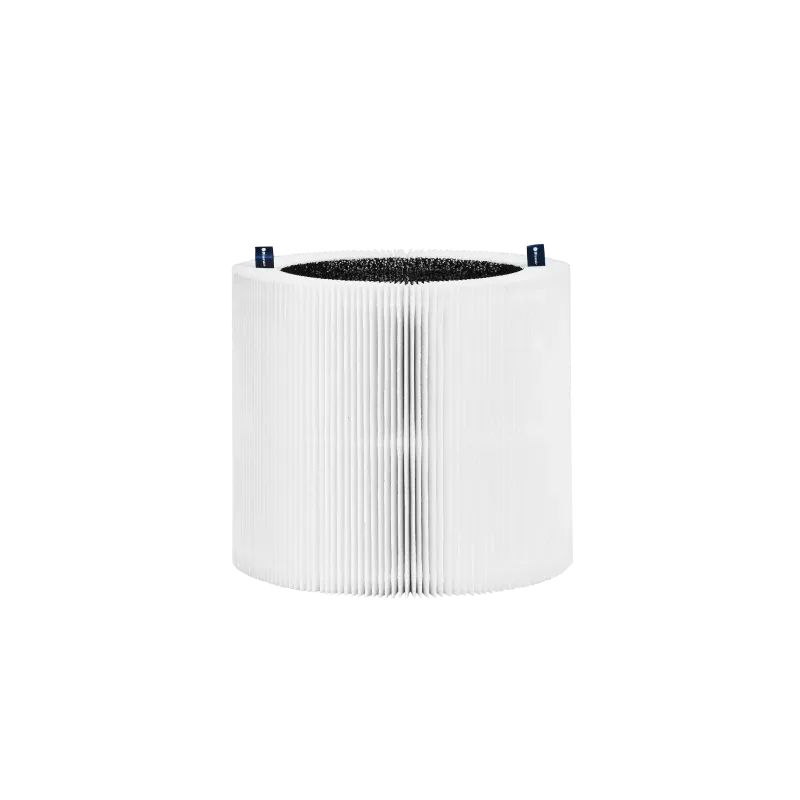
Filter design has a significant impact here. V-Bank and mini-pleat configurations increase usable media surface area, reducing initial resistance by up to 55% compared to flat media designs. Modern air handling units favour these geometries precisely because they maintain filtration efficiency while keeping fan energy low. For large commercial buildings in the UAE, where cooling systems already carry a heavy load, that energy saving is material.
Efficiency classes and EN1822 standards
| Filter Class | Minimum Efficiency at 0.3 Microns | Typical Application |
|---|---|---|
| H11 | 95% | General commercial pre-filtration |
| H13 | 99.95% | Offices, healthcare, schools |
| H14 | 99.995% | Cleanrooms, pharmaceutical |
H13 is the practical ceiling for most commercial buildings. Specifying H14 where H13 suffices adds cost and pressure drop without a meaningful improvement in occupant air quality.
Media and frame materials
Glass microfibre media is the industry standard for commercial HEPA filters. In environments with high humidity, chemical exposure, or elevated temperatures, corrosion-resistant plastic frames and water-repellent media are the correct choice. Aluminium frames suit most standard commercial installations. Galvanised steel frames add durability in industrial settings. Selecting the wrong frame material for the environment causes premature failure, which negates any efficiency advantage.
Pro Tip: Always request the manufacturer’s test data at the actual airflow rate your system will deliver. Efficiency figures quoted at non-standard test flows can be misleading.
How to match HEPA filter grades to commercial building applications
The right filter grade depends on what the space does, how many people use it, and how clean the air needs to be. Matching grade to application avoids both under-performance and unnecessary cost.
Matching grade to space function
-
General offices and retail spaces. H13 filters meet the air quality requirements for standard occupancy. Target 4–8 air changes per hour (ACH) for these environments. The formula for required airflow is: CFM = (Room Volume × ACH) ÷ 60. A 500 m³ office targeting 6 ACH needs approximately 1,060 CFM of filtered air.
-
Gyms and high-occupancy venues. Elevated CO₂, sweat particulates, and high foot traffic push ACH requirements above 8. H13 remains appropriate, but the system must deliver higher volumetric flow. Undersizing airflow here is the most common specification error.
-
Healthcare waiting rooms and clinics. H13 is the minimum. Some infection-control protocols specify H14 for procedure rooms. Consult local health authority guidelines before specifying, as UAE regulatory requirements may differ from European or US defaults. For more on HEPA selection in health settings, the principles around particle capture and occupant protection apply directly.
-
Pharmaceutical and electronics manufacturing. H14 is standard. These environments also require validated cleanroom protocols, not just filter specification.
-
Schools and educational facilities. H13 with 6 ACH minimum. Children are more susceptible to airborne particulates, and consistent filtration supports both health and concentration.
The role of pre-filters
Pre-filters are not optional in commercial systems. A G4 or F7 pre-filter upstream of the HEPA stage captures large particles, dust, and fibres before they reach the primary media. This single step extends HEPA filter service life considerably. Skipping pre-filtration to reduce upfront cost is a false economy. The HEPA filter loads faster, pressure drop rises sooner, and replacement frequency increases. For facilities managing workplace air quality, pre-filter maintenance is as important as the HEPA replacement schedule itself.
What are the best operational practices for HEPA filter maintenance?
Correct maintenance determines whether a filter delivers its rated performance across its full service life. The two most common failures are poor sealing and calendar-based replacement schedules.
Pressure drop monitoring vs. fixed schedules
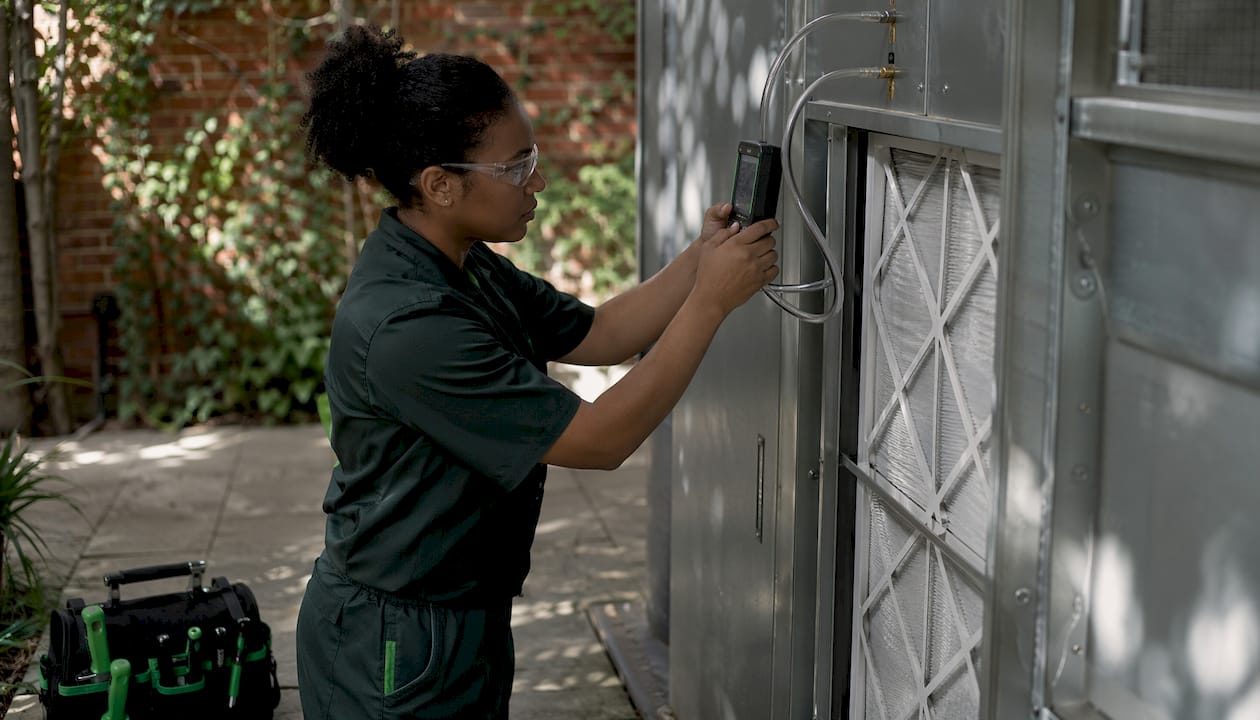
Proactive pressure drop monitoring outperforms fixed-interval replacement on both cost and performance. Replacing a filter at 12 months regardless of its actual condition wastes money if the filter still has capacity, and risks air quality degradation if the filter loaded faster than expected. Install a differential pressure gauge or connect pressure sensors to your building management system. Replace when the reading reaches the manufacturer’s stated final pressure drop, typically 2.0–3.0 inches w.g.
Seal integrity and bypass prevention
Gel seals provide superior leak-tightness compared to standard gasket seals, particularly in critical environments. A high-grade H14 filter fitted with a poor gasket seal delivers real-world performance far below its rated efficiency. Air bypasses the media through gaps between the filter frame and housing, rendering the specification meaningless. Leak testing after installation is not optional in healthcare or pharmaceutical settings. It should be standard practice in any commercial facility where air quality compliance matters.
- Verify housing dimensions match filter frame exactly before ordering.
- Inspect gaskets and gel channels for damage before each installation.
- Conduct a smoke pencil or particle count test after fitting to confirm seal integrity.
- Log pressure drop readings at commissioning and at regular intervals.
- Integrate pressure sensors with variable frequency drives (VFDs) on supply fans to maintain constant airflow as filters load.
Pro Tip: Connect differential pressure sensors to your BMS and set an alert at 80% of the final pressure drop limit. This gives you lead time to procure replacement filters before performance degrades.
What steps should facility managers follow when selecting HEPA filters?
A structured procurement process prevents the two most expensive mistakes: over-specification and system incompatibility.
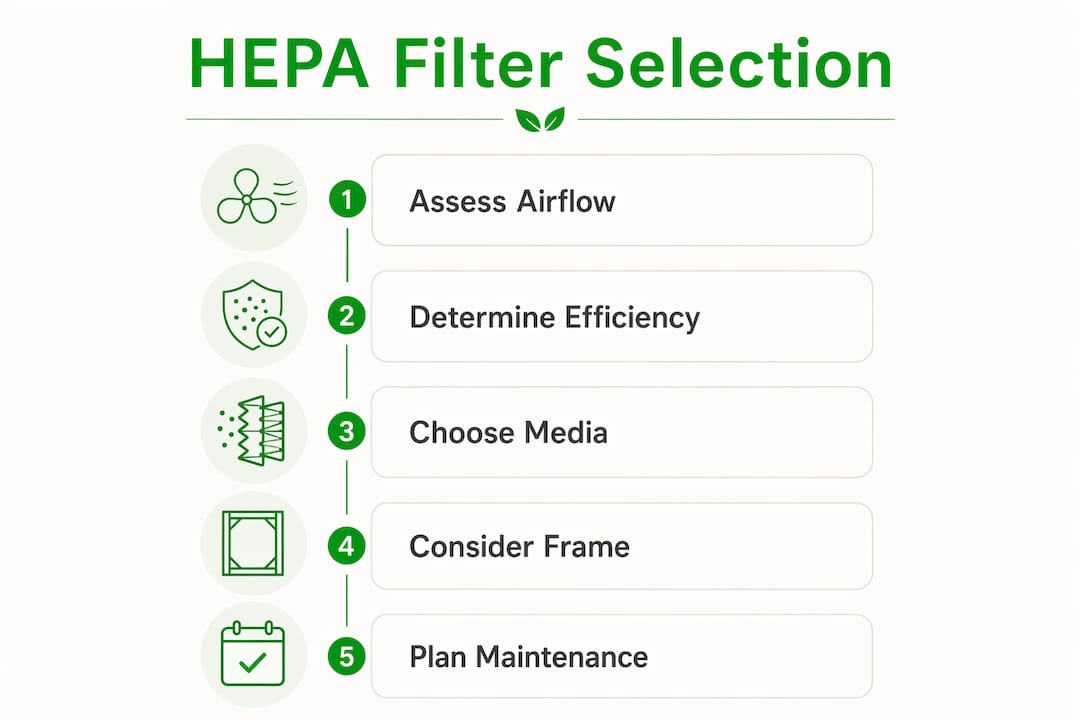
Step-by-step selection process
-
Calculate room volume and required ACH. Measure the space in cubic metres, decide the target ACH for the application, and apply the CFM formula. This gives you the minimum airflow the filtration system must deliver.
-
Determine the correct filter grade. Use the application matching framework above. Most commercial spaces need H13. Confirm whether local regulations or sector-specific standards require a higher grade.
-
Assess pressure drop tolerance. Check your HVAC fan curve. Confirm the system can maintain design airflow at the filter’s final pressure drop. If it cannot, specify a lower-resistance design such as a V-Bank configuration.
-
Specify frame and media materials. Match materials to the operating environment. High humidity in UAE coastal facilities argues for moisture-resistant media and corrosion-resistant frames.
-
Verify vendor documentation. Request third-party test certificates, not just manufacturer declarations. EN1822 certification requires independent testing. Confirm the test airflow matches your system’s operating conditions.
-
Plan the pre-filter stage. Select a compatible pre-filter grade and confirm housing dimensions accommodate both filter stages.
-
Conduct post-installation leak testing. Verify seal integrity before the system goes live. Record baseline pressure drop for future comparison.
Evaluation checklist
| Evaluation Criterion | What to Verify |
|---|---|
| Filter efficiency class | EN1822 certificate at rated airflow |
| Initial pressure drop | Within system fan curve tolerance |
| Frame and media compatibility | Suitable for temperature, humidity, and chemical exposure |
| Housing and frame dimensions | Exact match to avoid bypass gaps |
| Pre-filter provision | G4 or F7 upstream stage included |
| Vendor documentation | Independent test data, not self-declared |
Over-specifying filter grade increases pressure drop and energy consumption without delivering a meaningful air quality benefit in standard commercial environments. The cost difference between H13 and H14 extends beyond the filter price to include higher fan energy across the entire service life.
Key takeaways
Correct commercial HEPA filter selection requires matching filter grade, airflow capacity, and frame materials to the specific facility application, then maintaining performance through pressure drop monitoring rather than fixed schedules.
| Point | Details |
|---|---|
| Define the efficiency standard | True HEPA captures 99.97% at 0.3 microns; H13 suits most commercial spaces. |
| Calculate airflow before specifying | Use CFM = (Room Volume × ACH) ÷ 60 to size the system correctly. |
| Choose filter design for energy efficiency | V-Bank and mini-pleat designs reduce resistance by up to 55% versus flat media. |
| Monitor pressure drop, not the calendar | Replace filters at 2.0–3.0 inches w.g., not at fixed time intervals. |
| Never skip seal verification | Bypass leakage from poor seals negates even the highest-grade filter’s performance. |
Why most filter selections go wrong before the order is placed
I have reviewed procurement decisions across dozens of commercial facilities, and the pattern is consistent. The specification error almost never happens at the filter grade level. It happens earlier, when the team skips the airflow calculation and orders based on cabinet size alone.
A facility in a high-humidity coastal environment ordered standard aluminium-frame H13 filters for a fresh air handling unit. The frames corroded within eight months. The replacement cost, including labour and system downtime, was three times the saving they made by not specifying moisture-resistant frames. The filter grade was correct. The material specification was not.
The second recurring mistake is treating initial purchase price as the primary cost variable. Mismatching filter grade to application drives energy costs up across the entire service life of the system. An H14 filter in a standard office does not clean the air more effectively than H13 for the occupants present. It does, however, raise the fan’s operating point and increase electricity consumption every hour the system runs.
My consistent advice: choose a supplier who will share pressure drop curves at your actual operating airflow, not just at the standard test condition. That single data point tells you more about real-world energy cost than any efficiency rating. For facilities managing allergy-related air quality concerns, the combination of correct grade and correct airflow delivers results that over-specified, under-sized systems never achieve.
— Wojciech
Cleanair-ae commercial HEPA filtration solutions
Cleanair-ae stocks a range of certified commercial HEPA filters and compatible accessories, covering H13 and H14 grades across multiple frame and media configurations suited to UAE facility conditions.
Technical support is available to match filter specifications to your system’s airflow requirements, pressure drop tolerance, and environmental conditions. Cleanair-ae delivers across Dubai, Abu Dhabi, and the wider UAE, with replacement filter options for ongoing maintenance programmes. The air purifier buying guide for 2026 covers the full range of commercial air cleaning technologies available through the platform, including HEPA-based units suited to office and retail environments. For facilities evaluating broader air quality strategies, the air cleaning technologies guide provides a structured comparison of available methods.
FAQ
What does true HEPA mean for commercial filters?
True HEPA filters capture at least 99.97% of particles at 0.3 microns. This is the certified minimum standard; H13 and H14 grades exceed it under EN1822 testing protocols.
How often should commercial HEPA filters be replaced?
Replace filters when differential pressure reaches 2.0–3.0 inches w.g., not on a fixed calendar. Pressure drop monitoring extends service life and prevents both premature and overdue replacements.
What ACH rate do commercial spaces need?
General commercial spaces require 4–8 air changes per hour. High-occupancy areas such as gyms and healthcare waiting rooms need 8 or more ACH for adequate air quality.
Is H14 better than H13 for offices?
H14 is not better for standard offices. It adds pressure drop and energy cost without a meaningful air quality improvement for typical occupancy levels. H13 is the correct specification for most commercial environments.
Why does filter seal quality matter?
Poor seals allow air to bypass the filter media entirely, reducing real-world filtration to well below the filter’s rated efficiency. Gel seals outperform gasket seals in critical applications and should be verified after every installation.