
Uncategorised
Dust removal: Methods, tools, and expert UAE advice
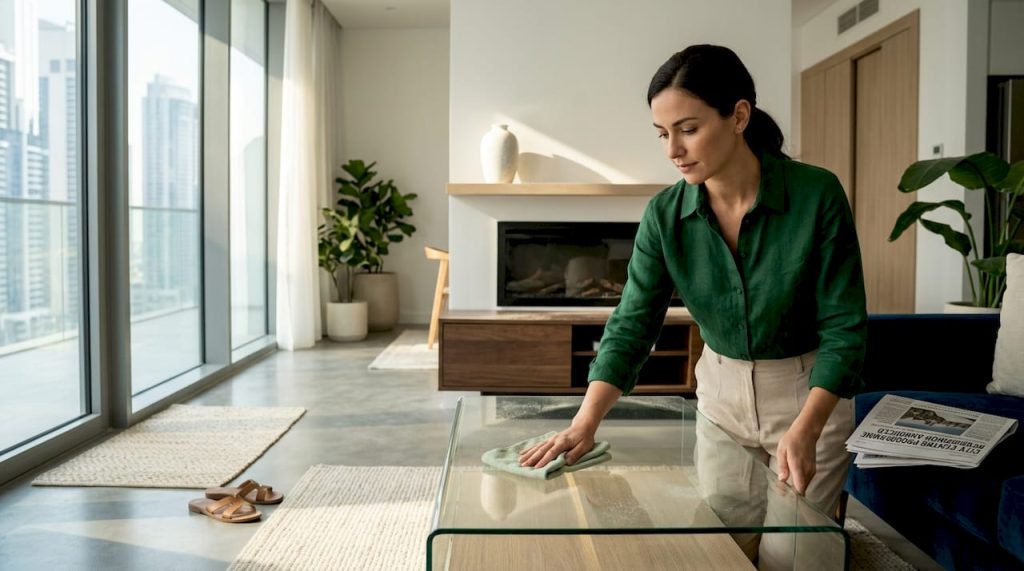
Dust buildup is one of the most underestimated problems in UAE homes and offices. A layer as thin as 0.042 inches reduces AC efficiency by 22%, which means higher energy bills and weaker cooling during peak summer months. Most residents assume routine wiping and vacuuming covers the problem. It does not. Effective dust removal goes well beyond surface cleaning, targeting invisible particles that circulate through your air, settle deep in vents, and accumulate in places no standard mop ever reaches. This guide covers what dust removal actually means, which methods work in UAE conditions, and how to avoid common mistakes that cost time and money.
Table of Contents
- What is dust removal?
- How dust impacts health and comfort
- Essential dust removal methods for UAE homes and businesses
- Beyond basics: Advanced tactics and common pitfalls
- A fresh perspective: What most UAE residents miss about dust removal
- Healthier indoor air: Take the next step
- Frequently asked questions
Key Takeaways
| Point | Details |
|---|---|
| Beyond surface cleaning | Effective dust removal requires targeting invisible particles, not just what you can see. |
| HEPA and multi-stage filters | True HEPA and layered filtration are essential for tackling fine UAE dust. |
| AC and duct care | Replace AC filters every 4-6 months and seek professional duct cleaning with inspection proof. |
| Monitor air quality | Use PM2.5 monitors and adjust cleaning routines, especially after dust storms. |
What is dust removal?
Dust removal is the process of eliminating both visible dust and microscopic particles from indoor environments. It goes beyond wiping surfaces to include clearing dust from the air itself, from inside HVAC ducts, and from deep within furnishings and flooring. The goal is to reduce the total particle load in a space, not just make it look clean.
Indoor dust in the UAE comes from several distinct sources:
- Fine desert sand: Wind carries extremely fine silica particles that pass through gaps in windows and doors, even when sealed.
- Skin cells and hair: Every person and pet in a space continuously sheds particles that accumulate quickly in soft furnishings and flooring.
- Pollen and outdoor pollutants: During spring and early summer, pollen counts rise significantly across the Gulf region, adding to indoor particle loads.
- Fabric fibers: Curtains, carpets, upholstered furniture, and bedding constantly release fine fibers that stay suspended in the air.
- Construction debris: The UAE’s ongoing building activity introduces concrete dust and silica into surrounding neighborhoods.
“Effective dust removal requires more than a damp cloth. True elimination involves a layered approach: damp microfiber dusting, HEPA vacuuming, and multi-layer filtration including pre-filter, fine filter, HEPA, and carbon stages.”
The key distinction between basic dusting and true dust removal is what happens to displaced particles. Standard dusting moves dust from one surface into the air, where it circulates and settles again elsewhere. True dust removal captures those particles using HEPA-grade equipment so they do not return. Regular AC filter maintenance every one to three months, combined with professional duct cleaning using rotary brushing and negative pressure HEPA vacuum systems, rounds out a complete approach. For anyone with allergies, asthma, or respiratory sensitivities, this distinction is not just technical. It directly affects daily health.
How dust impacts health and comfort
Understanding what dust removal is highlights why it matters so much for health and daily comfort. The effects show up in different ways depending on how long exposure continues and how fine the particles are.
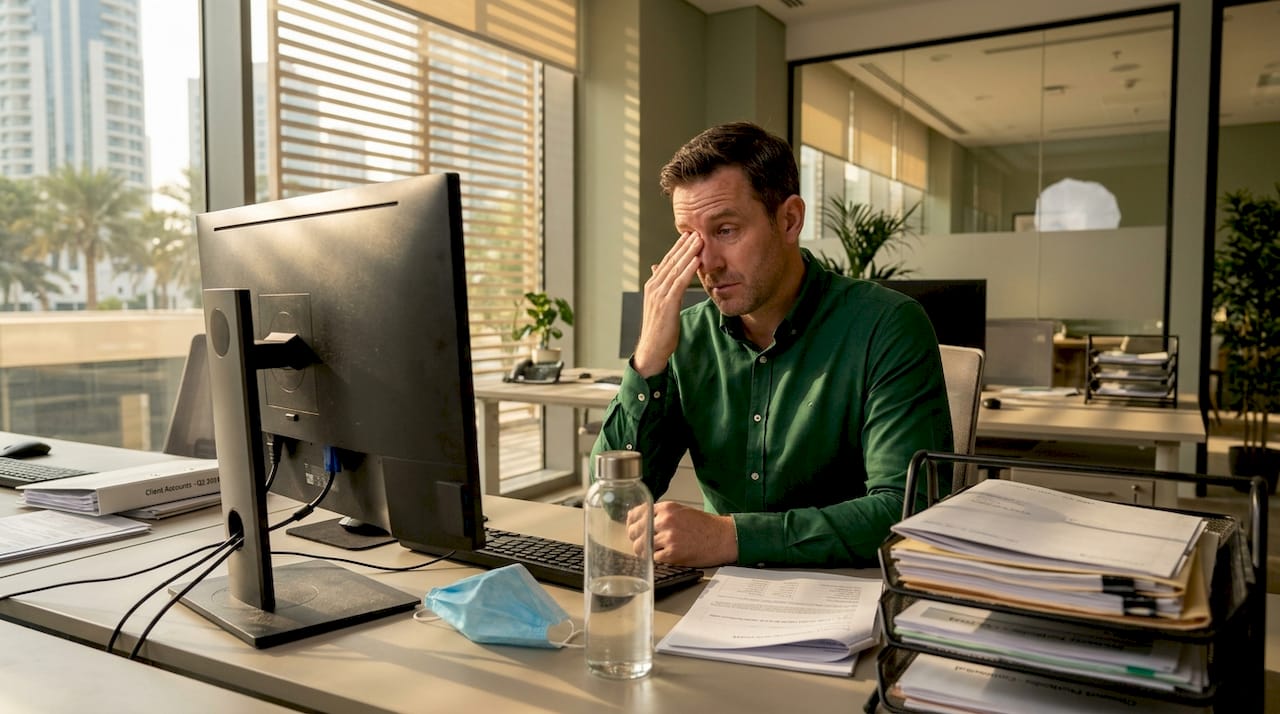
Short-term effects are the most obvious. Coughing, throat irritation, watery eyes, and sneezing are common responses to elevated dust levels indoors. These are not just inconveniences. In an office environment, they reduce productivity, increase sick days, and raise noise and discomfort for everyone present. For children and older adults, these effects are amplified because their respiratory systems are more sensitive to airborne irritants.
Long-term exposure is more serious. Fine particles, particularly those smaller than 2.5 microns (PM2.5), pass through the nose and throat and reach deep into the lungs. Consistent exposure raises the risk of chronic respiratory diseases, worsened asthma symptoms, and persistent vocal strain. Workers in open-plan offices or warehouses face elevated risk when ventilation and filtration are not maintained properly. You can learn more about steps to protect respiratory health from airborne contaminants.
The UAE adds specific challenges. Dust storms, locally called “Shamal,” can spike outdoor particle levels dramatically overnight. PM2.5 and PM10 readings during these events frequently exceed safe thresholds, and indoor spaces are not immune. Gaps around windows, balcony doors, and under-door clearance allow fine storm dust to infiltrate even well-maintained properties. Studies confirm that HEPA filters trap 99.97% of particles at 0.3 microns, making them one of the most reliable defenses available. Professional duct cleaning also reduces visible dust accumulation for up to 12 to 24 months when performed correctly.
The key effects to monitor in your space include:
- Persistent throat irritation or morning coughing
- Visible dust accumulation within days of cleaning
- Rising energy bills without changes in AC usage
- Increased allergy or asthma symptoms indoors
Pro Tip: Monitor indoor PM2.5 levels with an air quality sensor. After any dust storm, run a check before resuming normal activity. Adjust your cleaning schedule based on readings, not just calendar dates.
Essential dust removal methods for UAE homes and businesses
With the risks clear, the next step is knowing which methods actually reduce dust effectively in UAE conditions. Not all approaches are equal, and some popular shortcuts fail to address the core problem.
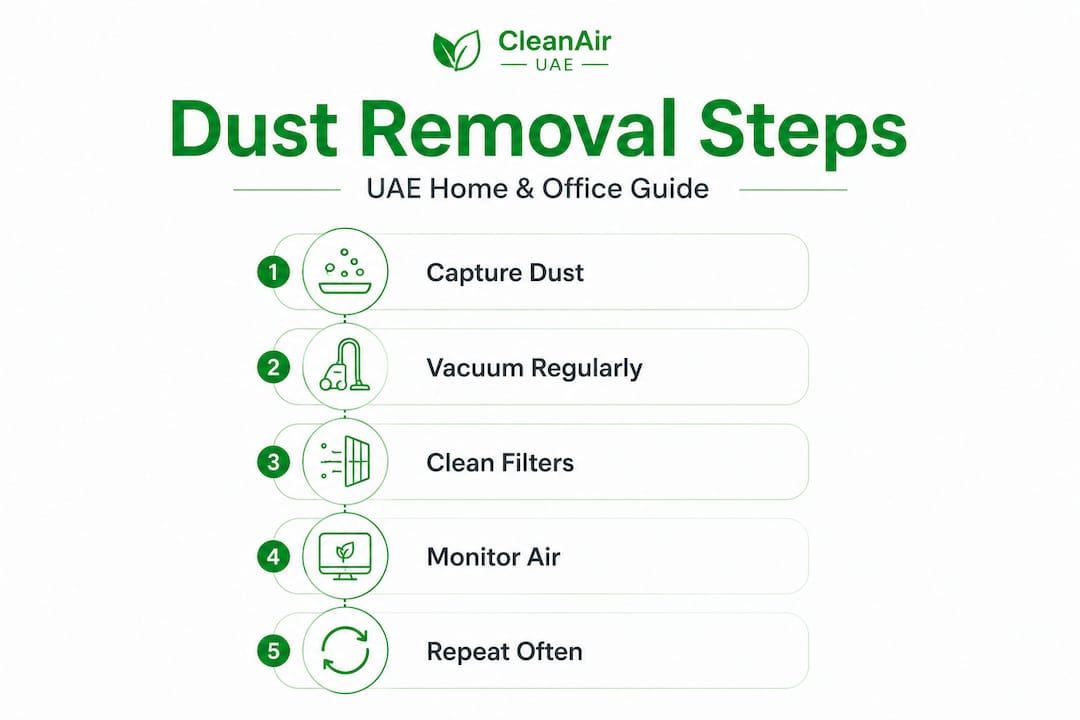
Step-by-step approach:
- Damp microfiber dusting: Use damp (not wet) microfiber cloths to wipe surfaces. Dry cloths and feather dusters release particles into the air. Start from high surfaces and work downward so displaced particles are caught in later steps.
- HEPA vacuuming: Vacuum all flooring, upholstery, and window treatments using a vacuum with a sealed HEPA filter system. Standard vacuums, even powerful ones, exhaust fine particles back into the room.
- AC filter replacement: In UAE conditions, replace or clean AC filters every four to six months, not annually. Dirty filters restrict airflow, reduce cooling efficiency, and recirculate captured dust back into the room.
- Professional duct cleaning: Schedule duct cleaning every one to two years using certified services that use rotary brush systems with negative pressure HEPA vacuum extraction. Request before-and-after photos as proof of work.
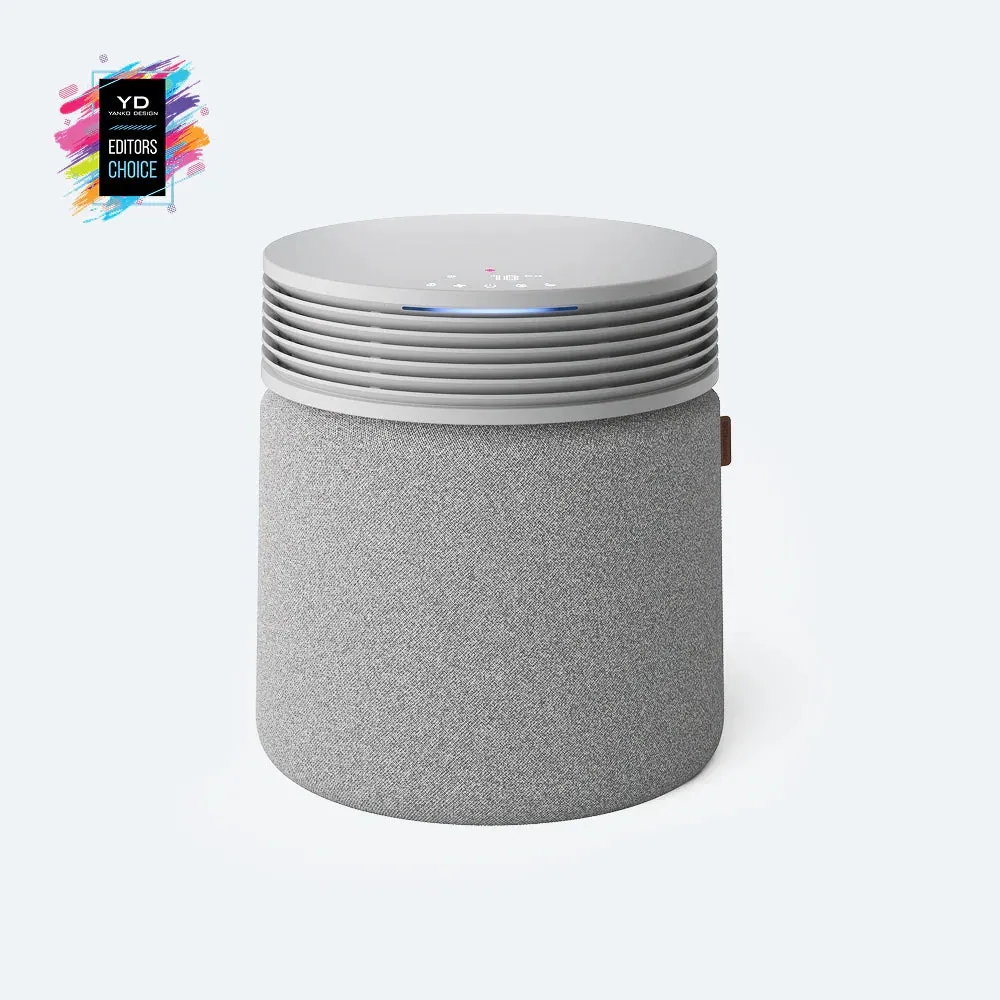
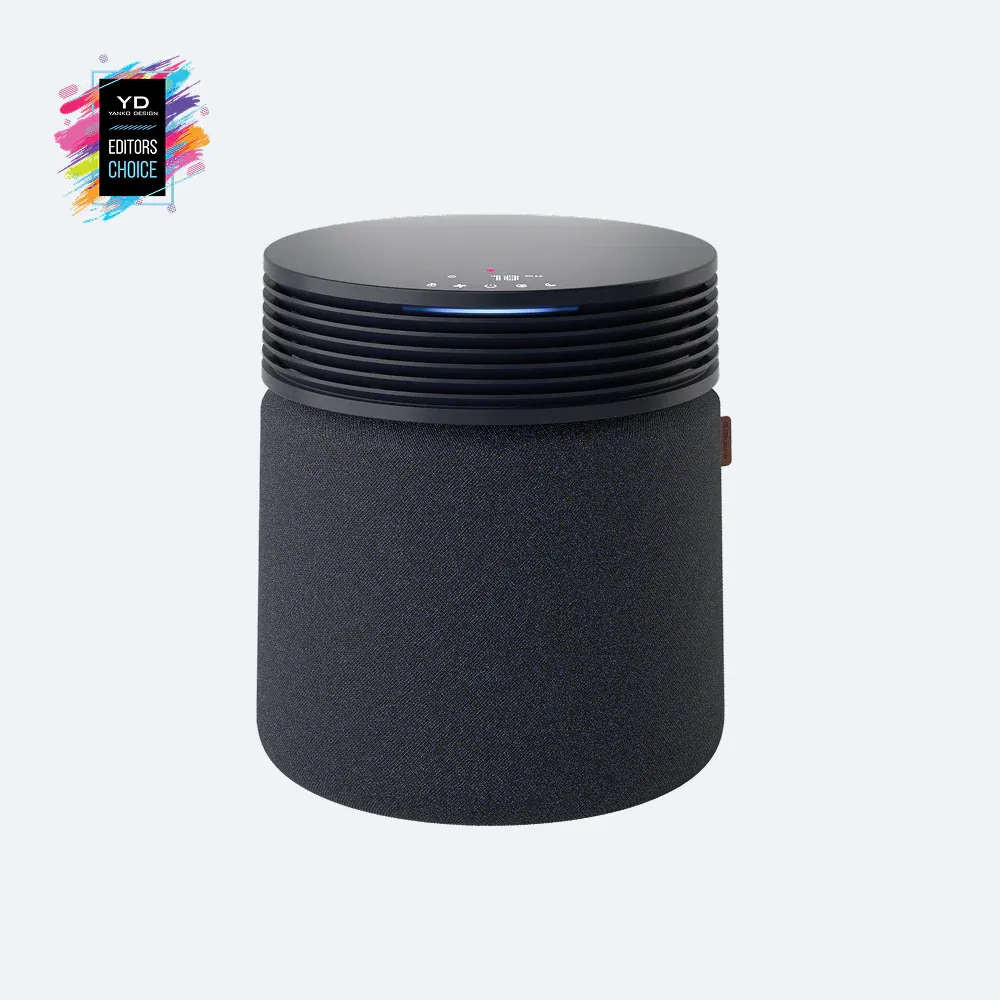
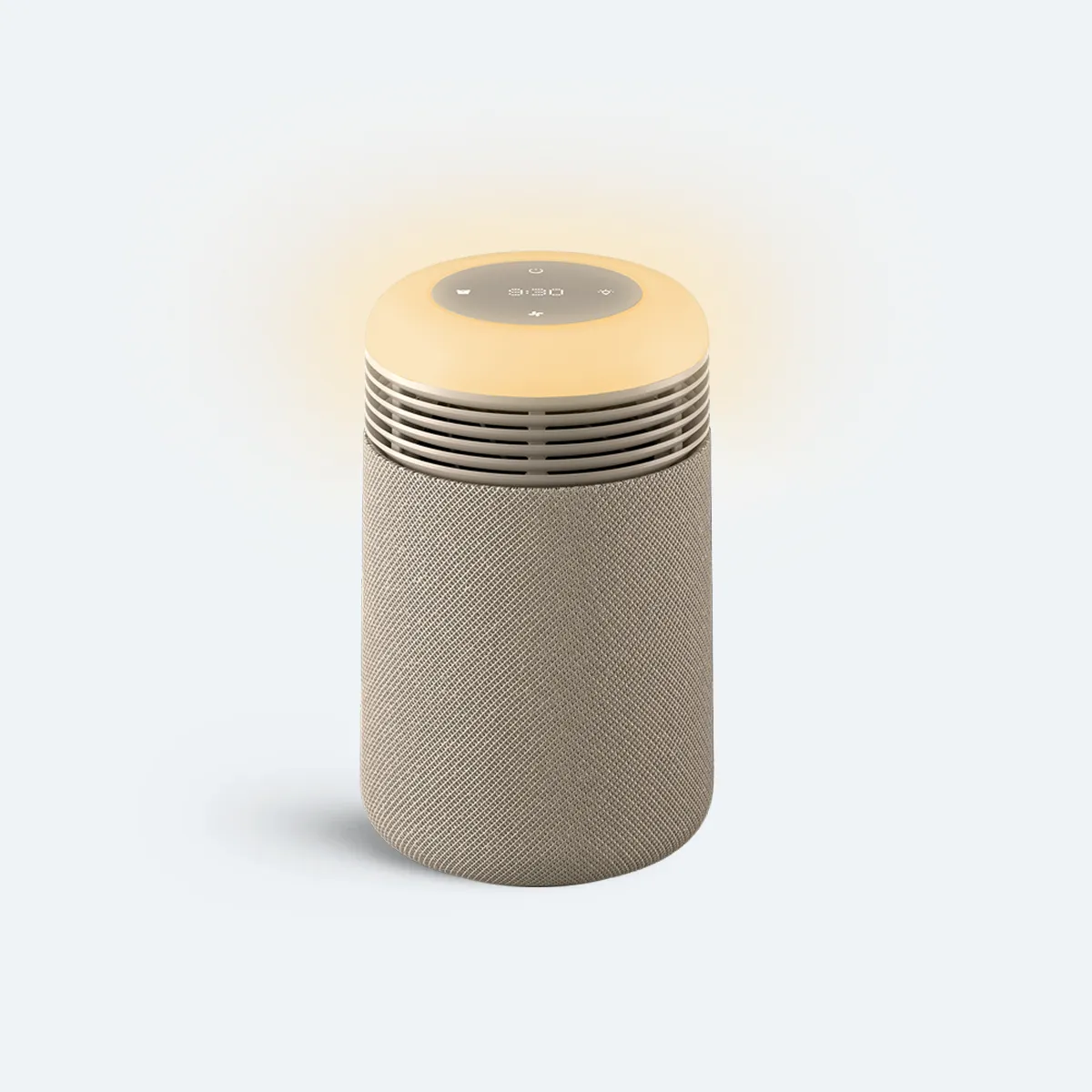
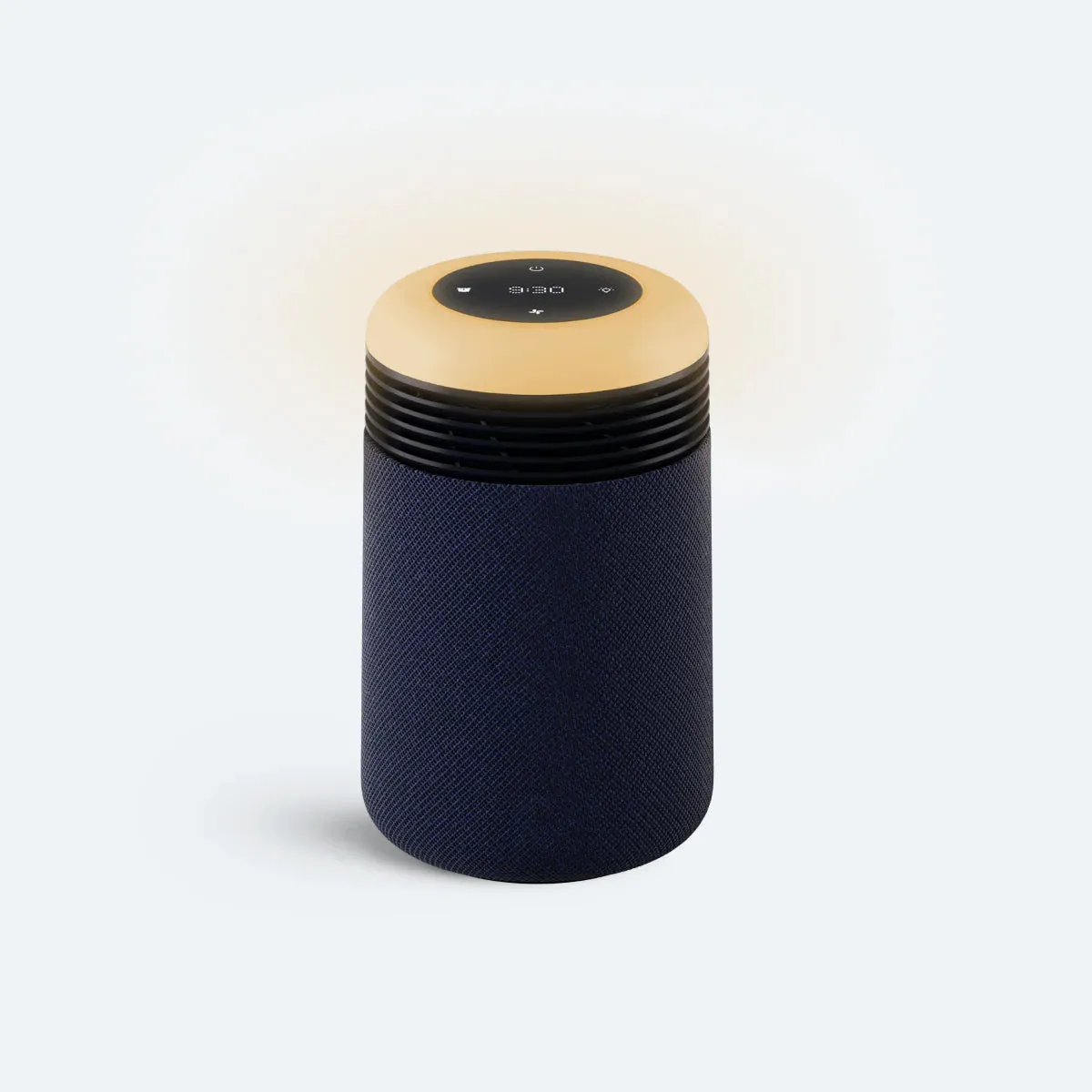
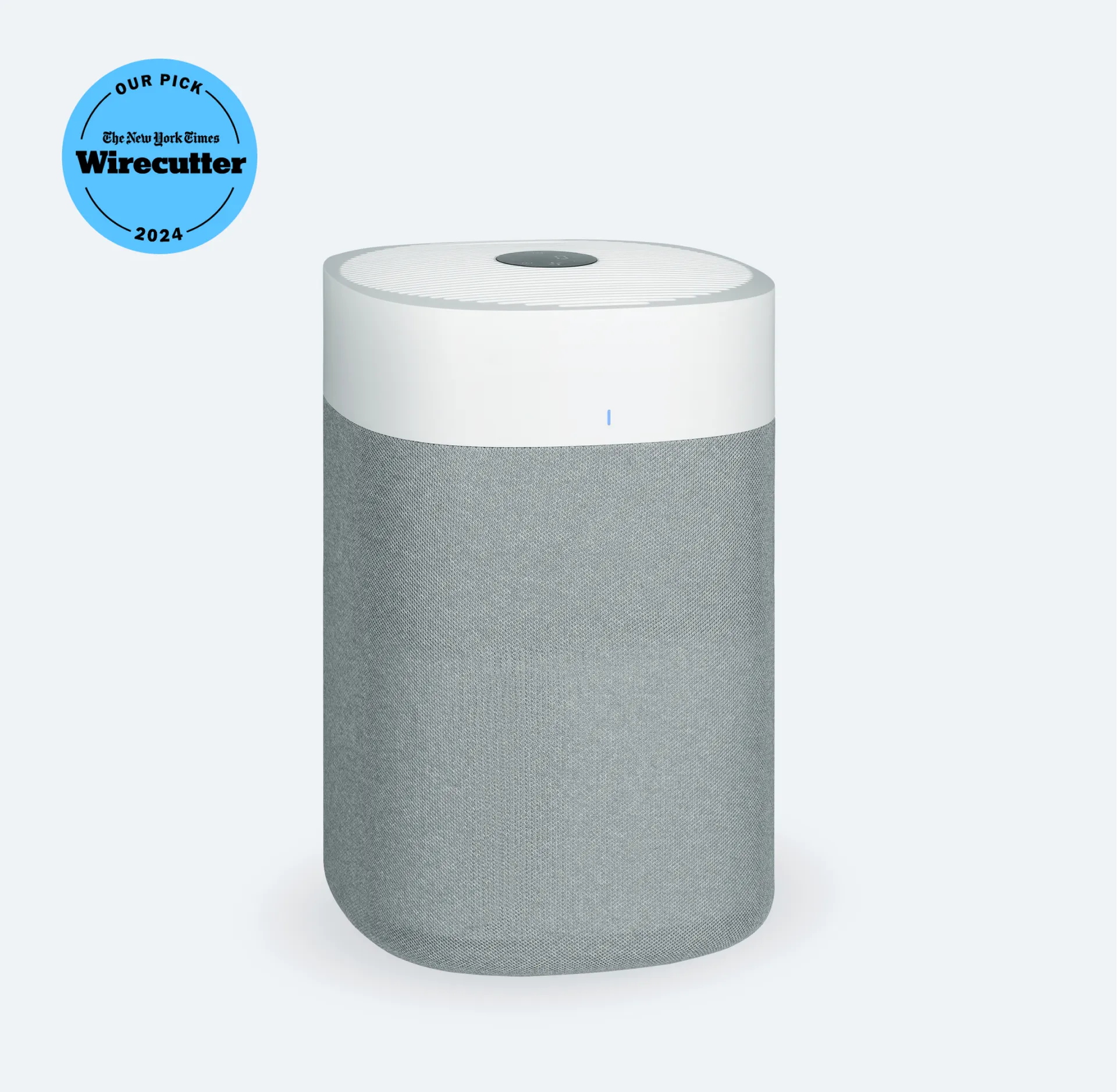
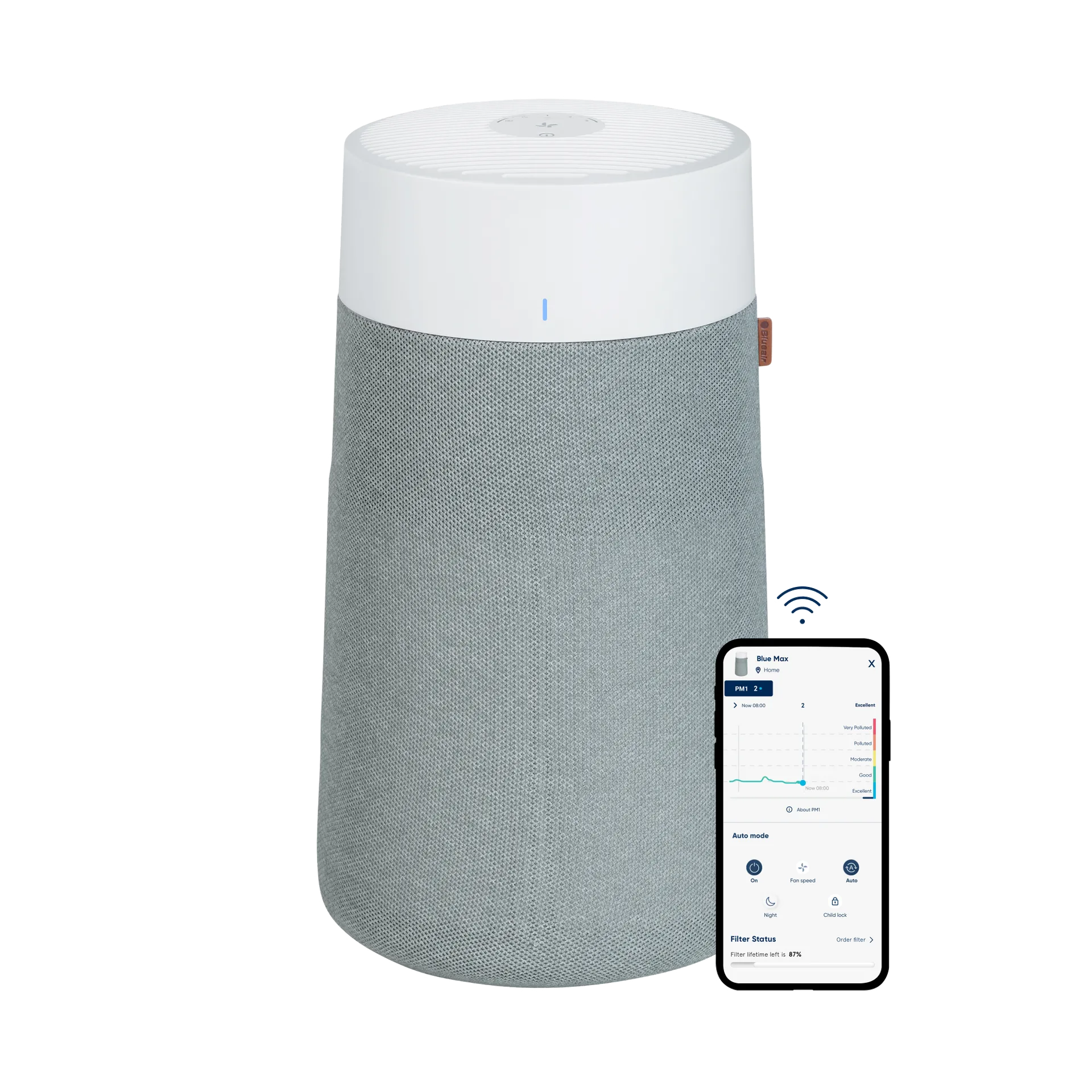
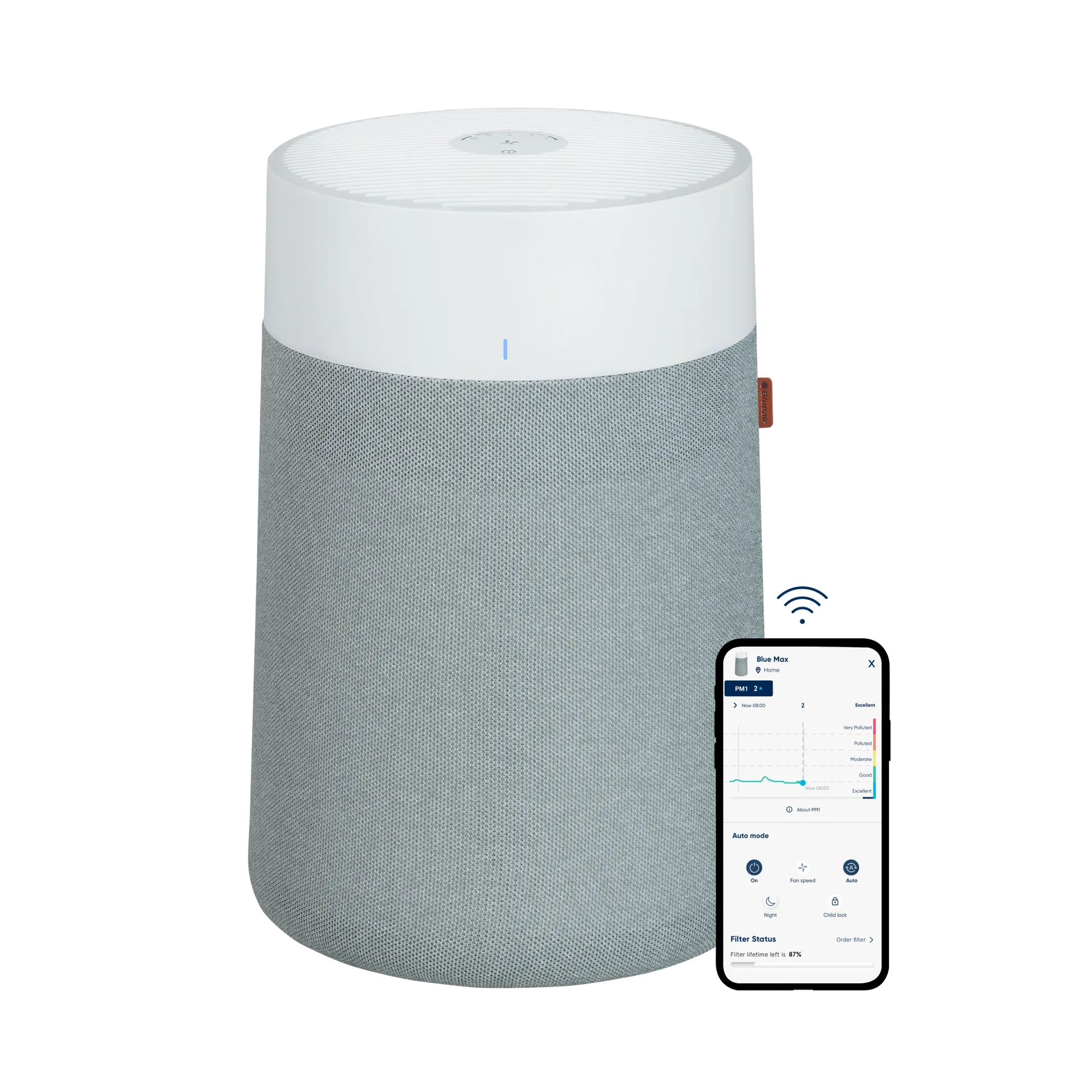
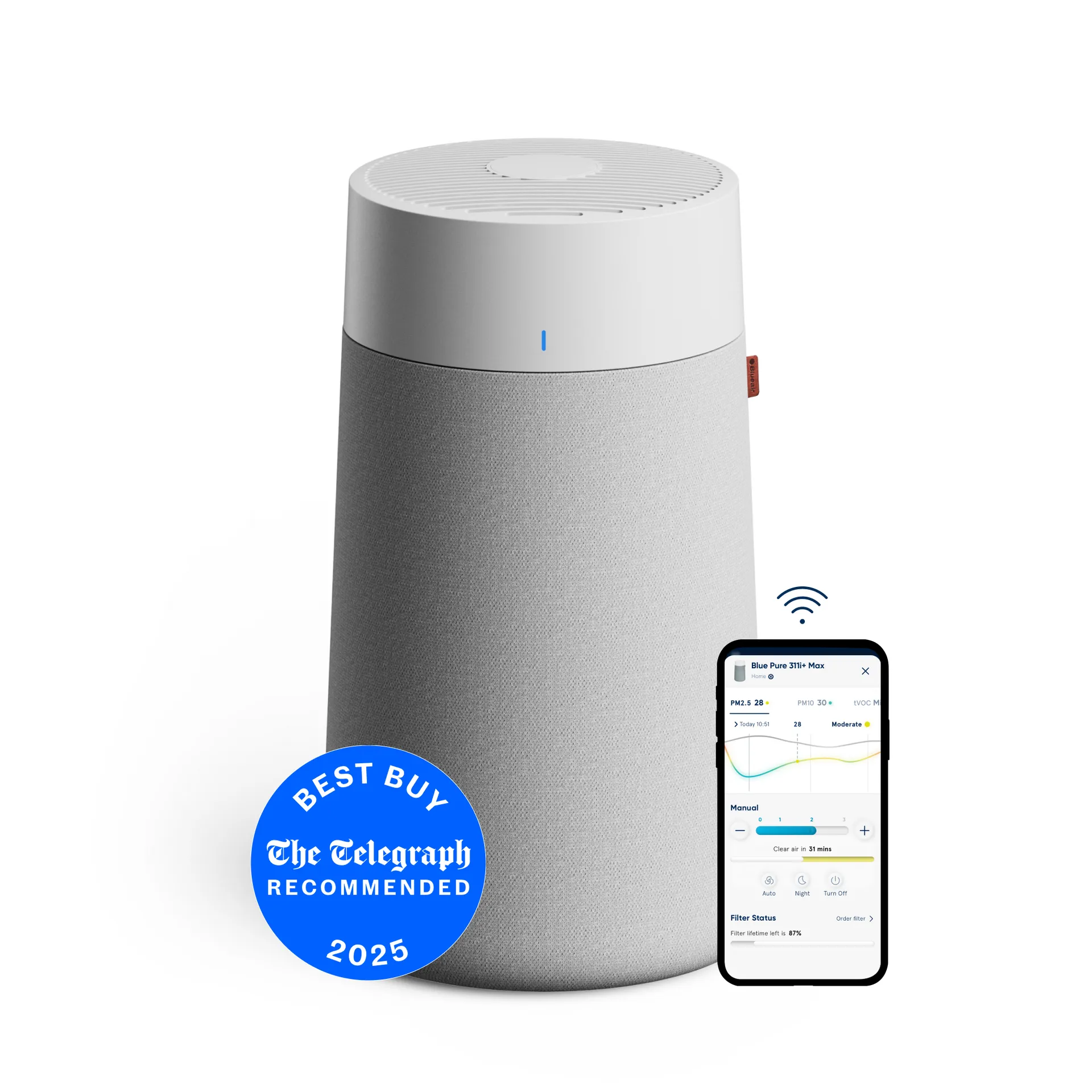
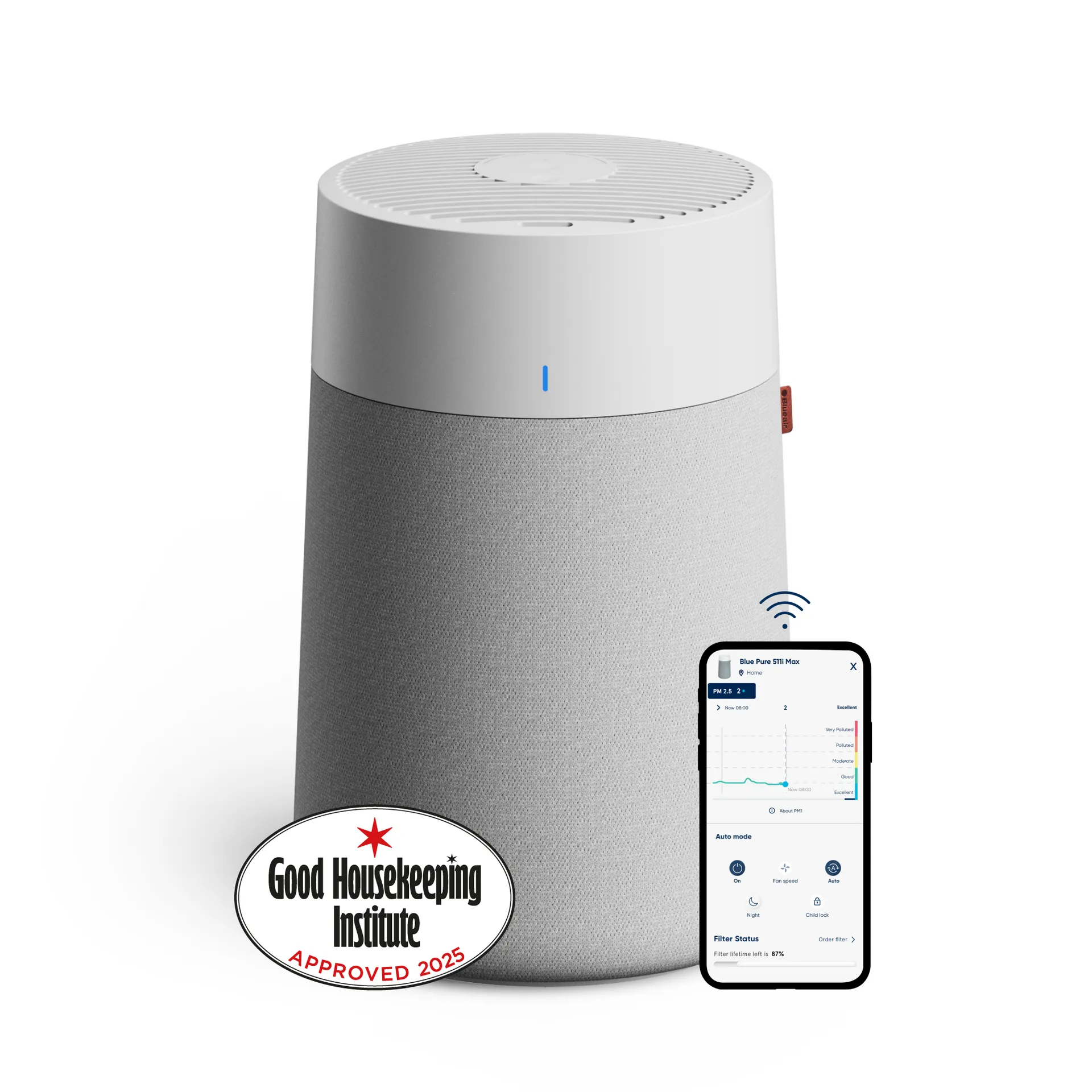
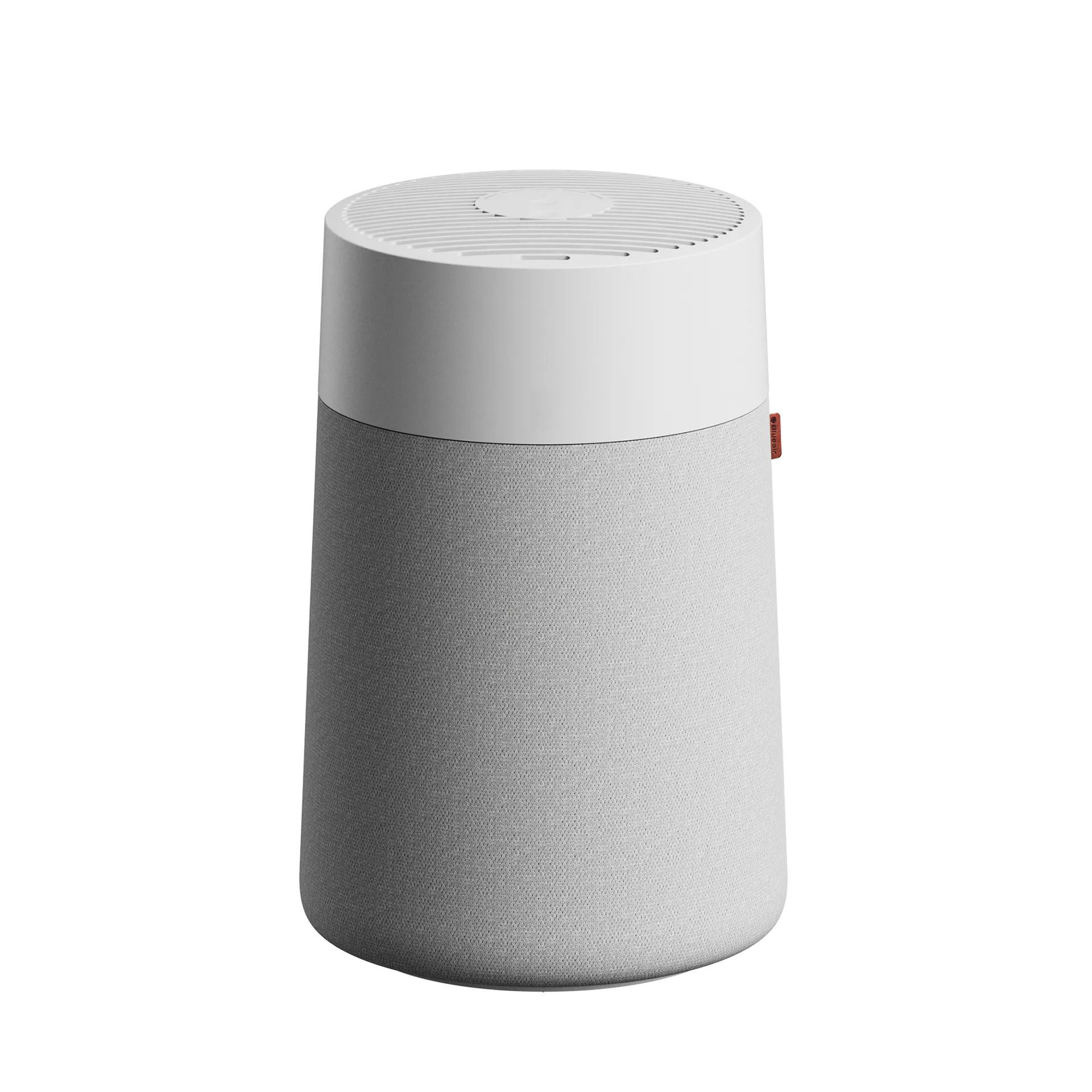
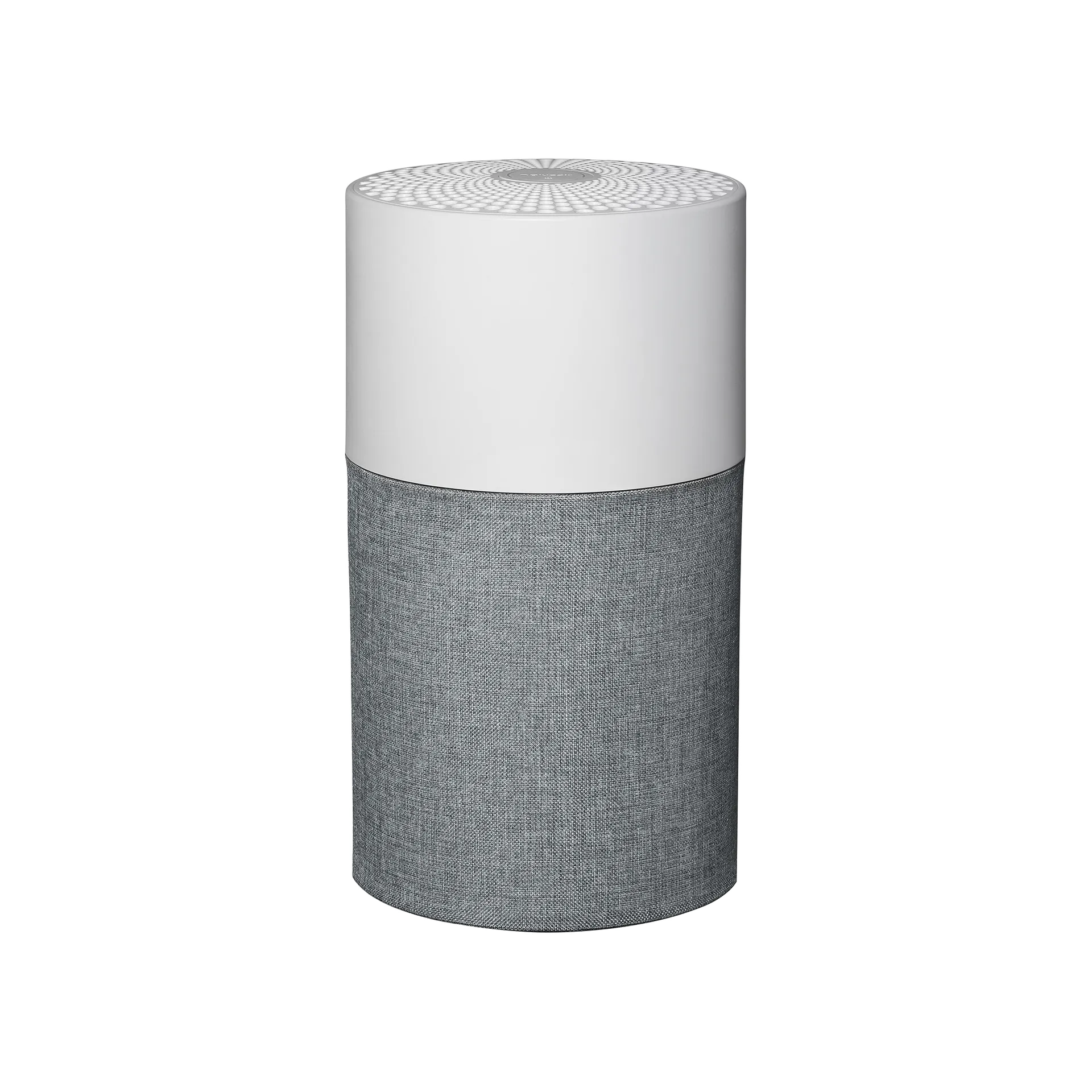
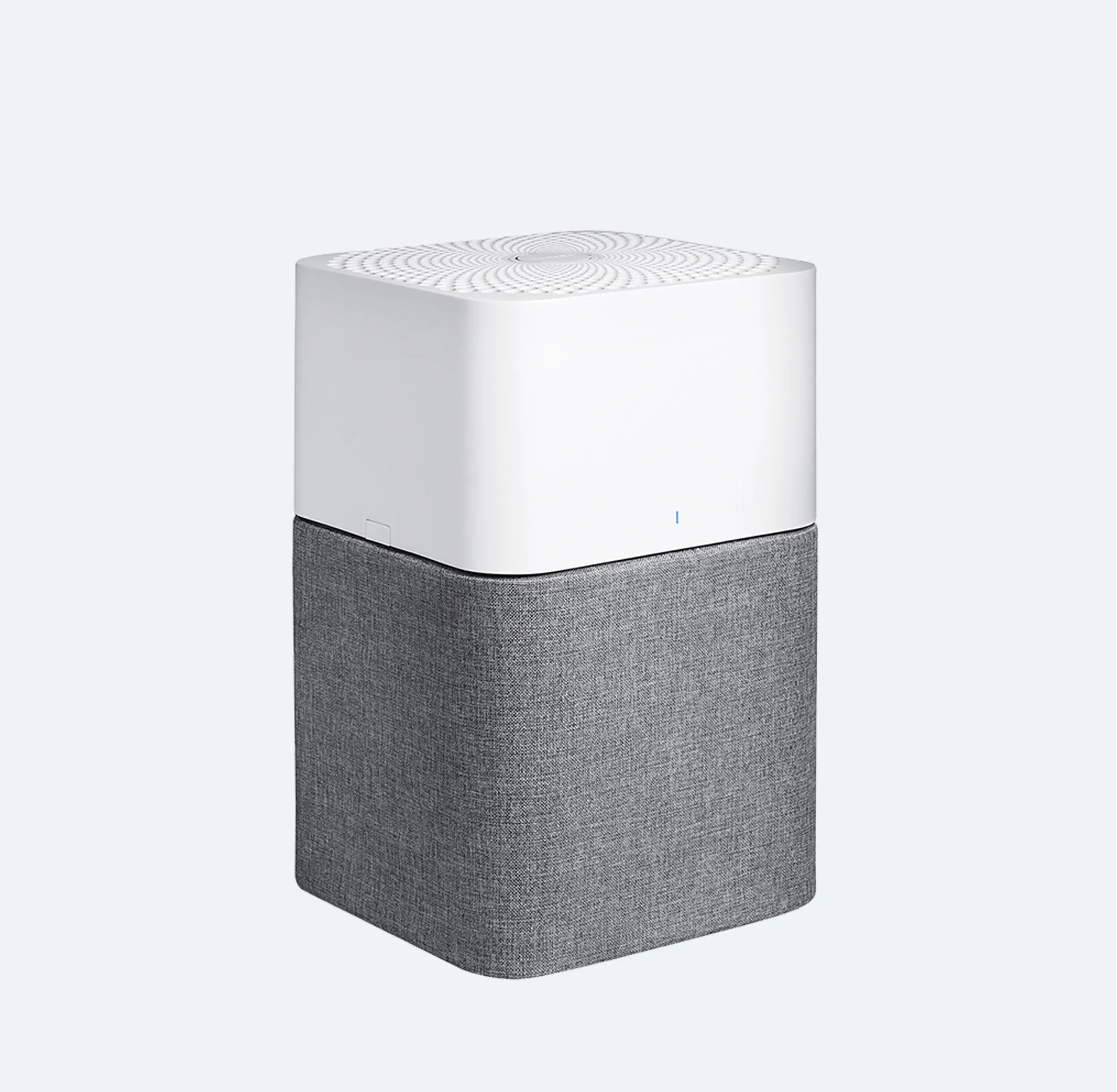
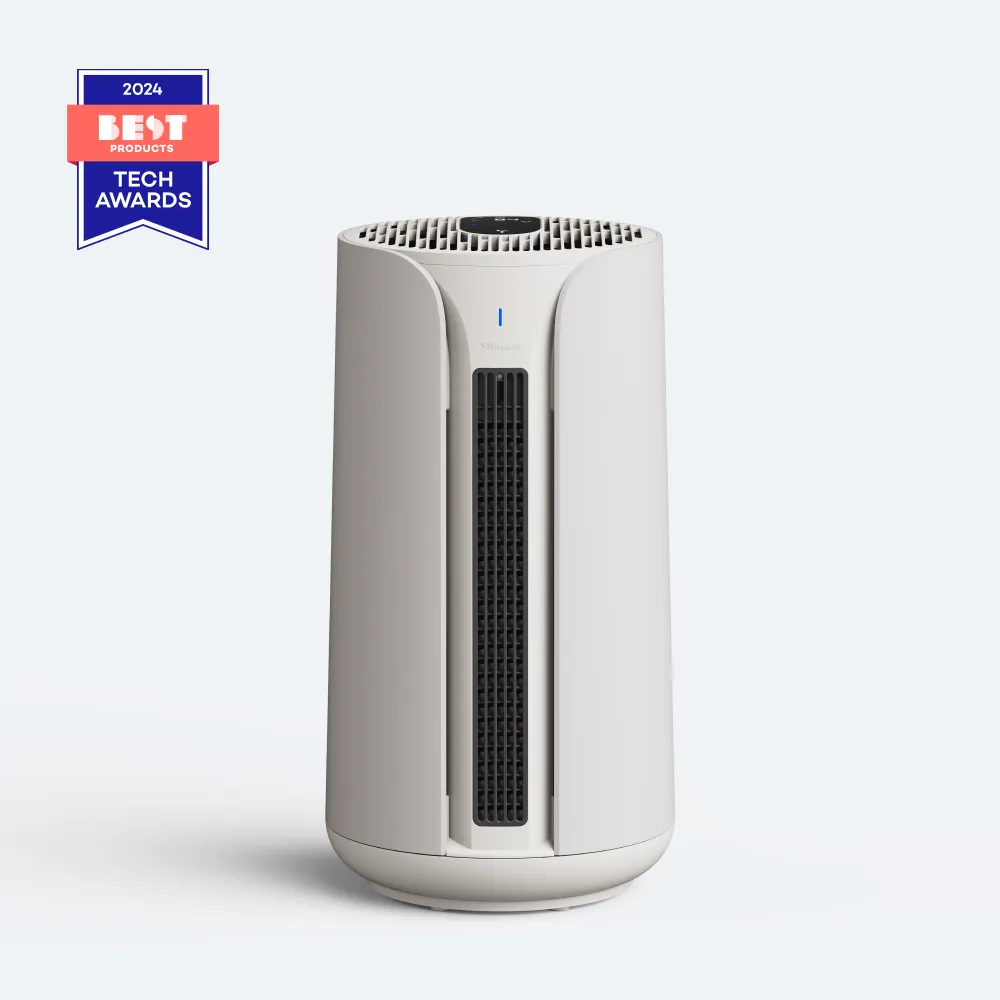
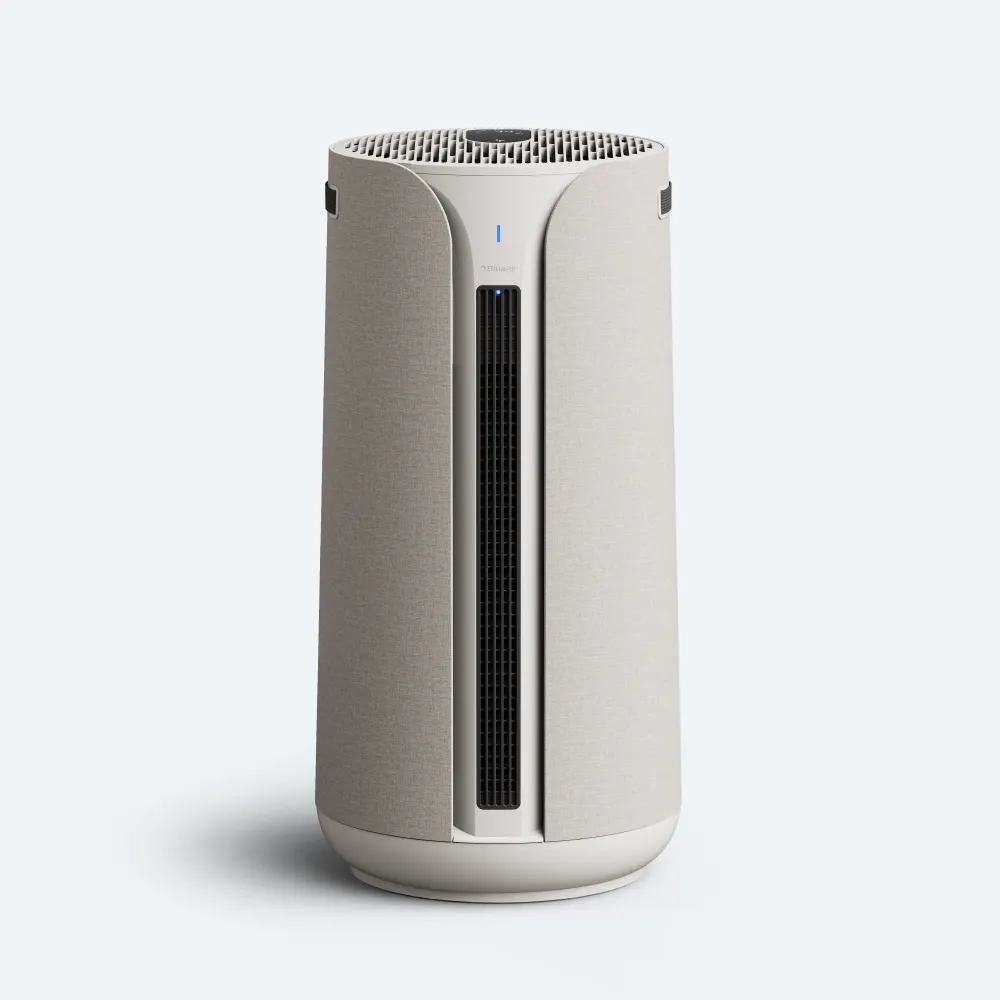
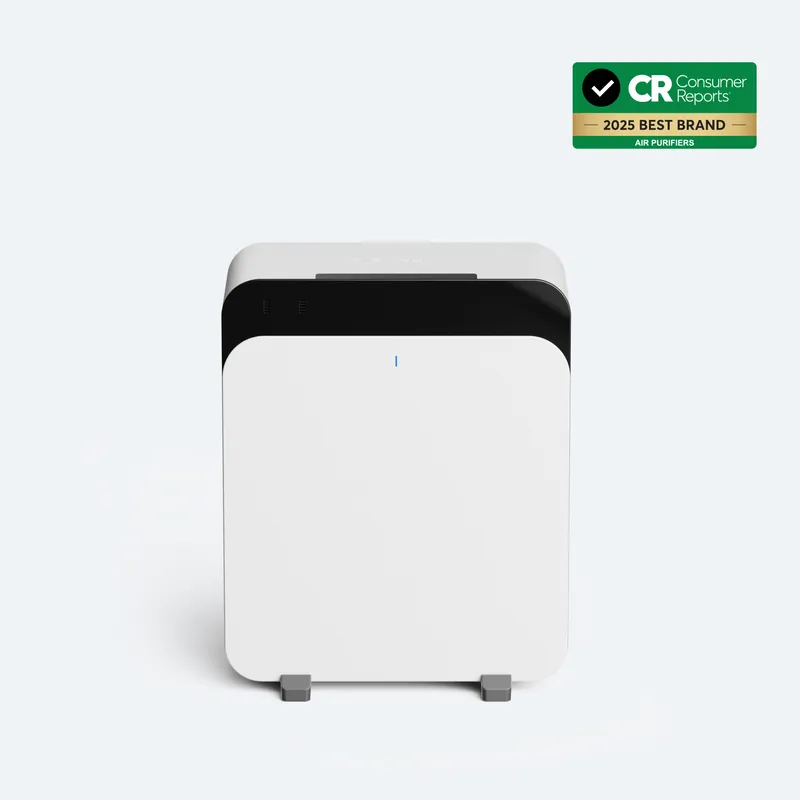
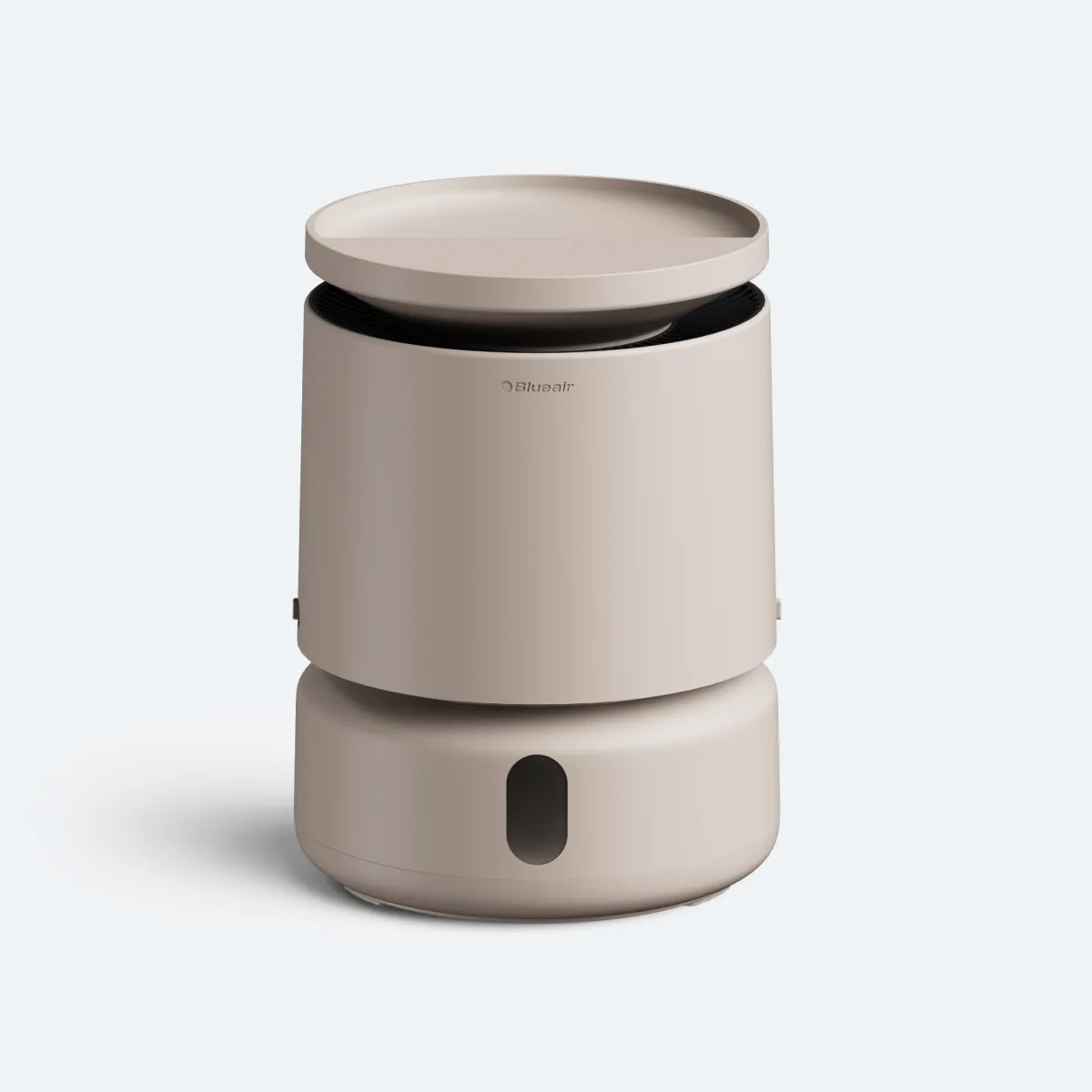
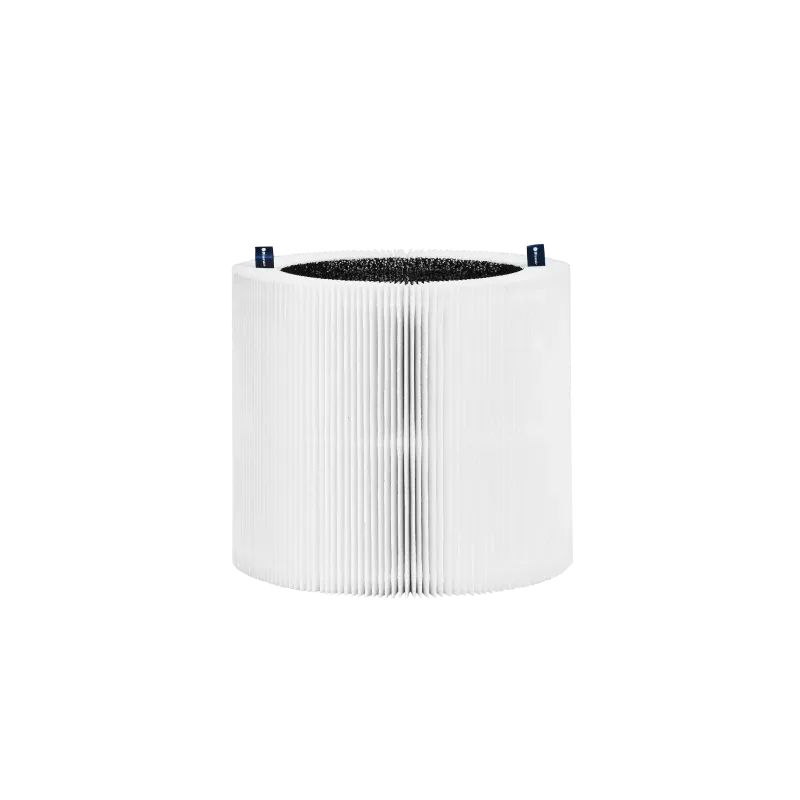
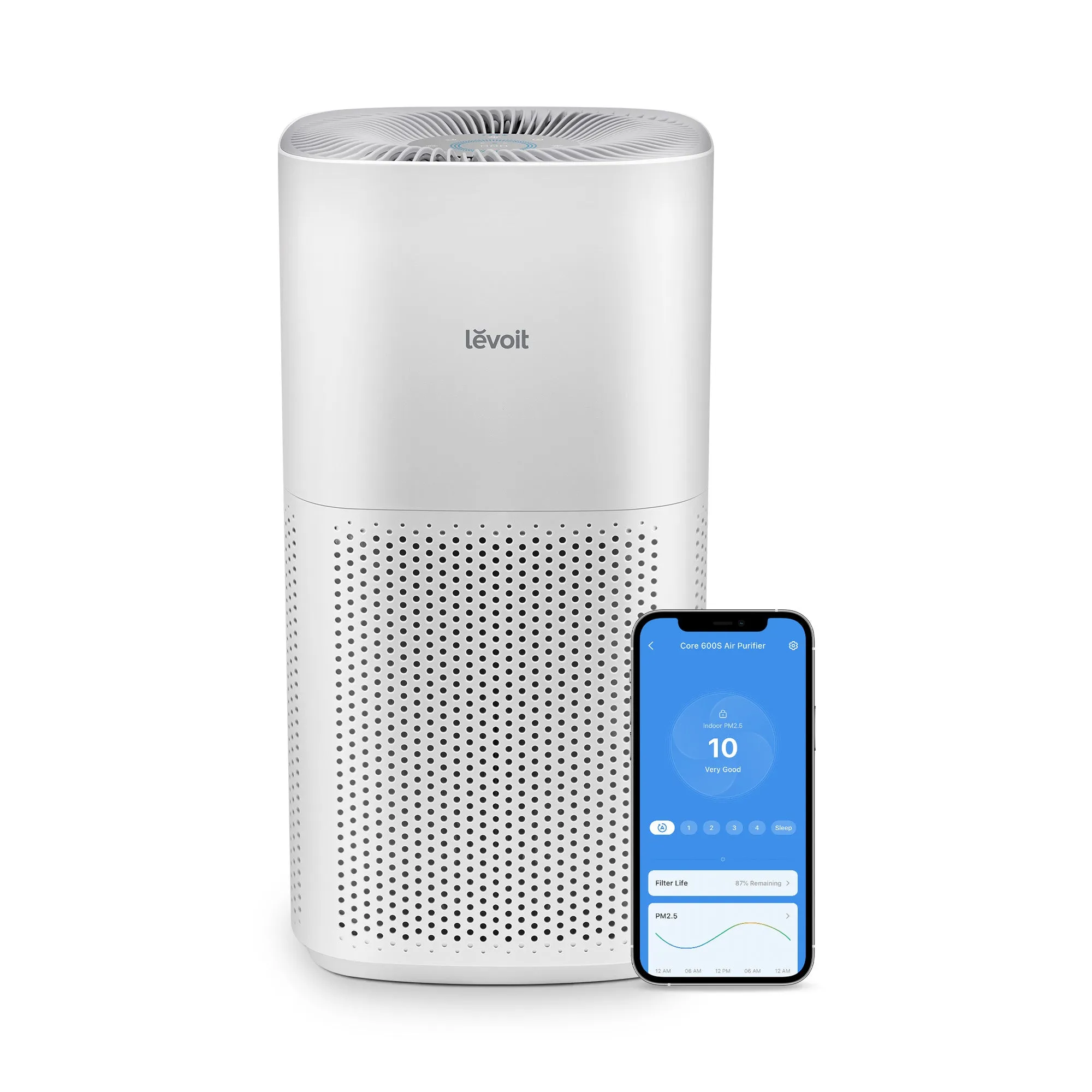
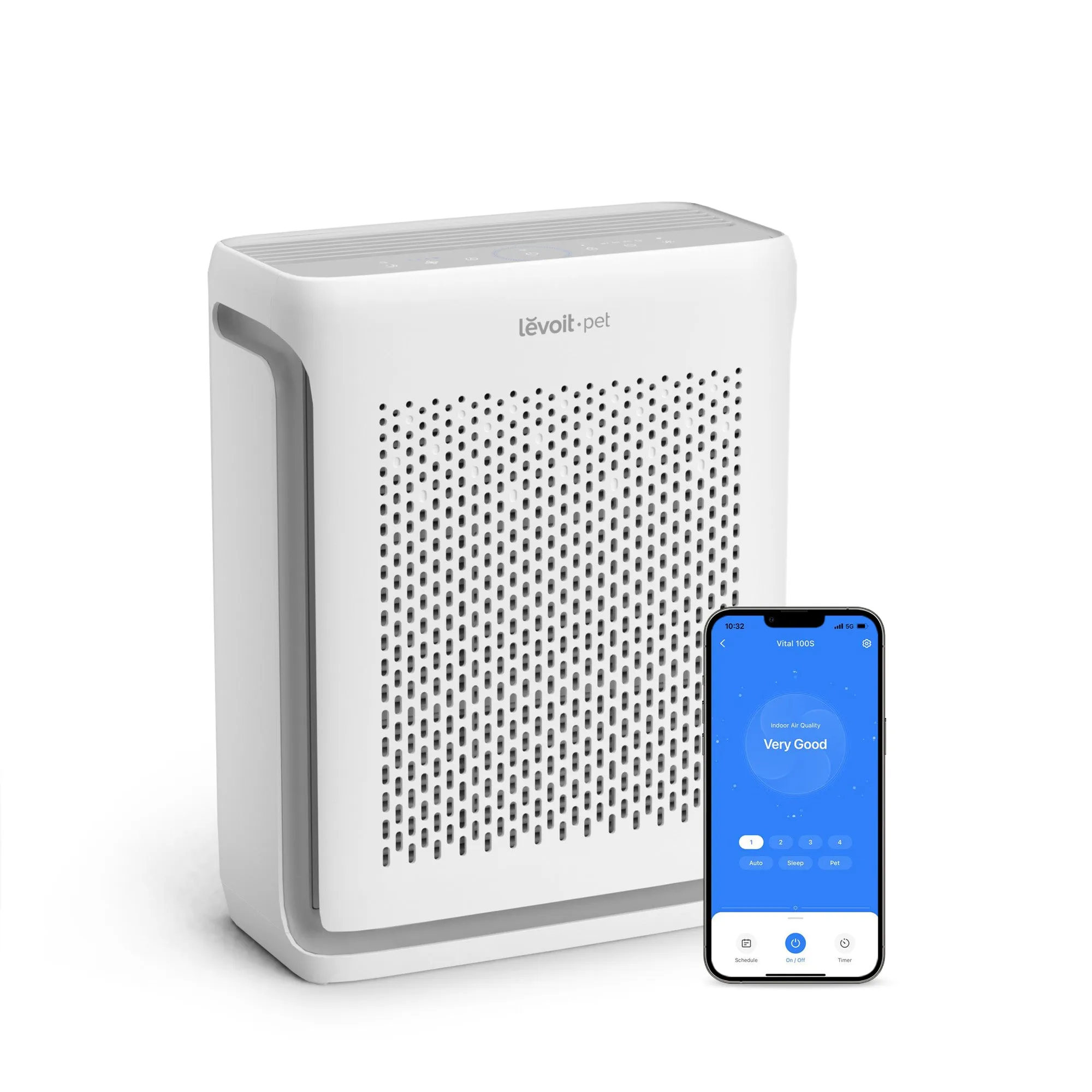
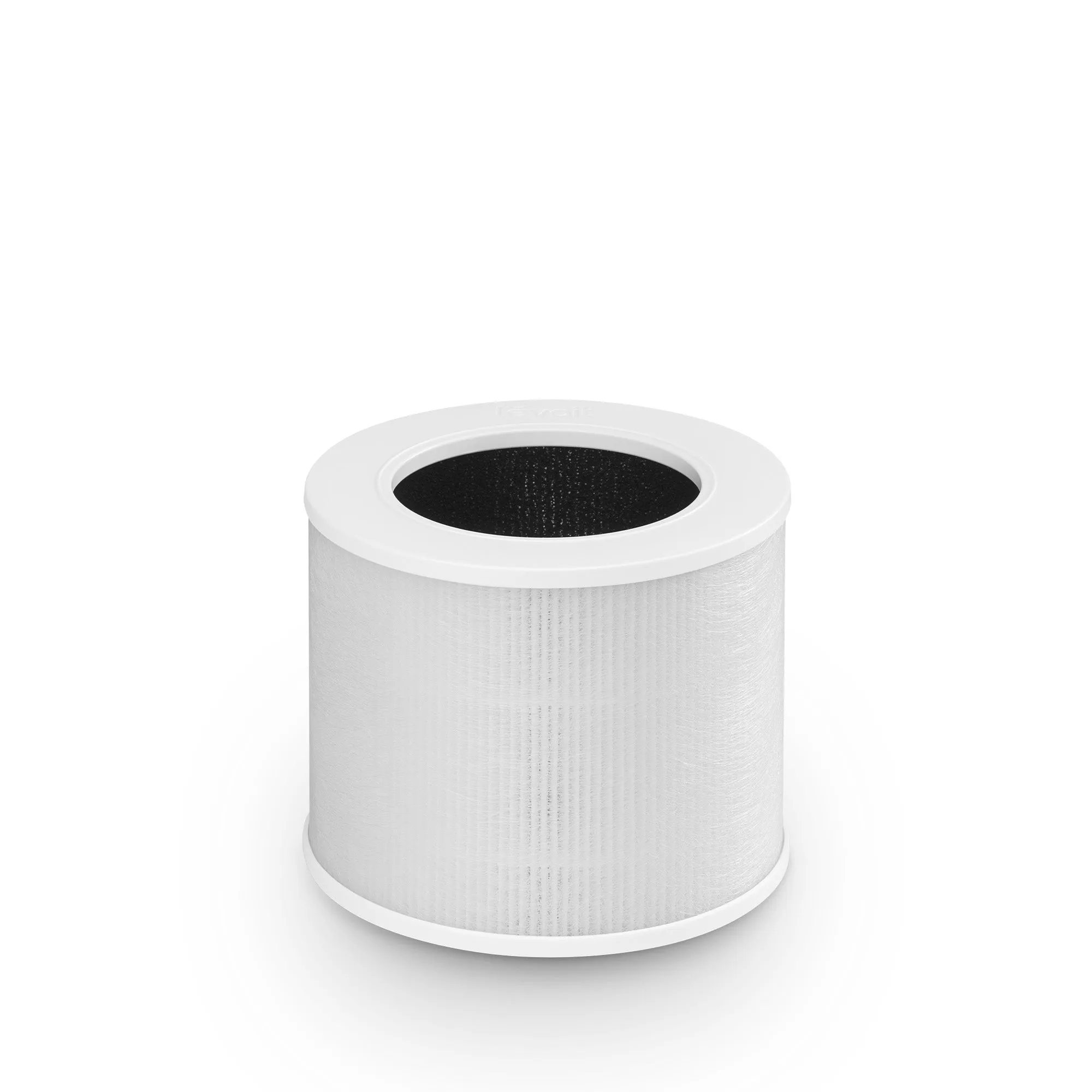
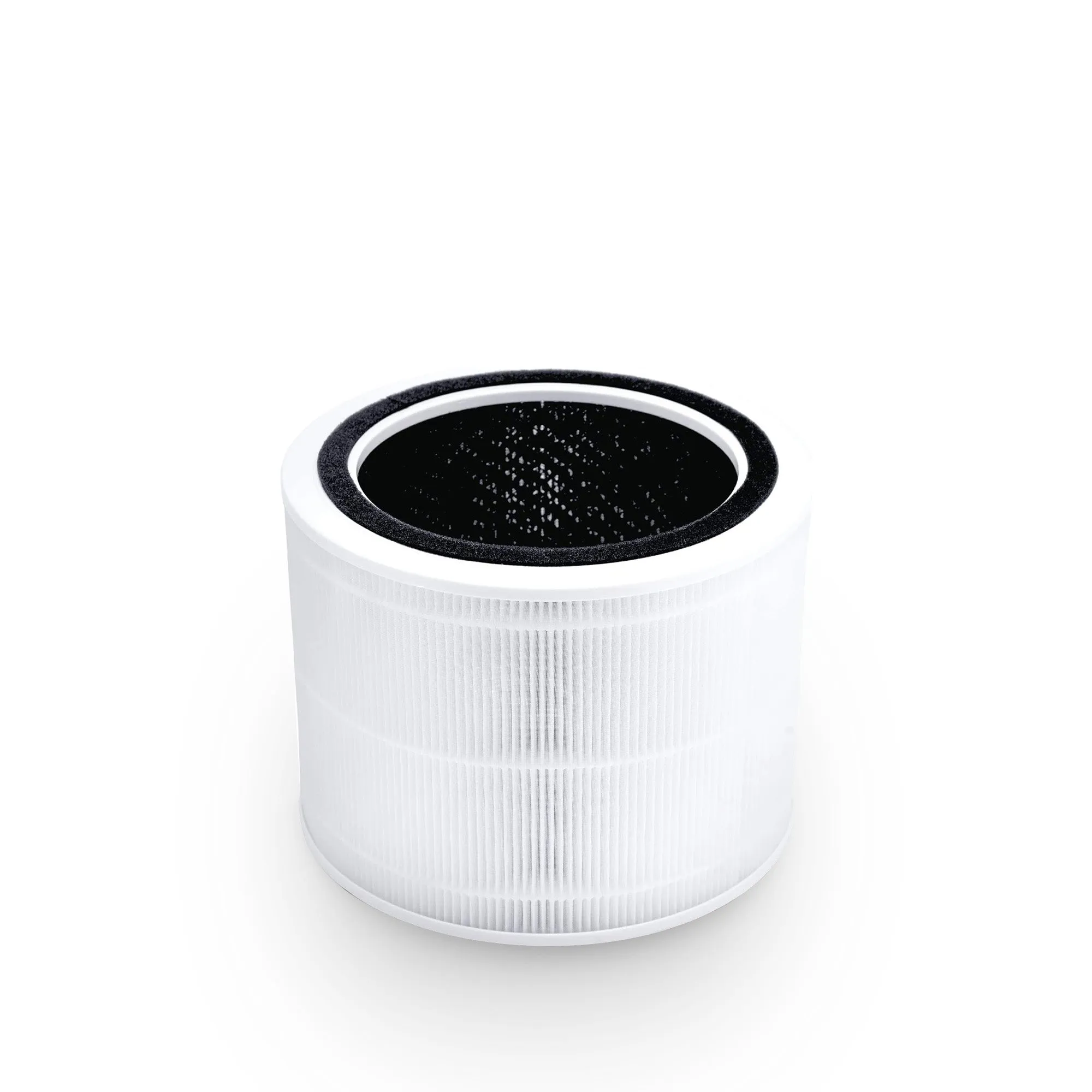
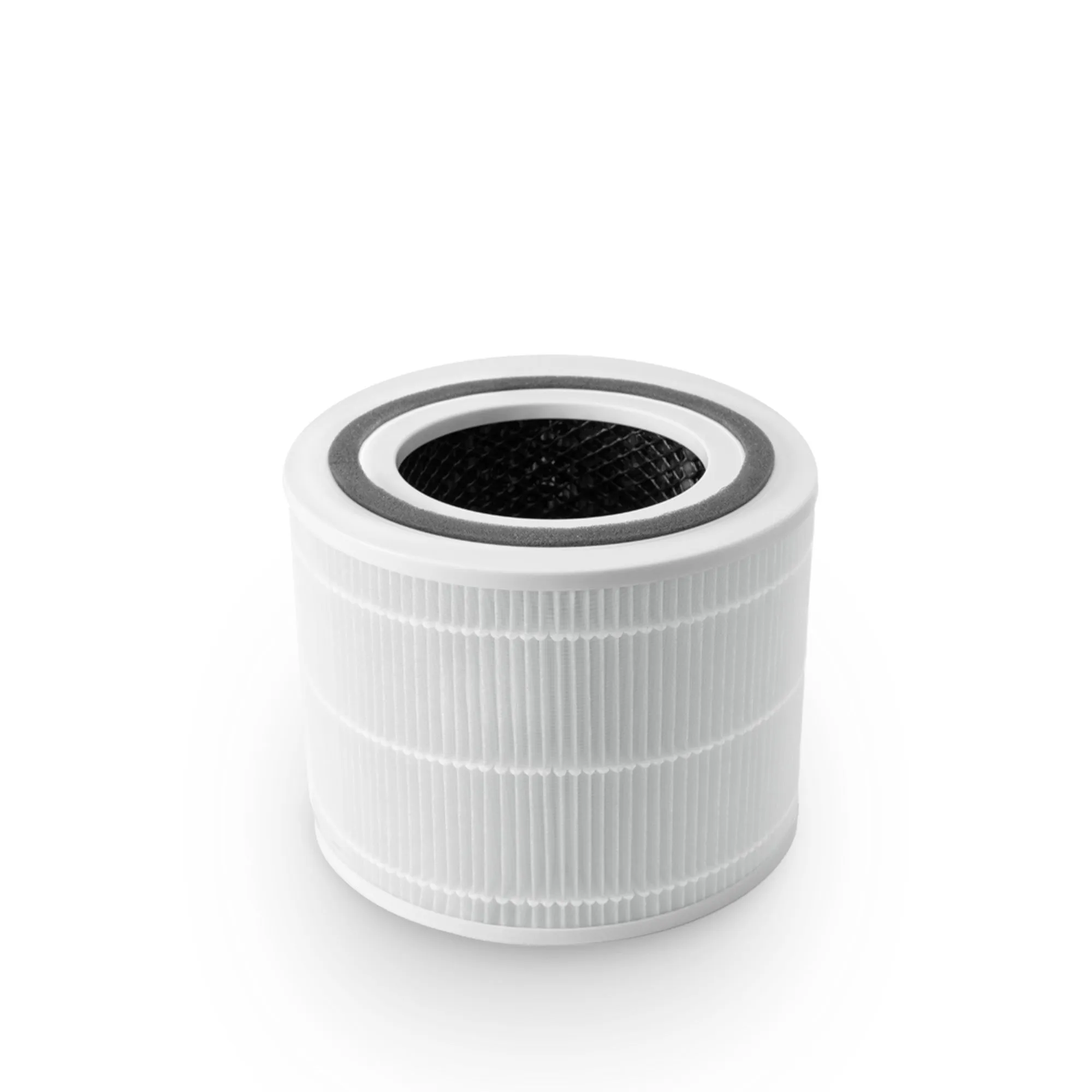
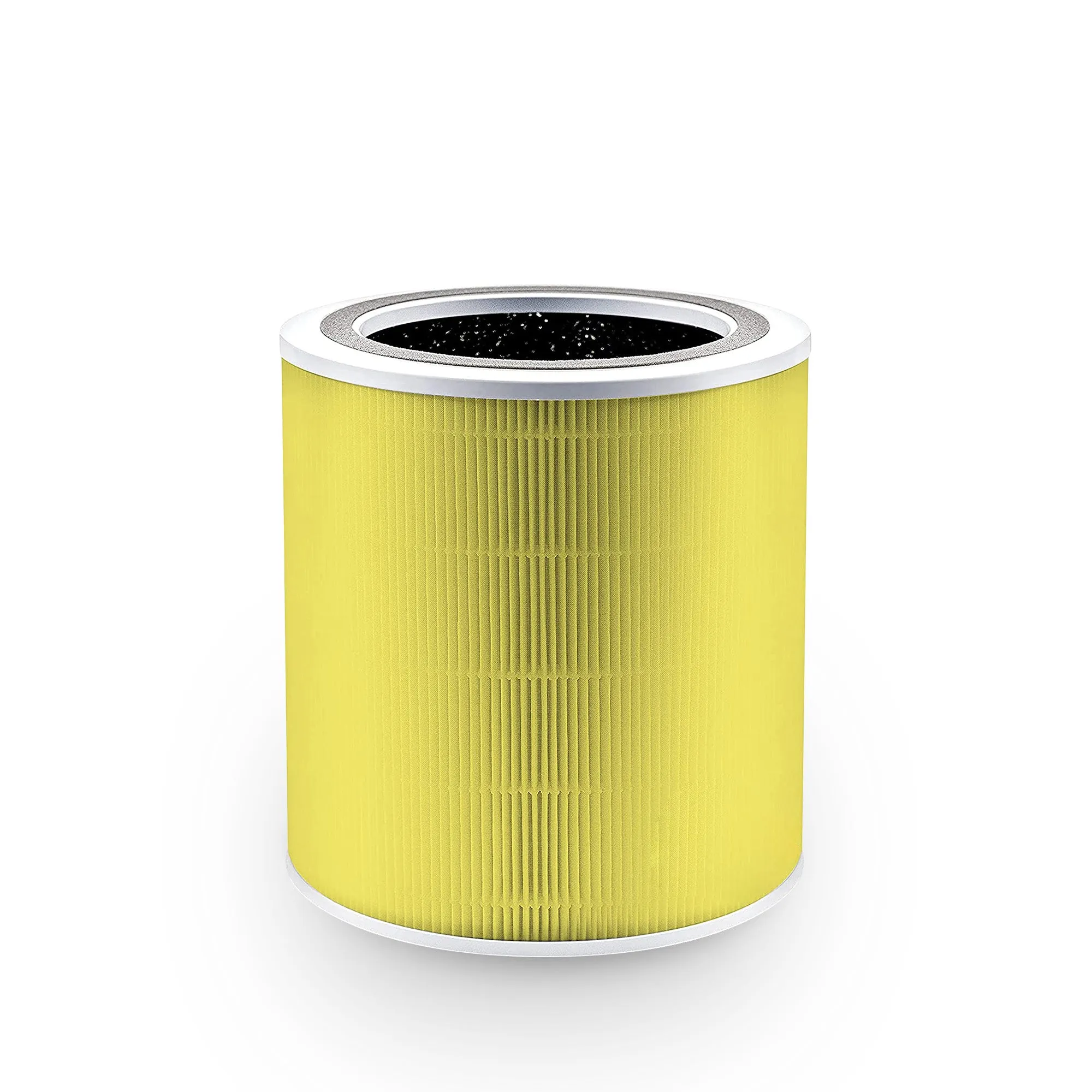
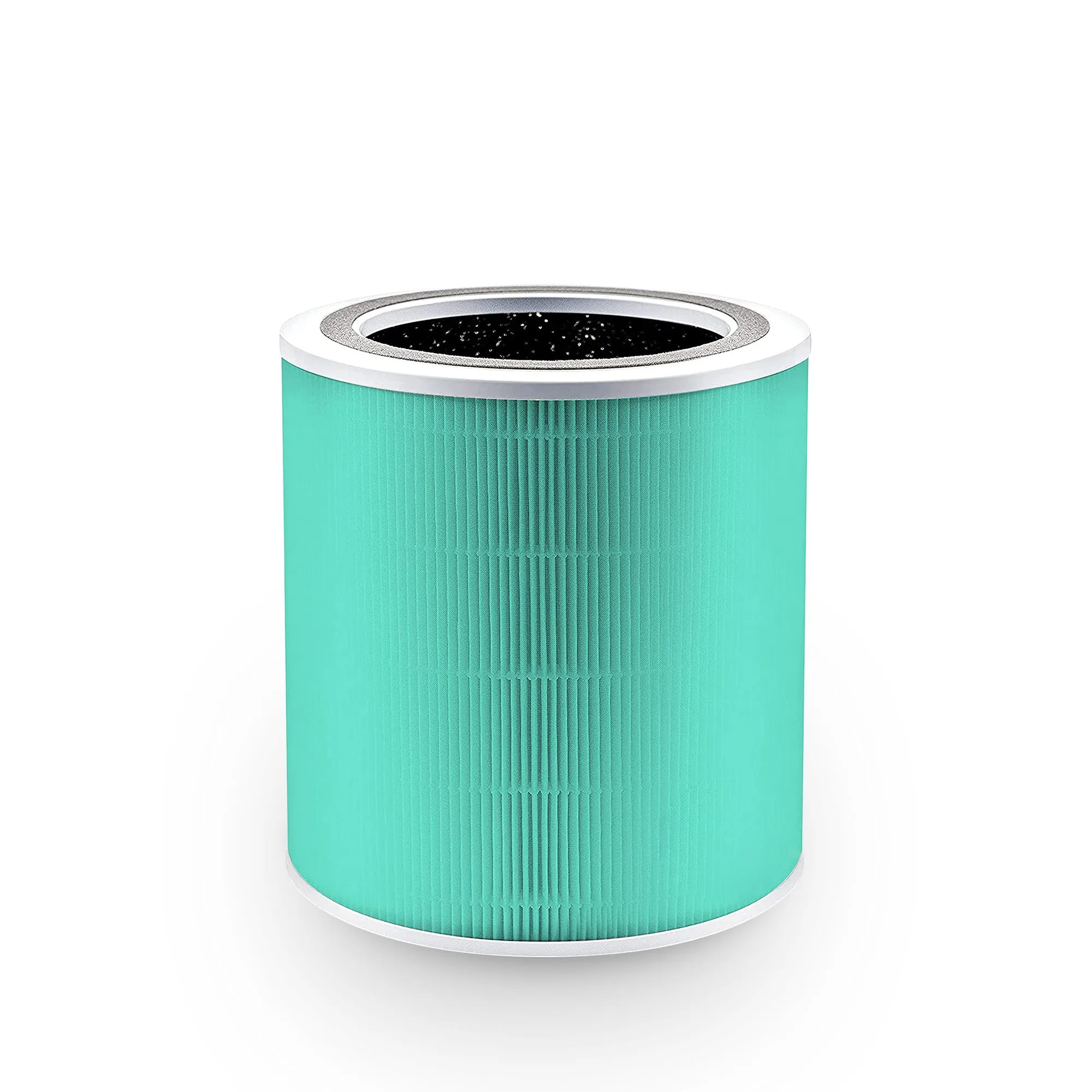
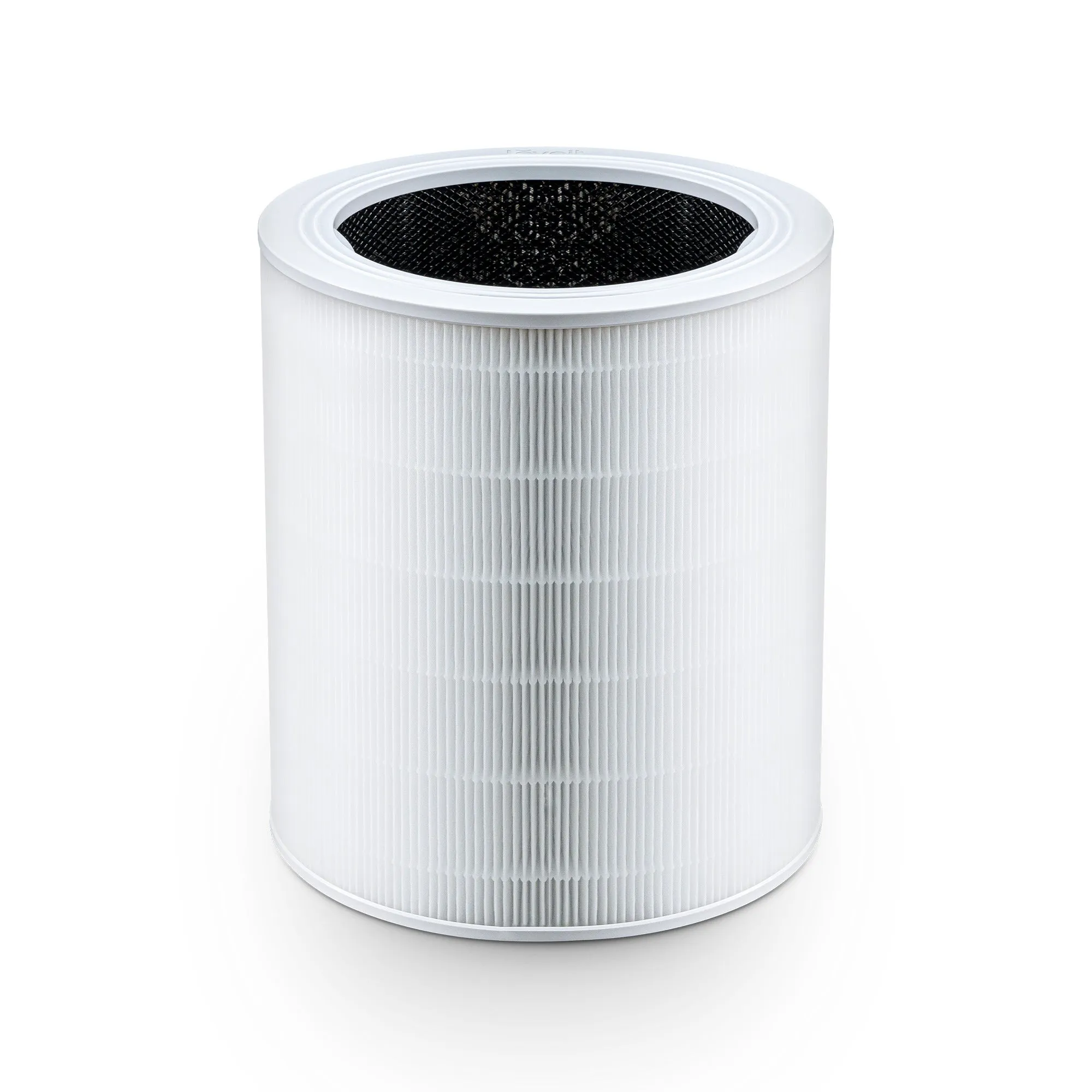
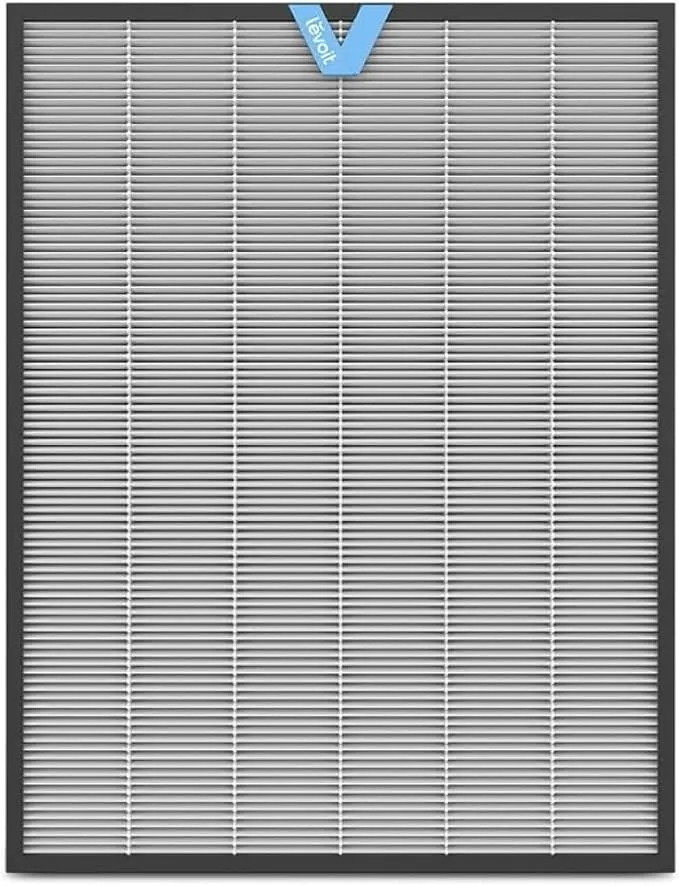
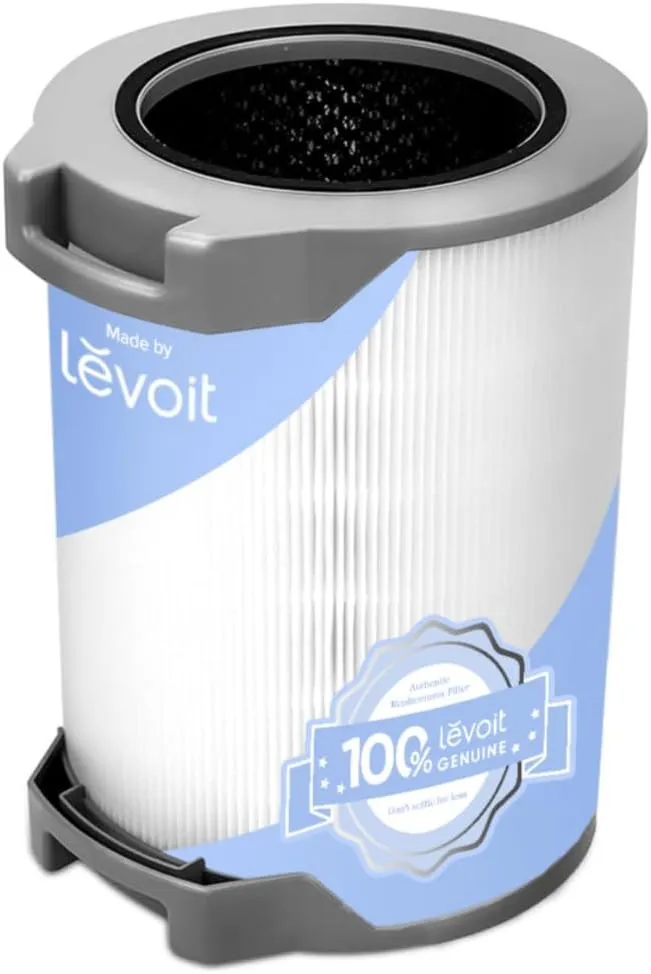
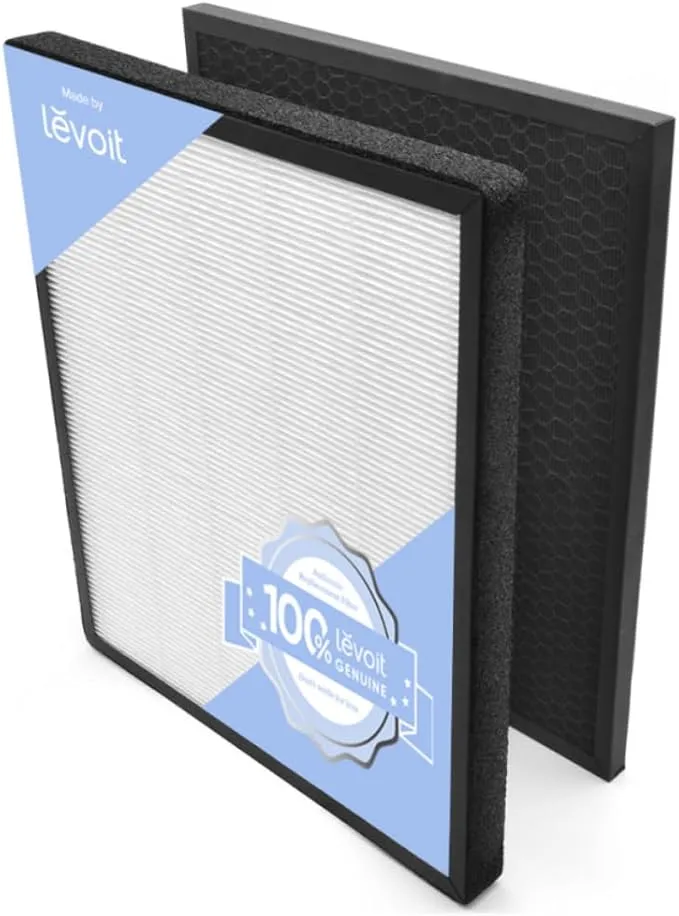
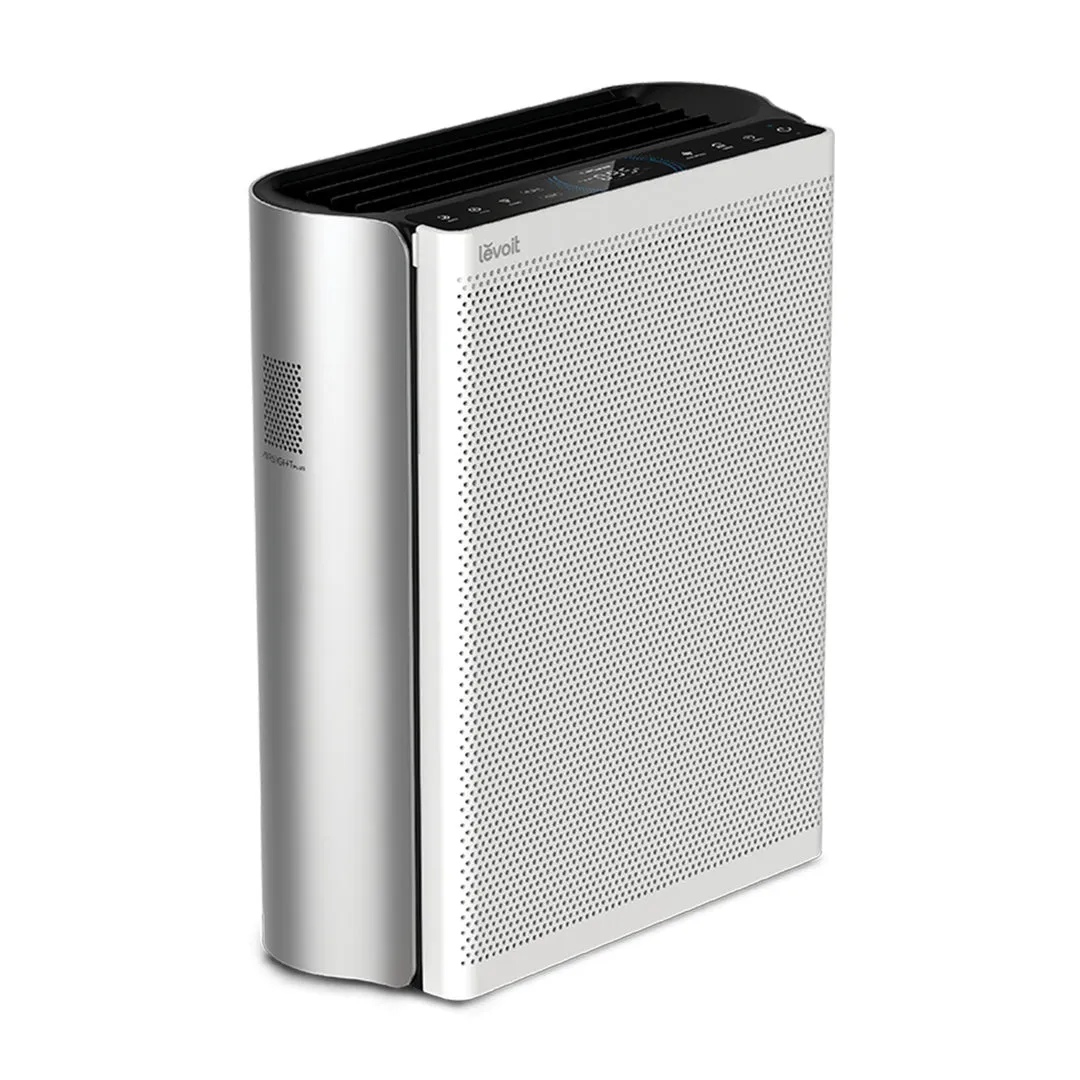
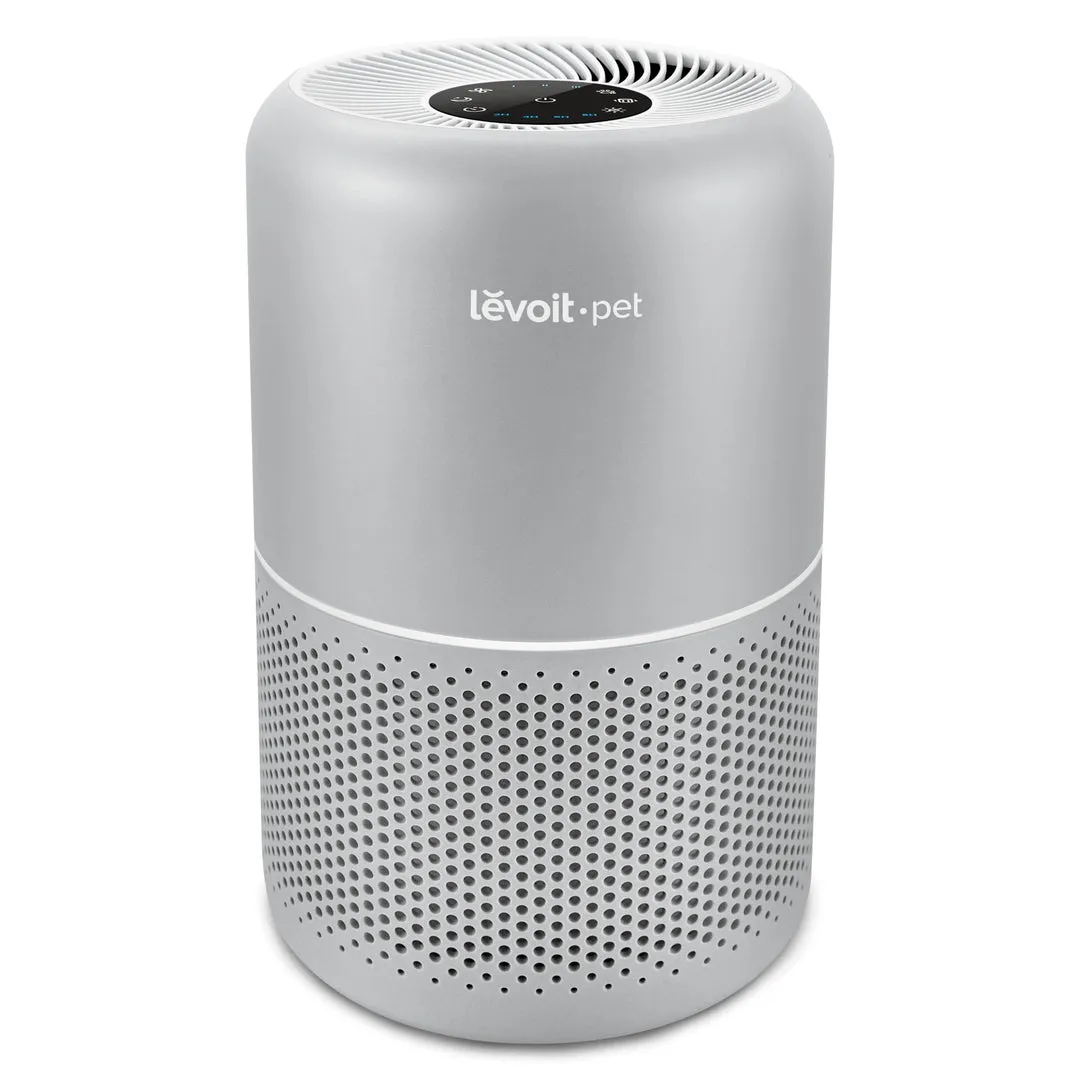
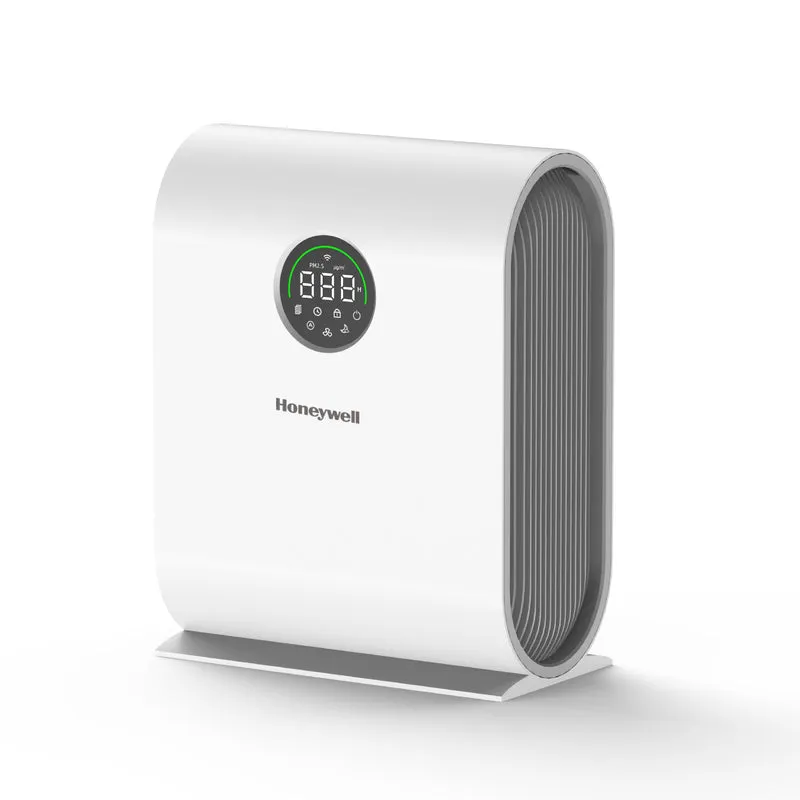
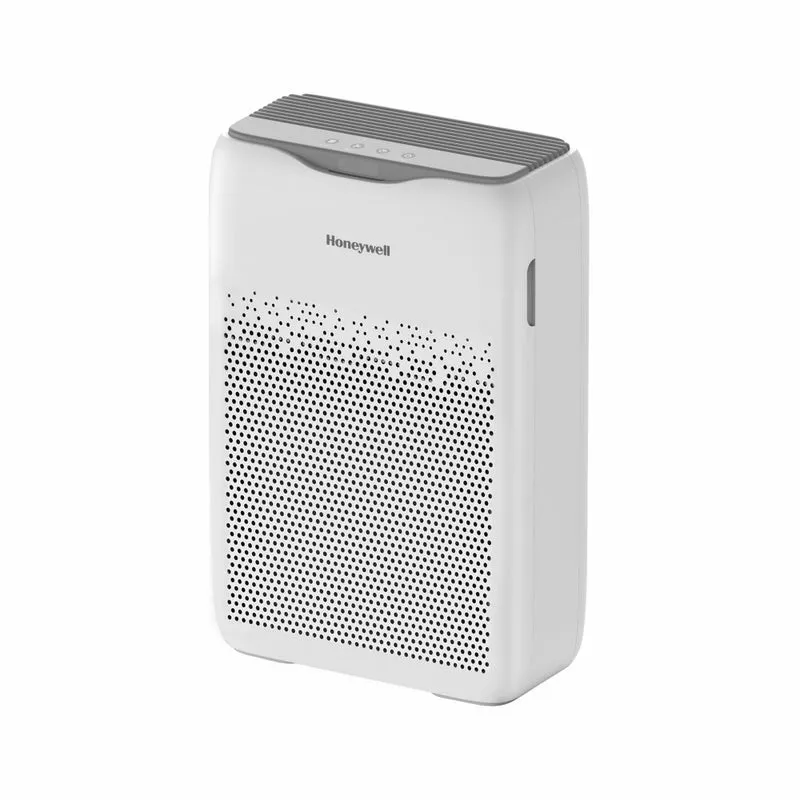
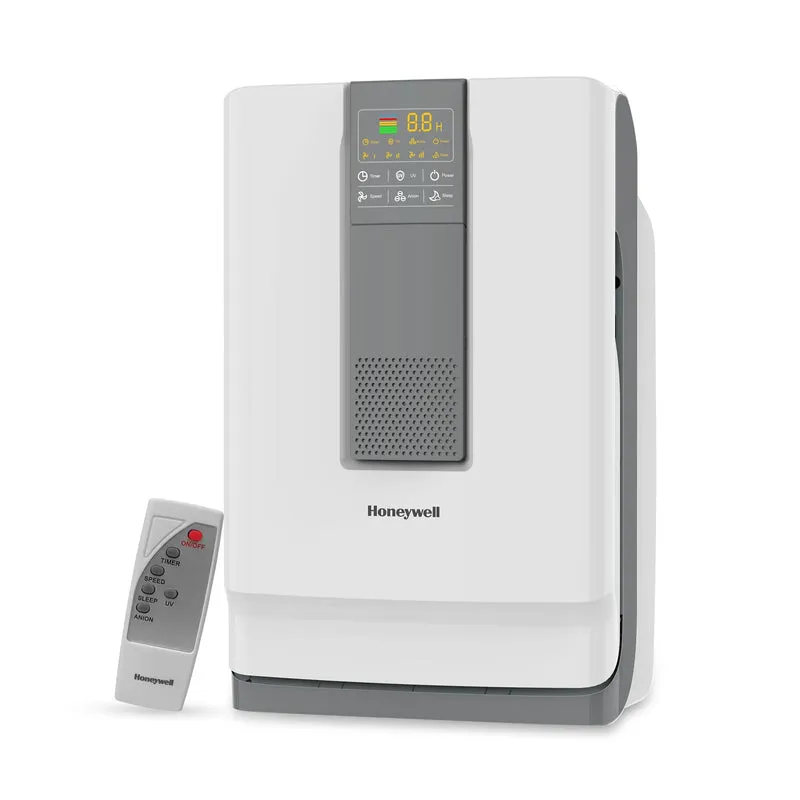
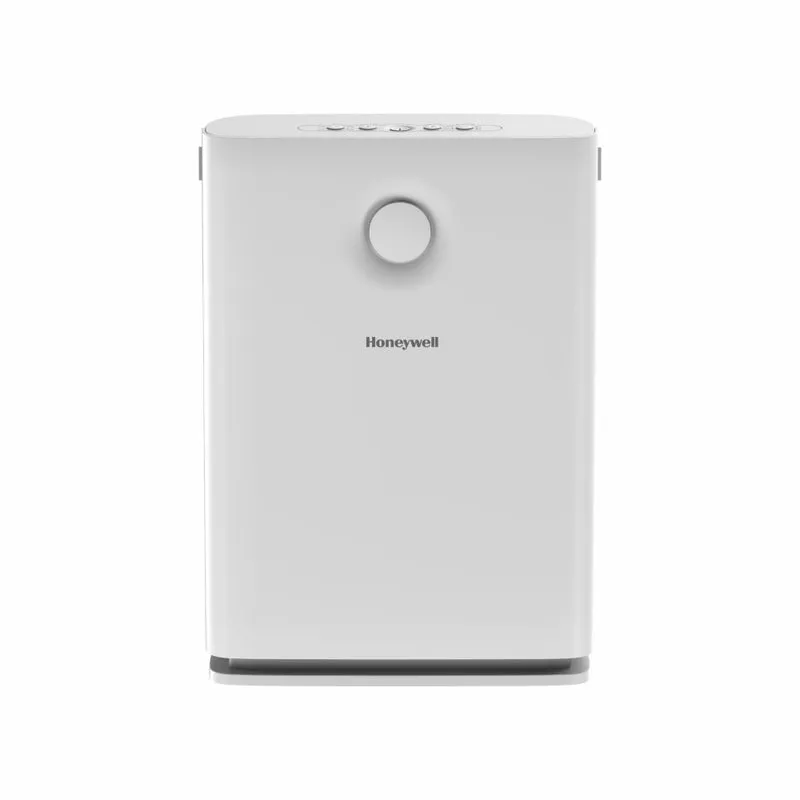
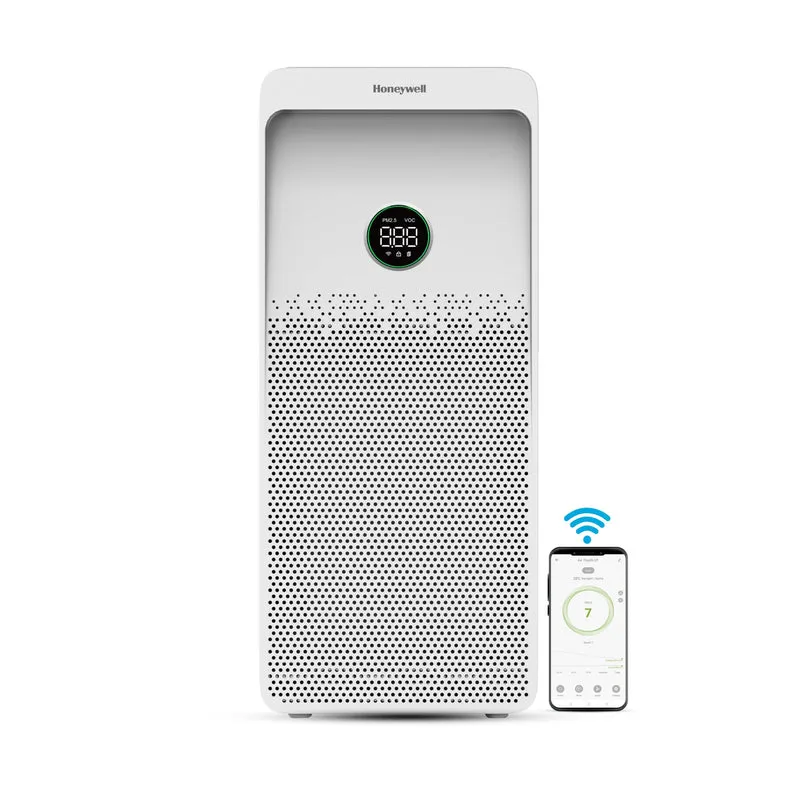
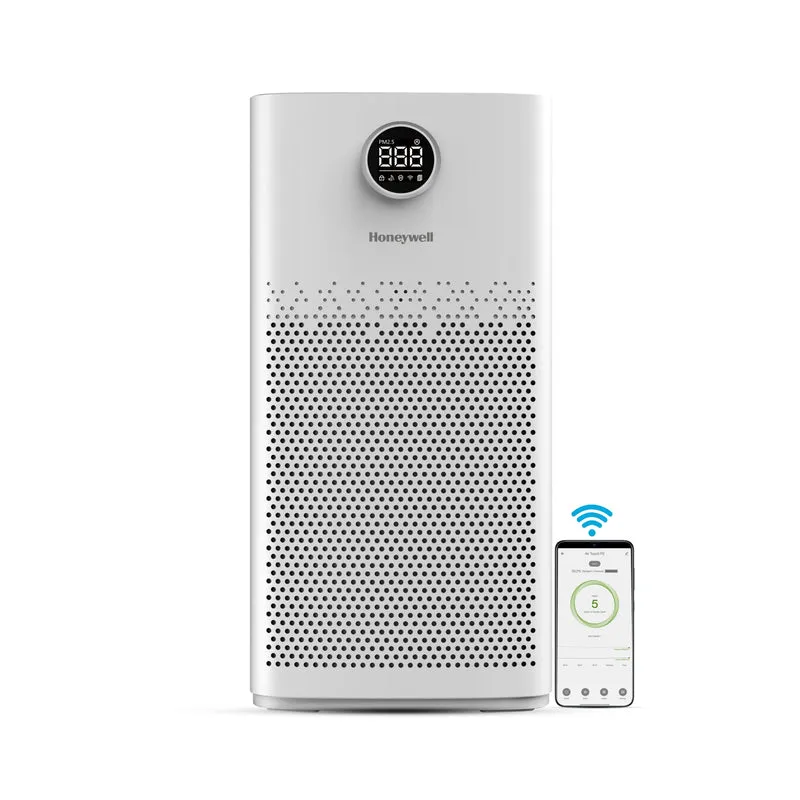
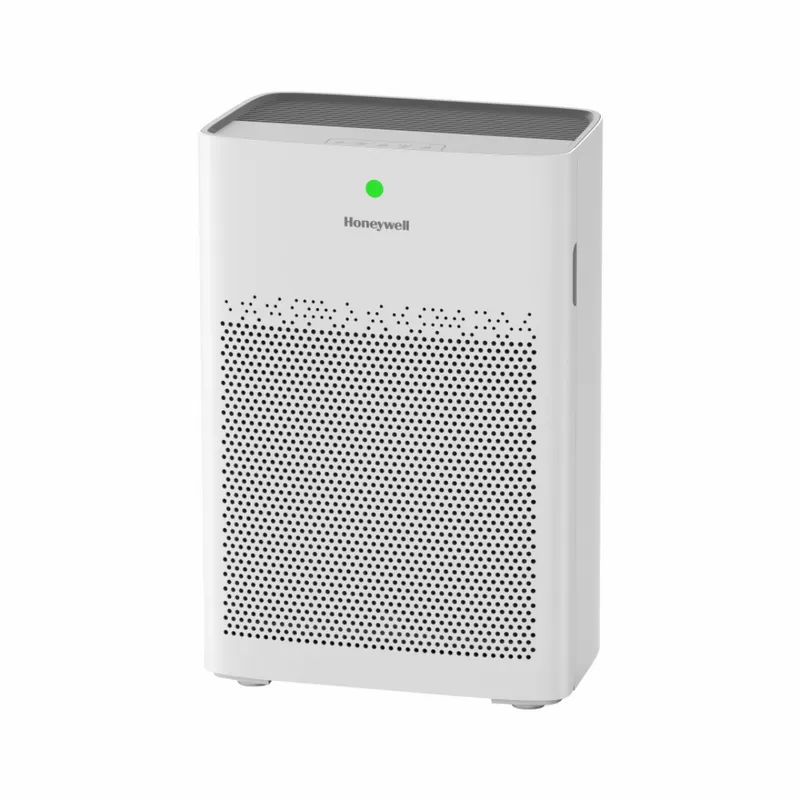
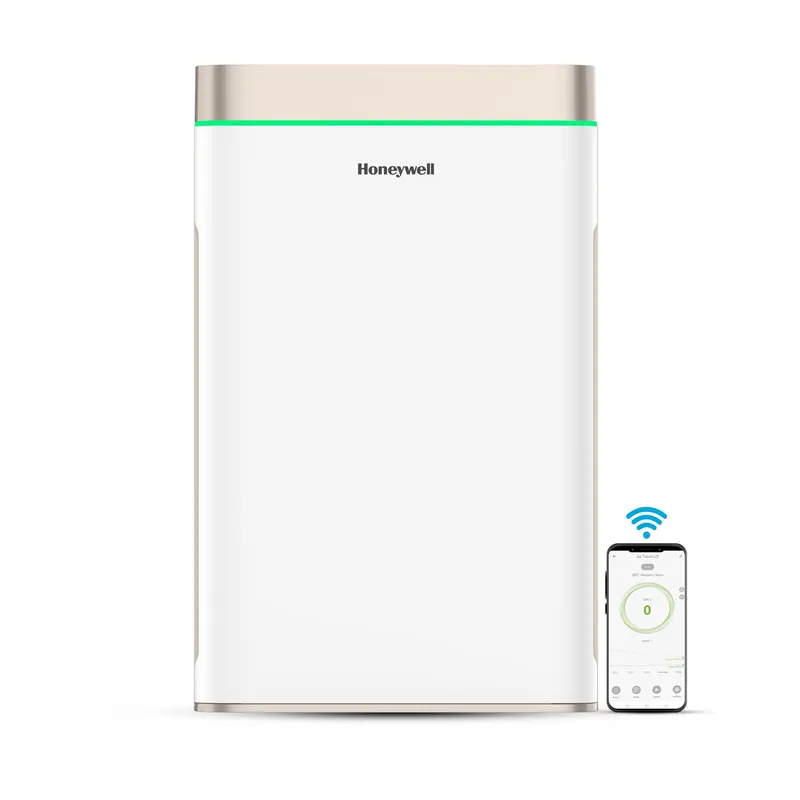
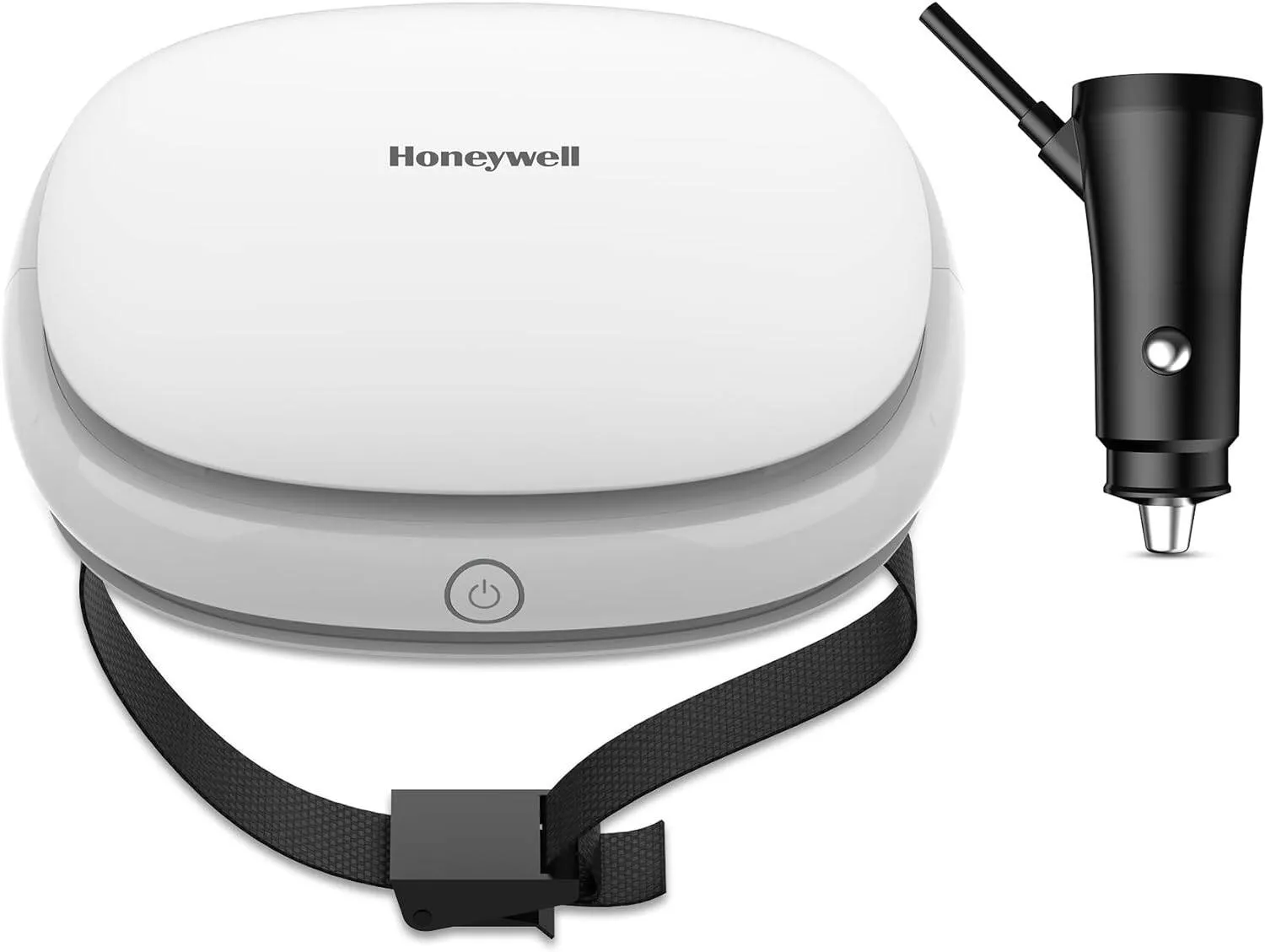
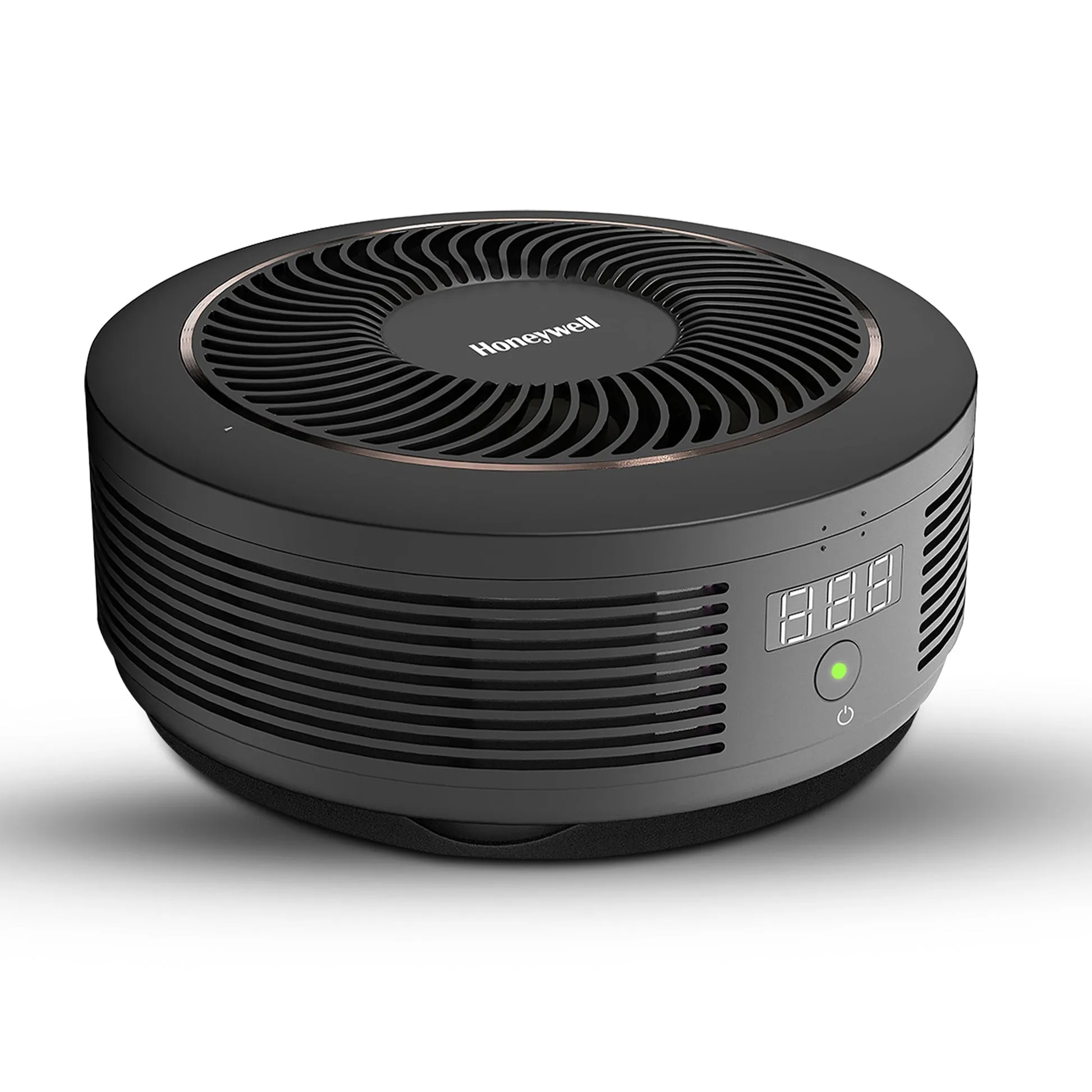
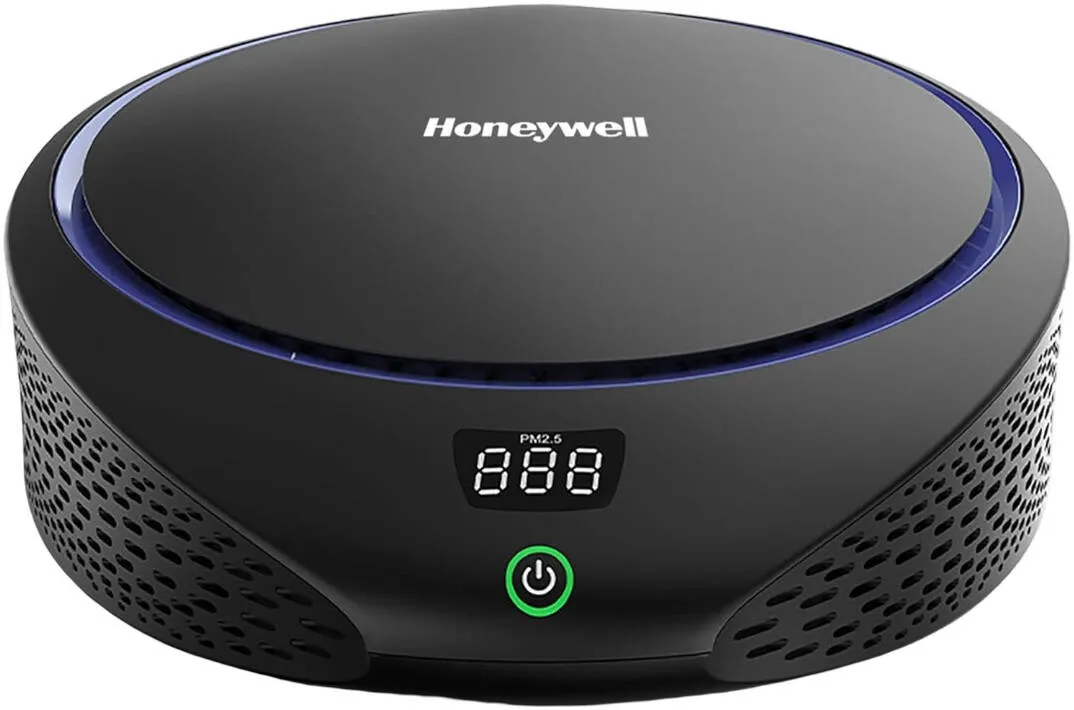
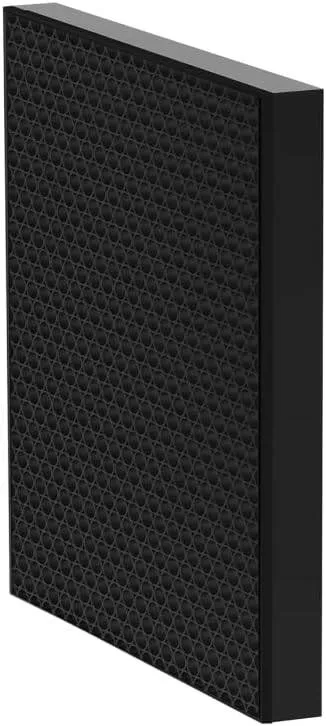
- Air purifier use: Place a true HEPA air purifier in rooms with the highest occupancy or the worst dust exposure. Units with pre-filters, HEPA stages, and activated carbon layers handle UAE’s fine PM2.5 and PM10 most effectively.
The data is clear. Empirical testing shows AC efficiency drops 22% with even a thin layer of buildup, and UAE AC filters reach saturation in four to six months versus the 12-month cycle printed on packaging. Adapting to local realities matters more than following generic product labels.
| Method | Effectiveness | Estimated cost | Frequency | What it removes |
|---|---|---|---|---|
| Damp microfiber dusting | Moderate | Low (DIY) | Weekly | Surface dust, allergens |
| HEPA vacuuming | High | Medium (equipment) | Weekly to biweekly | Floor dust, fine particles |
| AC filter replacement | High | Low to medium | Every 4-6 months | Airborne particles, allergens |
| Professional duct cleaning | Very high | High | Every 1-2 years | Deep duct buildup, mold spores |
| Air purifier (true HEPA) | Very high | Medium to high | Continuous | PM2.5, PM10, VOCs, allergens |
Pro Tip: Only buy air purifiers and vacuums with “True HEPA” certification, verified by independent testing. “HEPA-like” or “HEPA-style” products are marketing terms without standardized filtration performance. In UAE conditions with extremely fine desert dust, the difference is significant. Multi-layer filtration including pre-filter, fine filter, HEPA, and carbon is the standard to meet.
Beyond basics: Advanced tactics and common pitfalls
Knowing the fundamental methods is a solid starting point. Avoiding the traps that waste money and effort takes it further. Several patterns appear repeatedly in the UAE market and are worth knowing before spending on any service or product.
Key pitfalls and advanced tactics:
- “HEPA-like” marketing: This label has no regulated meaning. Products using it may filter as little as 50% of fine particles. Insist on True HEPA certification, which requires a minimum 99.97% capture rate at 0.3 microns. A True HEPA requirement is non-negotiable for UAE conditions where PM2.5 levels regularly exceed indoor safety thresholds.
- Low-cost duct cleaning scams: Several operators offer duct cleaning at unusually low prices without using HEPA extraction equipment or providing inspection documentation. These services often push debris deeper into ducts rather than removing it. Always require before-and-after photos and ask what equipment will be used before booking.
- Ignoring post-Shamal protocols: Most residents clean on a fixed schedule. Dust storms (Shamal events) can deposit weeks’ worth of fine particles in a single night. After a storm, check air quality readings and clean surfaces, replace pre-filters, and run air purifiers at high speed for several hours before returning to a normal schedule.
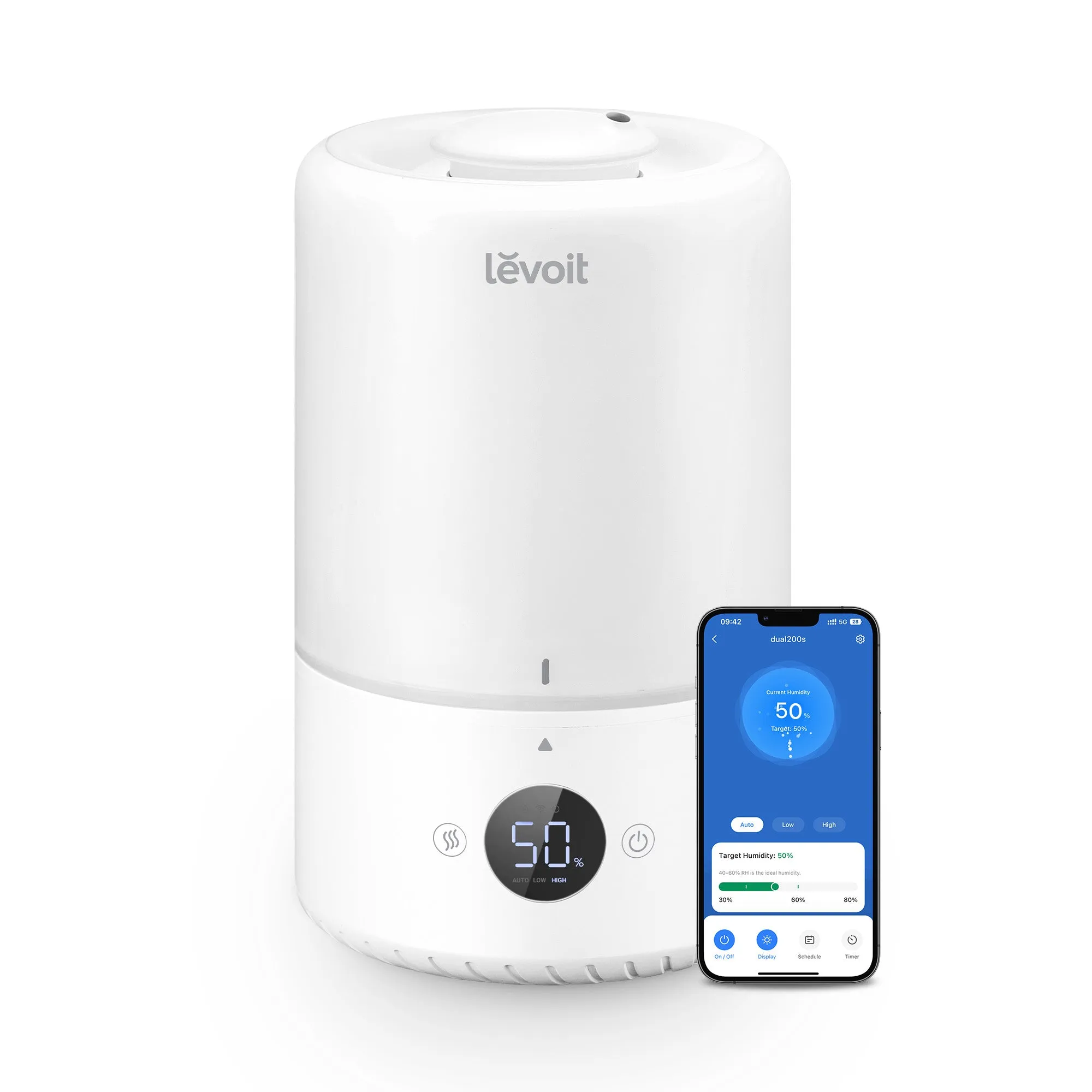
- Humidity management: Keeping indoor humidity below 50% prevents dust mites from establishing colonies in mattresses, carpets, and soft furnishings. Dust mites are a leading trigger for indoor allergies and asthma. A basic hygrometer lets you track this without guessing.
| Feature | Compliant air purification system | Non-compliant product |
|---|---|---|
| Pre-filter | Included | Often absent |
| True HEPA filter | Certified 99.97% at 0.3 microns | “HEPA-like” or unrated |
| Activated carbon layer | Included for VOC/odor removal | Missing or minimal |
| PM2.5 sensor/display | Real-time monitoring included | Not included |
| Filter replacement indicators | Yes | No |
| Third-party certification | Present | Absent |
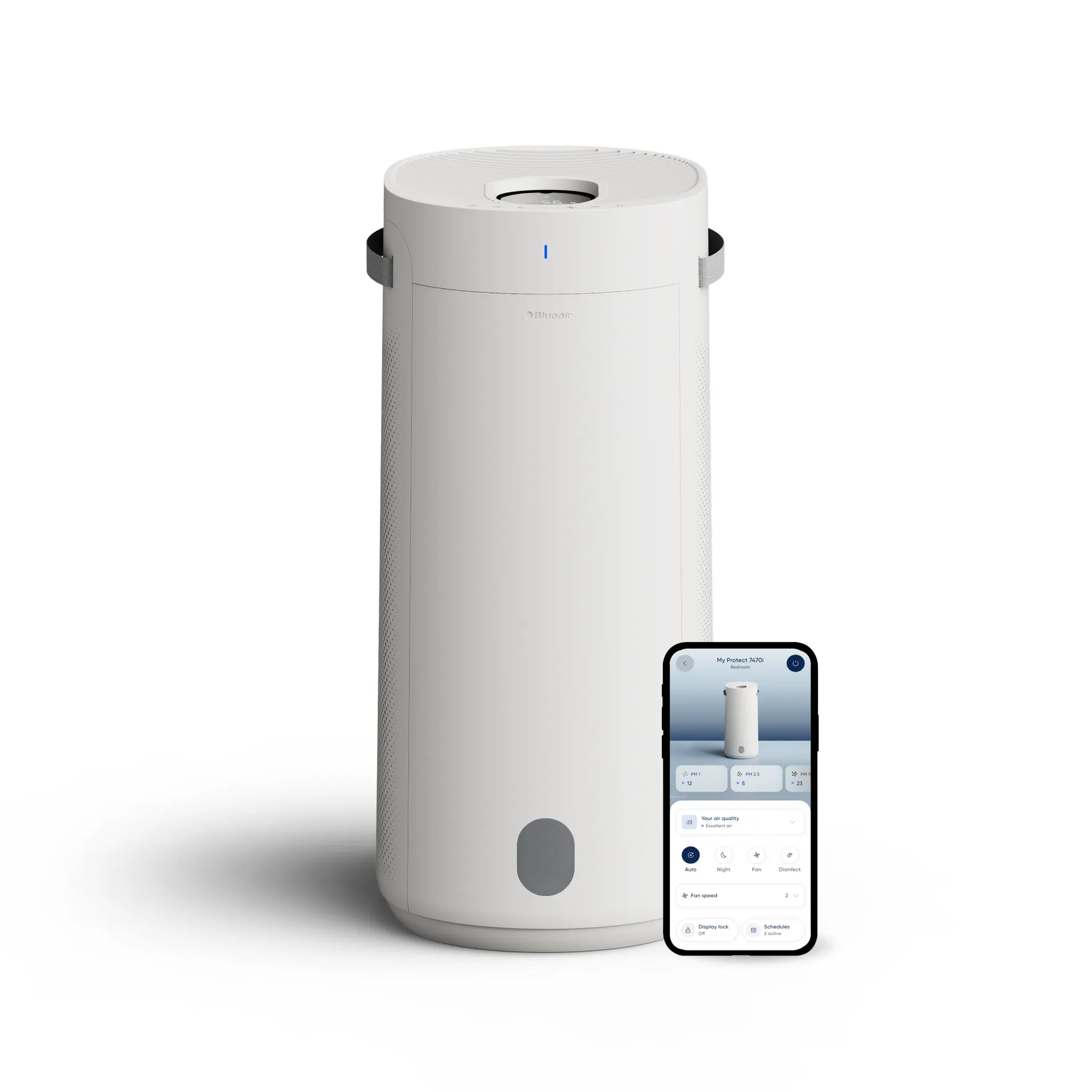
One more advanced tactic: continuous air quality monitoring. A PM2.5 monitor or combined PM2.5/CO2 sensor placed in your main living or working area gives you real data on when particle levels rise. This lets you respond to actual conditions rather than guess, especially in larger spaces or multi-room offices. Some modern air purifiers include integrated sensors that automatically adjust fan speed based on real-time air quality readings, which is a practical feature for UAE households dealing with unpredictable outdoor pollution events.
A fresh perspective: What most UAE residents miss about dust removal
Most cleaning routines in UAE homes and offices focus on what is visible. If the floor looks clean and the furniture is dust-free to the touch, the assumption is that air quality is acceptable. That assumption is incorrect and is one of the most consistent gaps in how people approach indoor air quality in this region.
Fine particles, specifically those in the PM2.5 range, are invisible to the naked eye. They stay suspended in air for hours after any cleaning activity, settle into soft materials, and are stirred up again with foot traffic or air movement. A room that looks spotless can still have particle levels that affect sleep quality, morning alertness, and respiratory health over time. This is not a minor or theoretical concern. It is the everyday reality in a region with frequent sandstorms and one of the highest outdoor PM2.5 averages in the world.
Another overlooked area is the reliance on annual service schedules that do not match local conditions. AC filter manufacturers print 12-month replacement cycles on packaging because those cycles apply to temperate climates with low dust loads. They do not apply in Dubai, Abu Dhabi, or Sharjah. Using a filter for 12 months in UAE conditions means running on a clogged system for at least six of those months, burning more electricity, cooling less effectively, and pushing contaminated air back into the space. Adjusting service intervals to local conditions is practical, not optional.
For duct cleaning specifically, proof of service is non-negotiable. A verbal confirmation that “the ducts are clean” is meaningless without inspection photos or a written report. Professional services use cameras and produce documentation. Services that cannot or will not provide this should not be hired. This protects both the property and the health of occupants.
The broader point is this: effective dust removal in the UAE is an ongoing maintenance practice, not a one-time event. It requires the right tools, real data from air quality monitors, correct service intervals, and verified professional work. Treating it as a routine part of property management, rather than an occasional task, is the most practical path to consistently cleaner indoor air.
Healthier indoor air: Take the next step
You now have a clear picture of what dust removal involves, which methods work, and what to avoid. The next step is making sure your space meets a consistent standard, not just after a deep clean but week after week.
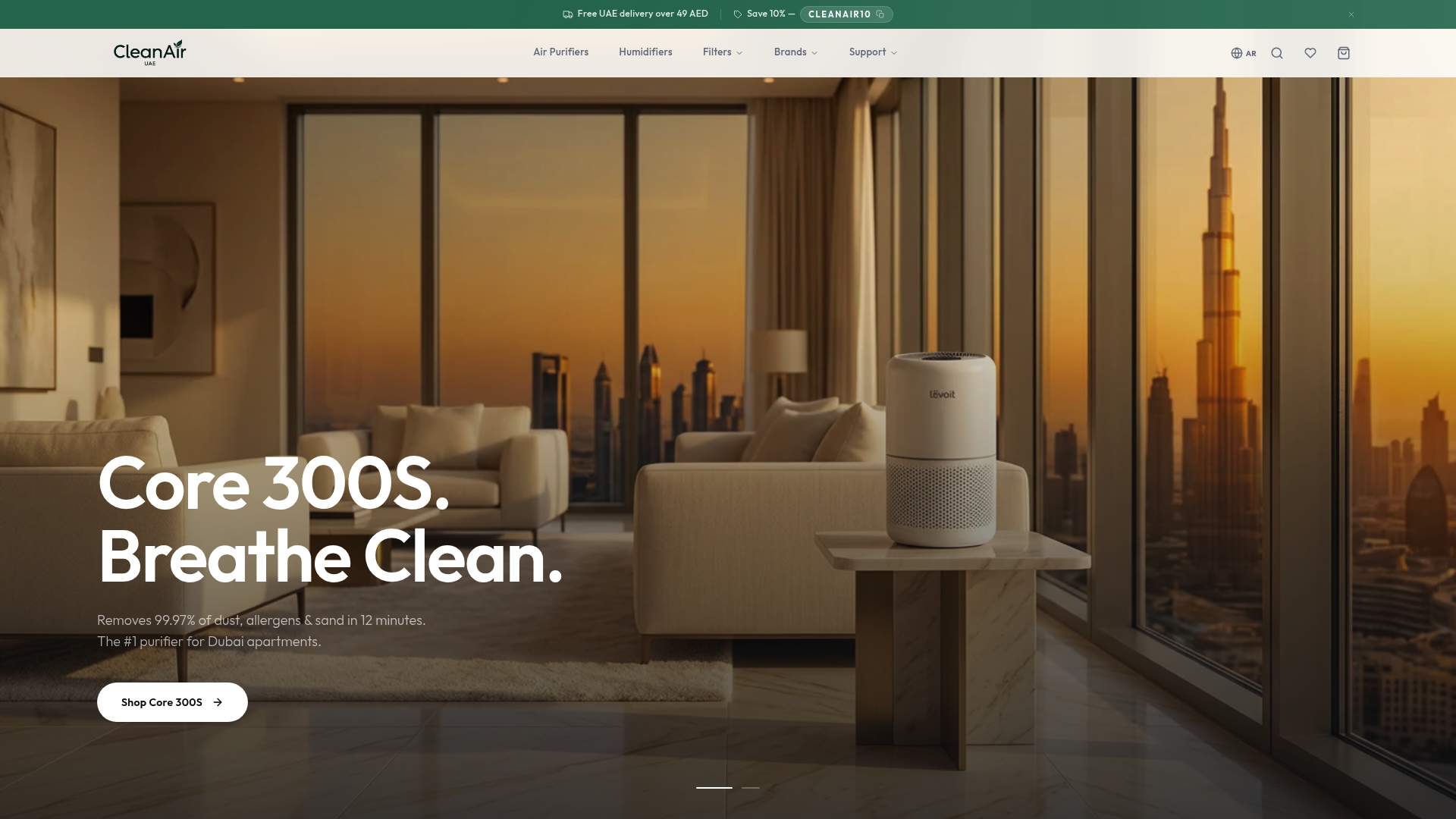
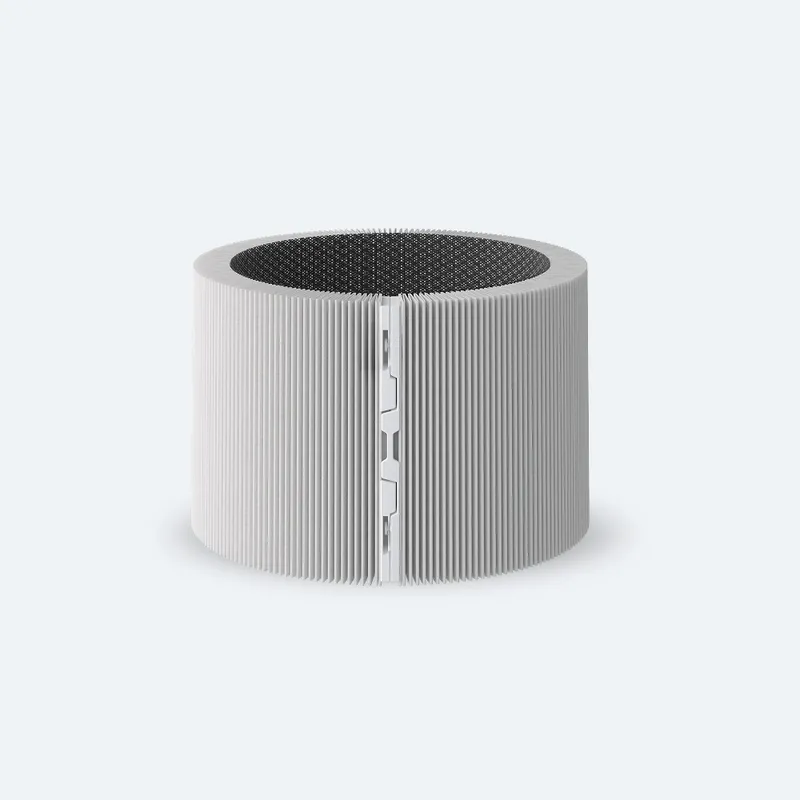
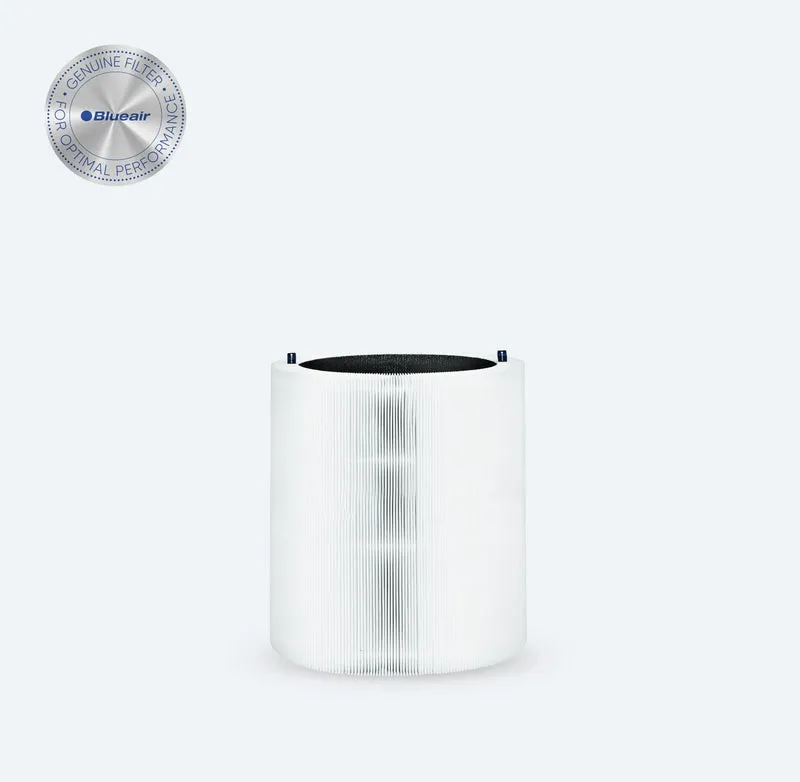
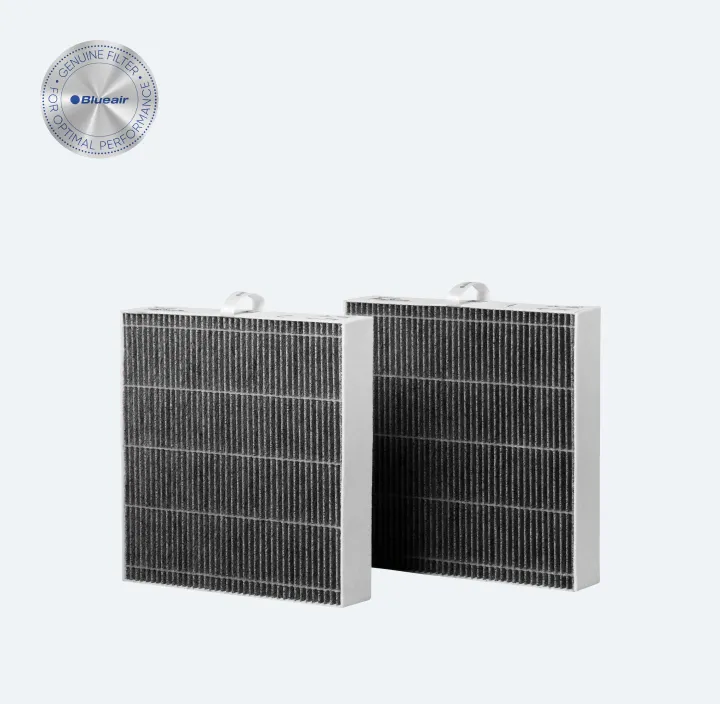
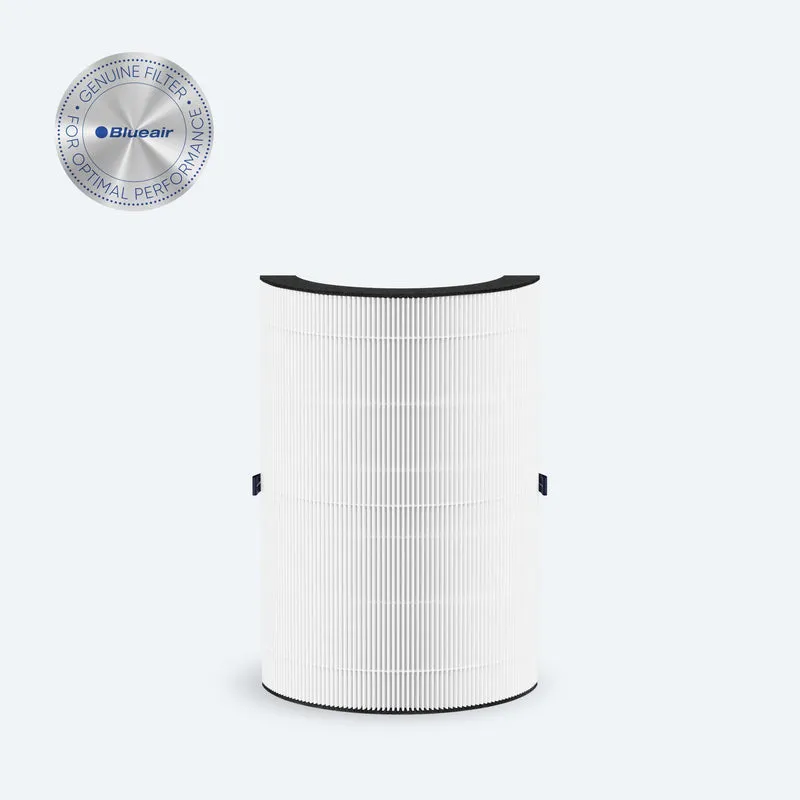
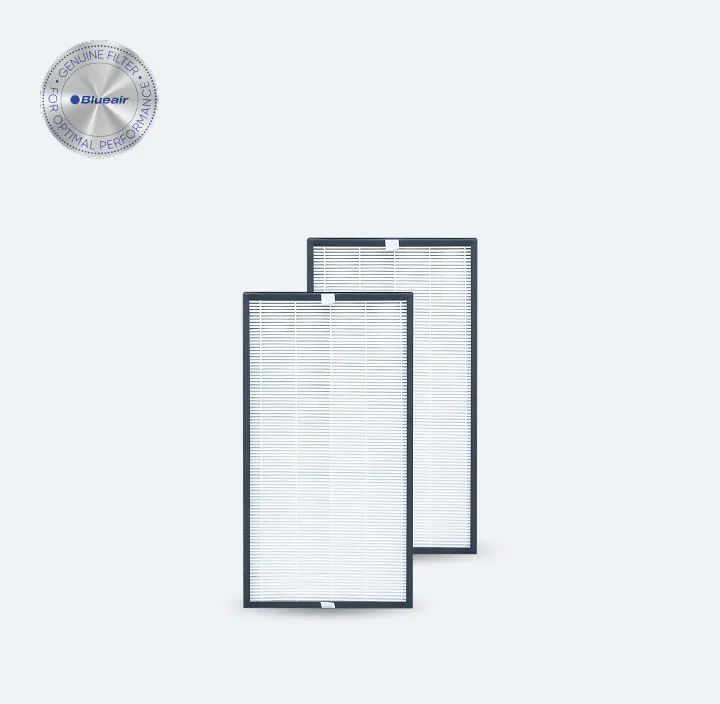
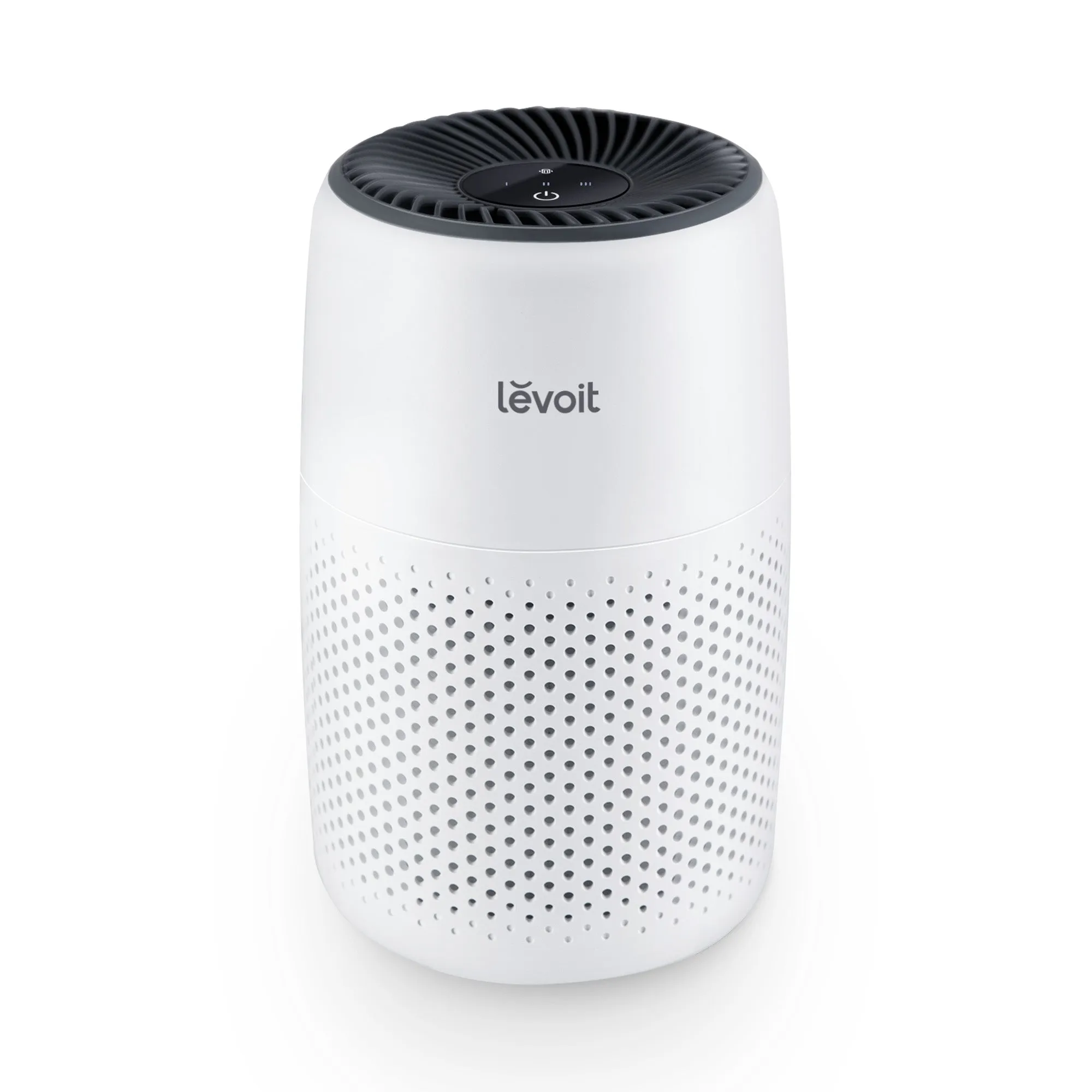
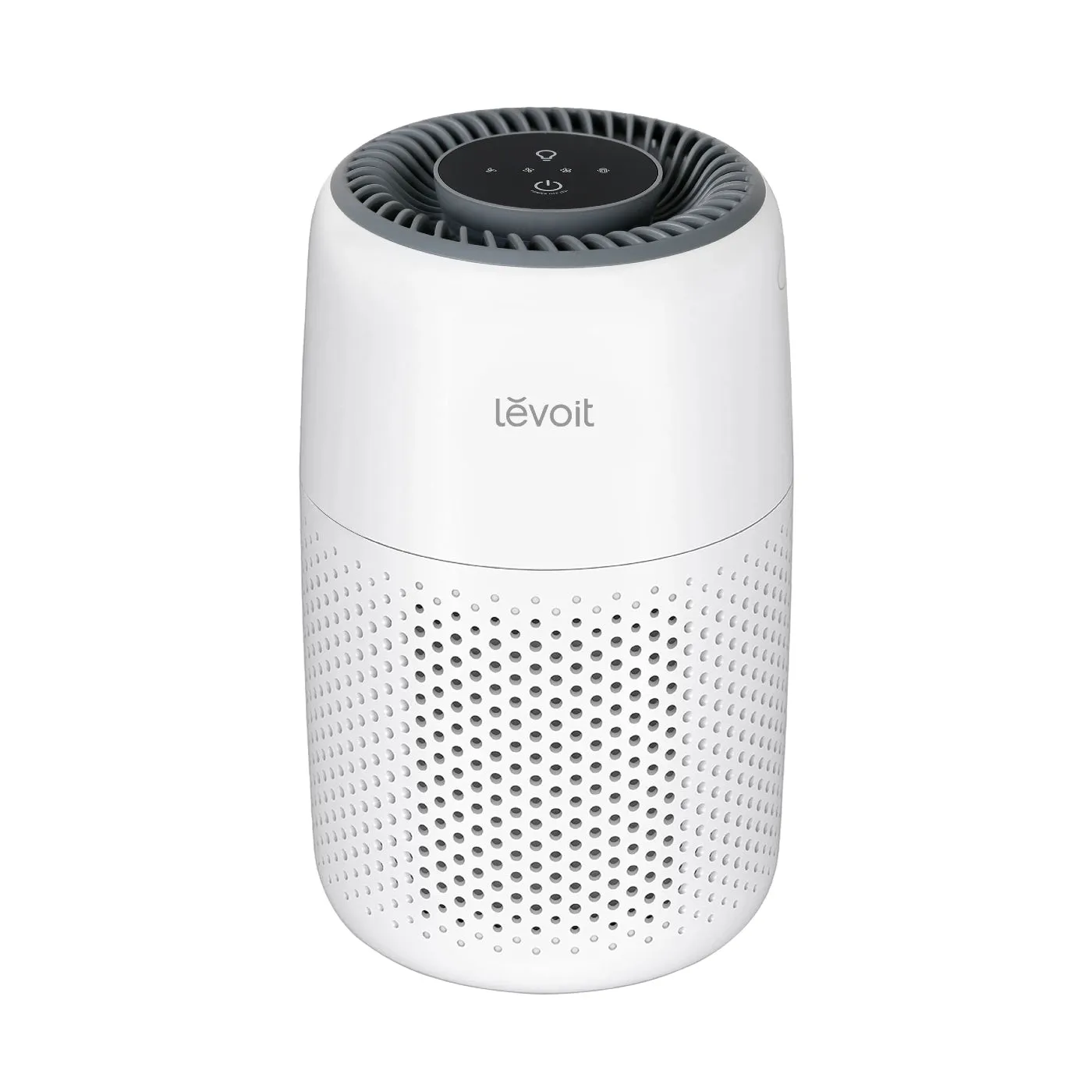
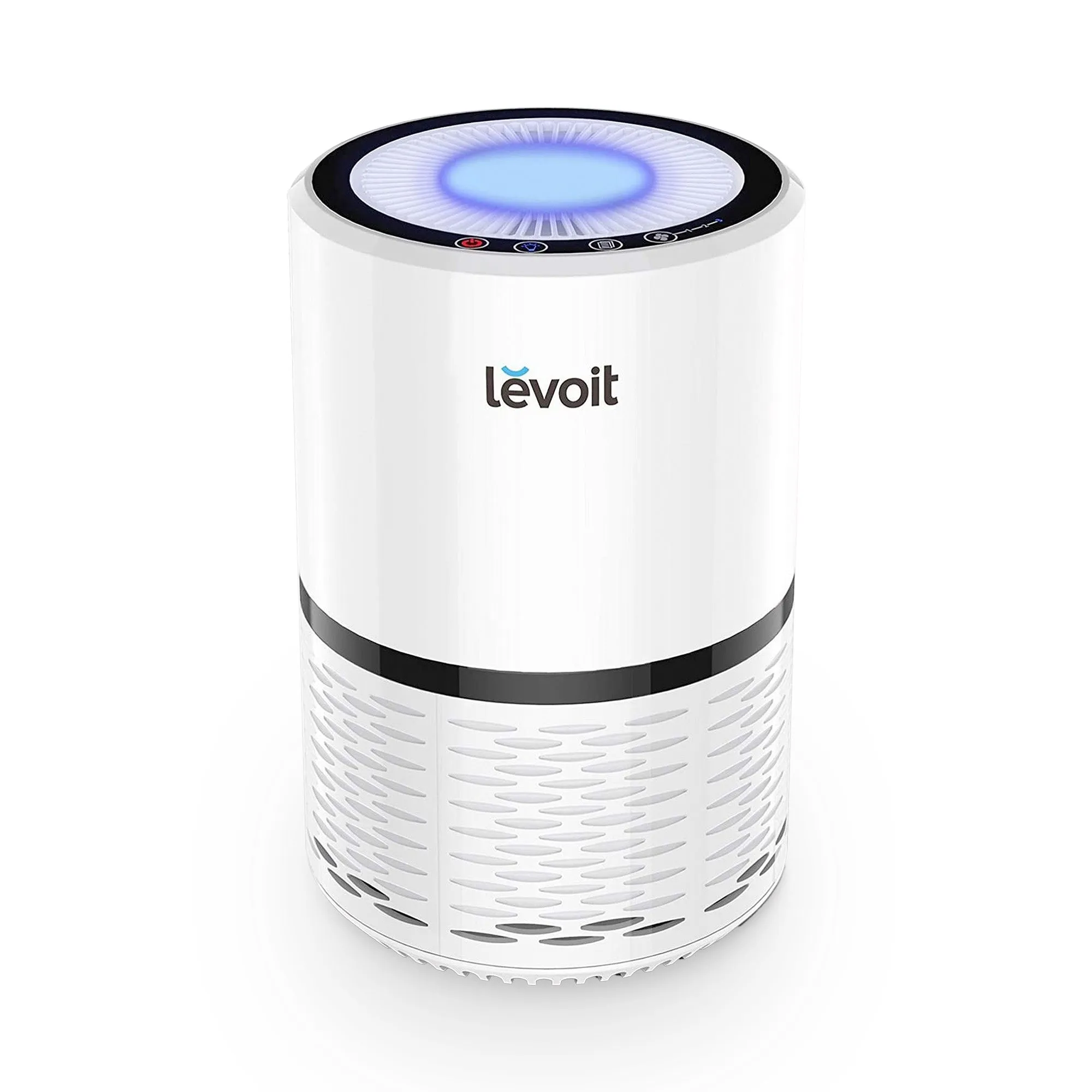
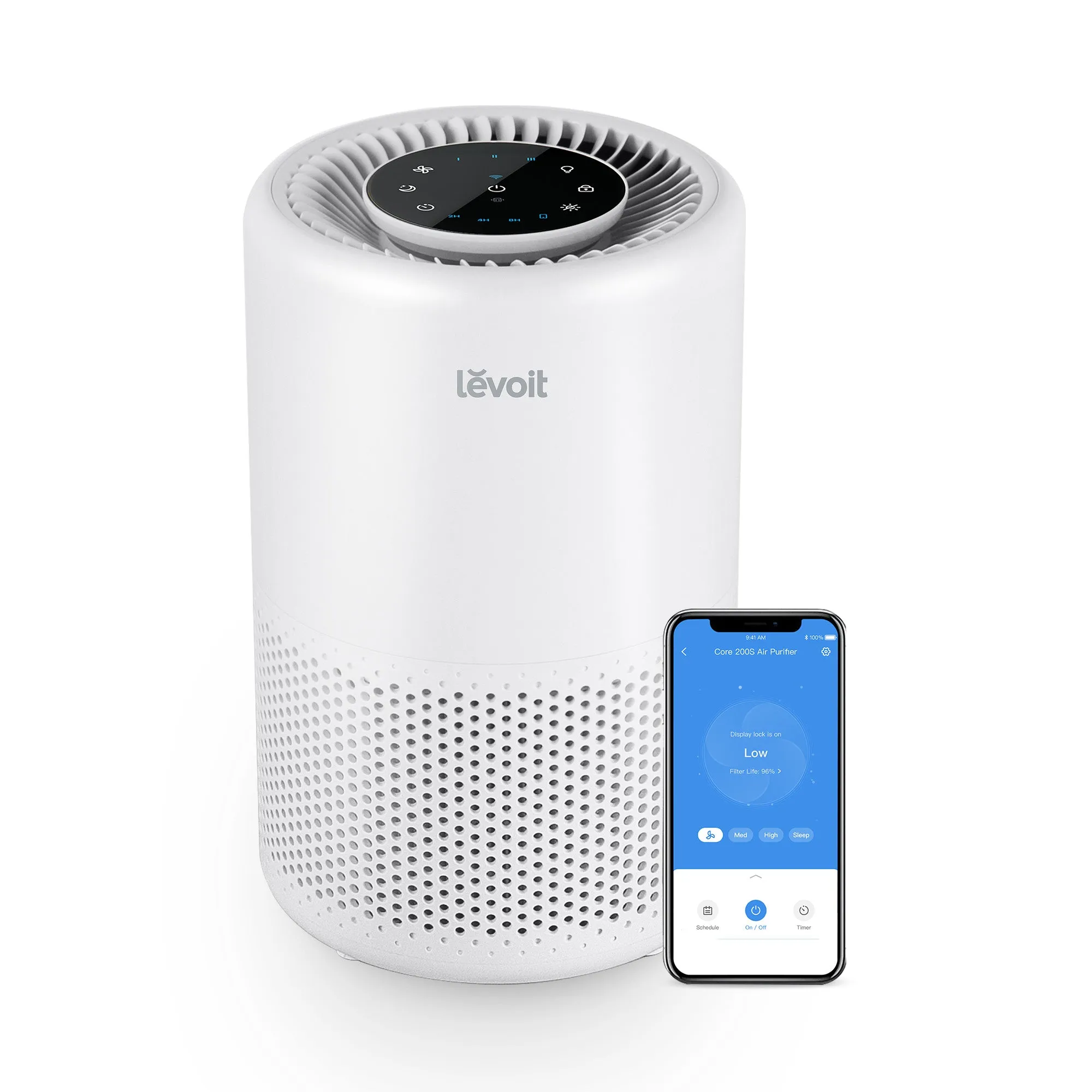
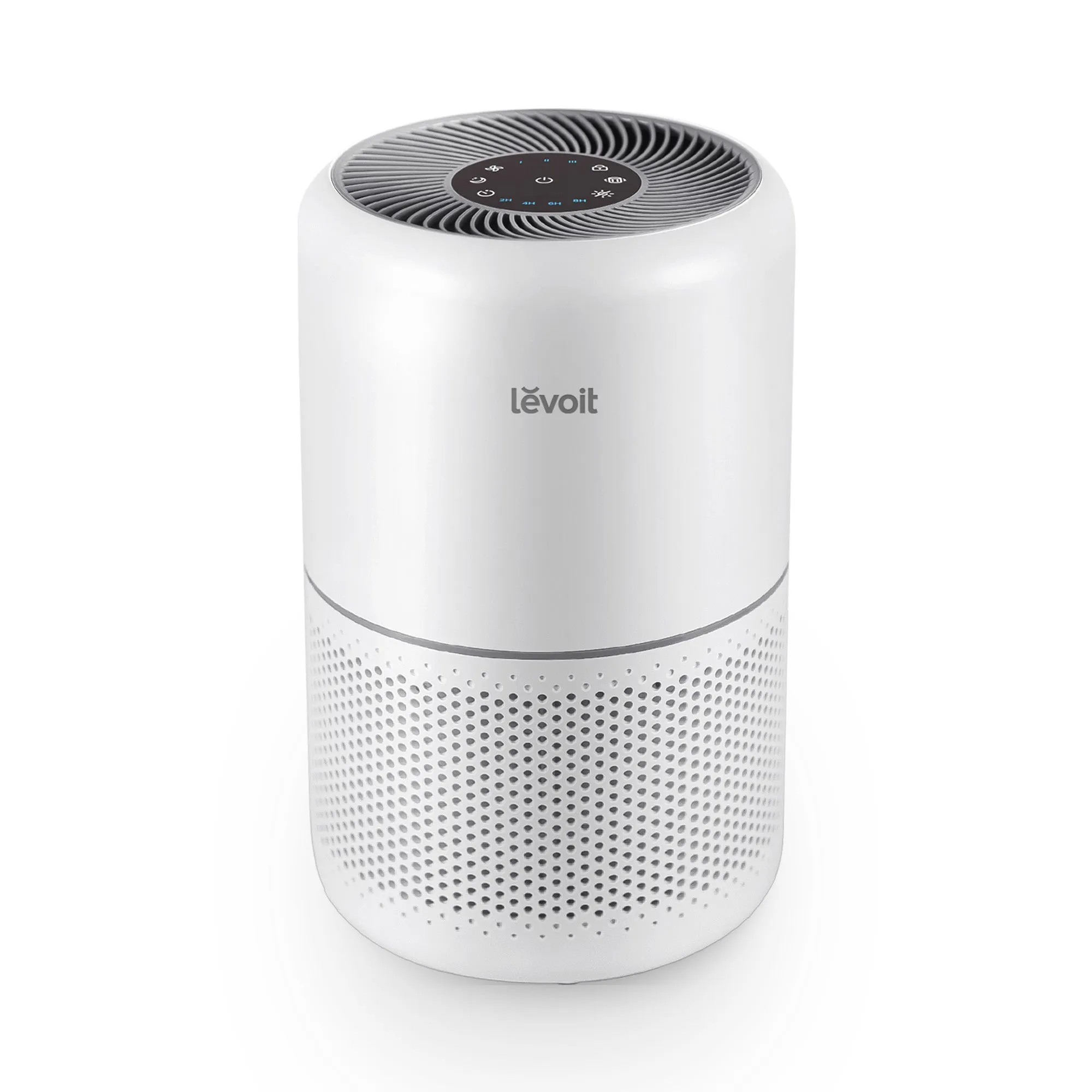
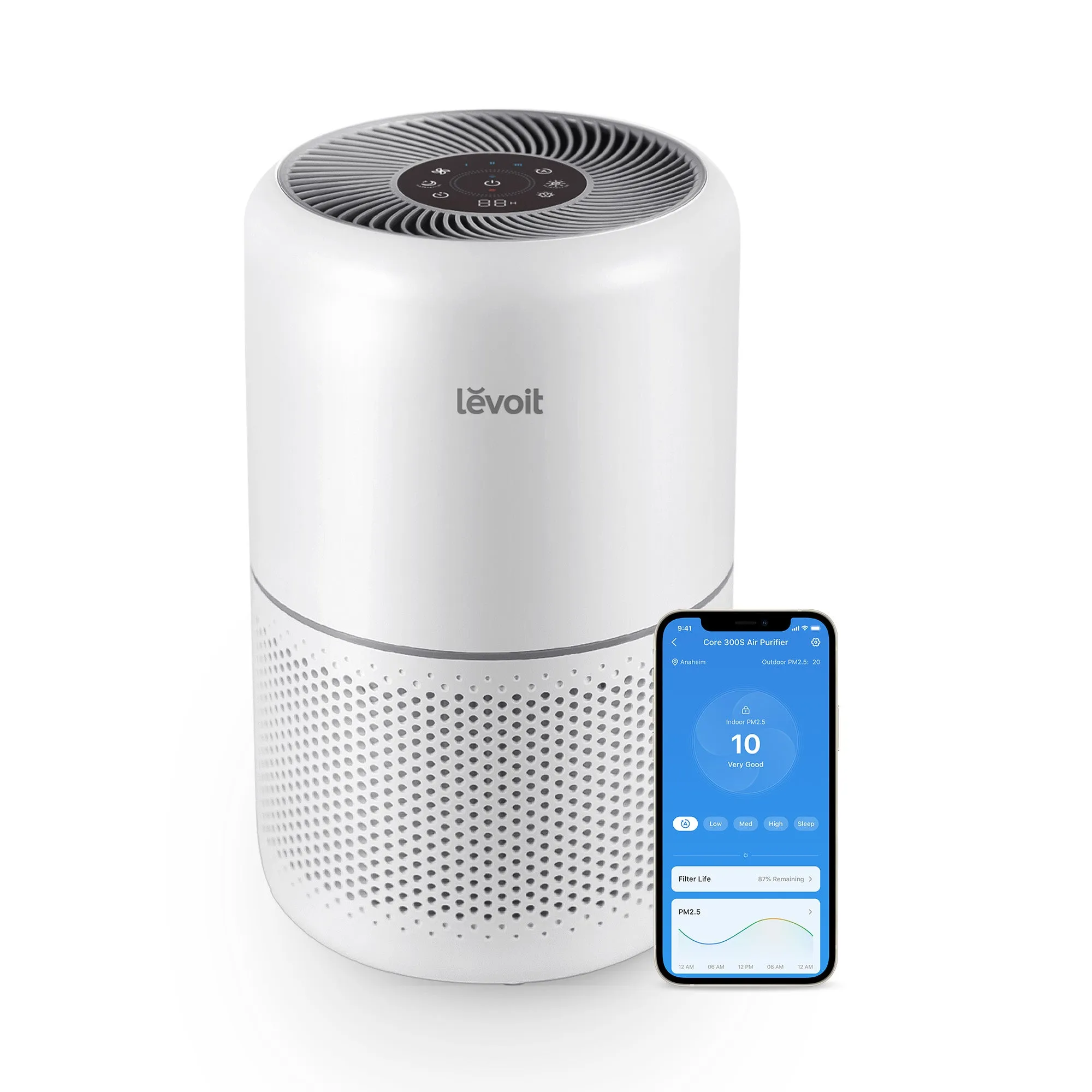
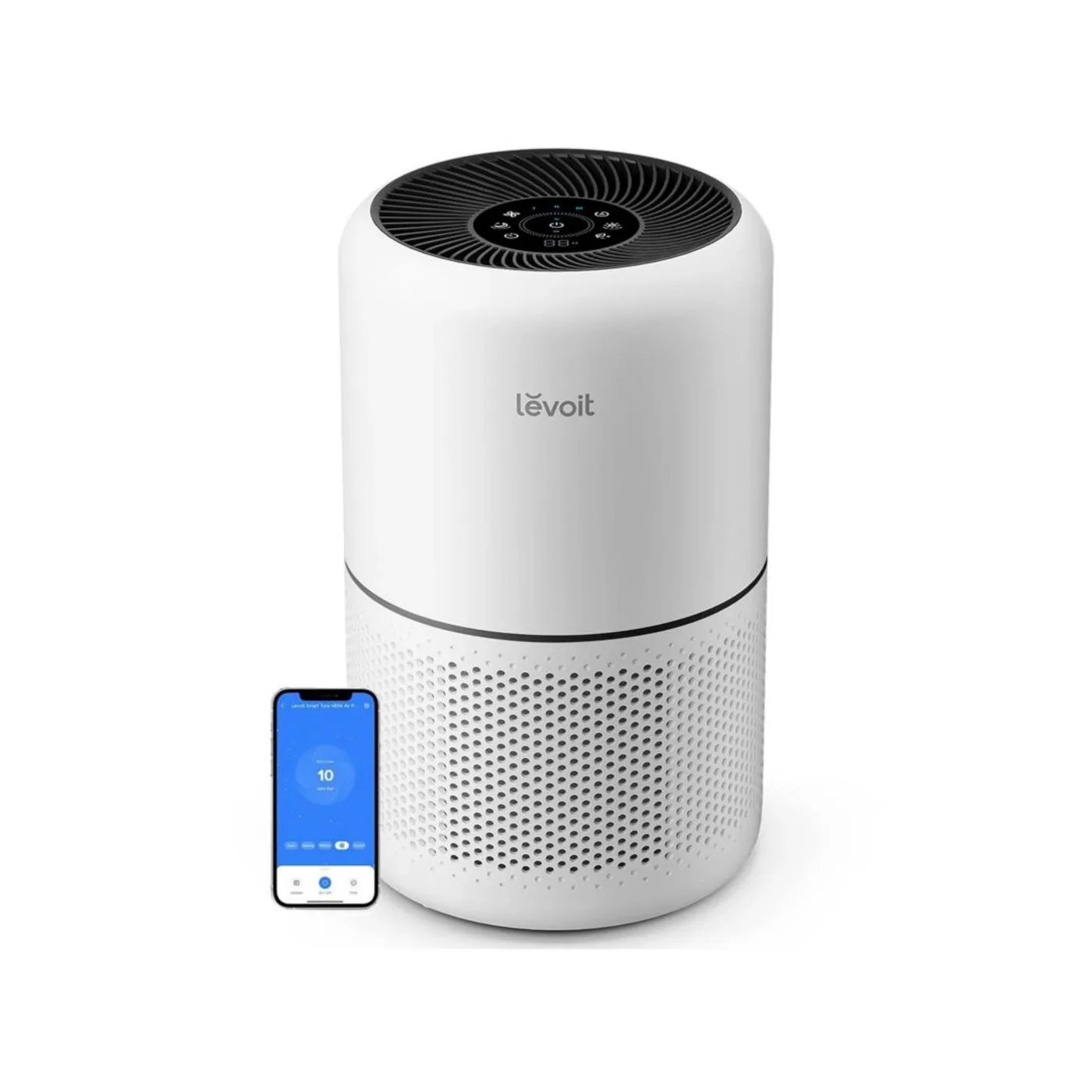
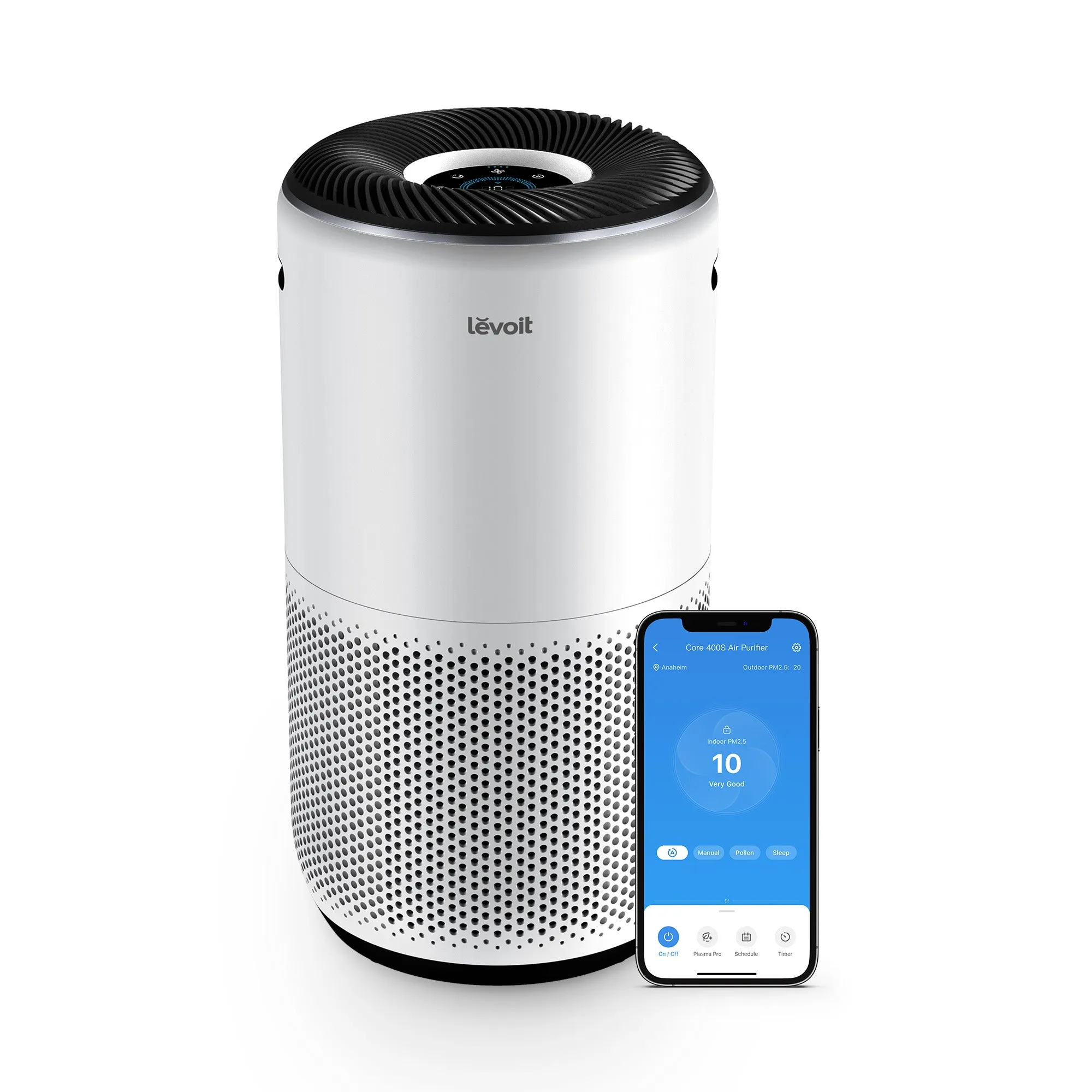
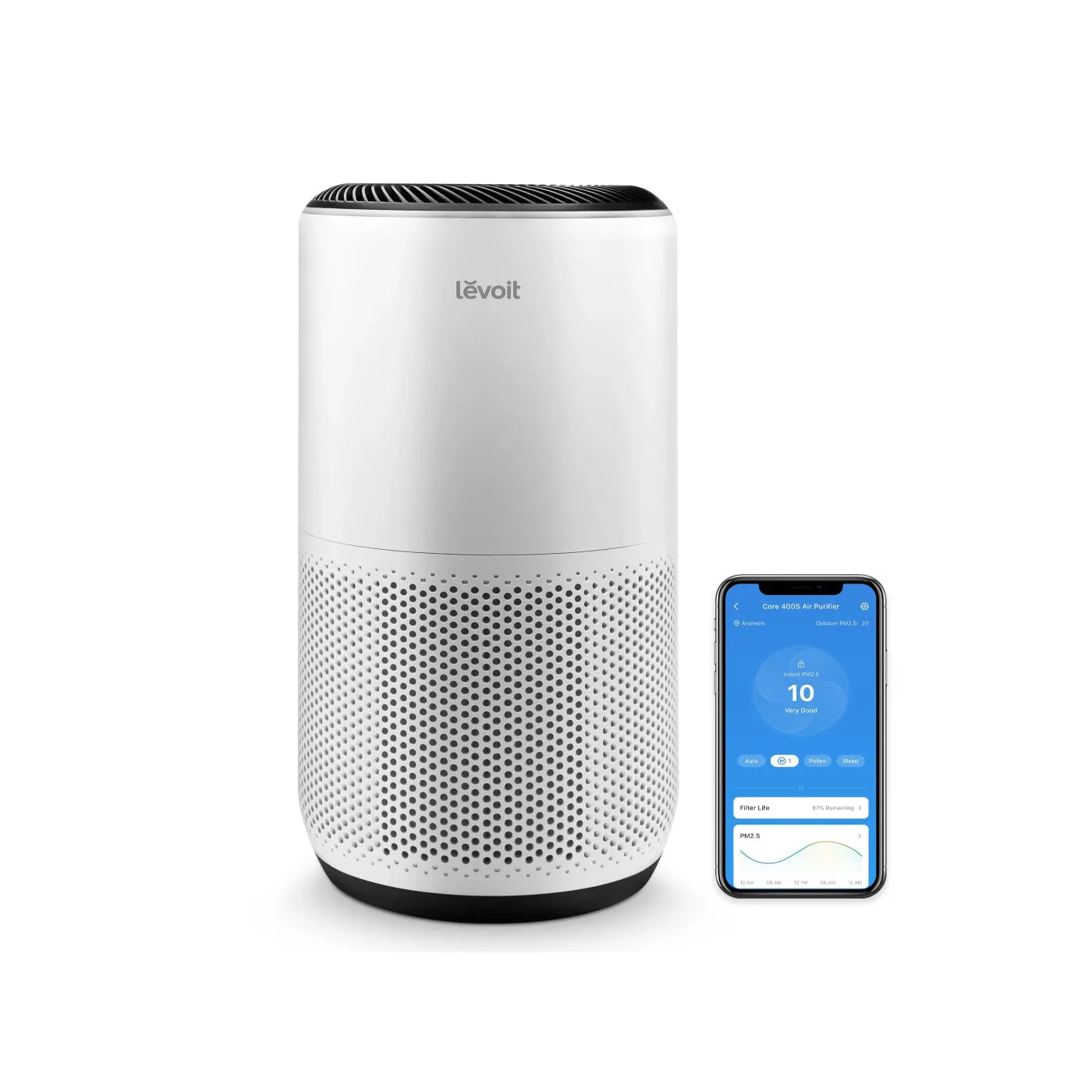
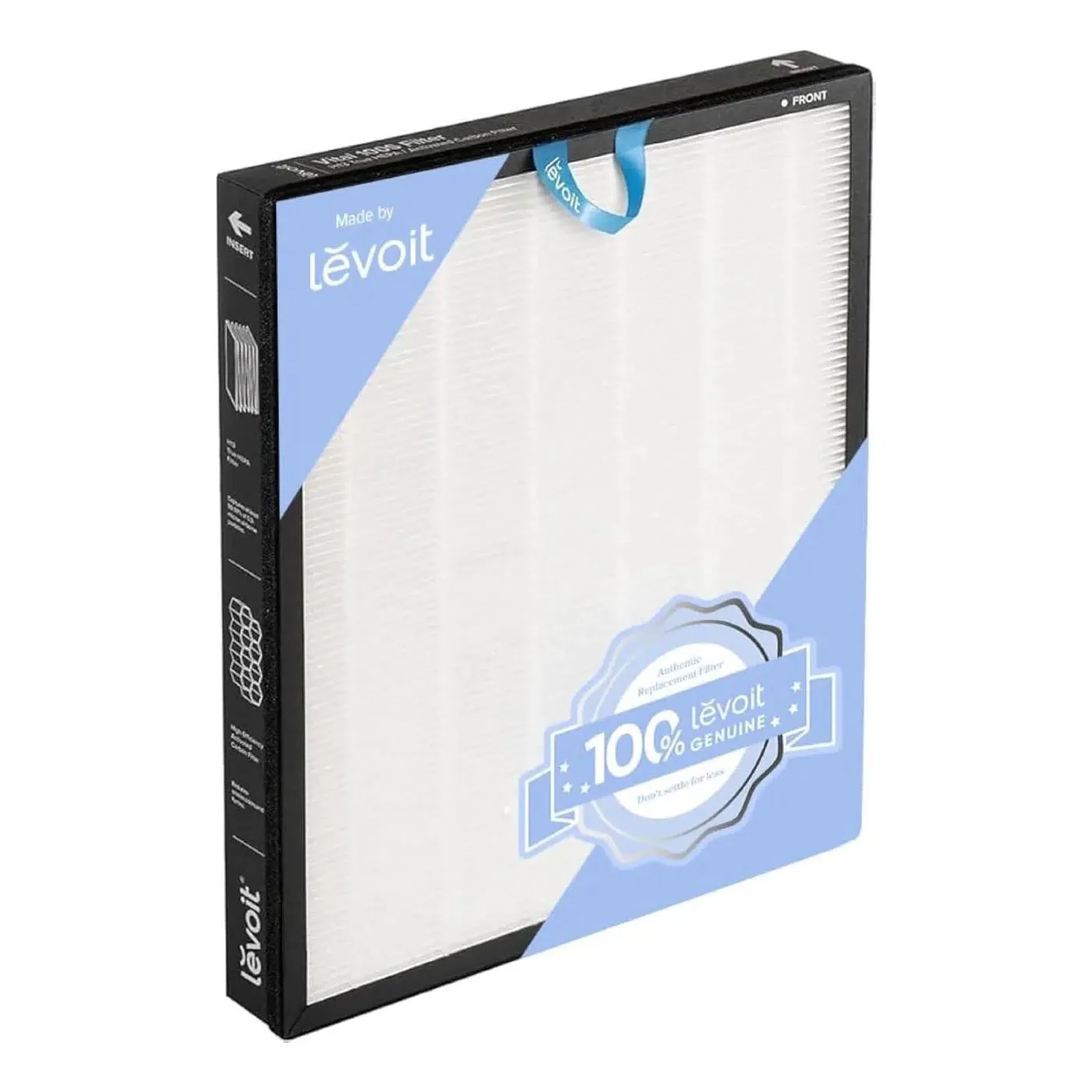
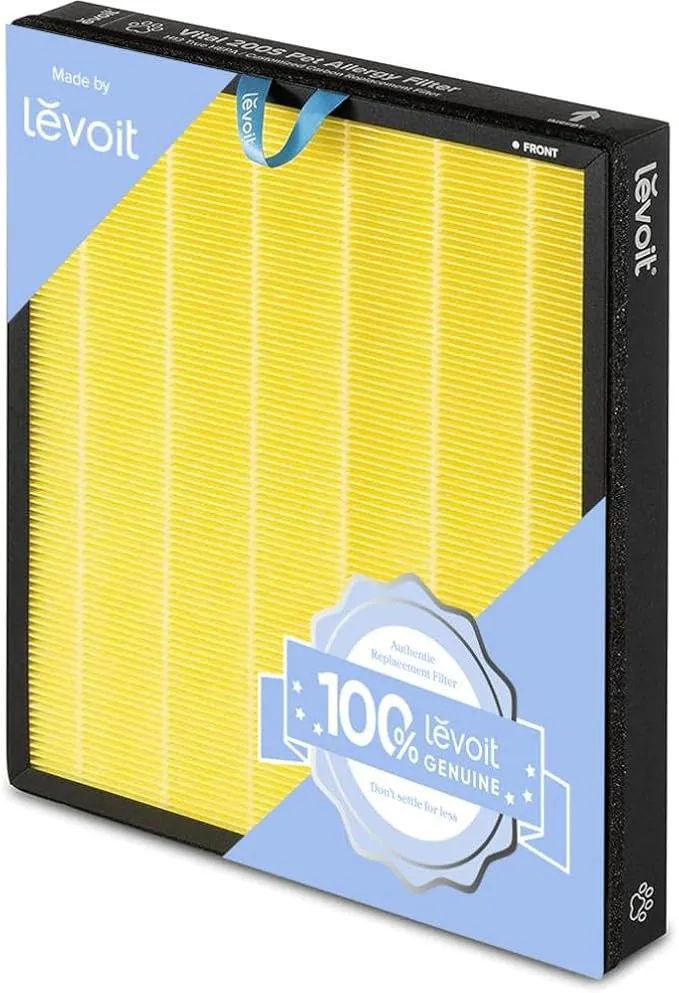
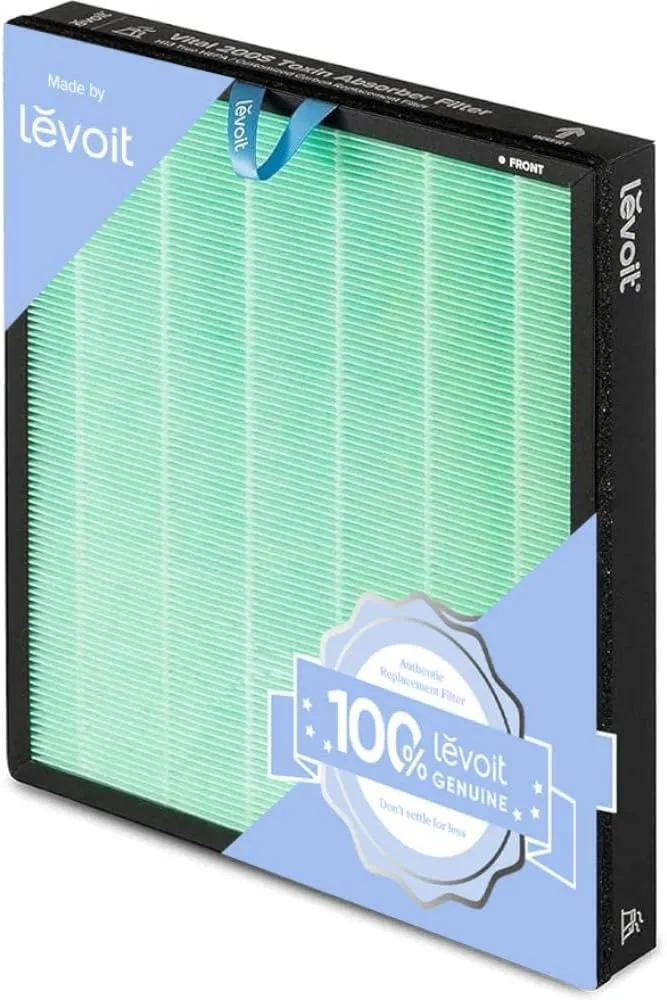
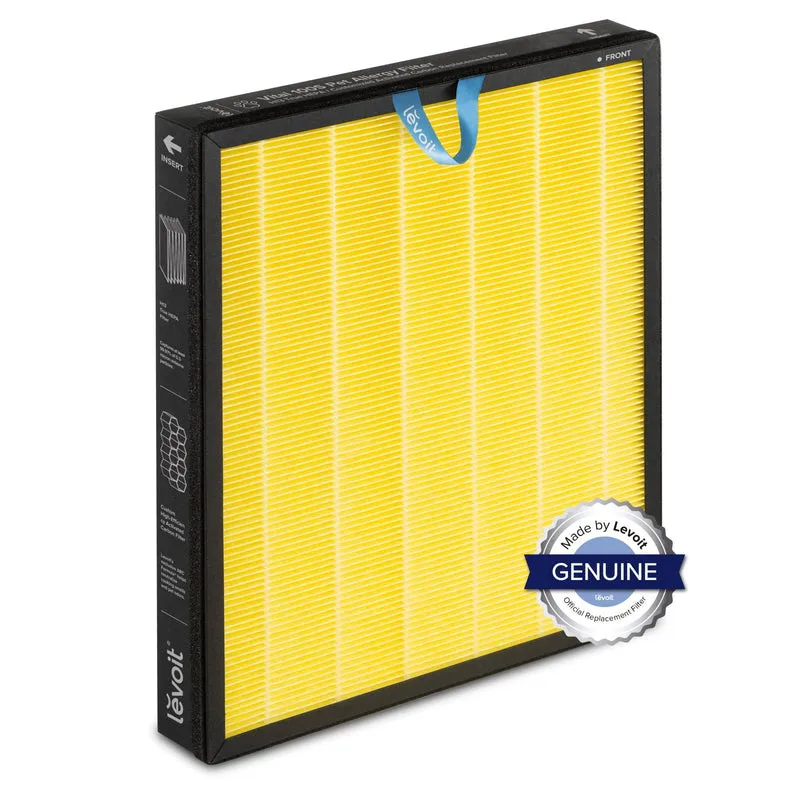
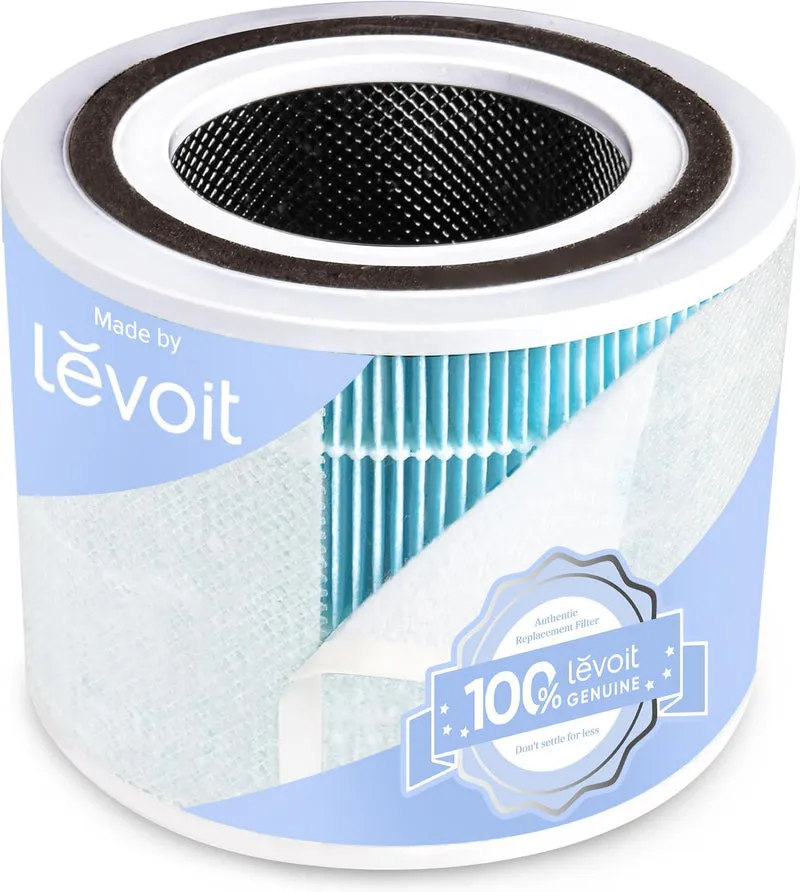
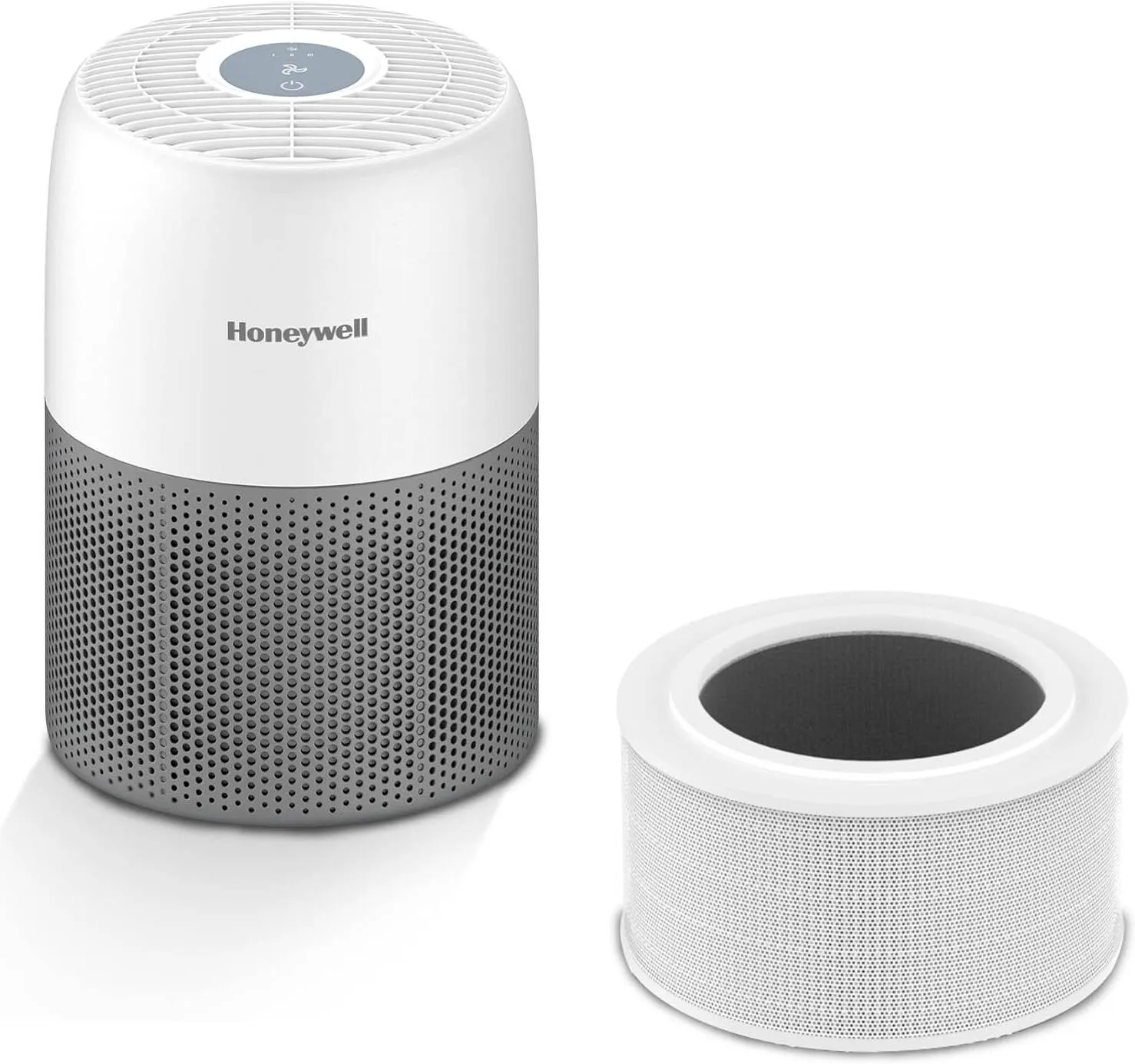
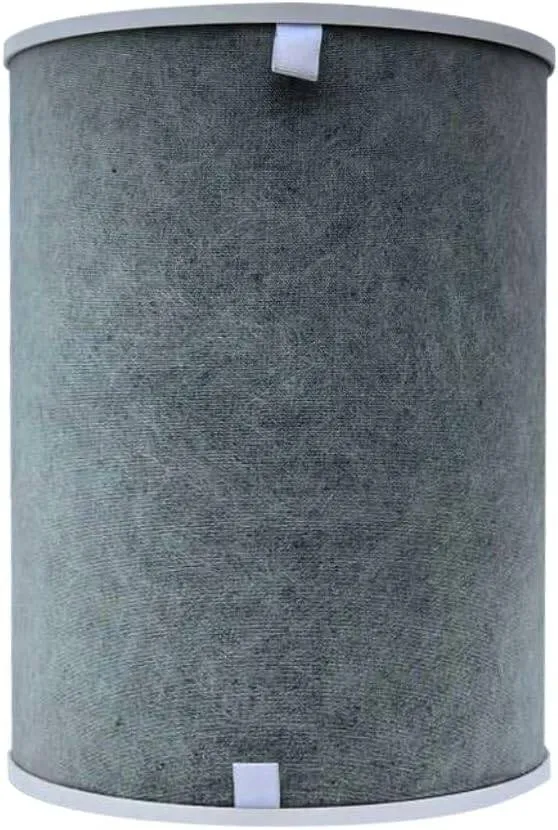
For residents and businesses across the UAE, professional dust removal services and premium air quality products provide the foundation for lasting results. Whether you need a True HEPA air purifier from Blueair, Honeywell, or Levoit, replacement filters for an existing unit, or guidance on choosing the right equipment for your space, Clean Air AE supplies products suited for both homes and commercial environments, with fast delivery across Dubai, Abu Dhabi, and the broader UAE market. Starting with the right equipment is the most reliable way to move from reactive cleaning to consistent, measurable air quality improvement.
Frequently asked questions
How often should AC filters be replaced in the UAE?
In the UAE, AC filters should be replaced every 4-6 months due to high dust levels, not the 12-month cycle printed on most packaging. Waiting longer means running on a clogged, inefficient system.
Does professional duct cleaning really make a difference?
Yes, professional duct cleaning using proper methods can reduce visible dust for 12 to 24 months. Proof of work, including before-and-after photos and inspection reports, is essential to confirm the job was done correctly.
What is true HEPA, and why does it matter?
True HEPA filters remove 99.97% of dust particles down to 0.3 microns, which is the standard needed to address UAE’s fine desert dust and PM2.5 pollution. “HEPA-like” products do not meet this standard.
Can I just use regular vacuum cleaners for dust removal?
Regular vacuums recirculate fine particles through their exhaust rather than trapping them. Only HEPA-grade vacuums with fully sealed systems capture the tiny particles that cause the most health problems.