










































Uncategorised
Effects of poor air quality on your health: UK guide
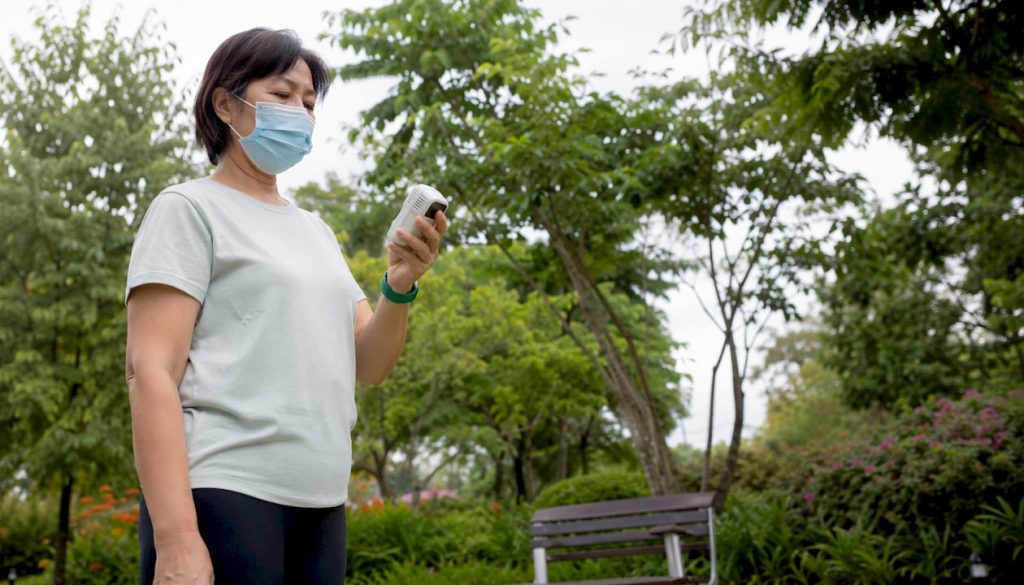
Poor air quality increases short-term respiratory irritation and triggers asthma attacks and cardiovascular events; over years, it raises the risk of heart disease, lung cancer, impaired lung development, and neurological decline. The single most important immediate action is to check the UK Air Quality Index and reduce your exposure on high-pollution days.
WHO estimates attribute around 6.6 million premature deaths globally each year to air pollution, with a large proportion of deaths linked to non-communicable diseases. IARC classifies outdoor air pollution and particulate matter as a Group 1 human carcinogen, the same category as tobacco smoke.
Three steps to act on now:
- Check the UK-AQI for your local area before going outdoors (DEFRA’s website or the UK Air app).
- On moderate-to-high pollution days, reduce strenuous outdoor activity and keep windows closed.
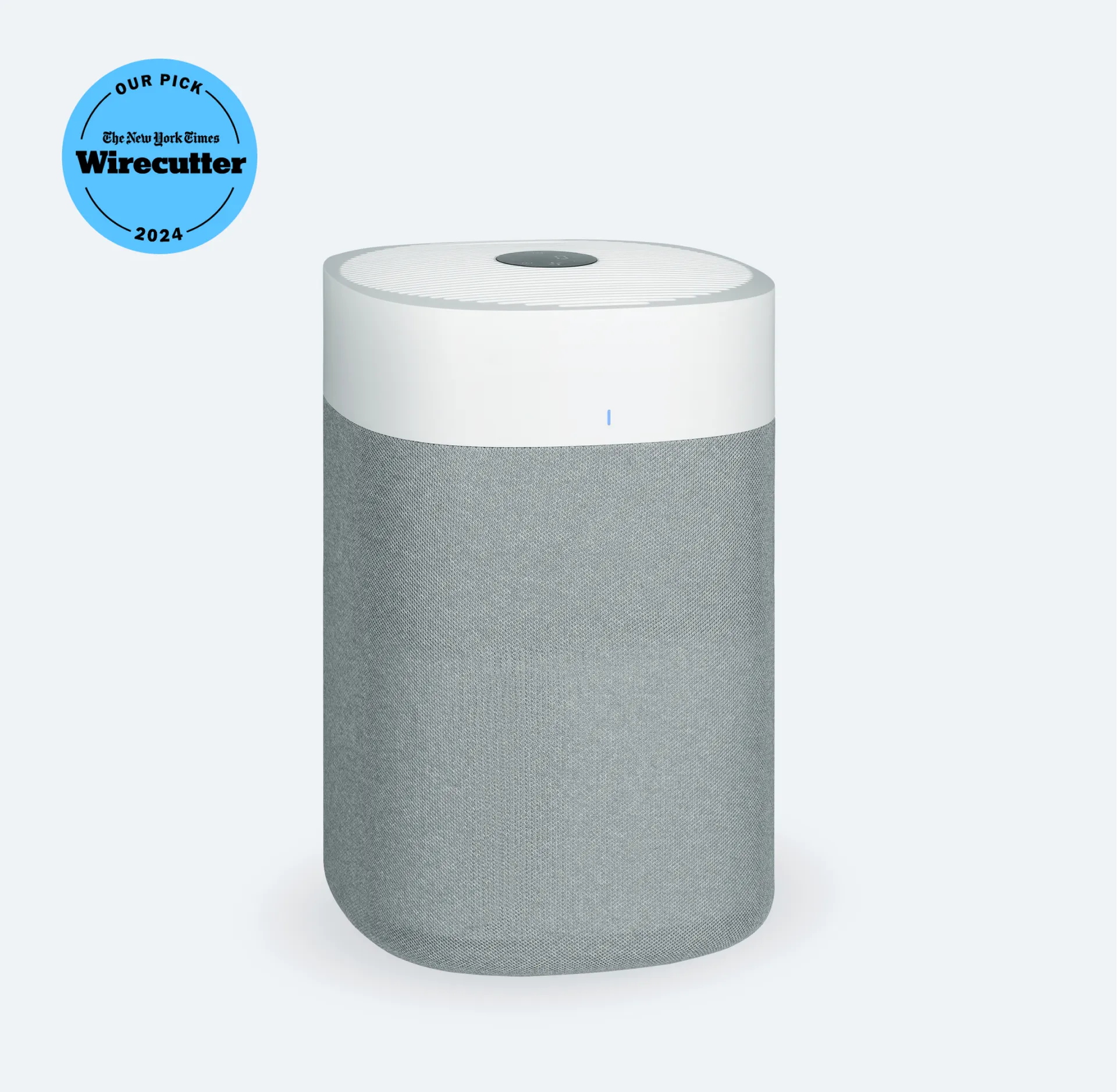
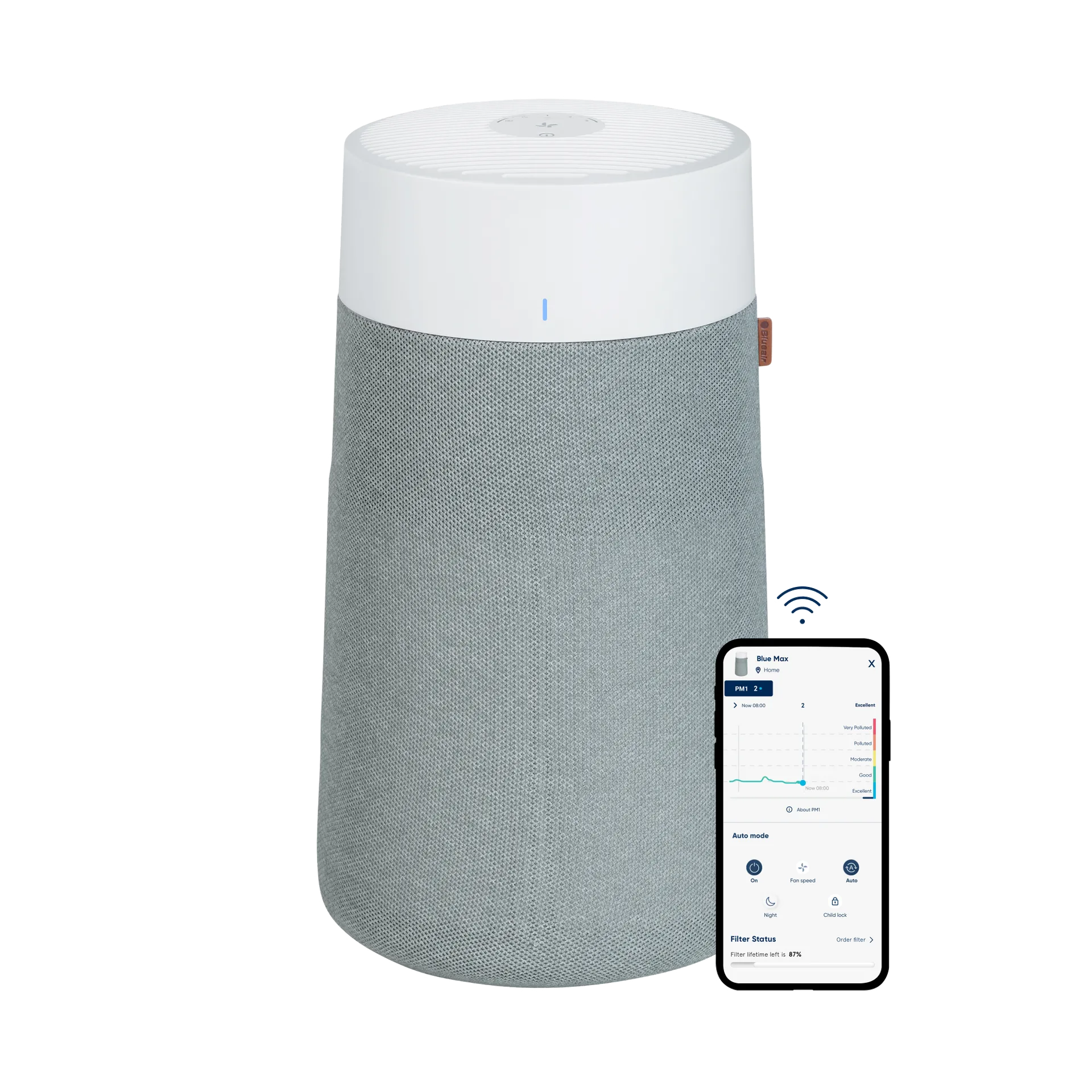
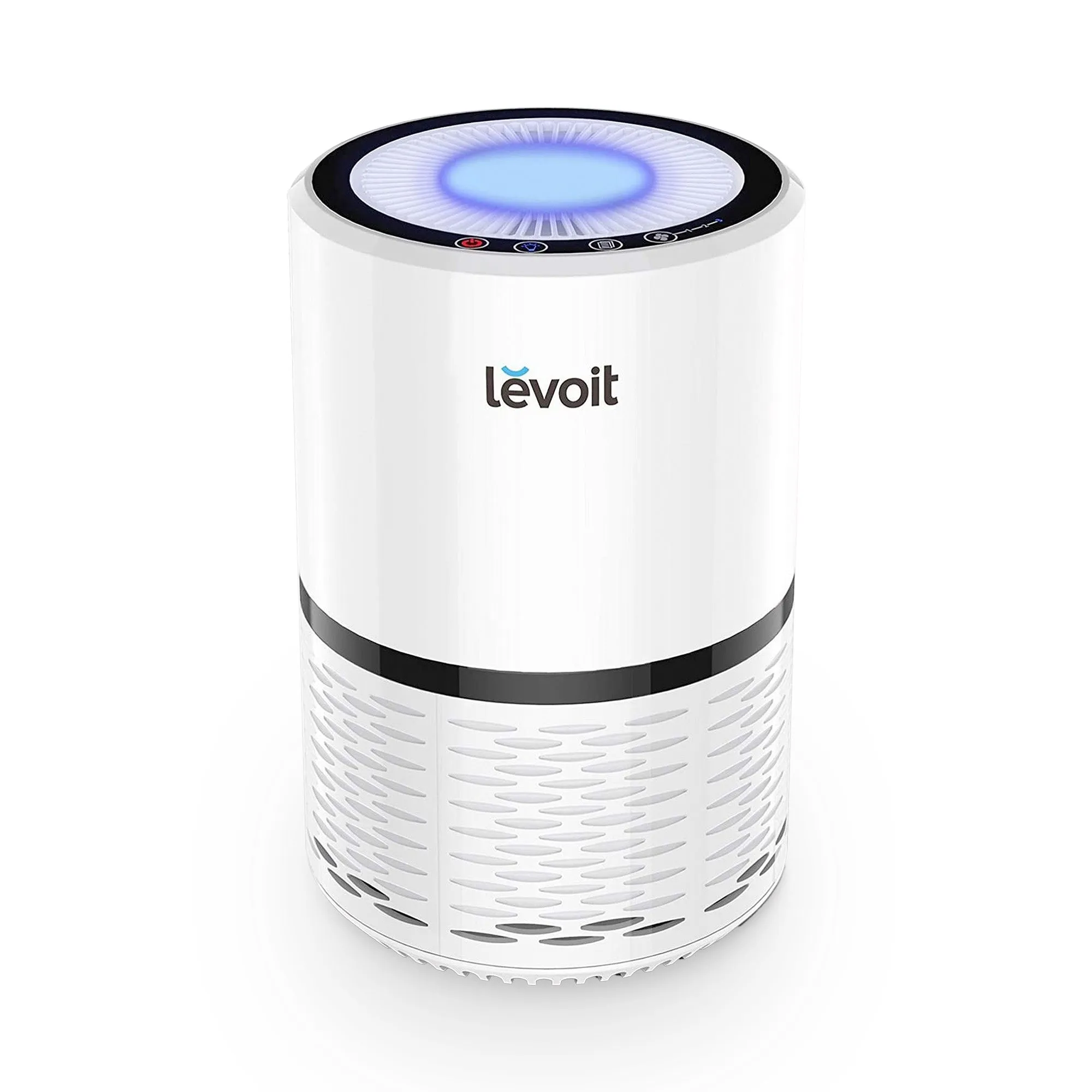
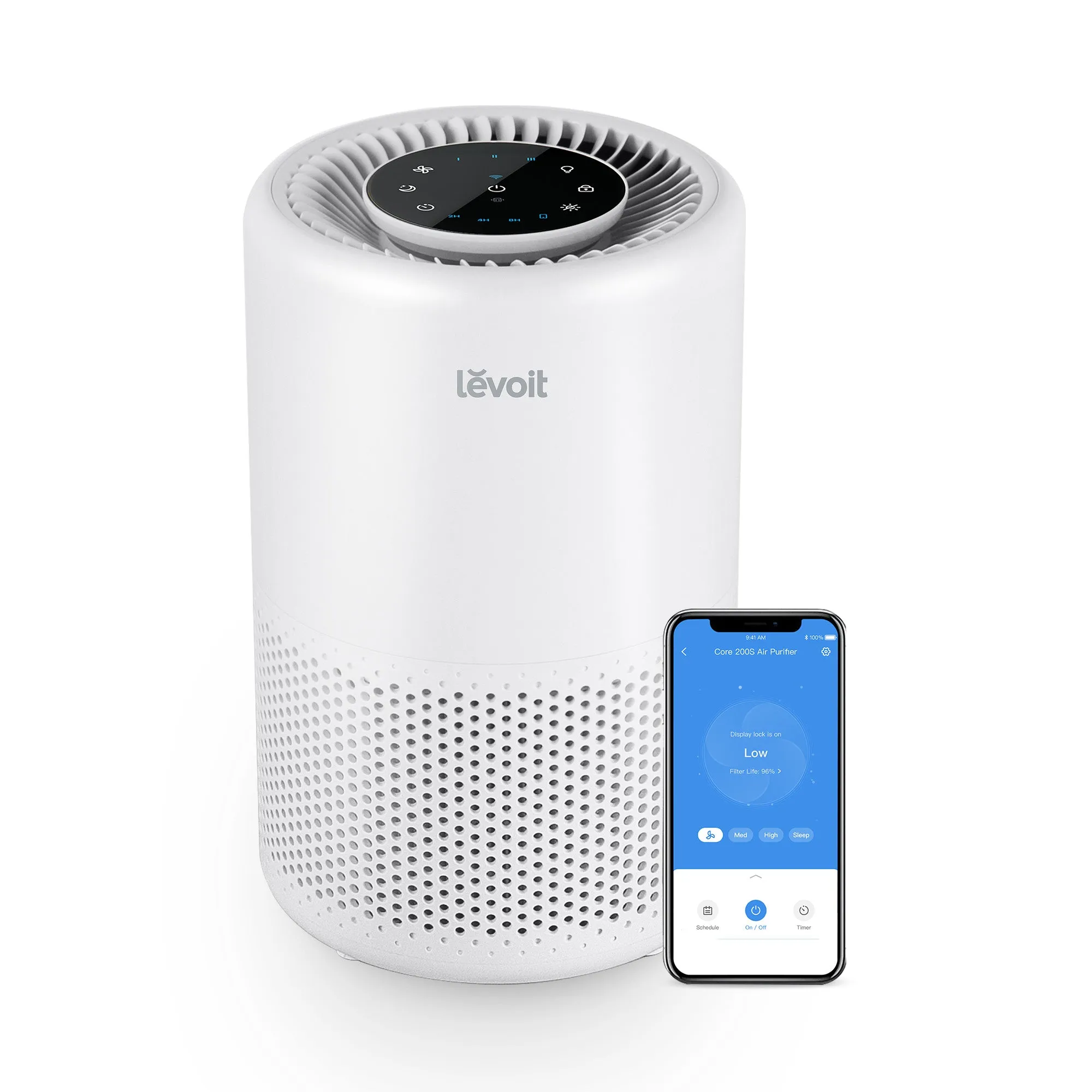
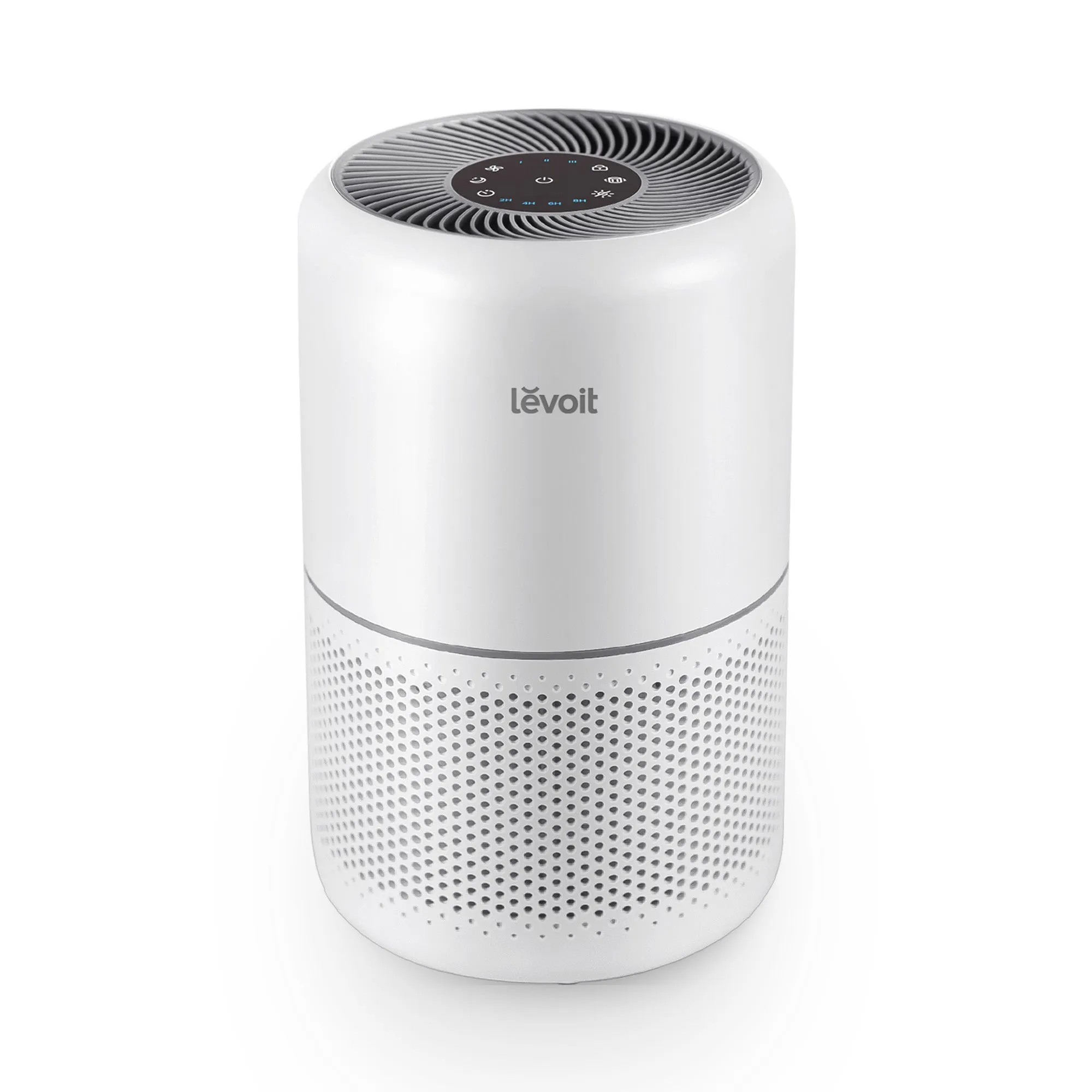
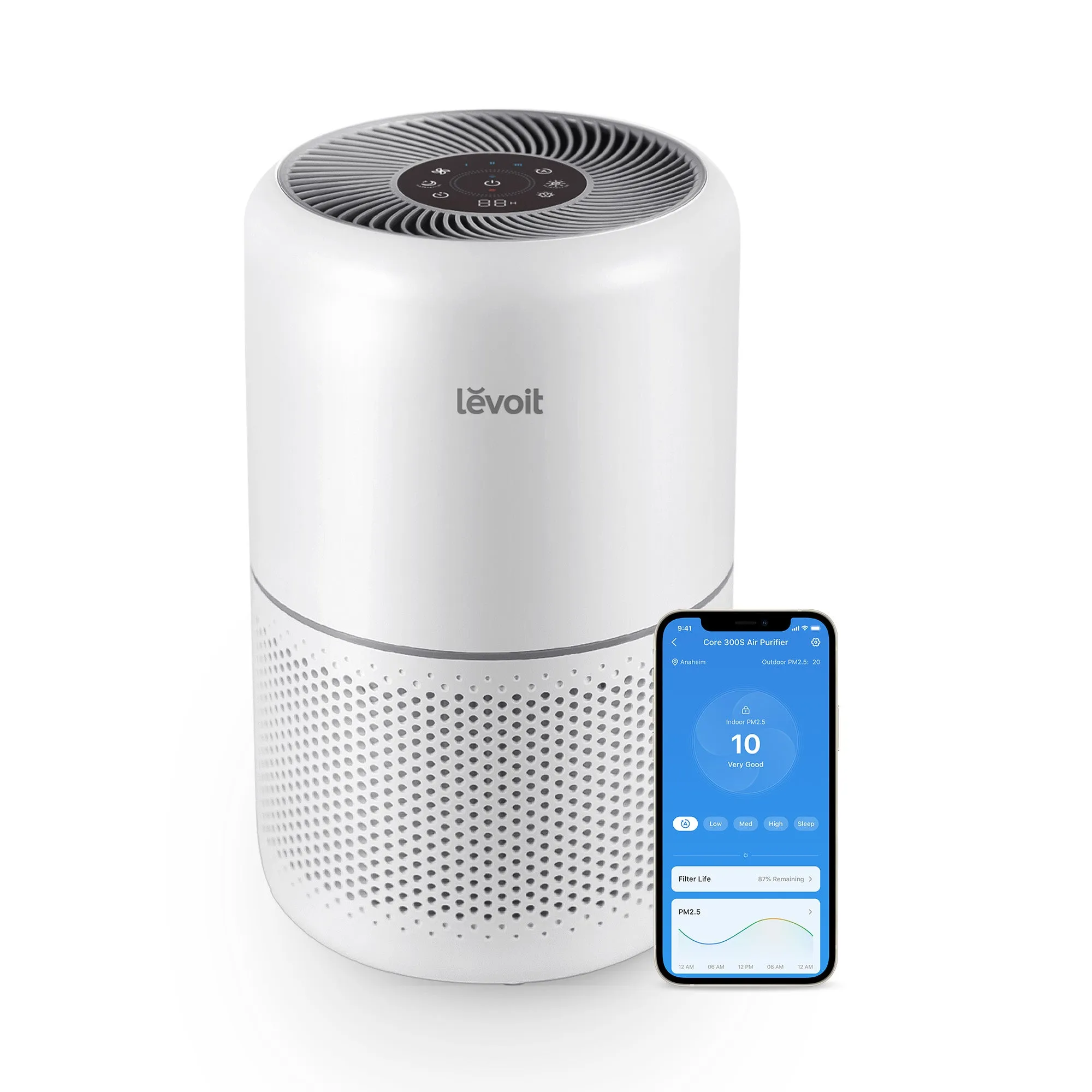
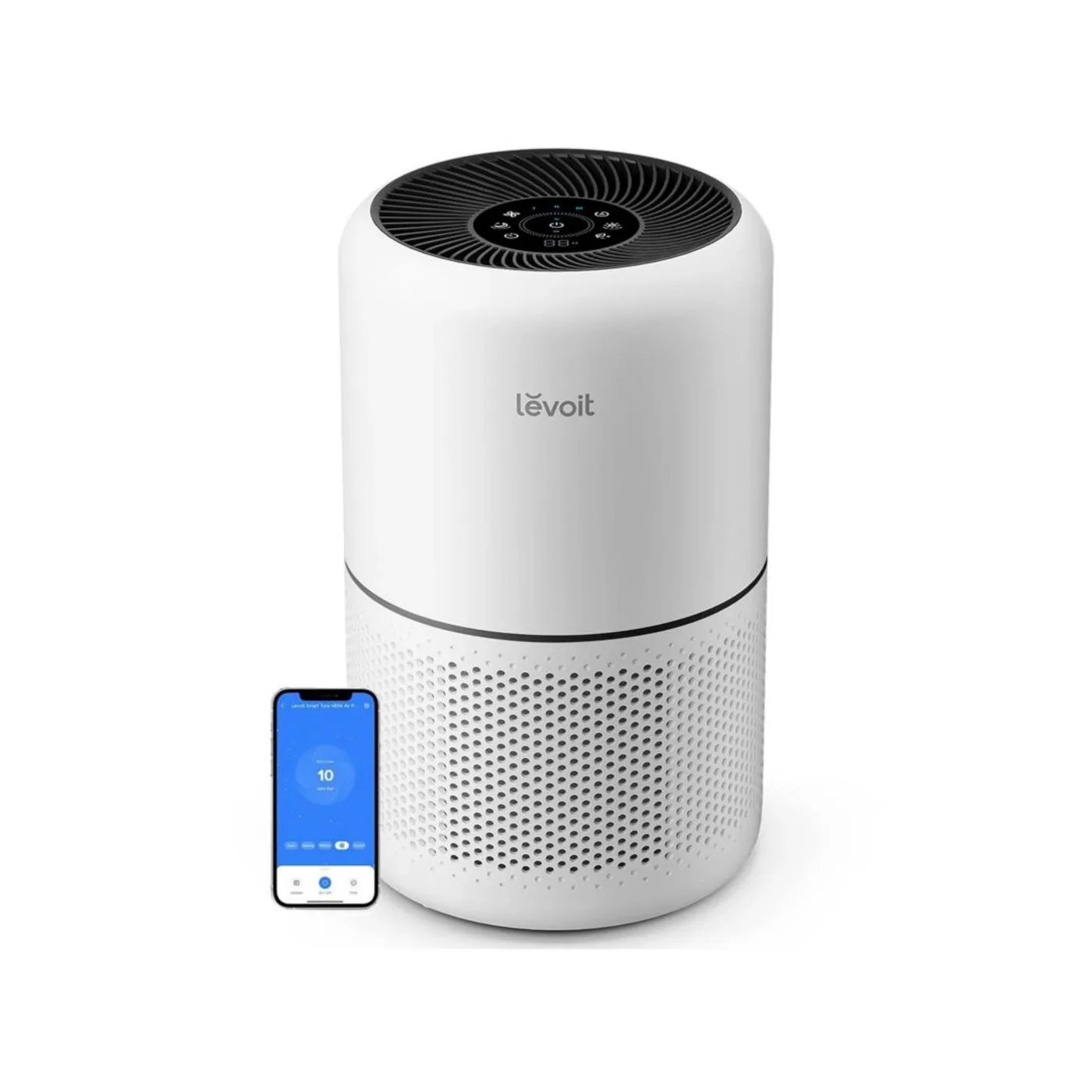
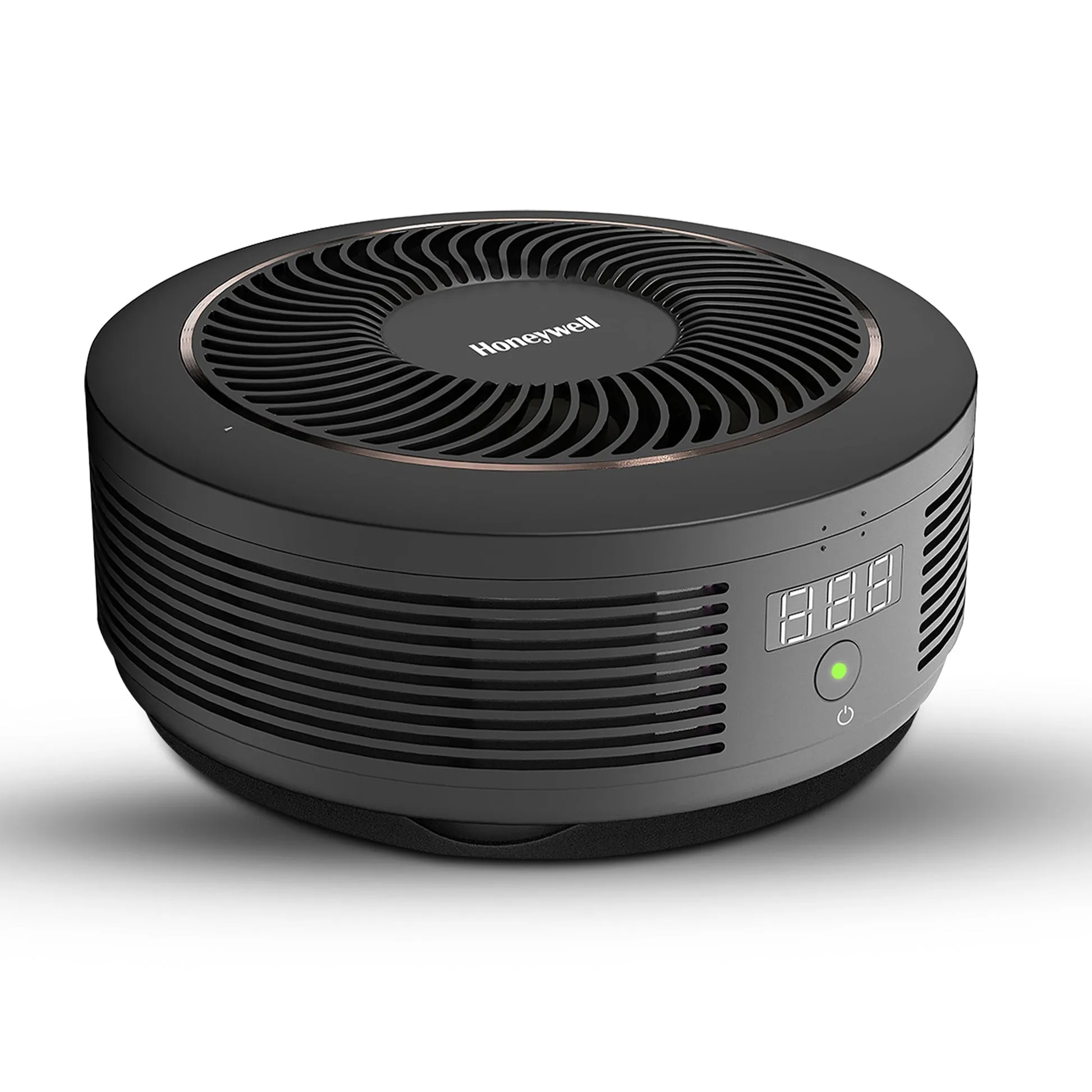
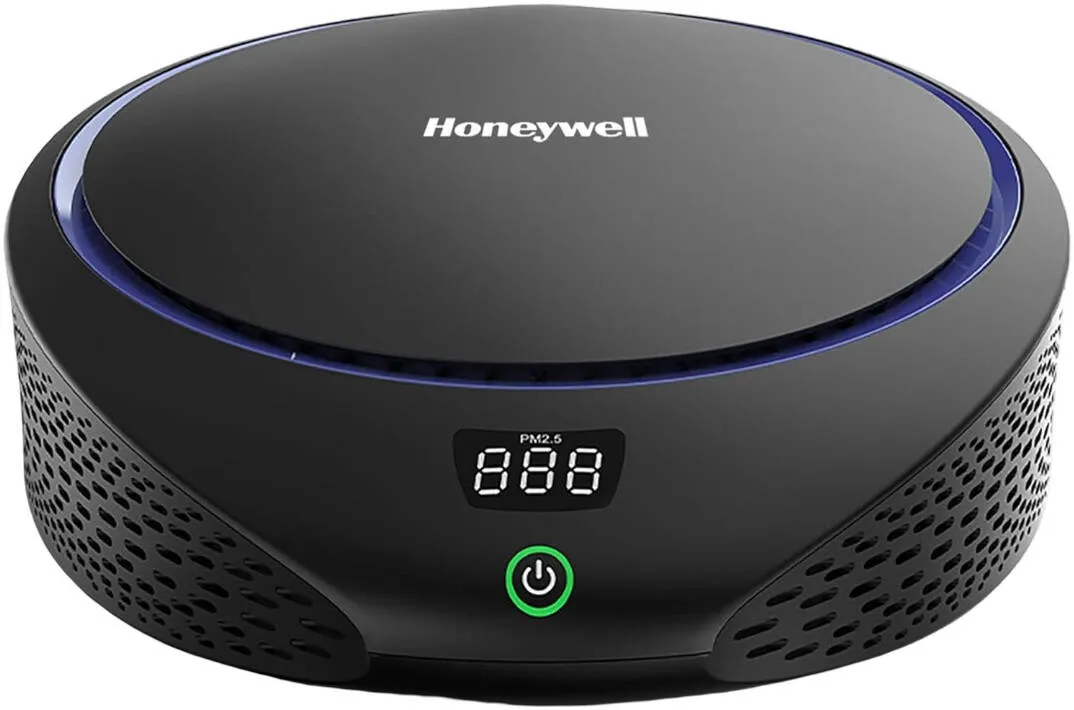
- Protect indoor air: use a HEPA-filtered air purifier, particularly in rooms where children or older adults spend the most time.
Table of Contents
- What does ‘poor air quality’ actually mean?
- What are the short-term effects of poor air quality?
- What are the long-term health effects of poor air quality?
- Who is most at risk from air pollution?
- How can you tell if air quality is affecting you?
- How is air quality measured in the UK?
- How to reduce your exposure at home, outdoors, and in transit
- What population-level measures reduce long-term harm?
- Recent research: neurological links, inequalities, and reversibility
- Key takeaways
- Why the evidence on air quality deserves more attention than it gets
- Useful sources and where to read more
What does ‘poor air quality’ actually mean?
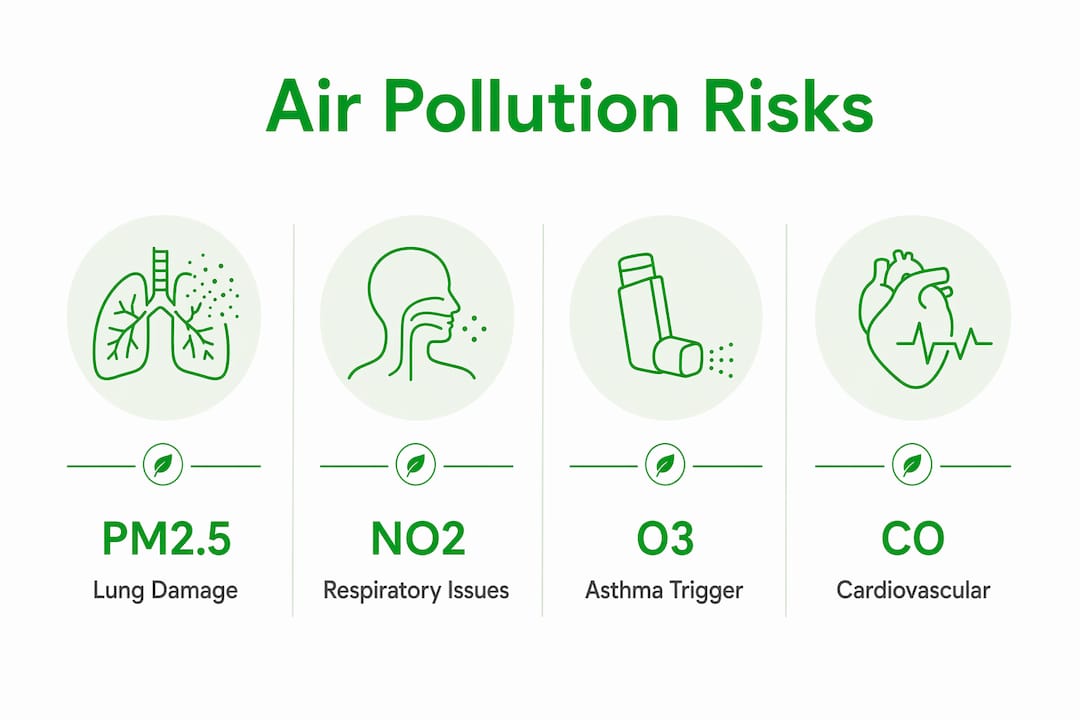
In the UK, “poor air quality” refers to outdoor or indoor air containing pollutants at concentrations high enough to harm health. DEFRA monitors ambient air against the UK Air Quality Index (UK-AQI), which covers six key pollutants. The index runs from 1 (Low) to 10 (Very High), and readings above 4 carry health advice for sensitive groups.
The main pollutants, their sources, and their primary health concerns are summarised below.
| Pollutant | Common sources | Primary health concern |
|---|---|---|
| PM2.5 (fine particles) | Vehicle exhaust, wood burning, industry, wildfire smoke | Penetrates deep into lungs and bloodstream; cardiovascular and neurological harm |
| PM10 (coarse particles) | Road dust, construction, agriculture | Respiratory irritation; aggravates asthma and COPD |
| NO2 (nitrogen dioxide) | Diesel vehicles, gas appliances, power stations | Airway inflammation; increased asthma risk |
| O3 (ozone) | Formed from sunlight reacting with vehicle/industrial emissions | Chest tightness, reduced lung function |
| SO2 (sulphur dioxide) | Coal and oil combustion, industrial processes | Bronchoconstriction; aggravates respiratory disease |
| VOCs (volatile organic compounds) | Paints, cleaning products, furnishings, gas cooking | Eye and throat irritation; some are carcinogenic |
| Smoke / PAHs | Wood burners, tobacco, wildfires, bonfires | Lung irritation; carcinogenic compounds |
Indoor sources deserve equal attention. Gas hobs and boilers emit NO2 directly into living spaces. Tobacco smoke, vaping aerosols, mould, synthetic furnishings, and household cleaning products all contribute VOCs and fine particles. Understanding indoor vs outdoor air quality helps clarify which sources are driving your personal exposure, since the two environments interact constantly through ventilation gaps and open windows.
What are the short-term effects of poor air quality?

Acute symptoms can appear within hours of elevated exposure. Short-term exposure to elevated pollution is associated with reduced lung function, asthma exacerbations, increased emergency visits, and acute cardiac problems.
Common symptoms by timeline:
- Within 1–3 hours: eye, nose, and throat irritation; runny nose; coughing; headache
- Within 3–12 hours: wheeze, chest tightness, shortness of breath, fatigue
- Within 12–48 hours: worsening asthma or COPD, reduced exercise tolerance, dizziness, nausea
People with asthma or COPD can experience a full exacerbation on the same day as a high-pollution event. For those with heart disease, fine particles entering the bloodstream can trigger arrhythmias and acute coronary events within 24 hours of exposure.
Wildfire smoke raises PM2.5 dramatically and has been linked to preterm birth and developmental effects when pregnant people are exposed, making smoke events a particular concern beyond standard pollution episodes.
Short-term protective steps:
- Check the UK-AQI before outdoor exercise; reschedule runs or cycling to early morning when ozone is lower.
- Keep windows and doors closed during high-pollution alerts; use recirculated air in the car.
- Wear an FFP2 or FFP3 mask if outdoor activity is unavoidable on very high pollution days.
- Keep inhalers, spacers, and any prescribed respiratory medications to hand.
- Contact your GP or NHS 111 if coughing, wheeze, or breathlessness does not improve after moving indoors.
What are the long-term health effects of poor air quality?
Repeated or prolonged exposure to air pollution causes changes at a cellular level that accumulate over years. Breathing pollutants triggers inflammation, oxidative stress, immunosuppression, and mutagenicity in cells throughout the body, affecting the lungs, heart, and brain.
PM2.5 particles are small enough to penetrate lung tissue and enter the bloodstream, which is why long-term exposure is linked to cardiovascular disease and neurological outcomes well beyond the respiratory system. The core chronic outcomes with the strongest evidence are:
- Cardiovascular disease and stroke: ischaemic heart disease and stroke are among the diseases most strongly linked to long-term PM2.5 exposure.
- Lung cancer: IARC’s Group 1 classification confirms outdoor air pollution causes lung cancer; the risk compounds with smoking.
- Chronic obstructive pulmonary disease (COPD): long-term NO2 and PM exposure accelerates lung function decline.
- Impaired lung development in children: exposure during childhood reduces maximum lung capacity reached in adulthood, a deficit that cannot be fully recovered.
- Adverse pregnancy outcomes: maternal exposure is associated with low birth weight, preterm birth, and small-for-gestational-age births.
- Dementia and neurological disorders: emerging evidence links long-term PM2.5 exposure to cognitive decline and increased dementia risk.
- Diabetes and metabolic disease: suggestive evidence links chronic exposure to insulin resistance and type 2 diabetes.
“Almost every organ in the body can be impacted by air pollution. Due to their small size, some air pollutants are able to penetrate into the bloodstream via the lungs and circulate throughout the entire body, leading to systemic inflammation and carcinogenicity.”
— WHO, Air Quality, Energy and Health
The reversibility evidence is encouraging. Cohort studies show that improved air quality is linked to lower dementia risk in older adults, with some research equating the cognitive benefit to a reduction of several years of biological ageing. This means reducing exposure now carries measurable long-term benefit, not just prevention of future harm. For a broader look at how cleaner air supports health outcomes, the clean air and wellness guide covers the supporting evidence in detail.
Who is most at risk from air pollution?
Children, pregnant people, older adults, and those with pre-existing heart or lung disease carry the greatest burden of harm, and socioeconomic factors compound both exposure and outcomes.
- Children: developing lungs are more permeable to fine particles; early-life exposure reduces peak lung capacity and raises lifetime disease risk.
- Pregnant people: PM2.5 and NO2 exposure is associated with preterm birth, low birth weight, and possible effects on foetal brain development.
- Older adults: reduced immune response, greater likelihood of comorbidities, and cumulative lifetime exposure all amplify risk.
- People with asthma, COPD, or heart disease: existing inflammation and reduced physiological reserve mean smaller pollution increases trigger clinically significant events.
- Outdoor workers: construction workers, delivery drivers, and agricultural workers face higher cumulative daily doses than office-based workers.
- Socioeconomically disadvantaged communities: proximity to industrial sources, busy roads, and underlying health problems compound exposure and reduce access to mitigation options such as air purifiers or relocation.
Practical implications by group:
Parents should check the UK-AQI before school runs and outdoor play, and consider HEPA filtration in children’s bedrooms. Pregnant people are advised to avoid high-traffic routes and to keep indoor air clean throughout pregnancy. Older adults with heart or lung conditions should treat high-pollution days as they would extreme weather, staying indoors with filtered air. Employers with outdoor workers should monitor local AQI and provide FFP2 masks and rest breaks on high-pollution days.
For family-specific guidance, the family health guide to clean air covers year-round protection for children and vulnerable household members.
How can you tell if air quality is affecting you?
Distinguishing air-quality symptoms from a cold or seasonal allergy is not always straightforward. The most useful diagnostic clue is the symptom cycle: symptoms that appear or worsen in a specific location and improve when you leave, then return on re-entry. This pattern strongly suggests the problem is the air in that environment rather than a systemic illness.
Signs of unhealthy indoor air include sudden headaches, nausea, and dizziness that improve when you leave the building. Outdoors, the equivalent is symptoms that worsen on high-AQI days and ease on low-pollution days.
A practical self-monitoring checklist:
- Note when symptoms started and whether they coincide with a pollution event, a change in location, or a new indoor source (renovation, new furniture, gas appliance).
- Track whether symptoms improve away from home or work and return on re-entry.
- Compare your symptom diary against the local UK-AQI for the same dates.
- Rule out infection: air-quality symptoms typically lack fever and do not spread to household contacts.
- Share the diary with your GP; a documented exposure-symptom pattern helps clinicians reach a faster diagnosis.
Red flags requiring urgent care: severe breathlessness at rest, chest pain, bluish lips or fingertips, or fainting. Call 999 or go to A&E immediately. For persistent coughing, wheeze, or increased asthma symptoms that do not improve indoors, contact NHS 111 or your GP.
How is air quality measured in the UK?
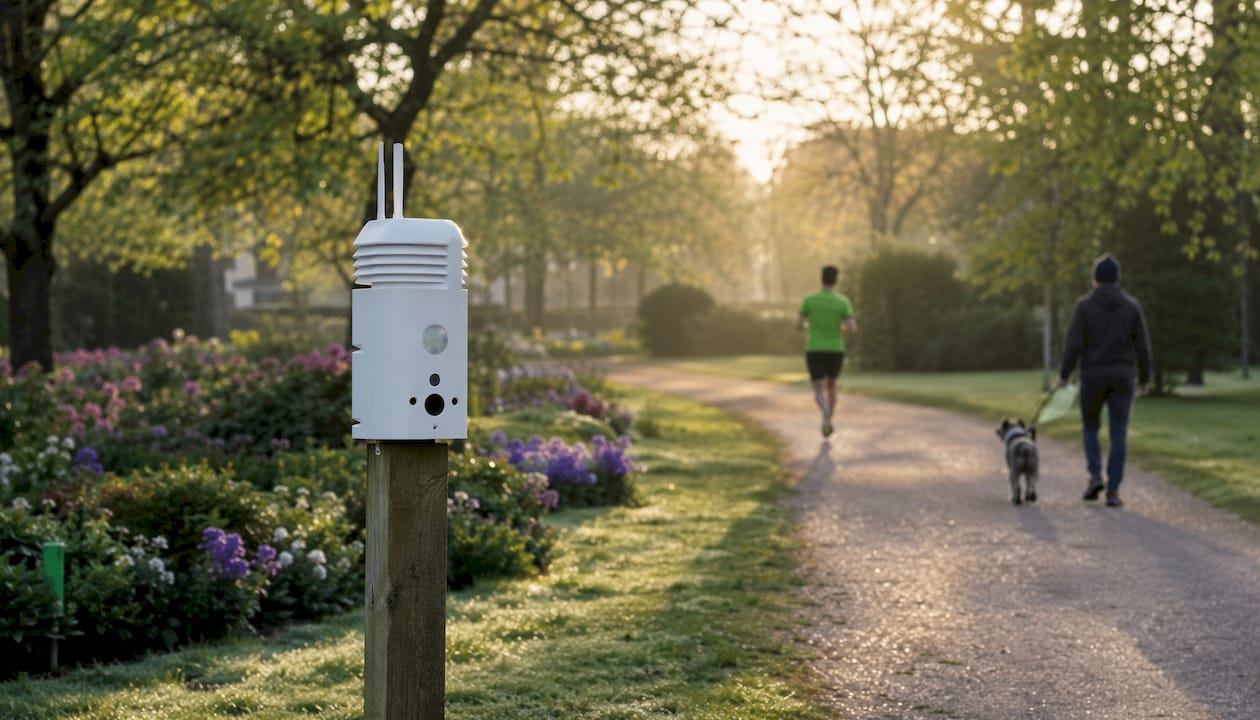
DEFRA operates the Automatic Urban and Rural Network (AURN), the UK’s primary ambient air quality monitoring network. Local councils supplement this with their own monitoring under Air Quality Management Areas (AQMAs). The UK-AQI translates raw pollutant concentrations into a single 1–10 index, divided into four health bands.
| UK-AQI band | Index value | Health advice |
|---|---|---|
| Low | 1–3 | No action needed for most people |
| Moderate | 4–6 | Sensitive groups should reduce prolonged outdoor exertion |
| High | — | Sensitive groups avoid outdoor exertion; others reduce it |
| Very High | 10 | Sensitive groups stay indoors; everyone minimises outdoor activity |
How to check your local air quality:
- Visit uk-air.defra.gov.uk for real-time readings and five-day forecasts.
- Use the UK Air app (available on iOS and Android) for location-based alerts.
- Check your local council’s website for AQMA-specific data and alerts.
- Register for email alerts via the DEFRA air quality forecast service.
One important distinction: DEFRA’s network uses a mix of measured readings from physical monitors and modelled estimates for areas without monitors. Modelled readings are reliable for general guidance but may not capture very localised sources such as a nearby construction site or wood-burning neighbour. UKHSA and NHS guidance on high-pollution days is published via GOV.UK and NHS.uk, and both should be bookmarked for reference during pollution episodes.
How to reduce your exposure at home, outdoors, and in transit
Reducing personal exposure is the most direct way to lower your health risk, and most effective steps cost little or nothing.
Outdoors and in transit:
- Schedule outdoor exercise for early morning, when ozone levels are typically lower and traffic is lighter.
- Choose walking routes away from main roads; even a parallel street can reduce NO2 exposure meaningfully.
- Set your car’s ventilation to recirculate when driving in heavy traffic or through tunnels.
- On high-pollution days, wear an FFP2 or FFP3 mask if outdoor activity is unavoidable; standard surgical masks offer limited protection against fine particles.
At home:
- Avoid burning wood, candles, or incense indoors; these are significant indoor PM2.5 sources.
- Use extractor fans when cooking on a gas hob, and open a window briefly after cooking if outdoor air quality is good.
- Keep humidity between 40–60% to discourage mould growth, which releases spores and VOCs.
- A quick walkthrough noting smells, visible moisture, recent renovations, and appliance venting often identifies indoor pollution sources faster than expensive testing.
Air cleaning:
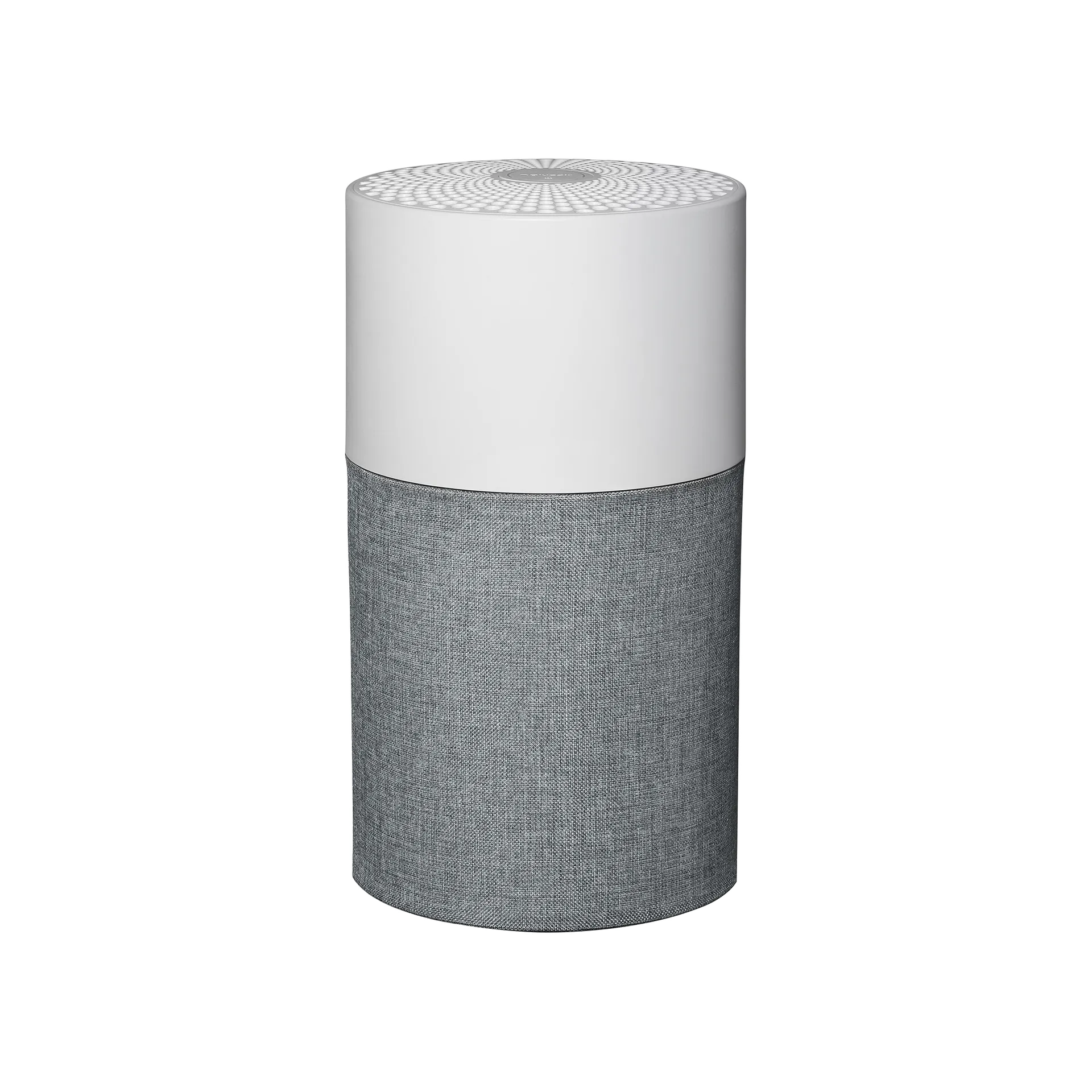
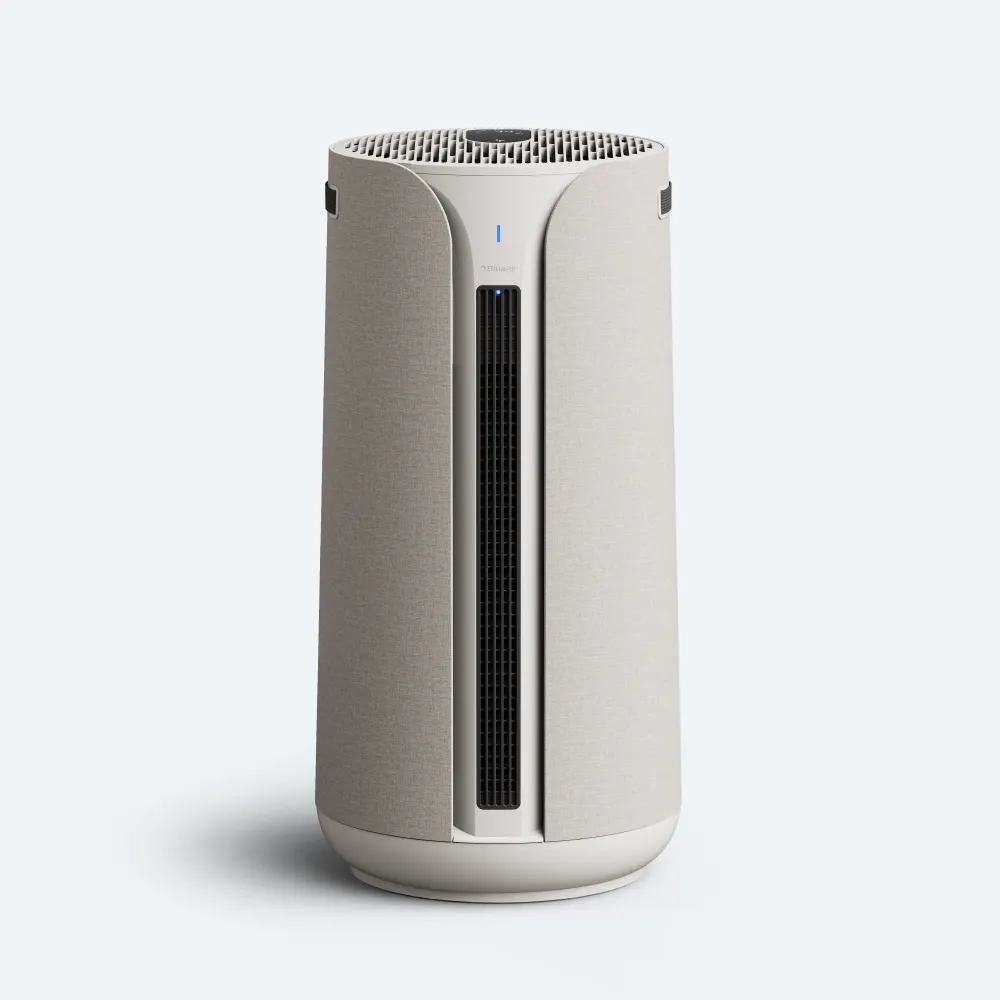
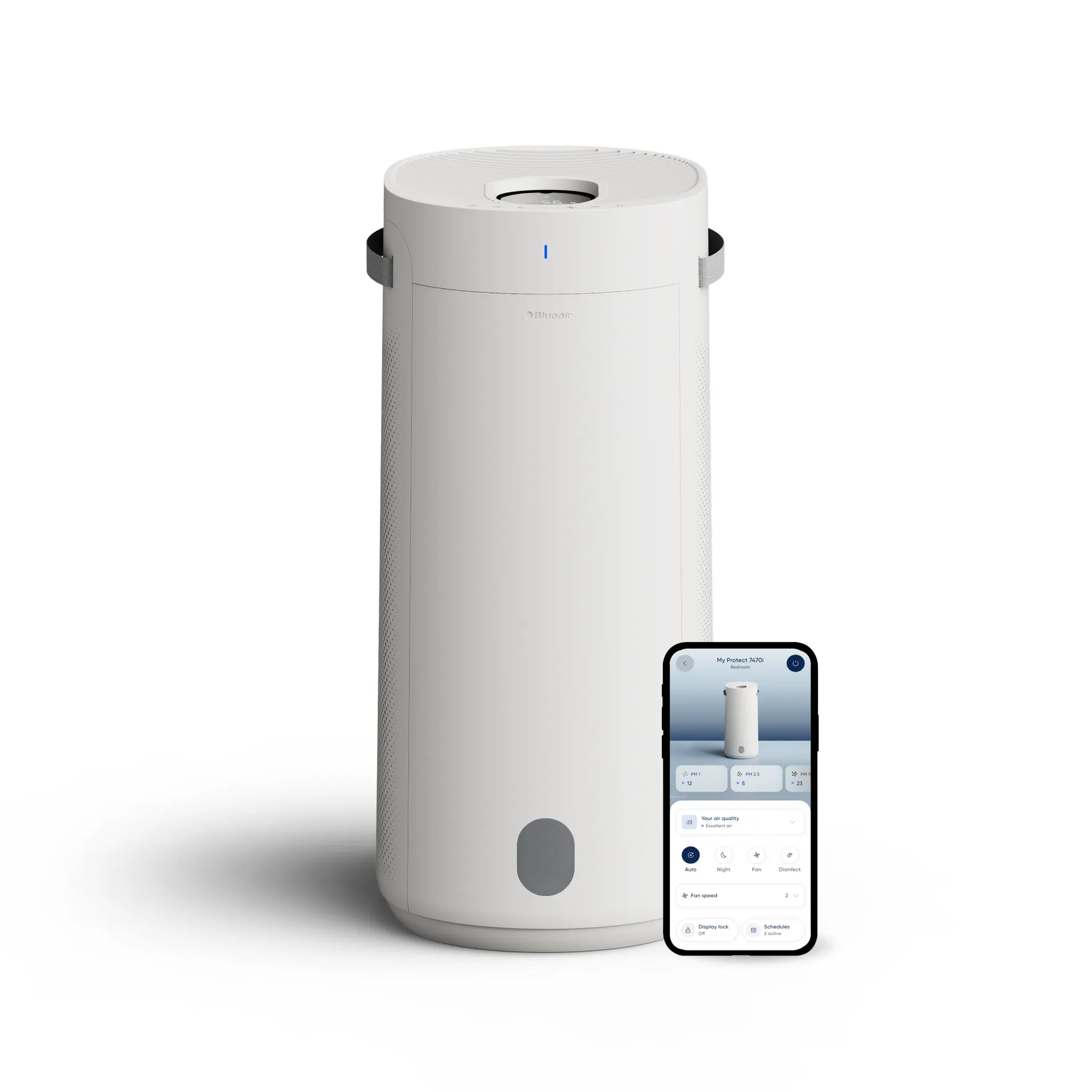
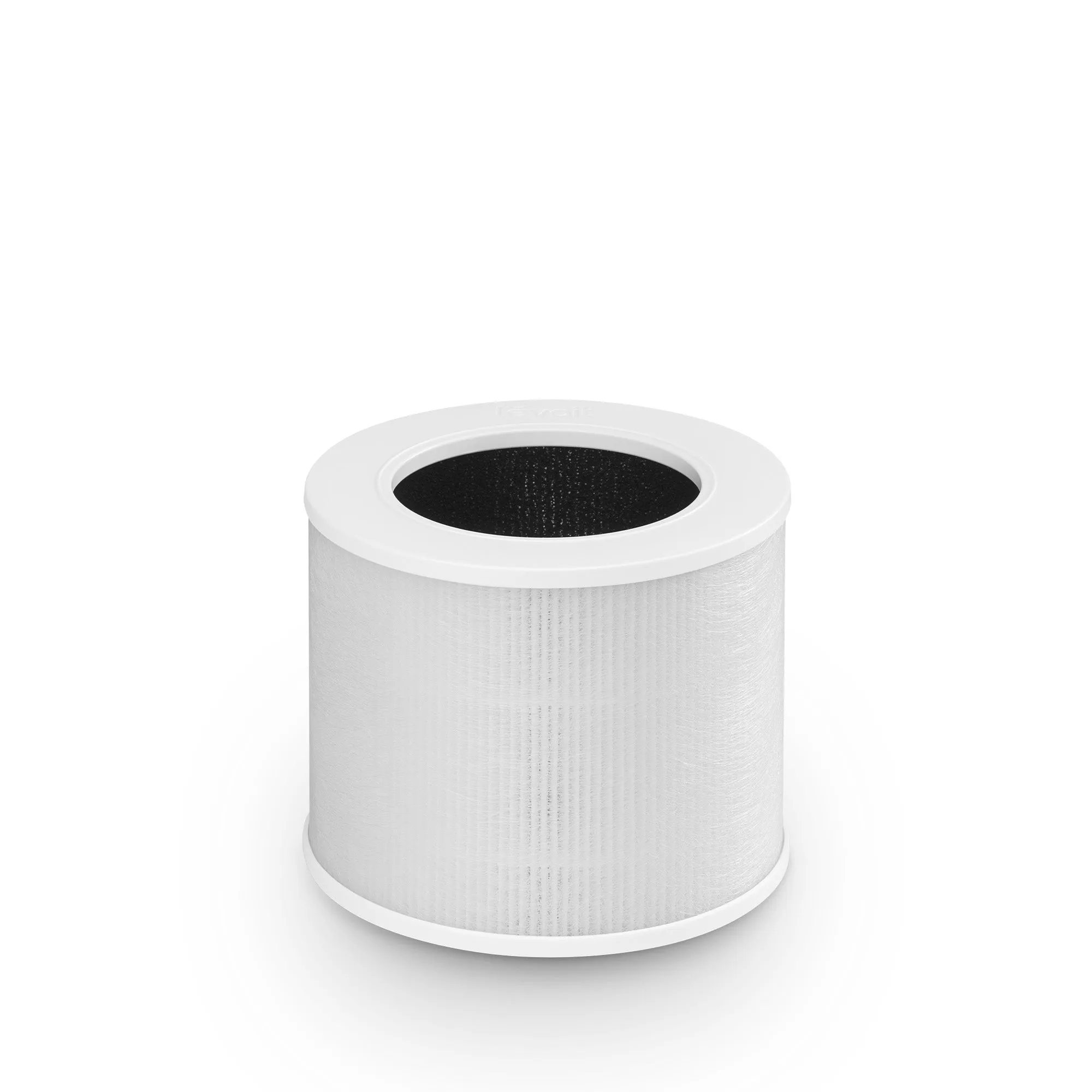
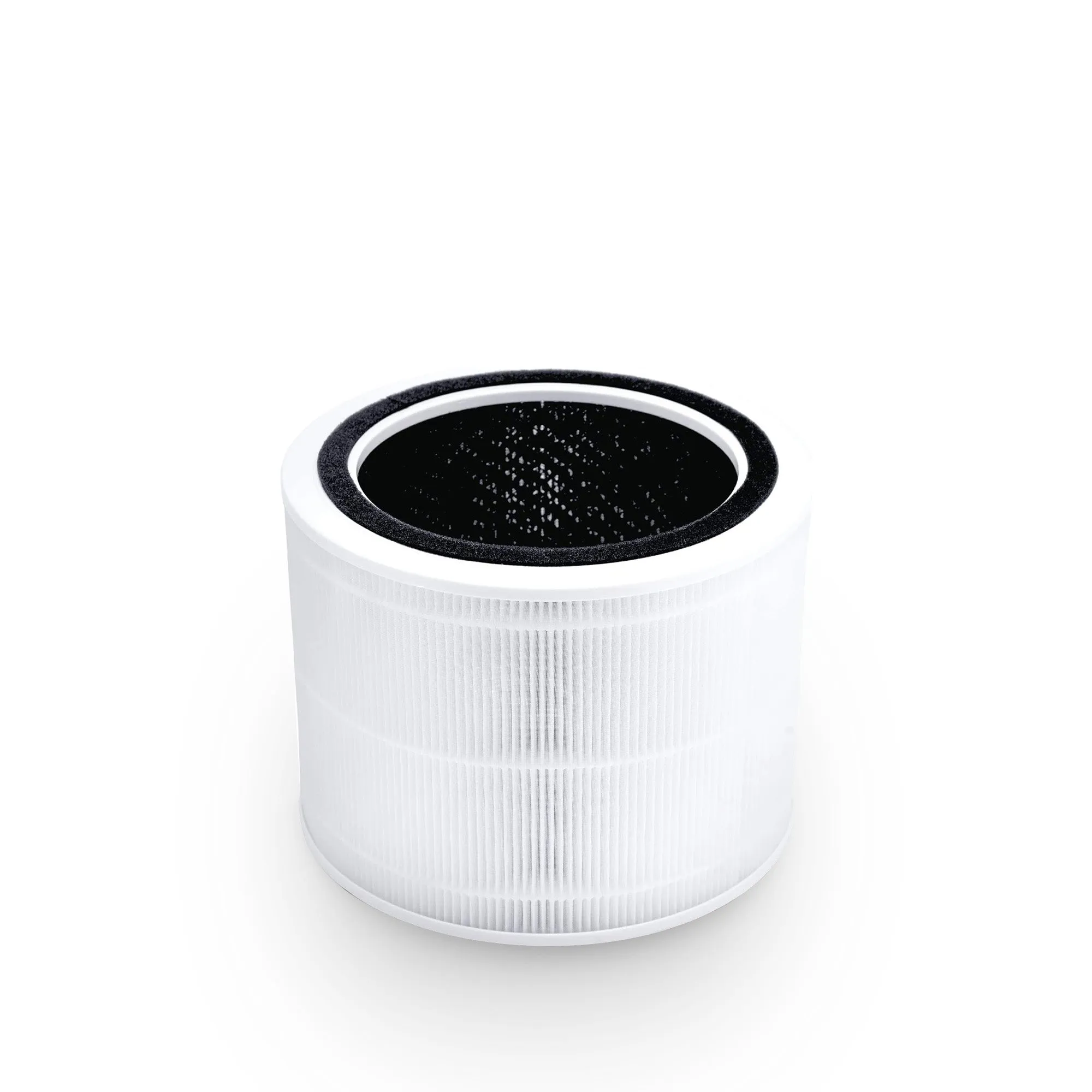
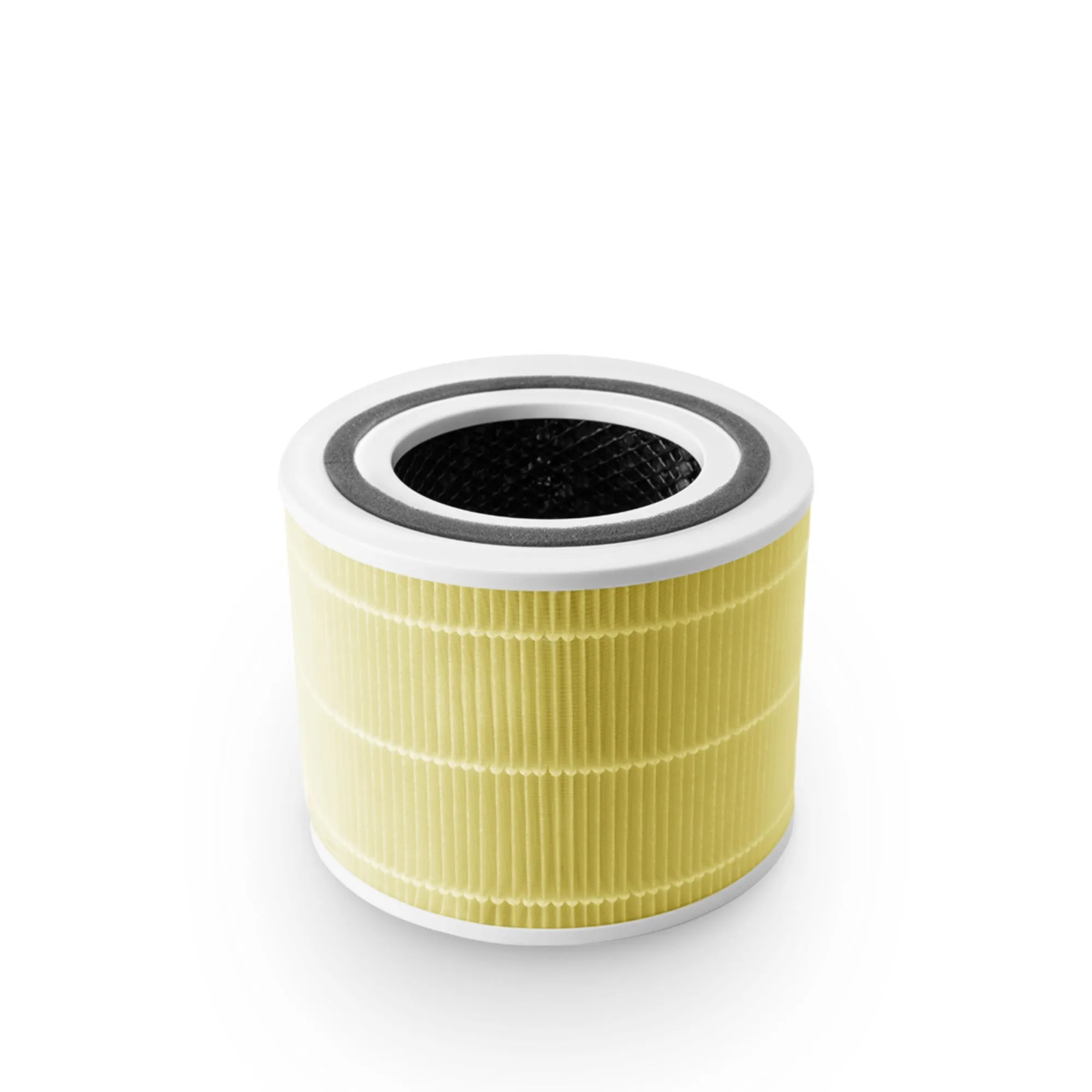
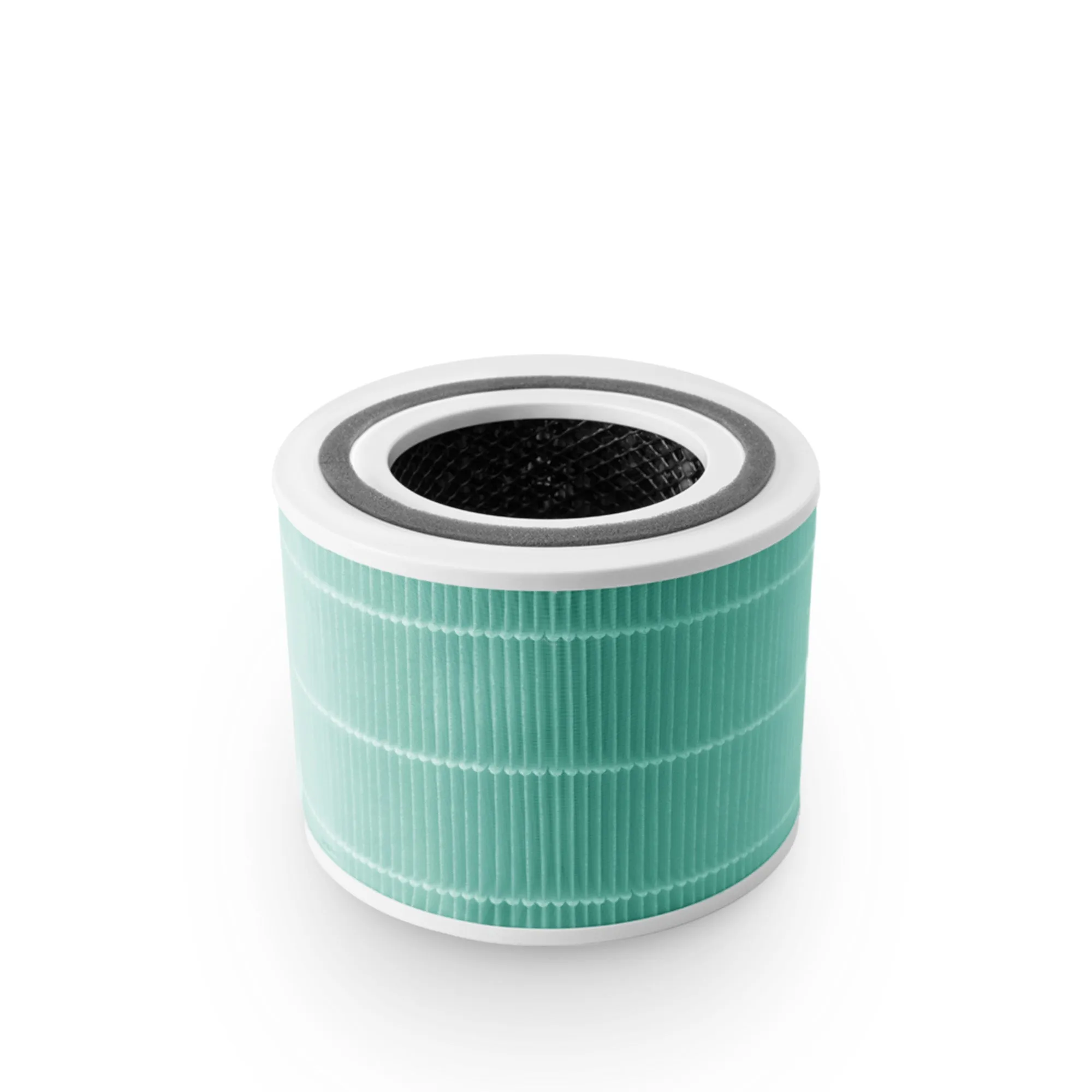
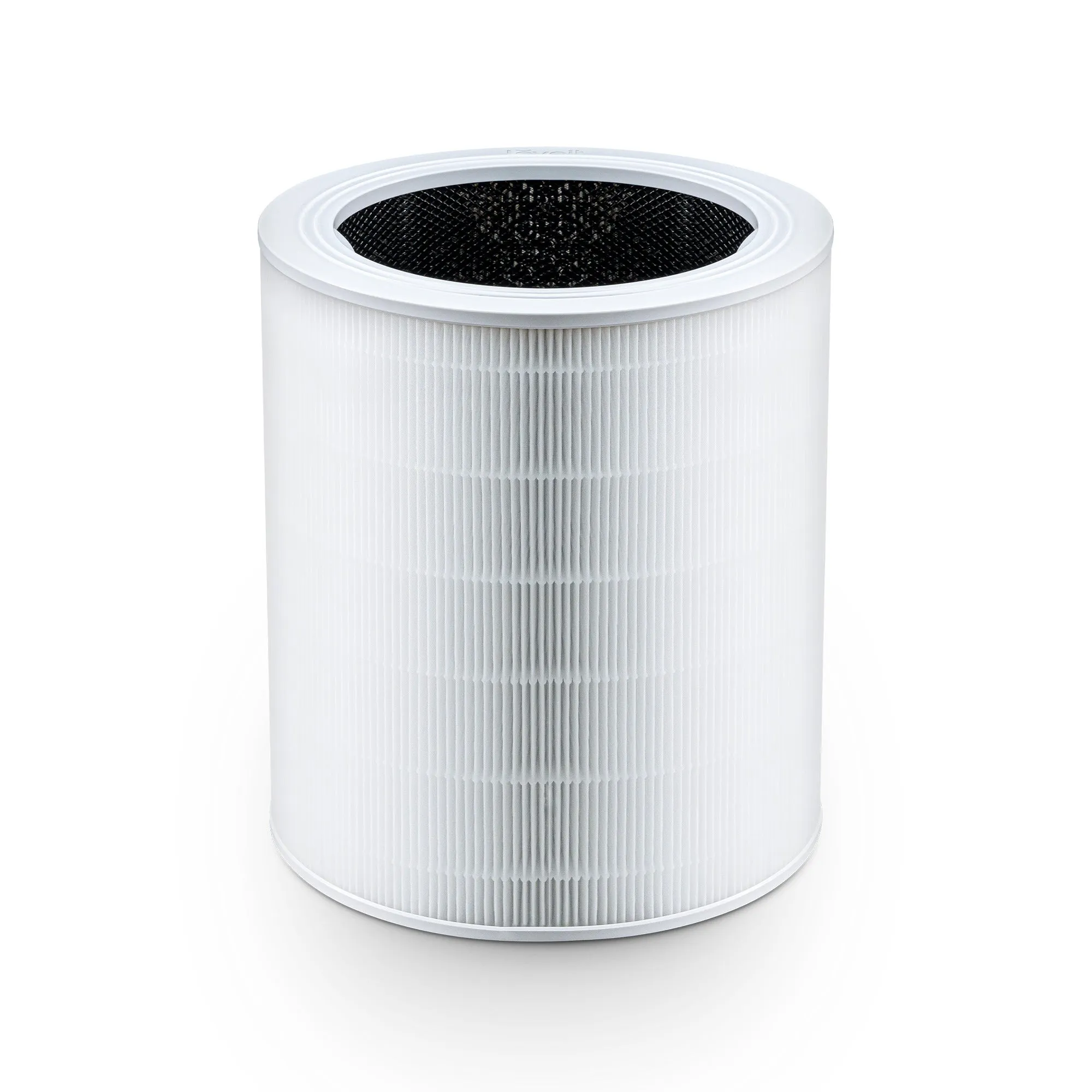
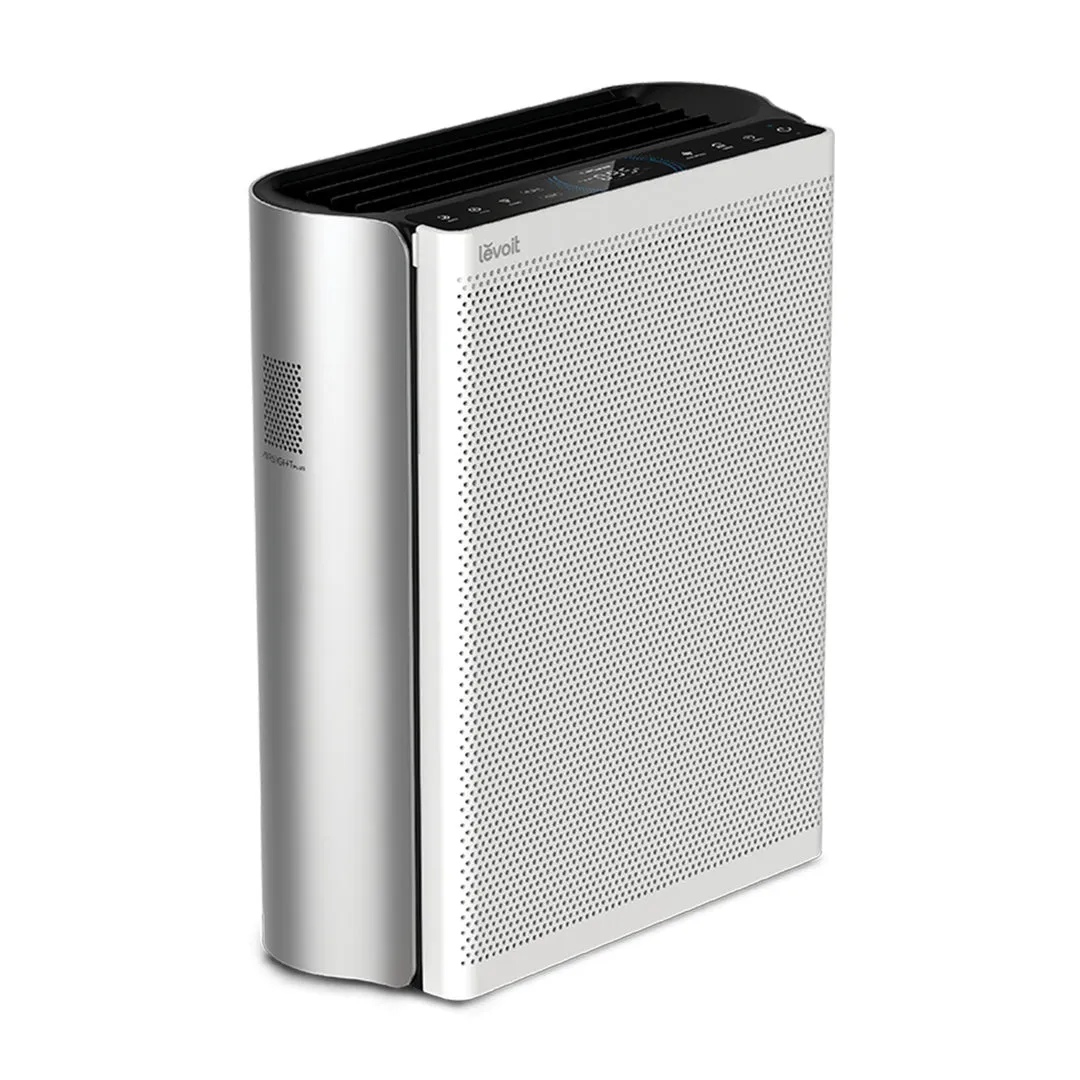
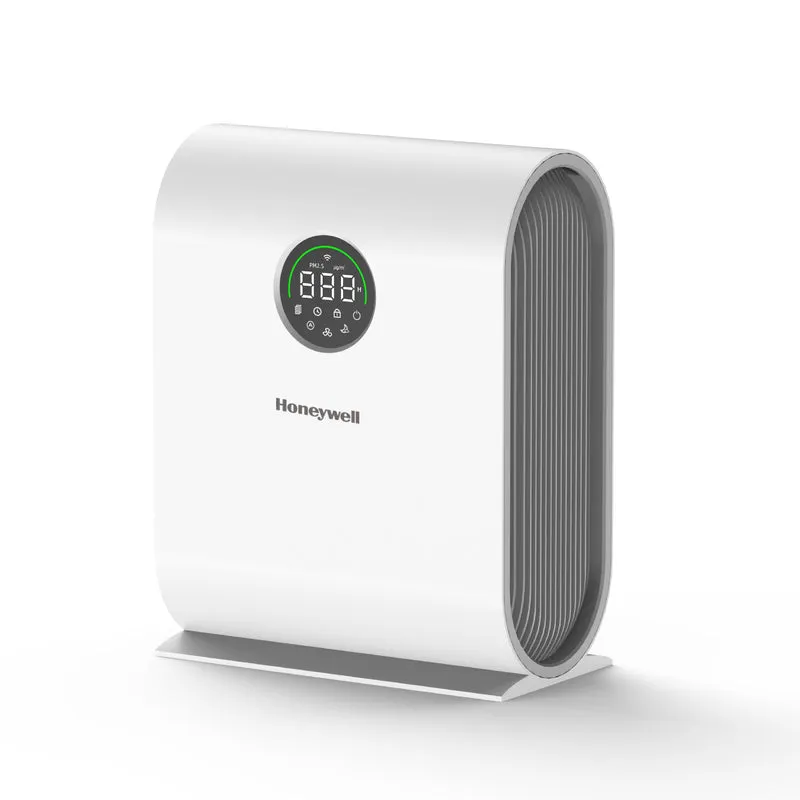
- Use a portable air purifier with a true HEPA filter in rooms where you spend the most time, particularly bedrooms.
- Size the purifier to the room: check the Clean Air Delivery Rate (CADR) against the room’s volume in cubic metres.
- Place the purifier away from walls and obstructions, at breathing height where possible.
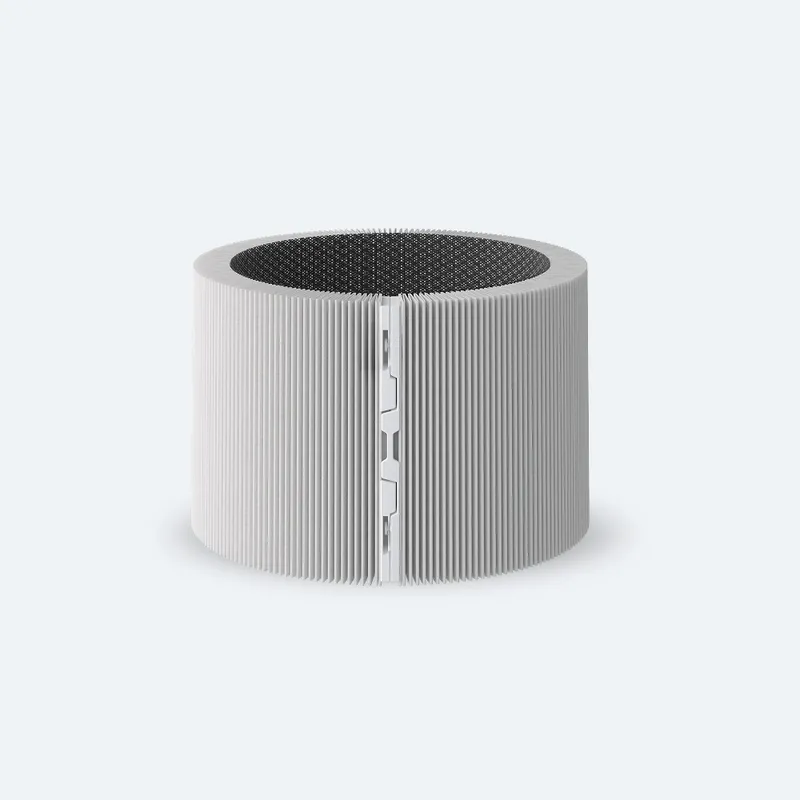
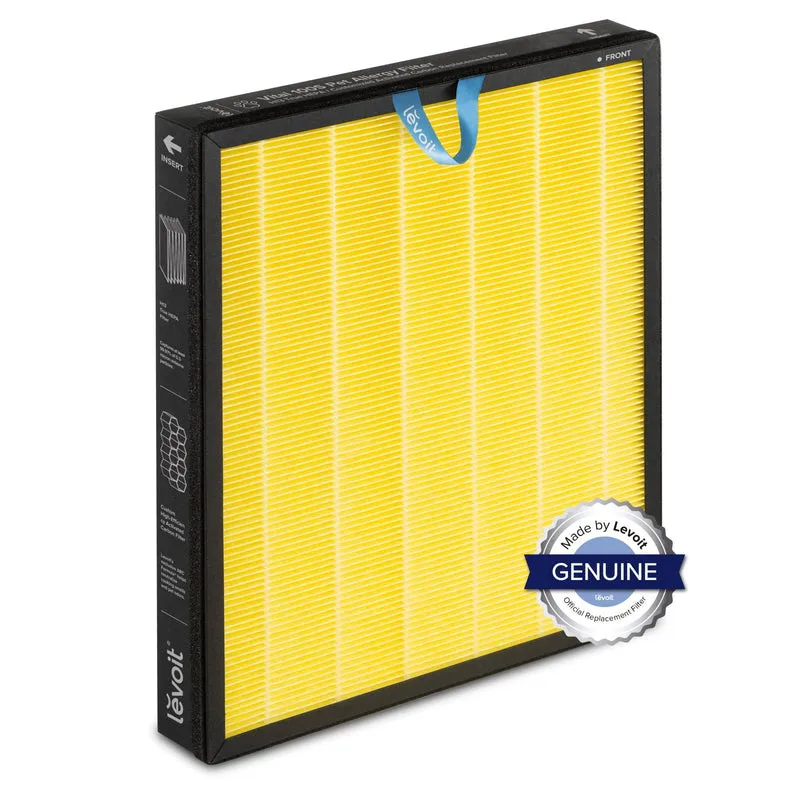
- Replace filters on schedule; a clogged filter reduces effectiveness and can itself become a source of particles.
Pro Tip: Do not assume that opening windows always improves indoor air. During high outdoor pollution events or wildfire smoke episodes, bringing outdoor air in worsens indoor PM2.5 unless you have filtration in place. Check the UK-AQI first, then decide whether to ventilate or seal.
The indoor air quality checklist for healthier homes provides a room-by-room breakdown of sources and mitigation steps. For readers weighing up different approaches, the air purifier alternatives guide covers eight household strategies beyond filtration, including indoor plants for wellbeing as a complementary, low-impact layer of indoor comfort.
What population-level measures reduce long-term harm?
Individual action matters, but the largest reductions in exposure come from policy. In the UK, DEFRA’s Clean Air Strategy and the Environment Act 2021 set legally binding targets to reduce PM2.5 concentrations, with a target of 10 µg/m³ annual mean by 2040 for the majority of the population. London’s Ultra Low Emission Zone (ULEZ), expanded in August 2023, reduced roadside NO2 concentrations in the expanded area. Local councils operate Clean Air Zones in cities including Birmingham, Bath, and Bristol, targeting the highest-emitting vehicles.
The evidence that these measures work at population scale is clear. When major pollution sources are removed or reduced, health outcomes improve measurably: hospital admissions for respiratory and cardiovascular conditions fall, and long-term mortality risk declines.
“Policies to reduce air pollution offer a win-win strategy for both climate and health, lowering the burden of disease attributable to air pollution, as well as contributing to the near- and long-term mitigation of climate change.”
— WHO, Air Pollution
Readers can support change at a local level by reporting visible pollution sources to their local council, engaging with Air Quality Management Area consultations, and supporting active travel infrastructure. Ventilation systems in offices and large buildings can either dilute pollutants or, if poorly designed or maintained, spread and concentrate contaminants, making building management a legitimate target for workplace advocacy.
Recent research: neurological links, inequalities, and reversibility
Three areas of recent research are reshaping how public health bodies think about air pollution beyond its respiratory effects.
Neurological outcomes:
Emerging epidemiology links even low levels of PM2.5 with cognitive decline and increased dementia risk, making long-term exposure reduction a growing priority. Cohort studies show that improved air quality is associated with lower dementia incidence in older women, with some researchers describing the cognitive benefit as equivalent to reversing several years of ageing. This finding matters because it extends the case for action well beyond people with existing lung or heart conditions.
Inequalities:
- Communities near busy roads or industrial sites face higher average PM2.5 and NO2 concentrations than wealthier, less-trafficked areas.
- Deprived communities are less likely to have access to green space, which buffers pollution, and less able to afford mitigation measures such as HEPA purifiers.
- Occupational exposure compounds residential exposure for workers in construction, agriculture, and logistics, groups that overlap significantly with lower-income populations.
Reversibility:
The evidence that reducing exposure produces measurable health gains is now strong enough to inform personal decisions, not just policy. Studies linking PM2.5 reductions to lower cardiovascular mortality and improved lung function in children demonstrate that the body responds positively when pollution burden falls. This makes acting now, rather than waiting for policy to catch up, a rational individual choice.
Recommended sources for further reading:
- WHO Technical Brief: Health effects of air pollution: evidence and implications
- IARC: Outdoor air pollution a leading environmental cause of cancer deaths
- DEFRA: Clean Air Strategy and UK-AQI monitoring data
- UKHSA: Health matters: air pollution (GOV.UK)
- NHS: Air pollution advice (NHS.uk)
Key takeaways
Poor air quality raises the risk of cardiovascular disease, lung cancer, impaired lung development, and neurological decline, while also triggering acute respiratory and cardiac events within hours of elevated exposure.
| Point | Details |
|---|---|
| Check the UK-AQI daily | DEFRA’s index (1–10) tells you when to reduce outdoor activity and when to seal indoor air. |
| Protect vulnerable people first | Children, pregnant people, older adults, and those with heart or lung disease face the greatest harm from both short- and long-term exposure. |
| Reduce indoor sources | Gas cooking, wood burning, tobacco, and synthetic furnishings are significant indoor PM2.5 and VOC sources. |
| Use HEPA filtration | A correctly sized air purifier with a true HEPA filter reduces indoor PM2.5 in the rooms where you spend the most time. |
| Support local policy | Engaging with Clean Air Zone consultations and reporting pollution sources amplifies individual action at community scale. |
Why the evidence on air quality deserves more attention than it gets
Most public health messaging focuses on outdoor smog and visible pollution, which misses a significant part of the picture. Indoor air in UK homes often contains higher concentrations of fine particles and VOCs than the air outside, particularly in well-insulated modern buildings with gas appliances and synthetic furnishings. The evidence on neurological outcomes is especially underappreciated: the link between long-term PM2.5 exposure and dementia risk is now supported by multiple cohort studies, yet it rarely features in standard air quality communications aimed at the public.
The practical implication is straightforward. Waiting for a visible smog event before acting on air quality is too late for the chronic risks. Monitoring your local UK-AQI, reducing indoor sources, and using HEPA filtration on high-pollution days are low-cost steps with a strong evidence base. The reversibility evidence adds weight to acting now: the body responds when pollution burden falls, and the cognitive and cardiovascular benefits of cleaner air accumulate over time.
Credible sources matter here. WHO, IARC, DEFRA, and NHS guidance are the appropriate reference points, not anecdotal claims or single studies. The science is settled enough to act on, and uncertain enough in its finer details that scepticism of extreme claims, in either direction, remains sensible.
Useful sources and where to read more
- WHO Technical Brief: Health effects of air pollution — comprehensive summary of evidence on respiratory, cardiovascular, neurological, and reproductive outcomes; the primary global reference.
- IARC: Outdoor air pollution and cancer — Group 1 carcinogen classification and supporting evidence for lung cancer risk.
- DEFRA / UK-AQI — real-time UK air quality data, five-day forecasts, and AURN monitoring network information.
- UKHSA: Health matters: air pollution — UK-specific public health guidance on pollution sources, health impacts, and policy context.
- NHS: Carbon monoxide and air quality guidance — patient-facing advice on symptoms and when to seek medical care.
- NIEHS: Air pollution and health — research summaries on mechanisms, vulnerable populations, and emerging neurological evidence.
- Cleanair-ae air purifier buying guide — practical guidance on choosing and sizing a HEPA purifier for home or commercial use, for readers ready to act on indoor air quality.
This article provides general health information, not medical advice. For guidance specific to your situation, consult your GP or a qualified health professional, and check current DEFRA and NHS guidance for up-to-date pollution alerts.