
Uncategorised
Enjoy cleaner air and peace with low-noise air purifiers
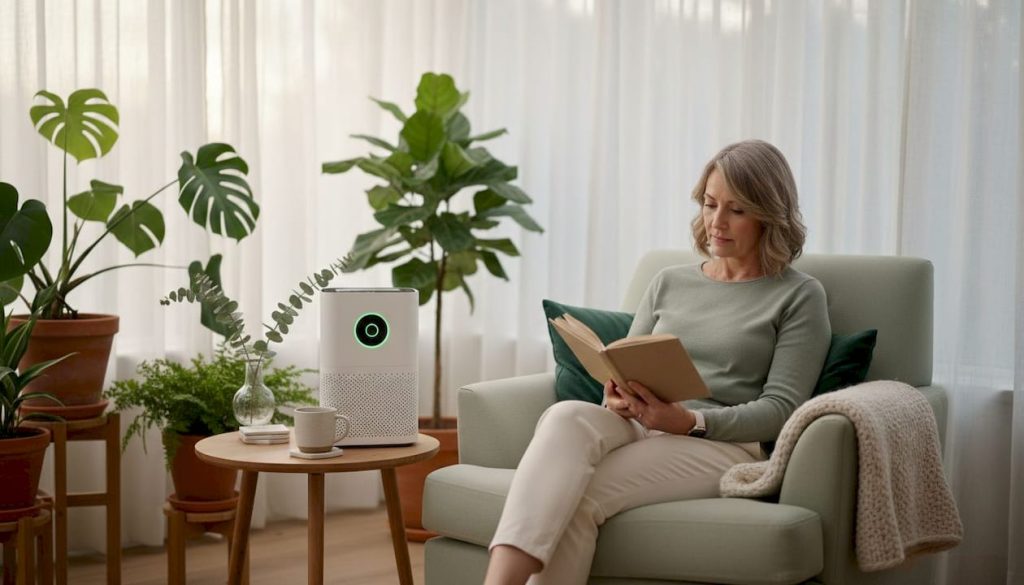
Most air purifiers are designed to run around the clock, yet a large number of UAE residents switch them off within hours of turning them on. The reason is almost always noise. A unit humming loudly through the night in a bedroom, or buzzing away in a quiet office, quickly becomes impossible to tolerate. The result is that the device sits idle, the air goes unfiltered, and the health benefits never materialise. This guide cuts through the confusion, explains why noise directly affects how well your purifier actually works, and shows you how to choose a model that stays on, stays quiet, and keeps your indoor air genuinely clean.
Table of Contents
- Why noise matters in air purifiers
- How experts measure performance and quietness
- Striking the balance: quiet operation without sacrificing clean air
- Living with low-noise purifiers: real-world benefits
- What most advice on ‘quiet’ air purifiers misses
- Next steps: discover effective, quiet air purification for your space
- Frequently asked questions
Key Takeaways
| Point | Details |
|---|---|
| Noise is crucial | A noisy purifier often gets turned off, so quiet operation is essential for continual clean air. |
| Balance performance and quietness | Choose purifiers that are both quiet and effective, matching CADR to your space. |
| Trust independent testing | Look for models tested at quiet speeds, not just marketed as low-noise on high speed. |
| Practical benefits | Low-noise units bring healthier air all day and better rest at night, especially in bedrooms and offices. |
Why noise matters in air purifiers
Air purifiers are not appliances you switch on for twenty minutes and walk away from. They work by cycling room air through filters repeatedly over hours and days. Stop that cycle, and pollutants, dust, allergens, and fine particles from UAE desert air simply accumulate again. The core problem is straightforward: any noise level that prompts you to turn the unit off defeats the entire purpose of owning one.
As Consumer Reports notes, low-noise air purifiers help you keep them running on quiet settings, which matters because air purifiers are typically meant to run continuously or for long periods to be effective. That single fact changes how you should think about your purchase. Noise is not a secondary feature. It is directly tied to whether the device delivers the health outcome you paid for.
Consider where purifiers are most needed in UAE homes and offices:
- Bedrooms and nurseries where even a moderate hum disrupts sleep cycles, particularly for light sleepers and infants
- Home offices and study rooms where background noise erodes concentration and increases fatigue over a full working day
- Hotel suites and serviced apartments where guests expect silence as a baseline standard
- Open-plan office floors where noise from multiple units stacks up and creates a distracting environment
Poor sleep caused by noise is not a minor inconvenience. Research consistently links sleep disruption to weakened immune response, reduced cognitive performance, and elevated stress levels. Choosing a purifier that lets you sleep through the night without compromise is a health decision in its own right, entirely separate from air quality.
Testing agencies have recognised this for years. Noise is now treated as a core performance criterion, not an afterthought, which brings us to how measurement actually works.
How experts measure performance and quietness
Professional laboratory testing of air purifiers covers two parallel assessments: how well the unit cleans the air, and how much noise it produces while doing so. Both are measured at multiple fan speeds, because the speed you actually use matters far more than the maximum the device is capable of.
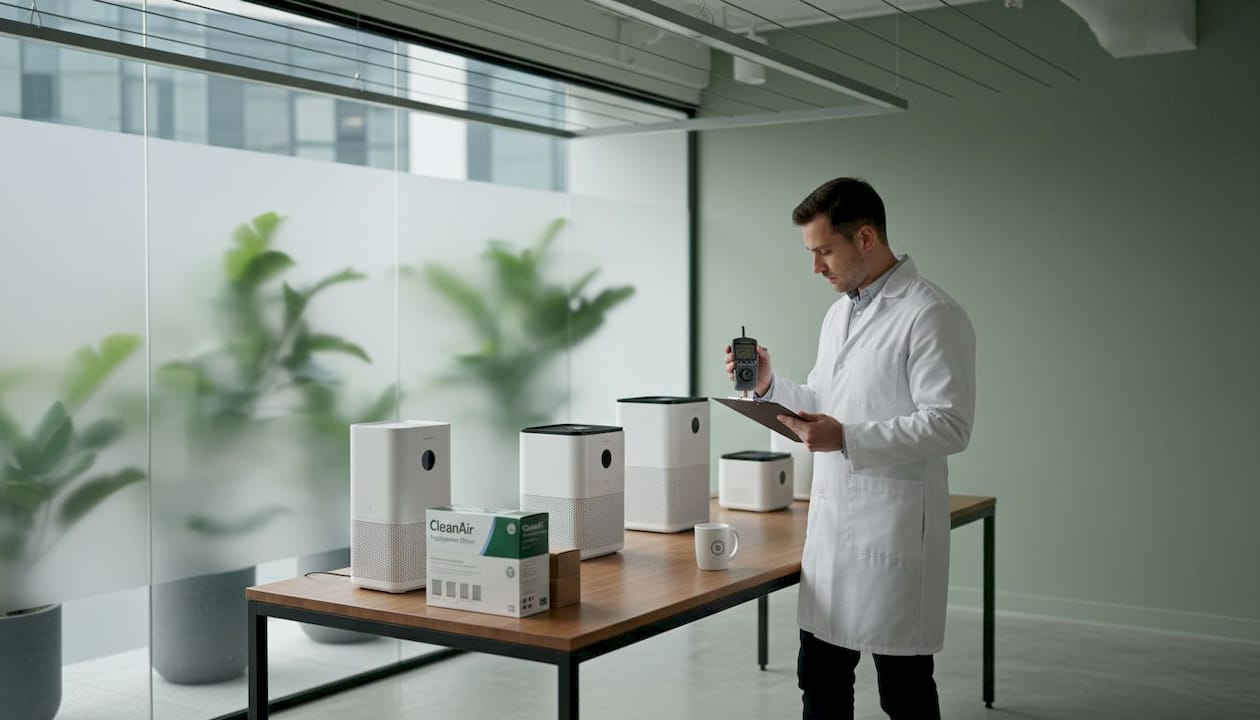
Noise is expressed in decibels (dB). A normal conversation sits at roughly 60 dB. Ambient noise in a quiet room is around 30 to 35 dB. For continuous overnight use, most audiologists and product testers agree that anything under 50 dB is acceptable, with the best bedroom units operating in the 35 to 45 dB range on their lowest settings.
The other key figure is CADR, which stands for Clean Air Delivery Rate. CADR measures the volume of filtered air a purifier delivers per minute, expressed in cubic metres per hour or cubic feet per minute. It is the single most reliable metric for understanding how much clean air a unit actually produces, and it is independently verified by the Association of Home Appliance Manufacturers (AHAM).
| Noise level (dB) | Comparable sound | Suitability for continuous use |
|---|---|---|
| Under 35 dB | Whisper | Ideal for bedrooms and nurseries |
| 35 to 45 dB | Quiet library | Suitable for bedrooms and offices |
| 45 to 55 dB | Light rainfall | Acceptable for living areas |
| Over 55 dB | Normal conversation | Better suited to utility spaces only |
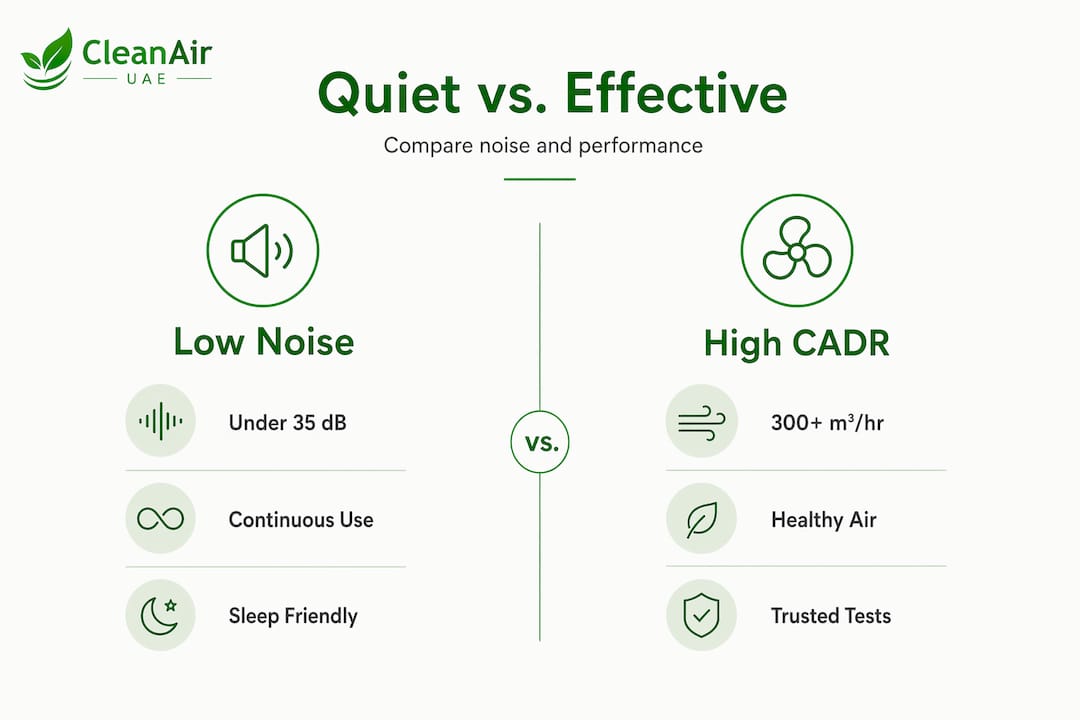
The critical insight from Consumer Reports’ test protocols is that expert benchmark testing treats noise as a measurable performance criterion and evaluates filtration on low (quiet) speed, not just on high. This matters enormously. A purifier might post impressive CADR numbers on maximum fan speed, but if its performance at low speed is inadequate for your room size, it is effectively useless for noise-sensitive environments. You would need to run it loud to get the cleaning you need.
A 500 sq ft apartment, for example, requires a CADR of approximately 300 cubic metres per hour to turn the air over adequately. If a purifier only achieves that figure on its highest, loudest setting, it cannot deliver clean air quietly. Always request or research the CADR at low or medium speed before purchasing.
Striking the balance: quiet operation without sacrificing clean air
Understanding tested quietness is one thing. Translating that knowledge into a purchase decision is another. The goal is a purifier that is both genuinely quiet at the speed you will realistically use it and sufficiently powerful to clean your actual space.
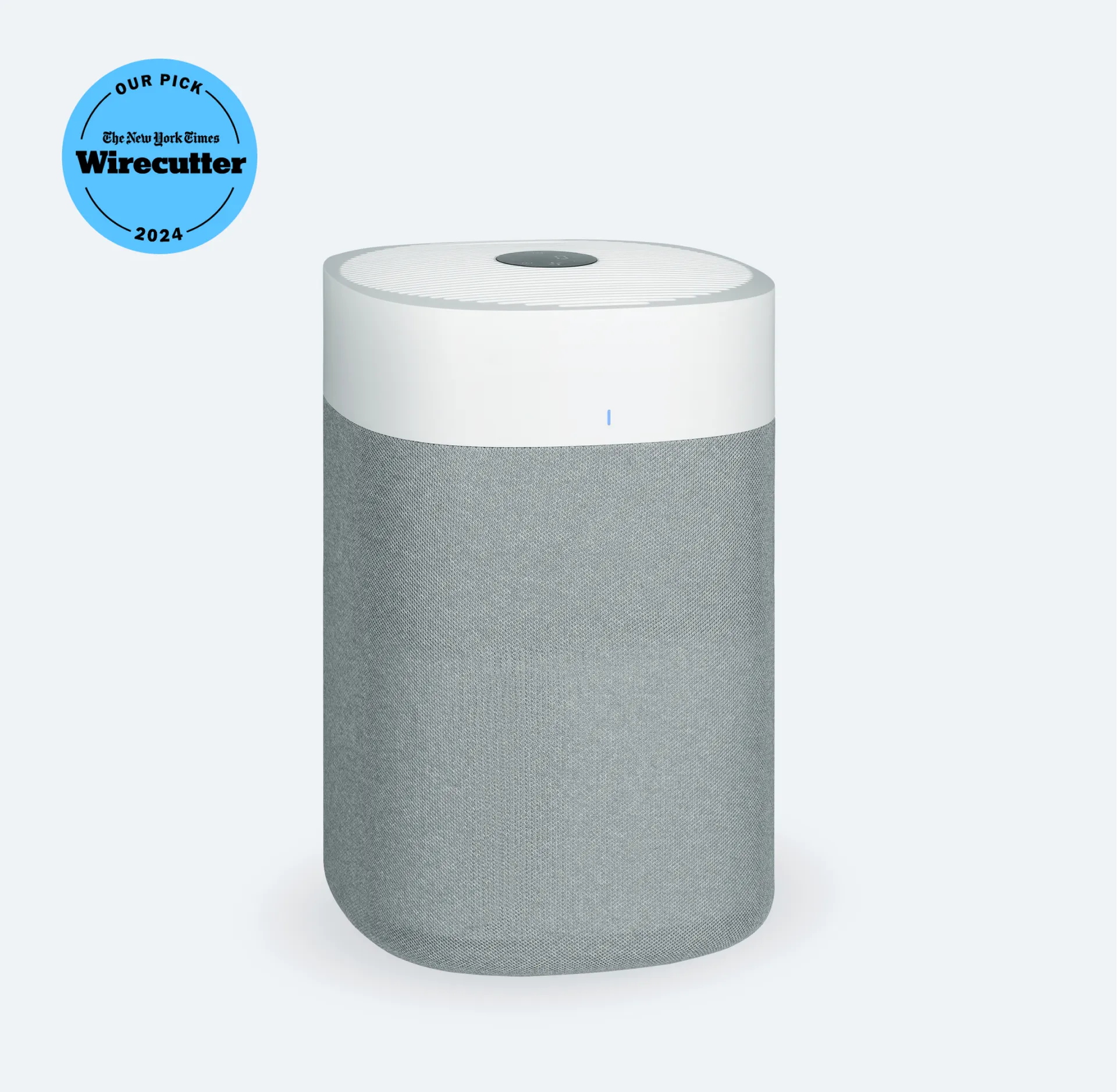
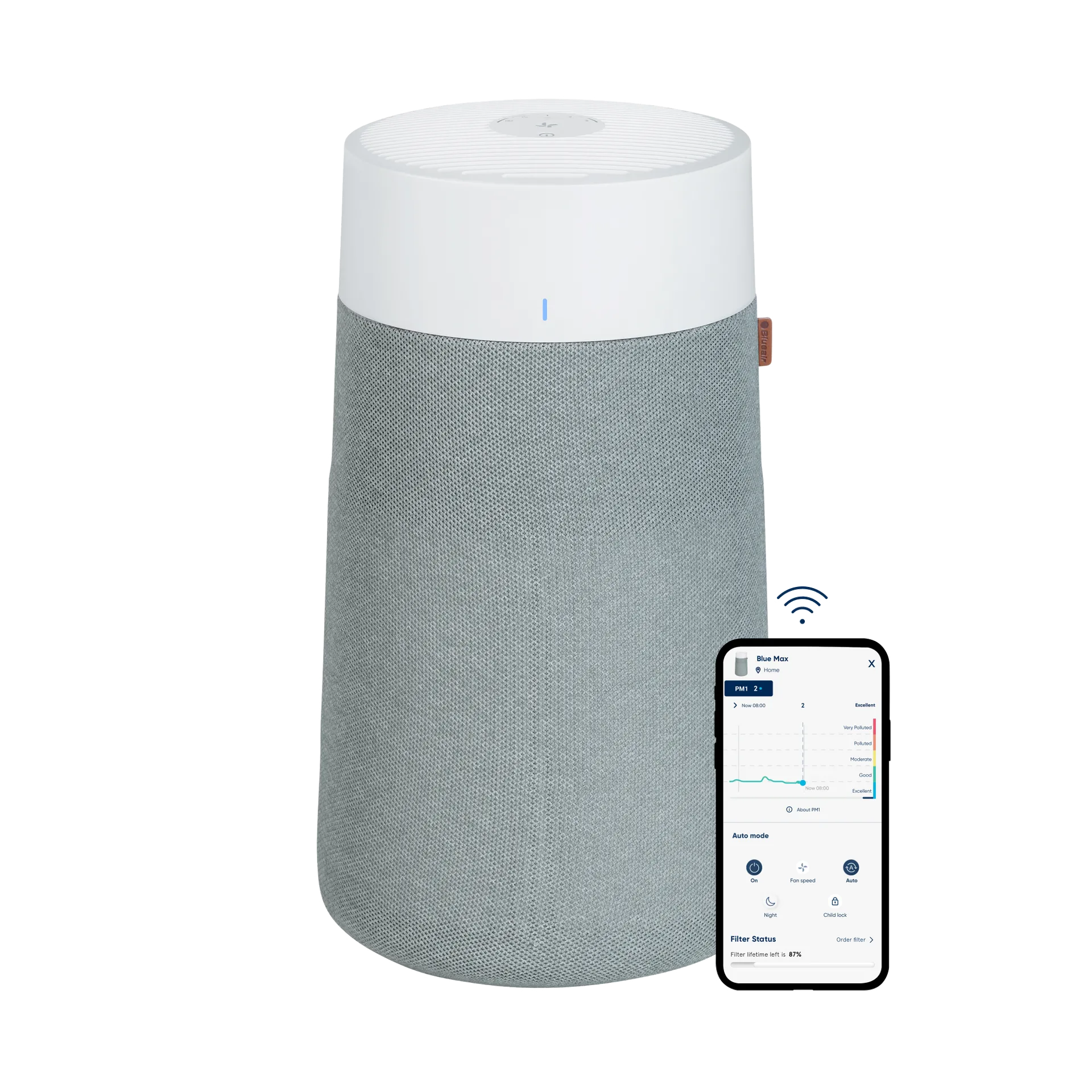
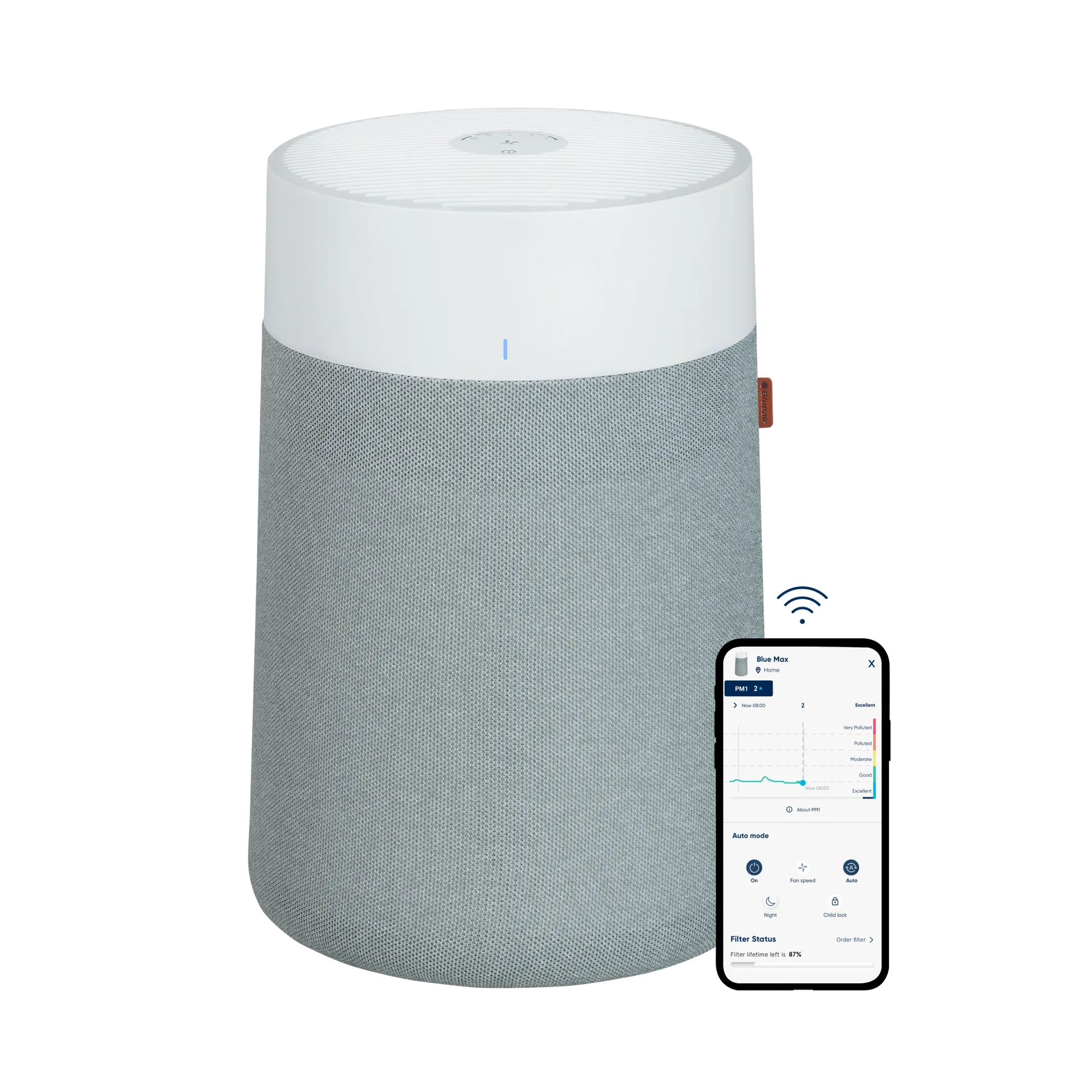
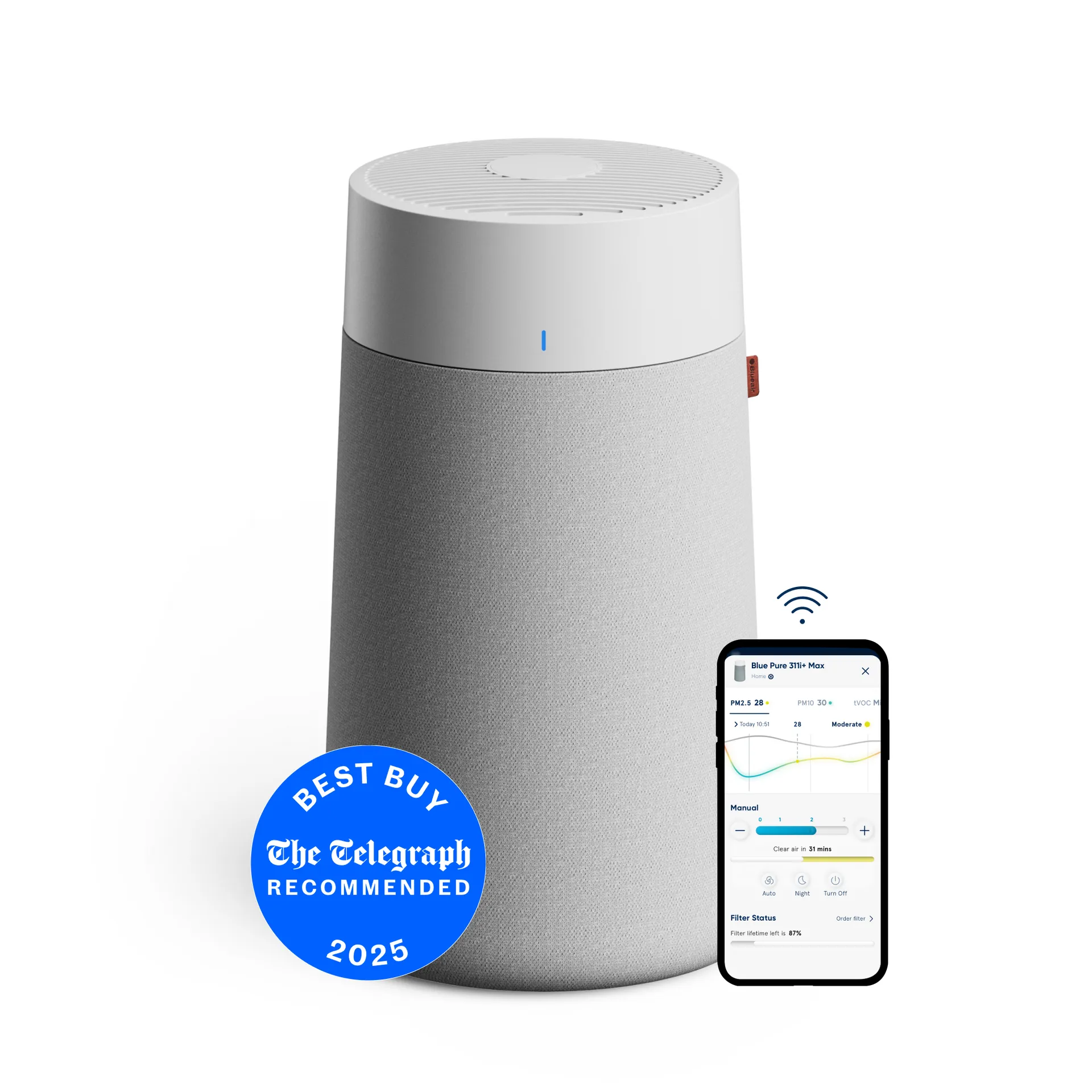
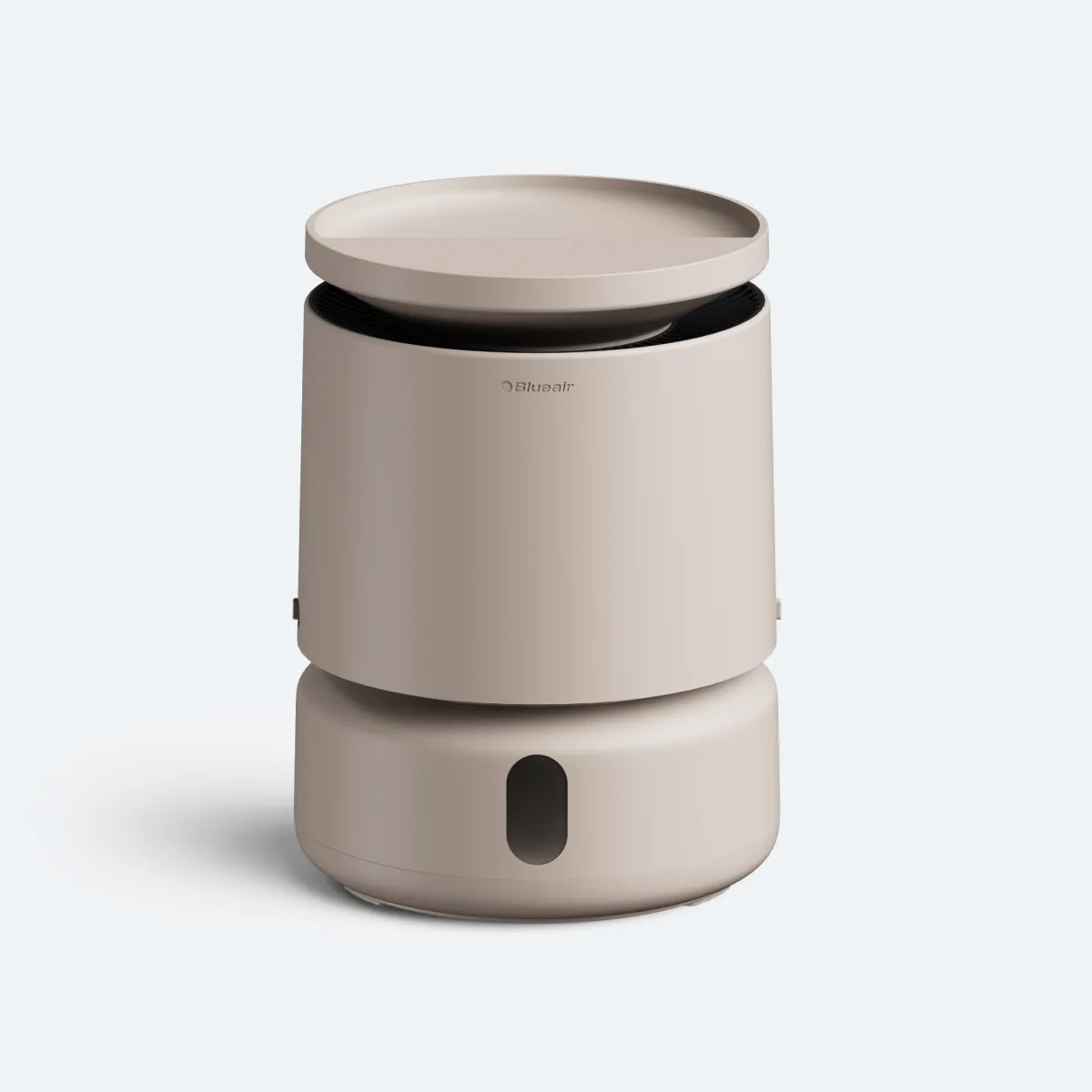
Low noise should never mean low performance. The two are not the same, and the best models on the market prove it. Brands such as Blueair have invested heavily in motor and blade engineering precisely to produce high CADR at lower, quieter fan speeds.
As AHAM’s research confirms, choosing a low-noise model should be paired with performance metrics such as CADR, so you do not trade away cleaning effectiveness for quiet operation. This is the central trade-off that most buyers do not investigate carefully enough before purchasing.
Follow these steps when comparing models:
- Confirm the low-speed CADR rating. Ask the retailer or check third-party test data for CADR at low or medium fan speed, not only at maximum. Match this figure to your room size.
- Check verified independent test data. Marketing materials will always present figures in the most favourable light. Independent laboratory results, published by consumer testing bodies, tell the real story.
- Investigate Auto Mode behaviour. Many purifiers use particle sensors to trigger automatic speed increases. A unit that is whisper-quiet at rest can suddenly become disruptively loud when it detects a spike in pollution. Check whether the auto mode stays within an acceptable noise range under typical conditions.
- Be cautious with noise-only claims. If a product’s primary selling point is its low dB rating without accompanying CADR data at the same speed, treat that with scepticism.
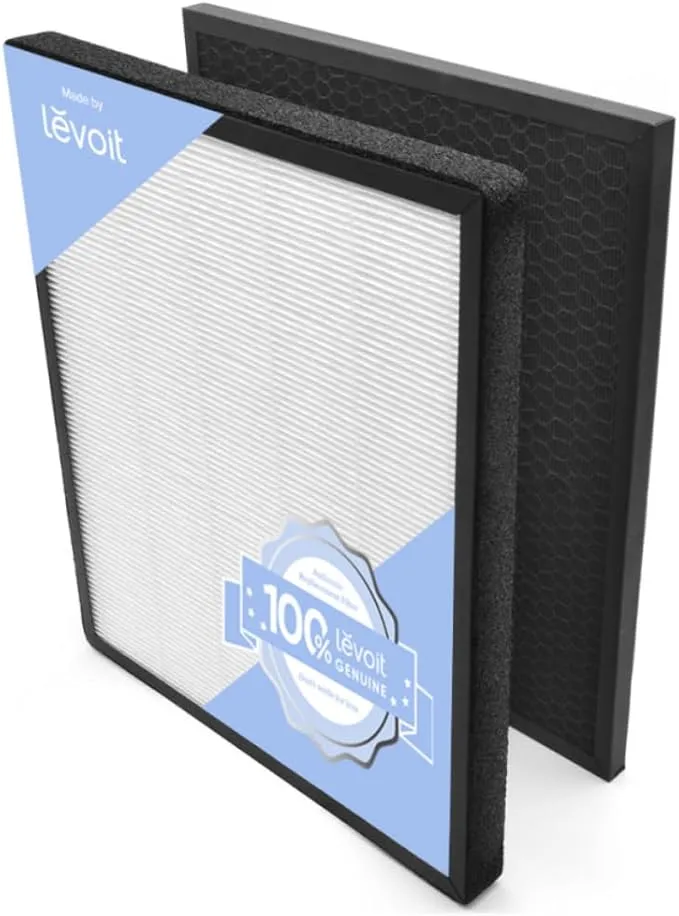
- Consider filter type. True HEPA filters (capturing 99.97% of particles at 0.3 microns) paired with efficient motors can achieve high filtration at lower speeds. Units relying on cheaper filter media often need higher speeds to compensate, which increases noise.
Pro Tip: Request or search for published third-party test results that show both CADR and noise level measured at the same fan speed. If a manufacturer only publishes figures separately, or only at maximum speed, that is a gap worth questioning.
| Feature | What to look for | What to avoid |
|---|---|---|
| Noise rating | Under 45 dB at the speed you will use | dB ratings only stated at maximum speed |
| CADR at low speed | Matches your room size | CADR only stated at maximum speed |
| Auto Mode | Stays under 50 dB in normal conditions | Sudden loud spikes when sensor activates |
| Filter type | True HEPA with sealed housing | Ionic or filterless claims without CADR data |
Living with low-noise purifiers: real-world benefits
Selecting the right model changes daily life in ways that go beyond air quality statistics. The benefits are practical and immediate.
In bedrooms, a unit operating at 38 to 42 dB creates a gentle white noise effect that many users find actually improves sleep rather than disrupting it. For UAE families dealing with seasonal dust storms, pollen from landscaping, or air that carries fine particulate matter from construction, running a purifier overnight means waking to noticeably fresher air. Hotel operators in Dubai and Abu Dhabi have integrated quiet purifiers into premium rooms precisely because guests report improved sleep quality.
In workplaces, the difference is equally clear. Research into office air quality supports the view that keeping purifiers usable throughout the working day supports sustained exposure control and helps avoid distraction. A unit that staff notice only because it is working, not because it is noisy, is one that stays switched on. Continuous operation is everything.
The real-world benefits of running low-noise purifiers continuously include:
- Sustained reduction in airborne allergens, including dust mite particles, mould spores, and pet dander, which accumulate rapidly in UAE indoor environments
- Lower VOC (volatile organic compound) levels, particularly important in newly furnished apartments or commercial fit-outs where off-gassing from furniture and carpets is ongoing
- Consistent filtration of fine particulate matter (PM2.5 and PM10) from outdoor desert air that enters through ventilation and opening of doors
- Improved productivity and focus in office environments where occupants are not distracted by mechanical noise
- Reduced risk of disabling the device, meaning the full filtration cycle continues uninterrupted and health outcomes are maximised over weeks and months
Pro Tip: Position your purifier at least 50 cm away from walls and furniture, and avoid placing it in corners. Proper positioning allows unrestricted airflow, which means the unit can achieve its rated performance at a lower, quieter fan speed rather than working harder to compensate for poor airflow.
For parents of young children or those caring for elderly family members with respiratory conditions, the ability to leave a unit running overnight without anyone waking is not a small matter. It is the difference between the purifier doing its job and sitting switched off on a shelf.
What most advice on ‘quiet’ air purifiers misses
Most buying guides stop at recommending low dB ratings and assume the job is done. That is not enough, and it leads to a particular type of buyer regret that is very common in this category.
The pattern is consistent: a buyer purchases a unit marketed as quiet, finds it acceptable for the first evening, then discovers that the Auto Mode triggers frequently in their home or office, pushing fan speeds up to levels that are genuinely disruptive. The purifier gets switched to manual low speed, where it is quiet but no longer cleaning the air effectively. The buyer is back to square one.
The uncomfortable truth is that comparing only high-speed specs means you may end up with a purifier that is quiet but not sufficiently effective at the speed you can actually tolerate. This is not a niche edge case. It is how a large proportion of purifiers are actually used in real homes.
Smart buyers insist on independent benchmarks that test filtration effectiveness at the speed you plan to operate the device. They cross-reference CADR at low speed against room size calculations and review third-party data rather than relying on packaging alone.
There is also a pricing trap worth noting. Disproportionately cheap units marketed as quiet often achieve low noise by using slower, less efficient motors with simpler filter configurations. In UAE conditions, where outdoor air quality is frequently poor due to dust, sand, and high humidity, inadequate filtration at quiet speeds is a real problem. The air may smell clean, but particulate matter and allergens continue to circulate.
The correct standard is simple: a low-noise air purifier should be verifiably effective at the noise level it actually operates at in your environment. Healthy, peaceful indoor air is only achievable when both conditions are met, never just one.
Next steps: discover effective, quiet air purification for your space
If you’re ready to enjoy real peace and healthier air, your next step is straightforward.
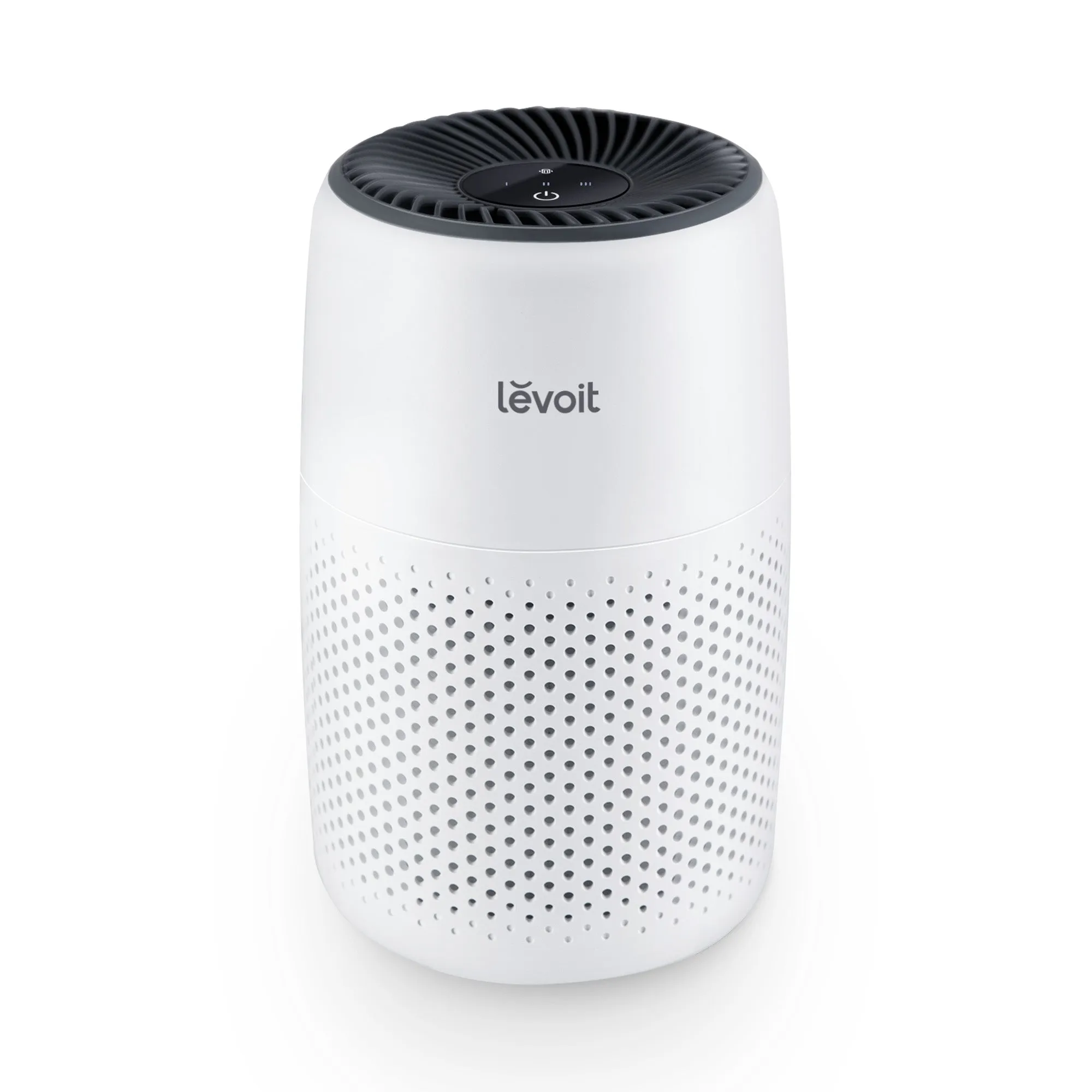
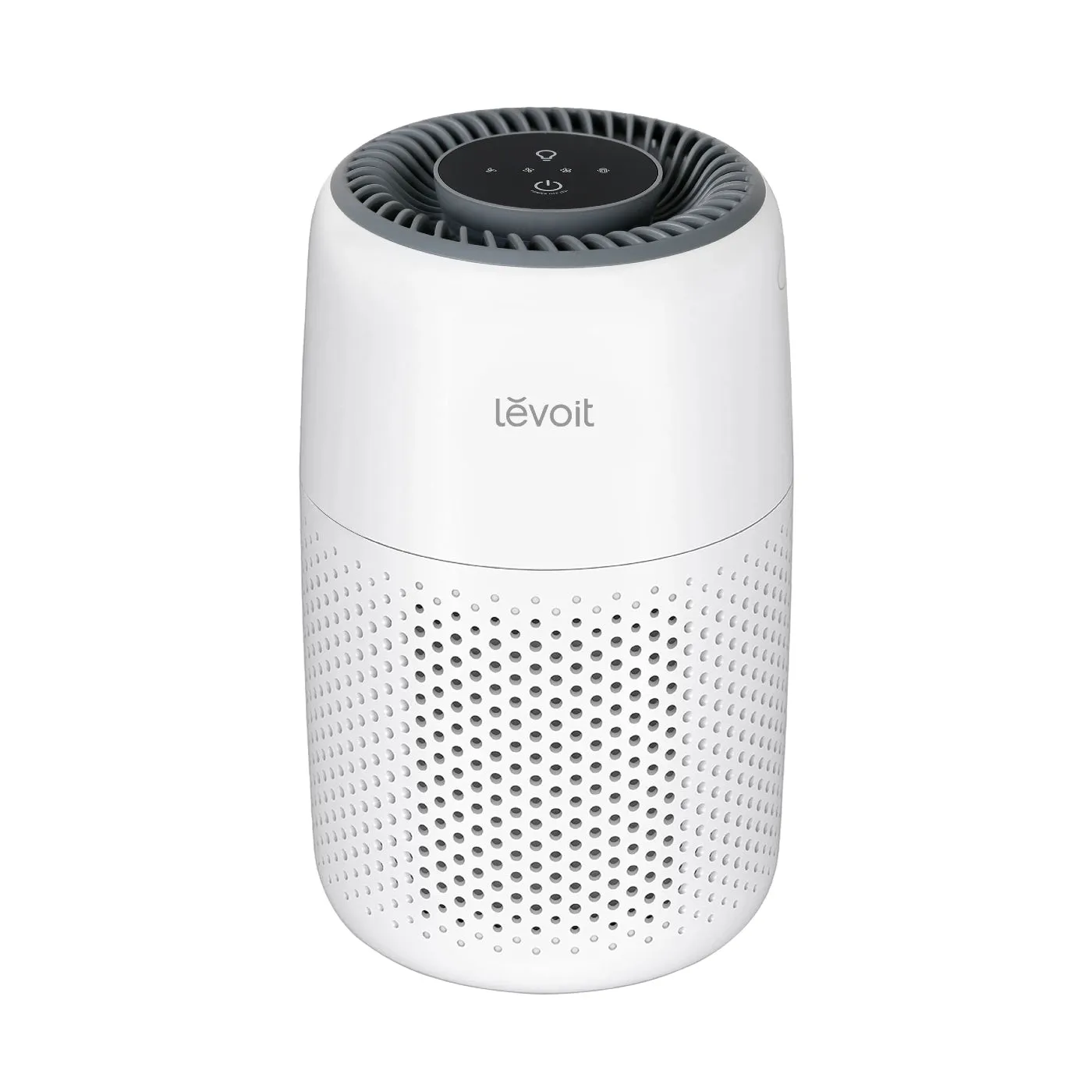
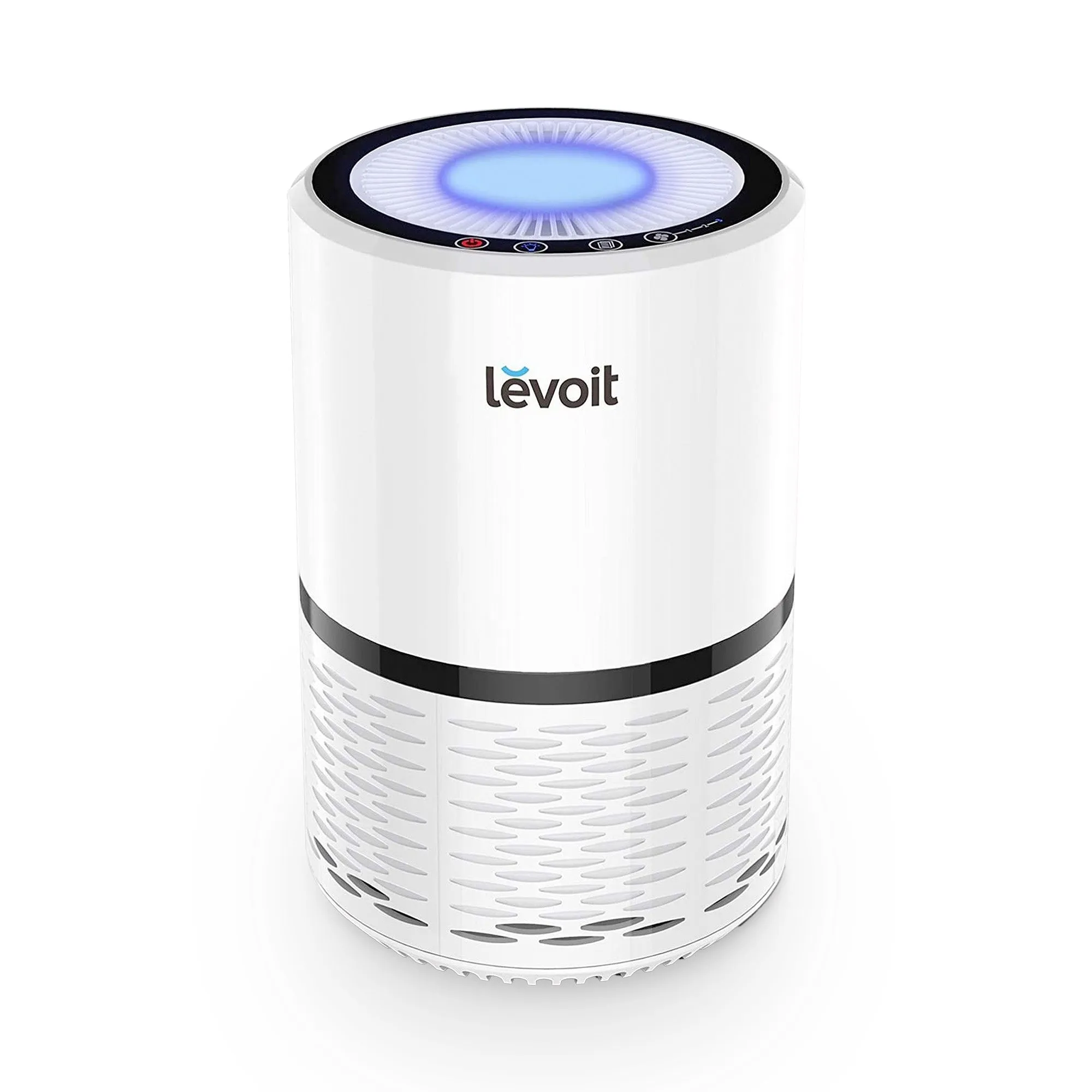
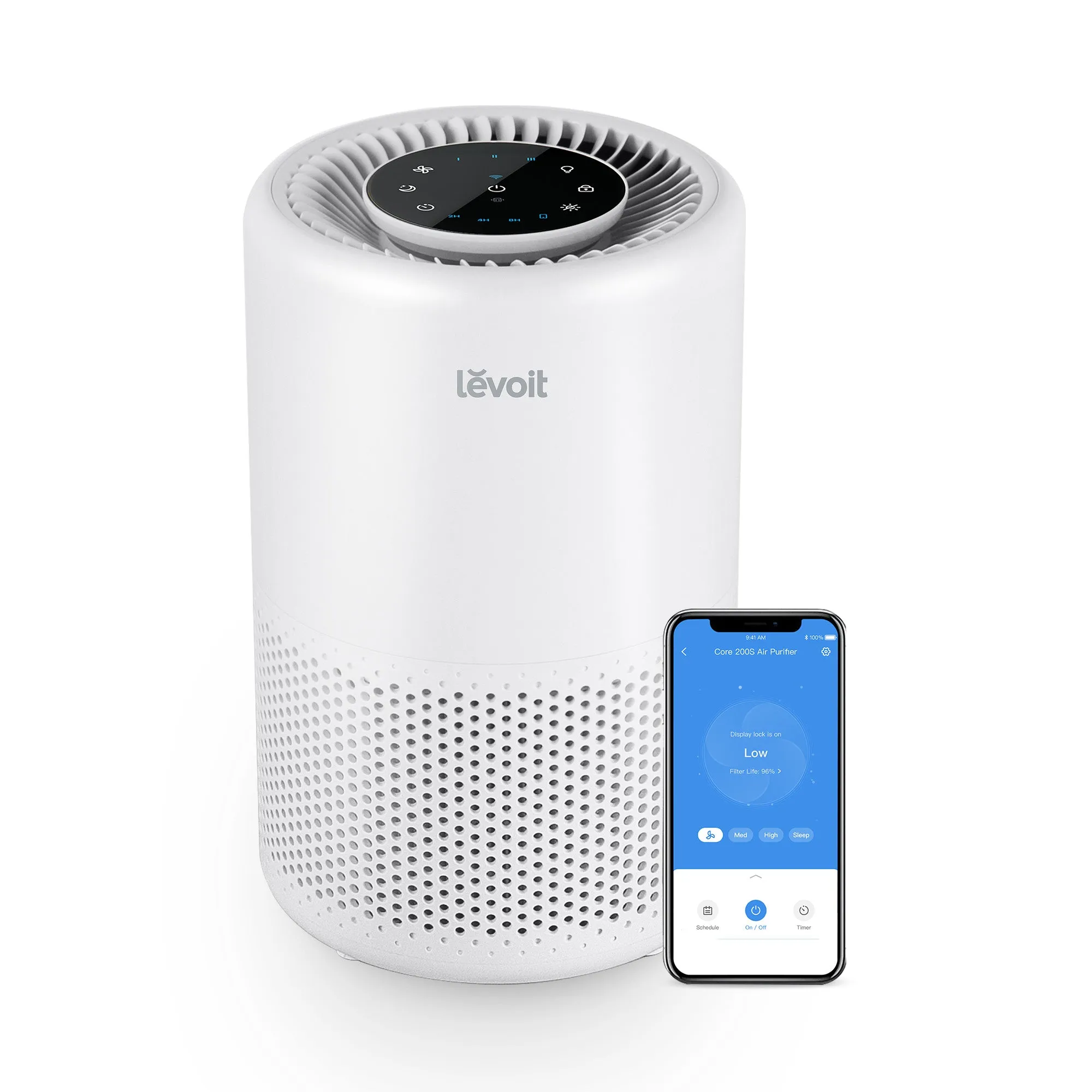
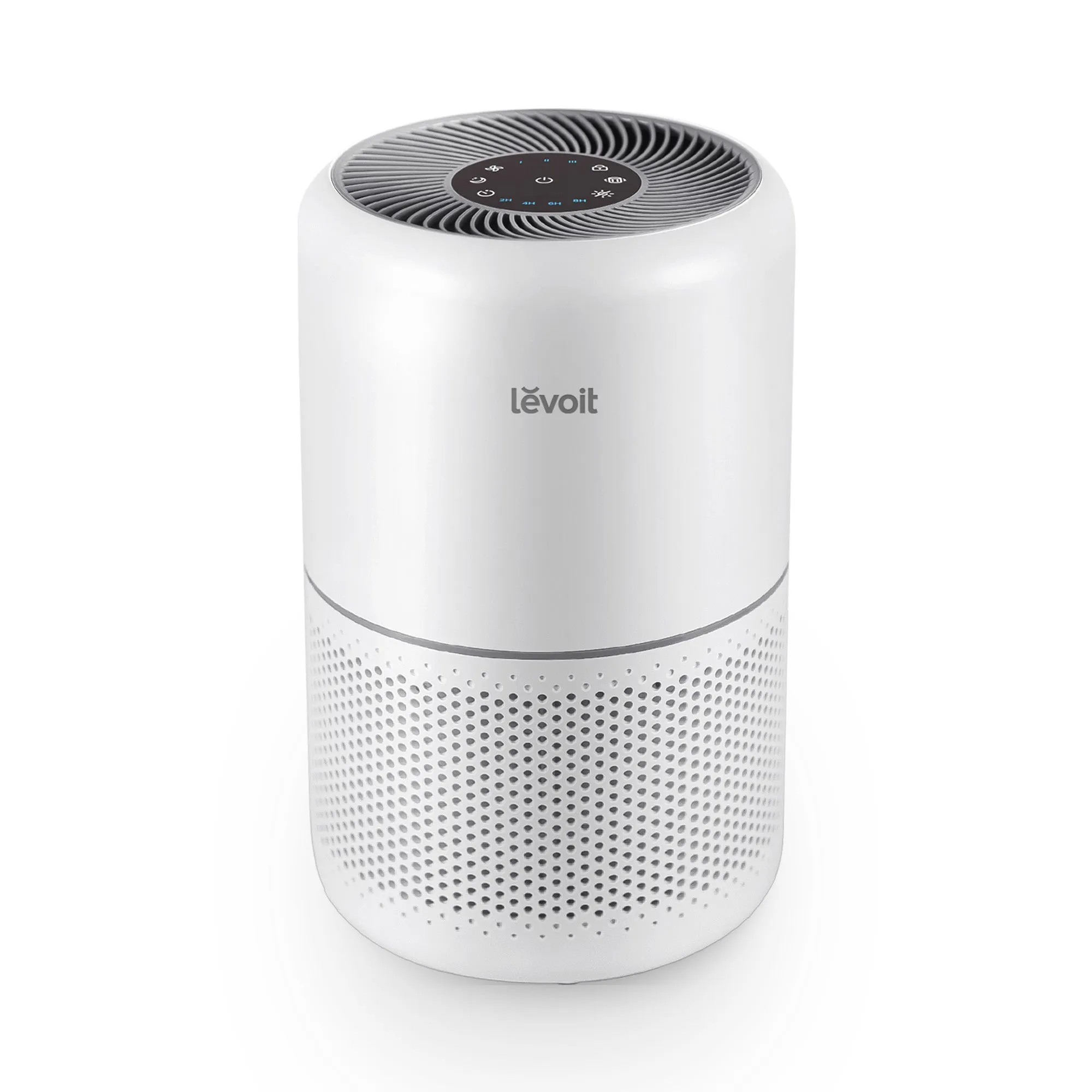
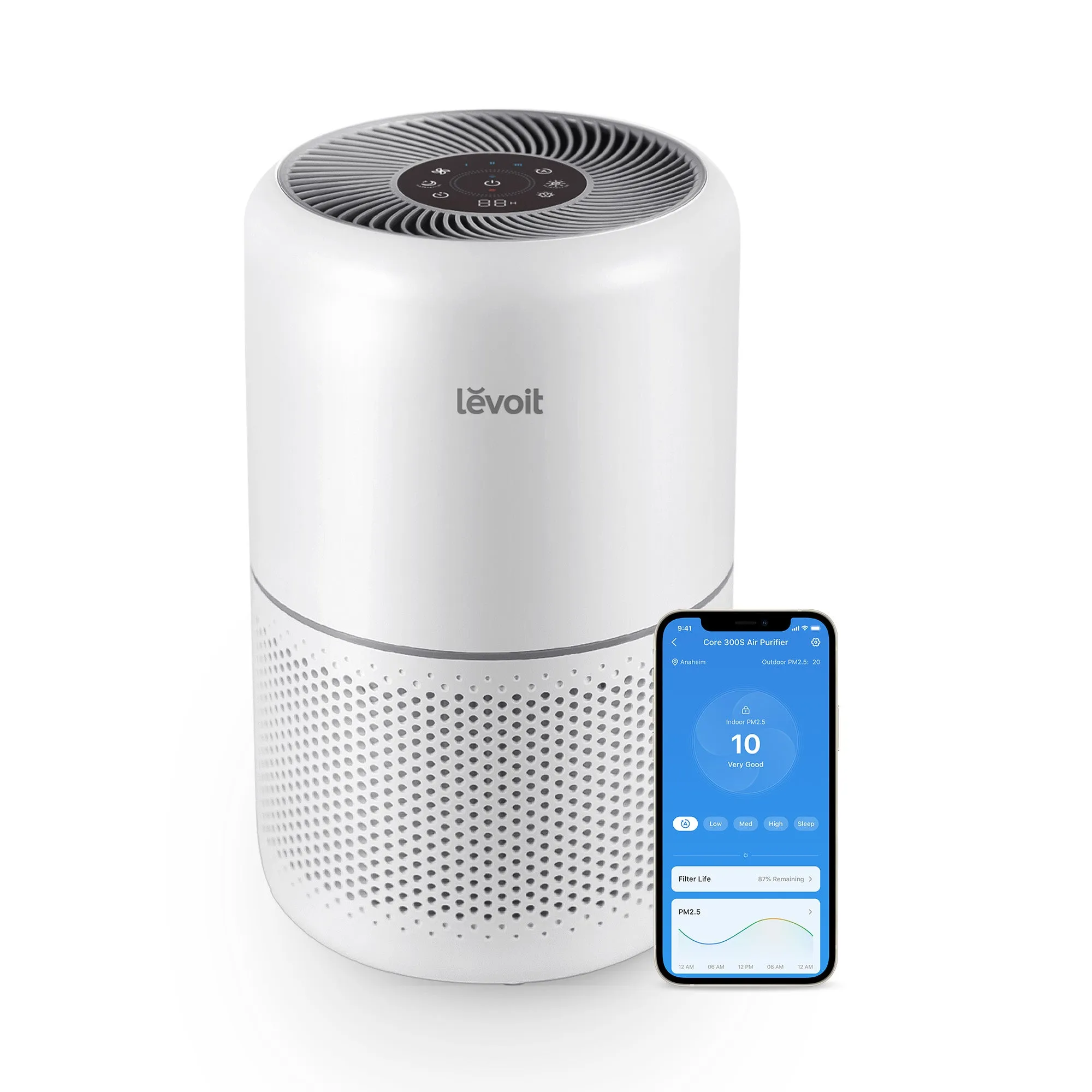
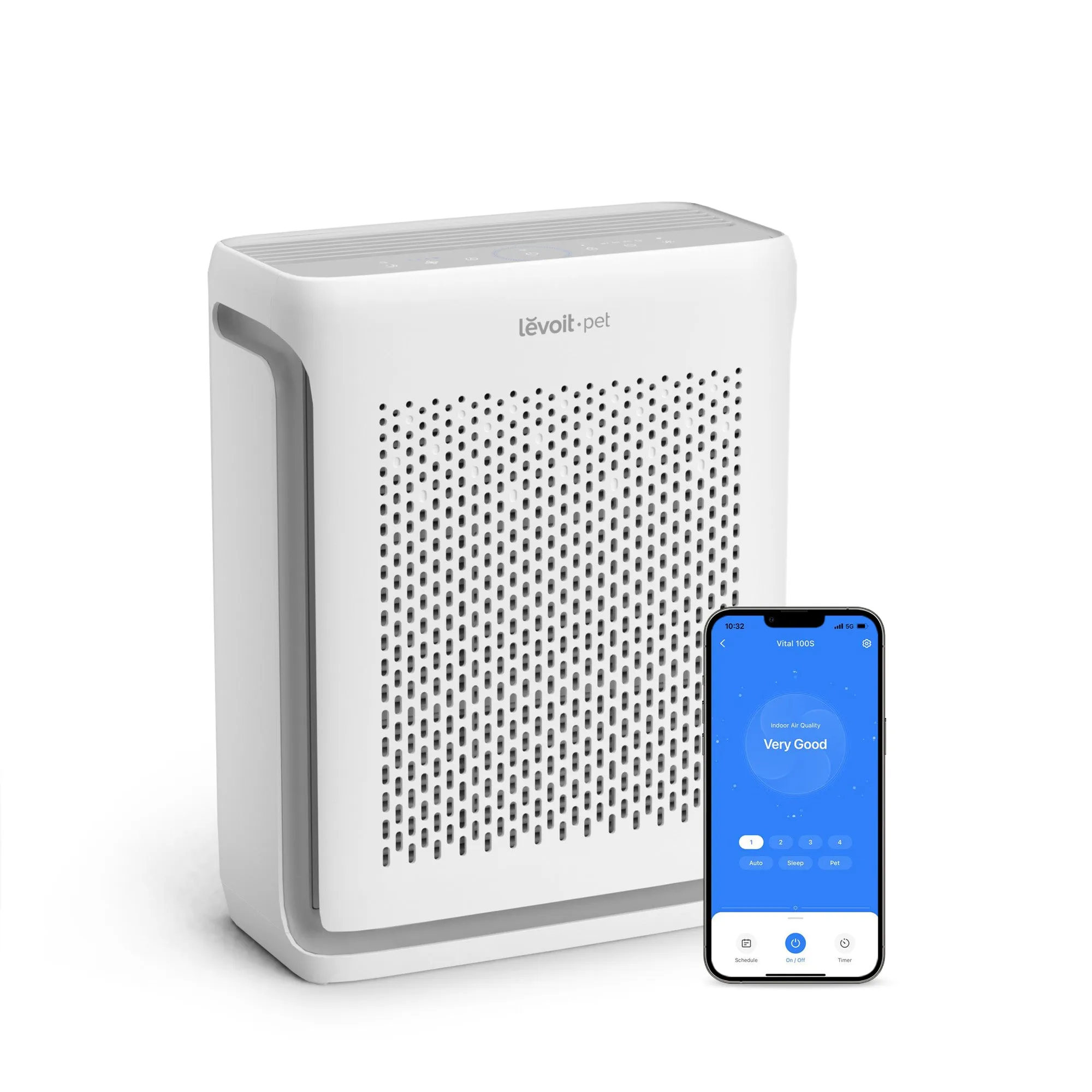
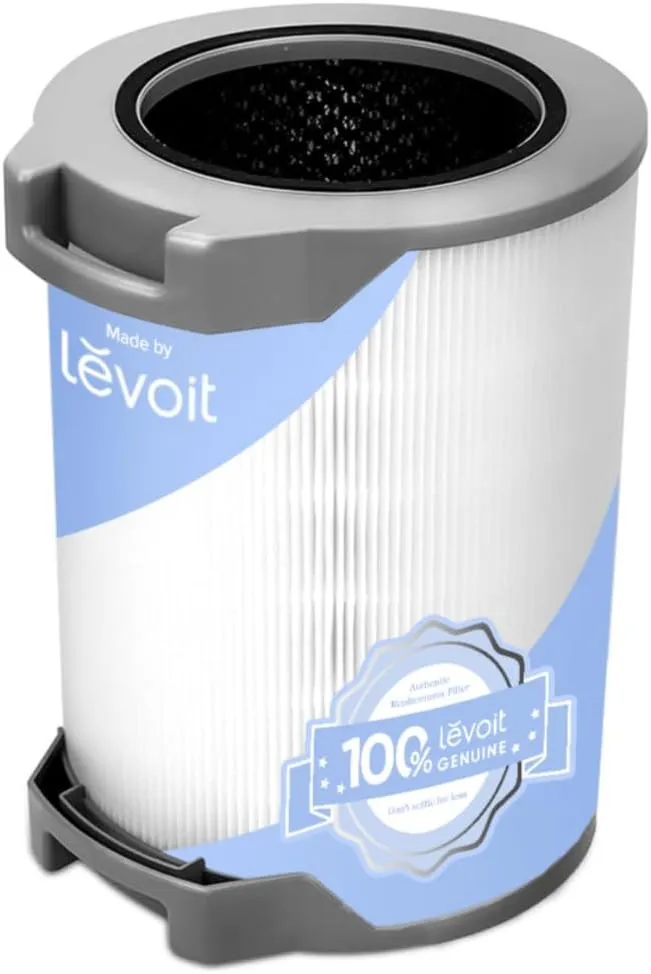
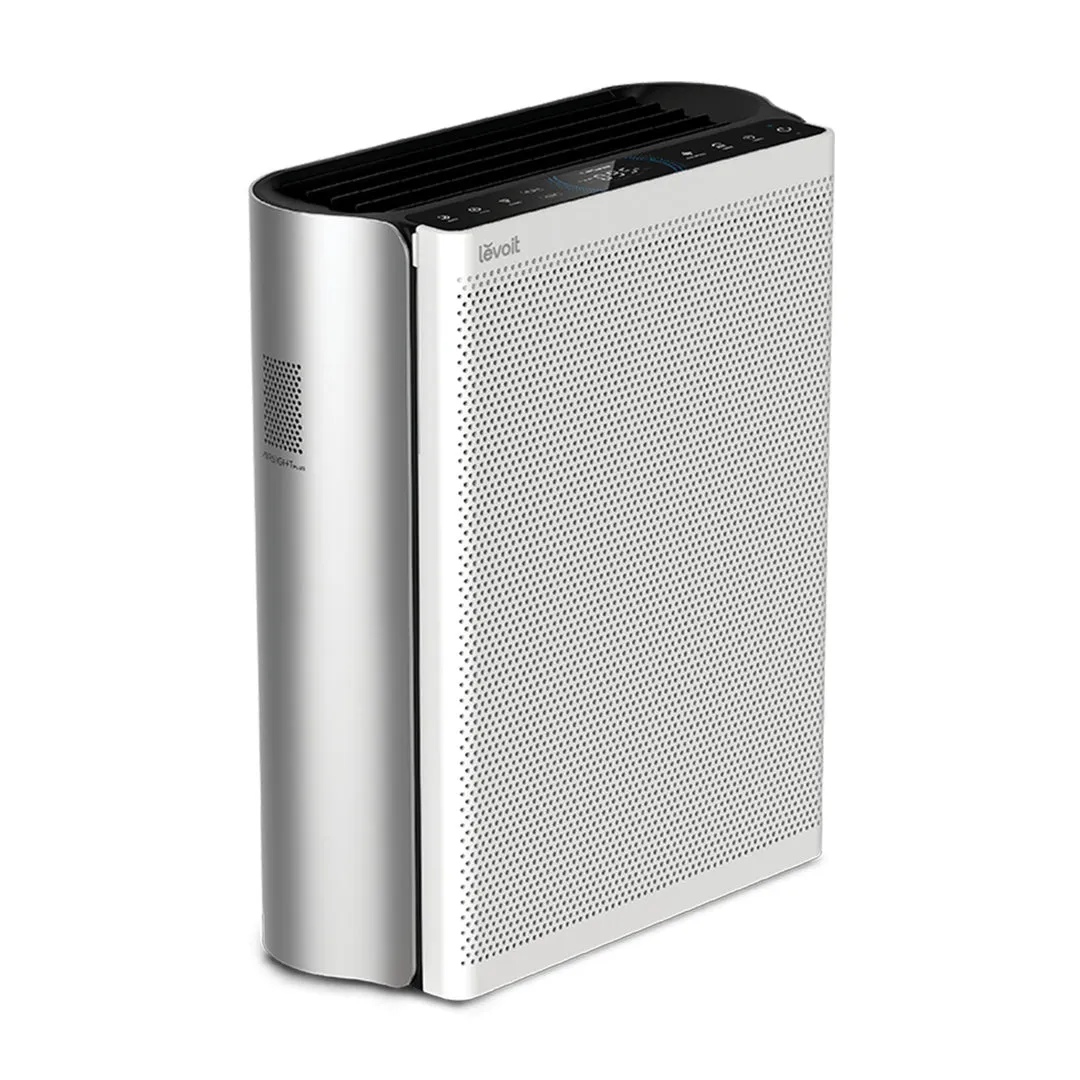
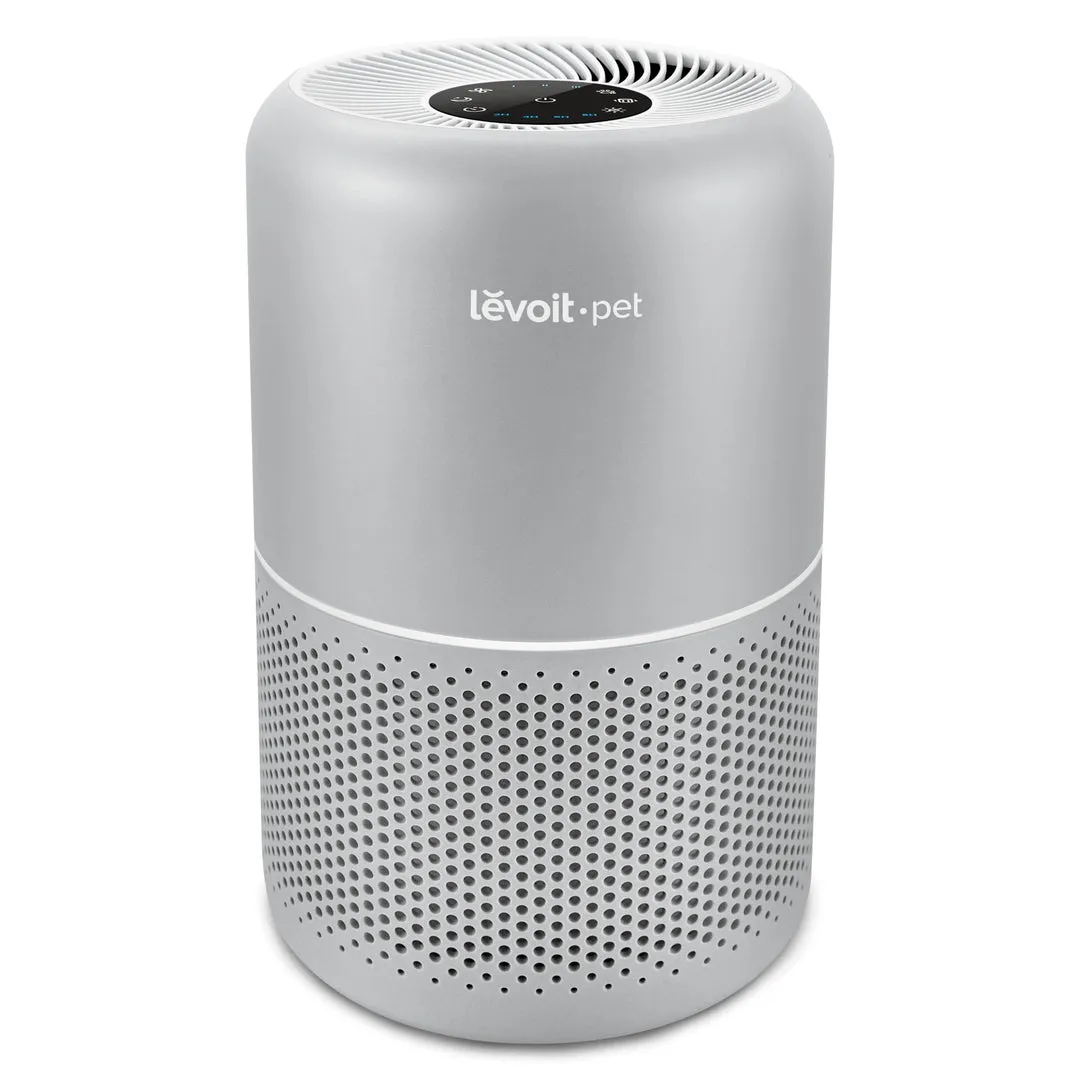
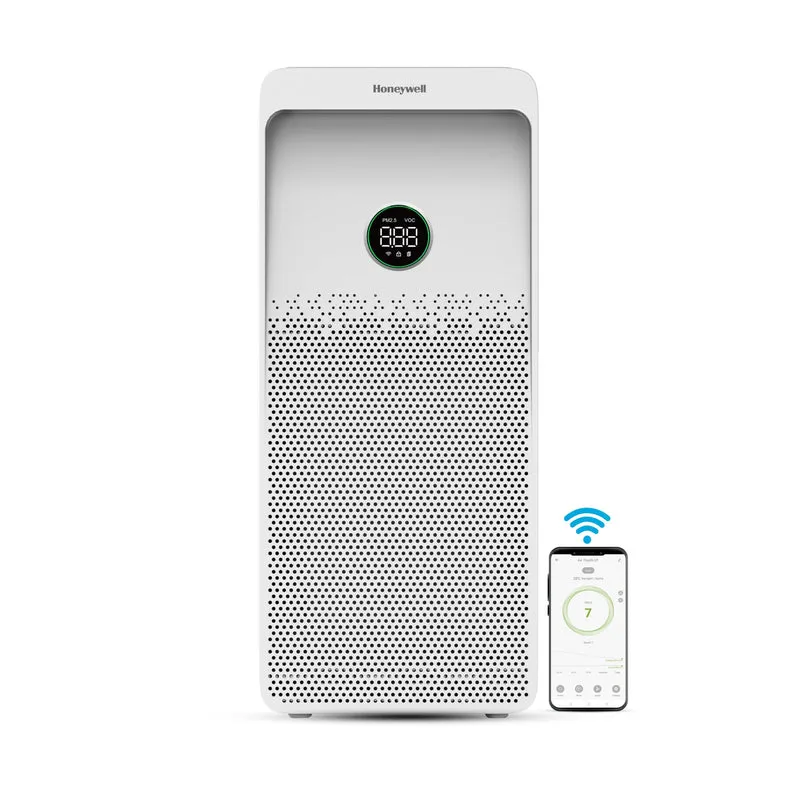
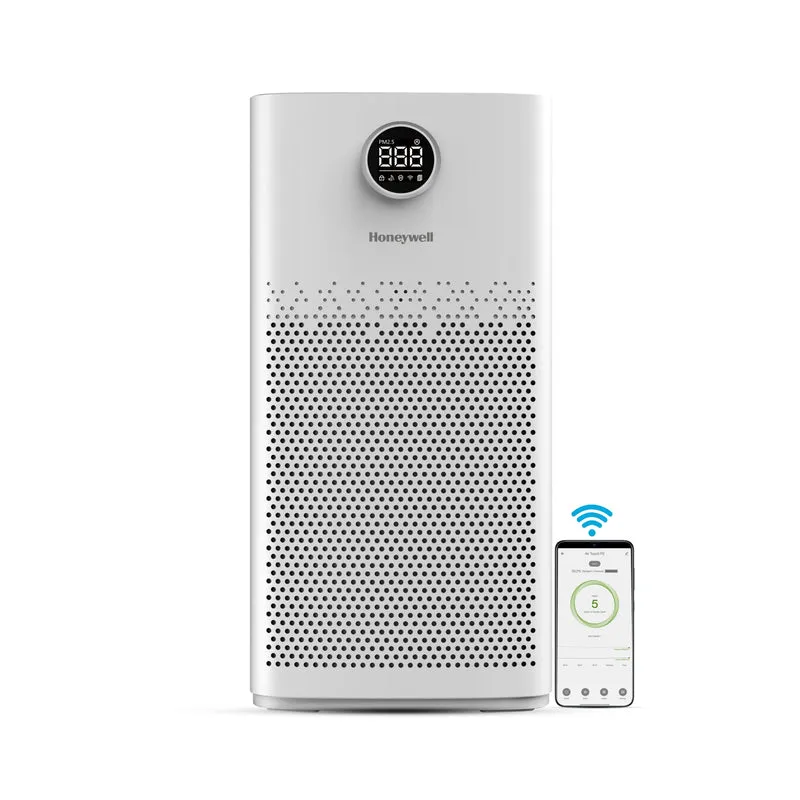
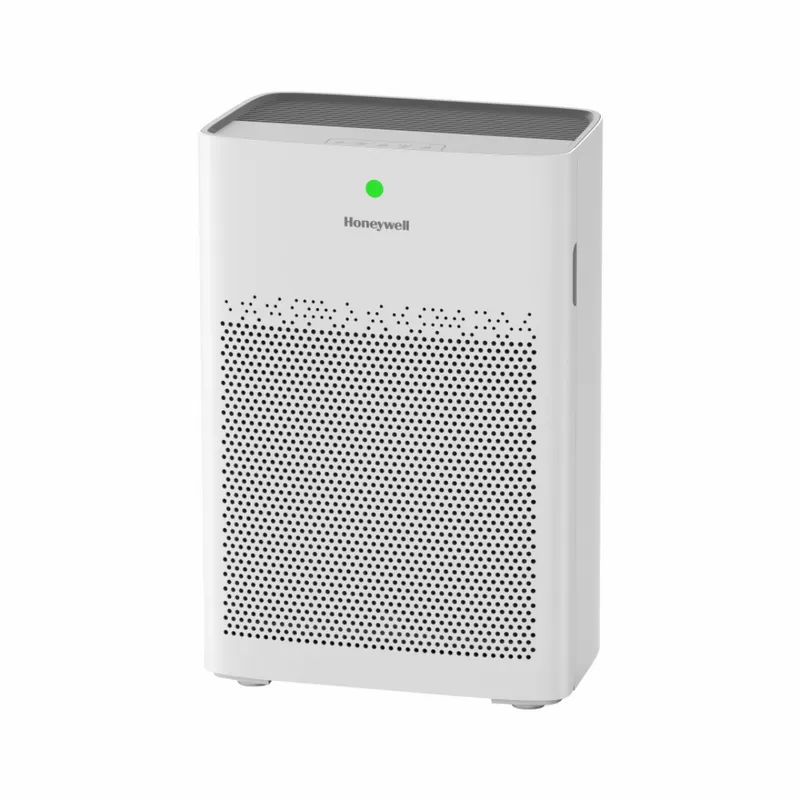
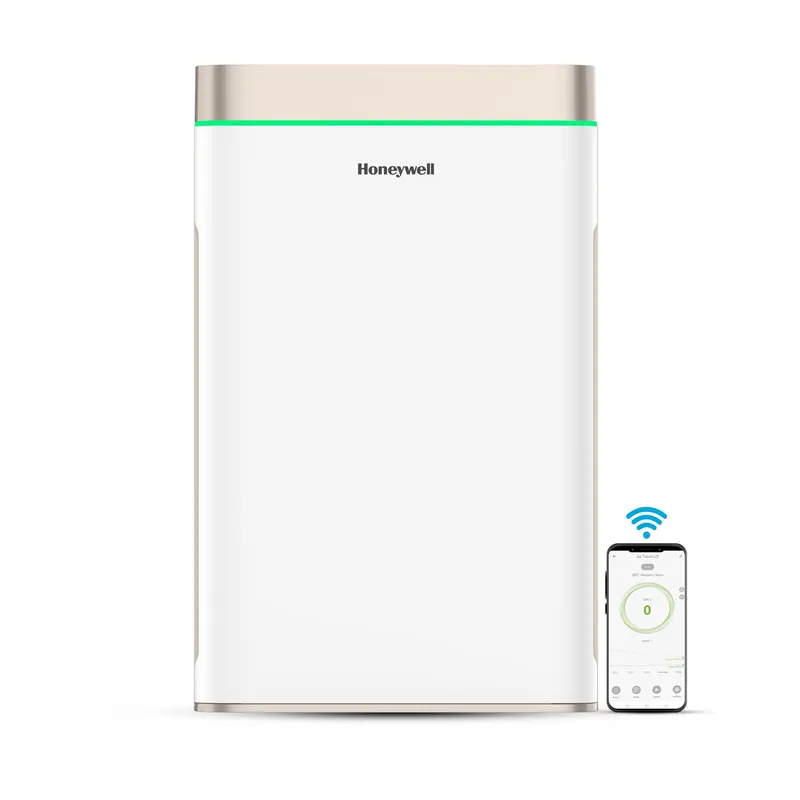
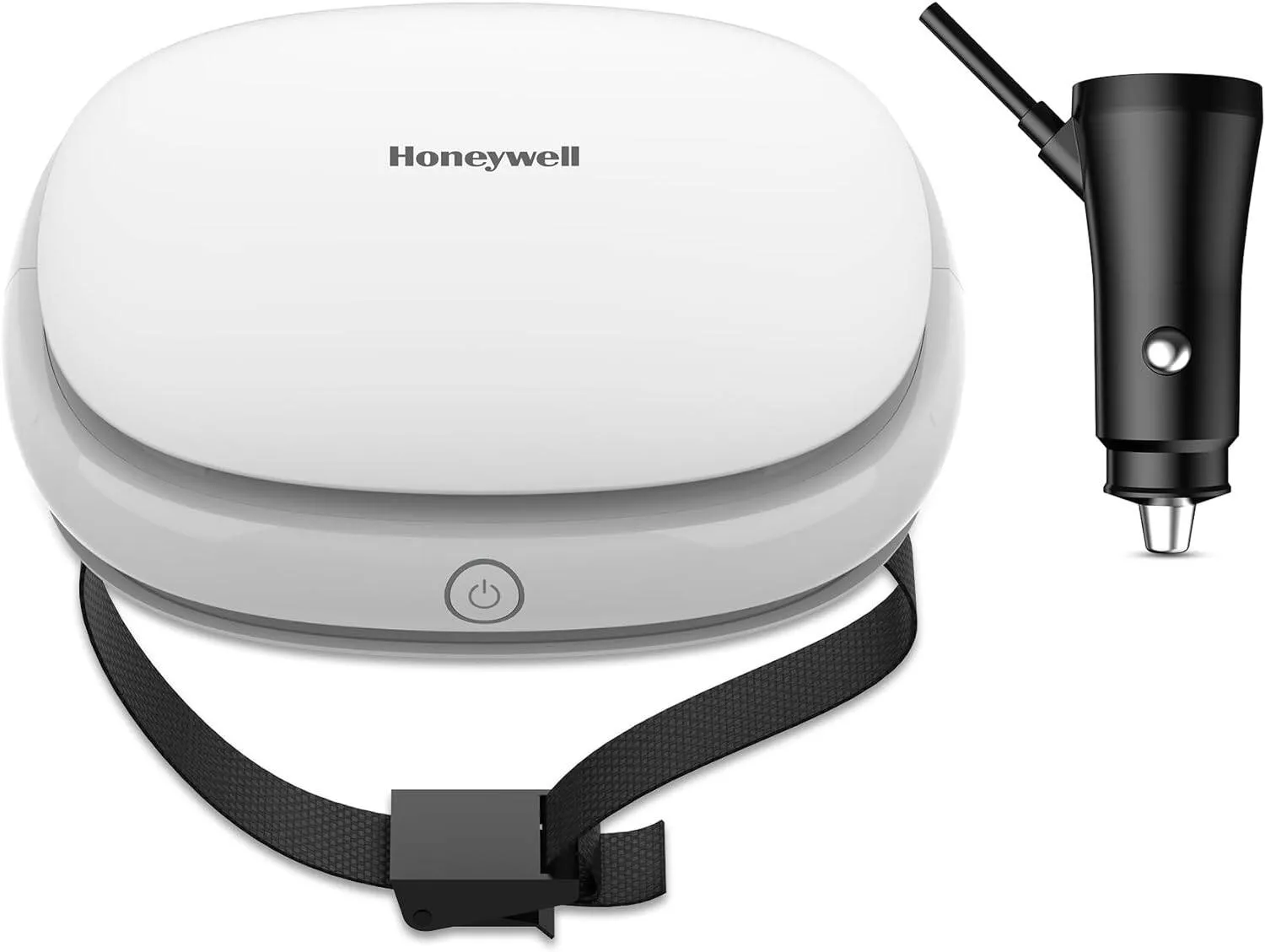
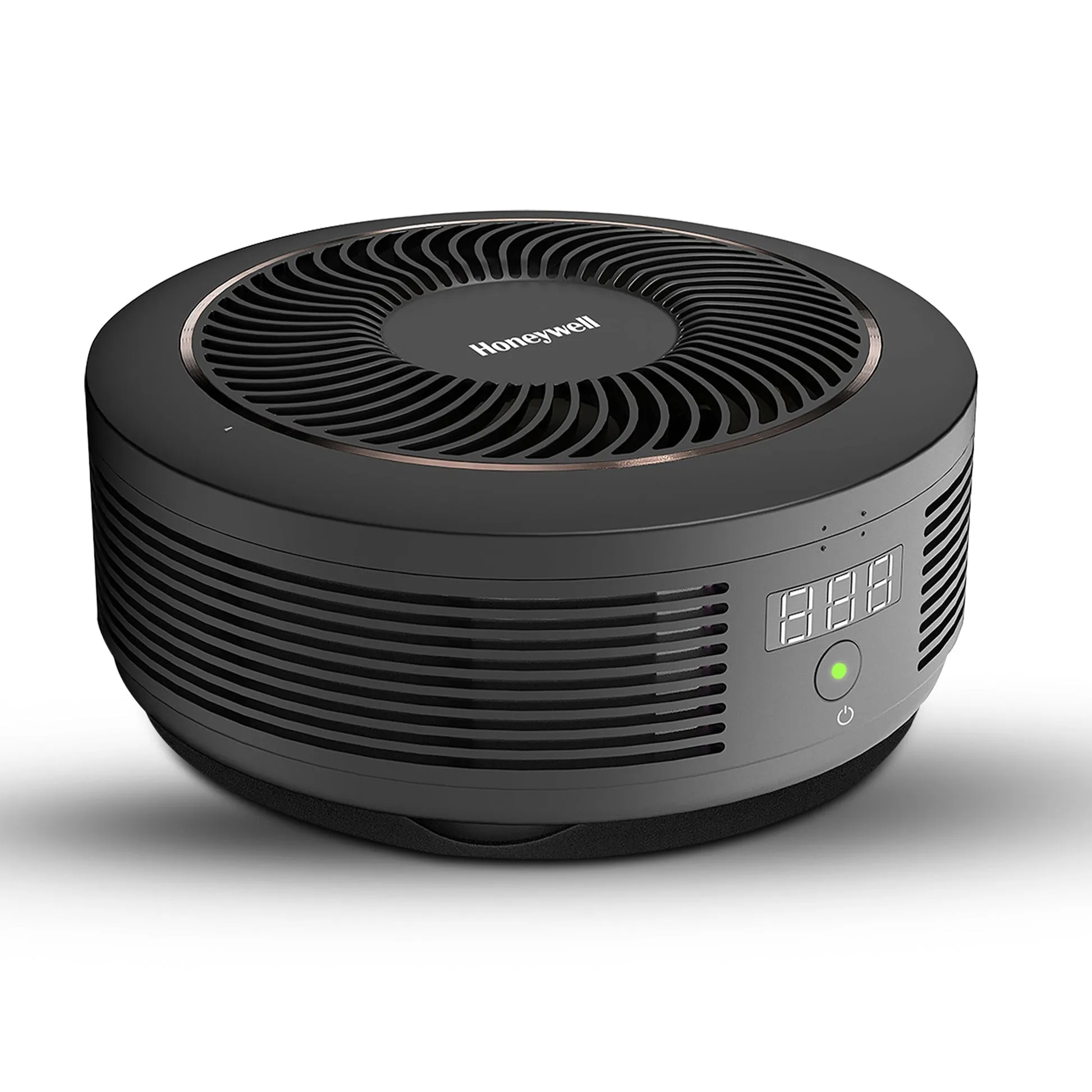
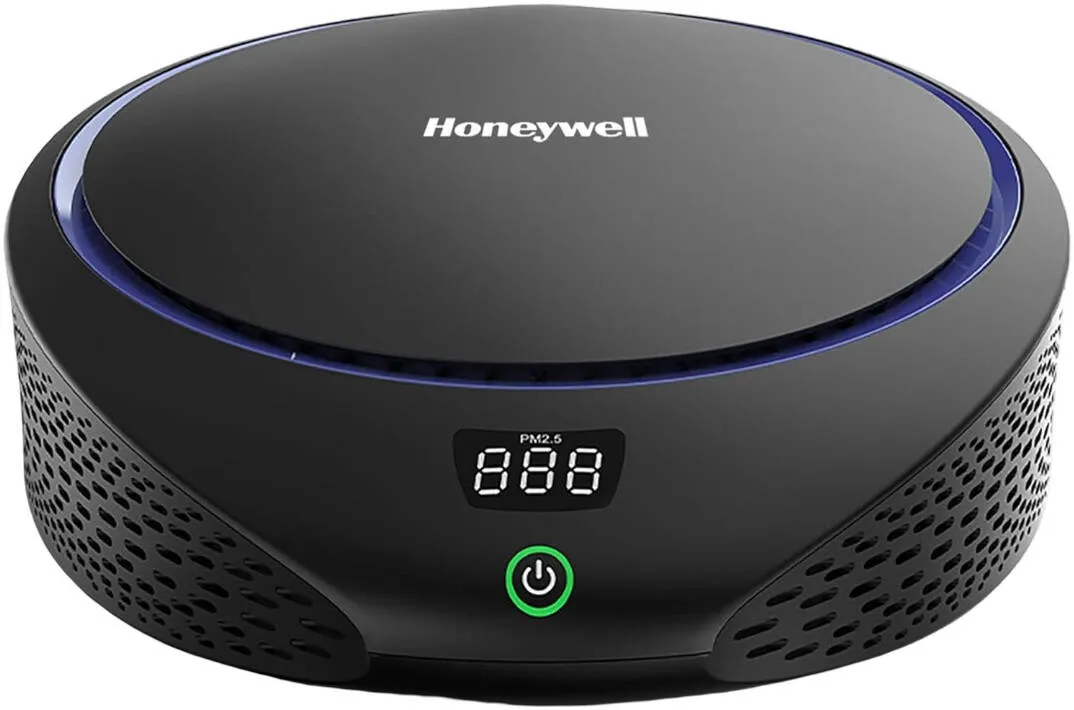
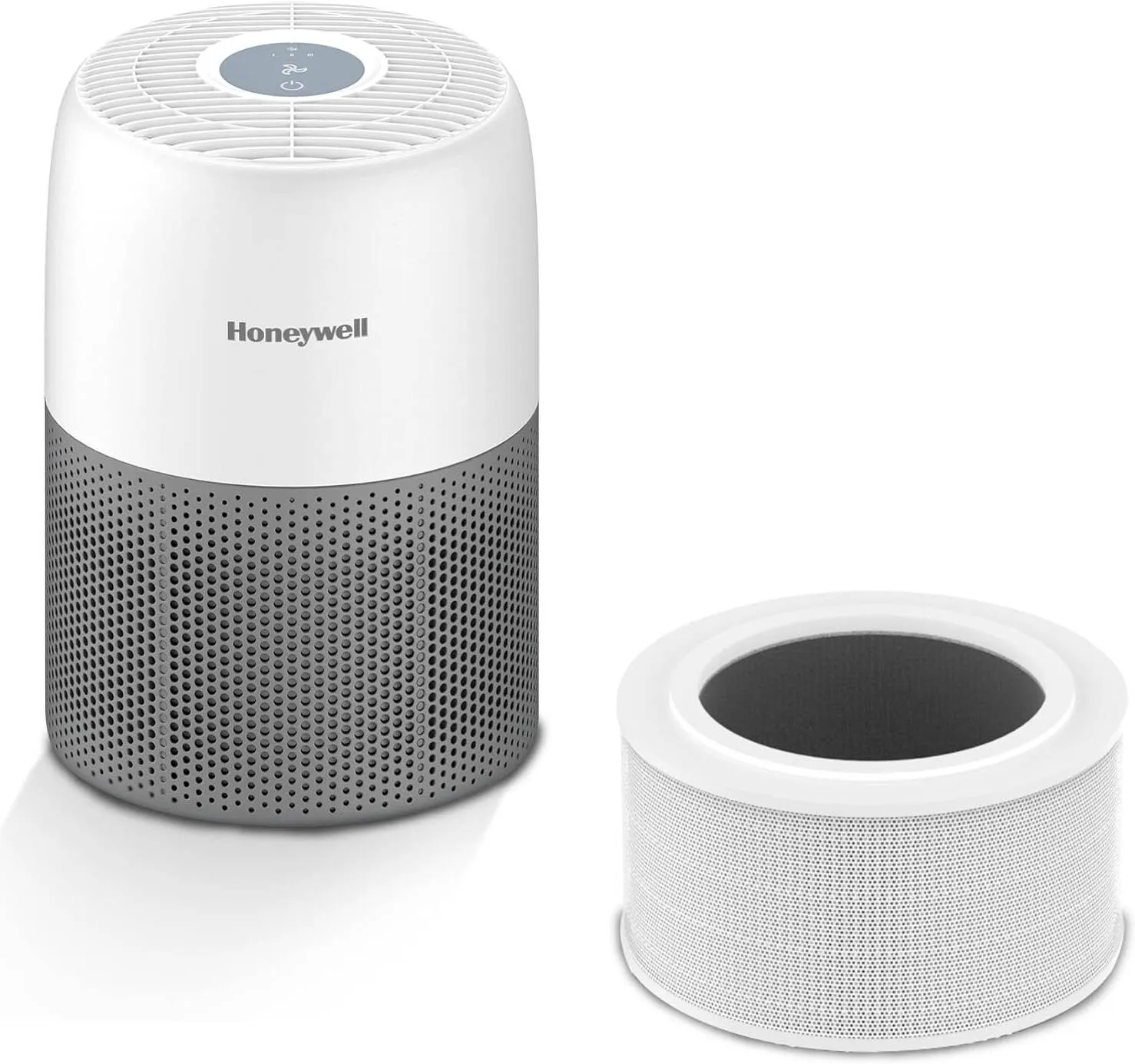
Selecting the right purifier for your specific space, whether a bedroom in Dubai, a family apartment in Abu Dhabi, or a commercial office, requires matching verified CADR data to room size, confirming real-world noise levels, and choosing models with dependable filter performance. Explore trusted air purification options built for UAE conditions, with fast delivery across the Emirates and a range spanning residential to commercial needs. From Blueair to Levoit and Honeywell, every product in the catalogue is suited to the specific demands of UAE indoor environments, including desert dust, high-rise ventilation, and year-round air conditioning use.
Frequently asked questions
What is the ideal noise level for an air purifier at night?
A noise level under 50 decibels is suitable for bedrooms and enables continuous overnight operation. Consumer Reports tests specifically evaluate purifiers at a lower speed no louder than 50 dB, noting that because purifiers should run at all hours, noise is central to living with them effectively.
Does Auto Mode affect noise levels on quiet air purifiers?
Yes, Auto Mode can increase fan speeds suddenly when sensors detect pollution, so actual noise levels may vary considerably from the marketed dB rating. Real-world satisfaction depends on how noise changes across speeds and whether the auto mode genuinely stays within a quiet range under typical household or office conditions.
Can I run a low-noise air purifier continuously in my office?
Yes, low-noise models are specifically designed for continuous use in office environments without causing distraction. Sustained operation in workplaces supports consistent exposure control and keeps air quality high throughout the working day without interrupting staff.
How do I compare the effectiveness of different low-noise purifiers?
Check the CADR ratings for dust, smoke, and pollen at the quieter setting, then match those figures to your room size. CADR is verified under AHAM testing for smoke, dust, and pollen, making it the most reliable independent standard for comparing filtration effectiveness across different models and brands.