


Uncategorised
Essential guide to air cleaning in UAE commercial spaces
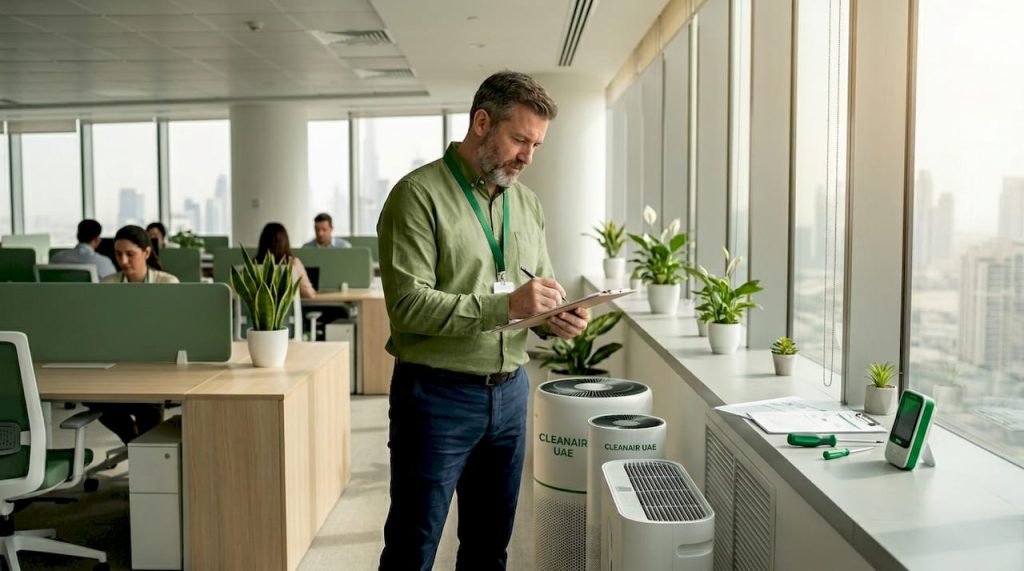
Employees in UAE offices frequently report fatigue, dry throats, and difficulty concentrating, especially during the long summer months when buildings run sealed and air-conditioned for hours on end. These are not minor complaints. Poor IAQ links directly to reduced productivity, increased sick days, and now, under UAE Law No.5/2025, potential fines and business shutdowns. This guide covers the full picture: what drives poor air quality in UAE commercial spaces, how to assess and fix it, and how to verify results that matter to your leadership team and your regulators.
Table of Contents
- Understanding indoor air quality in UAE commercial spaces
- Preparation: Assessing your space and setting goals
- Implementing effective air cleaning solutions
- Troubleshooting and maintaining clean air
- What does success look like? Verifying results and ROI
- Why commercial air quality is a leadership opportunity, not a cost center
- Take the next step with indoor air quality expertise
- Frequently asked questions
Key Takeaways
| Point | Details |
|---|---|
| IAQ impacts business success | Healthy air boosts productivity and avoids risks of fines or shutdown under new UAE law. |
| Practical steps work best | Assessment, targeted equipment upgrades, and ongoing monitoring deliver real results. |
| Verification is essential | Tracking IAQ metrics proves value to stakeholders and ensures ongoing health and compliance. |
| Expert guidance adds value | Professional help can streamline complex air quality improvements in UAE workplaces. |
Understanding indoor air quality in UAE commercial spaces
Indoor air quality (IAQ) refers to the condition of the air inside a building, measured by pollutant levels, ventilation rates, temperature, and humidity. In the UAE, commercial spaces face a specific set of challenges that make IAQ harder to manage than in many other regions.
The term “Dubai throat” is widely recognized among long-term residents and office workers. It describes the persistent dry, scratchy sensation caused by prolonged exposure to heavily air-conditioned, low-humidity indoor air mixed with dust and fine particulate matter. This is not just discomfort. It signals elevated pollutant levels and inadequate filtration. When staff experience these symptoms regularly, productivity drops, absenteeism rises, and morale takes a hit.
Common pollutants in UAE commercial spaces include:
- PM2.5 (fine particulate matter, including desert dust and vehicle emissions that infiltrate buildings)
- CO2 (carbon dioxide, which builds up in crowded, poorly ventilated rooms)
- VOCs (volatile organic compounds from furniture, cleaning products, and building materials)
- Mold spores (from humidity fluctuations in HVAC systems)
- Biological contaminants (bacteria and viruses that circulate in recirculated air)
Key compliance fact: UAE Law No.5/2025 sets mandatory IAQ standards for offices, schools, hospitals, and other commercial spaces. Failure to comply can result in fines or temporary shutdown. CO2 levels above 1,000 ppm and PM2.5 above established thresholds trigger compliance reviews.
The law applies across sectors. Property managers and facility teams need to treat IAQ as a regulated operational requirement, not an optional wellness initiative. The penalties are real, and regulators are actively enforcing them.
Preparation: Assessing your space and setting goals
Understanding the risks is step one. The next step is to evaluate your current air quality and the specifics of your space before spending anything on solutions.
Start with measurement. You cannot manage what you do not measure. CO2 sensors and PM2.5 monitors give you a real-time picture of air quality across different zones. EPA and ASHRAE guidance recommends targeting at least 5 air changes per hour (ACH) in commercial settings, using MERV 13 or higher filters, and deploying continuous sensors to flag CO2 levels above 800 ppm or elevated PM2.5.
“Continuous monitoring of CO2 and PM2.5 is the foundation of any credible commercial IAQ program. Without data, you are guessing.” — EPA/ASHRAE guidance on indoor air quality in public spaces.
Space assessment checklist:
| Space type | High-risk zones | Recommended sensor locations |
|---|---|---|
| Open-plan office | Desk clusters, printer areas | Ceiling-mounted, central and corner positions |
| Conference room | Sealed, high-occupancy areas | Wall-mounted near return air vents |
| Reception/lobby | Entry points, high foot traffic | Near doors, HVAC supply vents |
| Basement or storage | Limited ventilation, humidity | Floor-level and near any HVAC intake |
| Staff kitchen/break room | Cooking fumes, CO spikes | Near cooking appliances and exhaust fans |
| Server room | Heat buildup, recirculated air | Near equipment racks |
Follow these steps for an initial walkthrough:
- Map all ventilation points. Locate every supply vent, return vent, and exhaust fan. Note which rooms have no windows or limited mechanical ventilation.
- Record occupancy patterns. Identify peak hours in each zone. A conference room used for back-to-back meetings all day has very different needs than one used twice a week.
- Check existing filter grades. Pull the current HVAC filter and check its MERV rating. Anything below MERV 13 is not adequate for commercial compliance in most UAE settings.
- Run a 48-hour baseline measurement. Place CO2 and PM2.5 sensors in each zone and record readings across a full workday and overnight. This gives you a clear before picture.
- Interview staff. Ask about recurring symptoms: dry throat, headaches, eye irritation. These qualitative data points often reveal problem zones that sensors alone might miss.
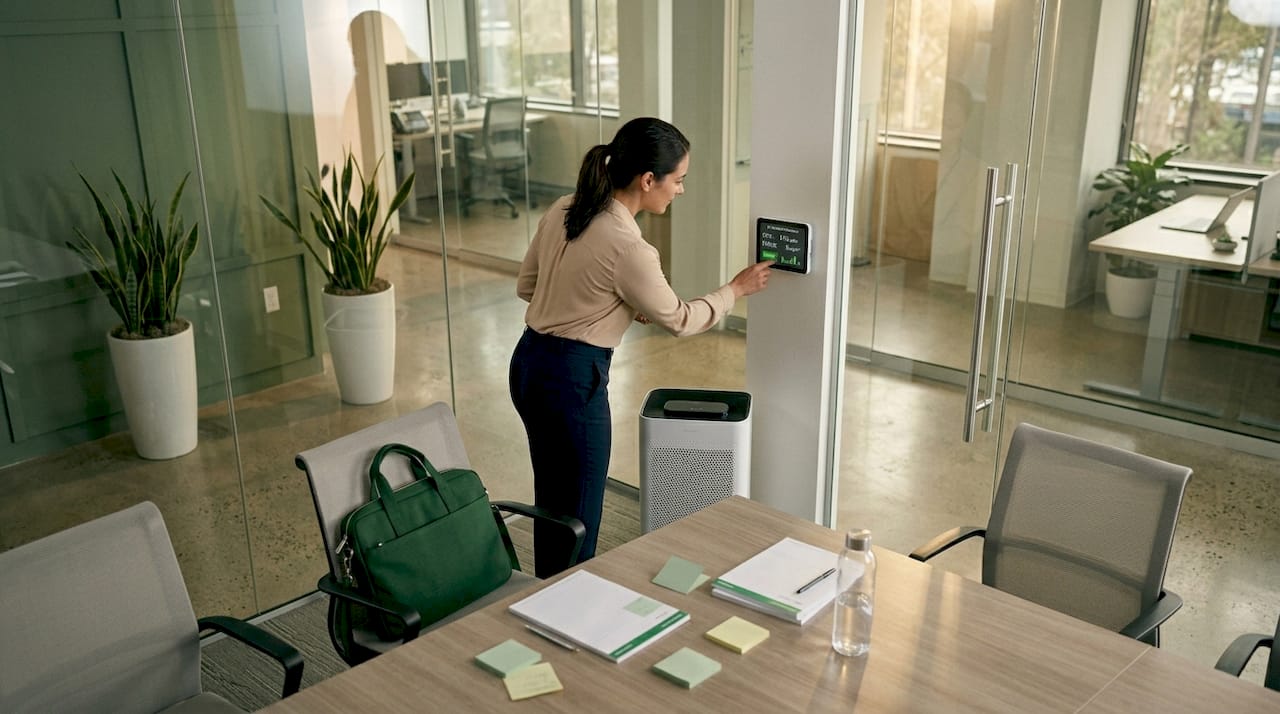
One important note: basements, sealed conference rooms, and interior offices without windows need different solutions than open-plan floors with functioning HVAC. Portable HEPA purifiers are often the most practical fix for these hard-to-ventilate areas, since upgrading ductwork in a basement is expensive and logistically complex.
Implementing effective air cleaning solutions
Once your weak spots are identified, you can select the right combination of solutions. No single fix works for every space. The most effective programs layer multiple approaches.
Step-by-step implementation:
- Upgrade HVAC filters to MERV 13 or higher. This is the highest-impact, lowest-cost first step for most commercial buildings. MERV 13 filters capture particles as small as 0.3 microns, including fine dust, bacteria, and some virus carriers. Check that your HVAC system can handle the increased static pressure before upgrading, as some older systems are not designed for high-efficiency filters.
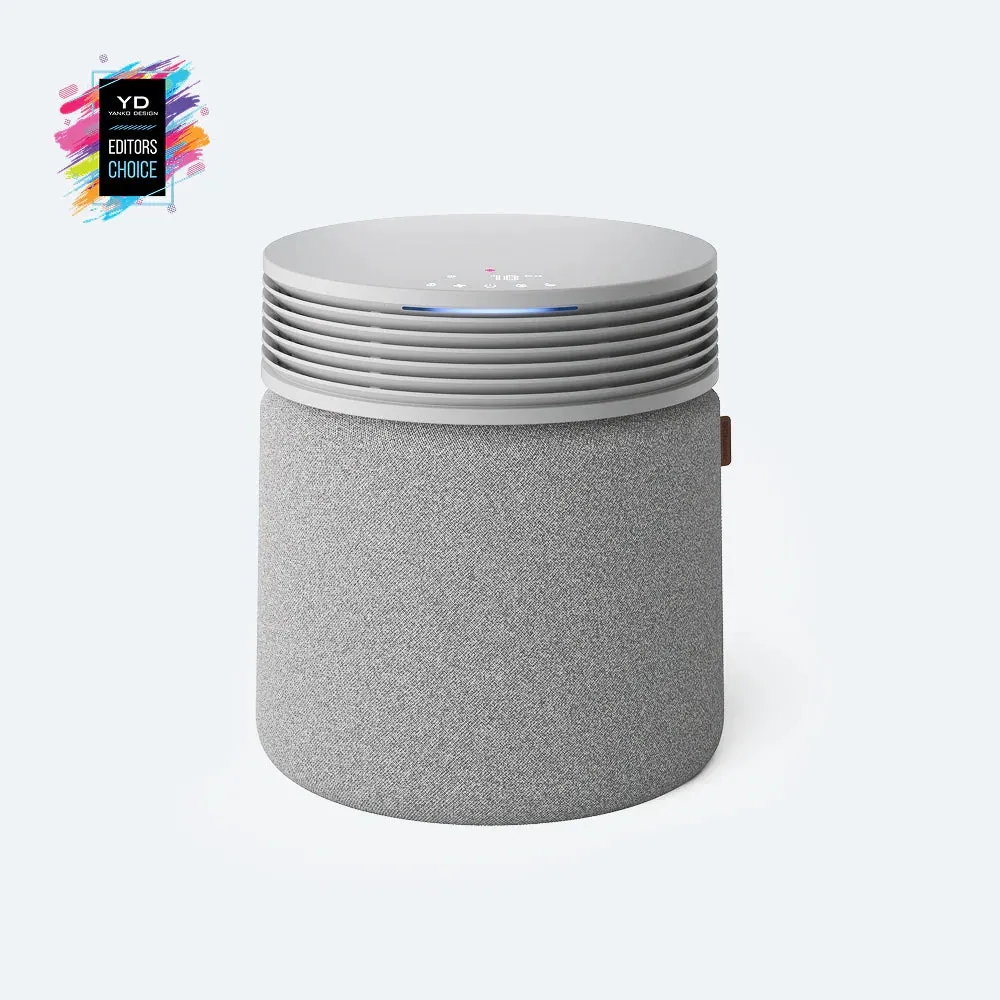
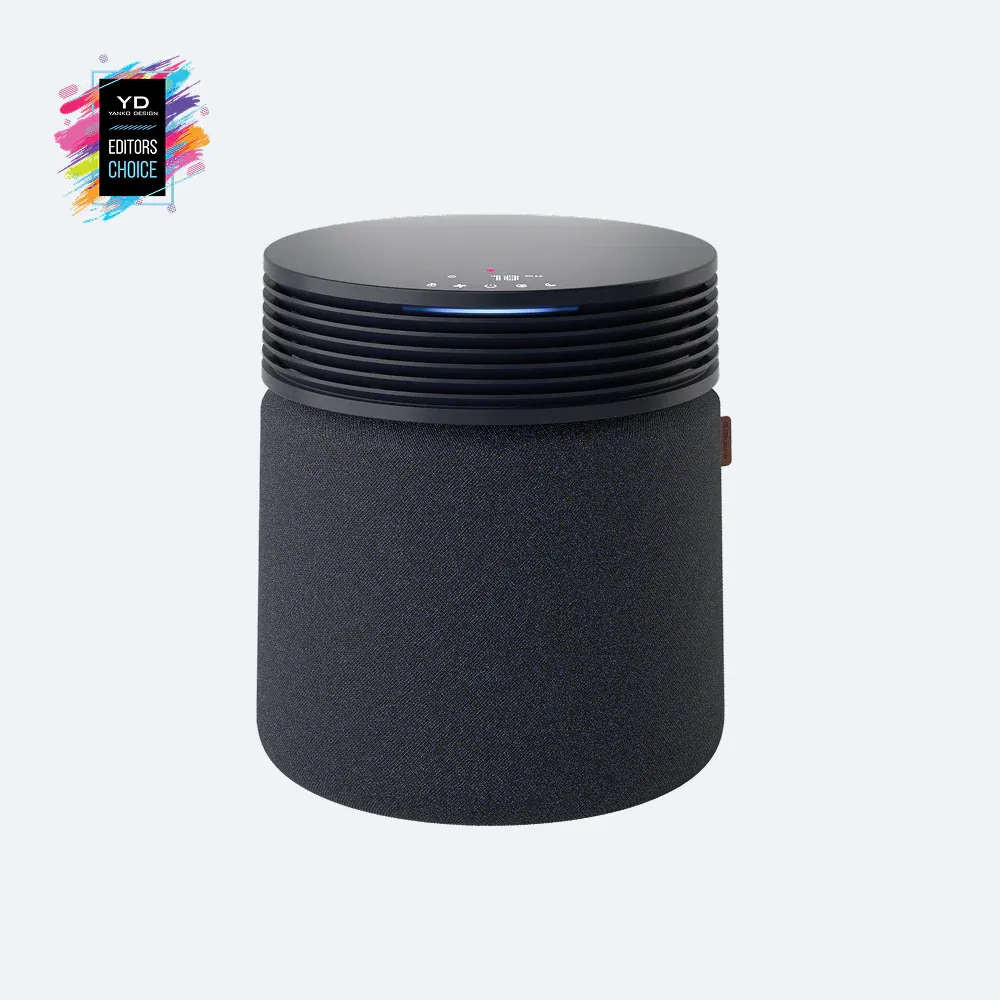
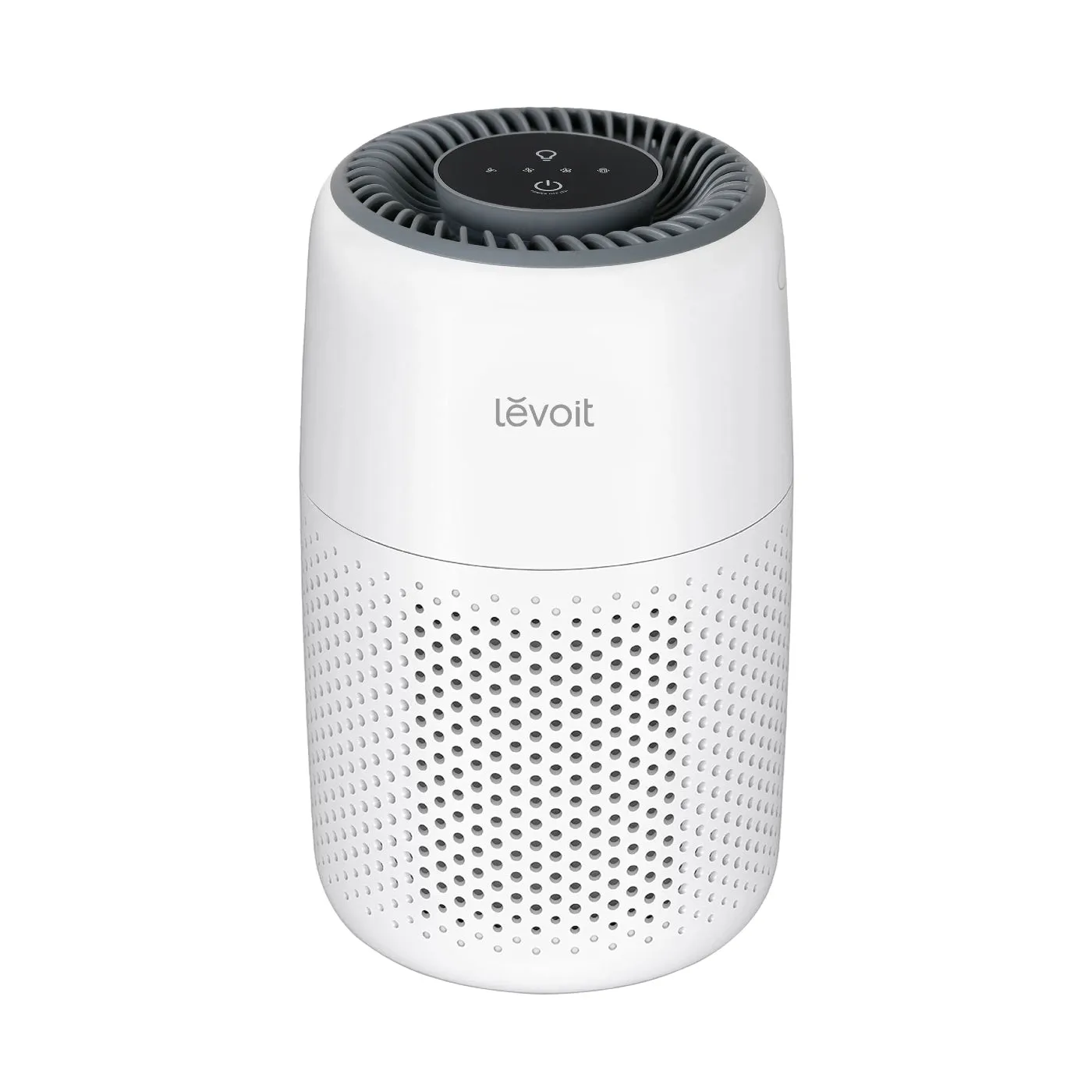
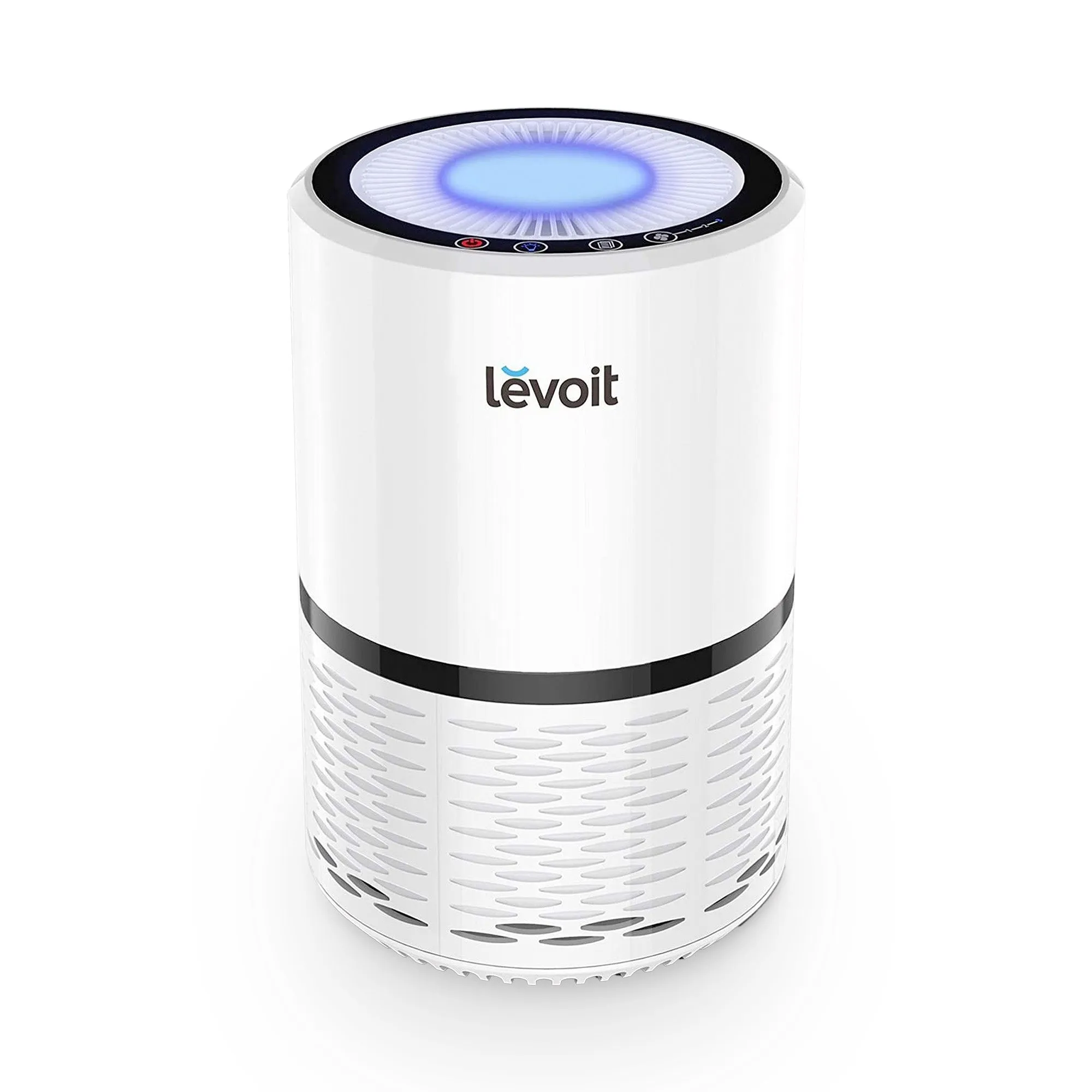
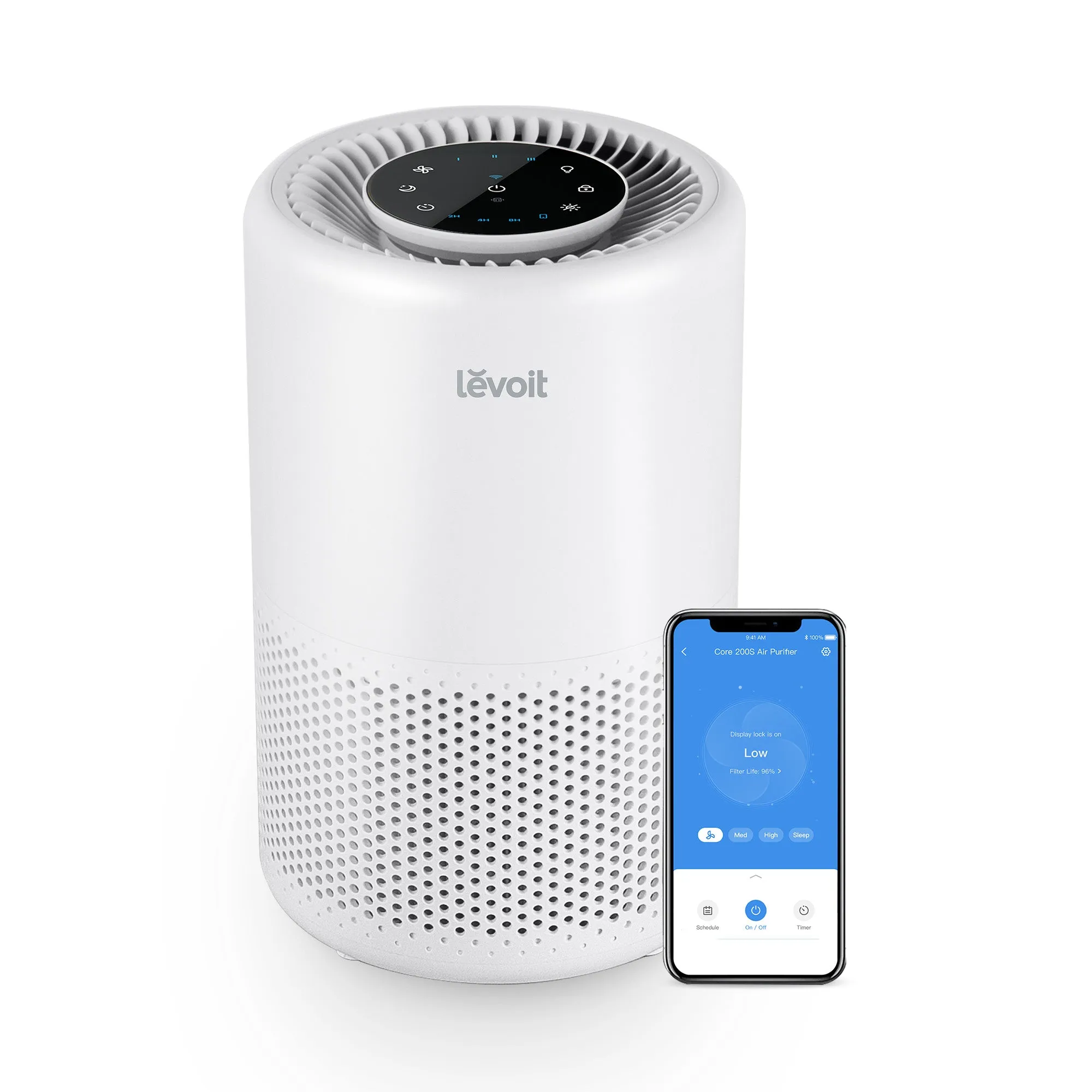
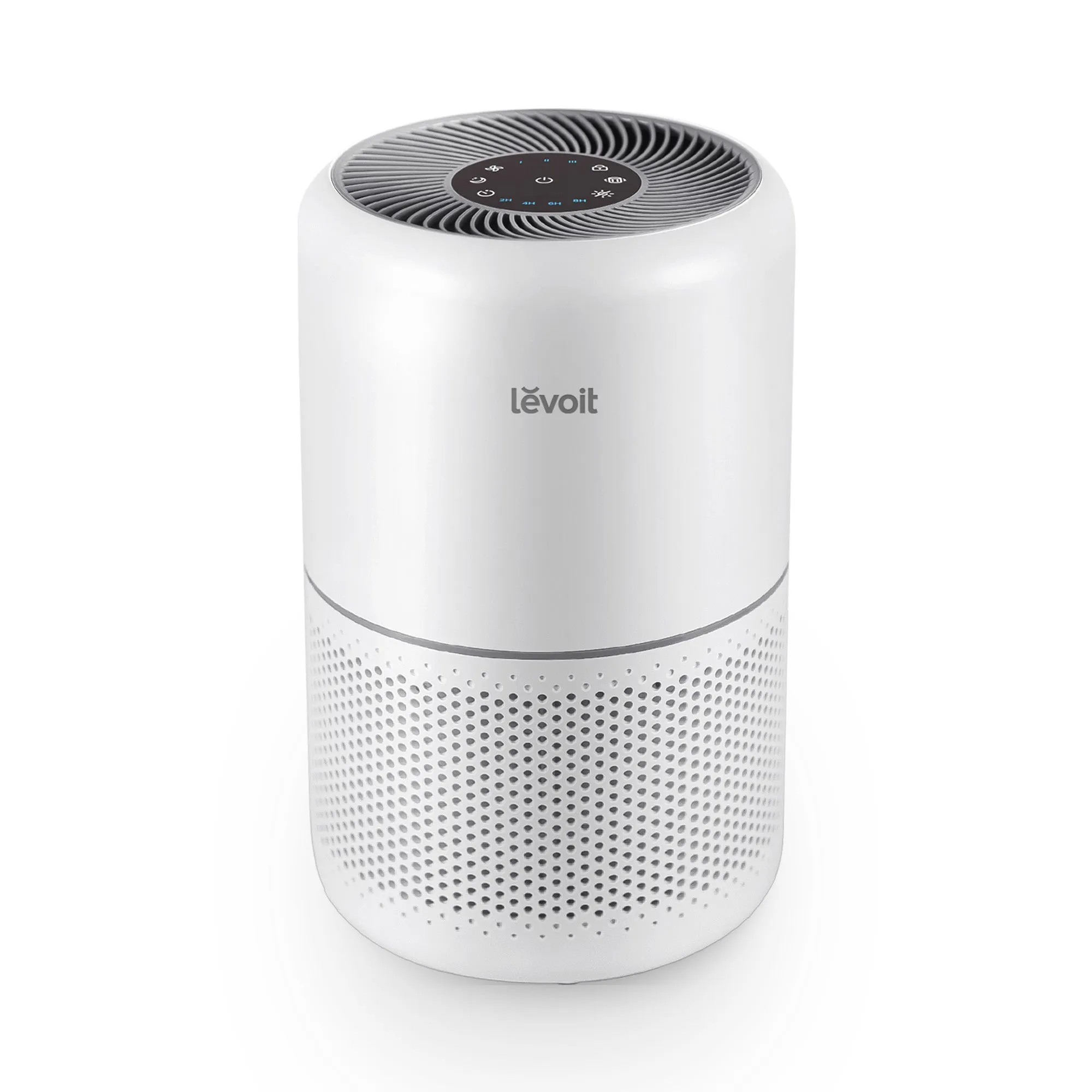
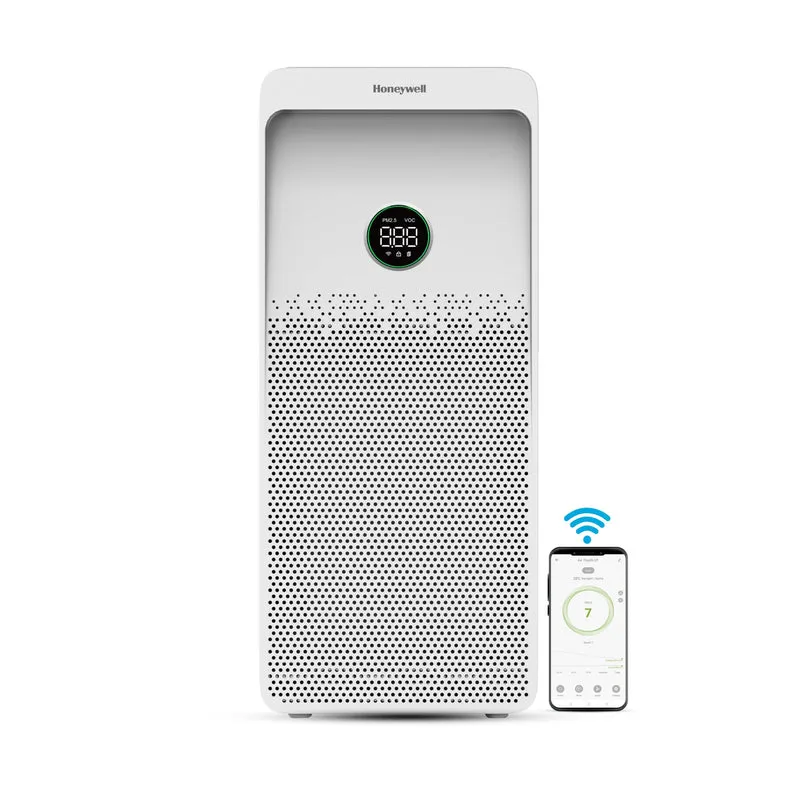
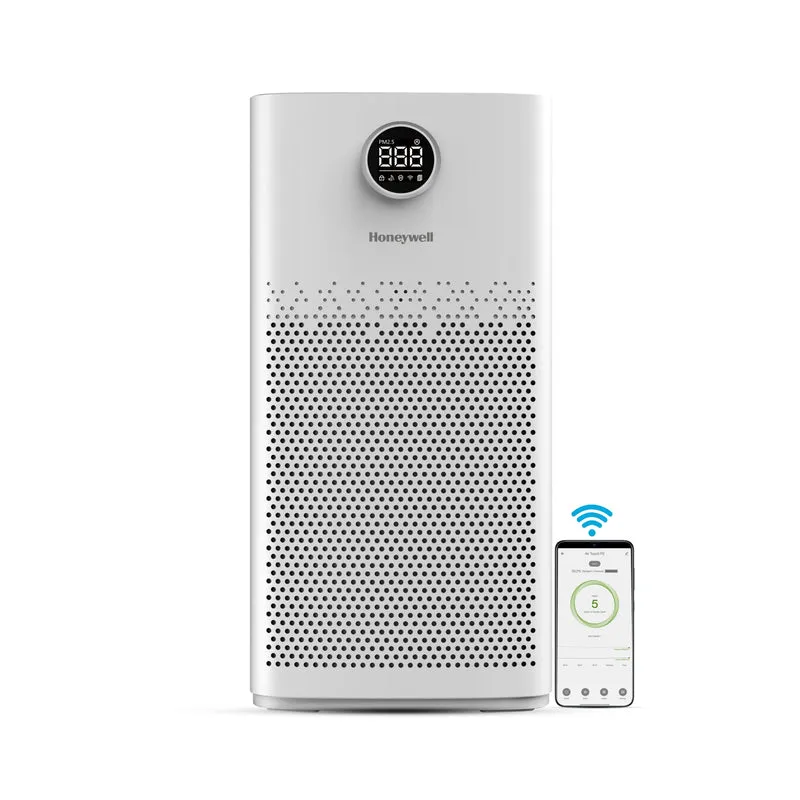
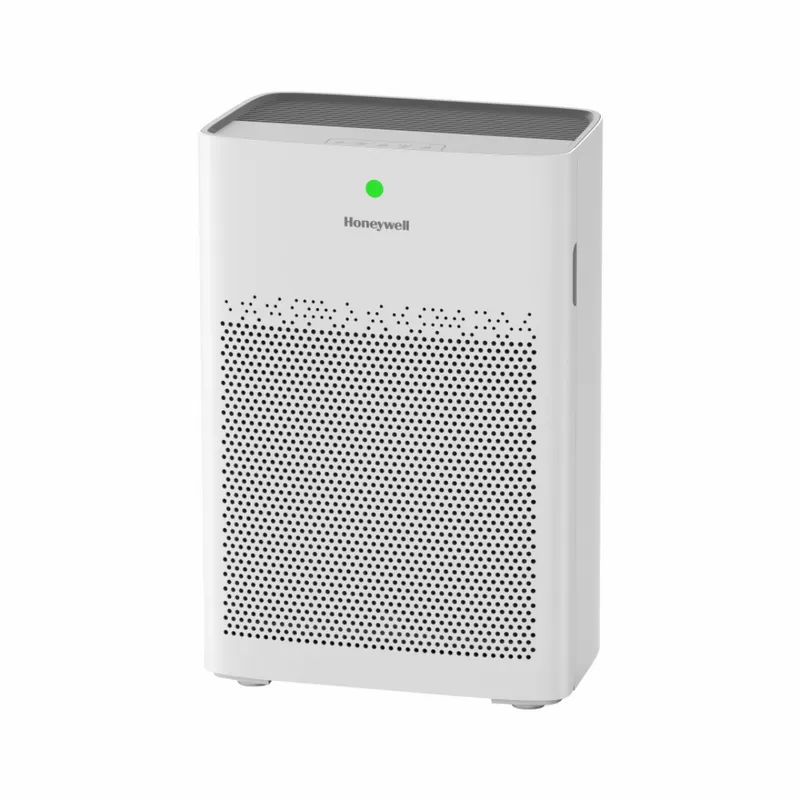
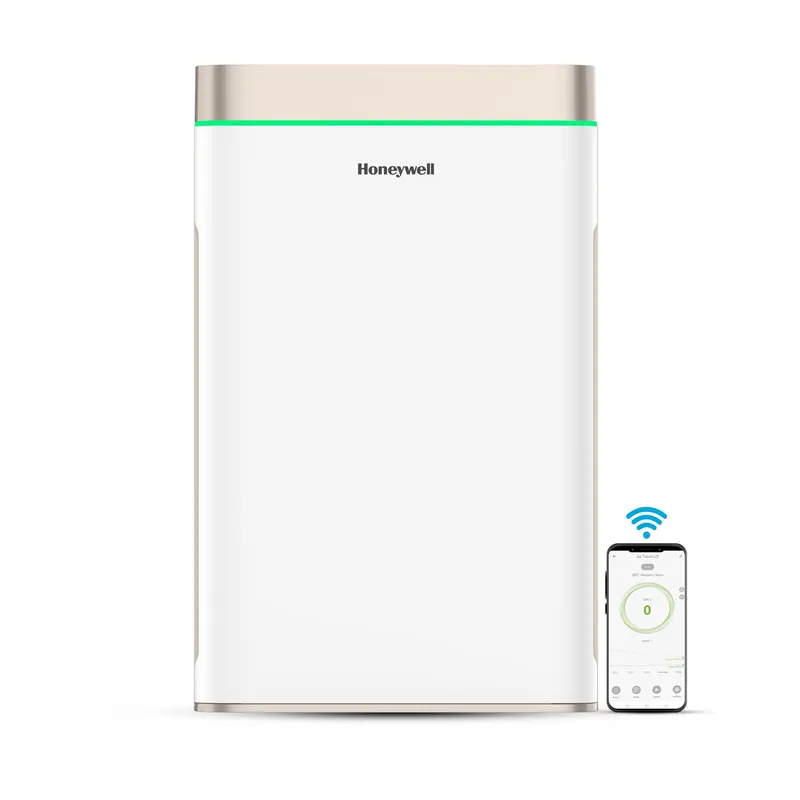
- Deploy portable HEPA air purifiers in problem zones. For sealed conference rooms, reception areas, and basements, portable HEPA units provide targeted filtration without requiring ductwork changes. Size the unit to the room: a 500 square foot room needs a purifier rated for at least that coverage area at the recommended ACH.
- Install continuous CO2 and PM2.5 sensors. Place sensors at breathing height (roughly 1 to 1.5 meters) in each occupied zone. Set alerts for CO2 above 800 ppm and PM2.5 above 12 micrograms per cubic meter. These thresholds give you early warning before conditions become a compliance issue.
- Improve natural and mechanical ventilation where possible. In spaces where windows can be opened safely (away from heavy traffic or construction), schedule brief ventilation periods during cooler morning hours. For mechanical systems, work with your HVAC contractor to increase fresh air intake ratios.
- Document everything. Regulators under UAE Law No.5/2025 may request records of filter changes, sensor readings, and maintenance logs. Build a simple digital log from day one.
Solution comparison:
| Solution type | Estimated cost (AED) | Coverage | Compliance effectiveness |
|---|---|---|---|
| MERV 13 HVAC filter upgrade | 200 to 800 per unit | Whole building (ducted zones) | High, addresses PM2.5 and particulates |
| Portable HEPA purifier | 400 to 2,500 per unit | Single room or zone | High for isolated or poorly ventilated areas |
| CO2/PM2.5 sensor network | 1,500 to 6,000 setup | Building-wide monitoring | Essential for compliance documentation |
| Increased fresh air intake | 2,000 to 10,000+ (contractor) | Whole building | High, reduces CO2 buildup |
| Window ventilation (manual) | Minimal cost | Limited, perimeter rooms only | Low to moderate, weather-dependent |
Pro Tip: In open-plan offices, display sensor data on a shared screen or dashboard. When staff can see real-time CO2 and PM2.5 readings, they are more likely to open a window, reduce occupancy in a crowded room, or flag a malfunctioning vent. Shared data builds shared accountability.
Troubleshooting and maintaining clean air
Now that solutions are in place, ongoing vigilance keeps air quality high and avoids compliance surprises. IAQ is not a one-time project. It requires regular attention.
Red flags to watch for:
- CO2 readings consistently above 800 ppm during occupied hours
- PM2.5 spikes after sandstorms or during high outdoor pollution events
- Persistent odors in specific rooms (often a sign of mold, VOC buildup, or a blocked vent)
- A cluster of employee complaints about fatigue, sore throat, or headaches in the same area
- Visible dust buildup on supply vents or diffusers
Routine maintenance checklist:
- Monthly: Visually inspect all supply and return vents for dust buildup. Check portable purifier pre-filters and clean or replace as needed.
- Quarterly: Replace HVAC filters (or more frequently in high-occupancy or high-dust zones). Calibrate CO2 and PM2.5 sensors per manufacturer instructions.
- Biannually: Schedule a full HVAC service including coil cleaning, drain pan inspection, and ductwork check. Review sensor data trends with your building team.
- Annually: Conduct a full IAQ audit, including a baseline measurement across all zones, and update your compliance documentation.
Common mistakes that undermine IAQ programs:
- Using cheap, low-MERV filters to save money on replacements
- Ignoring return air vents (blocked or dusty return vents choke the whole system)
- Placing portable purifiers in corners or behind furniture where airflow is restricted
- Running purifiers on low settings to reduce noise, which cuts filtration capacity significantly
- Skipping sensor calibration, which causes false readings and missed compliance triggers
Compliance reminder: Under UAE Law No.5/2025, failure to maintain documented IAQ compliance can result in fines or temporary shutdown. Maintenance records are not optional.
Pro Tip: Schedule a quarterly 30-minute review with your building or facilities team to go through sensor data trends. Look for patterns: does CO2 spike every Tuesday afternoon? That might point to a specific meeting room that needs a dedicated purifier or better ventilation scheduling.
What does success look like? Verifying results and ROI
Verification ensures you are getting real value, not just checking a box. Tracking measurable improvements also gives you the data to justify the investment to leadership.
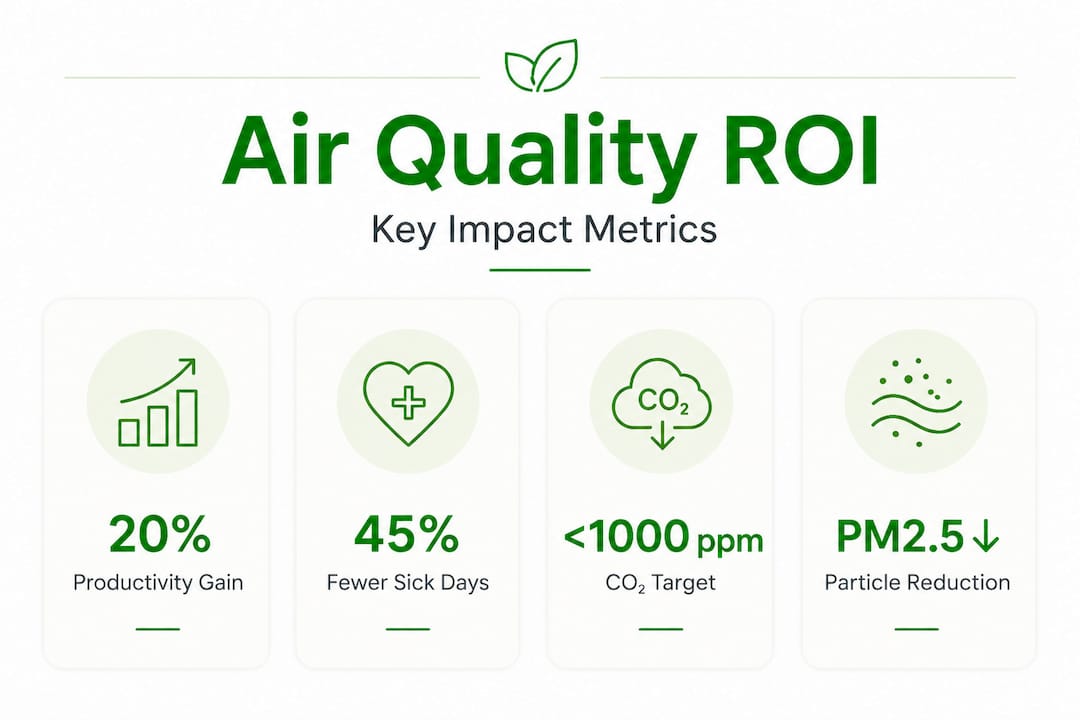
The most useful metrics to track and report are CO2 levels (before and after), PM2.5 concentrations, employee wellness survey scores, and the number of IAQ-related complaints logged per month. When these numbers improve together, the case for ongoing investment becomes straightforward.
Sample before/after data:
| Metric | Before intervention | After intervention | Target threshold |
|---|---|---|---|
| Average CO2 (conference room) | 1,350 ppm | 720 ppm | Below 800 ppm |
| Average PM2.5 (open office) | 28 µg/m³ | 9 µg/m³ | Below 12 µg/m³ |
| Employee fatigue complaints/month | 18 | 4 | Trending down |
| “Dubai throat” reports/month | 22 | 6 | Trending down |
| IAQ compliance documentation | Incomplete | Fully documented | Required by law |
The wellness and productivity connection is not theoretical. Documented links between IAQ and productivity show that reducing pollutant exposure leads to measurable improvements in cognitive performance, fewer sick days, and higher employee satisfaction scores. For a business with 50 employees, even a 5% reduction in absenteeism represents significant cost savings over a year.
On the compliance side, the math is simple: the cost of a proper IAQ program is far lower than the cost of a regulatory fine or a forced shutdown. Documenting your results also positions you well if regulators request an audit.
Why commercial air quality is a leadership opportunity, not a cost center
Most facility managers approach IAQ as a compliance obligation. That framing is understandable, but it misses the bigger picture.
The businesses that lead on IAQ in the UAE are not just avoiding fines. They are sending a signal to their staff, their clients, and the market. A well-documented, actively managed air quality program tells employees that their health is taken seriously. That matters for retention, especially in a competitive talent market where professionals have options.
There is also a reputational dimension that rarely gets discussed. When a client visits your office and the air is clean, the temperature is comfortable, and nobody is coughing, that is a silent statement about how you run your operations. It is the kind of detail that builds trust without a single word being spoken.
The myth that IAQ management only adds to operating costs does not hold up under scrutiny. Replacing a MERV 13 filter costs a fraction of one day of lost productivity from a sick employee. A portable HEPA purifier for a conference room costs less than a single missed deal caused by a client visit cut short. When you frame the numbers that way, the ROI on air quality investment becomes clear.
Proactive IAQ management also reduces legal risk in a way that reactive compliance never can. Waiting for a regulator to flag a problem is always more expensive than preventing it. The businesses that build IAQ into their standard operating procedures are the ones that will not be caught off guard when enforcement intensifies under UAE Law No.5/2025.
Take the next step with indoor air quality expertise
Managing IAQ across a commercial space requires the right products, consistent maintenance, and reliable data. Getting that combination right from the start saves time and avoids costly corrections later.
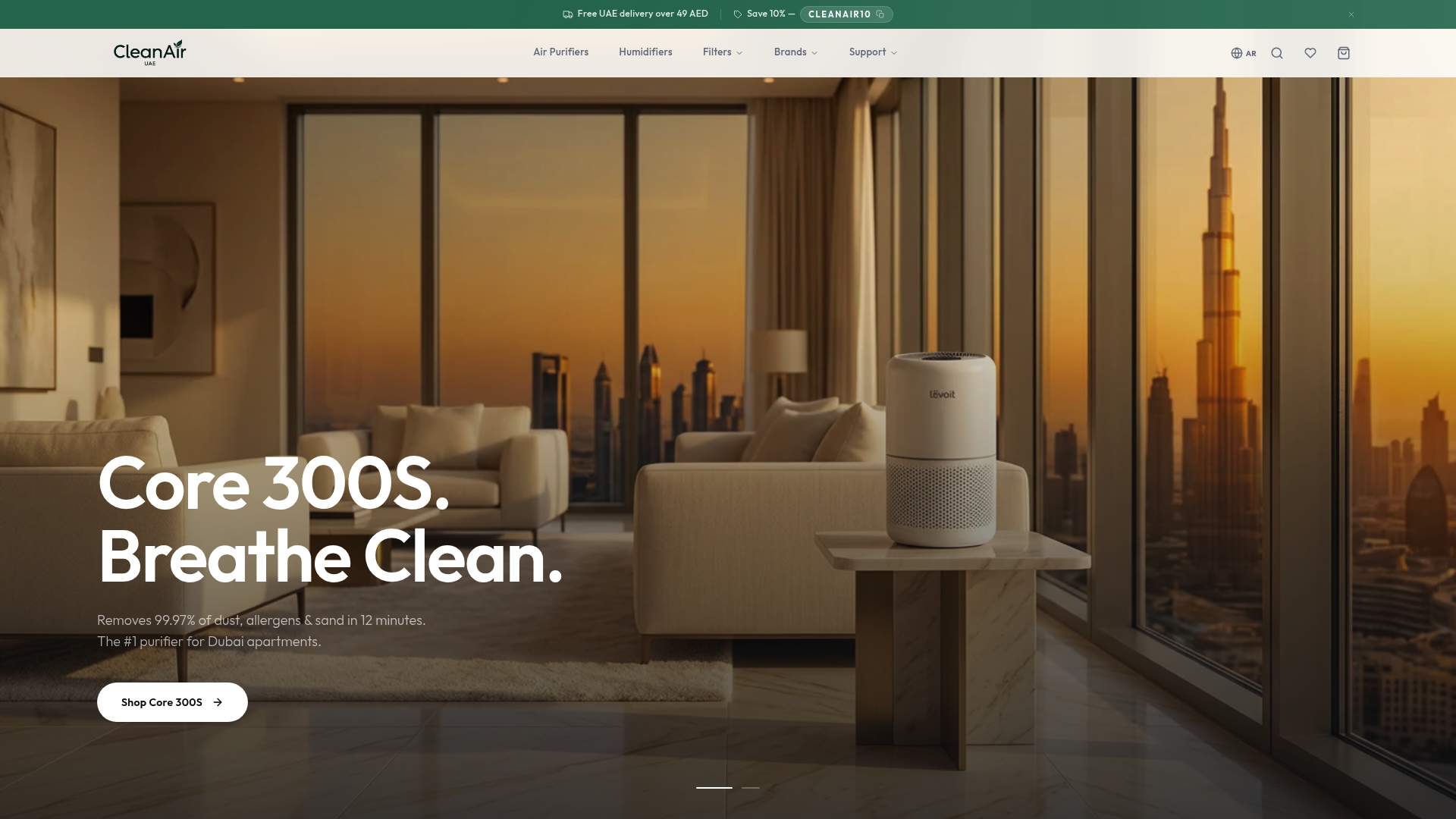
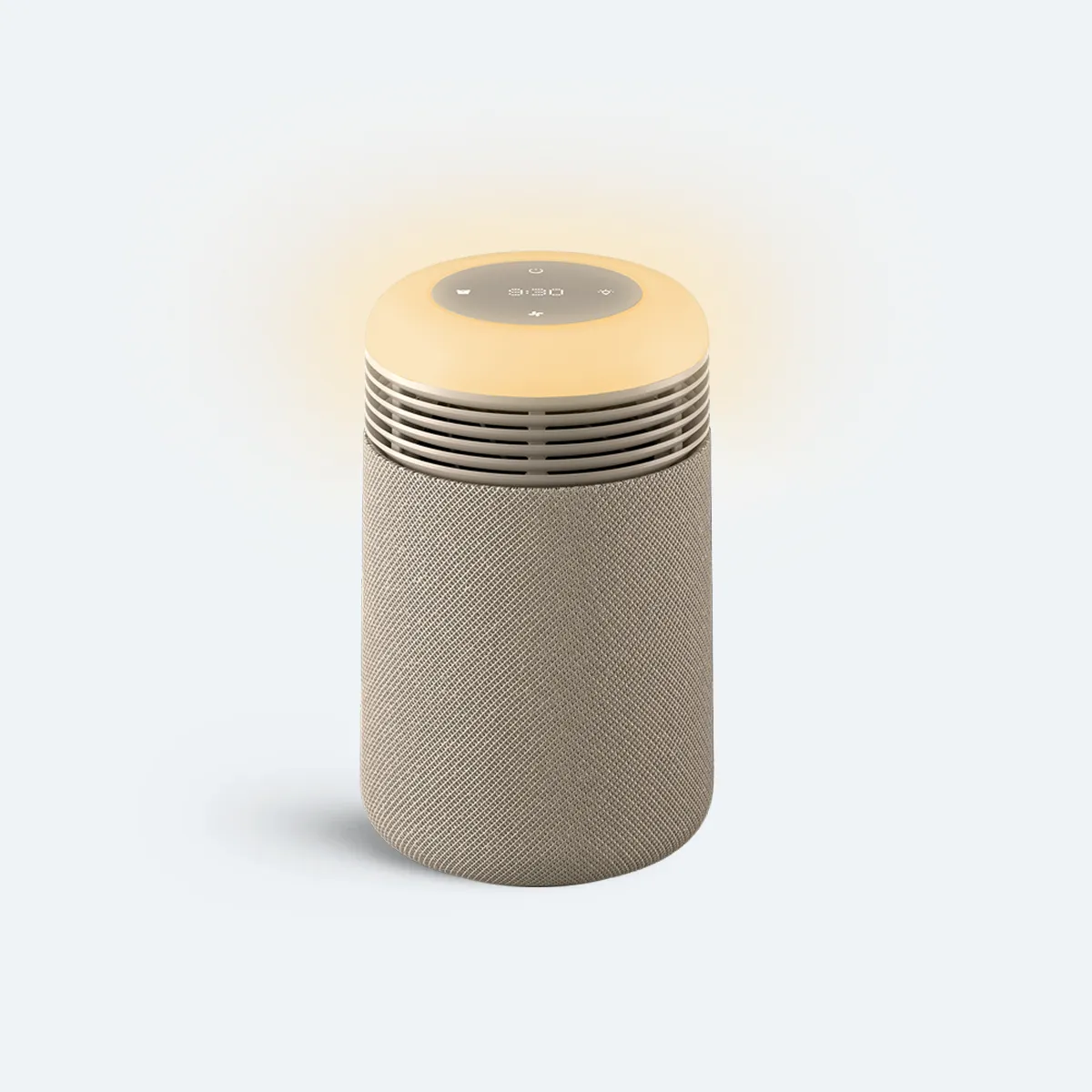
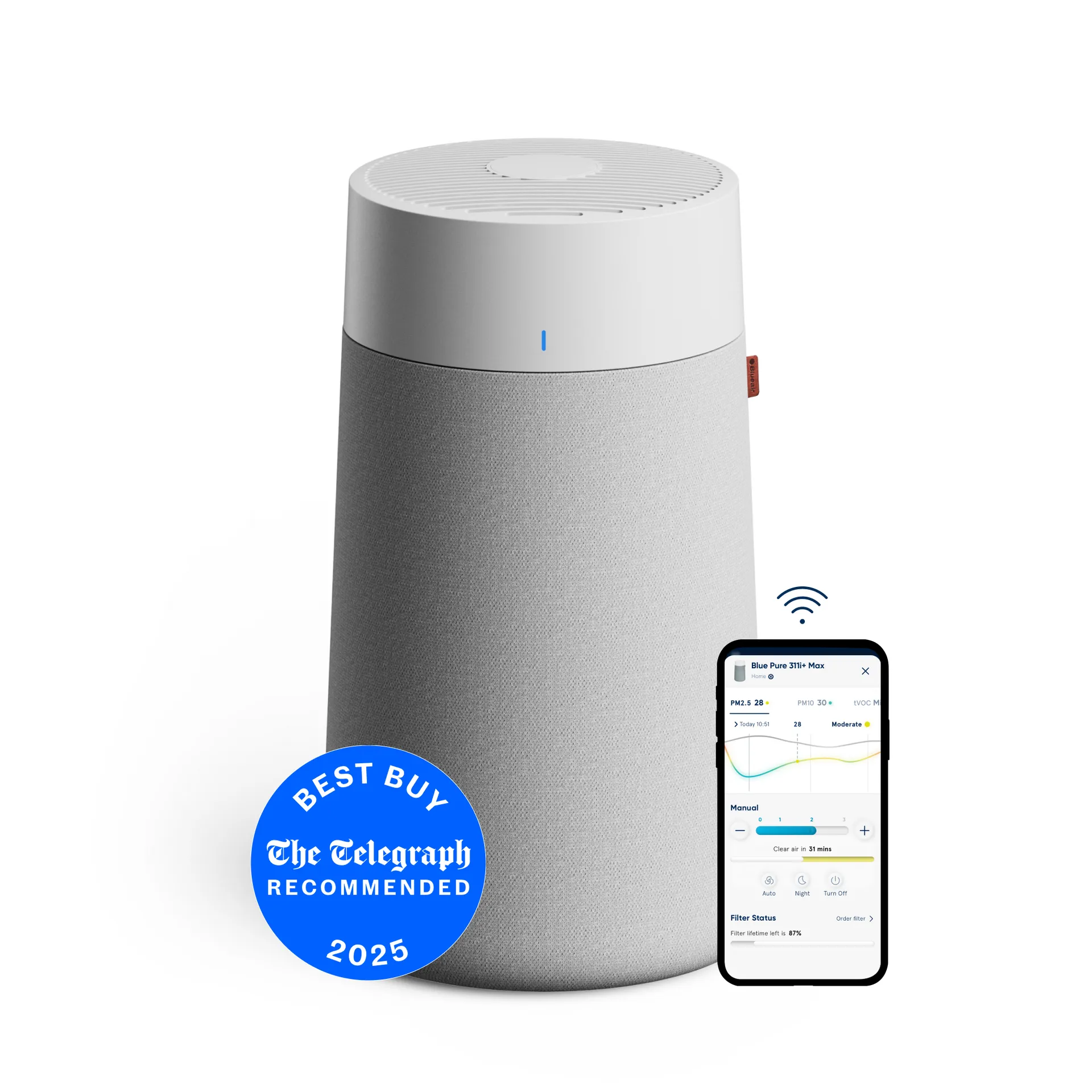
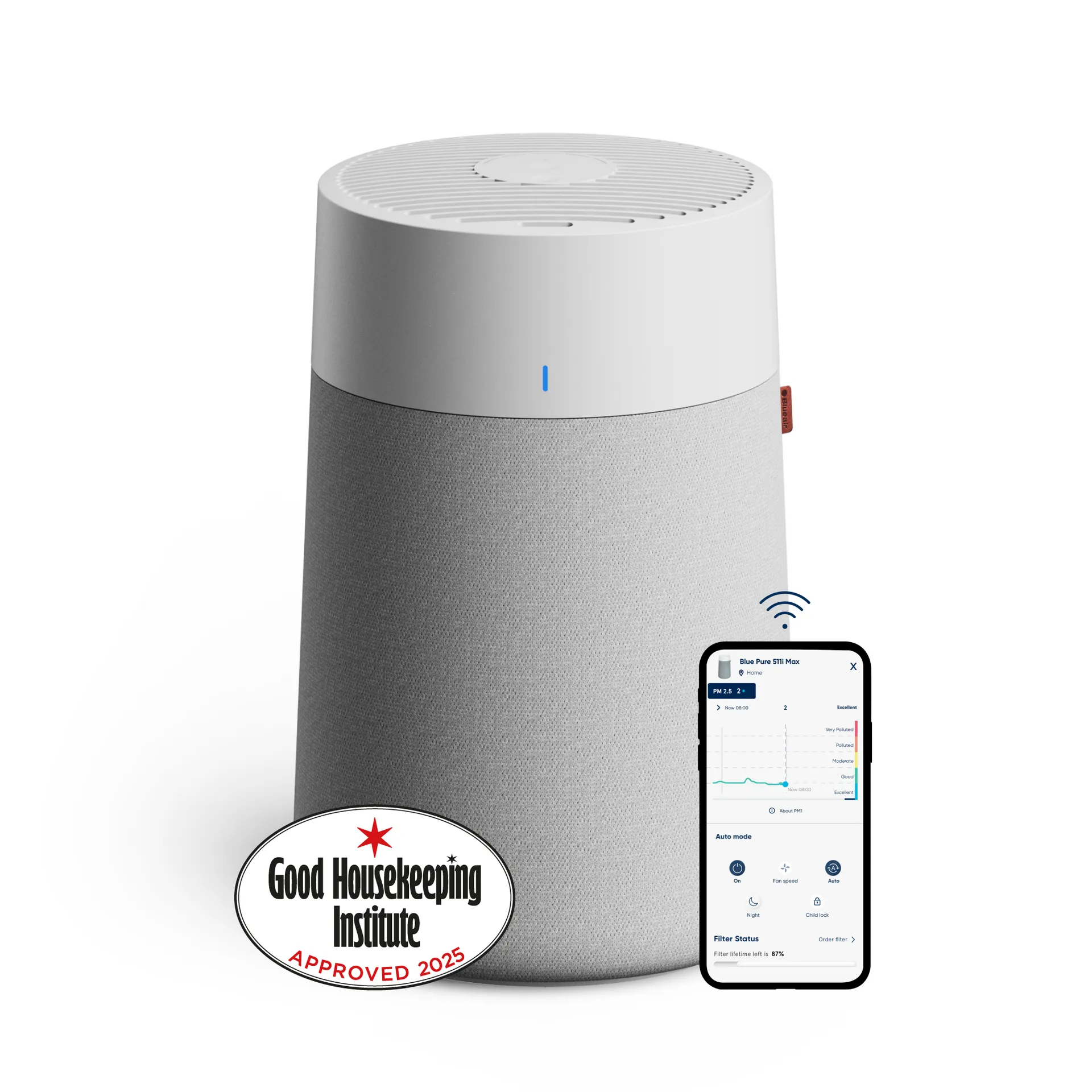
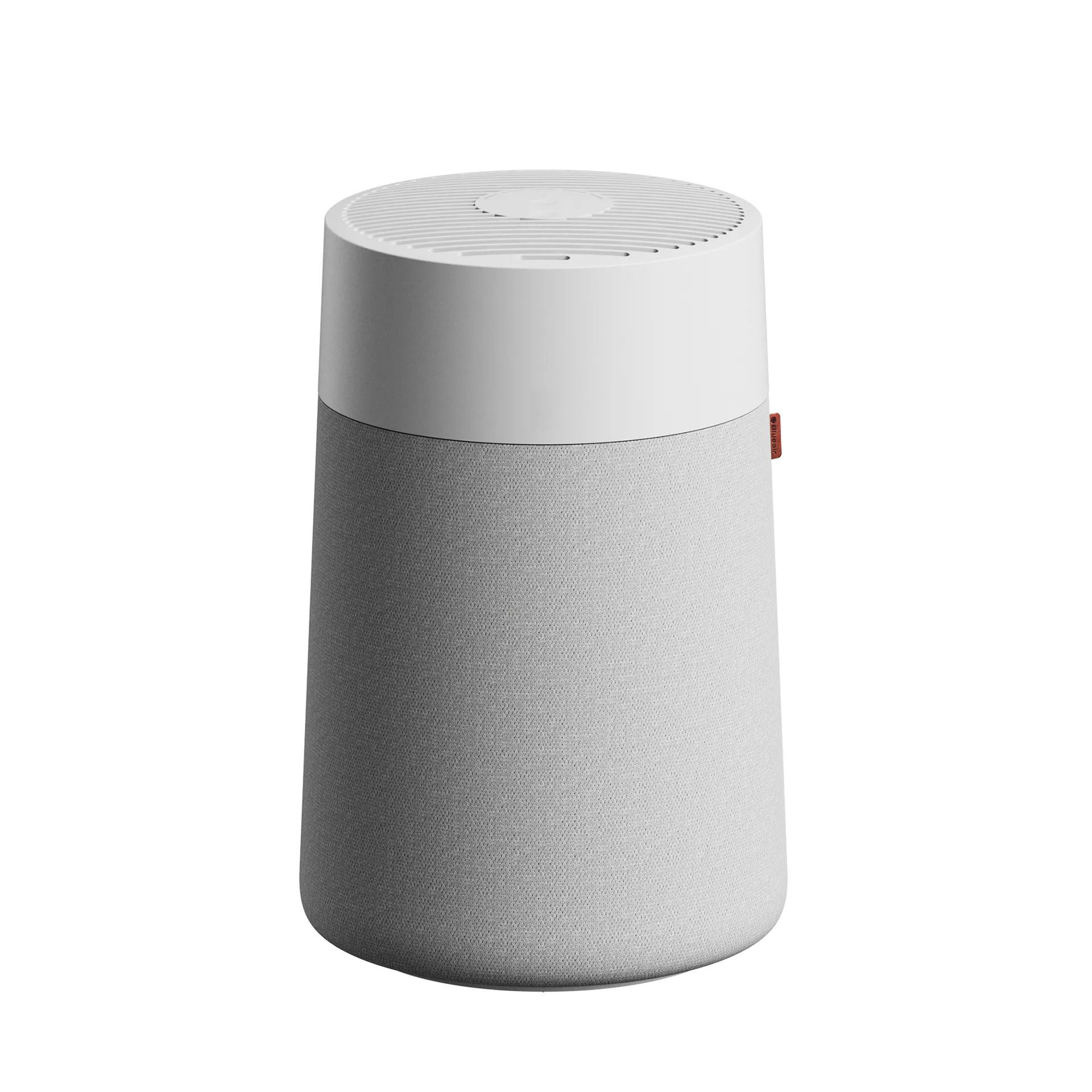
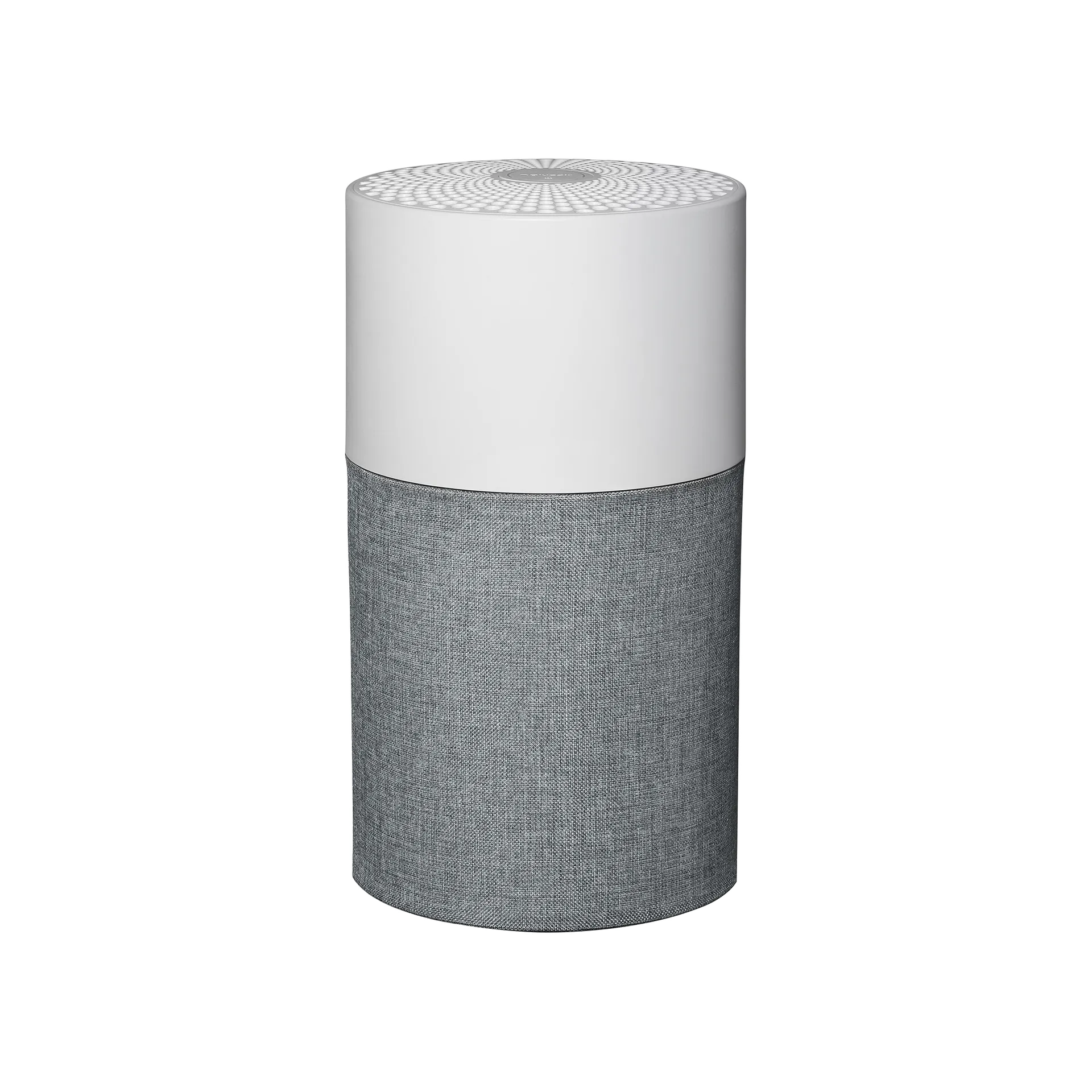
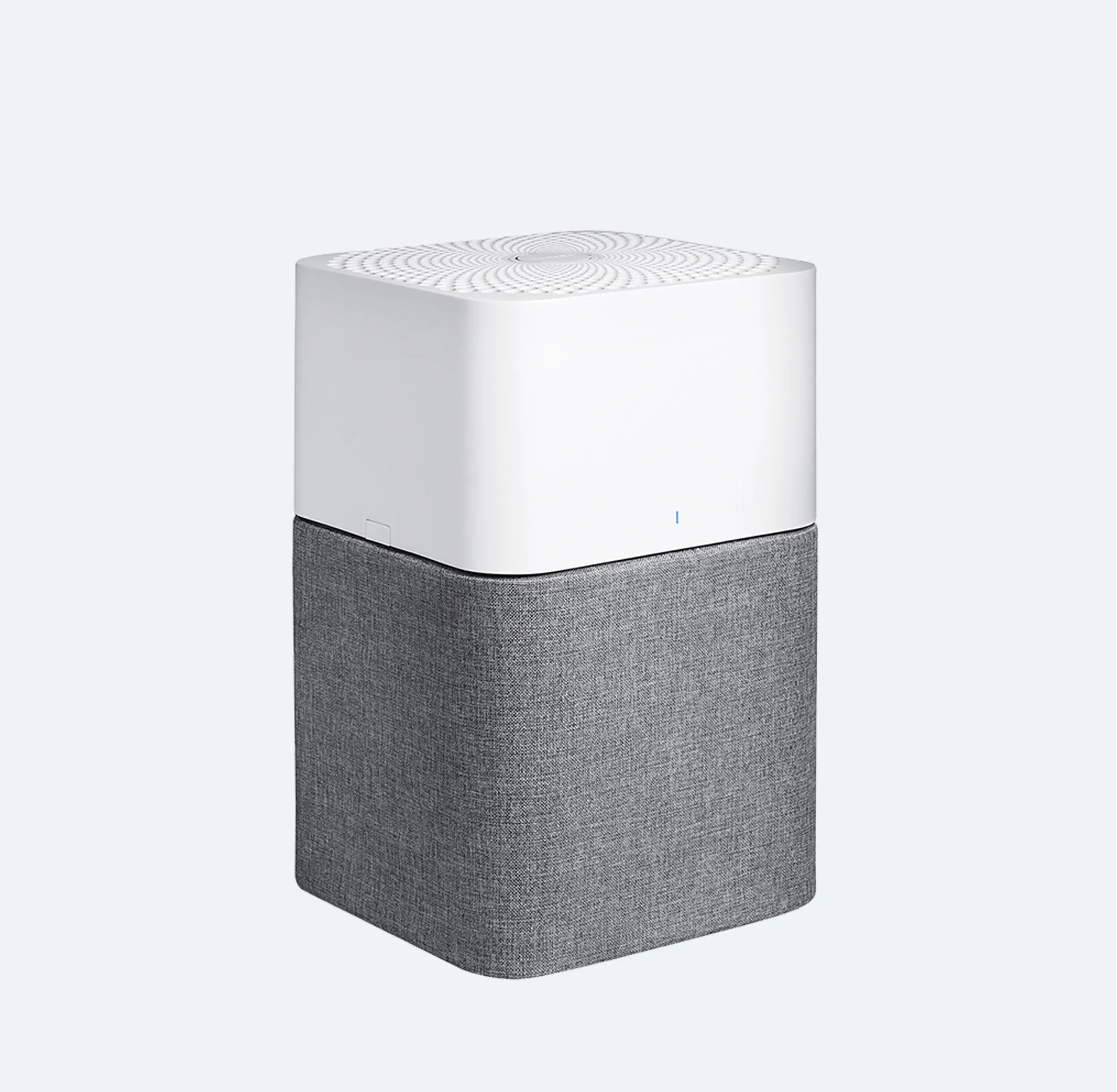
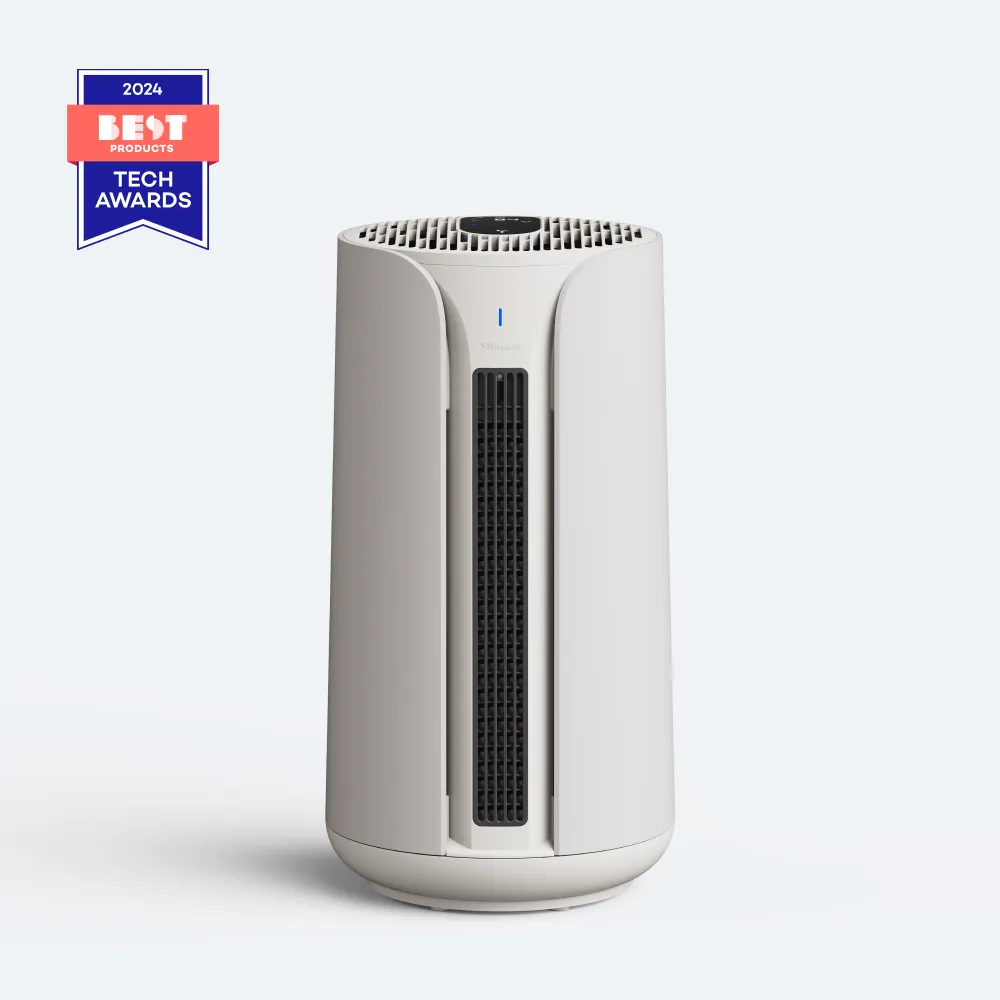
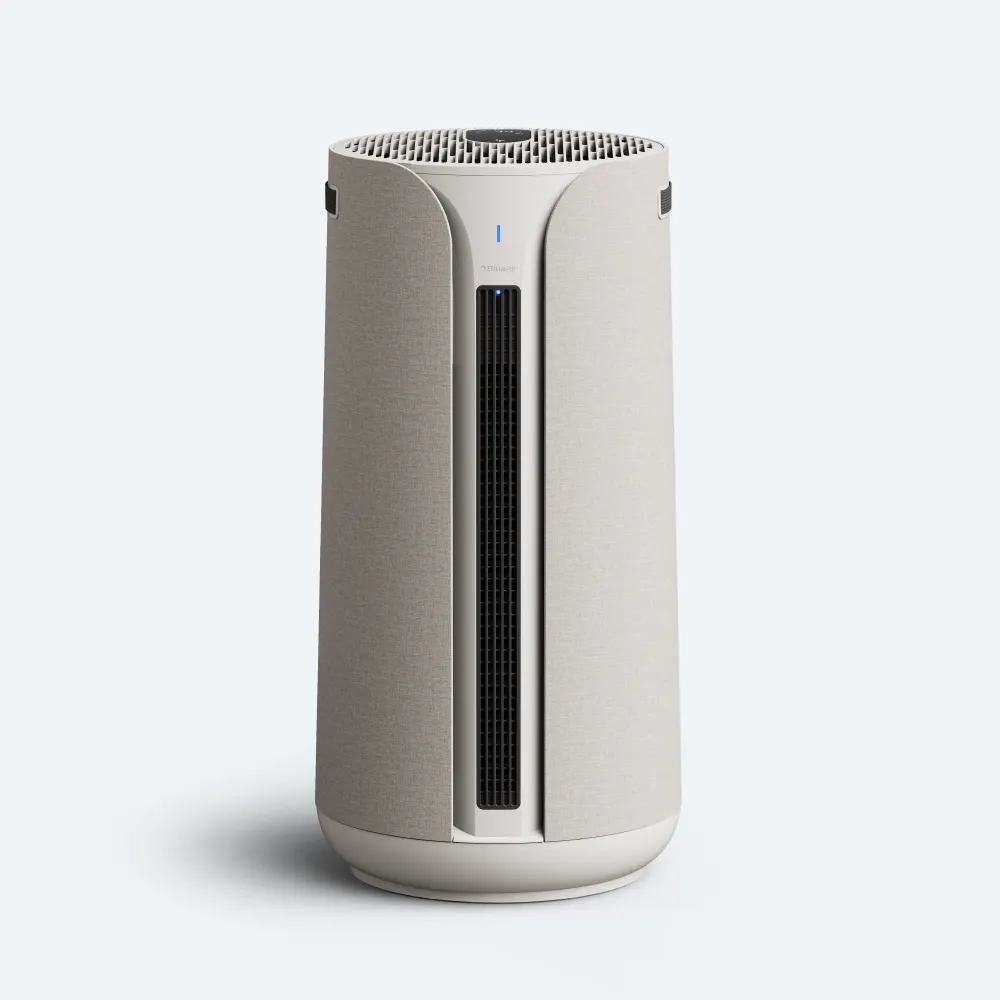
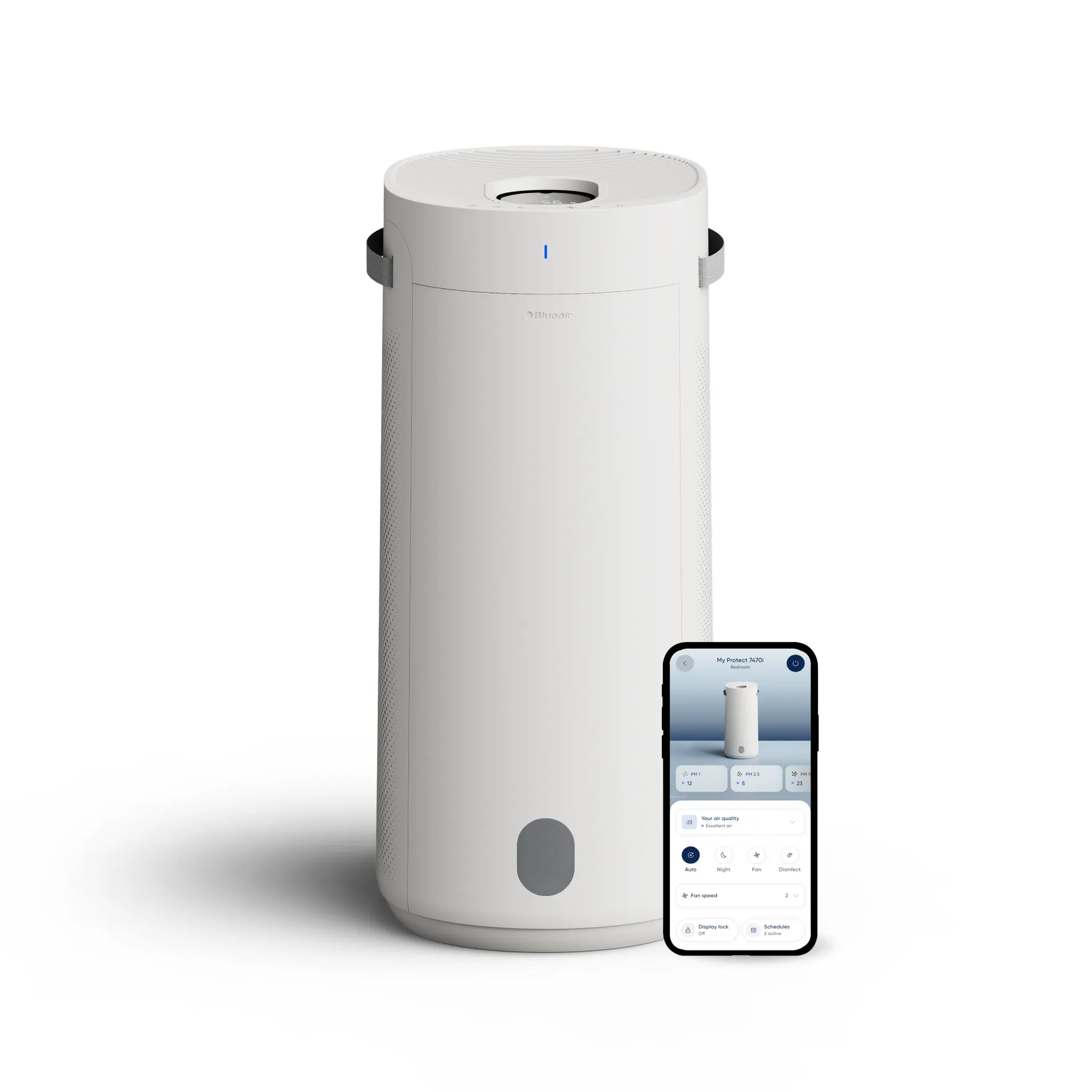
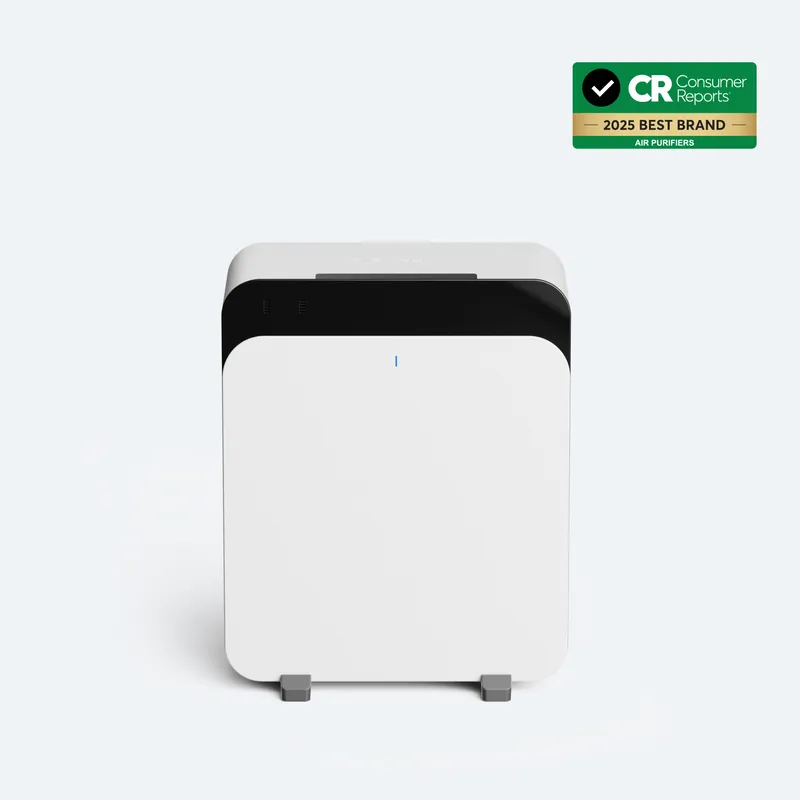
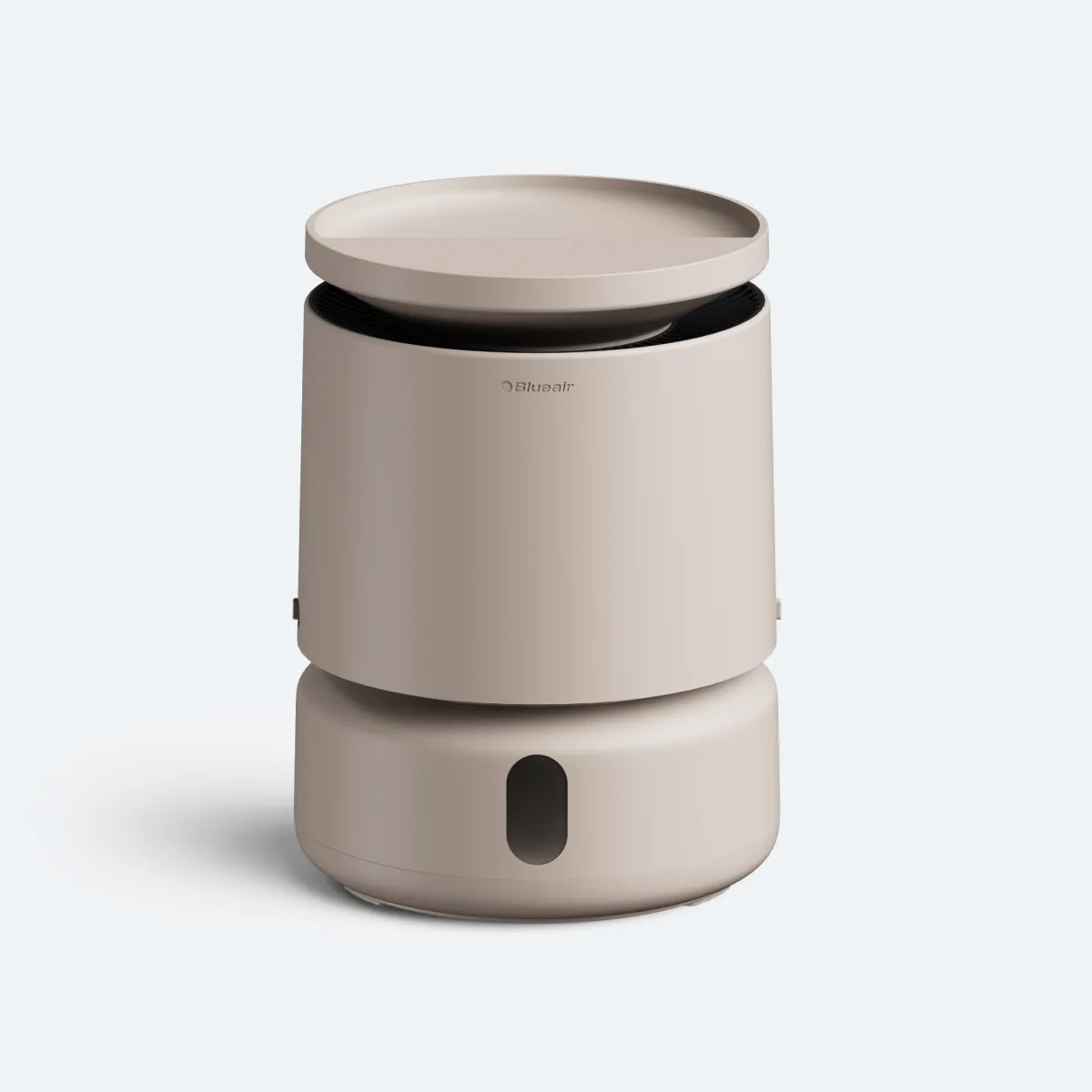
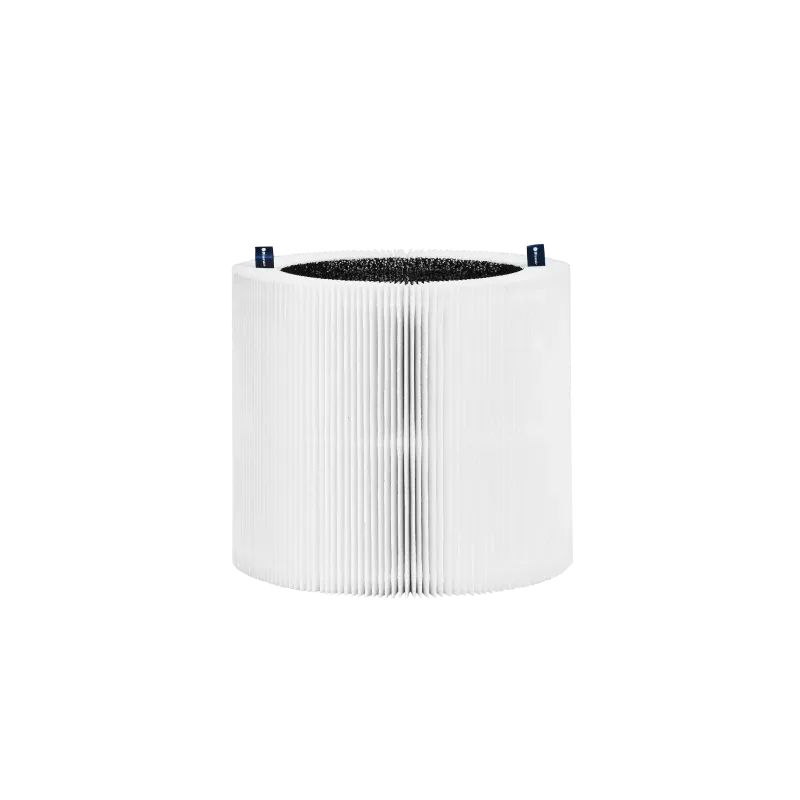
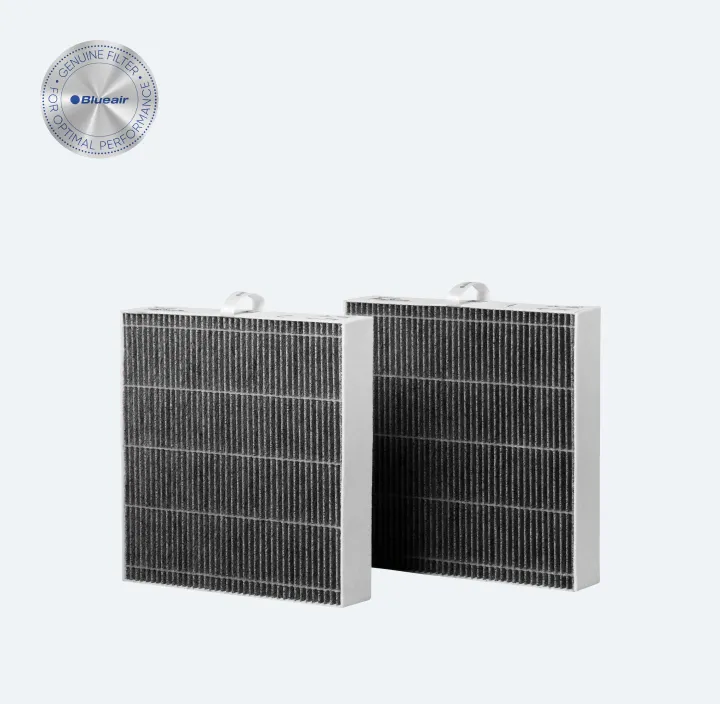
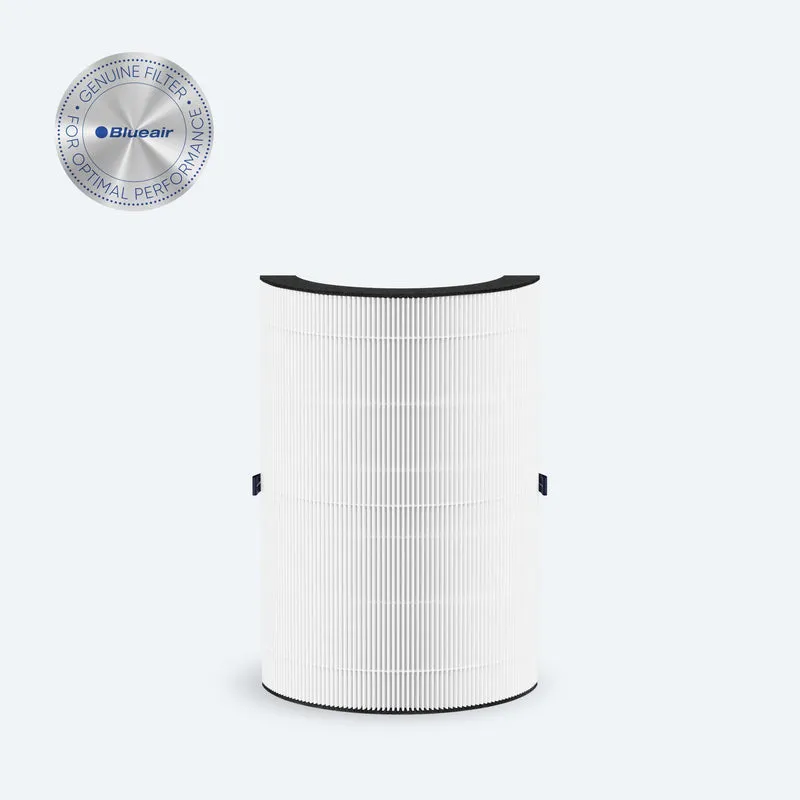
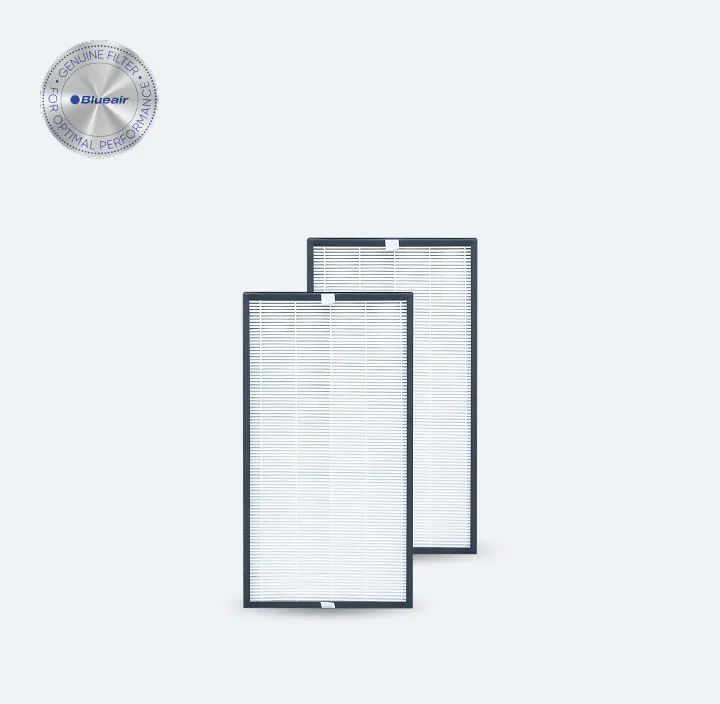
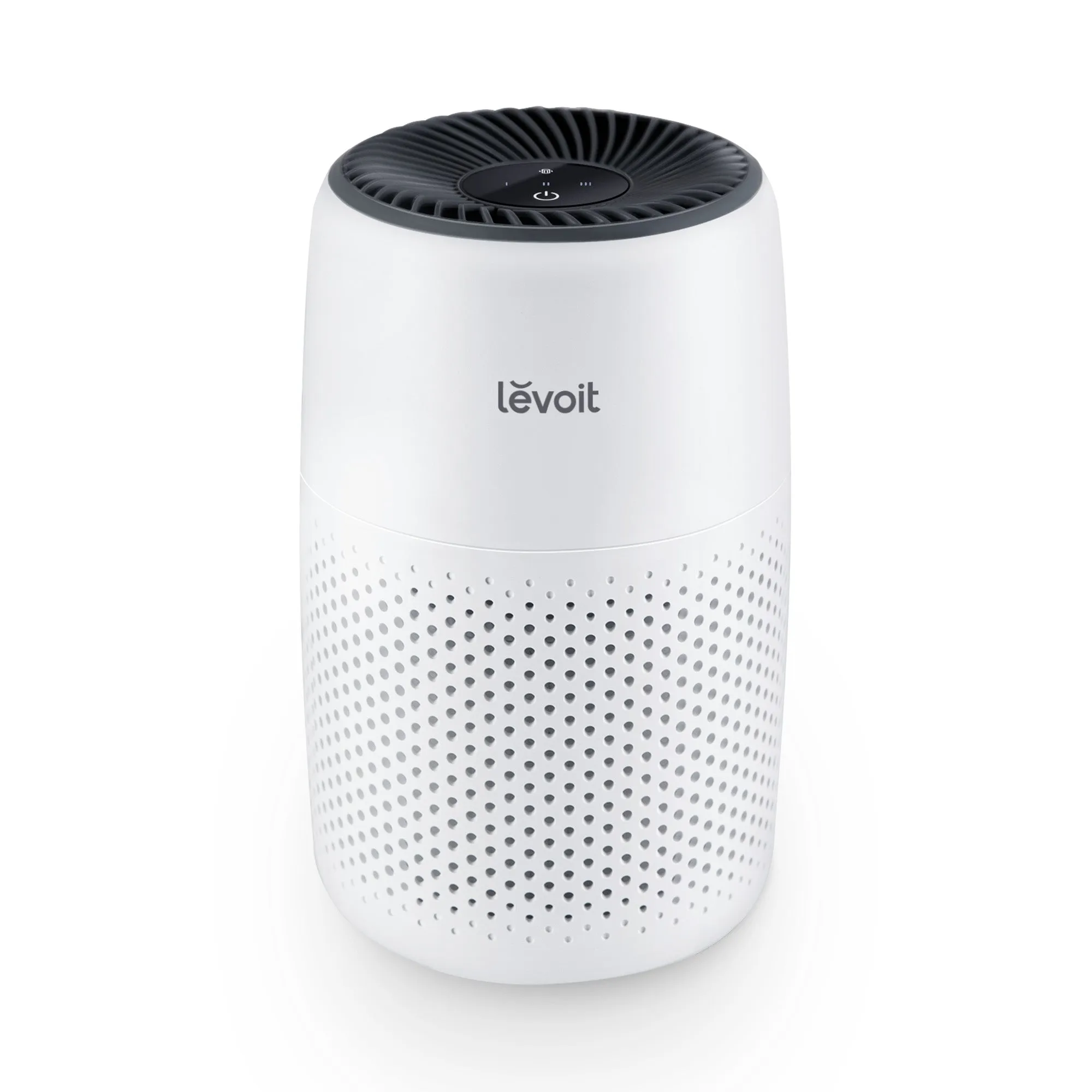
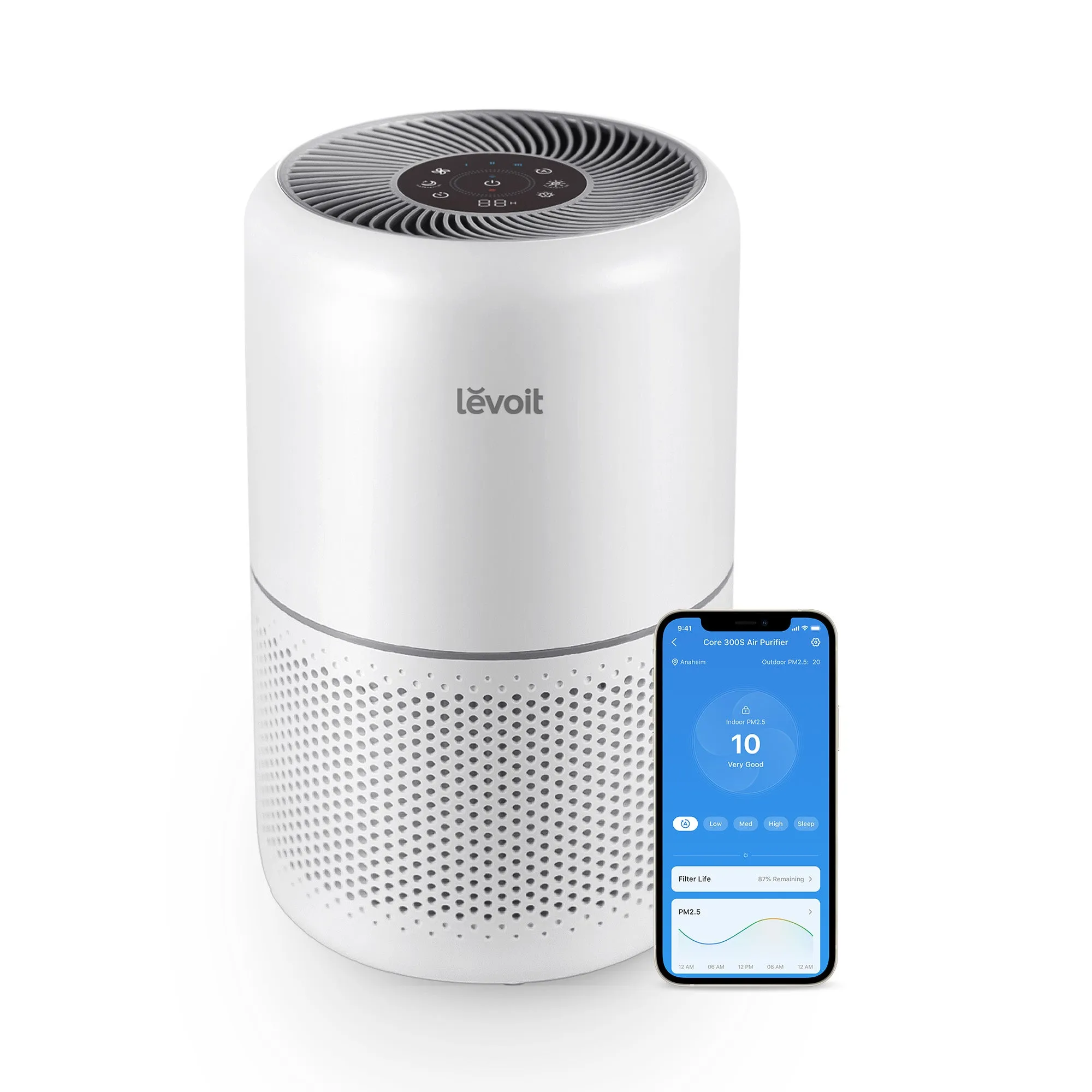
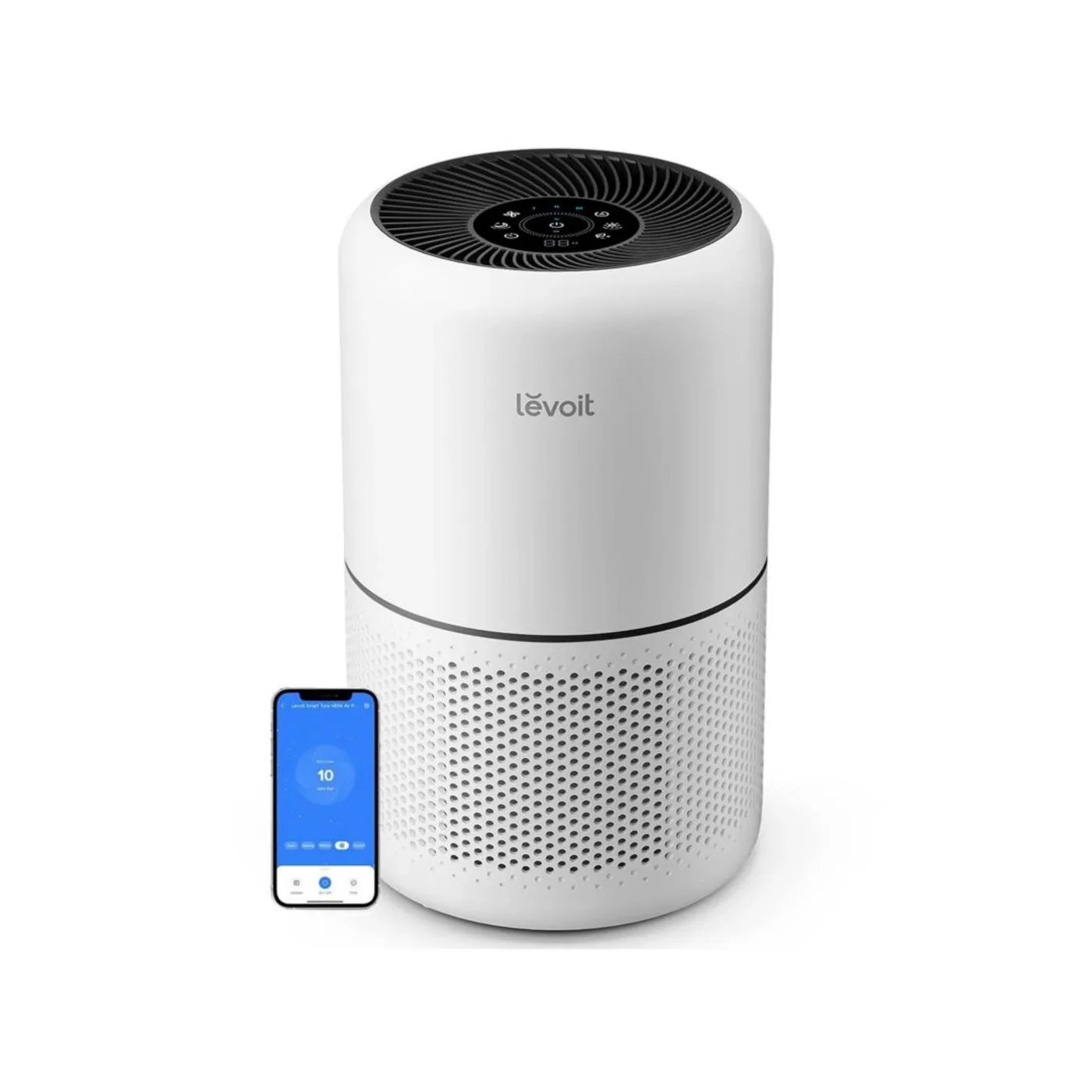
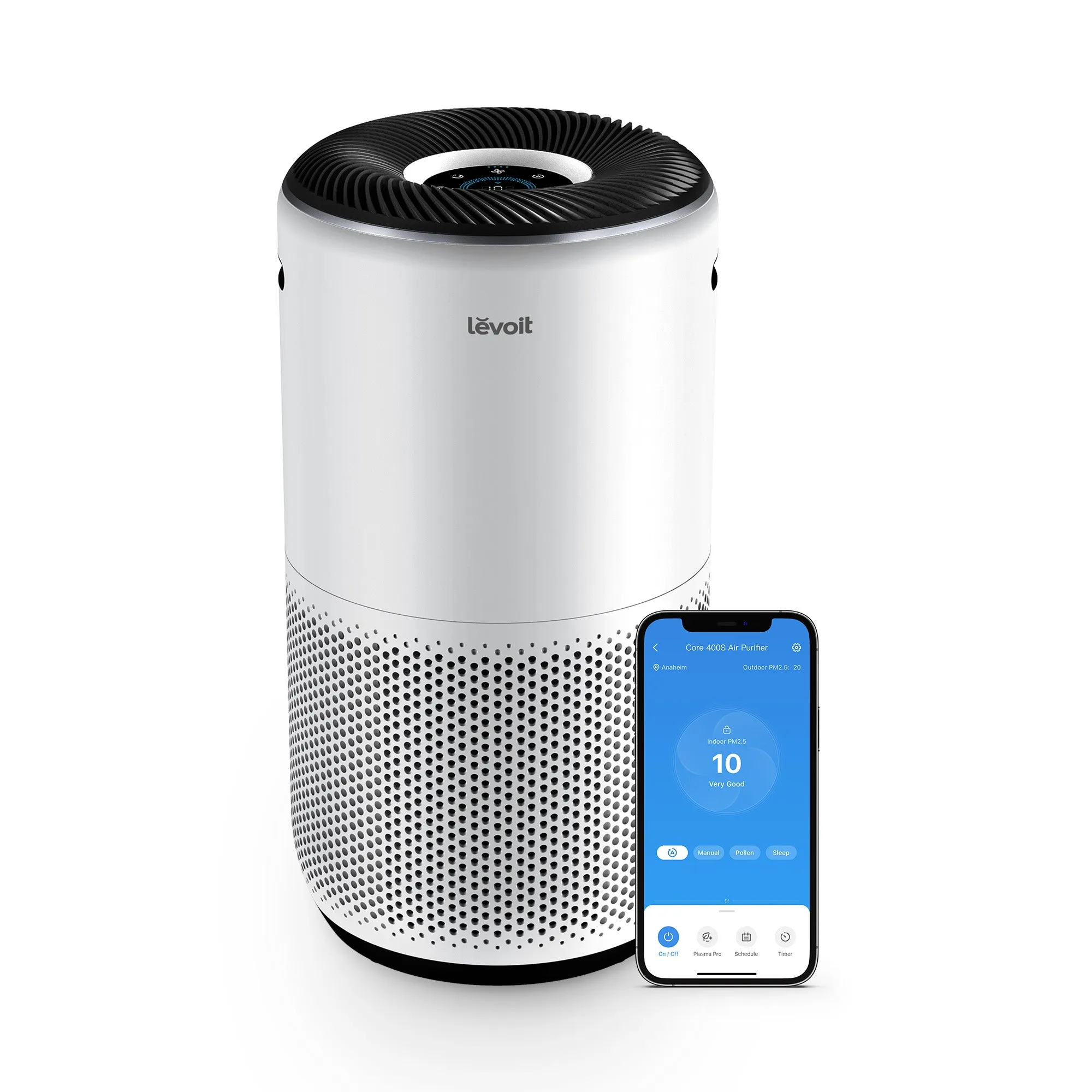
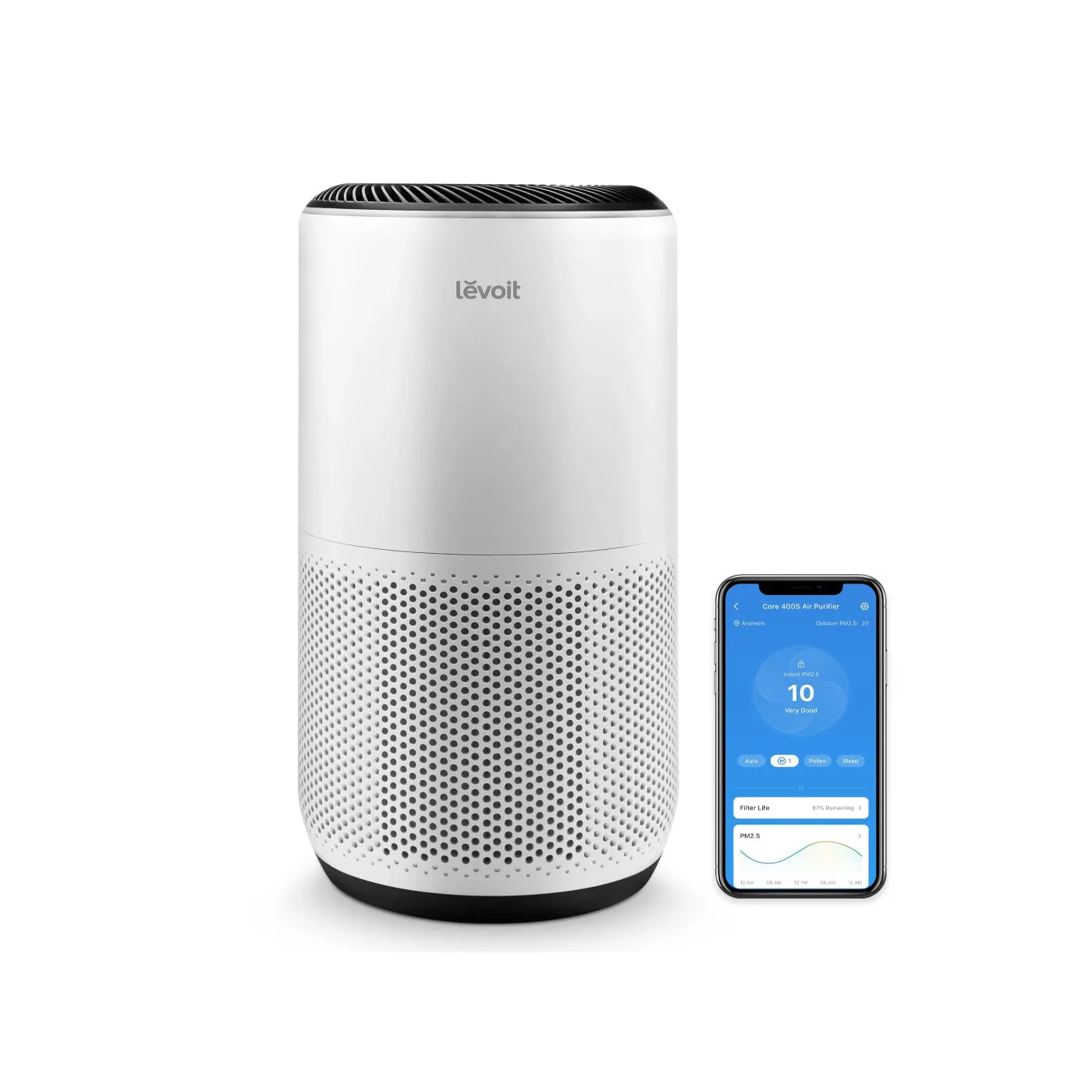
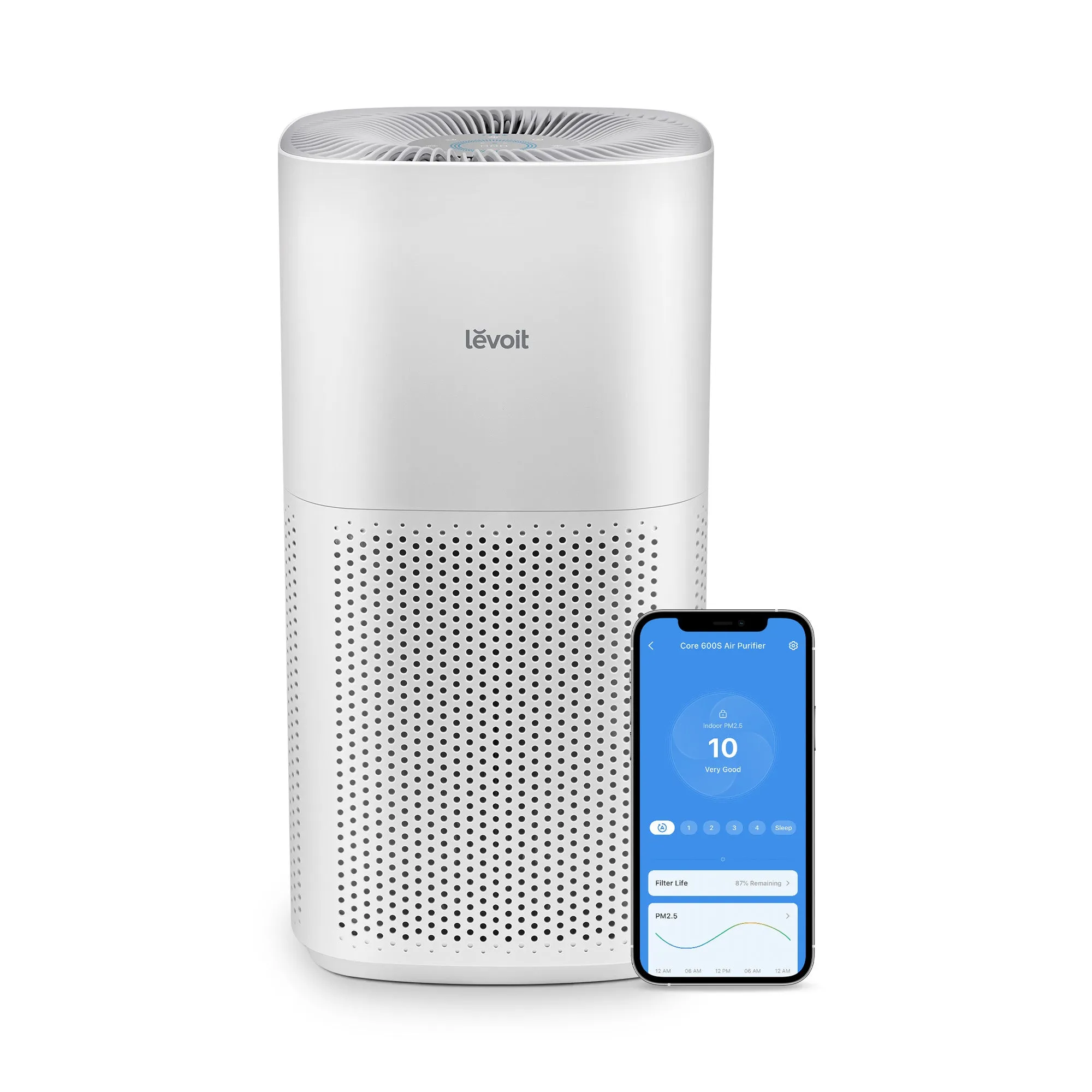
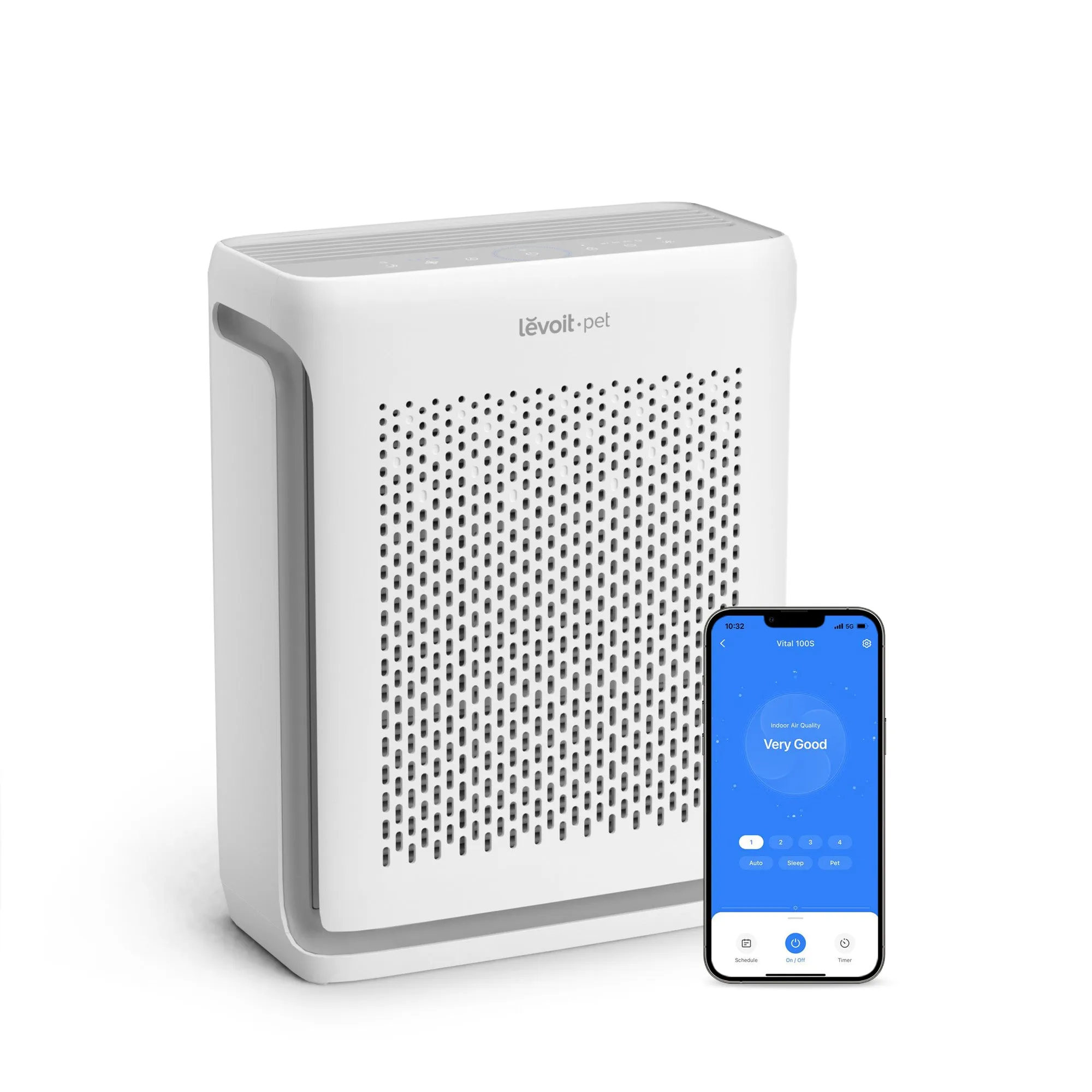
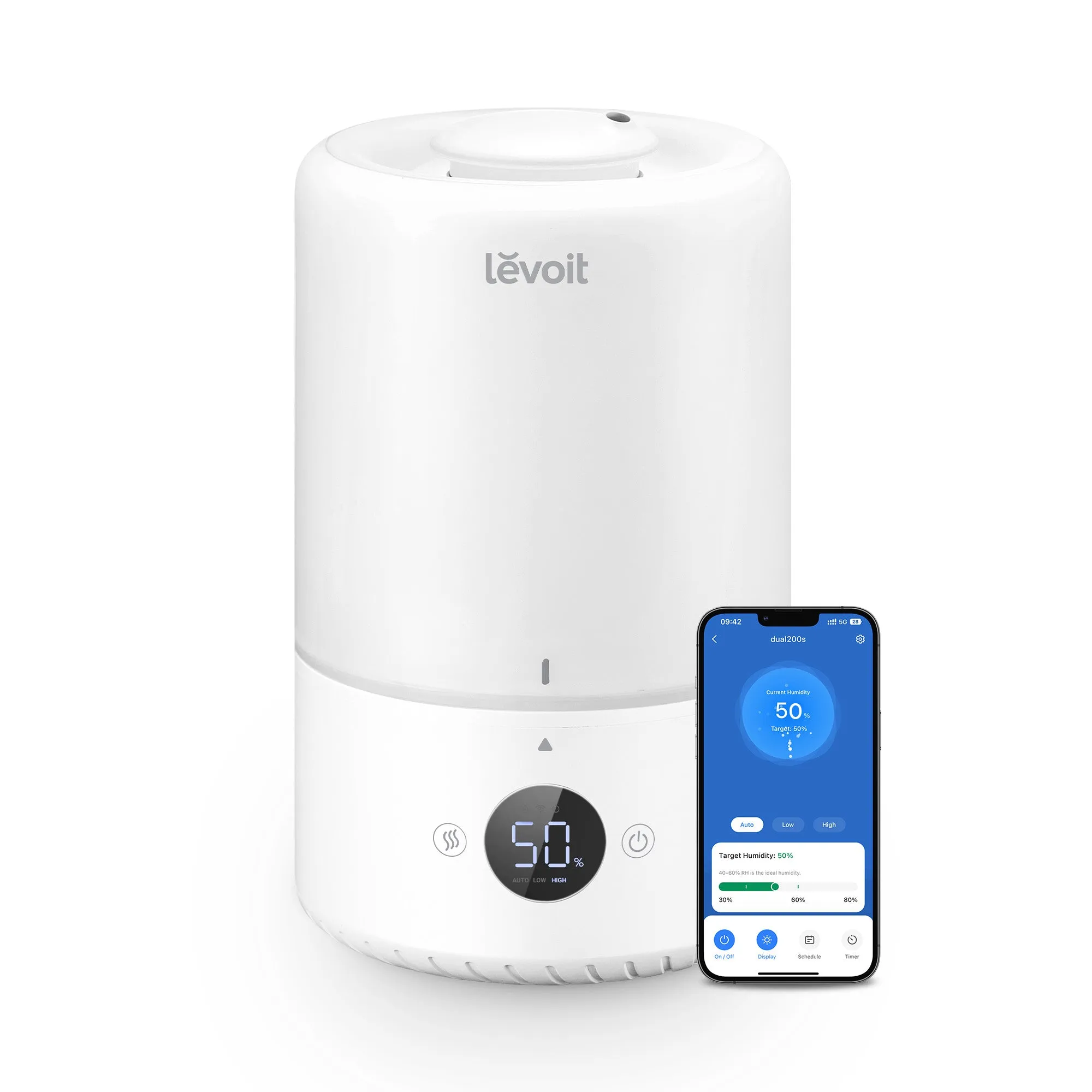
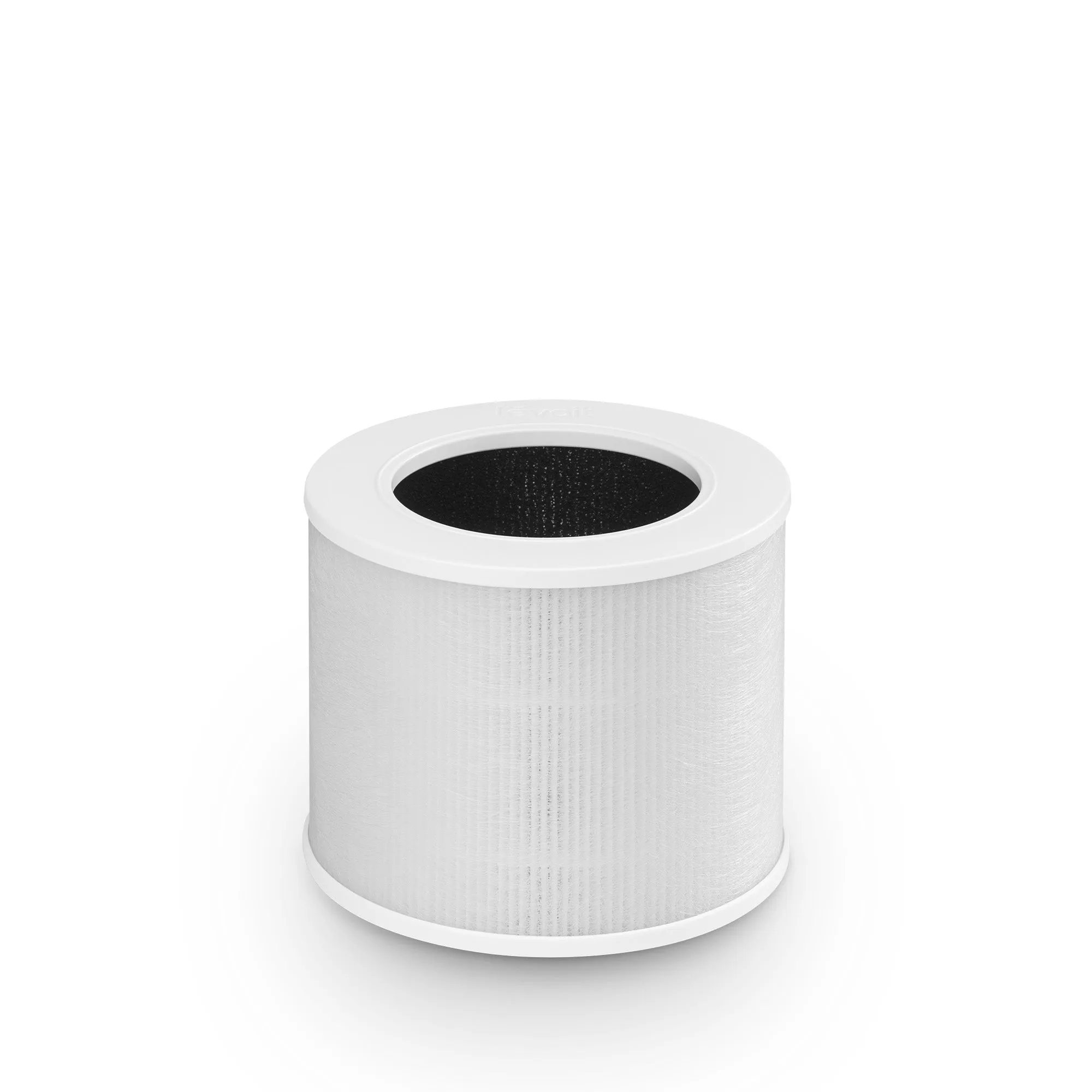
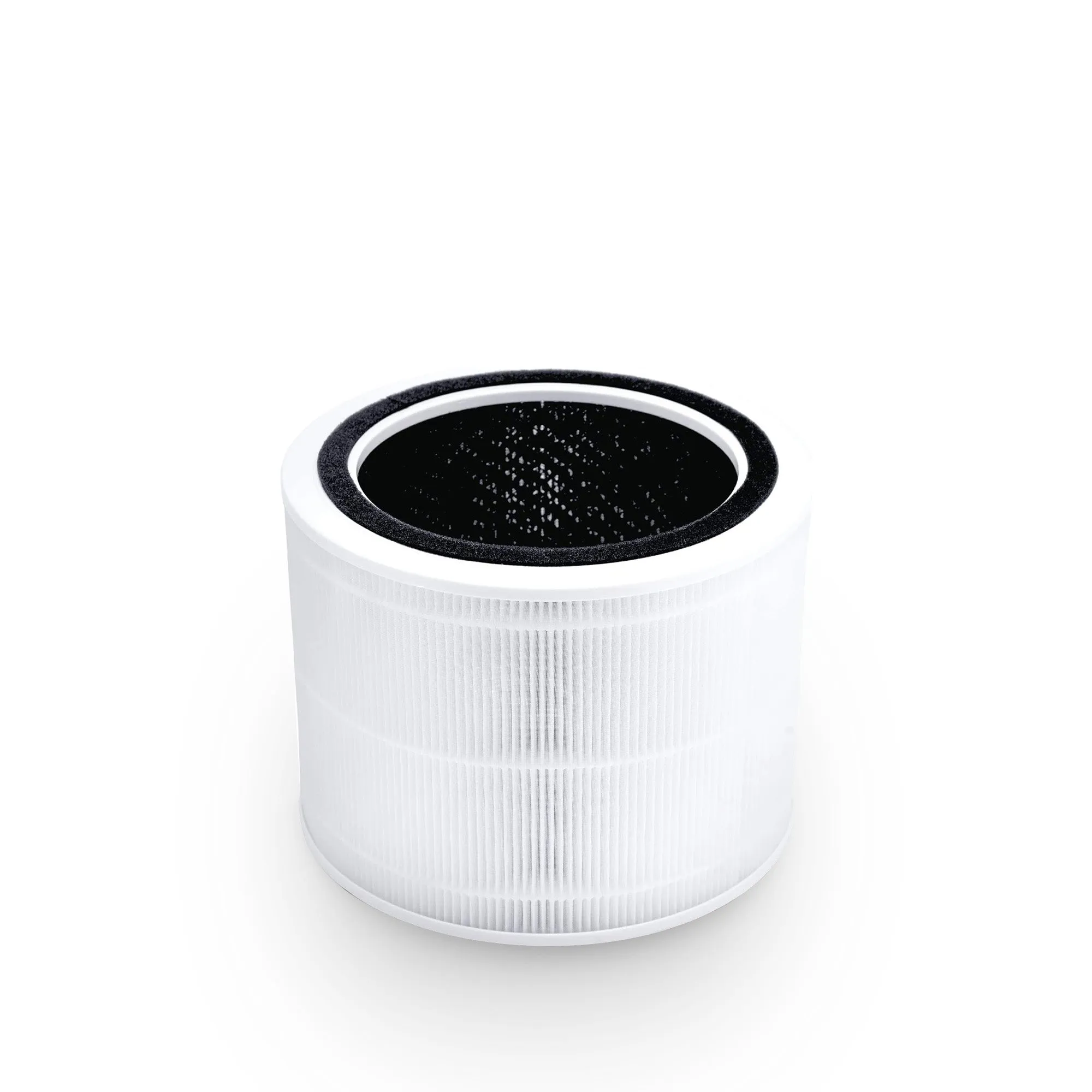
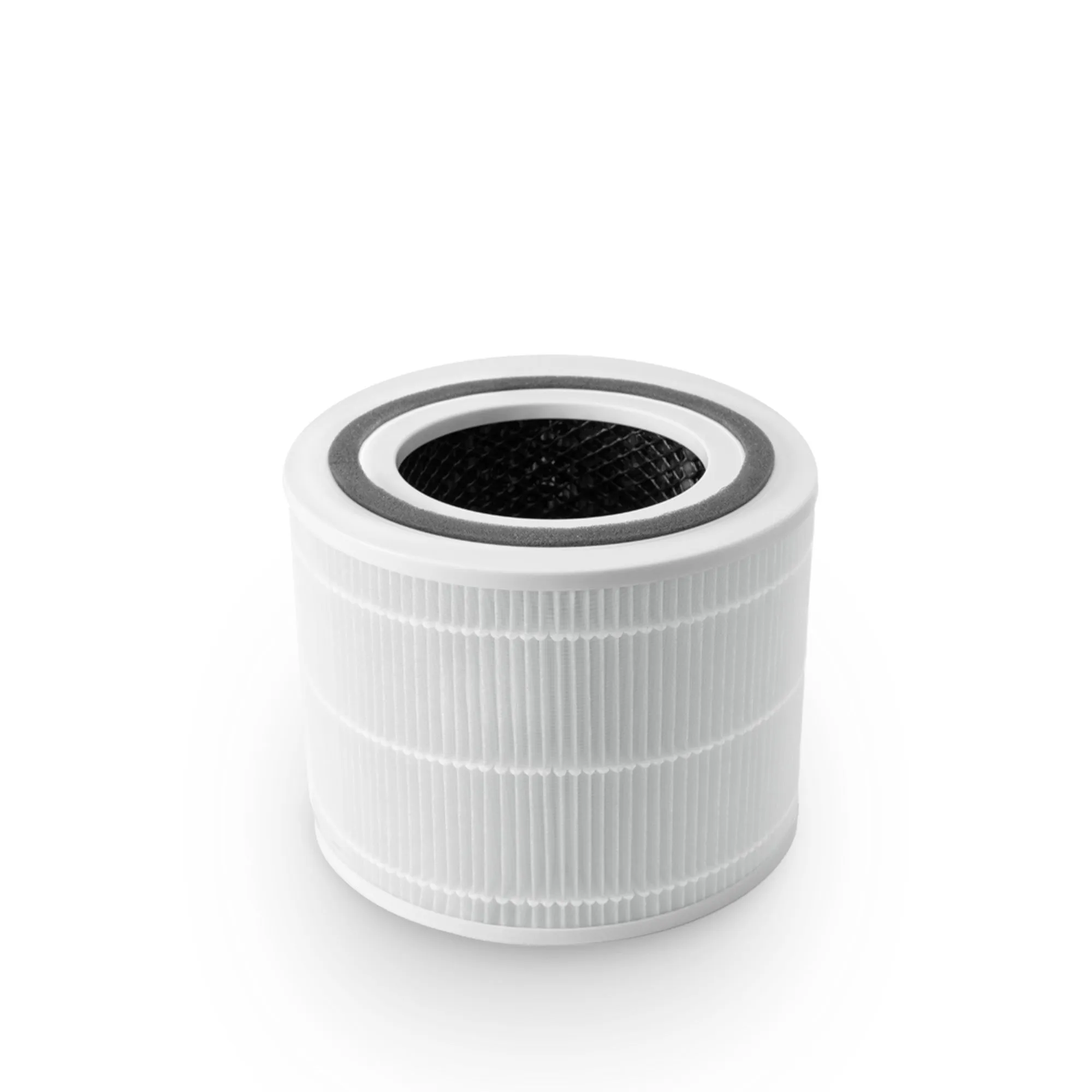
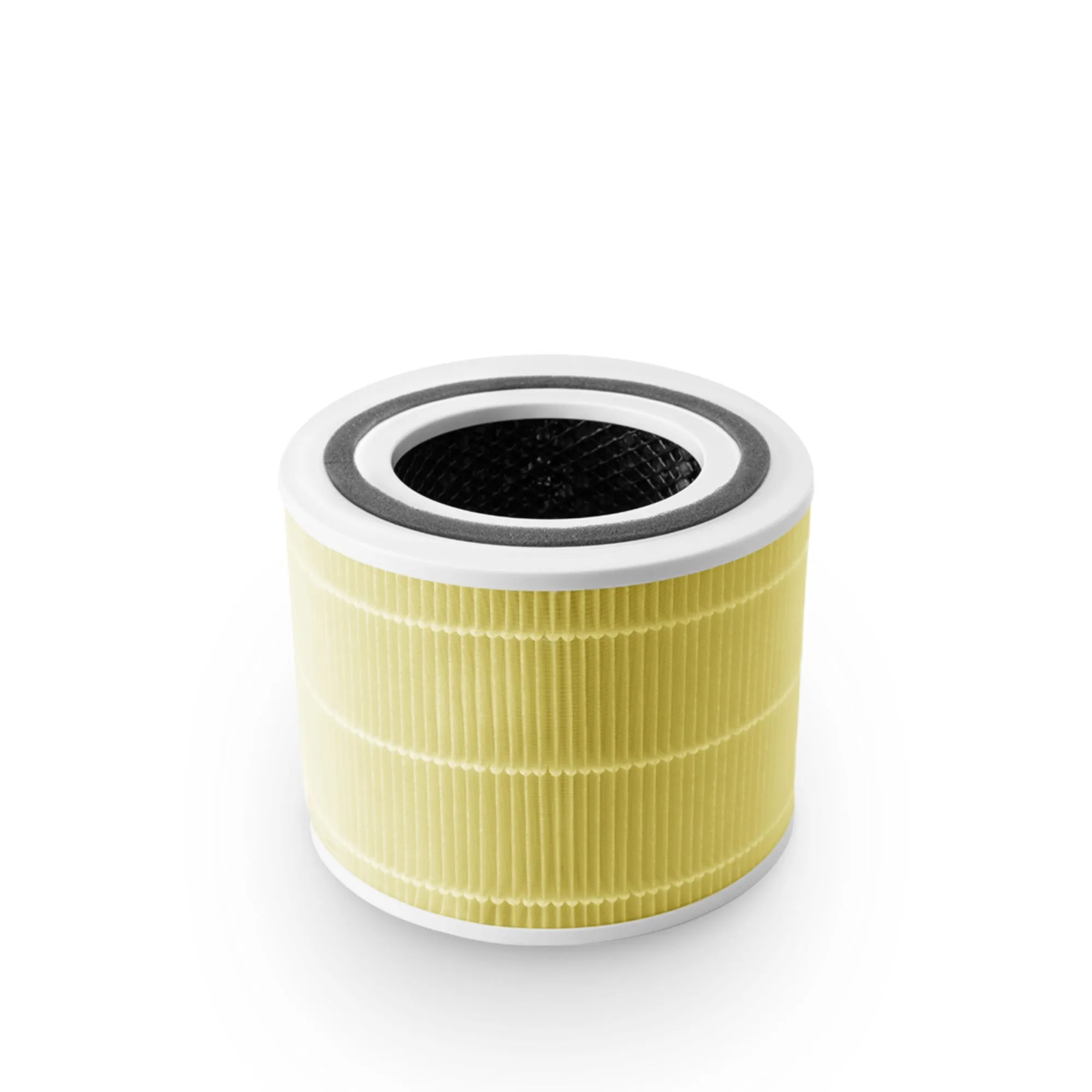
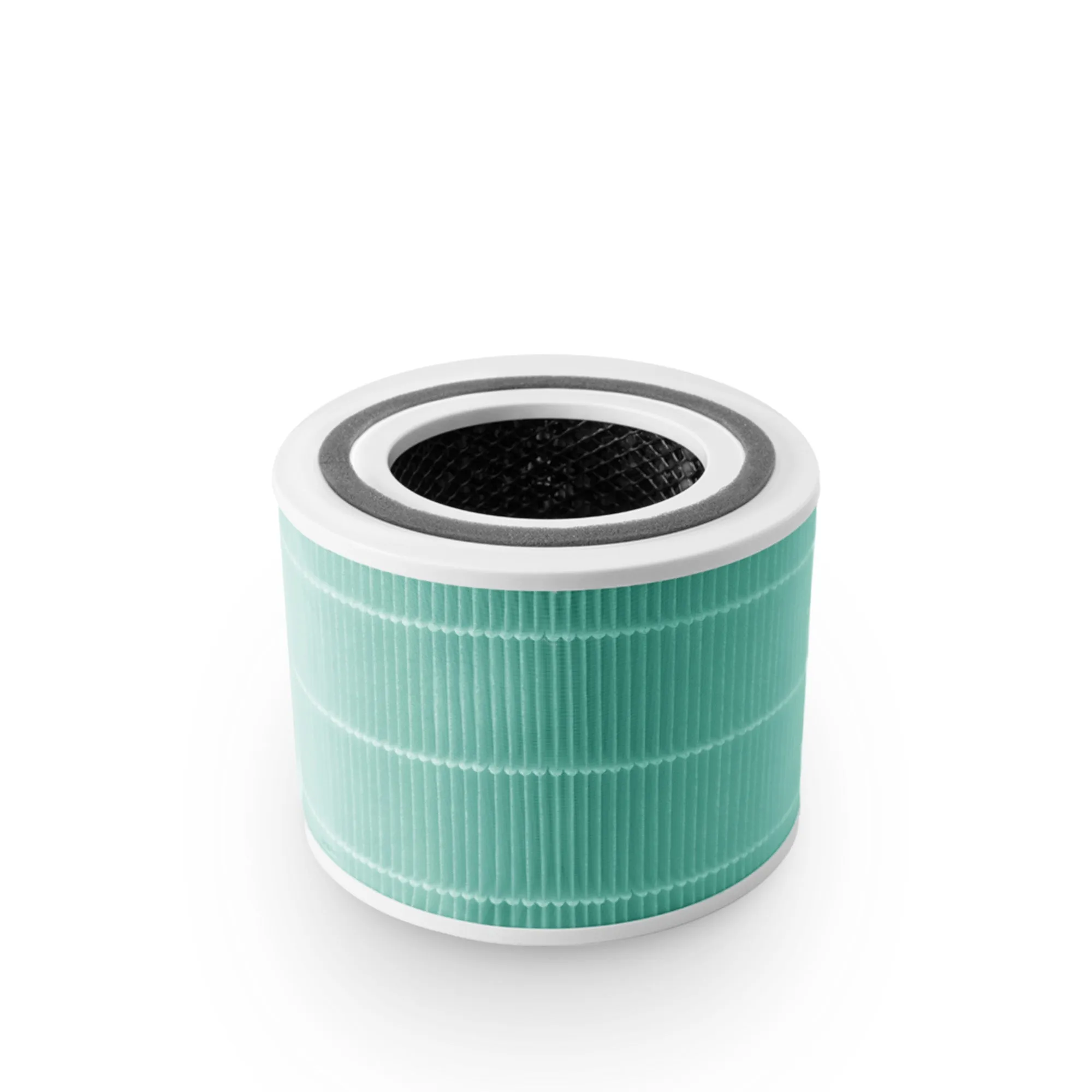
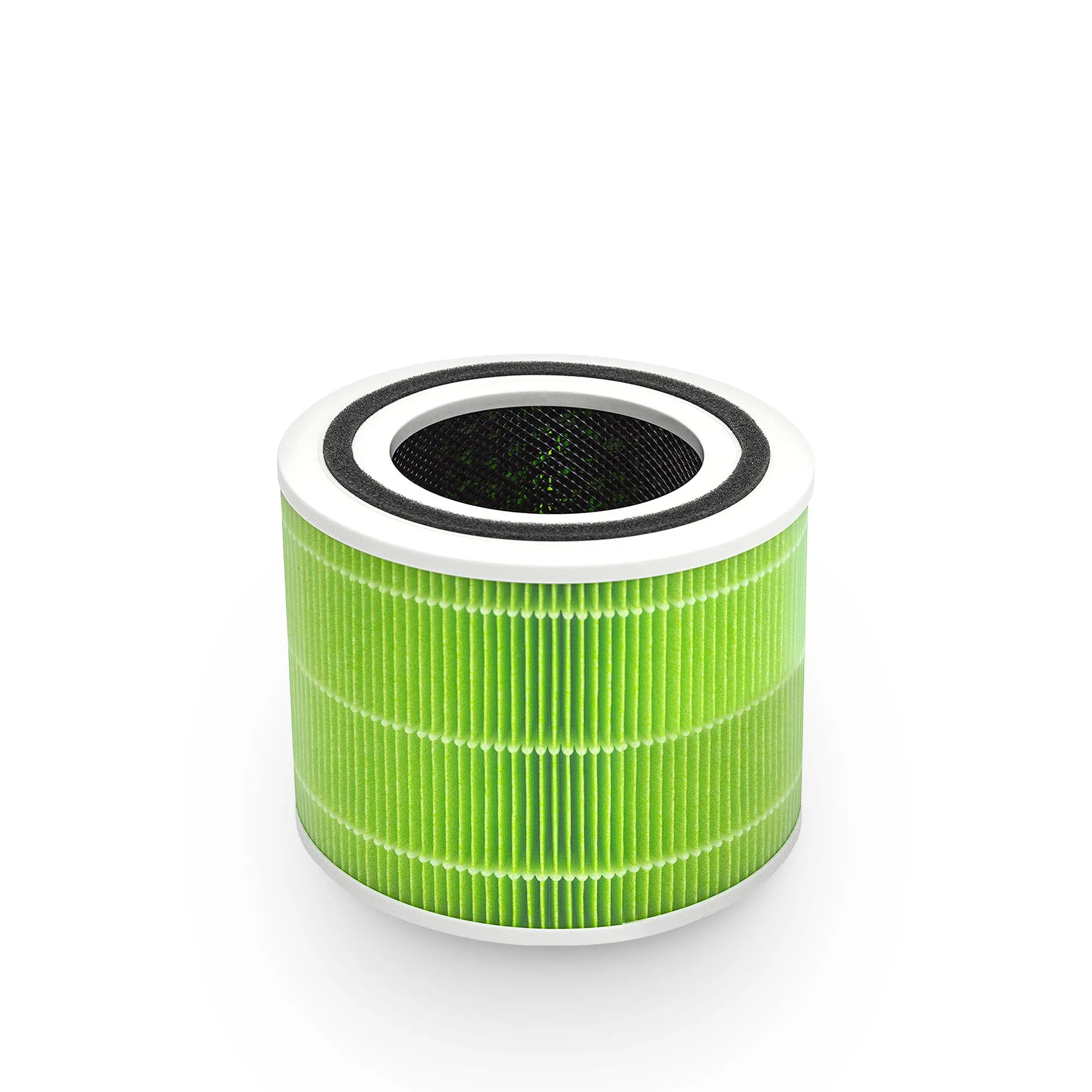
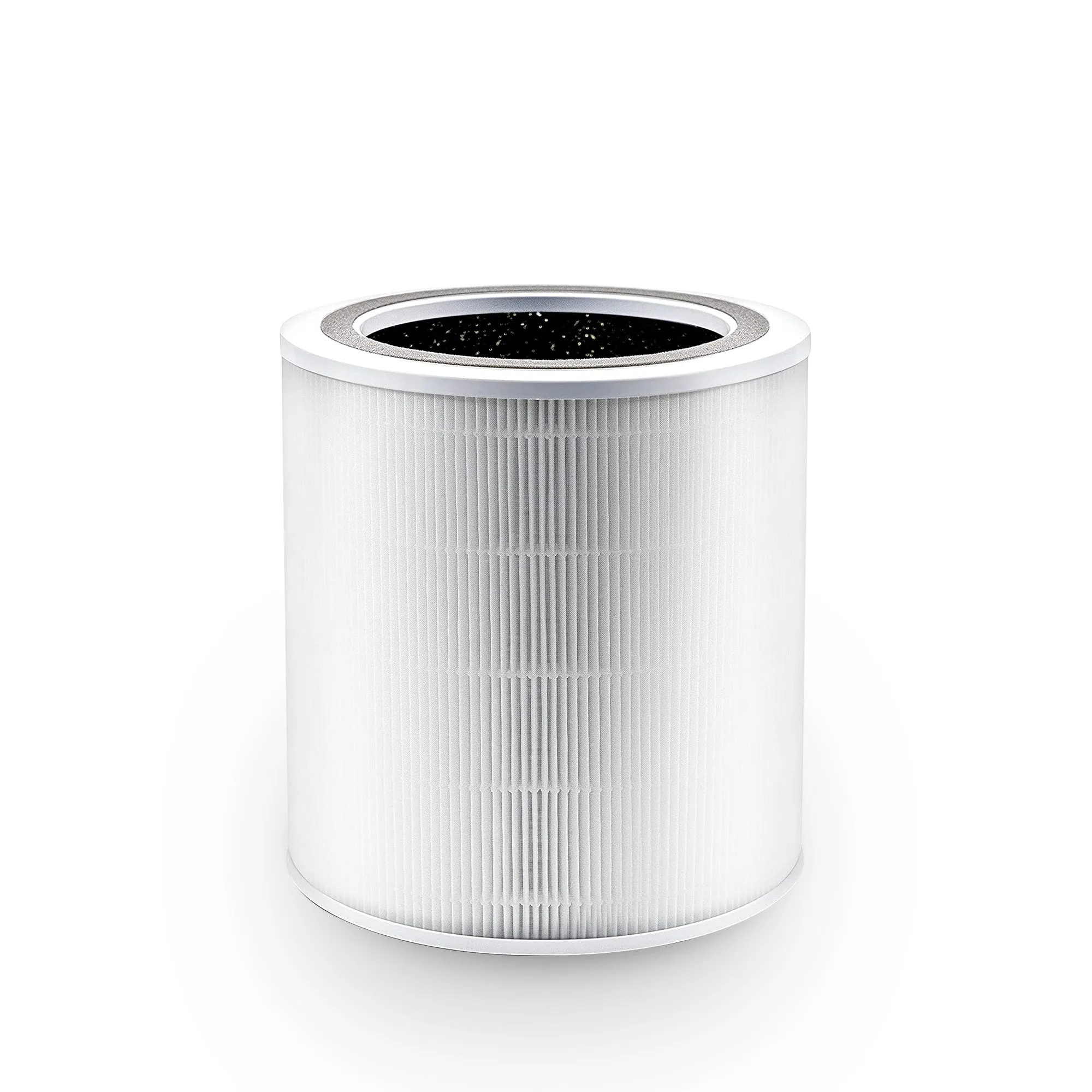
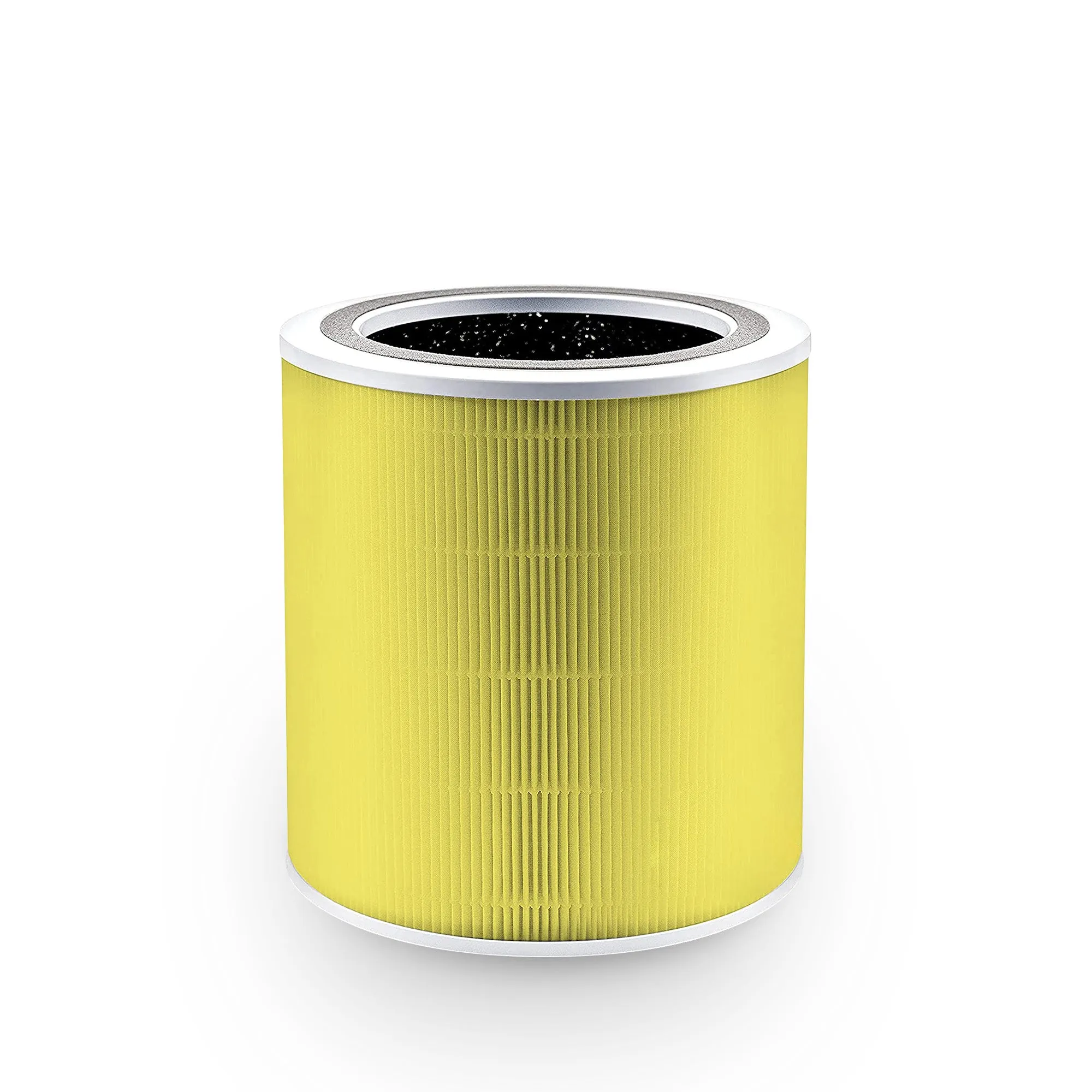
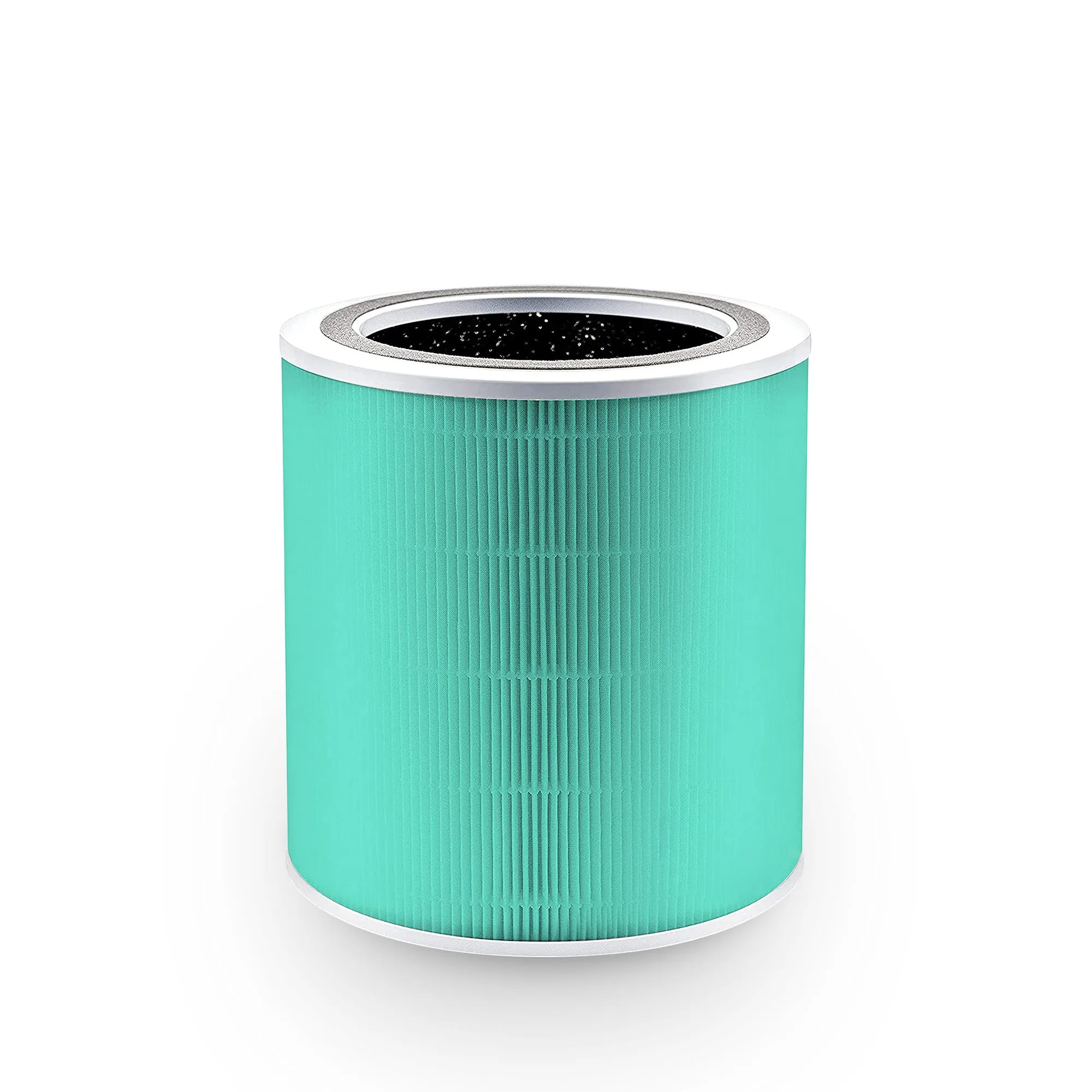
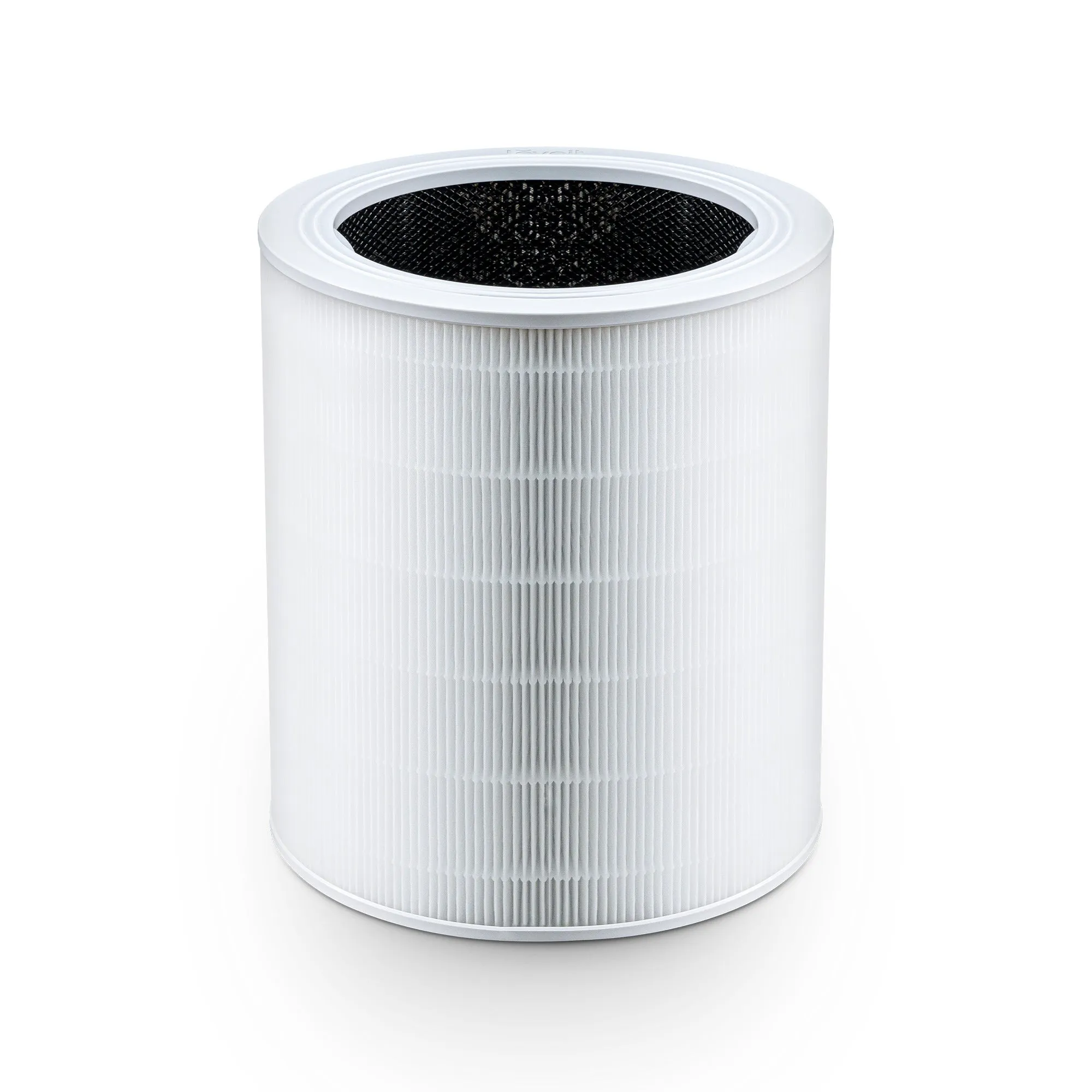
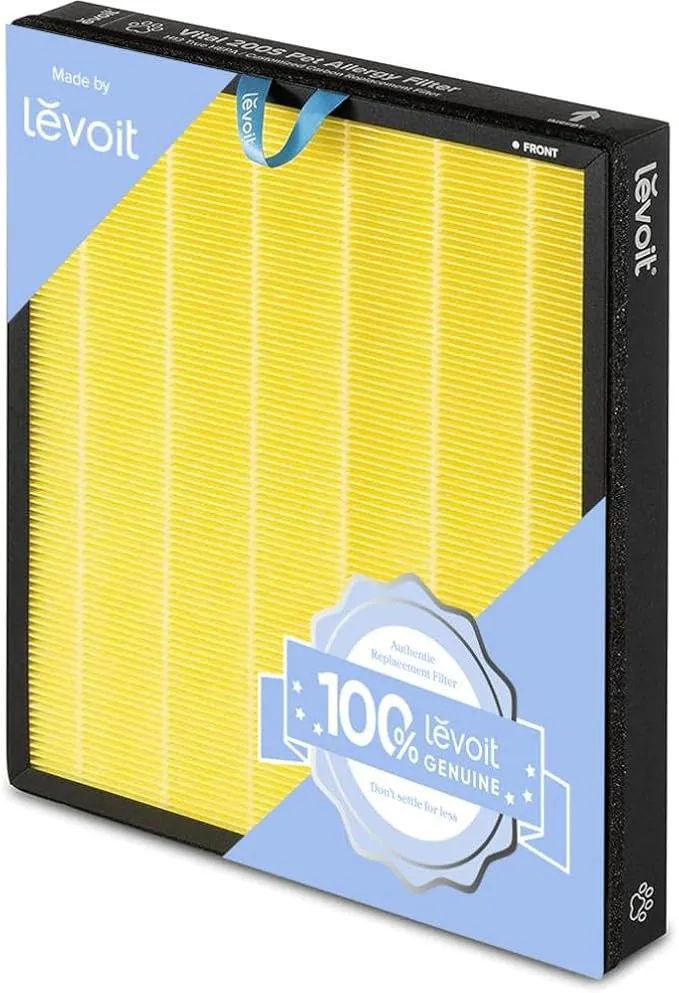
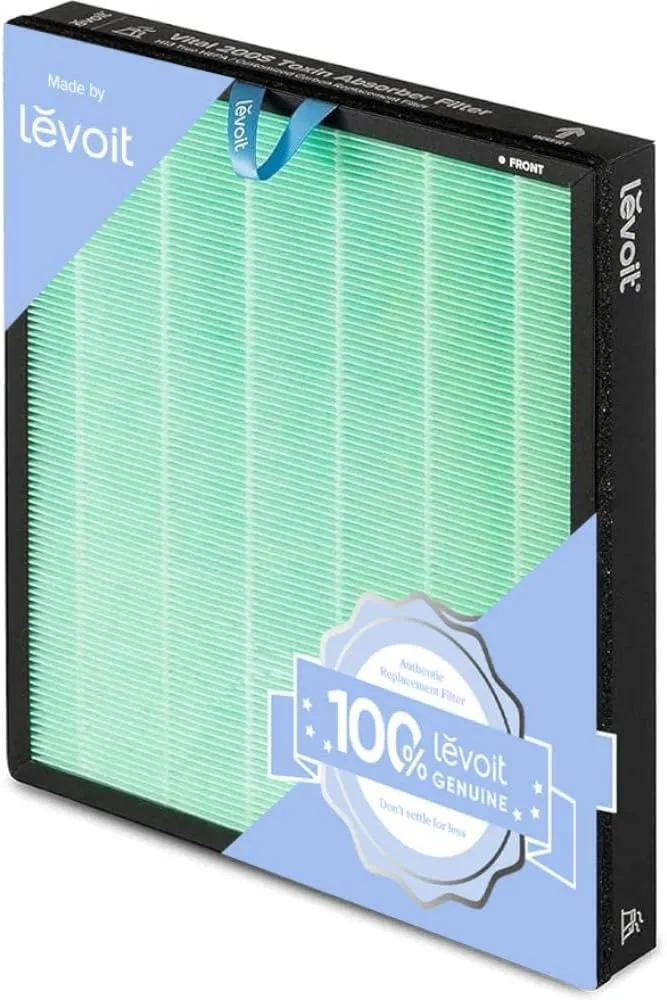
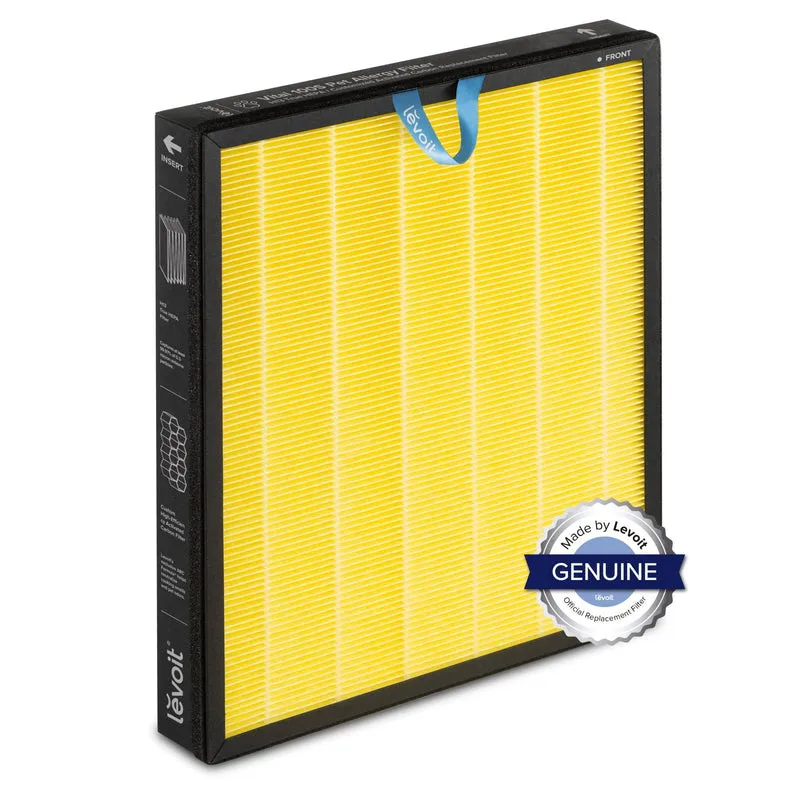
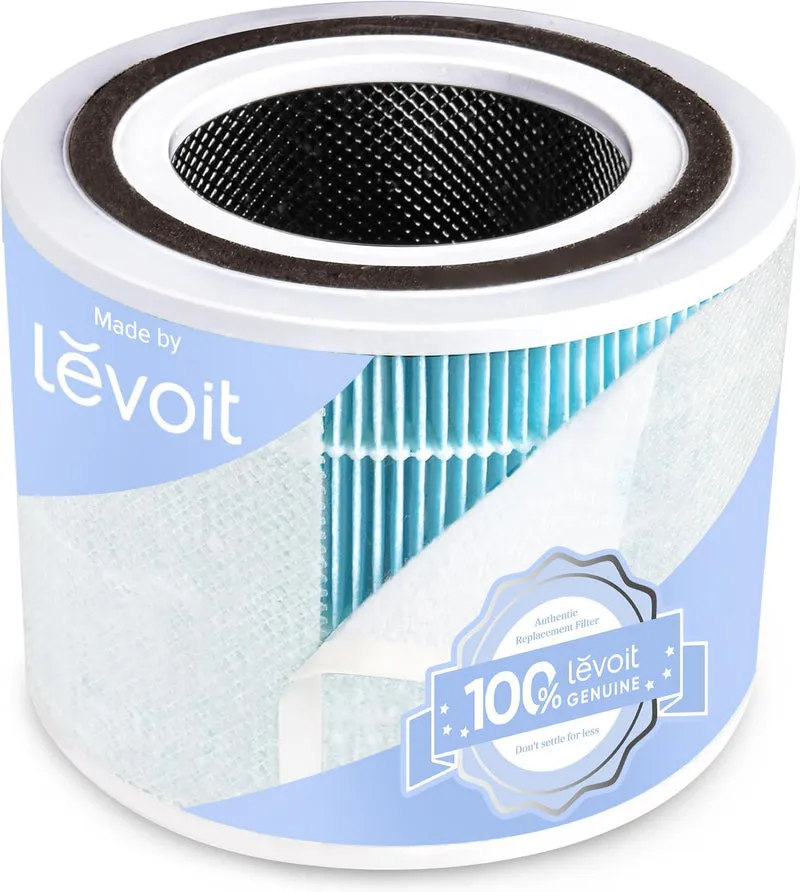
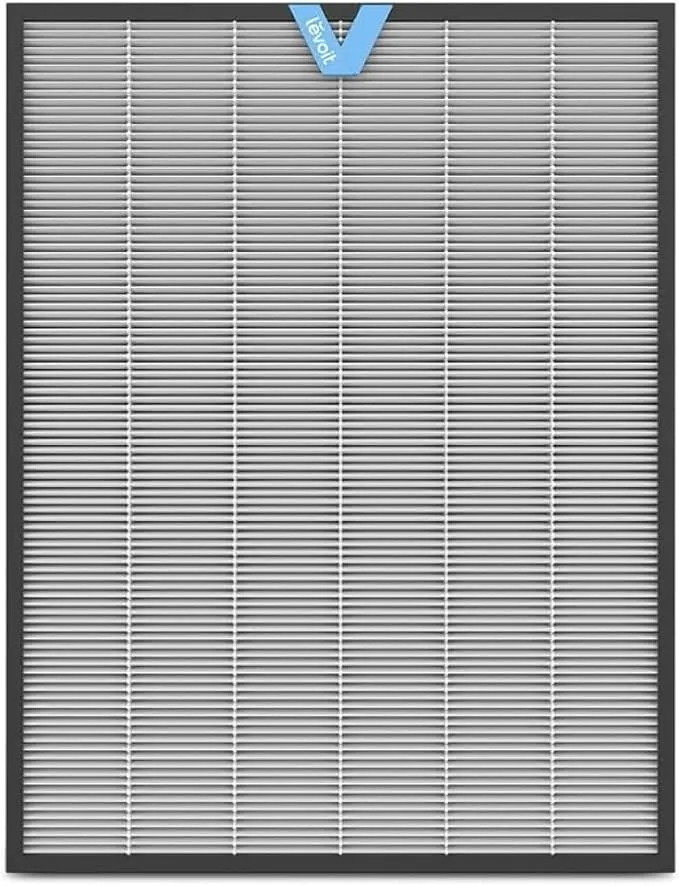
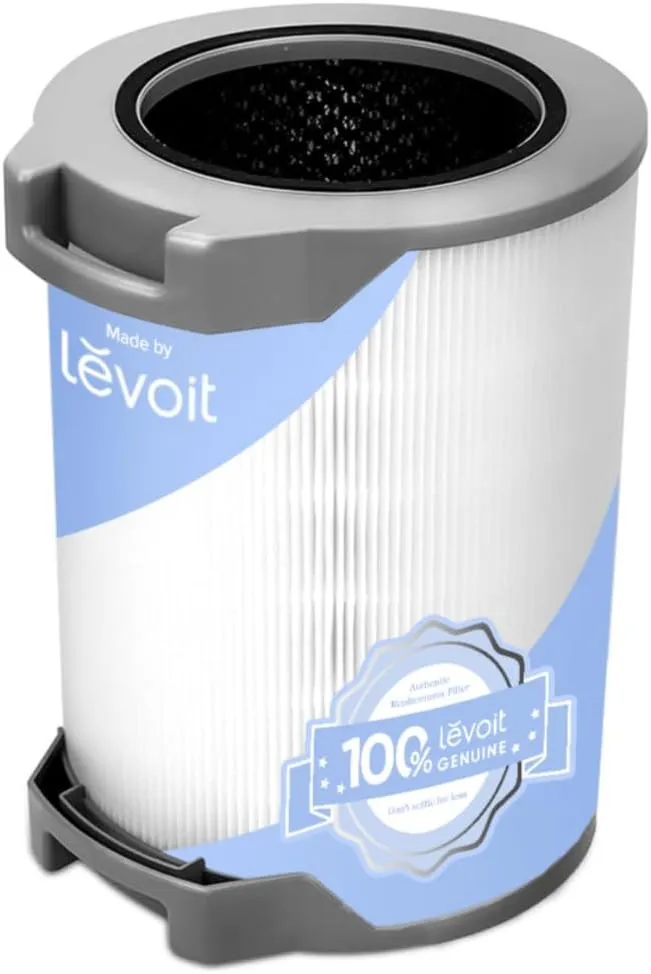
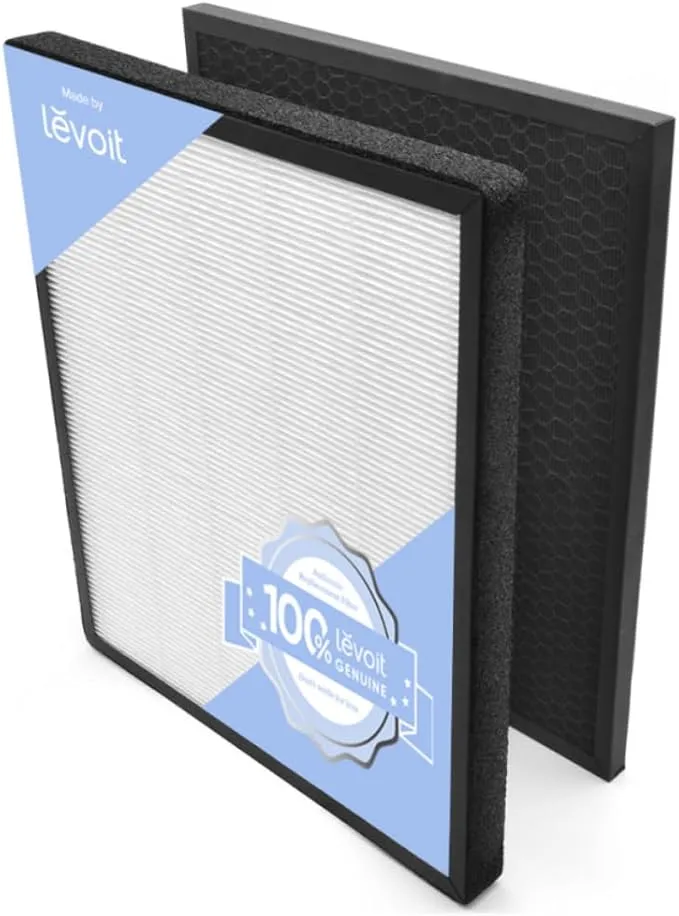
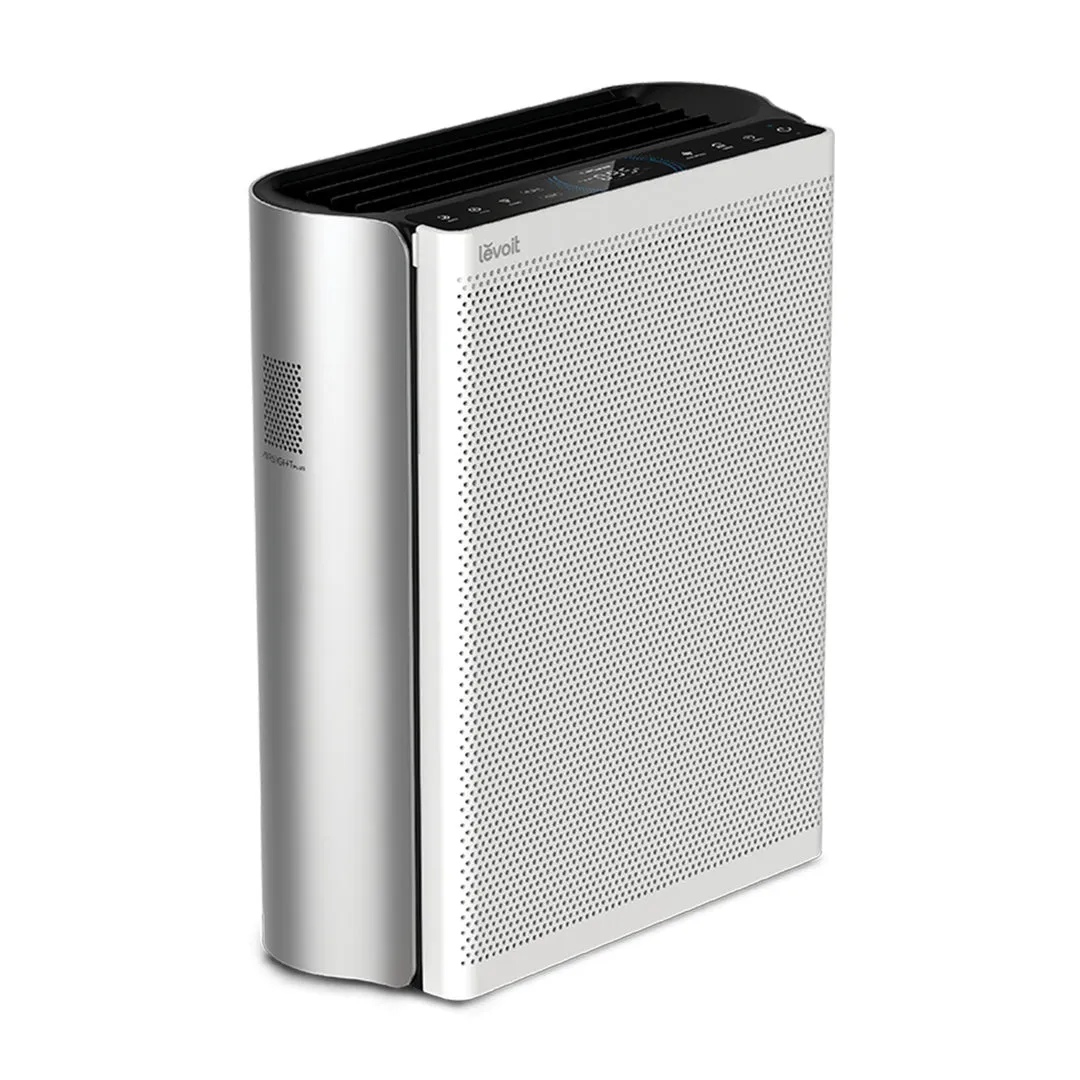
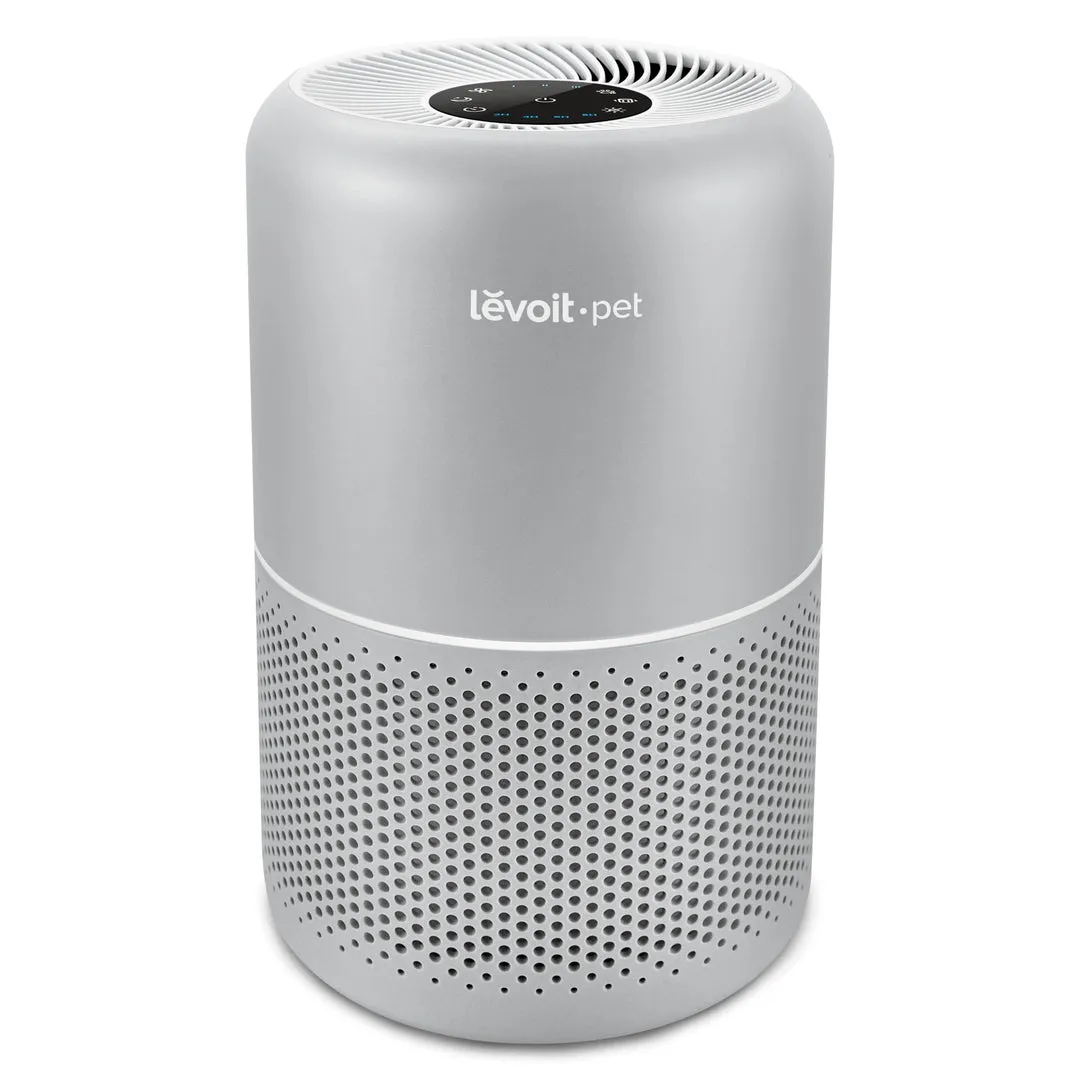
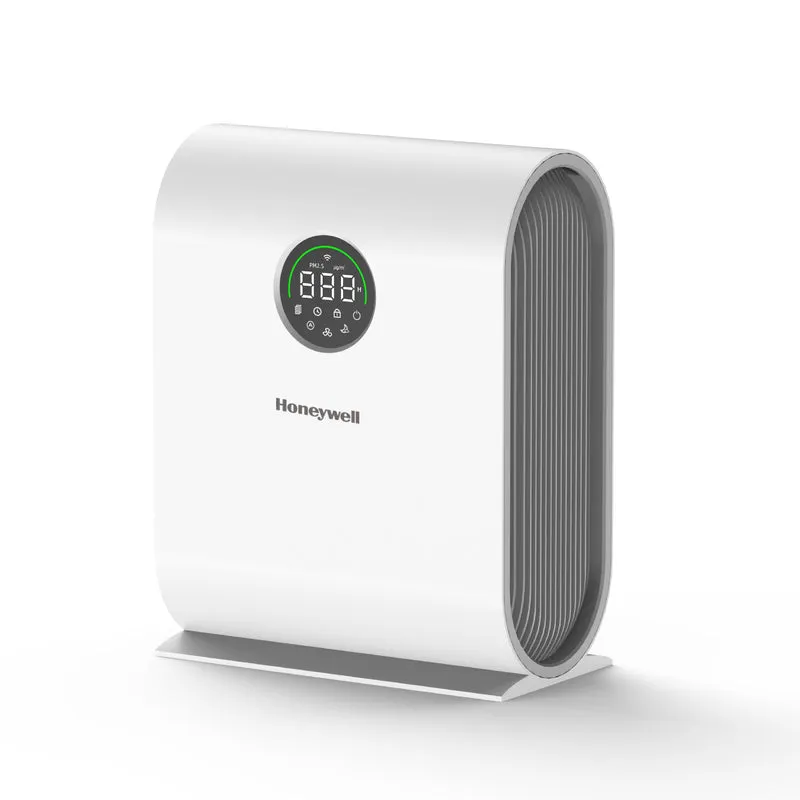
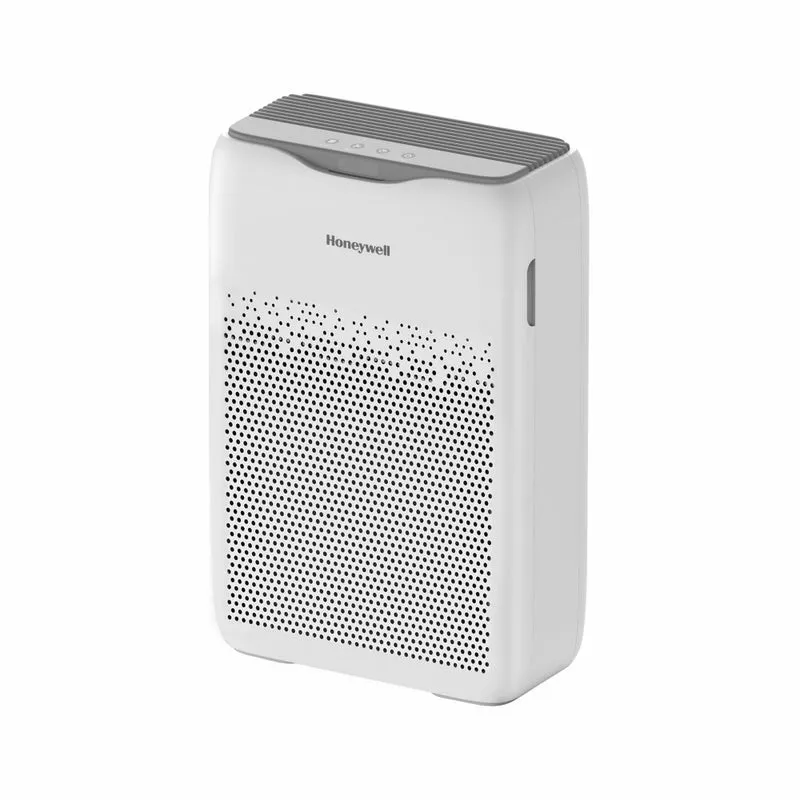
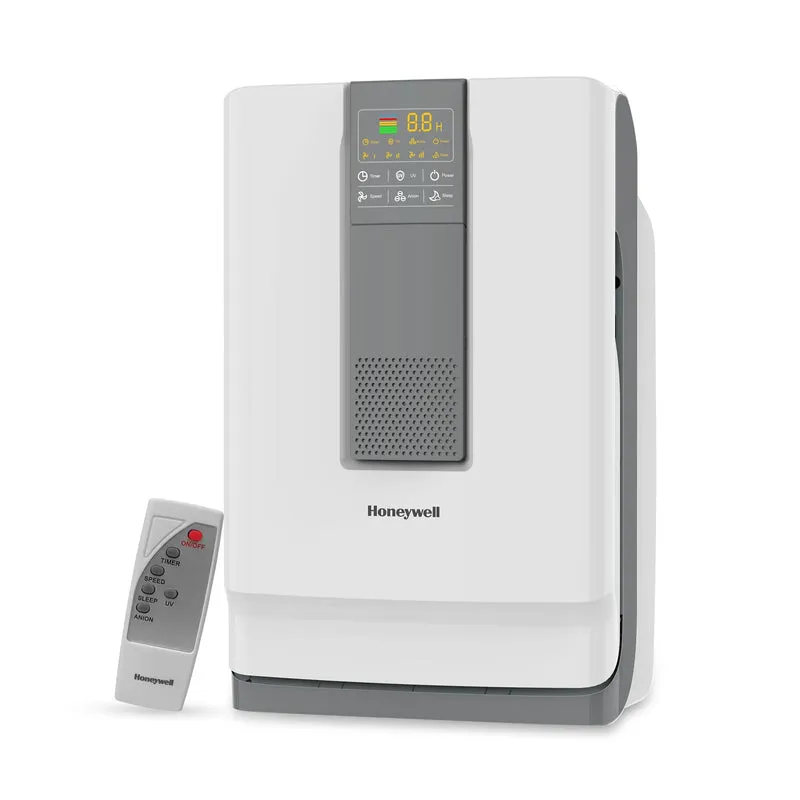
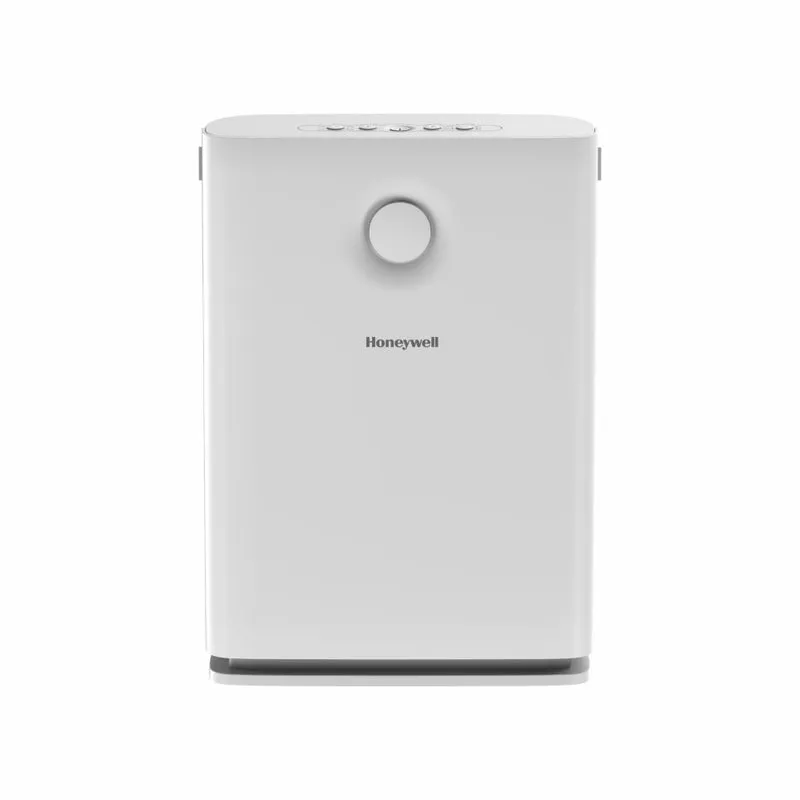
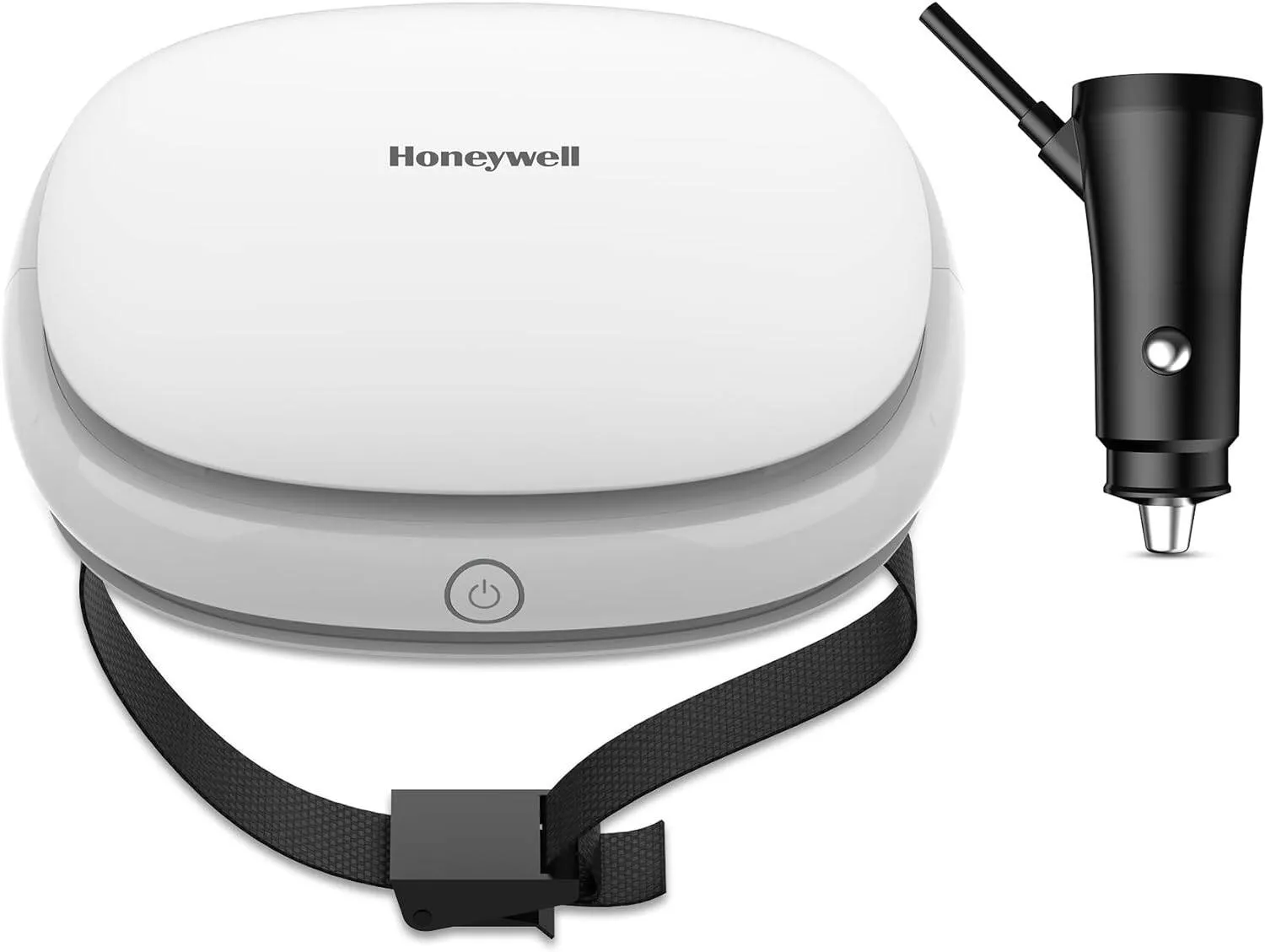
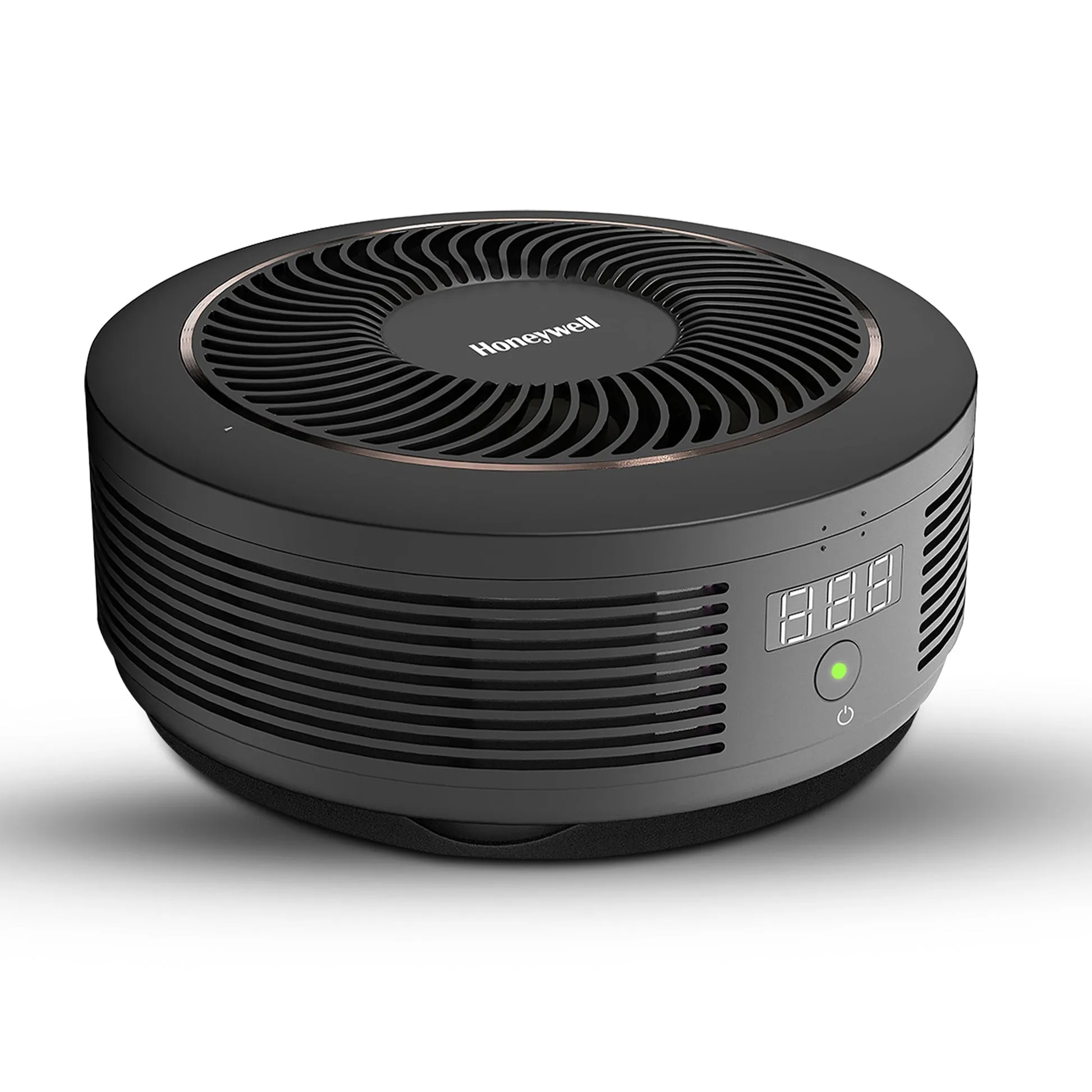
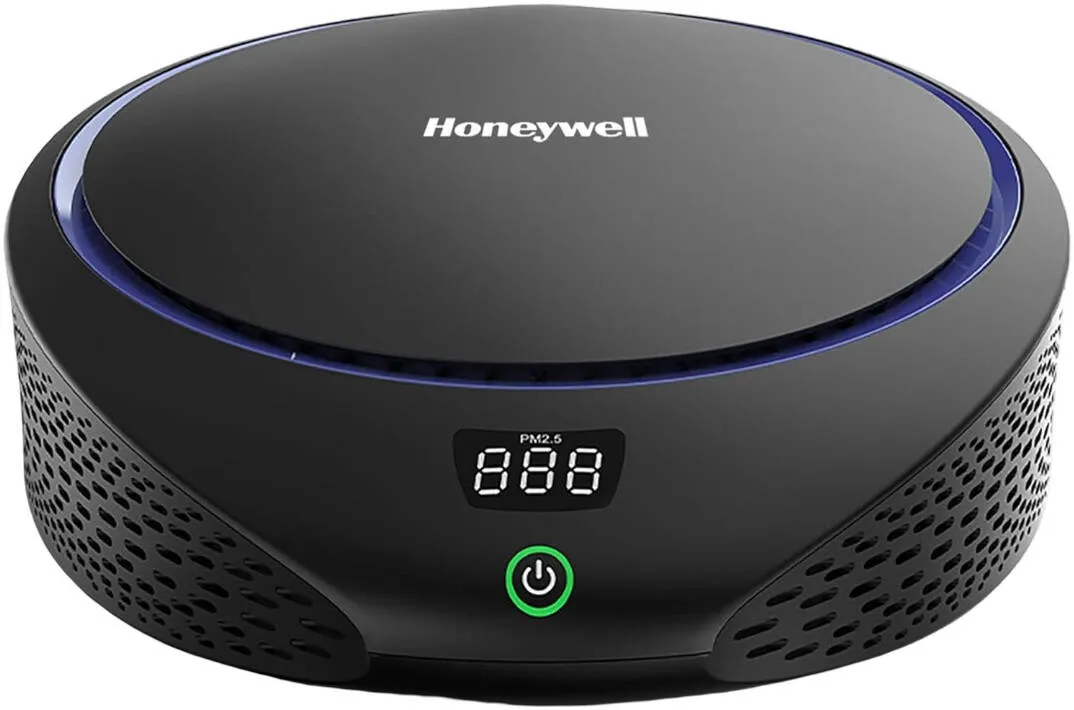
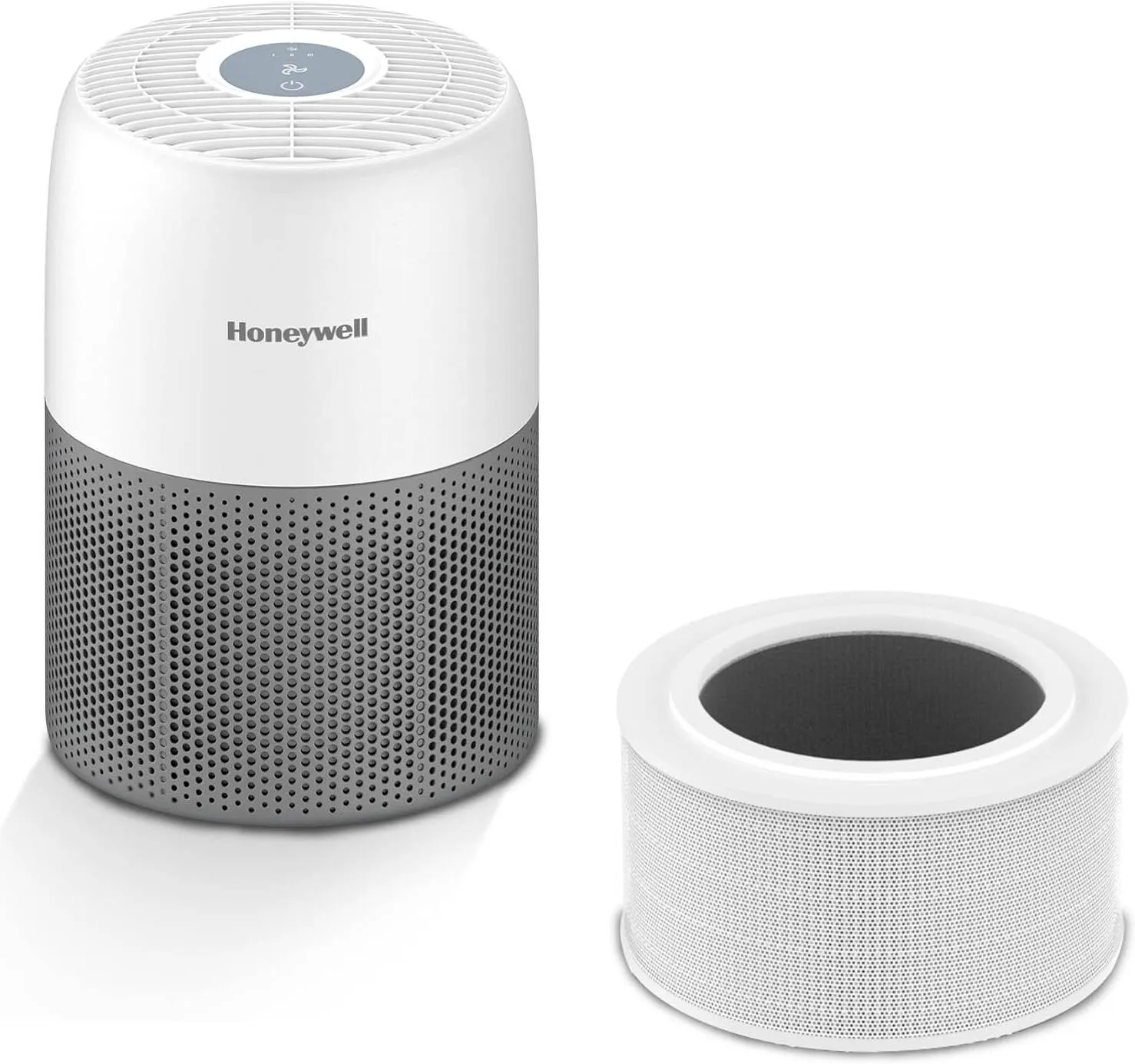
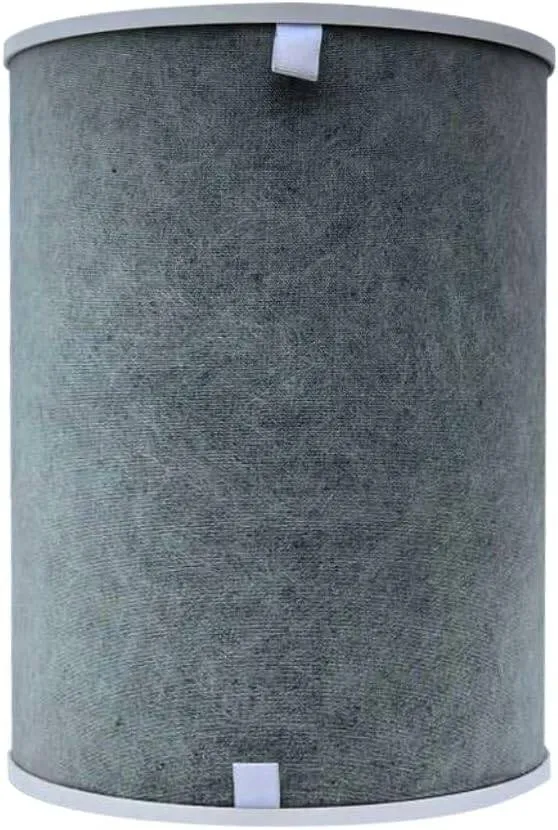
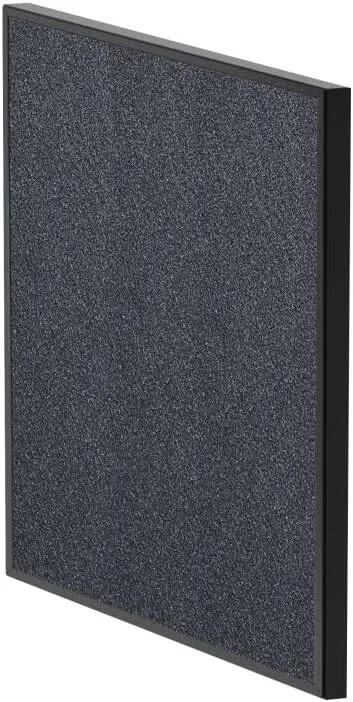
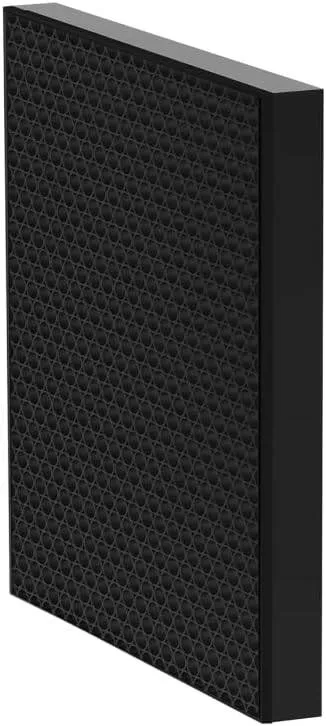
For UAE businesses ready to act, UAE air quality solutions offers a curated range of air purifiers, HEPA filters, replacement filters, and monitoring accessories from trusted brands including Blueair, Honeywell, and Levoit. Products are suited for commercial environments of all sizes, with fast delivery across Dubai, Abu Dhabi, and the wider UAE. Whether you need portable purifiers for sealed conference rooms, replacement MERV-grade filters for your HVAC system, or a full set of monitoring tools, the right equipment is available with straightforward purchasing and reliable support.
Frequently asked questions
What is the minimum air change rate recommended for UAE commercial spaces?
A minimum of 5 air changes per hour or equivalent is recommended for commercial spaces, paired with MERV 13 or higher filtration for effective particulate removal.
How often should commercial HVAC filters be changed?
HVAC filters should be changed every 3 to 6 months in high-use commercial zones, or more frequently in spaces with high dust exposure or heavy occupancy.
What are signs of poor air quality in my workplace?
Common signs include stale odors, increased employee fatigue, and frequent reports of sore throat or headaches, often referred to as “Dubai throat” in UAE office settings.
Is portable HEPA filtration effective in UAE offices?
Portable HEPA units are effective, especially in rooms with poor mechanical ventilation, sealed conference rooms, or basement-level spaces where ductwork upgrades are not practical.
What are the main penalties for non-compliance with UAE IAQ law?
Under UAE Law No.5/2025, penalties can include fines and temporary business shutdown for facilities that fail to meet mandatory indoor air quality standards.