Uncategorised
HEPA vs carbon filters: which cleans your indoor air?
Most people assume that a top-rated air purifier handles every indoor pollutant. It does not. A high-performance HEPA filter can reduce fine dust to near-zero levels in a room while leaving cooking fumes or paint odours completely untouched. Equally, a carbon filter loaded with activated charcoal does nothing measurable against pollen or microscopic dust. Understanding which filter targets which pollutant is not a minor technical detail. In UAE homes and businesses, where dust storms, traffic emissions, and air-conditioned spaces all contribute to complex indoor air challenges, getting this choice right has a direct impact on comfort and health.
Table of Contents
- How HEPA and carbon filters work
- Core differences between HEPA and carbon filters
- Nuances buyers often miss: filter quality and effectiveness
- Applying the right filter for UAE homes and businesses
- A fresh perspective on air filter choices
- Enhance your air quality with expert solutions
- Frequently asked questions
Key Takeaways
| Point | Details |
|---|---|
| HEPA captures particles | HEPA filters are highly effective at removing dust, pollen and other fine particles from indoor air. |
| Carbon adsorbs gases | Activated carbon filters excel at removing odours and volatile organic compounds that HEPA cannot address. |
| Both filters serve unique roles | The best air cleaning systems combine HEPA and carbon filters for complete protection against a range of indoor pollutants. |
| Check for genuine standards | Always verify HEPA performance (True H13+) and carbon filter thickness before making a purchase. |
How HEPA and carbon filters work
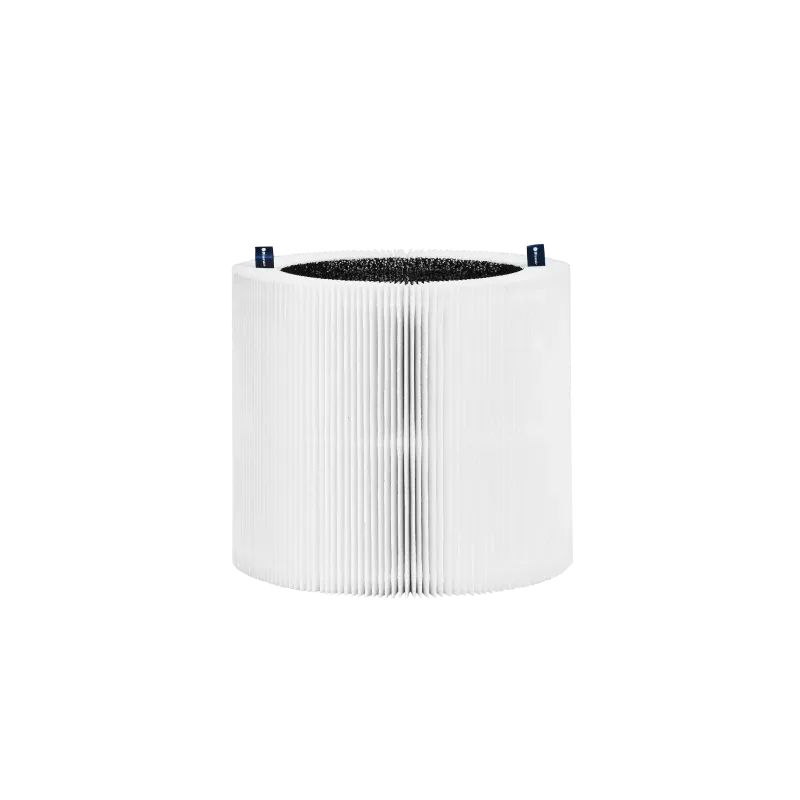
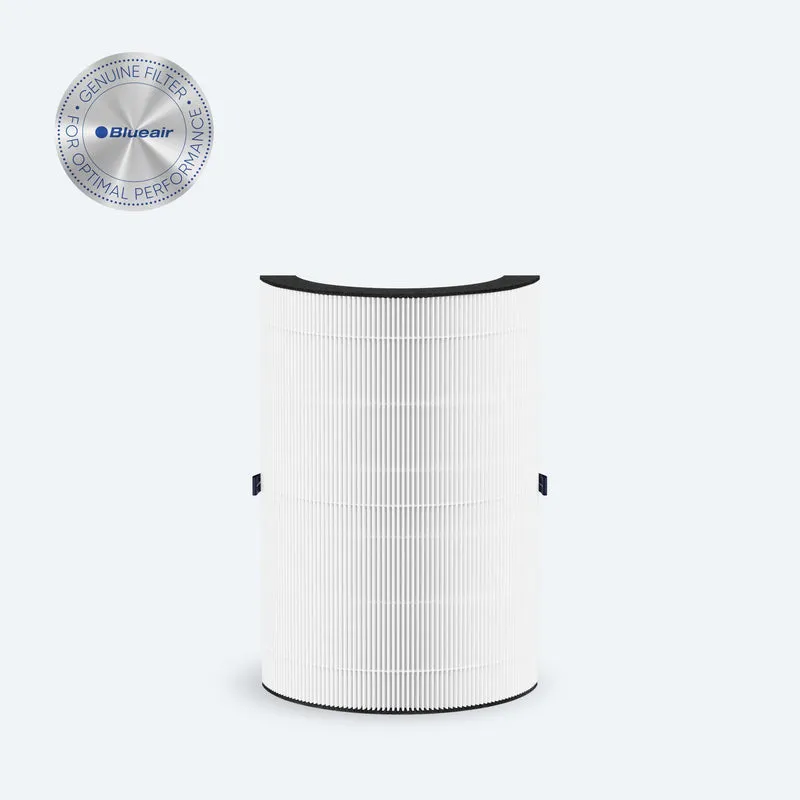
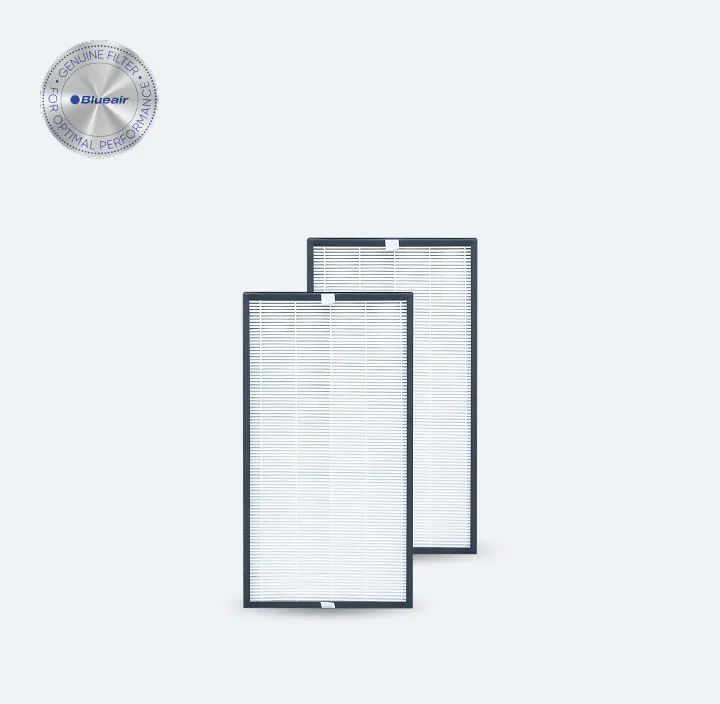
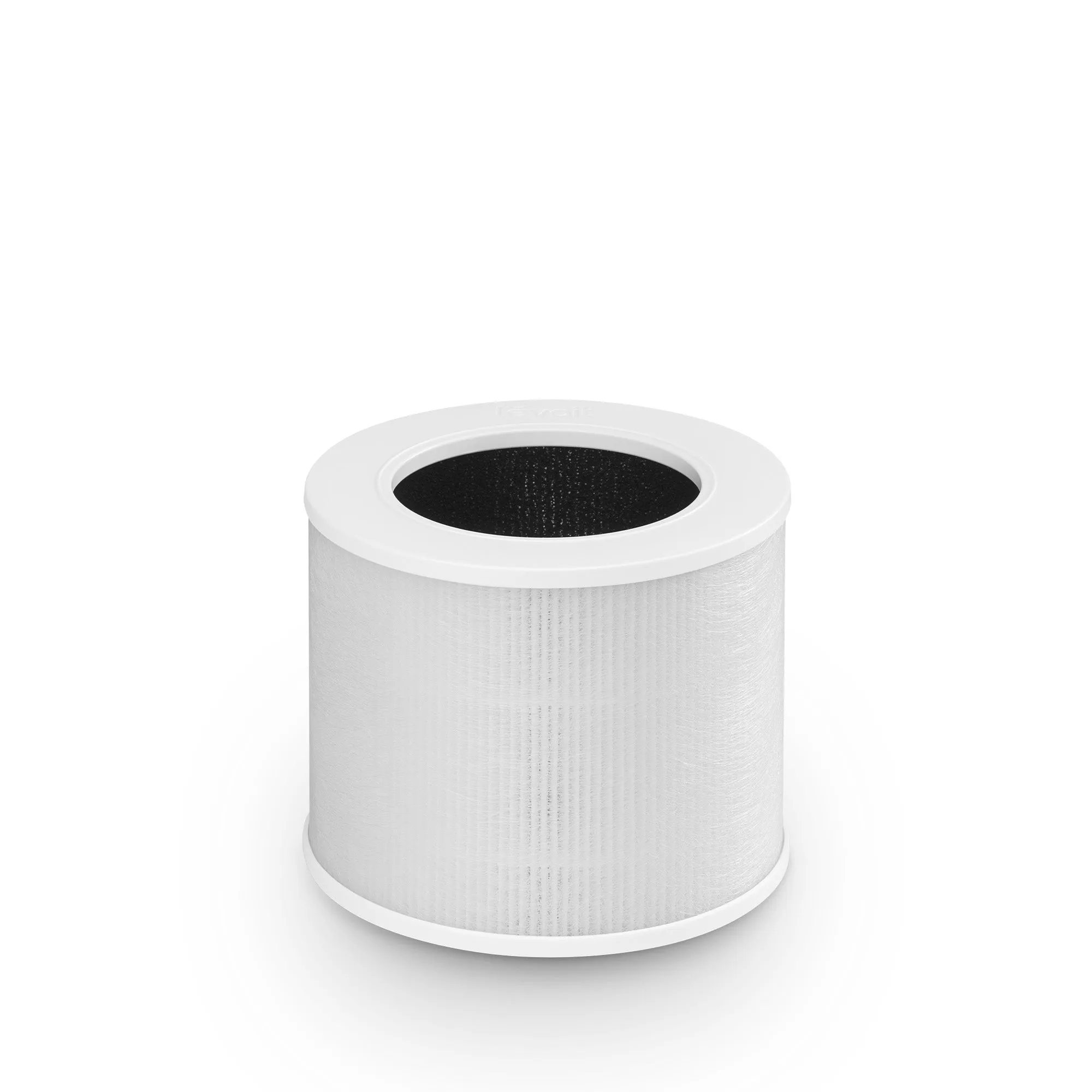
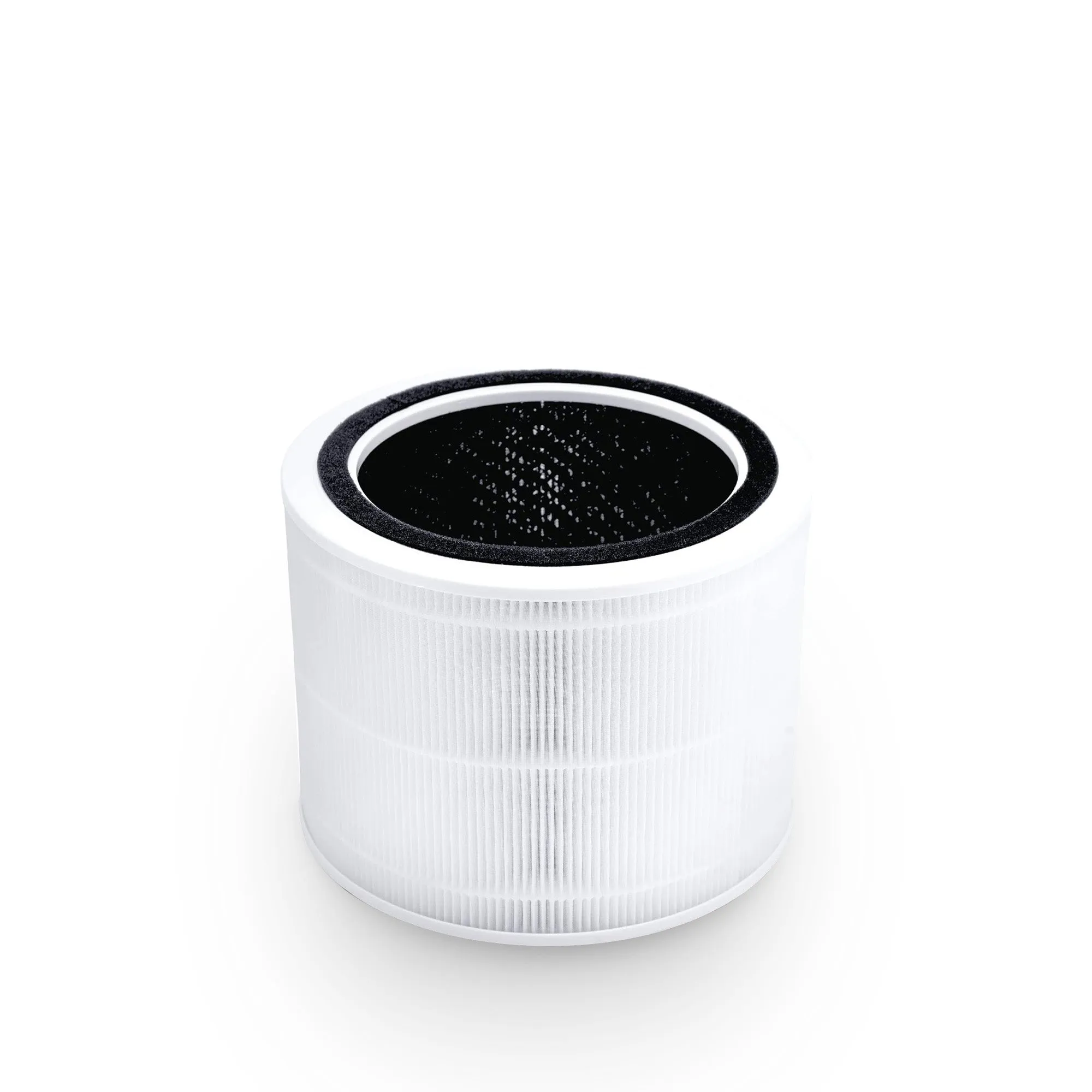
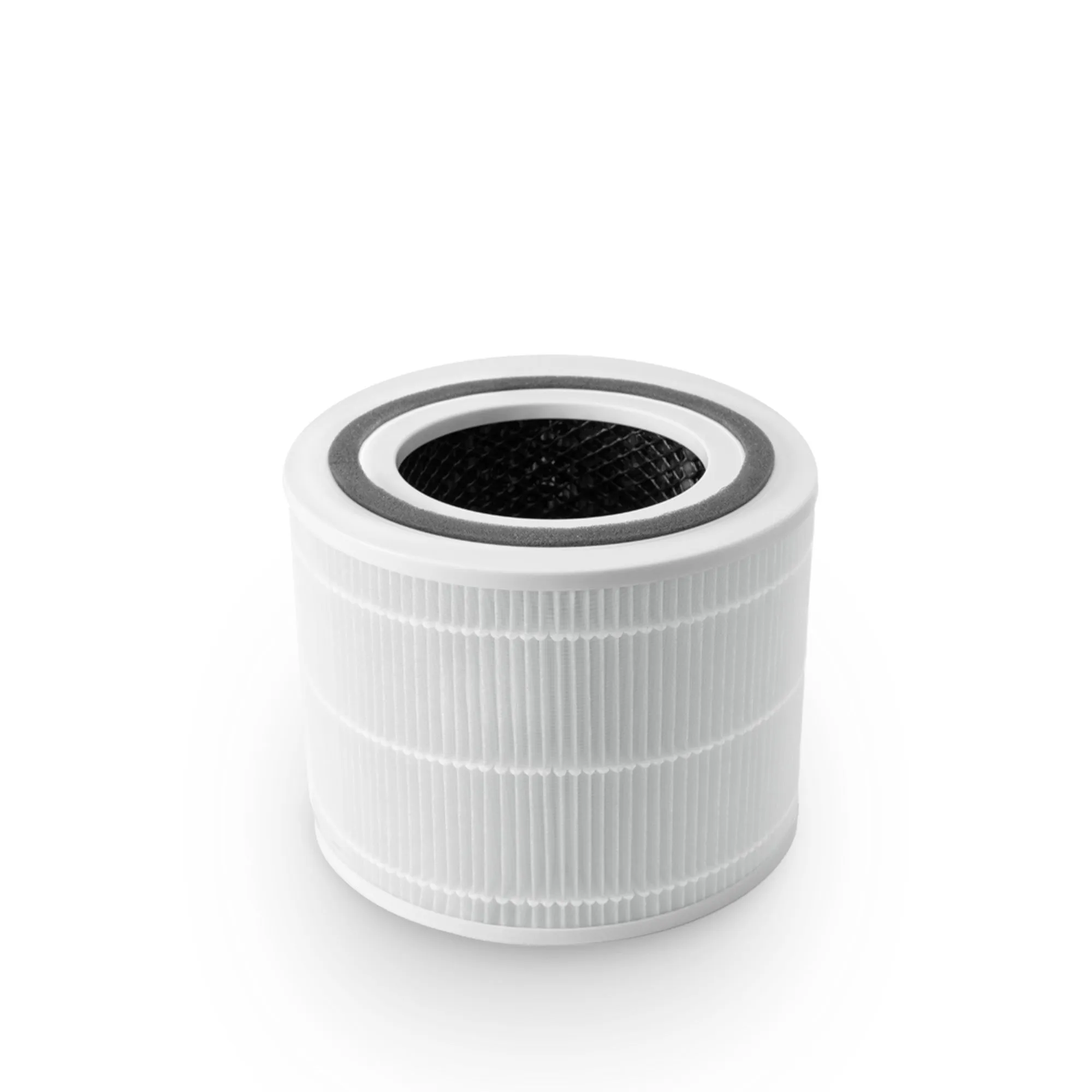
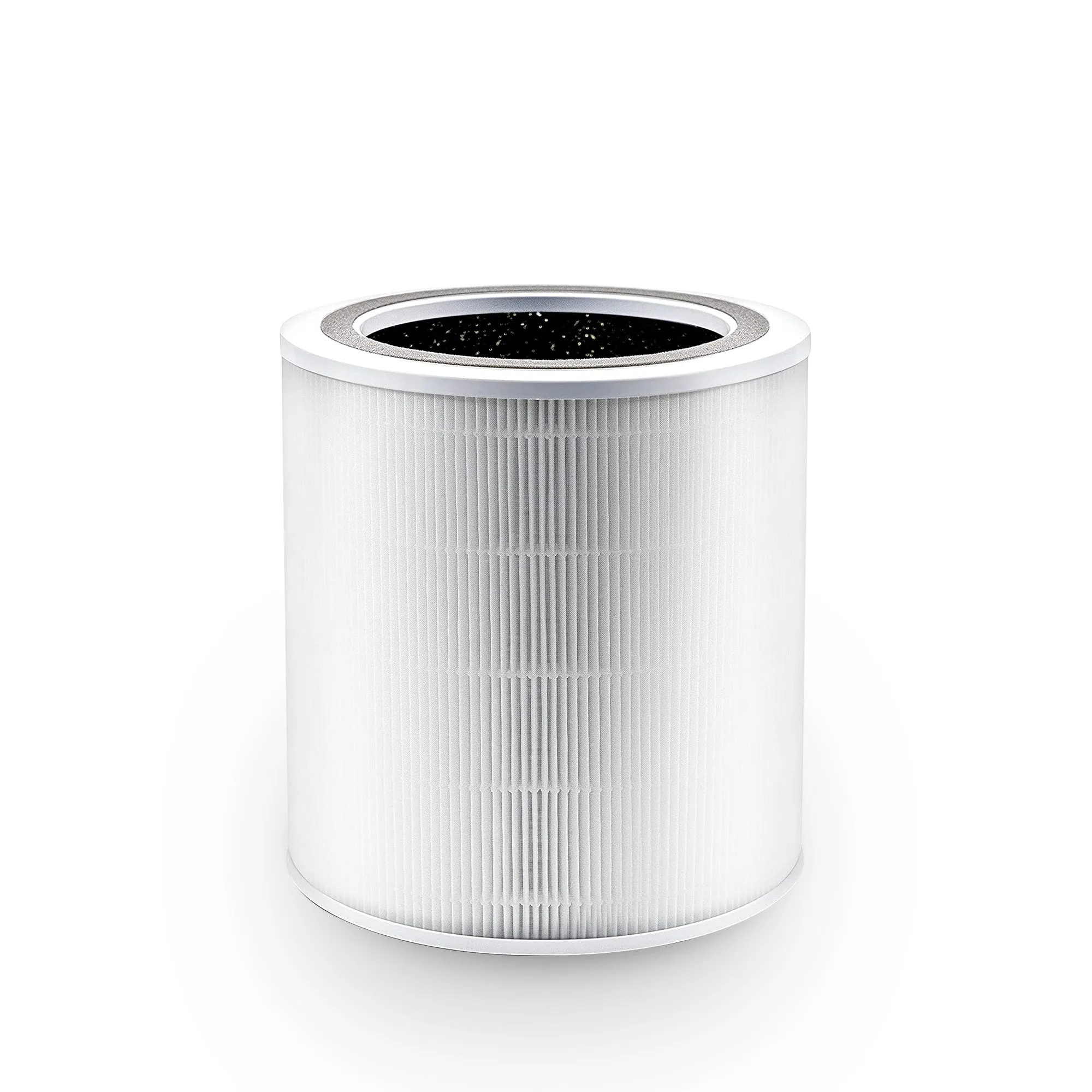
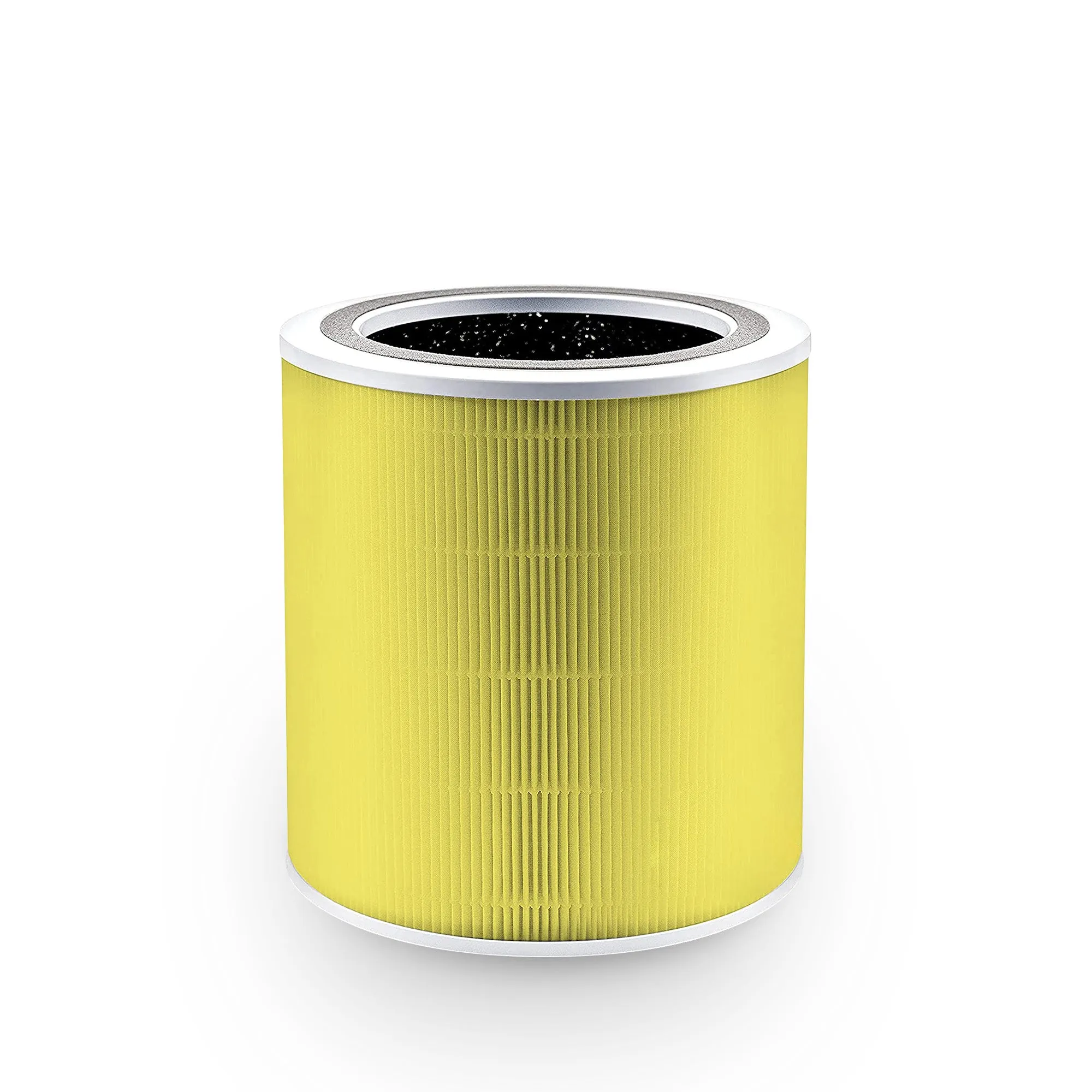
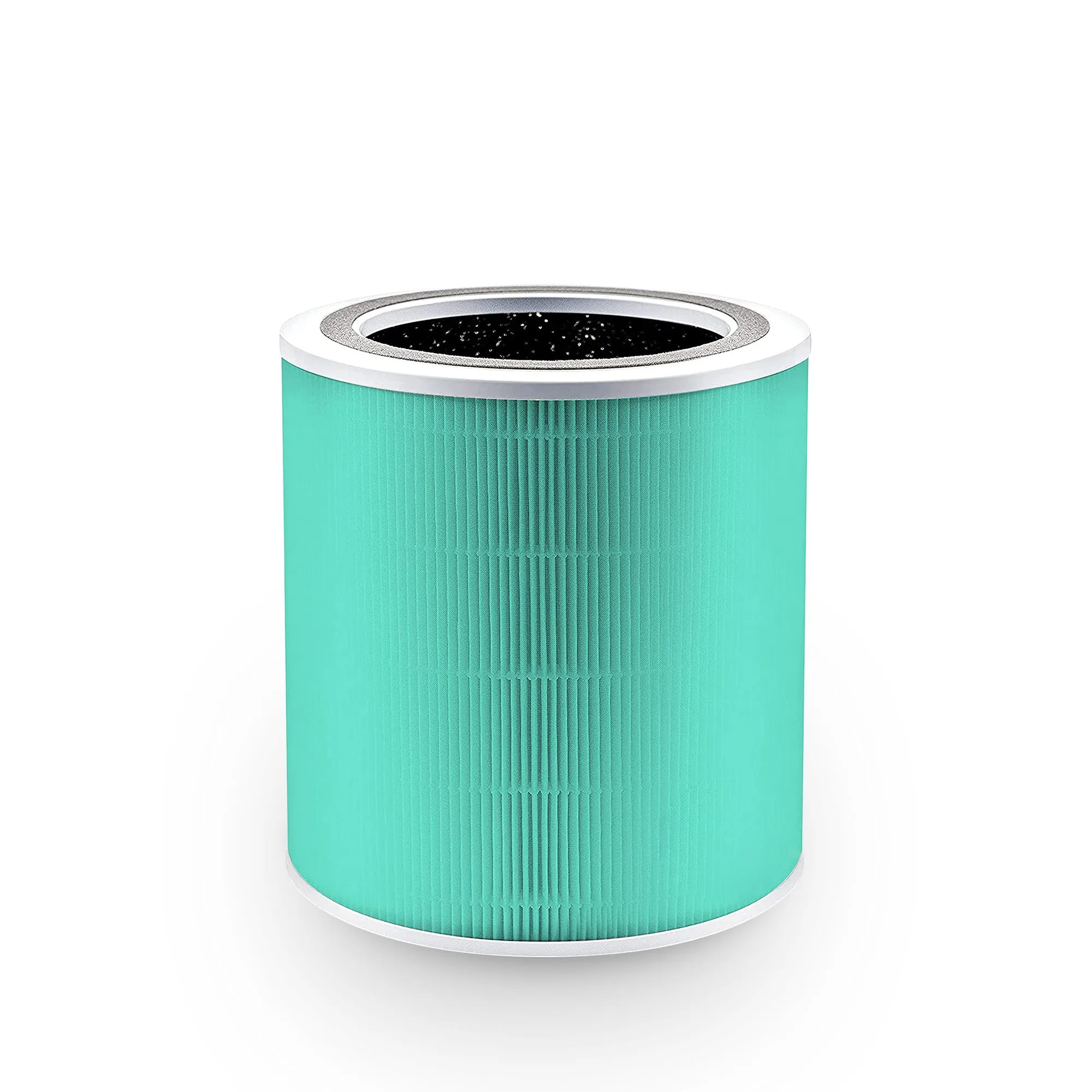
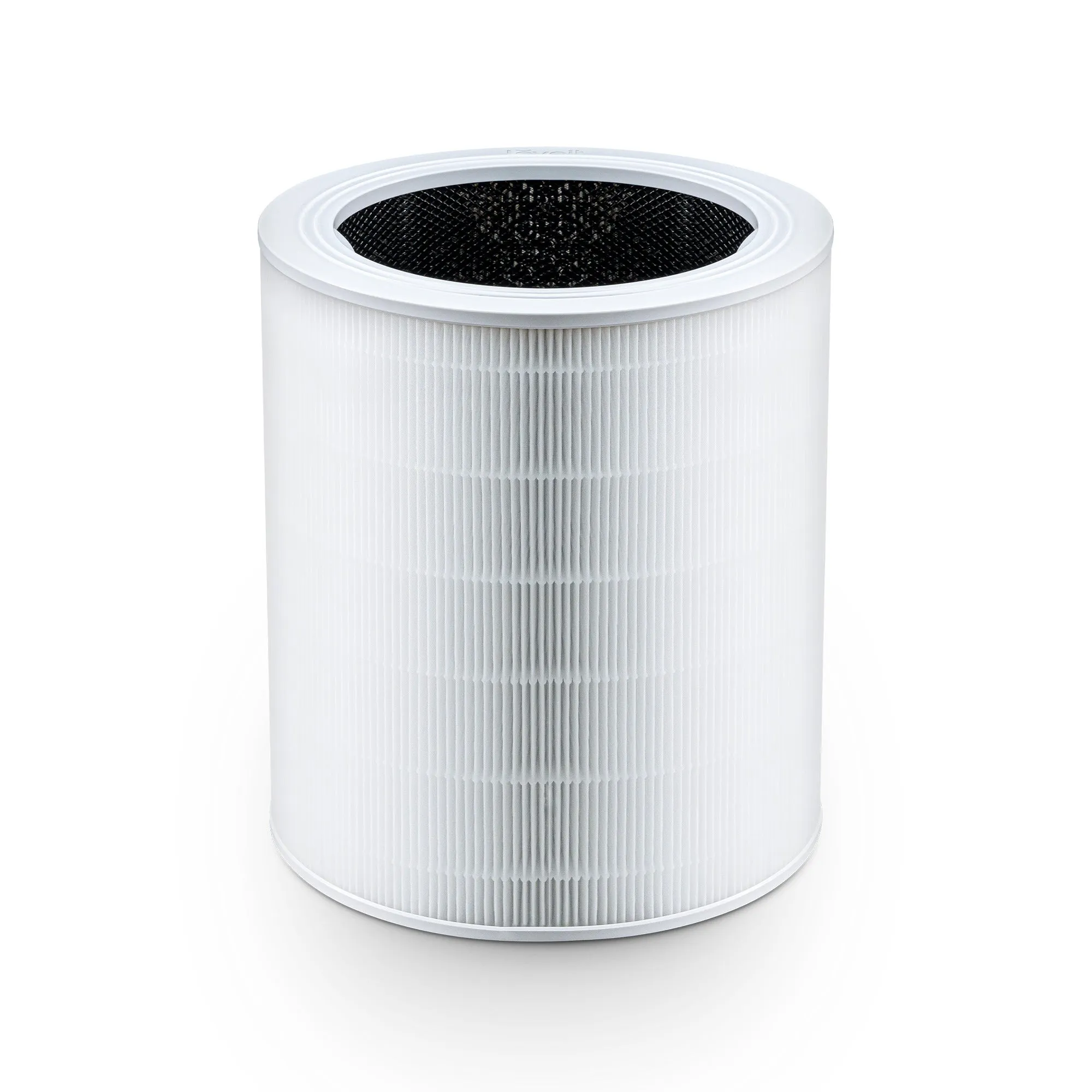
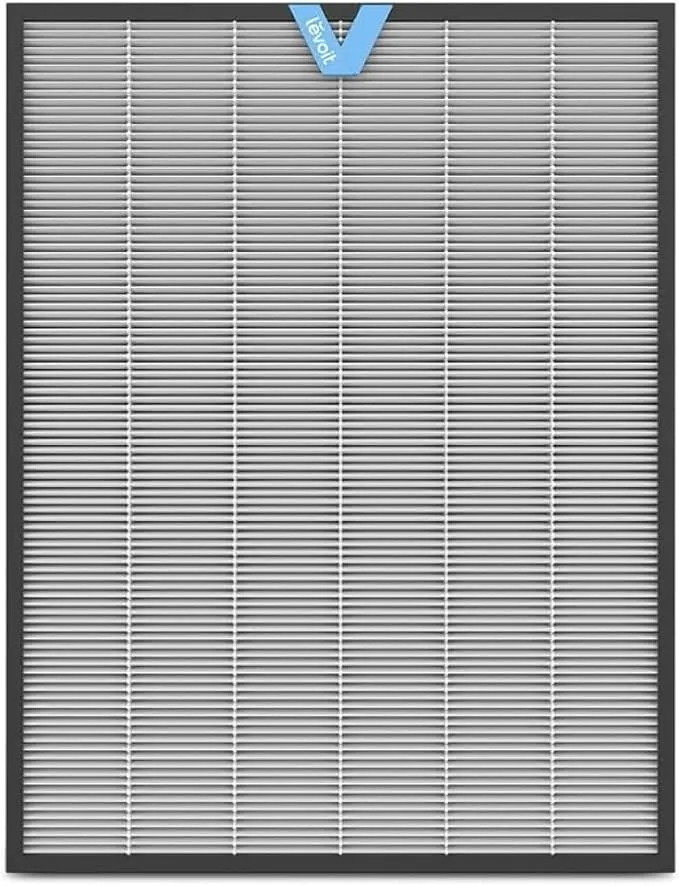
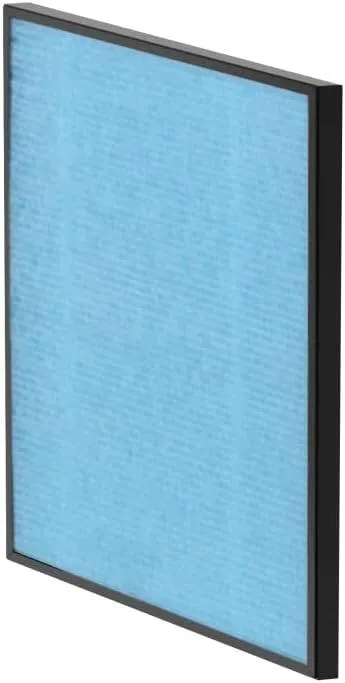
HEPA stands for High Efficiency Particulate Air. The filter is a dense mat of randomly arranged fibres, typically fibreglass, that traps airborne particles through three distinct physical processes: impaction, interception, and diffusion. Larger particles collide directly with fibres and stick. Medium-sized particles follow airflow paths but brush against fibres and are captured. Extremely small particles move erratically due to Brownian motion and eventually contact and adhere to fibres. This is why HEPA efficiency actually improves at the very smallest particle sizes, not just at larger ones.
HEPA filters capture 99.97% of airborne particles 0.3 microns and larger through these mechanical filtration mechanisms. To put that in perspective, 0.3 microns is roughly 300 times smaller than a single grain of table salt. Pollen, dust mite debris, mould spores, pet dander, and fine particulate matter such as PM2.5 all fall well within the size range HEPA captures effectively.
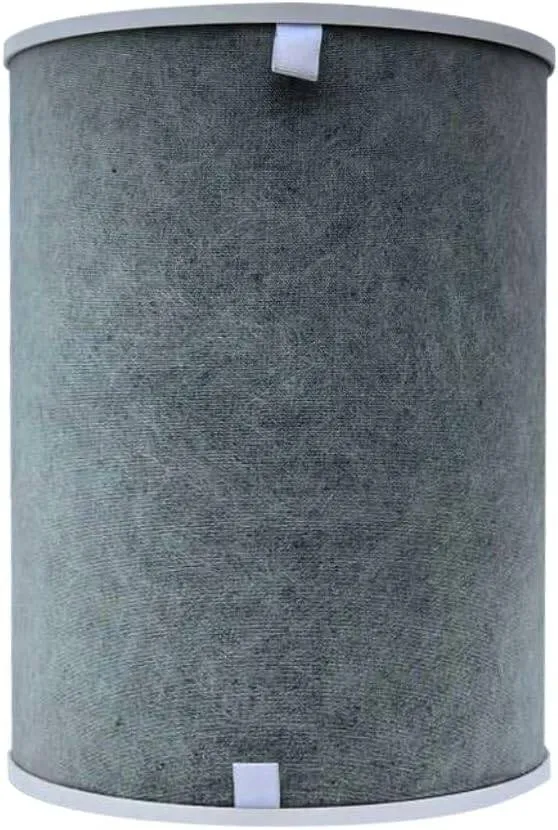
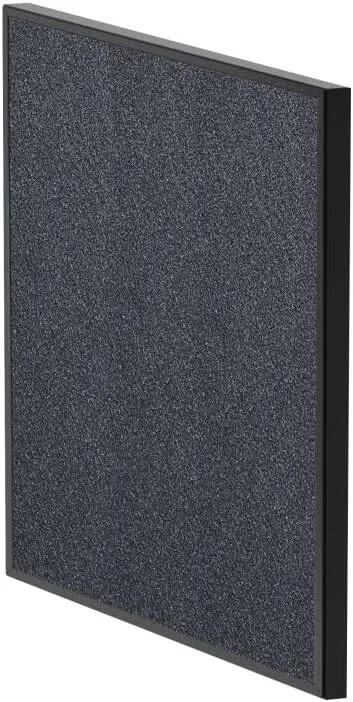
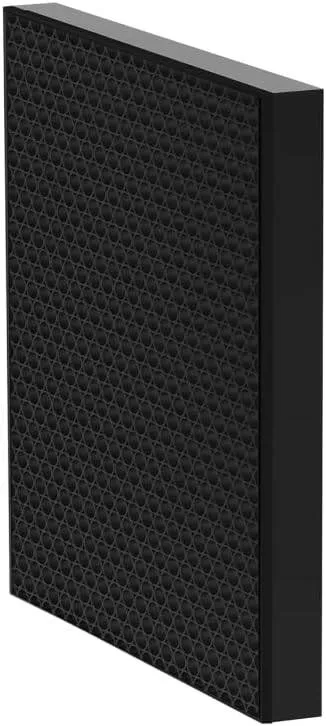
Carbon filters work on an entirely different principle called adsorption. Activated carbon is a highly porous material, typically derived from coconut shells or coal, that has been treated to create an enormous internal surface area. A single gram of activated carbon can have a surface area exceeding 500 square metres. Gaseous molecules, including volatile organic compounds (VOCs) such as formaldehyde and benzene, odour molecules from cooking or cleaning products, and some combustion byproducts, bond chemically to the carbon surface as air passes through.
“Carbon adsorbs gases; HEPA captures particles. Neither filter type crosses into the other’s territory of effectiveness.”
This distinction matters enormously. Carbon does not trap dust particles because they do not bond to its surface. HEPA does not neutralise odours or gases because those molecules pass straight through the fibre mat. Each filter is highly specialised. Treating one as a replacement for the other leads to persistent air quality problems that no amount of running the unit will resolve.
Core differences between HEPA and carbon filters
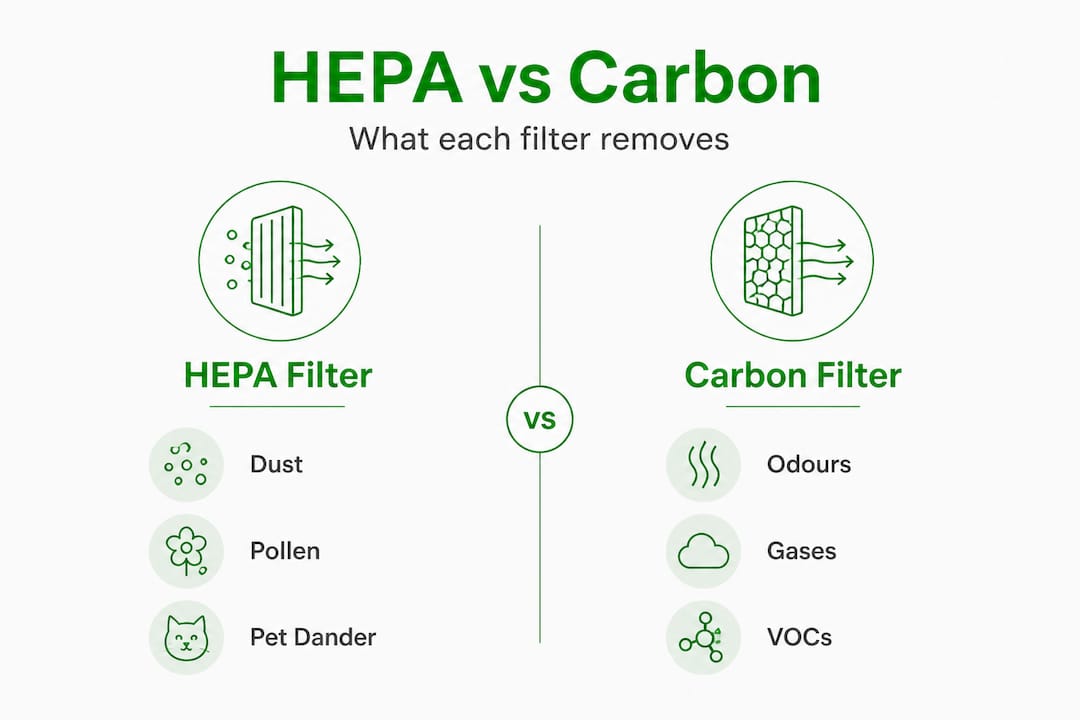
The table below gives a clear side-by-side comparison of what each filter type addresses and what it cannot handle.
| Pollutant type | HEPA filter | Carbon filter |
|---|---|---|
| Dust and dust mite debris | Highly effective | Not effective |
| Pollen | Highly effective | Not effective |
| Mould spores | Highly effective | Not effective |
| PM2.5 fine particulate | Highly effective | Not effective |
| Pet dander | Highly effective | Not effective |
| Cooking odours | Not effective | Effective |
| VOCs and formaldehyde | Not effective | Effective |
| Tobacco smoke particles | Highly effective | Not effective |
| Tobacco smoke chemicals | Not effective | Effective |
| Traffic exhaust gases | Not effective | Effective |
As the table shows, the two filter types are complementary, not interchangeable. UAE indoor environments typically generate a mix of particle-based and gas-based pollutants. Dust storms push fine particulate indoors. Cooking in enclosed, air-conditioned spaces concentrates odour molecules. New furniture, flooring, and paints off-gas VOCs. Traffic near urban developments in Dubai, Abu Dhabi, and Sharjah introduces exhaust-related chemical pollutants through ventilation gaps.
Common indoor pollutants relevant to UAE settings include:
- Fine dust and sand particles from desert storms and outdoor air infiltration
- Pollen from ornamental plantings and seasonal changes
- PM2.5 from vehicle traffic and construction activity nearby
- Cooking fumes and odours concentrated by closed, climate-controlled interiors
- VOCs from cleaning agents, furniture, flooring, and fresh paint
- Mould spores in areas with humidity variations or water intrusion
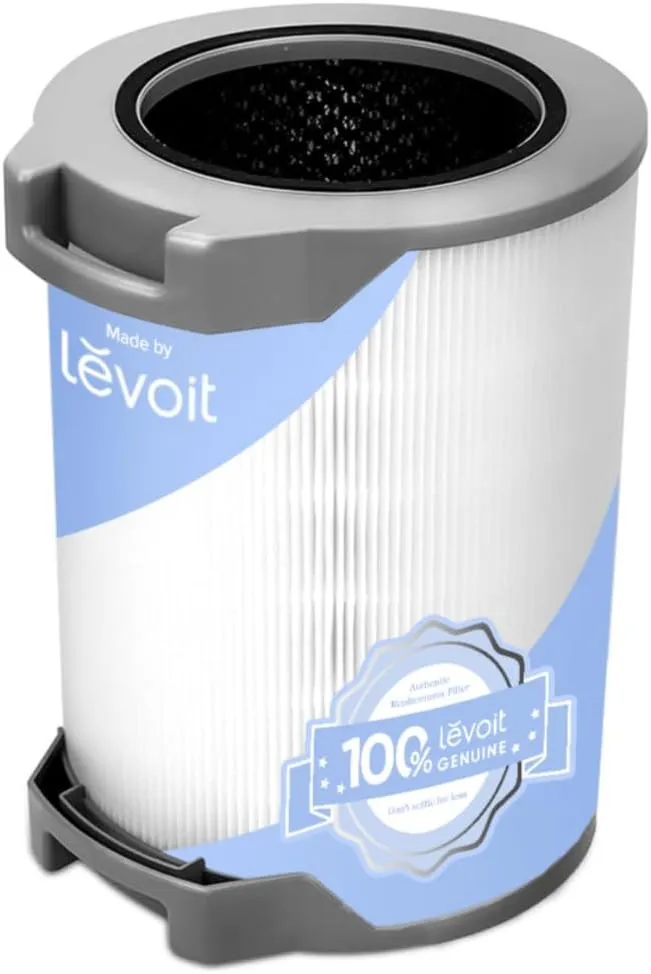
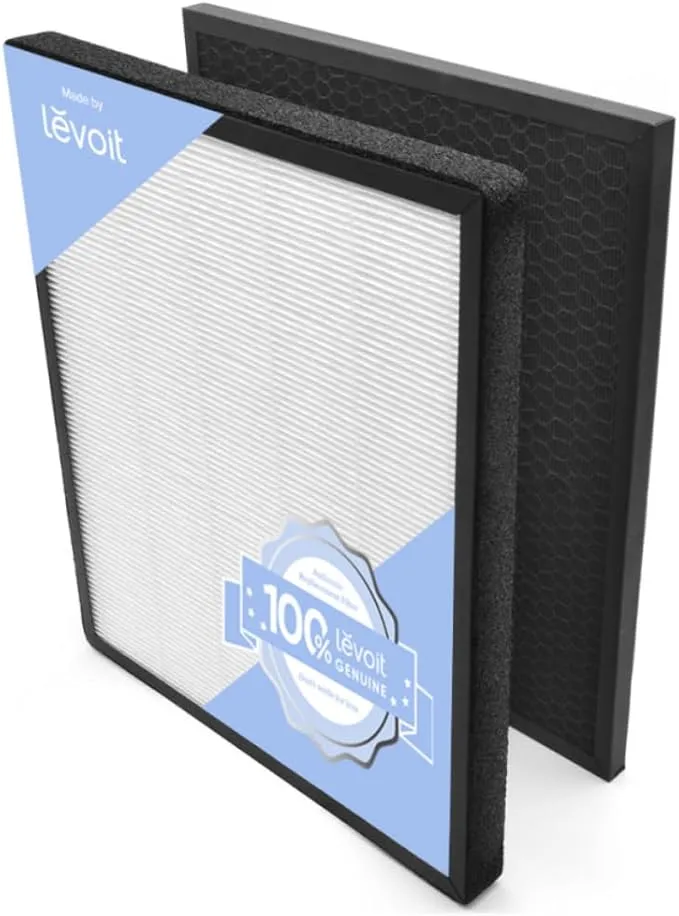
No single filter type addresses all of these. Best systems combine both filter types; HEPA handles particles, carbon handles gases and odours, and neither is effective in the other’s category.
Pro Tip: When evaluating an air purifier, check that it contains both a genuine HEPA stage and a substantial carbon stage. A product that lists “carbon filter” but only includes a thin carbon-coated mesh layer will provide minimal gas removal compared to a unit with a dedicated, deep activated carbon bed.
Nuances buyers often miss: filter quality and effectiveness
The label on the box does not always reflect the filter inside. This is one of the most common pitfalls when purchasing air purification equipment, and it is worth understanding in detail before spending money on a unit.
Understanding True HEPA versus HEPA-type
Not all filters marketed with “HEPA” in their name meet the same standard. True HEPA, sometimes labelled H13 or H14 under the European EN1822 classification, must achieve 99.97% efficiency at 0.3 microns. HEPA-type or HEPA-like filters are not standardised and typically achieve only 85% to 95% efficiency. That gap matters significantly. An 85% efficient filter allows roughly 15 particles out of every 100 to pass through uncaptured. In a space with ongoing dust infiltration, this adds up quickly.
Steps to verify filter quality before purchasing:
- Look for the specific efficiency rating on the filter, not just on the box. Genuine H13 True HEPA filters are often labelled on the filter itself.
- Check the product specification sheet for the tested particle size, which should state 0.3 microns at 99.97% minimum.
- Avoid terms like “HEPA-style,” “HEPA-grade,” or “HEPA-like” as these indicate a lower, unstandardised standard.
- Confirm that the filter is a sealed unit, meaning air cannot bypass the filter media around the edges inside the device.
Understanding carbon filter performance
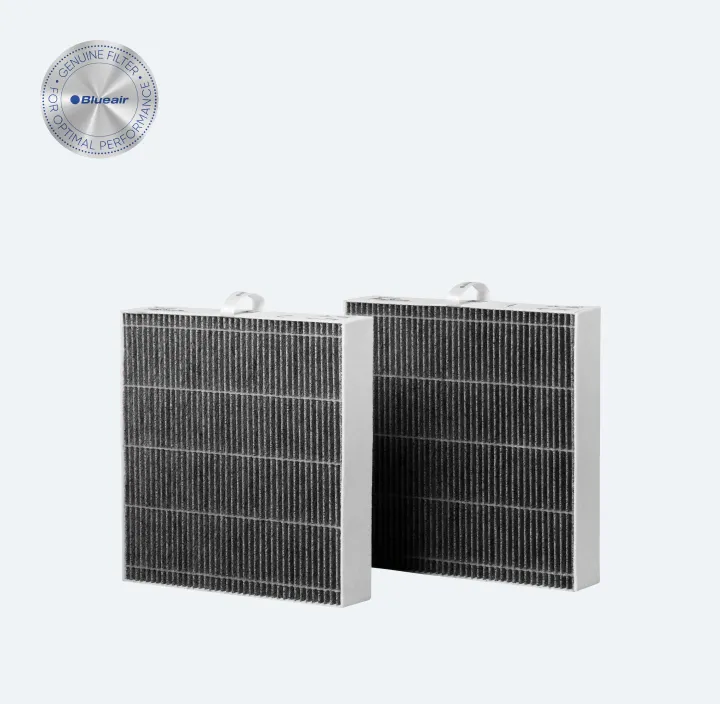
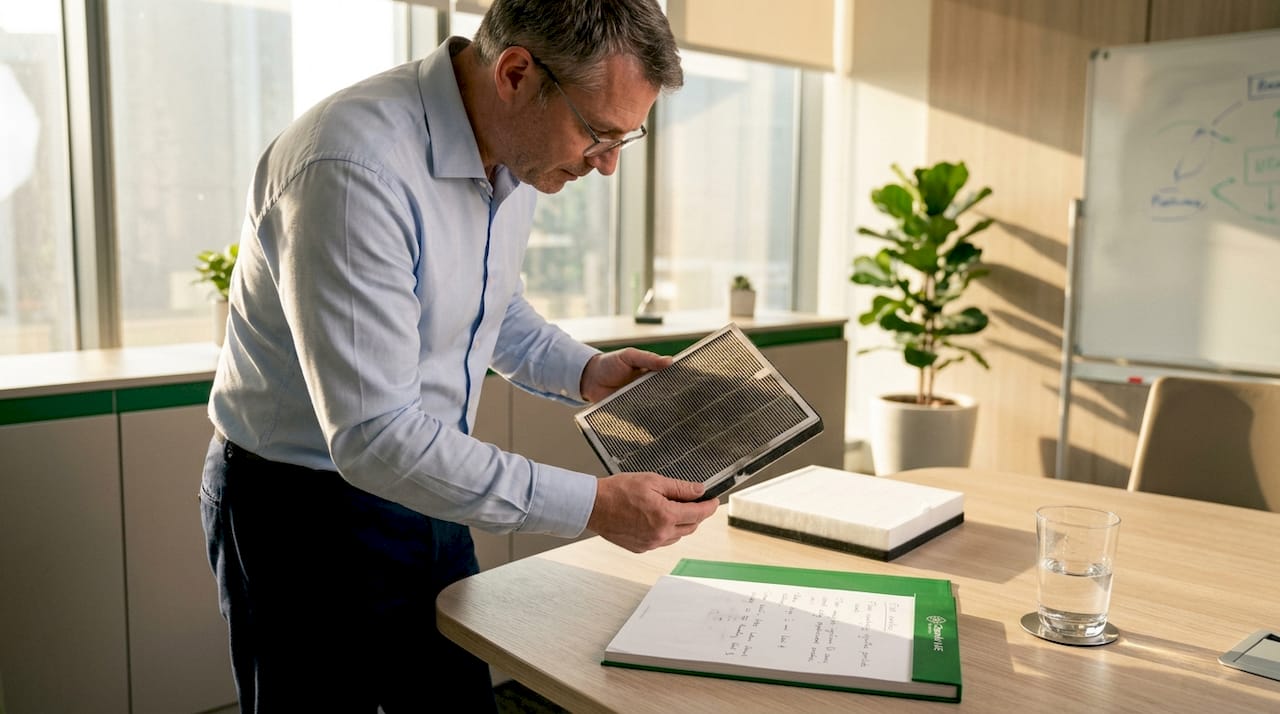
Carbon filter effectiveness depends heavily on the quantity and quality of activated carbon and the time that air spends in contact with it. This contact time is described technically as Empty Bed Contact Time, or EBCT. A thin layer of carbon-infused foam provides very little EBCT and will saturate and lose effectiveness within days or weeks. A deep-bed activated carbon filter, typically containing several hundred grams to a kilogram or more of granular activated carbon, maintains effective adsorption over a meaningful period.
| Carbon filter type | Typical carbon quantity | Estimated effective lifespan |
|---|---|---|
| Carbon mesh / foam layer | Under 50 grams | 2 to 4 weeks |
| Shallow granular carbon tray | 50 to 150 grams | 1 to 3 months |
| Deep-bed granular carbon | 300 grams or more | 6 to 12 months |
Understanding CADR ratings
CADR stands for Clean Air Delivery Rate, and it measures how quickly a unit reduces specific particles in a defined room size. It is a useful metric for comparing HEPA-based particle removal across devices. However, CADR does not measure gas or odour removal. Portable HEPA units reduce PM2.5 measurably and provide cardiovascular and respiratory benefits, but CADR figures give no information about a unit’s effectiveness against VOCs, cooking smells, or formaldehyde.
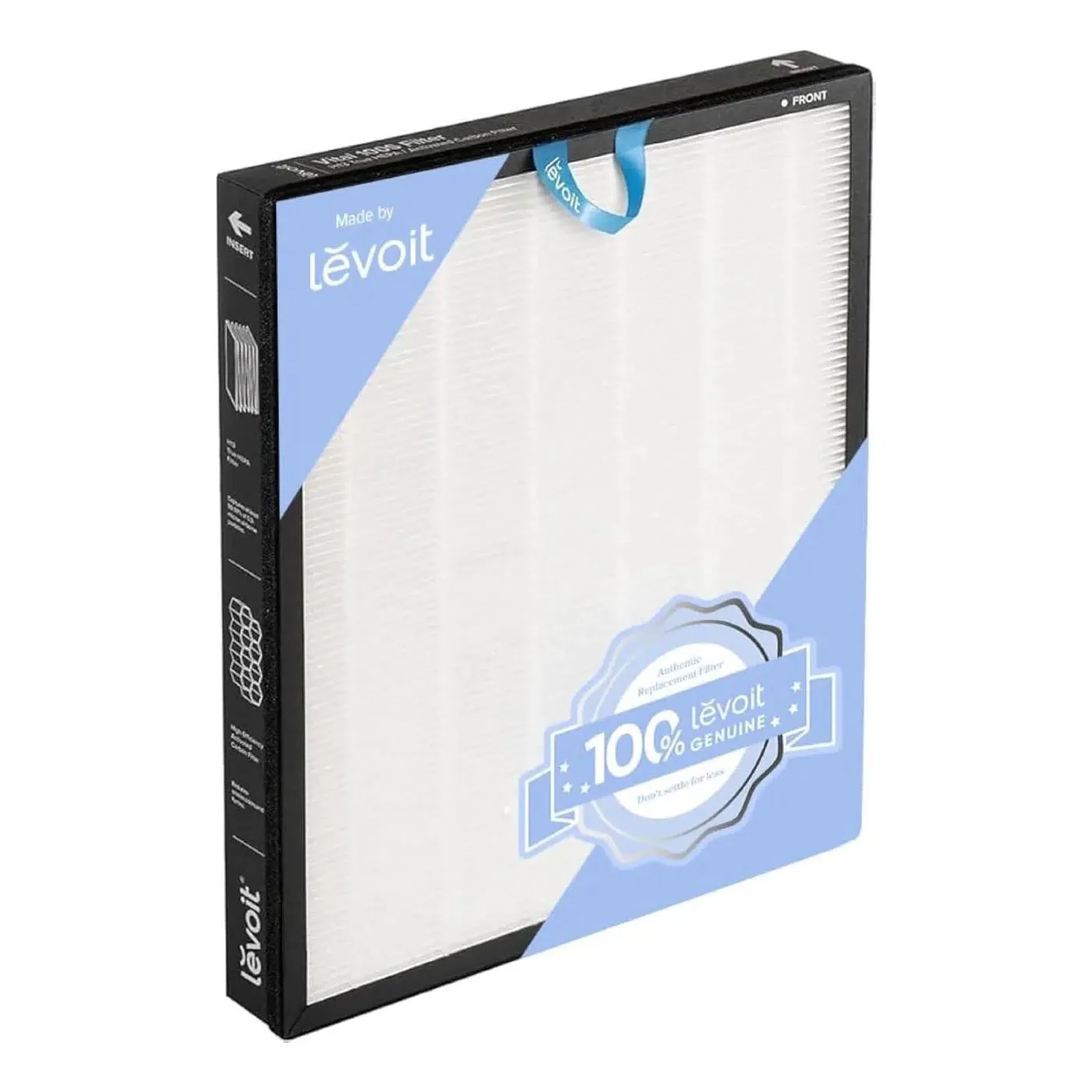
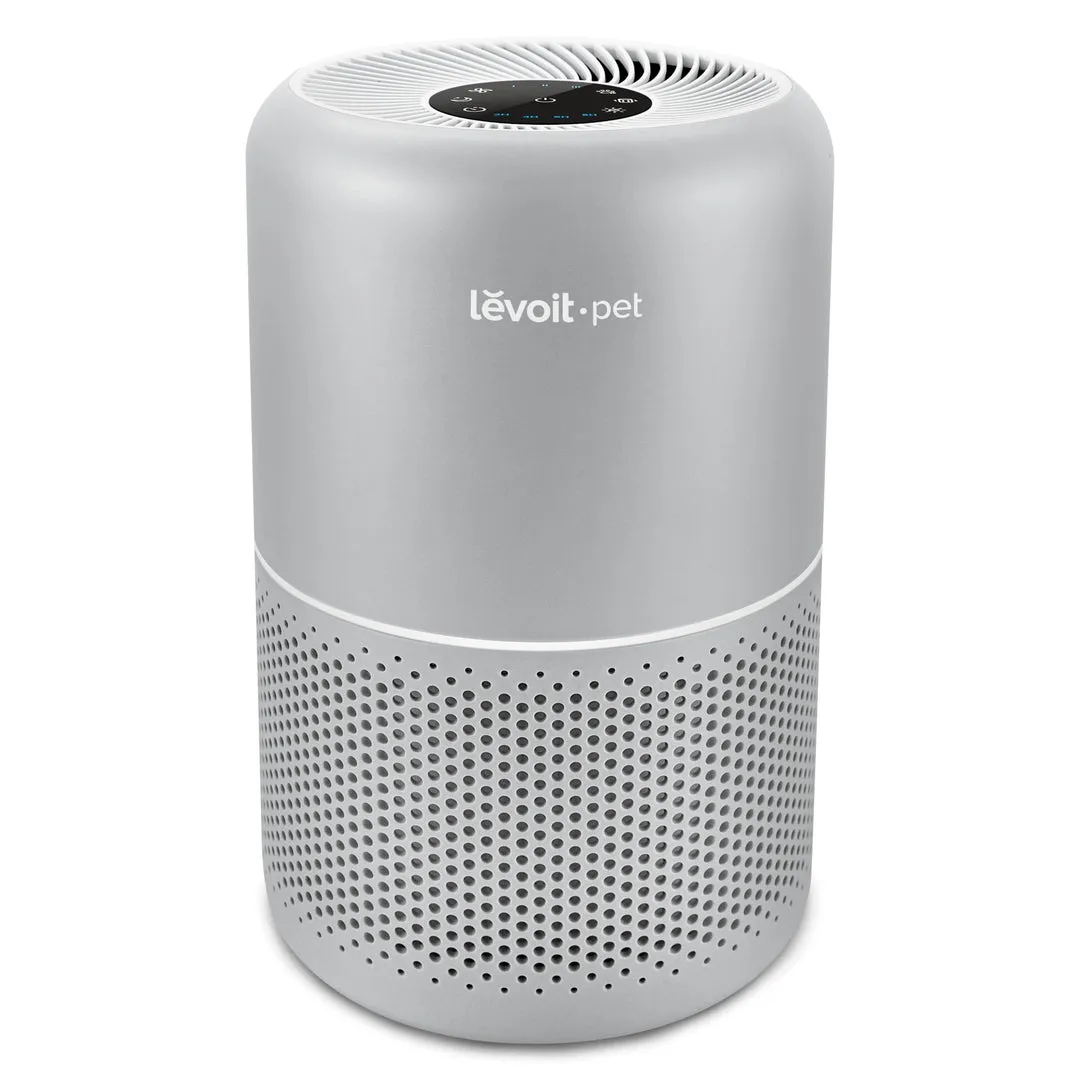
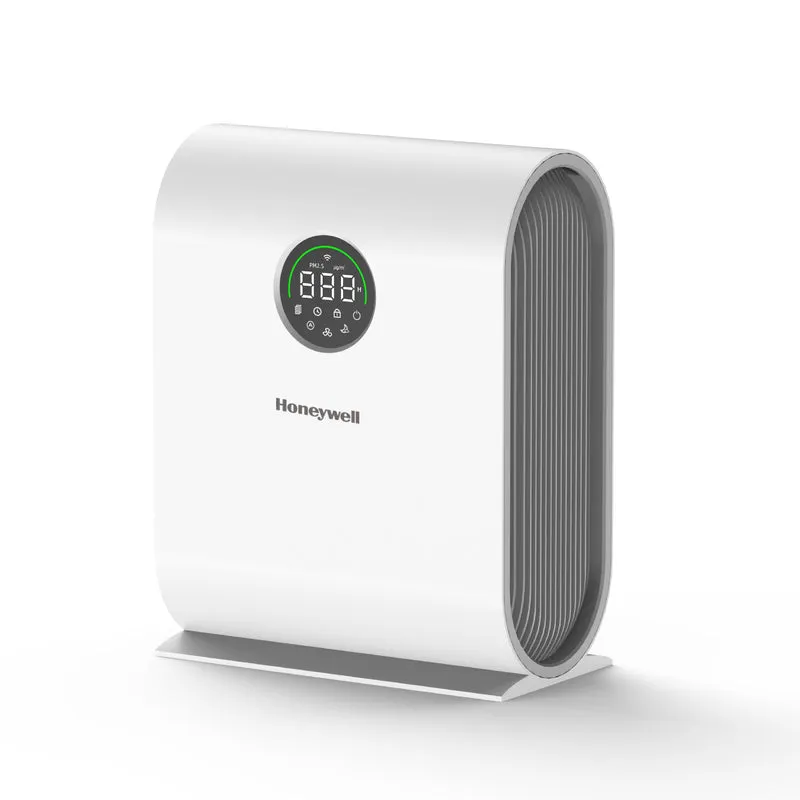
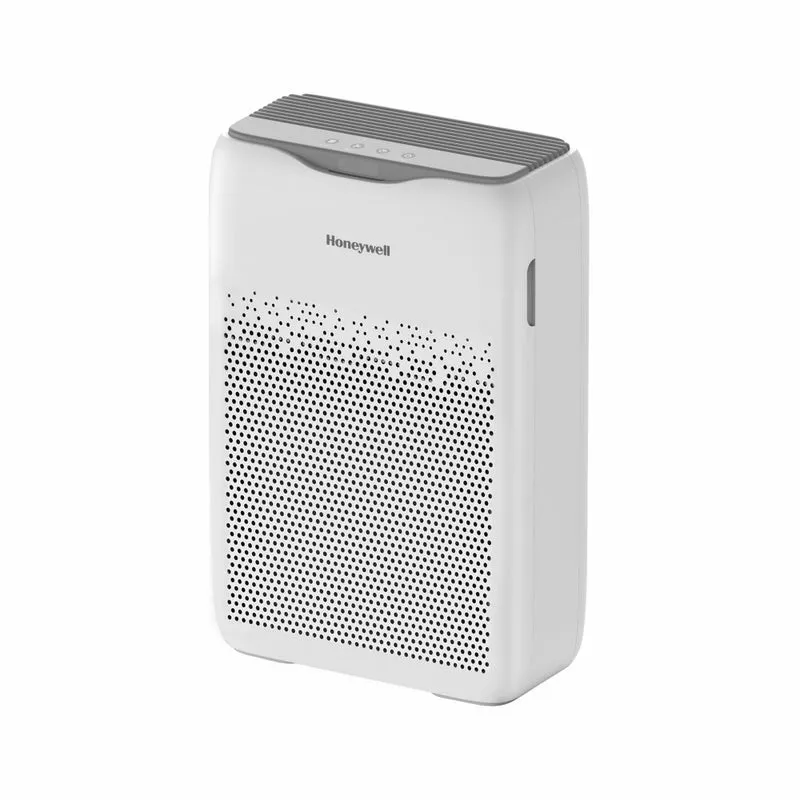
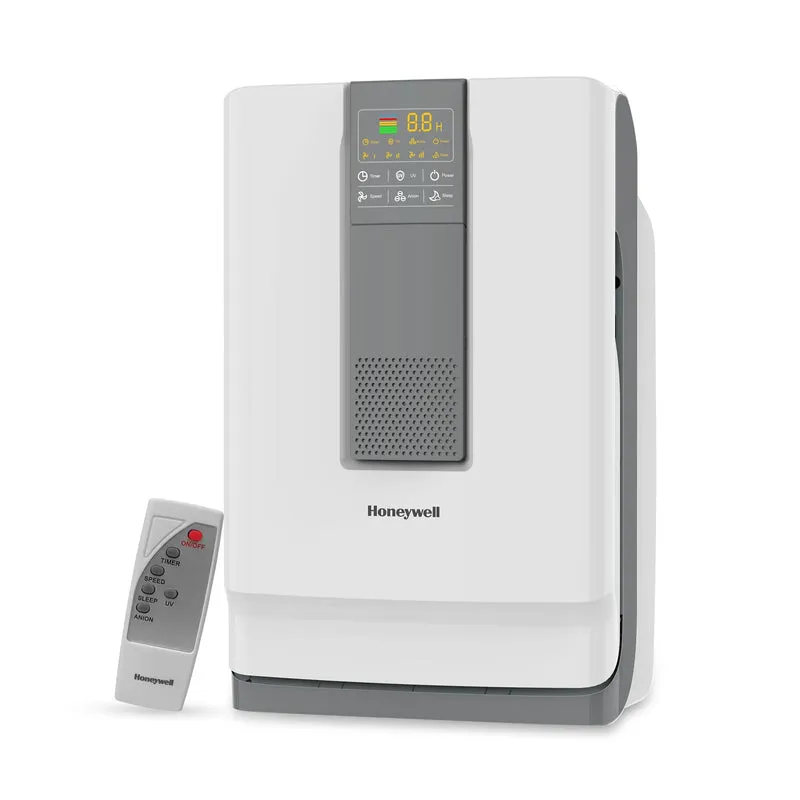
Pro Tip: When comparing purifiers, use CADR for particle performance and check carbon bed weight separately for gas performance. Prioritise units from brands that publish both figures, such as Blueair, Honeywell, and Levoit.
Applying the right filter for UAE homes and businesses
With the technical groundwork in place, the practical question is: which filter configuration suits your specific situation in the UAE?
Match your filter choice to your primary pollutant source
The starting point is identifying the dominant air quality challenge in your space.
- Allergy and asthma relief: Prioritise True HEPA (H13 or above) with a high CADR for the room size. Dust, pollen, and PM2.5 are all particle-based, so HEPA is the primary requirement here.
- Odour control in kitchens or living areas: A substantial activated carbon filter is essential. HEPA alone will not reduce cooking smells or pet odours.
- Chemical sensitivity or VOC exposure: Look for a unit with a deep-bed activated carbon filter, ideally with specific adsorbents for formaldehyde or other identified compounds. New buildings and recently renovated spaces in the UAE commonly have elevated VOC levels from materials, adhesives, and furnishings.
- General everyday use: A combination HEPA and carbon unit covers the broadest range of pollutants for everyday residential or commercial use.
Steps to assess your air quality needs
- Identify the room size in square metres and match to CADR ratings. For a 30 square metre bedroom, a CADR of around 200 cubic metres per hour is a reasonable starting point.
- List the likely pollutant sources: outdoor dust infiltration, cooking, pets, chemical products, or a recently renovated interior.
- Determine whether anyone in the household or workplace has allergies, asthma, or chemical sensitivities. These conditions raise the specification required.
- Decide whether a single-room unit suffices or whether multiple units or a centralised solution is needed for larger commercial spaces.
- Factor in filter replacement costs and schedules. HEPA for particles, carbon for gases both require regular replacement; a lower upfront cost on a unit with expensive or infrequent replacement filters may not represent the best value.
When to choose a combined or professional system
For most UAE households, a quality combination purifier with True HEPA and a substantial carbon filter handles everyday needs well. For larger commercial spaces, medical environments, or properties with persistent VOC problems, a professional-grade centralised system or multiple high-capacity units may be necessary. Property managers overseeing multiple units should factor in the total cost of filter replacement across a portfolio, as consistent maintenance is what sustains performance over time.
A fresh perspective on air filter choices
Most filter guides stop at “buy HEPA for particles, buy carbon for gases.” That is accurate but incomplete. The more important point is that air quality is not a one-time purchase decision. It is an ongoing management task.
A common misconception is that higher specifications always produce better outcomes. A True HEPA unit with an unnecessarily high CADR running in a small room creates excess noise and energy use without additional health benefit. Conversely, an undersized unit running continuously in a large, dust-prone space cannot maintain clean air regardless of filter quality. Matching capacity to the actual space and pollutant load is more important than choosing the most powerful unit available.
Marketing labels deserve scepticism. Terms such as “medical-grade,” “hospital-quality,” or “99.99% effective” appear on products ranging from genuine H14 True HEPA units to basic fan-and-mesh combinations. Asking for published test data, not just claims on packaging, is the most reliable way to verify performance. Established brands publish CADR data, filter efficiency test results, and carbon specifications. If that information is not available, that absence itself is informative.
Filter maintenance is frequently underestimated. A saturated carbon filter actively re-releases previously captured gases when it can no longer adsorb new molecules. A clogged HEPA filter reduces airflow and forces the motor to work harder, reducing efficiency and shortening the unit’s lifespan. Replacement schedules published by manufacturers are based on average conditions. In the UAE, where dust loads can be significantly higher than temperate climates, particularly during shamal season dust events, filters may need replacement more frequently than the stated interval.
Finally, air filtration is one component of indoor air quality, not the complete solution. Ventilation, source control, humidity management, and regular cleaning all contribute. A well-chosen air purifier with correct filters makes a measurable difference. It works best as part of a broader approach to indoor air quality rather than as a standalone fix.
Enhance your air quality with expert solutions
Choosing the right filter type and specification for a UAE property is straightforward once the key distinctions are clear. Acting on that knowledge is the next step.
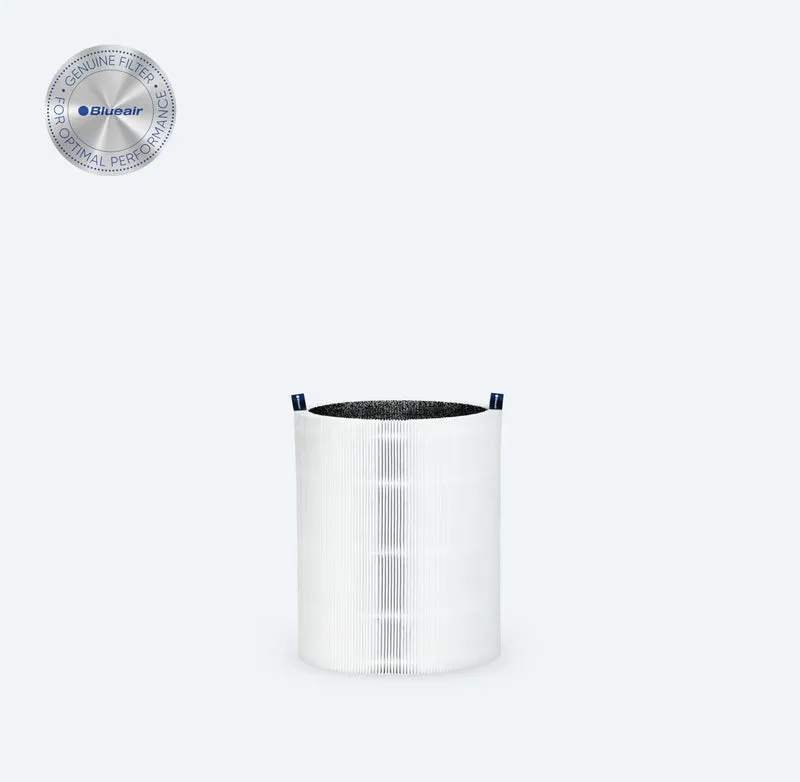
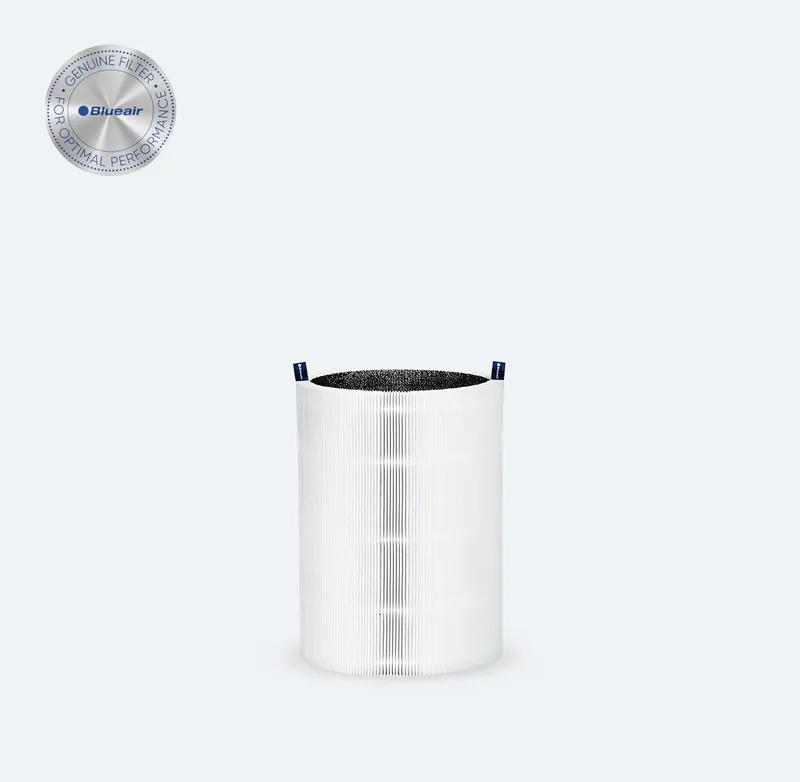
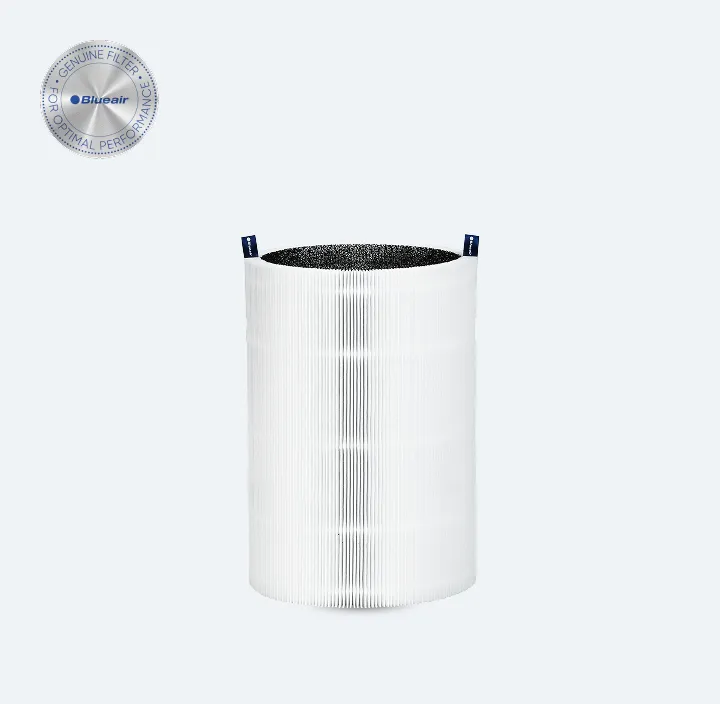
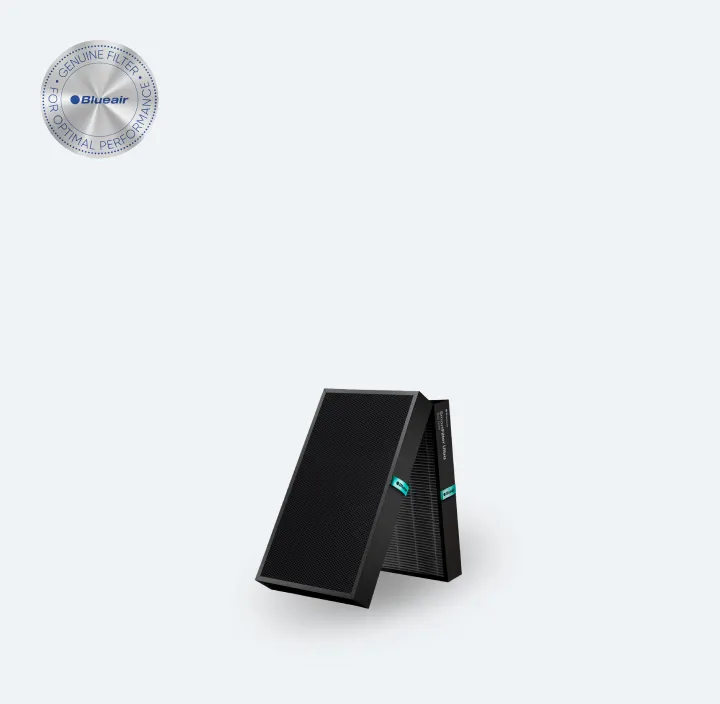
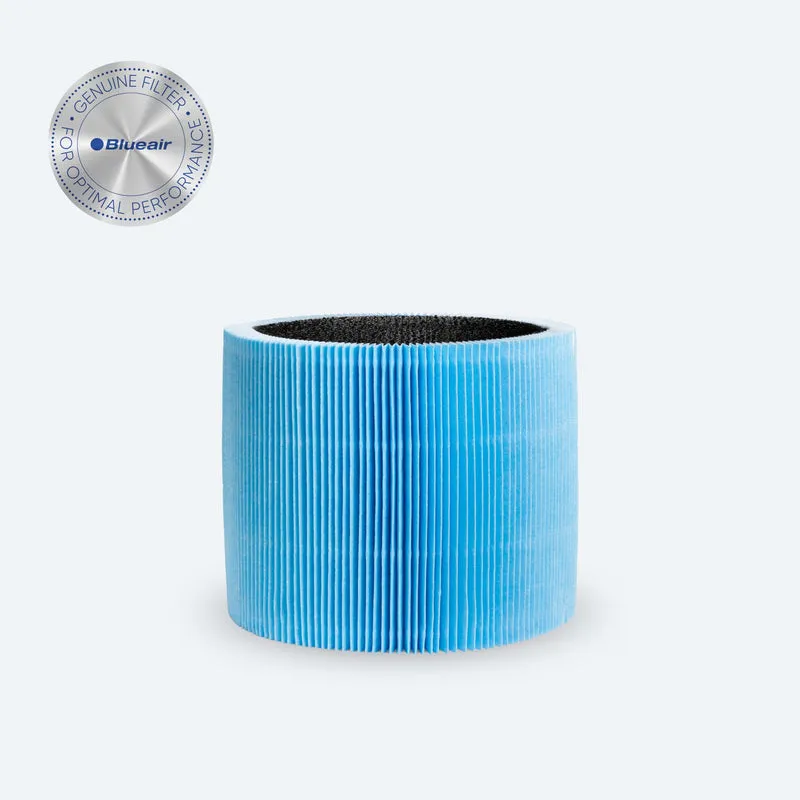
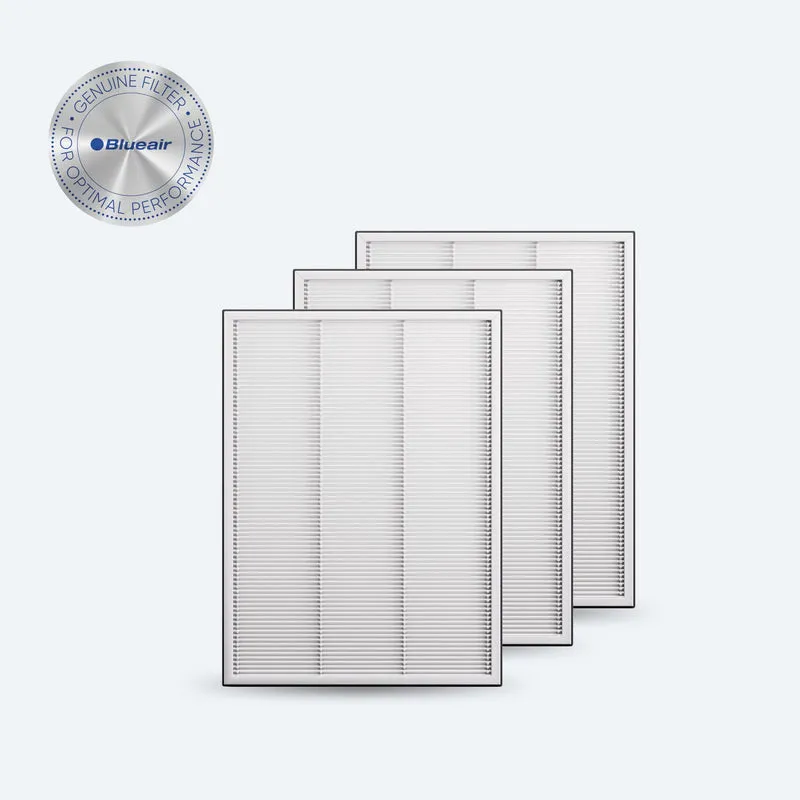
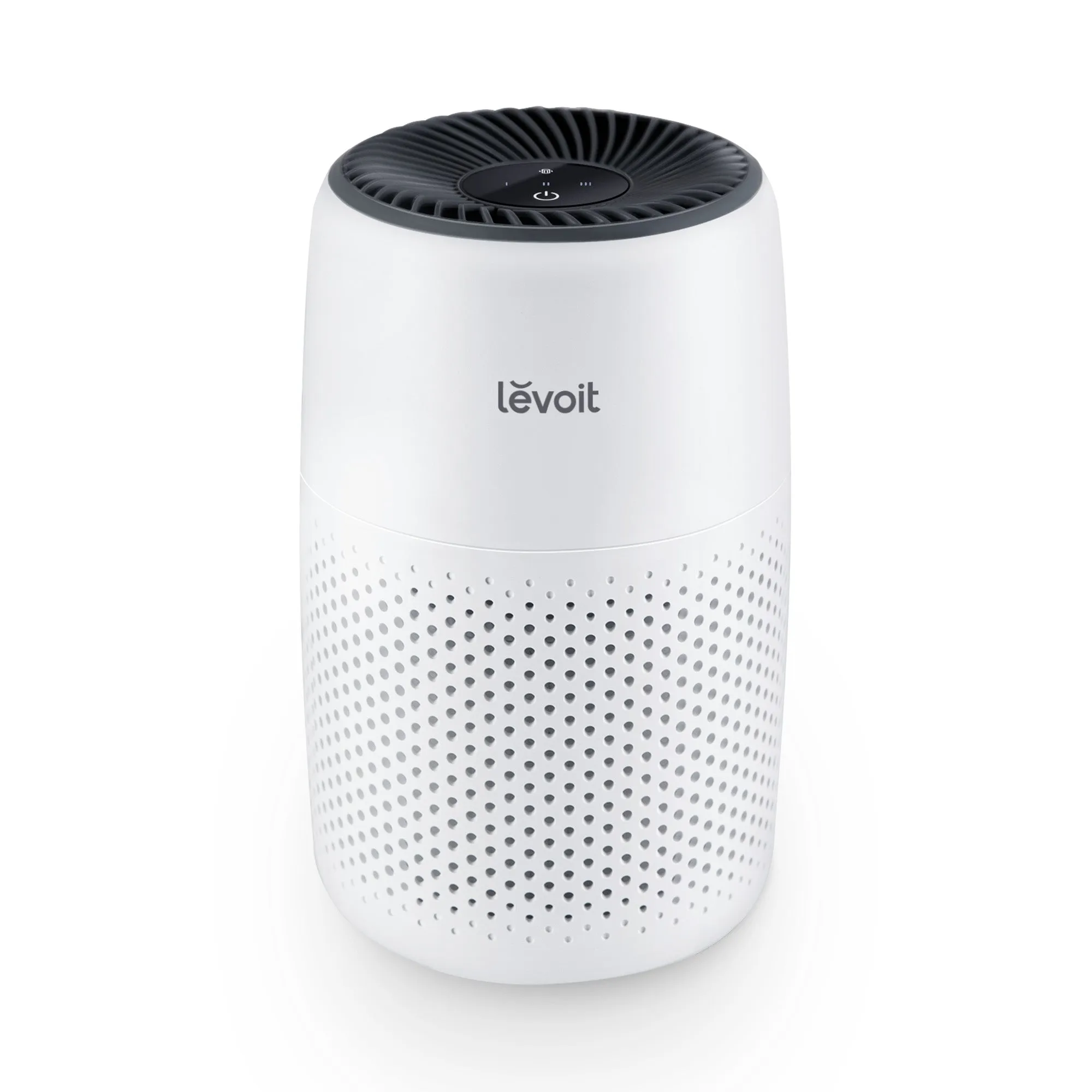
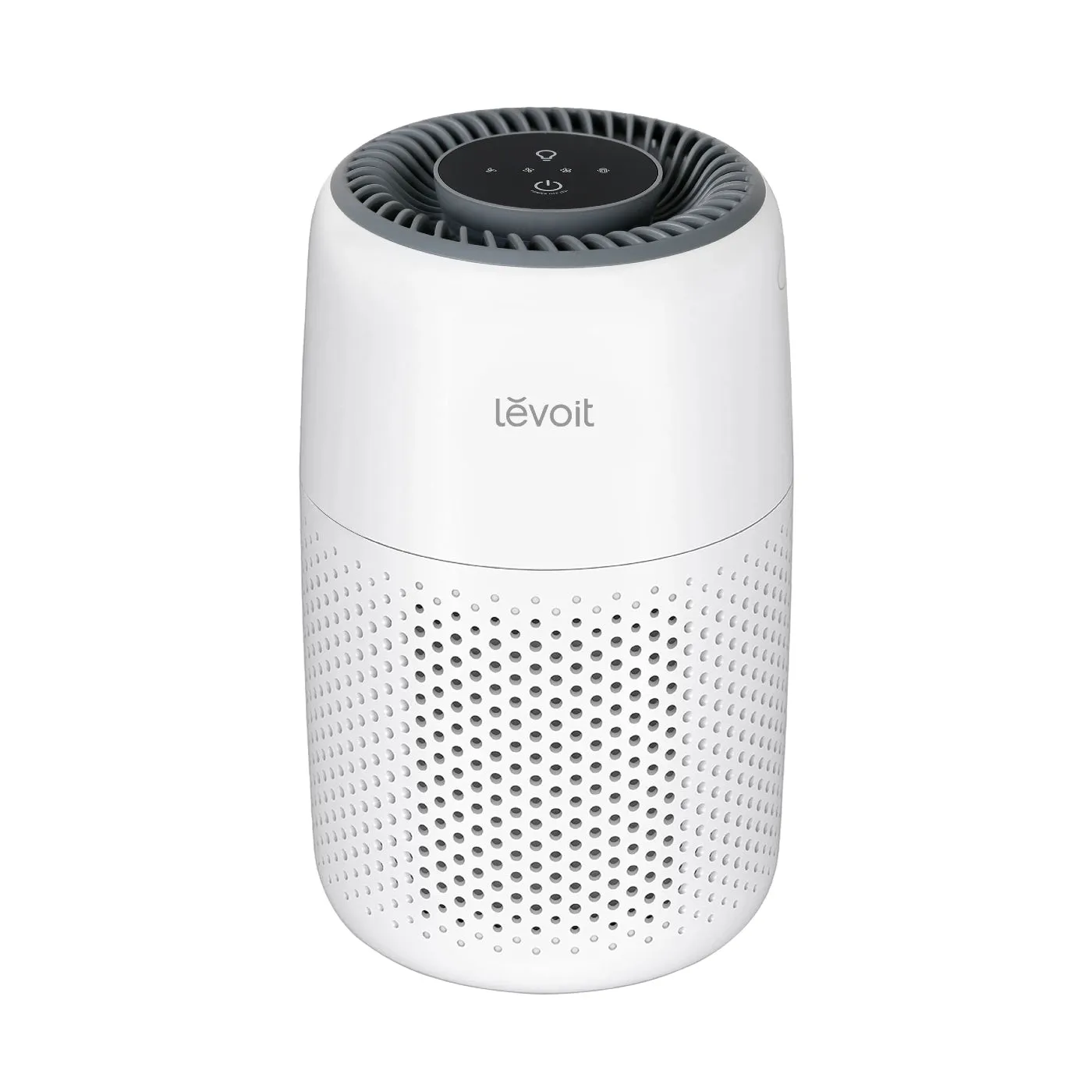
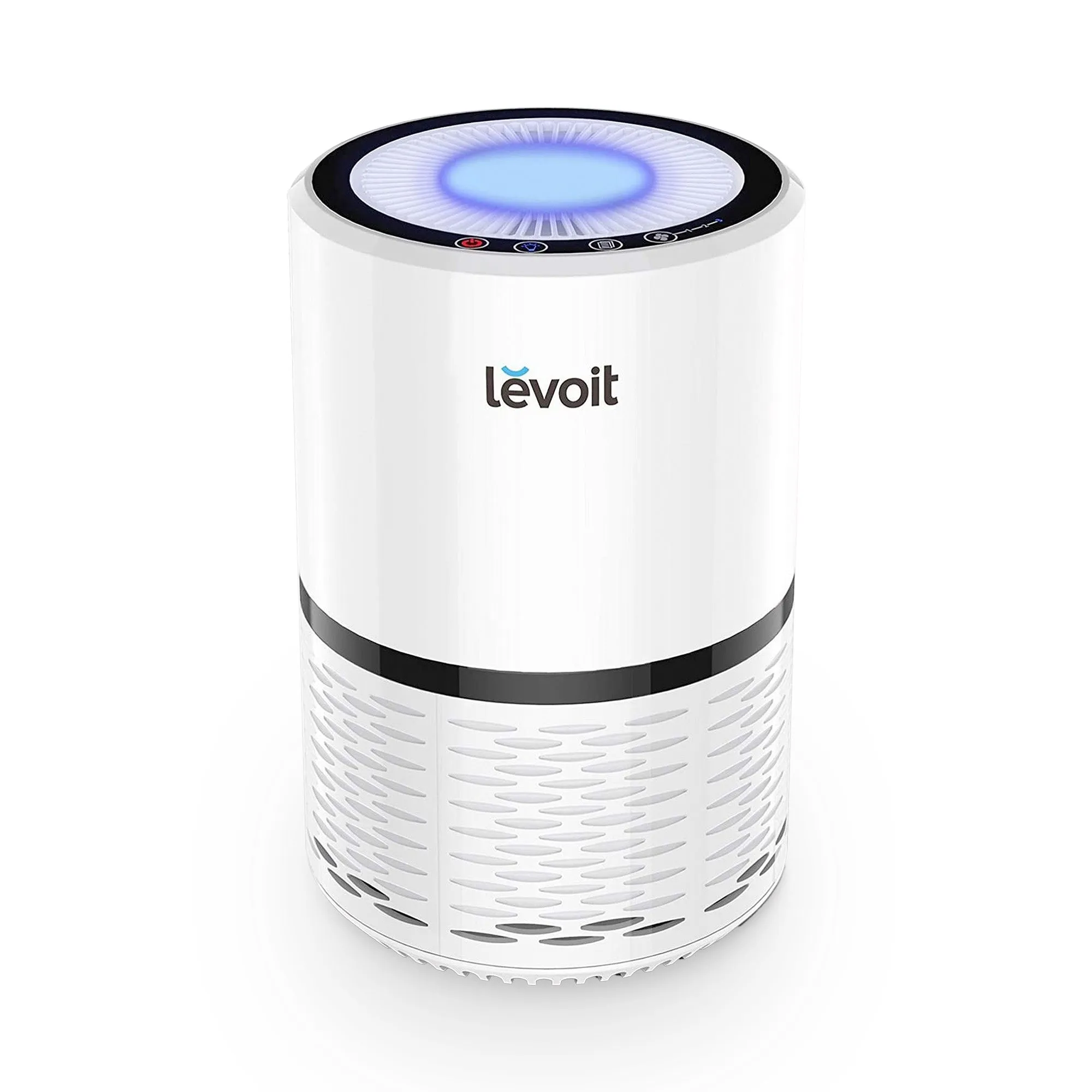
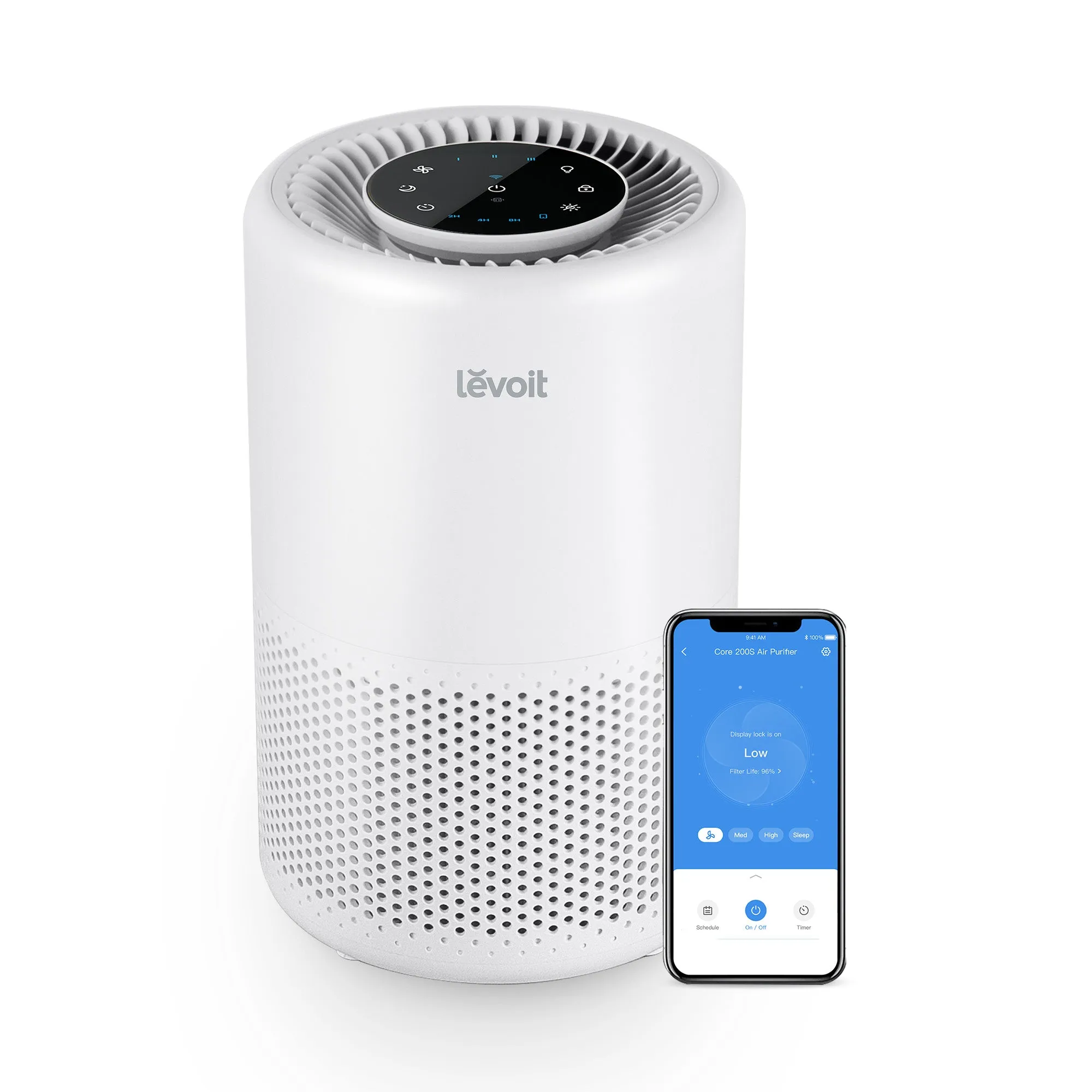
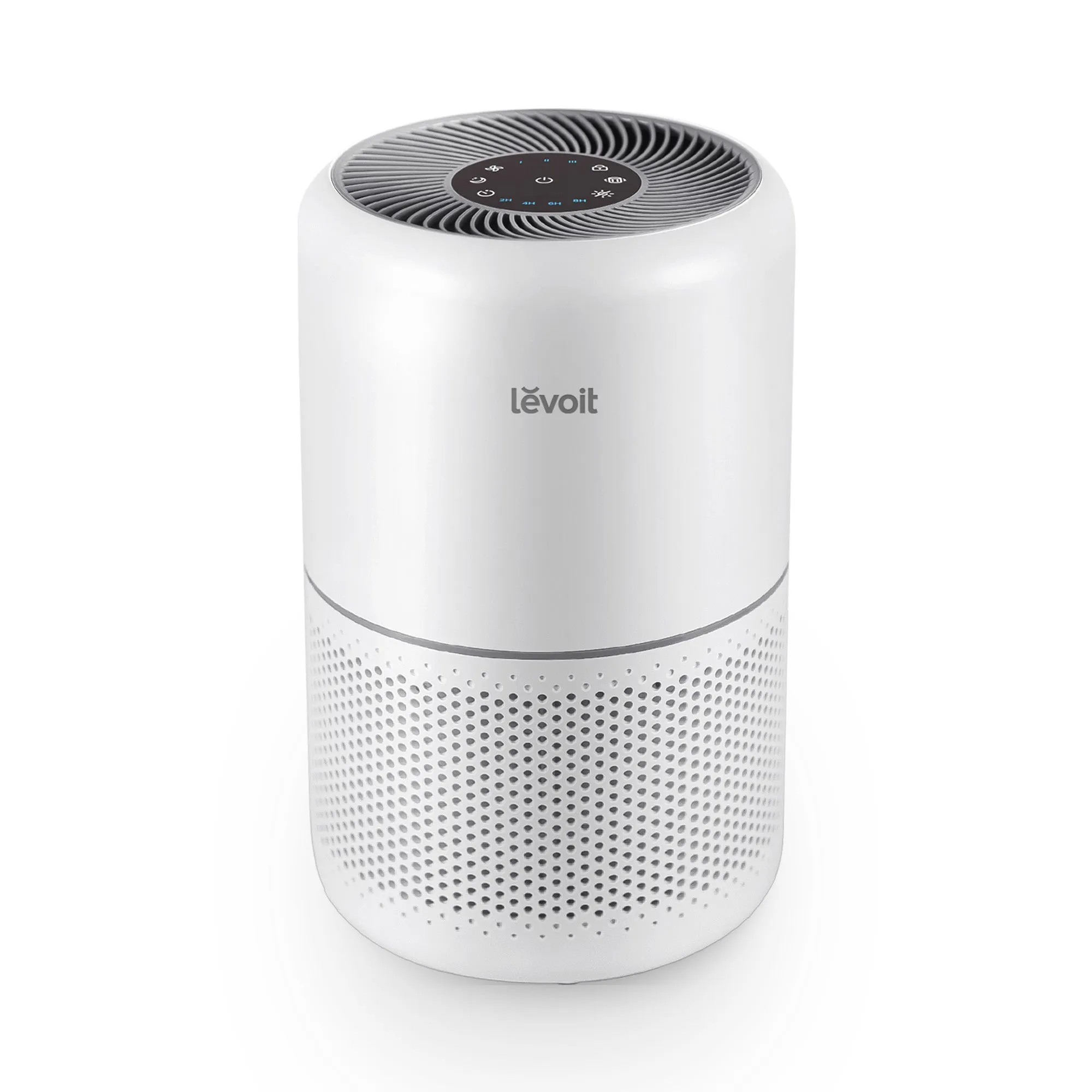
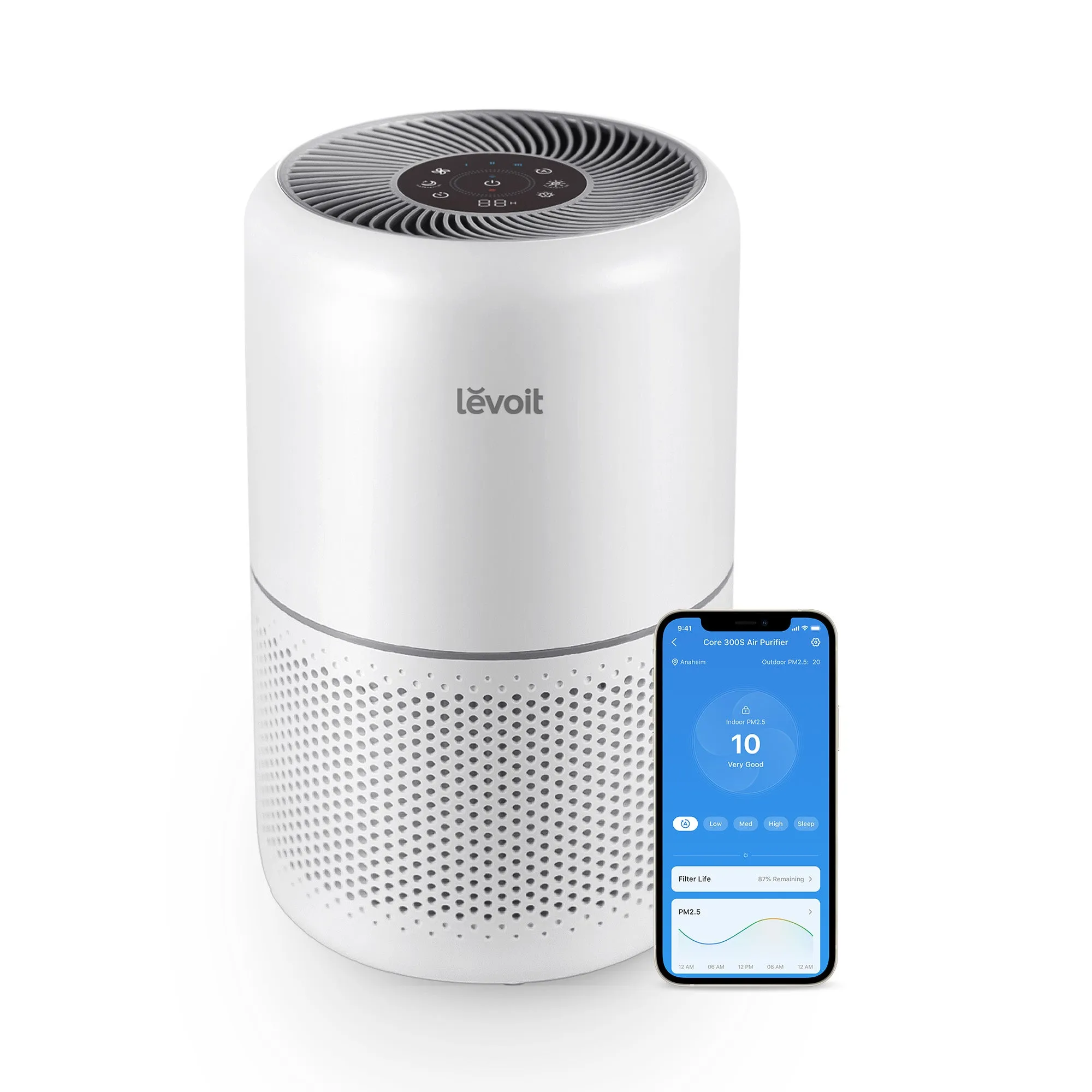
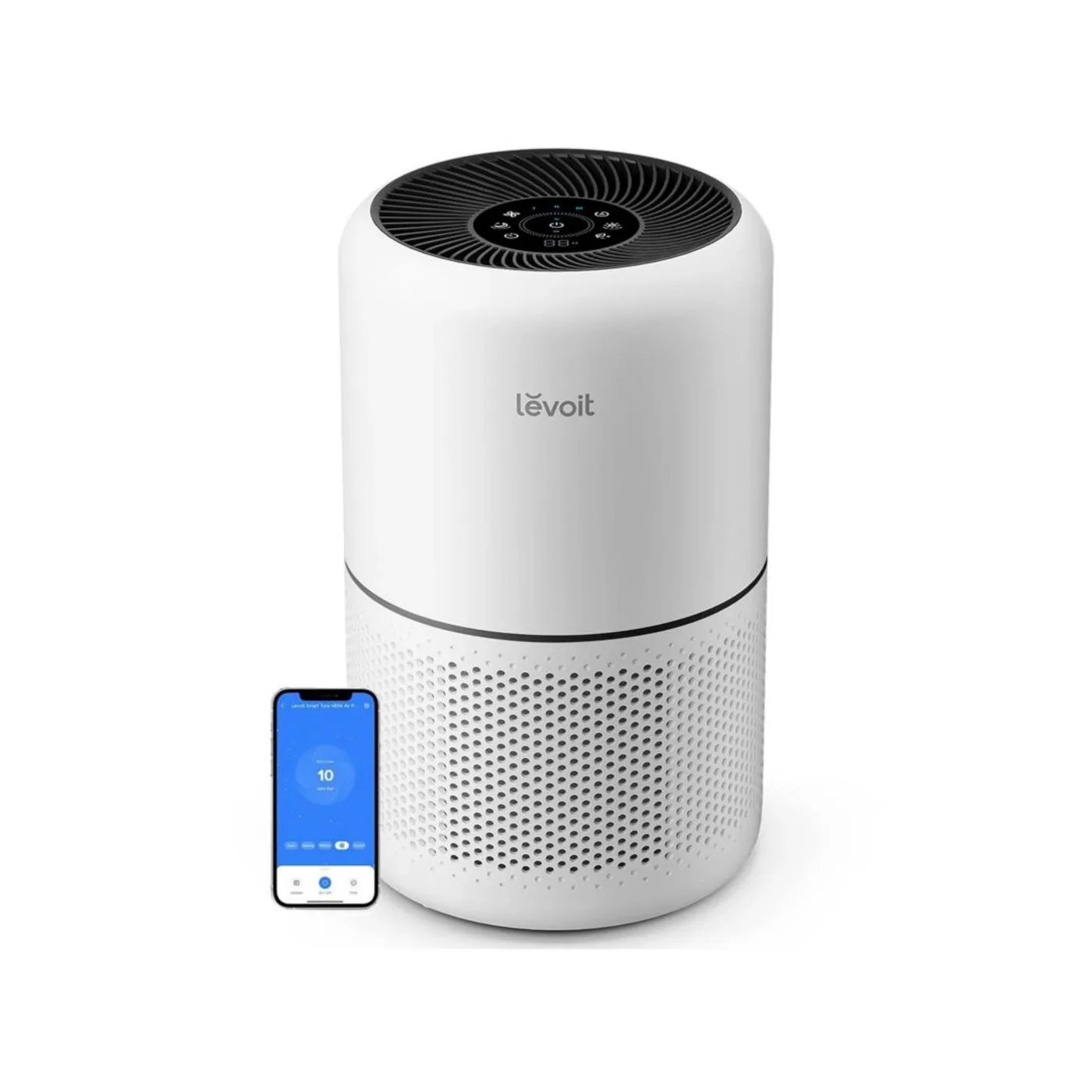
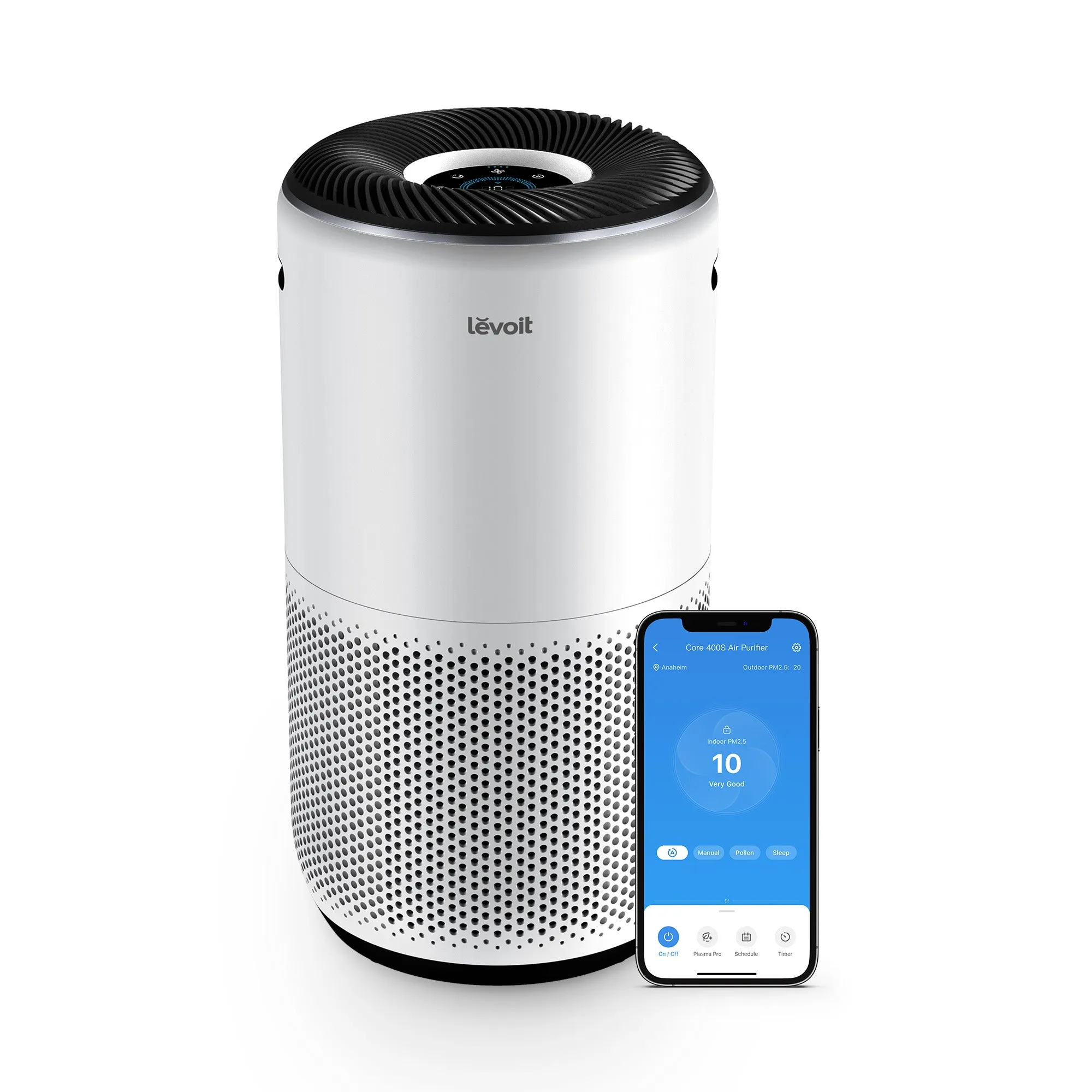
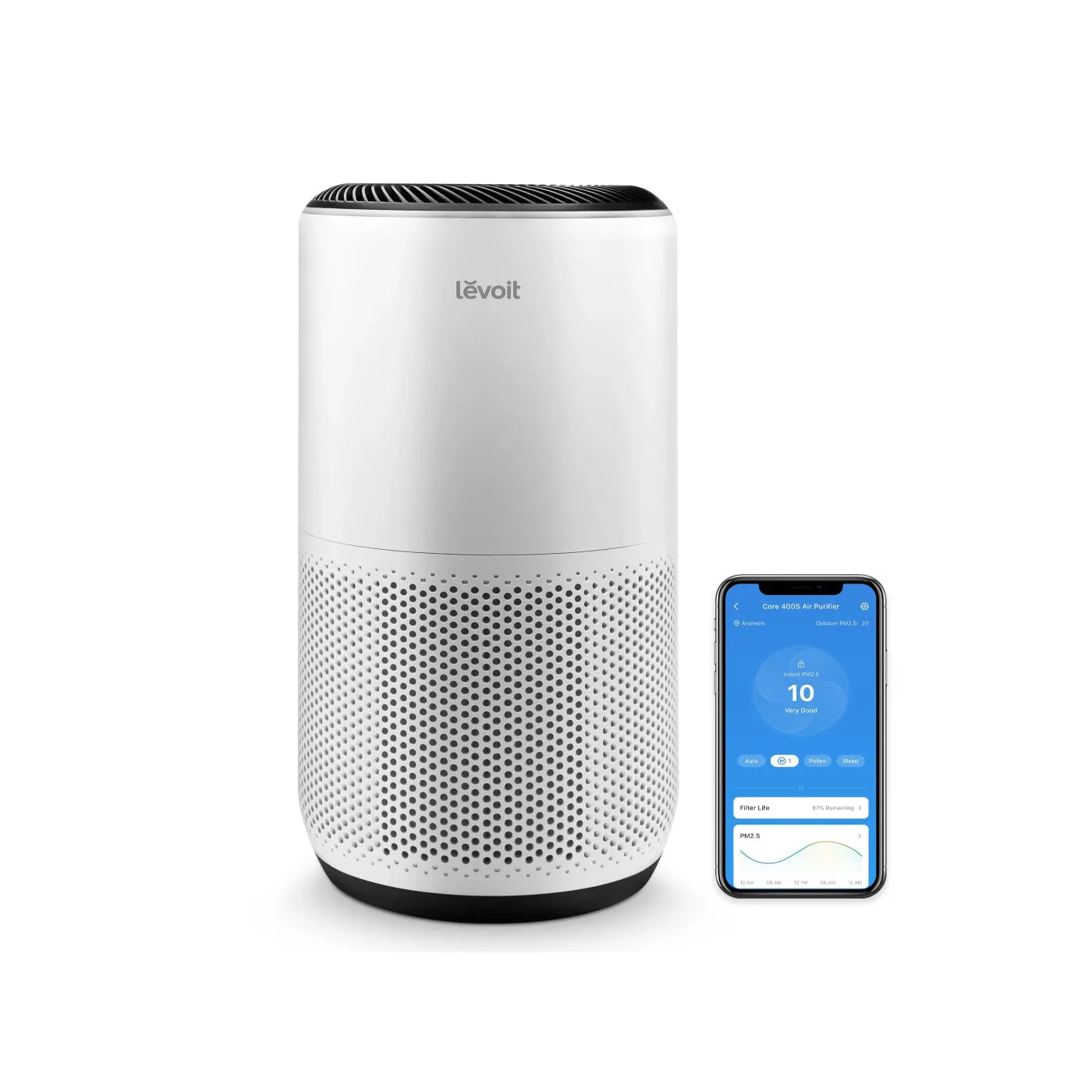
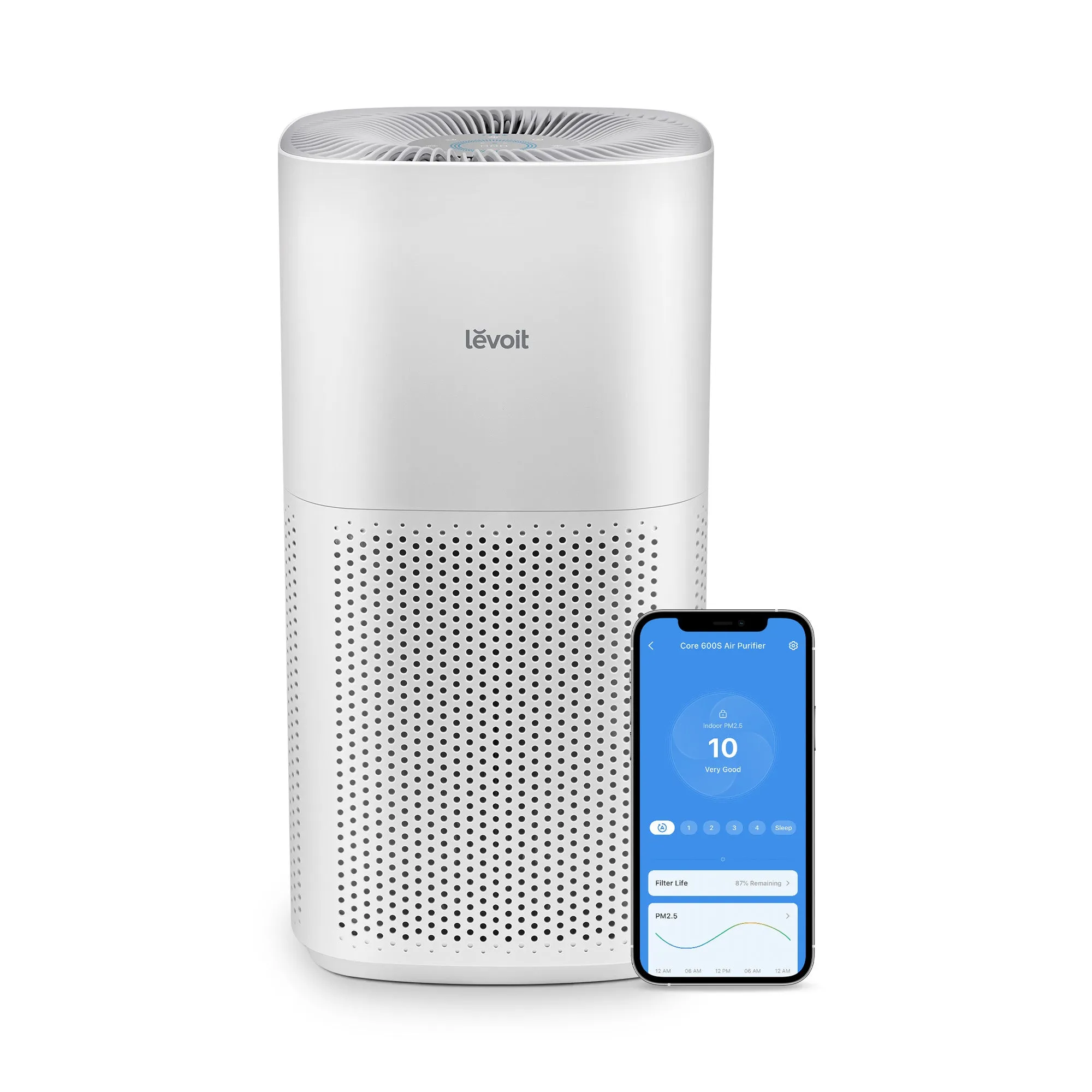
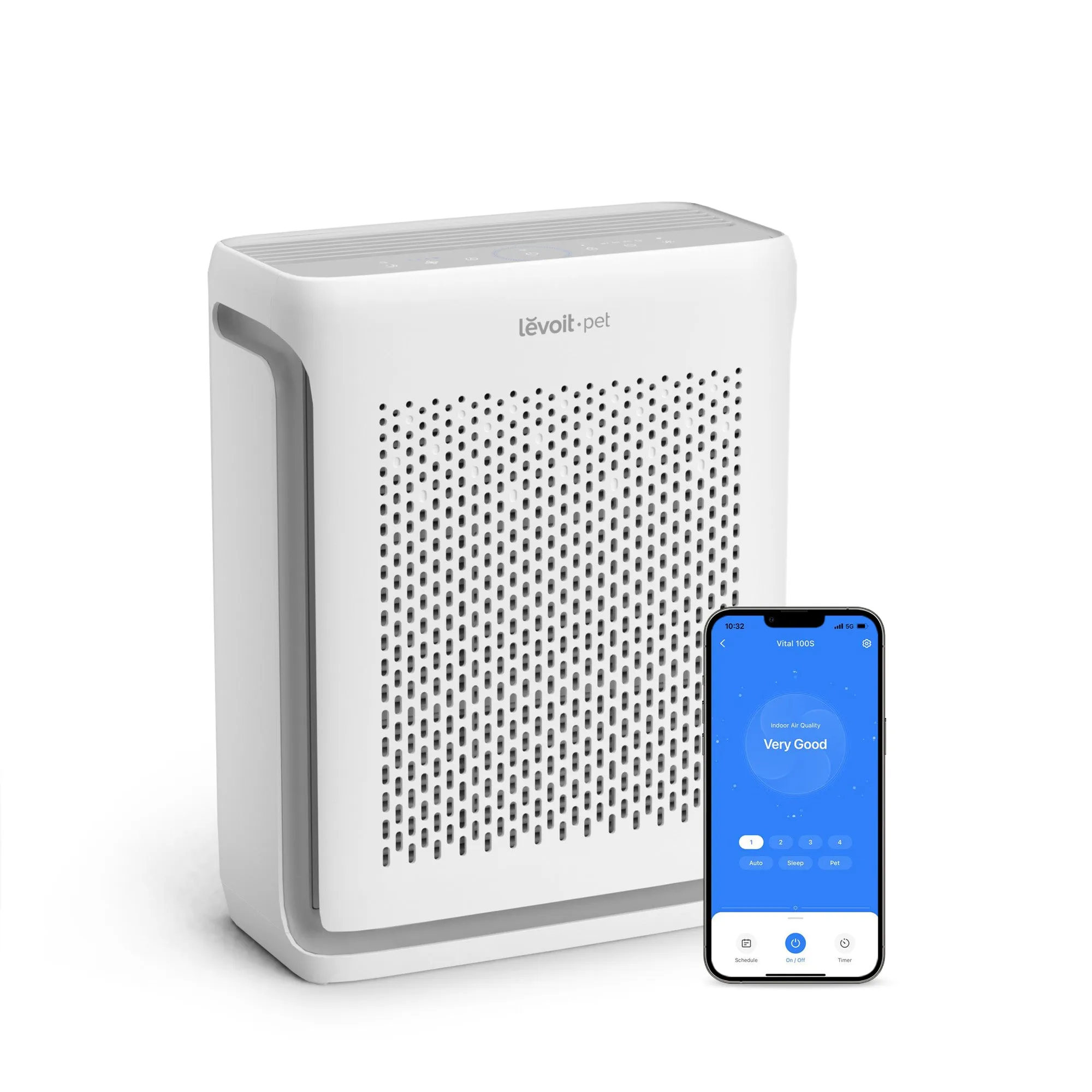
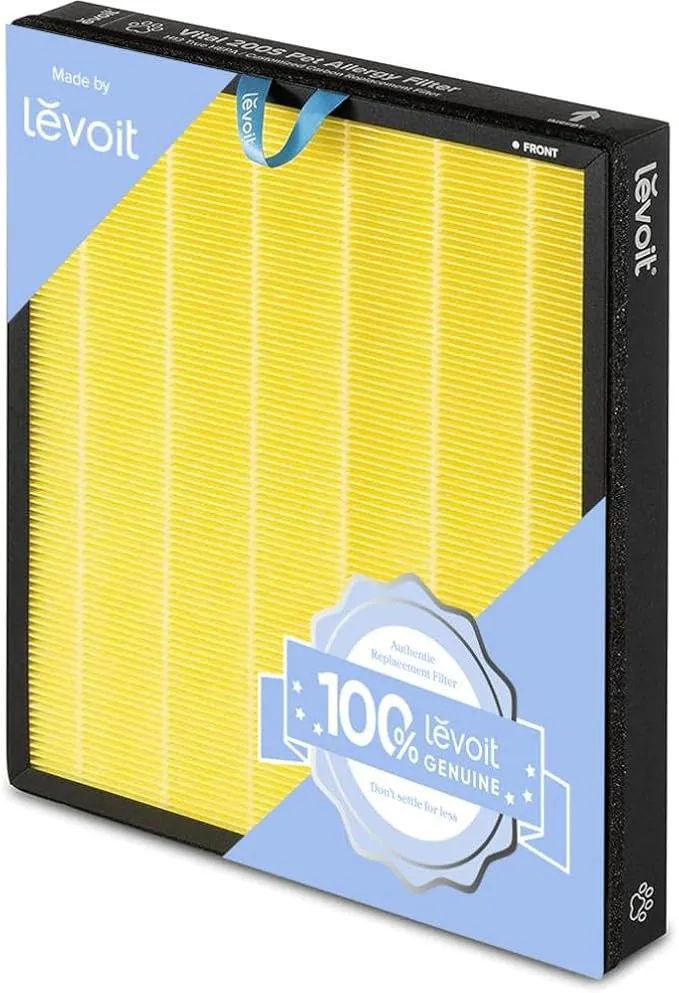
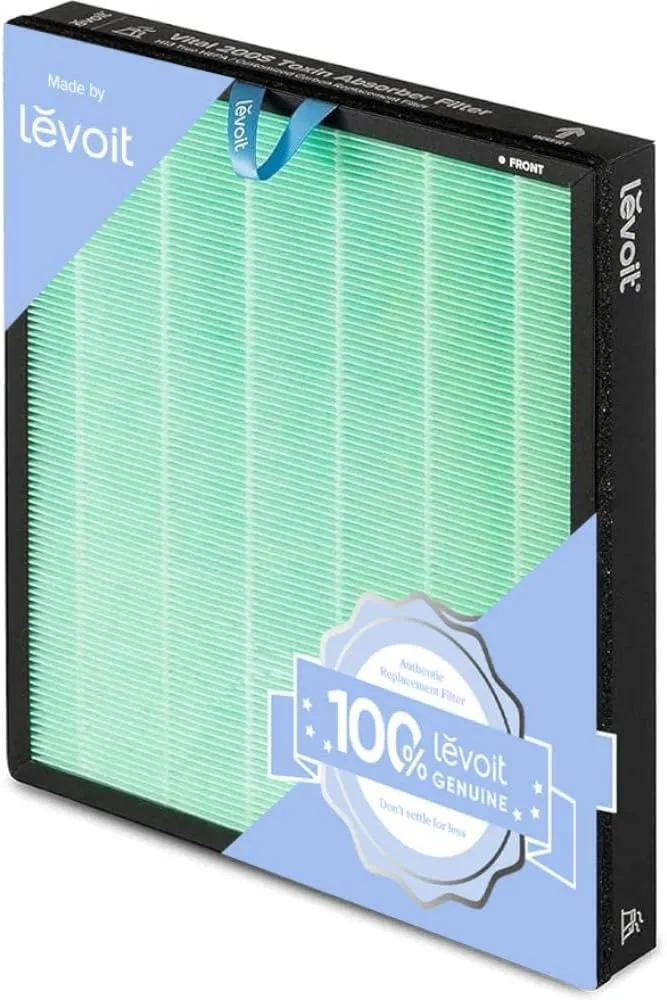
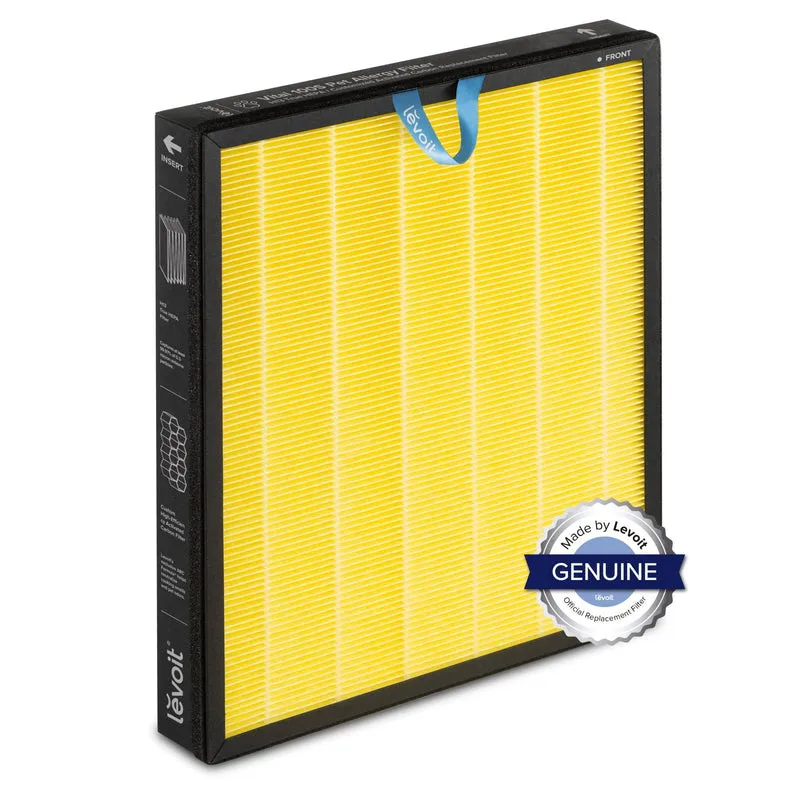
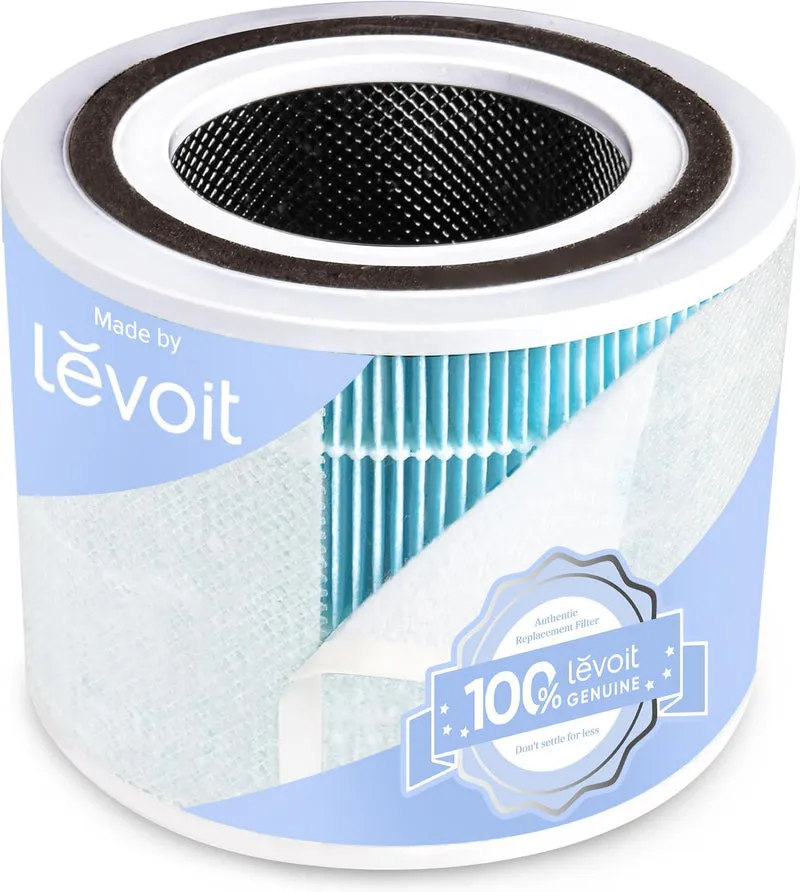
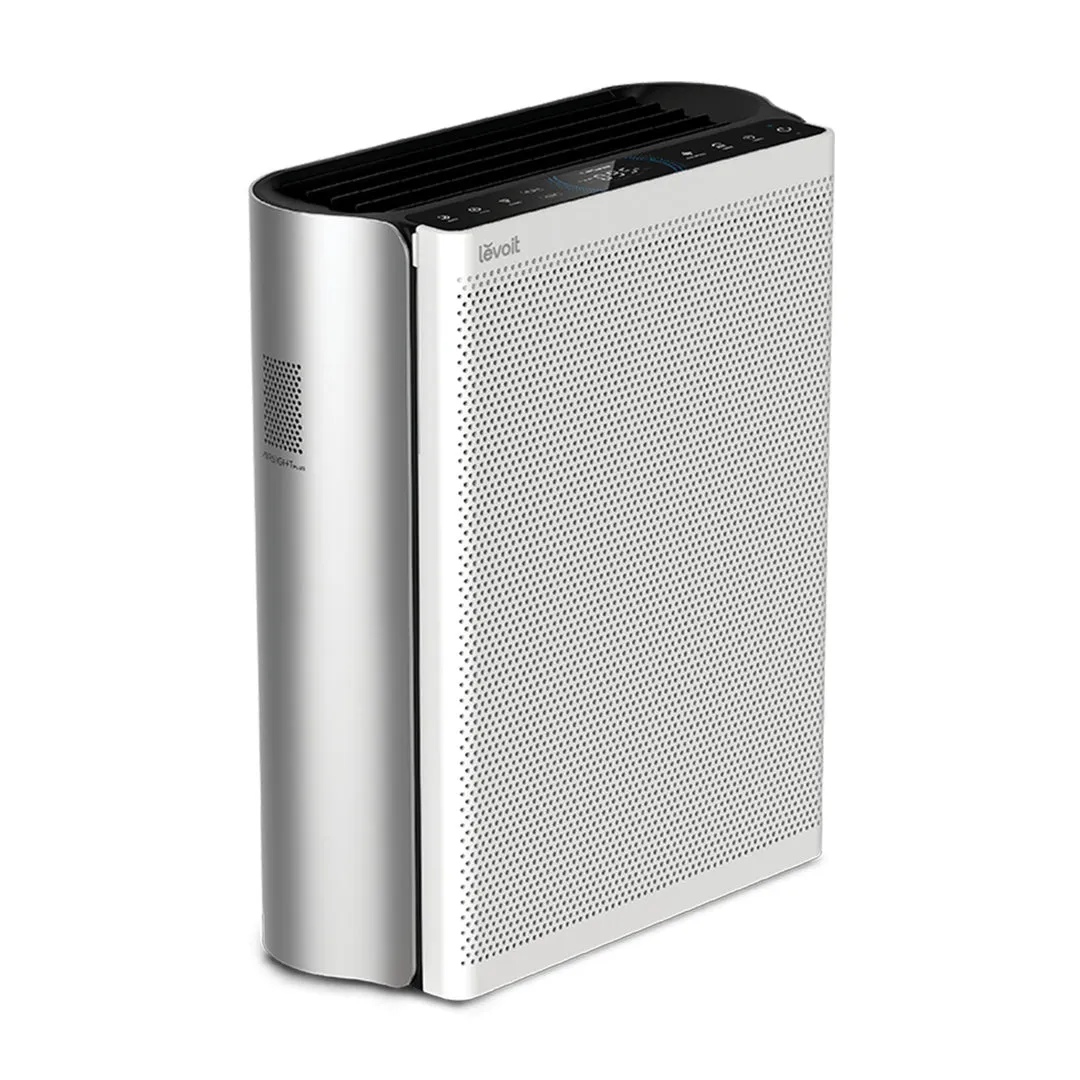
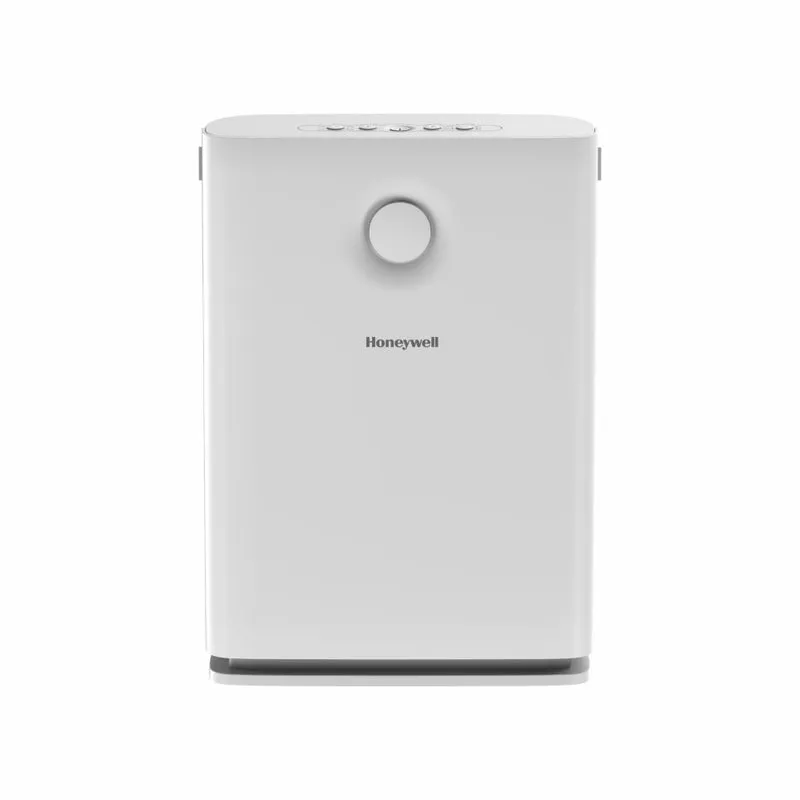
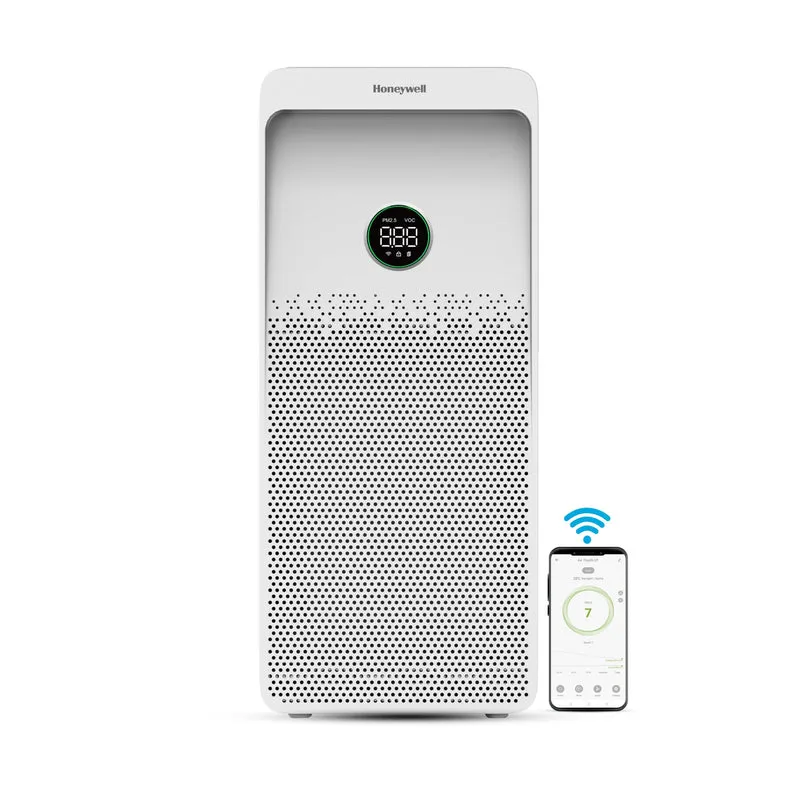
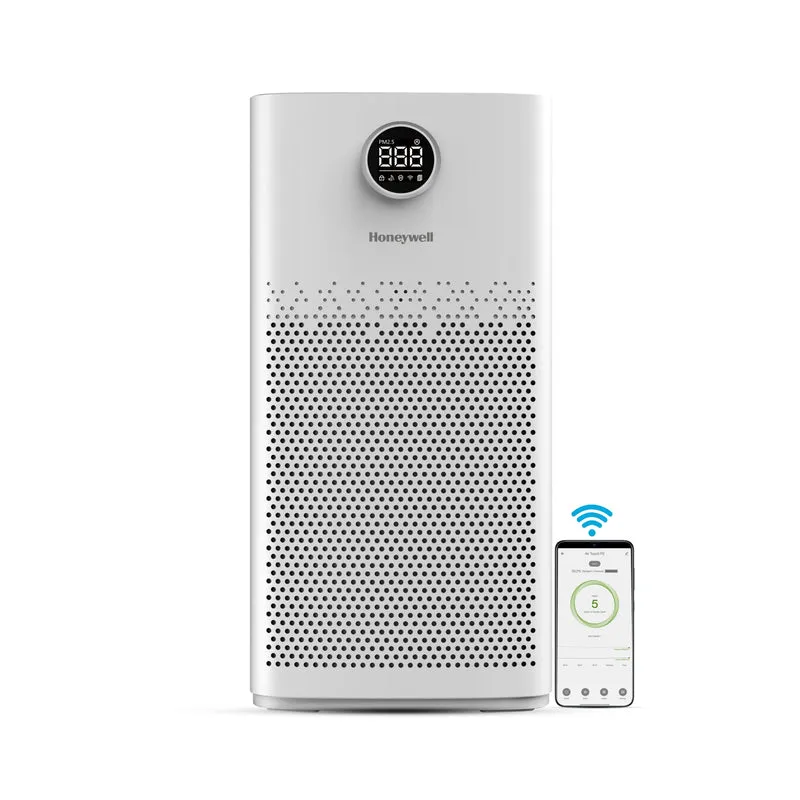
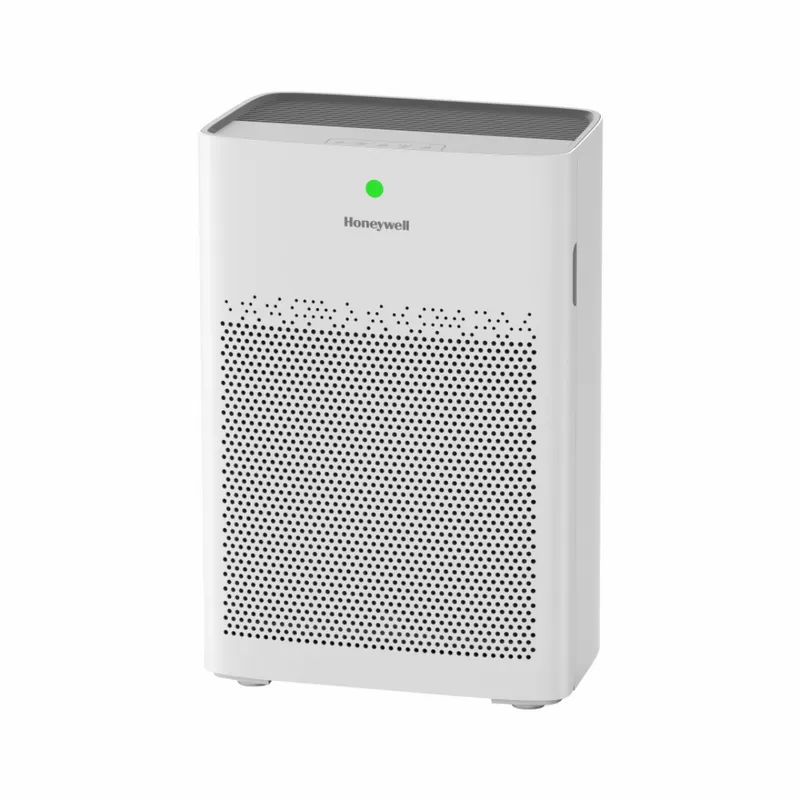
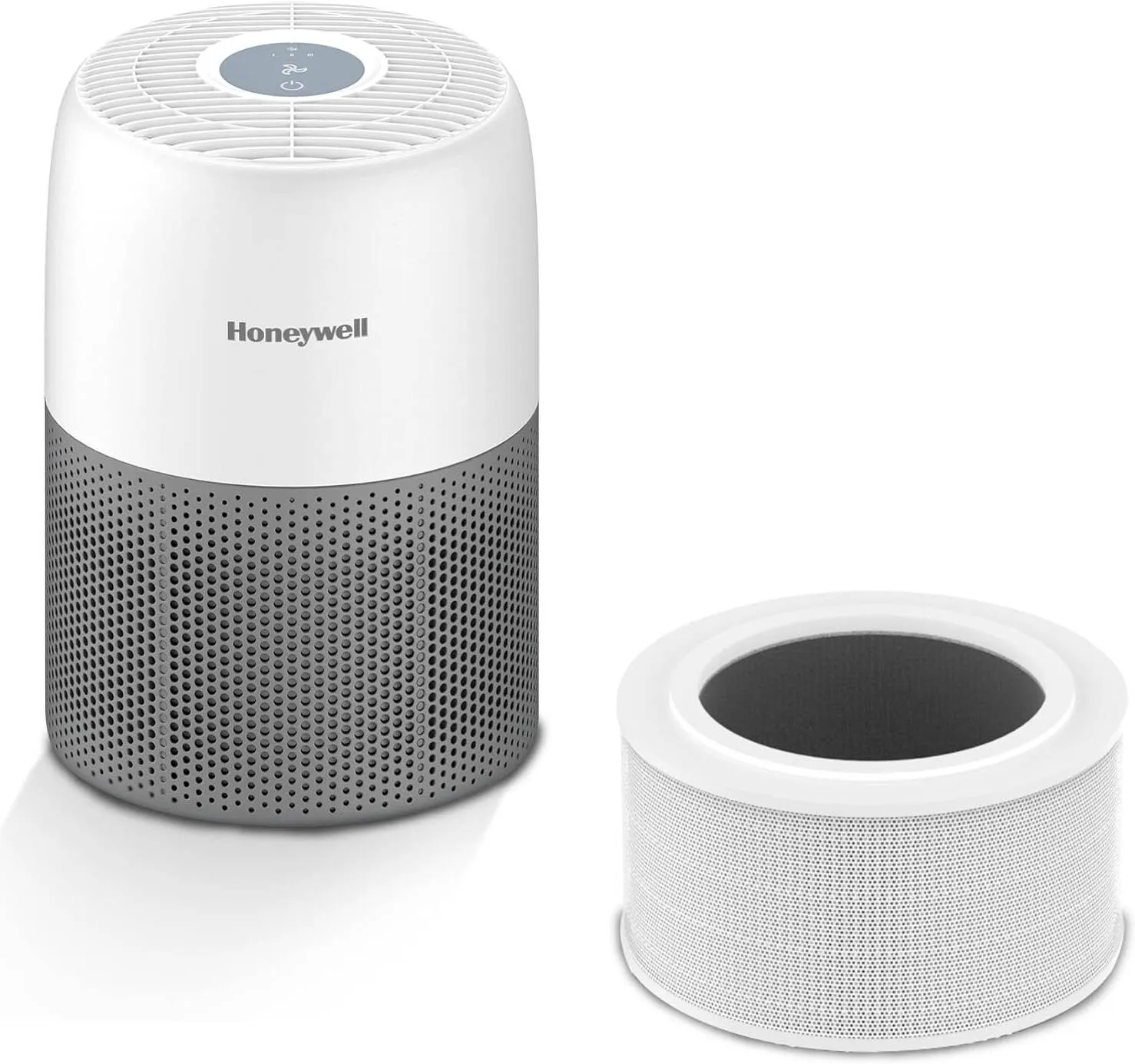
UAE air quality experts at Clean Air UAE stock a curated range of air purifiers, replacement filters, and humidifiers from trusted brands including Blueair, Honeywell, and Levoit. Products are suited for residential rooms, office spaces, and larger commercial environments. Free delivery is available across Dubai, Abu Dhabi, and the broader UAE on qualifying orders. Whether the requirement is a combination HEPA and carbon unit for a family home or multiple high-capacity purifiers for a commercial property, the range covers the key specifications discussed in this article. Replacement filters are stocked to support ongoing maintenance without delays.
Frequently asked questions
Do I need both HEPA and carbon filters for my air purifier?
Yes, combining both is the most effective approach if you want to address both fine airborne particles and unwanted gases such as odours or VOCs. Best systems combine both because neither filter type covers the other’s category of pollutants.
Is a HEPA filter enough for allergy relief?
A True HEPA filter captures the primary allergens such as dust, pollen, and mould spores, but it does not address odour or chemical sources that may also irritate sensitive individuals. HEPA filters capture 99.97% of airborne particles at 0.3 microns and larger.
How do I know if a HEPA filter is genuine?
Look for “True HEPA” with a stated efficiency of 99.97% at 0.3 microns, or an H13 or H14 classification. Products labelled “HEPA-type” achieve only 85 to 95% efficiency and are not tested to the same standard.
Are there disadvantages to carbon filters?
Carbon filters only perform effectively when they contain a sufficient quantity of activated carbon, and they require regular replacement once saturated. “Carbon needs deep bed for EBCT” means thin carbon layers found in budget units offer very limited and short-lived gas removal.
Do filter systems need professional maintenance?
For critical environments such as medical facilities, commercial kitchens, or large office spaces, regular professional checks ensure that filters are replaced on schedule and that airflow and system performance are sustained at the required level.