
Uncategorised
Home HEPA filter selection guide for healthier homes
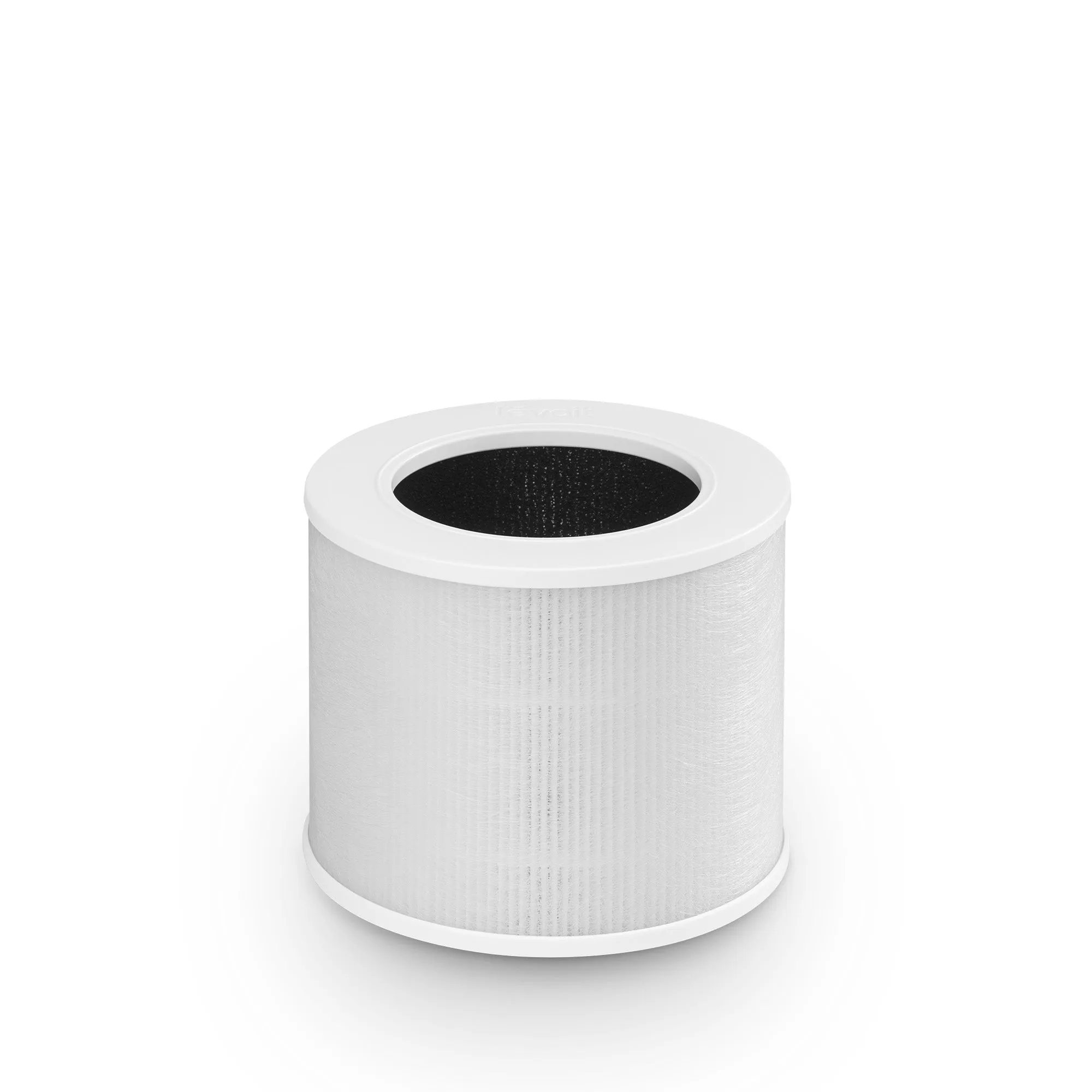
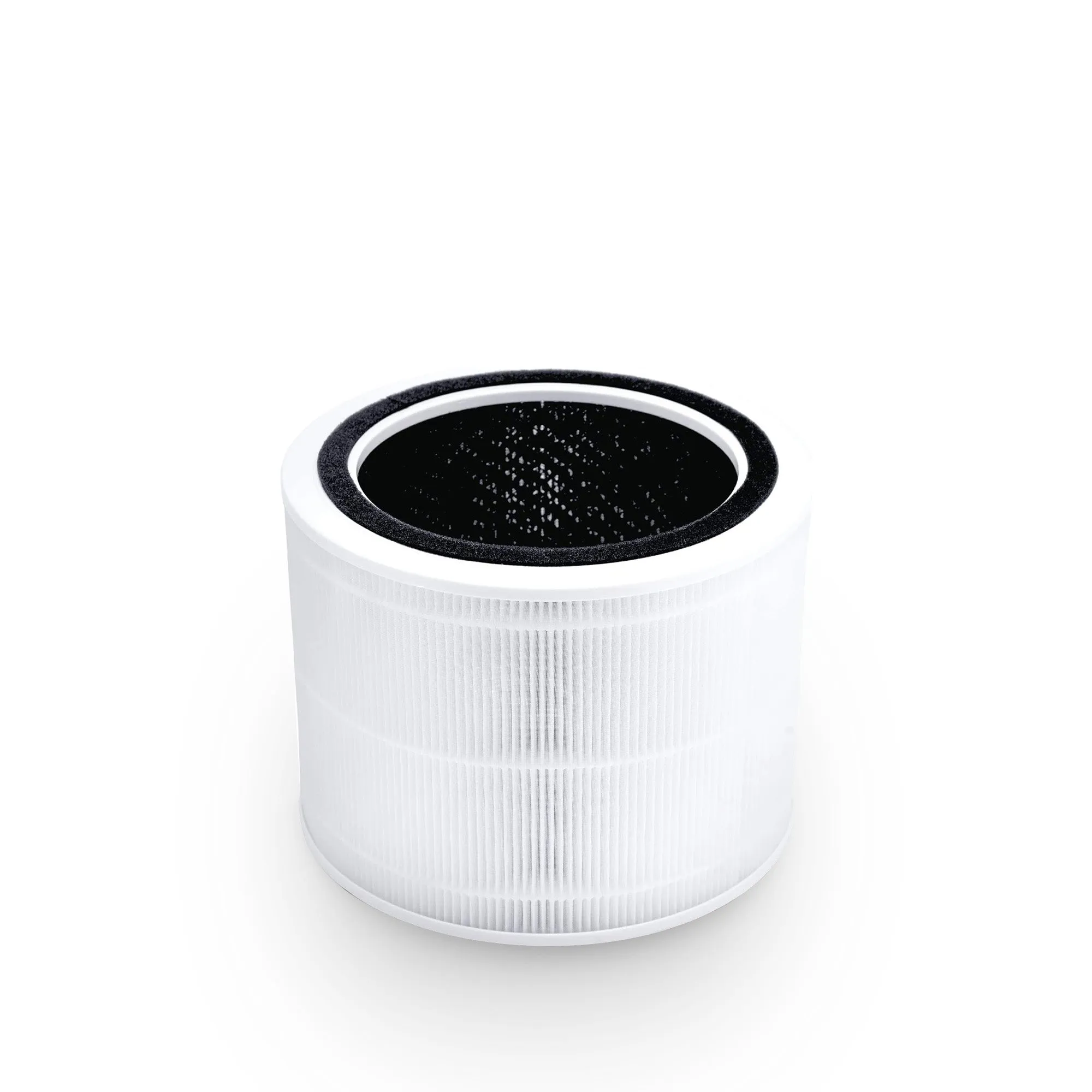
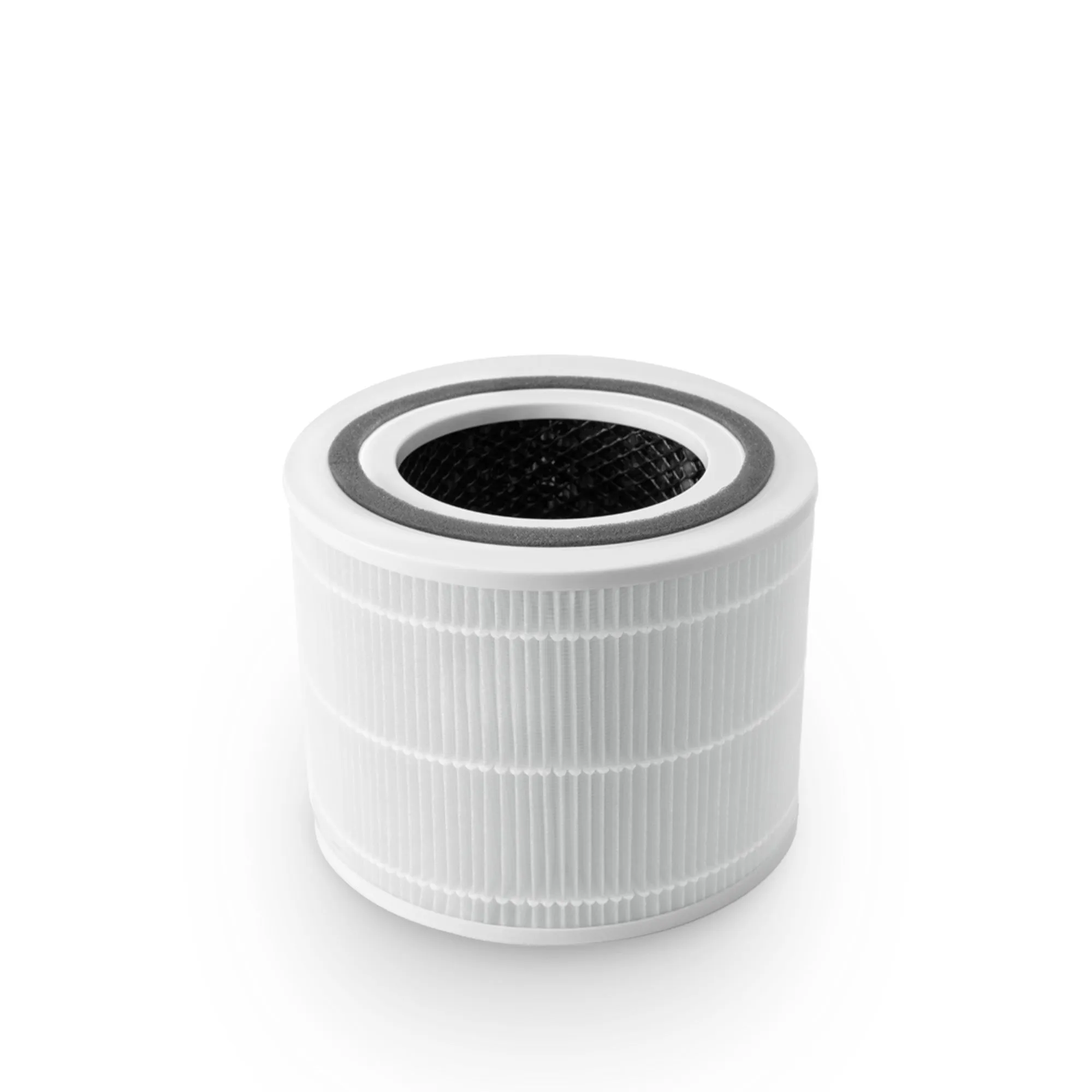
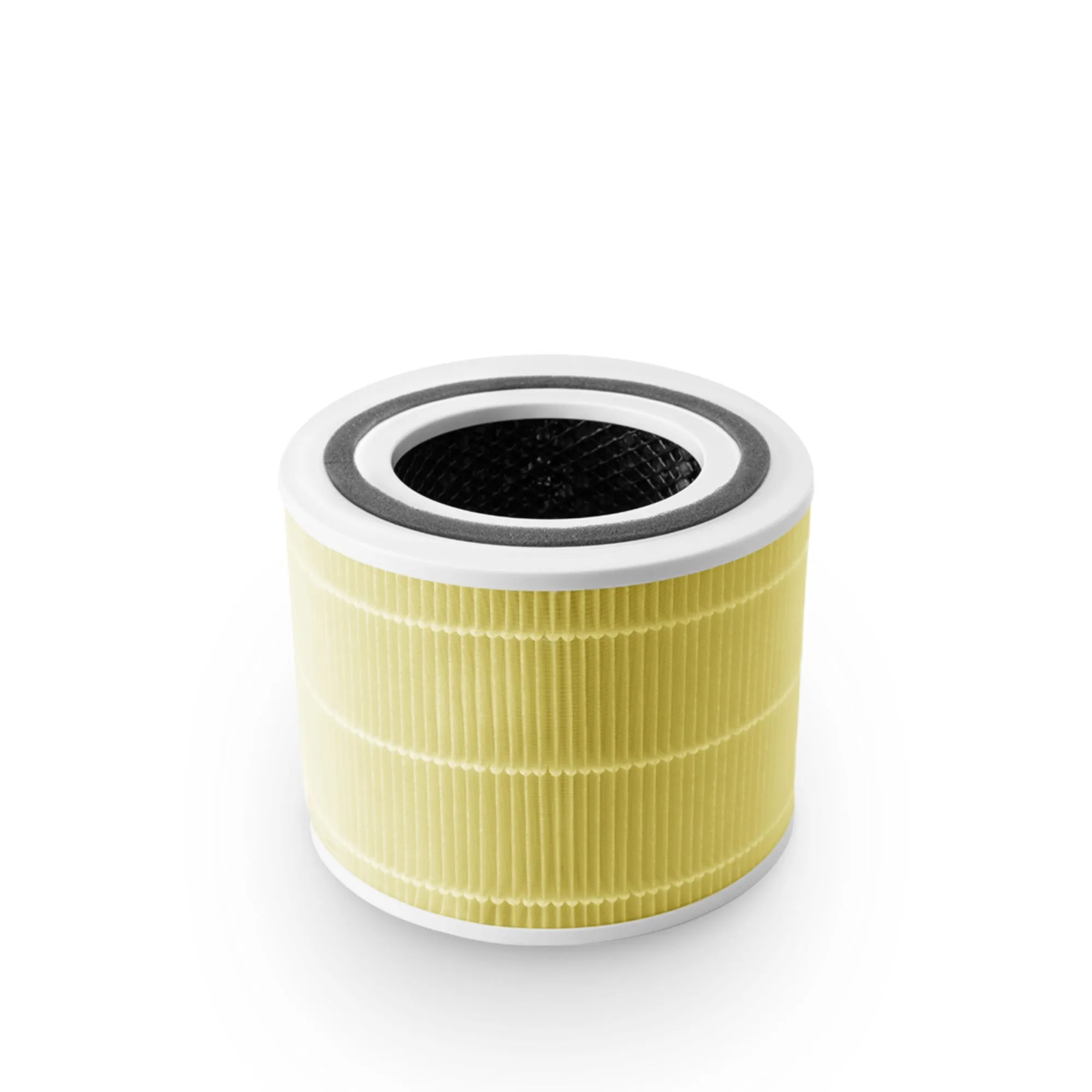
True HEPA (H13) filters are certified to capture 99.97% of airborne particles down to 0.3 microns, the size at which particles are hardest to trap. That single standard, defined by EN 1822 and verified by AHAM, separates genuinely effective filters from the marketing noise that fills most product listings. This home HEPA filter selection guide covers filter grades, sizing with CADR and ACH metrics, HVAC compatibility, and room-specific choices, so you can buy with confidence and protect both your health and your heating system.
What is the difference between True HEPA and HEPA-type filters?
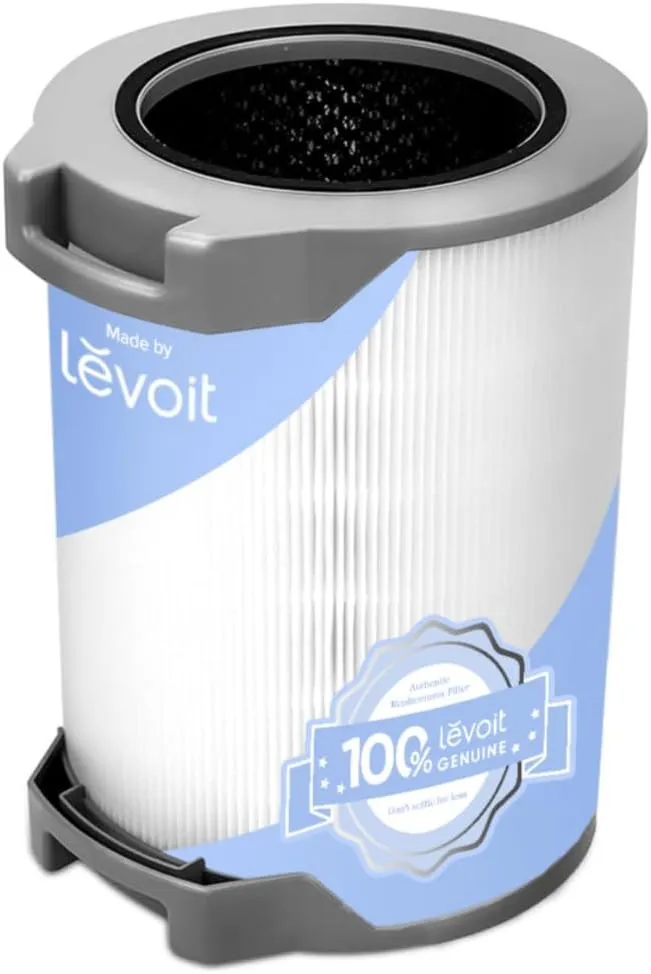
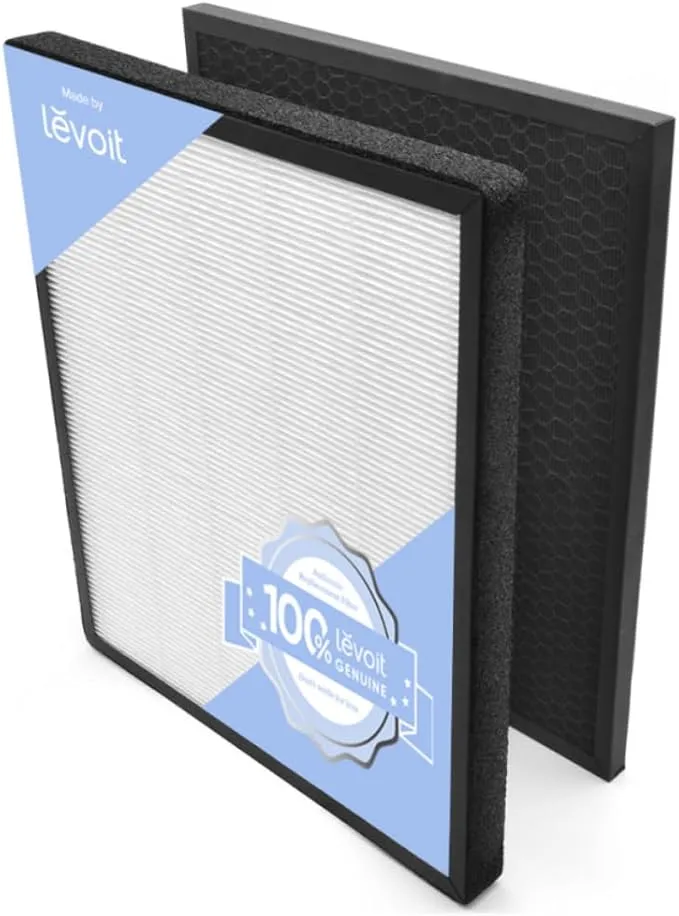
True HEPA (H13) is a regulated performance standard, not a brand name. A filter carrying the H13 designation must capture 99.97% of particles at 0.3 microns, the Most Penetrating Particle Size (MPPS), under EN 1822 testing conditions. H14, the next grade up, reaches 99.995% efficiency and is used in surgical theatres and cleanrooms. For most homes, H13 is the correct choice.
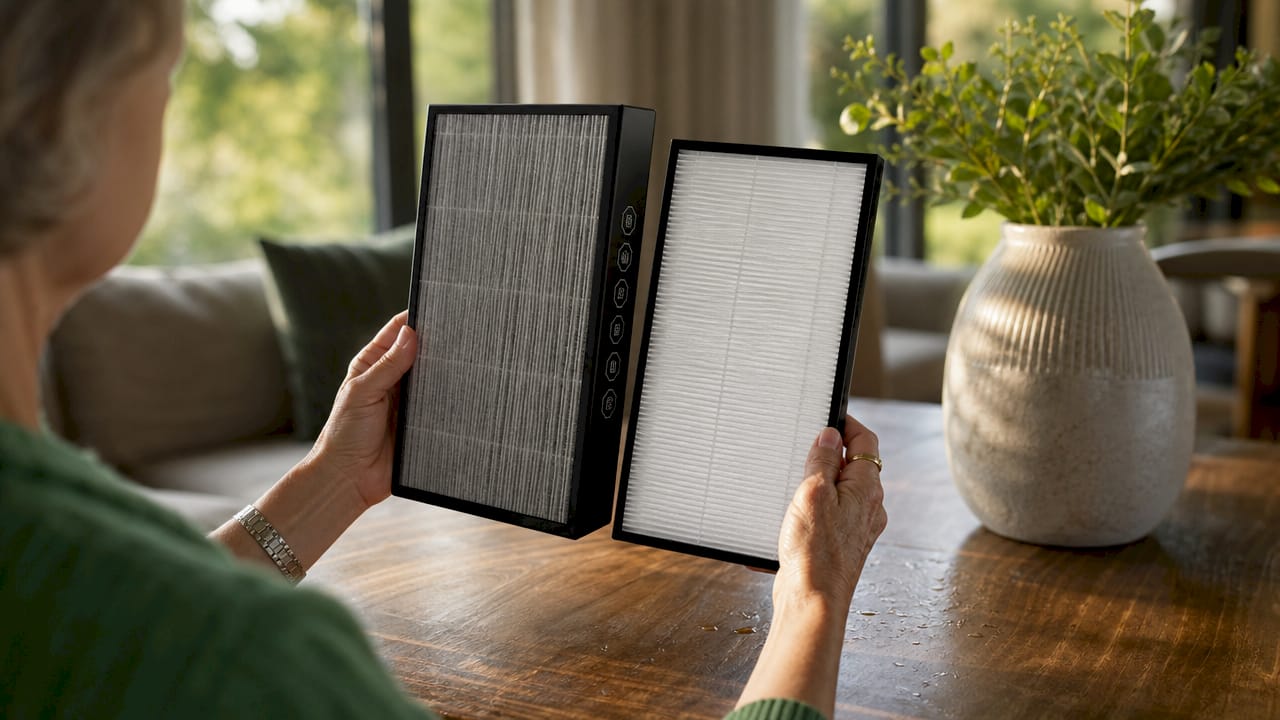
“HEPA-type” and “HEPA-style” are marketing terms with no regulated standard behind them. These filters often capture only 85–95% of particles, which sounds close but leaves a meaningful gap when you are managing asthma, allergies, or wildfire smoke. Verifying True HEPA status means checking for an H13 certification mark or AHAM verification on the product listing, not just the word “HEPA” in the name.
| Filter type | Efficiency at 0.3 microns | Standard | Typical use |
|---|---|---|---|
| H14 (medical grade) | 99.995% | EN 1822 | Cleanrooms, hospitals |
| H13 (True HEPA) | 99.97% | EN 1822, AHAM | Home air purifiers |
| MERV 13 | ~90% | ASHRAE 52.2 | Residential HVAC |
| HEPA-type / HEPA-style | 85–95% | None | Budget purifiers |
Pro Tip: Always search for the AHAM Verifide mark or an explicit H13 rating before purchasing. If the product page only says “HEPA-like” or “HEPA-style,” treat it as an unverified claim.
How do you size a HEPA air purifier using CADR and ACH?
Clean Air Delivery Rate (CADR) is the most reliable metric for comparing air purifier effectiveness. It measures the volume of cleaned air delivered per minute for dust, smoke, and pollen separately. Units without a published CADR rating are a red flag.
The standard sizing rule is straightforward: your dust CADR should equal at least 67% of the room’s square footage. A 300 sq ft room needs a minimum dust CADR of 200. Air Changes per Hour (ACH) tells you how many times the purifier cycles all the air in the room each hour. For allergy and asthma relief, 4–8 ACH is the target range.
Here is a quick reference for common room sizes:
| Room size (sq ft) | Minimum dust CADR | Target ACH |
|---|---|---|
| 150 | 100 | 4–8 |
| 300 | 200 | 4–8 |
| 500 | 335 | 4–6 |
| 700 | 470 | 4–6 |
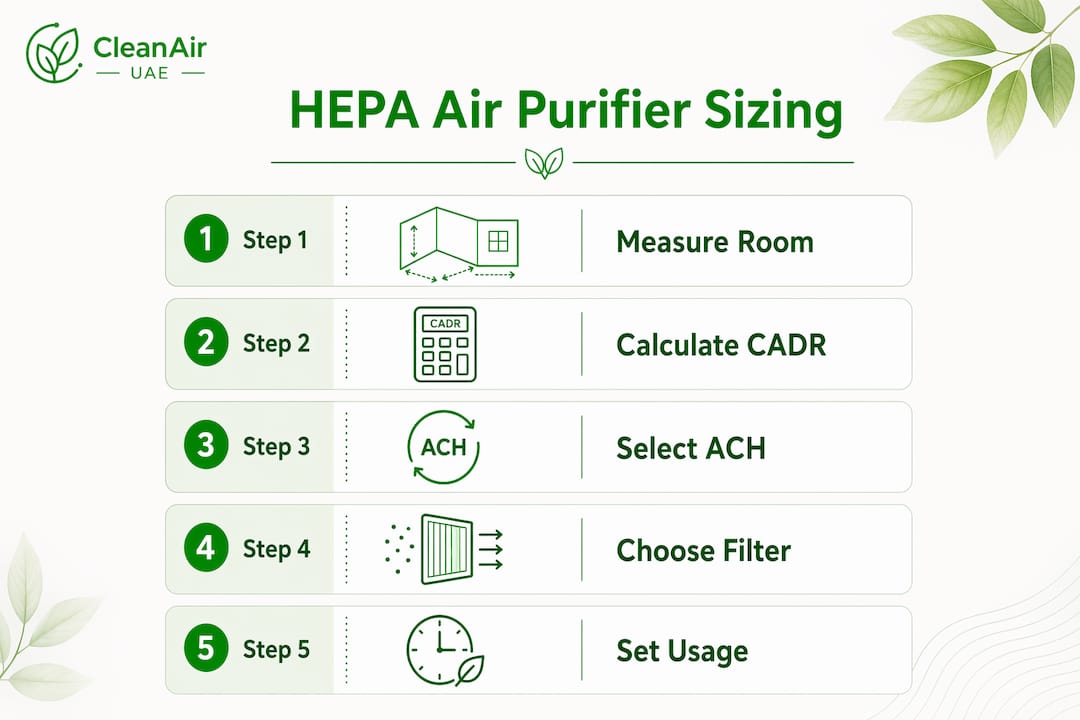
To calculate the CADR you need, multiply the room’s square footage by the ceiling height in feet to get cubic footage, then divide by 60 and multiply by your target ACH. That gives you the minimum cubic feet per minute (CFM) of clean air required.
Key sizing principles to apply:
- Buy a purifier rated for 1.5 times your actual room size. It runs on a lower, quieter speed setting and still delivers the target ACH.
- Check CADR for all three pollutant categories (dust, smoke, pollen), not just one.
- Noise levels matter at night. Purifiers running at lower speeds on an oversized unit typically stay below 35 dB.
Pro Tip: For allergy relief in bedrooms, target 6–8 ACH and a noise floor of 17–25 dB on the sleep setting. An oversized unit running quietly beats a correctly sized unit at full speed.
Can you install a True HEPA filter in your home HVAC system?
True HEPA filters are incompatible with standard 1-inch HVAC slots. The dense filter media creates excessive static pressure, which restricts airflow and risks motor burnout or AC coil freeze-up. MERV 8–13 filters suit residential HVAC systems, with MERV 11–13 offering the best balance of particle removal and safe airflow.
Matching filter density to your HVAC blower motor capacity is not optional. An overly dense filter raises energy consumption, shortens motor life, and can void your system warranty. Check your HVAC manual for the maximum rated MERV before upgrading.
The safest whole-home approach uses layered filtration:
- Fit a MERV 13 filter in your HVAC system to capture larger particles circulating through the ductwork.
- Place a certified True HEPA portable unit in the rooms where you spend the most time, such as bedrooms and living areas.
- Run both systems simultaneously for the best combined result.
- Check and replace the HVAC filter every 60–90 days, or more frequently in dusty environments.
- Consider a professional static pressure test before upgrading to MERV 13 if your system is older than ten years.
If you want whole-home True HEPA coverage, a professionally installed bypass system is the only safe route. These systems cost £400–£1,200 (approximately AED 1,900–5,700) and route air through a separate HEPA cabinet mounted alongside the air handler. They require professional installation and periodic filter changes.
Pro Tip: Before any HVAC filter upgrade, pull out your system manual and check the maximum MERV rating the manufacturer supports. If the manual is unavailable, a qualified HVAC technician can run a static pressure test in under an hour.
How often should you replace HEPA filters and what does it cost?
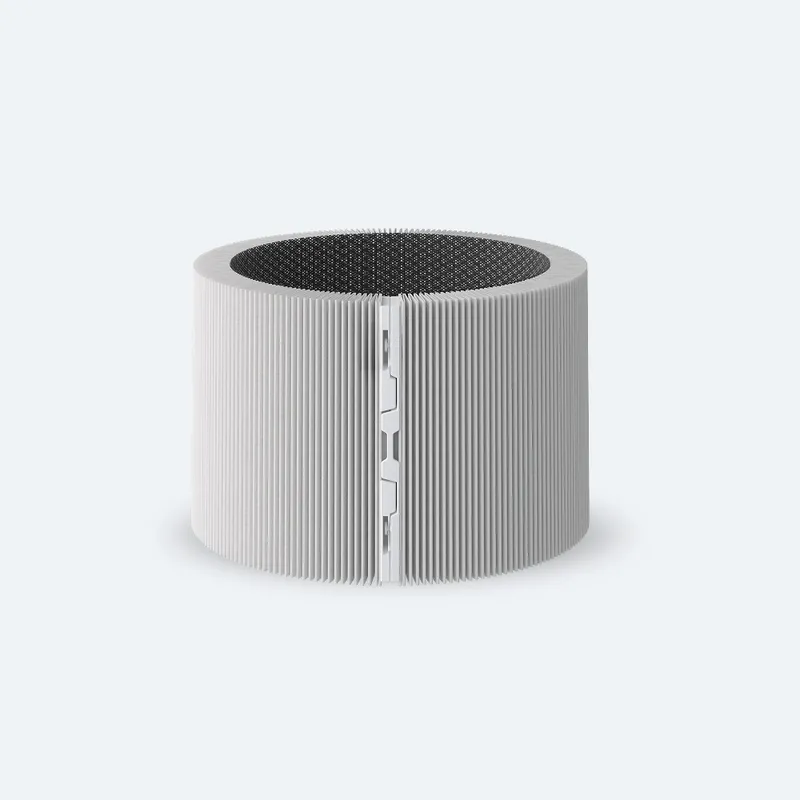
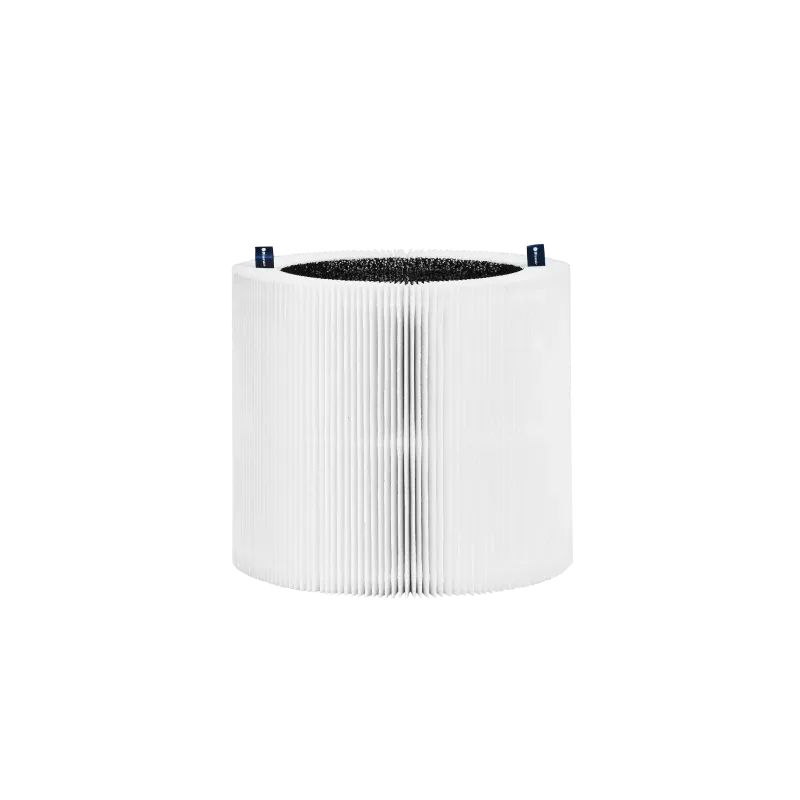
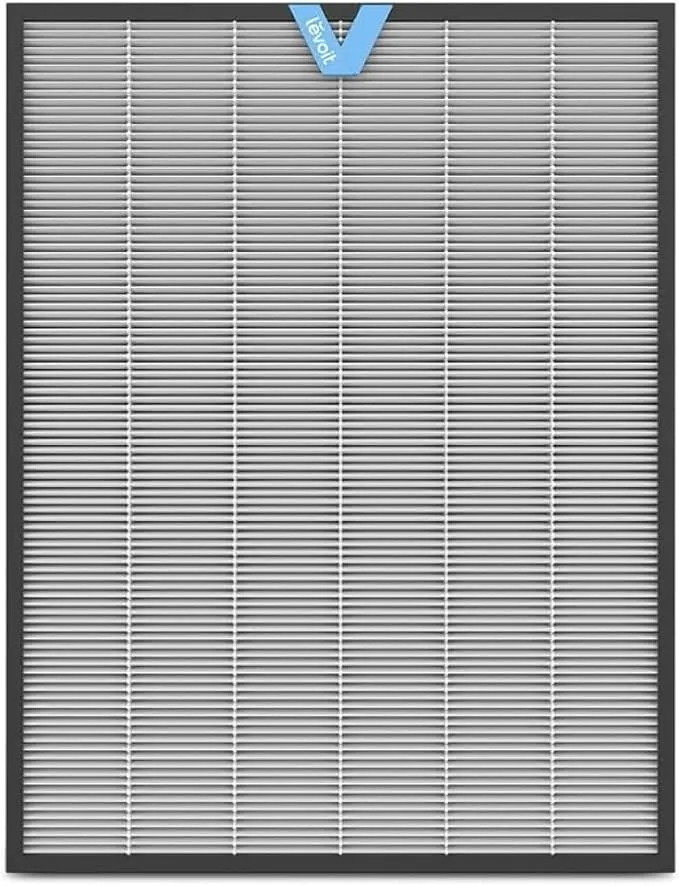
HEPA filter replacement is not optional maintenance. A clogged filter restricts airflow, reduces CADR, and can overheat the purifier motor. Most True HEPA filters last 6–12 months under normal use. Activated carbon pre-filters, which handle odours and VOCs, typically need replacing every 3–6 months.
Replacement costs run £25–£65 per year for most home units. Before purchasing any purifier, check that genuine replacement filters are available and note the price. Some budget units use proprietary filter sizes that cost more to replace than the purifier itself.
Common mistakes to avoid:
- Washing a True HEPA filter. Water destroys the fibre structure and eliminates the electrostatic charge that aids particle capture. Vacuuming the pre-filter is fine; washing the HEPA layer is not.
- Trusting filter life indicators alone. These sensors measure airflow restriction, not biological load. In high-pollution environments, replace filters on a calendar schedule rather than waiting for the indicator.
- Buying HEPA-type filters to save money. The short-term saving removes the core benefit. Stick to certified H13 replacements.
- Ignoring odour or reduced airflow. Both signal a saturated filter. A musty smell from a running purifier means the filter is past its useful life.
Pro Tip: Set a recurring reminder every six months to inspect your HEPA filter. Hold it up to a light source. If you cannot see light through it, replace it regardless of what the indicator says.
How do you choose a HEPA purifier for specific rooms and health needs?
Room function and occupant health drive the final selection decision. A purifier that works well in a living room may be the wrong choice for a nursery or a kitchen.
Room-by-room guidance:
- Bedrooms and nurseries. Prioritise low noise (17–25 dB on sleep mode) and 6–8 ACH for continuous overnight filtration. Auto mode with a light sensor is genuinely useful here.
- Living rooms. Size for the full room area. A higher CADR matters more than noise level during waking hours.
- Kitchens. HEPA alone does not capture gases or VOCs. Choose a unit that combines True HEPA with an activated carbon layer to handle cooking odours and chemical vapours.
- Home offices. Moderate CADR with low noise. A unit running at medium speed keeps the air clean without disrupting concentration.
- Basements. High humidity encourages mould spores. Pair a True HEPA purifier with a dehumidifier for effective control.
For specific health conditions:
- Allergy and asthma sufferers. Confirm H13 certification and target 6–8 ACH. Check the air improvement guide for allergies for a full protocol.
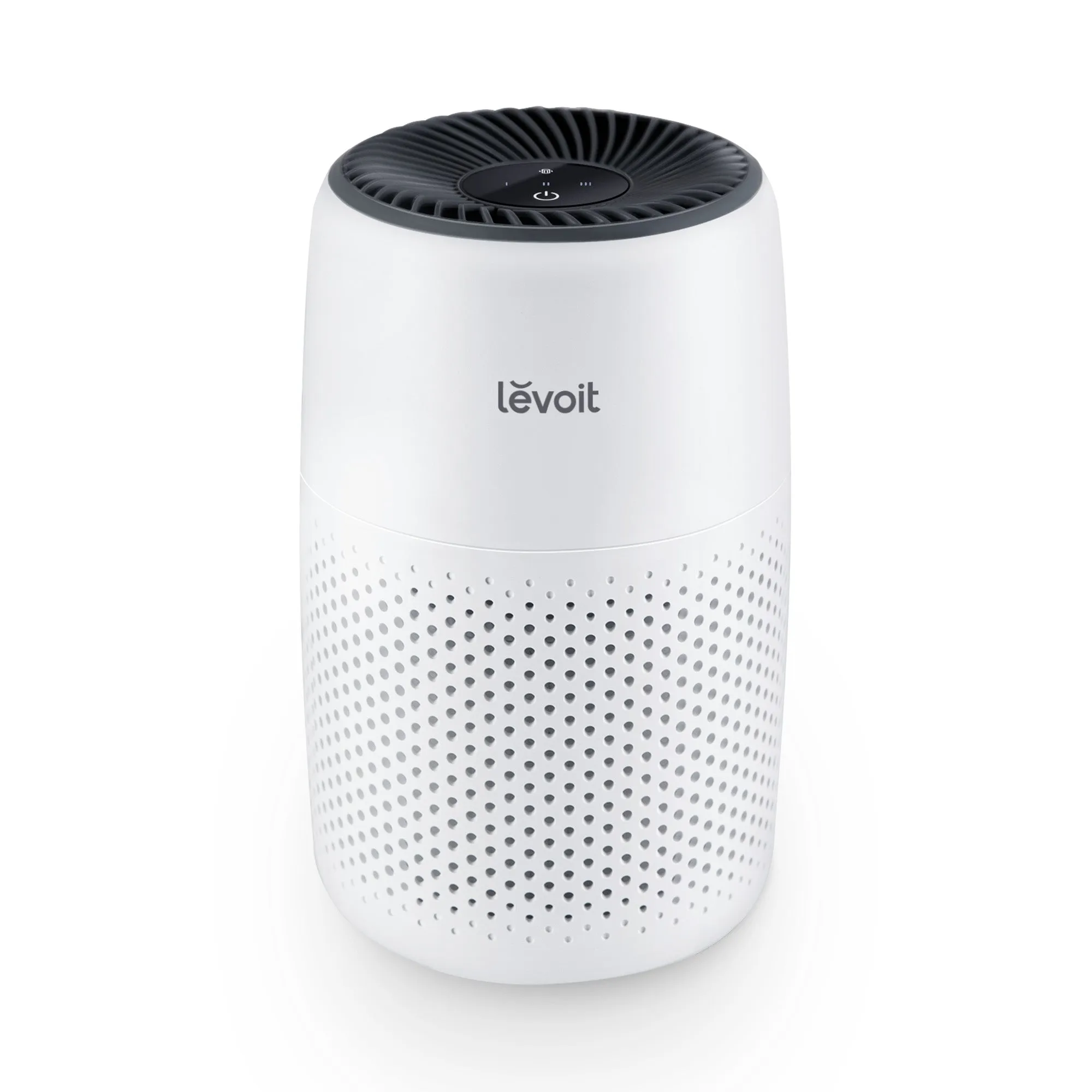
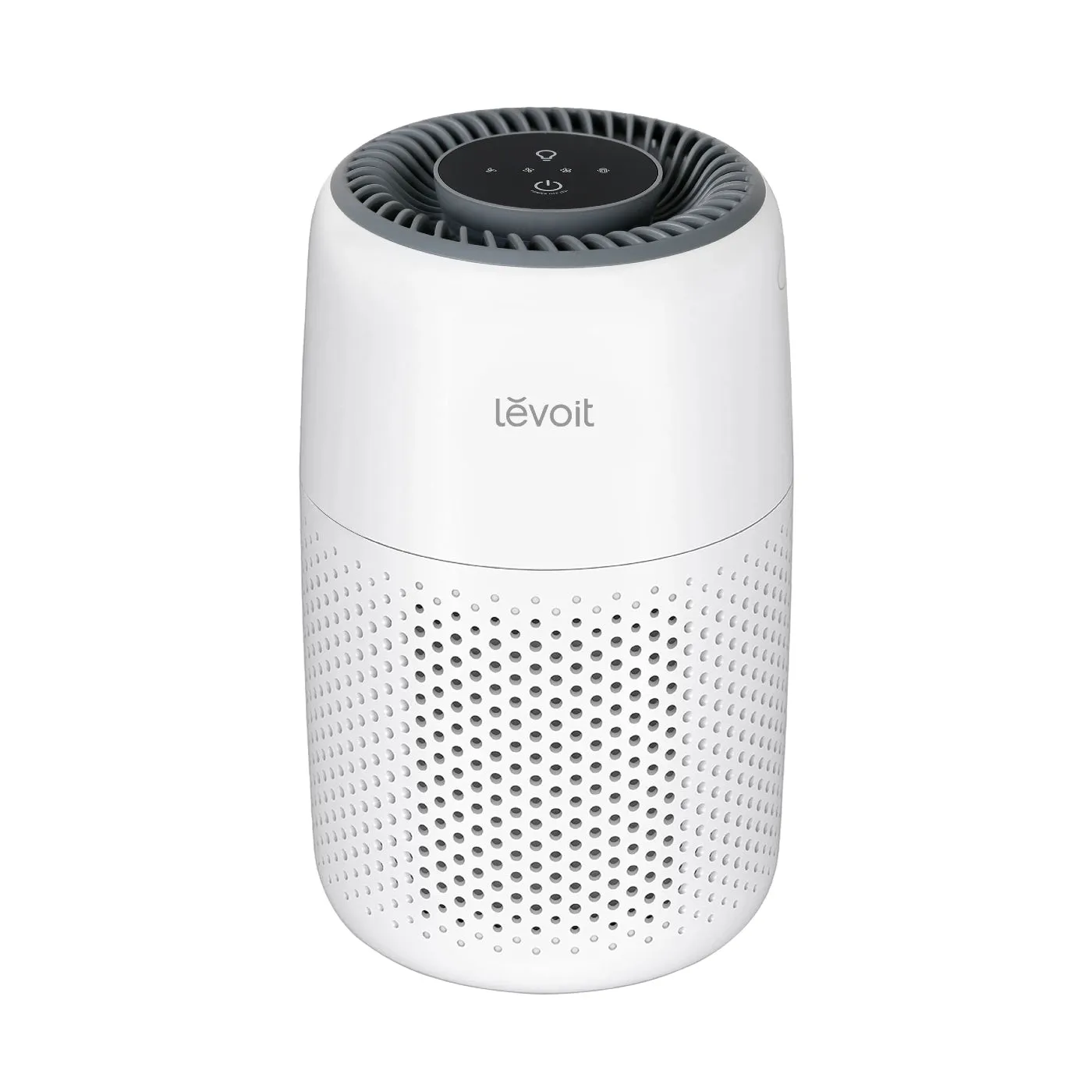
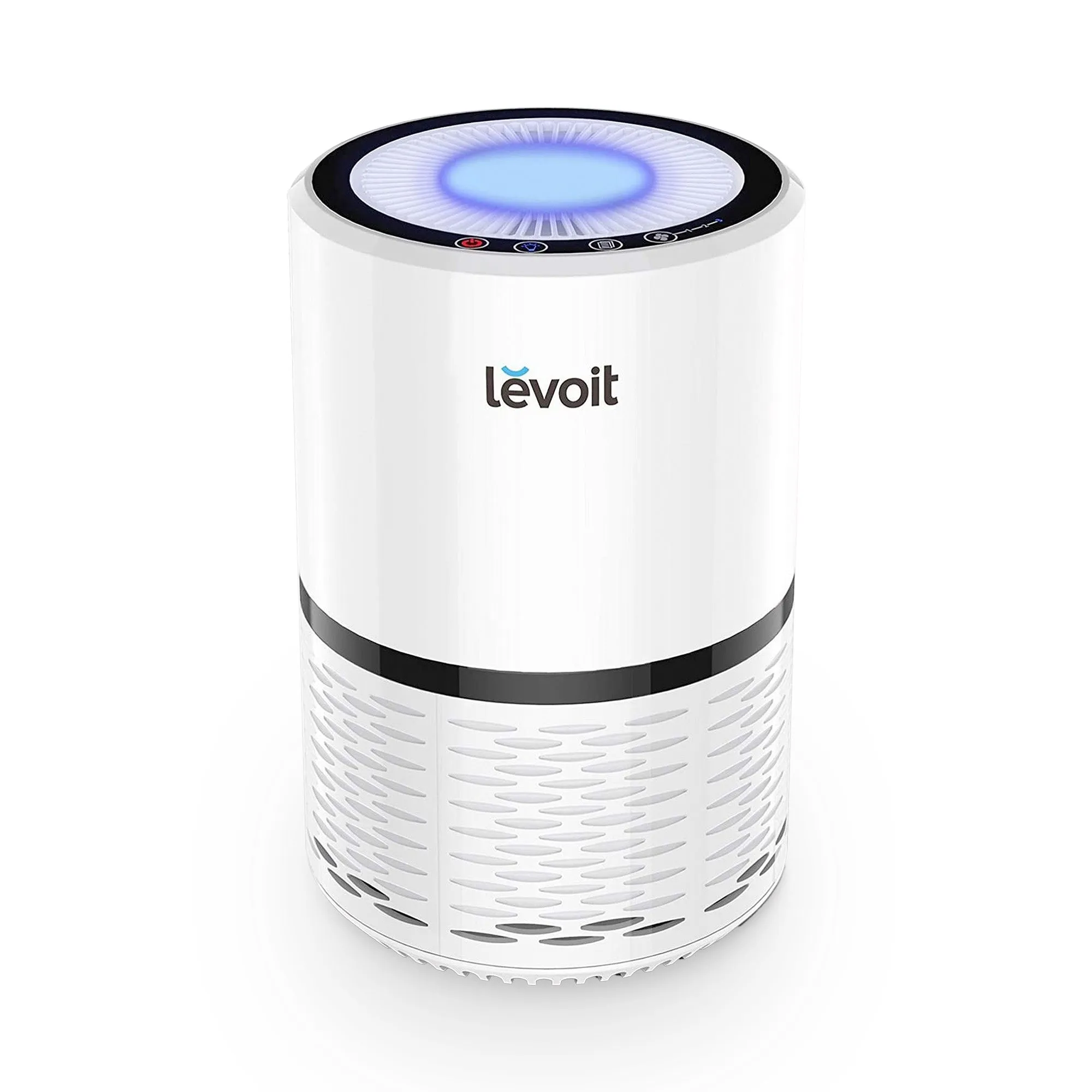
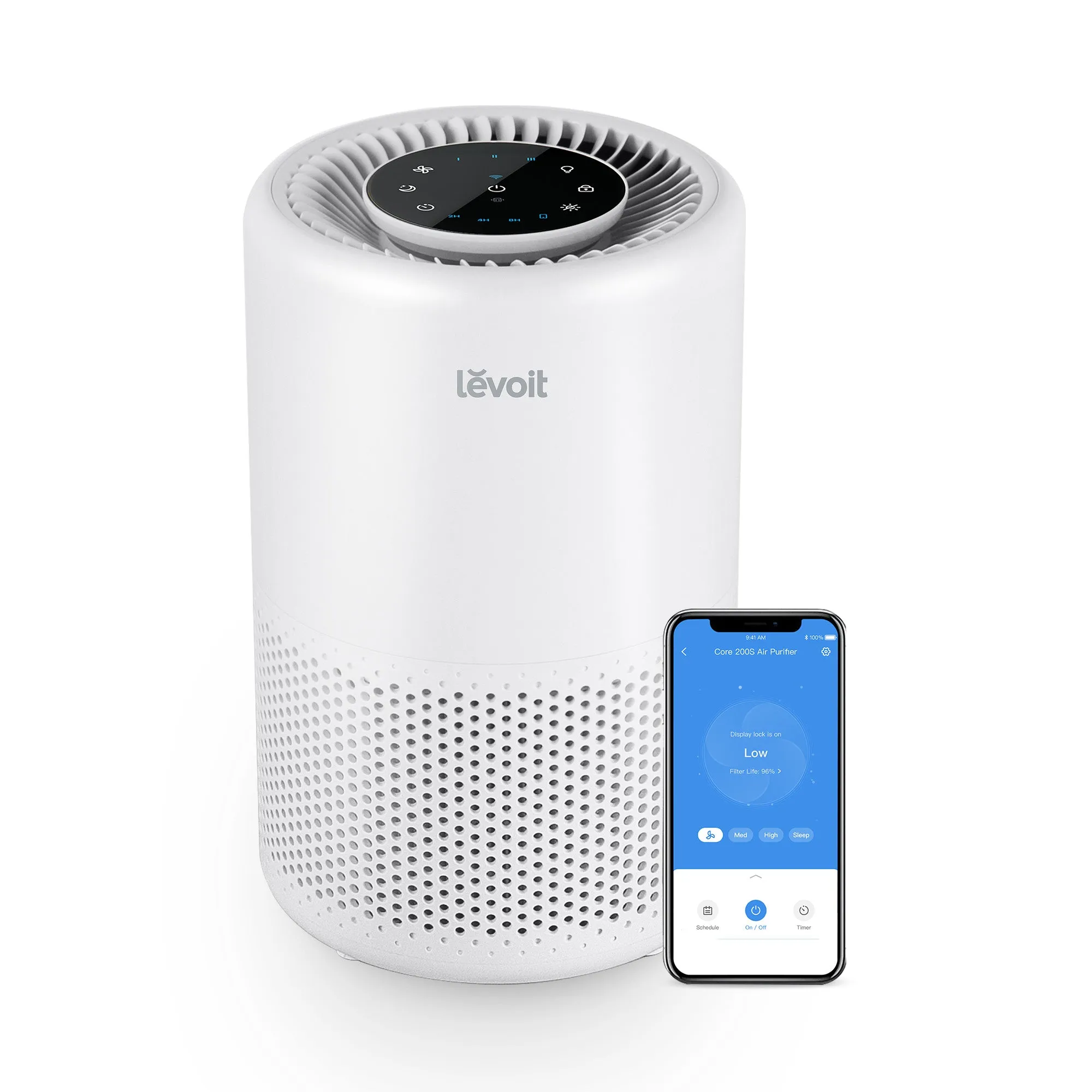
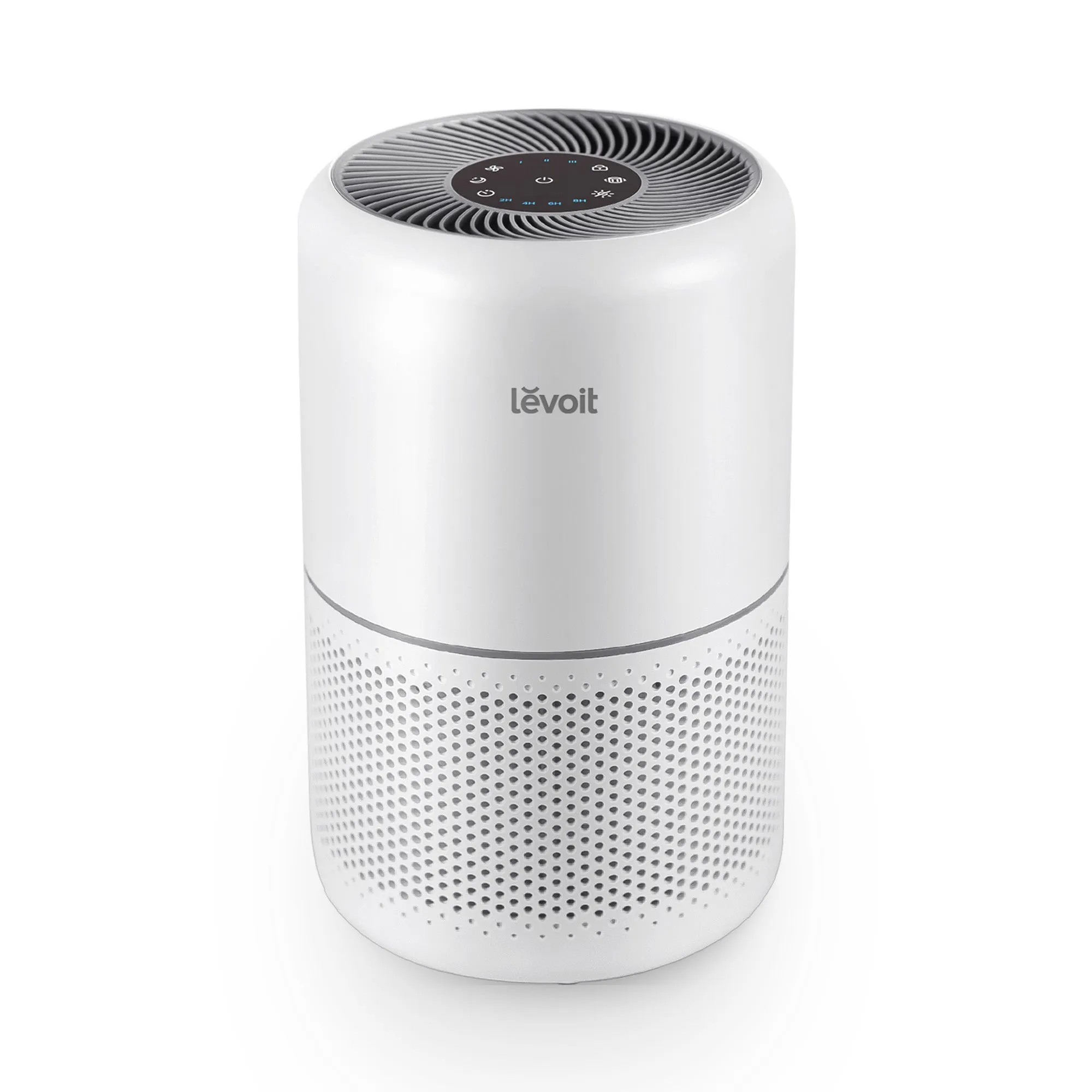
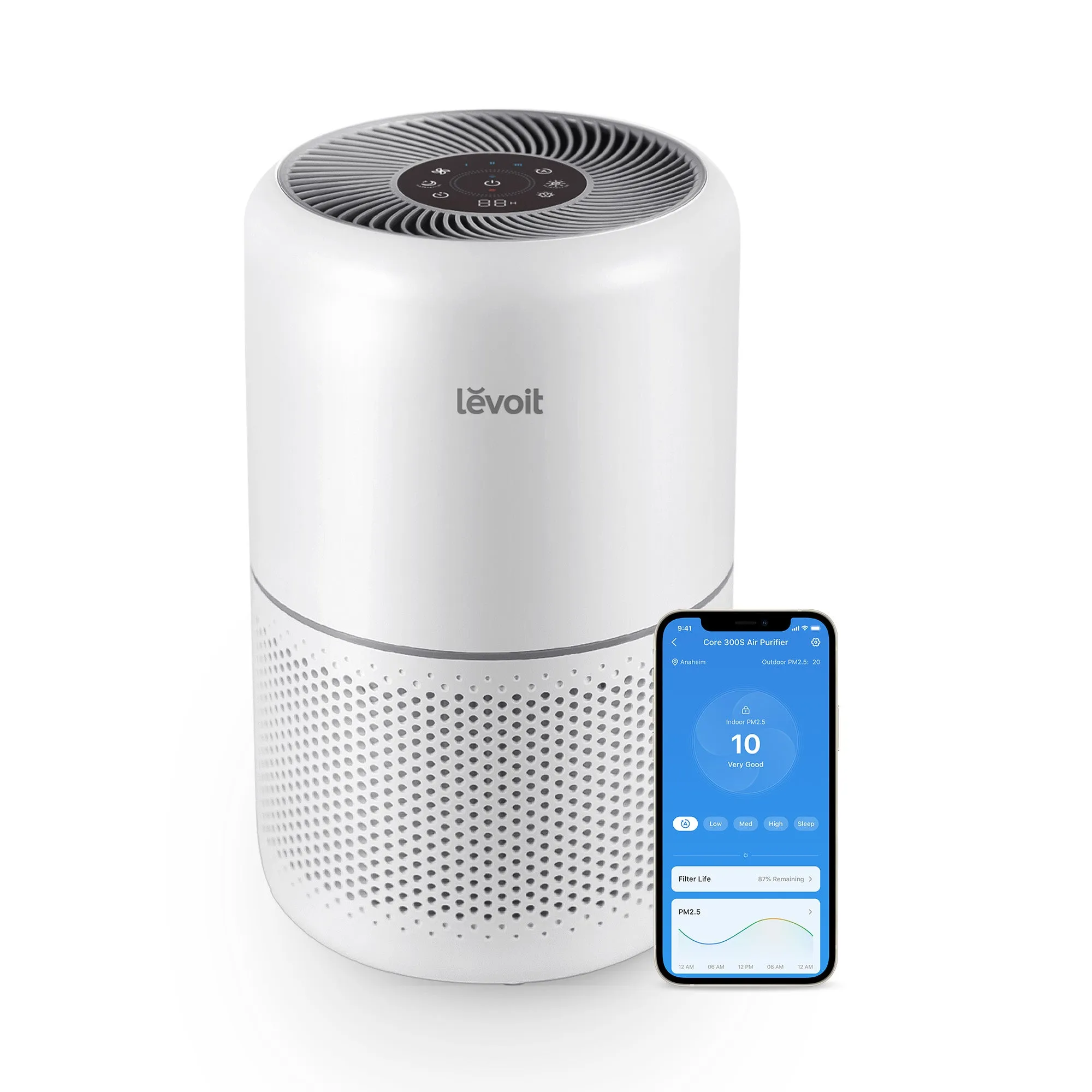
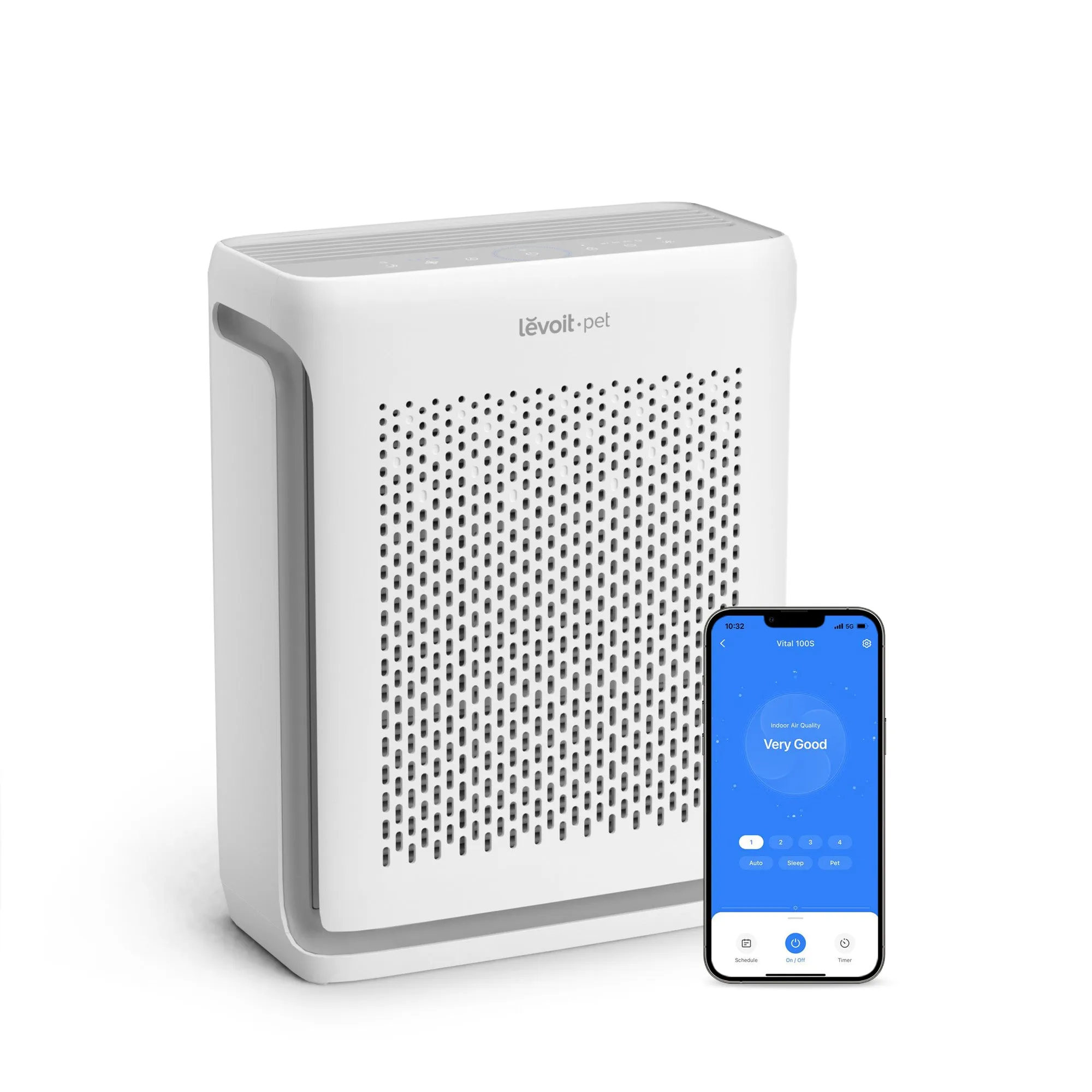
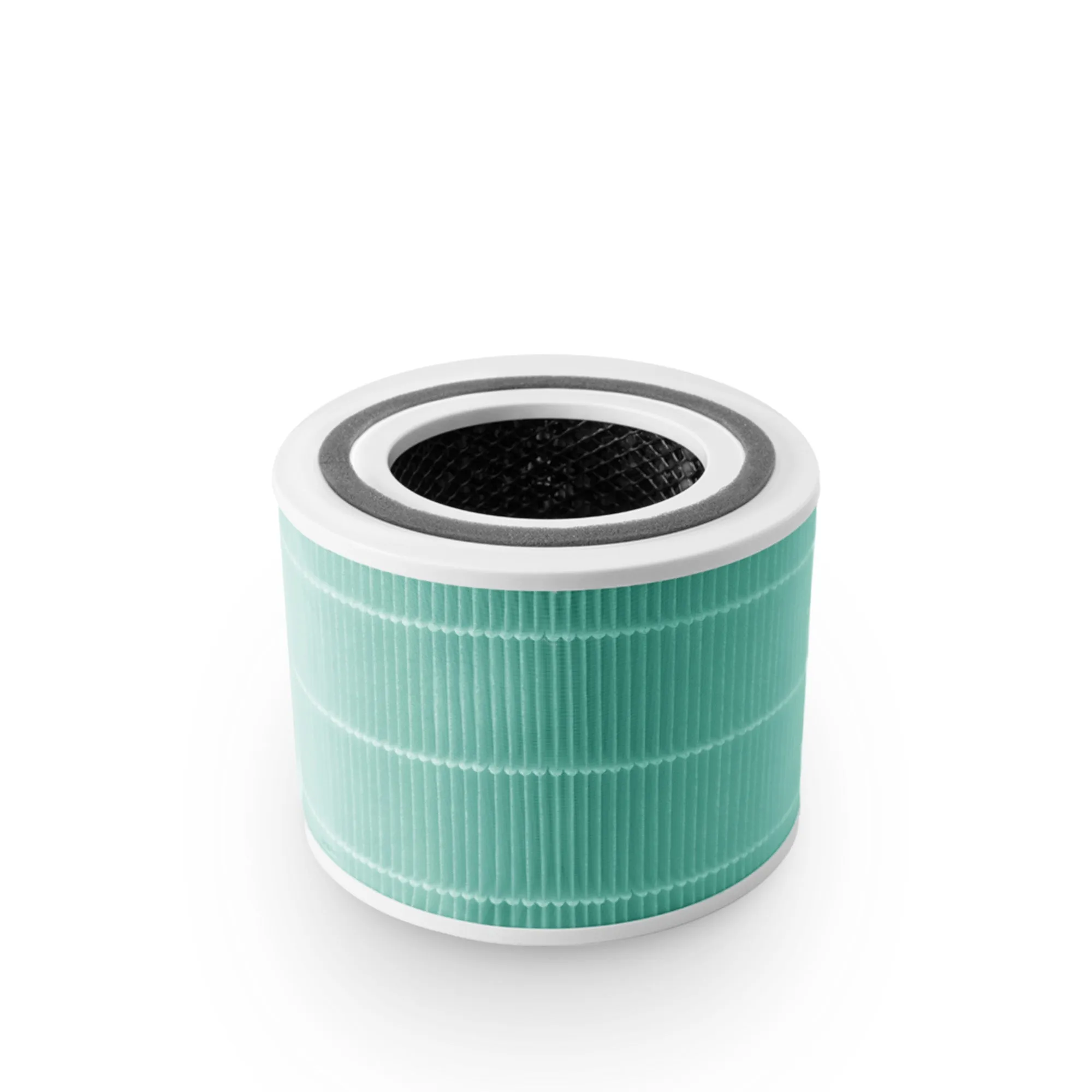
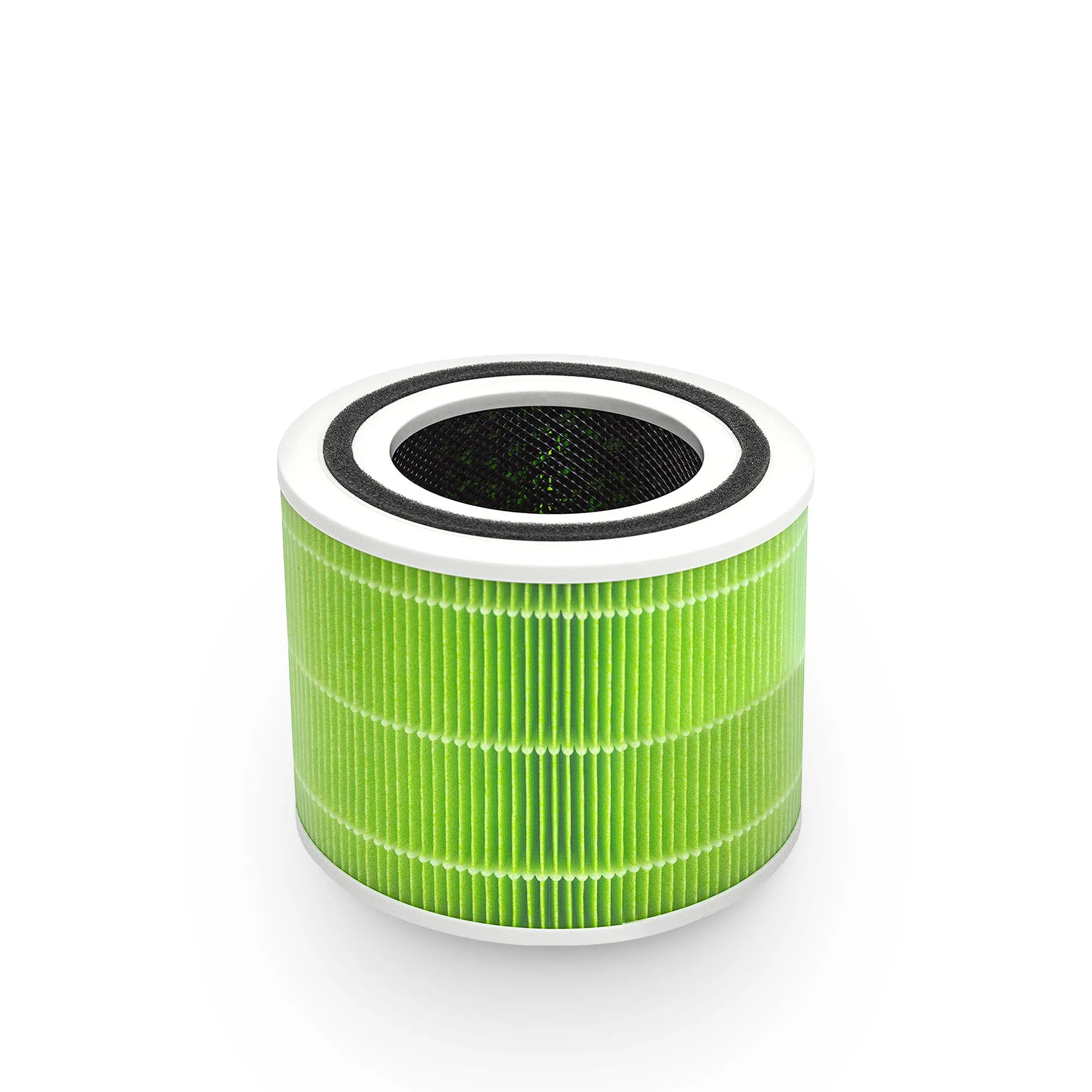
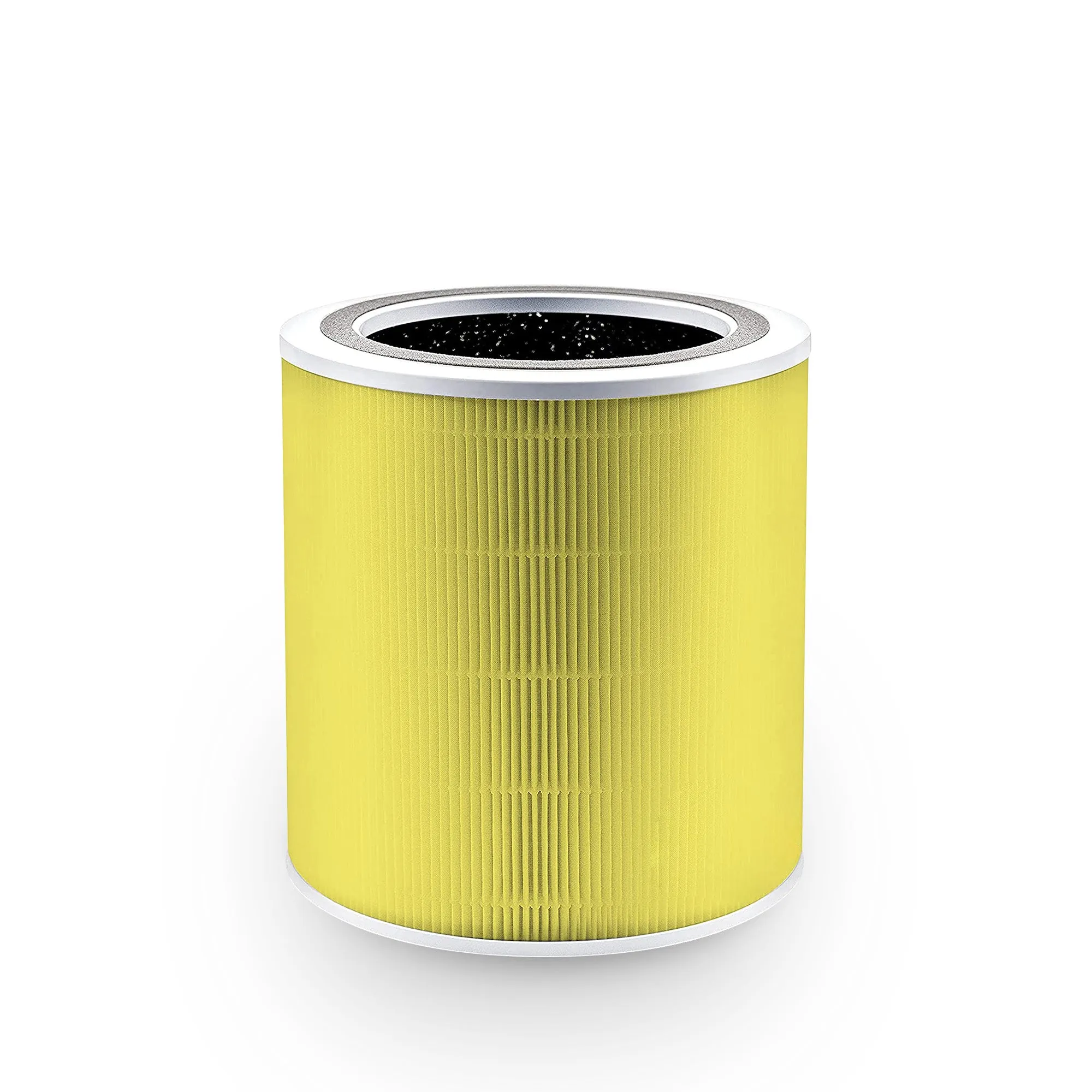
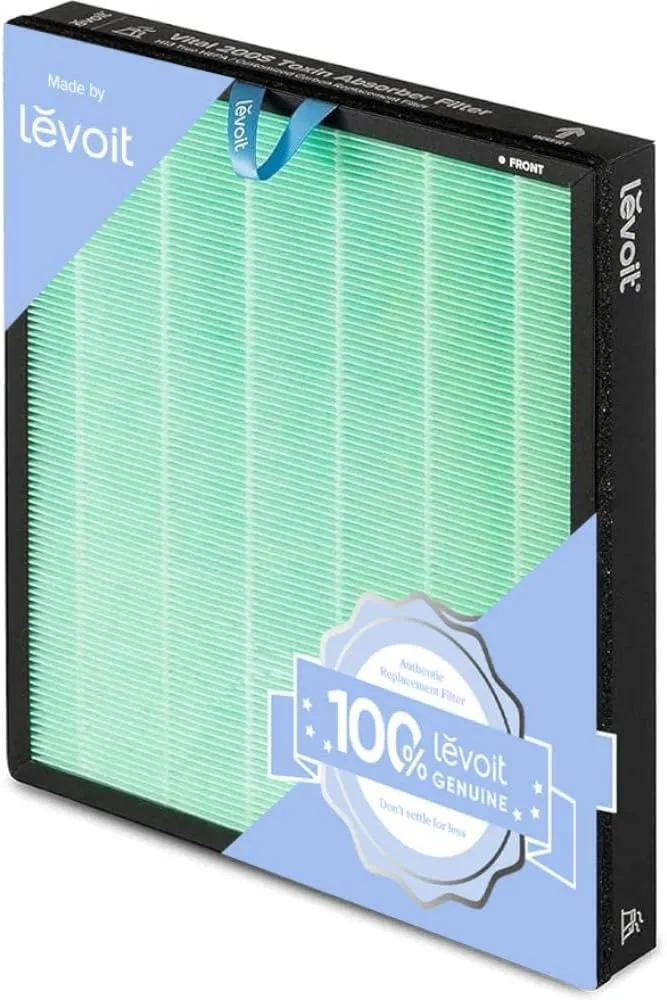
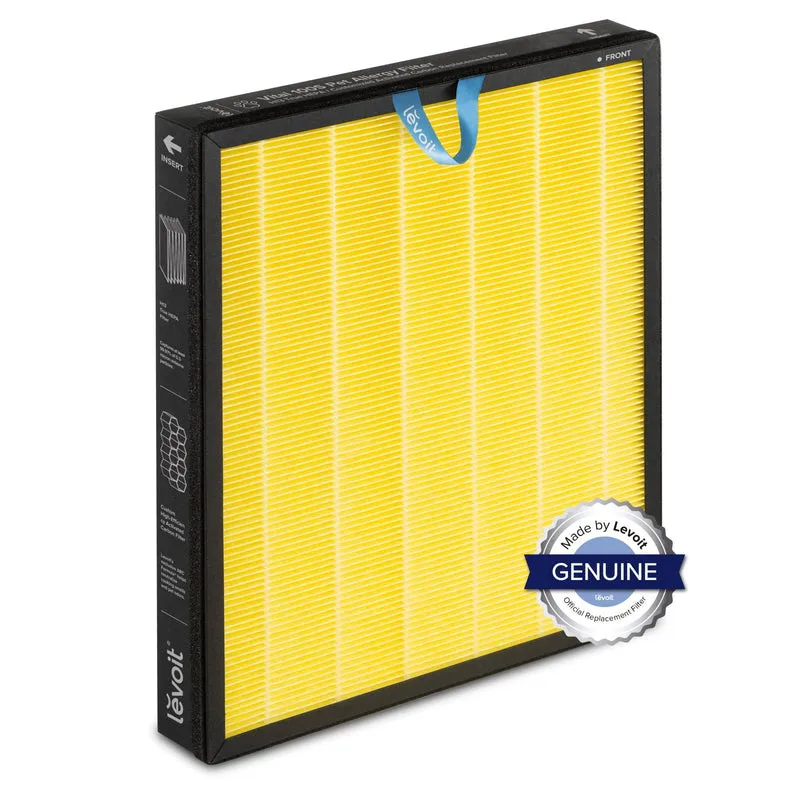
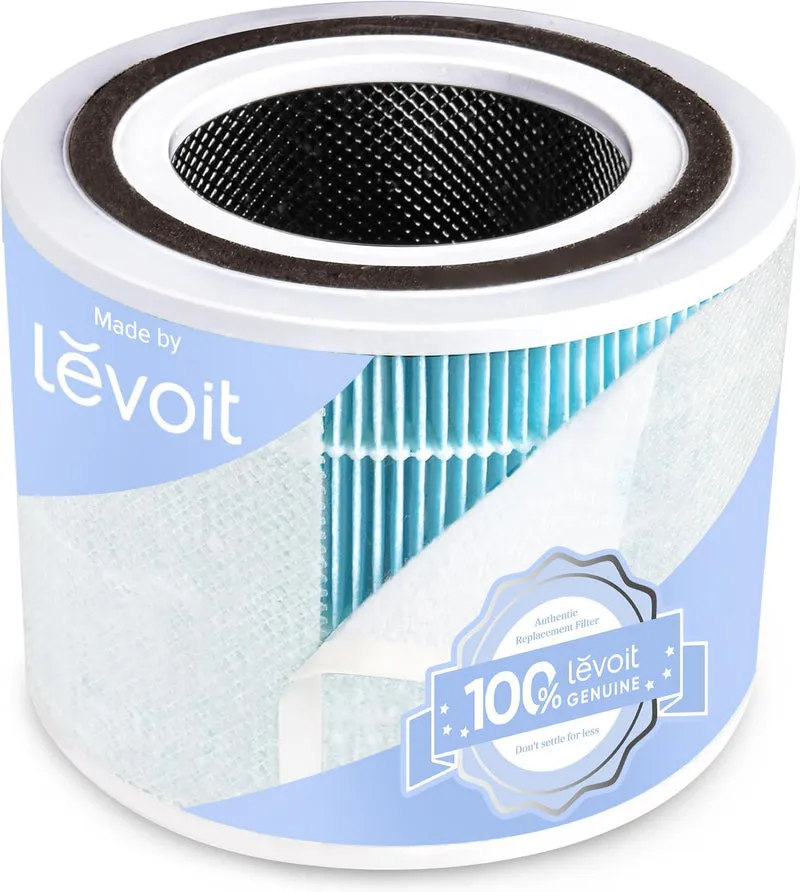
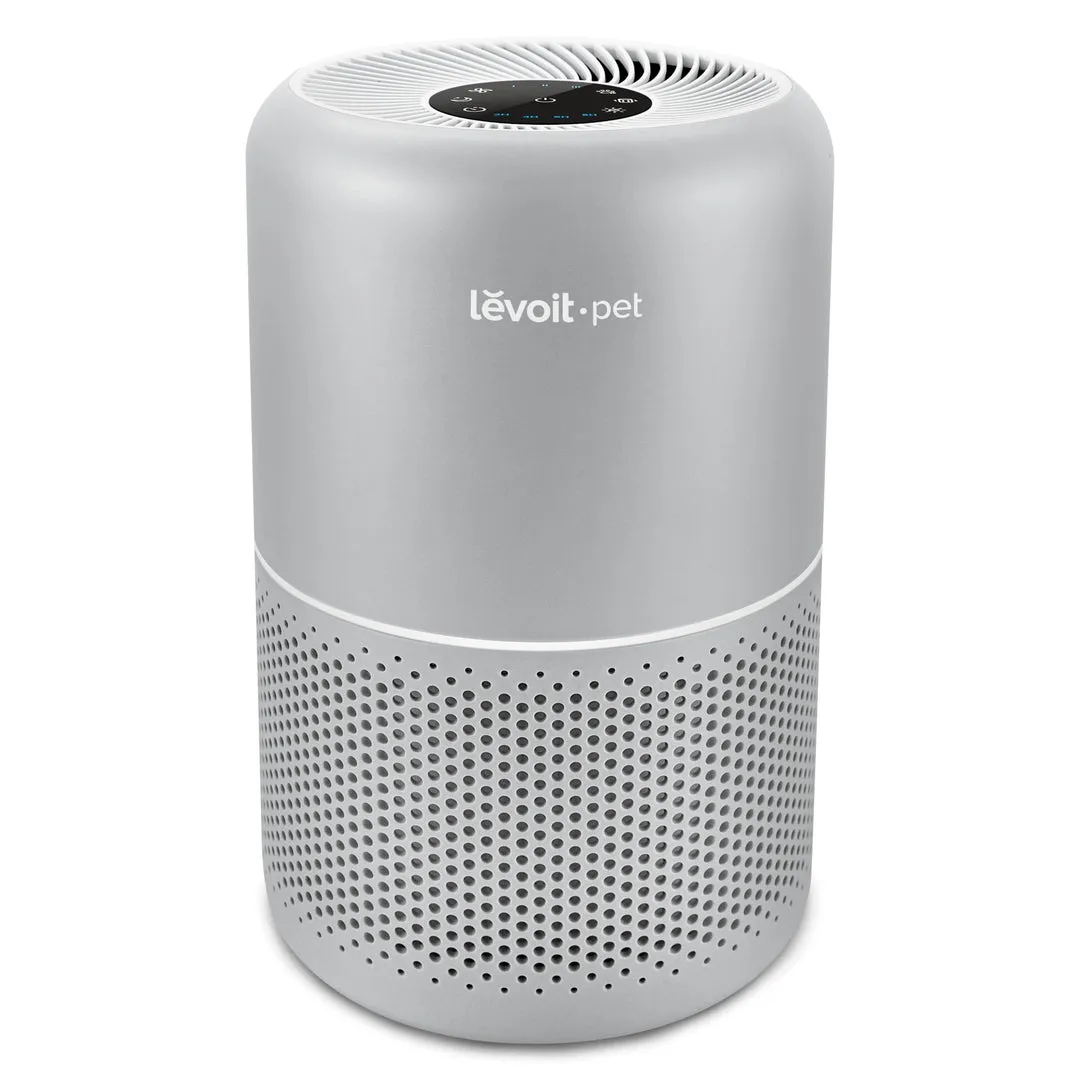
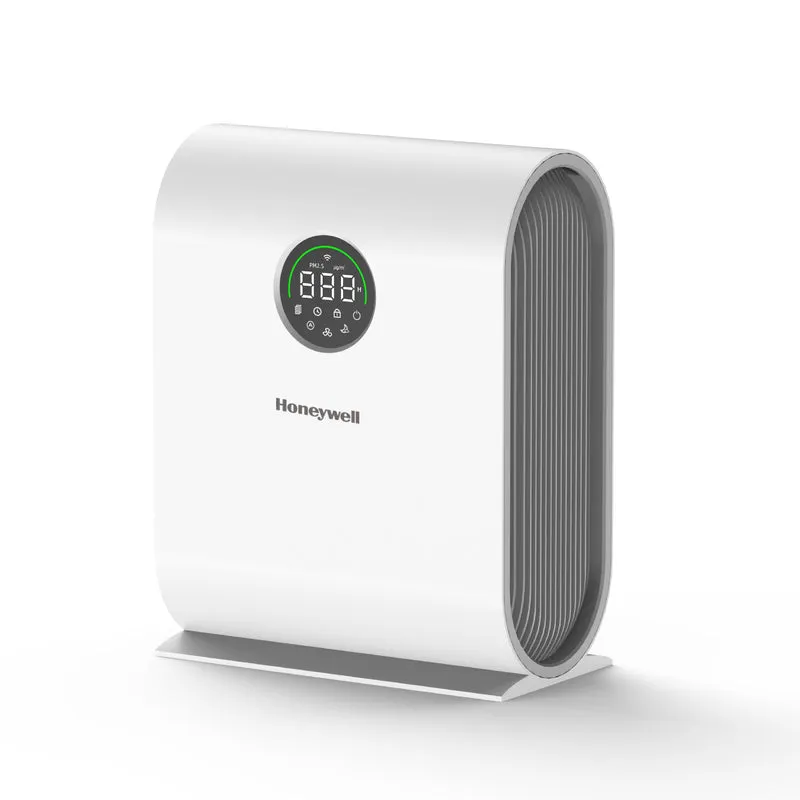
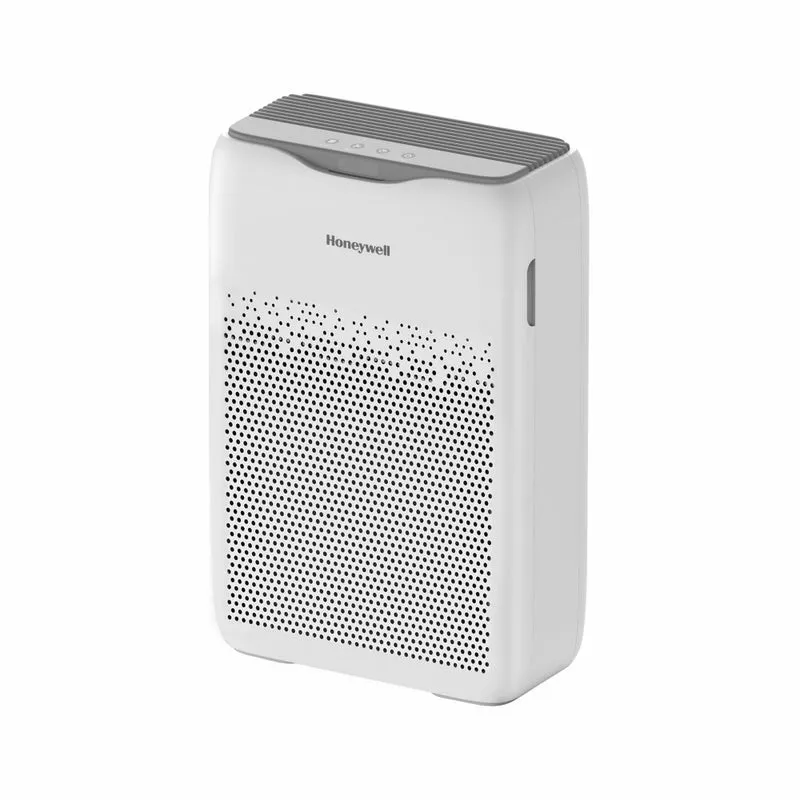
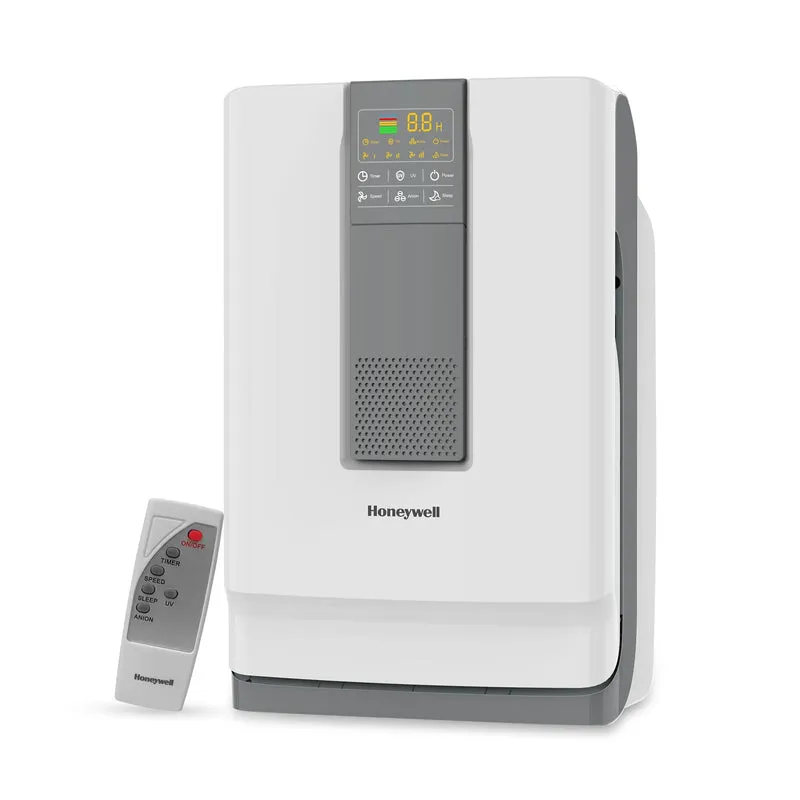
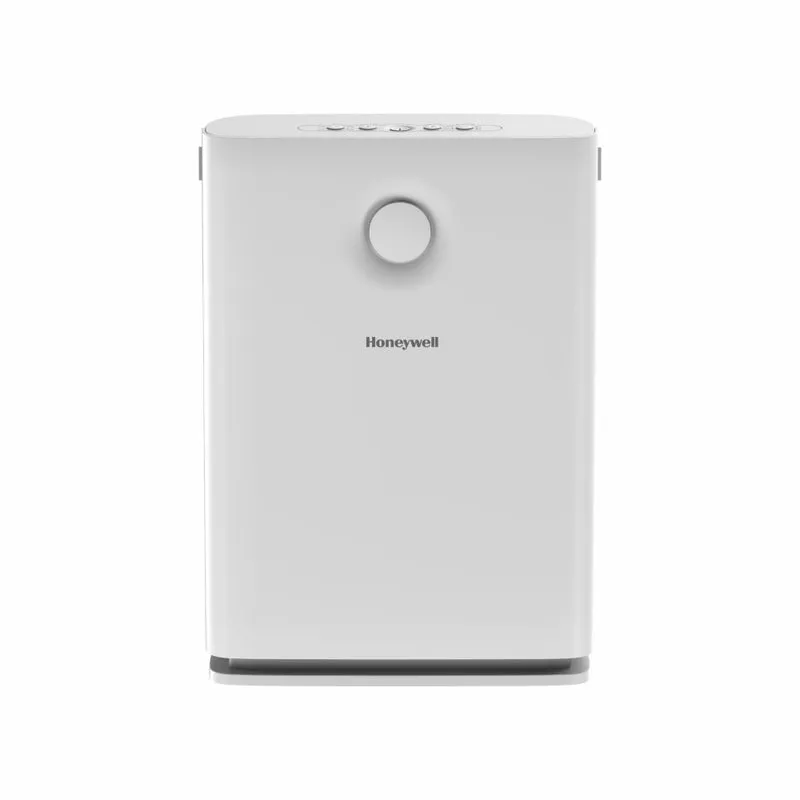
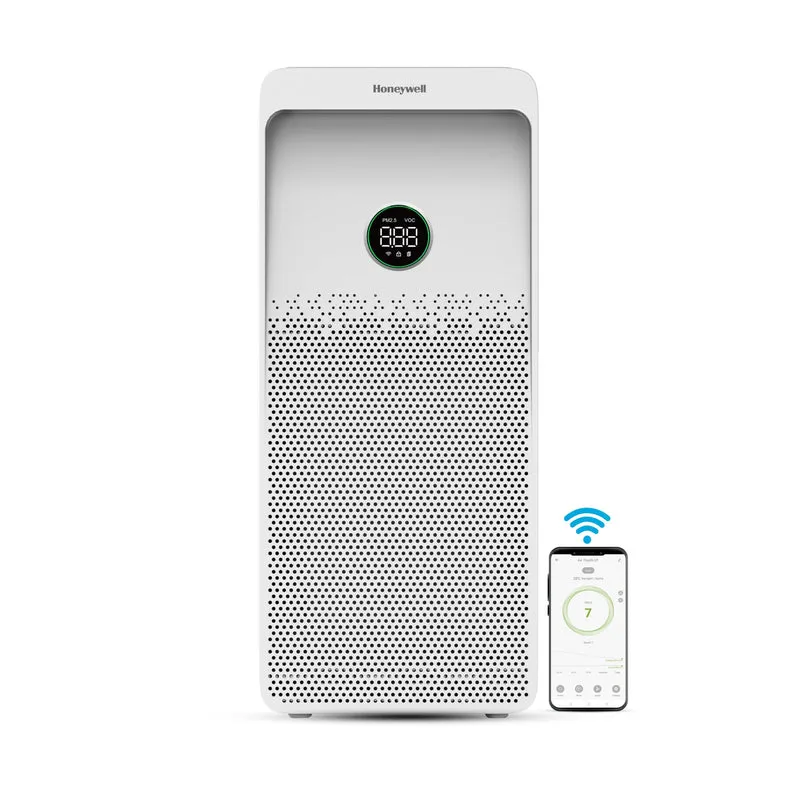
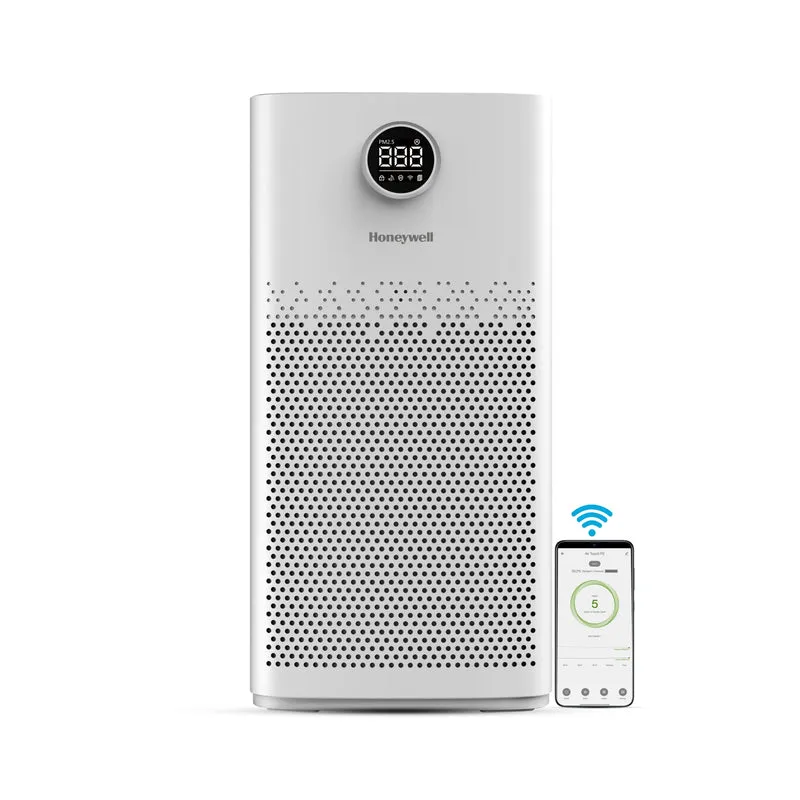
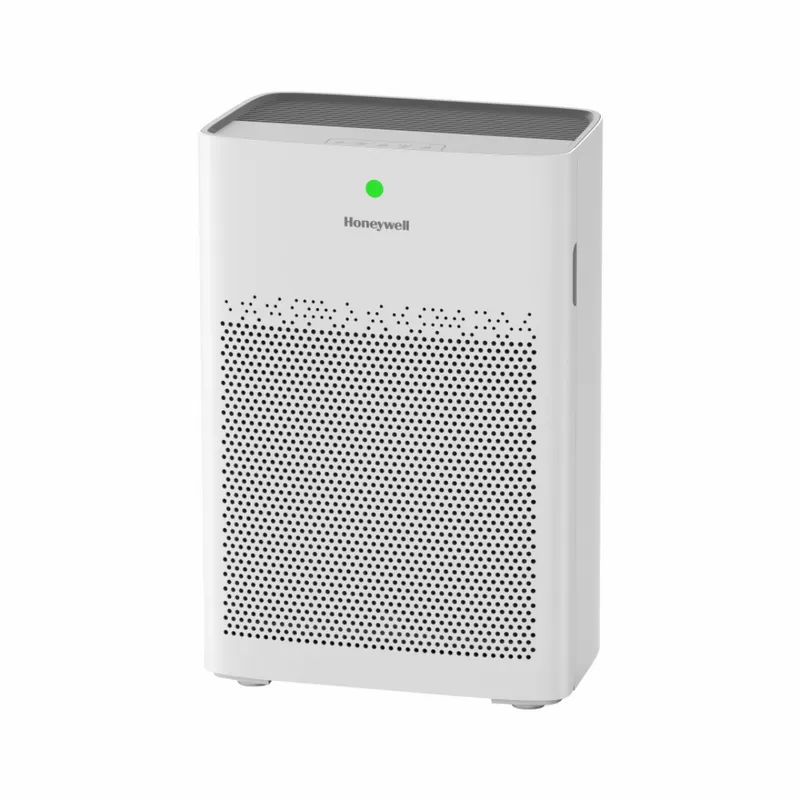
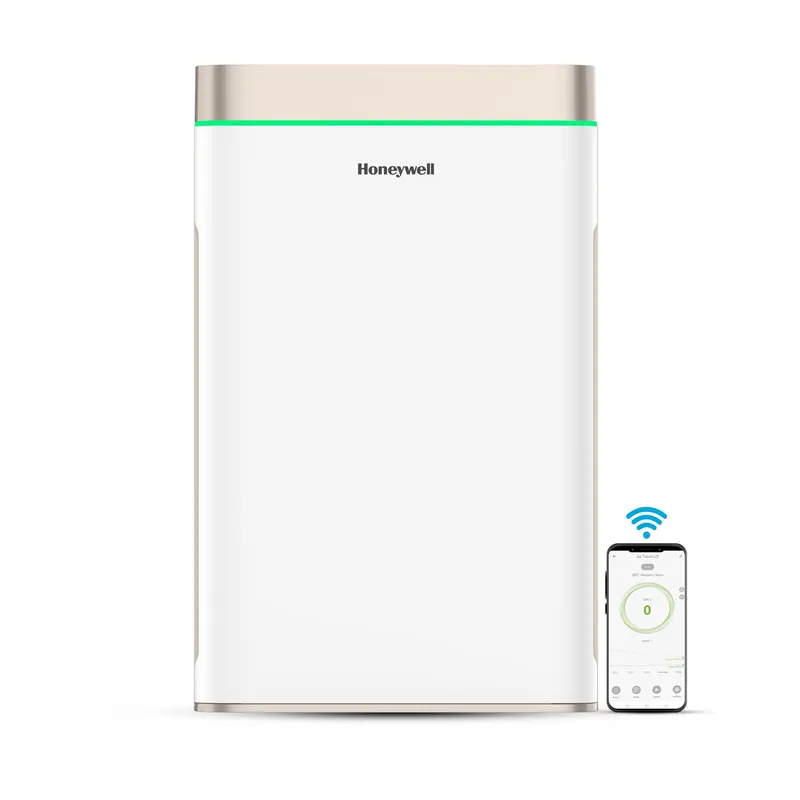
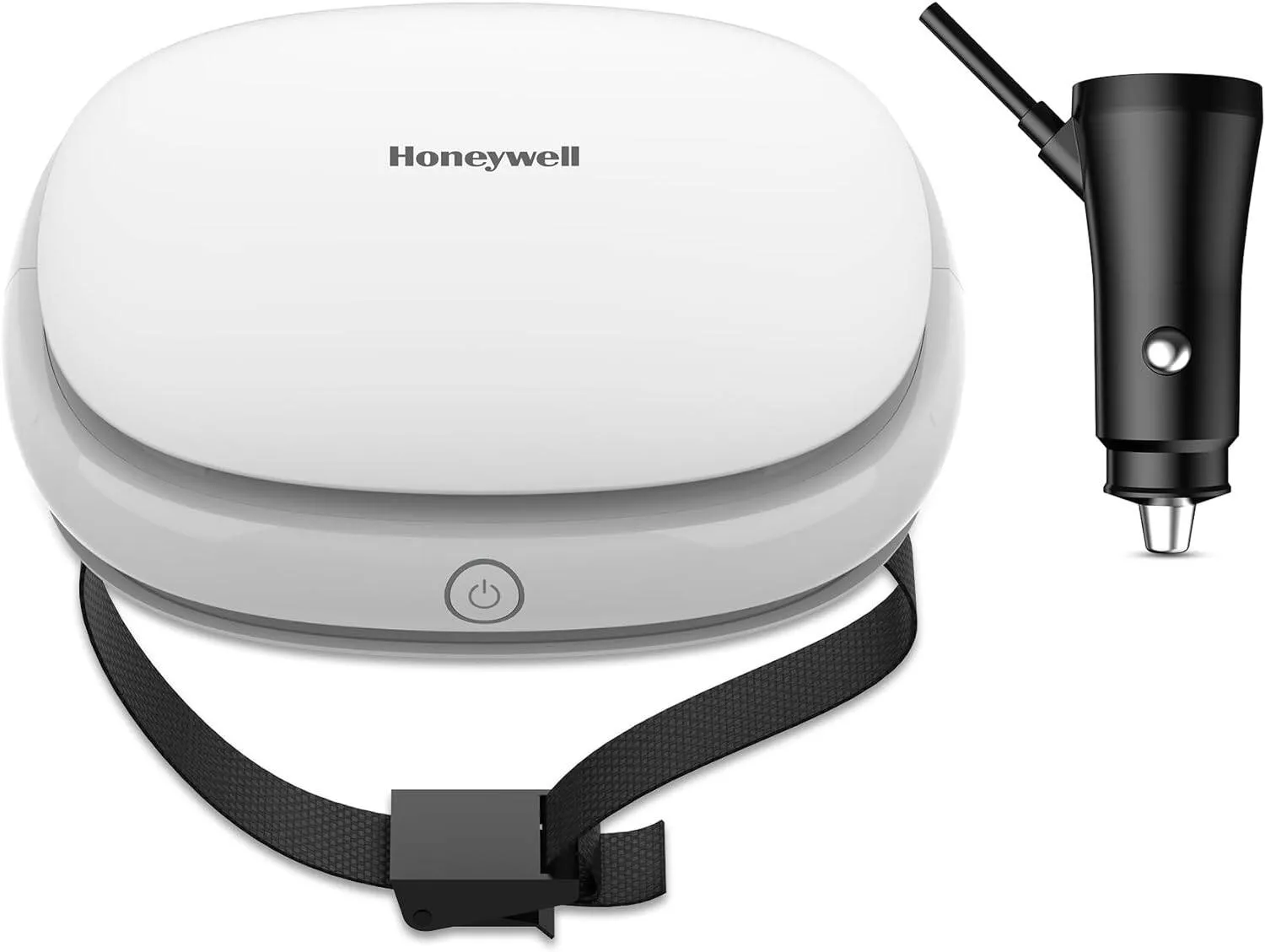
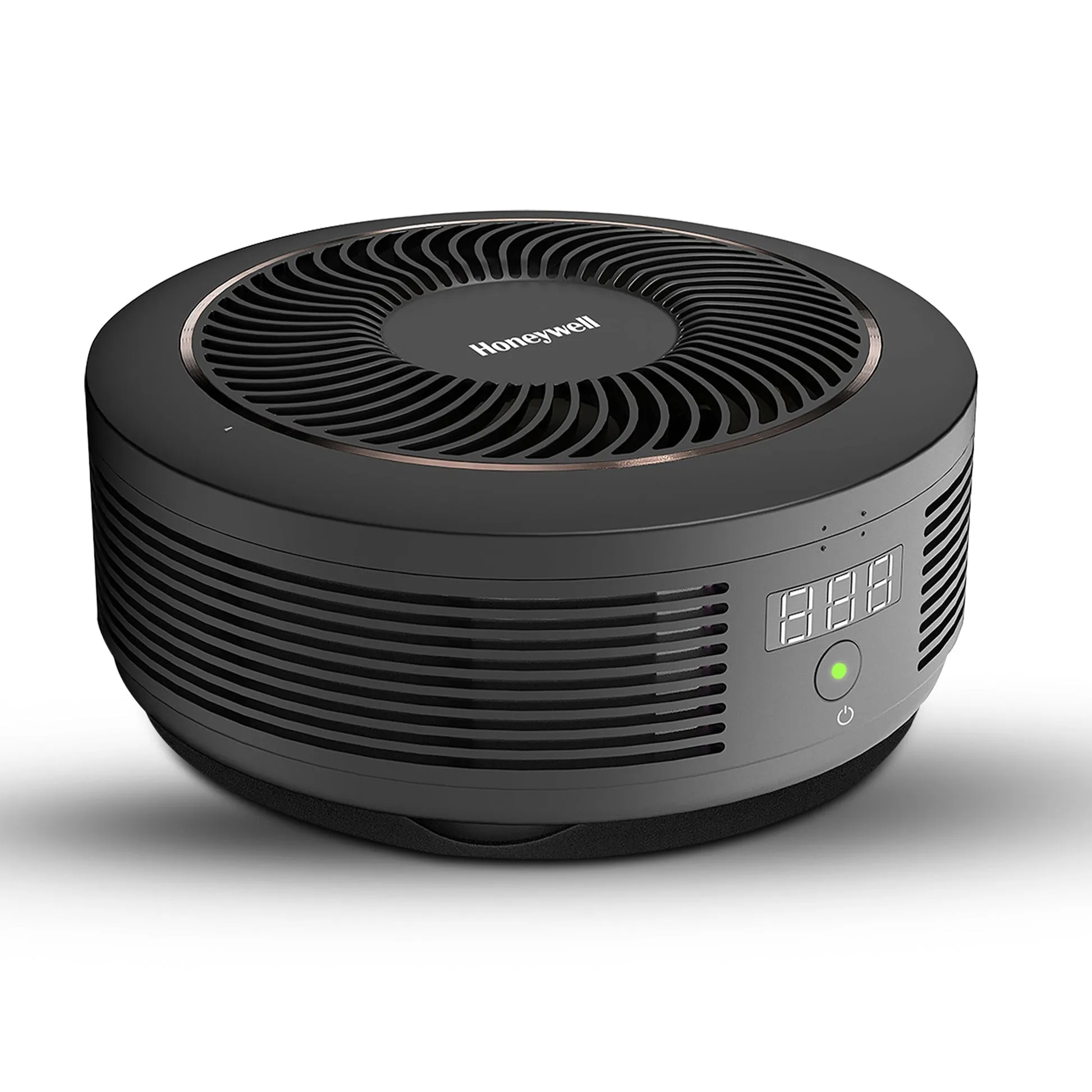
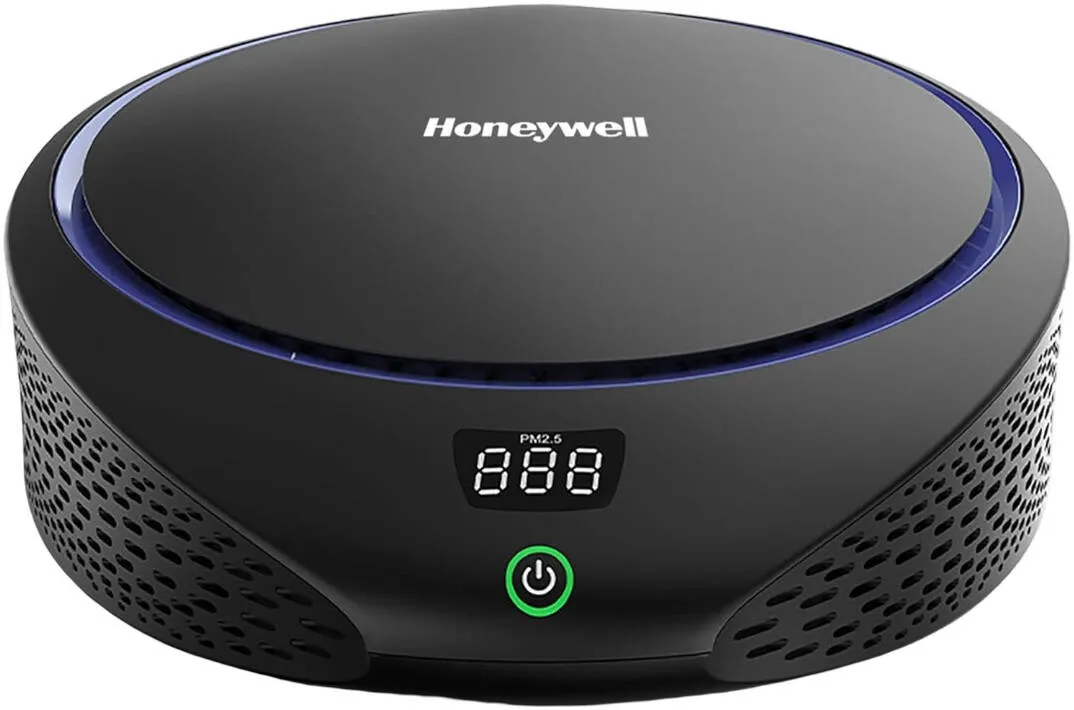
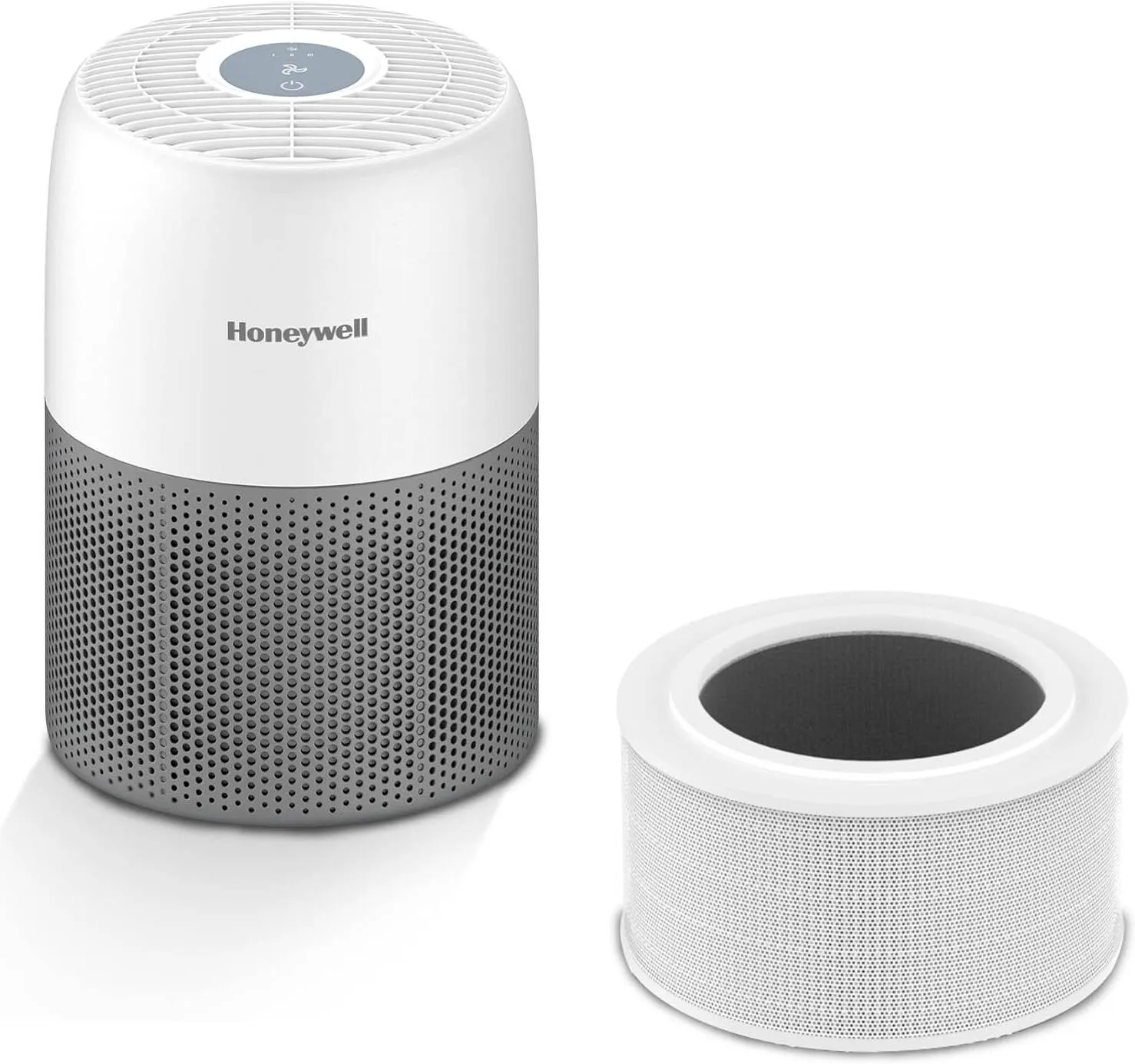
- Pet owners. Look for a high dust CADR and a washable pre-filter to capture pet hair before it loads the HEPA layer. Cleanair-ae stocks units from Levoit and Honeywell suited to pet households.
- Wildfire smoke exposure. Smoke particles are fine enough to pass HEPA-type filters. True HEPA combined with activated carbon is the minimum specification.
Budget guidance is straightforward. Units priced below £200 (approximately AED 950) deliver genuine True HEPA filtration. Spending more typically buys design, app connectivity, and voice control, not better filtration performance. Prioritise CADR and H13 certification over smart features.
Key takeaways
Selecting the right HEPA filter requires matching H13 certification, correct CADR sizing, and HVAC compatibility before any other consideration.
| Point | Details |
|---|---|
| Verify H13 certification | Check for AHAM verification or EN 1822 H13 rating; reject “HEPA-type” claims. |
| Size by CADR, not room label | Dust CADR must equal at least 67% of room square footage; target 4–8 ACH. |
| Never force HEPA into HVAC slots | Use MERV 13 in ductwork and portable True HEPA units in priority rooms. |
| Budget for replacements | Plan for £25–£65 per year in filter costs; confirm availability before buying. |
| Match purifier to room function | Bedrooms need low noise and high ACH; kitchens need HEPA plus activated carbon. |
What I have learned from years of watching people buy the wrong filter
The most common mistake I see is buying on filter grade alone. Someone reads “H13” on the box, pays a fair price, and then puts the unit in a room three times larger than its rated CADR. The filter is technically correct. The sizing is completely wrong. The air quality barely improves.
The second mistake is trying to retrofit True HEPA into an HVAC system without checking the blower motor rating. I have spoken with homeowners who spent money on a bypass system only to discover their ageing air handler could not sustain the required static pressure. A £60 professional assessment before the purchase would have saved them considerably more.
My honest recommendation: treat filtration as a system, not a product. A MERV 13 filter in your HVAC combined with a correctly sized True HEPA portable unit in your bedroom will outperform a single premium whole-home installation in most residential settings. The CADR guide on Cleanair-ae walks through the calculation in plain terms if you want to verify your own numbers.
Spend your budget on certified filtration and correct sizing. The smart features can wait.
— Wojciech
Cleanair-ae’s certified HEPA filter range for UAE homes
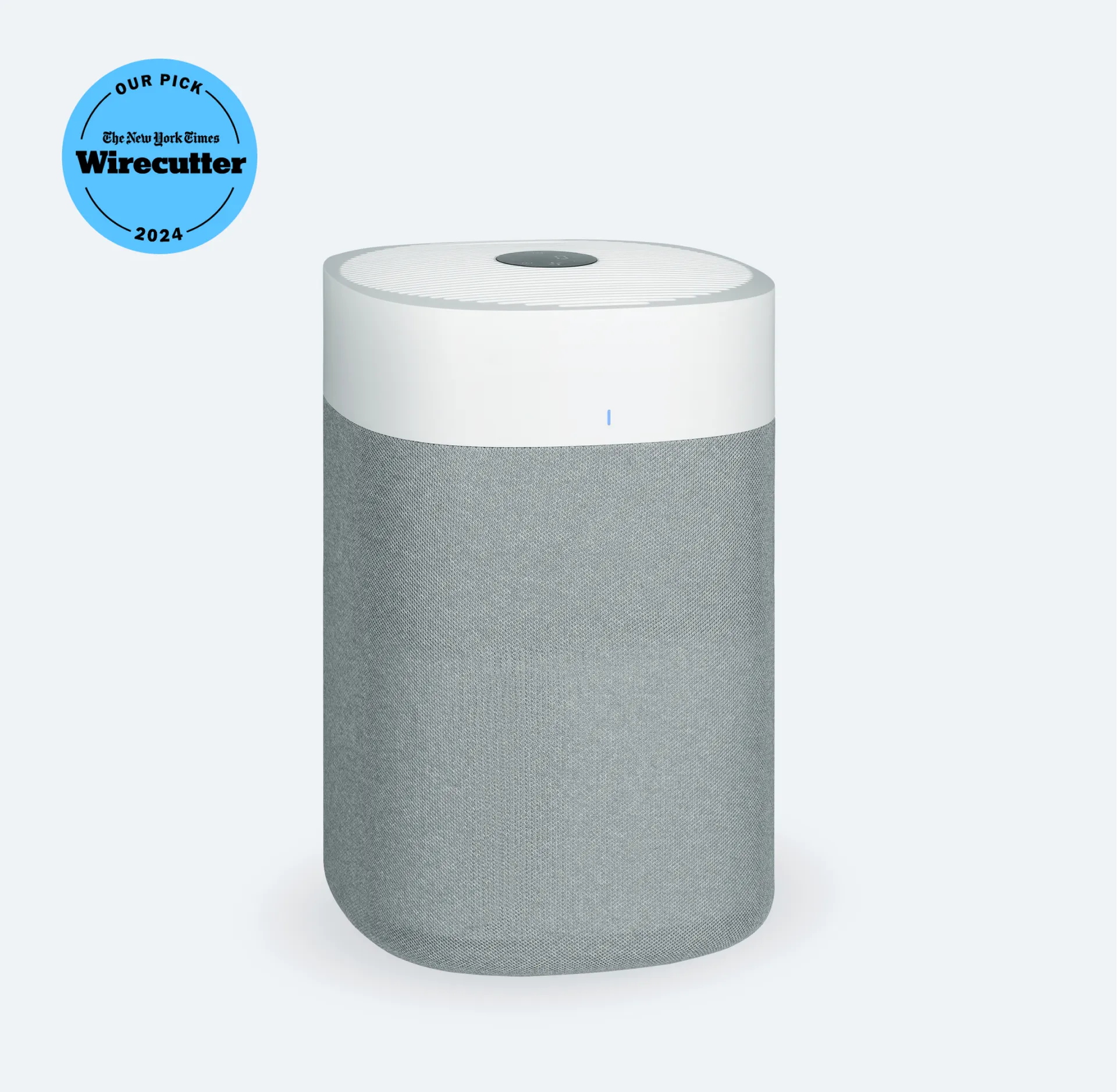
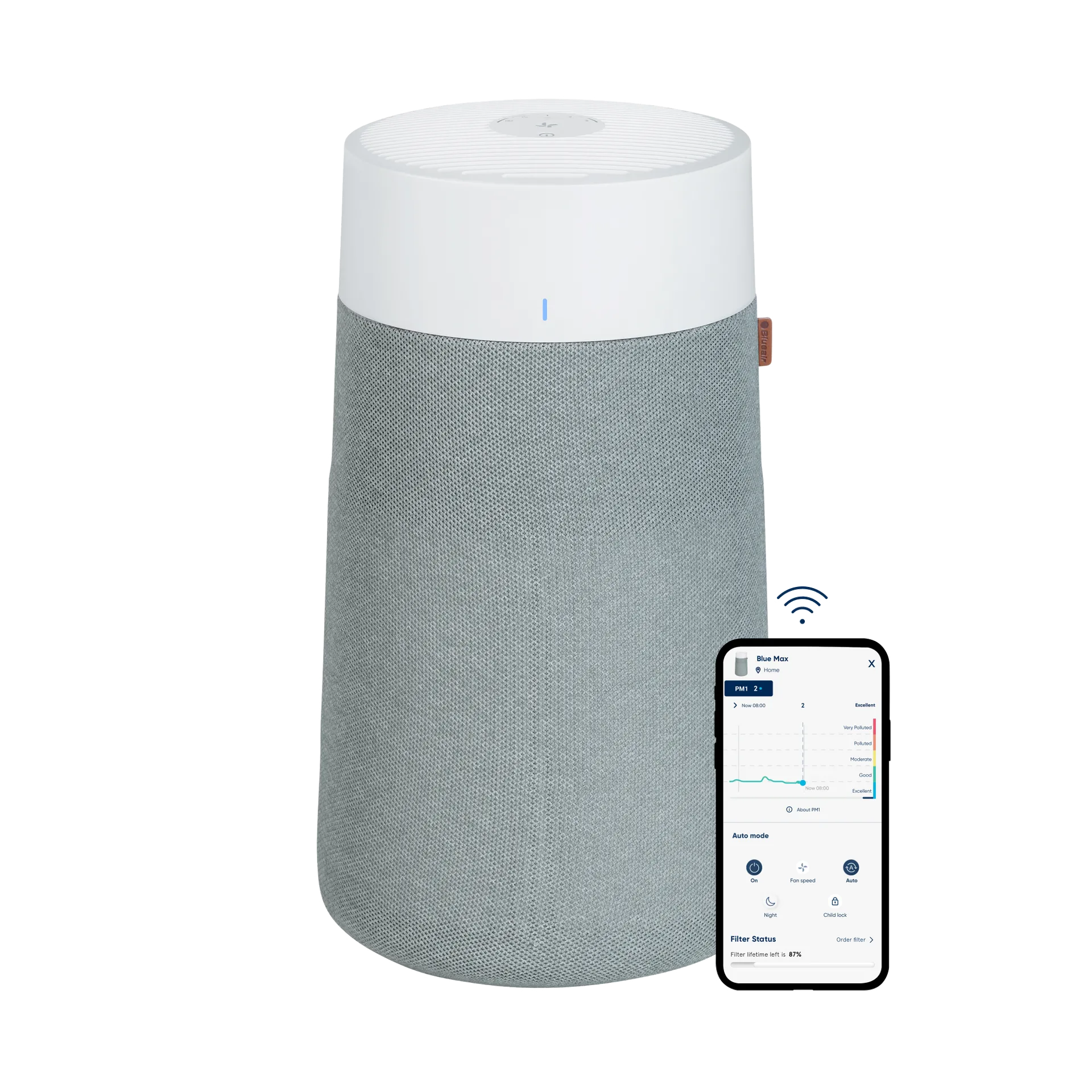
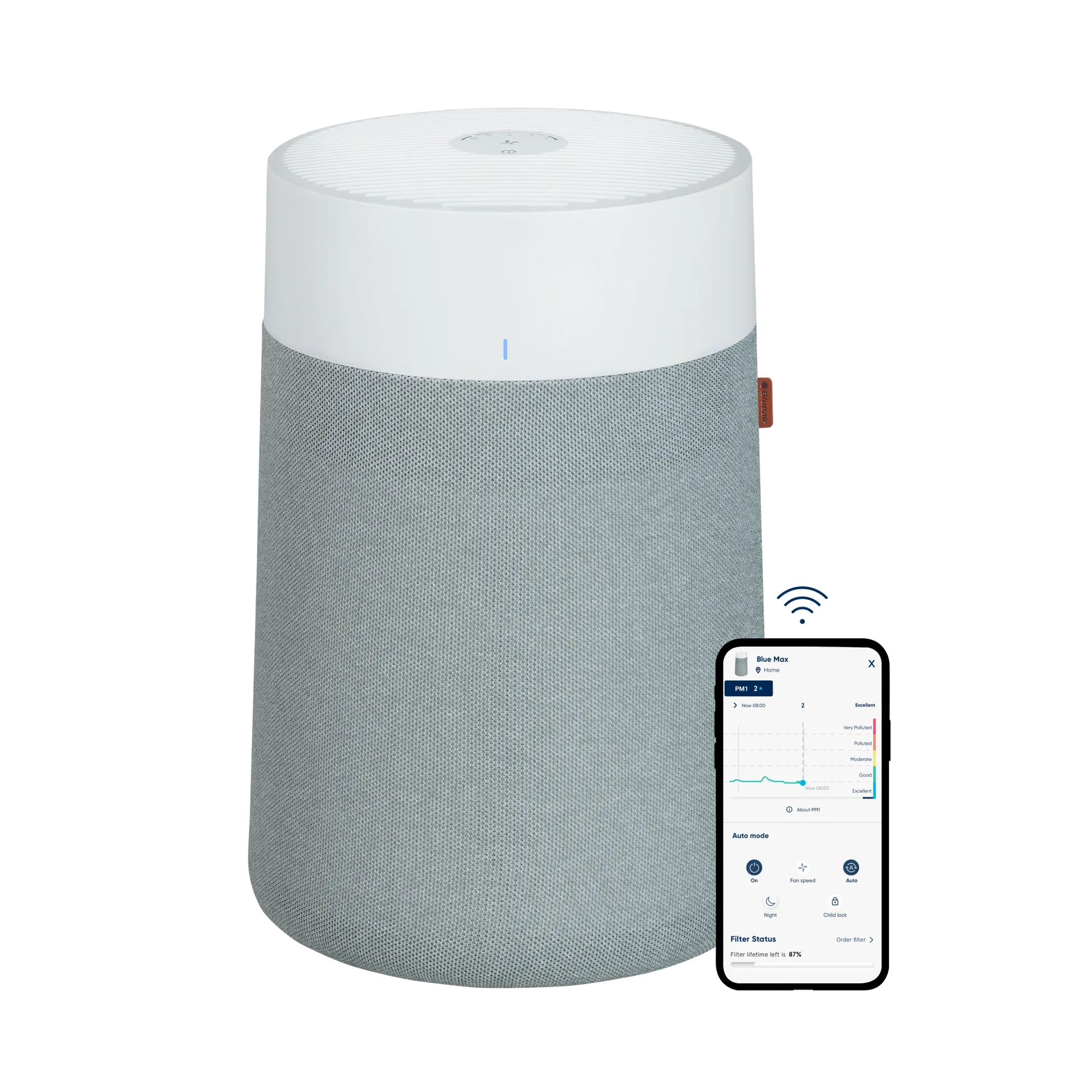
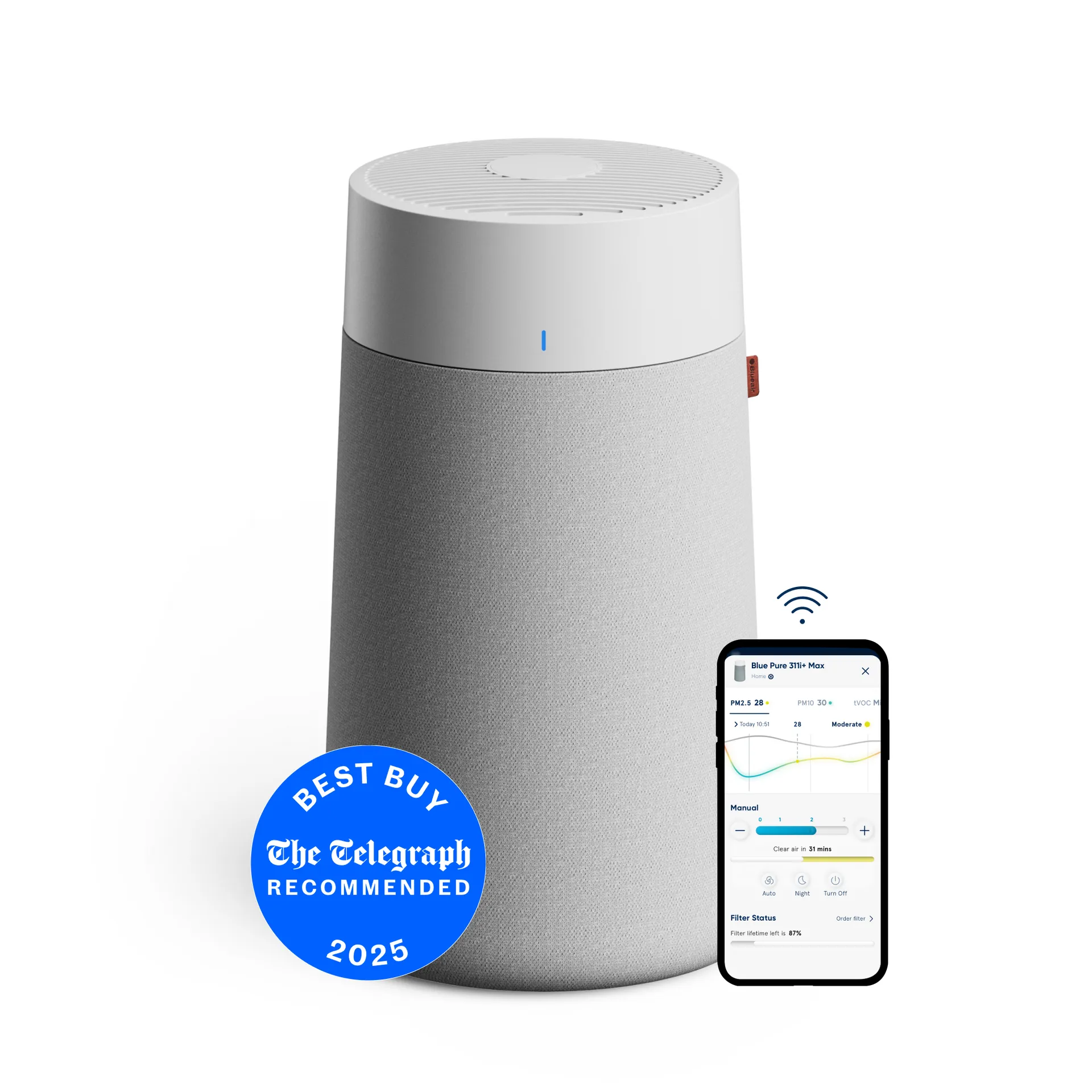
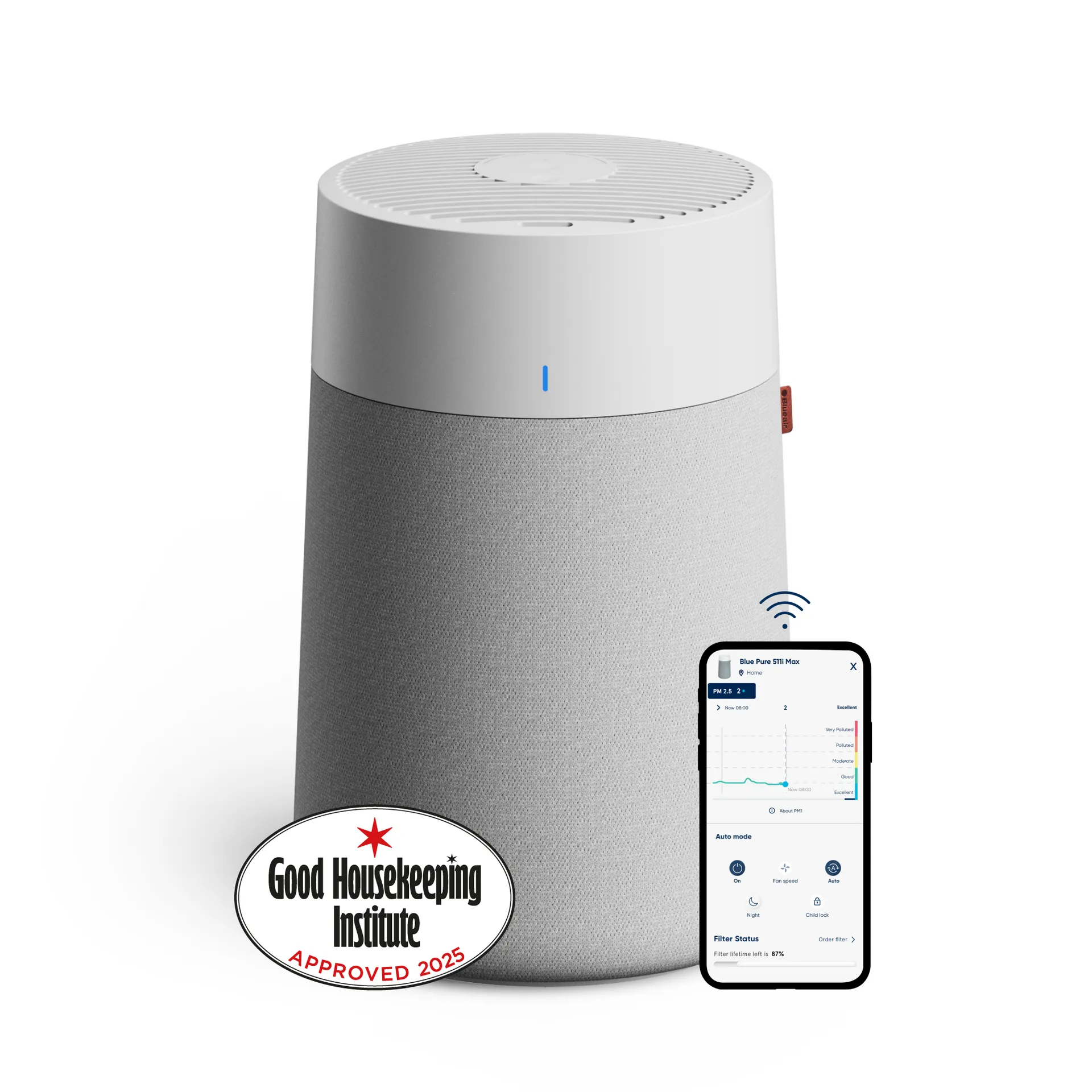
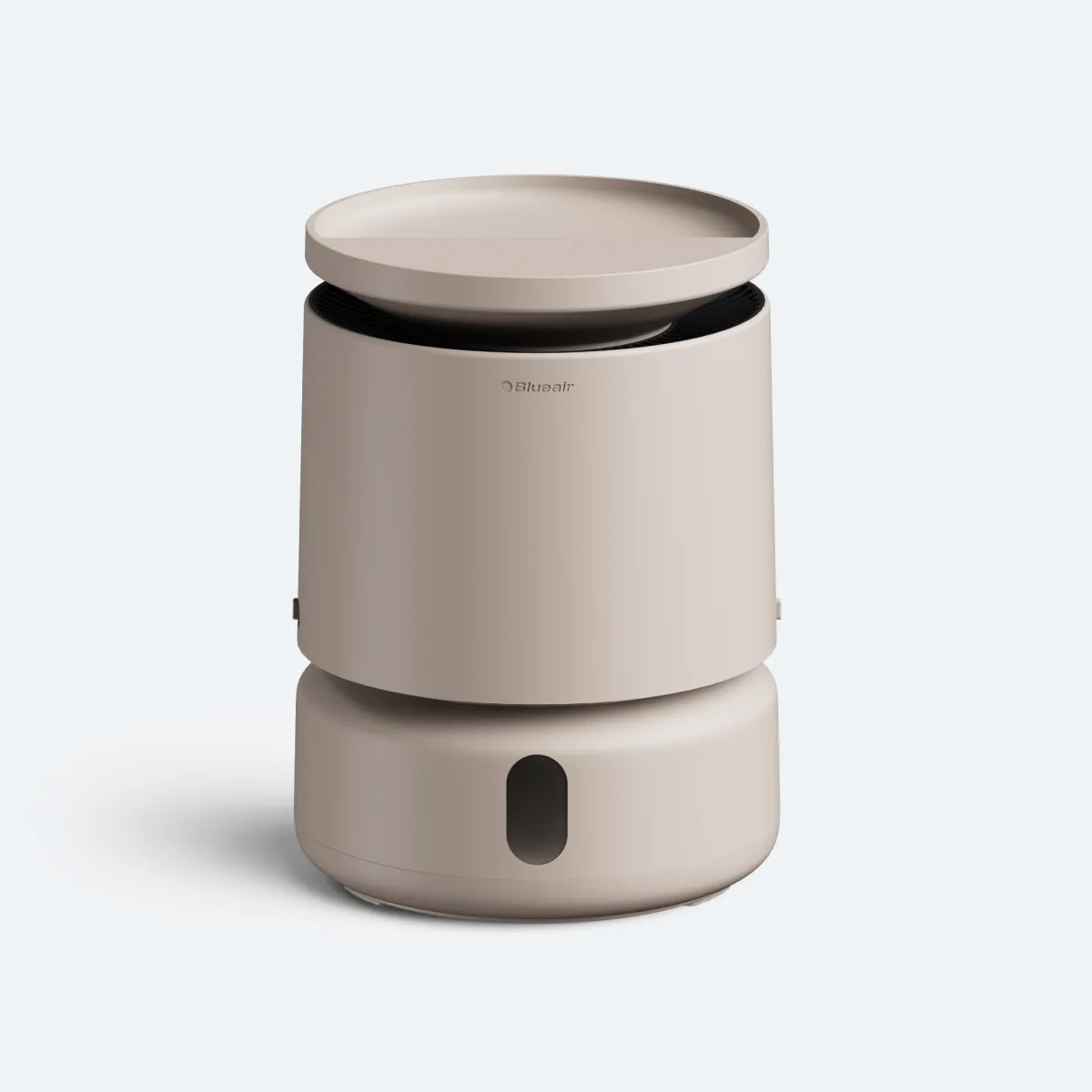
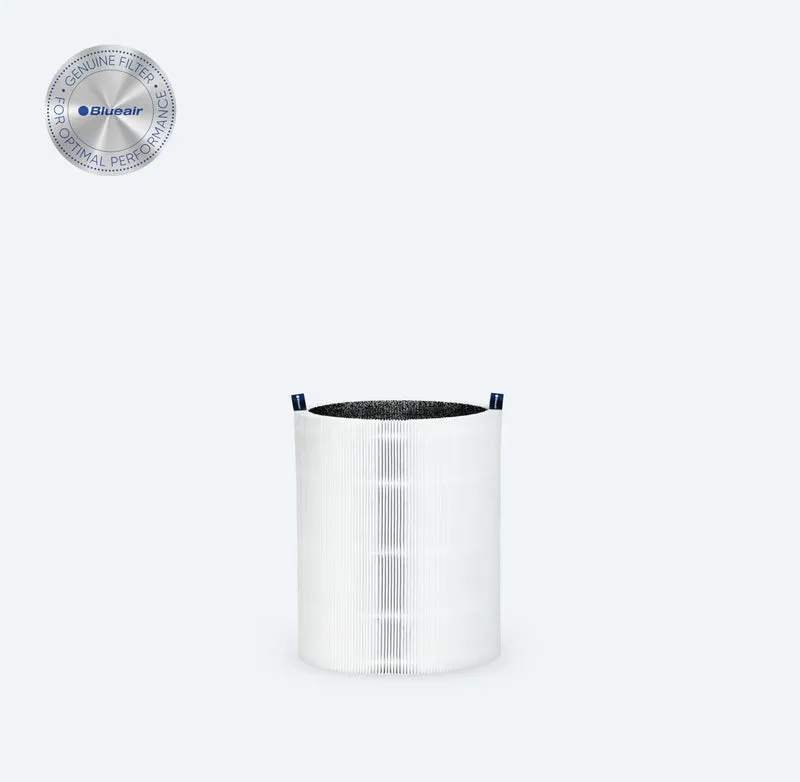
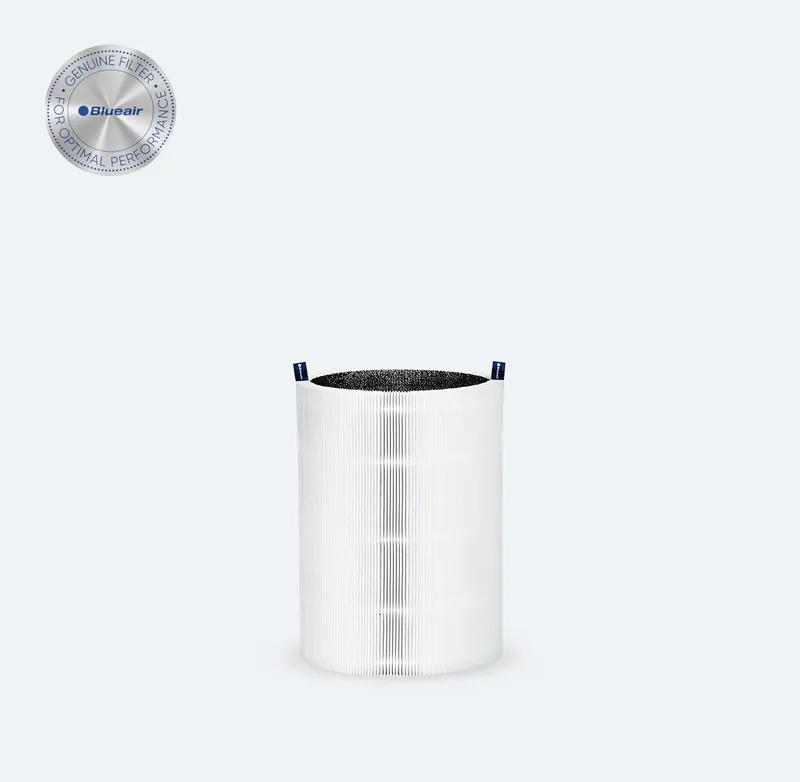
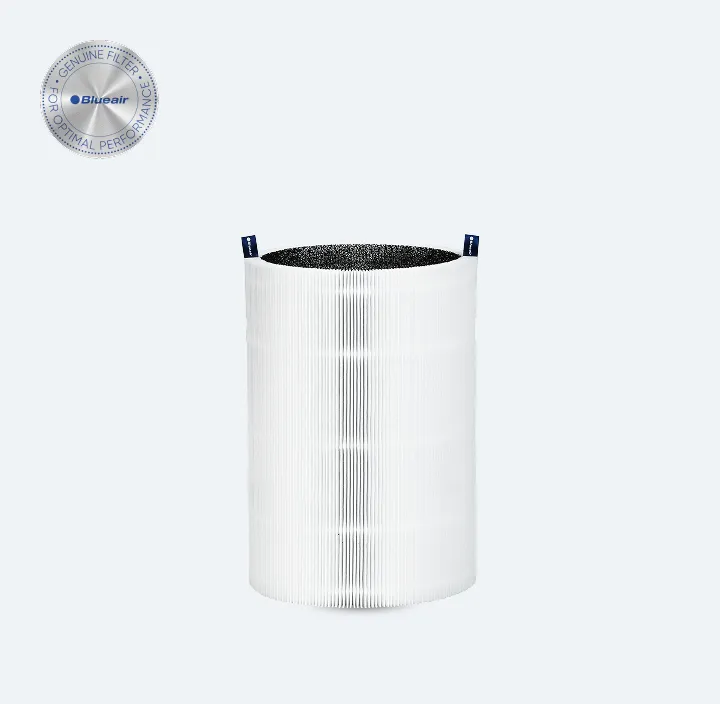
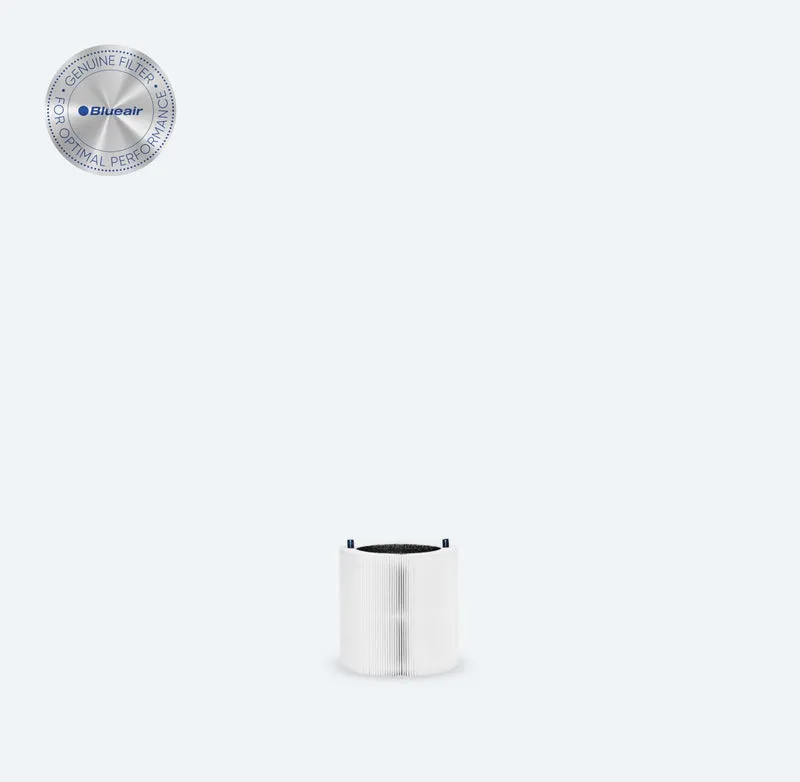
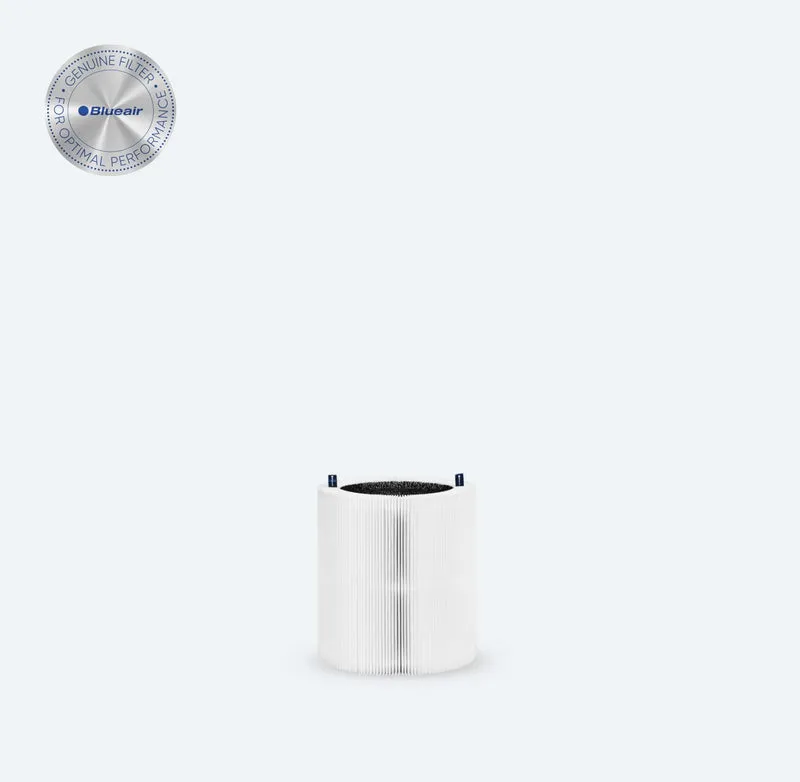
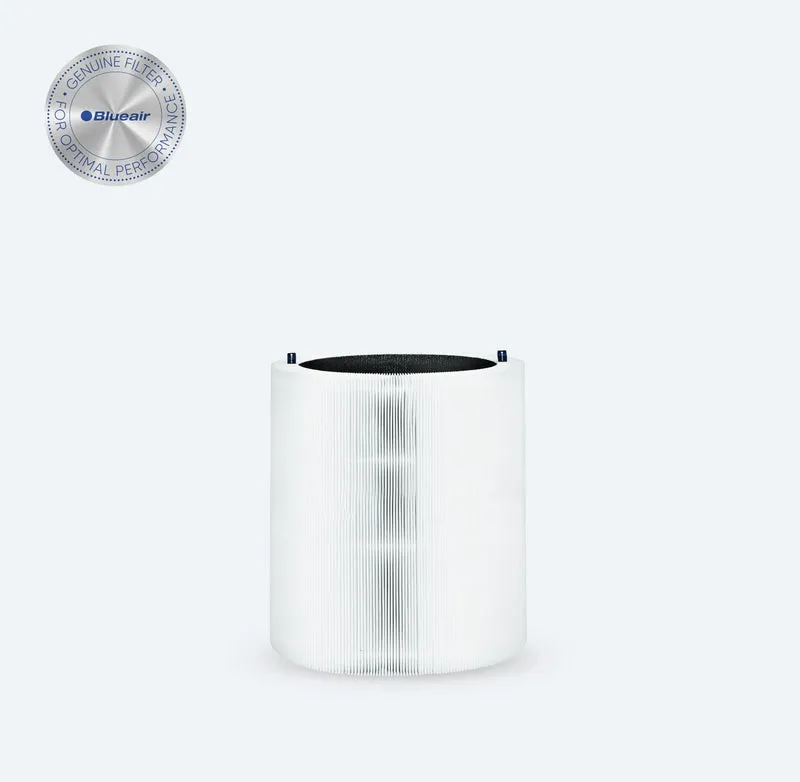
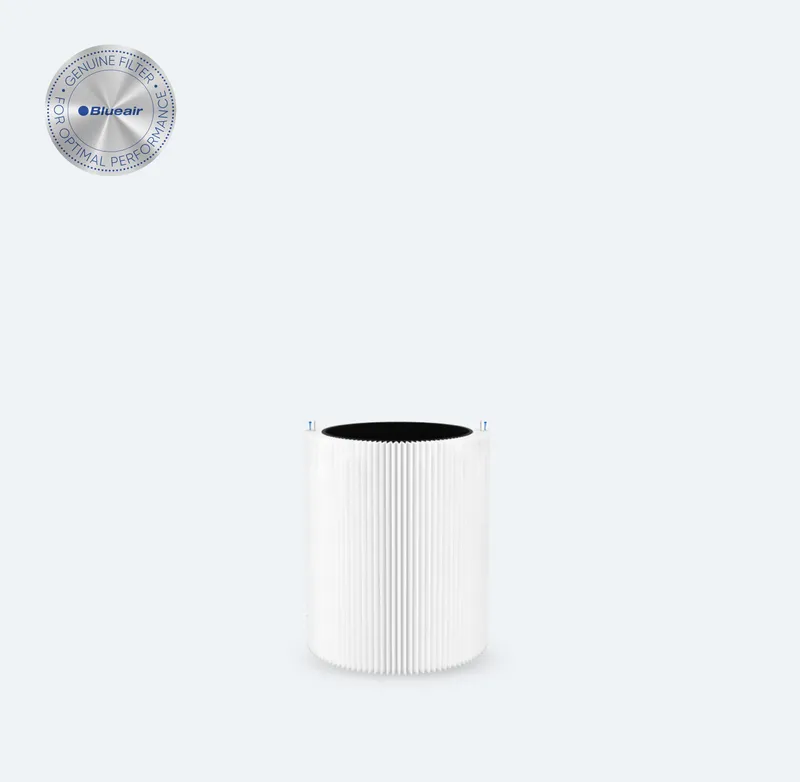
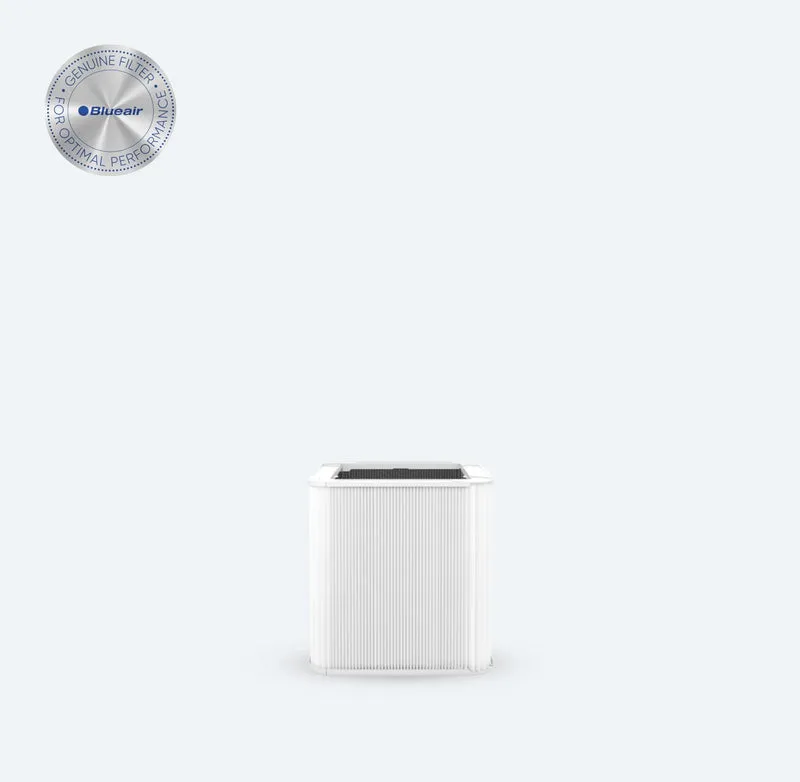
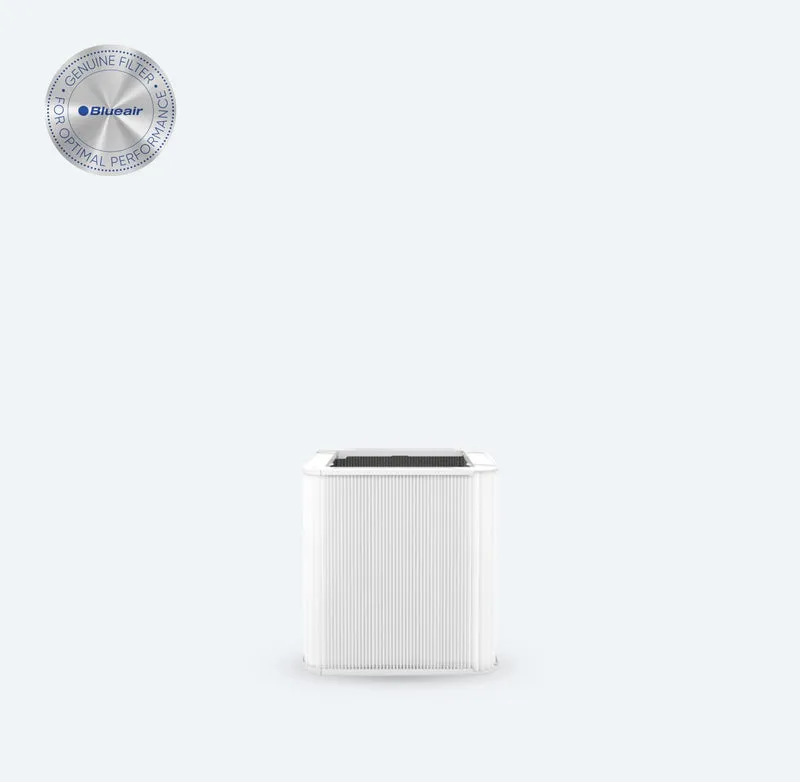
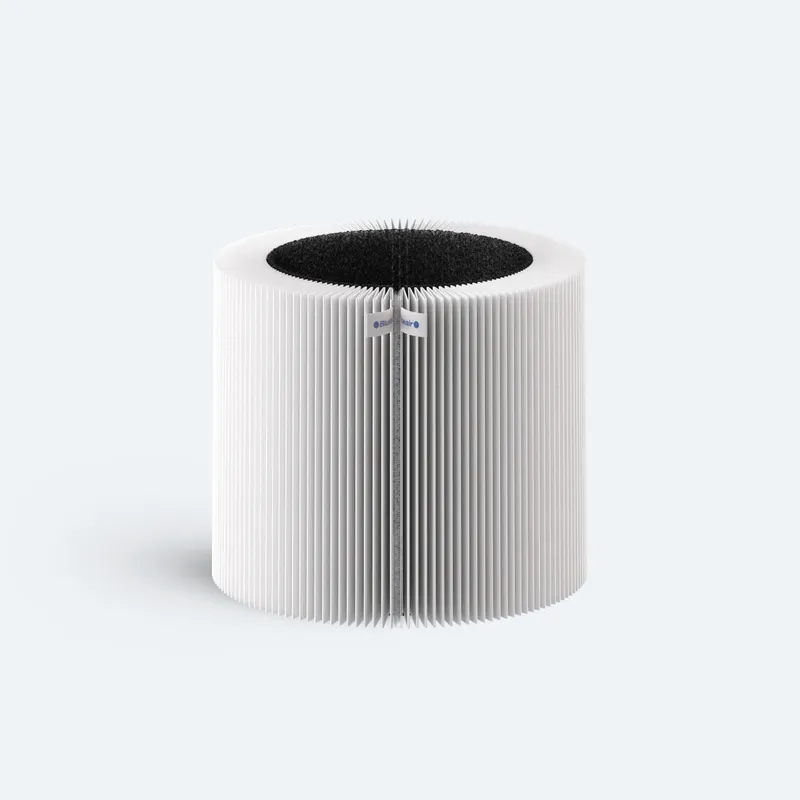
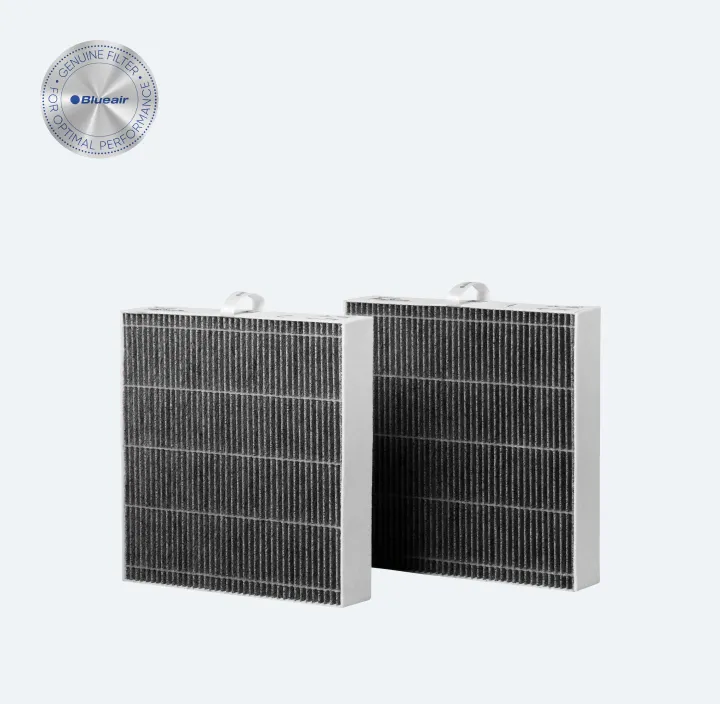
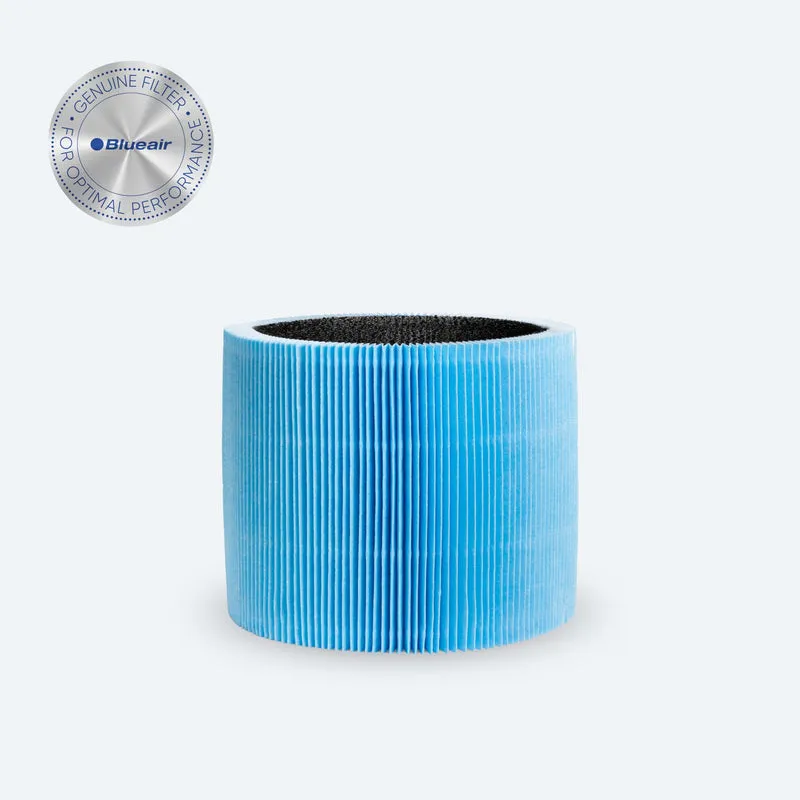
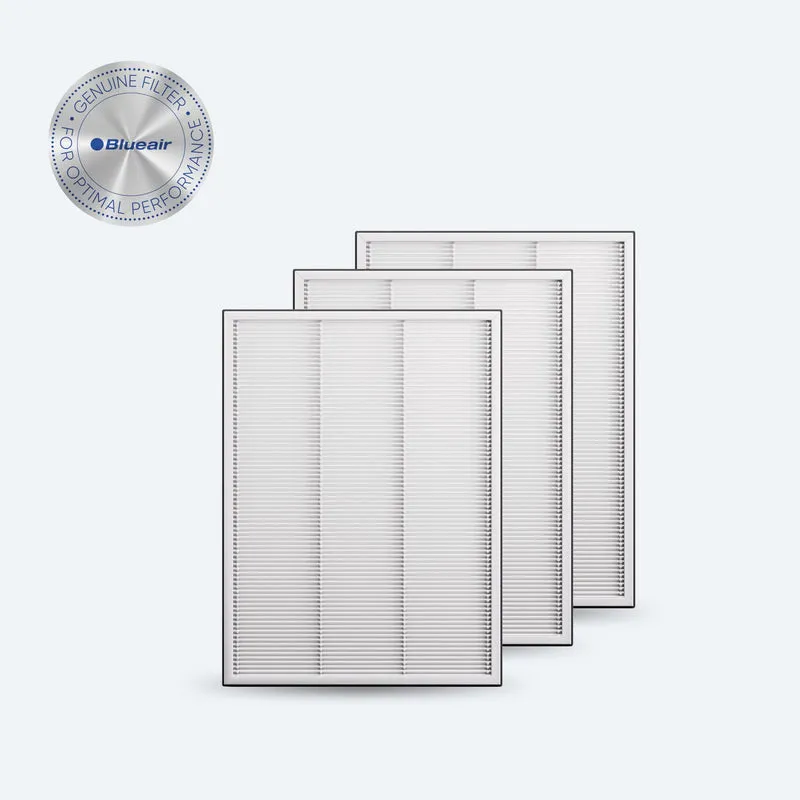
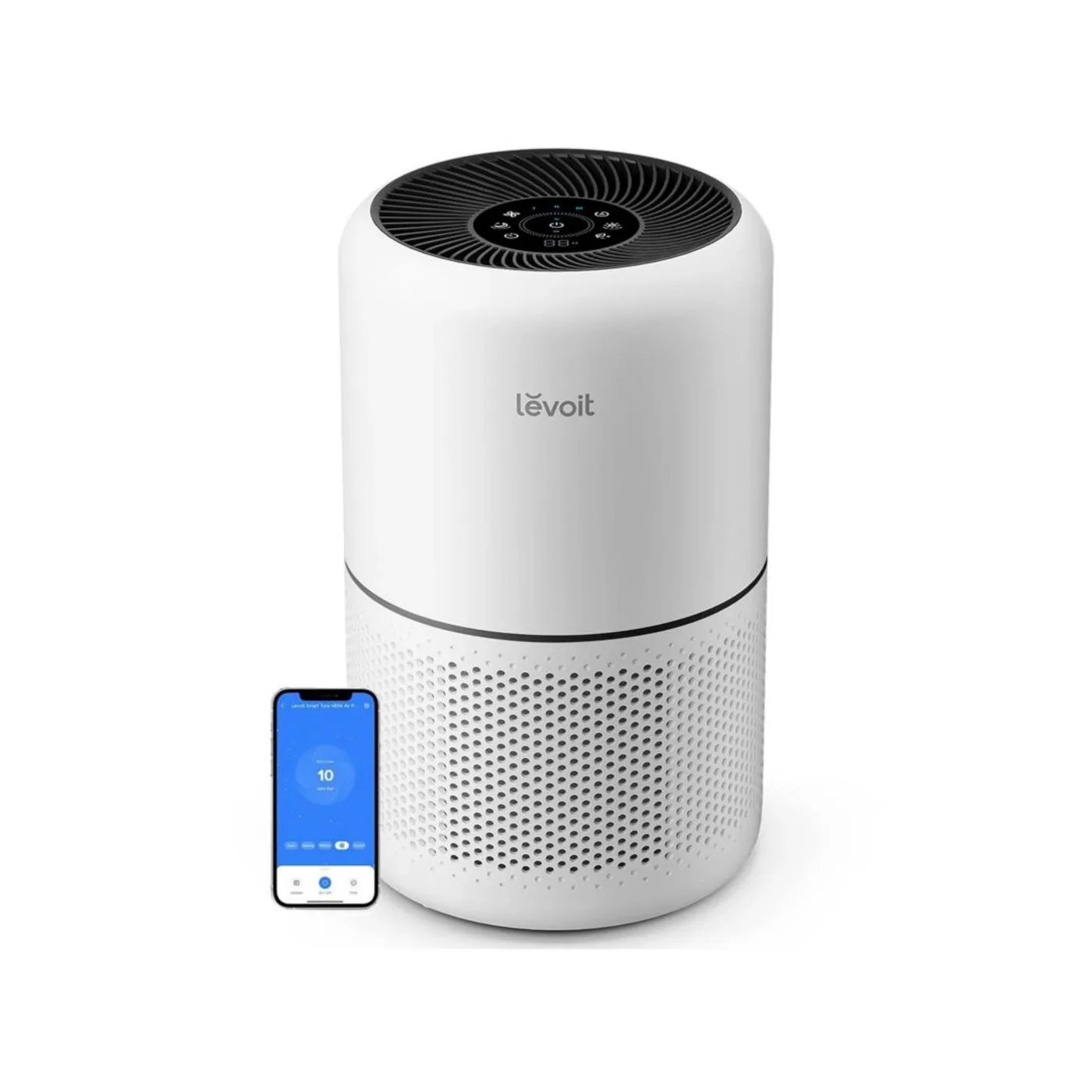
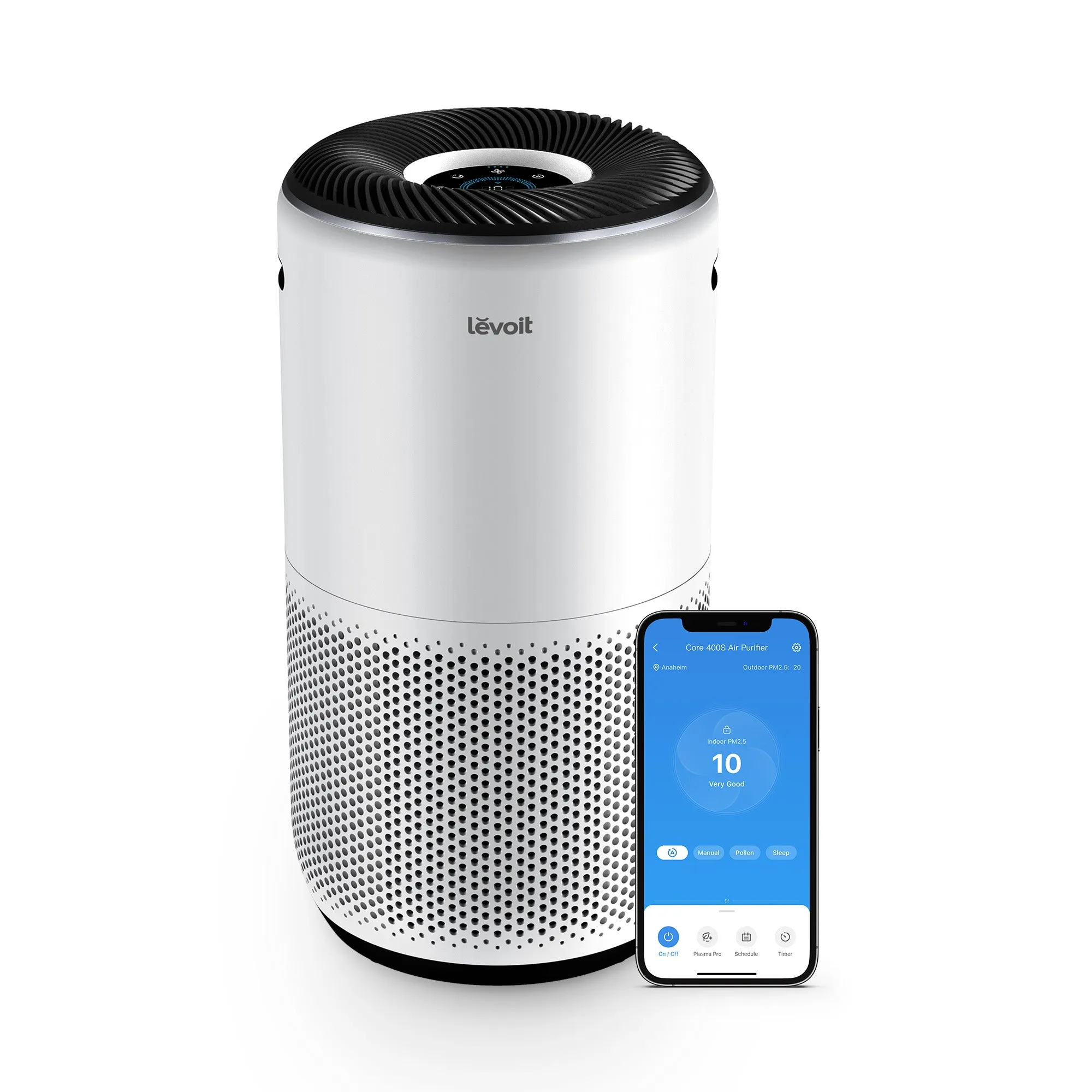
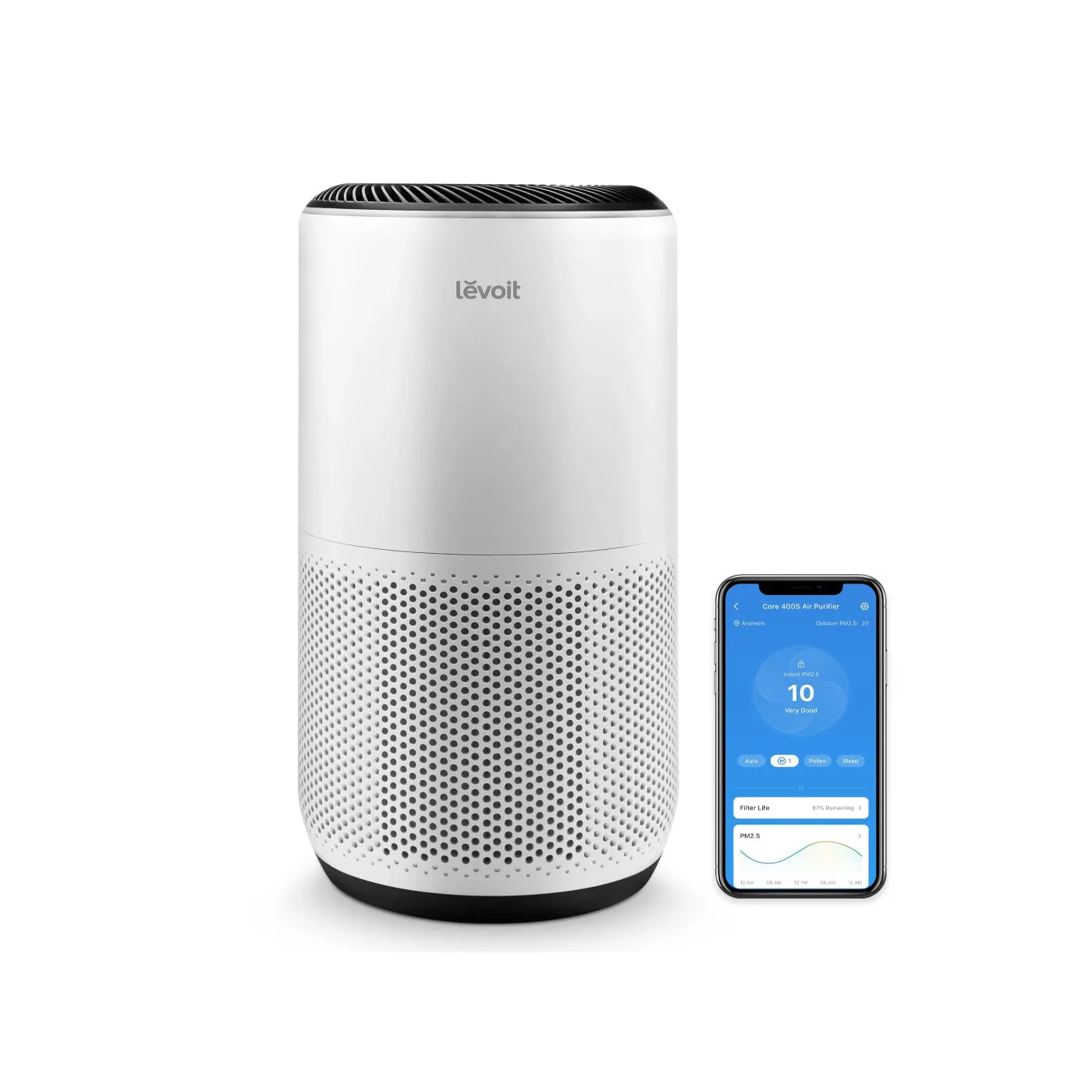
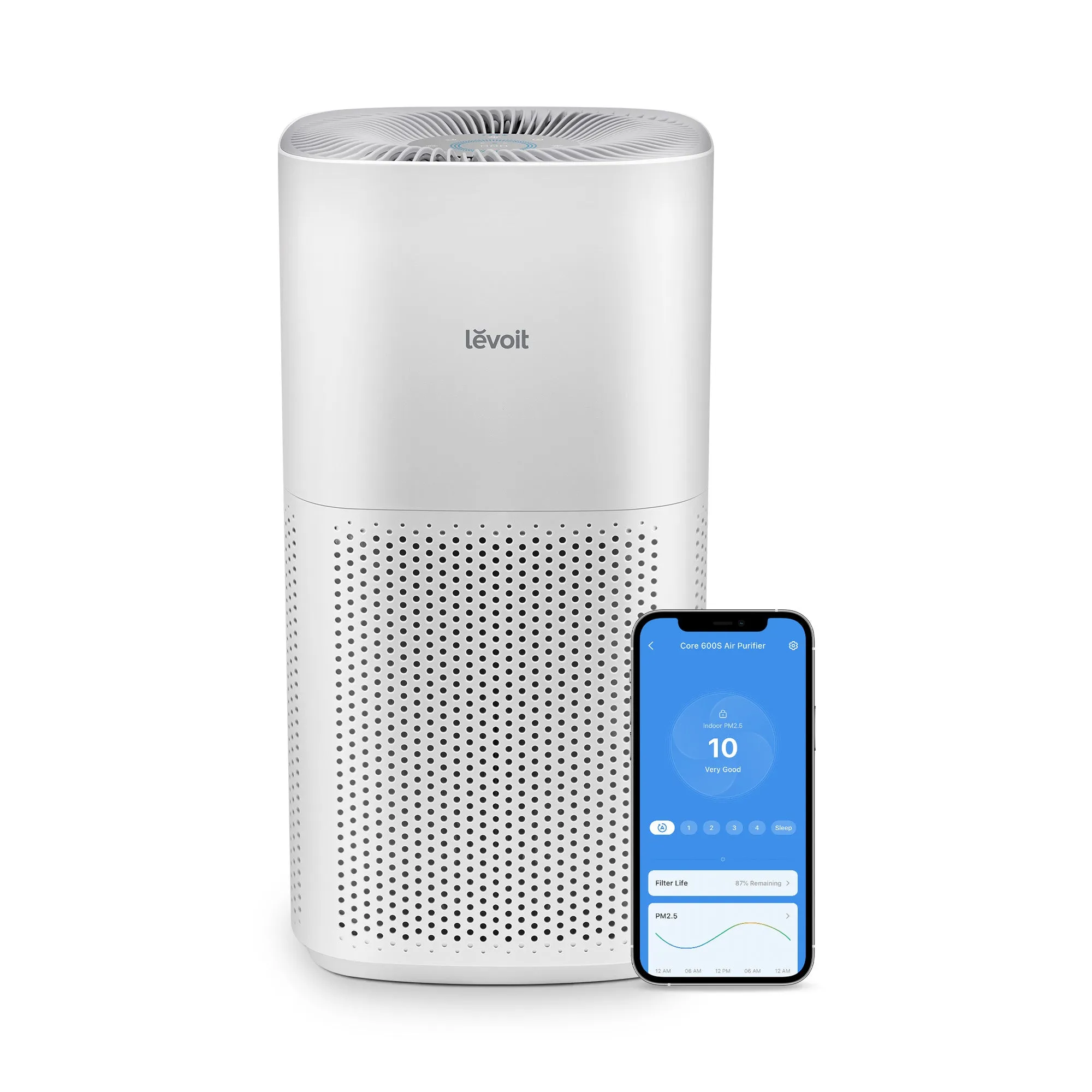
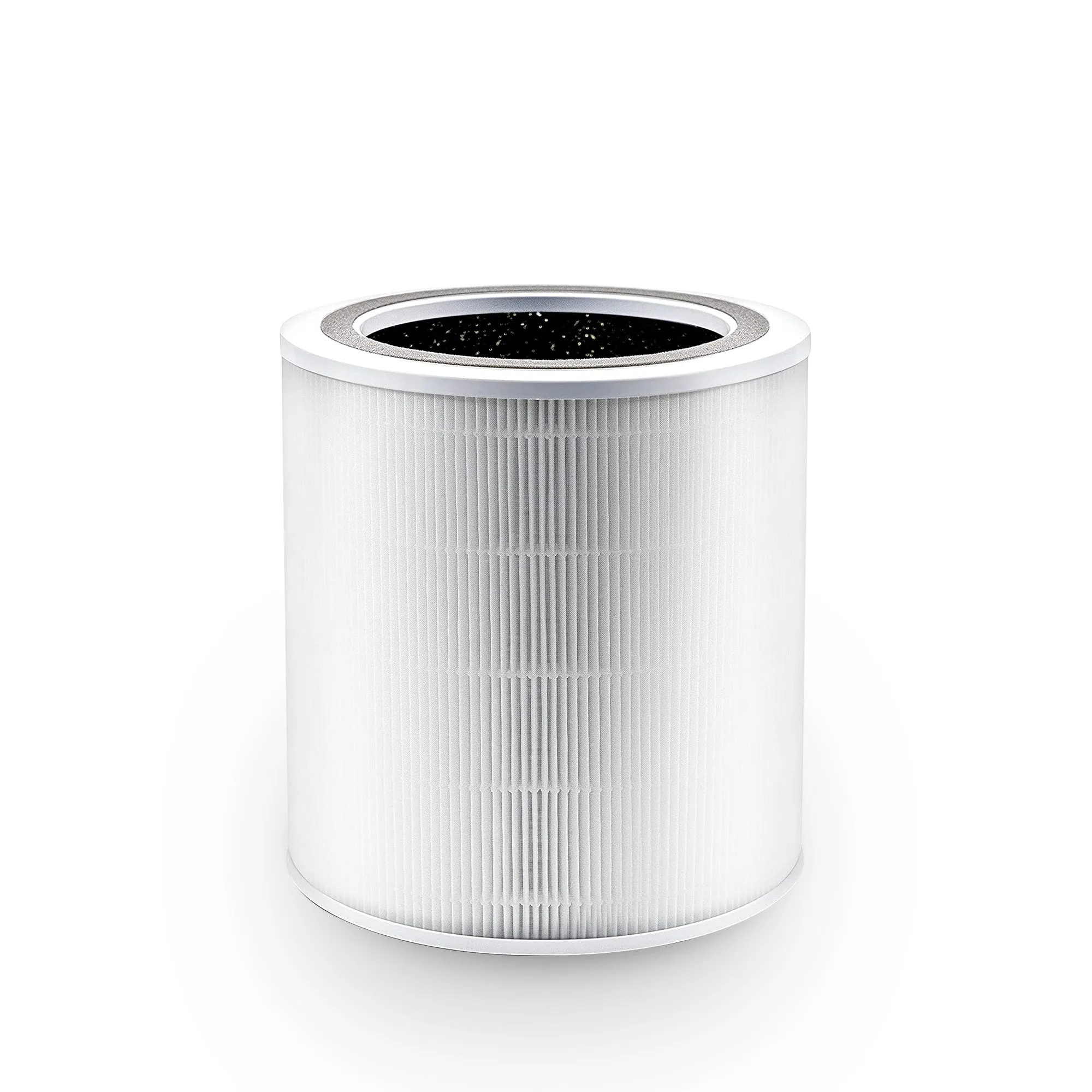
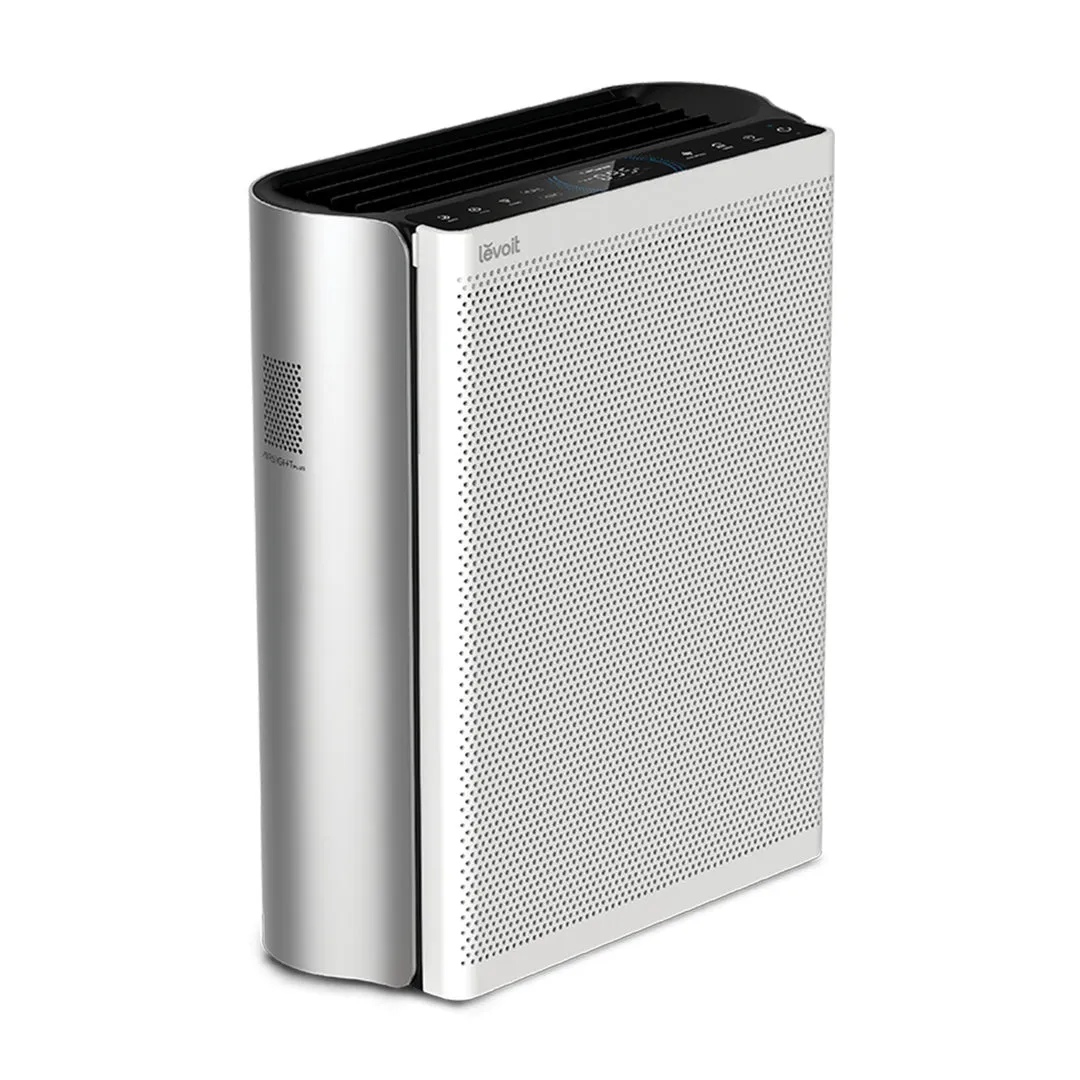
Cleanair-ae stocks a curated selection of certified True HEPA purifiers from Blueair, Honeywell, and Levoit, each verified to H13 standard and sized for UAE home layouts. Replacement filters are listed alongside every product, so you can check ongoing costs before committing.
The 2026 air purifier buying guide on the Cleanair-ae site includes a CADR calculator and room-by-room filter finder. Free delivery across Dubai and Abu Dhabi applies to orders over 49 AED. For personalised guidance on HVAC compatibility or health-specific requirements, the Cleanair-ae support team is available via the site’s contact page.
FAQ
What does True HEPA mean?
True HEPA (H13) filters capture 99.97% of airborne particles at 0.3 microns, verified under EN 1822 or AHAM standards. Filters labelled “HEPA-type” carry no regulated standard and typically perform at 85–95% efficiency.
What CADR do I need for my room?
Your dust CADR should equal at least 67% of the room’s square footage. A 300 sq ft room requires a minimum dust CADR of 200 for adequate air cleaning.
Can I put a HEPA filter in my HVAC system?
True HEPA filters cause excessive pressure drops in standard 1-inch HVAC slots and risk motor damage. Use MERV 11–13 in your HVAC and a portable True HEPA unit in priority rooms instead.
How often should I replace a HEPA filter?
Most True HEPA filters last 6–12 months; activated carbon layers need replacing every 3–6 months. Replace on a calendar schedule rather than relying solely on the built-in indicator.
Do HEPA filters remove odours and VOCs?
HEPA filters capture particulate pollutants only. Removing odours and volatile organic compounds requires an activated carbon filter, which many quality purifiers combine with the HEPA layer.