

Uncategorised
How air purification drives SME health and productivity
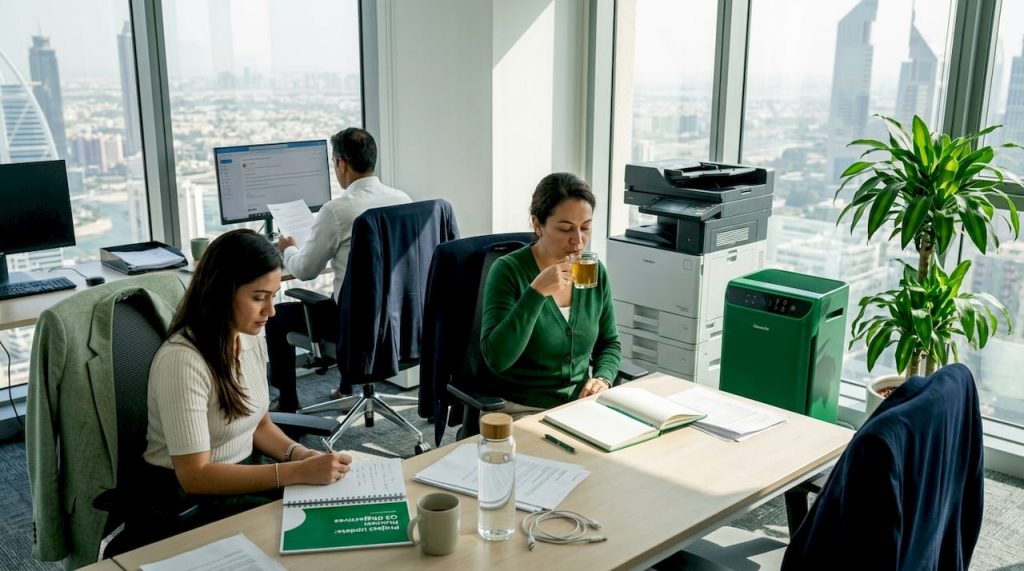
UAE offices are not the clean, filtered environments many managers assume. Between desert dust, vehicle emissions seeping through building ventilation, and the off-gassing of office furnishings, indoor air in typical SME workplaces often carries pollutant levels that impair employee health and productivity in ways that rarely appear on any balance sheet. This guide cuts through the noise and gives SME owners and managers a clear, practical framework for evaluating, selecting, and maintaining air purification systems that deliver measurable results.
Table of Contents
- What poor indoor air really costs your business
- How air purification works for SMEs
- Choosing the right system: key standards and pitfalls
- Balancing health improvements, energy use, and practical realities
- What most guides miss: the SME manager’s reality of air purification
- Find the right air purification solution for your SME
- Frequently asked questions
Key Takeaways
| Point | Details |
|---|---|
| Health boosts productivity | Cleaner air reduces staff sickness, absenteeism, and improves cognitive performance in SMEs. |
| Right purifier is key | Choose systems with suitable CADR and avoid ozone generators for healthy office environments. |
| Balanced approach works best | Hybrid filtration and ventilation maximise air quality gains while controlling energy costs. |
| Ongoing maintenance crucial | Filter checks and realistic expectations are vital for sustained results in a working SME. |
What poor indoor air really costs your business
Understanding the financial impact of indoor air quality starts with knowing what is actually floating around your office. UAE workplaces face a specific mix of airborne challenges that differ from most European or North American environments.
Common pollutants in UAE office environments include:
- PM2.5 and PM10 — fine and coarse dust particles, intensified by sandstorms and outdoor construction
- VOCs (volatile organic compounds) — released from carpets, printers, cleaning products, and adhesives
- Biological contaminants — mould spores, bacteria, and viruses circulated by air conditioning systems
- Carbon dioxide — accumulates quickly in crowded, poorly ventilated meeting rooms
- Ozone — generated by photocopiers and certain electronic equipment
These pollutants do not stay put. They move through shared spaces, enter lungs, and affect cognitive function long before anyone feels obviously unwell.
The health effects are well documented. Sustained exposure to elevated PM2.5 causes respiratory irritation, increased susceptibility to infection, and worsened asthma symptoms. VOCs contribute to headaches, eye irritation, and fatigue, a cluster of symptoms sometimes labelled “sick building syndrome.” Addressing workplace health in SMEs is increasingly recognised as a business priority, not just a welfare issue.
“Poor indoor air quality is not just a comfort issue. It translates directly into sick days, reduced output, and higher staff turnover — costs that erode SME margins faster than most managers realise.”
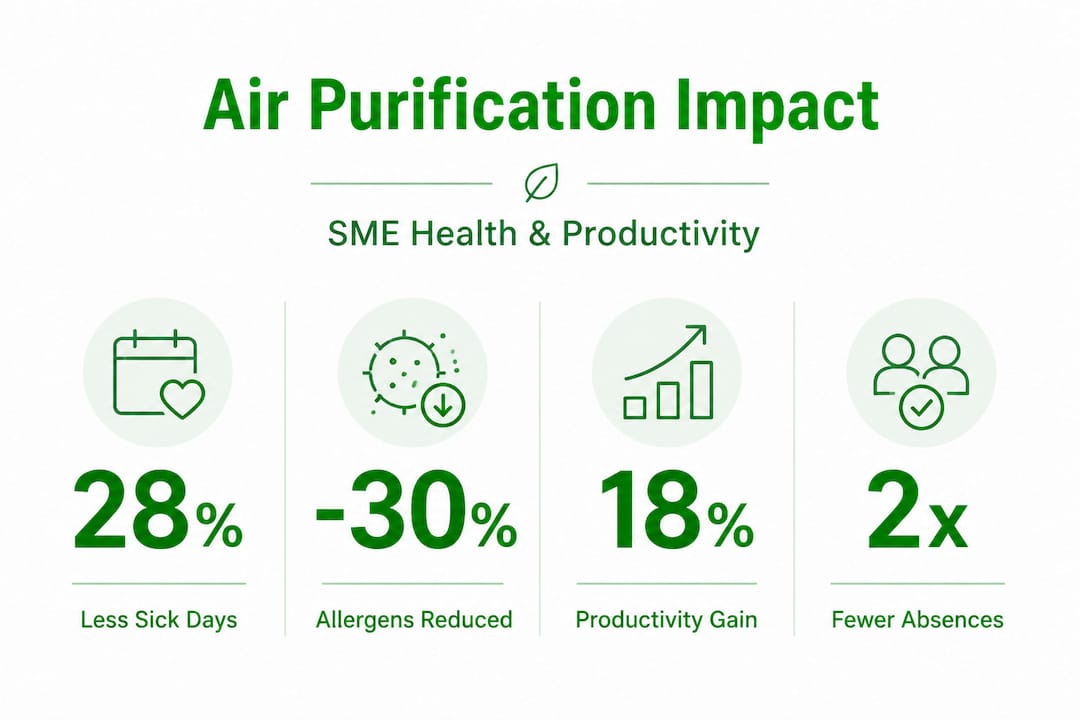
The financial picture becomes stark when you add up the real costs. A single employee taking two extra sick days per year due to poor air quality may seem trivial in isolation. Multiply that across a team of twenty, factor in temporary cover or missed deadlines, and the annual cost runs into tens of thousands of dirhams. Guidance on well-being guidelines for SMEs consistently highlights that investment in healthier workplaces returns more than it costs within the first year. Cognitive performance is equally affected. Studies on office workers show measurable declines in decision-making speed and accuracy when CO₂ levels rise above 1,000 ppm, a threshold easily reached in a sealed meeting room with six or more people. For SMEs where individual performance has an outsized impact on outcomes, that cognitive drag is a real competitive disadvantage.
How air purification works for SMEs
Modern air purification in office environments works through a series of filtration stages, each targeting different pollutant types and sizes.
The core process, simplified:
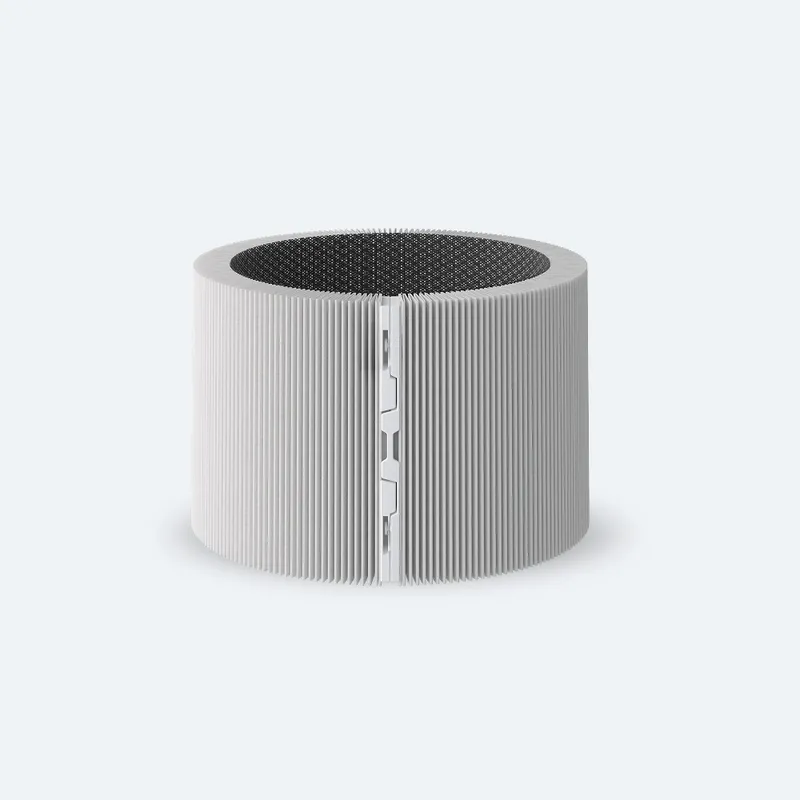
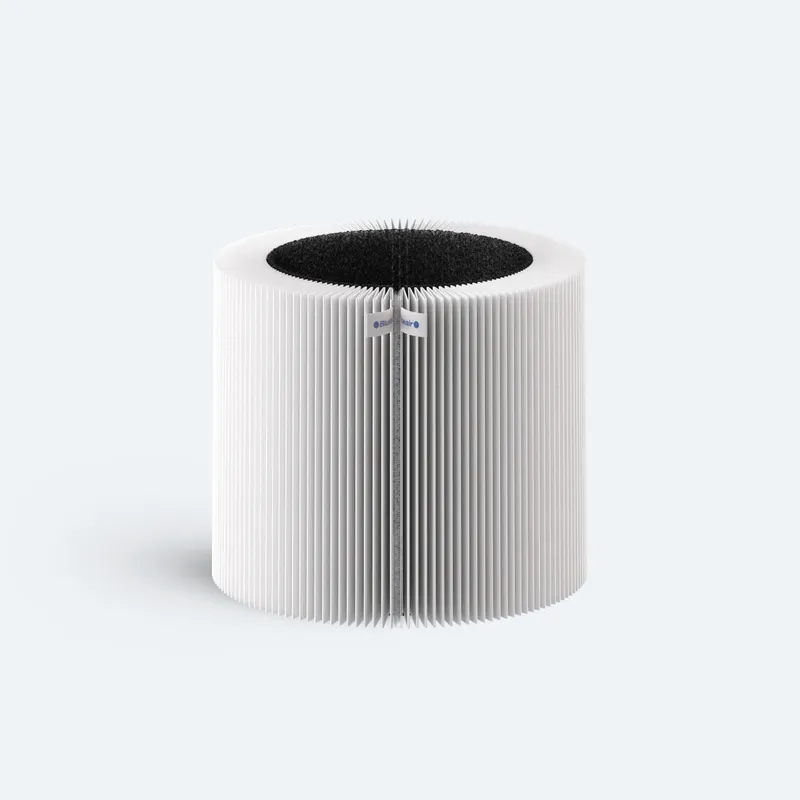
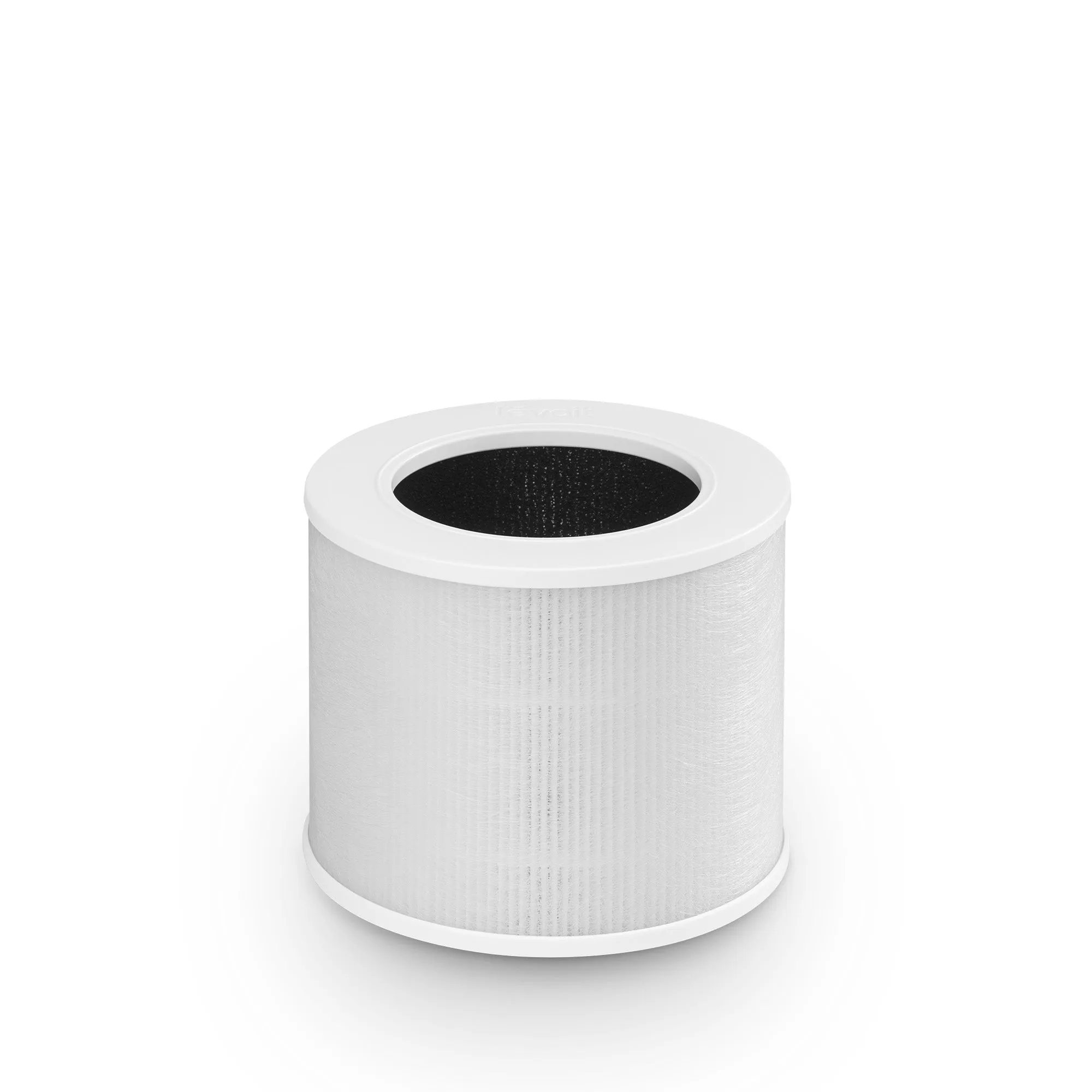
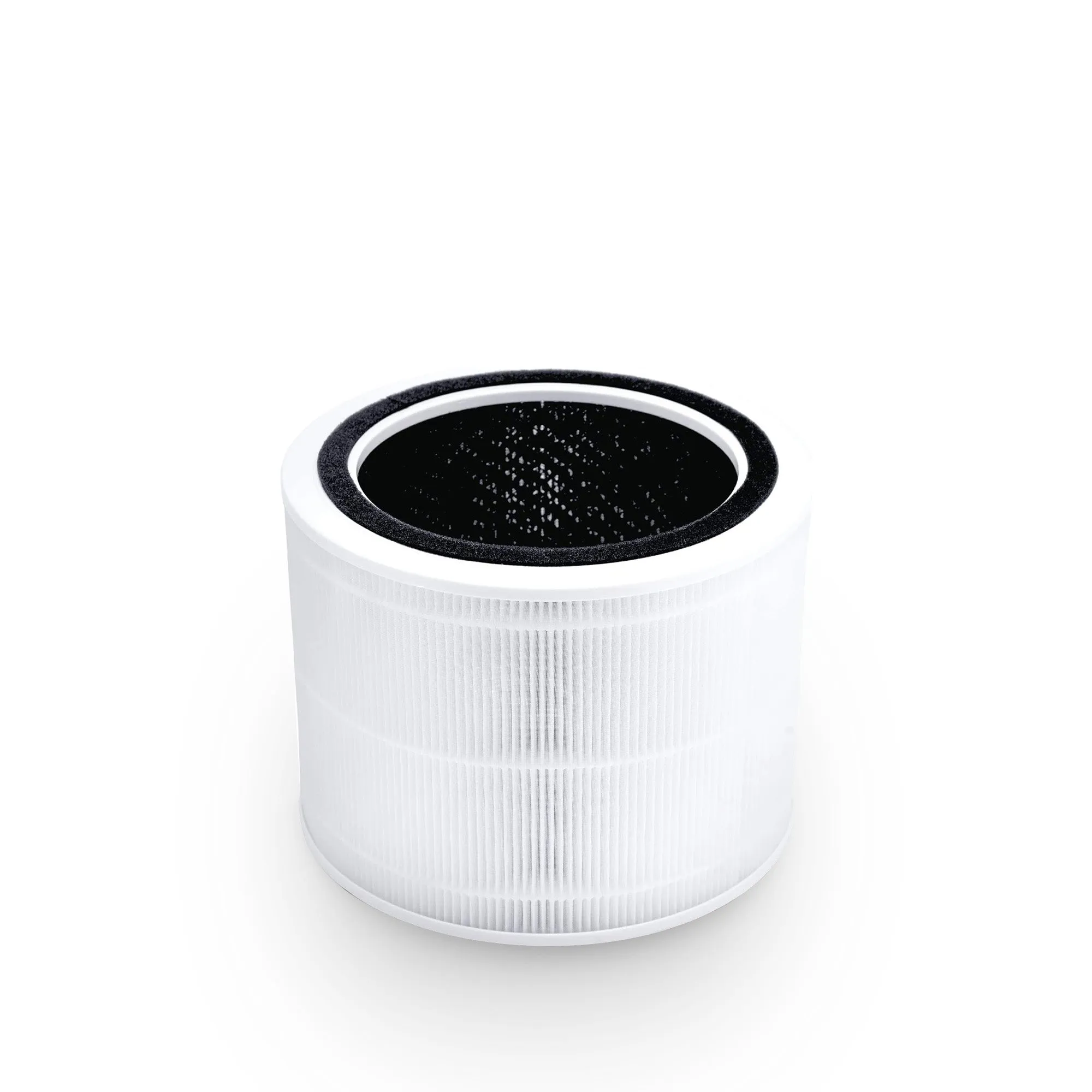
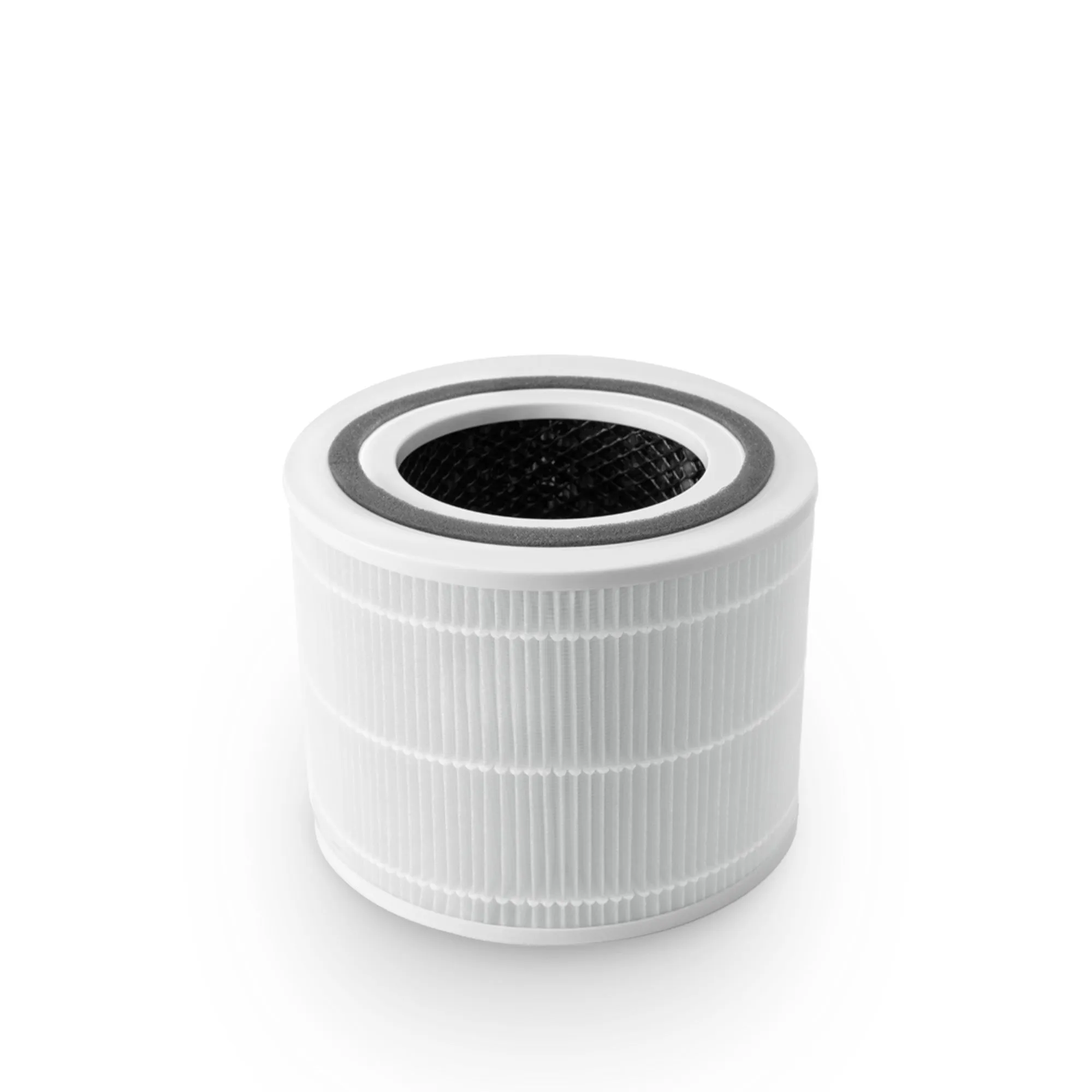
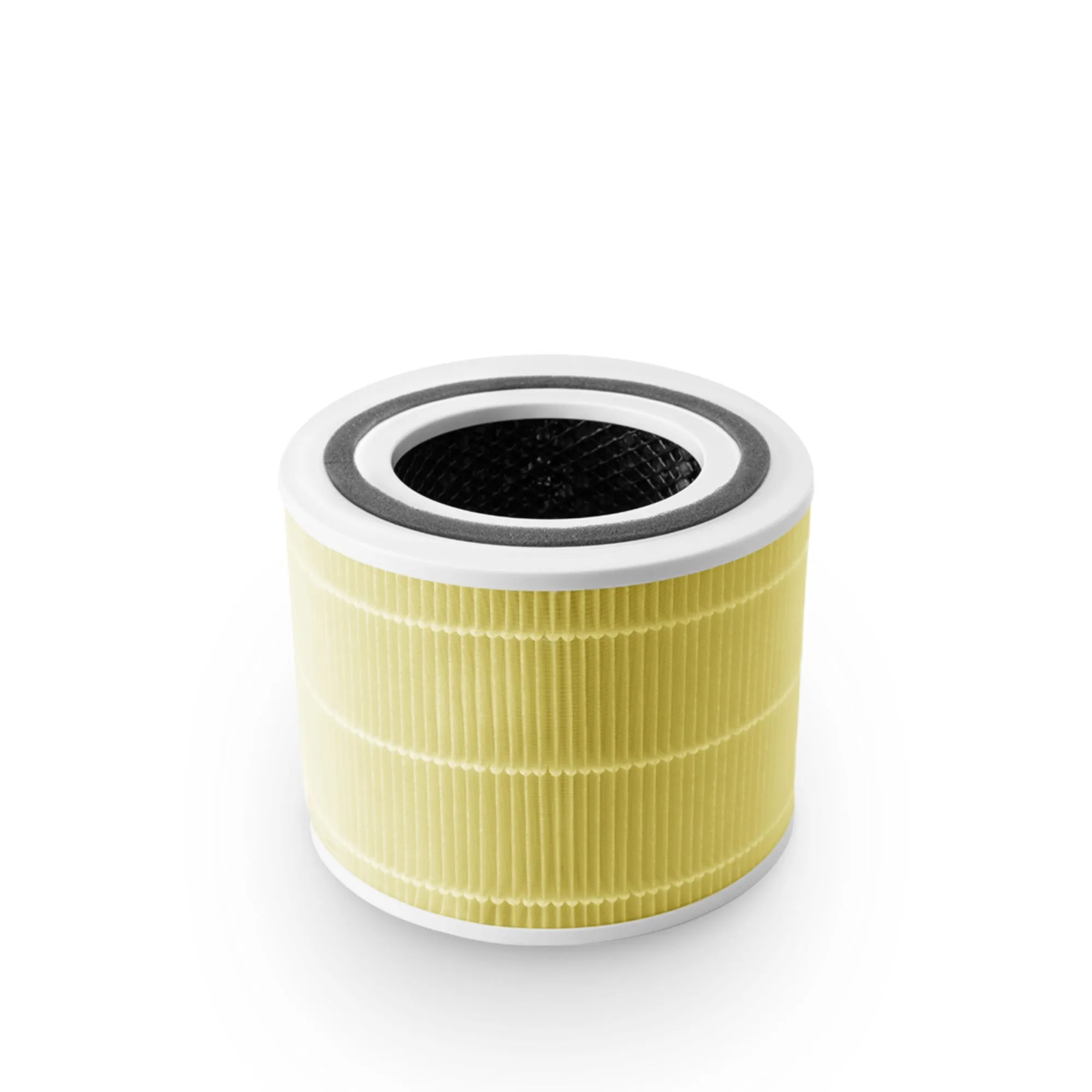
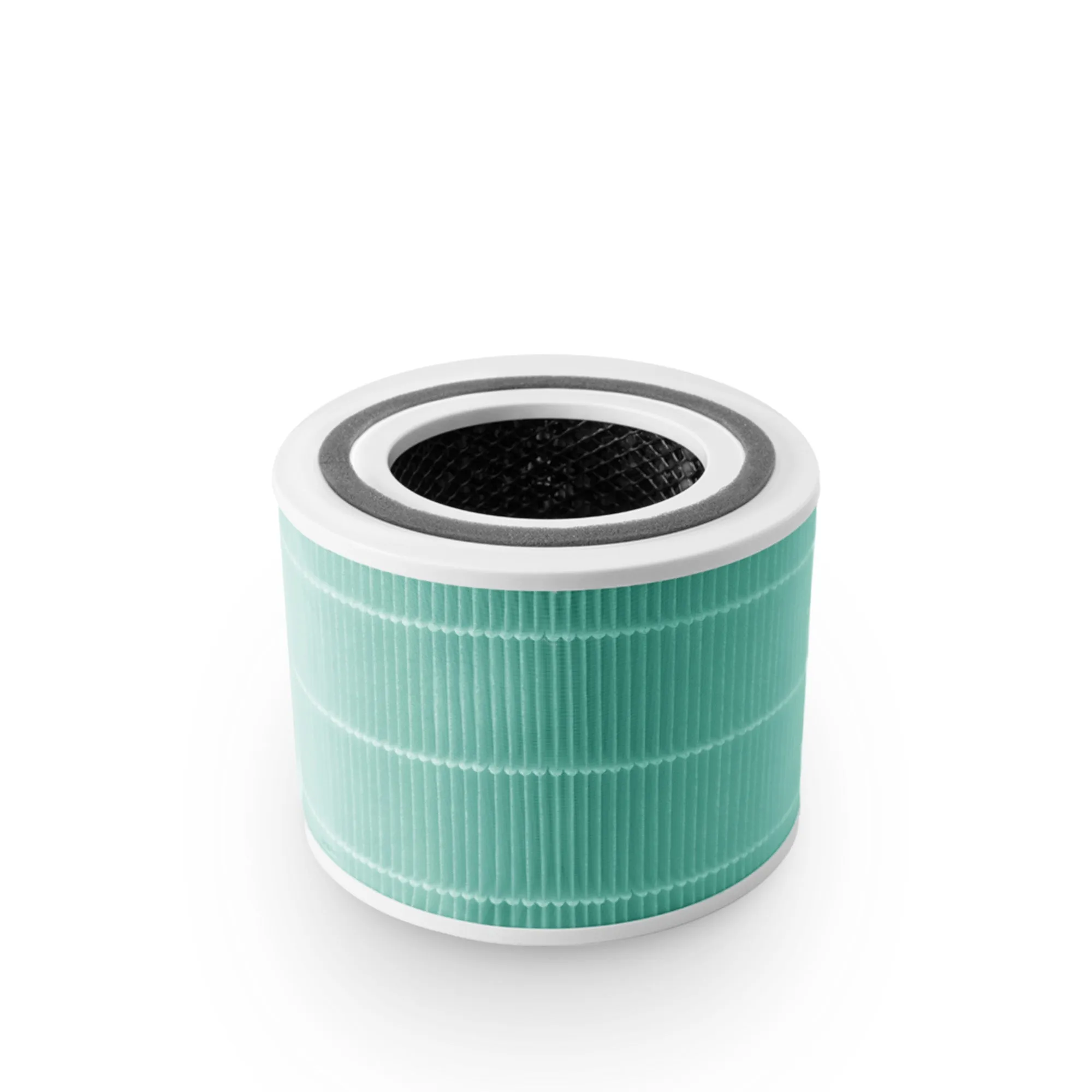
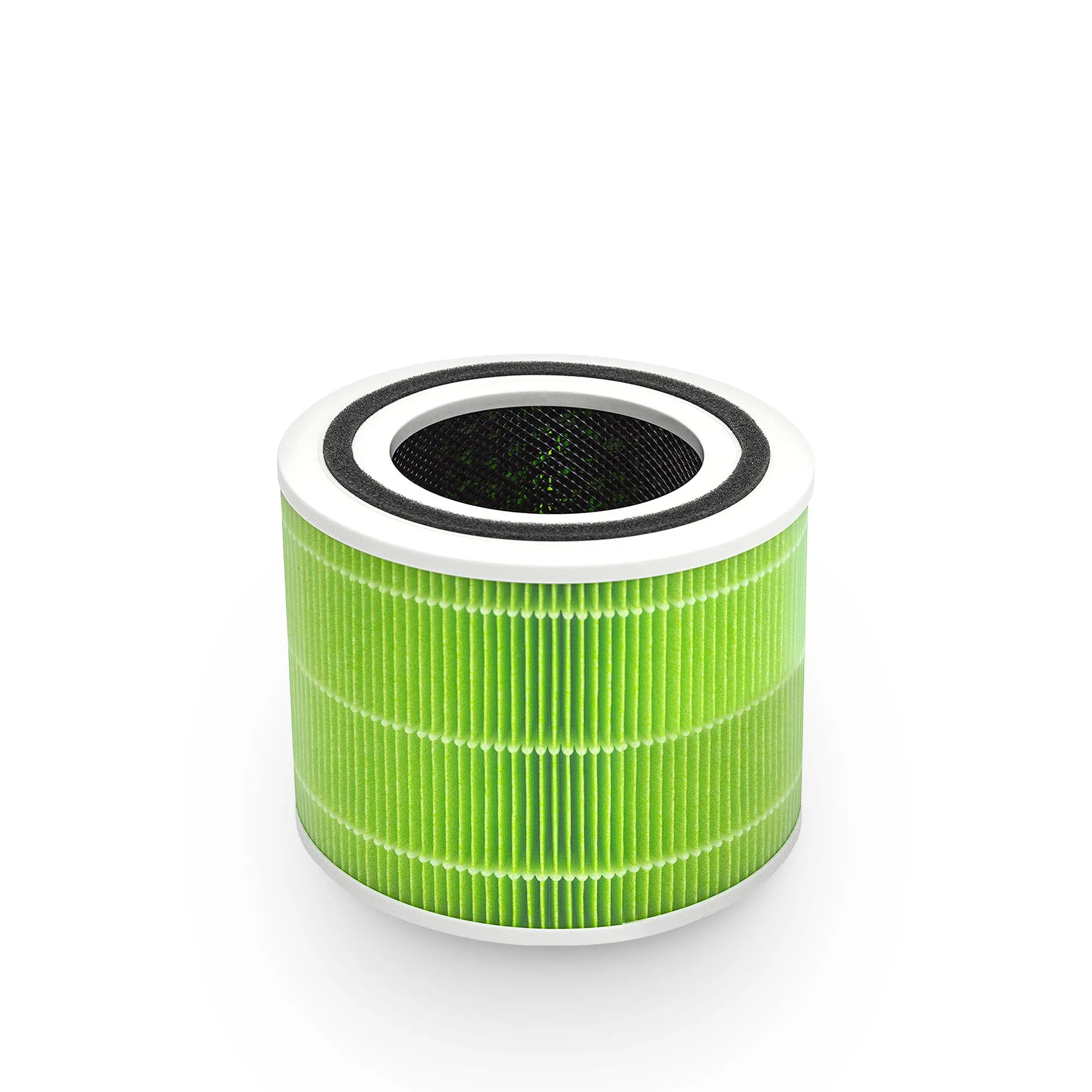
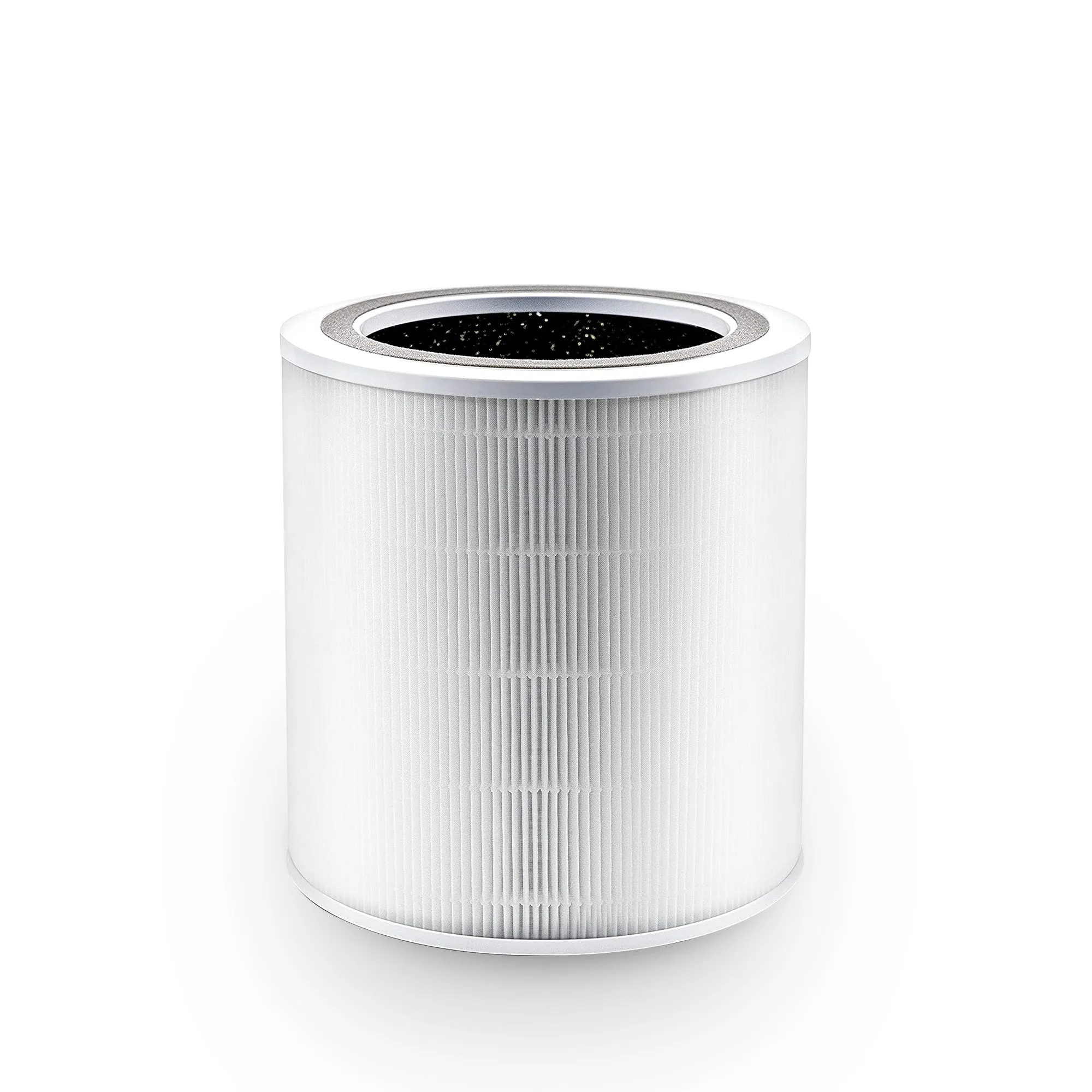
- Pre-filter — captures large particles such as dust, hair, and fibres, extending the life of finer filters downstream
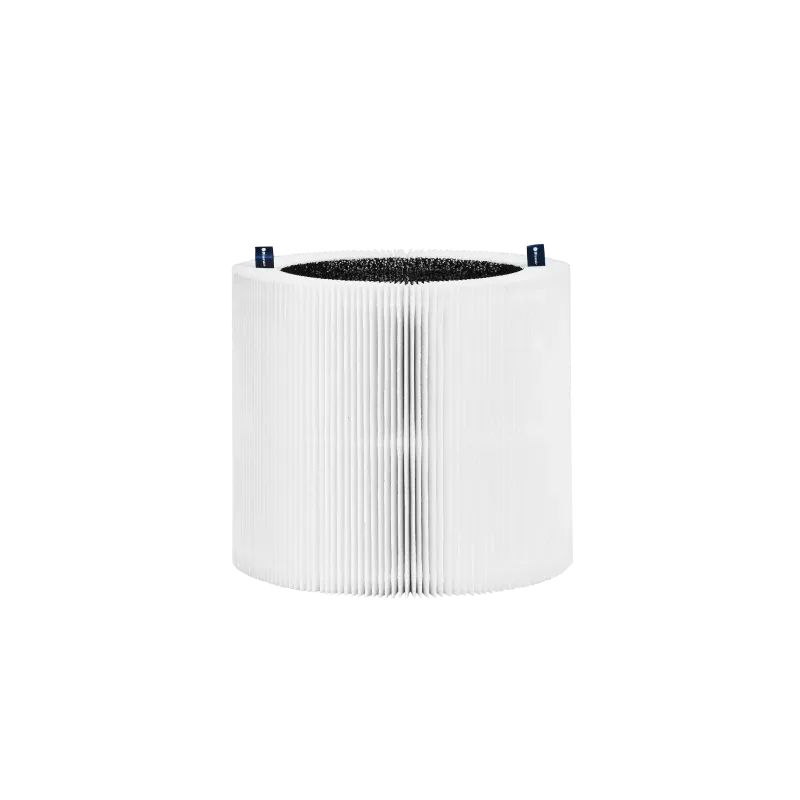
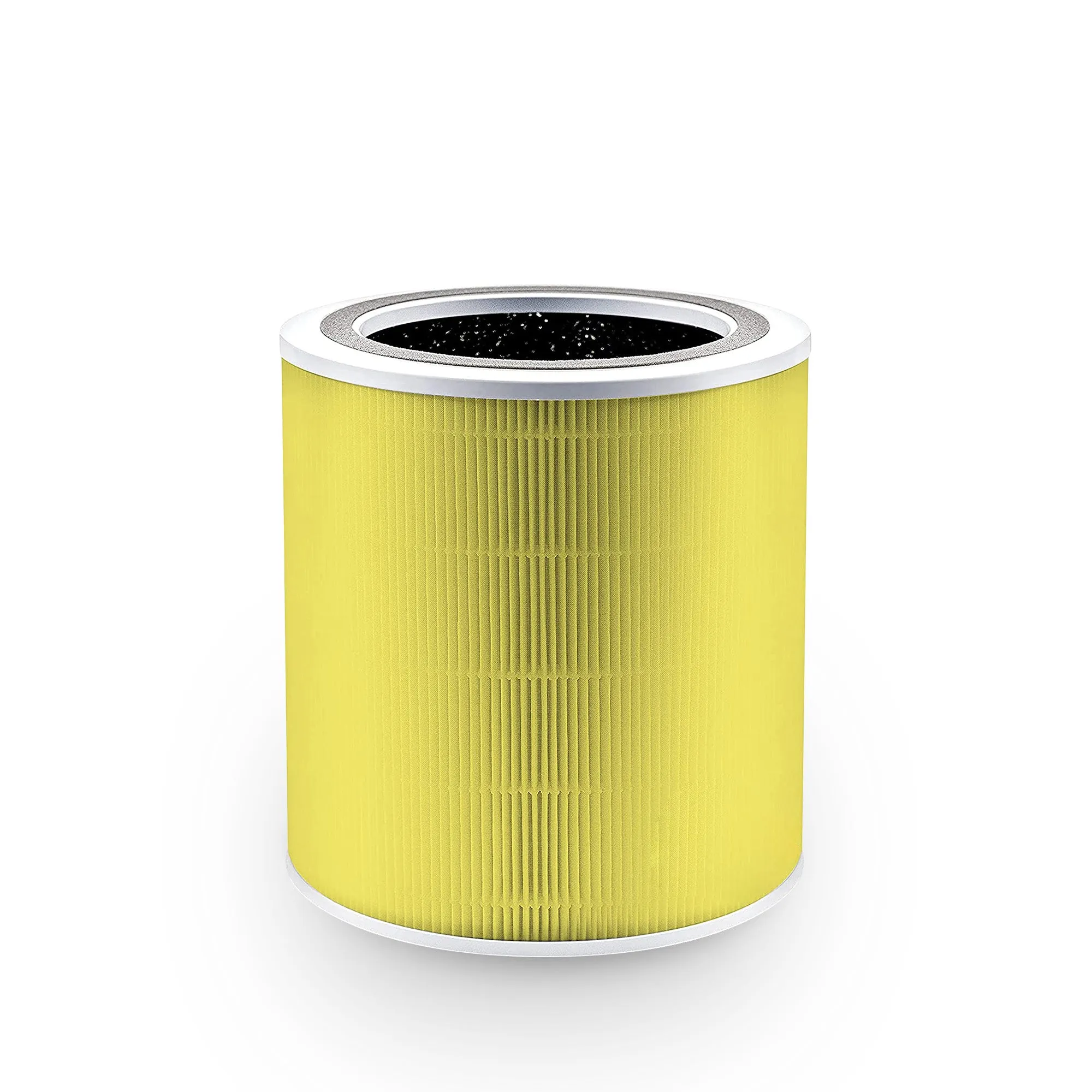
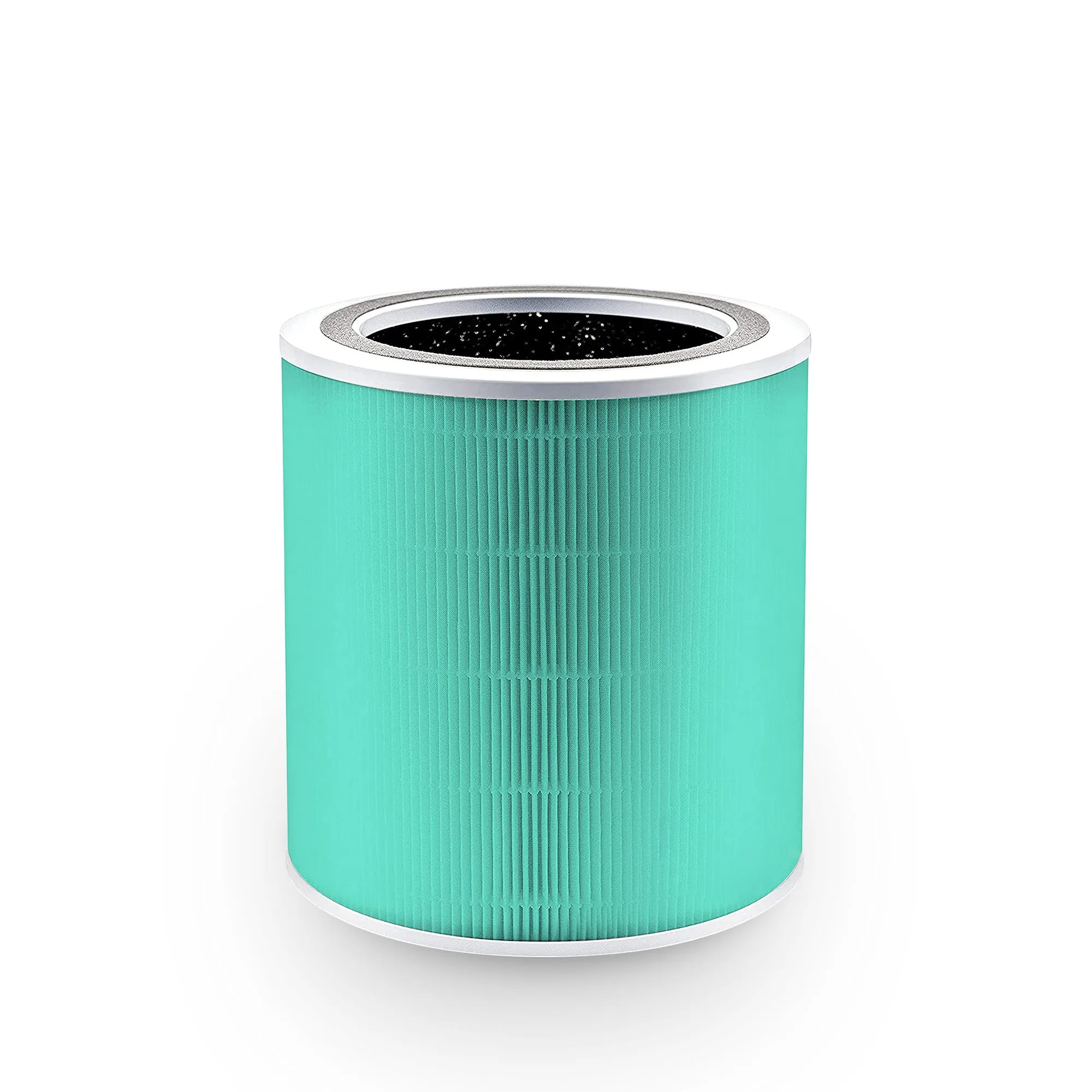
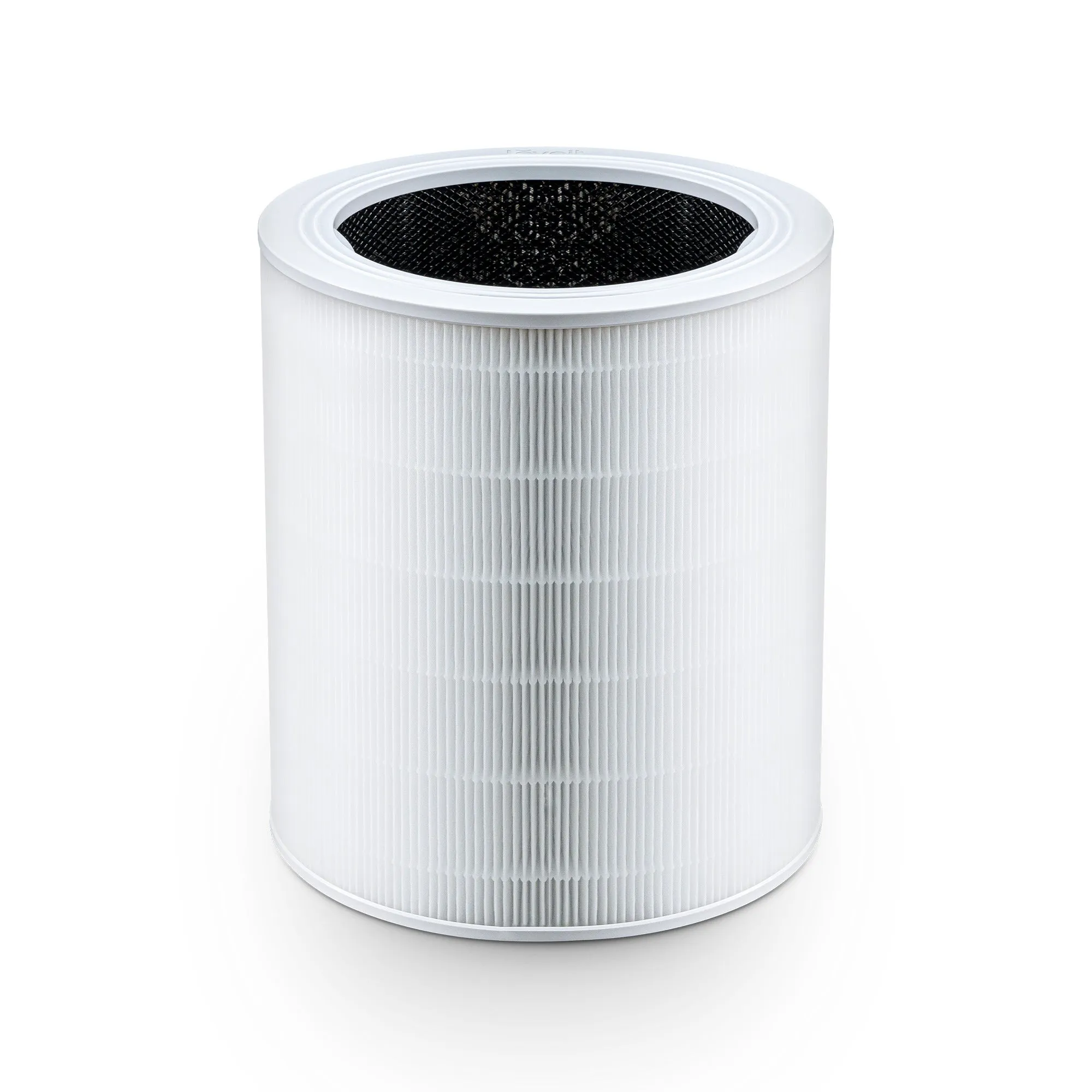
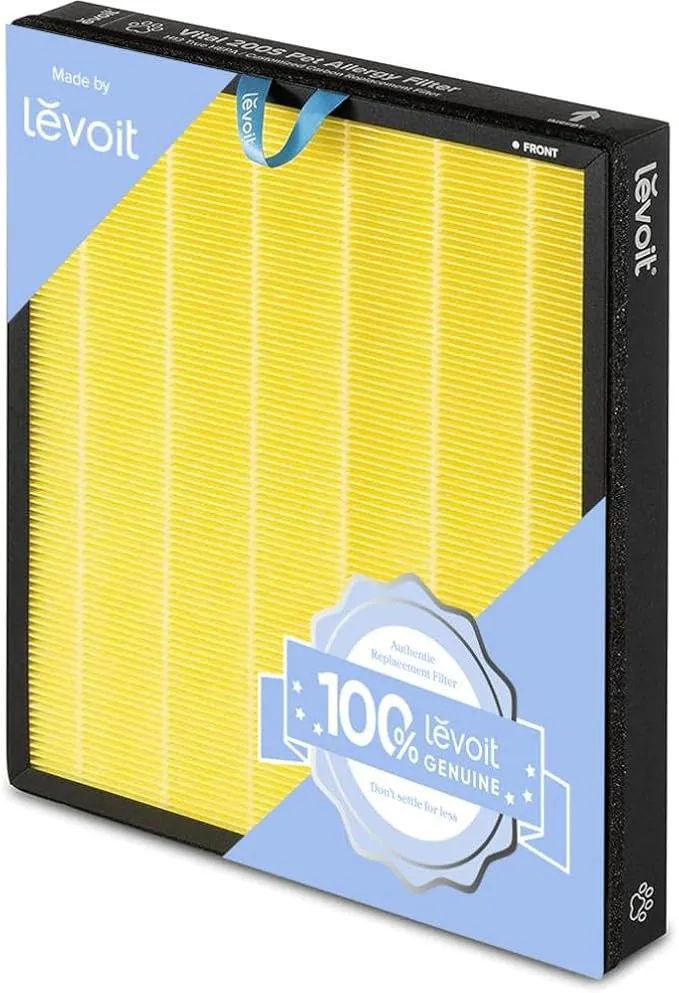
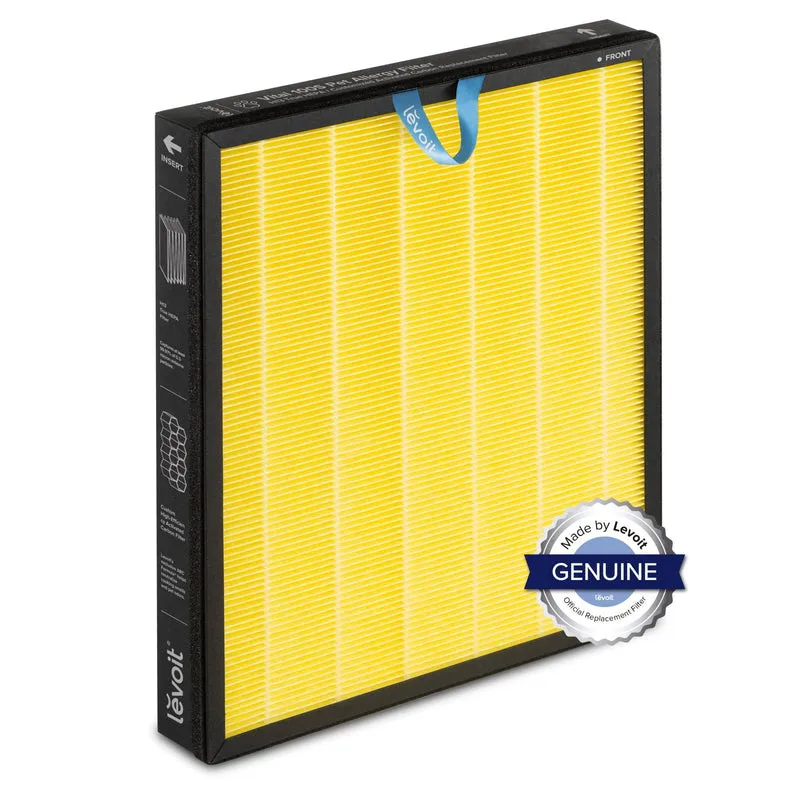
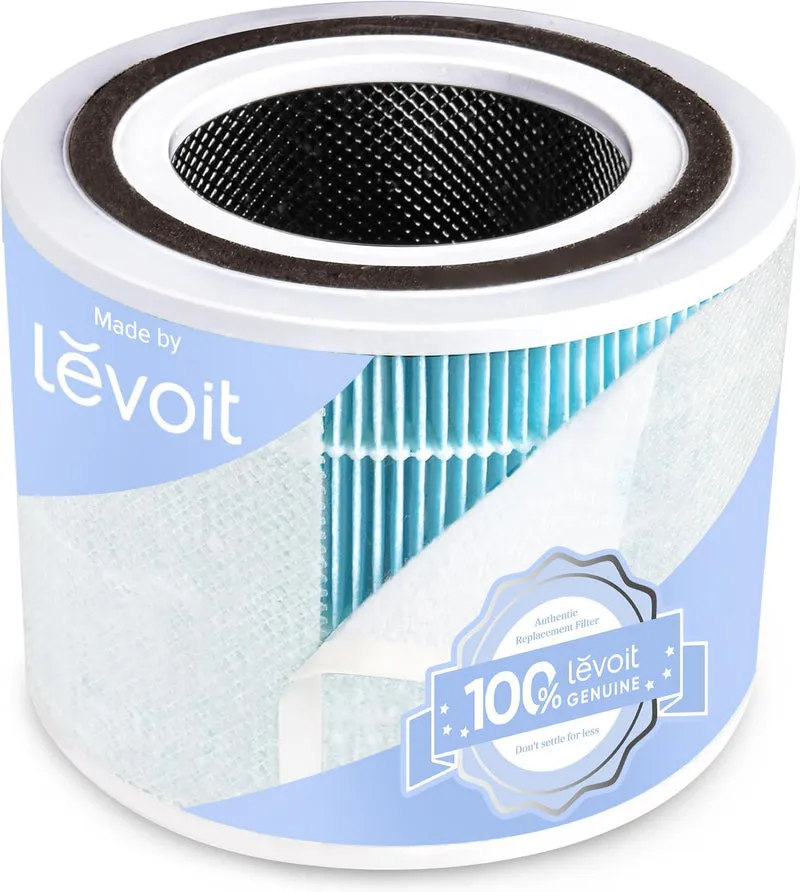
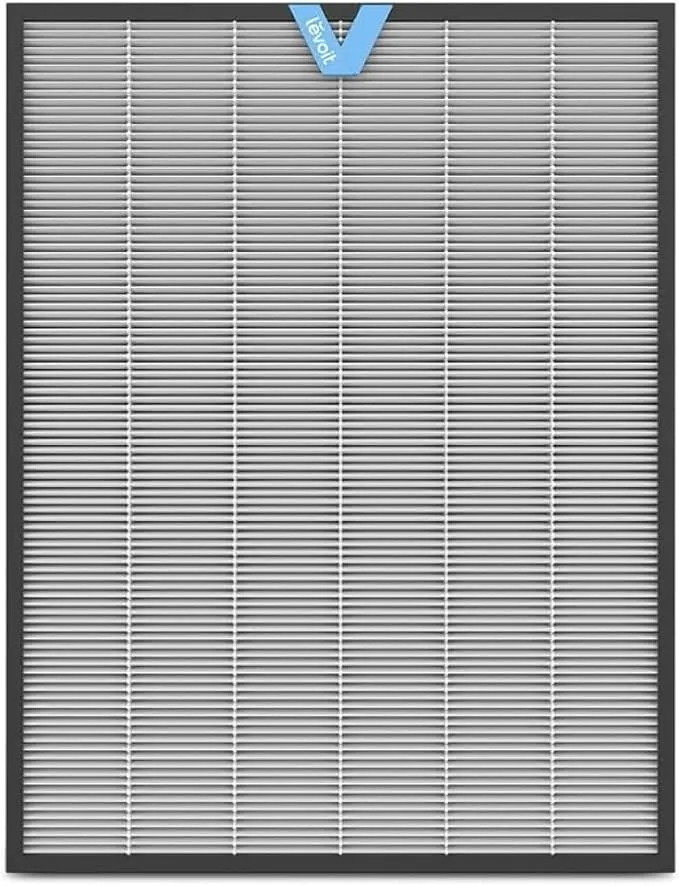
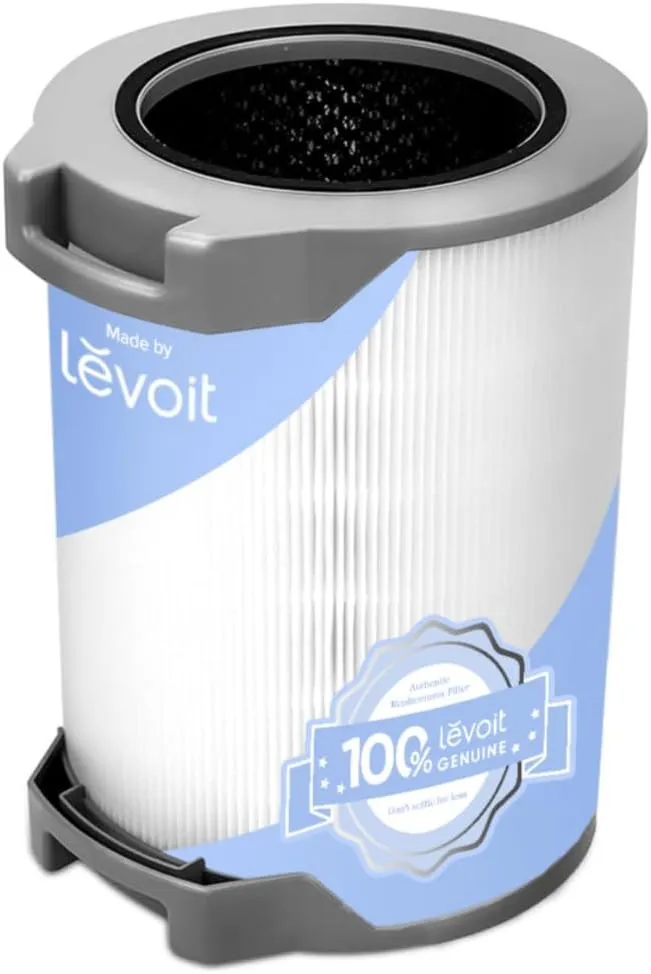
- HEPA filter (High Efficiency Particulate Air) — traps at least 99.97% of particles at 0.3 microns, covering most biological contaminants, PM2.5, and fine dust
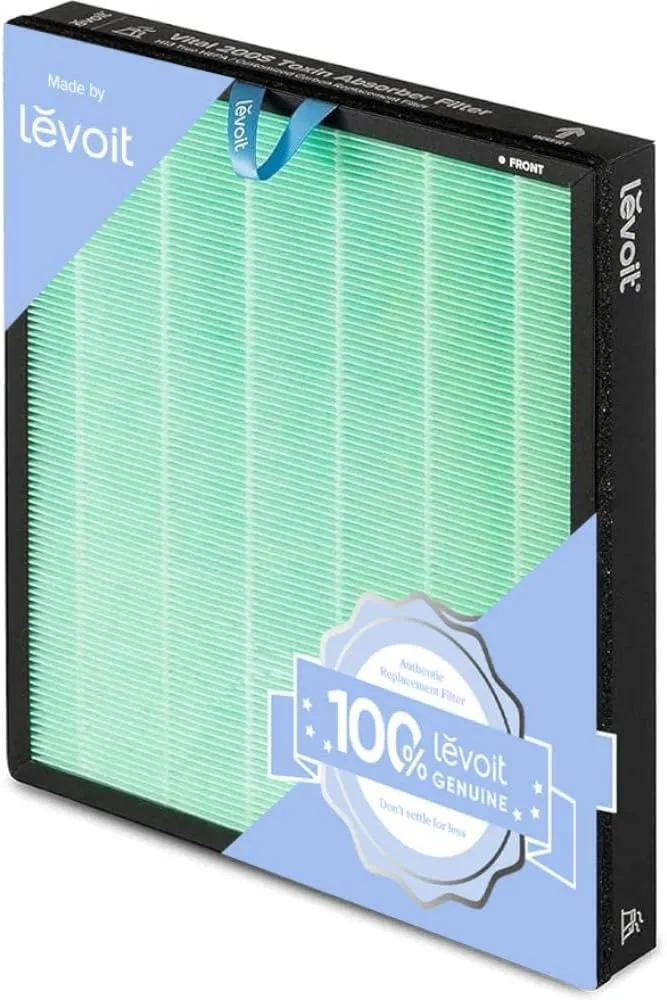
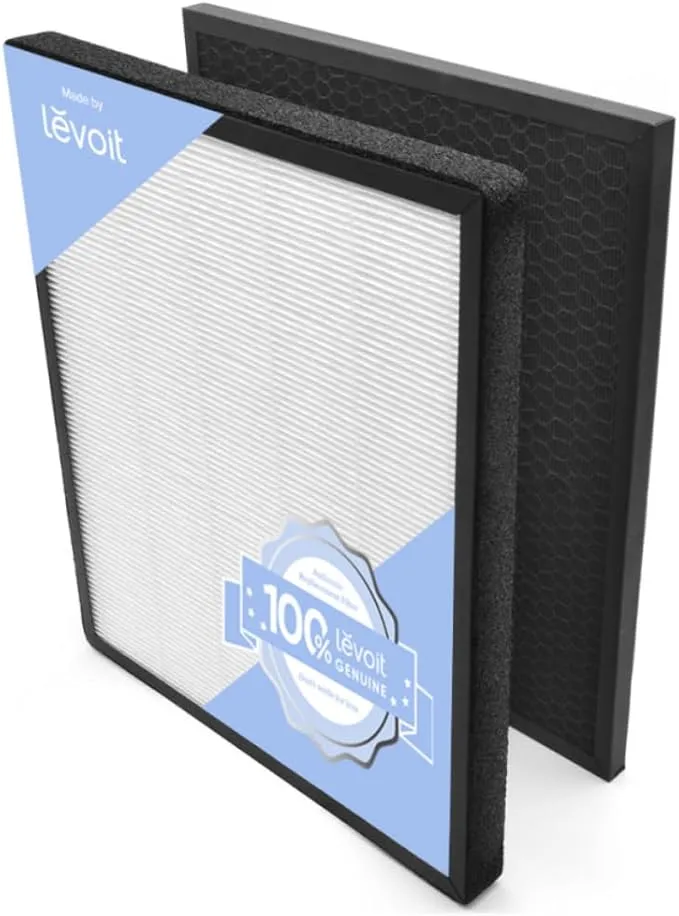
- Activated carbon filter — adsorbs gases and VOCs including formaldehyde, benzene, and odours from cooking or cleaning products
- Optional UV-C stage — deactivates bacteria and viruses that pass through filters, useful in high-occupancy or healthcare-adjacent spaces
This layered approach is what separates a quality commercial purifier from a basic domestic unit. The particle removal effectiveness is real and measurable. Portable air cleaners achieve 19 to 95% PM reductions across various settings, with office-specific studies recording particle removal effectiveness in the range of 0.2 to 0.45. The wide range reflects differences in room size, occupancy, and filter quality.
Opening windows is not a reliable substitute. In many UAE locations, outdoor air quality during certain months is worse than indoors, particularly during shamal wind events or periods of heavy construction. Ventilation with unfiltered outdoor air can actively worsen PM2.5 levels inside. Purifiers with closed recirculation address this directly, cleaning the air already inside the space without importing fresh particulates.
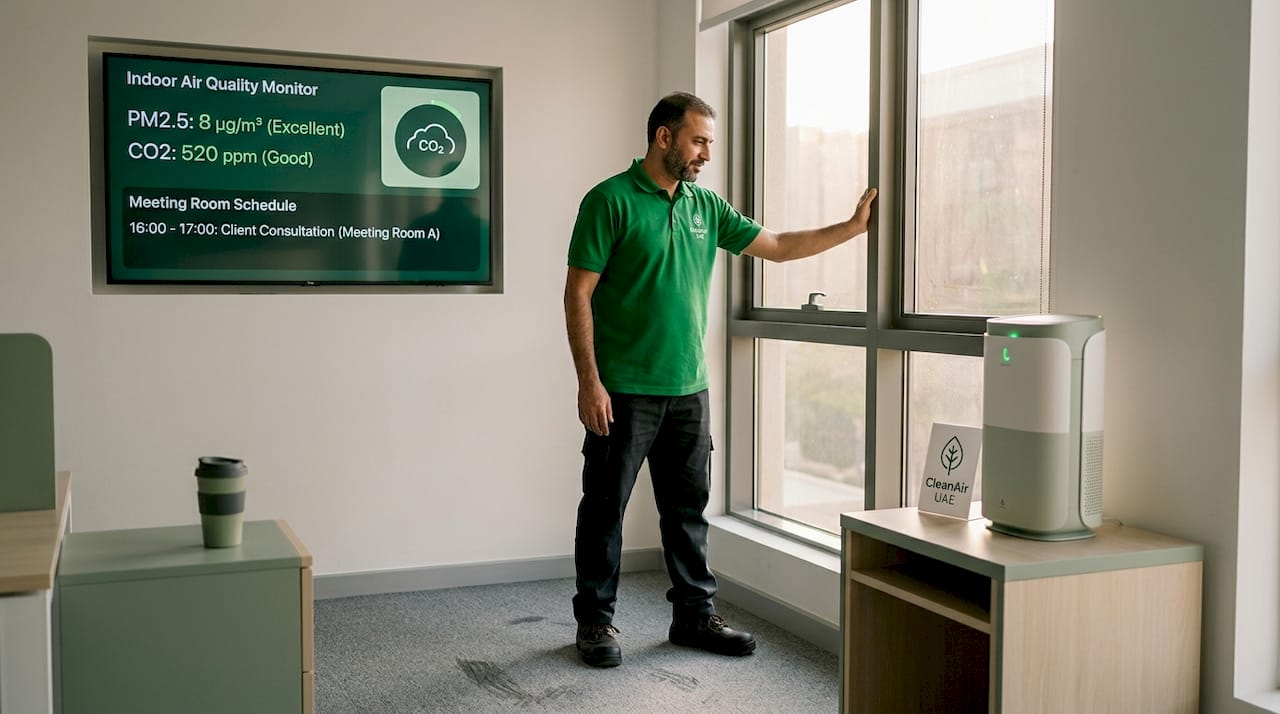
Pro Tip: Avoid any purifier that generates ozone as a by-product, including most ioniser and plasma-based units. Ozone at occupancy levels above 0.08 ppm causes respiratory irritation and can worsen asthma. HEPA-based systems without ionisation are the safest and most effective choice for occupied office spaces.
Choosing the right system: key standards and pitfalls
Selecting the wrong purifier is a common and costly mistake. The market is full of devices that look credible but fail to deliver in real-world office conditions. Knowing which specifications actually matter saves money and avoids performance disappointments.
Key benchmarks to evaluate:
- CADR (Clean Air Delivery Rate) — expressed in m³/h, this tells you how much clean air a unit delivers per hour. For effective office results, aim for a CADR of at least 500 m³/h for smoke particles, and target 4 to 5 air changes per hour (ACH) in occupied spaces
- Filter class — look for HEPA H13 or H14 for serious particulate control; H11 or H12 may be insufficient for VOC-heavy or dusty UAE environments
- Room coverage rating — manufacturers quote maximum coverage at ideal conditions; apply a 20% reduction factor for real-world performance with furniture, partitions, and varied occupancy
- Noise rating — anything above 50 dB on medium settings becomes disruptive in open-plan offices; check the noise specification at your typical operating speed, not just the maximum
| Feature | HEPA purifier | Ioniser | Hybrid (HEPA + carbon) |
|---|---|---|---|
| Particle removal | Excellent | Moderate | Excellent |
| VOC removal | Limited | Limited | Good |
| Ozone risk | None | High | None |
| Maintenance | Filter changes | Low | Filter changes |
| Best for SMEs | Yes | Not recommended | Yes, preferred option |
| Typical CADR range | 300 to 800 m³/h | 100 to 200 m³/h | 300 to 700 m³/h |
The table makes the picture clear. Ioniser and plasma devices may appear attractive due to low upfront cost or a perceived “high-tech” quality, but their ozone output makes them unsuitable for occupied workplaces. Ozone-generating ionisers and plasma units increase ozone levels to concentrations that risk respiratory irritation in enclosed spaces. Any SME risk prevention framework will identify ozone exposure as a manageable and avoidable hazard. Reviewing a SME risk prevention guide specific to office environments will reinforce this point with broader compliance context.
Pro Tip: Match your device specification to actual office dimensions and usage patterns. A device rated for 60 m² will not perform adequately in an open-plan space of 120 m² during peak occupancy. For larger spaces, consider two mid-range units positioned at opposite ends of the room rather than one oversized device placed centrally.
Balancing health improvements, energy use, and practical realities
Even the best air purification system involves trade-offs. SME managers need to weigh performance against running costs, maintenance demands, and the practical constraints of a working office.
Building a practical air quality plan for your SME: a checklist
- Measure baseline air quality using a low-cost PM2.5 monitor before buying equipment
- Calculate room volume (length × width × height in metres) to determine minimum ACH requirements
- Select units with HEPA H13 or better filtration and a carbon stage for VOC control
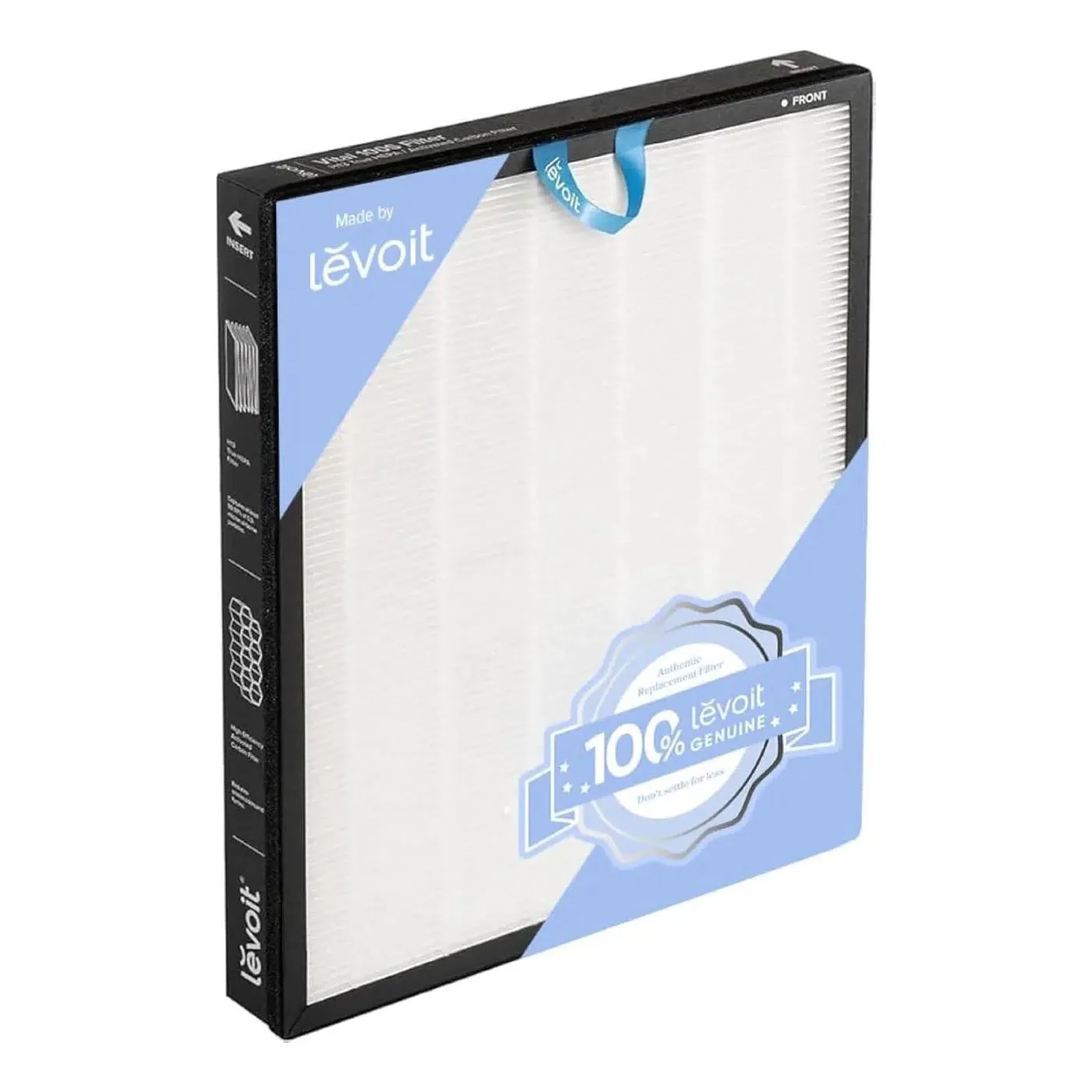
- Budget for filter replacements: typically every 6 to 12 months depending on usage and local conditions
- Place purifiers away from walls and obstructions to maximise airflow circulation
- Run units continuously on low or medium settings rather than intermittently on maximum
- Schedule monthly visual checks of filters and quarterly performance reviews
The energy versus health balance is a genuinely complex calculation. Research shows that 100% outdoor air ventilation reduces infection risk by around 60% but increases energy use by up to 1,700%. That figure makes full fresh-air ventilation impractical for most UAE SMEs operating under significant cooling loads. Hybrid filtration with recirculated, purified air achieves a far better balance, maintaining meaningful infection control benefits at a fraction of the energy cost.
| Strategy | Infection risk reduction | Energy cost increase | Practical for UAE SMEs |
|---|---|---|---|
| 100% outdoor air ventilation | ~60% | ~1,700% | Not viable |
| Mechanical ventilation only | ~20 to 30% | ~200 to 400% | Marginal |
| Hybrid filtration (HEPA + ventilation) | ~40 to 50% | ~50 to 150% | Yes, recommended |
| HEPA purifiers alone (no ventilation upgrade) | ~20 to 40% | Minimal | Good starting point |
Real-world performance is also affected by factors beyond the device itself. Actual purifier performance varies significantly due to occupant behaviour, airflow patterns, and the discrepancy between theoretical CADR ratings and what is achieved once furniture, foot traffic, and resuspension of settled dust are factored in. A purifier rated for a specific room size will consistently underperform if placed in a corner, obstructed by a filing cabinet, or operated only when air quality is already visibly compromised.
Noise is a recurring complaint in real deployments. Open-plan offices with multiple units running simultaneously can reach a cumulative hum that affects concentration. Choosing units with a verified quiet operation mode at medium speed, and positioning them thoughtfully, reduces this friction considerably. Practical SME safety considerations, including air quality and equipment noise, are well covered in practical SME safety tips focused on office environments.
What most guides miss: the SME manager’s reality of air purification
Most articles about office air purification treat purifiers as a simple plug-in solution. Buy the right device, place it correctly, and your air quality problem is solved. The reality is more nuanced, and for SME managers working with limited time, budget, and facilities support, the gap between expectation and outcome can be frustrating.
The first uncomfortable truth is that purifiers are not a substitute for source control. If your office has mould behind partition walls, ageing carpet releasing VOCs, or an HVAC system that has not been serviced in two years, a purifier will reduce the symptom but not address the cause. Air purifiers reduce particles by 20 to 80% but do not fix sources like mould or handle all VOCs, and they cannot compensate indefinitely for inadequate ventilation. Managers who invest in purifiers without addressing these underlying factors will see partial, temporary improvements at best.
The second reality is maintenance failure. Most SMEs that deploy air purifiers achieve good initial results, then watch performance gradually degrade as filters clog and are not replaced on schedule. A blocked HEPA filter does not just stop working. It creates back-pressure that strains the motor, increases energy consumption, and may actually worsen air quality by harbouring biological growth in saturated filter media. The recurring cost of replacement filters must be factored in from the start, not treated as an optional extra.
The third point concerns return on investment. Industry marketing for premium air purifiers sometimes overstates the productivity and wellness gains in ways that do not translate to every SME context. In a well-ventilated, modern office with low VOC materials and good housekeeping, the marginal benefit of an additional high-end purifier is genuinely modest. For UAE SMEs in older buildings, close to construction sites, or with high occupancy relative to floor area, the return is much more significant.
The honest recommendation is to start with a real assessment of your specific air quality challenges before committing to equipment spend. A basic air quality monitor costs a fraction of a commercial purifier and provides the factual baseline needed to make a proportionate, evidence-based investment rather than a reactive one.
Find the right air purification solution for your SME
Knowing the principles is one step. Finding products that match your office size, occupancy, and UAE-specific air quality challenges is the practical next step.
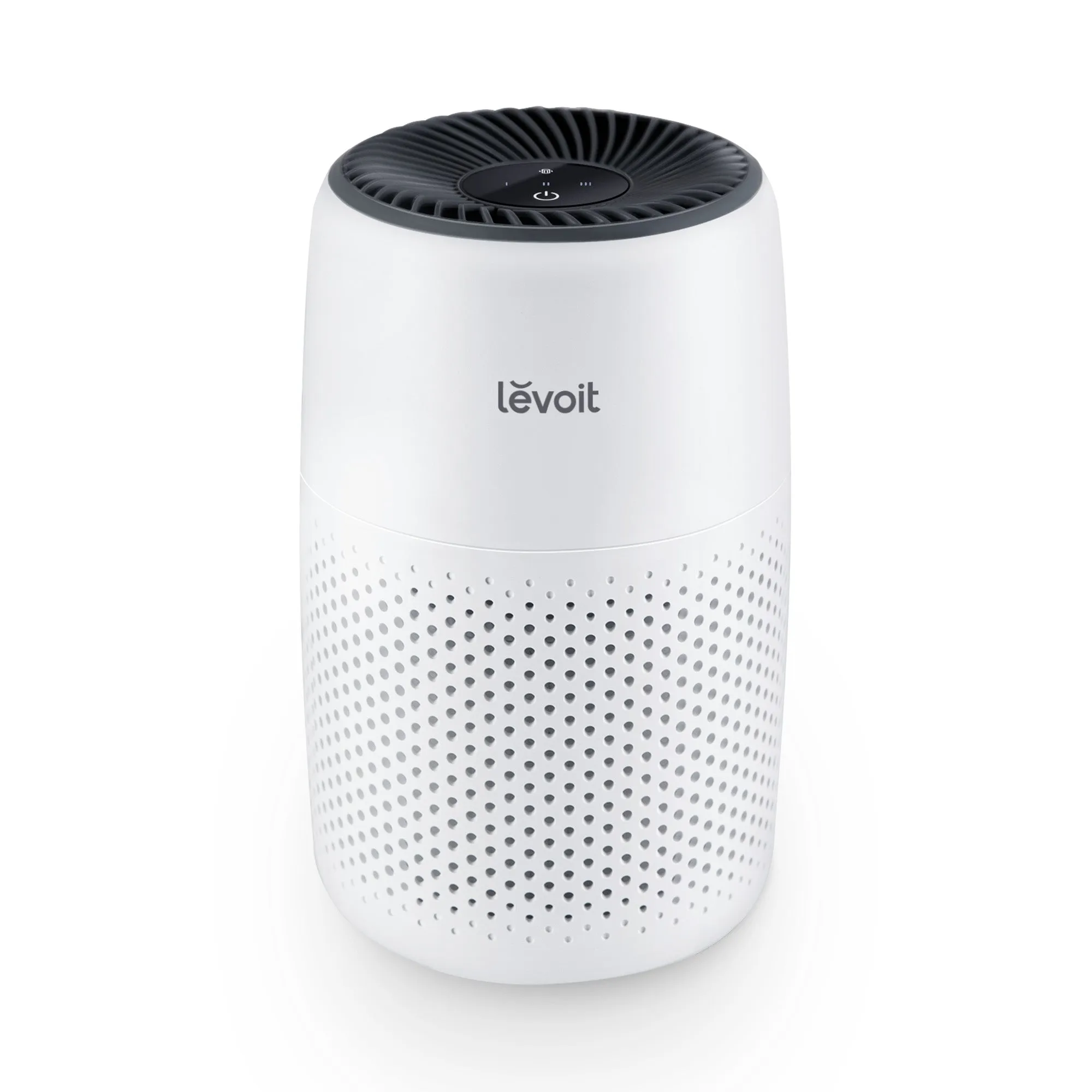
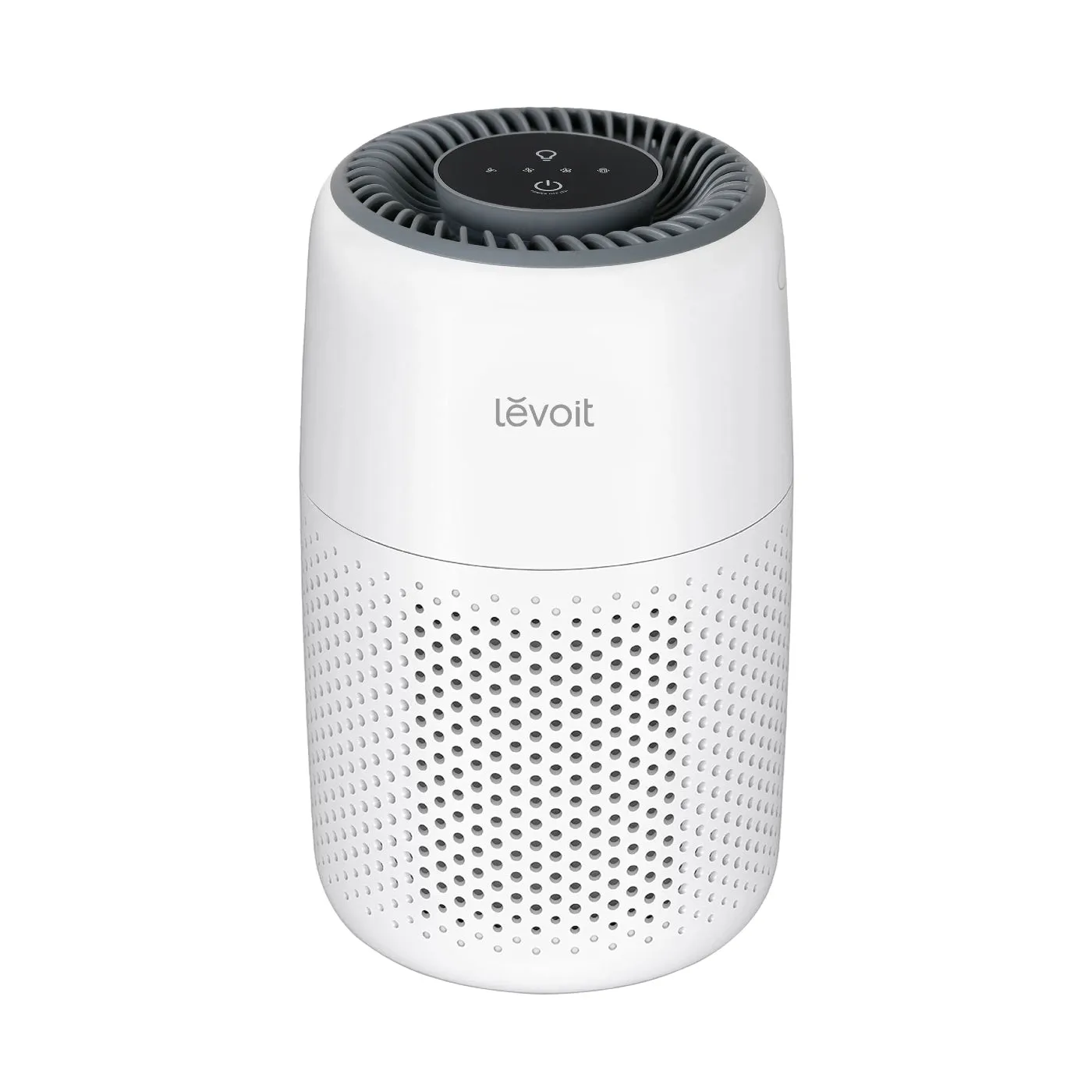
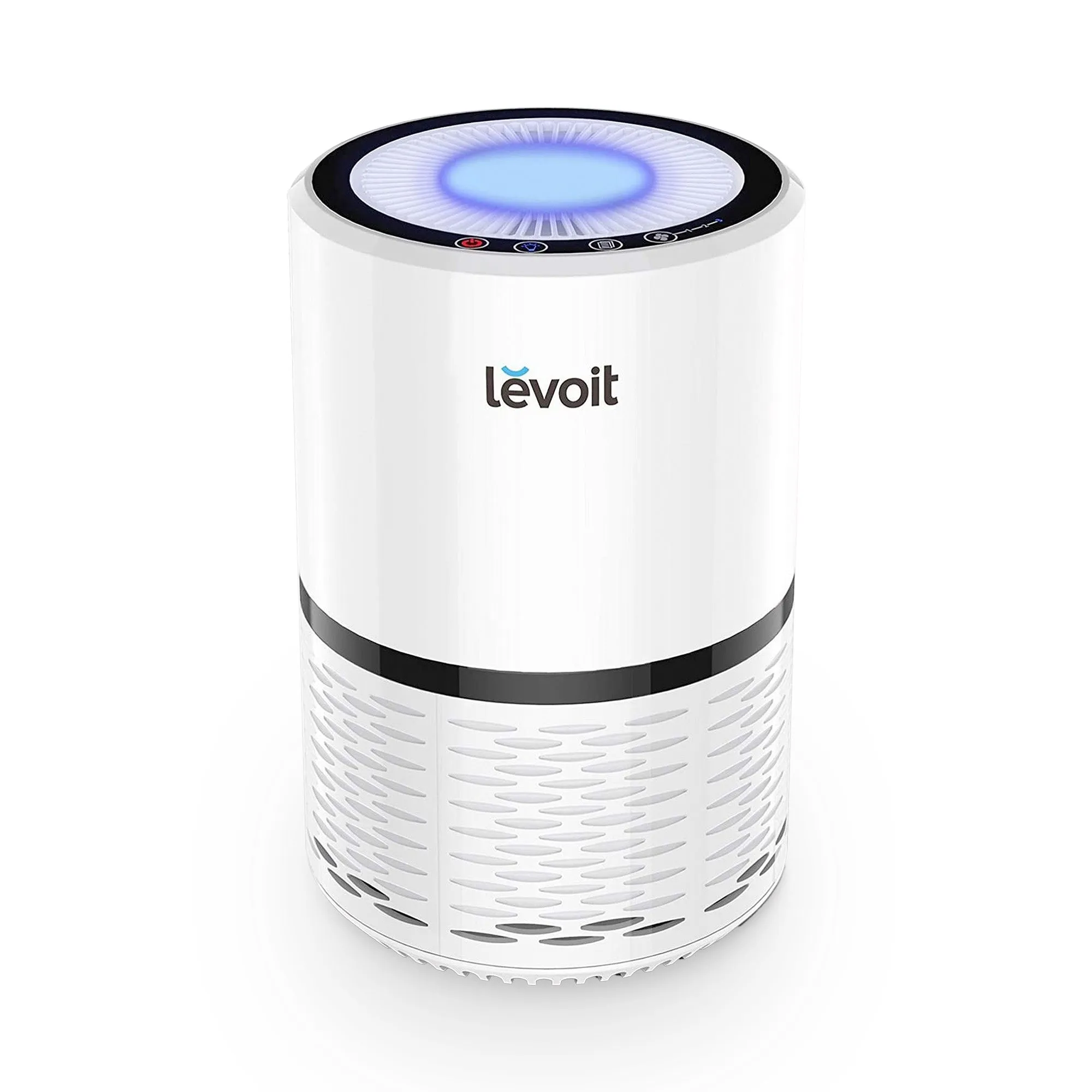
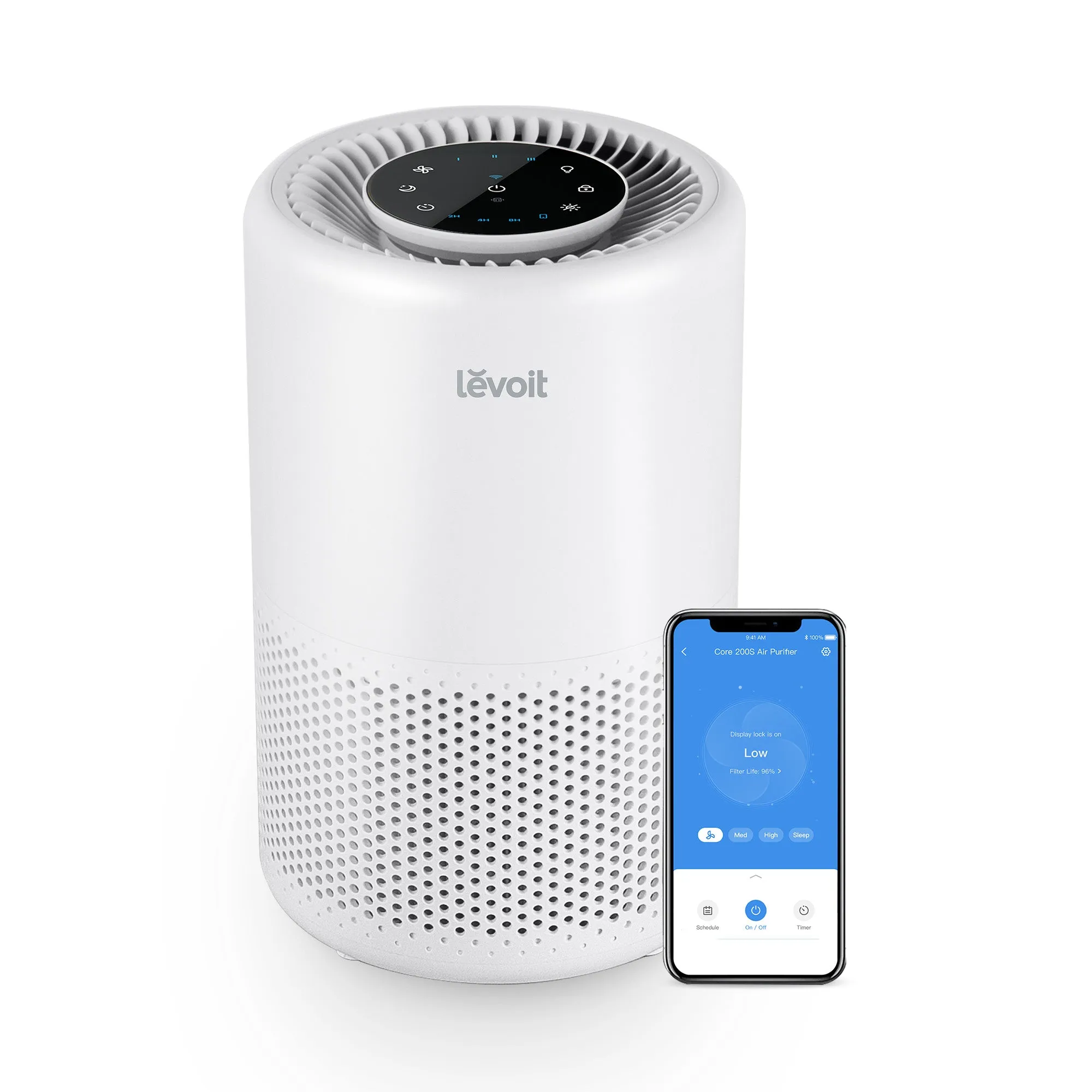
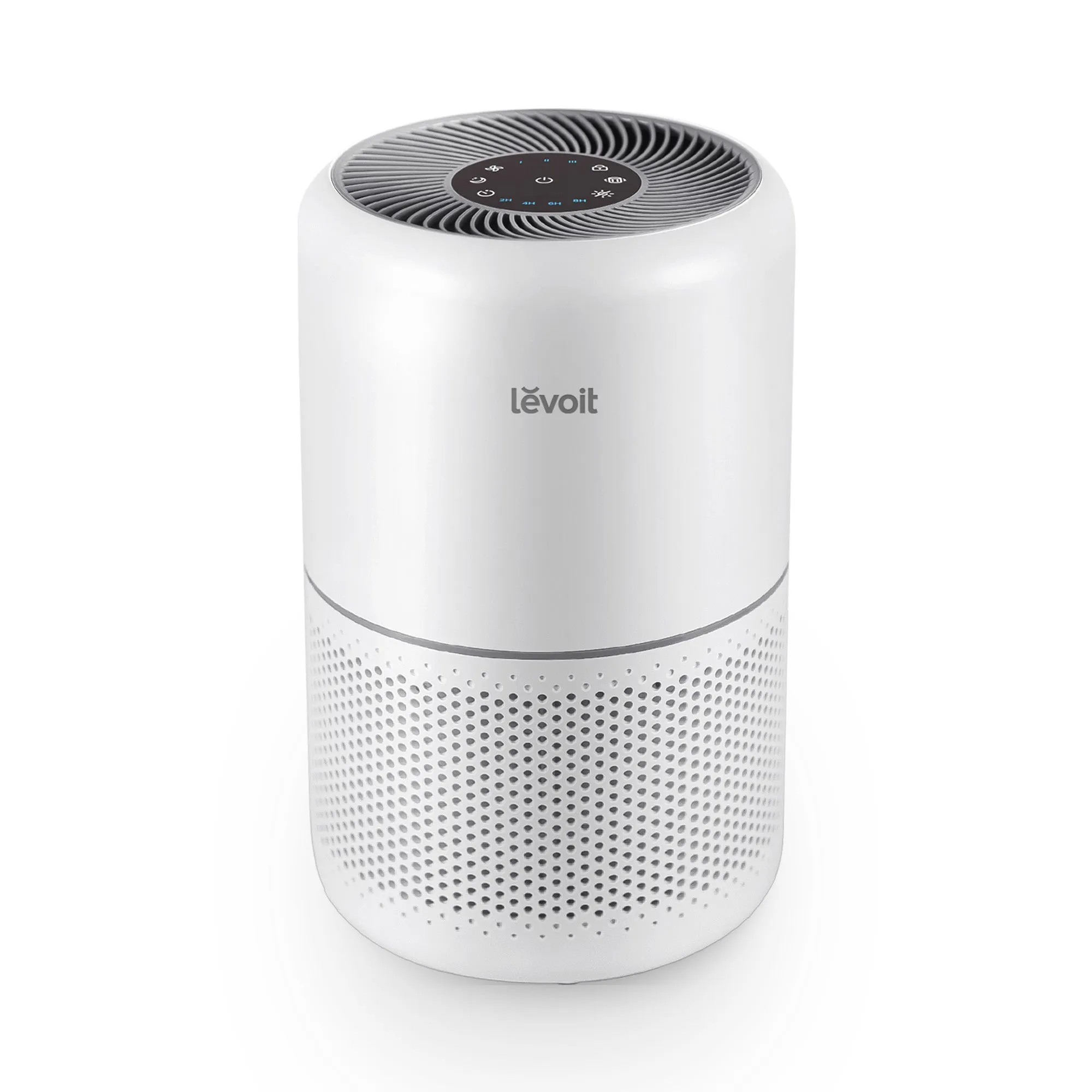
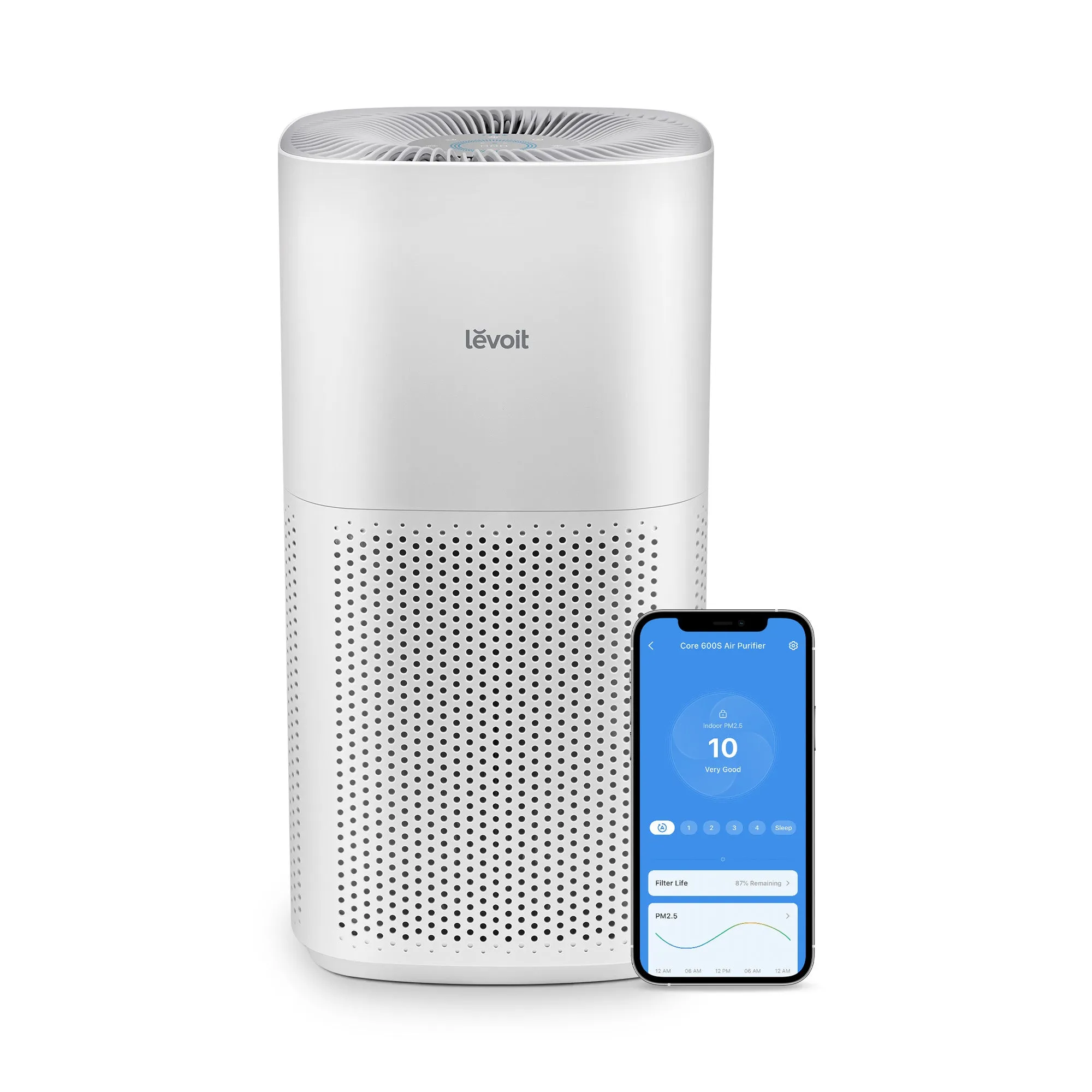
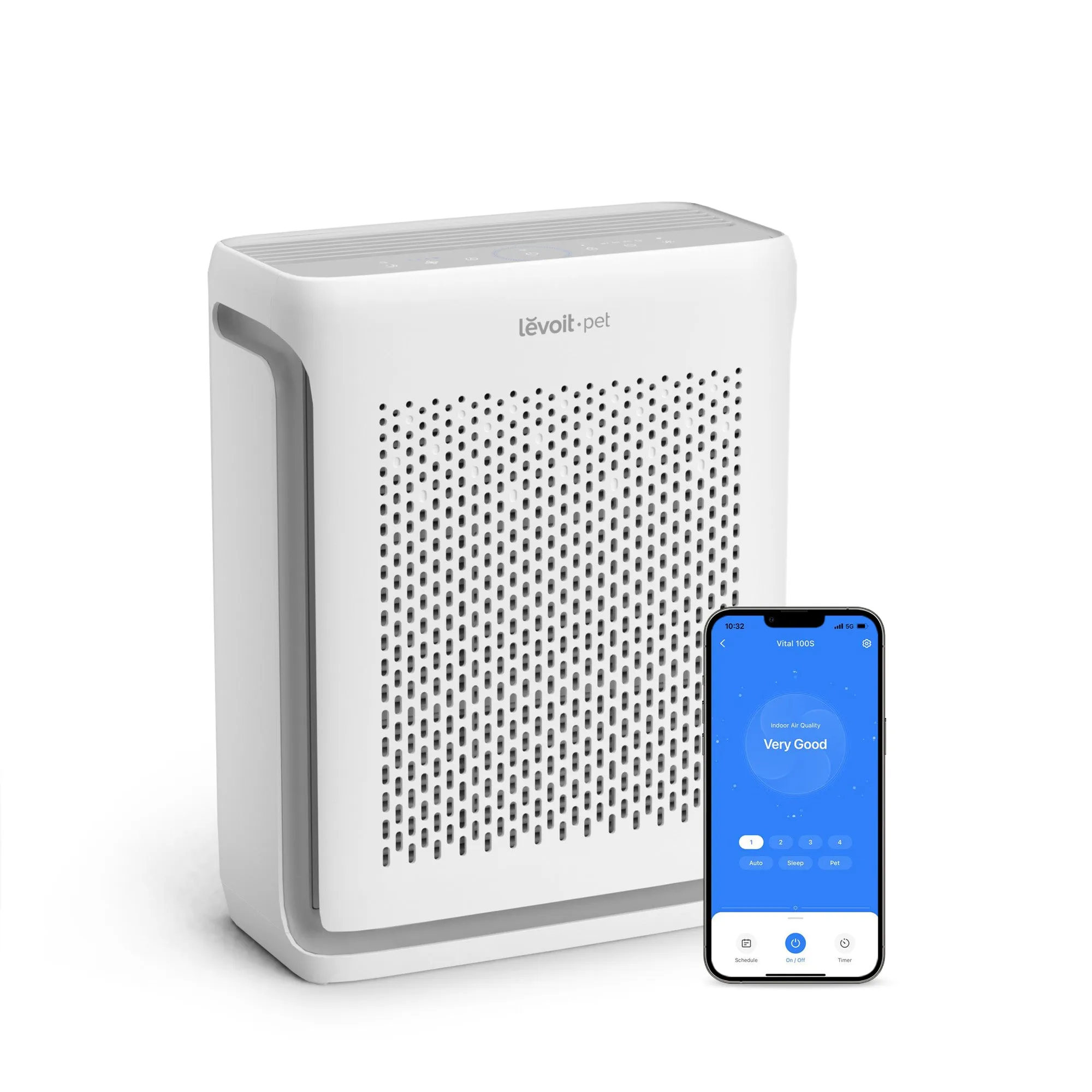
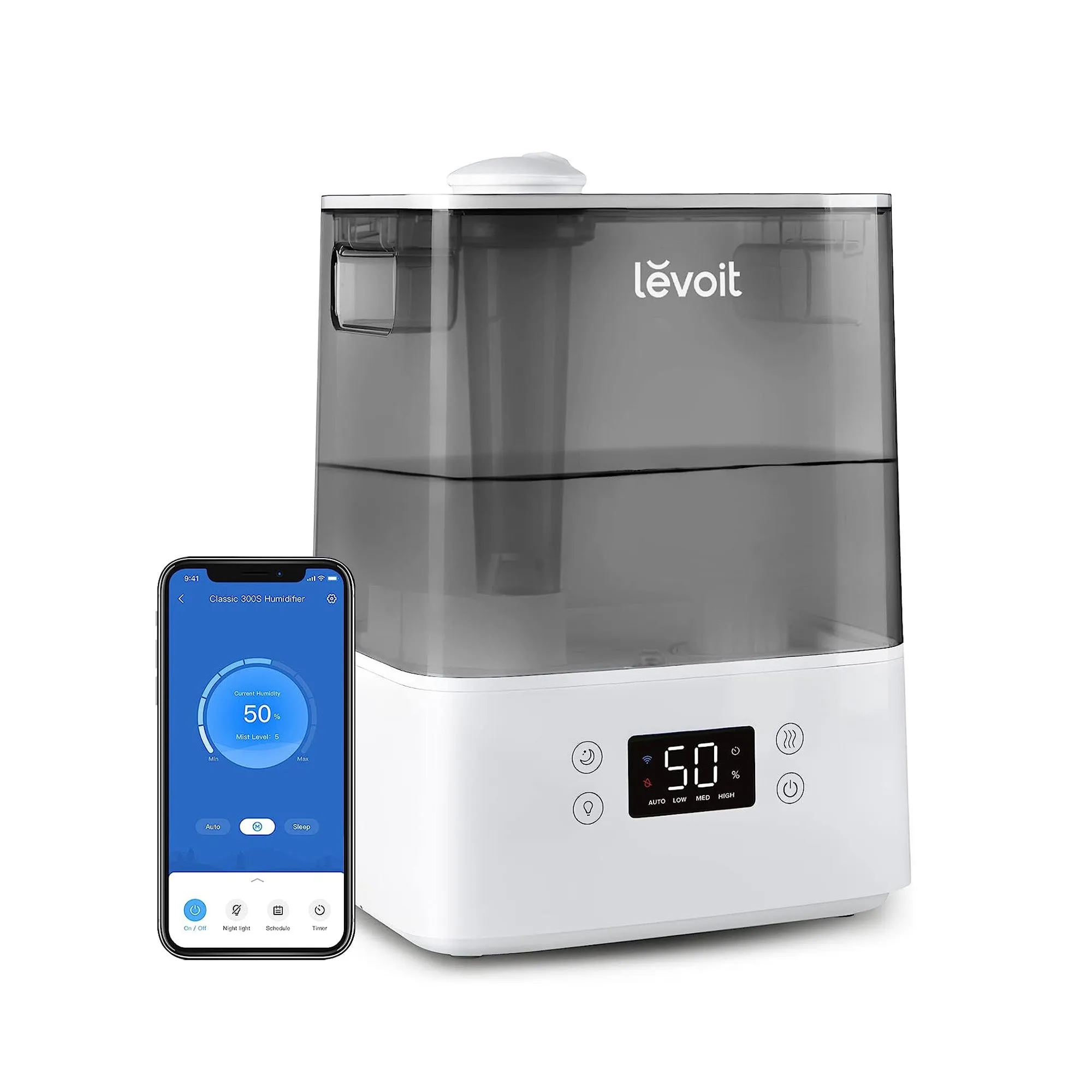
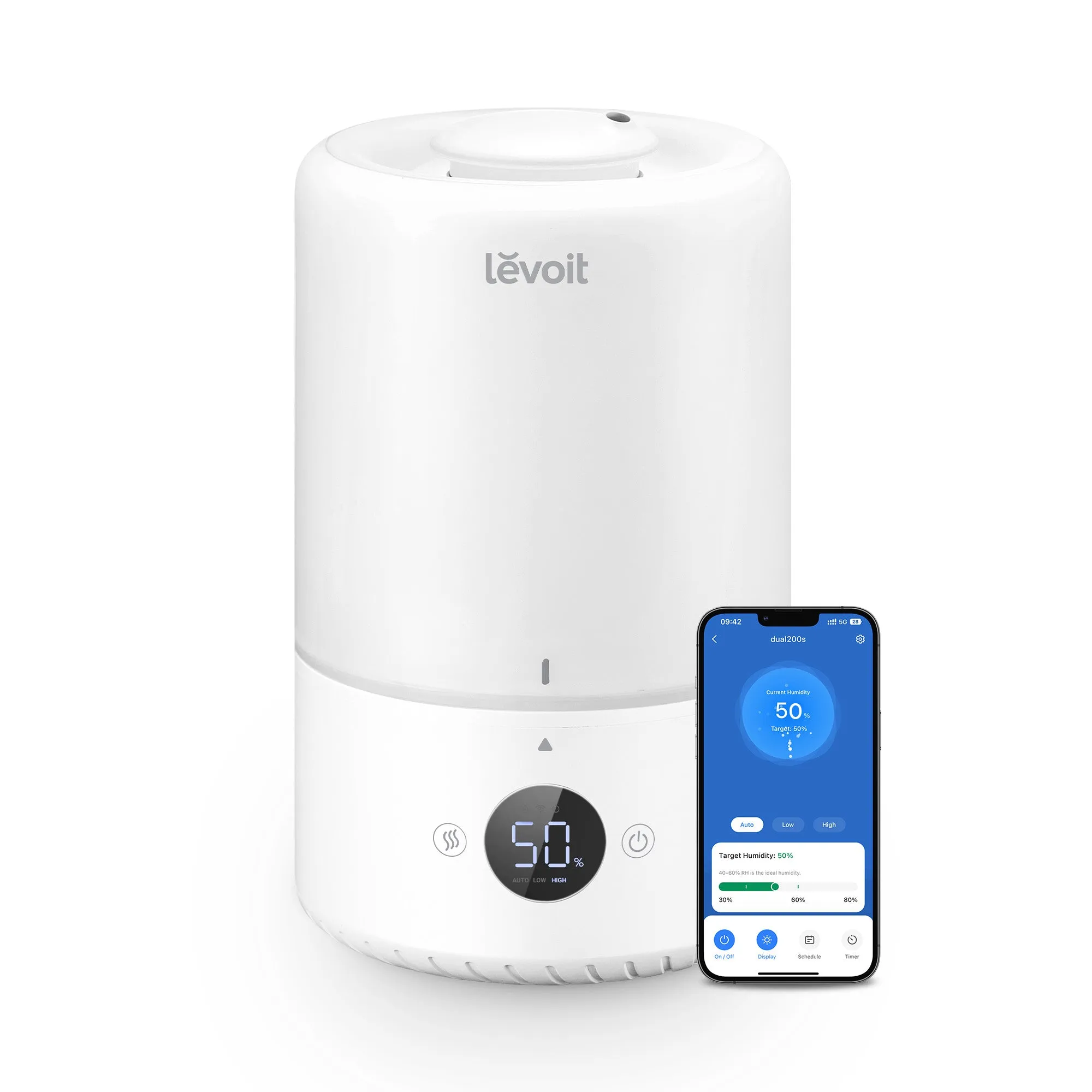
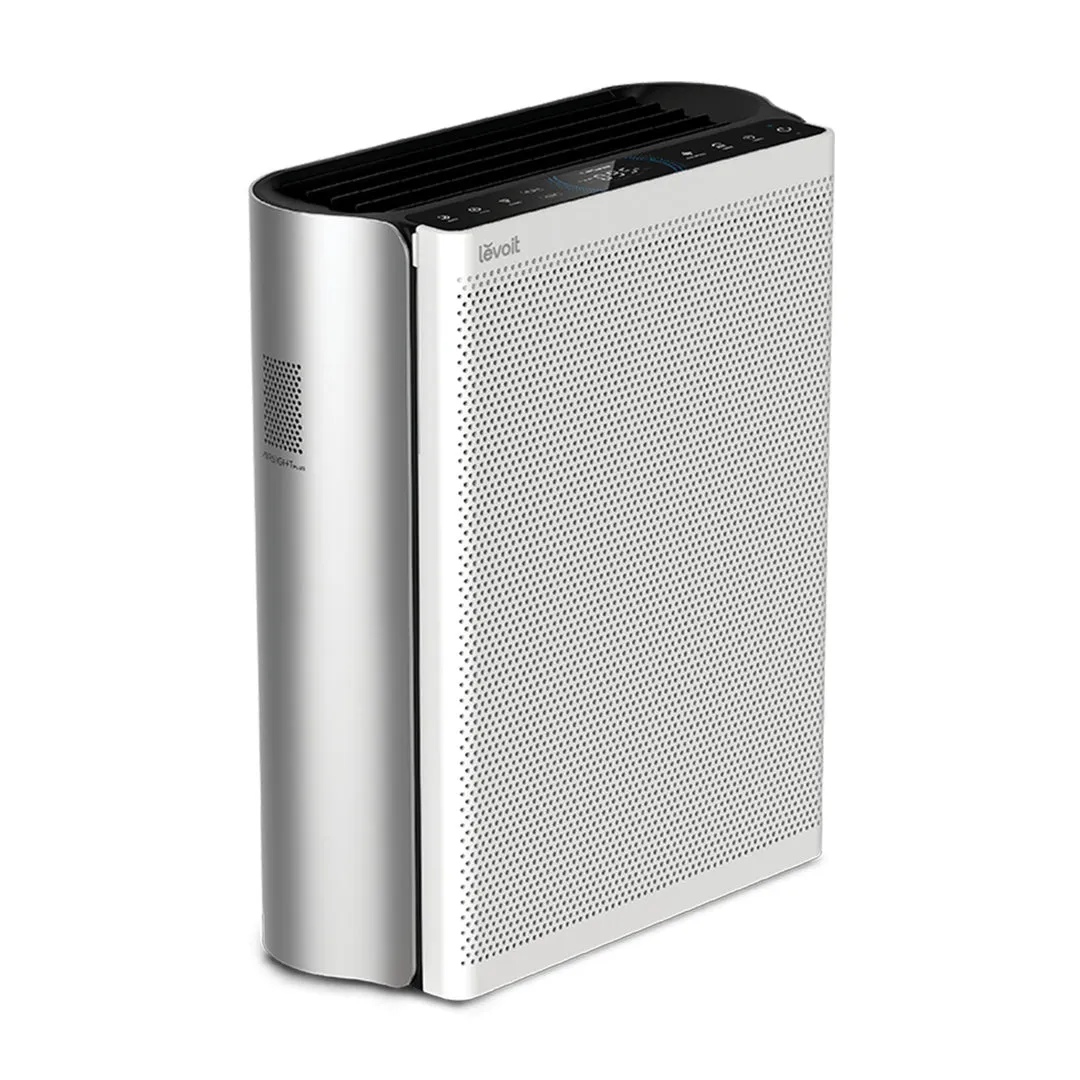
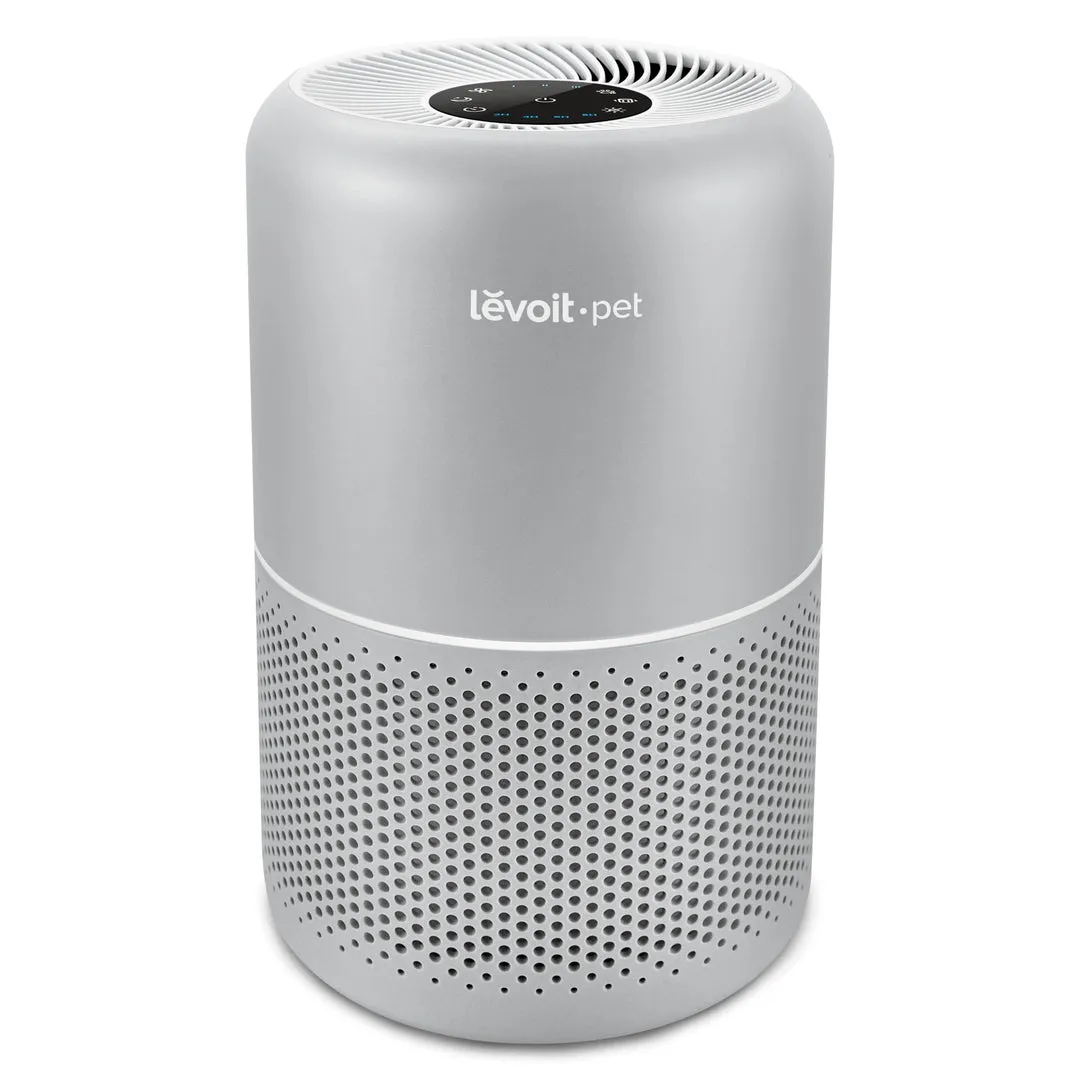
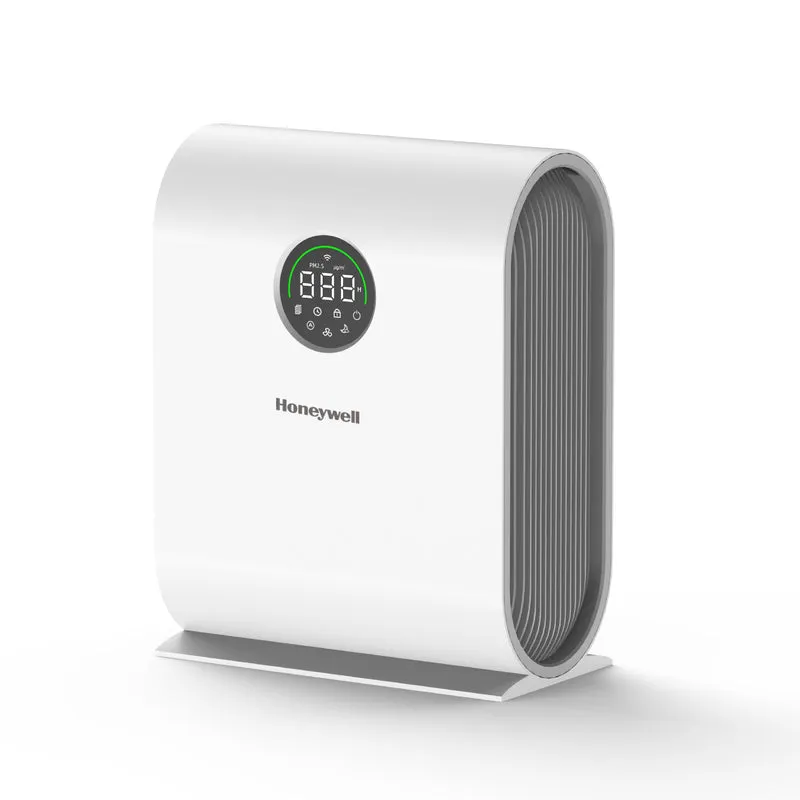
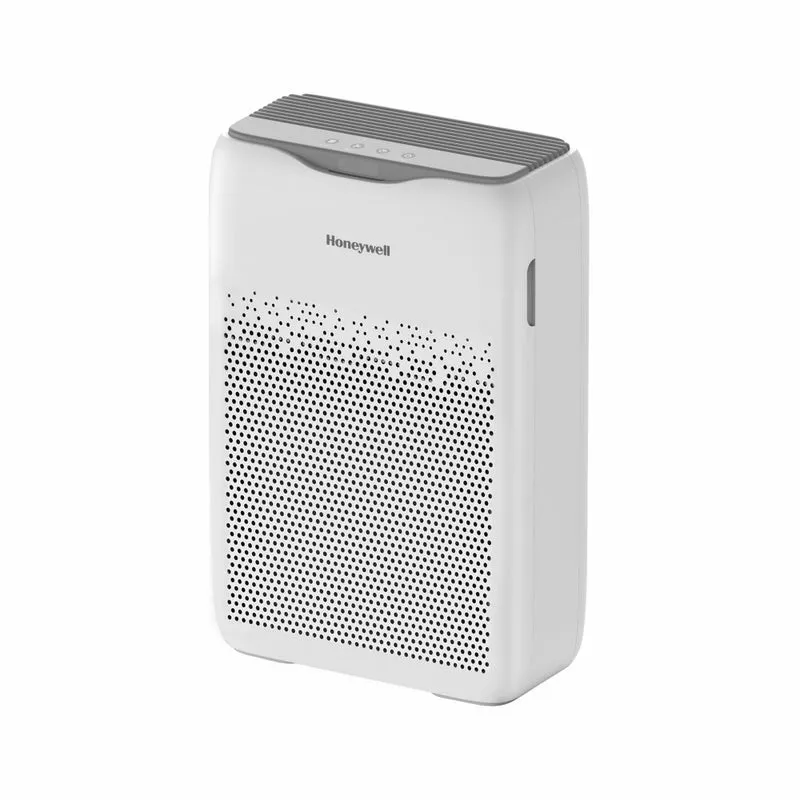
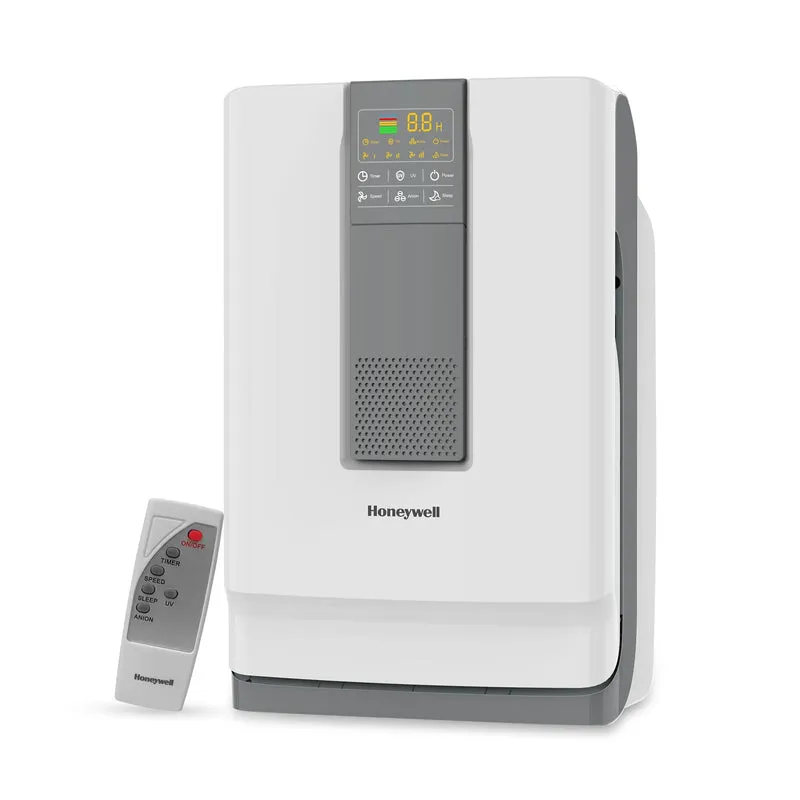
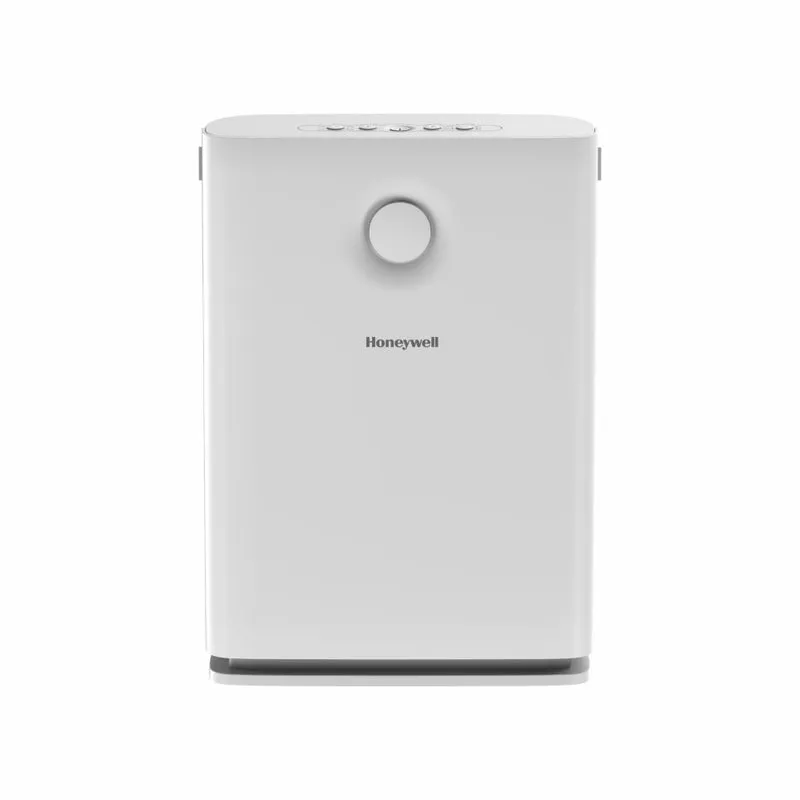
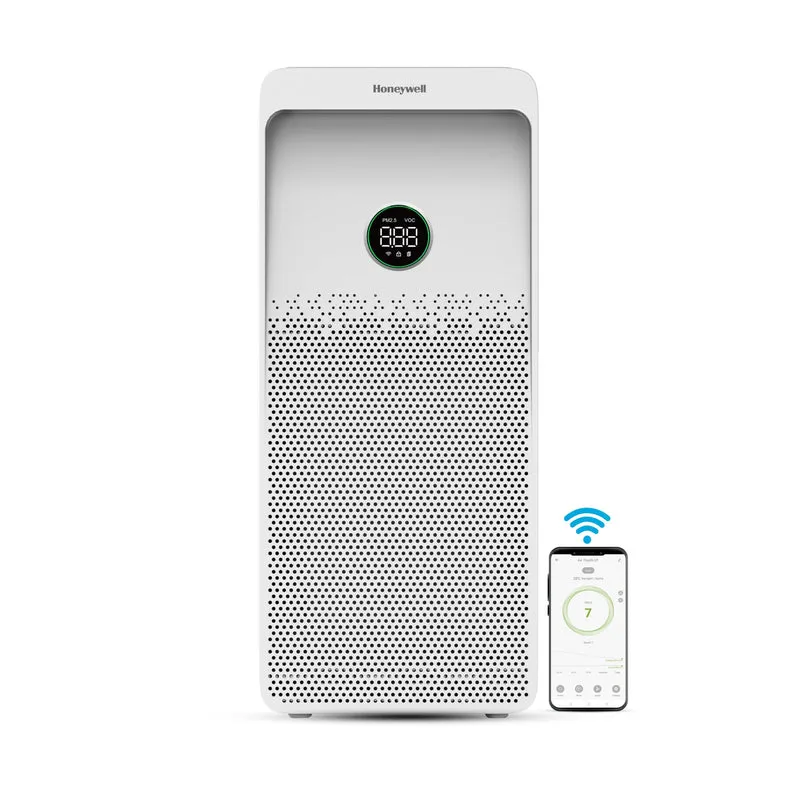
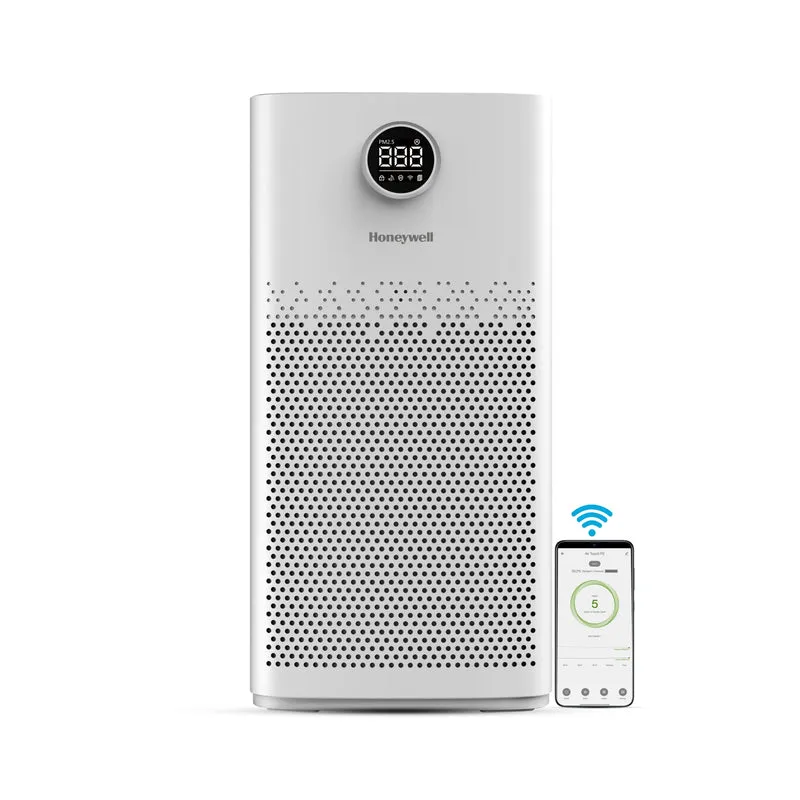
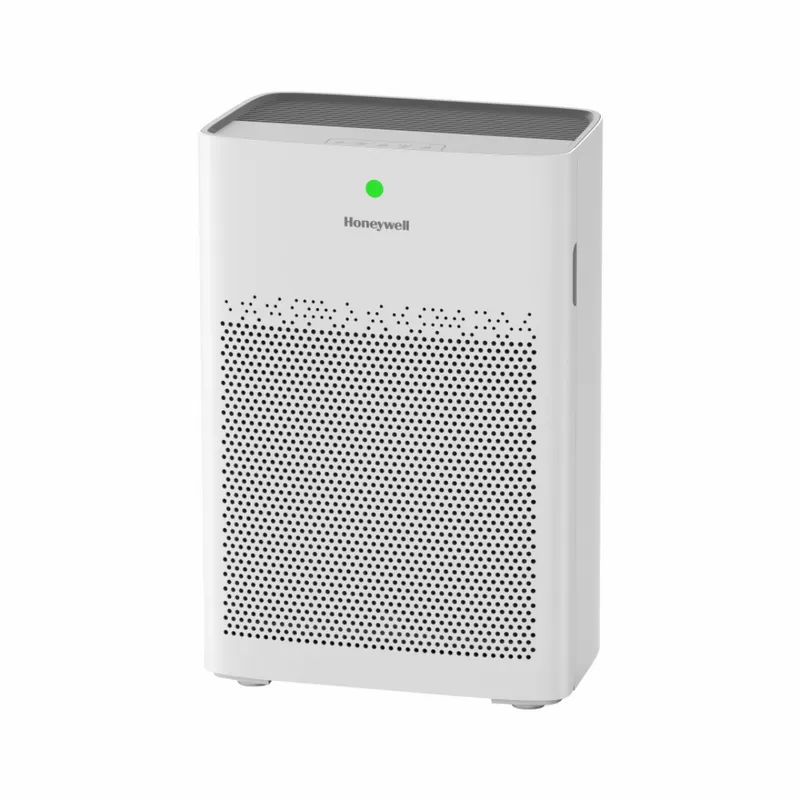
Clean Air AE supplies a curated range of commercial-grade air purifiers from trusted brands including Blueair, Honeywell, and Levoit, all available with fast delivery across Dubai, Abu Dhabi, and the wider UAE. Products are selected for verified HEPA performance, appropriate CADR ratings for SME office environments, and suitability for high dust-load conditions common across the region. Replacement filters are stocked for all listed models, supporting consistent, long-term performance without supply delays. Browse the full range at cleanair-ae.com to find specifications, compare models, and order with free UAE delivery on qualifying orders above 49 AED.
Frequently asked questions
What is CADR and why does it matter for SME air purification?
CADR stands for clean air delivery rate and measures how much filtered air a purifier delivers per hour. For effective office results, aim for at least 500 m³/h and target 4 to 5 air changes per hour to maintain consistently clean office air.
Are air purifiers enough or do I need better ventilation too?
Purifiers reduce airborne particles effectively but cannot replace ventilation or fix pollution sources such as mould or VOCs. Purifiers reduce particles by 20 to 80% but work best as part of a broader air quality strategy that includes adequate ventilation and source control.
Should I avoid ozone-generating purifiers in my office?
Yes. Ioniser and plasma devices that generate ozone should not be used in occupied office spaces. Ozone-generating devices increase ozone concentrations to levels that risk respiratory irritation, particularly in enclosed, air-conditioned UAE offices.
How often should SME air purification devices be maintained?
Follow manufacturer filter replacement schedules, typically every 6 to 12 months, and conduct monthly visual checks. Real-world purifier performance varies due to behavioural and airflow factors, so regular checks ensure devices continue to deliver rated performance rather than degrading unnoticed.