
Uncategorised
How air purifiers reduce allergies: a UAE resident’s guide
If you bought an air purifier expecting your allergy symptoms to disappear, you are not alone in that assumption. Understanding how air purifiers reduce allergies matters because the reality is more nuanced than most product descriptions suggest. Air purifiers can make a measurable difference to indoor allergen levels, but only when matched correctly to your space, maintained properly, and used alongside other controls. This guide covers the science, the limitations, and the practical steps UAE residents need to get genuine relief.
Table of Contents
- How do air purifiers reduce airborne allergens?
- Limitations of air purifiers in allergy relief
- The crucial role of proper air purifier maintenance
- Choosing and placing air purifiers for optimal allergy relief in the UAE
- Combining air purifiers with home cleaning and allergy controls
- Why air purifiers alone won’t solve your allergy problems — what UAE residents often miss
- Explore effective air purifiers for allergy relief from CleanAir UAE
- Frequently asked questions
Key Takeaways
| Point | Details |
|---|---|
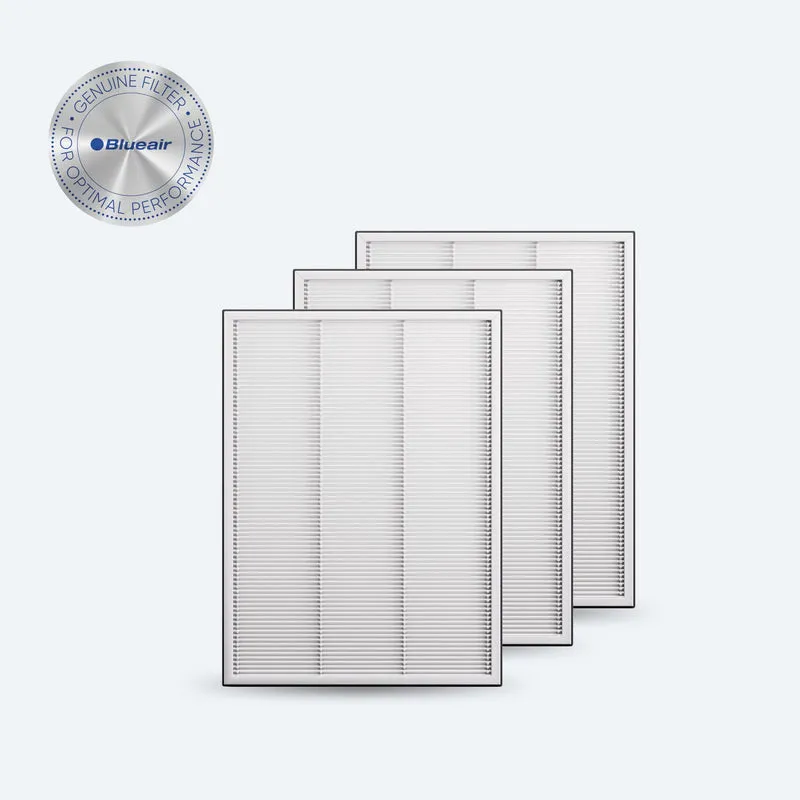
| HEPA filter efficiency | True HEPA filters capture 99.97% of airborne particles at 0.3 microns, effectively reducing pollen, pet dander, and dust mite particles in air. |
| Limitations for settled allergens | Air purifiers only remove airborne allergens; allergens embedded in bedding or surfaces require complementary home cleaning. |
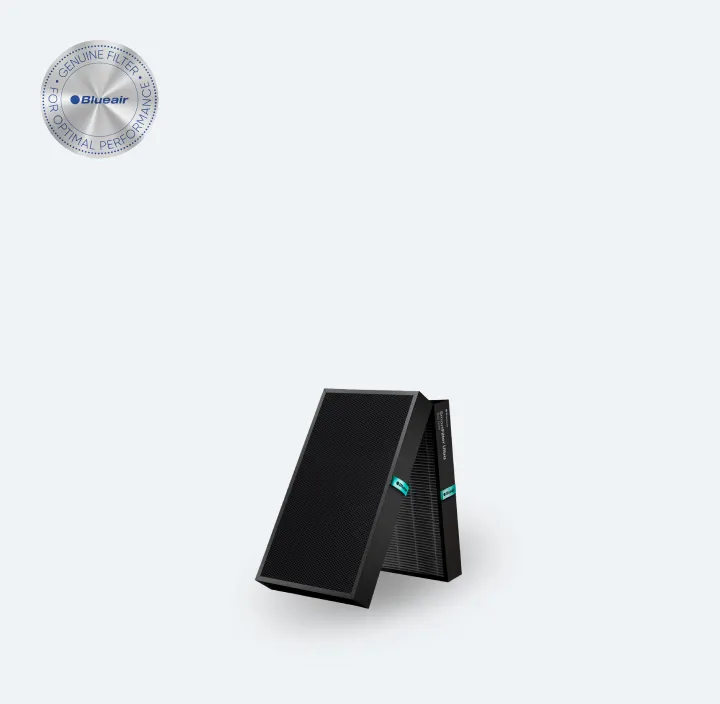
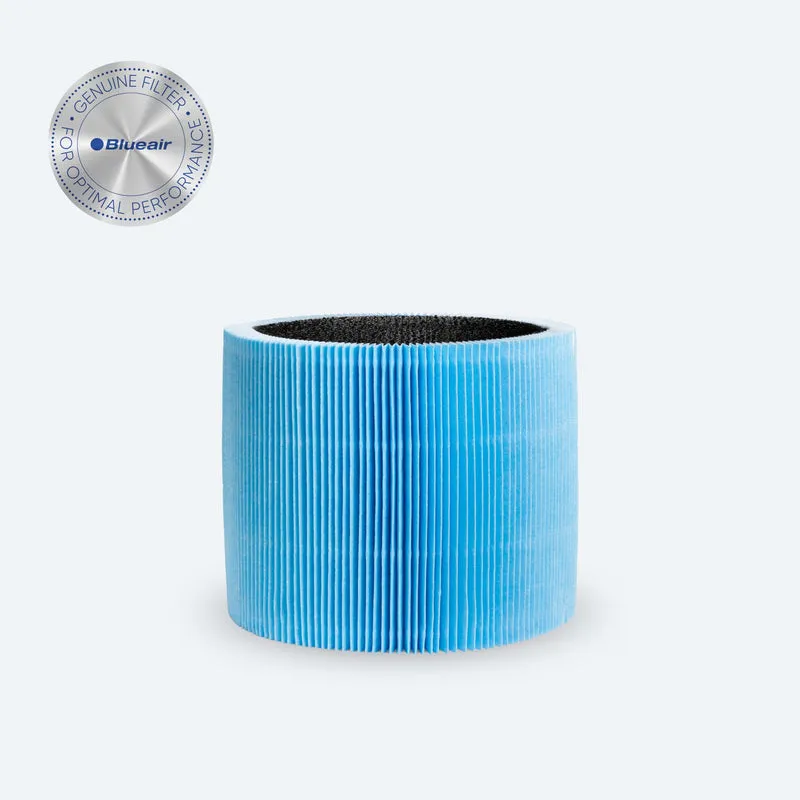
| Maintenance matters | Regular filter replacement is crucial to maintain effectiveness and prevent pollutants from re-entering the air. |
| Correct sizing and placement | Choosing a purifier matched to your room size and placing it in frequently used rooms maximises allergy symptom relief. |
| Supplement with cleaning | Combining air purifier use with cleaning, dust-mite-proof bedding, and ventilation offers the best overall allergy control. |
How do air purifiers reduce airborne allergens?
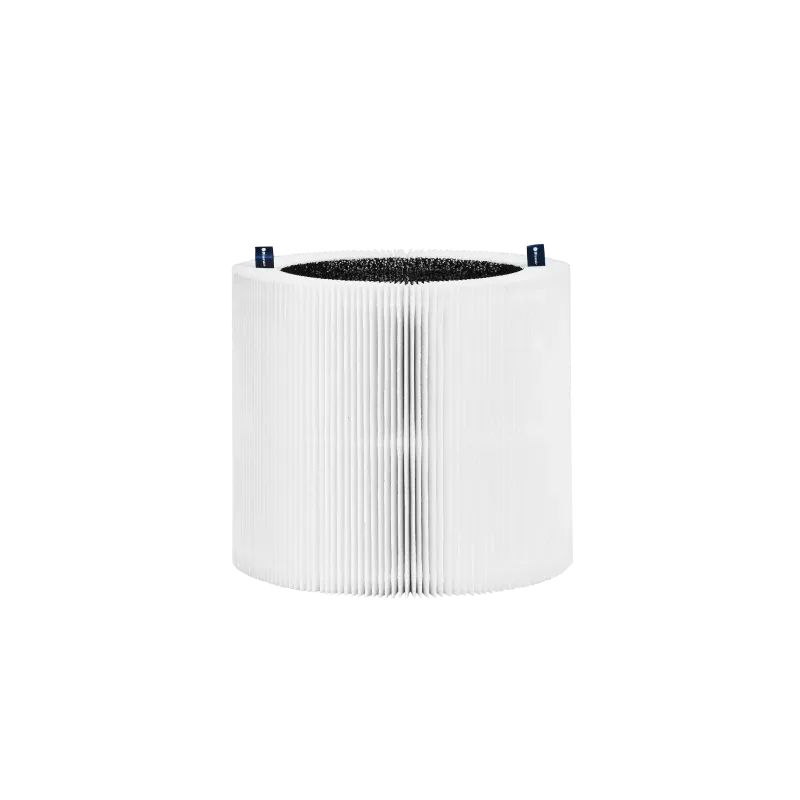
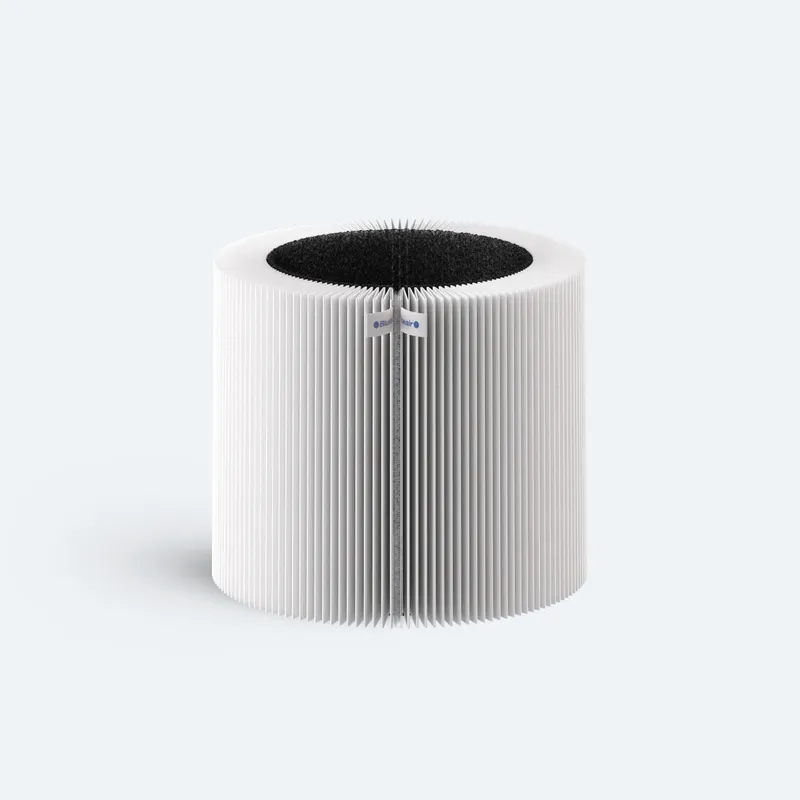
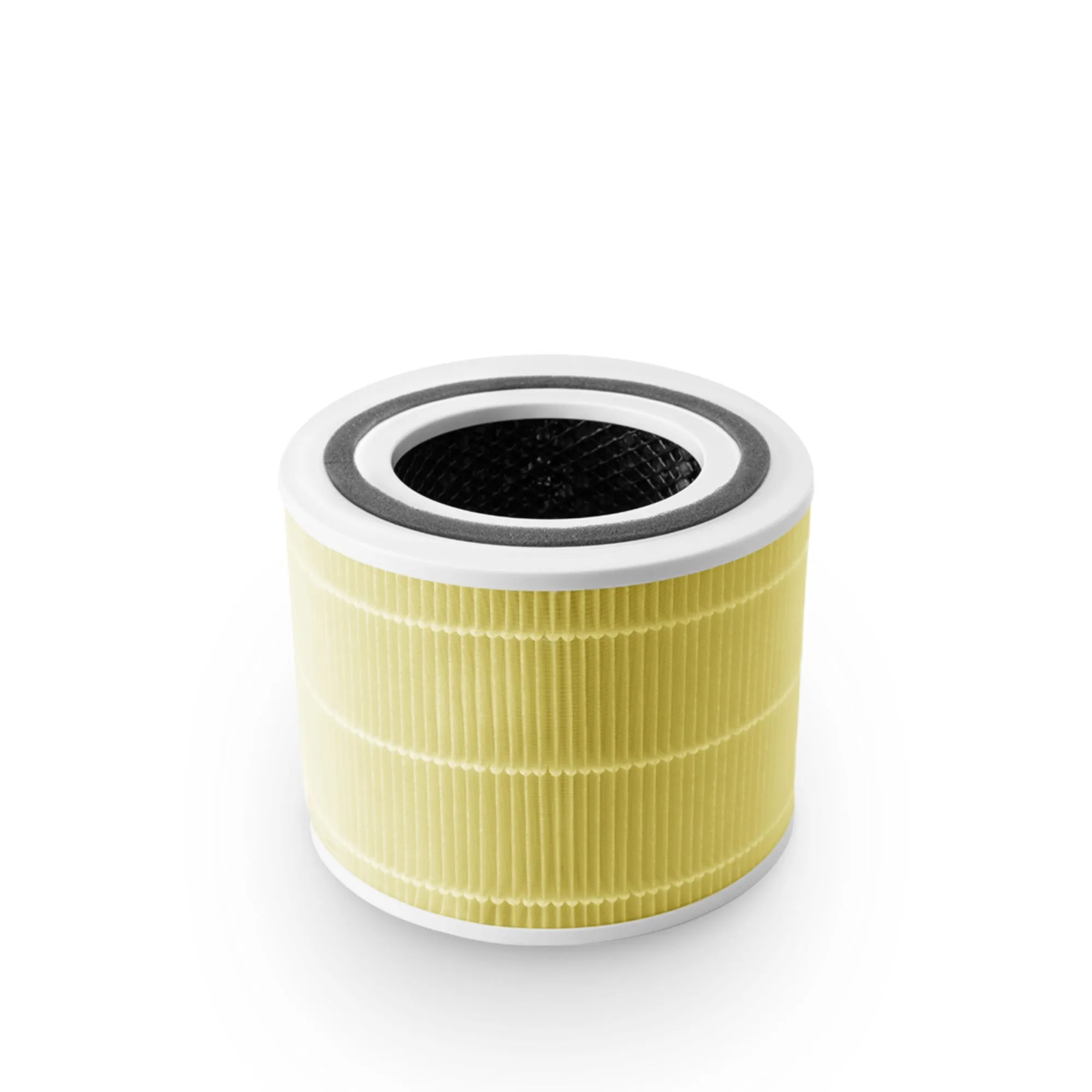
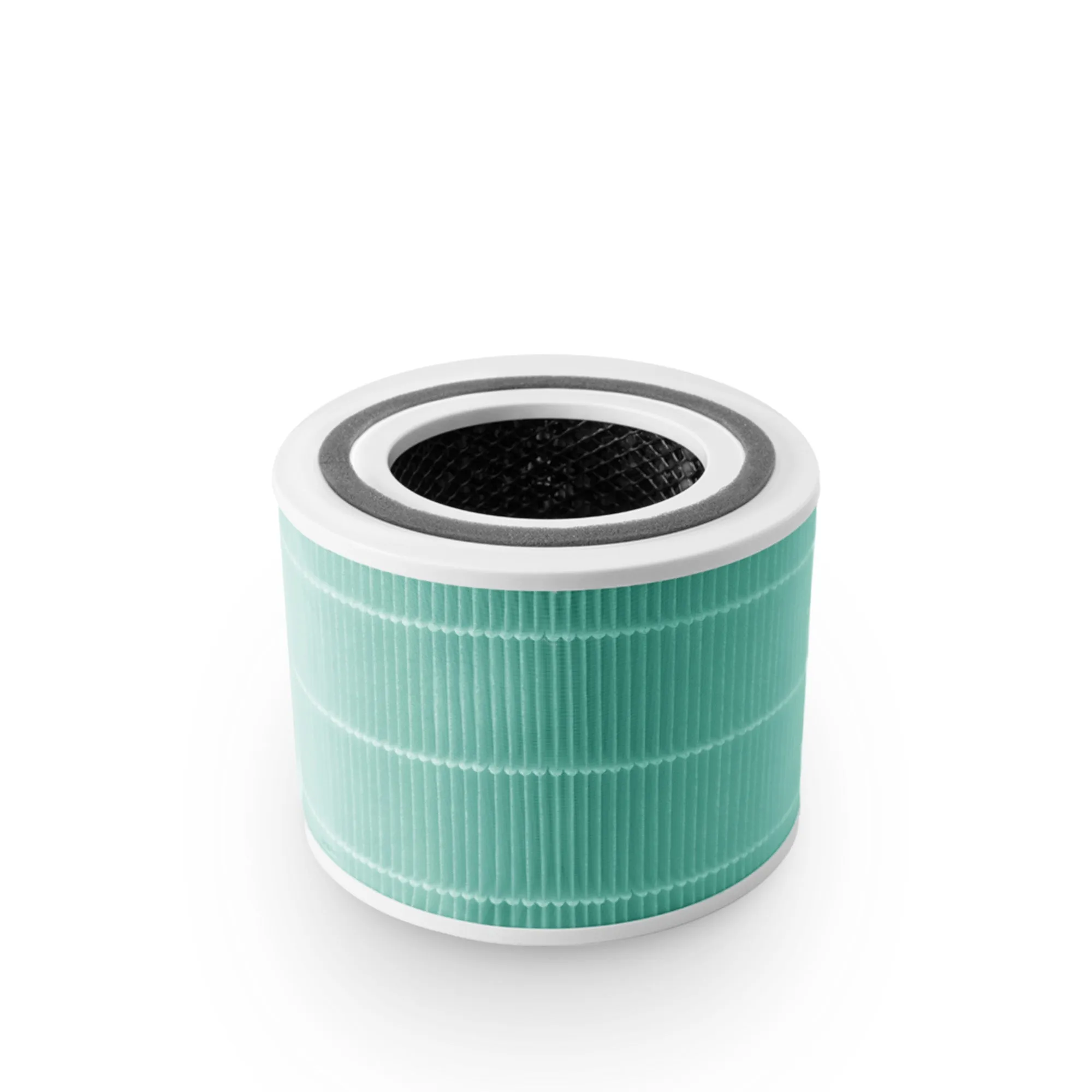
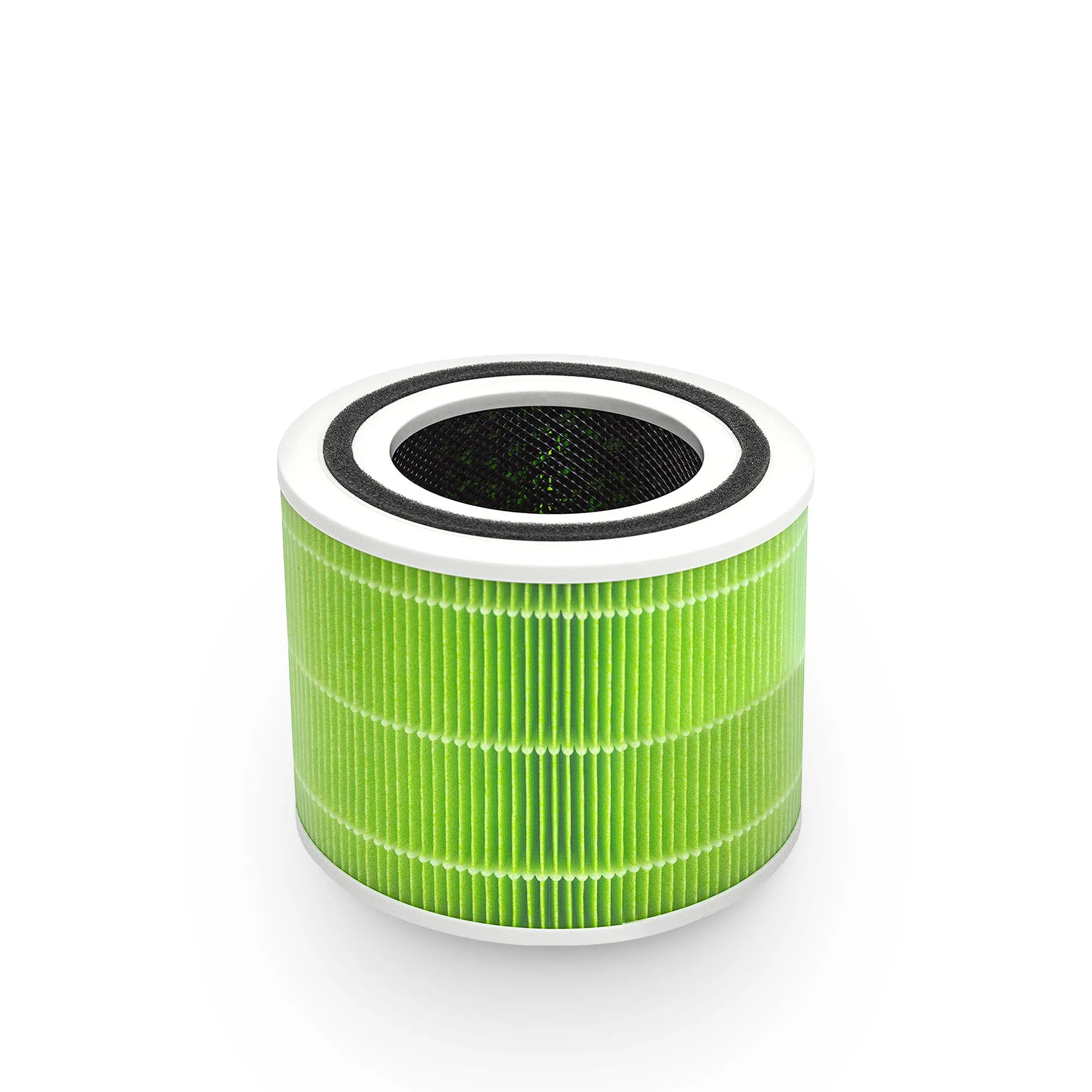
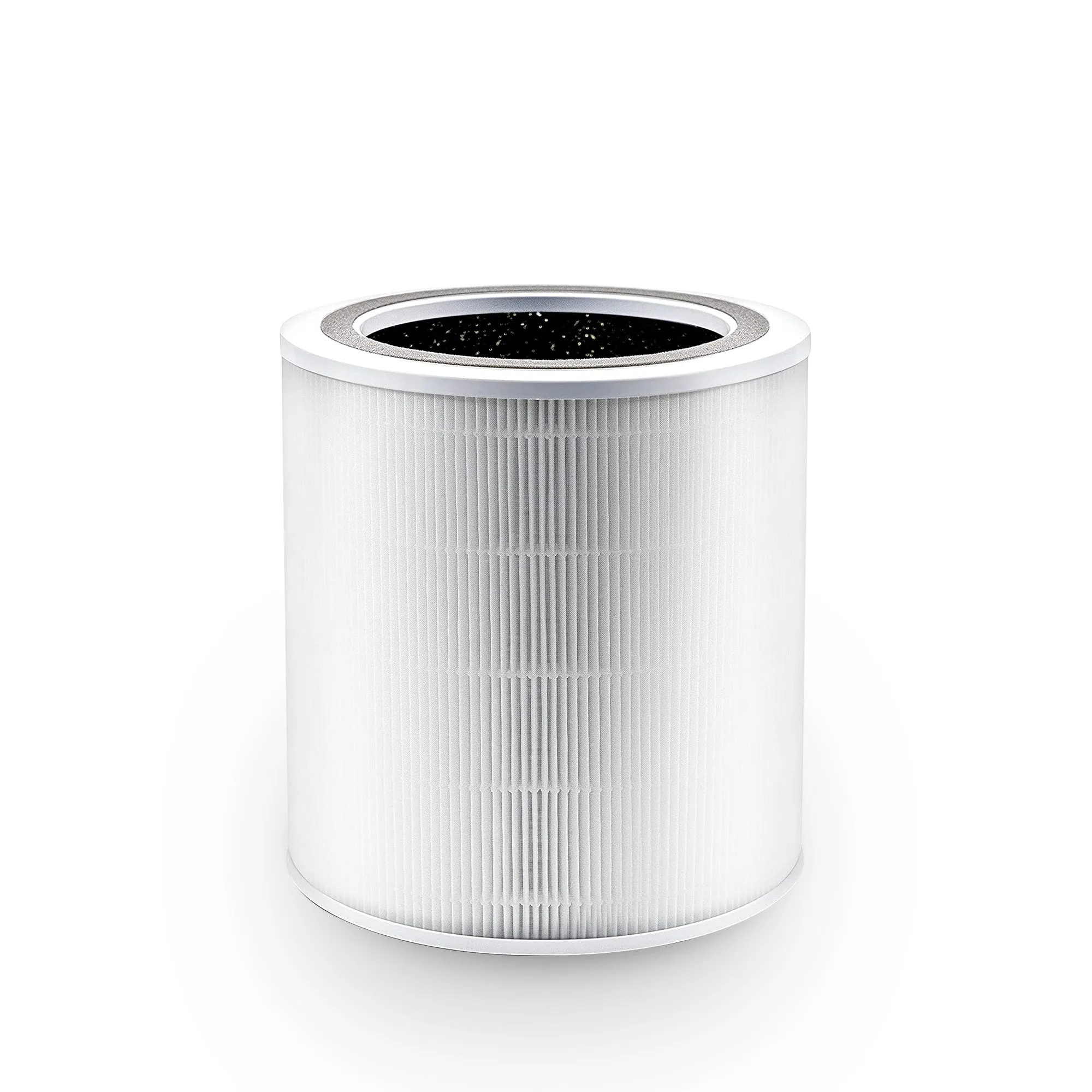
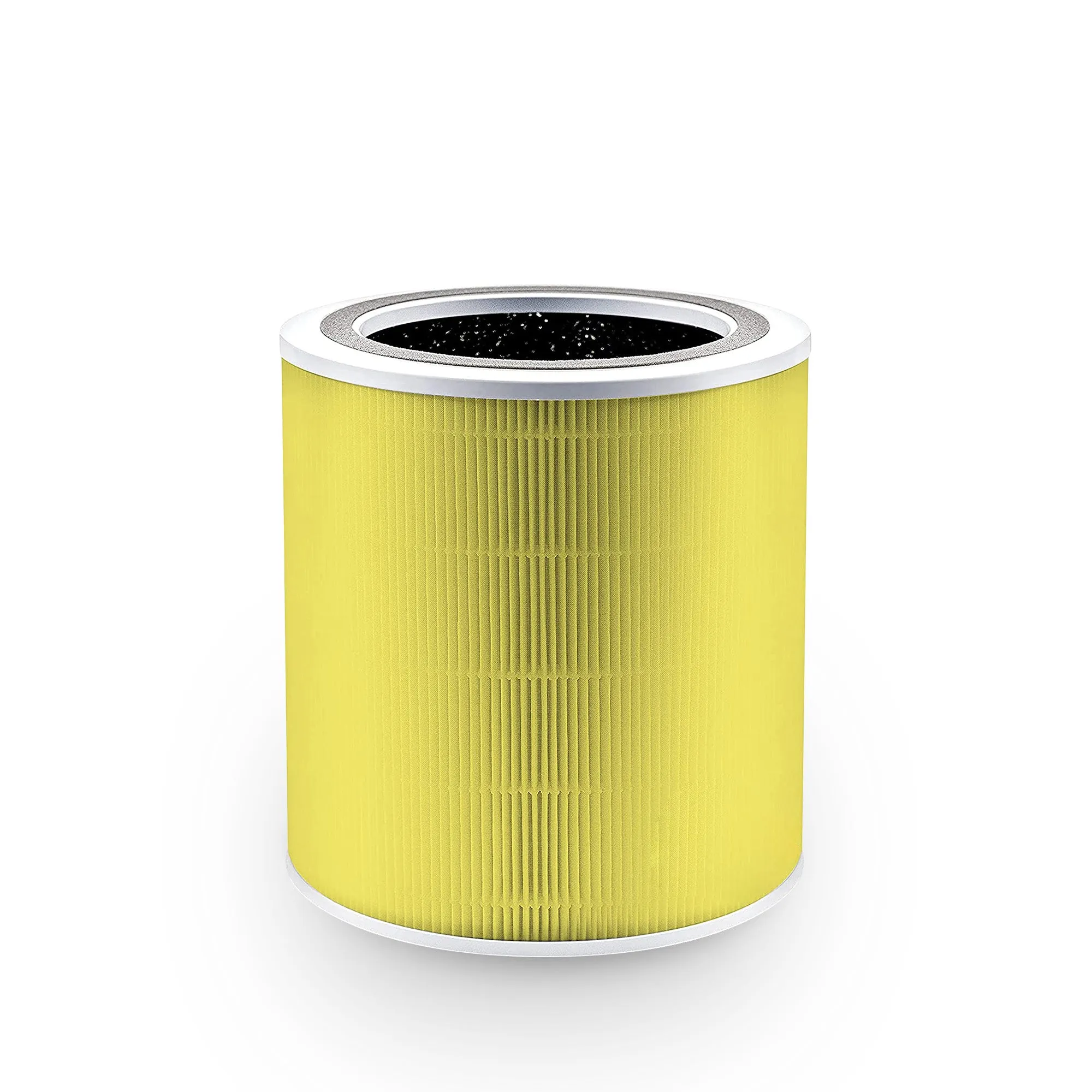
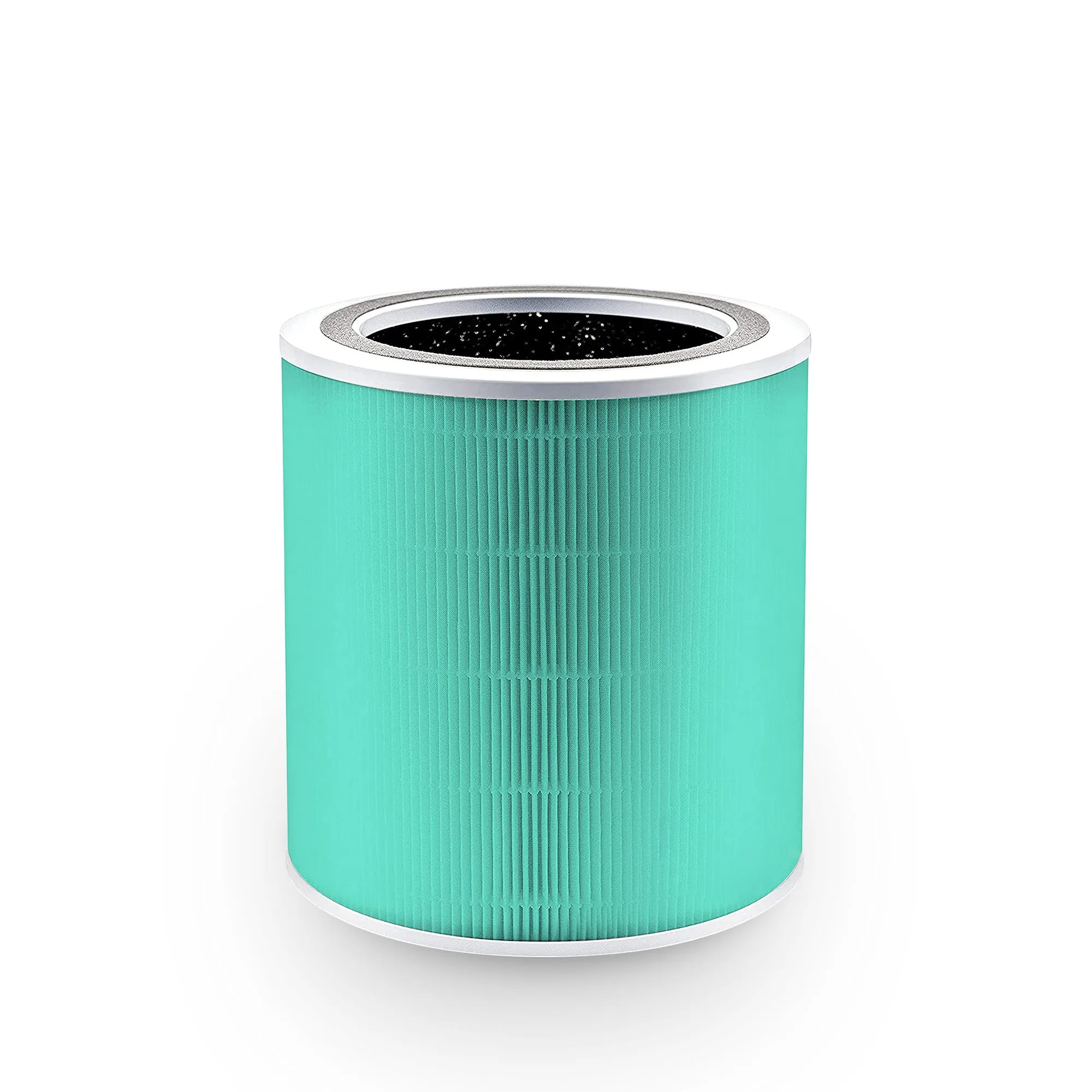
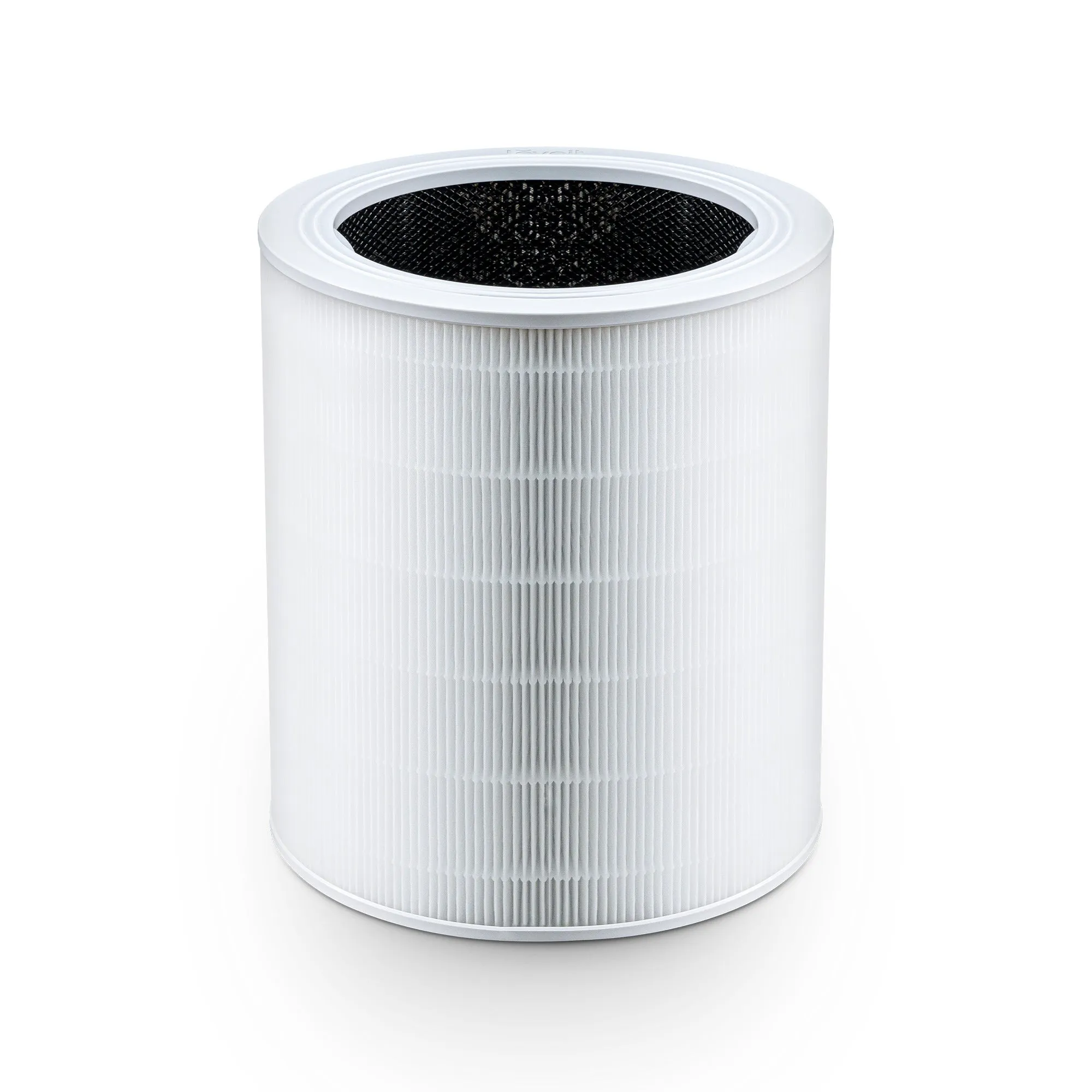
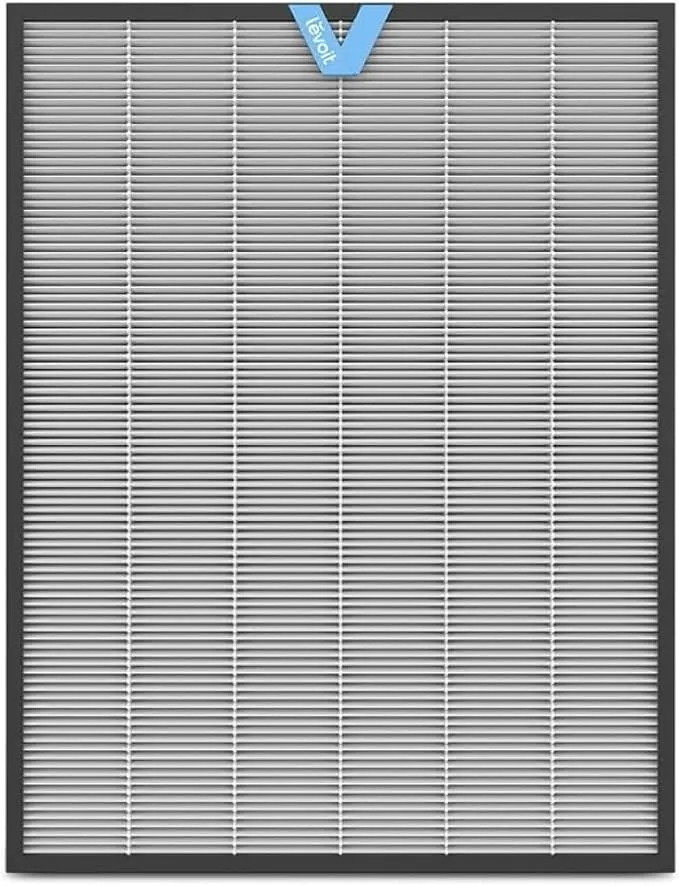
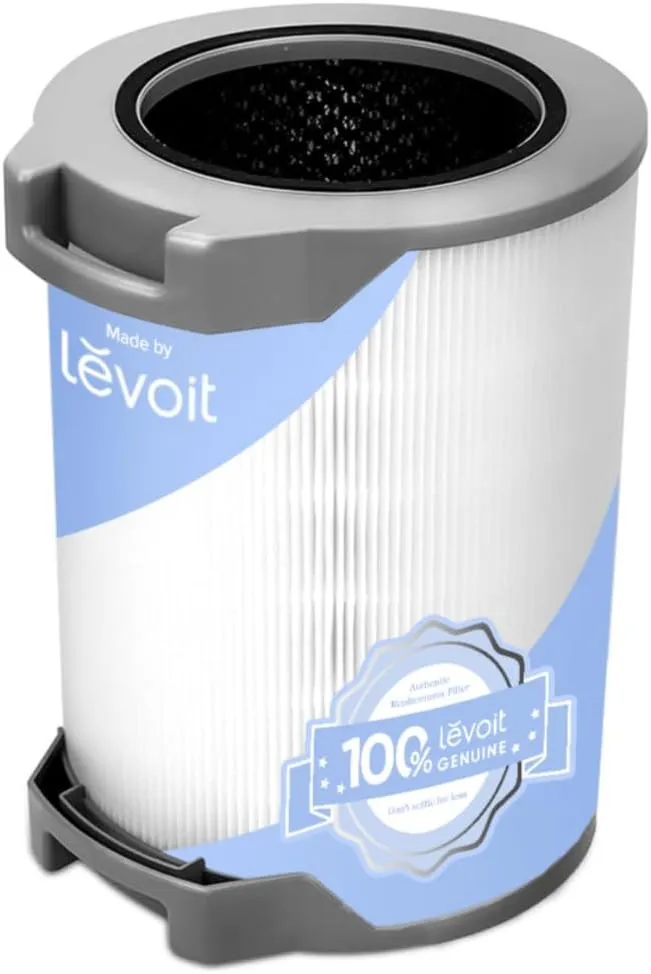
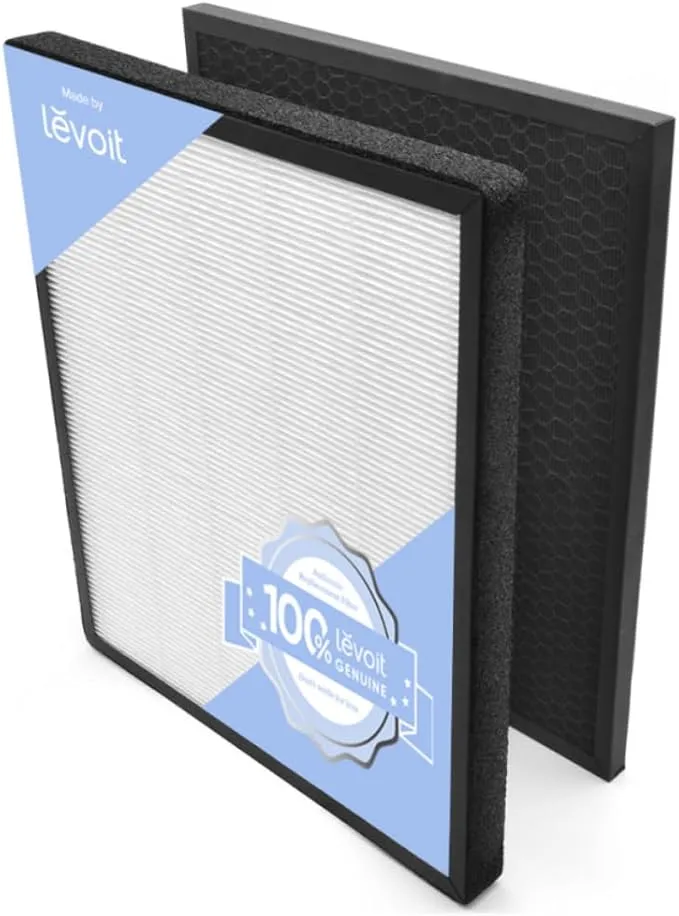
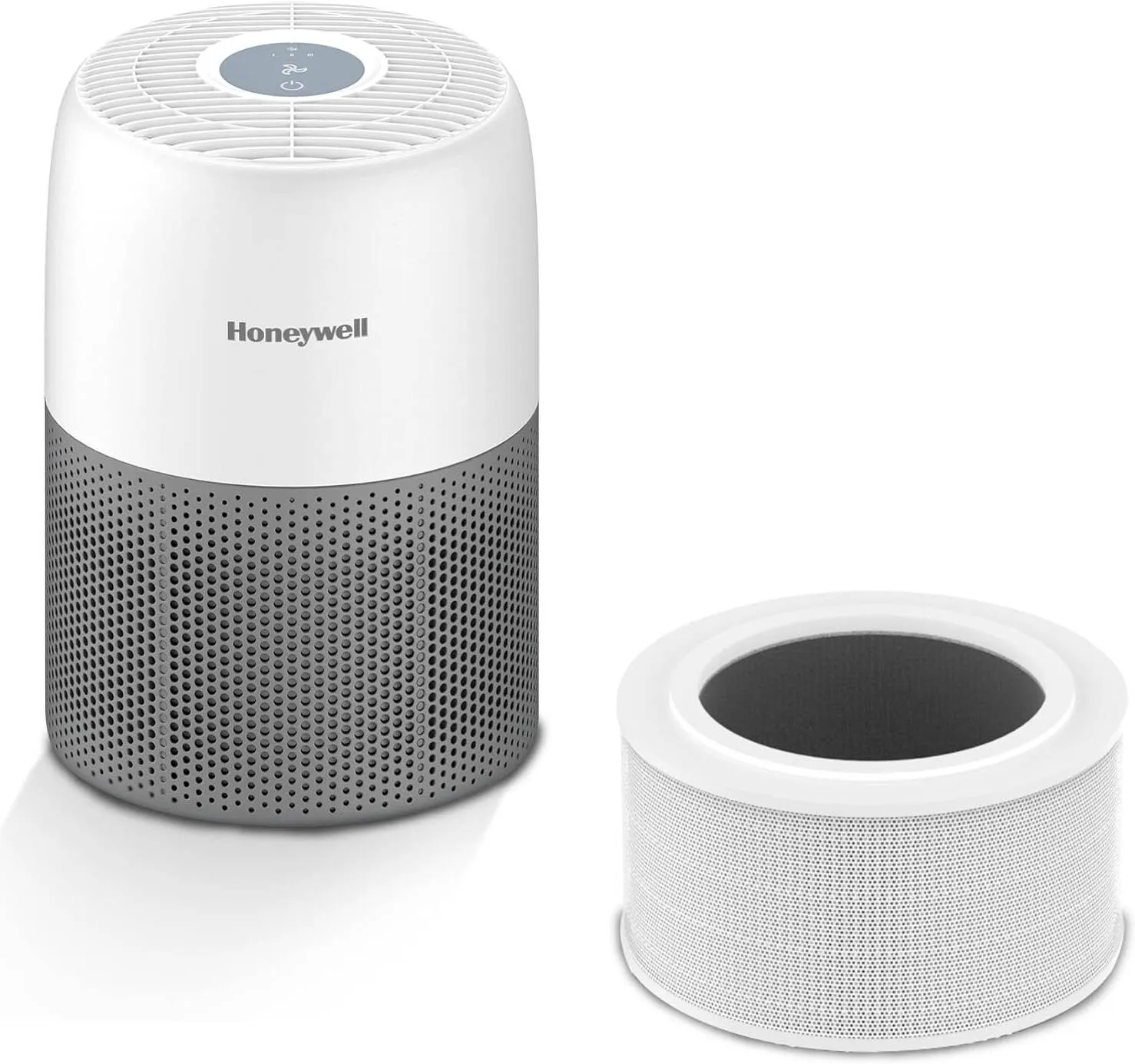
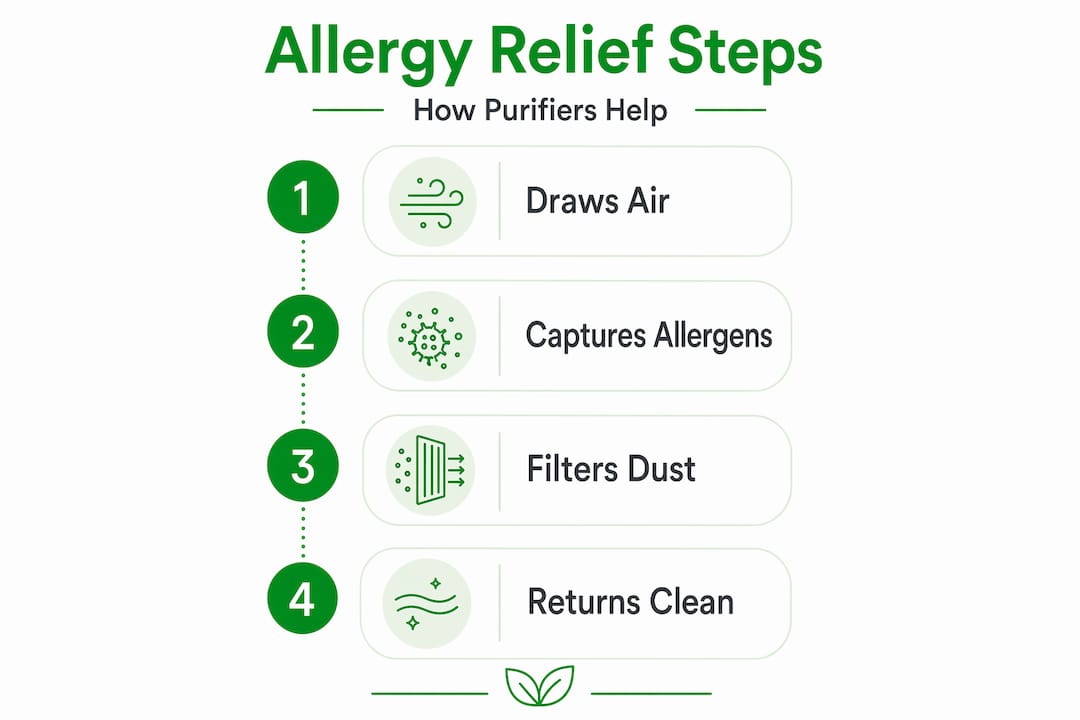
The core mechanism is filtration. Air is drawn into the unit, passed through one or more filter layers, and returned to the room with a significantly lower concentration of airborne particles. The most effective filter type for allergy sufferers is the true HEPA filter (High Efficiency Particulate Air), which is the recognised standard for clinical allergy management.
HEPA filters capture up to 99.97% of particles at 0.3 microns, removing pollen, pet dander, and dust mite particles that trigger allergies. To put that in perspective, a human hair is roughly 70 microns wide. Pollen grains typically range from 10 to 100 microns. Dust mite waste particles, one of the most common indoor allergens in UAE homes, measure around 10 to 40 microns. True HEPA filtration catches all of these with consistent efficiency.
For UAE residents, the common indoor allergens are worth naming specifically:
- Pollen blown in from the desert and urban landscaping, particularly during spring months
- Pet dander from cats and dogs kept indoors with air conditioning running continuously
- Dust mite particles thriving in humid indoor environments, common in coastal cities like Dubai and Abu Dhabi
- Mould spores generated in bathrooms and kitchens where humidity builds up
The role of air purifiers in allergy relief depends heavily on how many air changes per hour the unit can deliver in your specific room. A unit cycling the room air four to six times per hour will reduce airborne allergen concentration far more effectively than one cycling it twice. This is why a portable allergy solution sized correctly for a small bedroom will outperform an undersized unit in a large living room, regardless of brand.
Limitations of air purifiers in allergy relief
Air purifiers only act on particles that are suspended in the air and pass through the device. They have no effect on allergens that have already settled on surfaces, embedded themselves in carpet fibres, or accumulated in bedding and upholstery.
Dust mite allergens mainly reside in bedding and fabrics and are not effectively removed by air purifiers alone, requiring additional controls such as dust-mite-proof bedding covers and regular cleaning. This is a critical point. Many UAE residents invest in a quality air purifier and notice only modest improvement because the primary allergen source, their mattress and pillows, remains untouched.
Other limitations worth understanding:
- Air purifiers do not neutralise allergens on curtains, sofas, or rugs. These require regular vacuuming with a HEPA-equipped vacuum cleaner.
- They cannot prevent new allergens from entering when doors and windows are opened, which happens frequently in the UAE evening hours.
- A single unit in one room offers no protection in other rooms where you also spend time.
- Units without true HEPA filters, including many cheaper ioniser-only models, may not remove allergens effectively and can release ozone as a byproduct.
When using air purifiers with other allergy controls, the results improve substantially. The role of air purifiers in allergy prevention is strongest when they are one layer in a broader strategy, not the only layer.
Pro Tip: Combine your air purifier with weekly washing of bedding at 60°C or higher and dust-mite-proof mattress covers. This targets settled allergens the purifier cannot reach, and together the two approaches cover both airborne and surface-level exposure.
The crucial role of proper air purifier maintenance
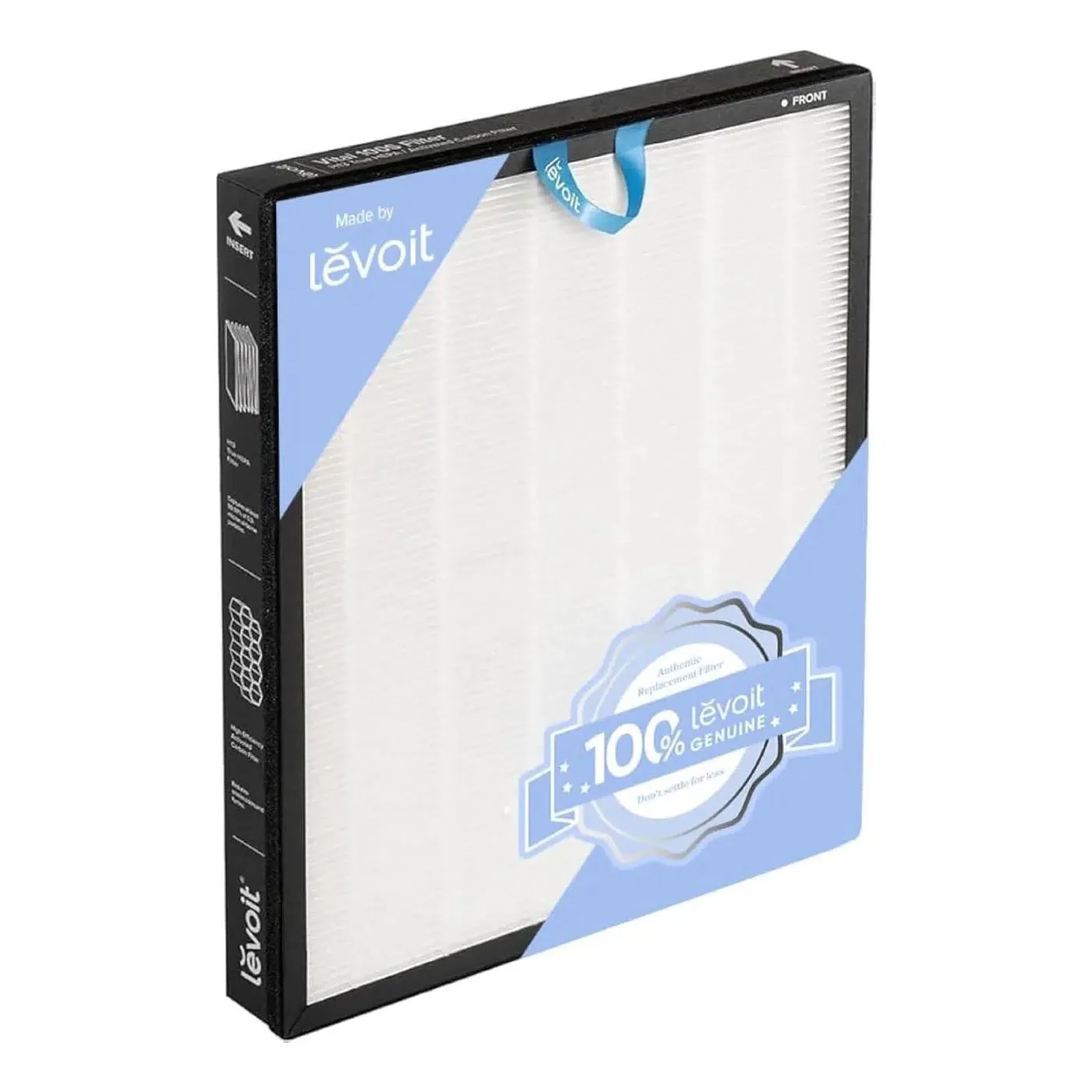
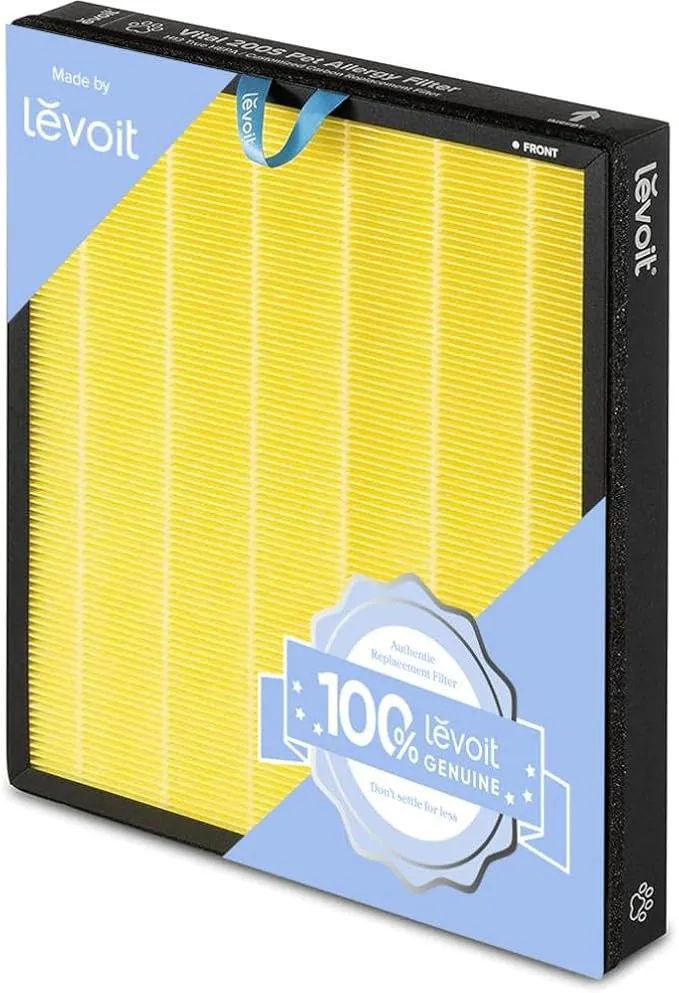
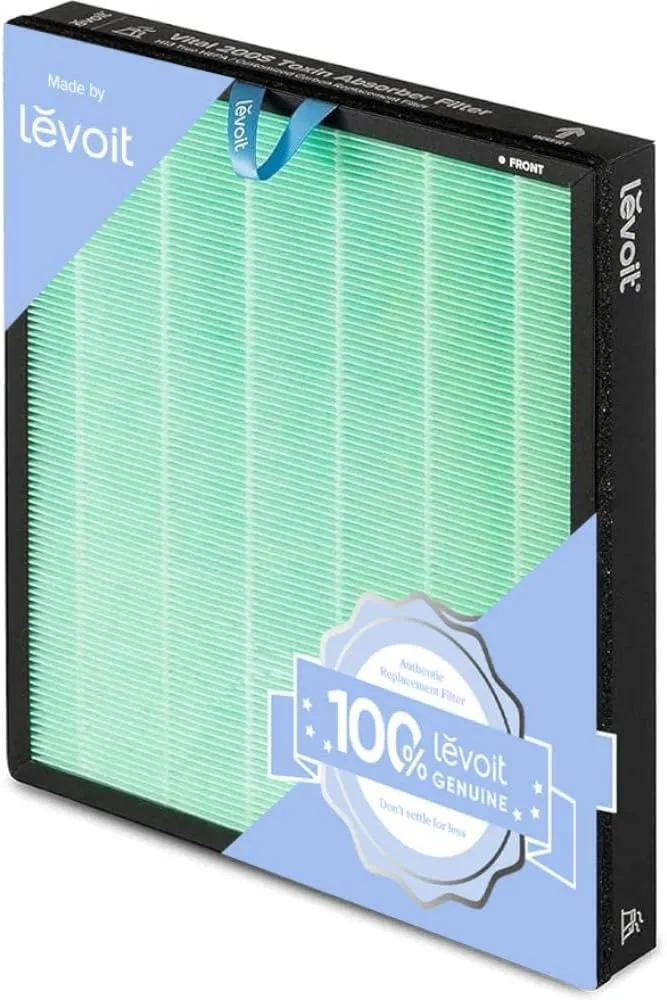
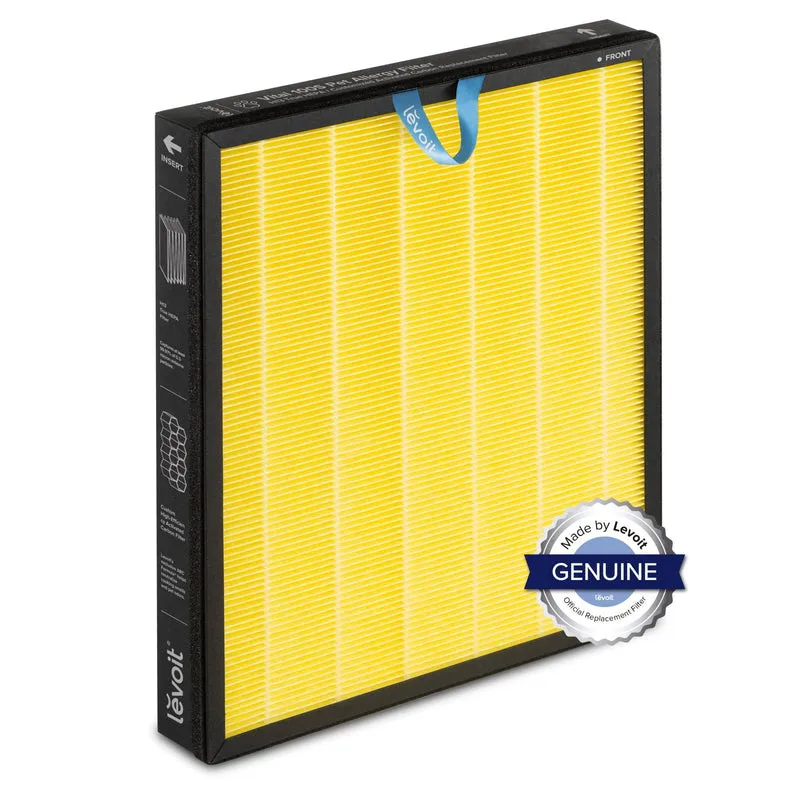
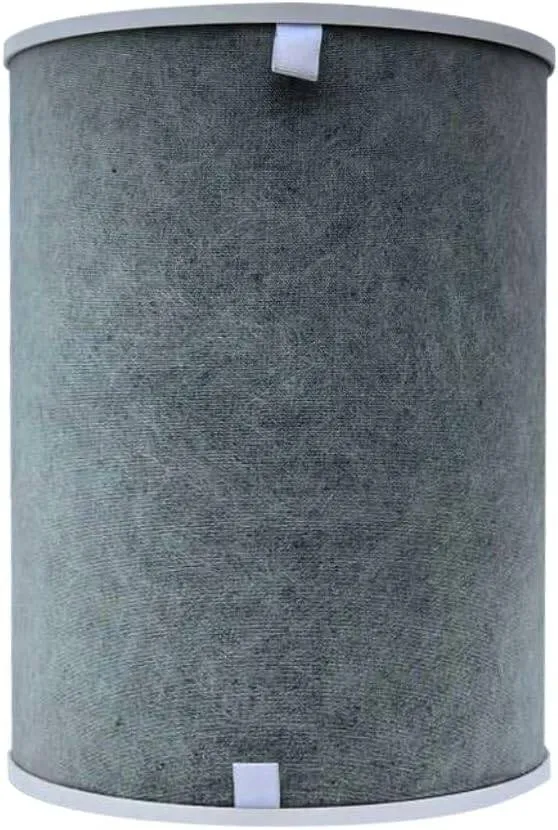
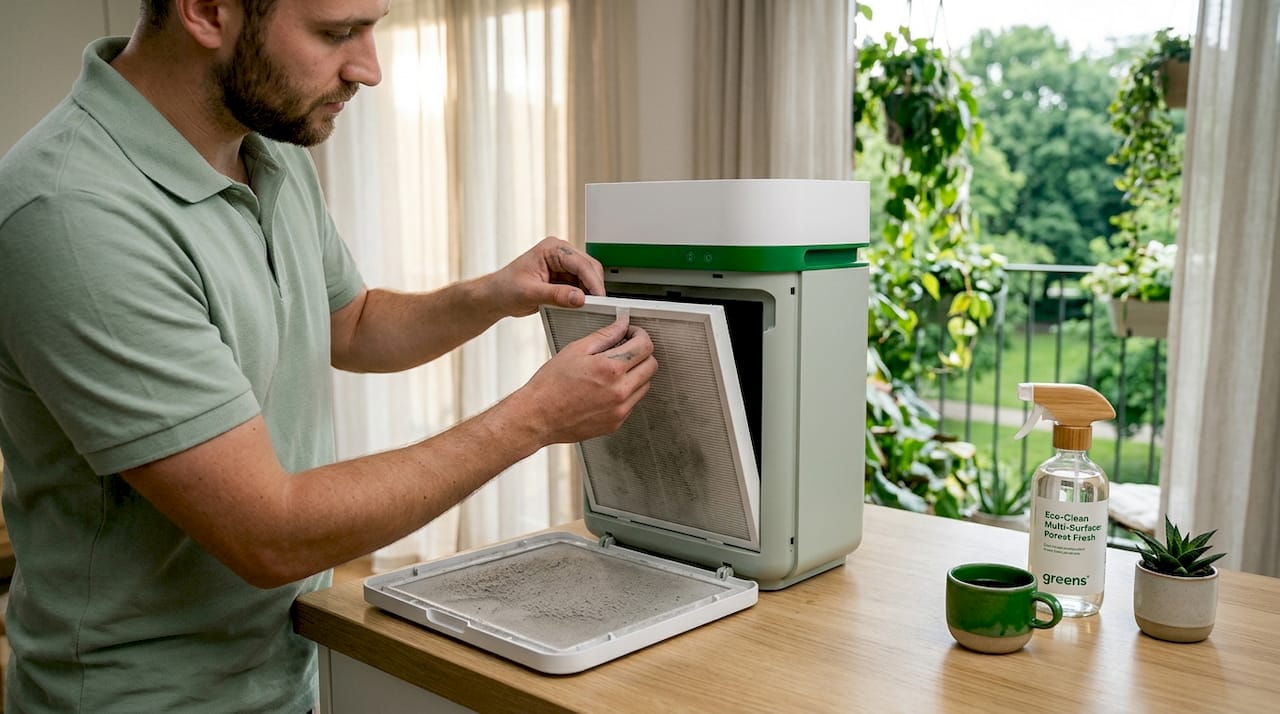
An air purifier with a clogged or degraded filter is not neutral. It actively becomes a problem. Not changing filters as recommended can cause collected particles to build up or be re-released, worsening indoor air quality and allergy symptoms. This is the single most commonly overlooked issue among air purifier owners in the UAE.
The steps for maintaining your air purifier consistently are straightforward:
- Check filter status monthly. Most modern units have indicator lights, but a physical inspection catches issues the sensor may miss.
- Replace HEPA filters every six to twelve months. In UAE homes with pets or high dust levels, lean towards the six-month end of that range.
- Clean pre-filters every two to four weeks. Pre-filters catch larger particles and extend HEPA filter life. Rinse washable ones and allow them to dry fully before reinserting.
- Wipe down the exterior and air intake grille. Dust accumulates on the intake and restricts airflow if left unchecked.
- Check fan and sensor functionality. Some units have air quality sensors that need occasional cleaning to remain accurate.
The importance of filter maintenance cannot be overstated in the UAE context specifically. Desert dust is fine and persistent. Homes near construction sites in Dubai and Abu Dhabi see filter saturation at a faster rate than the manufacturer’s general guidance assumes.
Pro Tip: Set a recurring calendar reminder every two months to inspect your unit. Choose models with filter replacement alerts built in, as this removes the need to remember and builds a reliable routine.
Choosing and placing air purifiers for optimal allergy relief in the UAE
How do air purifiers help allergies when placed incorrectly? They help far less than they should. Placement and sizing are the two variables UAE allergy sufferers most frequently get wrong.
Purifiers used in high-exposure rooms such as bedrooms yield better allergy symptom improvement, and research supports running them continuously for around six weeks before assessing whether symptoms have changed. A single week is rarely enough time for a meaningful reduction in baseline allergen levels.
When choosing allergen-targeted purifiers, match the unit’s Clean Air Delivery Rate (CADR) to your room size. CADR measures how quickly the purifier cleans a specific volume of air. The table below shows a practical reference for common UAE room types:
| Room type | Approximate area | Recommended CADR | Primary allergen concern |
|---|---|---|---|
| Bedroom | 15 to 20 sq m | 150 to 200 m³/h | Dust mites, pet dander |
| Living room | 30 to 40 sq m | 300 to 400 m³/h | Pollen, pet dander, dust |
| Office space | 20 to 30 sq m | 200 to 300 m³/h | Dust, mould spores |
| Large open plan | 50 sq m and above | 450 m³/h or higher | All allergens |
When buying room-sized air purifiers, use this checklist before purchasing:
- True HEPA filter confirmed, not “HEPA-type” or “HEPA-like”
- CADR rating appropriate for your specific room dimensions
- Replacement filter availability and cost in the UAE market
- Noise level at the setting you will actually use during sleep
- Ease of filter access so maintenance does not become a reason to delay it
Combining air purifiers with home cleaning and allergy controls
Air purifiers for allergy relief work best as part of a system, not as a standalone fix. The moment a unit removes airborne allergens, settled allergens on surfaces begin to release new particles back into the air. This cycle continues indefinitely unless source control is also practised.
As one allergy management review notes, air purifiers serve as a supplementary tool and work best combined with source control cleaning, ventilation, and medical treatment as part of thorough allergy management. The filtration side and the cleaning side need to work together.
Complementary controls that significantly improve outcomes:
- Vacuum weekly with a HEPA-filter vacuum. Standard vacuums redistribute fine allergens back into the air. HEPA vacuums capture them.
- Wash all bedding weekly at 60°C. This temperature kills dust mites. Lower temperatures do not.
- Keep pets out of bedrooms entirely. Even with a purifier running, pet dander accumulates on bedding and upholstery faster than filtration can address.
- Use a dehumidifier in bathrooms and kitchens. Keeping indoor humidity below 50% suppresses both dust mite reproduction and mould growth.
- Seal windows during high pollen periods. In the UAE spring months, this is particularly relevant in areas with substantial landscaping.
“Source control is the hidden half of allergy relief. Filtration addresses what is already in the air; source control stops the cycle from restarting.” Allergist guidance consistently positions both approaches as inseparable for meaningful symptom improvement.
Complementing purifier use with cleaning is the difference between moderate benefit and real, sustained improvement.
Why air purifiers alone won’t solve your allergy problems — what UAE residents often miss
The marketing around air purifiers tends to present them as a near-complete solution. The practical reality in UAE homes is different. Many residents run a quality HEPA purifier continuously and still experience significant symptoms because the allergen sources are either constant or settled where the purifier cannot reach.
Pets are the clearest example. A cat or dog indoors generates dander continuously. The purifier removes what is airborne, but the animal keeps producing more. Continuous allergen generation by pets or mould in humid UAE homes can outpace filtration alone; source control and moisture management are crucial to stop the cycle. Humidity management is a step many UAE residents overlook entirely, yet coastal cities like Dubai and Sharjah have indoor humidity levels during summer that actively accelerate mould and dust mite growth.
The common pitfalls that limit real-world effectiveness:
- Running the unit on low settings permanently to reduce noise, without ever running it on high to address spikes in allergen levels
- Neglecting filter maintenance importance until the filter is visibly grey and airflow is compromised
- Buying a unit that suits a small room and placing it in an open-plan space where it cannot circulate air adequately
- Relying on the purifier alone and skipping weekly cleaning, assuming the device handles everything
The most effective approach is a disciplined one. The role of air purifiers in allergy prevention is real and evidence-based, but that role is one component, not the entire strategy. UAE residents who see the best results treat the purifier as the airborne allergen layer of a broader routine that also addresses surfaces, humidity, source control, and medical management.
Explore effective air purifiers for allergy relief from CleanAir UAE
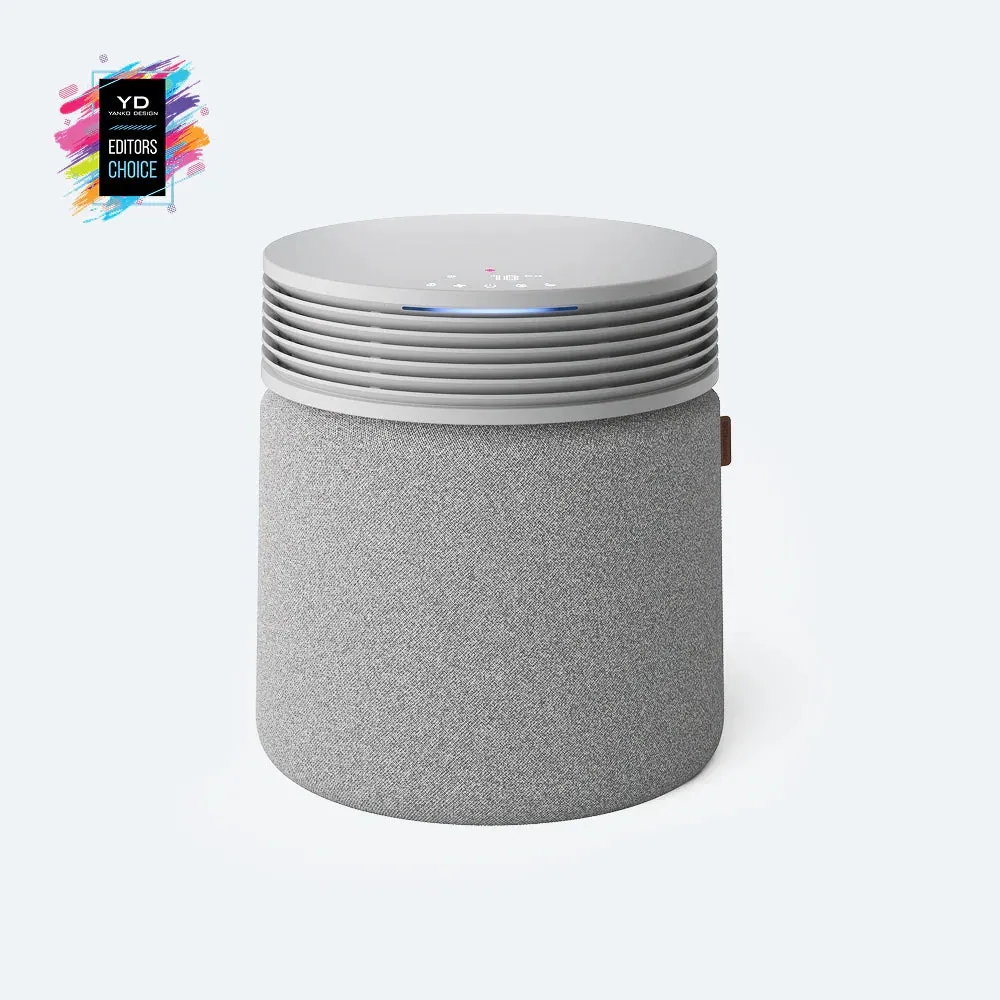
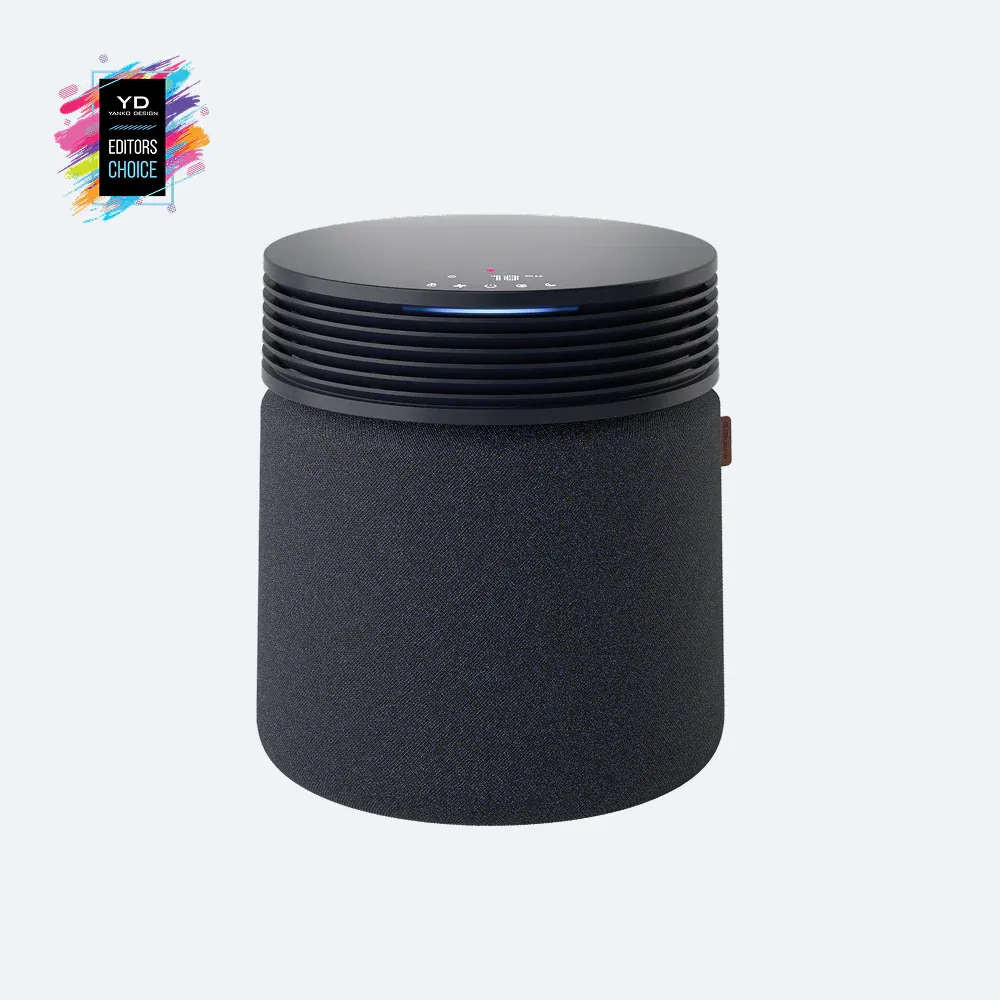
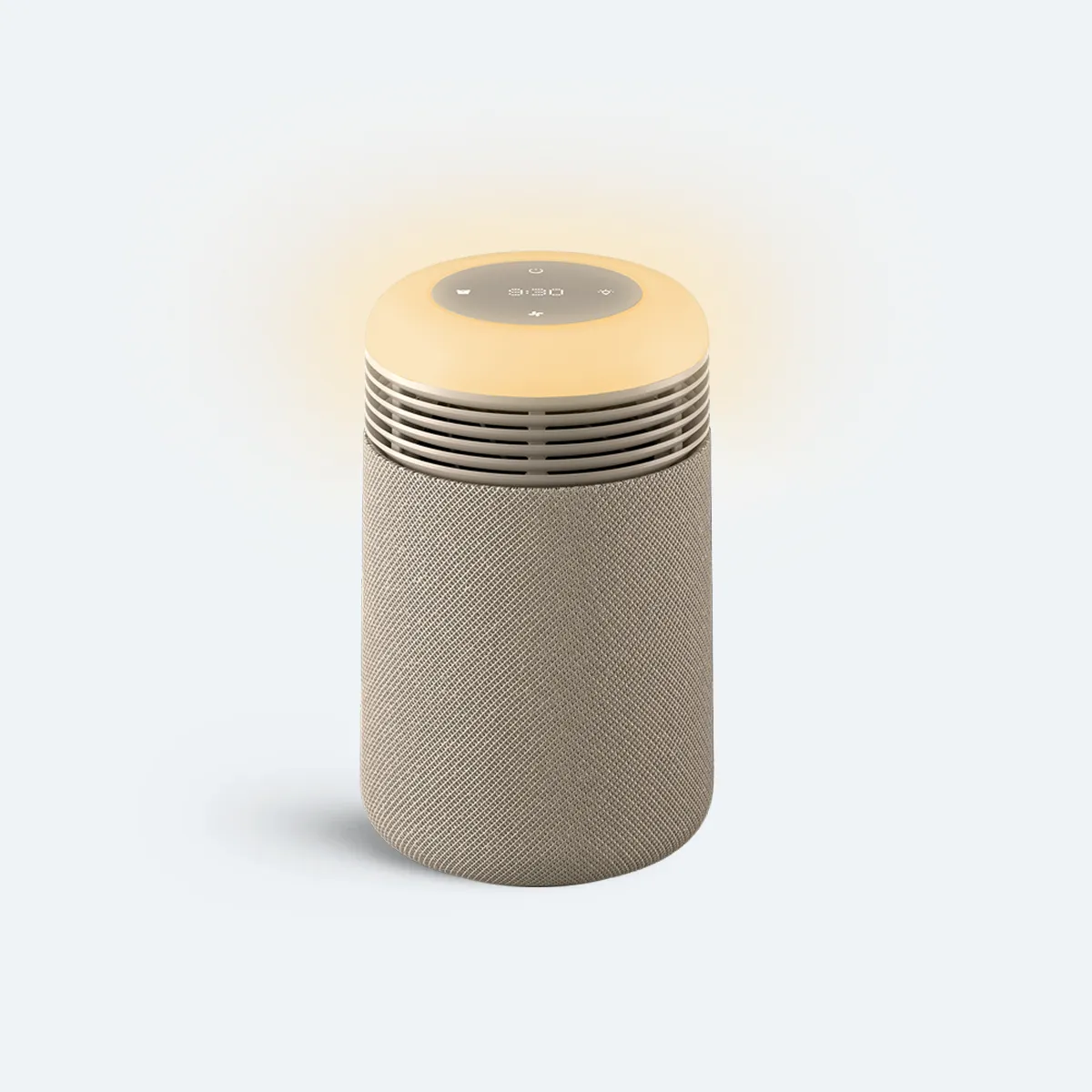
If you are ready to improve your indoor air quality, CleanAir UAE offers a curated selection of HEPA air purifiers suited to allergy management across different room sizes and budgets.
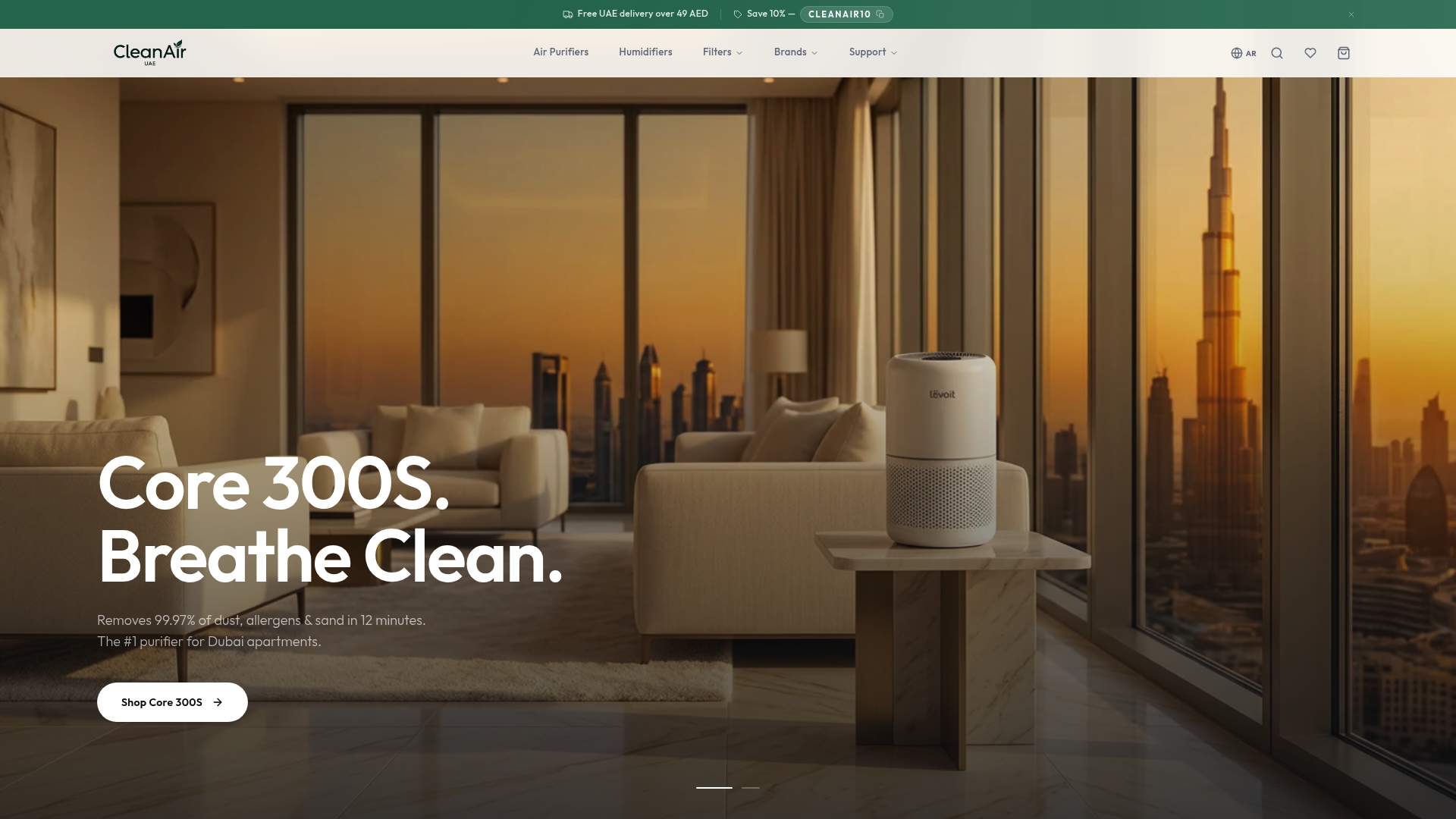
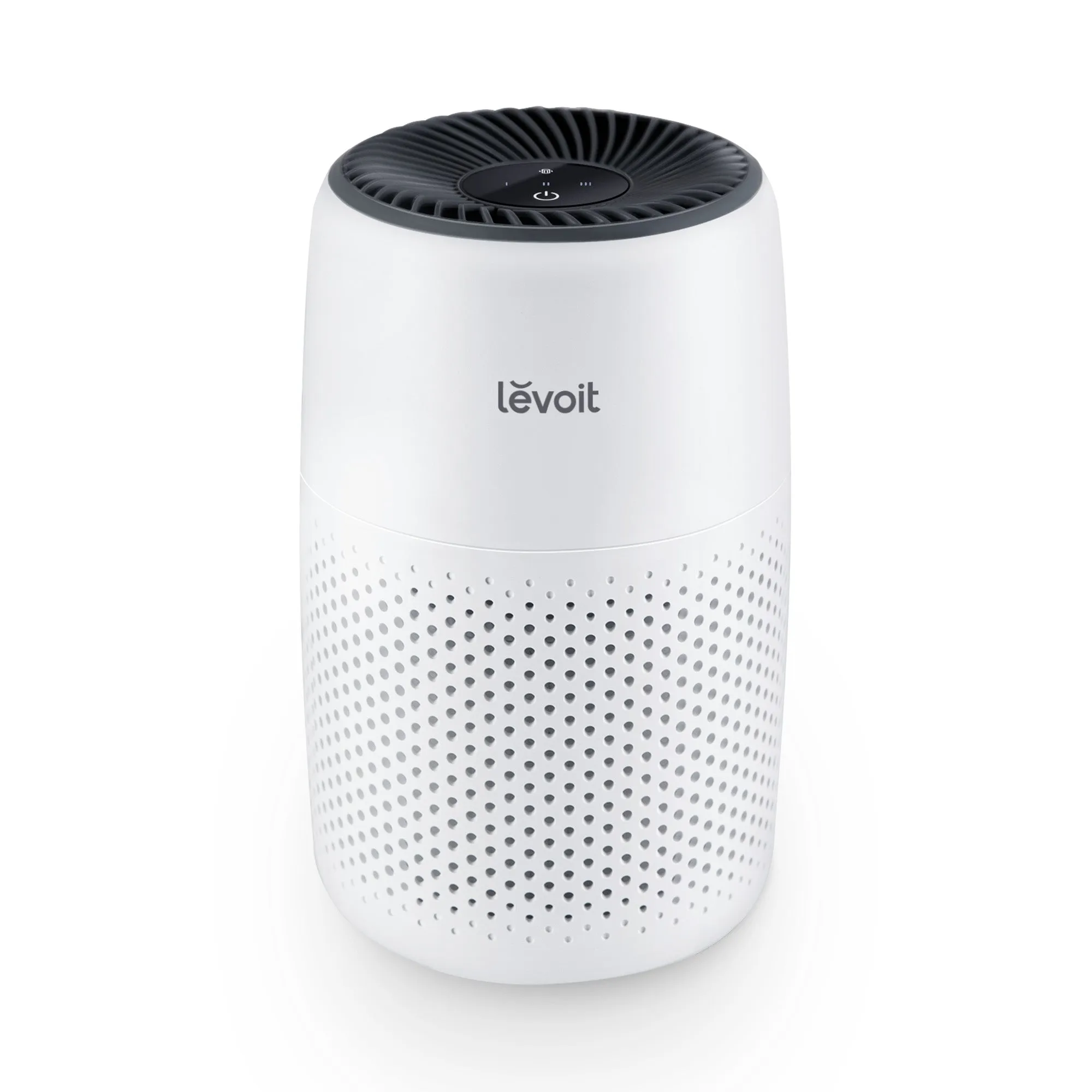
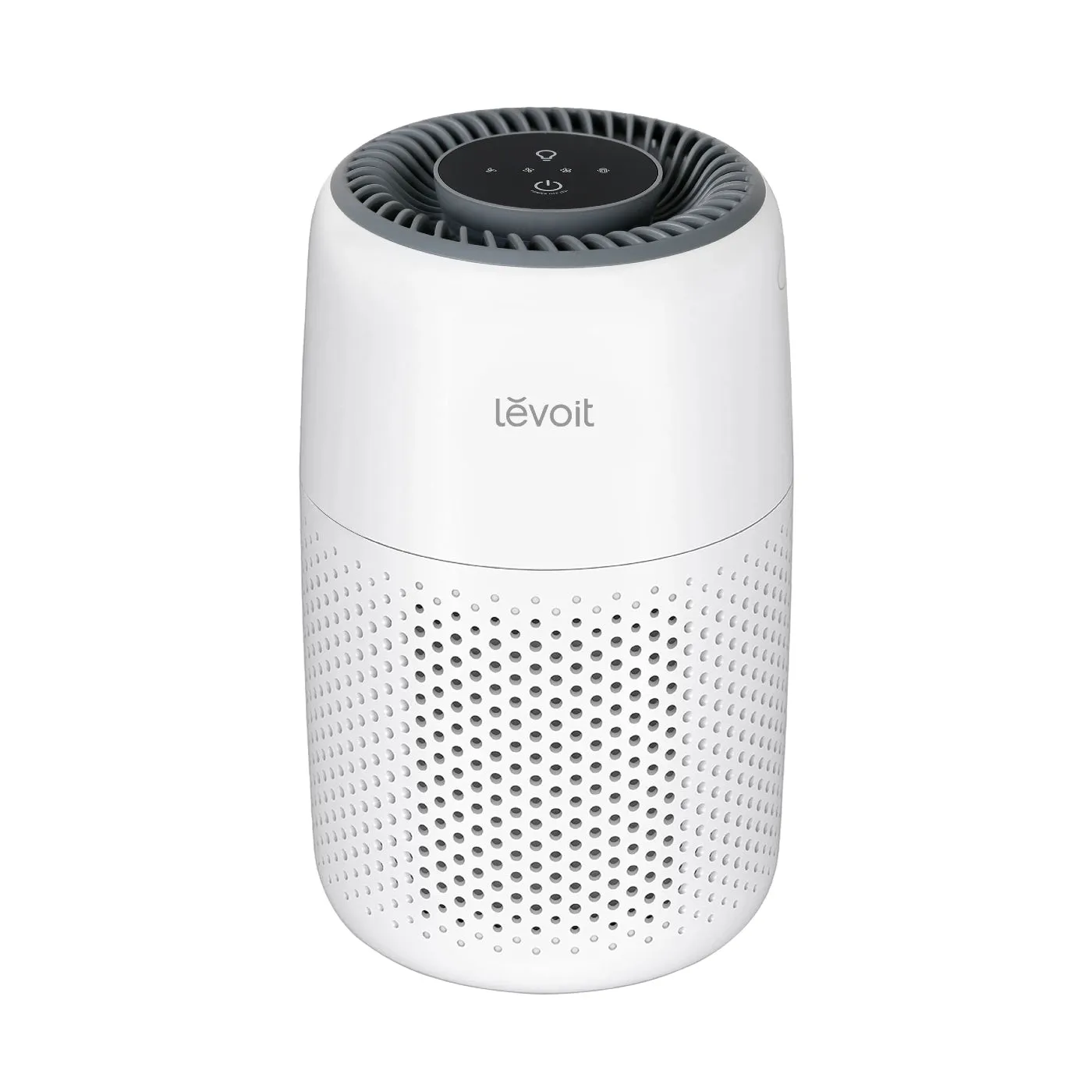
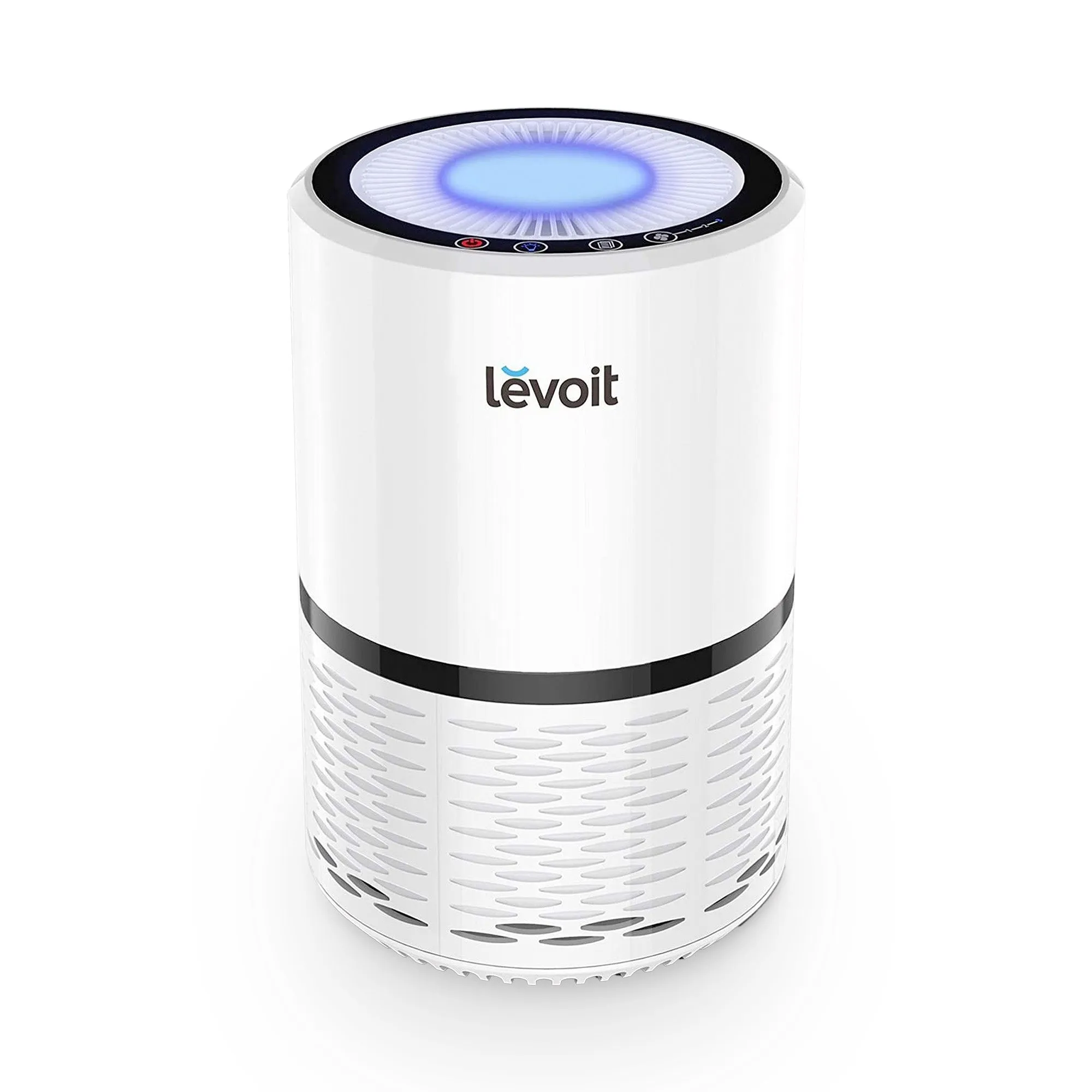
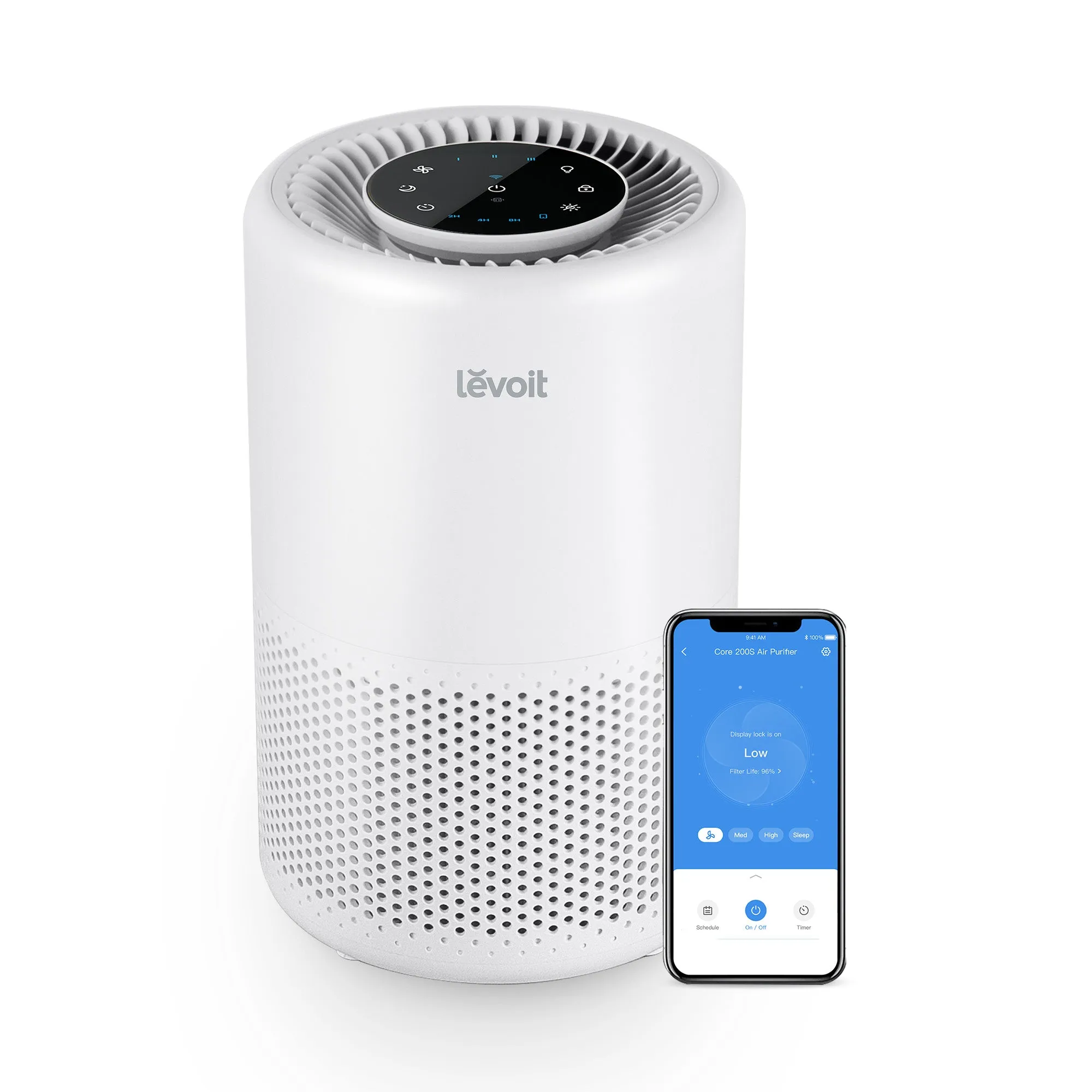
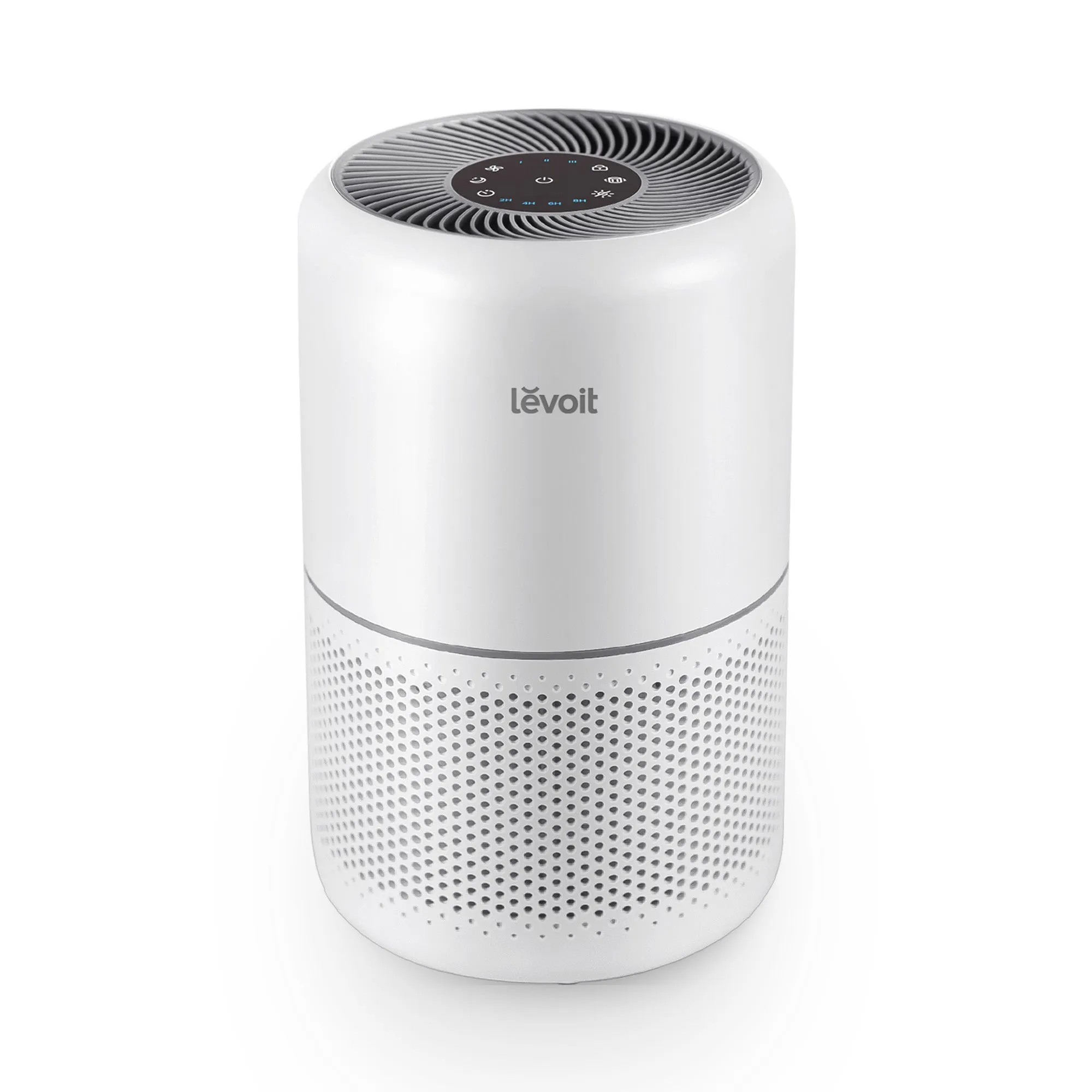
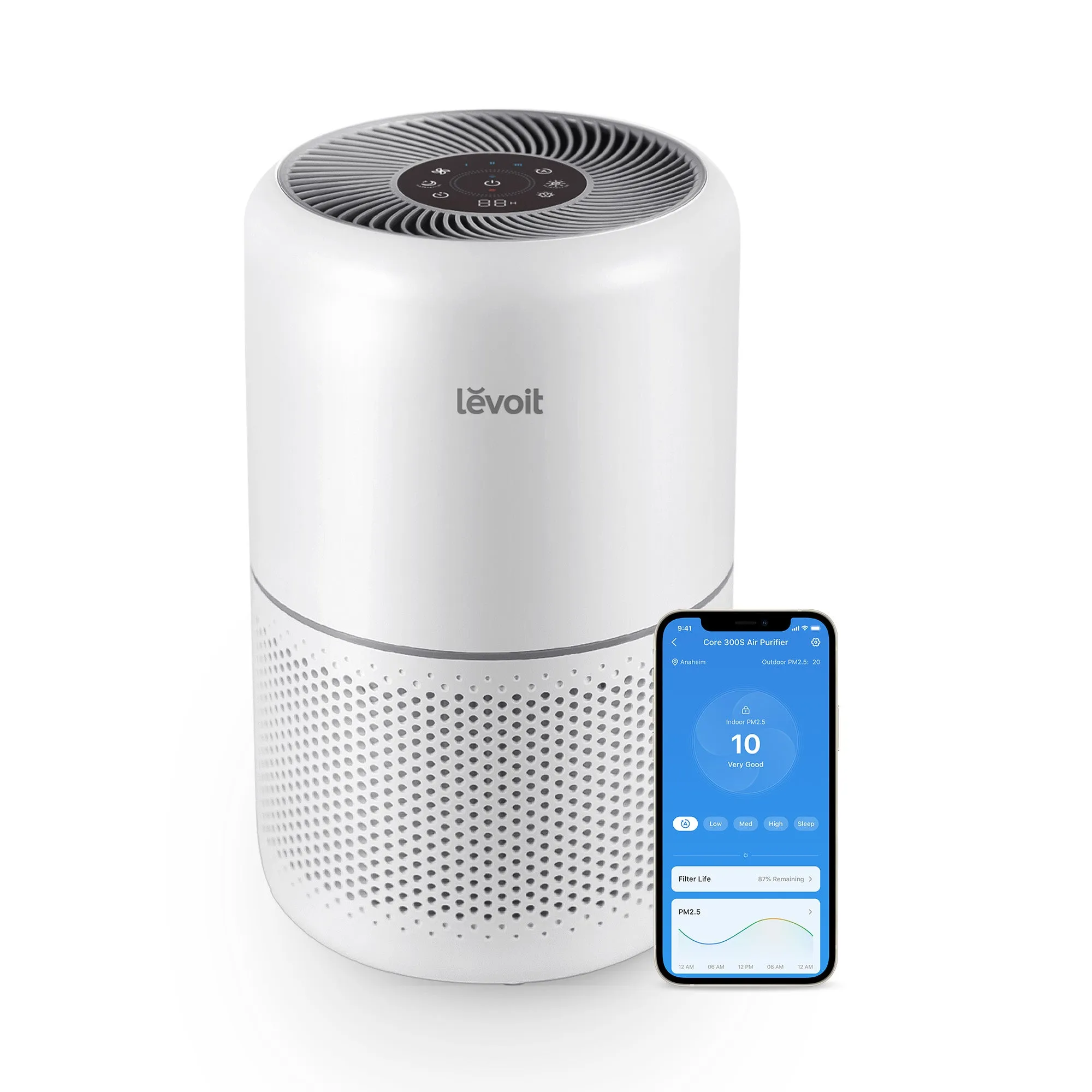
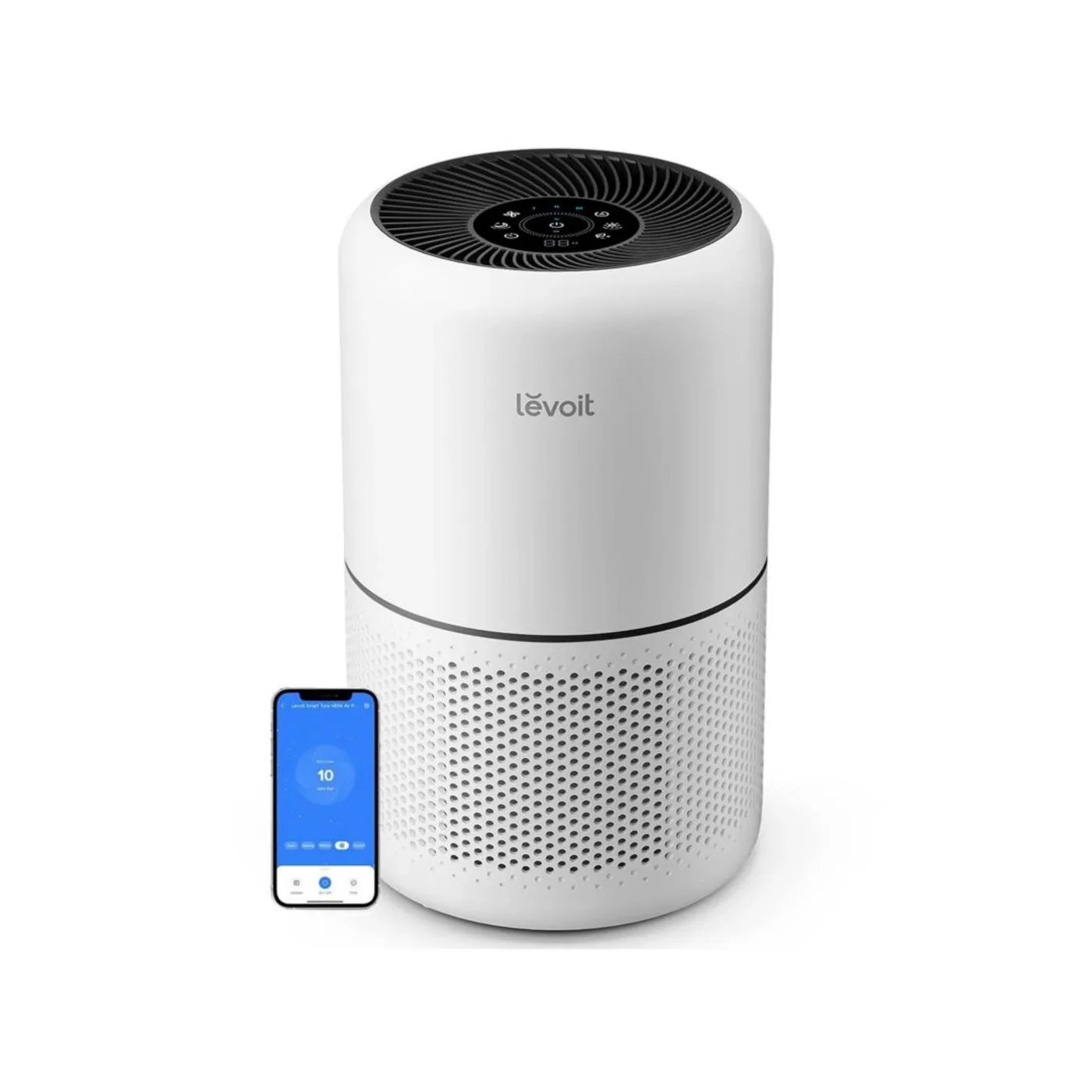
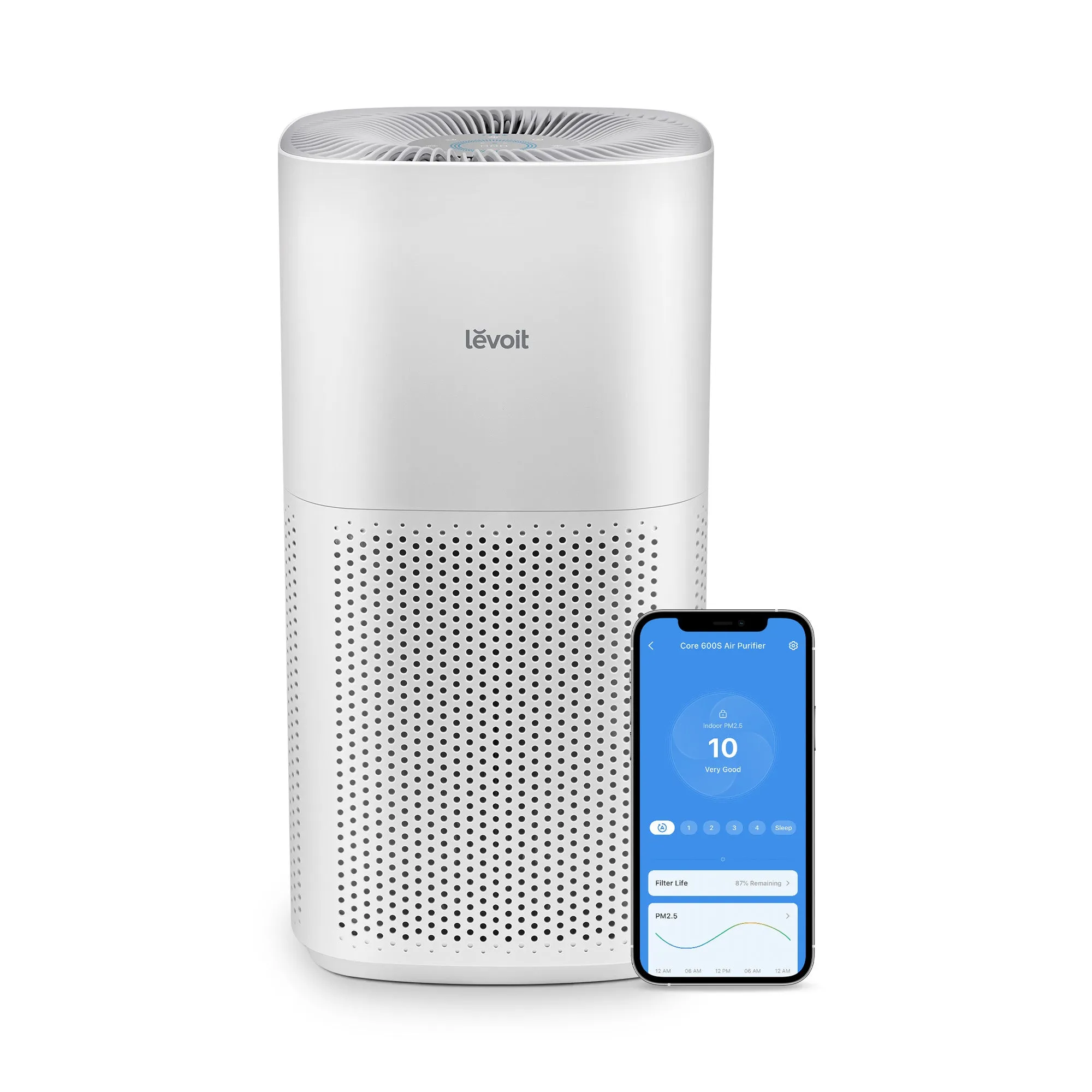
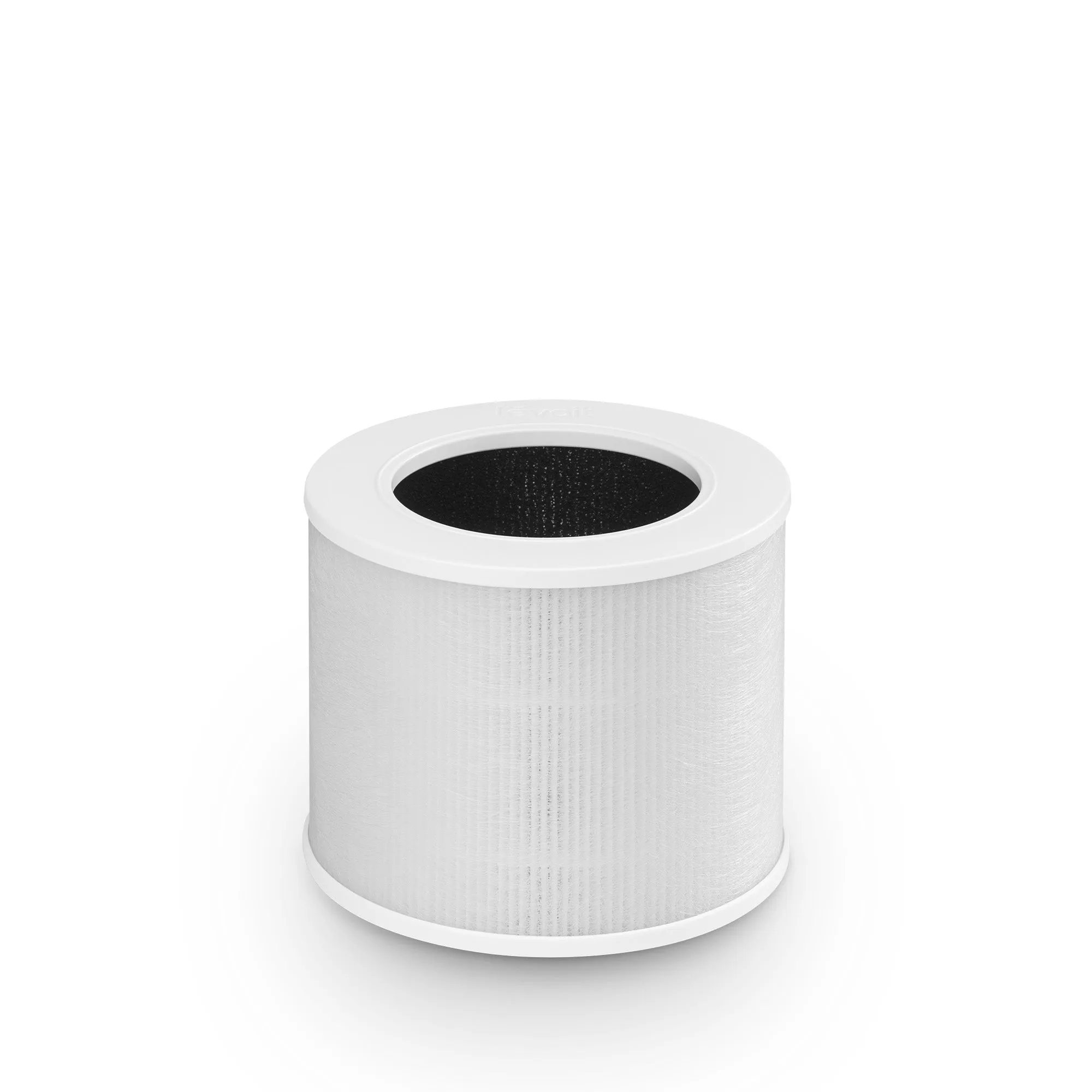
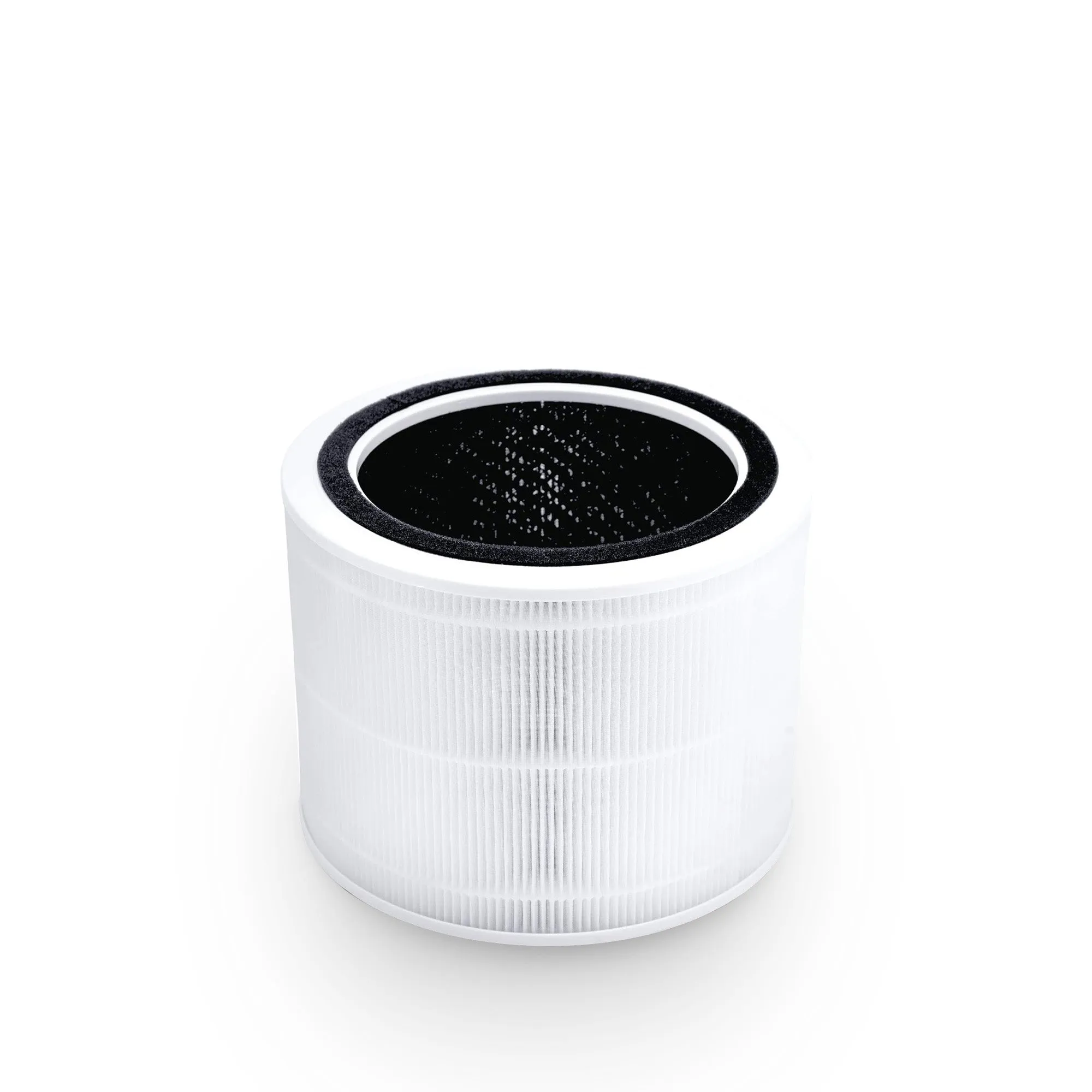
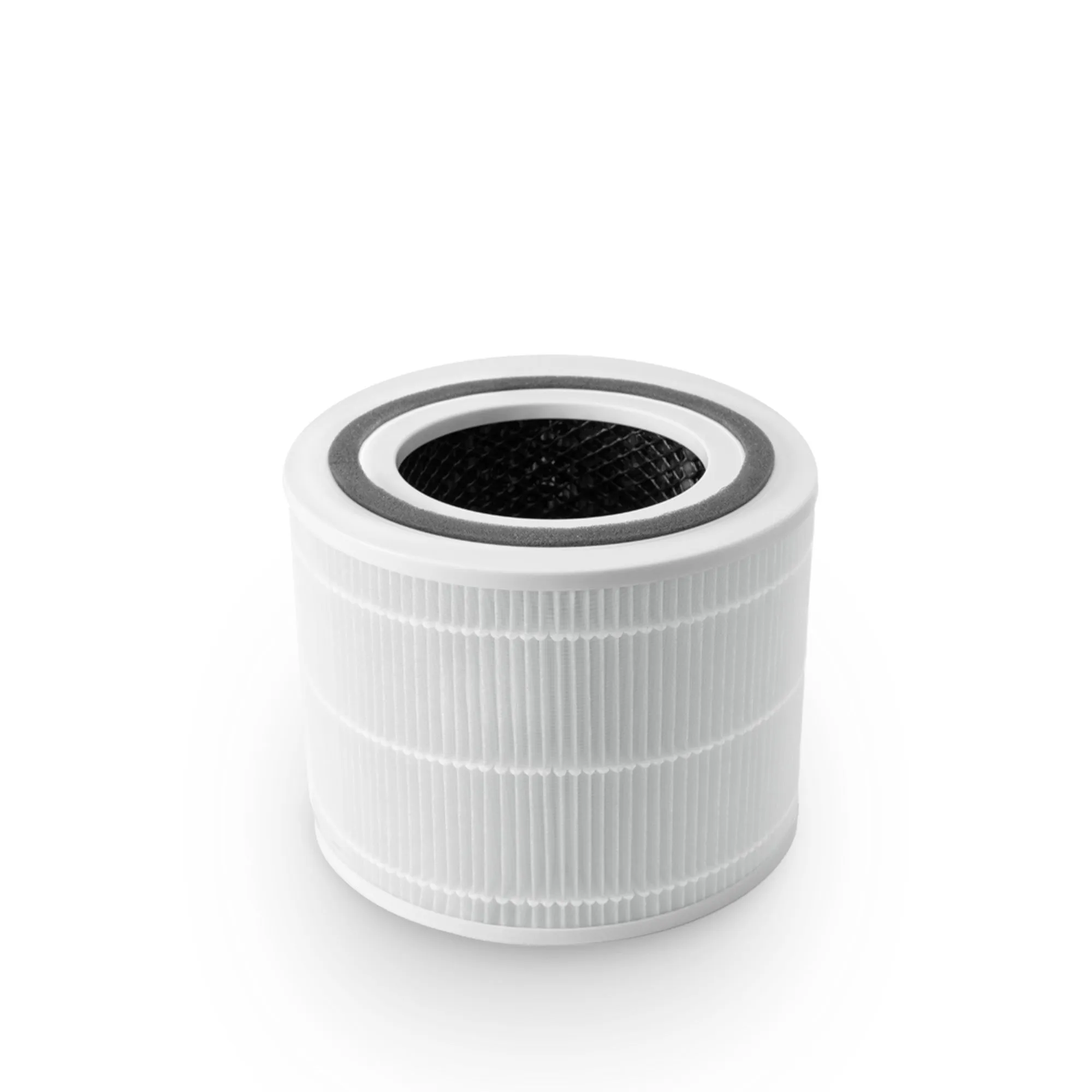
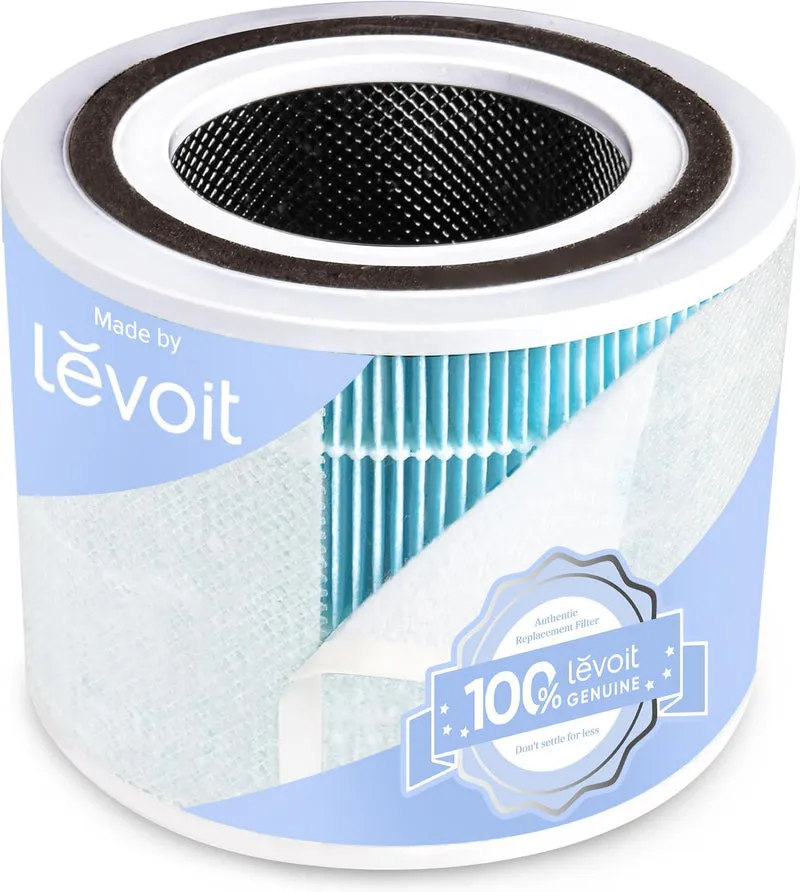
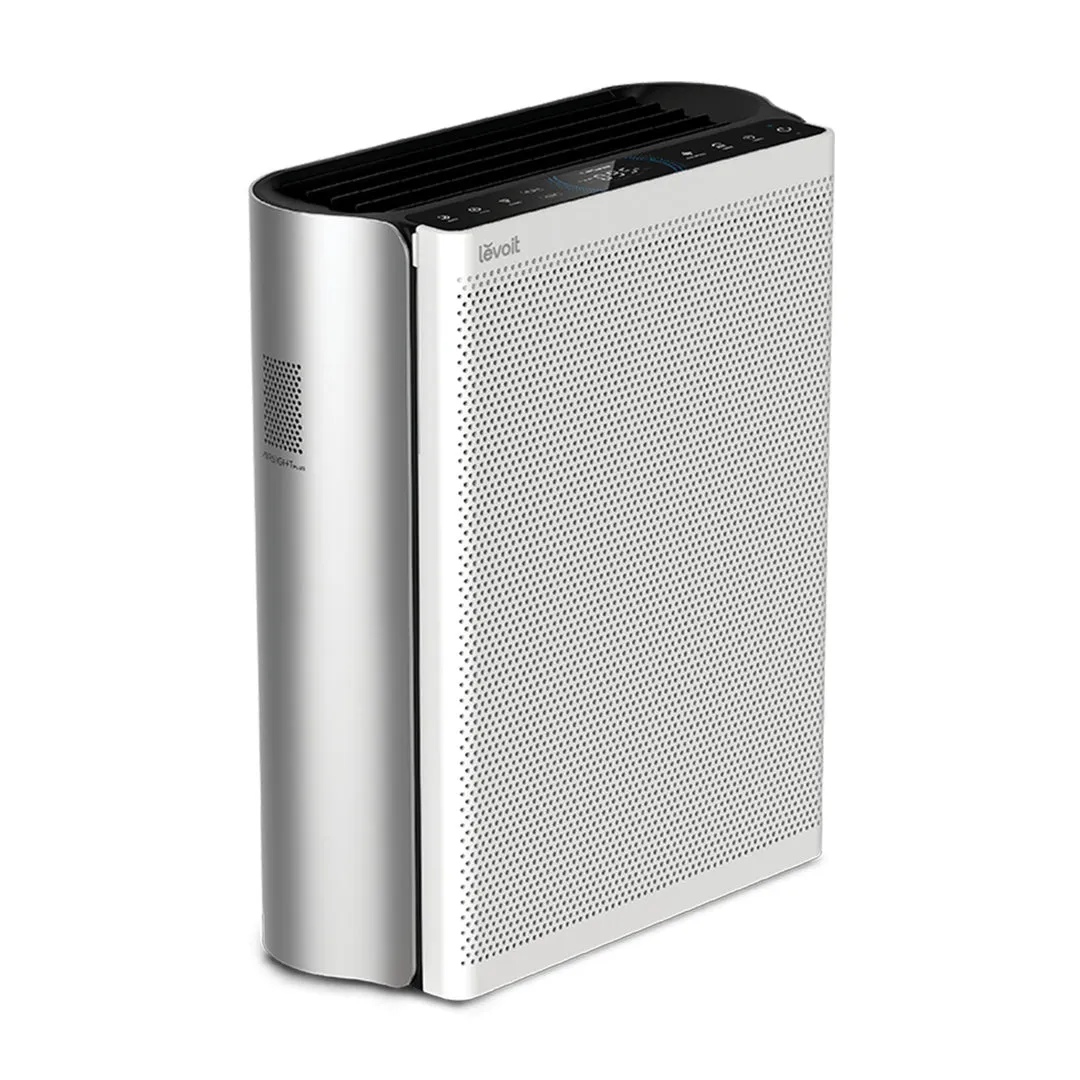
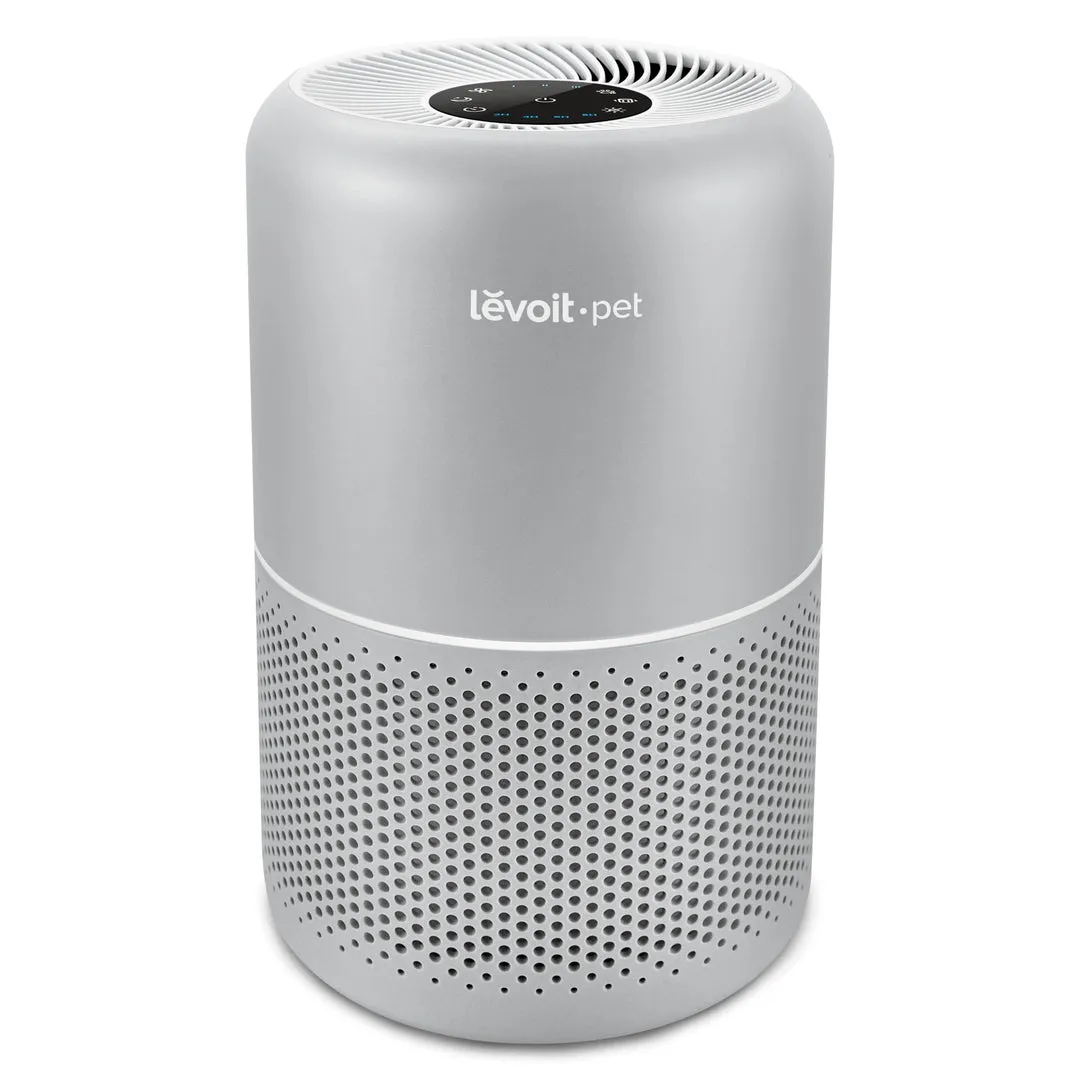
The Levoit Core Mini portable purifier is a strong choice for bedrooms, combining quiet operation with genuine HEPA filtration at a compact size. For larger living areas or offices, the Levoit Core 600S smart purifier delivers higher CADR and smart air quality monitoring, with automatic mode adjustments based on real-time air quality readings. Both models include filter replacement alerts to remove the guesswork from maintenance. Free delivery is available across Dubai, Abu Dhabi, and the wider UAE for orders over 49 AED.
Frequently asked questions
Can air purifiers completely eliminate allergy symptoms?
No. Air purifiers provide measurable benefits but cannot completely eliminate symptoms, as allergens on surfaces and individual sensitivity remain factors beyond what filtration addresses.
How often should I replace air purifier filters?
Filters should be replaced every six to twelve months, or as the manufacturer specifies. In UAE homes with high dust or pets, replacing filters more frequently prevents particle build-up and allergen re-release.
Do air purifiers help with dust mite allergies?
Partially. Air purifiers reduce airborne dust mite particles, but dust mite allergens predominantly settle in bedding and fabrics, requiring dust-mite-proof covers and regular washing alongside filtration.
Where should I place air purifiers for best results?
Place purifiers in bedrooms and rooms where you spend the most time, running them continuously to achieve consistent allergen reduction throughout the day and night.
Can air purifiers replace allergy medications?
No. Air purifiers are a supplementary measure to reduce indoor allergens. They do not replace prescribed allergy medications or professional medical treatment plans recommended by a healthcare provider.