Uncategorised
How to optimise air circulation in your home or office
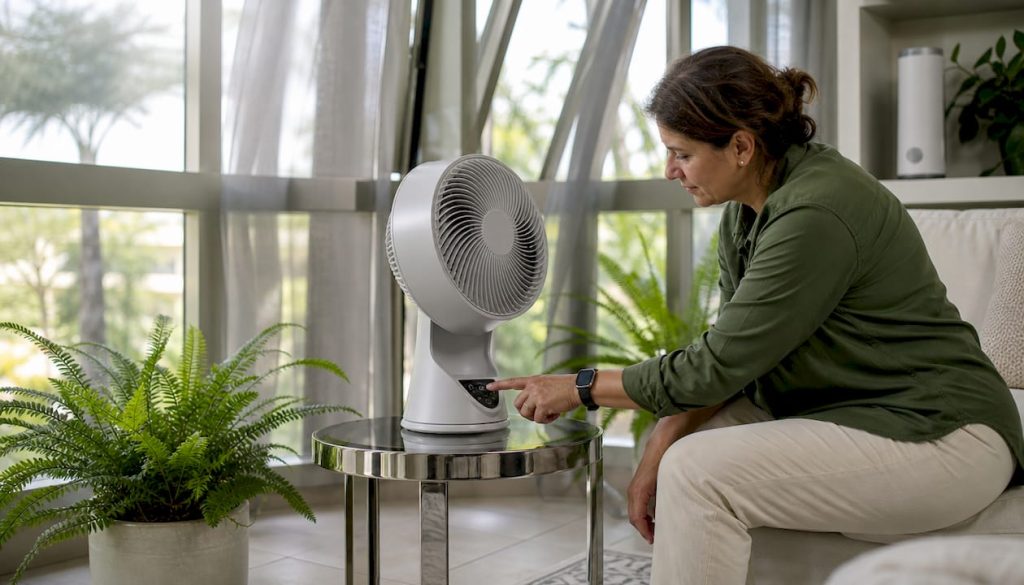
Good air circulation is defined as the continuous, controlled movement of air through a space at a rate sufficient to dilute pollutants and maintain occupant comfort. The US Environmental Protection Agency recommends a minimum of 0.35 air changes per hour, or 15 CFM per person, for residential spaces. ASHRAE further specifies that indoor humidity should stay between 30% and 60% to reduce mould growth, respiratory irritation, and viral transmission. Knowing how to optimise air circulation means understanding these standards and applying them through a combination of natural ventilation, mechanical systems, and consistent maintenance. The payoff is real: better health outcomes, fewer hot and cold spots, and lower energy bills.
What are the fundamentals of airflow and ventilation in buildings?
Air exchange rate is the number of times per hour that the total air volume in a space is replaced. ASHRAE Standard 62.2 uses a formula that accounts for floor area and occupancy to calculate the minimum ventilation rate a building needs. Getting this number right is the starting point for every other improvement you make.
Pressure balance is equally critical. When supply air and return air are not matched, static pressure builds up or drops, forcing air through unintended gaps such as wall cavities and ceiling voids. This wastes energy and pulls in unfiltered outdoor air. A pressure path for cross-flow ventilation must be deliberately created, not assumed to exist simply because windows are open.
Natural ventilation and mechanical ventilation each have a distinct role.
- Natural ventilation relies on wind pressure and the stack effect. Warm air rises and exits through high openings while cooler air enters through low ones. Cross-ventilation requires openings on opposite sides of a room and works best when at least 5% of floor area consists of openable windows.
- Mechanical ventilation uses fans, HVAC systems, heat recovery ventilators (HRV), and energy recovery ventilators (ERV) to move air regardless of outdoor conditions. HRVs transfer heat from outgoing stale air to incoming fresh air, reducing heating costs. ERVs do the same but also transfer moisture, which suits humid climates.
- Exhaust-only systems extract air from kitchens and bathrooms but rely on building leakage to supply replacement air. They are simple and low cost but can create negative pressure that draws in pollutants.
| Ventilation type | Best suited for | Key limitation |
|---|---|---|
| Natural cross-ventilation | Mild climates, open-plan spaces | Wind and temperature dependent |
| HRV mechanical system | Cold climates, tight buildings | Higher installation cost |
| ERV mechanical system | Humid climates, UAE conditions | Requires regular filter maintenance |
| Exhaust-only system | Bathrooms, kitchens | Can cause negative pressure |
Understanding which system suits your building type determines which practical steps will deliver the most improvement.
How can you optimise existing ventilation systems practically?
Most homeowners and business owners can improve air flow significantly without replacing any equipment. The following steps address the most common restrictions in existing systems.
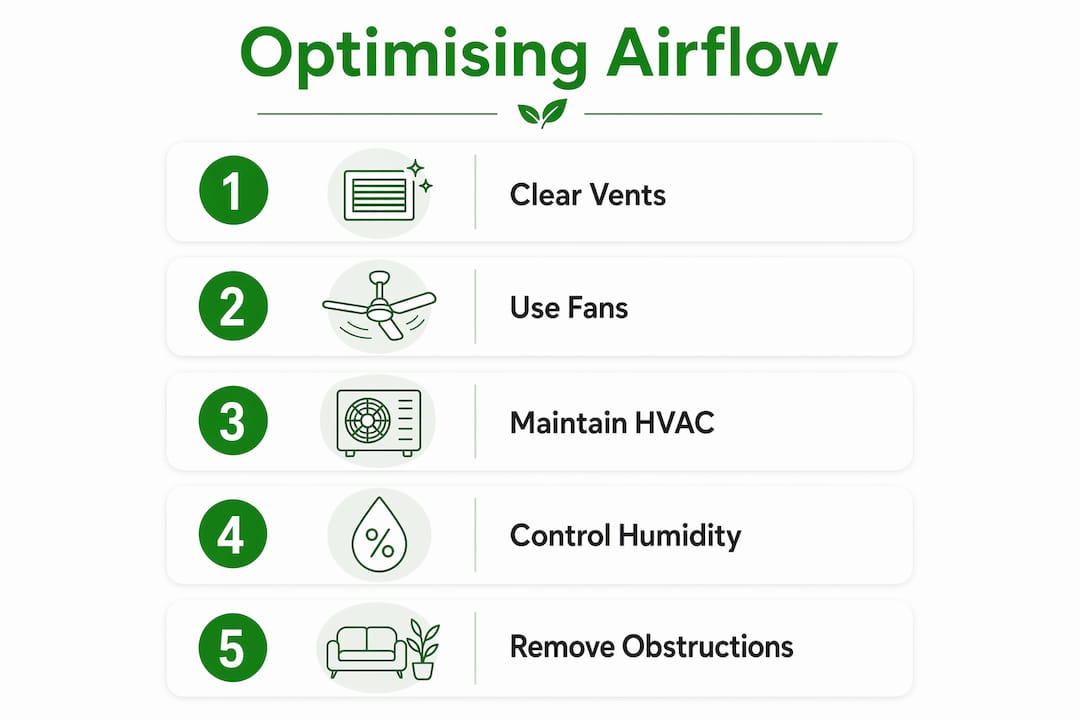
- Create a pressure path. Open windows or doors on opposite sides of a room simultaneously. A single open window creates a pocket of still air. Two openings on opposing walls generate cross-flow that moves air through the entire space.
- Check every supply and return vent. Keeping vents fully open and unobstructed maintains the pressure balance your system was designed around. Closing vents in unused rooms disrupts that balance and reduces comfort elsewhere.
- Rearrange furniture away from vents. Sofas, bookshelves, and rugs placed over or directly in front of vents reduce airflow by 40%–50%. That forces your HVAC blower to work harder and wear faster.
- Upgrade vent registers. Stamped-face metal grilles create turbulence that slows air delivery. Replacing them with one-way curved blade grilles improves airflow by 15%–100% depending on the existing register type. This is one of the highest-return, lowest-cost upgrades available.
- Use ceiling fans to improve mixing. In summer, set ceiling fans to rotate anticlockwise when viewed from below. This pushes cool air downward. In winter, reverse the direction to pull warm air down from the ceiling. Pedestal fans placed near doorways help move air between rooms when the HVAC is off.
- Keep interior doors open. Closed interior doors block return air paths and create pressure imbalances between rooms. Leaving them open, or installing door undercuts, allows air to circulate freely throughout the building.
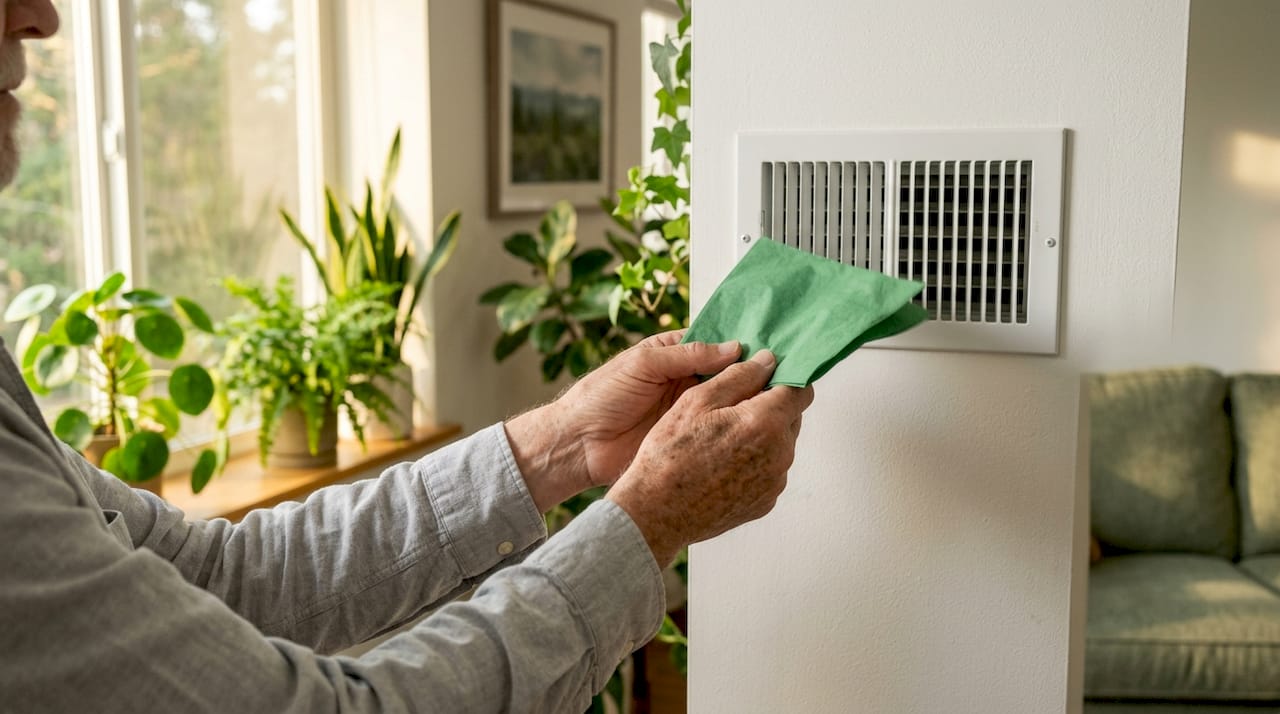
Pro Tip: Place a thin tissue near each supply vent and watch it move. If it barely flutters, you have a blockage or pressure problem worth investigating before spending money on new equipment.
For a broader view of what affects your home’s air quality day to day, the indoor air quality checklist from Cleanair-ae covers the full range of factors beyond airflow alone.
What role does maintenance play in optimising air circulation?
Maintenance is the single most cost-effective way to improve air flow in an existing building. Dirty filters, fouled coils, and leaking ducts silently degrade performance over months and years.
- Replace HVAC filters on schedule. A clogged filter restricts airflow at the source. Most residential filters need replacing every 60–90 days. In dusty environments such as the UAE, monthly checks are more appropriate.
- Commission professional HVAC cleaning. Professional cleaning of coils, blower wheels, and ductwork reduces fan energy consumption by 41%–60% and increases supply airflow by 10%–46%. Those are not marginal gains. They represent the difference between a system that struggles and one that performs as designed.
- Seal ductwork leaks. Leaking ducts lose conditioned air into wall cavities and roof spaces before it reaches the rooms that need it. Mastic sealant or metallic tape applied to joints and seams restores delivery efficiency.
- Balance duct design. Ducts that are too long, too narrow, or have too many bends create high static pressure that reduces flow at the furthest registers. A qualified technician can rebalance dampers or resize sections to correct this.
- Commission airflow measurement at startup. Flow hood measurements at startup confirm that a system delivers its designed airflow rate. Without this step, you cannot know whether a newly installed or serviced system is actually performing correctly.
Pro Tip: Ask your HVAC technician for a written airflow report after any service. A single number showing CFM at each register tells you more about system health than any visual inspection.
Humidity control sits alongside airflow as a maintenance priority. If indoor humidity falls outside the 30%–60% ASHRAE range, even a well-ventilated space can cause discomfort and health problems. Cleanair-ae’s guide on preventing dry indoor air explains how to keep moisture levels in balance.
What are common airflow problems and how do you diagnose them?
Poor air circulation produces clear symptoms. Recognising them early saves money and prevents the health problems that come with stagnant indoor air.
Common symptoms of poor airflow:
- Hot or cold spots in specific rooms that persist regardless of thermostat settings
- Stagnant air pockets where odours linger for hours after cooking or cleaning
- Excessive dust accumulation near vents or on surfaces close to returns
- Unusual noise from vents, indicating high velocity caused by blockages elsewhere
- Condensation on windows or walls, suggesting inadequate air movement and humidity control
How to diagnose the problem:
The tissue test described earlier identifies dead spots quickly. For a more thorough check, hold your hand near each supply register and feel for consistent airflow. Rooms that receive noticeably less air than others point to a blockage, a closed damper, or a duct design problem.
Closing vents in unused rooms is a common mistake. It seems logical to redirect air to occupied spaces, but it raises static pressure across the whole system and reduces total airflow. Every vent should stay open.
How to correct imbalances:
Adjust ceiling fan direction seasonally. Check that all return air grilles are clear of furniture, curtains, and stored items. If hot and cold spots persist after these steps, the issue is likely duct design rather than a simple blockage. Modern fabric duct systems deliver air more evenly across large commercial spaces, reducing temperature variation compared to traditional point supply ducts. For residential spaces, a technician can rebalance dampers to redirect flow where it is needed most.
Pro Tip: In a multi-room building, walk every room with a notepad and record which feel stuffy or uneven. A pattern across one side of the building usually points to a single duct branch, not a whole-system failure.
For readers dealing with allergy-related air quality concerns alongside circulation problems, Cleanair-ae’s air improvement guide for allergies covers targeted solutions.
Key takeaways
Good air circulation requires consistent management of ventilation rates, pressure balance, maintenance schedules, and physical airflow paths working together.
| Point | Details |
|---|---|
| Meet minimum ventilation rates | The EPA standard of 0.35 air changes per hour is the baseline for healthy indoor air. |
| Clear physical airflow paths | Furniture blocking vents reduces airflow by up to 50%; keep vents and interior doors open. |
| Upgrade registers for quick gains | Curved blade grilles can increase airflow by up to 100% over stamped-face designs. |
| Prioritise professional maintenance | HVAC cleaning raises supply airflow by up to 46% and cuts fan energy by up to 60%. |
| Measure, do not assume | Flow hood measurements at startup confirm whether a system actually delivers its design rate. |
Why I think most people fix the wrong thing first
People tend to buy new equipment before fixing what they already have. I have seen homeowners spend money on a new HVAC unit when the real problem was a sofa sitting over the return air grille. The system was starved of air, not worn out.
The same pattern appears in commercial buildings. Facility managers commission energy audits and receive recommendations for new plant, when a duct cleaning programme and register upgrade would recover most of the lost performance at a fraction of the cost. Professional HVAC cleaning alone can cut fan energy by up to 60%. That is a result most new equipment cannot match on its own.
My view is that airflow optimisation should follow a fixed sequence: clear the physical paths first, then maintain the equipment, then measure the results, and only then consider upgrades. Skipping to the upgrade step wastes money and often fails to solve the underlying problem.
The other mistake I see regularly is treating natural and mechanical ventilation as alternatives rather than complements. Cross-ventilation through well-placed windows costs nothing to run. Pairing it with a correctly sized mechanical system and a disciplined maintenance schedule produces results that neither approach achieves alone. The UAE indoor air quality guide from Cleanair-ae covers how to combine these approaches for the specific conditions found across the region.
Periodic commissioning is the habit that separates buildings that perform from those that merely function. A flow hood measurement once a year tells you exactly where the system stands. Without that data, you are guessing.
— Wojciech
Air quality products and guides from Cleanair-ae
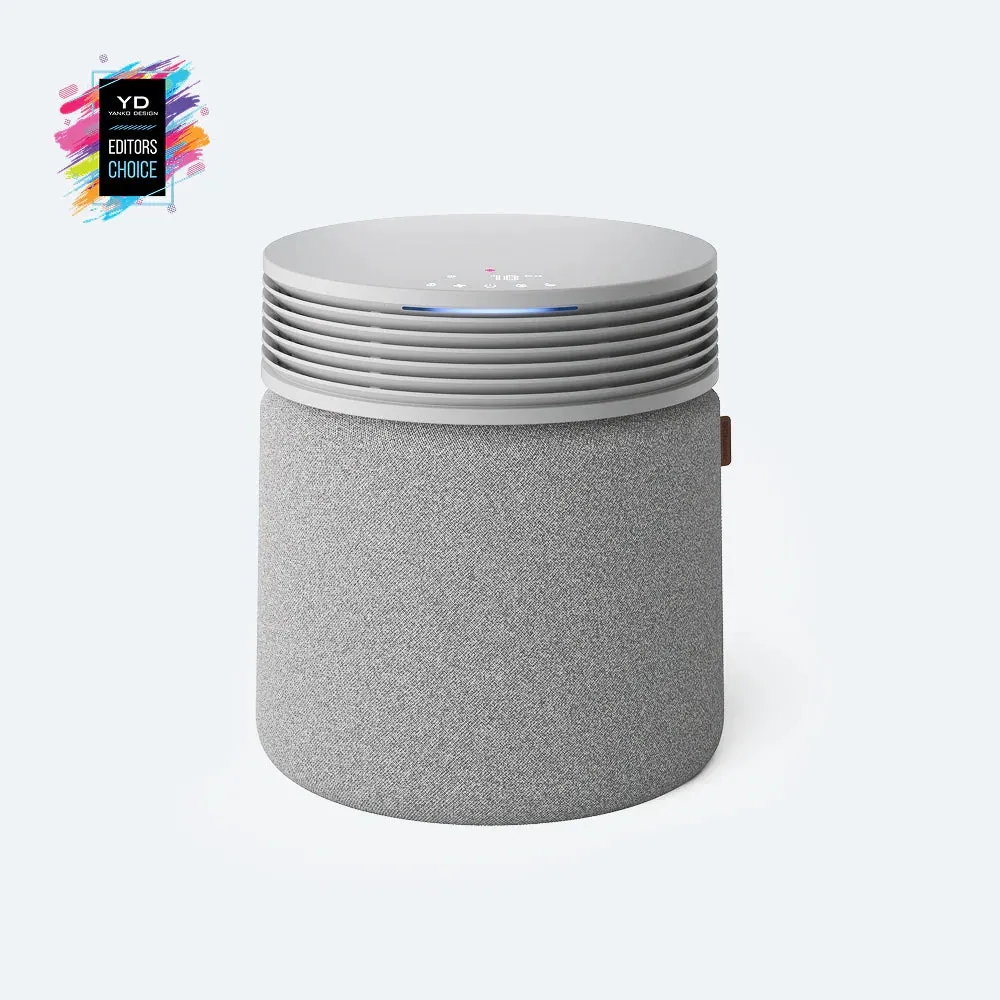
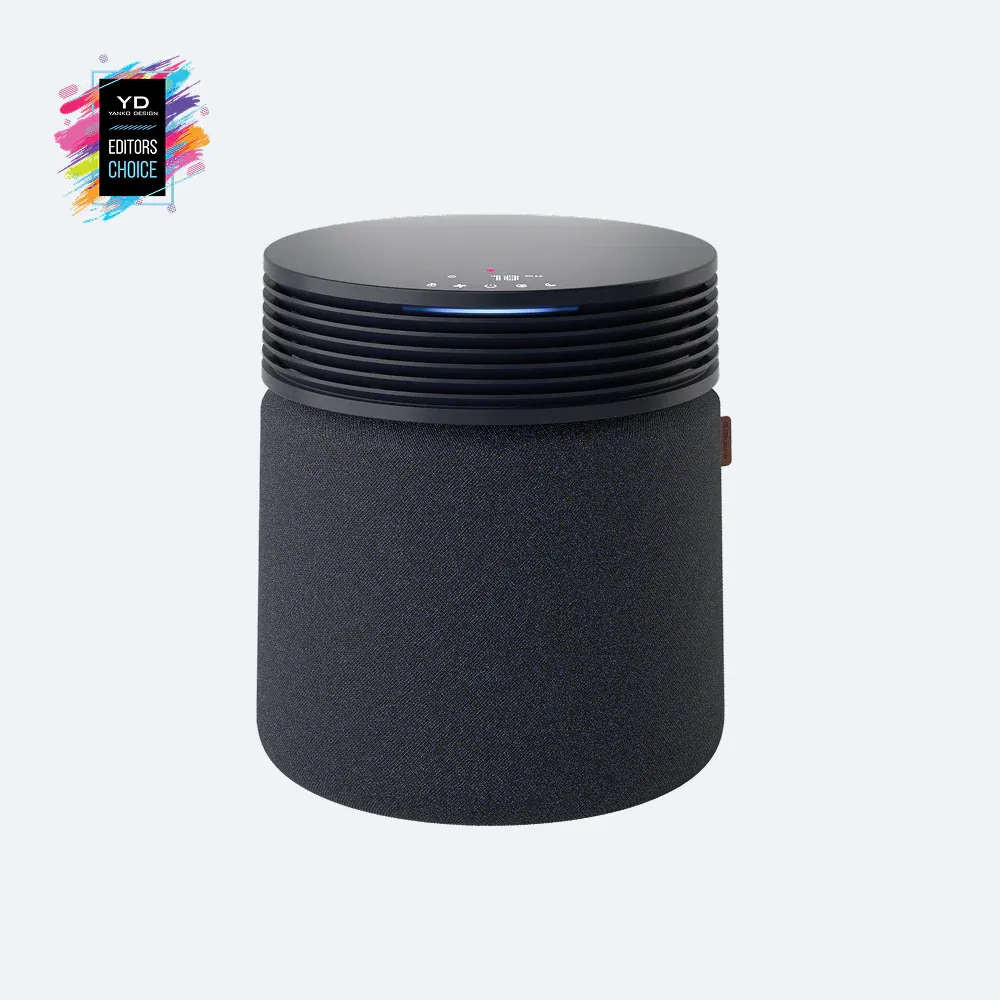
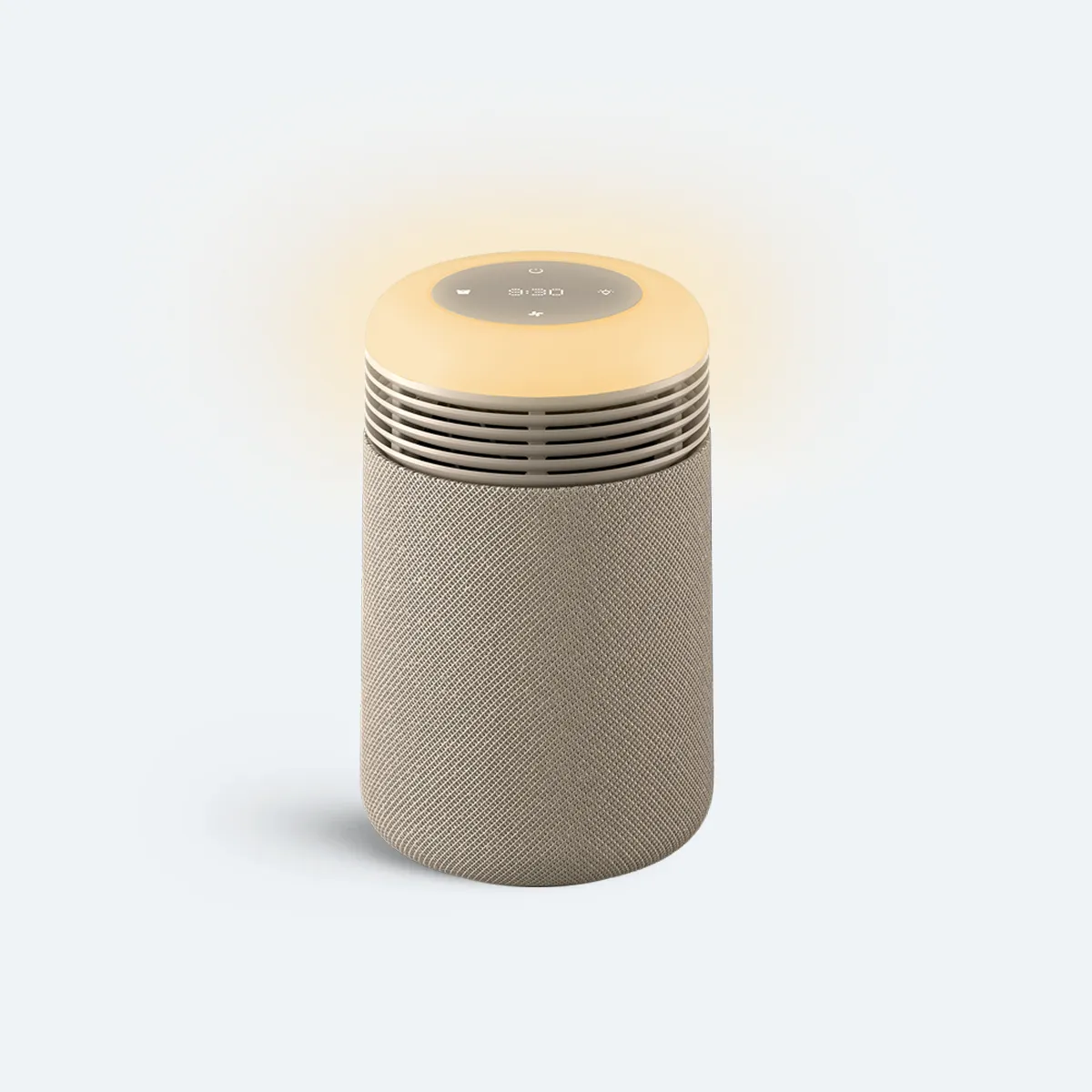
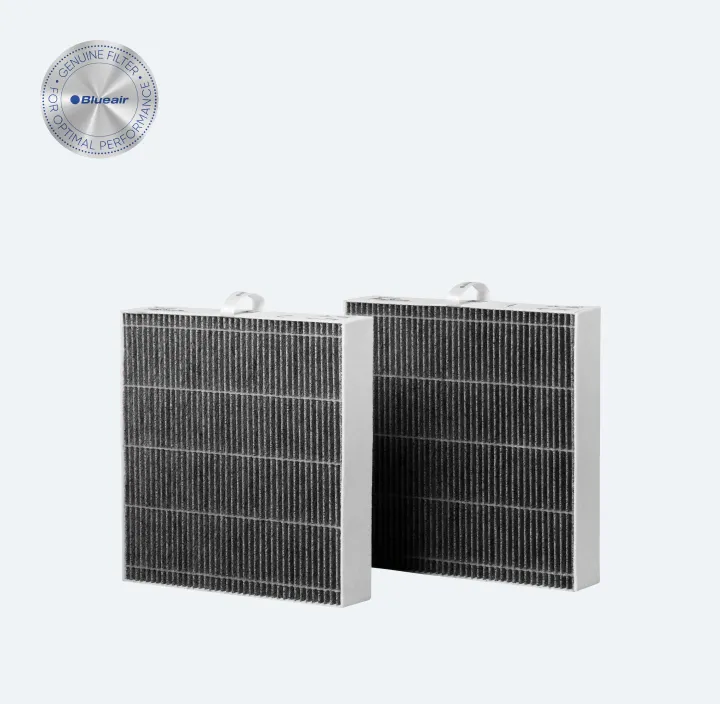
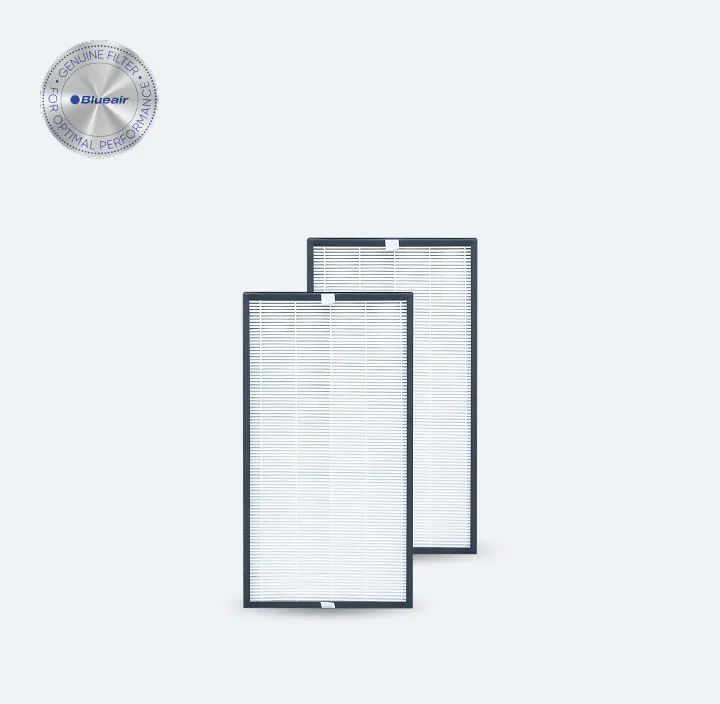
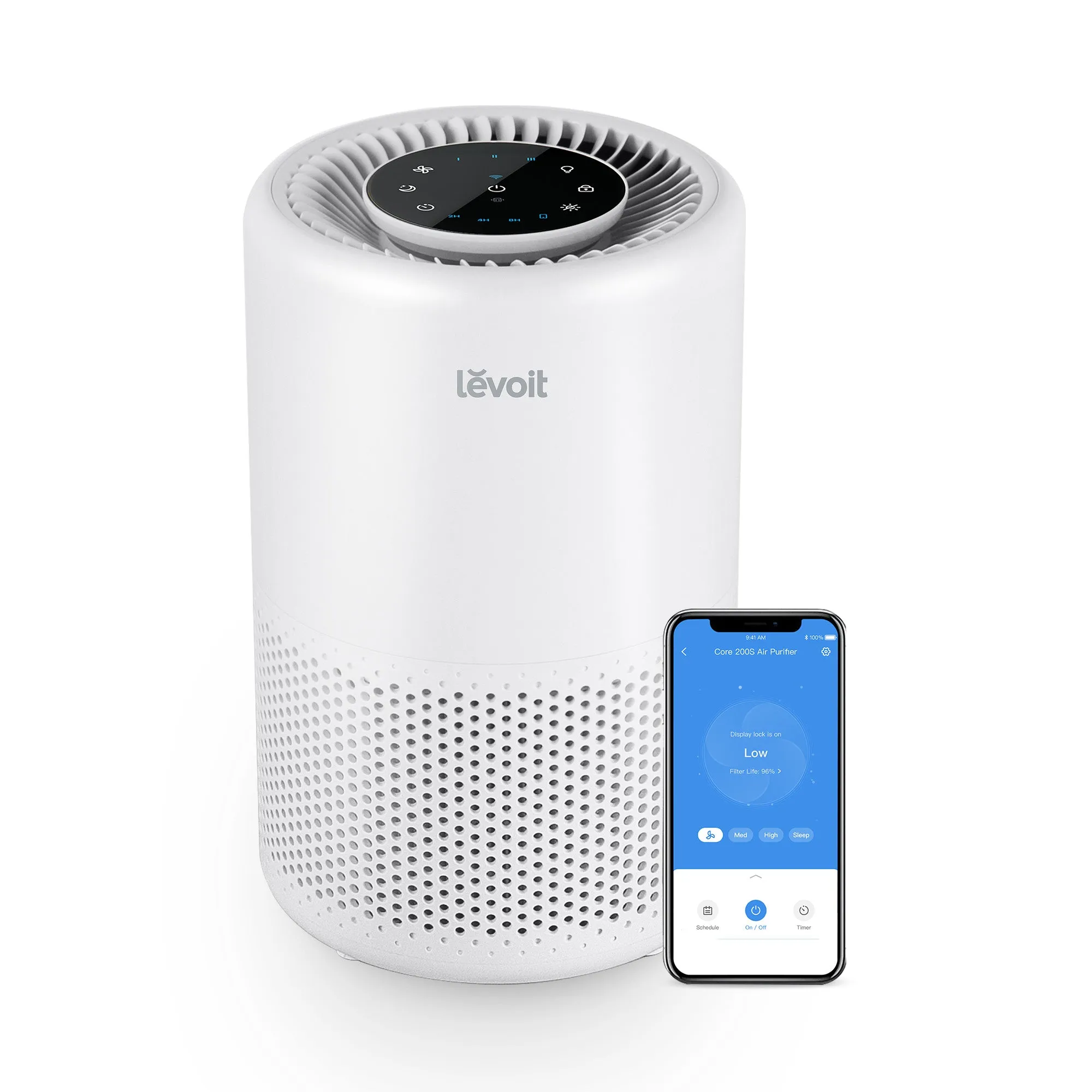
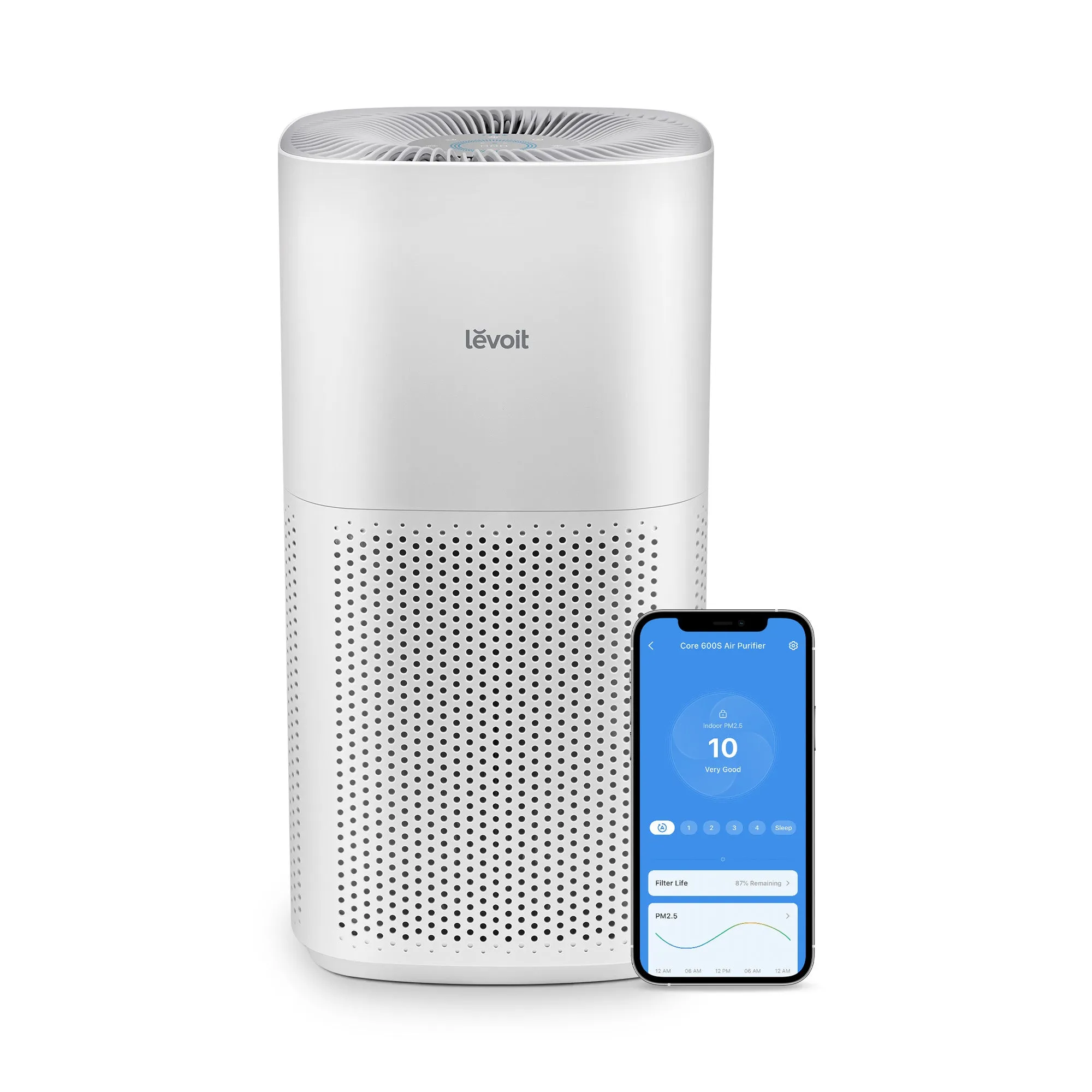
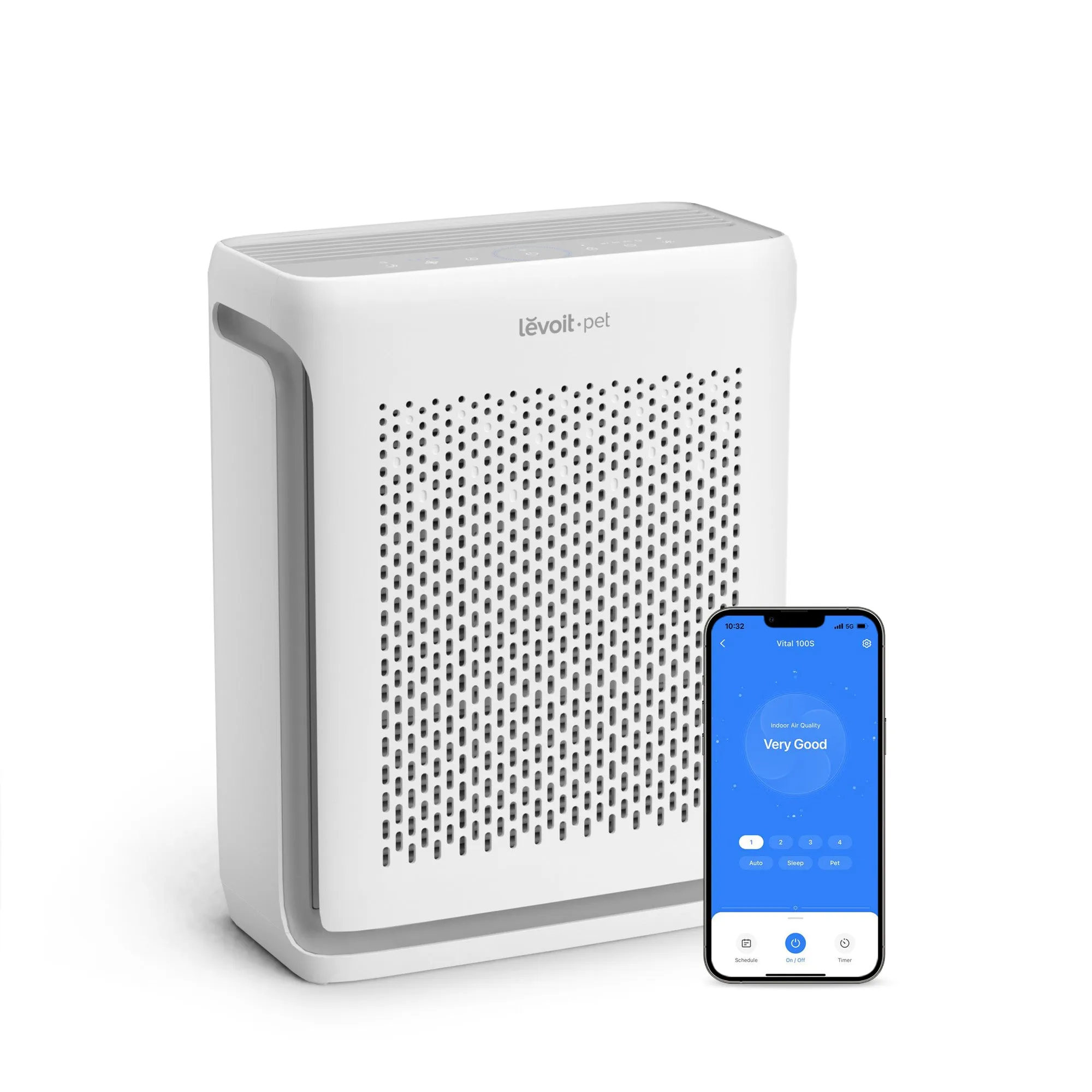
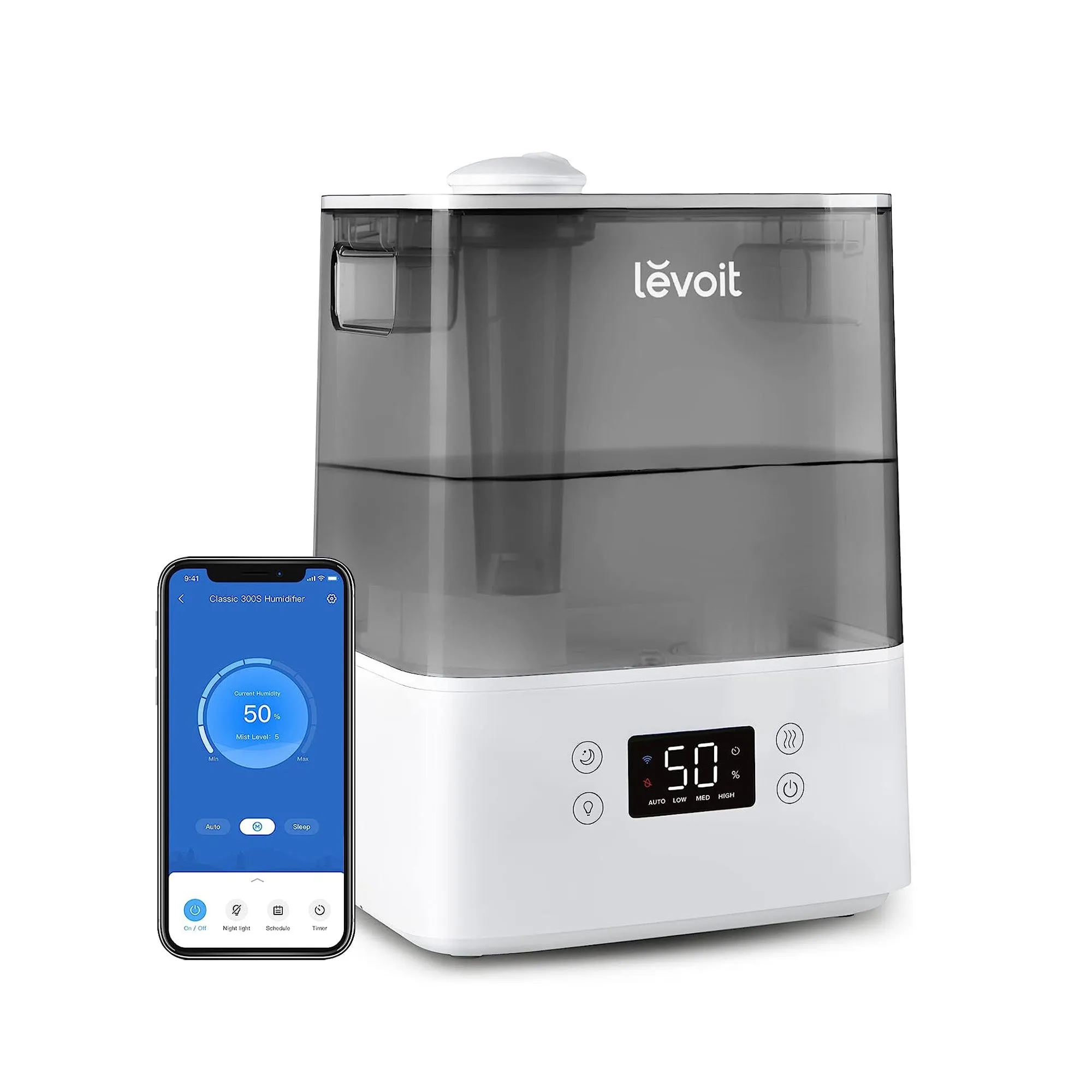
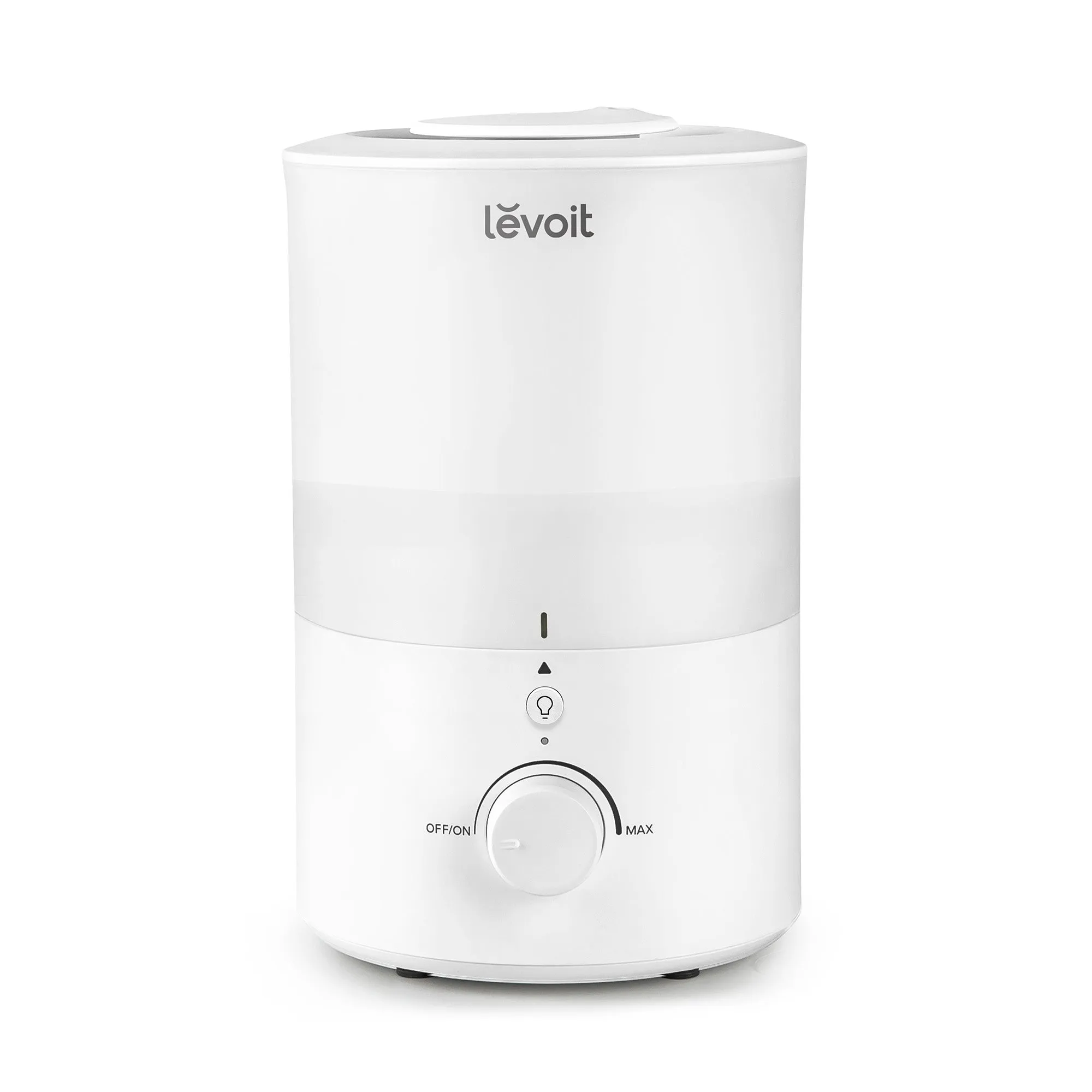
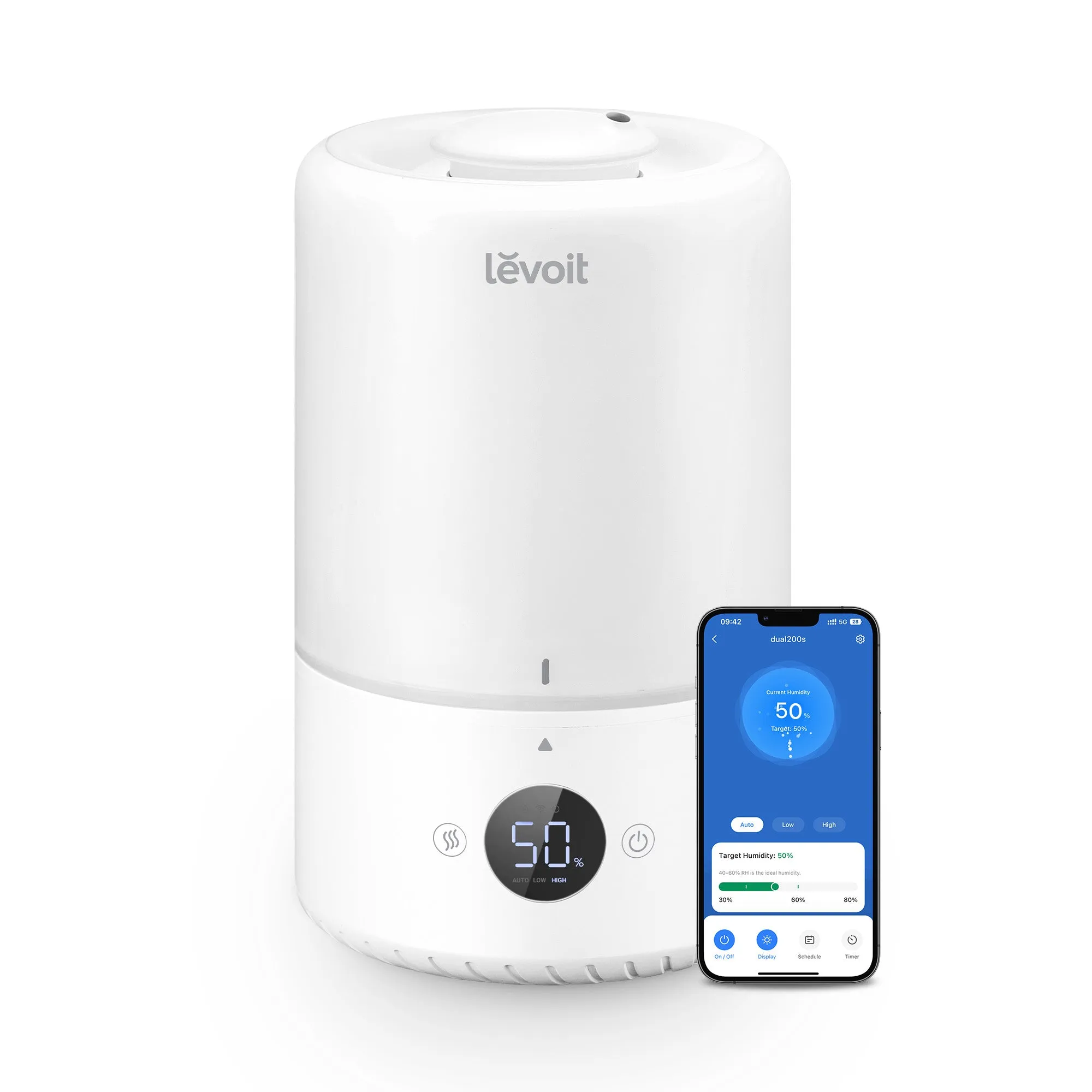
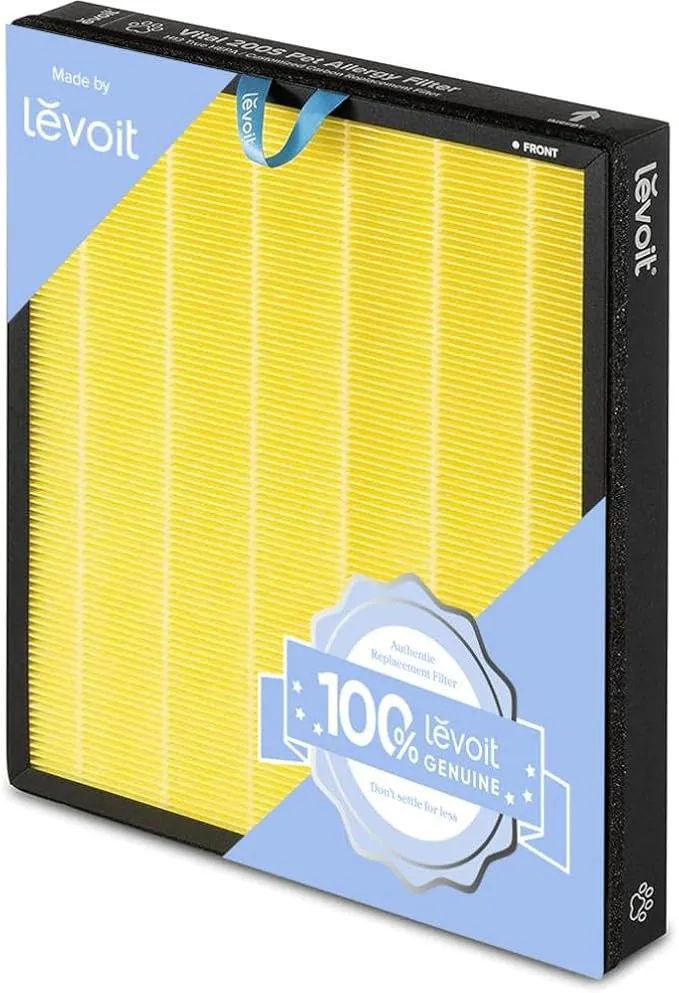
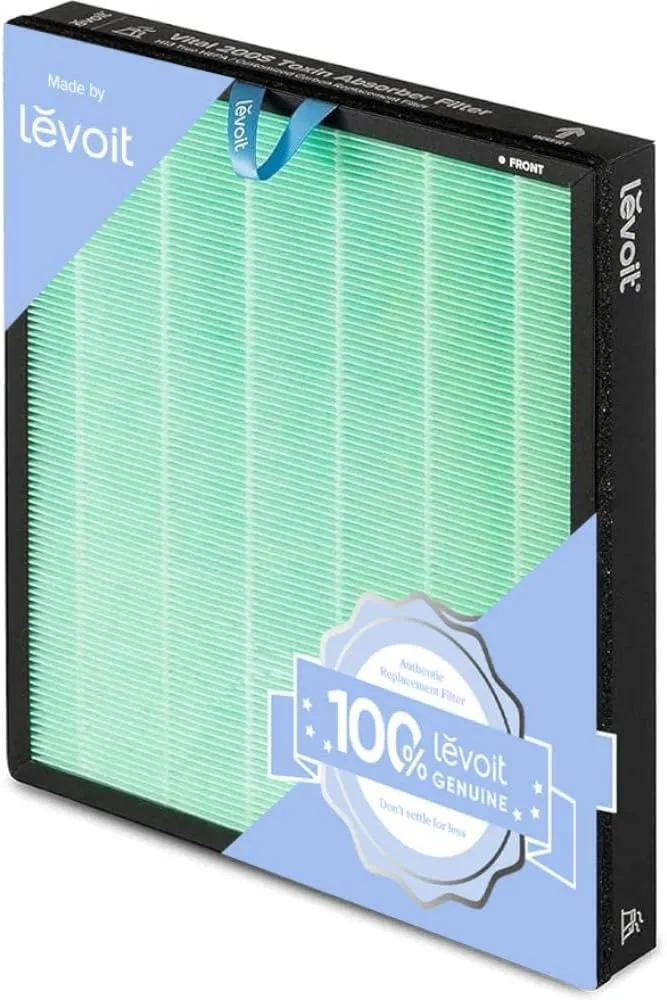
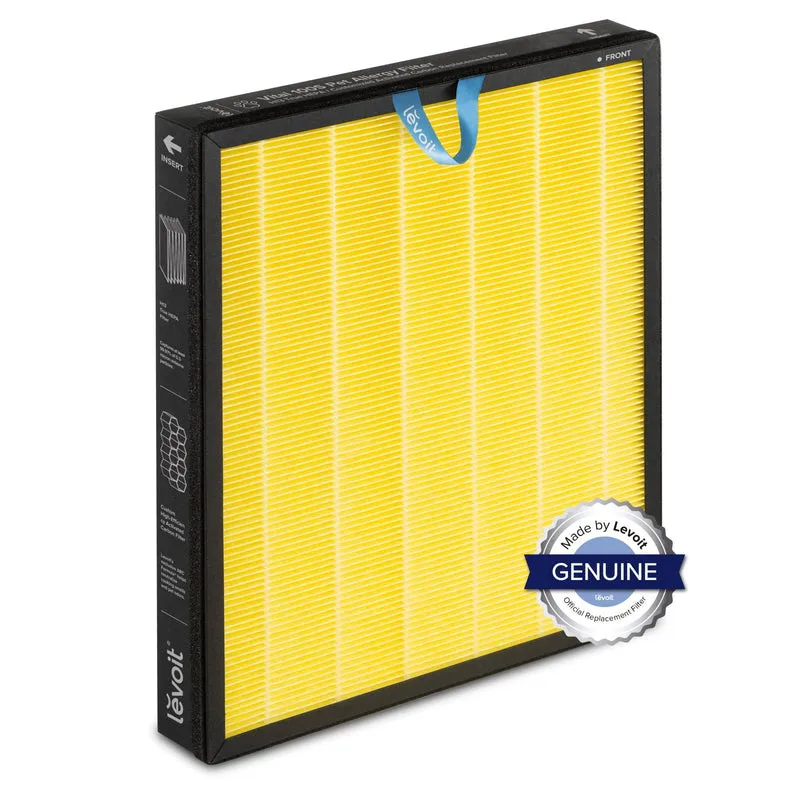
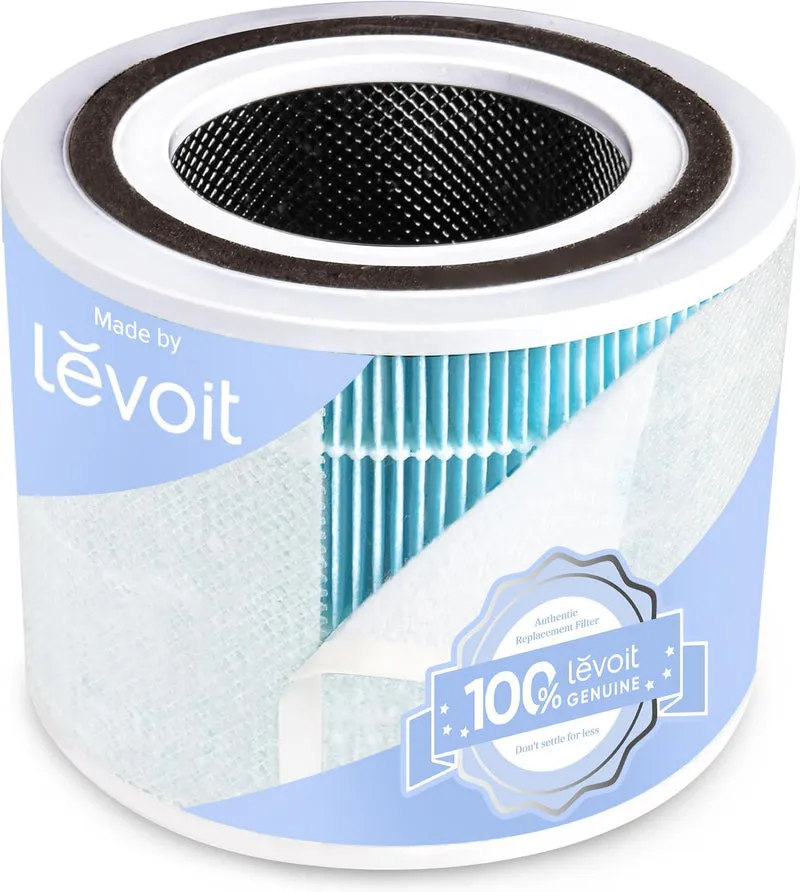
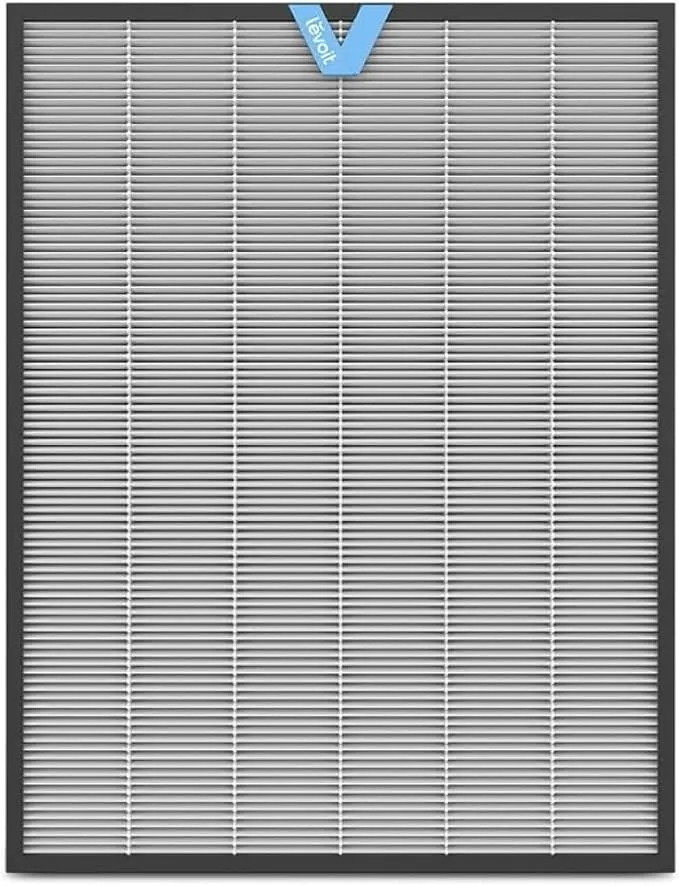
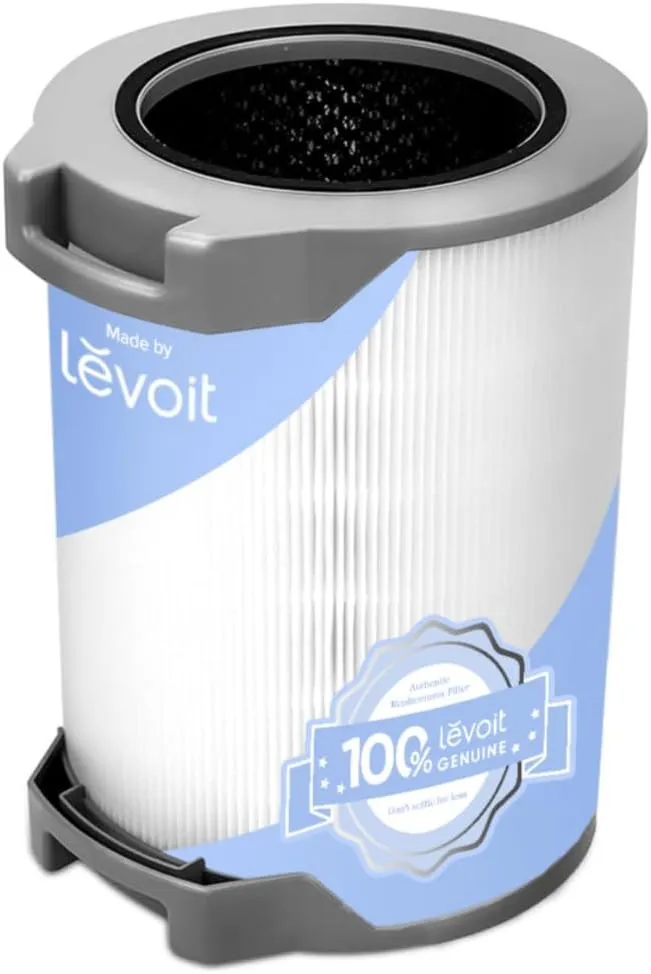
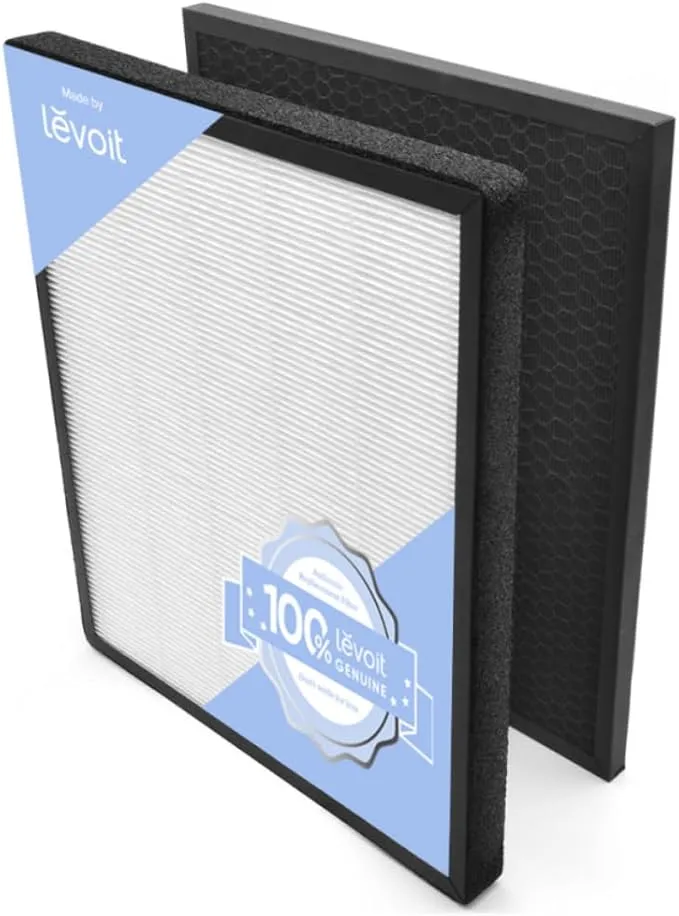
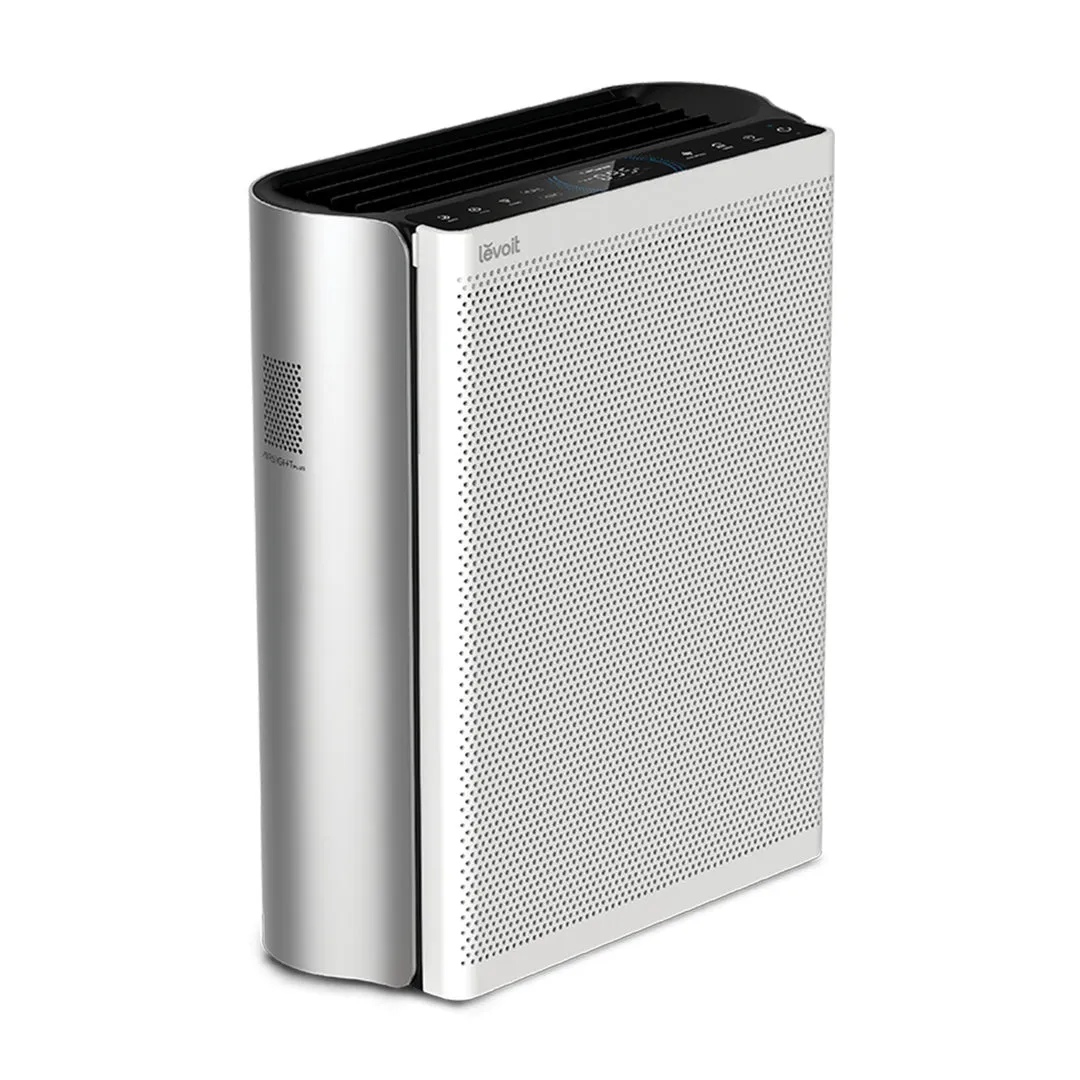
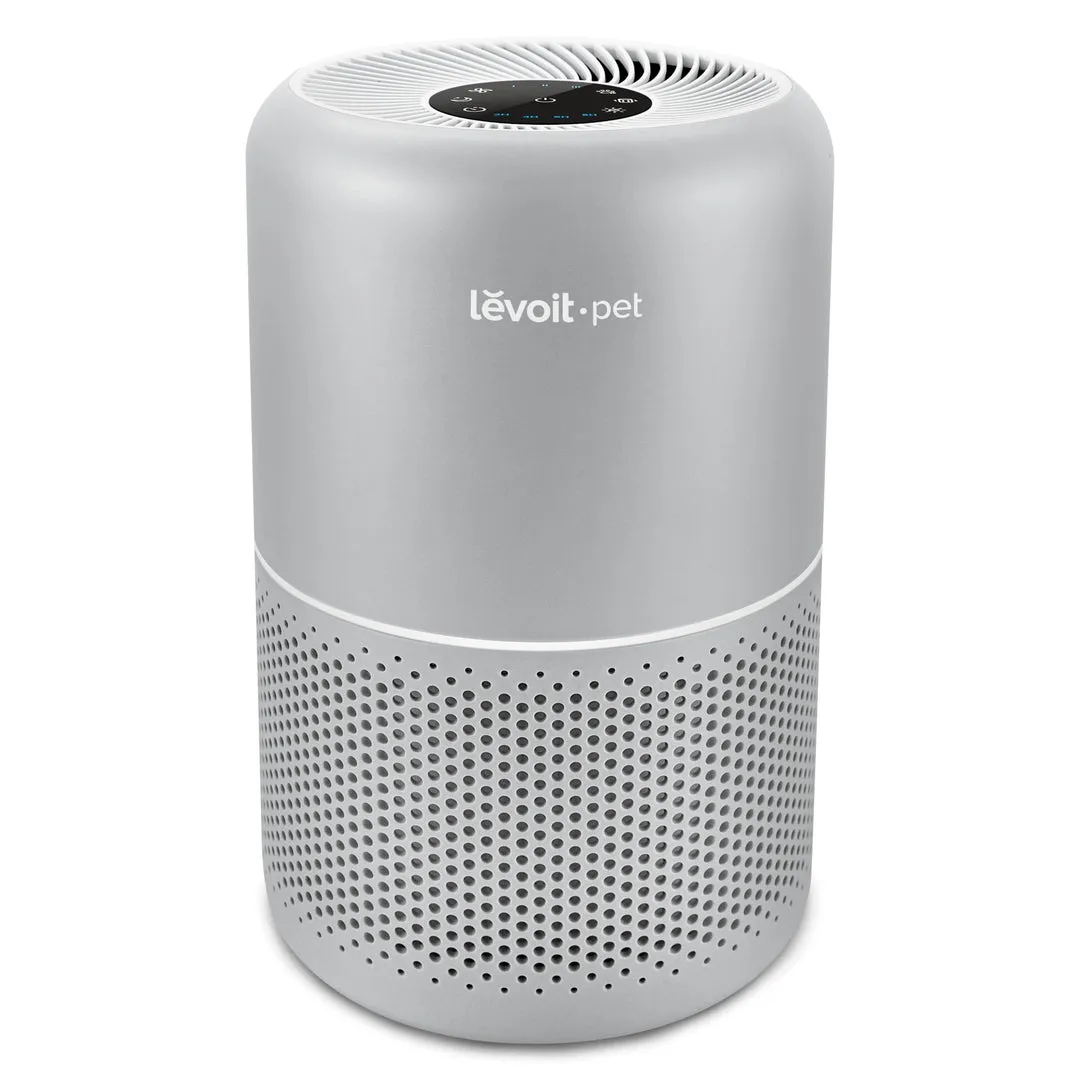
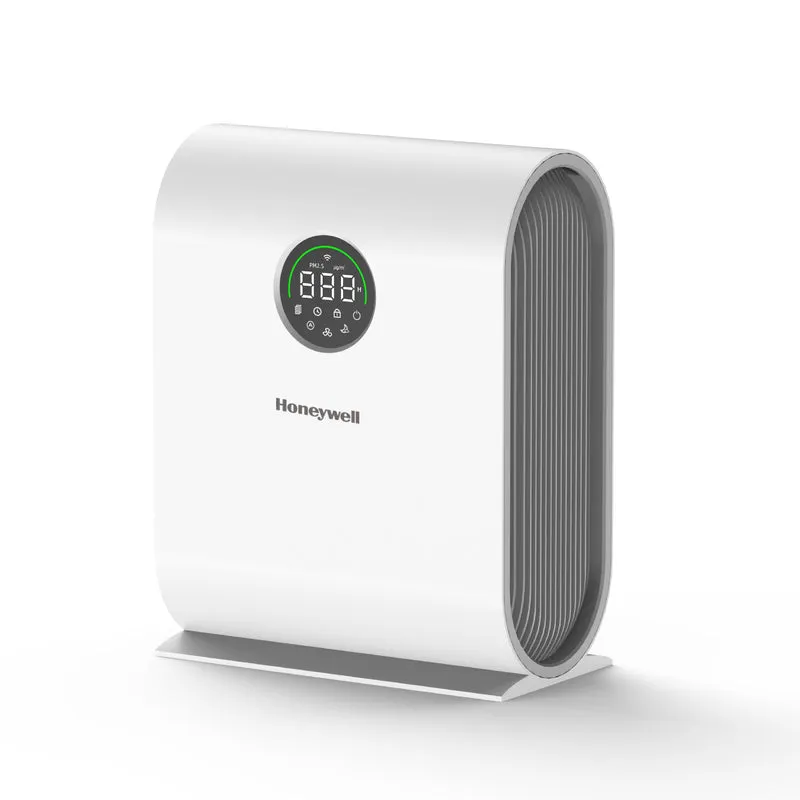
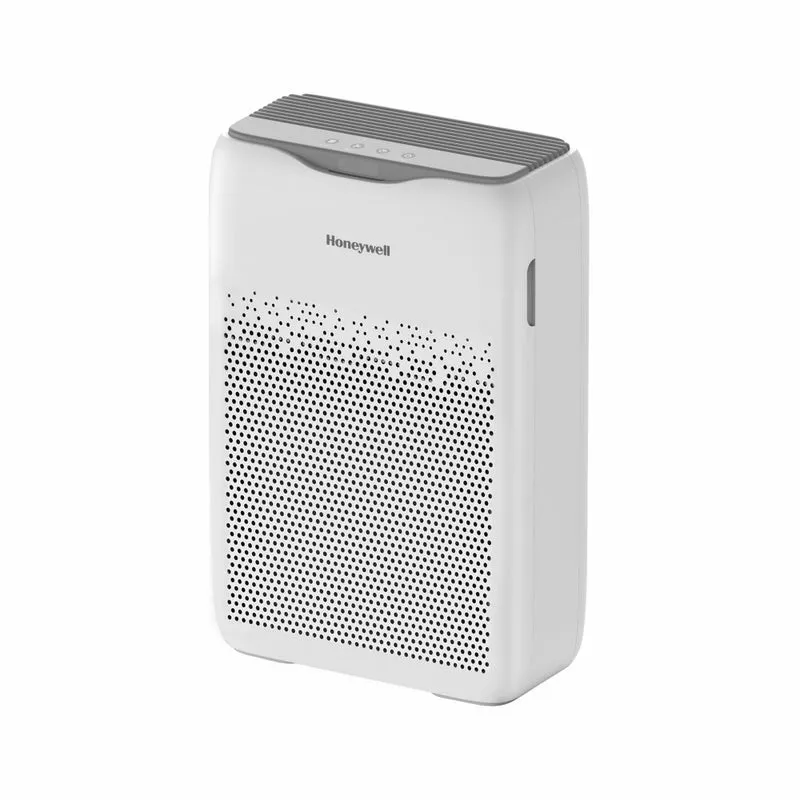
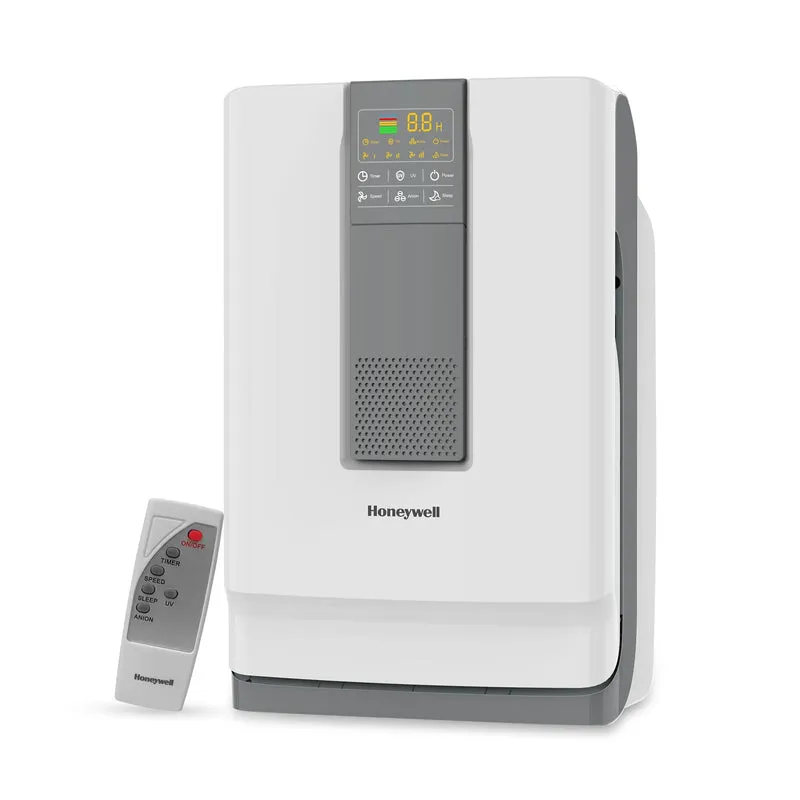
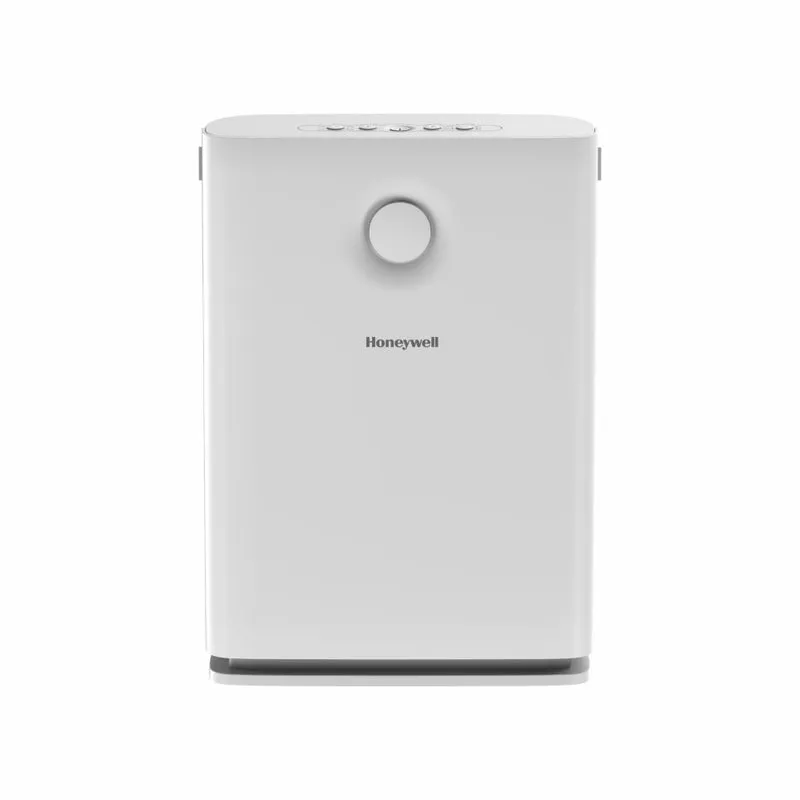
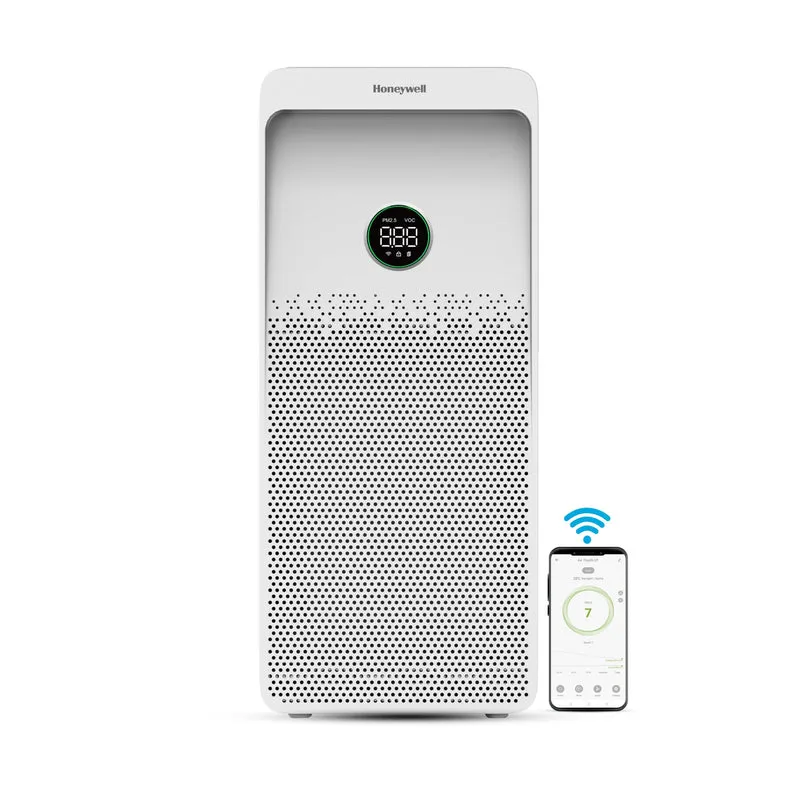
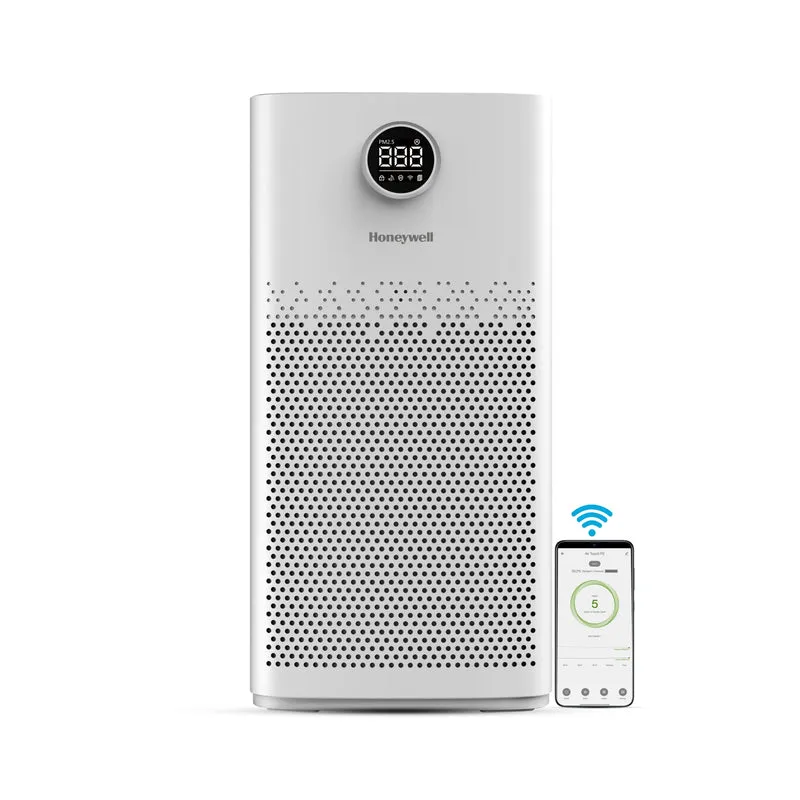
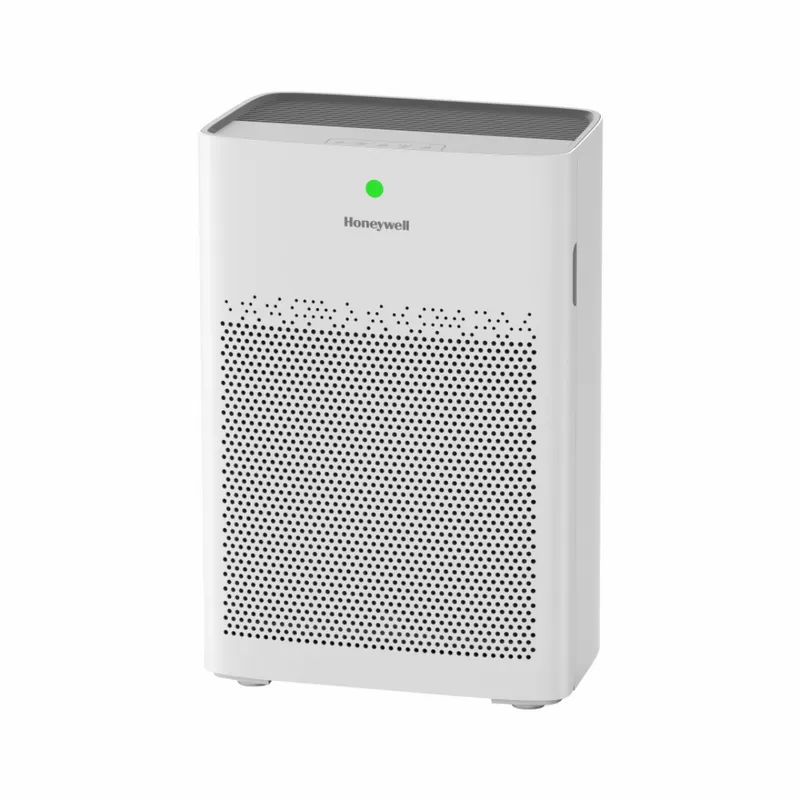
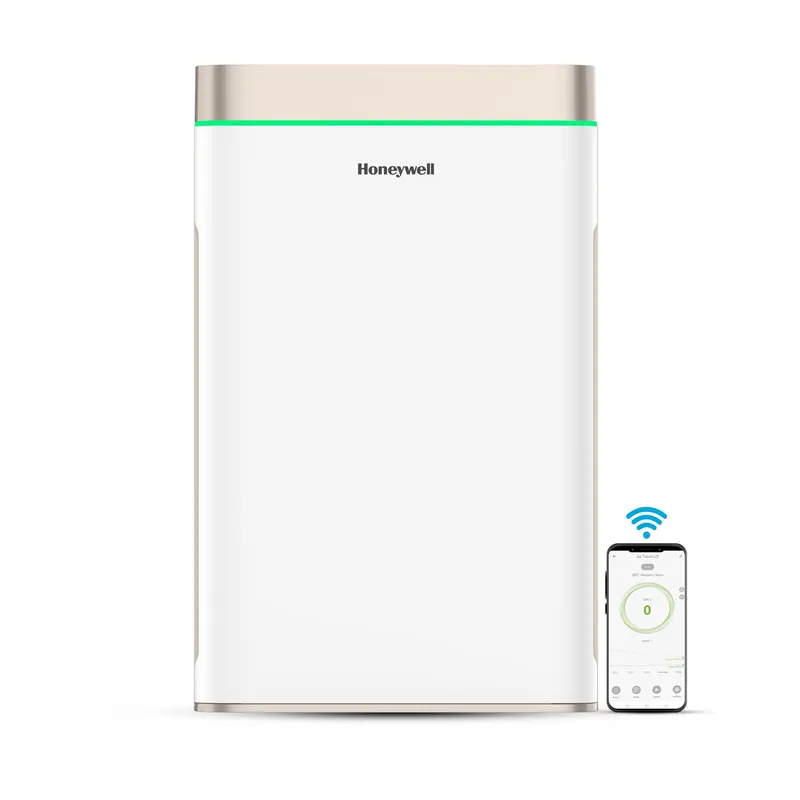
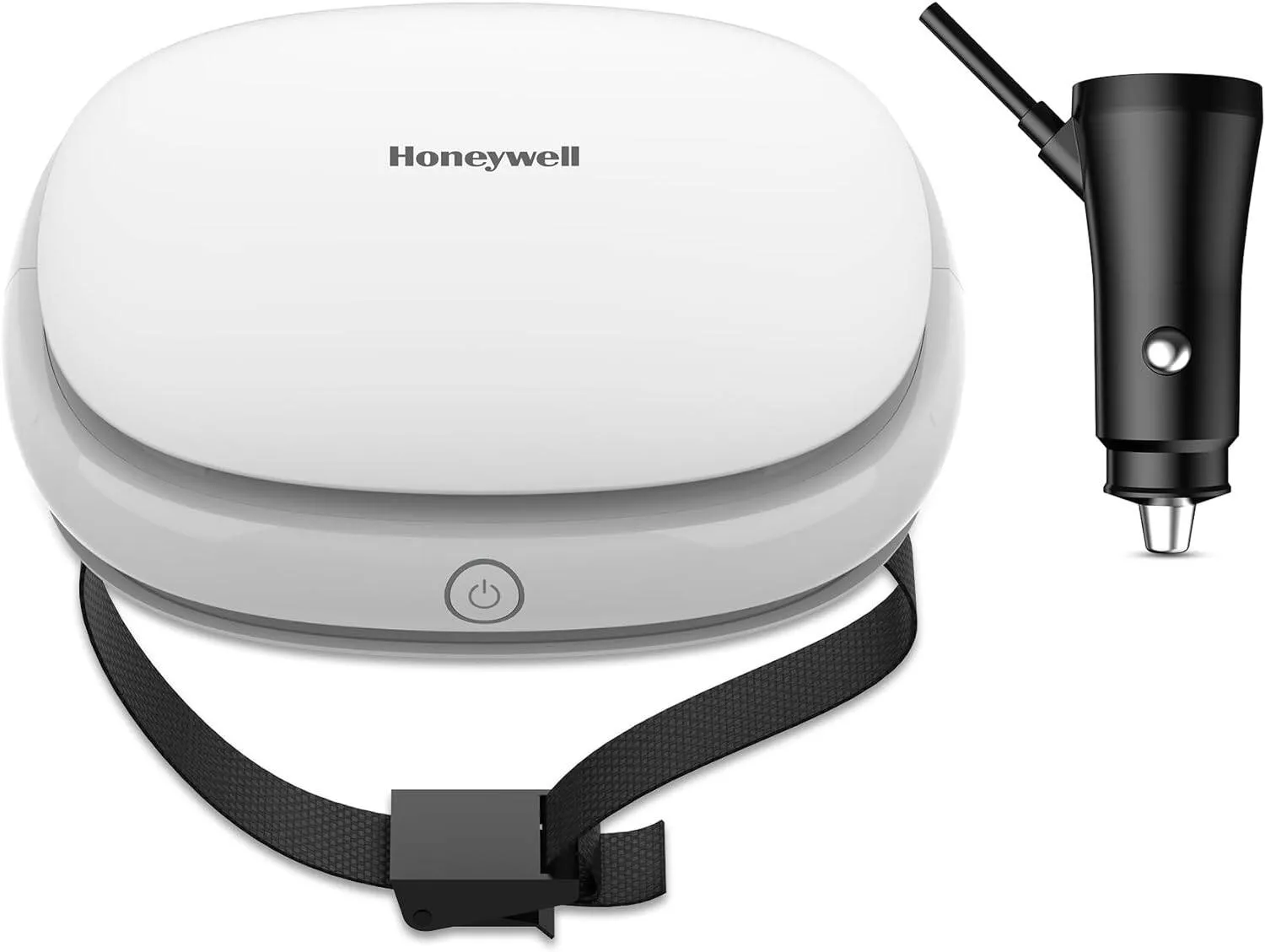
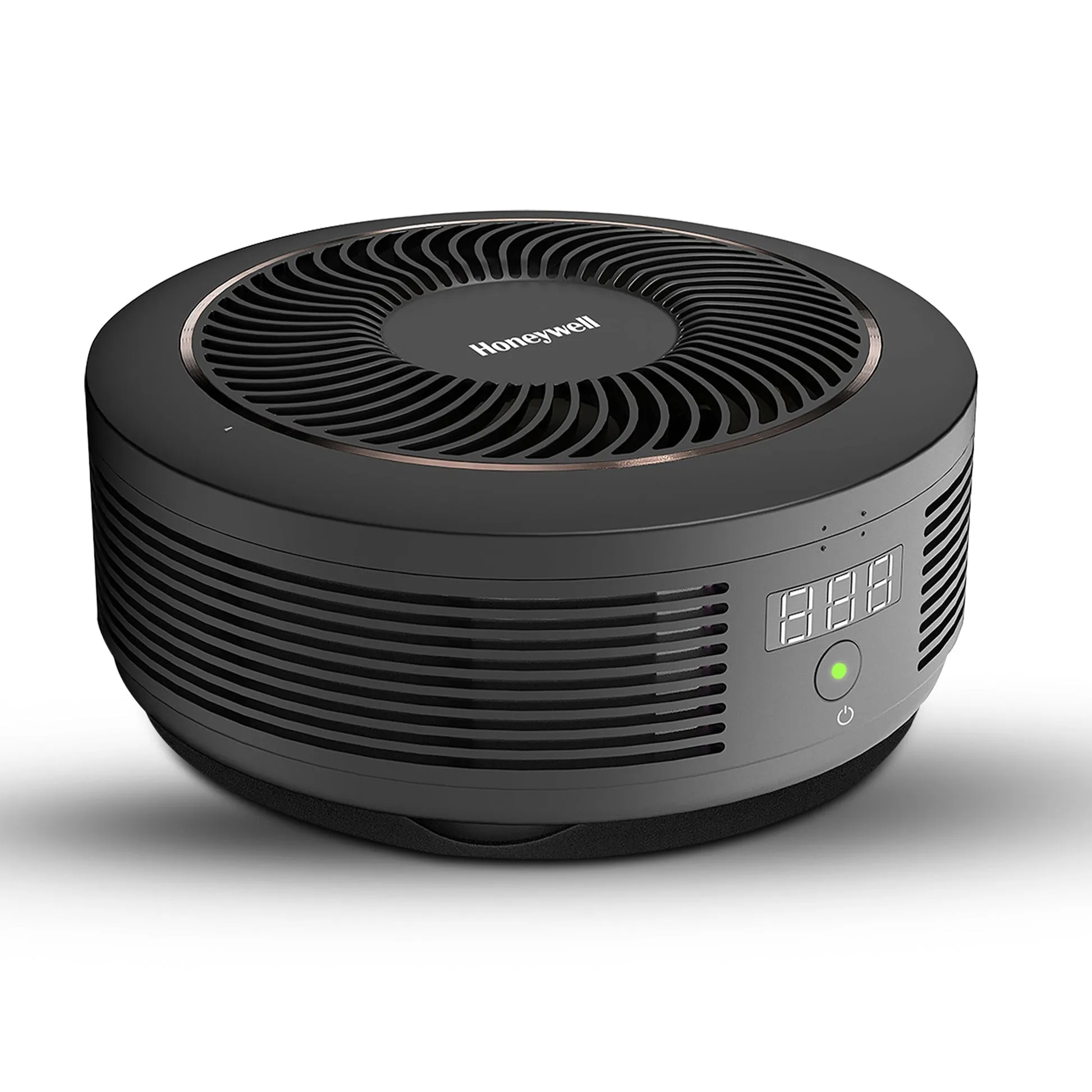
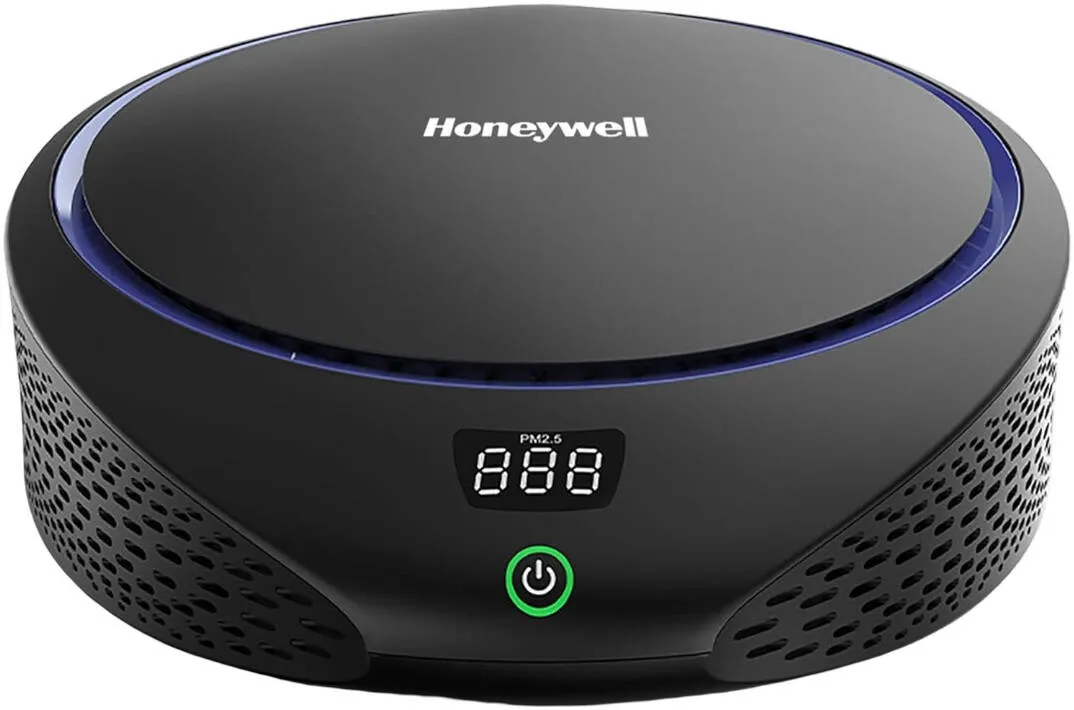
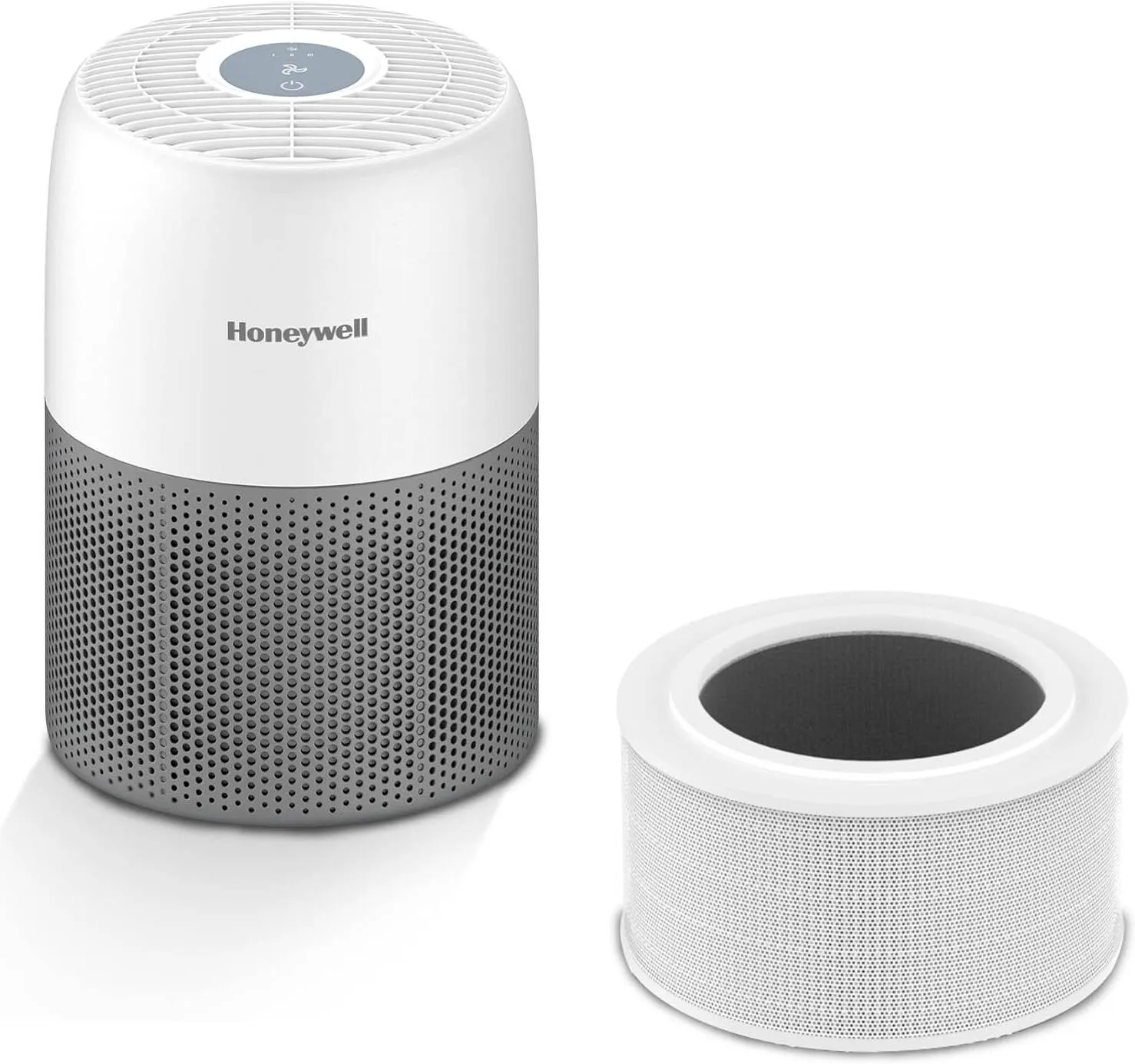
Cleanair-ae stocks a curated range of air purifiers, humidifiers, and filters from Blueair, Honeywell, and Levoit, suited to both residential and commercial spaces across Dubai, Abu Dhabi, and the wider UAE.

For readers who want to go beyond airflow adjustments, the air purifier alternatives guide on the Cleanair-ae site covers eight proven methods for improving indoor air quality without relying solely on a purifier. The site also publishes detailed guides on humidifiers and dehumidifiers and smart air quality technologies for UAE homes. Free delivery is available on orders over 49 AED, with replacement filters and accessories available for fast dispatch.
FAQ
What is the minimum ventilation rate for a healthy home?
The EPA recommends at least 0.35 air changes per hour or 15 CFM per person. This is the baseline required to dilute indoor pollutants and maintain acceptable air quality.
Does closing vents in unused rooms improve efficiency?
Closing vents raises static pressure across the whole system and reduces total airflow to occupied rooms. All vents should remain open to maintain the pressure balance the system was designed around.
How often should HVAC filters be replaced?
Most residential filters need replacing every 60–90 days. In dusty environments such as the UAE, monthly checks are more appropriate to prevent airflow restriction.
What is the fastest low-cost way to improve air flow?
Moving furniture away from supply and return vents removes blockages that reduce airflow by up to 50%. Upgrading stamped-face registers to curved blade grilles delivers further gains at low cost.
What indoor humidity level supports good air circulation?
ASHRAE recommends keeping indoor relative humidity between 30% and 60%. Levels outside this range increase the risk of mould, respiratory irritation, and reduced comfort even in well-ventilated spaces.