Uncategorised
How to reduce household dust: your 2026 guide
Household dust reduction is the practice of systematically removing settled particles and preventing their accumulation through targeted cleaning, air filtration, and environmental controls. The most effective approach combines all three methods rather than relying on any single intervention. MERV 13-rated filters capture 99.97% of particles down to 0.3 microns, setting the standard for residential filtration. Washing bedding weekly at a minimum of 54°C kills dust mites at the source. This guide covers the tools, routines, and environmental adjustments that make a measurable difference to your indoor air quality.
How to reduce household dust: tools and conditions you need first
Effective dust control starts with the right equipment and the right environment. Without both, even the most thorough cleaning routine will fall short.
The tools that actually work
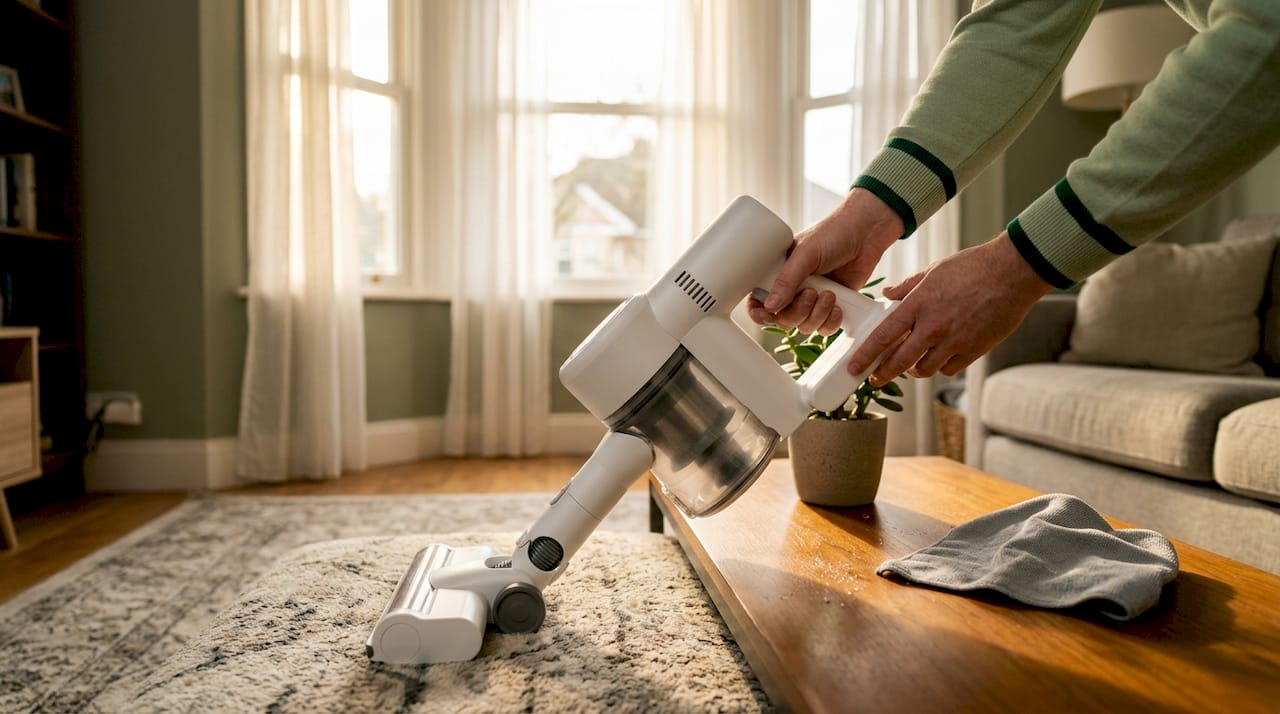
Damp microfibre cloths and HEPA vacuum cleaners with sealed systems are the two non-negotiable tools for dust removal at home. A standard dry cloth simply moves particles from one surface to another. A microfibre cloth traps them. A vacuum without a sealed system recirculates fine particles back into the air through the motor exhaust, which defeats the purpose entirely.
For filters in HVAC systems, the minimum standard worth using is MERV 13. Filters below this rating allow fine particles, including dust mite allergens and mould spores, to pass through uncaptured.
Common sources of household dust
Dust does not appear from nowhere. The main contributors in most homes are:
- Fabrics and soft furnishings: mattresses, upholstered sofas, curtains, and carpets shed fibres and trap particles continuously
- Skin cells and pet dander: occupants and pets shed material daily, which settles into fabrics and floor surfaces
- Outdoor ingress: open windows and doors, gaps in frames, and foot traffic bring in soil, pollen, and pollution particles
- Poor ventilation: stagnant air allows particles to settle rather than be captured or exhausted
Ideal indoor humidity
Indoor relative humidity between 30% and 50% suppresses dust mite reproduction and prevents mould growth. Below 30%, the air becomes too dry and irritates airways. Above 50%, dust mites thrive and mould becomes a secondary problem. A basic hygrometer costs very little and removes all guesswork from humidity management.
| Condition | Recommended range | Effect on dust and allergens |
|---|---|---|
| Indoor relative humidity | 30–50% RH | Suppresses dust mite reproduction and mould |
| Bedding wash temperature | 54°C minimum | Kills dust mites and removes allergens |
| HVAC filter rating | MERV 13 or higher | Captures 99.97% of particles at 0.3 microns |
| Vacuum filtration | Sealed HEPA system | Prevents particle leakage during vacuuming |
Which cleaning routines most effectively remove dust?
The order and method of cleaning matter as much as the frequency. A poorly sequenced routine can spread more dust than it removes.
Clean from top to bottom, always
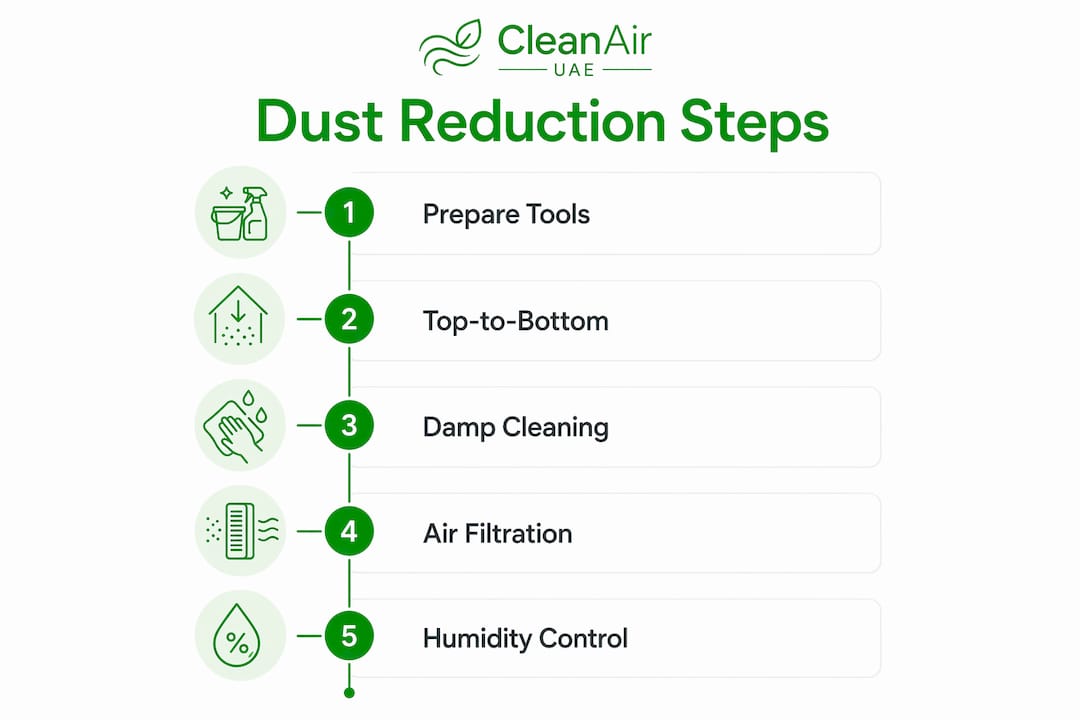
Start at ceiling level: light fittings, tops of wardrobes, and ceiling fans. Work downward through shelves, windowsills, and furniture surfaces. Finish with floors. This sequence means any particles dislodged from higher surfaces are captured when you vacuum and mop at the end. Reversing the order means you contaminate already-cleaned floors.
Why dry dusting makes things worse
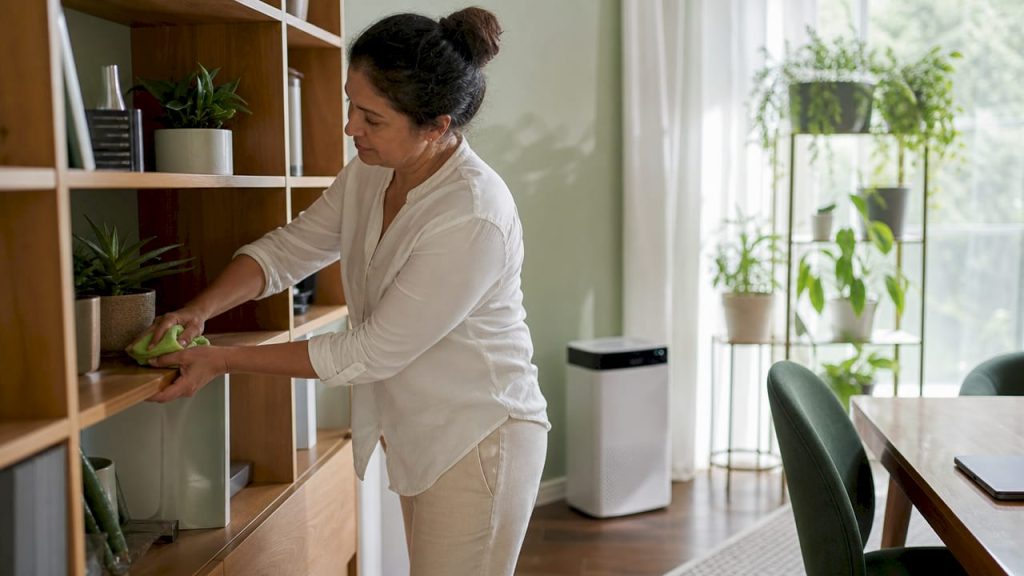
Dry dusting disperses particles into the air rather than removing them. Those particles remain airborne for minutes to hours before resettling, often in areas you have already cleaned. Damp microfibre cloth dusting is the professional standard because the cloth physically traps particles on contact. Use a separate cloth for each room to avoid cross-contamination.
Step-by-step weekly cleaning routine
- Ventilate briefly before cleaning. Open windows for 10 minutes to flush stale air, then close them before you start dusting to prevent outdoor particles entering during the process.
- Damp-dust all surfaces from top to bottom. Use a clean, lightly dampened microfibre cloth. Replace or rinse the cloth when visibly soiled.
- Vacuum upholstery and mattresses. Soft furnishings require weekly vacuuming with a sealed HEPA vacuum. Mattresses and upholstered sofas are among the highest-density reservoirs of dust mite allergens in any home.
- Vacuum all floor surfaces. Use the sealed HEPA vacuum on both hard floors and carpets. Carpets hold significantly more particles per square metre than hard floors.
- Mop hard floors last. A damp mop picks up any fine particles the vacuum missed. Dry mopping simply redistributes them.
- Wash bedding at 54°C or above. Weekly hot washing of sheets, pillowcases, and duvet covers kills dust mites and removes the allergen load that accumulates during sleep.
Pro Tip: Wash curtains and sofa throws monthly at 54°C or higher. They accumulate allergens at a similar rate to bedding but are frequently overlooked in standard cleaning routines.
How do air filtration and ventilation reduce airborne dust?
Air filtration addresses the particles that cleaning cannot reach: those suspended in the air between surfaces. A thorough clean removes settled dust, but airborne particles require active capture.
MERV 13 and HEPA: the filtration standards that matter
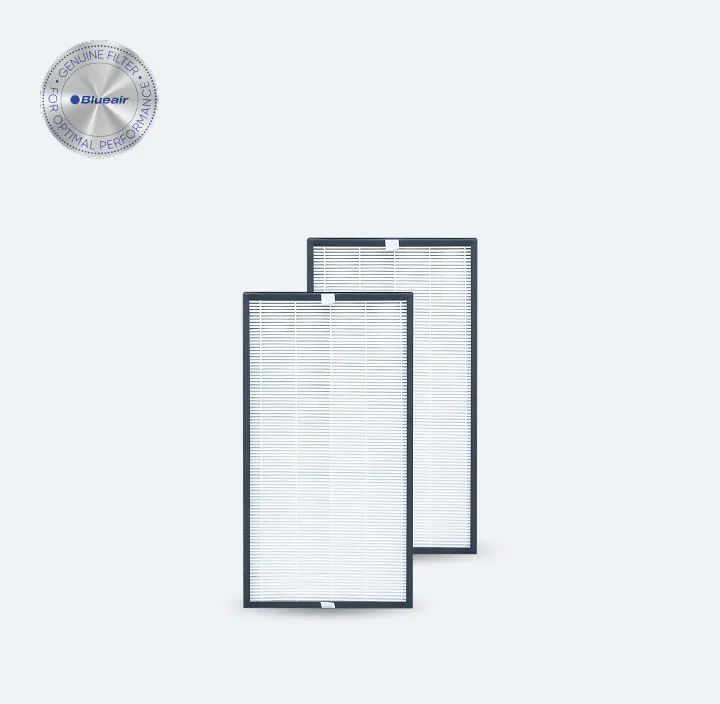
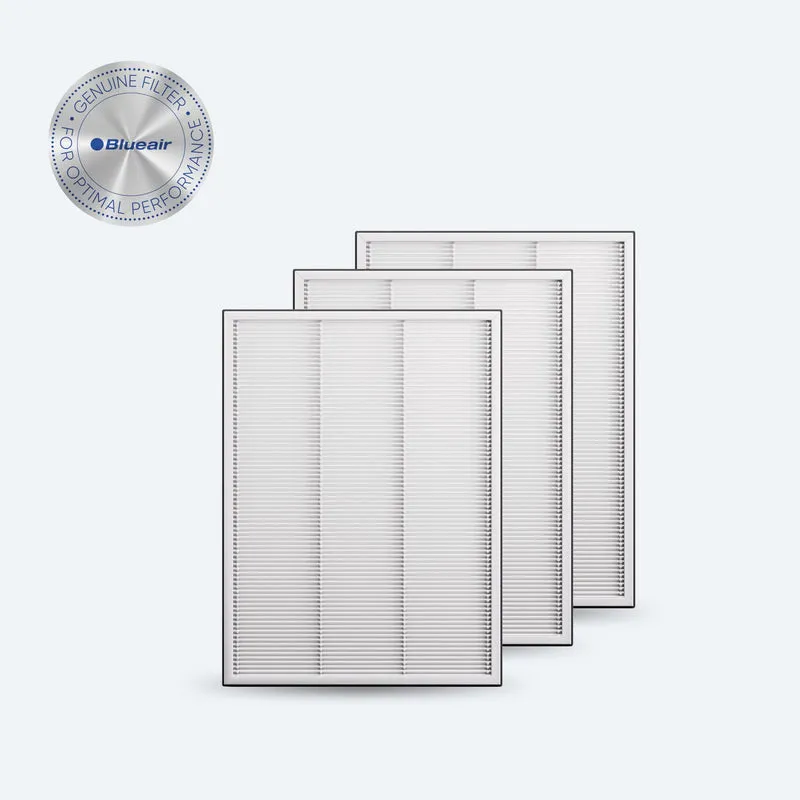
MERV 13-rated filters in HVAC systems capture 99.97% of fine particles down to 0.3 microns. That includes dust mite allergens, mould spores, and fine particulate matter from outdoor pollution. Filters rated below MERV 13 allow these particles to recirculate through the system and back into the room air.
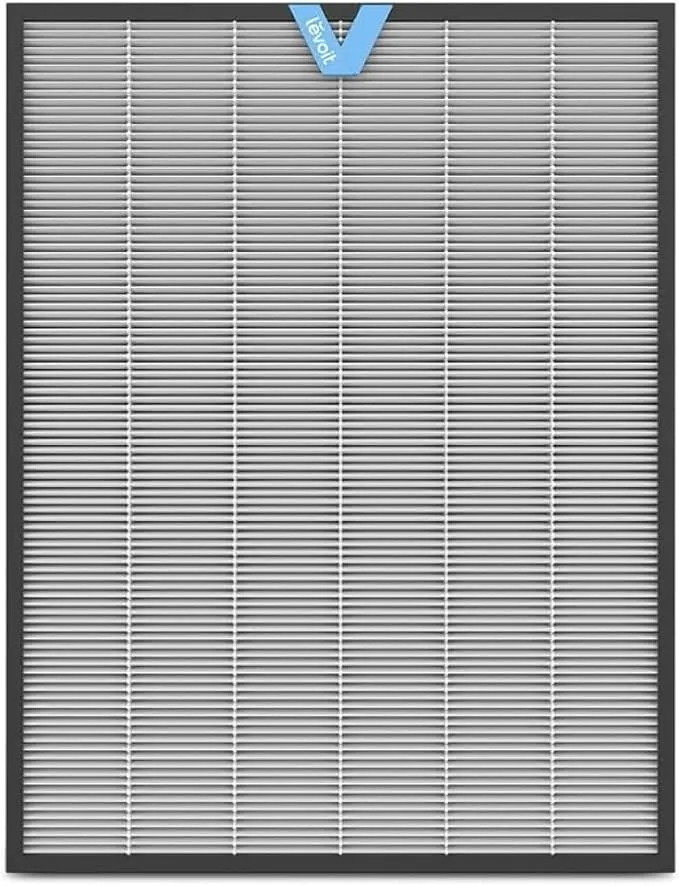
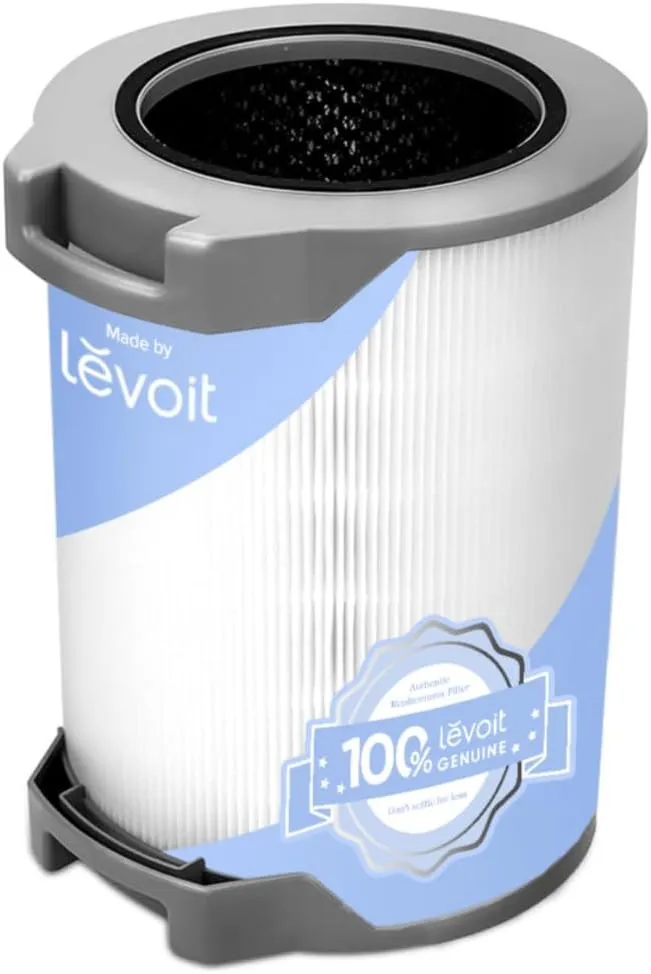
A HEPA filter alone is not sufficient without a sealed filtration system. Leaks in the vacuum or purifier casing allow particles to bypass the filter entirely and re-enter the indoor air. When purchasing any filtration device, confirm that the unit carries a sealed system certification, not just a HEPA filter rating.
Standalone air purifiers: what they can and cannot do
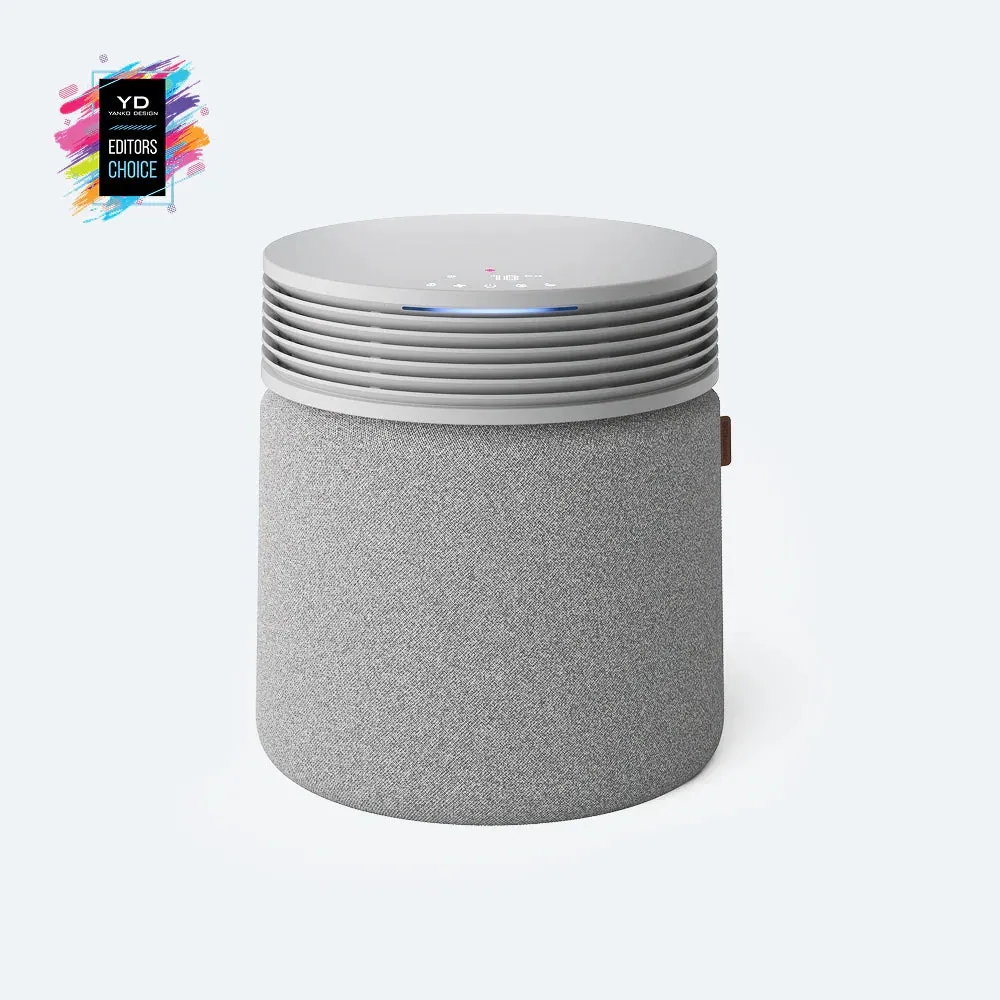
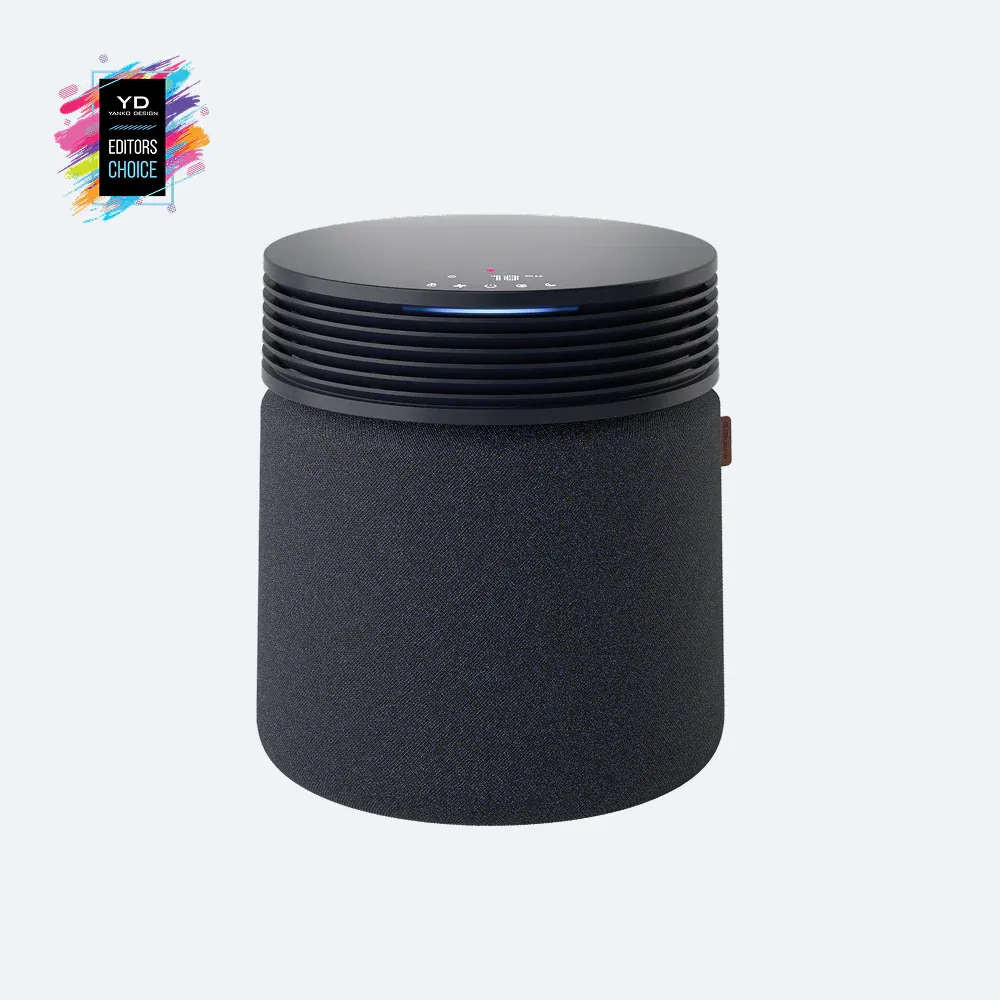
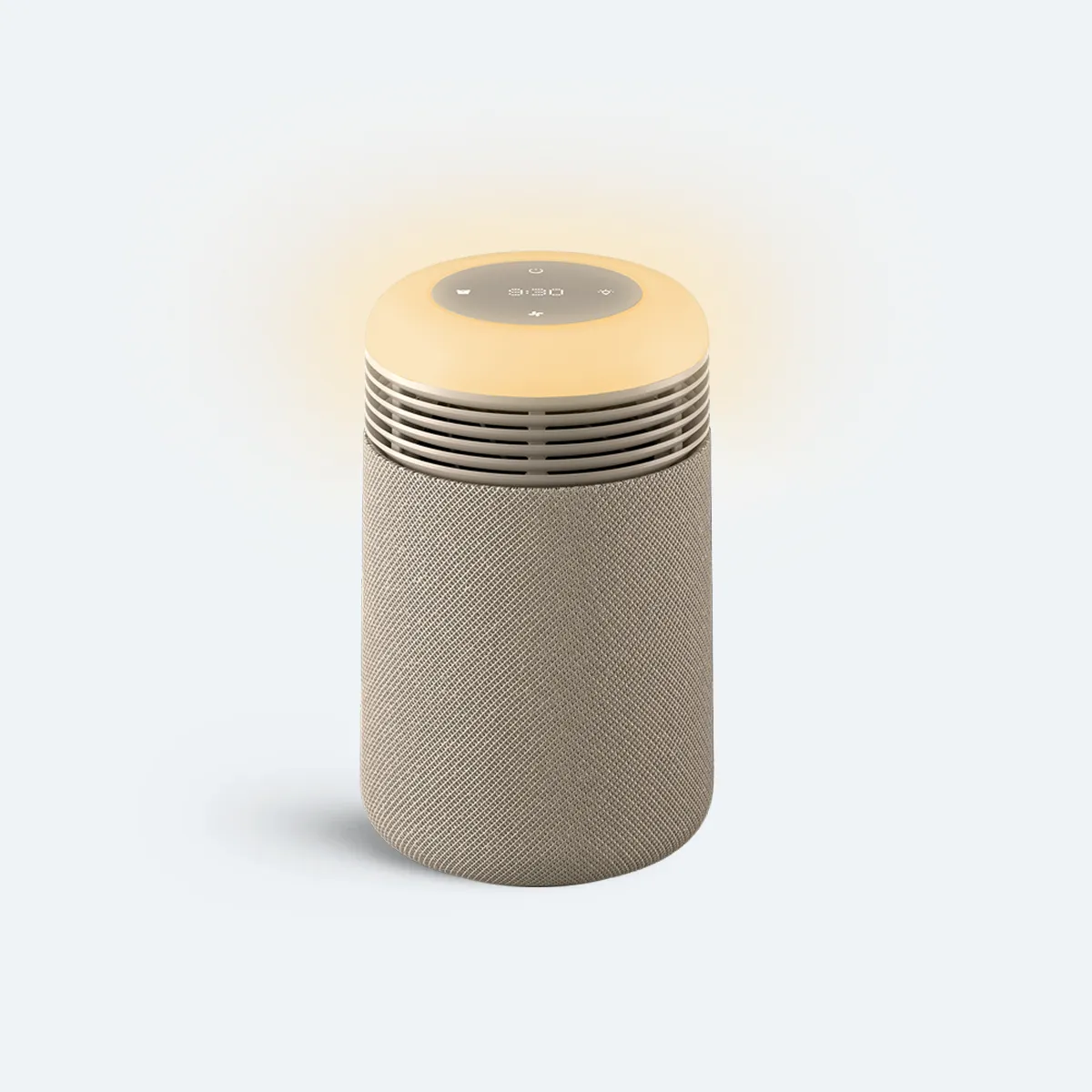
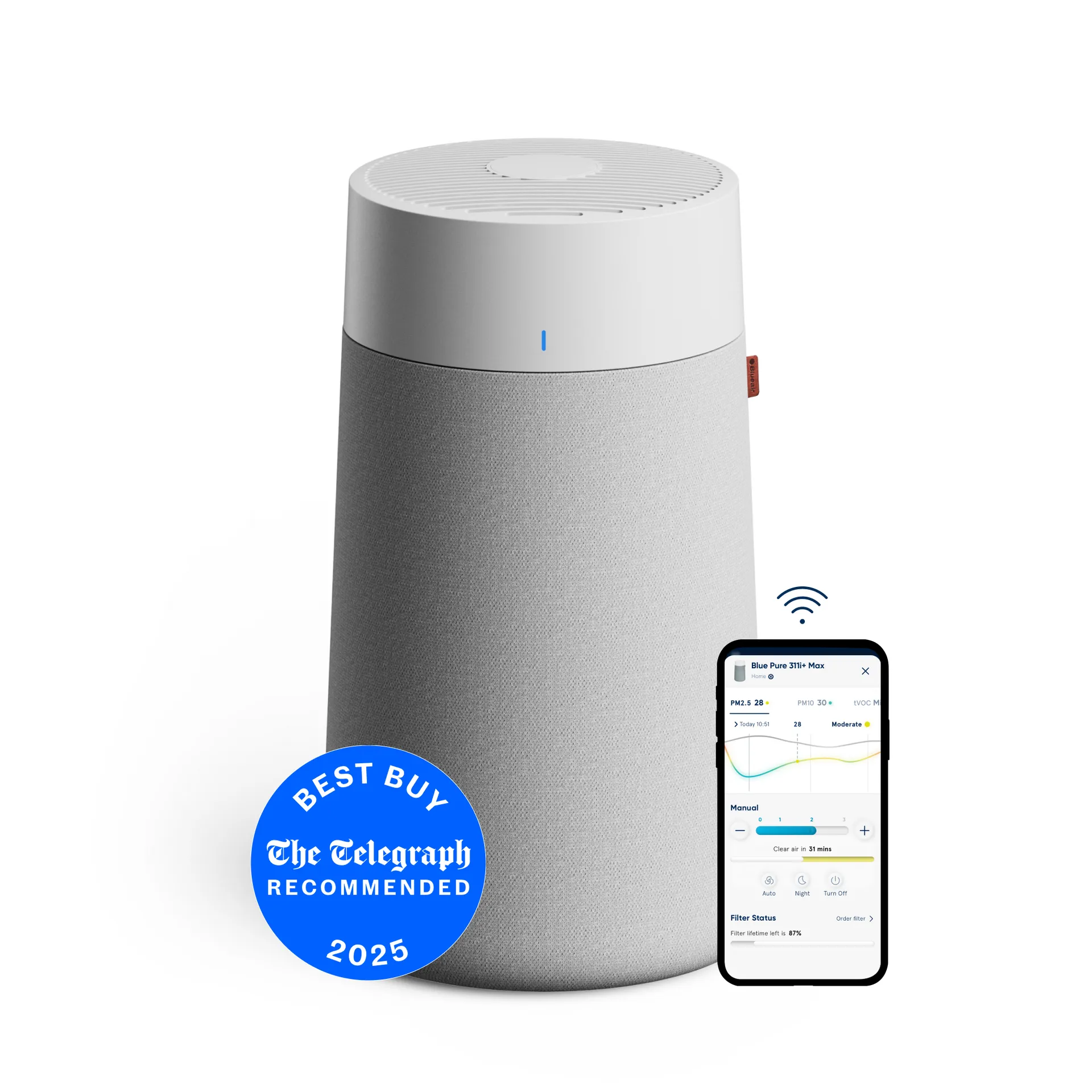
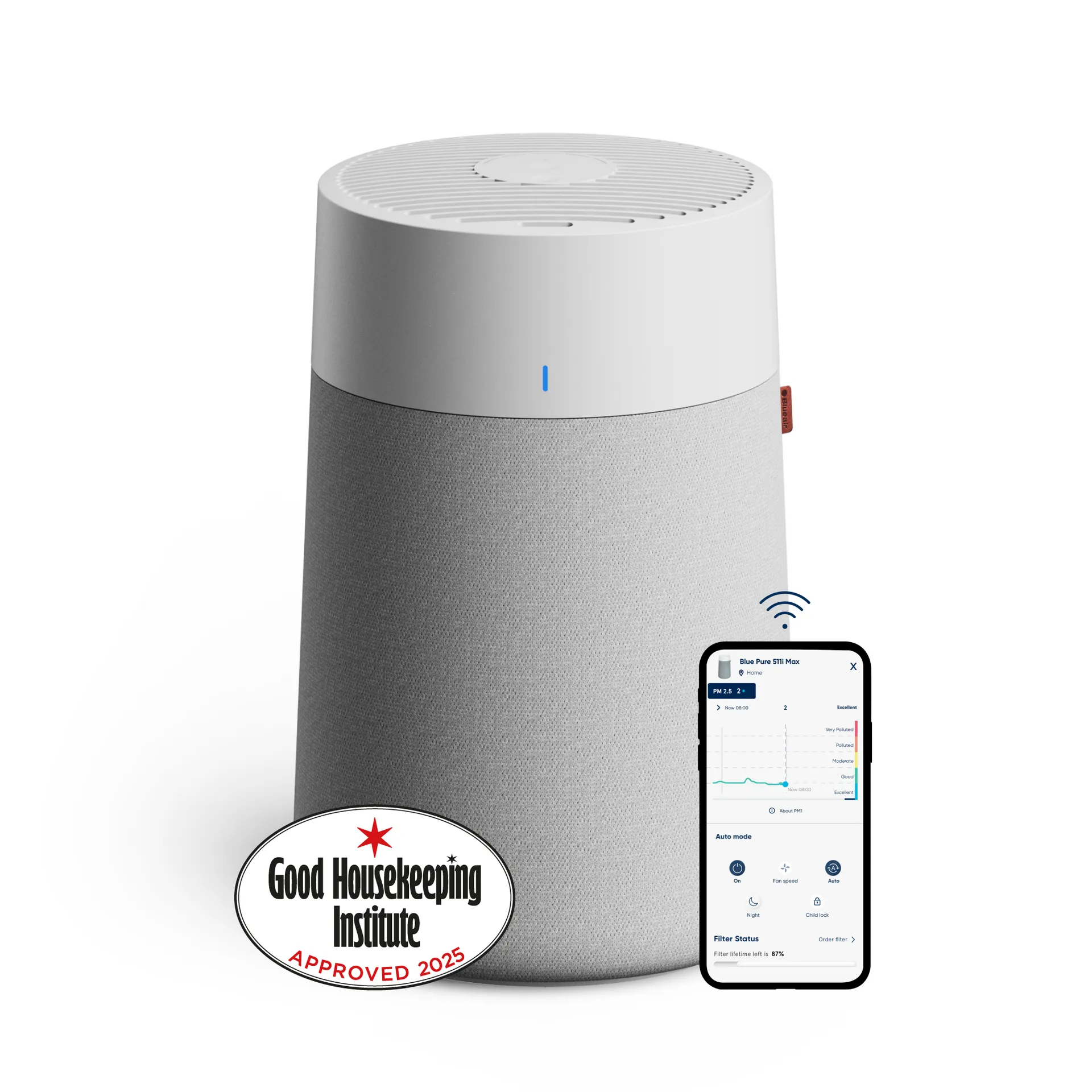
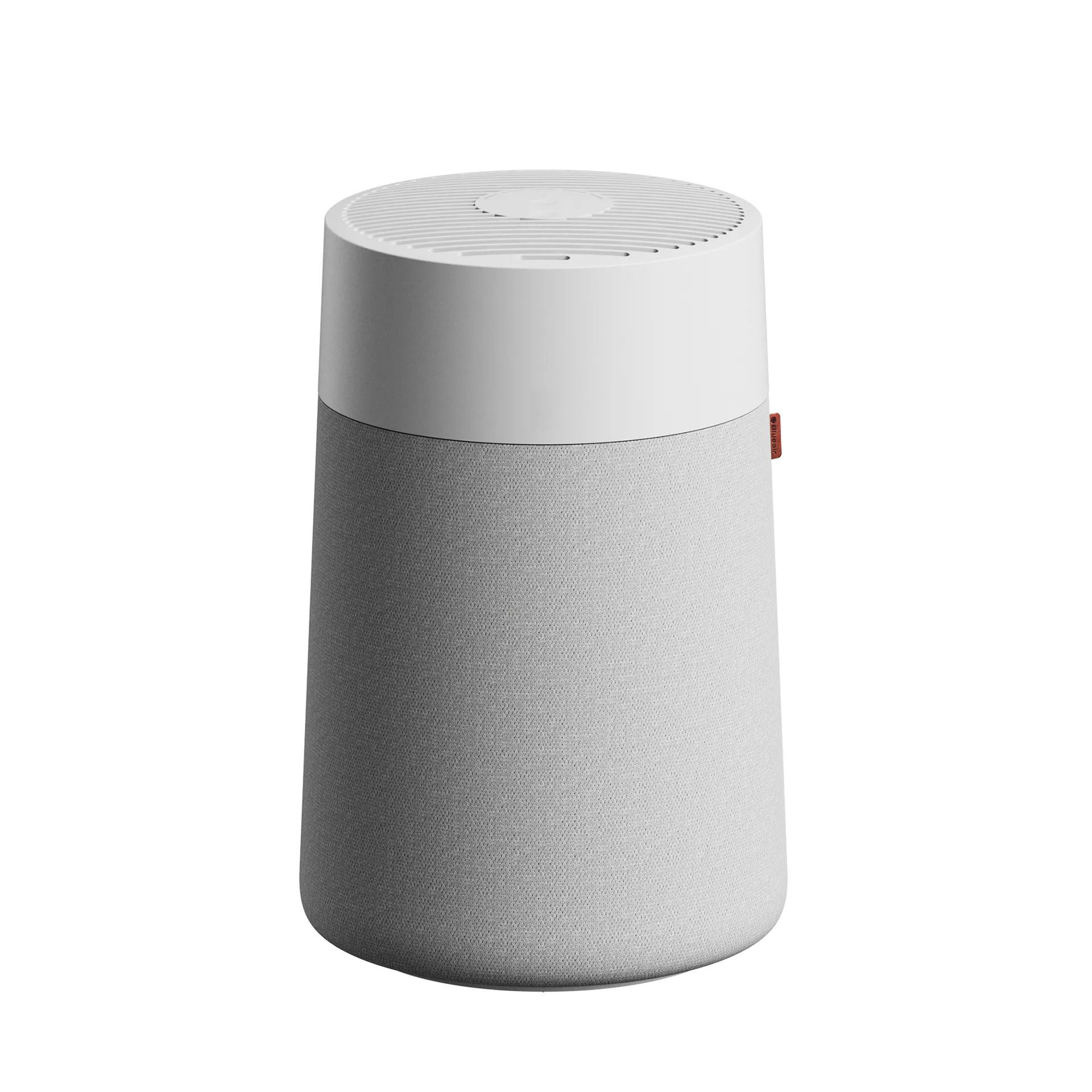
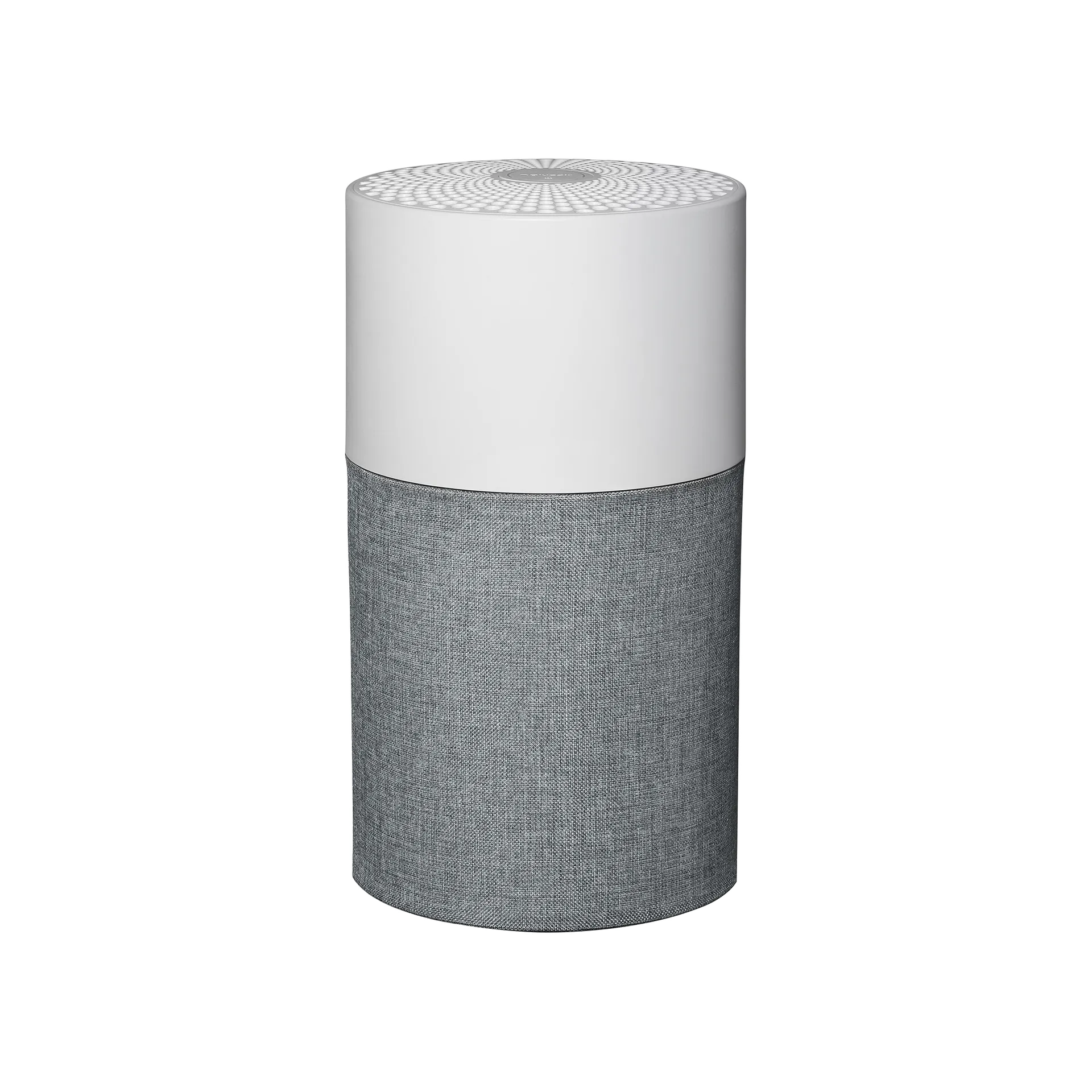
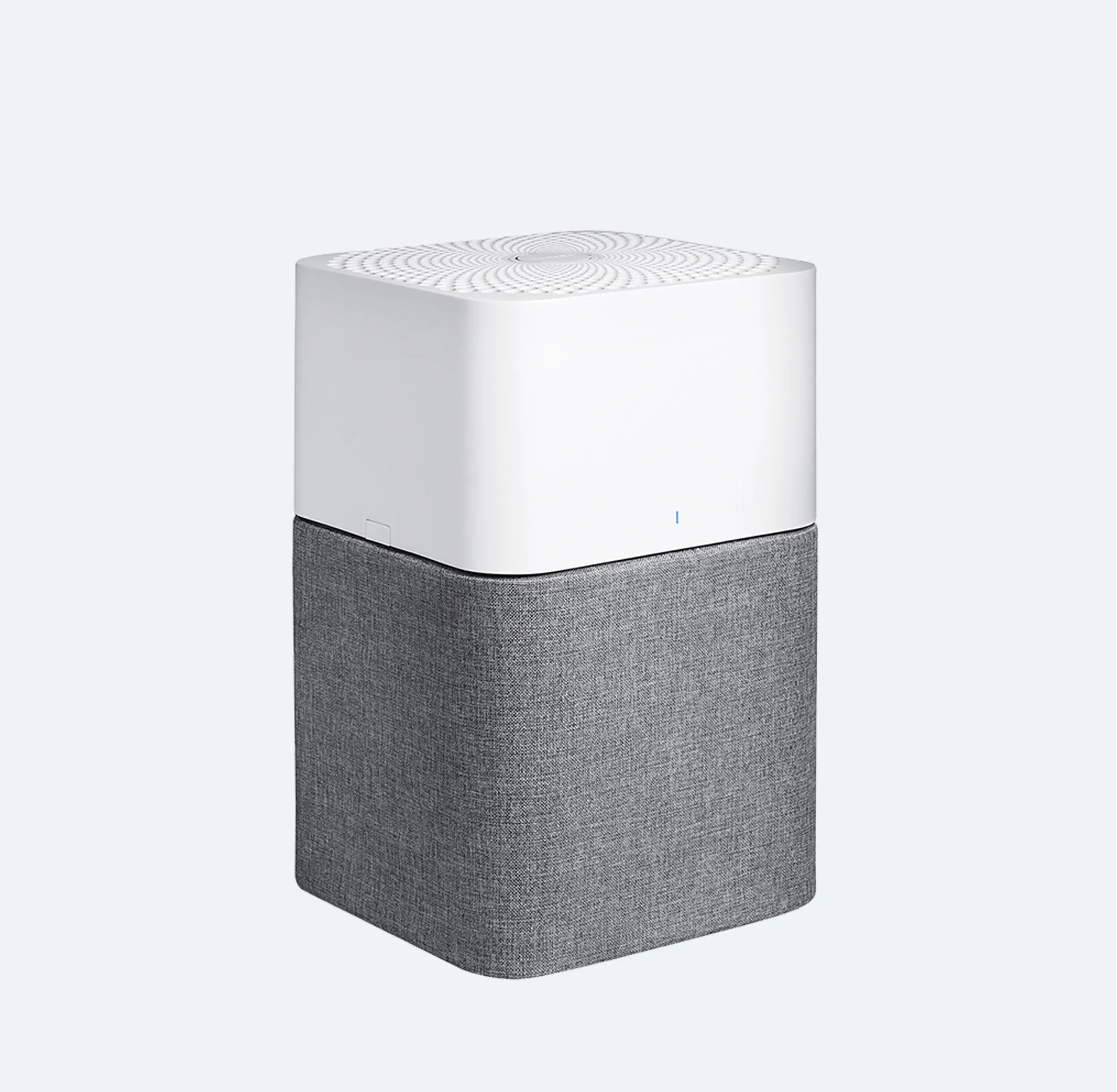
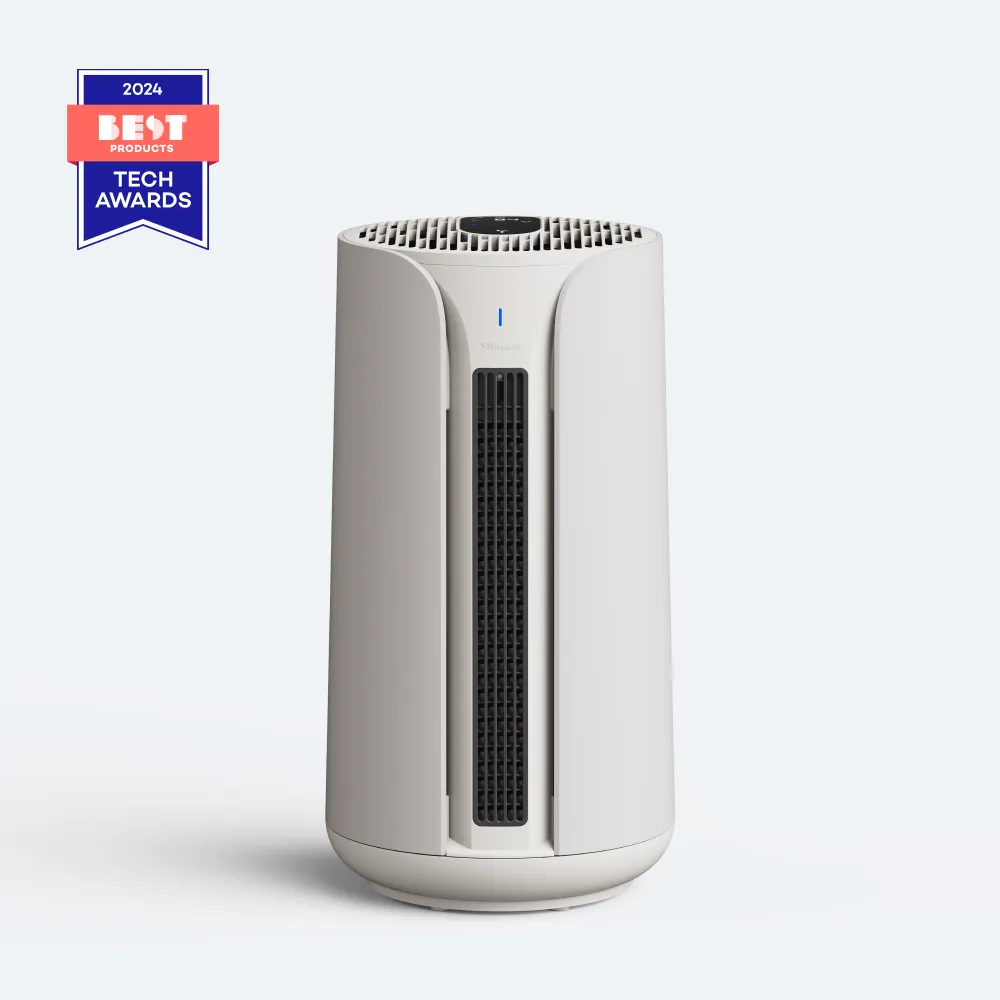
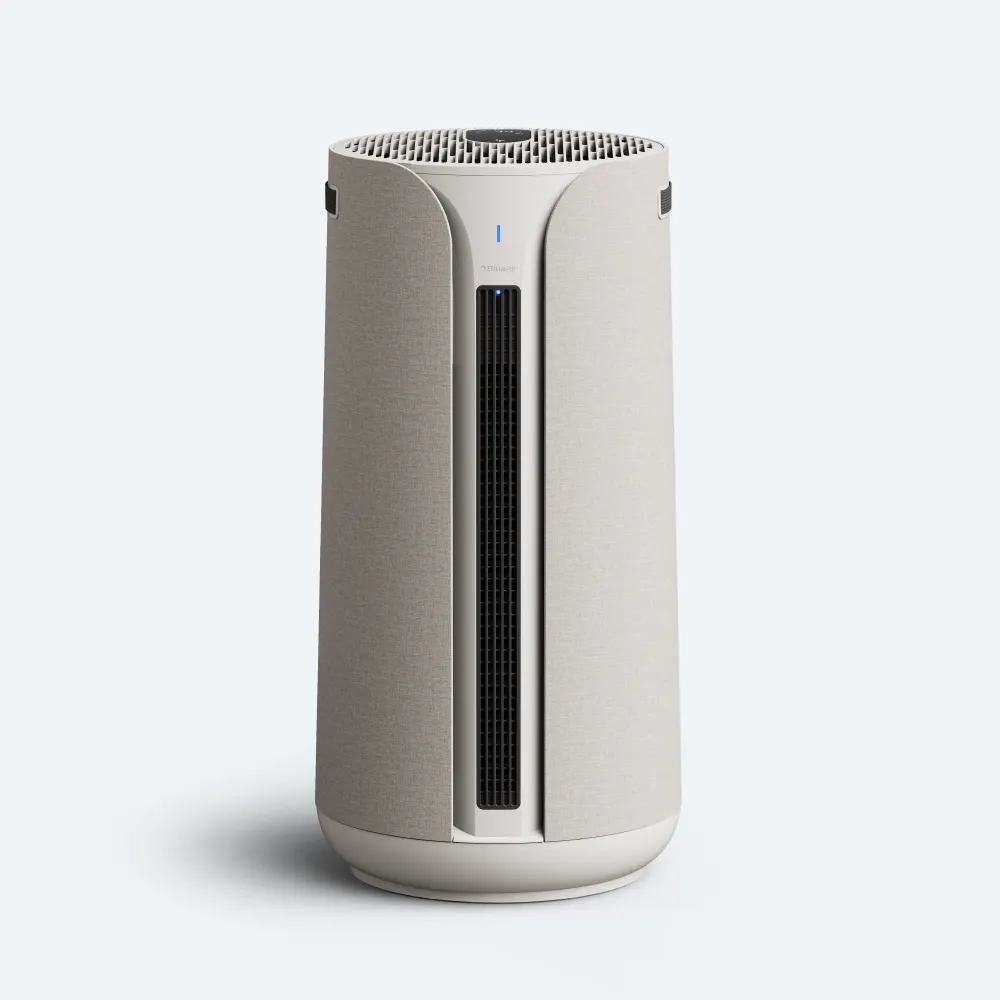
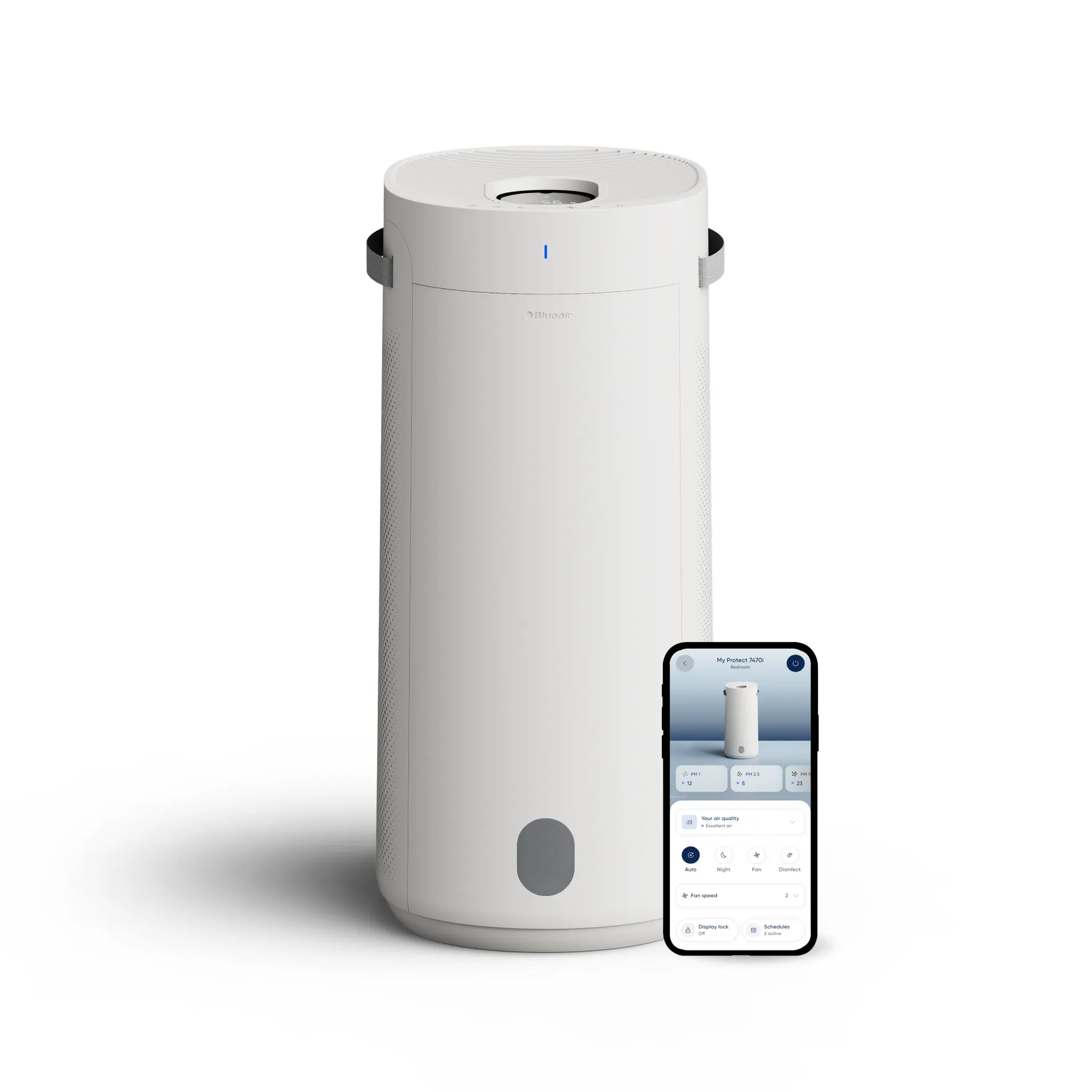
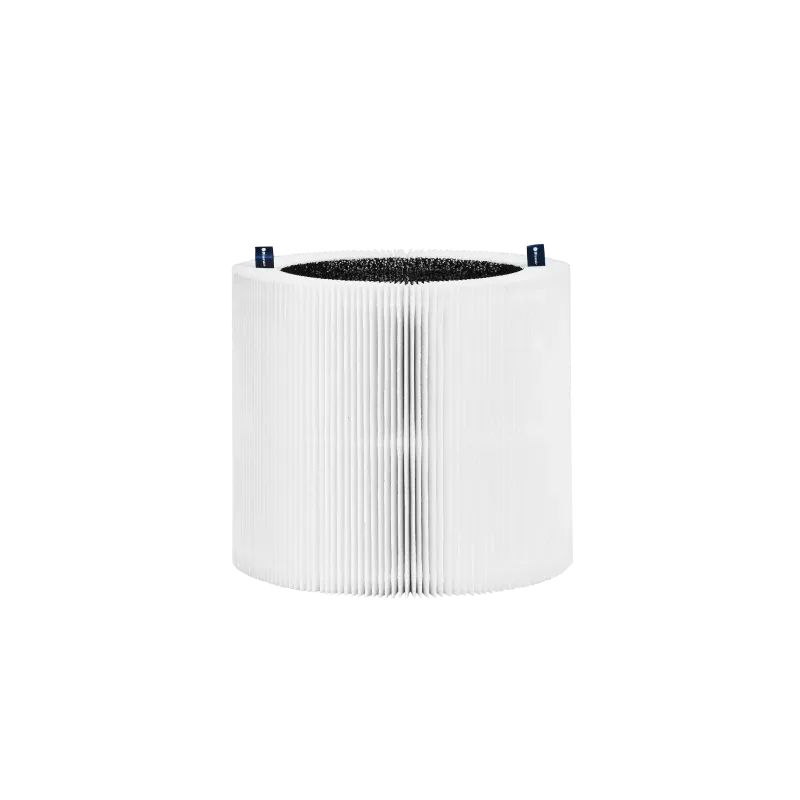
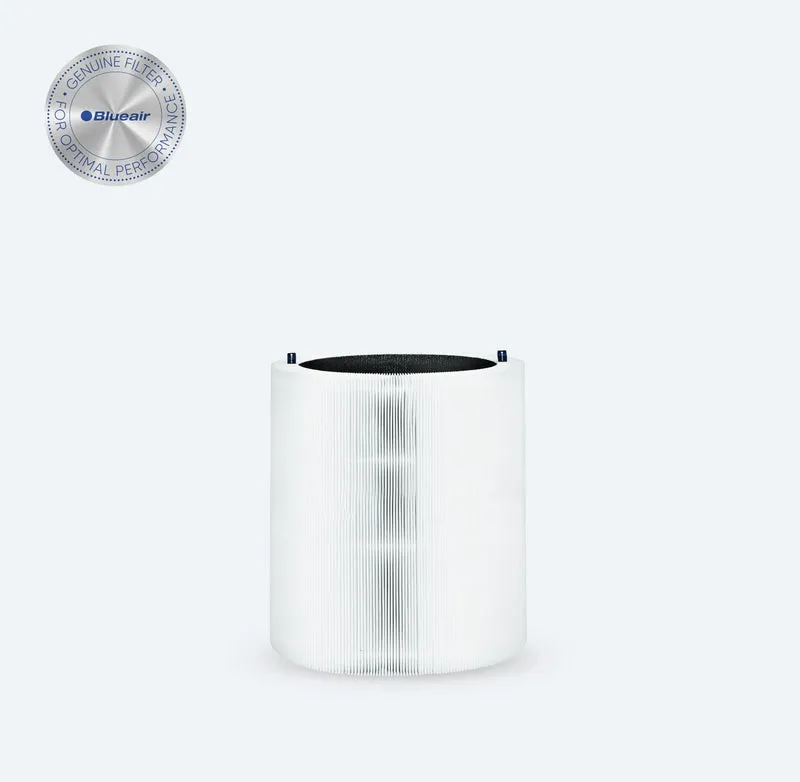
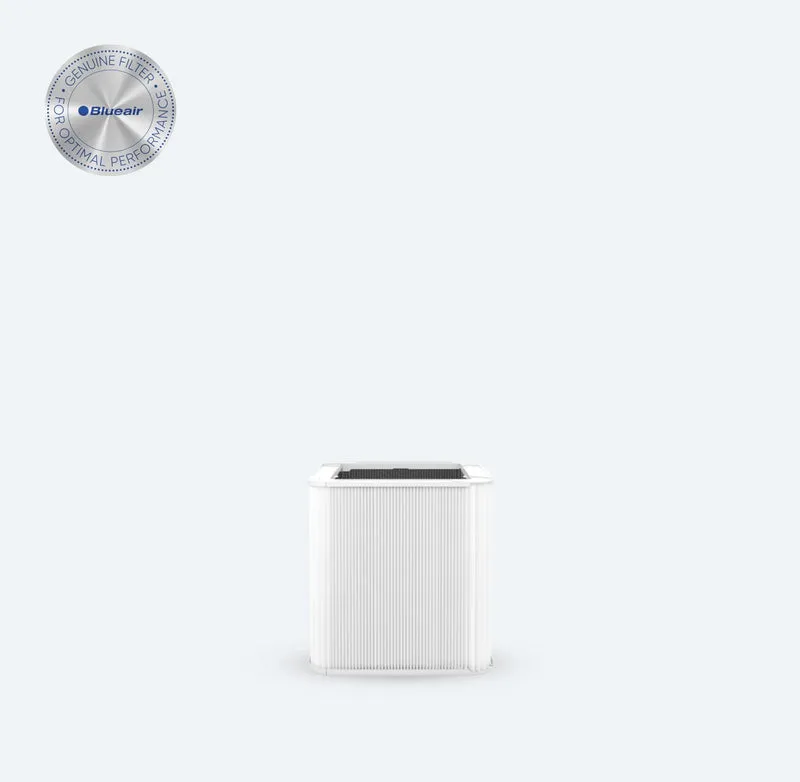
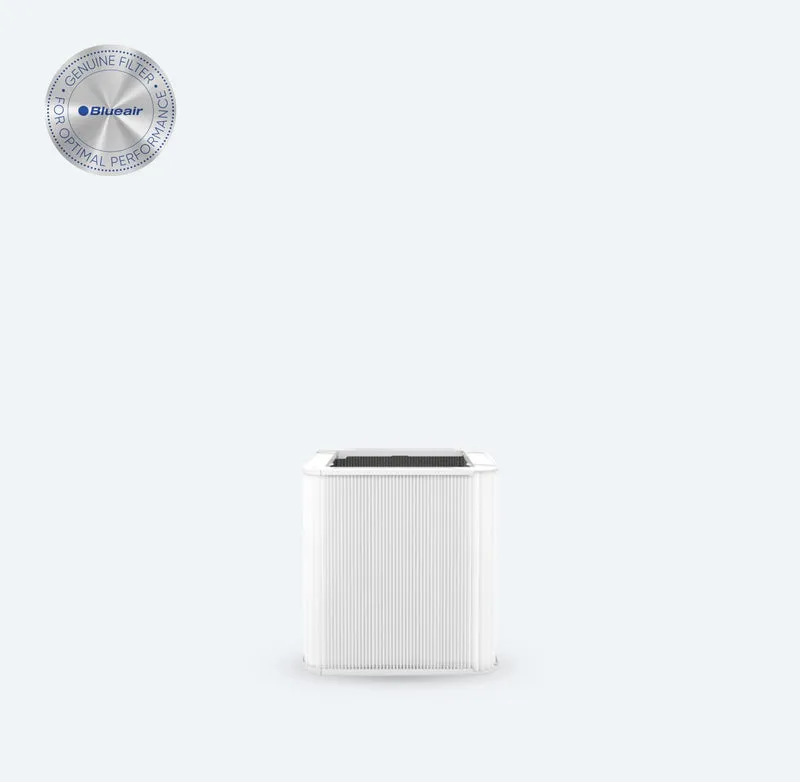
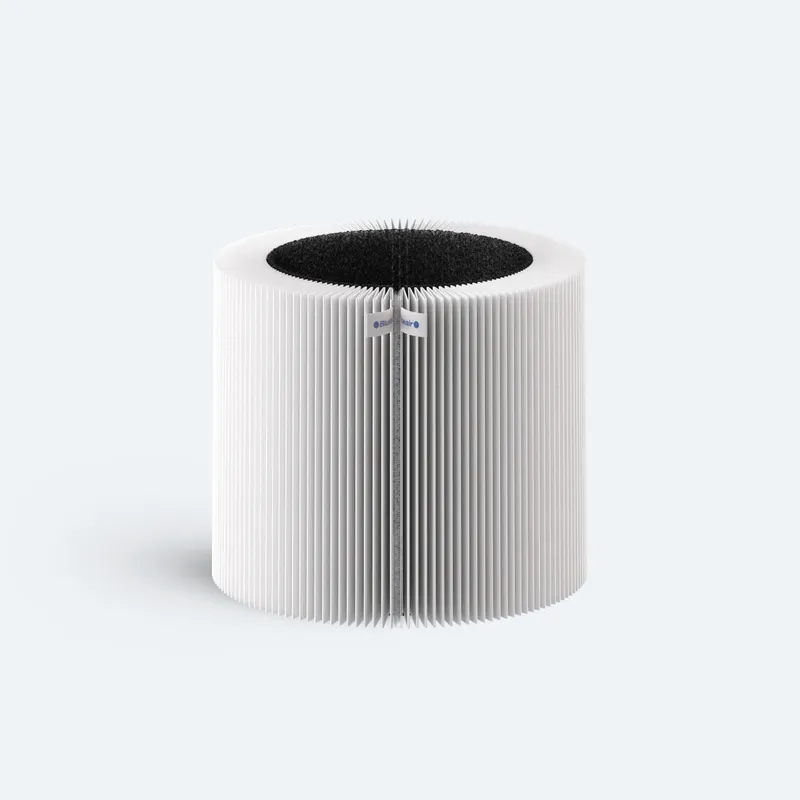
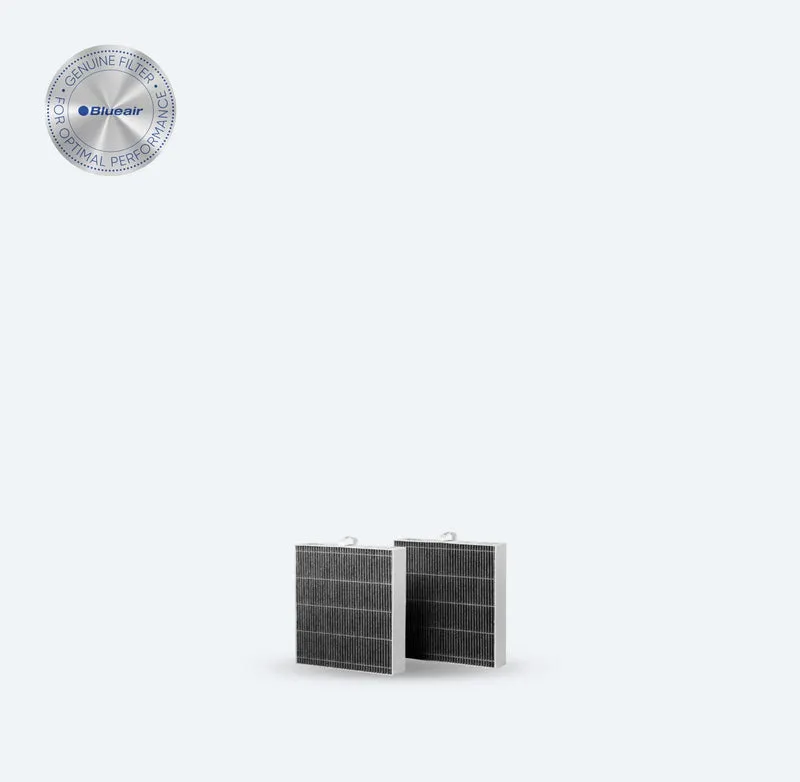
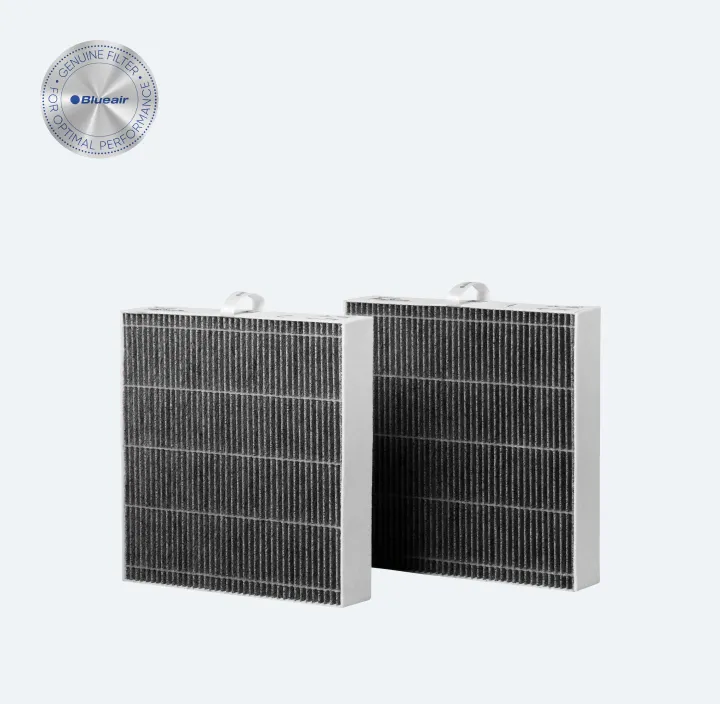
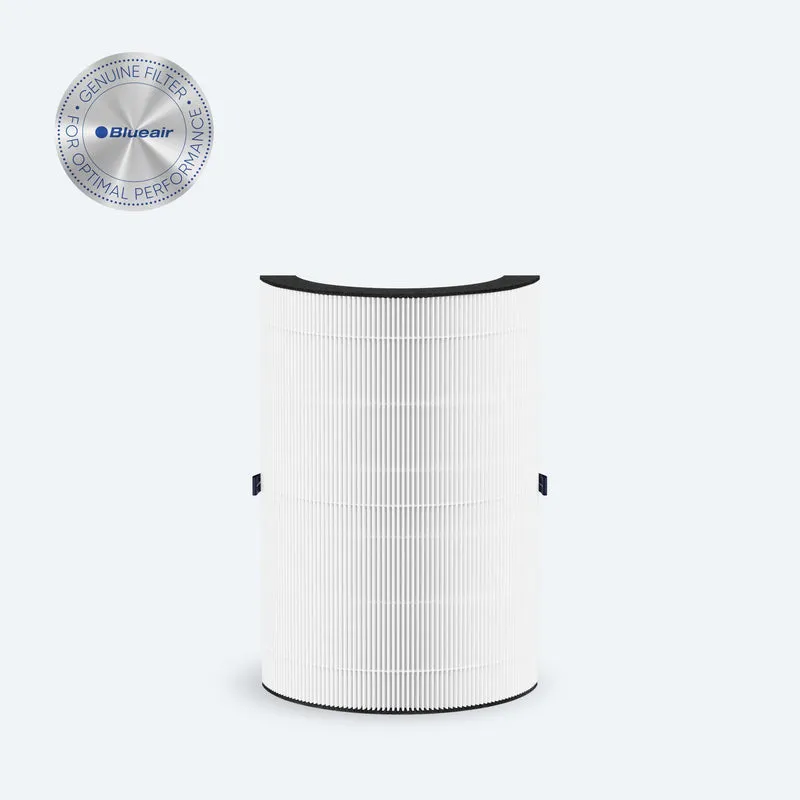
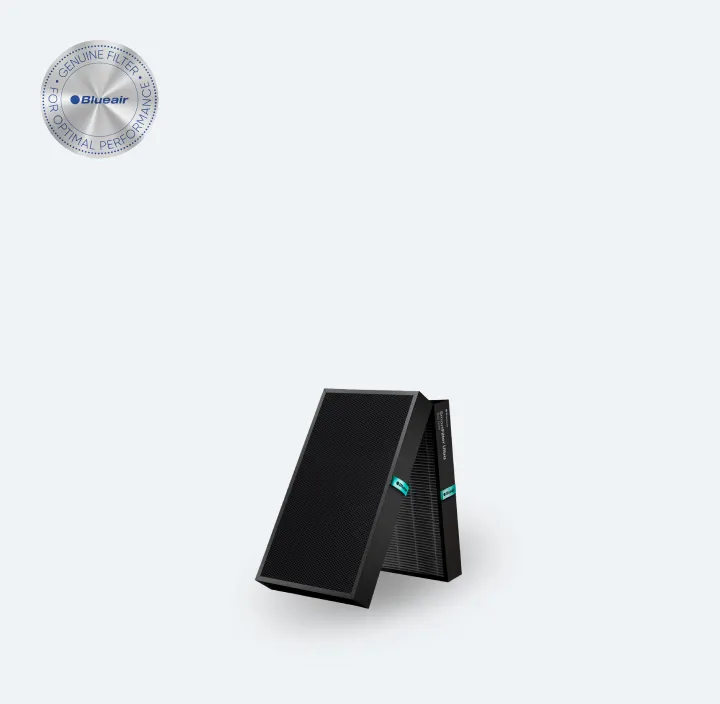
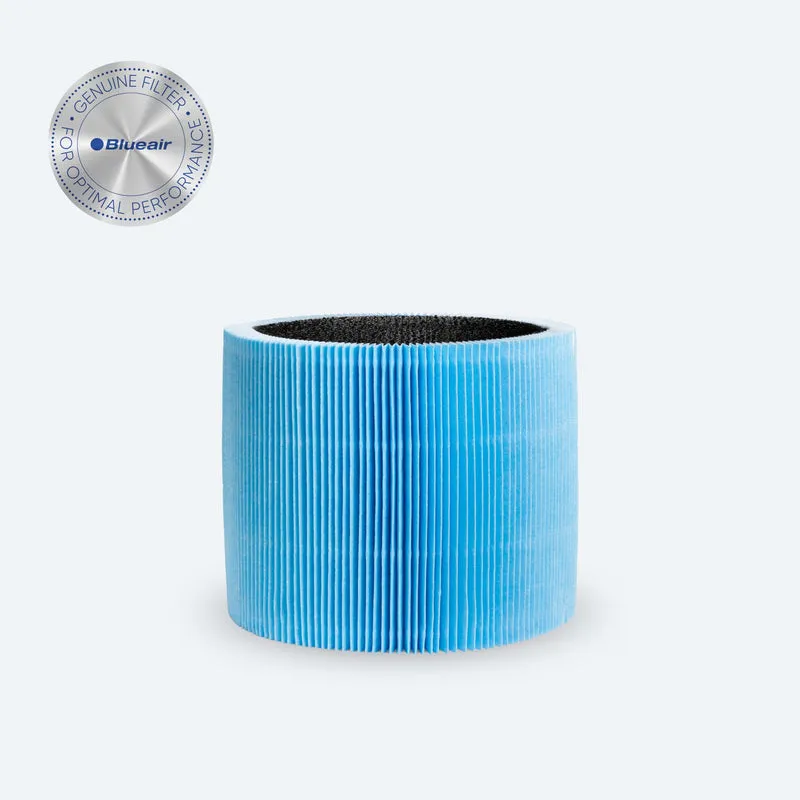
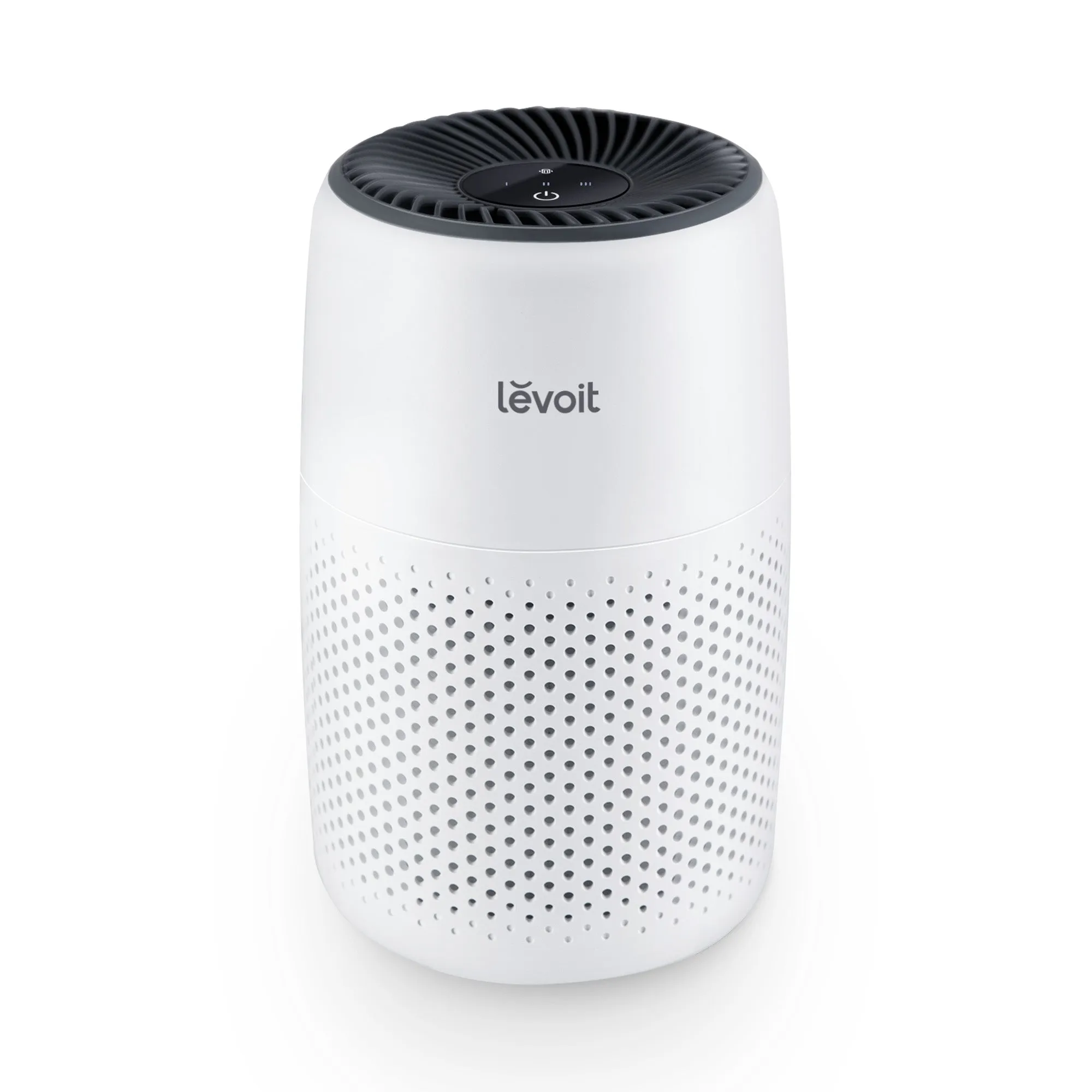
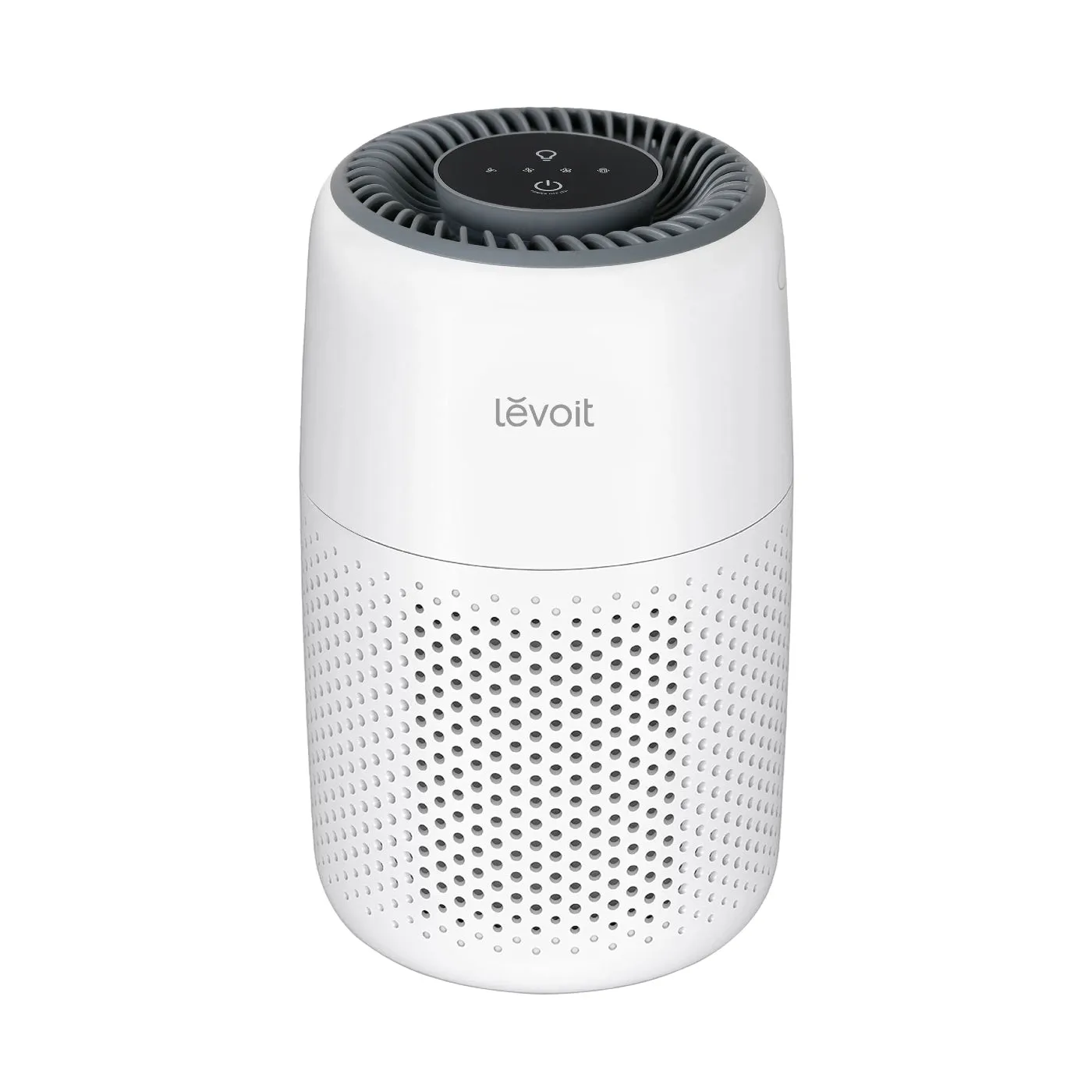
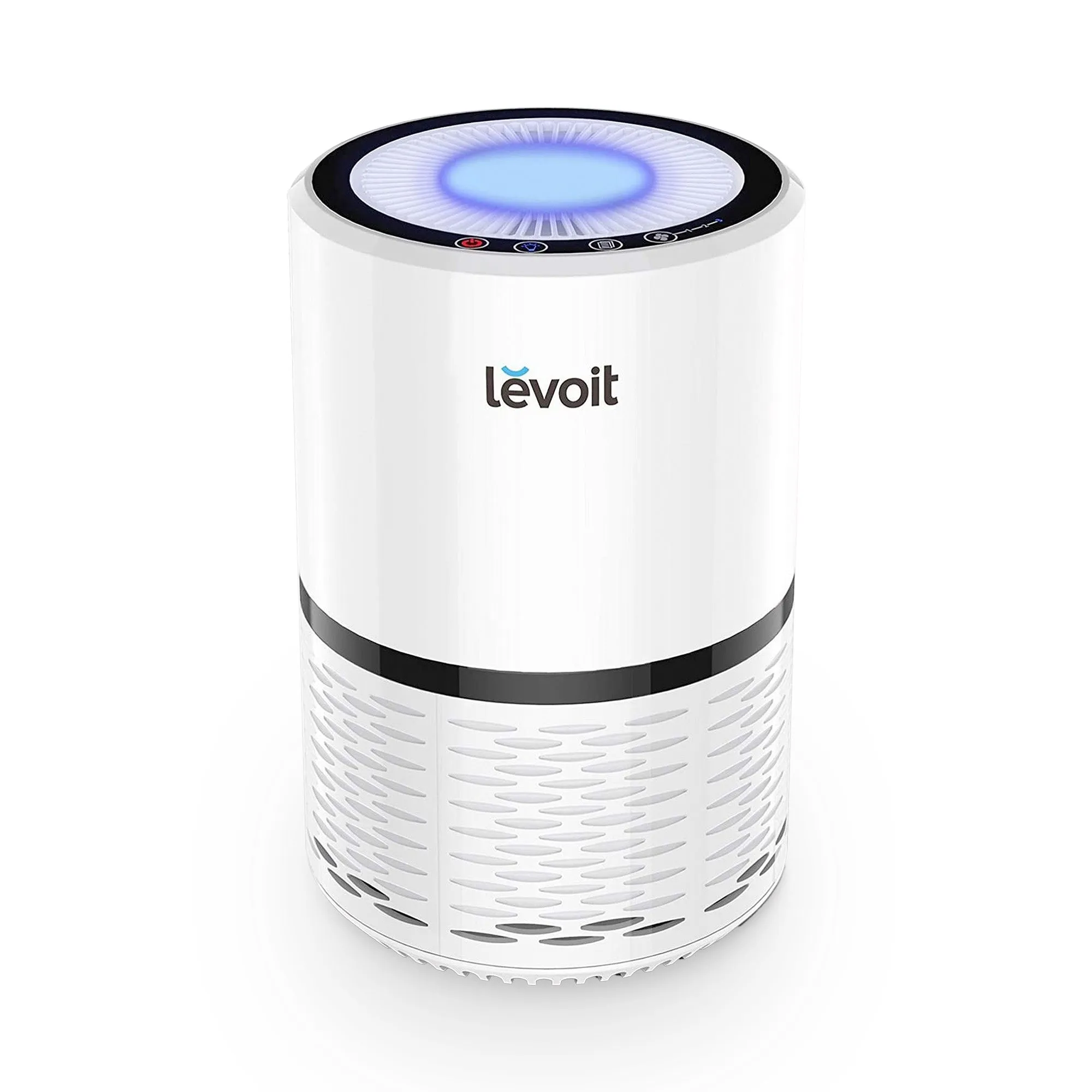
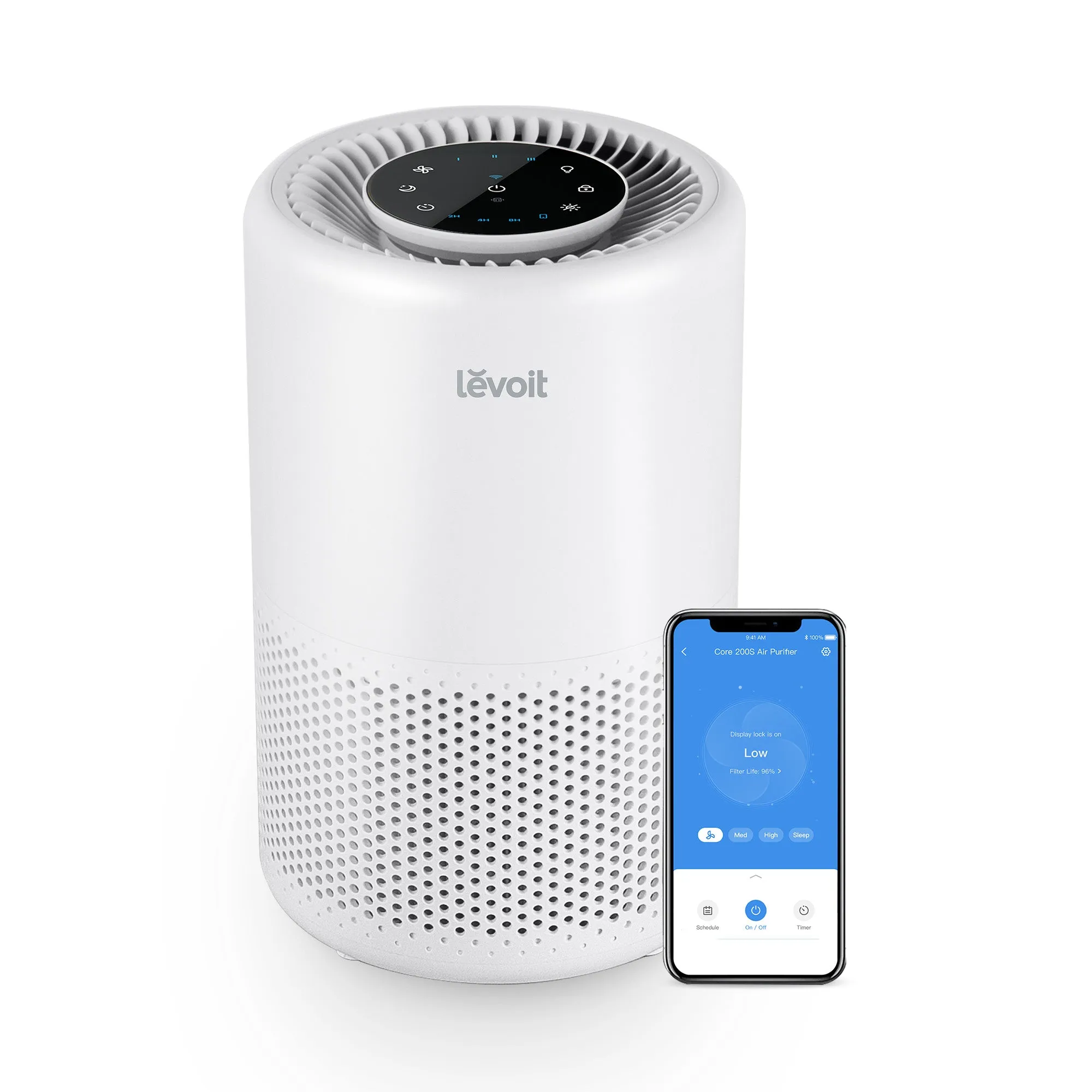
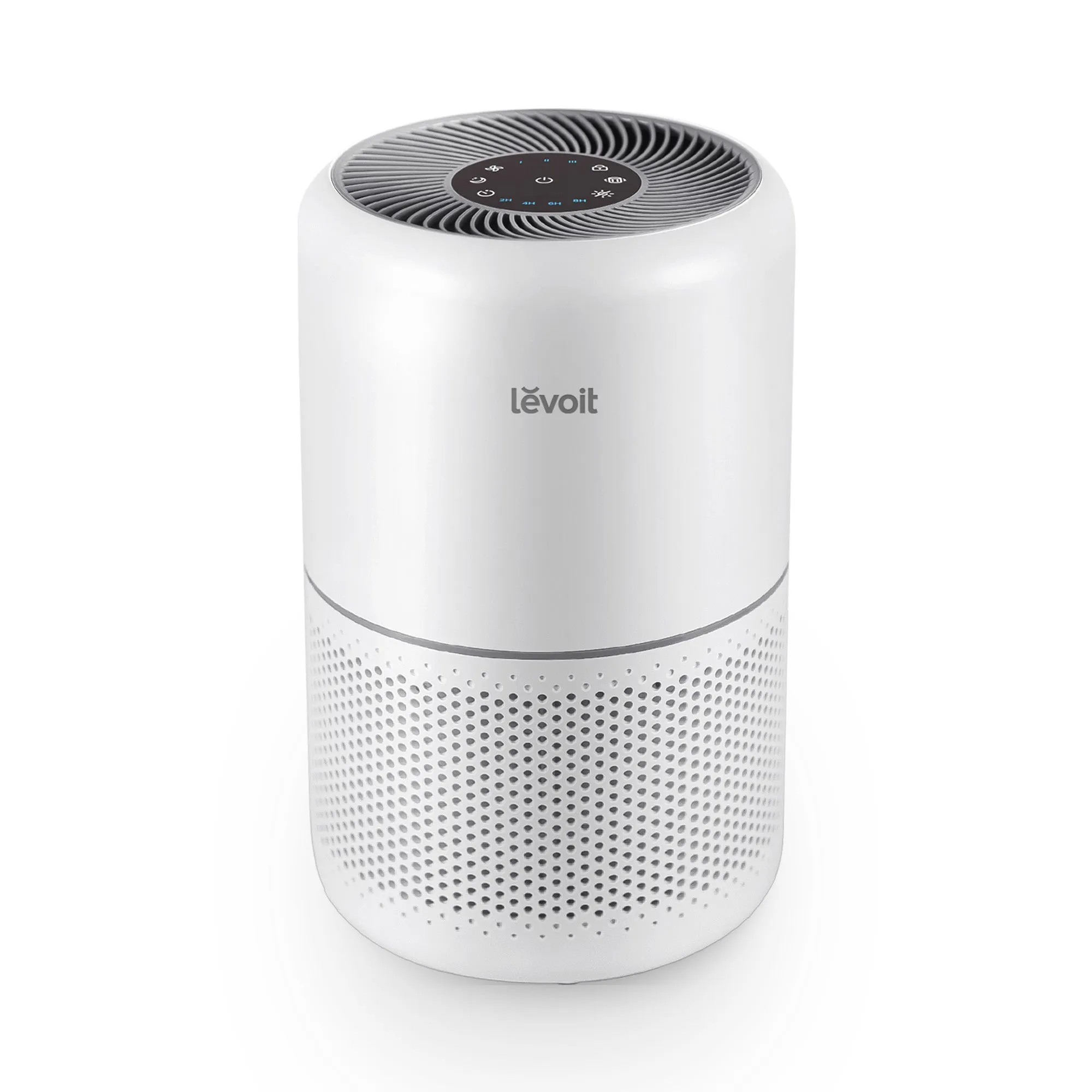
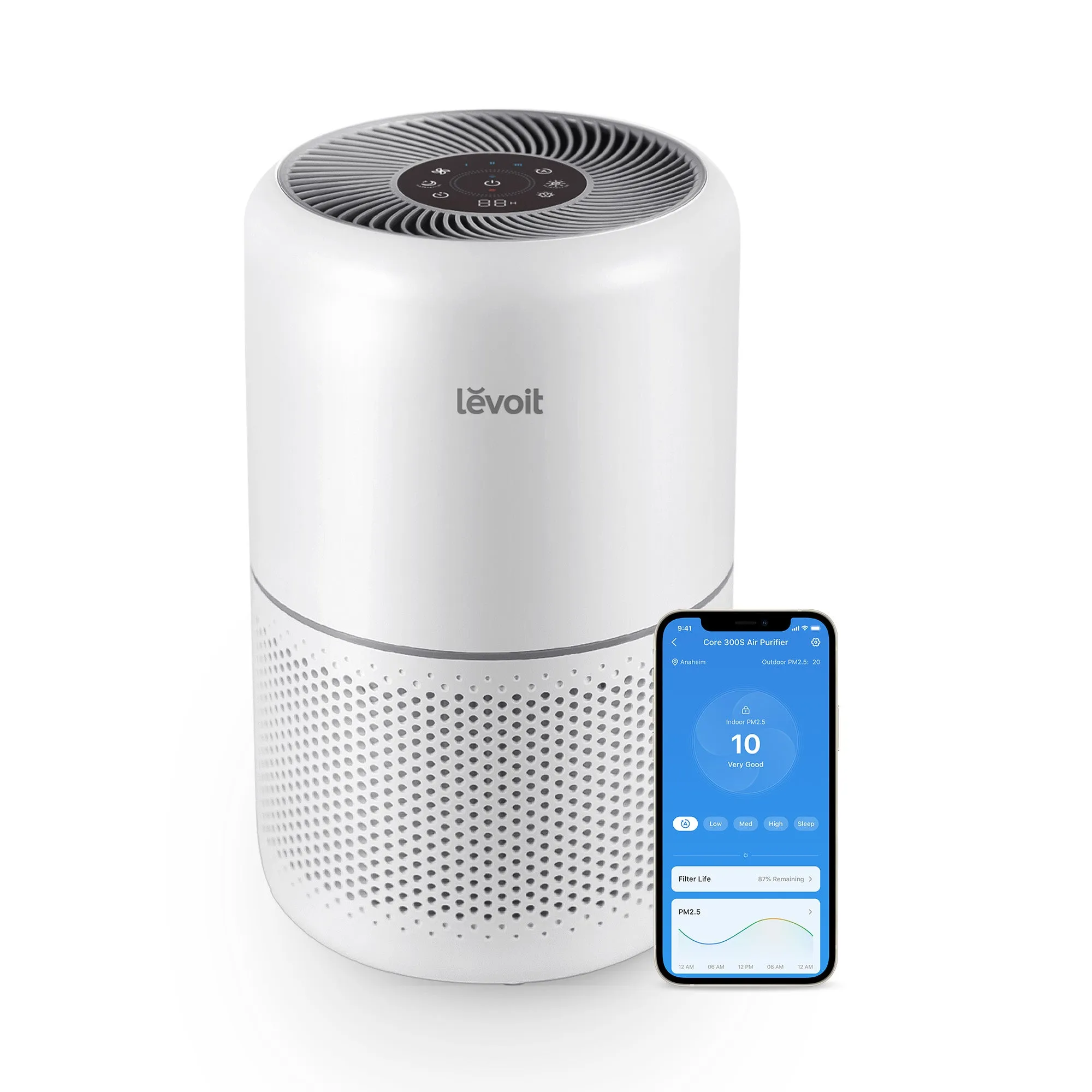
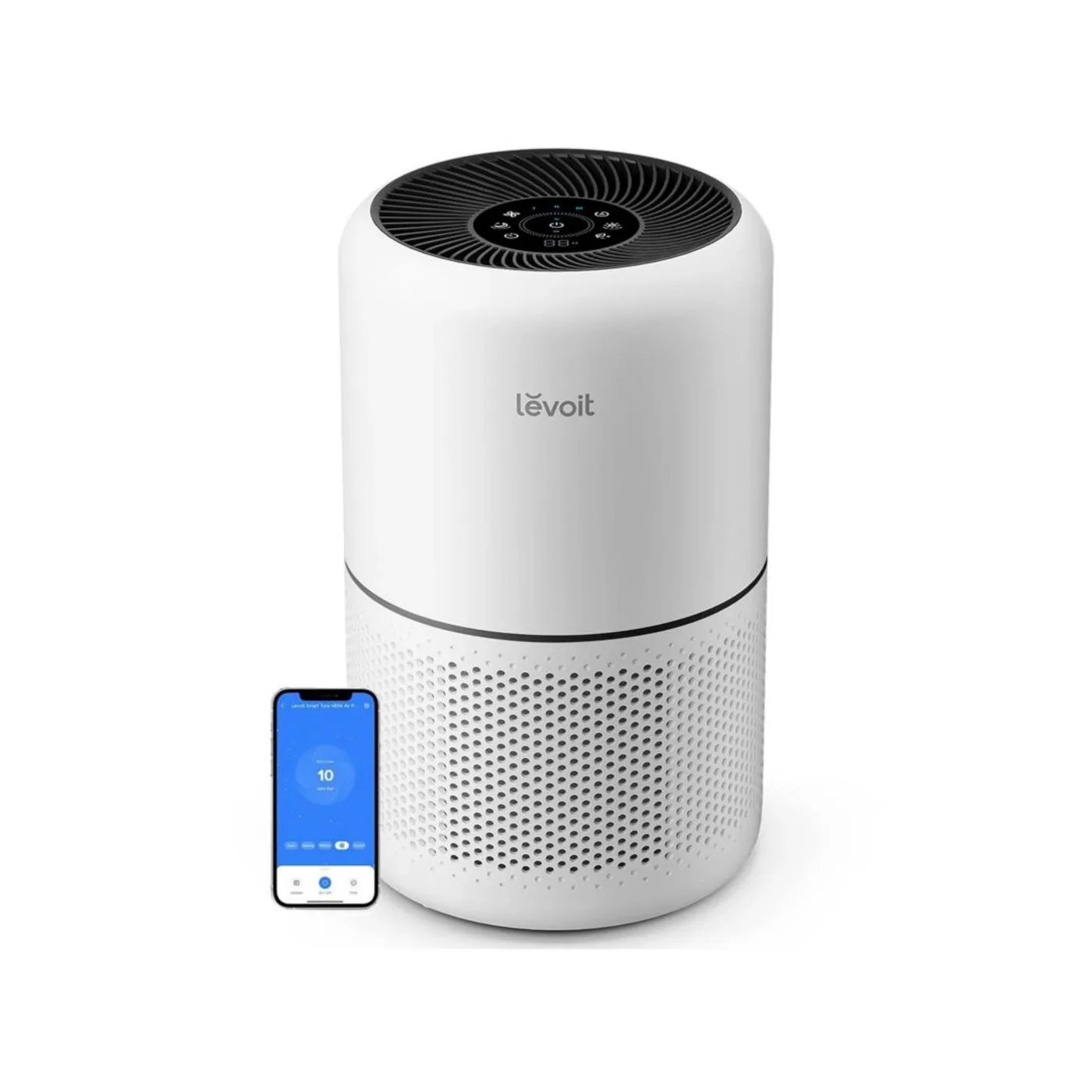
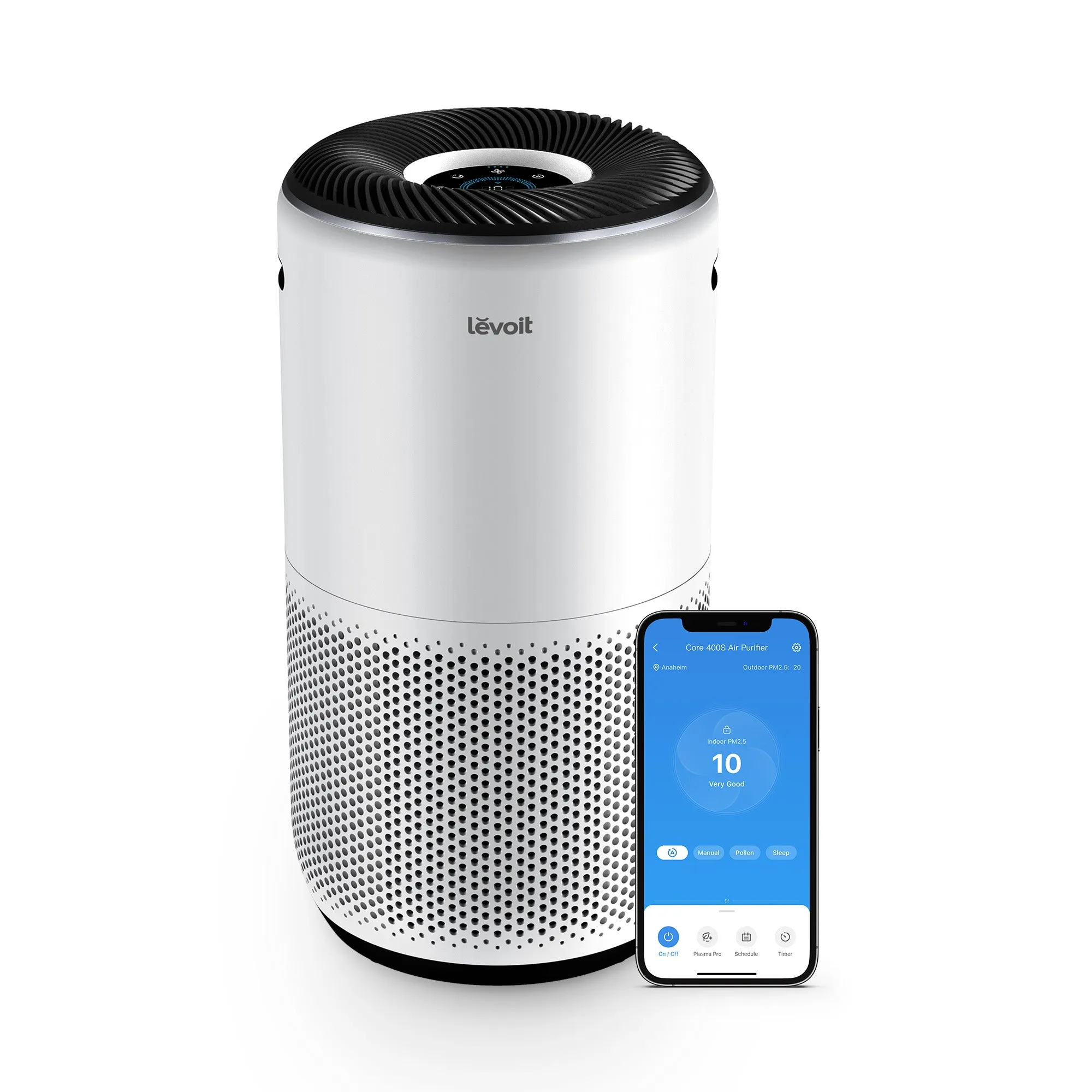
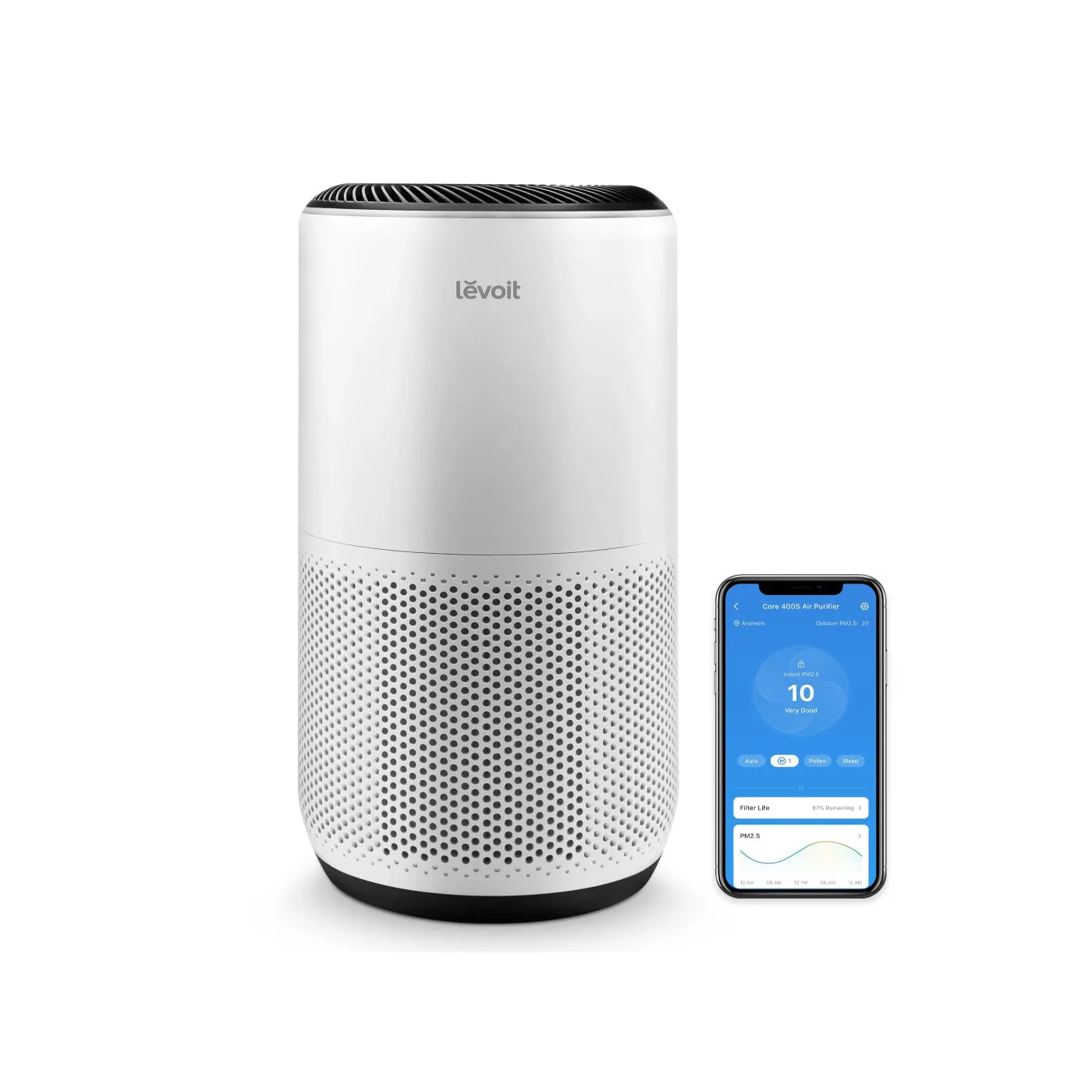
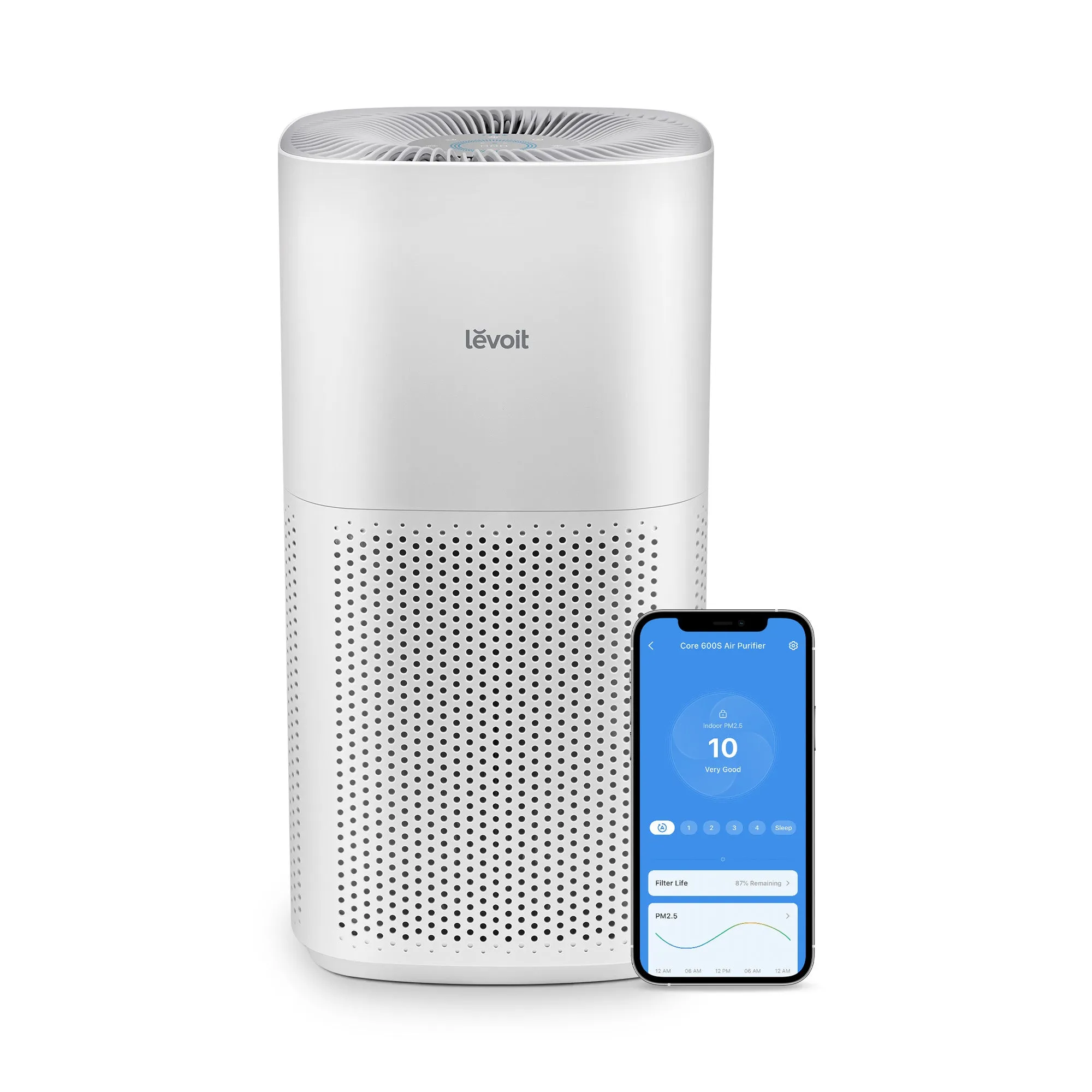
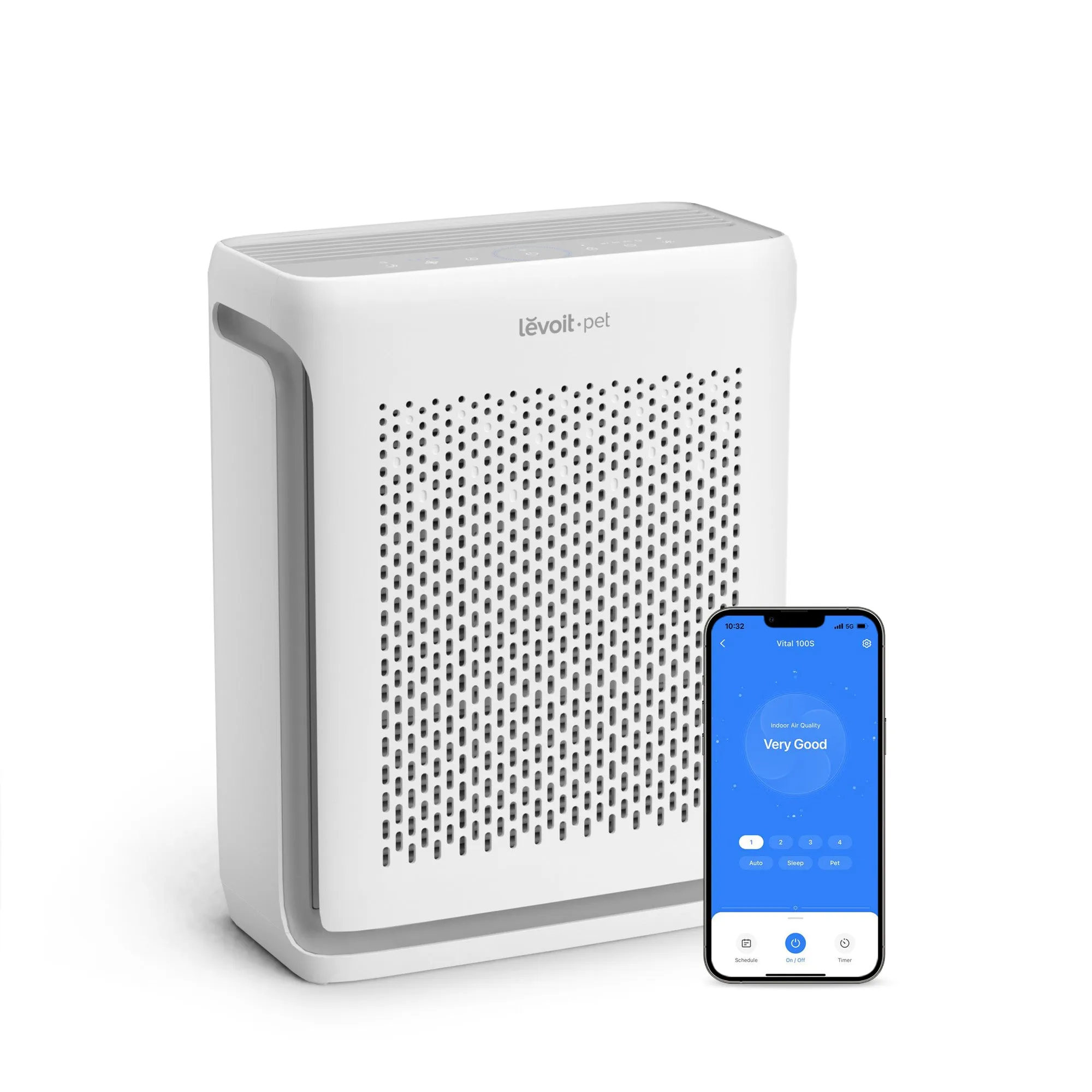
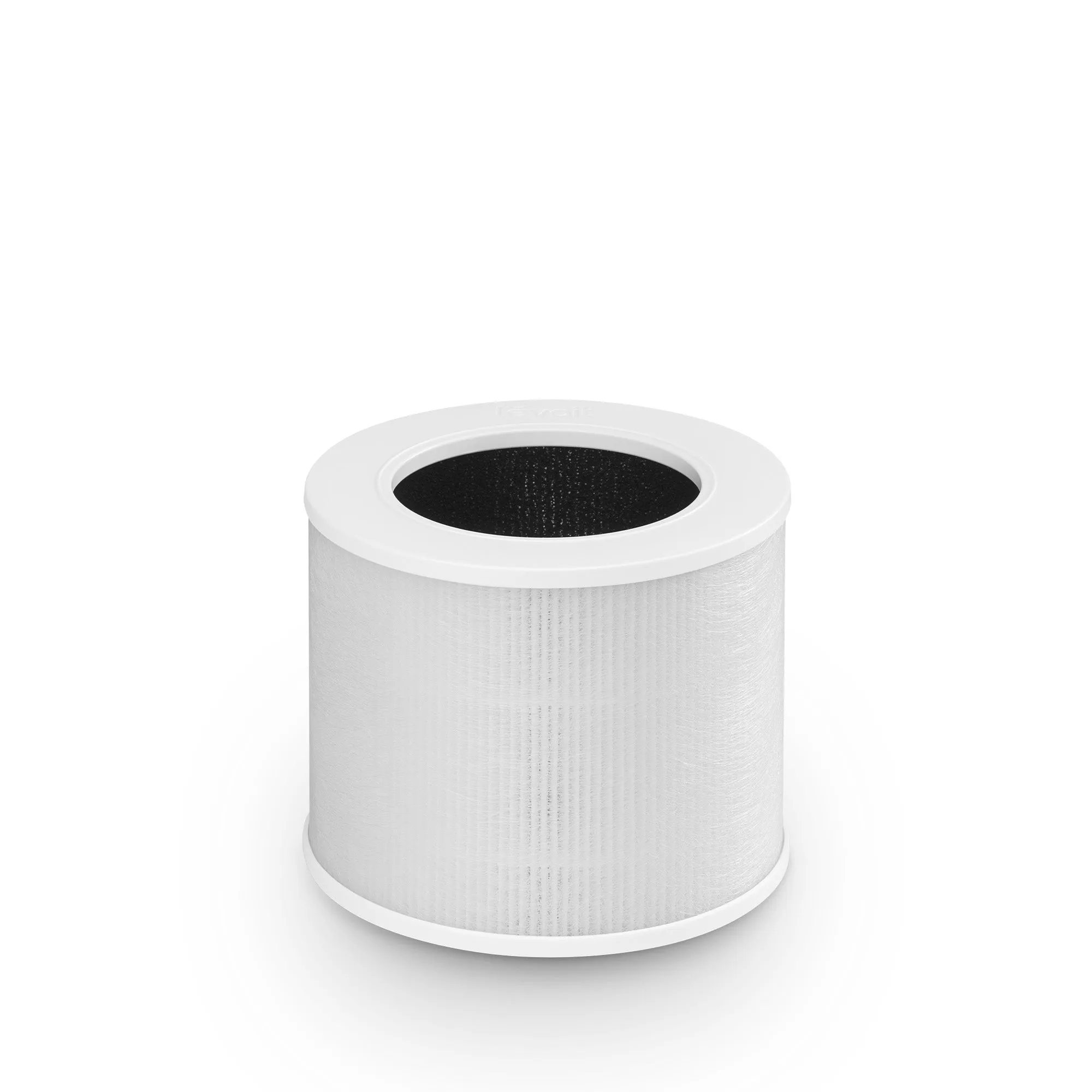
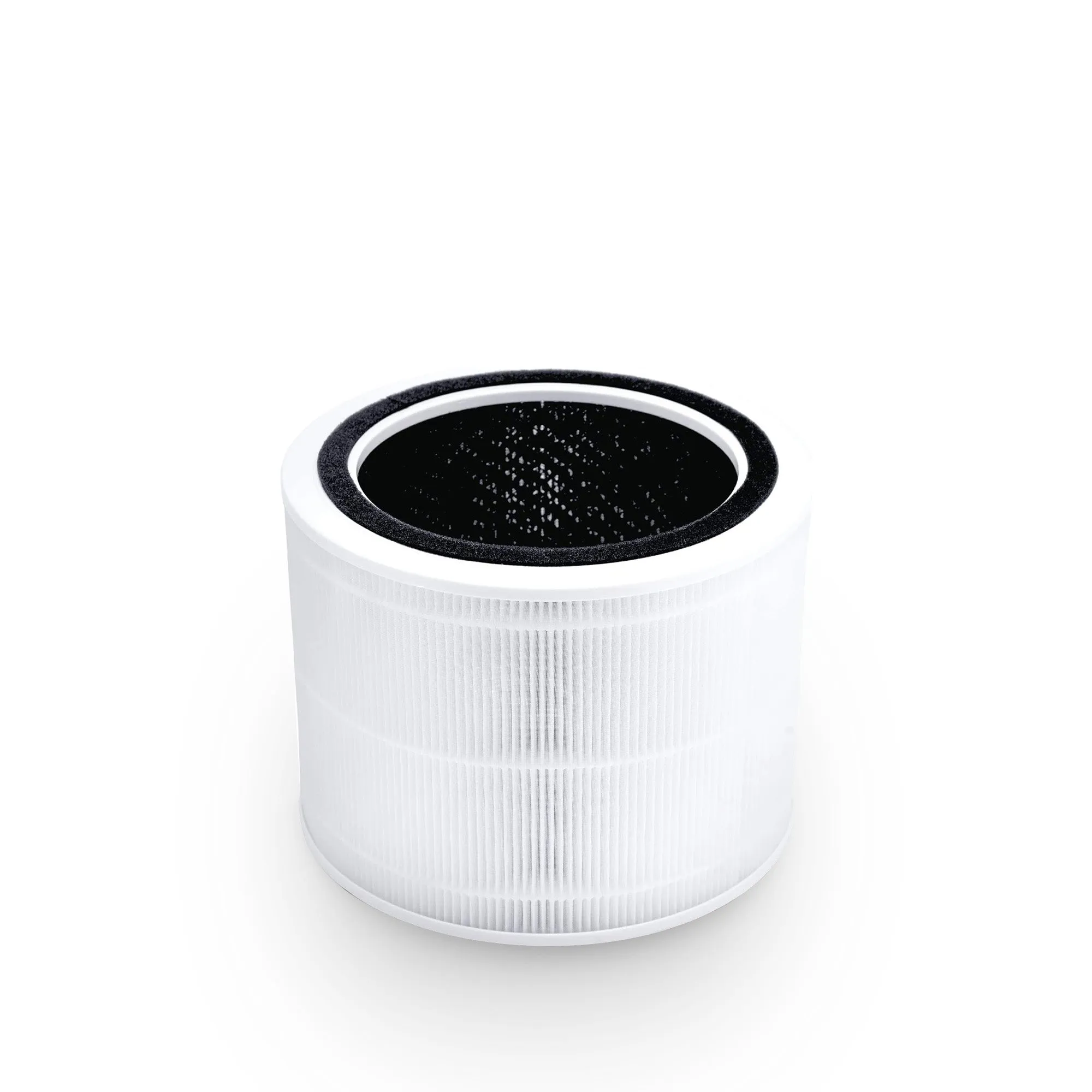
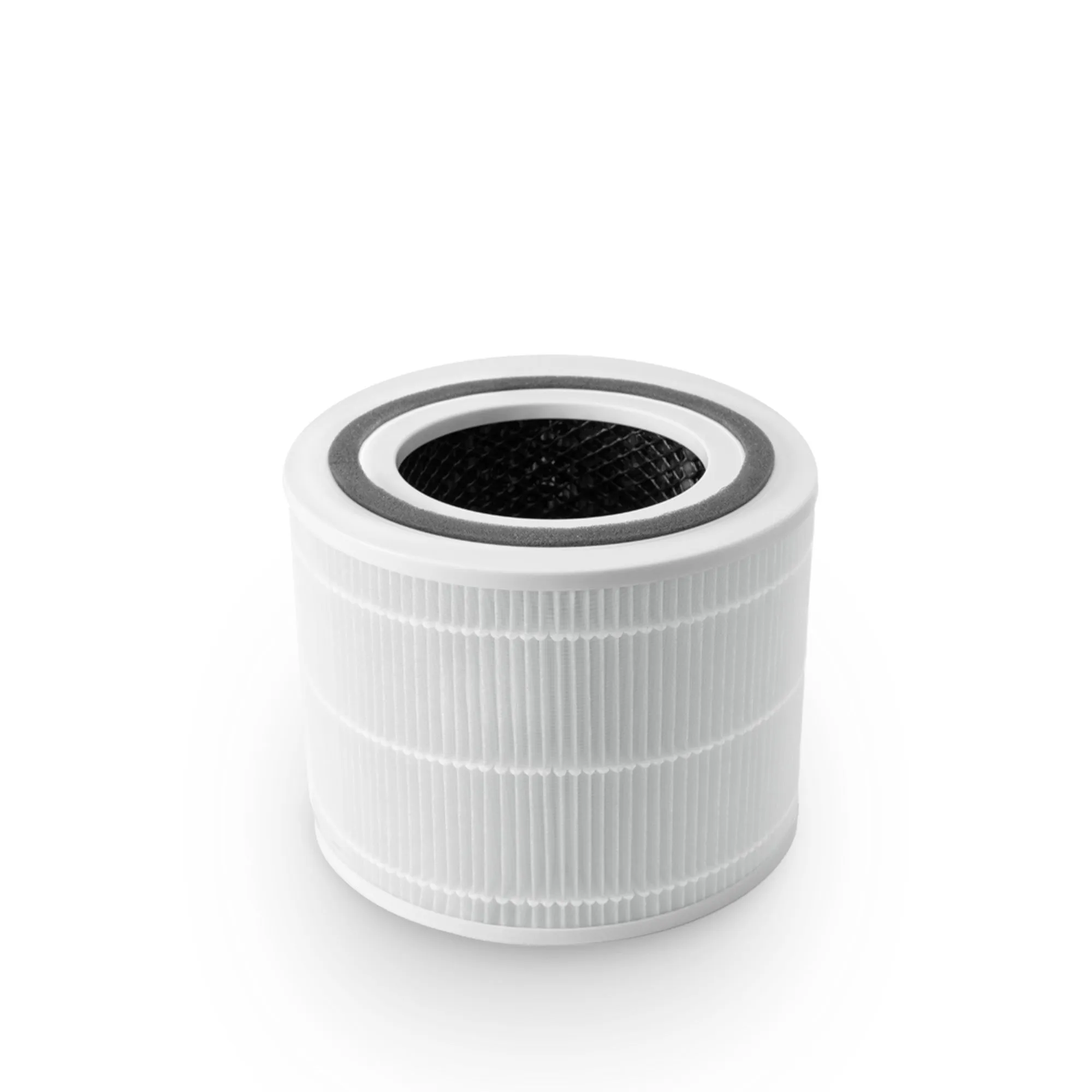
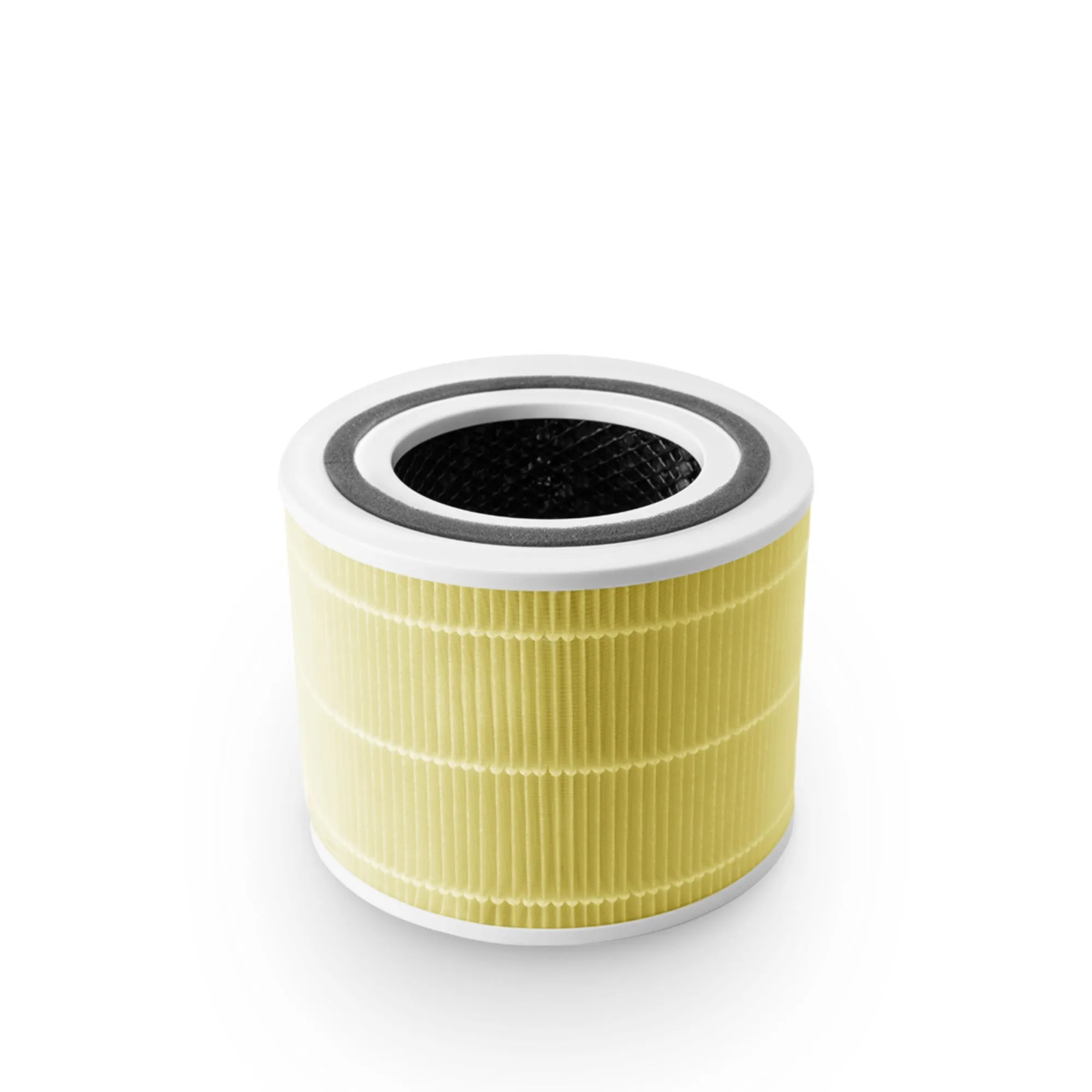
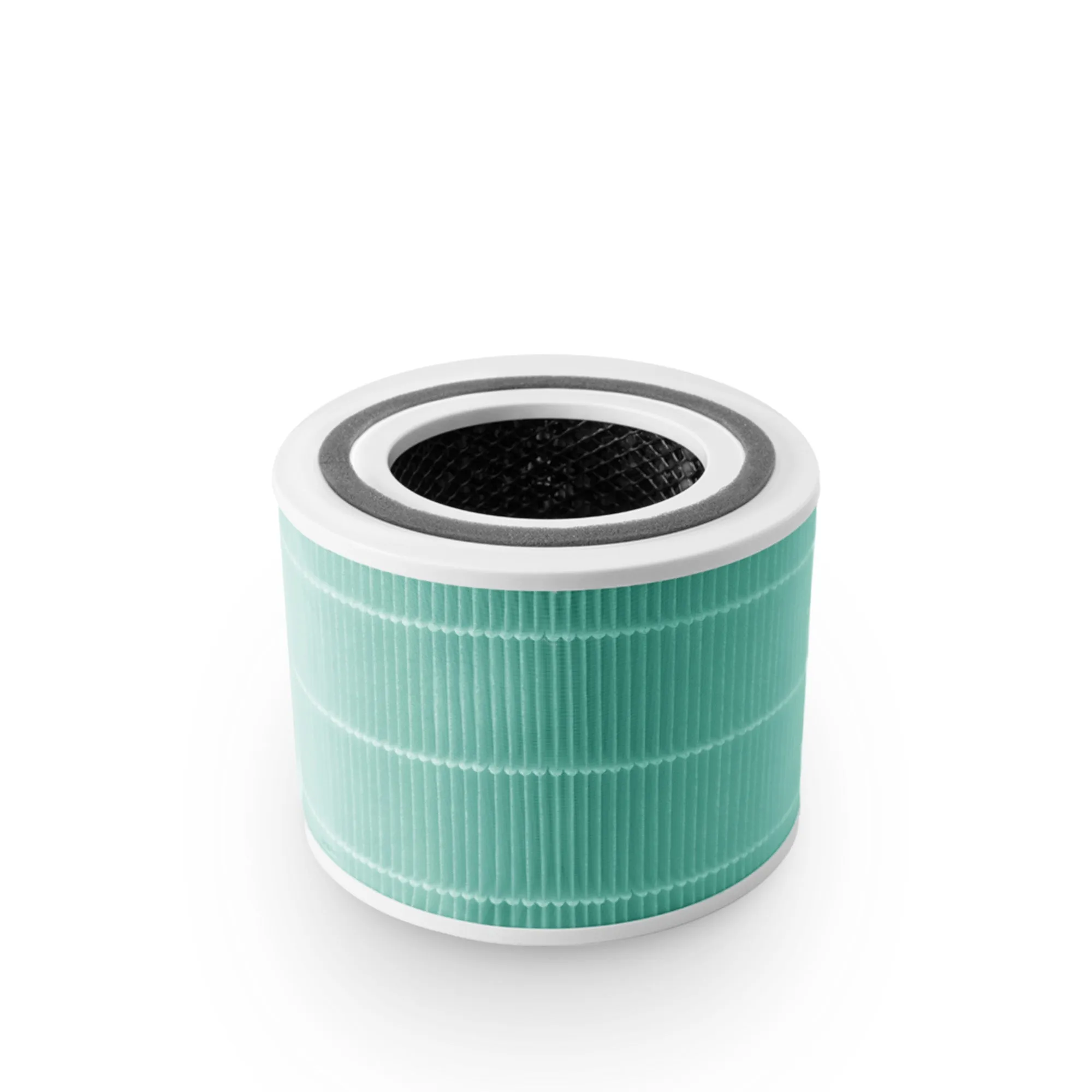
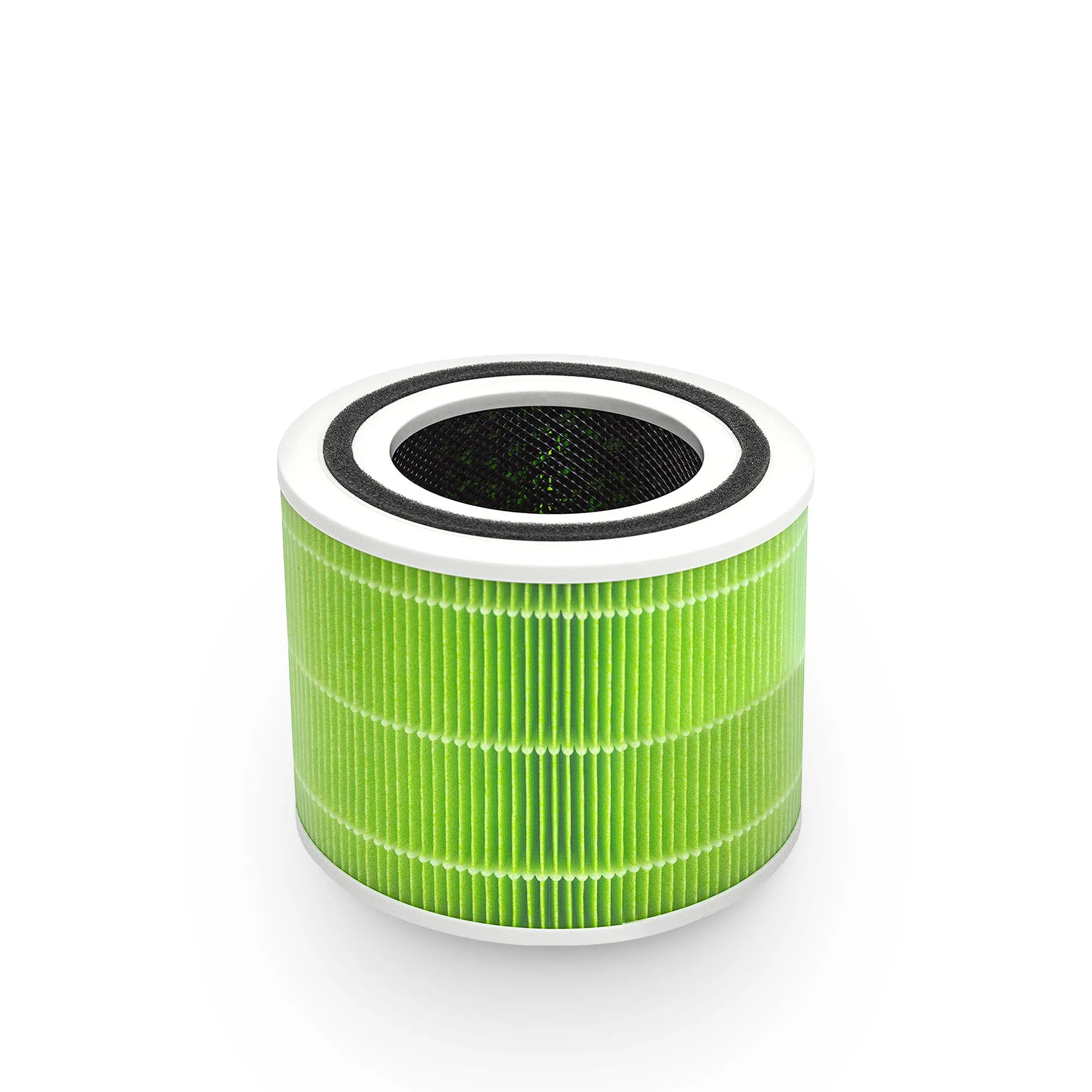
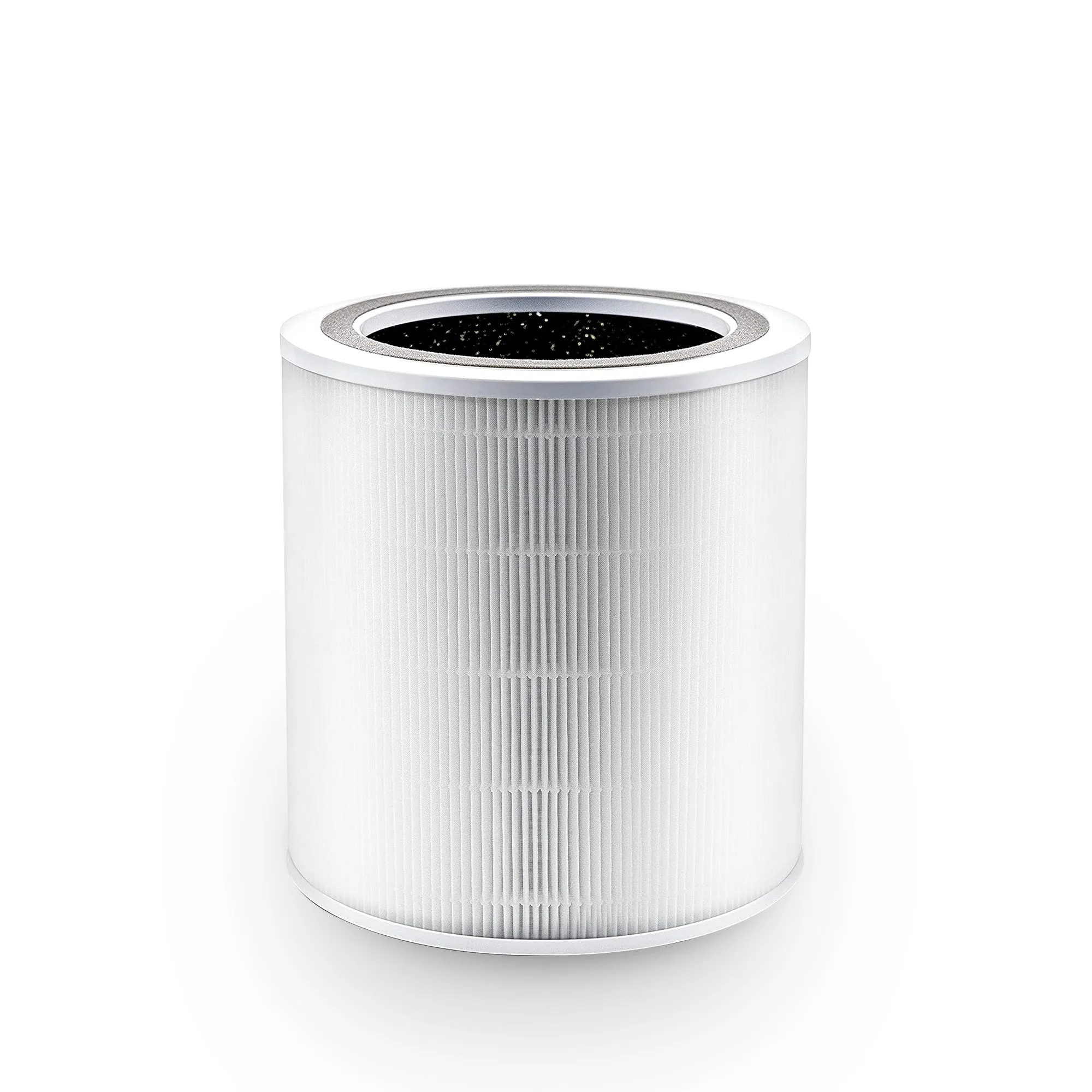
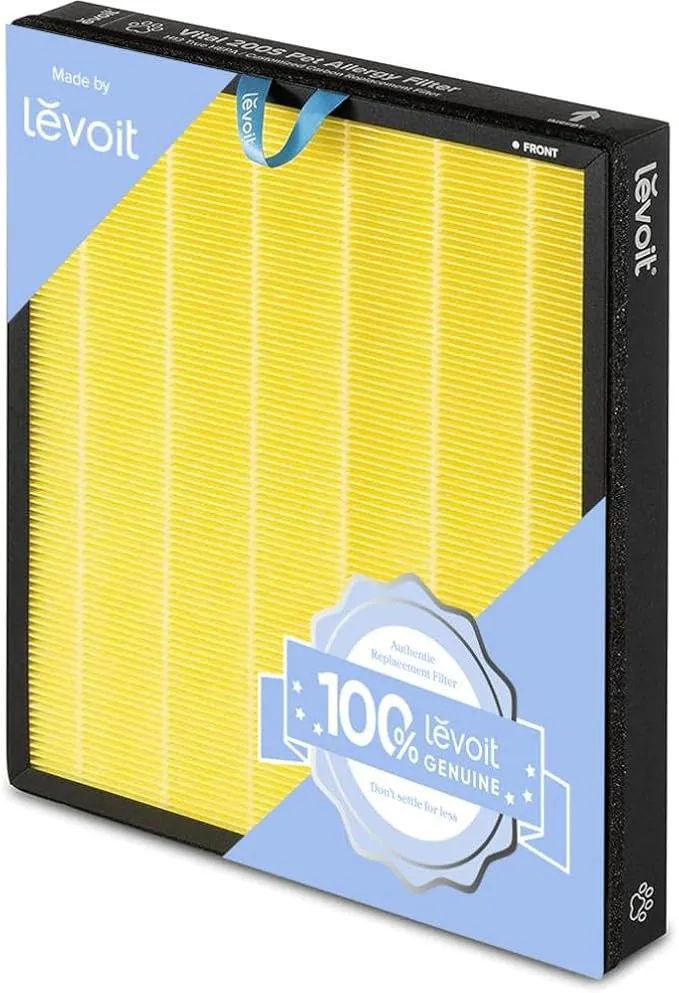
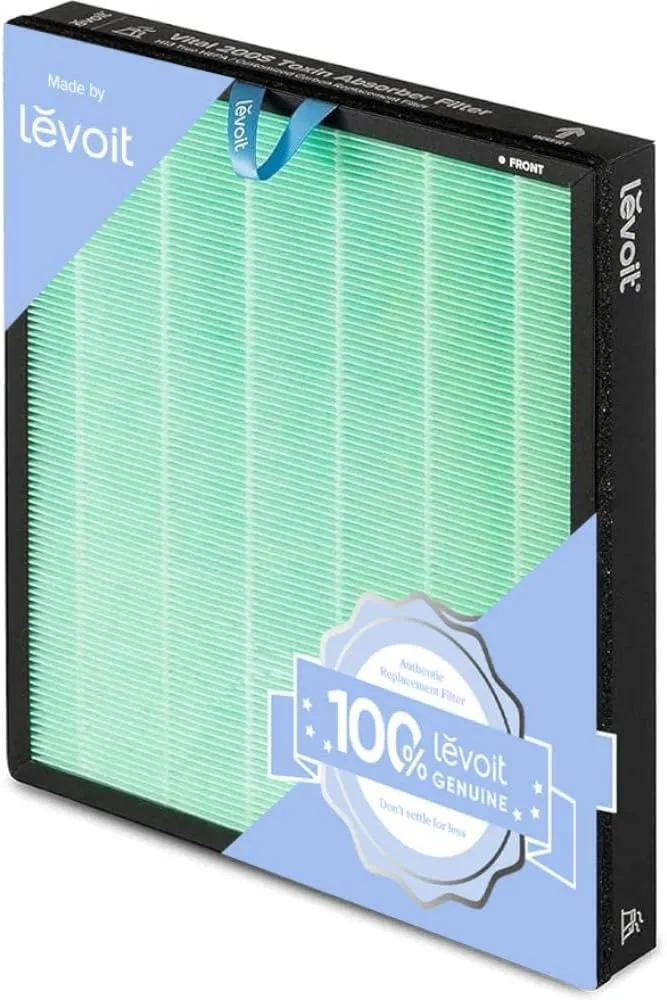
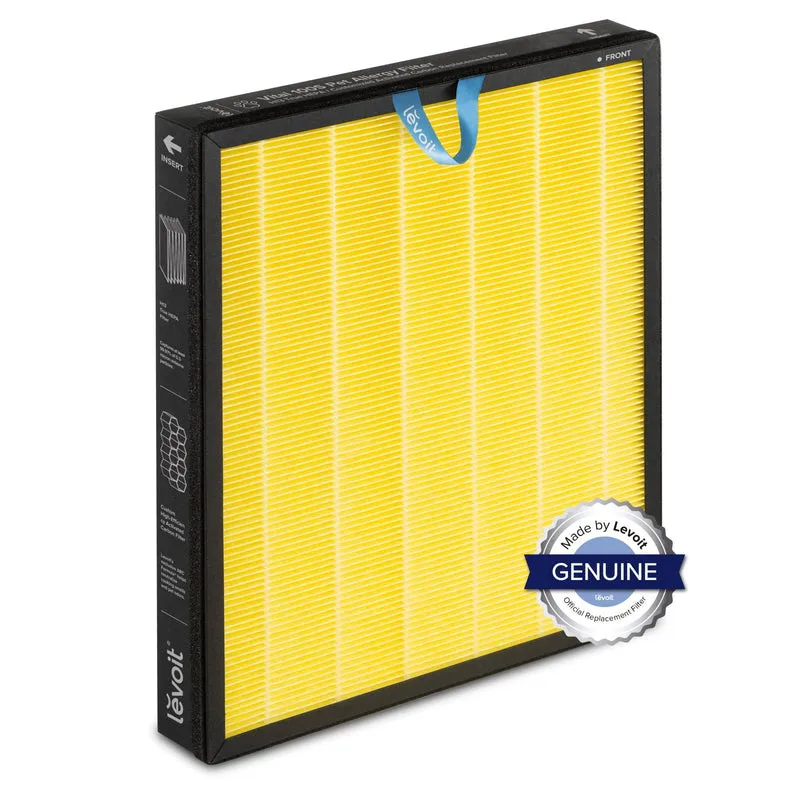
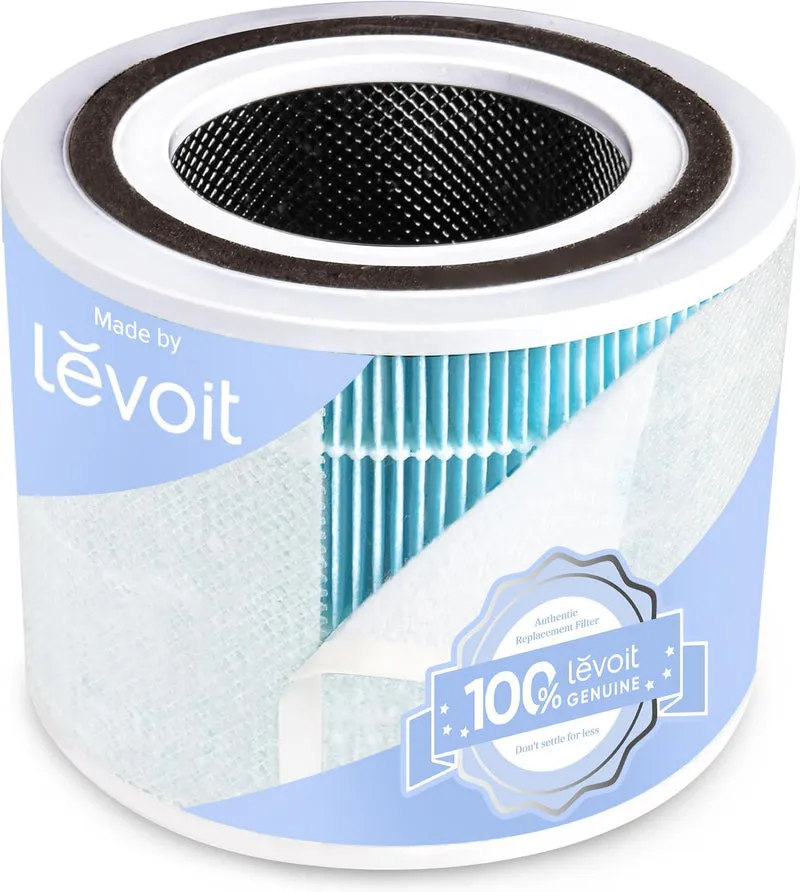
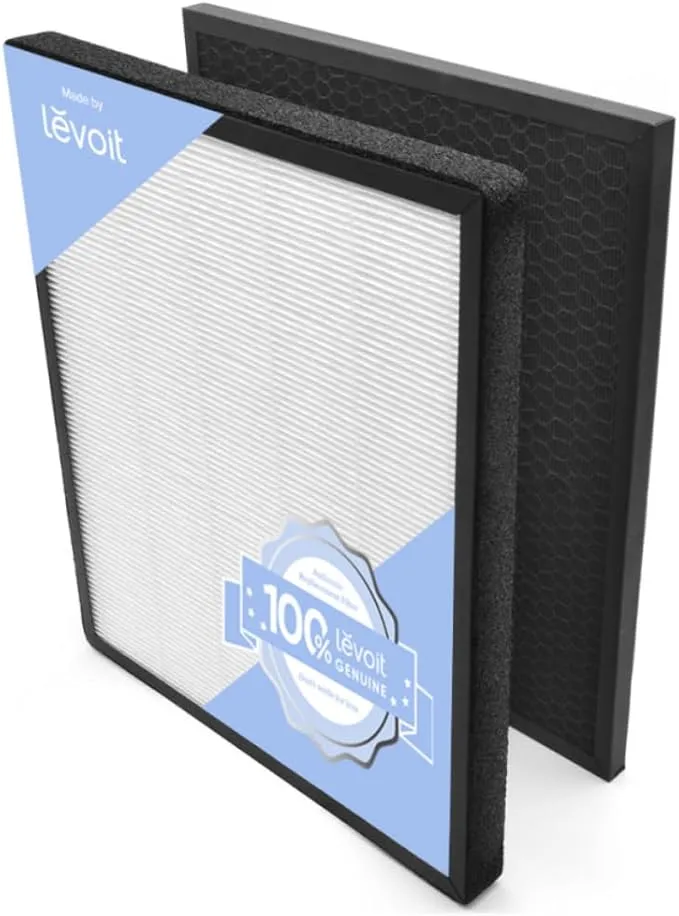
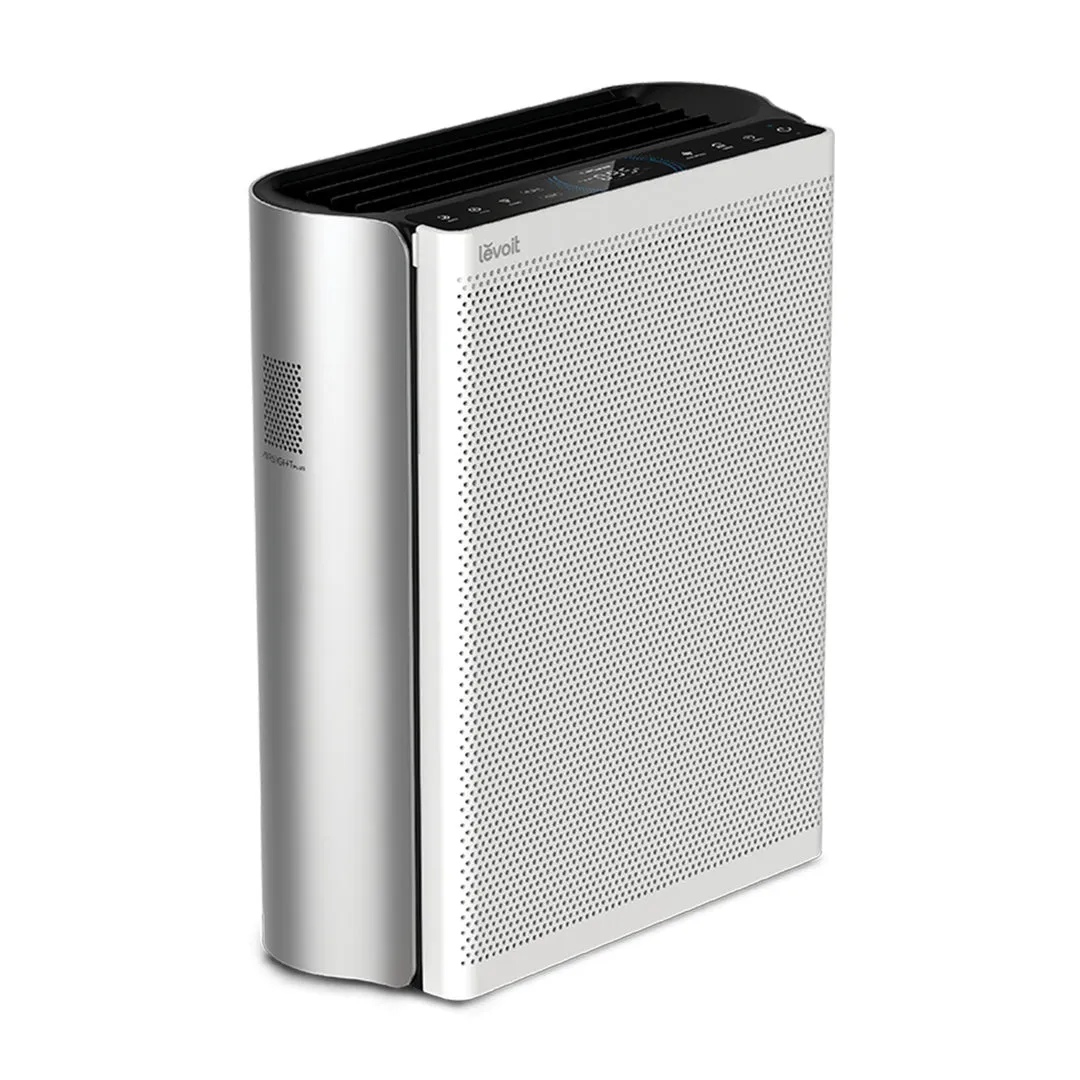
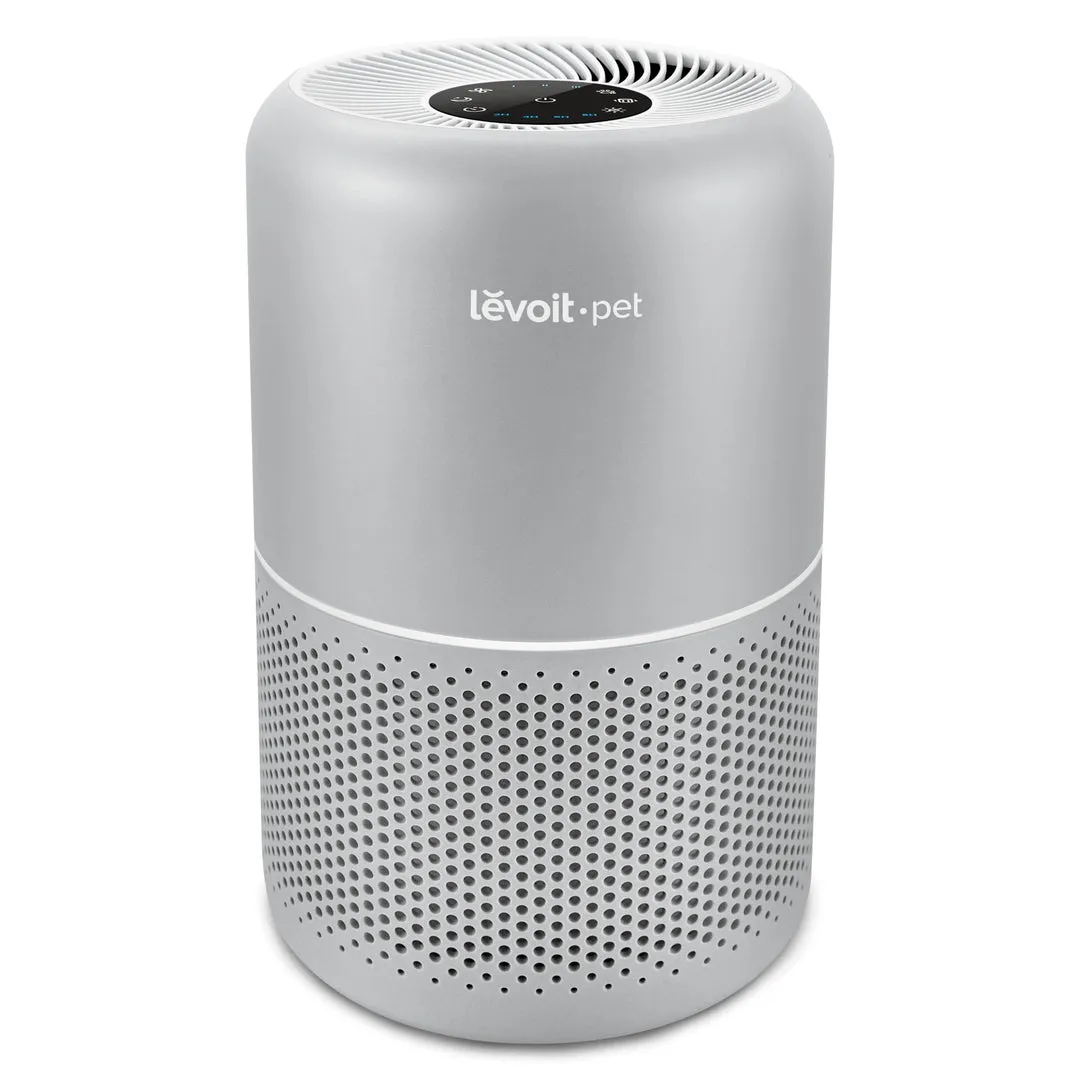
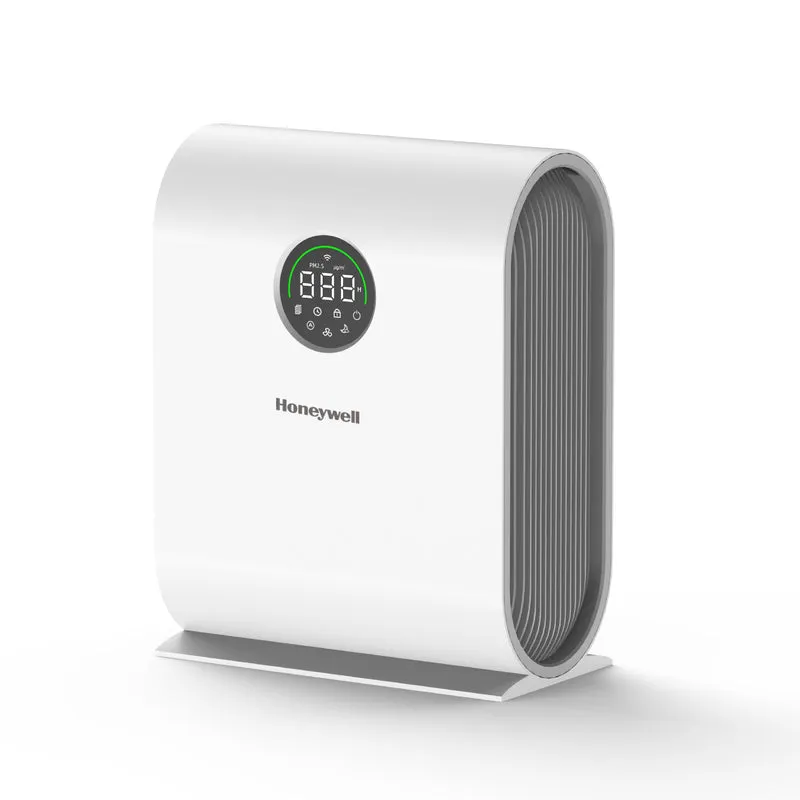
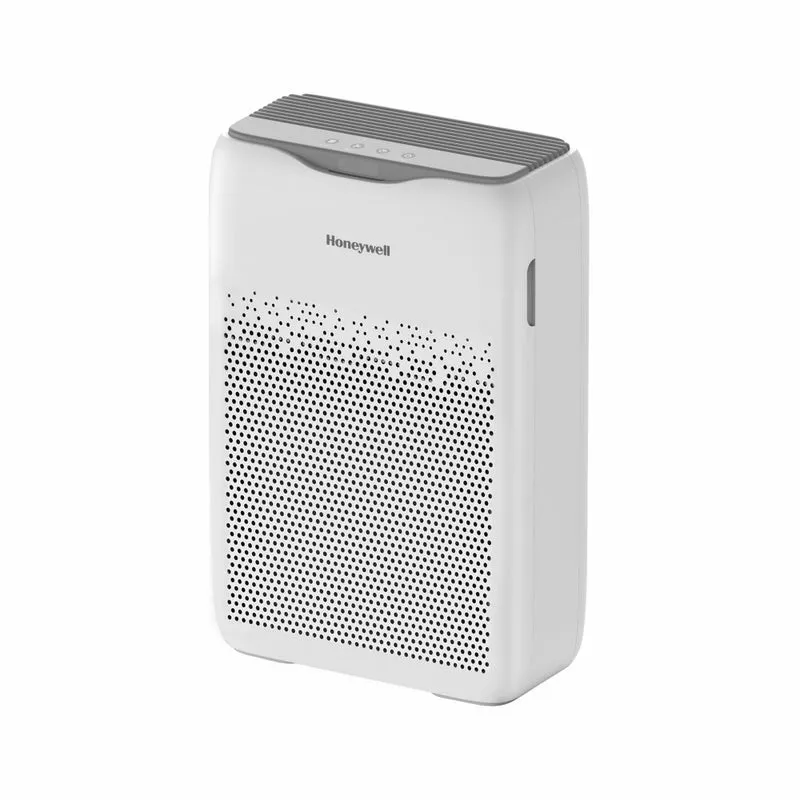
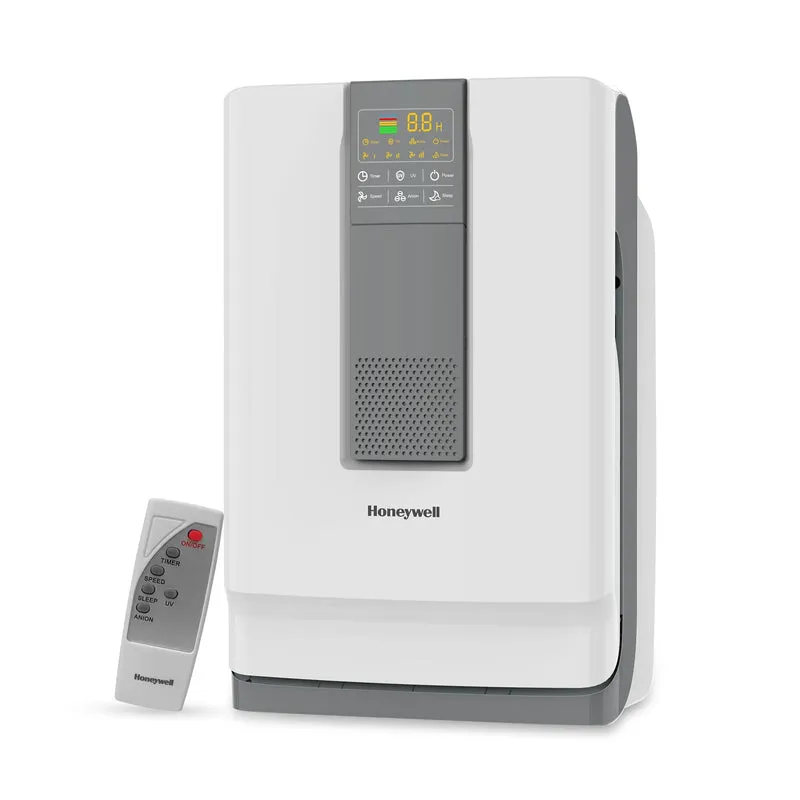
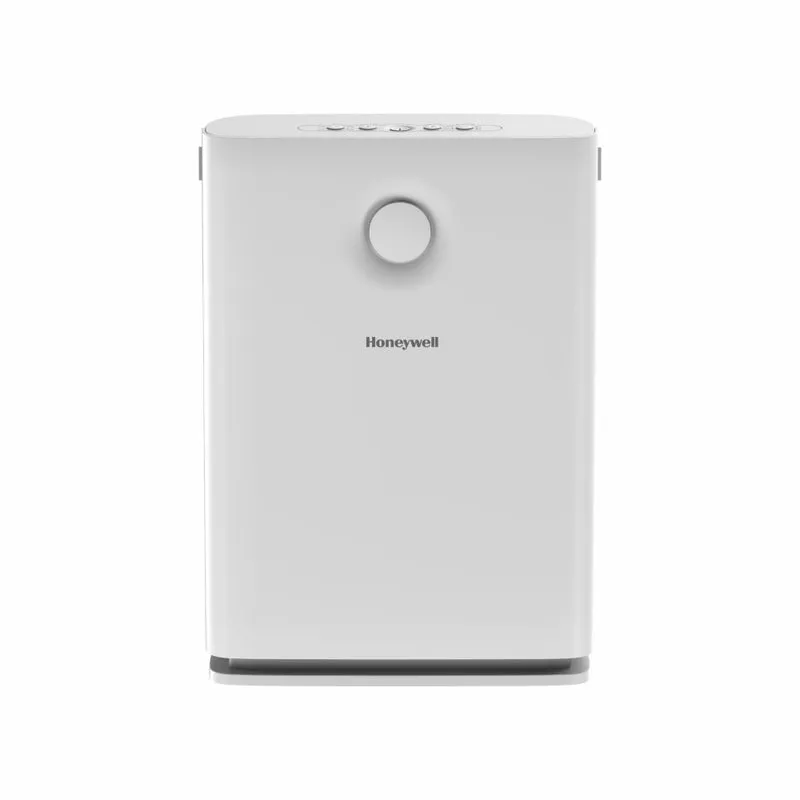
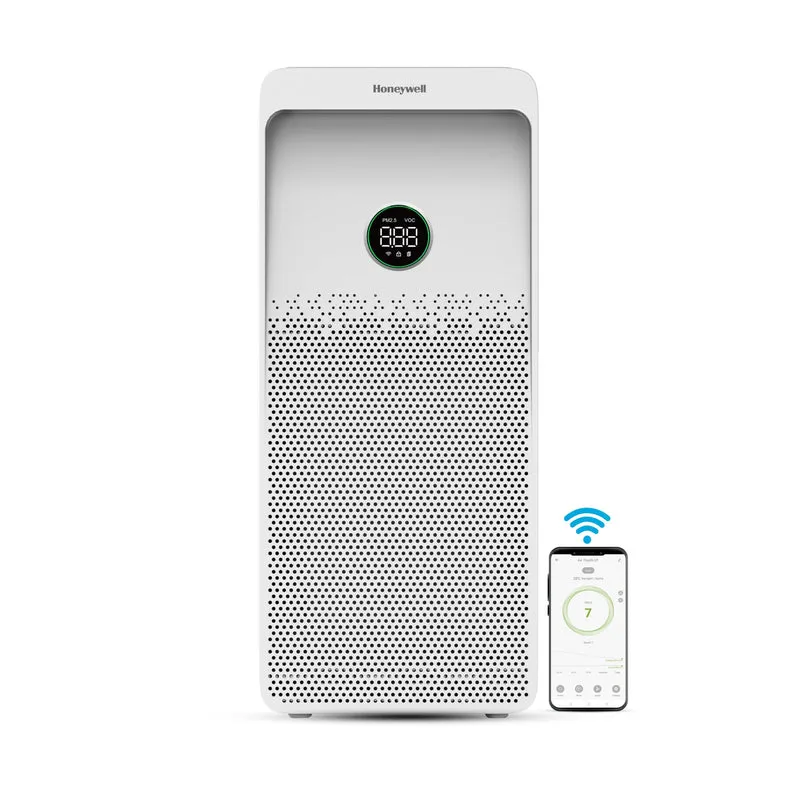
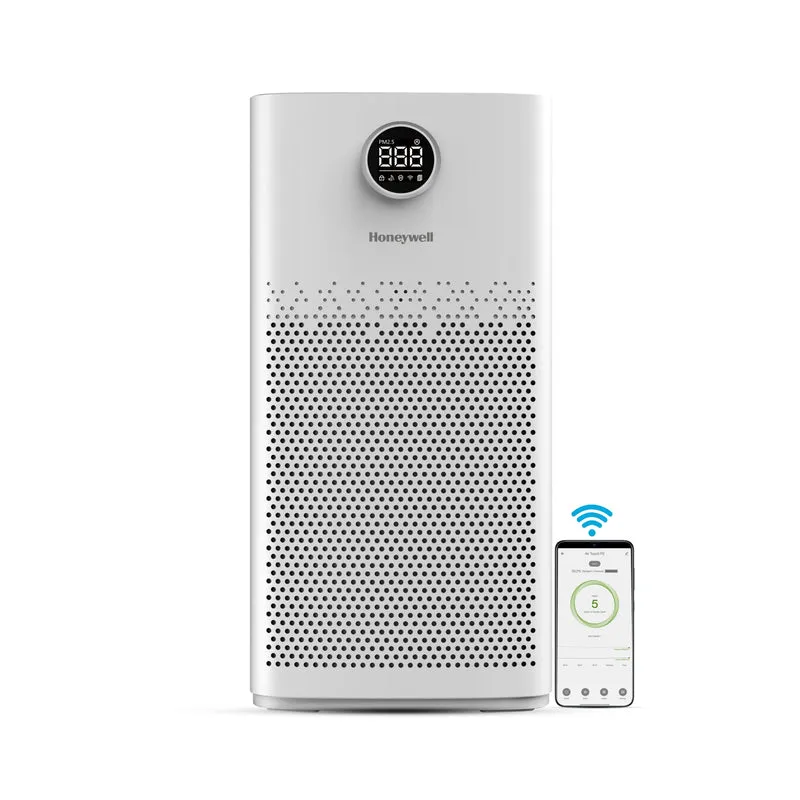
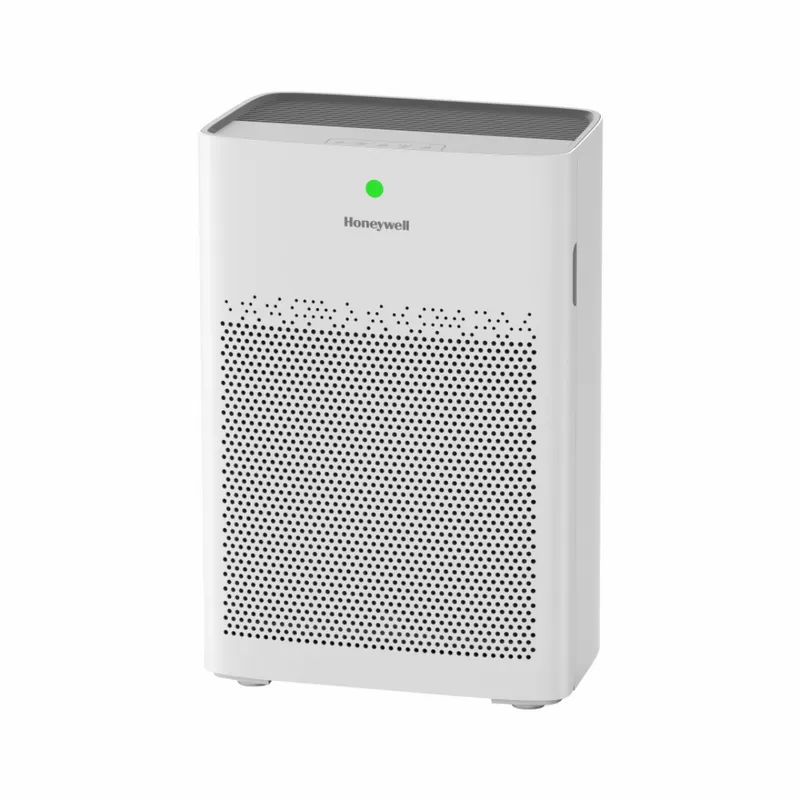
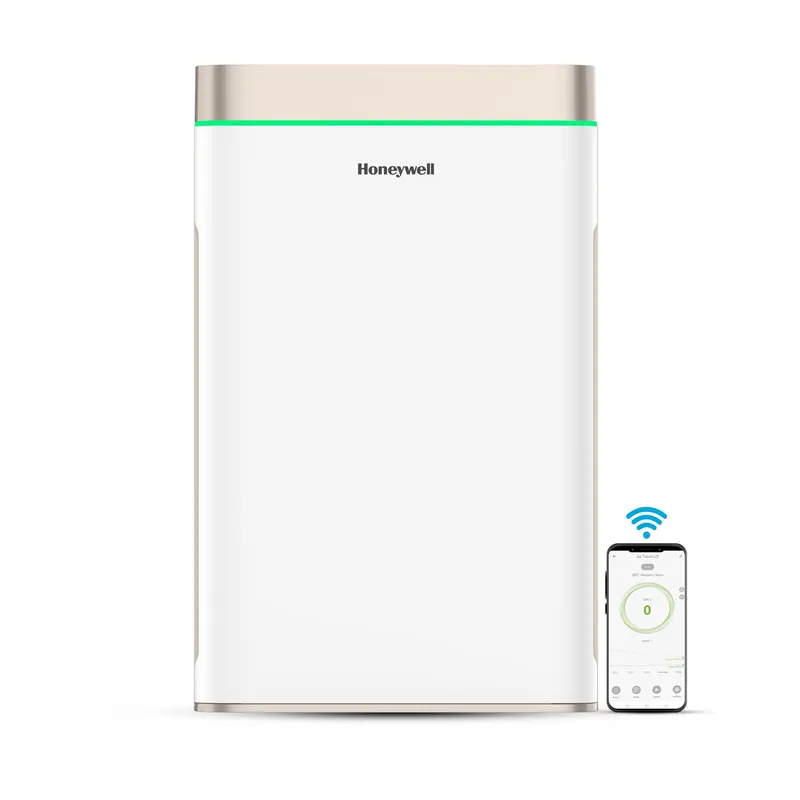
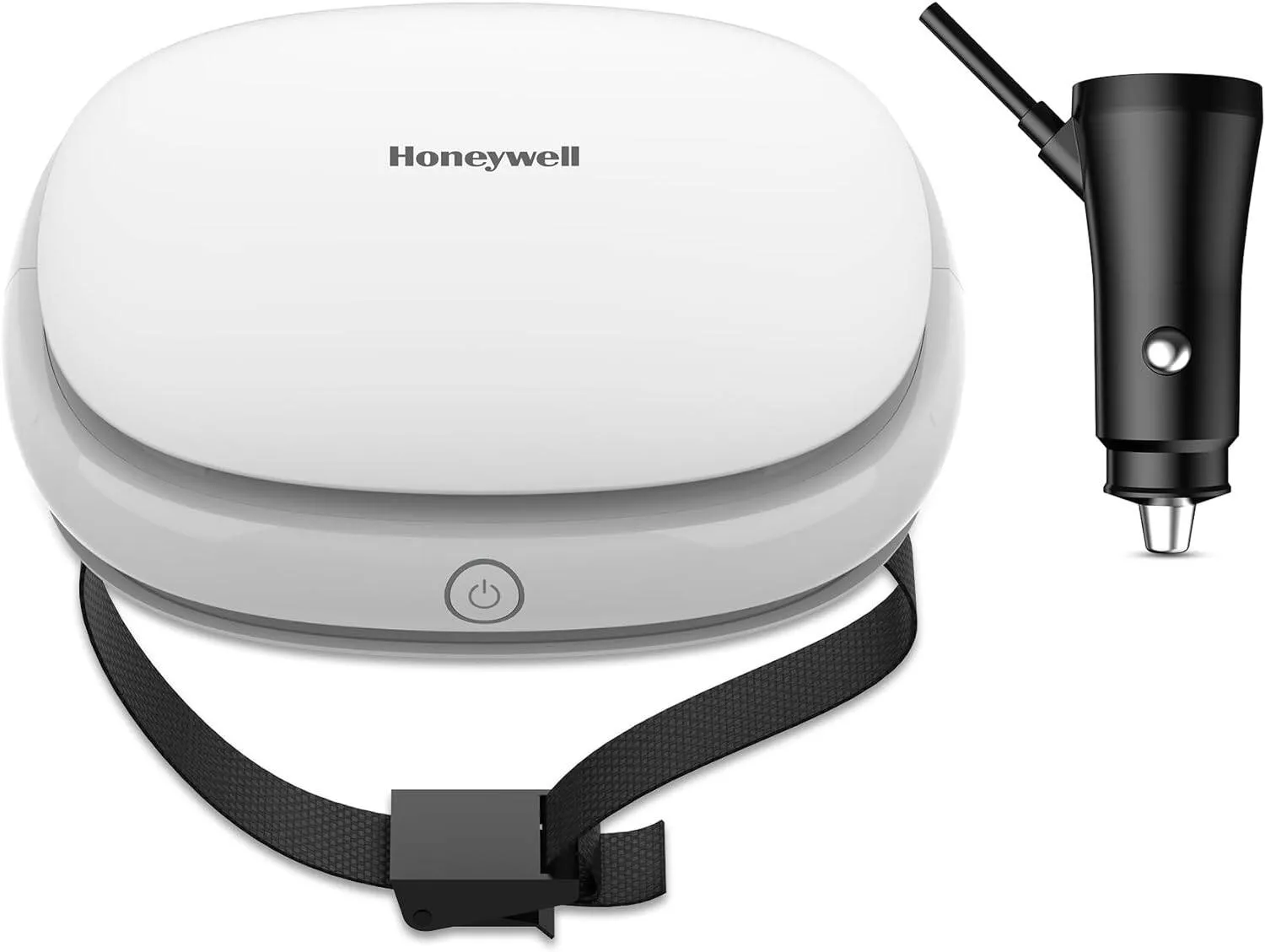
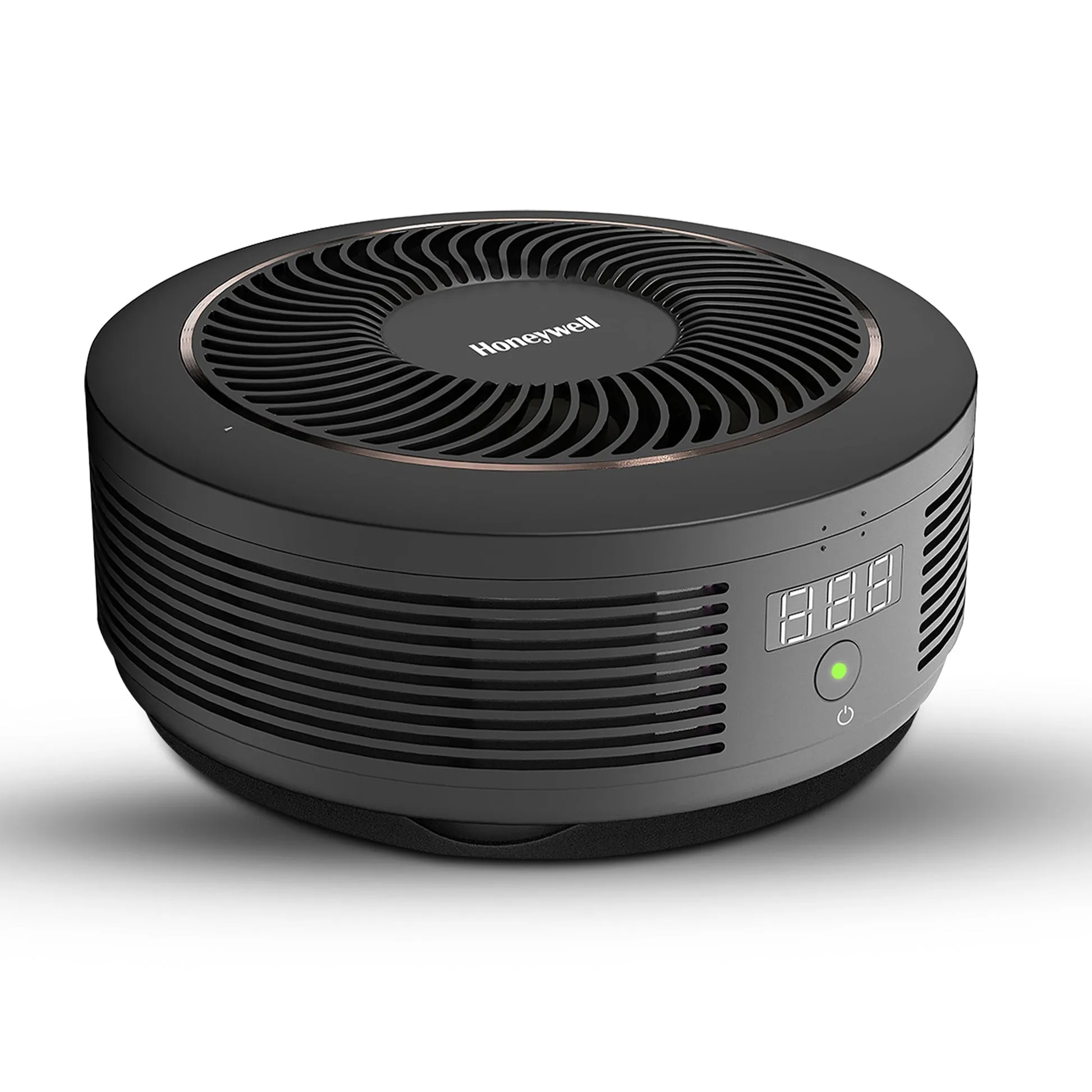
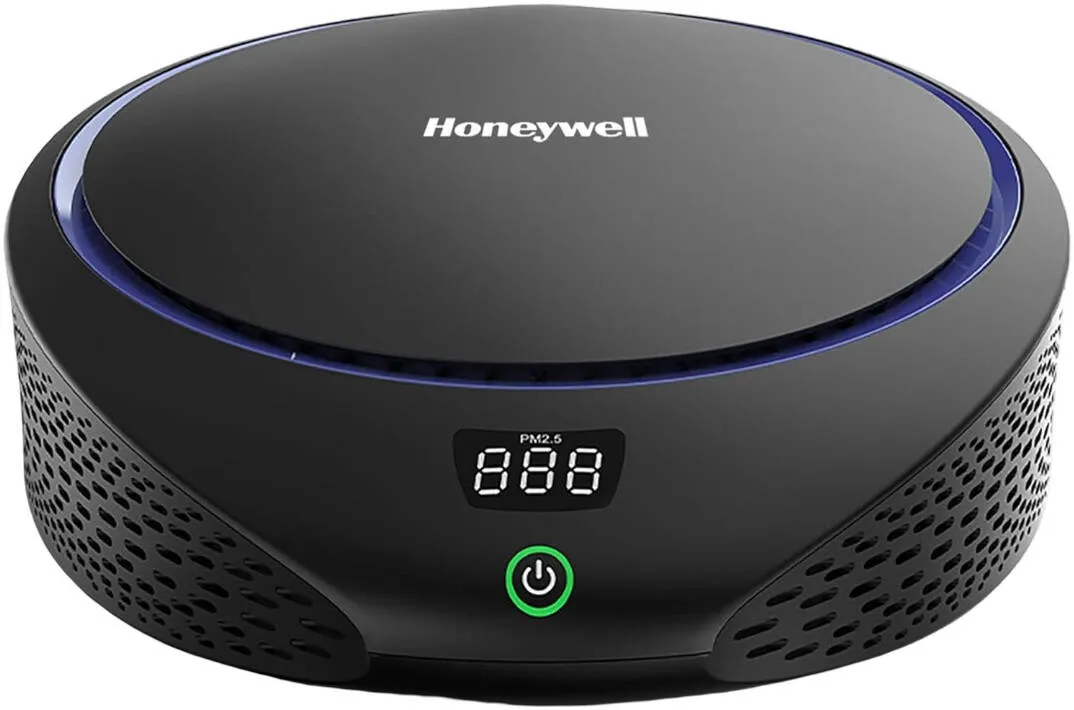
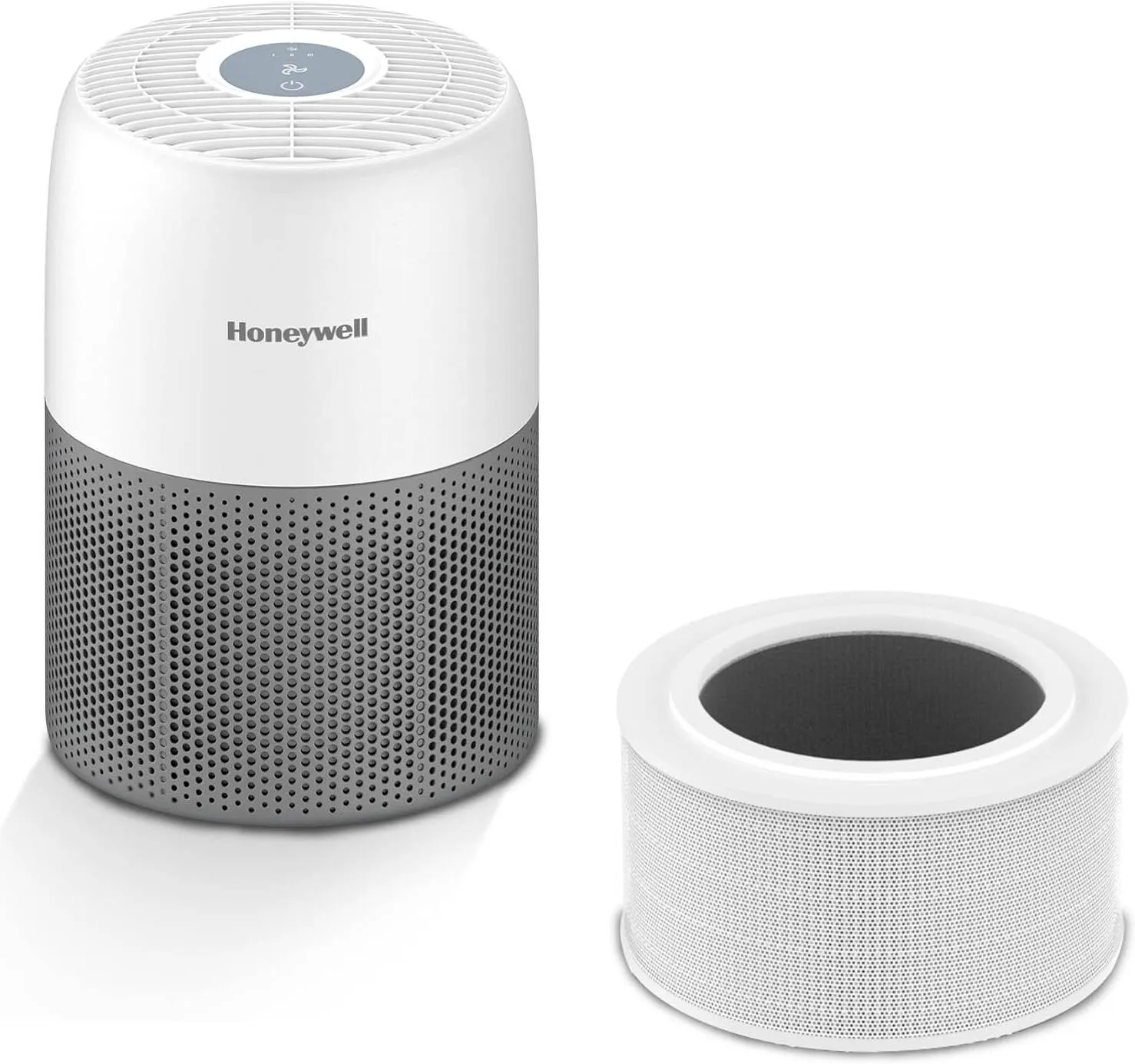
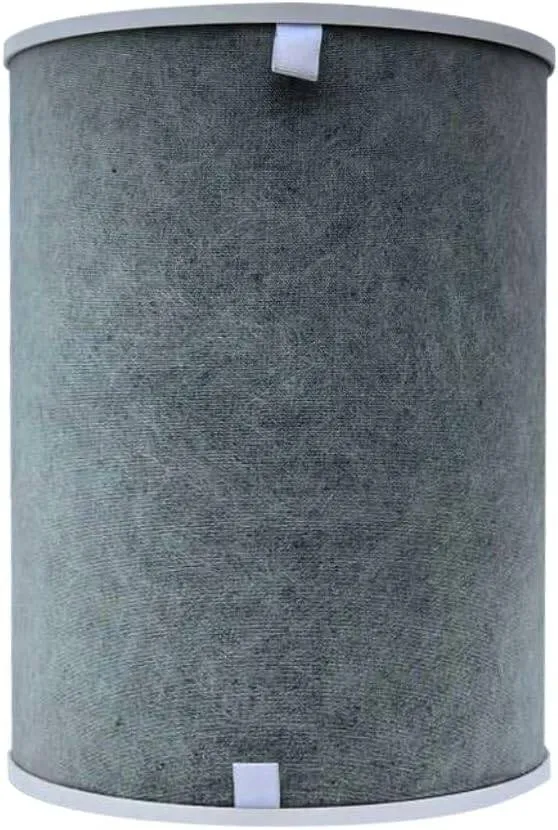
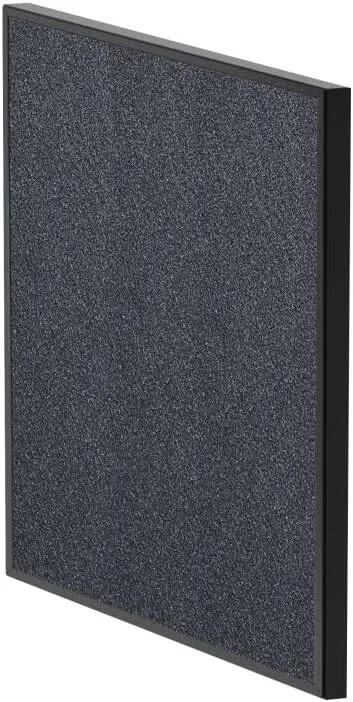
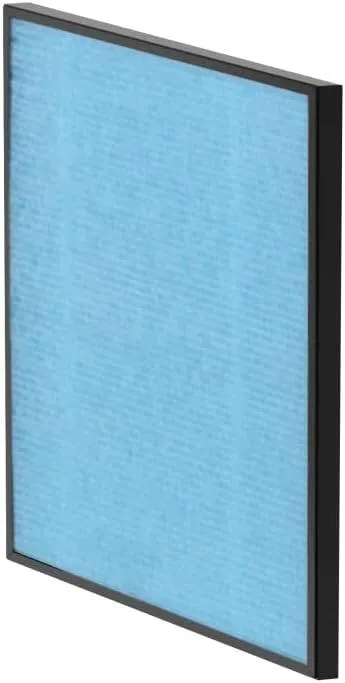
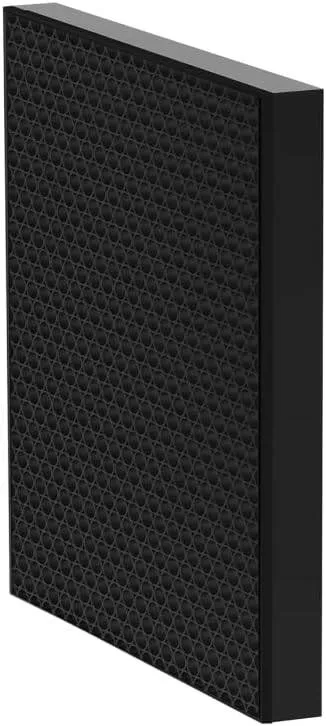
Standalone air purifiers with HEPA and activated carbon filters address both particulate matter and gaseous pollutants simultaneously. The HEPA stage captures particles; the activated carbon stage adsorbs odours and volatile compounds. For a guide to choosing between filtration types, the Cleanair-ae HEPA vs carbon filter comparison covers the technical differences clearly.
Air purifiers are a valuable layer of protection, but they do not replace cleaning or humidity control. A purifier running in a room with unwashed bedding and no humidity management will reduce airborne particle counts, but the allergen reservoir in the mattress remains untouched.
Ventilation without increasing dust ingress
- Keep windows closed on high-pollen or high-pollution days, particularly in urban areas
- Use extractor fans in kitchens and bathrooms to remove moisture and particulates at source
- Seal gaps around window frames and door thresholds to reduce outdoor dust ingress
- Service HVAC filters every three months, or more frequently in dusty environments
What behavioural and environmental changes support long-term dust reduction?
Cleaning and filtration address existing dust. Behavioural changes reduce the rate at which dust accumulates in the first place. Both are necessary for sustained improvement.
Humidity control as a daily habit
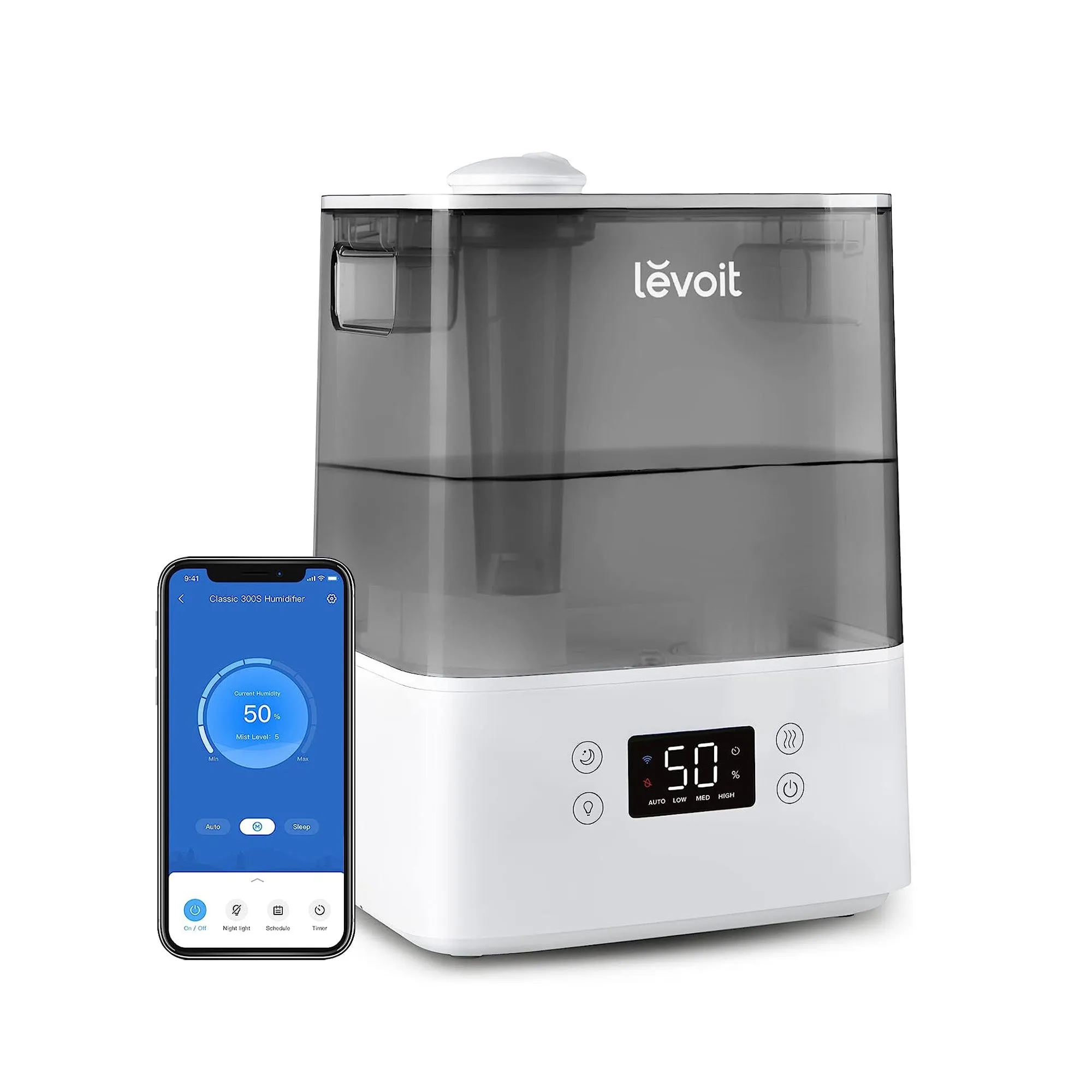
Maintaining indoor humidity at 30–50% RH suppresses dust mite reproduction and prevents the mould growth that adds a secondary allergen load. In the UAE, where outdoor humidity fluctuates significantly, a dehumidifier is often as important as a humidifier depending on the season. Monitor humidity daily and adjust accordingly.
Allergen-proof encasements and fabric management
Allergen-proof encasements for mattresses and pillows form a physical barrier between the occupant and the dust mite population living inside the mattress. They work best as part of a multi-component allergen control routine that also includes hot washing, HEPA vacuuming, and humidity management. Used alone, encasements reduce exposure but do not eliminate the allergen source.
Occupant behaviours that worsen dust accumulation
“Ventilation improvement and reducing harmful occupant behaviours are as critical for indoor air quality as using filters and cleaning routines.” — GOV.UK Indoor Airborne Allergens guidance
Specific behaviours that increase indoor dust and allergen levels include:
- Indoor smoking and vaping: both generate fine particulates that settle into every surface in the room
- Unvented combustion appliances: gas hobs and paraffin heaters without extraction release particles and nitrogen dioxide directly into the room air
- Shoes worn indoors: foot traffic from outdoor footwear deposits soil, pollen, and pollution particles directly onto floor surfaces
- Infrequent decluttering: flat surfaces covered in objects accumulate dust faster and are harder to clean thoroughly
For a broader view of how occupant actions affect indoor air quality, the Cleanair-ae indoor pollution family guide covers the full range of contributors.
Key takeaways
Effective household dust reduction requires combining regular damp cleaning, sealed HEPA filtration, and humidity control maintained between 30–50% RH.
| Point | Details |
|---|---|
| Damp microfibre over dry dusting | Dry dusting disperses particles; damp microfibre cloth traps them on contact. |
| Sealed HEPA filtration is non-negotiable | A HEPA filter without a sealed casing allows particles to bypass the filter and re-enter the air. |
| MERV 13 as the minimum filter standard | MERV 13 filters capture 99.97% of particles down to 0.3 microns in HVAC systems. |
| Weekly hot washing at 54°C | Washing bedding weekly at 54°C kills dust mites and removes the allergen load. |
| Multi-component approach yields the best results | Combining encasements, hot washing, humidity control, and HEPA vacuuming reduces allergen exposure significantly. |
What I have learned from years of watching people get dust reduction wrong
Most people who struggle with persistent dust at home are not cleaning incorrectly. They are missing one layer of the system entirely, and that gap undoes everything else.
The most common mistake I see is dry dusting followed by vacuuming with a standard cylinder vacuum. The dry cloth aersolises particles, the standard vacuum recirculates them, and the net result is that dust moves around the room rather than leaving it. Switching to damp microfibre cloths and a sealed HEPA vacuum is the single change that produces the most immediate visible improvement.
The second most common mistake is treating an air purifier as a complete solution. A purifier running in a bedroom with unwashed bedding and humidity above 60% is working against a problem that is being actively replenished every night. The purifier helps, but it cannot keep pace with a mattress that has not been vacuumed in months.
The insight that most articles skip is this: targeted interventions based on what you are actually sensitive to outperform broad measures every time. If dust mites are your primary trigger, hot washing and encasements matter more than an air purifier. If outdoor pollution is the main source, sealing gaps and upgrading your HVAC filter matters more than changing your cleaning frequency. Test for specific allergens before spending money on equipment. The results will tell you exactly where to focus.
Daily habits carry more weight than weekly deep cleans. Removing shoes at the door, keeping humidity in range, and not using dry cloths costs nothing and reduces accumulation continuously. The weekly routine then has far less work to do.
— Wojciech
Air quality products from Cleanair-ae for a dust-reduced home
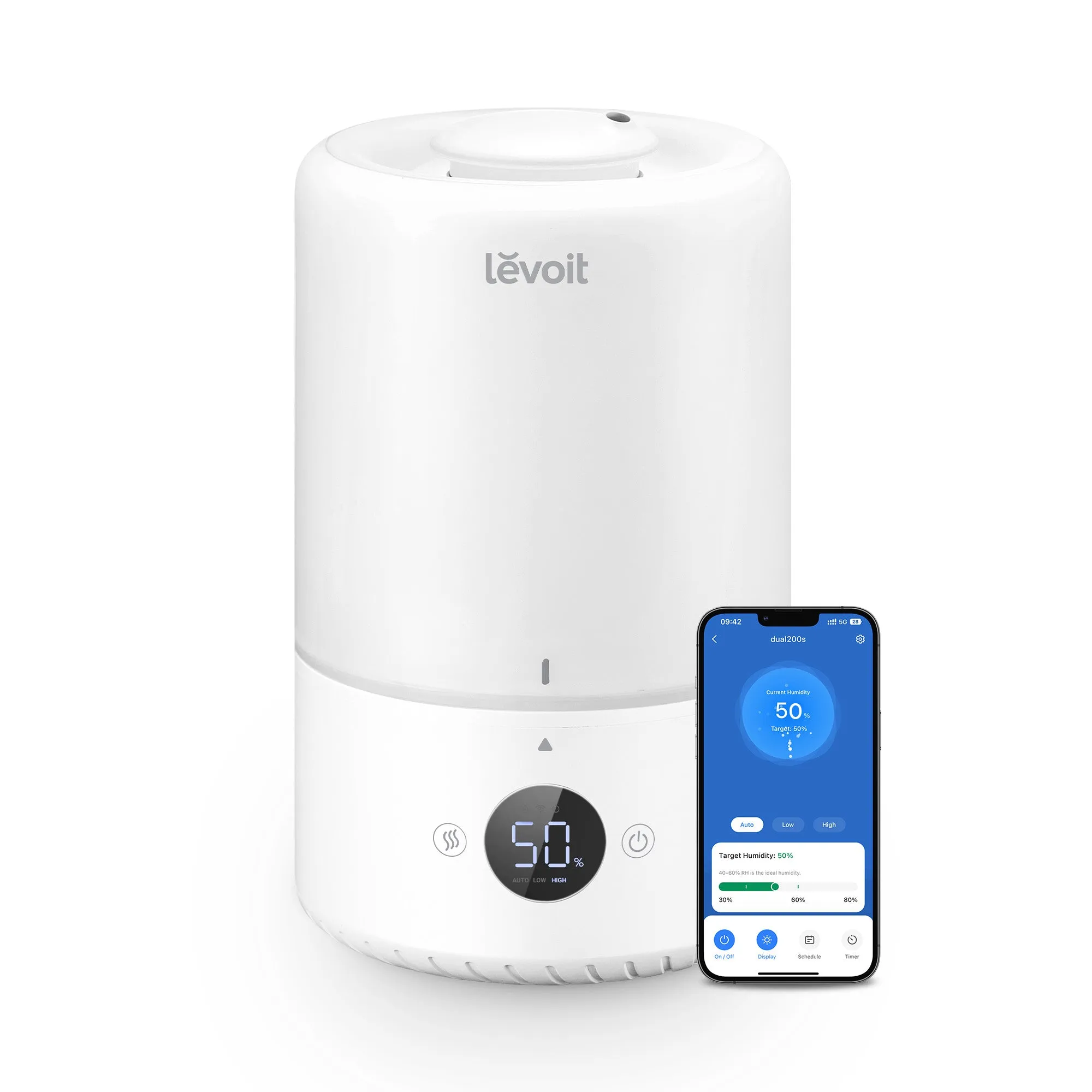
Cleanair-ae stocks a curated range of air purifiers, humidifiers, and dehumidifiers suited to UAE homes and the specific air quality challenges of the region.

For filtration, the Cleanair-ae air purifier buying guide covers HEPA and sealed-system options across room sizes and budgets, making it straightforward to match a unit to your space. For humidity management, the dehumidifiers guide explains how to select the right capacity for UAE conditions. Free delivery is available across Dubai and Abu Dhabi on orders over 49 AED. Browse the full range at cleanair-ae.com for current stock and pricing.
FAQ
What is the most effective way to reduce dust at home?
The most effective approach combines damp microfibre cleaning from top to bottom, weekly hot washing of bedding at 54°C, sealed HEPA vacuuming of upholstery and floors, and maintaining indoor humidity between 30–50% RH. Single interventions produce limited results.
How often should I wash bedding to control dust mites?
Wash bedding weekly at a minimum temperature of 54°C. This temperature kills dust mites and removes the allergen proteins they produce, which are the primary trigger for dust-related allergy symptoms.
Do air purifiers actually reduce household dust?
Air purifiers with sealed HEPA filtration reduce airborne particle counts effectively, but they do not address dust settled in mattresses, upholstery, or carpets. They work best as one layer within a broader cleaning and humidity control routine.
What humidity level prevents dust mites from multiplying?
Maintaining indoor relative humidity between 30% and 50% suppresses dust mite reproduction. Above 50% RH, dust mite populations grow rapidly and mould becomes an additional allergen source.
Is carpet worse than hard flooring for dust accumulation?
Carpet holds significantly more dust and allergens per square metre than hard flooring. If reducing allergen load is a priority, replacing carpet with hard flooring in bedrooms reduces the reservoir considerably, provided hard floors are damp-mopped regularly.