


Uncategorised
How to test indoor air quality: a homeowner’s guide
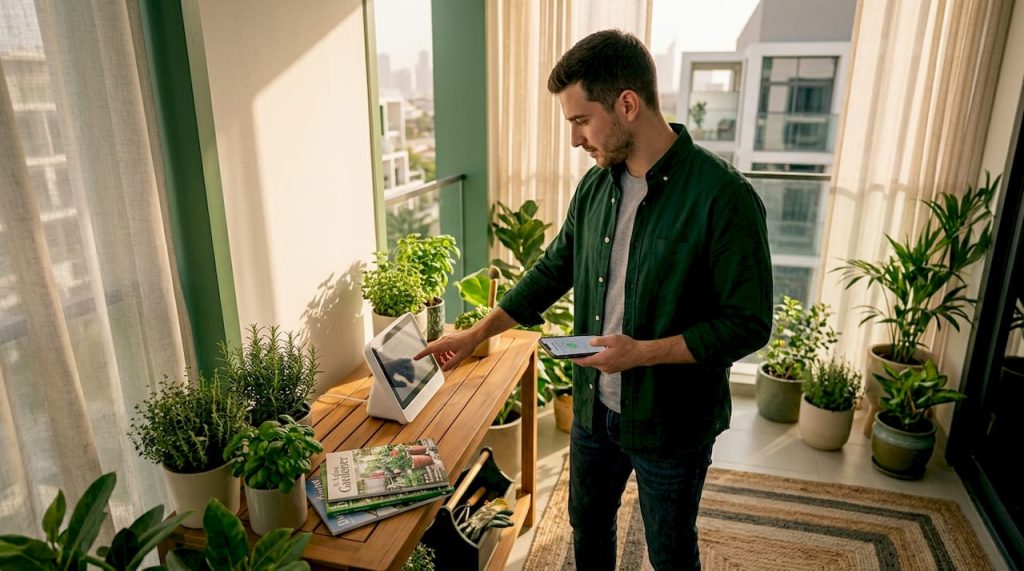
Most homes in the UAE have an air quality problem that no one can see, smell, or feel until it starts affecting health. Dust, humidity, cleaning products, and sealed modern buildings all contribute to a build-up of pollutants that indoor air pollution can make 2 to 5 times worse than the air outside. If you live or manage a property in Dubai, Abu Dhabi, or anywhere across the UAE, knowing how to test indoor air quality is the first practical step toward fixing what you cannot see.
Table of Contents
- Understanding indoor air pollutants and why testing matters
- Preparing to test your indoor air quality: tools and basics
- Step-by-step guide to testing your indoor air quality effectively
- Common testing mistakes and how to avoid them
- Interpreting test results and next steps to improve air quality
- Why measuring before acting is the smartest investment for your home
- Improve your home’s air quality with CleanAir UAE solutions
- Frequently asked questions
Understanding indoor air pollutants and why testing matters
Before you can fix an air quality problem, you need to know what you are dealing with. Not all pollutants behave the same way, and not all solutions work for every contaminant. This is exactly why indoor air quality testing matters before anything else.
Common indoor pollutants include biological contaminants, combustion byproducts, volatile organic compounds (VOCs), radon, and humidity-related issues. Each one has a different source, a different health risk, and a different solution.
Here is a breakdown of the main pollutant categories to be aware of:
- Biological contaminants: Mould spores, pet dander, and dust mites. In the UAE, high ambient humidity during certain months makes indoor mould growth a real concern, particularly in bathrooms, kitchens, and poorly ventilated rooms.
- Combustion byproducts: Carbon monoxide (CO) and nitrogen dioxide from gas cookers, water heaters, and generators. These are odourless and genuinely dangerous at elevated levels.
- VOCs: Released by paints, adhesives, cleaning sprays, air fresheners, and new furniture. VOC levels are often highest in recently renovated or newly furnished apartments.
- Radon: A naturally occurring radioactive gas that seeps from soil and building materials. Less common in the UAE but worth knowing about in older or low-ventilation properties.
- Humidity: Too high encourages mould and dust mites. Too low dries out airways. Both affect health and comfort significantly.
Understanding which of these are present in your home is what separates an effective fix from a wasted purchase. For households affected by allergens like pet dander or dust, portable allergy solutions can complement testing efforts once you know what you are dealing with.
Preparing to test your indoor air quality: tools and basics
With a clear picture of pollutants, the next step is selecting the right tools. The good news is that consumer-grade monitors have improved considerably and now offer reliable data at accessible price points.
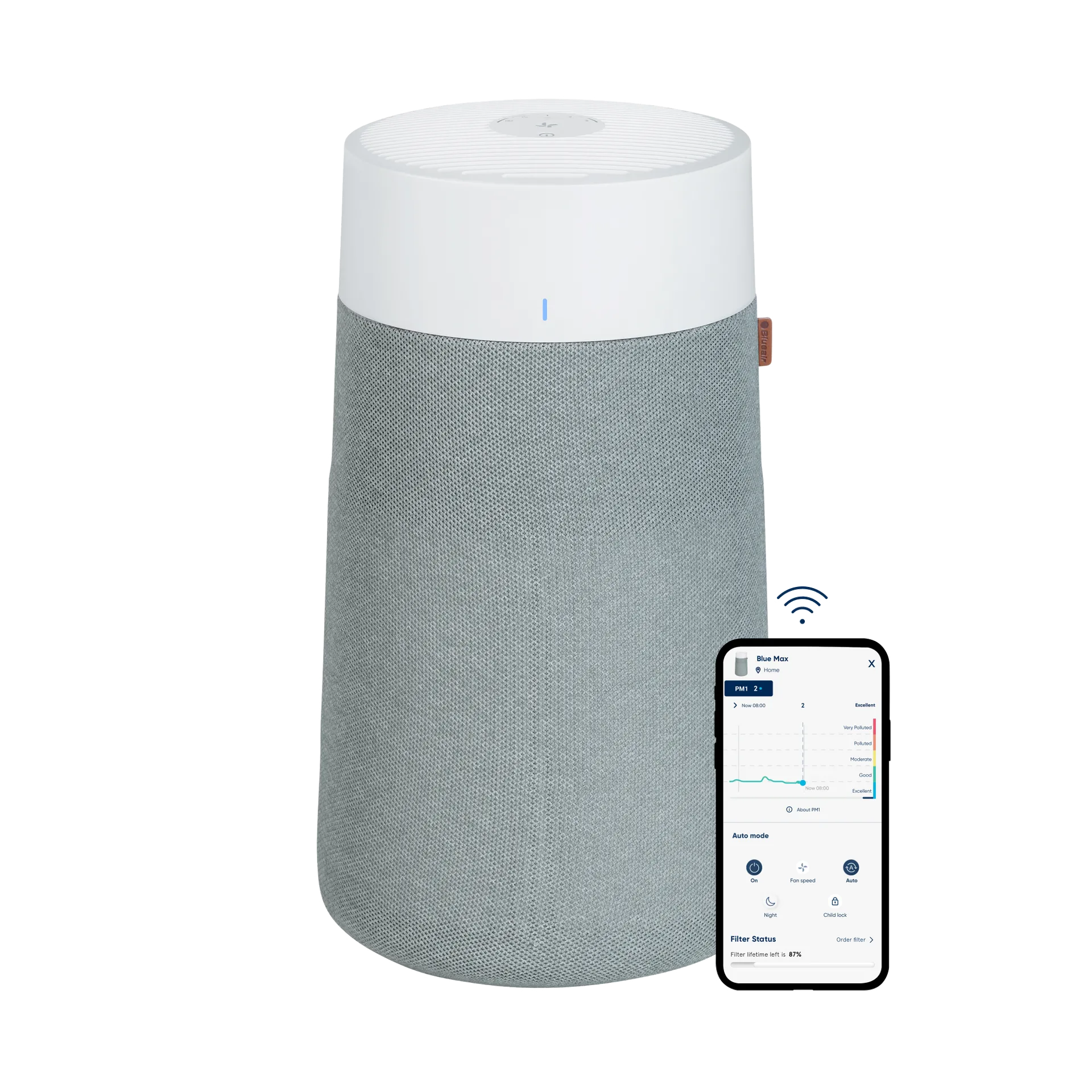
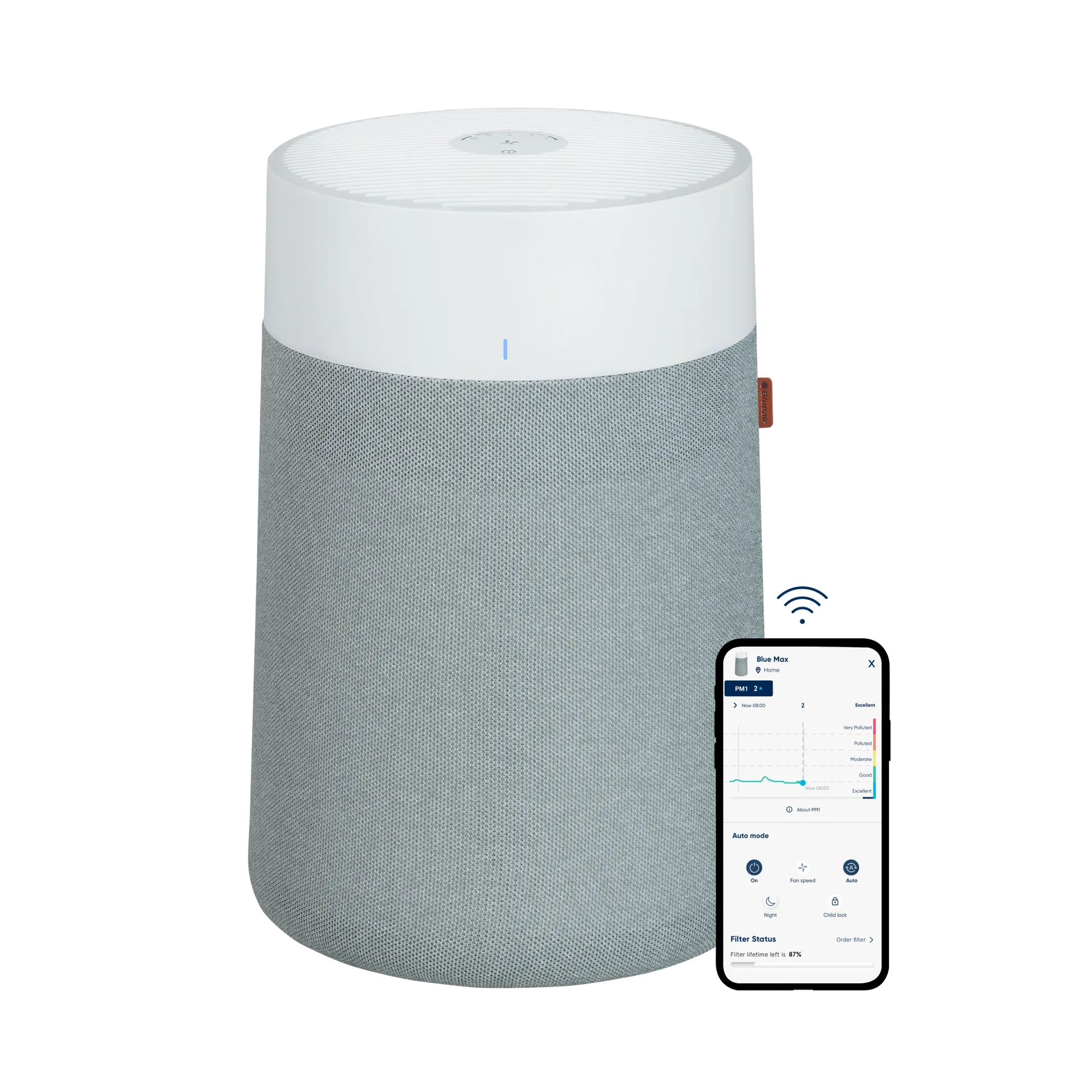
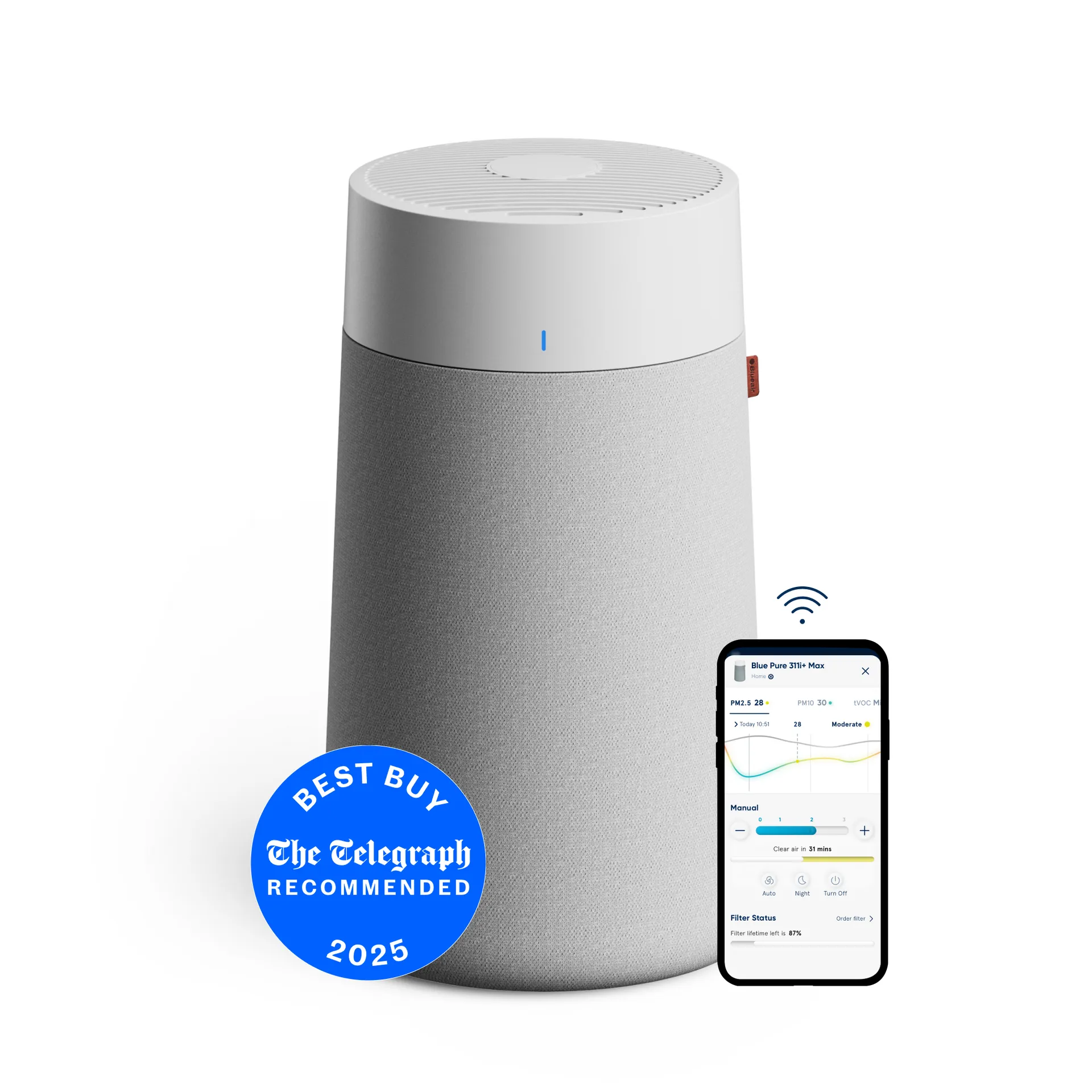
The most effective approach is to use a multi-parameter smart monitor that tracks PM2.5, CO₂, VOCs, temperature, and humidity continuously. A single-pollutant device tells you one part of the story. A multi-parameter monitor gives you the full picture in real time.
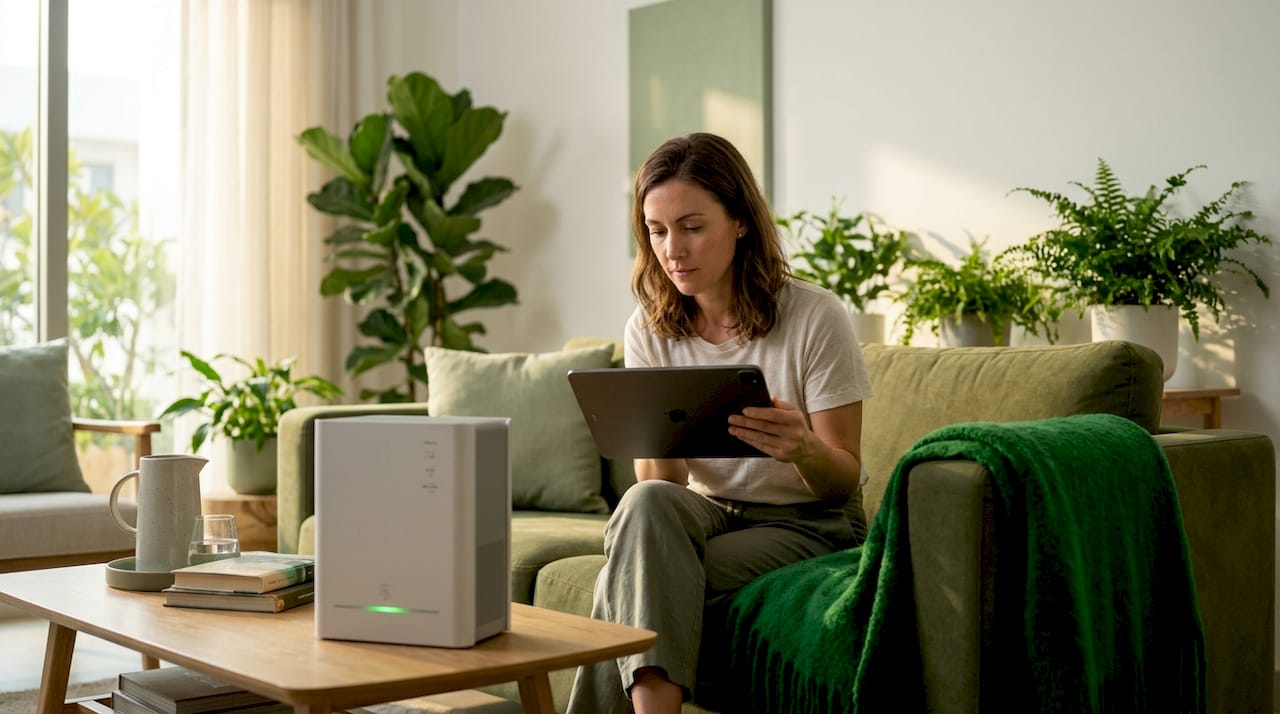
When choosing a monitor, sensor quality matters. NDIR sensors for CO₂ and laser particle counters for PM2.5 provide noticeably better accuracy than cheaper electrochemical or estimated alternatives.
| Monitor type | Pollutants tracked | Typical cost (USD) | Best for |
|---|---|---|---|
| Basic single-pollutant | CO₂ or PM2.5 only | $50 to $100 | Initial spot checks |
| Mid-range multi-parameter | PM2.5, CO₂, VOCs, humidity, temperature | $100 to $200 | Most homeowners |
| Advanced smart monitor | All of the above plus TVOC, CO, formaldehyde | $200 to $300 | Large properties, offices |
Key parameters to measure in UAE homes:
- PM2.5: Fine particles from dust, cooking, and outdoor pollution entering through windows
- CO₂: A reliable indicator of ventilation quality in sealed, air-conditioned spaces
- VOCs: Chemical off-gassing from furniture, cleaning products, and building materials
- Humidity: Particularly relevant in coastal cities and during summer months
- Temperature: Helps contextualise other readings and identifies comfort issues
Pro Tip: When first setting up a monitor in a UAE apartment or villa, run it for at least 48 hours before drawing any conclusions. Air-conditioned spaces have cycles of low and high ventilation that only become visible over time.
For spaces where noise is a concern, quiet air purifier technology works well alongside monitoring to maintain comfort without disruption.
Step-by-step guide to testing your indoor air quality effectively
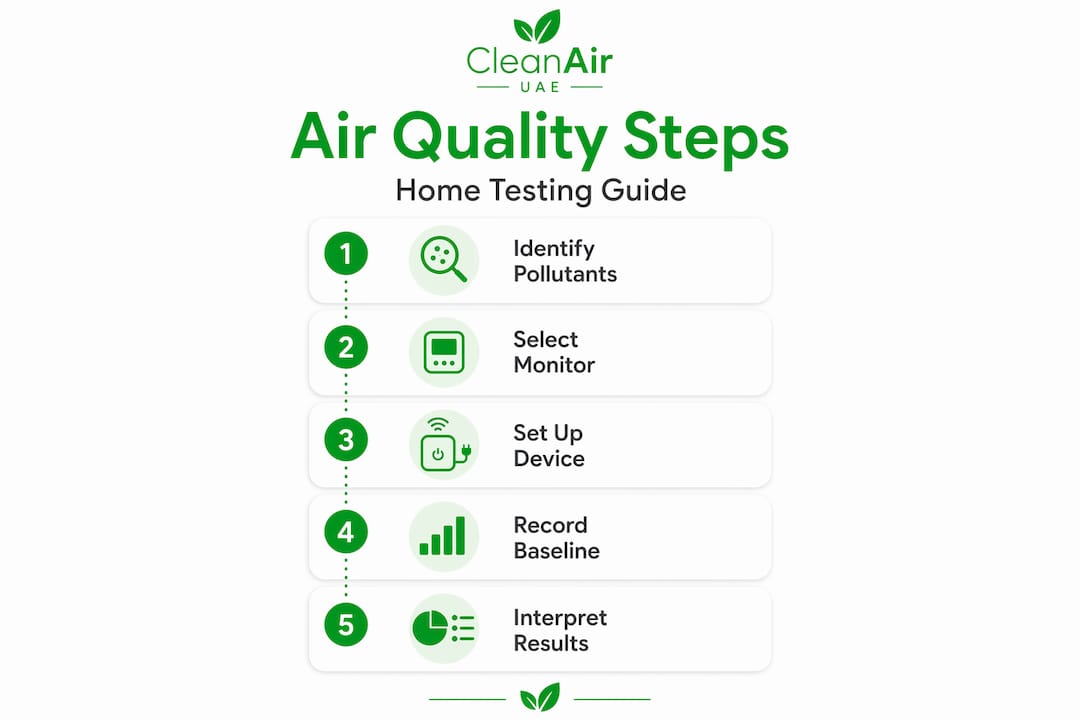
Now that your tools are ready, here is a clear process for carrying out accurate indoor air quality testing across your home or property.
-
Choose your starting rooms. Begin with the bedroom, kitchen, and any basement or enclosed utility room. These are the highest-risk zones: bedrooms accumulate overnight CO₂ and allergens; kitchens generate combustion byproducts and particles; utility rooms may harbour mould or VOC sources.
-
Position your monitor correctly. Place monitors at breathing height, roughly 3 to 6 feet from the floor, and keep them away from windows, air conditioning vents, and cooking surfaces. Placing a device directly beside a vent will produce readings that reflect duct air, not the air you breathe.
-
Establish a baseline period. Run the monitor in each room for a minimum of 48 to 72 hours under normal living conditions. Do not change your habits during this period. Open windows at the same times you usually do, cook normally, use your cleaning products as usual.
-
Record your readings systematically. Note peak values and average values separately. A bedroom CO₂ spike to 1,800 ppm at night tells a different story than a steady 600 ppm throughout the day. Most smart monitors log data to an app, which makes this step straightforward.
-
Test room by room. Move the monitor to each priority room after completing the baseline period in the first. Compare readings across rooms to identify which spaces have the worst air quality.
-
Note correlations with activities. Measure first, then control sources, ventilate, and filter based on the actual data. If PM2.5 spikes every evening, it is likely linked to cooking. If VOCs are elevated consistently, the source is probably materials or products in that room.
Pollutants to track by room:
- Bedroom: CO₂, PM2.5, humidity, temperature
- Kitchen: PM2.5, CO, VOCs, humidity
- Living room: VOCs, PM2.5, CO₂
- Bathroom: Humidity, mould risk indicators
- Home office: CO₂, VOCs from electronics and furnishings
Pro Tip: Avoid rushing to purchase a portable air purifier before you have completed at least one full room baseline. Buying filtration for a VOC problem when you actually have a ventilation issue will not solve anything.
Common testing mistakes and how to avoid them
Knowing how to test is only half the process. Avoiding these frequent errors will save time, money, and frustration.
- Buying purifiers before testing. Many homeowners purchase air purifiers without first identifying the pollutant, which can waste money entirely if the device does not address the actual issue. A HEPA purifier will not reduce CO₂ or VOC levels.
- Using low-quality sensors. Budget devices often use estimated or derived readings rather than direct measurement. A monitor that guesses VOC levels from a single tin oxide sensor is not giving you reliable data.
- Conducting only short-term tests. Short-term tests can miss ongoing mould or radon problems entirely. Intermittent sources such as mould that releases spores under certain humidity conditions require extended monitoring to detect.
- Skipping physical inspection. Sensor data alone does not tell the full story. Check visually for water staining, condensation on windows, and musty odours in cupboards and behind appliances.
- Ignoring room-specific differences. A living room reading is not representative of a bedroom or kitchen. Each room has its own pollutant profile, and treating all spaces the same leads to ineffective fixes.
The most common and costly mistake in home air quality management is acting on assumptions rather than data. Test first, then act.
Pro Tip: If a room’s readings look surprisingly clean, check that the monitor is not positioned near a supply vent pushing fresh conditioned air directly past the sensor. Relocate it to the centre of the room and recheck.
Interpreting test results and next steps to improve air quality
After gathering your data, the next step is understanding what the numbers mean and which actions to take. Different pollutant readings point to different solutions.
High CO₂ levels indicate poor ventilation, while elevated PM2.5 calls for filtration. These are not the same problem and they require different responses.
| Pollutant | Action threshold | Recommended action |
|---|---|---|
| CO₂ | Above 1,000 ppm | Increase ventilation, open windows, use mechanical ventilation |
| PM2.5 | Above 12 µg/m³ | Use a HEPA air purifier, reduce indoor sources |
| VOCs | Elevated readings | Identify and remove source, increase ventilation |
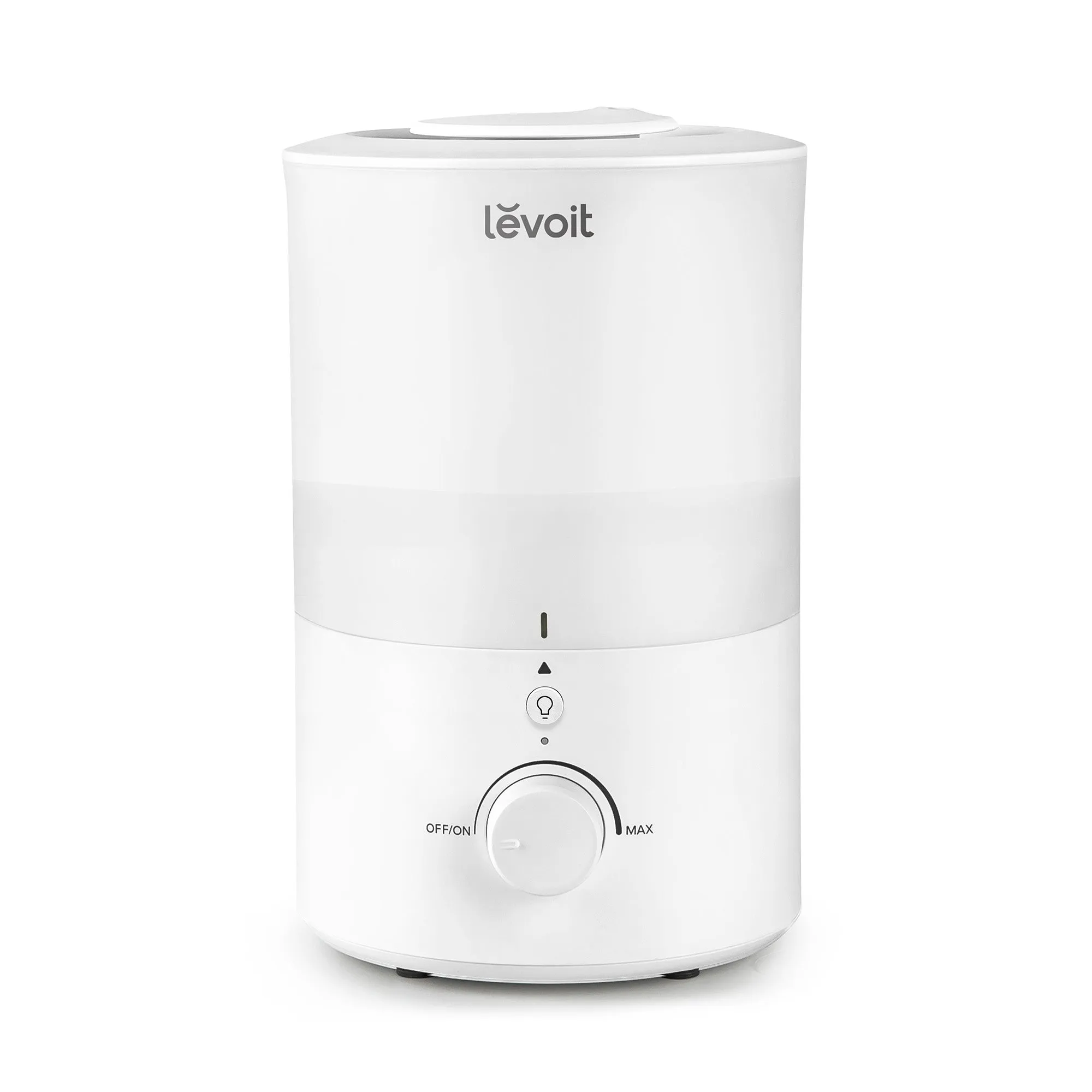
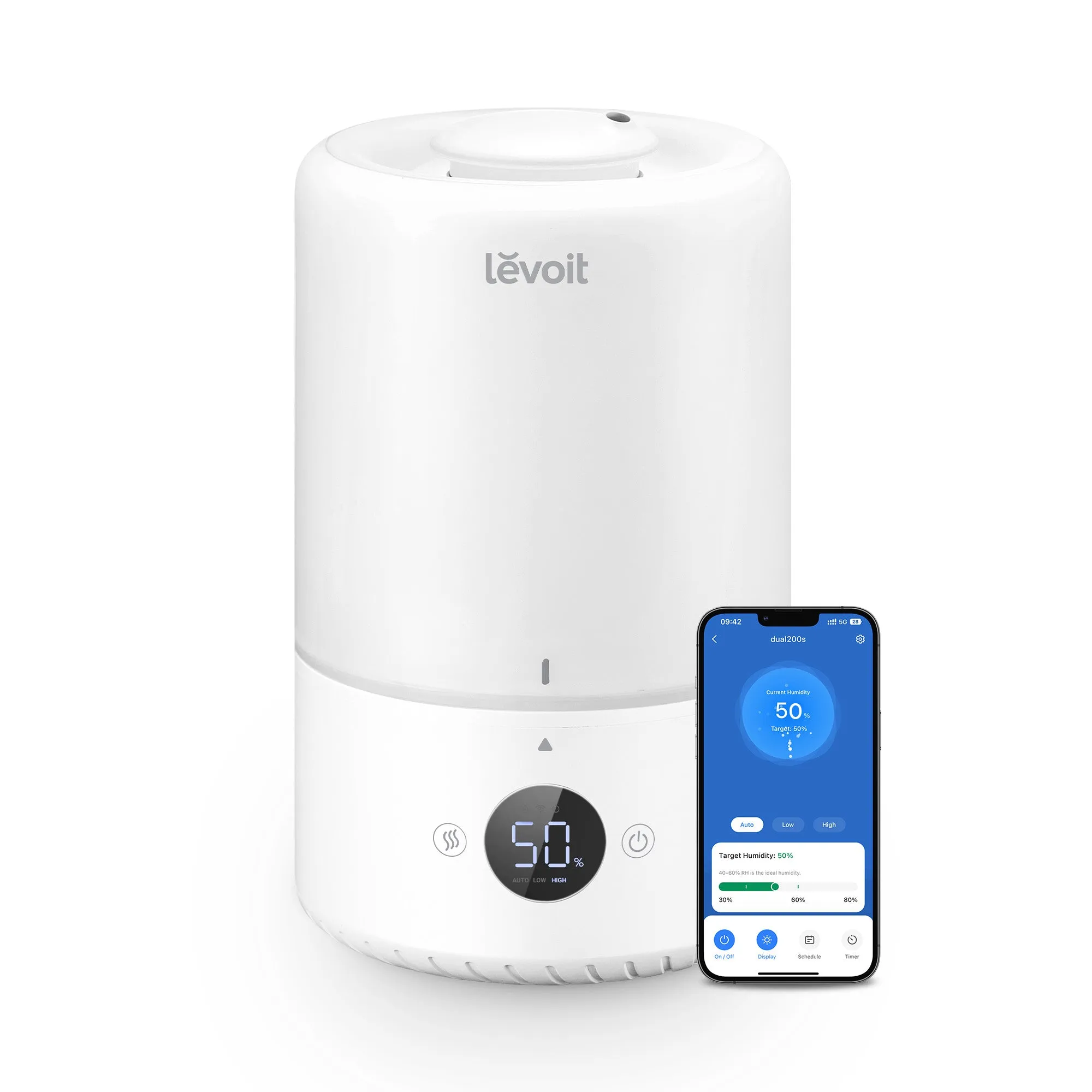
| Humidity | Above 60% or below 30% | Use a humidifier or dehumidifier accordingly |
| Radon | Above 4 pCi/L | Contact a professional for structural mitigation |
Follow this sequence once your data is in:
- Address source control first. If VOCs are high, removing or replacing the source (new furniture, cleaning product, paint) is more effective than filtering indefinitely.
- Improve ventilation for CO₂. Open windows during cooler hours, or install mechanical ventilation if the building design limits natural airflow.
- Add filtration for particles. For persistent PM2.5 issues, a HEPA purifier in the affected room is the correct tool.
- Manage humidity actively. In UAE coastal environments, a dehumidifier during humid months reduces mould risk significantly.
- Seek professional help for radon. This is not a DIY fix.
Establishing a pollutant baseline before purchasing any equipment ensures you target the actual problem rather than the assumed one. For rooms where particle filtration is the confirmed need, smart air purifier solutions provide reliable, data-confirmed performance.
Why measuring before acting is the smartest investment for your home
Here is an uncomfortable truth about the air quality product market: most purchases are made without any data. A homeowner notices their child coughing more frequently, or they read about pollution risks online, and they buy a purifier. Sometimes it helps. Often it does not, because the actual problem was CO₂ accumulation from poor ventilation, not airborne particles.
The measure-first approach is not just good practice. It is the only way to know whether the money you spend on air quality improvements is actually working.
There is also a calibration point worth raising. Many mid-range monitors drift over time, particularly VOC and humidity sensors. Checking your device against a known reference once every six months, or choosing a model with auto-calibration, keeps your data trustworthy over the long term.
The other misconception worth addressing is that air quality is a one-time fix. In UAE properties, seasonal changes, new furnishings, renovation work, and even a change in cleaning products can shift your indoor air quality profile significantly. Continuous monitoring, not a single test, is what gives you an accurate and actionable picture.
A portable allergy solution in a bedroom means very little if the real issue is overnight CO₂ build-up from a sealed room with no ventilation. Measure first. Then act on what the data actually shows.
Improve your home’s air quality with CleanAir UAE solutions
Once you have completed your indoor air quality testing and identified the specific pollutants in your home, the next step is selecting the right filtration equipment.
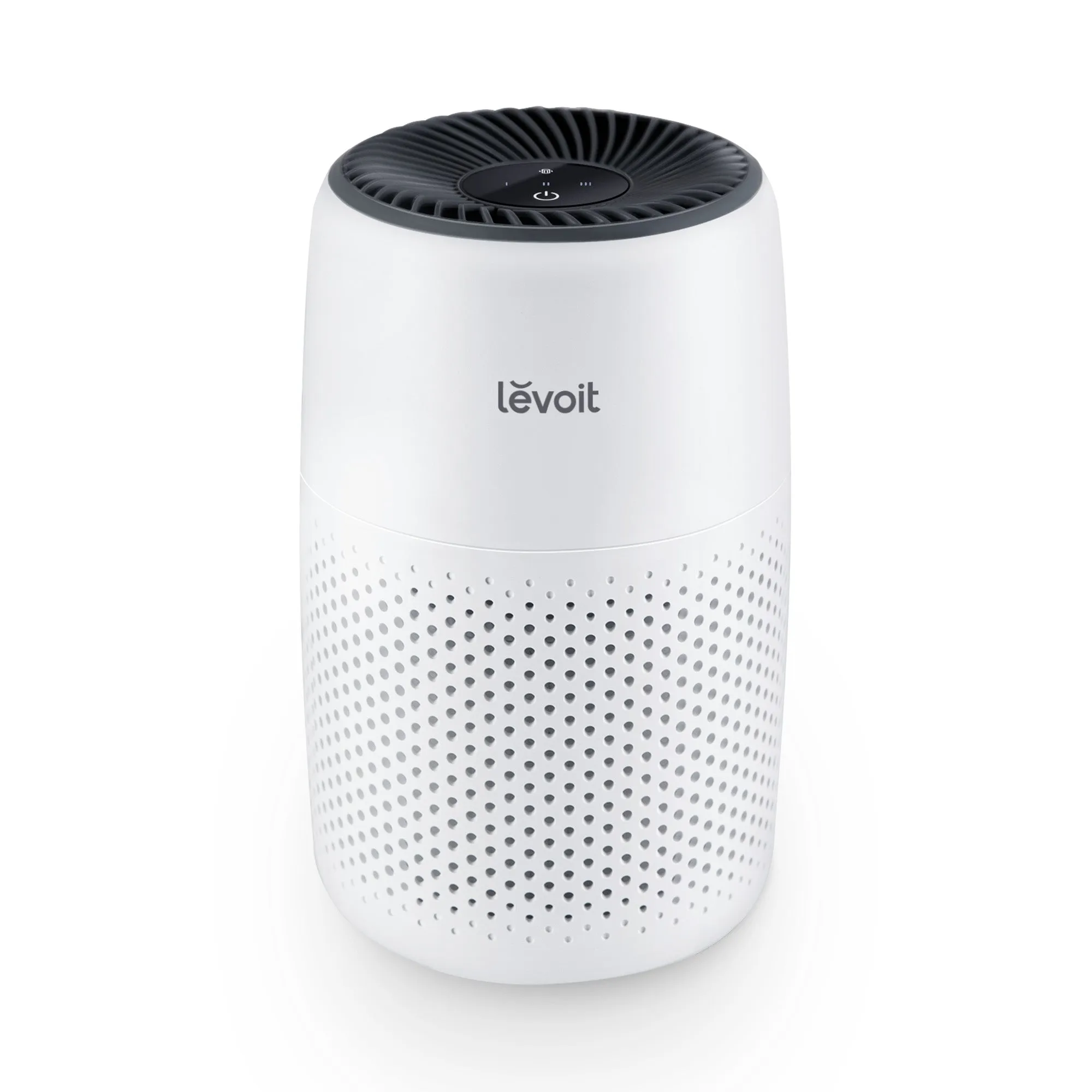
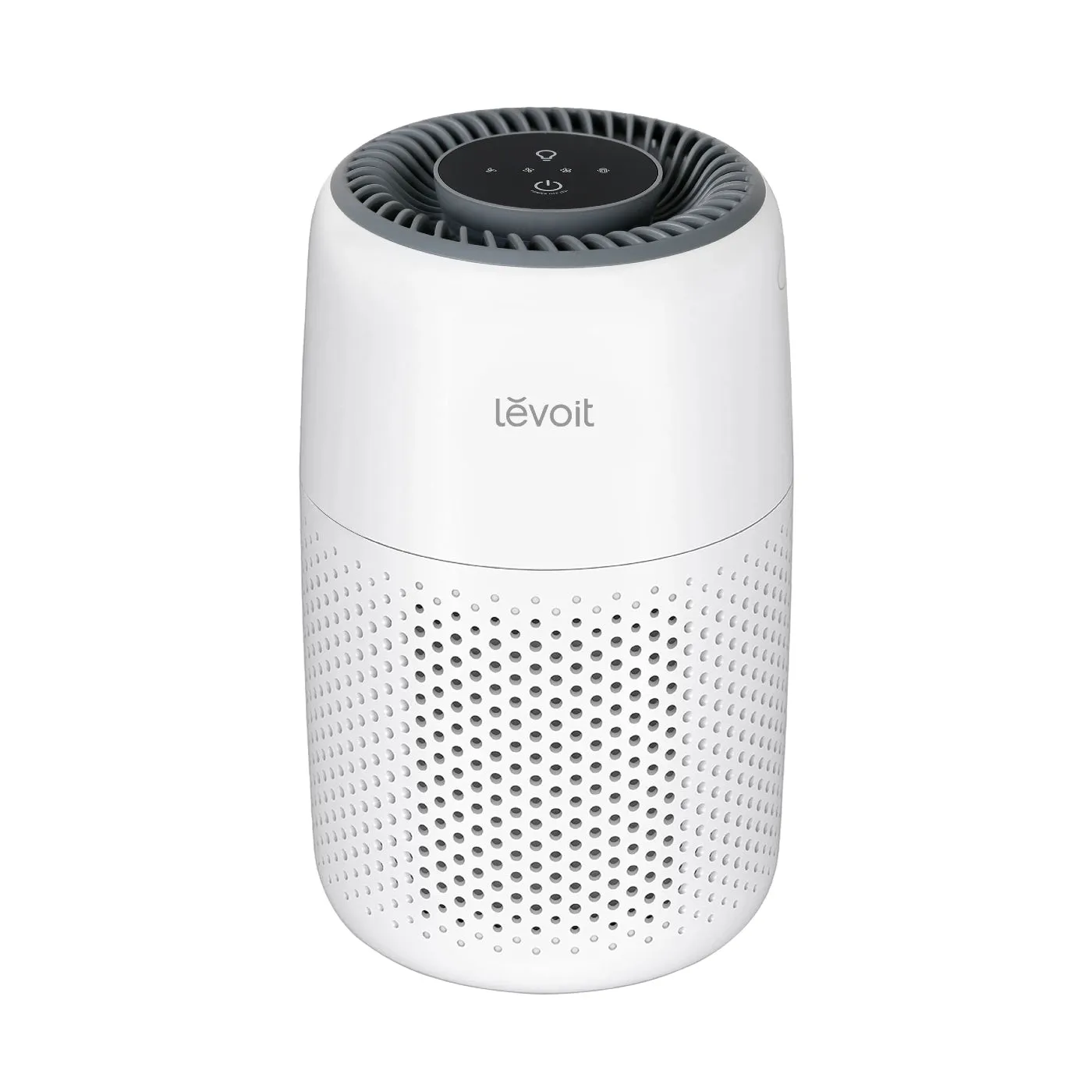
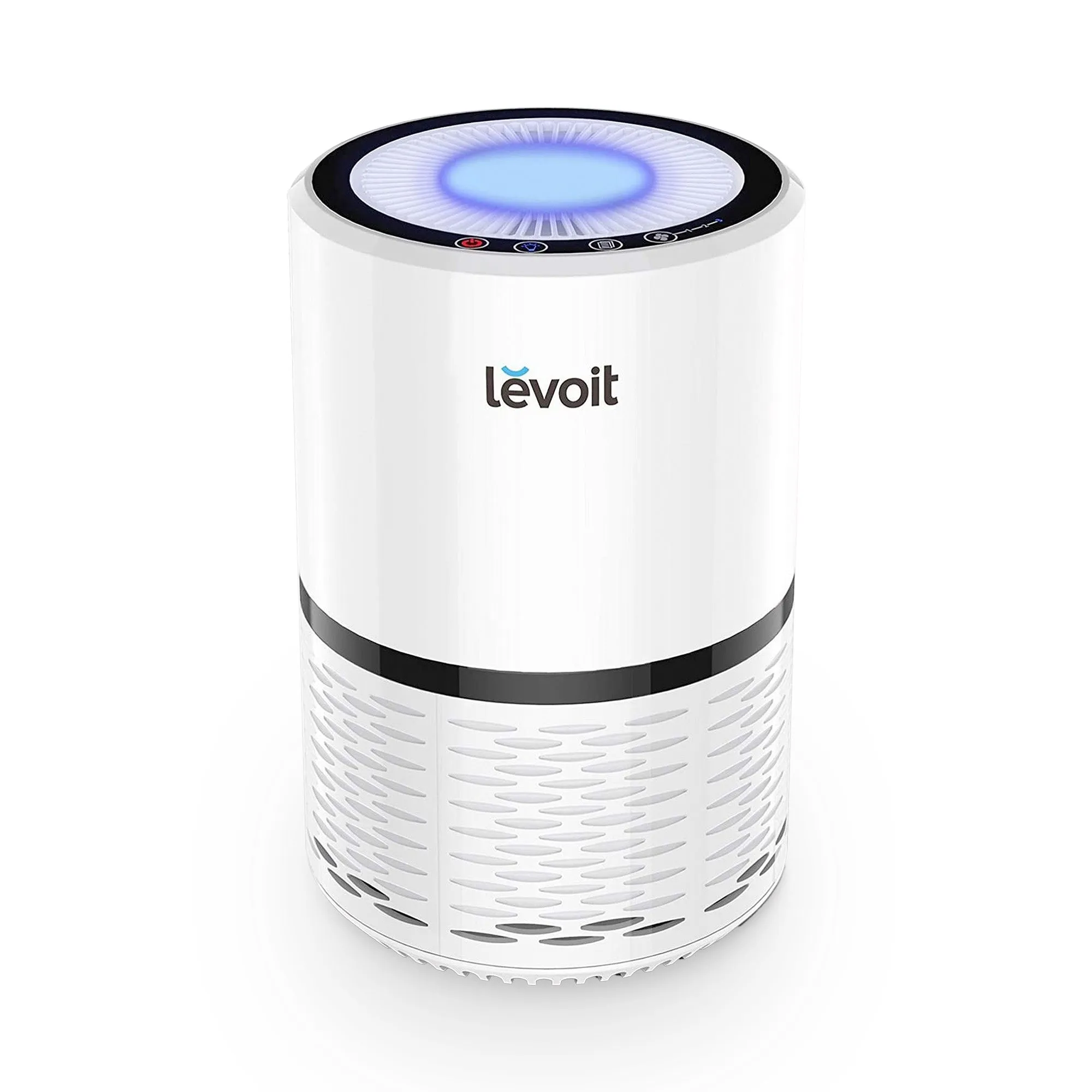
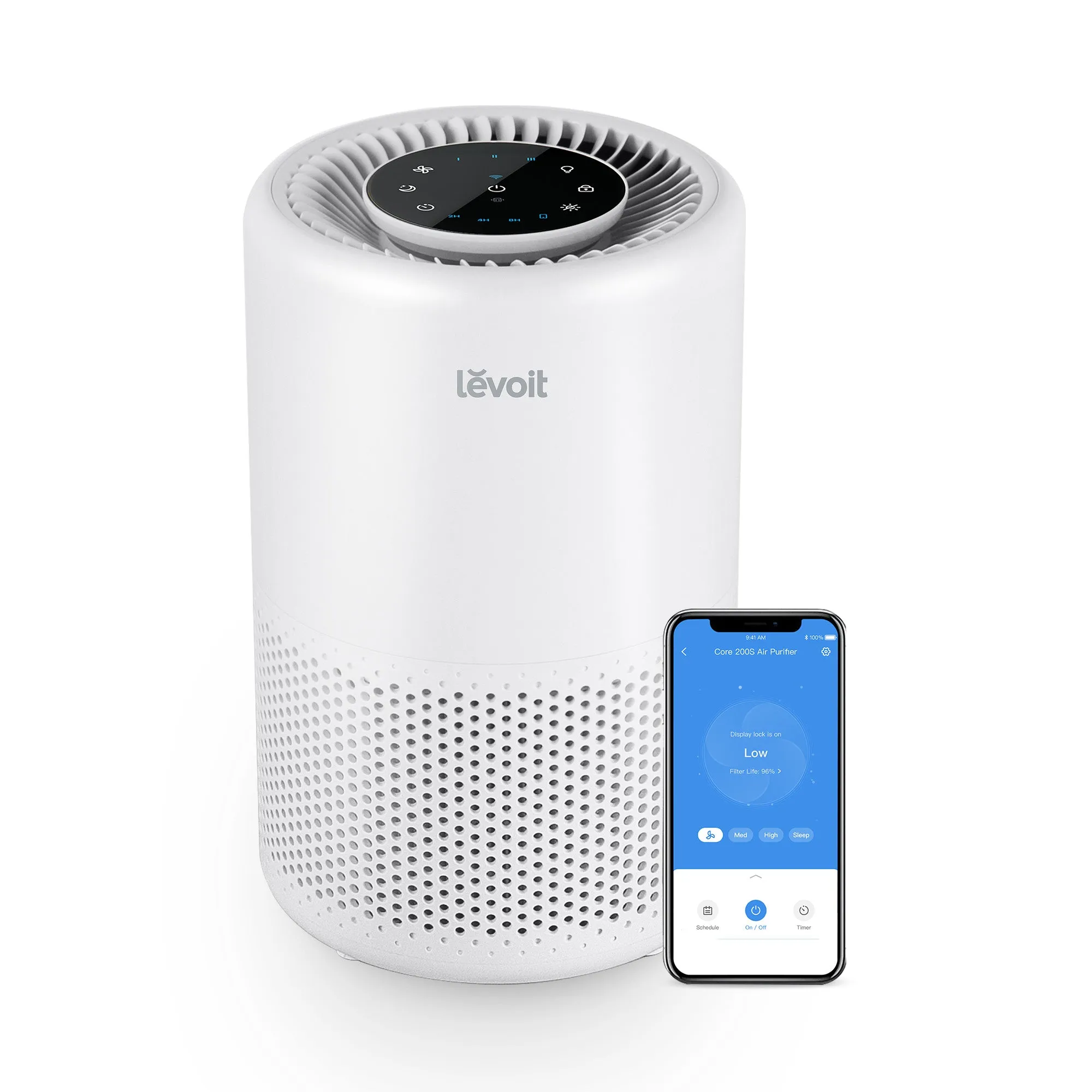
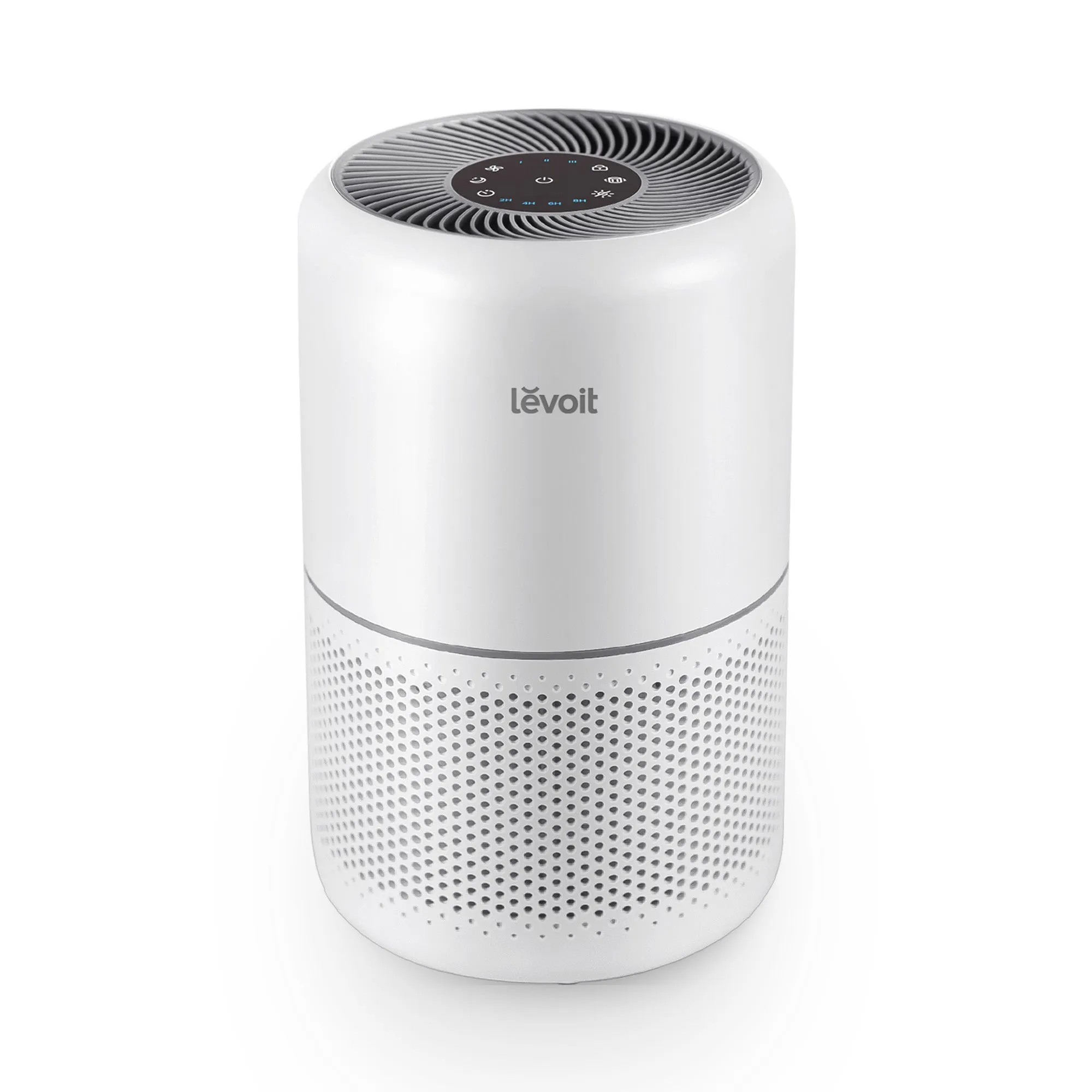
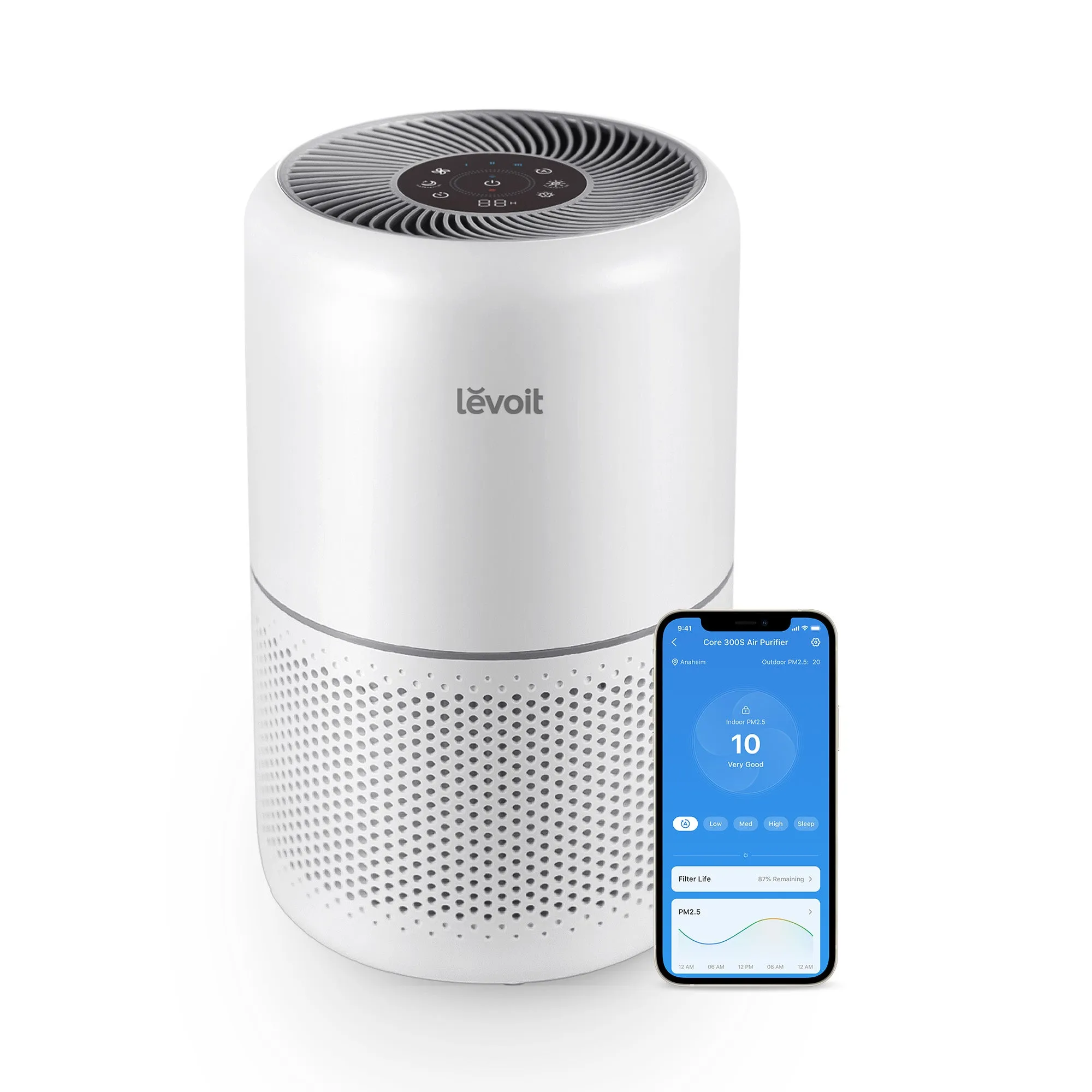
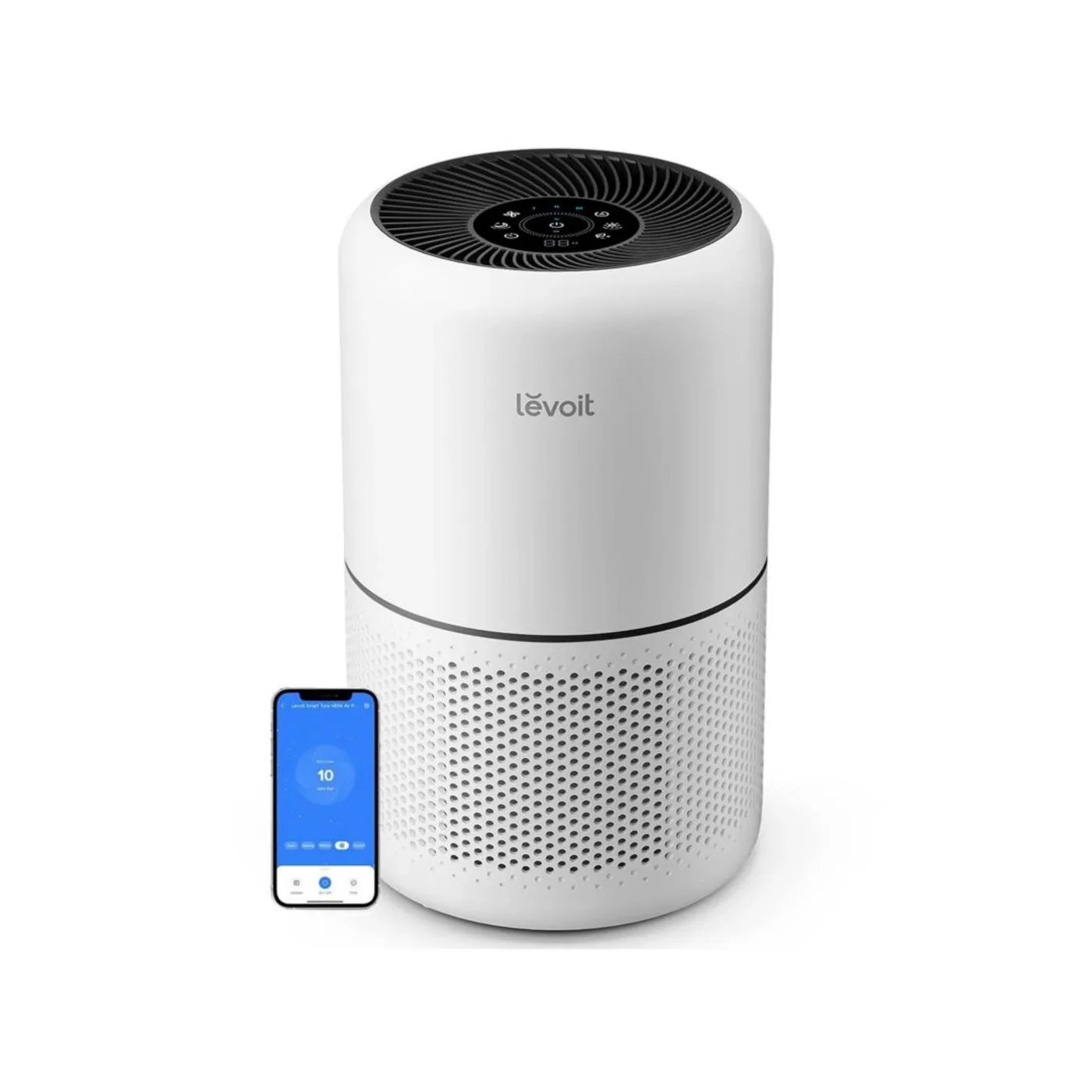
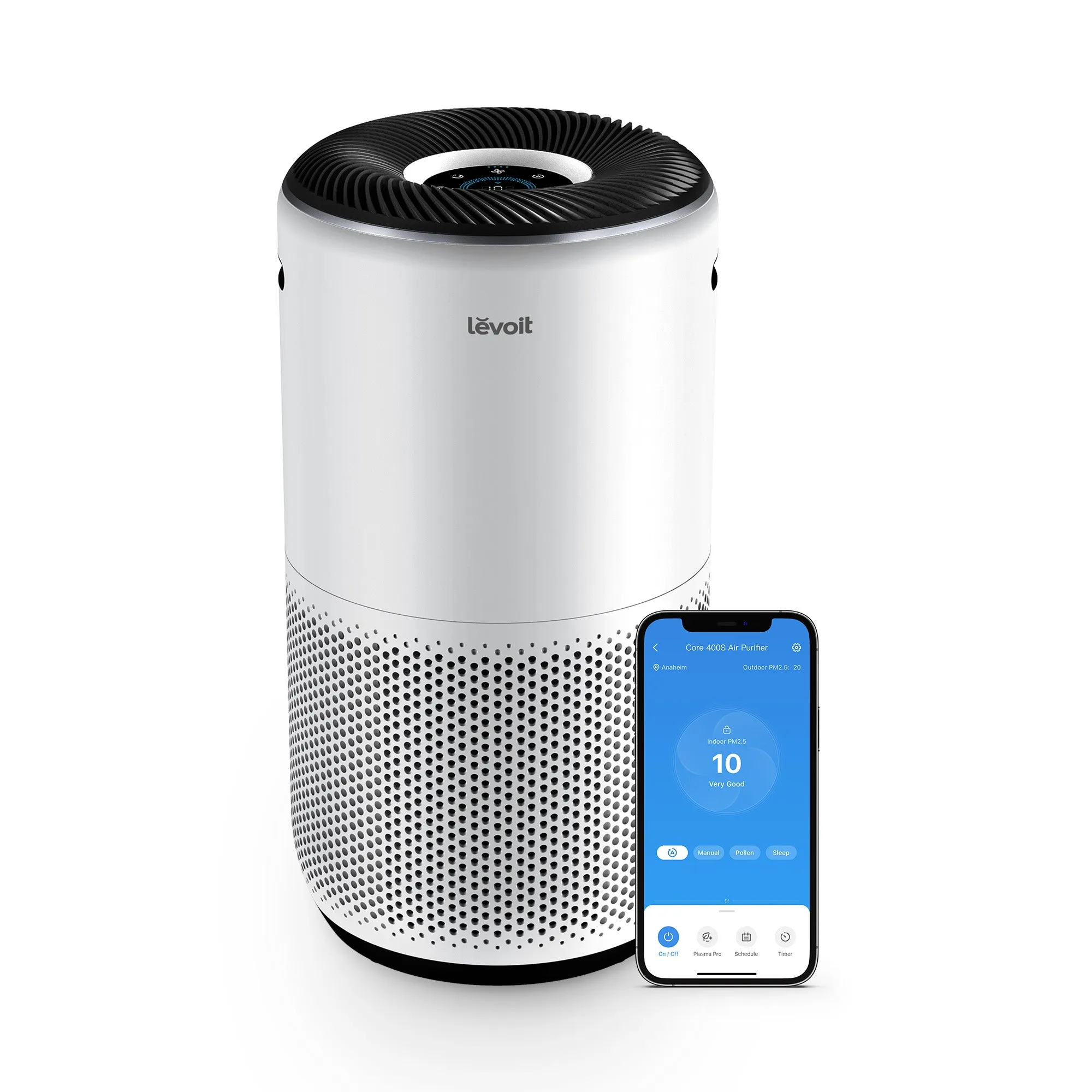
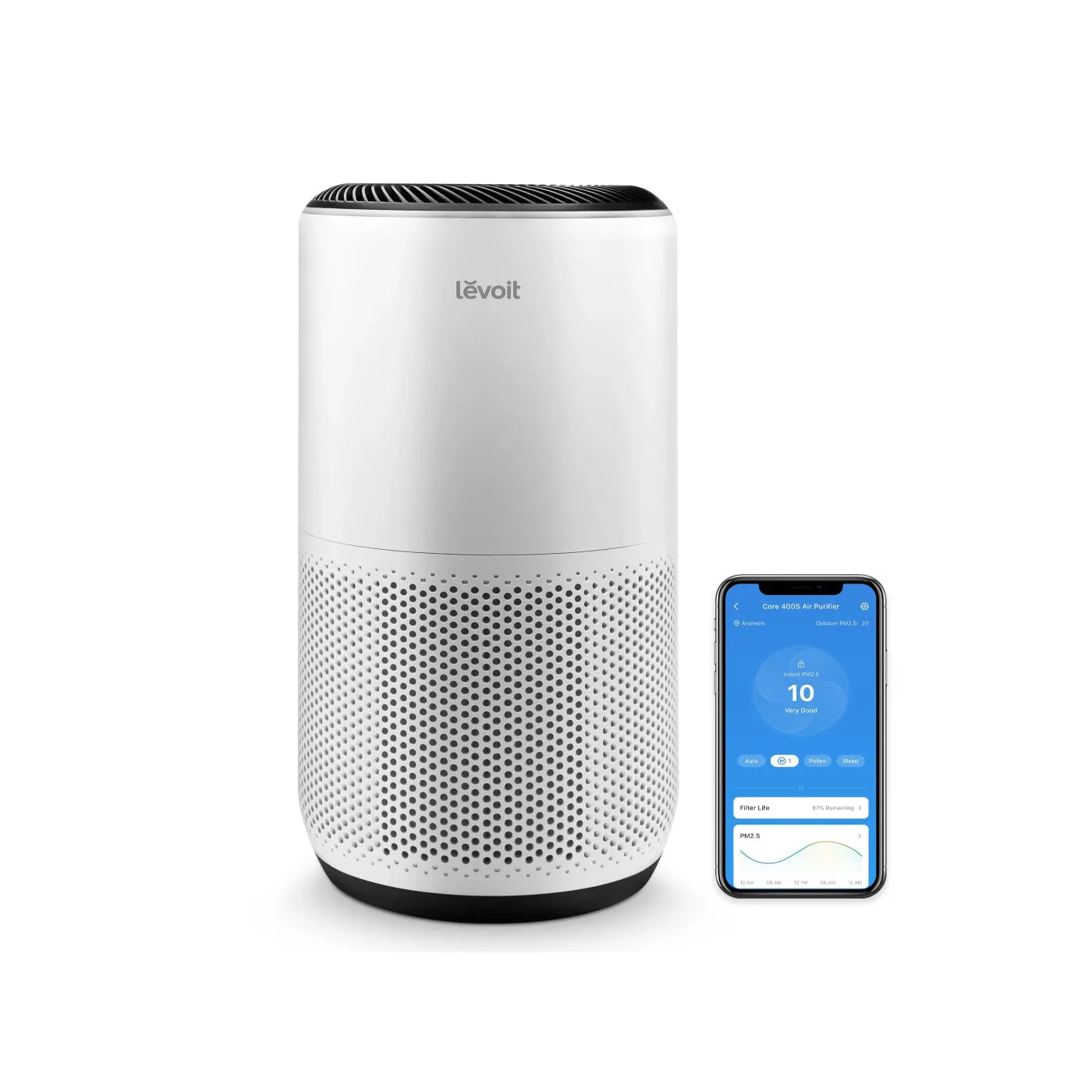
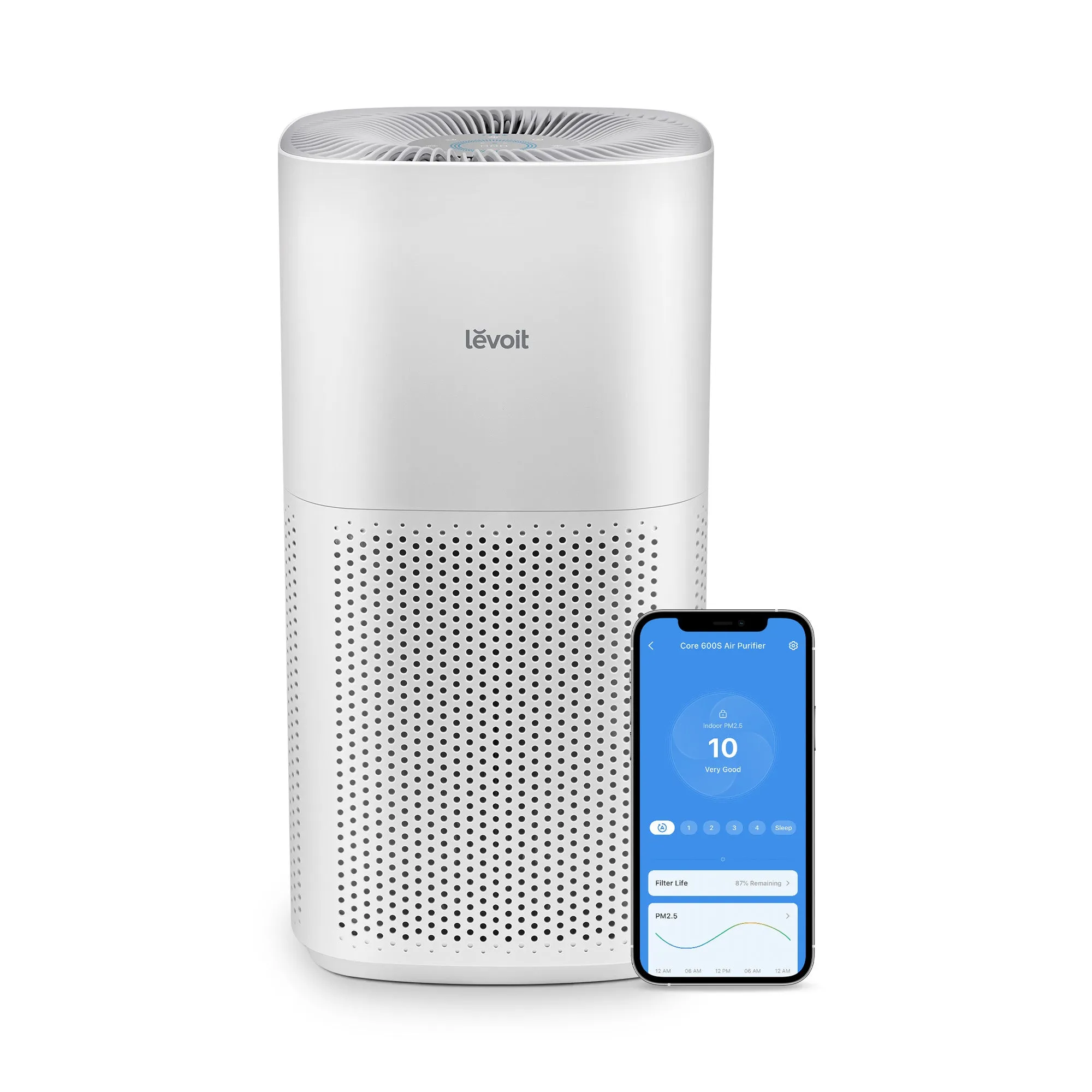
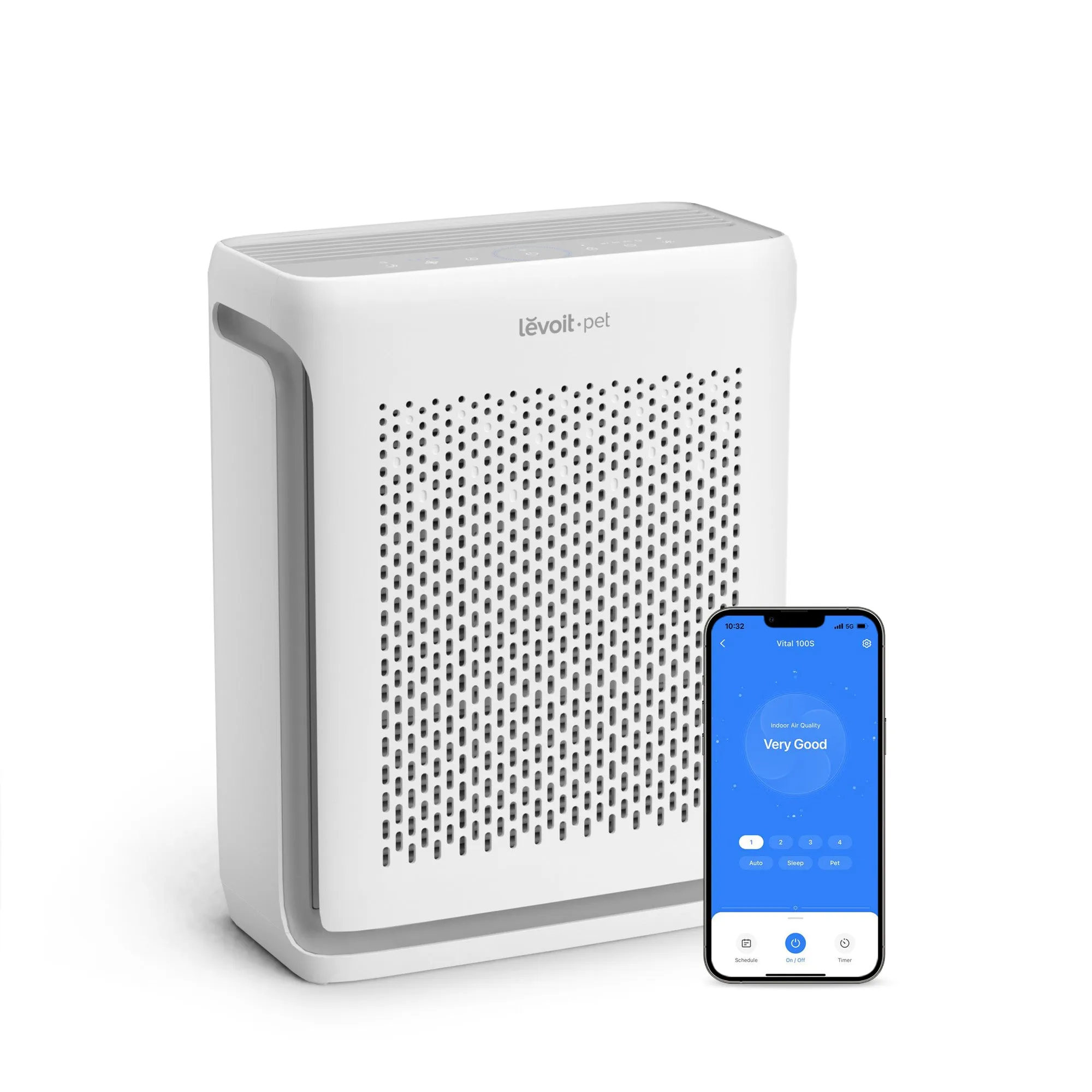
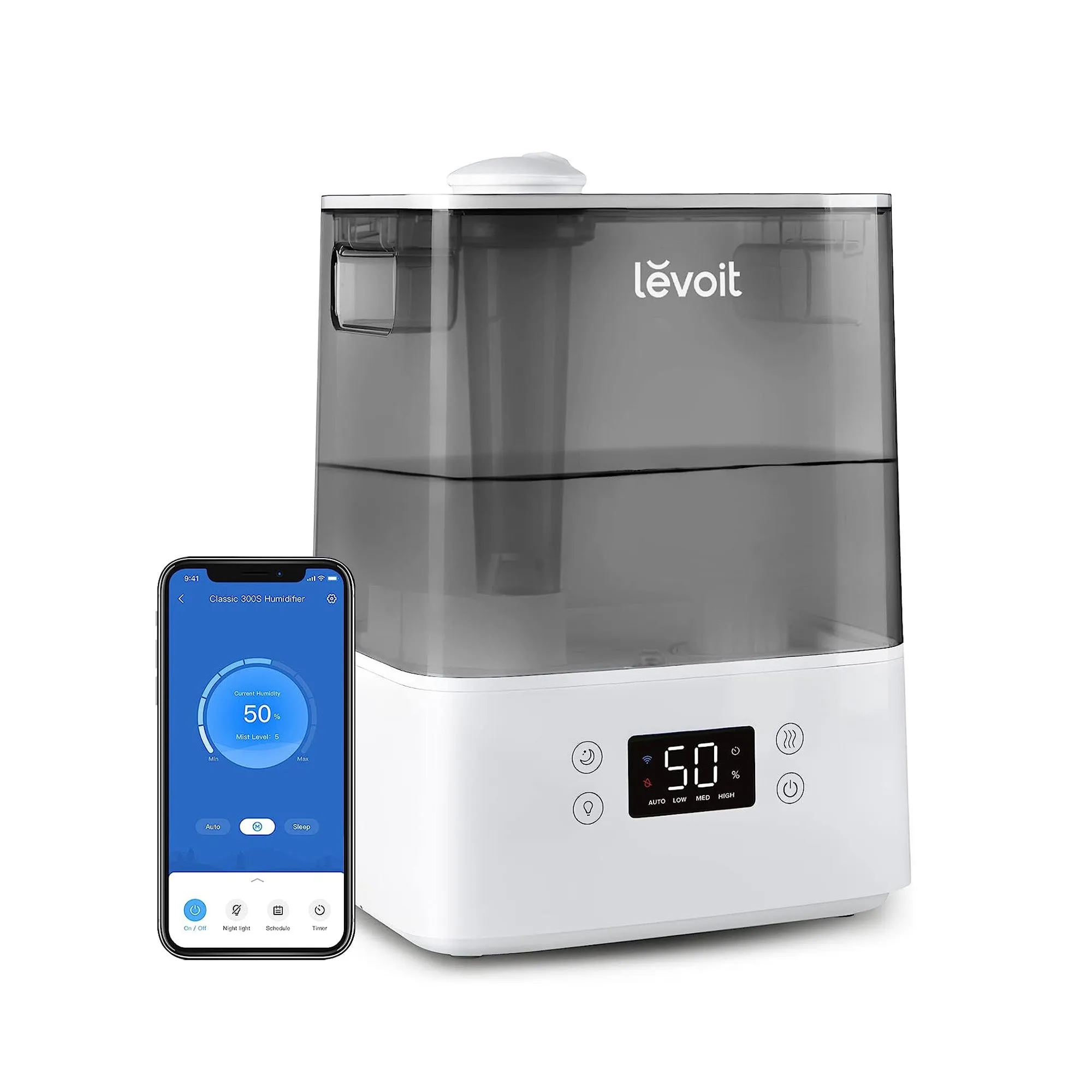
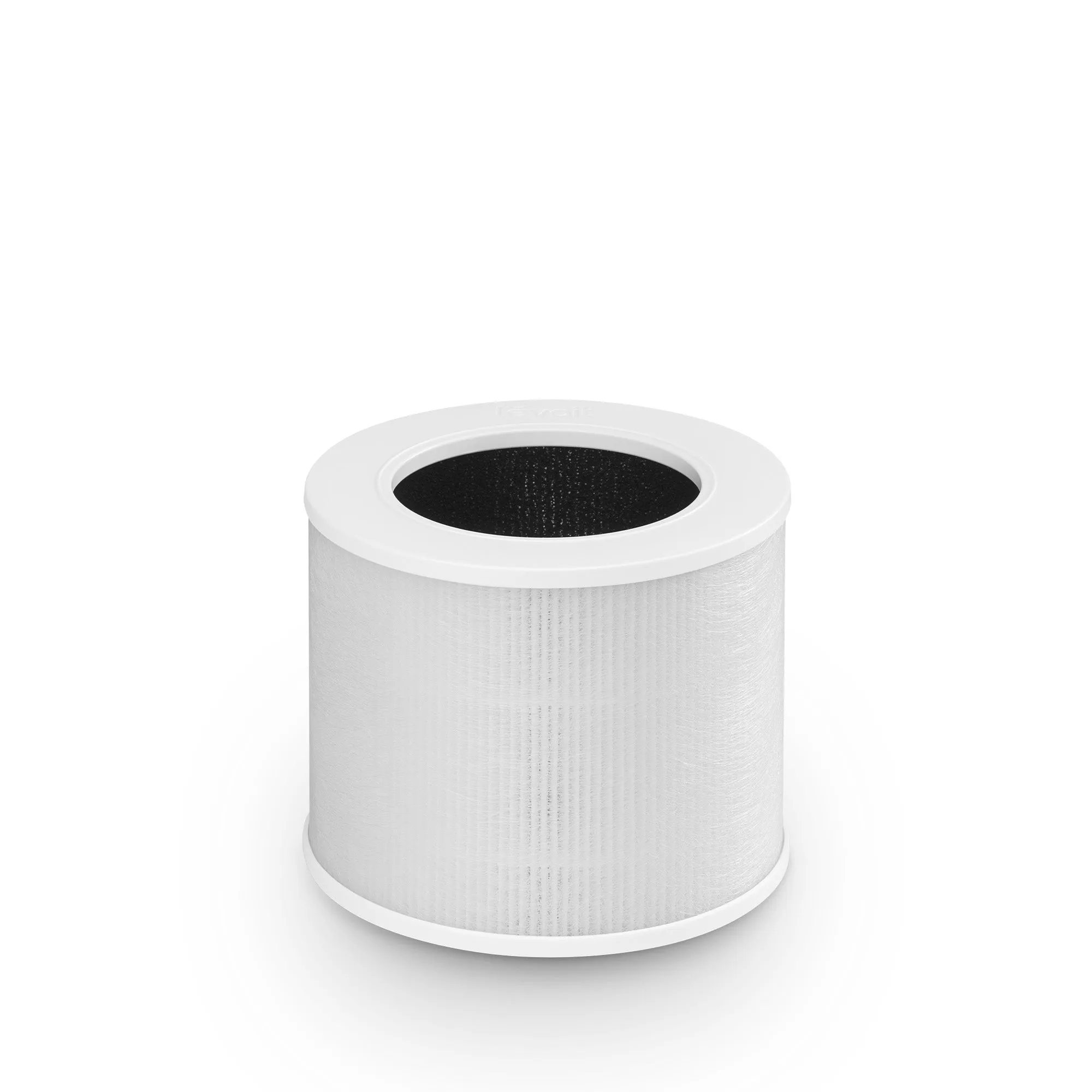
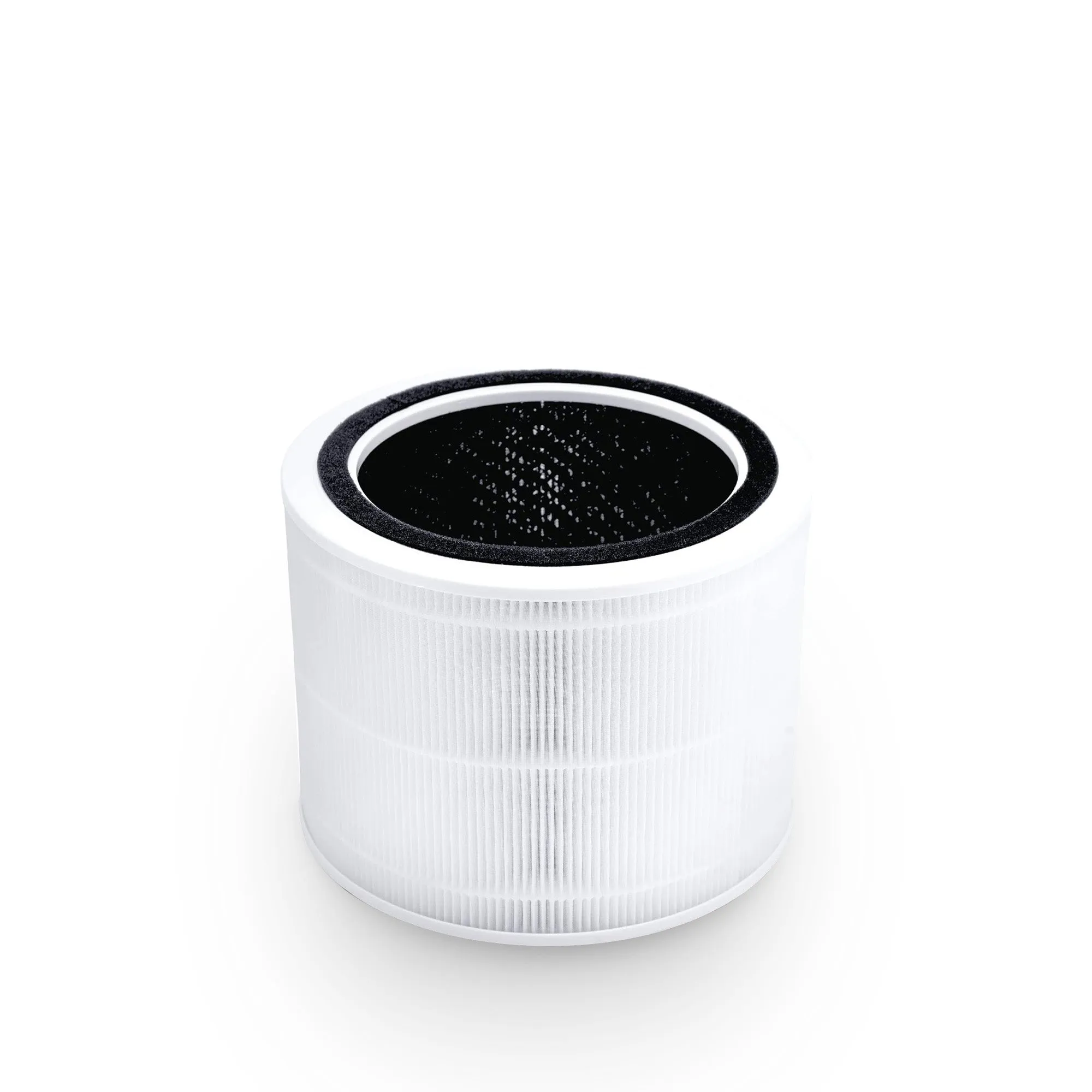
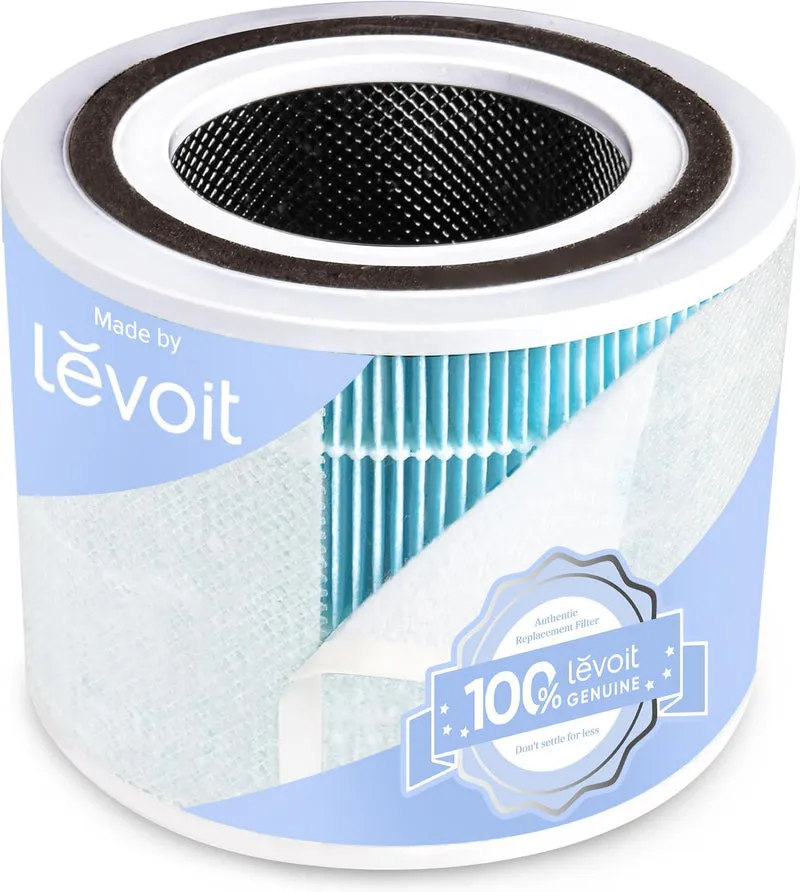
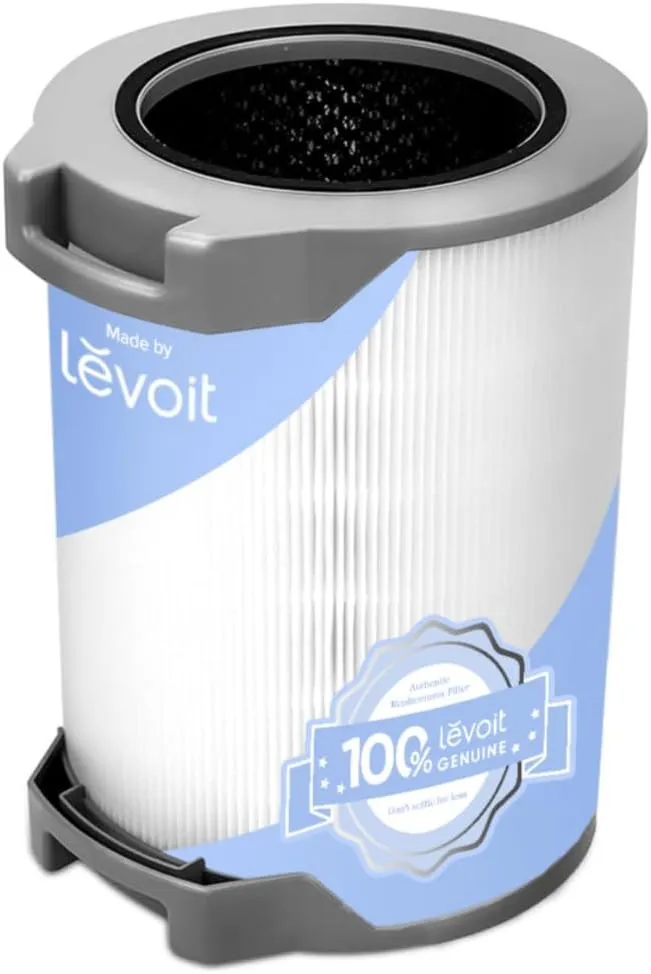
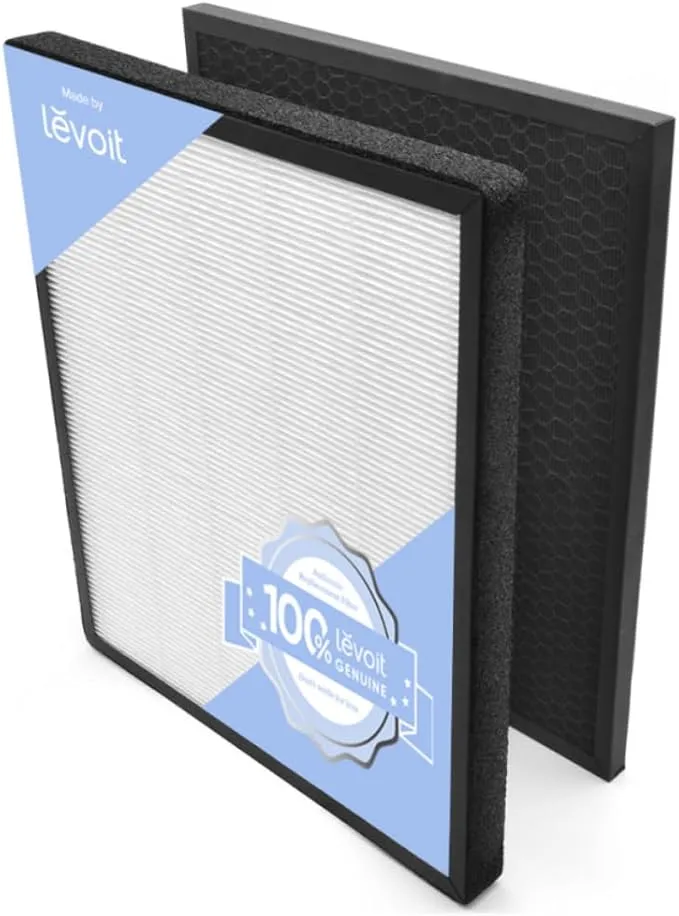
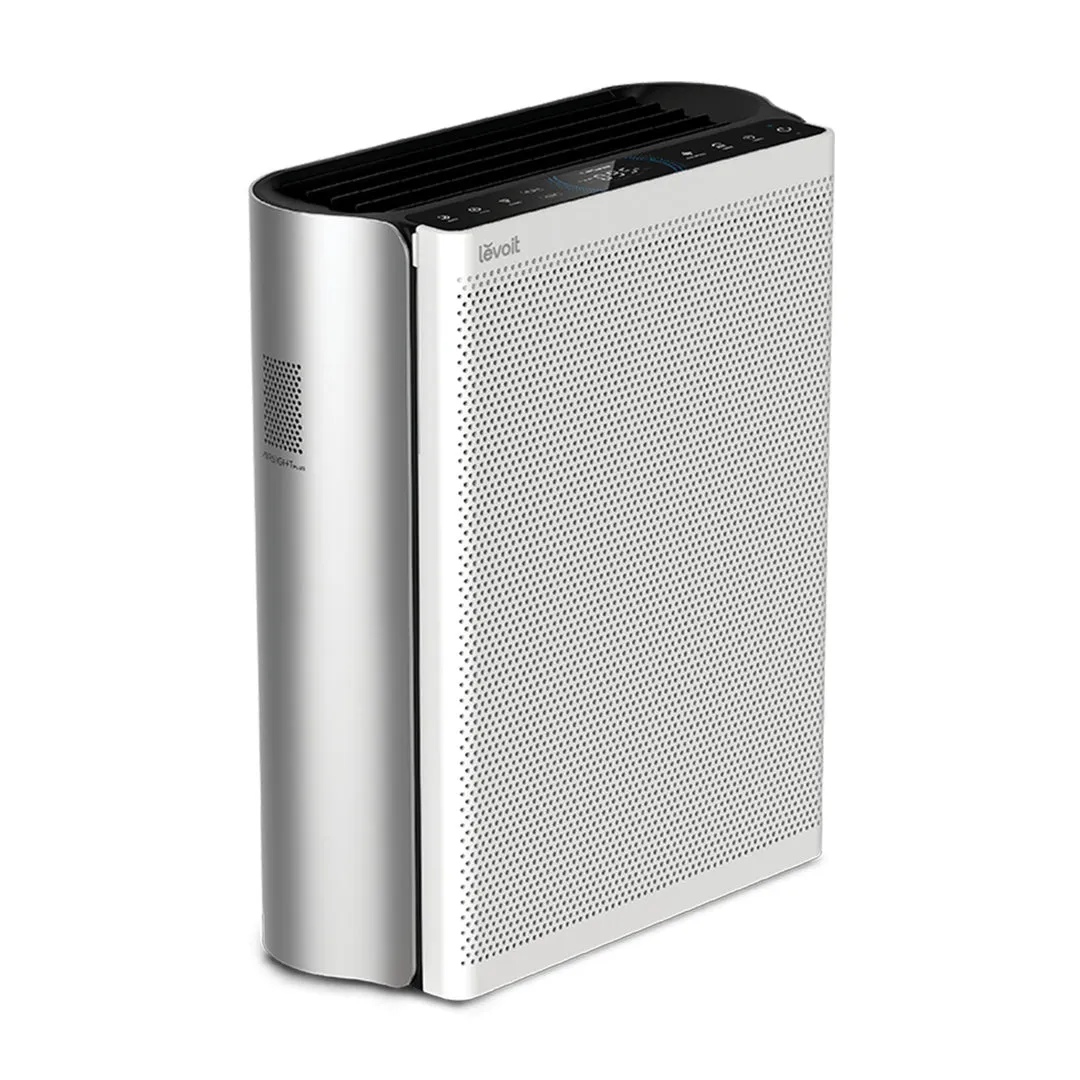
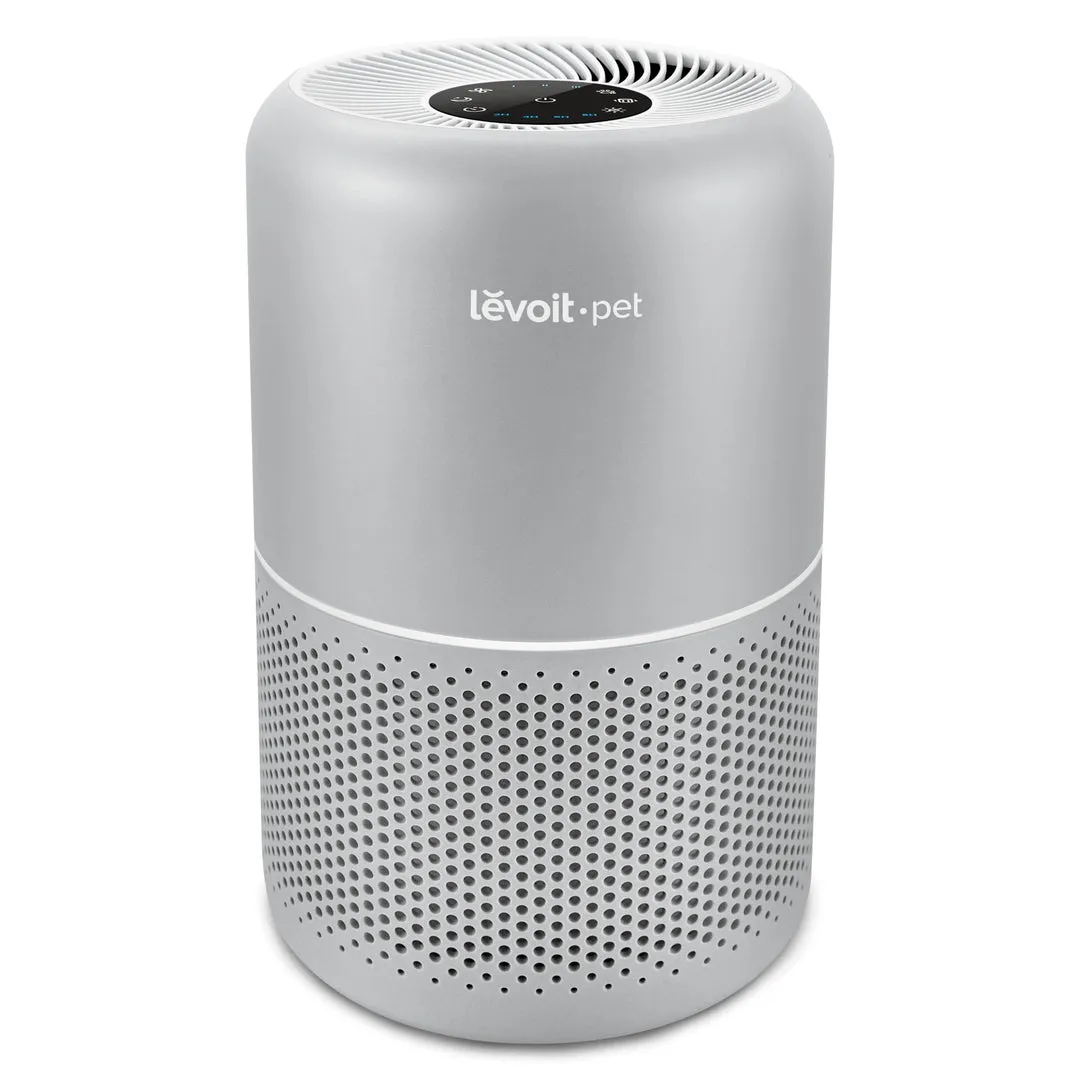
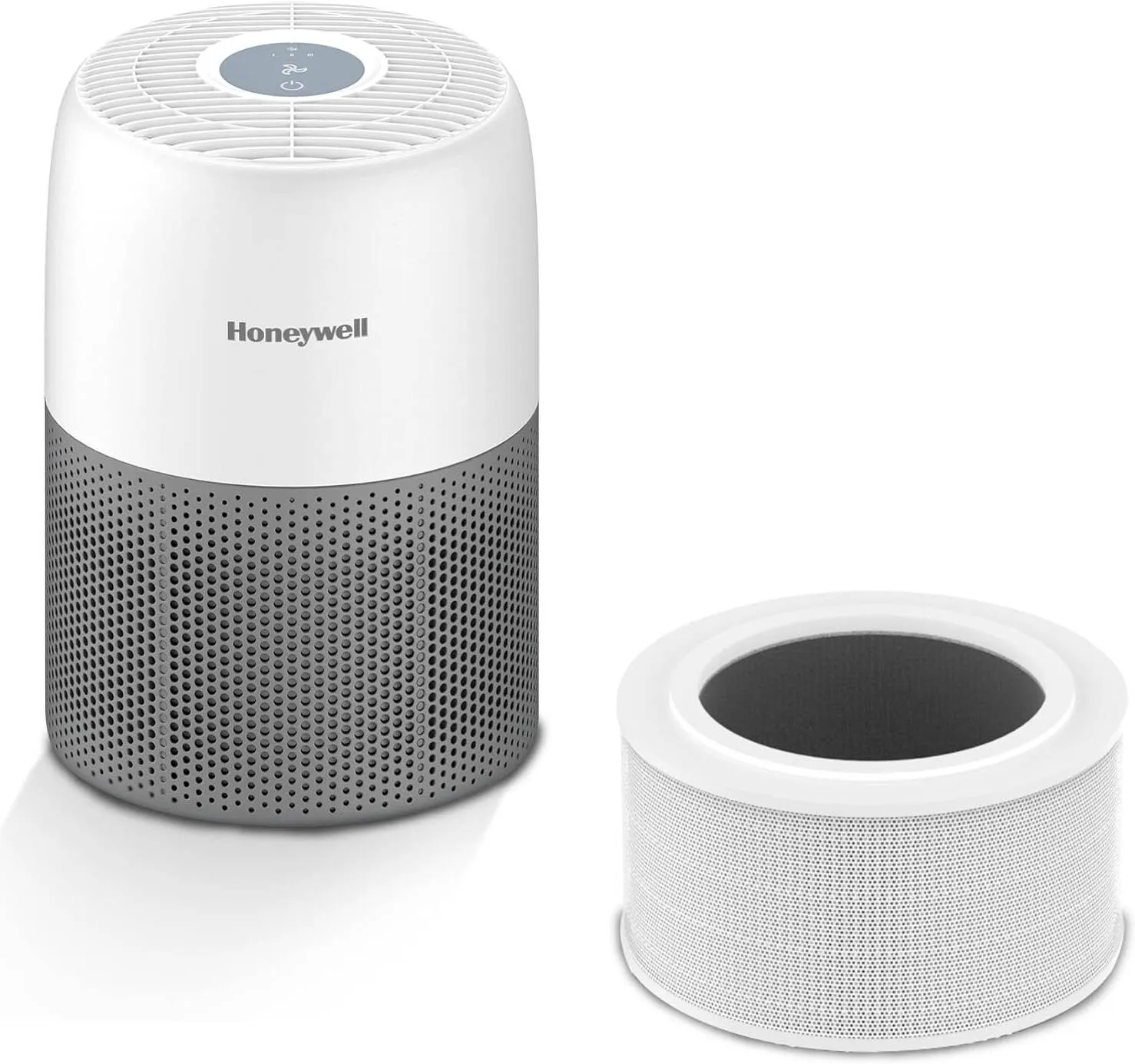
CleanAir UAE offers a curated range of air purifiers suited to both residential and commercial environments across Dubai, Abu Dhabi, and the wider UAE. The Levoit Core Mini portable air purifier is well suited for bedrooms and personal spaces where allergens and fine particles are the confirmed issue. For larger rooms or office environments where continuous smart filtration is required, the Levoit Core 600S smart air purifier provides quiet, high-performance operation. Free delivery across the UAE is available, with replacement filters and support included. Products are selected to match the pollutant challenges most common in UAE homes and offices.
Frequently asked questions
What is the most accurate way to test indoor air quality at home?
Using a multi-parameter smart monitor that tracks PM2.5, CO₂, VOCs, temperature, and humidity continuously provides the most accurate and useful data for home testing, far ahead of single-pollutant devices.
Why should I measure indoor air quality before buying an air purifier?
Measuring first identifies the specific pollutants present, which determines the correct solution. The measure-first approach prevents costly mistakes, since different pollutants require ventilation, filtration, or source removal rather than a single universal fix.
Where should I place indoor air quality monitors for best results?
Place monitors at breathing height, roughly 3 to 6 feet from the floor, and keep them away from vents, windows, and cooking surfaces to get readings that accurately represent the air you actually breathe.
Can short-term air quality tests detect mould or radon problems effectively?
No. Short-term tests miss ongoing mould or radon issues. Combining multi-day sensor monitoring with physical inspection of visible moisture, staining, and odours gives a far more complete and reliable result.
What indoor air quality levels are considered safe for CO₂ and PM2.5?
CO₂ above 1,000 to 1,200 ppm and PM2.5 above around 12 micrograms per cubic metre indoors are considered indicative of poor air quality and warrant action such as improved ventilation or particle filtration.