





Uncategorised
Importance of clean air in schools: 2026 guide
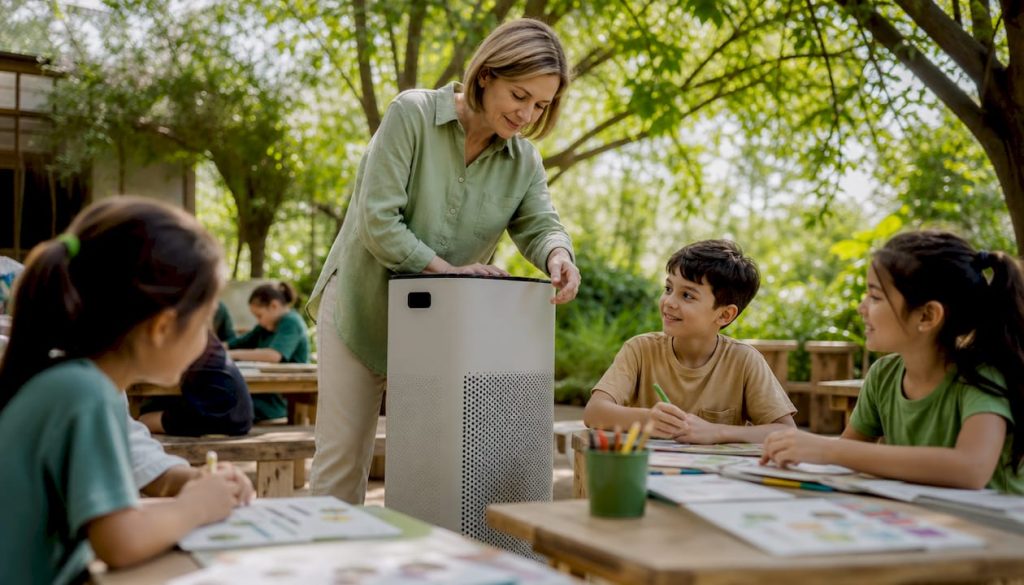
Clean air in schools is defined by indoor air quality standards as the condition where airborne pollutants, including CO2, PM2.5, and volatile organic compounds (VOCs), remain below levels that harm health or impair cognitive function. The importance of clean air in schools extends beyond basic comfort. Research confirms that improving indoor air quality delivers immediate benefits for children’s health and their ability to learn. Poor classroom air is directly linked to higher rates of asthma, bronchitis, and reduced academic performance. For parents, educators, and school administrators, understanding this connection is the first step toward protecting children’s wellbeing and educational outcomes.
How does poor air quality impact students’ health and learning?
Poor indoor air quality in classrooms causes measurable harm to both health and academic performance. The three main pollutants of concern are CO2, PM2.5 (fine particulate matter), and VOCs from cleaning products, furniture, and building materials.
CO2 and cognitive decline
Elevated CO2 is the most common classroom pollutant. It builds up rapidly in crowded, poorly ventilated rooms. A school study found a statistically significant correlation between high indoor CO2 levels and lower academic performance, with a p-value of 0.007. That figure means the link between CO2 and reduced learning is not coincidental. It reflects a real, measurable effect on children’s ability to concentrate, retain information, and perform on assessments.
PM2.5 and respiratory illness
Fine particulate matter presents a separate but equally serious risk. The same Greek school study demonstrated that elevated PM2.5 levels are linked to higher rates of asthma (p=0.002) and bronchitis (p=0.008) among school children. These are not minor inconveniences. Asthma and bronchitis drive absenteeism, reduce physical activity, and place ongoing strain on families and school health resources.
The absenteeism cycle
Poor air quality creates a cycle that compounds over time. A child who develops respiratory symptoms misses school days. Missed days lead to learning gaps. Learning gaps widen attainment differences between children with clean air at home and those spending most of their day in polluted classrooms. Understanding indoor pollution sources helps parents and administrators identify where exposure risks originate and address them at the source.
Key pollutants and their effects:
- CO2: Builds up in crowded rooms; reduces concentration and cognitive output
- PM2.5: Fine particles from traffic, dust, and combustion; triggers asthma and bronchitis
- VOCs: Emitted by cleaning products, paints, and furniture; cause headaches and eye irritation
- Mould spores: Common in damp, poorly ventilated buildings; aggravate allergies and respiratory conditions
What are the measurable benefits of improving air quality in schools?
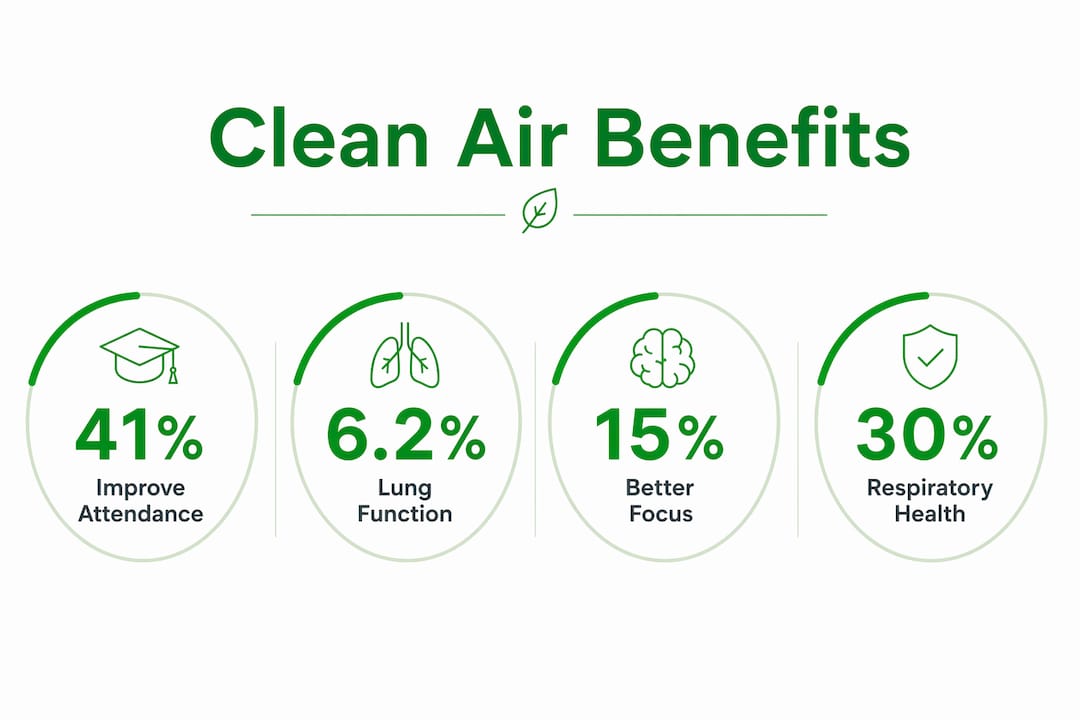
The benefits of clean air in schools are quantifiable, not theoretical. Evidence from controlled trials and cost-benefit analyses shows that air quality improvements produce returns across health, attendance, and academic performance.
Respiratory health gains
A controlled trial measuring the effect of air purifiers in classrooms found that children with chronic respiratory conditions showed a 6.2 percentage point improvement in Peak Expiratory Flow (PEF). PEF measures how fast a person can exhale, and it is a standard clinical indicator of lung function. A 6.2 percentage point gain in a school setting represents a meaningful reduction in the severity of respiratory conditions for affected children.
Academic and financial returns
The financial case for clean air in schools is compelling. Analysis shows that 41% of US school districts urgently need HVAC upgrades, yet the potential return on investment from improved air quality reaches 30 times the cost of the upgrade. That ROI calculation factors in reduced absenteeism, improved learning outcomes, and lower long-term health costs. The majority of that return comes from social benefits, not just direct health savings.
| Benefit area | Evidence |
|---|---|
| Lung function | 6.2 percentage point PEF improvement in children with respiratory conditions |
| Academic performance | Statistically significant link between CO2 reduction and higher scores |
| Return on investment | Up to 30x ROI from HVAC upgrades, driven by attendance and learning gains |
| Absenteeism | Reduced respiratory illness directly lowers missed school days |
Pro Tip: When making the case to school governors or administrators for air quality investment, lead with the ROI figure. A 30x return reframes air quality from a welfare cost to a financial priority.
Which practical methods help maintain clean air in classrooms?
Improving indoor air quality in schools requires a layered approach. No single solution covers every pollutant or every building type. The most effective programmes combine ventilation, purification, monitoring, and behaviour change.
Step 1: Assess your current ventilation
HVAC system upgrades deliver the most durable results, but they require significant capital. Schools with ageing infrastructure should treat portable air cleaning technology as an interim measure while funding for full upgrades is secured. Portable air purifiers can reduce PM2.5 and VOC levels in individual classrooms quickly and at a fraction of the cost of structural works.
Step 2: Deploy air purifiers correctly
Placement matters as much as the unit itself. Research confirms that proper purifier placement and the correct number of units per room are critical to avoiding localised discomfort and maximising coverage. Calculate the number of units based on room volume. Position units to maintain airflow balance without creating draughts near students’ desks.
Step 3: Install air quality sensors
Real-time sensors for CO2 and PM2.5 give staff immediate, visible data on classroom conditions. Sensors alone do not improve air quality, but they tell you when to open windows, when to run purifiers at higher settings, and when a room needs to be vacated for cleaning. Pairing sensors with air quality measurement tools helps schools communicate conditions clearly to parents and students.
Step 4: Change daily behaviours
The EPA identifies behavioural interventions as some of the most cost-effective steps available. Avoiding pollutant-heavy cleaning during school hours and communicating daily air quality status to staff significantly reduces exposure risks. These changes cost nothing and can be implemented immediately, regardless of building age or budget.
Additional behavioural measures worth adopting:
- Schedule deep cleaning and chemical-heavy maintenance outside school hours
- Open windows during low-traffic periods to flush CO2 before lessons begin
- Avoid idling vehicles near school entrances and ventilation intakes
- Use low-VOC cleaning products and paints throughout the building
How can schools sustain clean air initiatives long-term?
Starting an air quality programme is straightforward. Sustaining it requires staff education, clear communication, and a realistic funding plan.
Building staff data literacy
Sensor data without interpretation creates confusion rather than action. Research shows that staff data literacy education is essential for successful air quality programmes. Teachers and administrators need to understand what a CO2 reading of 1,500 ppm means in practice, and how to respond to it. Training does not need to be extensive. A single half-day session covering sensor readings, threshold levels, and response protocols is enough to build confidence.
Communicating with parents and the wider community
Air quality data is most powerful when it is shared. Schools that publish weekly air quality summaries, whether via a notice board, a school app, or a simple colour-coded flag system, build trust with parents and create accountability for ongoing improvement. The clean air routine principles used in residential settings translate directly to school environments and give parents a reference point for what good practice looks like.
Practical steps for long-term sustainability:
- Appoint a designated air quality lead within the school’s facilities or health and safety team
- Set measurable targets, such as keeping CO2 below 1,000 ppm during lessons, and review them termly
- Apply for government or local authority grants specifically allocated to school ventilation and HVAC upgrades
- Partner with local health authorities to access monitoring equipment and technical guidance
- Review air quality data quarterly and share findings with the school governing body
Key takeaways
Clean air in schools directly improves children’s respiratory health, reduces absenteeism, and raises academic performance, making it one of the highest-return investments a school can make.
| Point | Details |
|---|---|
| CO2 and learning | High CO2 levels show a statistically significant link to lower academic scores (p=0.007). |
| PM2.5 and illness | Elevated PM2.5 is linked to higher rates of asthma and bronchitis in school children. |
| Air purifier impact | Classroom air purifiers improved Peak Expiratory Flow by 6.2 percentage points in children with respiratory conditions. |
| ROI from upgrades | HVAC improvements can deliver up to 30x return on investment through attendance and learning gains. |
| Behaviour change | Low-cost steps such as scheduling cleaning outside school hours reduce exposure immediately. |
Why I think schools are still underestimating this problem
Most school air quality conversations focus on ventilation systems and capital budgets. That framing misses the point. The most urgent issue is not infrastructure. It is awareness.
I have seen schools invest in sensor networks and then leave the data unread on a dashboard that nobody checks. The sensors are not the problem. The gap is that nobody trained the staff to act on what the sensors show. A CO2 reading of 2,000 ppm in a classroom is a serious signal. Without context, it is just a number.
The other misconception I encounter regularly is that air quality is a problem only in older buildings. New builds can have equally poor air quality if ventilation rates are set too low to reduce energy costs, or if VOC-emitting materials were used in the fit-out. Building age is not a reliable proxy for air quality.
My honest view is that the 30x ROI figure from HVAC investment should be the centrepiece of every budget conversation in every school. Governors respond to financial evidence. The health and learning case is compelling, but the financial case is what moves budget committees. Parents and educators who want to push this issue forward should lead with that number, not with health statistics alone.
The LEARN project’s findings confirm that improvements are achievable and deliver results quickly. The barrier is not technology or evidence. It is prioritisation.
— Wojciech
Air quality products for schools from Cleanair-ae
Schools looking to act now, before HVAC upgrades are funded, have practical options available today.
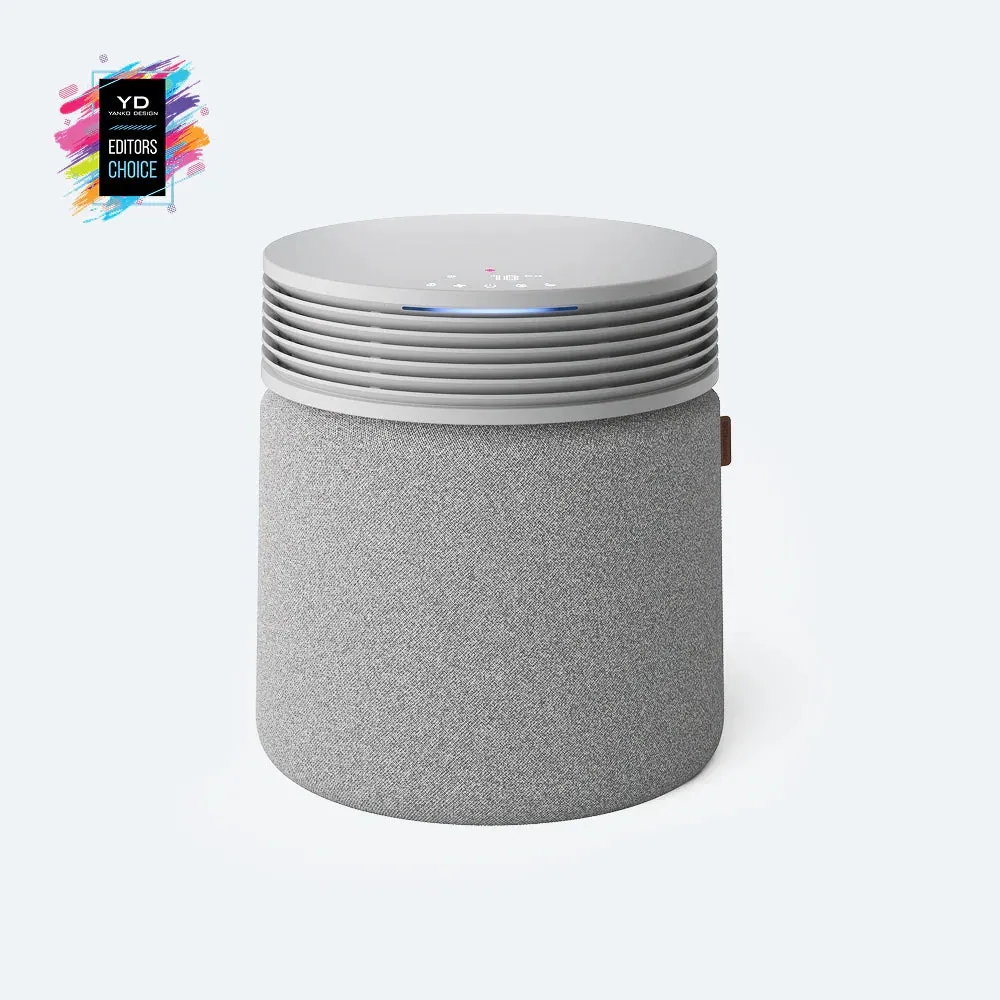
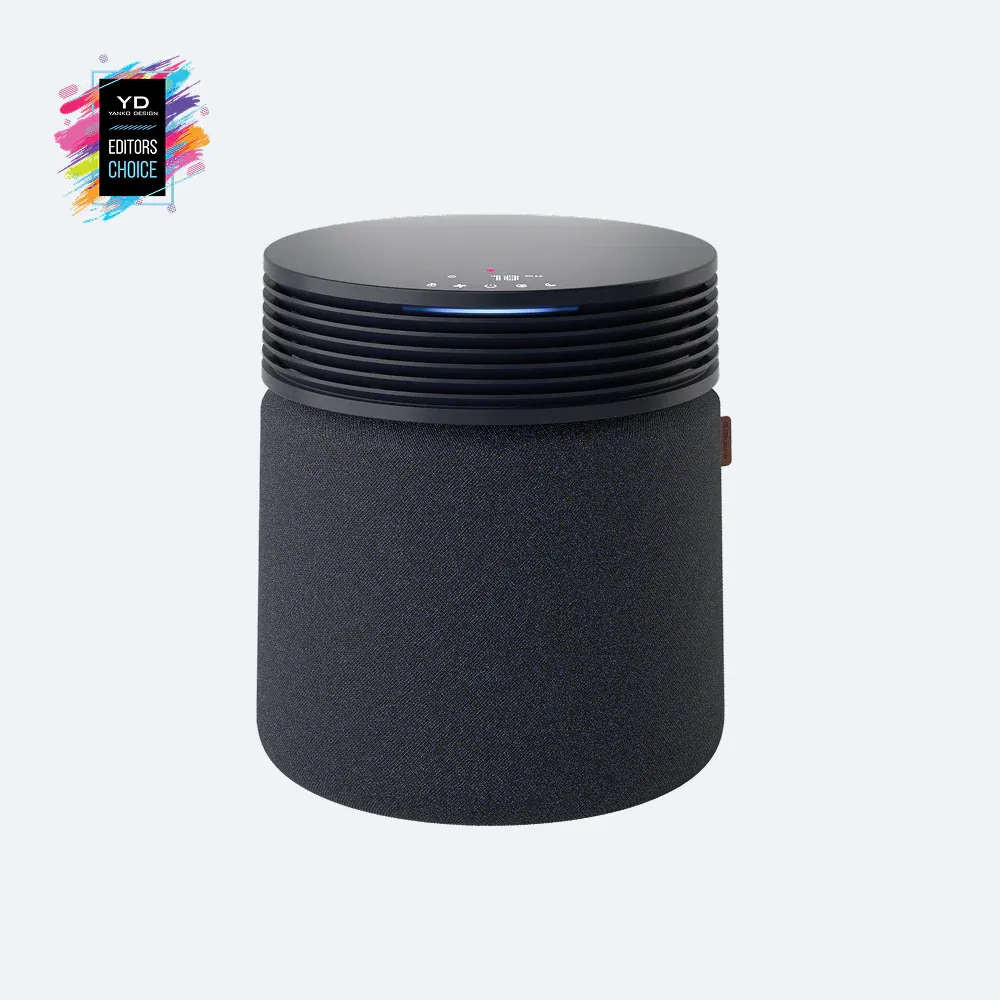
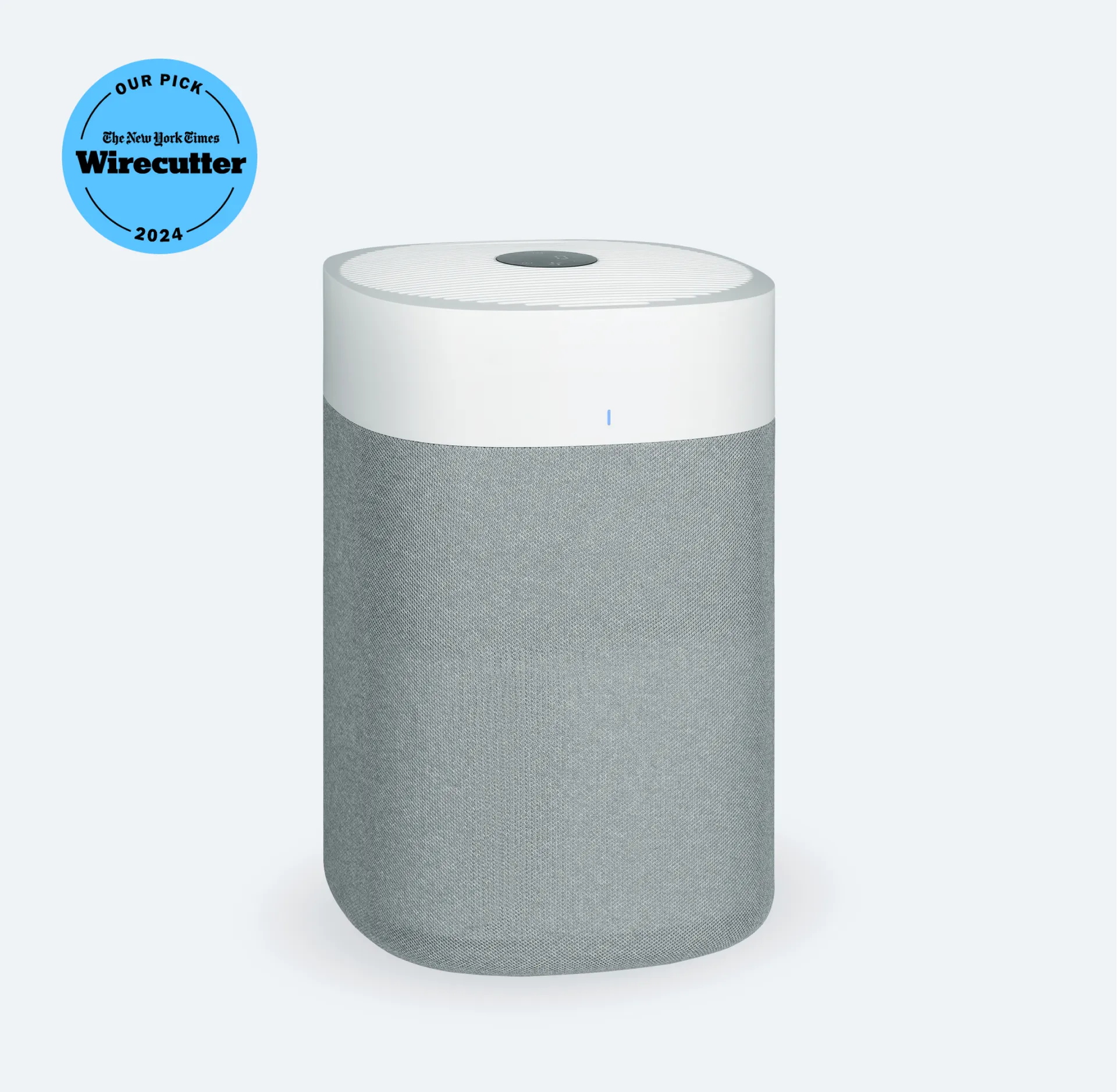
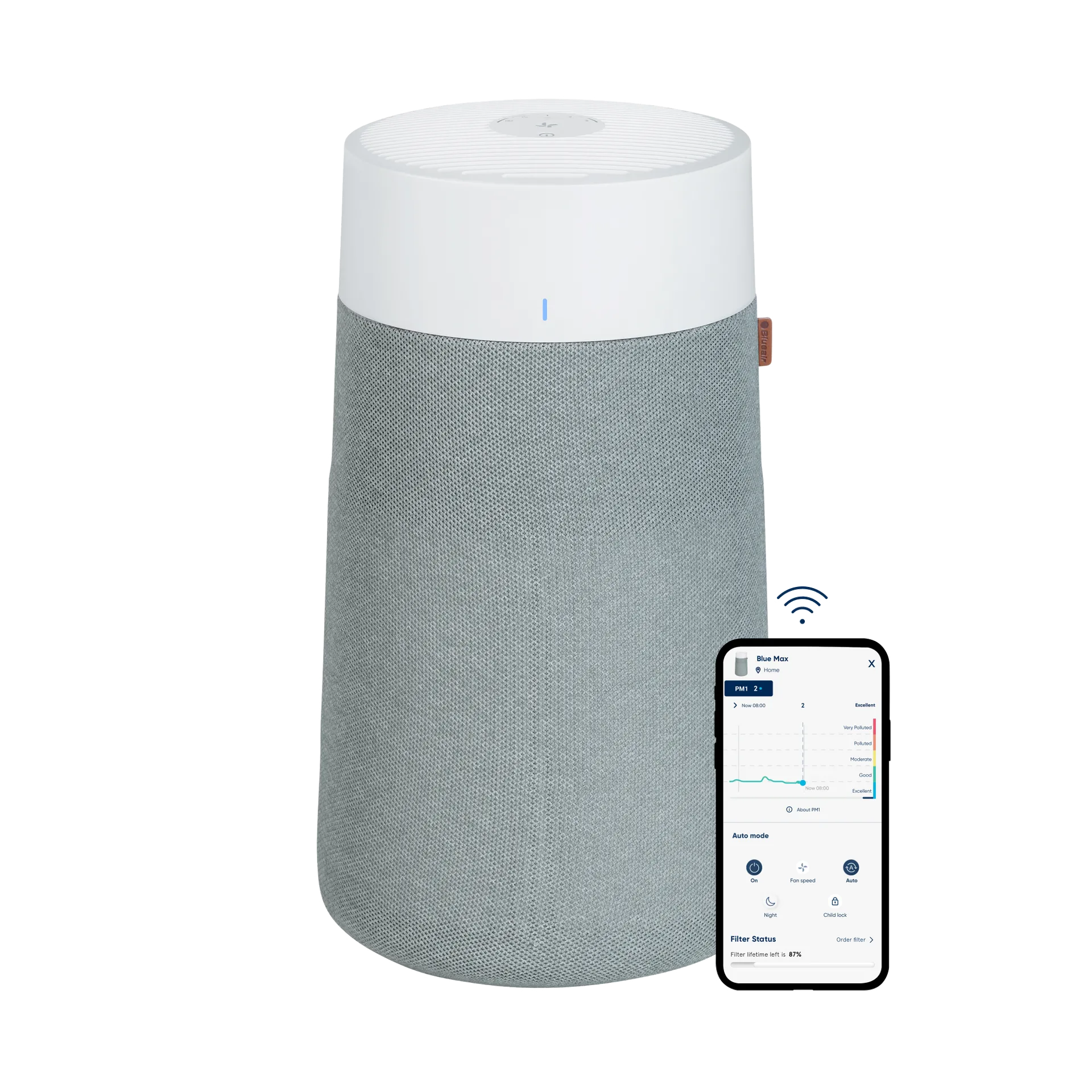
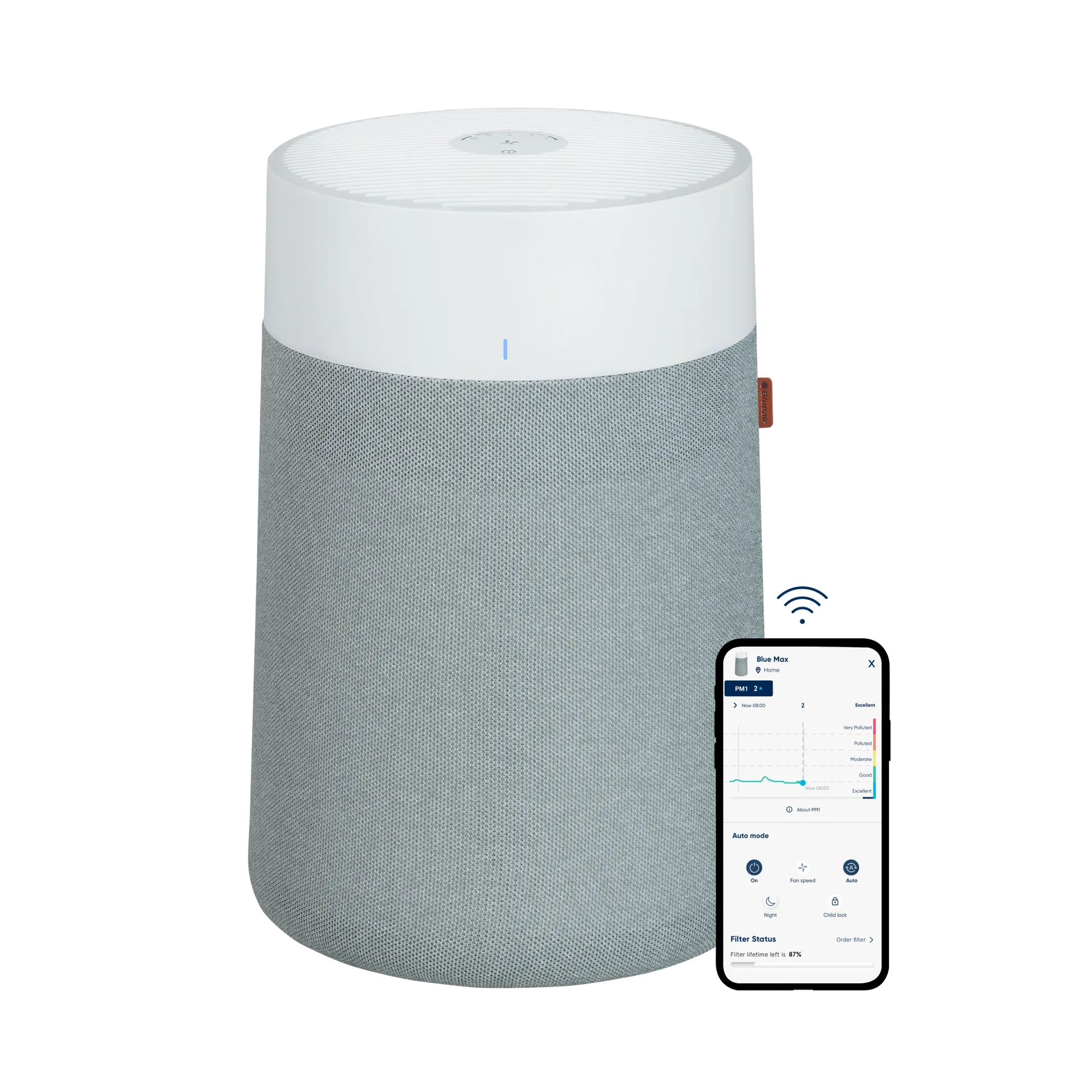
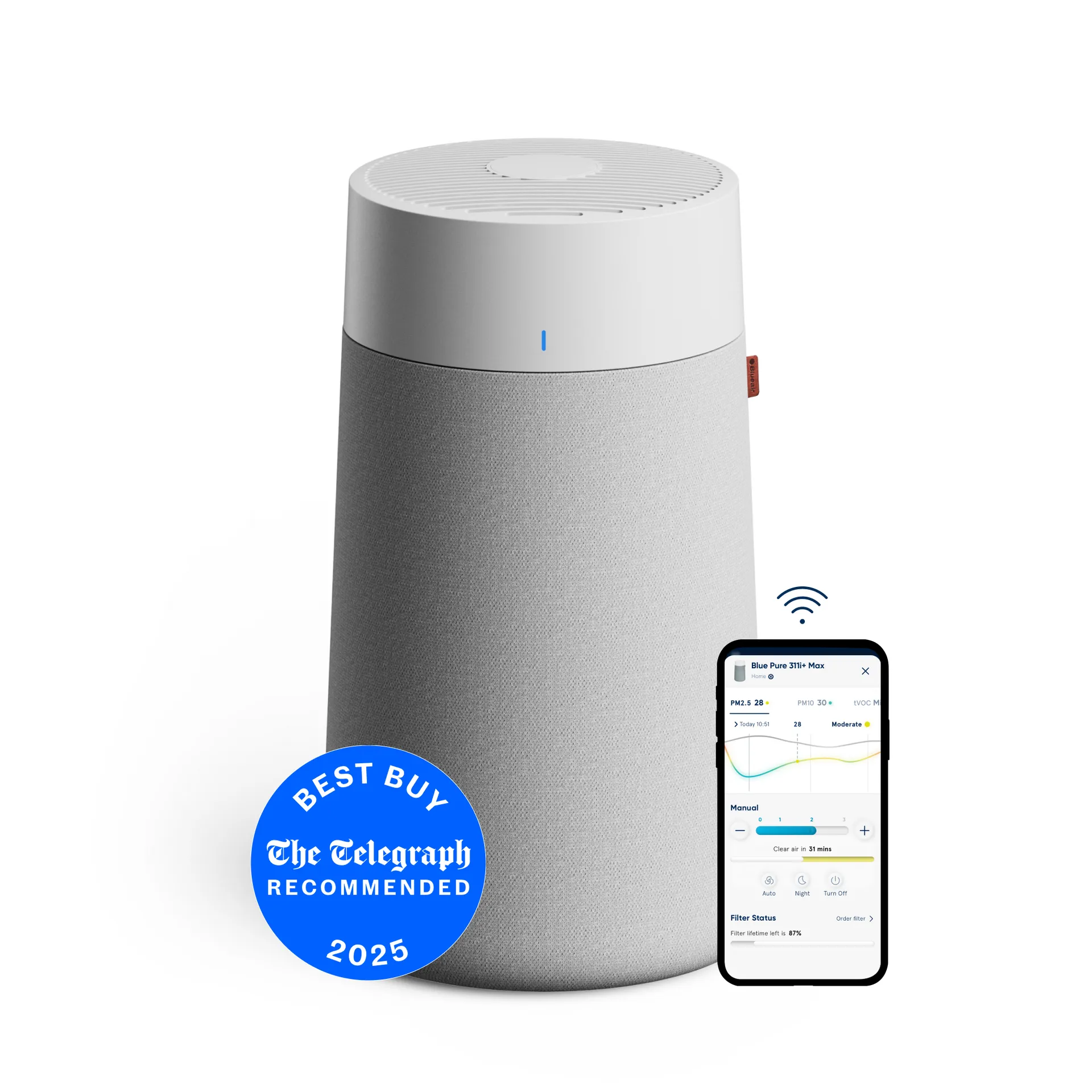
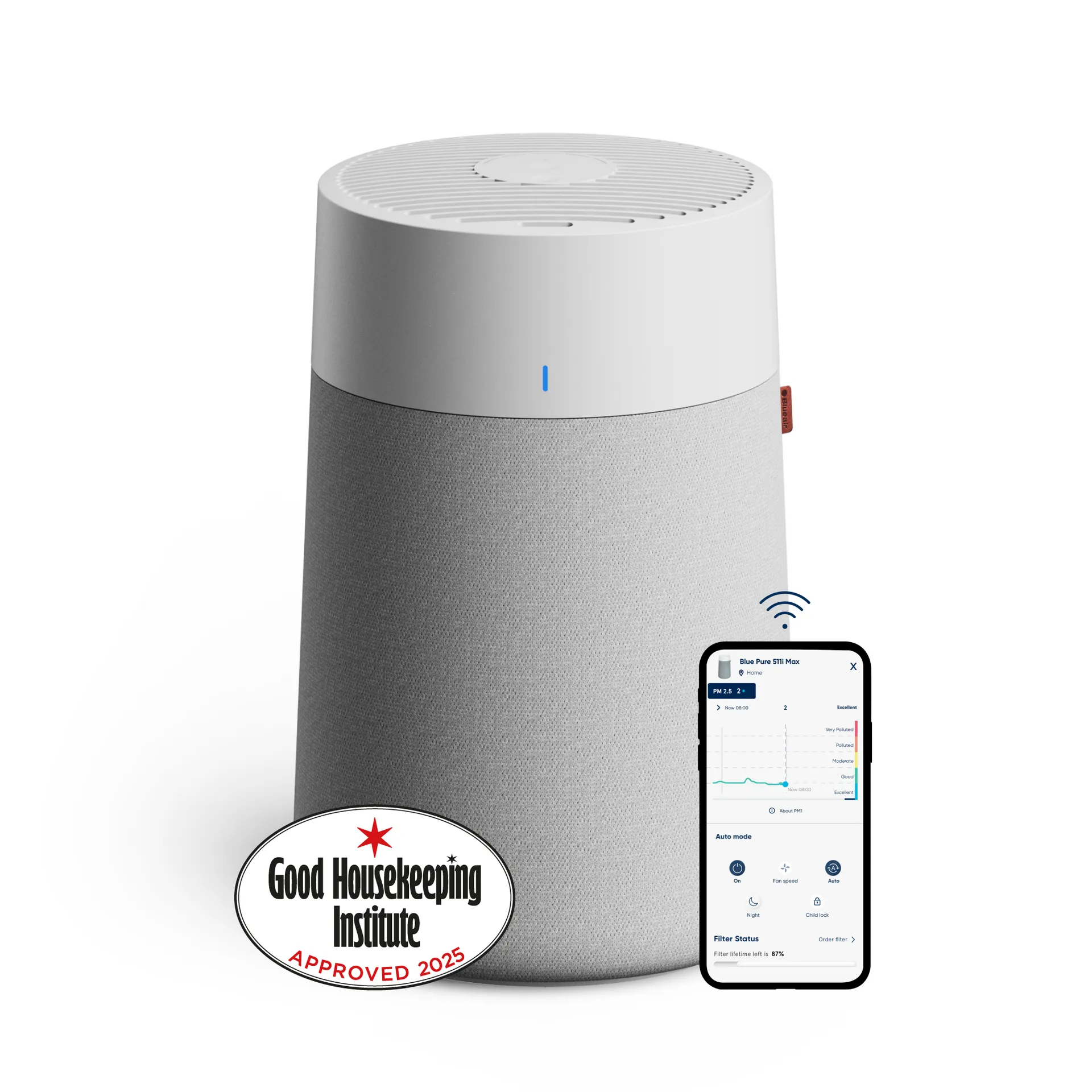
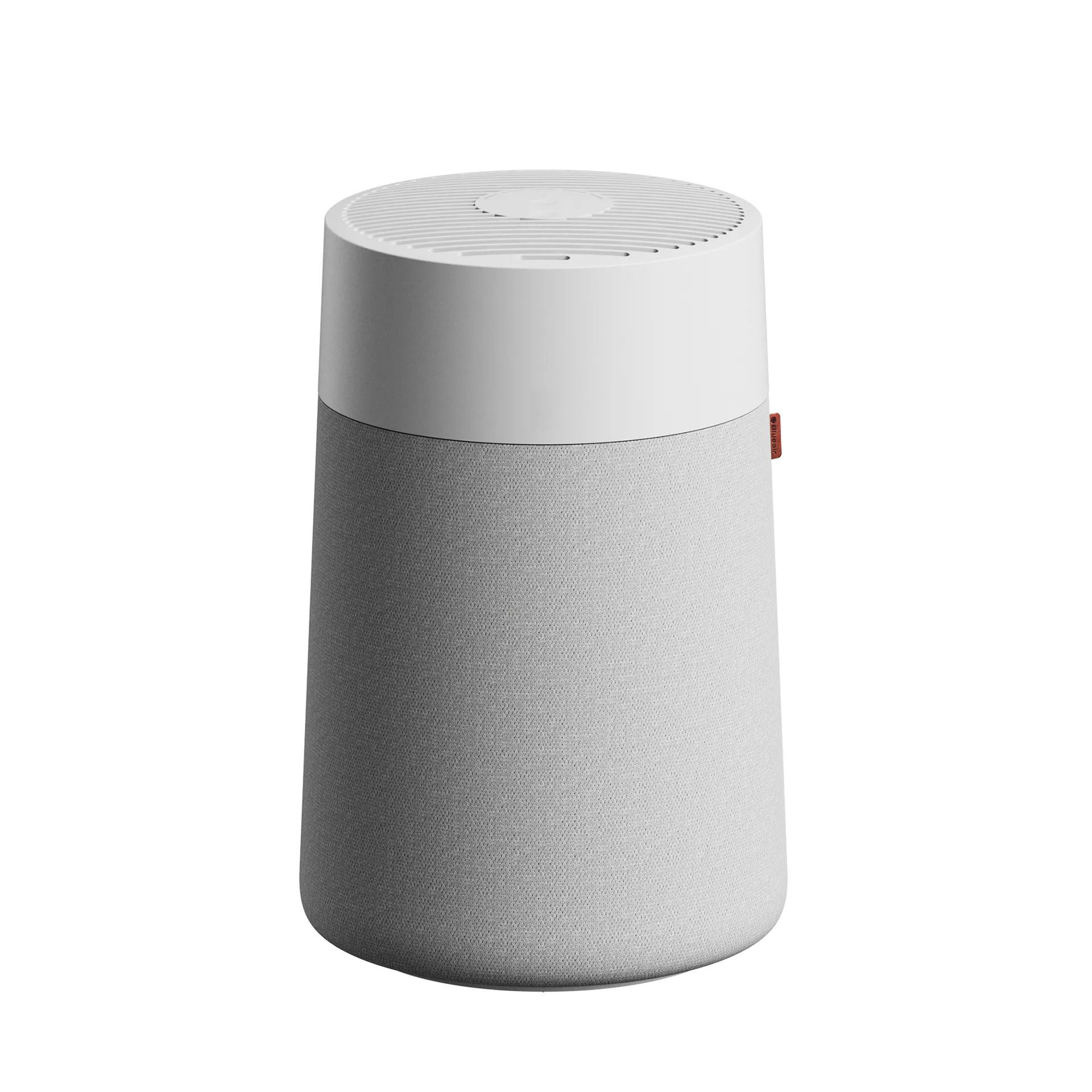
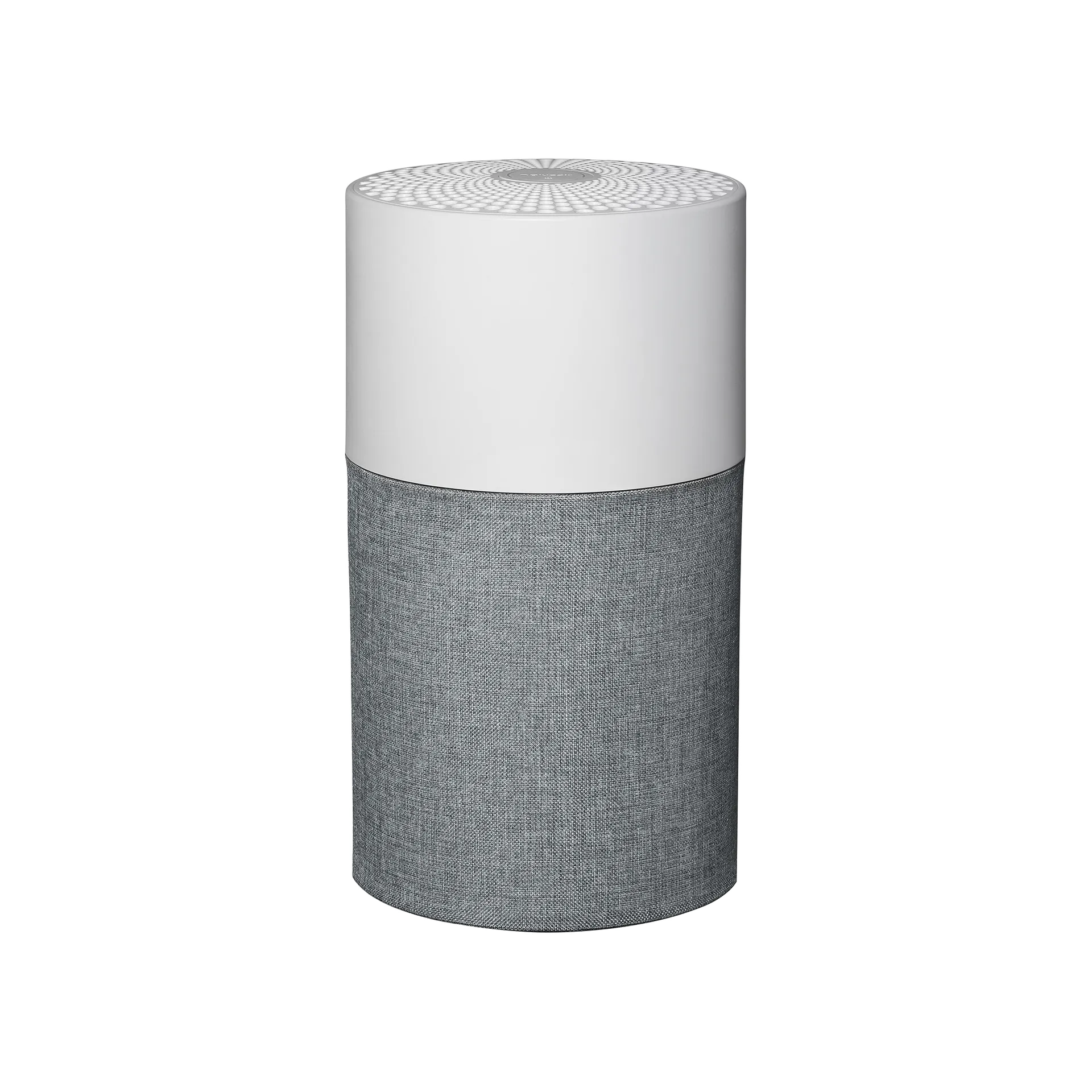
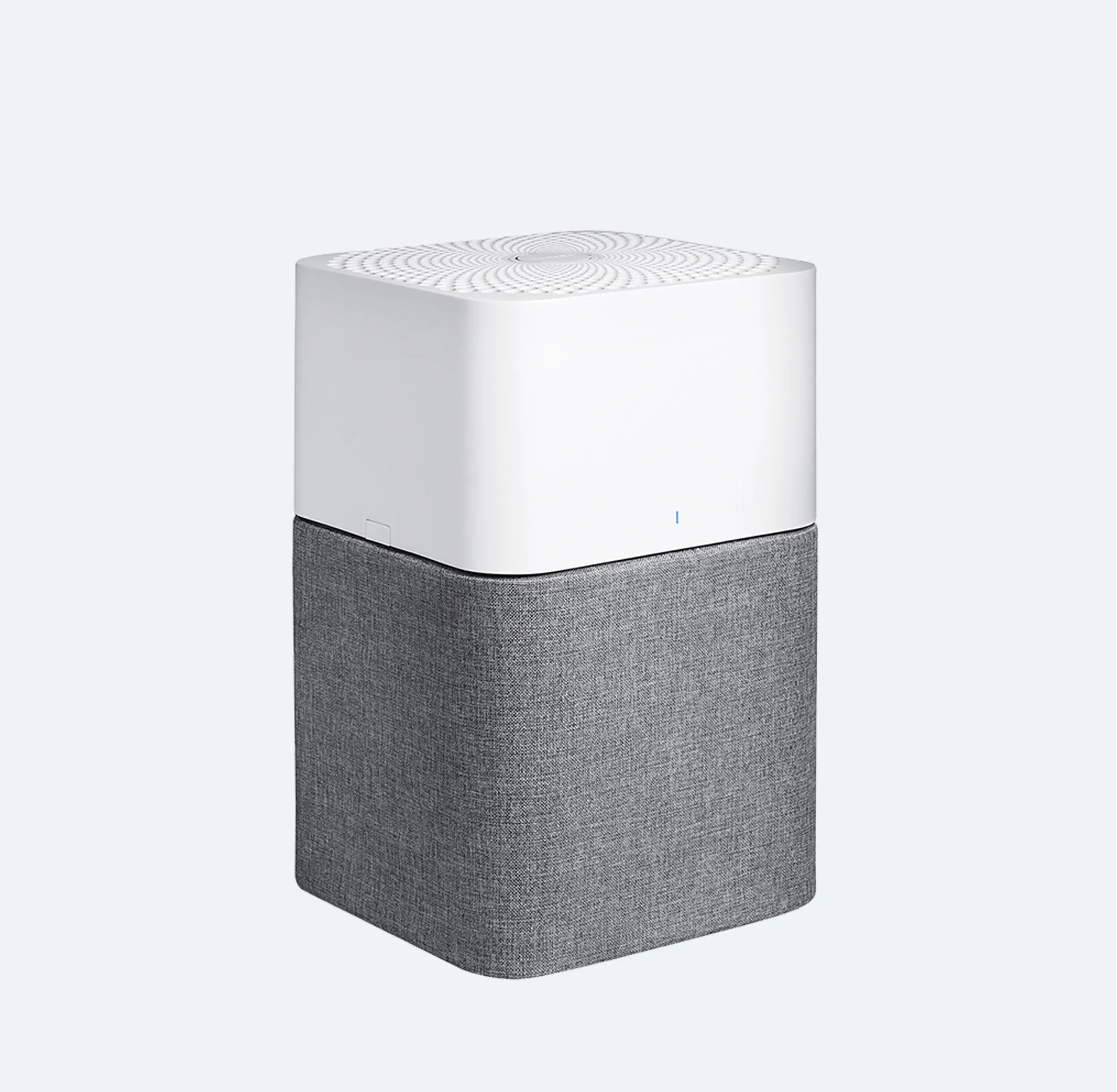
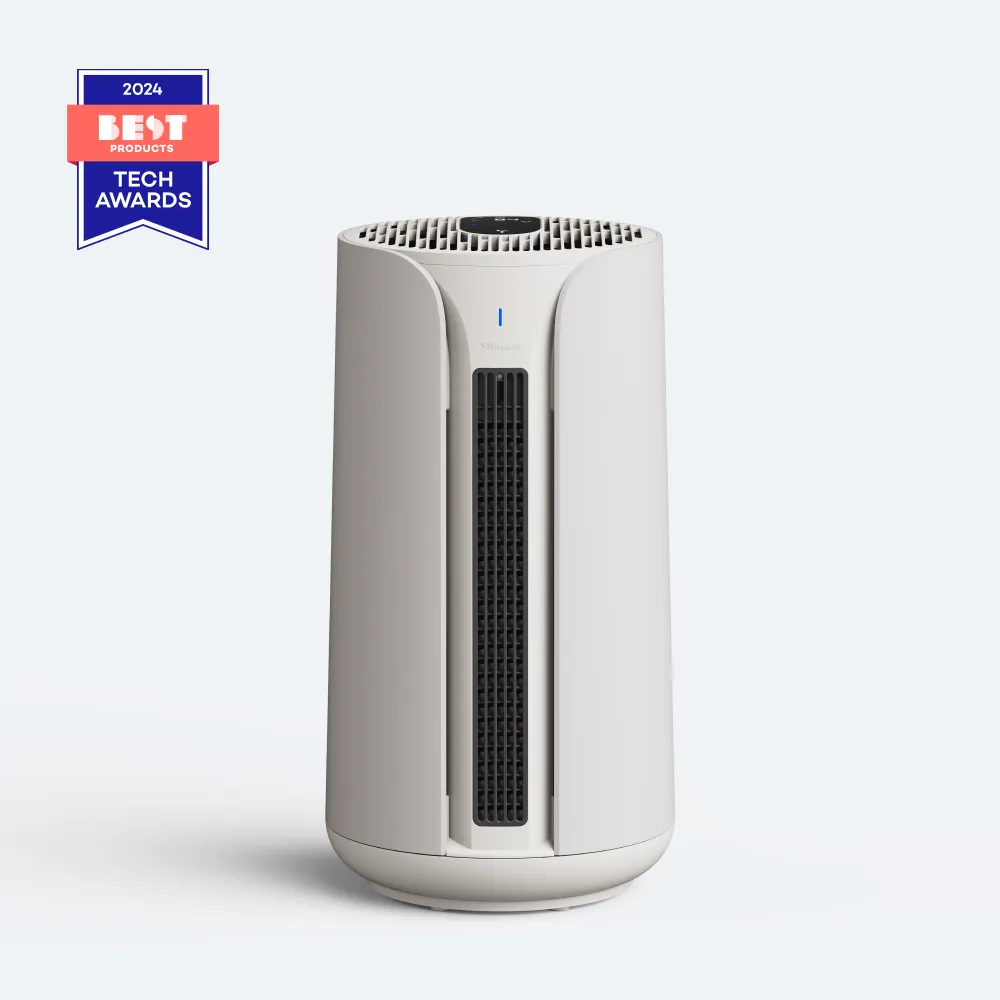
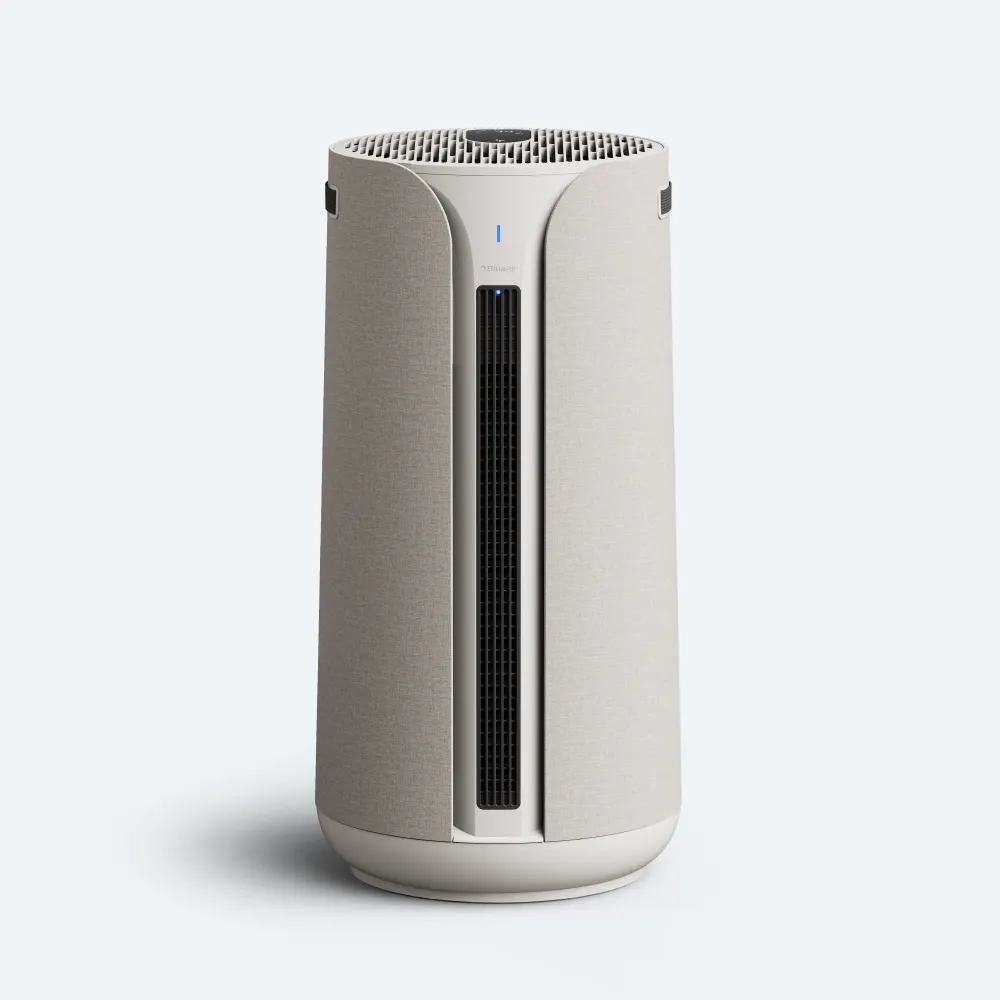
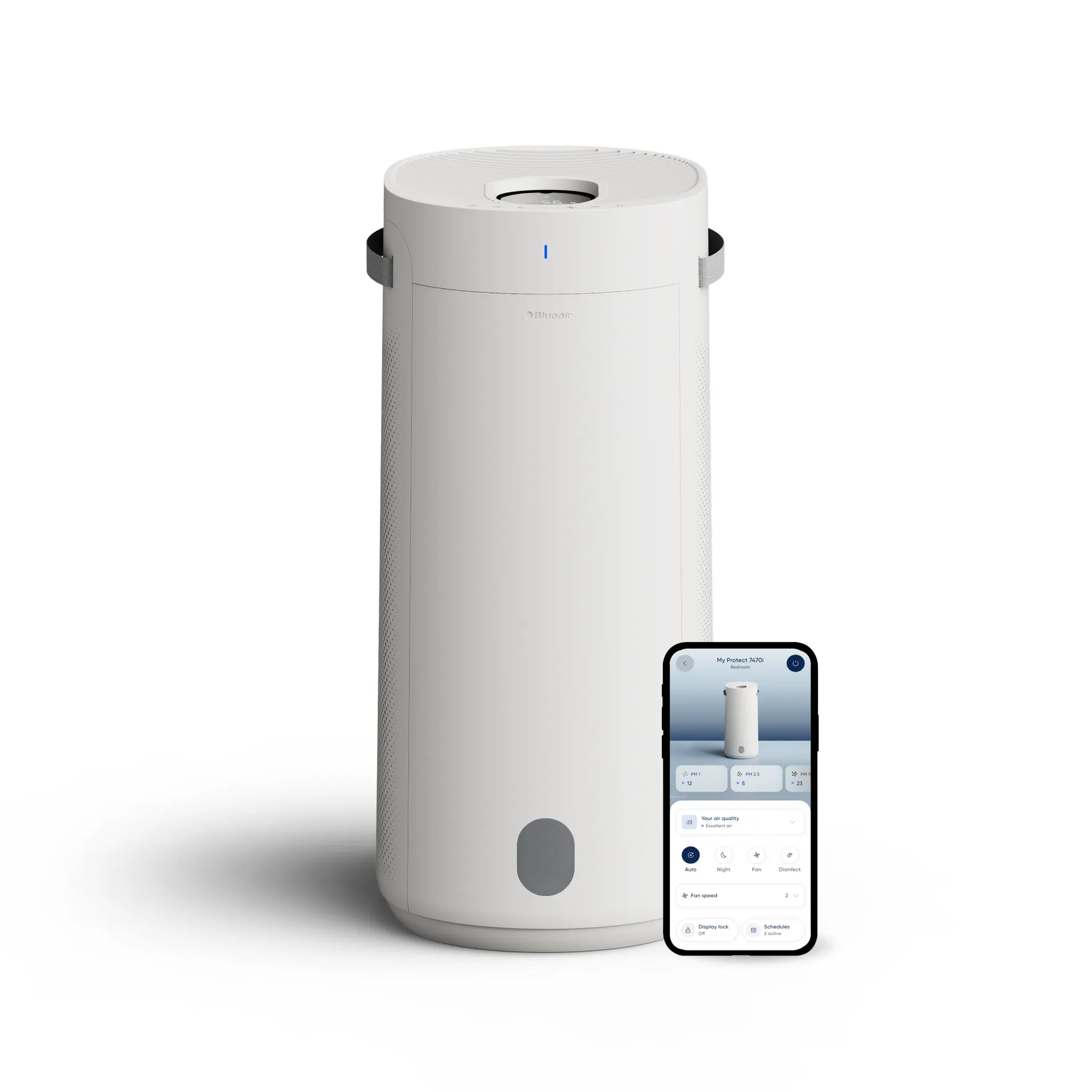
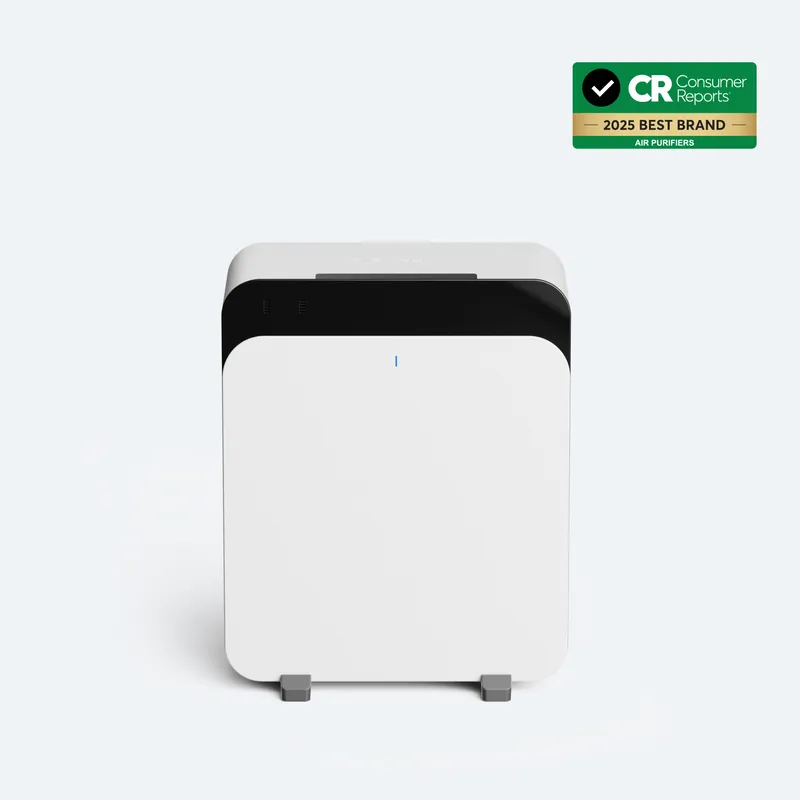
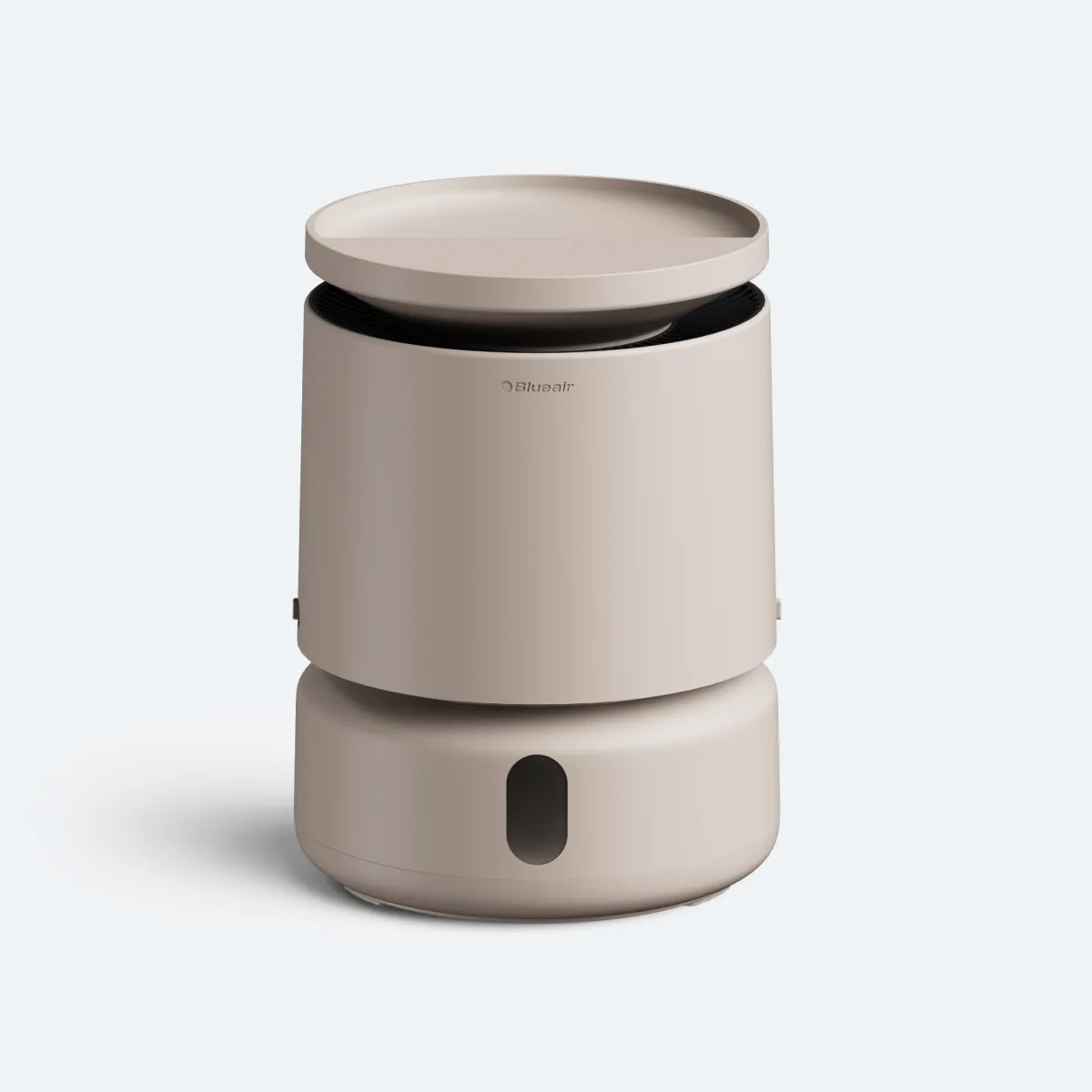
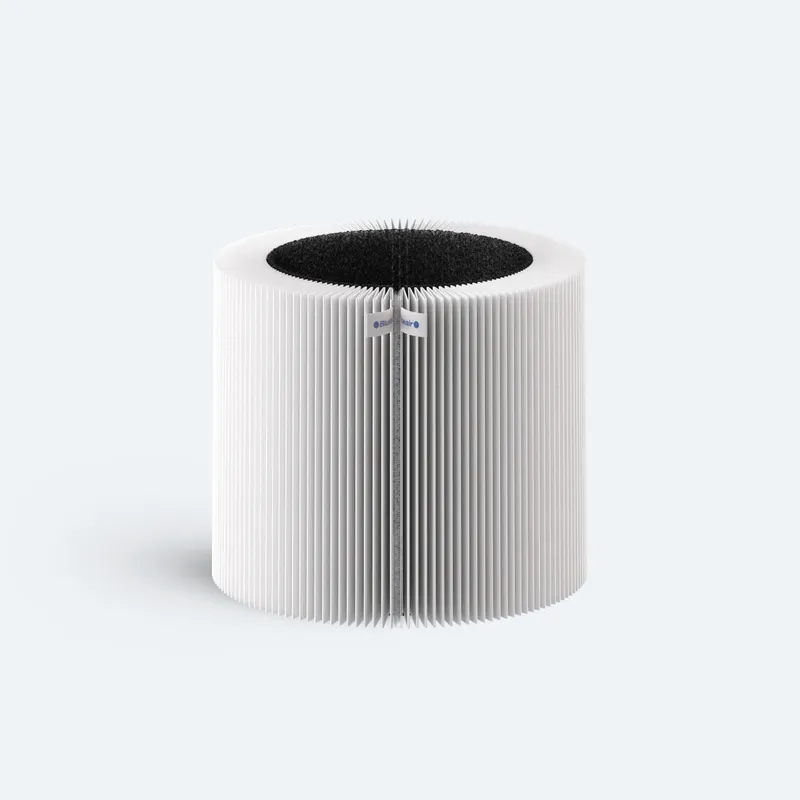
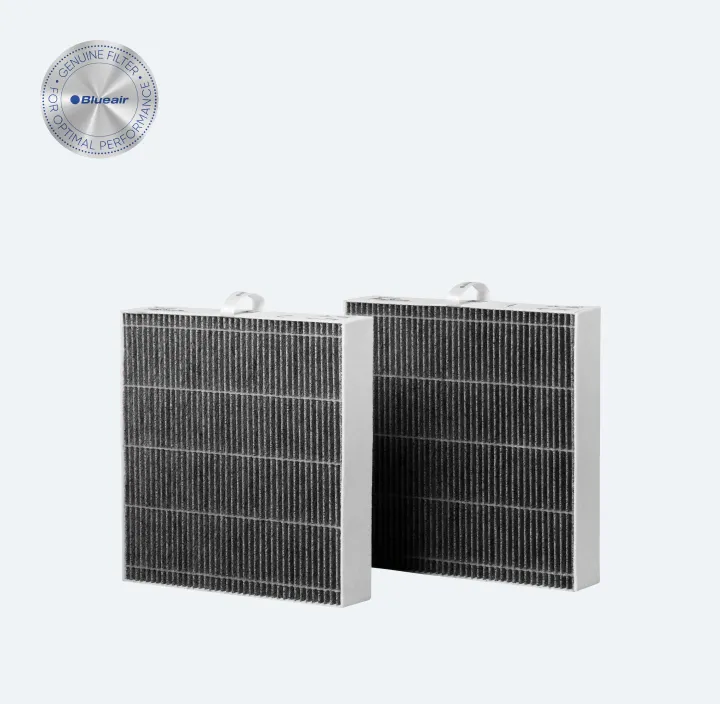
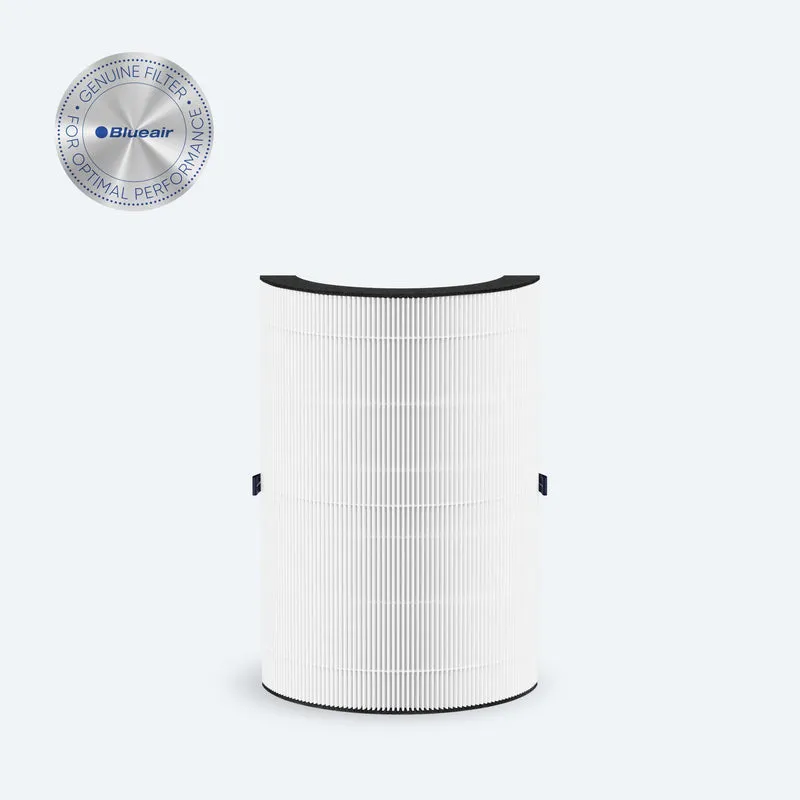
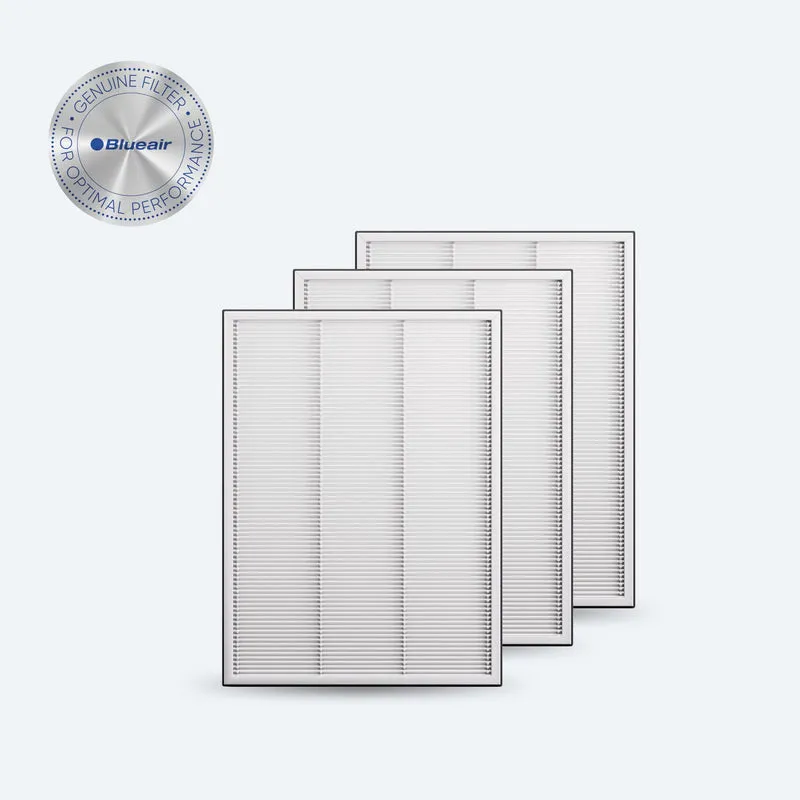
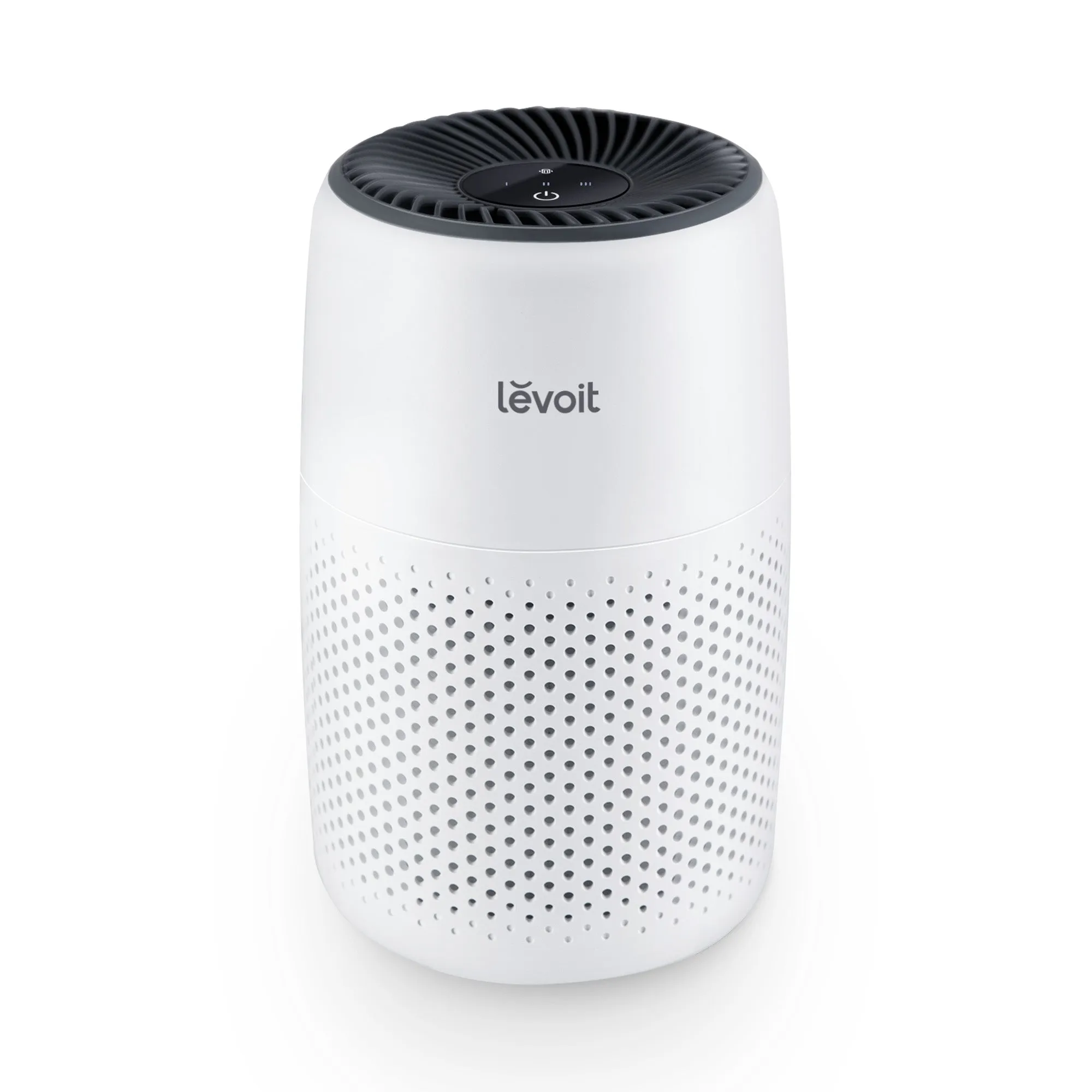
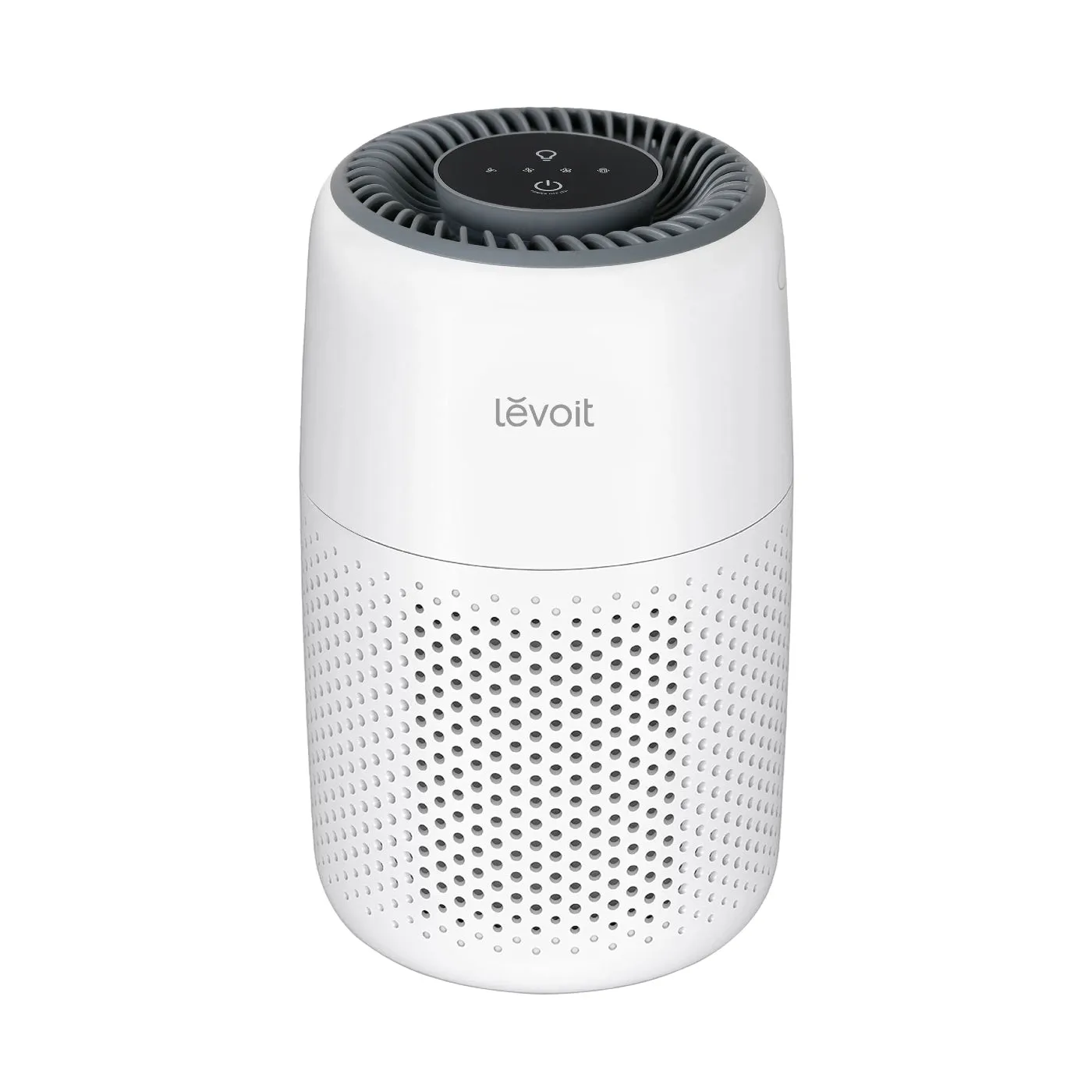
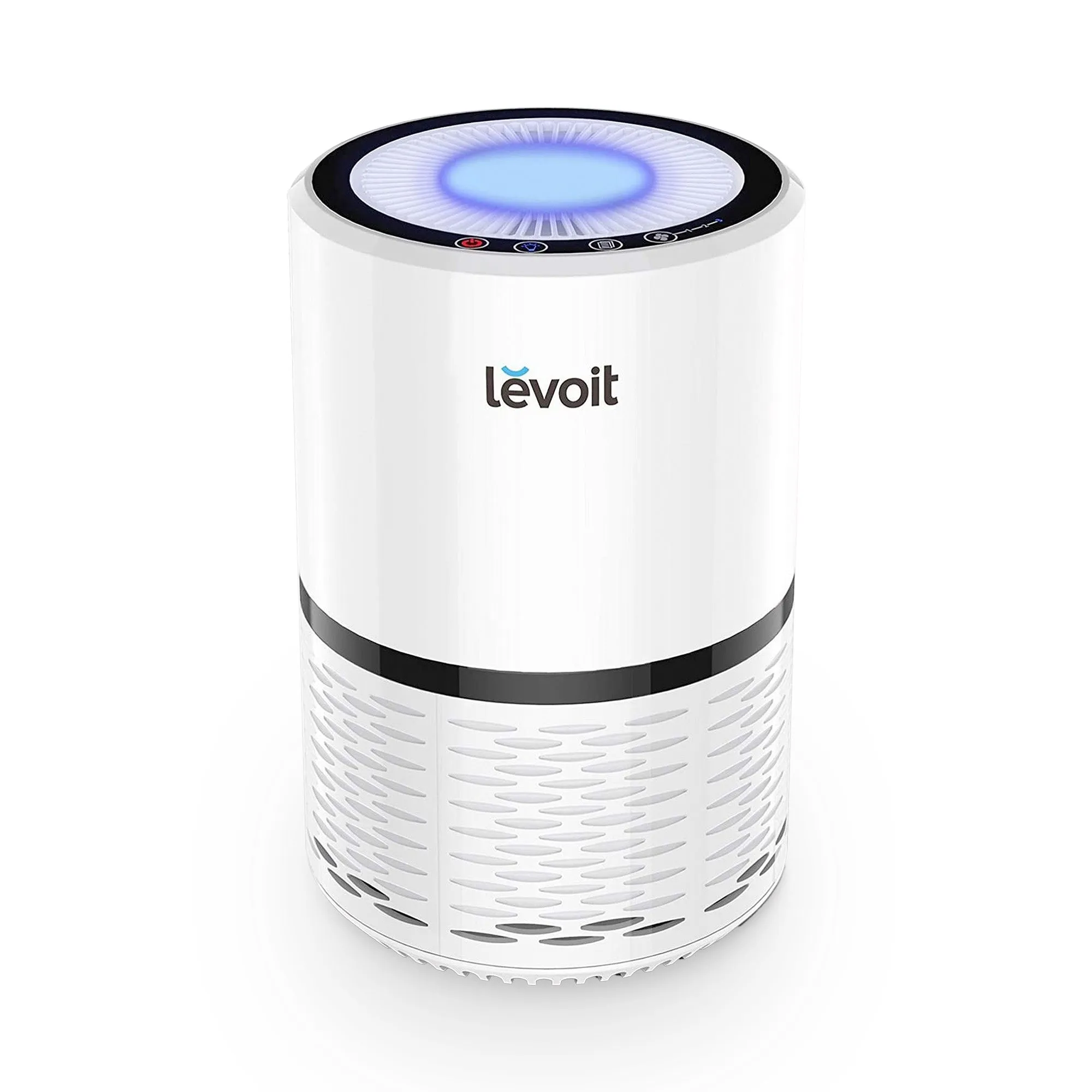
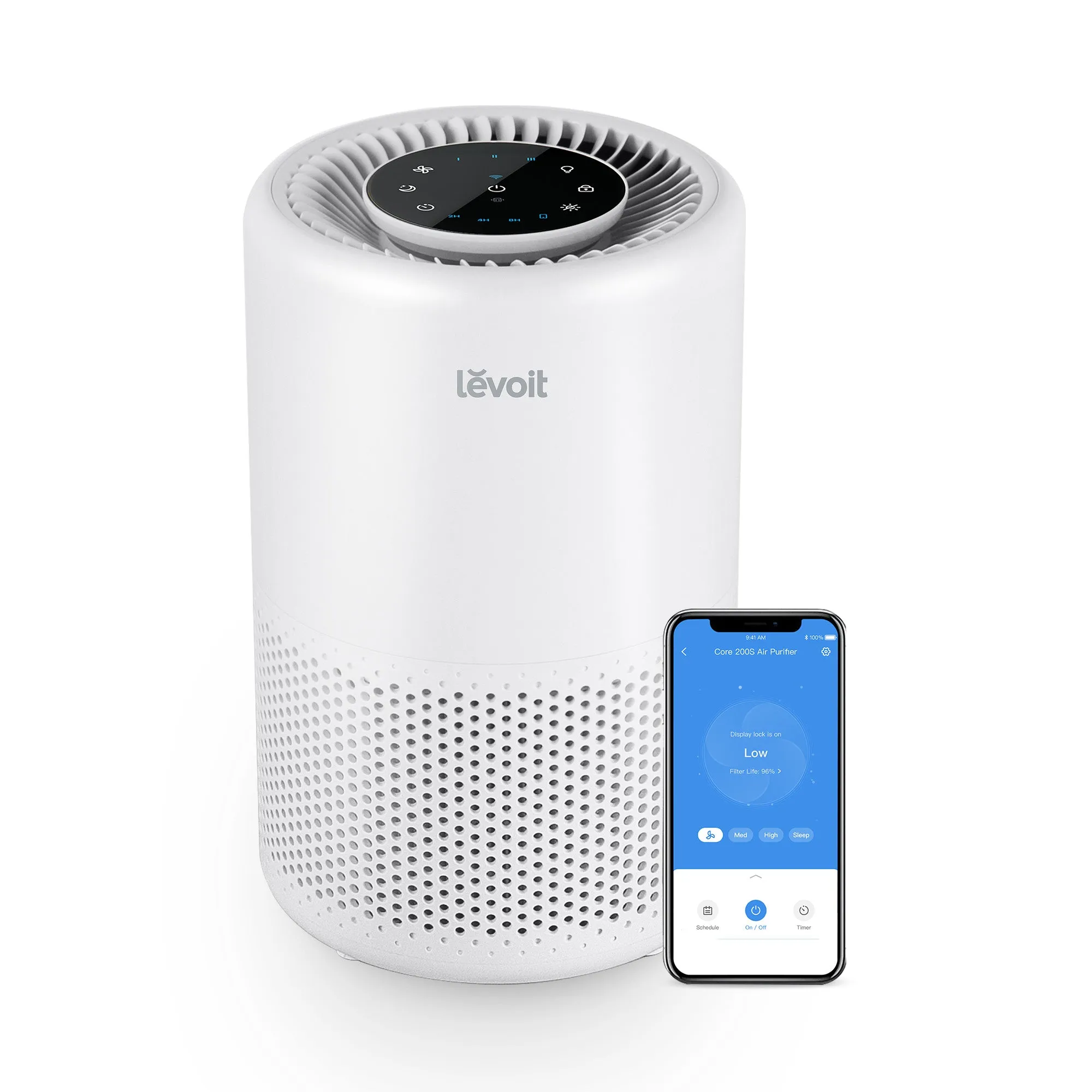
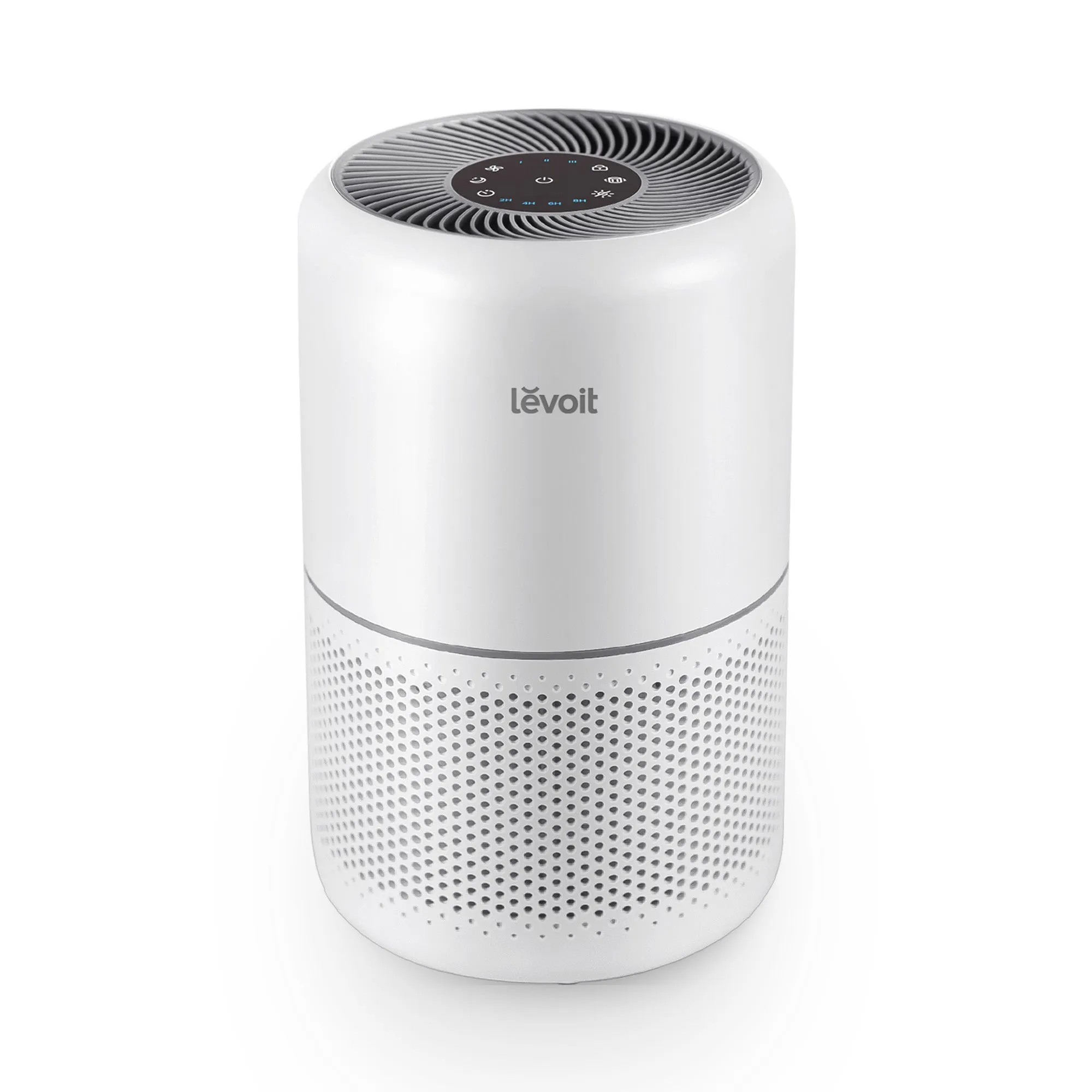
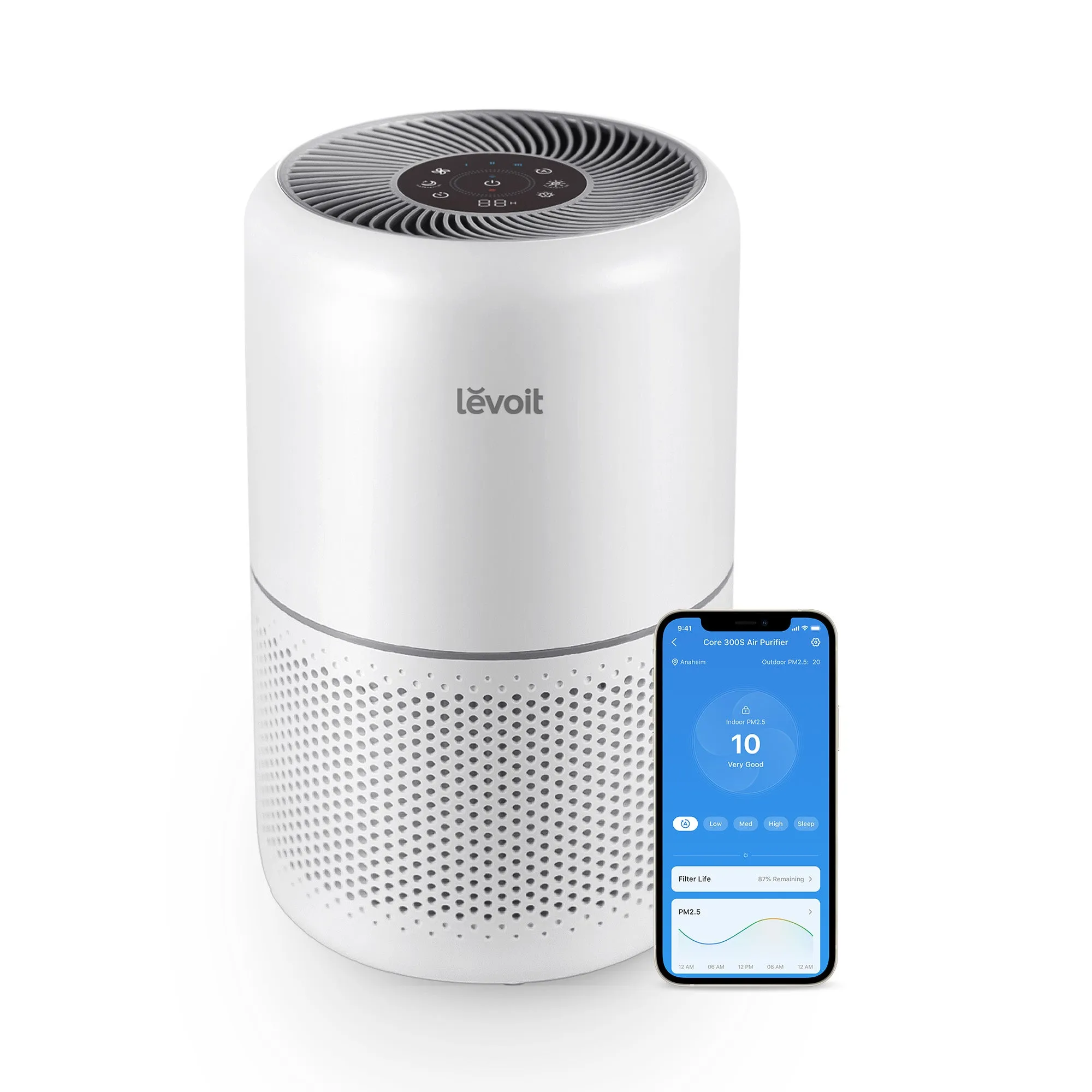
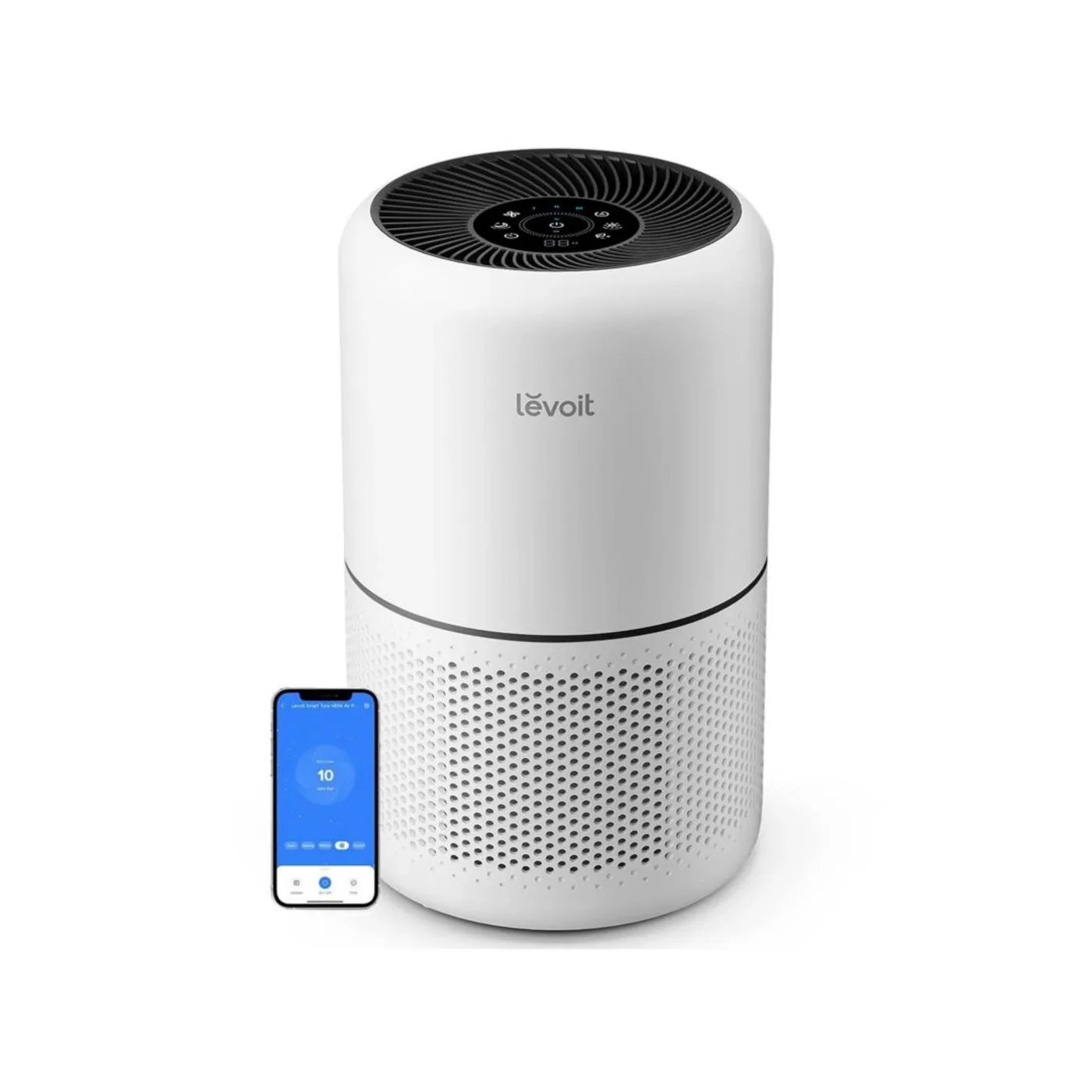
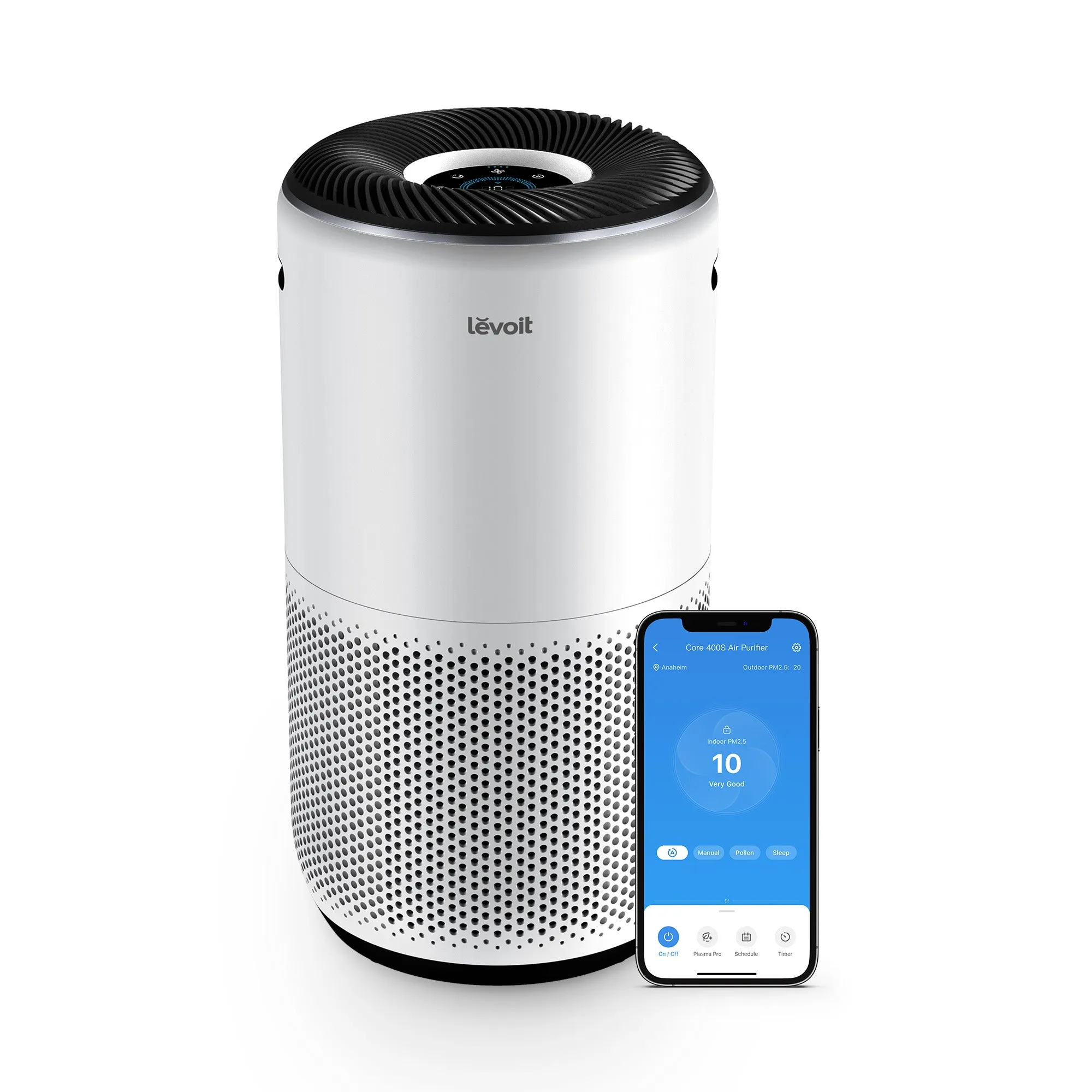
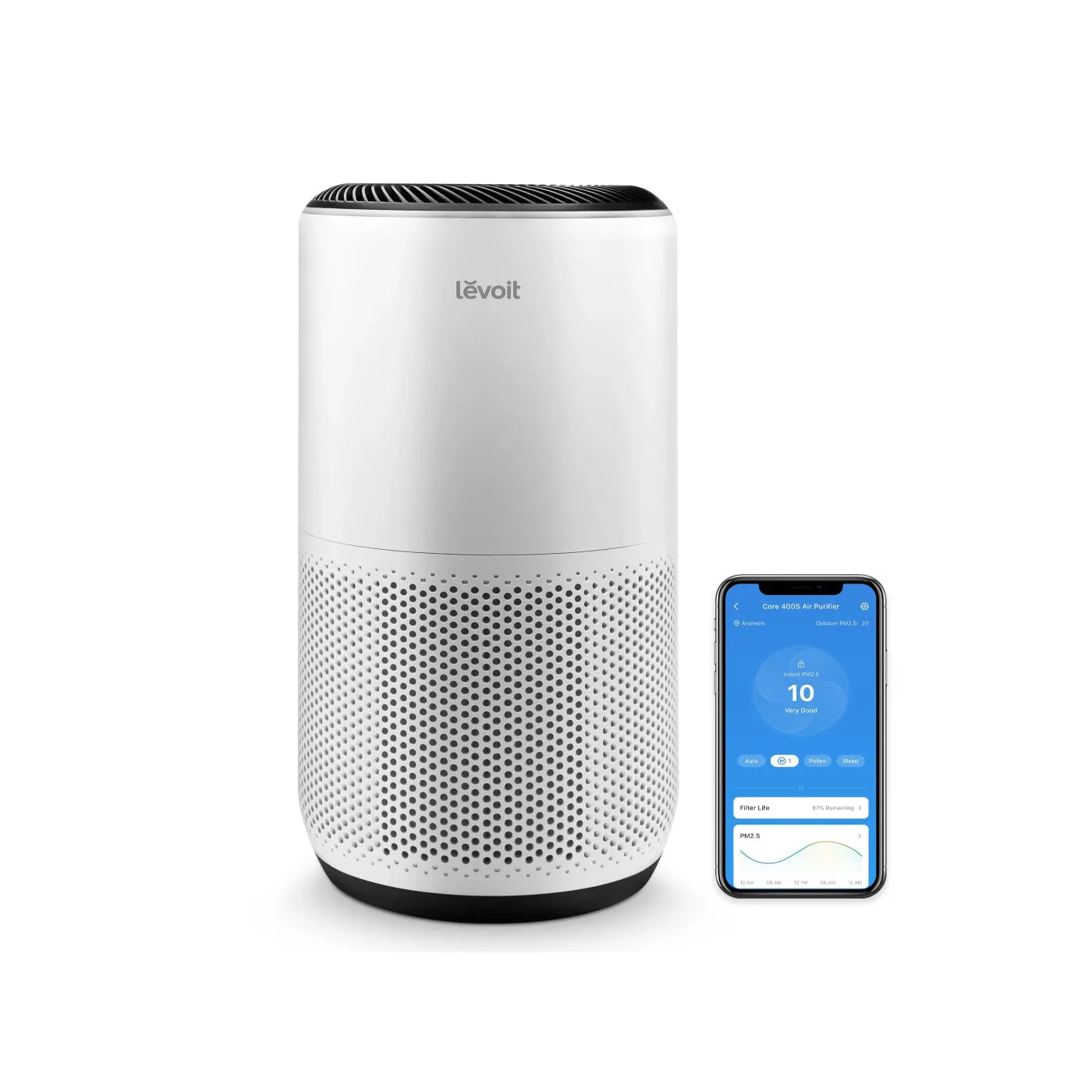
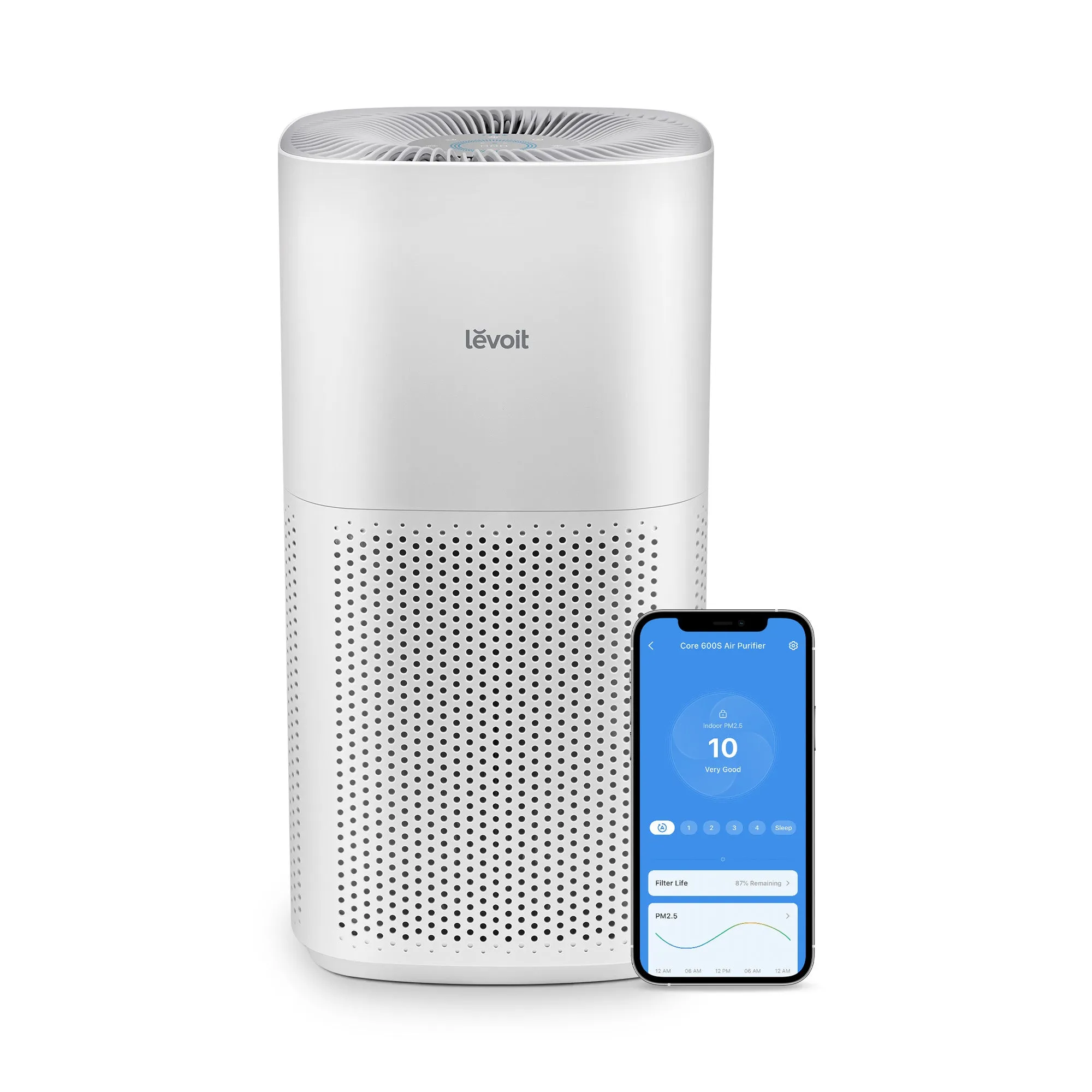
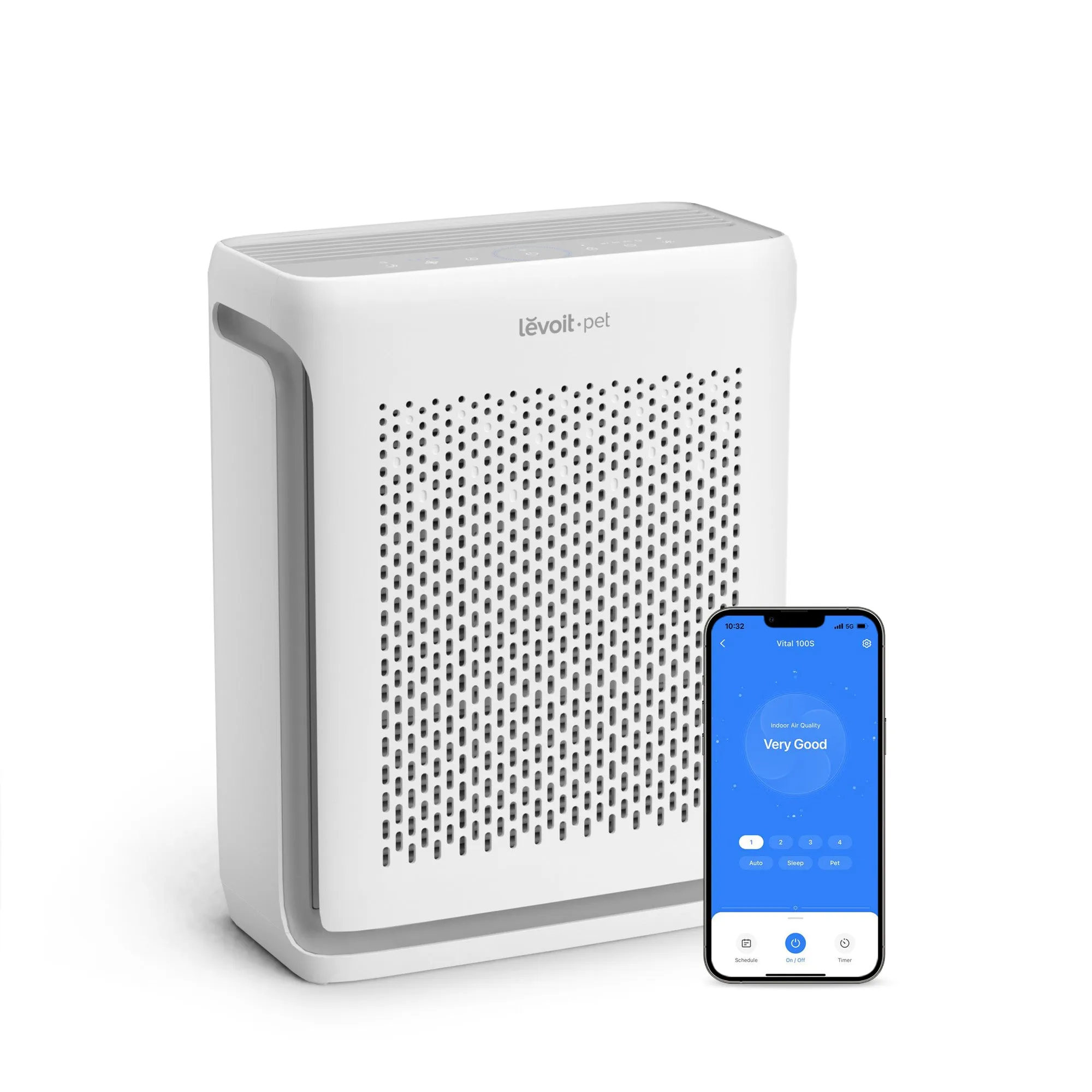
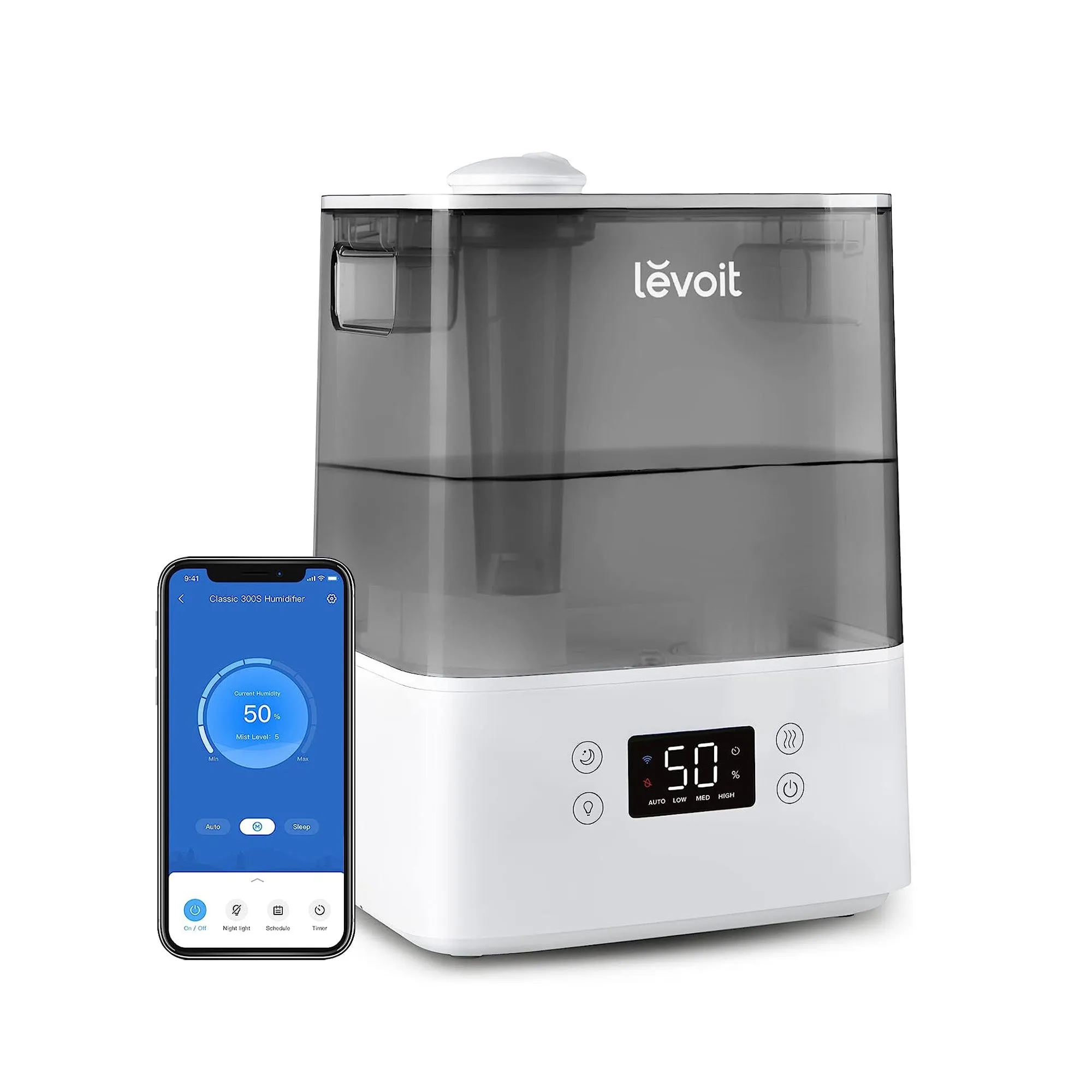
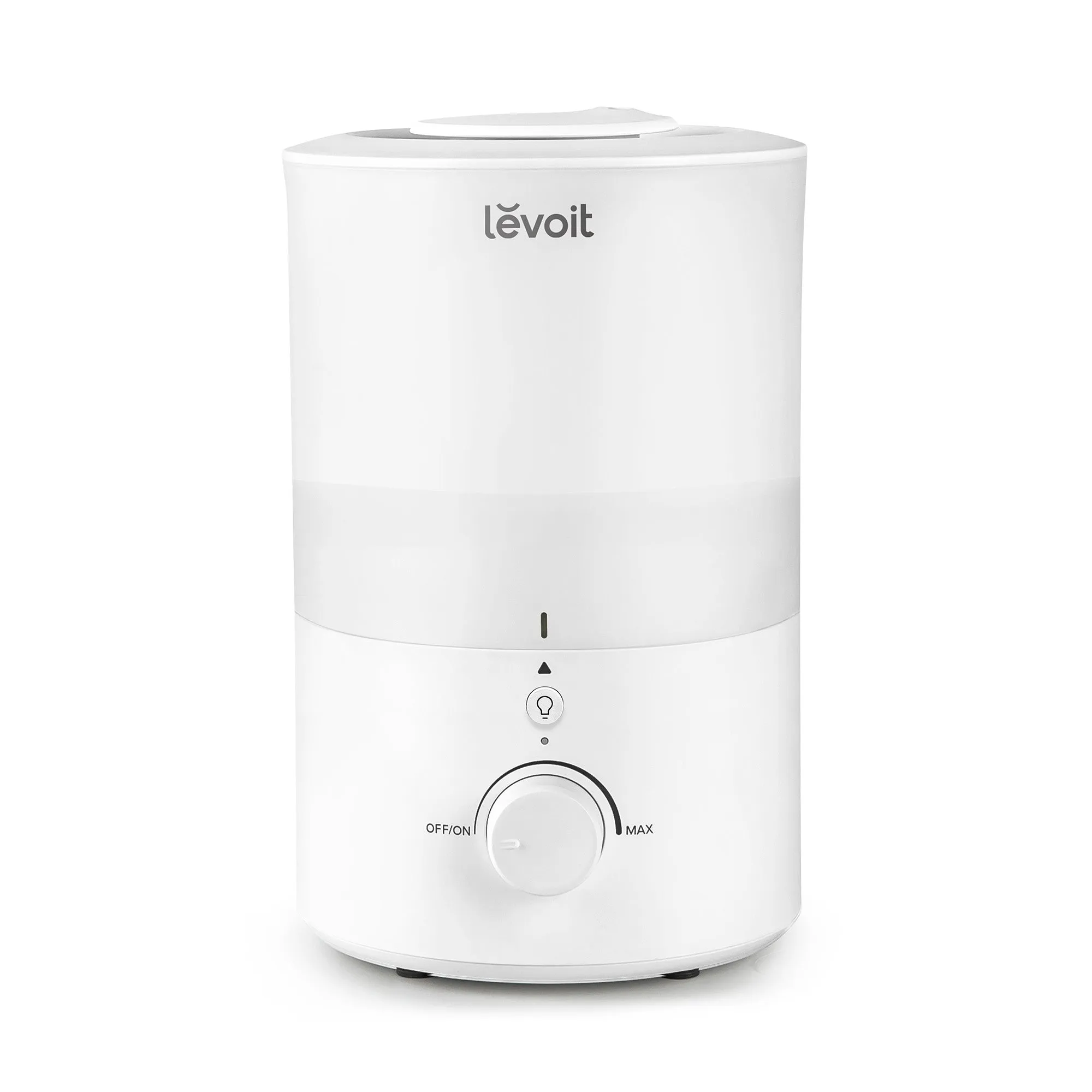
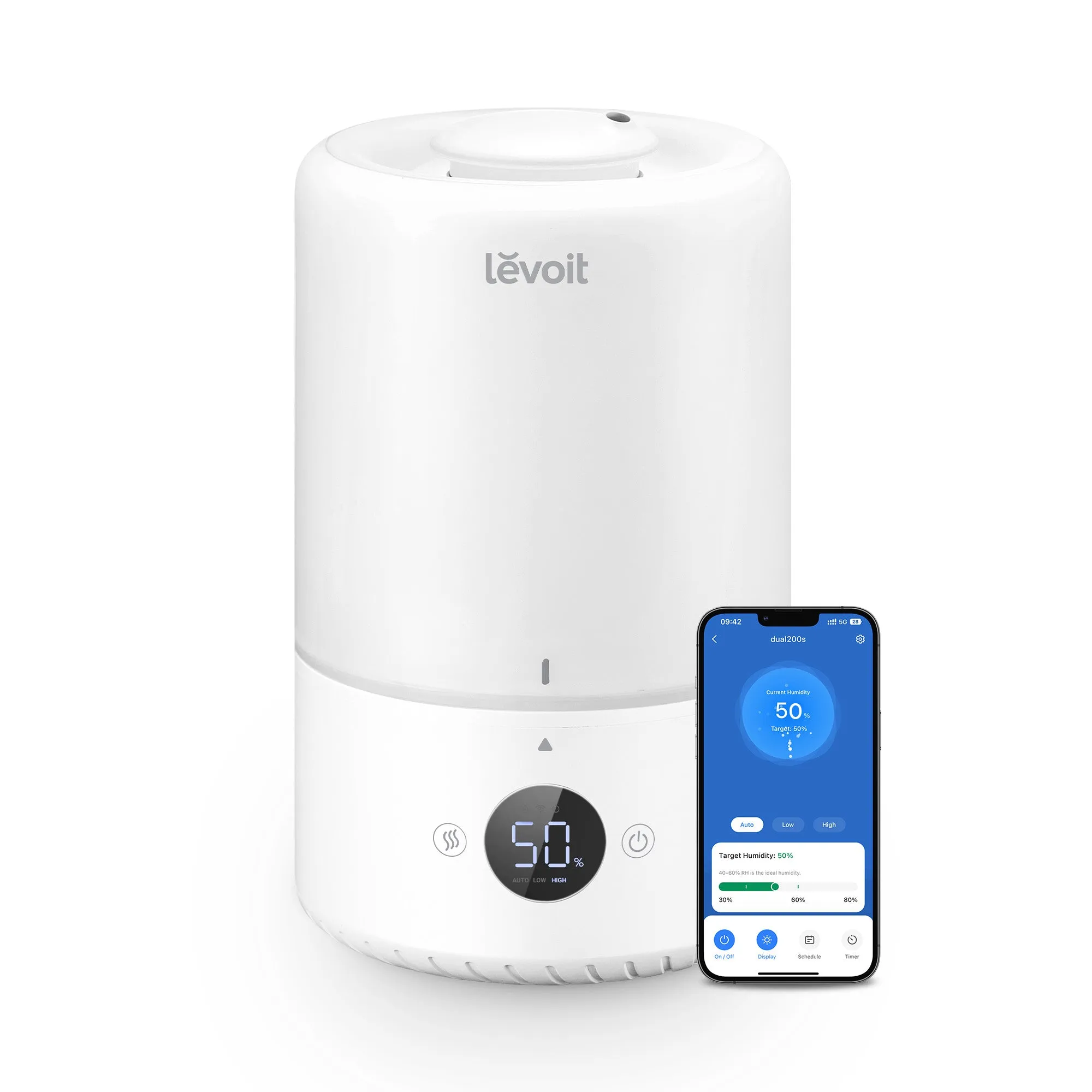
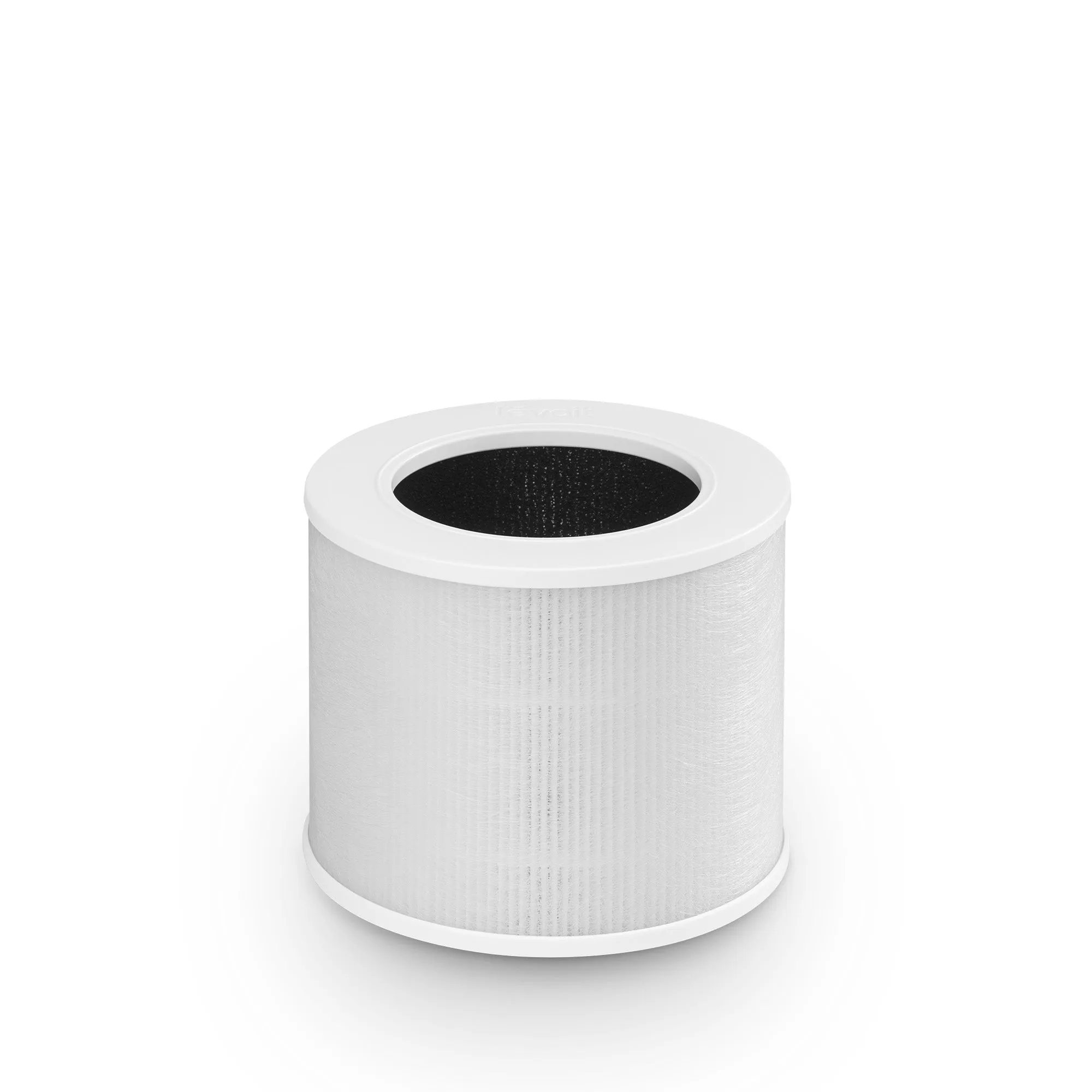
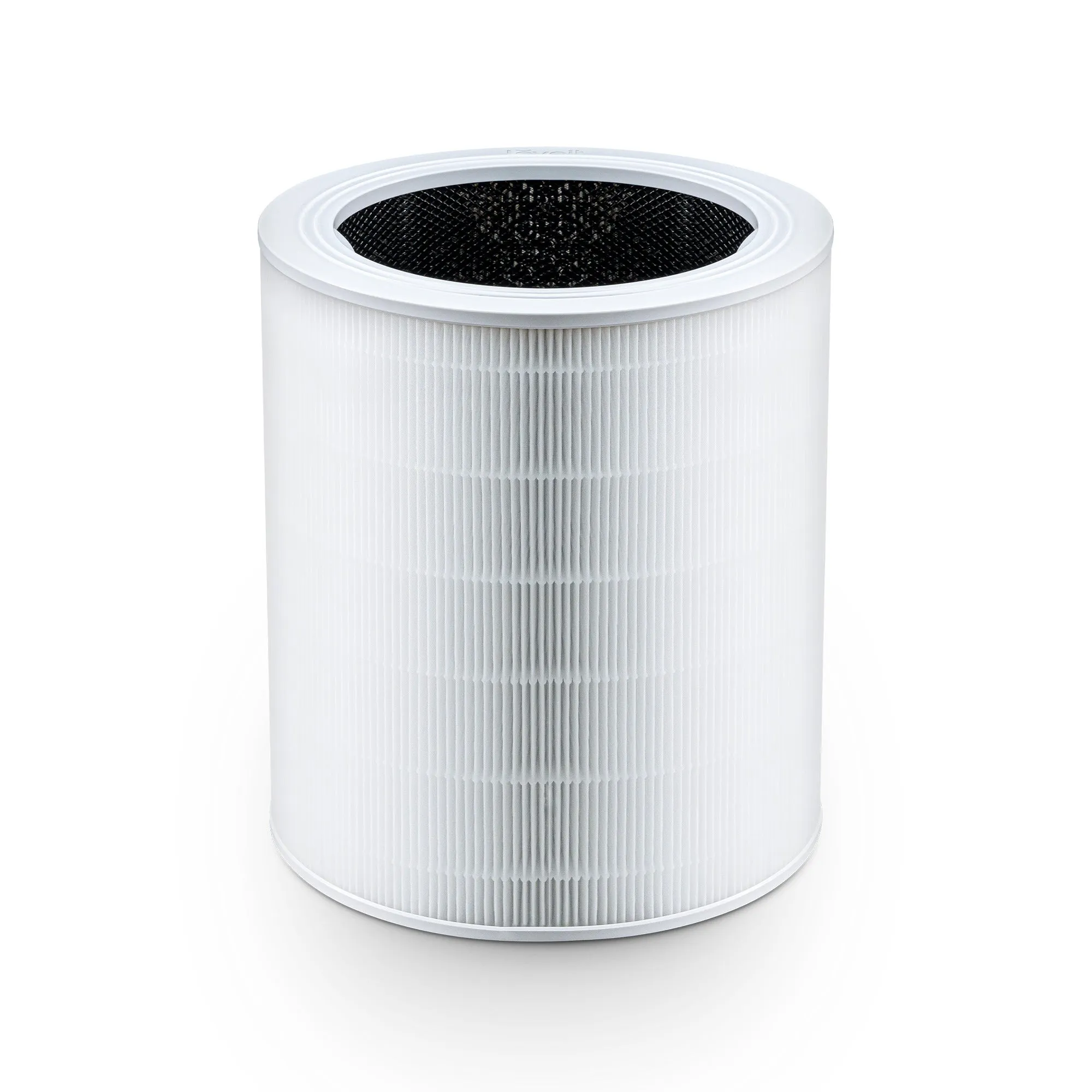
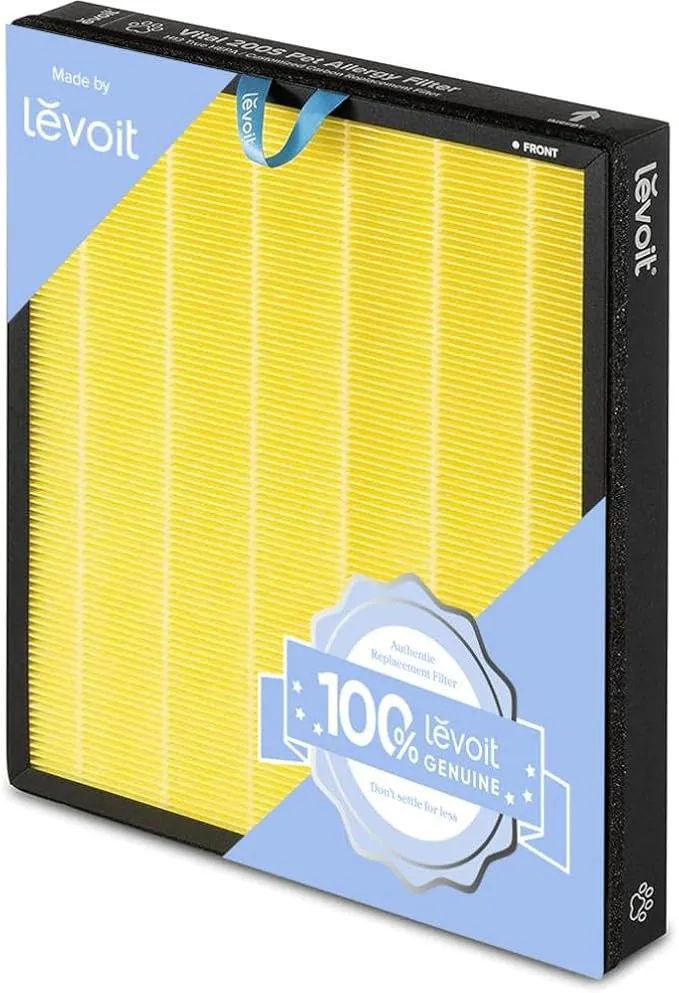
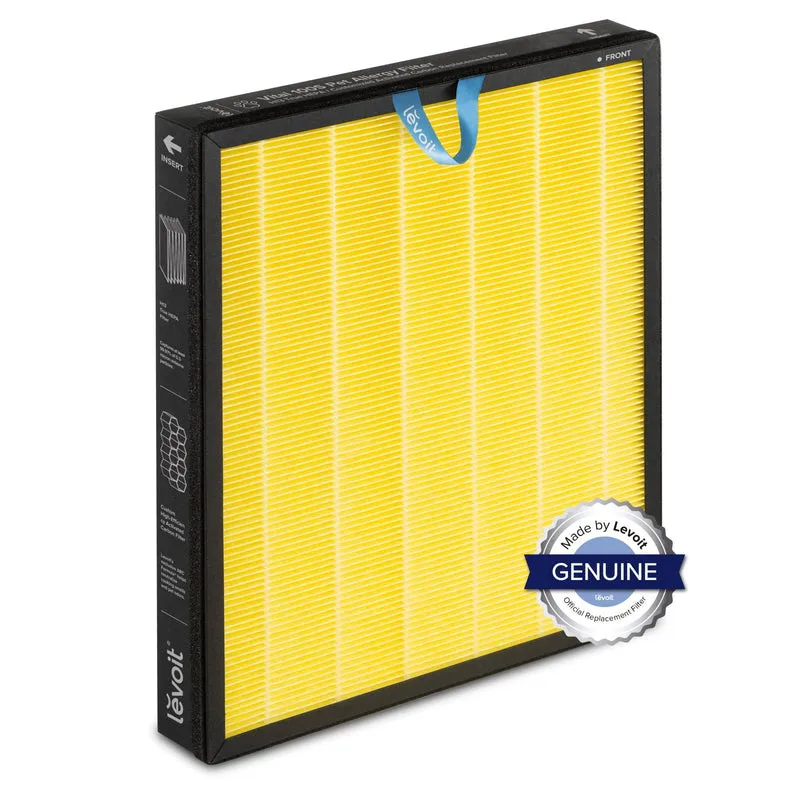
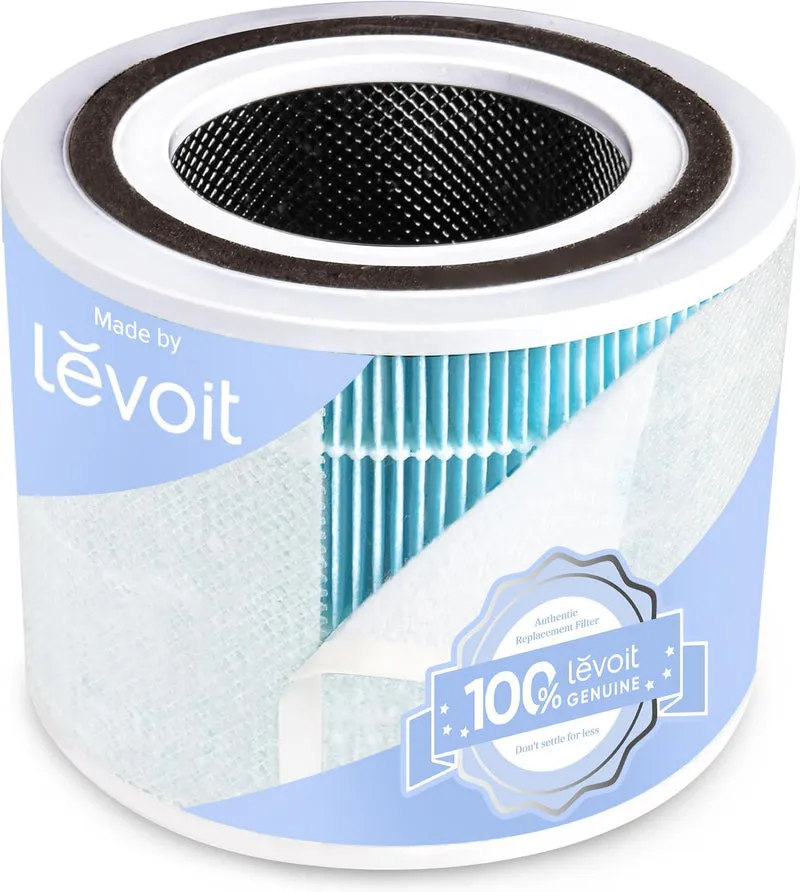
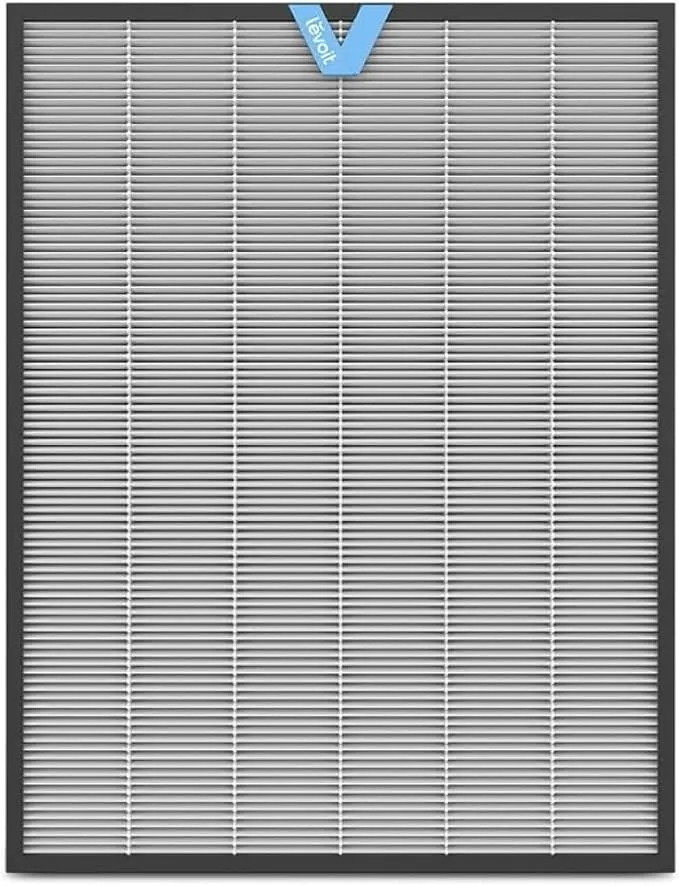
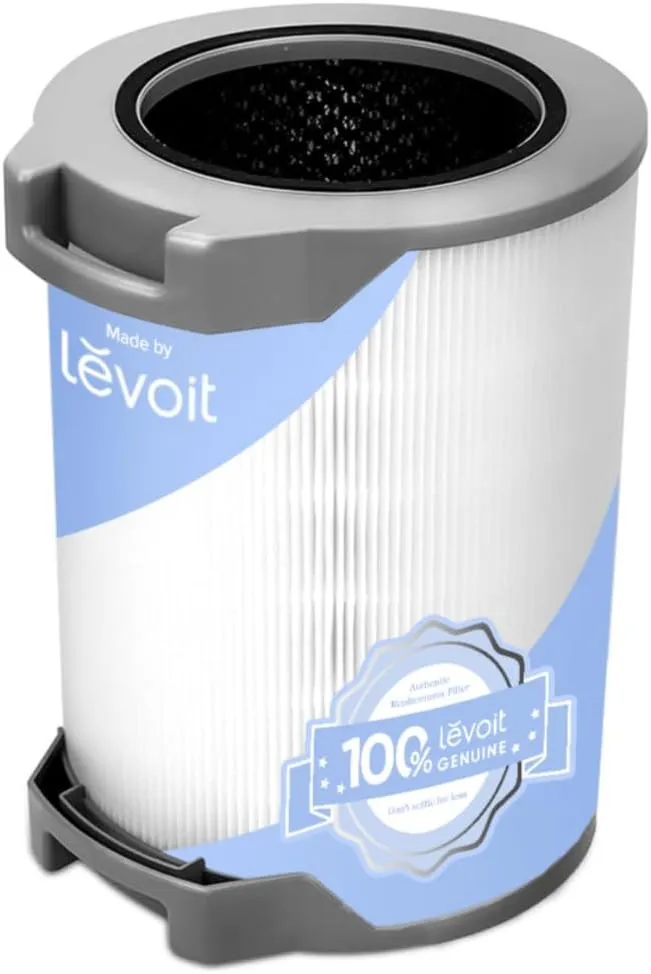
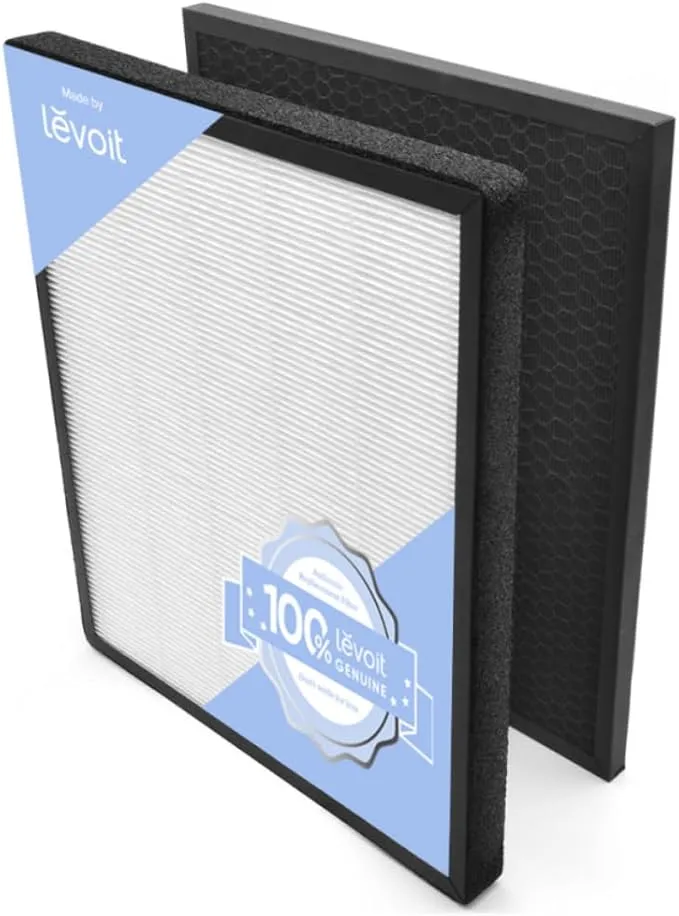
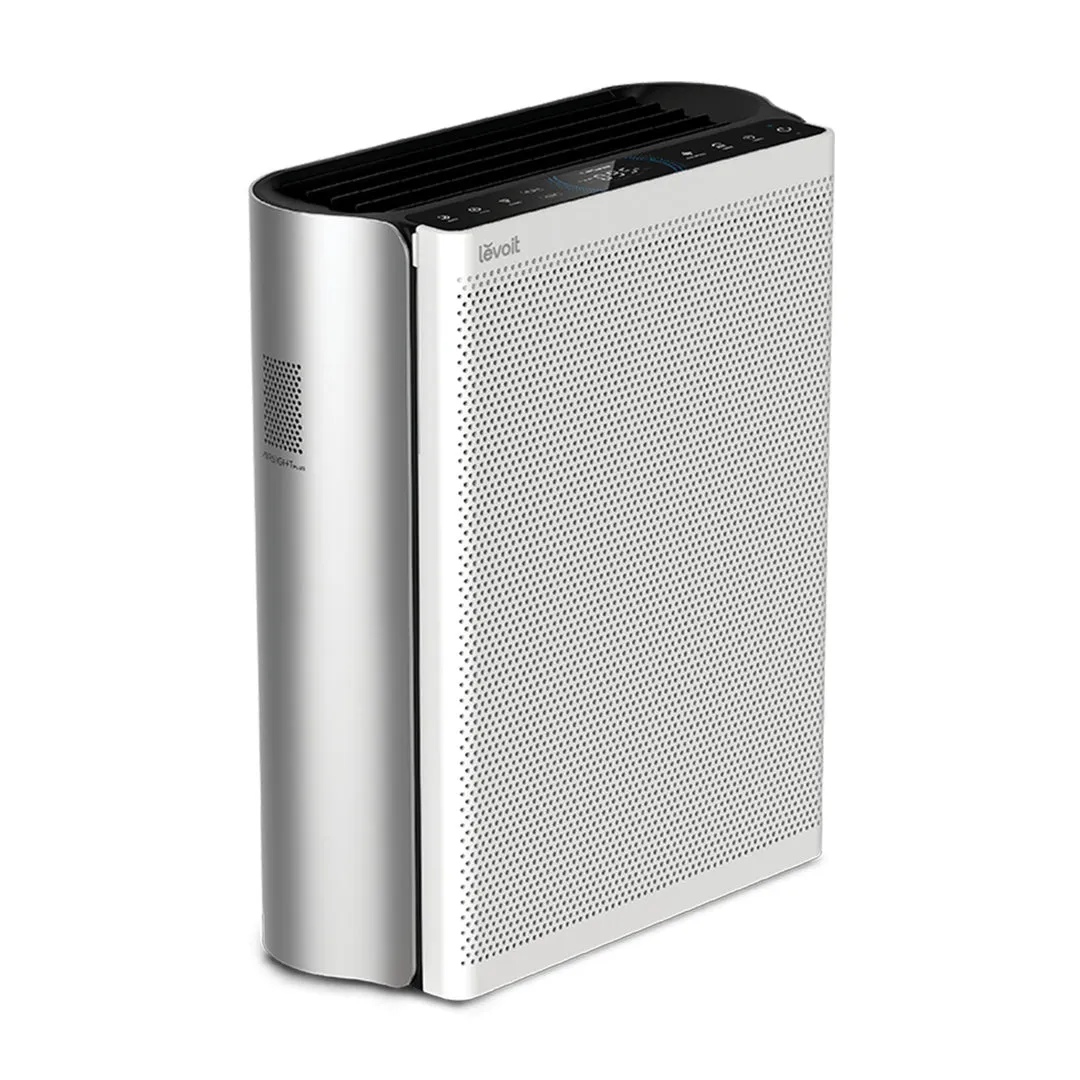
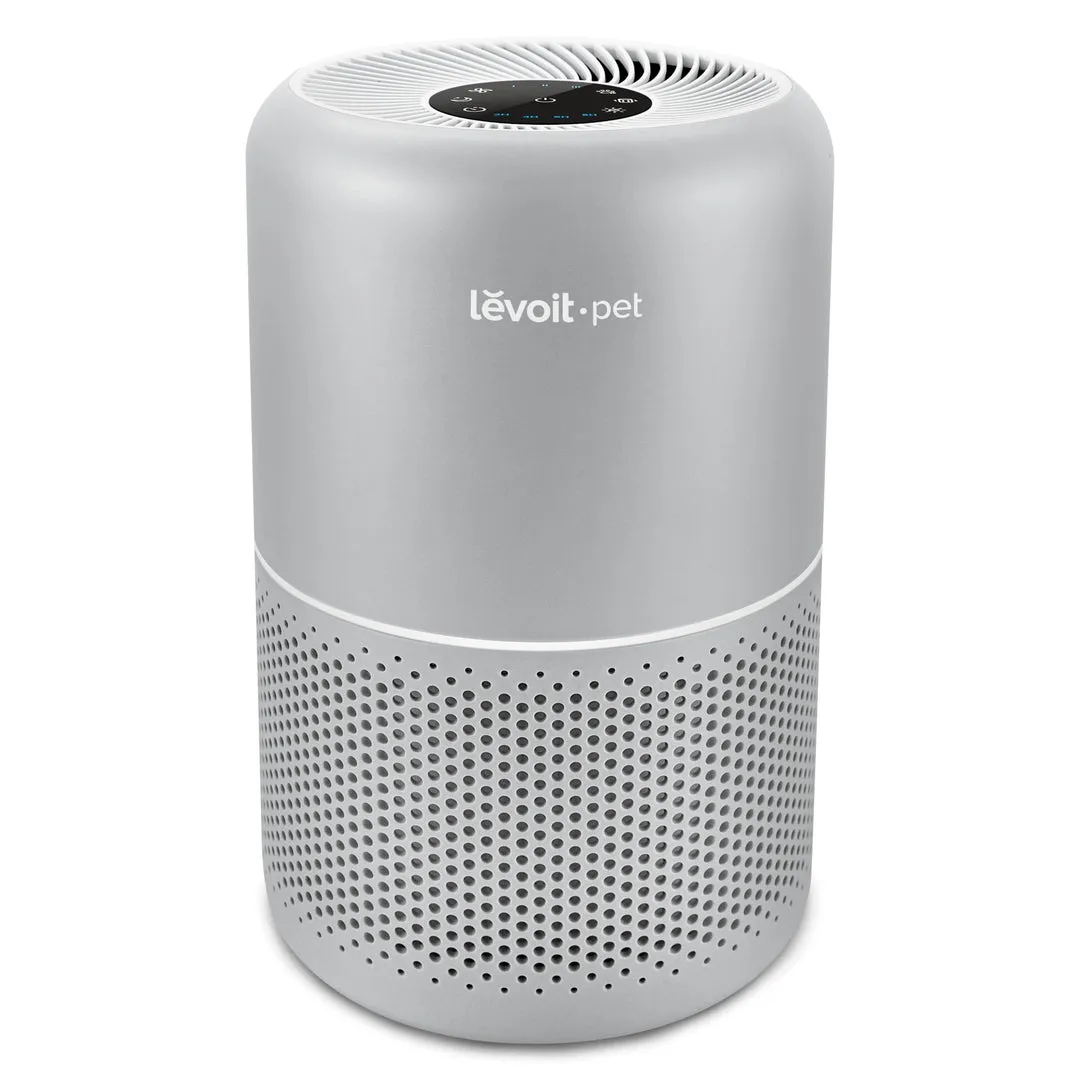
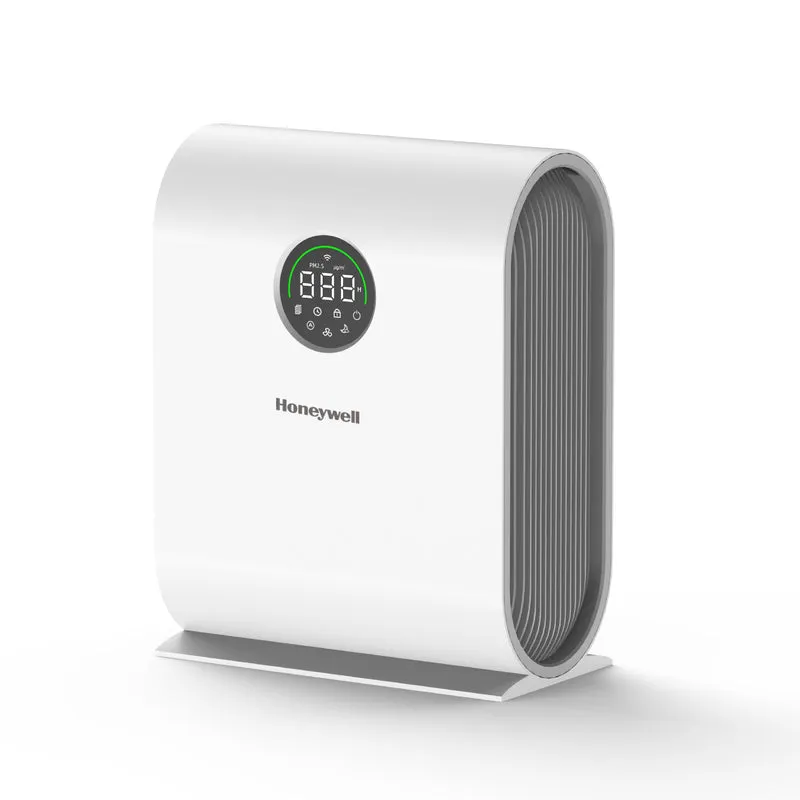
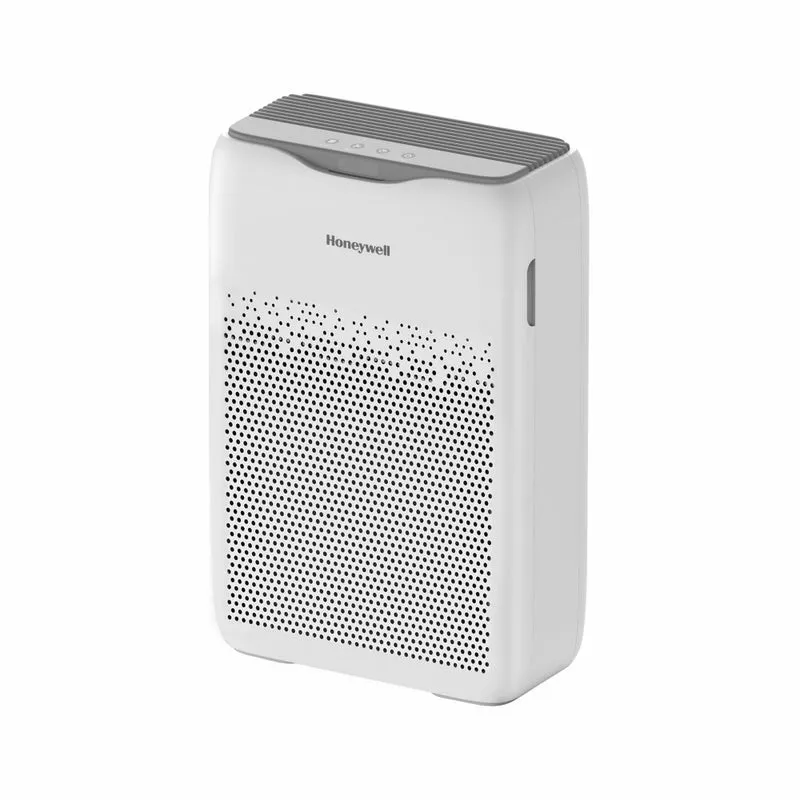
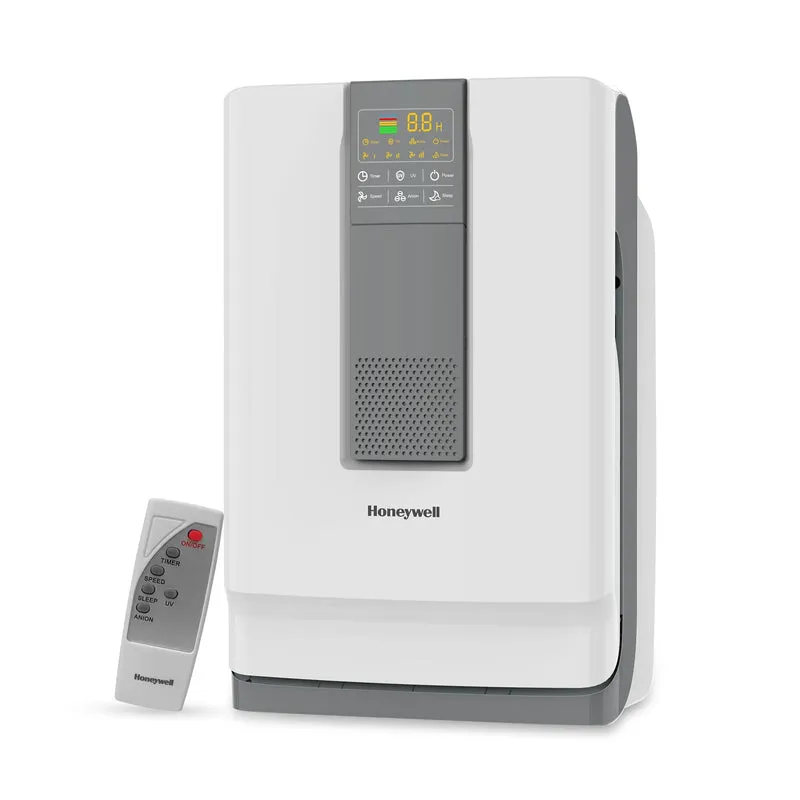
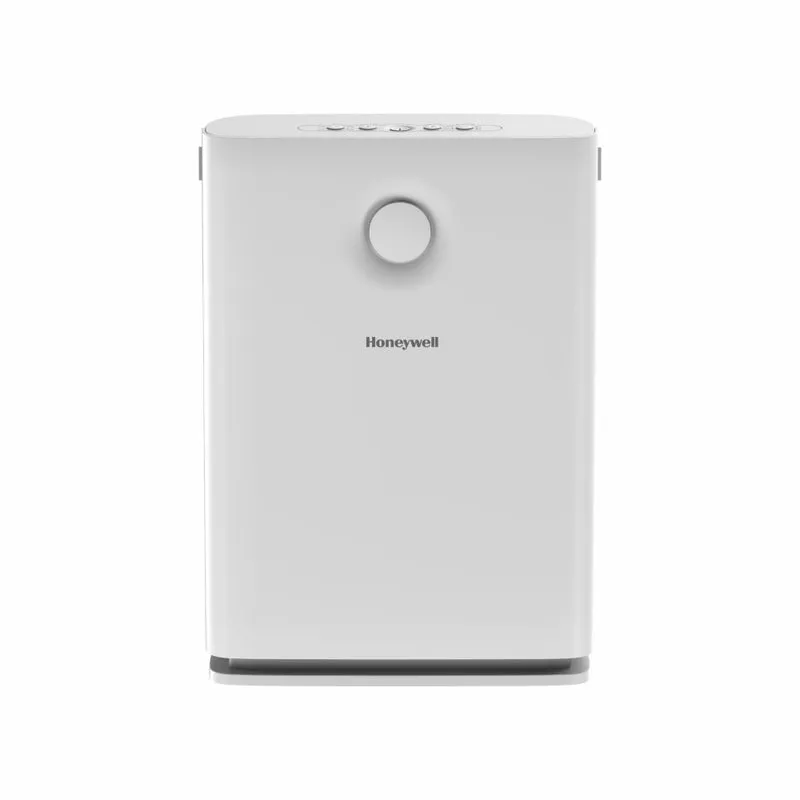
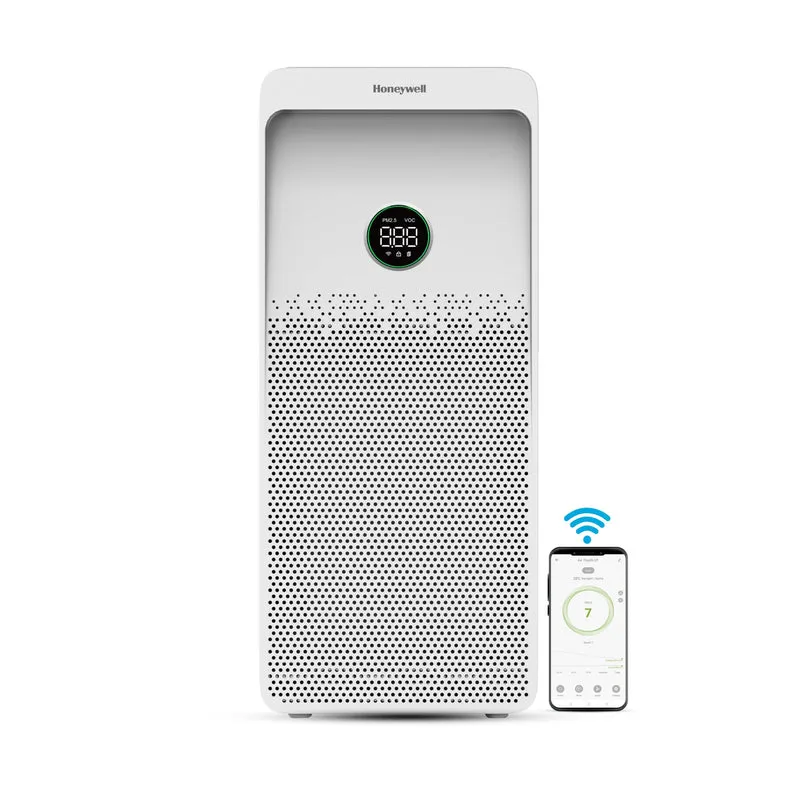
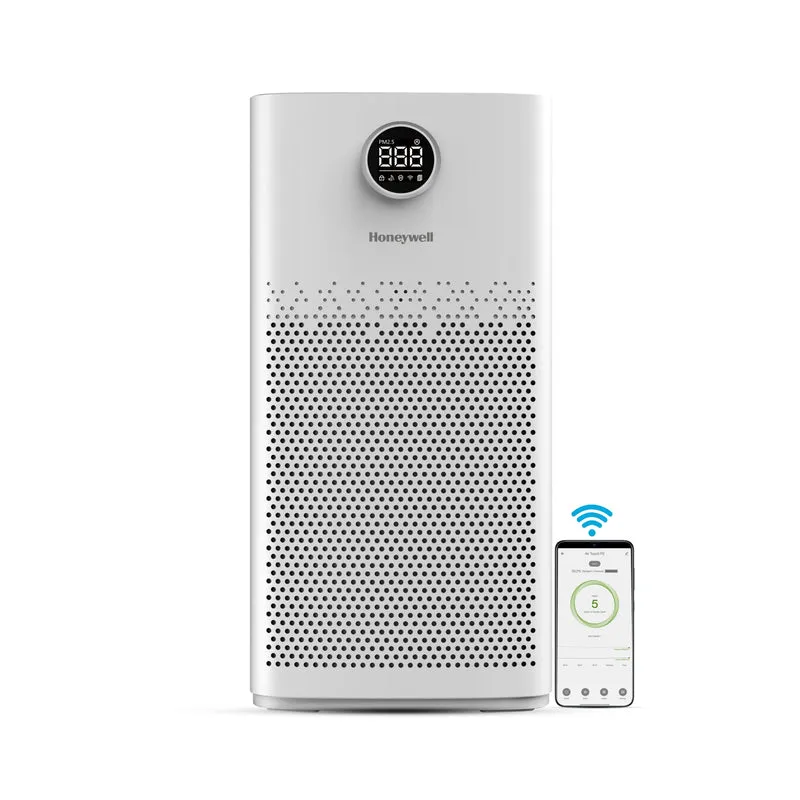
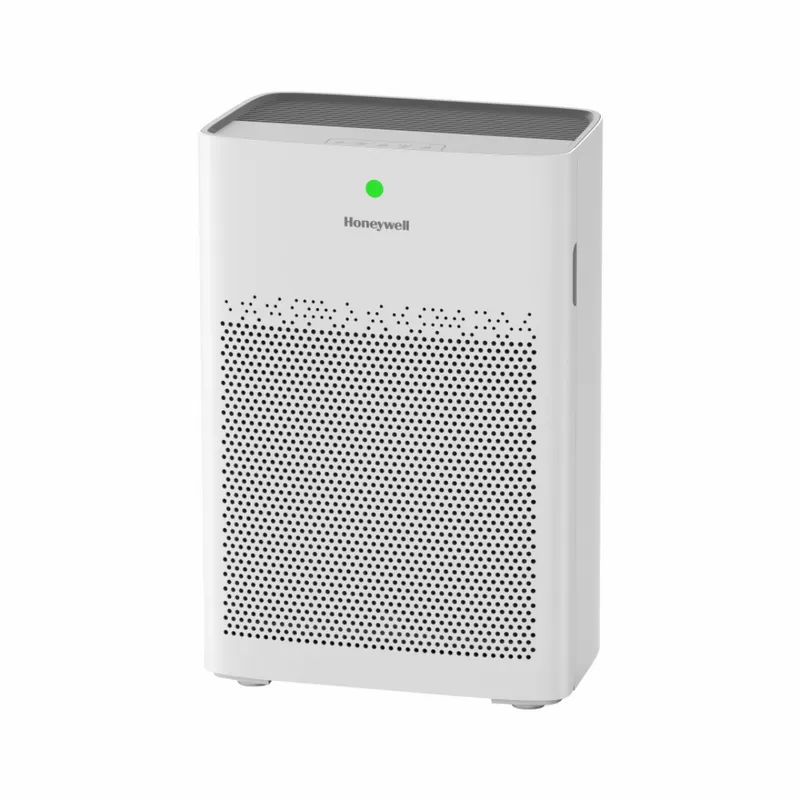
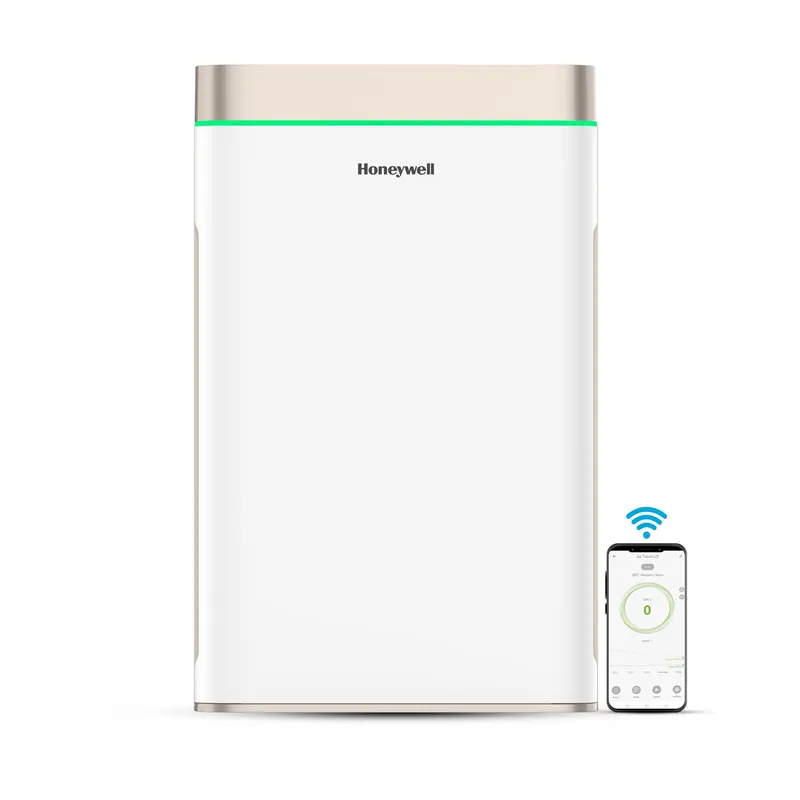
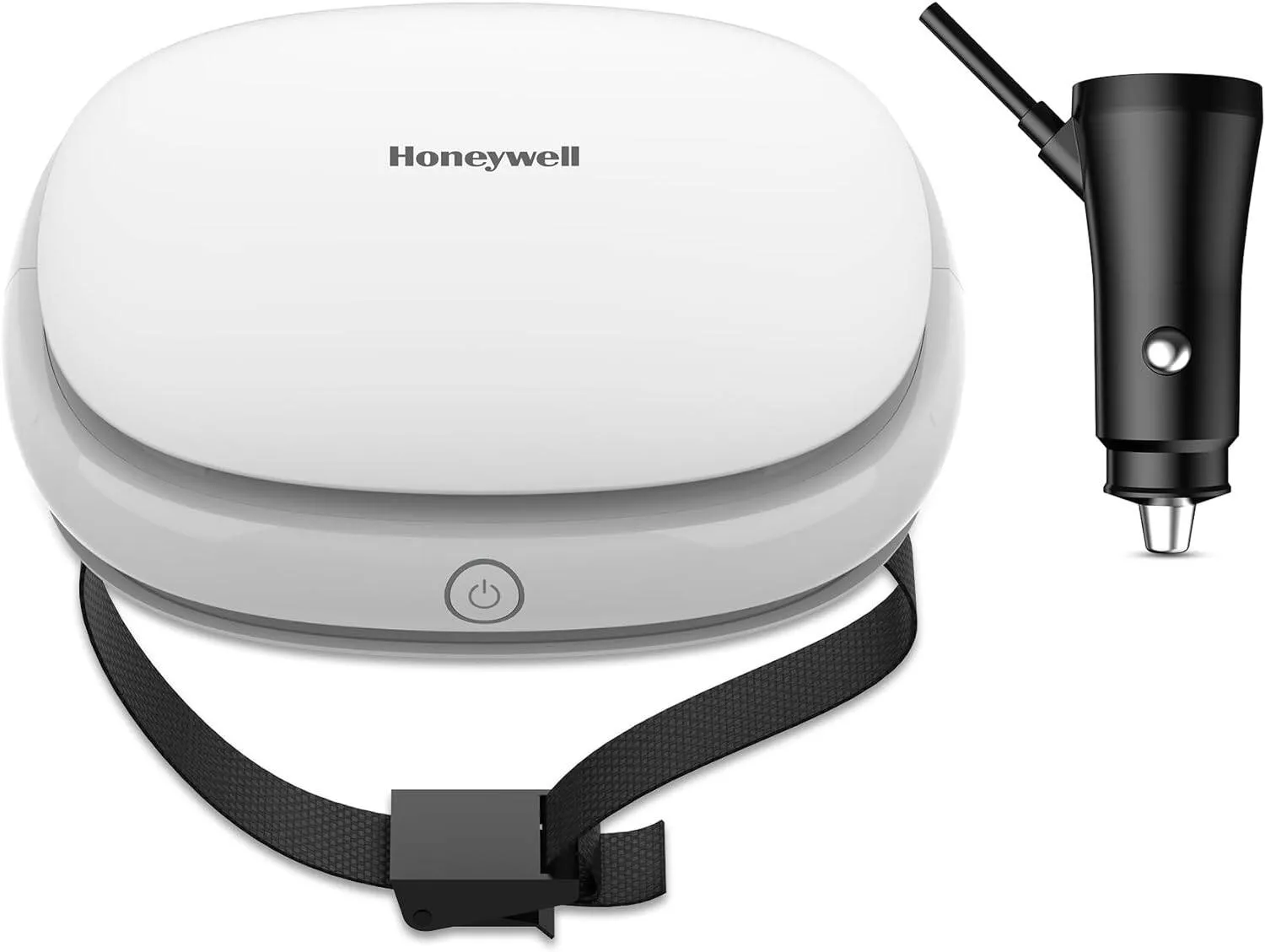
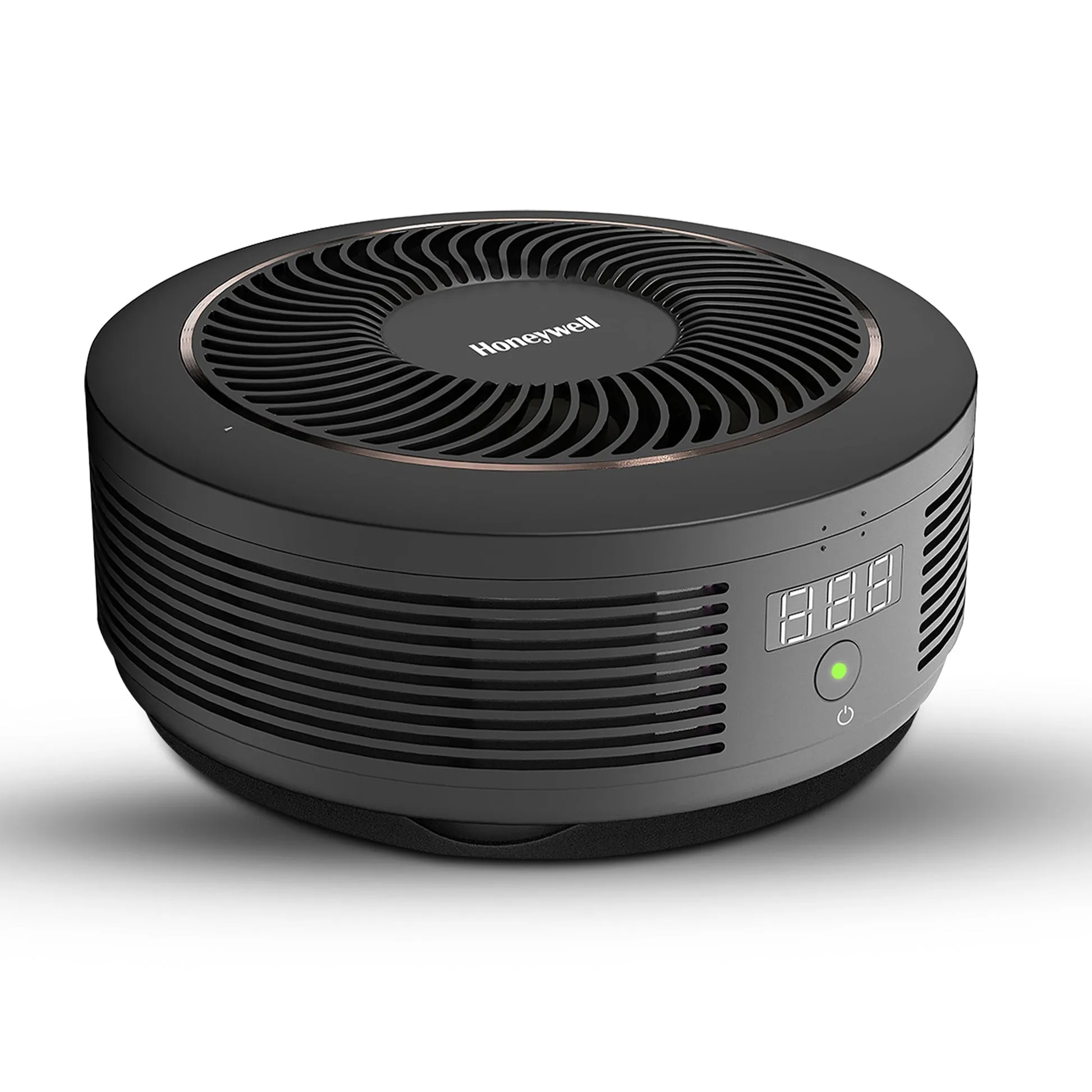
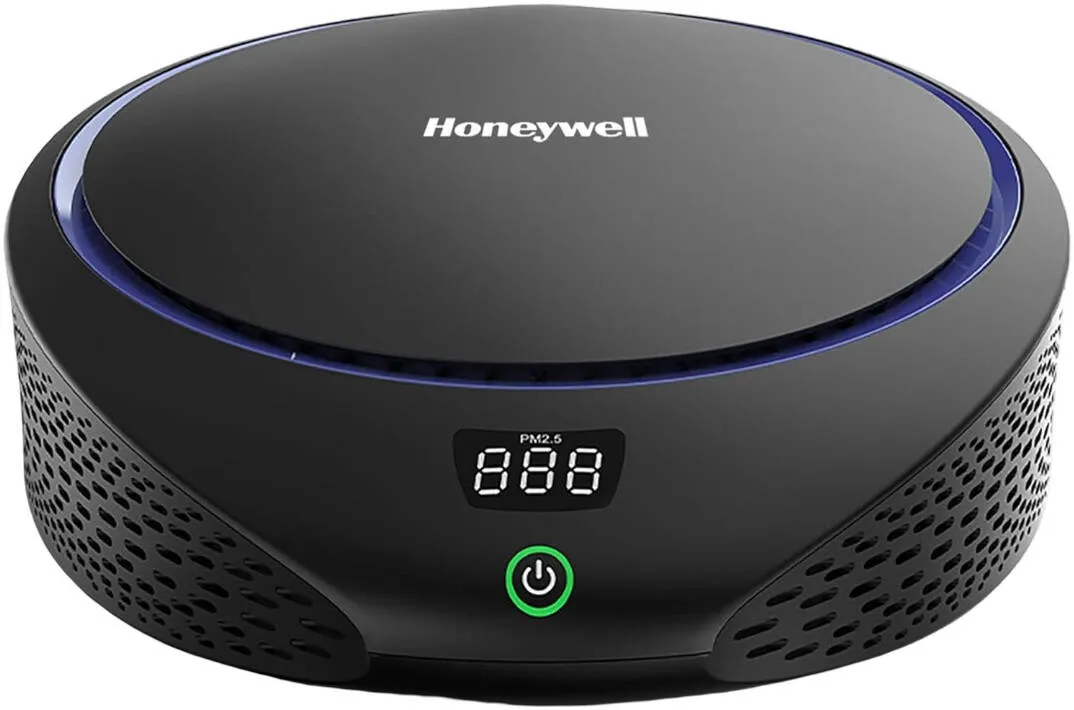
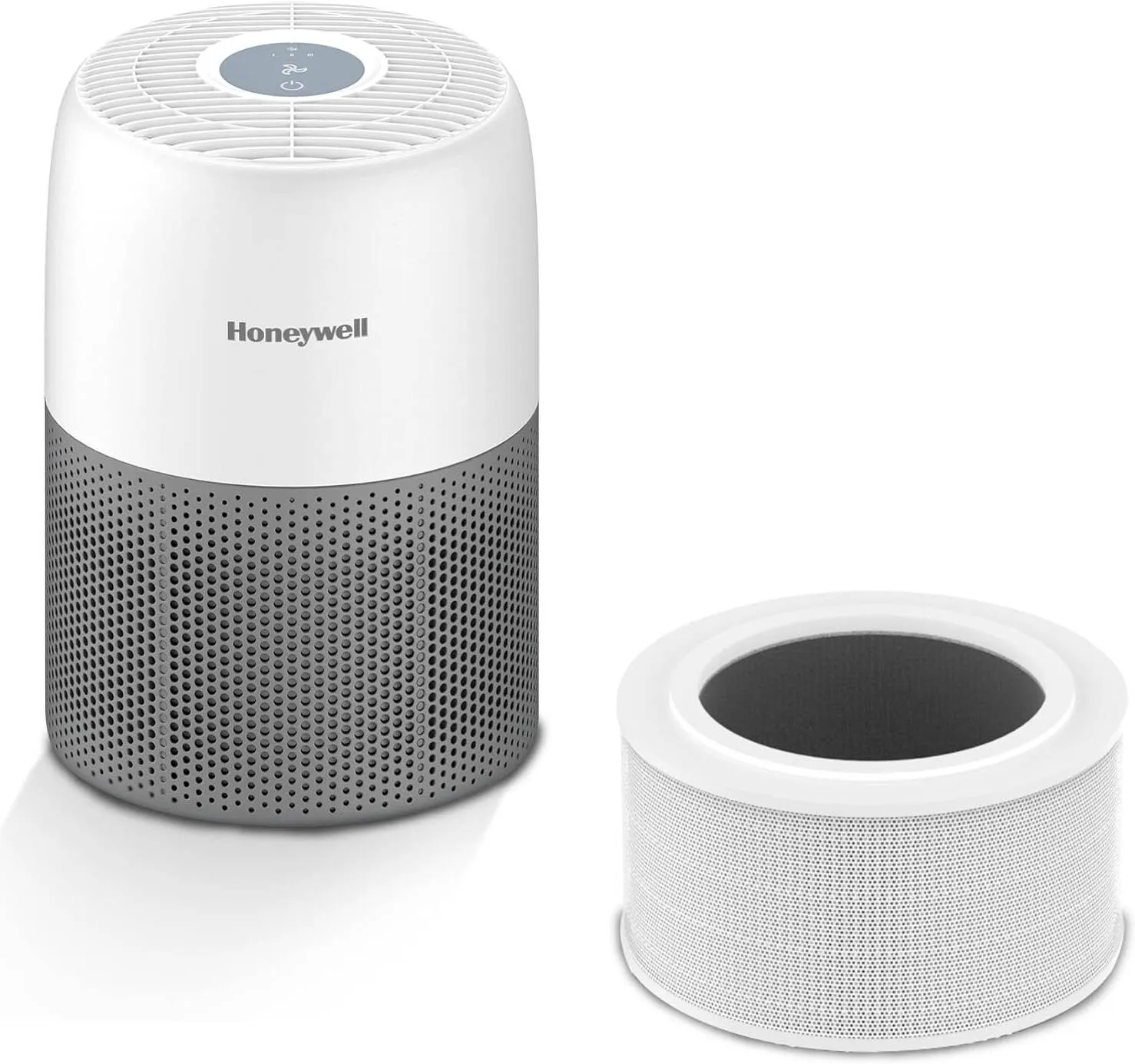
Cleanair-ae supplies air purifiers from Blueair, Honeywell, and Levoit, all suited to classroom environments and available with fast delivery across Dubai, Abu Dhabi, and the wider UAE. The air purifier buying guide covers how to match unit capacity to room volume, which is the single most important factor in classroom deployment. For schools exploring a wider range of approaches, the air purifier alternatives guide outlines eight proven methods that complement or substitute for purifiers depending on budget and building type. Free UAE delivery applies on orders over 49 AED.
FAQ
What is the main cause of poor air quality in school classrooms?
CO2 build-up from occupancy is the most common cause, followed by PM2.5 from outdoor traffic and VOCs from cleaning products and furniture. Inadequate ventilation allows all three to accumulate rapidly in crowded classrooms.
How quickly do air purifiers improve classroom air quality?
Portable air purifiers begin reducing PM2.5 and VOC levels within minutes of operation. A controlled trial recorded a 6.2 percentage point improvement in Peak Expiratory Flow in children with respiratory conditions after consistent purifier use in classrooms.
What CO2 level is considered safe in a school classroom?
The widely referenced threshold is 1,000 ppm. Levels above 1,500 ppm are associated with measurable reductions in concentration and cognitive performance, and levels above 2,000 ppm indicate seriously inadequate ventilation.
Can schools improve air quality without a large budget?
Yes. The EPA confirms that behavioural changes, such as scheduling chemical cleaning outside school hours and opening windows before lessons, reduce exposure at no cost. Portable air purifiers offer a low-cost interim solution while HVAC upgrades are planned.
Why does clean air quality in classrooms affect academic results?
High CO2 and PM2.5 levels impair concentration, increase illness-related absences, and reduce the time children spend in active learning. Research shows a statistically significant correlation between poor indoor air quality and lower academic performance scores.