Uncategorised
Improve indoor air with humidification for health
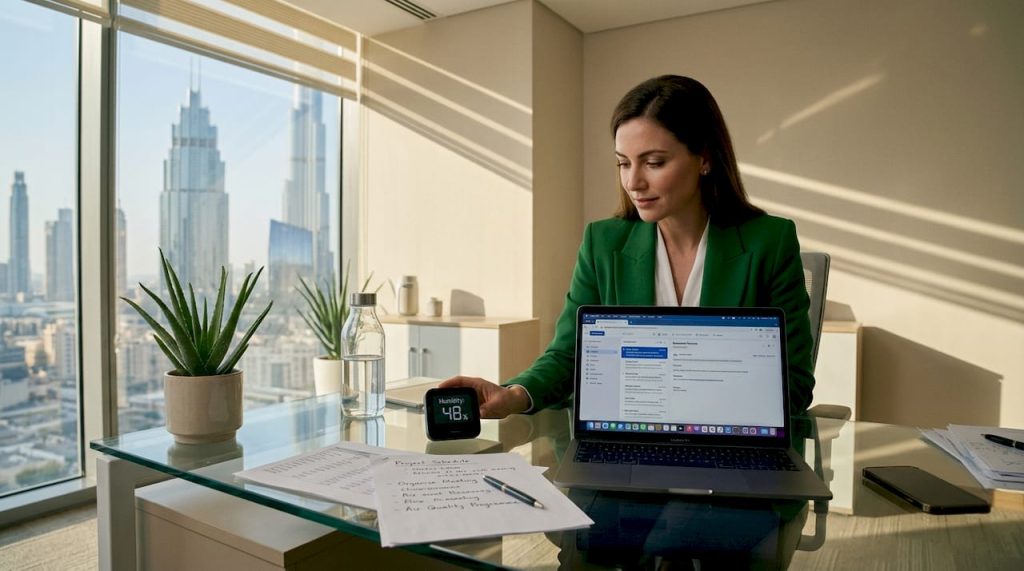
Air conditioning runs almost continuously across UAE homes and offices, yet many residents still experience dry throats, itchy skin, and persistent sinus discomfort. The assumption that AC guarantees ideal indoor air quality is one of the most common and costly mistakes in the region. Indoor humidity levels shift dramatically depending on the season, building type, and ventilation setup, and getting that balance wrong affects health, comfort, and even your furnishings and fittings.
Table of Contents
- Why indoor humidity matters in UAE homes and offices
- Common misconceptions and real challenges of humidity control
- Options for humidifying and dehumidifying indoor air
- Airtight homes and ventilation: do you need a humidifier?
- What most UAE residents miss about indoor air humidity
- Get expert help for healthy indoor air
- Frequently asked questions
Key Takeaways
| Point | Details |
|---|---|
| Balanced humidity is essential | Maintaining 40-50% RH improves health, comfort, and property protection in the UAE. |
| Assess your home’s needs | Check RH and ventilation before deciding on humidification or dehumidification. |
| Humidifiers and dehumidifiers work together | Different seasons and UAE climates require switching between both methods for optimal indoor air. |
| Monitor, don’t guess | Use hygrometers to ensure you aren’t over or under humidifying your space. |
Why indoor humidity matters in UAE homes and offices
The UAE climate is defined by extremes. Summers bring intense heat and intermittent humidity spikes from the Gulf, while the air-conditioned interiors of most buildings run cool and dry for months at a time. Add in the occasional heavy rainfall event, and indoor air conditions can swing from excessively dry to uncomfortably humid within hours. Understanding those swings is the starting point for improving indoor air quality.
Relative humidity (RH) is simply the percentage of moisture in the air compared to the maximum it can hold at a given temperature. At high RH levels, above 60%, the environment becomes favourable for mould growth, dust mite proliferation, and bacterial spread. At low RH levels, below 30%, mucous membranes dry out, skin becomes irritated, and static electricity builds up noticeably. Neither extreme is comfortable or safe.
The health risks cut both ways. Post-rain conditions in the UAE are a recognised concern: high indoor humidity above 60% promotes allergens and mould growth, making dehumidification necessary. Yet under normal AC-dominated conditions, the same homes are chronically dry and need humidification. The target range sits between 40% and 50% RH for both health and comfort.
The 40 to 50% RH range is the practical target for UAE indoor spaces. Below that, dry air irritates the respiratory system. Above 60%, mould and allergens become active risks.
Beyond health, humidity levels affect your property directly. Timber floors, cabinetry, and musical instruments contract and crack in air that is too dry. Conversely, excess moisture leads to condensation on walls and windows, paint peeling, and structural damp over time. Getting the balance right protects both occupants and the building itself.
Key risks to keep in mind:
- Low humidity (below 30% RH): Dry skin, nosebleeds, sore throat, increased susceptibility to respiratory infections, static shocks, cracking wood furniture
- High humidity (above 60% RH): Mould growth, dust mite activity, musty odours, worsened asthma and allergy symptoms, damage to walls and ceilings
- Target range (40 to 50% RH): Comfortable breathing, healthy mucous membranes, reduced allergen activity, stable furnishings
Common misconceptions and real challenges of humidity control
A widespread belief among UAE residents is that running the AC solves all indoor air quality problems. It does not. Air conditioning is designed to regulate temperature. As a side effect, it removes moisture from the air, which is why AC-cooled rooms often feel uncomfortably dry after extended use. This is not a failure of the system. It is simply what happens when warm, humid air passes over cold evaporator coils.
The challenge becomes more complex during and after rainfall. UAE rain events, while infrequent, bring sudden spikes in outdoor humidity. When windows open or when occupants move in and out, that moisture enters the building. The AC may struggle to remove it quickly enough, temporarily pushing indoor RH well above the comfortable range. In those situations, the need shifts from humidification to dehumidification almost overnight.
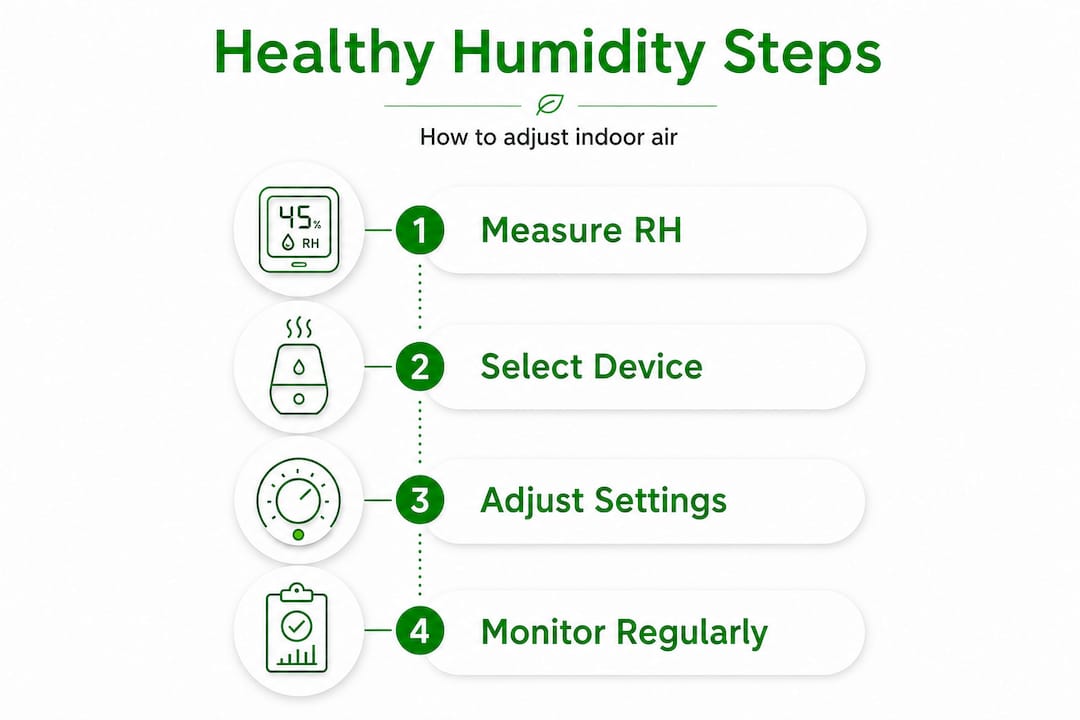
Pro Tip: Purchase a basic digital hygrometer (a device that measures RH) and place it in the room where you spend the most time. Readings taken twice a day over a week will tell you exactly what your indoor air is doing, removing any guesswork from the process.
Signs your indoor air is too dry:
- Waking up with a dry throat or congestion
- Increased frequency of static shocks when touching surfaces or other people
- Noticeably dry or flaky skin despite regular moisturising
- Cracking or warping of wooden furniture or flooring
- Persistent eye irritation that worsens when sitting near AC vents
Signs your indoor air is too humid:
- Condensation on windows or mirrors that does not clear quickly
- A musty or earthy odour in enclosed rooms
- Visible mould spots near walls, ceilings, or behind furniture
- Worsening allergy or asthma symptoms after rainfall
- Damp patches or staining on walls or ceilings
The doctors’ warnings following UAE rain events highlight how quickly the situation can reverse. Many residents who use humidifiers daily during summer should switch to dehumidifiers or at least turn off the humidifier entirely during and after heavy rain. Failing to adjust causes indoor RH to climb well above 60%, triggering exactly the mould and allergen risks that humidification was meant to prevent.
Options for humidifying and dehumidifying indoor air
Once the problem is identified, the next step is choosing the right equipment. Several distinct options exist, each suited to different property types and usage patterns.
Humidifier types available in the UAE market:
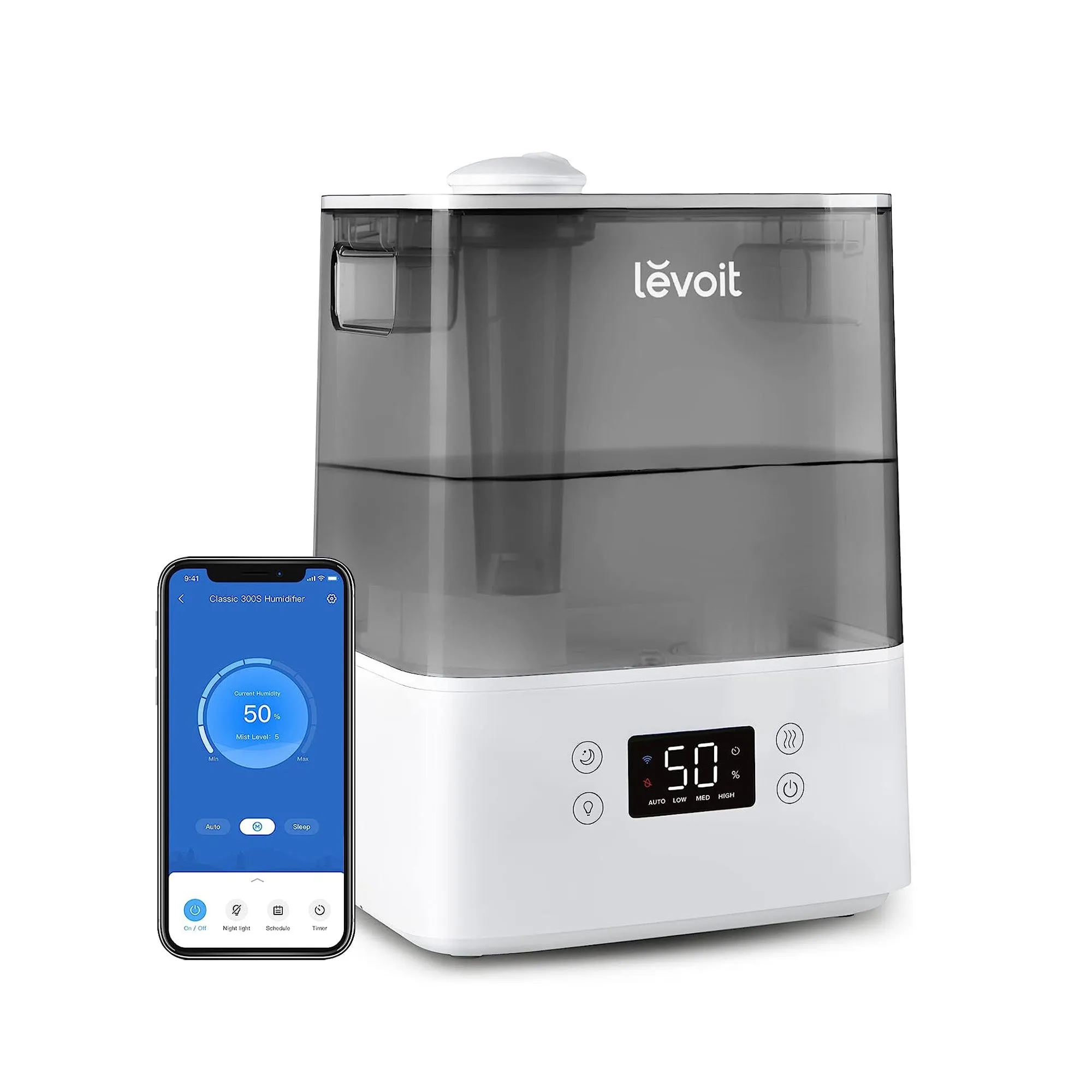
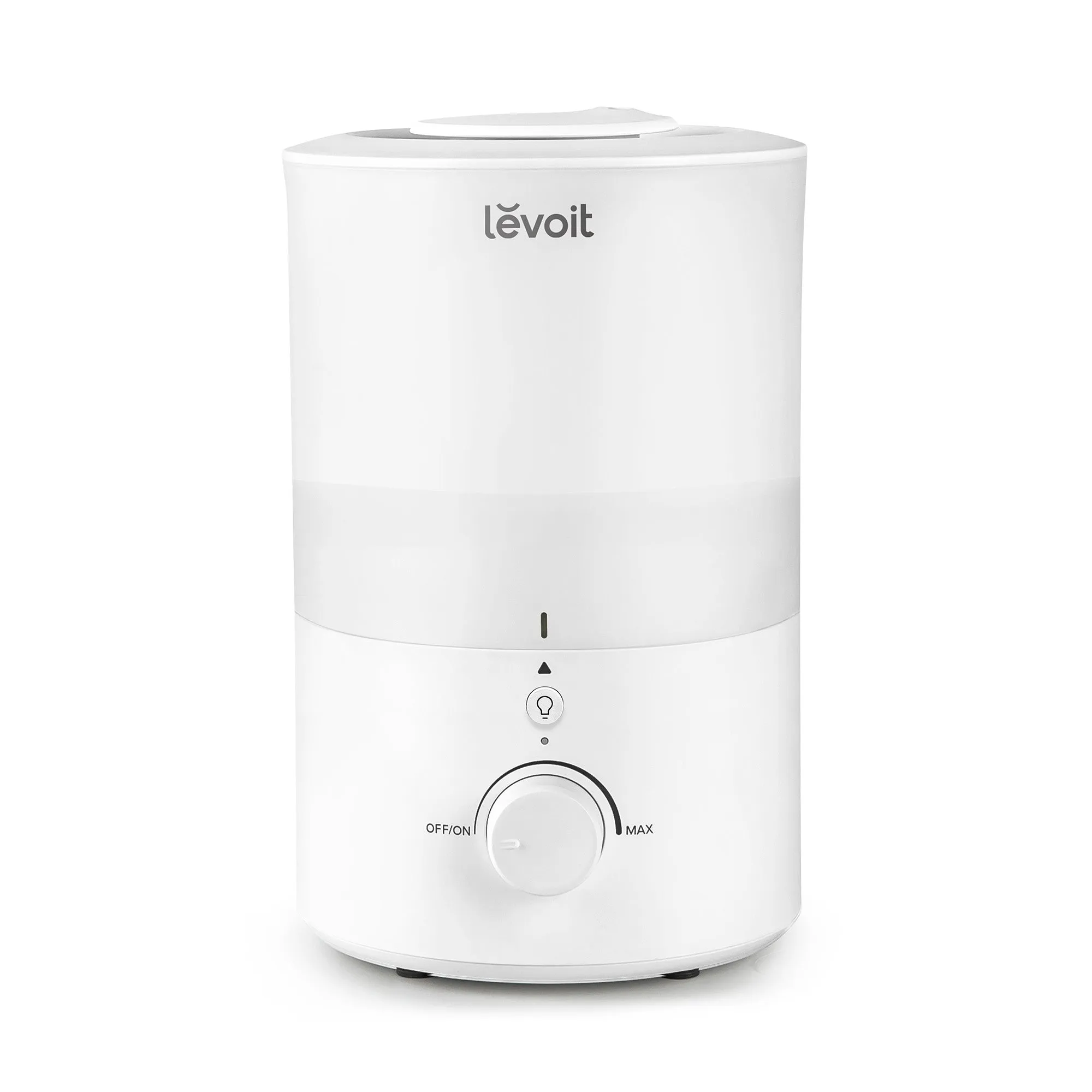
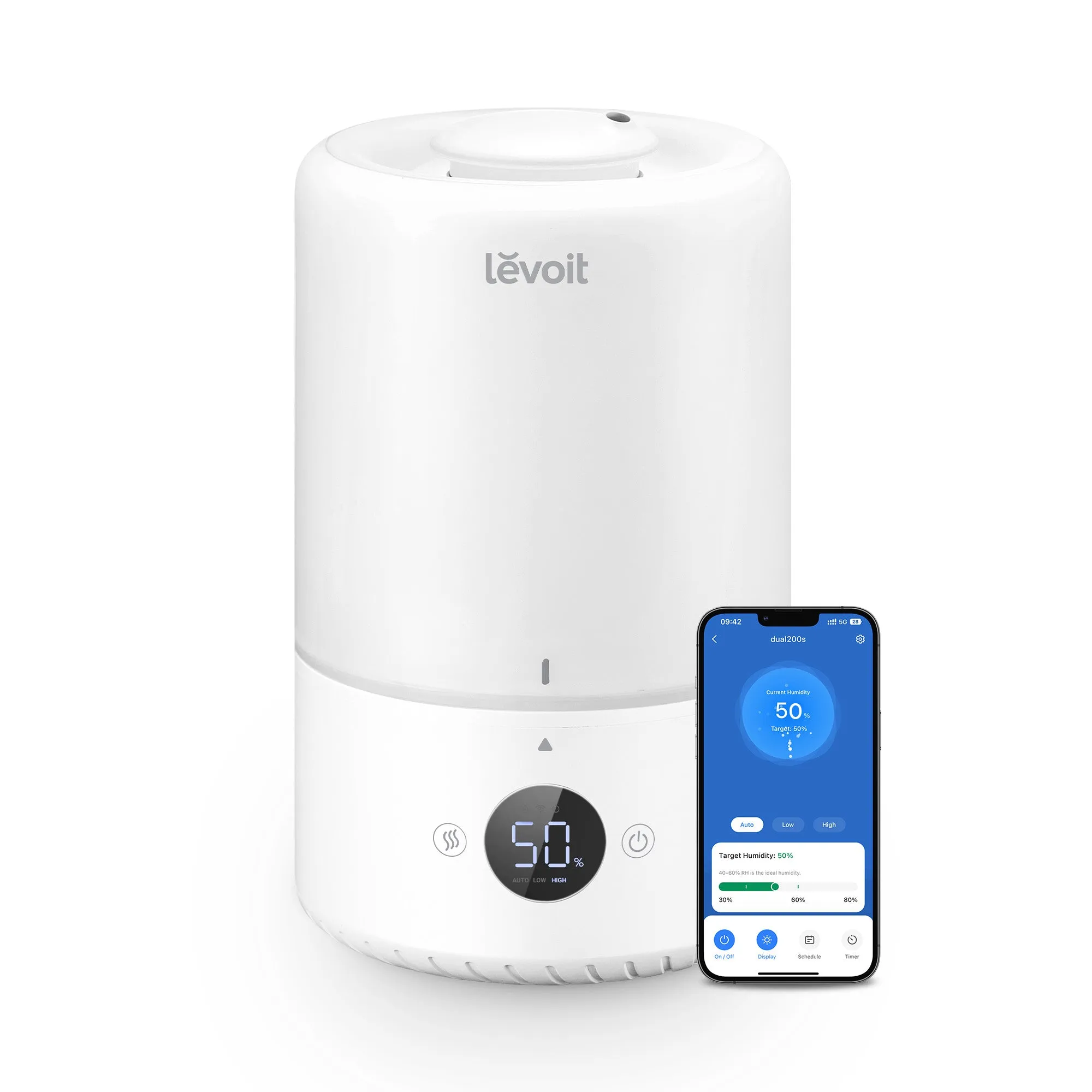
Portable ultrasonic humidifiers are the most common choice for apartments and smaller rooms. They use high-frequency vibration to create a fine water mist and are typically quiet, energy-efficient, and straightforward to operate. The main drawback is white dust, a residue from mineral-heavy tap water that can settle on surfaces. Using distilled or filtered water resolves this.
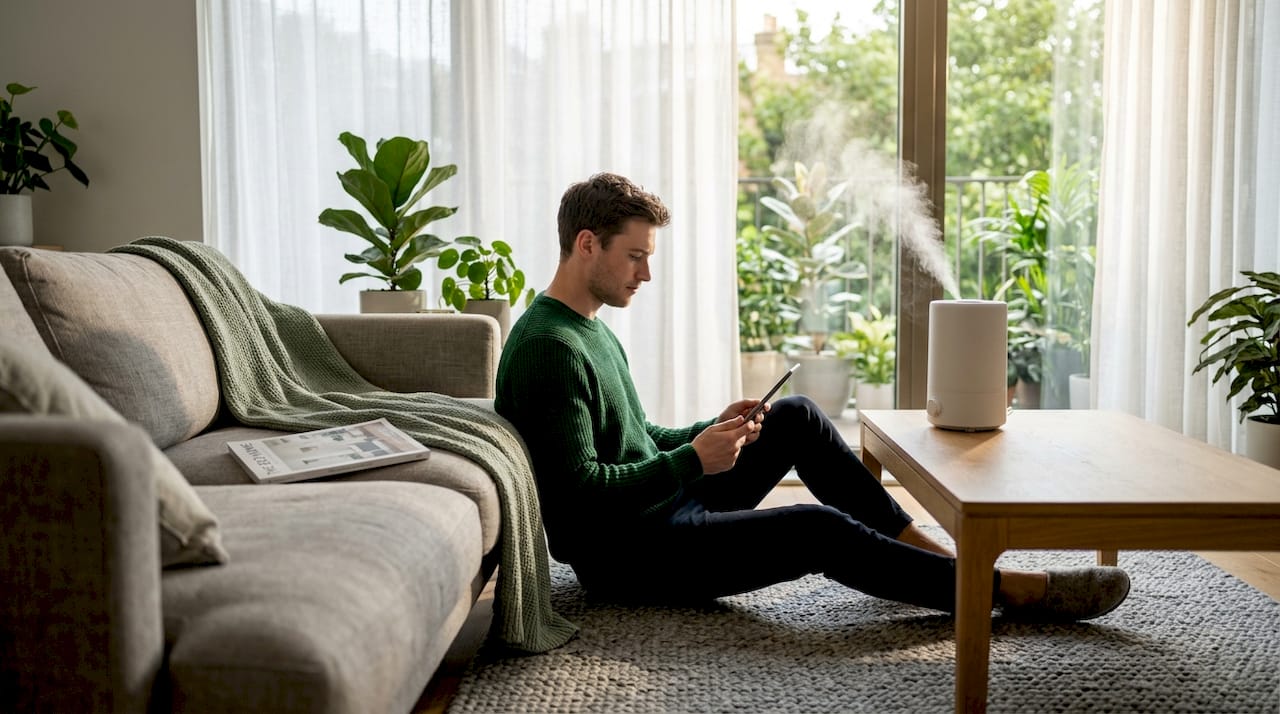
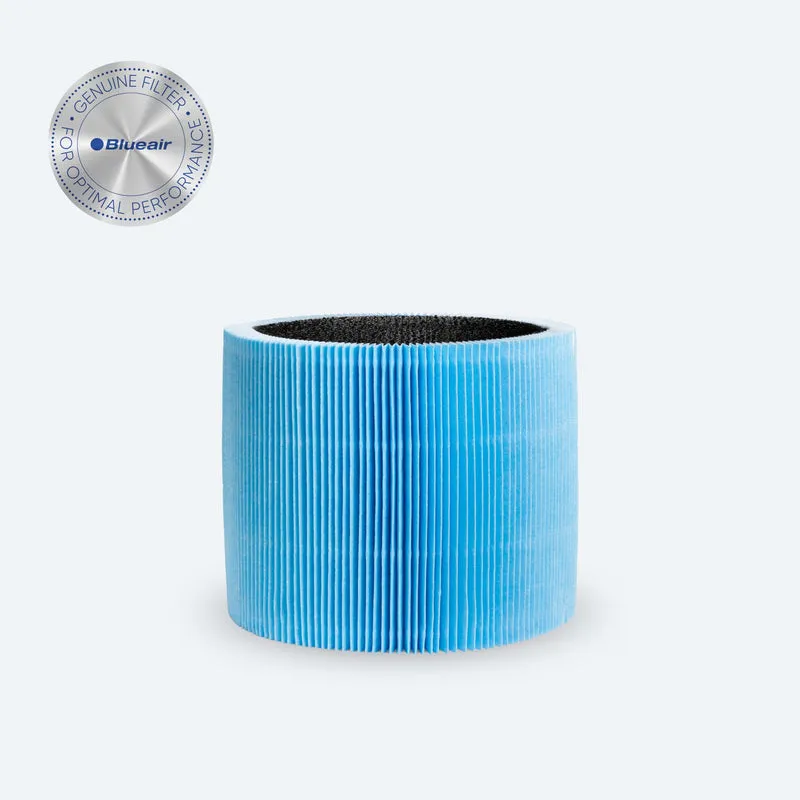
Evaporative humidifiers draw air through a water-soaked wick or pad and release moisture naturally. They self-regulate to some extent as they become less effective when RH is already high. Evaporative pad humidifiers achieve high efficiency without white dust, making them a cleaner long-term option.
Whole-house or ducted humidifiers integrate directly with HVAC systems and treat all rooms simultaneously. These are the most effective solution for larger villas and commercial spaces. Whole-house units integrate with HVAC ducts, providing consistent coverage without requiring individual portable units in every room.
Dehumidifiers operate by drawing air over cold coils, condensing moisture into a collection tank or drain. They are essential during post-rain periods or in coastal UAE properties that experience persistent high humidity from the sea air. Portable dehumidifiers suit individual rooms, while whole-building systems serve larger spaces.
| Feature | Portable humidifier | Whole-house humidifier | Portable dehumidifier |
|---|---|---|---|
| Coverage area | Single room | Entire property | Single to large room |
| Installation | None required | HVAC integration needed | None required |
| Running cost | Low | Moderate | Moderate |
| White dust risk | Yes (ultrasonic) | Low (evaporative) | None |
| Best for | Apartments, bedrooms | Villas, offices | Post-rain, coastal areas |
| Maintenance | Weekly tank cleaning | Filter replacement | Tank emptying, filter care |
Matching the solution to the property type matters significantly. A portable humidifier placed in a single bedroom addresses local dryness but does nothing for living areas or hallways. A whole-house system is a larger investment but offers property-wide control without the daily management of multiple portable units.
Airtight homes and ventilation: do you need a humidifier?
Not every UAE property needs a humidifier. This is a genuinely important distinction that saves money and prevents a different set of problems. Some newer villas and premium residential developments are built to airtight standards and equipped with Energy Recovery Ventilation (ERV) systems. ERV units exchange stale indoor air with fresh outdoor air while recovering a significant portion of the heat and moisture from the outgoing air.
In these properties, humidifiers are rarely needed because the sealed building envelope reduces infiltration, and the ERV system retains indoor moisture rather than letting it escape. Adding a humidifier on top of this creates a real risk: indoor RH climbs too high, and condensation forms inside wall cavities and on structural elements, leading to rot and mould that is far harder to address than dry air.
Pro Tip: If your property has an ERV or HRV (Heat Recovery Ventilation) system installed, measure your indoor RH over several days before purchasing any humidifier. You may find the system already maintains comfortable levels without any additional equipment.
The recommended RH range for airtight homes sits slightly lower, between 30% and 45%, rather than the 40% to 50% target for standard properties. This accounts for the reduced drying effect of infiltration and the moisture-retaining performance of the ventilation system.
| Property type | Ventilation system | Typical RH without humidifier | Recommended action |
|---|---|---|---|
| Standard villa, older build | None or basic AC only | 20 to 35% in summer | Humidifier recommended |
| Apartment, AC-cooled | Centralised AC | 25 to 40% year-round | Monitor; humidifier likely useful |
| Airtight villa with ERV | ERV system | 35 to 50% | Monitor only; no humidifier needed |
| Coastal property | AC with sea air infiltration | 50 to 70% post-rain | Dehumidifier during wet periods |
| Office, open-plan | Commercial AC | 25 to 38% | Humidifier advisable; monitor levels |
Checking your actual RH before purchasing equipment is the single most practical step available. A hygrometer costs very little and provides the data needed to make an informed decision rather than a guessed one.
What most UAE residents miss about indoor air humidity
The most common mistake is treating humidification as a fixed setting rather than a seasonal adjustment. UAE air quality is not static. During long dry summers, chronic AC use strips indoor air of moisture, and a humidifier running at moderate output makes a genuine difference to respiratory comfort and skin health. That is a well-established and straightforward case for humidification.
However, the same home during a rain event faces the opposite problem. UAE summer rain spikes demand immediate dehumidification, while chronic AC dryness calls for humidifiers for year-round balance. Running both pieces of equipment simultaneously, or failing to adjust when conditions change, cancels out any benefit and wastes energy. The answer is monitoring, not guessing.
Over-humidification carries real risks that are frequently underestimated. Property owners who run humidifiers continuously, particularly in well-sealed newer homes, risk condensation forming inside walls, which is invisible and potentially serious. As noted in building performance research, humidification is unnecessary or excessive in airtight UAE villas with high ventilation, and levels above 45% risk condensation and rot in those settings.
The practical takeaway is straightforward. Measure first. Adjust second. Review regularly, especially after weather events, seasonal changes, or renovations that affect your building’s airtightness. Indoor air quality is not something to set once and forget. It shifts with the weather, the occupancy of the building, and changes to the property itself.
Get expert help for healthy indoor air
Balancing indoor humidity in UAE conditions requires the right products matched to the right property type. Whether the priority is adding moisture during dry AC months or removing excess humidity after rainfall, product selection makes a significant difference in results.
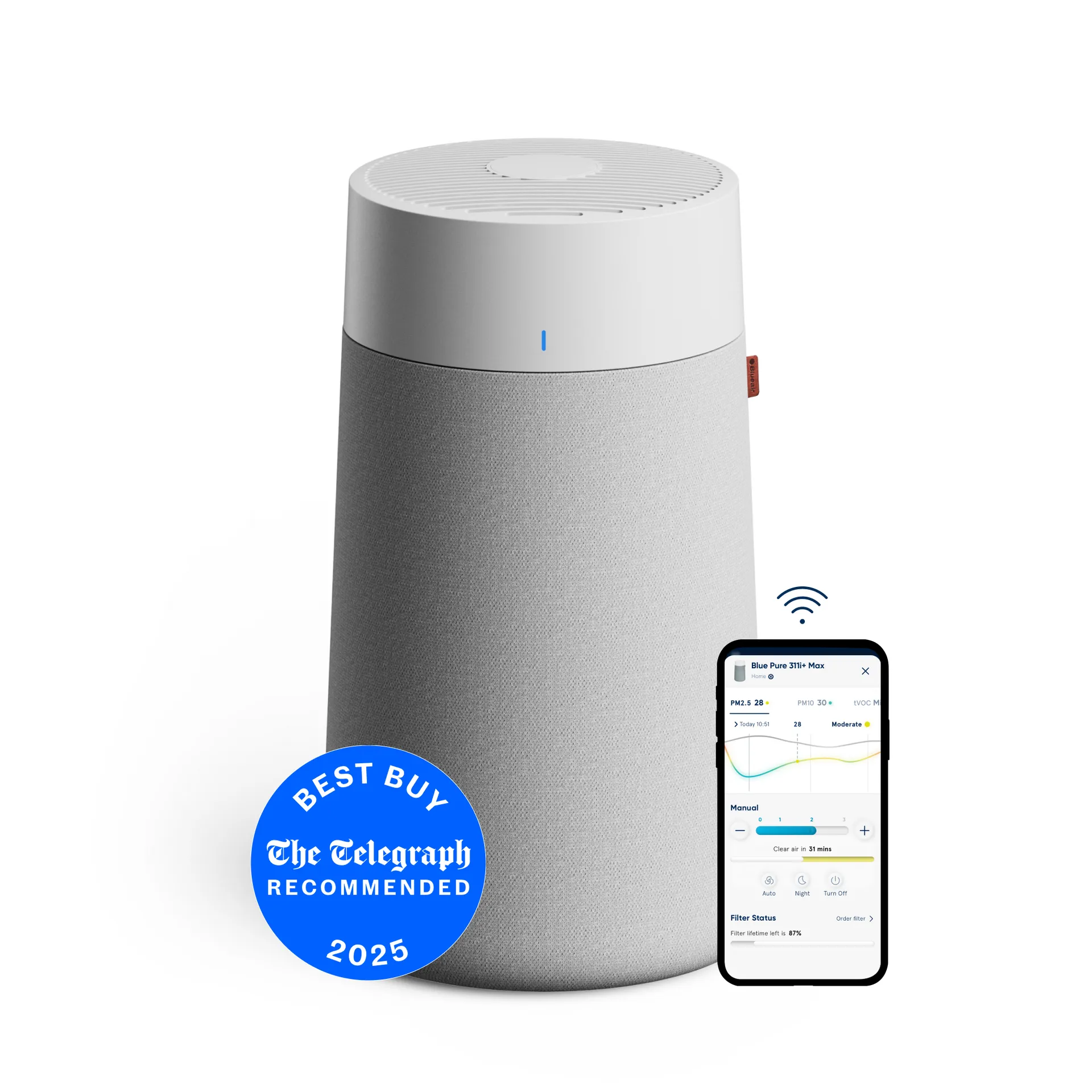
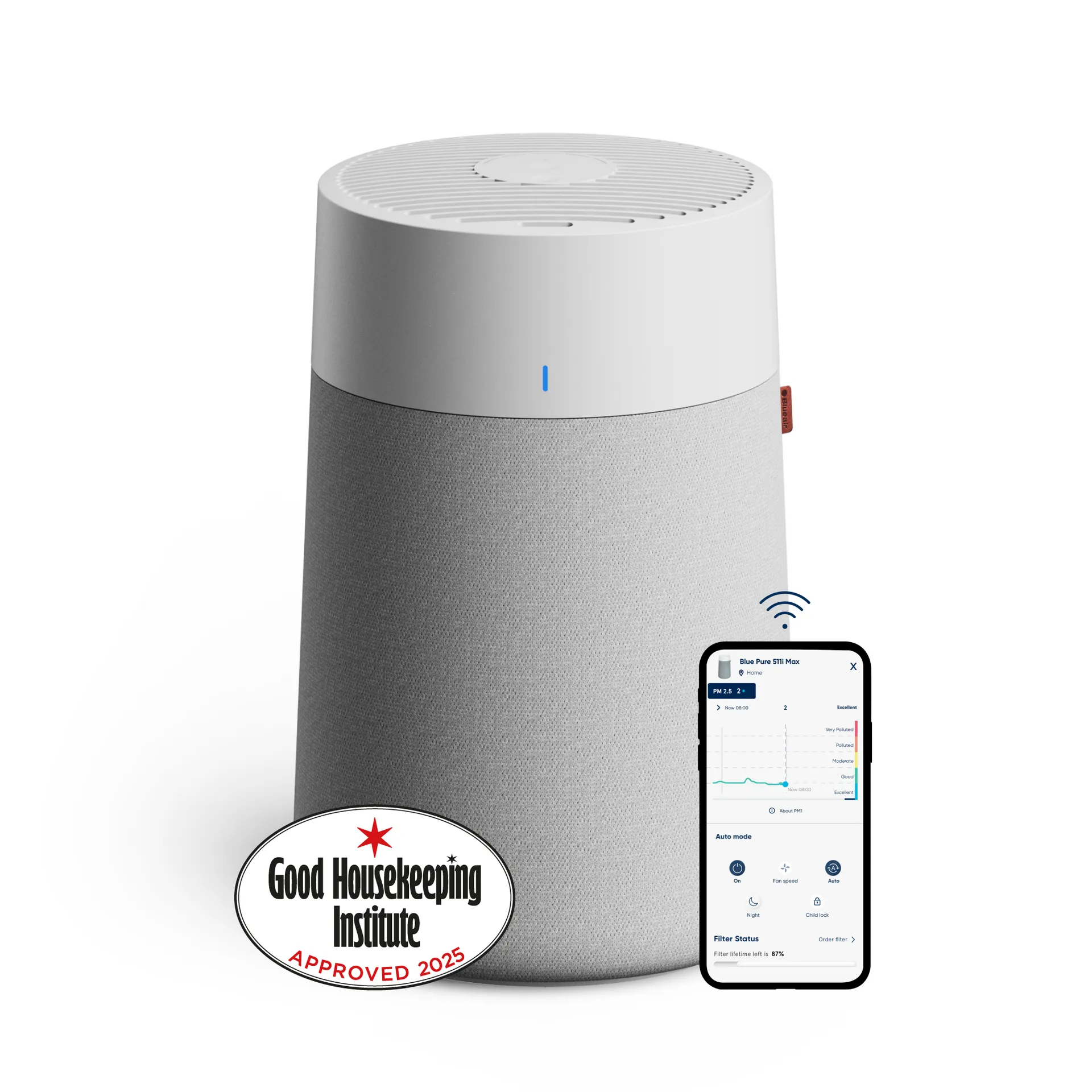
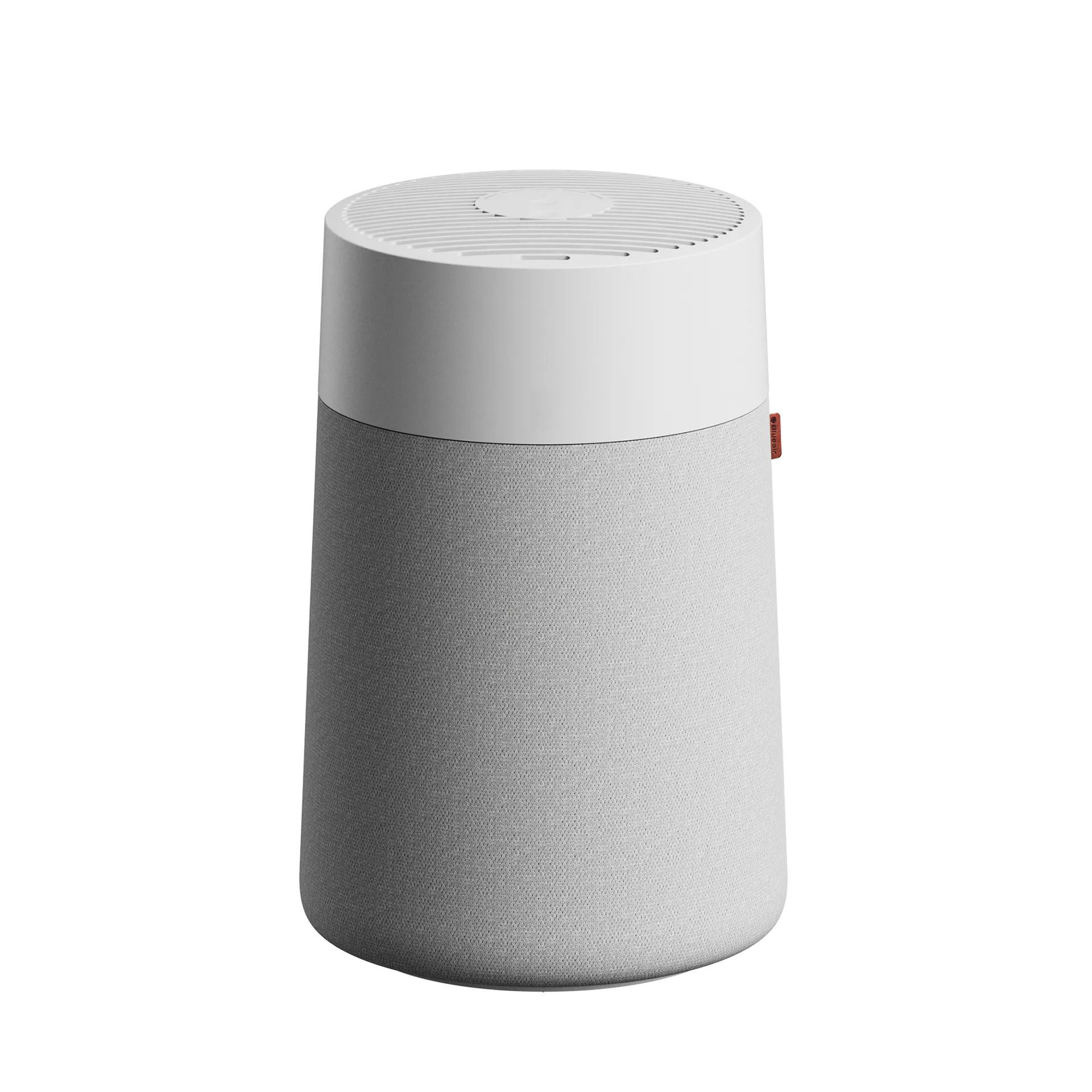
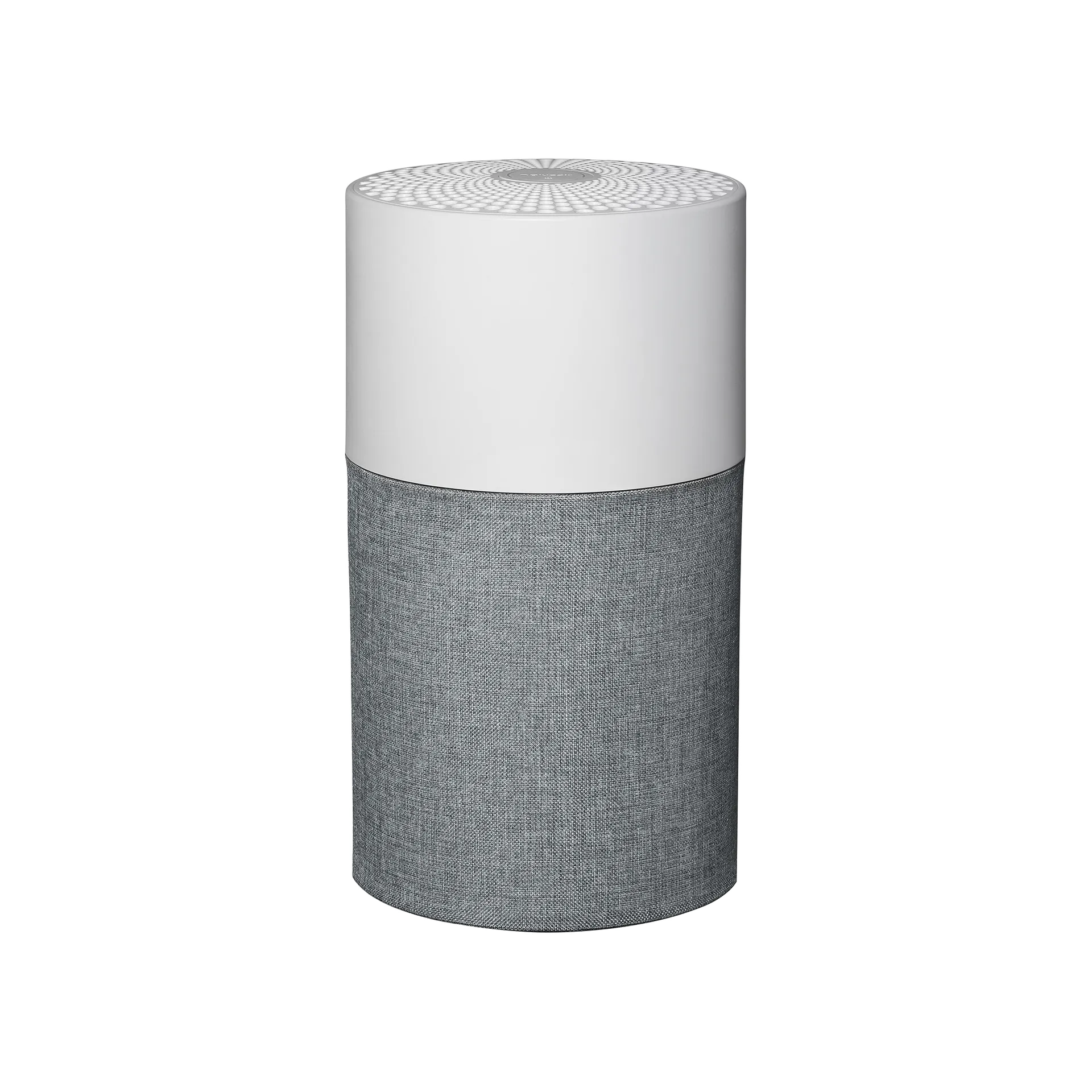
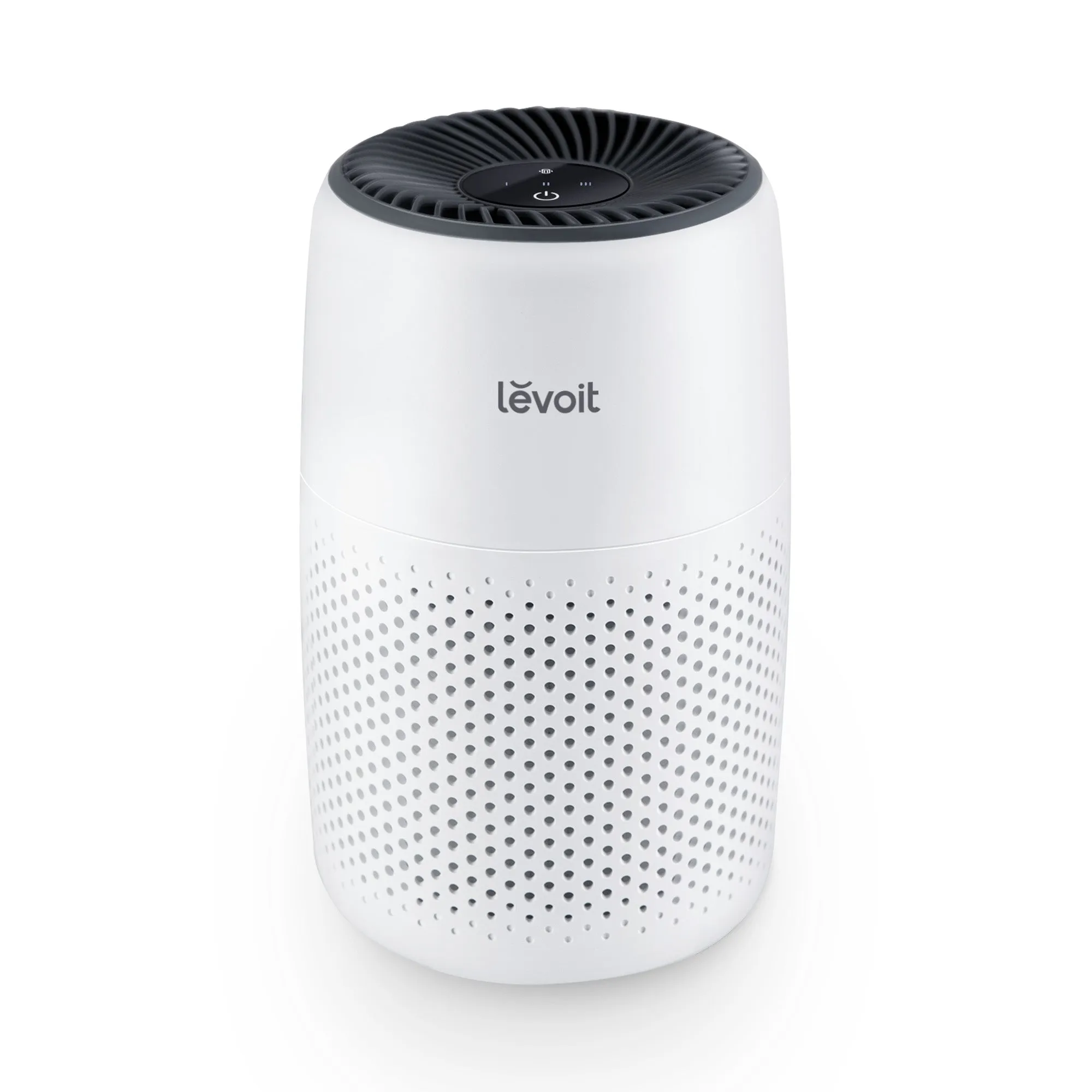
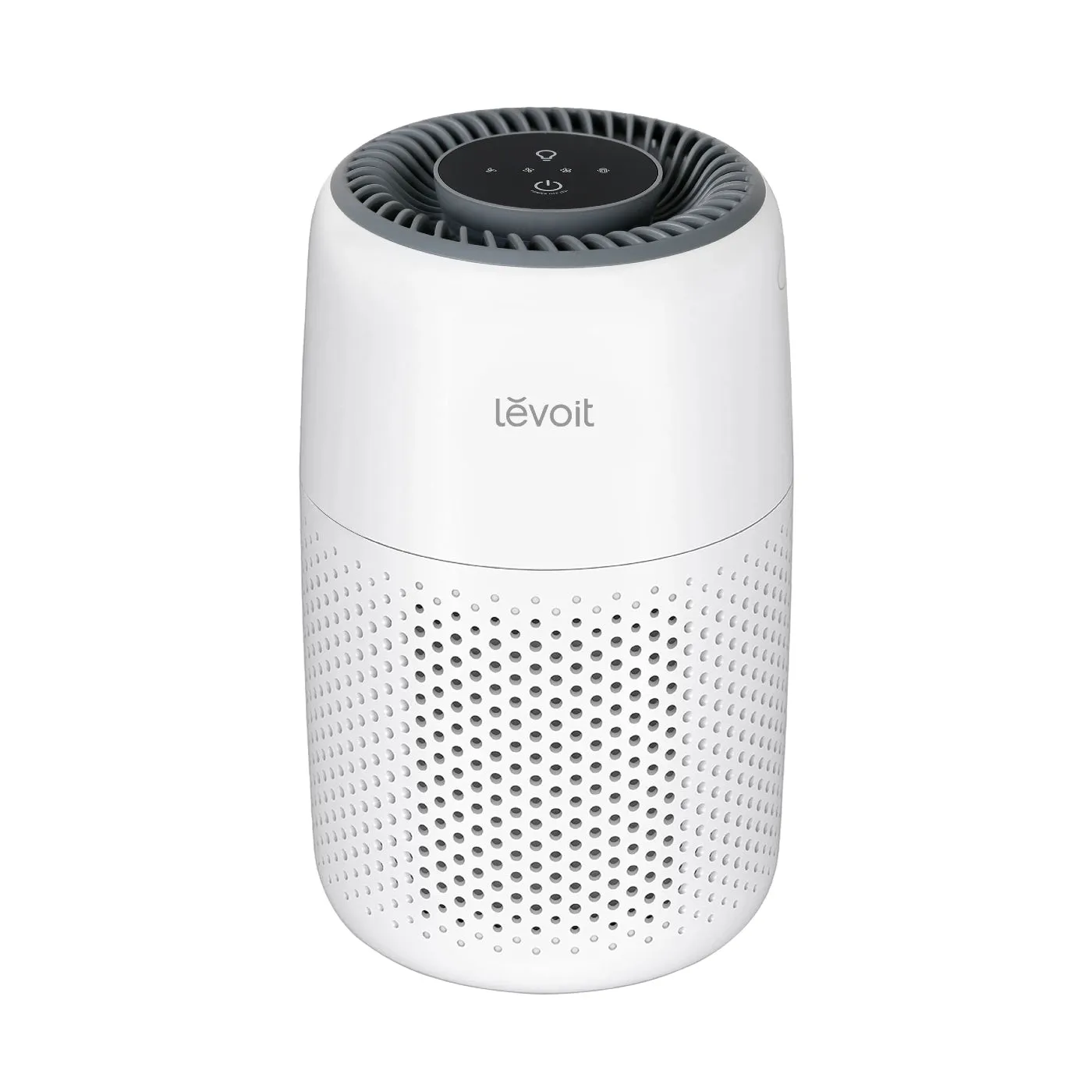
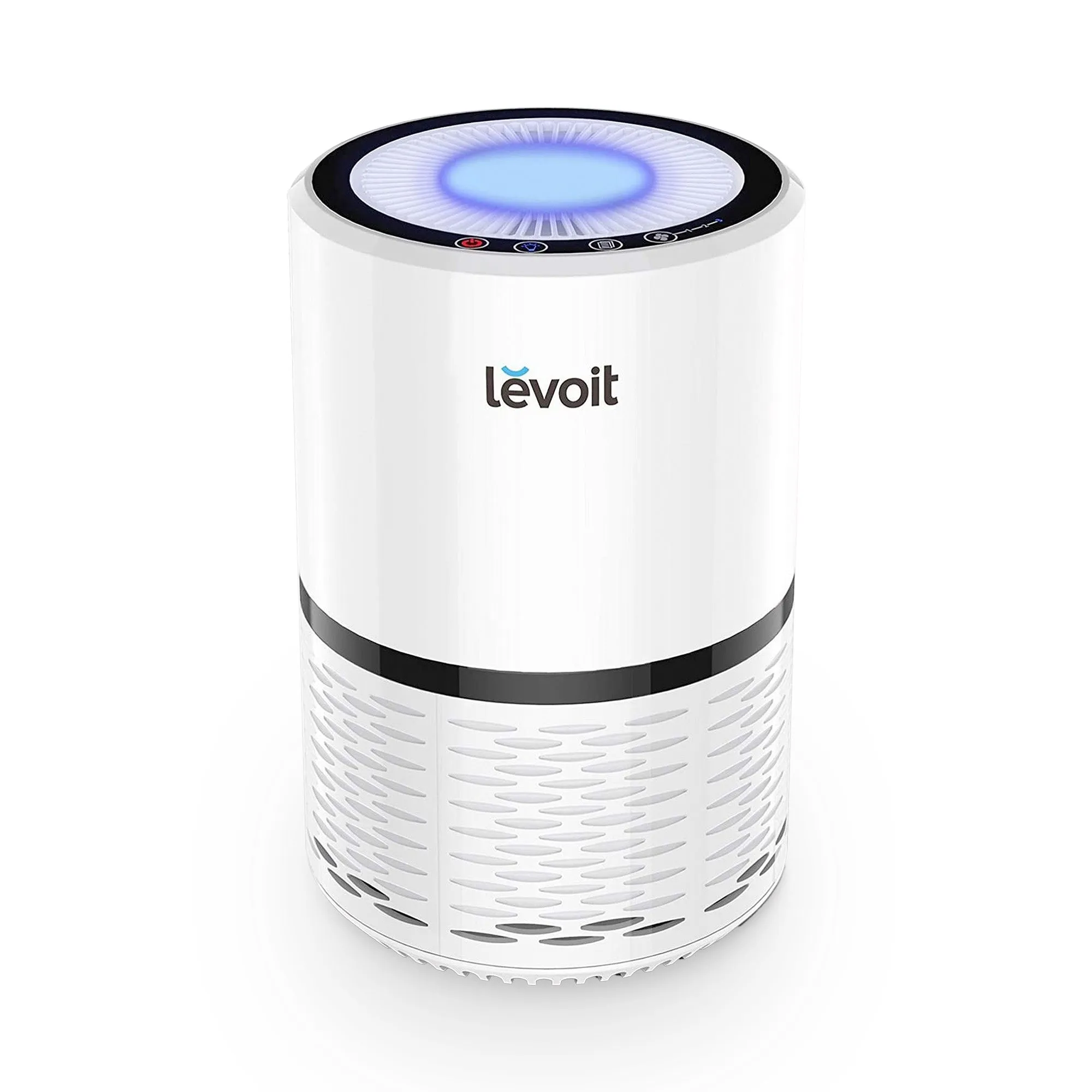
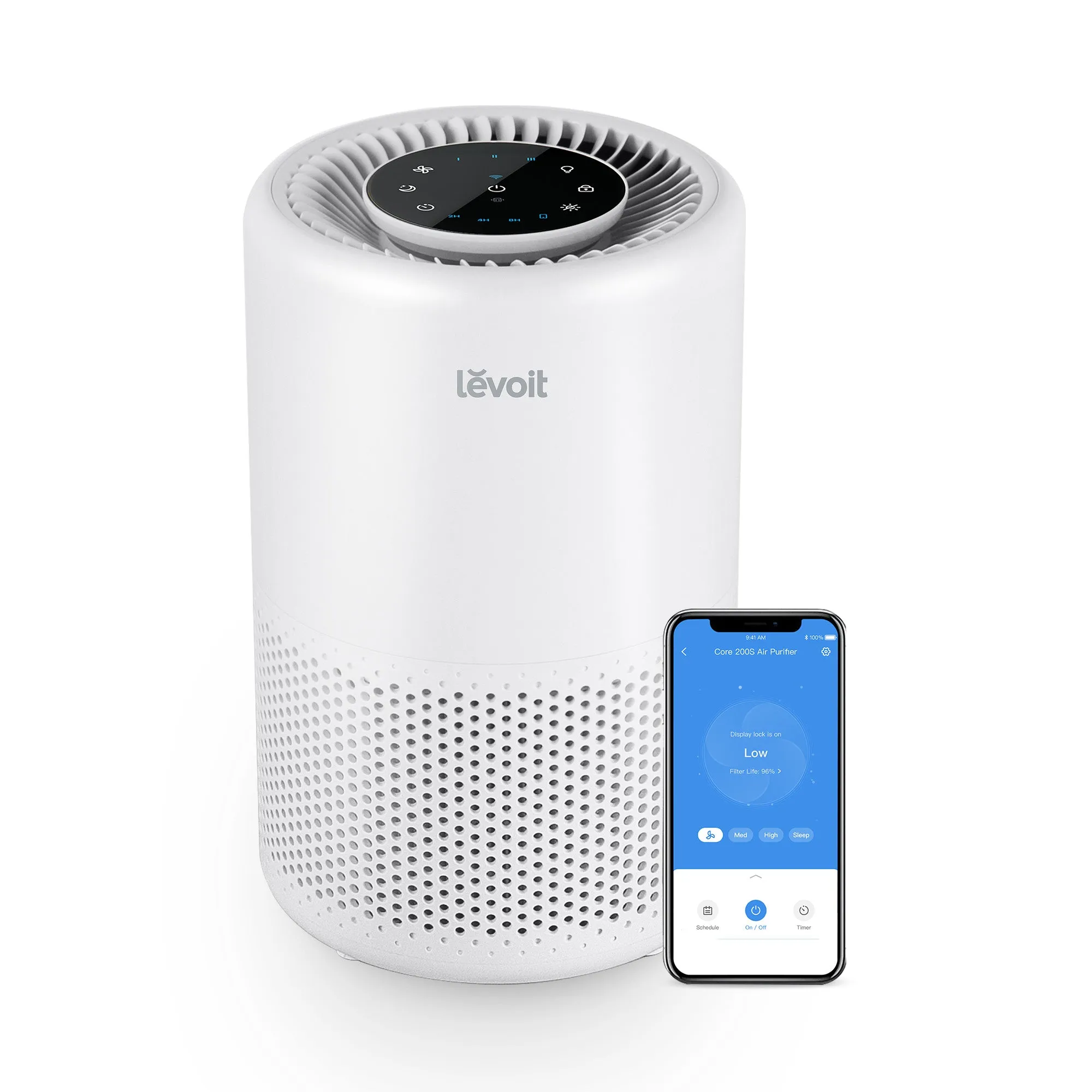
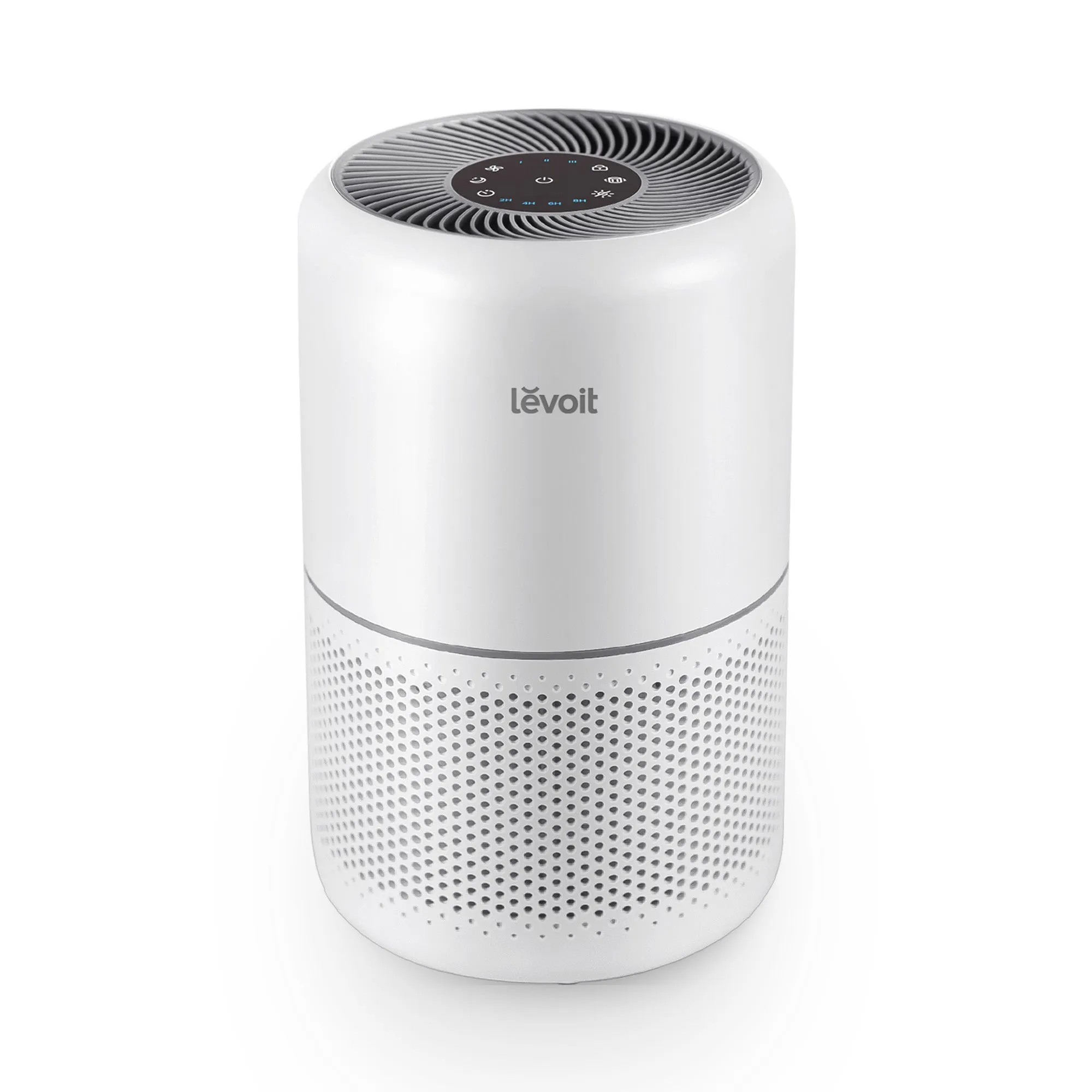
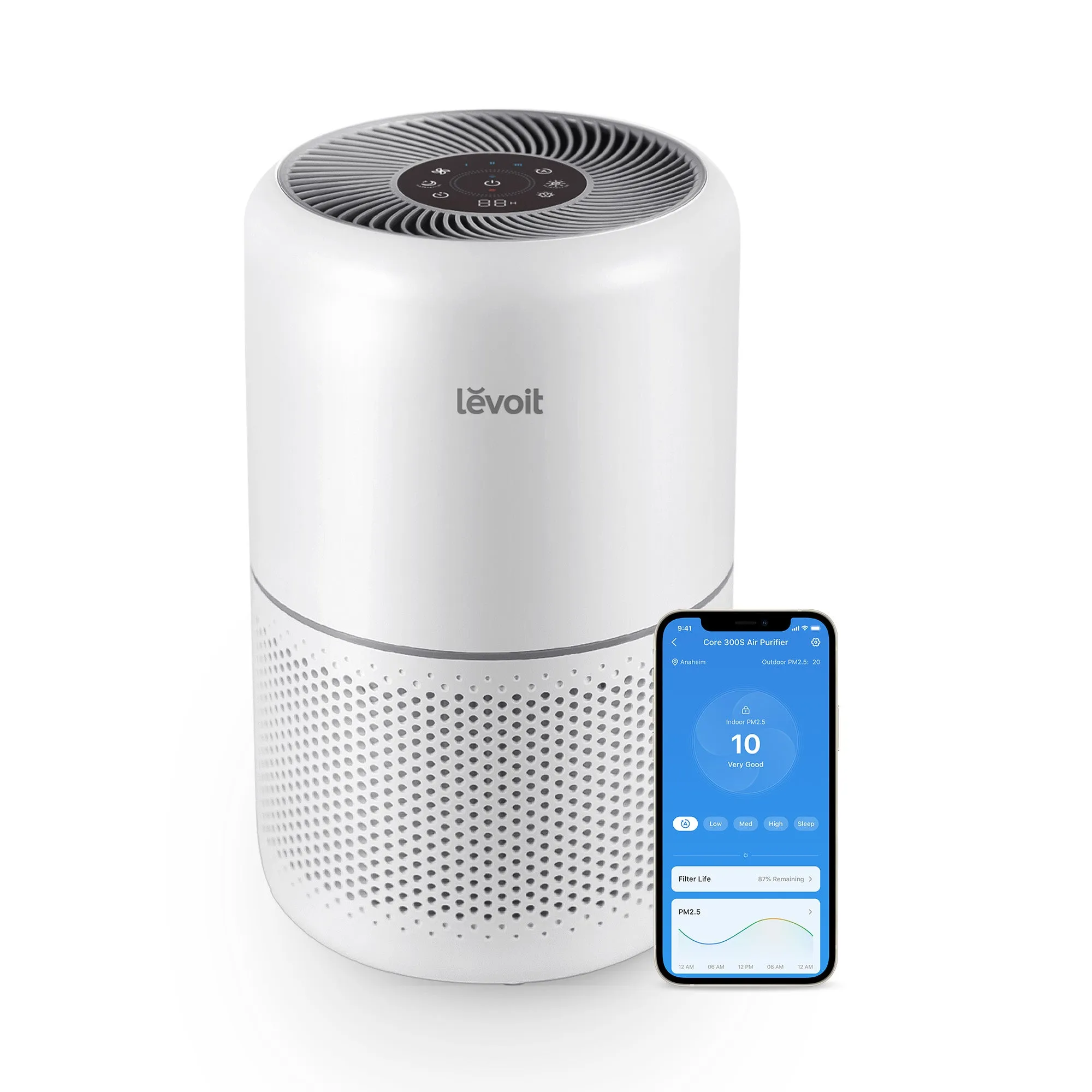
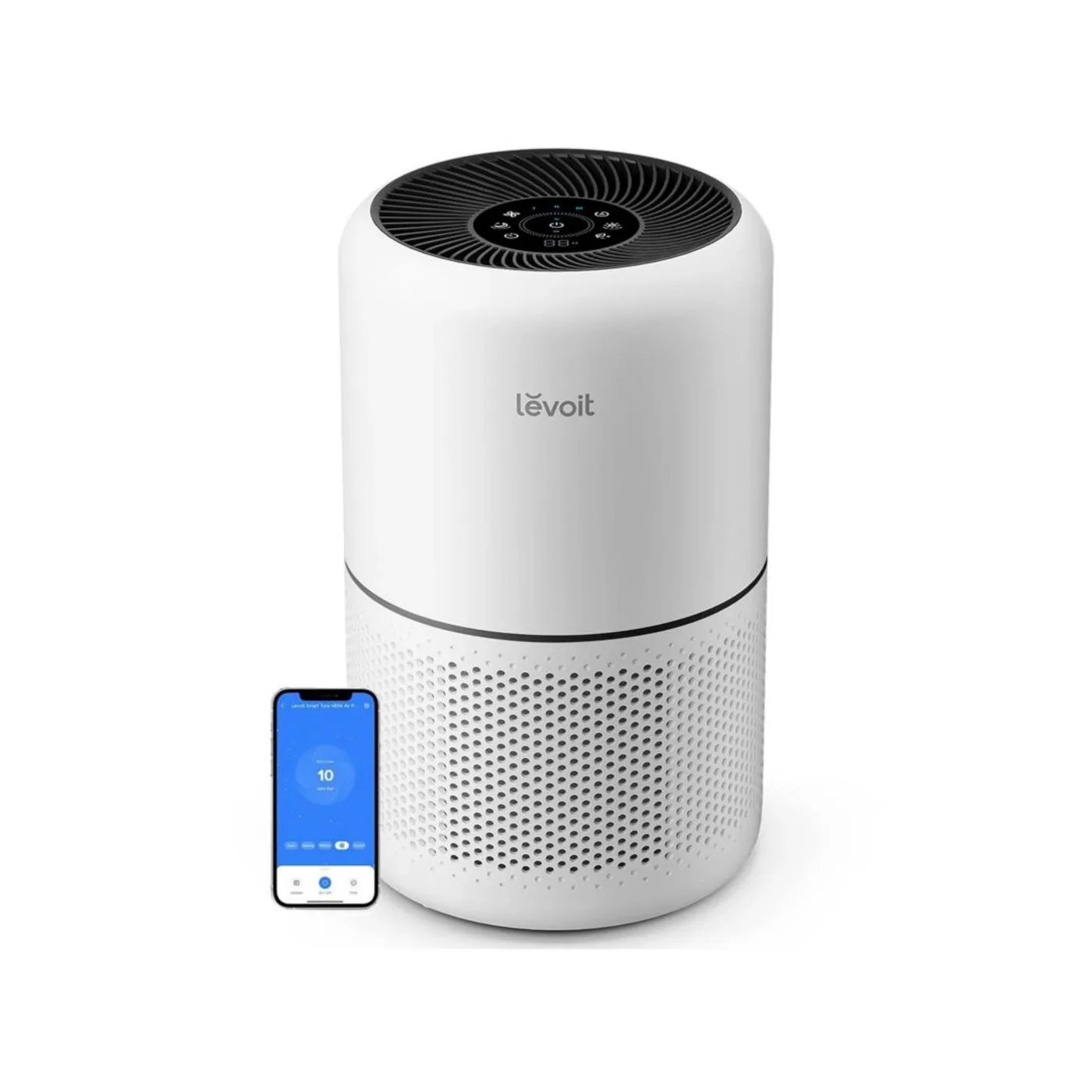
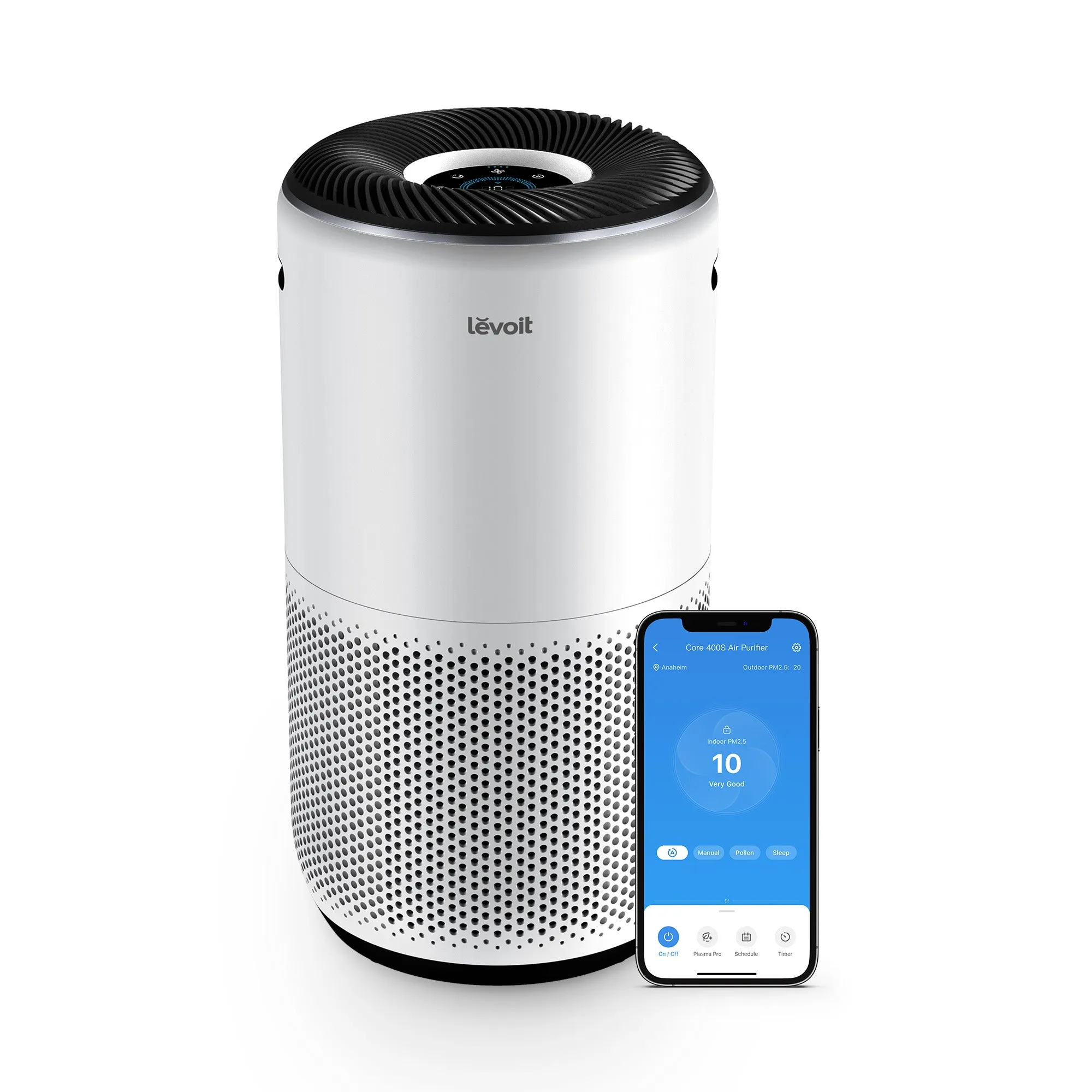
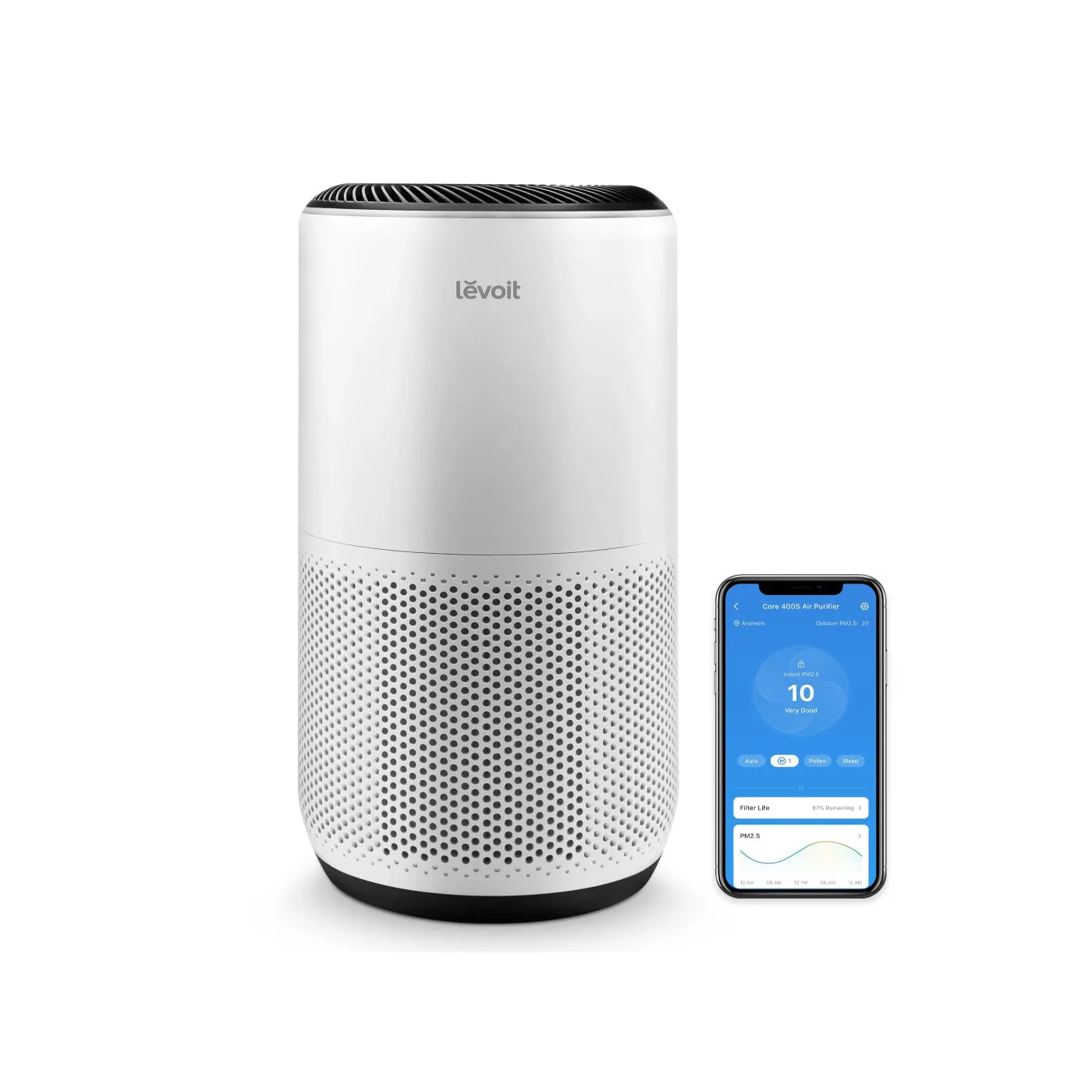
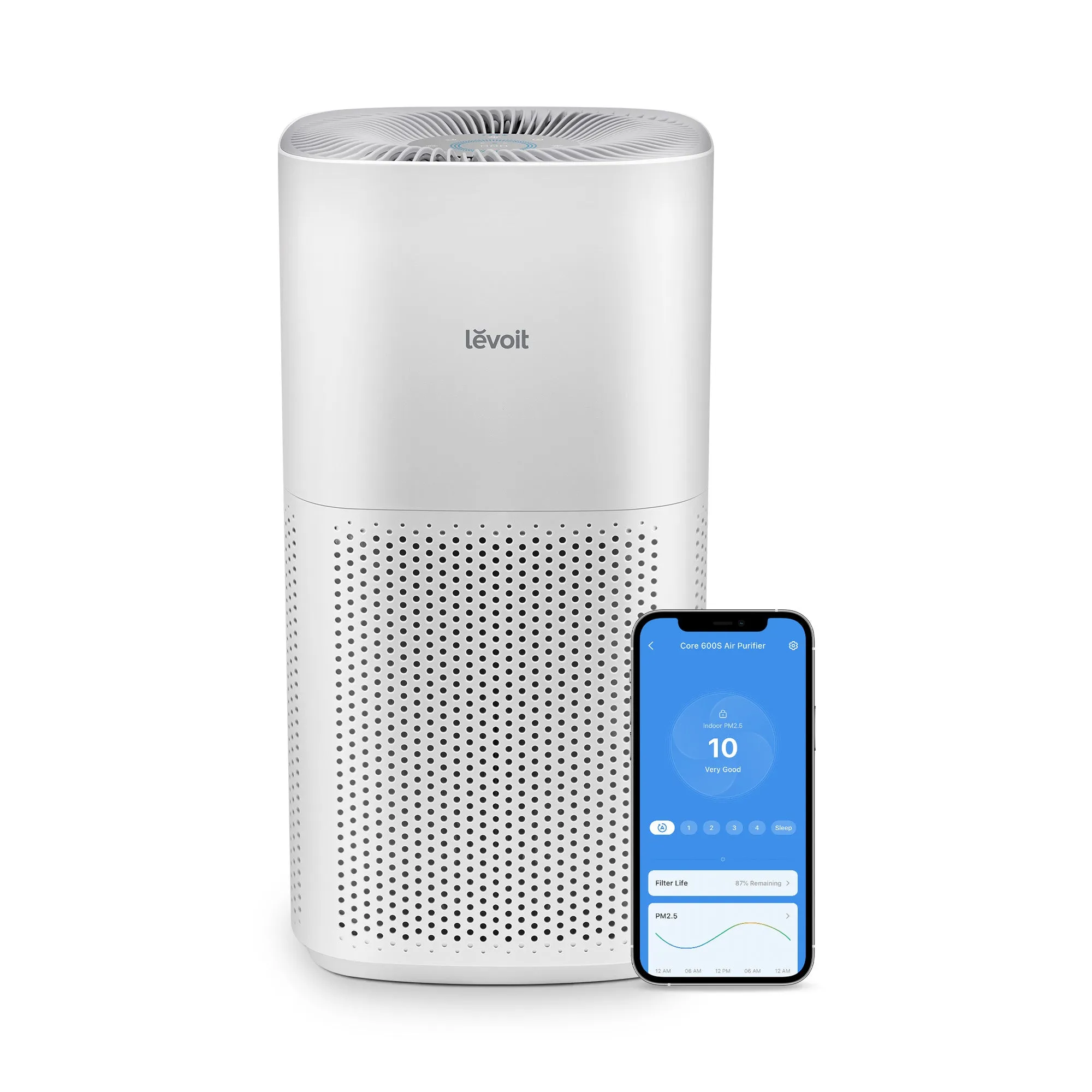
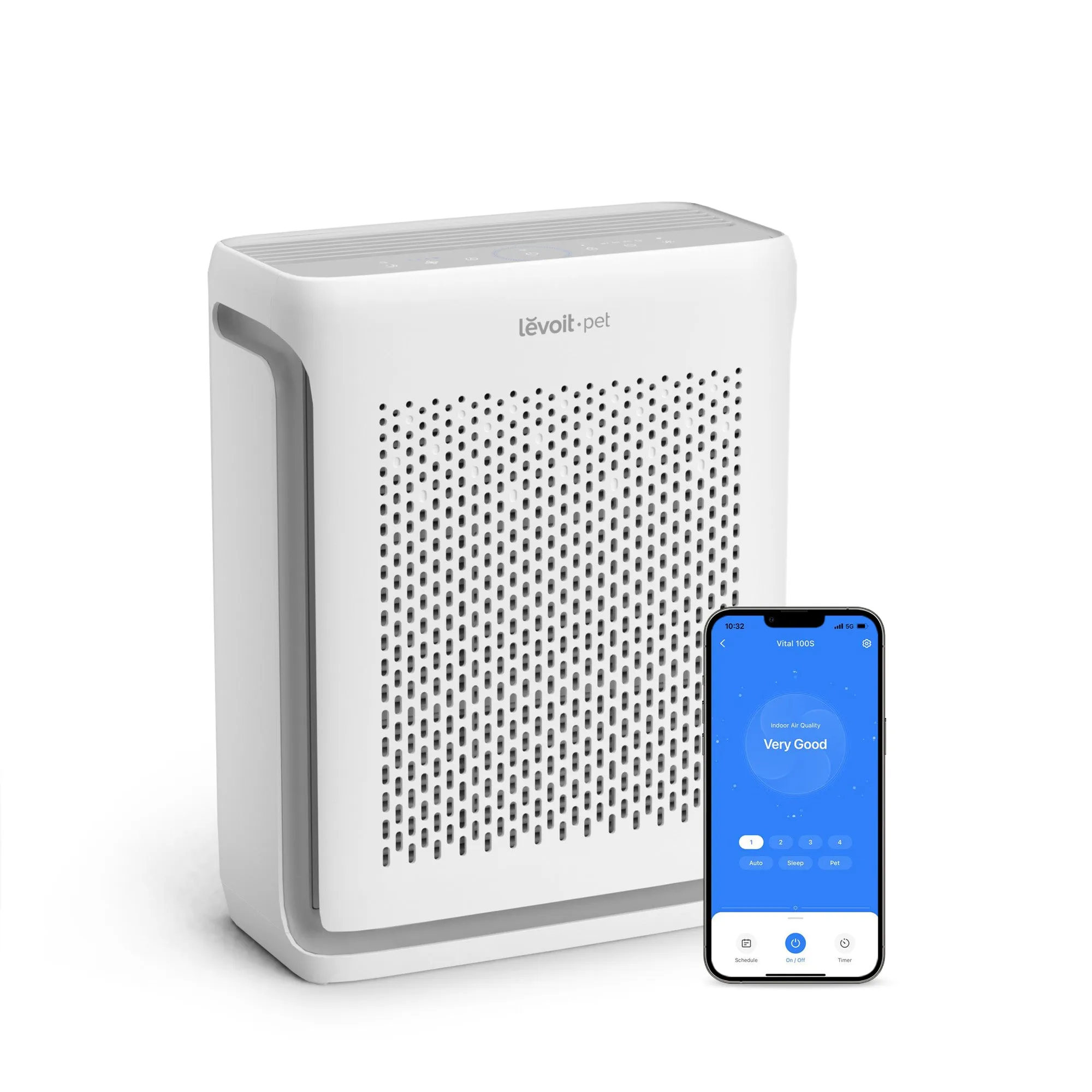
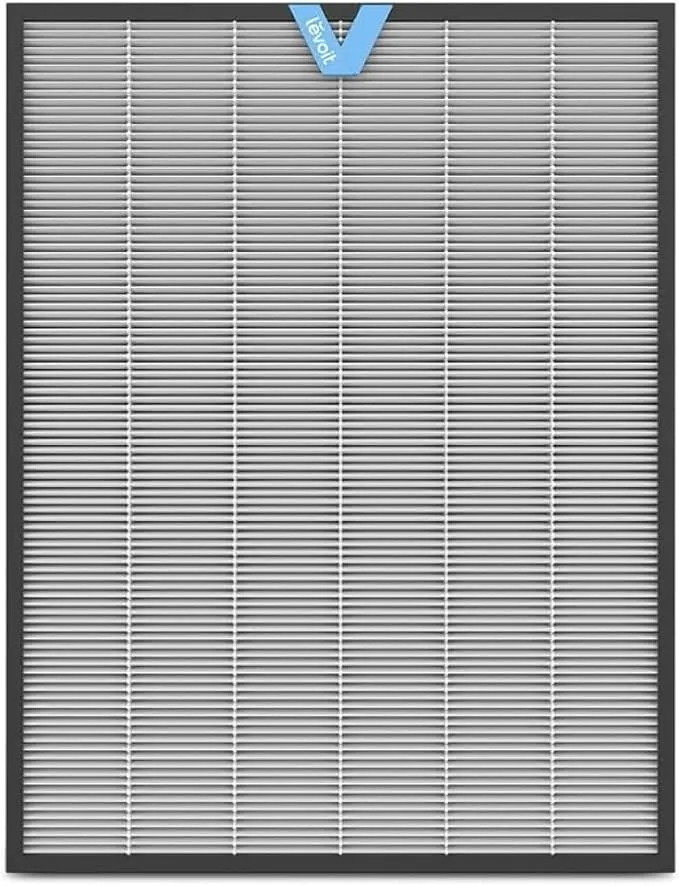
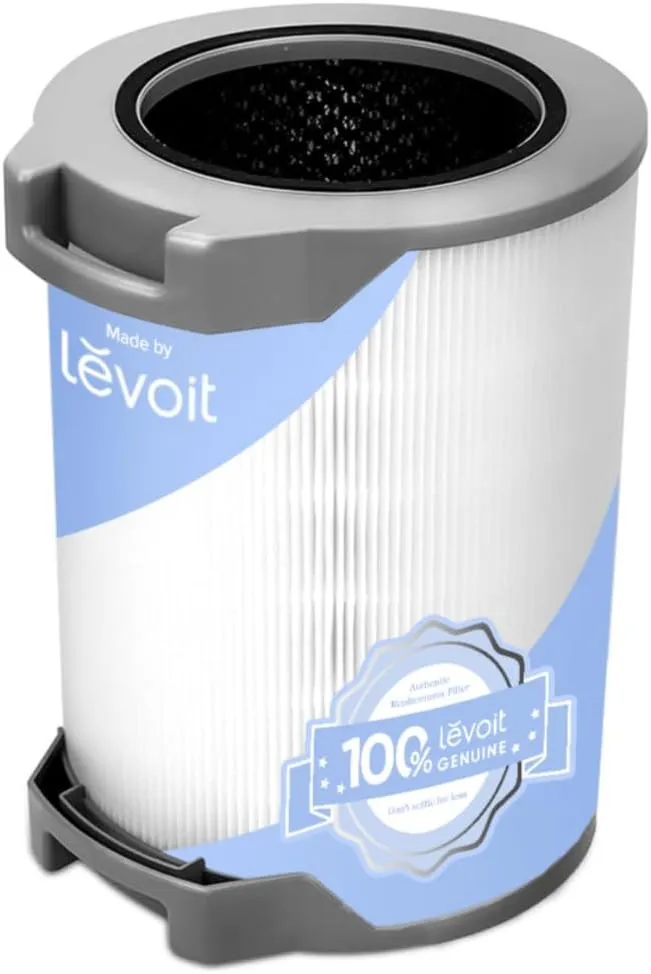
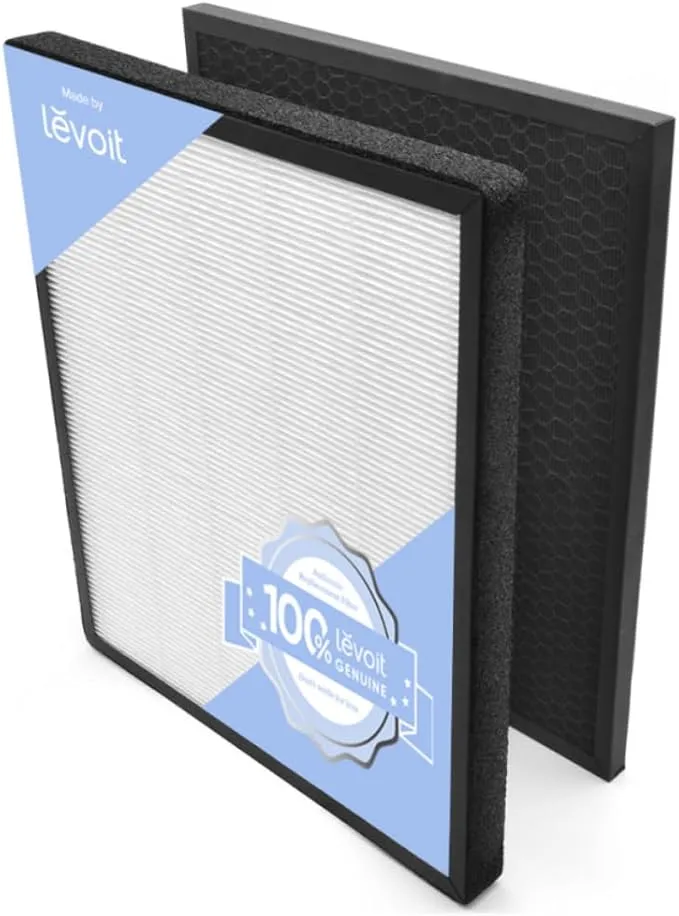
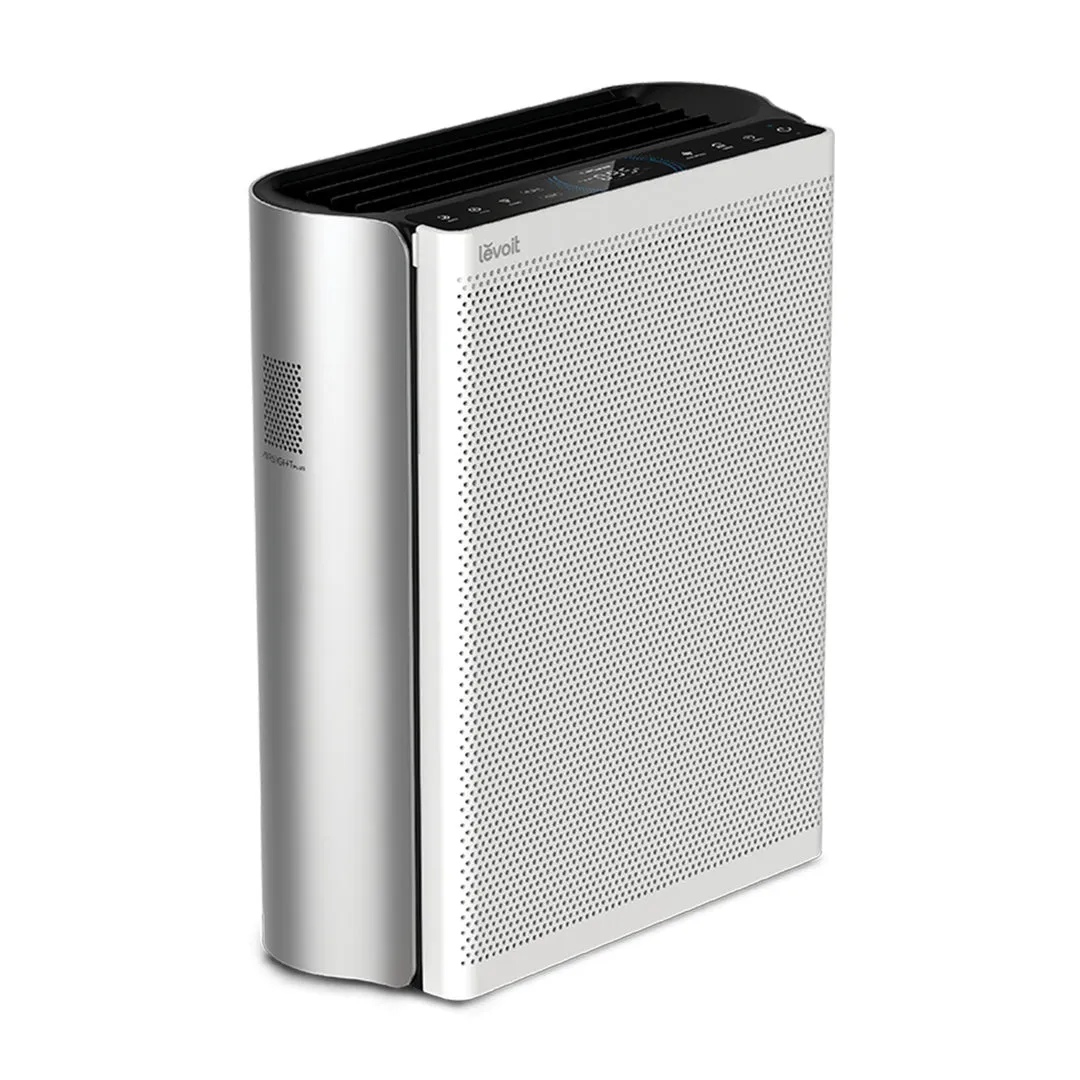
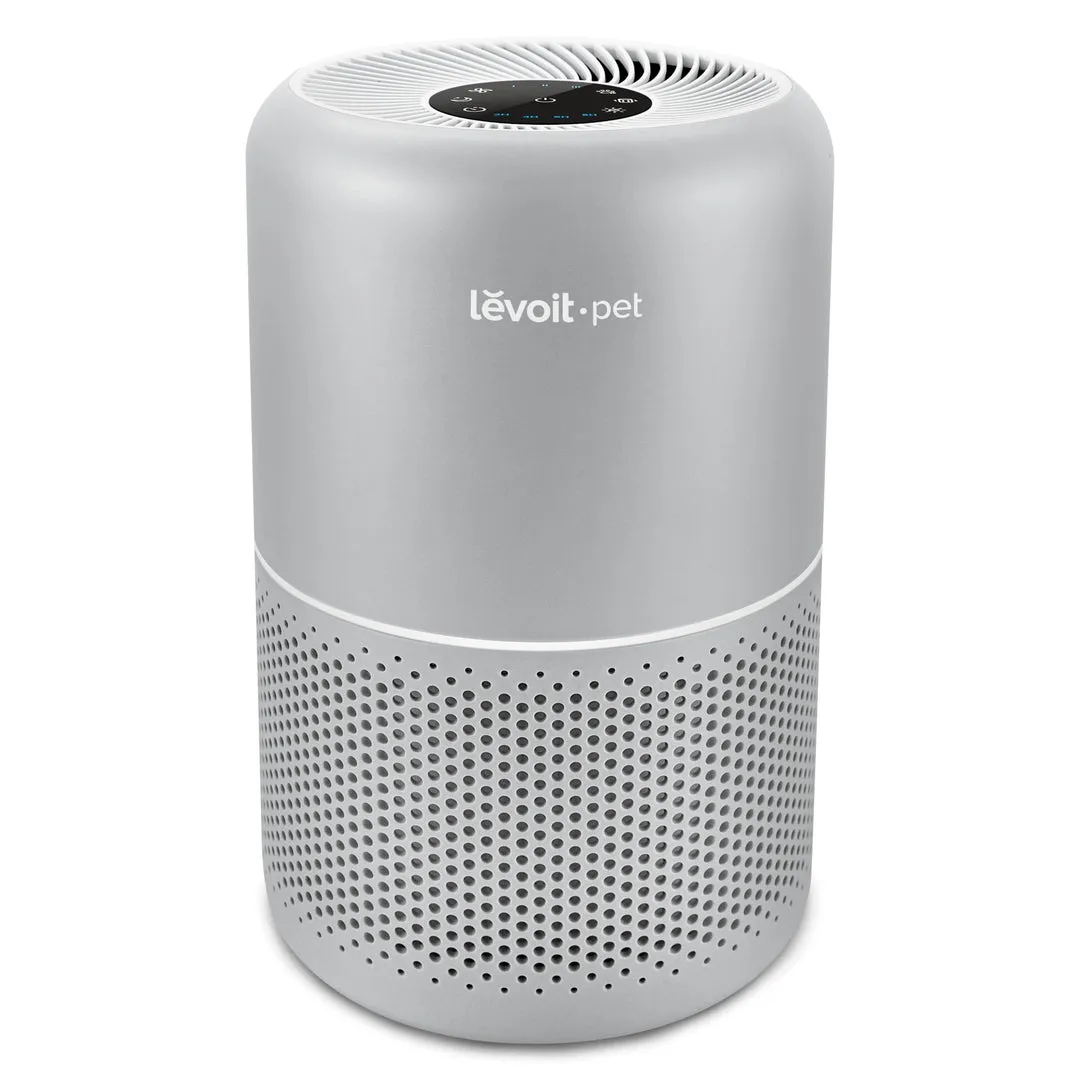
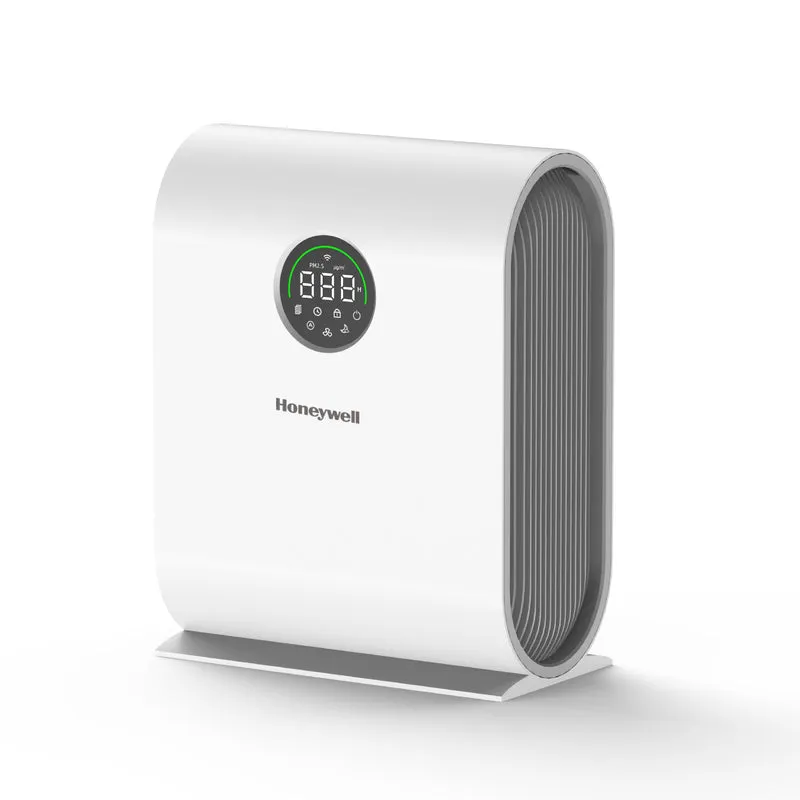
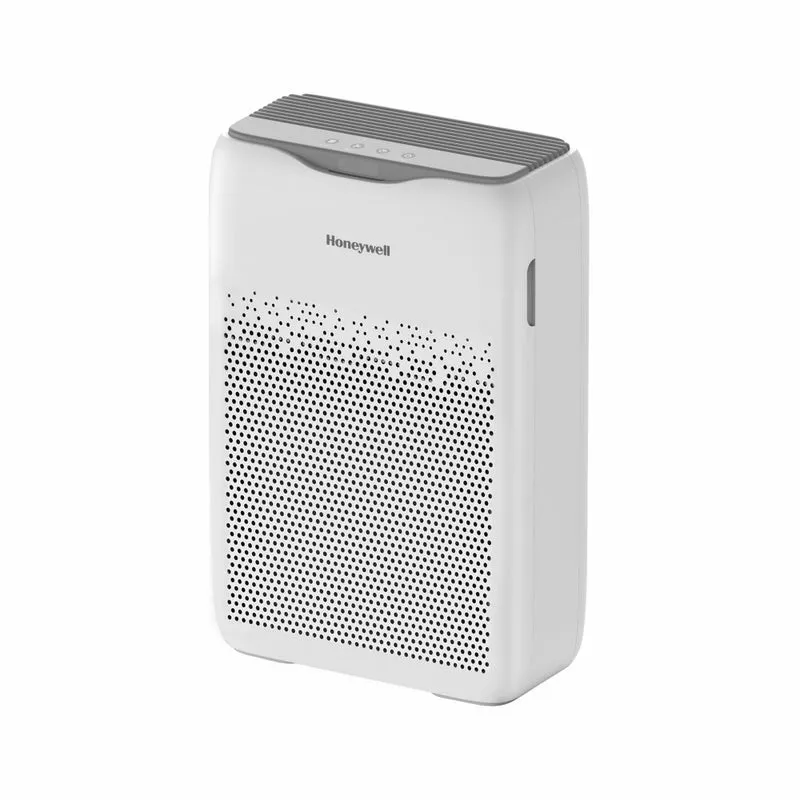
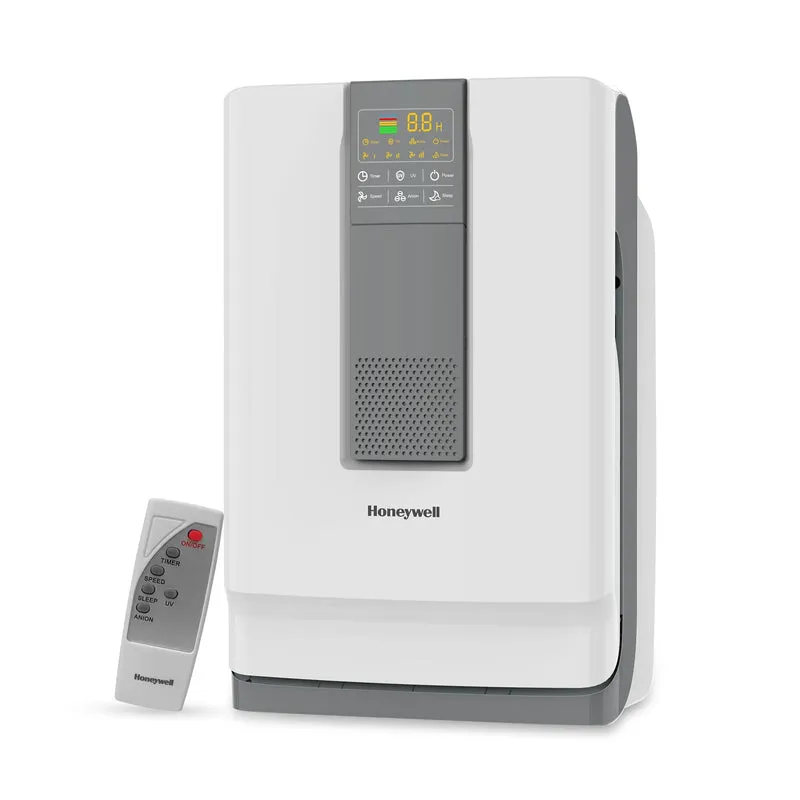
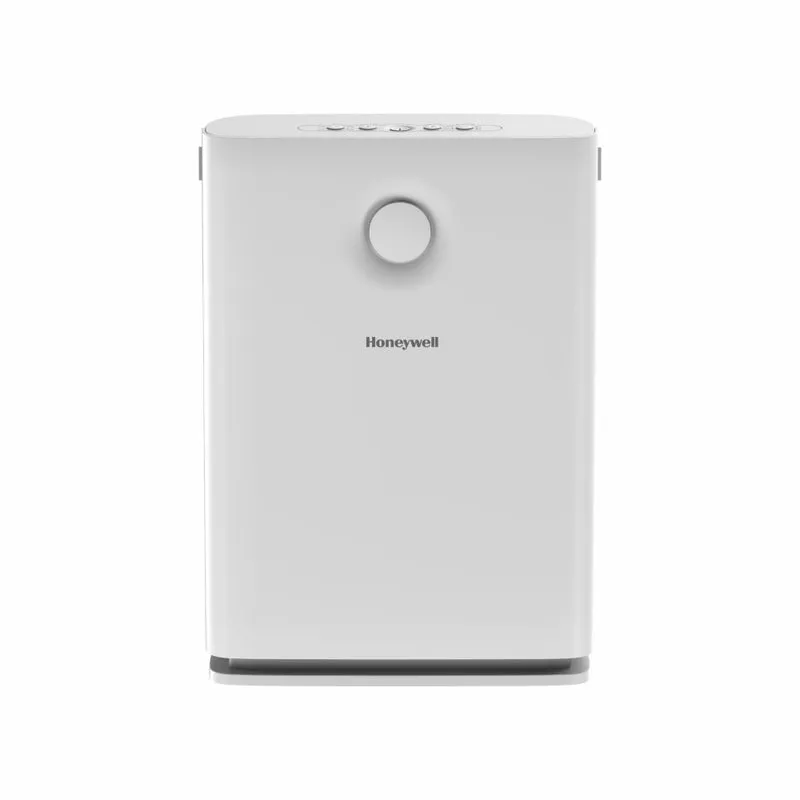
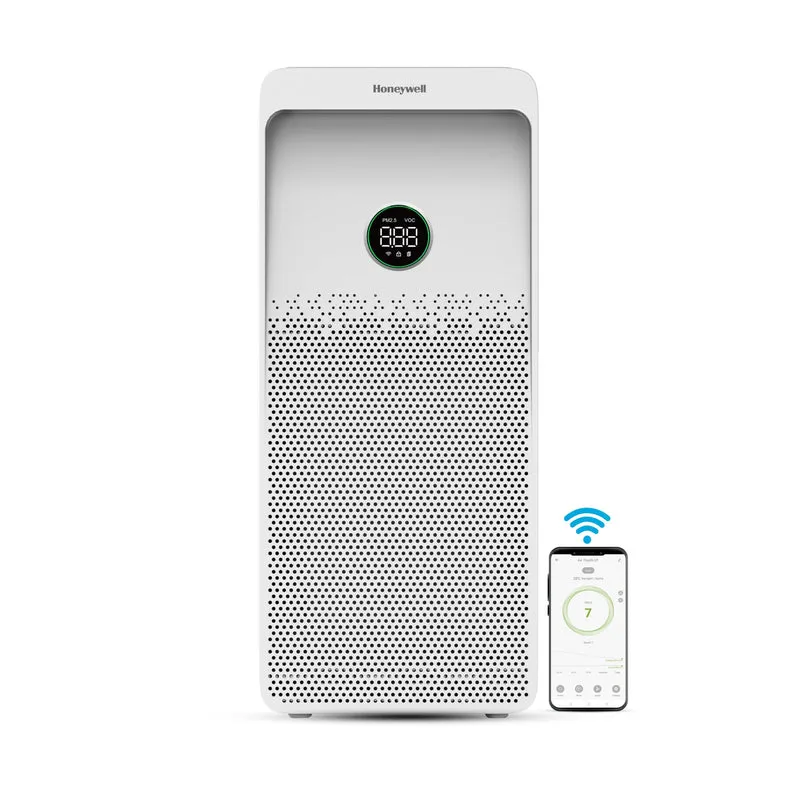
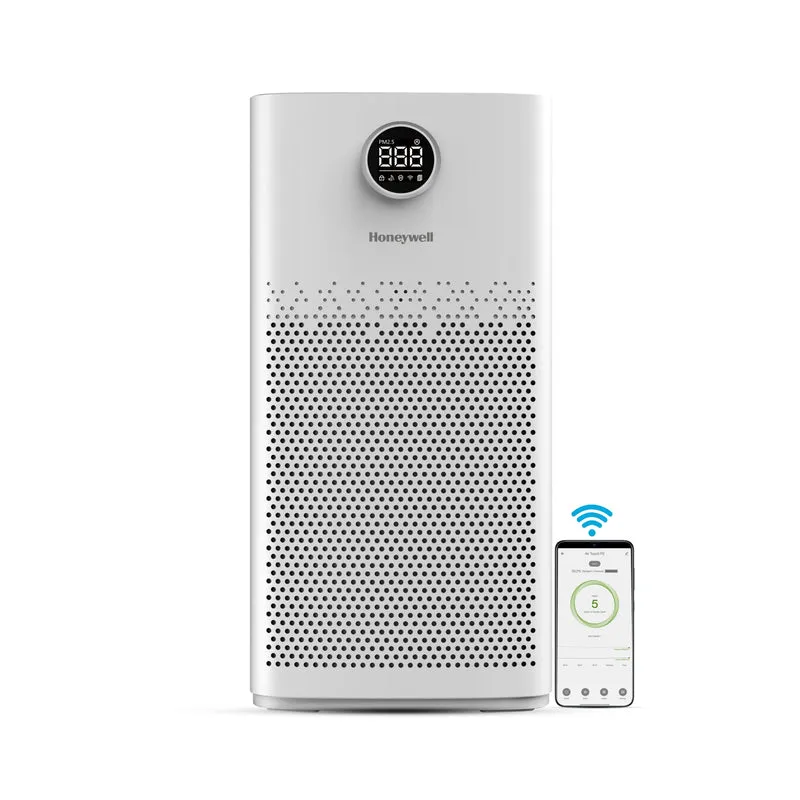
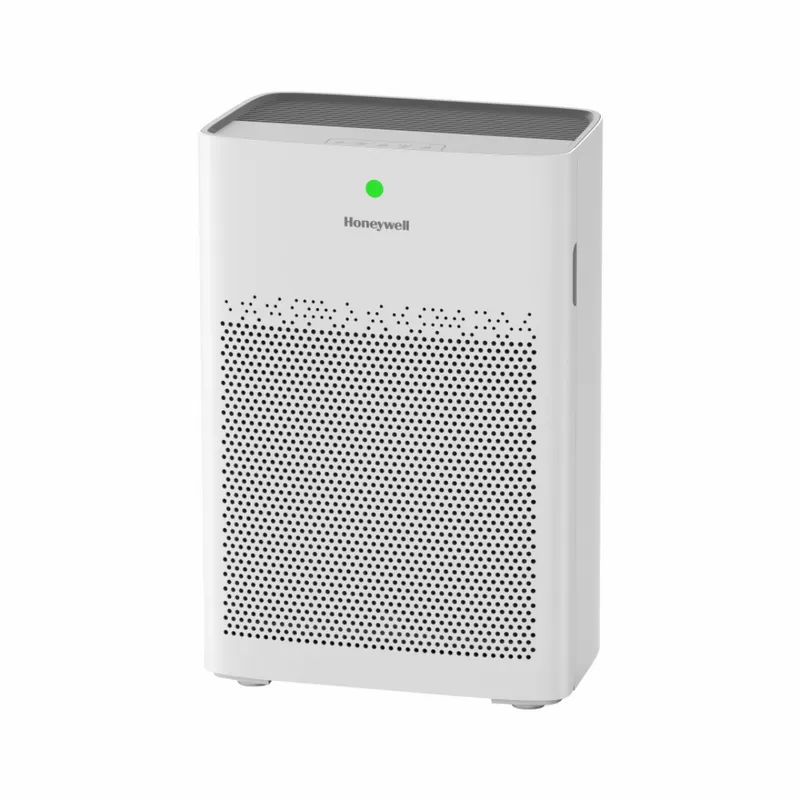
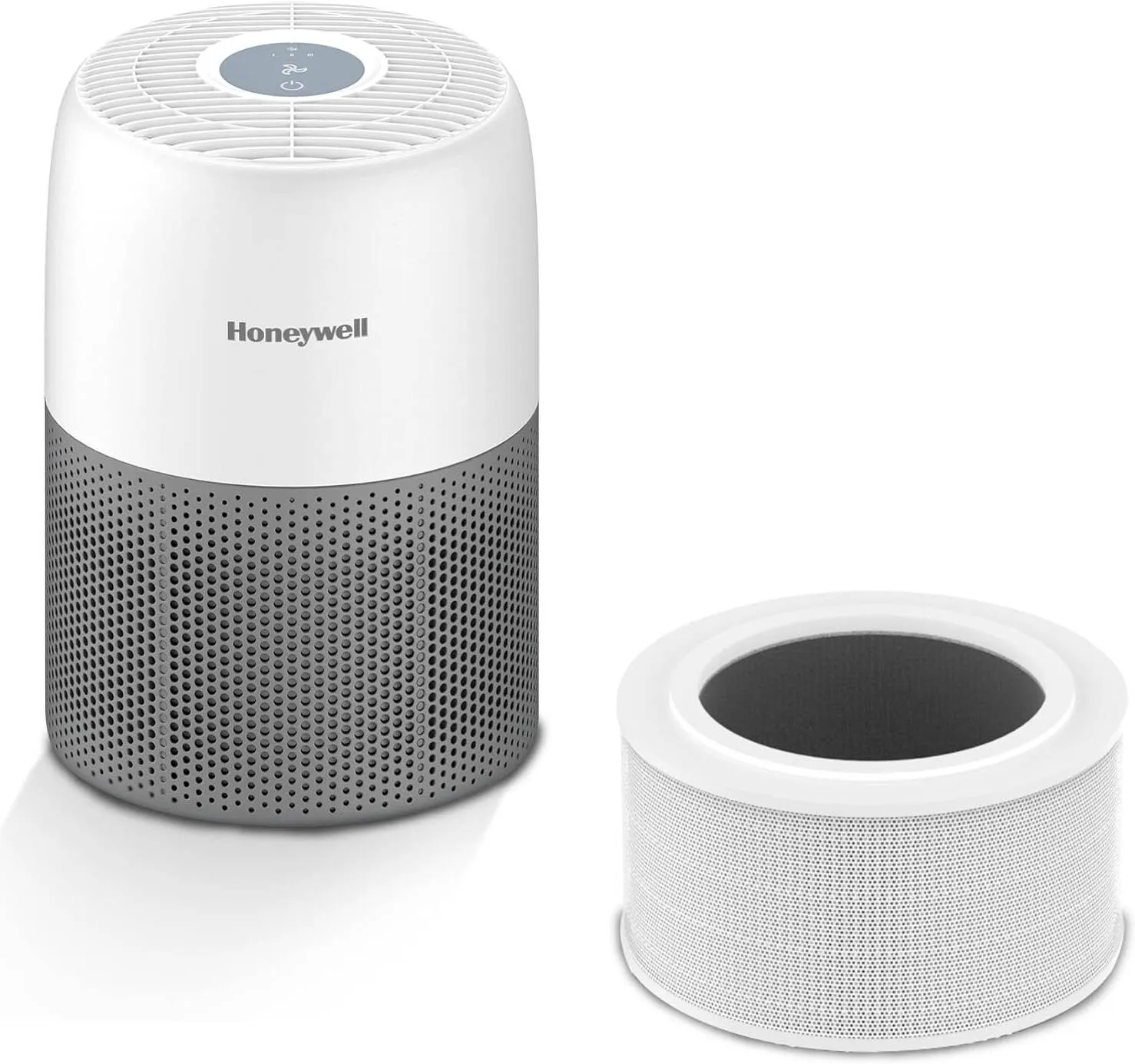
For residents and businesses across Dubai, Abu Dhabi, and the wider UAE, professional air quality solutions are available with fast delivery and a curated range of humidifiers, dehumidifiers, and air quality monitors from recognised brands including Blueair, Honeywell, and Levoit. The range covers portable units for single rooms, larger whole-home options, and the accessories needed for ongoing maintenance. Finding the right product for your specific space and conditions is the most direct path to reliable, lasting indoor air quality.
Frequently asked questions
What is the ideal indoor humidity for UAE homes?
Aim for an indoor relative humidity between 40% and 50% to support health and prevent mould or dryness; post-rain humidity above 60% requires dehumidification rather than humidification.
Should I use a humidifier if my home has an ERV ventilation system?
In most airtight UAE homes with ERV systems, a humidifier is rarely needed; always measure your indoor RH first before adding any moisture to the air.
How can I tell if my air is too dry?
Itchy skin, static shocks, sore throat, and sinus discomfort, especially after prolonged AC use, are the most reliable indicators that indoor humidity is too low and that humidification may be needed.
What are the risks if my indoor humidity is too high?
Excess indoor humidity accelerates mould growth and allergen activity, worsens asthma and allergy symptoms, and over time causes structural damage including condensation, damp, and rot inside wall cavities.