




Uncategorised
Indoor air quality checklist for healthier homes
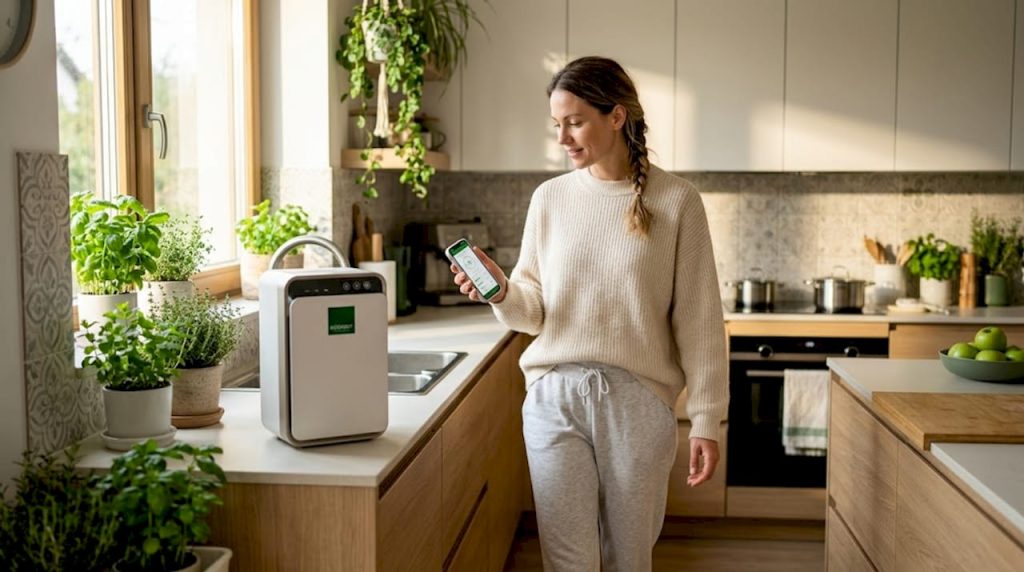
Most homeowners have no idea that the air inside their home can carry higher concentrations of pollutants than outdoor air. If you have ever wondered why you wake up with a stuffy nose, feel fatigued indoors, or notice a persistent musty smell, your indoor air quality deserves a closer look. A structured indoor air quality checklist gives you a clear starting point, room by room, so you stop guessing and start making changes that actually work.
Table of Contents
- Key takeaways
- 1. Your indoor air quality checklist: the core criteria
- 2. Bedroom checklist
- 3. Kitchen checklist
- 4. Bathroom checklist
- 5. Living room checklist
- 6. Basement checklist
- 7. Home office checklist
- 8. Comparing improvement strategies
- 9. How to prioritise your indoor air quality improvements
- What I have learned about indoor air quality the hard way
- Cleanair-ae products to support your air quality checklist
- FAQ
Key takeaways
| Point | Details |
|---|---|
| Source control comes first | Removing or reducing pollutant sources is more effective than relying on filtration alone. |
| Measure before you act | Test for PM2.5, humidity, CO₂, and radon before choosing interventions to avoid wasted spending. |
| Room-by-room approach works best | Each room has a distinct pollutant profile; targeted actions deliver better results than whole-home fixes. |
| Humidity is the hidden risk | Keeping relative humidity at 30 to 50% prevents mould and dust mite growth throughout the home. |
| Ventilation and filtration support each other | Neither replaces source control, but together they reduce residual pollutant levels significantly. |
1. Your indoor air quality checklist: the core criteria
Before you work through specific rooms, you need a clear picture of what you are actually assessing. Indoor air pollution builds up when pollutant sources emit contamination and ventilation fails to dilute or remove it. Those sources fall into four main categories: biological contaminants (mould, dust mites, pet dander), combustion byproducts (CO, NO₂, PM2.5), volatile organic compounds or VOCs (from paints, furniture, cleaning products), and radon (a naturally occurring radioactive gas).
A practical home air quality checklist should address eight core actions: keep the home dry, clean, safe, well-ventilated, pest-free, contaminant-free, properly maintained, and thermally comfortable. These eight points frame everything else in this article.
The four measurements worth prioritising are PM2.5 (fine particulate matter), relative humidity, CO₂ levels, and radon. You do not need expensive equipment for most of these. Basic indoor air quality monitors are widely available and give you a baseline before you spend money on solutions.
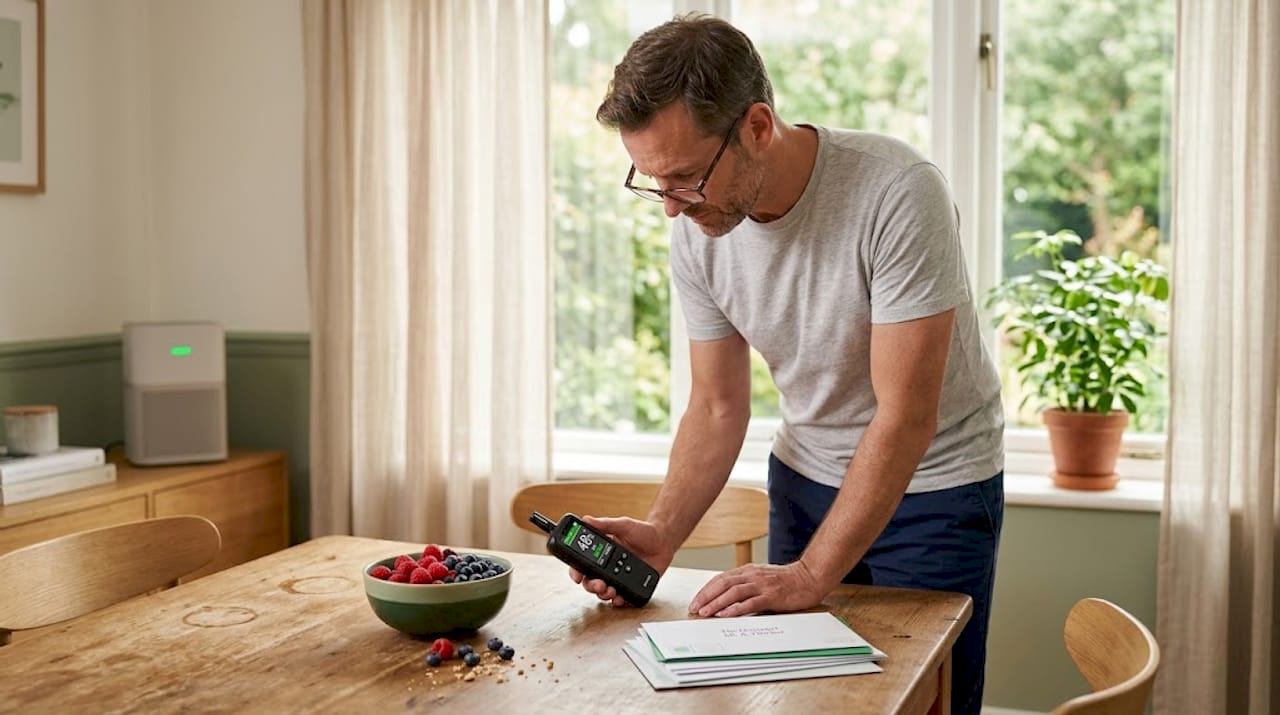
Pro Tip: Source control always comes before ventilation and filtration. Buying an air purifier to compensate for a mouldy bathroom wall is like mopping the floor with the tap still running. Fix the source first.
2. Bedroom checklist
The bedroom deserves particular attention because you spend roughly a third of your life there. The main concerns are CO₂ build-up from overnight breathing, dust mites in bedding, and VOCs off-gassing from mattresses, furniture, and synthetic flooring.
- Open windows for at least 10 minutes each morning to flush overnight CO₂
- Wash bedding weekly at 60°C or above to kill dust mites
- Vacuum mattresses monthly using a HEPA-filter vacuum
- Choose low-VOC paints and let newly painted rooms air out for 72 hours before sleeping in them
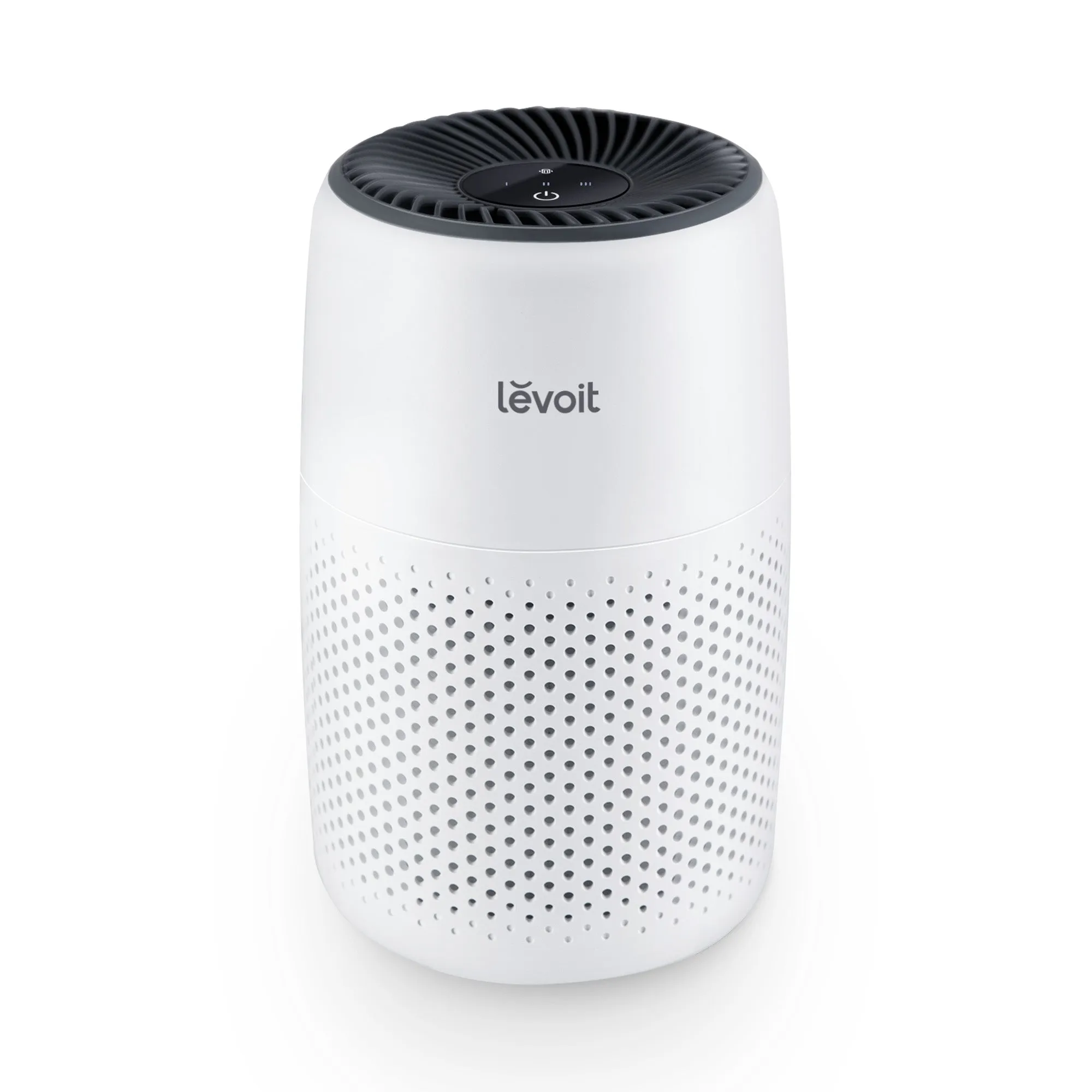
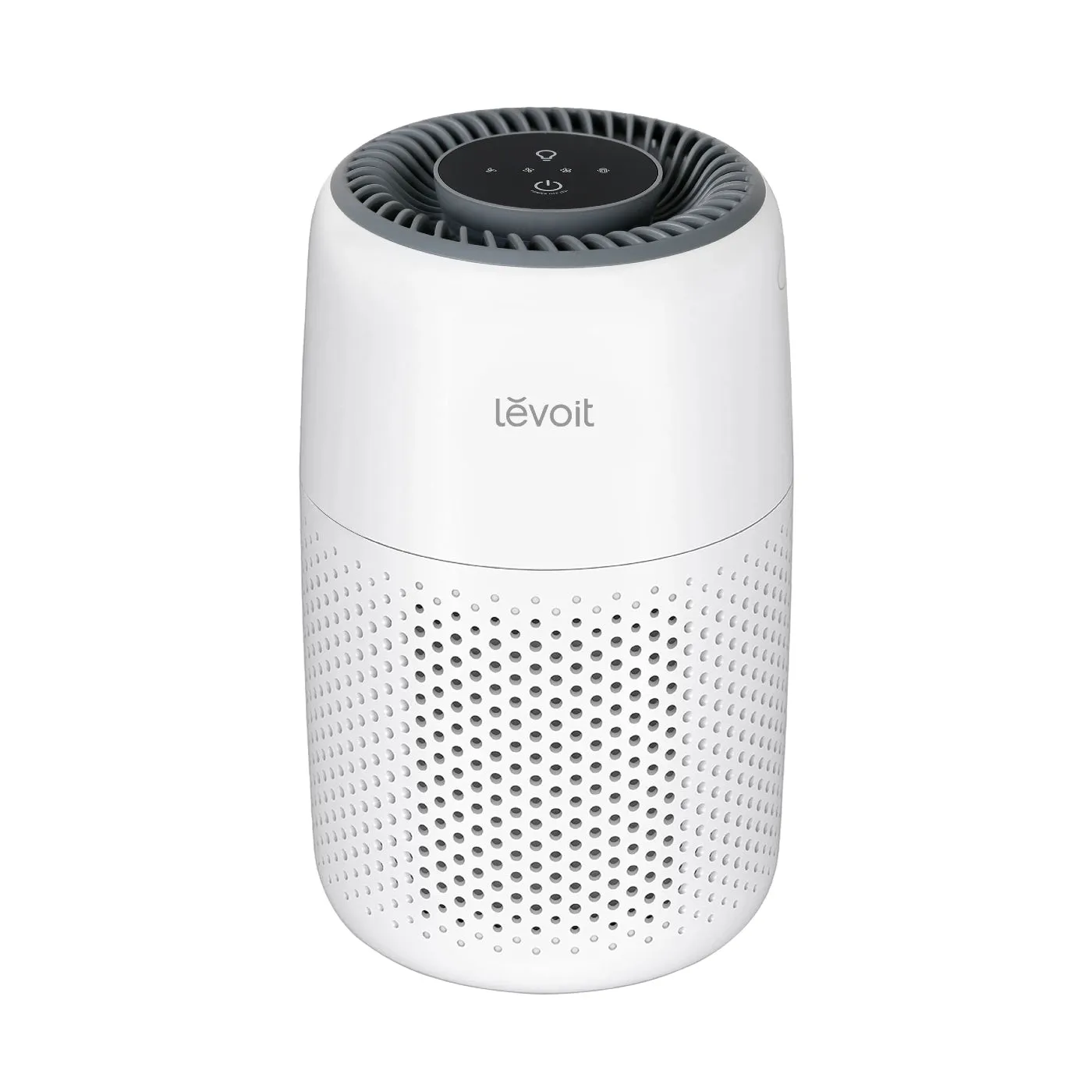
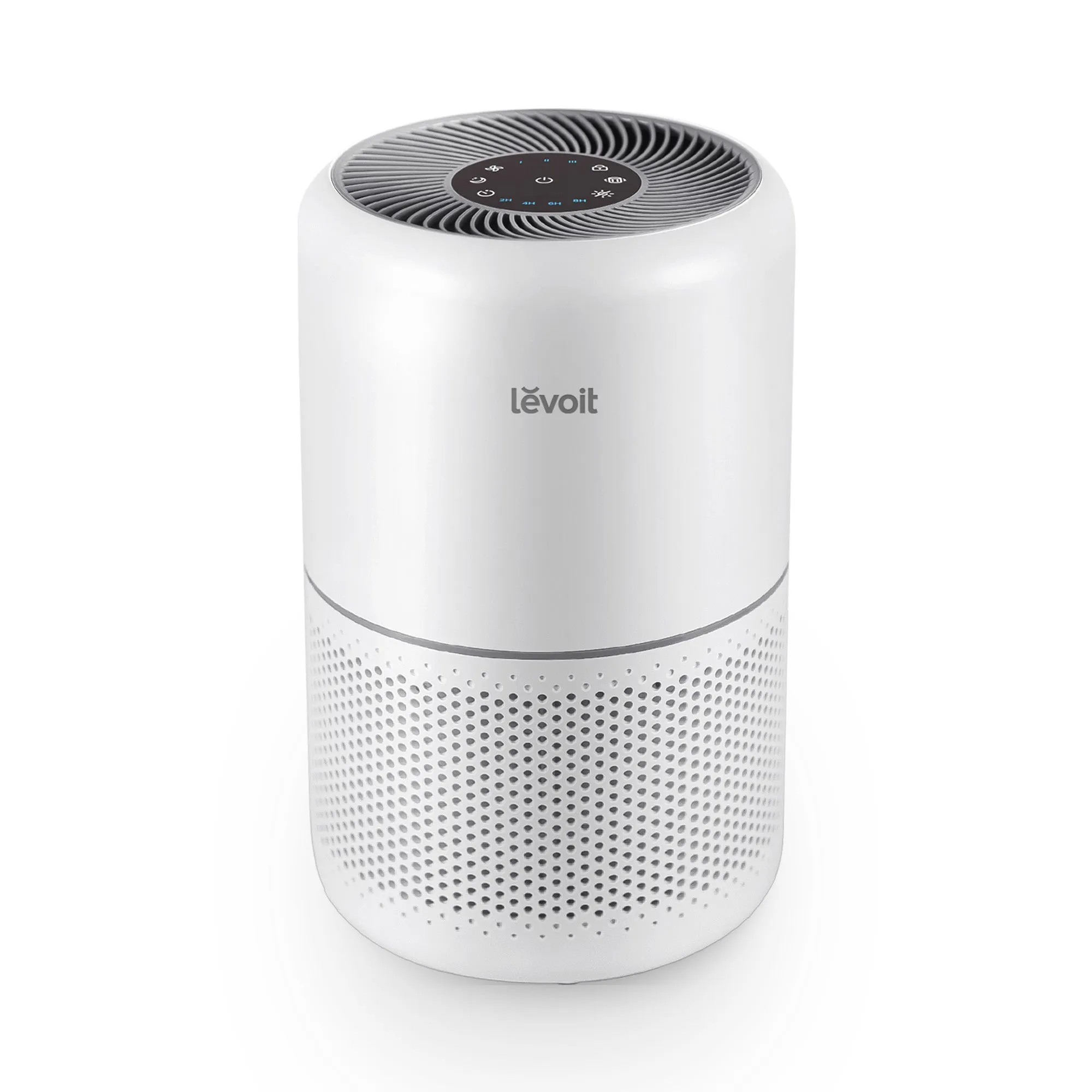
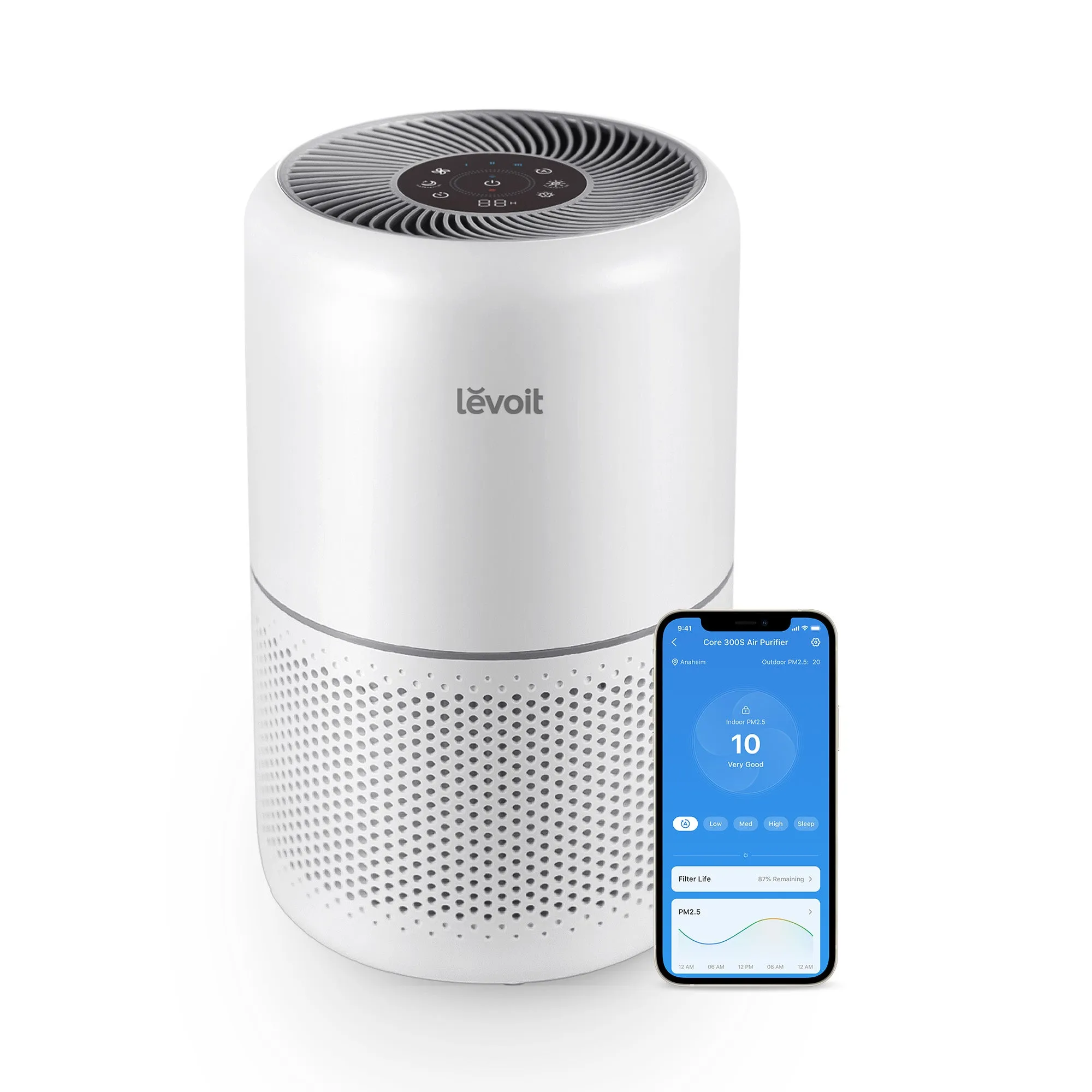
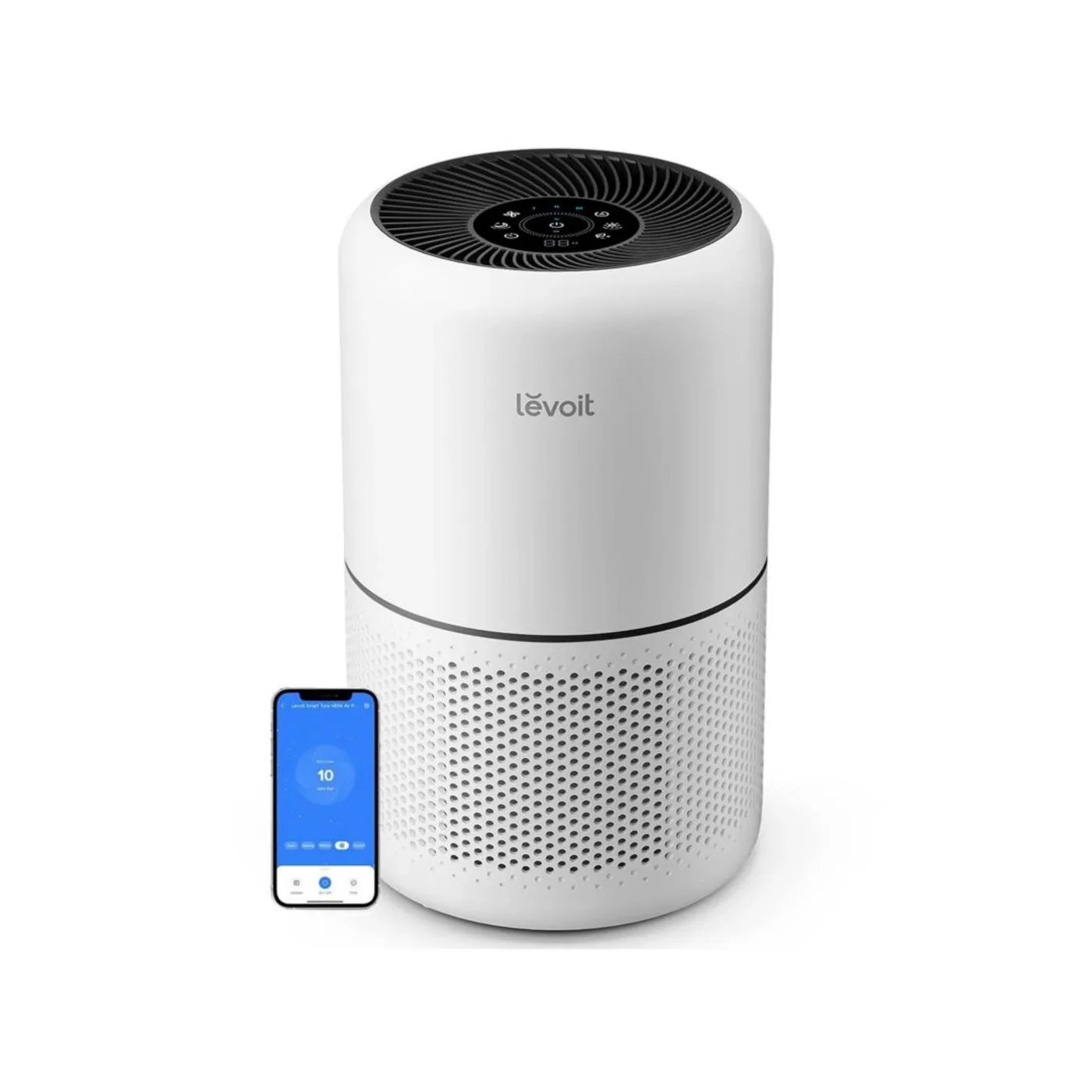
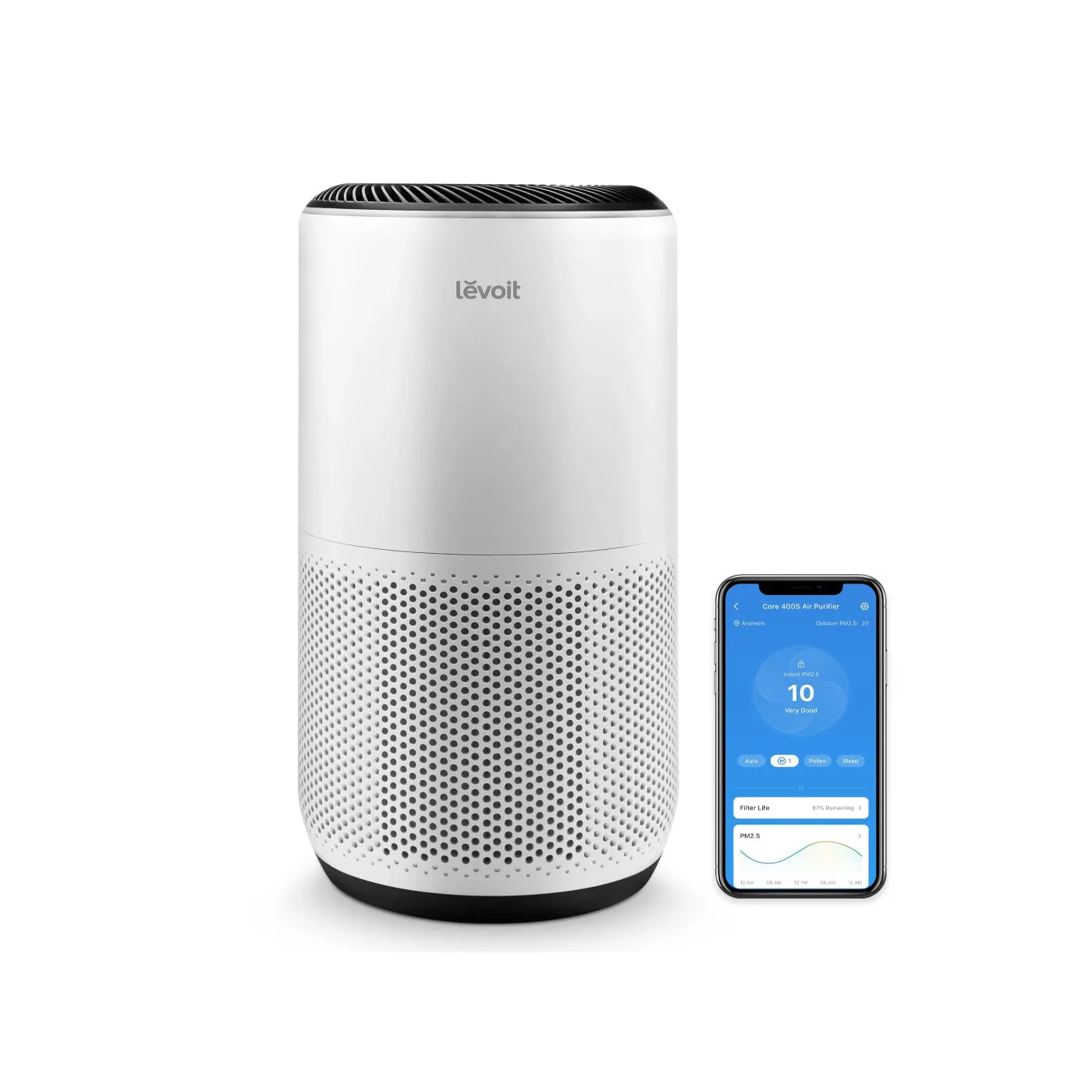
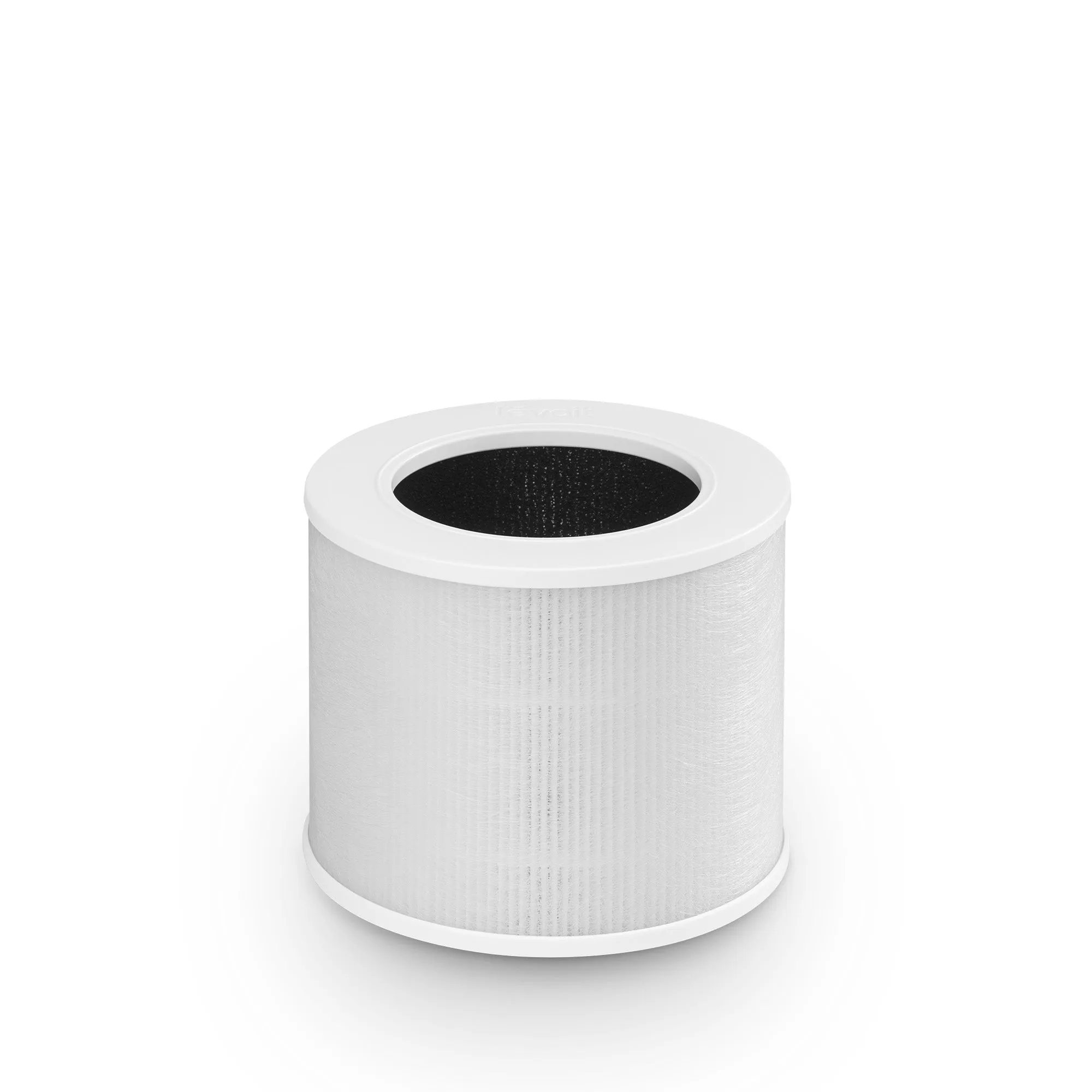
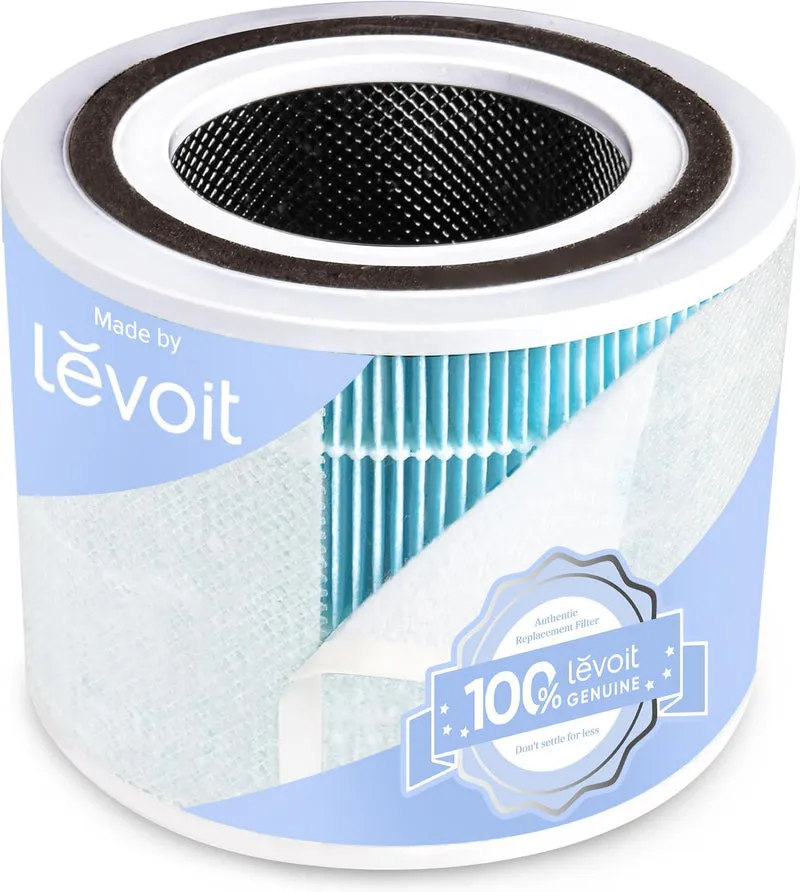
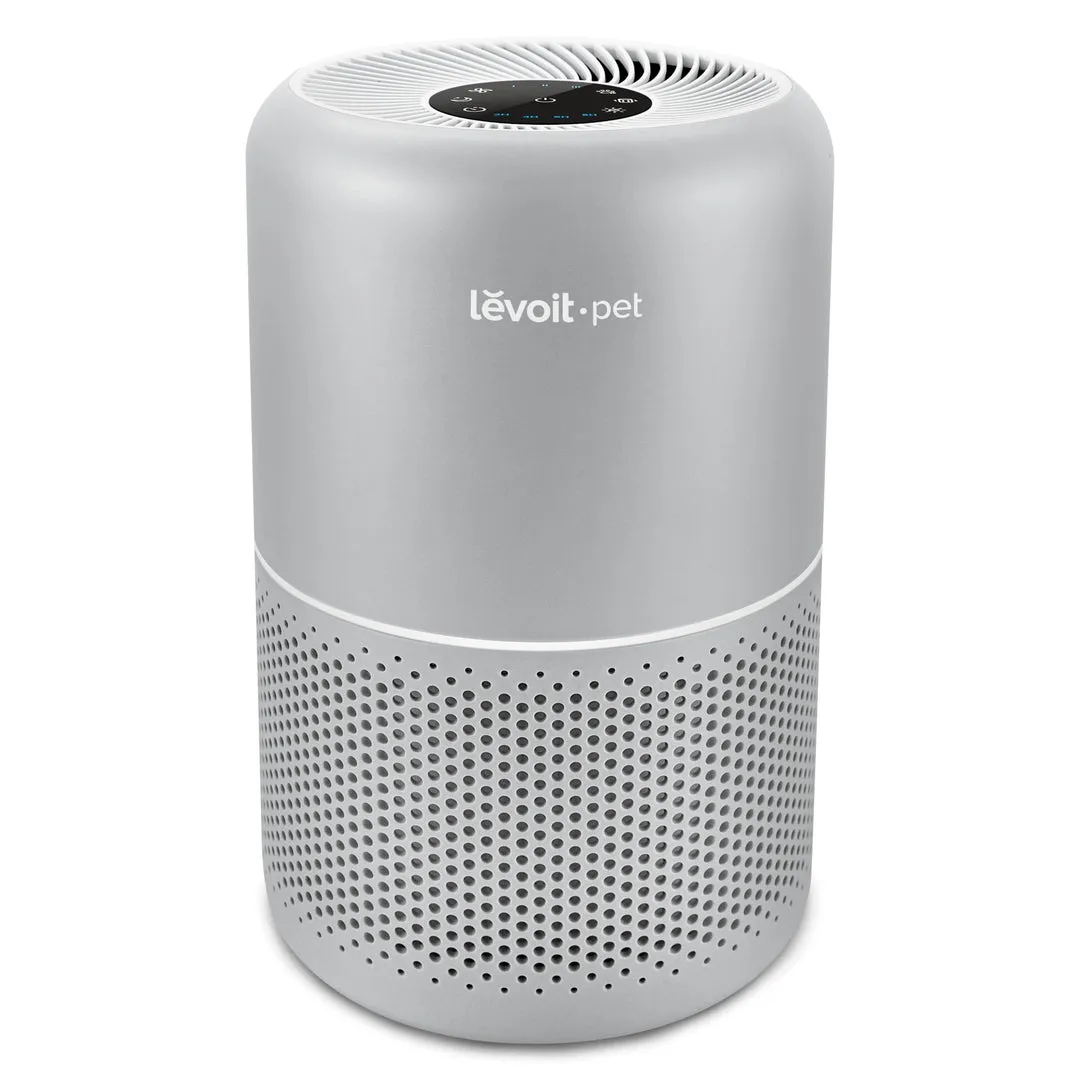
- Place a compact air purifier on the bedside table if allergens are a persistent concern; the Levoit Core Mini is a well-regarded option for smaller spaces
- Keep bedroom humidity below 50% to discourage dust mite activity
3. Kitchen checklist
The kitchen is often the single worst room for air quality in the entire home. Gas cooking produces high levels of PM2.5, NO₂, and CO that directly affect respiratory health. Even electric hobs generate PM2.5 from cooking oils and food particles.
- Use your range hood every time you cook, and check that it vents outdoors rather than recirculating
- Open a window while cooking, even for a few minutes
- Install a CO detector on the kitchen wall if you have a gas hob or oven
- Clean range hood filters every three months; clogged filters recirculate grease particles
- Consider switching to induction cooking to significantly reduce combustion byproducts
- Wipe down surfaces regularly to remove settled particulate matter
Pro Tip: If your range hood recirculates rather than venting outside, it captures grease but does nothing for CO or NO₂. Check the installation, or add a window-opening habit to compensate.
4. Bathroom checklist
Bathrooms are ground zero for moisture-related air quality problems. Mould and biological contaminants thrive wherever moisture is present and poorly controlled. The goal is to prevent moisture from accumulating in the first place.
- Run the exhaust fan during every shower and for at least 20 minutes afterwards
- Check grout and sealant for mould growth monthly; treat any visible mould promptly
- Maintain humidity between 30 and 50% to prevent mould and reduce respiratory risks
- Fix dripping taps and any signs of leaks behind walls or under the basin immediately
- Use a hygrometer to monitor actual humidity rather than guessing
- Avoid carpet in bathrooms entirely; it traps moisture and encourages biological growth
Note that a humidity reading within a safe range does not guarantee surfaces are dry. Leaks inside walls or under flooring can create localised moisture problems that a room sensor will not detect.
5. Living room checklist
The living room accumulates dust, pet dander, VOCs from furniture and carpets, and whatever pollutants drift in from other rooms. It is also the space where people spend the most active time during the day.
- Vacuum carpets and upholstery twice weekly using a HEPA-filter vacuum
- Dust hard surfaces with a damp cloth rather than a dry one to avoid resuspending particles
- Wash pet bedding weekly; groom pets outdoors where possible to reduce dander
- Avoid synthetic air fresheners and scented candles, which are significant VOC sources
- Open windows daily, even briefly, to refresh the air
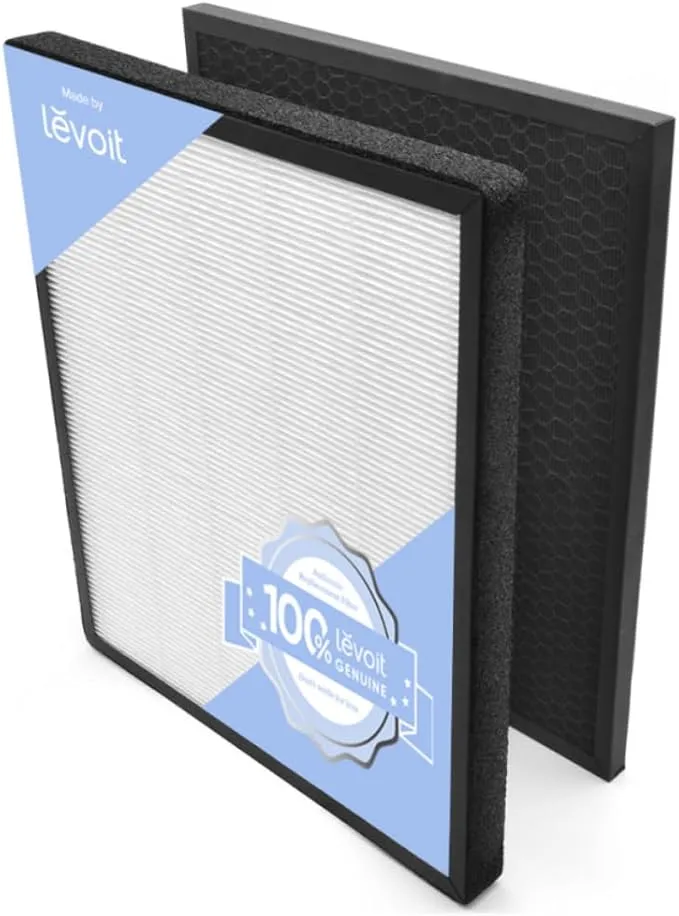
- Place an air purifier sized appropriately for the room; models designed for larger spaces handle living room volumes more effectively
6. Basement checklist
Basements present two specific risks that the rest of the home does not: radon and persistent moisture. Radon causes approximately 21,000 lung cancer deaths annually in the US, making it the second leading cause of lung cancer after smoking. It enters through foundation cracks and requires specific testing to detect.
- Purchase a long-term radon test kit and leave it in place for at least 90 days for an accurate reading
- If results exceed 4 pCi/L, contact a certified radon mitigation contractor
- Seal any visible cracks in the foundation floor and walls
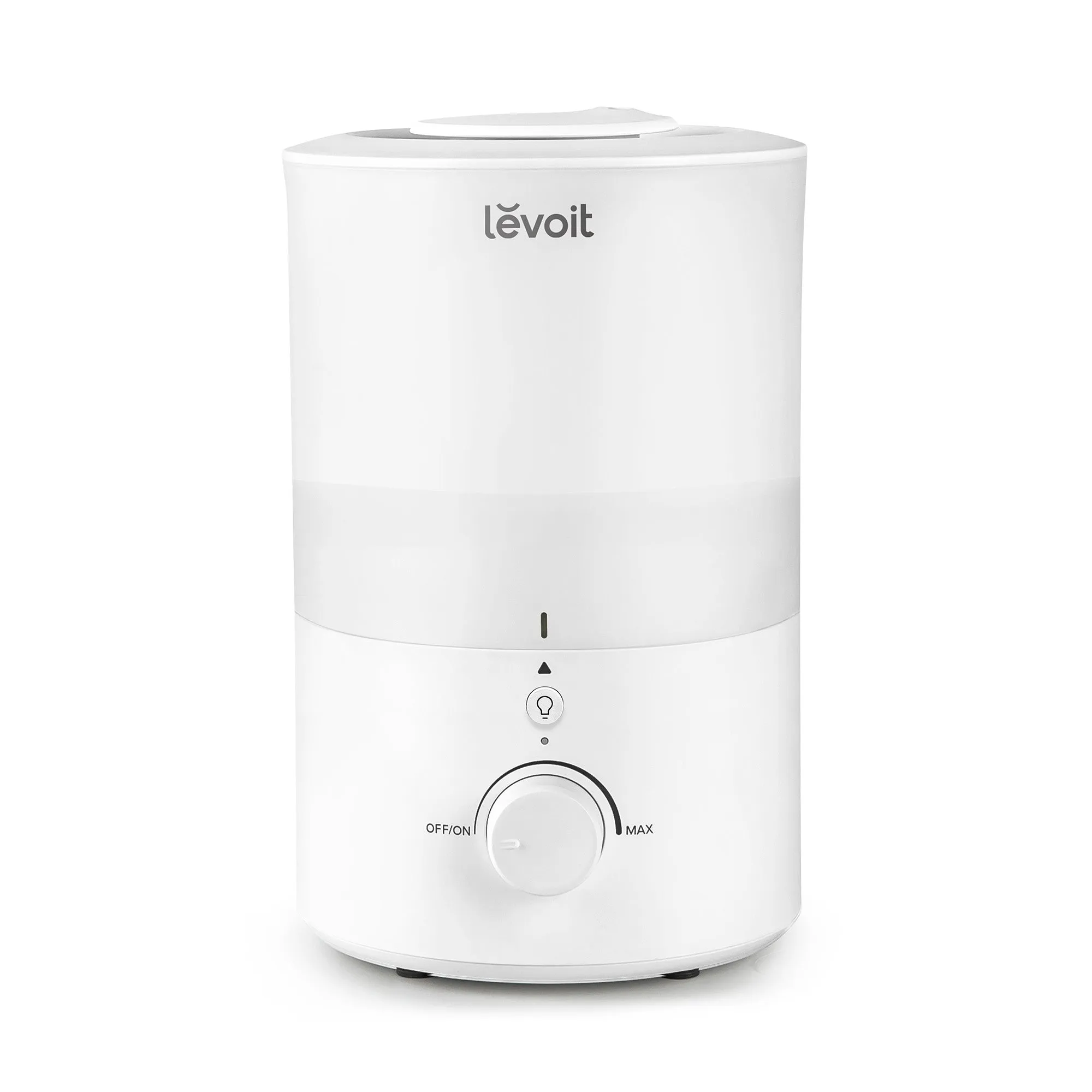
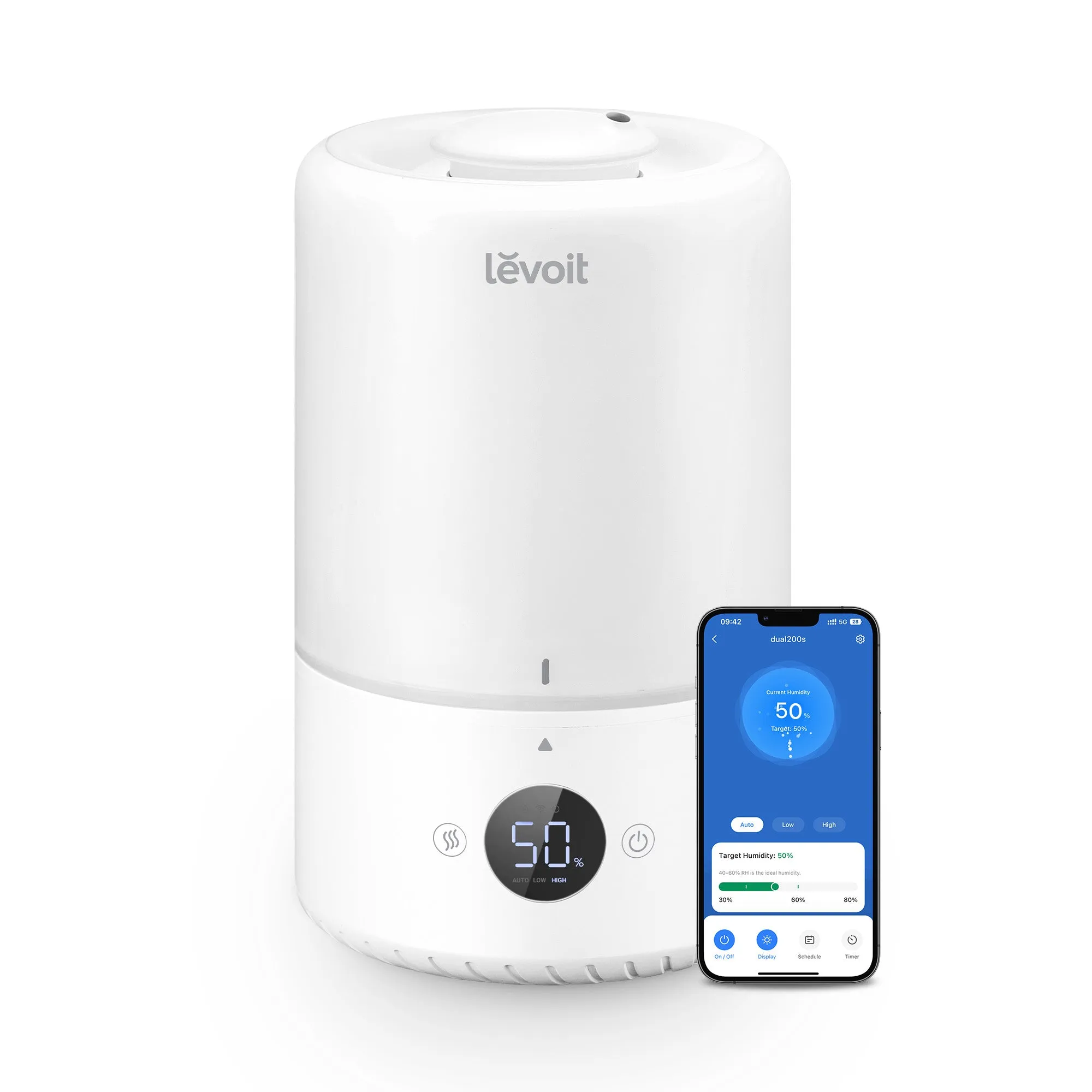
- Install a dehumidifier if basement humidity regularly exceeds 50%
- Check for standing water or water stains after rainfall, and address drainage issues before other measures
- Do not store chemical products in the basement without sealed containers; VOCs accumulate in low-ventilation spaces
7. Home office checklist
The home office has specific air quality risks that gained more attention as remote working became common. Printers and copiers emit fine particles and ozone. Poor ventilation causes CO₂ to build steadily throughout the working day, reducing concentration and increasing fatigue.
- Position your printer in a well-ventilated area or near an open window
- Use CO₂ monitors to track air quality during working hours; CO₂ above 1,000 ppm visibly affects focus
- Open a window or run a ventilation fan for at least 10 minutes every hour if the room is small
- Choose office furniture with low-VOC certifications; new desks and chairs off-gas significantly for the first few weeks
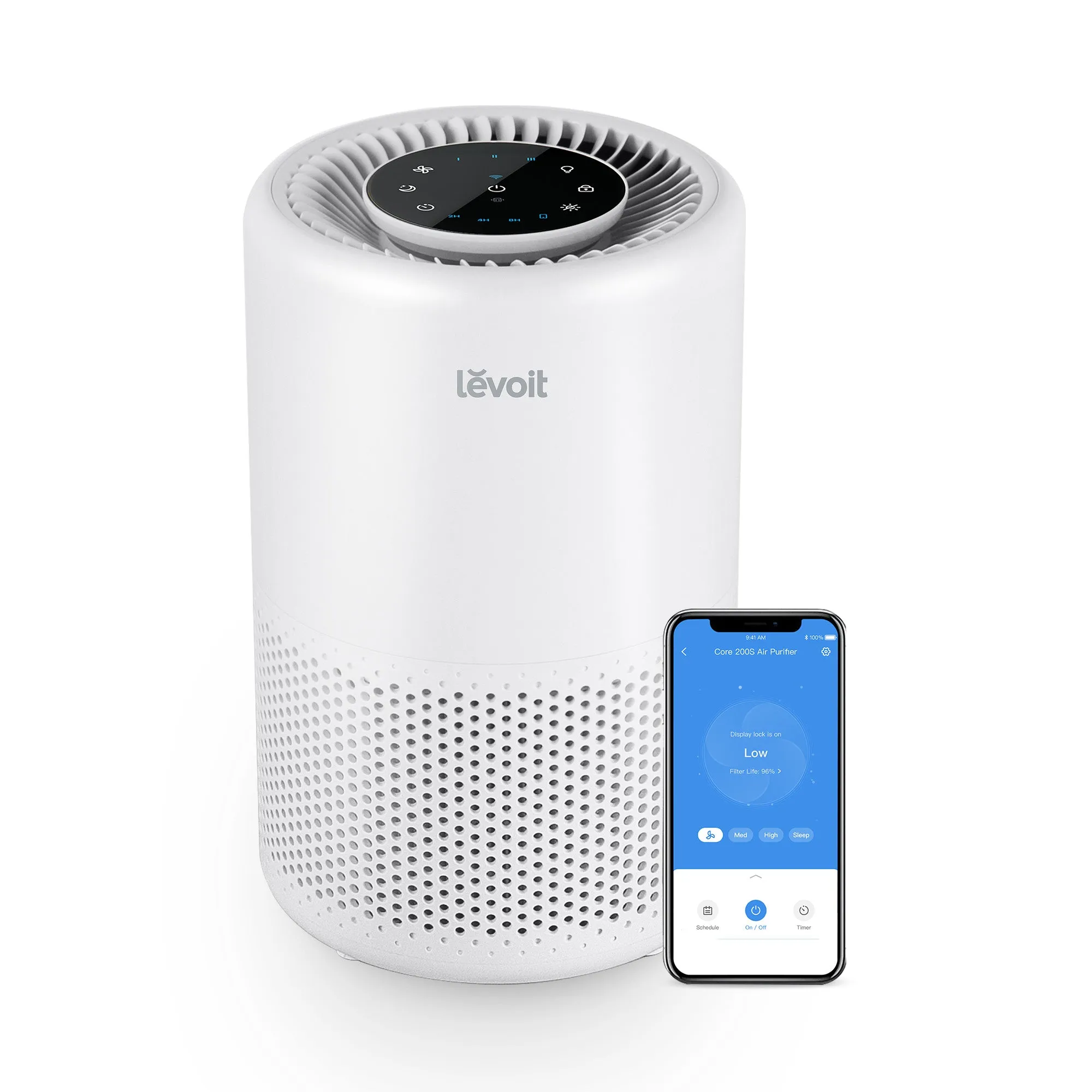
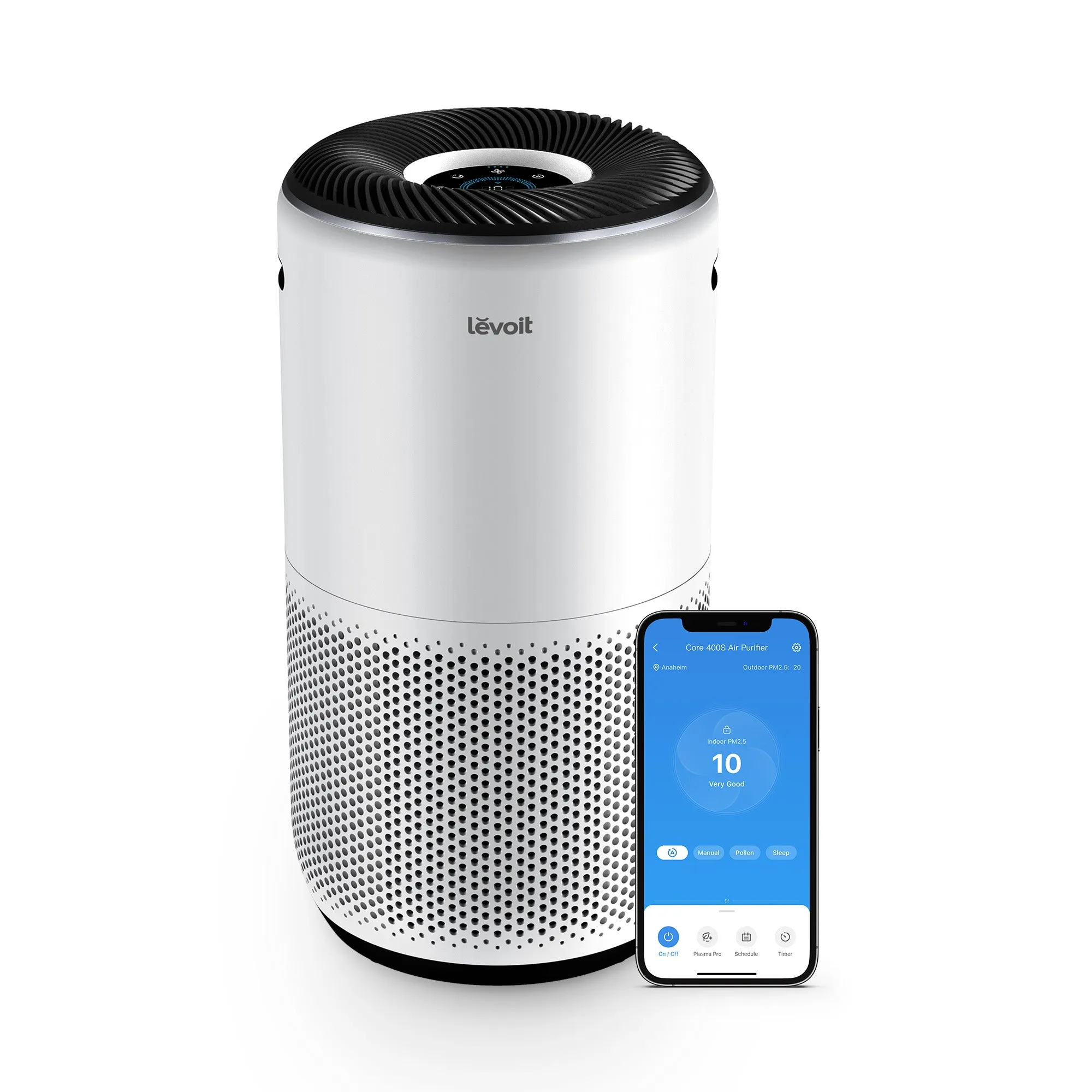
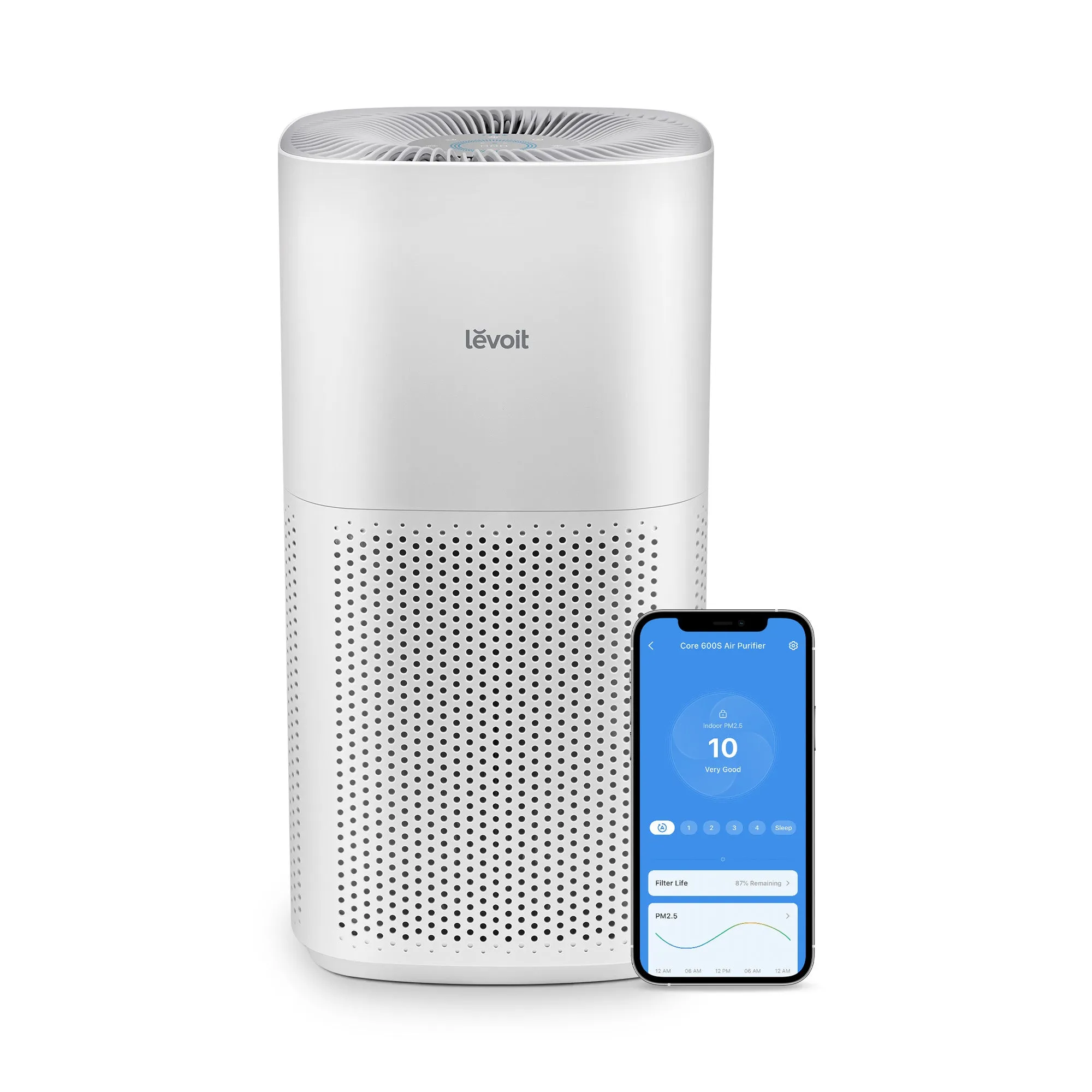
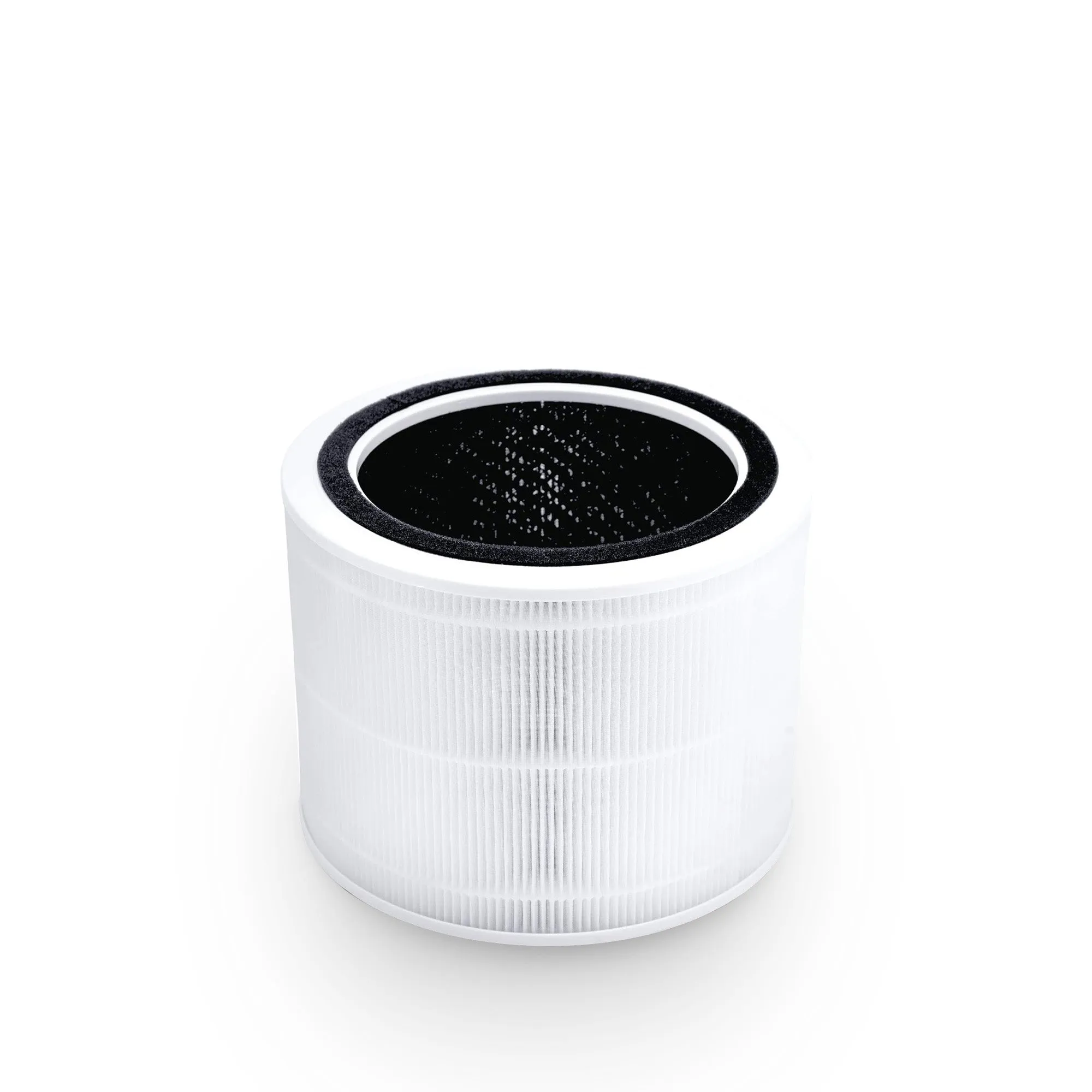
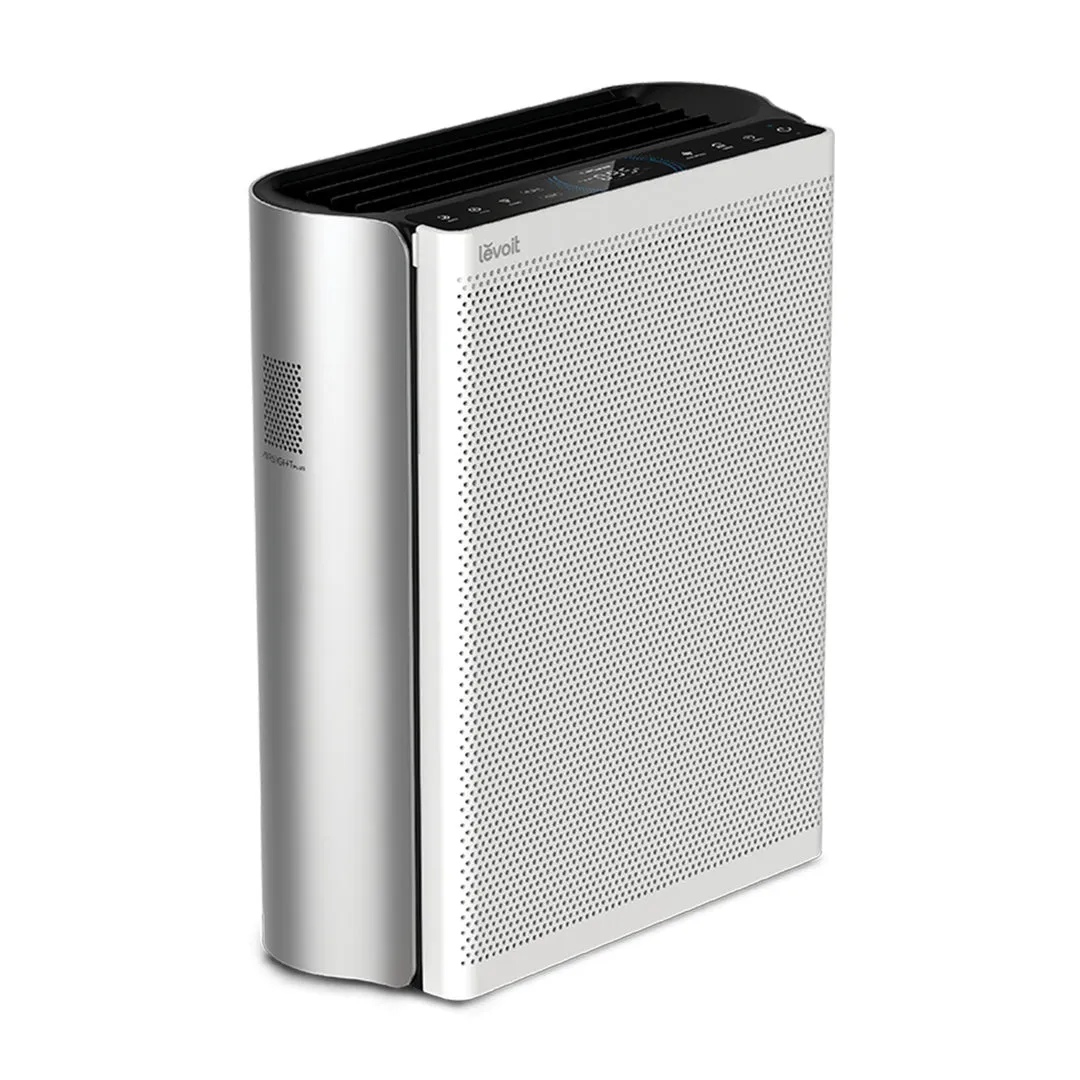
- The Levoit Core 600S is specifically designed for office environments, offering quiet operation and effective filtration for larger rooms
8. Comparing improvement strategies
Not all air quality fixes carry equal weight. The three core strategies are source control, ventilation improvement, and air cleaning or filtration. Each has distinct strengths, costs, and limitations.
| Strategy | Effectiveness | Typical cost | Maintenance needed | Best suited for |
|---|---|---|---|---|
| Source control | High | Low to medium | Ongoing vigilance | Mould, VOCs, combustion sources |
| Ventilation improvement | Medium to high | Low to high | Periodic | CO₂, stale air, combustion gases |
| Air purification/filtration | Medium | Medium to high | Filter replacement | Particulates, allergens, some VOCs |
The most common mistake homeowners make is buying an air purifier and expecting it to solve everything. Effective IAQ management demands a layered approach rather than a single solution. Source control removes the problem at its origin. Ventilation dilutes what remains. Filtration captures residual particles that ventilation cannot remove.
HVAC systems themselves become a source of poor air quality when filters are dirty or ducts carry microbial growth. Replace HVAC filters on schedule, keep drain pans clear, and verify that supply vents are unobstructed.
Pro Tip: The single most cost-effective investment in home air quality is usually fixing moisture problems and improving ventilation before spending anything on filtration equipment.
9. How to prioritise your indoor air quality improvements
Working through a full indoor air pollutants checklist can feel overwhelming when every room has something to address. The following table gives you a decision framework based on risk level and intervention type.
| Priority level | Condition | Recommended action |
|---|---|---|
| Immediate | Visible mould, CO detector alarm, radon above 4 pCi/L | Professional assessment and mitigation |
| High | Humidity above 60%, poor kitchen ventilation, no exhaust fans | Fix ventilation; install fans and range hood |
| Medium | Dusty surfaces, pet dander, VOC off-gassing from furniture | Regular cleaning, HEPA vacuuming, air purifier |
| Low | Slightly elevated CO₂ in office or bedroom | Increase window ventilation, monitor levels |
The four-step sequence recommended by IAQ specialists is: measure first, control sources, improve ventilation, then filter. Following this sequence prevents you from spending money on filtration equipment for pollutants that source control would have addressed for far less cost. Professional radon testing and mould assessment are worth the fee when you have any indication of those specific problems.
What I have learned about indoor air quality the hard way
I have reviewed indoor air quality programmes and product solutions for years, and the pattern I see repeated most often is homeowners jumping straight to equipment. They buy an air purifier, feel reassured, and never address the bathroom mould or the unvented gas cooker. The purifier captures some particles. The underlying problem continues.
What I find genuinely useful is starting with a 20-minute walk through the home with a basic hygrometer and nose. Musty smells in corners, condensation on windows, cooking smells that linger for hours. These tell you more than a data sheet.
The humidity angle consistently catches people out. A hygrometer reading of 48% in a bathroom looks fine on paper. But if there is a slow leak behind the wall, the surface moisture at that point could be significantly higher. You need to check surfaces directly, not just trust the sensor.
My honest view on air purifiers: they are genuinely useful tools in the right context, particularly for allergen and particulate reduction in bedrooms and offices. But they are the last layer of a good indoor air safety checklist, not the first. Get the fundamentals right, specifically moisture, ventilation, and source control, and filtration becomes a complement rather than a crutch.
— Wojciech
Cleanair-ae products to support your air quality checklist

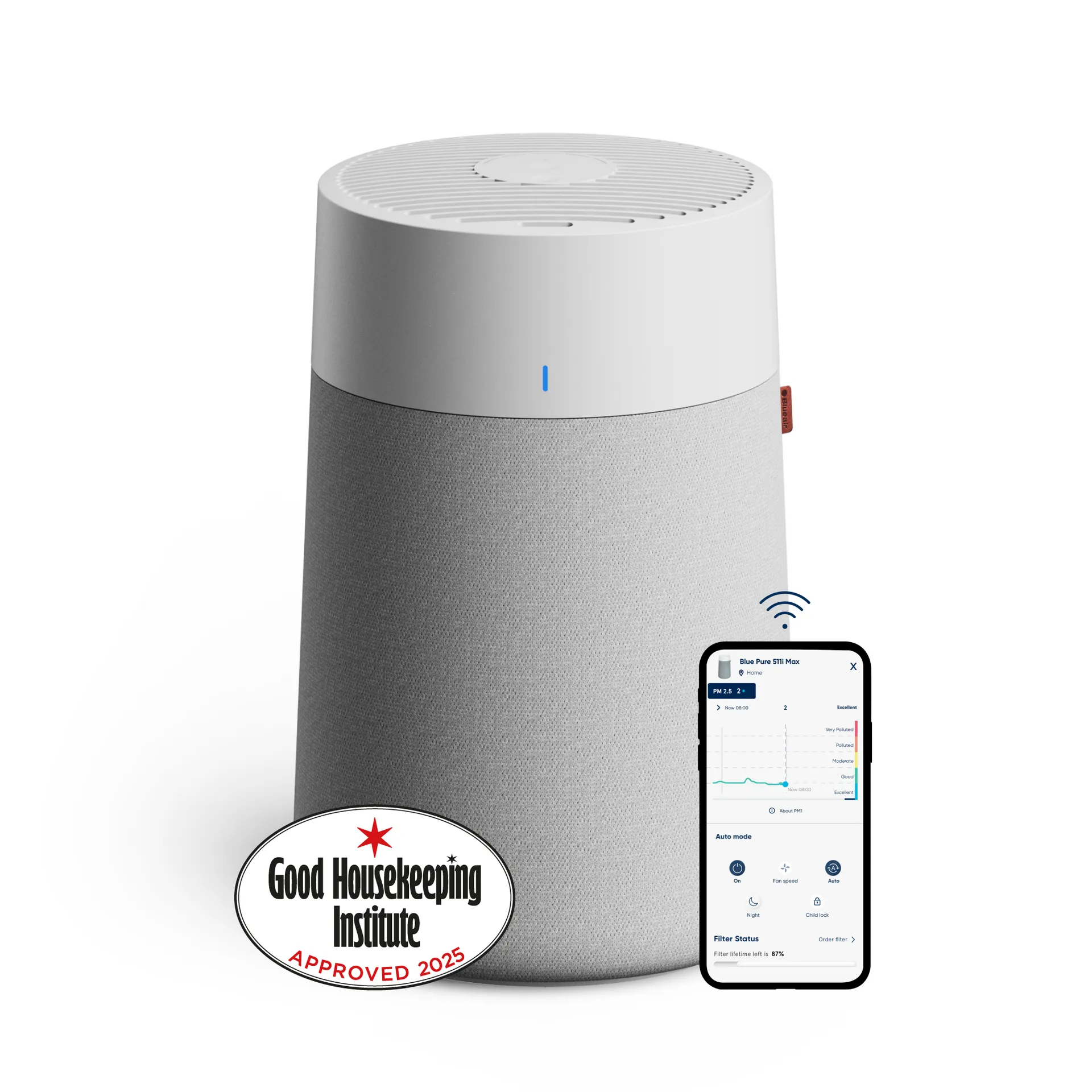
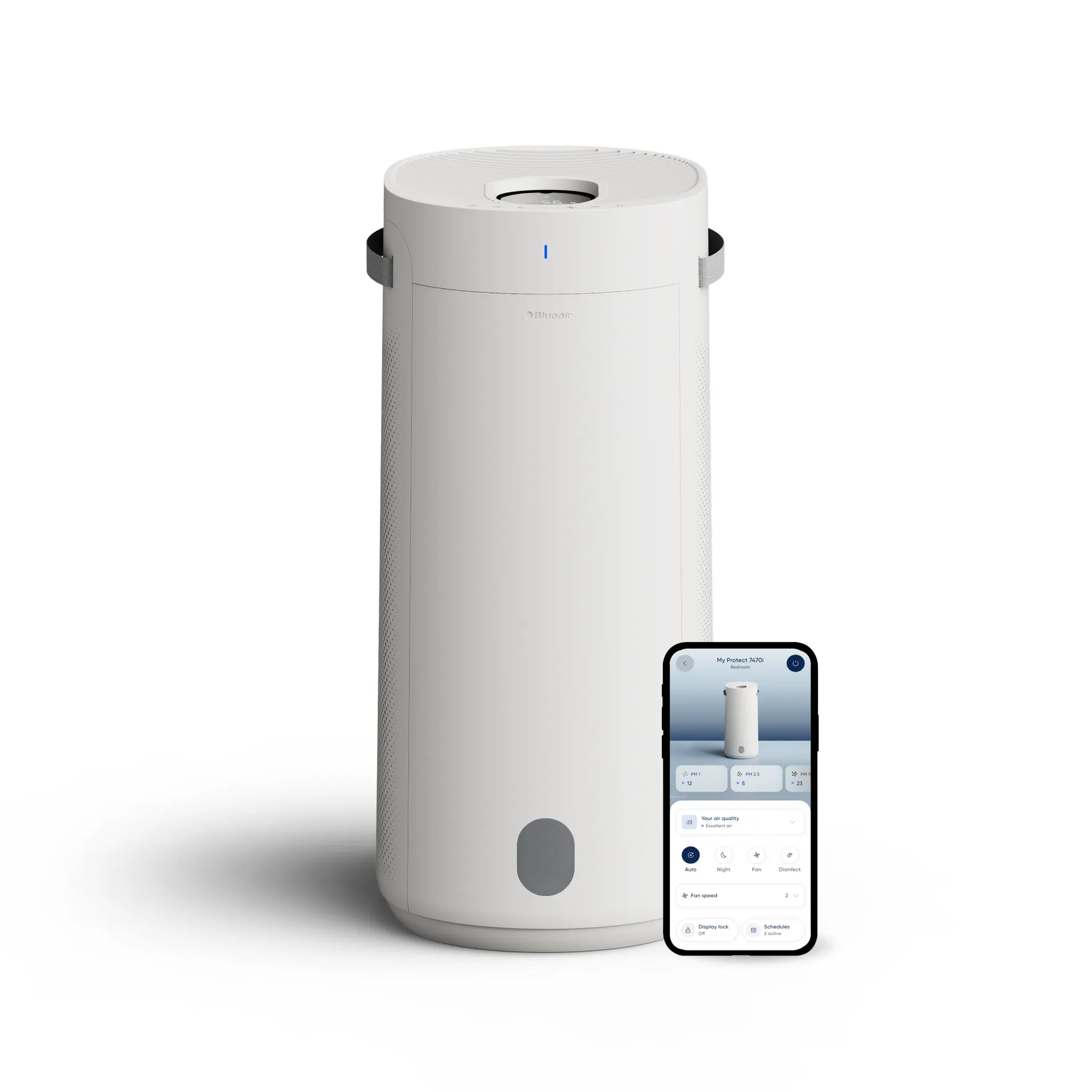
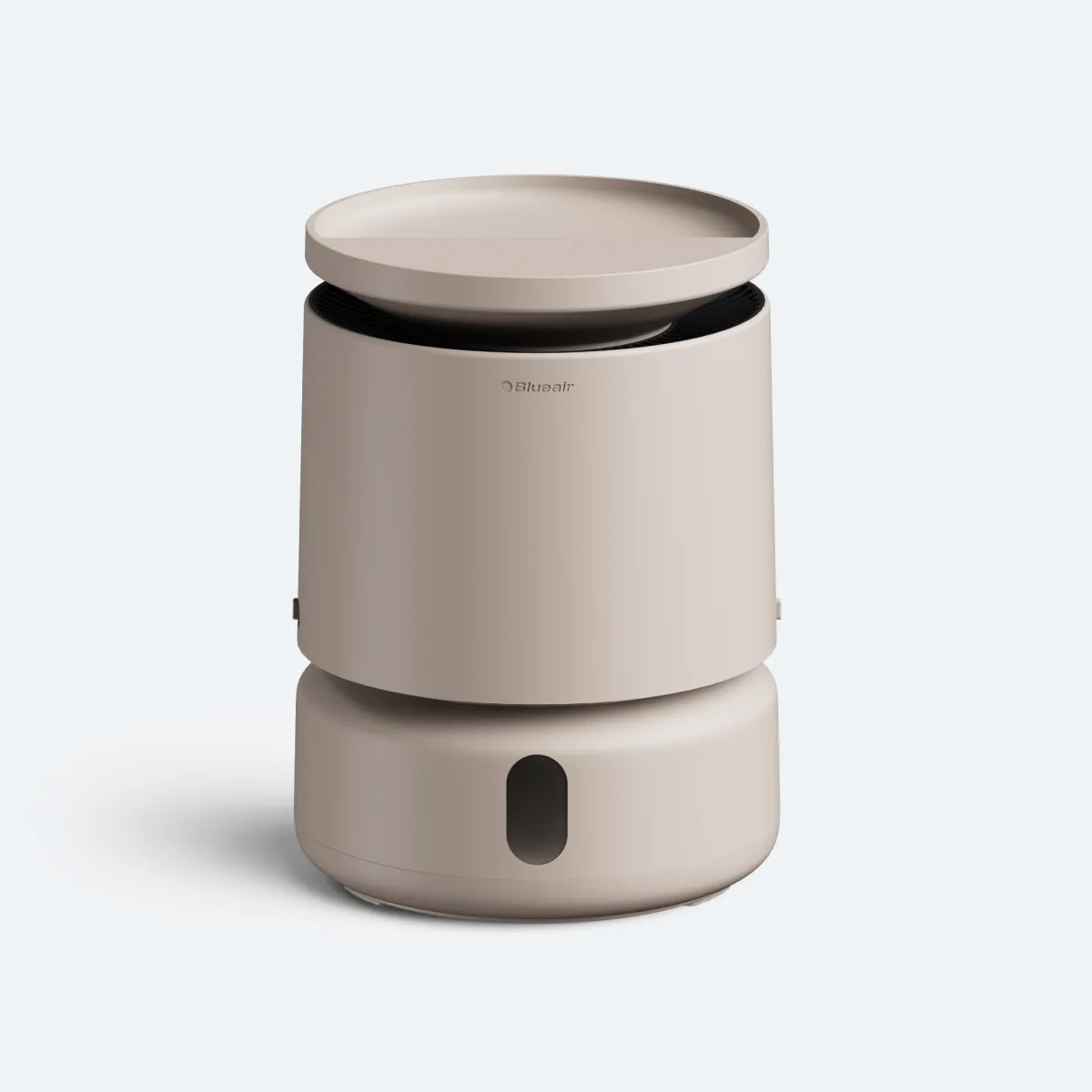
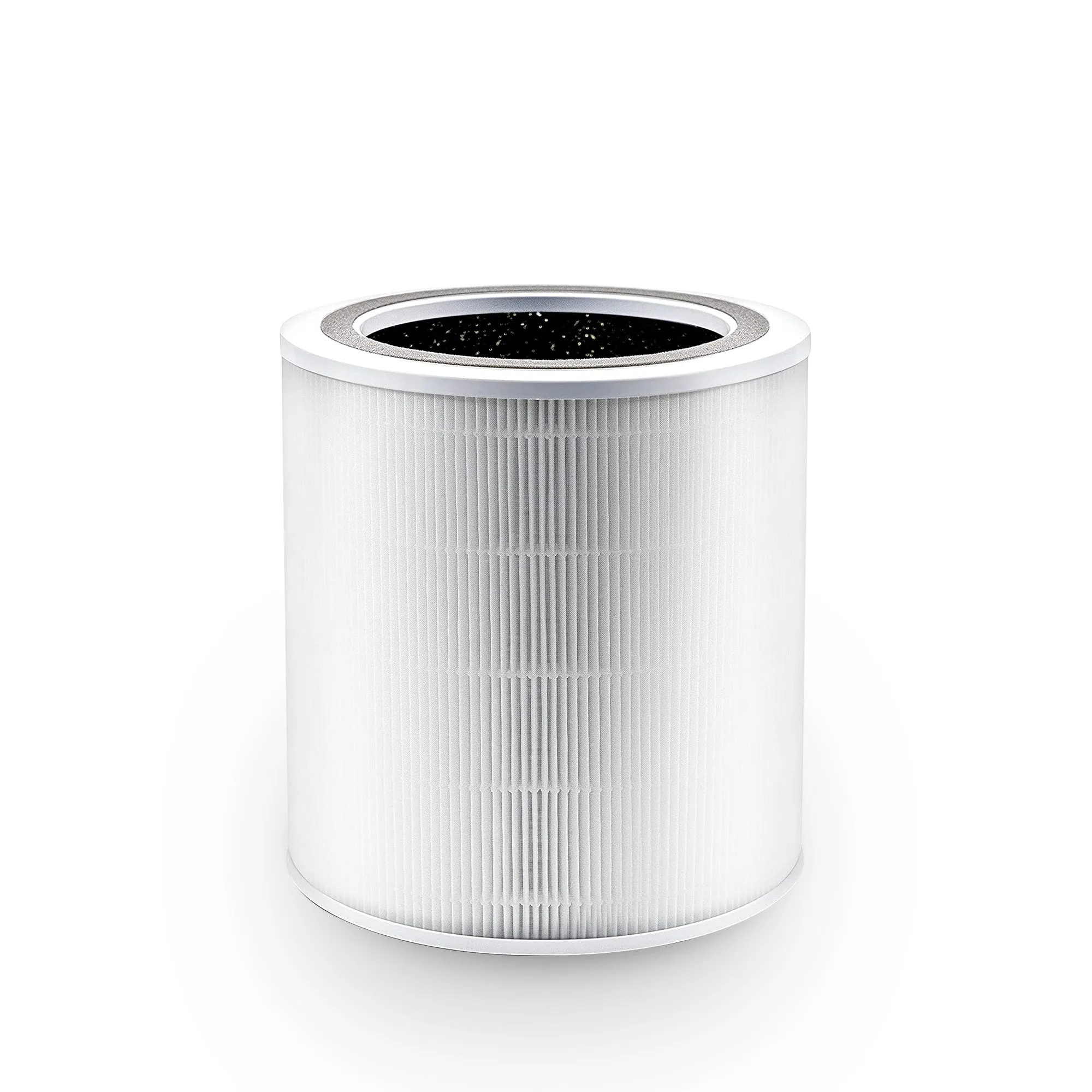
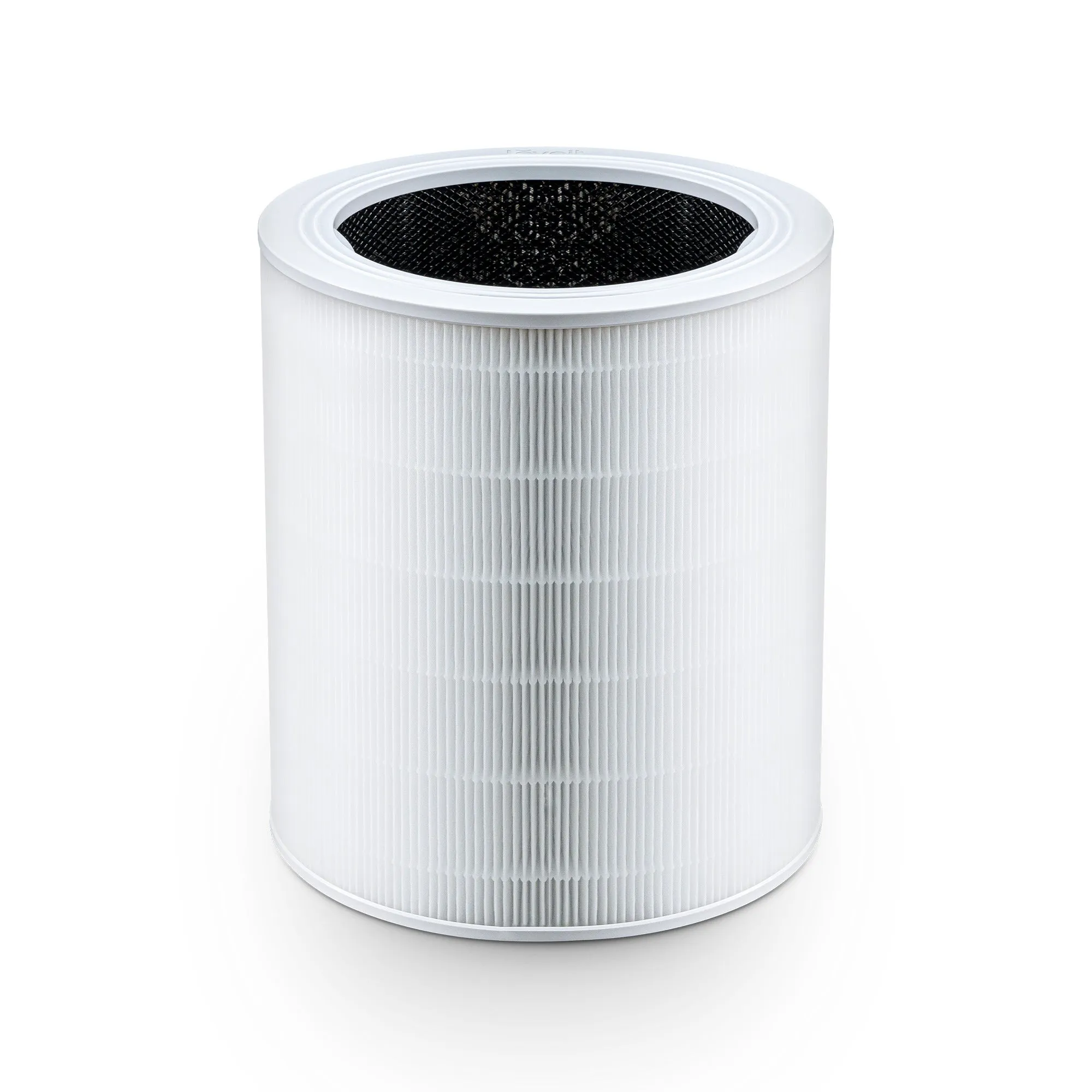
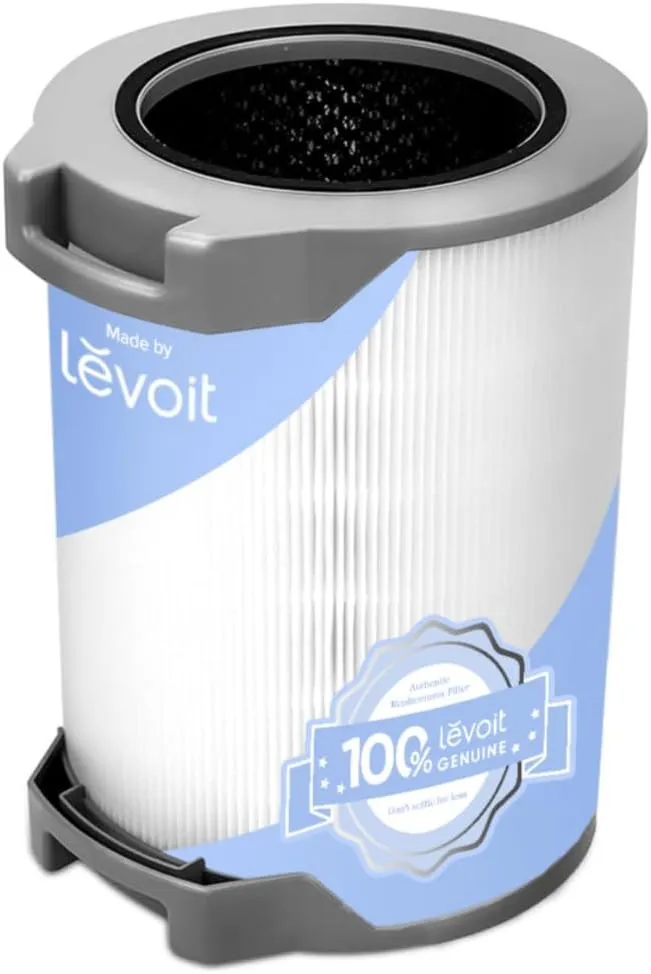
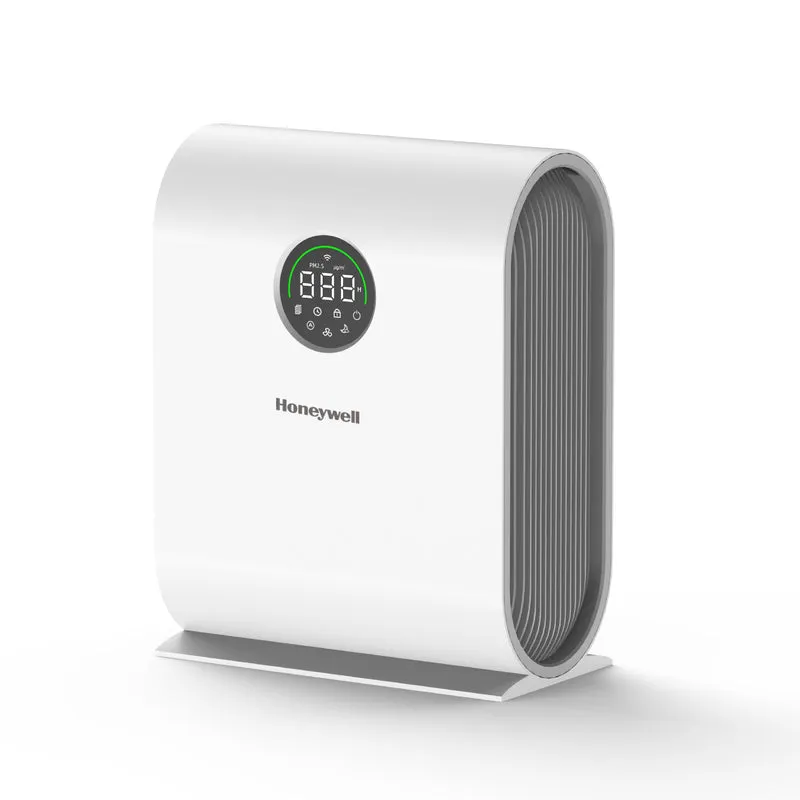
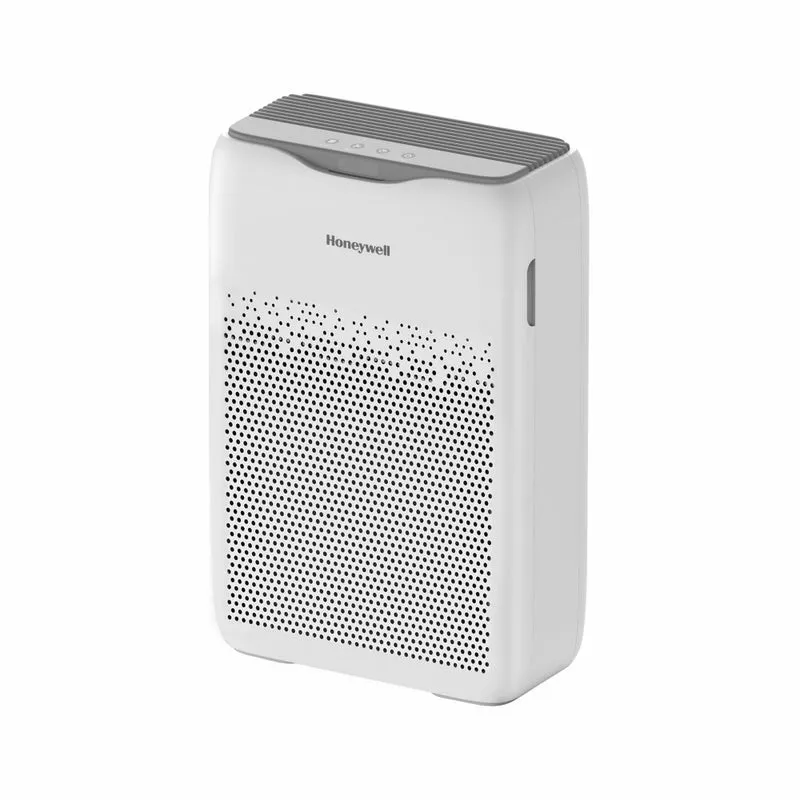
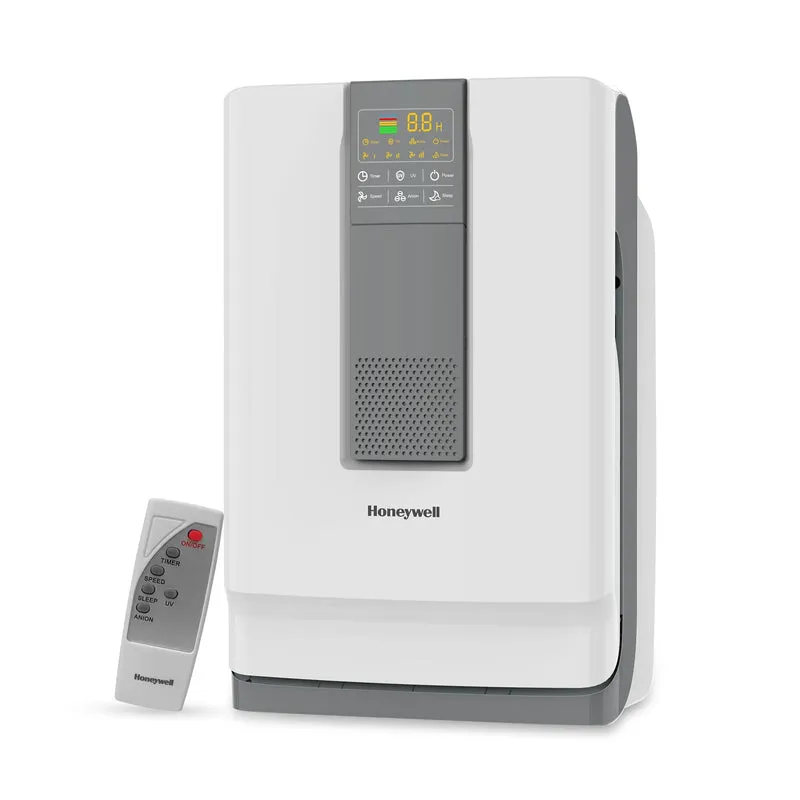
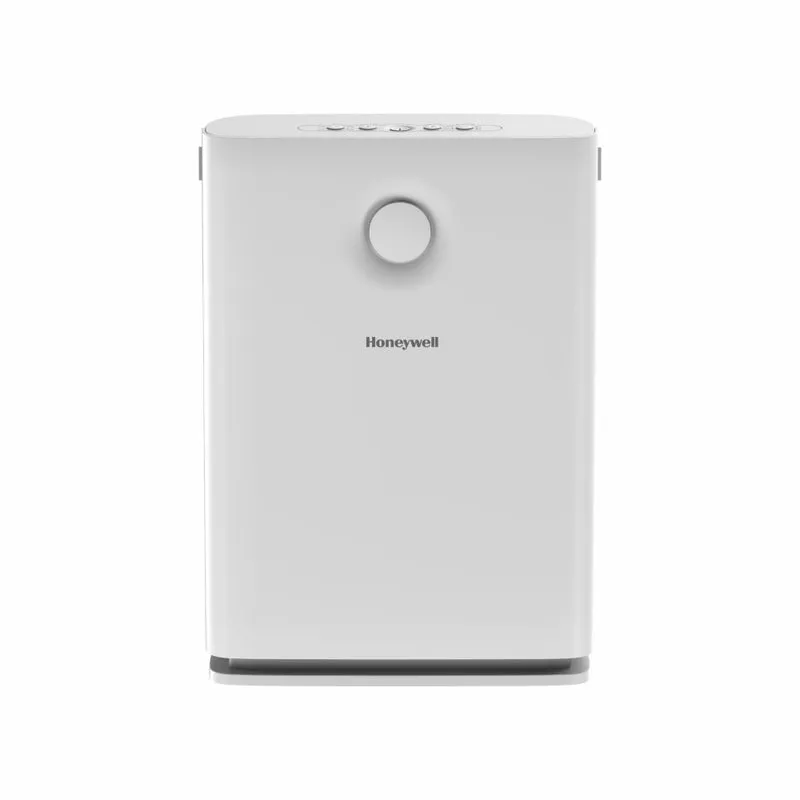
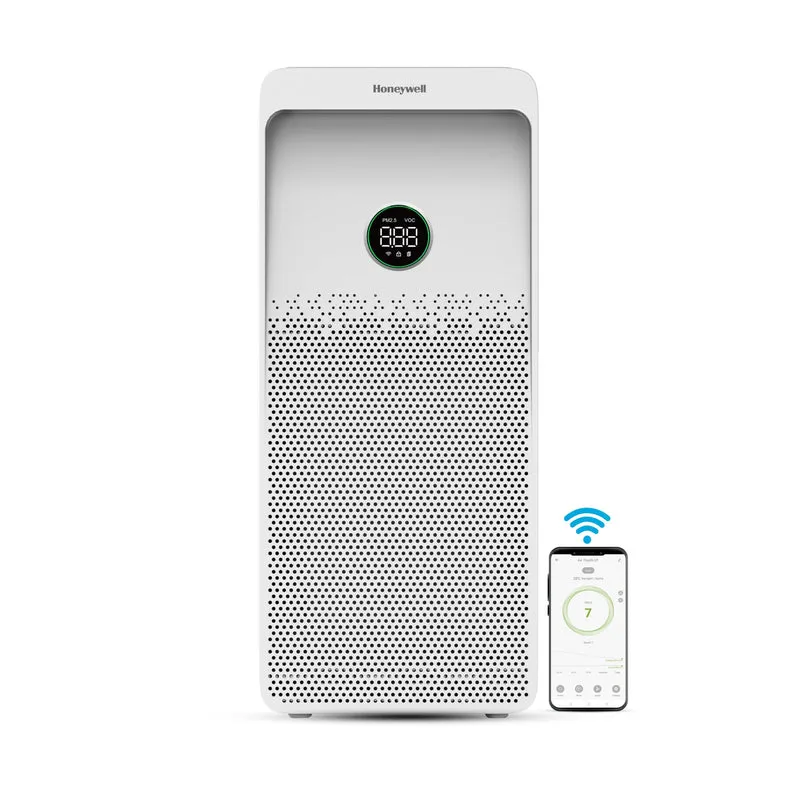
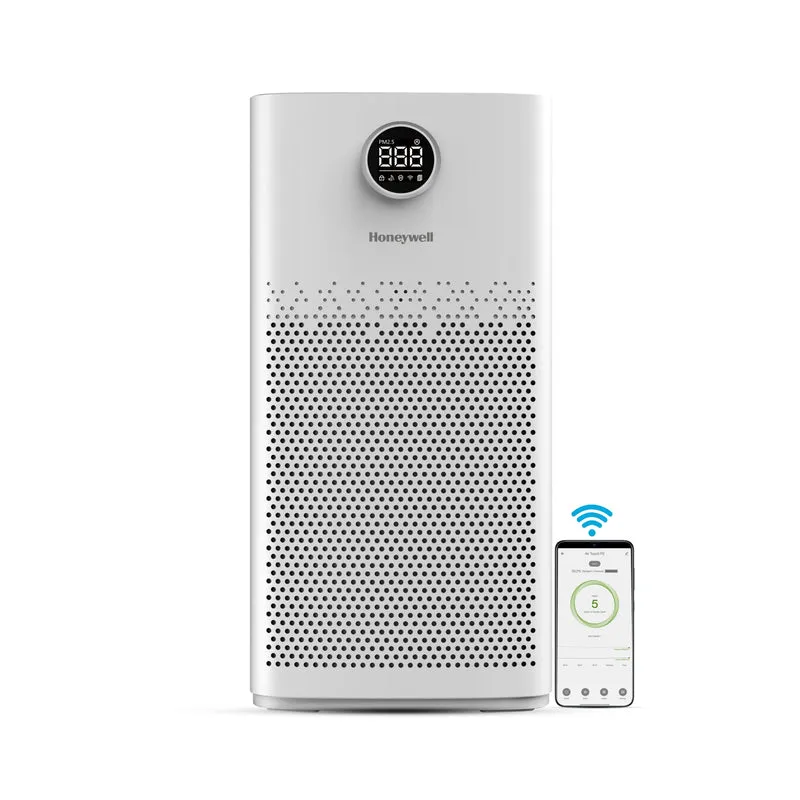
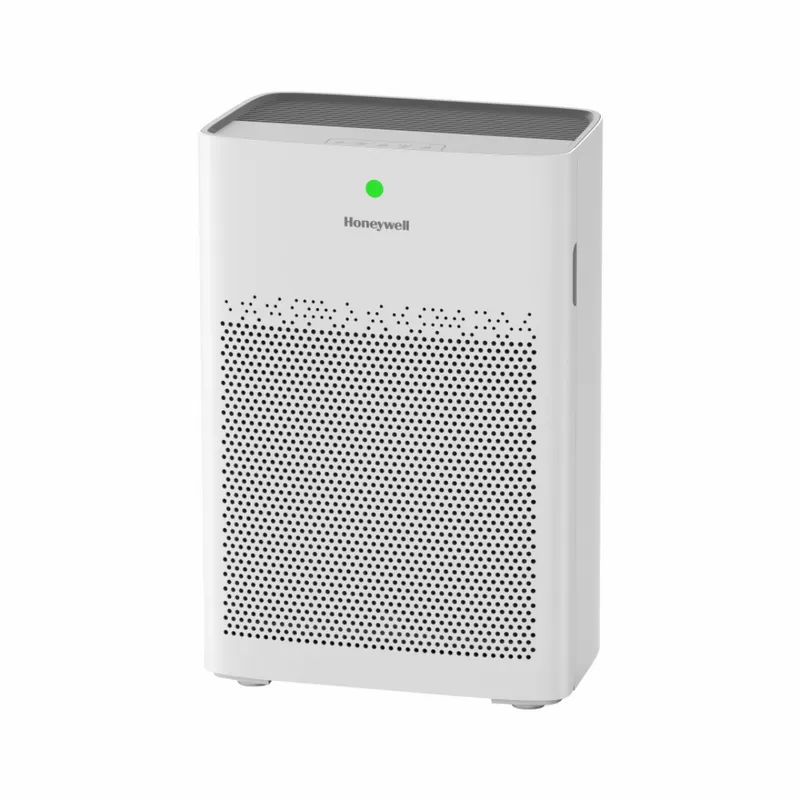
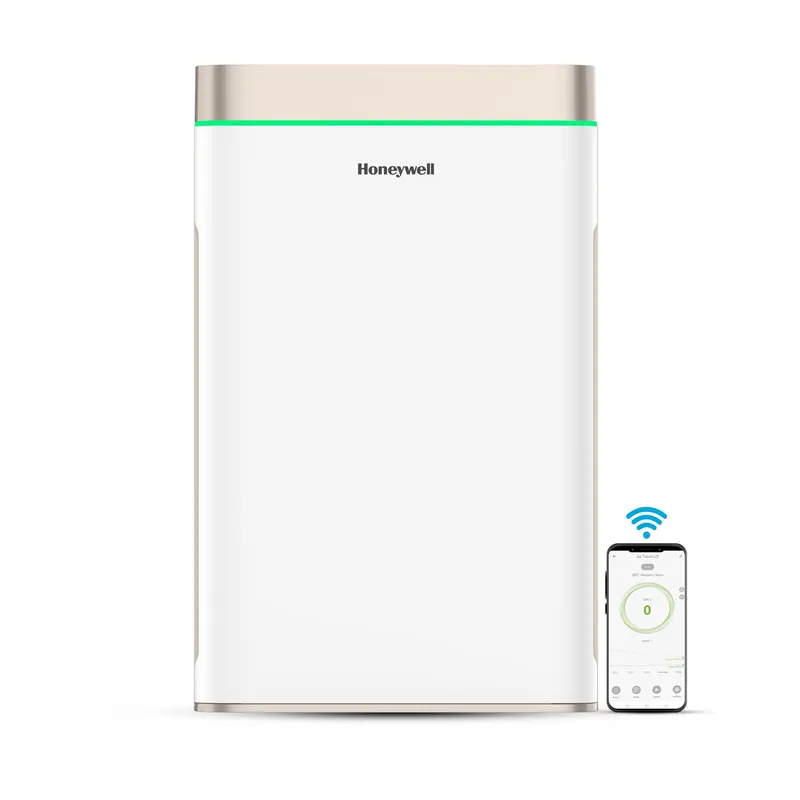
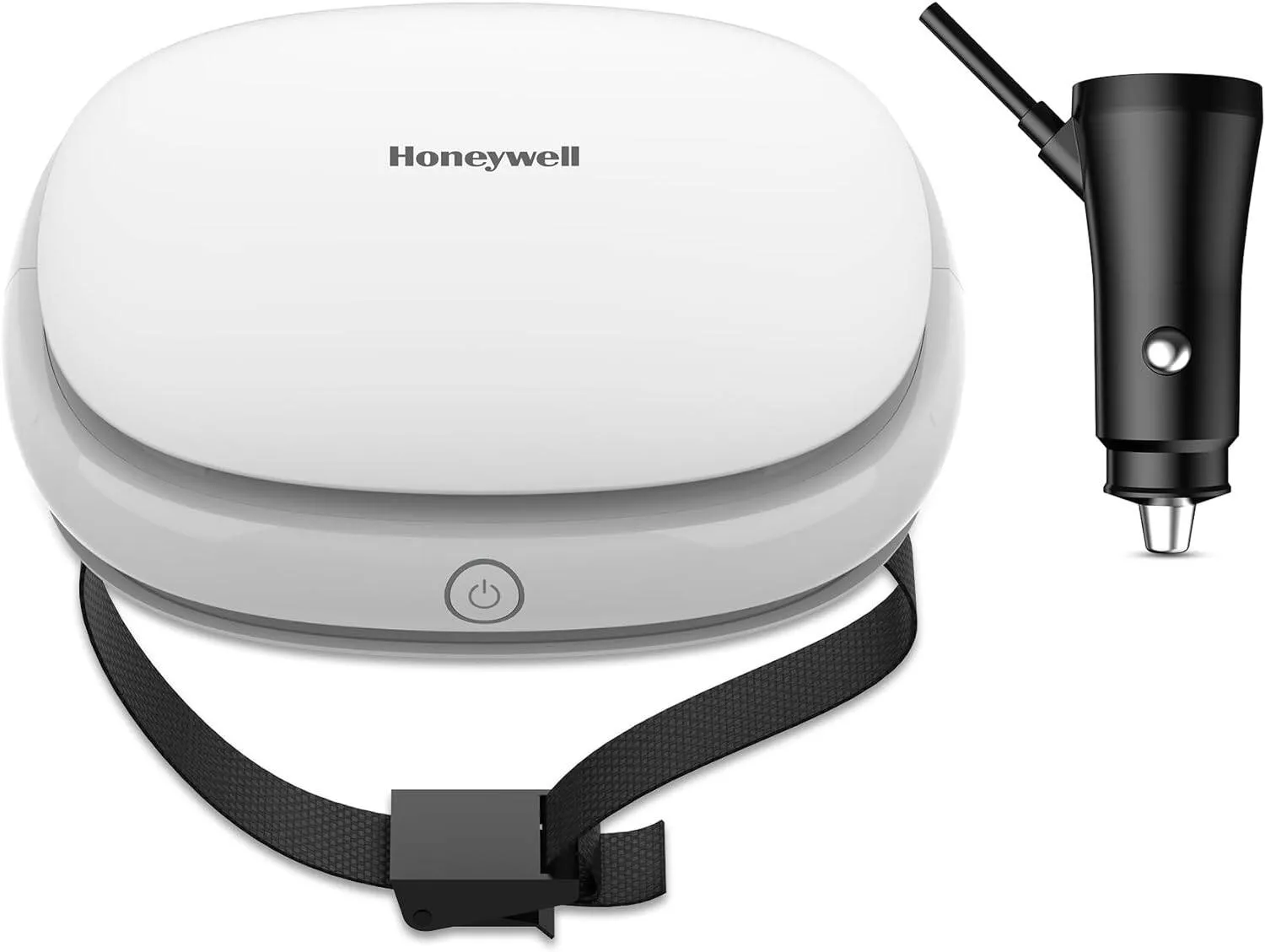
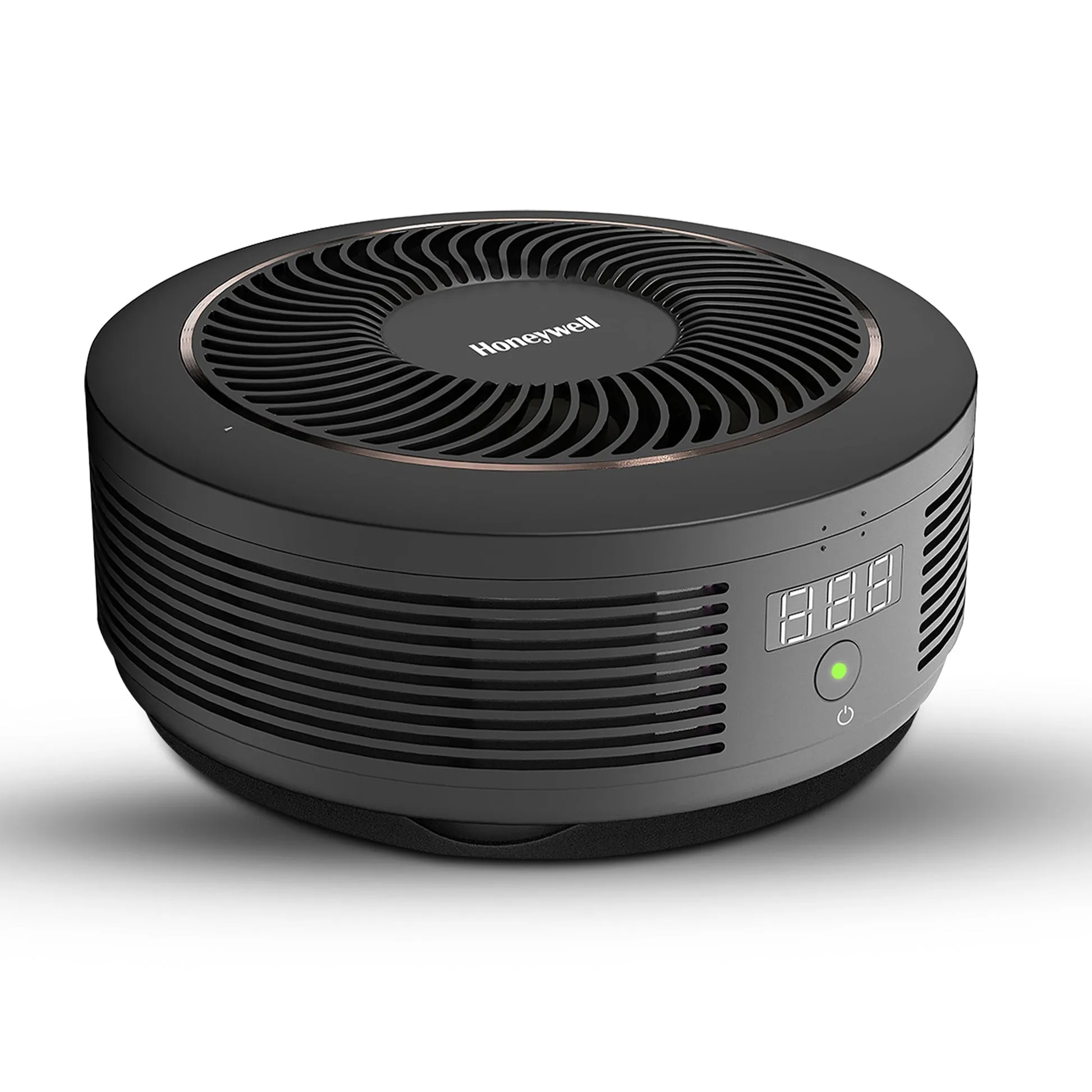
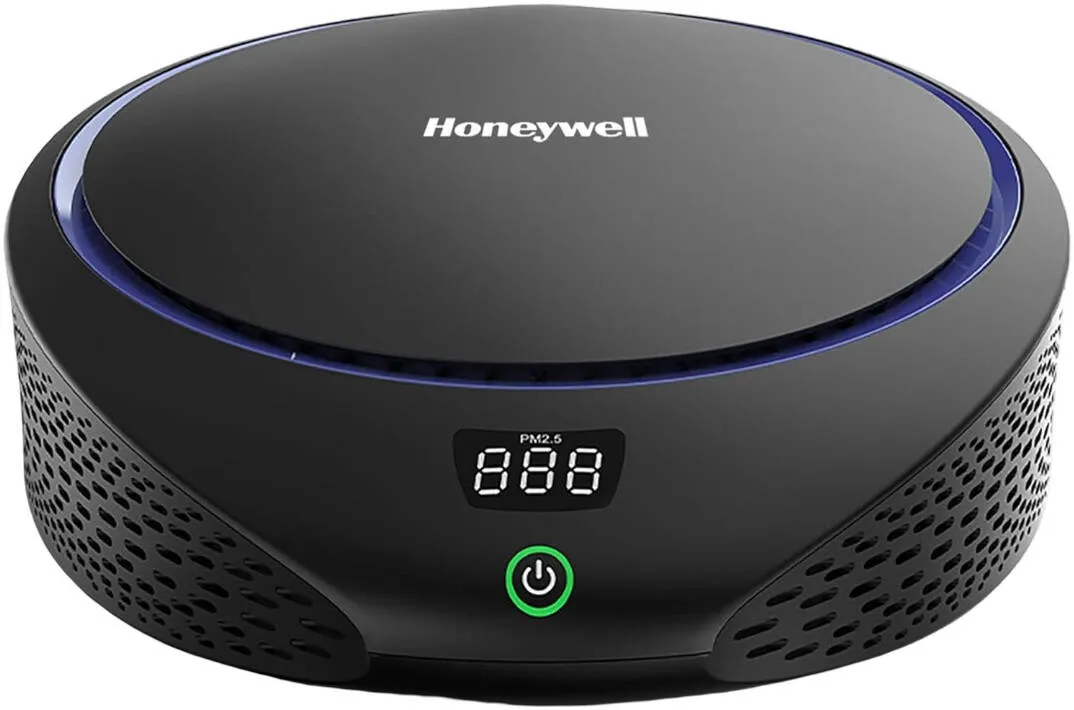
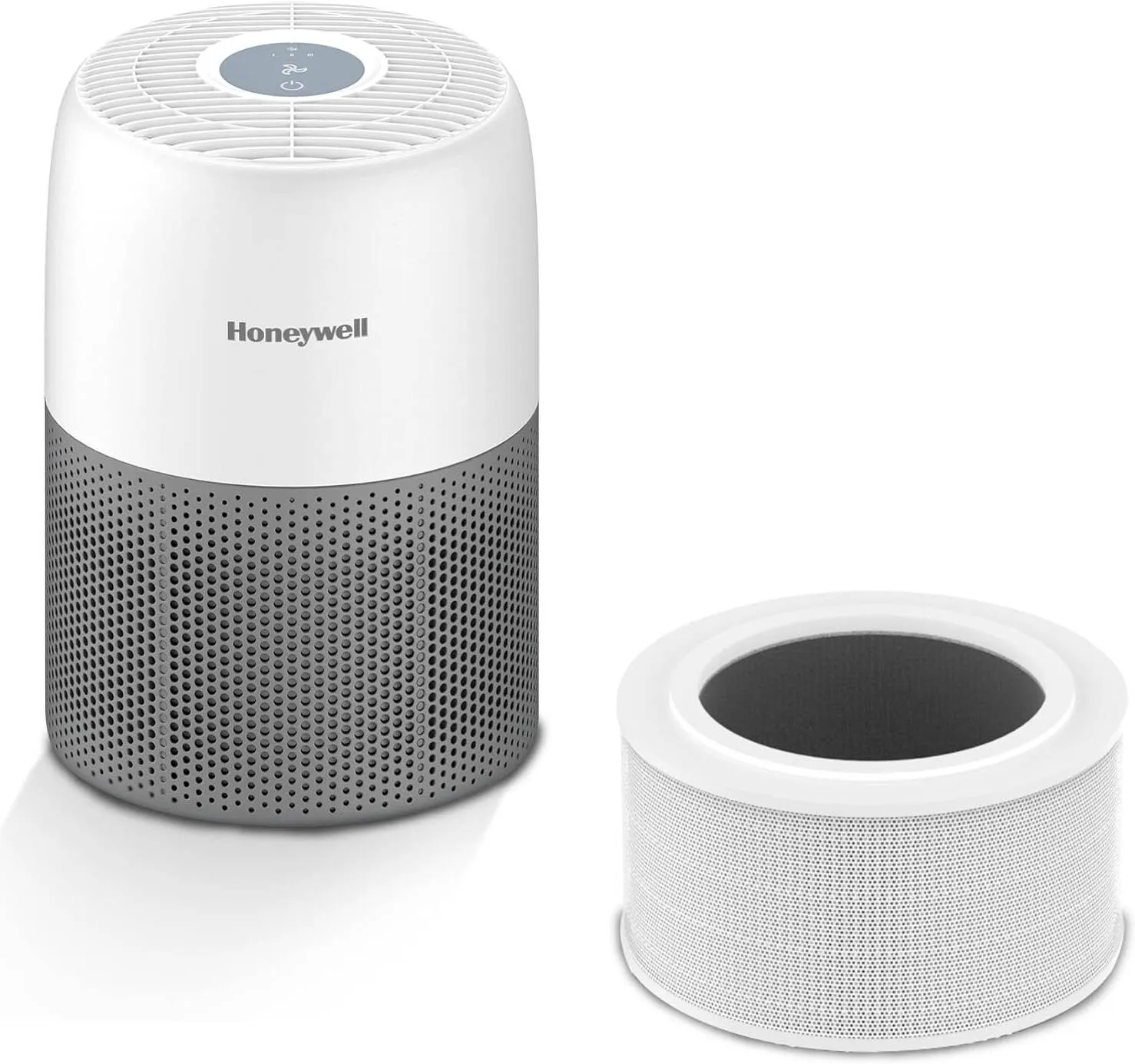
Once the basics are covered, the right filtration equipment adds a meaningful layer of protection. Cleanair-ae stocks a curated range of air purifiers suited to different room sizes and needs, including models from Levoit, Blueair, and Honeywell. For bedrooms and smaller spaces, the Levoit Core Mini provides effective particulate and allergen reduction in a compact, portable unit. For larger rooms and home offices, the Levoit Core 600S offers quiet, smart operation suited to extended daily use. Fast delivery is available across Dubai, Abu Dhabi, and the broader UAE. Browse the full range at cleanair-ae.com to find the right fit for your home.
FAQ
What is the most important step in an indoor air quality checklist?
Source control is the most important step. Removing or reducing the source of pollutants is more effective than ventilation or filtration alone.
How often should I check my home’s indoor air quality?
A basic assessment every three to six months is practical. Check humidity levels monthly and replace HVAC filters on the manufacturer’s schedule.
What are the most common indoor air pollutants in homes?
The most common indoor air pollutants include particulate matter (PM2.5), mould spores, dust mites, VOCs from household products, CO from combustion, and radon in basements.
What humidity level should I maintain indoors?
Keep relative humidity between 30 and 50%. Above 50%, mould and dust mites become significantly more active.
Do air purifiers replace the need for ventilation?
No. Air purifiers filter particles from existing air but do not supply fresh air or remove CO₂. Ventilation and filtration serve different functions and work best together.