


Uncategorised
Indoor vs outdoor air quality: what you need to know

Most people assume the air outside is the bigger threat. Smog alerts, vehicle fumes, industrial emissions. It feels logical. The reality of indoor vs outdoor air quality tells a different story. The US EPA reports that indoor pollutant levels are often 2 to 5 times higher than outdoor levels, and given that most people spend roughly 90% of their time indoors, the air inside your home or office has far more influence over your daily health than the air you briefly pass through on your commute.
Table of Contents
- Key takeaways
- Indoor vs outdoor air quality: sources and pollutants
- Why indoor air is often worse than outdoor air
- Ventilation: when it helps and when it backfires
- Practical steps to improve indoor air
- My take on indoor air quality
- How Cleanair-ae can help
- FAQ
Key takeaways
| Point | Details |
|---|---|
| Indoor air is often more polluted | Pollutant concentrations indoors can be 2 to 5 times higher than outdoors due to poor ventilation and indoor sources. |
| Source control comes first | Reducing or removing indoor pollution sources is more effective than filtration or ventilation alone. |
| Ventilation timing matters | Opening windows during high outdoor pollution or pollen seasons can worsen indoor air quality. |
| Filtration supplements, not replaces | Air purifiers and HVAC filters reduce airborne contaminants but cannot substitute for source control. |
| Vulnerable groups need priority attention | Children and those with respiratory conditions are most affected by poor indoor air quality. |
Indoor vs outdoor air quality: sources and pollutants
The formal terms used by health and environmental agencies are indoor air quality (IAQ) and outdoor air quality (OAQ). Understanding both starts with knowing what contaminates each environment.
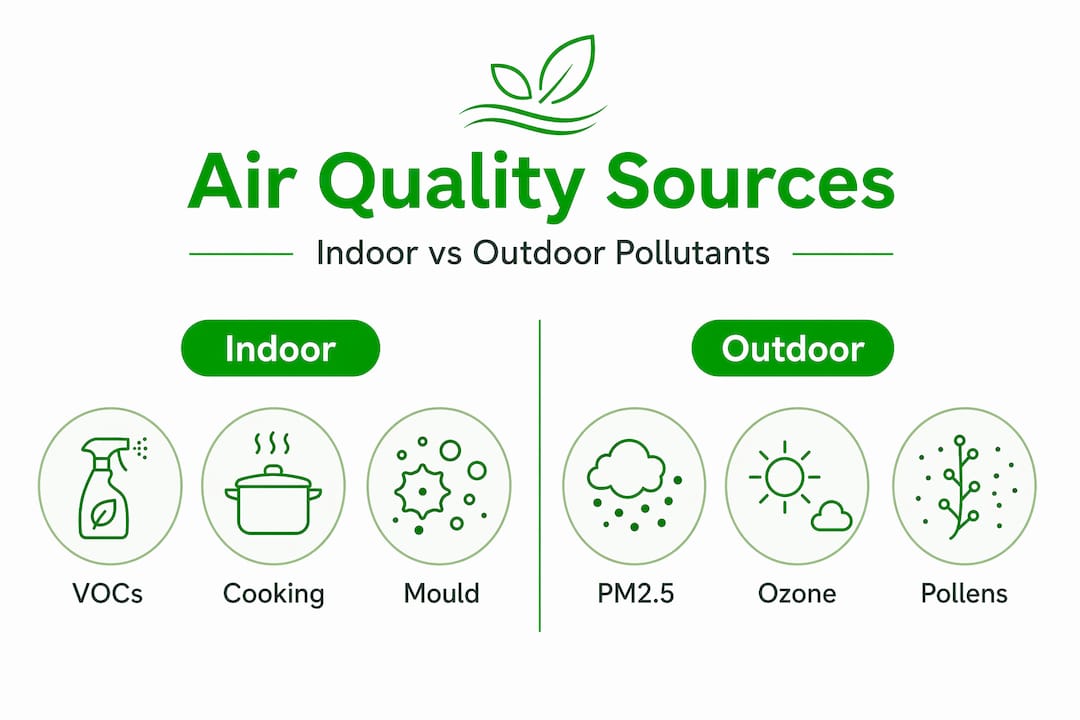
Outdoor air pollution typically comes from identifiable, large-scale sources. Vehicle exhaust, industrial emissions, agricultural activity, construction dust, and natural events such as sandstorms or wildfires all contribute. Seasonal pollen is a significant outdoor allergen, particularly relevant across the UAE where desert dust compounds the problem. OAQ is usually measured using the Air Quality Index (AQI), a standardised scale that helps you gauge daily pollution levels and make decisions accordingly.
Indoor air pollution is more complex. Sources inside your home or workspace include:
- Combustion appliances such as gas cookers, heaters, and candles, which release nitrogen dioxide and carbon monoxide
- Volatile organic compounds (VOCs) off-gassing from paints, furniture, flooring, adhesives, and cleaning products
- Biological contaminants including mould spores, dust mites, pet dander, and bacteria, often linked to moisture and poor ventilation
- Tobacco smoke, one of the most concentrated sources of indoor pollutants
- Outdoor infiltration, where external pollutants seep in through gaps, windows, and ventilation systems
Pro Tip: Switch to low-VOC paints and cleaning products where possible. This is one of the simplest source control measures available, and the effect on indoor air quality is measurable within days of application.
Importantly, indoor pollutants arise from both dedicated indoor sources and from outdoor air that infiltrates the building. The two environments are not sealed from each other. What happens outside eventually influences what you breathe inside.
Why indoor air is often worse than outdoor air
The core reason indoor air accumulates pollutants faster than outdoor air is simple physics. Outdoors, pollutants disperse across a vast volume of air. Indoors, the same pollutants are contained in a relatively small, often poorly ventilated space.

Inadequate ventilation prevents dilution of indoor emissions and traps contaminants that would otherwise dissipate. Modern buildings with tight envelopes, common in energy-efficient construction, are particularly susceptible unless mechanical ventilation is specifically designed to compensate. Older buildings can be draughty enough to self-ventilate, which is one of the few advantages of less airtight construction.
Daily activities make matters worse. Cooking on a gas hob generates nitrogen dioxide and fine particulate matter at concentrations that can briefly spike well above outdoor pollution levels. Cleaning with spray products releases VOCs directly into breathing air. Even showering increases humidity, which creates conditions for biological contaminant growth.
“Indoor air quality is a dynamic condition influenced by daily activities, environmental changes, and outdoor conditions, requiring ongoing attention rather than a fixed solution.” — US EPA
Temperature and humidity have a direct impact on pollutant concentrations and biological growth. When indoor humidity exceeds 60%, mould growth accelerates and dust mite populations increase. In hot, humid climates, or during UAE summer months when air conditioning runs continuously and windows stay shut, these conditions are easy to reach.
The data on this air quality comparison is consistent across studies:
| Factor | Indoor impact | Outdoor equivalent |
|---|---|---|
| Pollutant concentration | Up to 5x higher than outdoors | Baseline reference |
| Ventilation | Low exchange rate traps contaminants | Natural dispersal |
| Humidity above 60% | Promotes mould and dust mites | Less of a direct factor |
| Combustion activities | Spikes particulate and NO₂ levels | Present but dispersed |
Ventilation: when it helps and when it backfires
The instinctive response to stuffy air is to open a window. That works well when outdoor air is clean. It can actively worsen things when it is not.
Outdoor pollution infiltrates indoors and the degree to which it does depends on building gaps, prevailing wind, and how much you actively ventilate. During wildfire events, pollution events, or high pollen days, opening windows pulls outdoor contaminants directly into your living space. You can monitor this using local AQI data, which is publicly available in most cities and through apps such as IQAir and AirVisual.
The right approach depends on conditions:
- On low-AQI days with minimal pollen, natural ventilation through windows and doors is effective and free
- On high-AQI days, or during sandstorm events common in the UAE, keep windows closed and rely on filtered mechanical ventilation or air purifiers
- During high pollen seasons, check daily pollen counts alongside AQI before deciding to ventilate
- Kitchen and bathroom exhaust fans should run during and after cooking or showering to remove moisture and combustion byproducts without bringing in outdoor air
During high outdoor pollution, increasing ventilation can worsen indoor air quality rather than improve it. This is one of the more counter-intuitive findings in the field, and it catches many people out during summer pollution peaks or dust events.
Different ventilation strategies carry different trade-offs. Natural ventilation is free and straightforward but weather and outdoor conditions dependent. Mechanical ventilation with heat recovery (MVHR) maintains fresh air exchange while filtering incoming outdoor air, making it the better long-term option for tight modern buildings.
Pro Tip: If you live in a high-traffic area or near an industrial zone, invest in a mechanical ventilation solution with a HEPA or activated carbon pre-filter rather than relying on opening windows. The filtration step removes a significant proportion of particulates and VOCs from incoming outdoor air before they enter your home.
Practical steps to improve indoor air
Improving indoor air quality follows a clear hierarchy. The EPA recommends source control first, followed by ventilation, with filtration as a supplementary measure. Working through these in order gives you the best results for effort.
-
Remove or reduce pollution sources. Stop smoking indoors. Replace gas appliances with electric alternatives where possible. Choose low-VOC paints, adhesives, and cleaning products. Remove or air out new furniture before placing it in occupied rooms, since off-gassing from new materials is highest in the first weeks.
-
Ventilate based on outdoor conditions. Use your local AQI reading each morning to decide whether to open windows or keep them shut. On clean air days, cross-ventilate by opening windows on opposite sides of the building to create airflow.
-
Use exhaust fans consistently. Run the kitchen fan during every cooking session and leave it running for 10 minutes afterwards. Do the same in the bathroom during and after showers. These two rooms generate the most moisture and combustion byproducts in a typical home.
-
Add filtration where ventilation is limited. Portable air cleaners and upgraded HVAC filters reduce airborne contaminants but cannot replace the other two steps. A HEPA-rated portable air cleaner is most effective in the room where you spend the most time, typically the bedroom or main living area. HVAC filters with a MERV rating of 13 or above capture fine particulates effectively.
-
Control humidity. Keep indoor humidity between 30% and 50%. Use a dehumidifier in damp months and avoid drying wet laundry indoors without ventilation.
-
Prioritise rooms used by children and elderly occupants. Children are particularly vulnerable to indoor air pollutants, which can affect lung development and increase respiratory problems. For families, indoor air quality decisions are a health intervention, not just a comfort measure.
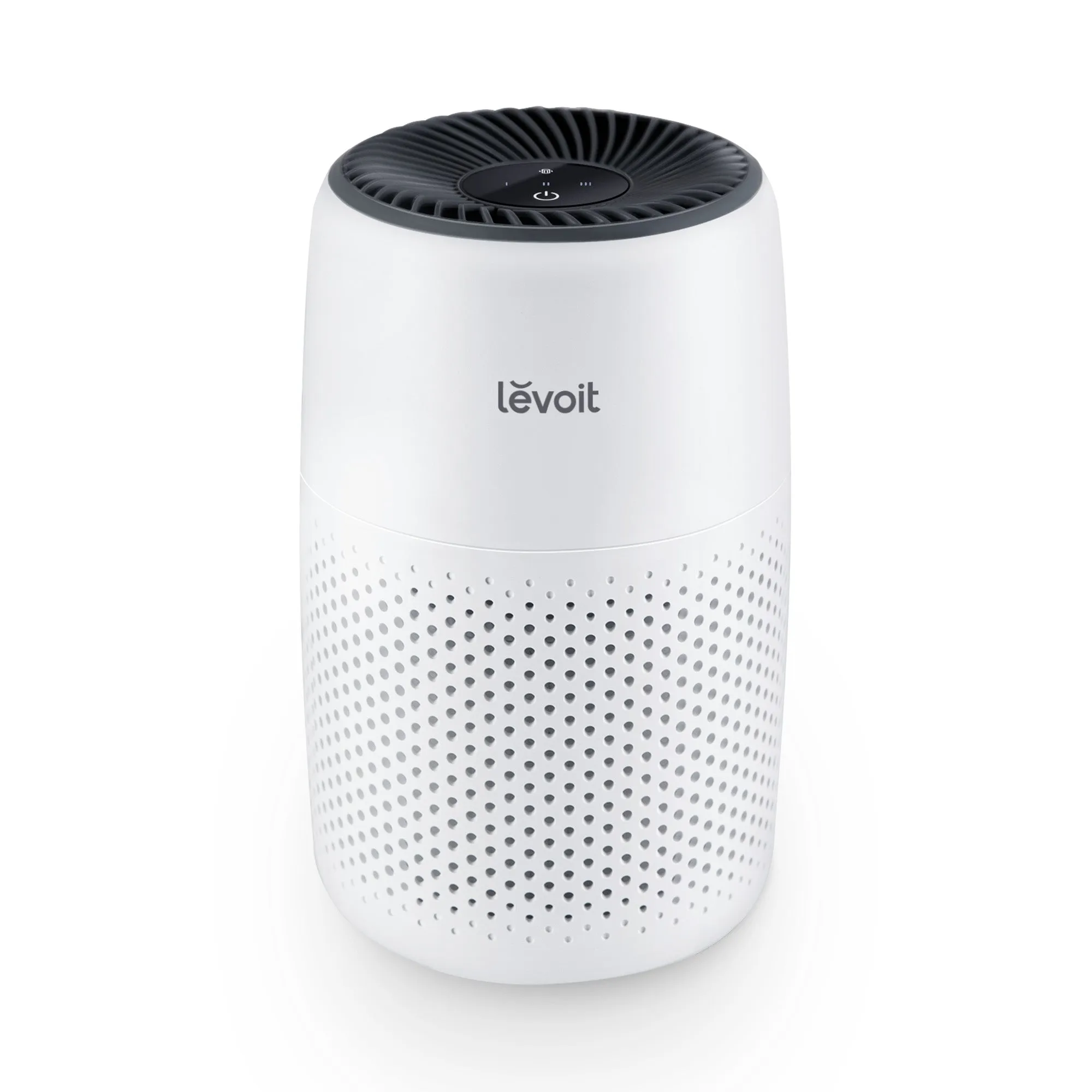
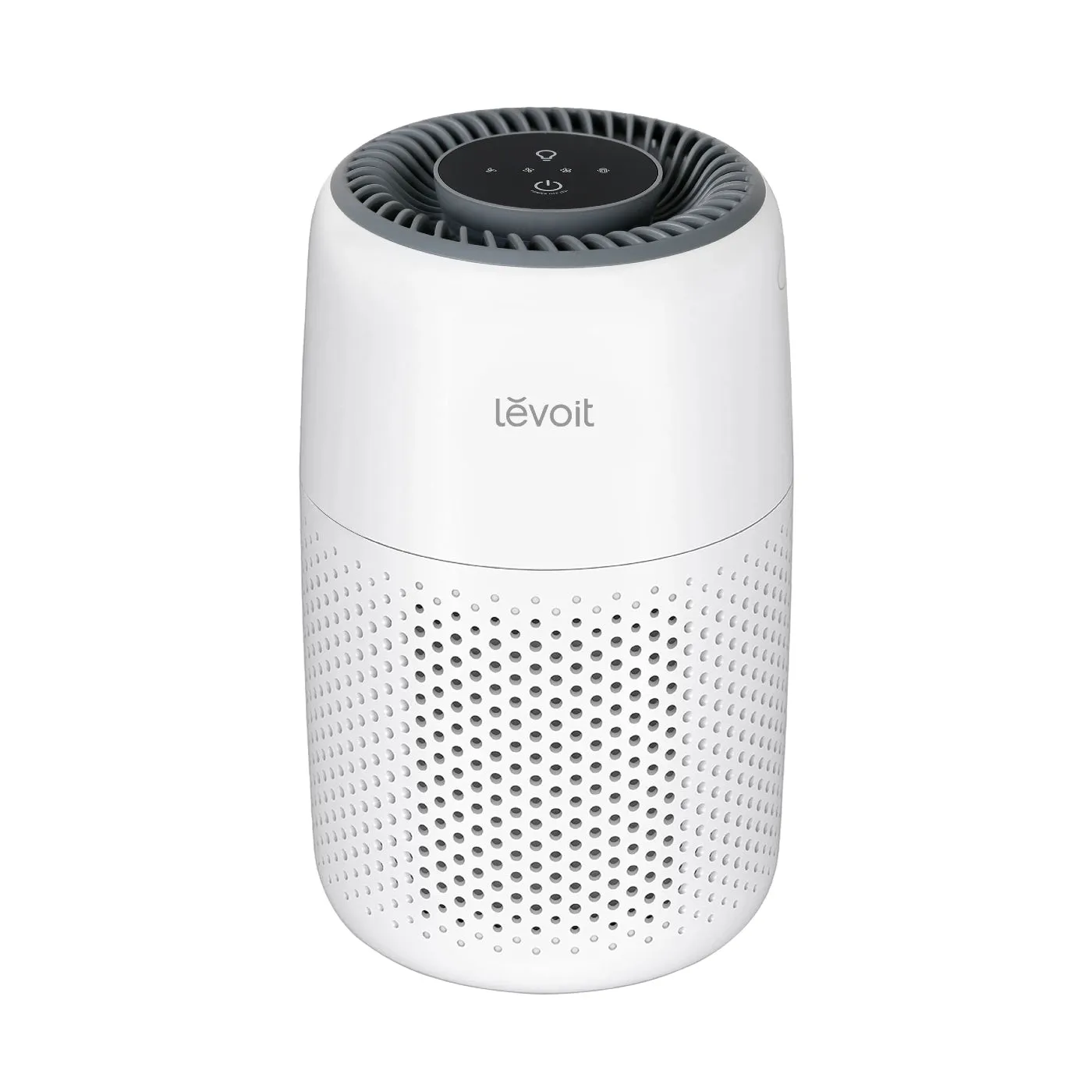
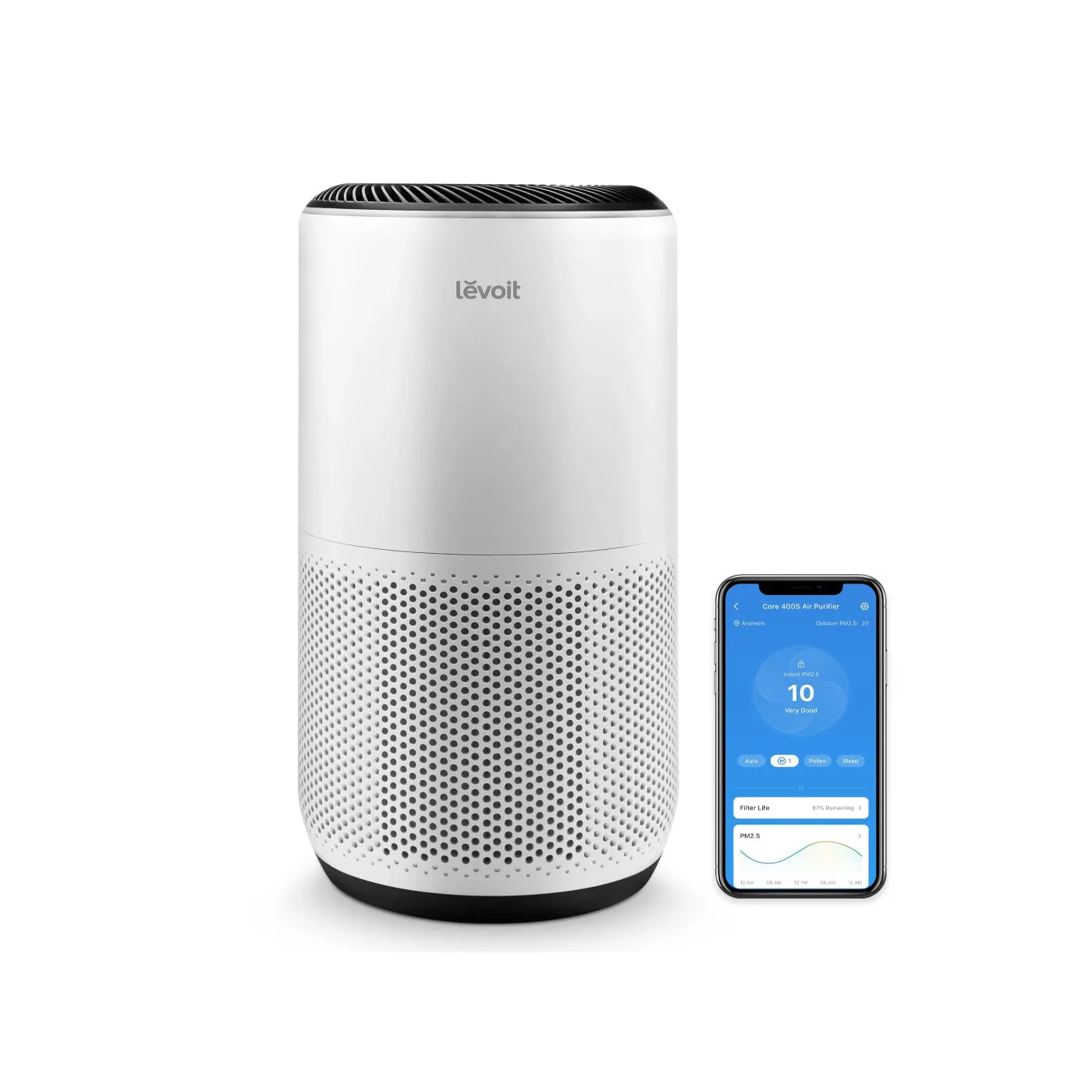
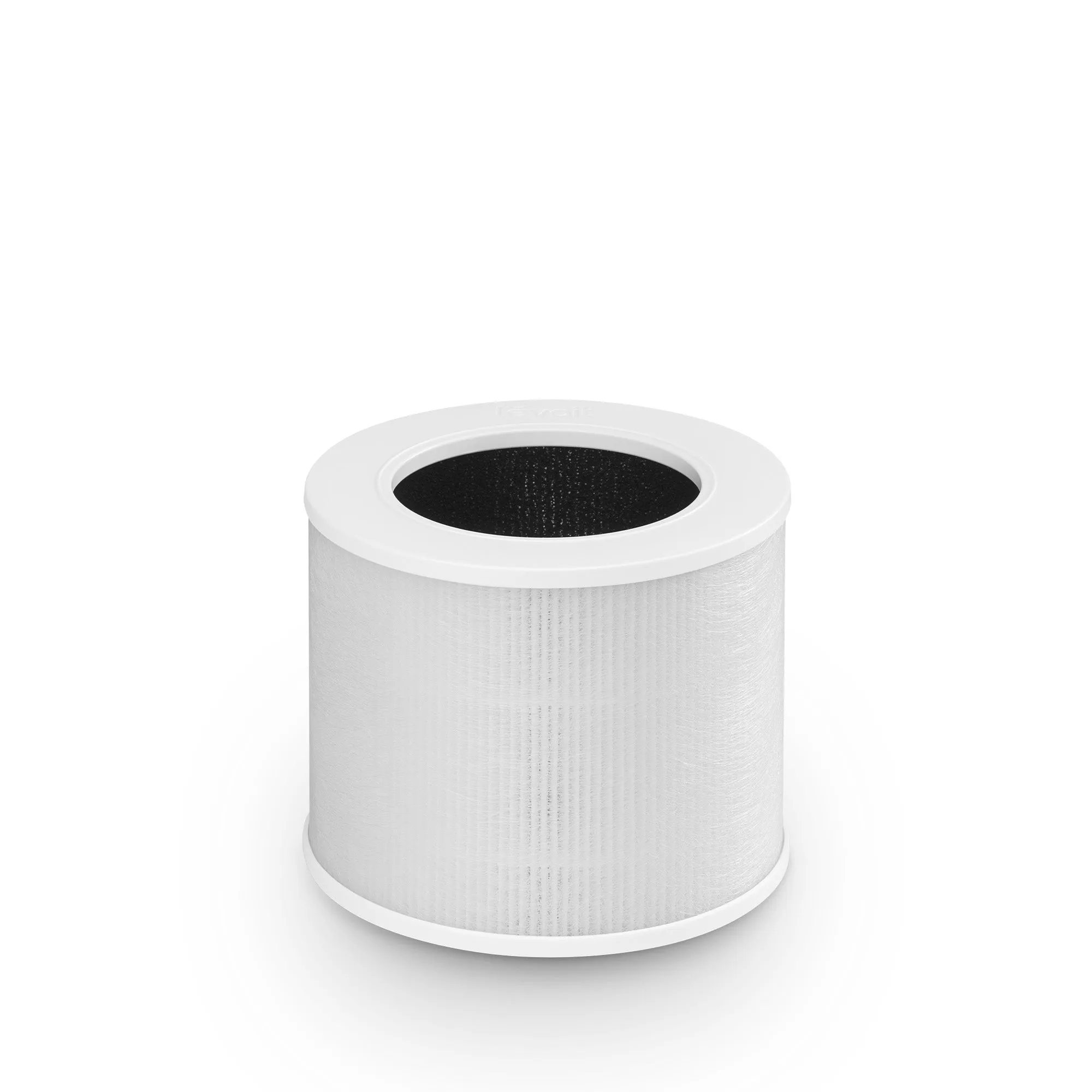
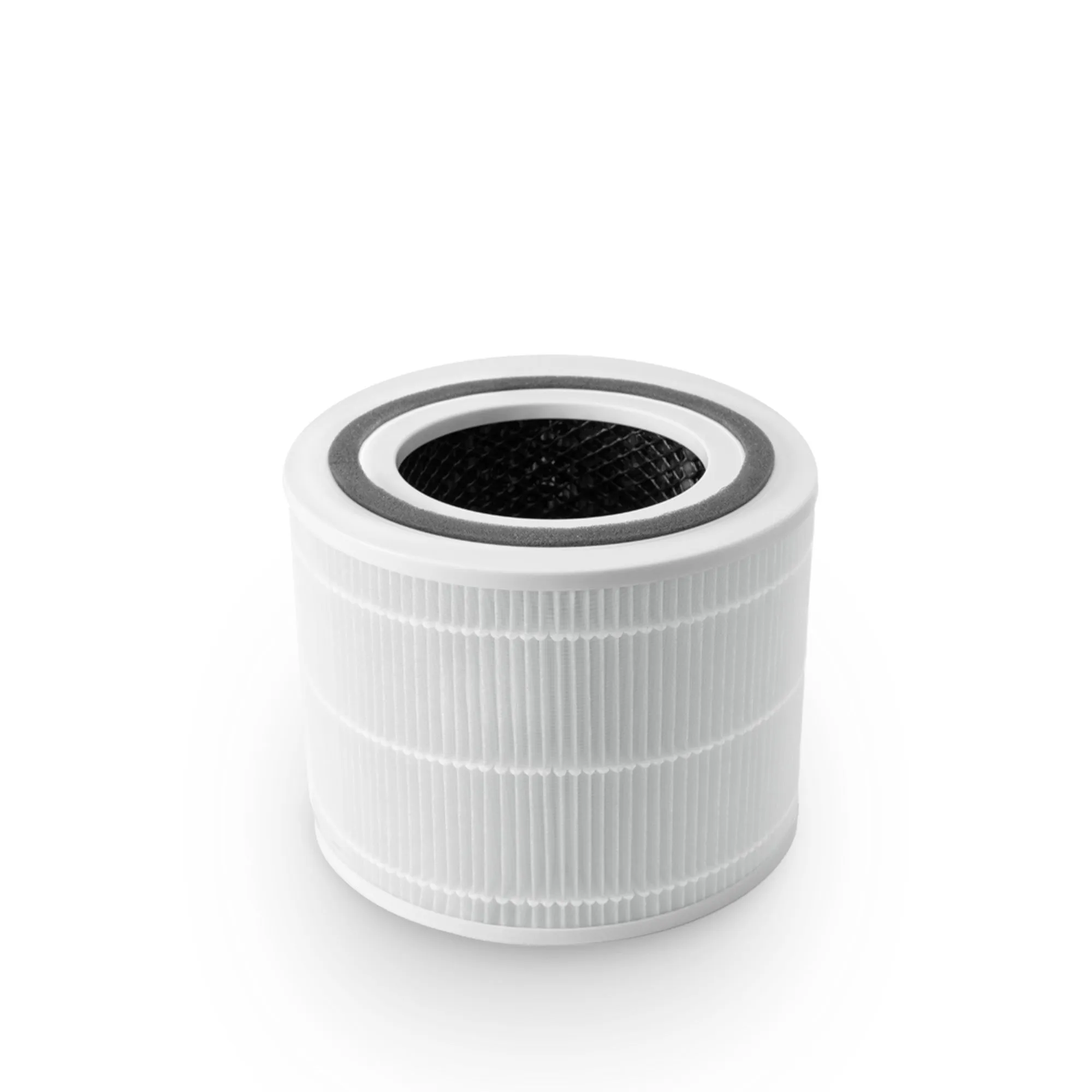
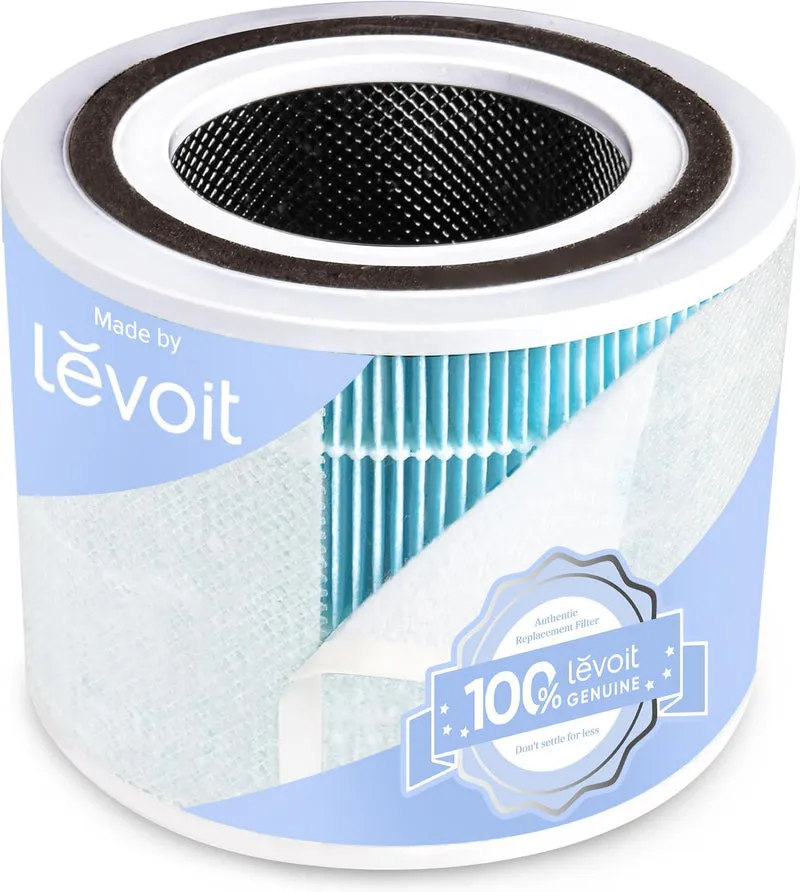
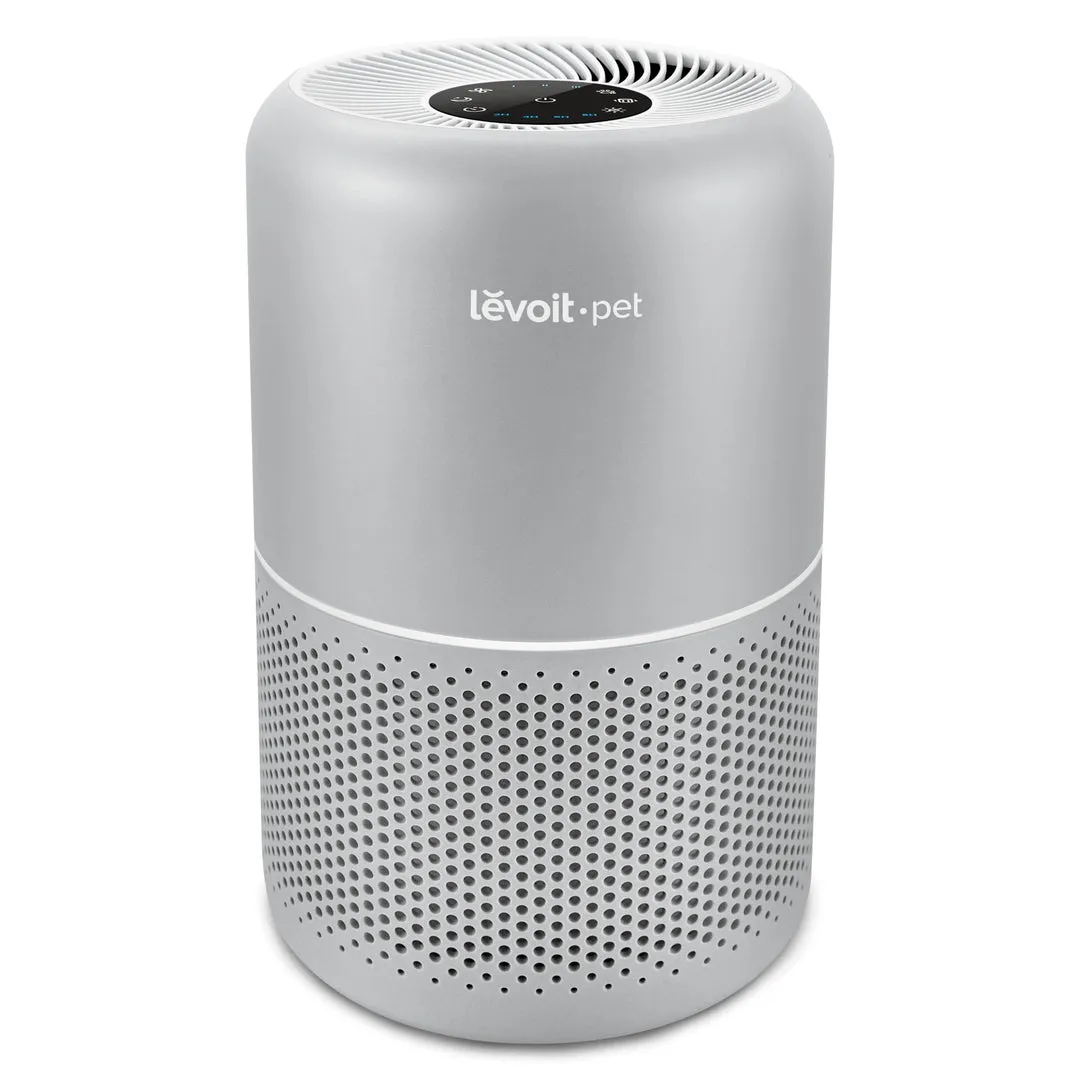
Pro Tip: Place a compact air purifier such as the Levoit Core Mini in your child’s bedroom if they have allergies or asthma. Running it overnight while windows are closed gives consistent filtered air during the hours they are most exposed.
My take on indoor air quality
I’ve spent a significant amount of time reviewing air quality research and speaking with people who’ve made changes to their homes and offices. What I keep coming back to is how many people get this backwards.
They buy an air purifier, feel better about it, and then leave the windows open all day during a dust event. Or they ventilate perfectly in theory but forget that the kitchen fan has been broken for six months and every cooking session is raising particulate levels in the whole flat. The equipment cannot do the work that behaviour and source control need to do first.
What I’ve also noticed is that people treat indoor air quality as a one-time fix. Get a purifier, change the filter every few months, done. The reality is more like managing your diet than installing a smoke alarm. Conditions shift daily. Outdoor pollution varies. Humidity changes with the season. The activities you do indoors change what the air contains.
The most effective approach I’ve seen is genuinely layered. People who use AQI data to decide when to ventilate, who have addressed their main indoor sources, and who use filtration as a final layer on top of all that, these are the ones who consistently breathe better air. It’s not about having the most expensive equipment. It’s about understanding what the equipment can and cannot do.
— Wojciech
How Cleanair-ae can help
Taking control of your indoor air starts with the right products for your specific space.
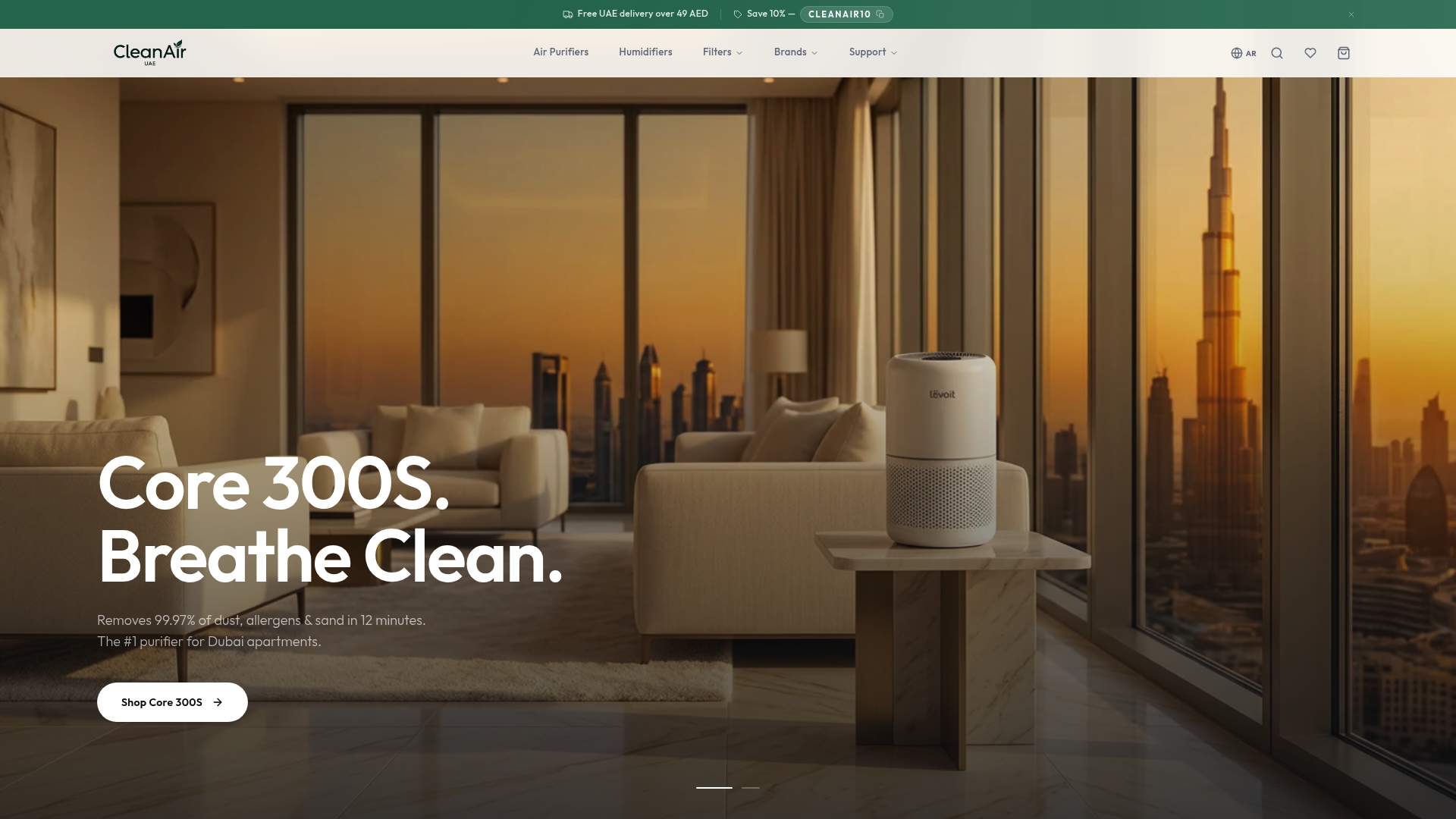
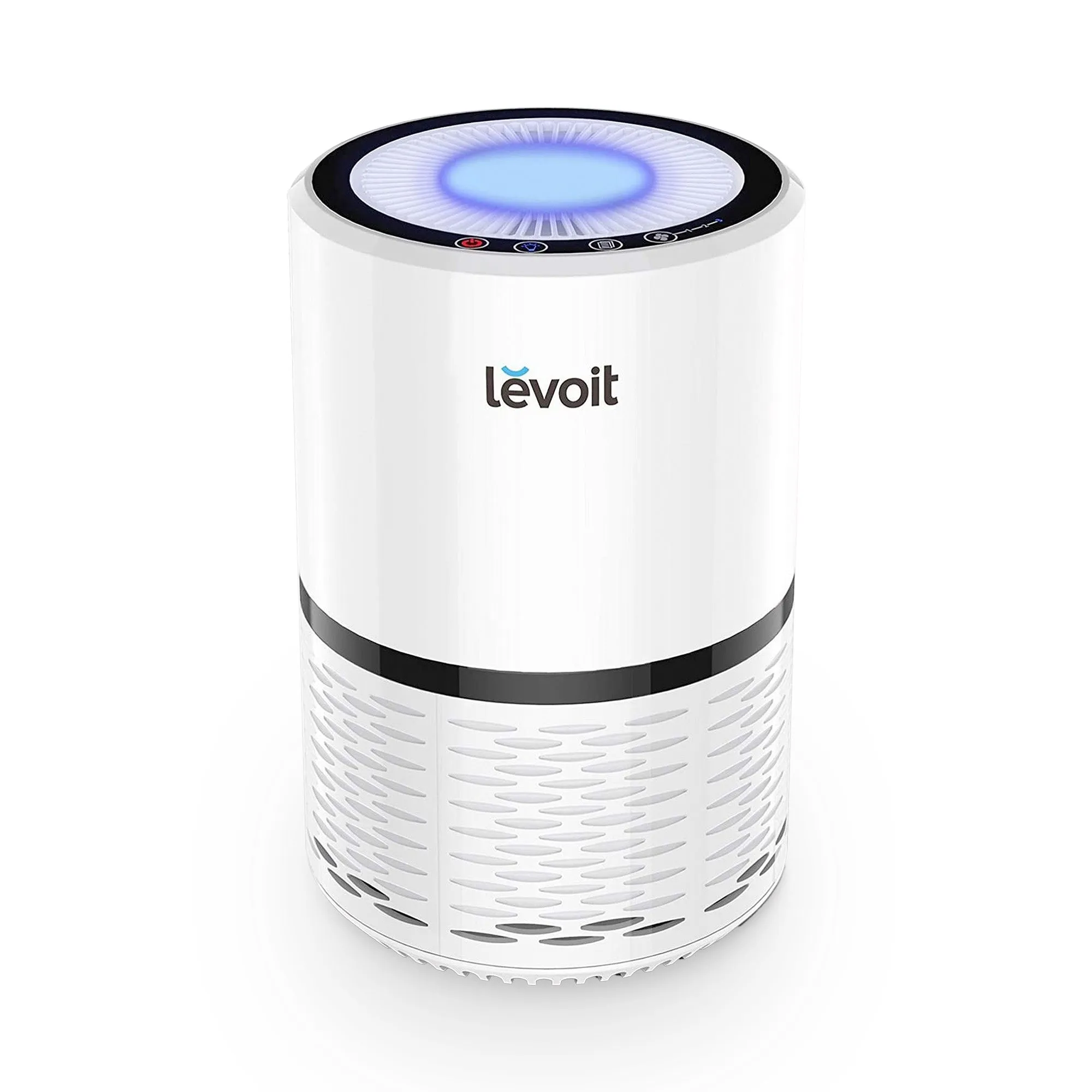
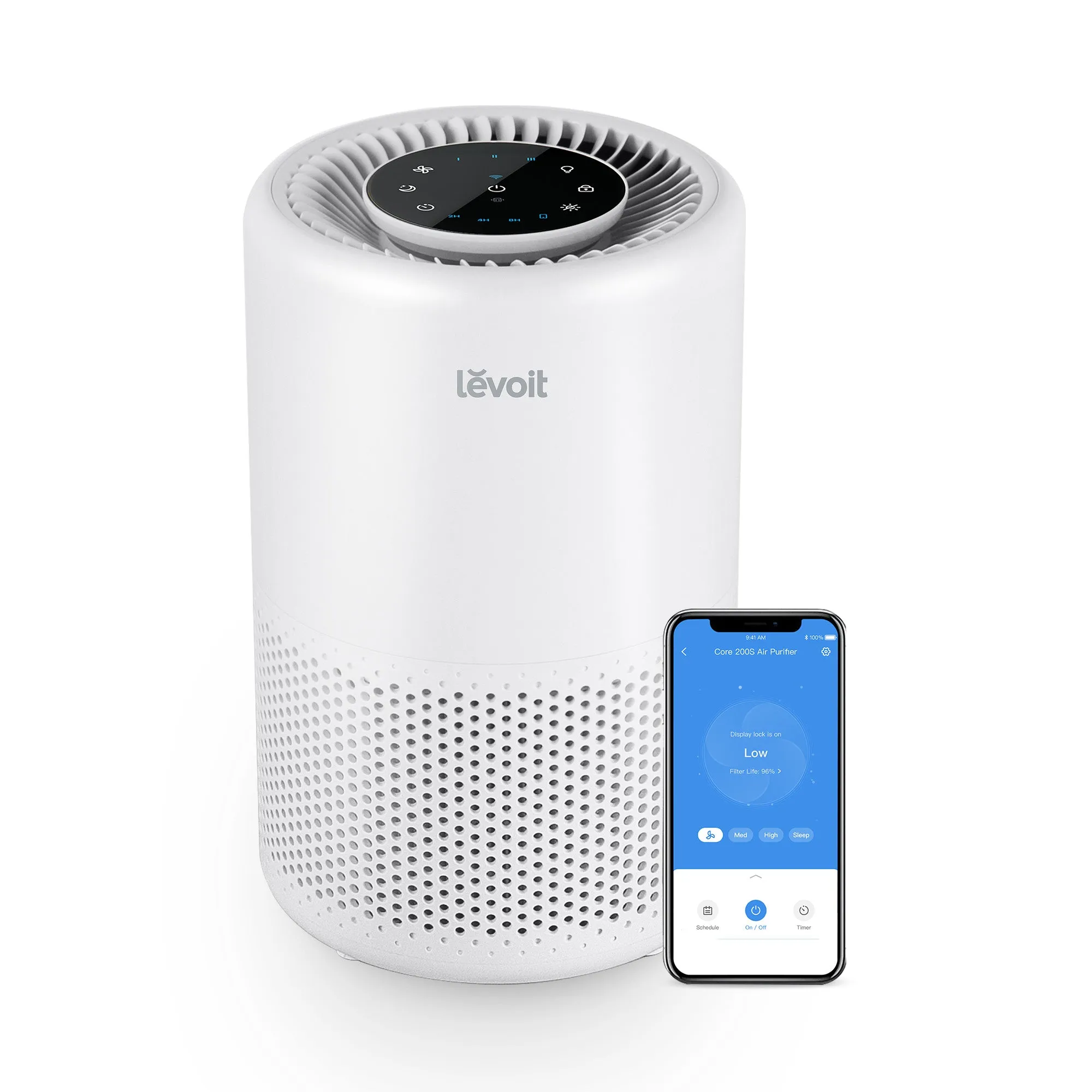
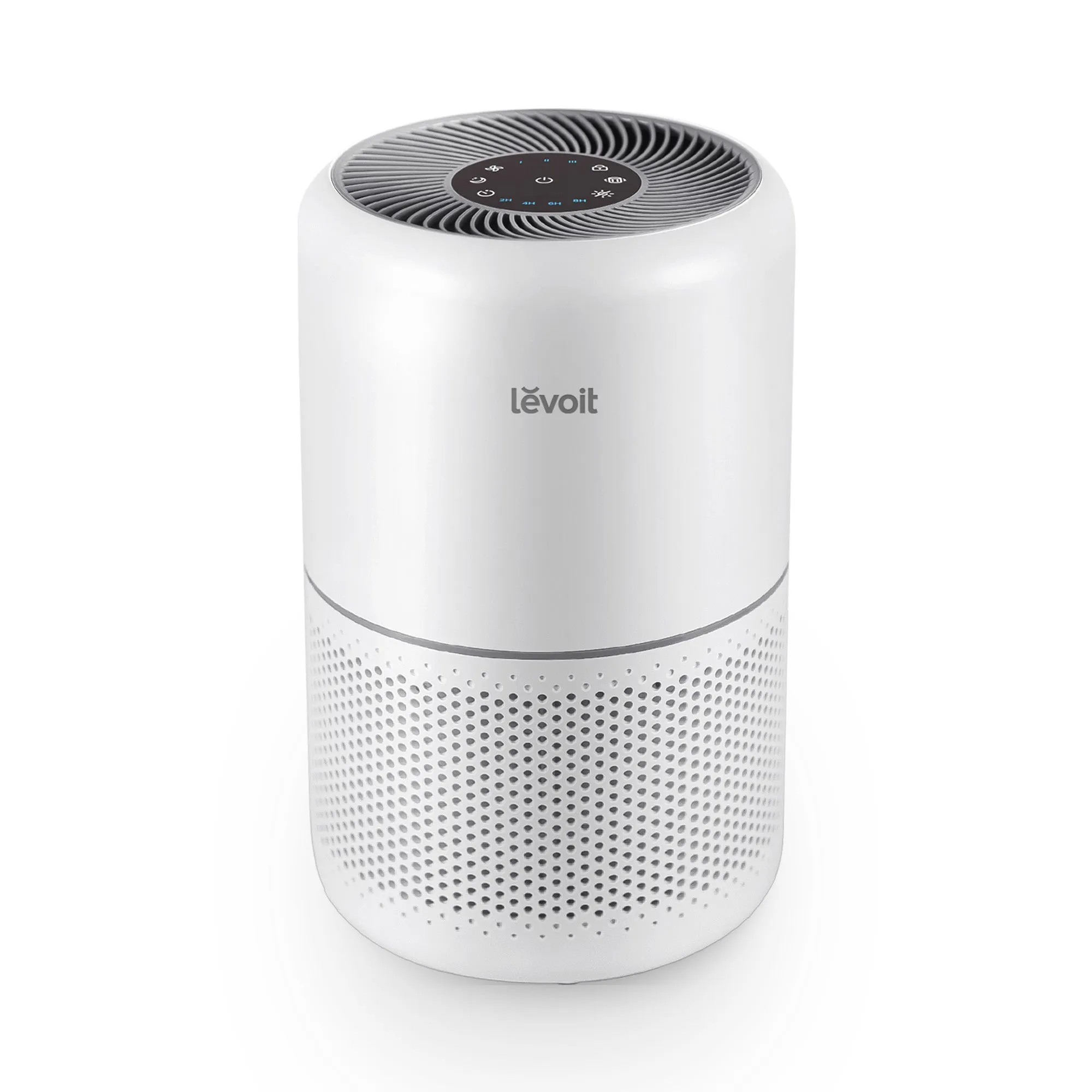
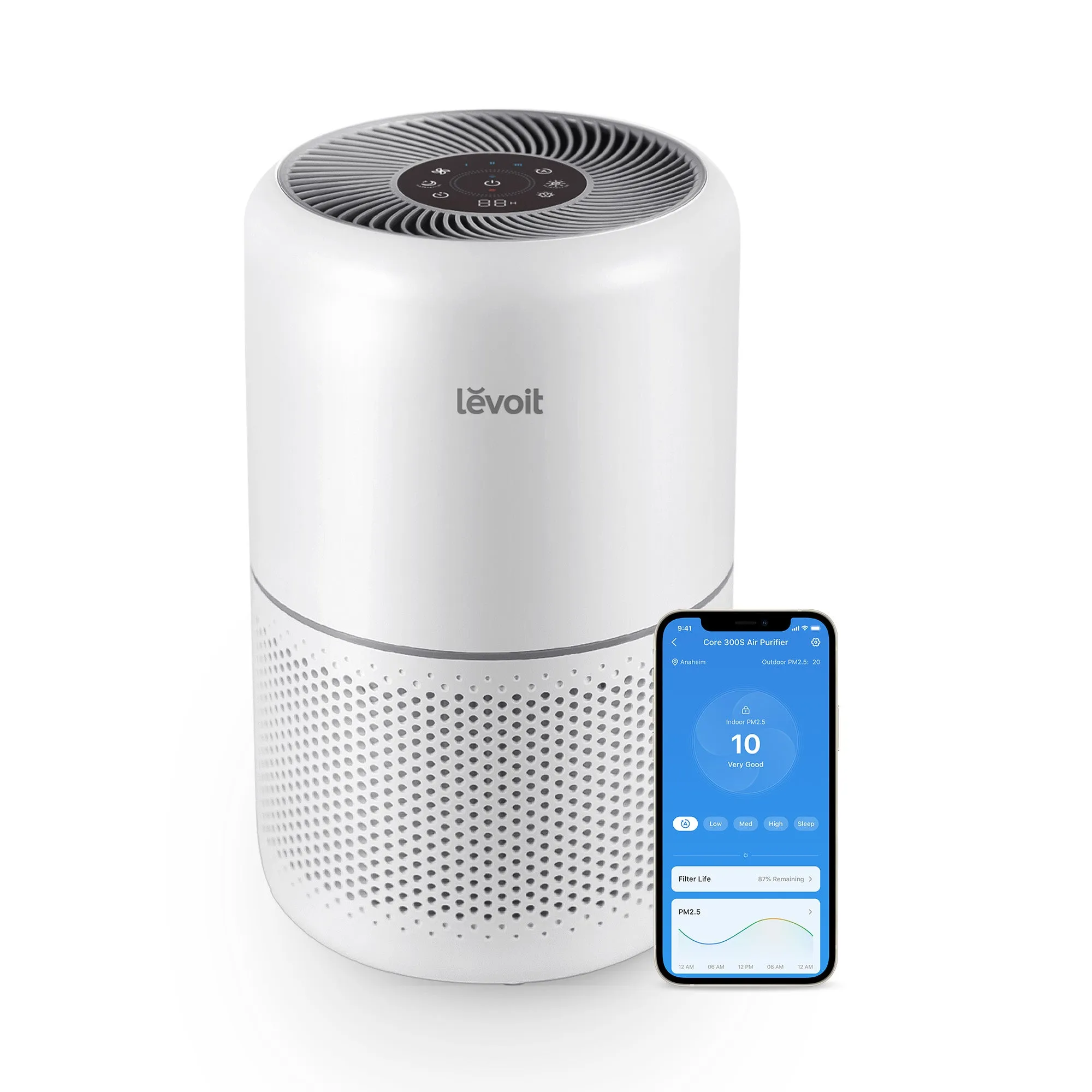
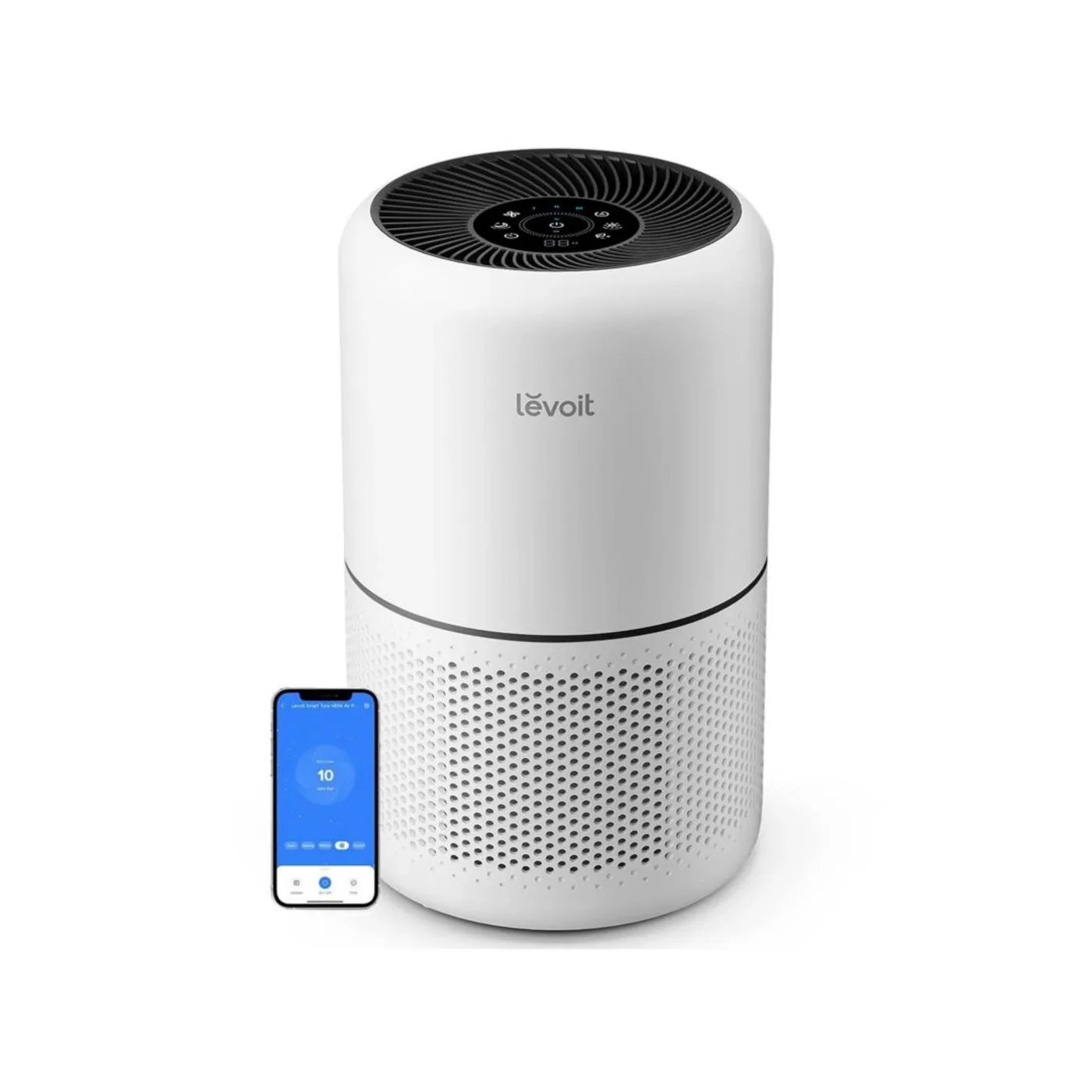
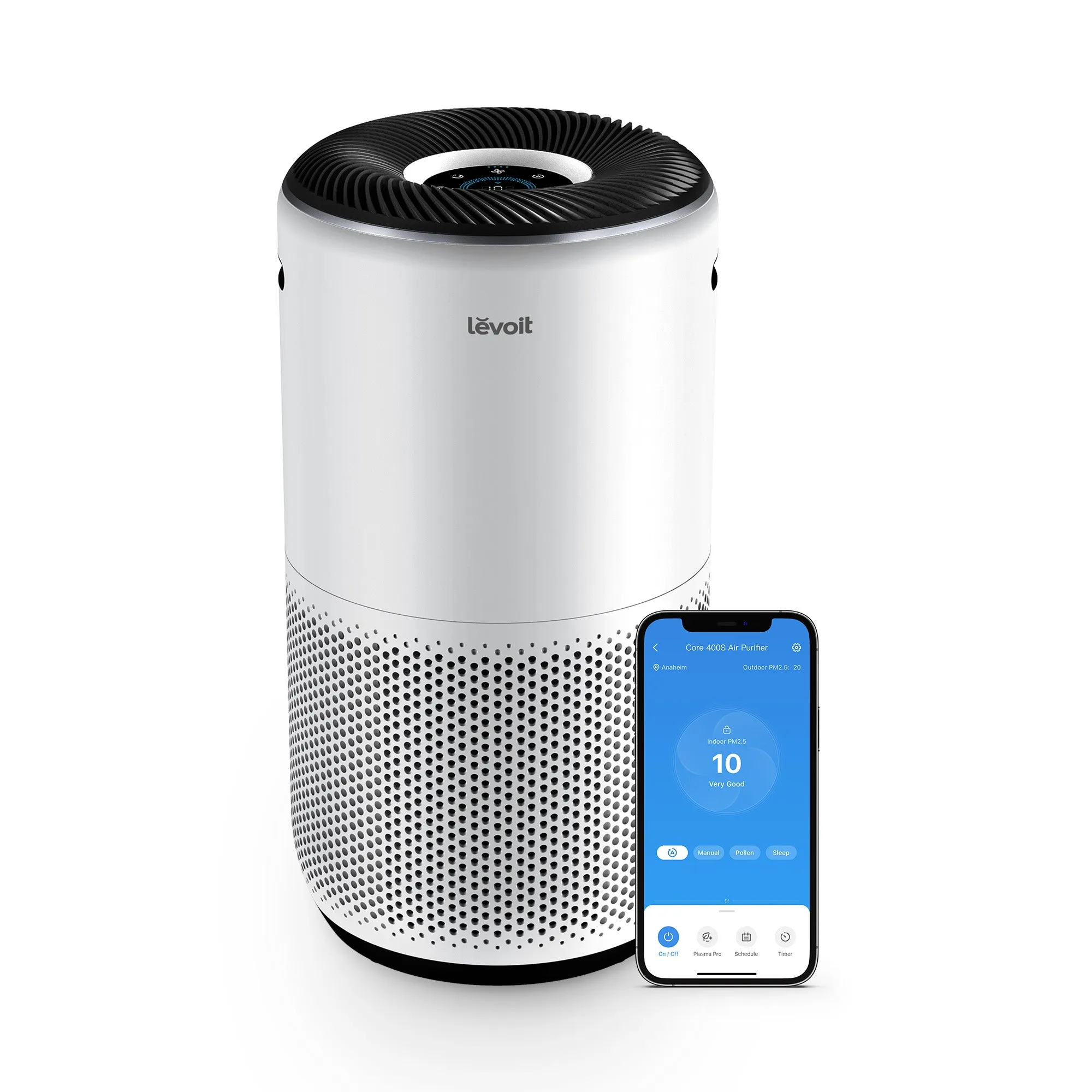
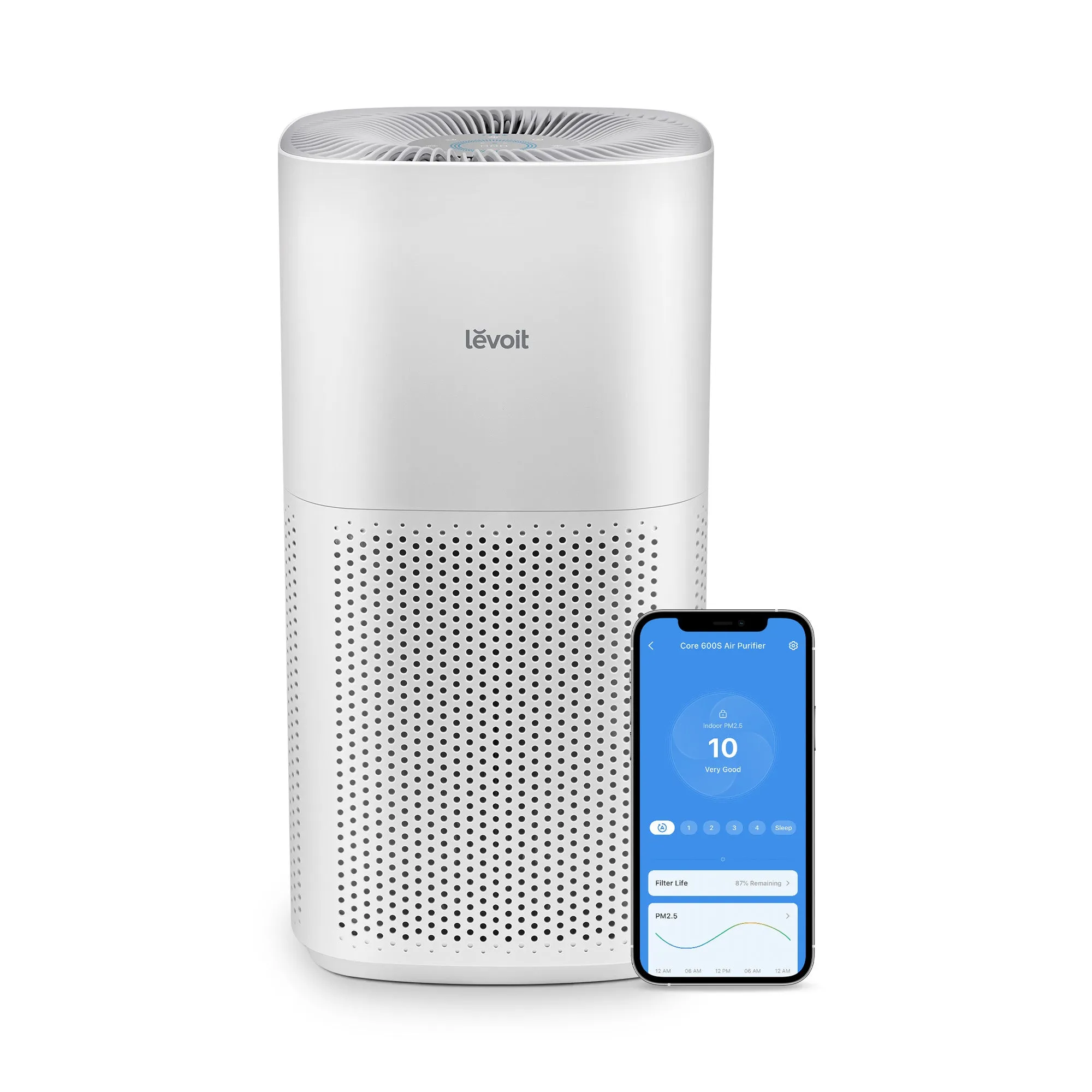
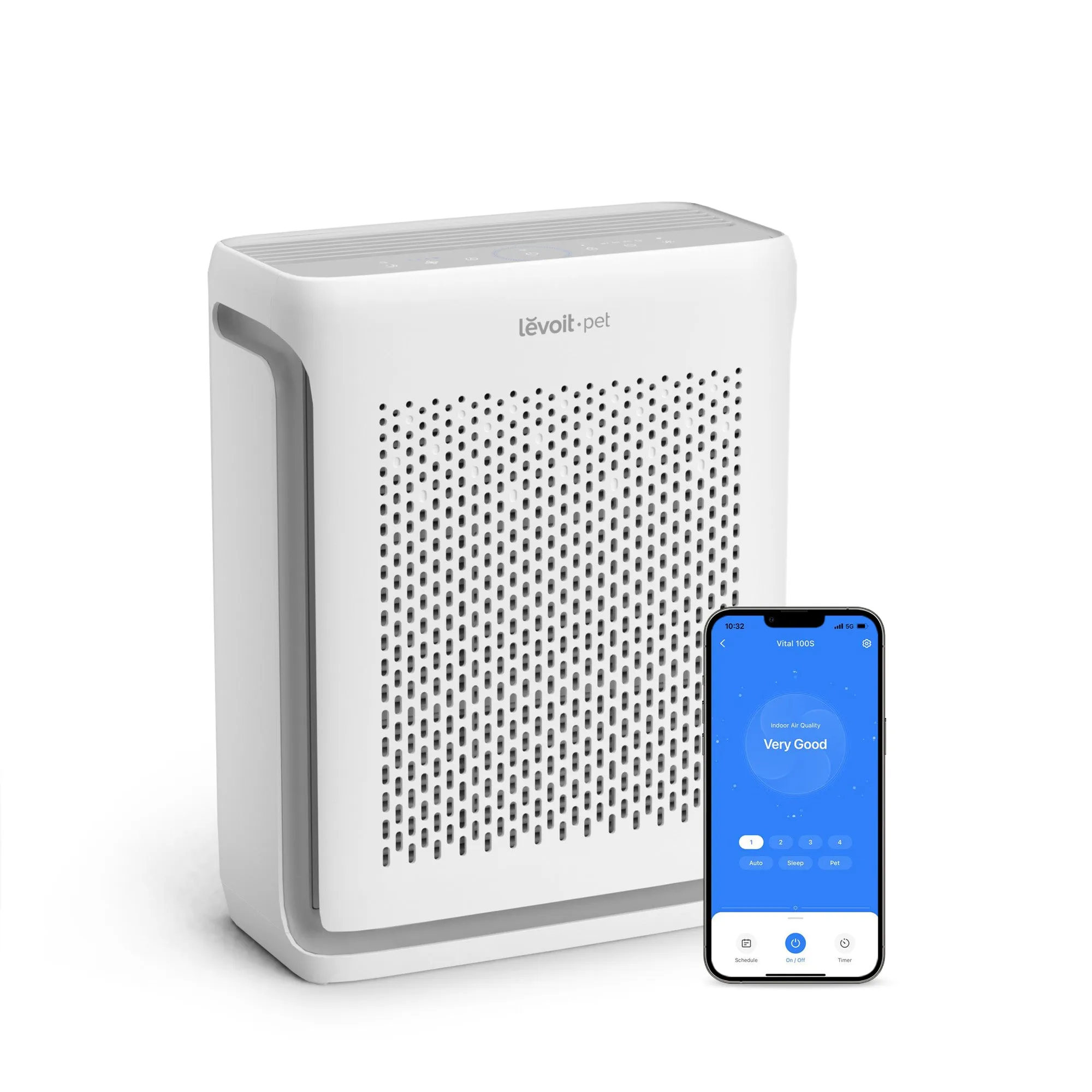
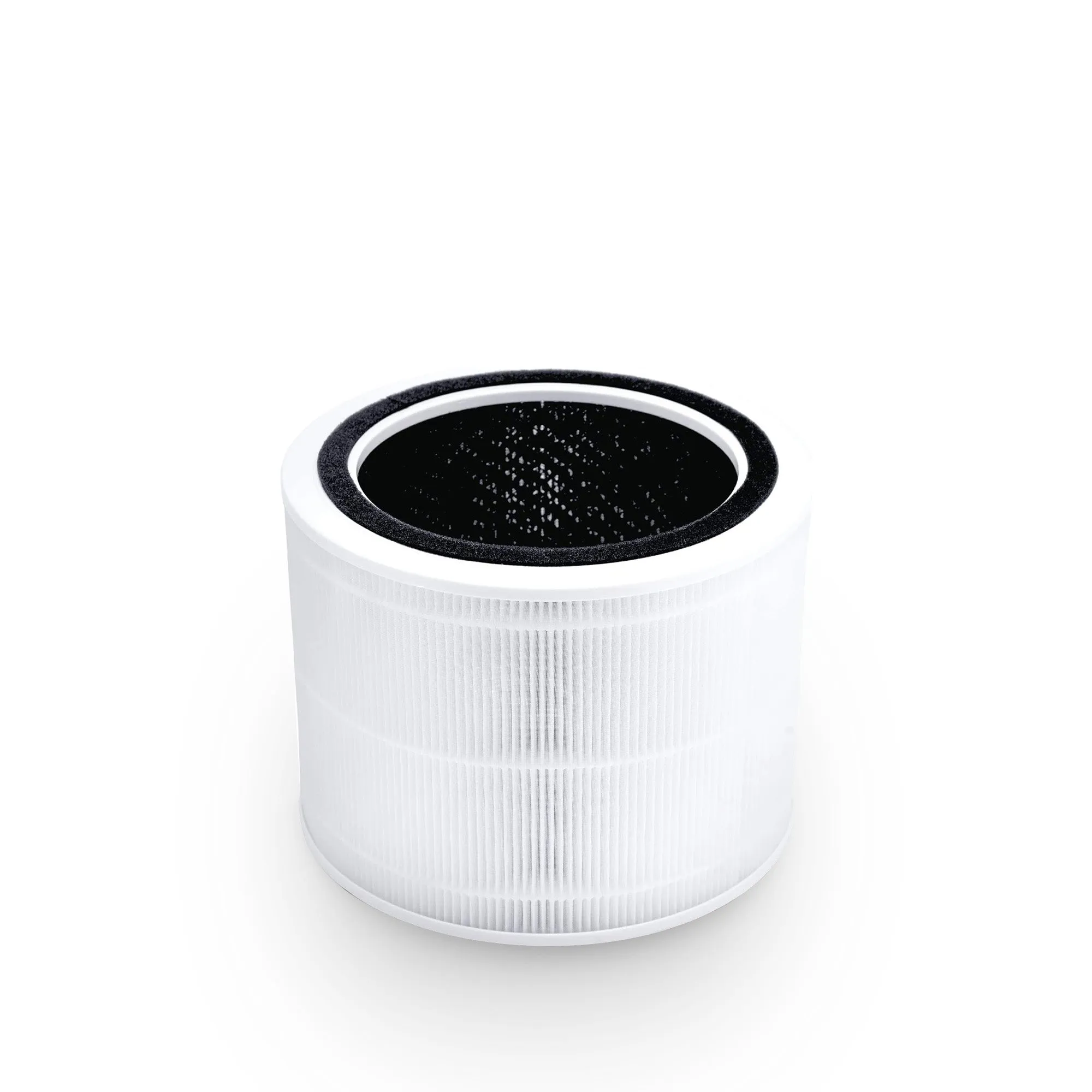
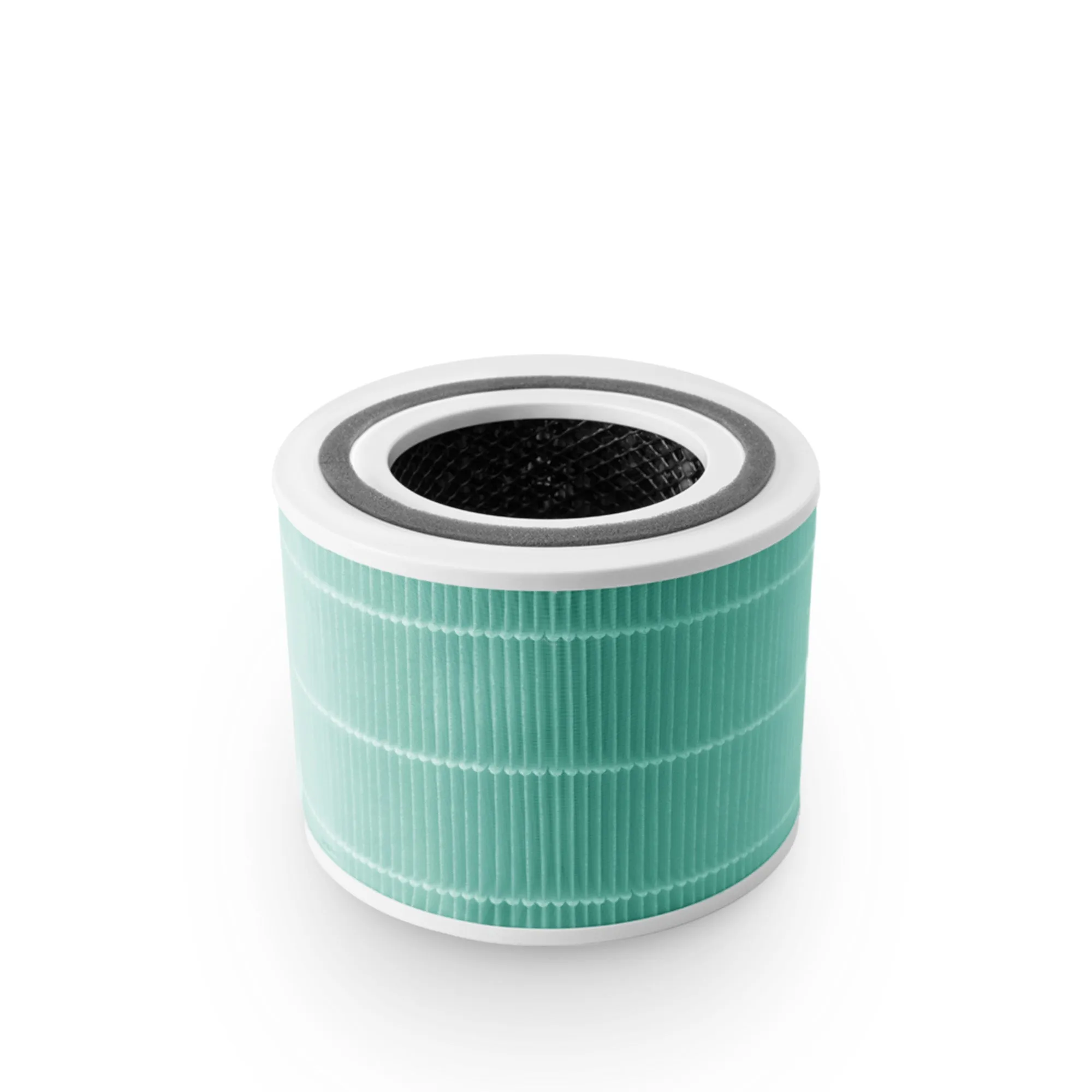
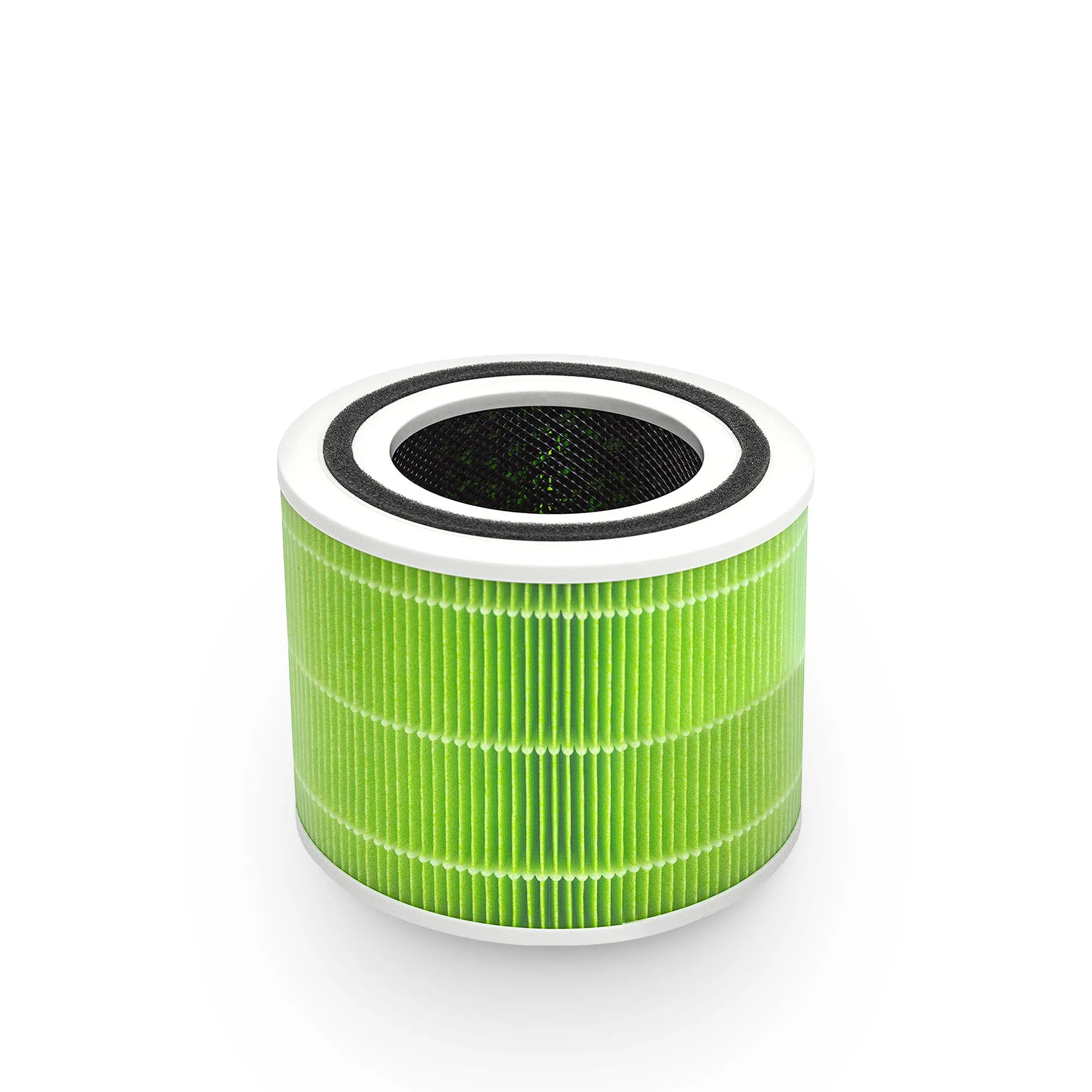
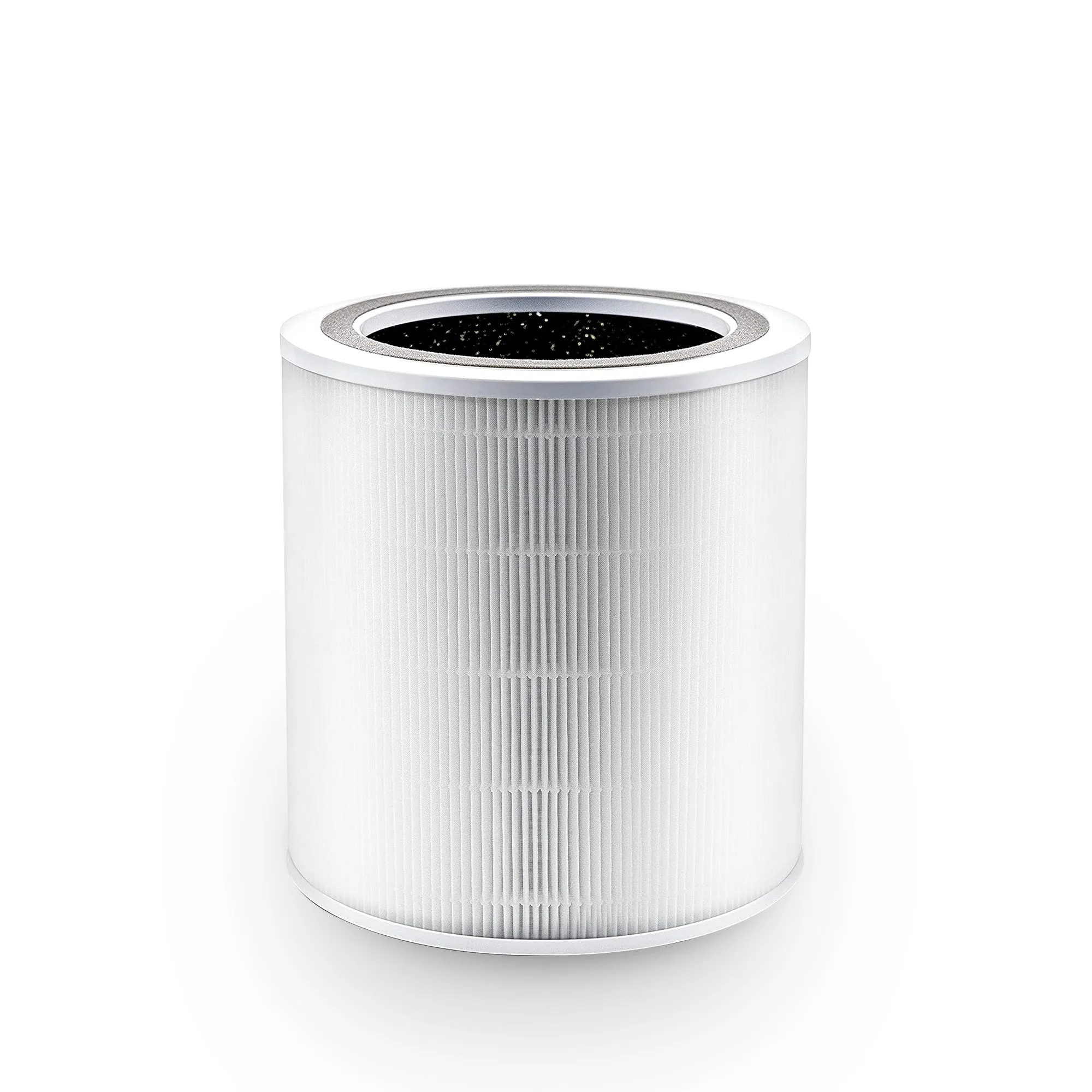
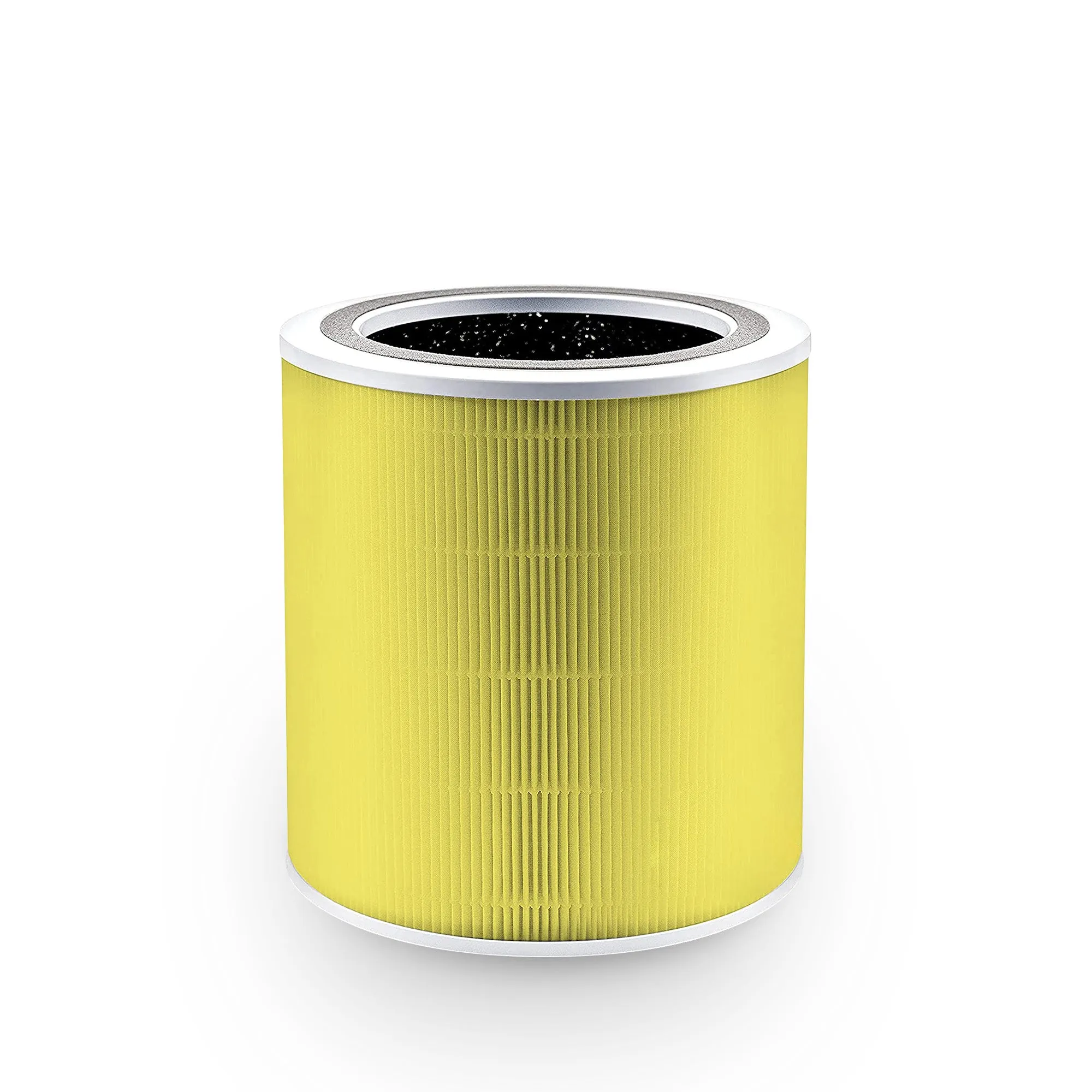
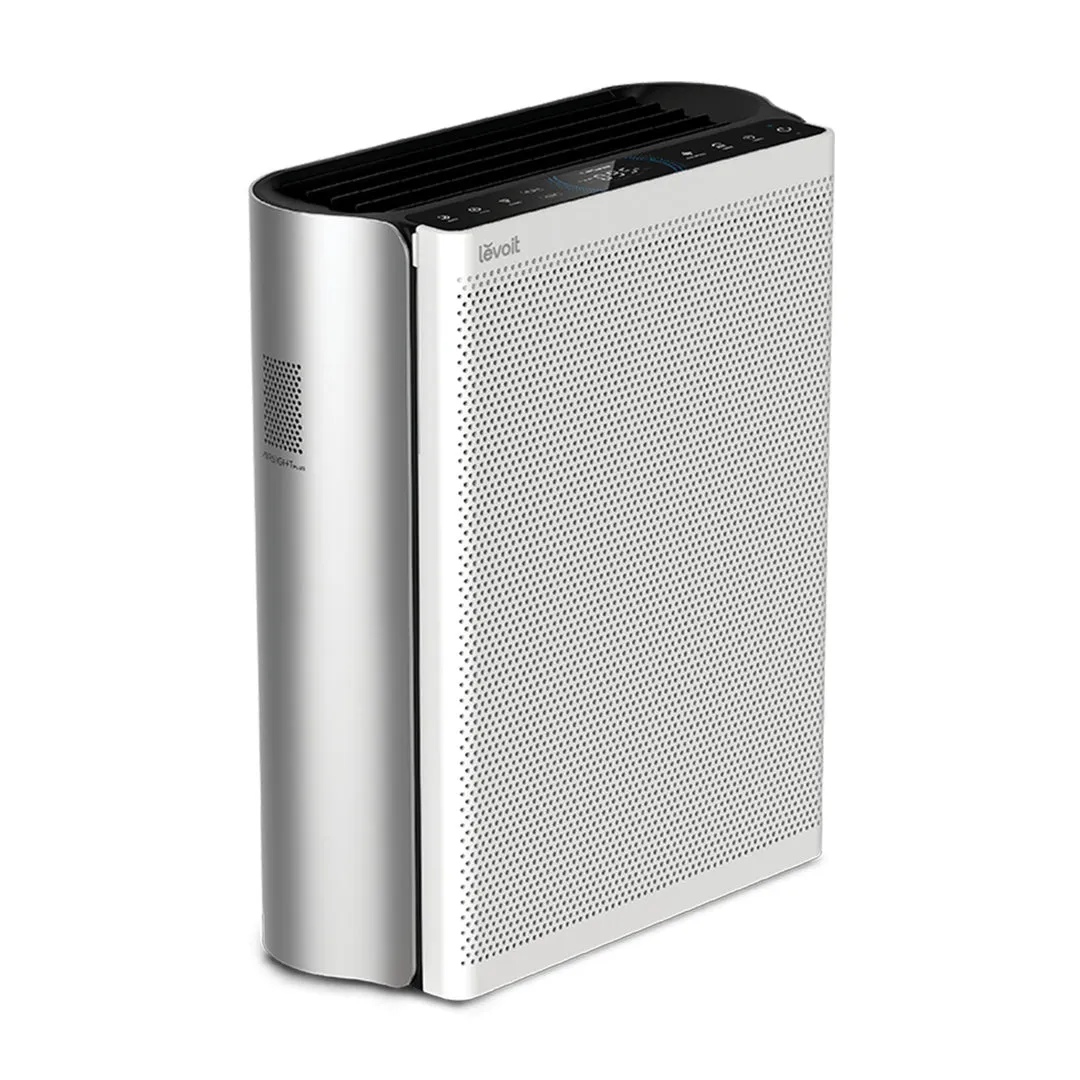
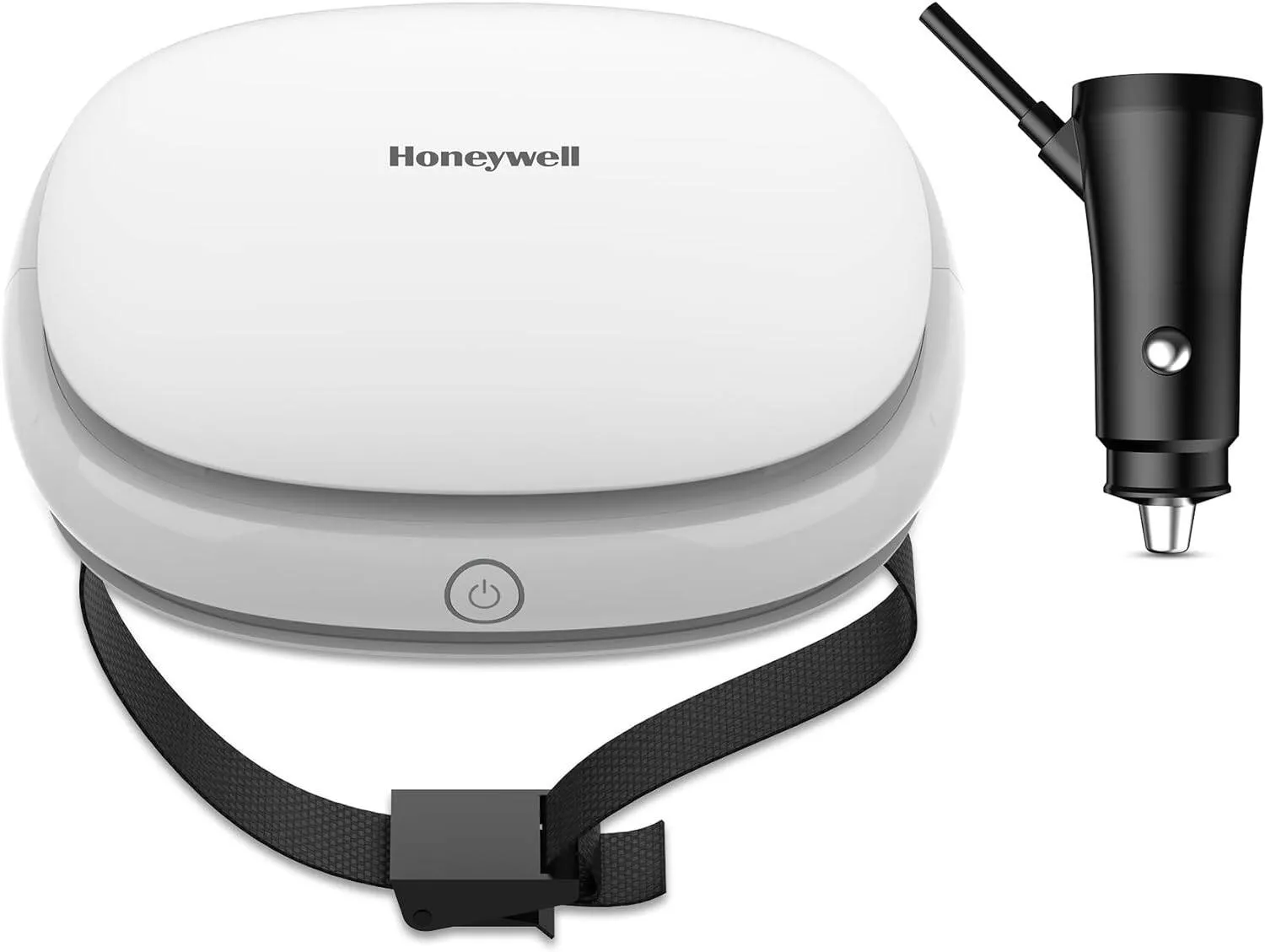
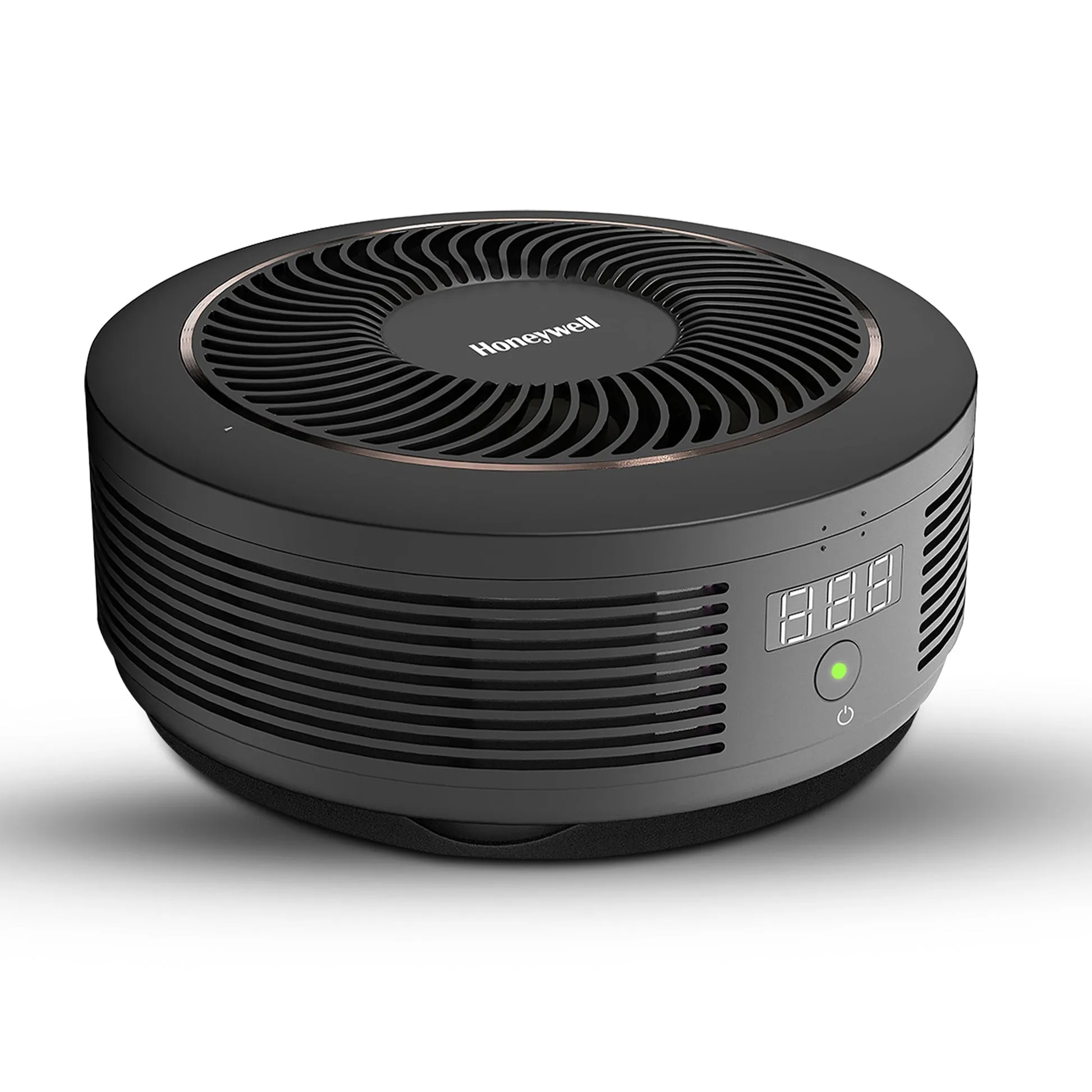
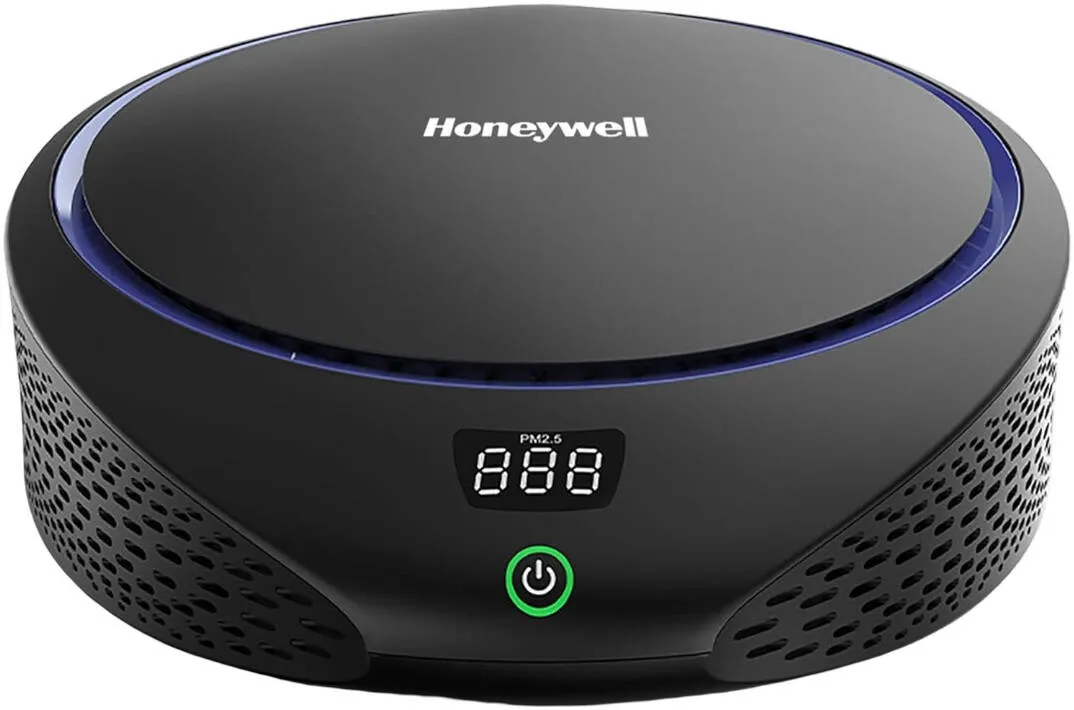
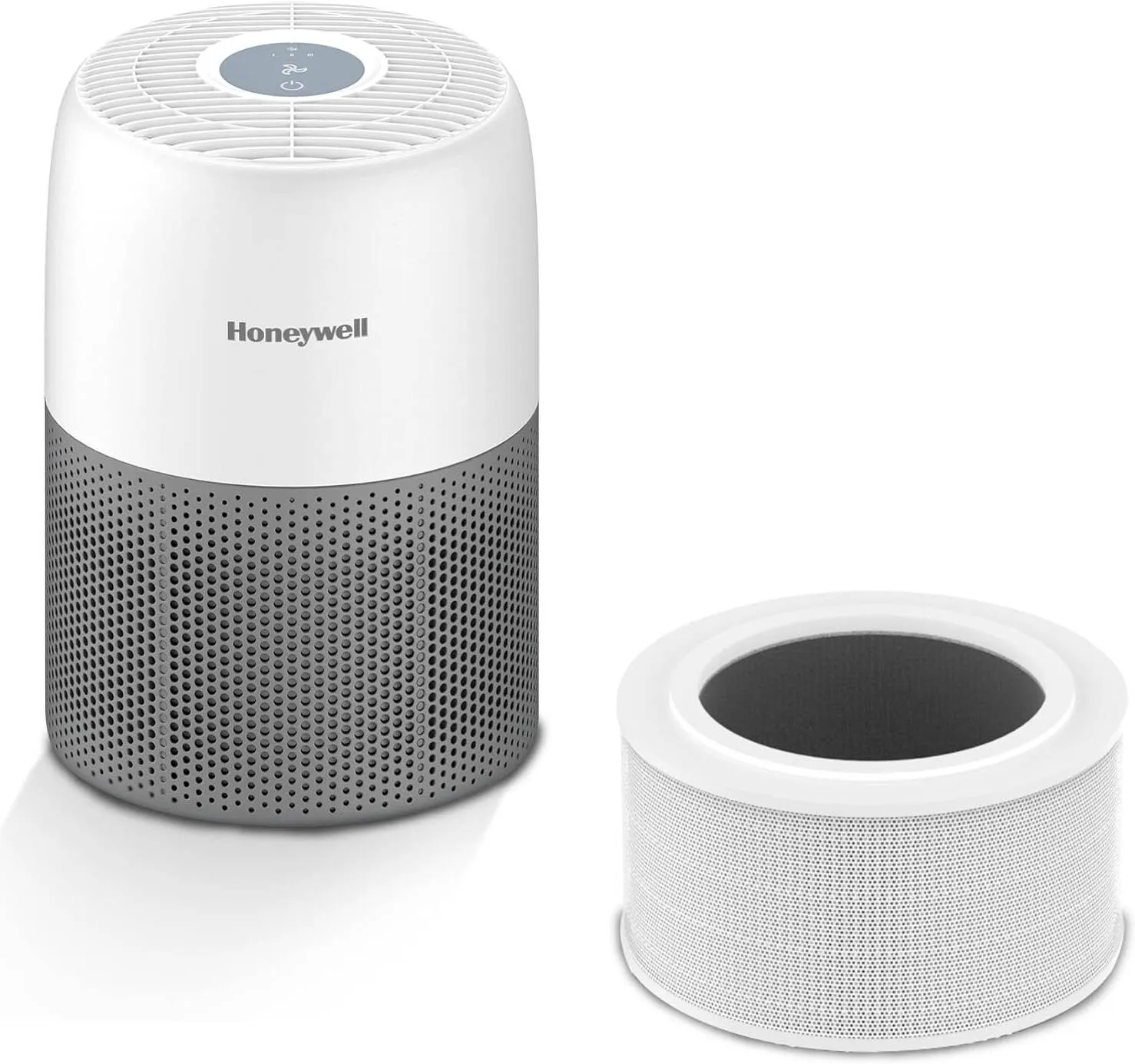
Cleanair-ae stocks a curated range of air purifiers suited to homes, bedrooms, and office environments across the UAE. For personal spaces, the Levoit Core Mini provides portable, HEPA-grade filtration without taking up desk or floor space. For larger offices or open-plan areas, the Levoit Core 600S offers quiet, high-capacity air cleaning with smart controls. Both support the filtration layer discussed in this article. Free delivery across Dubai and Abu Dhabi. No complicated setup required.
FAQ
Is indoor air always worse than outdoor air?
Not always. Indoor vs outdoor air quality is context-dependent. When outdoor pollution is high due to wildfires, sandstorms, or traffic, outdoor air can be worse. However, under normal conditions, indoor air is typically 2 to 5 times more polluted than outdoor air.
What are the most common indoor air pollutants?
The most common include VOCs from cleaning products and furniture, particulate matter from cooking and combustion, mould spores from damp conditions, and outdoor pollutants that infiltrate through gaps and ventilation. Tobacco smoke remains one of the highest-concentration indoor sources.
When should I avoid opening windows for ventilation?
Avoid opening windows when outdoor AQI readings are high, during local dust or sandstorm events, and during peak pollen season if anyone in the household has allergies or asthma. Check your local AQI before ventilating each morning.
Do air purifiers actually improve indoor air quality?
Yes, but only as part of a broader approach. Portable air cleaners reduce airborne contaminants effectively, particularly when combined with source control and appropriate ventilation. They cannot compensate for persistent pollution sources or completely replace fresh air exchange.
How does humidity affect indoor air quality?
High humidity above 60% encourages mould growth and increases dust mite populations, both of which are significant indoor allergens. Keeping humidity between 30% and 50% reduces biological contaminant levels significantly.