
مقارنات
Levoit Core 300S مقابل Blueair 411: مقارنة الأداء
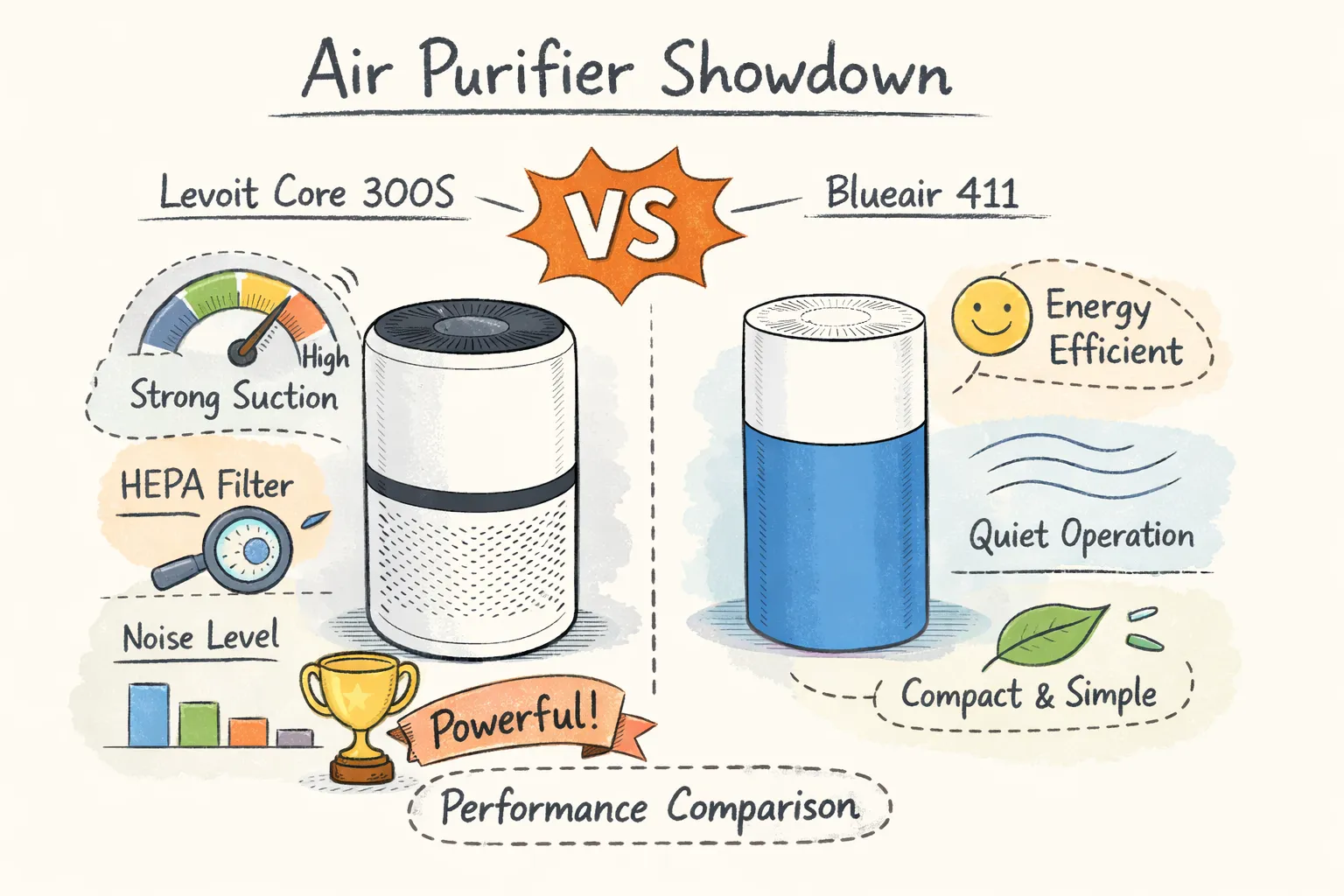
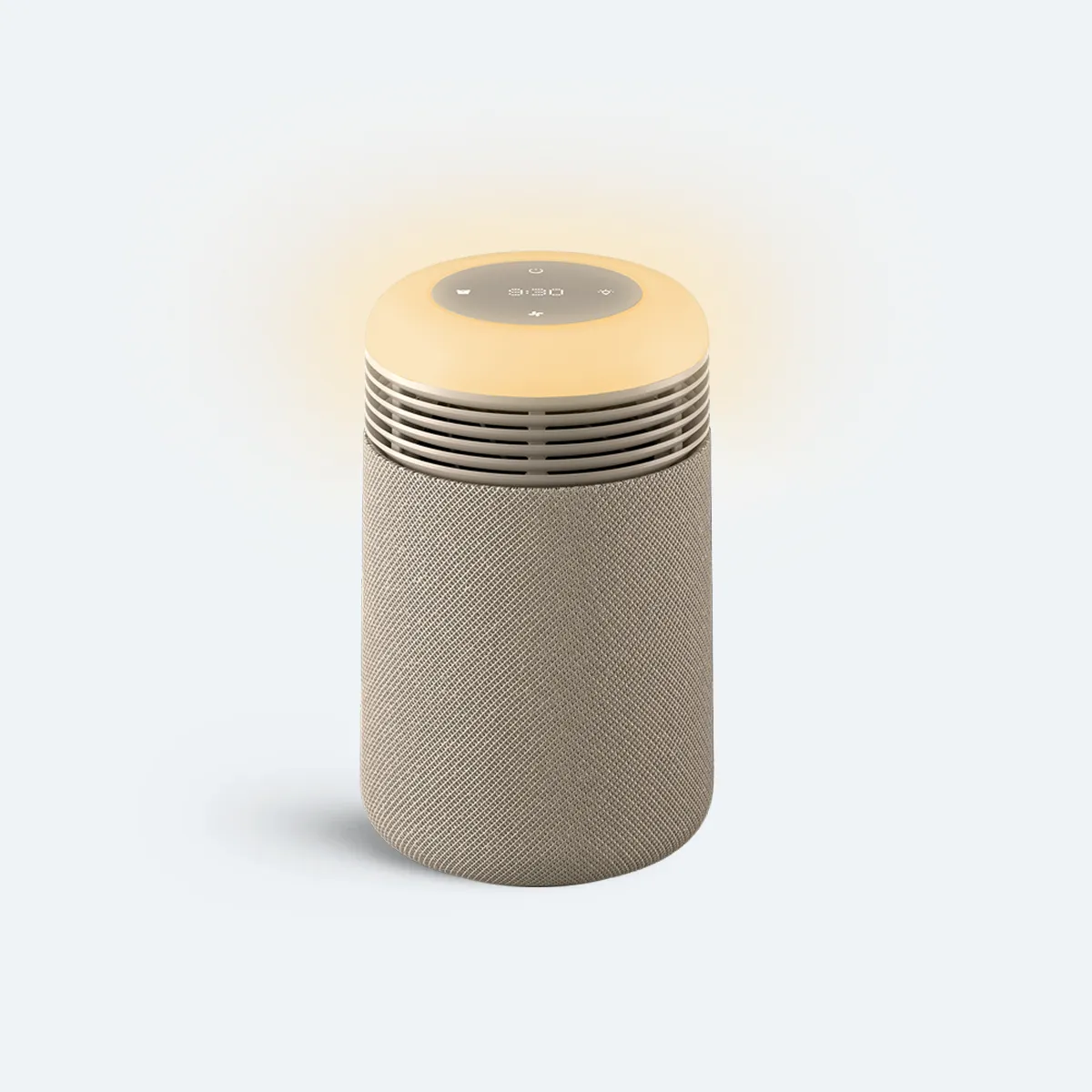
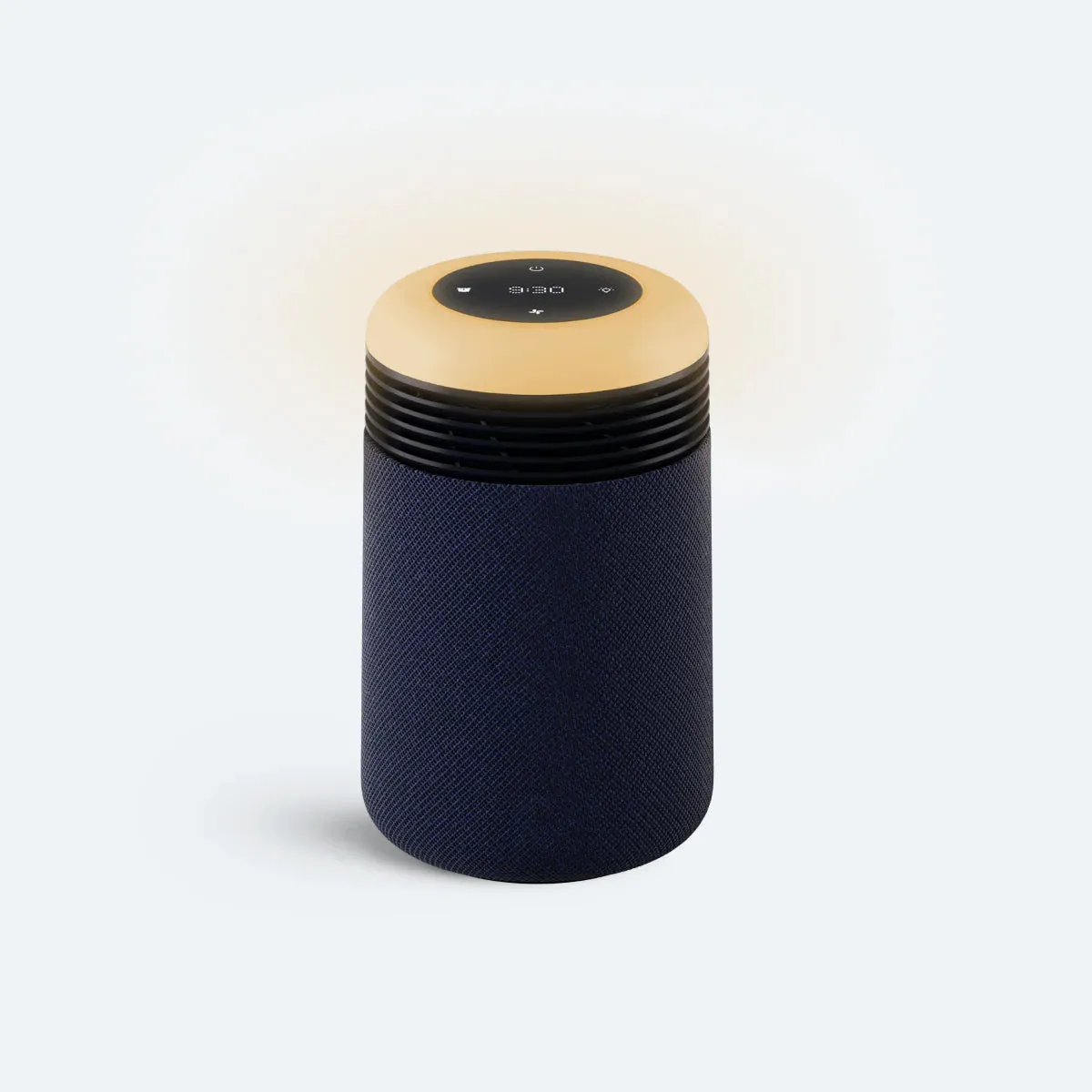
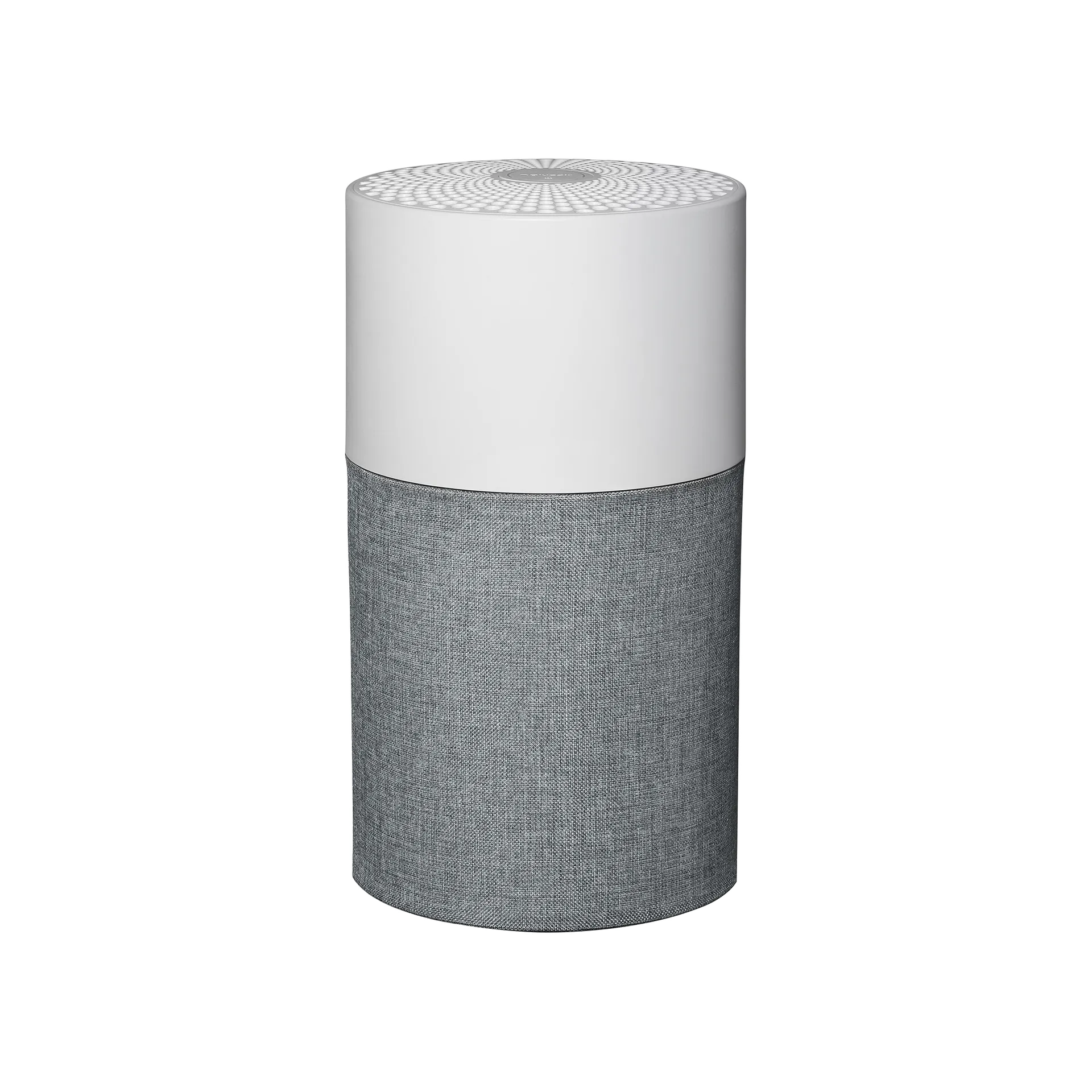
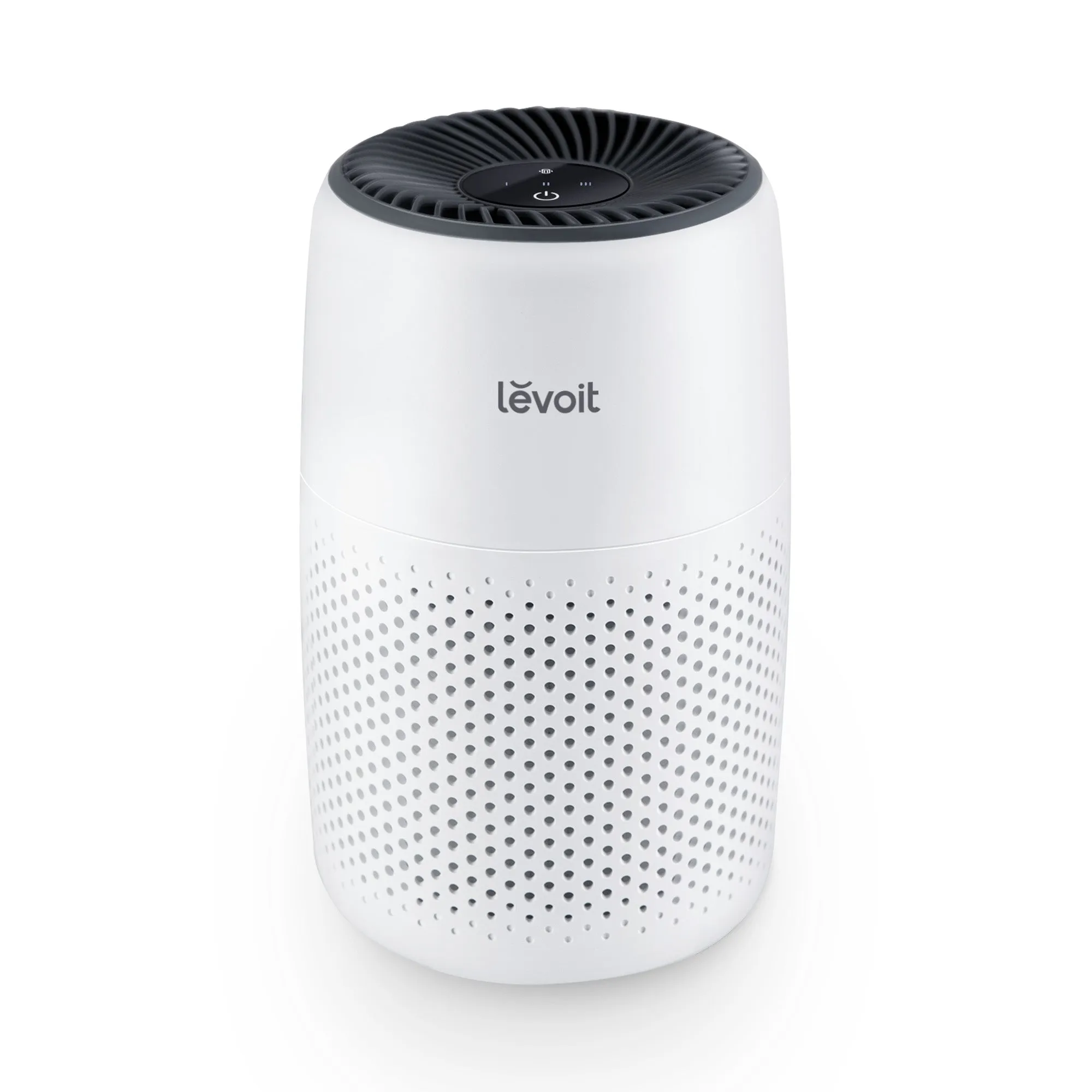
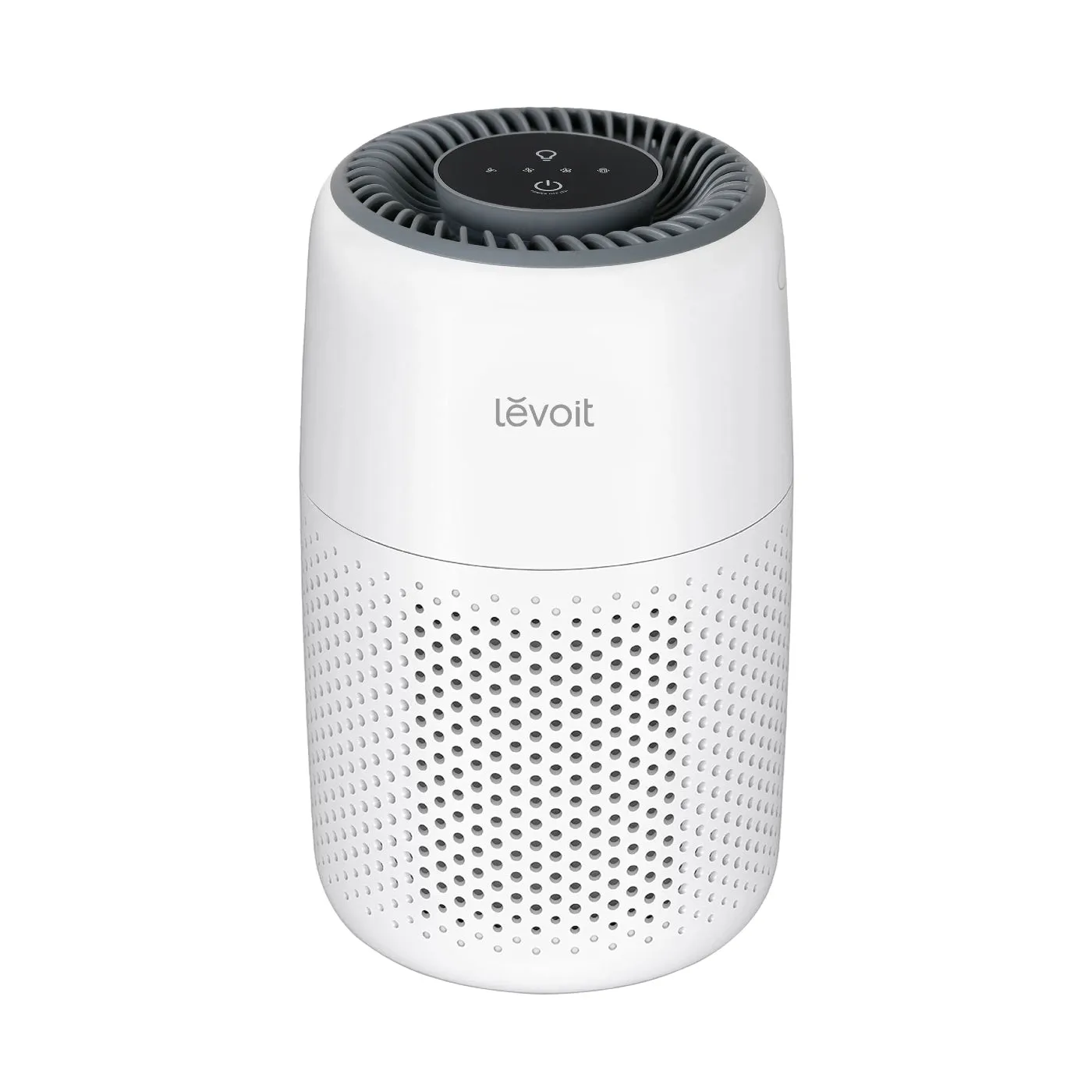
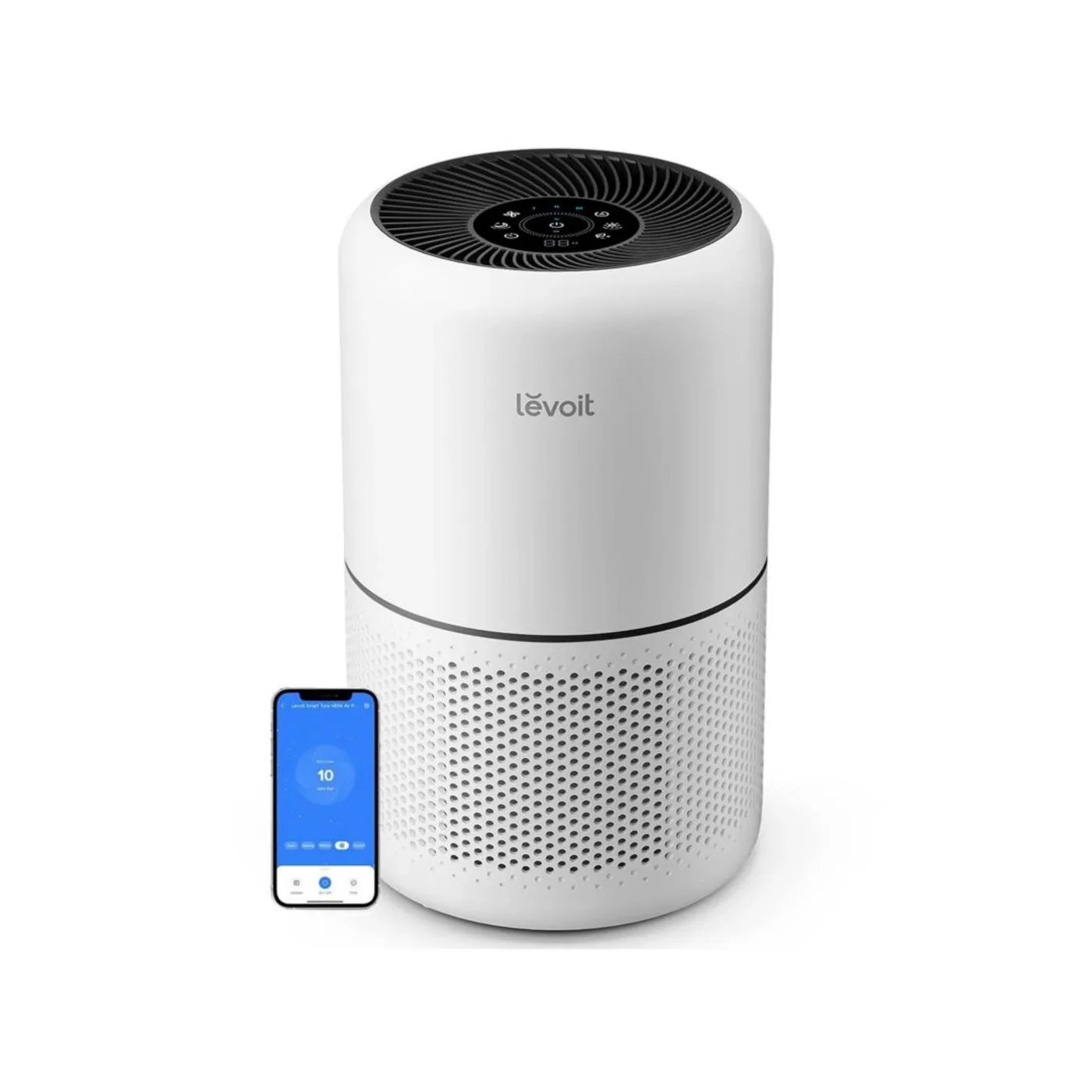
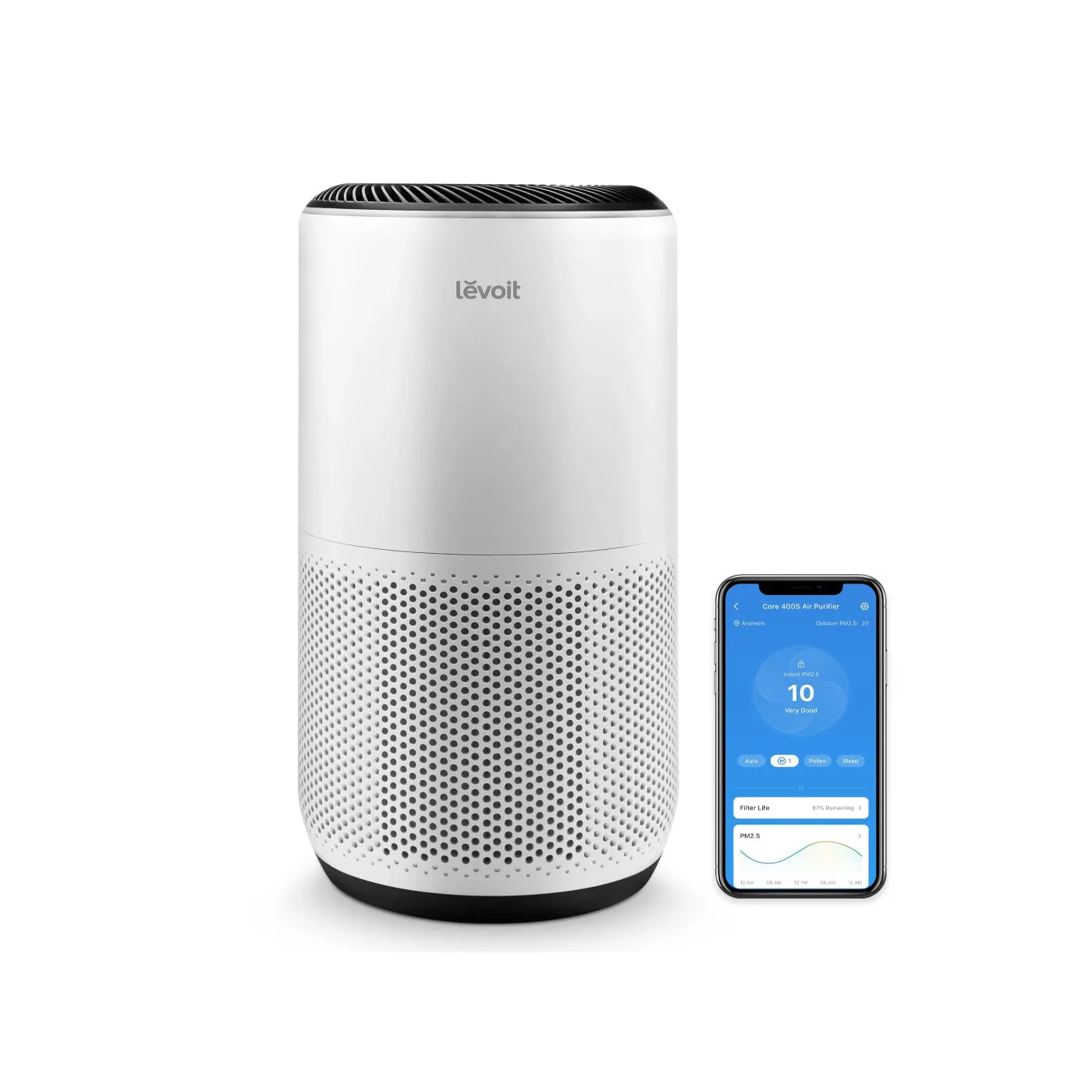
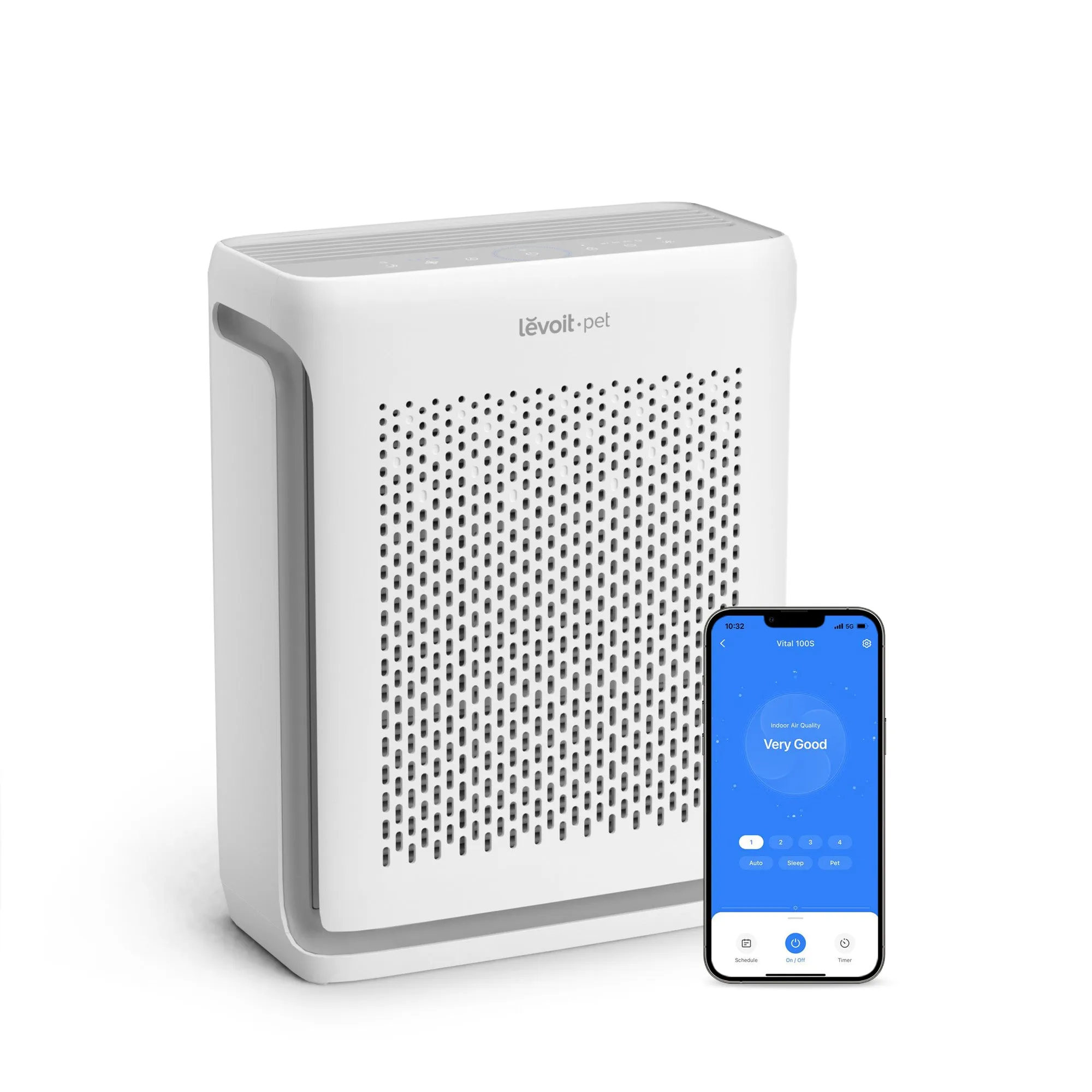
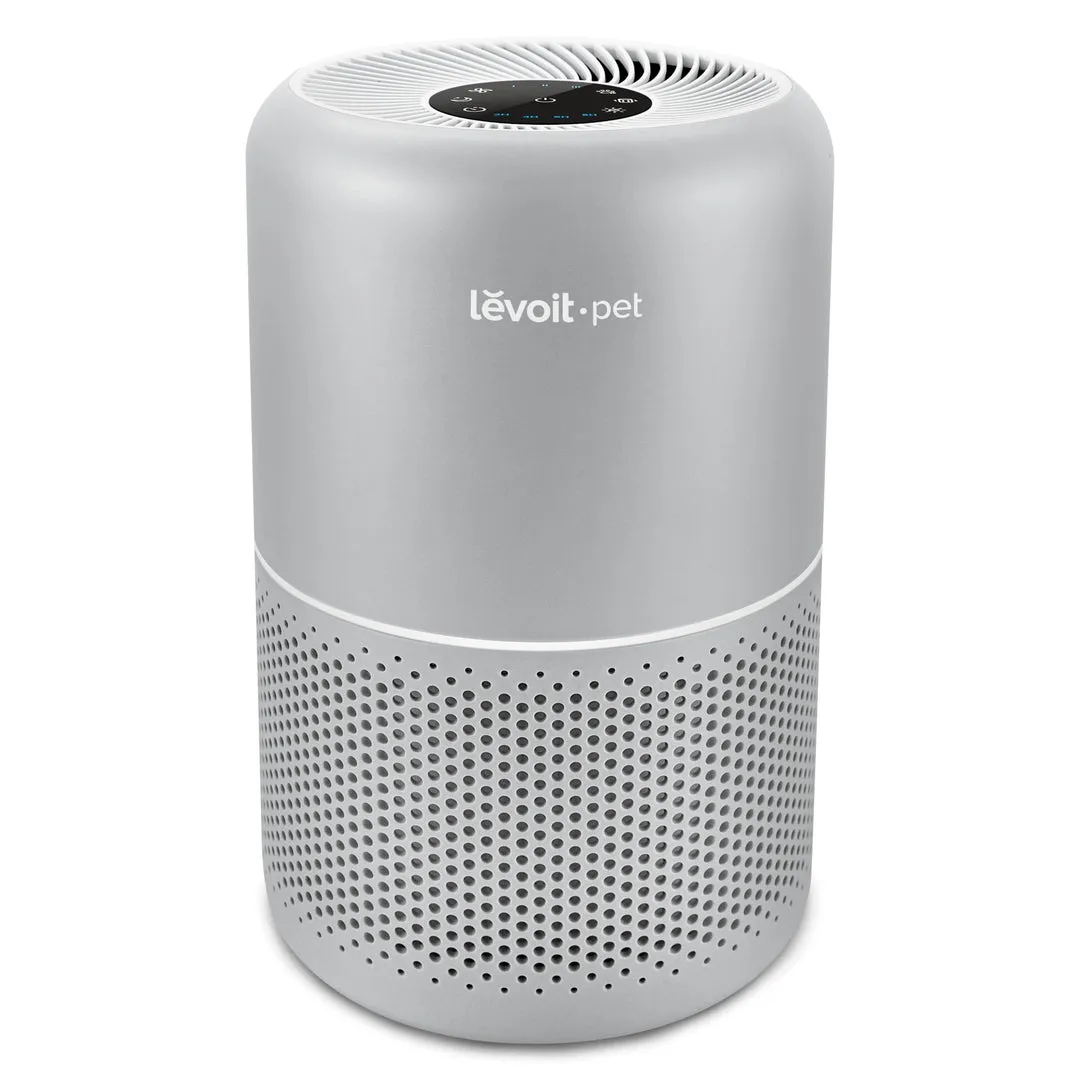
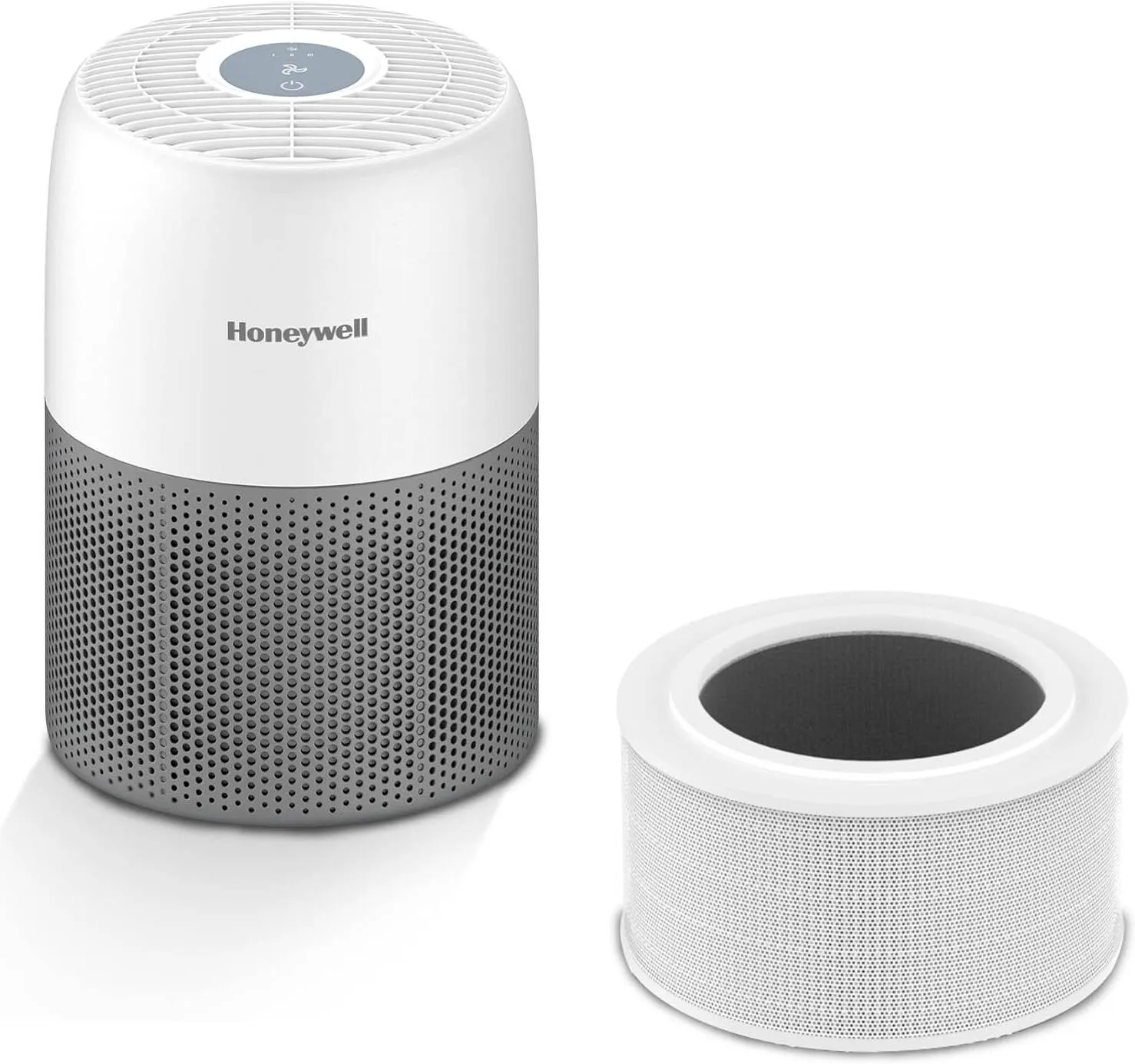
The Levoit Core 300S is a compact smart air purifier that performs well in real rooms. How does it compare with the Blueair 411 on cleaning speed, nighttime noise and everyday convenience? Below we line up headline specs: CADR, recommended coverage, filter type, noise, power draw and footprint, and translate those figures into practical guidance. You’ll find official and independent test results, plus clear notes on Wi‑Fi features, filter replacement and measured noise levels.
Quick Summary
- Best for bedrooms: The Levoit Core 300S offers very quiet sleep settings (about 22–24 dB) and app-based scheduling, which makes overnight use easier. Its small footprint fits bedside tables and the app lets you automate runs without walking to the unit.
- Speed vs coverage: For small open-plan rooms (around 20 m²) both units can perform, but the Core 300S typically clears air faster thanks to higher tested CADR. Compare CADR to your room area to confirm you’ll get the air changes per hour you want.
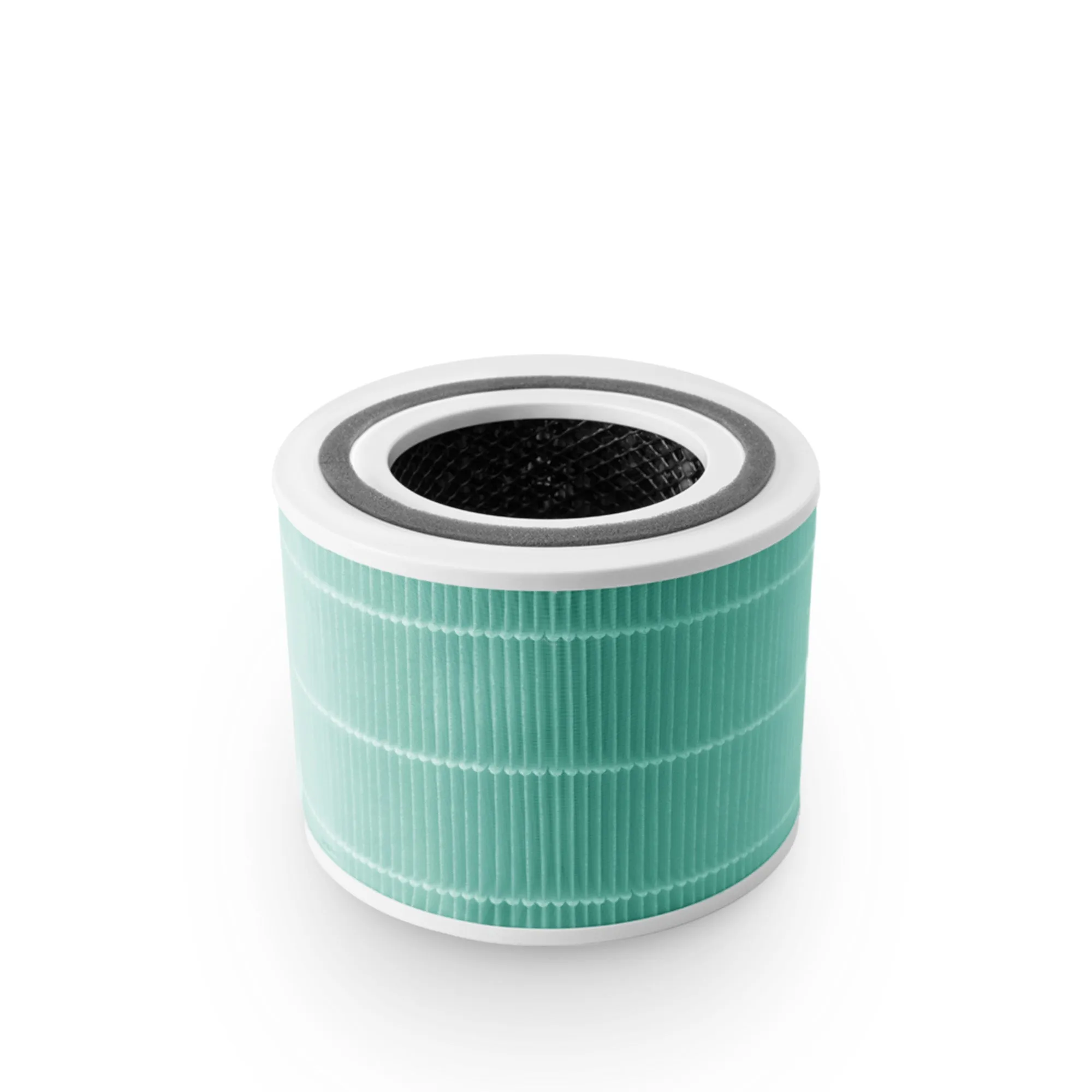
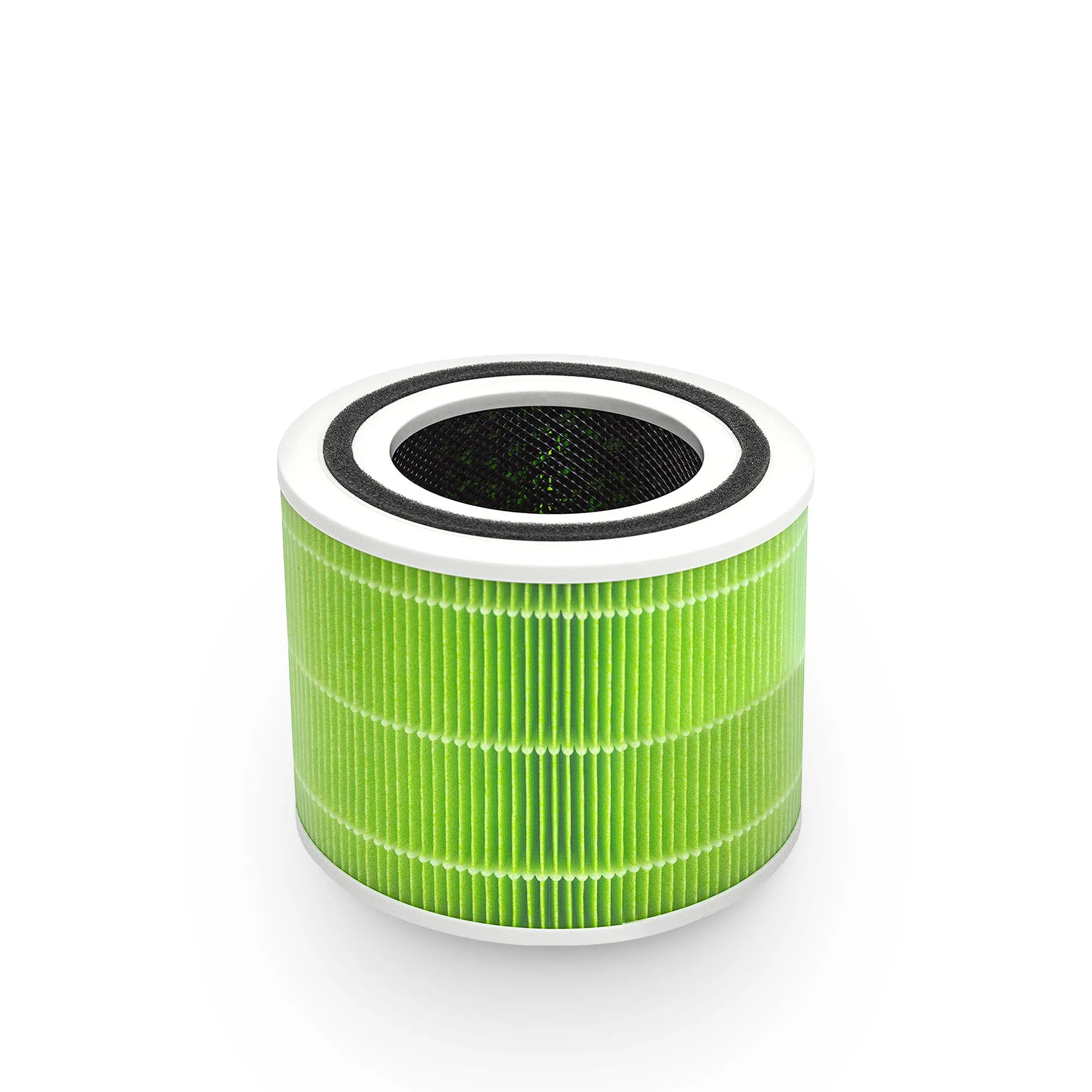
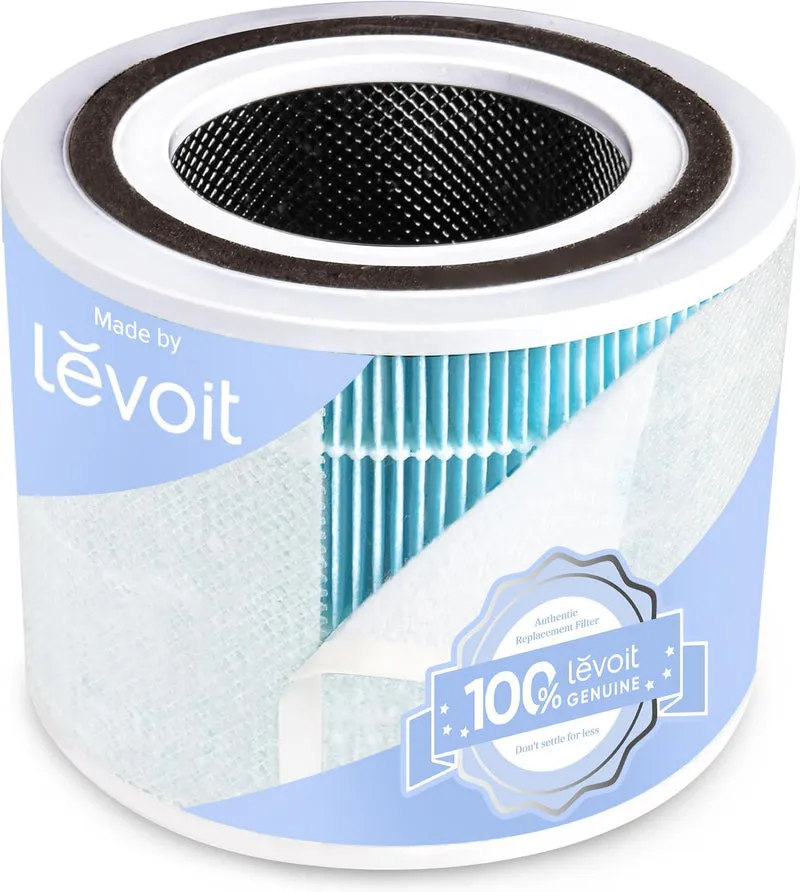
- Filtration focus: Core 300S uses an H13 True HEPA plus an activated carbon pad for particles and common household smells. If odours or VOCs are your main concern, pick filters with a higher carbon volume or a dedicated carbon cartridge.
- Daily usability: Wi‑Fi, the VeSync app and voice control on the Core 300S boost convenience and make it more likely the unit runs regularly. Expect occasional connectivity hiccups with cloud features, but local controls keep the purifier working.
- How to decide: Measure your room, match CADR and coverage, then pick the model that fits those numbers and your priorities. Read our guide to choosing a Levoit purifier for the full sizing method.
Quick Snapshot: Levoit Core 300S vs Blueair 411
Focus on the handful of specs that change day-to-day use: CADR, recommended room coverage, filter type, noise range, power draw and footprint. These numbers tell you whether a unit will clear a 20 m² living room in under an hour or stay quiet enough for a nursery.
Levoit Core 300S (Official Specs)
| Spec | Value |
|---|---|
| CADR (general) | 141 CFM (240 m³/h) |
| CADR (smoke) | 113 CFM |
| CADR (pollen) | 134 CFM |
| Noise | 22–24 dB (sleep) / 48–50 dB (max) |
| Power draw | 23–26 W |
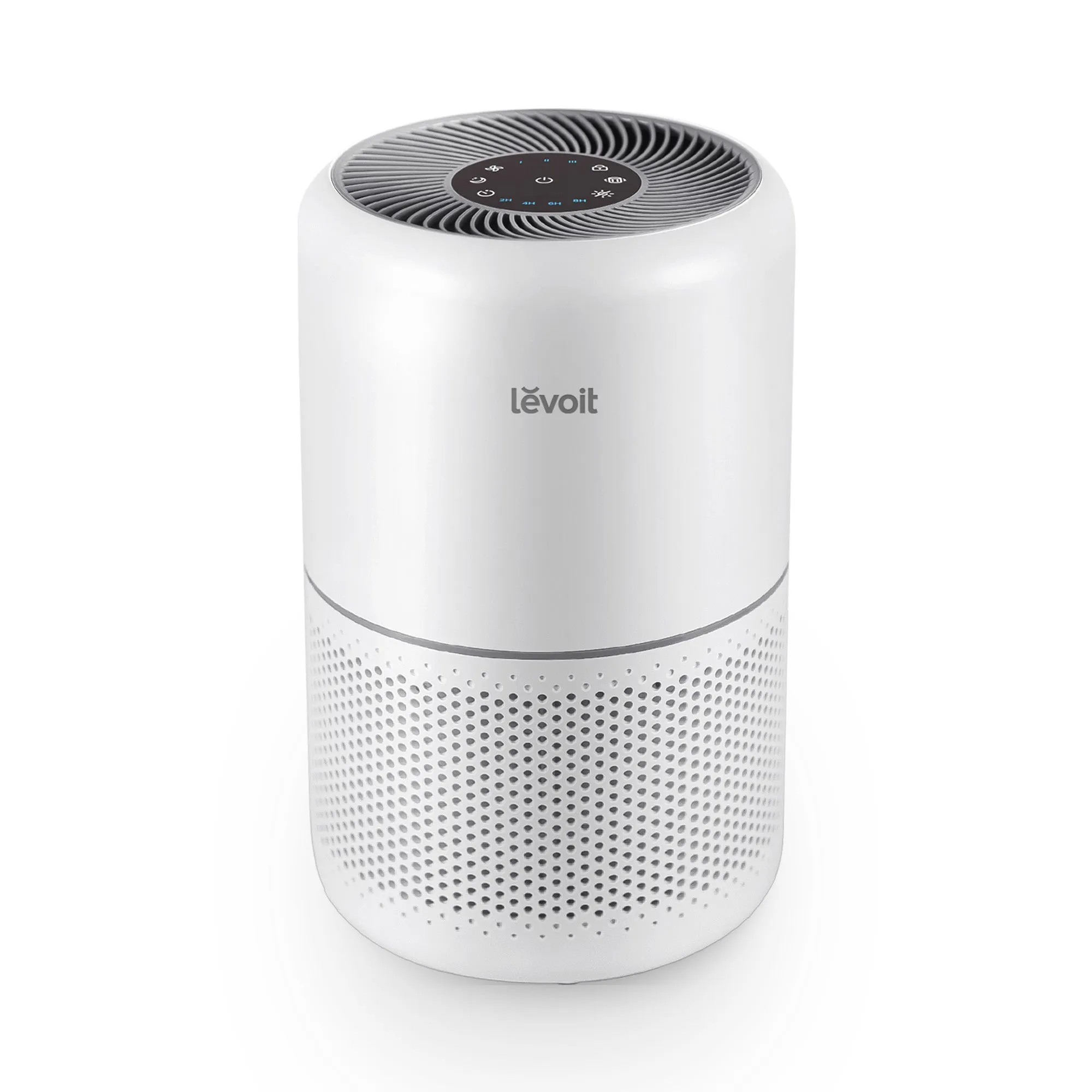
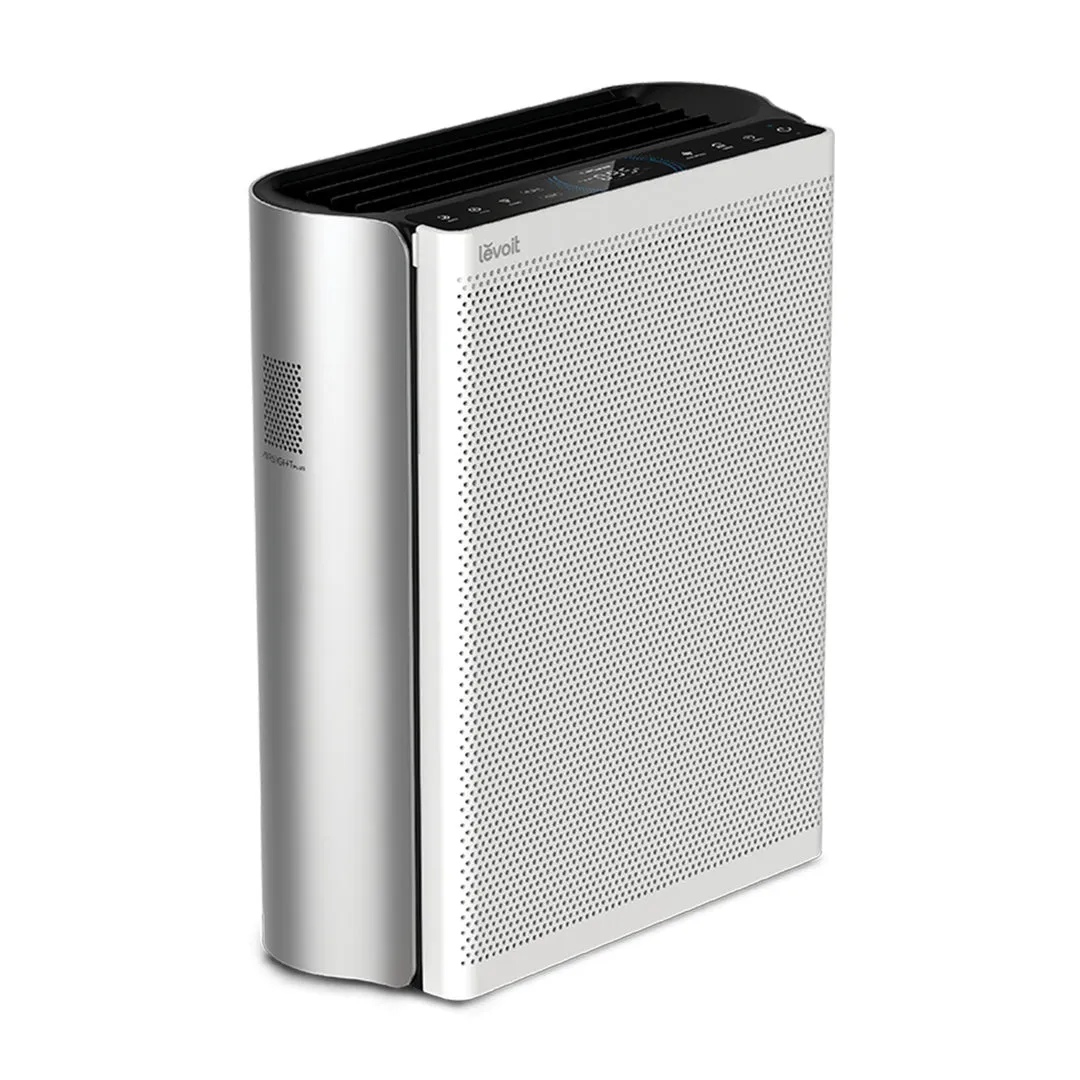
| Dimensions | 22 × 22 × 36 cm, ~3 kg |
Levoit’s recommended coverage is often listed conservatively — roughly 50 m² for light use or about 100 m² for a single air change per hour — so match CADR to your target air changes.
Blueair 411 (Manufacturer)
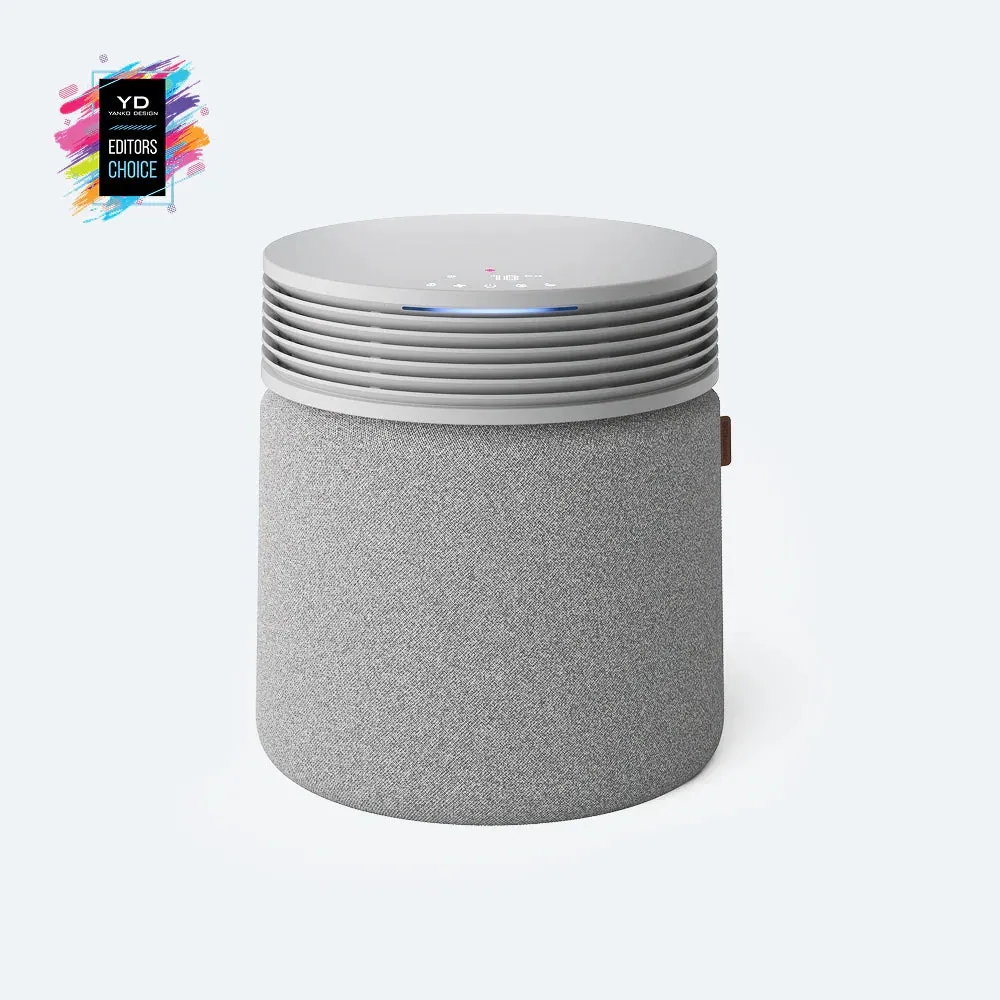
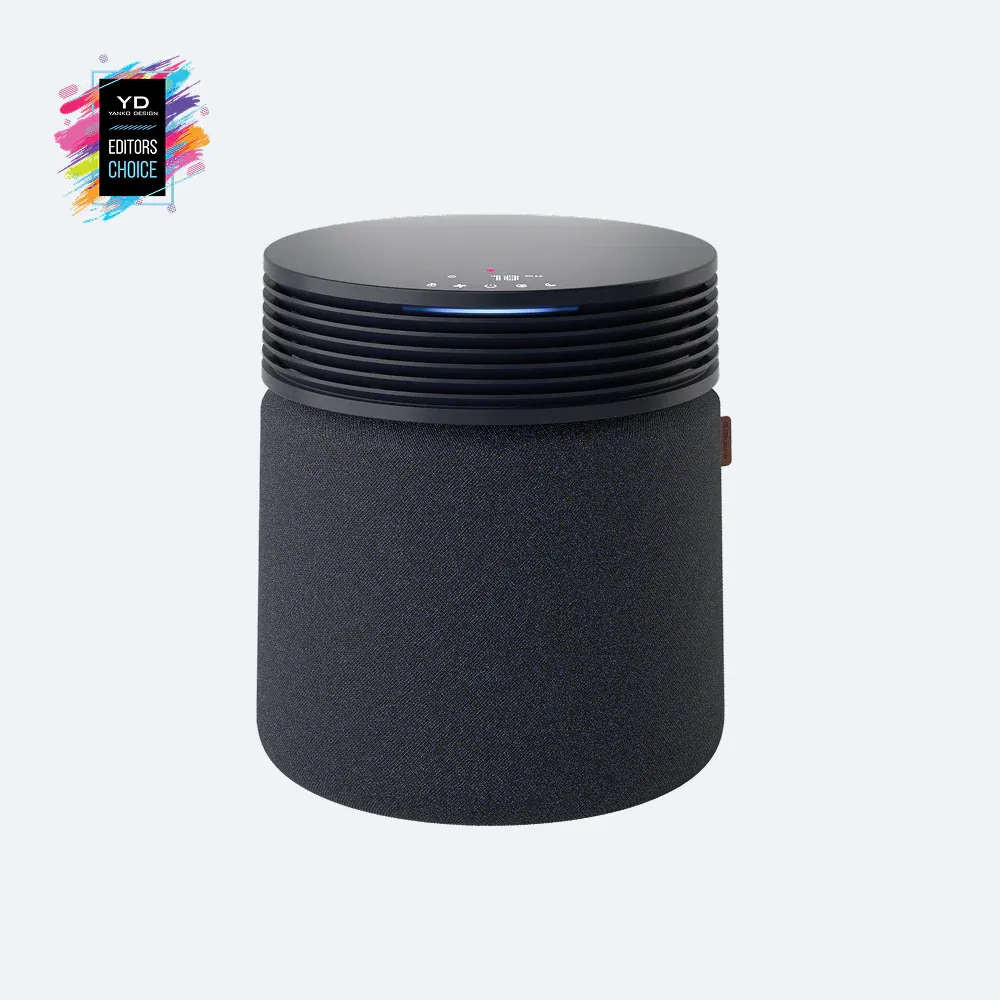
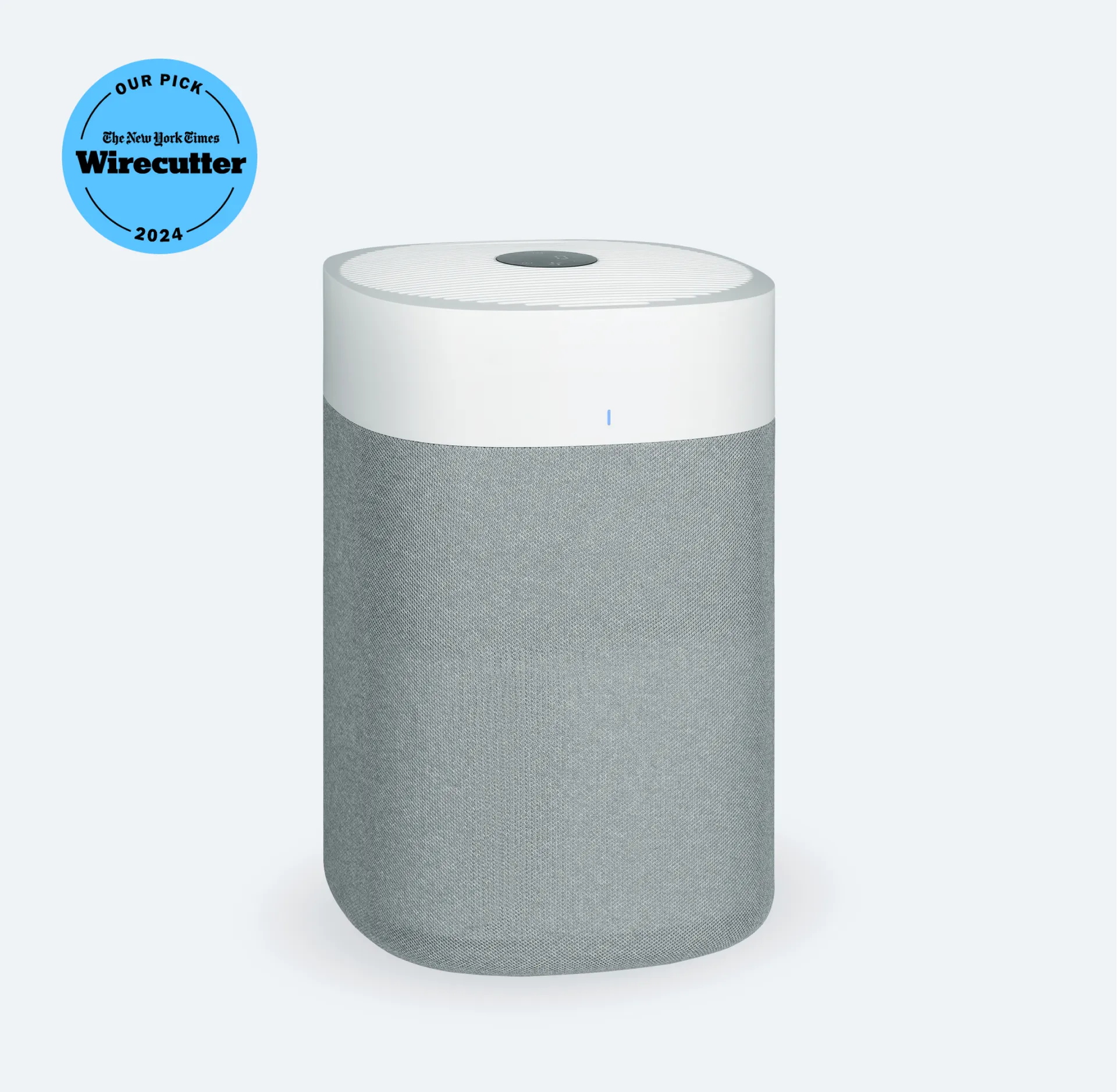
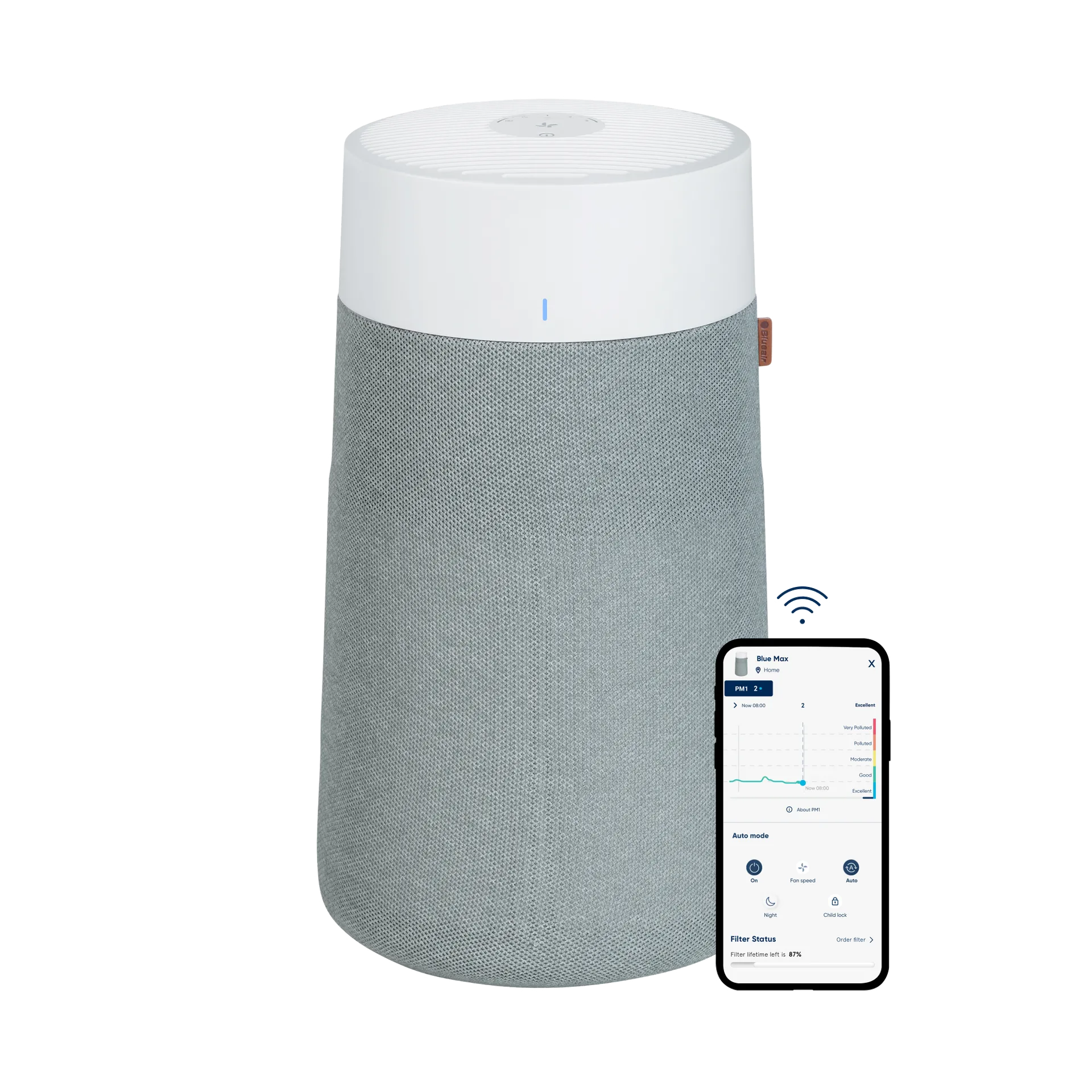
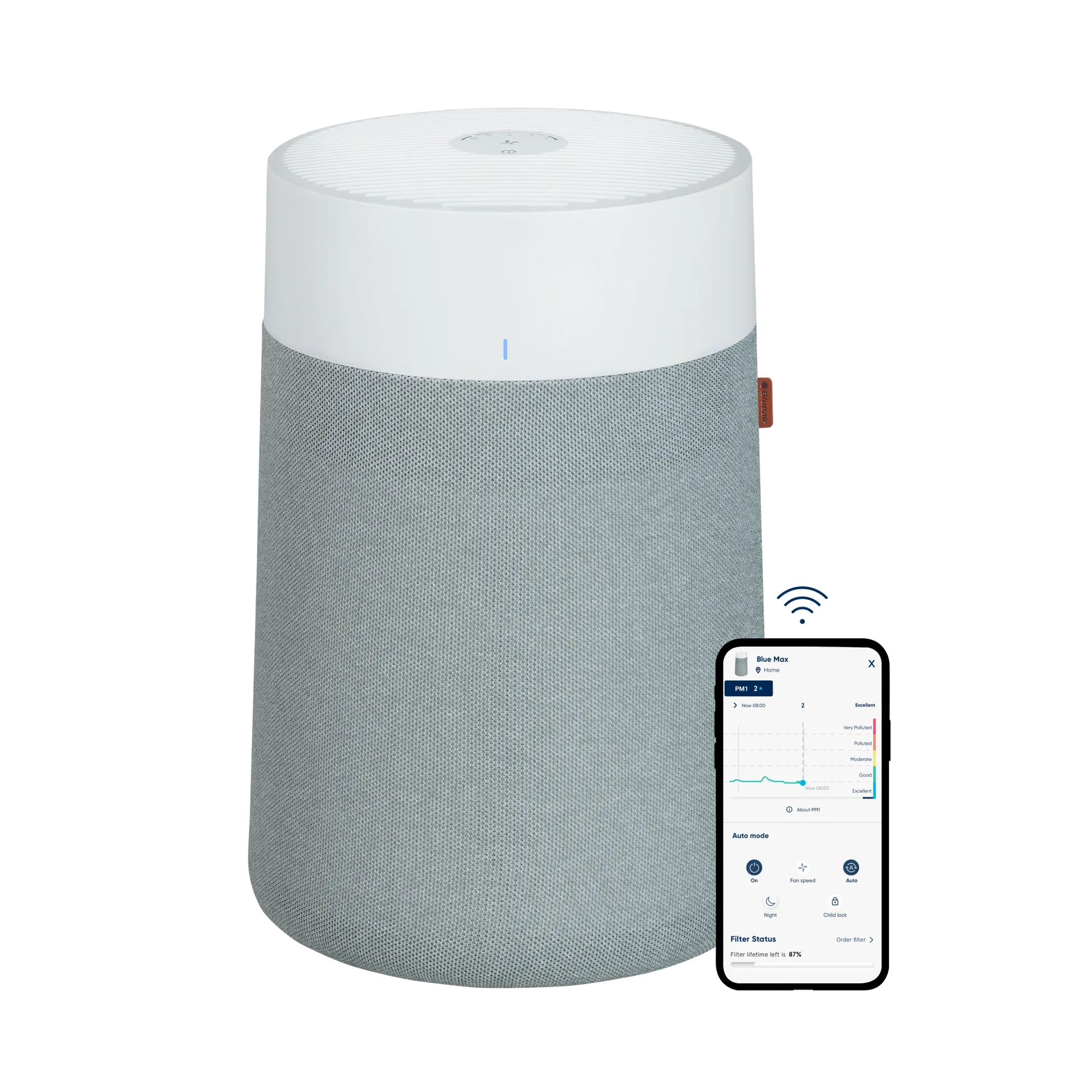
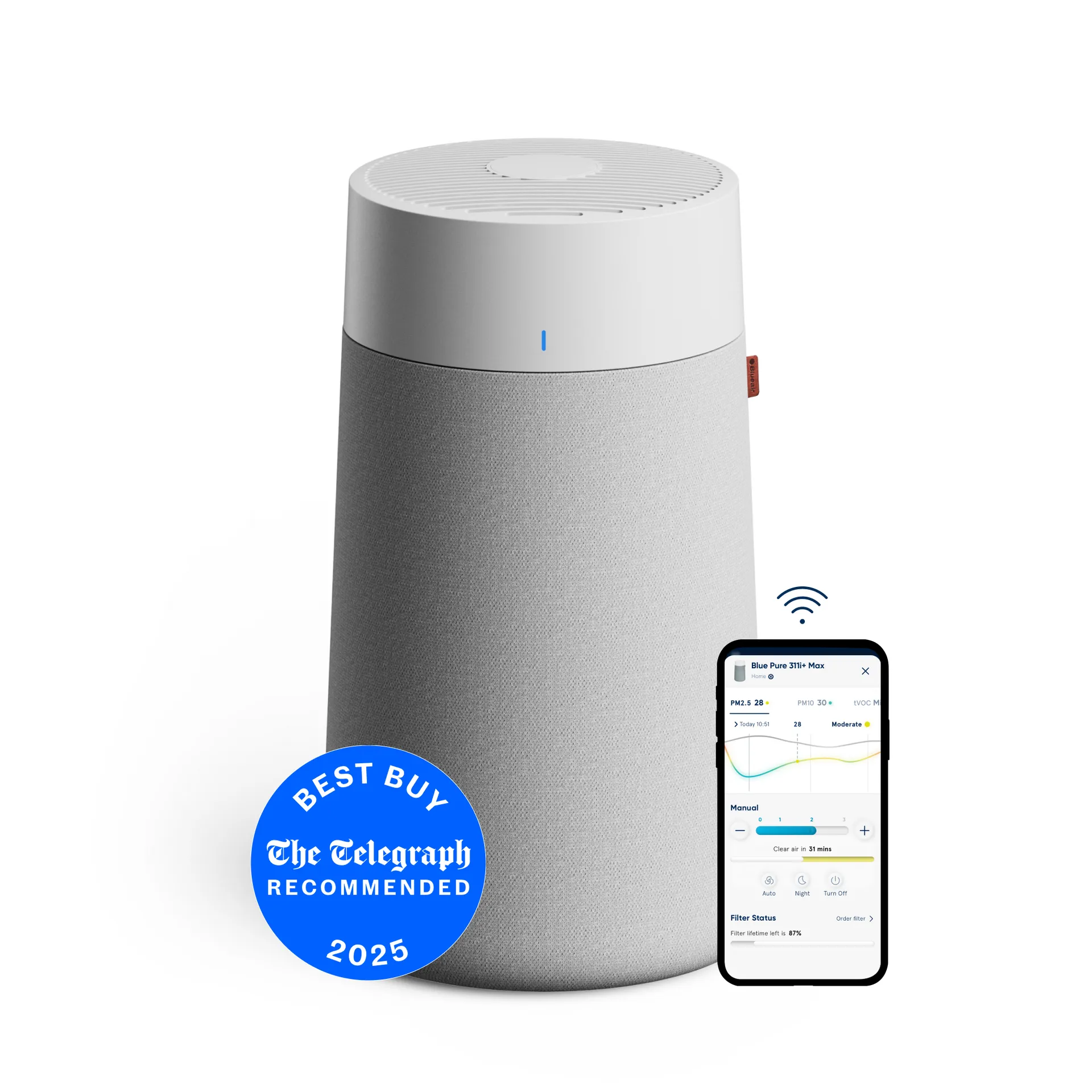
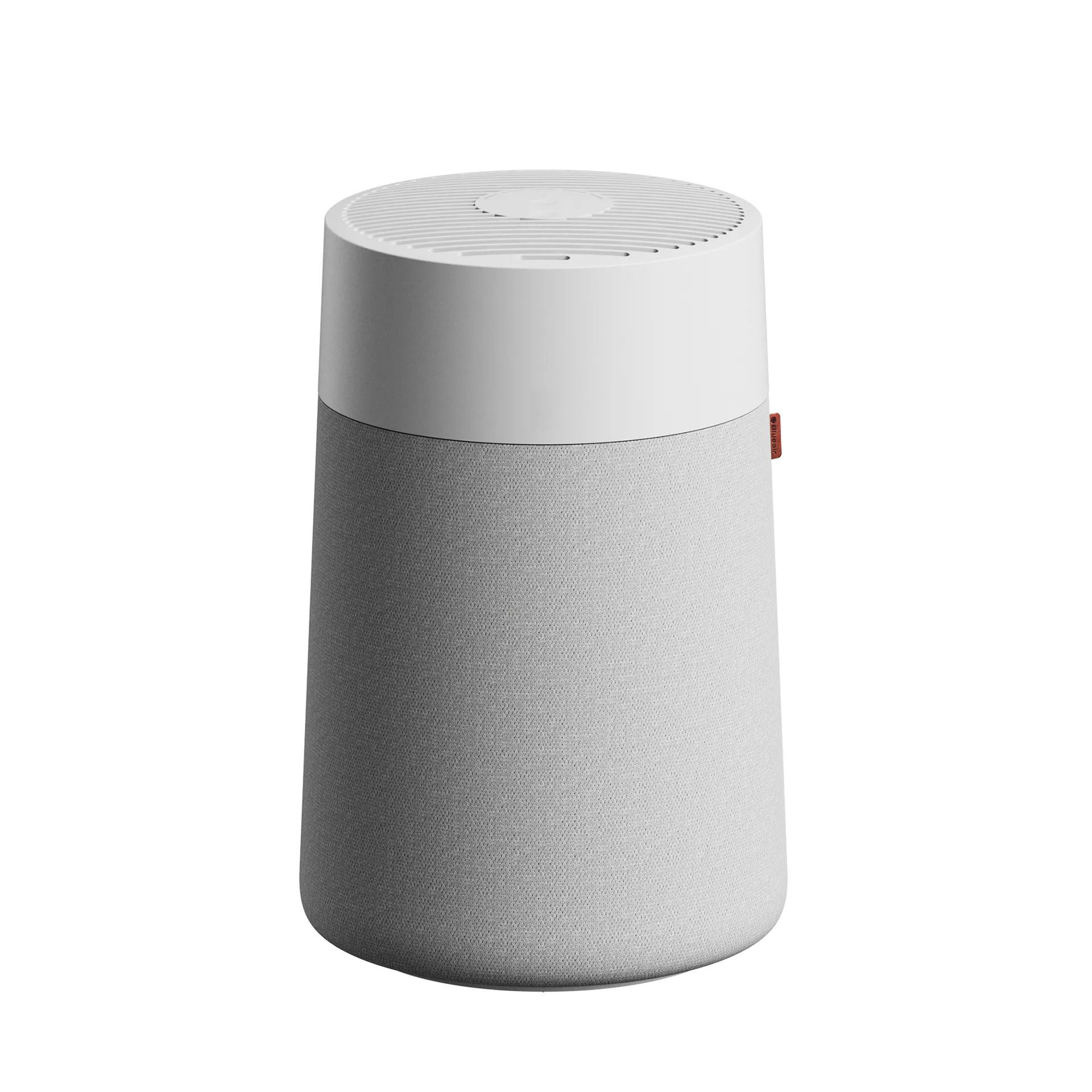
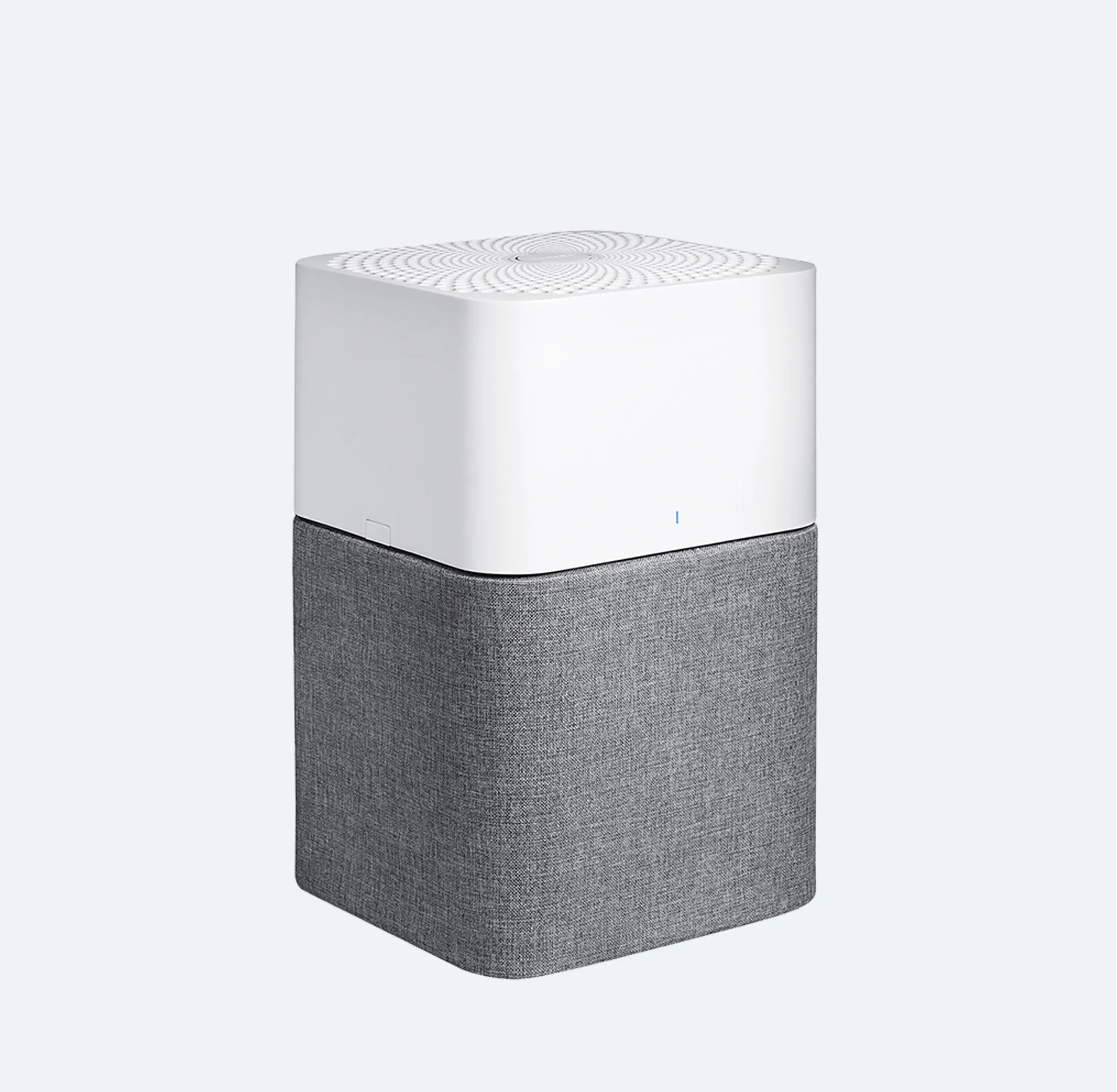
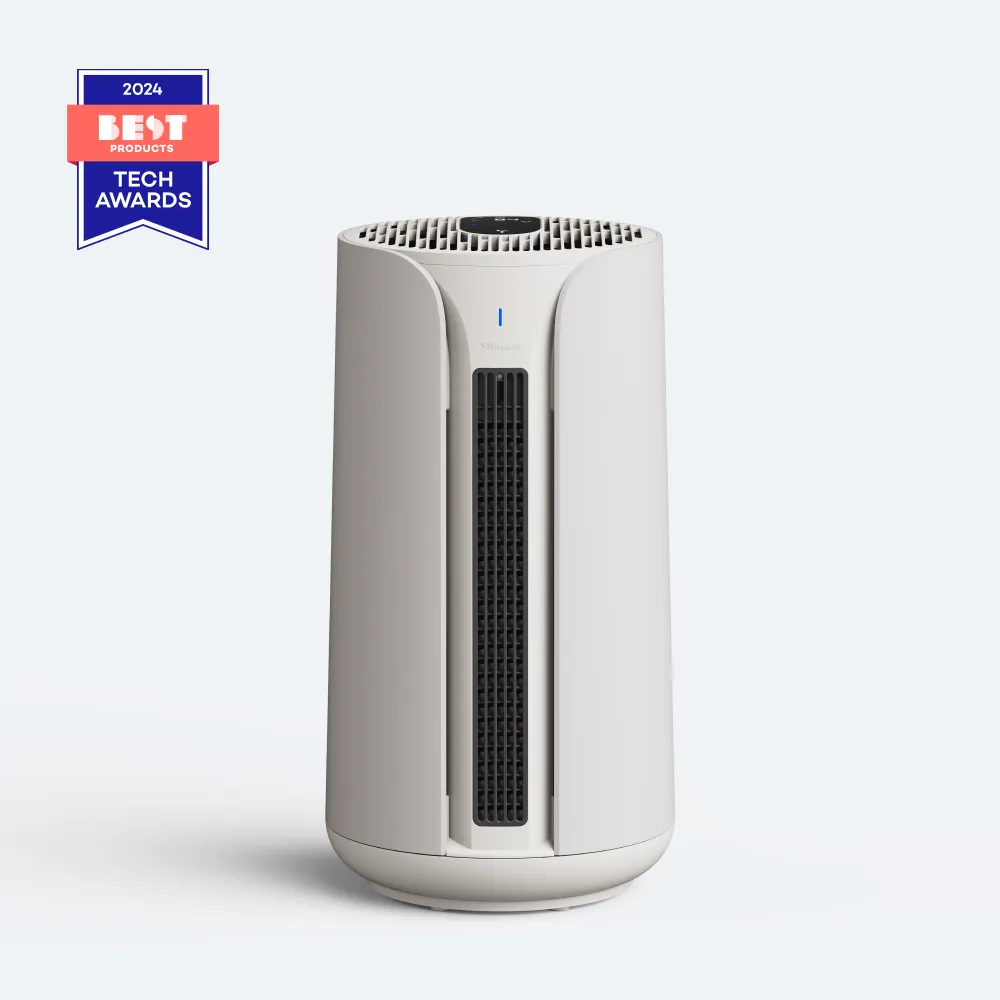
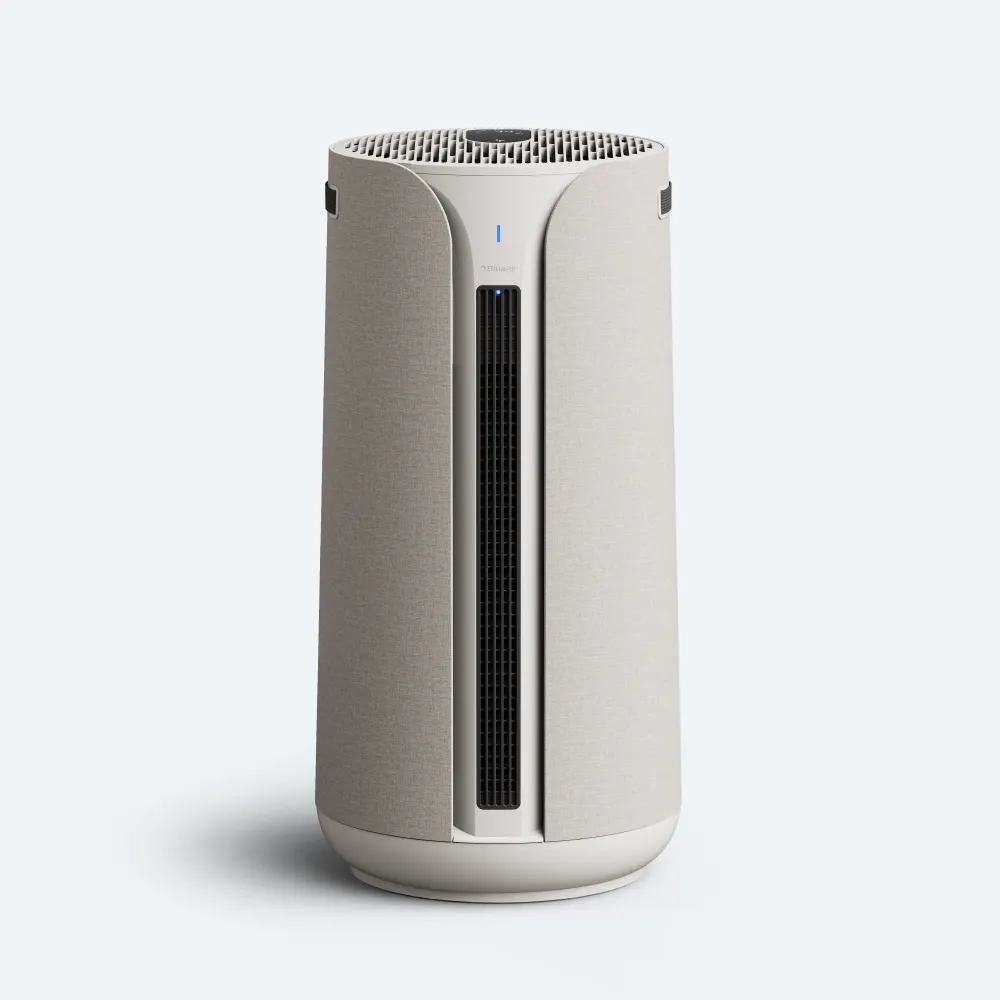
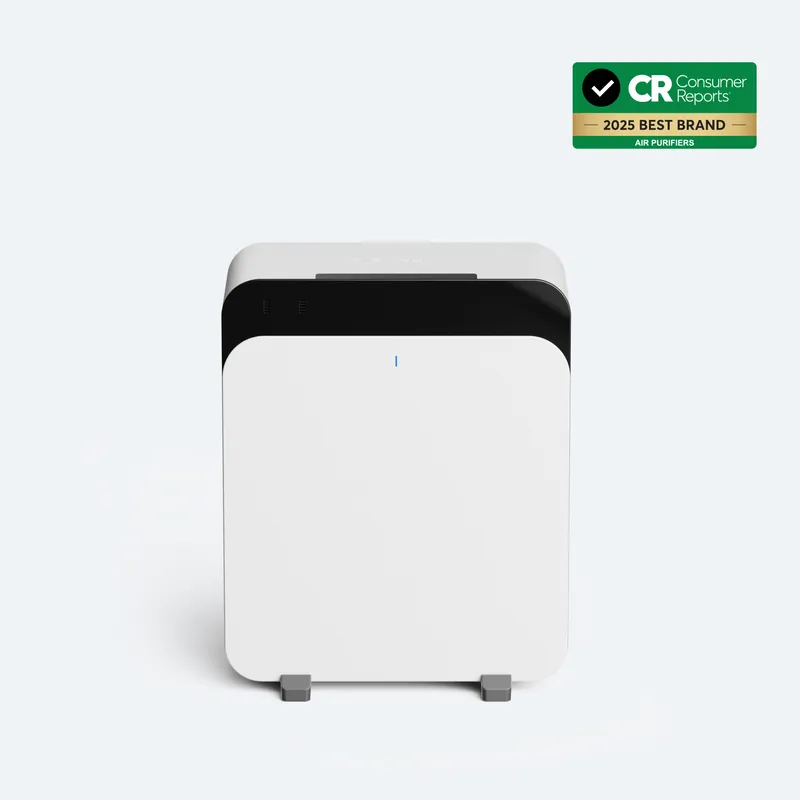
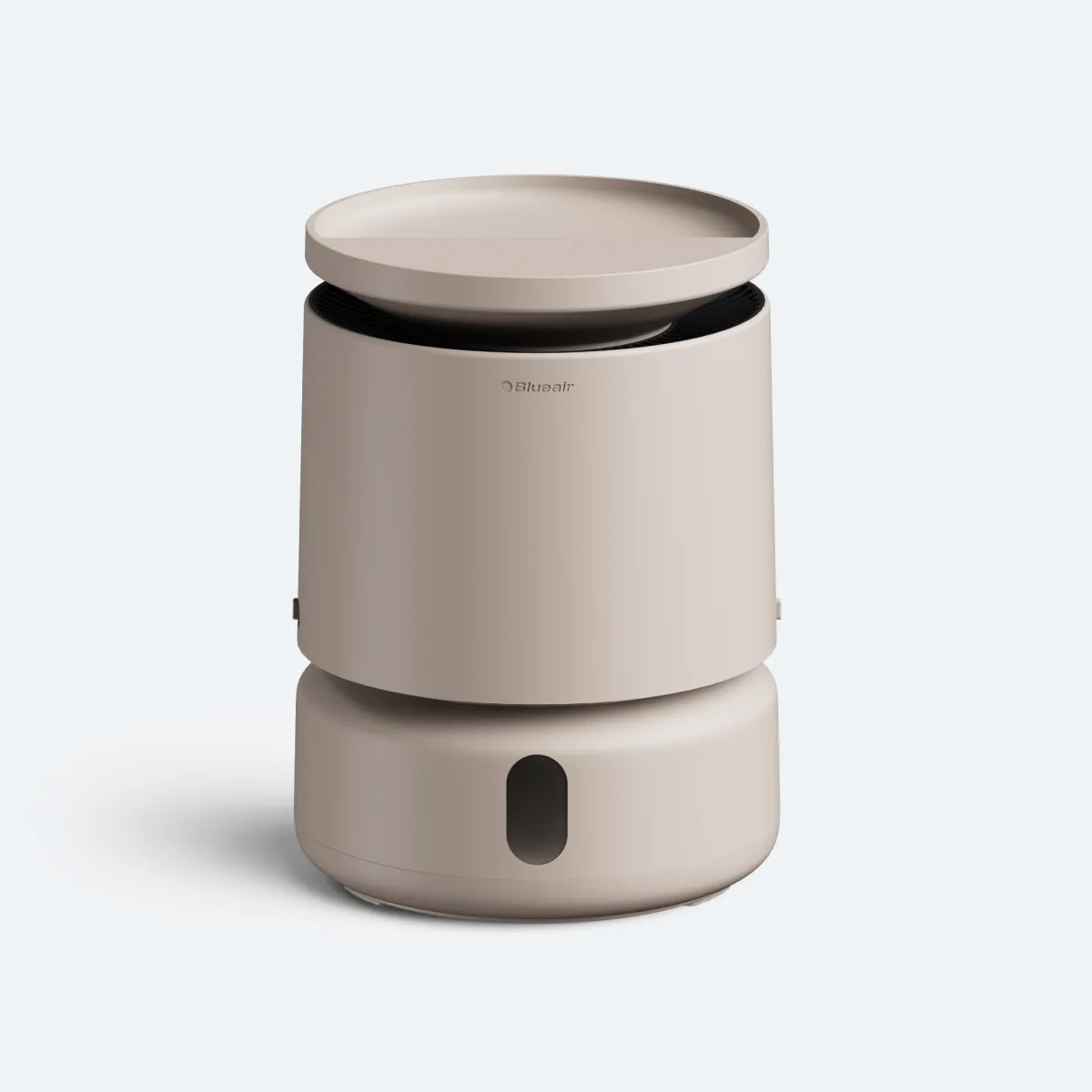
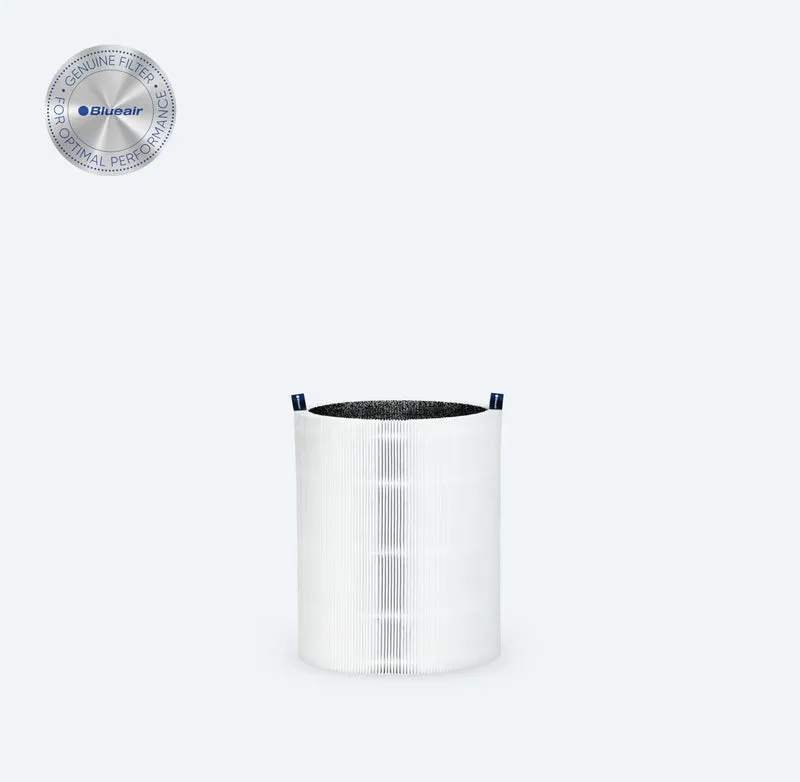
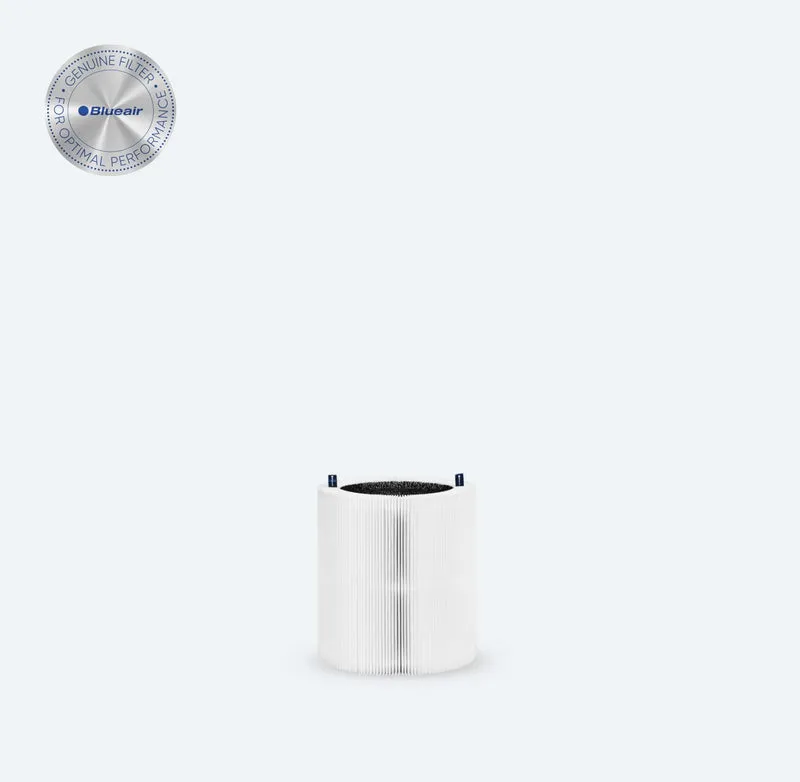
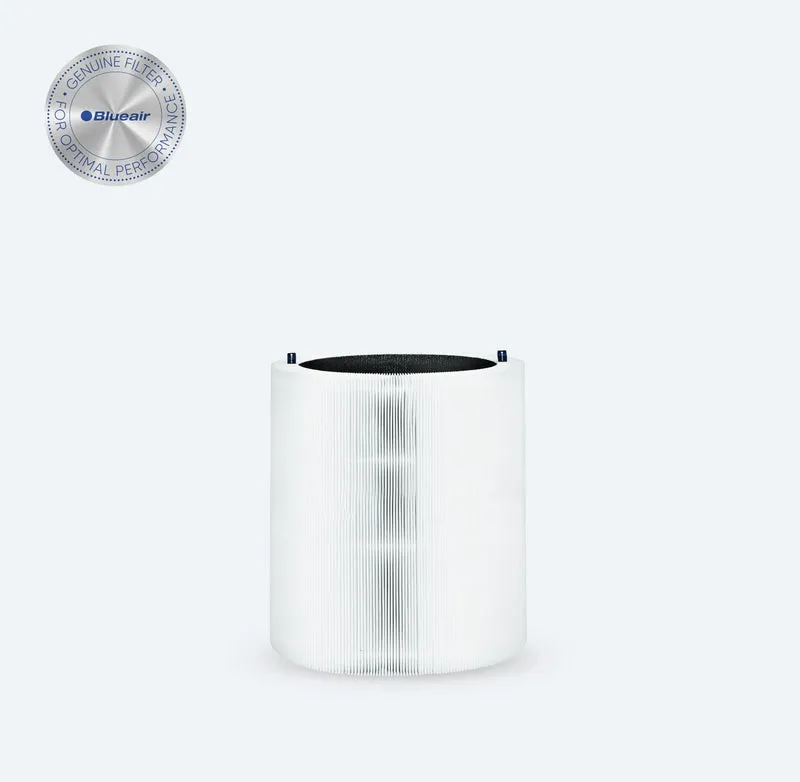
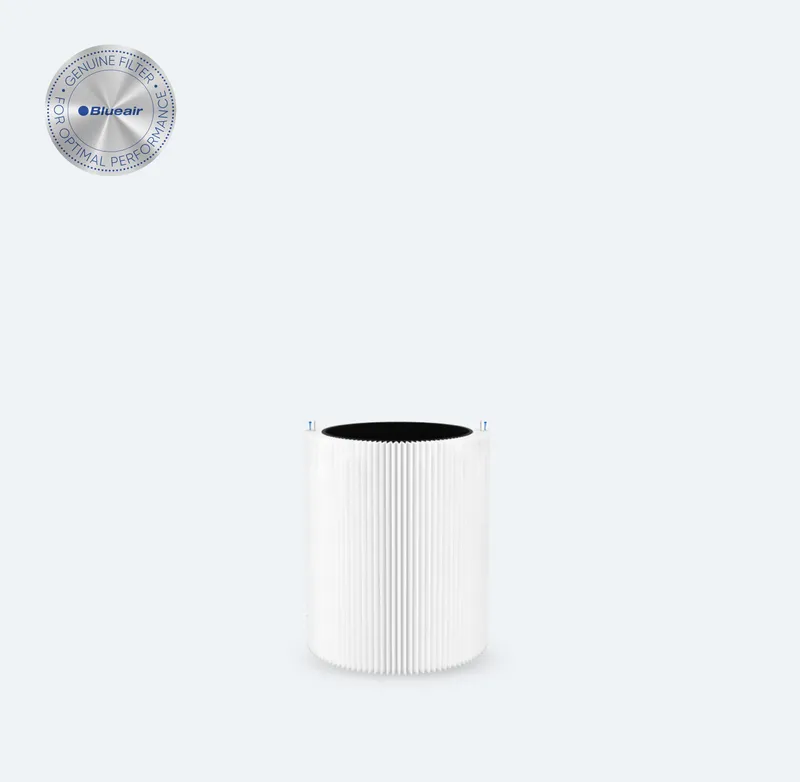
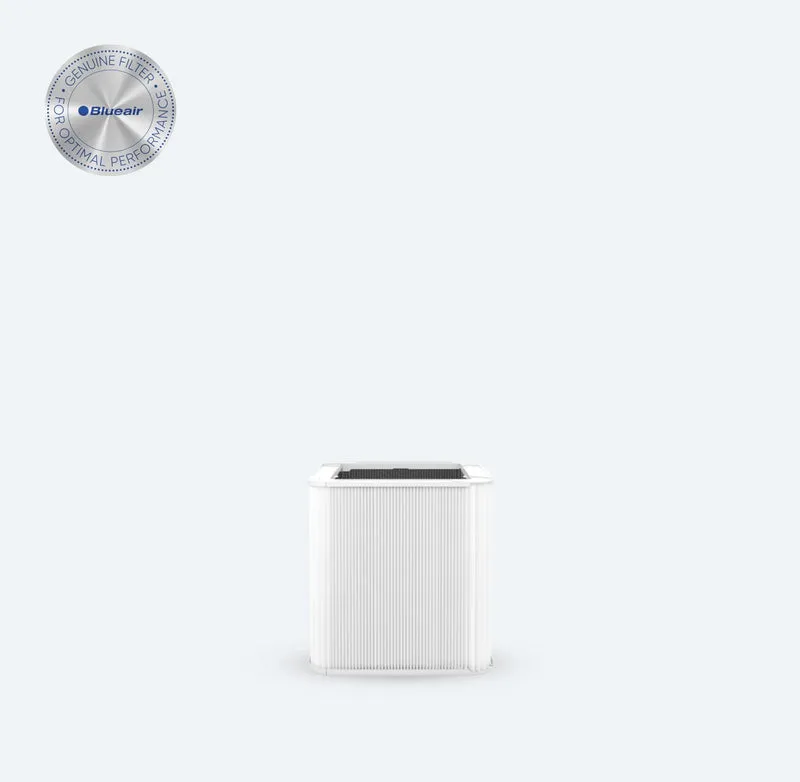
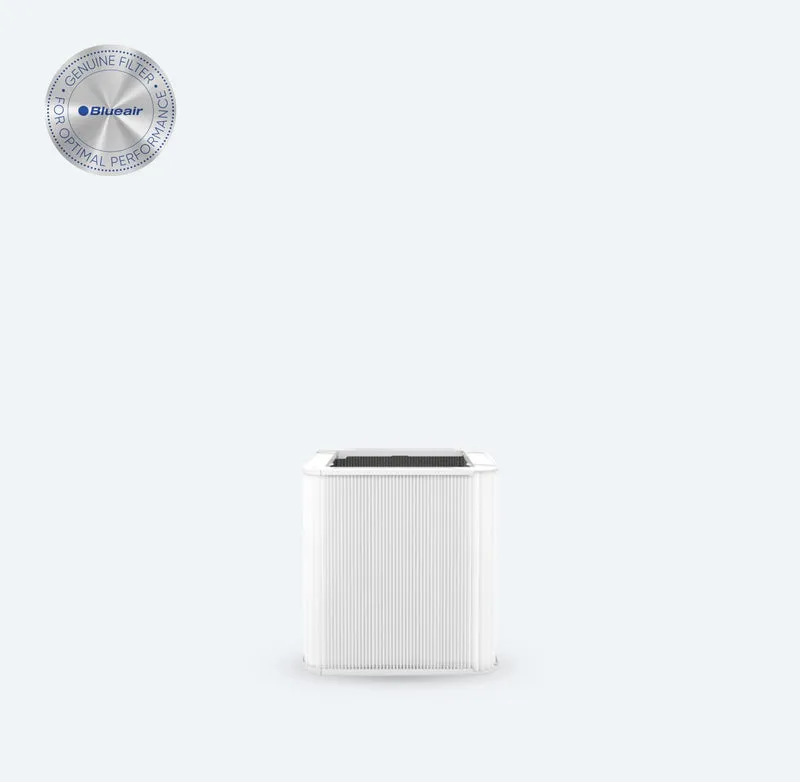
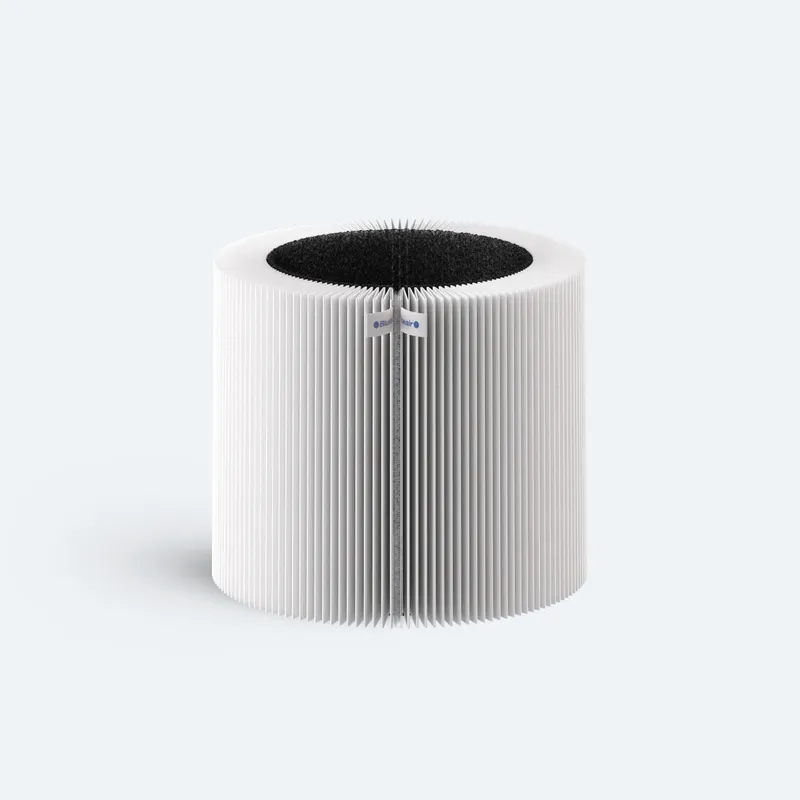
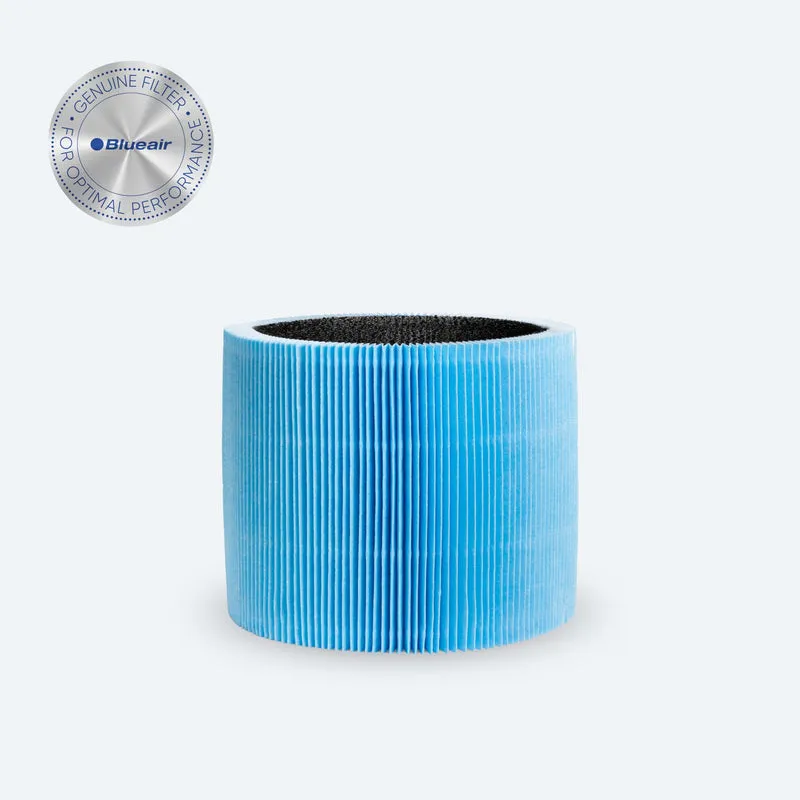
Blueair’s 411 models use HEPASilent electrostatic-assisted filtration, designed to reduce airflow resistance and noise. Manufacturer coverage targets small bedrooms and studios, but independent testing sometimes reports lower real-world CADR or higher noise on max than marketing suggests. The 411 often appeals for simple design and a lower sticker price, though performance depends on variant and test conditions.
Verdict, Room by Room
For open-plan living (about 20 m²) the Core 300S usually clears air faster because of higher tested CADR, while kitchens and odour-priority spaces benefit from a larger carbon stage. For very small bedrooms and studios the Blueair 411 can be a good fit where low-speed quietness is the top priority.
Filtration Performance & Cleaning Speed
Start with the problem you want solved: particles, allergens or odours. The Core 300S targets particles and common household smells with a simple, reliable three-stage approach.
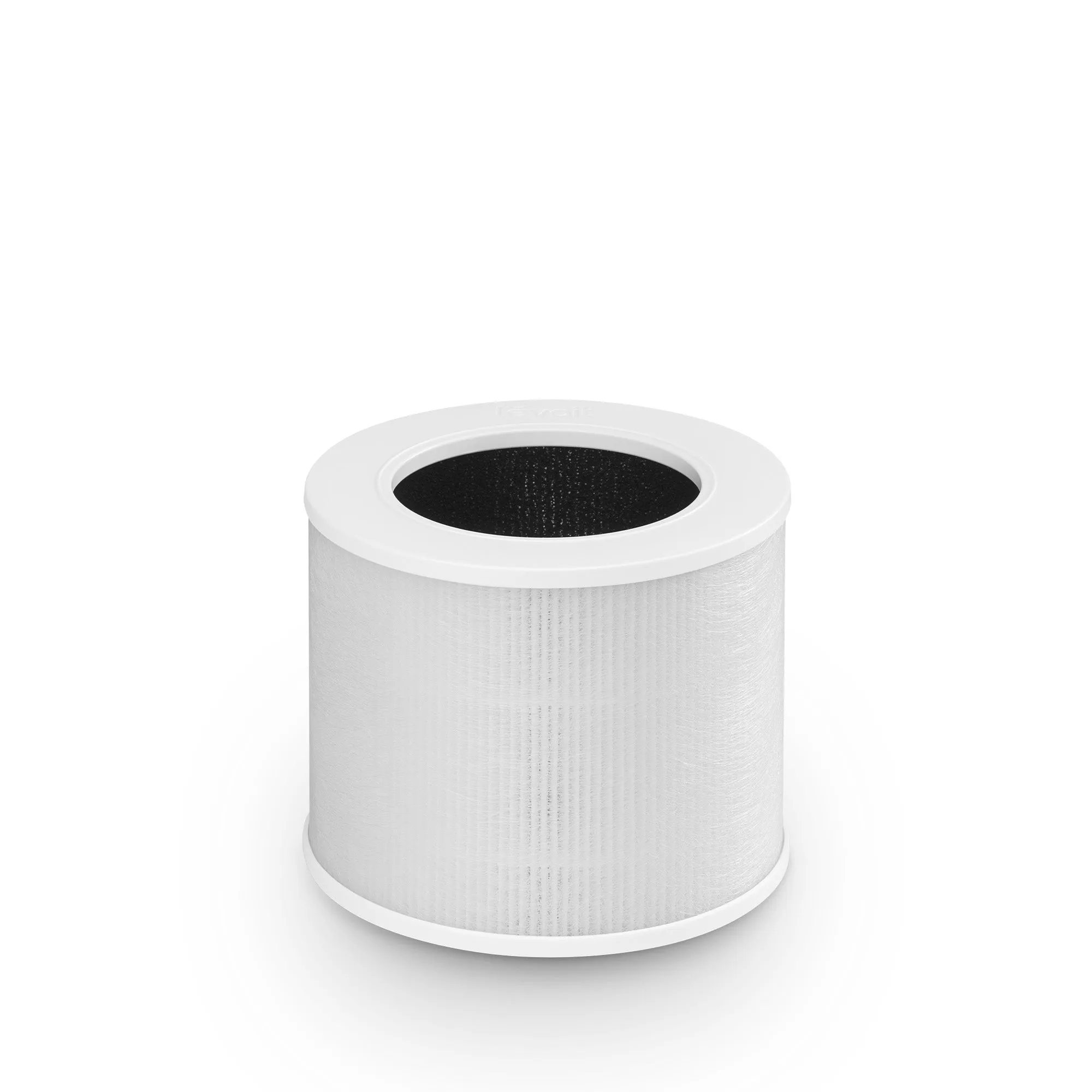
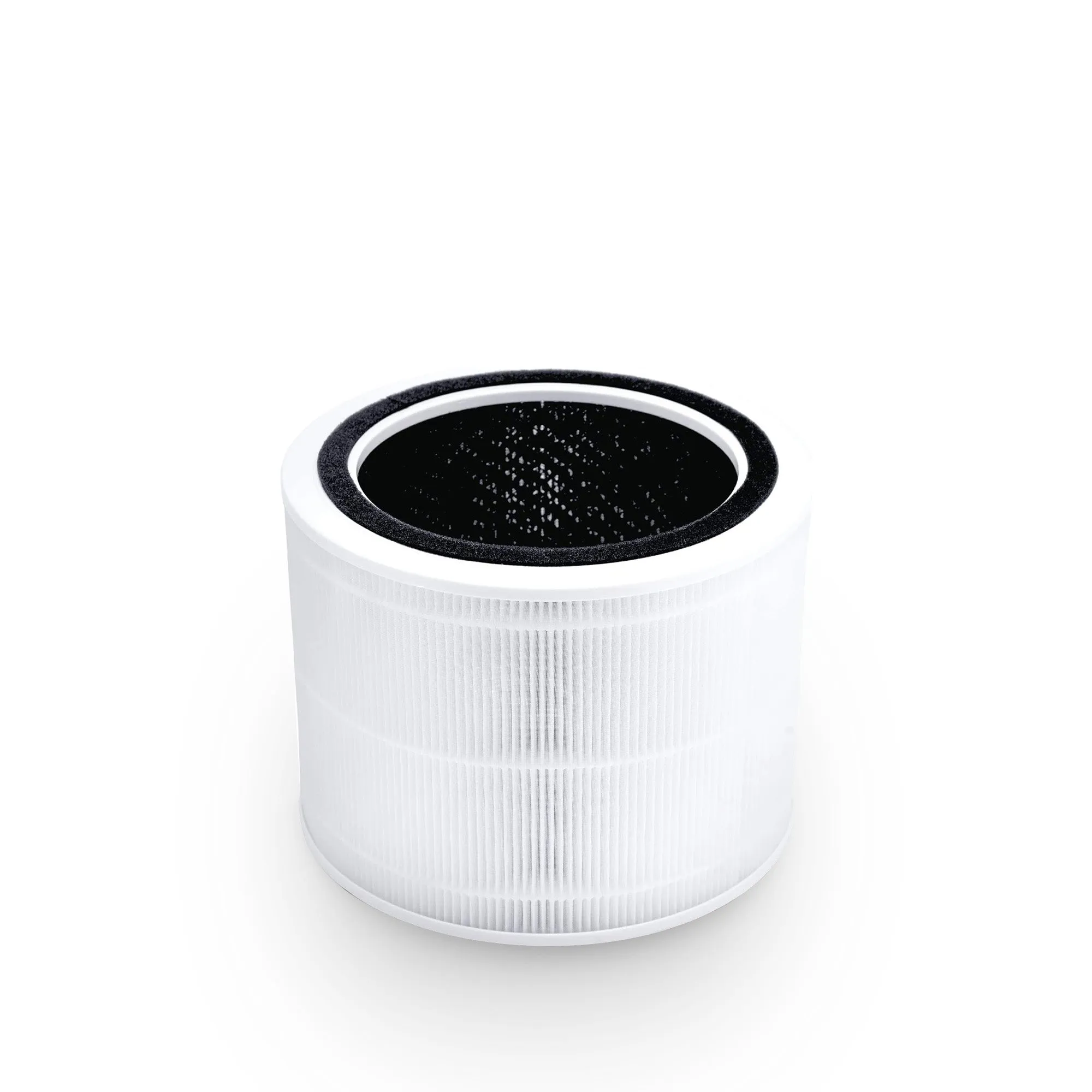
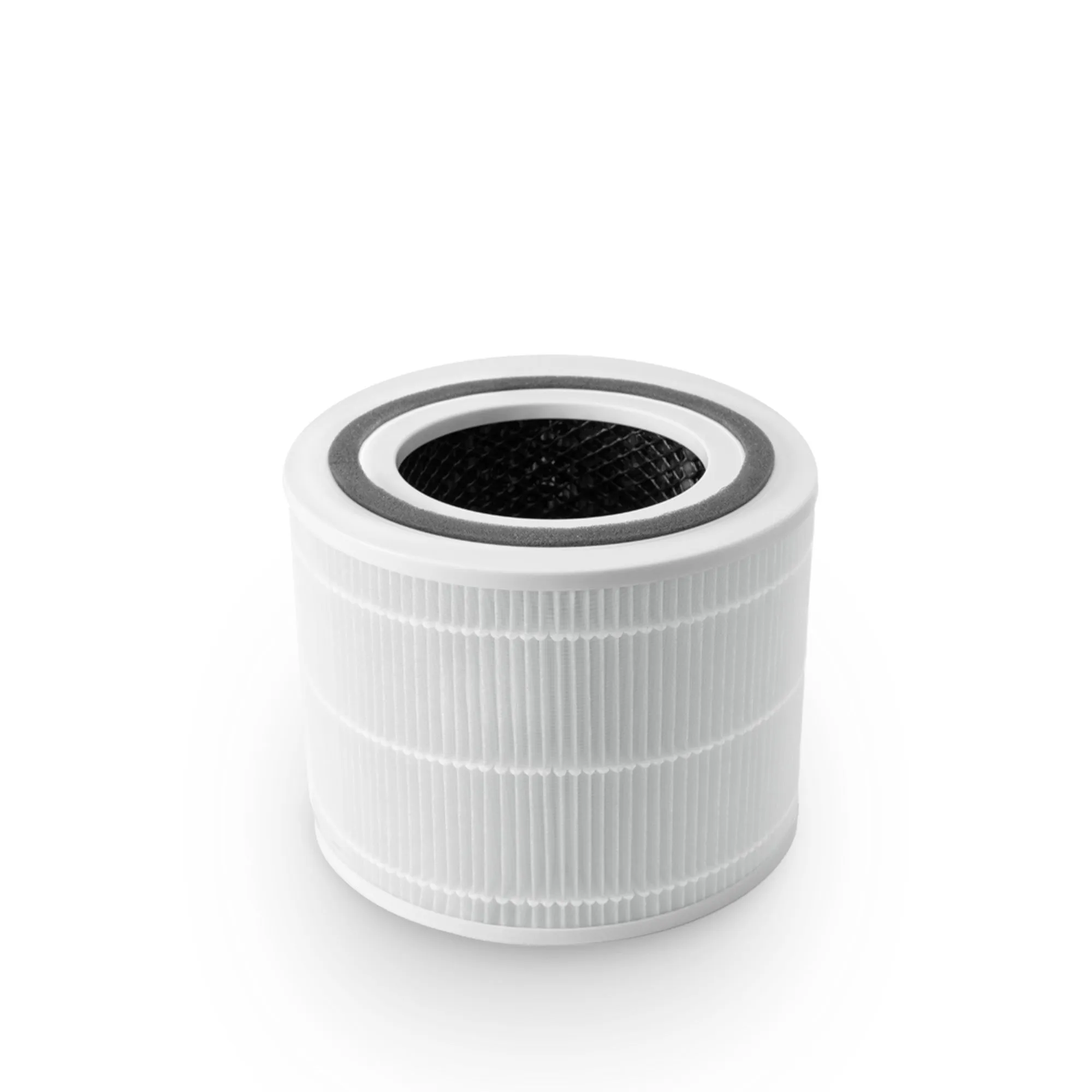
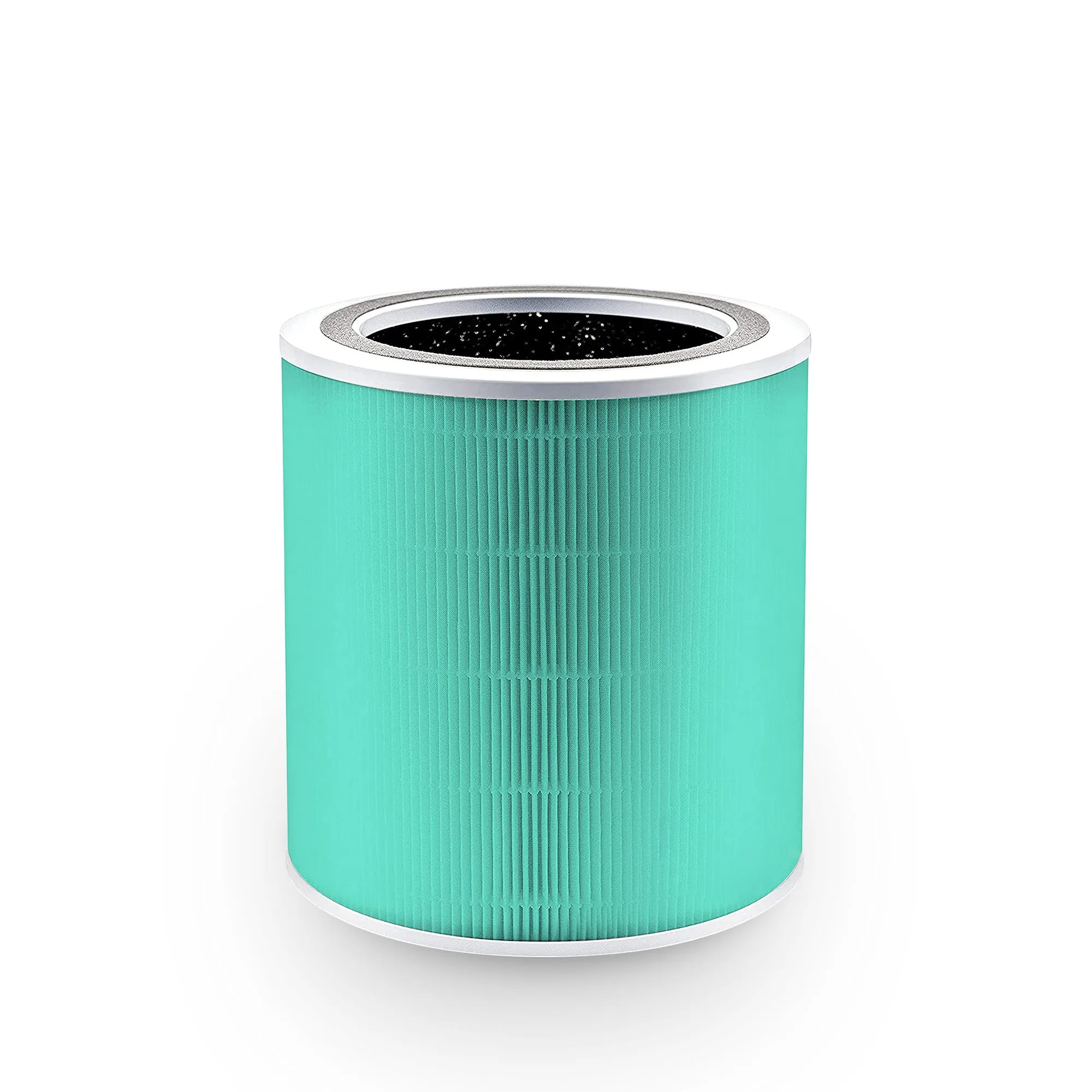
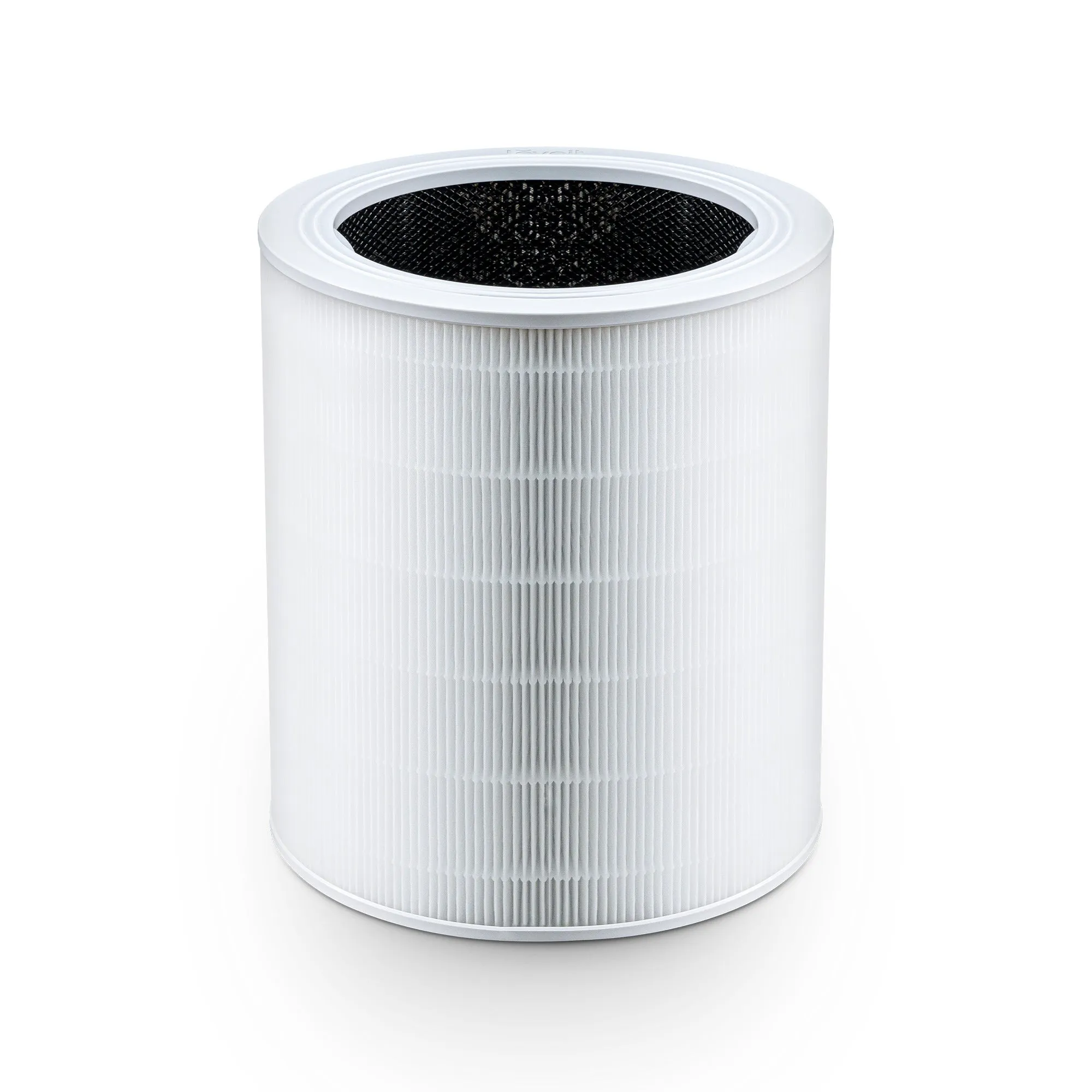
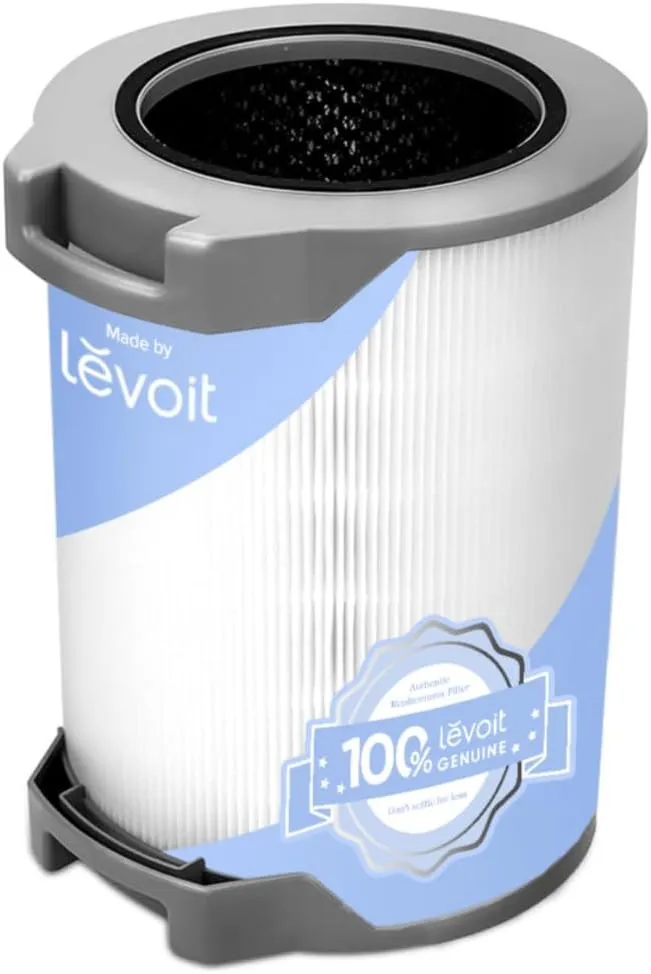
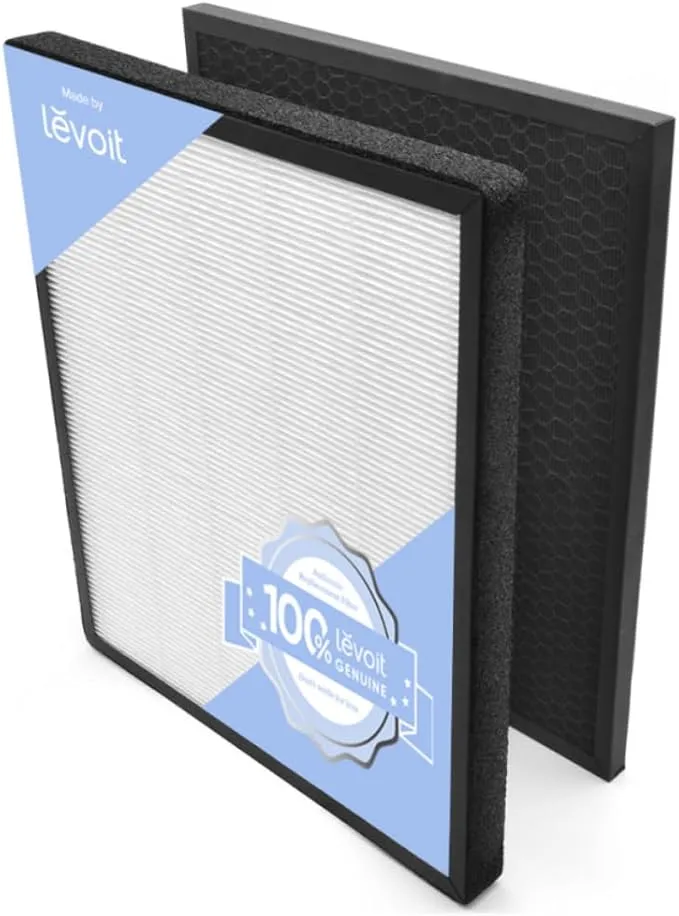
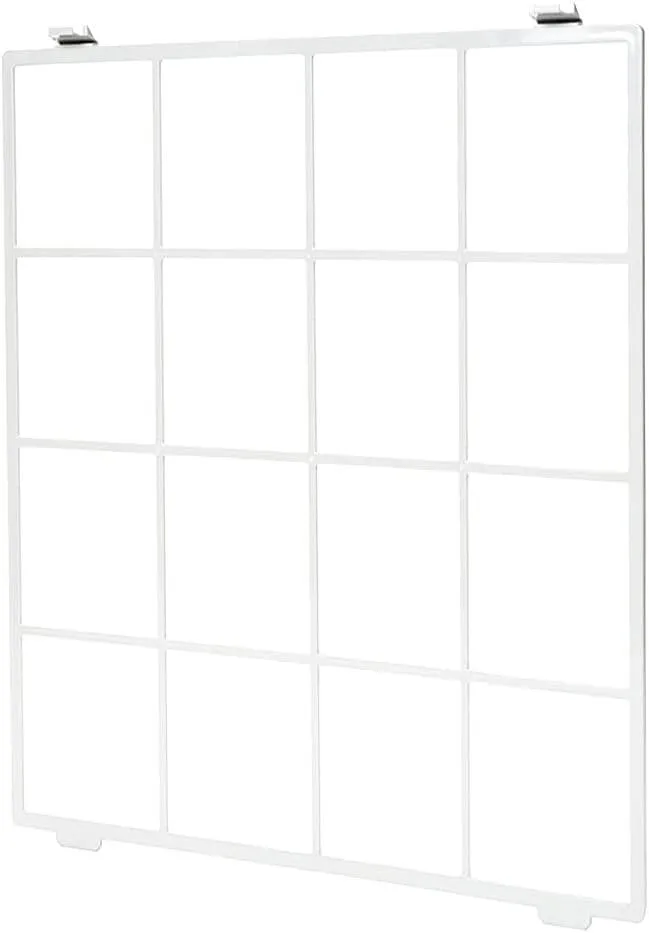
- Pre-filter: Captures hair and large dust to extend HEPA life. It’s washable and reduces the initial load on the HEPA media.
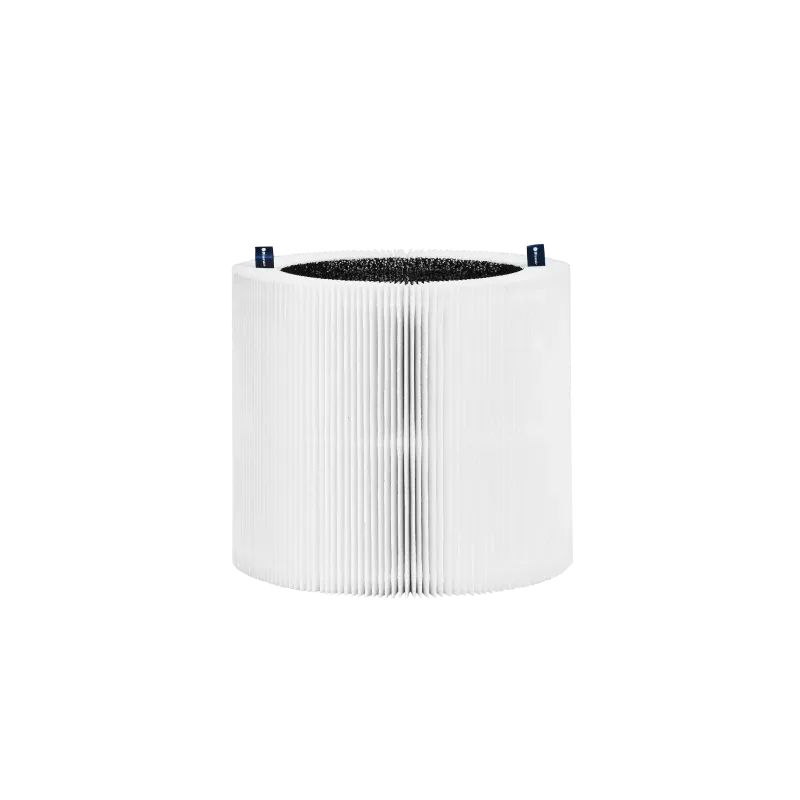
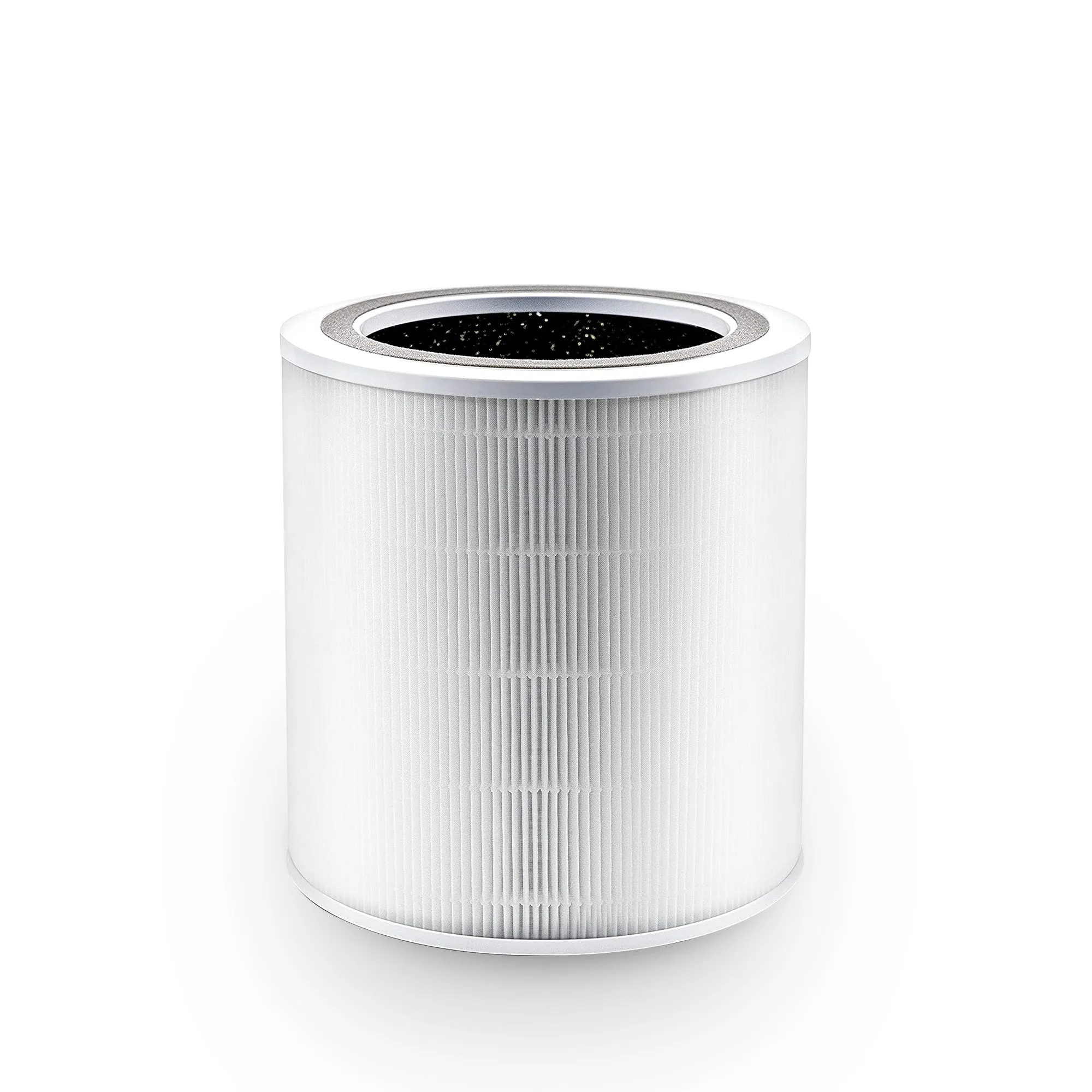
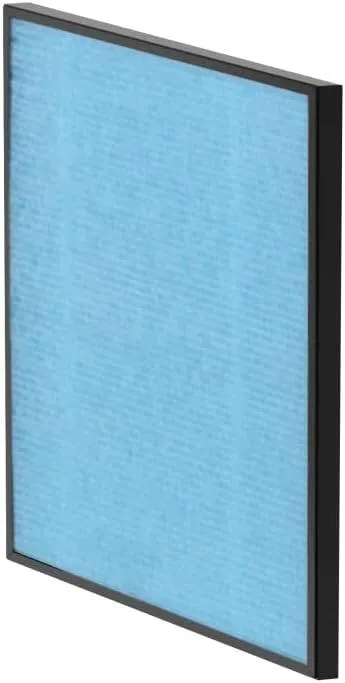
- H13 True HEPA: Removes most airborne particles down to 0.3 microns, including PM2.5, pollen and pet dander. Mechanical HEPA tends to be consistent across particle sizes.
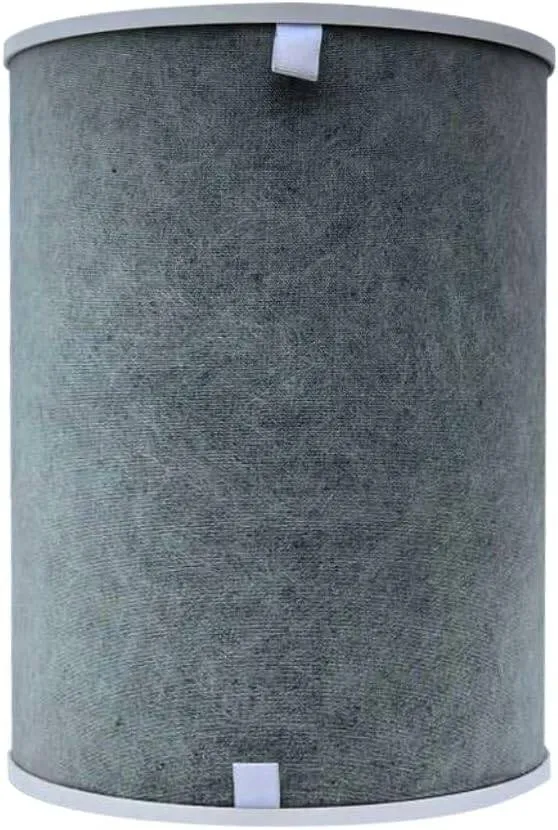
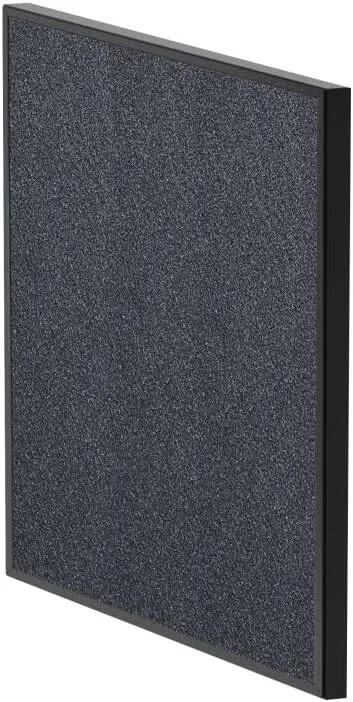
- Activated carbon: Adsorbs smells and many VOCs. The effectiveness depends on carbon volume and quality; heavy VOC loads need more carbon or an upgraded cartridge.
Blueair uses an electrostatic-assisted hybrid that lowers airflow resistance and can move air with less fan noise. That design often performs well for smoke and larger particles at lower speeds, while mechanical H13 HEPA is typically steadier for the smallest and most stubborn particles.
Independent labs such as RTINGS and AirPurifierFirst report Core 300S time-to-clear in small-room tests from roughly 20 to 45 minutes depending on particle size and starting concentration. Blueair 411 results sometimes fall in a faster 10 to 30 minute window under certain conditions, but differences reflect room size, particle source, sensor placement and the threshold each lab uses.
Smart Integration & Day-to-Day Usability
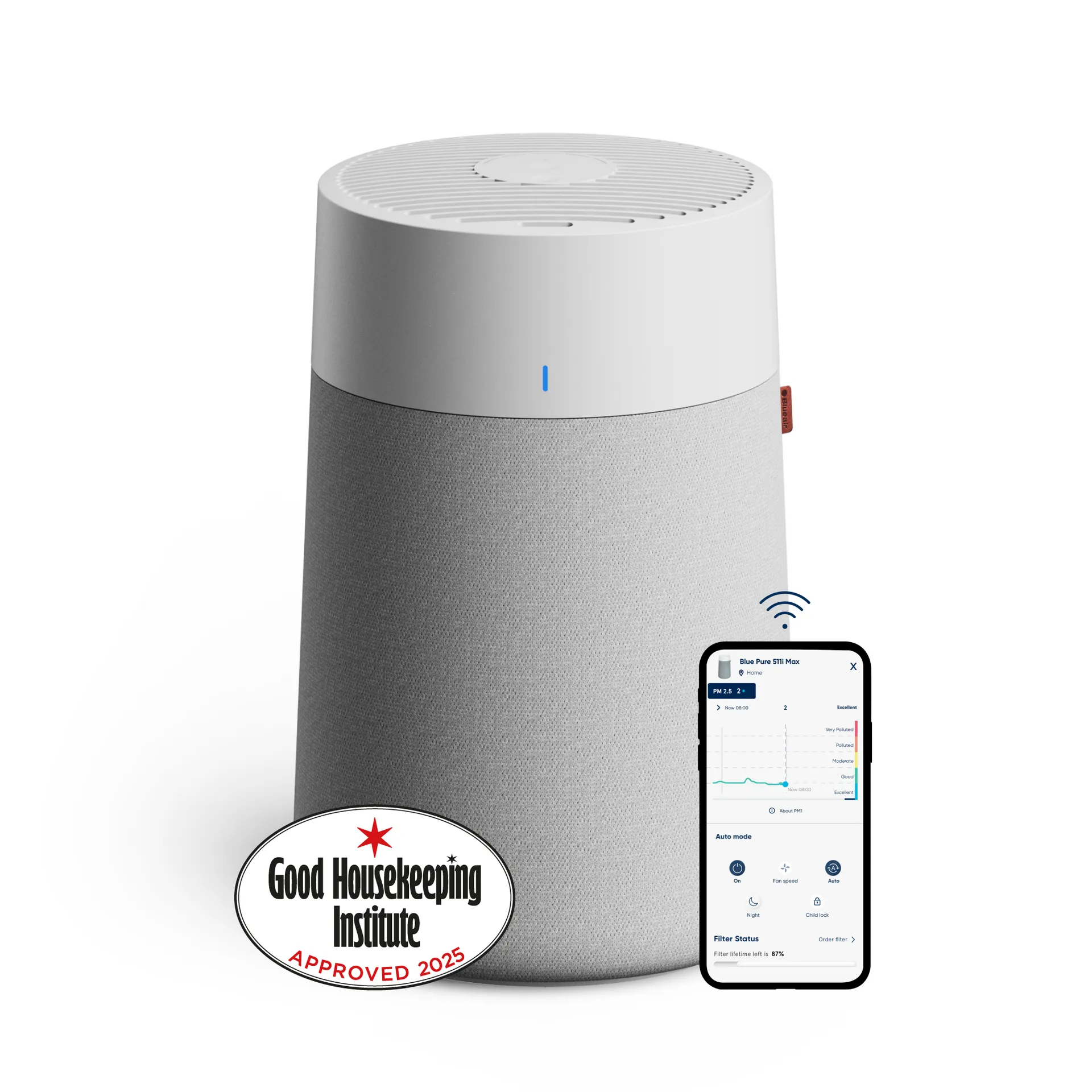
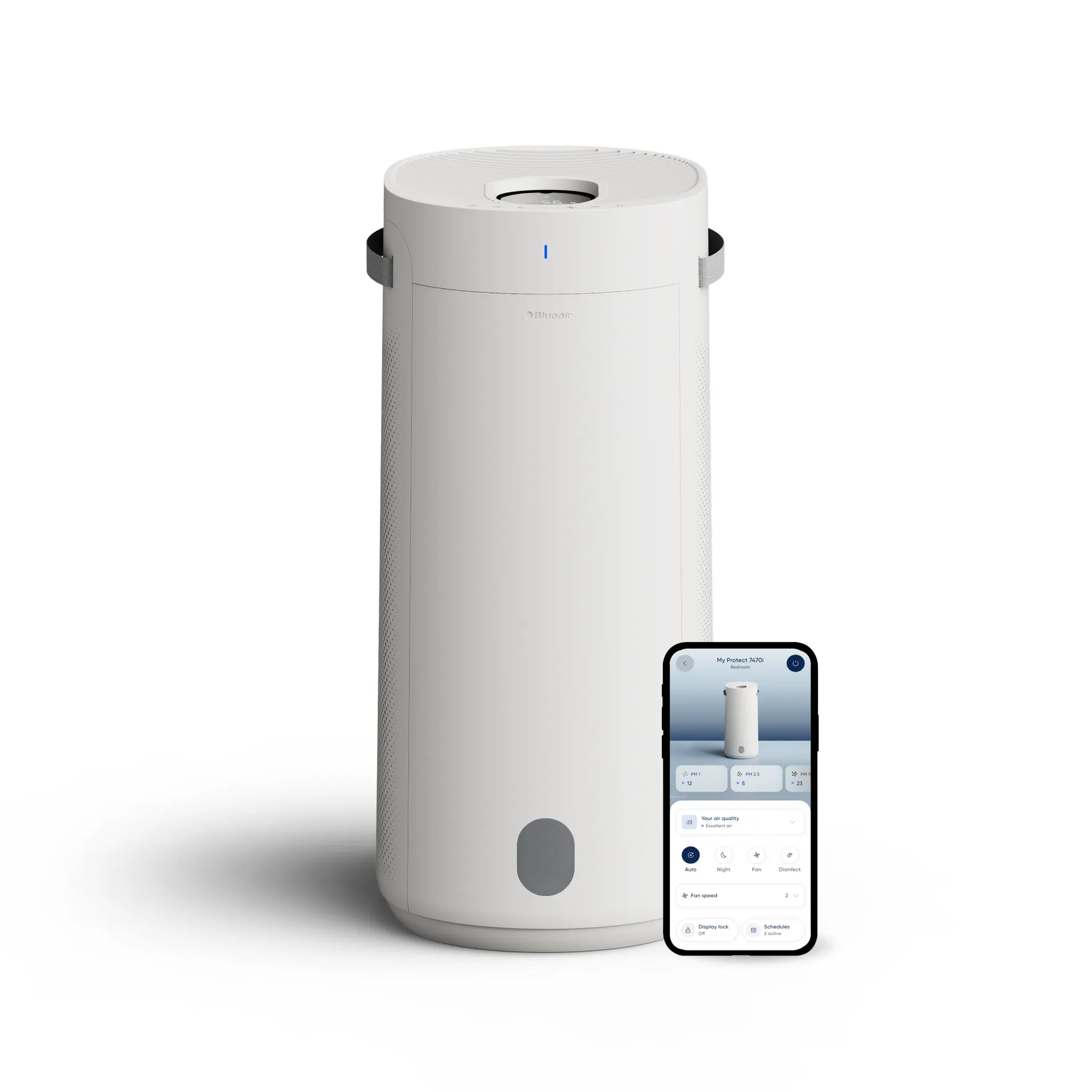
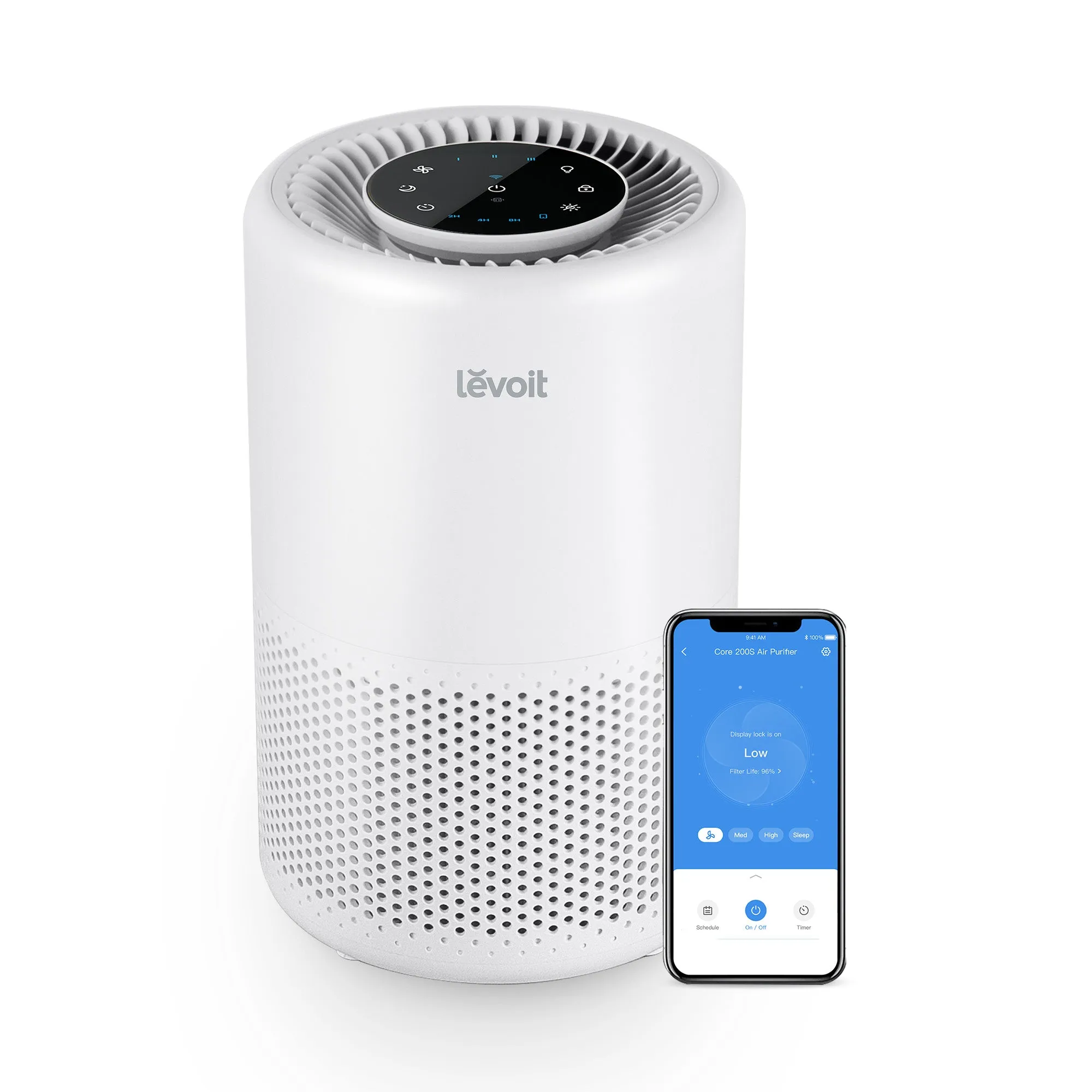
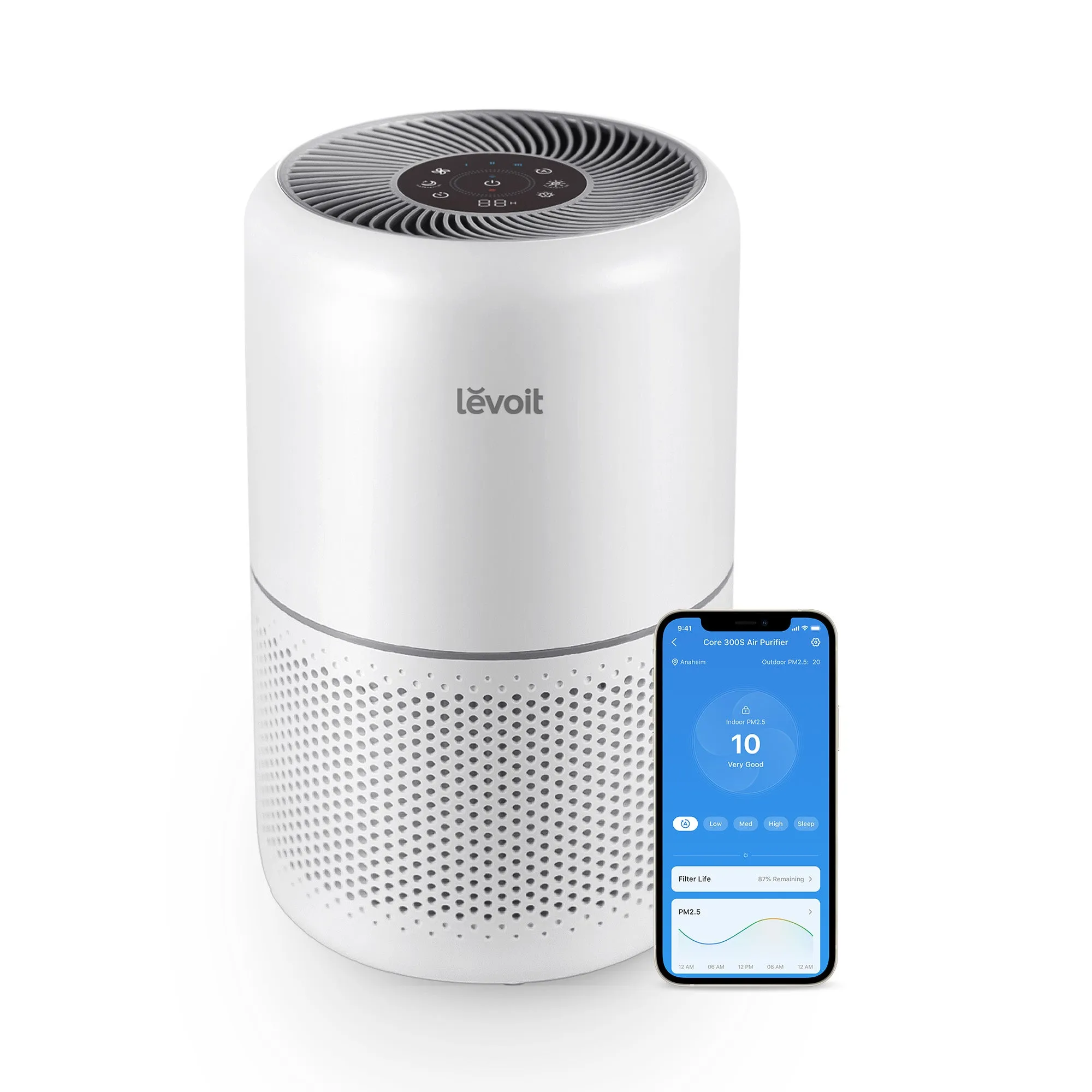
Connectivity changes how often a purifier actually runs. The Core 300S Wi‑Fi model pairs with the VeSync app and supports scheduling, PM readouts and voice control through Alexa and Google Assistant, which can automate daily air quality maintenance.
VeSync improves convenience but can show occasional issues: dropped Wi‑Fi, delayed updates and reauthentication prompts. Those problems do not prevent local operation, but remote control or automations may need occasional troubleshooting.
Auto mode depends on sensor quality and placement. The Core 300S includes a built-in sensor that some users find slow to react to sudden spikes, while many Blueair 411 variants rely on manual speed or a separate sensor-equipped model for predictable output. Use auto mode for steady background conditions and switch to manual speed for cooking, cleaning or allergy events where faster, predictable clearing is needed.
Testing Sensor Responsiveness
- Test by lighting a match or incense at one end of the room and watching how quickly the unit ramps fan speed and the PM reading falls.
- Create a short PM spike by boiling water briefly or frying something, then compare how fast auto mode versus manual speed clears the air.
- Place the purifier away from open windows to avoid outdoor-triggered fan activity, which can cause false positives and constant running.
If reliable remote scheduling matters, choose the Wi‑Fi Core 300S but plan for occasional app troubleshooting. If you prefer a set-and-forget approach, a simpler Blueair model or a manual-control variant will be steadier day to day.
Noise, Energy & Night-Time Suitability
The Core 300S measures quietly on paper, with about 22–24 dB in sleep mode and roughly 48–50 dB at maximum. Real-room noise varies with placement, acoustics and individual unit tolerances.
Blueair 411 manufacturer ranges sit near 17–46 dB, with independent measures often in the low 20s at quiet settings and the low 40s at high speed. Both units are suitable for bedrooms on low or sleep mode, though very light sleepers may prefer the unit that tests quieter in a home demo.
Power draw plays into running costs more than noise for many buyers. The Core 300S is rated about 23–26 W; running 24/7 at full power (25 W) uses roughly 219 kWh per year, while mixed-use operation is closer to 139 kWh per year.
Estimated Annual Running Costs
| Model | First-Year Cost (AED) | 3-Year Estimate (AED) |
|---|---|---|
| Levoit Core 300S | ~185 AED (energy ~75 + filter ~110) | ~560 AED |
| Blueair 411 | ~140 AED (energy ~50 + filter ~90) | ~420 AED |
Actual costs vary with schedules and usage: running on auto or scheduled lower speeds reduces energy use and extends filter life compared with constant high-speed operation.
Price, Filters & Where to Buy in the UAE
Upfront, the Core 300S is generally the lower-cost smart option while Blueair compact models often sit at a higher street price. Expect the Core 300S to retail roughly 370–550 AED and Blueair 411-style units to appear in the 735–1,285 AED band depending on local stock and import fees. In the UAE both brands are sold through official resellers and major retailers; buying locally reduces delivery time and simplifies warranty support.
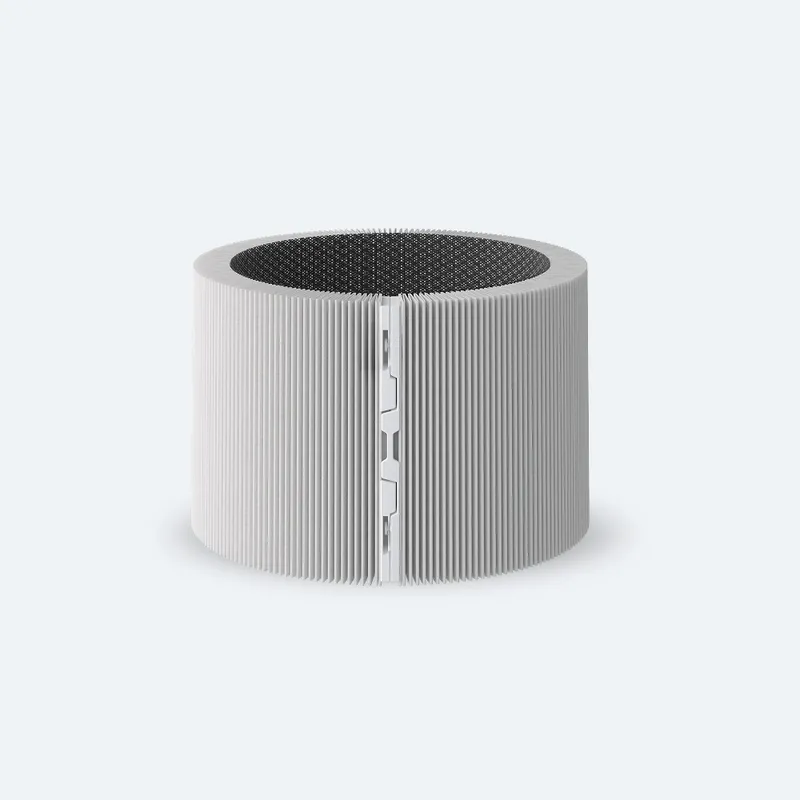
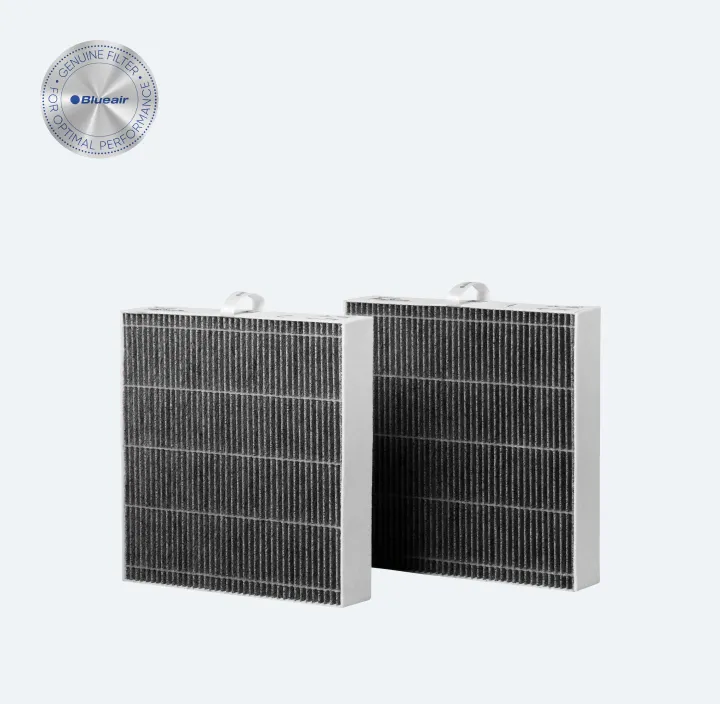
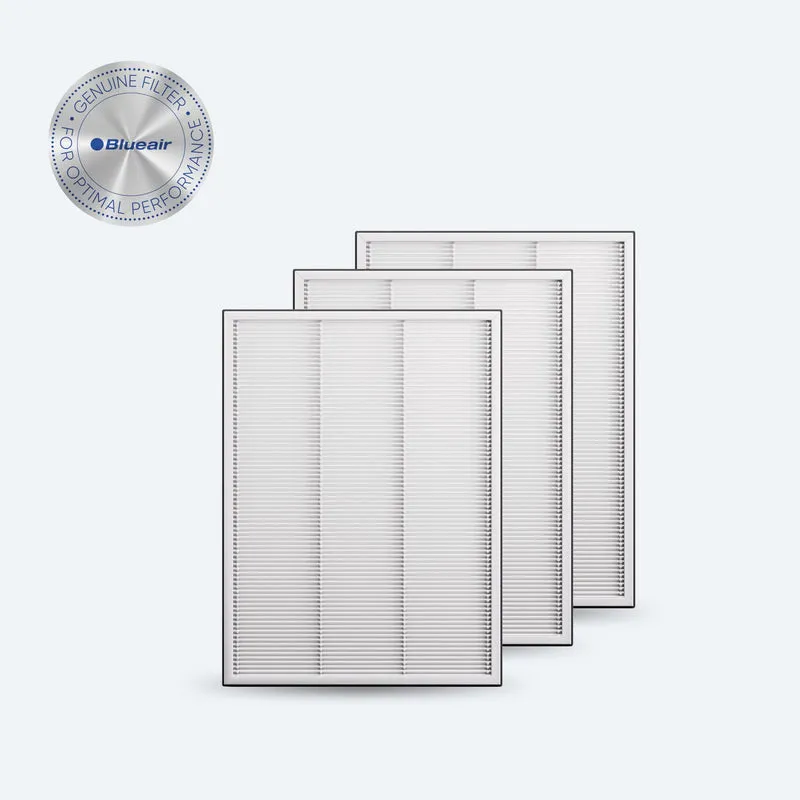
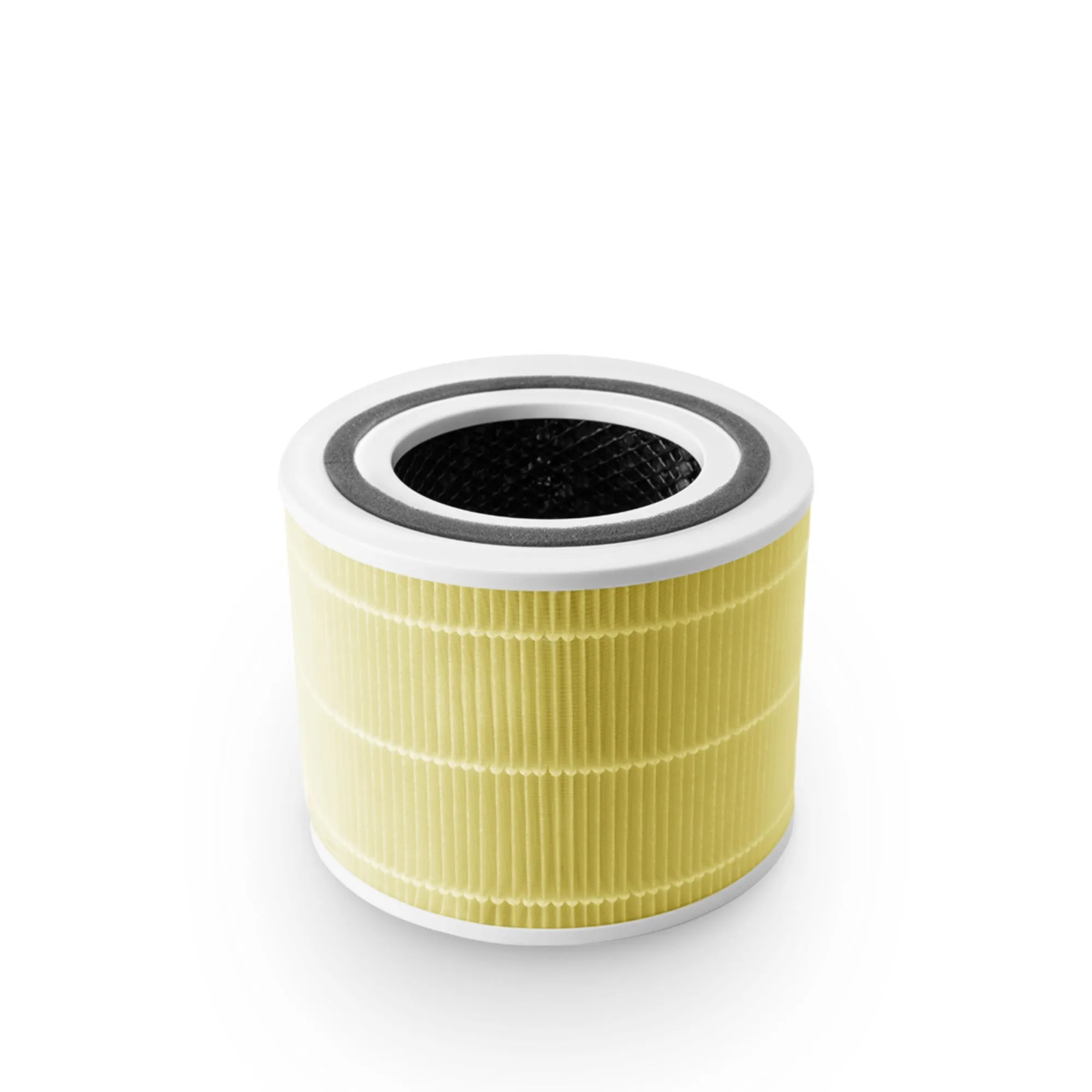
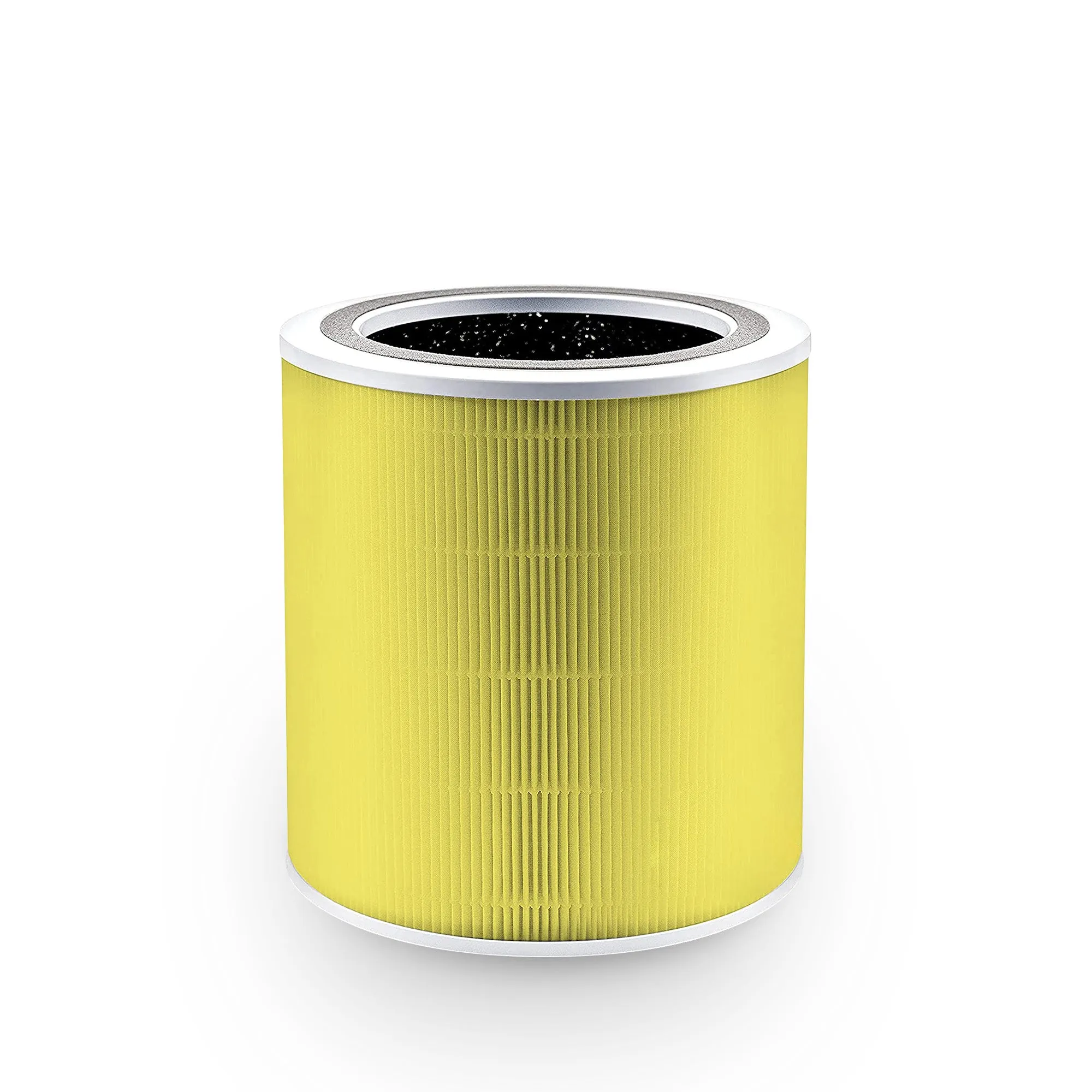
Filter replacement is the main ongoing cost. Genuine Core 300S filters run around 110 AED and are usually replaced every 6–8 months with typical use, while Blueair replacement filters often cost more and can last 6–12 months depending on pollution and hours of operation. Third-party filters can be cheaper but may affect warranty and performance.
Filter cost per year: heavy users might need two Core 300S filters (~220 AED/year) versus one to two Blueair filters (~150–515 AED/year) depending on lifespan. Check current part prices for your specific model before deciding.
Ease of maintenance: both brands offer tool-free filter changes that most users can complete in minutes. Keep a spare filter on hand to avoid downtime during shipping delays.
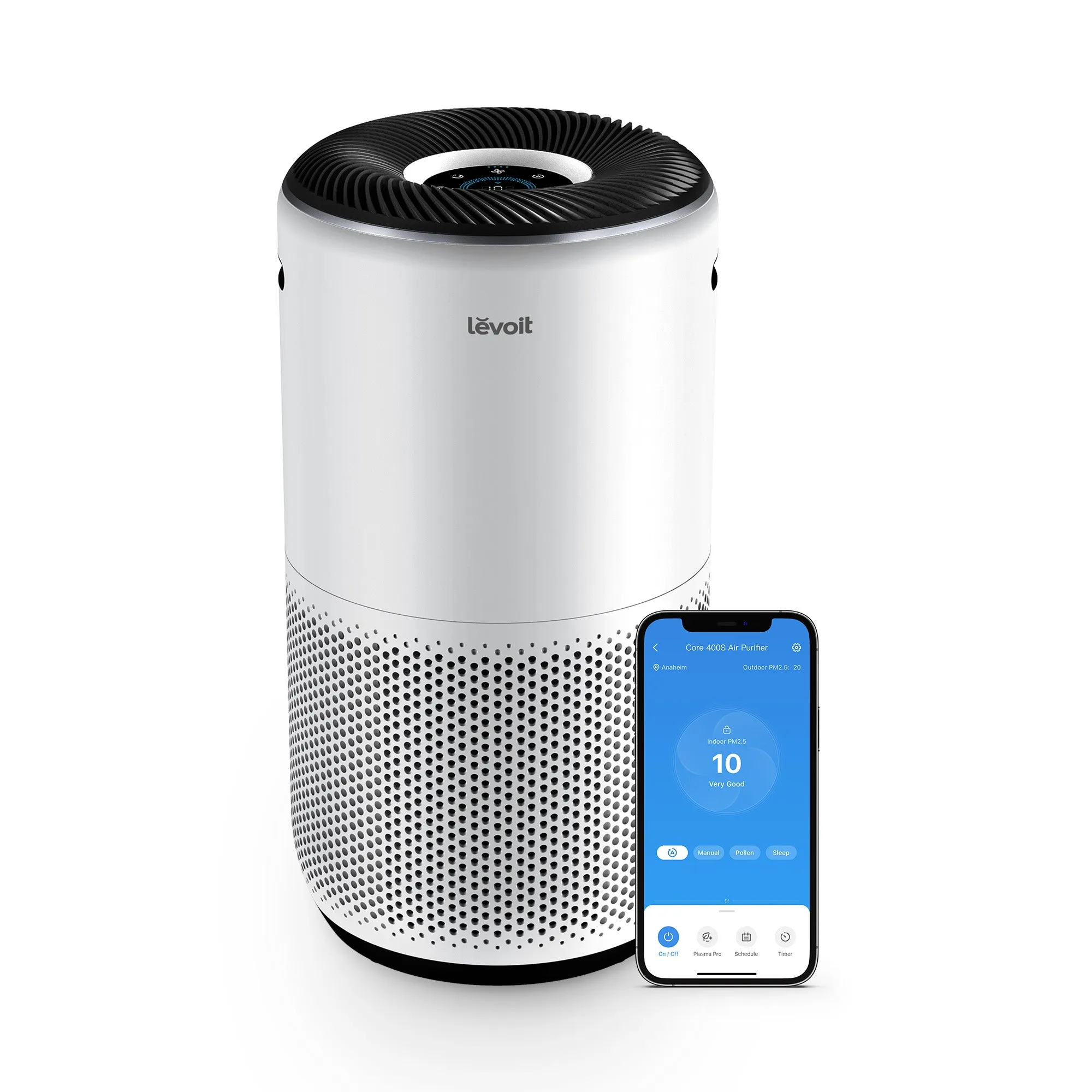
Local availability in the UAE: buy from authorised dealers to simplify support and warranty claims. CleanAir Abu Dhabi offers local support, fast delivery and demo units so you can compare noise and coverage in your home — try units such as the Levoit Core 400S Smart Air Purifier in person. Browse our full catalog for current stock.
Which to Choose: Levoit Core 300S or Blueair 411?
Match the purifier to your room size and daily habits. The Levoit Core 300S earns points for its straightforward H13 HEPA-plus-carbon stack and smart features that make regular use easier, while Blueair models can offer quieter operation at low speeds and a different filter trade-off for very small rooms.
If you want smart controls and the lowest upfront price with a reliable HEPA-plus-carbon stack, the Levoit Core 300S is a practical pick. If ultra-quiet low-speed operation or a different filtration trade-off is your top priority, a Blueair compact model may be better after an in-home demo. Schedule a demo with CleanAir Abu Dhabi to compare units in your space and use code CLEANAIR10 for a welcome discount on your first order.