
Uncategorised
Levoit Core 400S vs Core 300S: Which Should You Buy?
The Levoit Core 400S costs more. The Core 300S feels tempting. And the price gap is large enough to make you stop and think. This is the most common question we field at CleanAir UAE from customers sizing up their living rooms, home offices, and bedrooms across Dubai and Abu Dhabi, and the honest answer isn’t simply “get the bigger one.”
It depends on four things: the CADR your room actually needs, the noise levels you can live with at different speeds, whether the smart features justify the cost, and what you’ll spend on filters over the next two years. This article covers all four, with real test data behind each point.
By the end, you’ll know which model fits your space, your sleep, and your budget.
Levoit Core 400S specs and CADR: what the numbers actually mean for your room
CADR broken down by pollutant type
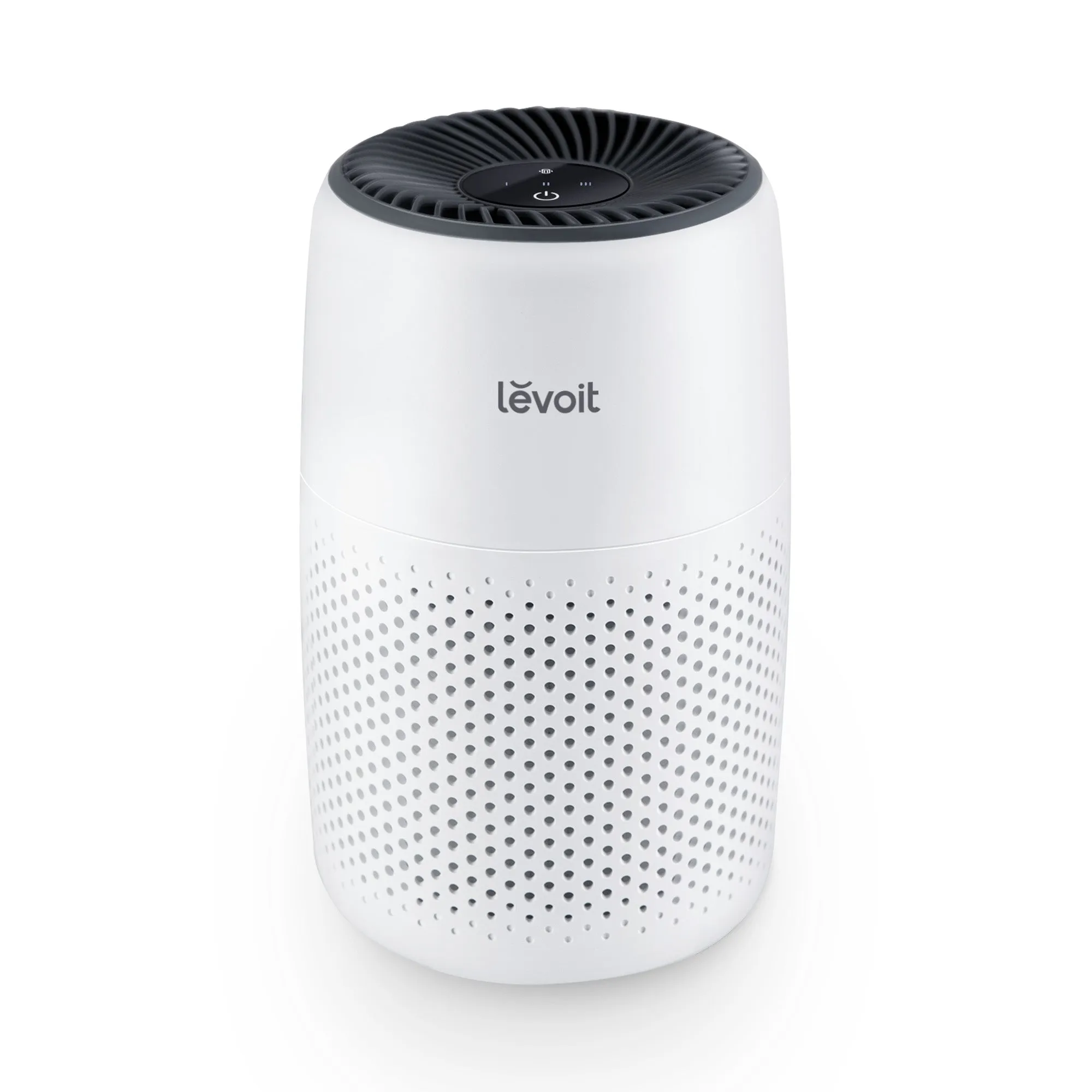
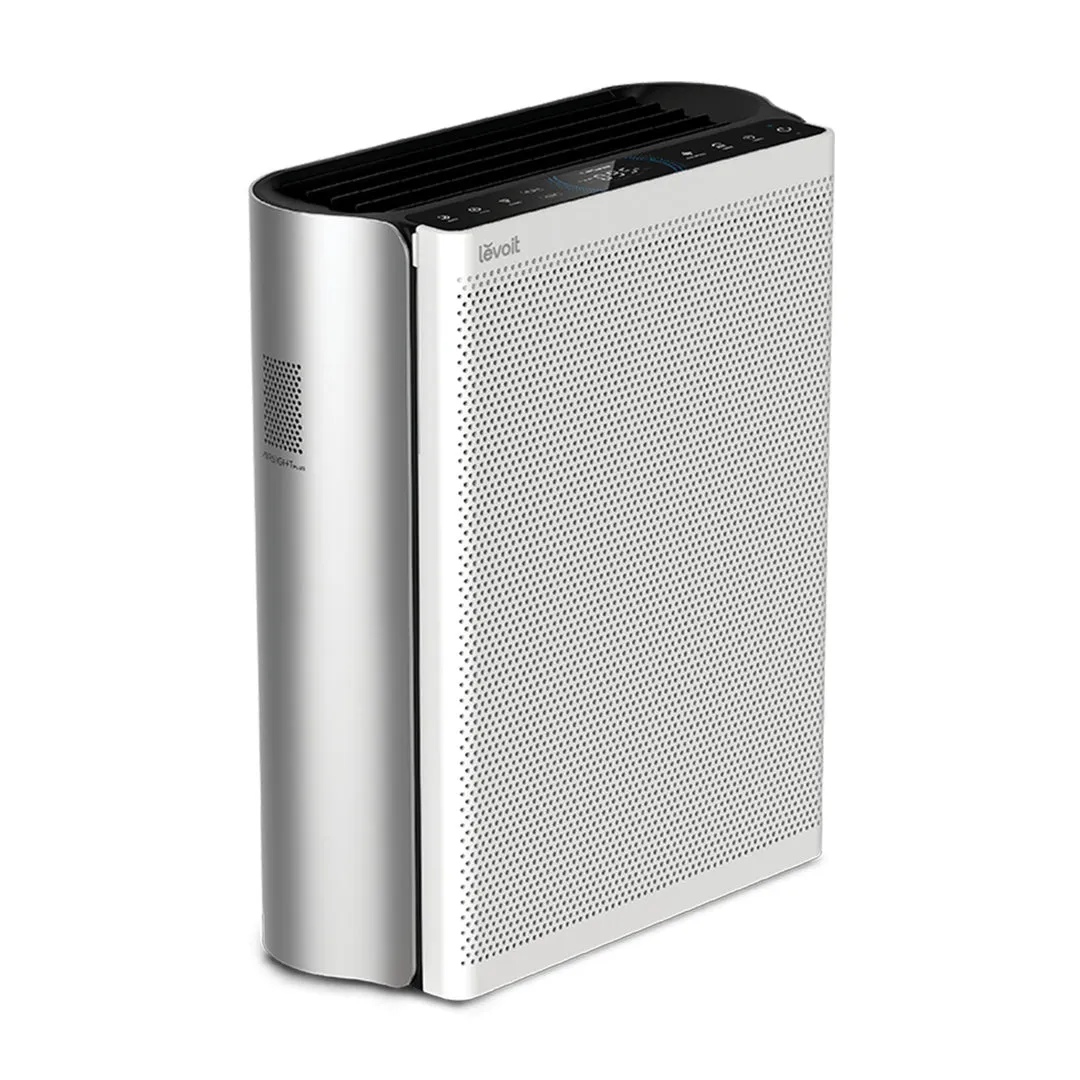
The Levoit Core 400S carries a headline CADR figure of 260 CFM, but that composite number tells only part of the story. The ENERGY STAR-certified breakdown by pollutant is more useful in practice: smoke 231 CFM, dust 240 CFM, pollen 259 CFM, and PM2.5 236 CFM. CADR measures the volume of cleaned air the purifier delivers per minute, so a higher smoke CADR matters most if you’re dealing with cooking fumes or wildfire infiltration, while the pollen figure is the one to focus on during UAE spring dust events.
The variation across pollutant types isn’t a flaw, it reflects how particle physics works. Larger, lighter particles like pollen are easier to capture at speed; smaller, denser particles like smoke require more contact time with the filter media, which is why smoke CADR typically runs lower than pollen CADR across most purifiers. A 231 CFM smoke rating on a mid-range unit is a genuinely strong result. If PM2.5 from sandstorms is your primary concern, the 236 CFM PM2.5 CADR is the figure that applies directly to your situation.
Room coverage at real-world air change rates
The official 403 sq ft rating is calculated at 4.8 air changes per hour (ACH), the industry-standard benchmark for meaningful air quality improvement. At 4.8 ACH, the Levoit Core 400S cycles every cubic foot of air in that room nearly five times every hour, which is aggressive enough to keep PM2.5 in the “Good” range even during moderate dust events.
At 2 ACH, the unit can handle larger spaces, but cleaning happens more slowly. For UAE conditions, 4.8 ACH is the number to plan around. A typical Dubai one-bedroom living room runs between 300 and 450 sq ft, which places the Core 400S squarely in the right performance range for that layout without needing to run at maximum speed constantly.
Real-world cleaning speed: how fast does the Levoit Core 400S scrub a room?
PM2.5 reduction tests in medium and large rooms
In independent testing, the Levoit Core 400S reduced PM2.5 from 101.7 µg/m³ down to 4.5 µg/m³ in a 320 sq ft room at maximum speed within 60 minutes, a 96% reduction that comes from measured results, not a spec sheet. In a 560 sq ft room, the same test delivered roughly a 91% improvement in the same time window, even though that exceeds the rated coverage area.
The most telling data point for allergy and asthma sufferers: in a 400 sq ft room, the Core 400S moved air quality from “Unhealthy” to “Good” in approximately 12 minutes on max speed. If allergy relief is your primary reason for buying, that figure is worth taking seriously.
What this performance means during a UAE sandstorm
During sandstorm conditions, outdoor PM2.5 spikes sharply and infiltrates apartments through door gaps, window seals, and HVAC intake points. Older buildings and ground-floor units take the worst of it. The Core 400S’s 260 CFM CADR means it can cycle the air in a 400 sq ft room roughly five times per hour, the rate you need to recover indoor air quality within one hour of peak dust infiltration.
This is where the Levoit Core 400S separates itself from the 300S in UAE conditions specifically. The 300S will handle dust, but it will take noticeably longer to bring PM2.5 back into a safe range after a sandstorm event. For residents in older buildings or apartments near construction zones, the faster recovery time is a practical advantage, not just a spec upgrade.
Noise at every fan speed: the honest numbers
Sleep mode to turbo: what independent tests measured
Manufacturer noise specs and independent test results often diverge because testing environments differ, background noise floors, microphone placement, and A-weighting all affect the final reading. The most detailed per-speed measurements come from Modern Castle, recorded at 3 feet: sleep mode at 16.7 dB, low at 21.8 dB, normal at 25.4 dB, high at 31.8 dB, and max at 45.3 dB.
HouseFresh, testing against a background floor of approximately 35 dBA, recorded higher figures for the same speeds: sleep 35.5 dBA, Speed 1 at 38.3 dBA, Speed 2 at 43.2 dBA, Speed 3 at 51.2 dBA, and Speed 4 at 60.3 dBA. The real-world noise in your room will land somewhere between these ranges depending on how much ambient sound your space already carries. A quiet bedroom will surface the motor sound more than a busy open-plan living area.
Which speeds are practical for night versus day use
Sleep mode and Speed 1 are genuinely quiet enough for bedroom use. They sit below or just at the threshold of audible awareness in a quiet room, which makes the Levoit Core 400S a realistic option for a bedroom purifier despite its larger motor. Speed 2 delivers meaningful cleaning without becoming a distraction during video calls or focused work, a sensible default for a UAE home office setup.
Speeds 3 and 4 are best treated as burst modes. Run them when you leave a room or return after a sandstorm, then drop back to Speed 1 or 2 once PM2.5 recovers. Running the unit at max speed continuously isn’t necessary for most UAE apartments and can accelerate pre-filter loading, which shortens the interval before your next filter replacement.
Smart features worth paying for
VeSync app, auto mode, and the air quality sensor
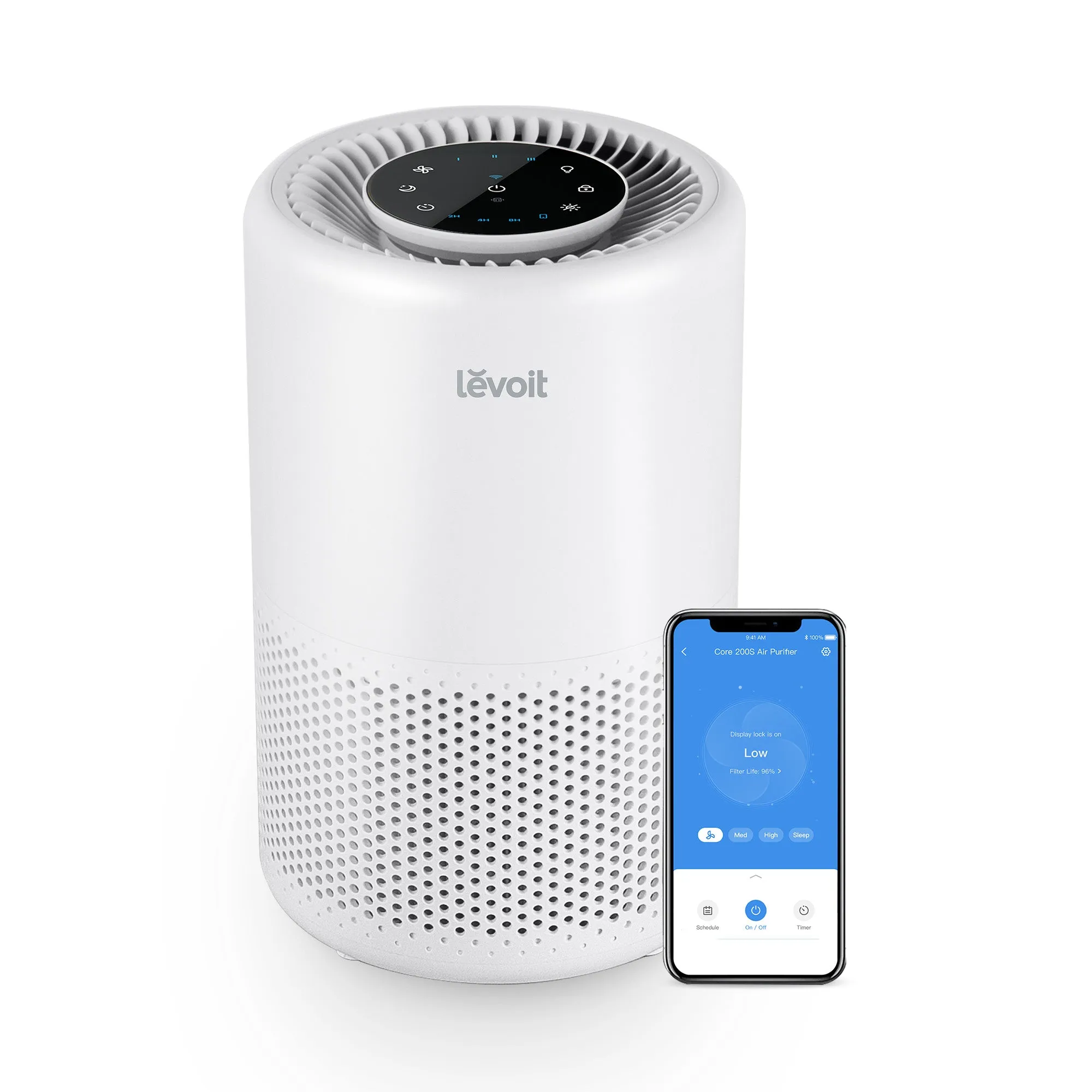
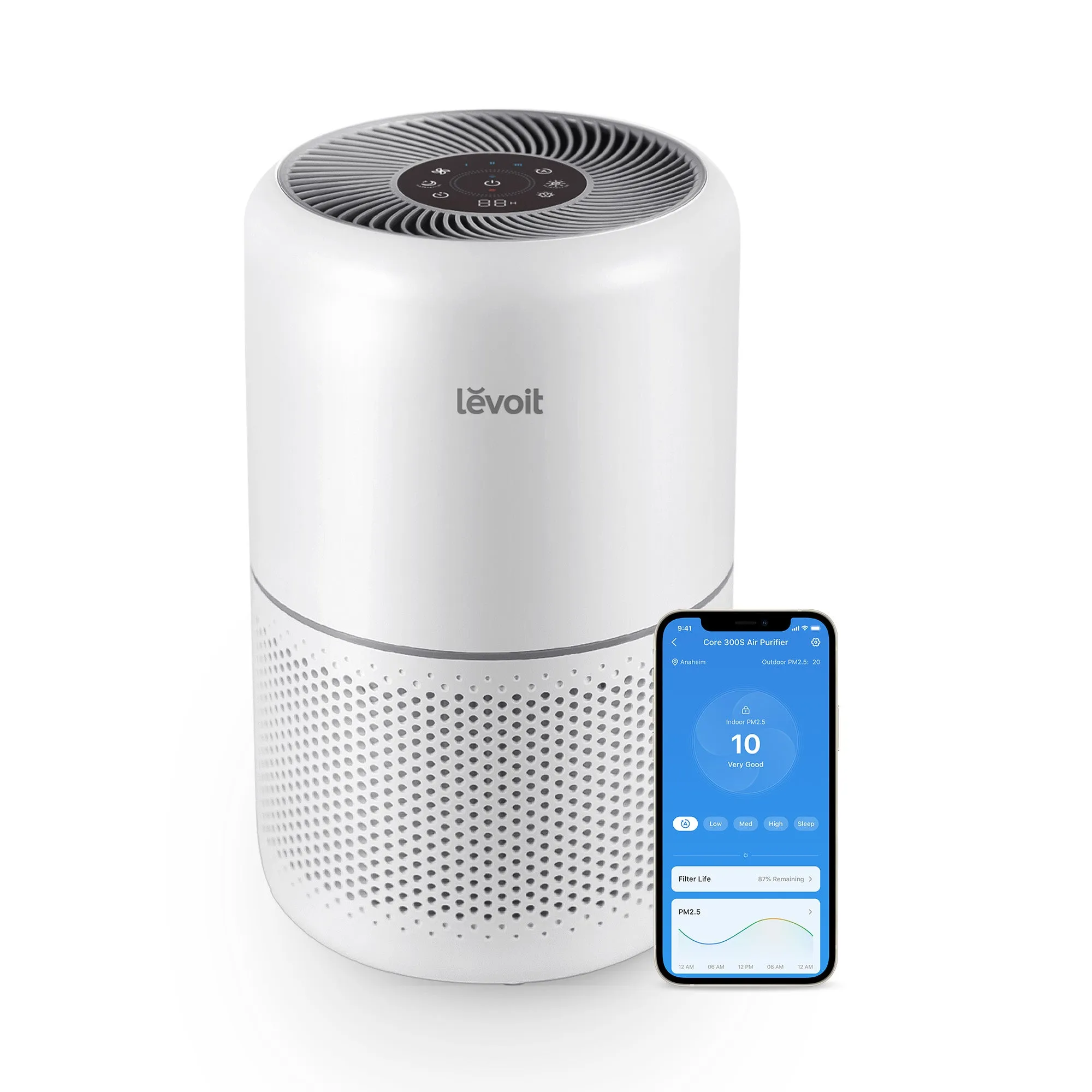
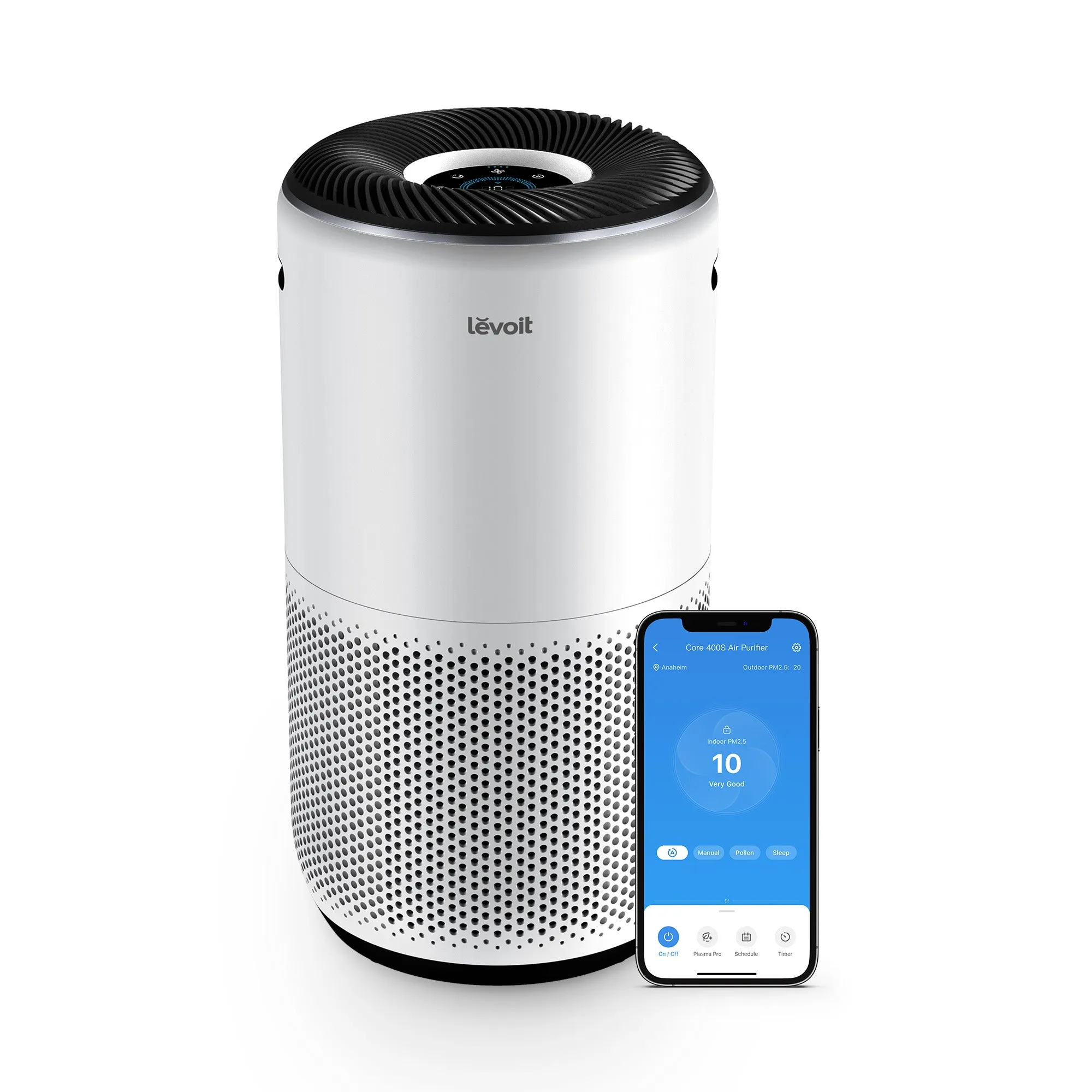
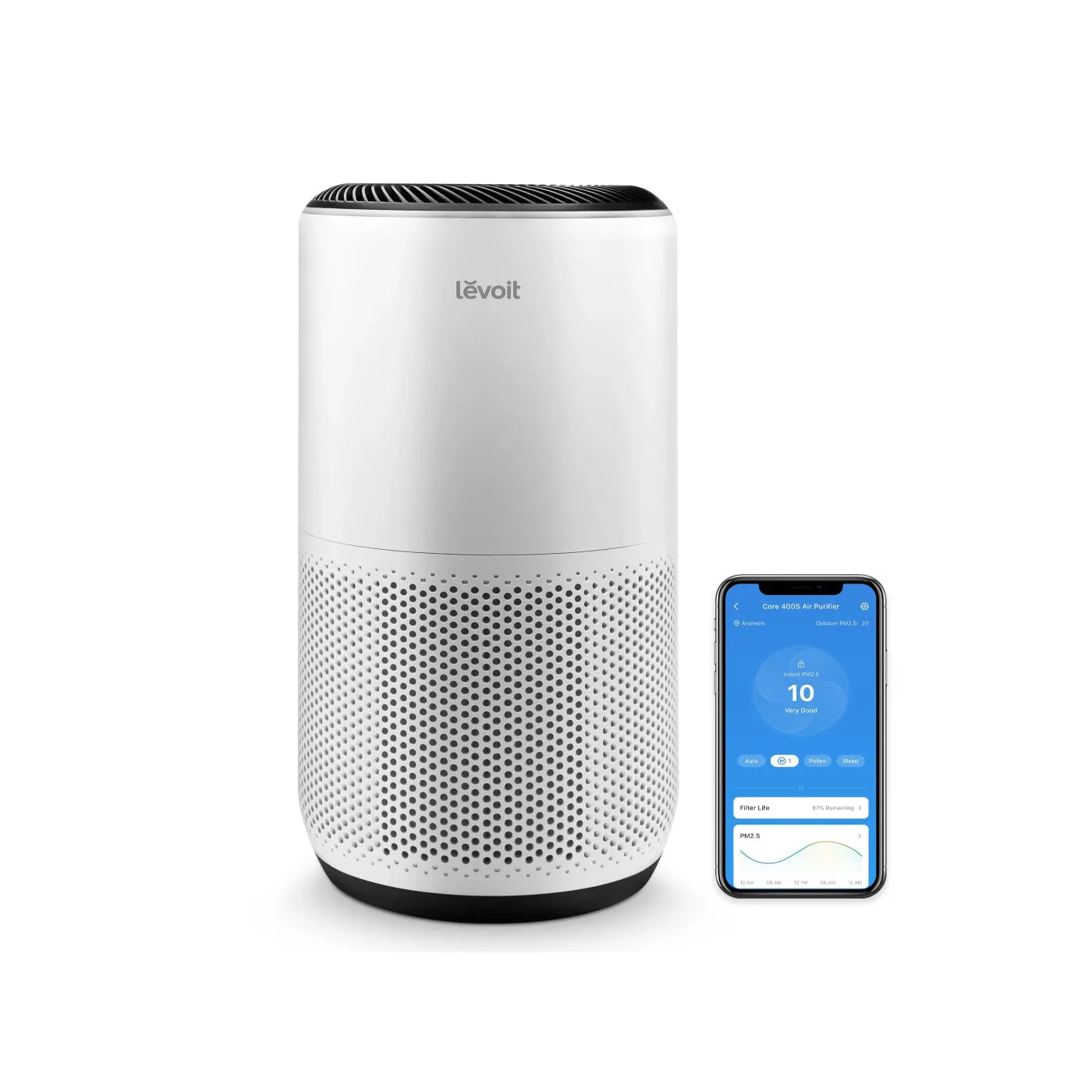
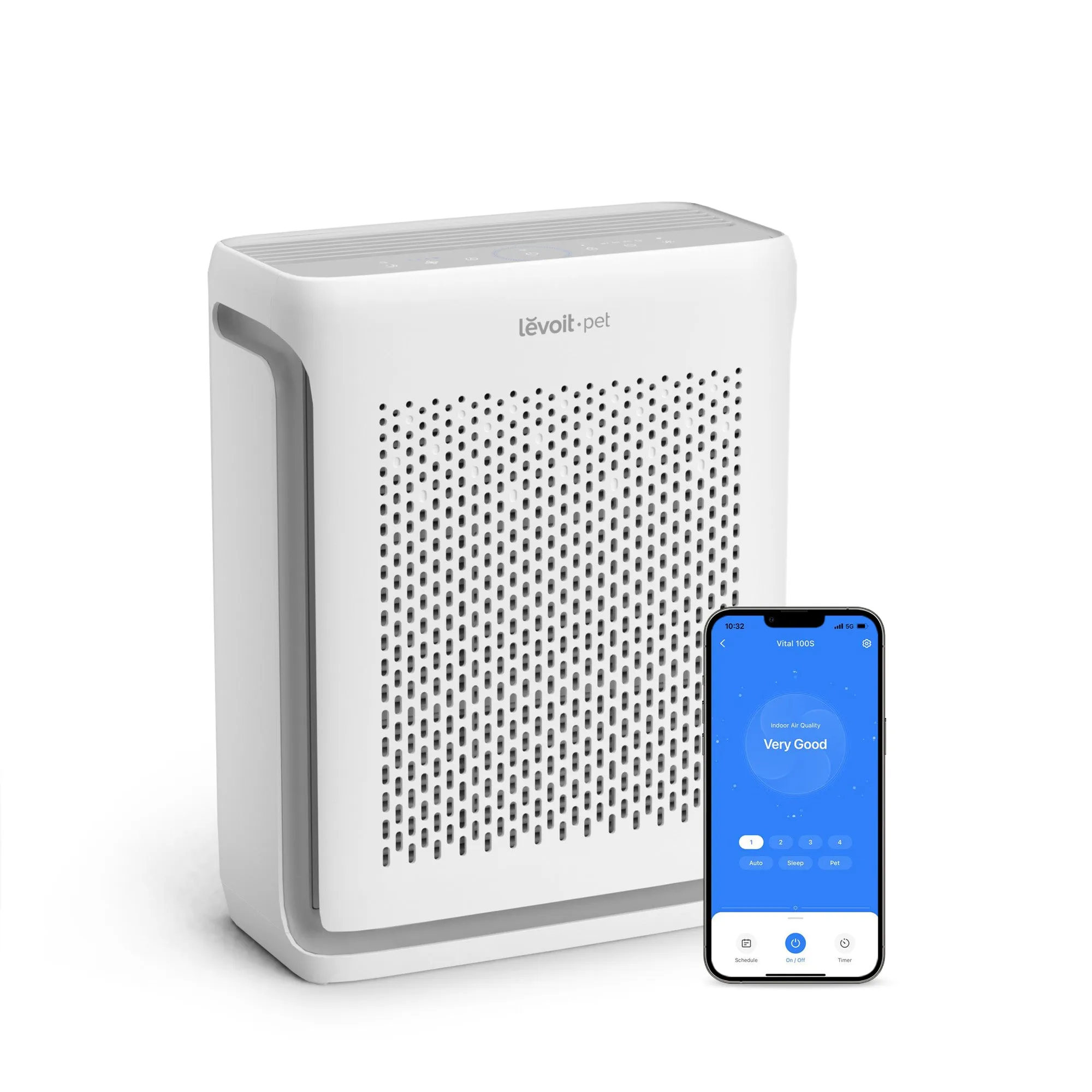
The built-in PM2.5 sensor feeds real-time data to the VeSync app, and auto mode uses that reading to ramp the fan speed up or down without any input from you. In UAE conditions, this matters more than it does in stable climates. Sandstorm events arrive quickly and unpredictably, a purifier that self-adjusts before you’ve noticed the air quality drop is more useful than one you have to manually switch to high speed while dust is already settling on your furniture.
Scheduling through the app adds another useful layer of control. Set the unit to run on high while you’re out, then drop to sleep mode 30 minutes before you return. This approach keeps electricity costs down and means you walk into clean air without doing anything manually. For UAE residents who travel frequently or keep irregular hours, running the unit on a schedule rather than continuously is a practical way to reduce unnecessary filter loading.
App and voice control integration in a UAE smart home
The Core 400S supports smart controls via the VeSync app and is compatible with voice assistant platforms, check the official Levoit product page to confirm current Alexa and Google Home support, as compatibility can vary by region and firmware version. Voice control is most practical for quick speed changes without pulling out your phone, especially in the kitchen when you notice the air quality indicator shift mid-cook.
One practical note for UAE users: Levoit recommends a 2.4GHz Wi-Fi network for the Core 400S’s smart connectivity. Some newer UAE routers and mesh systems default to 5GHz-only bands or band steering. If your unit won’t connect during setup, check your router settings and enable 2.4GHz as a separate visible network before troubleshooting anything else.
Levoit Core 400S vs Core 300S: when the step-up is worth it
Motor power and coverage: the actual difference
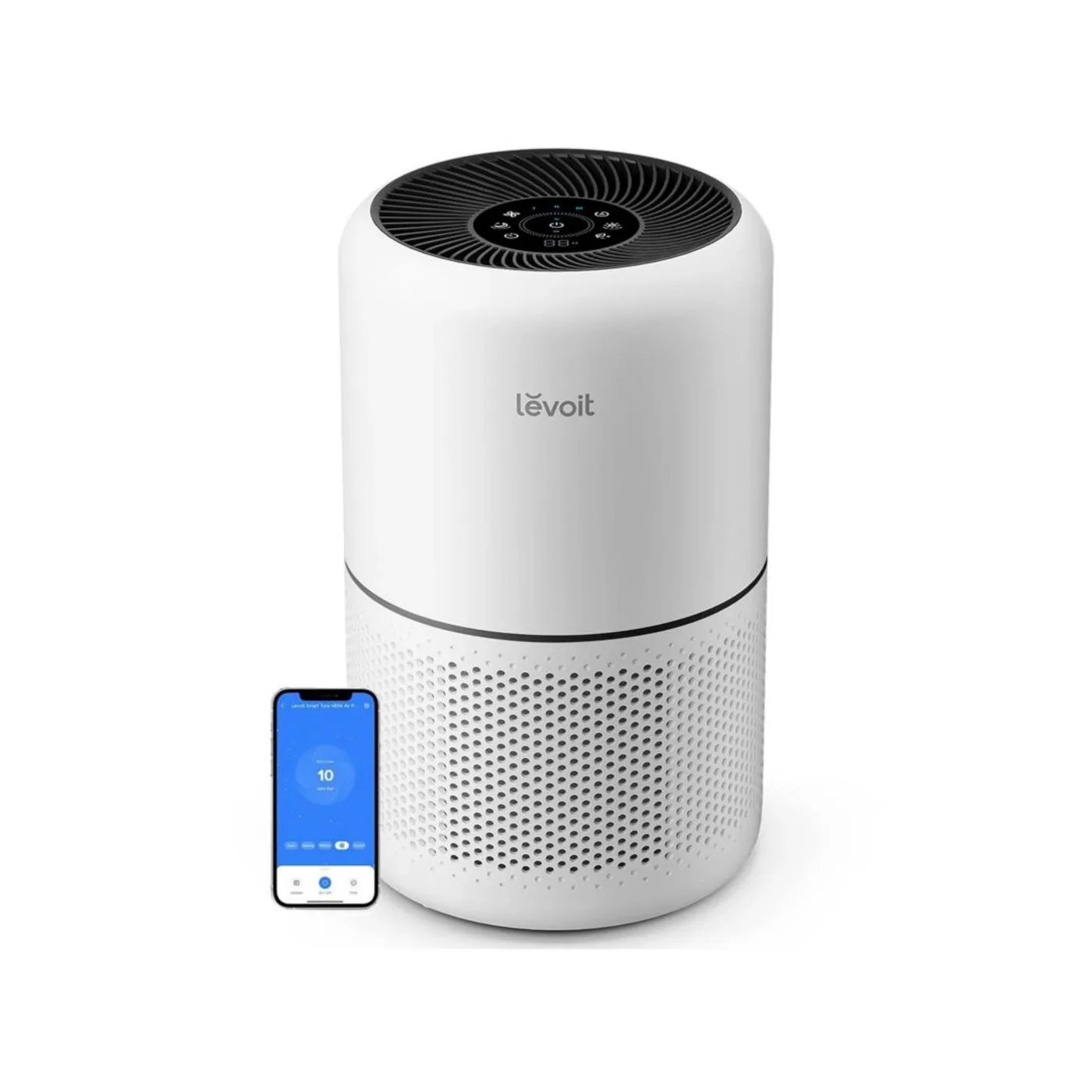
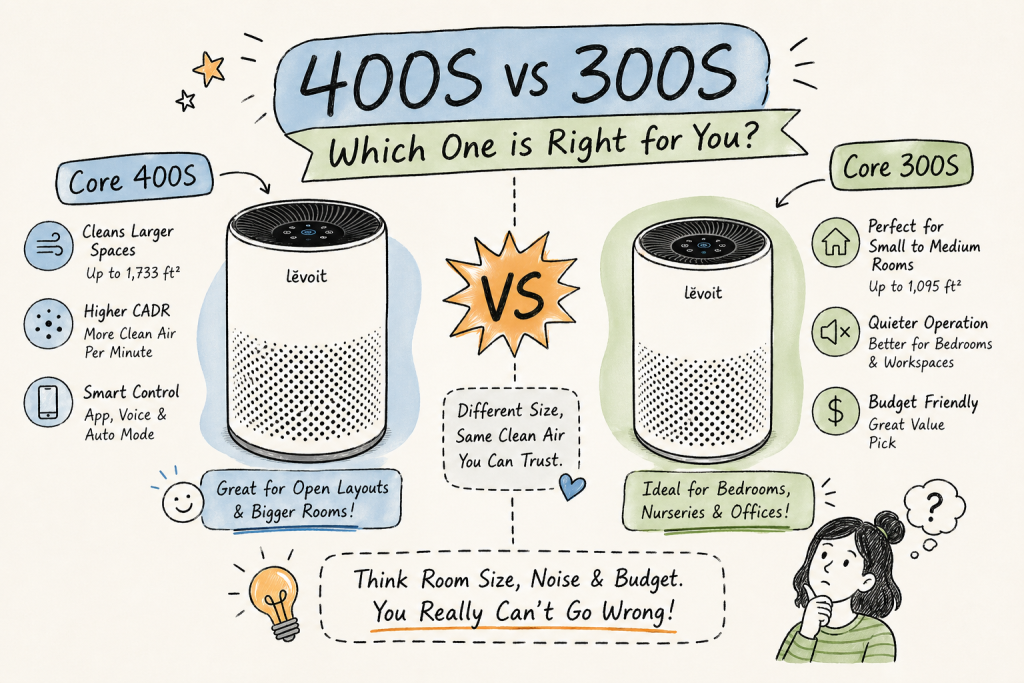
The Levoit Core 400S runs a 38W motor. The Core 300S runs a 26W motor. That 46% increase in power translates directly into CADR and coverage area. The 300S covers approximately 219 sq ft at 4.8 ACH; the 400S covers 403 sq ft at the same standard, nearly double the effective cleaning area from one model to the next.
Energy use scales with that power difference. The 400S uses roughly 234 kWh per year under typical operation, compared to approximately 139 kWh per year for the 300S. At UAE electricity rates, that difference adds a modest sum to annual running costs, but it’s worth factoring into total cost of ownership alongside filter expenses.
Who should stay on the 300S and who needs the 400S
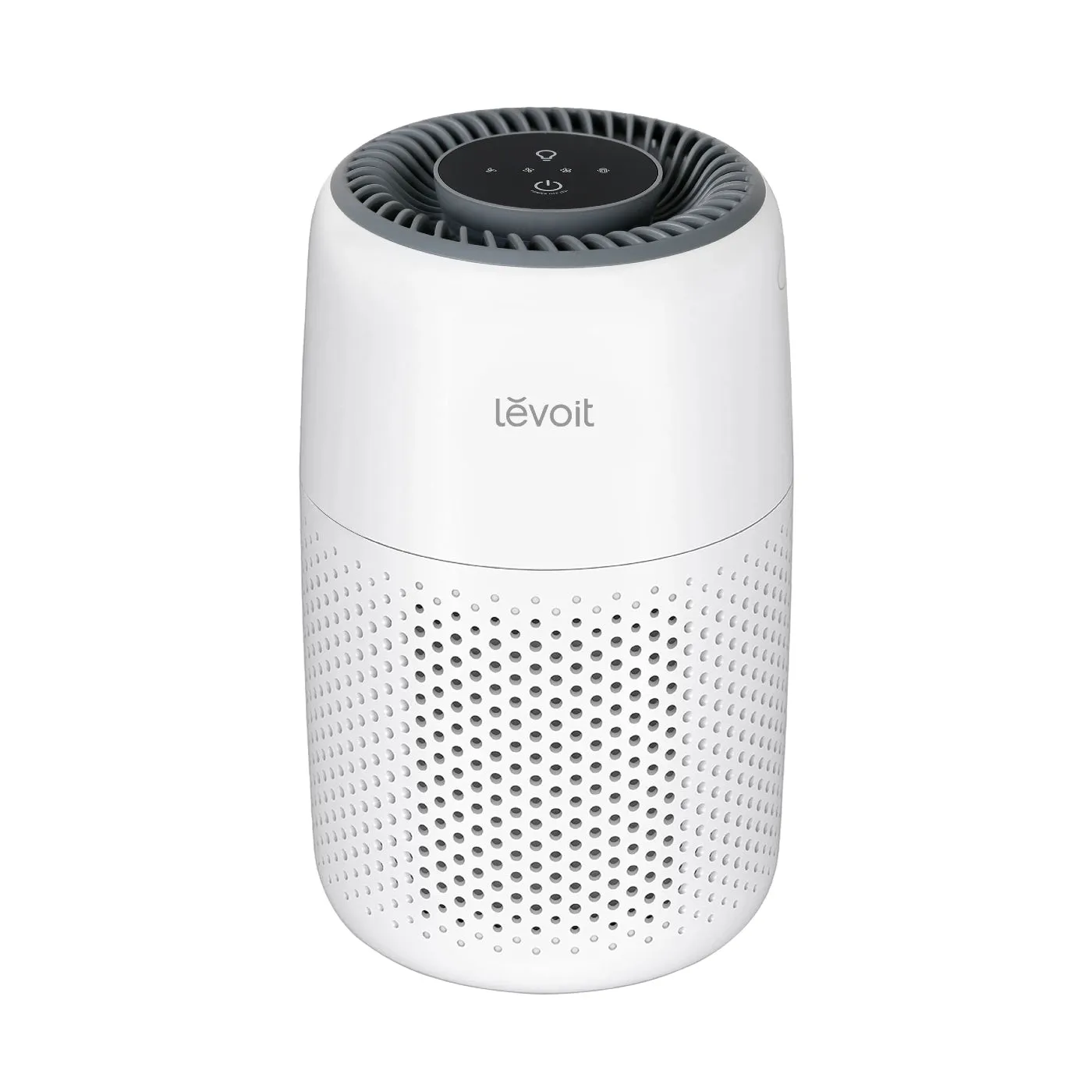
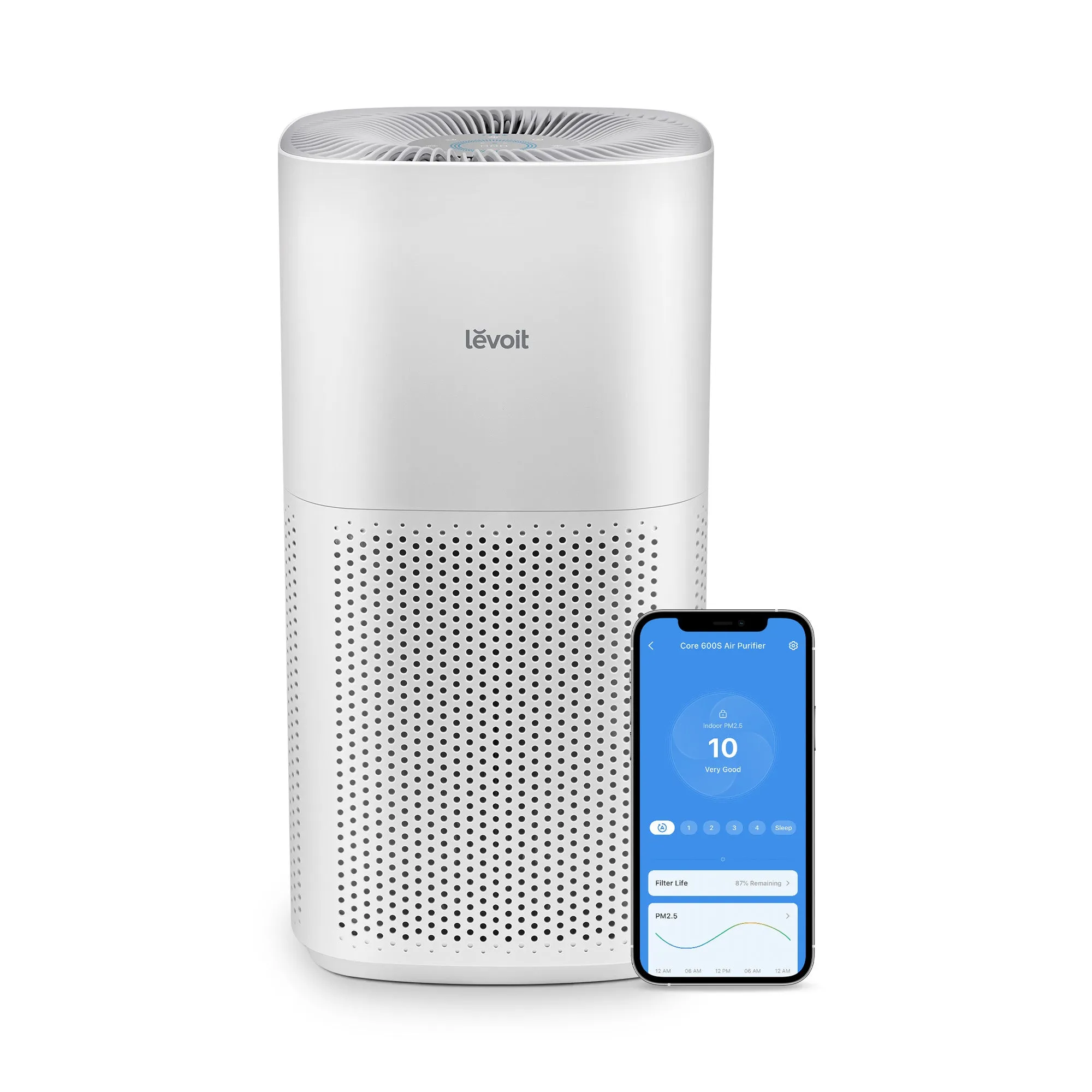
The Core 300S earns its place in bedrooms under 200 sq ft. It runs quieter at comparable cleaning rates for smaller spaces, filter costs are lower, and it draws less power. For a single-occupant studio bedroom or a small child’s room, the 300S does the job without spending on motor capacity you won’t use.
The Levoit Core 400S earns its price in living rooms, home offices, and any open-plan space above 250 sq ft. It handles faster air changes, the PM2.5 sensor-driven auto mode responds to sandstorm events without manual intervention, and the coverage headroom gives you real flexibility if you want the unit to handle more than one connected space. If sandstorm recovery speed in a medium-to-large room is your primary concern, the Core 400S is the clear choice.
Filter costs, lifespan, and sourcing genuine replacements in the UAE
400S-RF: pricing, lifespan, and what you’re actually replacing
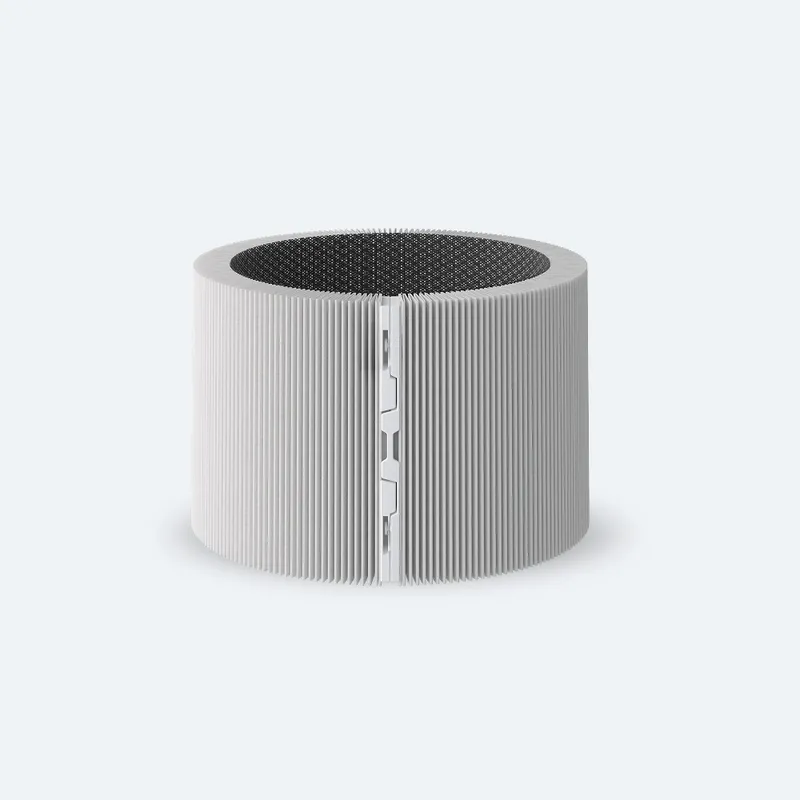
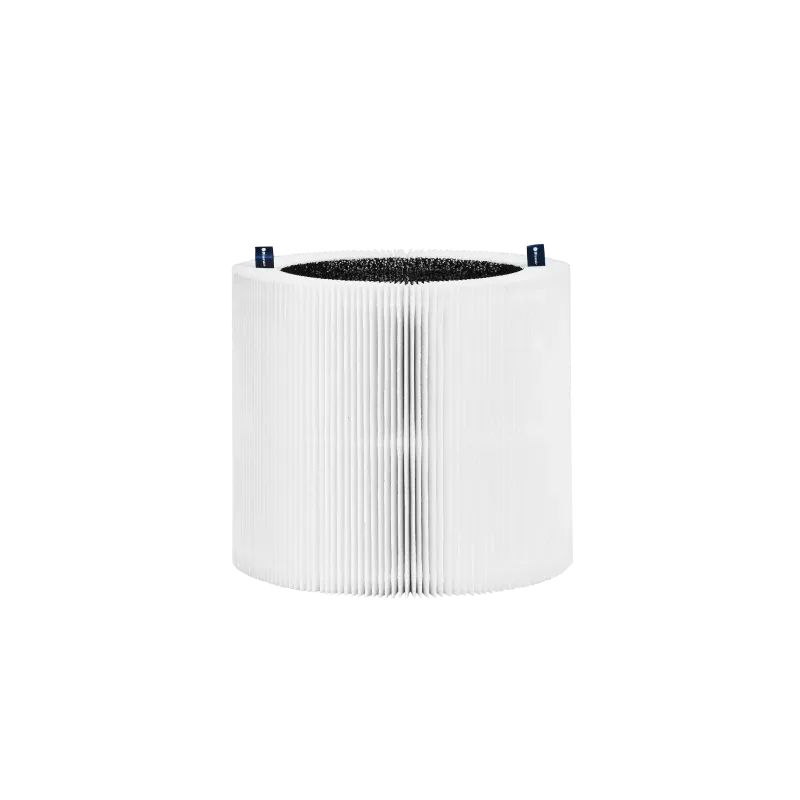
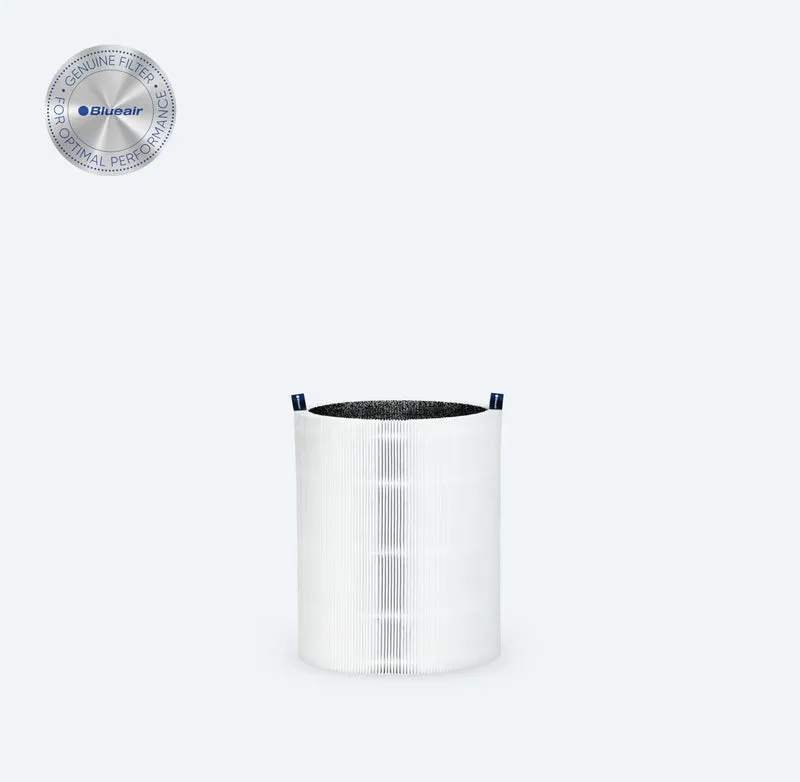
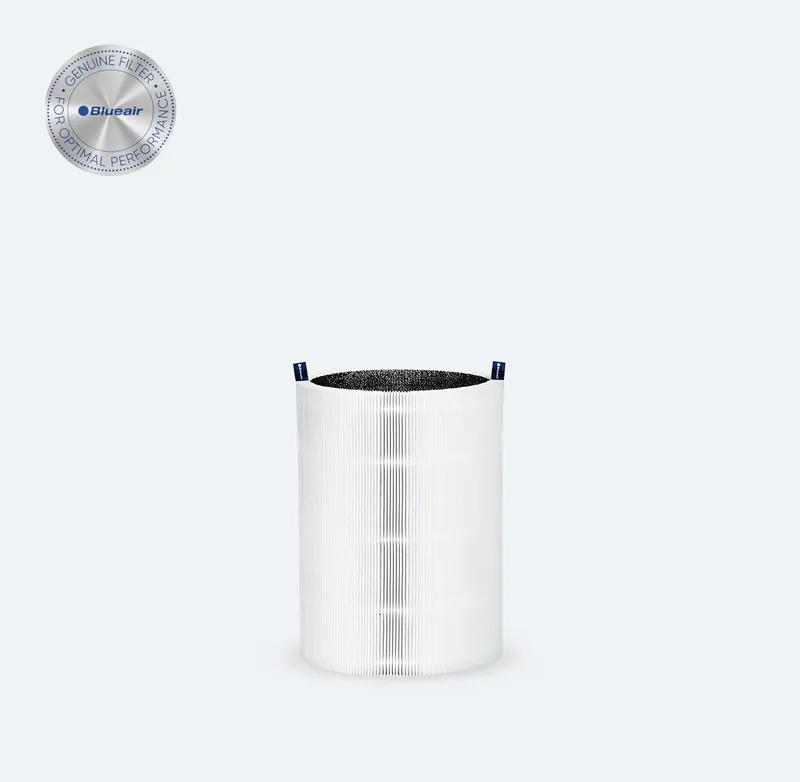
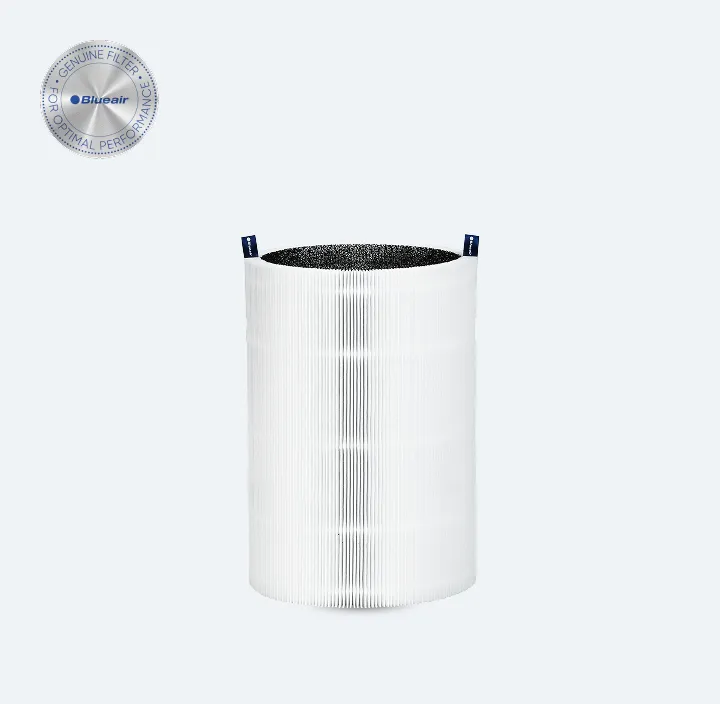
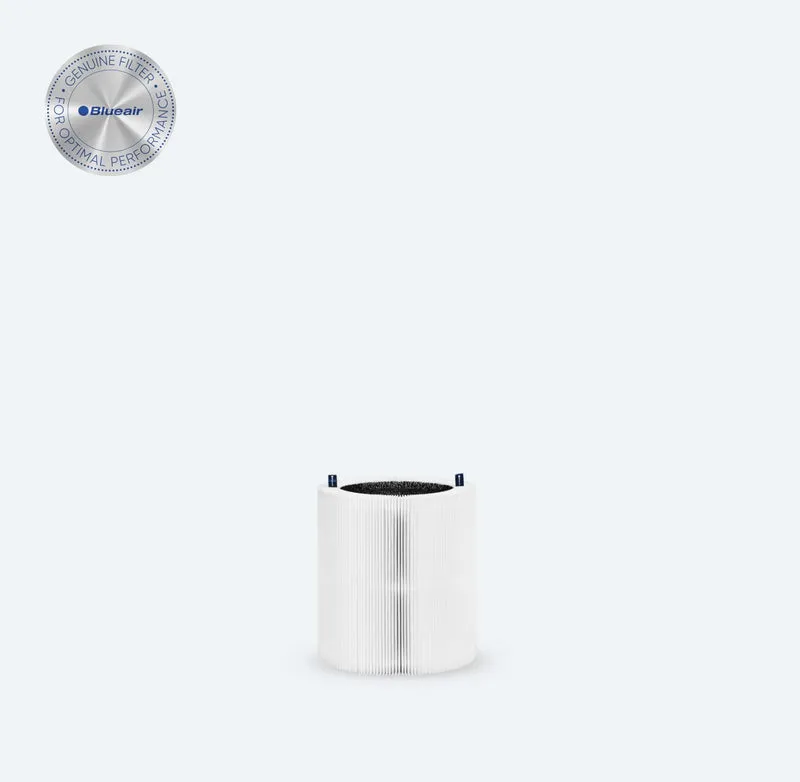
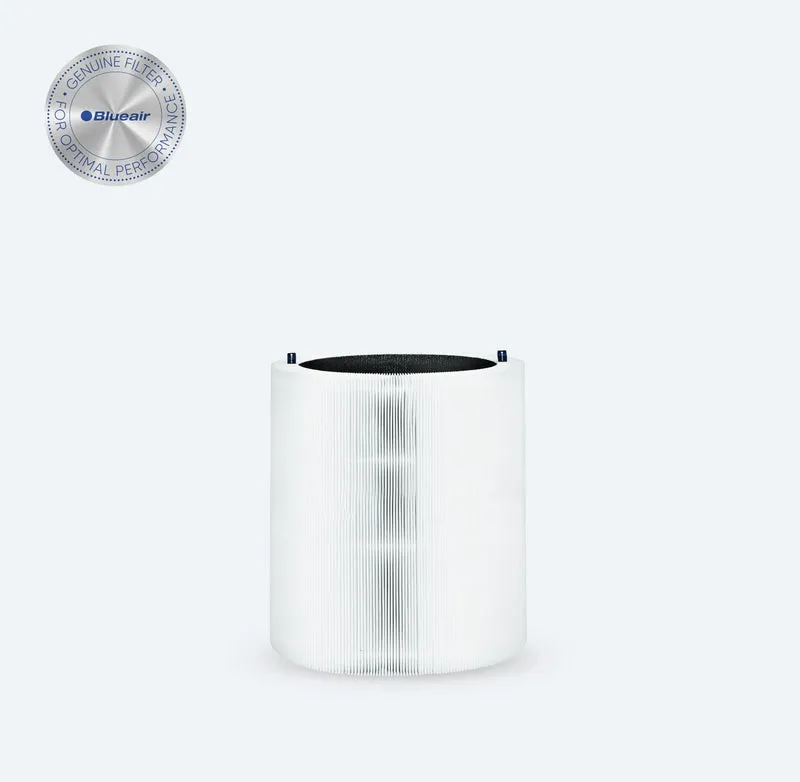
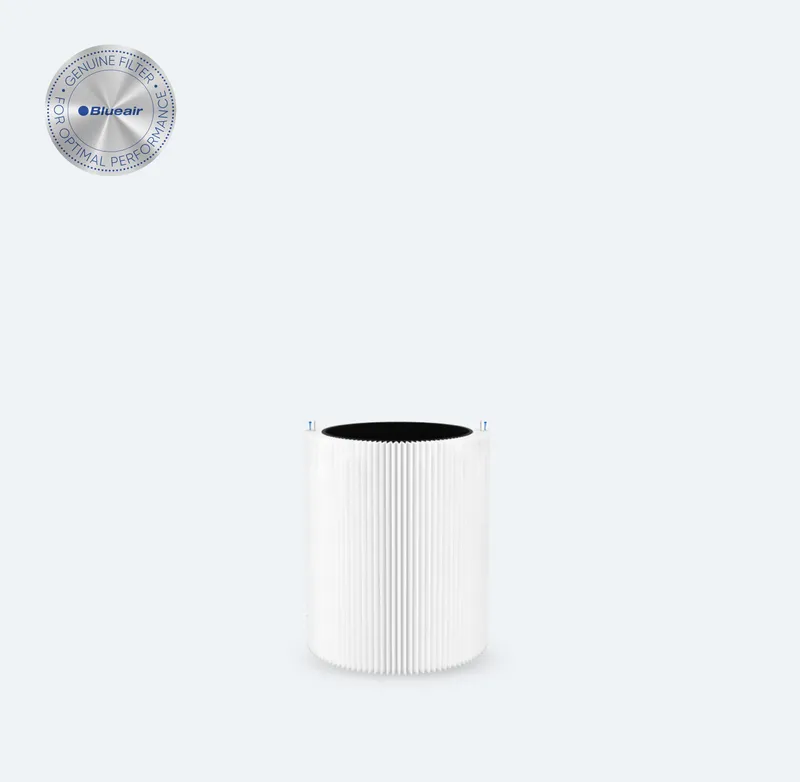
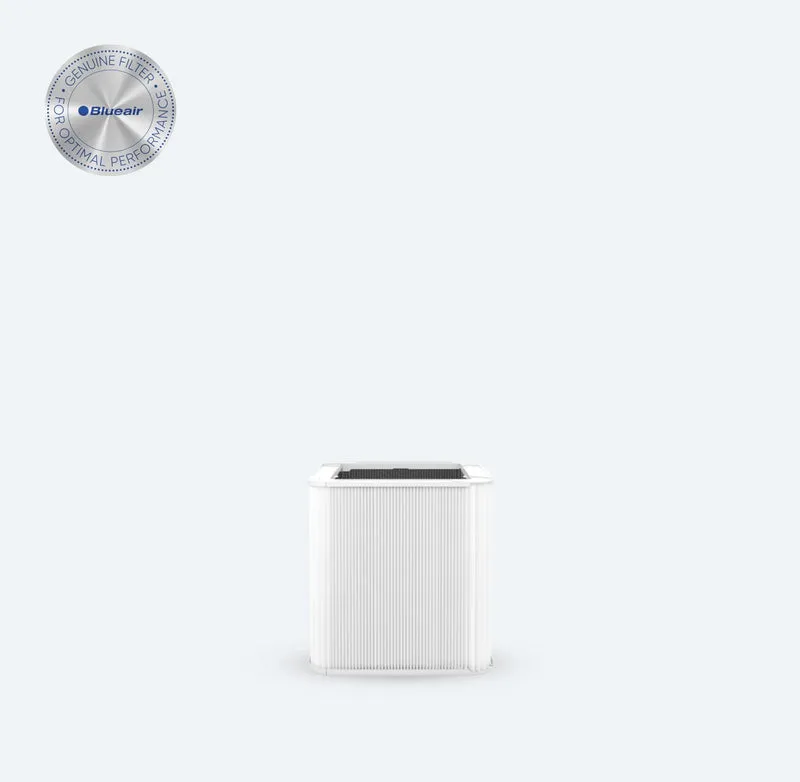
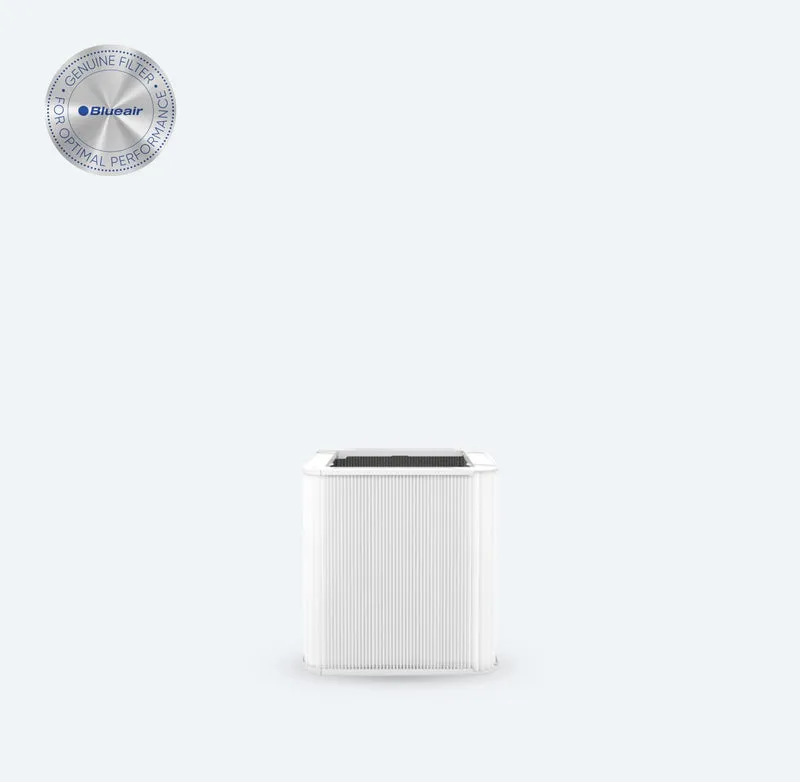
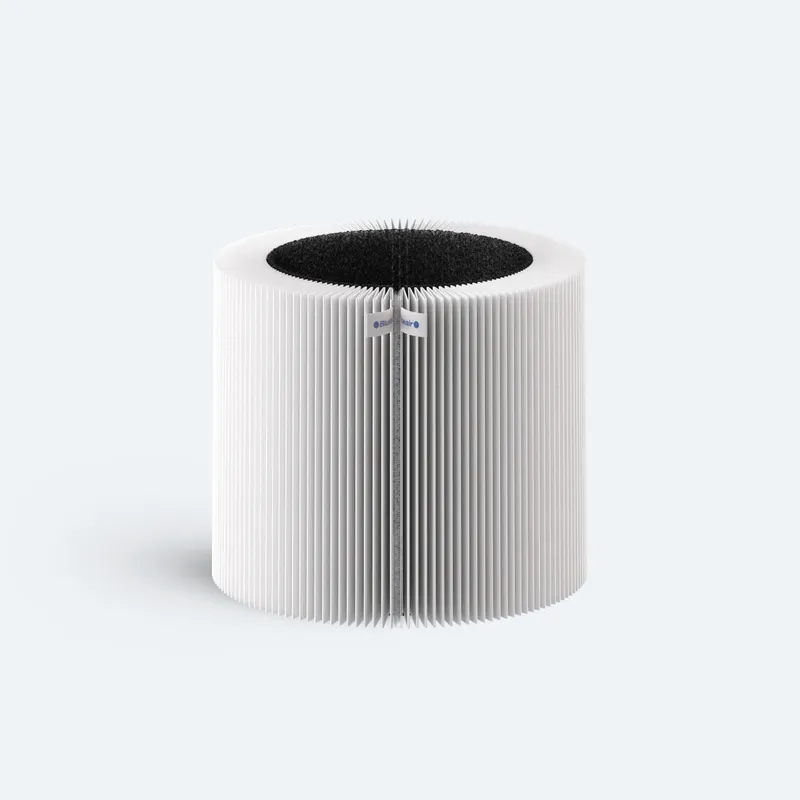
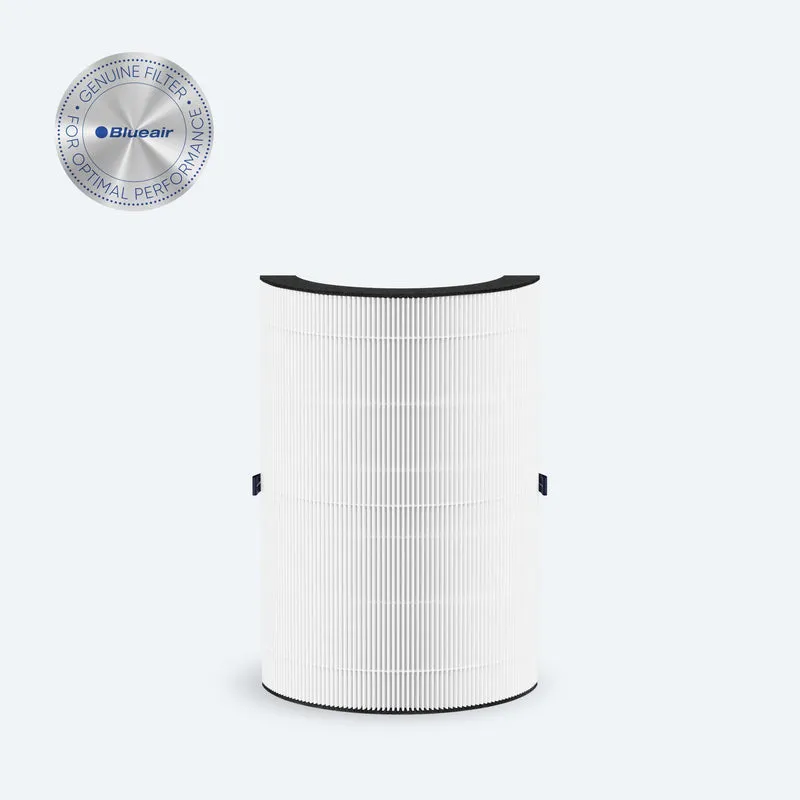
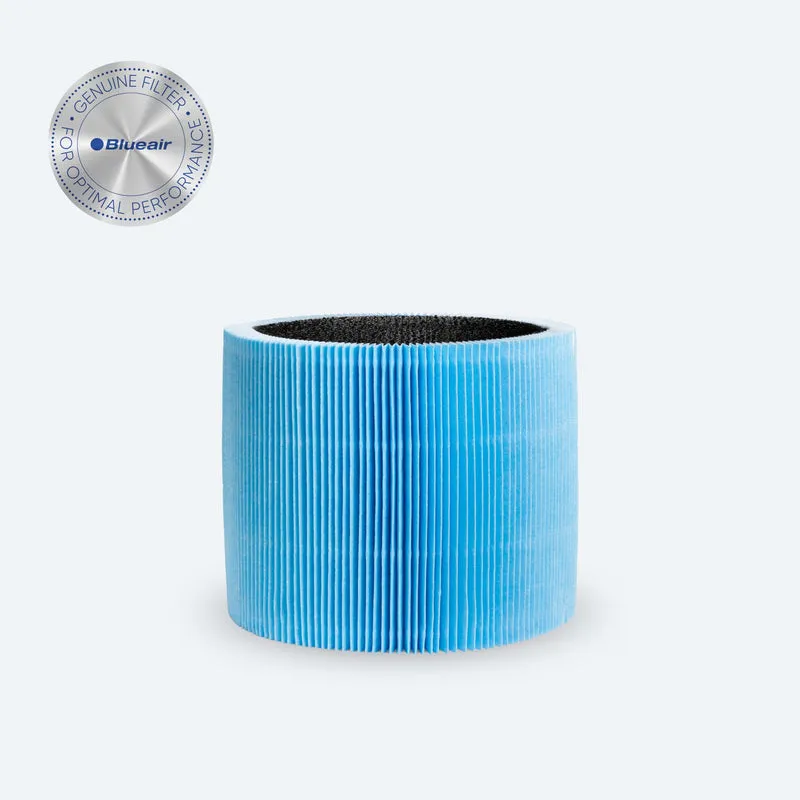
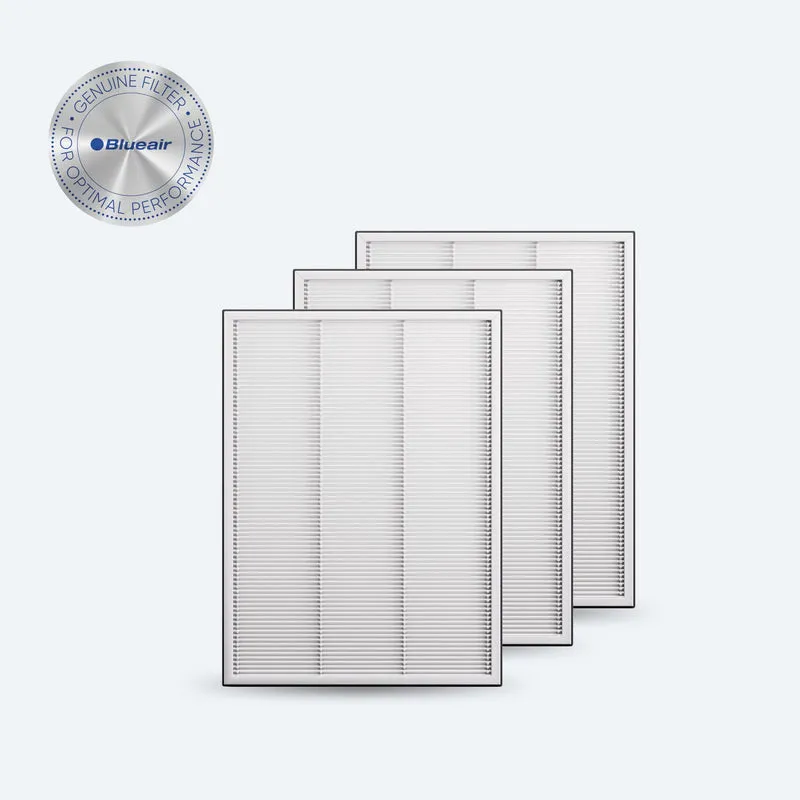
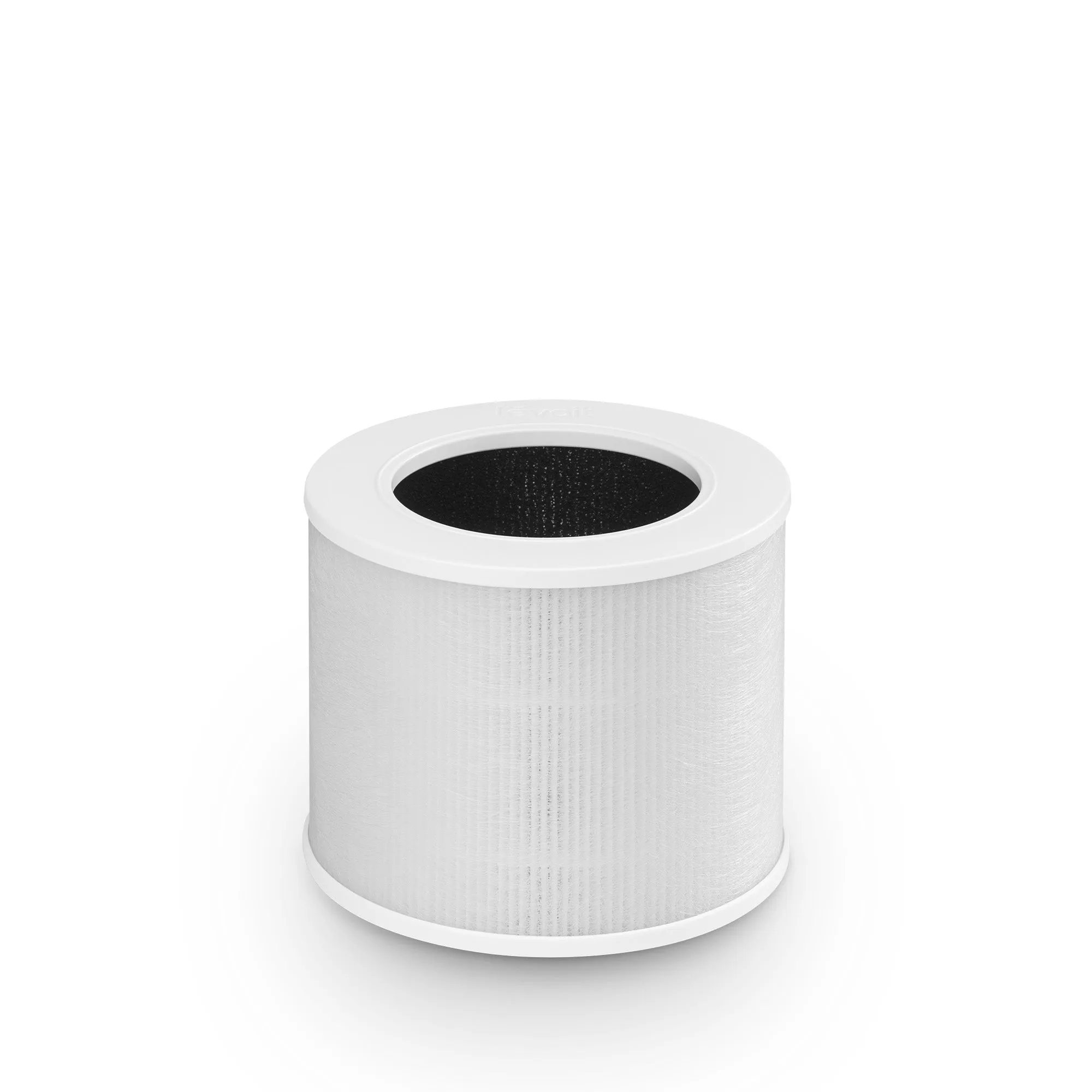
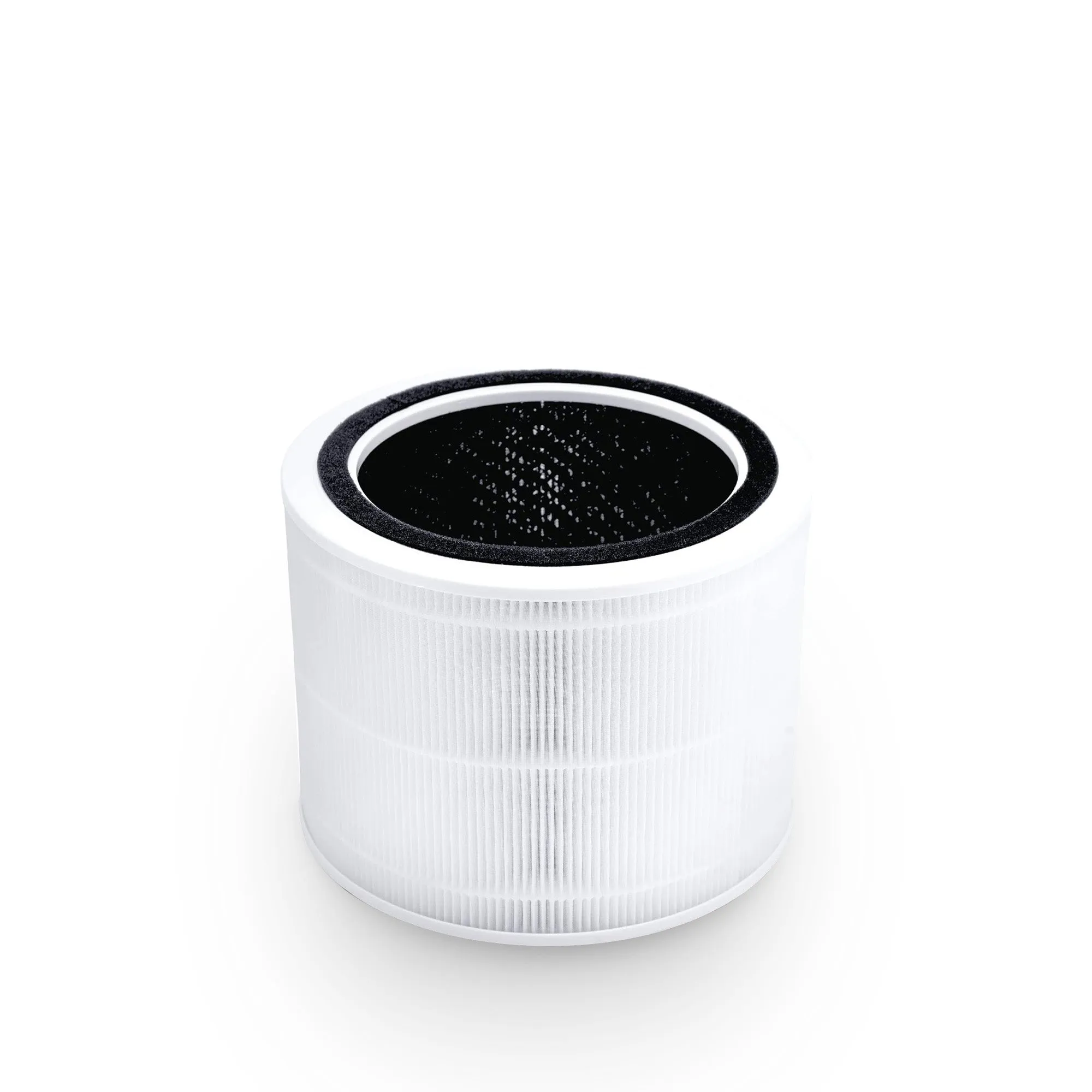
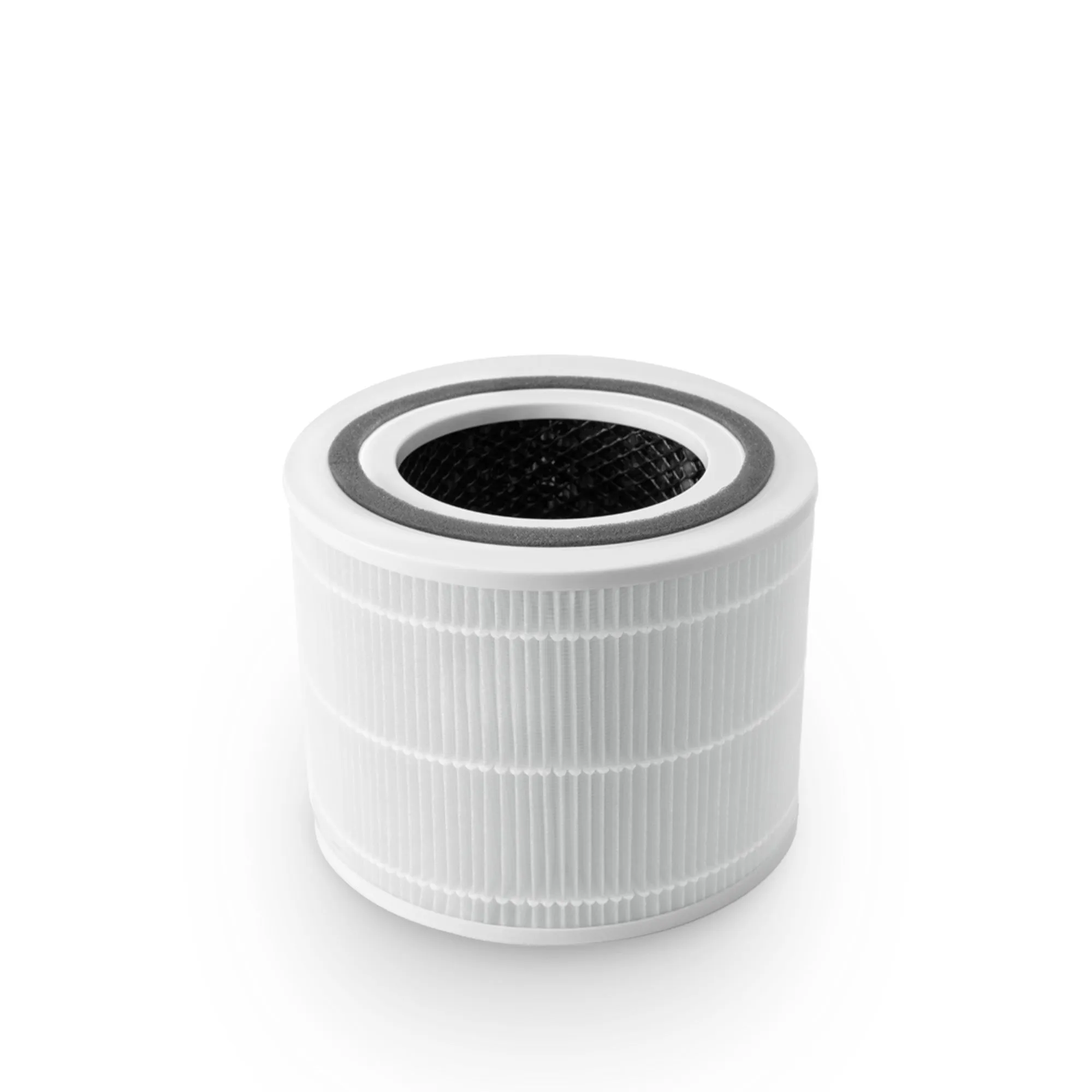
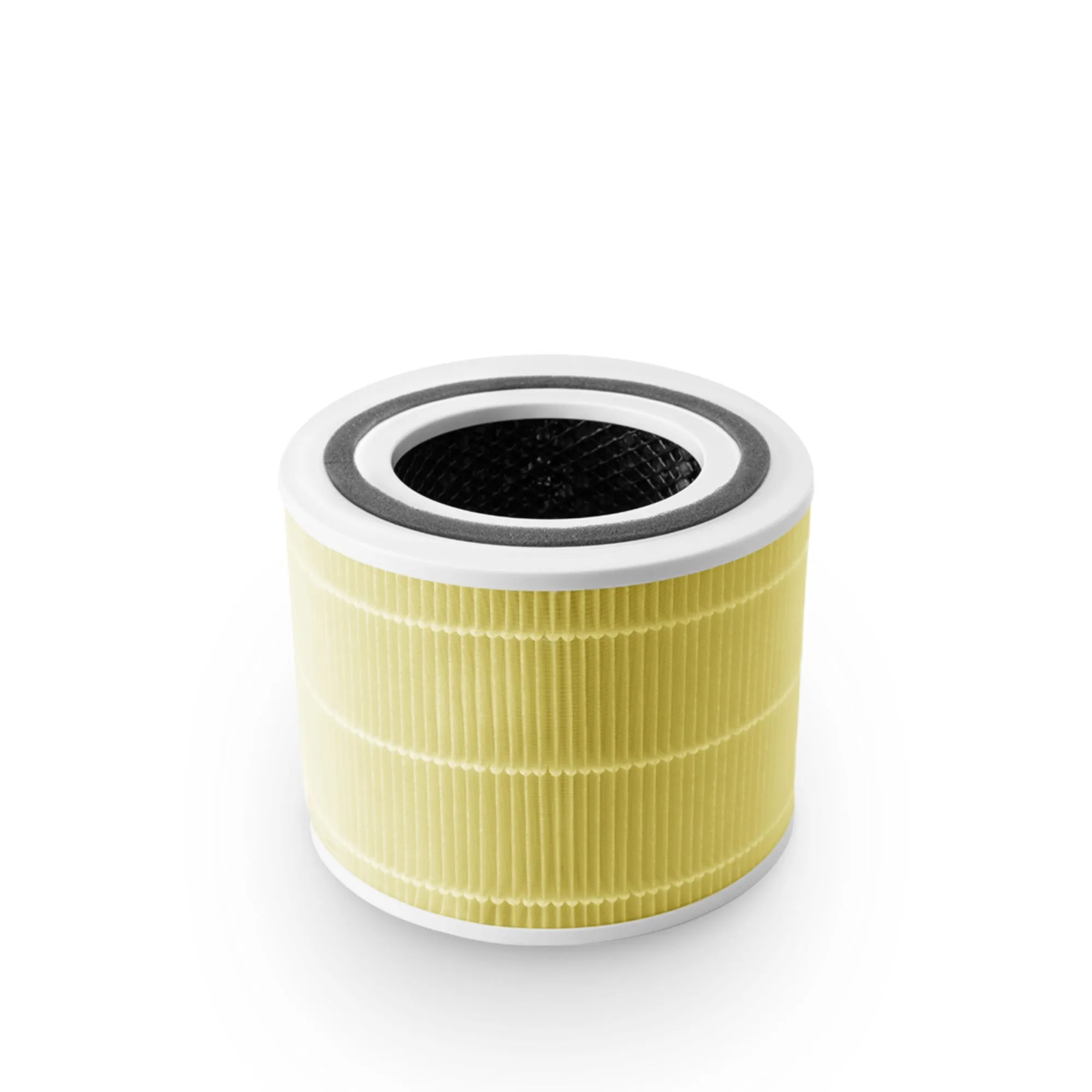
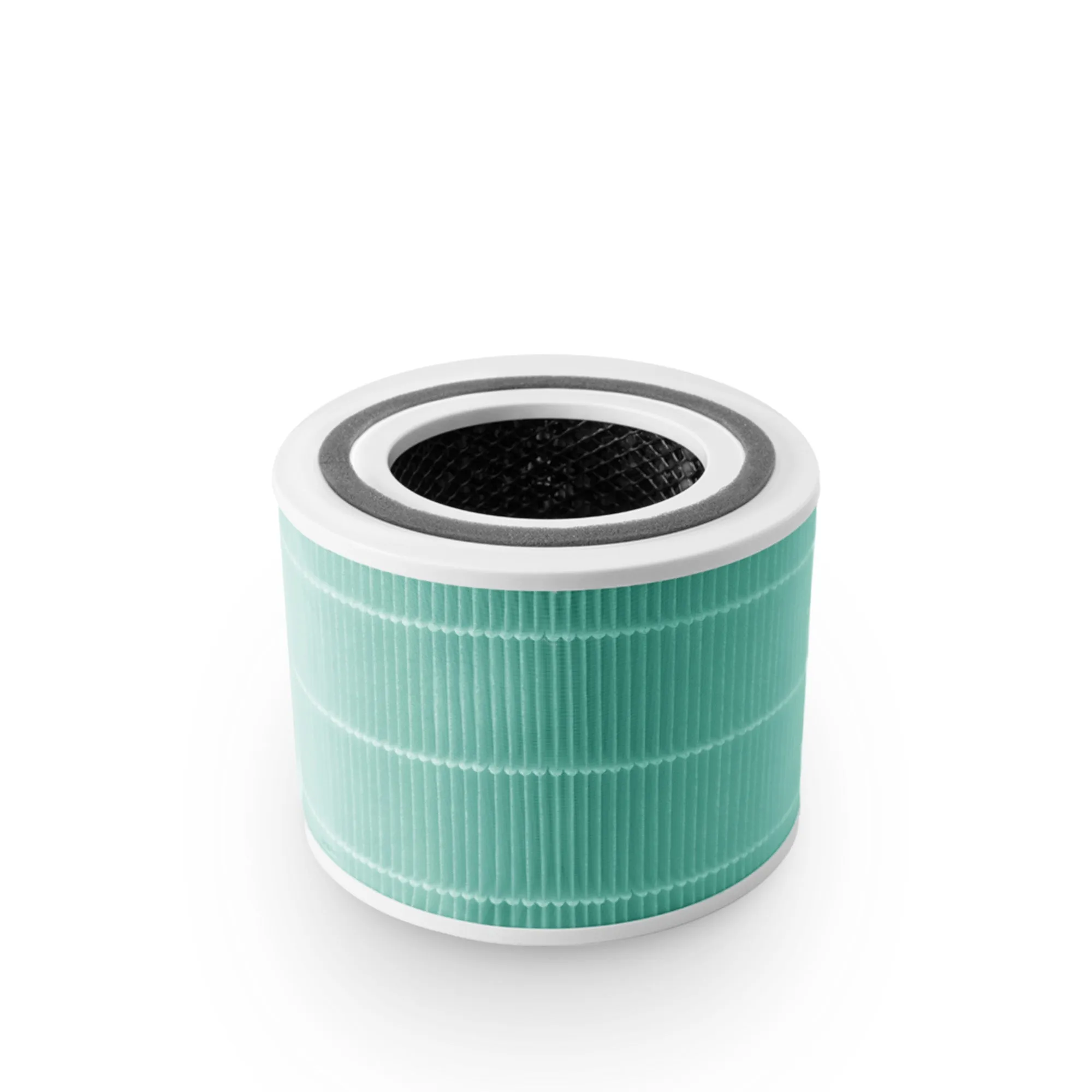
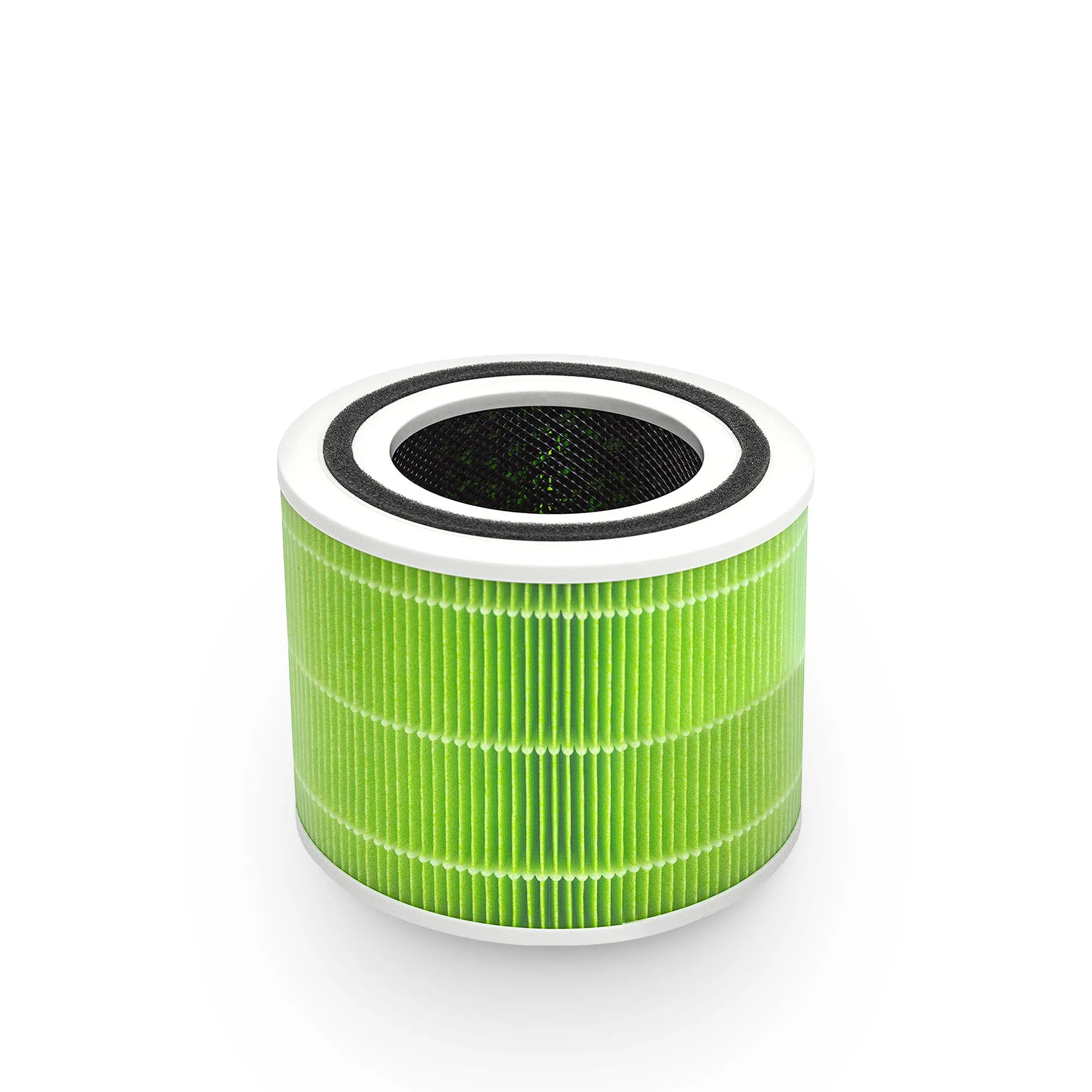
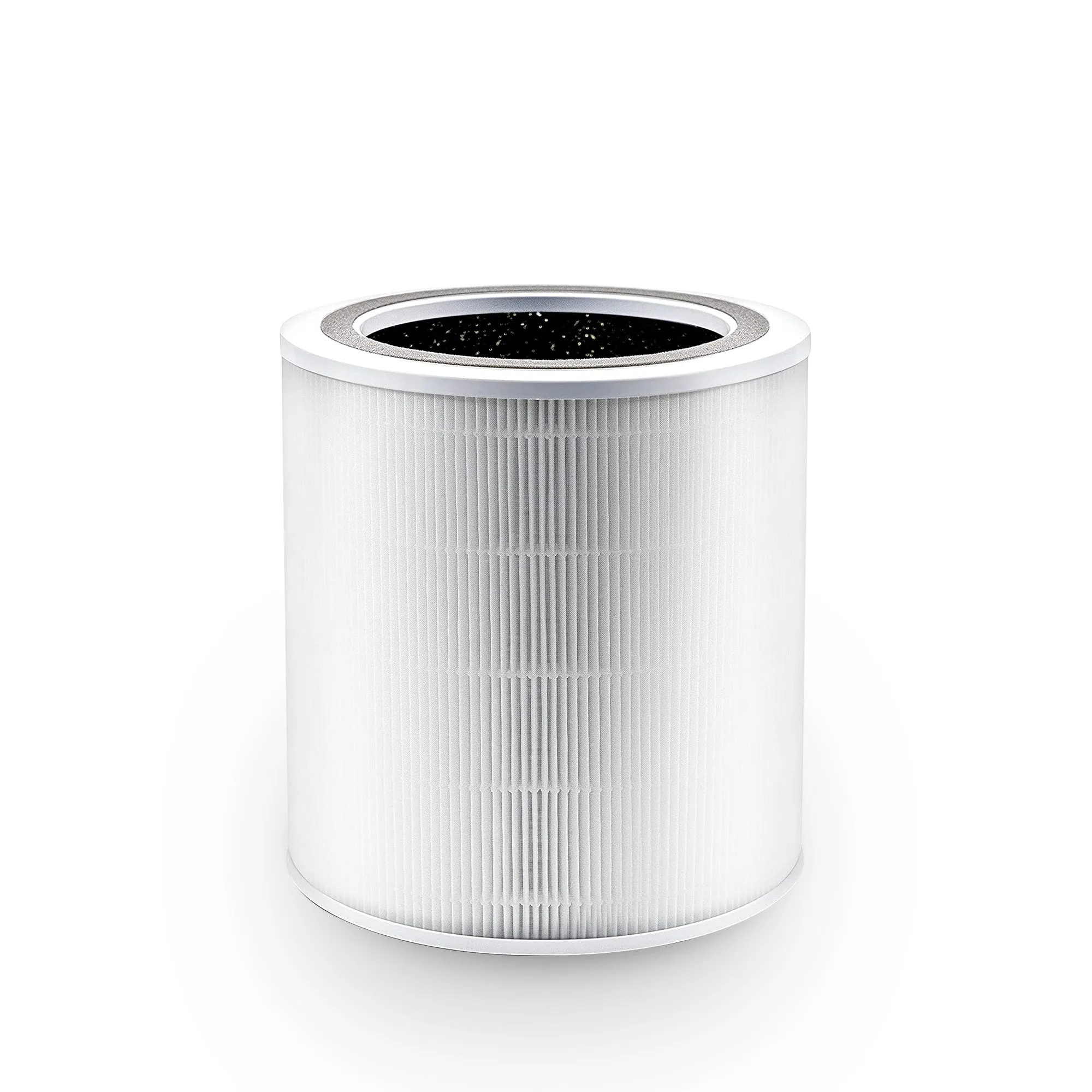
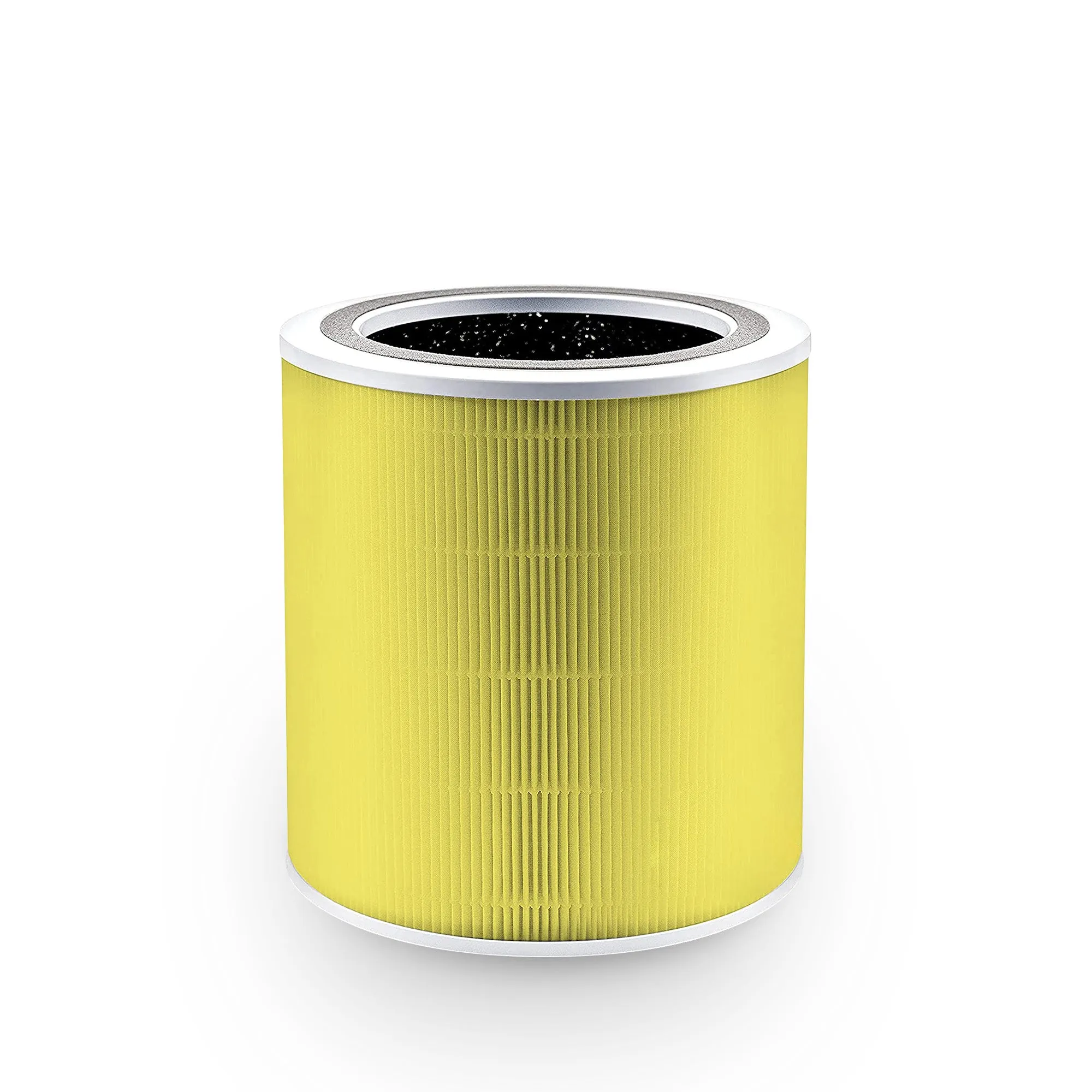
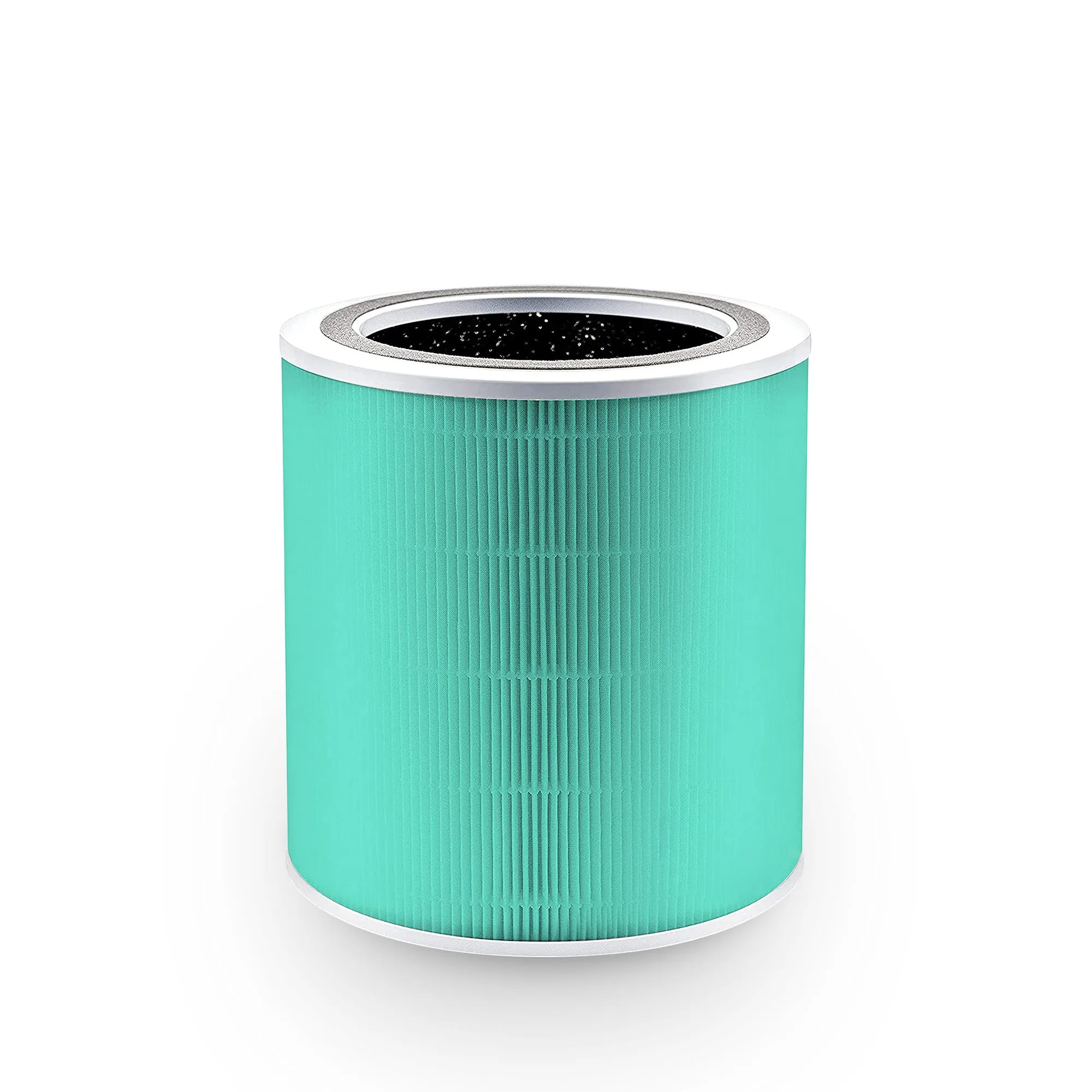
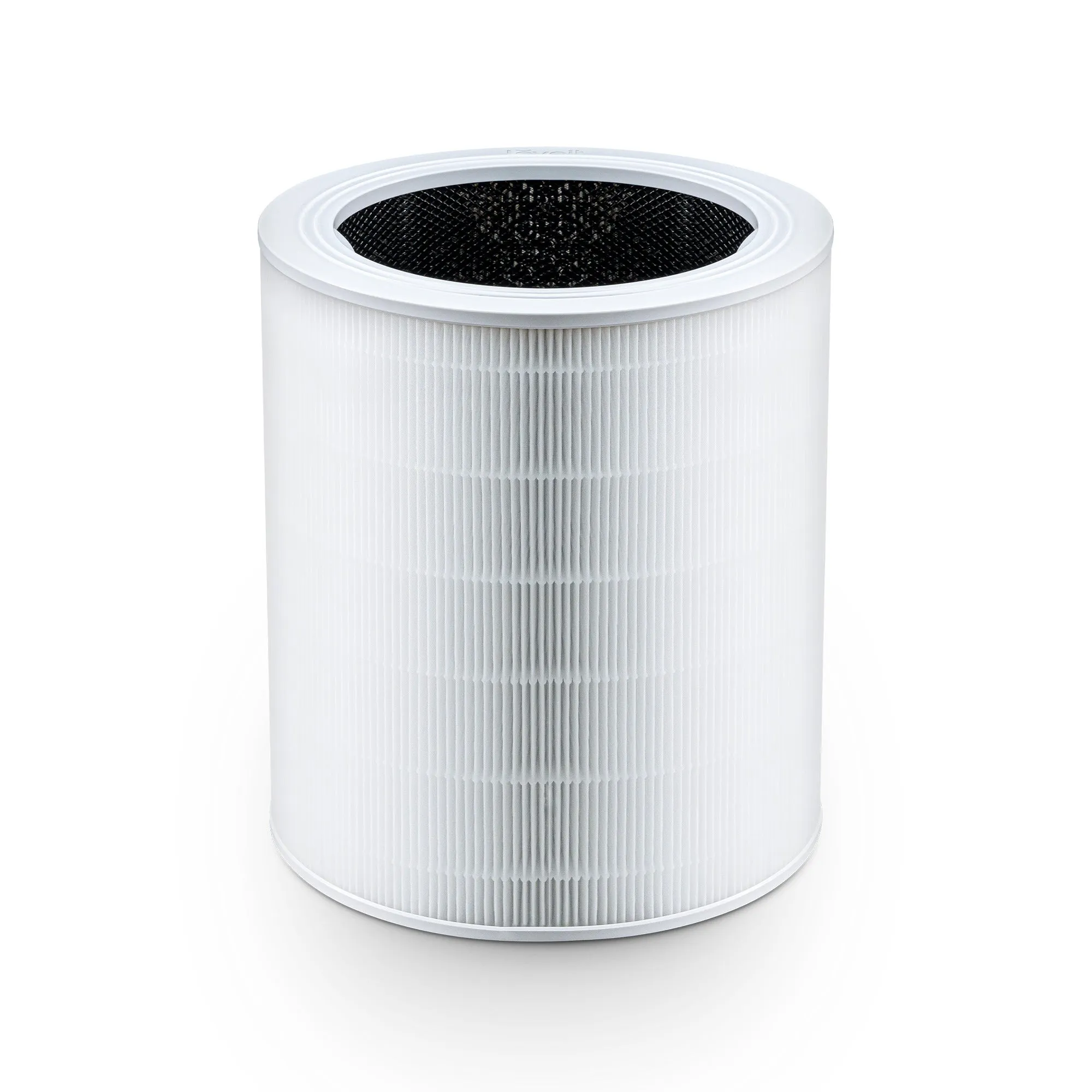
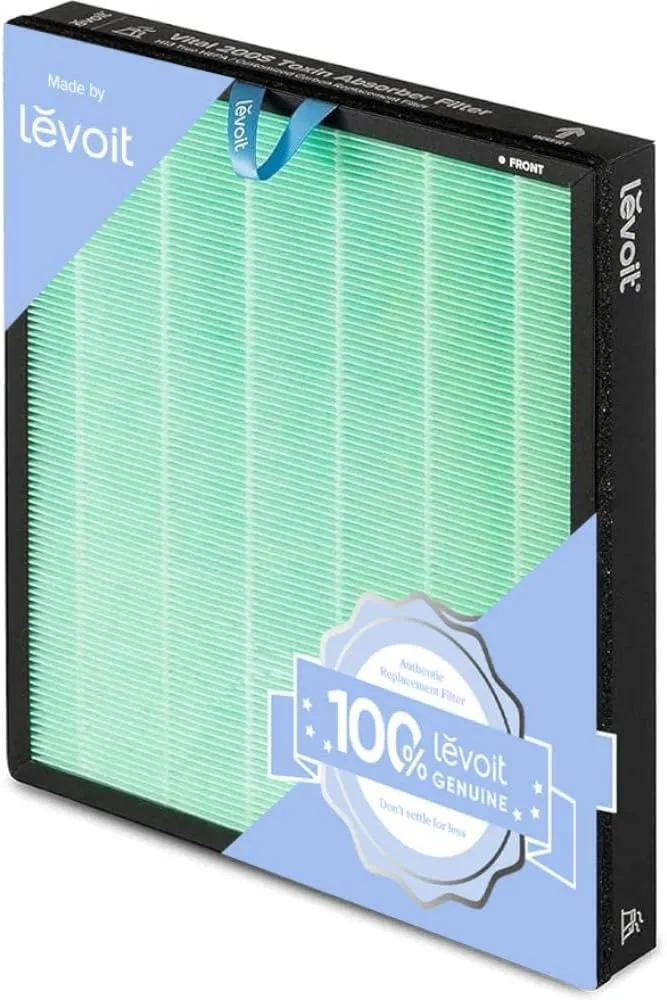
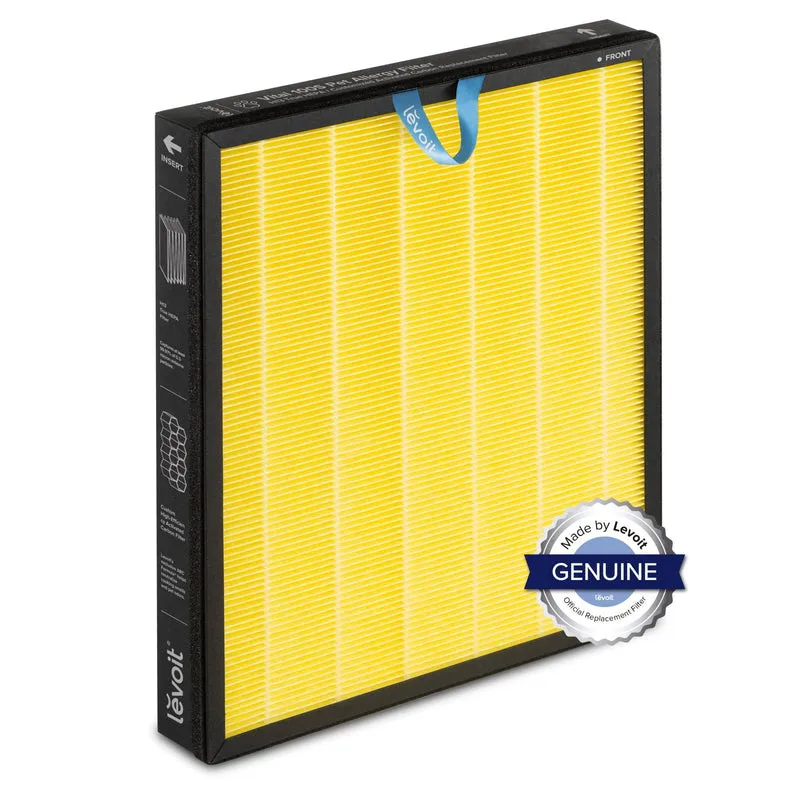
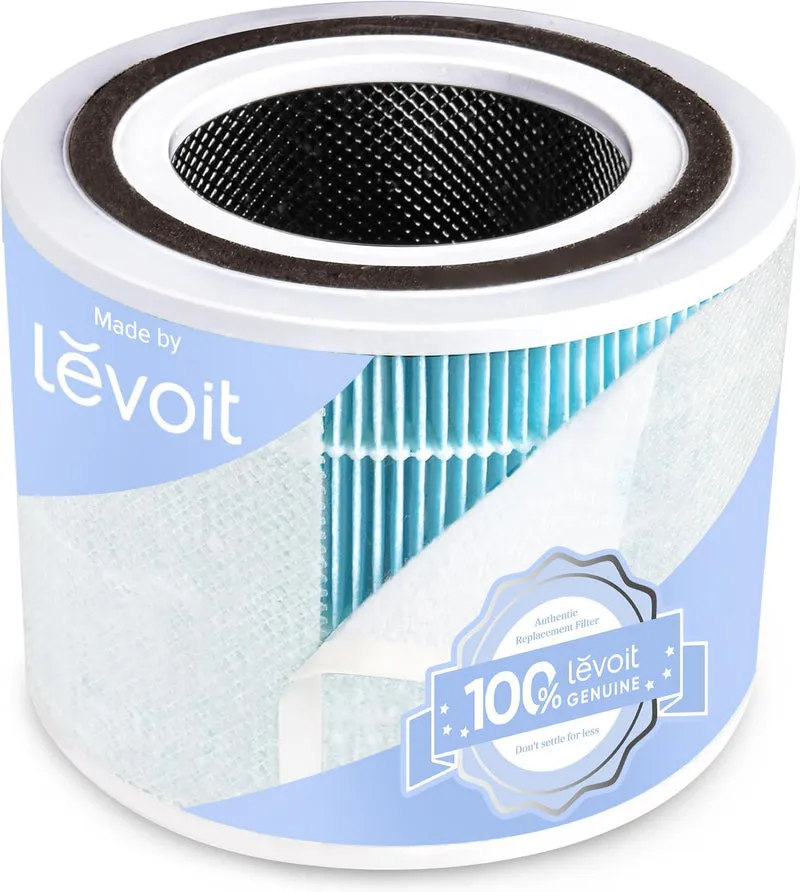
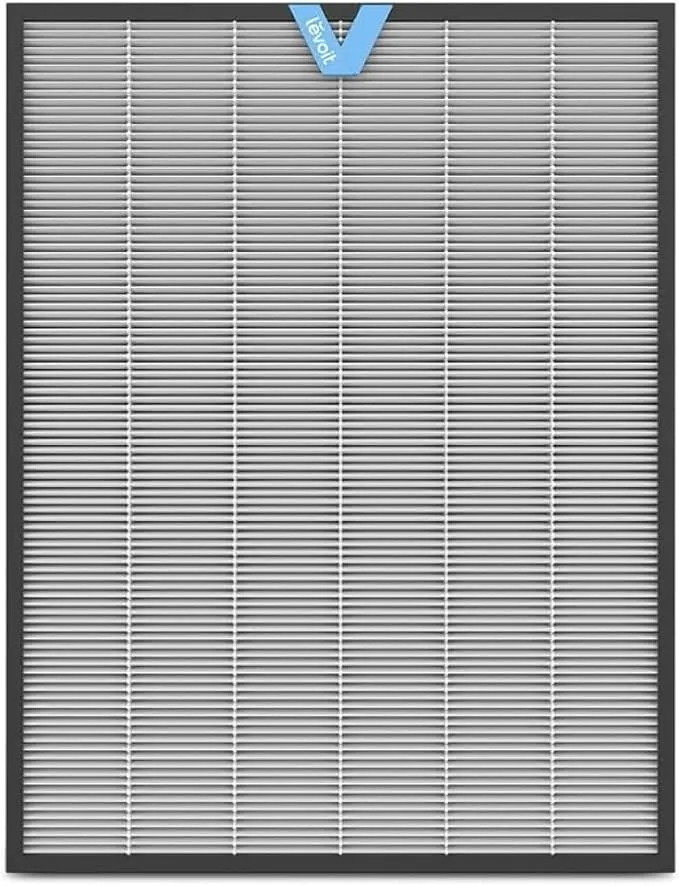
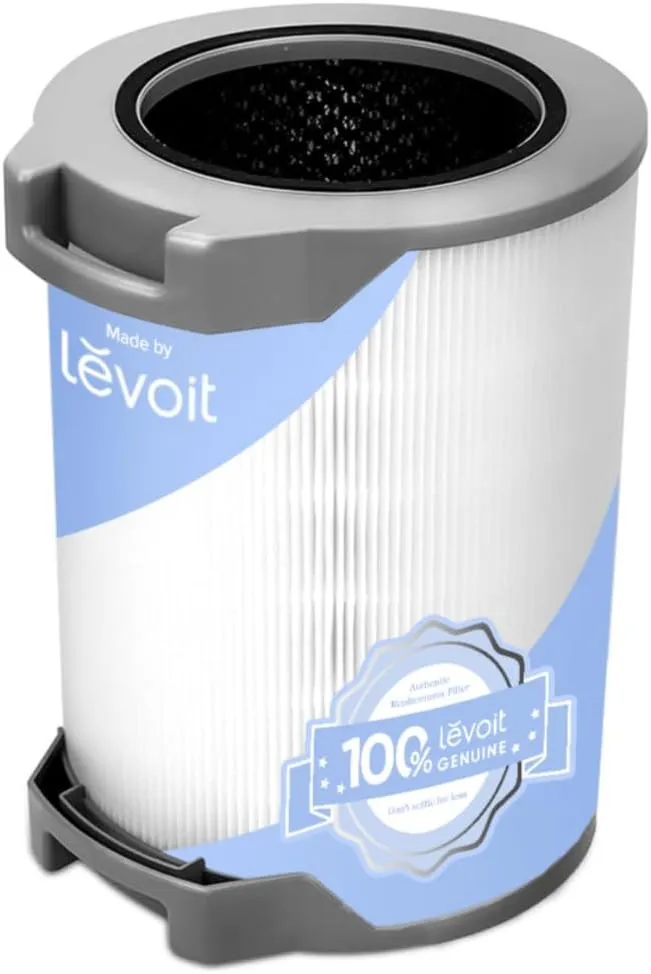
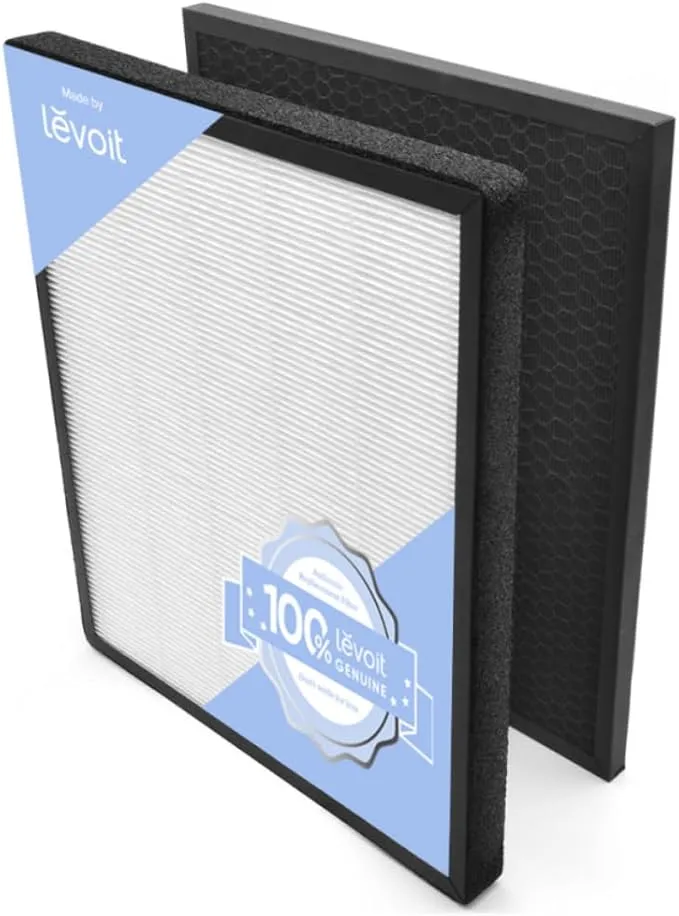
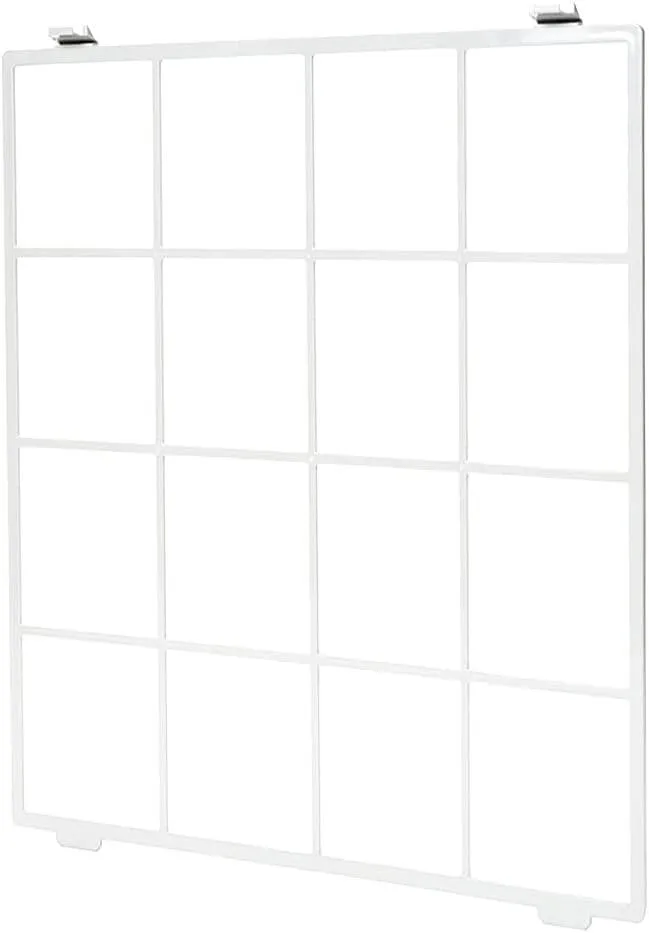
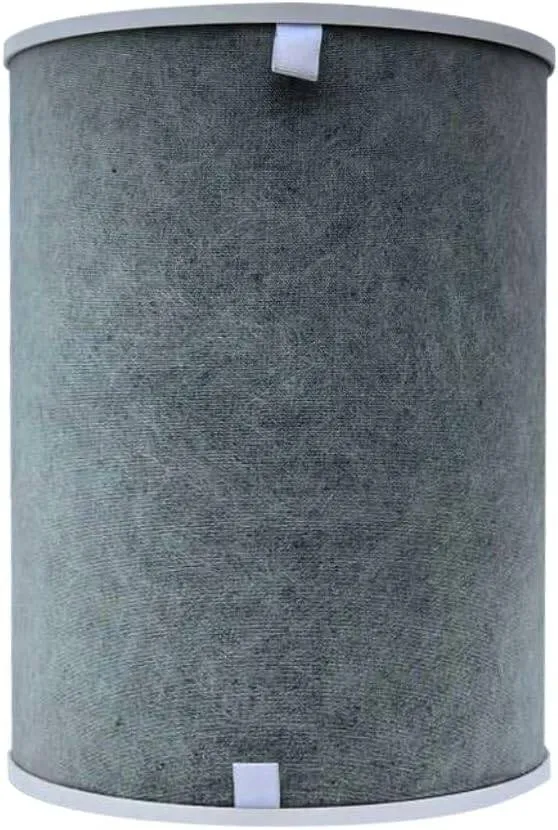
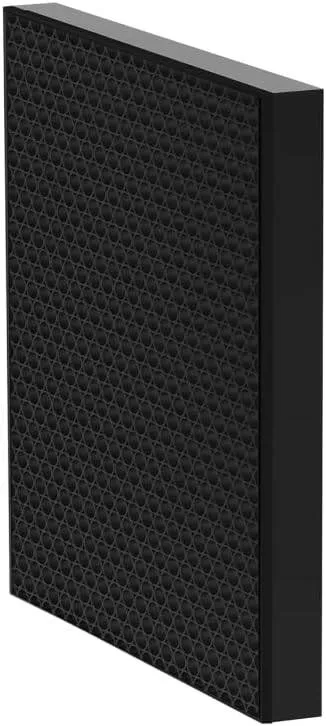
The replacement filter for the Levoit Core 400S, model 400S-RF, is a three-stage unit: a washable pre-filter on the outside, an H13 True HEPA layer in the middle, and an activated carbon section for odors and VOCs. The pre-filter catches larger particles before they load the HEPA layer, which directly affects how long the main filter lasts. Note that regional SKUs may carry different part numbers; check with your retailer or the Levoit product page to confirm the correct variant for UAE stock. You can see the official Levoit Core 400S replacement filter listing for part details.
Official guidance puts filter life at 6, 8 months under normal conditions. If you vacuum the pre-filter monthly, real-world lifespan can extend closer to 12 months, which cuts annual filter costs substantially. At $49.99 per filter, your annual cost lands between $50 and $100 depending on maintenance habits and how heavy the sandstorm season runs. In a high-dust year, plan for two filters; in a lighter year with consistent pre-filter maintenance, one filter will carry you through.
Why sourcing genuine filters in the UAE matters
Counterfeit and non-OEM filters are a genuine problem on general marketplaces. They often use lower-grade carbon and thinner HEPA media that can’t match the Core 400S’s certified CADR performance, meaning you’re running the unit but not getting the air quality results you paid for. The filter is the product. A compromised filter defeats the purpose of buying a quality purifier in the first place.
CleanAir UAE stocks genuine Levoit 400S-RF replacement filters alongside the Core 400S unit itself. Buying your unit and your filter supply from a specialist retailer also means product support calibrated to UAE conditions: sandstorm seasonality, AC-driven dry air, and coastal humidity specific to Abu Dhabi and Sharjah apartments, rather than generic customer service from a global marketplace. Check the CleanAir UAE product listings for current pricing, delivery options, and availability.
The verdict
The decision is cleaner than the product pages might suggest. The Core 300S is the right call for contained bedrooms under 200 sq ft where quiet operation and lower running costs matter most. The Levoit Core 400S belongs in any room above 250 sq ft where cleaning speed, smart automation, and sandstorm resilience justify the higher price.
The standout numbers for the Levoit Core 400S: 260 CFM CADR, 403 sq ft coverage at 4.8 ACH, 96% PM2.5 reduction in a 320 sq ft room within 60 minutes, and a sensor-driven auto mode that responds to UAE air quality events without requiring you to touch the app. For most Dubai and Abu Dhabi living rooms, it’s the model that matches the room size and the climate demands without crossing into commercial-grade territory.
You can browse the Levoit Core 400S and genuine 400S-RF replacement filters at CleanAir UAE. If you’re still deciding between models, the buying guides on the site break down coverage by room type and floor plan so you can match the spec to your actual space before you order.
Frequently asked questions about the Levoit Core 400S
What room size does the Levoit Core 400S cover?
The Levoit Core 400S is rated for 403 sq ft at 4.8 air changes per hour (ACH), which is the standard benchmark for effective air quality improvement. It will handle larger rooms at lower ACH rates, but for UAE conditions, where PM2.5 from sandstorms can spike quickly, planning around 4.8 ACH gives you the fastest recovery time.
How often do I need to replace the Levoit Core 400S filter?
Levoit recommends replacing the 400S-RF filter every 6, 8 months under normal use. Vacuuming the outer pre-filter monthly can extend real-world lifespan closer to 12 months, which reduces annual running costs meaningfully in lower-dust periods.
Is the Levoit Core 400S loud?
At sleep mode and Speed 1, the Core 400S is quiet enough for most bedrooms. Independent tests from Modern Castle recorded sleep mode at 16.7 dB, below the threshold most people notice in a quiet room. Max speed (45.3 dB per Modern Castle) is best used as a short burst when you’re out of the room.
Does the Levoit Core 400S work with a UAE Wi-Fi network?
Yes, but the VeSync smart features require a 2.4GHz Wi-Fi connection. If your UAE router uses band steering or broadcasts only on 5GHz, enable a separate 2.4GHz network in your router settings before attempting to connect the unit.
What is the difference between the Levoit Core 400S and Core 300S?
The Core 400S has a 38W motor versus the 300S’s 26W, which translates to nearly double the coverage area at equivalent ACH rates (403 sq ft vs 219 sq ft). The 400S also includes a PM2.5 sensor and VeSync smart connectivity; the 300S is a simpler, quieter unit suited to smaller rooms where those features aren’t needed.