
Uncategorised
List of air cleaning technologies: 2026 guide
Indoor air can contain two to five times more pollutants than outdoor air, yet choosing the right technology to address this is genuinely confusing. The list of air cleaning technologies spans mechanical filters, chemical adsorbents, UV light, and electronic devices, each targeting different contaminants with different results. This guide cuts through the noise. You will find clear criteria for evaluation, a breakdown of every major technology, a comparison table, and practical recommendations so you can make a confident, health-focused decision.
Table of Contents
- Key takeaways
- List of air cleaning technologies: the full breakdown
- 1. HEPA filters
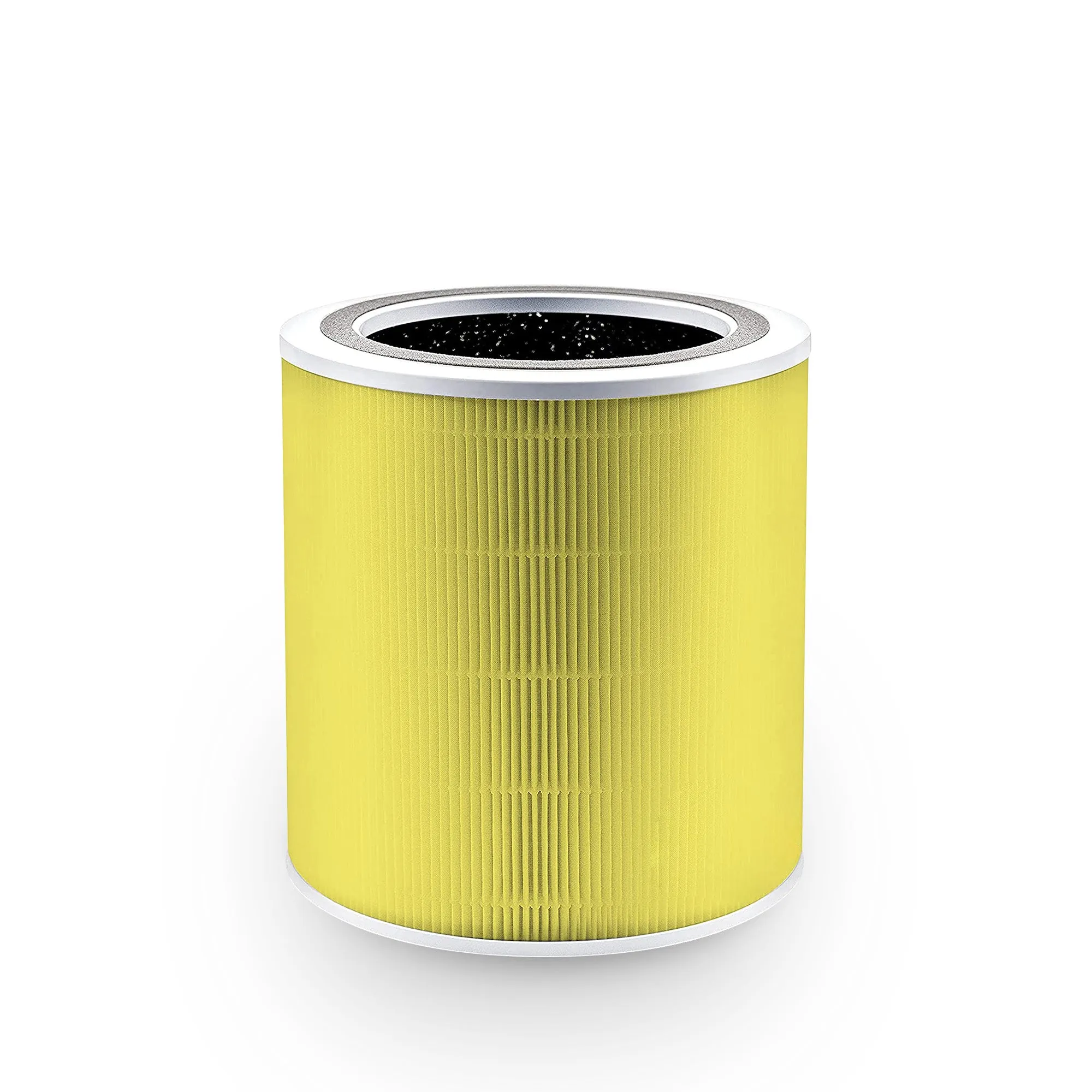
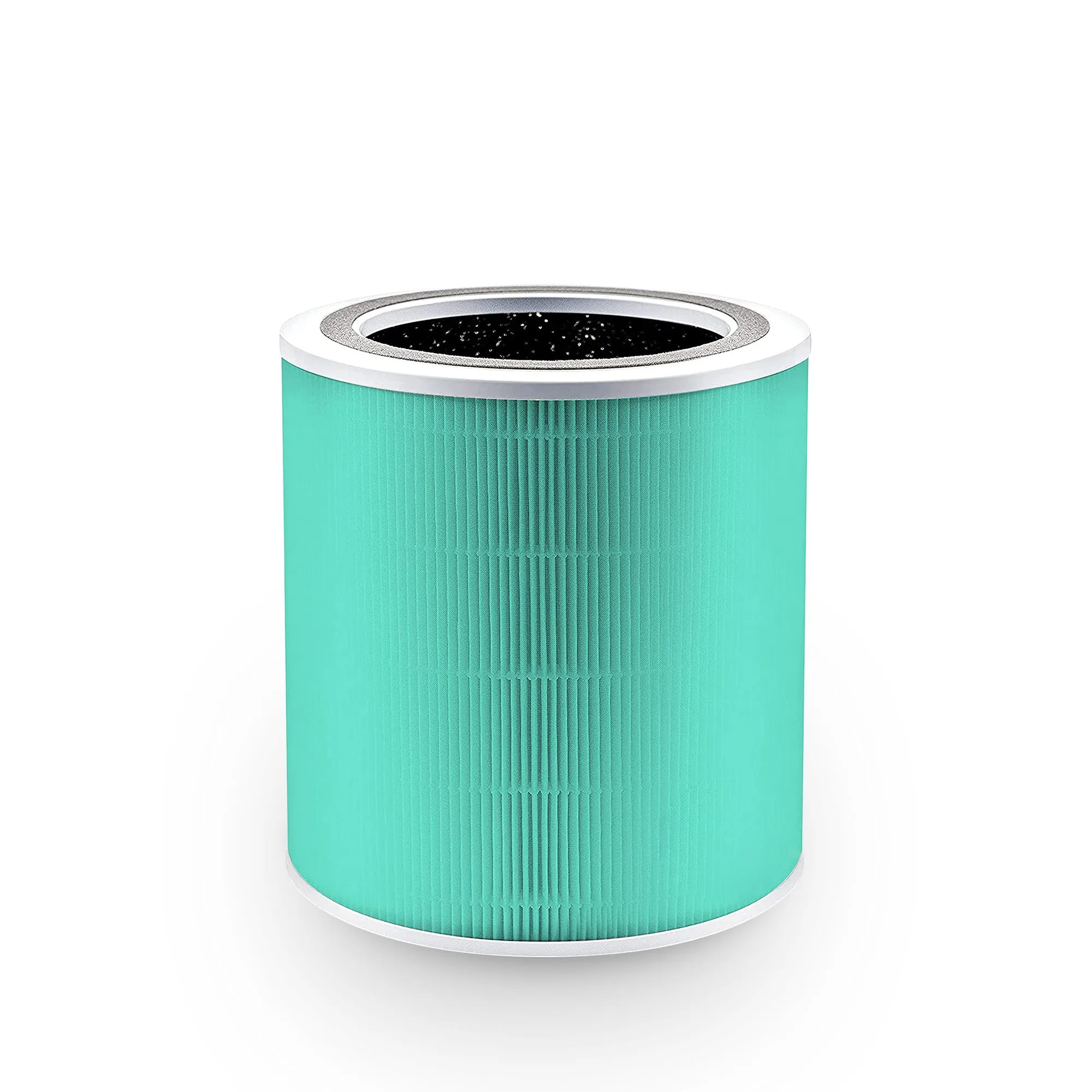
- 2. Activated carbon filters
- 3. UV-C light
- 4. Ionisers (electrostatic precipitators)
- 5. Ozone generators
- 6. Photocatalytic oxidation (PCO)
- 7. Smart purifiers with multi-stage filtration
- Comparison of the main air cleaning technologies
- Choosing the right technology for your situation
- My honest take on choosing air cleaning technology
- Cleanair-ae air purifiers: HEPA and carbon filtration for UAE homes and offices
- FAQ
Key takeaways
| Point | Details |
|---|---|
| HEPA is the baseline | True HEPA captures 99.97% of particles but must be paired with carbon for gas removal. |
| Avoid ozone devices | Ozone generators and many ionisers pose respiratory risks and should not be used in occupied spaces. |
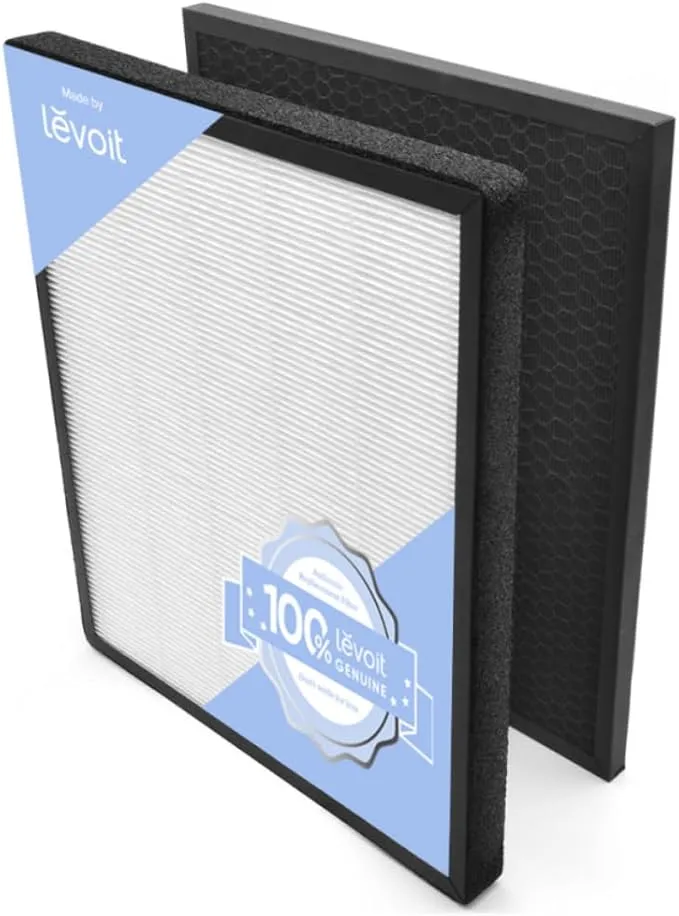
| Layer your filtration | Combining HEPA and activated carbon gives the broadest coverage for particles, gases, and odours. |
| Size by CADR, not guesswork | Use the 2/3 rule: your purifier’s CADR should equal at least 67% of the room’s square footage. |
| Maintenance drives results | Filter replacement and consistent run time matter as much as the technology specification itself. |
List of air cleaning technologies: the full breakdown
Seven common air cleaning technologies cover the three main indoor pollutant categories: particles, gases and odours, and biological contaminants like bacteria and viruses. Understanding what each technology targets, and what it cannot do, is the most direct route to a smart purchase.
How to evaluate any air cleaning technology
Before running through each option, it helps to know which criteria actually matter. Not all marketing claims are equal.
The three pollutant categories to keep in mind are:
- Particles: dust, pollen, pet dander, smoke particles, mould spores
- Gases and odours: volatile organic compounds (VOCs), cooking fumes, cleaning product off-gassing
- Biological contaminants: bacteria, viruses, mould spores
Beyond pollutant targeting, check these operational factors:
- CADR (Clean Air Delivery Rate): the volume of filtered air delivered per minute. Higher is better for larger rooms.
- Safety: does the device produce ozone or other byproducts?
- Noise level: relevant for bedrooms and offices
- Filter replacement frequency and cost: ongoing expenses add up
- Room sizing: the 2/3 sizing rule recommends a purifier’s CADR reach at least 67% of the room’s square footage for adequate coverage
Pro Tip: Never assess a purifier by filter type alone. Fan power and CADR performance are core to real-world effectiveness, so always check the rated CADR for the room size you need.
1. HEPA filters
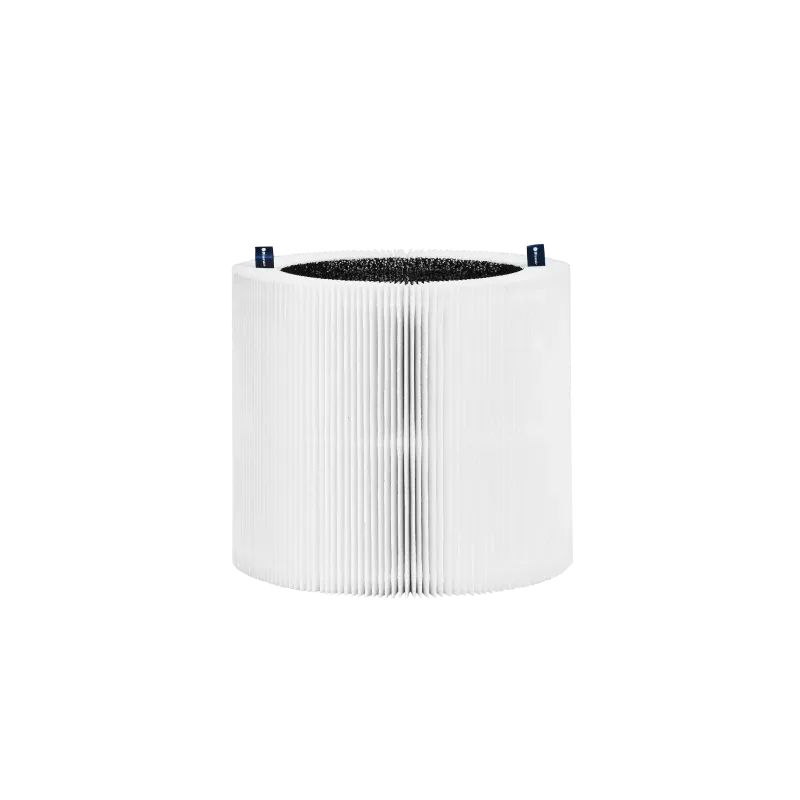
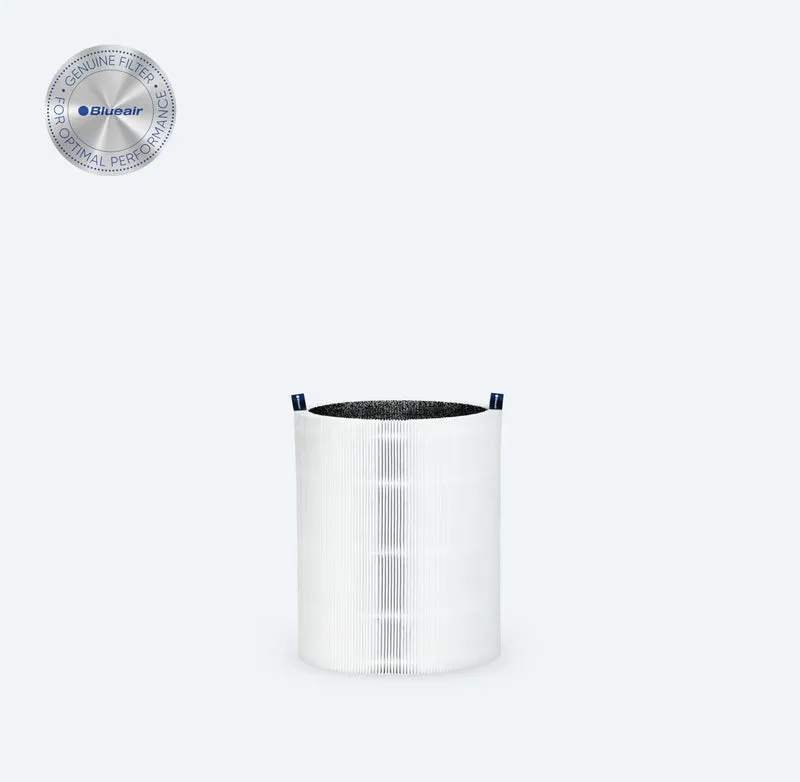
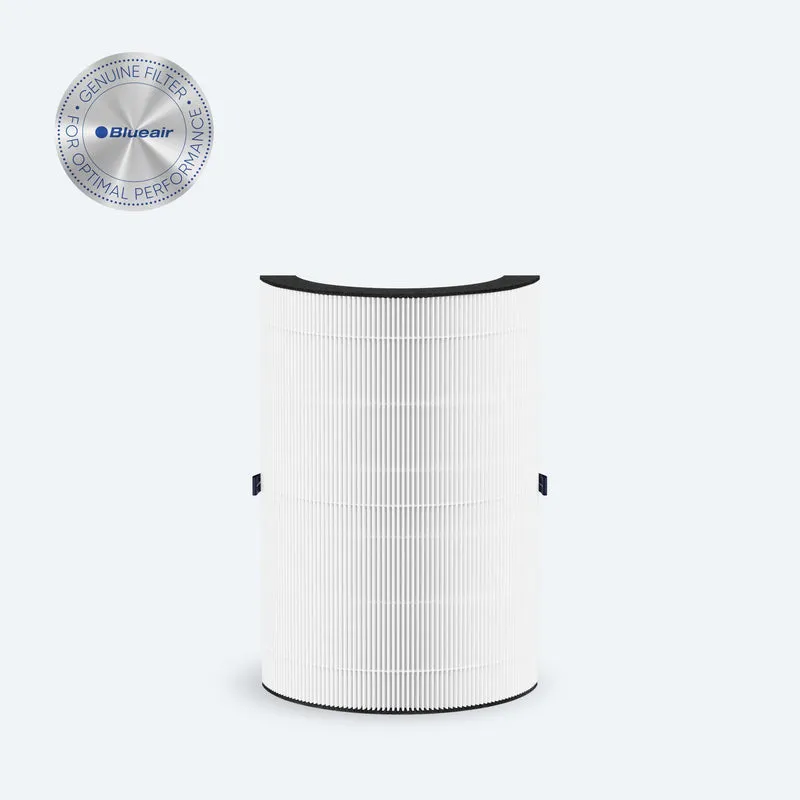
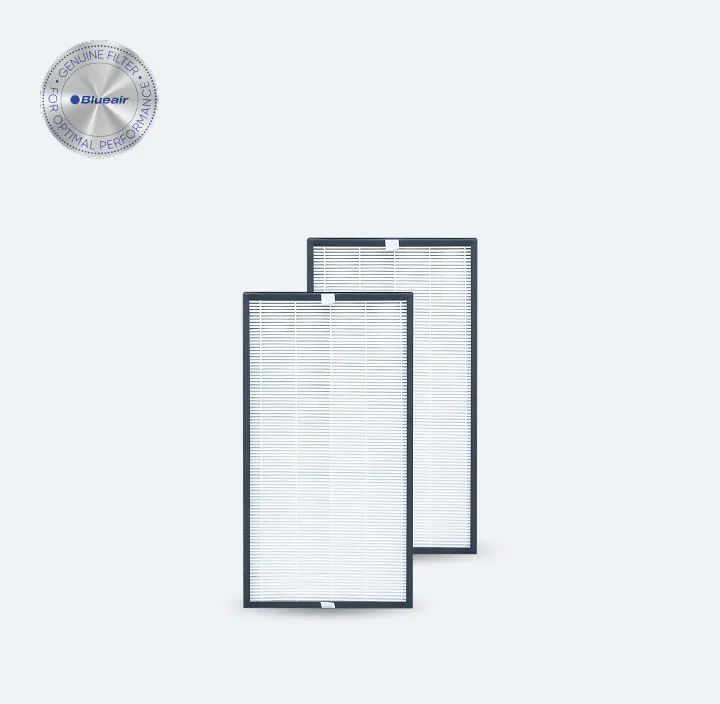
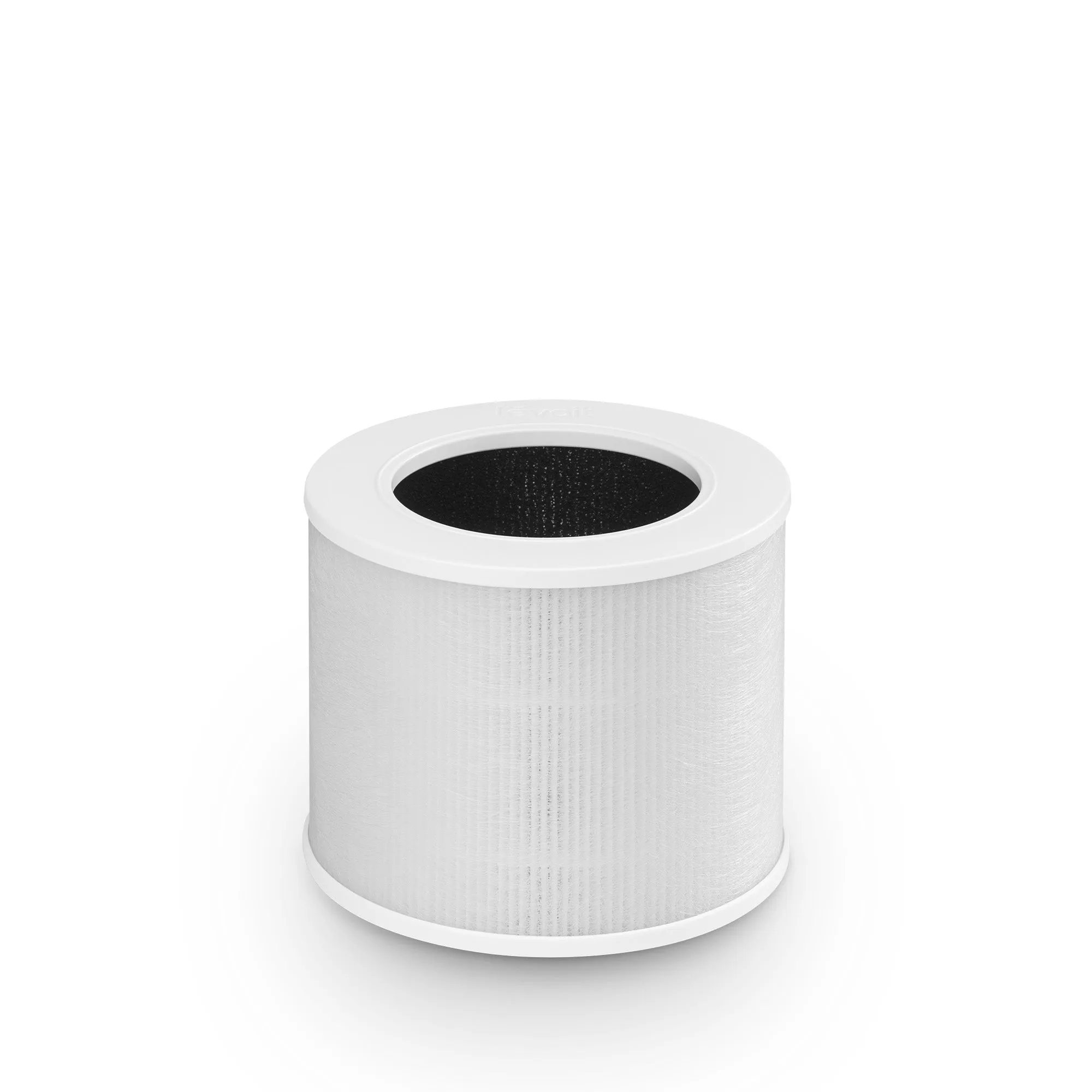
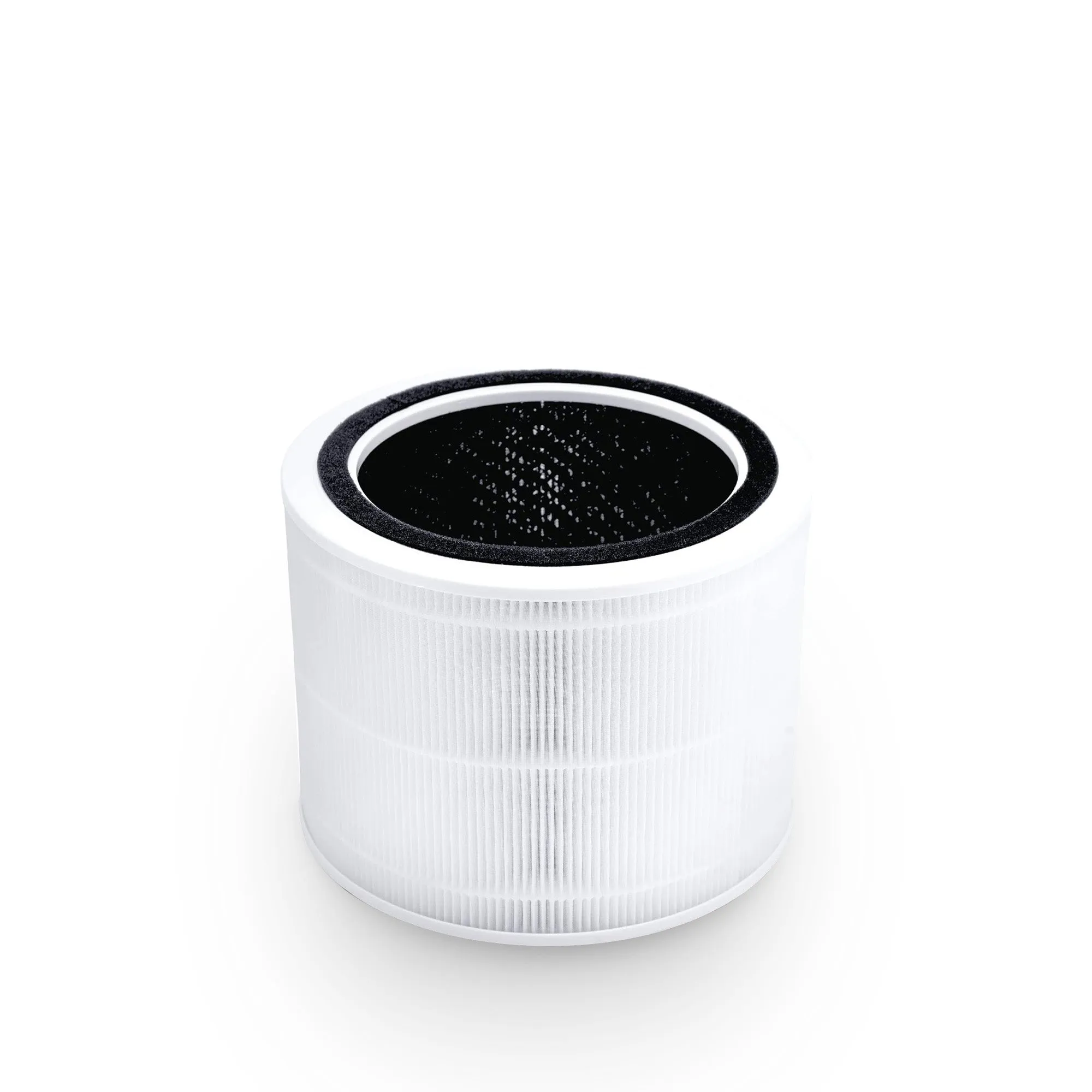
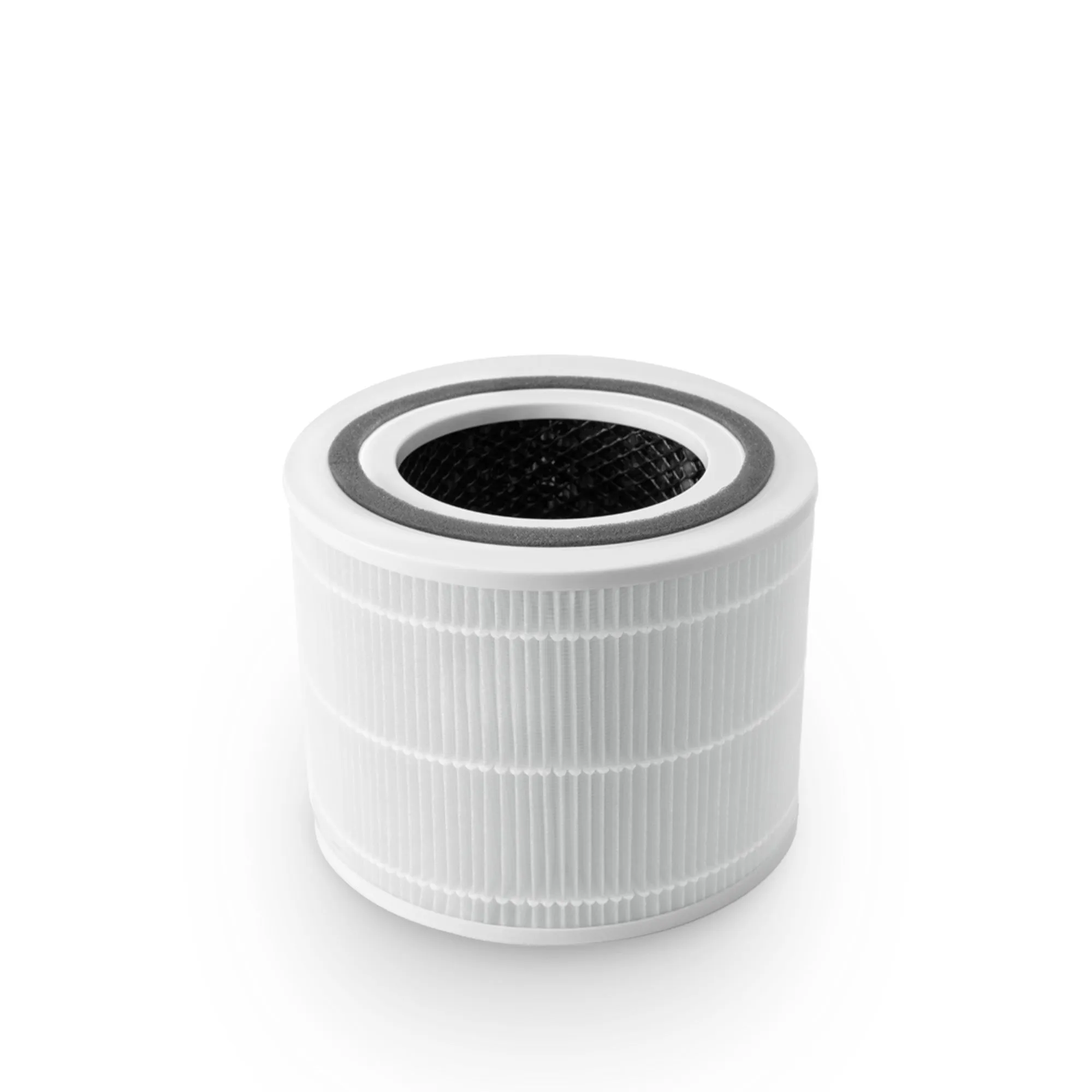
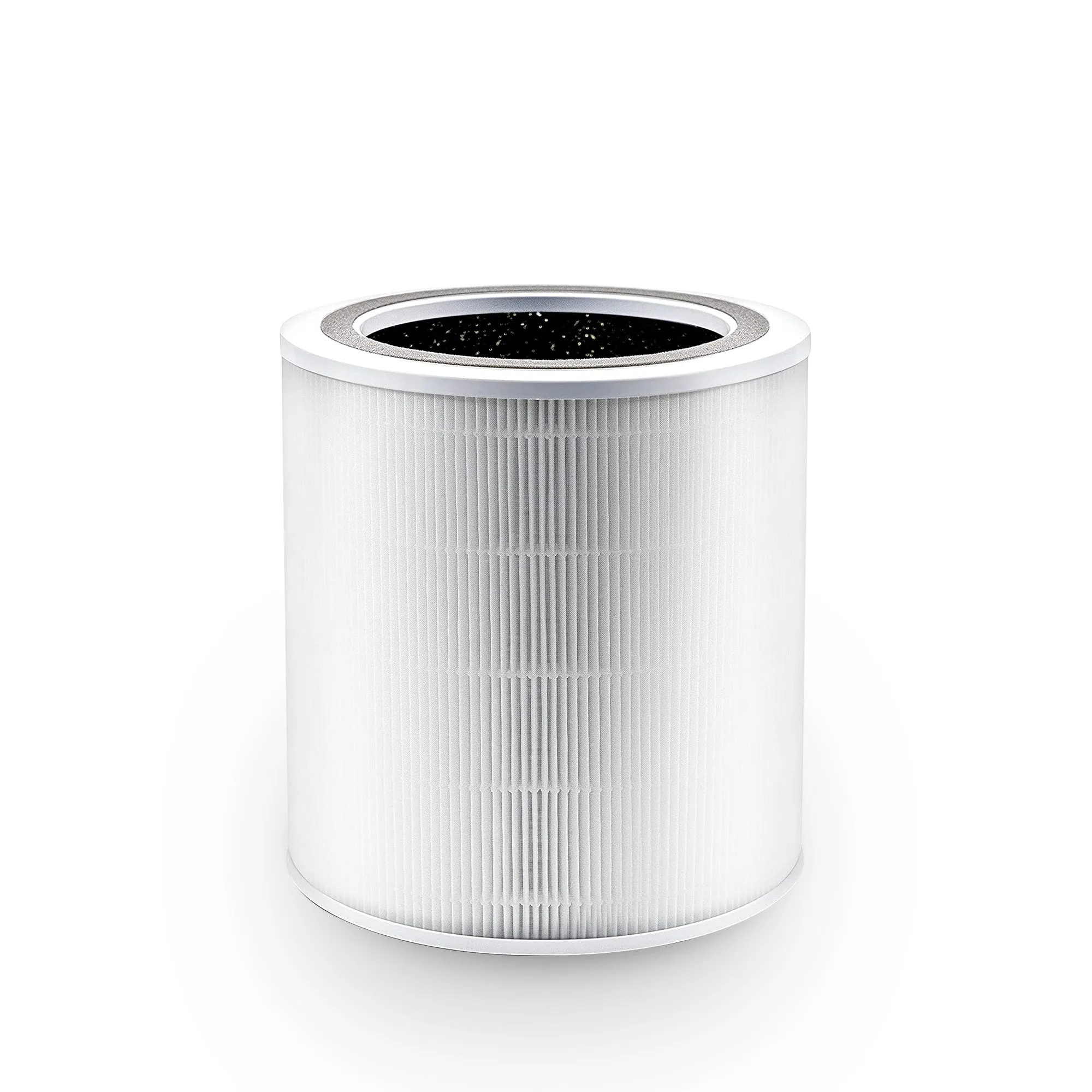
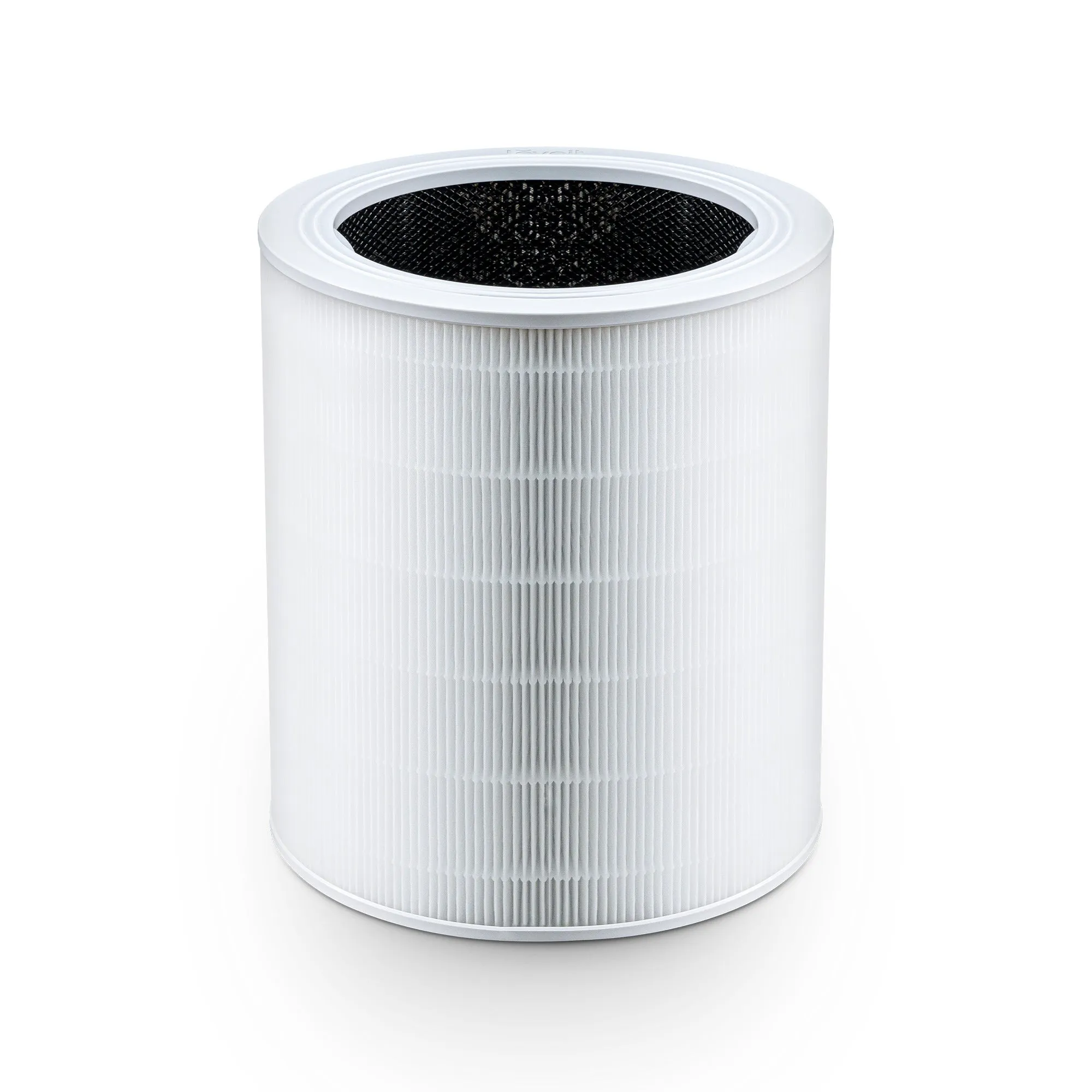
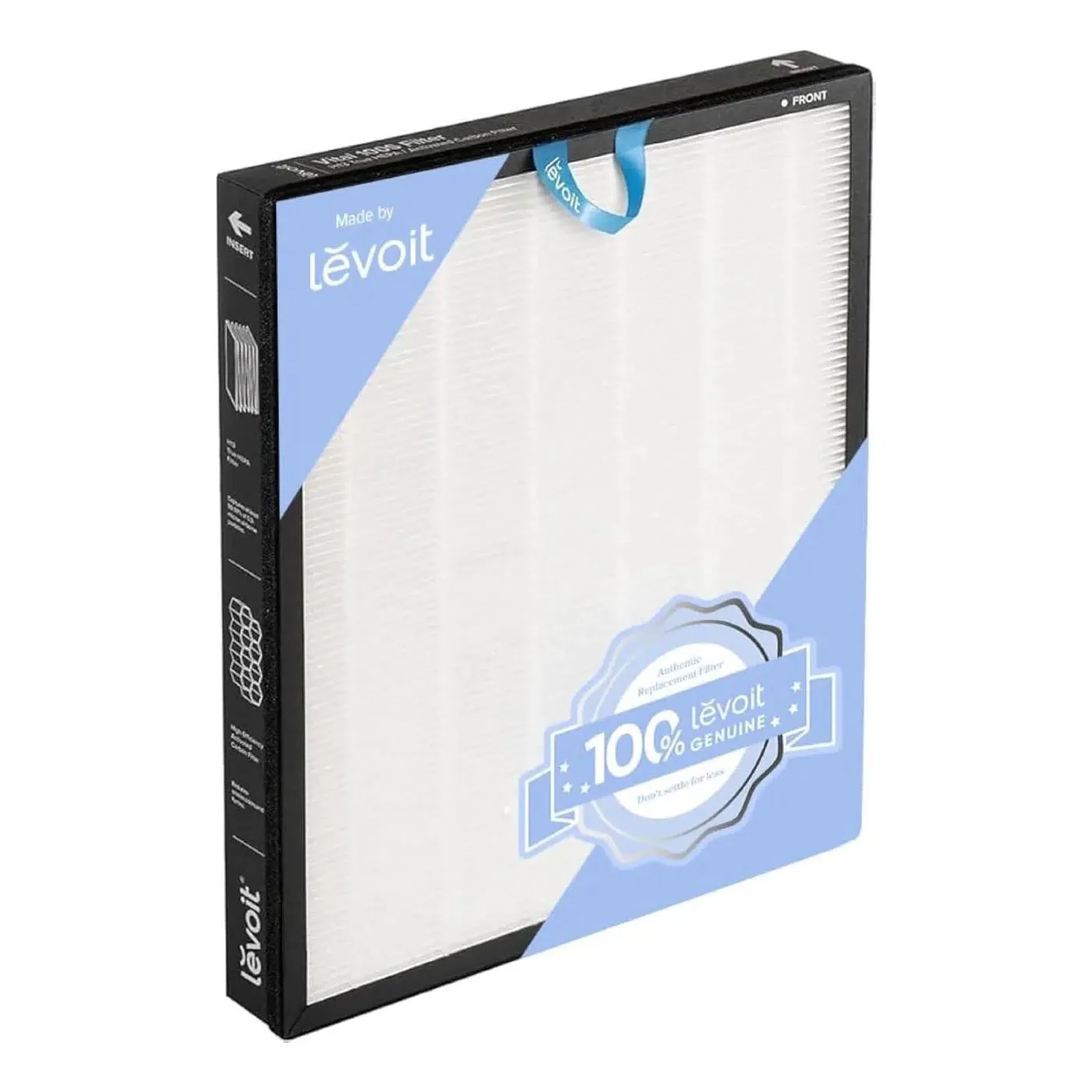
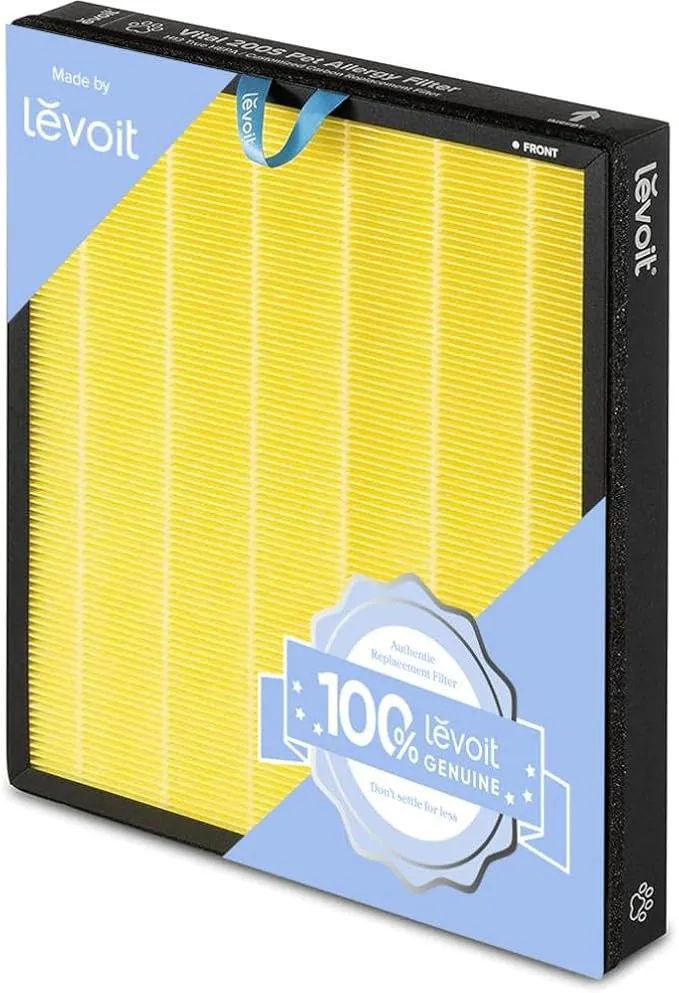
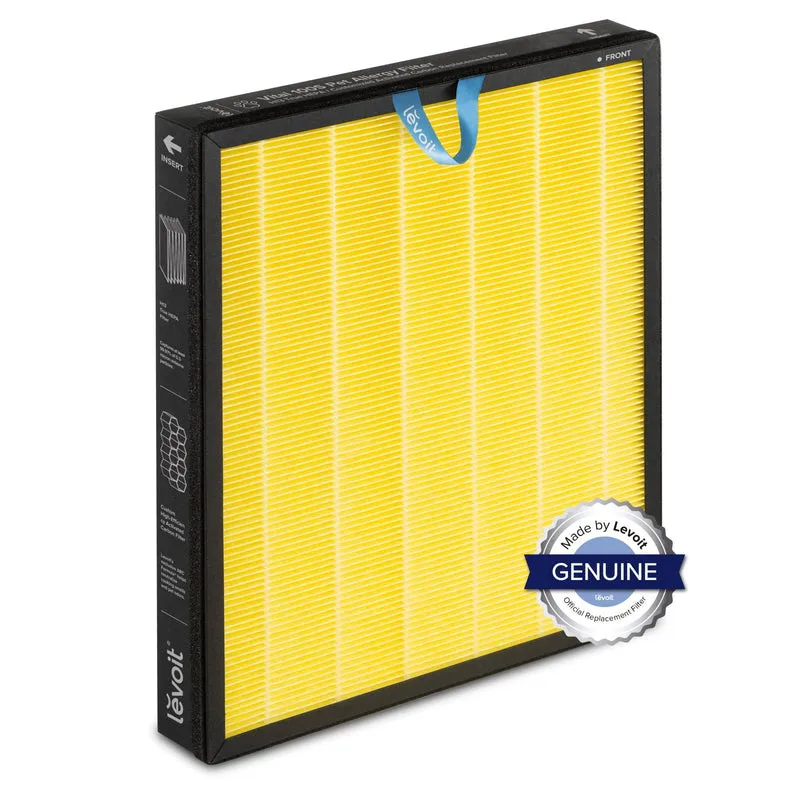
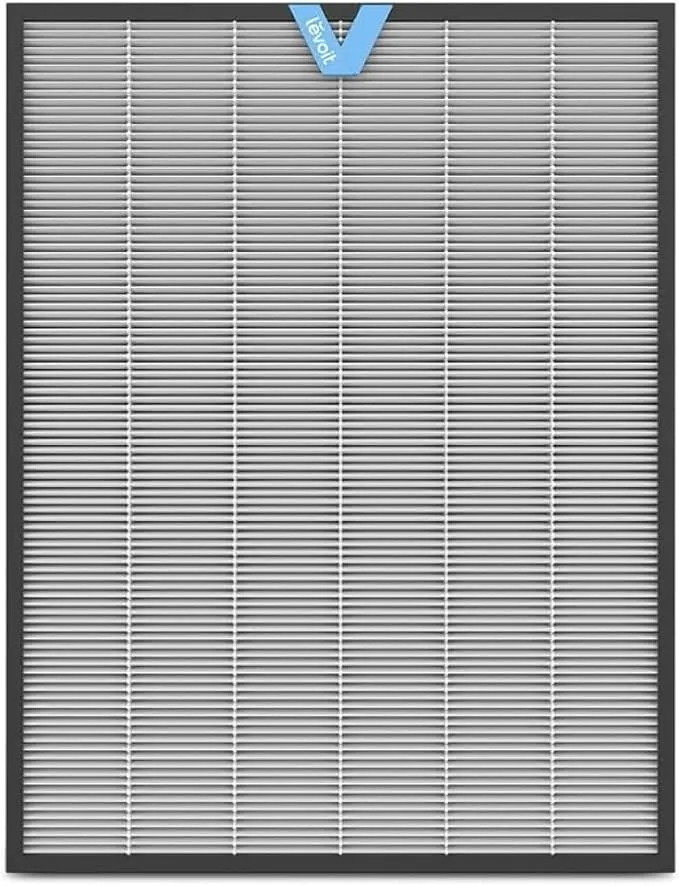
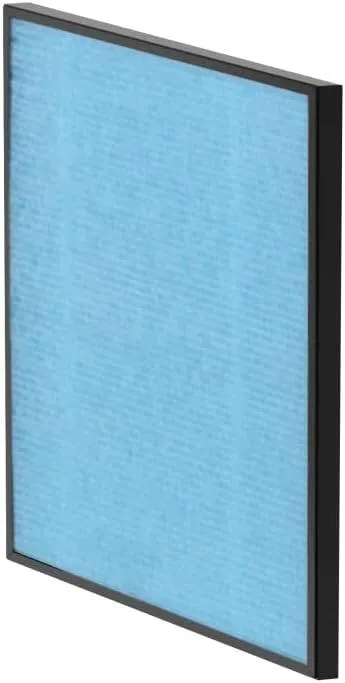
True HEPA is the gold standard for particle removal. These filters capture 99.97% of particles at 0.3 microns in diameter, which includes dust, pollen, pet dander, mould spores, and fine smoke particles.
HEPA works through a combination of mechanisms: interception, impaction, and diffusion. Smaller particles actually get caught more reliably than the 0.3-micron benchmark due to Brownian motion. This is why HEPA remains the recommended standard in hospitals, clinics, and allergy-focused home environments.
What HEPA cannot do is equally worth knowing. It does not remove gases or odours. VOCs from paint, adhesives, and cleaning products pass straight through a HEPA filter untouched. This is why most quality purifiers pair HEPA with a second filter layer.
Key facts about HEPA:
- Best for: allergies, asthma, pet owners, dusty environments
- Does not target: gases, VOCs, odours, biological pathogens (inactivation)
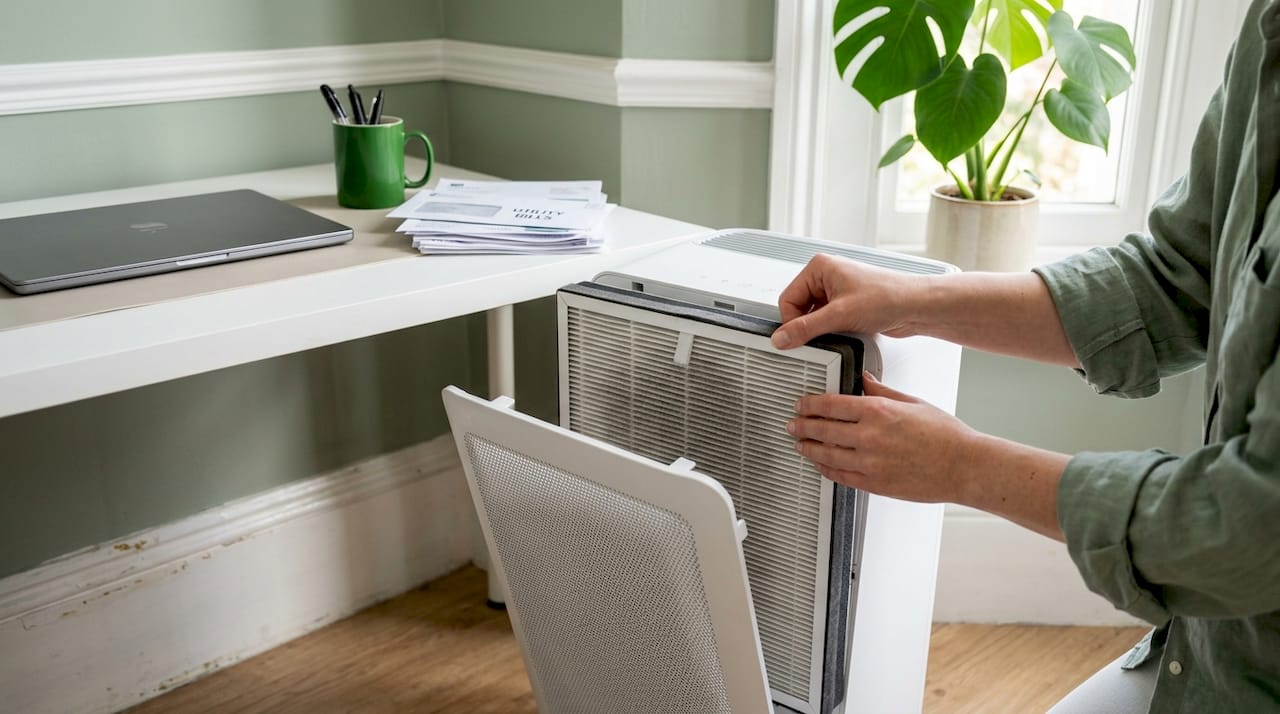
- Filter life: typically 6 to 12 months depending on air quality and run time
- Maintenance signal: reduced airflow or a musty smell from the unit
Pro Tip: Replace HEPA filters on schedule even if they look clean. Particle load is not always visible, and an overloaded filter reduces airflow and CADR significantly.
2. Activated carbon filters
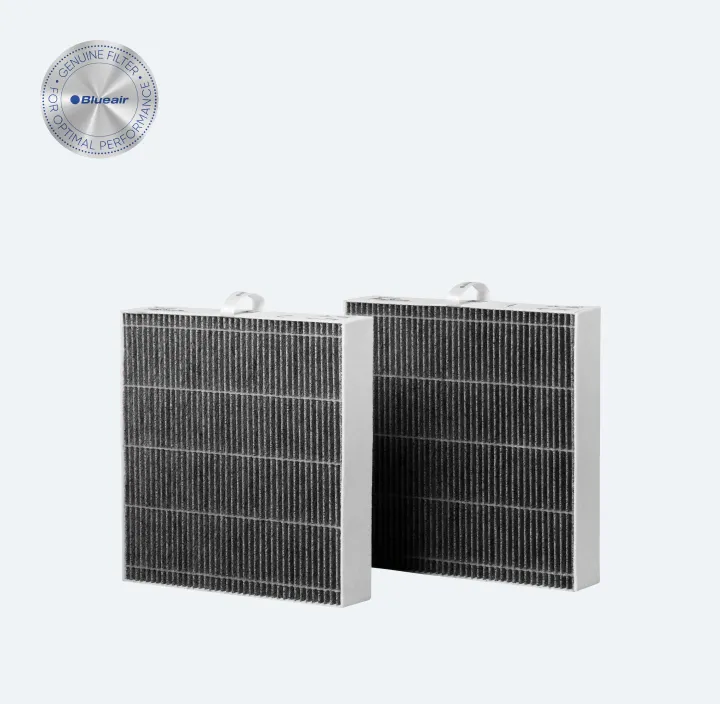
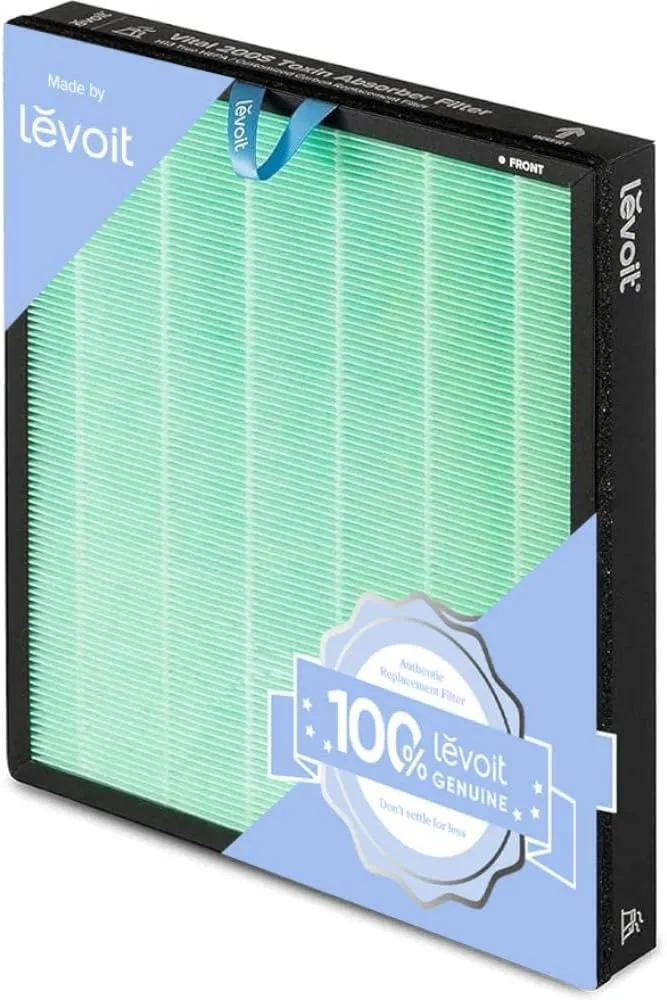
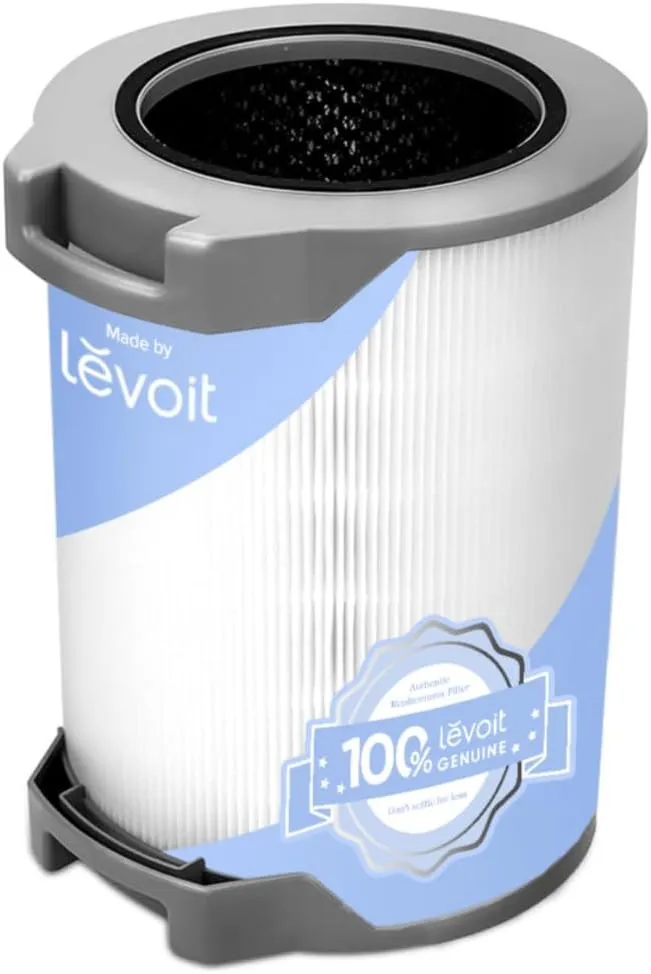
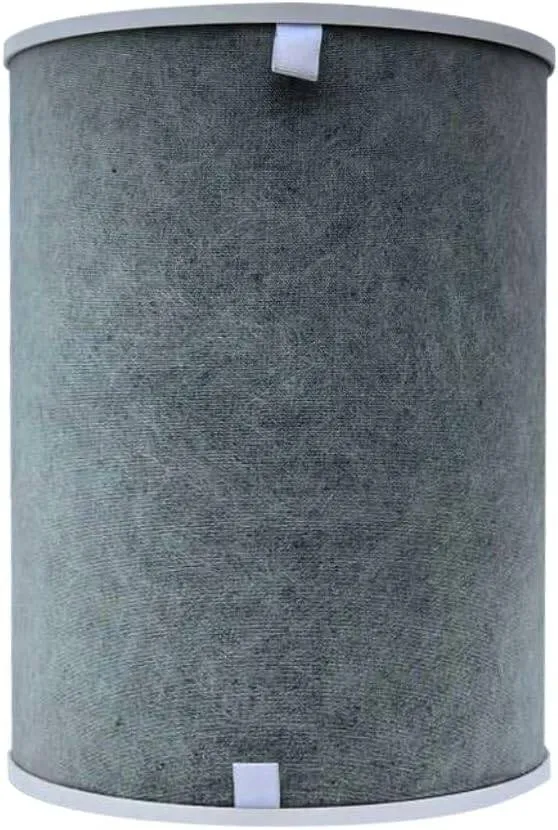
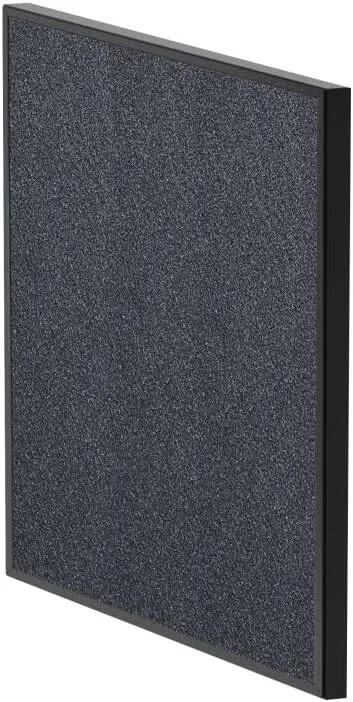
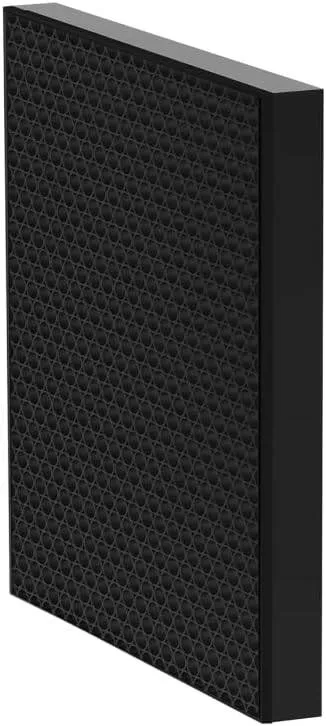
Activated carbon handles what HEPA cannot. Its highly porous structure adsorbs gas molecules, targeting VOCs, odours, and smoke gases that pass straight through mechanical filters.
The adsorption process bonds gas molecules to the carbon surface. Once the surface is saturated, the filter stops working, which is why replacement frequency matters. Filter effectiveness depends on carbon type, bed depth, and timely replacement. Thin carbon layers common in budget purifiers offer modest odour reduction. For genuinely odour-heavy environments such as kitchens, workshops, or spaces undergoing renovation, you need a deeper carbon bed and ideally source control or additional ventilation.
Activated carbon alone does not capture particles. Its role is complementary. When combined with HEPA, these two technologies cover the broadest range of everyday indoor pollutants.
Common use cases:
- Kitchen cooking fumes and food odours
- Post-renovation VOC off-gassing from paints and adhesives
- Cigarette smoke (gases and odour components)
- Pet odours
- New furniture off-gassing
3. UV-C light
UV-C technology uses short-wavelength ultraviolet light to inactivate microorganisms by disrupting their DNA. It is found in some purifiers as a supplementary stage after mechanical filtration.
The limitation is practical. UV-C can inactivate some pathogens but only when air passes slowly enough through the light chamber for sufficient exposure. At typical fan speeds in consumer purifiers, exposure time is often too short for reliable inactivation. UV-C also does nothing for particles or gases.
This technology makes more sense in medical settings where purpose-built UV-C systems are designed for the correct exposure dwell time. In consumer devices, treat it as a modest supplementary feature rather than the primary reason to choose a product.
4. Ionisers (electrostatic precipitators)
Ionisers charge airborne particles so they attach to surfaces or collector plates rather than remaining suspended. Some designs are built into purifiers; others are standalone devices.
The core problem: ionisers are ineffective as stand-alone air cleaners and frequently produce ozone as a byproduct. Ozone at elevated concentrations causes lung irritation, worsens asthma, and can react with indoor chemicals to produce secondary pollutants. Particles that settle on surfaces rather than being captured in a filter simply re-enter the air with any disturbance.
Some newer ioniser designs are engineered to minimise ozone output, but independent testing results are inconsistent. If you encounter an ioniser in a purifier’s feature list, treat it as a secondary function, not a selling point.
5. Ozone generators
Ozone generators produce high concentrations of ozone gas intentionally, on the premise that ozone oxidises and neutralises pollutants. They are sometimes marketed for odour elimination in unoccupied spaces after flooding, fire damage, or heavy smoke.
The evidence on safety is clear. Ozone-generating devices should not be used in occupied spaces due to documented respiratory harm. Ozone irritates the lungs, aggravates asthma and other respiratory conditions, and does not selectively target only harmful molecules. Regulatory health bodies in multiple countries advise against consumer use.
If an ozone generator is ever used for remediation in a vacant space, the space must be fully ventilated before re-occupancy. For ongoing air quality improvement, ozone generators are not an appropriate air purification method.
6. Photocatalytic oxidation (PCO)
Photocatalytic oxidation combines UV light with a catalyst (usually titanium dioxide) to break down VOCs and other gaseous pollutants through a chemical reaction. It is promoted as an innovative air filtration approach for gas-phase contaminants.
The practical results are mixed. Some PCO systems produce harmful byproducts including formaldehyde and acetaldehyde, depending on catalyst quality and the specific VOCs present. Reaction completeness varies. Independent research has not consistently confirmed sufficient efficacy for typical home environments.
PCO may have a role in certain commercial or industrial applications with proper engineering, but for residential use it is not a replacement for activated carbon and HEPA. Treat PCO claims in consumer products with scepticism until independent test data supports them.
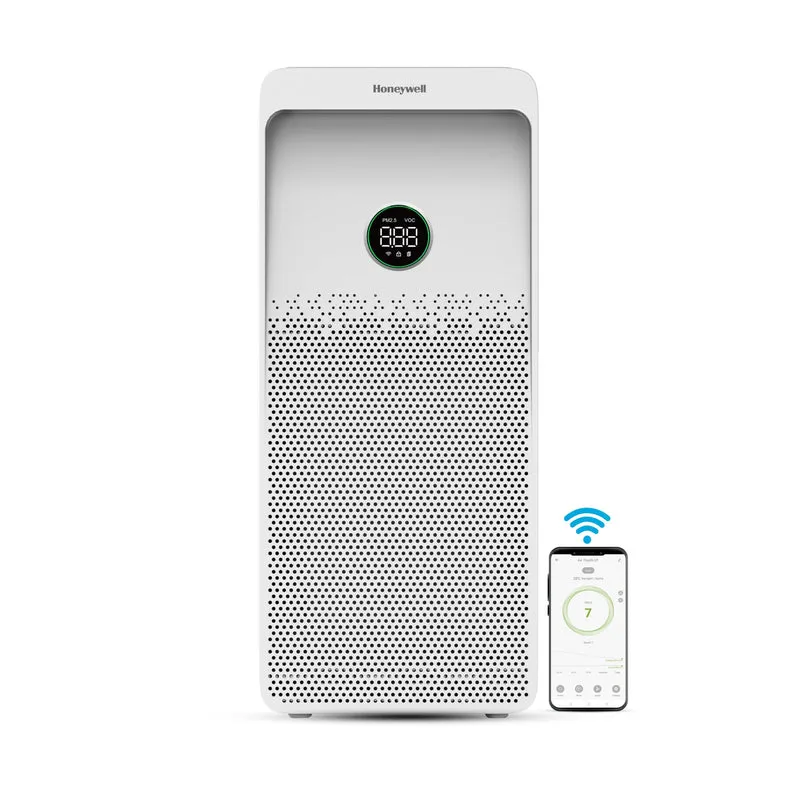
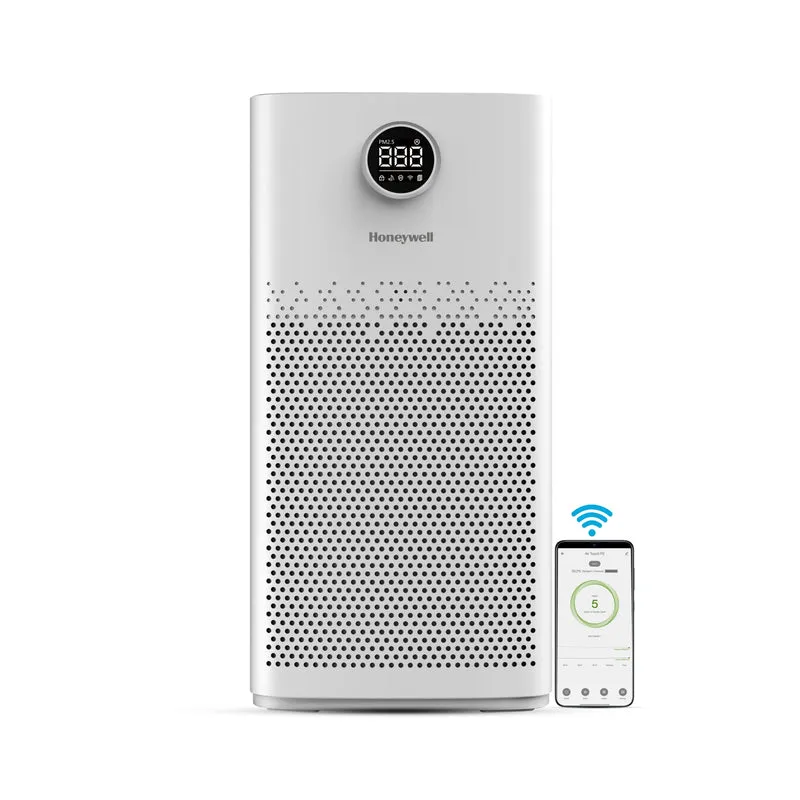
7. Smart purifiers with multi-stage filtration
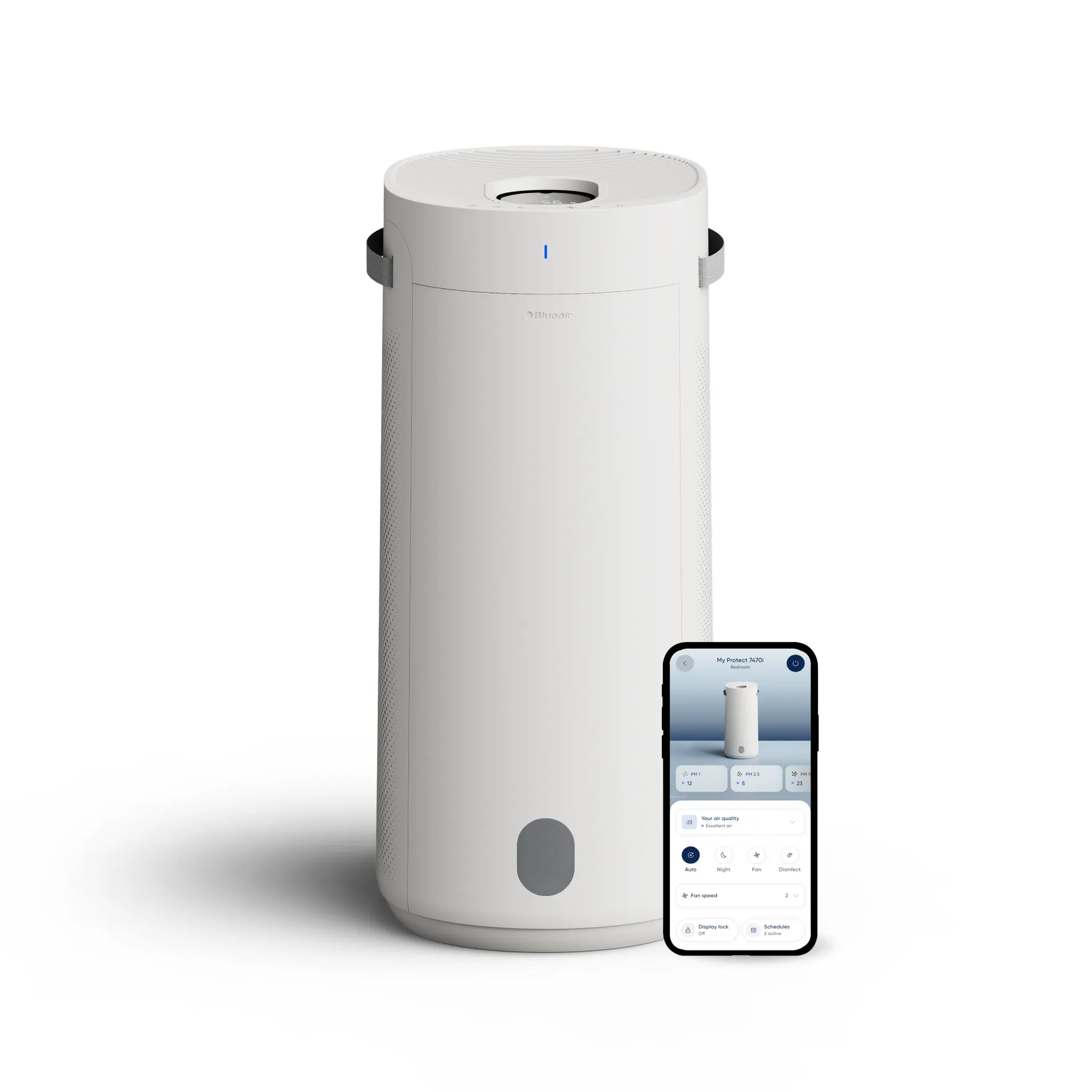
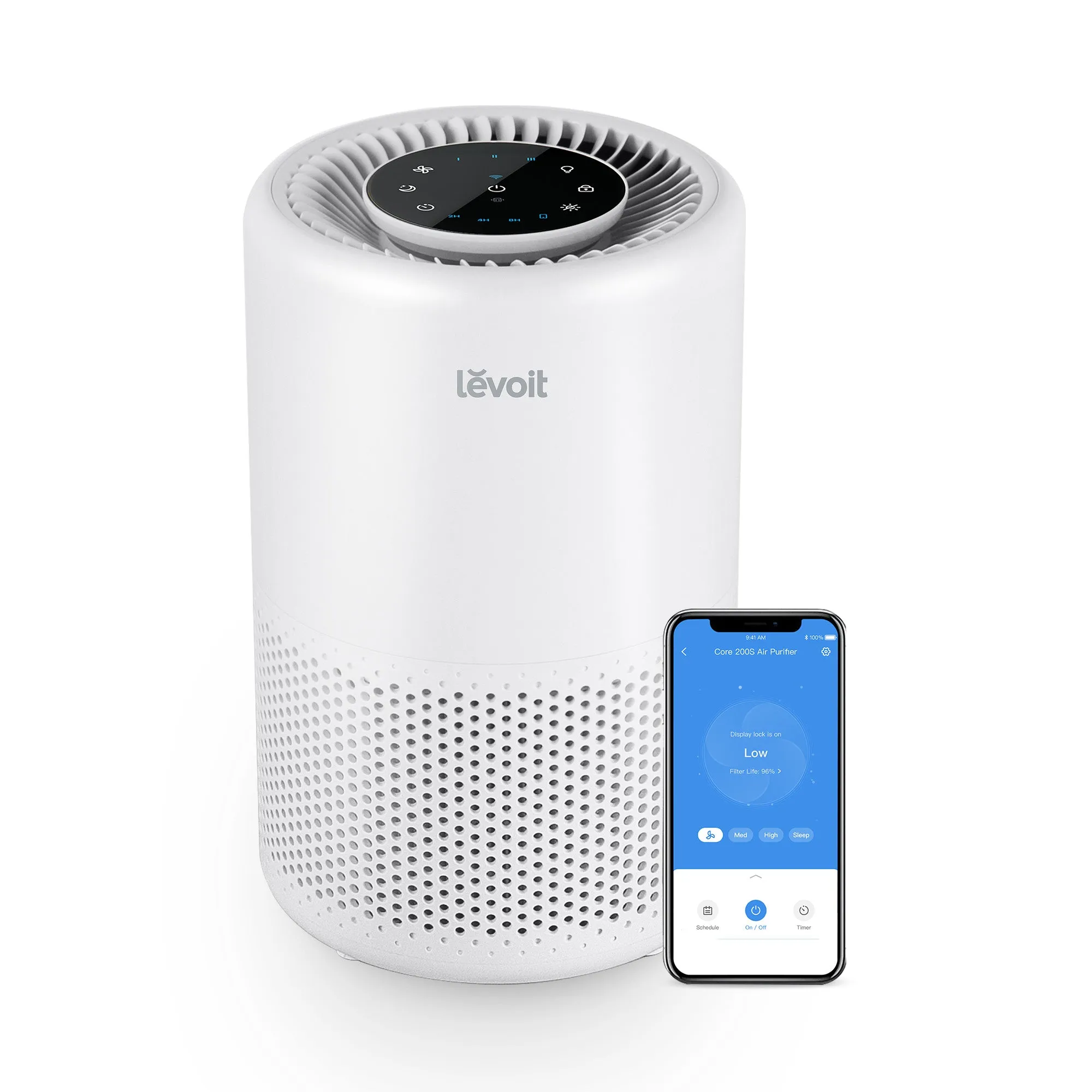
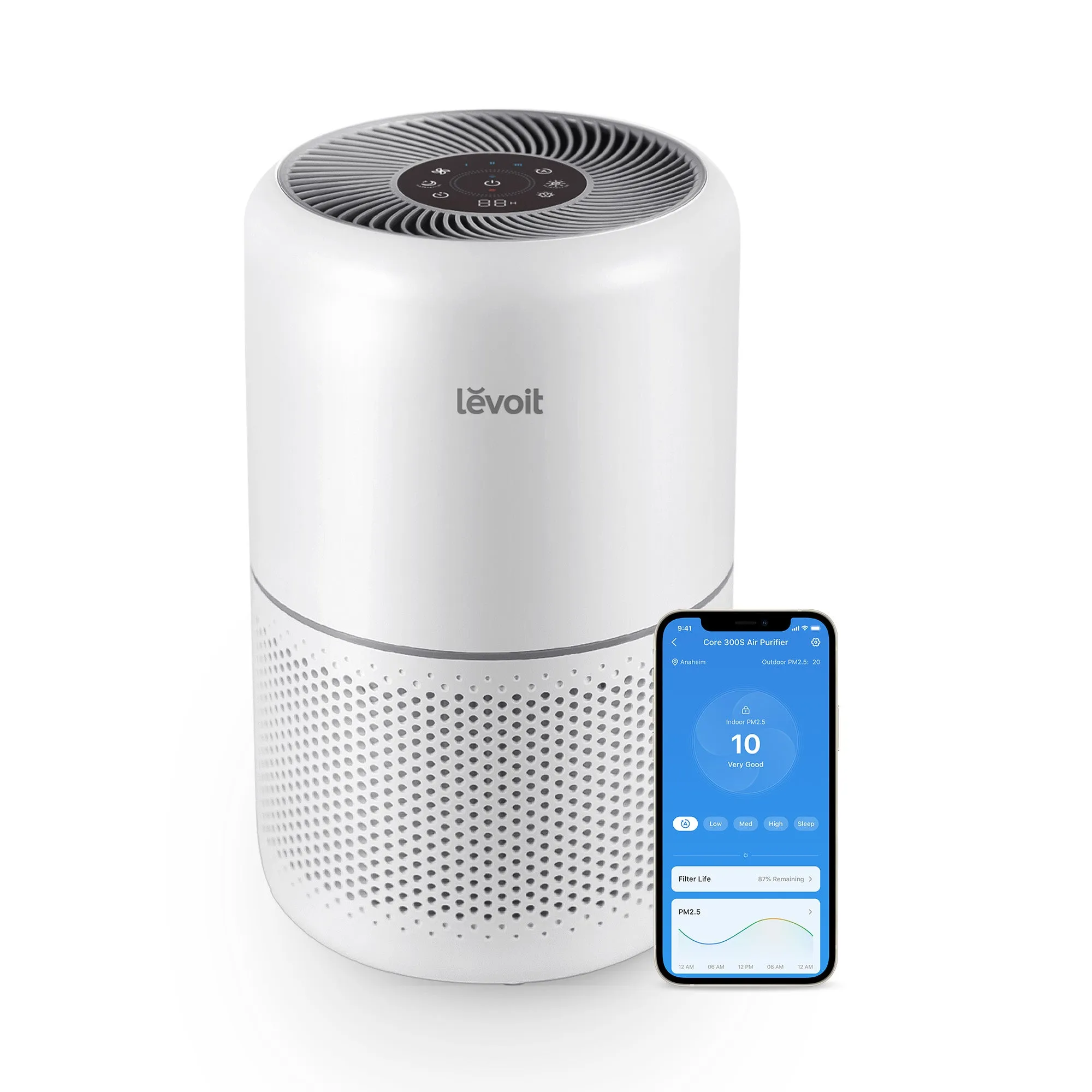
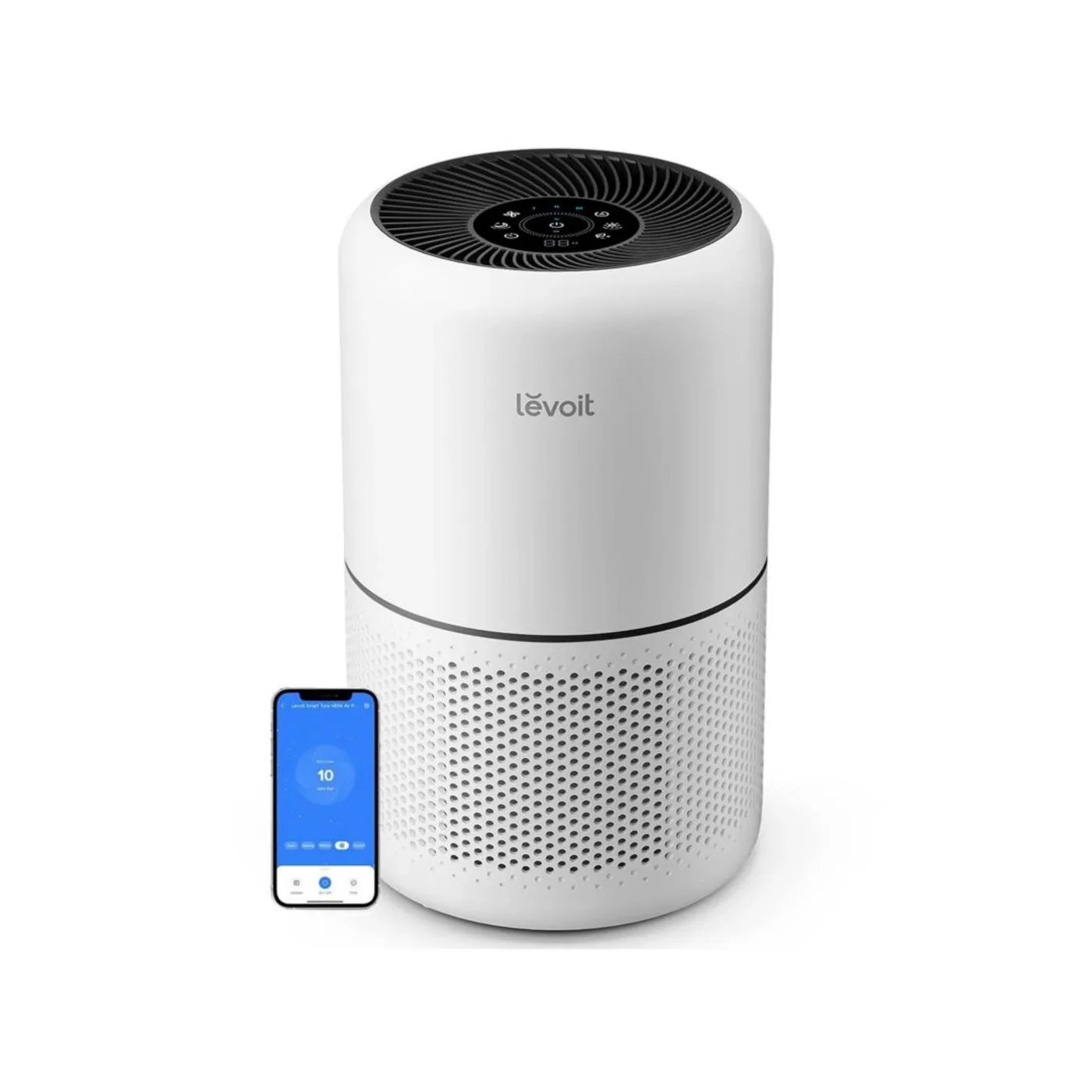
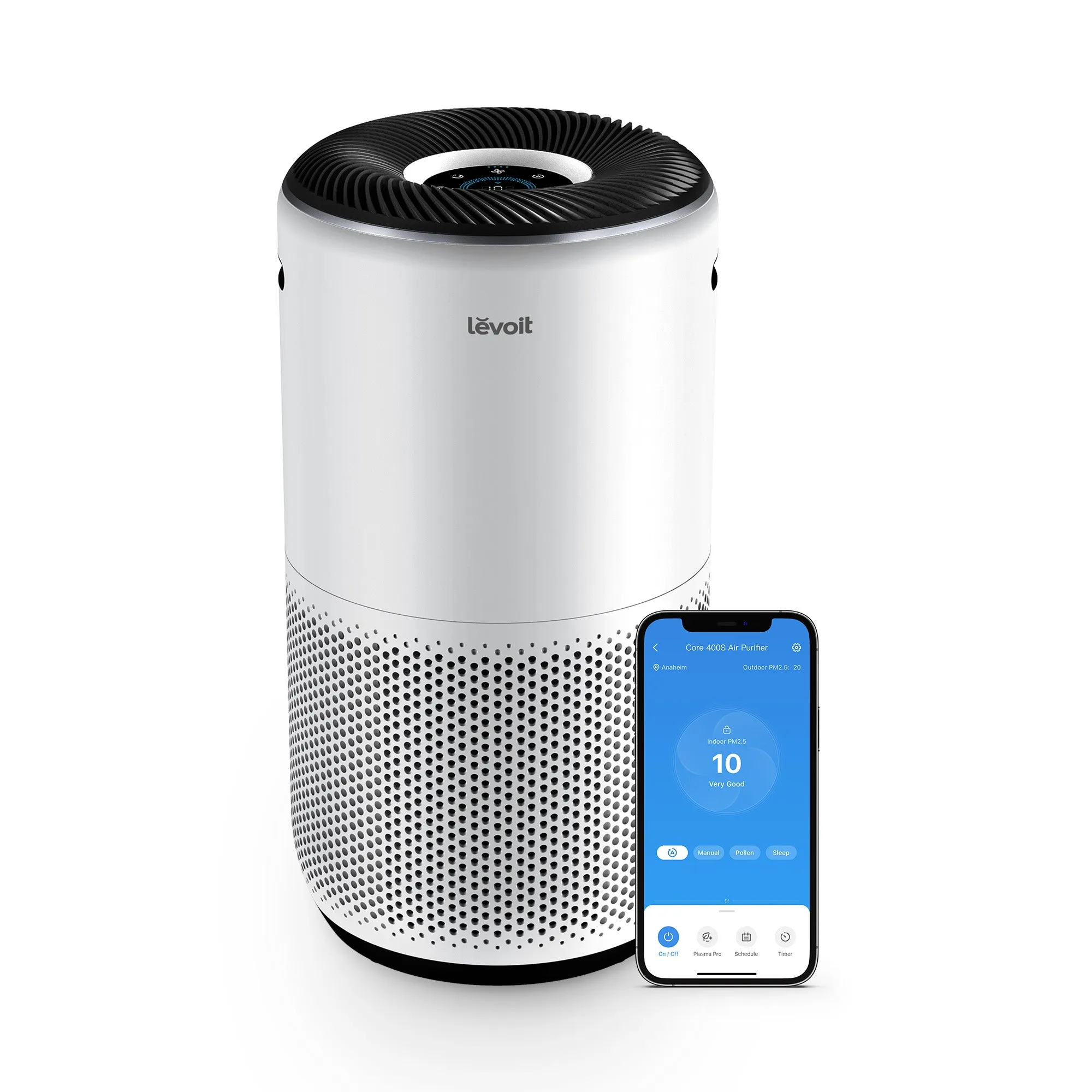
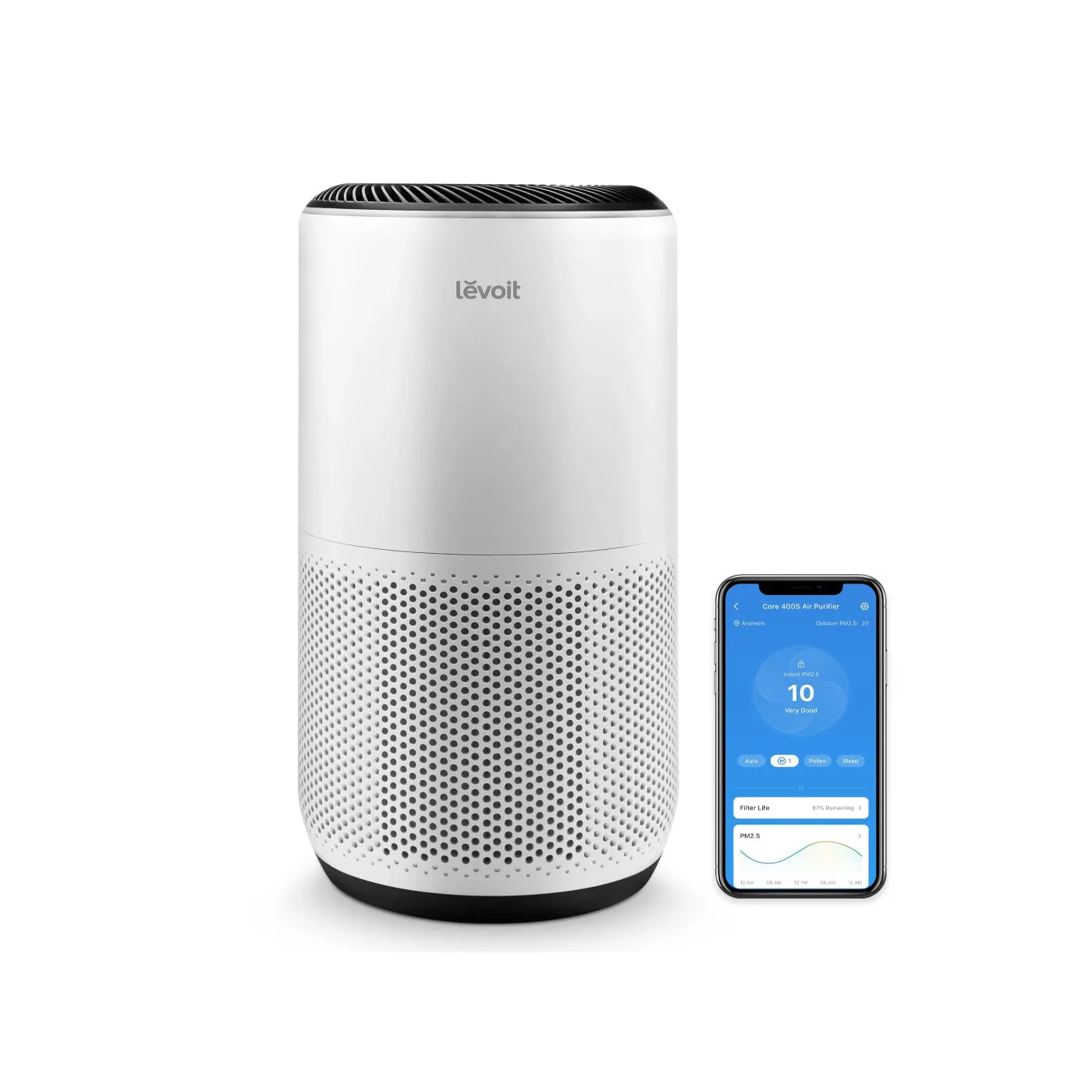
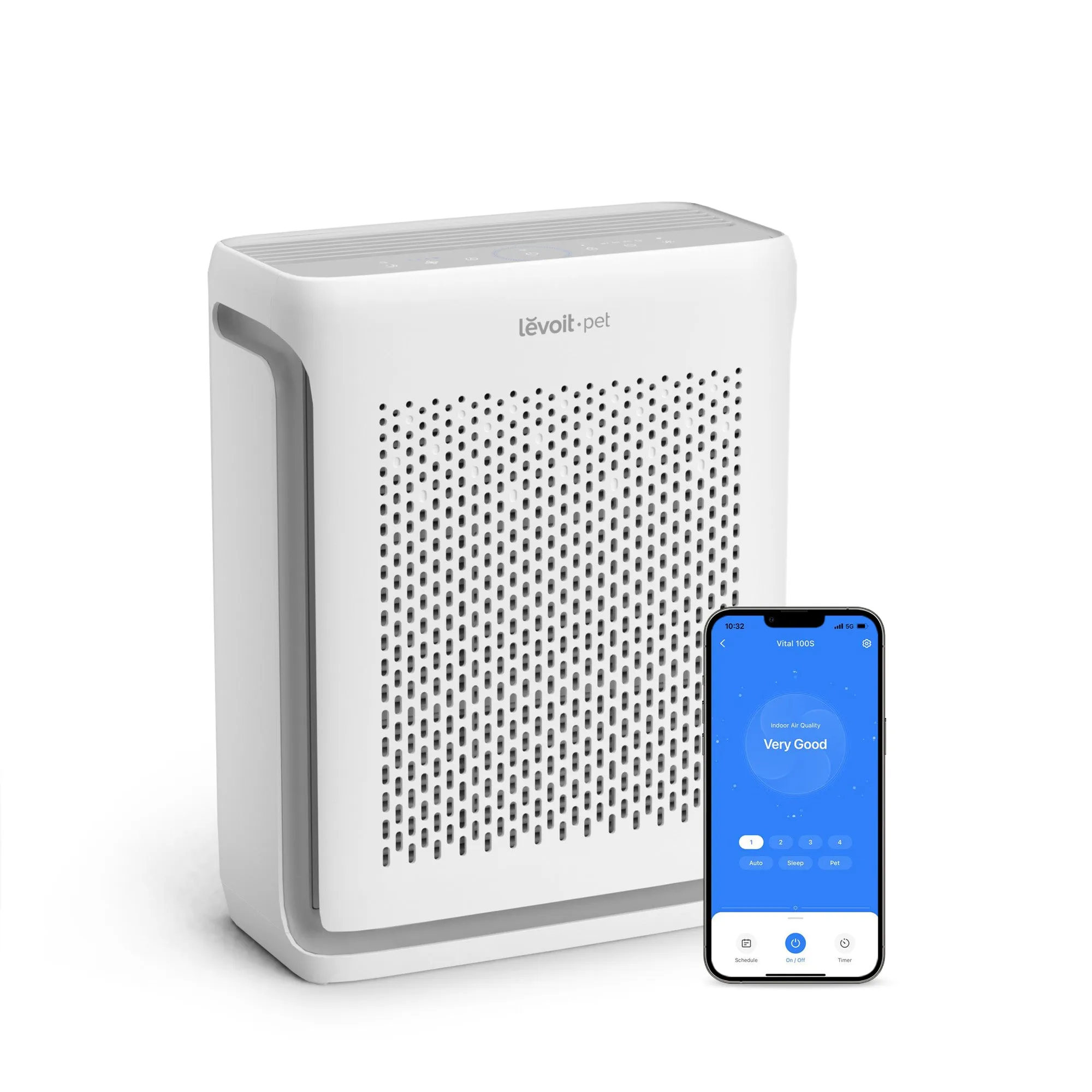
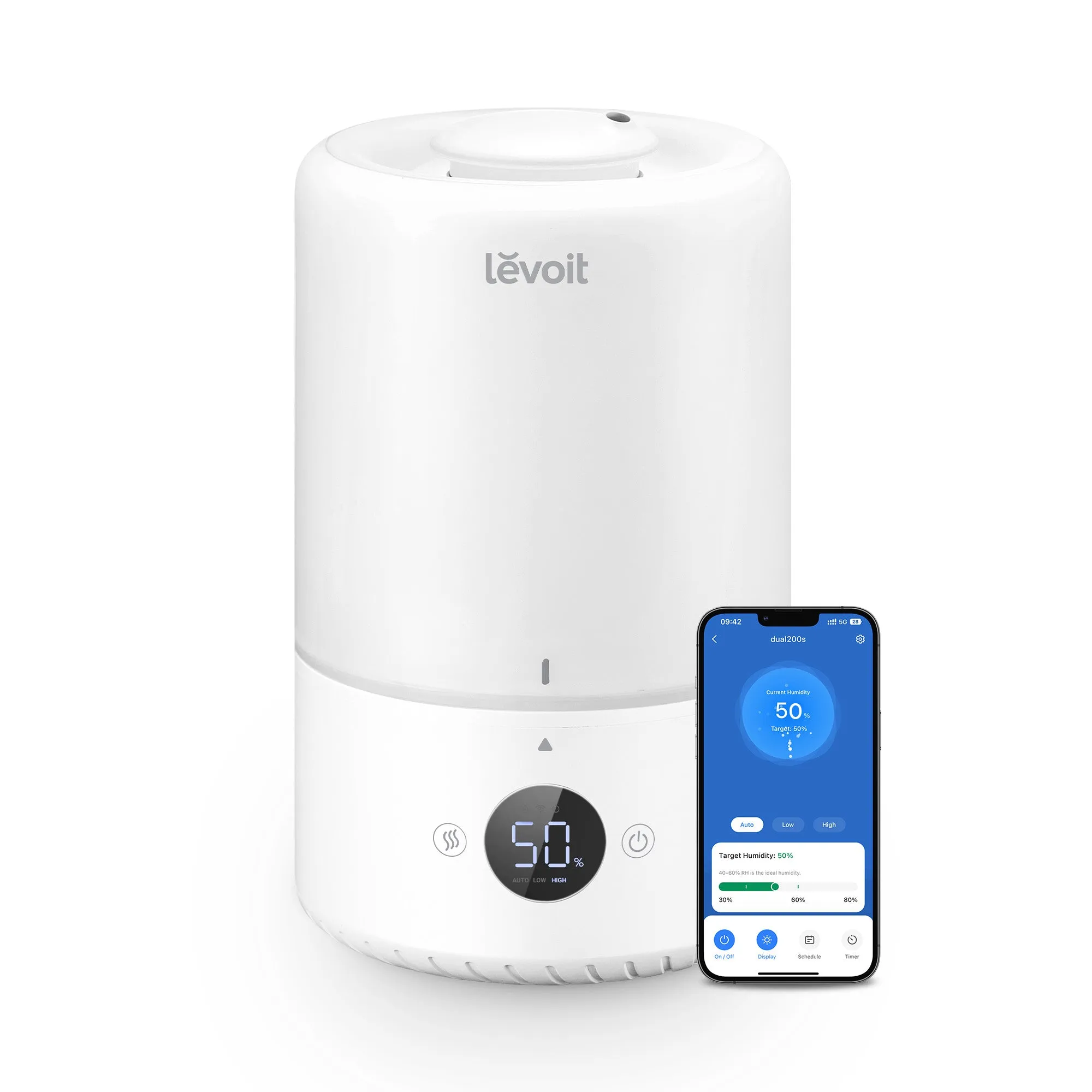
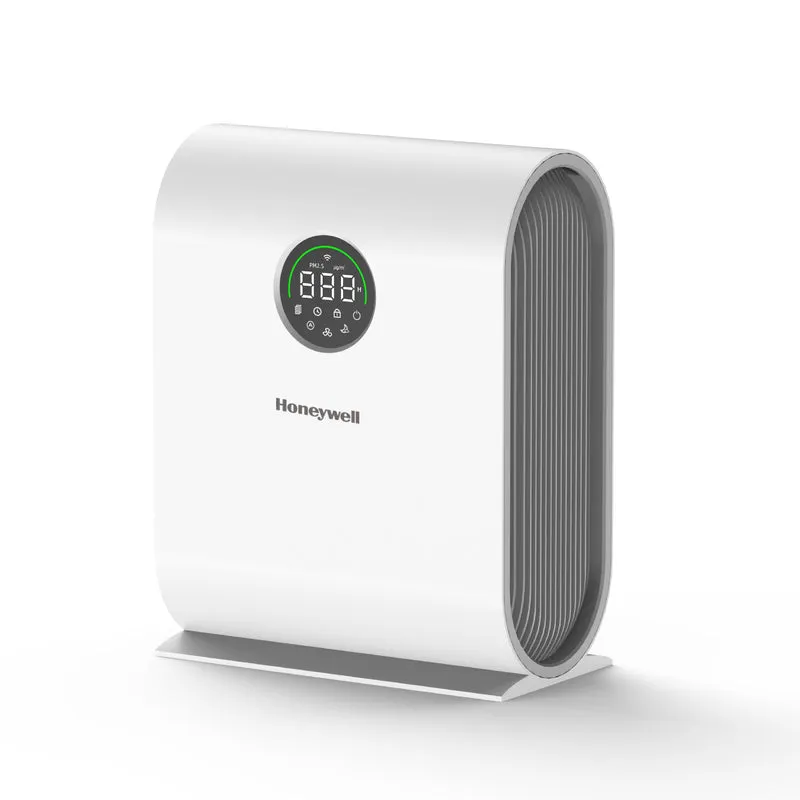
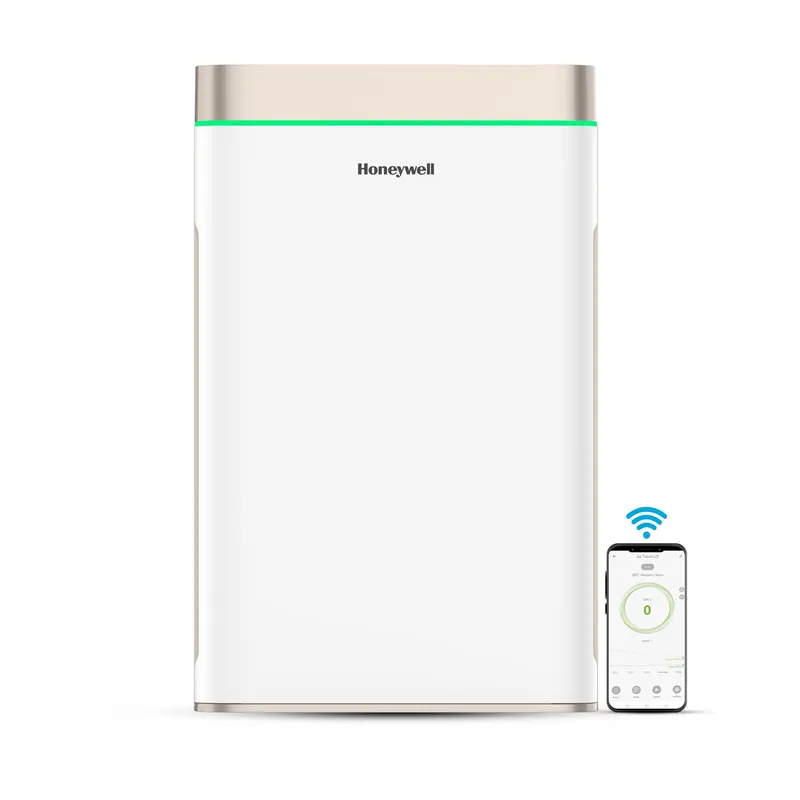
Smart purifiers are not a separate filtration technology. They are devices that combine multiple filter stages, usually HEPA and activated carbon, with electronic sensors, app connectivity, and automatic fan speed adjustment based on real-time air quality readings.
The HEPA and carbon combination is the reason these devices perform well. The smart layer adds genuine convenience: you can monitor air quality remotely, receive filter replacement reminders, and let the unit respond to cooking or cleaning events without manual adjustment. Consumer testing confirms that fan and CADR performance are core to purifier effectiveness, and smart models from reputable brands typically prioritise both.
For offices and larger living spaces, a well-specified smart purifier that combines solid filtration with sensor automation offers the best practical air quality improvement without ongoing manual management.
Comparison of the main air cleaning technologies
| Technology | Targets | Pros | Cons | Safety notes |
|---|---|---|---|---|
| HEPA filter | Particles, allergens | High efficiency, no byproducts | No gas or odour removal | Safe |
| Activated carbon | Gases, VOCs, odours | Broad gas coverage | No particle capture | Safe; replace on schedule |
| UV-C light | Some pathogens | Germ-targeted | Low efficacy at consumer fan speeds | Generally safe in enclosed units |
| Ioniser | Particles | No filter to replace | Ozone byproduct, surface redeposition | Use with caution |
| Ozone generator | Odours (vacant spaces only) | Strong oxidiser | Harmful to respiratory health | Not for occupied spaces |
| PCO | VOCs (in theory) | Gas-phase targeting | Inconsistent results, possible byproducts | Uncertain; research ongoing |
| Smart purifier | Particles + gases (via HEPA + carbon) | Automation, monitoring, broad coverage | Higher upfront cost | Safe when built on HEPA + carbon |
Choosing the right technology for your situation
Matching air cleaning solutions to your actual needs prevents wasted spending and, more critically, avoids a false sense of security from a device that does not address your specific pollutants.
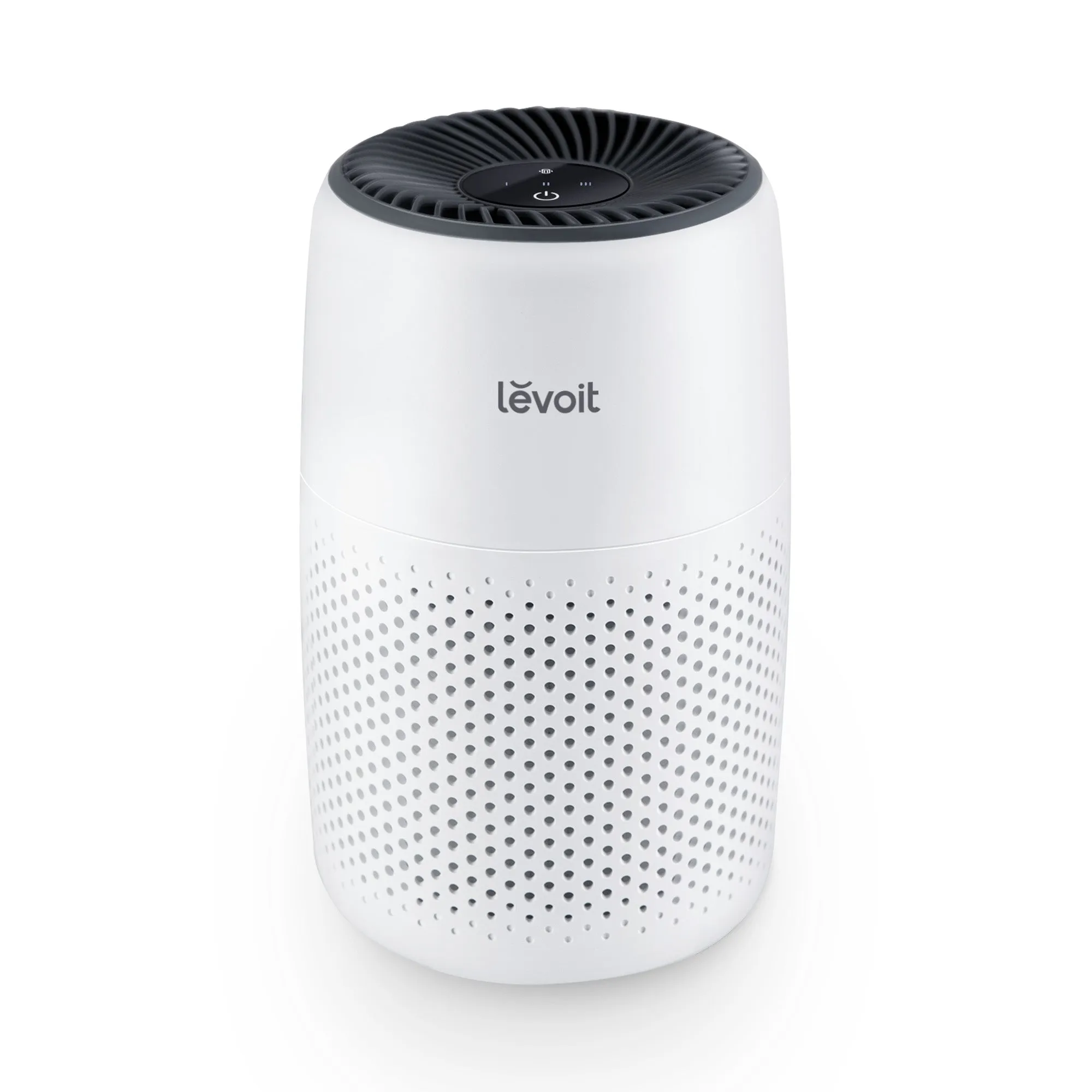
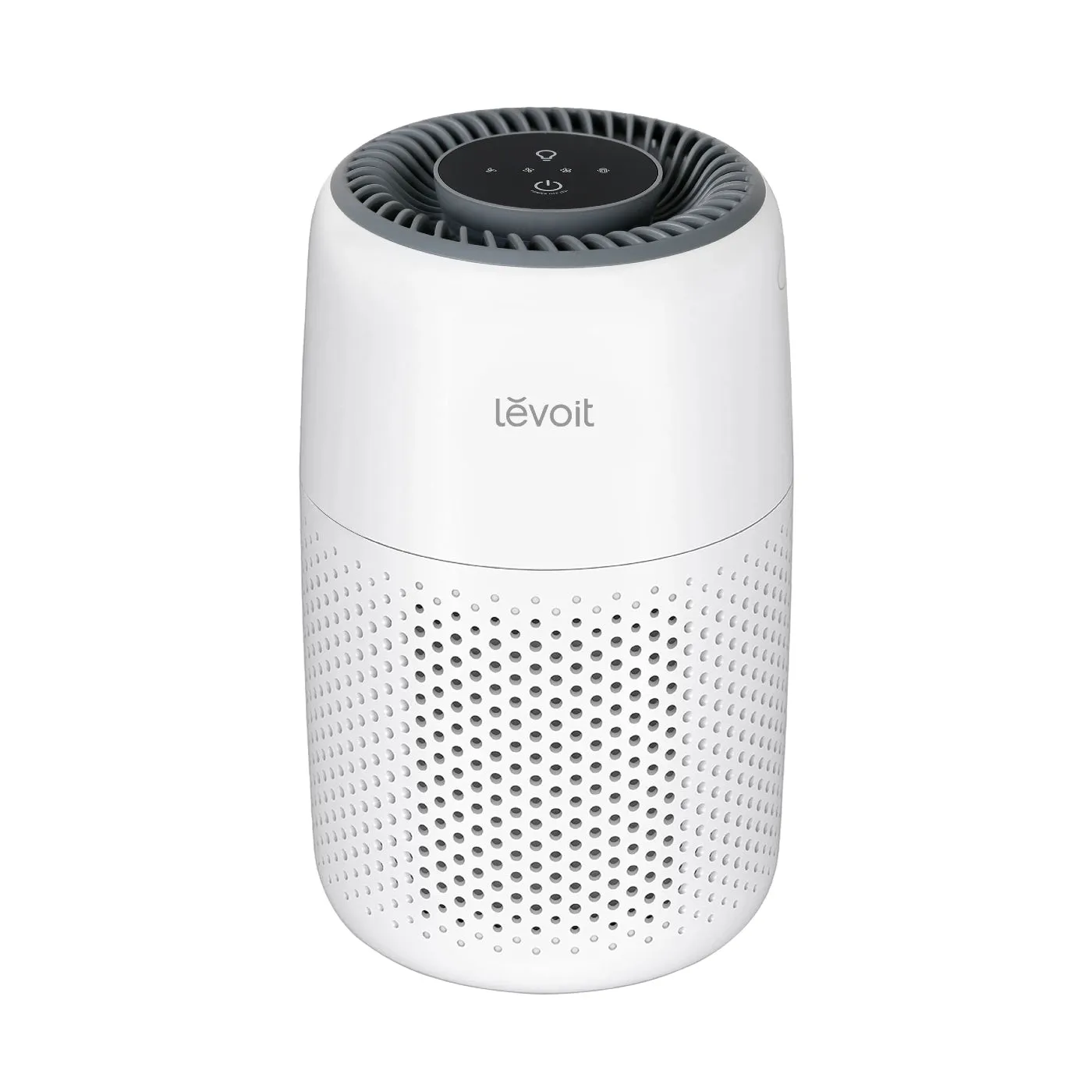
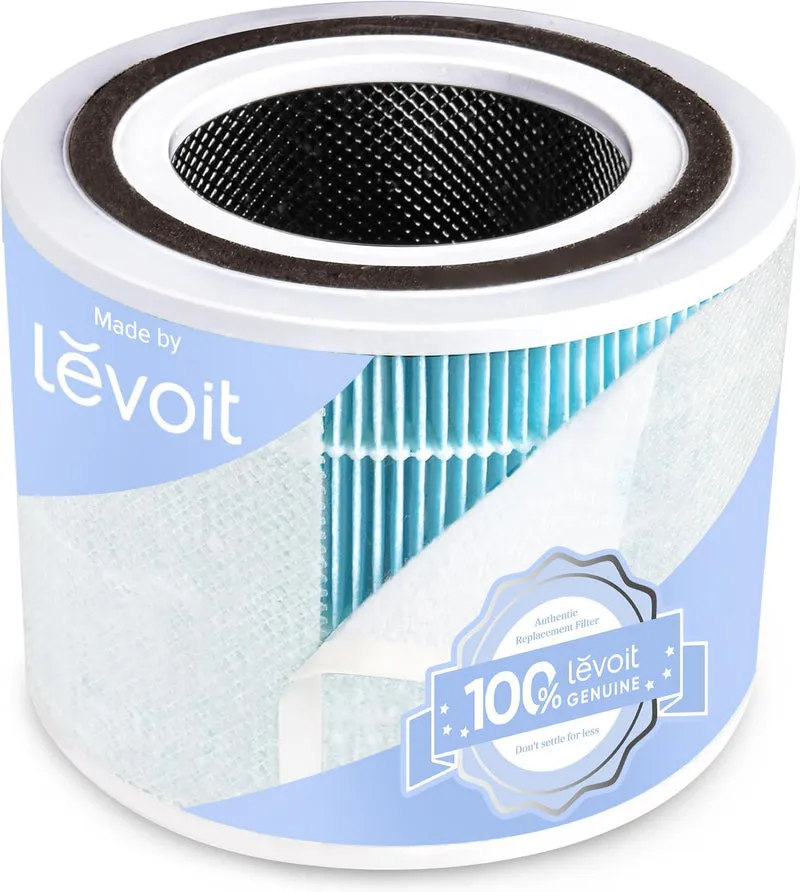
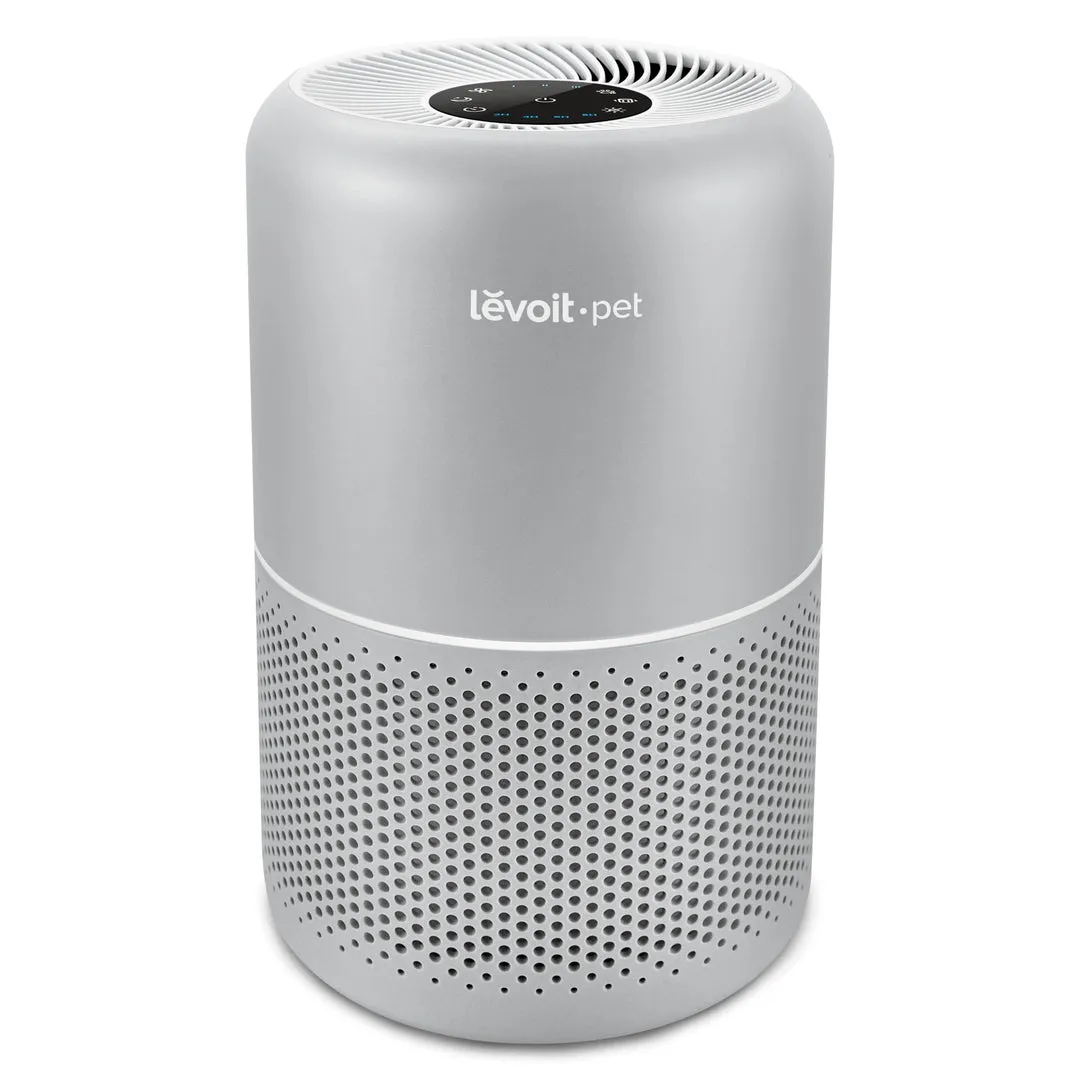
- For allergies and asthma: HEPA is non-negotiable. Choose a purifier with a verified True HEPA filter and a CADR appropriate to your room size using the 2/3 rule. The Levoit Core Mini is worth considering for smaller rooms and personal spaces.
- For odours and VOCs: Add activated carbon. A purifier with both HEPA and a substantial carbon layer covers particles and gases together.
- For germ concerns: Prioritise HEPA for capturing virus-carrying particles, as consistent operation and filter maintenance deliver more reliable results than supplementary UV-C alone.
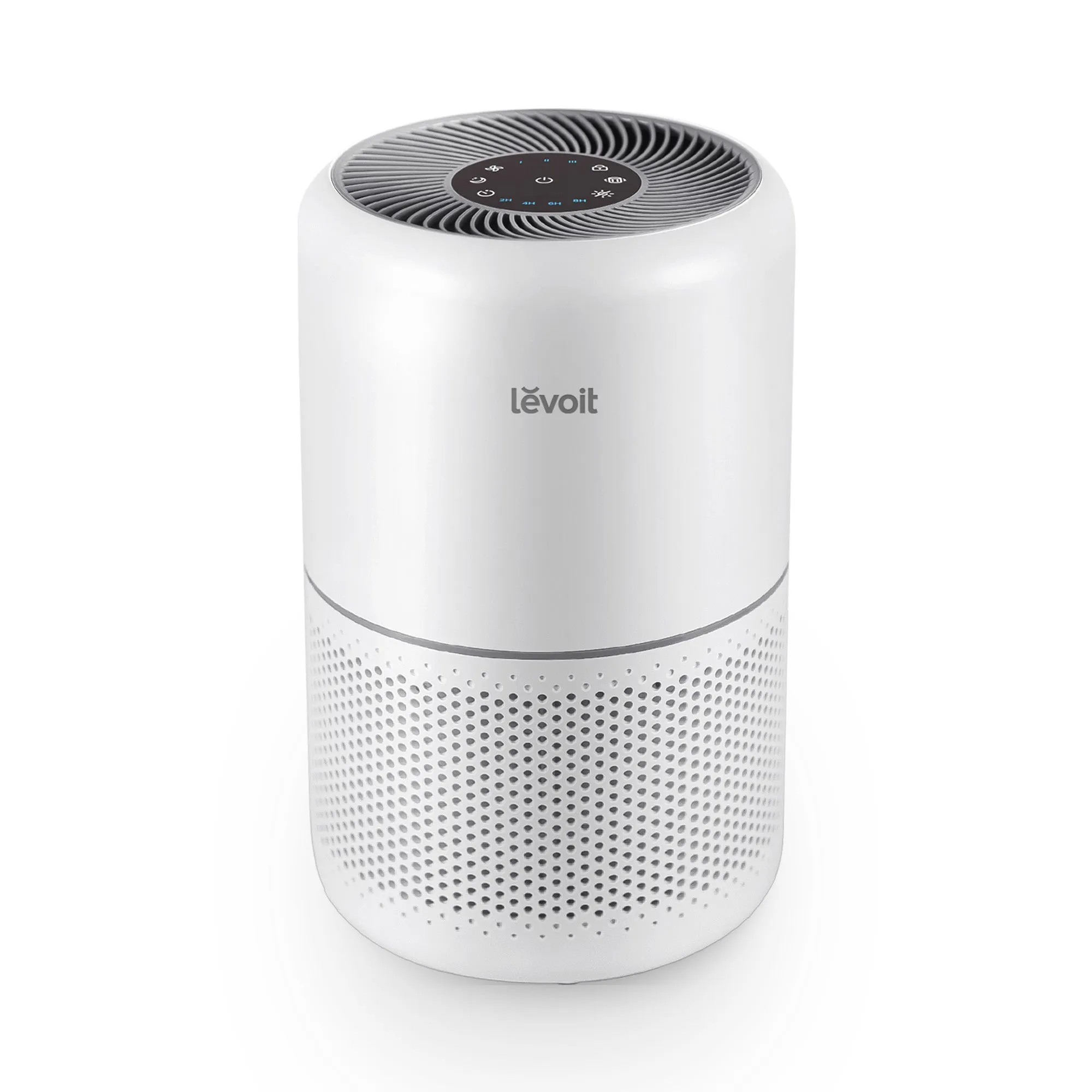
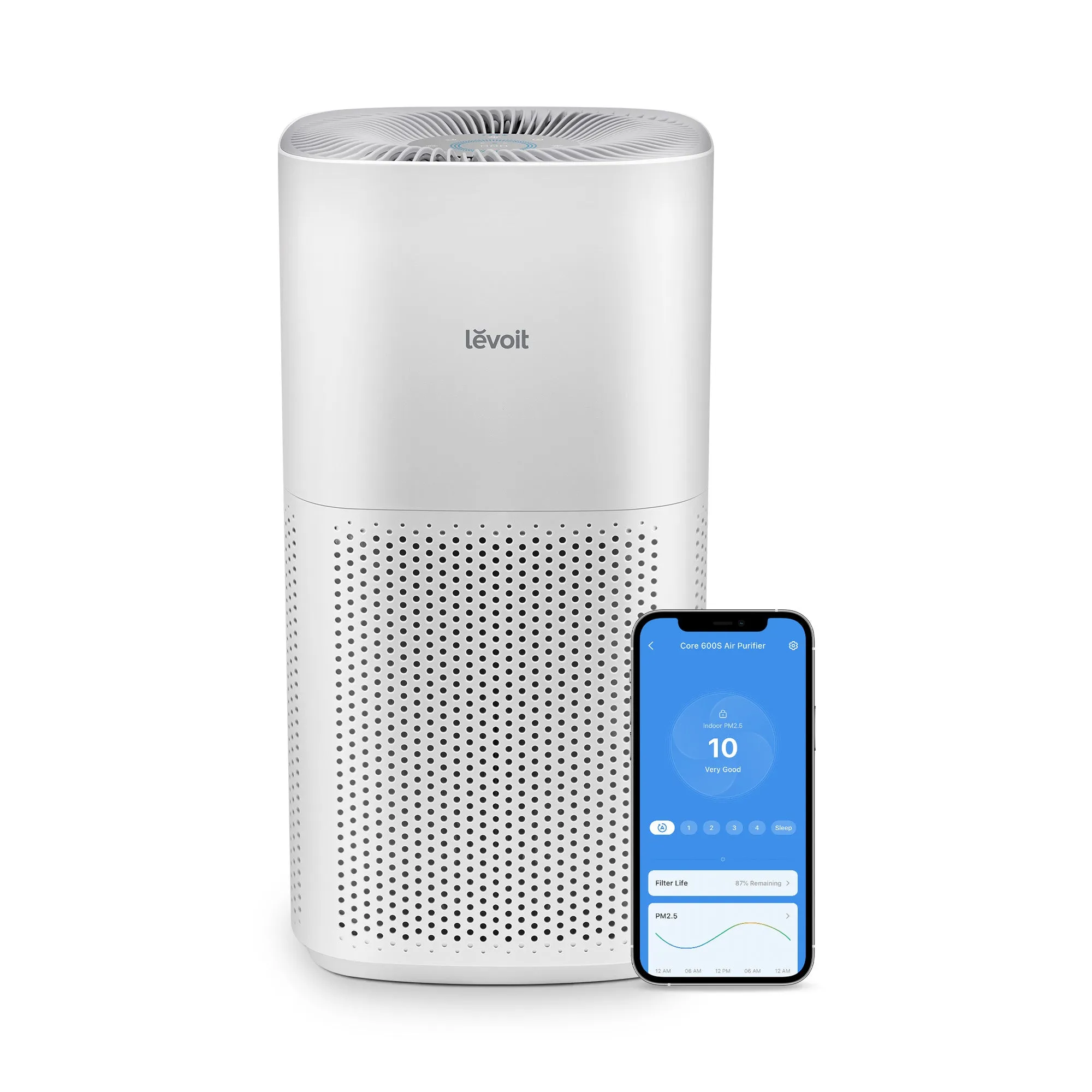
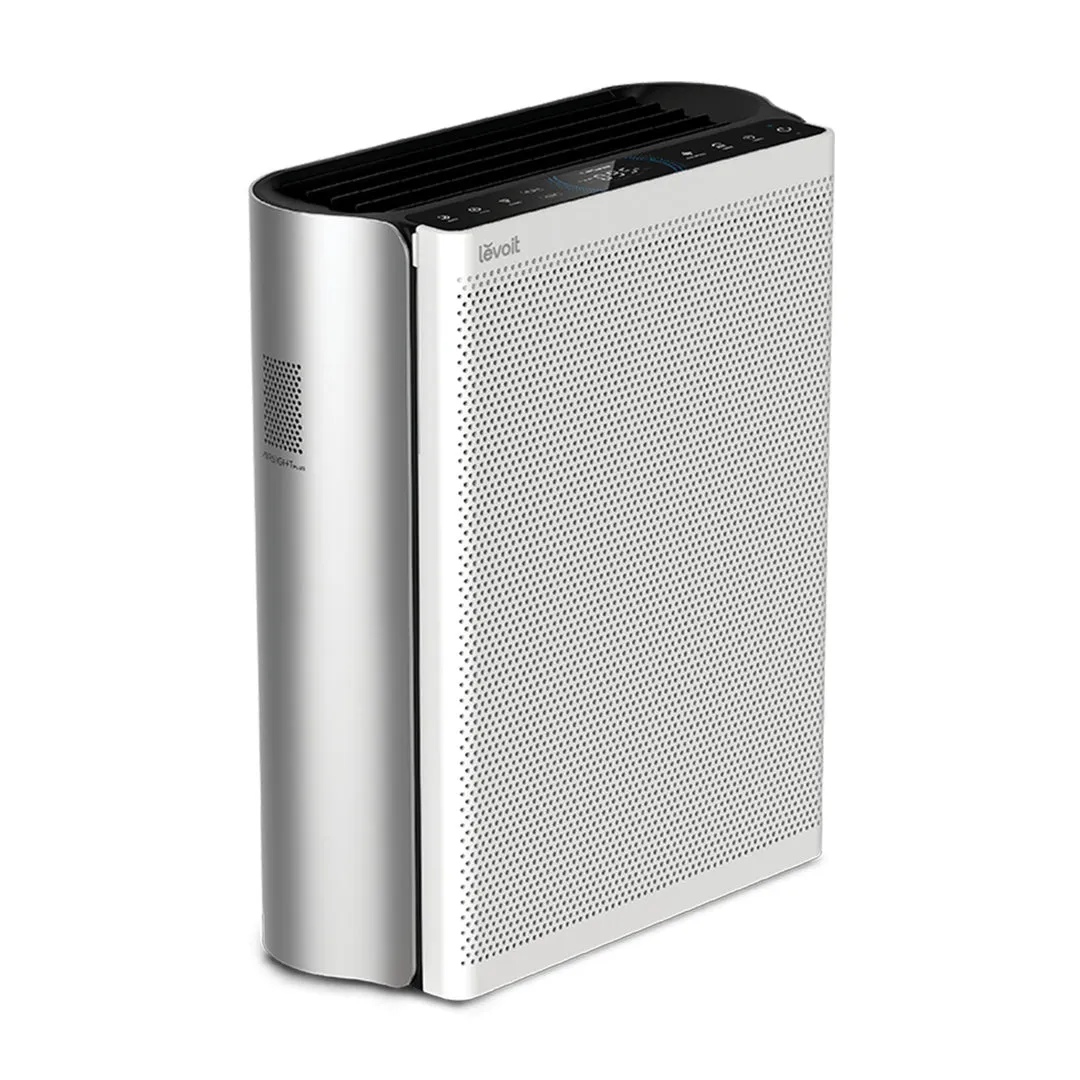
- For offices and larger spaces: A smart purifier with HEPA and carbon filtration gives you automation and coverage. The Levoit Core 600S is designed specifically for this use case.
- Avoid: Standalone ionisers and ozone generators for any occupied space. These are not suitable air quality improvement techniques for daily use.
Pro Tip: Place your purifier centrally in the room, away from walls and large furniture, and run it continuously on auto mode for the best results. A purifier running four hours a day in a bedroom will never match one running around the clock on low speed.
My honest take on choosing air cleaning technology
I have looked at a lot of purifiers, read the independent test reports, and the pattern is consistent. The biggest mistakes people make have nothing to do with choosing the wrong technology. They buy the right device and then run it on a schedule, rather than continuously. Or they skip filter replacements because the unit still seems to be running fine.
Real-world air purifier effectiveness depends as much on run time and filter upkeep as on the spec sheet. A mid-range purifier run continuously with regular filter changes will outperform a premium device used only occasionally.
My other consistent observation: people overestimate the value of supplementary technologies like UV-C and ionisers. These are add-ons, not foundations. If I had to strip a purifier back to what actually matters, it would be a strong fan, a genuine HEPA filter, and a carbon layer with enough depth to do real work on gases. Everything else is secondary.
The smart features in modern devices do add genuine value. Automatic mode means the fan responds to an event like cooking or cleaning without you noticing, which means the purifier is actually doing its job rather than sitting on a fixed low setting. That kind of passive reliability matters more than any headline technology claim.
— Wojciech
Cleanair-ae air purifiers: HEPA and carbon filtration for UAE homes and offices
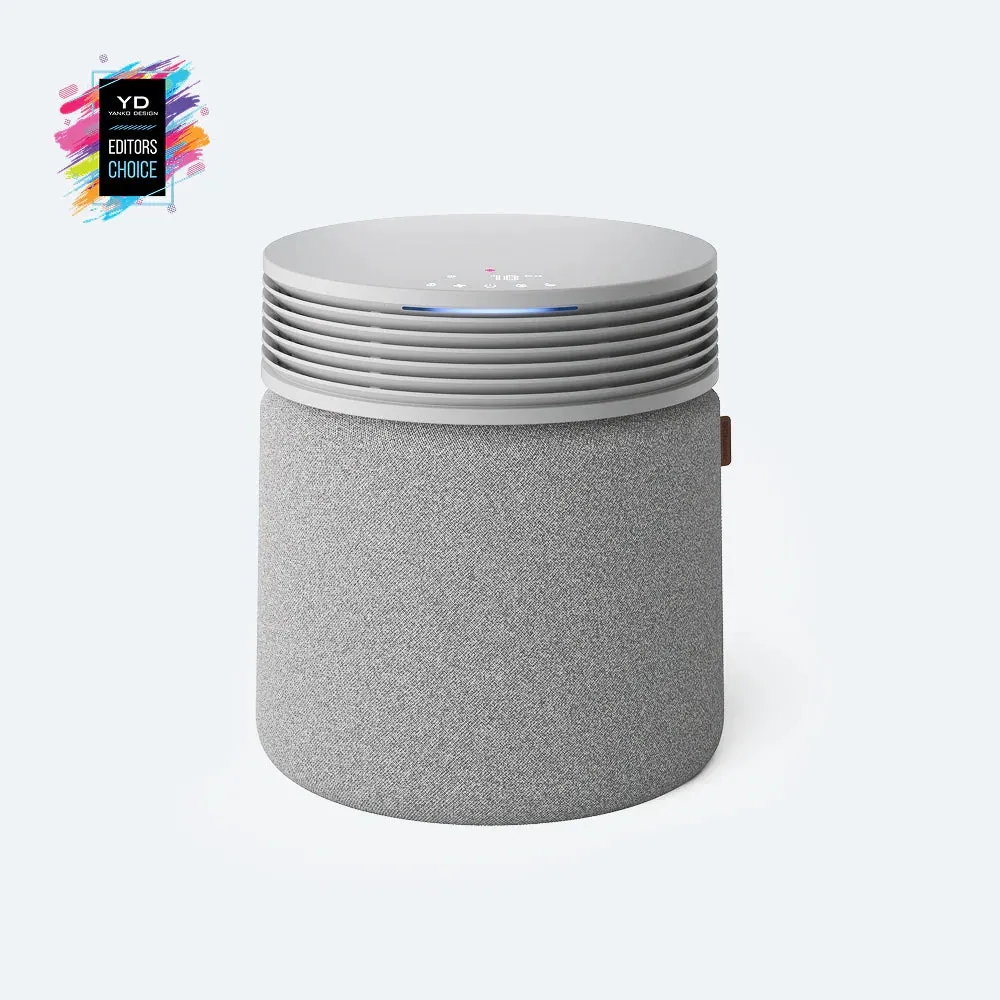
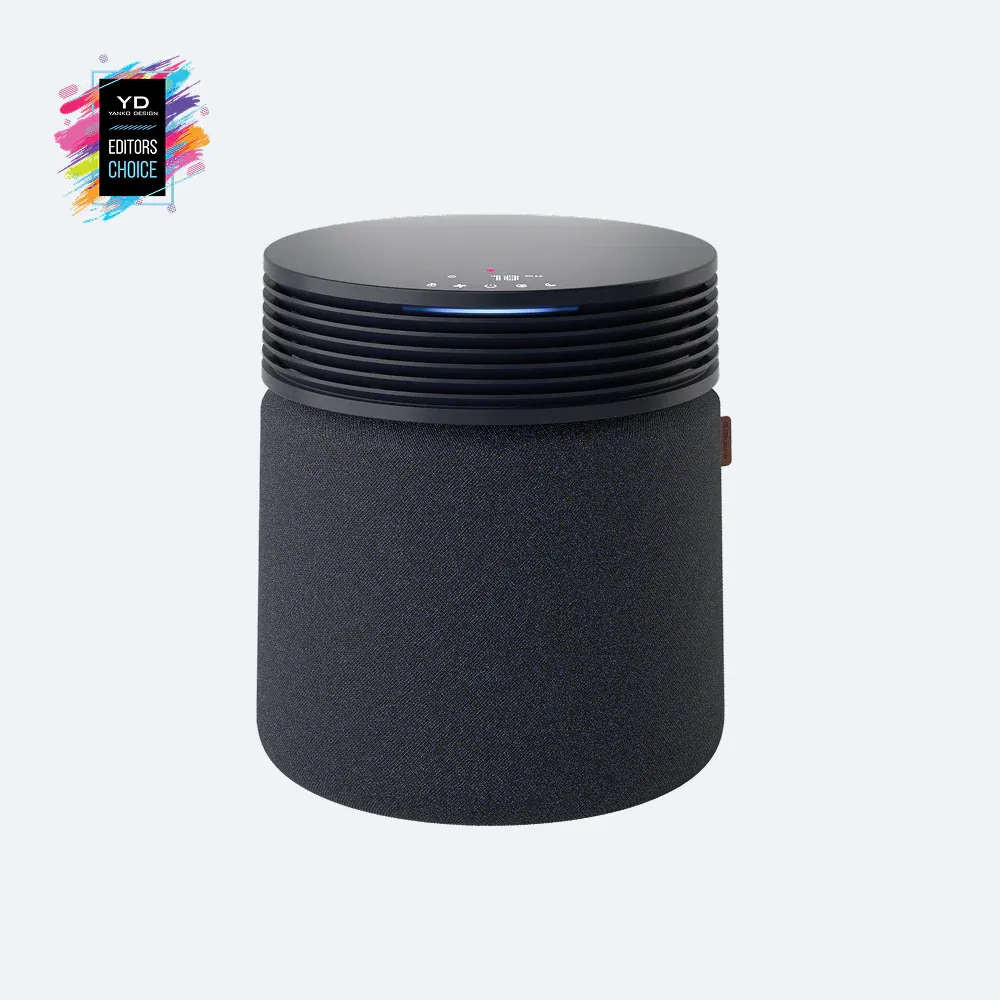
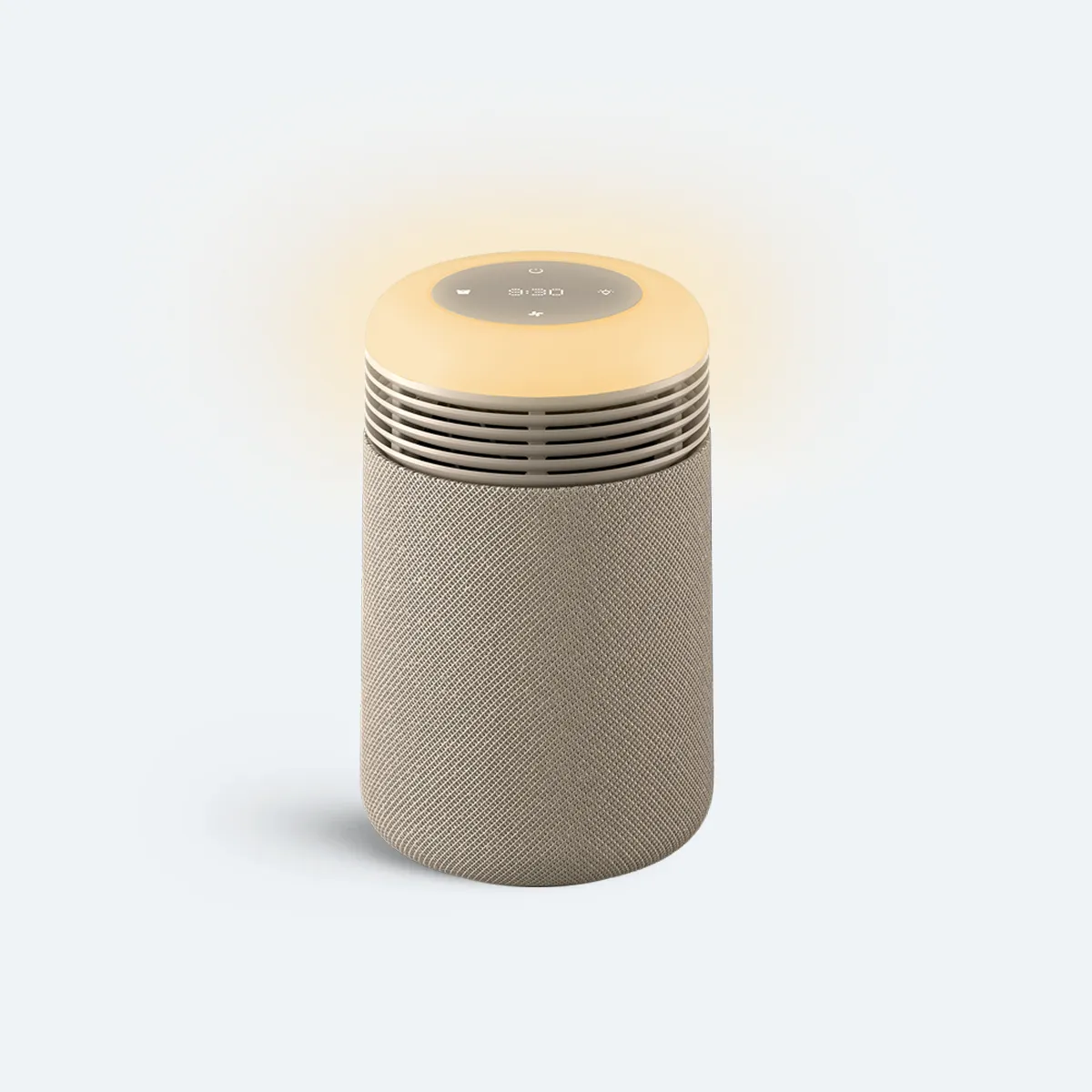
Cleanair-ae stocks a curated range of air purifiers built on the filtration combinations this guide recommends. HEPA and activated carbon together. Verified CADR ratings. Models suited to different room sizes and budgets.
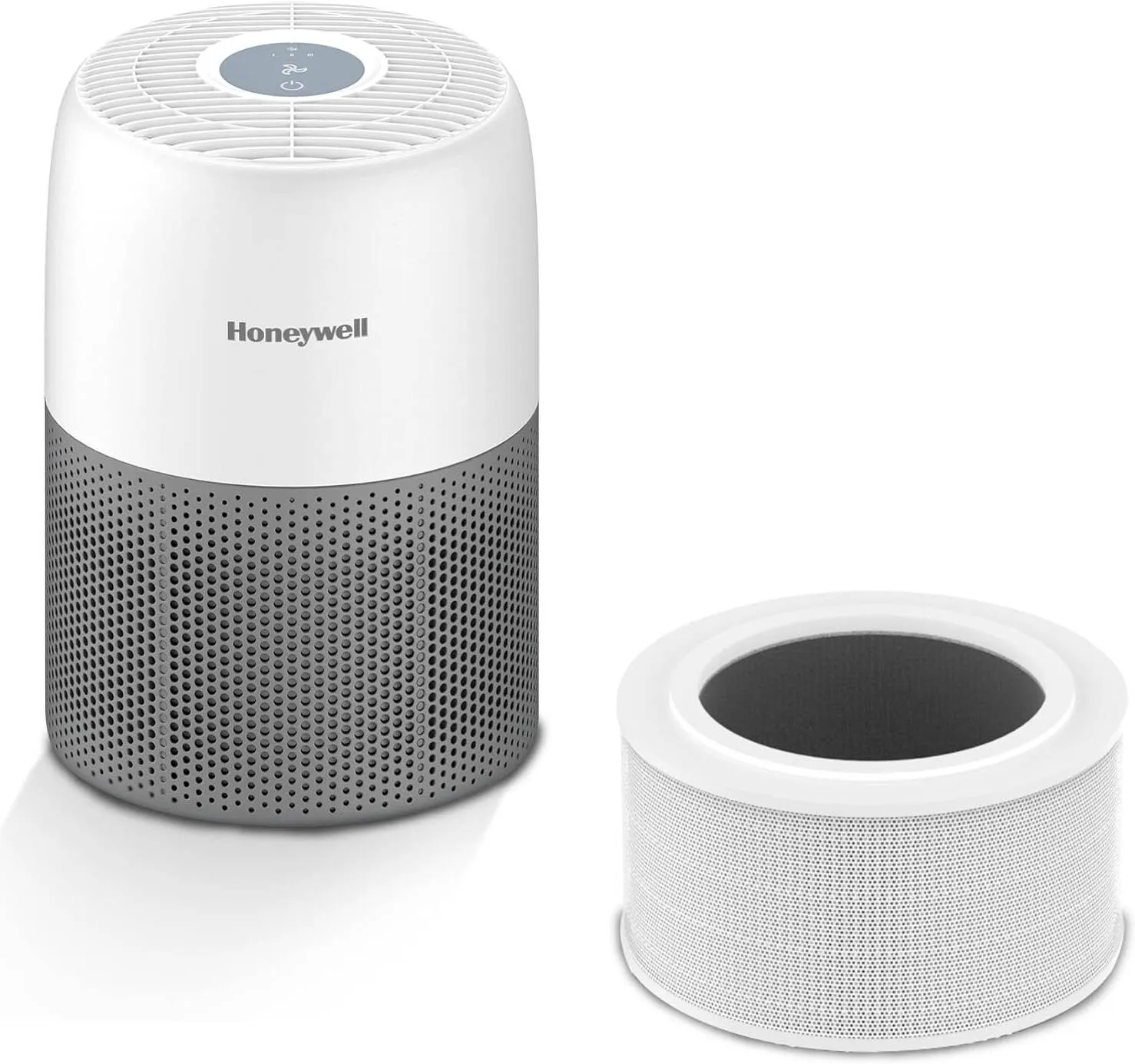
For compact spaces and allergy relief, the Levoit Core Mini combines True HEPA and carbon filtration in a portable unit ideal for bedrooms and personal spaces. For offices and larger living areas, the Levoit Core 600S delivers quiet, smart-enabled performance with sensor-driven automation. Free delivery across the UAE on qualifying orders. Filter replacements also available.
FAQ
What is the most effective air cleaning technology?
True HEPA filtration paired with activated carbon is the most effective combination for typical indoor environments, targeting both particles and gases. No single technology covers all pollutant types on its own.
Are ionisers safe to use at home?
Most ionisers produce ozone as a byproduct, which can irritate the lungs and worsen respiratory conditions. They are generally not recommended as stand-alone air cleaners in occupied spaces.
How do I match an air purifier to my room size?
Use the 2/3 rule: the purifier’s CADR rating should be at least 67% of the room’s square footage for adequate air cleaning coverage.
Do air purifiers remove viruses?
HEPA filters capture the particles that carry viruses, making them effective at reducing airborne viral load when run consistently. UV-C adds limited supplementary benefit but is not sufficient on its own.
How often should I replace air purifier filters?
HEPA filters typically need replacement every 6 to 12 months. Activated carbon filters may need changing more frequently in high-odour environments. Always follow the manufacturer’s guidance and monitor airflow performance.