


Uncategorised
List of air quality accessories for home in 2026
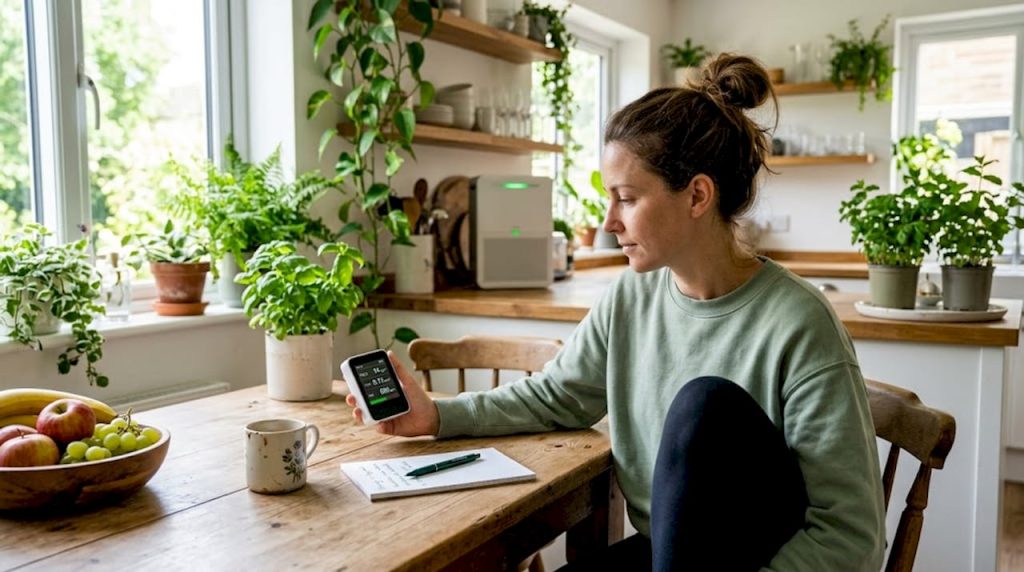
Choosing the right air quality accessories for your home or workspace is not straightforward. There are dozens of products on the market, covering everything from portable monitors to replacement filters, and the differences between them are not always obvious. This list of air quality accessories cuts through the noise. You will find practical guidance on what to look for, which product categories matter, and how to match a device to your actual situation, whether you are managing allergies, monitoring a child’s bedroom, or trying to improve conditions in a shared office space.
Table of Contents
- Key takeaways
- What to look for in a list of air quality accessories
- 1. Portable multi-parameter air quality monitors
- 2. Dedicated CO2 monitors
- 3. Formaldehyde and VOC sensors
- 4. Carbon monoxide detectors
- 5. Radon monitors
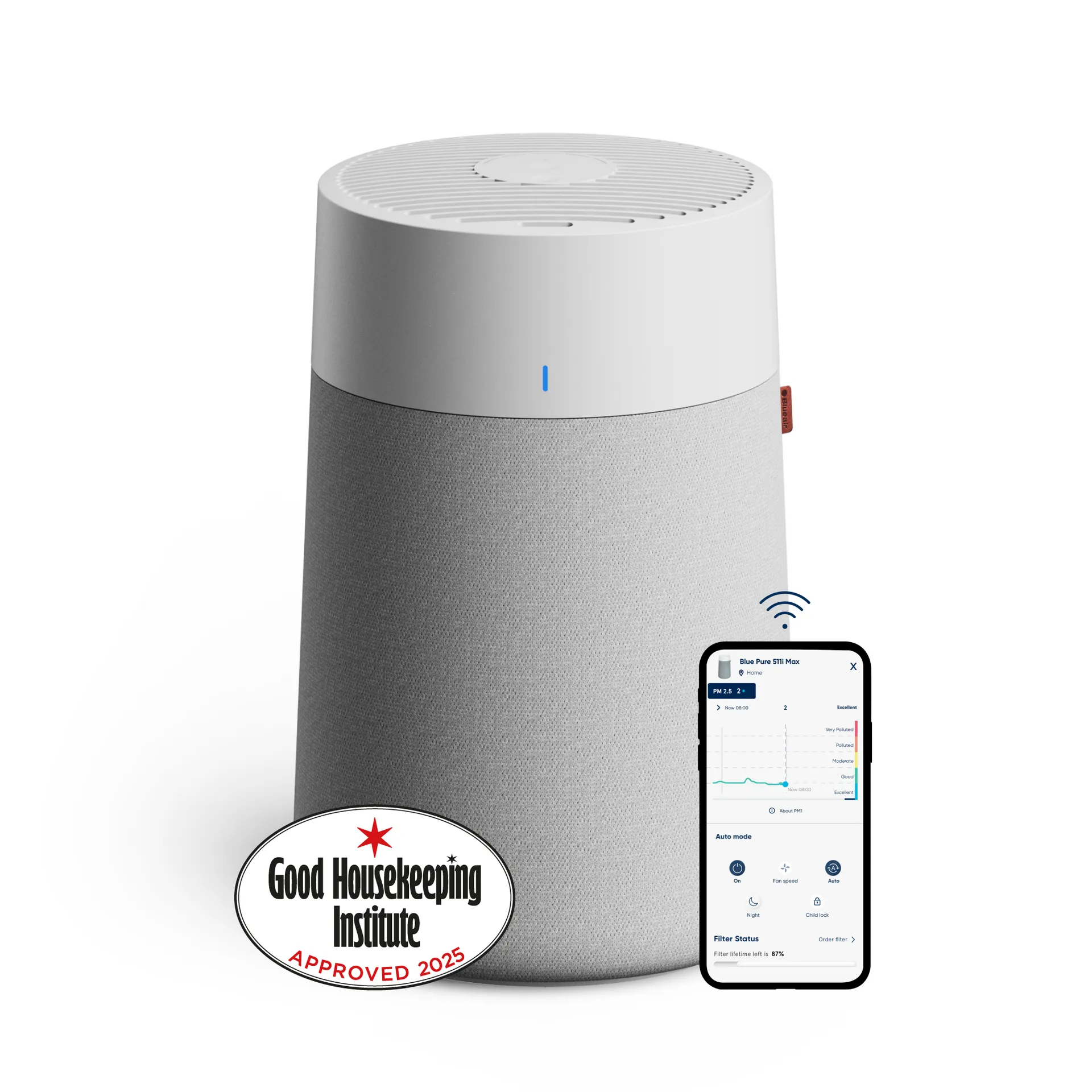
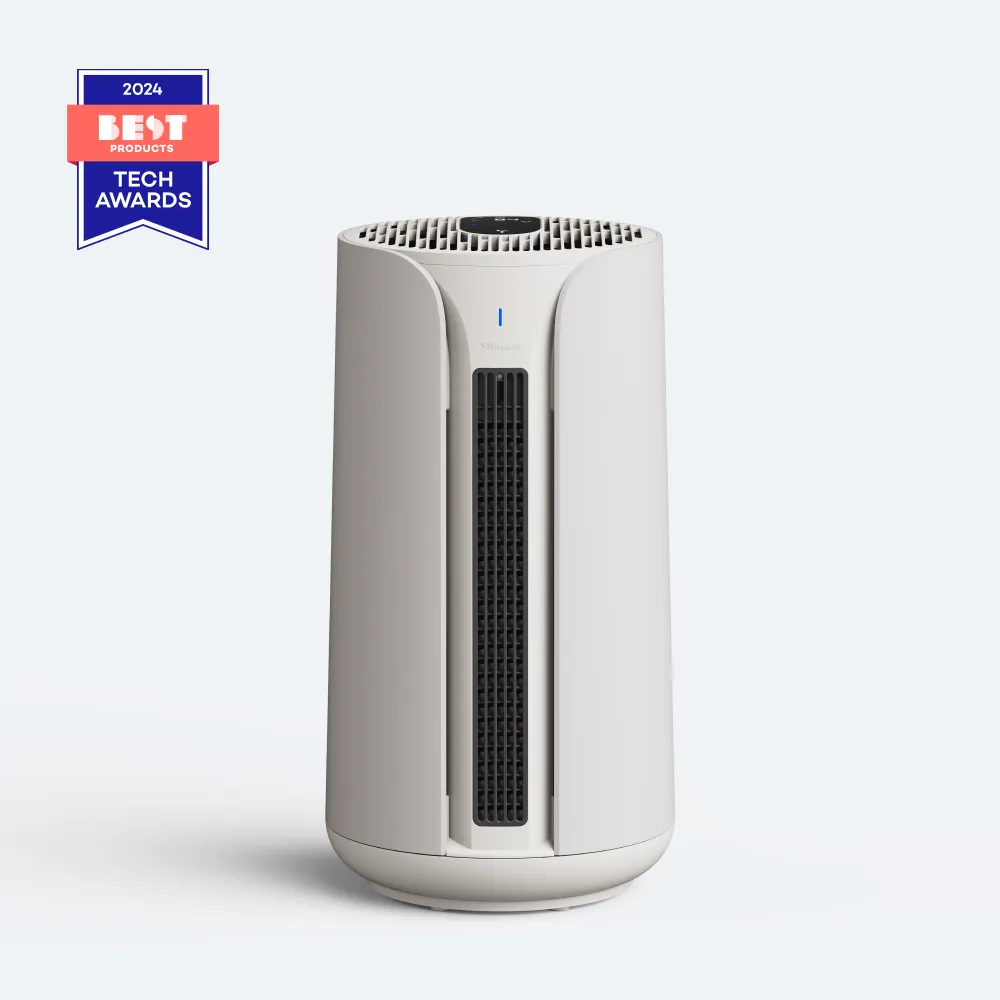
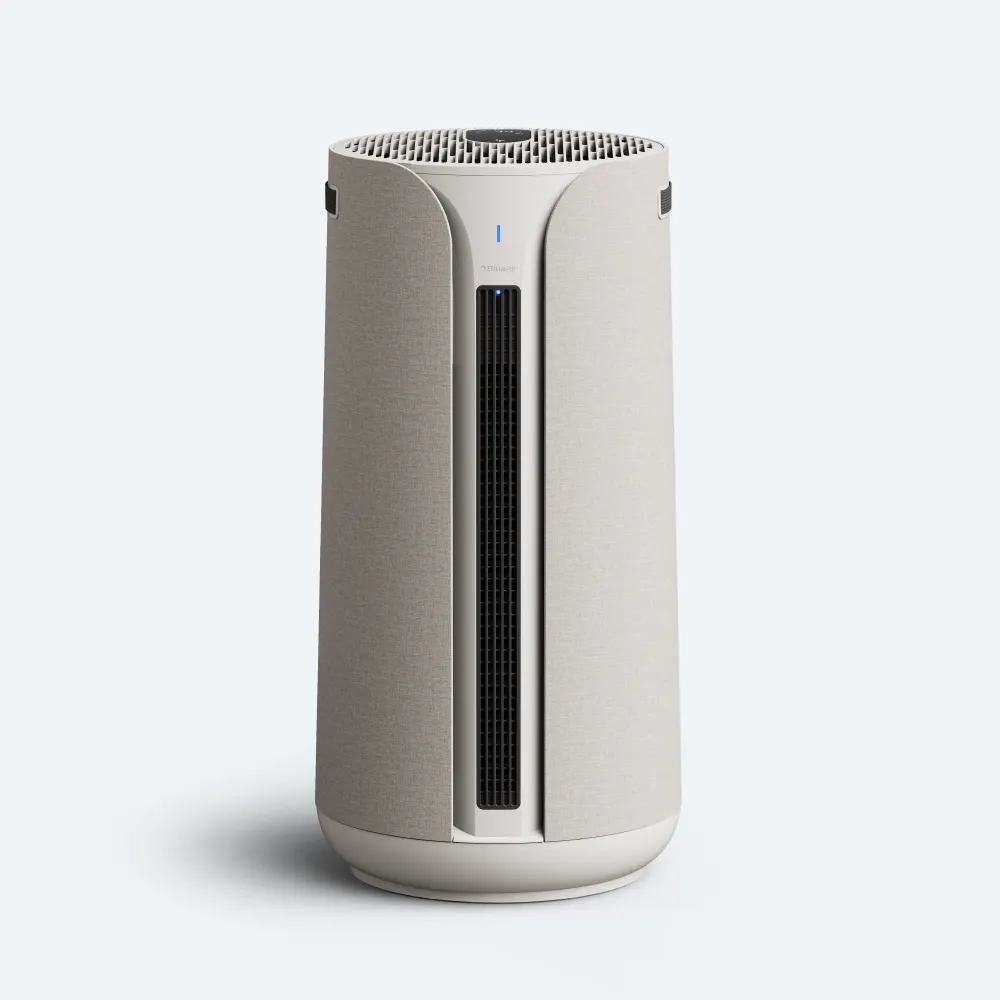
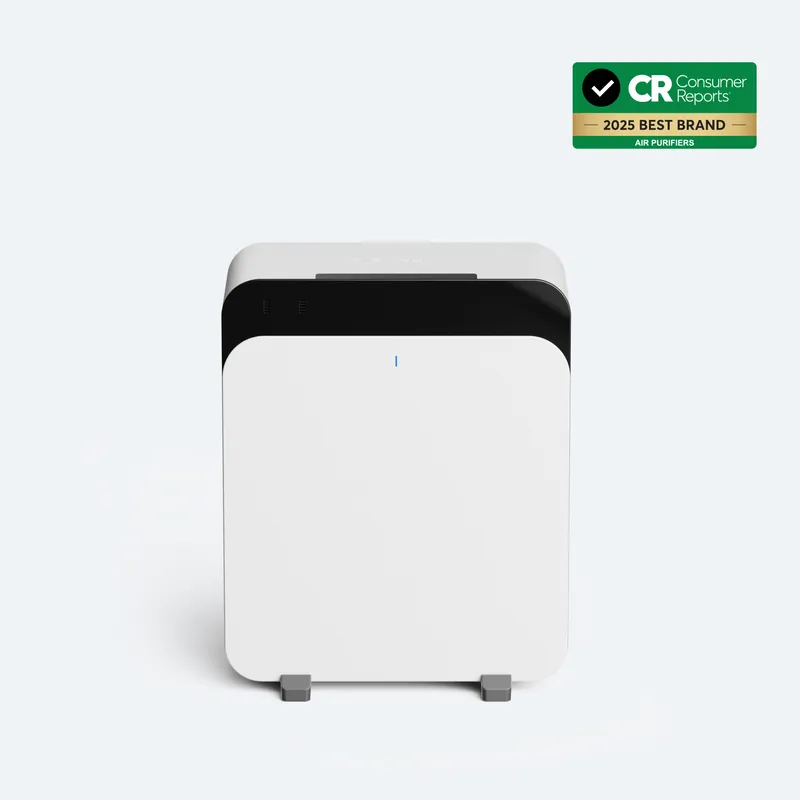
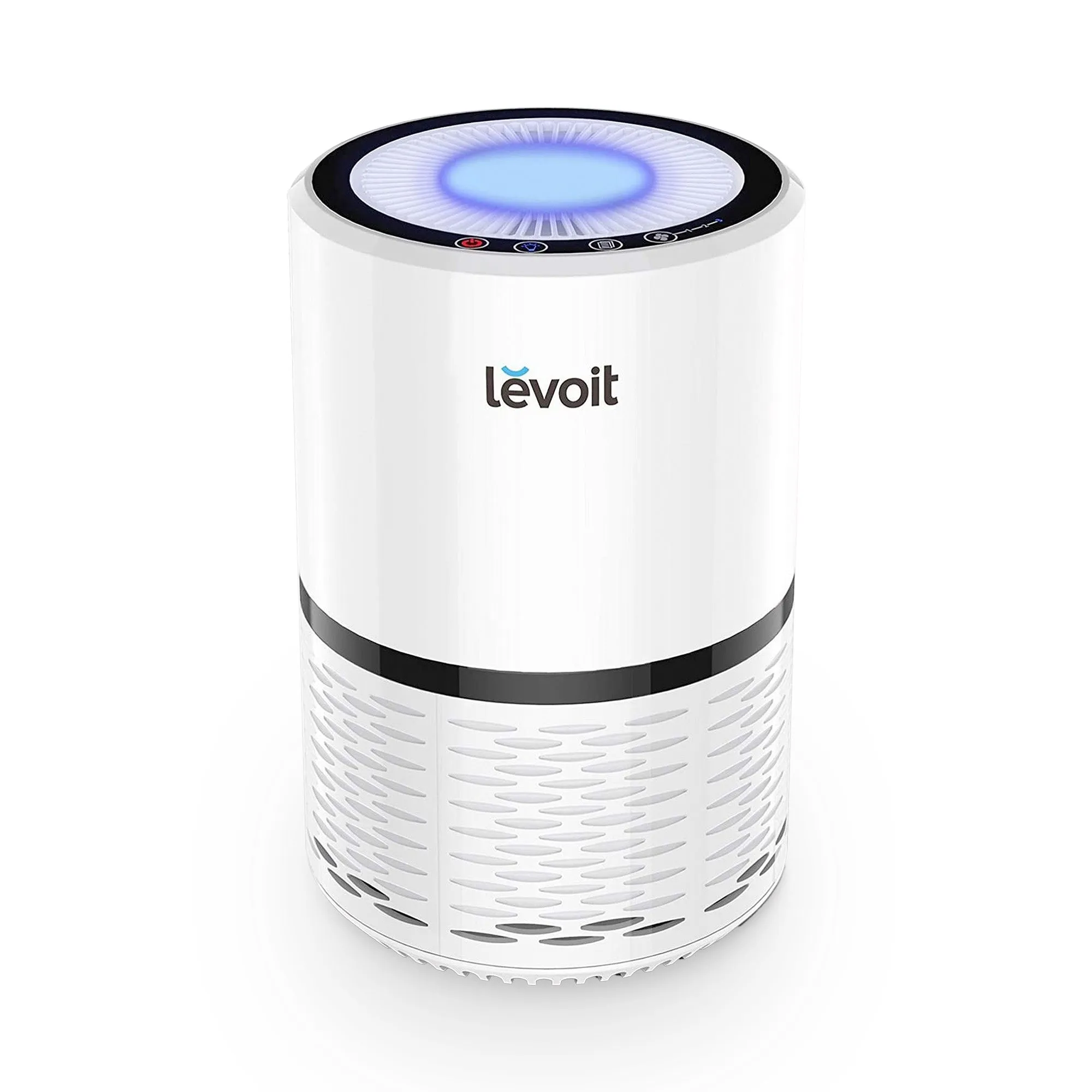
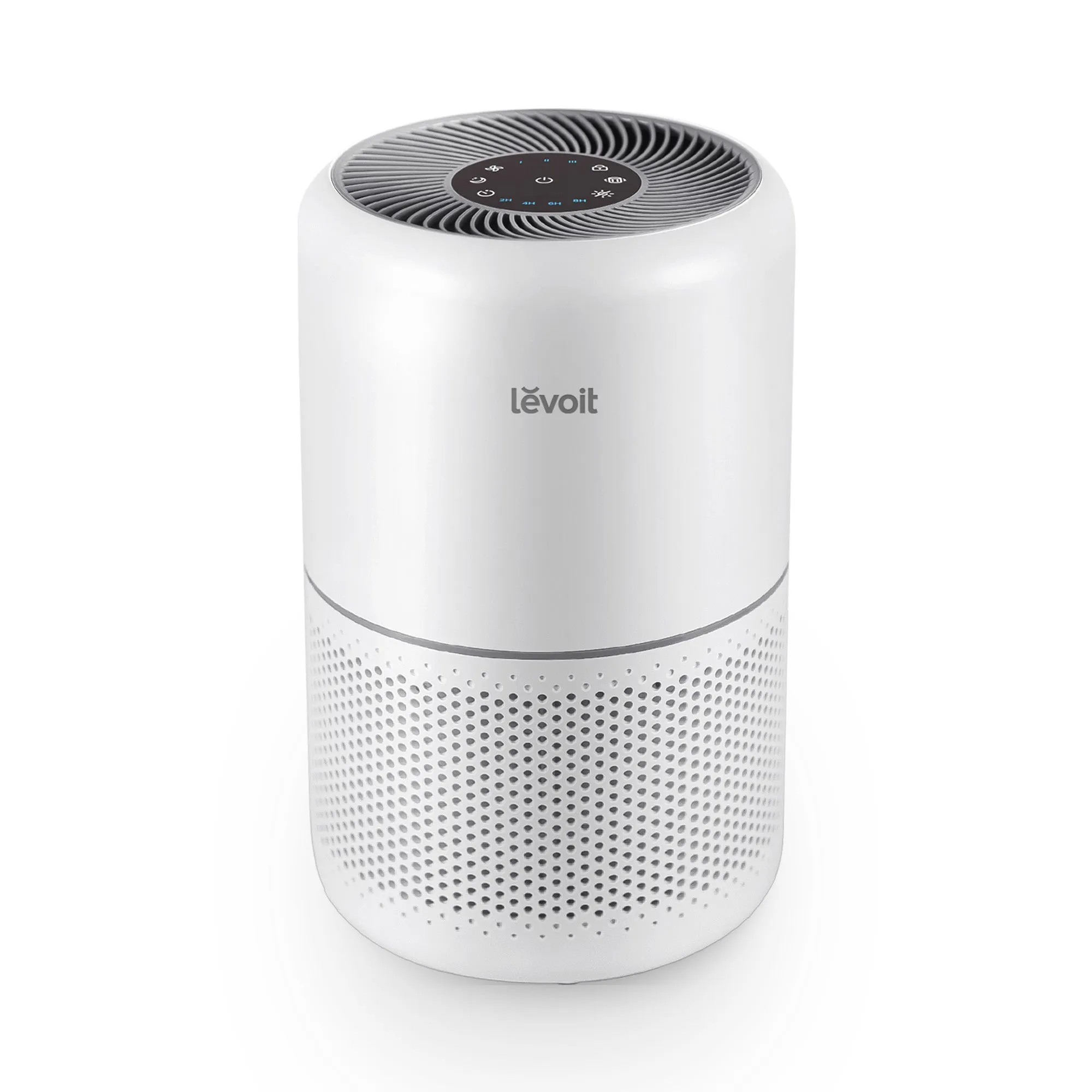
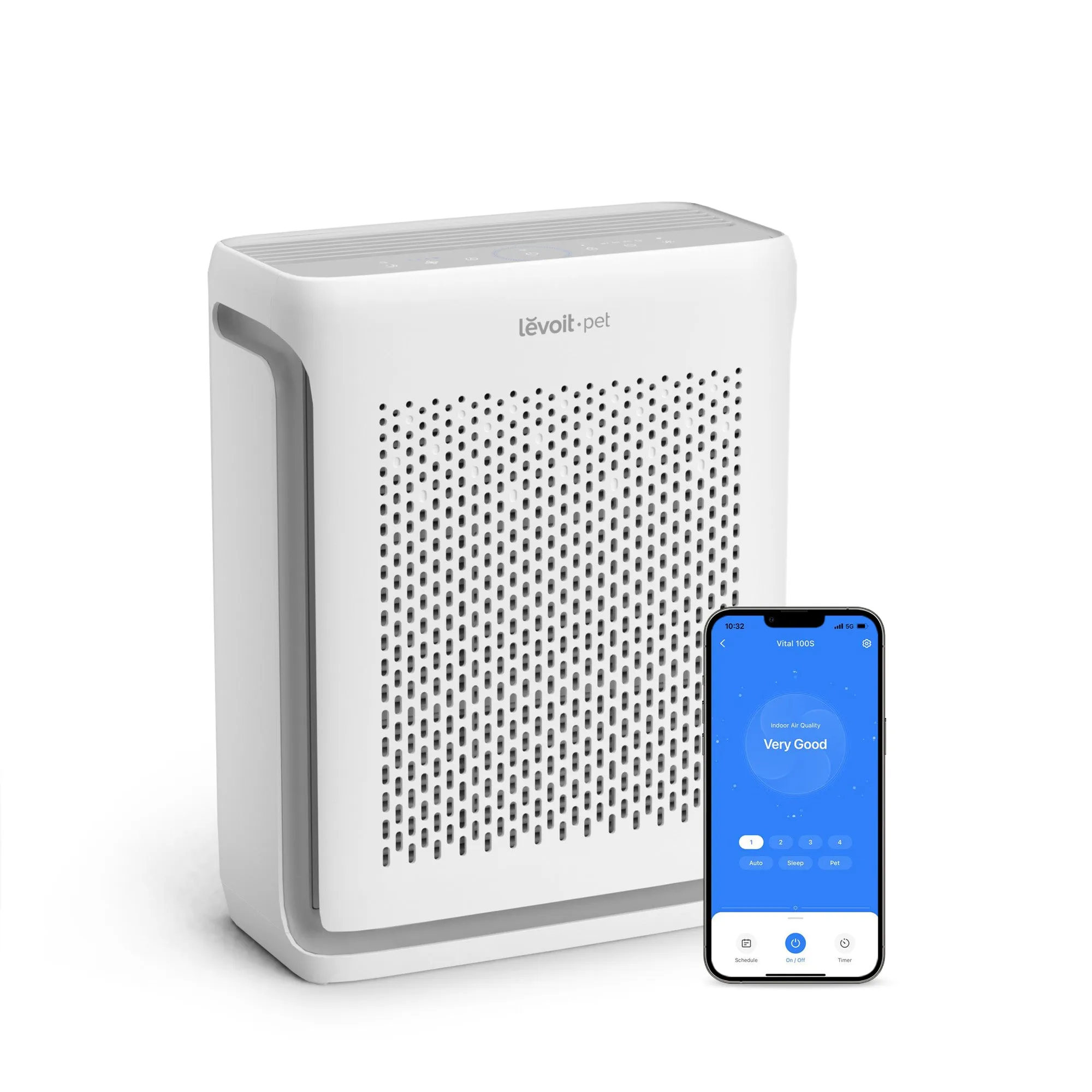
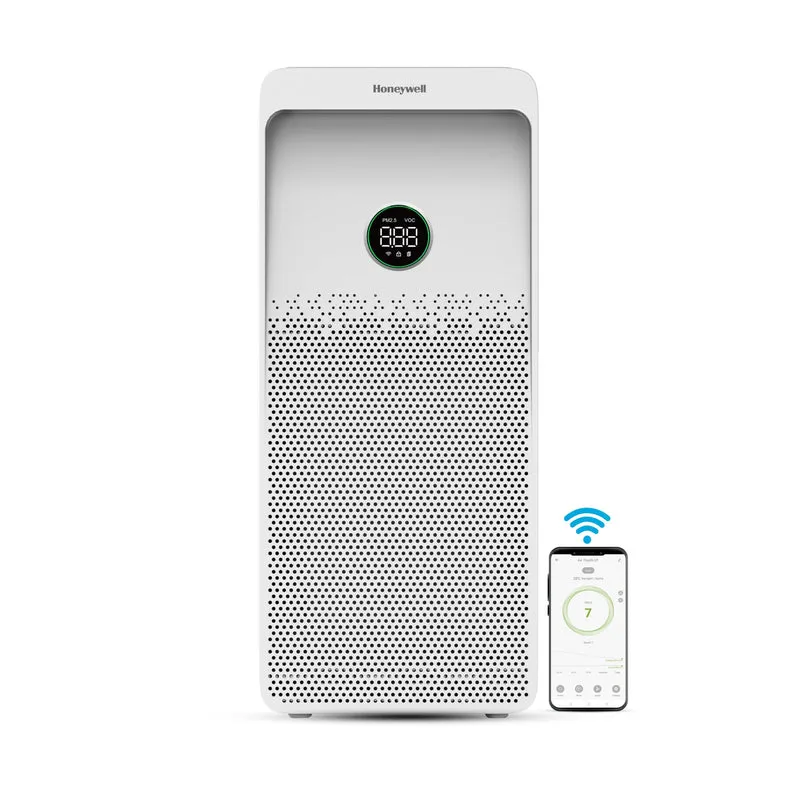
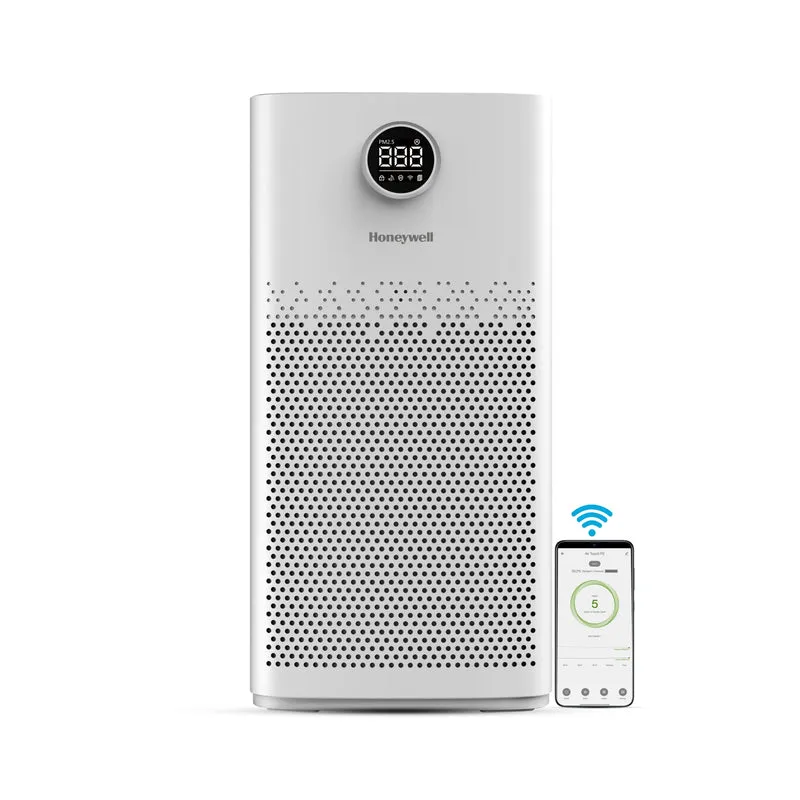
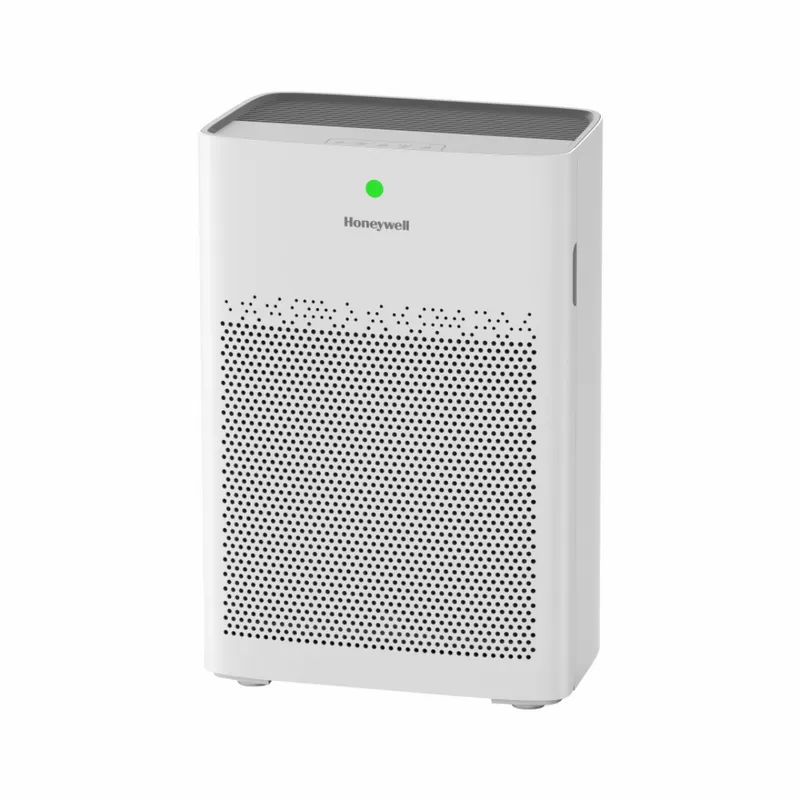
- 6. HEPA air purifiers for home use
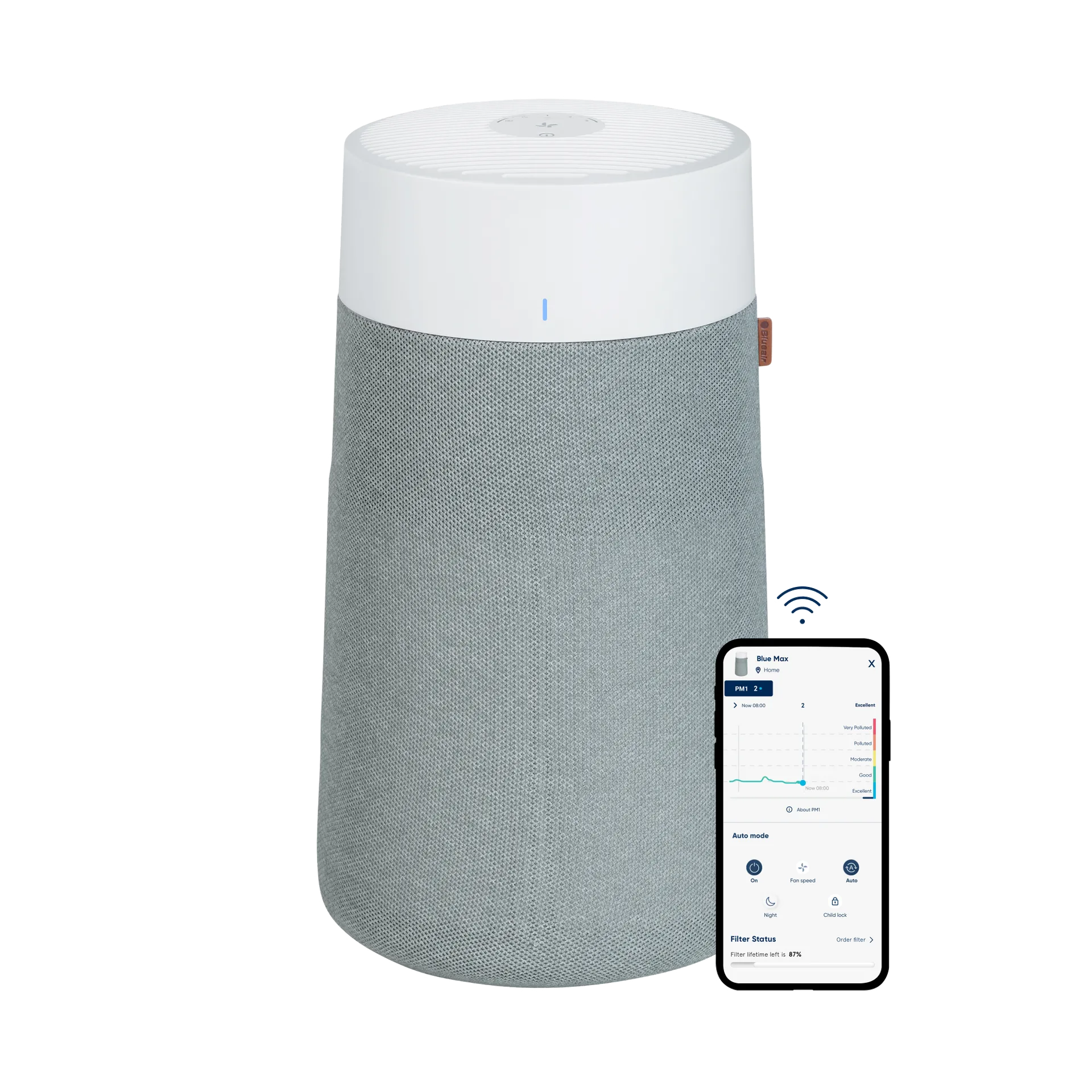
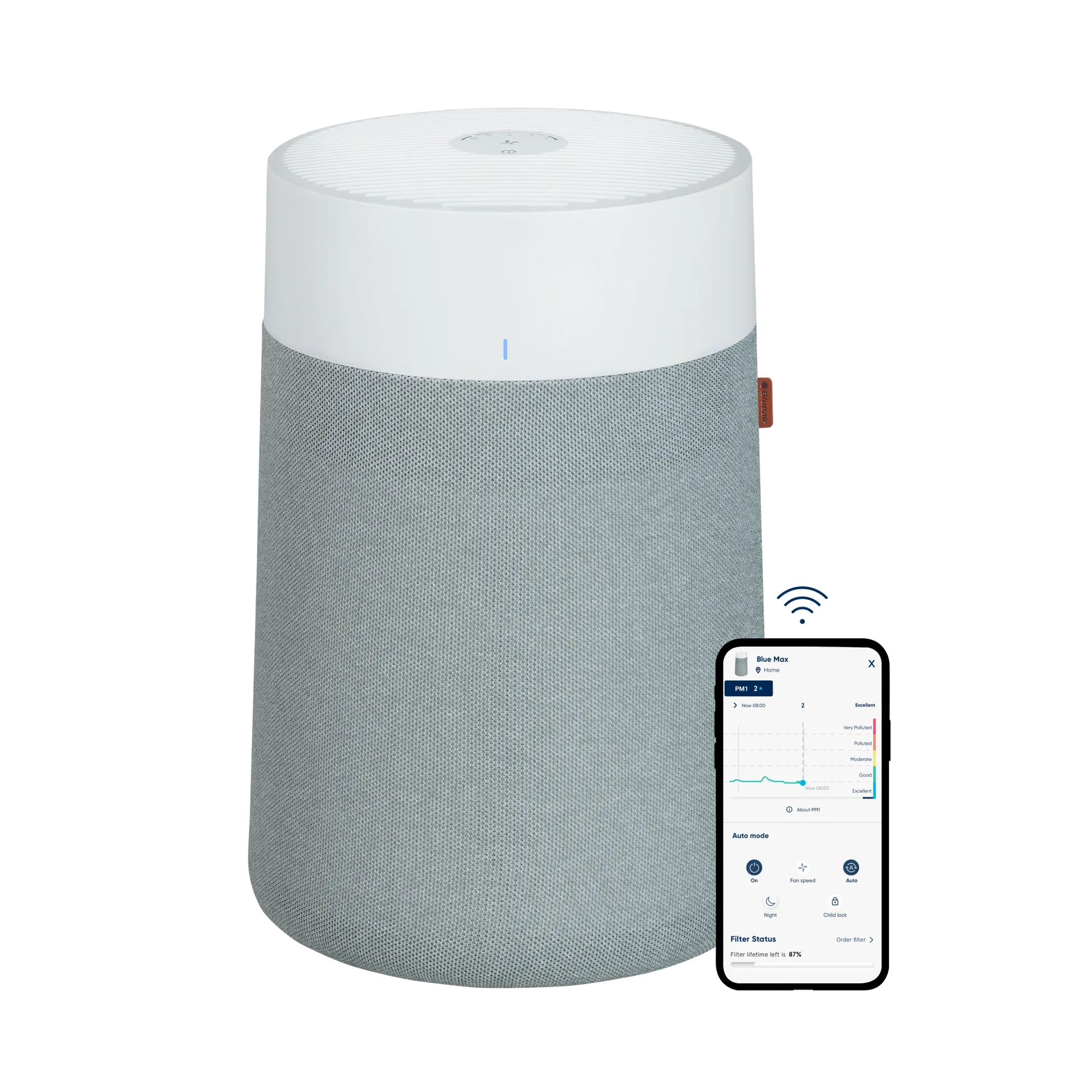
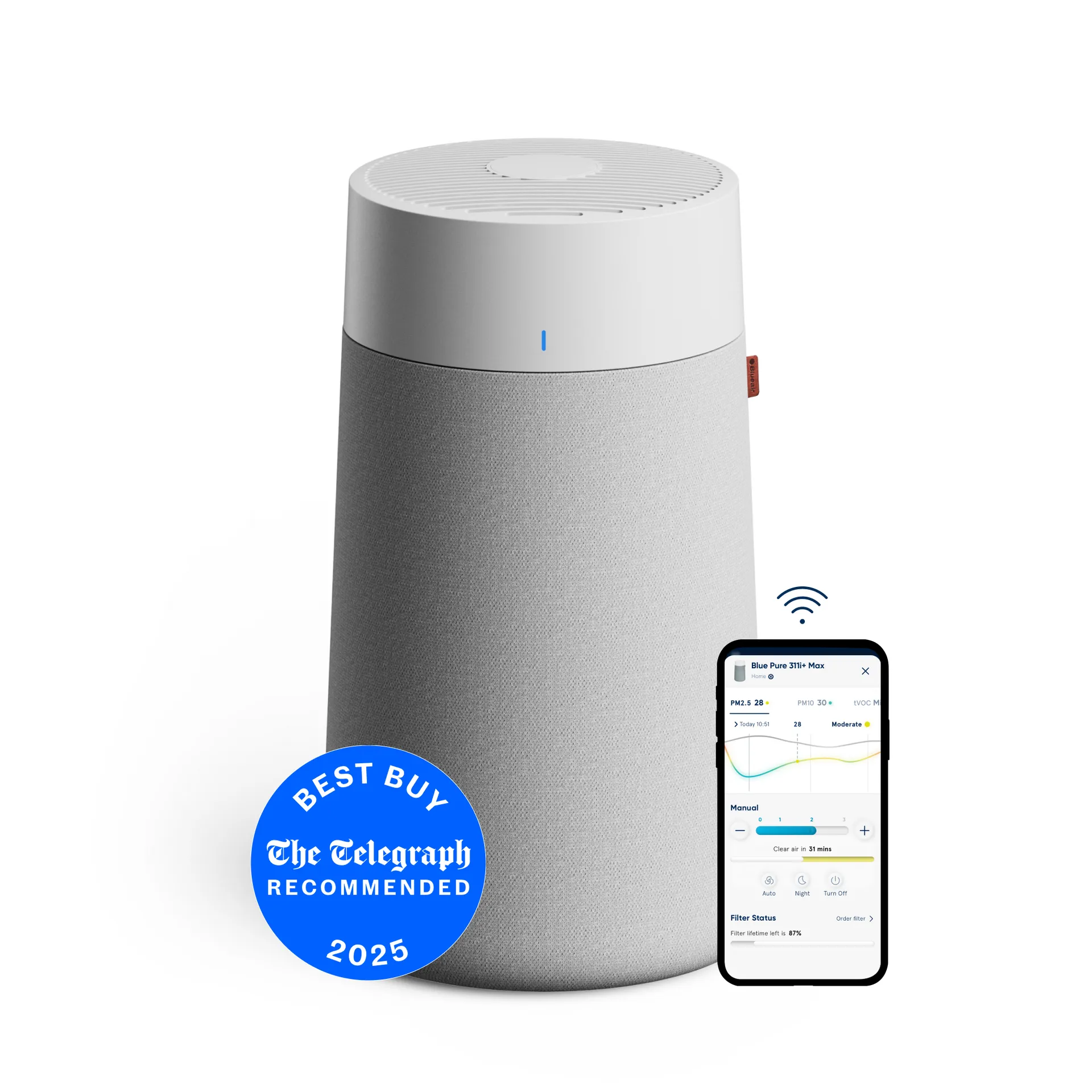
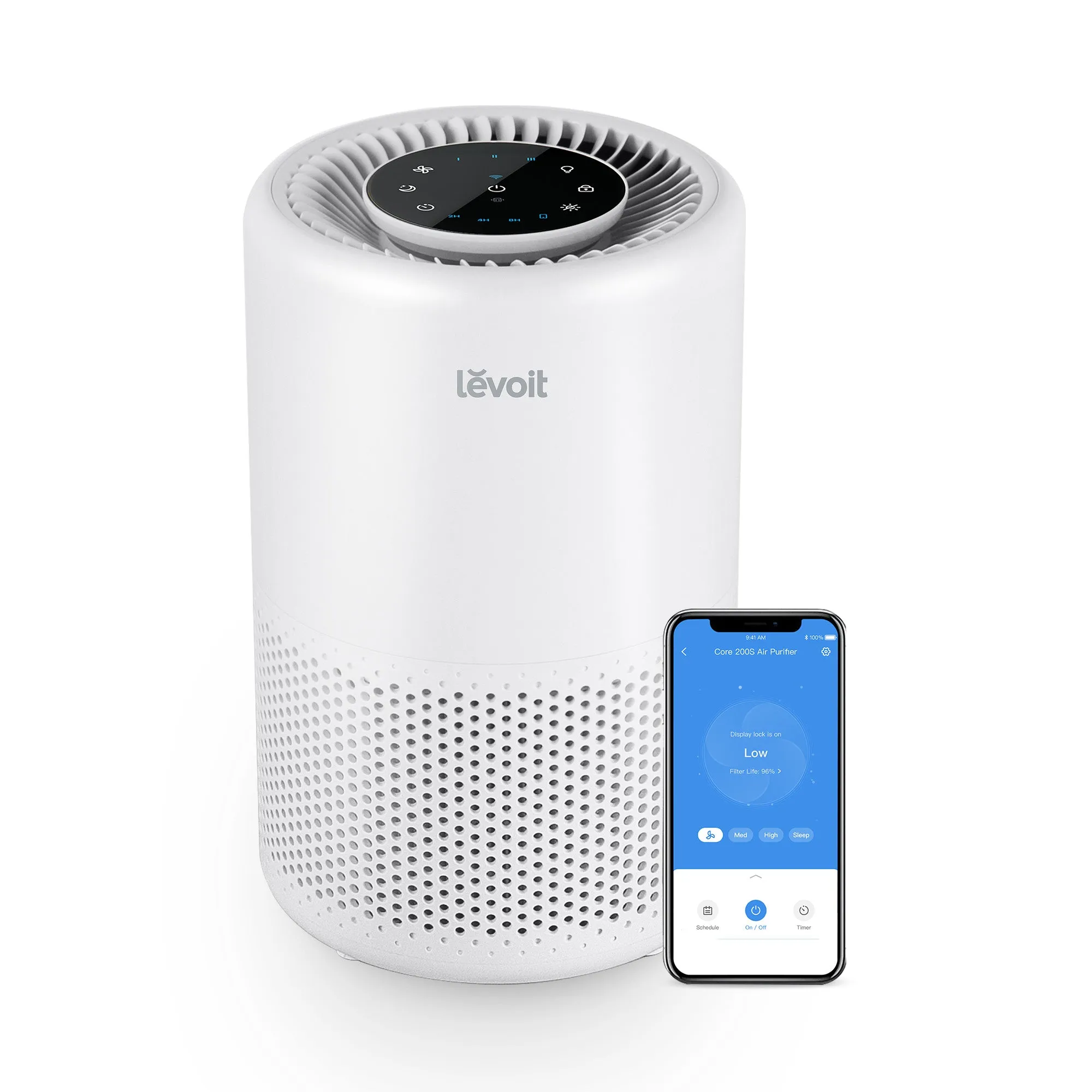
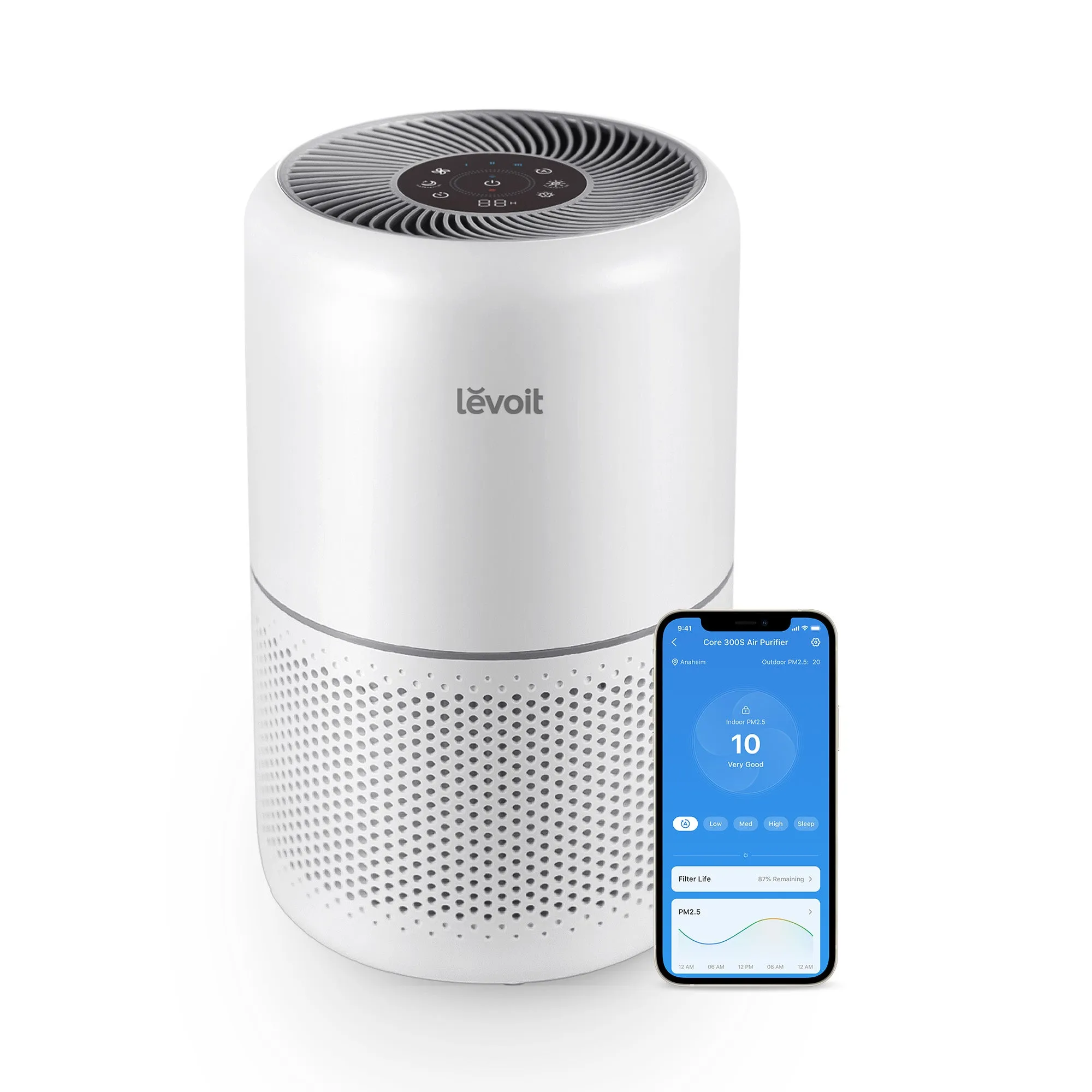
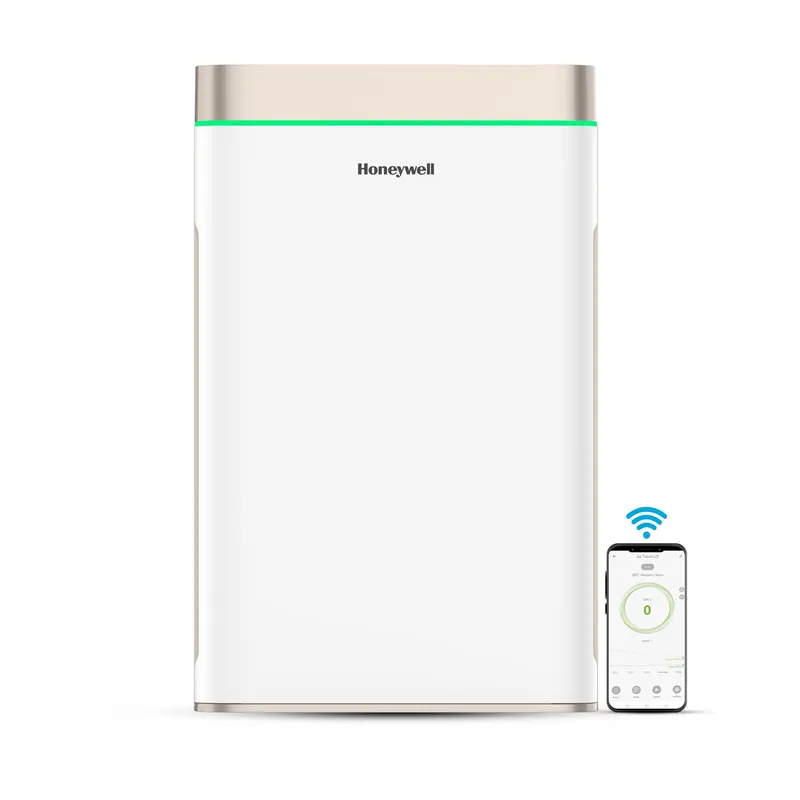
- 7. Smart air purifiers with app control
- 8. UV-C air sanitisers
- 9. Car air purifiers
- 10. Replacement filters
- 11. Open-source and DIY air quality monitors
- Comparison of key accessories for air quality measurement
- Choosing the right accessory for your situation
- What experience actually teaches you about air quality accessories
- Cleanair-ae’s picks for home and office air quality
- FAQ
Key takeaways
| Point | Details |
|---|---|
| Sensor accuracy over parameter count | A monitor that reads two pollutants accurately is more useful than one that reads ten poorly. |
| Battery life matters for portability | Some devices last up to 40 days on a single charge, making them practical for travel or shared spaces. |
| Dedicated sensors outperform all-in-one chips | NDIR technology for CO2 delivers meaningfully better accuracy than combined low-cost sensor chips. |
| Match the device to the environment | Families, allergy sufferers, and office workers each have different requirements from air quality tools. |
| Calibration extends long-term accuracy | Manual calibration helps correct sensor drift and keeps readings reliable over months of use. |
What to look for in a list of air quality accessories
Before buying any monitoring or purification product, it helps to understand what separates a reliable device from one that looks good on paper but fails in practice.
Pollutants covered. Different accessories target different threats. Some focus on particulate matter (PM2.5 and PM10), while others detect CO2, volatile organic compounds (VOCs), formaldehyde, carbon monoxide, or radon. Know which pollutants are most relevant to your space before selecting a device.
Sensor accuracy and reaction speed. This is where budget products most often fall short. Response times under 30 seconds are a marker of quality, particularly for detecting smoke or sudden pollutant spikes. A device that takes two minutes to register a change is not much use for real-time air management.
Connectivity and data access. Wi-Fi and Bluetooth connectivity allow you to check readings remotely and receive alerts. Some devices also support data export, which is useful for spotting trends over time rather than reacting to single readings.
Power source and battery life. Mains-powered units suit fixed locations. Battery-powered models offer flexibility, and some devices last up to 40 days on a single charge in power-saving mode.
Calibration support. Sensors drift over time. Devices that allow manual calibration and raw data export help you maintain long-term accuracy rather than trusting increasingly unreliable numbers.
Price range. The market spans from under $30 to close to $300. Budget models start around $27.99 while premium units with higher sensor accuracy sit near $299.00. The right price point depends on how critical accurate readings are for your specific situation.
Pro Tip: Do not be distracted by a long list of measured parameters. One or two pollutants tracked with high-quality dedicated sensors will give you more reliable data than eight parameters tracked loosely.
1. Portable multi-parameter air quality monitors
These are the core tool in any accessories for air quality measurement setup. A good portable monitor tracks at least PM2.5, CO2, TVOC, temperature, and humidity from a single handheld or desktop unit. The best options include an e-ink screen for easy outdoor reading and app connectivity for logging data over time.
Models in this category often support up to 18 parameters simultaneously, making them the most versatile entry point for home monitoring. They suit families who want a single device to cover the whole house by moving it from room to room.
2. Dedicated CO2 monitors
CO2 is one of the most underestimated indoor pollutants. High levels cause fatigue, reduced concentration, and headaches, particularly in bedrooms and home offices with poor ventilation. Dedicated CO2 monitors using NDIR (non-dispersive infrared) technology are significantly more accurate than all-in-one chips. Dedicated NDIR sensors provide better readings for health-critical metrics, which matters when you are using the data to make decisions about opening windows or adjusting ventilation.
3. Formaldehyde and VOC sensors
Formaldehyde off-gases from new furniture, flooring, and paint, often for months after installation. VOCs come from cleaning products, air fresheners, and building materials. Specialised sensors for these compounds are available as standalone units or as part of multi-parameter monitors. They are particularly worth considering if you have recently renovated, moved into a new build, or have young children in the home.
4. Carbon monoxide detectors
Carbon monoxide is odourless and colourless, making a detector non-negotiable in any home with gas appliances, boilers, or attached garages. CO detectors are one of the most affordable air quality monitor devices on the market, typically costing between $20 and $60. Combination units that detect both CO and smoke are widely available and represent strong value for most households.
5. Radon monitors
Radon is a naturally occurring radioactive gas that seeps up from the ground and accumulates in poorly ventilated lower floors. Long-term exposure is a leading cause of lung cancer in non-smokers. Radon monitors are a specialist category within the broader list of air quality accessories and are especially relevant for ground-floor or basement rooms. Both short-term and long-term monitoring options exist, with long-term devices providing more reliable baseline readings.
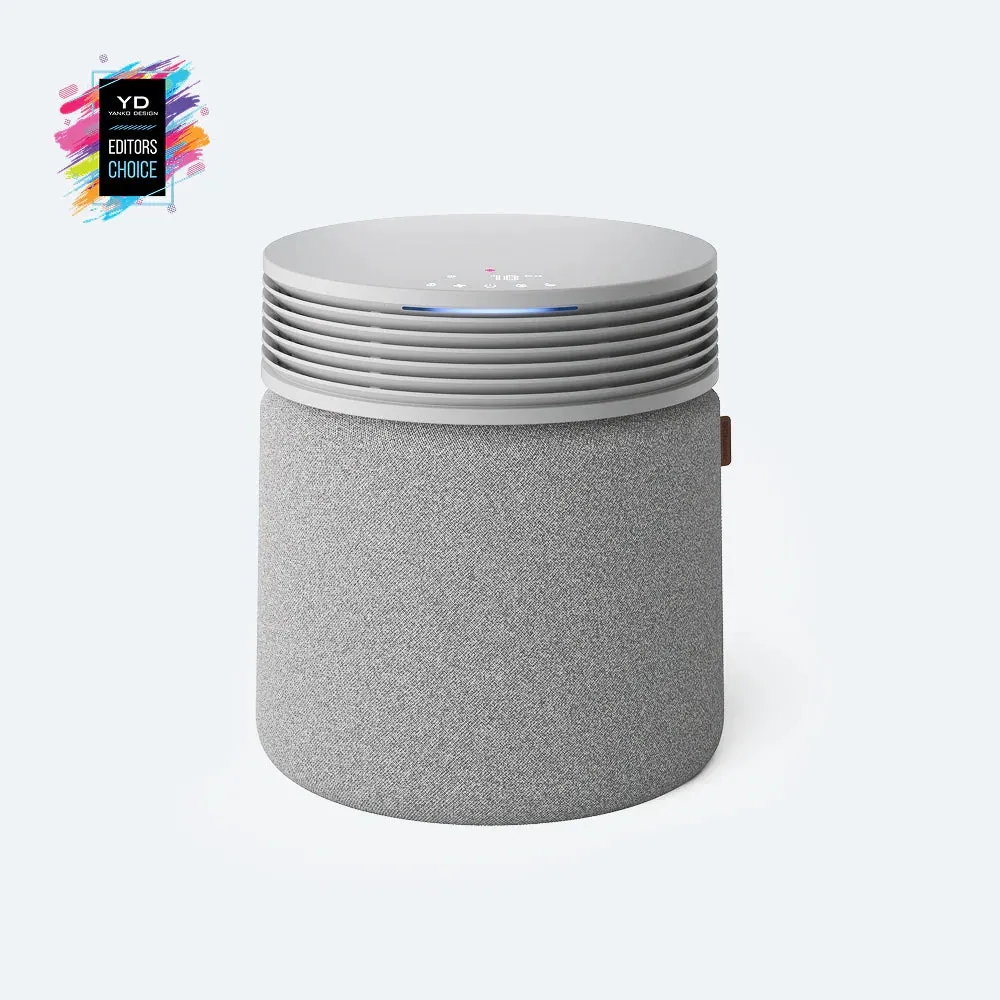
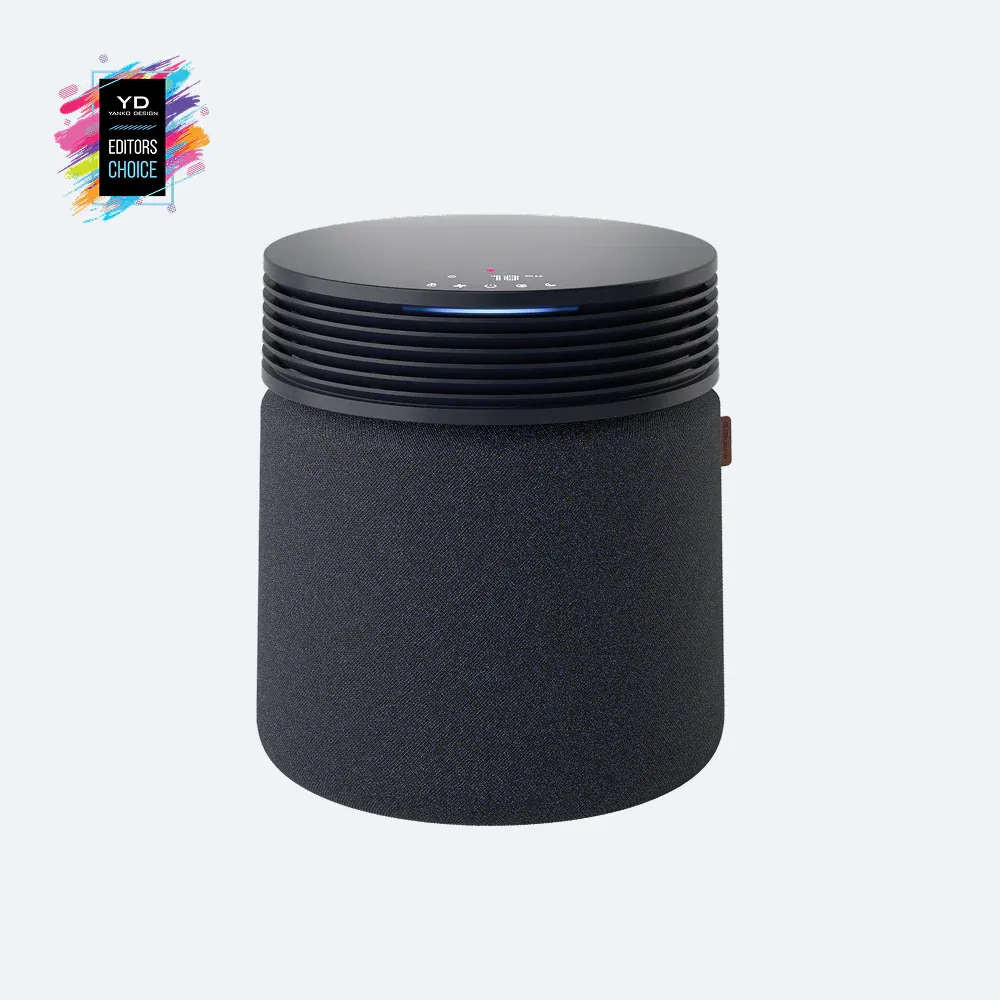
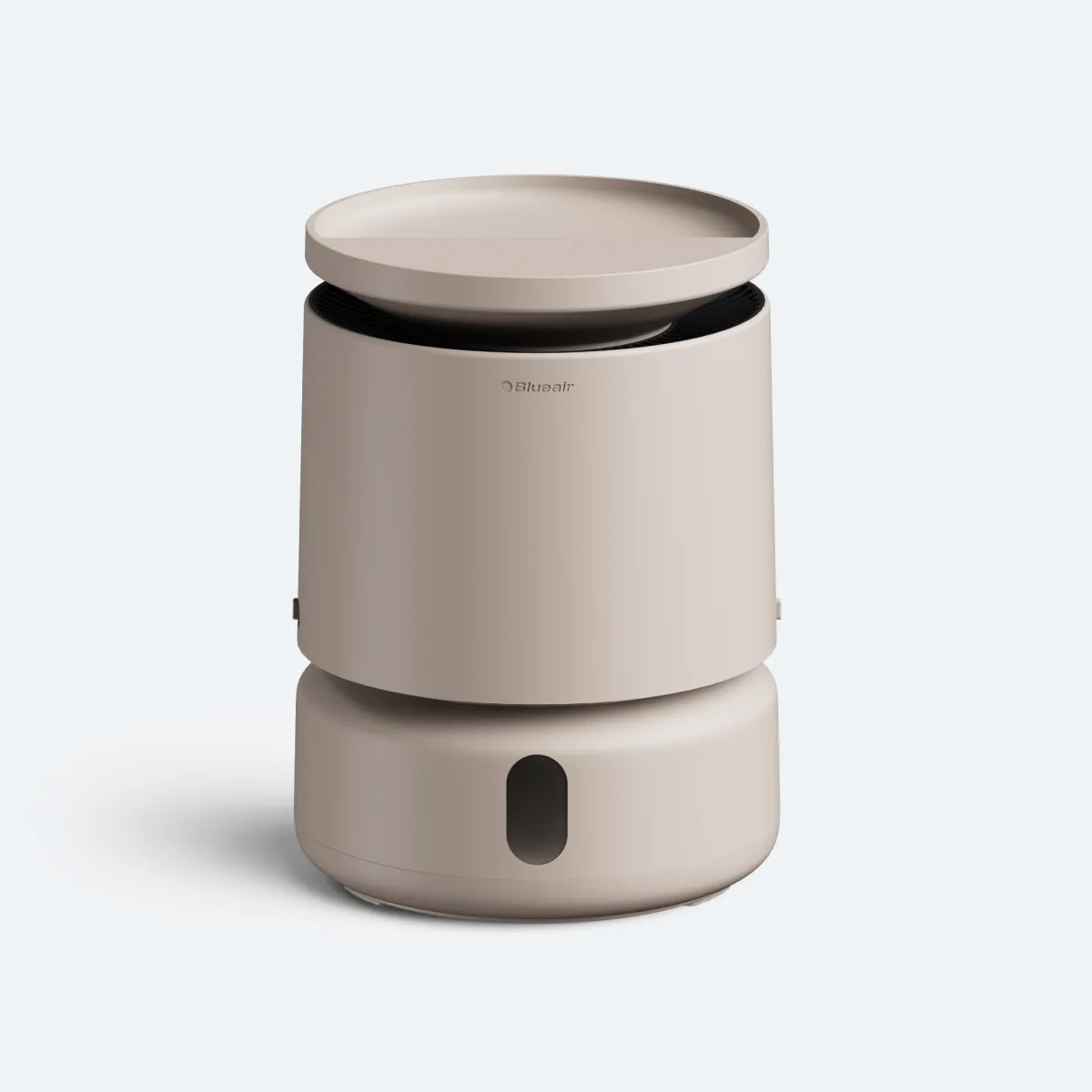
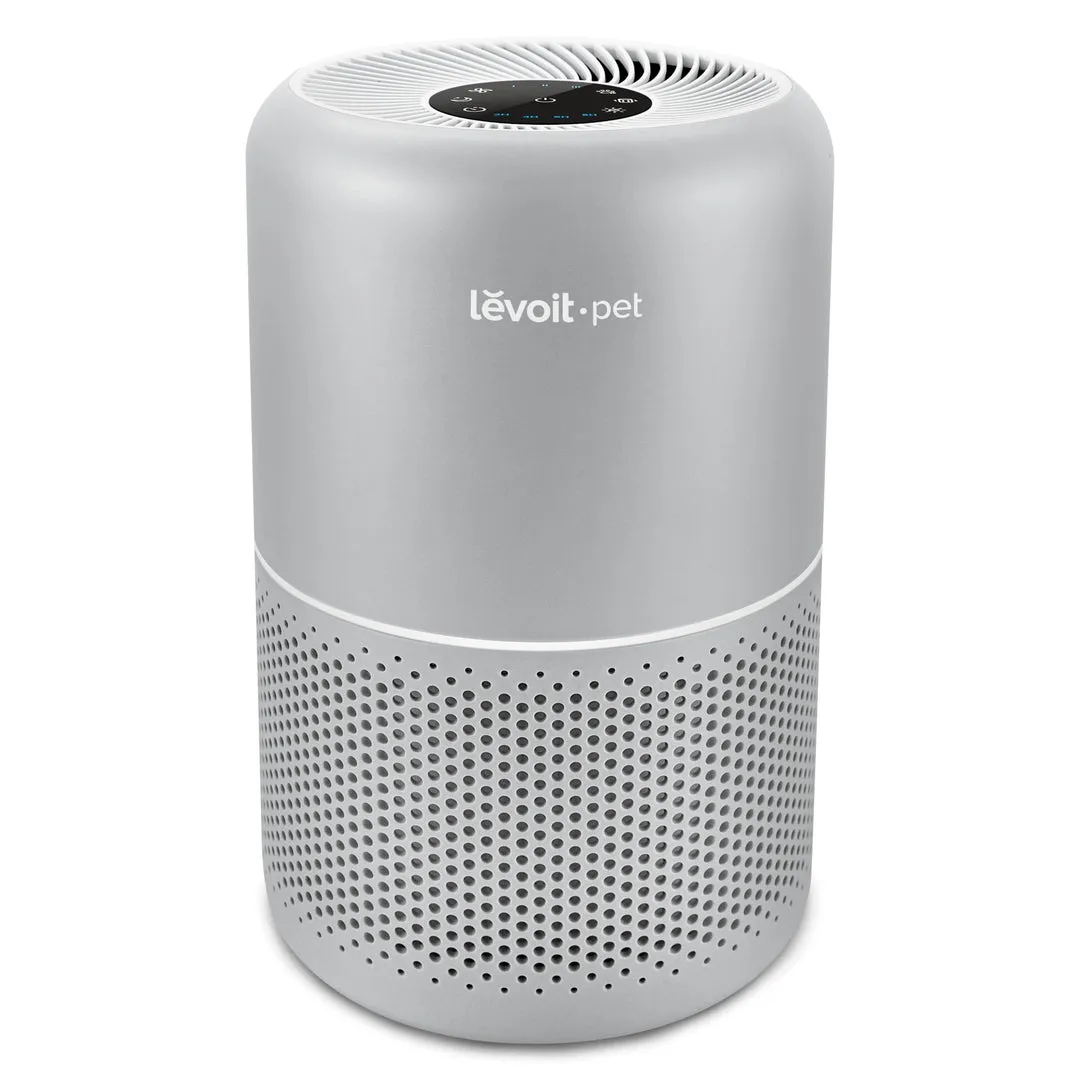
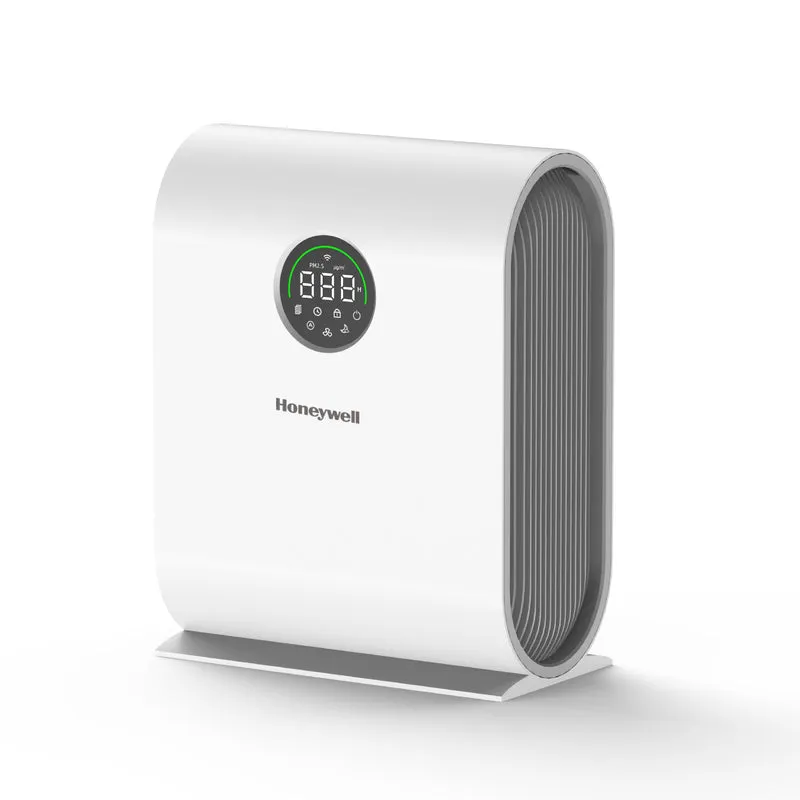
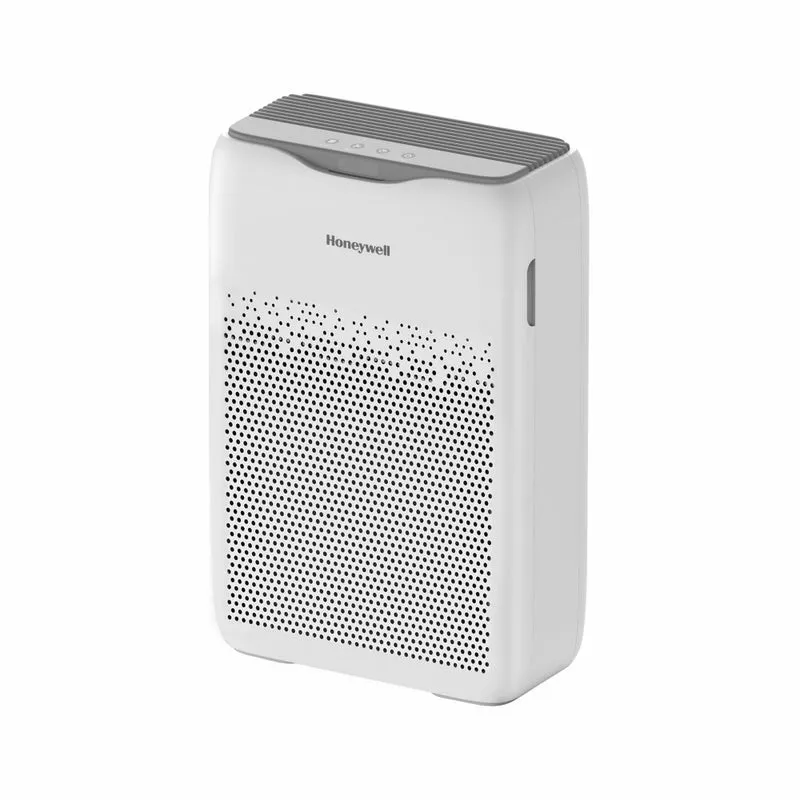
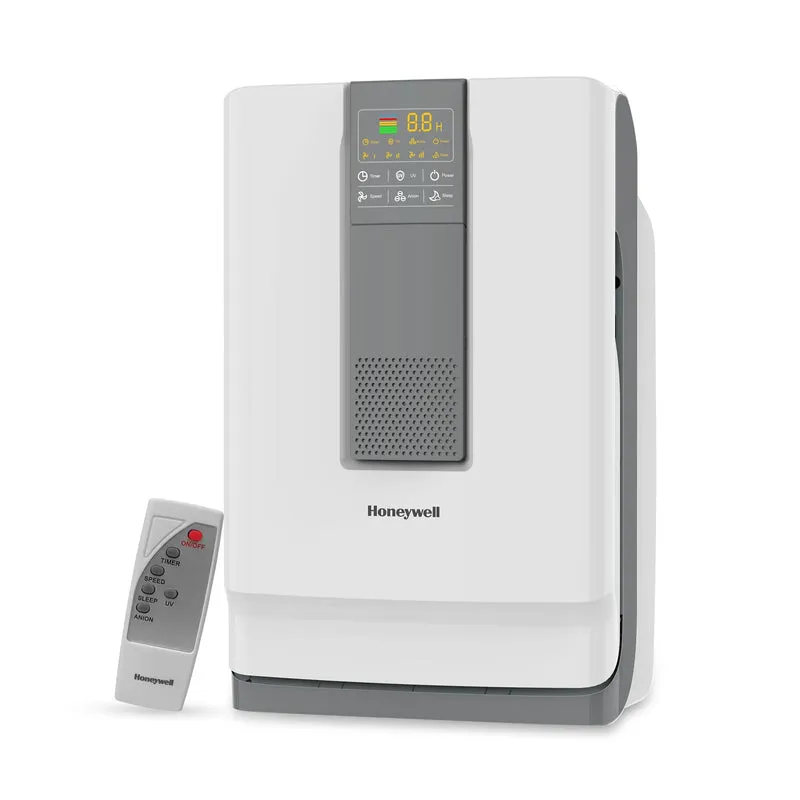
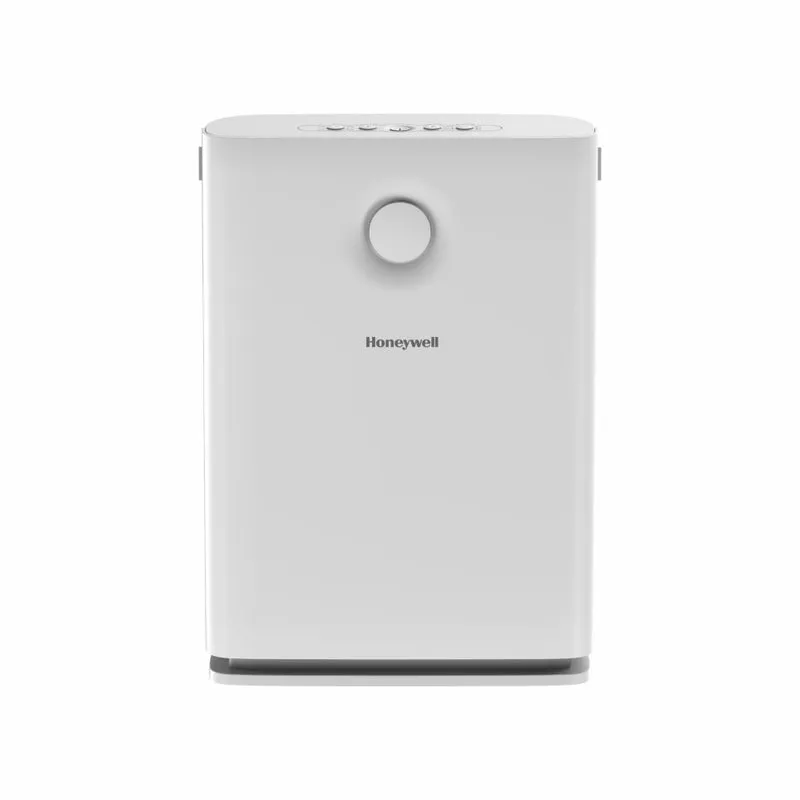
6. HEPA air purifiers for home use
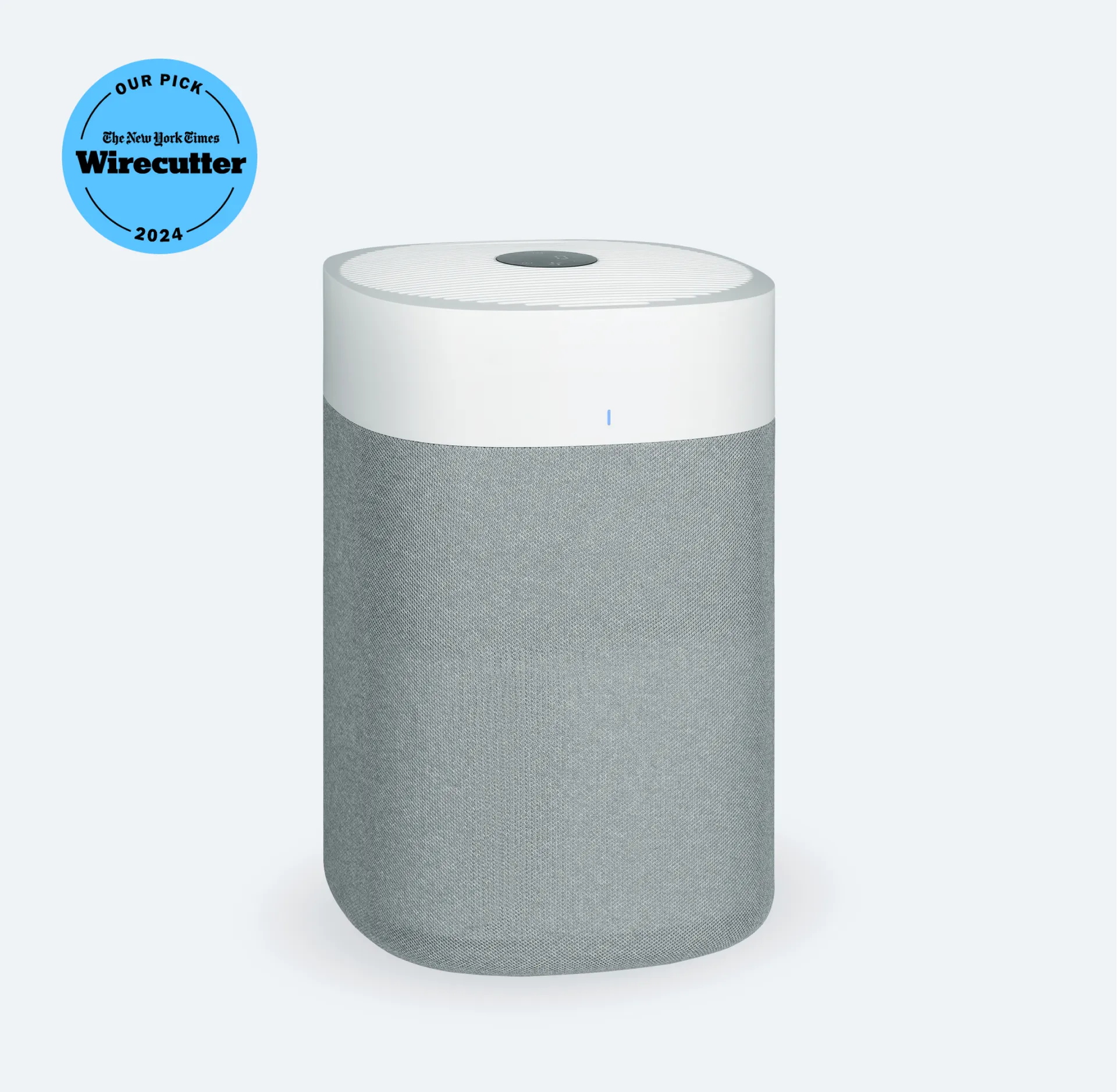
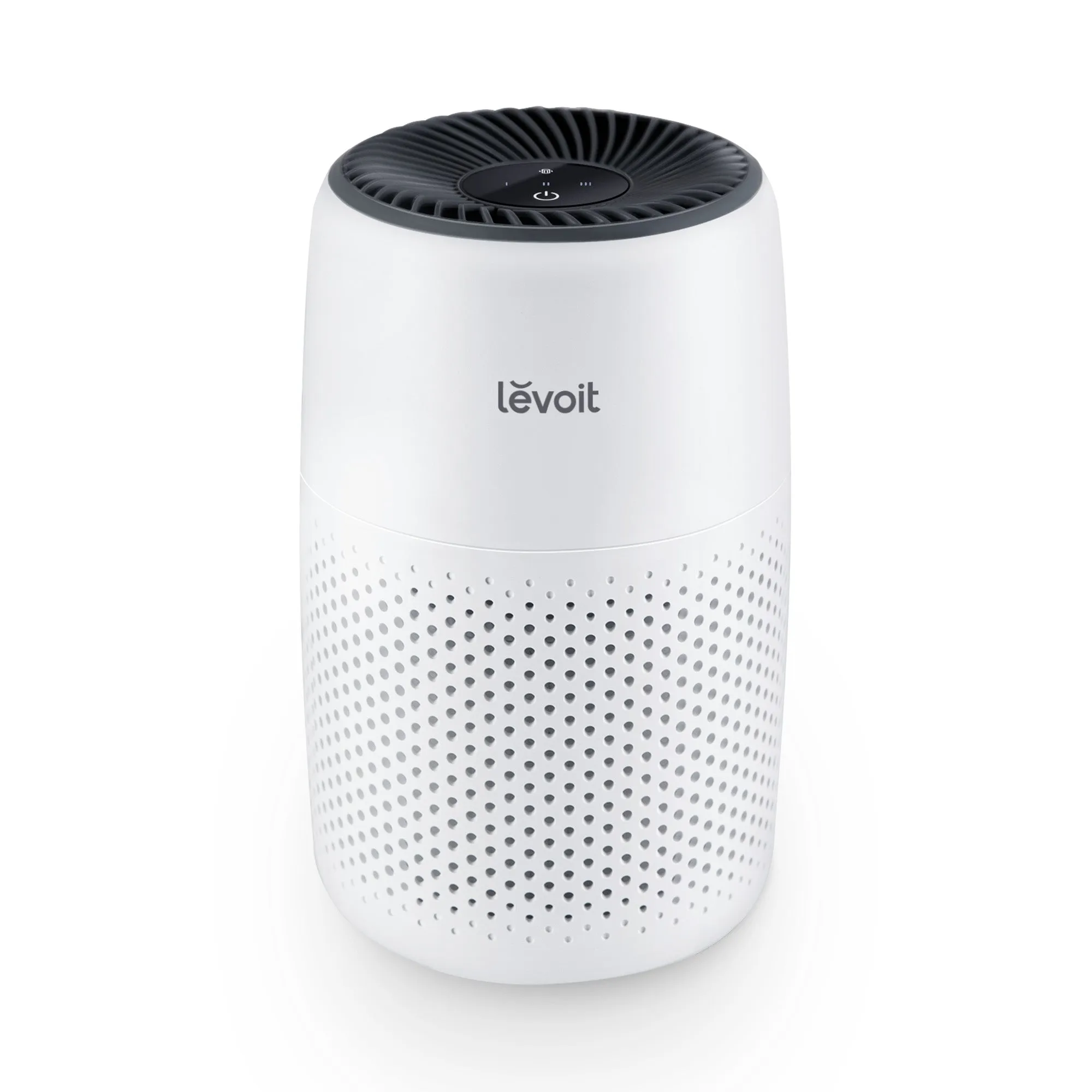
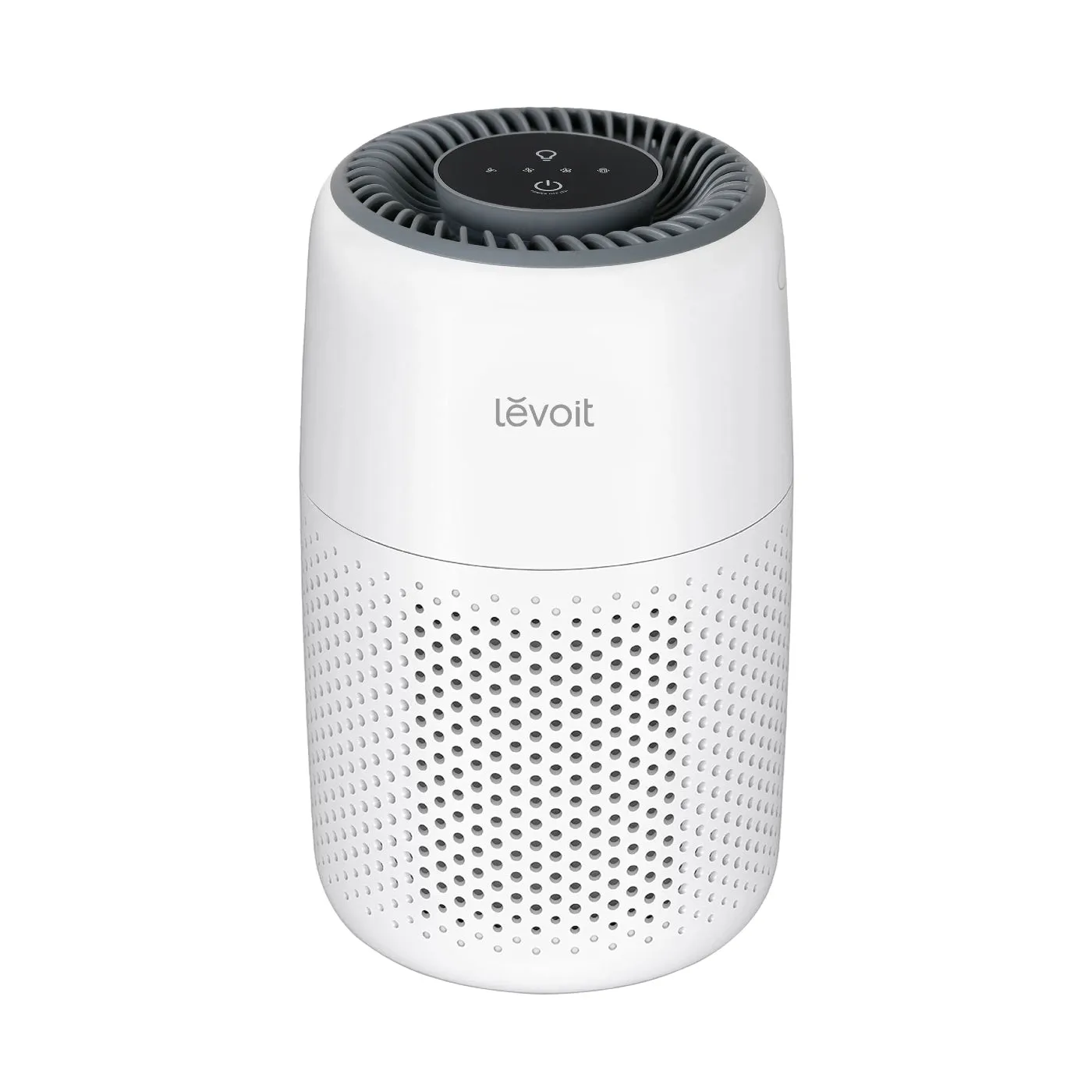
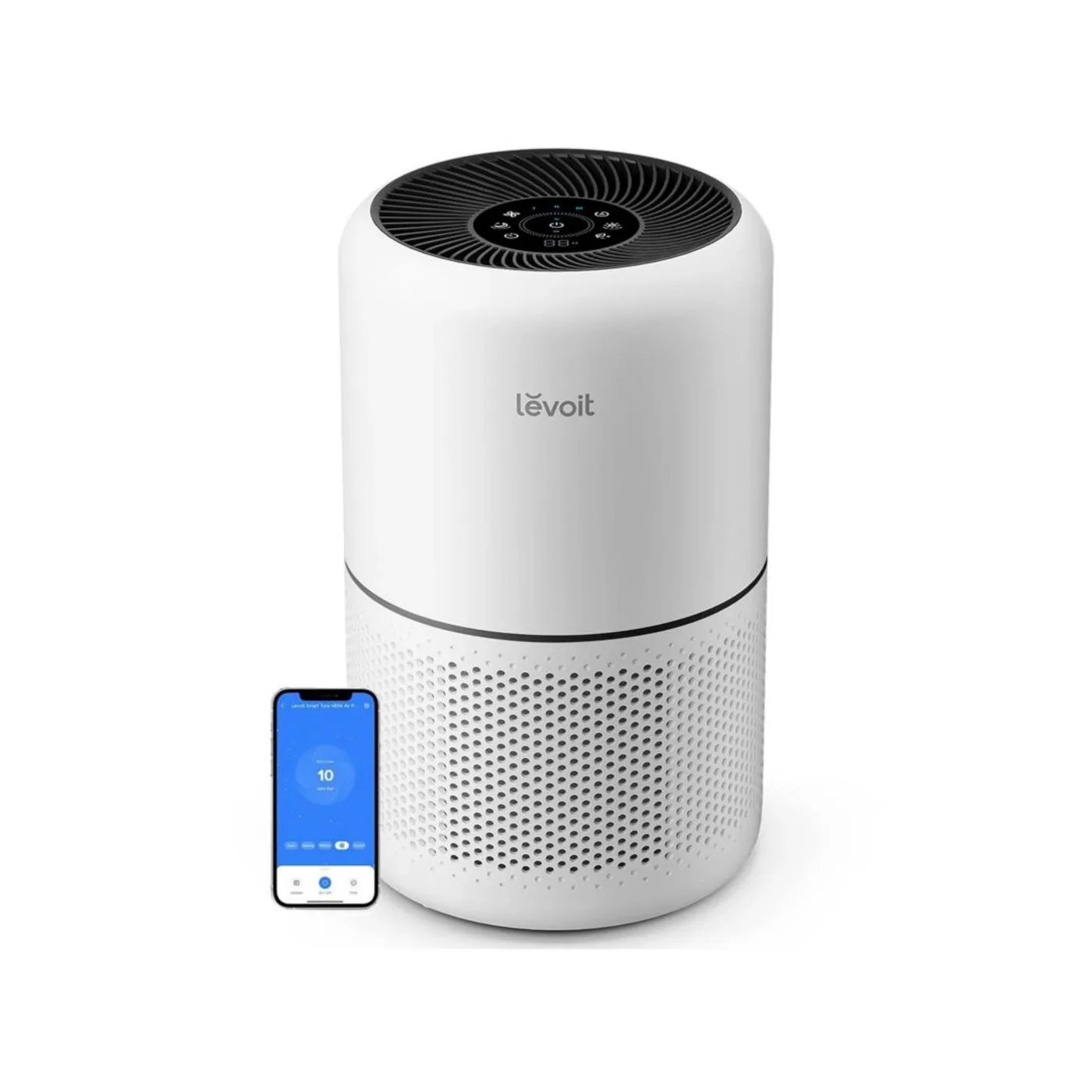
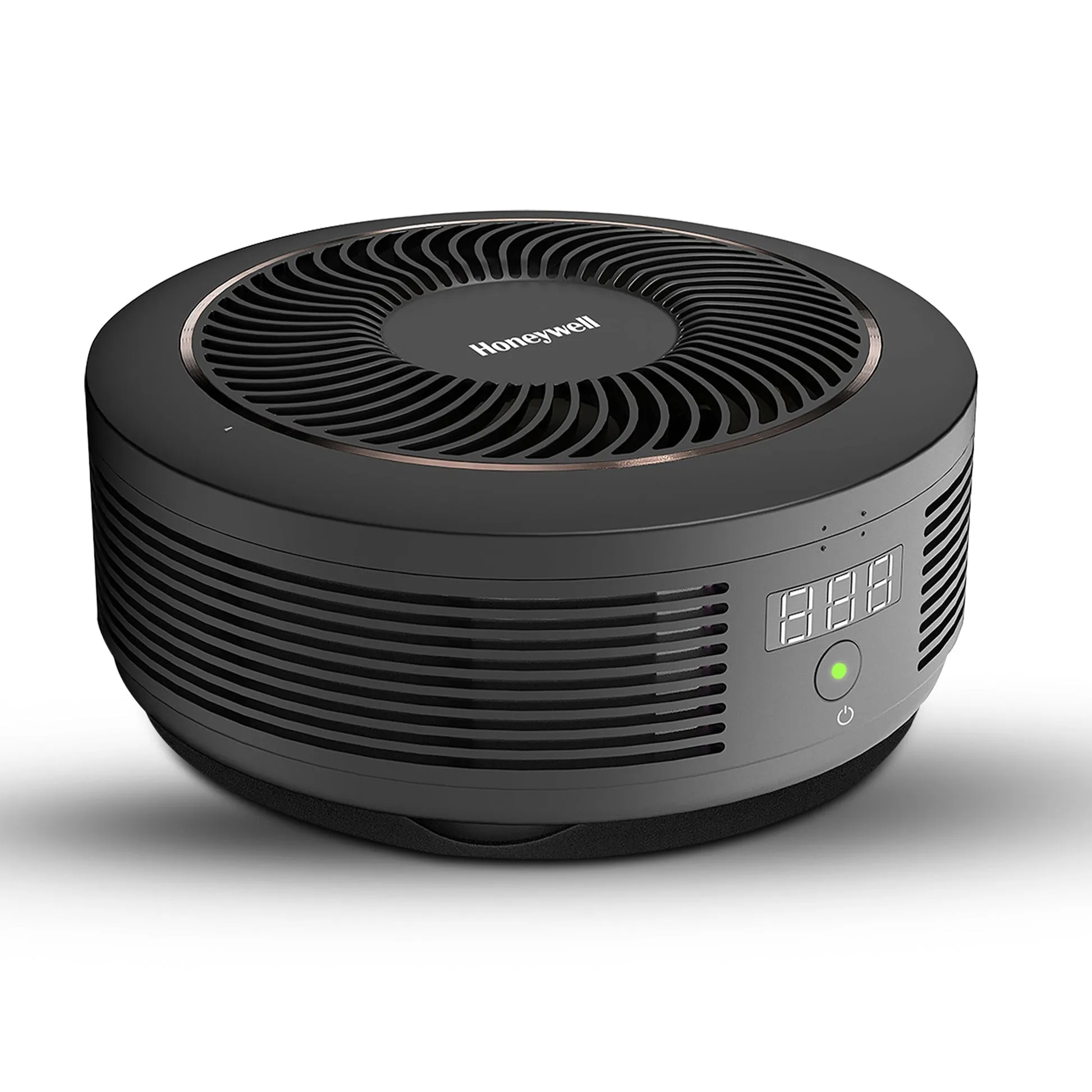
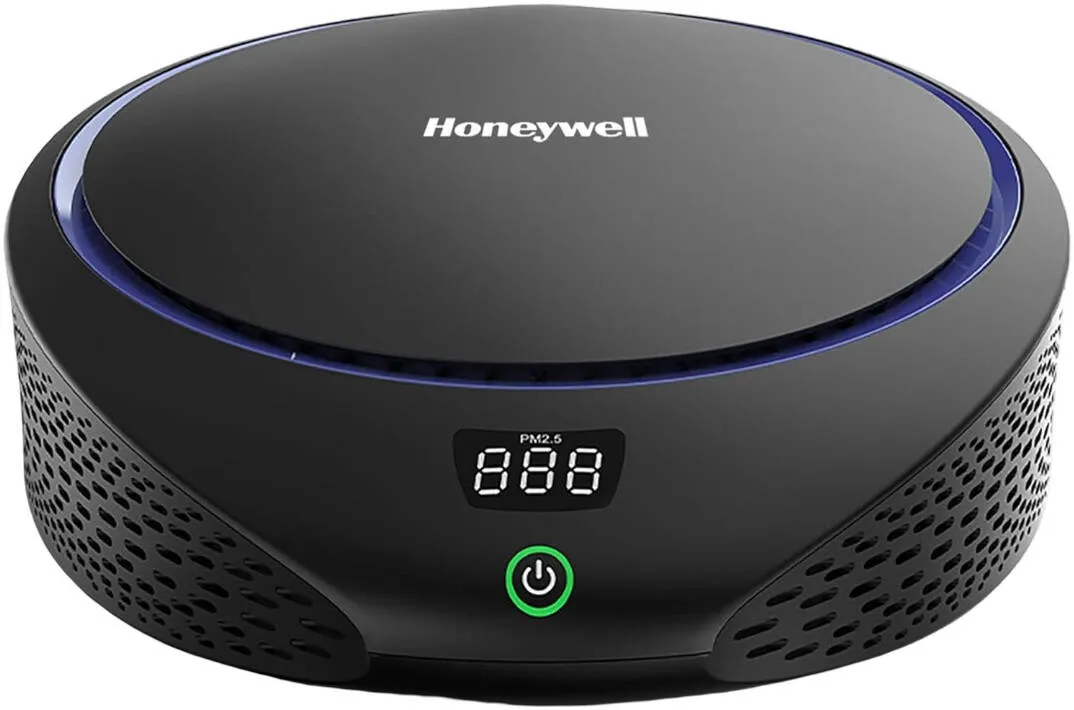
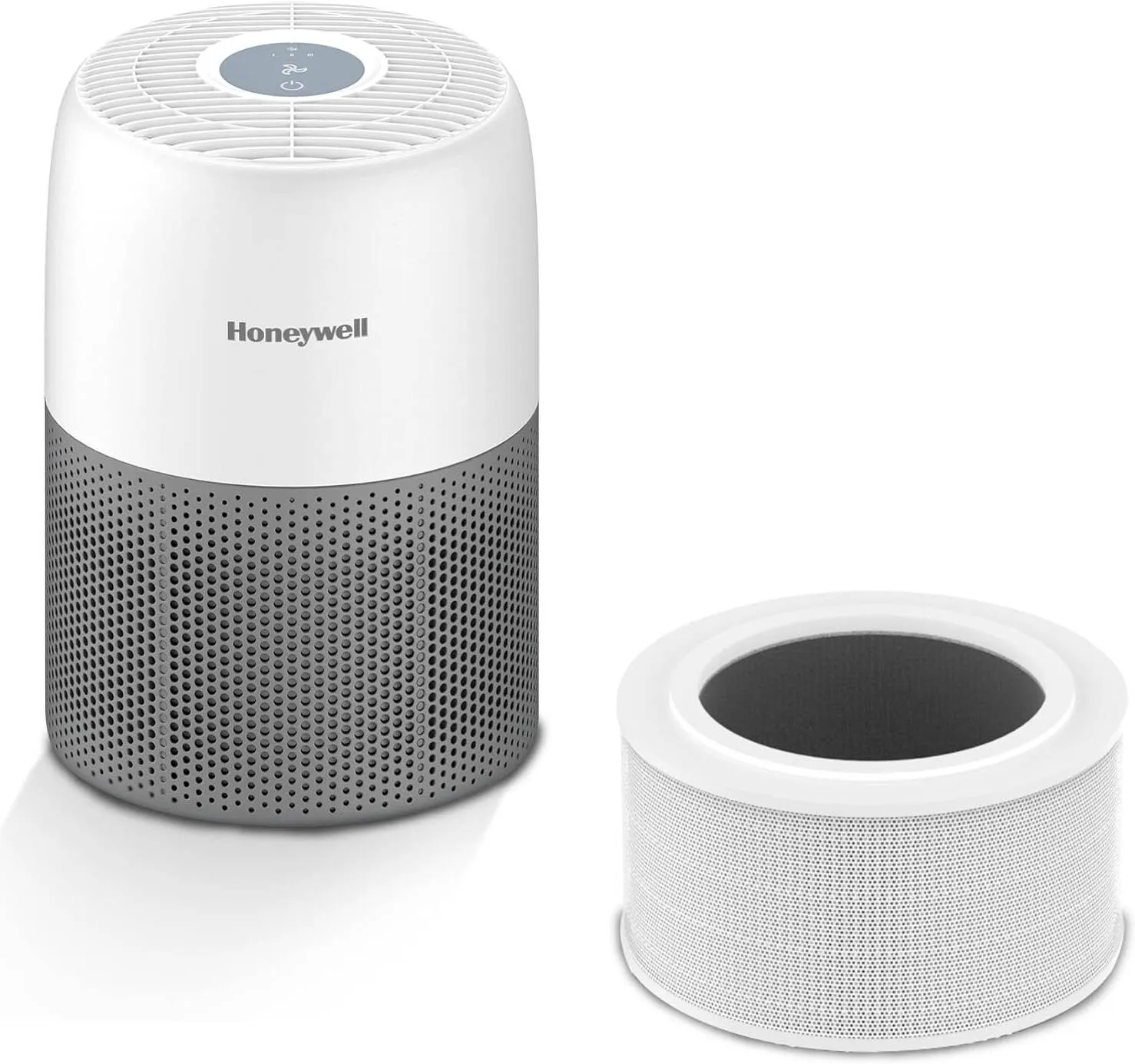
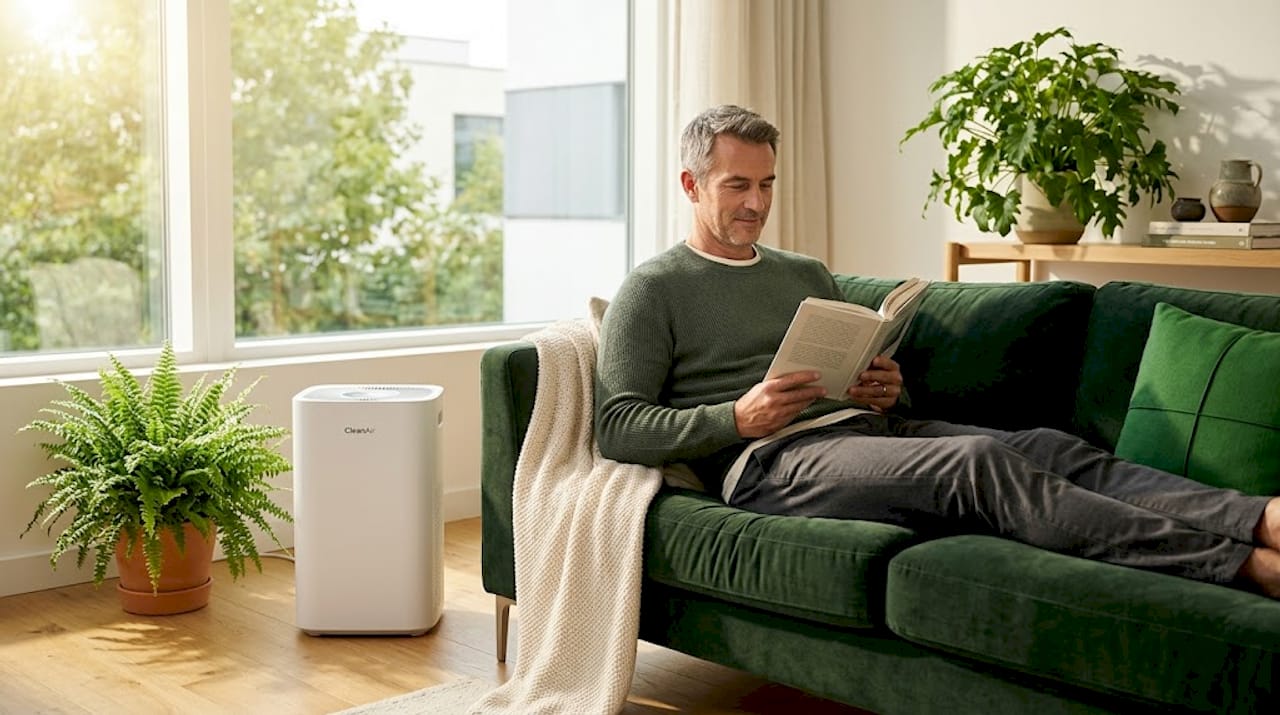
Monitoring tells you what is in the air. Purifiers do something about it. HEPA filters capture at least 99.97% of particles down to 0.3 microns, covering dust, pollen, pet dander, and most smoke particles. Fixed HEPA units are best placed in bedrooms and living areas. The Levoit Core Mini is a strong example of a compact portable purifier suited to smaller rooms and allergy sufferers who want a unit they can move between spaces.
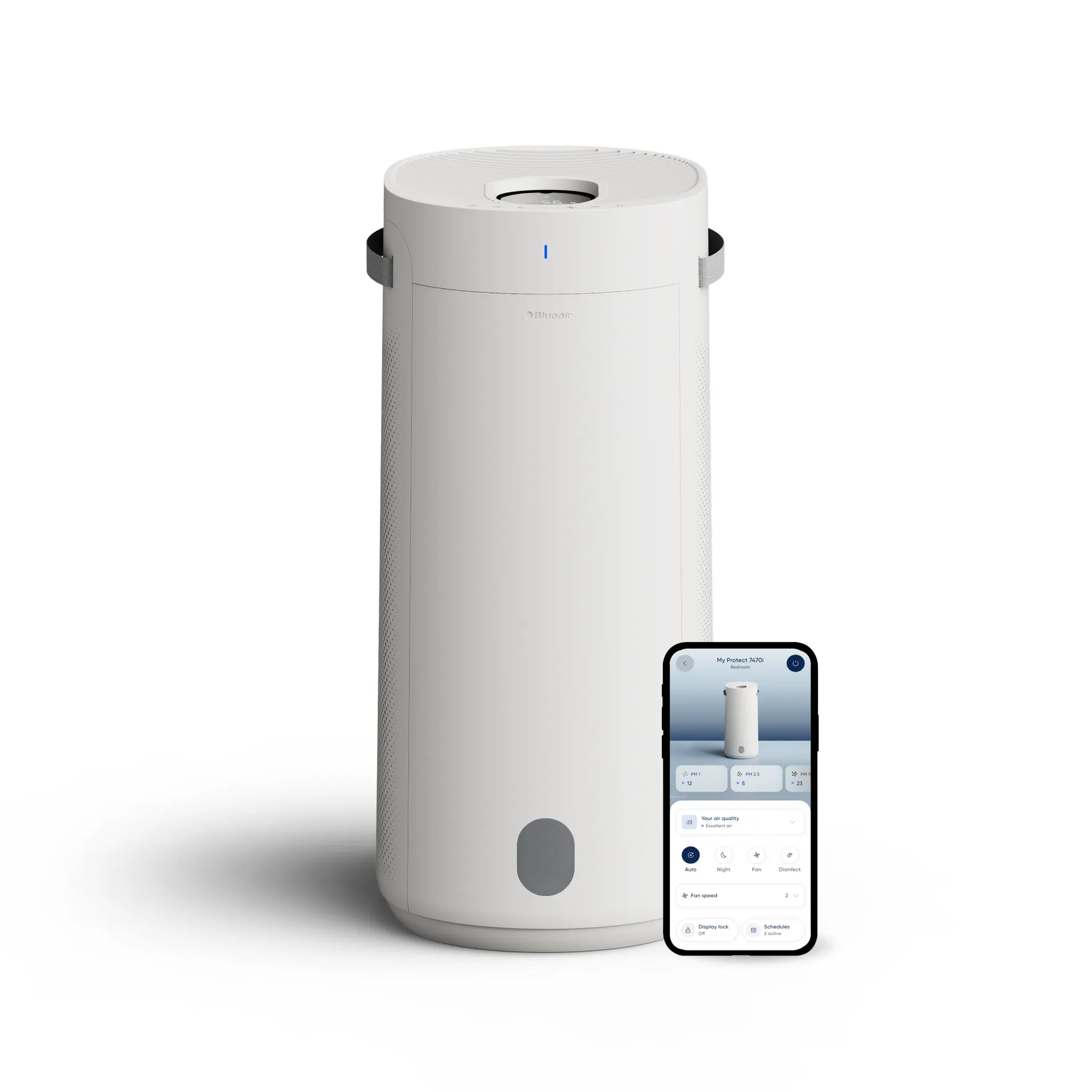
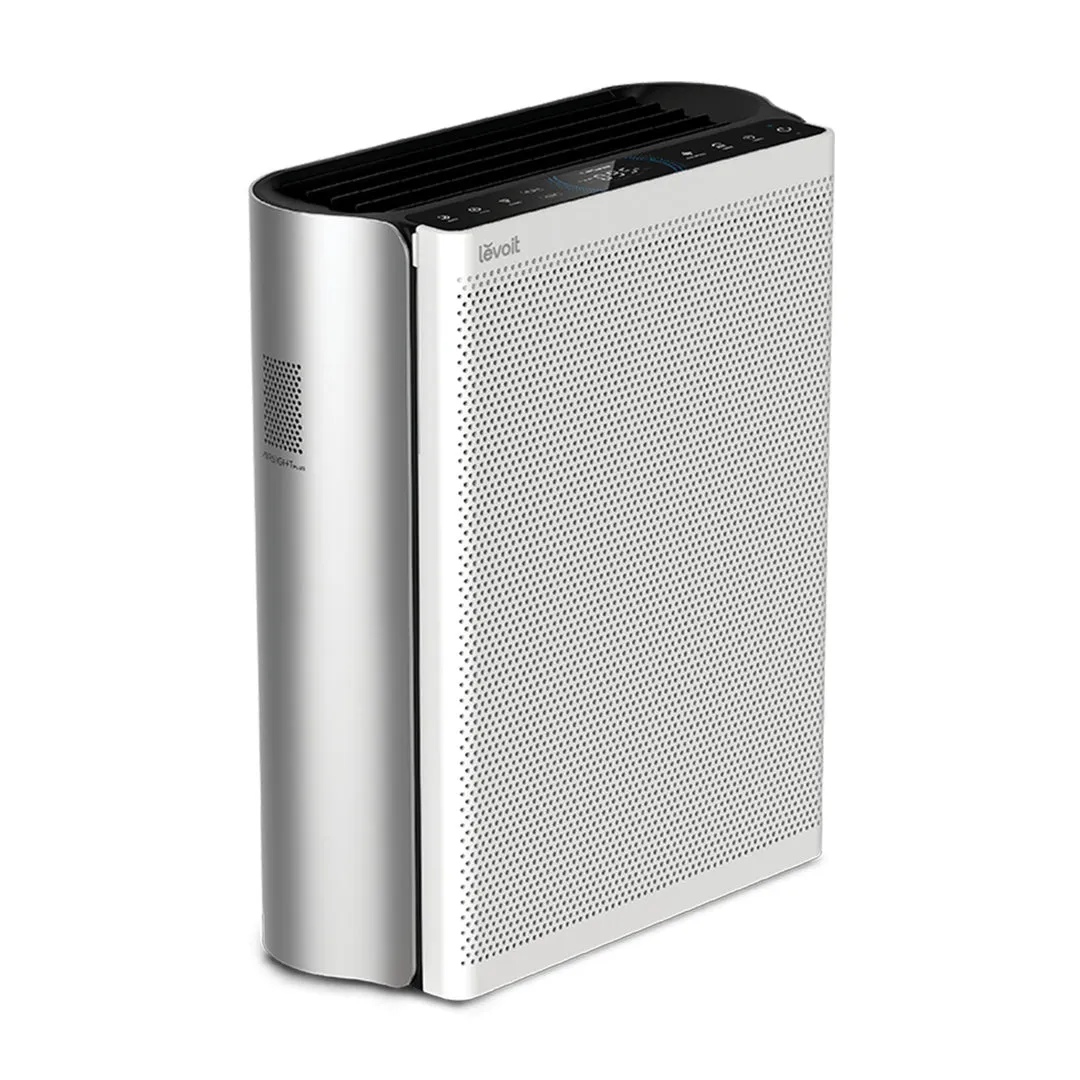
7. Smart air purifiers with app control
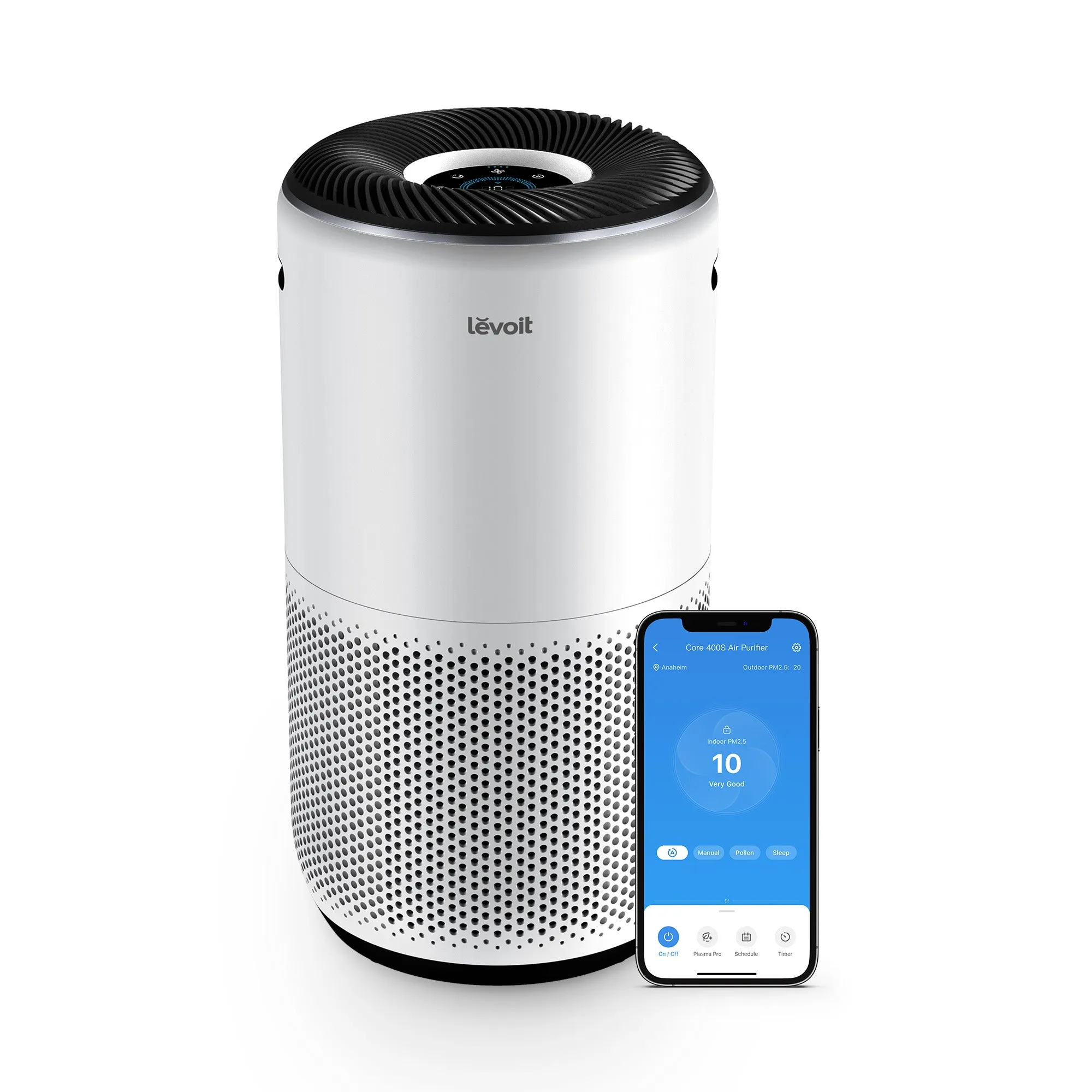
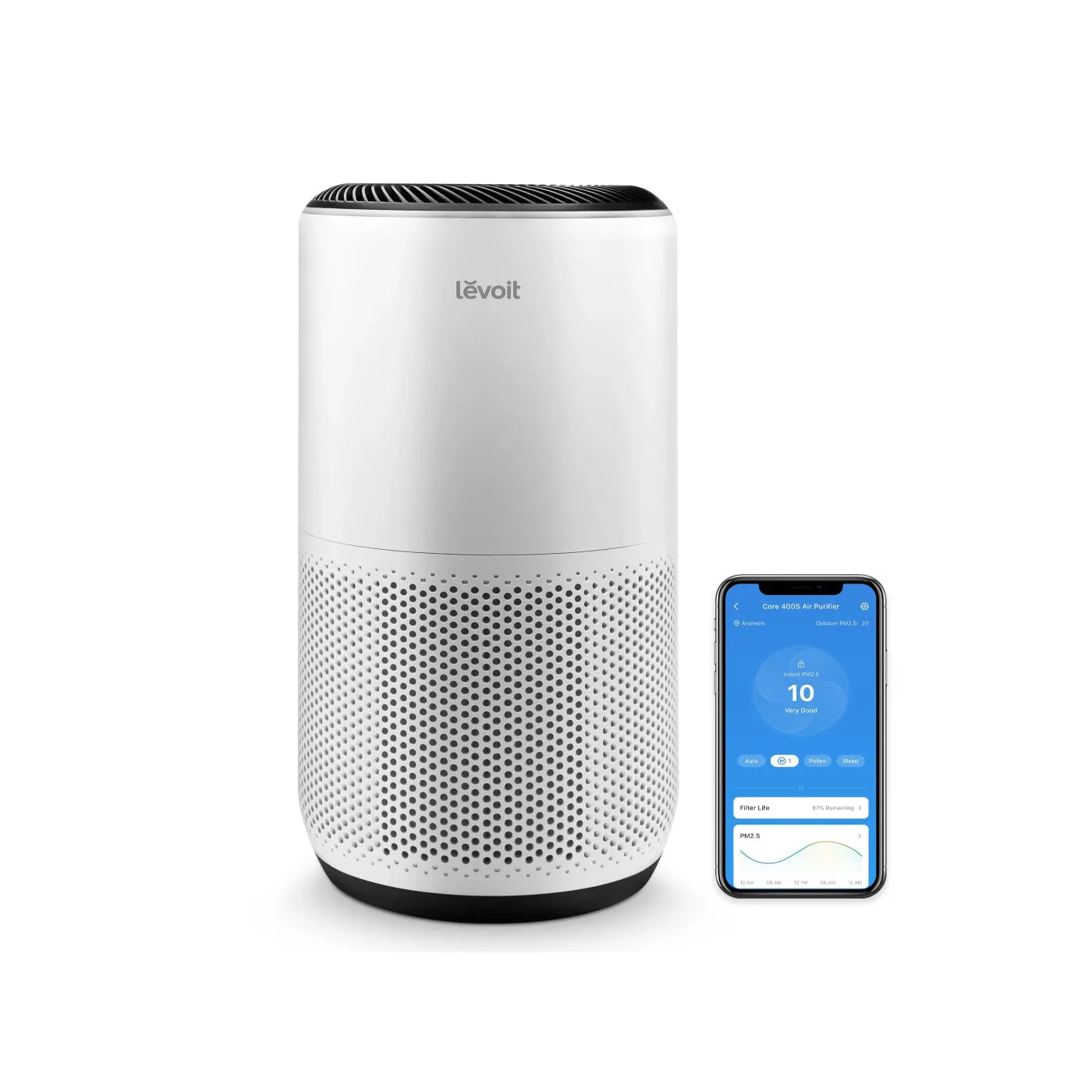
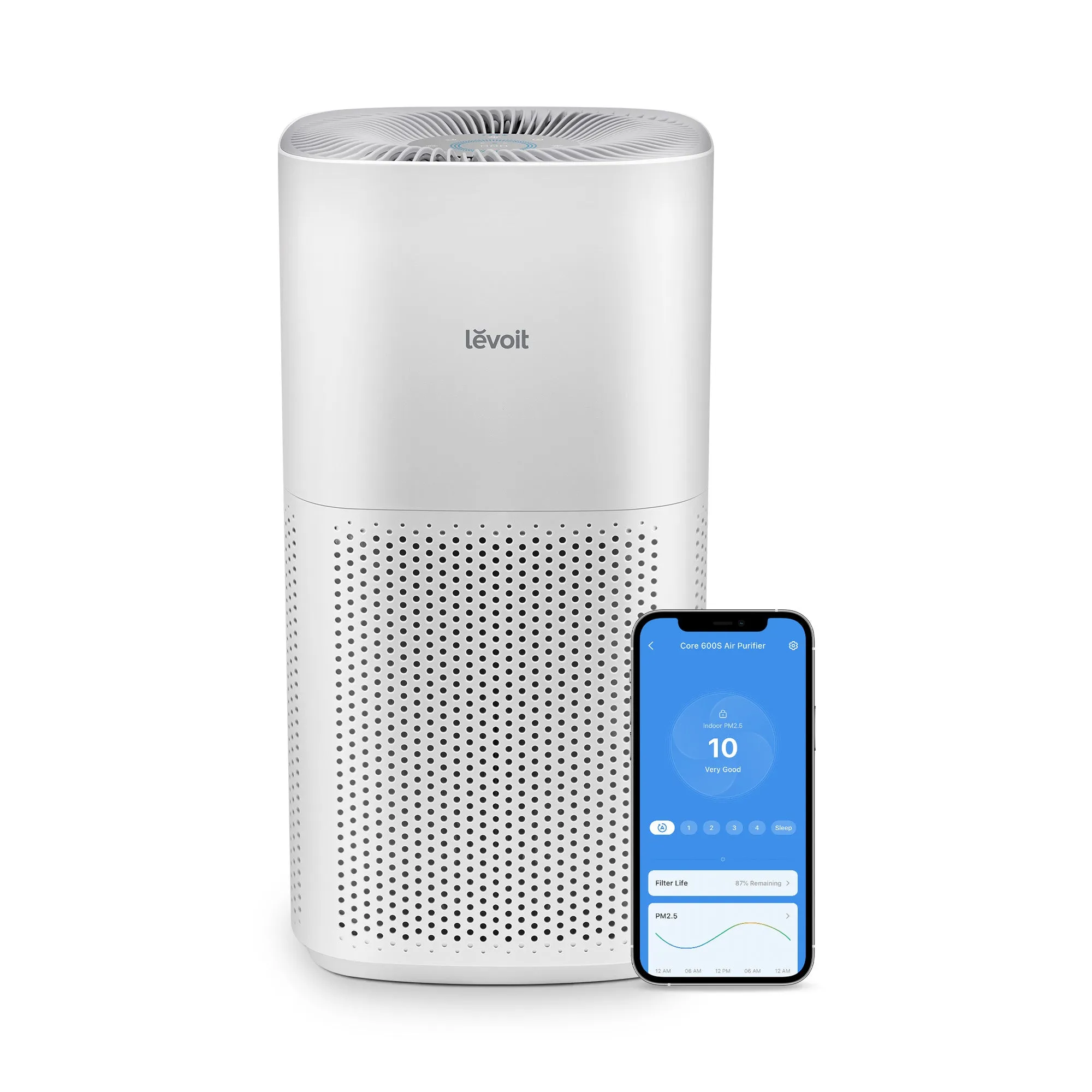
Smart purifiers add Wi-Fi connectivity and auto-mode functionality on top of standard HEPA filtration. They adjust fan speed based on real-time air quality readings, which saves energy and reduces noise when the air is already clean. The Levoit Core 600S is a well-regarded option in this category, covering large rooms with quiet operation. It is covered in detail in Cleanair-ae’s guide to the Core 600S for offices. Smart models suit both home and office environments where convenience matters alongside performance.
8. UV-C air sanitisers
UV-C light inactivates bacteria, viruses, and mould spores by disrupting their DNA. Units that combine UV-C with HEPA filtration offer a more thorough approach than either technology alone. These are most commonly used in spaces with higher infection risk, such as home offices used for client meetings, nurseries, or rooms shared with immunocompromised family members.
9. Car air purifiers
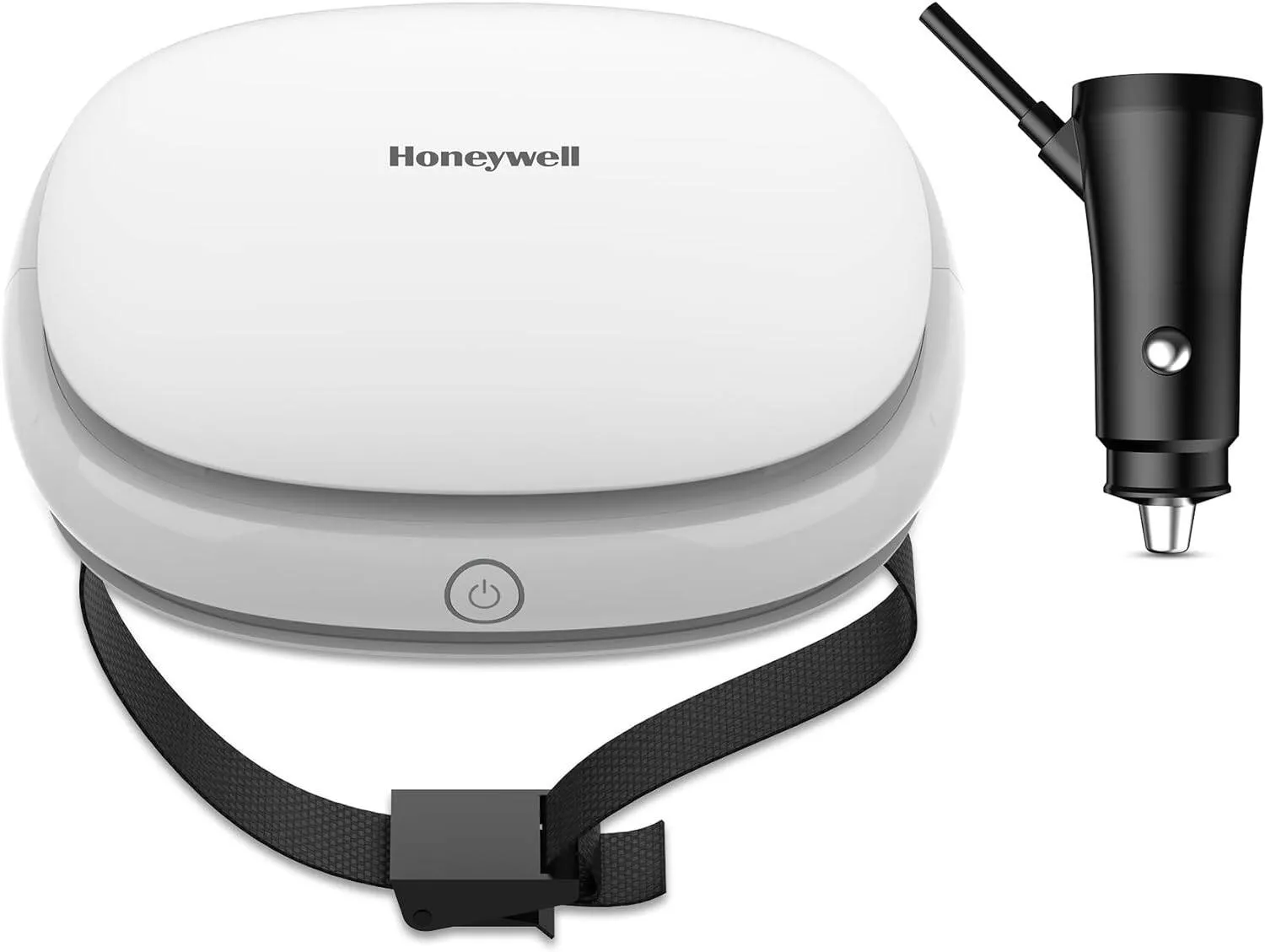
Car air can be up to 15 times more polluted than outdoor air, especially during peak-hour commutes in urban areas. Car-specific purifiers fit into the 12V socket or USB port and use HEPA or activated carbon filters to reduce particulates, exhaust fumes, and odours inside the cabin. For commuters spending 30 minutes or more per journey in traffic, a car purifier is one of the most practical best air quality tools available.
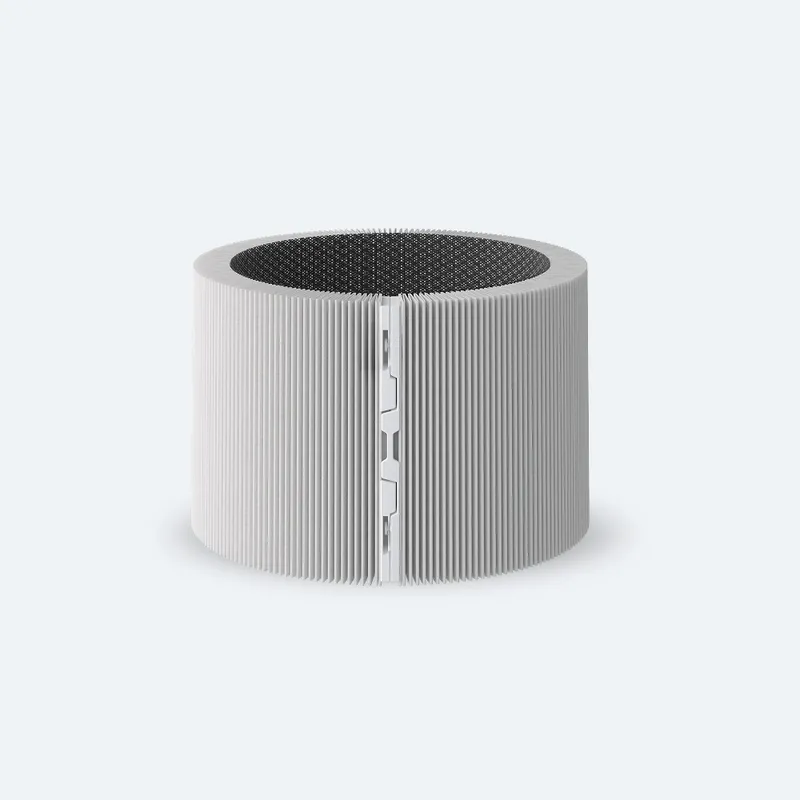
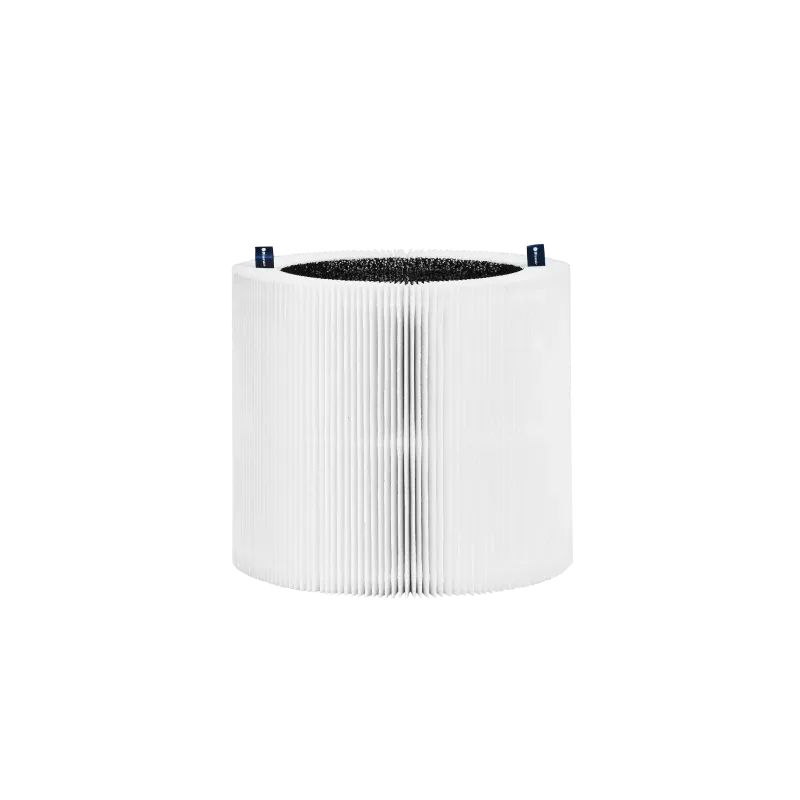
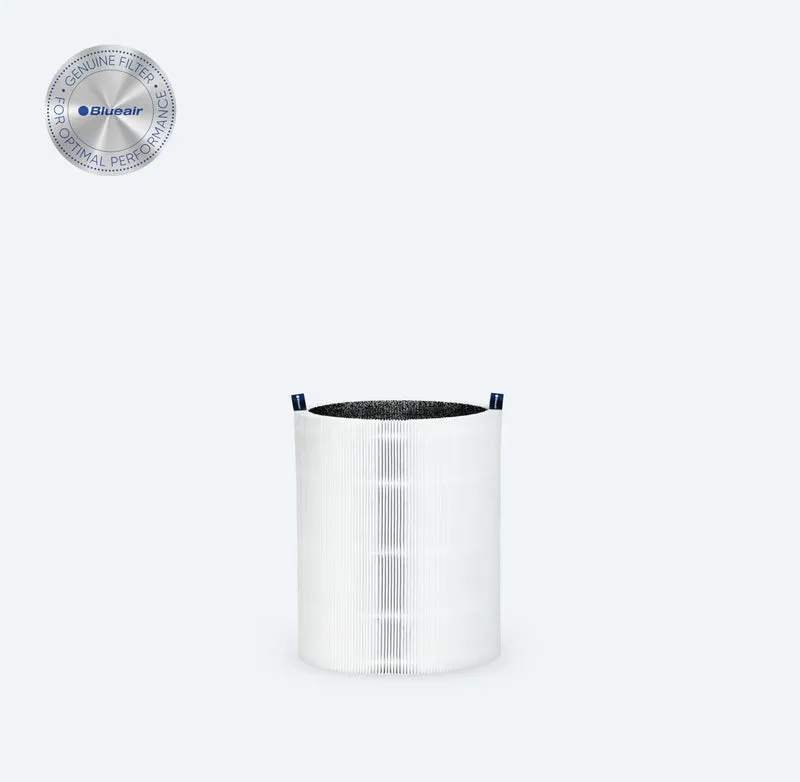
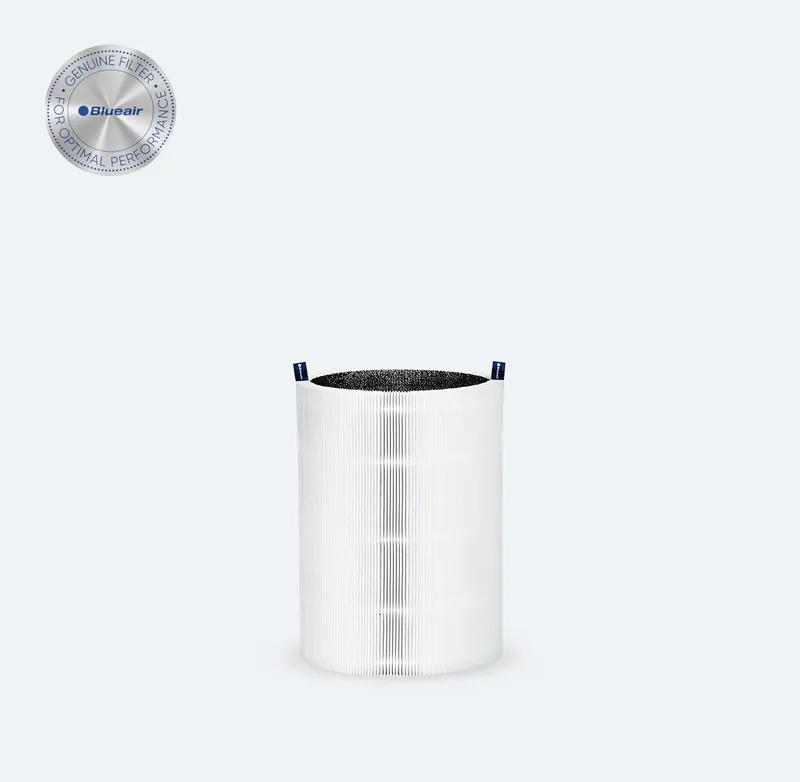
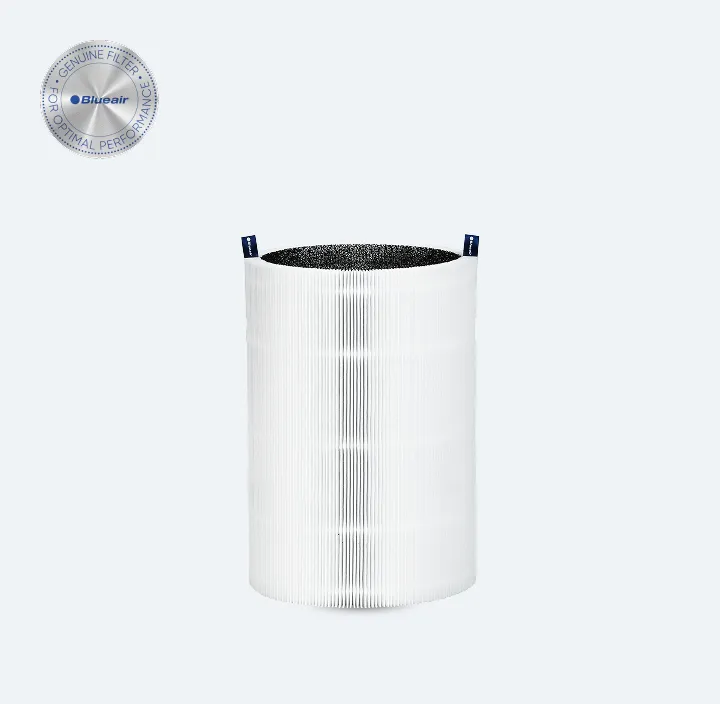
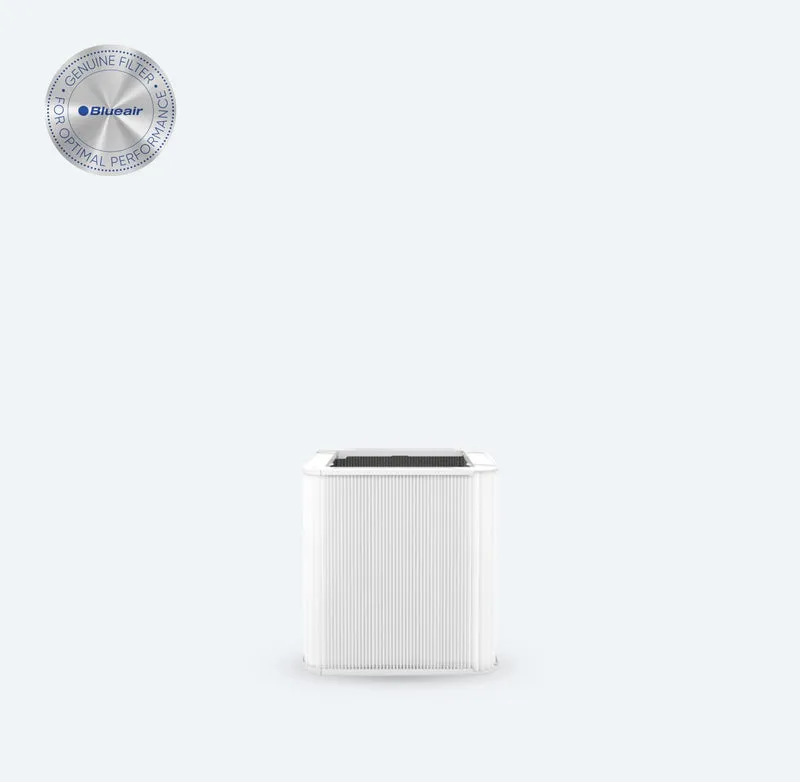
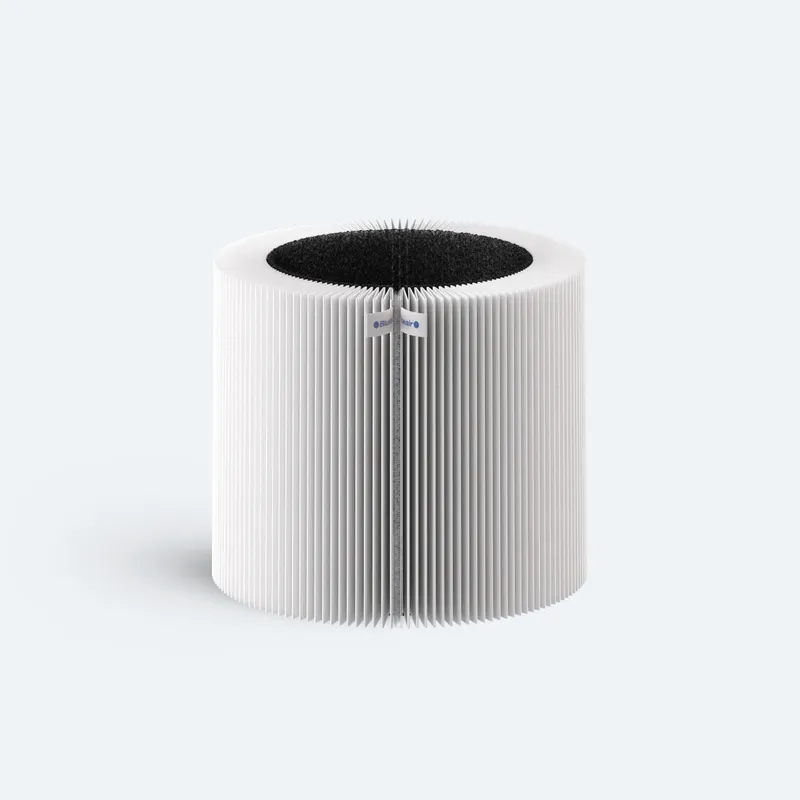
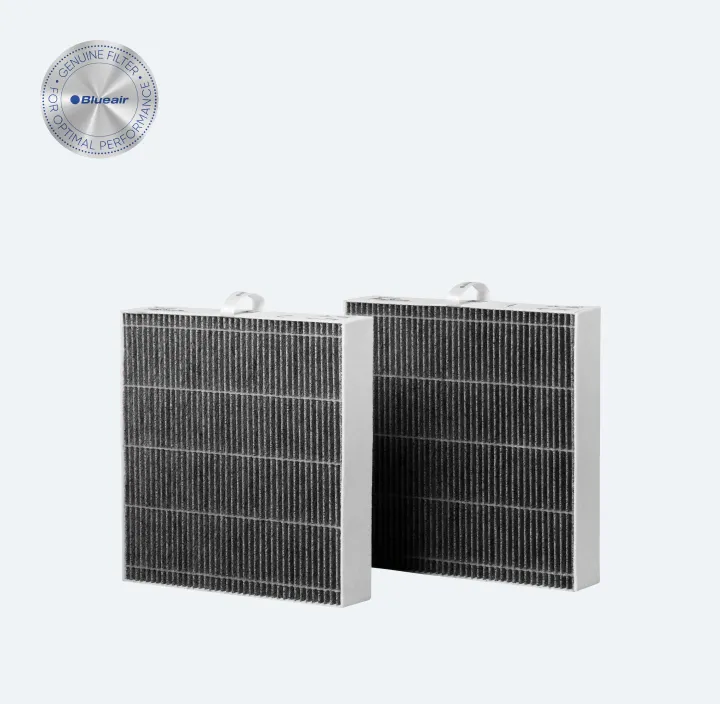
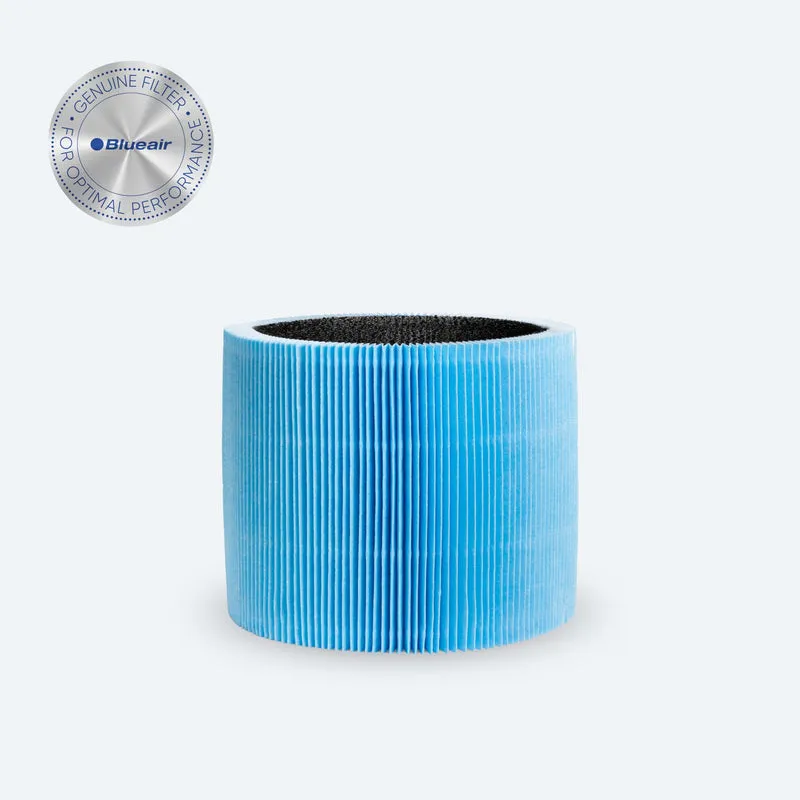
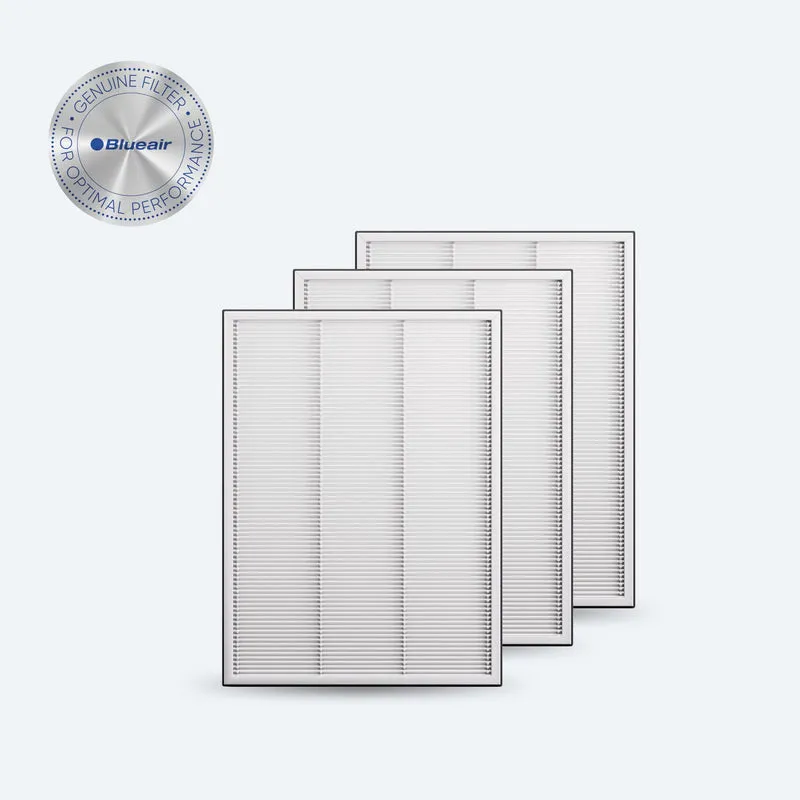
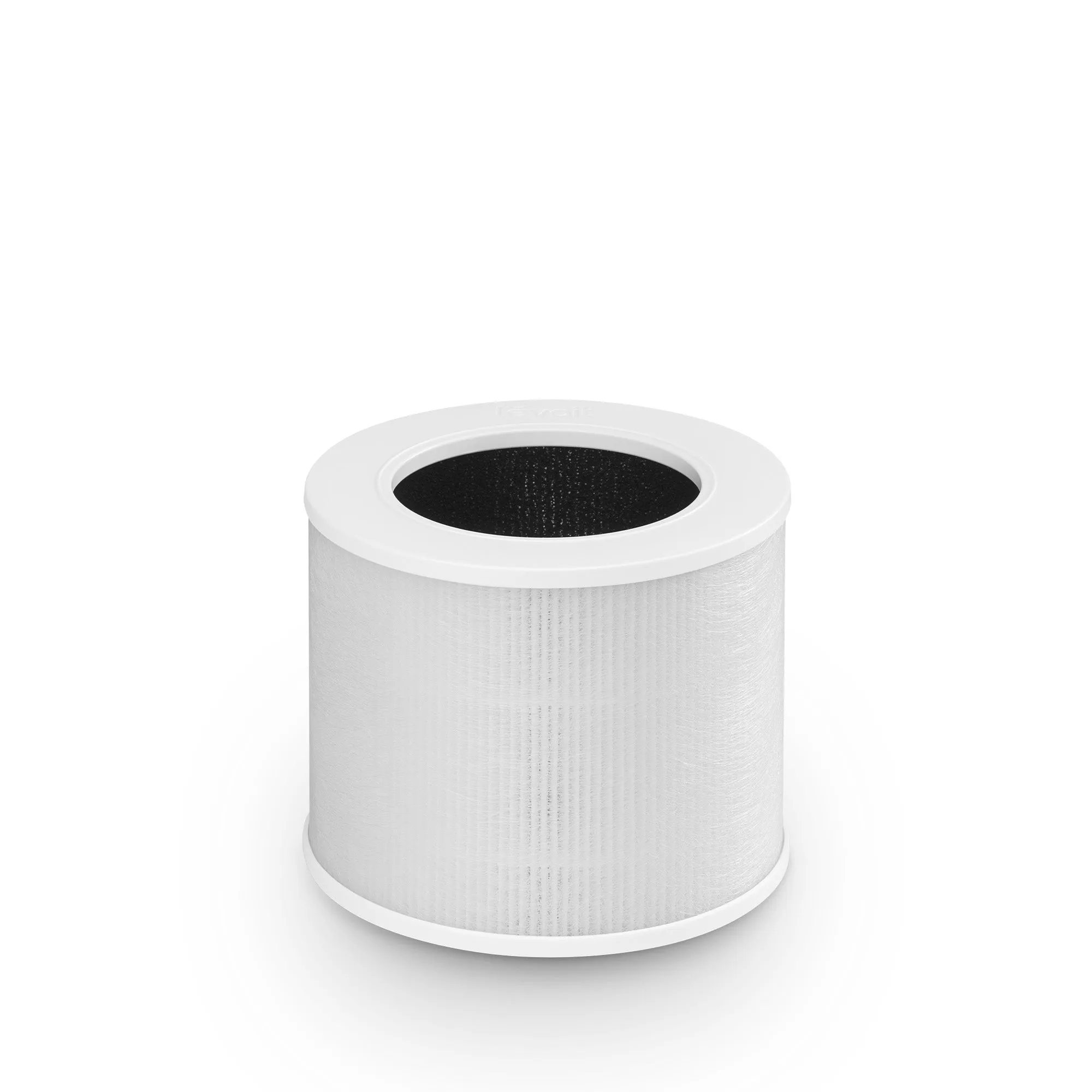
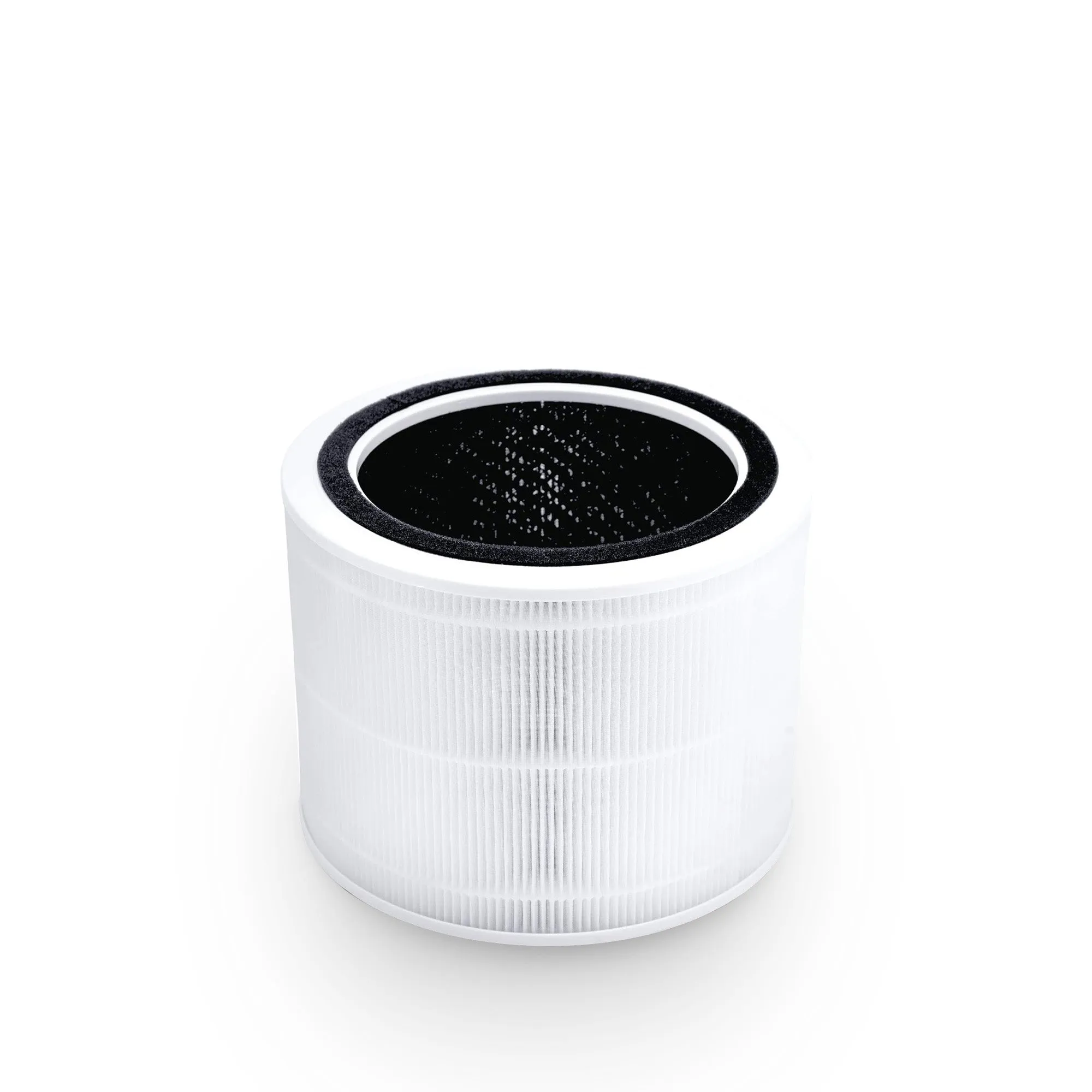
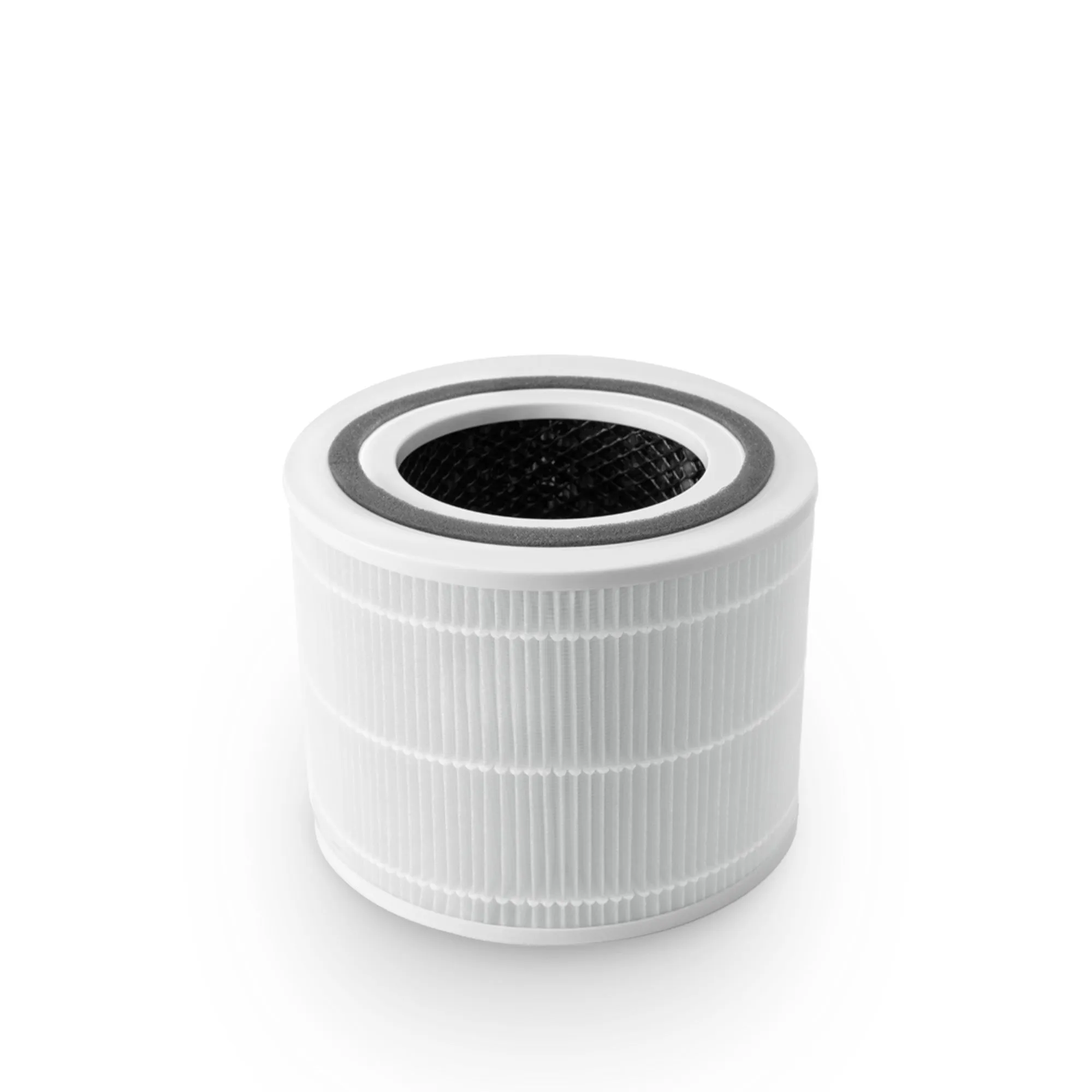
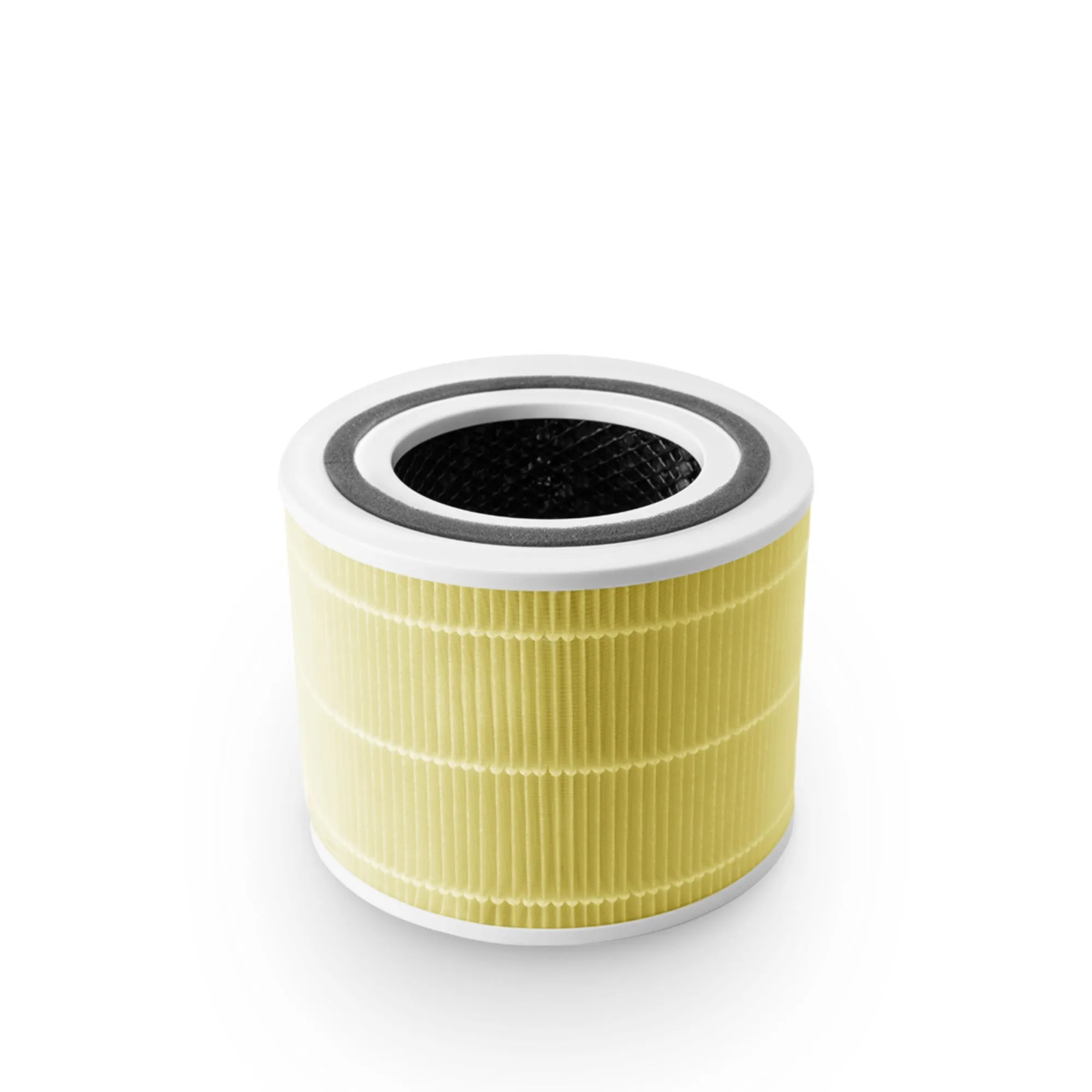
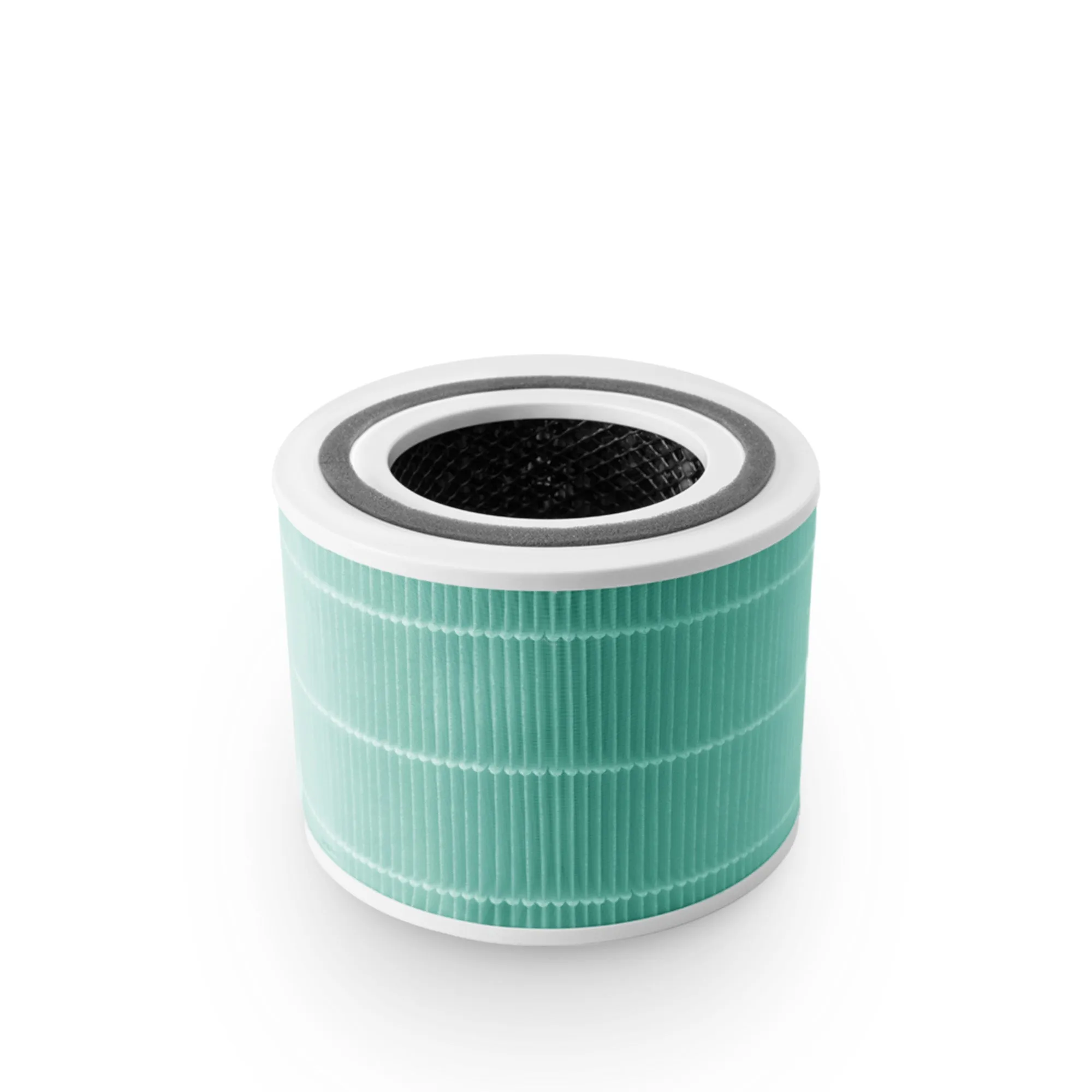
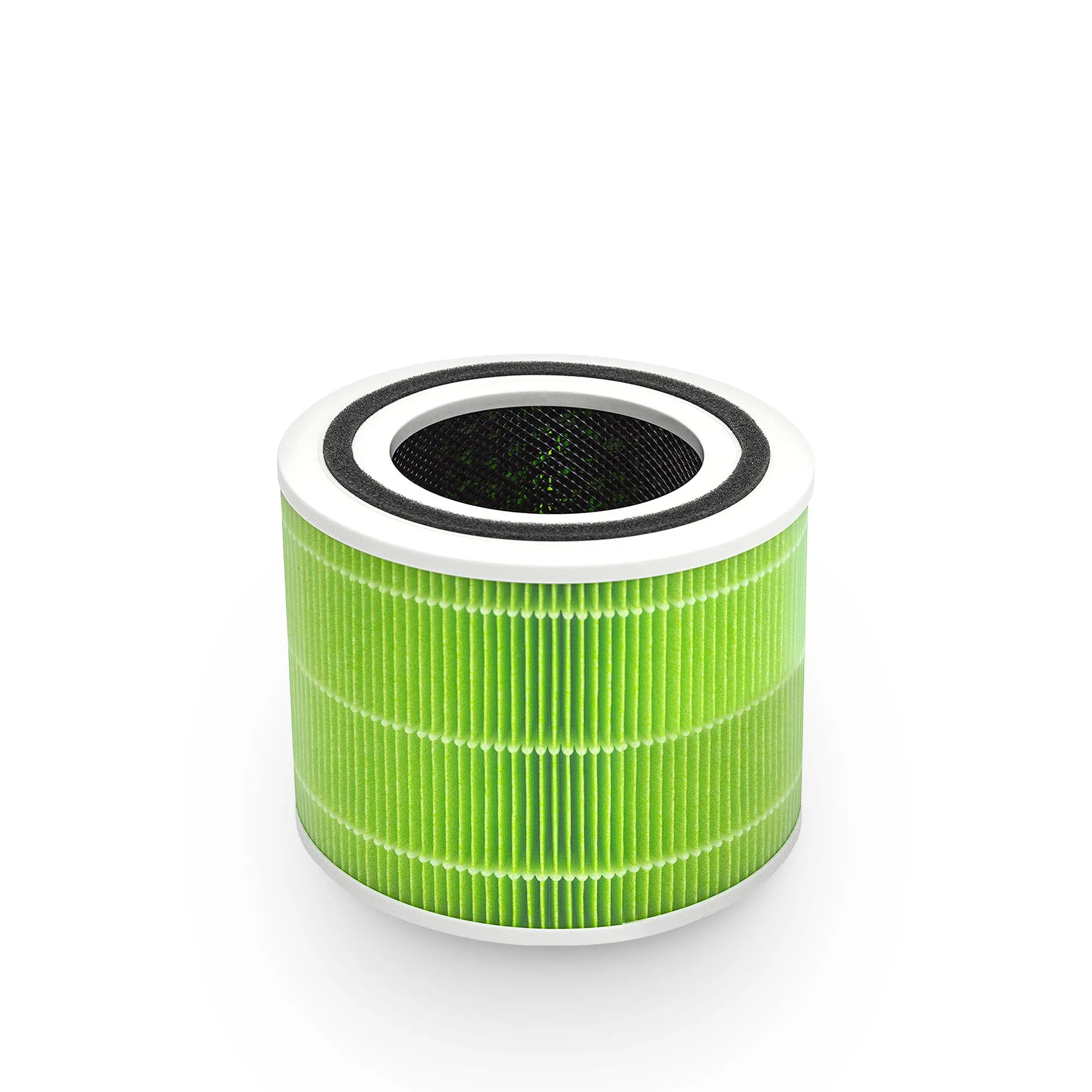
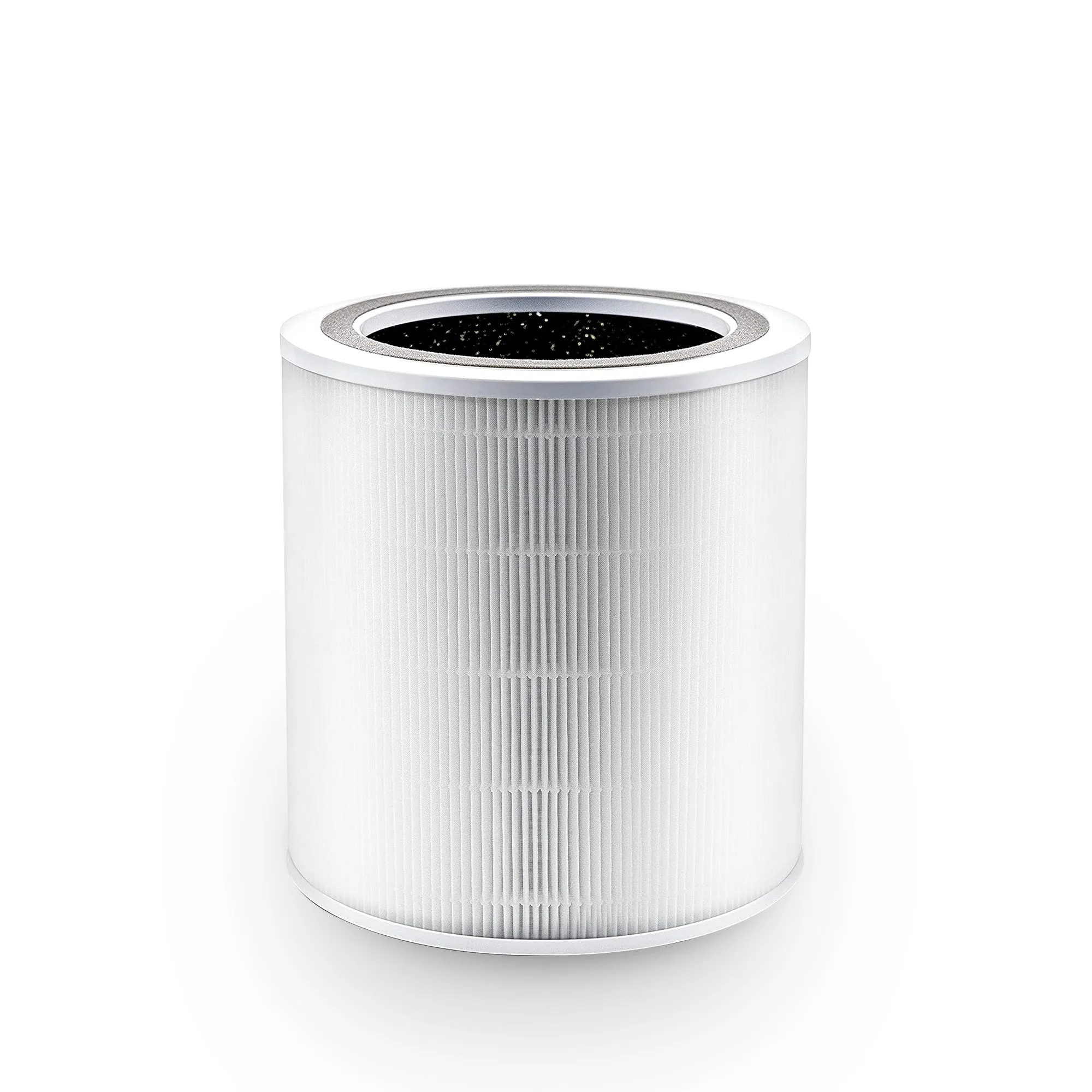
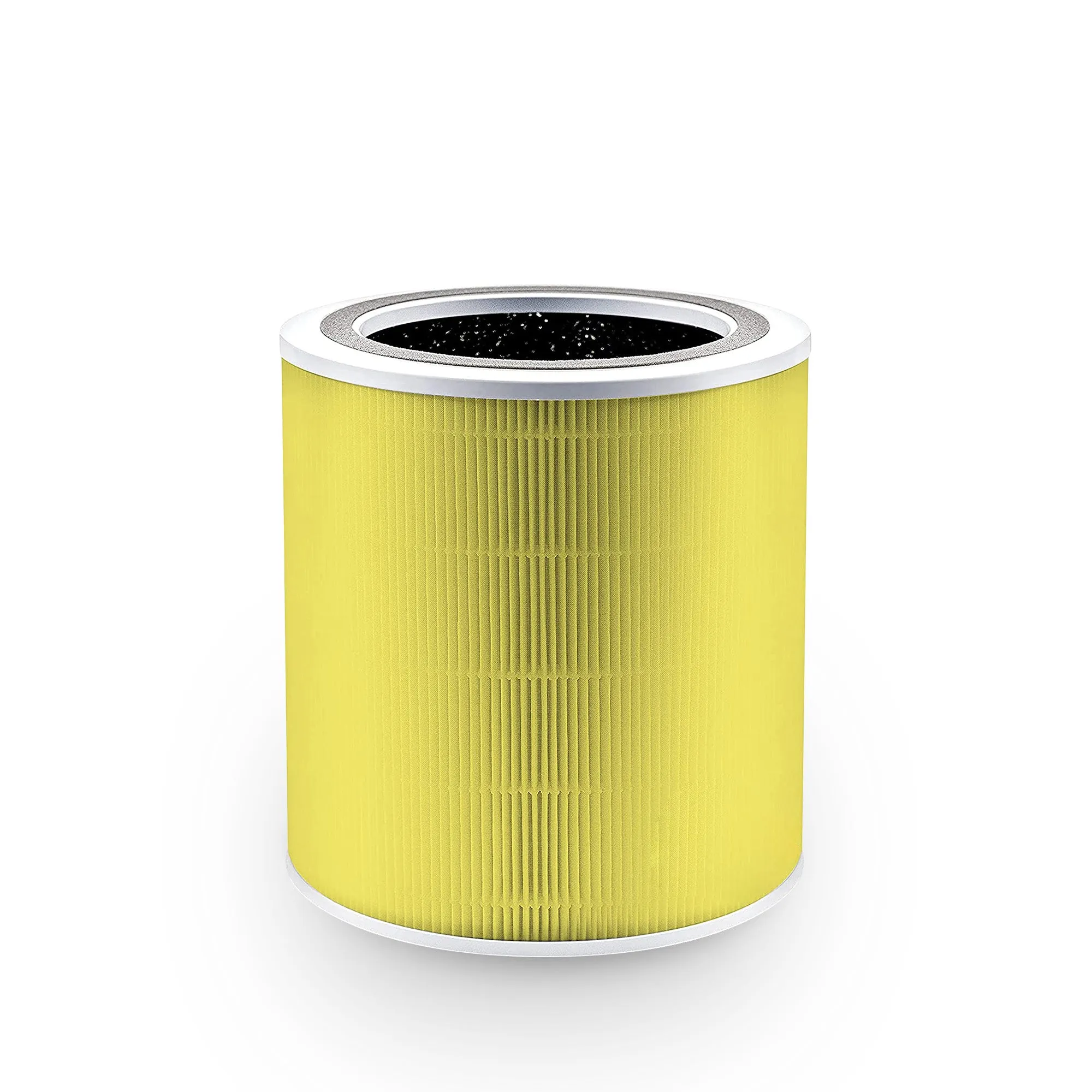
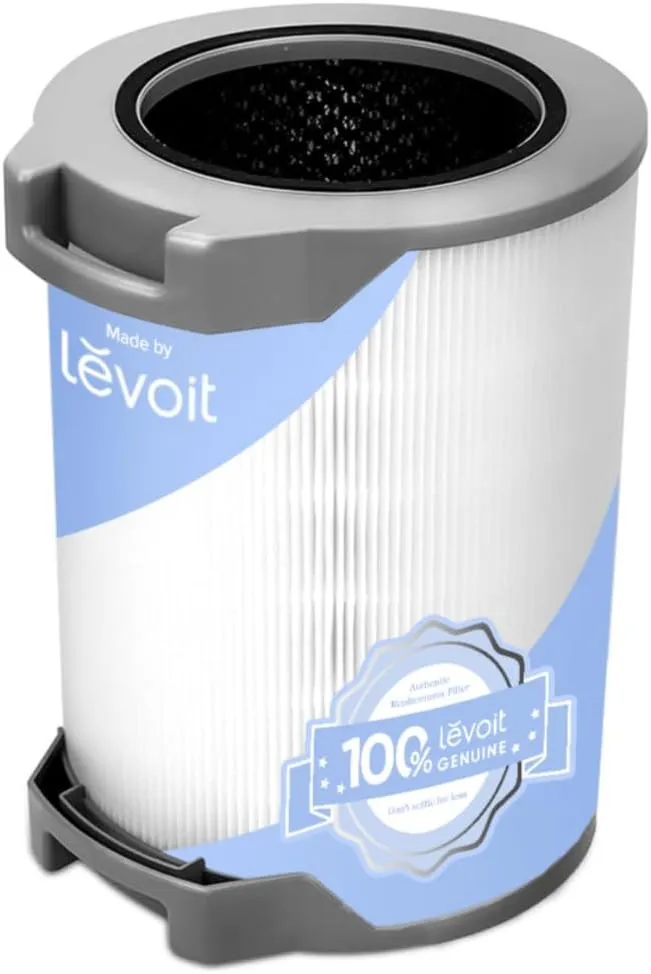
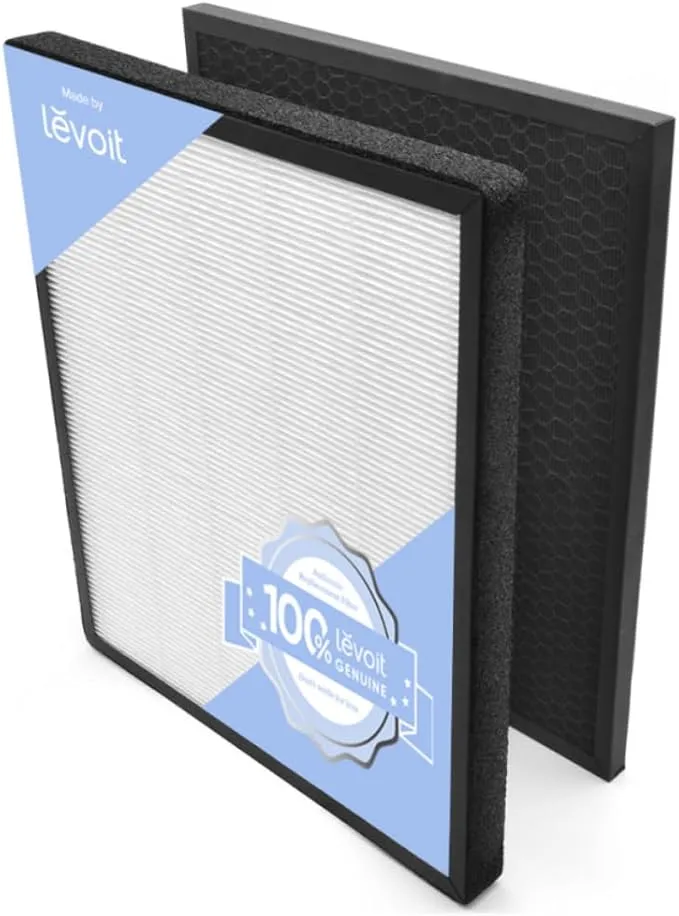
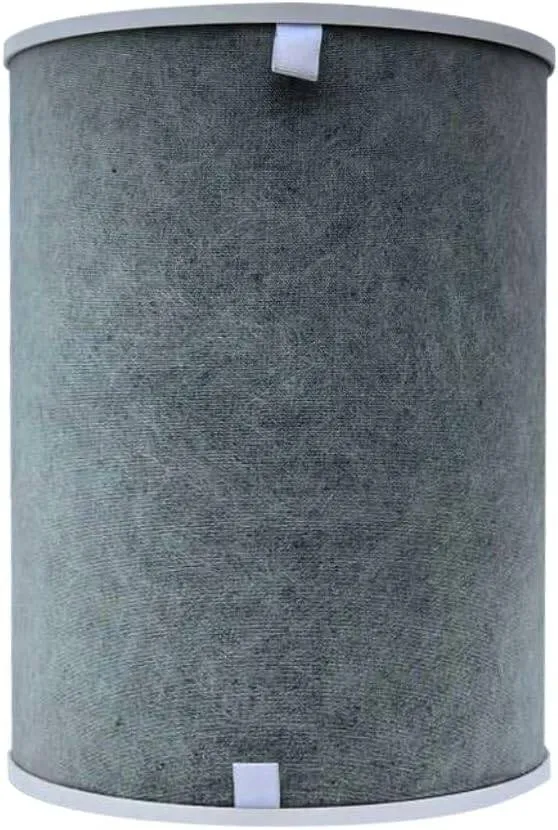
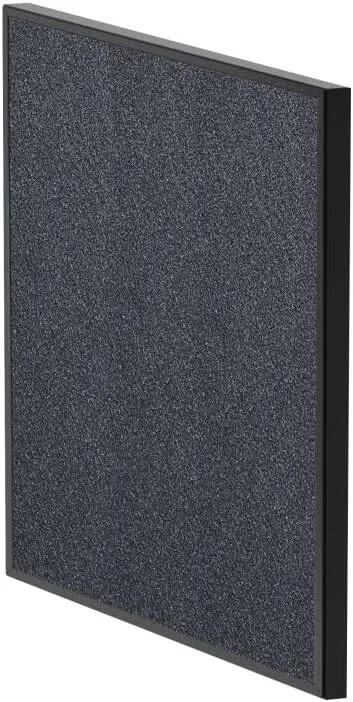
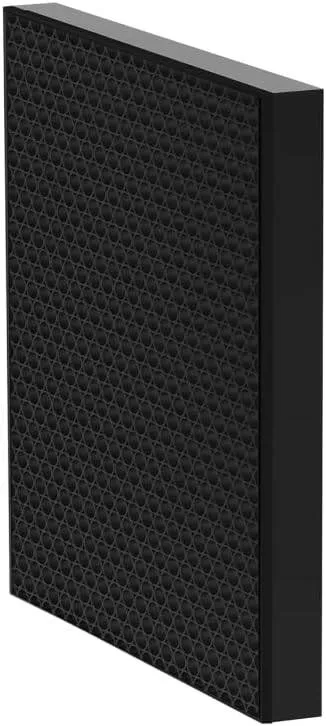
10. Replacement filters
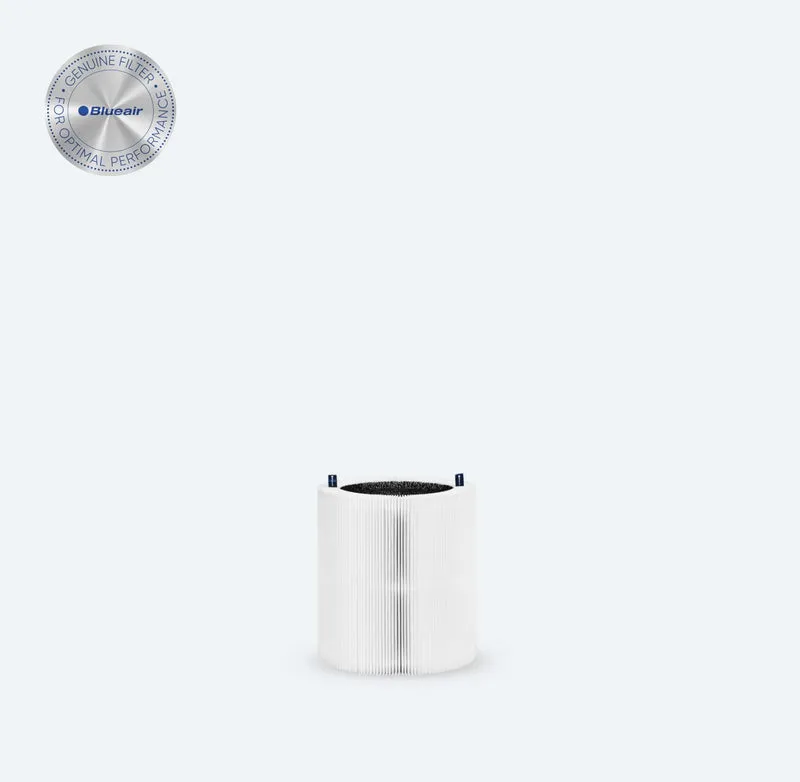
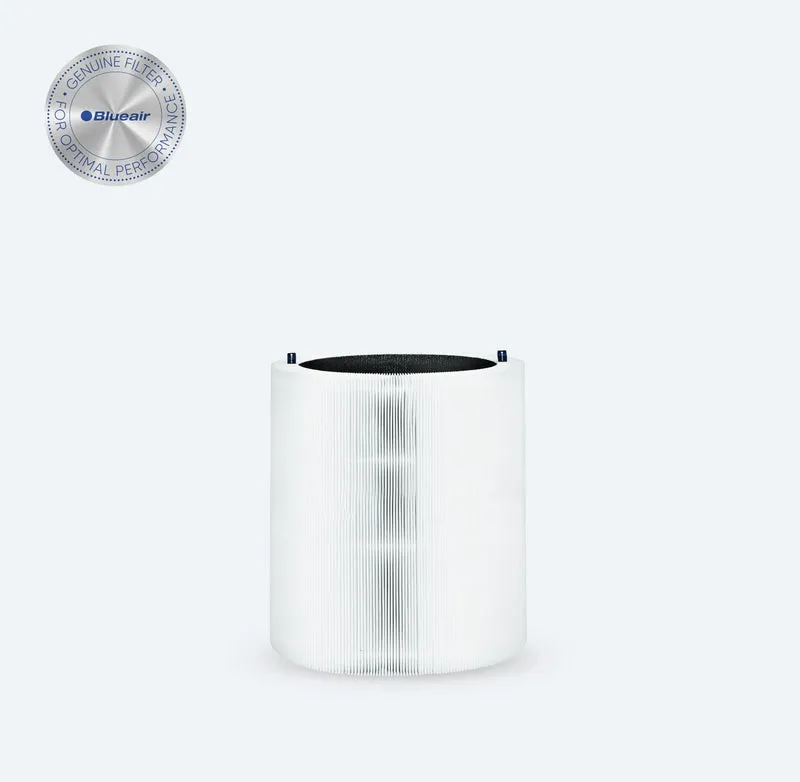
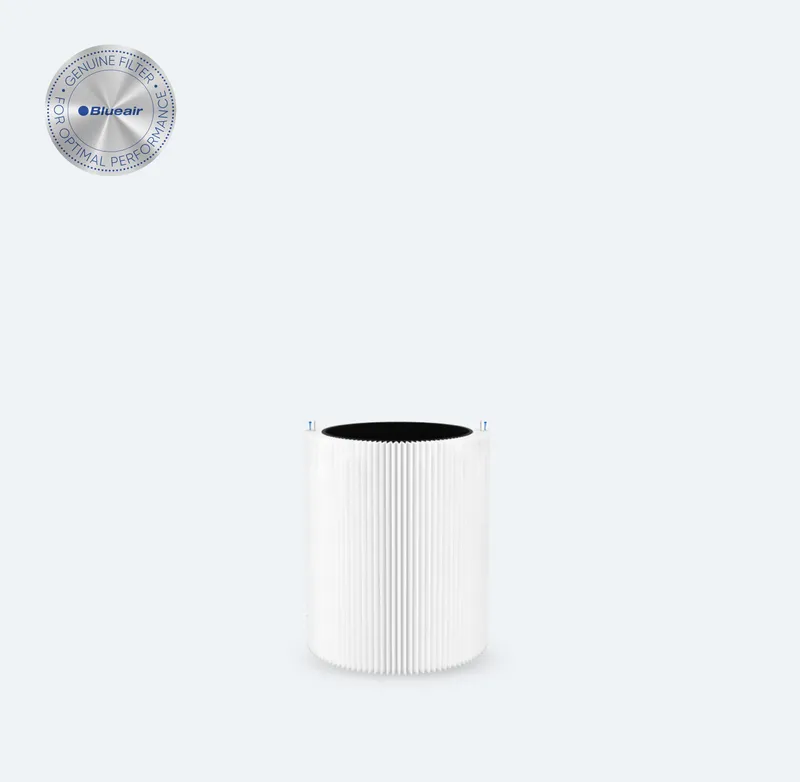
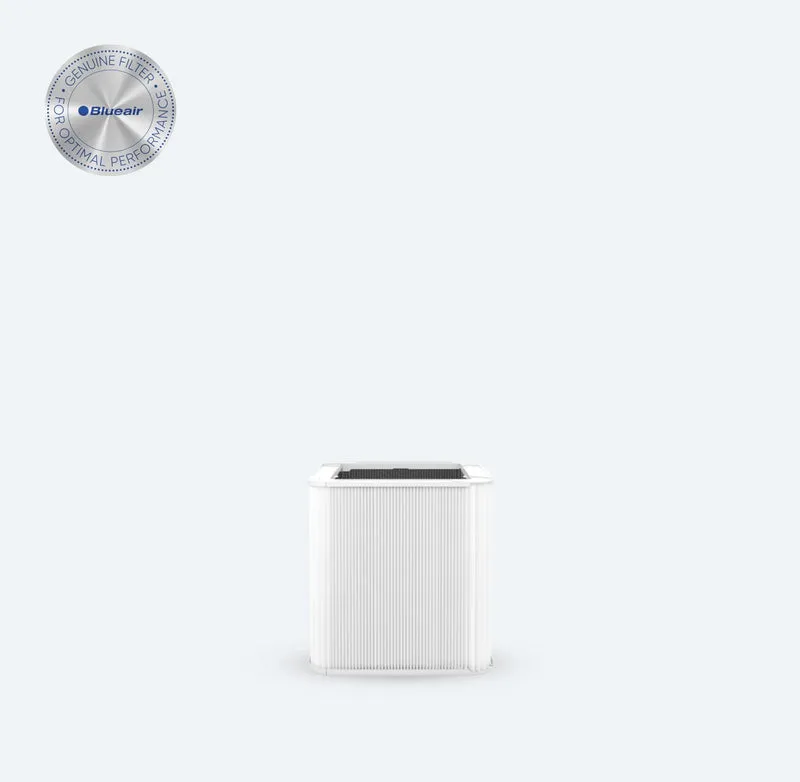
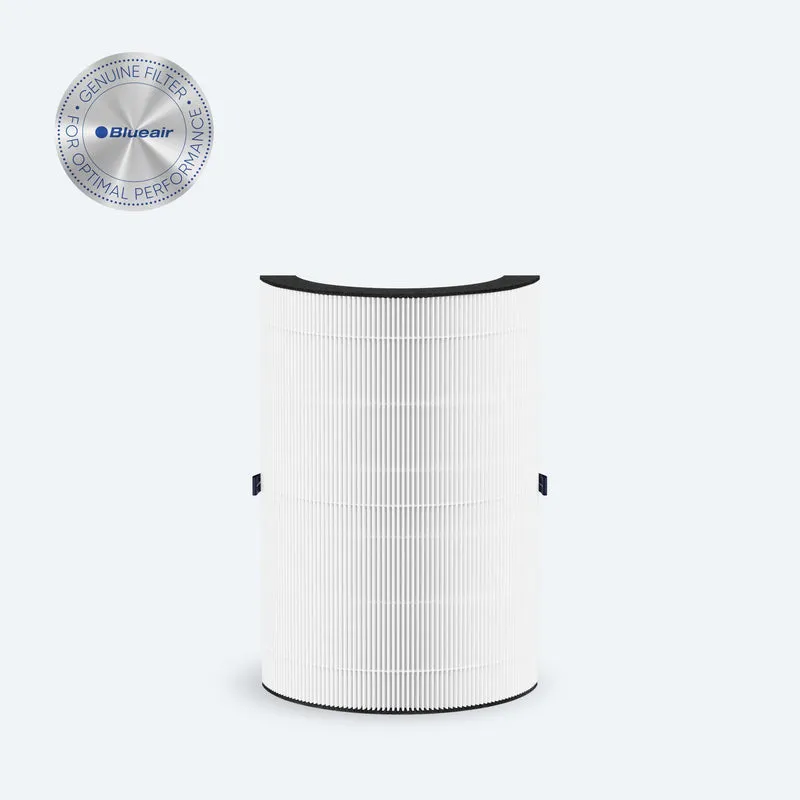
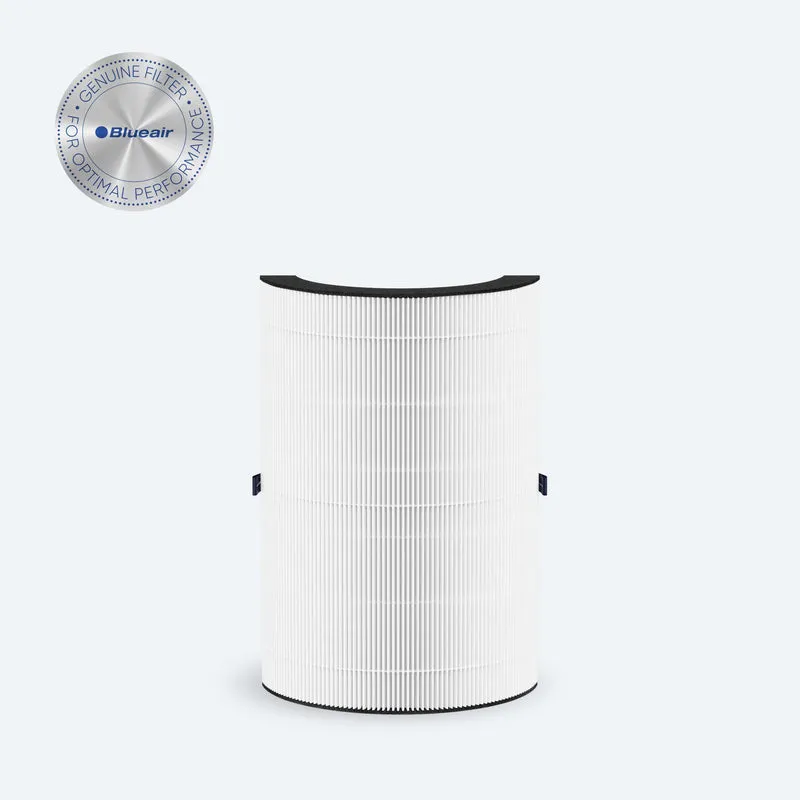
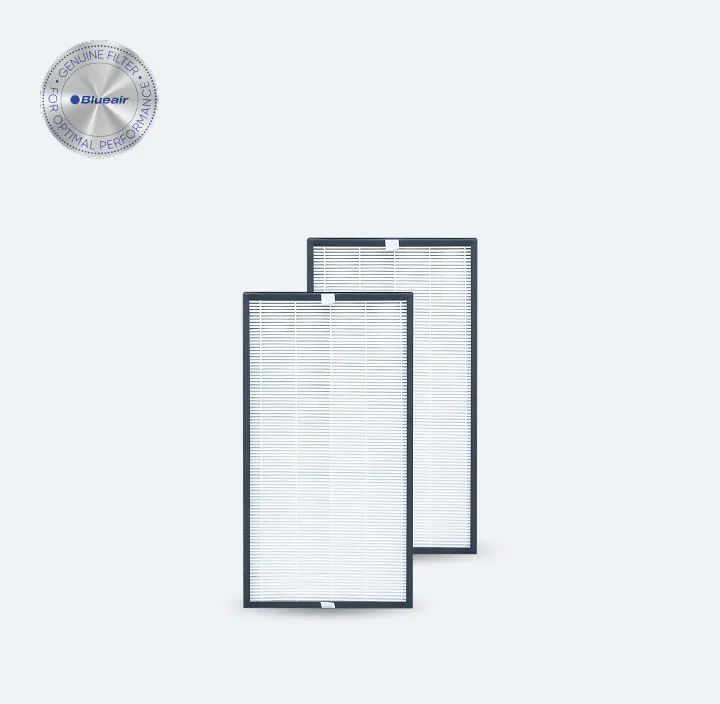
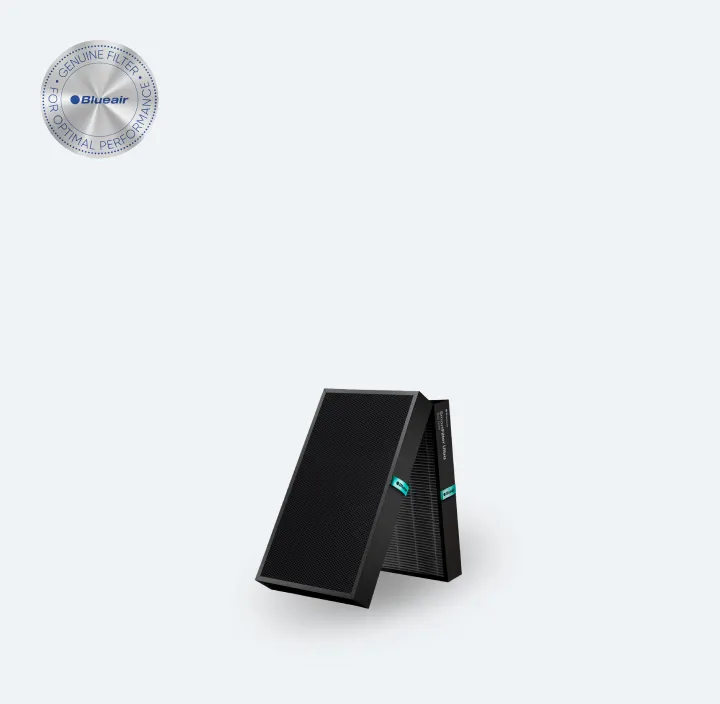
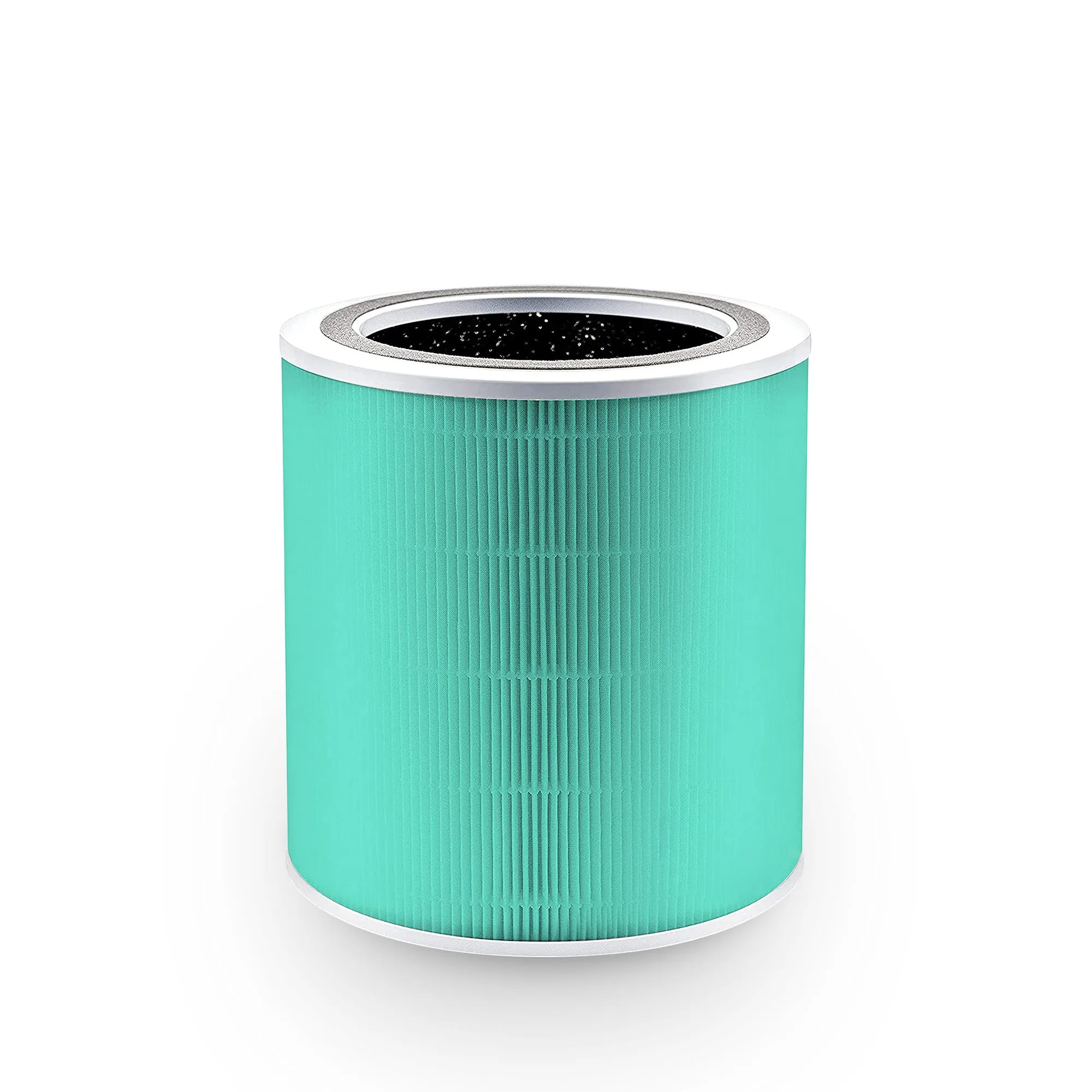
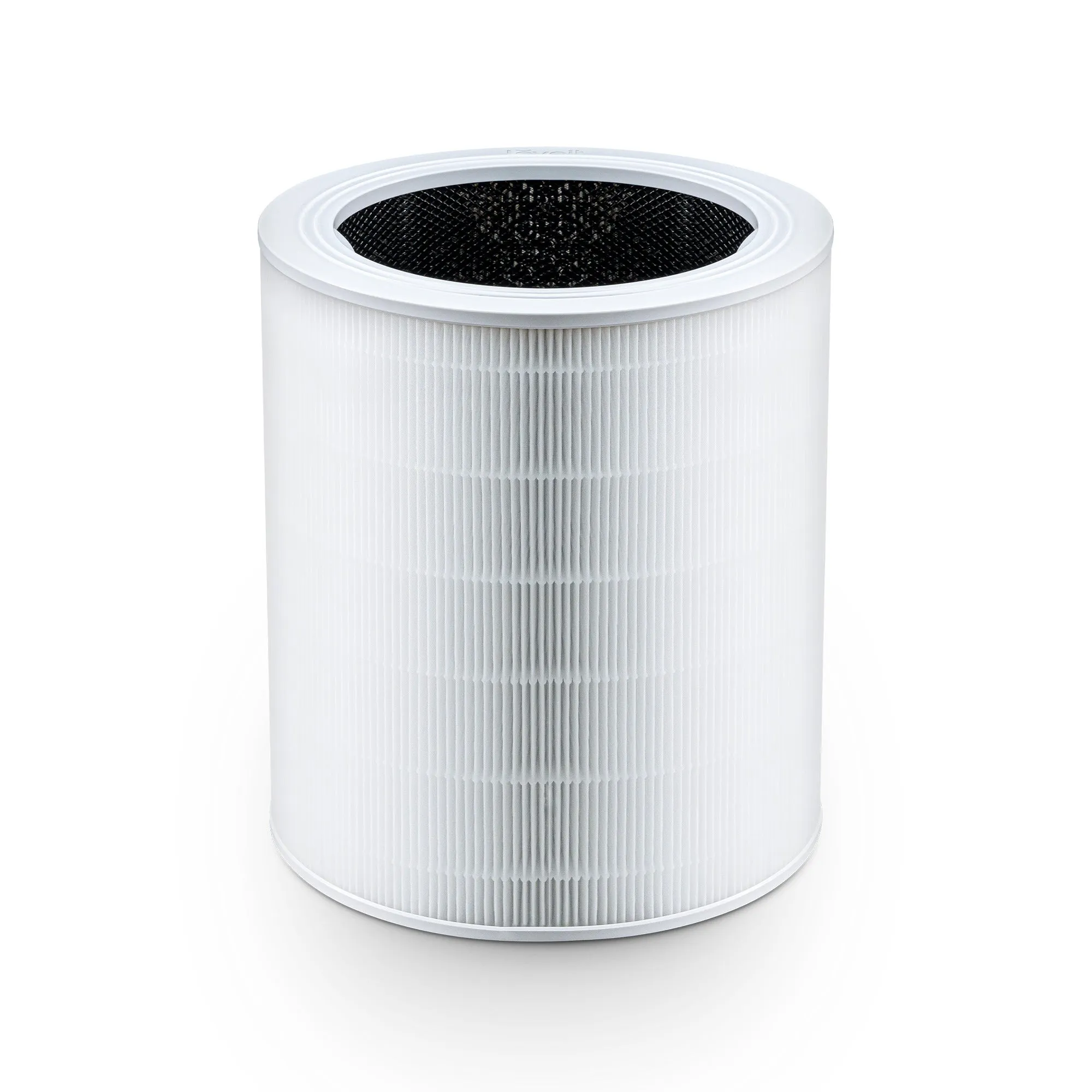
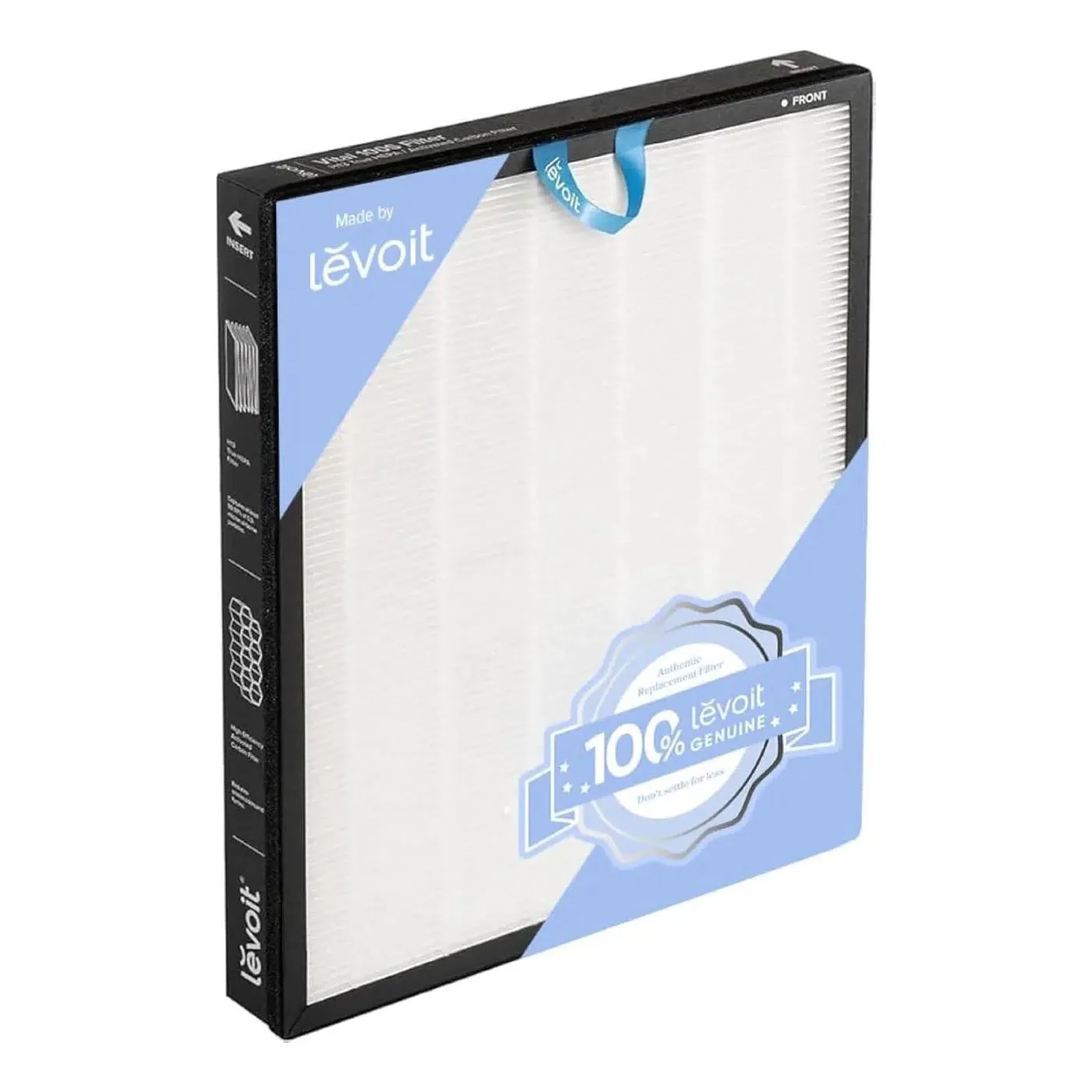
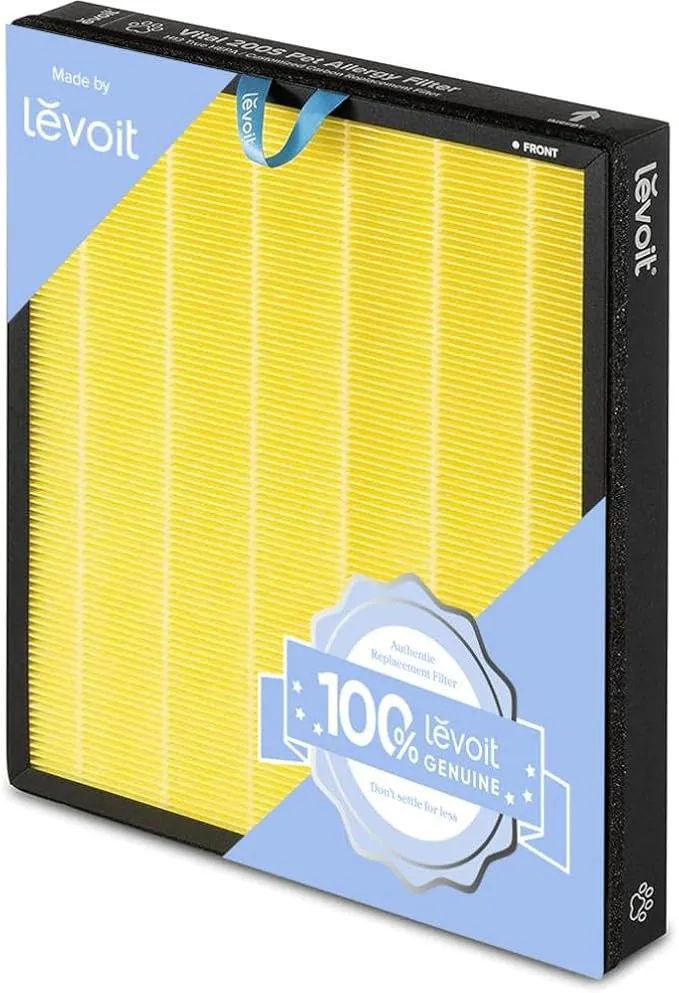
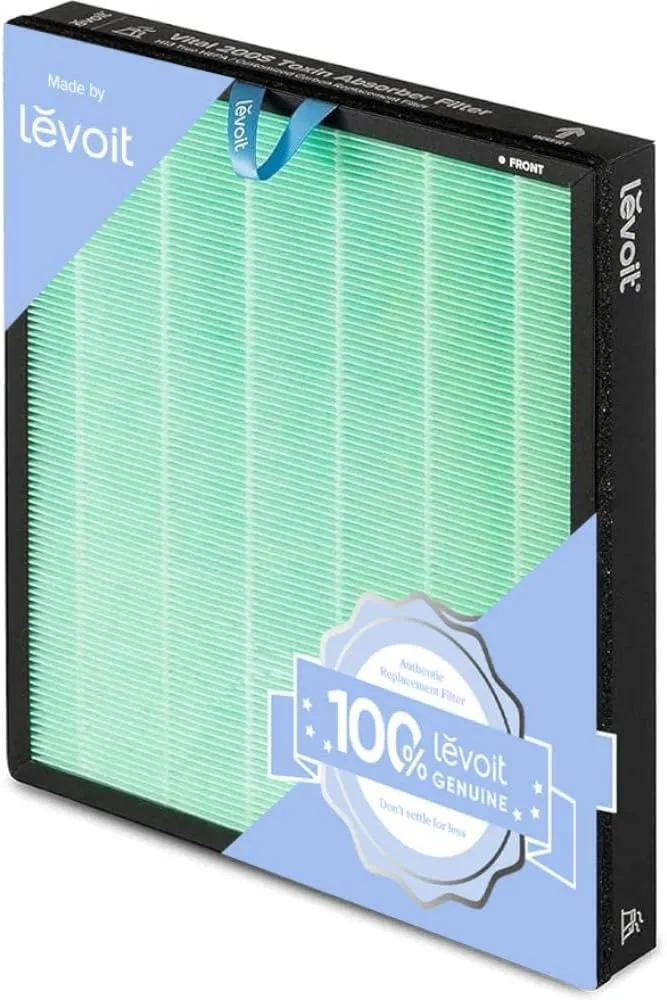
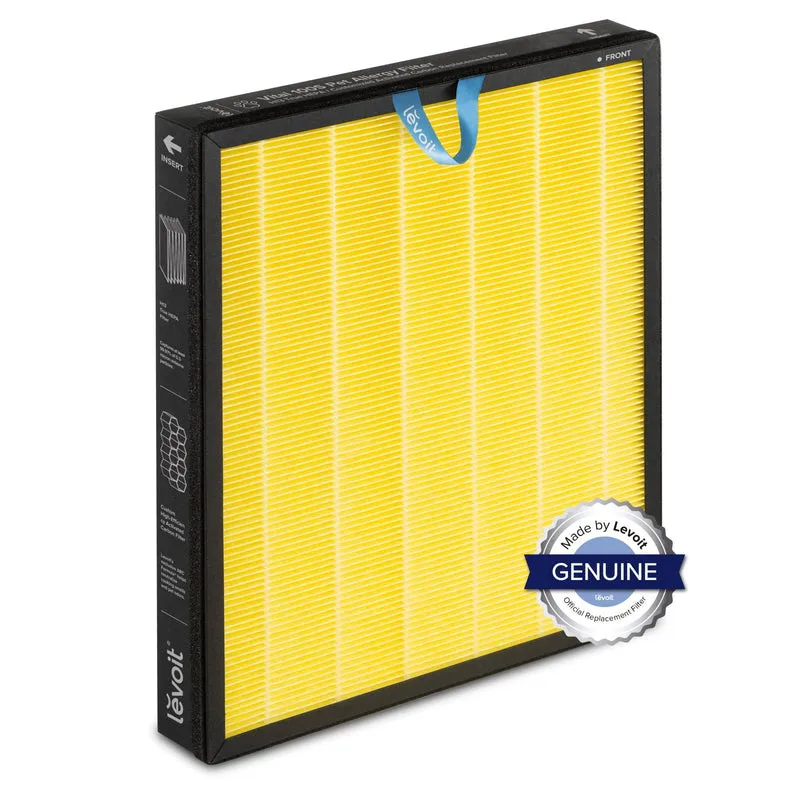
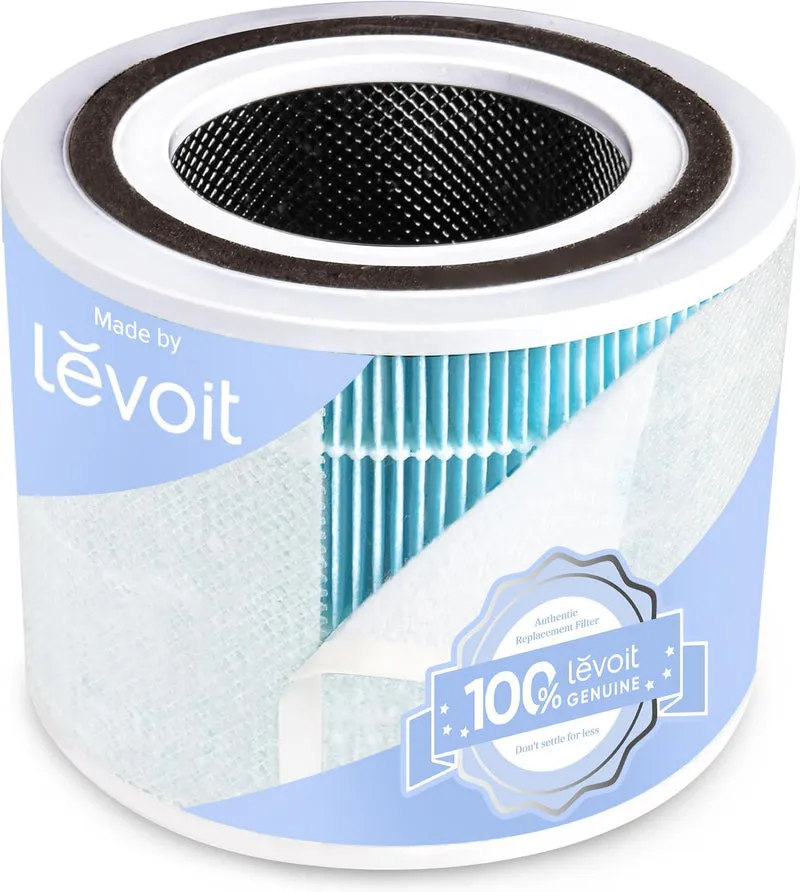
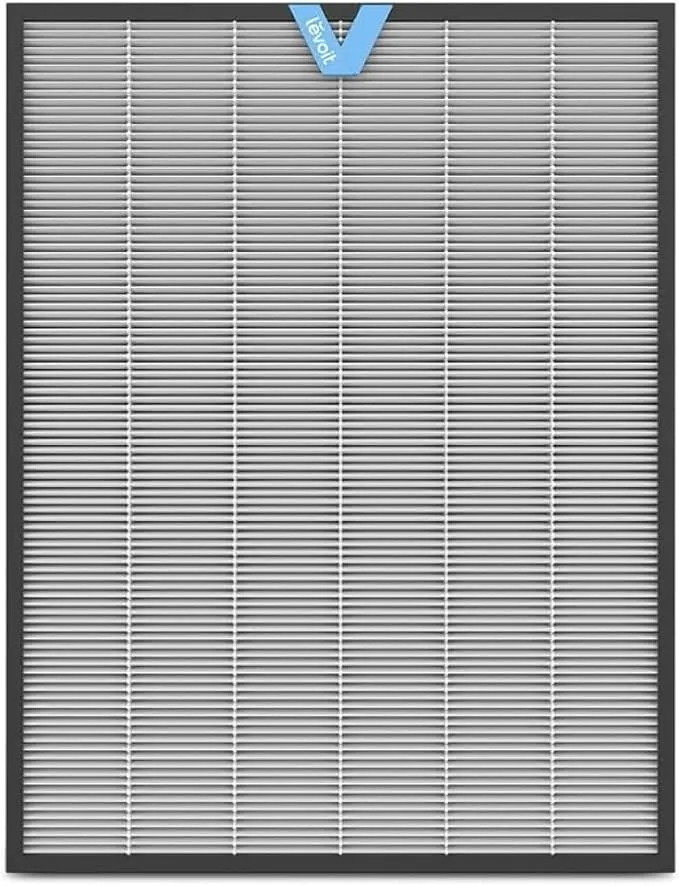
Filters are the most frequently overlooked item on any list of air quality accessories. A HEPA purifier with a clogged filter performs no better than a fan. Depending on usage and local air quality, most filters need replacing every six to twelve months. Activated carbon filters, which absorb gases and odours, often need more frequent replacement than HEPA layers. Keeping a spare on hand avoids gaps in protection.
11. Open-source and DIY air quality monitors
For technically minded users, open-source monitors based on platforms like ESP32 offer a level of flexibility that commercial devices cannot match. Open-source sensors supporting MQTT and 0-10V controllers integrate directly with smart home systems and building management software. These are not beginner products, but for users who want full control over data handling and automation, they represent the upper end of the essential air quality gadgets category.
Comparison of key accessories for air quality measurement
| Accessory | Parameters covered | Power source | Connectivity | Typical price range | Best for |
|---|---|---|---|---|---|
| Portable multi-parameter monitor | PM2.5, CO2, TVOC, temp, humidity | Rechargeable battery | Wi-Fi, app | $50–$150 | Families, renters |
| Dedicated CO2 monitor (NDIR) | CO2 only | Mains or battery | Basic display or app | $70–$150 | Home offices, bedrooms |
| Formaldehyde/VOC sensor | HCHO, VOCs | Battery or mains | Display, some app | $40–$120 | New builds, renovations |
| Carbon monoxide detector | CO (and smoke) | Battery | Audible alarm | $20–$60 | All homes with gas |
| Radon monitor | Radon | Battery or mains | Display, data log | $100–$200 | Ground floor, basements |
| HEPA air purifier | N/A (purification) | Mains | Manual controls | $50–$250 | Bedrooms, living areas |
| Smart HEPA purifier | N/A (purification) | Mains | Wi-Fi, app, auto mode | $100–$400 | Offices, open-plan homes |
| Car air purifier | PM, odours | 12V/USB | None or basic | $30–$100 | Commuters |
| Open-source DIY monitor | Configurable | Mains or battery | MQTT, smart home | $20–$80 (parts) | Technical users |
Choosing the right accessory for your situation
The right product depends on who is using it and what the space demands.
- Families with young children or allergy sufferers: Prioritise a HEPA purifier for the bedroom plus a portable monitor that covers PM2.5 and formaldehyde. These two together address the most common indoor triggers.
- Home office workers: CO2 is the primary concern. A dedicated CO2 monitor placed on your desk will tell you when to open a window. Pair it with a smart purifier if your office is small and lacks ventilation.
- Renters or those who move frequently: A battery-powered portable monitor and a compact purifier like the Levoit Core Mini offer flexibility without permanent installation.
- Commuters: Add a car purifier to the kit. Given that car cabin air pollution can far exceed outdoor levels, this is a straightforward addition that most people overlook.
- Technical users or property managers: Open-source monitors with data export capabilities are worth the setup time. Sensor accuracy and timely reaction matter far more than parameter count, and being able to log and export that data makes long-term air quality management much more systematic.
Pro Tip: If you are unsure where to start, buy a portable multi-parameter monitor first. Use it to identify which pollutants are actually elevated in your home before spending money on targeted purification or specialist sensors.
What experience actually teaches you about air quality accessories
I’ve spent considerable time working through the real-world performance of air quality monitor devices, and the gap between spec sheets and actual usefulness is wider than most product descriptions suggest.
The single biggest mistake I’ve seen people make is choosing a device based on parameter count. A monitor that claims to track 12 pollutants using a single low-cost chip often tracks most of them poorly. Consumer Reports consistently highlights that sensor reaction time and accuracy are the features that separate reliable monitors from decorative ones.
I’ve also found that calibration gets ignored almost universally. Sensors drift. A reading that was accurate in month one may be noticeably off by month six without adjustment. Devices that support manual calibration for long-term accuracy are worth the premium, especially if you are using the data to make health decisions.
My practical advice: buy fewer, better products. One accurate CO2 monitor and one solid HEPA purifier will do more for your indoor air than a drawer full of cheap gadgets with impressive-sounding specifications.
— Wojciech
Cleanair-ae’s picks for home and office air quality
Cleanair-ae stocks a curated range of air quality products for residents and businesses across the UAE, with fast delivery to Dubai, Abu Dhabi, and beyond.
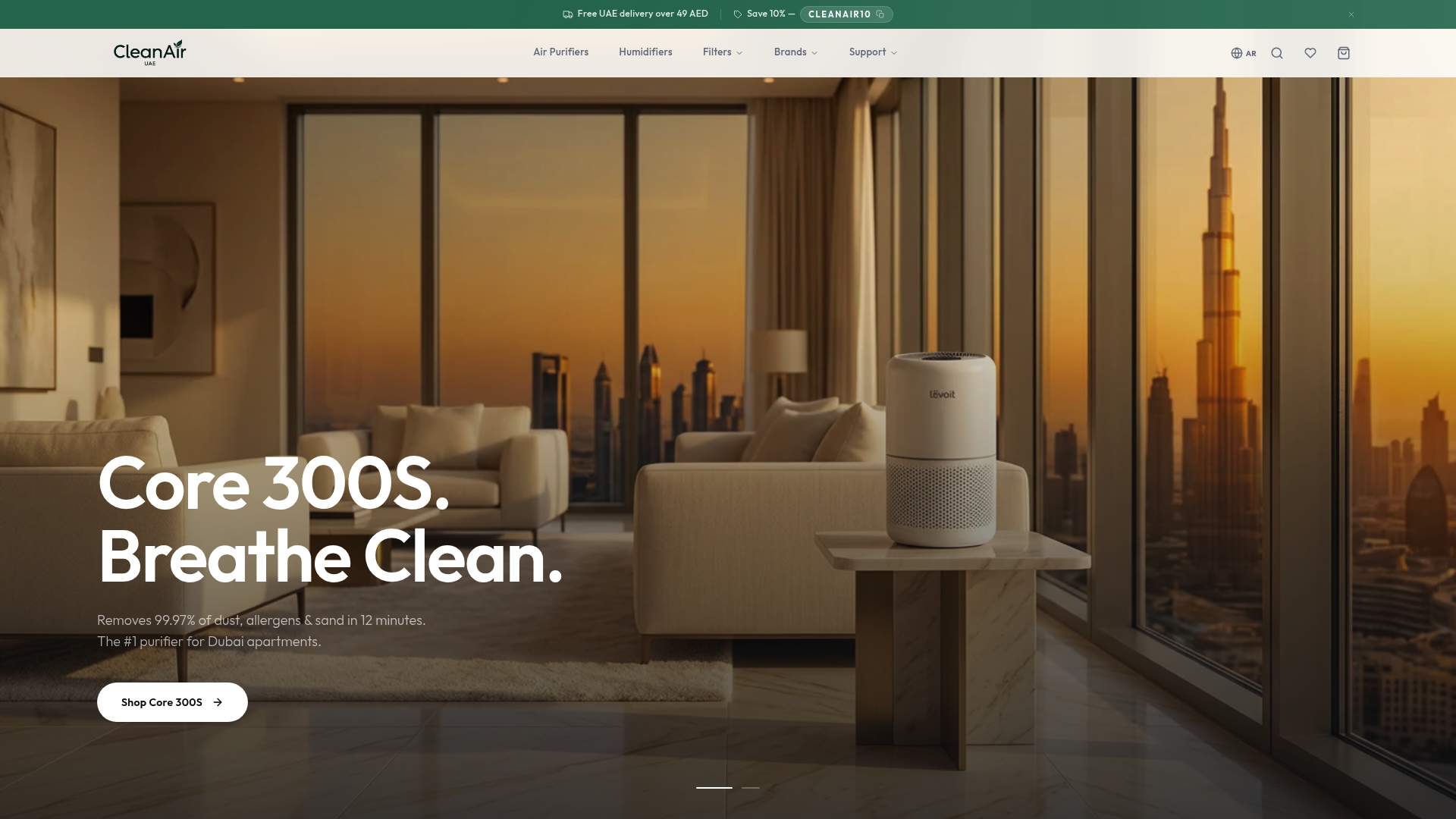
For allergy sufferers and those needing a portable solution, the Levoit Core Mini is a compact HEPA purifier that fits any room size and travels easily between spaces. For office environments or larger living areas, the Levoit Core 600S delivers quiet, powerful purification with smart app control and auto-mode that adjusts to real-time air conditions. Both models align with the criteria covered in this article: accurate filtration, low maintenance, and practical connectivity. Free UAE delivery is available on qualifying orders.
FAQ
What are the most useful air quality accessories for home use?
The most practical combination is a portable multi-parameter monitor covering PM2.5, CO2, and TVOC, paired with a HEPA air purifier for the main living space or bedroom. A carbon monoxide detector is also non-negotiable in any home with gas appliances.
How often should air purifier filters be replaced?
Most HEPA filters require replacement every six to twelve months, depending on usage and local air conditions. Activated carbon filters often need more frequent changes, sometimes every three to six months, as they absorb gases rather than capturing particles mechanically.
Are cheap air quality monitors worth buying?
Budget monitors under $30 can give a rough indication of air quality, but sensor accuracy and reaction speed in low-cost models are often poor. For health-related decisions, mid-range devices with dedicated sensors provide significantly more reliable readings.
What is the difference between a HEPA purifier and a UV-C sanitiser?
A HEPA purifier physically traps particles including dust, pollen, and smoke. A UV-C sanitiser uses light to inactivate bacteria and viruses. Combined units offer broader coverage, but a HEPA purifier alone handles the most common household air quality concerns effectively.
Do I need a separate sensor for formaldehyde?
Not always. Several mid-range portable monitors include a formaldehyde sensor alongside PM2.5 and CO2. However, if you have recently renovated or moved into a new build, a dedicated formaldehyde sensor will provide more precise readings than a combined chip used in budget all-in-one devices.